
Global Mercury Project
Environmental Assessment in
two Small Scale Gold Mining
Areas in Indonesia
Biogeochemical Aspects
Saulo Rodrigues-Filho et al. (2004)
Country Task Force Meeting
Global Mercury Project GEF-UNDP-UNIDO
Dec 14th to 15th 2004, Jakarta, Indonesia

Project Staff
UNIDO Project Coordination Unit
University of Munich
Christian Beinhoff Chief Technical
Institute of Forensic
Advisor
Medicine
Pablo Huidobro Project Manager
Stephan Boese O´Reilly
Marcello Veiga Small Scale Mining
Stefan Maydl
Expert
Alexandra Dittmann
CETEM Centre for Mineral Technology Sven Illig
Saulo Rodrigues Filho Team Leader
Gustav Drash
Roberto Villas Bôas
Zuleica C. Castilhos
UNIDO OFFICE JAKARTA
Ronaldo L. C. dos Santos
Mr. Masayoshi Matsushita
Allegra Viviane Yallouz
Country Focal Point
Bernhard Peregovich
Mr. Thamrin Sihite
Silvia Egler
Assistant of Country
Flavia M. F. Nascimento
Focal Point
Luiz Roberto Pedroso
Ms. Selinawati

OUTLINE
· Objetives
· Materials and Methods
· Description of the study areas
· Mining and Processing Techniques
· Results of the Environmental Assessment
· Conclusions and Recommendations

OBJECTIVES
· Conduct an assessment
of the
magnitude of mercury contamination in
two study areas affected by gold mining
areas in Indonesia;
· Provide technical support for
intervention measures;

OBJECTIVES (cont.)
· investigation of existing geochemical
sources of Hg, also prior to the
establishment of a mining activity
(background);
· evaluation of Hg bioavailability and
mobility through characterization of
hydrochemistry, geochemistry,
mineralogy and bioindicators.

MATERIALS AND METHODS
· 768 samples split into 420 biological
indicators as fish, plants and shells, and 348
inorganic indicators, as sediments, soils and
water;
· Total suspended solids (TSS) and water play
a pivotal role in assessing mercury mobility
and the nature of pollution;
· Mercury transported either in solution or
onto suspended particles may settle forming
mercury sinks;

MATERIALS AND METHODS
· It was sought the collection of naturally
settled TSS samples where favorable
hydrodynamic conditions were found;
· Preparation of sediment, soil and tailing
samples consisted of wet sieving (< 74 µm)
and drying at 40 °C;
· After removing the individual axial muscle
(fillet) of fish, each sample was placed in
polyethylene bags and ice boxes, and frozen
after reaching hotel facilities.

MATERIALS AND METHODS
· Analytical method for total Hg follows
methodology developed by Akagi and
Nishimura (1991). acid digestion followed by
reduction to elemental mercury, aeration and
measurement by cold vapor atomic
absorption spectrometry;
· AAS with pyrolisis used in the field
(LUMEX)
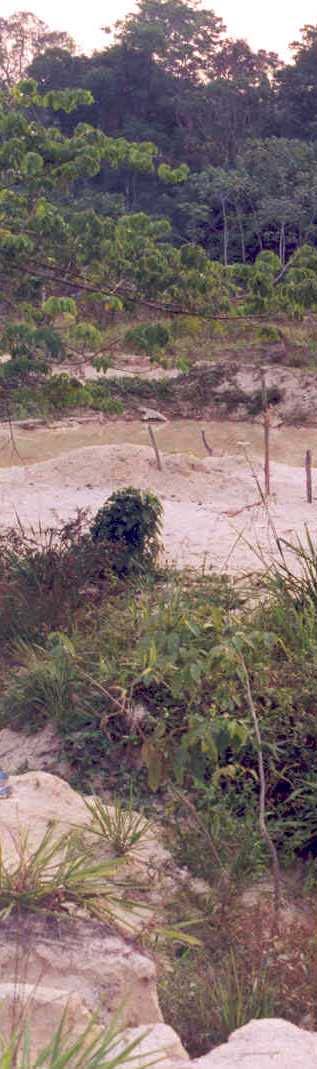

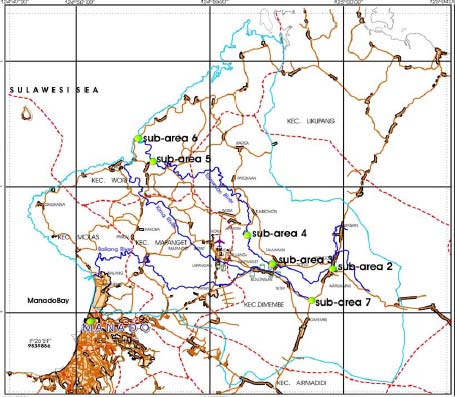
North Sulawesi - Indonesia
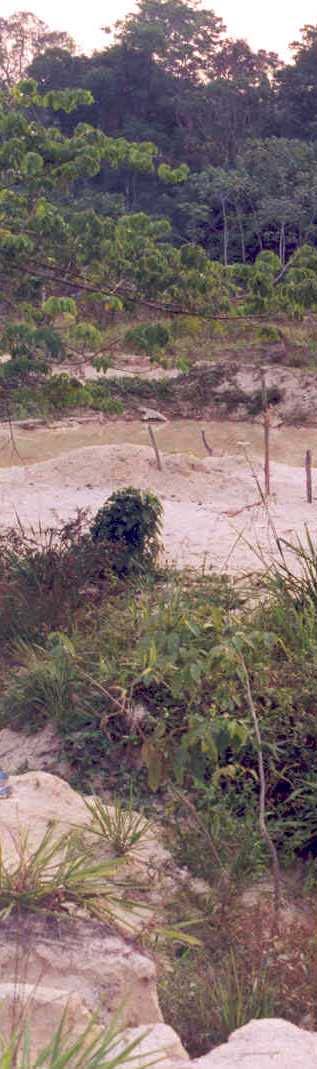

North Sulawesi Indonesia
Sampling Campaign September 2003
· 157 fish samples
· 149 inorganic samples (soils, sedi-
ments and water)
· 57 bioindicators other than fish (plants,
roots, mussels and corals)
· 250 human samples (blood, hair and
urine)
· Total of 613 samples
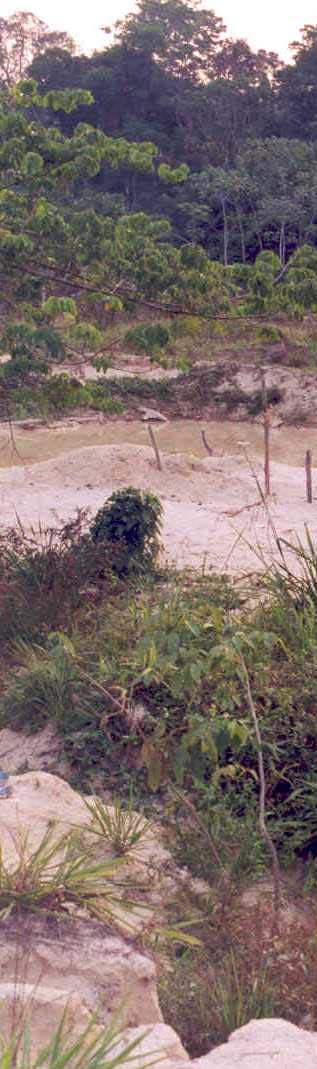

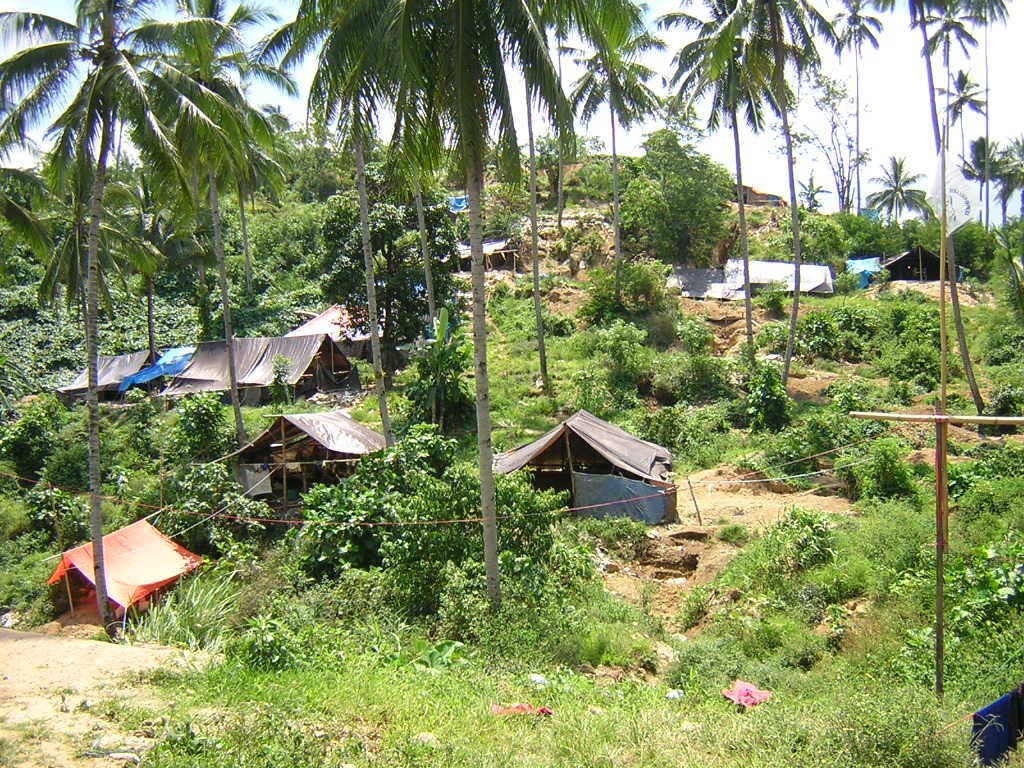
Tatelu-Manado-North Sulawesi
Mining area hills, shafts and
coconuts plantation

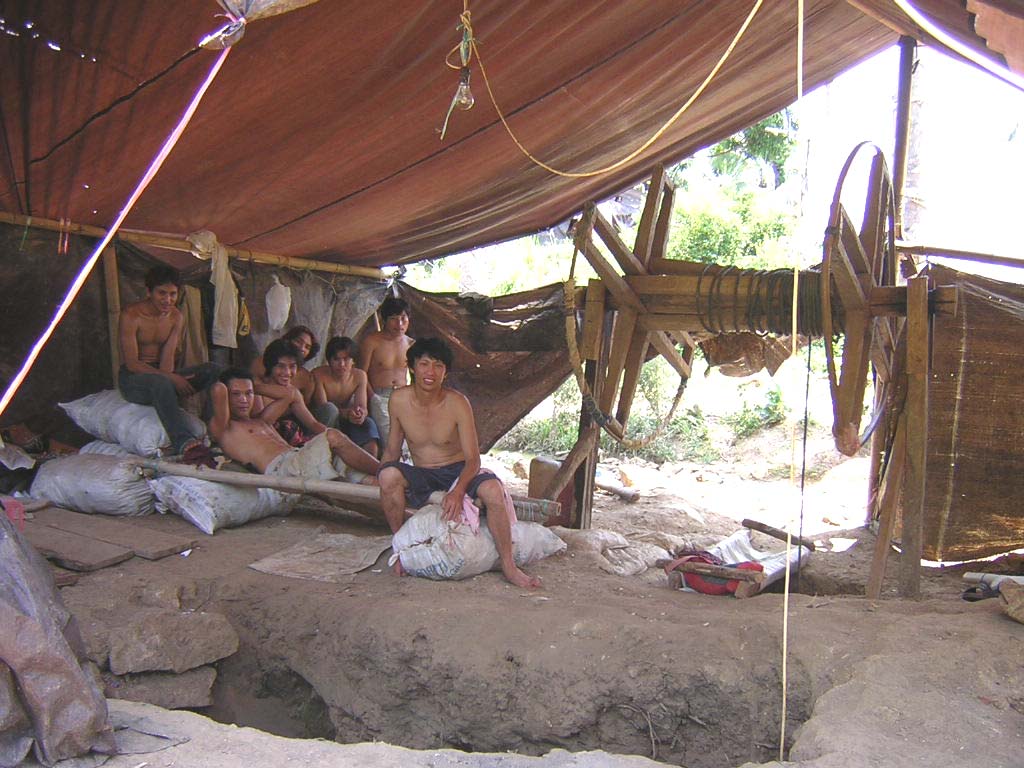
Tatelu-Manado-North Sulawesi
· Shaft and manual elevator
· Very young miners, estimated 1000 to
1500 ones

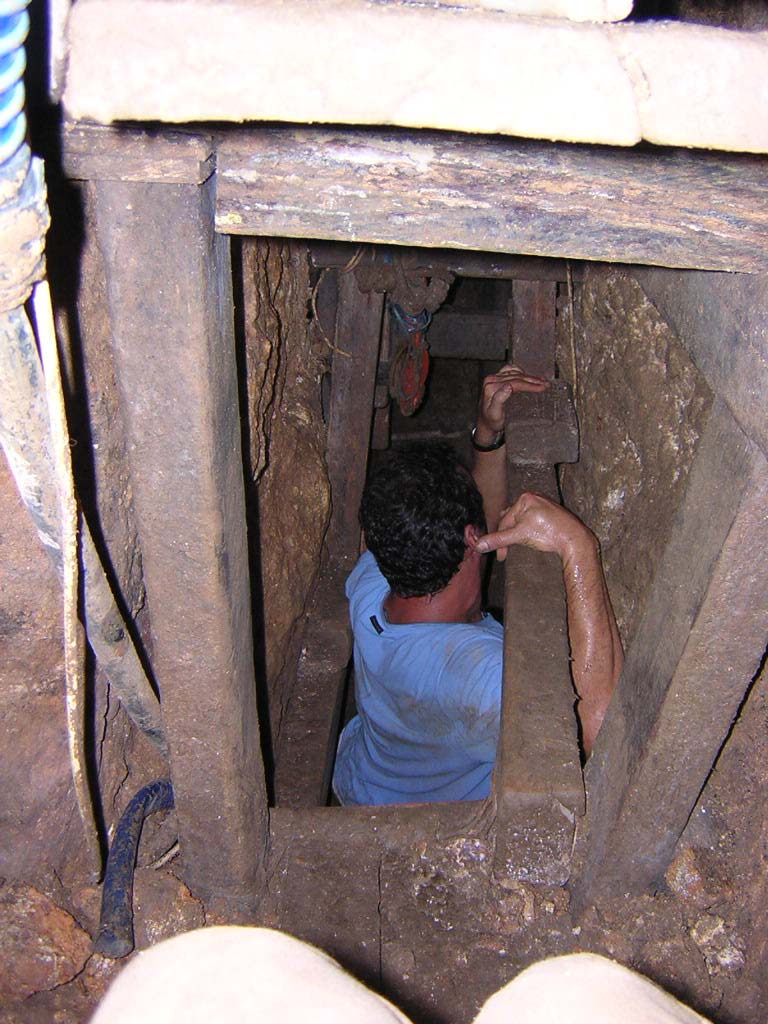
Hard Rock Mining
· inside a narrow shaft
50-70 cm wide
· pushing 30 kg ore
sacks from 30 m of
depth to the surface
· primary gold ore
· quartz veins in
volcanic rocks

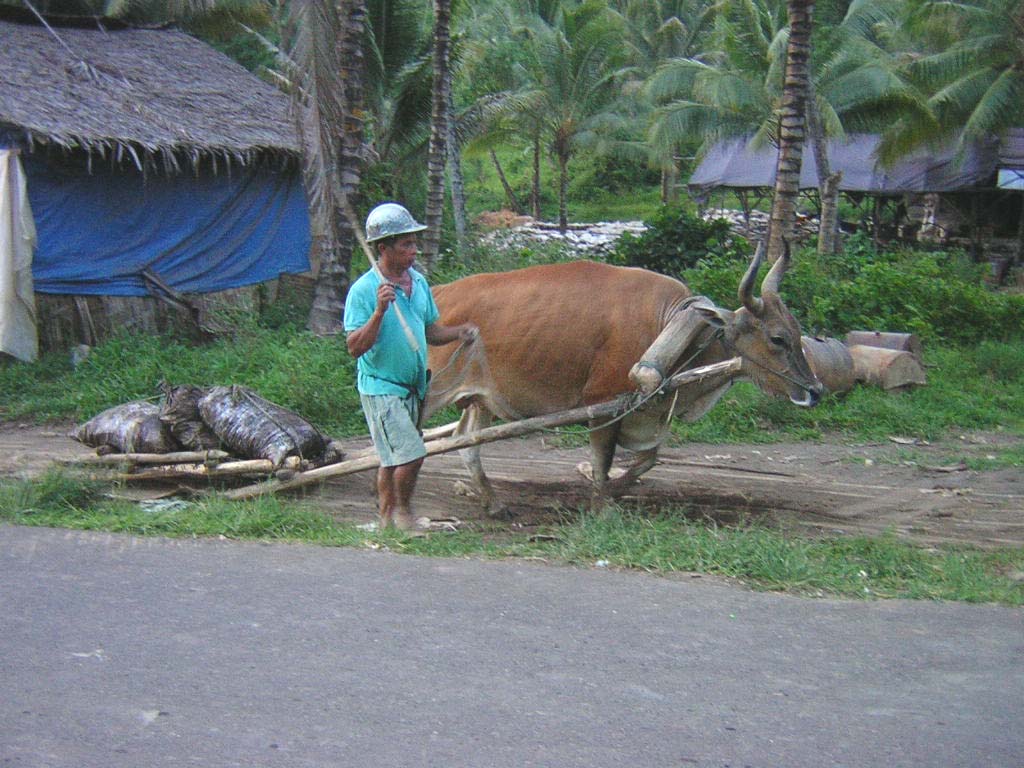
Mineral Processing
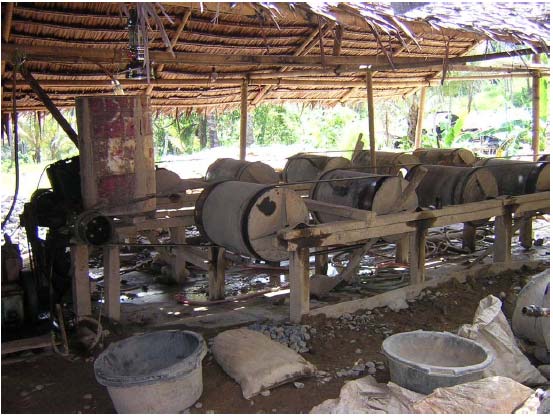
· Further transported to ball mills
(,,trommels")
· 2 km downhill close to Talawaan Creek

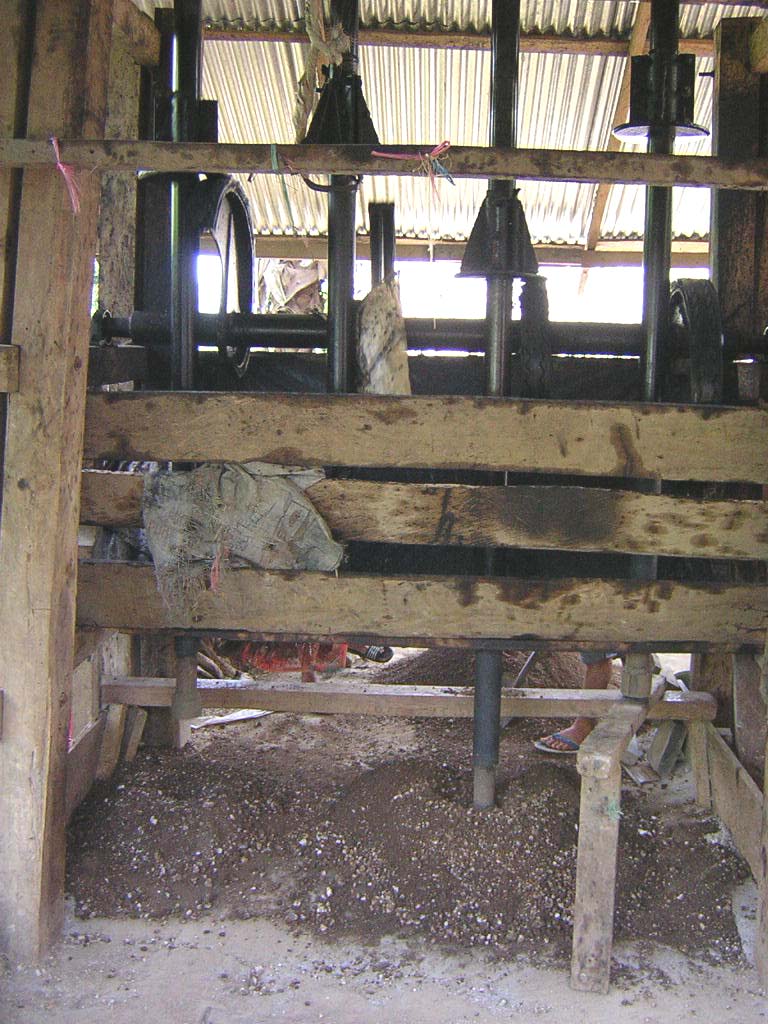
Mineral Processing (cont.)
· Crushing the ore by
stomp mills
· High grade ore
· Less material, less
physical impact
· Chemical impact ??

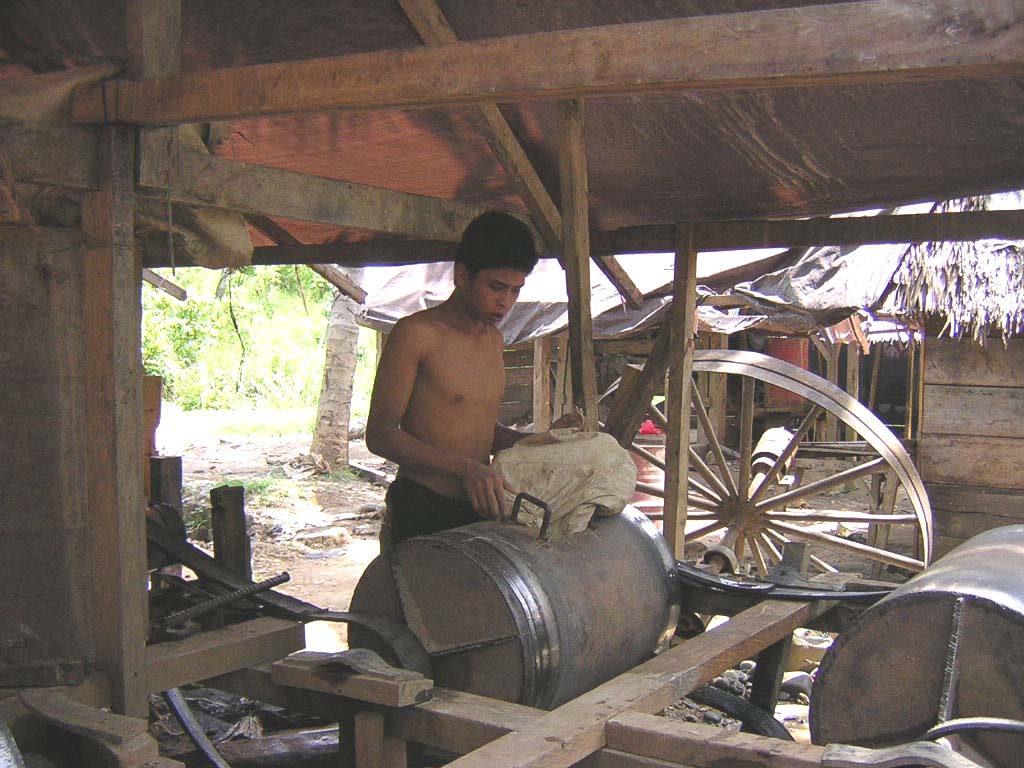
Mineral Processing (cont.)
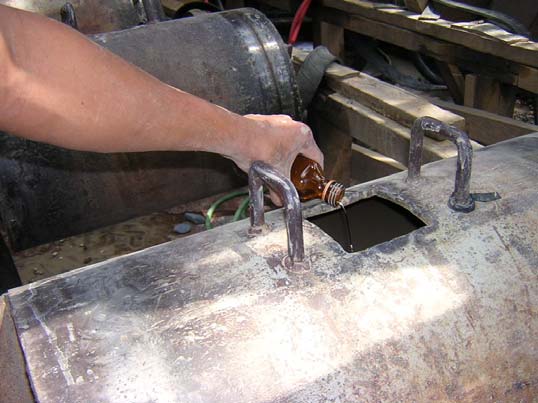
· Filling crushed ore into ,,trommel"
· Further crushing and direct
amalgamation - without gravity
concentration

Mercury Loss - Tatelu
· 1 kg Hg per trommel
· 3 cycles/day
· 12 trommels per unit
· 100 units in Tatelu
· ~ 1000 tons/year used!
(not lost)
· Hg recycling of 98%

Mercury Loss Tatelu (cont.)
· Consumption/Loss of
15 kg Hg/month/unit
· Au production of ~300
kg/year in Tatelu
· Estimate of 18
tons/year lost to the
environment
· Huge ratio Hg:Au of
60 ! (normal ratios fall
in the range of 1 to 2)

Mercury Loss Tatelu (cont.)
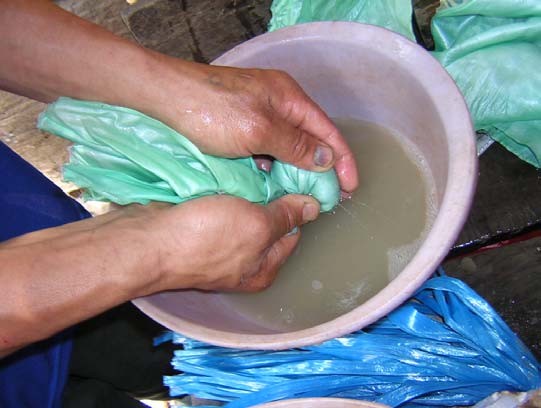
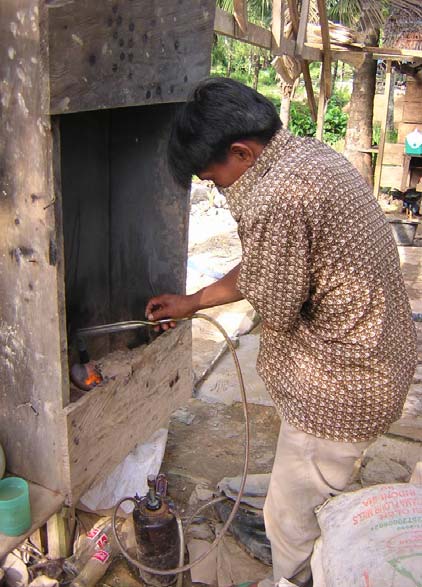
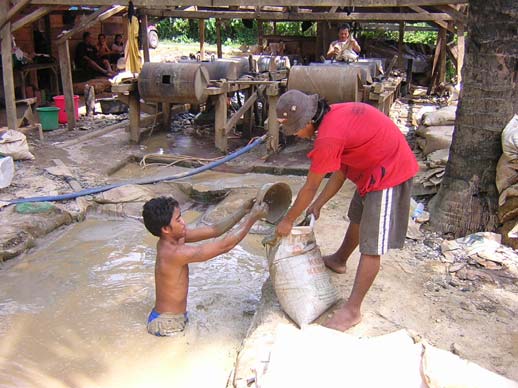
· Roasting of amalgam
without retort in any
corner
· An occupational
health hazard Hg release
to the nose
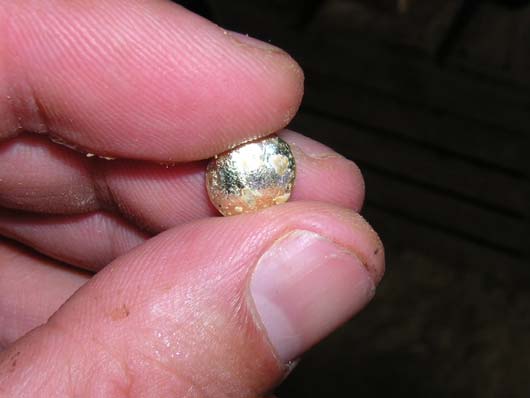
· Average 10g Au/day
for a group of 10 miners

Cyanidation - Tatelu
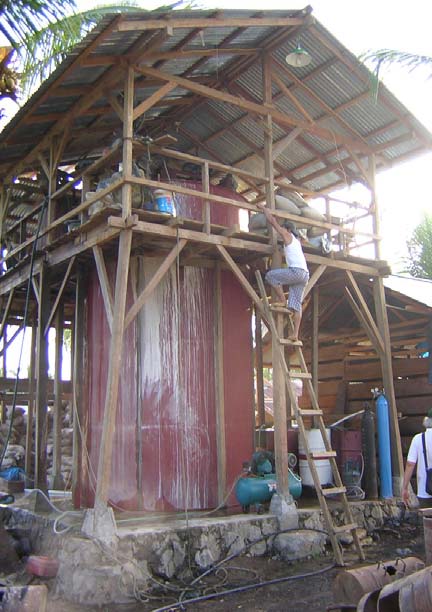
· Sacking of amalgam
wastes for cyanidation
· Cyanidation tanks (20
tons/batch)
· Average Au prod. 400
g/batch
· Average Hg recovery
800 g/batch (only)

Cyanidation Tatelu (cont.)
· Au-Hg-loaded
charcoal burned in
open air
· Remaining Hg goes
to cyanidation tailings
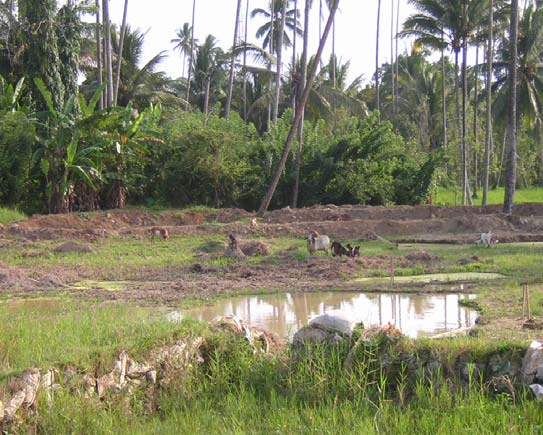
in neutralization ponds
· Unkown effects of
cyanide-Hg complexes
to both the
environment and
health

Emission Sources of Hg
in North Sulawesi
· Gold fields of primary deposits; direct
amalgamation; no gravity concentration
(high Hg losses)
· Gold shops and amalgam roasting (Hg to
the atmosphere)
· Cyanidation of amalgamation tailings
· Erosion of naturally Hg-enriched soils:
through both long-term atmosferic
precipitation from diffuse emissions and Hg
bearing minerals (volcanoes)

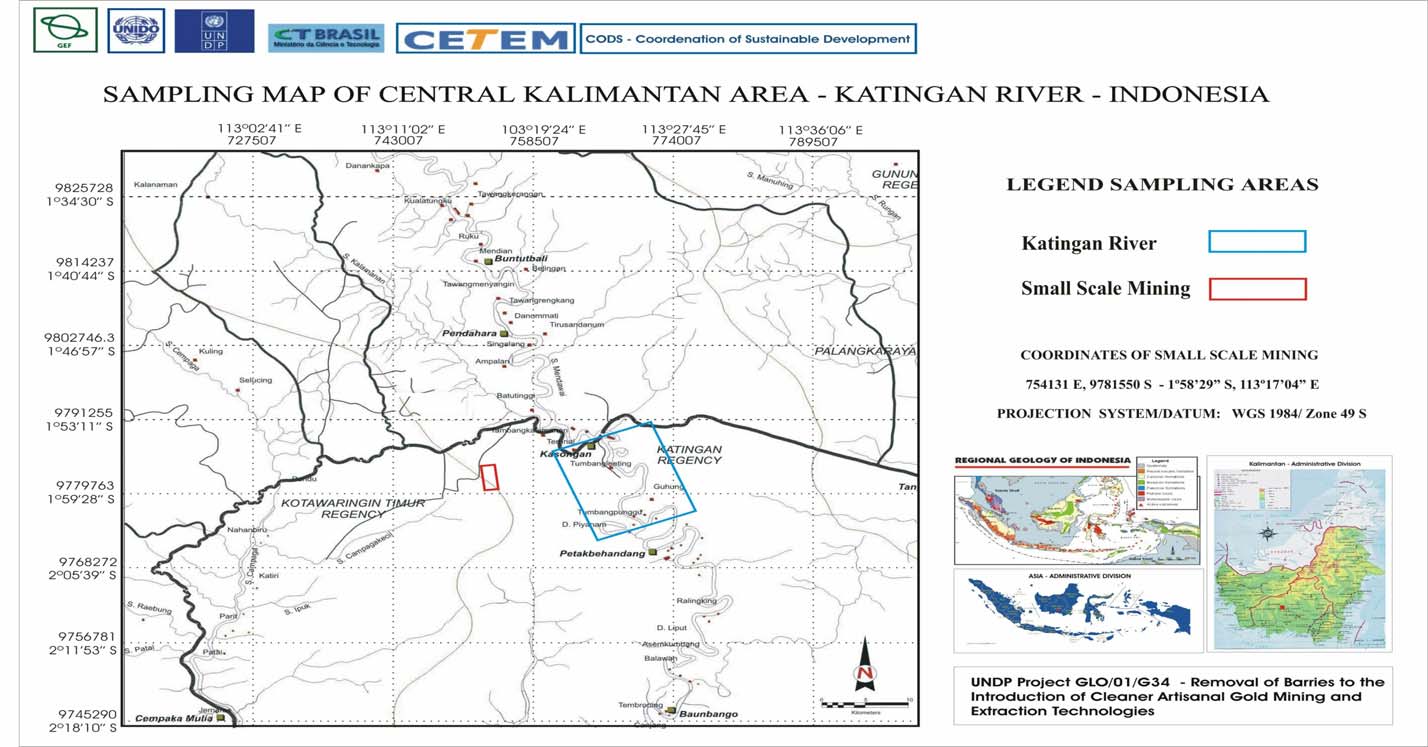
Central Kalimantan - Indonesia

Central Kalimantan Indonesia
Sampling Campaign September 2003
· 262 fish samples
· 199 inorganic samples (soils,
sediments and water)
· 43 bioindicators other than fish (plants,
roots, mussels and corals)
· 250 human samples (blood, hair and
urine)
· Total of 754 samples

Central Kalimantan - Indonesia
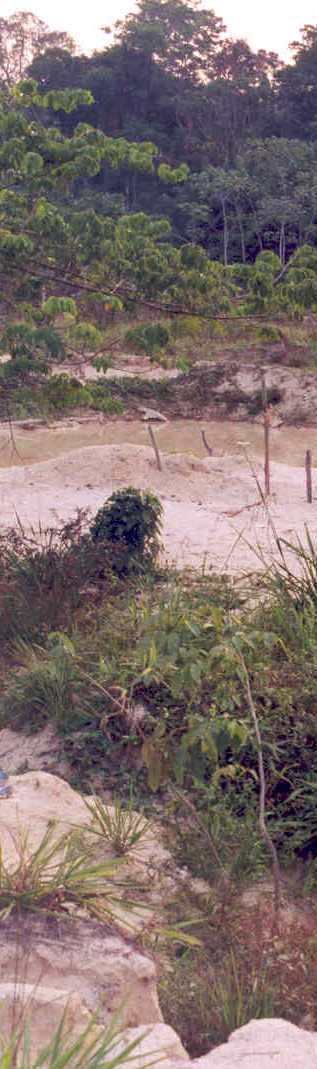
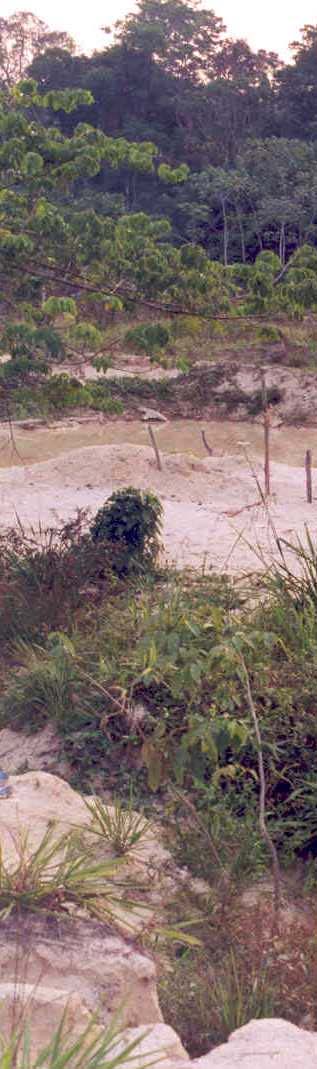
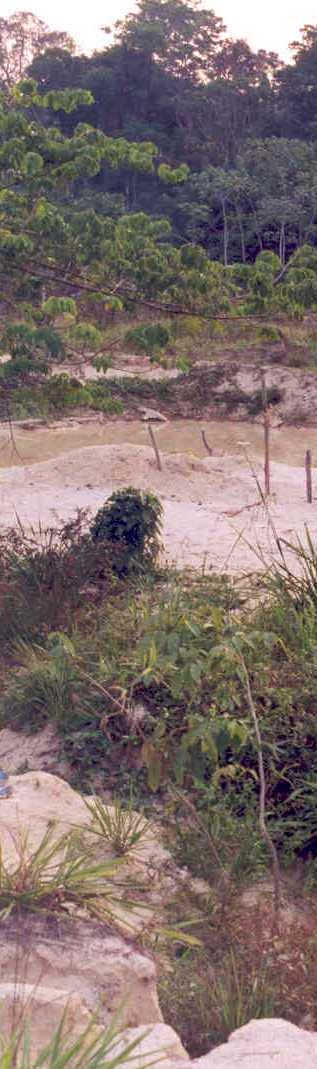
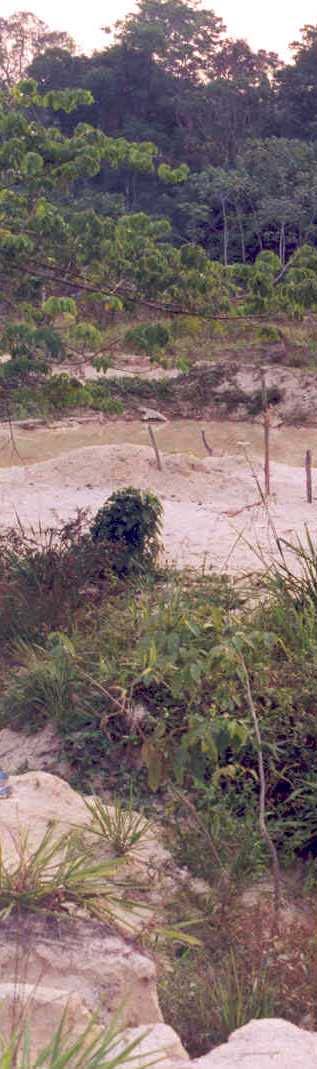
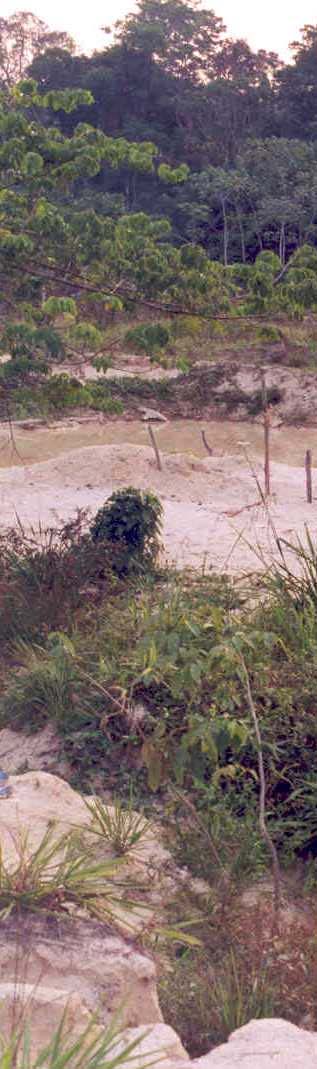
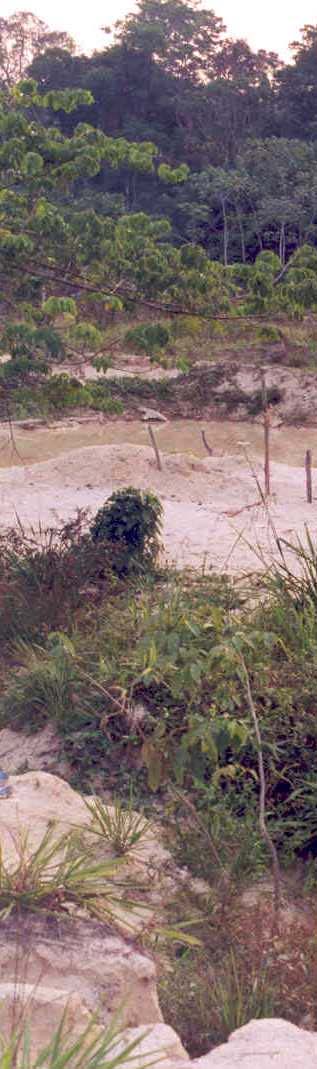
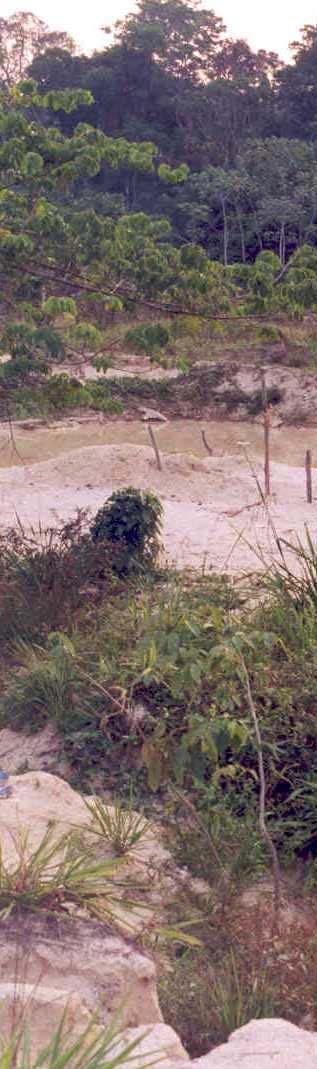
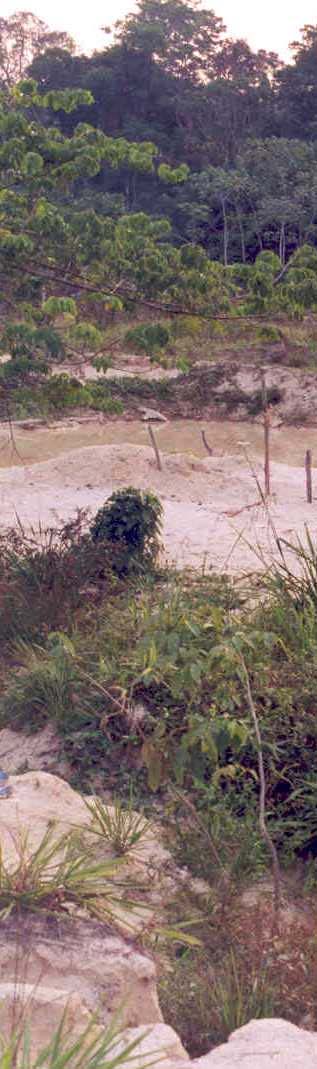
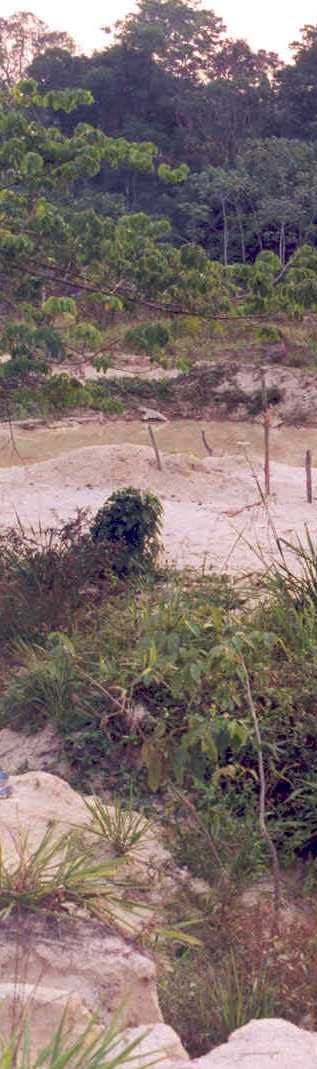
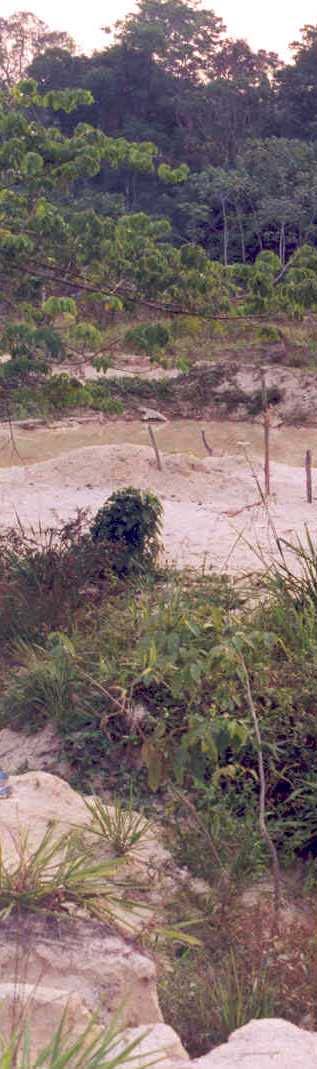
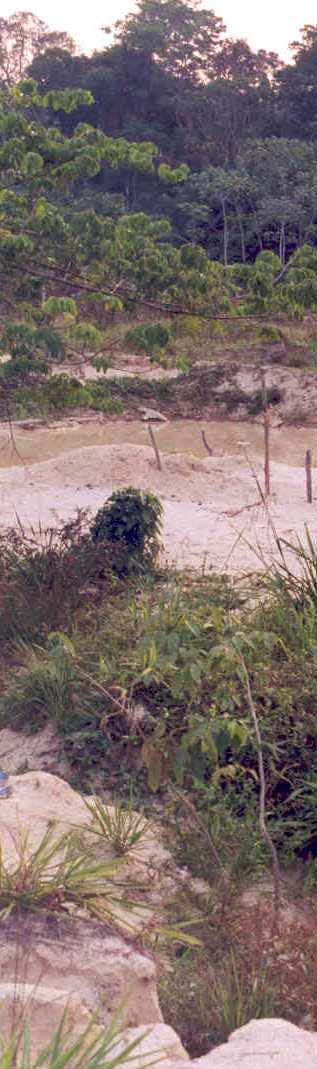
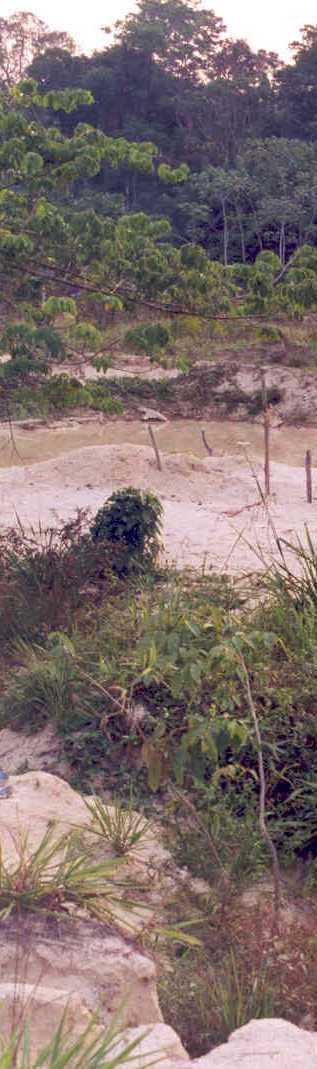
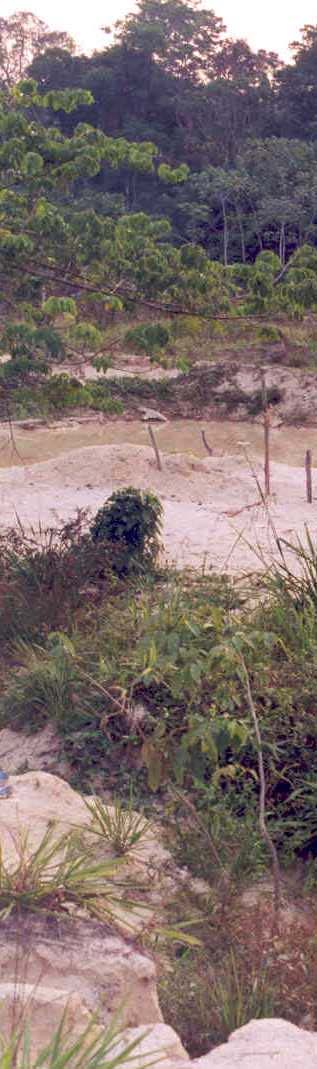
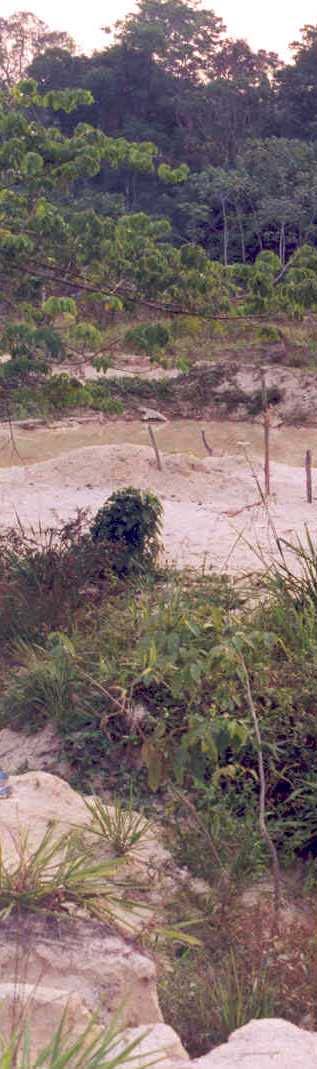
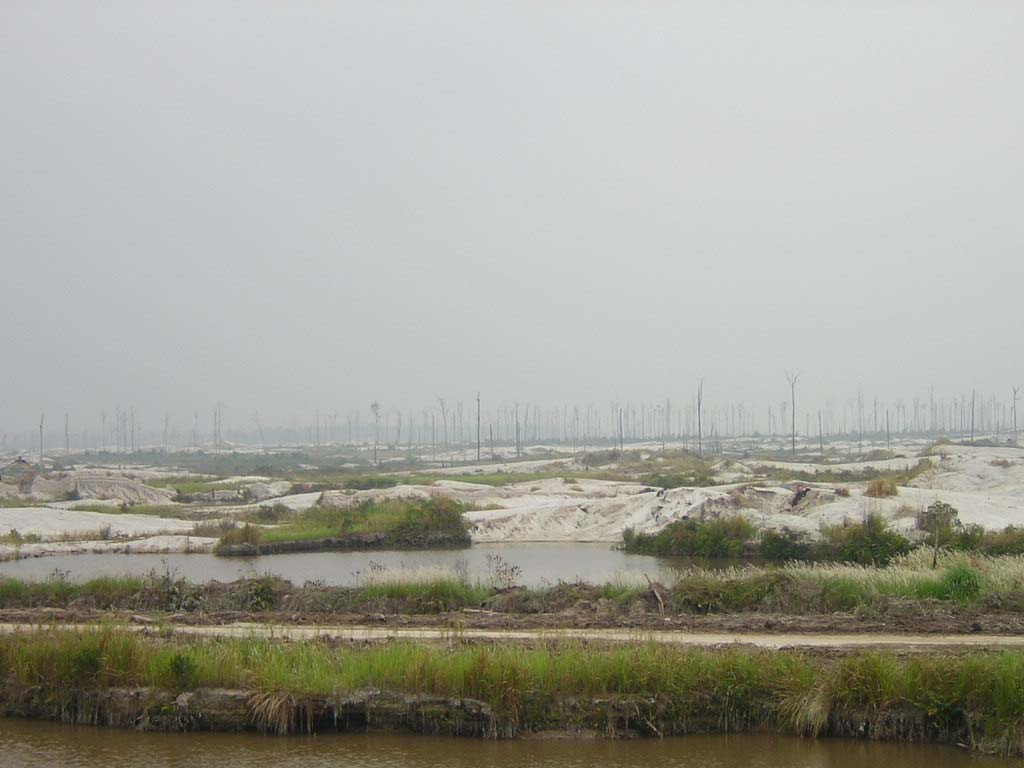
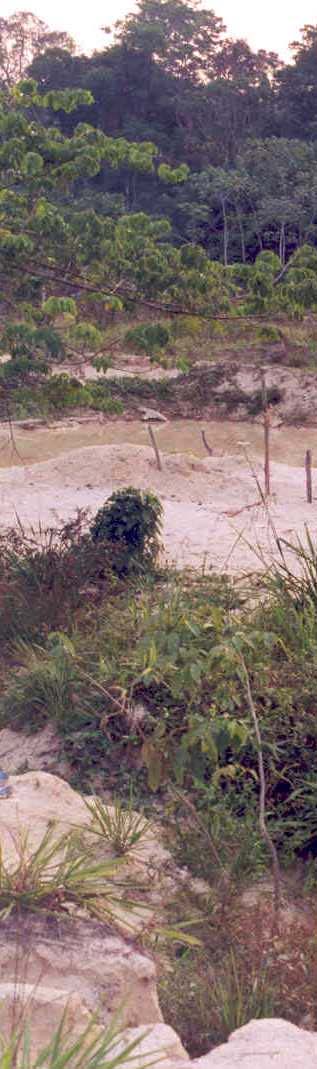
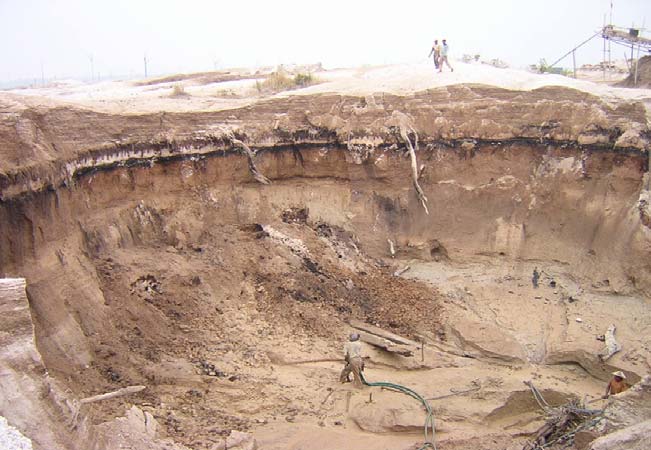
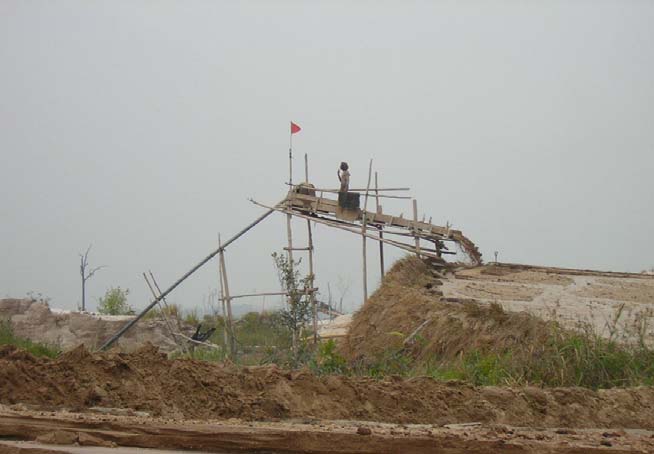
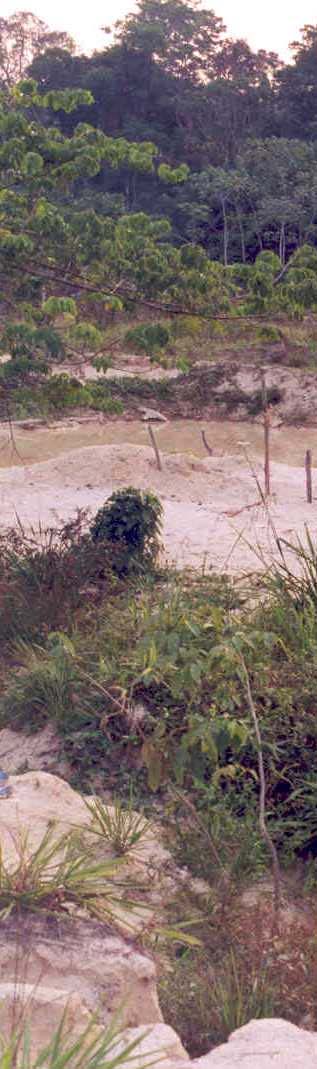
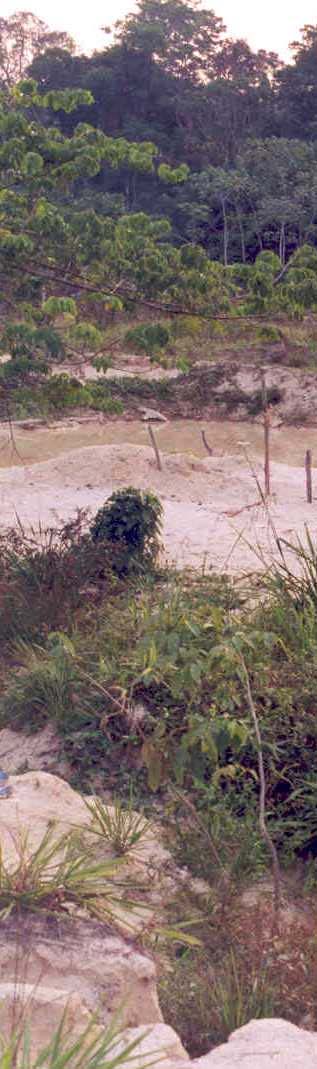
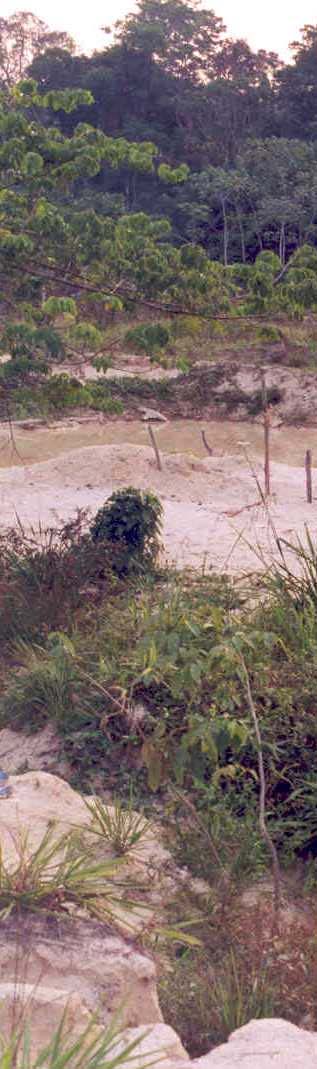
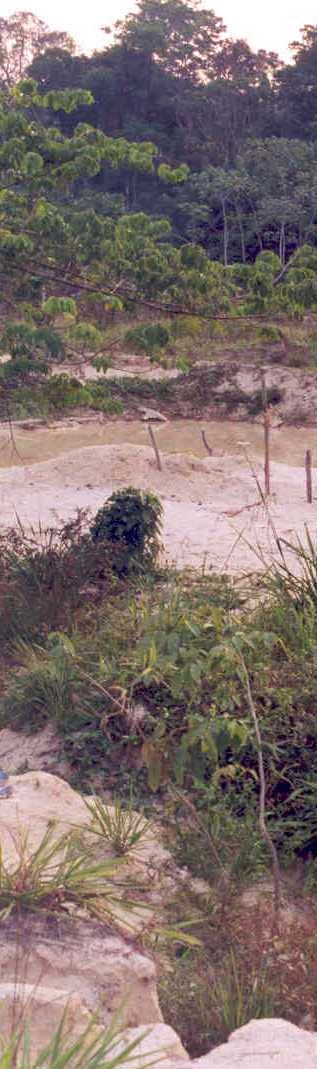
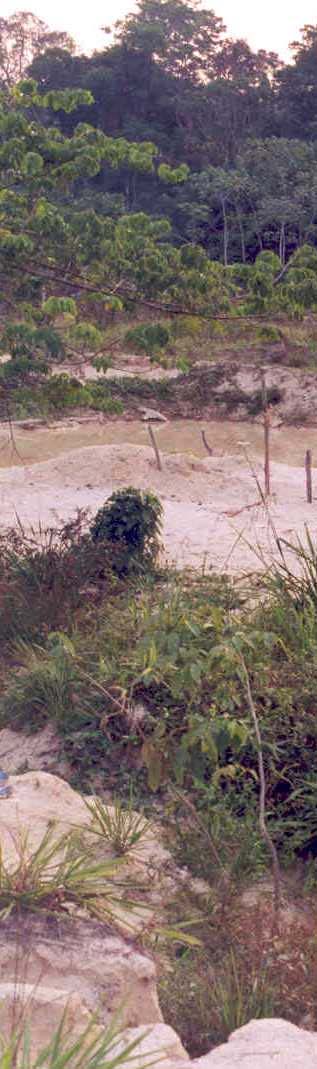
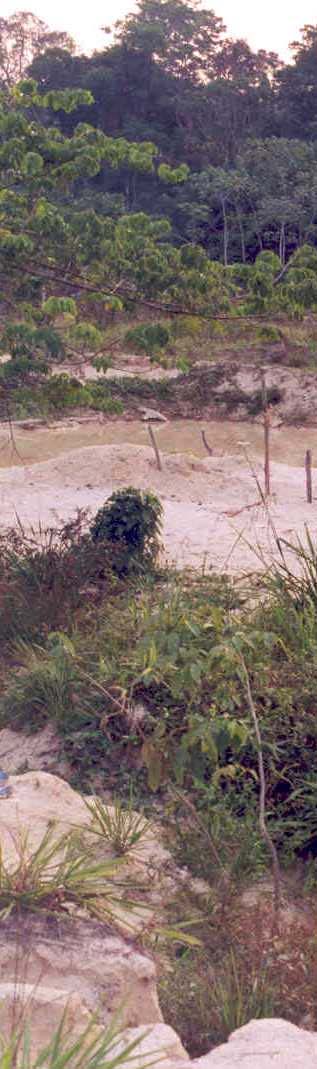
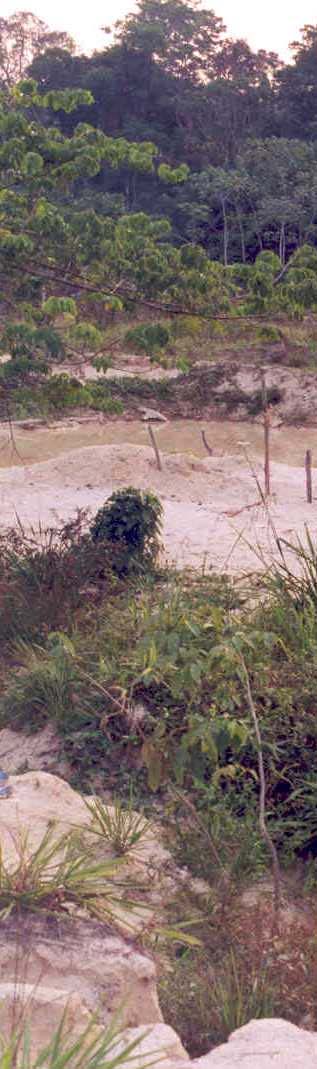
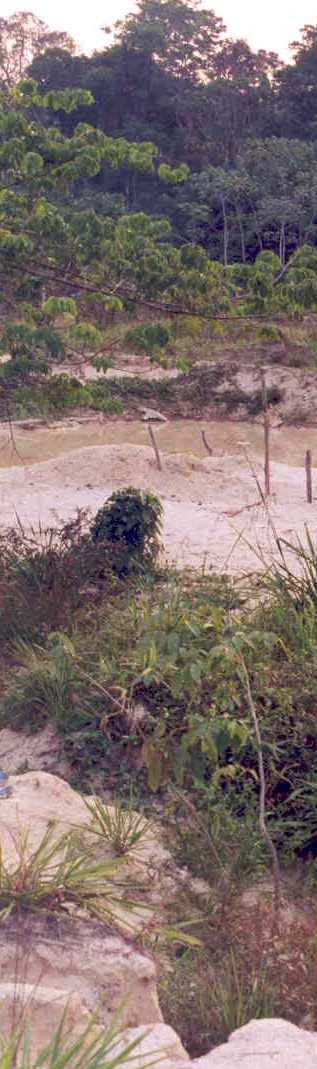
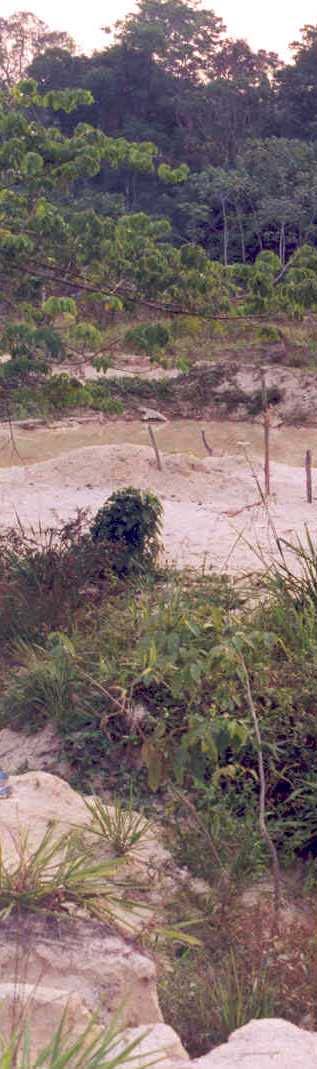
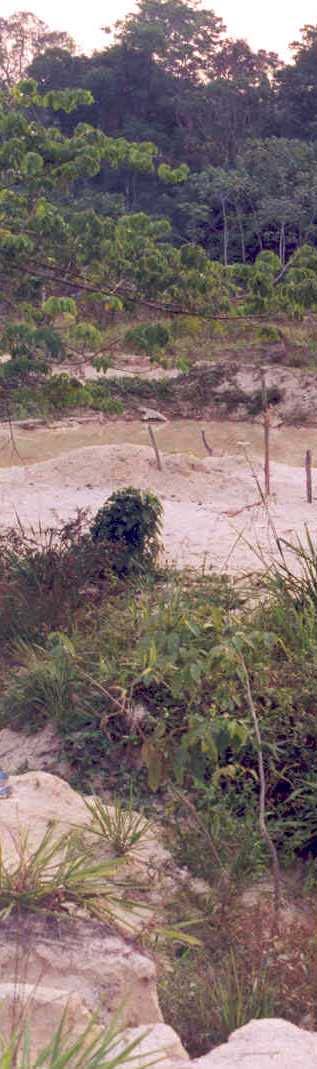
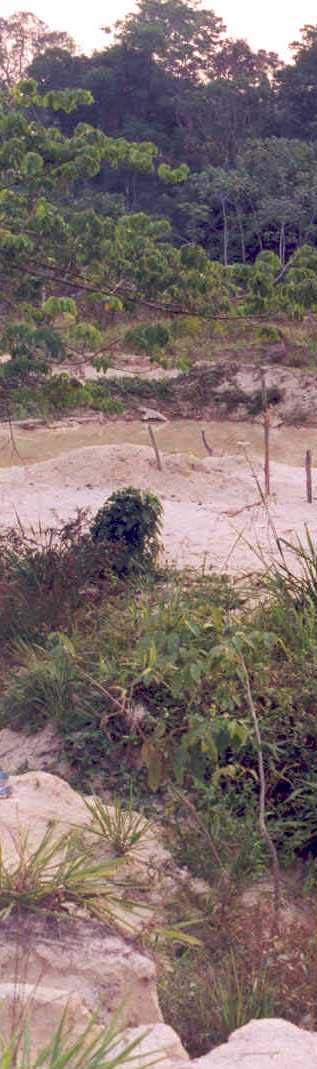
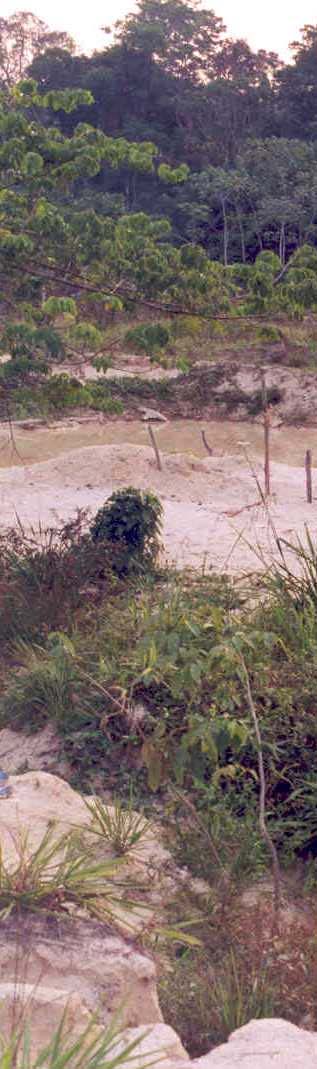
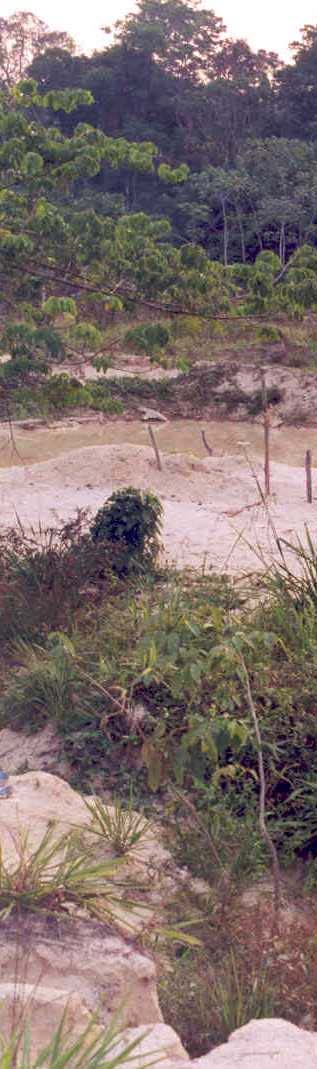
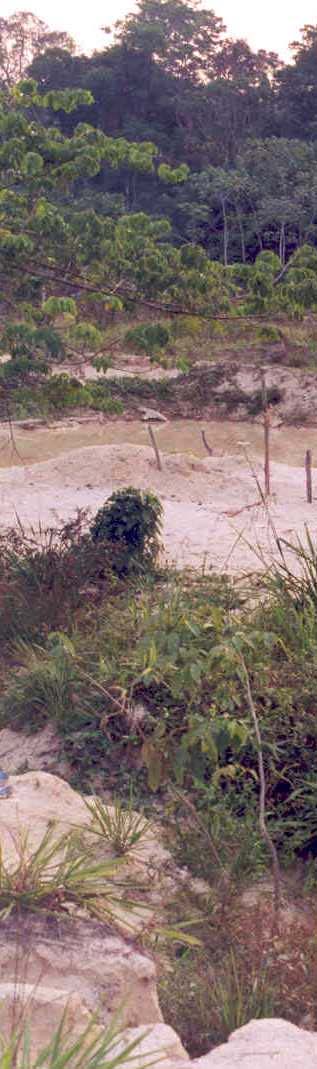
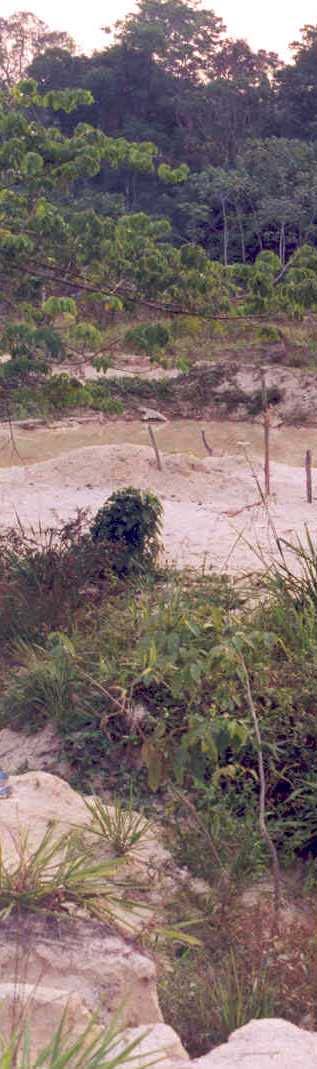
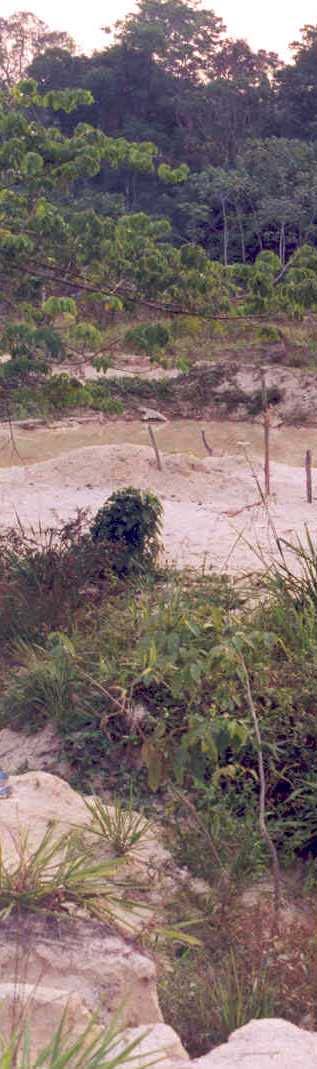
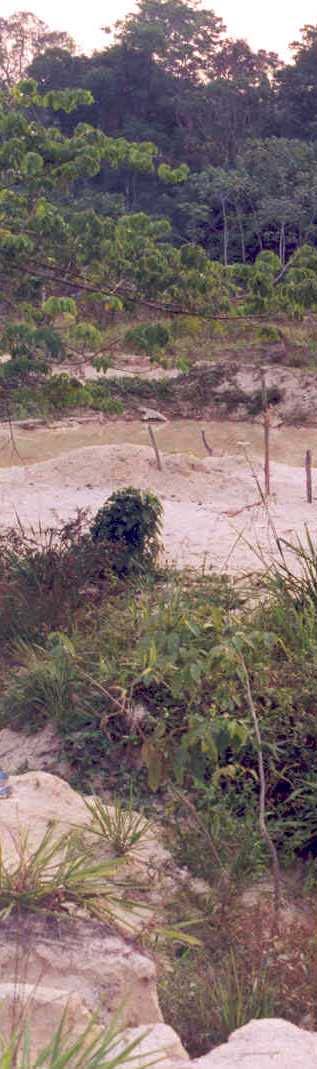
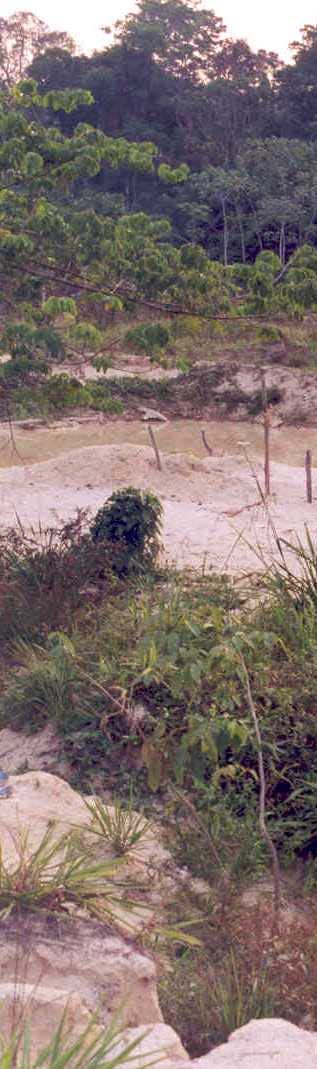
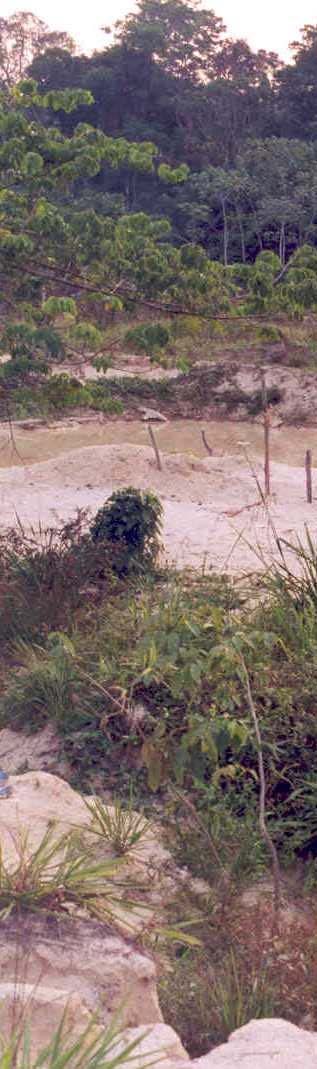
· Galangan Mining site, an alluvial plain
· Former rain forest (intensive logging)

Central
Kalimantan
Indonesia
· Sand, gravel and
peat (dark drainages)
not directy affected
by volcanic eruption
· Alluvial gold
exploration
· Huge physical
impact
· Chemical impact ?
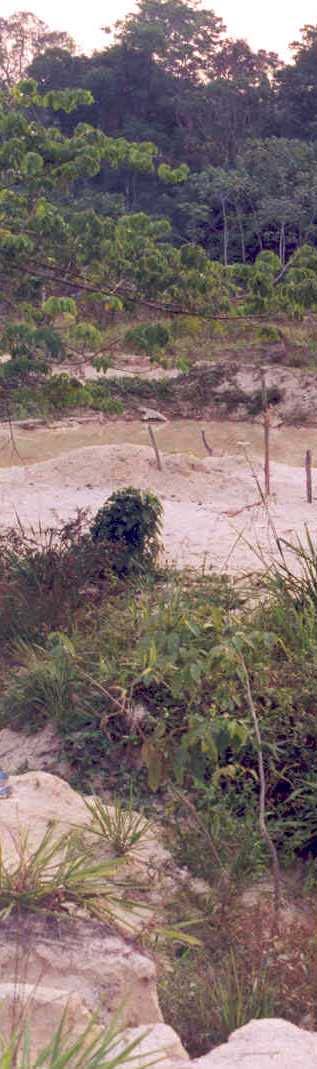

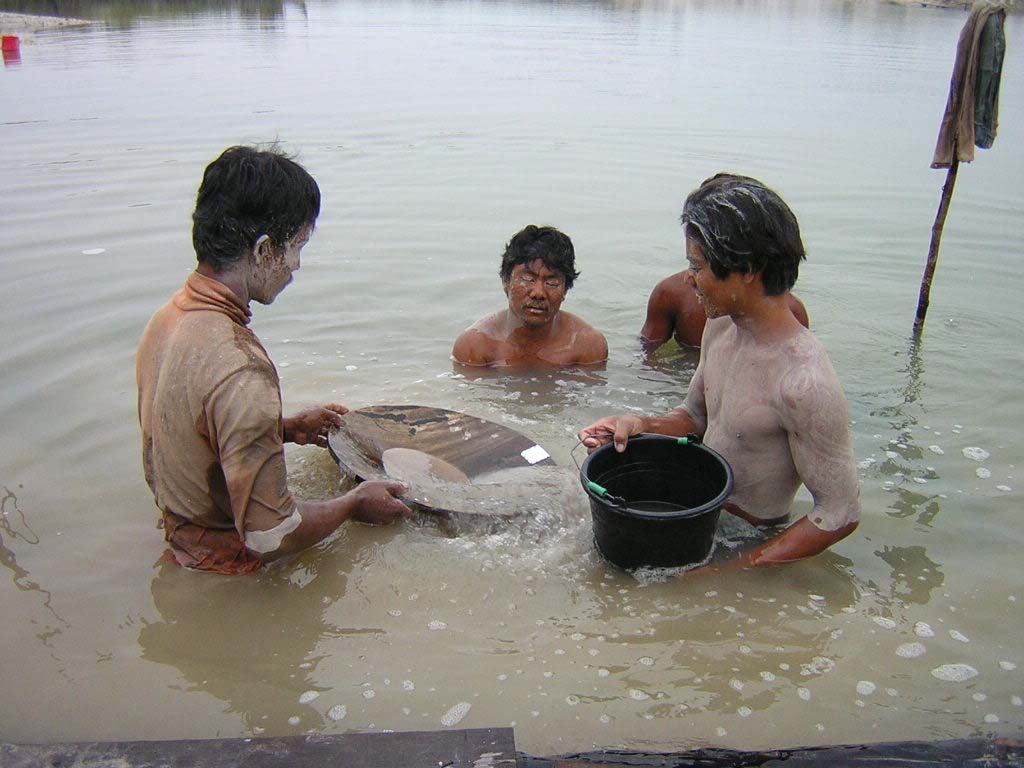
Mineral Processing
· Au concentrate, without mercury, recovered
from sluice boxes (relatively low Hg losses)
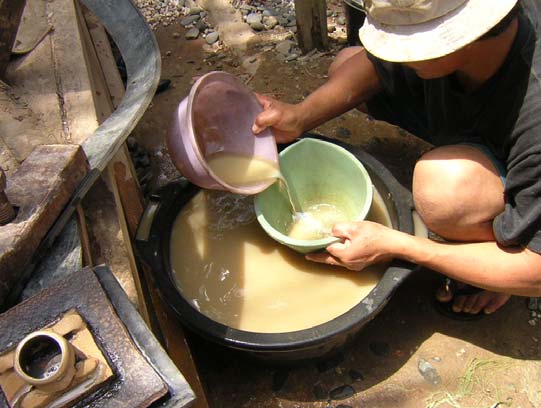
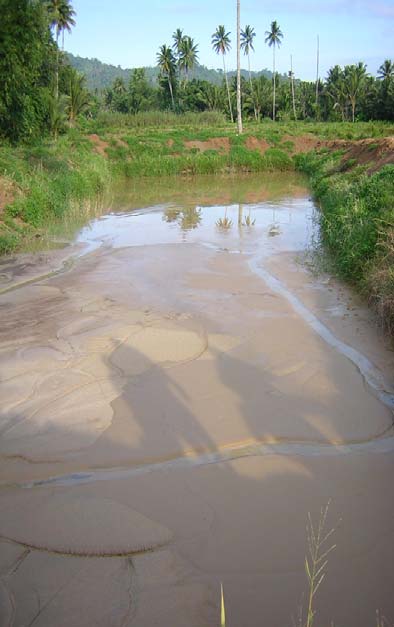
· Amalgamation of Au concentrate in ponds,
also used for bath (white mud is caolinite)
· Estimated 2000 miners

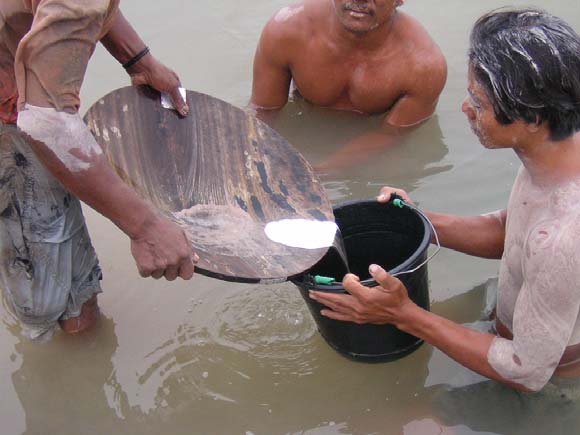
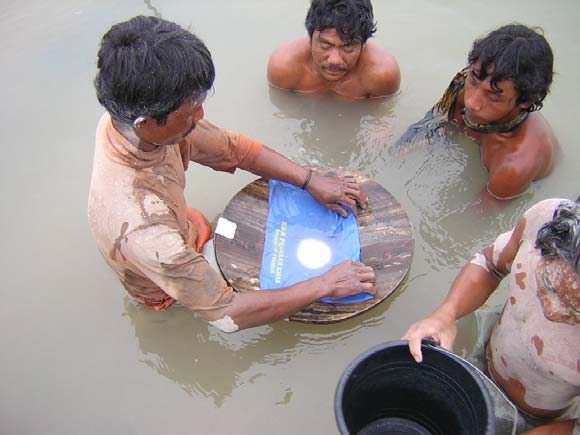
Mercury Loss - Galangan
· 1 kg Hg per operation
· 20 kg of concentrate
· 1 cycle/day
· 500 units in Galangan
· Carefull panning
· Hg recycling of 99%

Mercury Loss Galangan
(cont.)
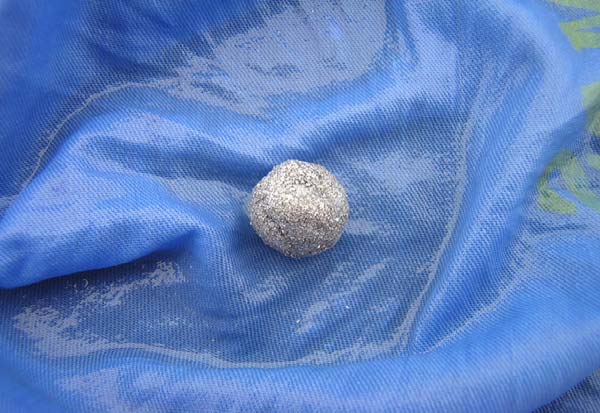
· Amalgam after
squeezing ready for
roasting in open air
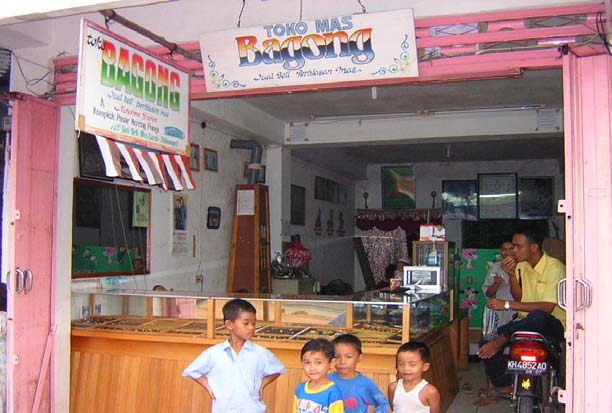
· Gold bying shops in
Kereng Pangi, 5 km
from Galangan
· Estimate of 2 tons/year
of Hg lost
· Ratio Hg:Au of ~ 2.4

RESULTS TALAWAAN
NORTH SULAWESI
· Hg in sediments, soils, tailings and
biota
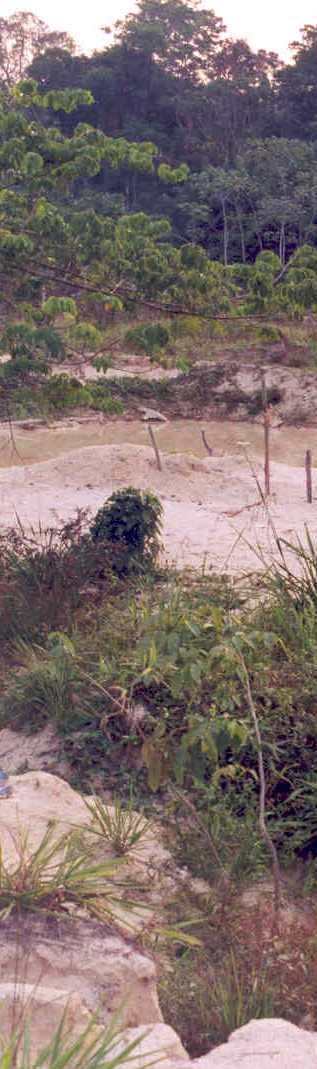

Hg in sediments and tailings
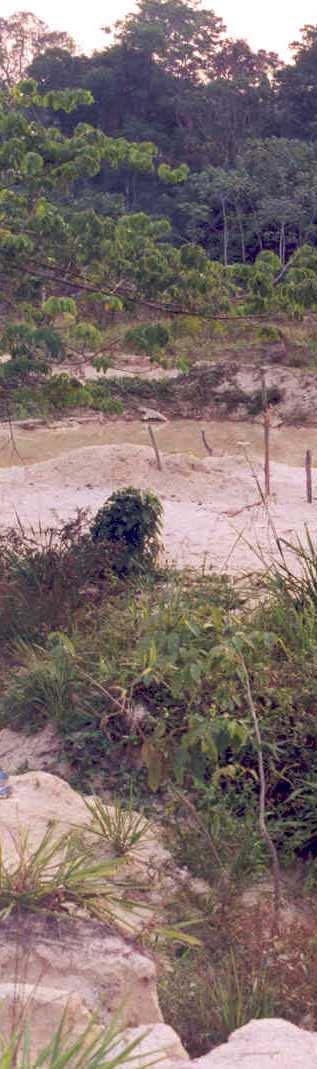

Hg in undisturbed sediments
Talawaan upstream - silt-clay fraction
Hg
(ppm)
50
Anomalous Hg background
45
Mean Hg = 31 ppm (Volcano ?)
40
35
30
25
20
15
10
5
0
B3
B1
B2
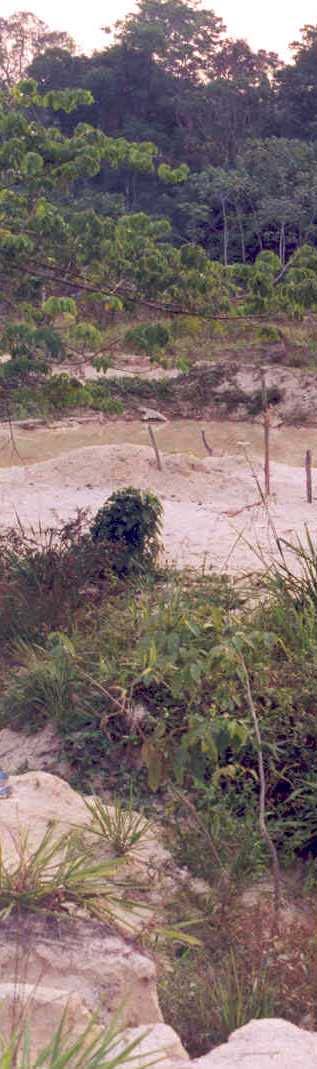

Hg in sediments - Talawaan Watershed
Silt-clay fraction
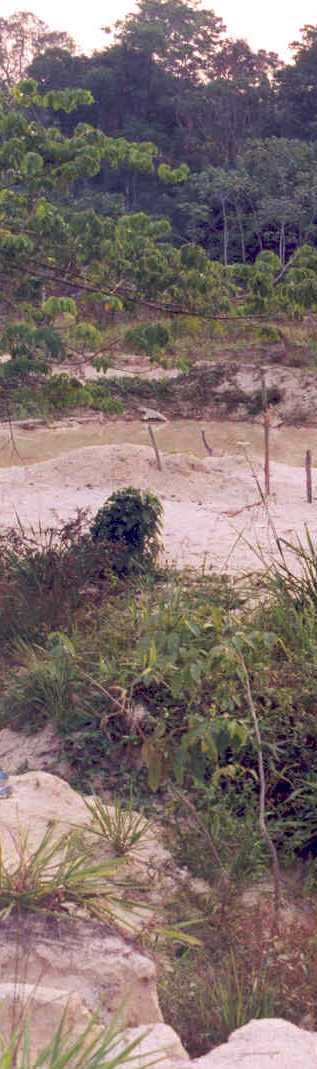

Hg in mining tailings - Talawaan
Watershed Mining sites
Hg Hotspots
Hg (ppm)

Hg in sediments - Talawaan
downstream - 5 to 20 km from
mining sites - silt-clay fraction
16
Hg
(ppm)
14
12
10
Mean Hg = 8 ppm
8
6
4
2
0
T38
T34
T42
T43
F30
T32A
T32
T40
T41
T44
T45
T47
T48

Hg in catchment soils - Talawaan
Watershed

Hg in wild plants and vegetables -
Talawaan Watershed Mining
sites
300
Aquatic plant in
Hg
(ppm)
cyanidation pond
250
(High Bioavailability)
200
150
100
50
0 T12 T12 C12 C12 C13 C15 C16 C18 C19 C19 C21 T18 T20 T22 T51 T52

Hg in mollusks medium course and estuary
Talawaan River
Hg (ug/g)
Talawaan (downstream)
9
8
Hg Average = 2,6 ug/g
Stardard Deviation = 3,5 ug/g
7
(High Bioavailability)
6
5
4
3
2
Estuary
1
0
A308
A309
A310
A311
A610

Hg in Fish North Sulawesi
Site
Sampling location
N
Hg-µg/g
T1
Upstream of the gold mining areas; 1
0.044
fish farming activities
T2
5 Km downstream of T1; gold 38 0.84±0.40
mining activities
T3
Downstream of cyanidation plants
35
0.54±0.40
T4
3 km upstream of estuarine region
21
0.68±0.62
T5
Estuarine region, high fishing 33 0.38±0.19
activity
T6
Reference area. Toldano river
6
0.02±0.01

Hg in Fish North Sulawesi
0,9
0,8
g)
0,7
ug/
(
0,6
h
s
0,5
Fi
n
i
0,4
g
l
H
a
0,3
Tot
0,2
0,1
0
North Sulawesi
T1 (n=1)
T2 (n=38)
T3 (n=35)
T4 (n=21)
T5 (n=33)
T6 (n=6)
(n=134)

Hg in Water North Sulawesi
· A reduced number of water samples were checked
for assessing their quality in relation to guidelines for
drinking water.
· In the main mining sites, mean Hg level in water
reachs 1.8 µg/L, while down to the estuarine region Hg
levels drop to a mean value of 0.1 µg/L, which falls
below the maximum limit of Hg for drinking water
established by the World Health Organization (WHO,
1980).

RESULTS GALANGAN
CENTRAL KALIMANTAN
· Hg in sediments, soils, tailings and
biota
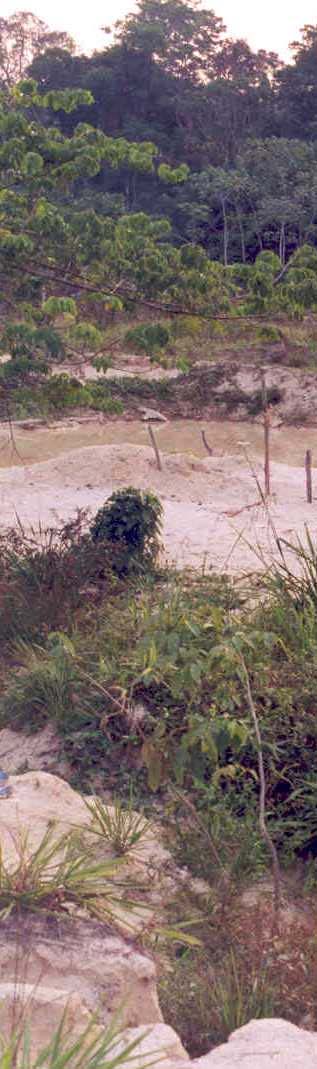

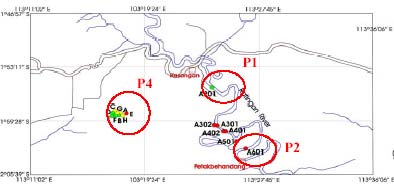
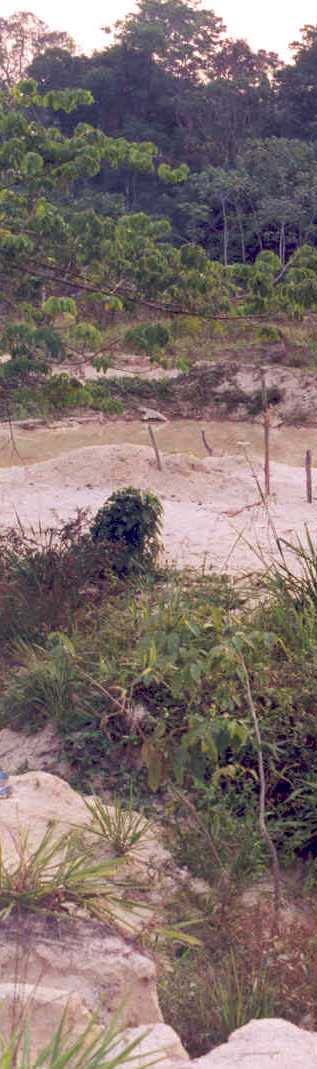
Hg in sediments, soils and tailings

Hg in sediment core sections
Katingan River - upstream
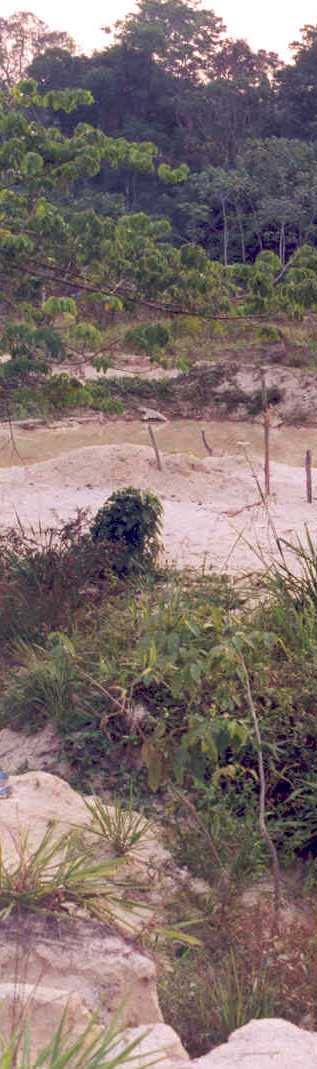

Hg in sediment core sections
Katingan River - downstream

Hg in sediment core sections
Katingan River - downstream

Hg in mining tailings - Galangan

Hg in sediments of the Katingan River -
silt-clay fraction 20 km downstream
12
Hg
(ppm)
10
8
6
4
2
0
K95
K91
K96
K99
K101
K103
K106
K109
K112
K115
K118
KI21
AVBL29 KVB <4

Hg in Fish Central Kalimantan
Sampling location
N
Hg (µg/g)
P1
Katingan river, upstream of mining 86
0.06±0.05
sites
P2
Katingan river, downstream
69
0.11±0.08
P3
Reference area 1
37
0.16±0.05
P4
Pit lakes in mining site areas
25
1.60±1.76
P5
Fish market from Palangkraya
48
0.08±0.09
P6
Kalamanan river, close to Samba 9
0.23 ±0.04
region
P7
Reference area 2; Orangotangos
5
0.17±0.08
reserve

Hg in Fish Central Kalimantan
1,8
1,6
g) 1,4
ug/ 1,2
(
h
s
1
Fi
n
i 0,8
g
l
H 0,6
a
Tot 0,4
0,2
0
Central
P1 (n=86)
P2 (n=69)
P3 (n=37)
P4 (n=25)
P5 (n=48)
P6 (n=9)
P7 (n=5)
Kalimanta
(n=279)

Hg x fish lenght
·Hg levels in fish from North Sulawesi are
significantly higher than fish from Central
Kalimantan (p<0.0001)
·While fish from North Sulawesi are smaller
(92.9±29.1mm) than fish from Central
Kalimantan (166.0±138.0mm)
·Almost 50% of fish from North Sulawesi
showed Hg levels above WHO limit of Hg level
to human consumption (0.5 µg/g), while less
than 10% of fish from Central Kalimantan did.

Mercury in fish
0.7
0.6
0.5
)
/
g
g
u 0.4
(
h
i
s
f 0.3
in
g
H 0.2
0.1
N=130
N=258
0
North Sulaw esi
Central Kalimanta

Mercury in fish
1.4
) 1.2
/
g
g
1
(u
h
s 0.8
fi
0.6
r
y
i
n
u 0.4
r
c
e 0.2
M
0
T1 T2 T3 T4 T5 T6 T7 P1 P2 P3 P4 P5 P6 P7

Alternative low cost method for
mercury determination in fish:
Training of local users in Manado,
Indonesia
· Colorimetric method developed by
CETEM for the GMP
· The huge extension where mercury
polluted areas are found; the lack of
laboratory infrastructure and the difficult
access; the high cost of conventional
analyses has inspired the development of
a semi-quantitative, low cost method

Training of local users in Manado,
Indonesia
11 local users trained

Conclusions
· Despite of the very high Hg background
in the Talawaan watershed, Hg levels in
both fish and sediments from the mining
sites indicate a very significant anthropo-
genic source
· Hg levels in small fish in North
Sulawesi are similar to those in large fish
of the Amazon region
· Direct amalgamation of whole ore,
without gravity concentration, must be
phased out

Conclusions (cont.)
· Regardless environmental and health
concerns, the current mineral processing
technique used in North Sulawesi does
not improve Au recovery (waste of Hg,
waste of money)
· There is an indicaton that cyanidation
of amalgamation wastes is further
releasing Hg under a more bioavailable
chemical form (cyanide-mercury
complexes)

Conclusions (cont.)
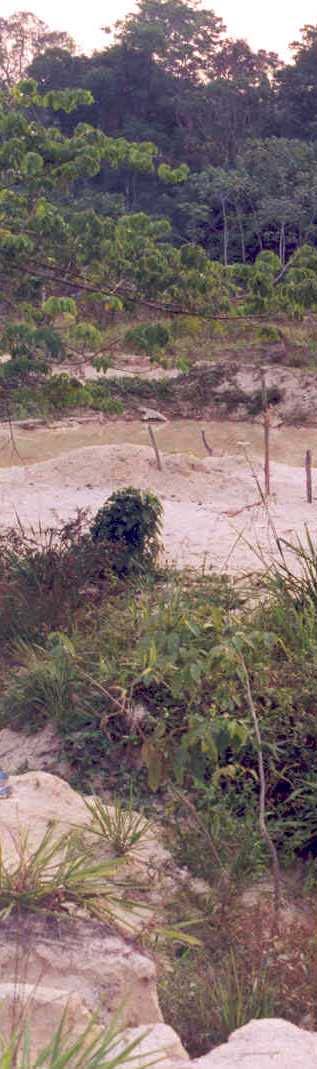
· Higher Hg bioavailability in North
Sulawesi than in Central Kalimantan
area;
· Hg contamination in North Sulawesi is
widespread along the Talawaan river;
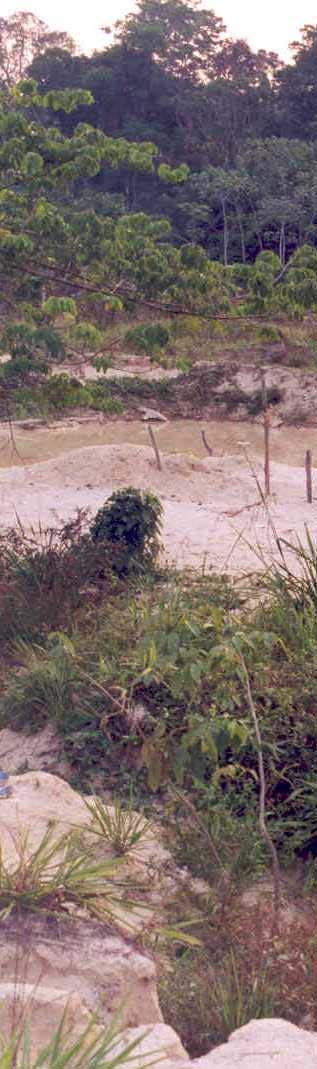
· Hg levels in fish from pit lakes in
mining areas from Central Kalimantan
showed the highest Hg levels.

Conclusions (cont.)
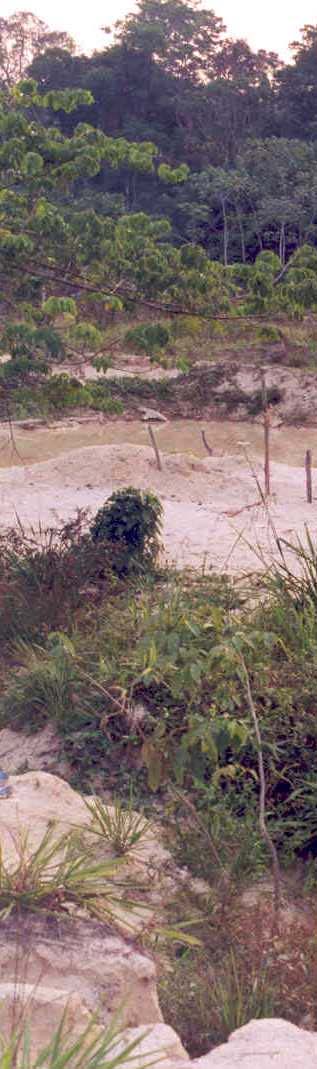
· It is predictable that the huge mercury
burden found in both biological and
inorganic samples from the Talawaan
River is also, to a certain extent, being
taken up by the marine biota living in the
Manado Bay.

Conclusions (cont.)
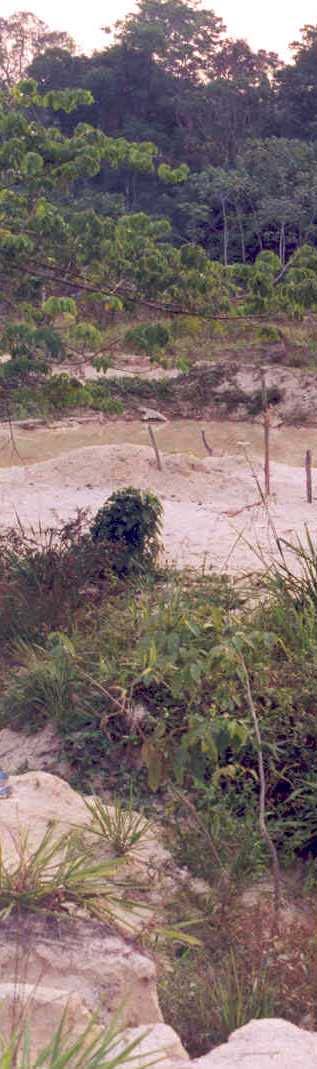
· Although there are technological
alternatives to Hg (cyanide, electro-
leaching with sodium hypocloride), they
are hardly implementable in most of
SSM communities (illegal, poor)
· Strategies for reduction of Hg releases
are more feasible, e.g.: use of retorts;
gravity concentration prior to
amalgamation; cyanidation without
amalgamation; use of fumehoods.

Special Fume Hoods Installed in a Town in Brazil
Gold is melted in front
of the miner
Residual Hg vapor is
collected...
... and condensed
Residual Hg is retained
by filter with iodide
solution
CETEM (1989). Poconé Report

Retorts
Condense Hg vapors and
recycle Hg

Solutions for Hg Pollution in ASM
Accessible Clean Technologies
Processing Centers (with or without Hg)
Centralized amalgamation operations; under control
Policy and Education
Capacity building (governments and ASM communities)
Legislation framework appropriate to encourage ASM
communities to become legal (ASM cooperatives, ASM
companies)
Legal activity, environmental and social responsability
Benefits to the miners: credit, long-term planning,
citizenship
Benefits to the society: environmental protection;
safe fish consumption

Processing Centers Can Also Be
Training Centers
· Improve mining and processing techniques
· Limit Hg use
· Improve occupational hygiene
· Enable to organize (legalize) the activity
· Enable to provide access to financing
· Access to medical and other social services
· Reduce illegal gold purchase
Veiga & Beinhoff (1997)
Healy & Veiga (1997)

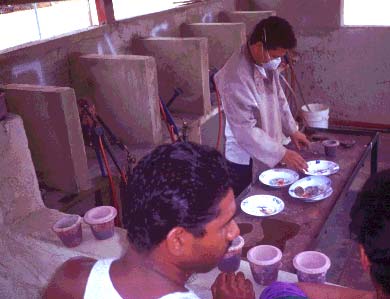
Amalgamation Center in Venezuela
Retorts
Trained operators do the job for miners
Document Outline