
PEMSEA ESAC 2006 Haikou
Promote Coastal Environmental and Ecological
Conservation with Mechanism Innovation :Case study of
Ningbo Water and Environment Project
Prepared for East Asian Seas Congress
December 14, 2006
Presented by:
Li Zhibo, Ningbo Municipal Development and Reform
Commission

Current status
Ningbo/Cixi
Location
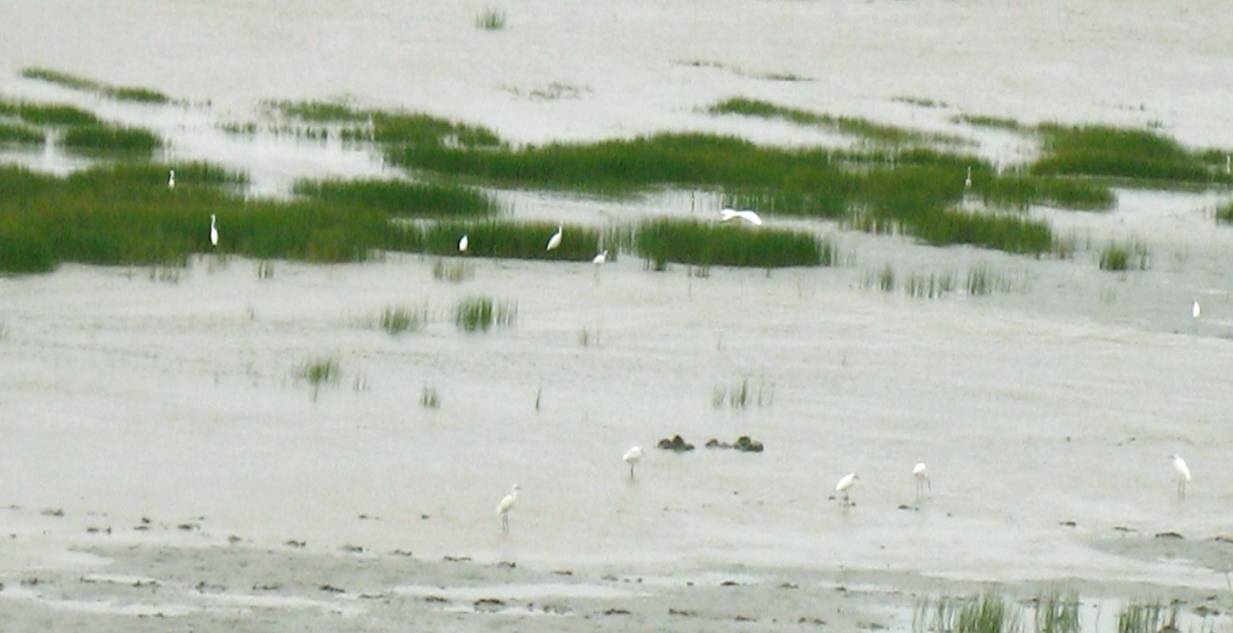
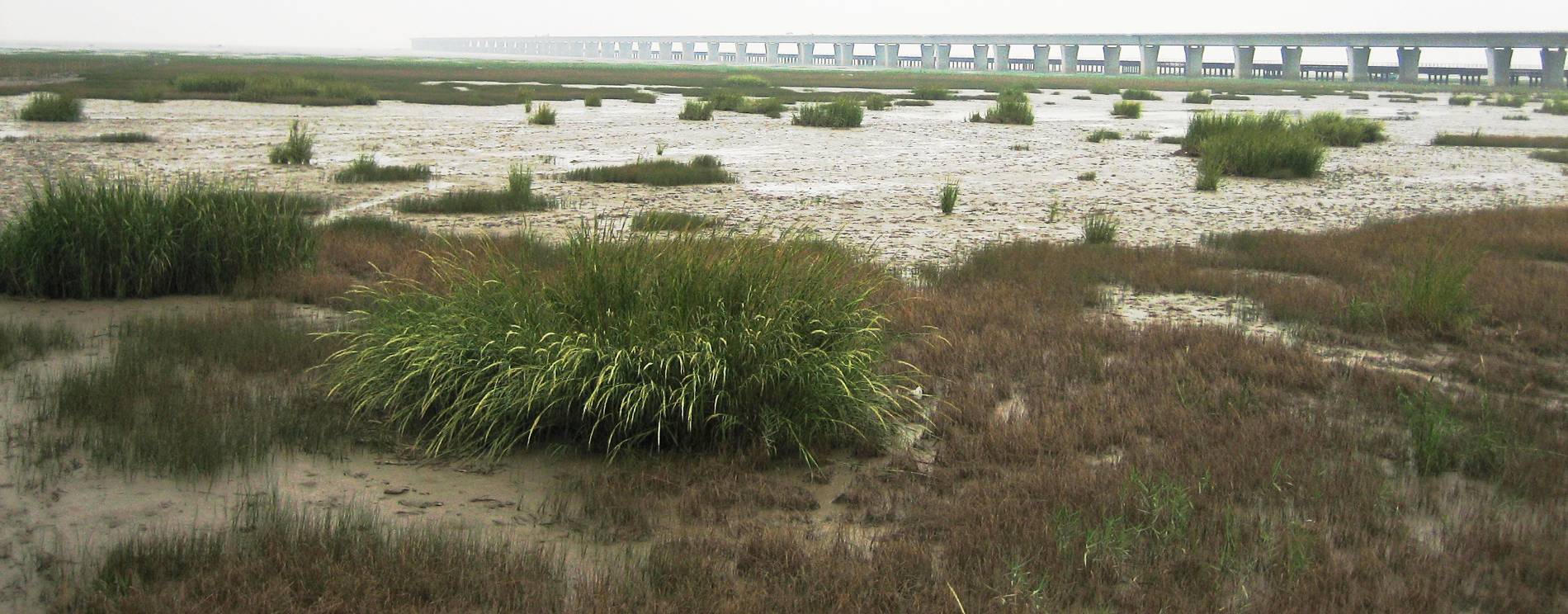
Coastline / inter-tidal mudflat and marsh area (788.3 km / 940
km2 )
abundant wetland resources of Cixi ,a home to great varieties
of plants, fish and animals .
Environmental and Ecological status
Land-based pollution (point and non-point source)
Loss of wetland and habitats for wildlife
Overexploitation of clams, shrimp, fish
Slow development of mudflat vegetation
red tides

GEF NWEP Project
Background
WB Ningbo Water and Environmental Project (NWEP) (US$
290.4 million,the co-financing project )
Cixi Wastewater (US$128.0 million) associated with GEF
project
The first project under the "Strategic Partnership Investment
Fund for Pollution Reduction in the Large Marine Ecosystems
of East Asia" (GEF grant US$ 5 million with counterpart fund of
US$12.1 million provided by local government )

GEF NWEP Project
Project Components
Constructed Wetland for Tertiary Treatment of the 100,000
m3/d Cixi Wastewater Treatment Plant (US$7.10million);
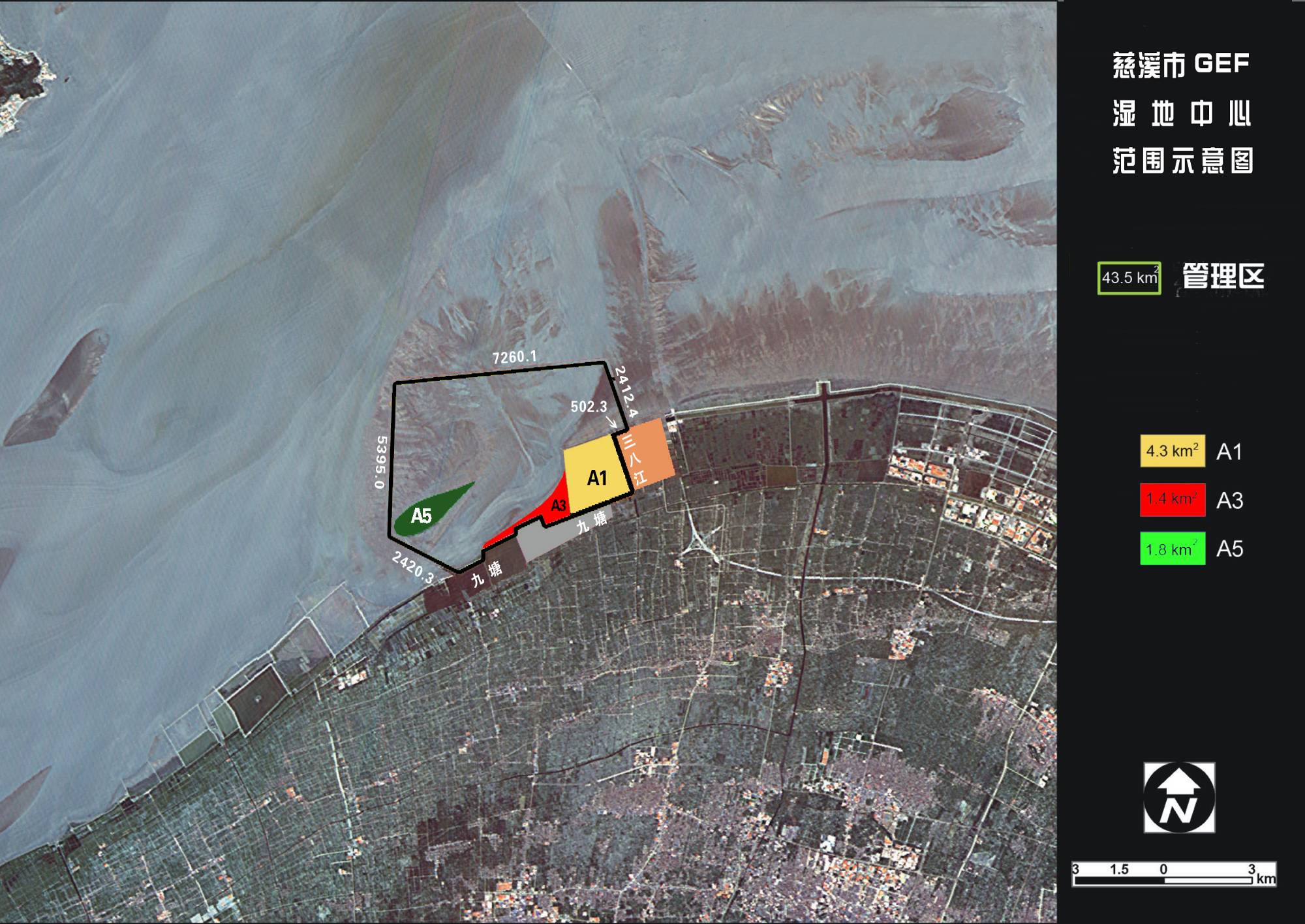
Establishment of a Wetland Center (US$8.00 million)
Development of a Wetland Center, including: i) enhancement and
restoration of degraded wetland and tidal mudflats (43.5 sq km); ii) Visitor
Center Building and associated facilities
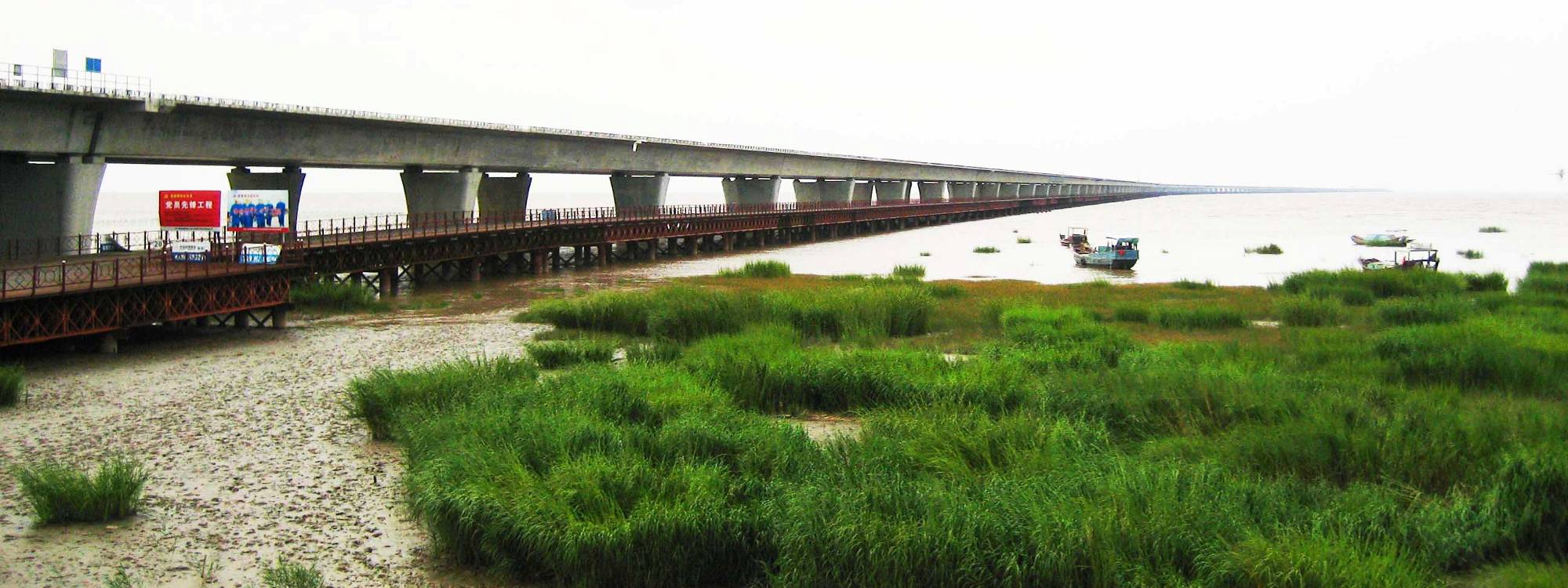
Adjacent to new Ningbo-Shanghai bridge, so will be highly visible
Design and Management support, including(US$2.00million) :
i) a Wetland Center Management Assistance Contract with a
NGO/university Consortium;
ii) Engineering Design; and
iii) Training and Dissemination of Project Experience

Wetland Center

Innovations of the project
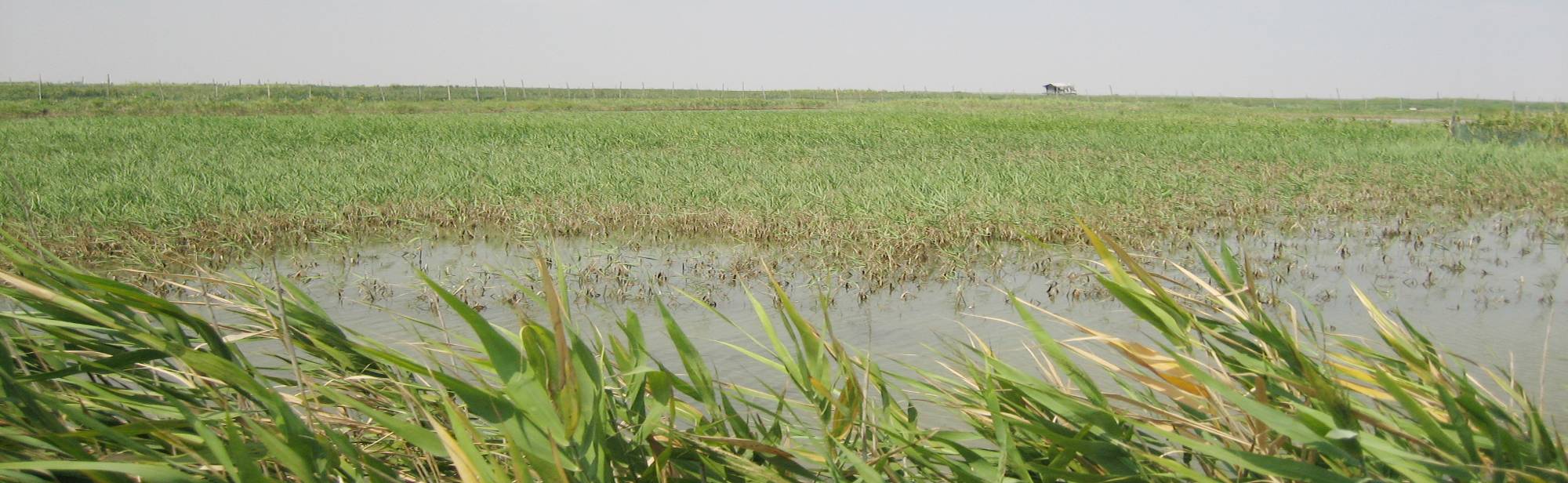
Simplify Wastewater Treatment for tertiary treatment by
constructed wetland (89ha)(ecological and environmental
consideration)
Partnership of stakeholders including government agencies,
NGOs, Research institutes and universities
Integration of pollution reduction with environmental education,
wetland conservation and eco-tourism
Multilateral investment, including government, grants, loans,
donations etc.
Sustainable project operation mechanism Government agency
supervision, independent wetland management company
operating within a consortium

Challenges for Sustainability
For the project
Maintaining the financial
sustainability of the Wetland
Center
Ensuring the Wetland Center is
ecologically sustainable
Designing the constructed
wetland to achieve specified
treatment targets
For the whole area
Shortage of water and land
resources
Pressure from industrialization
and population growth

Measures to meet the challenges (for project )
Financial
Financial commitment and capability of the Government
a variety of sources including user fees, grants and donations, and
funding from the government
Business plan
Ecological
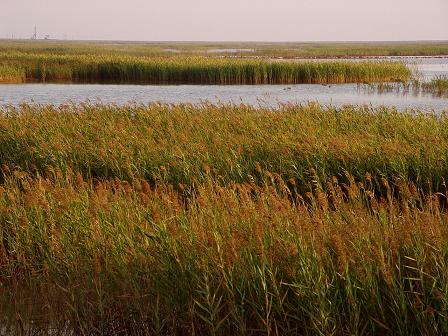
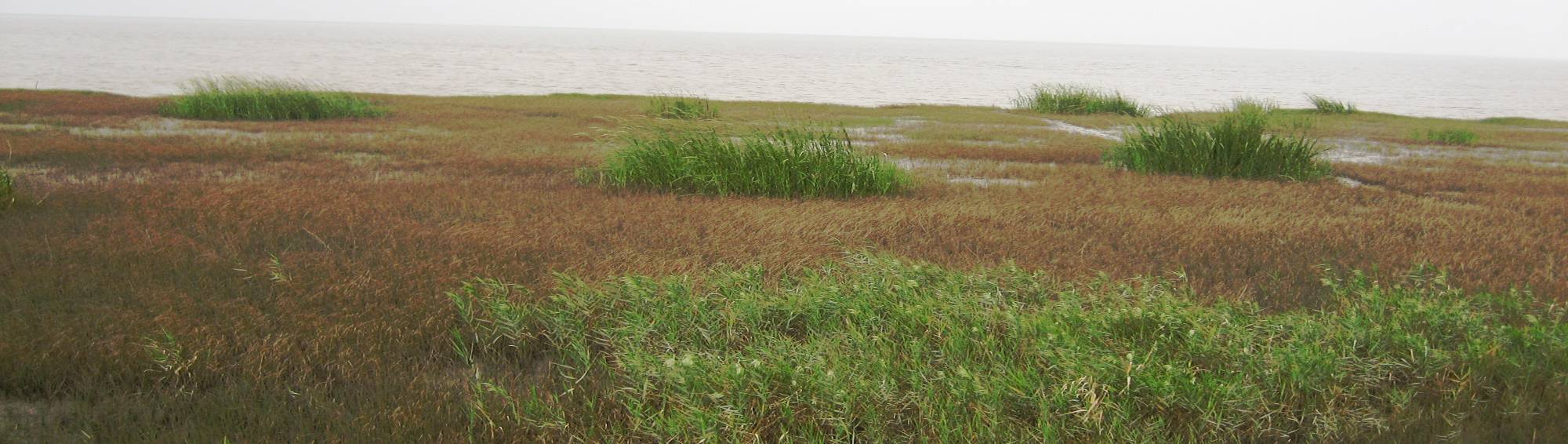
land (43.5 km2) and important wetland ecosystems: non-tidal, tidal
marsh, tidal mudflats, and island
The non-tidal wetland (Plot Al) will be enhanced
The establishment of Cixi Wetland Center Management Company
Environment management plan
Target to meet
86 ha of reclaimed lands to be used for constructed wetland
wastewater tariffs
Sewerage company and TA

Strategies to meet the challenges (for the area)
Related laws and regulations for environmental
protection, land use and law enforcement
Shift from extensive economy to intensive economy
Institutional and capacity building
Partnerships (local ,domestic an international )
Public awareness and participations
Ecological city planning

Active steps to be taken
The introduction and enforcement of land development policies that not
only promote economic growth, but also promote environmental
protection and social benefit.
The adoption of integrated water environment planning and management
involving integrated policies and practices related to water resources,
industrial pollution control, and point and non-point wastewater
discharges
The effective separation of government and enterprise roles and
responsibilities
The development of a widespread, performance based "business" culture
within government agencies .
The adoption of pricing policies based on the full cost of providing a
service

Opportunities for the future
Demonstrates an innovative technical mechanism to combat land-based water
pollution;
Institutional mechanisms for multi-sectoral environment management;
Financing mechanism for the sustainable operations
Replication mechanism for the project.
i)a series of workshops in Ningbo to share experiences for both the constructed
wetland and natural wetland conservation.
conferences sponsored by GEF or PEMSEA,
)the proposed Wetland Center will serve as a comprehensive source of information
center
In collaboration with GEF and PEMSEA, the environmental education center can
also present exhibits about other efforts throughout East Asia to reduce marine
pollution and protect marine eco-systems.
greatly improve quality of natural habitat for international migrating birds and
other species.

Contacts
Cixi
Mr. Hu Jianjie, 86-574-6304-1159, cixigef@163.com
http://www.cxgef.com
Ningbo
Ms. Xu Xu, 86-574-8728-0409; xx@nbdpc.gov.cn
Mr. Li Zhibo, 86-574-8718-6863; zhibo@nbnet.com.cn
Document Outline