|
1
|
- Dr. Dia El Din El-Quosy
- Project Manager
- E-mail: lmewp@menanet.net
|
|
2
|
|
|
3
|
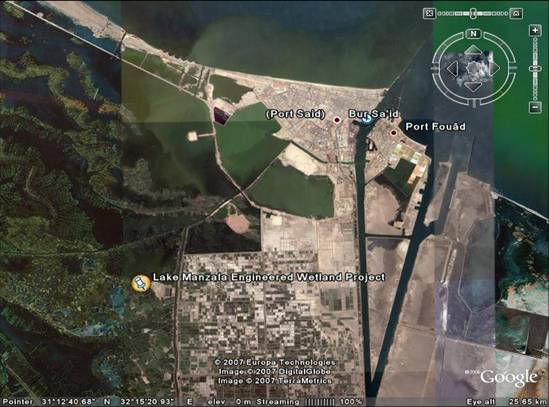
- Studies (conducted in the 1980’s) suggested the use of Engineered
Wetland to improve the water quality of Bahr El-Baqar drain, before
entering the Lake Manzala.
|
|
4
|
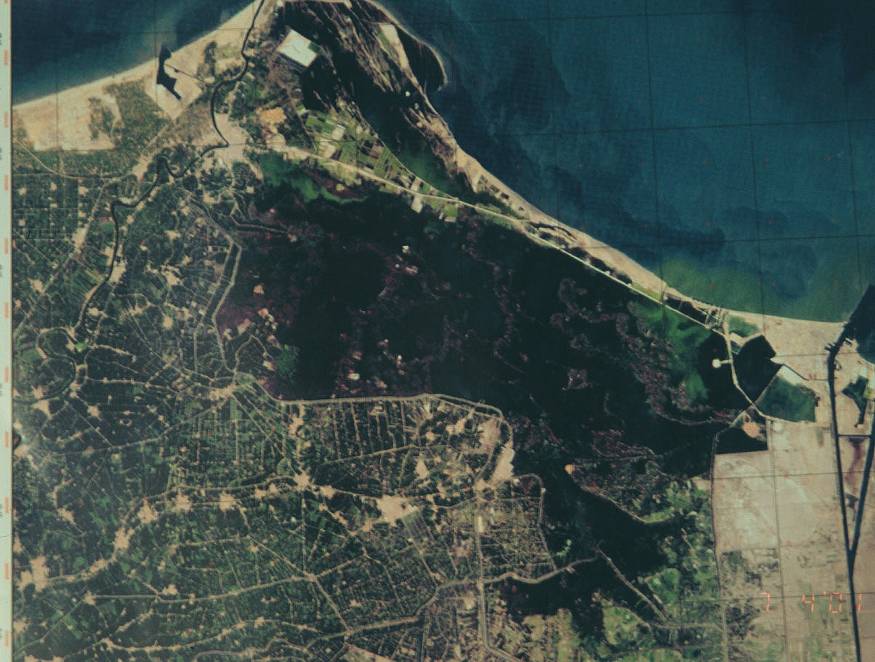
- In the early 1990’s, a project for constructing an engineered wetland,
at the Bahr El-Baqr drain outlet, was approved as a collaborative effort
among the GEF, UNDP and EEAA.
|
|
5
|
|
|
6
|
|
|
7
|
- Assess feasibility of engineered wetland system to improve environmental
conditions at Lake Manzala and Mediterranean Sea.
- Assess feasibility of engineered wetland system to treat wastewater so
that it becomes suitable for different uses.
- Assist in transferring wetland technology to Egypt and other neighboring
countries.
|
|
8
|
- Provide local employment
- Serve as training center for water management and low cost wastewater
treatment technologies.
- Project planning, design, construction, and operation will be
accomplished so as to maximize stakeholders participation.
|
|
9
|
|
|
10
|
|
|
11
|
|
|
12
|
|
|
13
|
|
|
14
|
|
|
15
|
|
|
16
|
- The project is exploring the possibilities of reuse of the wetland
effluent:
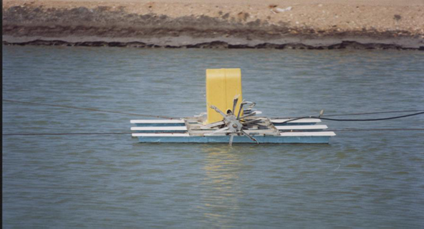
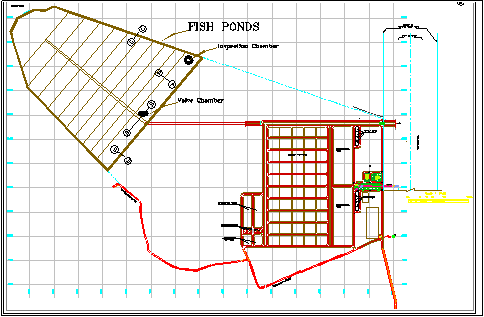
- Reuse for aquaculture (4 hatchery ponds and 2 fingerling ponds).
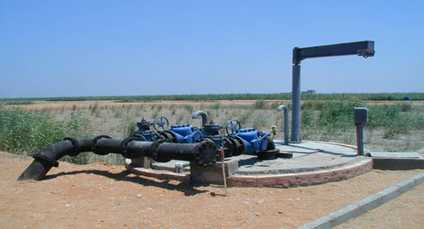
- Reuse for irrigated agriculture (cooperation with the NAWQAM project).
|
|
17
|
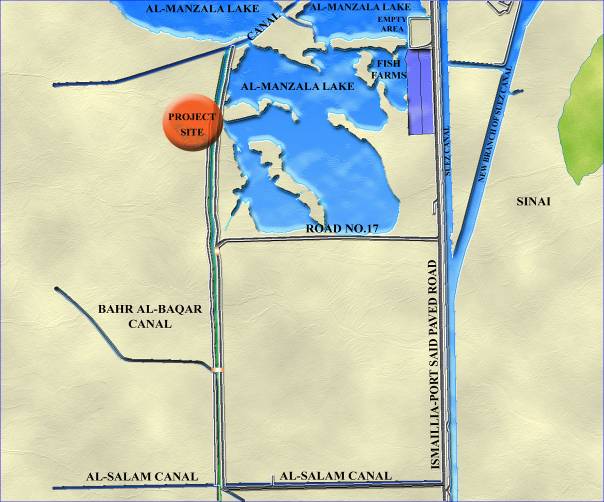
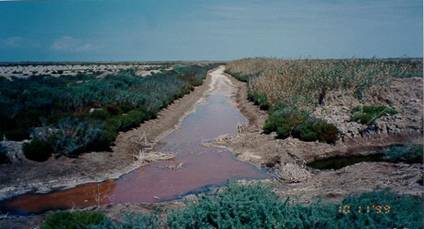
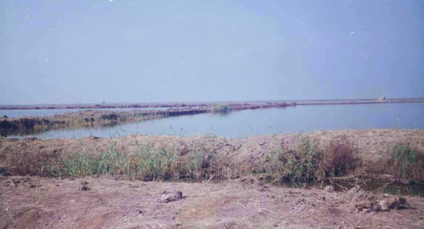
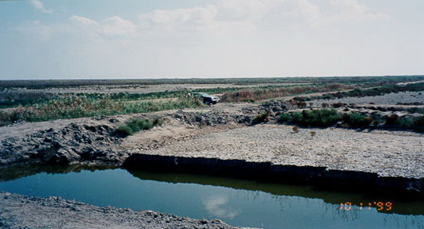
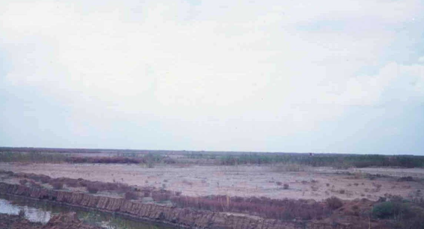
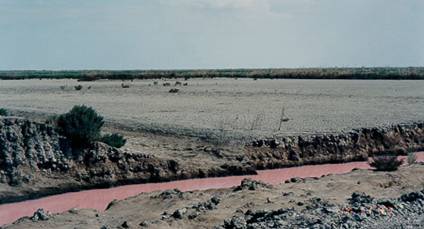
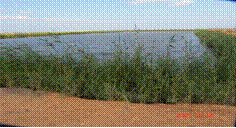
- The original project site was illegal fish ponds occupied by the
surrounding community.
- The source of water for these fish ponds was Bahr El Baqar Drain, which
is one of the most polluted drains in Egypt.
|
|
18
|
|
|
19
|
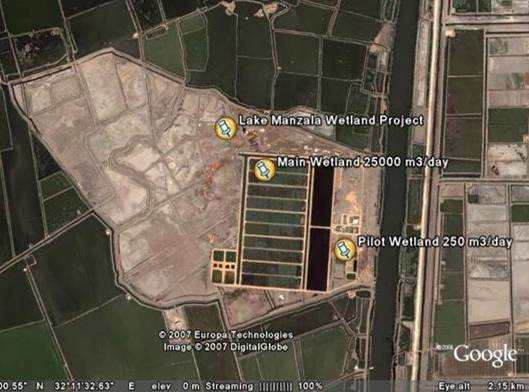
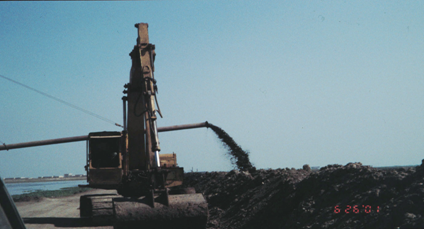
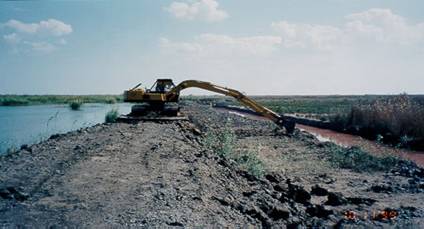
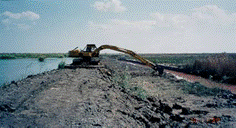
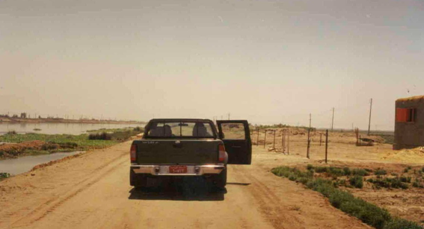
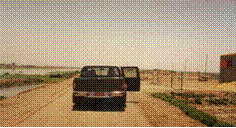
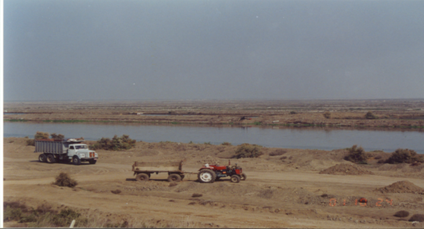
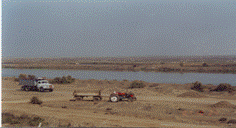
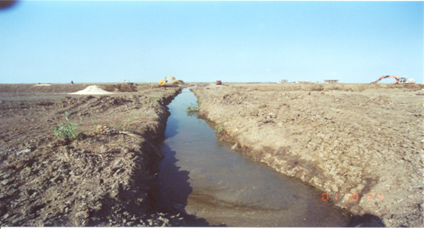
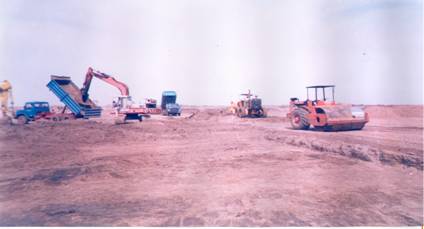
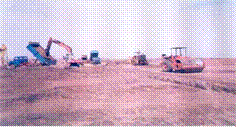
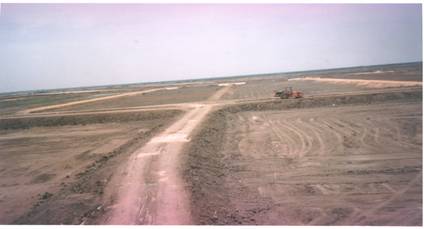
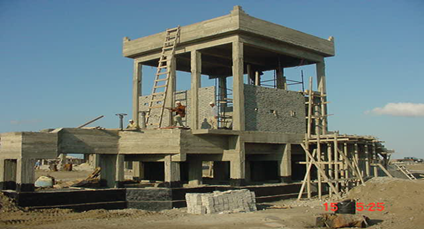
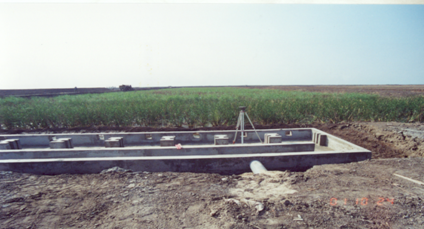
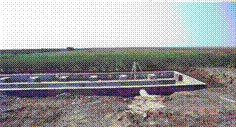
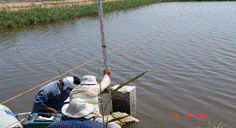
- After the Governorate of Port Said handed over the site to the project
management, the following activities had taken place:
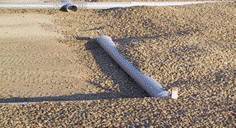
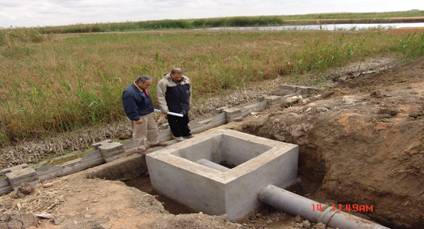
- Widening and leveling of the access rough road
- Evacuated the existing fish ponds from its polluted water
- Constructed an earth ring road around the site
- Conducted a geotechnical study and ground survey
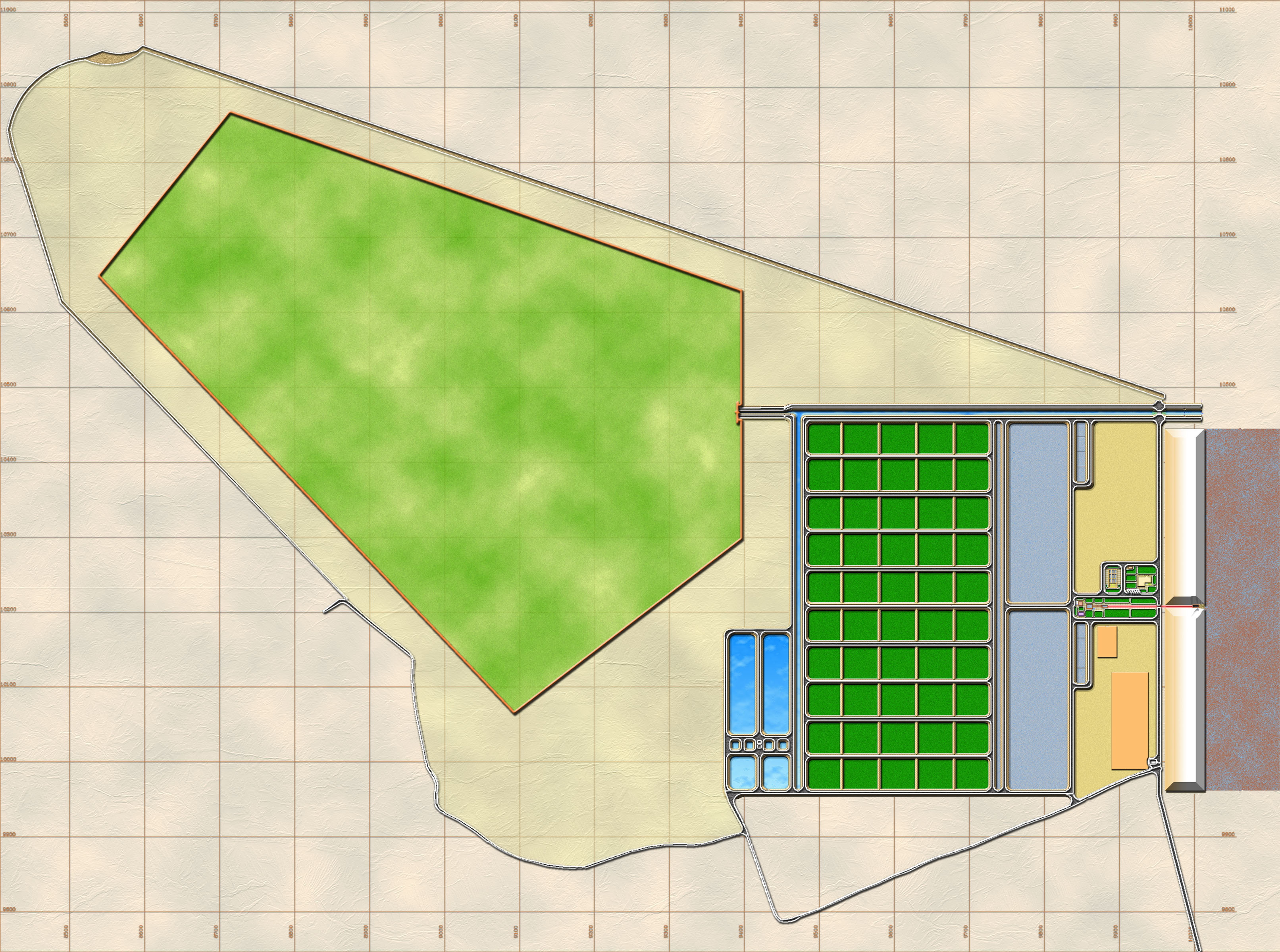
- Implemented the conceptual design by TVA
- Finalized the detailed design by AAW
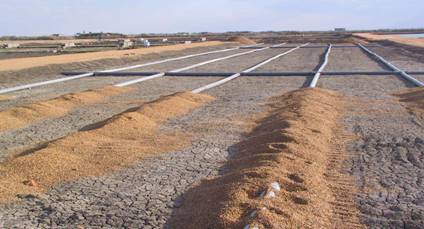
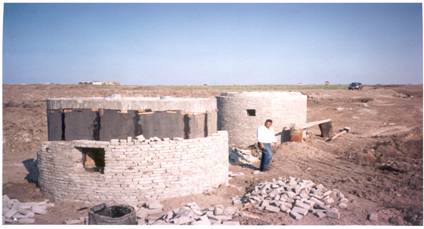
- Initiated construction of the main and pilot wetlands by Misr for
Development Concrete Company
|
|
20
|
|
|
21
|
|
|
22
|
|
|
23
|
|
|
24
|
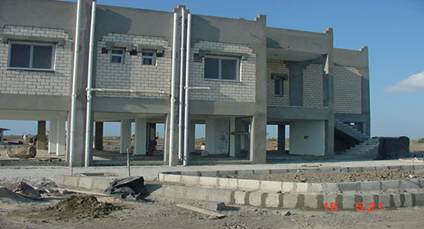
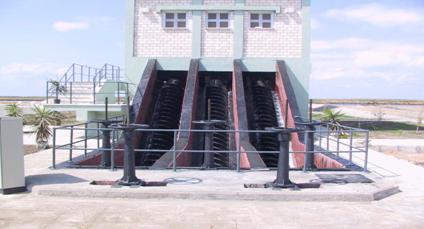
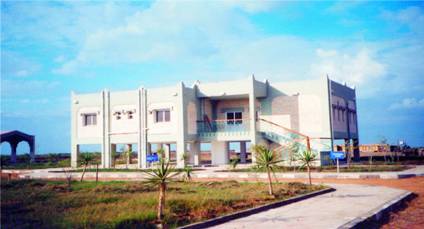
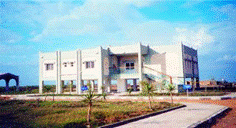
- Construction of the pilot and main facility completed
- The full operation started by October 2004.
- The testing and commissioning took place by the end of 2004
|
|
25
|
|
|
26
|
|
|
27
|
- Monitoring and evaluation phase started. Water was distributed according
to the following schedule:
|
|
28
|
|
|
29
|
|
|
30
|
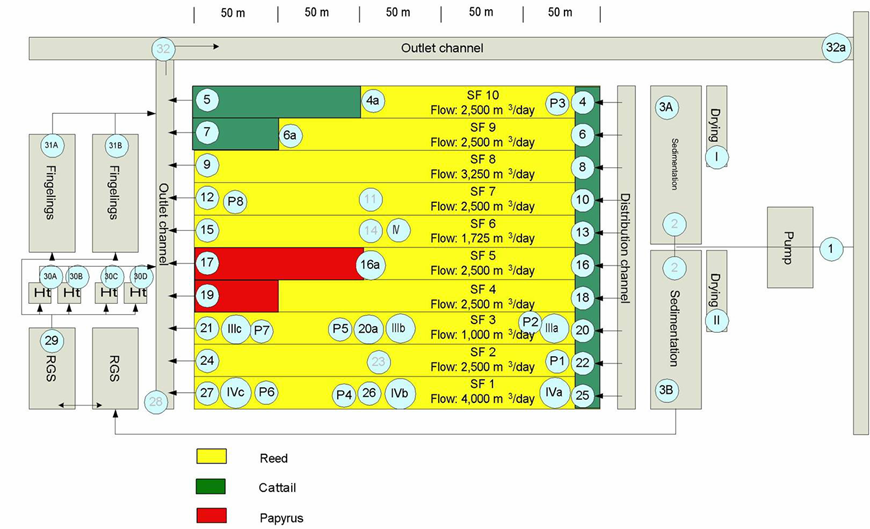
- The International Consultant (NIRAS & ECMA) suggested some
modifications to the design such as:
- Modified the monitoring plan of KOMEX (Five cells with the same plants
and different discharge and five cells with the same discharge and
different plants)
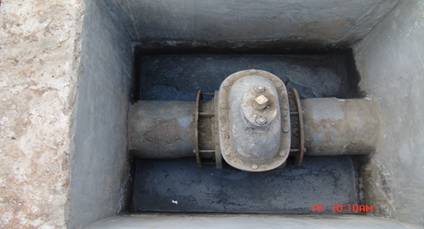
- Install pipes with valves to control the influent and effluent to and
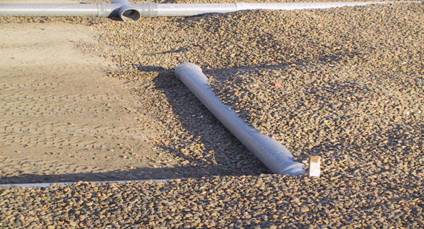
from each cell
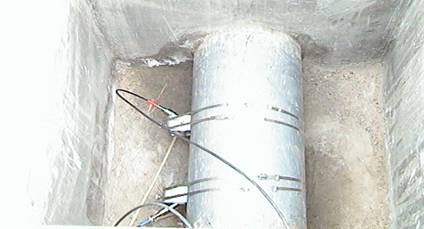
- Install ultrasonic sensors at the inlets and outlets of the cells to
measure the flows.
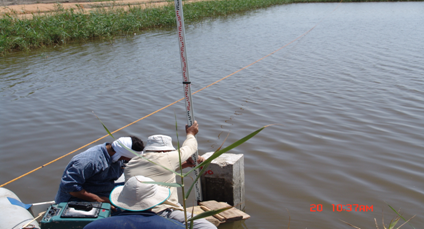
- Install water level gauges at several points of the facility
- Change the plants of some cells (from reed to cattail and papyrus)
|
|
31
|
- On September 2006, NIRAS & ECMA modified the monitoring plan
(locations, frequencies and parameters). They eliminated the parameters
which were not detected during the previous period such as heavy metals
and phenol and added some parameters to investigate special processes
such as dissolved phosphorus.
- On November 2006, In order to increase the level of accuracy, NIRAS
& ECMA concentrated the sampling and analysis on three cells with
different plant types, different percentage of plant cover and different
flows
|
|
32
|
|
|
33
|
- On February 2007, NIRAS tested the performance of the wetland under
8,500 m3/day per one cell. The results of the data collected indicated
that the cell is able to deal with this flow which means that the
capacity of the wetland could be increased to 85,000 m3/d compared with
the original design capacity of 25,000 m3/d. The conclusion may suggest
that the dimensions of the wetland could be reduced substantially
|
|
34
|
|
|
35
|
|
|
36
|
|
|
37
|
- The facility treats 25,000 m3/day with excellent effluent quality
- The treated water is used for raising healthy fish suitable for human
consumption
- The facility serves as a Center of Excellence for local, regional and
international bodies
- Due to climatic differences between Egypt and Western Countries,
retention time and dimensions could be reduced substantially
|
|
38
|
|
|
39
|
|

 Notes
Notes