
HELCOM news
2 / 2 0 0 3 N e w s l e t t e r
HELCOM Environment Ministers prepare for political and
economic changes around the Baltic Sea, page 2
Joining forces to protect the Atlantic and the Baltic - the Joint OSPAR and
HELCOM Ministerial Meeting, page 3
The role of HELCOM and its future priorities, page 4
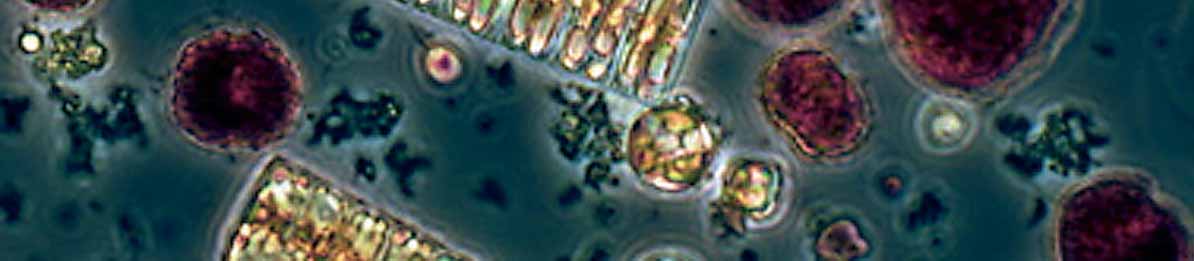
Blue-green algal blooms in the Baltic in 2003, page 5
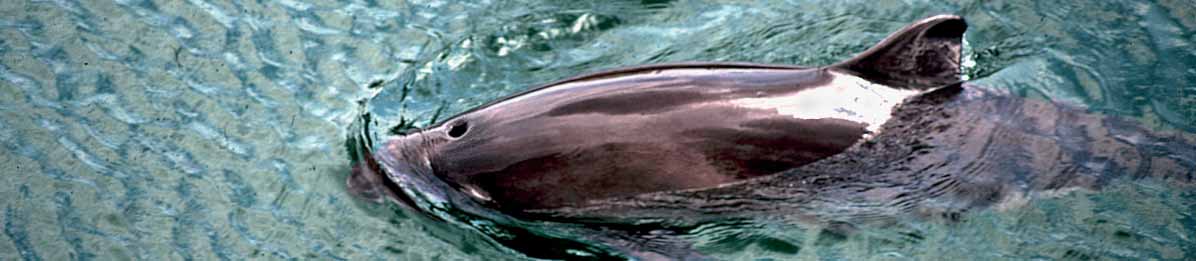
Whales and porpoises in the Baltic, page 5
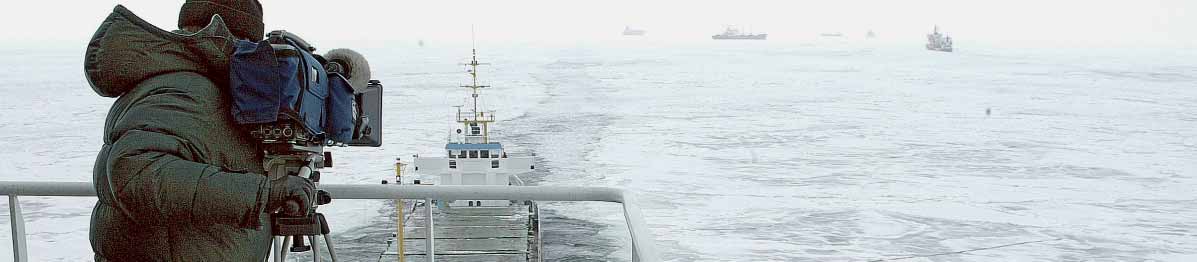
New radio and TV series, page 6
New statistics on shipping accidents in the Baltic available now, page 8
HELCOM
2/2003
Newsletter
Published by:
Helsinki Commission
HELCOM Environment Ministers
Katajanokanlaituri 6 B
FIN-00160 Helsinki, Finland
prepare for political and economic
changes around the Baltic Sea
E-mail: helcom@helcom.fi
Internet: http://www.helcom.fi
At the HELCOM Ministerial Meeting,
environmental standards are applied
Editor:
held on 25th June 2003 in Bremen,
throughout the Baltic Sea and its
Ulrike Hassink
Germany, special emphasis was given
catchment area.
Helsinki Commission
to the changes in environmental regu-
lations that are likely to occur in con-
Visions for HELCOM's
Cover photos:
nection with the forthcoming acces-
future
MANDART, Seija Hällfors, Harald Benke
sion of the three Baltic Republics and
HELCOM will continue to play an
Poland to the EU. From May 2004
important role in many ways:
onwards, eight of the nine countries
· as the environmental focal point
around the shores of the Baltic Sea
for the entire Baltic region; and a
will be EU members.
reliable source of information on
the state of the Baltic Sea that can
This will greatly improve the protec-
form the basis for decision-making
tion of the marine environment,
in other international forums;
partly thanks to the wider imple-
· as an independent regulatory body
mentation of EU legislation, but
that issues regulations to supple-
also since this will enable HELCOM
ment those imposed by other inter-
to represent all the nine countries
national organisations, in order to
around the Baltic to promote the
cater for the Baltic's specifi c needs;
adoption in Brussels of specifi c regu-
· as a supervisory body dedicated to
lations protecting the Baltic. In this
ensuring that unifi ed environmental
respect, HELCOM will increasingly
standards are fully implemented
The latest HELCOM Ministerial
serve as a bridge between Russia
throughout the Baltic Sea and its
Meeting, held on 25th June 2003
and the EU, ensuring that the same
catchment area.
in Bremen, Germany, represented
another milestone in the work of
the Helsinki Commission looking
after the marine environment of
ernmental and non-governmental
Chair's
organisations operating in the Baltic
the Baltic Sea.
Corner
on European or global levels also play
In Bremen, the Environment
an active role in the Baltic region. It
is crucial that all these organisations
Ministers and other high-level
pursue their objectives co-operatively
representatives of the nine coun-
HELCOM must urgently address several to ensure that their programmes com-
tries around the Baltic Sea, and
issues to improve the prospects for the
plement each other effi ciently.
the European Community, unani-
Baltic Sea. The most important chal-
mously adopted a Ministerial Dec-
lenges include combating eutrophica-
I am greatly looking forward to
laration and ten new HELCOM Rec-
tion, guaranteeing navigational safety,
working together with all HELCOM's
ommendations, paving the way for
addressing the environmental impacts
partners, and I am grateful for their
HELCOM to meet new challenges
of fi sheries, and curbing inputs of haz-
continuing support in the protection
in the wake of the extension of the
ardous substances.
of our common sea - the Baltic.
European Union in 2004.
But HELCOM does not work alone on
Inese Vaidere
Anne Christine Brusendorff
these issues. Various other inter-gov-
Chair of the Helsinki Commission
2
Executive Secretary
U
M
:
B
o
Phot
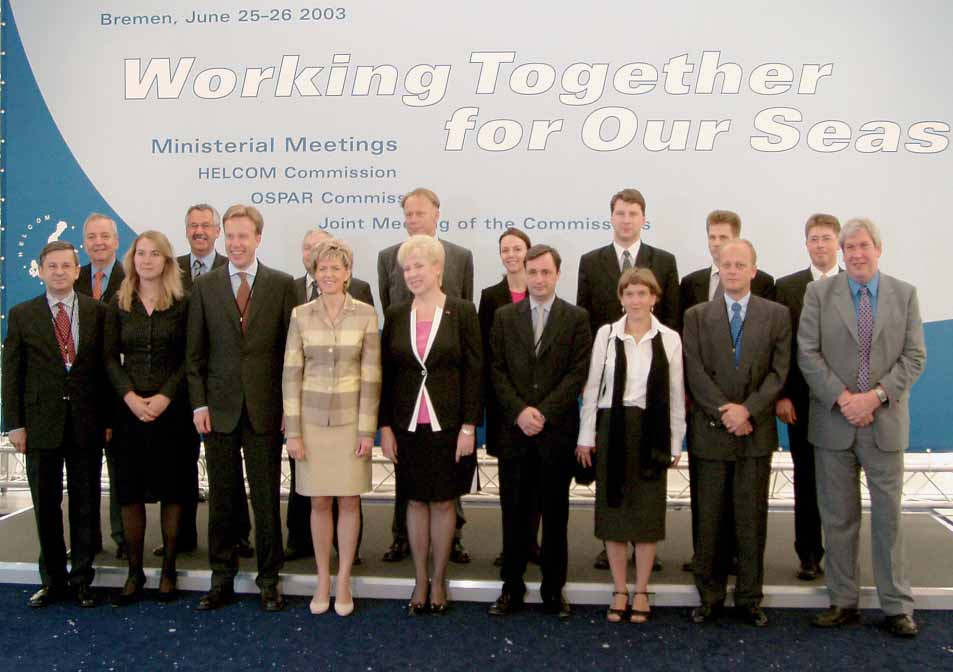
Joining forces to protect
Heads of Delegation of the Joint
Minister of State Elliot Morley, MP
the Atlantic and the
Ministerial Meeting of the Helsinki
(Great Britain), (in back row from
Baltic - the Joint OSPAR
and OSPAR Commissions 23 -26
left ) Klaus Töpfer (Executive Direc-
and HELCOM Ministerial
June 2003 in Bremen - (in front row
tor UNEP), Minister Hans-Christian
Meeting
from left) Deputy Minister, Secre-
Schmidt (Denmark), Minister Villu
The OSPAR Commission also held its
tary of State Krysztof Szamalek
Reiljan (Estonia), Minister Jürgen
annual meeting in Bremen on 25-
(Poland), Vice-Minister Melanie
Trittin (Germany), Minister Sivjar
26 June 2003 in conjunction with
Schultz van Haegen (Netherlands),
Fridleifsdottir (Iceland), Minister
HELCOM, and the two Commissions
Minister Borge Brende (Norway),
Raimond Vejonis (Latvia), State Sec-
held a Joint HELCOM/OSPAR Ministe-
Inese Vaidere (Chair of the Helsinki
retary Arvudas Dragunas (Lithua-
rial Meeting.
Commission), Vice-Minister Irina
nia), Jean-Marie Ries (Luxembourg).
Osokina (Russian Federation),
Absent: Heads of Delegations of
Ministerial representatives from
General Secretary Juan Maria del
Finland, Portugal, France, Ireland,
twenty countries and the European
Alamo Jiménez (Spain), Minister
and EU-Commissioner Margot
Community worked together in the
Lena Sommestad (Sweden), Ambas-
Wallström
fi rst joint meeting of the Helsinki and
sador Beat Nobs (Switzerland),
OSPAR Commissions to improve the
protection of the marine environment
of the North-East Atlantic and the
Only by examining how whole eco-
The holding of such discussions at the
Baltic Sea, particularly stressing the
systems might be affected by policies
highest level indicates the importance
need for an ecosystem approach to
and decisions can we ensure that such
of co-operation on environmental
the comprehensive management of
developments are truly sustainable.
protection for the adjoining marine
all human activities that affect the
waters of the North-East Atlantic and
marine environment.
the Baltic Sea.
3
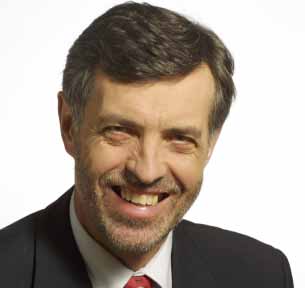
The role of HELCOM
and its future priorities
by Jan-Erik Enestam, Minister of the Environment of Finland
It is well known that the Baltic Sea is
points and the specifi c requirements of
a unique sea, which requires special
the Baltic Sea. To avoid possible over-
attention, and, in some matters, even
lapping activities, the role and focus of
Jan-Erik Enestam, Minister of the
more stringent measures than other
the HELCOM work should be carefully
Environment of Finland
seas in the world.
considered on the basis of the Bremen
Ministerial Declarations. In the chang-
In spite of all the efforts made over the
HELCOM co-operation has been and
ing international framework HELCOM
last few decades, eutrophication is still
still is an important forum in which the
should concentrate on activities which
a problem. It is evident that the 50 %
riparian countries can openly discuss the
bring added value to the protection of
reduction goal, set in 1988, has been
Baltic Sea protection needs and meas-
the Baltic Sea. Furthermore, the involve- achieved by almost all Contracting Parties
ures. Through their own actions, jointly
ment and role of Russia, Belarus and
as regards point sources, but for diffuse
or individually, the riparian countries can
Ukraine in the HELCOM co-operation is sources the situation is much more unsat-
infl uence the state of the Baltic marine
of the utmost importance.
isfactory. Even the elaboration of the
environment and the direction of its
more specifi c targets, as requested by the
future. The Helsinki Convention has been One of the particular features of the
ministerial meeting in 1998 has not been
and should continue to be an effective
Baltic Sea region is the number of new
realised by all countries. The main land-
instrument for introducing the local and
organisations and bodies established
based source of nutrients is agriculture.
regional aspects both in the framework
in 1990s. In this framework, HELCOM
The EU enlargement will bring new large
of global marine conventions and agree-
should more actively keep its leading
catchment areas of the Baltic Sea under
ments, as well as in environmental policy role in the fi eld of Baltic Sea protection
the EU Common Agricultural Policy. This
of the European Union.
and should act as a catalyst in promot-
will hopefully lead us to a new political
ing international and inter-sectoral
cooperation in this fi eld for the benefi t of
HELCOM cannot stay unchanged when collaboration. We need HELCOM as an
the Baltic Sea.
its geopolitical and economic environ-
important forum for riparian countries
ment will formally be changed 1 May
to discuss and formulate common opin- From politicians point of view, reporting
2004. Its duties and working methods,
ions related to the specifi c problems and should be further improved in general
as well as the resources, need to be
needs of the Baltic Sea and its protec-
terms, as well as on the implementation
evaluated and modifi ed accordingly,
tion. Good and effective co-operation
of recommendations. We need in deci-
both as regards the Contracting Parties and coordination between the Euro-
sion-making timely information on the
and the Secretariat. HELCOM and its
pean Union and HELCOM are needed in status of the marine environment, on
Secretariat have to work pro-actively
the implementation of the strategy to
pollution loads, and on other emerging
and draw attention to the Baltic Sea
protect and conserve the marine envi-
issues where human activities and pres-
protection needs in a discernible
ronment currently under preparation
sures threaten marine environment.
manner. For the future of HELCOM, the within the European Union.
role of the competent and innovative
To fulfi l the above-mentioned chal-
Secretariat is of the utmost importance. The constant increase in tanker ship-
lenges, and to keep HELCOM as a
ping has considerably raised the risk of
strong intergovernmental organisation
For the protection of the Baltic marine
environmental disasters and accidents
for the protection of the Baltic marine
environment, membership of the Euro-
at sea especially in the Baltic Sea. Illegal environment, the Contracting Parties
pean Union and the fulfi lment of the
deliberate discharges of oil at sea are
must give continuously strong political
appropriate EU directives will not always also a topic of a continuous concern.
support to the work of HELCOM.
be suffi cient. HELCOM will certainly
Therefore all appropriate measures must
also be needed in the future to stress,
be taken under IMO and, if possible,
Jan-Erik Enestam
4
among other things, the regional view-
under HELCOM.
Finnish Minister of the Environment
Blue-green algal blooms in the Baltic in 2003
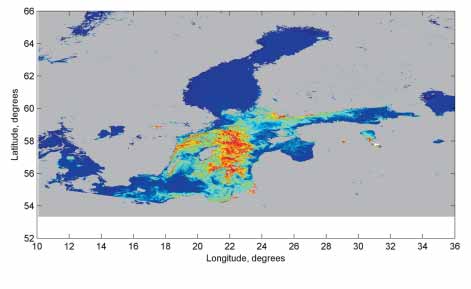
This year, the extremely hot and sunny
in inorganic phosphorus levels during
IMR
period from mid July to early August
the 1990s, due to a rapid rise in
/
F
KE
produced severe blue-green algal
internal loading. This has helped the
Y
:
S
blooms in the Baltic, and 2003 can well
most ecologically signifi cant types of
o
be regarded as one of the worst years so blue-green algae in the Baltic - Nodu-
Phot
far. This was, however, true only for the
laria spumigena and Aphanizomenon
central waters of the Baltic Proper, from
fl os-aquae - to thrive, since they are
the Gulf of Gdansk to the Åland islands,
dependent on the amounts of phos-
while surface accumulations in the
phorus available in the water.
southern parts of the Baltic and in the
Gulf of Finland were only moderate.
Internal sources of phosphorus are cur-
rently beyond our control, and internal
waters and at sediment interfaces com- The spatial extent
The relatively benign situation in the
loads have risen despite decreases in
monly lead to the liberation of inorganic of blue-green
Gulf of Finland was unexpected, as
external phosphorus inputs into the
phosphorus from sediments, fertilising algal blooms in the
considerable inorganic phosphorus
Baltic.
the Baltic ecosystem also during late
Baltic in the latter
levels after the spring bloom had led to
summer - a season when the lack of
part of July 2003
warnings of possible severe blooms of
This contradictory situation is partly
phosphorus usually limits algal growth.
blue-green algae in late summer. This
due to the continued presence of nutri-
time, happily, the reality did not match
ents in the sea following the release
Contact:
up to the forecasts.
of heavy anthropogenic nutrient loads
Mr Mika Raateoja
into the Baltic over almost 50 years,
E-mail: mika.raateoja@fi mr.fi
One important contributor to the
but the Baltic's unique hydrography
Finnish Institute of Marine Research
observed increase in the late summer
is also a contributory factor. Frequent
Alg@line
blue-green algal blooms is the increase
suboxic and anoxic conditions in deep
http://www2.fi mr.fi /en/itamerikanta.html
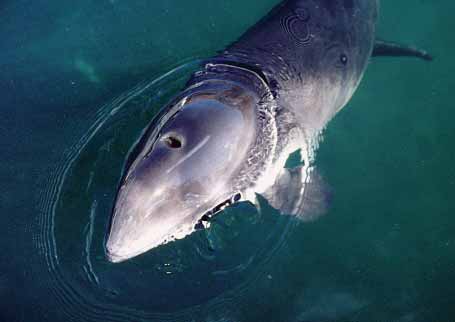
Whales and porpoises in the Baltic
This summer several fi n whales (Balae-
Fin whales are only occasional exotic visi-
e
nk
noptera physalus) were seen around
tors in these waters, however, and the
Be
the Belt Sea Islands, and even as far
harbour porpoise (Phocoena phocoena)
l
d
a
from the North Sea as the island of
is the only cetacean species regularly
:
Har
Rügen near the border of Germany and
encountered in the Baltic. Although por-
o
Poland. Fin whales have been recorded
poises were once common as far north-
Phot
in the Baltic Sea before, but only very
east as the Bothnian Bay, few sightings
rarely. Their appearance was probably
or by-catches have been reported from
an indirect consequence of a large
most parts of the Baltic since the 1960s.
saltwater infl ux from the North Sea
This suggests that the species' distribu-
in January and February. This fl ow of
tion range has been reduced dramati-
oxygen-rich, salty water was so strong
cally over the last 50 years. The eastern
and persistent that it led to dramatic
limit of the Baltic harbour porpoise's
changes in the diversity of marine
regular occurrence currently runs roughly Harbour porpoise in the Baltic Sea
fauna. It is likely that the fi n whales
between Gdansk Bay in the south and
simply followed their typical prey into
the Swedish island of Gotland.
harbour porpoises in the Baltic Sea. The
the Baltic within this large mass of salty
magnitude of harbour porpoise by-
water.
Aerial surveys conducted in 1995 esti-
catches in commercial fi sheries in recent
mated that there were then around 600
years has led to increased concern over
5
Continues on the following page
excessively high mortality rates and the
Contact:
Mr Per Berggren
current status of this species. New aerial
Email: berggren@zoologi.su.se
surveys conducted in the summer of
Ms Meike Scheidat
Stockholm University
2002 by Sweden indicated no appar-
Email: scheidat@ftz-west.uni-kiel.de
S-106 91 Stockholm
ent improvement in porpoise numbers.
Research- and Technology Centre West Sweden
The disappointing results of the survey
Coast of Christian-Albrechts-University
Tel. +46-8-164029
suggest that more conservation meas-
at Kiel
Fax +46-8-167715
ures are urgently needed to improve the
Germany
situation for this already endangered
population.
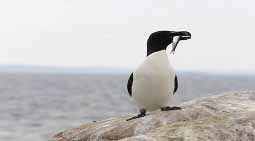
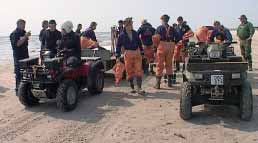
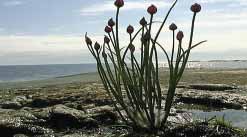
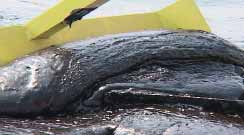
New Radio and TV series
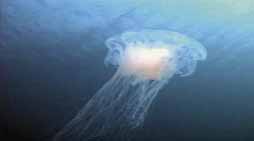
Radio & TV Series "The Baltic - A Sea of Change"
T
R
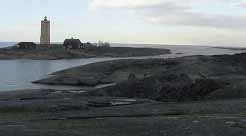
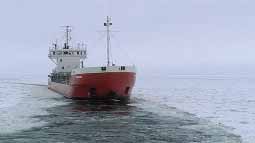
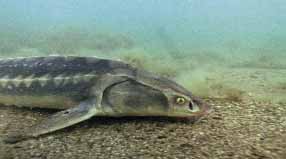
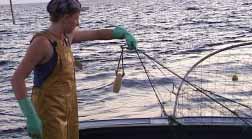
Perhaps more than any other sea in the "The Baltic - a Sea of Change" - consists
A
D
world, the Baltic is highly vulnerable.
of a series of four radio programmes,
N
A
But people around the Baltic are now
each of 30-45 minutes in length, and a
s
:
M
o
more aware than ever of the fragile
TV series of four 10-minute fi lms. Both
nature of the sea - and how maintaining series will be available free of charge in
Phot
its natural balance is as important for
January 2004.
people as it is for marine life.
The audiovisual production is funded by
The Radio and TV Series "The Baltic - A the EU, the German Federal Ministry for
Sea of Change" portrays the close inter- the Environment, Nature Conservation
relationship of the people of the Baltic
and Nuclear Safety, the Swedish Environ-
and the marine environment, and exam- mental Protection Agency, HELCOM and
ines how we can ensure a future for this Deutsche Welle.
unique sea.
Radio Series
The Baltic - A Sea of
Change - Kaliningrad
The radio programmes are co-produced
(International Co-production with ZAO
by Deutsche Welle and national broad-
Baltic Plus)
casters from countries around the Baltic.
Kaliningrad has gone through funda-
mental changes during the 12 years
The Baltic - A Sea of
since the break-up of the Soviet Union,
Change - Lithuania
but it is still deemed one of the worst
(International Co-production with
polluters of the Baltic Sea.
Lietuvos Radijas - Lithuanian Radio
and Television)
By looking at concrete examples such as
Oil released during tanker accidents and
a major cellulose factory, this co-produc-
from oil platforms off the Lithuanian
tion attempts to understand what moti-
coast threatens the beautiful coastlines
vates companies to undertake ecological
of the Curonian Spit - a UNESCO World
reforms, which obstacles they encounter,
Heritage Site - as well as the livelihoods
and why it is still worthwhile to press
of local people dependent on fi sheries
ahead with such reforms.
and tourism during the summer months.
Illegal releases of oil from ships plying
The Baltic - A Sea of
the busy waters of the Baltic add to the
Change - St Petersburg
pollution menace.
(International Co-production with OAO
GTRK Peterburg)
6
The city of St Petersburg has been one of
the worst polluters of the Baltic.
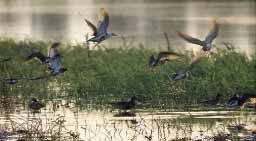
Until shortly before the collapse of
A Fragile Sea
T
the Soviet Union, many weapons and
In the 70s the Baltic Sea had become
R
A
D
ammunition factories were located in the one of the most polluted seas in the
N
A
area, and sewage from the city was fed
world, and creatures at the very top of
s
:
M
untreated into the sea. Agriculture was
the marine food chain were most obvi-
o
dominated by collective farming, and
ously paying the price.
Phot
little concern was shown about the envi-
ronment. In recent years industrial and
The pollution in the sea originates from
agricultural production has been chang-
our industries, cars and homes on the
ing radically and many local NGOs are
land; from ships sailing on the sea itself,
using this opportunity to campaign for a
and from the air. Many of our activities
cleaner and safer environment.
add nutrients into the sea, which can
trigger algal blooms that are toxic to
The Baltic - A Sea of
both animals and people.
Change - Poland
(International Co-production with Radio
Voyagers
Gdansk)
Of all the invaders that have come to
The alarming state of fi sh stocks in the
live around the Baltic Sea since it fi rst
Baltic and ever-increasing maritime traffi c formed, we humans have had the most
are both major worries for Polish marine
impact on marine life. Many alien species
scientists and local people who live from
have hitched a ride here from distant
fi sheries and tourism.
waters, and managed to establish them-
selves in the Baltic.
For far too long, the Baltic has been
burdened with the wastes and emis-
Marine mammals such as harbour
sions of people living around its shores.
porpoises can easily get tangled up in
The largest share of this pollution comes
fi shing nets, while fi sh like salmon, which
from farmland, urban areas and industrial
migrate annually between the sea and
plants in Poland and the former Soviet
rivers, nowadays depend on our help.
Union - and is carried into the Baltic via
the rivers Odra, Vistula and Neva.
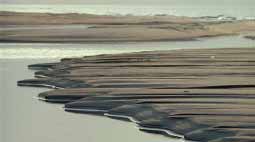
Sensitive Shores
Since the early days, people have settled
TV Series
along the Baltic's coastlines, and made
their living from the sea. Meanwhile, mil-
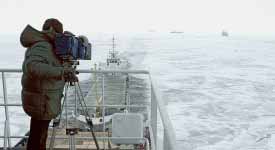
The TV Series "The Baltic - A Sea of
lions of birds still rely on the save havens
Change" is produced by MANDART
provided by wetlands around the Baltic
Production, an independent wildlife
during their long migrations. Nowadays,
documentary production company based
more and more holiday-makers seem to
in Finland. The series is produced by Nick
head for the sea every year. Disturbance
Upton, winner of more than 30 wildlife
can be as much of a problem to wildlife
TV awards.
as pollution.
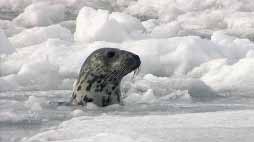
A Sea of Ice
Commercial shipping is also intensify-
In winter the Baltic is a sea of ice and
ing at a phenomenal rate, and related
snow. Since it contains so much less salt
problems such as accidental or deliber-
than the open seas, the Baltic can freeze
ate oil pollution can add to the pres-
right over during the coldest winters.
sure on the Baltic's sensitive shores.
Fish, seals, porpoises and other wild-
Contacts
life have come to terms with the harsh
Please contact HELCOM Informa-
natural conditions, but they remain more
tion Secretary Ulrike Hassink at
sensitive to pollution than creatures in
ulrike.hassink@helcom.fi for details of
7
other, more open seas.
how to obtain these special series of
programmes.
Forthcoming
meetings
8-9 December 2003
New statistics on shipping accidents
Third Meeting of the Pilot Expert Working
in the Baltic available now
Group (PILOT EWG) in Helsinki, Finland
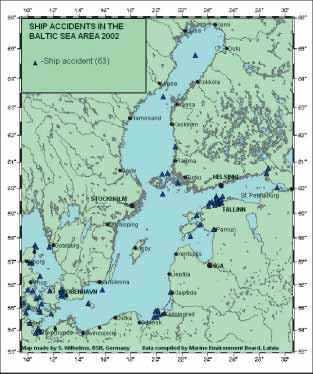
A total of 63 ship accidents were
9-11 December 2003
recorded around the Baltic in 2002,
Third Meeting of the Response Group
although thankfully none of them
(HELCOM RESPONSE) in St. Petersburg, Russia
resulted in oil spills or any other kind
of pollution, according to statistics
16-17 December 2003
reported by the HELCOM countries,
14th Meeting of the Heads of Delegation
and compiled by Latvia.
(HOD) in Helsinki, Finland
"Recording no accident involving pol-
lution is a good result, considering that
2004
around 2,000 ships are out on the Baltic
Sea on an average day; some 200 of
20-22 January 2004
which are tankers carrying oil or other
Second Meeting of the Maritime Group
liquid products." says Tadas Navickas,
(HELCOM MARITIME) in Stockholm, Sweden
Professional Secretary of the Helsinki
Commission. "But we must continue
Shipping accidents in the Baltic
2-4 March 2004
working to reduce the number of acci-
in 2002
25th Meeting of the Helsinki Commission
dents in the Baltic in general."
(HELCOM 25/2004) in Helsinki, Finland
ing single-hulled (7) and double-hulled
The total number of reported accidents
(7) tankers.
is similar to the fi gures for 2001 (57)
and 2000 (62). As in previous years,
The statistical risk of accidents is
groundings (43) are the most frequent
growing due to the increasing density
type of shipping accident, followed by
of shipping. It has duly been estimated
collisions (8) and various other types of
that the total amount of goods being
accidents (12). Different types of ships
transported on the Baltic Sea will
have been involved in accidents, includ-
double by 2017.
New staff
Ms Anne Christine Brusendorff
Other new members of the HELCOM
took up her new post as Executive
Secretariat are Mr Sebastian Valanko,
Secretary on 1 August 2003. Her
EcoQO Project Secretary, as well as Ms
former post as Professional Secretary
Merja Hodgson and Ms Maria Kausto-
coordinating the work of HELCOM
Turner, both of whom are responsible
RESPONSE and HELCOM MARITIME
for the coordination of the Global
has been taken over by Mr Tadas
Environment Facility Project.
Navickas, former Head of the Lithua-
nian Delegation to HELCOM.
www.helcom.fi