30 years of protecting
the Baltic Sea
HELCOM 19742004
Helsinki Commission
Baltic Marine Environment Protection Commission
Contents
Message from the President of Finland
Ms Tarja Halonen
3
Foreword
Ms Inese Vaidere
4
HELCOM A Bridge between East and West
5
The Helsinki Convention the birth of a success story
Mr Peter Ehlers
6
HELCOM and the EU towards a new partnership
Ms Margot Wallström
8
The Baltic A Sea of Change
Mr Harald Velner 10
Whose responsibility is it to keep the Baltic Sea clean?
Ms Sylvia Bretschneider 12
How have pollution loads changed over the last 30 years?
14
Why is eutrophication so diffi cult to tackle in
the Baltic Sea region?
Mr Mika Raateoja and Mr Heikki Pitkänen 15
How powerful are HELCOM's tools to protect the Baltic Sea
in legal terms?
Mr Fleming Otzen 19
How do International Financial Institutions assess
the cooperation with HELCOM?
Mr Roland Randefelt 20
How has co-operation between intergovernmental and
non-governmental organisations changed since the 1970s?
Mr Risto Veivo 23
The Operation of the Baltic Sea Joint Comprehensive
Environmental Action Programme (JCP)
Mr Göte Svenson 24
The Baltic through children's eyes
Mr Fran Weaver 26
Message from the President of Finland
Ms Tarja Halonen
Dear Friends of the Baltic Sea,
emissions. At the same
3
HELCOM 1
I belong to the privileged group of people who can
time, the technical and
say that they have almost daily contact with the
safety level of the ships
Baltic Sea. Through the windows of my home and
used on the Baltic should
9
7
offi ce I have the opportunity to follow the seasonal
be improved. These two
4
20
changes of the magnifi cent marine landscape. The
goals are also included
0
4
aesthetic and environmental values of the Baltic
in Finland's National Pro-
Sea are vast, but this area has also turned into one
gramme for the Protec-
of the most dynamic economic regions in Europe
tion of the Baltic Sea; and
and even worldwide. It is crucial that the present
the implementation of
generations, and generations to come, take proper
this programme is among
care of this sea.
the Finnish government's
top environmental priori-
The Helsinki Commission has served during the
ties. The overall state of
last 30 years as the main environmental actor in
the Baltic Sea, however,
the Baltic region. The signing of the Convention
can only be improved by
in 1974 by the seven Baltic coastal states was a
continued and active work in all the coastal states,
historical milestone, because for the fi rst time ever,
and through joint international actions.
all the sources of pollution around an entire sea
were made subject to a single convention. Due to
Within the framework of the Helsinki Commission,
subsequent political changes in the area, and devel-
the implementation of the decisions of the Bremen
opments in international environmental and mari-
Ministerial Meeting 2003 represents the next con-
time law, the need for a new updated convention
crete step along this road. The full enforcement
became obvious, and in 1992 a new convention
of the network of Baltic Sea Protected Areas is an
was signed by all the states bordering on the Baltic
essential part of efforts to improve nature con-
Sea, and the European Community.
servation and the protection of biodiversity. The
Helsinki Commission also has an important role
Over the years, the Helsinki Commission has been
in the development of the EU Marine Strategy, as
able to provide timely information about environ-
well in the preparation of regulations for winter
mental trends and the state of this fragile marine
navigation.
ecosystem. It has also acted as the overall environ-
mental policy maker establishing common environ-
Citizens' commitment to sustainable development
mental objectives and actions for the protection of
should be refl ected in political decision-making.
the Baltic Sea.
Environmental questions have been the crucial
factor triggering the new global civic responsibility.
Now on the eve of the EU's enlargement, the role
The Helsinki Commission can continue to work to
and priorities of the Helsinki Commission are being
improve the well-being of the Baltic Sea while also
discussed actively again. Even though signifi cant
contributing to the global responsibility, by trans-
progress has been made, much is still to be done.
ferring experience and knowledge to less devel-
The Baltic Sea is still one of the world's most pol-
oped regional programmes established to protect
luted seas, and the Helsinki Commission will also in
the marine environment around the world.
years to come have a crucial role in ensuring that all
our combined efforts are effective.
The main problems in the Baltic at the moment
are the eutrophication caused by excessive nutri-
ent loads, and the risk of serious accidents due to
Tarja Halonen
increasing oil transport. We urgently need actions
to reduce industrial, agricultural and municipal
President of the Republic of Finland
Foreword
4
Home. Living. Connection. Leisure.
people and organisations who believe the protec-
HELCOM 1
These are just a few of the many meanings of the
tion of the Baltic marine environment is an issue
Baltic Sea which has always been an unalienable
that should not be clouded by economic and politi-
9
part of the lives of the people living around its
cal constraints.
7
4
20
shores. Although each of us has our own unique
0
relationship with the sea, the quality of the marine
The impending enlargement of the European
4
environment is directly connected with everyone's
Union will again change the political setting,
quality of life.
bringing many of the countries around the Baltic
Sea closer together than ever before. This should
An increasing awareness of the crucial role of
greatly facilitate joint environmental protection
the sea in our lives fi rst led the governments of
work throughout the region.
the Baltic Sea states to take action exactly three
decades ago, setting an example for the world by
I am proud to have the honour to present this
signing the fi rst international agreement covering
special jubilee publication, which celebrates the
all aspects of the protection of a marine environ-
thirtieth anniversary of the Helsinki Convention
ment shared by many countries the Helsinki
by encapsulating three decades of work by the
Convention.
Helsinki Commission to protect the Baltic marine
environment, as well as the individual experiences
The fruits of this agreement have shown that in
of many of the people who have made valuable
such circumstances only common, co-ordinated
contributions to this work.
action can be truly effective. This innovative instru-
ment for the protection of the marine environment
has subsequently been adapted and applied to
protect various seas around the world. Ever since
Prof.Dr. Inese Vaidere
the 1970s, the processes related to the Helsinki
Convention have come to involve more and more
Chair of the Helsinki Commission
HELCOM A Bridge between
East and West
Three centuries ago, Tsar Peter the Great was the
joint endeavour to protect their common sea.
5
HELCOM 1
fi rst authority to recommend strict measures to
There was widespread astonishment that so many
protect the Baltic marine environment:
radically different states could all sign the 1974
Helsinki Convention under the prevailing political
9
7
"The riverbanks and sewers [of St Petersburg] must
conditions.
4
20
be well contained so that they are not covered
0
4
with earth. Every citizen is responsible for keeping
Water remains in the Baltic for up to 30 years
the bank in front of his house clean. All garbage
along with all the organic and inorganic matter
should be collected and brought to a certain place
it contains.
but in no way dumped in the river. Culprits must
be punished harshly."
The political environment will change again with
the enlargement of the EU, and the future of our
Three decades ago, a much wider set of recom-
common sea will once more depend on HELCOM's
mendations was issued when all the countries bor-
extensive experience serving as a bridge between
dering on the Baltic agreed in an unprecedented
East and West.
Increasing awareness of the
First intergovernmental
s
0
deteriorating environmental
3 expert meeting about
7
6
situation of the Baltic Sea
the Baltic Sea
19
19
The United Nations Confer-
972 ence on the Human Environ-
1 ment in Stockholm

The Helsinki Convention the birth of
a success story
Mr Peter Ehlers, former Chairman of the Helsinki Commission (198486, 20002002)
6
The dawn of a new era
Encouraging results
HELCOM 1
Co-operation around the Baltic started during the
The many measures taken by the Helsinki Com-
Cold War era, when this region was divided by the
mission over three decades have not been in vain.
9
Iron Curtain. The protection of the Baltic Sea was
The environmental situation in the Baltic Sea is no
7
4
20
one of the very fi rst issues which the Baltic Sea
longer deteriorating, but has improved in various
0
States agreed to co-operate on. It can justifi ably
fi elds. This is an encouraging result, but this
4
be said that wide-ranging co-operation within the
work is by no means going to be fi nalised in the
bodies of the Helsinki Commission, established
near future, as there is still much to do. Further
by the convention in 1974, and the personal con-
measures are needed, particularly with regard to
tacts made through this work all led to improved
curbing eutrophication and phasing out hazardous
understanding, greater openness and mutual
substances, but also where the conservation of
understanding. In a modest way, this helped to
marine habitats and the sustainable use of natural
overcome the split of the world into East and West,
resources are concerned.
and later to tear down the Iron Curtain. Those who
participated in the 1990 Ronneby Conference of
The road ahead
the Heads of Governments of the Baltic Sea States
will never forget this event, which marked the
The future role of the Helsinki Commission will
beginning of a new era not only with regard to
be strongly infl uenced and even dominated by
marine environment protection.
growing regional and European co-operation. In
this respect, closer links with other marine areas
HELCOM in brief
are indispensable, so that we can aim for the har-
The Helsinki Commission (HELCOM)
monisation of comparable decisions. This is particu-
The Helsinki Commission works to protect the marine environment of the
larly true concerning the work of the OSPAR Com-
Baltic Sea from all sources of pollution through intergovernmental co-
mission in the Northeast Atlantic region. Promising
operation between Denmark, Estonia, the European Community, Finland,
steps have already been taken in this direction by
Germany, Latvia, Lithuania, Poland, Russia and Sweden.
the fi rst joint ministerial meeting of both commis-
HELCOM is the administrative body of the "Convention on the Protection of
sions, held in Germany in 2003.
the Marine Environment of the Baltic Sea Area" - more usually known as the
Helsinki Convention.
European unifi cation and
enlargement
The 1974 Convention
For the fi rst time ever, all the sources of pollution around an entire sea were
In the longer run, the accession of four more Baltic
made subject to a single convention, signed in 1974 by the then seven Baltic
Sea States to the European Union this year will
coastal states. The 1974 Convention entered into force on 3 May 1980.
radically change the tasks and competencies of the
Helsinki Commission. Starting with the European
The 1992 Convention
Water Framework Directive, it becomes apparent
In the light of political changes, and developments in international environ-
that marine environment protection will in future
mental and maritime law, a new convention was signed in 1992 by all the
be a high-ranking issue for the European Com-
states bordering on the Baltic Sea, and the European Community. After rati-
munity. One benefi t of this will be that in contrast
fi cation the Convention entered into force on 17 January 2000. The Conven-
to the Recommendations of the Helsinki Commis-
tion covers the whole of the Baltic Sea area, including inland waters as well
sion, Community decisions are legally binding and
as the water of the sea itself and the sea-bed. Measures are also taken in the
can be sanctioned. On the other hand, regional
whole catchment area of the Baltic Sea to reduce land-based pollution.
Diplomatic conference
The fi rst Convention on the
4 signs the Helsinki
protection of the Baltic Sea is
7 Convention (22.3.74)
signed by the coastal states.
19
5 Regional Seas Conventions
9 The "Antonio Gramsci"
7
7
and related Protocols
oil spill (5,500 tonnes)
19
19
expertise will still be needed, as problems in the
Questions and Answers
7
HELCOM 1
Baltic Sea area may differ considerably from those
Protecting a whole sea involves organisations and people from
elsewhere in Europe.
all walks of life including lawyers, bankers, politicians, scien-
tists, factory owners and municipalities. Over the last 30 years,
9
7
many people have worked with the Helsinki Commission and
4
20
Back to HELCOM's roots
become members or friends of the HELCOM family. We invited
0
4
The Helsinki Commission will continue to play an
some of them to share their views on the past 30 years of co-
important role in assessing the environmental state
operation.
of the Baltic, and in elaborating measures, even
though decision-making tasks might be taken over
What does the future hold in store for the Baltic?
by other European bodies.
Mr Marcin Plinski, Gdansk University, Poland:
Another task of outstanding importance for
I think that the expansion of the EU will be good for our Baltic
HELCOM will be to strengthen indispensable links
Sea, because the majority of the pollution stems from contami-
with Russia. Close and proactive co-operation
nated soil. If there are the same environmental and economic
between Russia and the Baltic Sea EU Member
standards everywhere, however, there will be a reduction in
States is a vital prerequisite for any further progress
Baltic Sea pollution.
in environmental protection. In a sense, this means
returning to the Helsinki Commission's roots as a
Mr Stanislaw Uminski, Gdansk University European
major contributor to a process of integration. Hope-
Center, Poland:
fully HELCOM will be successful again in this role.
The integration of the countries bordering on the Baltic Sea
seems to be accelerating fastest on the environmental front.
Several persistent organic
Many observers believe that otherwise the countries remain
pollutants (POPs) including
more divided than united.
organochlorine pesticides such
as DDT and technical grade HCH
have been completely banned
since the 1980s.
0
8 The 1974 Helsinki Convention
Guidelines for the Baltic Monitor-
Monitoring of physical,
variables starts in the
enters into force (3.5.80)
ing Programme for the First Stage
19
chemical and biological
open sea
HELCOM and the EU towards a new
partnership
Ms Margot Wallström, EU Commissioner for the Environment
8
The Baltic Sea is one of the world's most extraordi-
transformations have also taken place in the area.
HELCOM 1
nary seas and the largest body of brackish water on
For a long time, HELCOM offered one of the few
the planet. The beauty and great variety of the sea
opportunities for an East-West dialogue.
9
and its surrounding landscapes are unique. Since
7
4
20
the last Ice Age, the Baltic has gone through various
In the early seventies, when HELCOM was founded
0
transformations, having been at various times a
and got down to work, only two of the contract-
4
strait, a large bay, a lake and now an inland sea con-
ing parties, Germany and Denmark, were members
nected to the world's oceans by narrow straits.
of the European Community. The Community
itself also benefi ted from the lead set by HELCOM,
Throughout the thirty years of HELCOM's history,
since environmental policymaking for the then 10
various major geopolitical, political and economic
member states was still in its early stages.
Now, the Iron Curtain is long gone, and the Euro-
How have attitudes towards the sea changed since the 1970s?
pean Union is about to enlarge eastwards. Among
Ms Eeva Furman, Marine Biologist, Finnish Environment
the countries that will join the EU on 1 May 2004
Institute:
are Estonia, Latvia, Lithuania and Poland. This will
In the 1970s it was common to fl ush the "toilet" of sailing boats
bring a large new area under the umbrella of EU
and other leisure craft straight into the sea, or wash one's hair in
environmental protection policies. Without doubt,
the water.
this will be to the advantage of the Baltic Sea
environment.
Today, people pay more attention to their everyday activities: peeing
from the shoreline into the sea is not very popular anymore, either!
However, despite some remarkable progress in
recent years, the overall state of the Baltic Sea
Mr Paavo Tulkki, Finnish Institute of Marine Research:
environment is still unsatisfactory. The EU has
The amount of information presented to citizens on the nature and
recognised that some of its policies, on issues
state of the Baltic Sea has greatly increased, which is important for
such as fi sheries, agriculture and transport, were
environmental awareness.
developed for other reasons than to protect the
marine environment. These policies are now being
Mr Sergej Jakutseni, director of the State Control Department
reformed with a view to controlling the pressures
for the Northwestern Region of Russia:
and improving the quality of European seas. This
For us, environmental protection is a new concept: our authority was
requires integrated action. The implementation of
only established four years ago.
EU environmental legislation in the new member
states will contribute to this goal, reducing the pol-
Mr Felix Karmasinov, director of St Petersburg's Vodokanal
lution that the Baltic Sea is exposed to.
water supply and sewerage company, Russian Federation:
25 years ago in St. Petersburg - I mean then in Leningrad - there were
In 2002, the European Commission launched a
absolutely no water treatment plants. That means that until 1979,
process to develop a European Marine Strategy.
everything went into the Neva and its tributaries exactly as it left
This strategy will represent a signifi cant step
industries or sewerage systems - and there were a lot. In St. Peters-
forward in the development of a single, coherent
burg alone there were 30,000 so-called "direct drains", in addition
policy for the conservation and protection of the
to obsolete sewage systems, chemical sewage and so on...
fragile resources that are our seas. Each policy
Assessment of the Effects of
HELCOM's fi rst scientifi c
1 Pollution on the Natural Resources
assessment of the state of
8 of the Baltic Sea (1980)
the Baltic marine environment
19
1
2
The "Globe Asimi" oil spill
UN Convention on the Law A constitution for the oceans
8
8
(16,000 tonnes)
of the Sea (UNCLOS)
is created, comprehensively
19
19
regulating the balance between
Some of the fi sh caught in the Baltic Sea exceed
the EU limits on concentrations of dioxin in food
and livestock feed.
sector will have to consider the side effects, posi-
join forces. For the Baltic Sea, HELCOM is the key
9
HELCOM 1
tive or negative, that it has on other sectors and on
player in this process. Together, we must exploit
marine ecosystems. This is, in simple terms, what
every opportunity for synergies, co-operation and
scientists call an ecosystem approach to the man-
co-ordination. This will undoubtedly require a
9
7
agement of human activities.
change in how HELCOM operates. But at the same
4
20
time, it provides an opportunity for HELCOM to
0
4
To make this strategy effective from the Baltic to
strengthen its role as the `promoter' of a healthy
the Black Sea and ultimately globally all interna-
Baltic Sea environment in the enlarged European
tional governmental and non-governmental organ-
Union, and as a think-tank offering solutions that
isations concerned with marine management must
can be applied even more widely.
3
8 Manual on co-operation in
combating marine pollution
19
the freedom of the oceans and
6
the oceans in the interests of
The Chernobyl accident
8
the right and duty to wisely use
present and future generations
19
The Baltic A Sea of Change
Mr Harald Velner, former Chairman of the Helsinki Commission (199092, 199496) and
former Executive Secretary (1984-88)
10
During my work as Executive Secretary of the Hel-
Parties of the Commission were much smaller than
HELCOM 1
sinki Commission from 1984 to 1988, the atmos-
the true loads. For example, pollution loads from
phere in the Secretariat was very good. However,
the city of Leningrad (nowadays St Petersburg)
9
my job as Executive Secretary was not easy at all
the largest city around the Baltic Sea were cal-
7
4
20
times, because of my Soviet citizenship. During
culated on the basis of water quality data from the
0
discussions on controversial questions it was nec-
River Neva alone, omitting information from major
4
essary, but challenging, to fi nd compromises that
point sources and the effects of sewage water
would satisfy all the Contracting Parties, especially
purifi cation plants. The same situation occurred for
the Soviet Union.
pollution load data for the River Vistula, the Gulf of
Gdansk, Riga and other coastal cities.
Clean data clean water
On the other hand, the Soviet Union did support
One highly controversial issue was the two differ-
the proposals of the Scandinavian Contracting
ent scientifi c approaches used by the Contracting
Parties to limit harmful substances, biological
Parties to calculate permissible pollution loads: the
oxygen demand and phosphorus inputs on several
Western approach, which measured "loads at the
occasions.
end of the sewerage pipeline", and the Eastern
European approach, which concerned "limitation
Serving two masters
of pollution in the recipient water body". This
latter method allowed the authorities to calculate
Political changes during my Chairmanship between
permissible pollu-
1990 and 1992 represented further personal chal-
The conservation work of HELCOM has tion loads without
lenges for me. While I was nominated Chairman of
contributed to many success stories,
disclosing pollution
HELCOM in 1990 by the Soviet Union, my country
including:
load data from
of origin Estonia entered a transition period to
The recovery of white-tailed eagle
point sources.
independence, which ended in 1992. During
populations around the Baltic Sea
the interim period I continued my Chairmanship,
The return of the cormorant to the
Another chal-
having been adopted by both Estonia and the
whole region
lenge was how to
Russian Federation, but this was not an easy role
Early signs of recovery in Baltic wild
monitor and assess
for me. I was happy to succeed in setting up the
salmon populations
water quality in the
crucial 1992 Commission Meeting with the help of
Increasing numbers of seals in
Baltic Sea. While in
all the Contracting Parties.
northern areas of the Baltic Sea
the open sea moni-
toring was carried out jointly by all Contracting
By the time I served as Chairman of HELCOM
Parties, monitoring in coastal waters was subject to
from 1994 to 1996 nominated by the Republic
national responsibility, and no direct international
of Estonia the working situation of the Helsinki
control was possible.
Commission had changed considerably once
more. Ten Contracting Parties were now working
In this way the integrated data reported once a
together in a highly co-operative working atmos-
year by all the Contracting Parties did not fully
phere, following the signing of the new Conven-
match reality consistently. Sometimes, the pollu-
tion on the Protection of the Baltic Sea in 1992.
tion load data reported by the Eastern Contracting
The national reports presented to HELCOM were
First Periodic Assessment of the
The fi rst major scientifi c
7 State of the Marine Environment
assessment on the Baltic marine
8
based on data from HELCOM's
First Baltic Sea Pollution
of the Baltic Sea Area (1980-1985)
environment is published,
monitoring programmes.
Load Compilation
19
now more open and representative of the real situ-
How have attitudes towards the sea changed since
11
HELCOM 1
ation in the Baltic marine area, and the pollution
the 1970s?
load data was more accurate than ever before.
Mr Ilmari Aro, former ice-breaker captain of the
HELCOM's work concentrated more on fulfi lling
Finnish Maritime Administration:
9
7
Task Force decisions, and co-ordinating support
During the 1970s all possible materials were just thrown over
4
20
for different "Hot Spots" around the region. The
board, if they were no longer needed.
0
4
atmosphere and working style of the working
groups and commissions were highly professional
Ms Ilkka Viitasalo, Committee and Board of Offi cers
and friendly, and technical discussions were no
member of the Baltic Marine Biologists, former
longer unduly infl uenced by any political positions.
researcher at the Environment Centre of the City of
Helsinki, Finland:
The attitudes of the general public have changed most.
People have slowly learned to love the Sea. There are,
During the 1990s, lead deposition
however, differences between age groups, income levels
declined by more than 50%,
of families and nationalities, and even between sexes.
mainly due to the increased use
Whatever the differences are, we all seem to be beginning
of unleaded petrol.
to realise that because the Sea with its endless supply of
resources and possibilities is free for everybody, we all must
carry our responsibility for its protection, too.
HELCOM Ministerial Decla-
The 1988 Ministerial Meeting
ration: 50% reduction goal
was a turning point in the
8
The fi rst joint assessment
of pollutants from all the
for nutrients and hazardous
history of the Commission, and
8
quantifying waterborne inputs
countries around the Baltic Sea
substances by 1995
laid down the cornerstone for
19
Whose responsibility is it to keep
the Baltic Sea clean?
Ms Sylvia Bretschneider, Landtag Mecklenburg-Vorpommern,
Baltic Sea Parliamentary Conference (BSPC)
12
A clean Baltic Sea is the responsibility of everyone
Since the costs of fi nancing the necessary meas-
HELCOM 1
living and working around the sea. This responsibil-
ures are often beyond the fi nancial scope of
ity begins with individuals whose actions directly
the Baltic Sea states, such problems can only be
9
or indirectly affect the Baltic Sea, and it ends with
resolved jointly, by setting priorities. HELCOM
7
4
20
globally acting institutions such as the International
has adopted an effective approach, choosing to
0
Maritime Organisation. In international institutions
start by combating pollution in hot spots, since
4
or intergovernmental agreements, governments
this helps to achieve the greatest successes with
defi ne the framework conditions that help to
the limited funds available. Governments have to
better protect or ecologically upgrade the marine
become even more aware that spending funds
environment. Such measures must not be limited
preventively in order to limit emissions from pol-
to the sea itself, but must already begin on land,
luters is ultimately much more cost-effective and
throughout the catchment area of the Baltic Sea.
will produce much faster results than implement-
notable changes in the political
tal activities at all levels, and
motivation for controlling marine
served as a starting point
Report on the deposition of
9
pollution. The new reduction
for advanced environmental
airborne pollutants in the Baltic
8
targets triggered environmen-
policies.
First BALEX DELTA exercise
Sea area 1983-1985 and 1986
19
9
8 Liberalisation in Eastern
Detailed observations of levels
Europe leads to closer
of some radionuclides in the
19 contacts between the Baltic
Baltic Sea due to fallout from
Sea countries
the Chernobyl accident
ing long-term and expensive remedial measures to
How have attitudes towards the sea changed since
13
HELCOM 1
clean up polluted sites. Industries in some Western
the 1970s?
European countries have already demonstrated
Mr Paavo Tulkki, Finnish Institute of Marine
that it is possible to operate more economically,
Research:
9
7
more effi ciently and ultimately also more profi tably
Still in the 1960s any garbage accumulated during a stay
4
20
by using limited funds selectively. Over the past
in harbour was simply thrown into the sea when the ship
0
4
two decades, many segments of industry have thus
had left the harbour and passed the boundary of territo-
substantially helped to reduce pollution.
rial waters three miles off the outermost skerries. Even
garbage from a Finnish research vessel was disposed of
However, the primary responsibility rests with each
in this way. In just a few hours this rubbish could end up
and every individual who through his or her own
on the beaches of the outer and inner archipelagos, if the
actions can make a contribution of some kind
wind direction was suitable. Today the same still happens
to protecting the Baltic Sea. The question as to
in the Gulf of Finland, but the trash according to the
whether natural resources are used sensitively and
texts written on it does not originate from the Nordic
sparingly depends on the individual's awareness.
countries, but from Russia, Germany, Netherlands, Poland
When it comes to the environmental education of
and other countries.
all age groups and social strata, in many Baltic Sea
countries there is still a vast untapped potential
that should be used more effectively. In future,
sary to share responsibilities in order to avoid an
HELCOM might also try to improve networking
imbalance in the burden to be borne by the various
between policy-makers, academics and the educa-
Baltic Sea states.
tional sector.
National governments will also have to impose
overall limits on the inputs of nutrients and pollut-
The challenge of controlling diffuse
ants. In this context, bans on the use of harmful
pollution and hazardous substances
or environmentally hazardous substances should
The prerequisite for effective control is continuous
not be ruled out. In this context, governments
and extensive monitoring on a suitably small scale,
should refrain from allowing transitional phase-out
in order to record the inputs of both nutrients and
periods of many years, particularly in the agricul-
pollutants in detail. To this end, it will be neces-
tural sector.
Finally, it will be necessary to create economic
incentives in order to achieve the agreed reduction
targets. However, adopting measures in the Baltic
In 1992, the spawning stock biomass
Sea area alone will not be suffi cient, especially
of cod in the Baltic reached a record
where diffuse airborne pollution is concerned. In
low. Particularly in the eastern Baltic,
future, there should also be closer co-operation at
cod stocks are seriously overexploited
pan-European level to ensure that the Baltic Sea
and their numbers are below safe
area will speak with one voice, thus increasing the
biological limits.
chances of success.
HELCOM Recommendation
The revised Helsinki Conven-
No. 100 adopted
tion is signed by the Baltic
At a major Diplomatic
0
2
The fi rst HELCOM assessment
First joint airborne
9 Sea States and the European
Conference, the Baltic Sea
9
on airborne pollution inputs.
surveillance
Community
Environmental Declaration
19
19
0
2
Prime Ministerial Meeting in
UN Conference on Environ-
For the fi rst time environmental
9
9 Ronneby "The Baltic Sea
ment and Development and
issues were discussed at global
19
19 Declaration"
Agenda 21 (UNCED, Rio)
level. The Agenda 21 process was
How have pollution loads changed over
the last 30 years?
14
Pollution loads from point sources, such as indus-
Most of the total nutrient load entering the Baltic
HELCOM 1
trial plants and municipalities, have decreased
today comes from diffuse sources. Agricultural
signifi cantly since the 1970s, due to technological
production fell sharply in all the transition coun-
9
improvements and the construction of new waste
tries after the late 1980s, contributing to steeper
7
4
20
water treatment plants. Such improvements gener-
reductions in nutrient leaching than those achieved
0
ally started in the present EU member countries
in the present EU countries, where reductions
4
before the 1980s, whereas progress in the transi-
in nutrient loads from agriculture have not been
tion countries has mainly occurred since 1990.
as clear as for point sources. This can partly be
explained by the considerable time lag between
the implementation of water protection measures
Development of BOD7-discharges from
and their effects in water bodies.
point sources in Finland
500
Heavy metal concentrations
450
in the Baltic Sea are many
400
times higher than in the
350
northern Atlantic, and have not
300
decreased since the 1990s.
tonnes 250
1000 200
150
100
50
Municipalities
0
Industry
1974
1978
1982
1986
1990
1994
1998
2002
Use of fertilizers in late 1980's and
1995 (kg/ha)
350
300
250
200
kg/ha 150
100
50
Phosphorus
0
Nitrogen
8
0's 1995
8
0's 1995
8
0's 1995
8
0's 1995
8
0's 1995
8
0's 1995
8
0's 1995 80's 1995 80's 1995
late
late
late
late
late
late
late
late
late
DK
EE
FI
DE
LV
LT
PL
RU
SE
approves the Baltic Sea Joint
and establishes the
The concept of Baltic Sea pol-
interest on curbing pollution
Environmental Action Pro-
Programme Implementation
lution Hot Spots is established,
in the catchment area of
gramme (JCP)
Task Force (PITF)
and helps to focus public
the Baltic.
3
also initiated, and the concept
Gdansk Declaration (High
9
of "sustainability" appeared in
Level Conference on
19
an environmental context
Resource Mobilization)
Why is eutrophication so diffi cult to tackle in
the Baltic Sea region?
Mr Mika Raateoja, Finnish Institute of Marine Research,
and Mr Heikki Pitkänen, of the Finnish Environment Institute
Eutrophication has long been considered as one
been small. This can be explained by the long reten-
15
HELCOM 1
of the most serious threats to the Baltic Sea envi-
tion periods of old nutrient inputs in agricultural
ronment. Since this fi rst became apparent in the
soils. The situation in farmland in the Baltic's catch-
1970s and the 1980s, the countries around the
ment area is somehow analogous to the situation in
9
7
Baltic have directed considerable fi nancial invest-
the bottom sediments; it will take a long time to get
4
20
ments into reducing nutrient discharges into the
rid of the nutrients that have been accumulating in
0
4
sea. The aim of these measures is to curb eutrophi-
the soils over many years of over-fertilisation.
cation (a process that leads to increases in total
biomass and the production of phytoplankton and
From this perspective, it is easy to understand that
macroalgae) and its adverse effects such as the
decision-makers can sometimes fi nd it hard to
spread of extensive anoxic areas on the sea-bed,
fully understand the need for fi nancial investments
where no higher life-forms can survive. But in spite
in improvements at municipal wastewater treat-
of all these efforts, and some notable successes in
ment plants and other measures to reduce the
reducing nutrient loads, the Baltic seems to keep
resisting, and eutrophication problems persist.
What kinds of changes have you noticed in the Baltic Sea over
Even though the natural characteristics of the Baltic
the last 30 years?
Sea system facilitate eutrophication, the current
Mr Henryk Sniegocki, ship's captain and director of the Polish
situation is largely anthropogenic: the nutrient
Sea Academy in Gdynia, Poland:
reserves in sediments are excessively high, as a
When I began sailing in 1972, the water was much cleaner. I can
result of heavy nutrient loads entering the sea over
remember how we used to be able to see the sea-fl oor one or two
a long period, from human settlements, industry
miles before we reached the coast, where the water was one or two
and agricultural activities.
metres deep. In some places today you can't see the bottom at all
anymore, even when you're standing knee deep in the water
For decades, the Baltic acted as a buffer against
these continuous nutrient loads, but the eutrophi-
Mr Piotr Bykowski, Institute for Marine Commerce in Gdynia,
cation process now functions similarly in both
Poland:
ways; and it will take considerable time before the
Baltic herrings have been getting smaller and thinner, and their
biogenic pool of nutrients moving between the
percentage of body fat has decreased from 15% to 7%. Without
water and the sediments is reduced to below a
fat, the herring is not well suited for certain dishes, so people have
critical threshold at which improvements will really
been buying the bigger, fatter herring, from Norwegian waters
begin to become evident.
with bad consequences for the Baltic fi shermen.
Furthermore, experiences from EU countries have
Ms Eeva Furman, Marine Biologist, Finnish Environment
shown that even in cases when the use of fertilisers
Institute:
has been greatly reduced, the corresponding changes
Negative changes in the environment include the lack of clarity in the
in the nutrient loads entering water recipients have
water, the increasing occurrence of slimy algae along the coast, and
intensifi ed blue-green algal blooms.
Almost 35% of the total nitrogen
load entering the Baltic Sea
originates from airborne inputs.
Establishment of the Baltic Sea
regions of the Baltic Sea to protect
Protected Areas (BSPAs)
vulnerable habitats and species
First Assessment of the
A joint report prepared on the
3
4
9 State of the Coastal Waters basis of national reports submit-
9 The initiation of a network of coastal First JCP Hot Spot deleted
of the Baltic Sea
ted by all Contracting Parties
and open sea areas covering all sub-
from the List of Hot Spots
19
19
In August 2002, bottom-dwelling animals died
across large areas of the Kattegat, the Belt Sea,
the Sound and the Western Baltic Sea following
serious oxygen depletion.
16
HELCOM 1
9
7
4
20
0
4
The Baltic Strategy for the
including waste minimization
6
9 Baltic Strategy for Port
reception of ship-generated
onboard, the application of best
19 Reception Facilities
wastes addresses issues
available technologies onboard
5 Global Programme of Action
6 The Visby Summit reviews
The Kalmar Communique
A target is set for the cessation of
9
9
for the Protection of the
regional cooperation in
(CBSS)
emissions, discharges and losses
19
19
Marine Environment from
the light of sustainable
of hazardous substances within
Land-based Activities
development.
one generation.
nutrient loads entering the Baltic. The whole task
17
HELCOM 1
might feel like tilting at windmills in many respects.
The science of eutrophication
Compared to other estuarine-like sea areas, the area-specifi c nutrient
It will certainly take time before we can steer the
loading of the Baltic is not very high. But the Baltic is very sensitive to nutri-
9
7
state of the Baltic to a new, improving path, but
ent inputs and other external perturbations due to its small water volume,
4
20
this time-period can be shortened by active, sus-
poor water exchange with the North Sea, and particularly the strong
0
4
tained, and co-ordinated water protection meas-
salinity stratifi cation caused by infl ows of saltier North Sea water, and the
ures taken by the countries surrounding the Baltic.
voluminous river water input into the Baltic. As a result, eutrophication has
The windmills are not necessarily unbeatable on
advanced in the open Baltic Sea, despite reductions in nutrient loads, and
this occasion, although any far-sighted policy must
positive changes have been evident only in some restricted coastal waters.
take into account the inevitable time lag between
investments and the actual results.
The increased production of organic matter associated with eutrophication
boosts the fl ux of organic matter into bottom sediments. Decomposition
In defi ning the desired state of the Baltic for the
of this matter leads, in turn, to a considerable oxygen demand, facilitating
future, we have to be realistic. The most conspicuous
hypoxic/anoxic conditions at the sediment-water interface. In this condition,
manifestations of eutrophication within the Baltic,
the inorganic nutrients already bound to sediments get released back into
intensifi ed mass occurrences of blue-green algae, are
the water column. The process is called internal loading.
in fact natural phenomena that have occurred here
since long before the era of industralisation even
In the Baltic, the reasons for internal loading include the Baltic's unique
for thousands of years. Only their present extent and
hydrodynamics, as well as the high accumulation of organic matter.
intensity can be put down to eutrophication. This
means we should not expect the Baltic to return to
Poor oxygen conditions
some kind of pristine environmental state, but we
The poor oxygen conditions in the deeper waters of the Baltic are largely
must nonetheless strive to return the sea to a state
caused by the permanent salinity stratifi cation and seasonal temperature
that will guarantee that the high value of the Baltic
stratifi cation within the sea. The resulting density gradients prevent vertical
for livelihoods and recreational purposes will be pre-
mixing, thus isolating deeper waters from the atmospheric oxygen supply.
served for future generations.
For the deeper parts of the Baltic, the only occasional source of oxygen is
infl ows of water from the North Sea, so oxygen reserves in deeper waters
are only renewed very slowly. There is clear evidence that poor oxygen con-
Gaining control
ditions nowadays exist in shallower areas than earlier. This may be due to
over eutrophication
increased organic sedimentation, changes in climatic conditions or structural
Measures taken against eutrophication must be
changes in stratifi cation.
effective, and must cover all the important sectors
causing nutrient losses. So far, efforts at reducing
Whichever of these factors is the primary cause, the effect remains the same:
phosphorus from municipal and industrial sources
inorganic nutrients, released from sediments, end up fuelling primary pro-
have been clearly more successful than those
duction. This internal nutrient source, mainly concerning phosphorus, is out
aimed to reduce agricultural loading. The technol-
of our immediate control. These nutrients fertilise the Baltic ecosystem also
ogy also exists for the effi cient removal of nitrogen
during late-summer - when the availability of phosphorus is usually the key
factor limiting the growth of blue-green algae, and when the availability of
phosphorus is otherwise dependent on the decomposition of organic matter.
The spring algal bloom in 2003 was
the most intense since 1992.
and ashore, information
and appropriate measures in
Reception Facilities is elabo-
systems, port state control,
cases of violations. HELCOM
rated for the implementation
enforcement of regulations,
Recommendation 17/11 on
of the Strategy.
7 First World Water Forum,
9 Marrakech
19
In 2000, about 660,000 tonnes of nitrogen
and 28,000 tonnes of phosphorus entered the
Baltic Sea via rivers, most notably the Neva,
18
With regard to agriculture, reductions in loads
HELCOM 1
Nemunas, Vistula, and Oder rivers.
have only been substantial in the countries where
radical political changes have reshaped agriculture,
9
from waste water, and as a result of HELCOM's
namely the Baltic States and Russia. These reduc-
7
4
20
recommendations and EU legislation, nitrogen
tions have occurred due to substantial reductions
0
loads from both municipal and industrial sources
in the use of both artifi cial and organic fertilisers,
4
have decreased.
and in the number of livestock. As economic recov-
ery progresses in Russia, and the Baltic States and
Nutrient loads within the Baltic catchment area
Poland join the EU, more effective methods are
have decreased over the last 15 years partly due
likely to be applied in agricultural production. This
to active water protection measures, but also due
may result in increased nutrient loads again. These
to changes in the economic systems of the Baltic
trends will be highly dependent on the future agri-
States, Germany, Poland and Russia.
cultural policies of the EU.
HELCOM sets an objective
HELCOM's objective with regard
emissions and losses of hazardous
with the ultimate aim of achieving
8 with regard to hazardous
to hazardous substances is to
substances towards the target of
concentrations in the environ-
9 substances.
continuously reduce discharges,
their cessation by the year 2020,
ment near background values for
19
8 The Saltsjöbaden Declara-
9 tion initiates BALTIC 21
19
How powerful are HELCOM's tools to protect
the Baltic Sea in legal terms?
Mr Fleming Otzen, commander, former HELCOM Executive Secretary (198892) and former Chairman of
the Helsinki Commission (19921994)
The success of the Helsinki Commission can be
Parties increased during the late eighties and
19
HELCOM 1
seen in the fact that after 30 years of work pro-
early nineties. The Convention has consequently
tecting the Baltic marine environment, HELCOM is
been revised from time to time in order to update
still the main organisation in this area.
its text according to regional and global devel-
9
7
opments in the fi eld of marine environmental
4
20
Many players are involved in protecting the Baltic
protection.
0
4
Sea, ranging from environmental organisations to
fi nancial institutions, and this underlines HELCOM's
I feel that the Helsinki Commission should con-
important role as watchdog and caretaker of the
tinue according to these principles, remembering
Baltic Sea Area.
that one important Contracting Party is not a
member of the European Community, and con-
tinuing this work will be a noteworthy achieve-
How binding are HELCOM
ment for both the Helsinki Commission and the
Recommendations and
European Community.
the Convention?
It must be remembered that HELCOM was born in
What kinds of changes have you noticed in the Baltic Sea over
1974 as an intergovernmental organization based
the last 30 years?
on the principle of consensus and regulated by the
Mr Paavo Tulkki, Finnish Institute of Marine Research:
1974 Helsinki Convention. Law-enforcement meas-
Some of the largest estuaries are in much better condition now than
ures as such have never been used by HELCOM, as
they were 30 years ago. Due to improvements in processes used in
the Convention has no such options, and this has
the extensive forest industry along the Kymi River the water is now so
in many ways been a blessing.
clean that fi shes in the salmon family occur there again.
It should be recalled that in the beginning the
Mr Esko Joutsamo, Finnish Association of Nature Conservation:
Contracting Parties included countries belonging to
Hazardous substances (DDT, PCB, mercury) have been reduced fol-
either the Warsaw Pact or the NATO Pact, as well
lowing an international ban on the use of these chemicals, resulting
as neutral countries. There was widespread amaze-
in better reproduction rates for the formerly threatened seals of the
ment that these states could all sign the 1974
Baltic, and the white-tailed sea eagle.
Helsinki Convention under the prevailing political
conditions.
Positive negotiations
Ever since those days, HELCOM has believed in
positive negotiations and dialogue between these
various parties, and this dialogue continued very
favourably even when the number of Contracting
naturally occuring substances
A Red List of Marine and
and close to zero for man-made
The JCP is reviewed and
Coastal Biotopes and
Baltic Sea, the Belt Sea and
synthetic substances.
updated.
Biotope Complexes of the
the Kattegat is compiled.
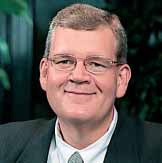
How do International Financial Institutions
assess the cooperation with HELCOM?
Mr Roland Randefelt, Senior Environmental Analyst, Nordic Investment Bank
20
The Prime Ministerial Conference on the Environ-
included the European Bank for Reconstruction
HELCOM 1
ment of the Baltic Sea held at Ronneby, Sweden in
and Development (EBRD), the European Invest-
September 1990 formally initiated the involvement
ment Bank (EIB), the Nordic Environment Finance
9
of the international fi nancial institutions (IFIs) in
Corporation (Nefco), the Nordic Investment Bank
7
4
20
the work of the Helsinki Commission (HELCOM).
(NIB) and the World Bank (WB). In recent years
0
The co-operating IFIs involved in this work have
these IFIs have also been joined by the Council of
4
Europe Development Bank (CEB).
The key strengths of HELCOM include:
The strong and sustained commitment of the co-operating coun-
The Role of the IFIs
tries to HELCOM's objectives and the implementation of the Hel-
sinki Convention
Although the IFIs have a diversity of mandates and
A well-managed and adequately funded Secretariat with stable
ownership structures, they all share a common
professional and support staff
commitment to the environment and have had
The development of a regional framework of environmental guide-
a common interest in fi nancing projects to
lines complemented by national legislation and regulations
improve the environment in the Baltic Sea area.
A well-established network of scientists and technical experts
The co-operating IFIs were all active members of
working through the HELCOM committee structure to disseminate
HELCOM's Programme Implementation Task Force,
and promote access to information
which proved to be a useful mechanism for the
An ability to effectively plan and conduct complex meetings and to
co-ordination of this work at the regional level,
disseminate their results promptly
providing a forum for the exchange of ideas and
A well-maintained regional archive of information on environmen-
information and bringing together representatives
tal issues in the Baltic Sea area and beyond
of regional organisations, countries, IFIs and NGOs.
Key issues related to the continuing co-operation between
HELCOM as an Intergovernmental
HELCOM and the IFIs include:
Organisation
The need to make HELCOM more fl exible and responsive to chang-
ing needs and opportunities in the Baltic Sea area
From the perspective of the IFIs, the experience
The need to continue revising HELCOM's administrative procedures
of over a decade of co-operation has increased
and approaches to programme management to make them more
everyone's understanding of the strengths, weak-
responsive to changing needs and emerging issues
nesses and opportunities for HELCOM as an inter-
The need to develop a mechanism to continue the role of the IFIs as
governmental organisation. In general, both the
invited partners in the work of HELCOM and the implementation of the
role of HELCOM and its relationship with the IFIs
Baltic Sea Joint Comprehensive Environmental Action Programme (JCP)
should be redefi ned to facilitate continued co-
The need to maintain a regular dialogue between HELCOM and the
operation in the future.
IFIs recognising that the professionals in the HELCOM network tend
to be scientists, while their counterparts in the IFIs generally are
Forecasts indicate that by
economists and engineers
2015 the total amount of
The need for HELCOM to recognise the complementary nature of the
oil transported in the Baltic
IFIs, and to avoid getting involved in work related to the development
will amount to more than
of investment projects and the fi nancial aspects of these investments
130 million tonnes a year.
The need for HELCOM to work with the IFIs to identify mecha-
nisms, such as fi nancial intermediaries, that can support urgently
needed small-scale lending operations targeted at farming, fi shery
and eco-tourism
The 1992 Helsinki Conven-
Ministers adopt a package of new
Sea, including routeing, pilotage,
tion enters into force (17
1
0 The HELCOM Copenhagen
measures to improve maritime safety
hydrographic surveys, automatic
000 January)
Declaration
and pollution prevention in the Baltic
identifi cation monitoring system for
2
20
1 The "Baltic Carrier" oil spill
0 (2,700 tonnes)
20
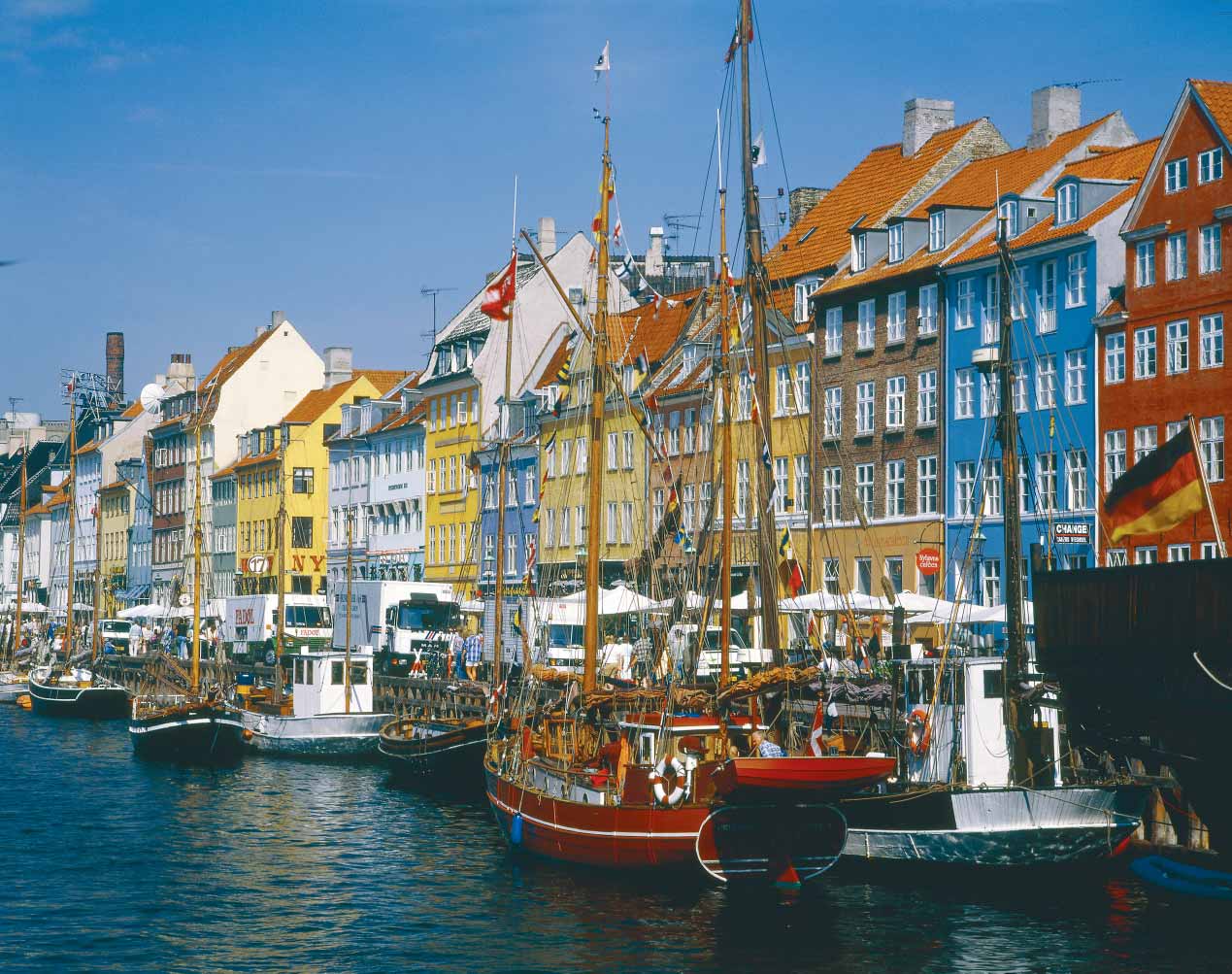
It is estimated that the increasing oil
transportation will raise the risk of a large oil-
spill involving over 10,000 tonnes of oil by 35%
Joint Challenges in the Future
for the whole of the Baltic Sea, and by 100%
21
HELCOM 1
for the Gulf of Finland.
Political developments and economic growth
around the Baltic Sea over the last decade, and the
pending accession of Estonia, Latvia, Lithuania and
changes that have occurred since the Ronneby
9
7
Poland to the European Union refl ect the major
Conference and the launch of the JCP.
4
20
0
4
The International Baltic Sea Fisheries
vessels, the phasing out of single-
Commission and HELCOM jointly
hulled oil tankers, and adequate
HELCOM Recommendation
02 First Joint HELCOM IBSFC
fi nd ways to mitigate environmental
emergency and response capacities.
No. 200 adopted
seminar
problems related to fi sheries.
20
World Summit on Sustain-
02 able Development (WSSD),
20 Johannesburg
22
It is anticipated that NIB will continue to empha-
HELCOM 1
sise projects that mitigate pollution in the Baltic
Why is a clean Baltic so important?
Sea area in its lending policies. The invitation to
Ms Aleksandra Koroljowa, Eco-Defense,
Kaliningrad, Russian Federation:
9
Estonia, Latvia and Lithuania to become members
7
4
If the Baltic environment is not well, it is diffi cult for
20
in the bank will give NIB a new ownership struc-
us to earn money. When the oil began to be visible
0
ture as of 1.1.2005, with six Baltic Sea states
4
among the eight members. Increased engage-
on the shores, many tourists stopped coming.
ment in NDEP will lead to increased environmental
lending in Northwest Russia, and the new own-
Ms Ramune Solovjova, manager of the
ership structure will give added focus to NIB's
tourism centre in Neringa, Lithuania:
environmental lending in the Baltic Sea in general
Ultimately we have nothing here except culture
as well as in the member countries. In the EU
and nature. That means only three months of
accession countries, it should also be anticipated
income in the summer, when we have fi sh and
that the European Commission and EIB will take
tourists. Local people must earn their living
a greater role. While still active in the Baltic Sea
during these three months, and live on that for
area, the EBRD, Nefco and World Bank may be
the other nine months.
expected to increase their efforts in Russia while
reducing, over time, their role in the EU accession
Mr Jurij Muraschko, PR director for the
countries. These changes justify intensifi ed dia-
Northwestern Forestry pulp and paper
logue between HELCOM and the IFIs on how their
business group in the Kaliningrad Region,
respective roles will change between now and
Russian Federation:
2010. An important challenge for HELCOM as an
Environmental protection is also an economic
intergovernmental organisation is to demonstrate
advantage. The less dirty water we discharge,
the relevance of HELCOM's activities to the busi-
the less fi nes we will have to pay later.
ness plans of the IFIs.
Surveillance aircraft detect about 400 illegal
oil discharges a year in the Baltic Sea.
03 First Indicator Fact Sheets
HELCOM starts a new operational
information on the state of
The HELCOM Bremen
2003
process to provide current
the Baltic marine environment
Declaration
20
A collision between the "Fu
03 Shan Hai" and the "Gdynia"
20 north of Bornholm
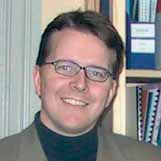
How has co-operation between
intergovernmental and non-governmental
organisations changed since the 1970s?
Mr Risto Veivo, Union of the Baltic Cities
There have been dramatic changes over the last 30
of environmental problems and the application of
23
HELCOM 1
years. Everybody has realised that the environment
rather narrow technical and legal solutions, cities
can only be successfully improved through co-
and towns have moved towards comprehensive
operation involving all players. At the same time,
environmental and sustainable development pro-
9
7
the major political changes of the late 80s and the
grammes and processes. All stakeholders play
4
20
early 90s cleared the way for totally new types
important roles in such processes through exten-
0
4
of partnerships throughout the whole Baltic Sea
sive co-operation.
Region. Cities now co-operate much more closely
with each other, while municipal organisations are
In this respect, HELCOM has been an important
also dealing more and more closely with govern-
source of inspiration, pointing the way for three
mental bodies. Today, this type of co-operation
decades towards regional co-operation all around
is carried out on equal basis and with a common
the Baltic Sea, regardless of political and other
cause we all want the condition of the Baltic
boundaries. The shared focus for all actors in this
Sea to improve, and everyone aims to implement
co-operation has been the state of the Baltic Sea.
sustainable development at national and local level
throughout the Baltic Sea Region.
During the period 19962000, annual
emissions of heavy metals in the HELCOM
A mixed crew steering towards
countries decreased by 26% for cadmium,
the same goal
15% for mercury and 10% for lead.
From the point of view of municipalities, things
have changed dramatically. From the recognition
Ministerial representatives from
HELCOM and OSPAR to improve
unprecedented meeting dem-
The First Joint Ministerial
twenty countries and the Euro-
the protection of the marine
onstrates the depth of political
Meeting of the Helsinki and
pean Community work together
environment of the North-East
commitment to protecting our
OSPAR Commissions
in the fi rst joint meeting of
Atlantic and the Baltic Sea. This
seas across the whole of Europe

The Operation of the Baltic Sea Joint
Comprehensive Environmental Action
Programme (JCP)
Mr Göte Svenson, former Chairman of HELCOM PITF (1992-2003)
24
Any attempt to evaluate HELCOM activities given
with success as a gateway to widened East-West
HELCOM 1
the historic political realities of the Baltic Sea arena
co-operation in general.
must consider one specifi c feature of HELCOM
9
co-operation: the complete lack of political tension
As an evidence of foresight four international
7
4
20
between Contracting Parties when debating meas-
fi nancial institutions were invited to join the con-
0
ures to attain the objectives of the Helsinki conven-
ference preparations. The reason for this is self-
4
tion. This can in itself be seen as a success story,
evident: resolute and effective action to enhance
regardless of the resulting substantive achieve-
the marine environment was correctly presumed
ments. More interesting is, however, the question
to become very costly and probably impossible to
about the impact of HELCOM activities on the
bring about without active participation of money-
Baltic Sea environment and especially of the Baltic
lending institutions. Therefore, any decision in this
Sea Joint Comprehensive Environmental Action
direction was more likely to be followed by action,
Programme (JCP).
if the banks could be involved from the start.
The successful elimination of around 50 of the 132
When the draft, which was eventually to become
pollution hot spots has contributed substantially
the Baltic Sea Declaration, was nearing completion,
towards overall pollution load reductions in the Baltic
the concept of a Joint Comprehensive Action Pro-
Sea catchment area.
gramme (originally Polish proposal) was accepted
This certainly is a success story of HELCOM. But,
as a cornerstone of the text. It can be noted for the
paradoxically, this major contribution to intensi-
record, that it was not at all taken for granted that
fi ed environmental co-operation in the Baltic Sea
HELCOM should be involved in the process. Some
region came into being independently of HELCOM.
of the negotiating parties questioned HELCOM's
Admittedly, however, without having been a party
ability to shoulder the envisaged new, demanding
to the conception, HELCOM in due time became a
task. Luckily enough, a majority of participants in
good foster parent to the child.
the preparatory group - including the author of
these lines - were "old hands" of HELCOM.
To trace the origin of the JCP we have to go back
to a conference of Heads of Government, held at
As an upshot an ad hoc high level Task Force was set
Ronneby, Sweden, in September 1990.
up within the Helsinki Commission to prepare the
Joint Comprehensive Programme. The aim of the JCP
The decision to hold the Ronneby Conference
was worded in magnifi cent terms: "to restore the
did not emerge from within HELCOM. It was
Baltic Sea to a sound ecological balance".
in fact a top level political initiative, launched
by the prime minister of Poland and Sweden in
The composition of the Task Force was determined
order to promote closer relations between states
in the declaration itself. An innovative principle
in the Baltic Sea area on the basis of the ongoing
was to include not only coastal states (Contracting
political momentum, created by increased open-
Parties to the convention) but also the other coun-
ness in Eastern Europe. Originally the theme
tries within the entire catchment area as well as the
of the forthcoming conference was not speci-
major international fi nancial institutions.
fi ed in precise terms by the initiators. It became
obvious, however, that the area of environmen-
It is not the purpose of this article to describe the
tal co-operation was the fi eld of action, where
JCP in detail, but the main features can be sum-
political rapprochement was most likely to meet
marized as follows. The JCP encompasses both
from Greenland to Russia; and
The Baltic Sea Regional
HELCOM signs a Grant Agree-
to support sustainable Ecosys-
from Spitzbergen to the Straits of
Project - funded by the
ment with the World Bank for
tem Management and eco-
Gibraltar
GEF/WB
the Baltic Sea Regional Project,
system based assessments.
preventive action to promote sustainable use of
Case study: Hot Spot No. 77
25
HELCOM 1
the Baltic Sea environment and curative actions to
(Frantschach Swiecie SA, Poland)
rectify the legacy of environmental degradation.
Investment activities, amounting at close to 18
In 2002, following investments amounting to 59 million, Frantschach Swiecie SA,
9
7
billion EURO focus on pollution reduction at 132
one of the largest pulp and paper producers in Poland, was deleted from the list of
4
20
identifi ed "hot spots", responsible for a major part
Hot Spots of the Baltic Sea Joint Comprehensive Environmental Action Programme.
0
4
of pollution in the Baltic Sea. In addition to these
In 2003 the company was honoured by the Swedish Baltic Sea Water Award
investments the Programme contains proposals to
for its outstanding efforts over the last 10 years to reduce both pollution dis-
support development of appropriate national envi-
charges into the River Vistula, and overall water consumption.
ronmental policies and legislation, to promote the
use of economic incentives to encourage environ-
Mr Maciej Kunda, Managing Director of Frantschach Swiecie SA, looks back at
mentally sound actions and to strengthen institu-
the diffi cult early days:
tional capacity to fi nance environmental measures.
In the late 1960s and early 1970s our main concern was just to start the pro-
It may be worth recalling that the listing of "hot
duction, machine by machine, and keep it running. All employees were focused
spots" followed pre-feasibility studies, carried out
mainly on learning to produce sellable products and capture markets. Environ-
by professional consultants, hired by the interna-
mental issues were not a priority in the mill, or in Poland in general.
tional fi nancial institutions as "executing agencies".
The justifi cation for this procedure was, of course,
The period from 1977 to 1989 was very diffi cult for Poland in political and eco-
the need to present a basis for designing projects,
nomical terms, and the same was true for the mill. It was diffi cult for any state-
which would be "bankable".
owned company in Poland to grow sustainably, since many decisions were
taken in governmental offi ces, and only a very small part of the profi ts could be
The implementation of the JCP is mainly a national
reinvested in new developments at the mill. Basic equipment started to deterio-
responsibility. When the JCP was launched,
rate, access to Western European know-how and spare parts was limited, and
however, it was also agreed to establish a special
the quality of Eastern European work was generally not good enough. Environ-
mechanism "to co-ordinate and monitor Pro-
mental issues were still not seen as a priority.
gramme implementation and to provide a focal
point for periodic updating of the Programme".
The biggest changes and improvements came after 1990. Privatisation and
This mechanism known as the Programme Imple-
restructuring occurred during the transformation to the market economy.
mentation Task Force (PITF) was characterised
Changes in ways of thinking and new ways of acting followed on.
by its wide range of stakeholders involved. The
functions as Lead Party for various components of
New opportunities soon arose. Committed to continuous improvement, the
the JCP were distributed among its members and
company employed a variety of innovative technologies in converting raw wood
observer organizations.
to fi nished products, implementing closed production processes to capture and
recycle materials, and conducting stringent environmental monitoring. While
JCP implementation started in 1992. Since the
making these positive efforts, the company has also managed to double its overall
time-frame needed for Programme completion has
production a win-win situation for both the environment and our company.
been estimated at 20 years, it is still too early to
make any fi nal assessment of its impact. Suffi ce it
Monitoring indicates that the loads of some
to state that considerable progress can be noted
hazardous substances have been reduced
and that JCP, so far, represents the peak of envi-
considerably over the past 2030 years, but
ronmental co-operation among countries in the
problems still persist
Baltic Sea catchment area.
The 30th Anniversary of
HELCOM marks 30 years of
4
50 JCP Hot Spots deleted out
progress on the protection of
0
of 132 on the original list.
the Baltic marine environment.
20
4 Accession of Estonia, Latvia,
0 Lithuania and Poland to the EU
20

The Baltic through children's eyes
Compiled by Fran Weaver, freelance journalist
26
Environmental protection work is always designed
The kids were unanimous about the evils of
HELCOM 1
to preserve our natural heritage for future gen-
marine pollution:
erations, and the fate of the Baltic Sea will soon
This is a bad thing. Pollution comes when an oil
9
depend on how the next generation chooses to
tanker sinks, for instance. Things like this happen
7
4
20
continue with the work done so far by HELCOM
sometimes... Satu, 9
0
and other environmental organisations.
People throw rubbish into the sea and factories
4
With this in mind, we asked children from Soukka
pollute. Tiia, 9
School in Espoo, Finland just a stone's throw
In some countries they tip hazardous waste into
from the Gulf of Finland to tell us what they
the sea, and then you can't swim in it any more.
know about the Baltic, and what they feel about
Olli, 11.
important environmental issues.
I just don't understand at all why some people
Sustainable development might be some kind of
27
HELCOM 1
pollute the water. Maybe they have something
aid, like the Red Cross. Waltteri, 9
that they can't put in the rubbish bin. Heli, 9
If this means development that helps keep the
Oil can't be very good for the Baltic Sea. Ilkka, 11
sea clean, let's hope it works! Sally, 11
9
7
4
20
The problem of eutrophication is a little more
The older children could name all or most of the
0
4
mysterious:
nine countries around the Baltic Sea. Norway
I'm not sure what eutrophication is, but it's prob-
was also included in many lists, and this is partly
ably a good thing. Mari, 10
true, as water from some Norwegian mountain-
It makes me think of a rock with green stuff on
sides does run into the Baltic. The younger kids
it. Joel, 11
mainly listed Finland's nearest neighbours, espe-
It comes when there are too many nutrients in
cially nearby Estonia. Among the wilder guesses
the sea. Ville, 11.
were the North Pole, Australia, Iraq, and several
Too many plants and seaweeds start to grow in
countries in the Far East perhaps because the
the sea. Mira, 11
Baltic is misleadingly known in Finnish as in
If some place has eutrophication, it means wastes
several other languages as "the East Sea".
like sewage have been taken there. Janne, 10
Whose responsibility is it to keep the Baltic Sea
Finnish children are all too familiar with the
clean?
dangers of blue-green algae:
Ours, I suppose. Henriika, 11
It's blue-green, it irritates your skin, and it's not
Don't know. Maybe Finland's? Sonja, 10
edible. Tiia, 9
The people in all the countries around it. Anni,11.
It's seaweed that can make you sick. Heta, 9
Everyone's. Karri, 9.
I don't like blue-green algae because I get an
The EU's. Linda, 8.
allergic reaction to it, and then I can't go swim-
The Government's. Johanna, 9.
ming. Anni, 11
Russia's. Olli, 9.
There are often signs on the beach in summer
Water treatment plants'. Satu, 9.
about poisonous blue-green algae. Olli, 11
There must be some special conservation organi-
It comes when pollution and too many nutrients
sation. Heli, 9
get into the sea. Mira, 11
It appears in the hottest time in the summer.
As many as 90% of the marine and coastal biotopes
It's poisonous and it looks like blue paint on the
around the Baltic Sea area are to some degree
water. Satu, 9
threatened today.
People have already been talking for years about
sustainable development. With luck, the next
generation could be the fi rst to work out what it
really means:
Development that never needs to stop. Suvi, 11.
The development of rock-hard plants. Georgi, 9
Published by:
Editor:
Design and layout:
Number of pages: 28
Helsinki Commission
Ulrike Hassink
Leena Närhi
Katajanokanlaituri 6B
Helsinki Commission
Bitdesign, Vantaa, Finland
Number printed: 2000
FIN-00160 Helsinki, Finland
Email: helcom@helcom.fi
Language revision:
Photos: Suomen Kuvapalvelu Oy
Copyright 2004 by the Helsinki
Internet: http://www.helcom.fi
Fran Weaver, Helsinki, Finland
Commission Baltic Marine Environ-
Printing: Erweko Painotuote Oy
ment Protection Commission
Long live the Baltic!
Lad Østersøen leve!
Lase Läänemerel elada!
Anna Itämeren elää!
Lasst die Ostsee leben!
Lausim Baltijas jurai dzivot!
Leiskite Baltijos jurai gyventi!
Chron wogy Baltyku!
Låt Östersjön leva!
www.helcom.fi