Okavango river basin TDA
Understanding the social and economic
information
[JI Barnes - July 2009]

Outline
Background
Country values
Development impacts
Broader basin values
Methods, approaches
Progress
Basin TDA - Approach
River-based (flow related)
tourism and natural
resource use
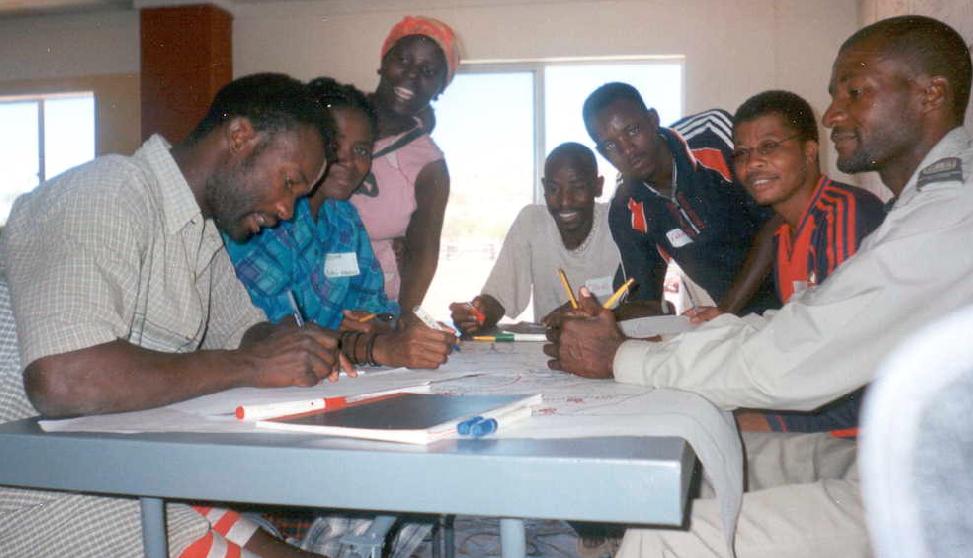
Household livelihoods:
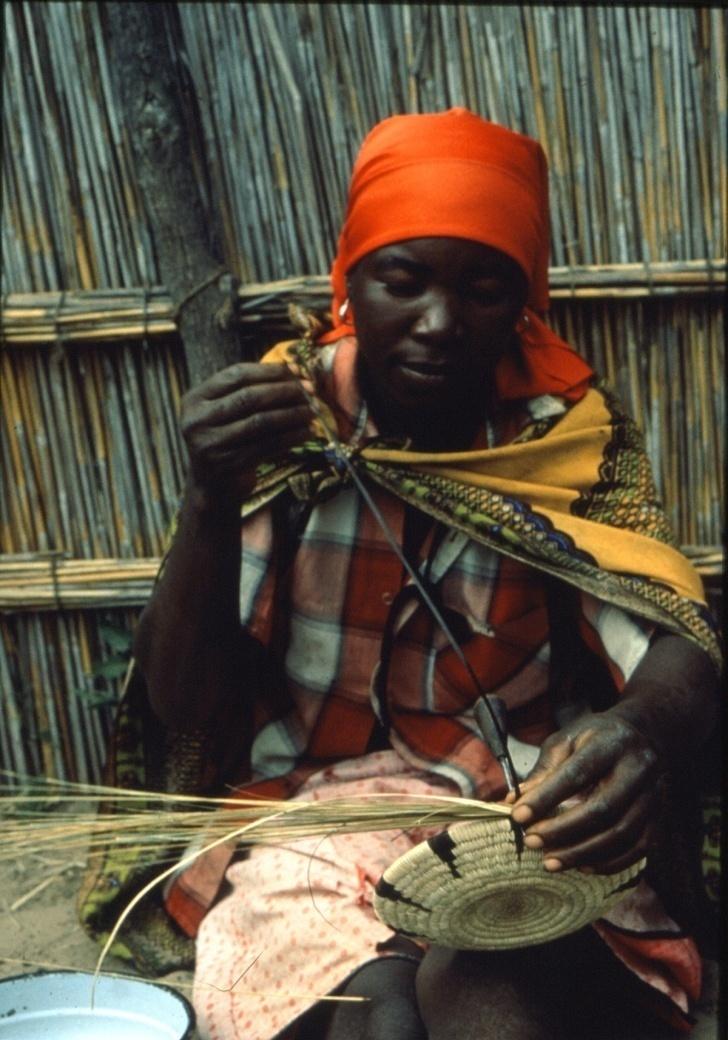
Fish, reeds, grass, crops, livestock
tourism
Water quality, well-being
Economic impacts
Tourism and household impact
Indirect and non-use values
Overall impact

Basin TDA Valuation
- Literature, focus
groups, key
informants, survey
-
Enterprise models
developed, adapted
-
EFA model to
measure impacts of
development
options
-
Extrapolate
Direct use values Impact on GNP
Direct value added from
Direct value added from use of
use of RIVER
LINKED BASIN resources
resources fish,
woodland use, grazing, dryland
reeds, tourism, etc
crops, etc
NATIONAL
ECONOMY
River system Broader LINKAGES
Basin
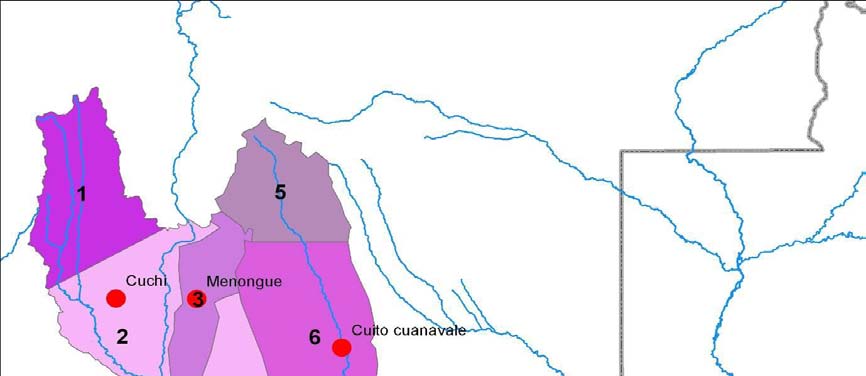
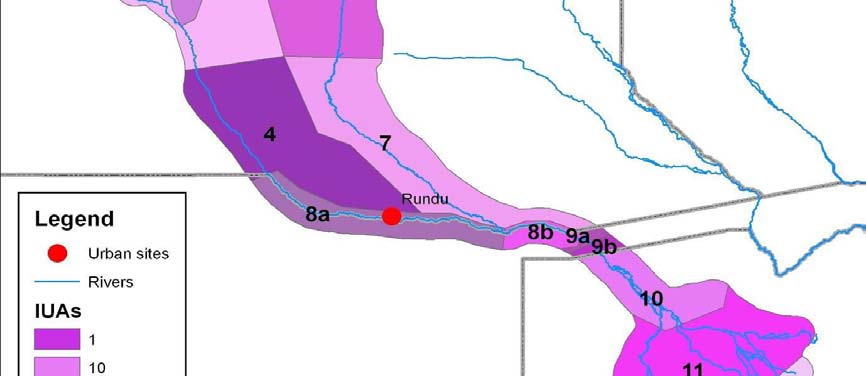
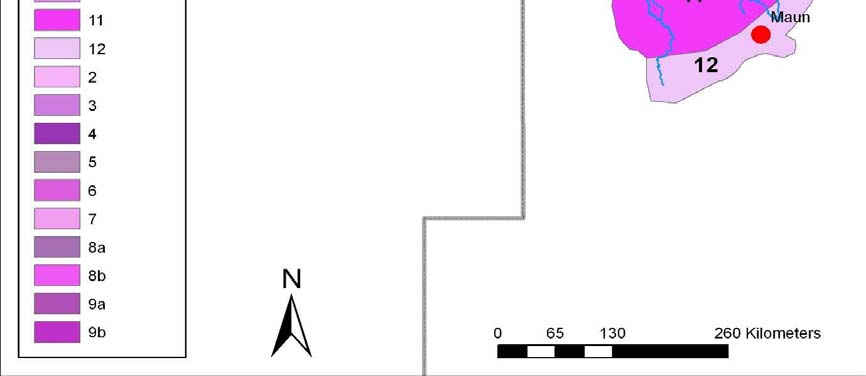
IUAs
Integrated
units of
analysis
IUAs 1 to 7 in
Angola
IUAs 8 and 9 in
Namibia
IUAs 10, 11
and 12 in
Botswana
Floodplains
increase as go
down basin
List of Indicators
1. Household income - fish
2. Household income - reeds
3. Household income - floodplain grass Total
4. Household income - floodplain
income
a. Household
-
being
gardens (e.g. molapo)
change
income %PD
as % PD
5. Household income and wealth -
A. SOCIAL
livestock
WELL-
BEING FOR
6. Household income - tourism
LOCAL
b. Potable
HOUSEHOL
7. Potable water/water quality
water/water
DS (=a+b+c)
-
economic well
quality %PD
c.
Wellbeing/wel
8. Wellbeing/welfare from intangibles
fare from
intangibles
%Pd
9.1 Macro effects from tourism income
excluding hh (including multipliers)
d. National
B.
9.2 Macro effects from hh income 1-6
income
ECONOMIC-
(including multipliers etc.)
(=9.1+9.2+9.3
WELL
9.3 Indirect use
+9.4) %PD
BEING
C (=A+B). Overall socio
(nationally)
9.4 non-use
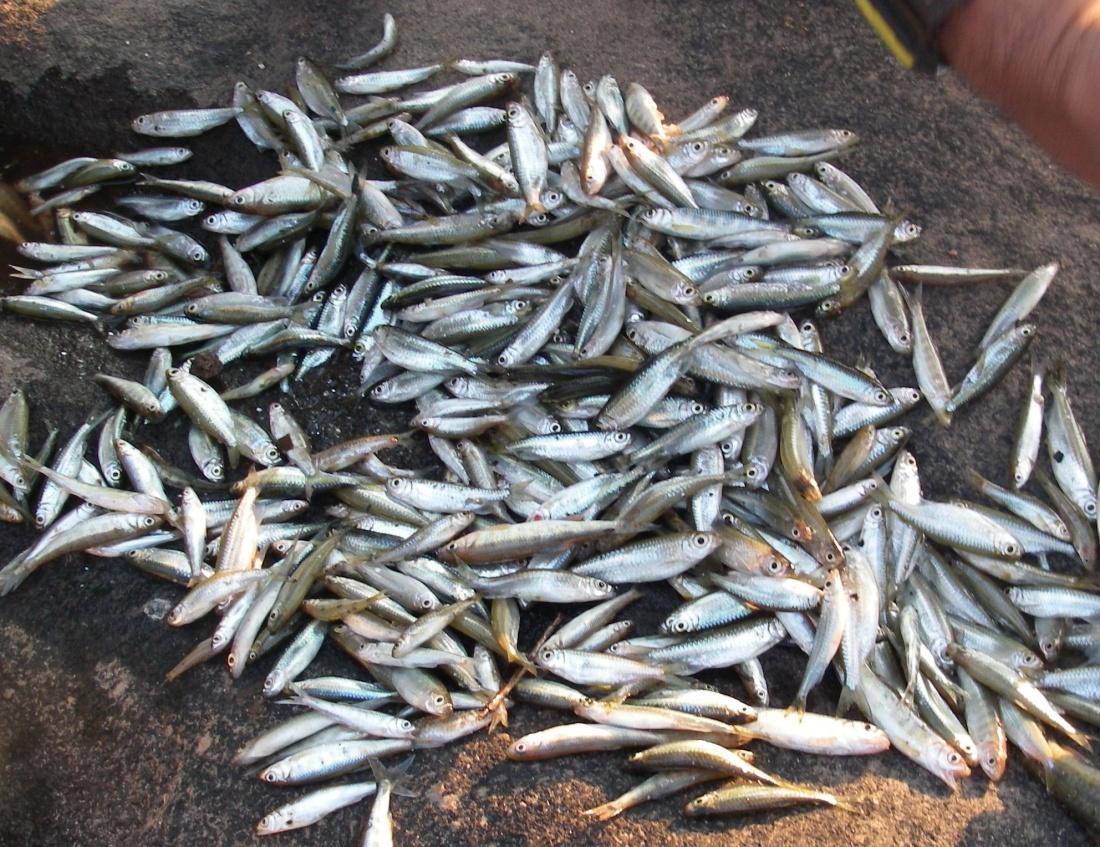
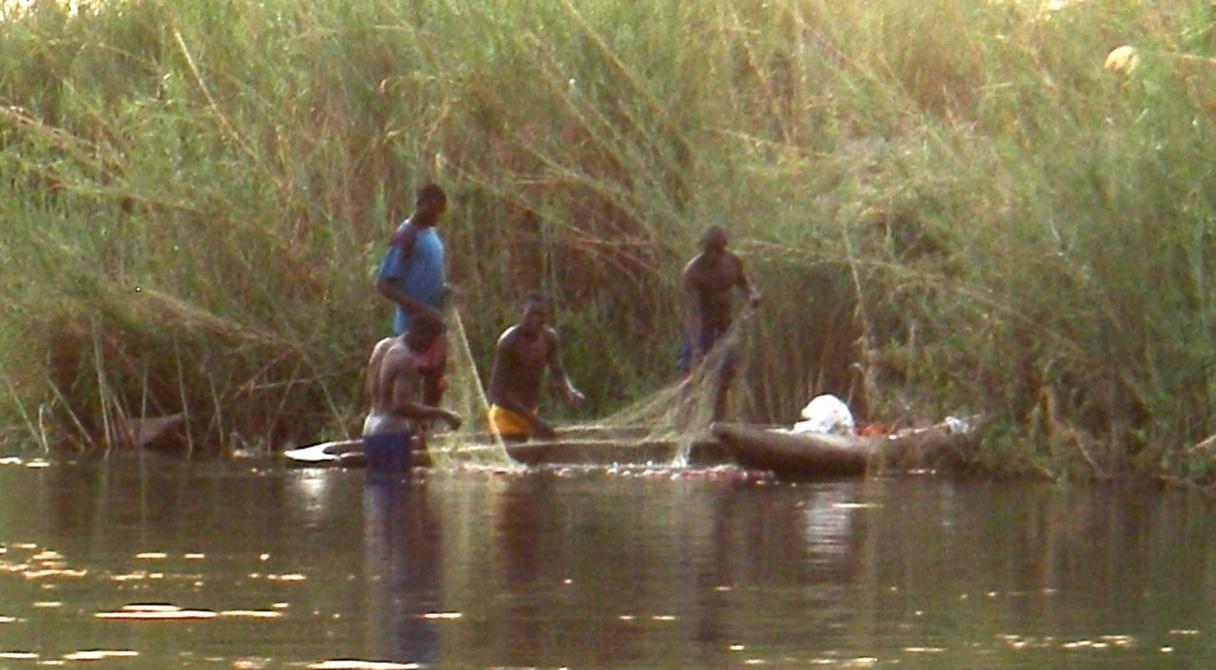
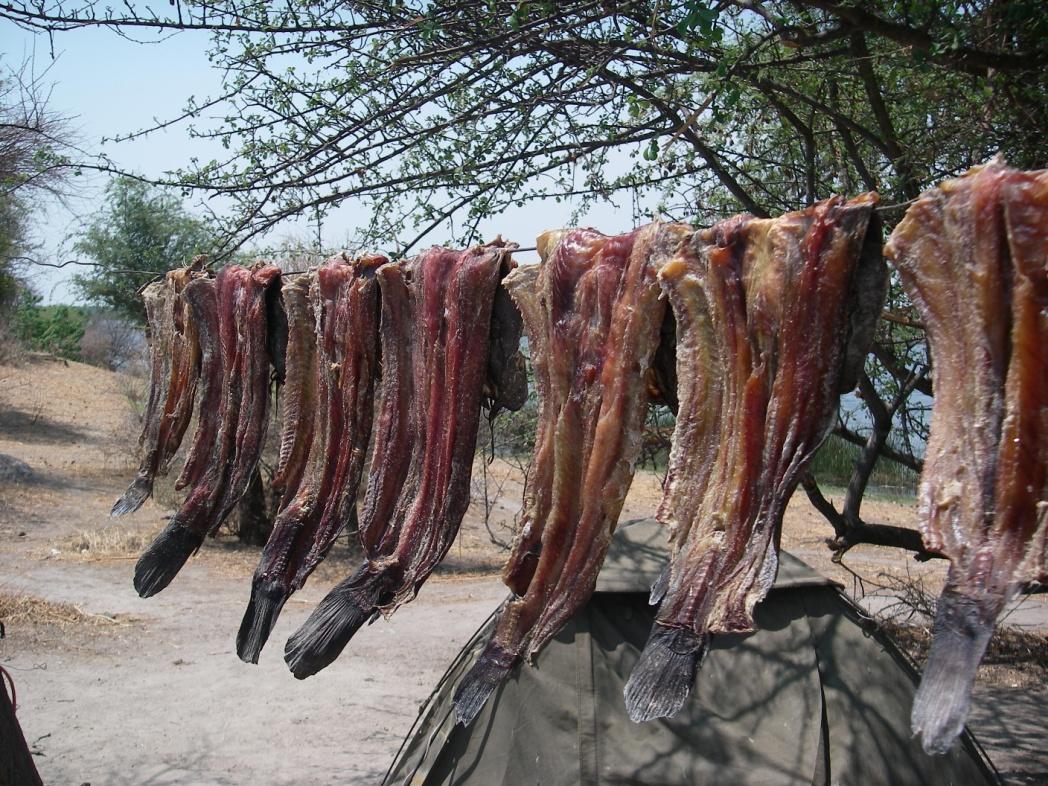
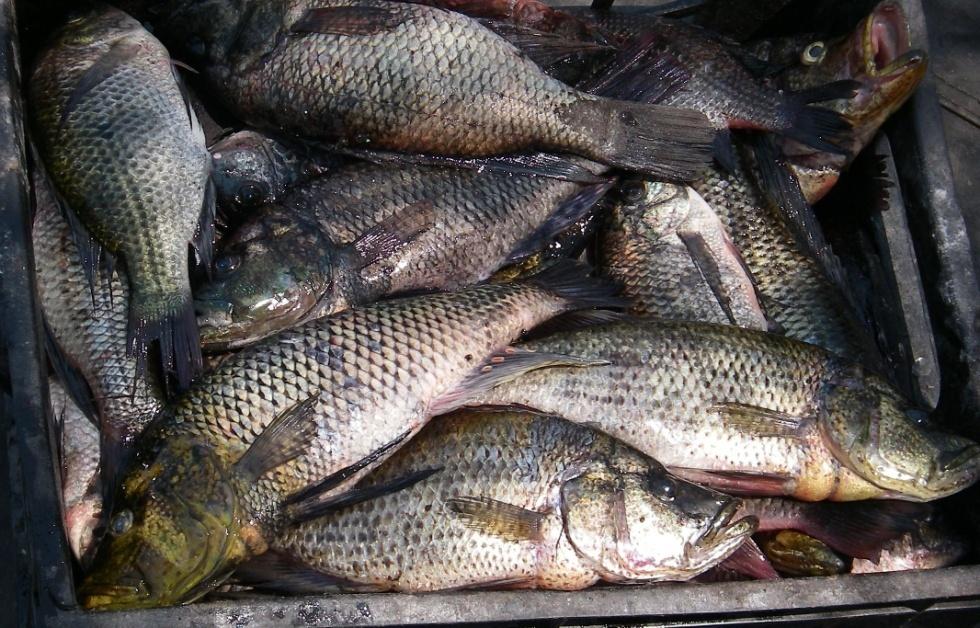
Fishing
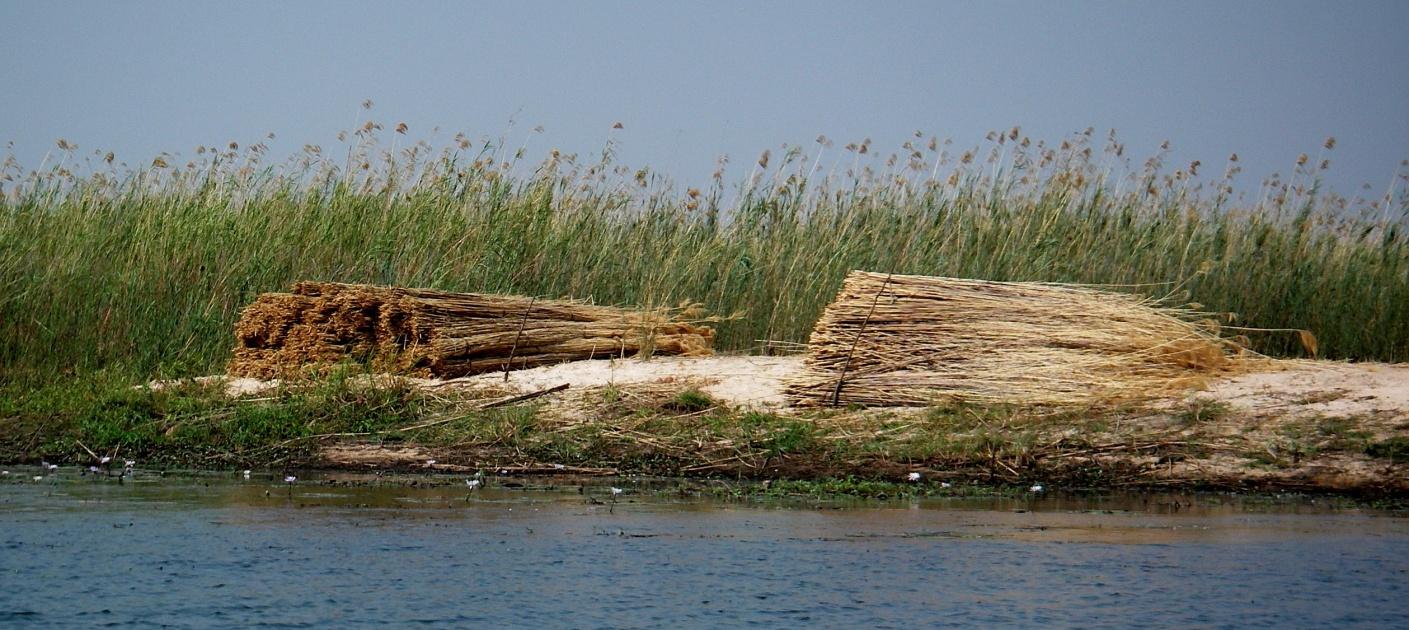
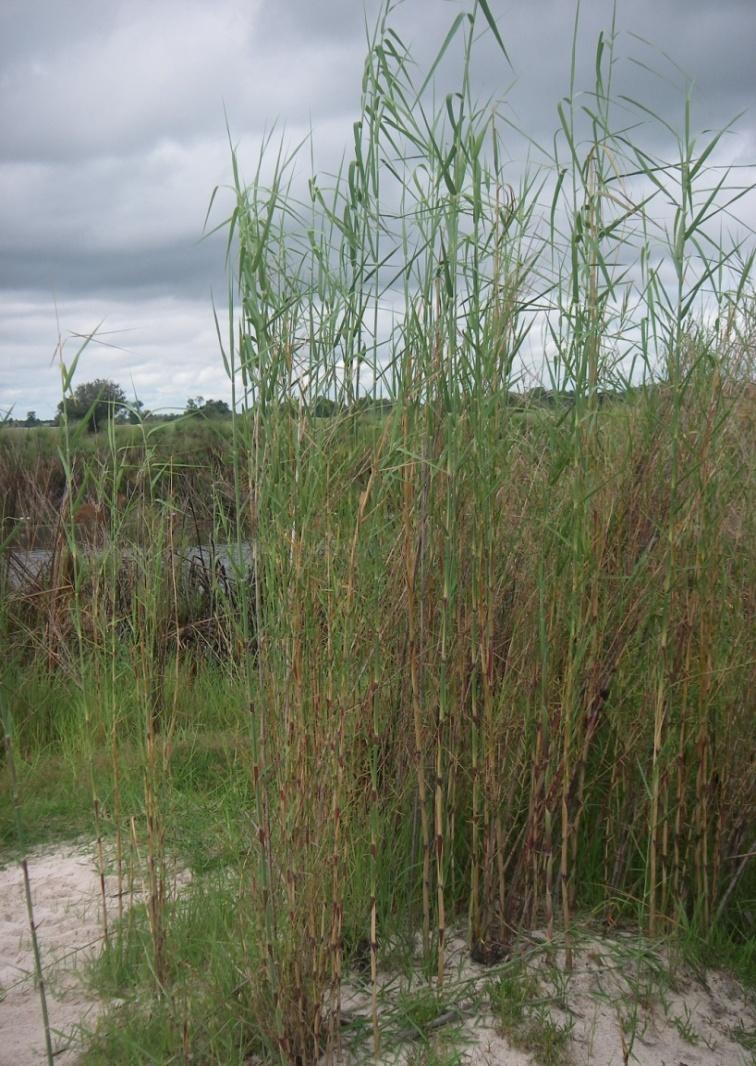
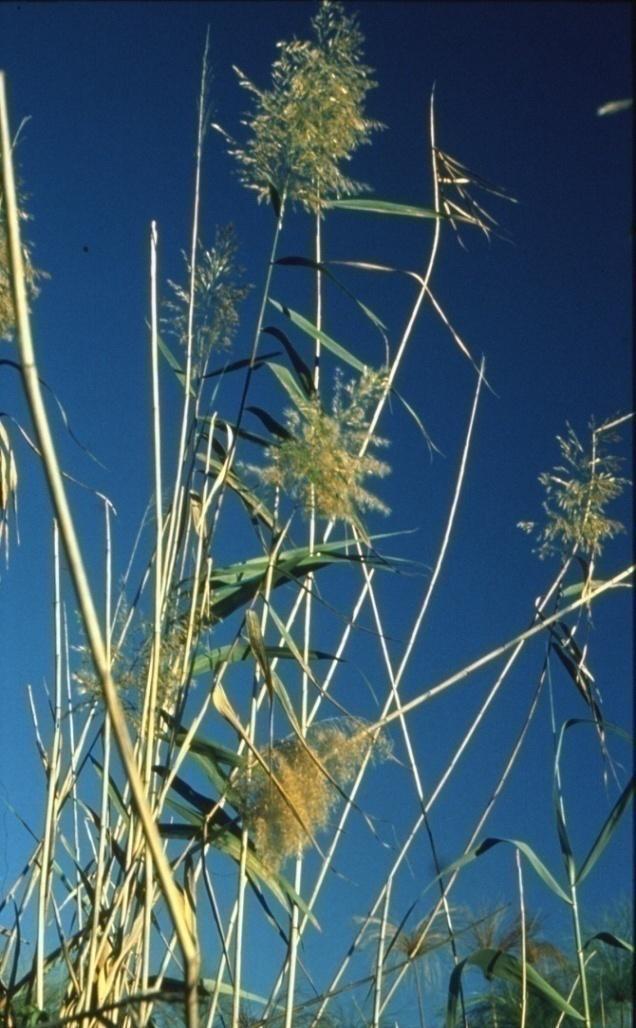
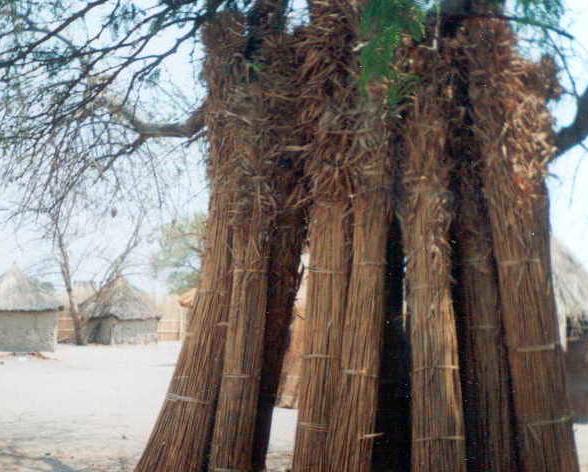
Reeds
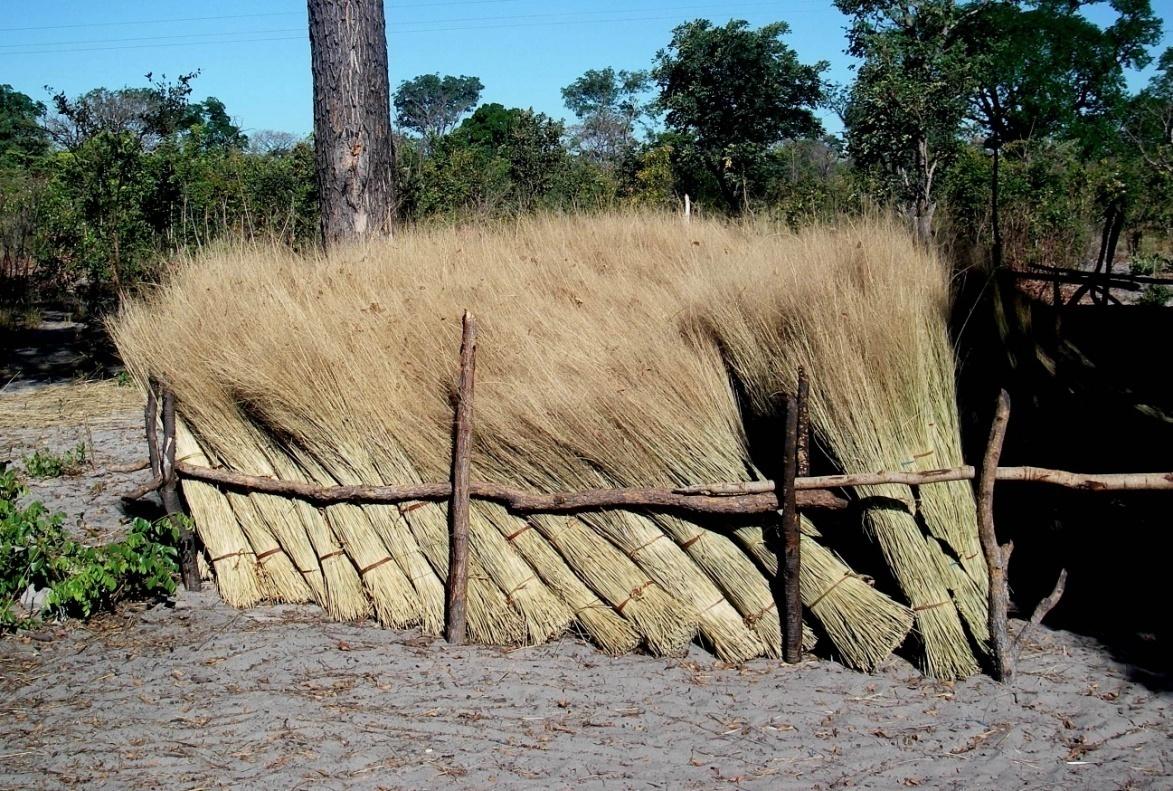
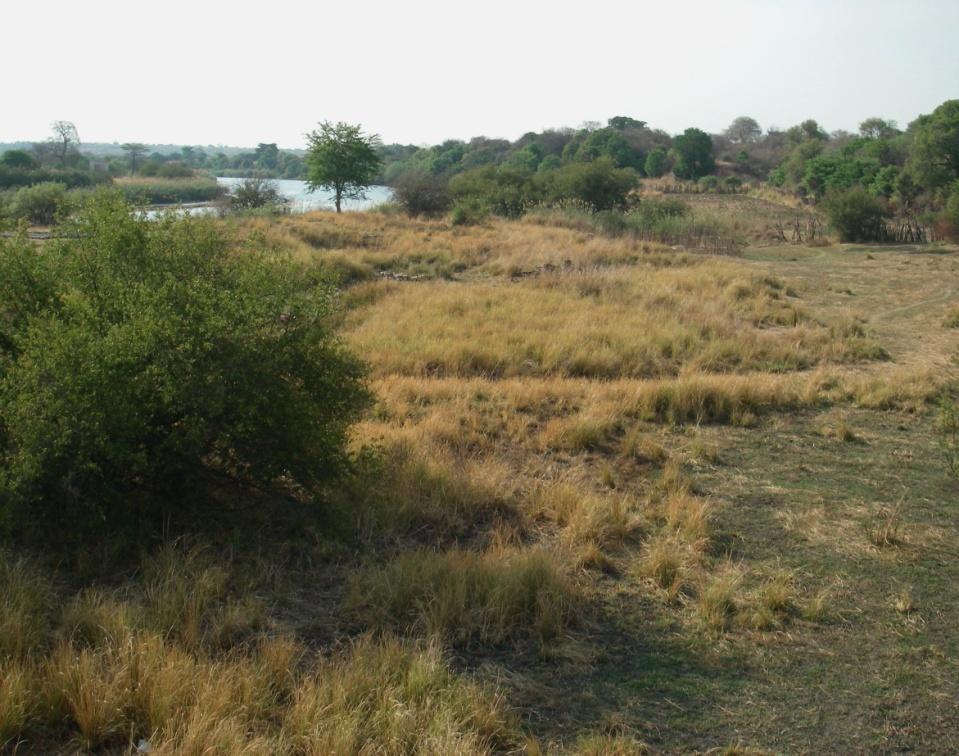
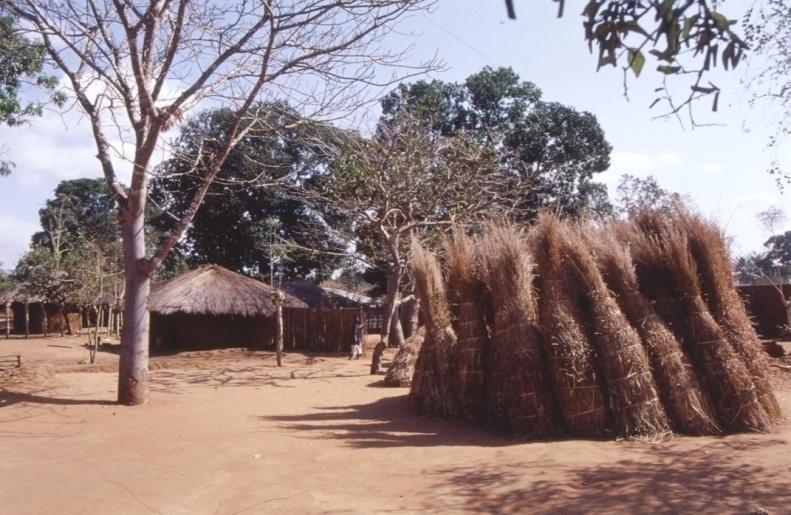
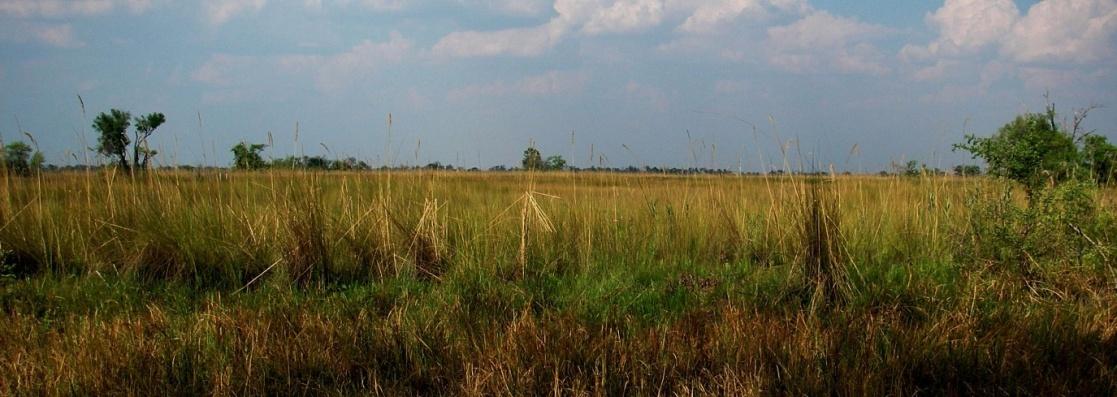
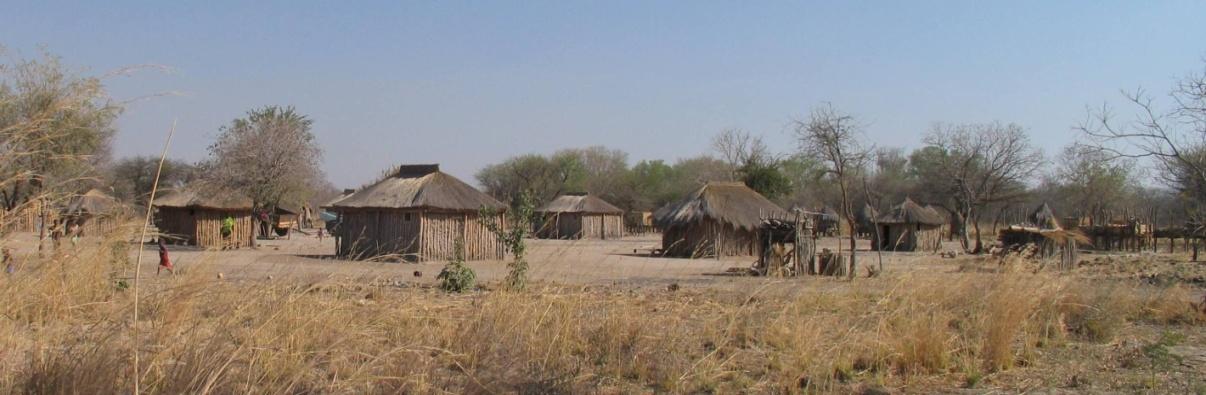
Floodplain grass
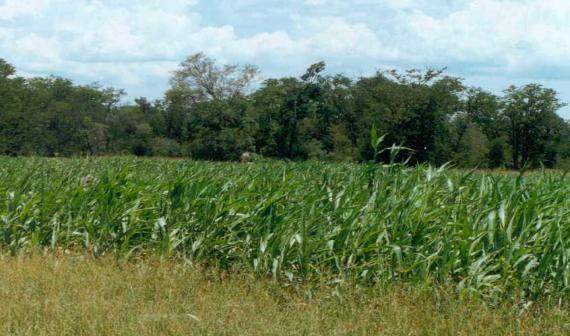

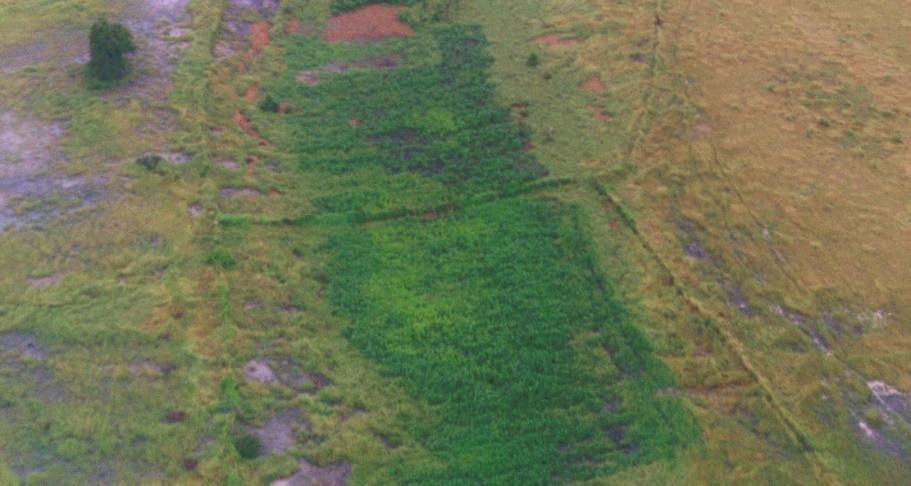
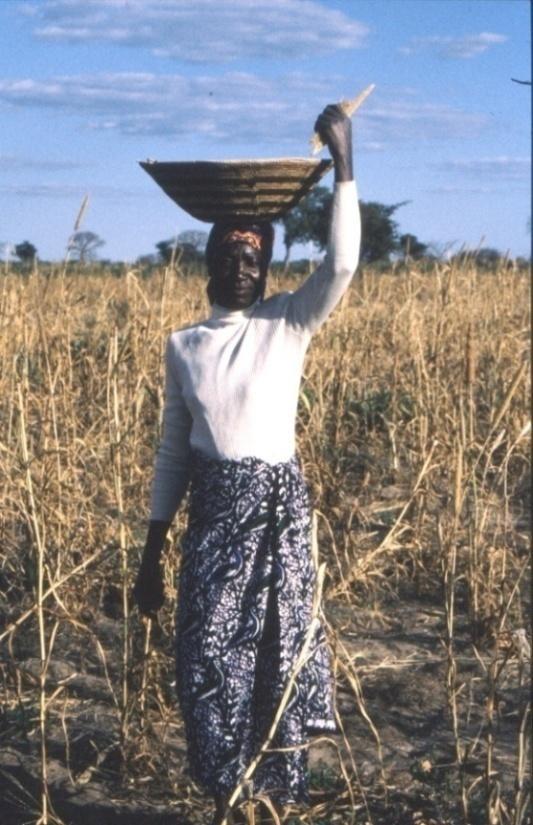
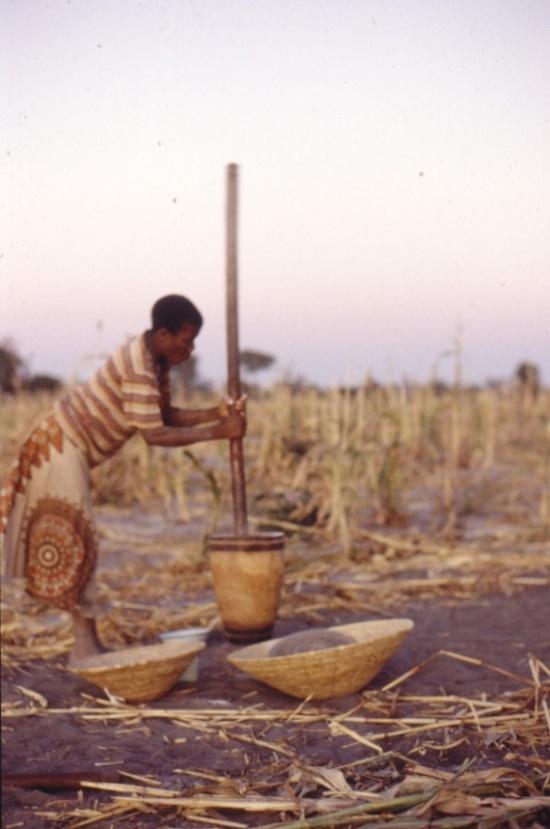
Floodplain crops
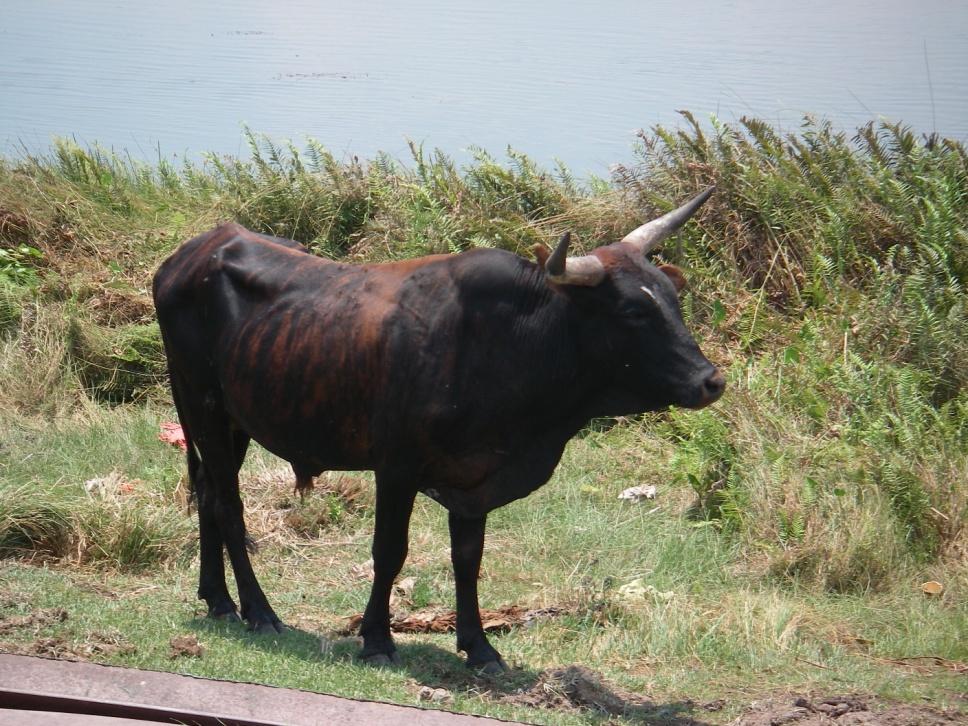
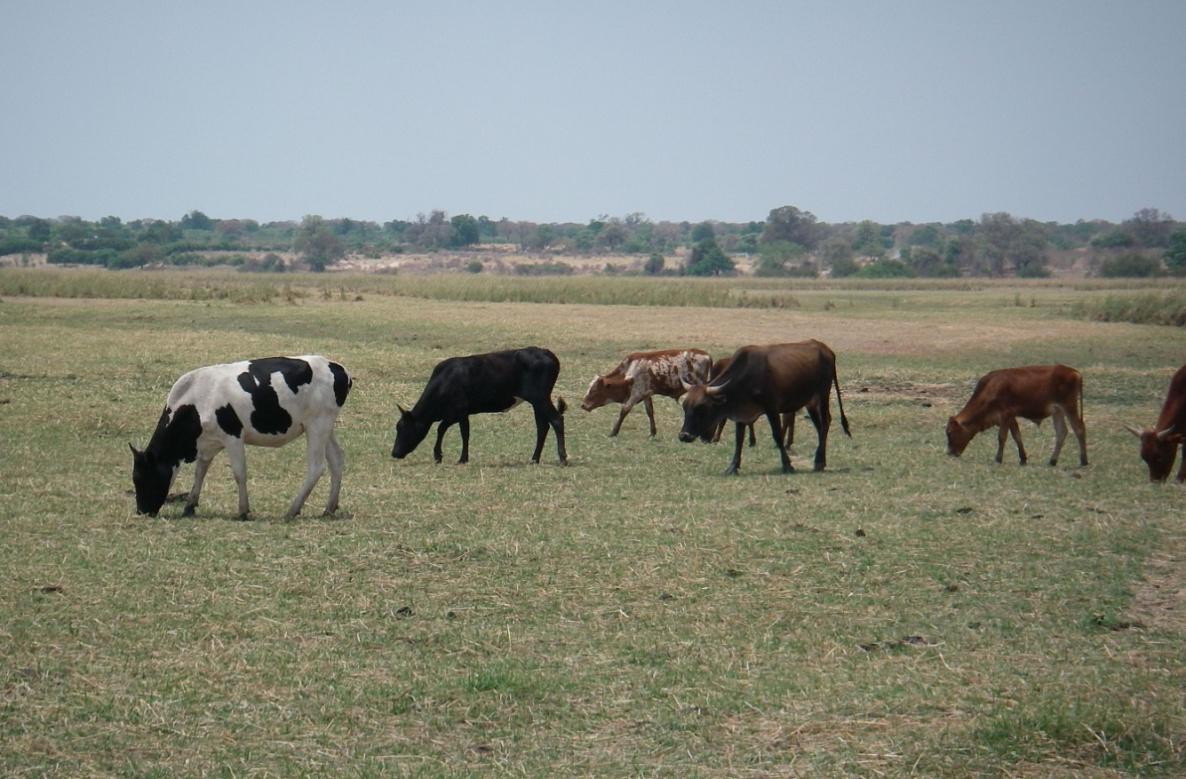
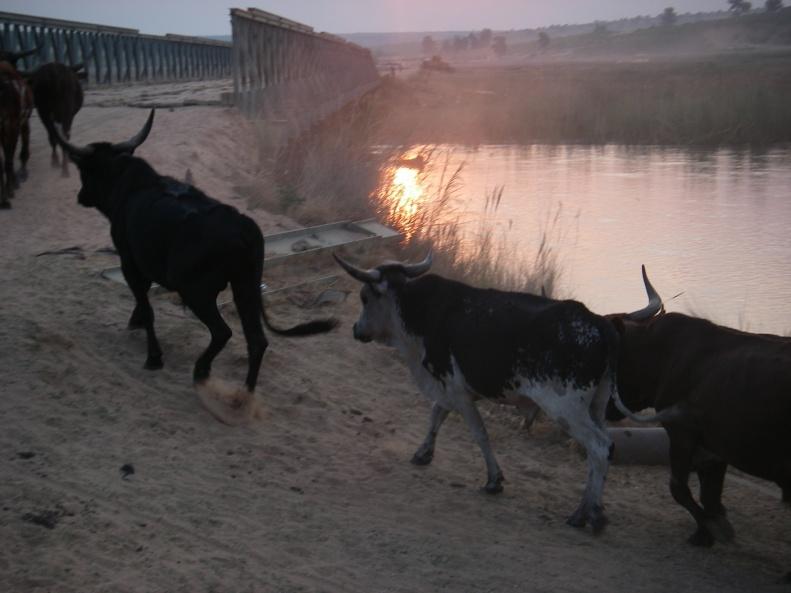
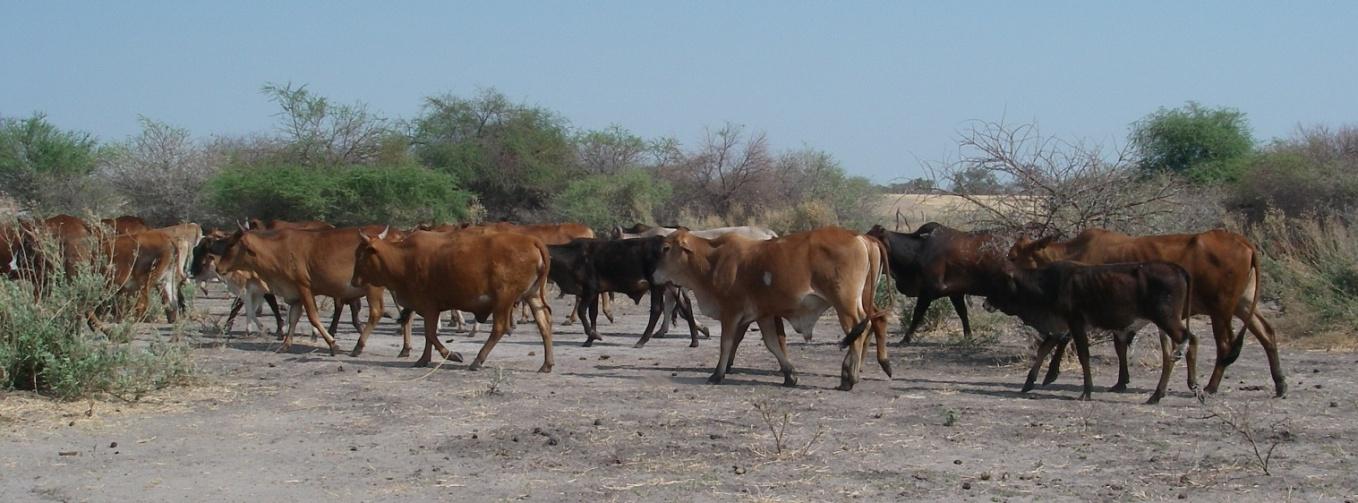
Floodplain grazing
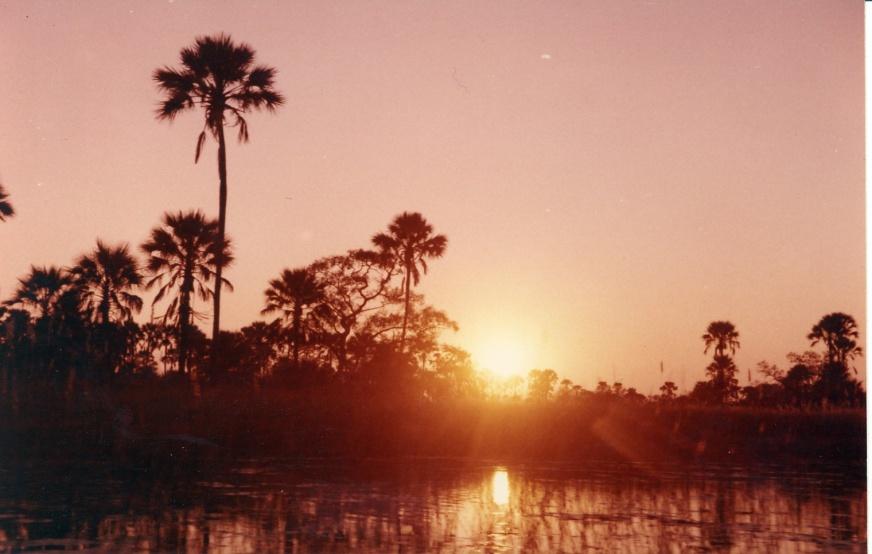

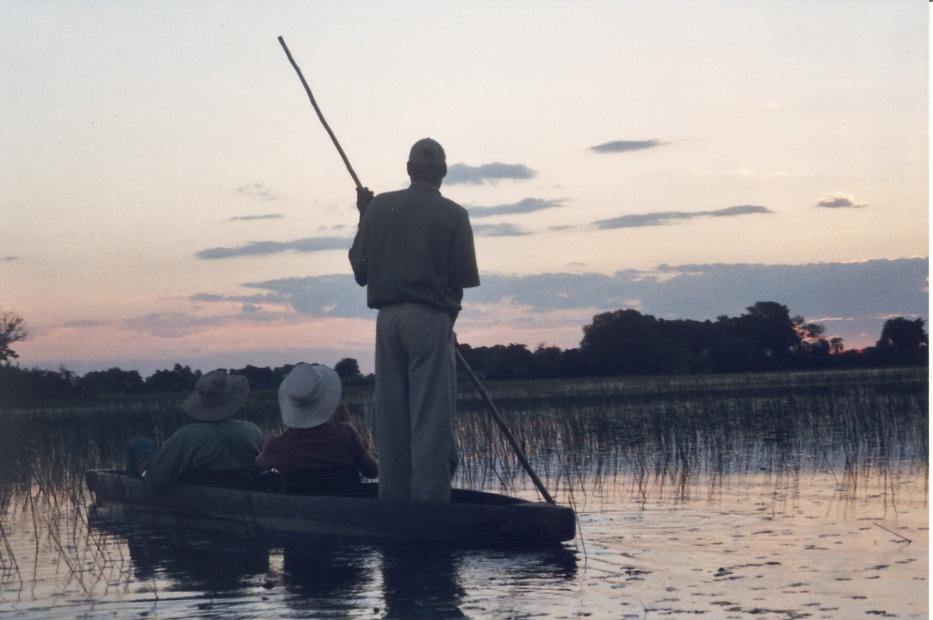
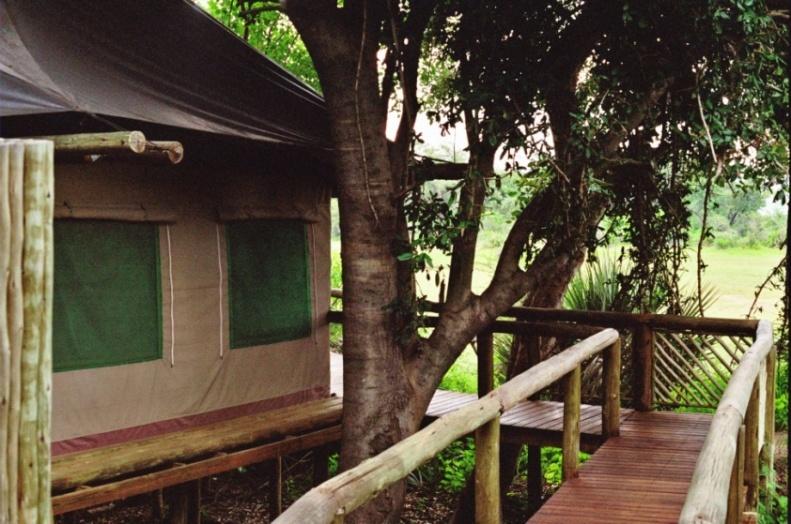
Tourism
Overall wellbeing
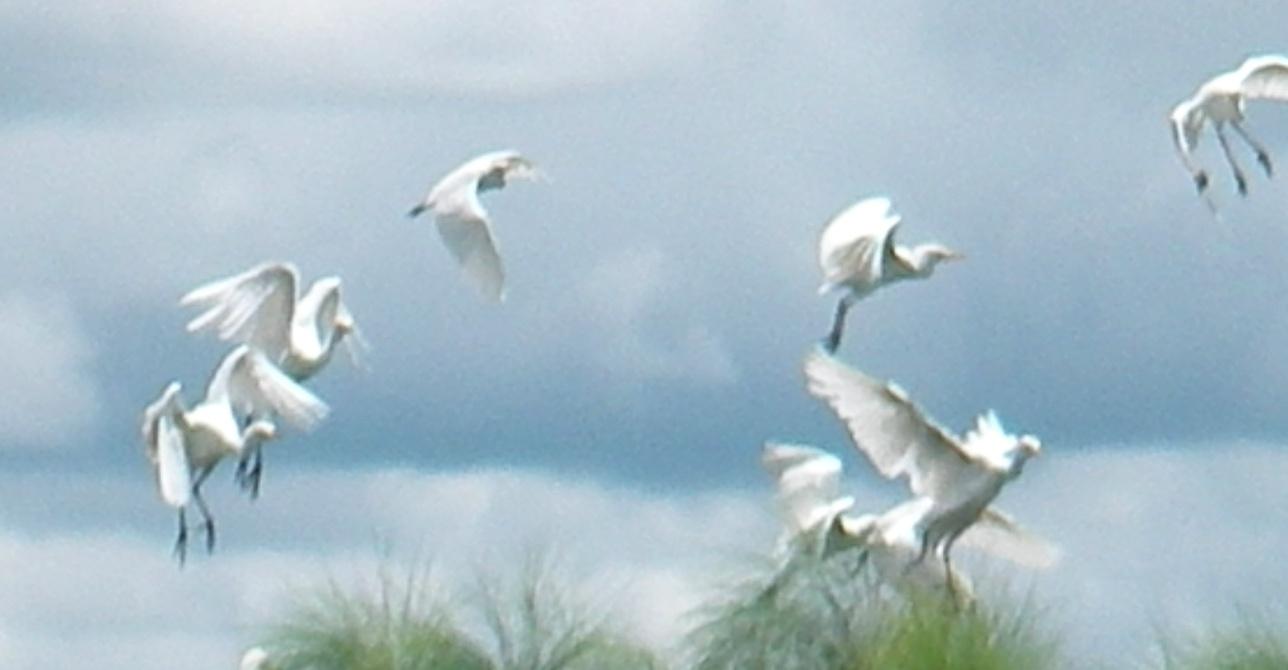
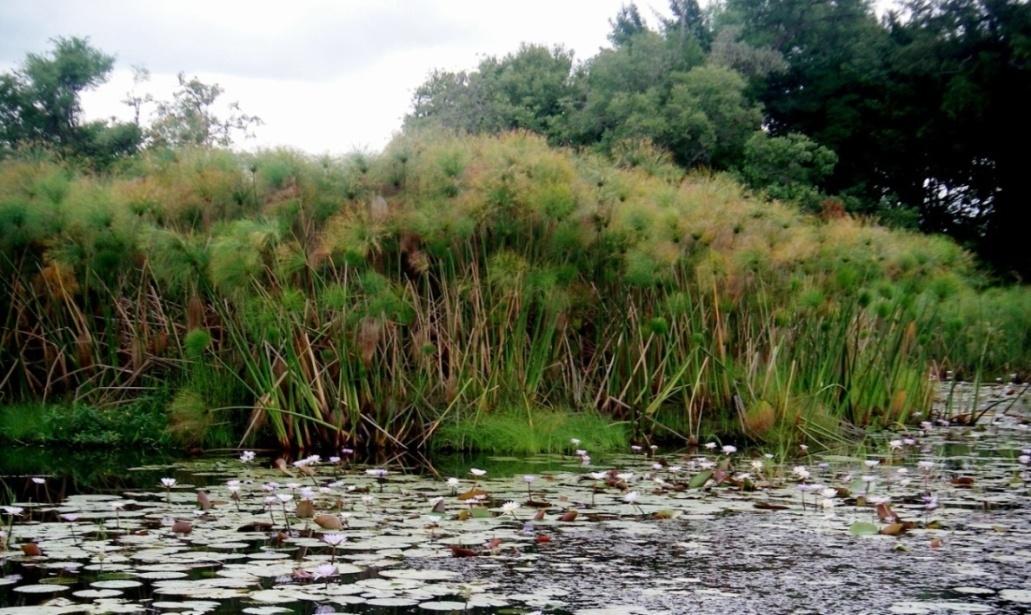
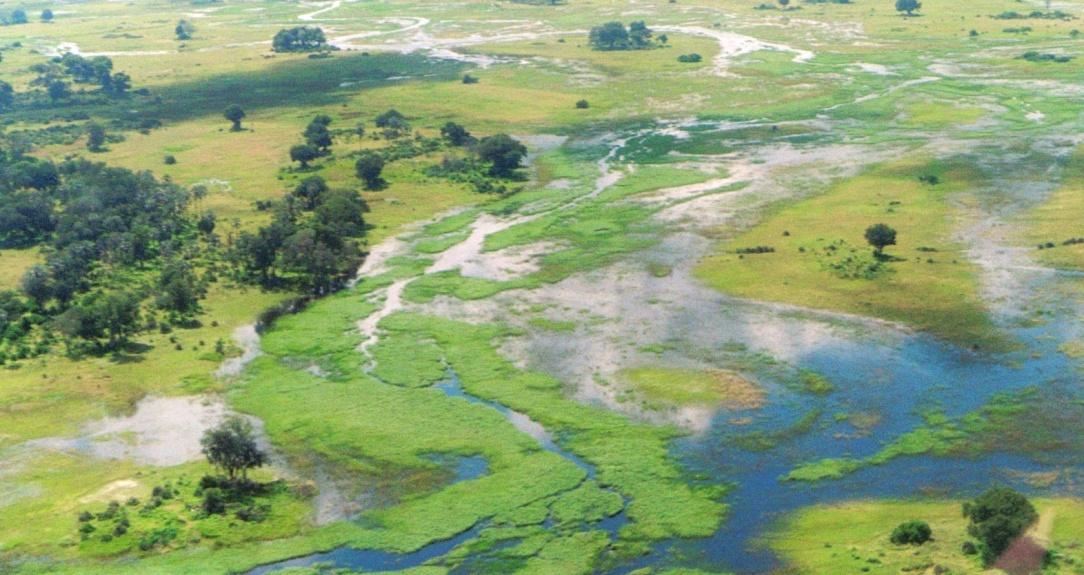
Indirect use values
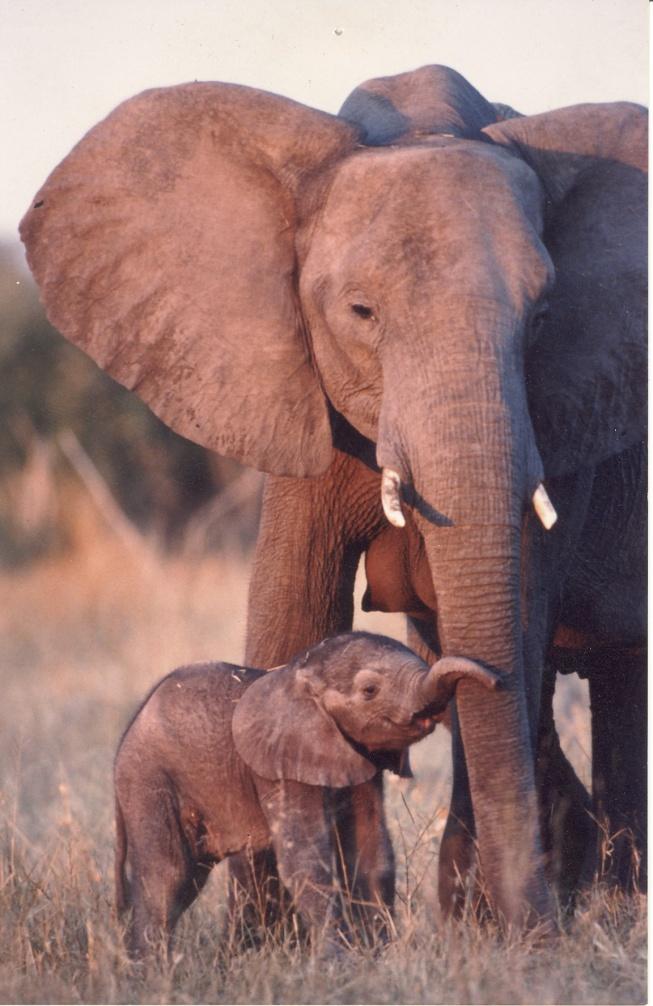
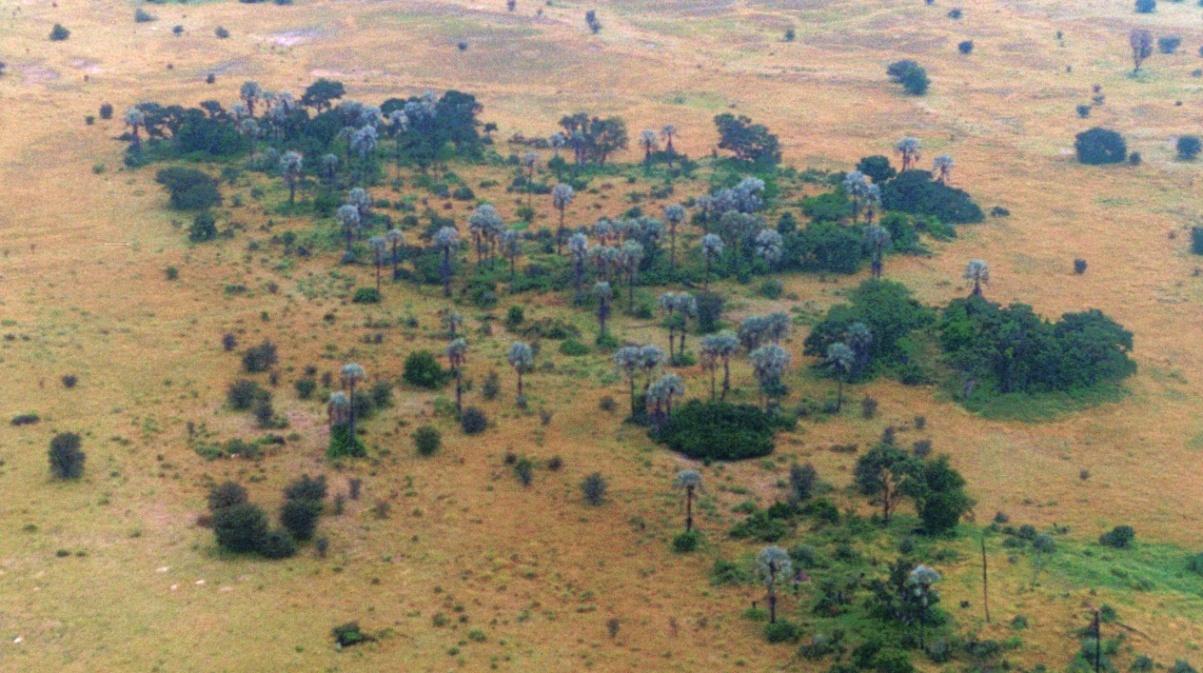
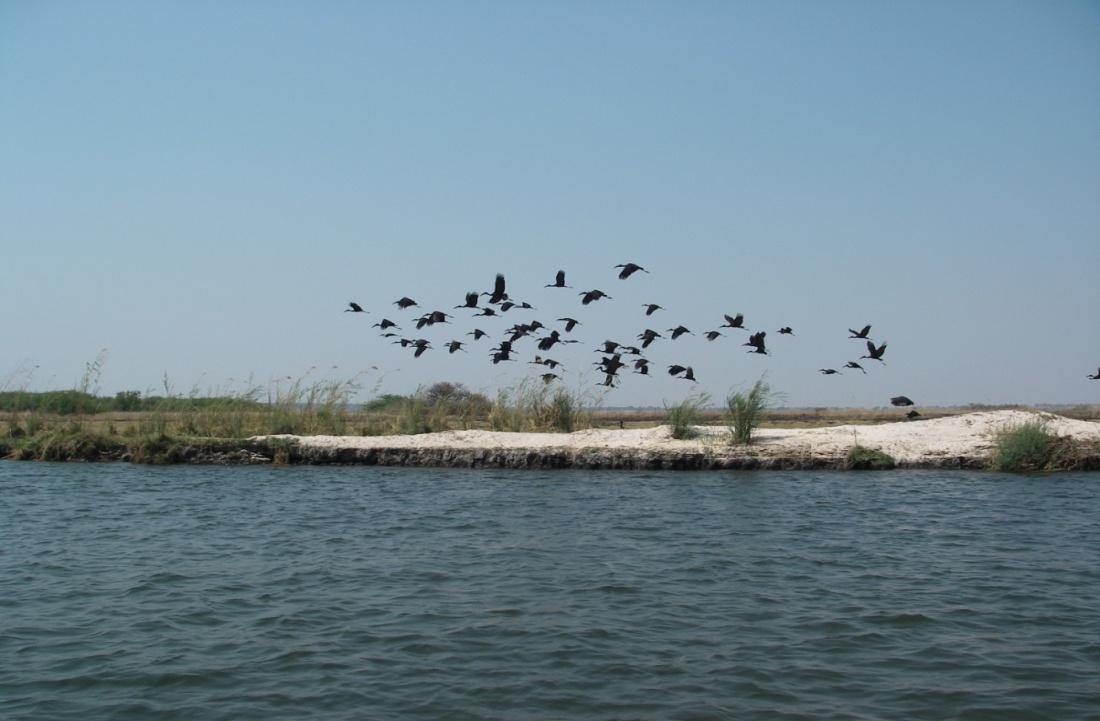
Non-use values

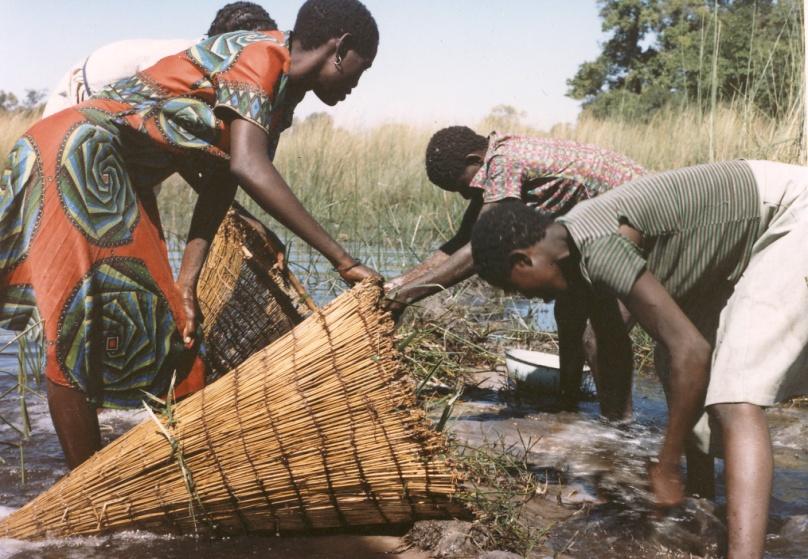
Values related to livelihoods in
Angola, Namibia and Botswana
Angola Okavango river basin tourism and natural resource use
livelihood net income
Angola - Household Income from Okavango River
US$ 4.4 million - 29,000 households
1% 2% 6%
Fish
Reeds
31%
48%
Grass
Gardens
Grazing
Tourism
13%
Namibia Okavango river-based tourism and natural resource use
household net income
Namibia - Household income from Okavango River
US$ 8.2 million 35,000 households
18%
Fish
Reeds
45%
7%
Grass
Gardens
Grazing
21%
Tourism
5% 4%
Botswana Okavango river basin tourism and natural resource use
household net income
Botswana - Household income from Okavango River
US$ 22.7 million - 14,000 households
1.1%
1.5%
2.4%
0.5%
0.7%
Fish
Reeds
Grass
Gardens
Grazing
Tourism
93.9%
Values related to the economy in
Angola, Namibia and Botswana
Angola Economic value of river-based goods and services for
Angola (partial)
Angola - Total Economic Impact of
Okavango River
US$14 million
0%
13%
Fish
Reeds
34%
Grass
Gardens
25%
Grazing
Tourism
Function
8%
1%
Non-use
19%
0%
Namibia Economic value of river-based goods and services for
Namibia (partial)
Namibia - Total Economic Impact of
Okavango River
US$43 million
1%
10%
3%
12%
Fish
Reeds
10%
Grass
1%
Gardens
2%
Grazing
Tourism
Function
61%
Non-use
Botswana Economic value of river-based goods and services for
Botswana (partial)
Botswana - Total Economic Impact of
Okavango River US$177 million
1.1%
0.4%
0.5% 0.8%
0.1% 0.1%
11.0%
Fish
Reeds
Grass
Gardens
Grazing
Tourism
Function
86.1%
Non-use
Water development scenarios
Present Day plus three
Scenarios:
Low development
Some irrigation and hydro-
power
Medium development
More irrigation, hydro-
power and EWC extraction
High Development
Maximum
irrigation, hydro-power
and EWC extraction
Angola effect of scenarios on total livelihood values and direct
household economic contribution from river tourism and natural
resource use (US$)
16,000,000
14,000,000
12,000,000
10,000,000
8,000,000
HH livelihood value (US$)
HH economic value (US$)
6,000,000
4,000,000
2,000,000
0
PD
Low D
Med D
High D
Namibia effect of scenarios on total livelihood values and direct
household economic contribution from river tourism and natural
resource use (US$)
20,000,000
15,000,000
10,000,000
HH livelihood value (US$)
HH economic value (US$)
5,000,000
0
PD
Low D
Med D
High D
-5,000,000
Botswana effect of scenarios on total livelihood values and
direct household economic contribution from river tourism and
natural resource use (US$)
60,000,000
50,000,000
40,000,000
30,000,000
20,000,000
10,000,000
HH livelihood value (US$)
0
HH economic value (US$)
PD
Low D
Med D
High D
-10,000,000
-20,000,000
-30,000,000
-40,000,000
-50,000,000
Various values for whole Okavango
river basin
Okavango river basin: Current aggregate livelihood and economic
values from river-based tourism and natural resource use
200,000,000
180,000,000
160,000,000
140,000,000
120,000,000
Angola
100,000,000
Namibia
80,000,000
Botswana
60,000,000
40,000,000
20,000,000
0
Live
Dir Econ
Tot Econ
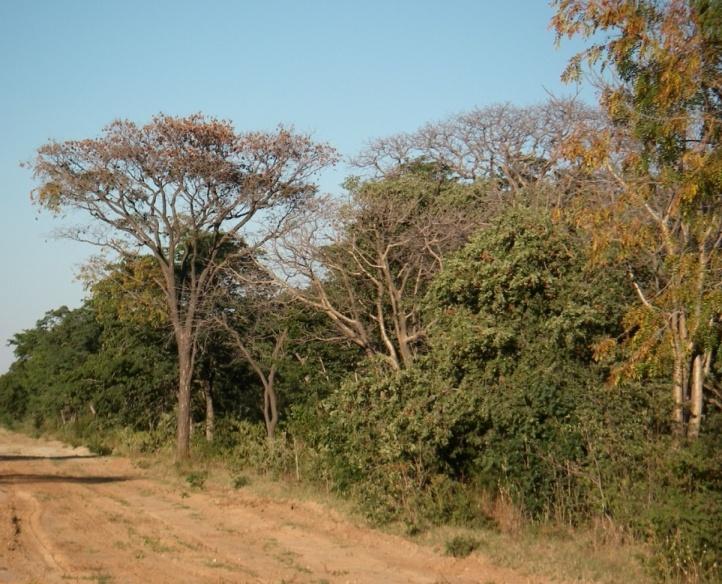
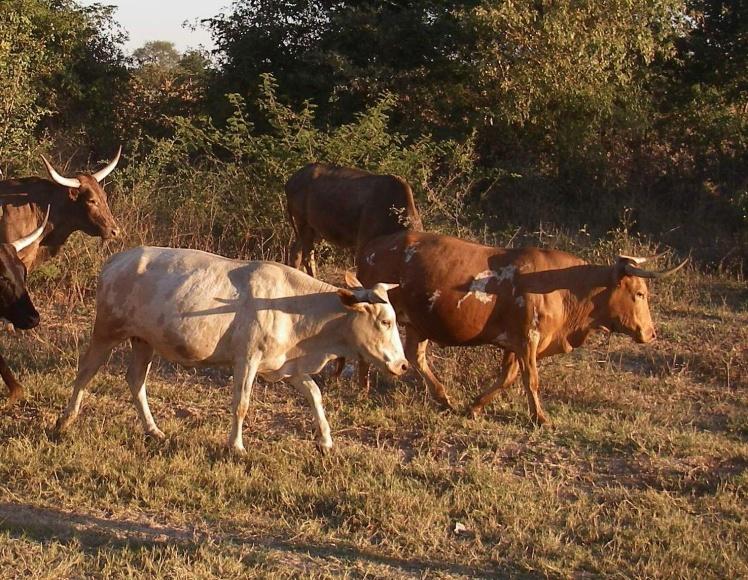
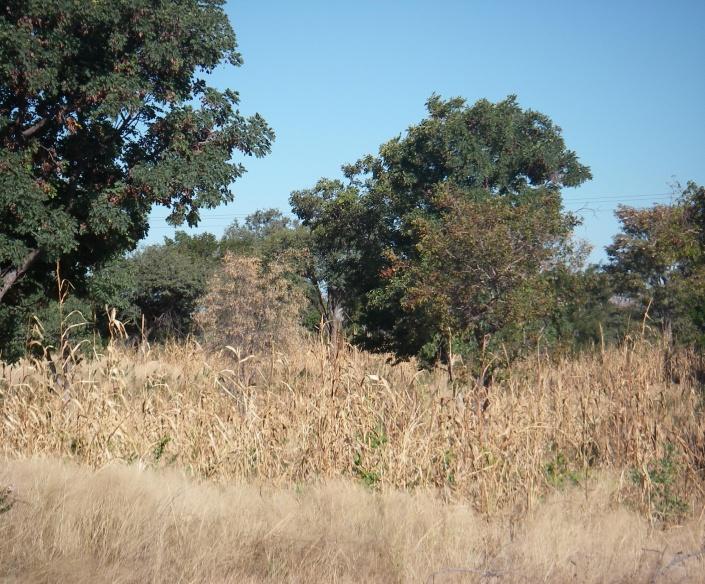
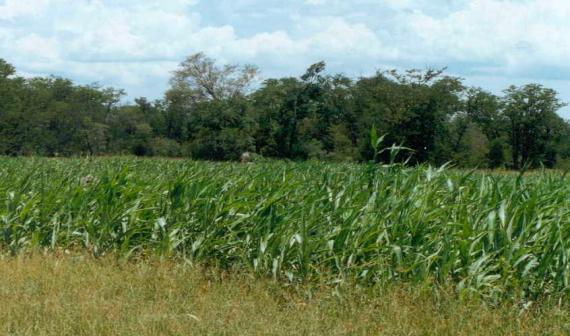
Household income away from river system: Forest use,
dryland crops, woodland grazing, jobs,
Country
Source
Angola
Namibia
Botswana
River/wetland
19%
32%
45%
Upland
81%
68%
55%
Total
100%
100%
100%
Effect of scenarios on net contribution of river to household
livelihoods through tourism and natural resource use - Okavango
River basin
General well-being - household livelihood
value (US$)
35,500,000
35,000,000
34,500,000
34,000,000
33,500,000
33,000,000
32,500,000
PD
Low D
Med D
High D
Effect of scenarios on direct economic contribution of river
through tourism and natural resource use - Okavango River basin
TOTAL direct economic contribution (US$)
150,000,000
100,000,000
50,000,000
0
PD
Low D
Med D
High D
-50,000,000
-100,000,000
-150,000,000
Conclusion - TDA issues
1
Okavango river
contributes significantly
to livelihoods and
economy through tourism
and natural resource use
2
Increasing levels of water
development (as in
scenarios) increases loss
of these values
3
Economic losses key
they need to be compared
with water development
benefits
4
Work is ongoing...
Thank you!