PUBLISHED BY THE PRESS SYNDICATE OF THE UNIVERSITY OF CAMBRIDGE
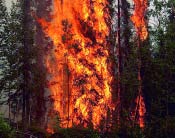
The Pitt Building, Trumpington Street, Cambridge, United Kingdom
CAMBRIDGE UNIVERSITY PRESS
The Edinburgh Building, Cambridge, CB2 2RU, UK
AMAP Secretariat
40 West 20th Street, New York, NY 10011-4211, USA
P.O. Box 8100 Dep.
10 Stamford Road, Oakleigh, VIC 3166, Australia
N-0032 Oslo, Norway
Ruiz de Alarcón 13, 28014 Madrid, Spain
Tel: +47 23 24 16 30
Dock House, The Waterfront, Cape Town 8001, South Africa
Fax: +47 22 67 67 06
http://www.amap.no
http://www.cambridge.org
First published 2004
CAFF International
Printed in Canada
Secretariat
Hafnarstraeti 97
ISBN 0 521 61778 2 paperback
600 Akureyri, Iceland
Tel: +354 461-3352
©Arctic Climate Impact Assessment, 2004
Fax: +354 462-3390
http://www.caff.is
Author
Susan Joy Hassol
IASC Secretariat
Project Production and Graphic Design
Middelthuns gate 29
Paul Grabhorn, Joshua Weybright, Clifford Grabhorn (Cartography)
P.O. Box 5156 Majorstua
N-0302 Oslo, Norway
Photography
Tel: +47 2295 9900
Bryan and Cherry Alexander, and others: credits on page 139
Fax: +47 2295 9901
Technical editing
http://www.iasc.no
Carolyn Symon
Contributors
Assessment Integration Team
ACIA Secretariat
Robert Corell, Chair
American Meteorological Society, USA
Gunter Weller, Executive Director
Pål Prestrud, Vice Chair
Centre for Climate Research in Oslo, Norway
Patricia A. Anderson, Deputy Executive Director
Gunter Weller
University of Alaska Fairbanks, USA
Barb Hameister, Sherry Lynch
Patricia A. Anderson
University of Alaska Fairbanks, USA
International Arctic Research Center
Snorri Baldursson
Liaison for the Arctic Council, Iceland
University of Alaska Fairbanks
Elizabeth Bush
Environment Canada, Canada
Fairbanks, AK 99775-7740, USA
Terry V. Callaghan
Abisko Scientific Research Station, Sweden
Tel: +907 474 5818
Sheffield Centre for Arctic Ecology, UK
Fax +907 474 6722
Paul Grabhorn
Grabhorn Studio, Inc., USA
http://www.acia.uaf.edu
Susan Joy Hassol
Independent Scholar and Science Writer, USA
Gordon McBean
University of Western Ontario, Canada
Michael MacCracken
Climate Institute, USA
Lars-Otto Reiersen
Arctic Monitoring and Assessment Programme, Norway
Jan Idar Solbakken
Permanent Participants, Norway
Lead Authors of the Full Science Report
Jim Berner
Alaska Native Tribal Health Consortium, USA
Gordon McBean
University of Western Ontario, Canada
Terry V. Callaghan
Abisko Scientific Research Station, Sweden
James J. McCarthy
Harvard University, USA
Sheffield Centre for Arctic Ecology, UK
Mark Nuttall
University of Aberdeen, Scotland, UK
Shari Fox
University of Colorado at Boulder, USA
University of Alberta, Canada
Christopher Furgal
Laval University, Canada
Terry D. Prowse
National Water Research Institute, Canada
Alf Håkon Hoel
University of Tromsø, Norway
James D. Reist
Fisheries and Oceans Canada, Canada
Henry Huntington
Huntington Consulting, USA
Amy Stevermer
University of Colorado at Boulder, USA
Arne Instanes
Instanes Consulting Engineers, Norway
Aapo Tanskanen
Finnish Meteorological Institute, Finland
Glenn P. Juday
University of Alaska Fairbanks, USA
Michael B. Usher
University of Stirling, Scotland, UK
Erland Källén
Stockholm University, Sweden
Hjálmar Vilhjálmsson Marine Research Institute, Iceland
Vladimir M. Kattsov
Voeikov Main Geophysical Observatory, Russia
John E. Walsh
University of Alaska Fairbanks, USA
David R. Klein
University of Alaska Fairbanks, USA
Betsy Weatherhead
University of Colorado at Boulder, USA
Harald Loeng
Institute of Marine Research, Norway
Gunter Weller
University of Alaska Fairbanks, USA
Marybeth Long Martello
Harvard University, USA
Fred J. Wrona
National Water Research Institute, Canada
Note: A full list of additional contributors is found on page 129.
This report was prepared in English and translated into several other languages; the English version constitutes the official version.
Recommended Citation: ACIA, Impacts of a Warming Arctic: Arctic Climate Impact Assessment. Cambridge University Press, 2004.
http://www.acia.uaf.edu
Preface
The Arctic is of special importance to the world and it is changing rapidly. It is thus
essential that decision makers have the latest and best information available regarding
ongoing changes in the Arctic. This report is a plain language synthesis of the key findings
of the Arctic Climate Impact Assessment (ACIA), designed to make the scientific findings
accessible to policymakers and the broader public. The ACIA is a comprehensively
researched, fully referenced, and independently reviewed evaluation of arctic climate change
and its impacts for the region and for the world. It has involved an international effort by
hundreds of scientists over four years, and also includes the special knowledge of
indigenous people.
The Arctic Council called for this assessment, and charged two of its working groups, the
Arctic Monitoring and Assessment Programme (AMAP) and the Conservation of Arctic Flora
and Fauna (CAFF), along with the International Arctic Science Committee (IASC), with its
implementation. Recognizing the central importance of the Arctic and this information to
society as it contemplates responses to the growing challenge of climate change, the
cooperating organizations are honored to forward this report to the Arctic Council and
the international science community.
ACIA IS A PROJECT IMPLEMENTED BY AMAP, CAFF, AND IASC
The Arctic Council
The Arctic Council is a high-level intergovernmental forum that provides a mechanism to address the
common concerns and challenges faced by arctic people and governments. It is comprised of the eight arctic
nations (Canada, Denmark/Greenland/Faroe Islands, Finland, Iceland, Norway, Russia, Sweden, and the United
States of America), six Indigenous Peoples organizations (Permanent Participants: Aleut International
Association, Arctic Athabaskan Council, Gwich'in Council International, Inuit Circumpolar Conference,
Russian Association of Indigenous Peoples of the North, and Saami Council), and official observers (including
France, Germany, the Netherlands, Poland, United Kingdom, non-governmental organizations, and scientific
and other international bodies).
The International Arctic Science Committee
The International Arctic Science Committee is a non-governmental organization whose aim is to encourage
and facilitate cooperation in all aspects of arctic research among scientists and institutions of countries with
active arctic research programs. IASC's members are national scientific organizations, generally academies
of science, which seek to identify priority research needs, and provide a venue for project development
and implementation.
Assessment Steering Committee
The ACIA Assessment Steering Committee was responsible for scientific oversight and coordination of all
work related to the preparation of the assessment reports. A list of the members of this committee is found
on page 138. The scientific content of the ACIA has been published in two separate reports: this synthesis
volume, and a more comprehensive and detailed technical volume that includes references to the scientific
literature. AMAP, CAFF, and IASC have received written certification by the ACIA leadership and all lead
authors that the final scientific report reflects their expert views, and that this synthesis report is fully
consistent with the scientific volume.
How To Read This Report
In presenting these findings, the stated likelihood of particular impacts occurring is based
on expert evaluation of results from multiple lines of evidence including field and laboratory
experiments, observed trends, theoretical analyses, and model simulations.
Judgments of likelihood based on these inputs are indicated using a five-tier lexicon
consistent with everyday usage (very unlikely, unlikely, possible, likely, and very likely).
Confidence in results is highest at both ends of this scale. A conclusion that an impact
"will" result is reserved for situations where experience and multiple methods of analysis
all make clear that the consequence would follow inevitably from the projected change in
climate. Although many details of how climate, environment, and society will evolve in the
future remain uncertain, experts do have more confidence in some findings than others. The
use of the lexicon is thus designed to convey the current state of scientific understanding.
The projected impacts described in this report are based on observed data and a moderate
scenario of future warming, not a worst-case scenario. Compared to the full range of
scenarios analyzed by the Intergovernmental Panel on Climate Change (IPCC), the primary
scenario used in the ACIA analyses falls below the middle of the IPCC range of projected
temperature rise.
The results summarized in this report, like the extensive, fully referenced technical report
upon which it is based, do not include thorough economic analyses of climate change
impacts because the necessary information is not presently available. While adaptation
strategies are sometimes mentioned, they are not analyzed in detail. The scope of this
assessment did not include analysis of efforts to mitigate climate change impacts by
reducing emissions of greenhouse gases.
A notation of which chapters of the full technical report have been principally drawn upon
for the synthesis presented in this document is indicated in the bottom corner of each
left-hand page (with the exception of the Executive Summary and Selected Sub-Regional
Impacts, for which all chapters were drawn upon).
Finally, this assessment focused on impacts that are expected to occur within this century.
Important longer-term impacts are occasionally mentioned, but not analyzed in detail.










Contents
Context
Global Climate Change
2
The Arctic Region
4
People of the Arctic
6
Executive Summary
Arctic Climate Change and Its Impacts
8
Key Findings
10
Arctic Climate Trends
12
Impacts on Natural Systems
15
Impacts on Society
16
Sub-Regional Impacts
18
Supporting Evidence for the Key Findings
21
1 Arctic Climate Change
22
2 Global Implications
34
3 Vegetation Changes
46
4 Animal Species Shifts
58
5 Coastal Impacts
78
6 Marine Transportation
82
7 Thawing Ground
86
8 Indigenous Communities
92
9 Ultraviolet Radiation
98
10 Multiple Stresses
106
Selected Sub-Regional Overview
112
Improving Future Assessments
122
Concluding Thoughts
124
Appendices
Emissions Scenarios
126
Table of Contents of ACIA Full Science Report
128
Authors and Affiliations
129
Illustration and Photography Credits
139
Global Climate Change
ce cores and other evidence of climate conditions in the distant past provide
Ievidence that rising atmospheric carbon dioxide levels are associated with rising
global temperatures. Human activities, primarily the burning of fossil fuels (coal,
oil, and natural gas), and secondarily the clearing of land, have increased the
"There is new and
concentration of carbon dioxide, methane, and other heat-trapping ("greenhouse")
stronger evidence
gases in the atmosphere. Since the start of the industrial revolution, the atmospher-
that most of the
ic carbon dioxide concentration has increased by about 35% and the global average
temperature has risen by about 0.6°C. There is an international scientific consensus
warming observed
that most of the warming observed over the last 50 years is attributable to human
over the last 50
activities.
years is attributable
Continuing to add carbon dioxide and other greenhouse gases to the atmosphere is
to human activities."
projected to lead to significant and persistent changes in climate, including an
Intergovernmental Panel on
increase in average global temperature of 1.4 to 5.8°C (according to the IPCC) over
Climate Change (IPCC), 2001
the course of this century. Climatic changes are projected to include shifts in
atmospheric and oceanic circulation patterns, an accelerating rate of sea-level rise,
and wider variations in precipitation. Together, these changes are projected to lead
to wide-ranging consequences including significant impacts on coastal communities,
animal and plant species, water resources, and human health and well-being.
About 80% of the world's energy is currently derived from burning fossil fuels, and
carbon dioxide emissions from these sources are growing rapidly. Because excess
carbon dioxide persists in the atmosphere for centuries, it will take at least a few
decades for concentrations to peak and then begin to decline even if concerted
efforts to reduce emissions are begun immediately. Altering the warming trend will
thus be a long-term process, and the world will face some degree of climate change
and its impacts for centuries.
The Earth's Greenhouse Effect
Most of the heat energy emitted from the
surface is absorbed by greenhouse gases
which radiate heat back down to warm the
lower atmosphere and the surface. Increasing
surface cools by radiating heat
e
e
the concentrations of greenhouse gases
Th
ner
increases the warming of the surface and
g
y
slows the loss of heat energy to space.
upward.
2

Altering the
warming trend will
The science suggests that responding to this challenge will require two sets of actions:
be a long-term
one, called mitigation, to slow the speed and amount of future climate change by
process, and the
reducing greenhouse gas emissions; and the other, called adaptation, to attempt to
limit adverse impacts by becoming more resilient to the climate changes that will
world will face
occur while society pursues the first set of actions. The scope of this assessment did
some degree of
not include an evaluation of either of these sets of actions. These are being addressed
climate change
by efforts under the auspices of the United Nations Framework Convention on Climate
Change and other bodies.
and its impacts
for centuries.
Stratospheric Ozone Depletion is Another Issue
Depletion of the stratospheric ozone layer due to chlorofluorocarbons and other
manmade chemicals is a different problem, although there are important connections
between ozone depletion and climate change. For example, climate change is projected
to delay recovery of stratospheric ozone over the Arctic. This assessment, in addition
to its principal focus on climate change impacts, also examined changes in stratospher-
ic ozone, subsequent changes in ultraviolet radiation, and related impacts in the Arctic.
A summary of these findings can be found on pages 98-105 of this report.
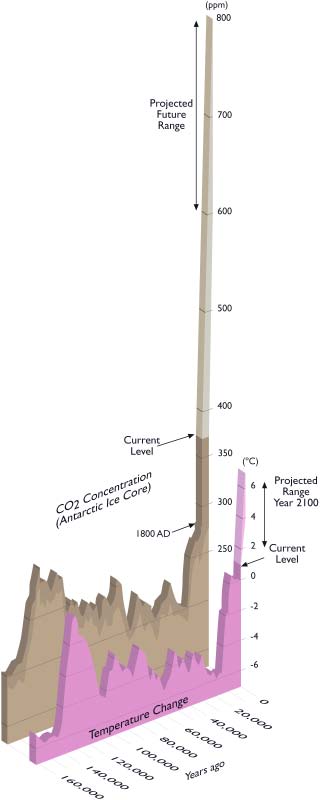
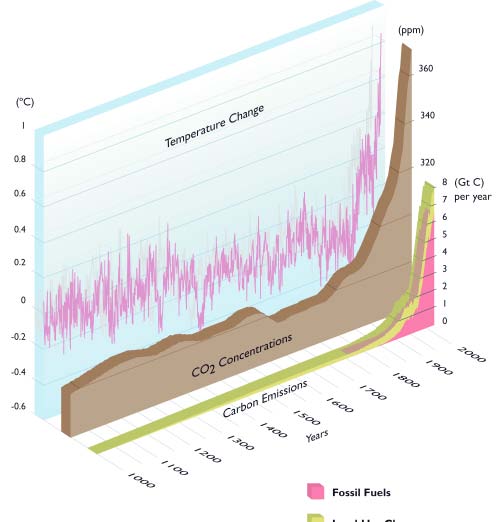
1000 Years of Changes
Atmospheric
in Carbon Emissions,
Carbon Dioxide
CO
Concentration and
2 Concentrations
and Temperature
Temperature
Change
This 1000-year record tracks the rise in carbon emissions due to human
This record illustrates the relationship between temperature
activities (fossil fuel burning and land clearing) and the subsequent increase
and atmospheric carbon dioxide concentrations over the past
in atmospheric carbon dioxide concentrations, and air temperatures.
160 000 years and the next 100 years. Historical data are
The earlier parts of this Northern Hemisphere temperature reconstruction
derived from ice cores, recent data were directly measured,
are derived from historical data, tree rings, and corals, while the later parts
and model projections are used for the next 100 years.
were directly measured. Measurements of carbon dioxide (CO2) in air
bubbles trapped in ice cores form the earlier part of the CO2 record;
direct atmospheric measurements of CO2 concentration began in 1957.
3
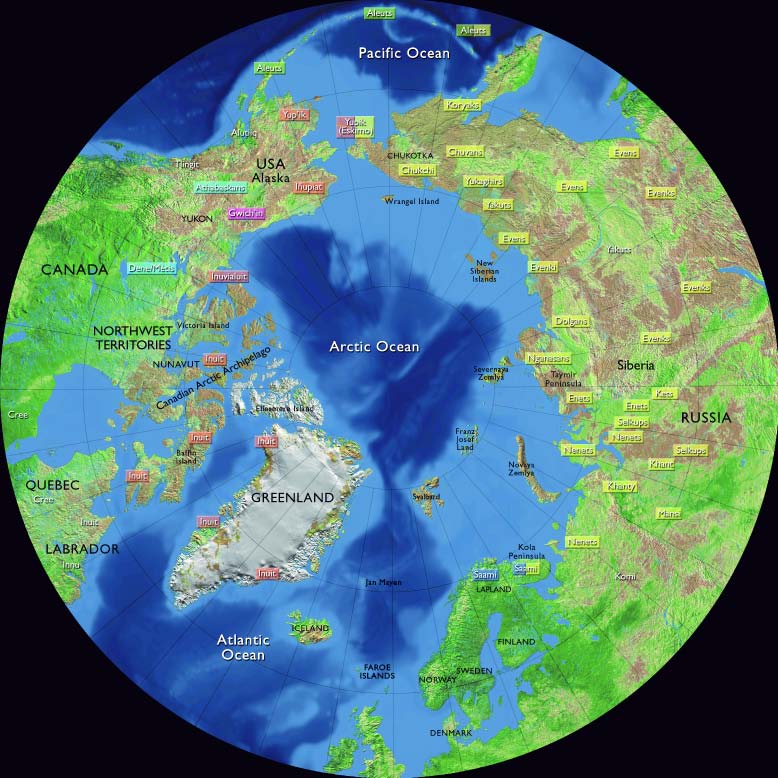
The Arctic Region
olaris, the North Star, is located almost directly
Pabove the North Pole. Around it are the stars that
form the constellation known as Ursa Major, the Great
Bear. The term Arctic comes from the ancient Greek
word Arktikós, the country of the Great Bear.
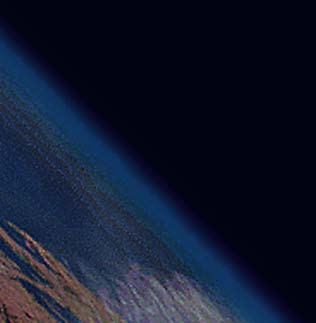
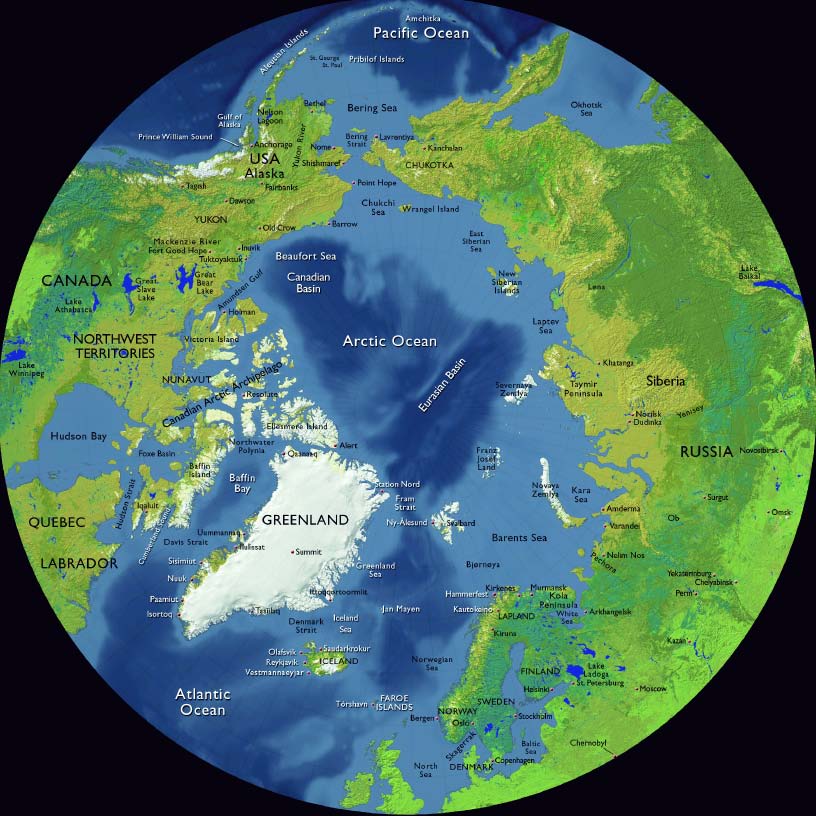
Earth's northern polar region consists of a vast ocean
surrounded by land, in contrast to the southern polar
region in which an ice-covered continent is surrounded
by ocean. Perhaps the most striking features are the snow
and ice that cover much of the arctic land and sea surface,
particularly in the high Arctic. And draped like a pair of great
green shawls over the shoulders of the two facing continents are
the boreal (meaning northern) forests. A wide expanse of tundra
treeless plains over frozen ground lies between the icy high north and the
forested sub-arctic.
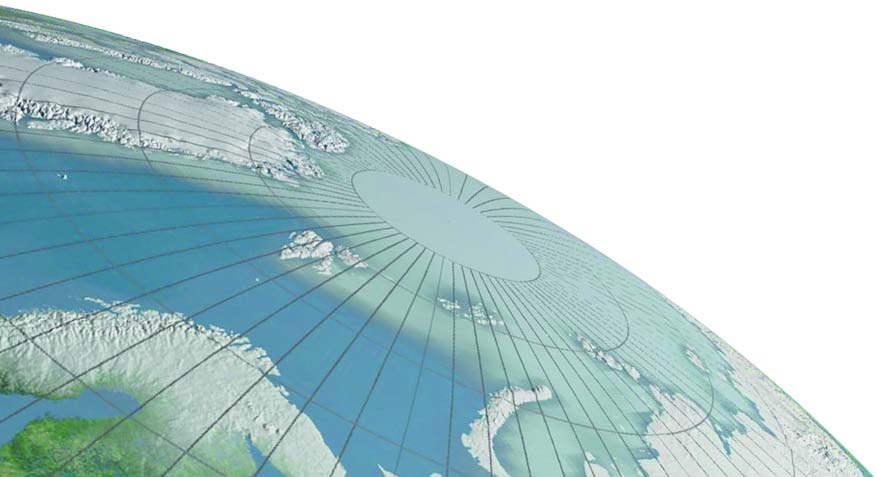
One line often used to define the region is the Arctic Circle, drawn at the latitude
north of which the sun does not rise above the horizon at winter solstice and does
not set below it at summer solstice "the land of the midnight sun". Other bound-
aries used to define the Arctic include treeline, climatic boundaries, and permafrost
extent on land and sea-ice extent on the ocean. For the purposes of this
assessment, the boundary will be more flexible, also encompassing sub-arctic
areas integral to the functioning of the arctic system.
High arctic lands and seas are home to an array of plants, animals, and people that
survive in some of the most extreme conditions on the planet. From the algae that
live on the underside of sea ice, to the polar bears that hunt on top of the ice, to
the indigenous human societies that have developed in close connection with their
environment, these communities are uniquely adapted to what many outside the
region would view as a very severe climate.
Life in the Arctic has historically been both vulnerable and resilient. Factors that
contribute to the Arctic's vulnerability include its relatively short growing season
and smaller variety of living things compared to temperate regions. In addition,
arctic climate is highly variable, and a sudden summer storm or freeze can wipe out
an entire generation of young birds, thousands of seal pups, or hundreds of caribou
calves. Yet some arctic species have also displayed remarkable resilience to historic
extremes, as evidenced by the recovery of populations that have occasionally been
decimated by climatic variations.
4

The increasingly rapid rate of recent climate change poses new challenges to the
The increasingly
resilience of arctic life. In addition to the impacts of climate change, many other
rapid rate of
stresses brought about by human activities are simultaneously affecting life in the
Arctic, including air and water contamination, overfishing, increasing levels of
recent climate
ultraviolet radiation due to ozone depletion, habitat alteration and pollution due to
change poses
resource extraction, and increasing pressure on land and resources related to the
new challenges
growing human population in the region.
The sum of these factors threatens
to the resilience
to overwhelm the adaptive
of arctic life.
capacity of some arctic
populations and
ecosystems.
5

People of the Arctic
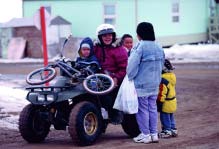
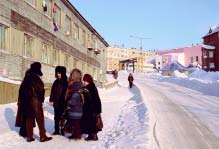
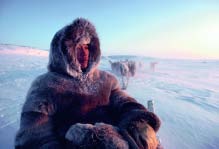
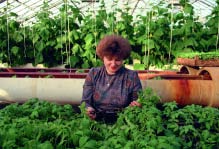
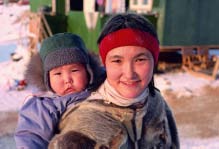
lmost four million people live in the Arctic today, with the precise number depending
Aon where the boundary is drawn. They include indigenous people and recent arrivals,
hunters and herders living on the land, and city dwellers. Many distinct indigenous groups
are found only in the Arctic, where they continue traditional activities and adapt to the
modern world at the same time. Humans have long been part of the arctic system, shaping
and being shaped by the local and regional environment. In the past few centuries, the
influx of new arrivals has increased pressure on the arctic environment through rising fish
and wildlife harvests and industrial development.
The Arctic includes part or all of the territories of eight nations: Norway, Sweden, Finland,
Denmark, Iceland, Canada, Russia, and the United States, as well as the homelands of
dozens of indigenous groups that encompass distinct sub-groups and communities.
Indigenous people currently make up roughly 10% of the total arctic population, though in
Canada, they represent about half the nation's arctic population, and in Greenland they are
the majority. Non-indigenous residents also include many different peoples with distinct
identities and ways of life.
People have occupied parts of the Arctic since at least the peak of the last ice age, about
20 000 years ago, and recent studies suggest a human presence up to 30 000 years ago.
In North America, humans are believed to have spread across the Arctic in several waves,
reaching Greenland as many as 4500 years ago before abandoning the island for a millen-
nium or more. Innovations such as the harpoon enabled people to hunt large marine
mammals, making it possible to inhabit remote coastal areas in which the land offered scant
resources. The development of reindeer husbandry in Eurasia allowed human populations
to increase dramatically owing to a reliable food source. In Eurasia and across the North
Atlantic, new groups of people moved northward over the past thousand years, colonizing
new lands such as the Faroe Islands and Iceland, and encountering indigenous populations
already present in West Greenland, and northern Norway, Sweden, Finland, and Russia.
In the 20th century, immigration to the Arctic increased dramatically, to the point where
the non-indigenous population currently outnumbers the indigenous population in most
regions. Many immigrants have been drawn by the prospect of new opportunities such as
developing natural resources. Conflicts over land and resource ownership and access have
been exacerbated by the rise in population and the incompatibility of some aspects of
traditional and modern ways of life. In North America, the indigenous struggle to re-estab-
lish rights to land and resources has been addressed to some extent in land claims agree-
ments, the creation of largely self-governed regions within nation-states, and other political
and economic actions. In some areas, conflicts remain, particularly concerning the right to
use living and mineral resources. In Eurasia, by contrast, indigenous claims and rights have
only begun to be addressed as matters of national policy in recent years.
Populations are changing and northern regions are becoming more tightly related economi-
cally, politically, and socially to national mainstreams. Life expectancy has increased
greatly across most of the Arctic in recent decades. The prevalence of indigenous language
use, however, has decreased in most areas, with several languages in danger of disappearing
in coming decades. In some respects, the disparities between northern and southern arctic
communities in terms of living standards, income, and education are decreasing, although
the gaps remain large in most cases.
6
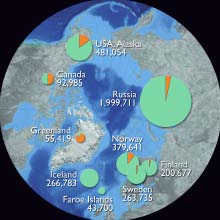
Total and Indigenous
Populations of the Arctic
The economy of the region is based largely on natural resources, from oil, gas,
and metal ores to fish, reindeer, caribou, whales, seals, and birds. In recent
decades, tourism has added a growing sector to the economies of many commu-
nities and regions of the Arctic. Government services including the military are
also a major part of the economy in nearly all areas of the Arctic, responsible in
some cases for over half of the available jobs. In addition to the cash economy,
traditional subsistence and barter economies make a major contribution to the
overall well-being of parts of the region, producing significant value that is not
recorded in official statistics.
In the chart above, orange indicates the proportion
of indigenous people within the populations
of the arctic portions of the countries.
The numbers are the total arctic pop-
ulations of each country in the early
1990s. Indigenous people make up
roughly 10% of the current pop-
ulation of the Arctic, though
in the Canadian Arctic, they
represent about half the
population, and in
Greenland, they are
the majority.
Saami Council (SC)
Russian Association of Indigenous
Peoples of the North (RAIPON)
Aleut International Association (AIA)
Inuit Circumpolar Conference (ICC)
Gwich'in Council International (GCI)
Arctic Athabaskan Council (AAC)
7
Executive Summary
Arctic Climate Change and Its Impacts
arth's climate is changing, with the global temperature now rising at a rate unprece-
Edented in the experience of modern human society. While some historical changes in
climate have resulted from natural causes and variations, the strength of the trends and the
patterns of change that have emerged in recent decades indicate that human influences,
resulting primarily from increased emissions of carbon dioxide and other greenhouse gases,
have now become the dominant factor.
These climate changes are being experienced particularly intensely in the Arctic. Arctic
average temperature has risen at almost twice the rate as the rest of the world in the past
few decades. Widespread melting of glaciers and sea ice and rising permafrost temperatures
"Changes in climate that
present additional evidence of strong arctic warming. These changes in the Arctic provide
have already taken place
an early indication of the environmental and societal significance of global warming.
are manifested in the
An acceleration of these climatic trends is projected to occur during this century, due to
decrease in extent and
ongoing increases in concentrations of greenhouse gases in the earth's atmosphere. While
thickness of Arctic sea
greenhouse gas emissions do not primarily originate in the Arctic, they are projected to
bring wide-ranging changes and impacts to the Arctic. These arctic changes will, in turn,
ice, permafrost thawing,
impact the planet as a whole. For this reason, people outside the Arctic have a great stake
coastal erosion, changes
in what is happening there. For example, climatic processes unique to the Arctic have
significant effects on global and regional climate. The Arctic also provides important
in ice sheets and ice
natural resources to the rest of the world (such as oil, gas, and fish) that will be affected
shelves, and altered
by climate change. And melting of arctic glaciers is one of the factors contributing to
distribution and
sea-level rise around the globe.
abundance of species."
Climate change is also projected to result in major impacts inside the Arctic, some of
IPCC, 2001
which are already underway. Whether a particular impact is perceived as negative or
positive often depends on one's interests. For example, the reduction in sea ice is very
likely to have devastating consequences for polar bears, ice-dependent seals, and local
people for whom these animals are a primary food source. On the other hand, reduced sea
ice is likely to increase marine access to the region's resources, expanding opportunities
for shipping and possibly for offshore oil extraction (although operations could be
hampered initially by increasing movement of ice in some areas). Further
complicating the issue, possible increases in environmental damage
that often accompanies shipping and resource extraction could
harm the marine habitat and negatively affect the health
and traditional lifestyles of indigenous people.
Another example is that increased areas of
tree growth in the Arctic could serve to
take up carbon dioxide and supply
more wood products and related
employment, providing
local and global
economic benefits.
8
On the other hand, increased tree growth is likely to add to regional warming and encroach on the
Unless we
habitat for many birds, reindeer/caribou, and other locally beneficial species, thereby adversely
change our
affecting local residents. Potential complications include projected increases in forest disturbances
such as fires and insect outbreaks that could reduce expected benefits.
direction,
we are likely
Climate change is taking place within the context of many other ongoing changes in the Arctic,
to end up where
including the observed increase in chemical contaminants entering the Arctic from other regions,
overfishing, land use changes that result in habitat destruction and fragmentation, rapid growth
we are headed.
in the human population, and cultural, governance, and economic changes. Impacts on the
environment and society result not from climate change alone, but from the interplay of all of
these changes. This assessment has made an initial attempt to reveal some of this complexity,
but limitations in current knowledge do not allow for a full analysis of all the interactions and
their impacts.
One of the additional stresses in the Arctic that is addressed in this assessment results from
increasing levels of ultraviolet radiation reaching the earth's surface due to stratospheric ozone
depletion. As with many of the other stresses mentioned, there are important interactions between
climate change and ozone depletion. The effects of climate change on the upper atmosphere make
continued ozone depletion over the Arctic likely to persist for at least a few more decades. Thus,
ultraviolet radiation levels in the Arctic are likely to remain elevated, and this will be most
pronounced in the spring, when ecosystems are most sensitive to harmful ultraviolet radiation.
The combination of climate change, excess ultraviolet radiation, and other stresses presents a range
of potential problems for human health and well-being as well as risks to other arctic species and
ecosystems.
The impacts of climate change in the Arctic addressed in this assessment are largely caused from
outside the region, and will reverberate back to the global community in a variety of ways. The
scientific findings reported here can inform decisions about actions to reduce the risks of climate
change. As the pace and extent of climate change and its impacts increase, it will become more
and more important for people everywhere to become aware of the changes taking place in the
Arctic, and to consider them in evaluating what actions should be taken to respond.
Are These Impacts Inevitable?
Carbon dioxide concentrations in the atmosphere, which have risen rapidly due to human activities,
will remain elevated above natural levels for centuries, even if emissions were to cease immediately.
Some continued warming is thus inevitable. However, the speed and amount of warming can be
reduced if future emissions are limited sufficiently to stabilize the concentrations of greenhouse
gases. The scenarios developed by the IPCC assume a variety of different societal developments,
resulting in various plausible levels of future emissions. None of these scenarios assume implemen-
tation of explicit policies to reduce greenhouse gas emissions. Thus, atmospheric concentrations do
not level off in these scenarios, but rather continue to rise, resulting in significant increases in tem-
perature and sea level and widespread changes in precipitation. The costs and difficulties of
adapting to such increases are very likely to increase significantly over time.
If, on the other hand, society chooses to reduce emissions substantially, the induced changes in
climate would be smaller and would happen more slowly. This would not eliminate all impacts,
especially some of the irreversible impacts affecting particular species. However, it would allow
ecosystems and human societies as a whole to adapt more readily, reducing overall impacts and
costs. The impacts addressed in this assessment assume continued growth in greenhouse gas
emissions. Although it will be very difficult to limit near-term consequences resulting from past
emissions, many longer-term impacts could be reduced significantly by reducing global emissions
over the course of this century. This assessment did not analyze strategies for achieving such
reductions, which are the subject of efforts by other bodies.
9
Key Findings
The Arctic is extremely vulnerable to observed and projected climate change and its impacts. The Arctic
is now experiencing some of the most rapid and severe climate change on earth. Over the next 100
years, climate change is expected to accelerate, contributing to major physical, ecological, social, and
economic changes, many of which have already begun. Changes in arctic climate will also affect the
rest of the world through increased global warming and rising sea levels.
1. Arctic climate is now warming rapidly and
· Increasing global concentrations of carbon dioxide and
much larger changes are projected.
other greenhouse gases due to human activities, prima-
rily fossil fuel burning, are projected to contribute to
· Annual average arctic temperature has increased at
additional arctic warming of about 4-7°C over the next
almost twice the rate as that of the rest of the world
100 years.
over the past few decades, with some variations
across the region.
· Increasing precipitation, shorter and warmer winters,
and substantial decreases in snow cover and ice cover
· Additional evidence of arctic warming comes from
are among the projected changes that are very likely to
widespread melting of glaciers and sea ice, and a
persist for centuries.
shortening of the snow season.
· Unexpected and even larger shifts and fluctuations in
climate are also possible.
2. Arctic warming and its consequences
heat from the tropics to the poles, affecting global and
have worldwide implications.
regional climate.
· Melting of highly reflective arctic snow and ice
· Warming is very likely to alter the release and uptake of
reveals darker land and ocean surfaces, increasing
greenhouse gases from soils, vegetation, and coastal
absorption of the sun's heat and further warming
oceans.
the planet.
· Impacts of arctic climate change will have implications
· Increases in glacial melt and river runoff add more
for biodiversity around the world because migratory
freshwater to the ocean, raising global sea level and
species depend on breeding and feeding grounds in the
possibly slowing the ocean circulation that brings
Arctic.
3. Arctic vegetation zones are very likely to
land surface is likely to outweigh this, causing further
shift, causing wide-ranging impacts.
warming.
· Treeline is expected to move northward and to high-
· Disturbances such as insect outbreaks and forest fires
er elevations, with forests replacing a significant
are very likely to increase in frequency, severity, and
fraction of existing tundra, and tundra vegetation
duration, facilitating invasions by non-native species.
moving into polar deserts.
· Where suitable soils are present, agriculture will have
· More-productive vegetation is likely to increase
the potential to expand northward due to a longer and
carbon uptake, although reduced reflectivity of the
warmer growing season.
4. Animal species' diversity, ranges, and
· Species ranges are projected to shift northward on both
distribution will change.
land and sea, bringing new species into the Arctic while
severely limiting some species currently present.
· Reductions in sea ice will drastically shrink marine
habitat for polar bears, ice-inhabiting seals, and
· As new species move in, animal diseases that can be
some seabirds, pushing some species toward
transmitted to humans, such as West Nile virus, are like-
extinction.
ly to pose increasing health risks.
· Caribou/reindeer and other land animals are likely to
· Some arctic marine fisheries, which are of global impor-
be increasingly stressed as climate change alters
tance as well as providing major contributions to the
their access to food sources, breeding grounds, and
region's economy, are likely to become more productive.
historic migration routes.
Northern freshwater fisheries that are mainstays of local
diets are likely to suffer.
10

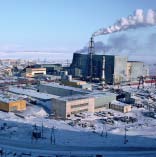
5. Many coastal communities and facilities
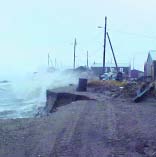
· The risk of flooding in coastal wetlands is projected to
face increasing exposure to storms.
increase, with impacts on society and natural ecosys-
tems.
· Severe coastal erosion will be a growing problem as
rising sea level and a reduction in sea ice allow higher
· In some cases, communities and industrial facilities in
waves and storm surges to reach the shore.
coastal zones are already threatened or being forced to
relocate, while others face increasing risks and costs.
· Along some arctic coastlines, thawing permafrost
weakens coastal lands, adding to their vulnerability.
6. Reduced sea ice is very likely to increase
some channels of the Northwest Passage could
marine transport and access to resources.
initially make shipping more difficult.
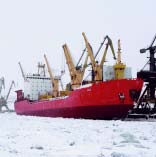
· The continuing reduction of sea ice is very likely to
· Reduced sea ice is likely to allow increased offshore
lengthen the navigation season and increase marine
extraction of oil and gas, although increasing ice
access to the Arctic's natural resources.
movement could hinder some operations.
· Seasonal opening of the Northern Sea Route is likely
· Sovereignty, security, and safety issues, as well as
to make trans-arctic shipping during summer feasible
social, cultural, and environmental concerns are likely
within several decades. Increasing ice movement in
to arise as marine access increases.
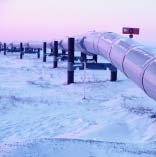
7. Thawing ground will disrupt transportation,
be destabilized, requiring substantial rebuilding,
buildings, and other infrastructure.
maintenance, and investment.
· Transportation and industry on land, including oil and
· Future development will require new design elements
gas extraction and forestry, will increasingly be disrupt-
to account for ongoing warming that will add to
ed by the shortening of the periods during which ice
construction and maintenance costs.
roads and tundra are frozen sufficiently to permit travel.
· Permafrost degradation will also impact natural
· As frozen ground thaws, many existing buildings, roads,
ecosystems through collapsing of the ground surface,
pipelines, airports, and industrial facilities are likely to
draining of lakes, wetland development, and toppling
of trees in susceptible areas.
8. Indigenous communities are facing major
predictability, and travel safety in changing ice and
economic and cultural impacts.
weather conditions present serious challenges to
human health and food security, and possibly even
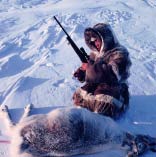
· Many Indigenous Peoples depend on hunting polar bear,
the survival of some cultures.
walrus, seals, and caribou, herding reindeer, fishing,
and gathering, not only for food and to support the
· Indigenous knowledge and observations provide an
local economy, but also as the basis for cultural and
important source of information about climate
social identity.
change. This knowledge, consistent with complemen-
tary information from scientific research, indicates
· Changes in species' ranges and availability, access to
that substantial changes have already occurred.
these species, a perceived reduction in weather
9. Elevated ultraviolet radiation levels will
30% higher than any prior generation. Increased UV
affect people, plants, and animals.
is known to cause skin cancer, cataracts, and immune
system disorders in humans.
· The stratospheric ozone layer over the Arctic is not
expected to improve significantly for at least a few
· Elevated UV can disrupt photosynthesis in plants and
decades, largely due to the effect of greenhouse gases on
have detrimental effects on the early life stages of fish
stratospheric temperatures. Ultraviolet radiation (UV) in
and amphibians.
the Arctic is thus projected to remain elevated in the
· Risks to some arctic ecosystems are likely as the
coming decades.
largest increases in UV occur in spring, when sensitive
· As a result, the current generation of arctic young people
species are most vulnerable, and warming-related
is likely to receive a lifetime dose of UV that is about
declines in snow and ice cover increase exposure for
living things normally protected by such cover.
10. Multiple influences interact to cause
many cases, the total impact is greater than the sum
impacts to people and ecosystems.
of its parts, such as the combined impacts of contami-
nants, excess ultraviolet radiation, and climatic
· Changes in climate are occurring in the context of many
warming.
other stresses including chemical pollution, overfishing,
land use changes, habitat fragmentation, human popula-
· Unique circumstances in arctic sub-regions determine
tion increases, and cultural and economic changes.
which are the most important stresses and how they
interact.
· These multiple stresses can combine to amplify impacts
11
on human and ecosystem health and well-being. In
Arctic Climate Trends
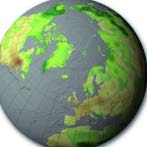
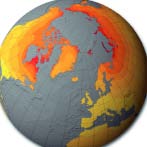
Warming in the Arctic is causing changes in nearly every part
of the physical climate system. Some of these changes are
highlighted below and explored in further detail throughout
this report.
Rising Temperatures
Increasing Precipitation
Temperatures have increased
Arctic precipitation has increased
sharply in recent decades over
by about 8% on average over the
most of the region, especially in
past century. Much of the increase
winter. Winter increases in Alaska
has come as rain, with the
and western Canada have been
largest increases in autumn and
around 3-4°C over the past half
winter. Greater increases are
century. Larger increases are pro-
projected for the next 100 years.
jected this century.
Rising River Flows
Thawing Permafrost
River discharge to the ocean has
Permafrost has warmed by up to
increased over much of the Arctic
2°C in recent decades, and the
during the past few decades and
depth of the layer that thaws each
spring peak river flows are
year is increasing in many areas.
occurring earlier. These changes
Permafrost's southern limit is pro-
are projected to accelerate.
jected to shift northward by several
hundred kilometers during this
century.
Declining Snow Cover
Snow cover extent has declined
about 10% over the past 30 years.
Additional decreases of 10-20% by
the 2070s are projected, with the
greatest declines in spring.
12
"The world can tell us everything
we want to know. The only
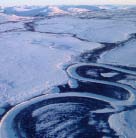
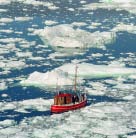
Diminishing Lake
problem for the world is
and River Ice
that it doesn't have a voice.
Later freeze-up and earlier break-up
of river and lake ice have combined
But the world's indicators
to reduce the ice season by one to
are there. They are always
three weeks in some areas. The
talking to us."
strongest trends are over North
America and western Eurasia.
Quitsak Tarkiasuk
Ivujivik, Canada
Retreating
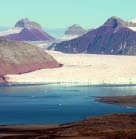
Melting Glaciers
Summer Sea Ice
Glaciers throughout the Arctic
are melting. The especially rapid
The average extent of sea-ice cover
retreat of Alaskan glaciers
in summer has declined by 15-20%
represents about half of the
over the past 30 years. This decline
estimated loss of mass by glaciers
is expected to accelerate, with the
worldwide, and the largest
near total loss of sea ice in summer
contribution by glacial melt to
projected for late this century.
rising sea level yet measured.
Rising Sea Level
Melting Greenland
Global and arctic sea level has risen
1992
2002
Ice Sheet
10-20 centimeters in the past 100
Melt
Melt
Zone
Zone
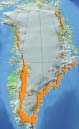
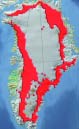
The area of the Greenland Ice Sheet
years. About an additional half
that experiences some melting has
meter of sea-level rise (with a
increased about 16% from 1979 to
range of 10 to 90 cm) is projected
2002. The area of melting in 2002
to occur during this century. The
broke all previous records.
increase in the Arctic is projected
to be greater than the global
average. The slope of the land
and whether the coastline is rising
or falling also affects the relative
sea-level rise in each location.
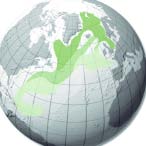
Ocean Salinity Change
Reduced salinity and density have
been observed in the North Atlantic
Ocean as melting ice and increasing
Less salty
Waters
river runoff have added more
1995 - 2000
freshwater to the ocean. If this
trend persists, it could
cause changes in ocean
circulation patterns
that strongly affect
regional climate.
13

Impacts on Natural Systems
The climate trends highlighted on the previous pages affect
natural ecosystems. Some of these impacts are highlighted below
and explored throughout this report.
Wetland Changes
Northward Species Shifts
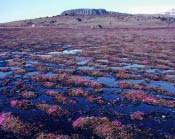
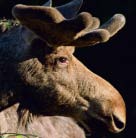
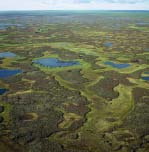
Permafrost thawing will cause lakes
The ranges of many plant and
and wetlands to drain in some
animal species are projected to shift
areas, while creating new wetlands
northward, resulting in an increased
in other places. The balance of
number of species in the Arctic.
these changes is not known, but as
Some currently widespread arctic
freshwater habitats are thus modi-
species are likely to suffer major
fied, major species shifts are likely.
declines.
Vegetation Shifts
Marine Species at Risk
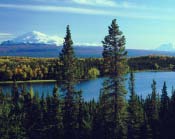
Vegetation zones are projected to
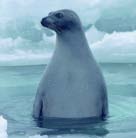
Marine species dependent on sea
shift northward, with forests
ice, including polar bears, ice-living
encroaching on tundra, and tundra
seals, walrus, and some marine
encroaching on polar deserts.
birds, are very likely to decline, with
Limitations in amount and quality
some species facing extinction.
of soils are likely to slow this
transition in some areas.
Land Species at Risk
Increasing Fires and Insects
Species quite specifically adapted to
Forest fires, insect infestations, and
the arctic climate are especially at
other disturbances are projected to
risk including many species of
increase in frequency and intensity.
mosses and lichens, lemmings,
Such events can subject habitats to
voles, arctic fox, and snowy owl.
invasion by non-native species.
14
UV Impacts
"Climate change in polar
Increased ultraviolet radiation
regions is expected to be among
reaching the earth's surface as a
the largest and most rapid of
result of stratospheric ozone
depletion and the reduction in
any region on the Earth, and
spring snow and ice cover will
will cause major physical,
impact ecosystems on land
ecological, sociological, and
and in water.
economic impacts, especially
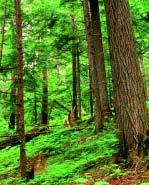
Old-growth Forest Loss
in the Arctic..."
Old-growth forest is rich in species
IPCC, 2001
of lichens, mosses, fungi, insects,
woodpeckers, and birds that nest
in tree cavities. Climate warming
would increase forest fires and
insect-caused tree death, further
reducing this valuable habitat
which is already declining due
to other human activities.
Carbon Cycle
Changes
Over time, replacement of
arctic vegetation with
more productive vegeta-
tion from the south is
likely to increase carbon
dioxide uptake. On the
other hand, methane
emissions, mainly from
warming wetlands and thawing
permafrost, are likely to increase.
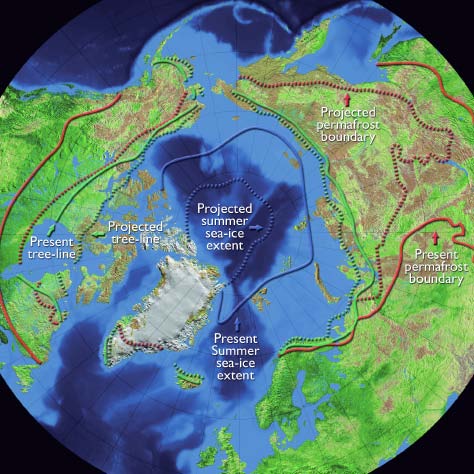
Changes in summer sea-ice extent and tree-
line are projected to occur by the end of
this century. The change in the permafrost
boundary assumes that present areas of dis-
continuous permafrost will be free of any
permafrost in the future and this is likely to
occur beyond the 21st century.
15
Impacts on Society
The changes in climate and natural systems highlighted
on the previous pages are projected to lead to numerous
impacts on society throughout the Arctic.
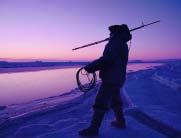
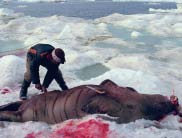
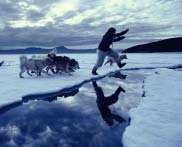
Loss of Hunting Culture
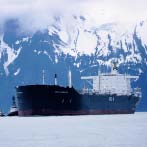
Expanding Marine Shipping
For Inuit, warming is likely to disrupt or
Shipping through key marine routes,
even destroy their hunting and food-
including the Northern Sea Route and
sharing culture as reduced sea ice
the Northwest Passage, is likely to
causes the animals on which they
increase. The summer navigation season is
depend to decline, become less
projected to lengthen considerably as the
accessible, and possibly become extinct.
century progresses, due to the decline of
sea ice. Expansion of tourism and marine
transport of goods are likely
Declining Food Security
outcomes.
Access to traditional foods including
seal, polar bear, caribou, and some fish
and bird species is likely to be seriously
impaired by climate warming. Reduced
quality of food sources, such as
diseased fish and dried up berries, are
already being observed in some
locations. Shifting to a more Western
diet carries risks of increased diabetes,
obesity, and cardiovascular diseases.
Human Health Concerns
Human health concerns also include
increased accident rates due to
environmental changes such as sea
ice thinning, and health problems
caused by adverse impacts on
sanitation infrastructure due to
thawing permafrost.
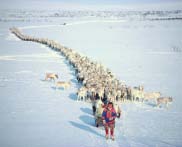
Wildlife Herd Impacts
Caribou and reindeer herds will face a
variety of climate-related changes in
their migration routes, calving grounds,
and forage availability as snow and
river ice conditions change, thus
affecting the people who depend on
hunting and herding them.
16
Increasing Access to Resources
"Nowadays snows melt earlier in the
Marine access to some arctic resources,
springtime. Lakes, rivers, and bogs freeze
including offshore oil and gas and some
much later in the autumn. Reindeer herd-
minerals, is likely to be enhanced by the
ing becomes more difficult as the ice is
reduction in sea ice, bringing new opportu-
nities as well as environmental concerns.
weak and may give way... Nowadays the
Increased ice movement could initially make
winters are much warmer than they used
some operations more difficult.
to be. Occasionally during wintertime it
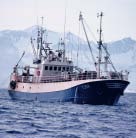
Enhanced Marine Fisheries
rains. We never expected this; we could
Some major arctic marine fisheries,
not be ready for this. It is very strange...
including those for herring and cod, are
The cycle of the yearly calendar has been
likely to become more productive as cli-
disturbed greatly and this affects the
mate warms. Ranges and migration
patterns of many fish species are very
reindeer herding negatively for sure."
likely to change.
Larisa Avdeyeva
Lovozero, Russia
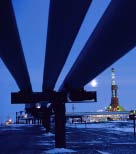
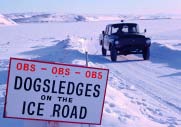
Disrupted Transport on Land
Transportation routes and pipelines on land
are already being disturbed in some places
by thawing ground, and this problem is
likely to expand. Oil and gas extraction and
forestry will be increasingly disrupted by the
shrinking of the period during which ice
roads and tundra are sufficiently frozen to
allow industrial operations. Northern com-
munities that rely on frozen roadways to
truck in supplies are also being affected.
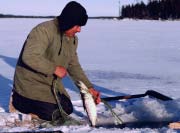
Decline in Northern
Freshwater Fisheries
Decreased abundance and local and
global extinctions of arctic-adapted fish
species are projected for this century.
Arctic char, broad whitefish, and Arctic
cisco, which are major contributors to
the diets of local people, are among the
species threatened by a warming climate.
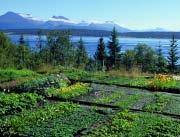
Enhanced Agriculture
and Forestry
Agricultural and forestry opportunities
are likely to increase as potential areas
for food and wood production expand
northward due to a longer and warmer
growing season and increasing
precipitation.
17

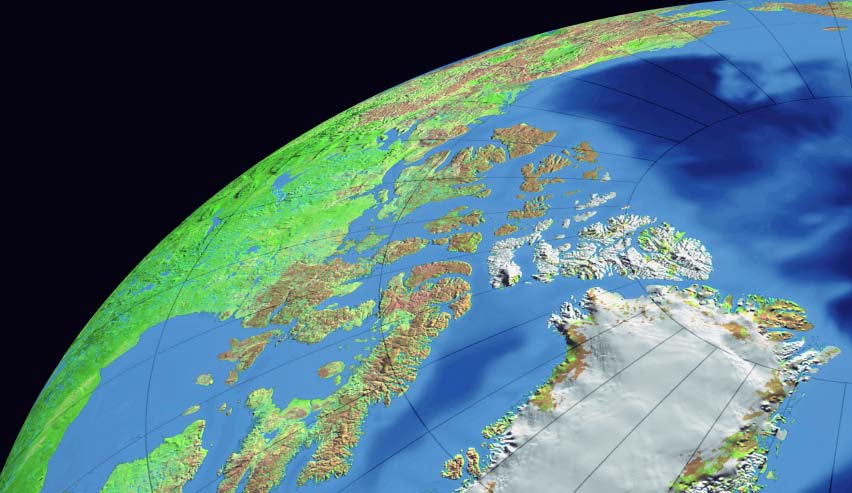
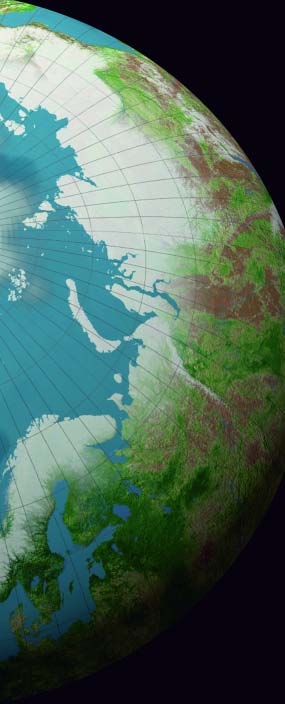
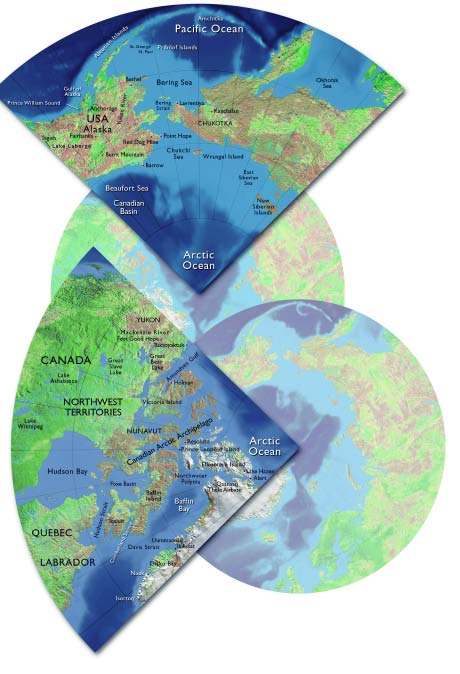
Sub-Regional Overview
In a region as large and diverse as the Arctic, there are
significant sub-regional variations in climate. Recent warming
has been more dramatic in some areas than others. A few
places, such as parts of Canada and Greenland surrounding
III
the Labrador Sea, have not yet experienced the widespread
warming of the rest of the region, and have actually cooled.
IV
Regional variations in future climate change are also
II
projected. Local features of the natural world and societies
also create differences in what impacts will occur and which
I
will be most significant in each sub-region.
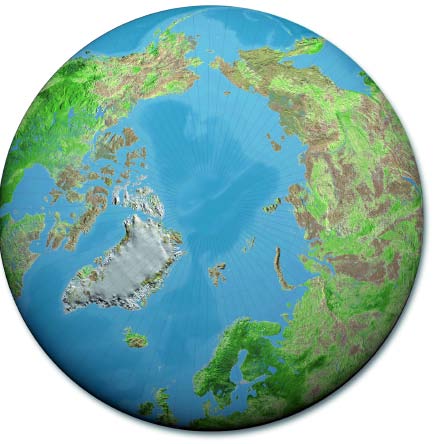
For this assessment, four sub-regions were identified, and this
report highlights selected impacts in each of these sub-regions.
This is not a comprehensive evaluation of climate change
impacts in these areas, nor an appraisal of which impacts are
the most significant. Rather, it is a brief selection of important
examples that emerged from this assessment. Further details can be
found on pages 114-121 of this report. Some impacts are important in
all of the sub-regions, but to avoid repetition, are not specifically discussed
in each. Other assessments, some already underway, will examine the impacts
of some specific activities, such as oil extraction, in these Arctic sub-regions.
In assessing future impacts in the sub-regions, projected changes in climate were
primarily derived from global scale climate models. As regional scale climate models
improve and become more widely available, future assessments may be capable of more
precisely detailing the local and regional patterns of change. For this assessment, the
patterns of climate change and their impacts should be viewed at a fairly broad
regional scale, as they become less certain and less specific at smaller scales.
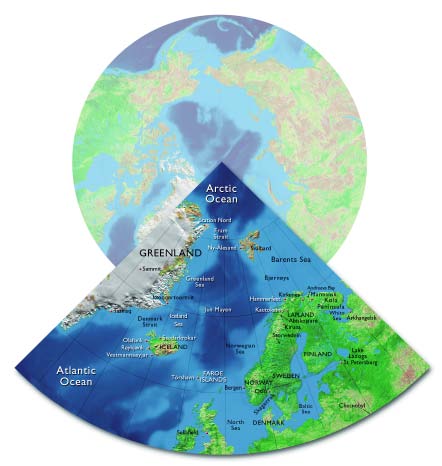
East Greenland, Iceland, Norway, Sweden,
SUB-REGION I
Finland, Northwest Russia, and adjacent seas
The Environment Northward shifts in the ranges of plant
and animal species are very likely, with some tundra areas
disappearing from the mainland. Low-lying coastal areas are
increasingly likely to be inundated by storm surges as sea level
rises and sea ice retreats.
I
The Economy Marine access to oil, gas, and mineral resources
is likely to improve as sea ice retreats. A general increase in North
Atlantic and Arctic fisheries is likely, based on traditional species
as well as the influx of more southerly species.
People's Lives Reindeer herding is likely to be adversely affect-
ed by reduced snow cover and changing snow
conditions. Traditional harvests of animals are likely to
become more risky and less predictable. Animal
diseases that can be transmitted to humans are likely
to emerge.
18
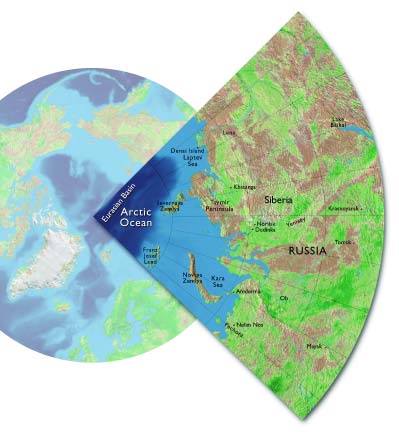
SUB-REGION II
Siberia and adjacent seas
The Environment Forests are likely to change significantly as climate warms,
permafrost thaws, and fire and insect disturbances increase. Forests and shrub-
lands are very likely to replace tundra in many areas. Plant and animal species
will shift northward. River discharge will increase.
The Economy Sea-ice retreat is very likely to increase the navigation sea-
son through the Northern Sea Route, presenting economic opportunities as
well as pollution risks. Access to offshore oil and gas is likely to improve
II
but some activities could be hindered by increased wave action.
People's Lives Permafrost thawing is already causing serious damage to
buildings and industrial facilities and is projected to continue. A shrinking
river ice season and thawing permafrost are likely to hinder reindeer
migration routes, affecting traditional livelihoods of indigenous people.
SUB-REGION III
Chukotka, Alaska, Western Canadian Arctic,
and adjacent seas
The Environment Biological diversity is most at risk from climate change in this
sub-region because it is currently home to the highest number of threatened plant
and animal species in the Arctic. Increasing forest disturbances due to fires and
insects are projected. Low-lying coastal areas will experience more frequent inun-
dation.
The Economy Damage to infrastructure will result from permafrost
thawing and coastal erosion. Reduced sea ice will enhance ocean access
to northern coastlines. Thawing will hinder land transport in winter.
Traditional local economies based on resources that are vulnerable to
climate change (such as polar bears and ringed seals), are very likely to be
disrupted by warming.
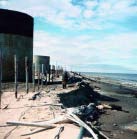
People's Lives Coastal erosion due to sea-ice decline, sea-level rise, and thawing
permafrost is very likely to force the relocation of some villages and create increas-
ing stress on others. Declines in ice-dependent species and increasing risks to
III
hunters threaten the food security and traditional lifestyles of indigenous people.
SUB-REGION IV
Central and Eastern Canadian Arctic,
West Greenland, and adjacent seas
The Environment The Greenland Ice Sheet is likely to continue to
experience record melting, changing the local environment and raising
sea levels globally. Low-lying coastal areas will be more frequently
inundated due to rising sea levels and storm surges.
The Economy Sea-ice retreat is likely to increase shipping through
the Northwest Passage, providing economic opportunities while
IV
raising the risks of pollution due to oil spills and other accidents.
More southerly marine fish species such as haddock, herring, and
blue fin tuna could move into the region. Lake trout and other
freshwater fish will decline, with impacts on local food supplies as
well as sport fishing and tourism.
People's Lives Some Indigenous Peoples, particularly the Inuit, face
major threats to their food security and hunting cultures as reduced sea
ice and other warming-related changes hinder availability of and access to
traditional food sources. Increases in sea level and storm surges could force the
relocation of some low-lying coastal communities, causing substantial social
impacts.
19
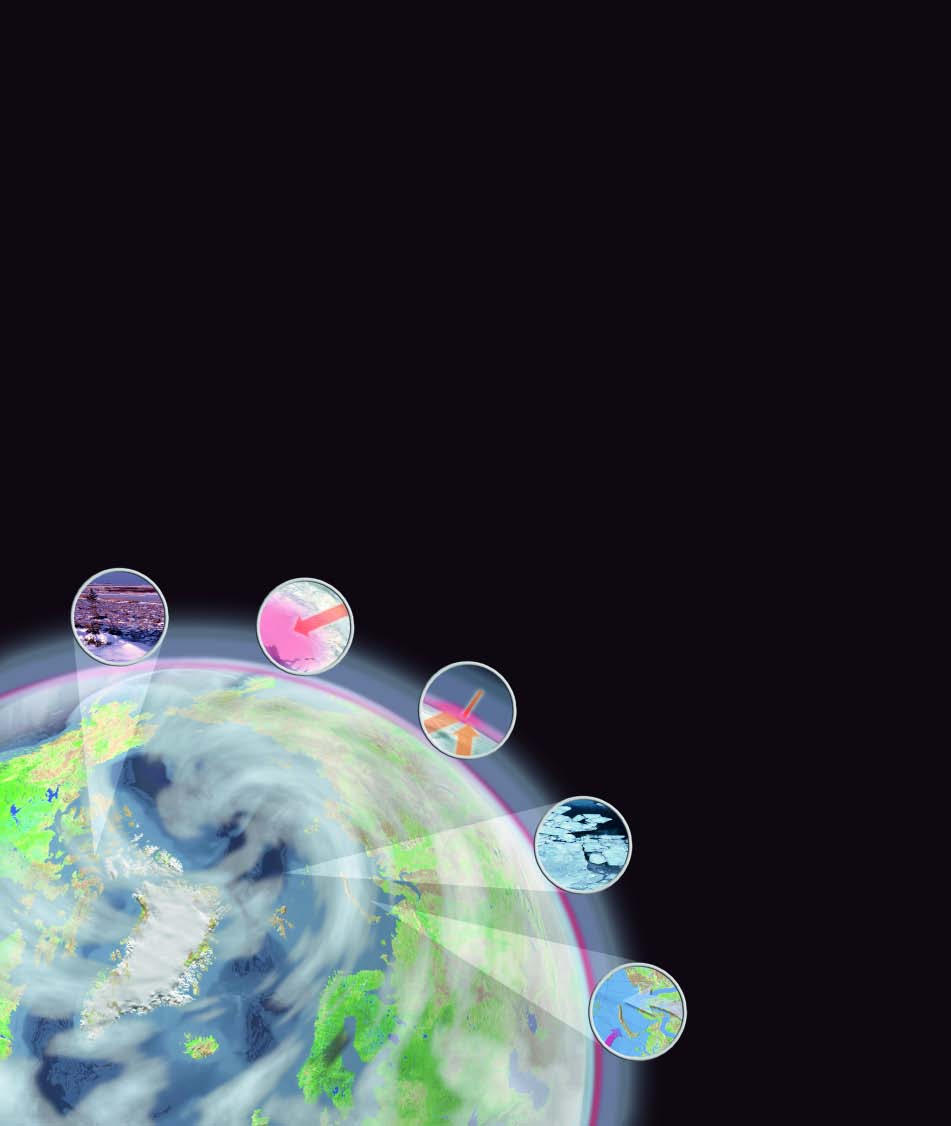
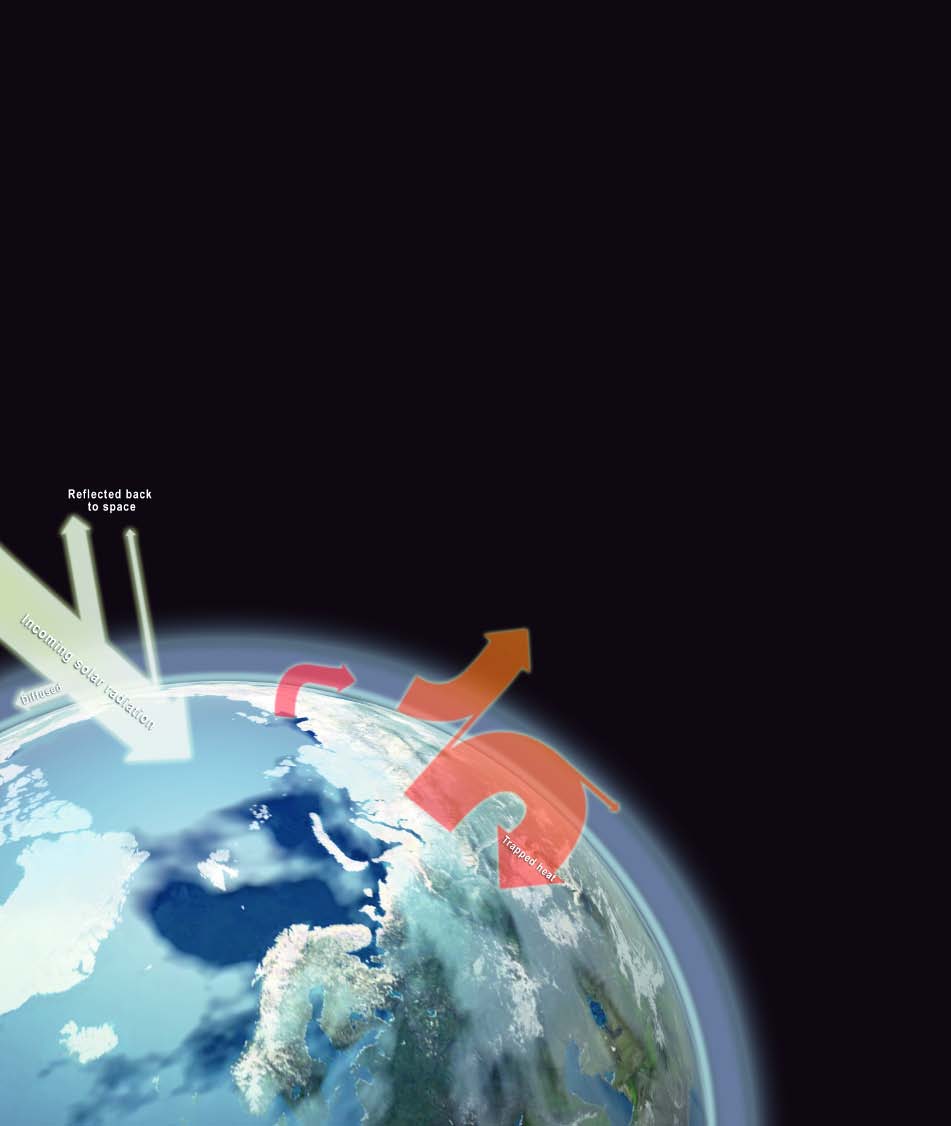
Why Does the Arctic Warm Faster than Lower Latitudes?
First, as arctic snow and ice melt, the darker land and ocean surfaces that are
revealed absorb more of the sun's energy, increasing arctic warming. Second,
in the Arctic, a greater fraction of the extra energy received at the surface due
to increasing concentrations of greenhouse gases goes directly into warming
the atmosphere, whereas in the tropics, a greater fraction goes into evaporation.
Third, the depth of the atmospheric layer that has to warm in order to cause
warming of near-surface air is much shallower in the Arctic than in the tropics,
resulting in a larger arctic temperature increase. Fourth, as warming reduces
the extent of sea ice, solar heat absorbed by the oceans in the summer is more
easily transferred to the atmosphere in the winter, making the air temperature
warmer than it would be otherwise. Finally, because heat is transported to the
Arctic by the atmosphere and oceans, alterations in their circulation patterns
can also increase arctic warming.
1. As snow and ice melt,
darker land and ocean
2. More of the extra trapped
surfaces absorb more
energy goes directly into
solar energy.
warming rather than
into evaporation.
3. The atmospheric layer that
has to warm in order
to warm the surface is
shallower in the Arctic.
4. As sea ice retreats,
solar heat absorbed by the
oceans is more easily transferred
to the atmosphere.
5. Alterations in atmospheric
and oceanic circulation can
increase warming.
20