
Fostering a Culture
through Greater Pu
Y LEWIS--CORBIS
BARR
©
of Environmental Compliance
In conjunction with
blic Involvement the goals of the
by Ruth Greenspan Bell, Jane Bloom Stewart,
Aarhus Convention,
and Magda Toth Nagy
a pilot project in
Hungary and Slovenia
aimed to improve
access to information
to reduce pollution in
the Danube River.
lthough the Blue Danube may
conjure images of a scenic river
Asweeping through Europe,these
days the Danube River is severely
polluted. Raw sewage from major Cen-
tral and Eastern European cities, many
years of untreated industrial waste, agri-
cultural runoff, the results of the Balkan
war, and mining accidents such as the
Baja Mare incident in Romania all con-
tribute to pollution, which then finds its
way to the Black Sea and contaminates it
as well. This widespread problem and the
various sources of pollution have led
This article was published in the October 2002 issue of Environment.
Volume 44, Number 8, pages 34-44. Posted with permission.
© Heldref Publications, 2002. www.heldref.org/html/env.html
many reformers to conclude that en-
hanced public participation in environ-
mental decisionmaking and problem-
solving is one of the keys to reducing
pollution in the Danube basin and other
areas with similar problems.
A convention that entered into force in
2001--the United Nations Economic
Commission for Europe (UNECE) Con-
vention on Access to Information, Public
Participation in Decision-Making and
Access to Justice in Environmental Mat-
ters, popularly known as the Aarhus
ANOS PICTURES
Convention--helps provide a framework
for reaching that goal. The convention
TLEY--P
was adopted in 1998 in Aarhus, Den-
mark, and signed by 29 countries and the
EREMY HAR
European Union (EU). The convention
©J
entered into force on 30 October 2001
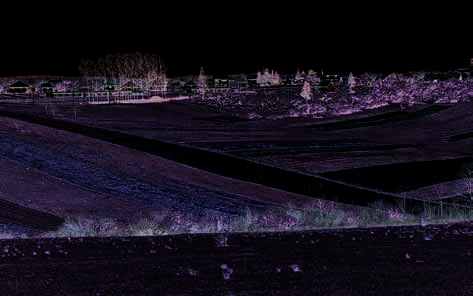
Traditional ribbon agriculture is used in Aggletek National Park, Hungary. Pollution in the
after ratification by the first 16 countries.
Danube River originates from many sources, including agricultural runoff.
Since then, 6 more have ratified, most
recently France on 8 July 2002.
UN Secretary-General Kofi A. Annan
land, the Netherlands, Norway, and Swe-
Unlike traditional agreements that are
has called the Aarhus Convention a "giant
den--offer these opportunities to their
designed to solve specific environmental
step forward" and an "ambitious venture
citizens at the same level.4 The United
problems, the Aarhus Convention pur-
in the area of `environmental democra-
Kingdom's FOIA was written with a
sues a less tangible but potentially more
cy.'"2 The Aarhus Convention grew out
built-in lag period, so that it did not begin
promising goal: to invite diverse voices
of the process of European and global
to come into effect until April 2002,
into environmental decisionmaking.
international environmental law drafting,
although it was enacted earlier. As a
Under the convention, signatory coun-
which has included the notions of envi-
result, experience in the United Kingdom
tries--including many that historically
ronmental democracy, transparency, and
is quite limited.5 Information access is a
have excluded the public from the deci-
public participation increasingly since the
novel concept in many Central and East-
sionmaking process--have pledged to
early 1990s. The convention includes
ern European countries that are currently
share documents that might provide
three "pillars"--in addition to access to
in economic and political transition
detailed, timely, and accurate infor-
environmental information, Aarhus con-
from state socialism to democracy and
mation about environmental quality,
tains provisions about public participa-
market economies. In these countries,
enforcement, and the data that govern-
tion and so-called access to justice, or
the process of opening government to
ments use to make environmental policy.
mechanisms to safeguard the explicit
public view began in the early 1990s.
The information obtained as a result
rights afforded under the first two pillars
Central and Eastern European coun-
increases the power of nongovernmental
and under national environmental law.
tries have several incentives to turn his-
organizations (NGOs) and ordinary citi-
The convention's requirements for
tory around. In addition to their commit-
zens, who can use it to lobby, conduct
public access to environmental informa-
ment to democratization, many of them
information campaigns, and influence
tion were influenced by the 1969 U.S.
aspire to EU membership and must
public policy in many other ways.1
Freedom of Information Act (FOIA) and
demonstrate "approximation" of their
Many countries are accustomed to
by experience gained during implemen-
laws with EU legislation. The body of
signing international environmental
tation of the 1990 EU Directive on Free-
EU law soon will include a new direc-
agreements and doing little about them,
dom of Access to Information on the En-
tive on freedom of access to environ-
despite being pushed toward imple-
vironment.3 In the United States, which
mental information with requirements
mentation by NGOs and others. Be-
has neither participated in the Aarhus
similar to those of the Aarhus Conven-
cause so many international environ-
negotiations nor signed or ratified the
tion. Also, some signatory Central and
mental agreements have failed to live up
agreement, FOIA is a vibrant but relative-
Eastern European countries, including
to their promise in achieving on-the-
ly recent step in an uneven 200-year
Hungary and Slovenia, participate in
ground improvements, the crucial issue
process of opening the government to
other pan-European environmental ef-
is how to make Aarhus more than a
public scrutiny. In Western Europe, only
forts in which public engagement is a
paper commitment.
a handful of countries--including Fin-
central component. Hungary ratified the
36
ENVIRONMENT
OCTOBER 2002
Aarhus Convention on 3 July 2001, and
risk.6 Even technical tools for environ-
outcome. Some U.S. studies suggest that
Slovenia is poised to do so in the future
mental decisionmaking such as risk
people who disagree with the final deci-
because of its plans to enter the EU.
assessment and cost-benefit analysis
sion may agree to go along with it if they
include significant subjective judgments
feel that the process itself has been fair
The Case for Public Involvement
that are most appropriately made with
and their views have been heard.
explicit attention to public values.7
According to Tom Tyler, professor of
There are several reasons to believe
The public, writ large, must be an
psychology at New York University,
that, in the long run, genuine public par-
active part of ongoing environmental pro-
"When legitimacy diminishes, so does
ticipation in Central and Eastern Euro-
tection implementation activities. For ex-
the ability of legal and political authori-
pean countries will enhance environ-
ample, many people throughout society--
ties to influence public behavior and
mental regulation and speed the way
not just a small number of large-scale
function effectively."8 The history of
toward a cleaner Danube River. One rea-
dischargers--contribute to poor water
mandated laws may be one reason that
son is that environmental laws are more
quality. Therefore, cleanup must engage
environmental laws written by previous
likely to be effective when the people
the cooperation of numerous factory
regimes in Central and Eastern European
who must obey the laws have respect
owners and employees, farmers, garden-
countries simply rested on the books
and confidence in the decisionmaking
ers, and urban residents. Attacking more
without significant genuine practice.9
system. Environmental laws typically
diffuse nonpoint sources (or point sources
require a high level of public engage-
that have long-lasting effects on a whole
Challenges to Progress
ment and mutual responsibility if they
river basin)--as Danube cleanup efforts
are to be effective.
seek to do--requires widespread knowl-
To be sure that requests for informa-
Information flow to and from govern-
edge, commitment, and mobilization.
tion will be honored, each country
ment can enhance the quality of environ-
Public involvement and open process-
implementing public-access measures--
mental rules and help develop a belief
es build public trust in the legitimacy of
whether motivated by the Aarhus Con-
that laws fairly represent shared con-
the decisionmaking process. In each
vention or other factors--must make
cerns. When lawmakers and environ-
case, after disputes on policy and sci-
significant operational changes. In addi-
mental protection officials obtain data,
ence have been resolved, there in-
tion to writing appropriate laws to pro-
lessons from experience, and opinions
evitably will be compromises, if not out-
vide a legal basis for information access,
from the affected public, NGOs, and
right winners and losers. But even those
each country must build government
industry, they can write more realistic and
who disagree with the final result should
infrastructure, systems of records, ways
achievable requirements. But to engage
be persuaded to work together on imple-
to track and respond to requests from cit-
in this dialog, the government must be
mentation, not to ignore or sabotage the
izens, and methods to ensure that gov-
willing to communicate its deci-
sionmaking process, the data it
relies on, and its goals--and it
must be willing to listen to those
who express concern or bring for-
ward data. The process should
focus not only on writing achiev-
able requirements but also on
respecting the rights of citizens to
live in a healthy environment, and
it should take into account how
they are affected by the policies
and programs that result.
Because environmental deci-
sions involve a great deal more
than good science, it is not enough
ANOS PICTURES
simply to engage experts in this
interactive process. Families con-
ARD--P
cerned about their drinking water
or about their asthmatic children
BRIAN GODD
breathing polluted air contribute
©
important insights about the
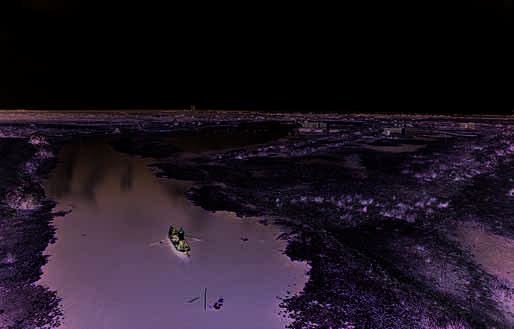
A small boat navigates the Danube Delta in Romania. Because the river flows through many countries,
human context and tolerance for
efforts to protect it require the cooperation of multiple jurisdictions and stakeholders.
VOLUME 44 NUMBER 8
ENVIRONMENT
37
ernment workers respond to requests in a
vestment is superficially easier, even if
The Pilot Project
timely fashion.
the improved factories never turn on or
in Hungary and Slovenia
However, even after considerable
maintain the equipment because basic
effort, there is no guarantee that this
attitudes toward the values inherent in
The authors recently worked with
investment in government infrastructure
environmental protection are unchanged.
Hungarian and Slovenian NGO experts
and human resources will immediately
For example, some projects financed
and governmental officials from envi-
lead to demonstrably improved environ-
through international financial institu-
ronment, water management, and other
mental quality. It would be difficult to
tions and development banks in China
bodies to build understanding and infra-
show a one-for-one correlation between a
have been built with state-of-the-art pol-
structure in support of information ac-
single FOIA request or particular lobby-
lution control, specific to the donors'
cess. This project, which began in the
ing campaign in the United States and
requirements. However, when a plant is
spring of 2000 and ended in early 2002,
improved environmental protection. No
turned over, managers may save operat-
was called "Building Environmental
human enterprise, particularly one as
ing costs by turning on the pollution-
Citizenship to Support Transboundary
complex as improving the environment,
control equipment only when an inspec-
Pollution Reduction in the Danube
moves in such a predictable pattern. It is
tor is about to arrive, for example, or
River: A Pilot Project in Hungary and
probably for this reason that funders of
during the day but not during night pro-
Slovenia." It was a collaborative effort
international environmental assistance
duction. The donors can say they have
of the Regional Environmental Center
have preferred to finance the installation
supported environmental protection, but
for Central and Eastern Europe, in Szen-
of technology and the creation of plan-
because they have disregarded the culture
tendre, near Budapest; Resources for the
ning documents rather than to support
in which the plants operate, their efforts
Future, in Washington, D.C.; and New
more qualitative efforts. The "bean
result in little environmental progress.
York University School of Law and was
counting" of the installation of tangible
The same can occur in efforts to retrofit
funded by the Global Environment
technology and the return for donor in-
plants with pollution-control technology.
Facility (GEF). The project serves as a
case study of what it takes to
move a country's commitments
from paper to practice, and it
demonstrates some of the perils
and opportunities of "soft" assis-
tance--which seeks to change
basic attitudes as well as laws,
institutions, and procedures.
Hungary and Slovenia have
GE
different histories and politics,
but they face common chal-
lenges. Since the fall of commu-
nism in the region, these two
countries have made greater
progress toward democratization
and the development of a market
CE FLIGHT CENTER, AND ORBIMA
A
economy than many of their
neighbors have, but both are still
ARD SP
emerging from political and
legal cultures dominated since
the end of World War II by the
, NASA/GODD
Marxist-socialist legal system.
OJECT
Under the communist regimes,
impressive laws and constitu-
WIFS PR
tions formally provided for pub-
THE SEA
lic participation in government
decisionmaking--but in fact, the
IDED BY
V
Communist Party maintained
O
PR
absolute control over every
aspect of society, including the
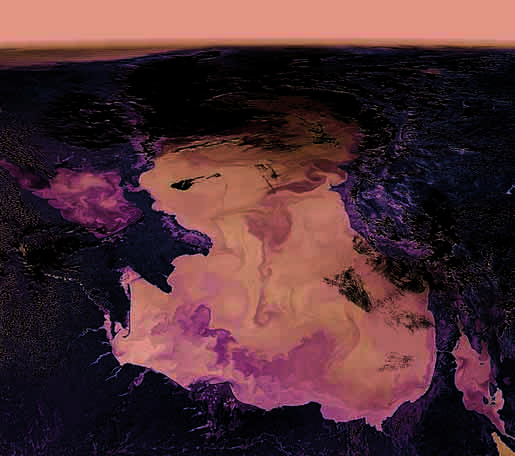
This satellite image shows eutrophication in the Black Sea, possibly due to agricultural runoff brought
in by the Danube River. (The Danube empties into the sea at the bottom of the image.)
creation of laws.10 The legacy of
38
ENVIRONMENT
OCTOBER 2002
government secrecy persists today in
many respects, but it is balanced by
efforts to build a more open society.
In addition to Hungary's and Slove-
nia's part in the Aarhus Convention and
their interest in joining the EU, the two
countries are part of a GEF-supported
process to clean the Danube River.11
International organizations including the
UN Development Programme, GEF, and
the EU's Phare and Tacis programs have
worked since 1991 with Danube River
basin countries--including Austria,
Bosnia and Herzegovina, Bulgaria, the
ANOS PICTURES
Czech Republic, Germany, Hungary,
Moldova, Romania, Slovakia, Slovenia,
TLEY--P
Ukraine, and Yugoslavia--to develop
successive programs to improve the
Danube. The Convention on Cooperation
EREMY HAR
©J
for the Protection and Sustainable Use of
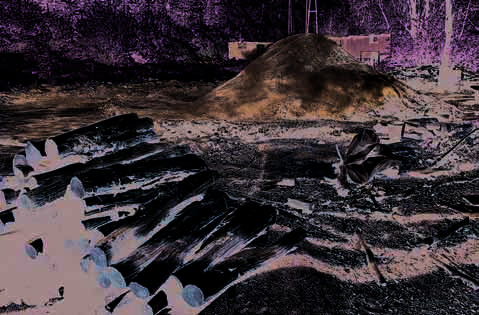
In Hungary's Bukk National Park, wood is made into charcoal. In other areas, logging is
the River Danube and the Strategic
illegal; improved relations between a nongovernmental organization and a government agency
Action Plan for the Danube Basin, for
led to a prompt resolution in one instance of illegal logging in the Danube valley.
example, develop regional water-man-
agement cooperation to halt the deteriora-
regional meetings over the course of 18
and government participants were not
tion of water quality in the Danube basin
months, a study tour to Western Europe
Aarhus novices--some of them were rec-
and to begin the process of making
and the United States, and the creation
ognized experts and had experience with
improvements. Although the Aarhus Con-
of models and guides for participants to
the Aarhus negotiations as well as in-
vention is separate from these programs,
use in generating their own solutions.12
country efforts related to the convention.
the Danube efforts also include a public
Throughout the project, participants
Practical problems--such as a gov-
outreach component, and Danube partici-
were provided with technical assistance
ernment official who is uncertain about
pants have expressed strong interest in the
through consultations, conference calls,
how to handle a particular request or the
implications of the Aarhus Convention
and e-mails.
difficult logistics of tracking an infor-
for achieving goals for the Danube.
Consistent with what has become cli-
mation request from its receipt to a final
ché in the assistance world but is rarely
response--often are the greatest barri-
Project Approach
actually followed, the project's approach
ers to implementation of public-access
The assistance project in Hungary and
was "bottom-up," practical, and country-
legislation. This project focused on
Slovenia fit into numerous other pan-
driven. It emphasized working in a partic-
helping people overcome these often
European efforts to raise consciousness
ipatory fashion with people on the front
mundane problems.
of the Aarhus Convention. The project
lines of environmental information
The country-driven approach raises
focused mainly on information access.
access. These were government person-
complex issues about the nature of assis-
However, because that pillar of Aarhus
nel--mostly mid- and lower-level water
tance efforts. Assistance has the best
can lead to stronger public participation,
and environment ministry officials and
chance of succeeding if the proposed
the project also helped mobilize people.
experts at the national, regional, and local
activities and goals are tailored to meet
Effective assistance is a balancing act
levels--rather than exclusively high-level
the particular circumstances and needs
between identifying the needs and facil-
policy makers. These personnel receive
of each country's participants and if
itating the objectives of the partners and
and are responsible for responding to
there is demand--in the form of real
helping them gain deeper insights into
information requests from the public.
interest--on the part of country partici-
how to achieve their goals. Although this
NGOs also played a significant role, as
pants. But at the same time, the purpose
balancing act required complex interac-
they did in the Aarhus negotiations, by
of the assistance is to provide the in-
tions among many different ideas and
advising on country conditions, preparing
region experts with a wider perspective
participants, the basic structure of this
the initial needs-assessment research,
to help them achieve their goals. Al-
process was relatively simple. Project
participating in all meetings and in the
though it is relatively easy to provide
activities first included a needs assess-
study tour, and taking the lead in prepar-
information about how some Americans
ment and then--to build skills--six
ing the various project outputs. The NGO
and Europeans manage particular envi-
VOLUME 44 NUMBER 8
ENVIRONMENT
39

ronmental or information-access
problems, the result must be solu-
tions that are viable in Hungary
and Slovenia.13 "Paper" solutions
that do not work in practice often
are the outcome when approaches
from more mature environmental
regimes are replicated rather than
carefully adapted.14
Each of the project leaders had
something different to contribute.
The Regional Environmental Cen-
ter has deep roots in the region--
it was intensely involved in the
Aarhus negotiations and has long
spearheaded regional efforts to
.
increase public participation in
, INC
environmental decisionmaking.
The U.S. partners emphasized
their varied experience imple-
menting FOIA from the perspec-
tive of government, NGOs, and
the private sector. The EU exper-
ILSON--BIOS/PETER ARNOLD
.G
tise of several Hungarian and
©F
Slovenian participants was rein-
Industrial pollution--such as emissions from this power station in Romania--can contribute to
forced by that of an expert on EU
far-reaching and long-lasting environmental effects in Central and Eastern Europe.
environmental directives and the
accession process.
requests is even more problematic in
Identifying Objectives and Options
Slovenia; the needs assessment identified
Initial Assessment
major legislative gaps and institutional
The series of in-region meetings began
At the beginning of the project, local
deficiencies. Whether information was
with a joint meeting of both countries to
environmental law experts were com-
provided often depended on whether the
identify priority problems and practical
missioned to examine current laws,
requester actually knew the official
means of addressing them within the 18-
policies, and practices in Hungary and
behind the government desk.
month time frame. This set the course for
Slovenia. Their assessments showed
Most public officials in both countries
the project's training sessions, subse-
that both countries have basic but often
are unaccustomed to sharing informa-
quent meetings, and the documents and
inadequate environmental information
tion with the public, especially those
aids that each country team later pro-
provision laws in place. Government
outside the environment sector. Some
duced. Public officials and NGO repre-
officials need more specific guidance;
are apathetic and see little value in
sentatives from both countries agreed on
without it, they are left to interpret laws
informing lay members of the public or
the need for specific guidance. They
in an ad hoc fashion.
incorporating their opinions. Typically,
wanted to spell out procedures and rules
The needs assessment revealed that
many officials still believe that the only
for government employees tasked to
without clear definitions, implementa-
"public" views that should be considered
respond to public requests, and they
tion rules, or guidelines, officials tend to
are those of scientists and experts.15
wanted guidance to clarify laws or fill in
err on the side of caution and withhold
Even when officials want to com-
gaps. NGOs in Hungary recommended
information. For example, although Hun-
ply with requests, inefficient record-
that a citizen guide be created to remedy
garian law clearly states that no need
keeping and information systems some-
insufficient public know-how.
must be proved to request environmental
times make it difficult for them to find
The first meeting also demonstrated
information, when the project tested the
appropriate information. On the demand
that the two countries had slightly differ-
law, it found that Hungarian government
side, although many NGOs skillfully
ent objectives and that the project would
officials often demand justification and
pursue information, unaffiliated citizens
need to be adjusted accordingly. The proj-
deny access to those they deem not inter-
often do not know their rights, how to
ect leaders had planned to conduct all in-
ested enough. The inconsistent manner
frame requests, or what to do if they are
region meetings jointly and in English,
in which government officials handle
denied information.
the one common language between the
40
ENVIRONMENT
OCTOBER 2002
two groups. It soon became clear that
study tour to the Netherlands and the
The project also attempted to show
complex issues could be discussed more
United States also was organized for
how Hungary and Slovenia could learn
fluidly and country-specific solutions
some of the key government and NGO
from U.S. mistakes. These include EPA's
better crafted with separate, national-
experts.16 Tour participants met with offi-
continuing lack of a centralized, agency-
language sessions. Consequently, the
cials in those countries who administered
wide system of records and its initial
content, types of participants, and venues
FOIAs, managed docket rooms, and con-
track record of responding to requests
of the training sessions were modified.
ducted public outreach. They also heard
with vague promises to "get back to you
The Slovenians' principal objective
from NGOs and citizen groups who used
if or when we find something." The pub-
was to develop consensus among top-
information to protect shared water bod-
lic's persistence, through complaints,
level officials about more appropriate
ies such as the Chesapeake Bay and the
appeals, and litigation, has helped to
interpretation and implementation of
Hudson River. These two examples were
reform the agency system over time.
existing legislation and what amend-
used because Danube protection requires
Nonetheless, to date there is still no cen-
ments are necessary to fully incorporate
the close cooperation of multiple jurisdic-
tral filing office, and programs (and
the Aarhus Convention's access-to-
tions--the many countries through which
often sub-offices) maintain their own
information provisions. Most of the ses-
the Danube flows--as well as the engage-
records. Some of EPA's programs, such
sions were therefore held in the capital
ment of multiple stakeholders, some of
as the Toxic Substances Control Act, the
city, Ljubljana, with national ministry
which are located in the watershed but not
Resource Conservation and Recovery
officials, agency experts, and national
along the river itself.
Act, and the Comprehensive Environ-
NGO representatives participating.
Demonstrating how mature, well-
mental Response, Compensation, and
The Hungarians thought their basic
funded environmental information-
Liability Act, have learned lessons from
information-access law was adequate
access regimes work while emphasizing
the older programs--they plan in
but wanted to ensure that all levels of
the low-cost, low-tech elements that can
advance for the necessary filing systems
government would apply it more consis-
be more readily adapted in Central and
and dockets.
tently and would do a better job of rec-
Eastern European countries was a signif-
Project Results
onciling the various relevant laws. Meet-
icant challenge. For example, at last
ings were therefore held with a diverse
count (in 1995), the U.S. Environmental
The project saw sustainable progress
group of participants, principally outside
Protection Agency's (EPA) general
but very different results in each coun-
Budapest in regions impacted by Dan-
information-access system was funded
try. It is easy to identify tangible
ube water pollution: in Szolnok, a Tisza
at about $3.5 million and had more than
results--written products such as the
River city concerned that valuable tour-
25 full-time personnel in headquarters
good practices manual, Hungarian- and
ist revenues might be lost after a devas-
alone. The U.S. regime clearly cannot be
Slovenian-language documents, and
tating upstream cyanide leak, and in
transported wholesale to countries
models for writing Hungarian-language
Dobogokõ, another resort area that looks
whose entire environment ministries run
guidance documents for government em-
down on the Danube and across to the
on far smaller budgets.
ployees and citizens. But equally impor-
Slovak Republic. Each Hungarian meet-
ing attracted more than 50 specialists--
from regional environmental inspec-
torates, water directorates, municipalities,
the Ministry of Environment, the Min-
istry of Transport and Water Manage-
ment, local and national NGOs and busi-
nesses, the Office of the Ombudsman,
and health, agricultural, and plant and
soil protection authorities.
.
Two central tools were used to identify
,
INC
options. The project team wrote a "good
practices" manual that offered concrete
examples of how government officials in
the mature regimes of the United States
and Western Europe and the developing
information-access systems in Central
AMAS REVESZ--PETER ARNOLD
and Eastern Europe respond to public
©T
requests. The manual was distributed
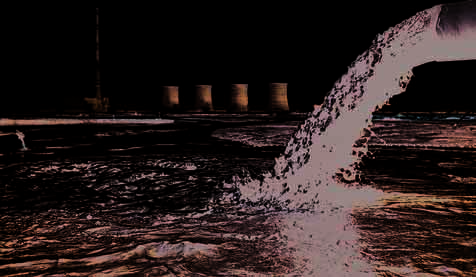
A power plant in the Czech Republic dumps waste. International organizations have worked
broadly via Internet and print media. A
with the Czech Republic and other Danube basin countries to improve the Danube.
VOLUME 44 NUMBER 8
ENVIRONMENT
41
tant intangible results were achieved in
of the proposed revisions to the environ-
achieve deeper change and ratified the
the form of changes in officials' attitudes
mental law with respect to freedom of
Aarhus Convention in 2001. Two im-
and strengthened cooperation and under-
information. The extent of the expert's
portant products have been created
standing. As expertise and commitment
influence became evident at a post-
as a result of the project. A detailed
grew, the project leaders witnessed the
project public hearing to introduce and
Hungarian-language guidance manual
formation of a Hungarian-Slovenian
discuss principles of the proposed new
for public officials was released recently.
team and began to see how this team
law, when a draft reflecting the NGO
Its very specific and practical guidance
could share its experience with counter-
expert's input was presented.
on public access to environmental infor-
parts in other Central and Eastern Euro-
The project's independent evaluator
mation, public participation, and access
pean countries seeking to improve ac-
confirmed the project leaders' confi-
to justice will increase the likelihood
cess to information.
dence that these Slovenian recommenda-
that requests will be responded to
The Slovenian participants produced
tions for amendments, combined with
promptly and properly at all levels of
guidance for public officials that clari-
the strengthened NGO-government rela-
Hungarian administration. Its chief
fies ambiguities in the current Slovenian
tionship and mutual respect forged
author calls it a first edition, which will
law--specifically, provisions within the
through the project, have laid important
be revised as experience grows. Also, an
Environmental Protection Act that are
groundwork for legislative reform. He
empowering citizen guide prepared by
relevant to information access.17 With
noted momentum toward changed atti-
NGOs has been disseminated across
the support of the project, the Slovenian
tudes among Slovenian public officials:
Hungary. It includes sample letters,
participants also provided recommenda-
The number of officials who support
practical instructions on how to submit
tions for legislative amendments to
public release of important water-quality
requests, and advice on how to protest
Slovenia's current environmental protec-
data (such as crucial emissions data) has
incomplete responses and how to find
tion law that, if and when they are enact-
grown, and the opposition has become
information on the Internet. One review-
ed, will seal the major elements of the
more isolated. The project also has
er characterized the guide as "informal
guidance (and thus the requirements of
helped build a more effective and united
and helpful, and yet not insultingly sim-
the Aarhus Convention) into binding
Slovenian constituency for ratification
ple--a hard balance to strike when one
legal requirements. In addition, the proj-
and implementation of the Aarhus Con-
writes in Hungarian."
ect enhanced the access and influence of
vention and has helped open government
The project also has helped Hungary
the principal NGO expert, who had been
generally by spreading acceptance of the
open the water sector by building better
part of all meetings and the study tour.
principle of transparency--a process
cooperation between the Ministry of
As she participated in and helped pre-
that continues beyond the project.
Environment and the Ministry of Trans-
pare project workshops, she worked
Because Hungary could build on an
port and Water Management as well as
alongside official Slovenian law drafters
established legal framework for public
between NGOs and the water ministry.
who were shaping important principles
access to information, it was able to
Historically, the adversarial relationship
between these ministries has thwarted
cooperative actions for public access to
information and for protection of the
Danube River. Relations were improved
largely through the inclusion of repre-
sentatives from both of the ministries as
well as NGOs in all project activities.
These representatives had the opportu-
nity to work collaboratively toward a
common goal. One manifestation of this
newfound cooperation came shortly
after a joint workshop in an effort
involving an NGO--the Clean Air
Action group--and the Central Danube
ANOS PICTURES
Valley Water Authority in Hungary. The
level of trust between the NGO and the
government agency led to an exception-
ally prompt resolution to illegal logging
HEIDI BRADNER--P
©
in the Danube valley. These good rela-
tions will come in handy as Hungary
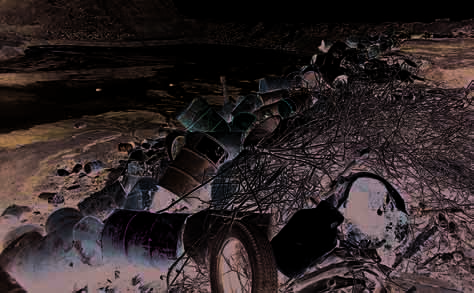
It is hoped that increased public involvement in environmental decisionmaking will help
address pollution, such as this toxic waste dump in the Czech Republic.
undertakes the hard work of implement-
42
ENVIRONMENT
OCTOBER 2002
ing several water-related EU directives
Aarhus Convention and implement its
pliance. This pilot project aimed to give
in the coming years.
requirements. Because the environment
participants a glimpse of how a relative-
In both countries, government partic-
ministry apparently has postponed adop-
ly mature information-access system
ipants' attitudes have improved. At the
tion of the project-developed guide-
like FOIA responds to individual re-
beginning of the project, some officials
lines until a new, general access-to-
quests and also how it provides informa-
used workload to excuse their failure to
information law is adopted, proponents
tion to the public without specific
act on public requests for information.
of improved information access must
requests (so-called "active" information
But they gradually gained interest,
redouble their efforts to ensure that the
provision, by which individuals can
understanding, and respect for NGO
recommended legislative amendments
obtain vast quantities of information
objectives, and they demonstrated will-
actually are enacted and the guidelines
from a government office through its
ingness to find systemic, workable
are used in the interim. The local
web site). The participants in the study
solutions. Some officials began to re-
Regional Environmental Center Country
tour to the United States were impressed
evaluate their role in providing infor-
Office was able to obtain a U.K. grant
by the way government-sponsored web
mation. In the project's concluding
for further capacity-building in coopera-
sites reduce the burden on public offi-
meeting, a key participant explained
tion with interested government and
cials to respond to individual requests
how the project had significantly
NGO experts.
for information. It became apparent,
expanded her perception of how to be
Hungary has a larger population and
however, that the near-term prospect of
successful in her job, which was to col-
more environmental NGOs than does
using high-tech or resource-intensive
lect and manage water-related data in
Slovenia. Perhaps by virtue of democra-
active information provision in the
Hungary. She no longer saw herself
tization initiatives and donor attention in
countries of Central and Eastern Europe
merely as a government data collector
the early part of the transition--which
was not great. The immediate problem
and manager; instead, she understood
produced Hungary's general access-to-
that some of these countries face is how
that she could help develop a broader
information law--Hungary already had
to put basics into place.
constituency for Danube pollution
internalized many of the Aarhus con-
The project generated a renewed re-
reduction. Her views echoed a similar
cepts when the project began. Hungarian
spect for process. Big changes are diffi-
statement made at the end of the U.S.
leaders and government officials were
cult, and good ideas take a long time to
portion of the study tour by a senior
ready for the new guidance manual for
settle into people's minds. Some early
water official from Slovenia.
public officials, and there is reason
meetings in Hungary initially seemed
to believe that the citizen guide will
unfocused or repetitious, but in time it
Assessing Progress
be widely used. Additional capacity-
became clear that these more broad-
building and training are likely to occur,
ranging discussions served to widen the
The project leaders are confident that
and they will increase understanding and
circle of understanding in Hungary and
the officials involved in the project will
use of both documents.
produced the greatest successes of the
be emissaries for their new viewpoints
In the final project meeting, govern-
project. In the end, a Hungarian con-
among their peers in government--and
ment employees and NGOs from other
sensus emerged that allowed signifi-
that similar efforts undertaken with a
Central and Eastern European countries
cant progress.
broader range of public officials can
were invited to hear what had been
A long-term issue that remains is how
yield the same positive results. Nonethe-
accomplished in Hungary and Slovenia
to acquire funding for projects like this
less, a great deal of follow-up work will
and to discuss the relevance of this work
that involve qualitative results and
need to be conducted in both countries to
for their own countries. They expressed a
therefore are not very susceptible to
ensure that these gains are sustained
strong desire to engage in a similar
bean counting. Despite widespread
over the long term.
process and a shared belief that they
agreement about the importance of
In Slovenia, a country of 2 million
could benefit from Hungary's and Slove-
efforts to implement the Aarhus Con-
people, the project leaders initially got
nia's experience. The challenge is to find
vention, it took several years to find
the attention of high-level officials
adequate financial support for a broader
financial support to take on this chal-
through their compelling desire to do
effort while interest is strong and while
lenge in Hungary and Slovenia. GEF
what it takes to join the EU. But Slove-
there is a Hungarian-Slovenian team will-
envisioned that the project could be
nia, like other countries hoping to
ing to cooperate in the effort.
replicated in other Danube basin coun-
accede, is engaged in a Herculean task--
Americans tend to assume that FOIA
tries. However, the vicissitudes of the
harmonizing domestic laws with about
always has been a well-functioning fea-
funding process have made it unclear
200 environmental directives (and about
ture of the U.S. landscape. It is impor-
whether support will be provided to tai-
1,500 directives in other areas). This
tant to remember that, in fact, it took
lor these ideas and to use the energy and
reality may have diminished the political
many years of training, litigation, and
expanded knowledge of the Hungarian
will to press forward quickly to ratify the
learning to force U.S. government com-
and Slovenian participants for countries
VOLUME 44 NUMBER 8
ENVIRONMENT
43
such as Romania, Bulgaria, Ukraine,
good practices of public participation in Central and
7. Ibid., page 295.
Eastern Europe. The authors were partners in a Global
Moldova, and Croatia.
8. T. R. Tyler, Why People Obey the Law (New
Environment Facility (GEF)funded project conducted
Haven, Conn.: Yale University Press, 1990), 16162.
jointly by RFF, NYU School of Law, and REC.
9. Public participation and increasing the flow of
The authors acknowledge the ideas and support of Mar-
Building on Success
information do not guarantee either public acceptance
ianna Bolshakova, Isaac Flattau, and Stephen Stec and
of individual decisions or that such decisions will max-
thank Alfred Duda of GEF, Andrew Hudson of the
imize social welfare. Nonetheless, an RFF analysis
The international environmental com-
United Nations Development Programme, and Richard
concluded: "[P]ublic involvement in the policymaking
Lanier of the Trust for Mutual Understanding for their
process is fundamental to the health and vitality of
munity increasingly emphasizes the
support and encouragement. This article is dedicated to
American democracy. Public involvement influences
importance of public participation, but
the memory of the authors' friend, Gabi Varga, of Tisza
not only the success of a given program but also the
Klub of Hungary, a valued member of the project and
public's perception of its success" (J. C. Davies and J.
there still is little understanding of how to
study tour who was instrumental in drafting the citizen
Mazurek, Pollution Control in the United States: Eval-
make it work in practice. This pilot proj-
guide. She died of cancer at the age of 41, shortly after
uating the System (Washington, D.C.: RFF, 1998),
the project concluded. Bell may be contacted by e-mail
152). A separate concern is whether the values embod-
ect took on the challenge to build infra-
at bell@rff.org, Stewart at jbs6@nyu.edu, and Nagy at
ied in the U.S. Freedom of Information Act are theories
structure and comprehension that will
tmagdi@rec.org.
that uniquely explain Western countries with long-
standing democratic traditions or whether they also
facilitate information access and provide
apply to countries in transition to democracy.
a basis for genuine public engagement in
10. See, for example, H. S. Brown, D. G. Angel, and
environmental decisionmaking.
P. Derr, Effective Environmental Regulation: Learning
NOTES
from Poland's Experience (Westport, Conn.: Praeger,
The best outcomes from much hard
2000), 29, 3739, which describes the 1980 Polish
work in this field--new attitudes and
1. See, for example, S. Casey-Lefkowitz, "Global
Environmental Protection and Development Act that
explicitly granted nongovernmental organizations the
commitments to improved practices--
Trends in Public Participation," Environmental Law
Reporter International News & Analysis, accessible via
right to file public-interest lawsuits and to access infor-
are intangible but essential parts of
the Environmental Law Insitute web site at http://
mation about firms; and M. Schwarzschild, "Variations
on an Enigma: Law in Practice and Law on the Books
achieving substantive environmental
www.eli.org/elrinternationalna/elrinternationalna.htm
(this site is password-protected), accessed 22 July
in the USSR," book review, Harvard Law Review 99
goals such as reducing Danube pollu-
2002; and E. Petkova with P. Veit, "Environmental
(1986): 685, 691.
11. Nongovernmental and international organizations
tion. As a consequence of this project,
Accountability beyond the Nation-State: The Implica-
tions of the Aarhus Convention," in World Resources
played a major role in fashioning and drafting the
two Danube basin countries have taken
Institute Environmental Governance Notes (April
Aarhus Convention, and it was conceived and negotiat-
ed in somewhat the same time period as the Danube
major strides toward making informa-
2000), accessed via http://www.wri.org/governance/
publications.html on 30 July 2002.
efforts. Danube basin countries have worked with inter-
tion access a working reality for their cit-
national organizations to develop programs for the
2. K. A. Annan, foreword to The Aarhus Conven-
Danube.
izens. Hungary's and Slovenia's efforts
tion: An Implementation Guide, by S. Stec and S.
Casey-Lefkowitz with J. Jendroska (New York and
12. The documents created by the project may be
can be models for their neighbors and for
Geneva: United Nations, 2000).
downloaded through the Regional Environmental Cen-
the international community struggling
ter for Central and Eastern Europe web site at http://
3. European Union (EU), Council Directive
www.rec.org/REC/Programs/PublicParticipation/
to make progress on global environmen-
90/313/EEC (7 June 1990).
DanubeInformation/Outputs.html.
4. Many commentators have noted the comparative-
tal problems of huge magnitude and
13. One example is the very different role courts play
ly low levels of transparency, accountability, and pub-
in enforcing government duties in civil law countries.
seeming intractability. Environmental
lic involvement in decisionmaking by EU institutions,
See, for example, R. G. Bell and S. Bromm, "Lessons
including environmental policy. See, for example, E.
protection everywhere works at a seem-
Learned in the Transfer of U.S.-Generated Environ-
Rehbinder and R. Stewart, Environmental Protection
mental Compliance Tools: Compliance Schedules for
ingly glacial pace, but experience sug-
Policy (Berlin: Walter de Gruyter & Co., 1988). A more
Poland," Environmental Law Reporter News & Analy-
recent paper stated, "The secrecy and lack of access to
gests that public involvement can help
sis 27, June 1997.
documentation relevant to the development of EU leg-
move the agenda forward. Ultimately, it
islation has been subject to criticism and can be con-
14. See, for example, R. G. Bell, "Are Market-Based
sidered a major factor for the often-quoted `democratic
Instruments the Right First Choice for Countries in Tran-
is the responsibility of each country and
deficit' of the European Union. For example, even the
sition?" Resources 146 (2002), accessible via http://
the project participants to help build a
European Parliament could not, for a long time, access
www.rff.org/resources_archive/pdf_files/146.pdf.
certain documents used and developed by various com-
15. For a discussion of parallel attitudes in Poland,
culture of environmental compliance.
mittees which assist the Commission in discharging its
see Brown, Angel, and Derr, note 10 above, page 56,
responsibilities to developing implementing rules
which states: "In practice, however, there are still seri-
under various directives and regulations" (A. A. Hal-
ous obstacles to broad participation in policy making
Ruth Greenspan Bell is director of International Insti-
paap, doctoral student paper, Yale University, New
and implementation, especially by the general public. .
tutional Development and Environmental Assistance at
Haven, Conn., 8 January 2001. A copy of the paper is
. . [One is] the Bureaucracy's deeply entrenched
Resources for the Future (RFF) in Washington, D.C.
on file at Resources for the Future (RFF) in Washing-
administrative resistance to external scrutiny and its
Her work focuses on environmental institutions and
ton, D.C.).
disdain for the value of lay persons' contribution to
tools for environmental compliance in the developing
data analysis and policy making. . . . [Also] all parties
world and countries in transition, public participation
5. The United Kingdom's Official Secrets Act has
are strongly influenced by the prevailing cultural
as a means of facilitating or accelerating the process of
been considered a substantial barrier to opening up the
mores, which, in Poland, favor delegating problems to
environmental compliance, and implementation of
closed nature of policymaking within the U.K. govern-
experts who solve them in closed meetings." Brown
international environmental agreements. Jane Bloom
ment. After considerable controversy, the Freedom of
and her colleagues also note that "the independent eco-
Stewart is an environmental lawyer and director of the
Information Act finally received Royal Assent on 30
logical organizations have no traditions of participative
International Environmental Legal Assistance Program
November 2000 and is to be implemented in stages.
legal process and are too fragmented to mobilize their
at the New York University (NYU) Center on Environ-
See Her Majesty's Stationery Office, "Freedom of
limited resources necessary for such participation" and
mental and Land Use Law. She served as pro bono
Information Act 2000," United Kingdom Legislation,
that enterprises continue to be recipients of regulations
legal counsel to the Regional Environmental Center for
accessible via http://www.legislation.hmso.gov.uk/
rather than participants in their formulation. At the time
Central and Eastern Europe (REC) and has provided
acts/acts2000/20000036.htm. Countries with long-
she wrote, Brown noted that the situation was slowly
environmental law and policy advice to governments in
standing traditions of open government include Swe-
changing.
the region since 1991. Magda Toth Nagy directs the
den (see The Campaign for Freedom of Information,
Public Participation Program at REC, in Szentendre,
"Open and Shut Case: Access to Information in Swe-
16. Budgetary restrictions limited the study tour to
Hungary. She was a key actor in developing the Aarhus
den and the E.U.," accessed via http://www.cfoi.org.uk/
four participants from each country.
Convention and is a member of the Aarhus Convention
sweden1.html on 31 July 2002) and the Netherlands.
17. Article 14 (1) and (2), Environmental Protection
Advisory Board. She has been involved in managing
6. See, for example, D. J. Fiorino, "Technical and
Act, framework environmental law (1993), published
and overseeing various projects related to the imple-
Democratic Values in Risk Analysis," Risk Analysis 9,
in Official Gazette of the Republic of Slovenia, nos.
mentation of the convention and to the promotion of
no. 3 (1989).
32/93, 44/95, 1/96, 9/99, 56/99, and 22/00.
44
ENVIRONMENT
OCTOBER 2002