
UNDP/GEF Project entitled
"Reducing Environmental Stress in the Yellow Sea Large marine Ecosystem"
REPORT OF THE YELLOW SEA YOUTH PROGRAMME
MARINE AND COASTAL ENVIRONMENT IN THE YELLOW SEA:
ENVIRONMENT EDUCATION PROGRAMME FOR YOUTH
Ansan, Republic of Korea, 14-15, & 22 September 2006
Byunsan, Republic of Korea, 19-20 October & 2 November, 2006
Korean Network for Coastal Conservation (Coastal Korean Network; CKN)
1
TABLE OF CONTENTS
I.
Background of the Programme
II.
List of participants
III.
Summary of the preparatory education
IV.
Summary of the field study
V.
Summary of the discussion by participating students with the lessons and
experiences learned from the Programme
VI.
Suggestions from participants for the marine conservation and appropriate
use of marine resources in Yellow Sea
Annex I. Lecturer materials
Tour manual & workbook (*published)
Annex II. Discussion materials
Annex III. Evaluation questionnaire
2
I.
Background of the Programme
In co-operation with the UNDP/GEF Yellow Sea Project Management Office (PMO),
Korean Network for Coastal Conservation (Coastal Korean Network [CKN]) conducted
the Youth Programme as one of the public awareness activities under the Project's
Investment Component. In this Programme, the CKN organised two activities for
environmental education targeting middle school students in Republic of Korea
(Korea). The CKN prepared this report to inform the PMO of the process of and
results from the implemented activities.
The Youth Programme was designed to provide opportunities for students to visit the
Yellow Sea shorelines and to realise the current environmental problems and the need
for protection and management of Yellow Sea's coastal and marine resources. There
were two activities with different themes, considering the regional characteristics. The
first activity, with the marine pollution and conservation as a theme, was held in Ansan,
ROK on 14, 15 and 23 September. The second activity, with the utilisation of the
marine resources, was in Byunsan, ROK on 19 and 20 October and 2 November 2006.
Each activity consisted of lecture, field study, and discussion and summary. Various
organizations and individuals co-operated with the CKN to organise those activities,
including a local environmental NGO (CKN of Chonbuk Province and Shihwa Lake Life
Saver), government-affiliated agencies (Korea National Park of Byeonsan-Bando;
Korea Ocean Research and Development Institute [KORDI]), and local community
organisations (Daebu Residential People for Environmental Preservation). Total 77
middle school students from the two local schools in the Yellow Sea's coastal region
participated in the two activities. The Programme was conducted in Korean with all
the teaching materials prepared in that local language.
1.
Objective of the Youth Programme
1.1 The objectives of the Youth Programme are as follows:
· To promote understanding of young generation about the marine and coastal
environment in the Yellow Sea;
· To raise awareness of the local communities on current environmental
problems in the area, which resulted from the human activities and
developments along the coastal areas of the Yellow Sea; and
· To encourage young generation to take actions in protecting the marine and
coastal environment in the Yellow Sea and to promote the appropriate use of
the natural resources.
2.
Activities of the Youth Programme
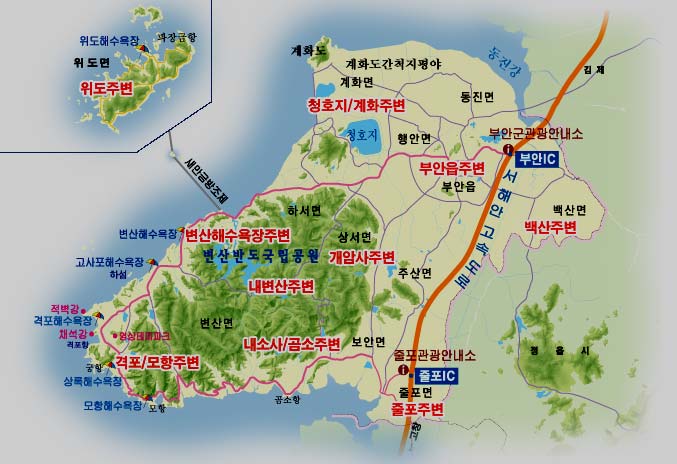
2.1 The Programme focused on two regions along the Yellow Sea in Korea: the Lake
Shihwa area which is polluted or reclaimed, and the Byunsan area which is
designated as a protected area due to its valuable marine resources.
2.2 Activities were organised in each region with the following different themes:
· Lake Shihwa area: Marine and Coastal Environment and Human Activities
Tour of Coastal Region along the Yellow Sea
3
· Byunsan area: Appropriate Use of Marine and Coastal Resources Tour of
Coast and Wetland Area along the Yellow Sea
2.3 Each activity consisted of lectures, field study, and discussion and summary.
2.4 Total 77 students participated in the Programme from the following middle schools
in the Yellow Sea's coastal area:
· Byulmang Middle School, located in Ansan City, is one of the Model Schools
for Marine Environment Education and has clubs for marine-related activities,
such as a marine book club;
· Napo Middle School, located in Buan City, is a relatively small school in terms
of the number of students. The students in this school do not have a lot of
opportunities to visit the Yellow Sea and learn its environmental problems.
2.5 The lectures provided the information on the marine and coastal environment in
the Yellow Sea and on the status and feature of its local coastal region to promote
the understating of students. During the lectures, educational materials such as
tour manual & workbooks were distributed to the students.
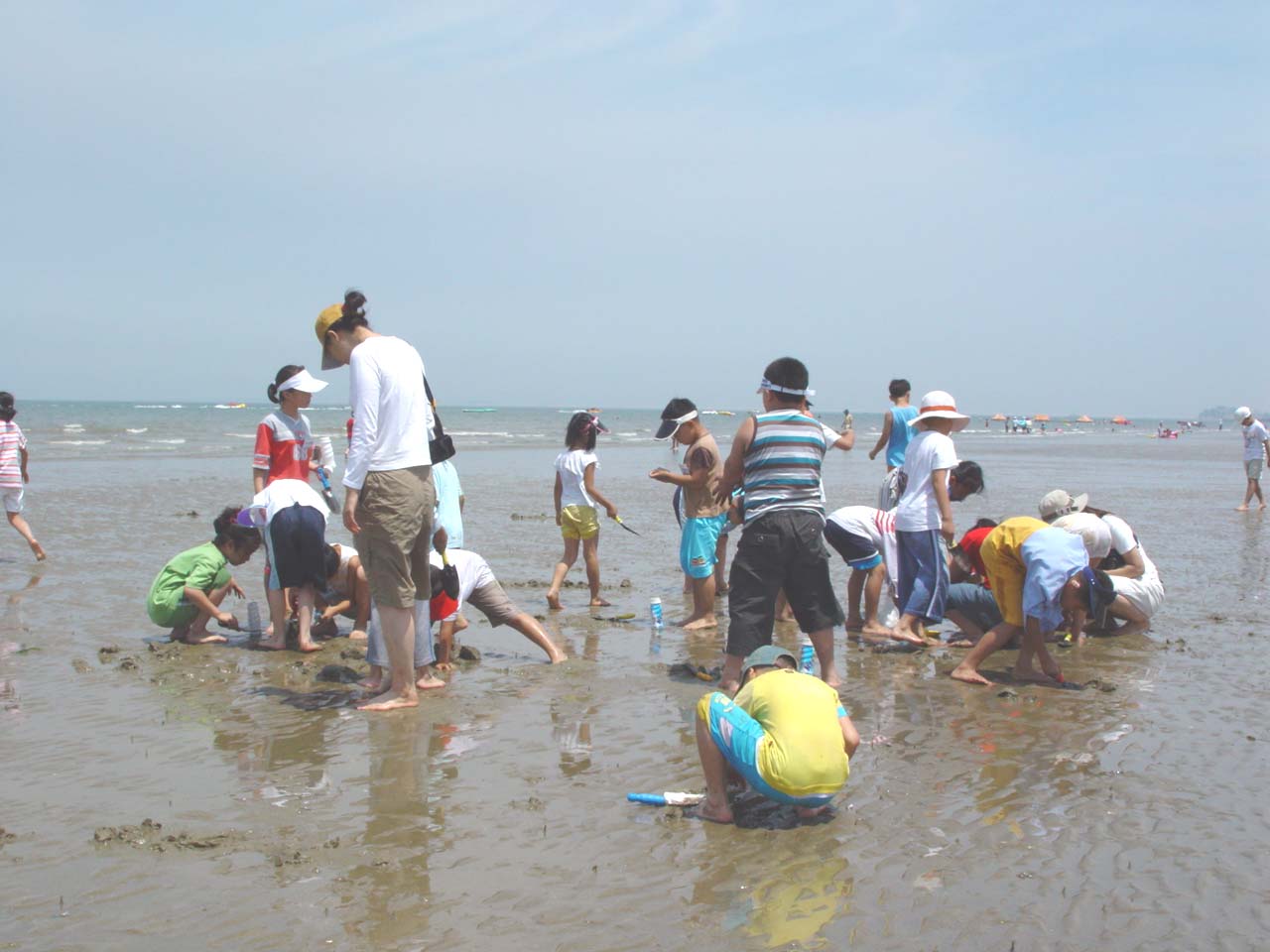
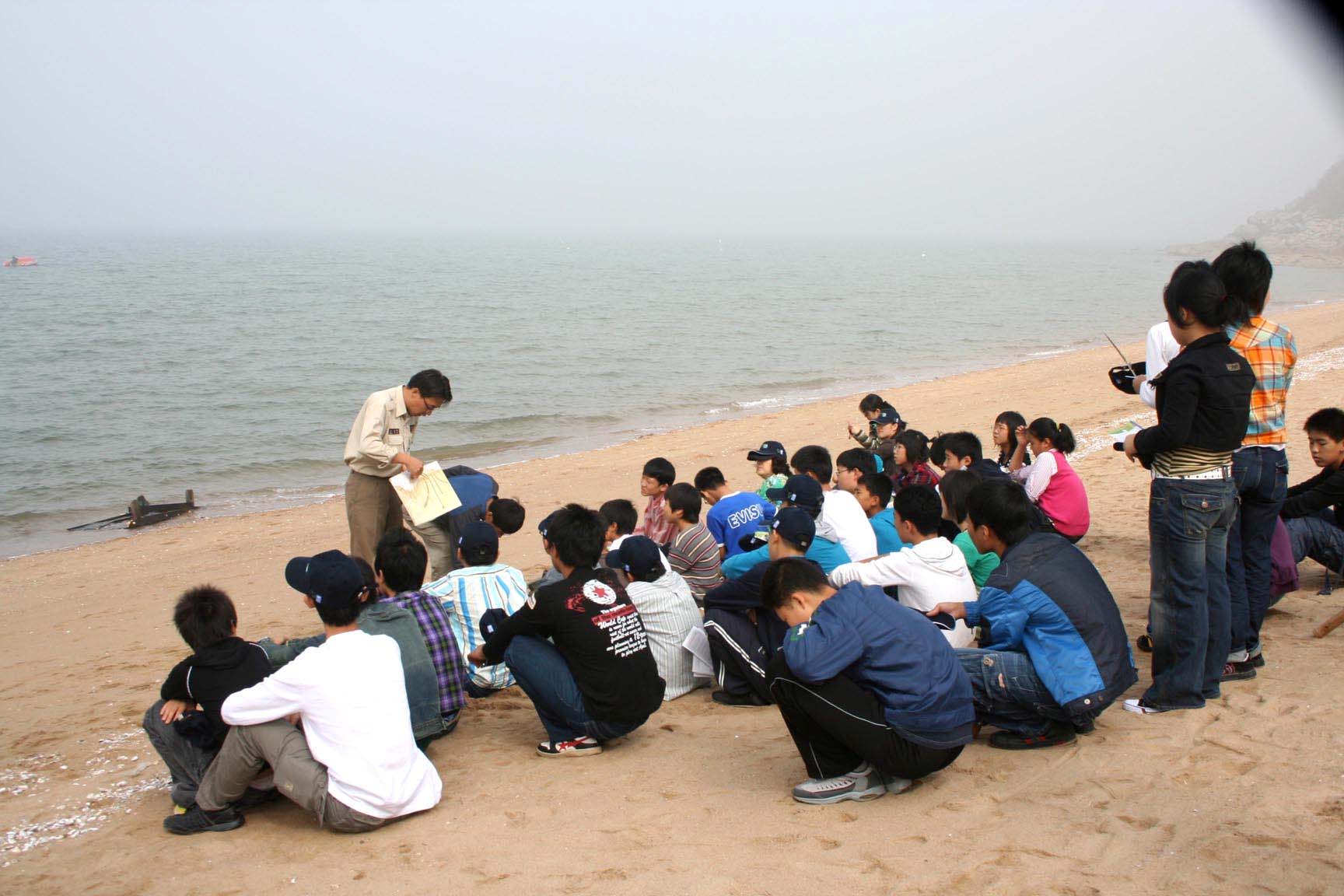
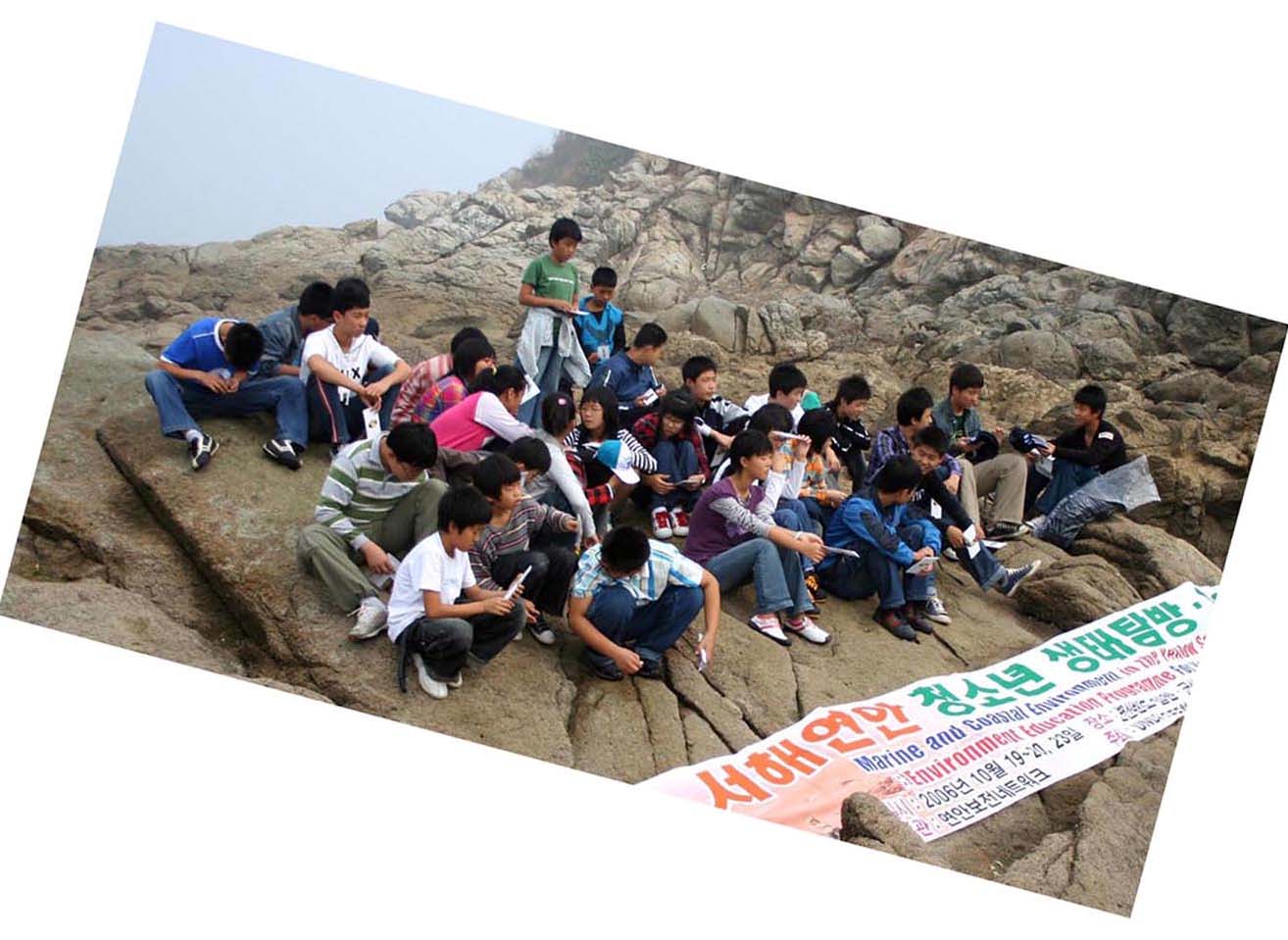
2.6 After the lectures, the students had field trips, visiting the Yellow Sea's coastal
area to observe the marine environment and resources and participate in hands-
on activities.
2.7 The students then reviewed the field study and discussed the future actions to
protect the marine and coastal environment in the Yellow Sea. A slideshow of
photos and films that were prepared during the field study was used to facilitate
the review and discussion. In the discussion, the students expressed with
drawings their views and opinions that they obtained from the field study as well
as the lectures.
2.8 The Programme produced several education materials as below (see Annex).
· Lecturers'
materials
· Tour manual & work book
· Discussion
materials
· Evaluation
questionnaire
2.9 The following organisations and individuals co-operated with the CKN to organise
the Programme:
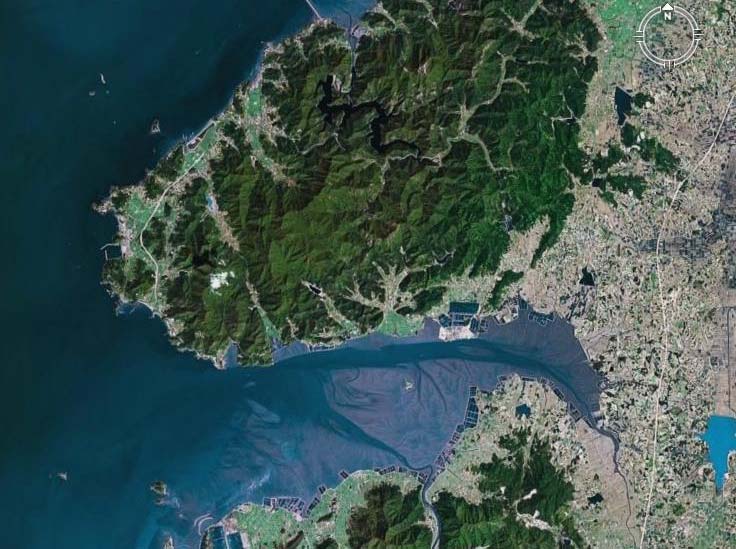
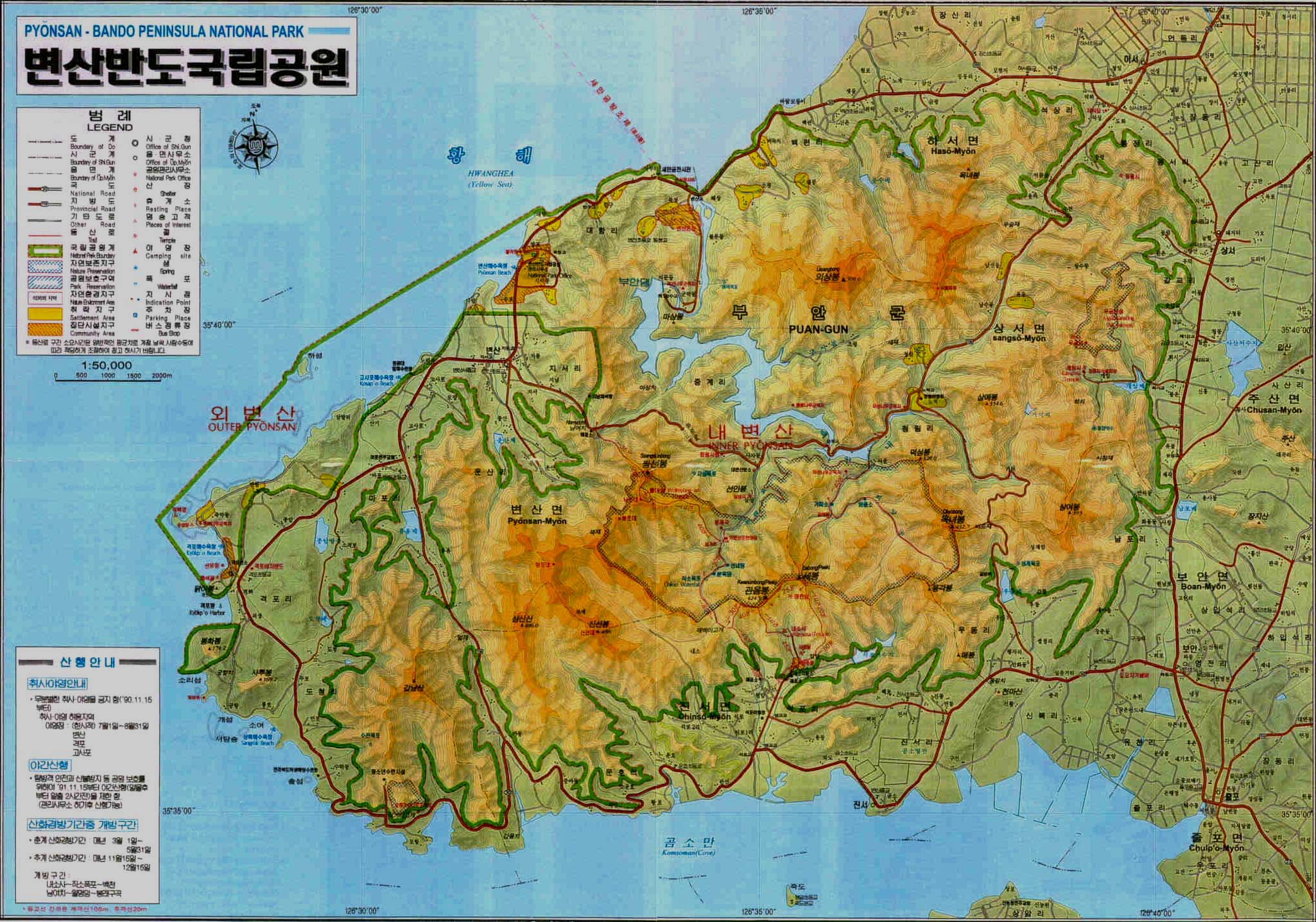
· Byunsan Peninsula National Park Office;
· Coastal Korean Network (CKN), Chonbuk Province;
· Daebu Residential People for Environmental Preservation;
· Korea Ocean Research and Development Institute (KORDI); and
· Shihwa Lake Life Saver.
II.
List of participants
4
1. Lecturers
1.1 First
activity
Dr. Woo Hanjun (KORDI, Marin Biology Researcher)
Lecturer for Coastal Environment Leaders' Training Programme, organised by
Ministry of Maritime Affairs and Fisheries
Ph. D in Marine Biology from Inha University
Mrs. Park Sunmi (General Secretary of Shihwa Lake Life Saver)
Environmental Activist
Lecturer for Shihwa Lake Environmental Leaders' Training Programme
Lake Shihwa ecosystem preservation activities
Mrs. Han Misun (Director of Education, Shihwa Lake Life Saver)
Environmental Activist
Lecturer for Shihwa Lake Environmental Leaders' Training Programme
Lake Shihwa ecosystem preservation activities
Mr. Kim Jongsun (a resident in the Daebu Island)
Operate "Tidal Mud Flat Experience Site" in the Daebu Island nearby Lake Shihwa
Leader of Daeboo Residential People for Environmental Preservation
1.2 Second
activity
Dr. Kim Yongmin (Byunsan Peninsula National Park, Eco-team Director)
Ecology Exploration Programme Coordinator of Byunsan Peninsula National Park
Ph. D in Marine Biology from Kunsan University
Mr. Kim Hwanyong (CKN, Chonbuk Province Coordinator)
Local Environmental Activist
Mr. Chae Doosik (General Secretary of Pooan Citizens' Group)
Local History and Culture Researcher, Pooan Kun, Chonbuk Province
Local Culture Center Lecturer
2. Participants/students
2.1 First
activity
40 students from Byulmang Middle School, Ansan
2.2 Second
activity
37 students and 4 teachers from Napo Middle School, Buan
3. Co-ordinators
Mr. Kim Gapkon (General Secretary of CKN),
Mr. Kim Hwanyong (Coastal Korean Network, Chonbuk Province Coordinator)
Ms. Kim Junghwa (PMO)
5
4. Collaborators
4.1 First
activity
KORDI (Korea Ocean Research Development Institute)
Shihwa Lake Life Saver
Daebu Residential People for Environmental Preservation
4.2 Second
activity
Byunsan Peninsula National Park Office
CKN, Chonbuk Province
III. Summary of Preparatory Education
1. First
activity
1.1 At the first day of the first activity, 15 September, the preparatory education was
held in the conference room of KORDI. It was organized to promote the
understanding of the students regarding marine and coastal environment in the
Yellow Sea before the field study. The preparatory education consisted of (i)
lectures on the marine and coastal environment and on the status and feature of
the Yellow Sea, (ii) an orientation for the field study, and (iii) a lab tour of the
Ocean Vision hall of KORDI.
1.2 Dr. Woo Hanjun provided a lecture on the marine and coastal environment in the
Yellow Sea. He introduced the general background of the marine environment
and current status of the Yellow Sea's costal region. Dr. Woo explained issues
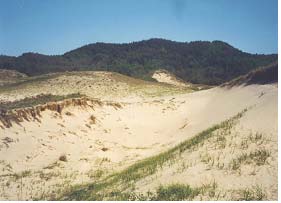
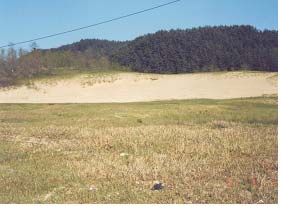
on coastal reclaimed wet land, tidal mud flat, sand dune, major marine living
creatures and plants, and marine pollution problems. The lecture enabled the
students to have a good understanding of the significance of marine environment
and marine living creatures. The lecture also provided the detailed explanation
on Marine Protect Area (MPA), which preserves marine ecological environment
(see Annex I).
1.3 Mr. Gabkon Kim provided an orientation for the field study. Having briefly
introduced the tour sites, Mr. Kim explained observation and other field activities,
using the tour manual.
1.4 After the three-hour lecture and orientation, the students visited the Ocean Vision
Hall at KORDI.
2. Second
activity
2.1 The preparatory education for the second activity was held in the audio-video
education room at Napo Middle School, Busan, ROK on 19 October 2006. There
was a two-hour lecture on the overview of the coastal environment and on the
introduction of protection activities of the Yellow Sea's environment.
6
2.2 The lecture focused on the protection activities of the marine environment,
including salty plants, benthos, and sand dune; and on the utilization of the marine
resources such as local fishery and salt pan.
2.3 Mr. Kim Hwanyong provided an orientation for the field study. He explained the
tour sites and the observation and field activities, using the tour manual.
IV. Summary of Field Studies
1. First
activity
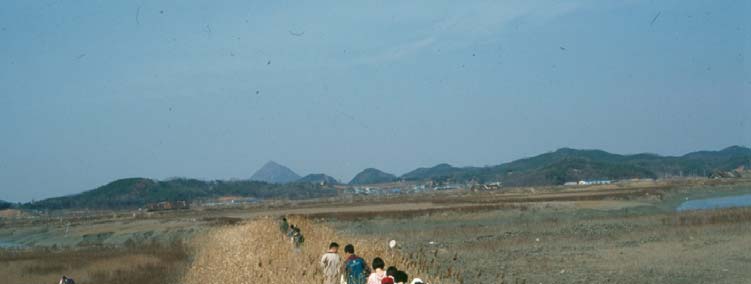
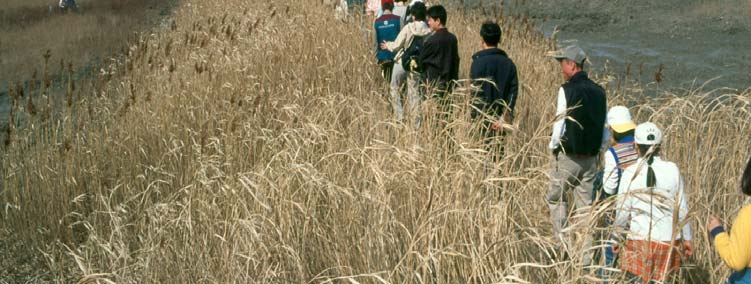
1.1 On the second day of the first acitivity, 16 September 2006, the field study was
organised to observe the marine creatures and the impact of human activities
around the Yellow Sea's coastal region, including the Banwol artificial wetland
park, the Lake Shihwa, and the Daebu island.
1.2 Forty five students from the Byulmang middle school who had already participated
in the preparatory education conducted the field study. In the Banwol artificial
wetland park, the students had an instruction on how aquatic plants purify the
water and an opportunity to observe facilities in the park.
1.3 Having conducted experiments to observe the function of plants in water, the
students observed the chemical oxygen demand (COD) and biochemical oxygen
demand (BOD). The students compared the water quality in the wetland with
that in natural streams. The students realised how aquatic plants such as reeds
purify the water.
1.4 The site for the second field study included the Lake Shihwa, its nearby reclaimed
land, and dinosaur fossils exhibited in the reclaimed land. The reclaimed land of
the Lake Shihwa was a good educational place because the lake shows the
natural ecological succession process after being reclaimed and contains various
species and habitats of salt marsh. The students explored the reclaimed land,
observing plants such as salicornia herbacca and suaeda japoica. The students
also found the footprints and trace of animals such as hare. Having observed
dinosaur fossils, the students learned the importance of preserving those natural
assets. Through the field study, the students realized the reason why they must
preserve the environment, considering the biological and historical value of the
wetland.
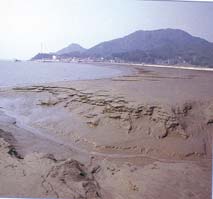
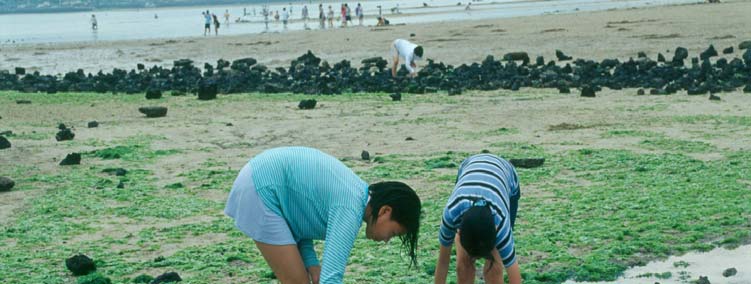
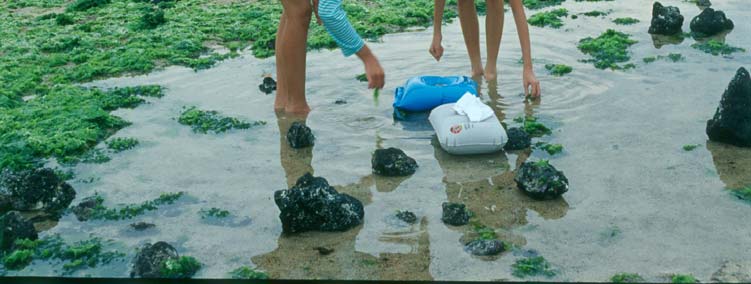
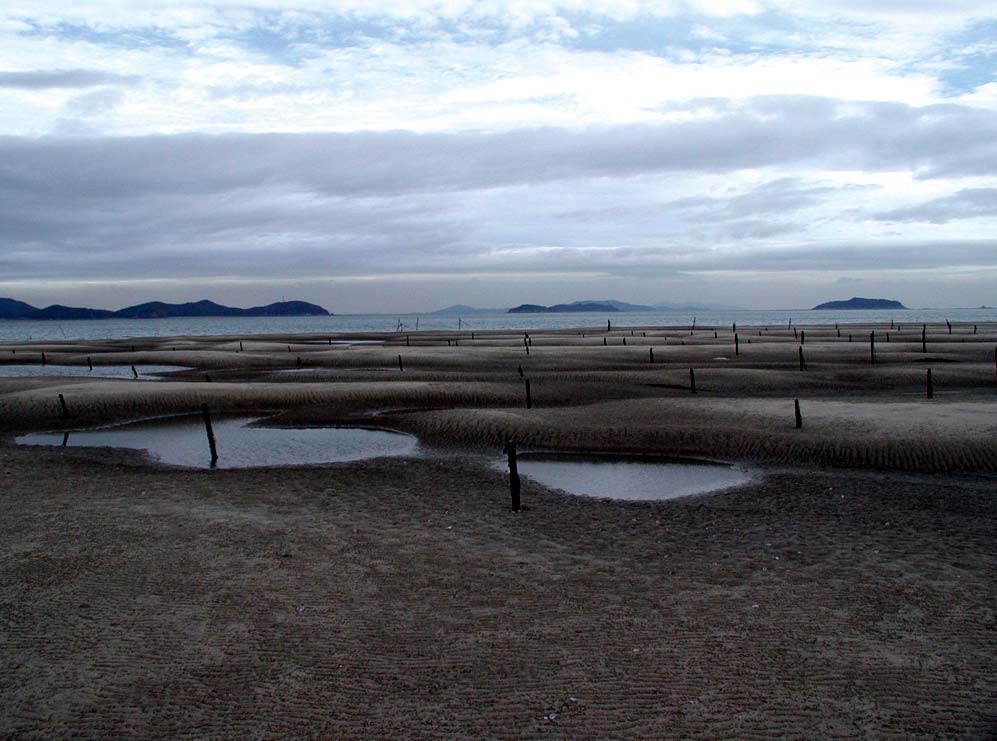
1.5 At the Daebu tidal flat which provides local residents with various coastal
resources such as shells and fish, Mr. Kim Jongsun, a resident from the Daebu
town explained the life of the residents as well as the fishery resources in the
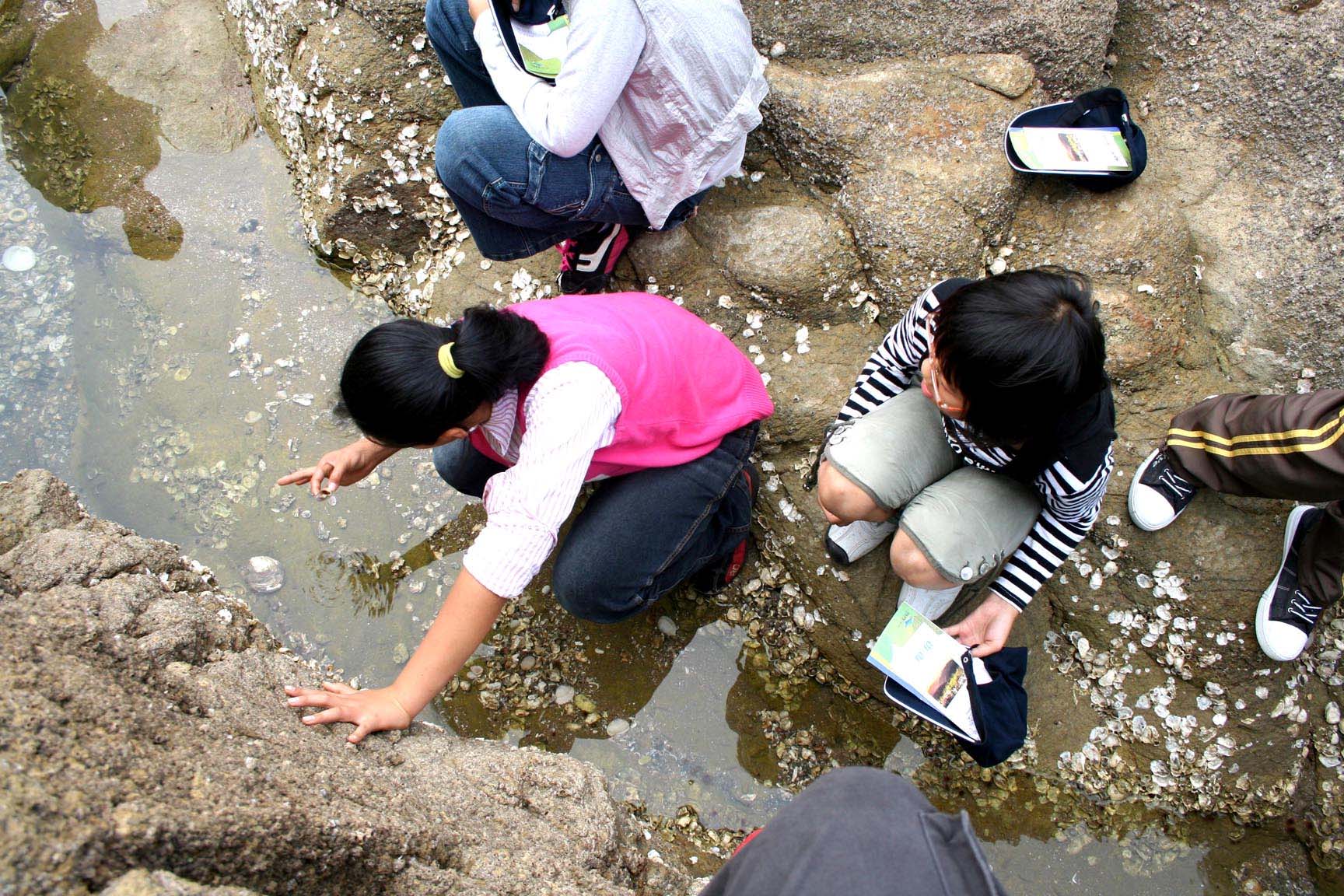
tidal flat. After Mr. Kim's lecture, the students experienced the tidal flat, by
observing marine creatures such as oysters, crabs and warms.
2. Second
activity
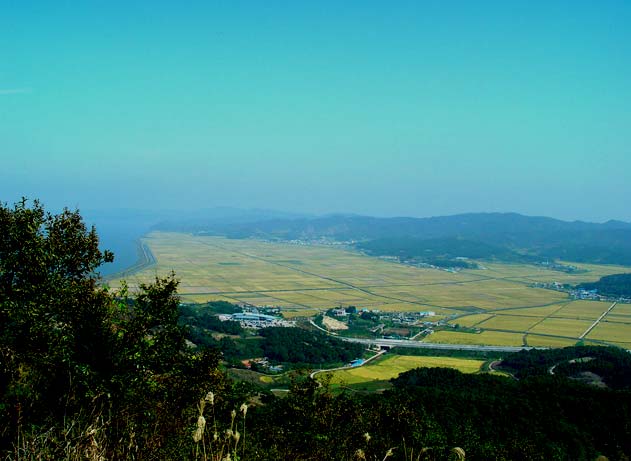
2.1 On the second day of the second activity, 20th October 2006, 47 students and
teachers from the Napo middle school participated in the field study in Byunsan
and Gomso Bay in ROK. Those places are registered as a national preservation
site and famous for the active environmental conservation efforts.
7
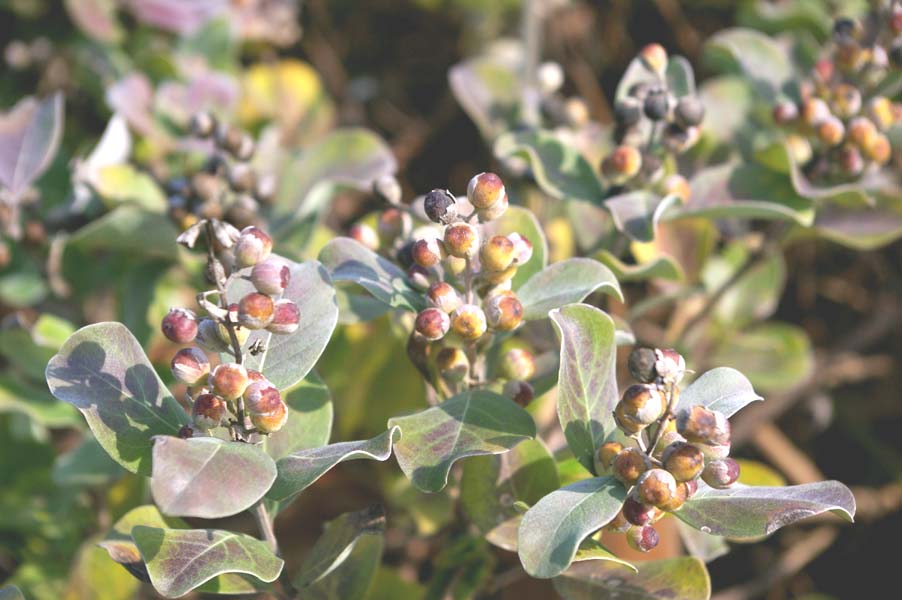
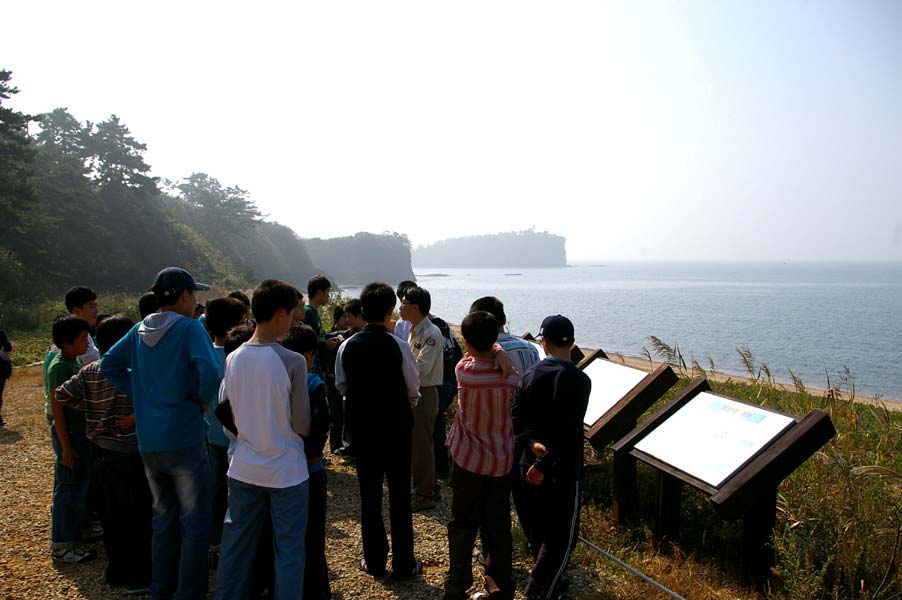
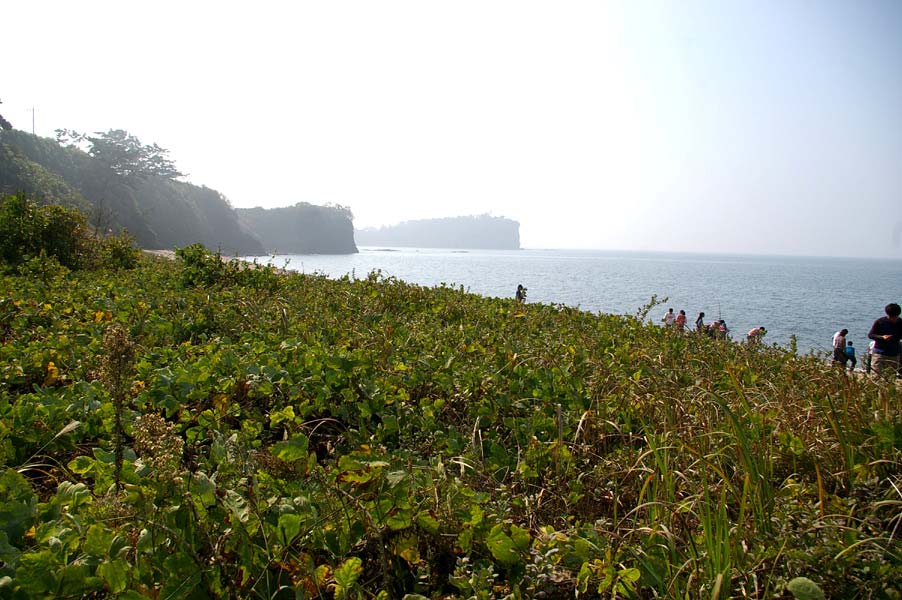
2.2 Dr. Kim Yongmin introduced the coastal environment and major natural resources
in the Byunsan National Park and guided the observation of the plants in the
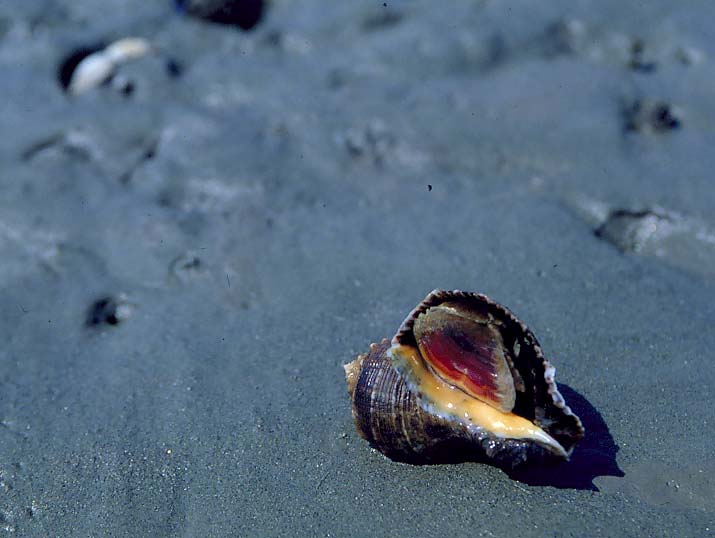
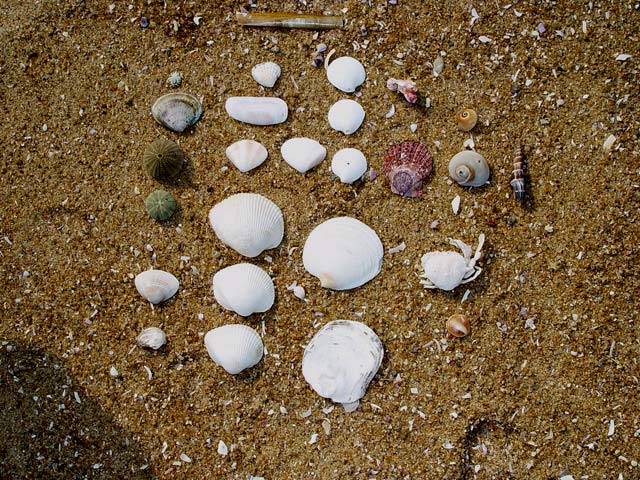
coastal region and sand dune. He explained the marine creature such as oyster,
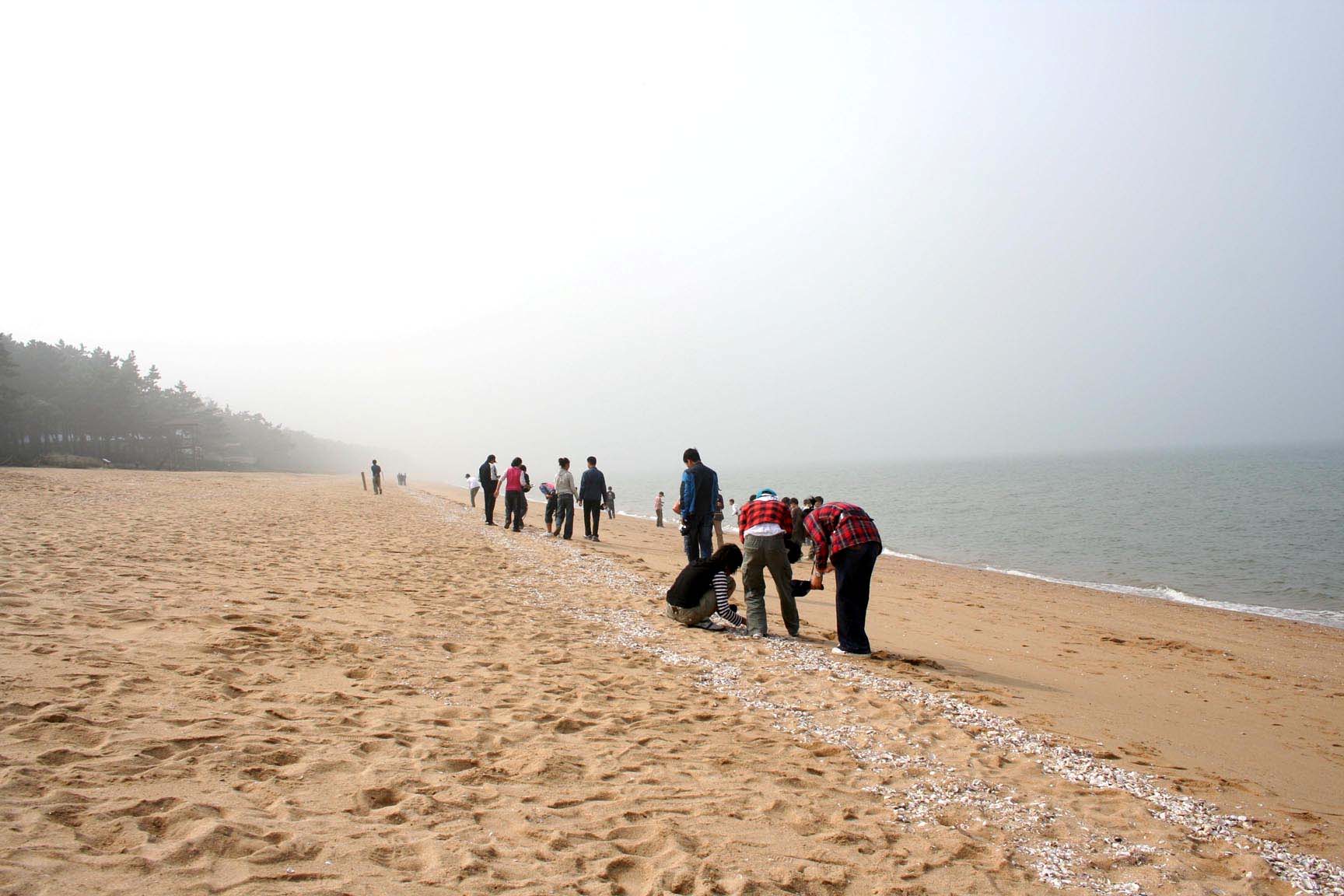
shells and small fishes. He also led the students to collect the shells along the
beach to observe the species of marine creature. He stimulated the students'
interests and curiosity for the marine resources and emphasised the importance of
protection of the environment.
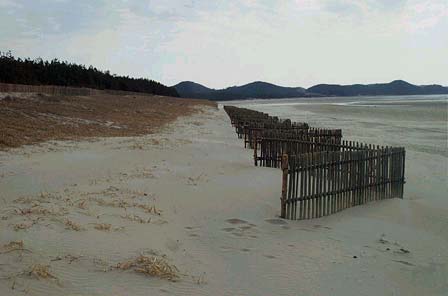
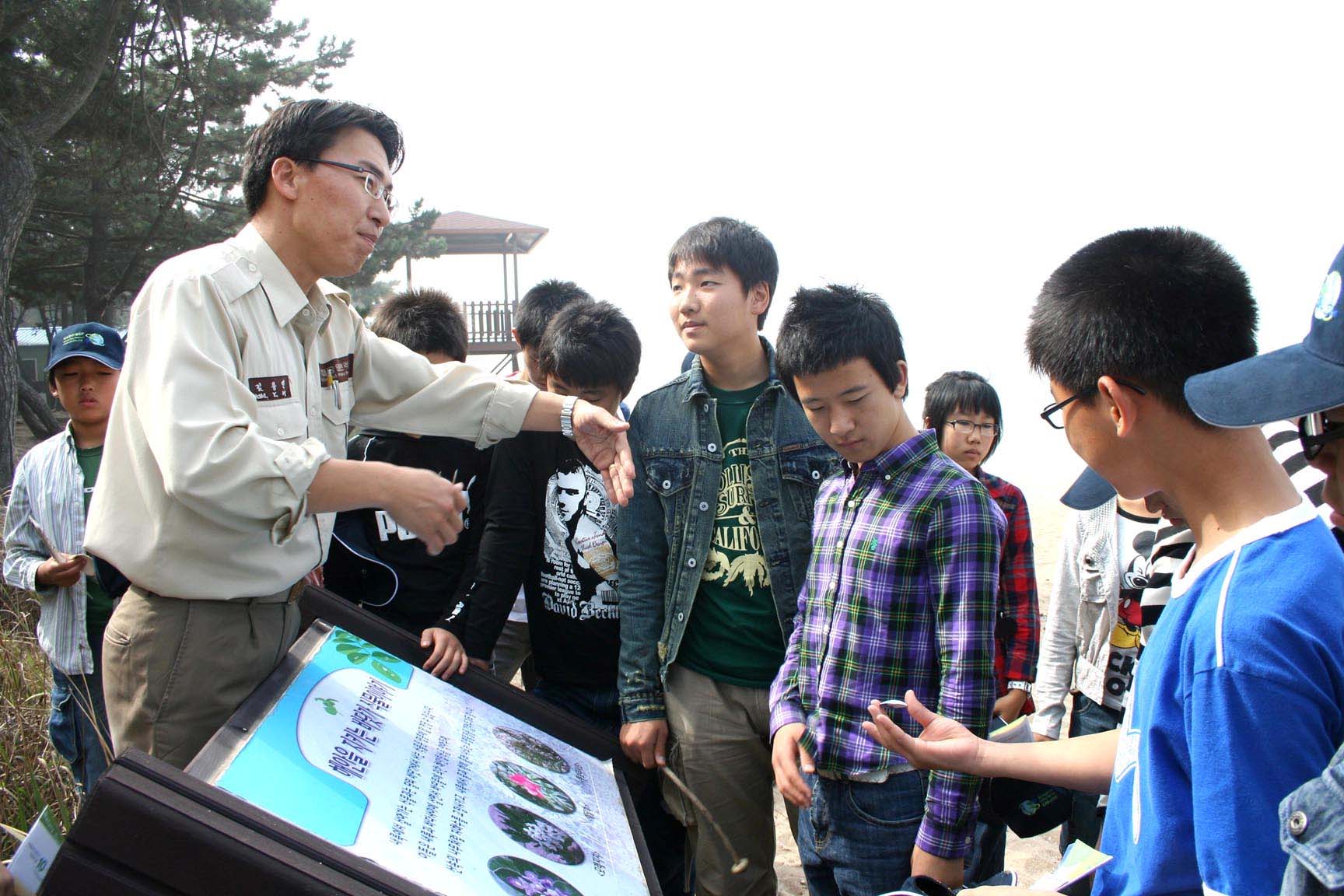
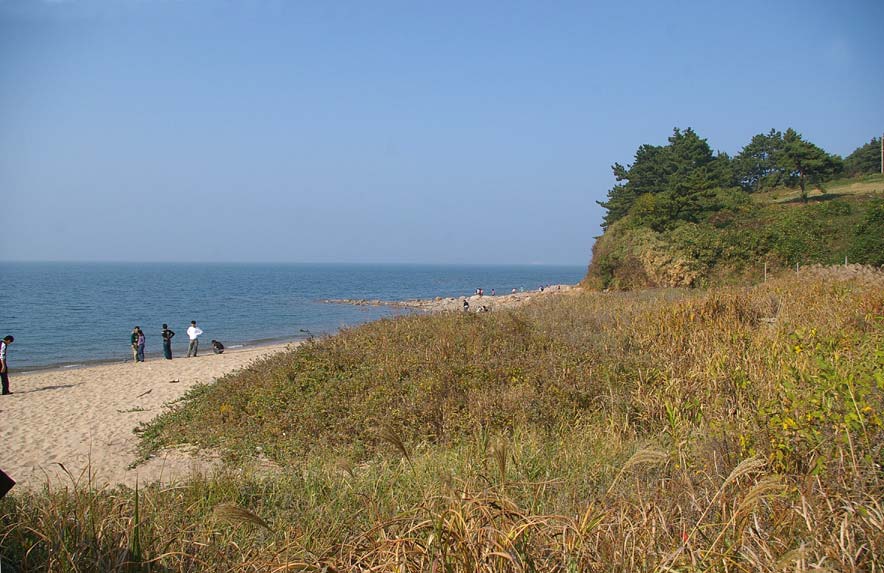
2.3 At the Jagyndang beach, a protected area for plants in the sand dune, Dr. Kim
explained the role of plants in the sand dune and coastline, and showed the
monitoring activity to prevent the erosion of the sand dune.
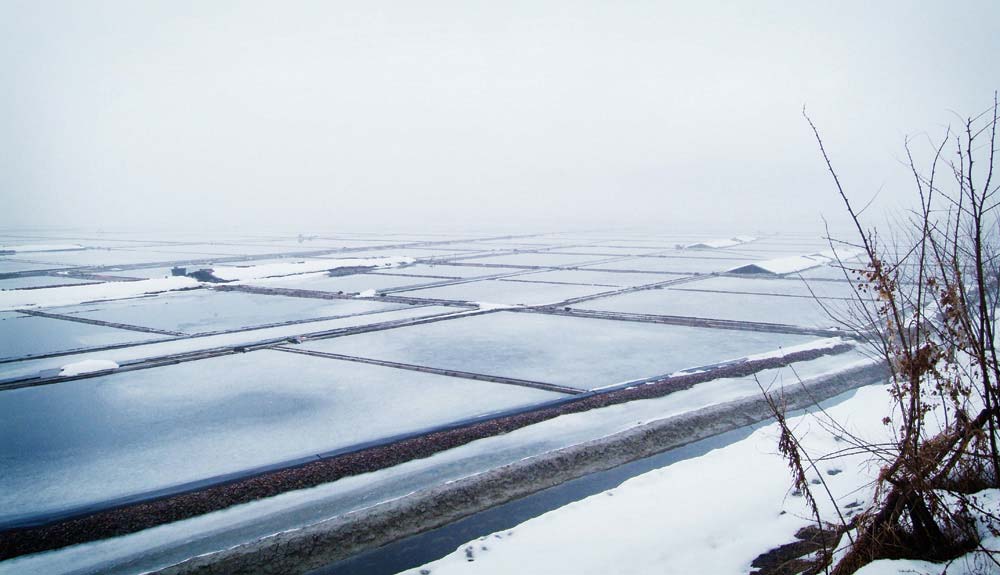
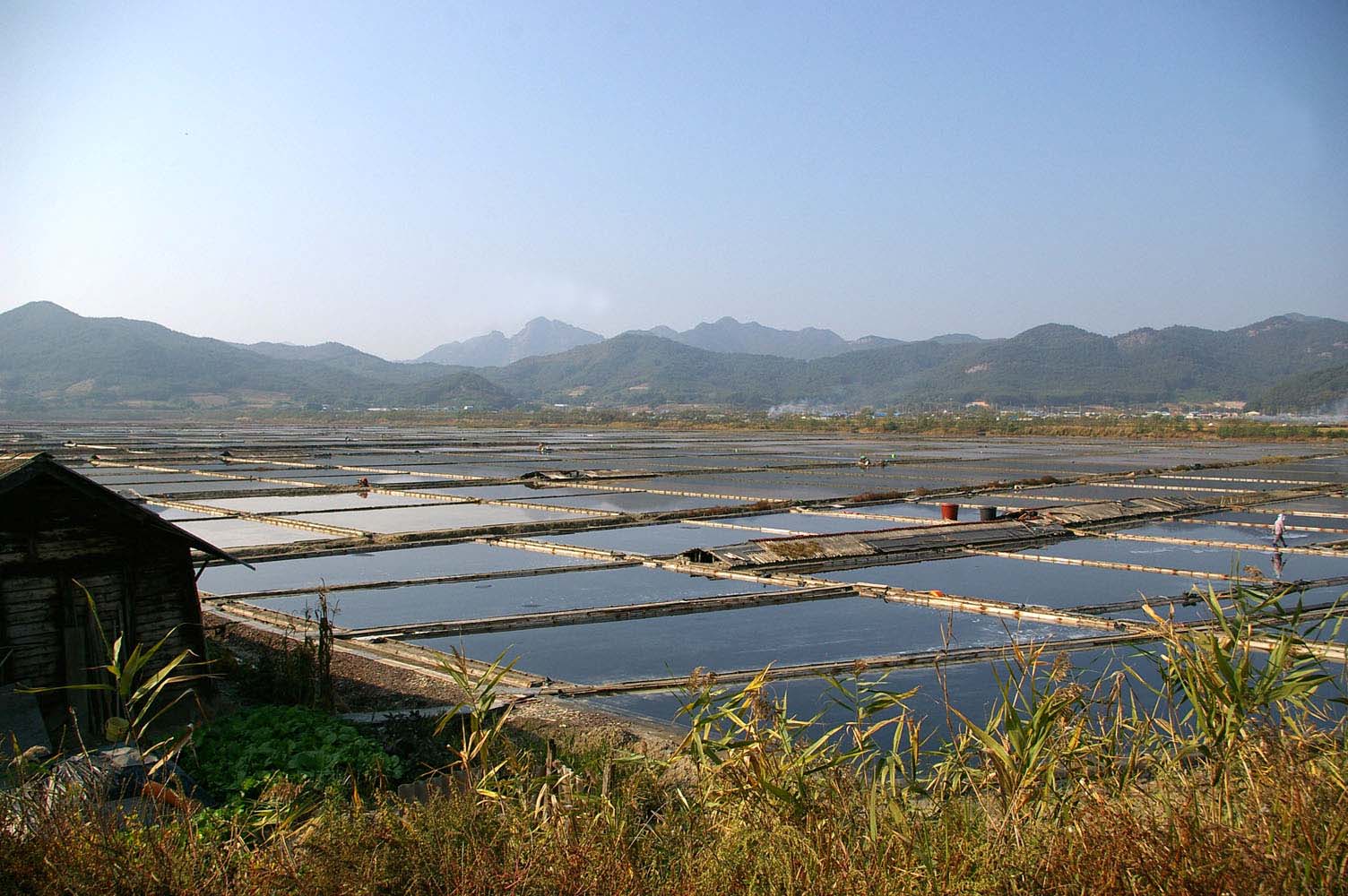
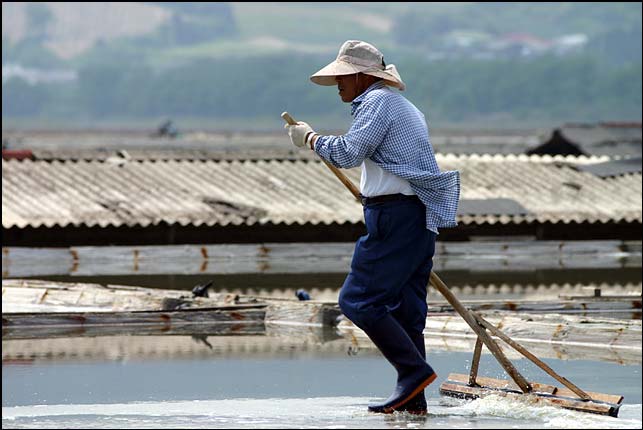
2.4 At the Gomso saltpan, a rare existing field in ROK to produce salts from sea water
in a traditional way, Dr. Kim introduced both the use of natural resources in tidal
flat and the process to produce salt from sea water. It was a good opportunity for
students to observe human activity to use marine resources without destroying
natural environment.
V. Summary of the discussion by participating students with the lessons and
experiences learned from the Programme
1. First
activity
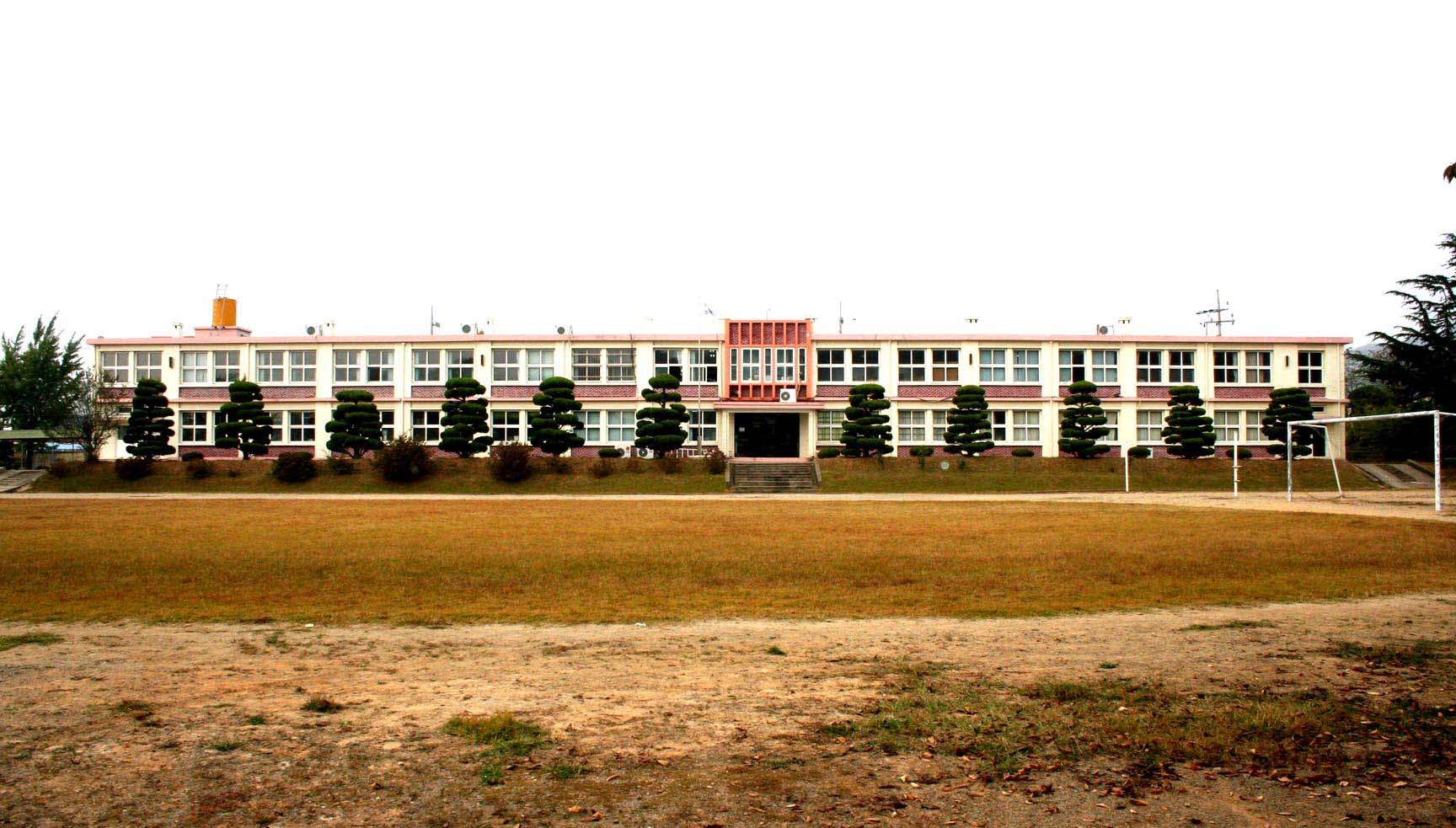
1.1 One week after the first field study, 22 September 2006, the students gathered at
the library in the Byulmang middle school to discuss their activities during the field
study.
1.2 Mr. Kim Gapkon provided detailed explanation about the field sites, showing the
photos of the field study.
1.3 The students, divided into small groups, developed a map for ecological tour with
instruction from Mr. Kim. The students discussed what they learned from the
field study and marked on the map the significant feature of the field site. The
students then gave presentations, using the maps that they created. Through
this group work, the students realized the current status of the marine
environment and deepened their understanding and knowledge about
environmental protection.
2. Second activity
2.1 The discussion session of the second field study was organized in the audio-video
room of Napo Middle School on 2 November 2006.
2.2 Dr. Kim Yongmin, Mr. Kim Hwanyong, and other volunteers facilitated the
discussion session by providing detailed explanation on the marine ecological
issues and by using photos and films which were taken during the field study.
2.3 A questionnaire survey was conducted to get feedback from the students. The
next section in this report summarises the opinions and suggestions from the
8
students as well as the experts who helped in organising the Programme. The
following highlights major findings form the survey:
· Seventeen out of 34 students evaluated the Programme positively, while
seven persons evaluated negatively. According to those who replied
negatively, the provided concept of the marine coastal environmental issue
was too difficult to understand.
· Most students replied that the following were the most impressive: the general
explanation and observation of marine living creatures and the experience of
the salty wetland and saltpan. However, there were suggestions that
environmental issues should be explained more simply and that the itinerary
of the field study should be reviewed so as for the schedule not to be too tight.
VI. Suggestions from participants for the marine conservation and appropriate
use of marine resources in Yellow Sea
1.
Creative Suggestions from students
· Most students have limited understanding of marine environmental issues due
to lack of opportunities to learn them.
· The Programme was a good opportunity for the participating students to
deepen their understanding of the marine environmental issues and to have
interests in the marine environment which is close to their lives.
· Having participated in the Programme, most students expressed their
willingness to join the conservation activities to protect marine and coastal
environment.
· Students recognised the need to protect the marine environment and to
facilitate educational programmes such as the monitoring activity of the
pollution in the Lake Shihwa.
· All students suggested having more opportunities to participate in educational
programs, particularly a visit to "hotspots" where serious environmental
degradation is observed. Some students also proposed to have a regular
programme, similar to this Programme, to observe the marine environment.
· Some students suggested that the field study should focus on a few of the
most significant sites.
· Most students thought information on marine environmental issues should be
provided such that they are understood easily.
2.
Recommendations from the organisers and co-ordinators
· The Programme was implemented successfully with the main objectives
achieved of promoting awareness of marine environmental issues and
providing the educational opportunity for students.
9
· To make the Programme more effective, it was suggested to;
- Assess the needs of trainees carefully and select as participants those who
have a high concern for environmental issues. Trainees' interest and
willingness are likely to influence the activeness and result of the
Programme.
- Select a few important sites which cause serious environmental problems.
Visiting those sites would greatly raise the interest of trainees.
· Organise more similar environmental programmes which target young
generation and focus on both the Yellow Sea's coastal area and the ecological
and cultural education.
10
Annex I
Lecture Materials
11
Lecture on the Marine and Coastal Environment
in the Yellow Sea
Dr. Woo Hanjun
Marin Biology Researcher
Korea Ocean Research & Development Institute
12
hjwoo@kordi.re.kr
1
I
, , ,
( :71) - 1971 2 2
2006 3 150, 1580, 134 ha
(1997 101 : ,
, , )
(2003)
2
II
,
20 20%
(, 2005)
1990 300
208 (, 2000)
1990
" "
.
(wetland)
- .
- 6m ()
( )
- , ,
()
-
.
3
te r r e s tr ia l fo r e s t
c o a s ta l a r e a ( )
d u n e w e tl a n d
u p la n d
H H T L
s a n d d u n e ( )
In te r ti d a l zo n e ( )
tid a l w e tl a n d ( , )
L L T L
te r re s tr ia l p l a n ts
s a l t m a r s h ( )
u p la n d
H H T L
in te rti d a l zo n e ( )
ti d a l w e tla n d ( , )
L L T L
1 . ( : , : ) .
H H T L , L L T L .
4
5
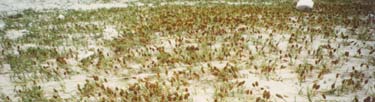
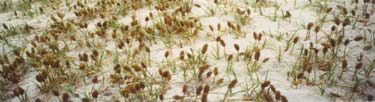
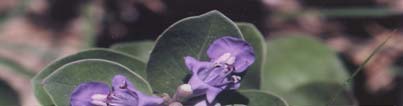
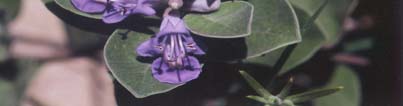
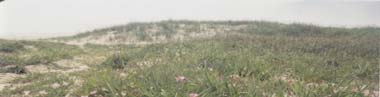
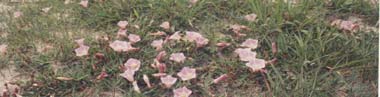
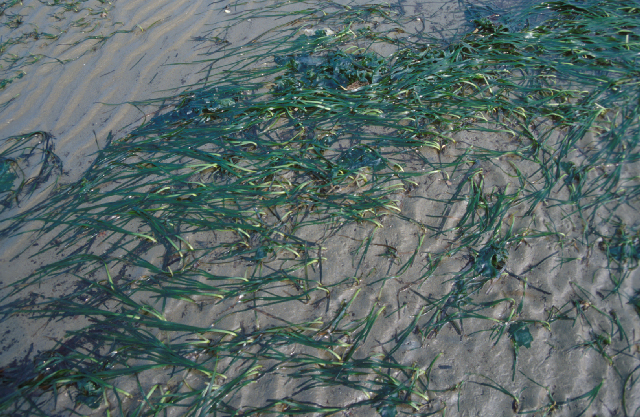
()
6
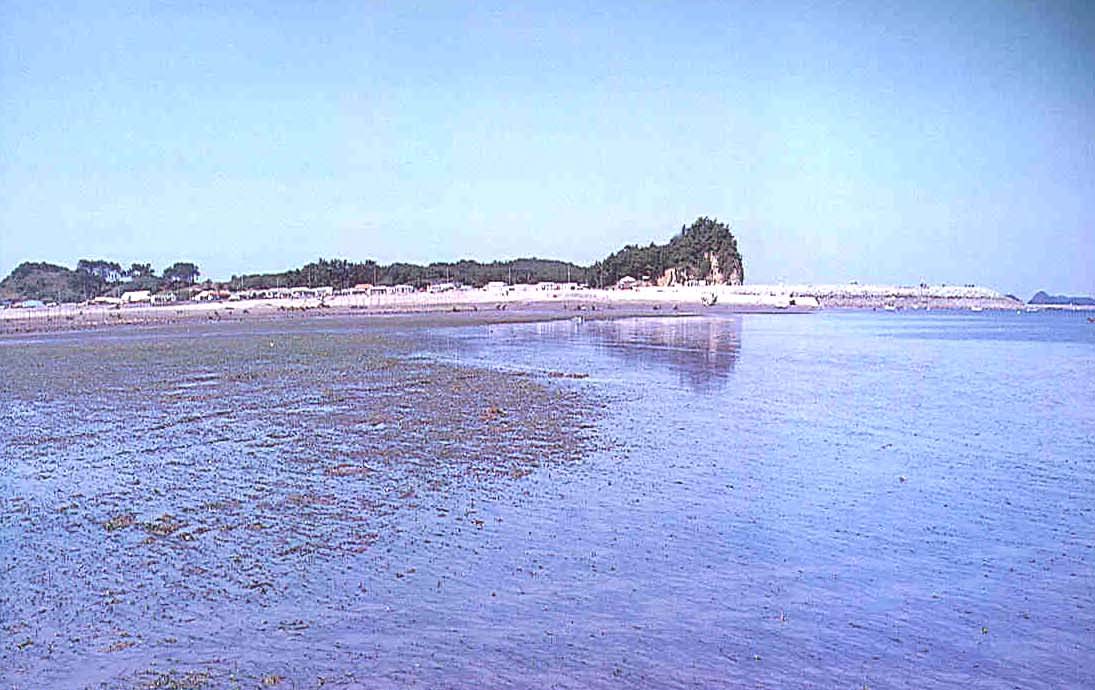
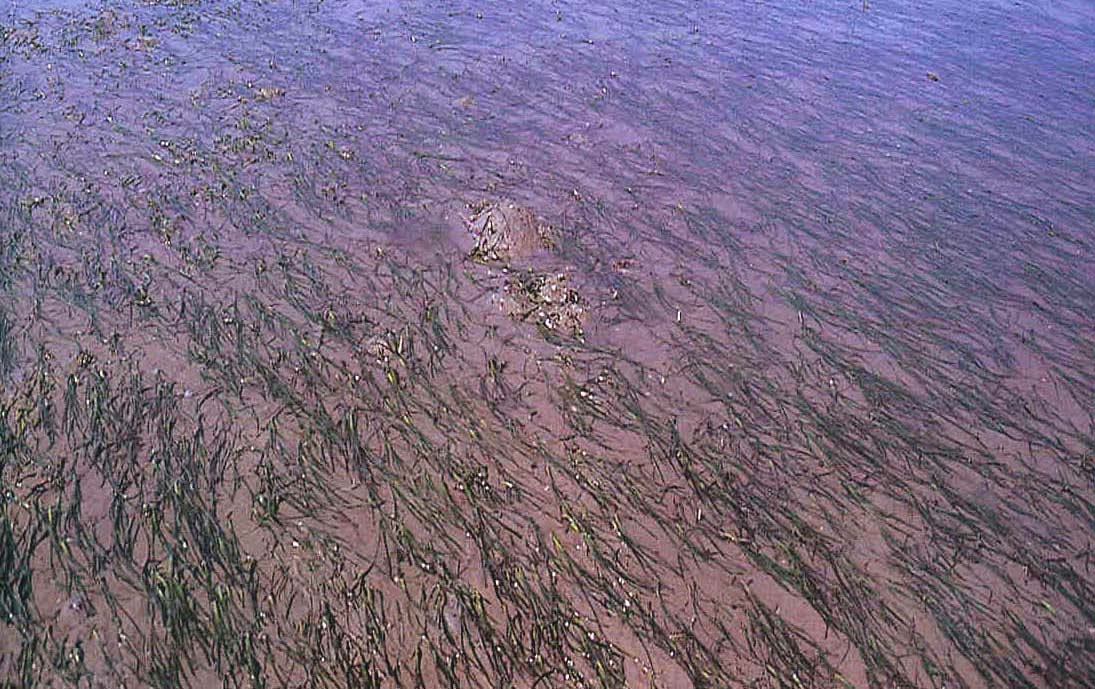
- ,
,
()
-
-
-
-
7
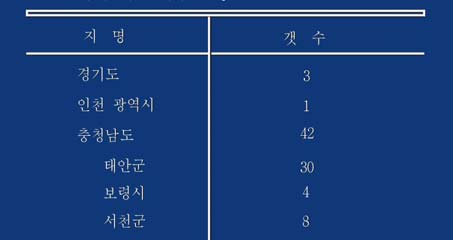
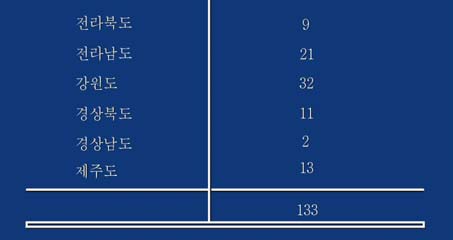
(2001)
GW
KG
JJ
GB
CN
JB
JN
GN
(2001)
8
1 % ( 1 )
2 % ( 2 )
2 % ( 3 )
8 % ( 1 1 )
9 % ( 1 2 )
3 1 % ( 4 2 )
2 4 % ( 3 2 )
1 6 % ( 2 1 )
7 % ( 9 )
2001
14%(19)
38%(51)
48%(63)
- :
- :
- :
9
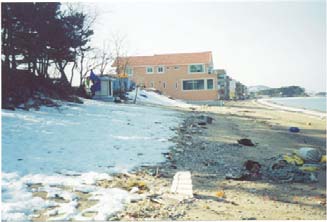
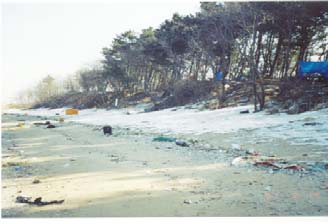
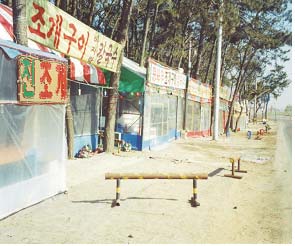
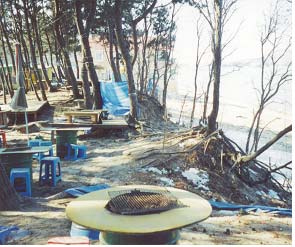
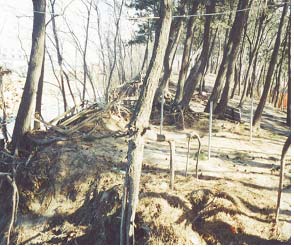
()
()
10
11
-
·
(2005 )
·
(: , %)
2,550.2
100
()
914.9
36
367.3
14
132.0
5
1,019.4
40
: 2,107.7
( 83%)
(,)
118.6
5
: 442.5
( 17%)
12
?
:
:
:
13
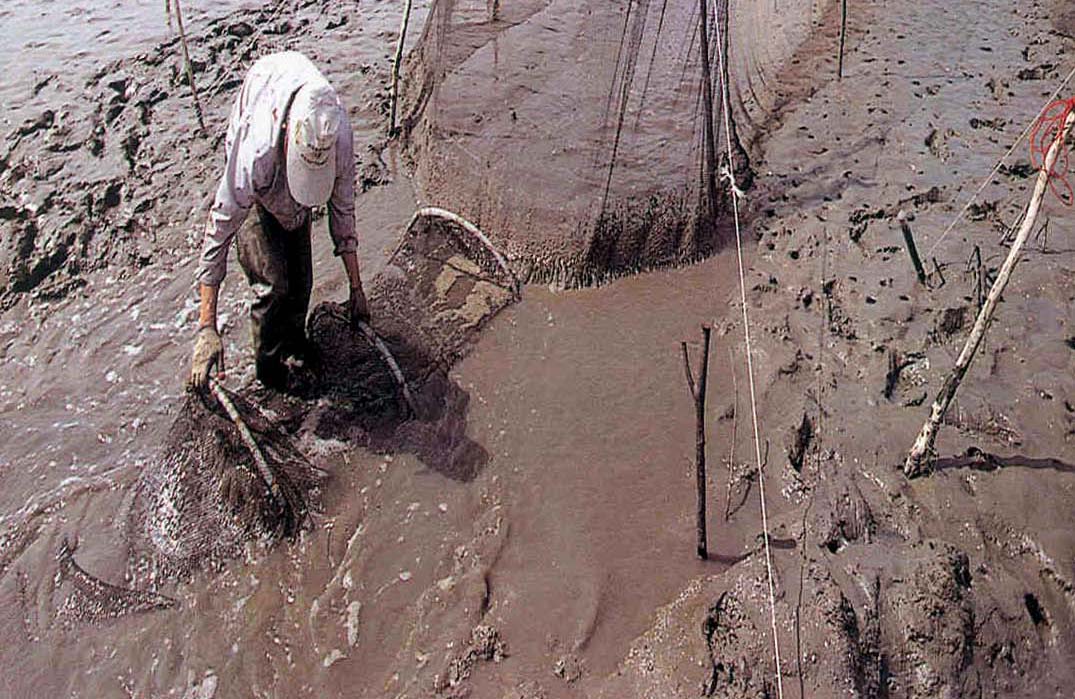
?
( )
,
:
()
14
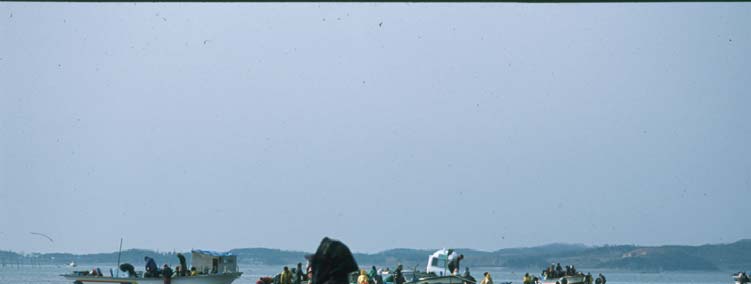
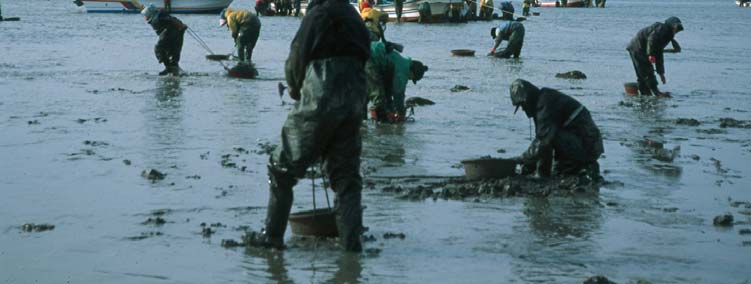
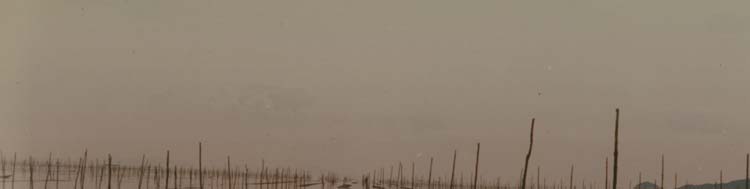
15
16
17
?
, ,
-
N
39 0
W
East Sea
38 0
Ka n g wo n d o
Seoul
Kyong gi Ba y
Inchon
Ky on g g id o
Shihwa
Reclamation Area
C h u n g c h on g
37 0
b u k d o
Yel low Sea
Ch un gc h on g
n a m d o
K y o n g s a n g
b u k d o
Saemangum
36 0
Reclamation Area
Cholla
b u k d o
Ky o n g s a n g
n a m d o
Youngsangang
Reclamation Area
Cholla
35 0
n a m d o
Ts u s h i m a
34 0
126£
J a p a n
Cheju do
126 0
125 0
124 0
127 0
128 0
129 0
18
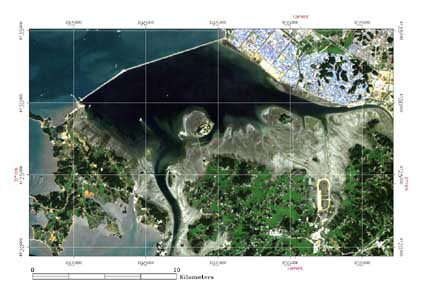
()
19





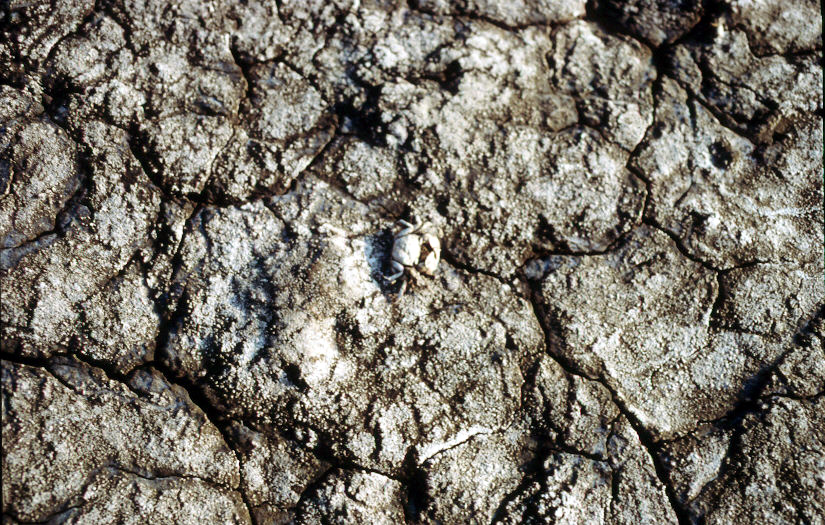
20
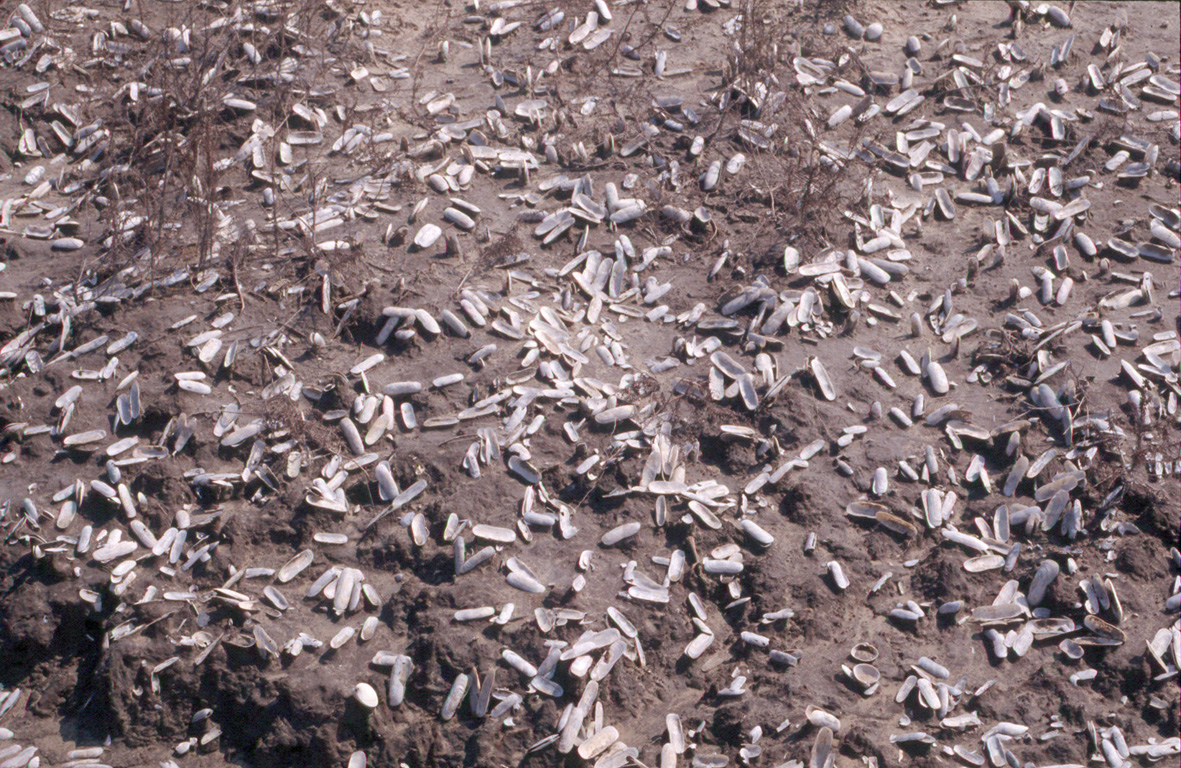
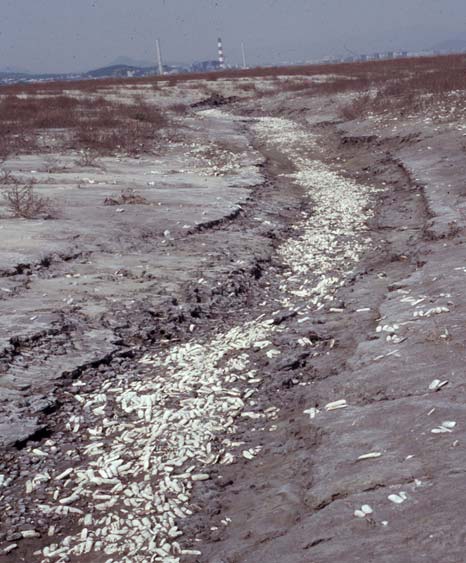
21
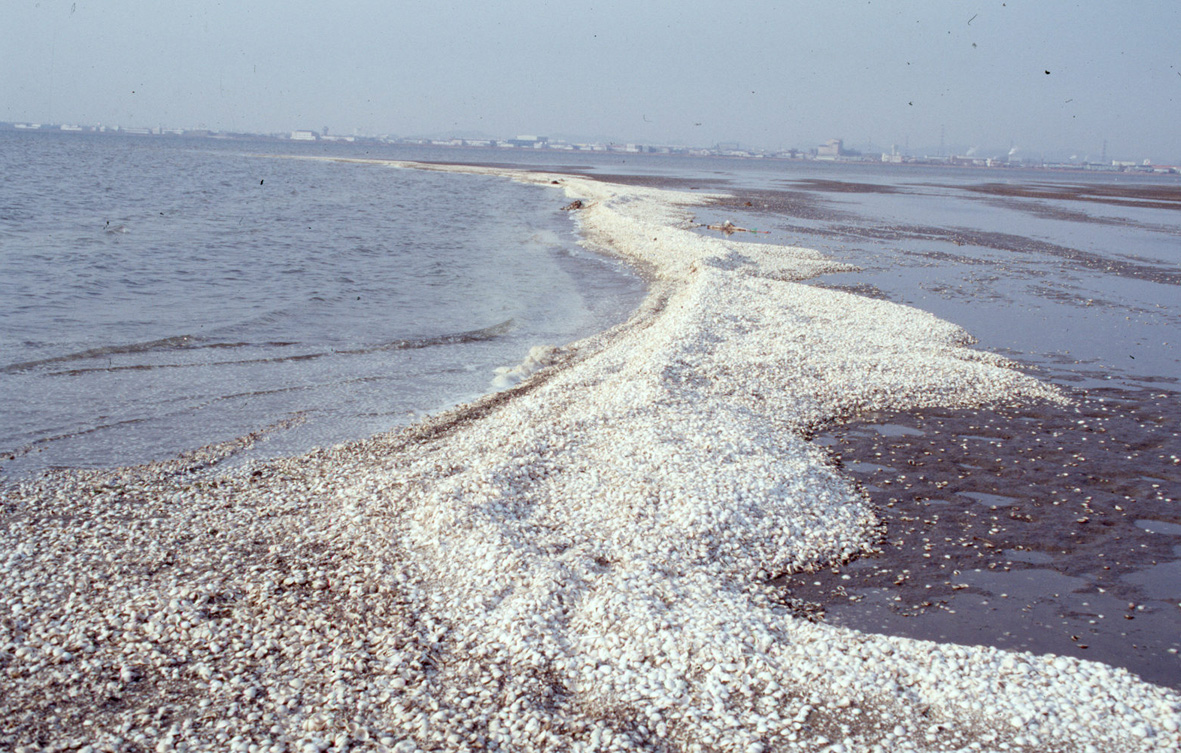
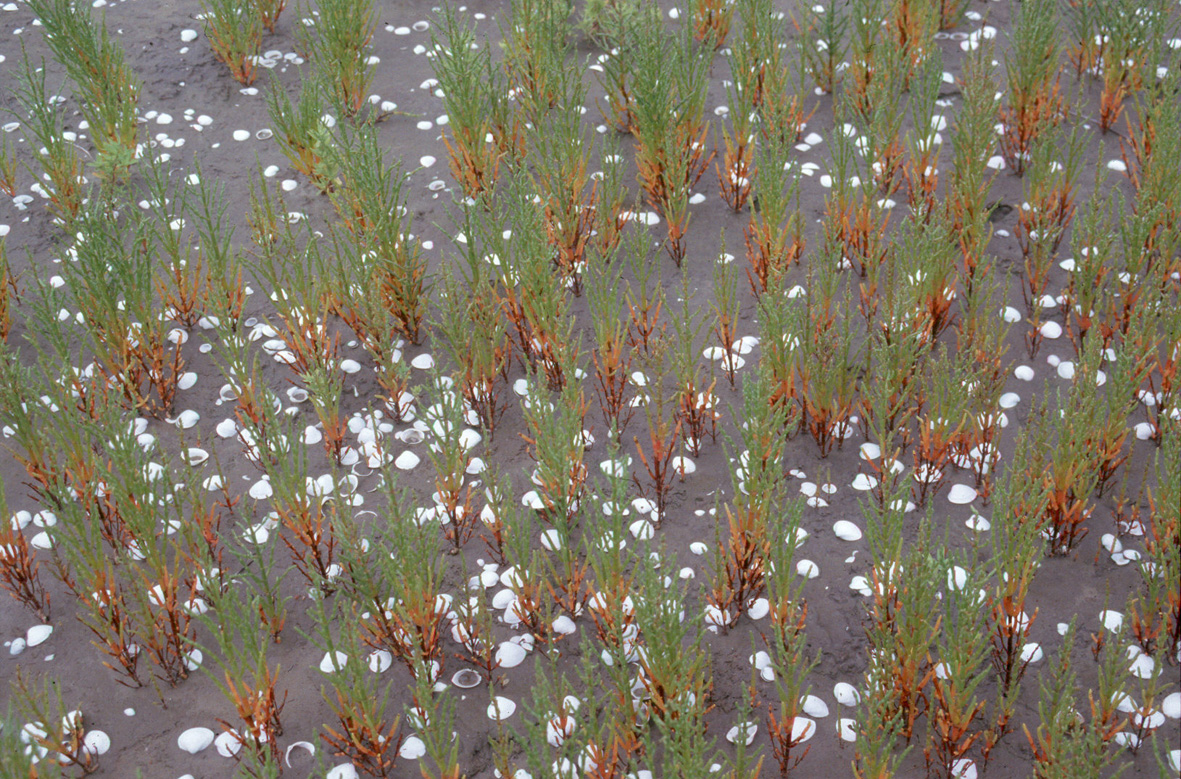
22
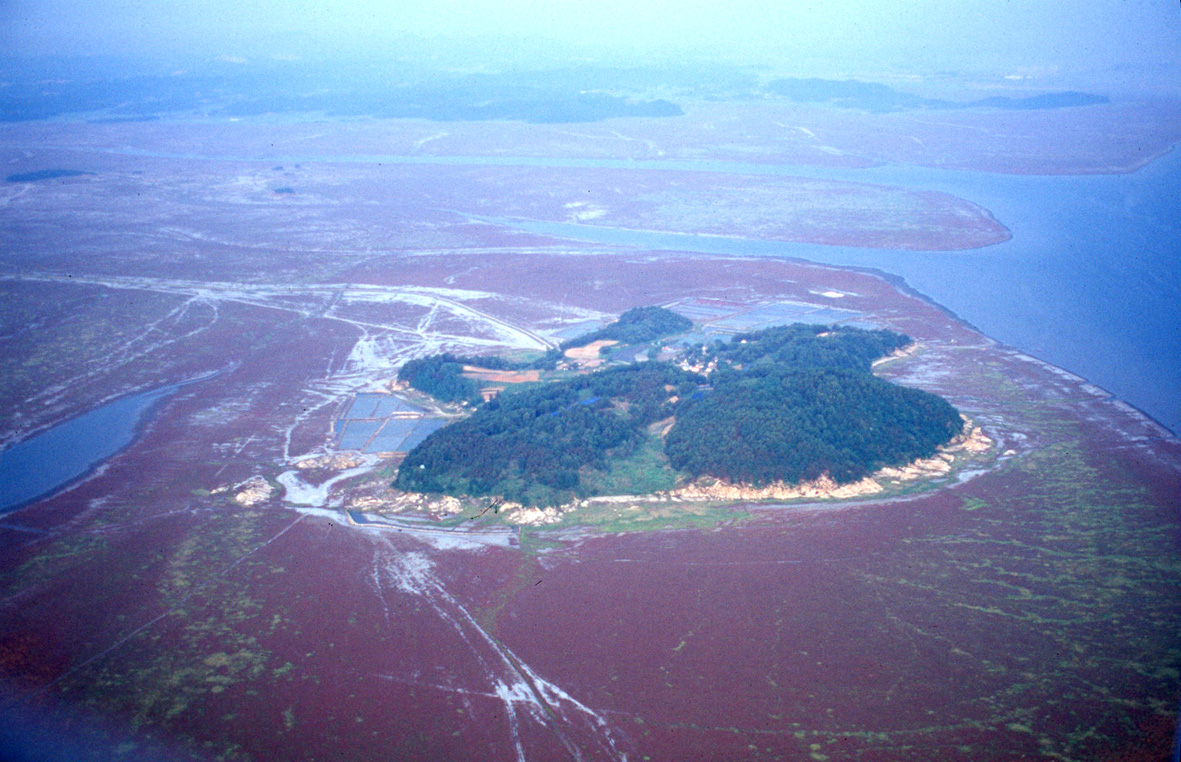
1999
-
2002
23
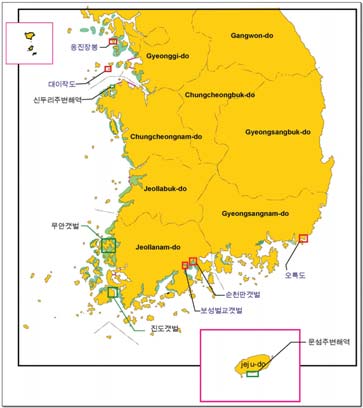
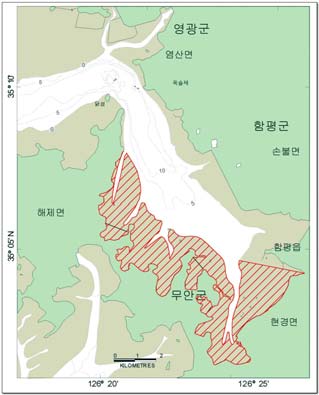
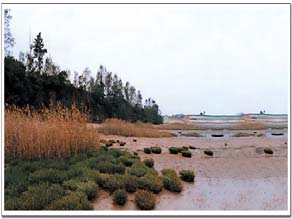
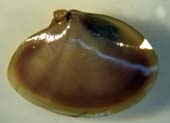
-
, , , ,
-
,
, ,
(1, 2001 12.28 )
-
( 35.6 km2)
-
-
24
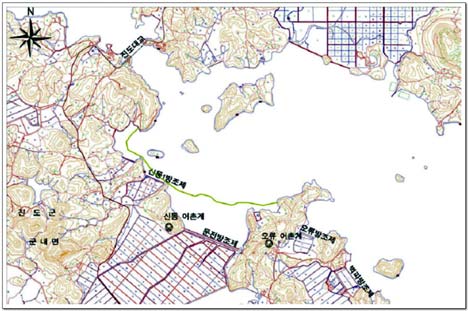
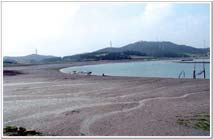
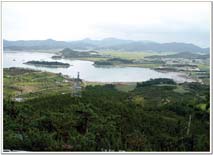
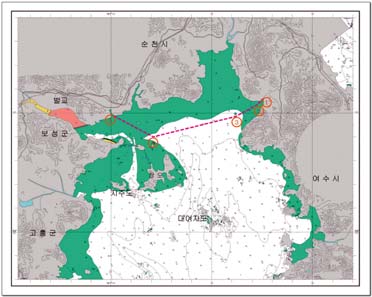
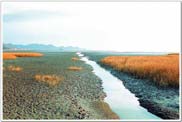
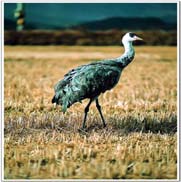
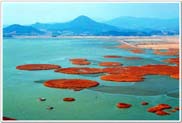
(2, 2002 12.28 )
-
(1,237,900 m2)
(3, 2003 12.31 )
-
, ,
( 28 km2)
-
-
25
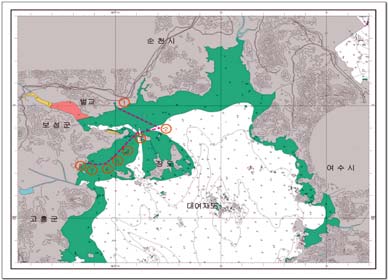
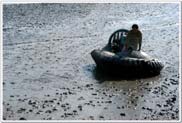
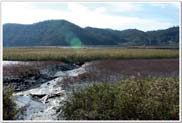
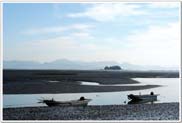
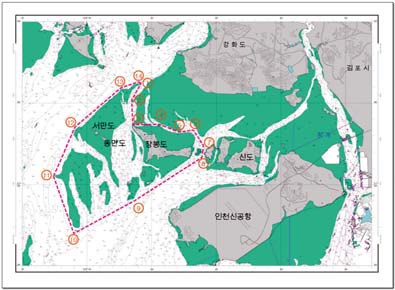
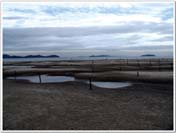
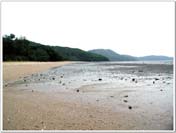
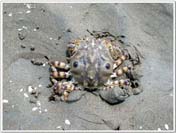
(4, 2003 12.31 )
-
, , , ,
( 7.5 km2)
-
, , ,
(5, 2003 12.31 )
-
68.4 km2
-
,
-
26
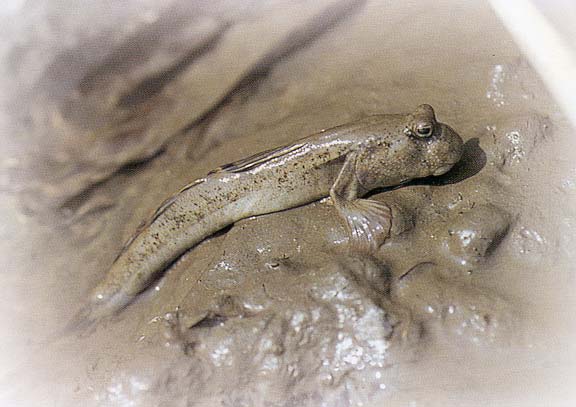
, ,
`' ...
! !
!!
27
Lecture on the Coastal Environment and
Protection Activities of the Yellow Sea
Mr. Kim Hwanyong
Local Environmental Activist
CKN, Chonbuk Province
13
2006 YSLME
INDEX
...
-
YSLME
(GEF/UNDP YSLME Yellow Sea Large Marine Ecosystem Project)
: Regional (China, Republic of Korea) : Reducing Environmental
Stress in the Yellow Sea Large Marine Ecosystem)
.
.
,
LME
50
(productivity),
(fisheries), (pollution)
,
YSLME
1.
1. ,
,
1.
YSLME
· :
Appropriate Use of Marine and Coastal
Resources: Tour of Coast and Wetland Area
along the Yellow Sea"
· :
2006 10 19-20, 23
· :
BYEONSAN National Park · GOMSO Bay
· :
34
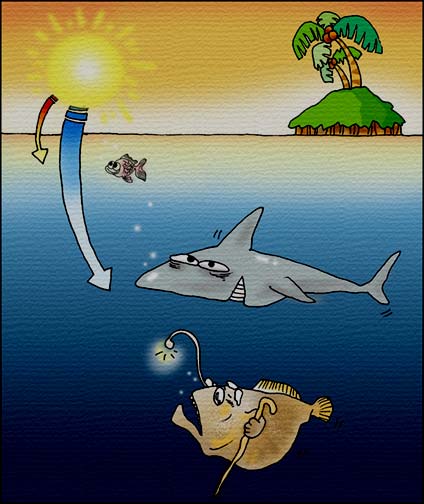
, ?
.
,
,
.
.
,
, ,
.
.
<>
.
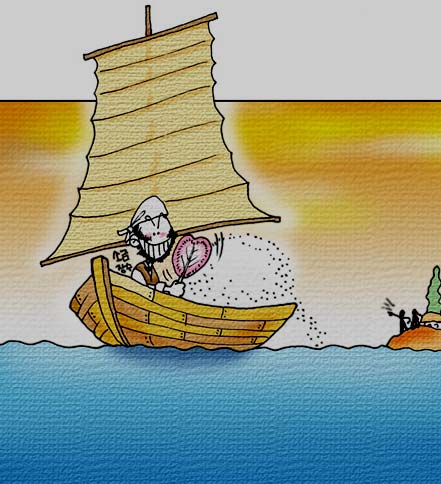
?
,
.
,
.
.
() psu .
34.72
34.90, 34.62
,
.
.
.
42 ,
.
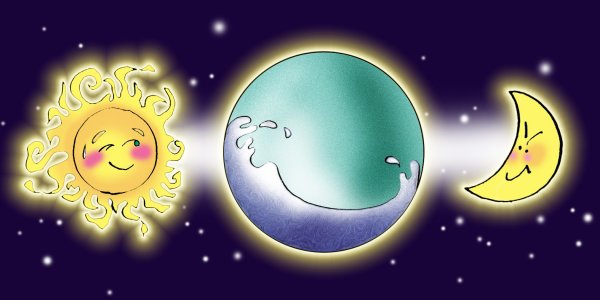
?
, .
,
.
,
. , ,
()
.
() .
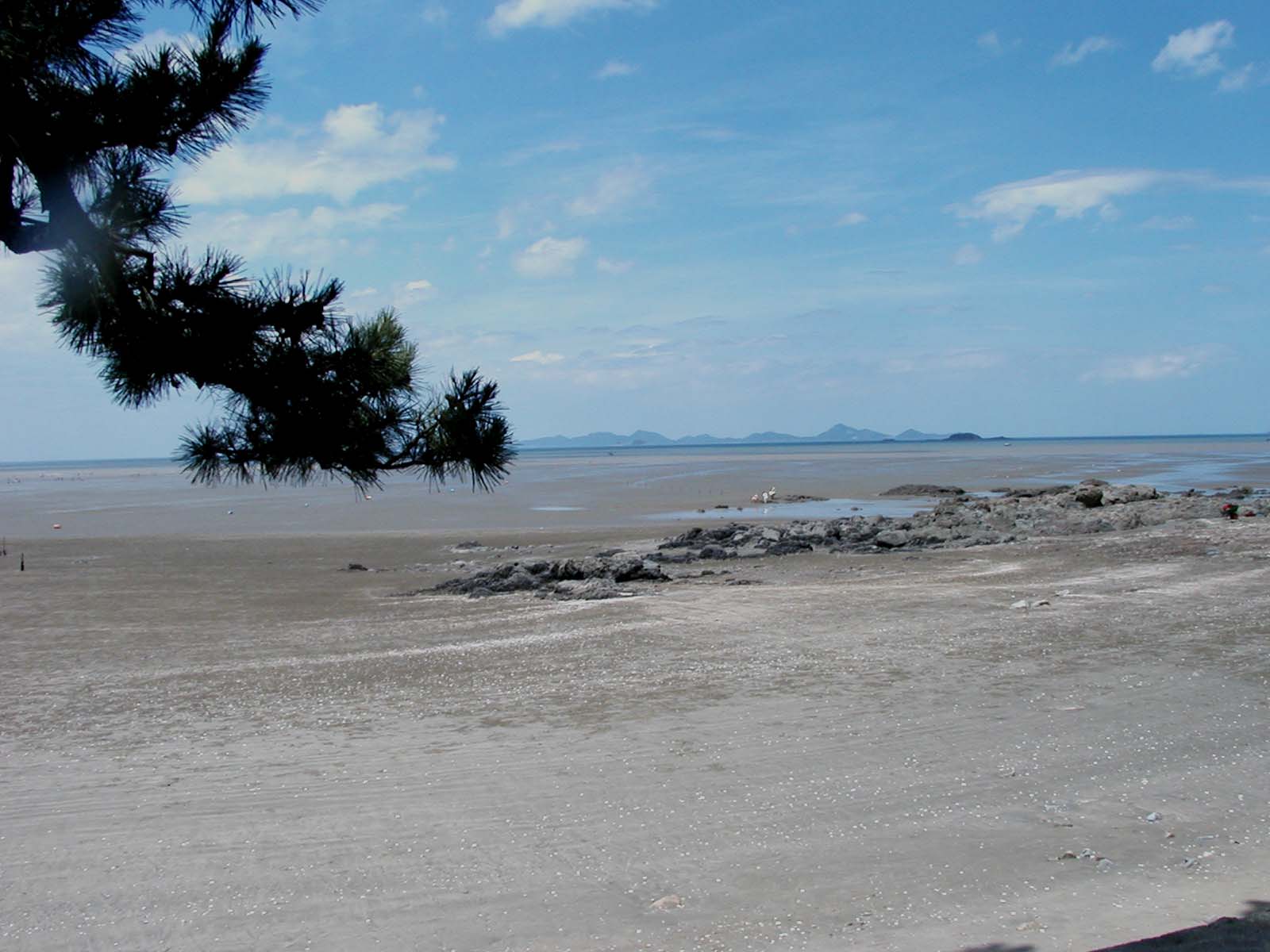
?
, ,
.
. 50m
, .
9m, 45m.
, .
, .





[]
[]
(: , %)
2,550.2
100
914.9
36
367.3
14
132.0
5
: 2,107.7
1,019.4
40
( 83%)
:
442.5
118.6
5
( 17%)
[]
(1)
39
- 30.6%, 26.2%
-
2,550() , 10
[]
,
,
1987 20%
,
2.5% 5
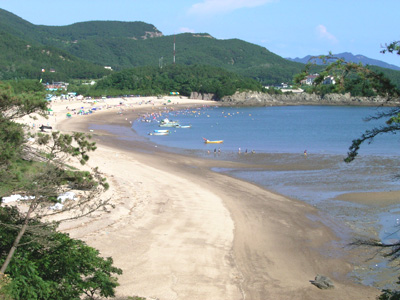
[Sand dune;]
· .
· .
· · .
· .
· .
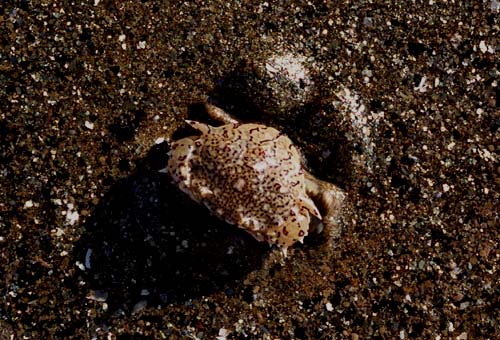


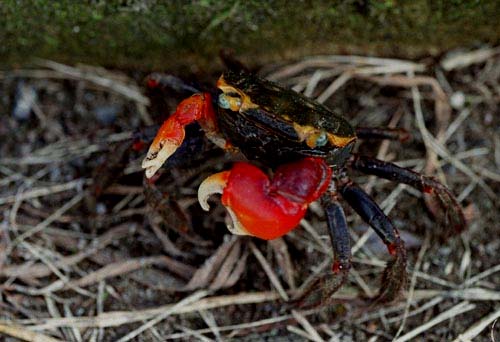
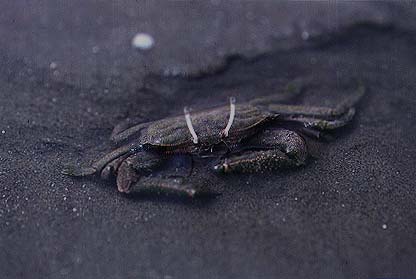
. .
5~6cm, , .
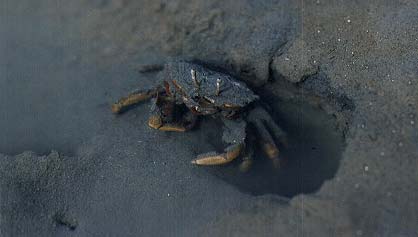
.
45cm, .
, .
. 45 .
. .
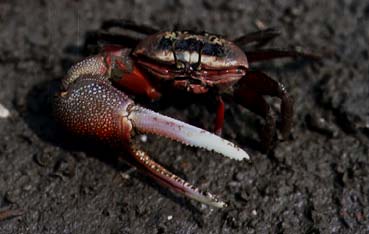
. 34cm
. . 45 ,
· . .
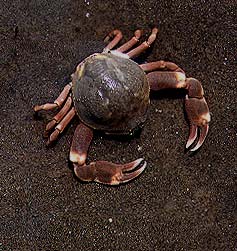
() .
. .
45 . , .
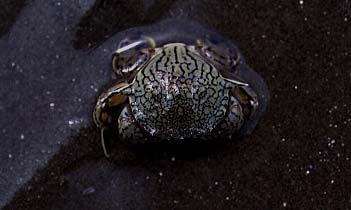
()
'' '' .
.
. .
"-" .
.
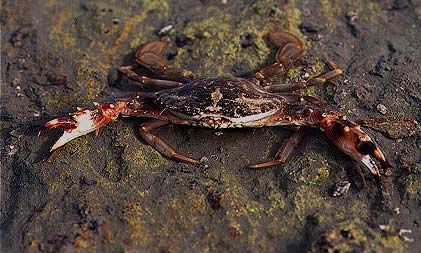
()
.
. '', ''
. , , , .
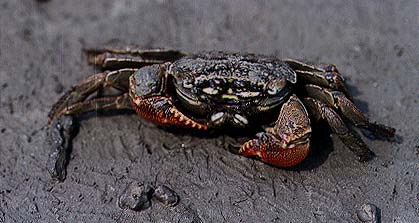
.
, ,
. , , , .
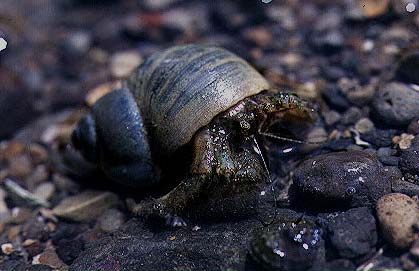
. , ,
.
.
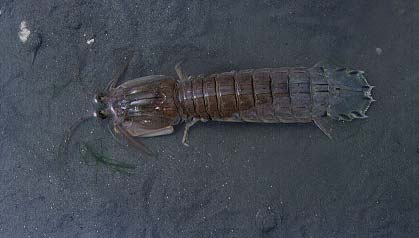
· . ( 15cm)
.
5~6 . .
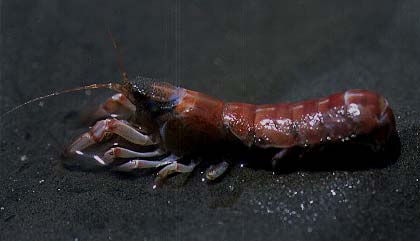
.
. . 7cm,
.
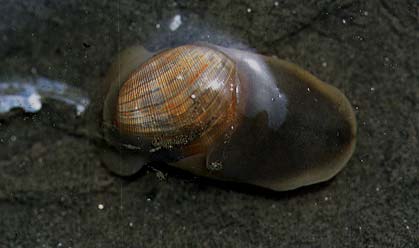
3, 1.5cm .
. ·
. 45
. .
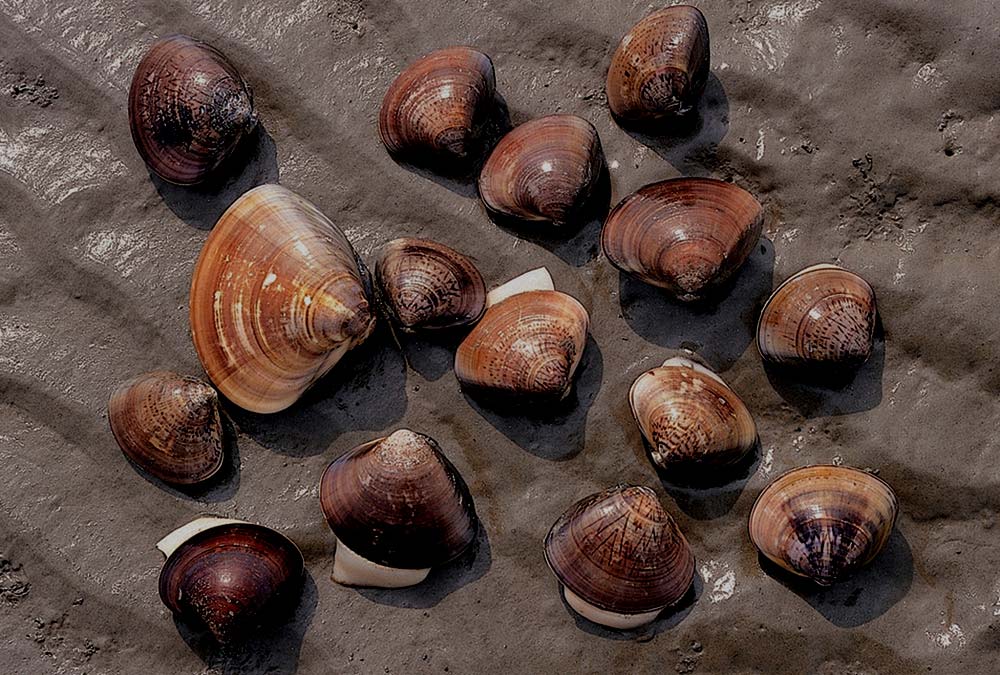
()
.
. '' .
.
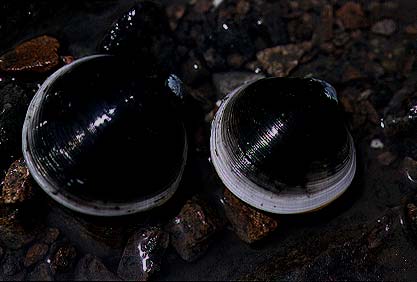
34cm . ·
1015cm . .
34cm, 45cm
. , ''
. .
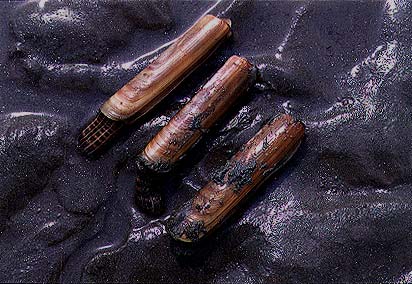
1215cm . ,
'' . .
.
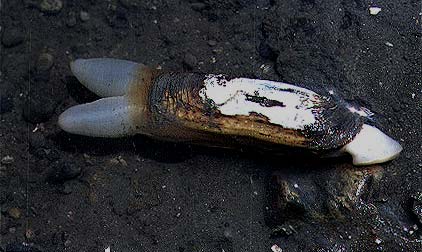
.
. 56cm, 1.5cm.
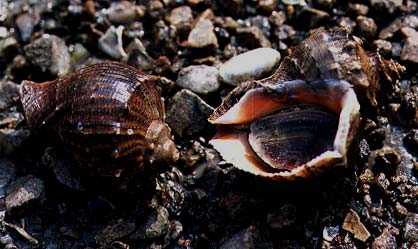
()
. .
.
.
. .
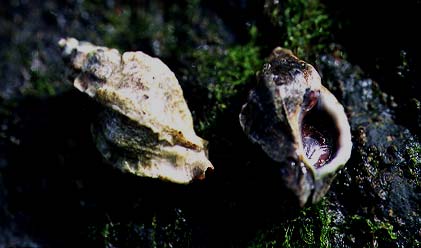
()
. 23cm .
. , , ,
.
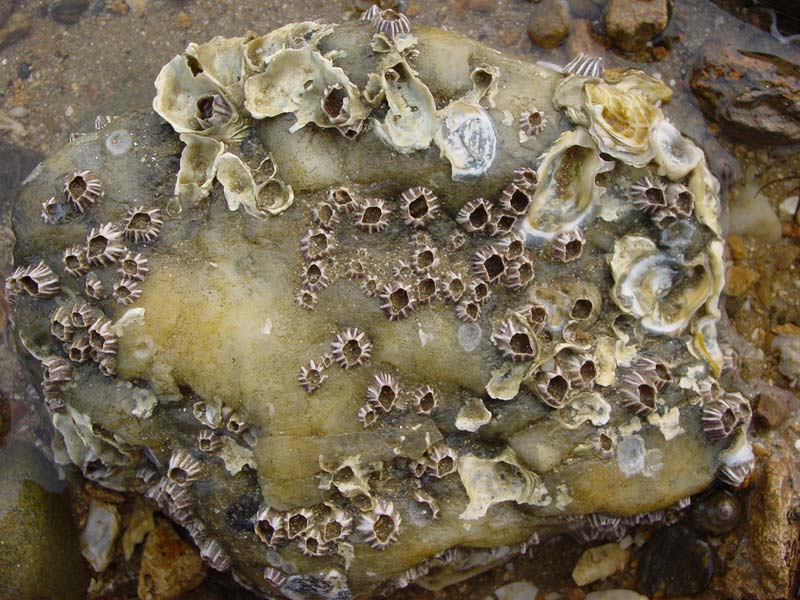
-
, 1cm ,
.
,
.
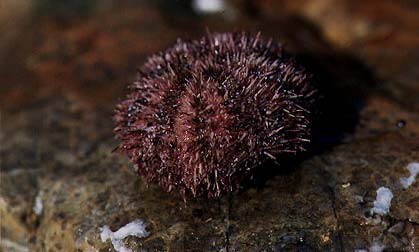
, .
. . .
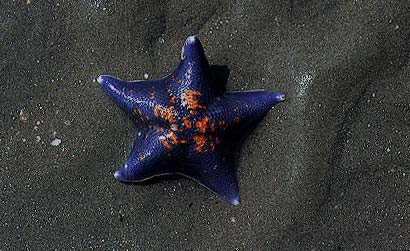
. .
, , , . .
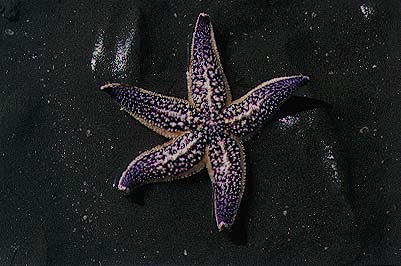
.
. , .
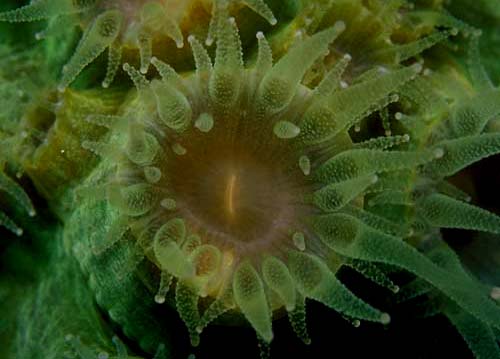
. 3, 4cm
1cm .
.
.
. .
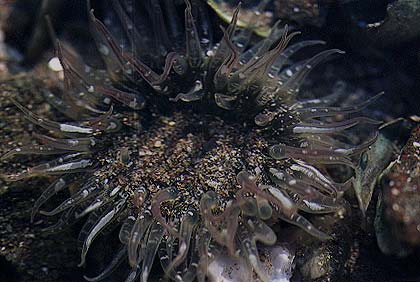
6.5cm, 4.5cm .
.
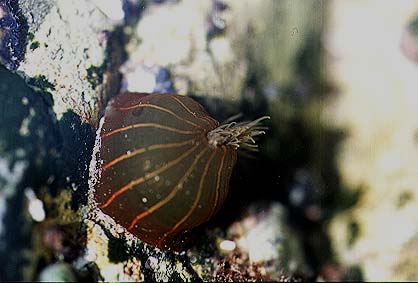
· .
2.5cm, 2cm
.
.
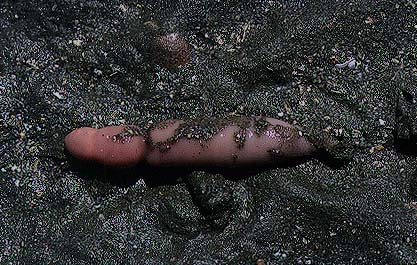
.
1015cm , 24cm
. .
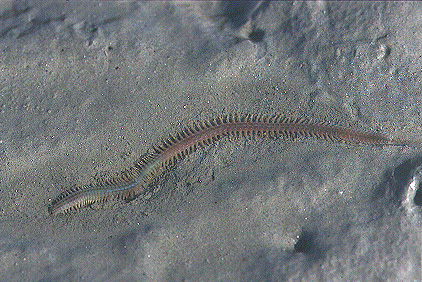
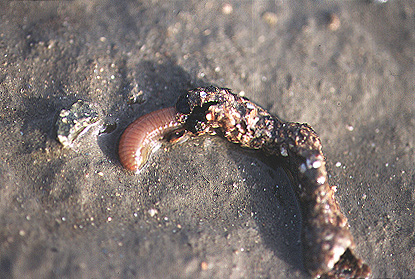
2030cm
.
.
.
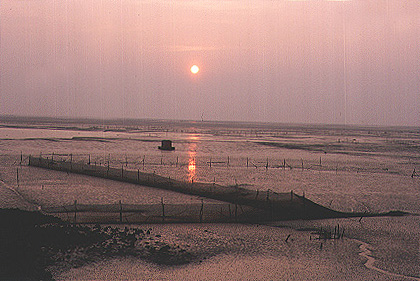
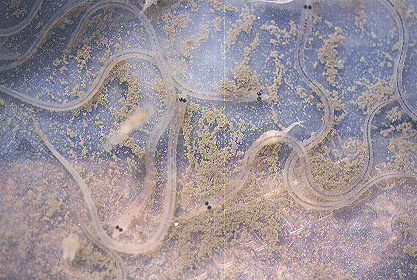
.
3
.
710cm
.
35
.
·
·
·
·
·
·
·
·
·
·
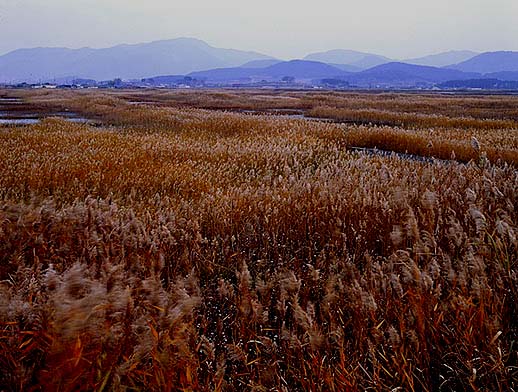
200m .
, 1~3
. 2 20~50, 2~4
. 8~10 .
.
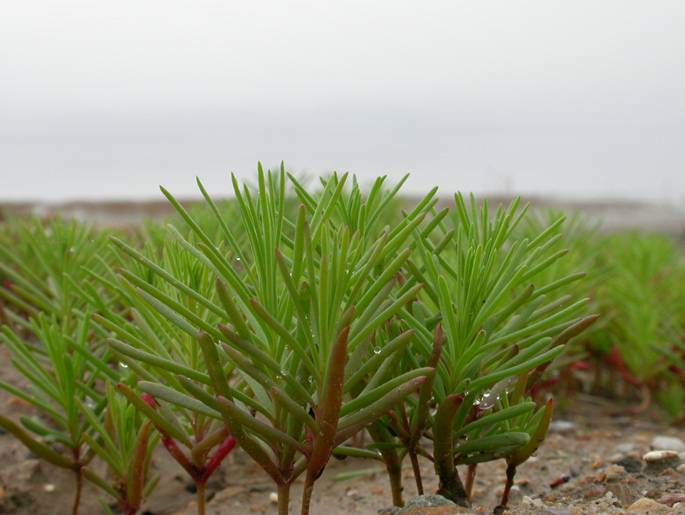
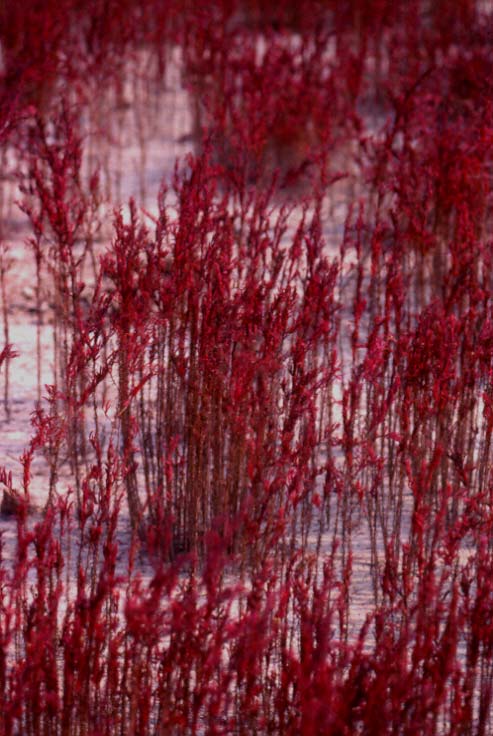
.
1m .
.
.
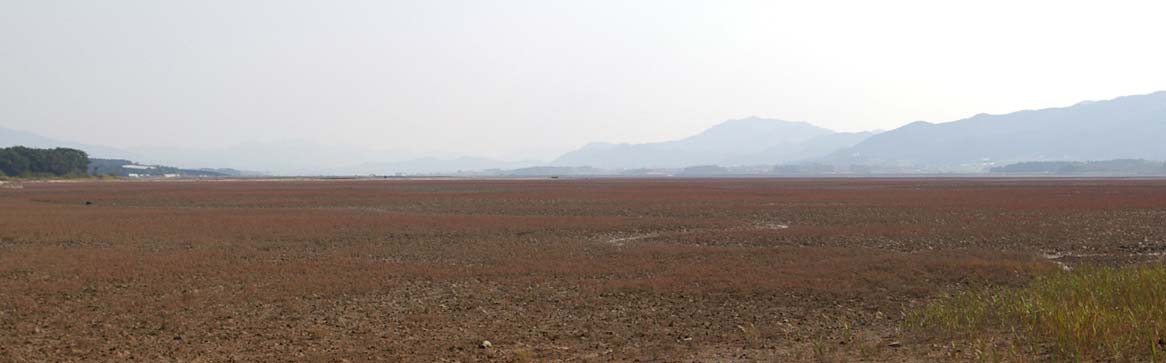
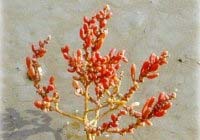
.
.
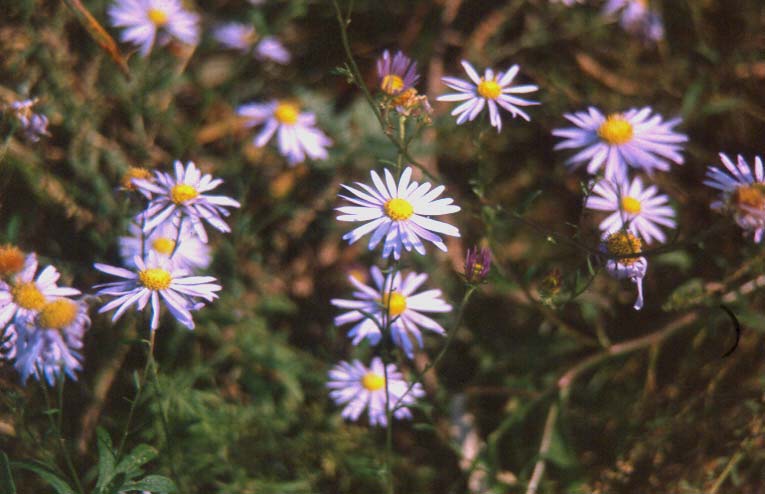
.
. 25100. ,
. 910
, .





. .
. . 68
.
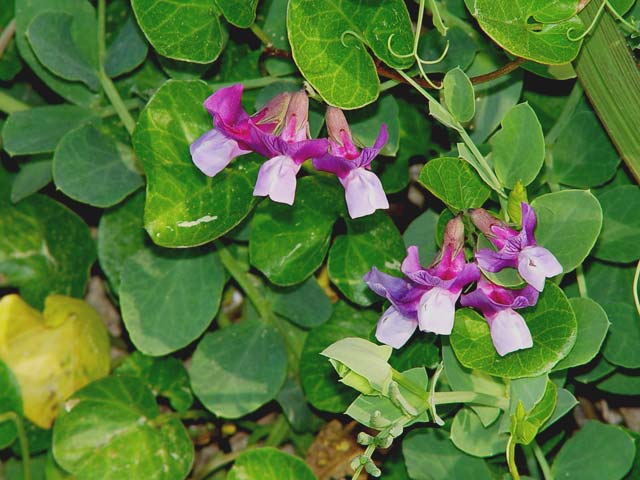
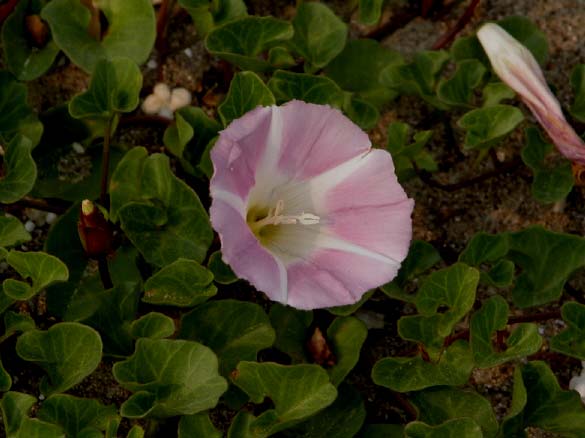
. 5,6















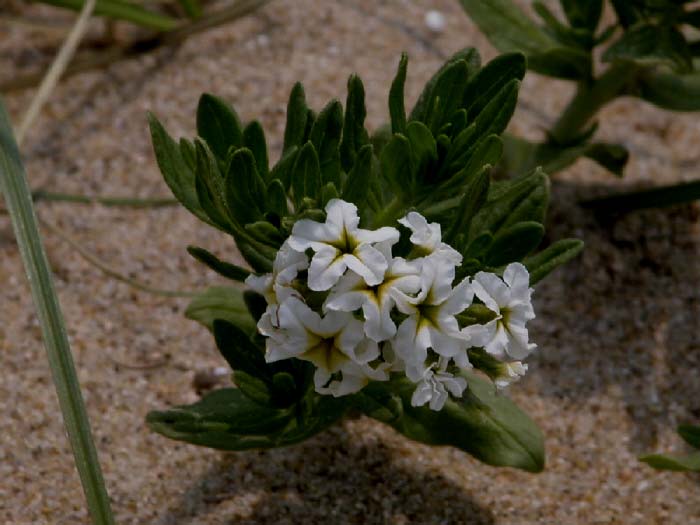
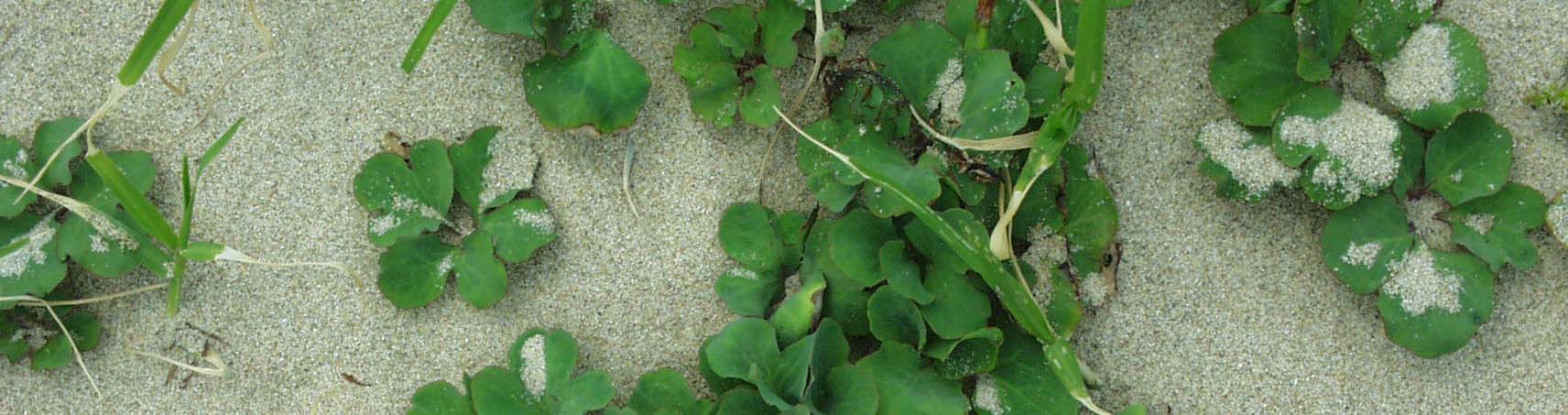
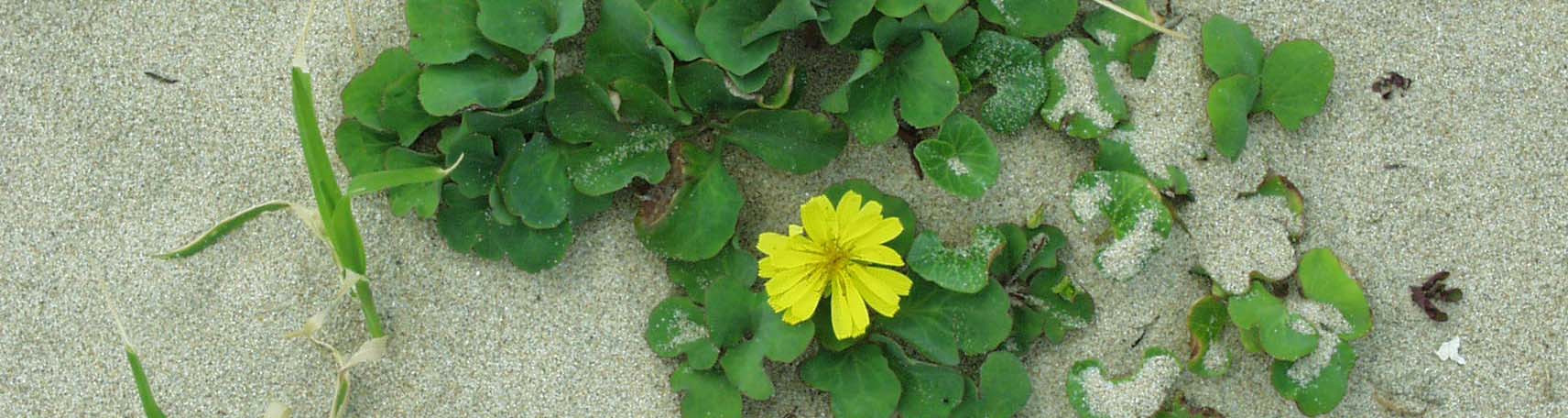
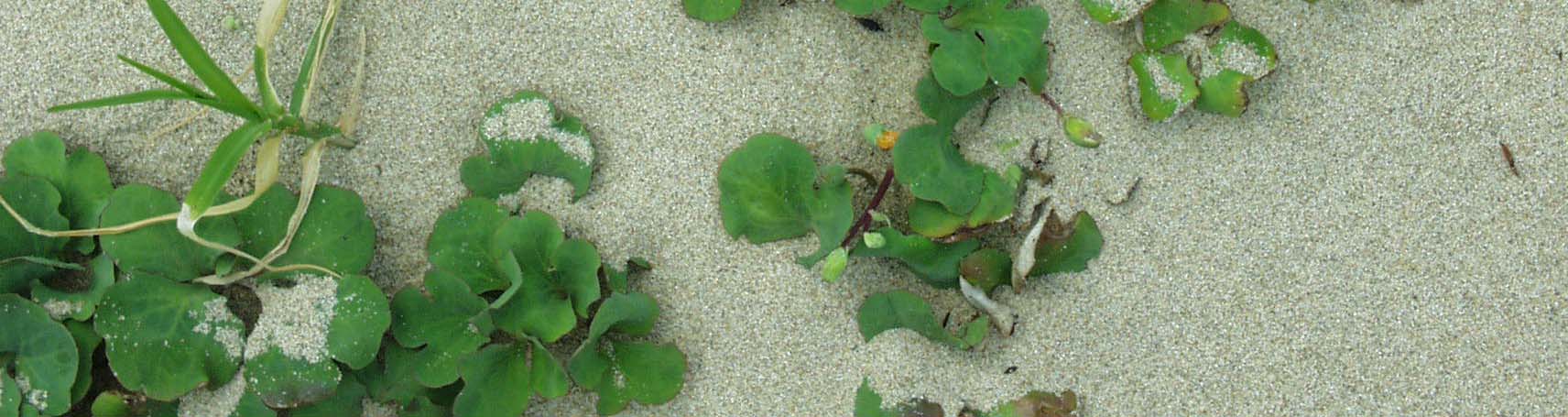
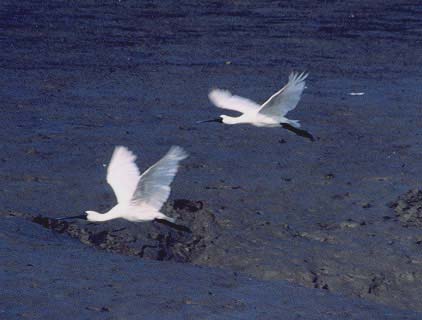
?
1.
.
2.
·· .
3.
.
4.
· .
5.
.
6.
, .
7.
· .
8.
· `' `' `' .
9.
.
10. · .
11. .
12. , .
13. .
14. .
15. .
Annex II
Discussion materials
14
2006 YSLME


INDEX
.
;bio-agent
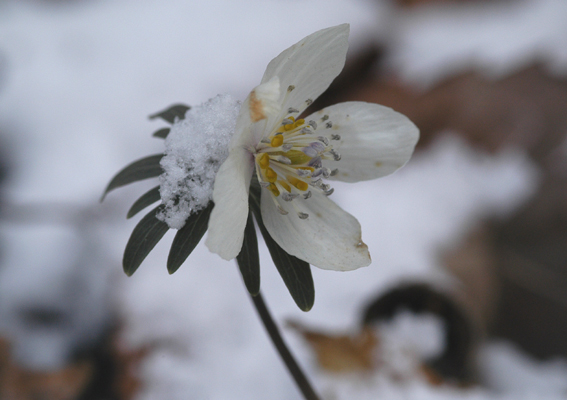
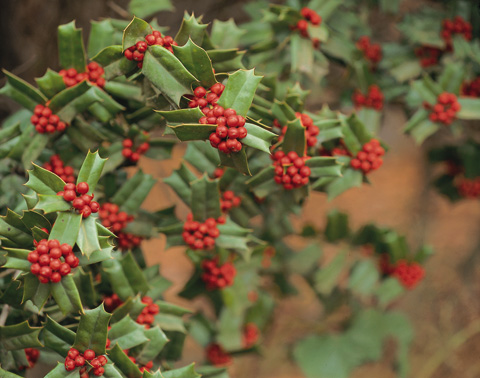
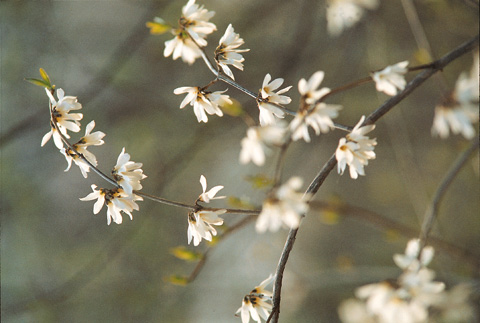
, -
, -
, -
, -
, -
, -
, -
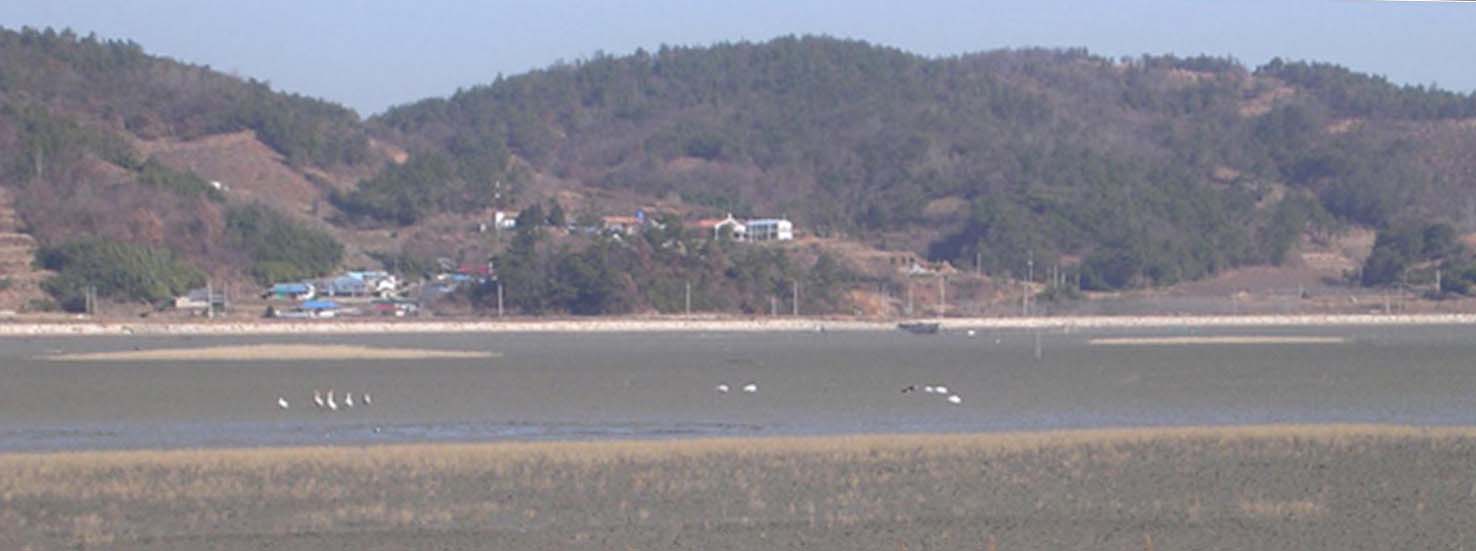
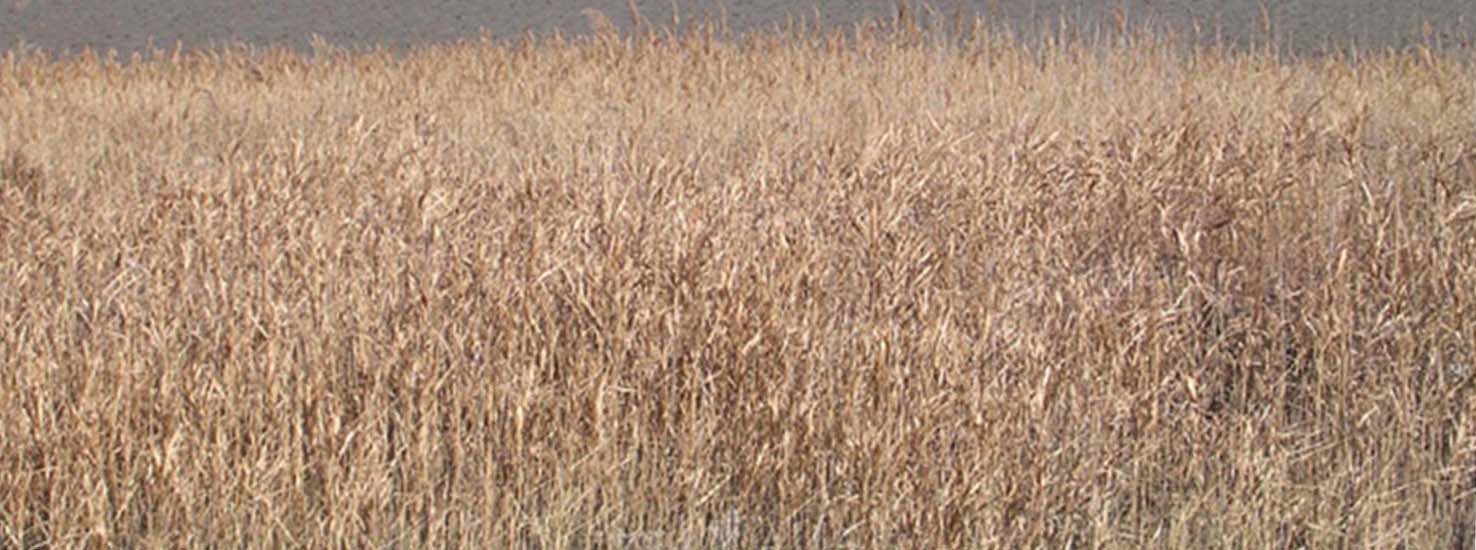
·
(: , %)
2,550.2
100
914.9
36
367.3
14
132.0
5
: 2,107.7
1,019.4
40
( 83%)
:
442.5
118.6
5
( 17%)
-,
, .
,
.
1987 20%
,
2.5% , 5 .
-
(1)
= 39
- =30.6%, =26.2%
-
2,550() , 10
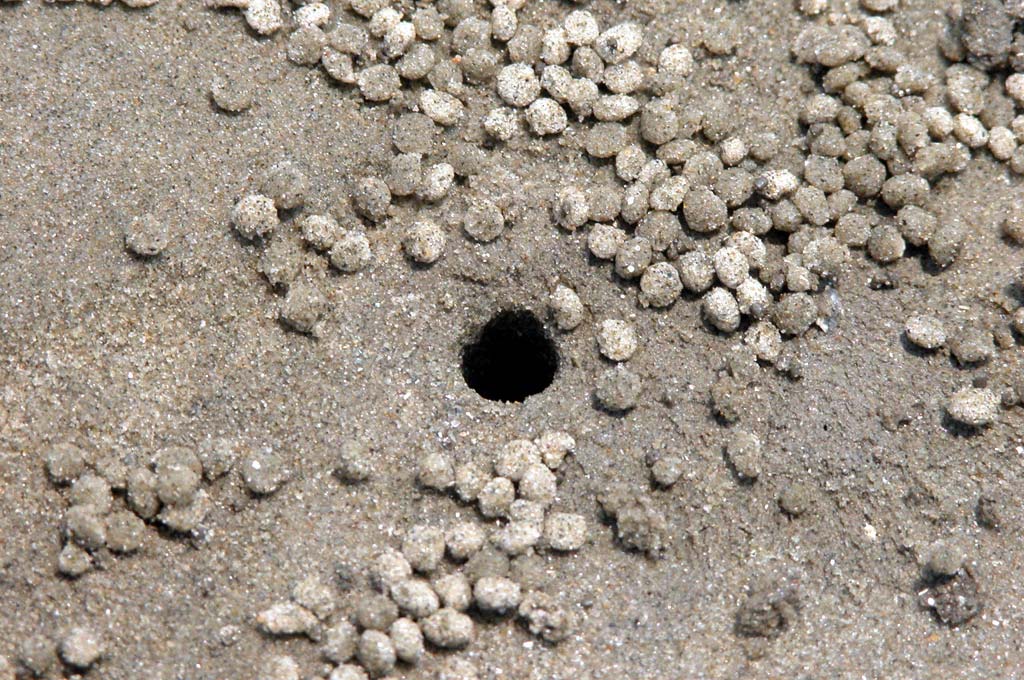
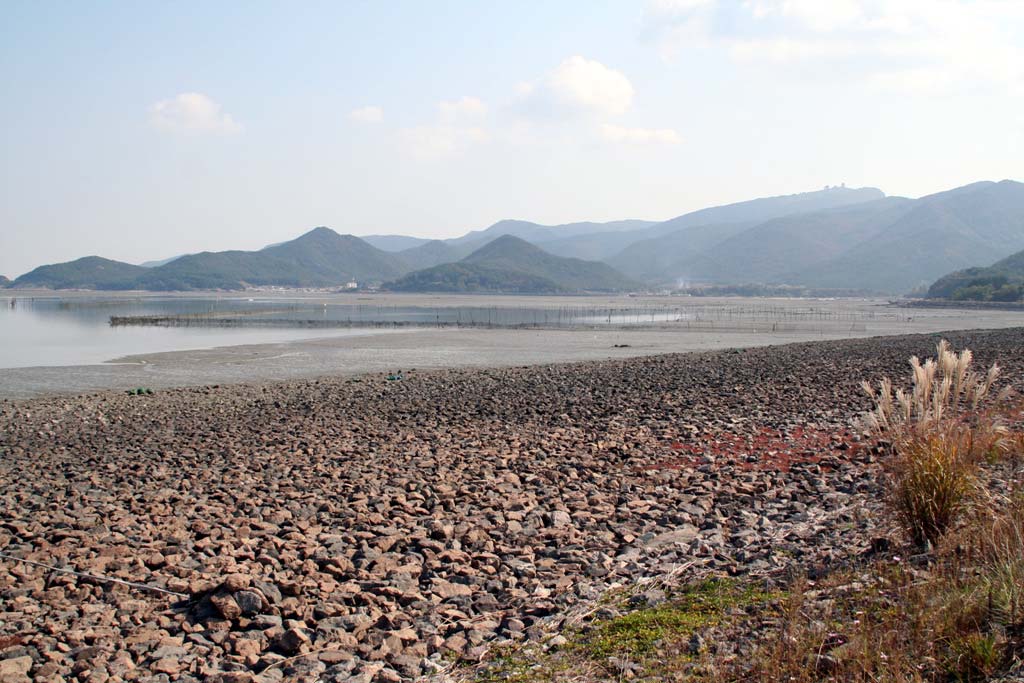
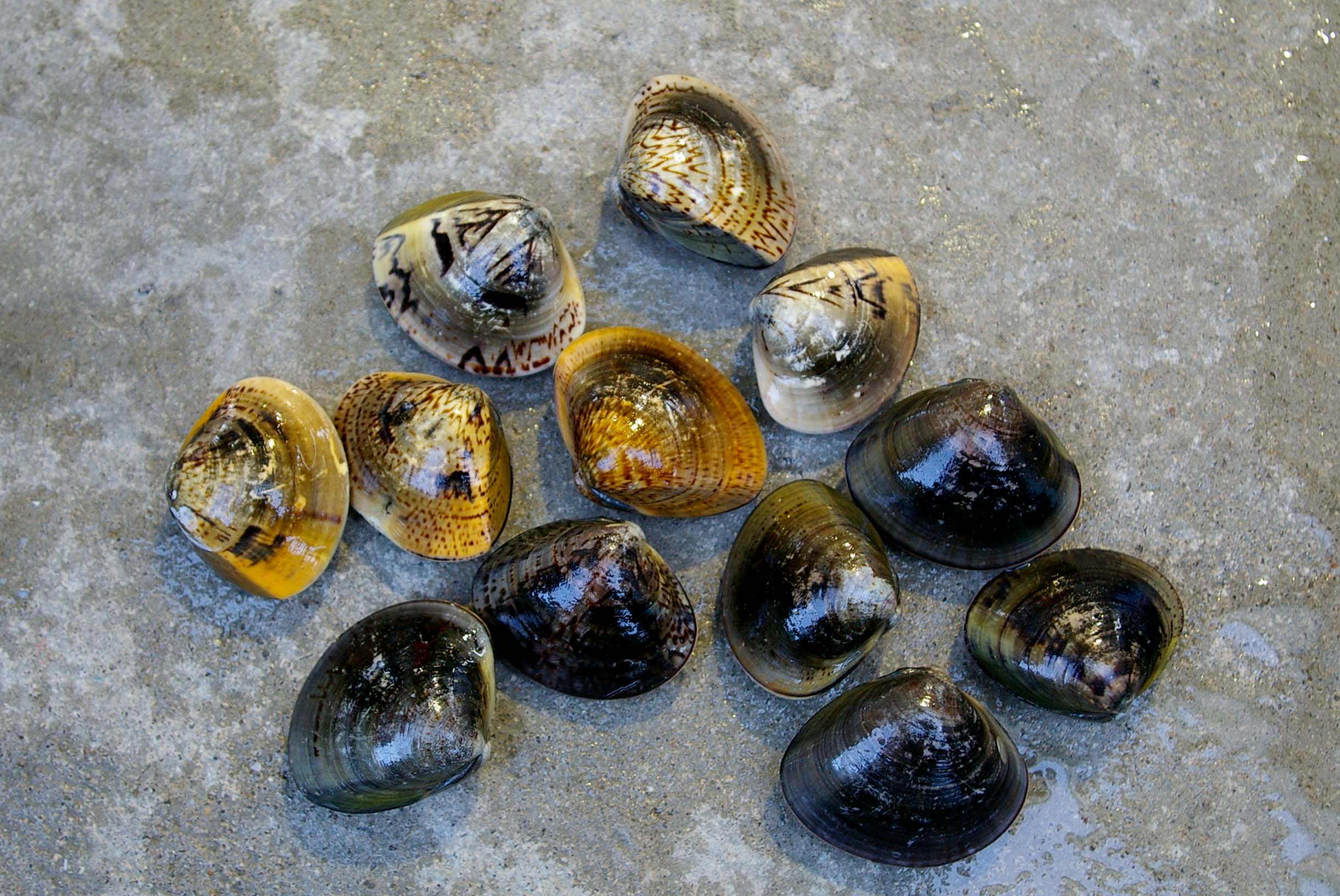
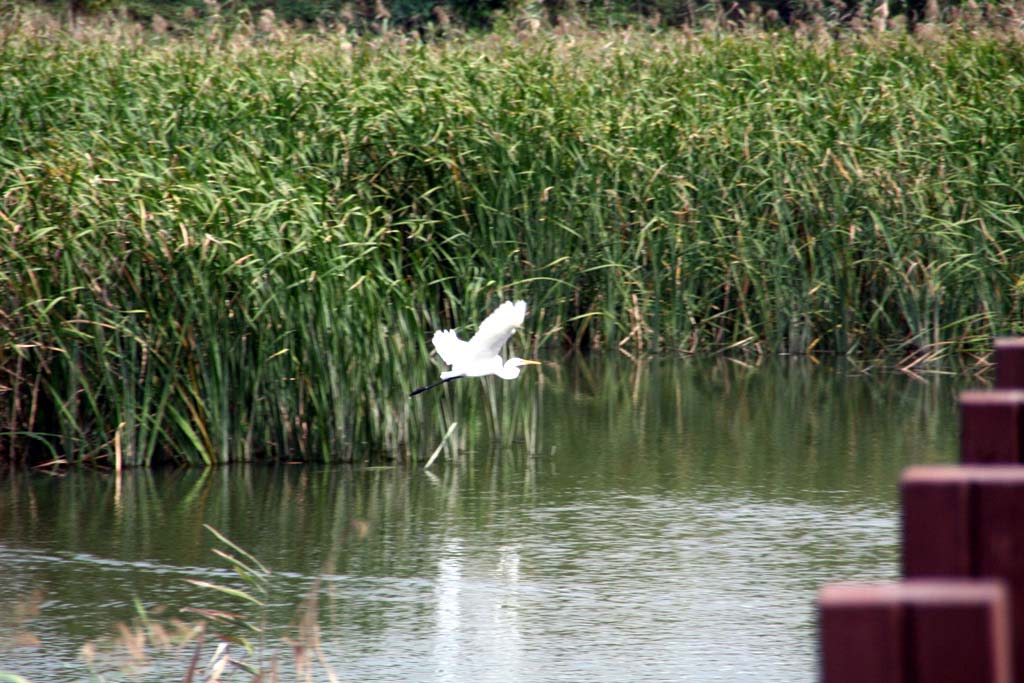
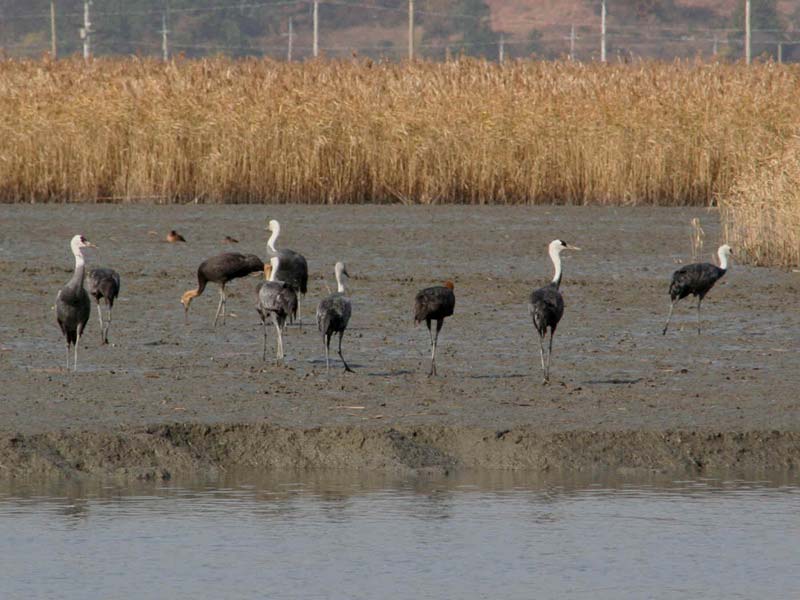
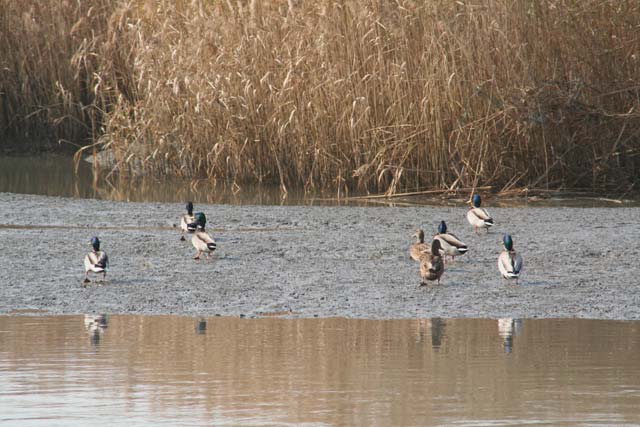
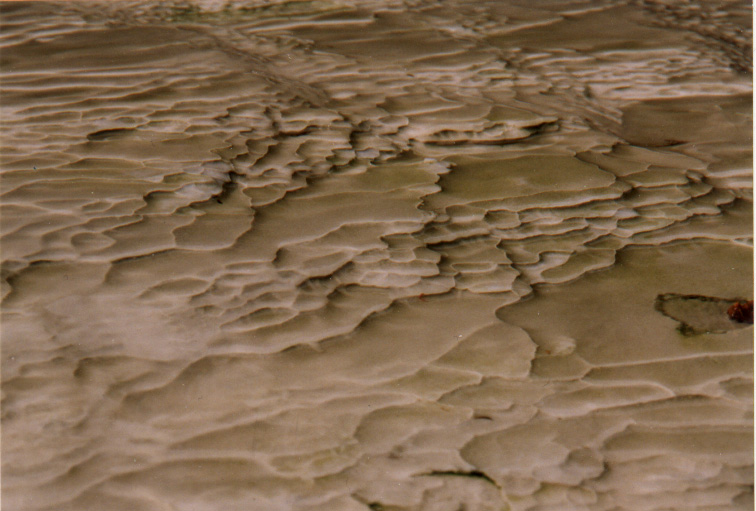

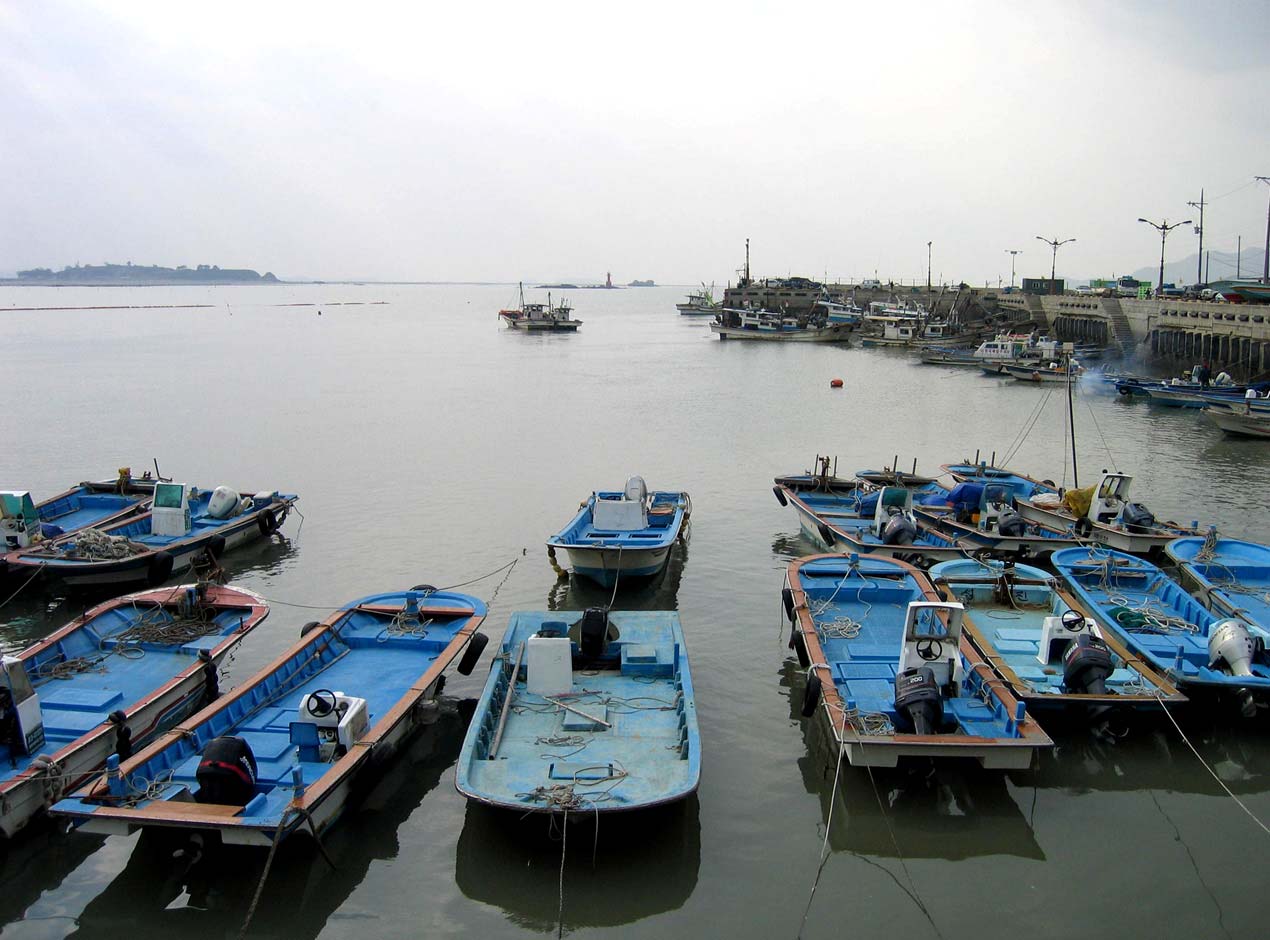
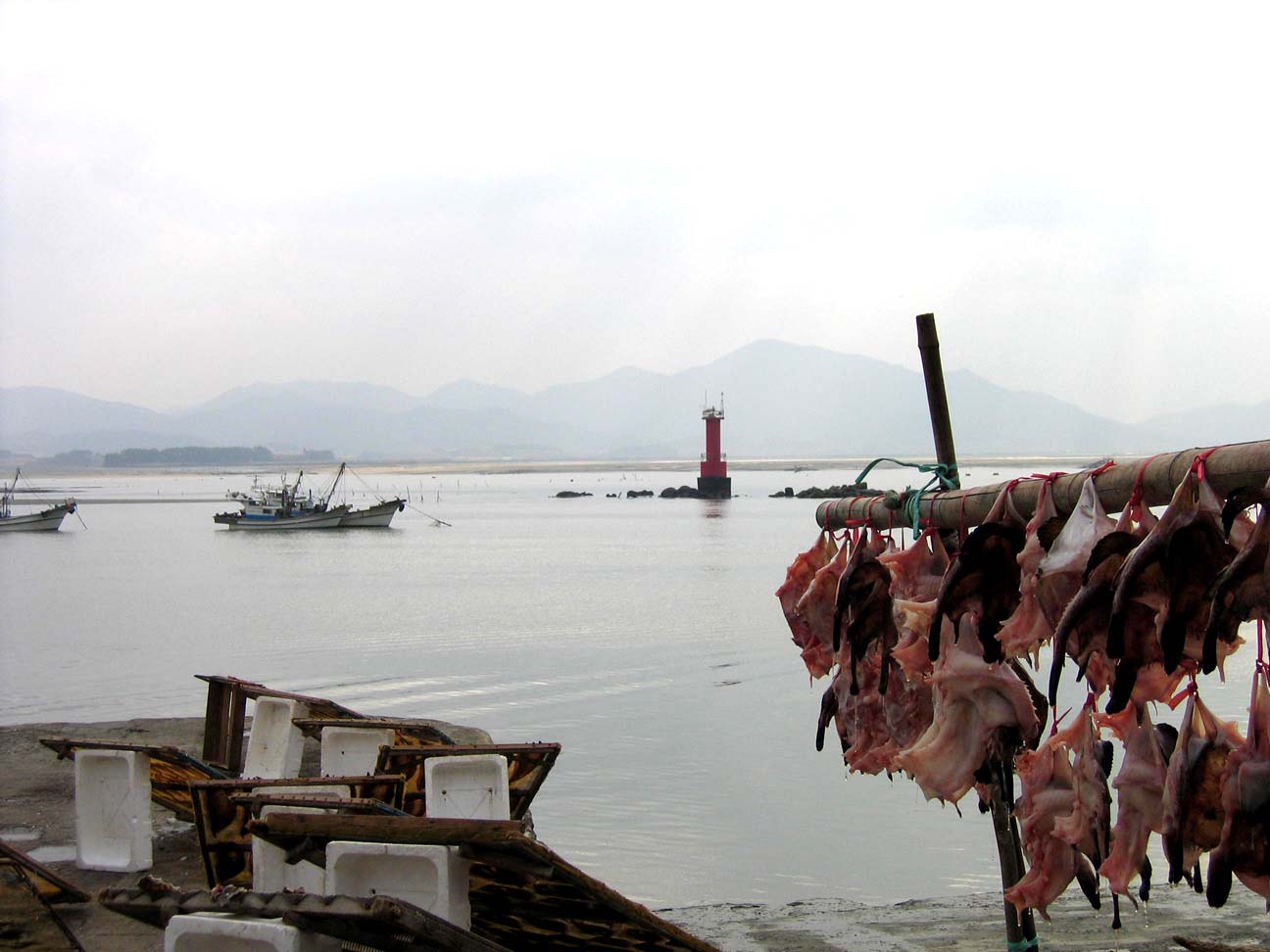
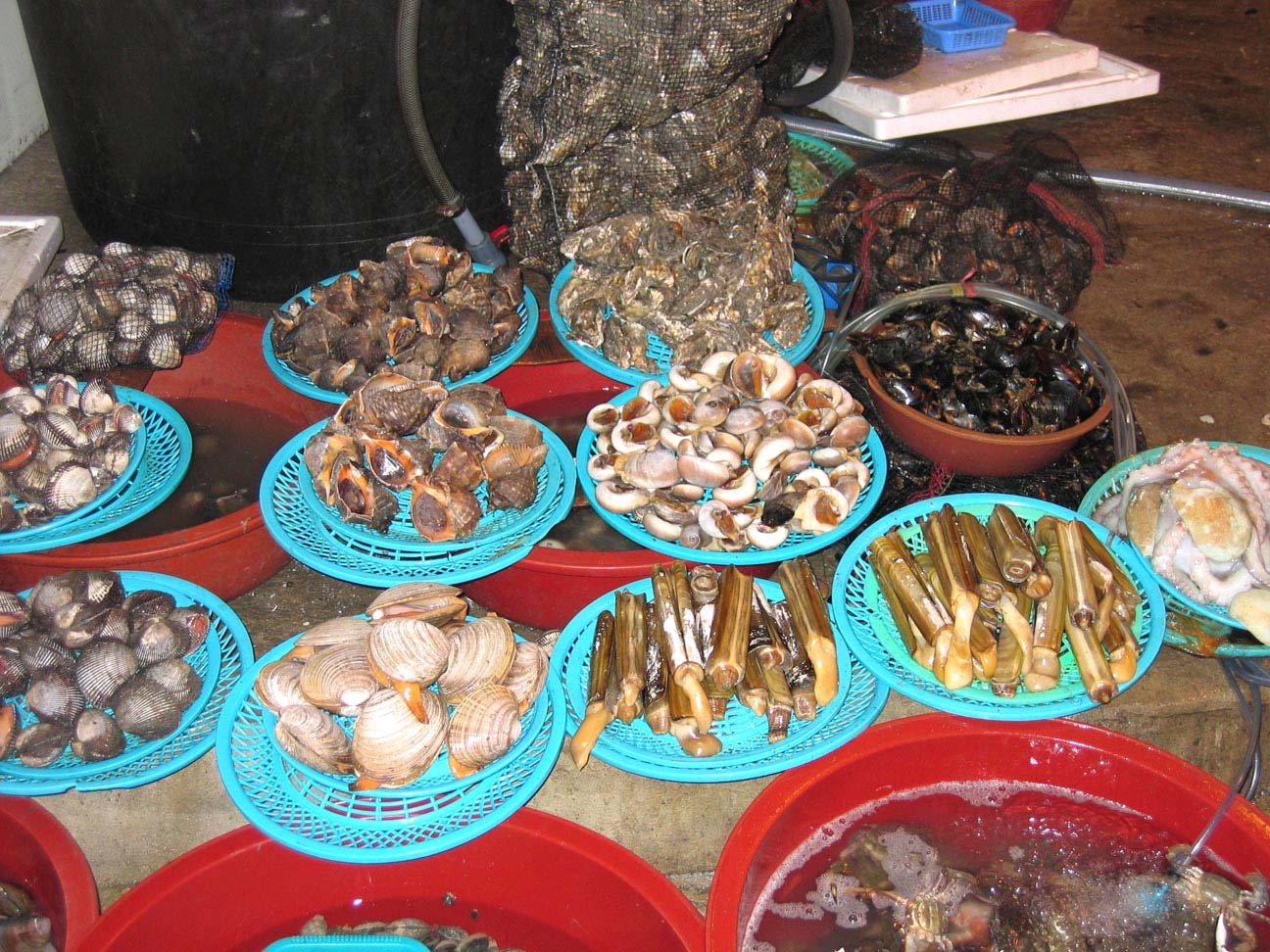
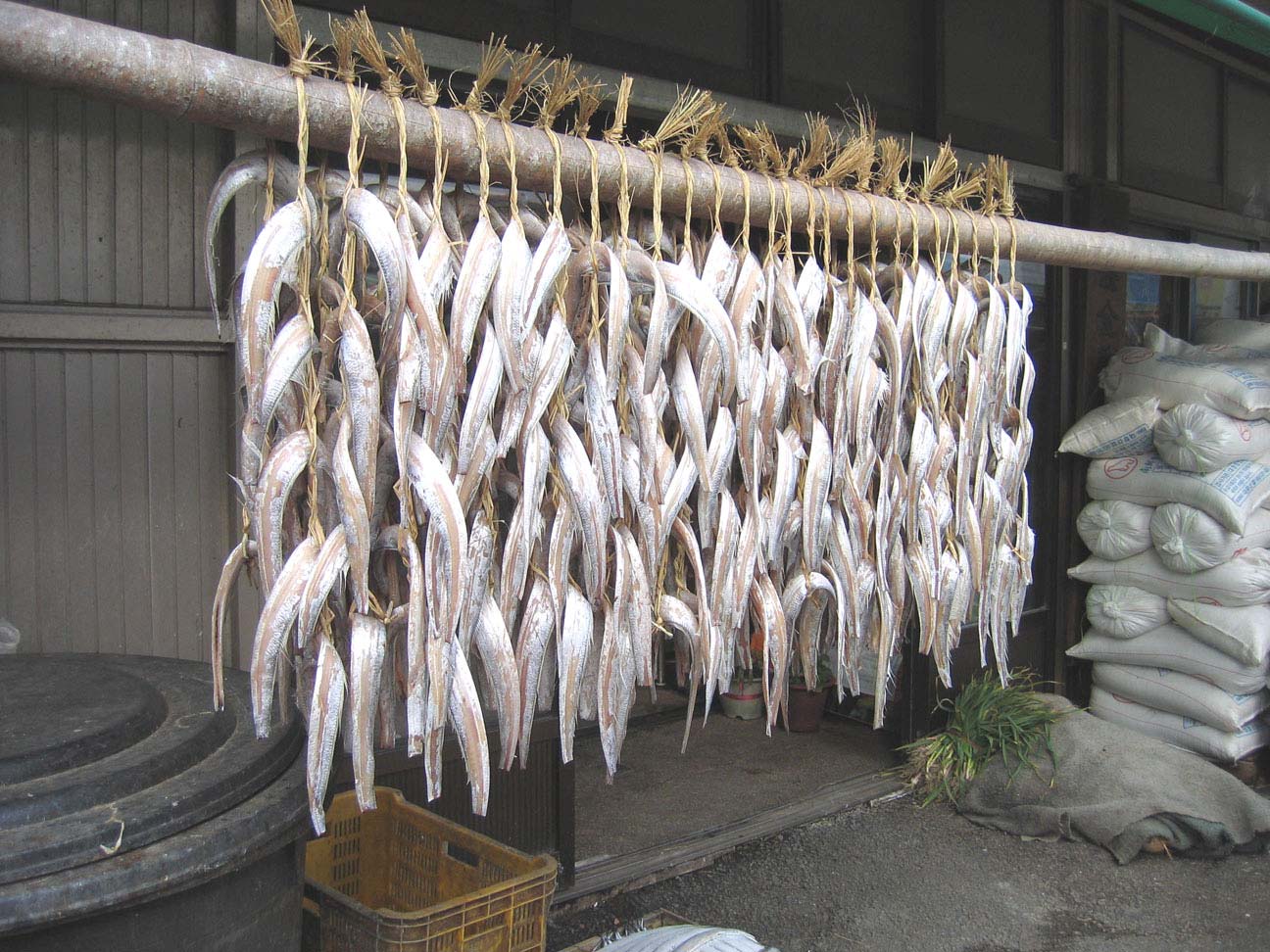
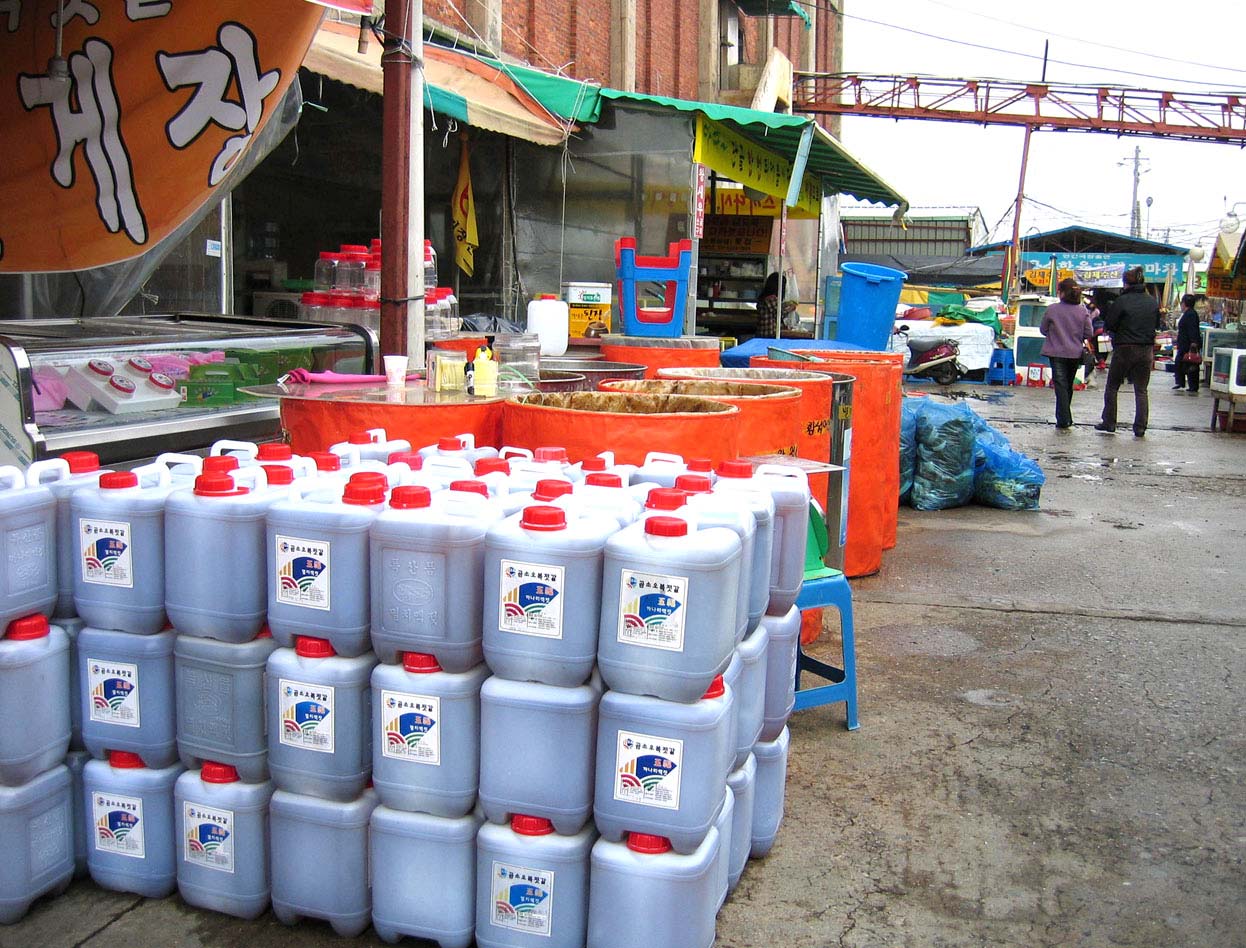
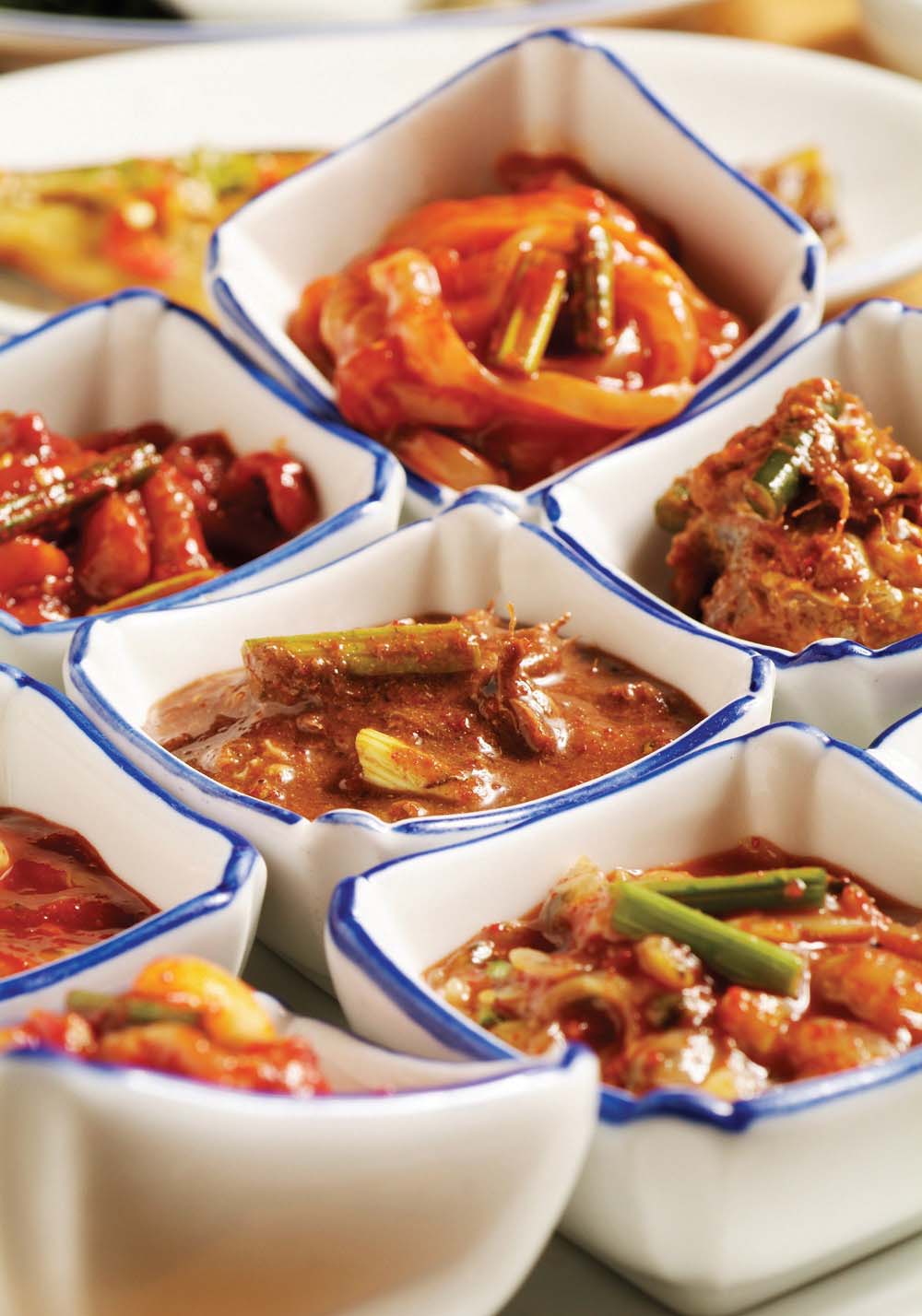
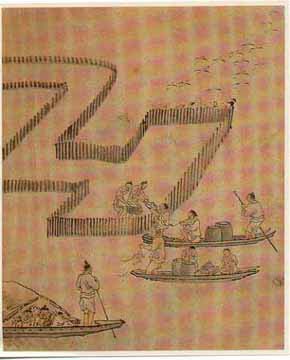
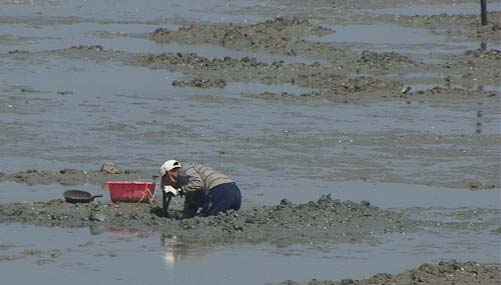
...
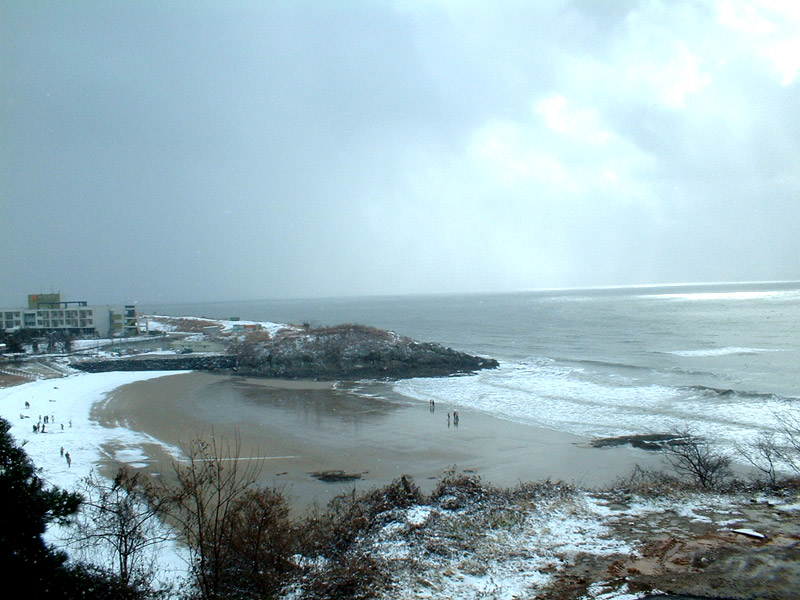
.
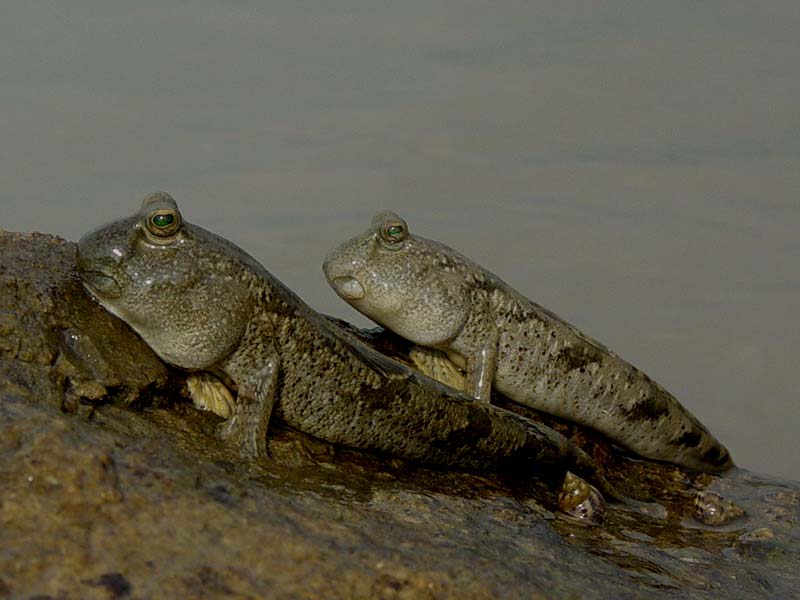
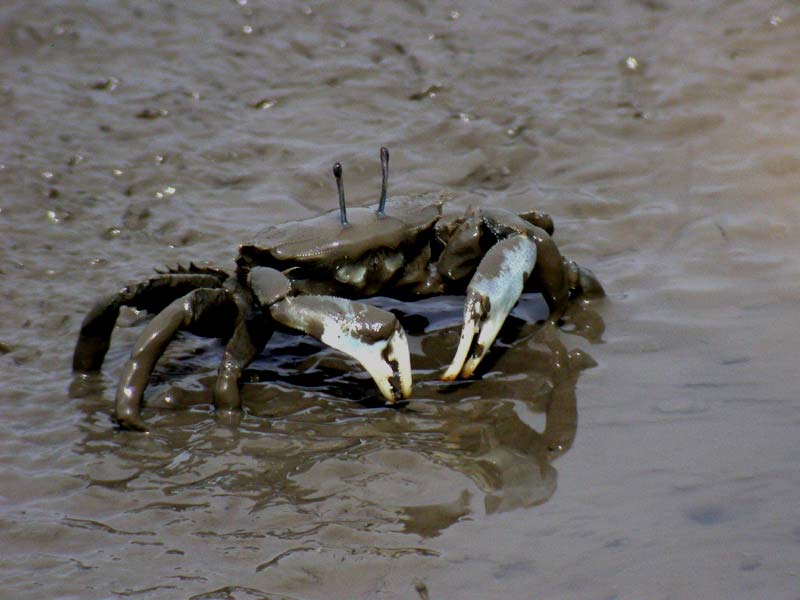

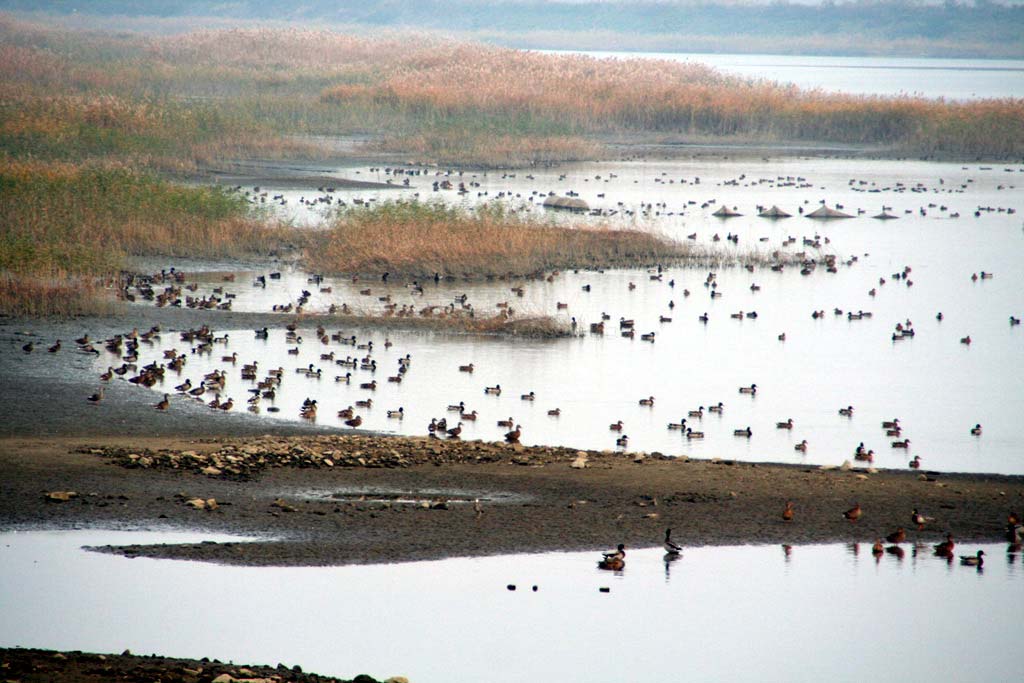
bio-agent
;Bio-agent
(the wild)
1. .
2.
.
3.
.
4.
.
?
1. () .
2. .
3.
.
4.
.
5. :
. SOS .
6.
, .
7. .
.
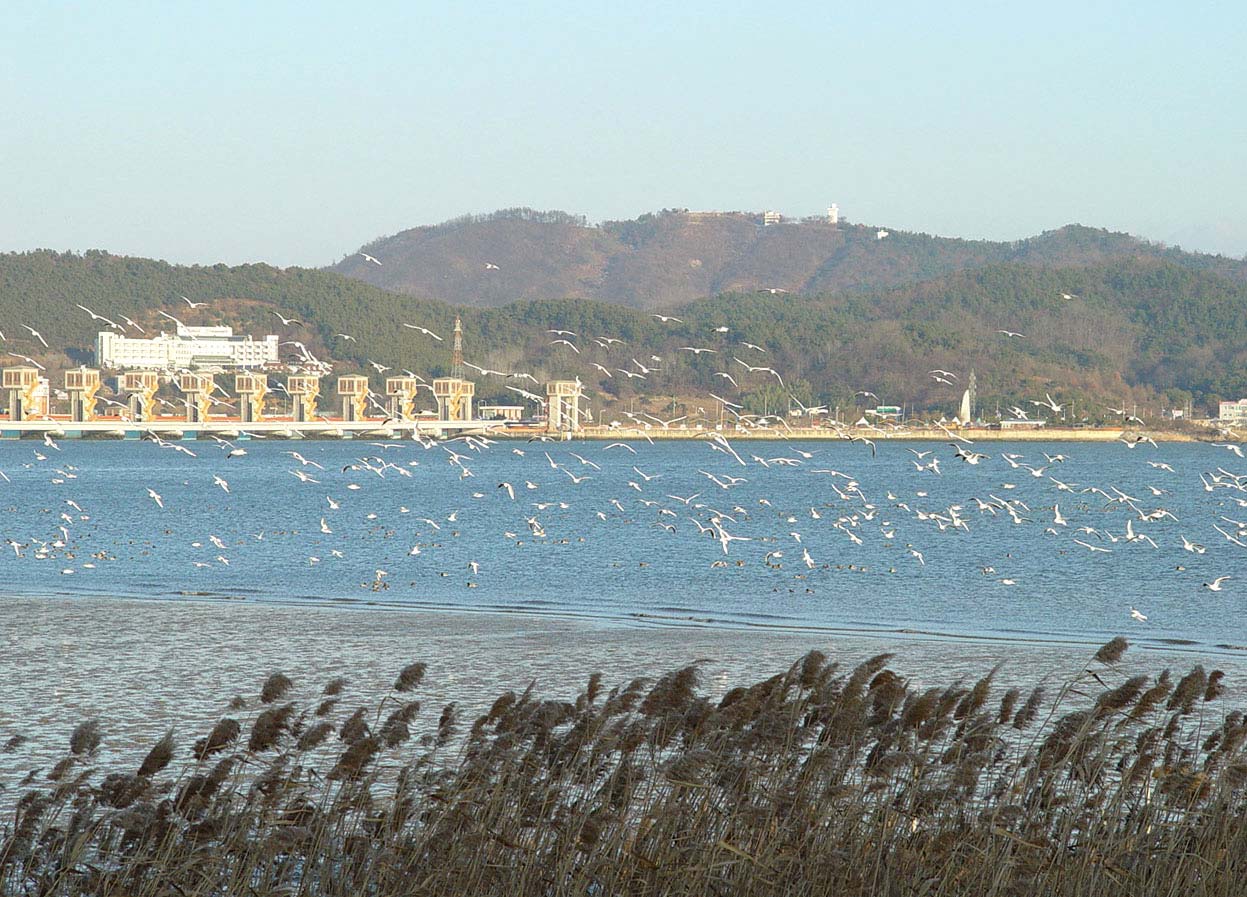
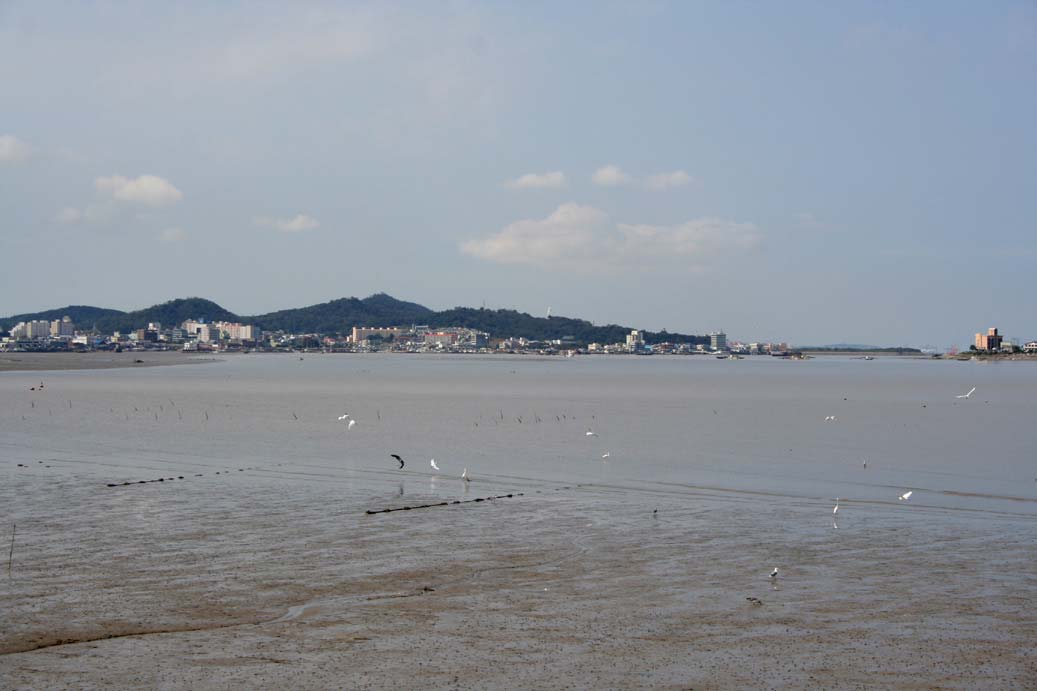
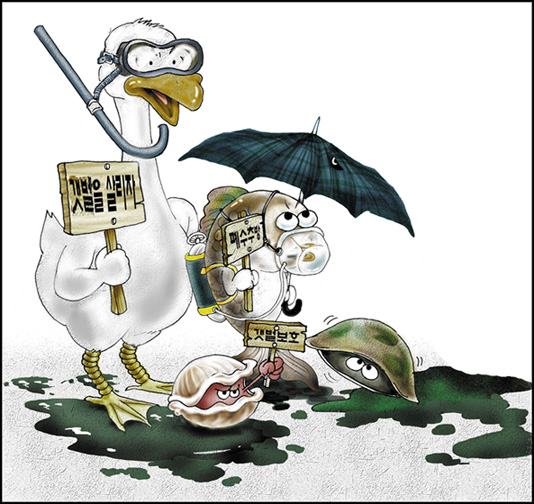
,
281,544ha
83% 233ha .
9 ,
,
,
.
.
,
.
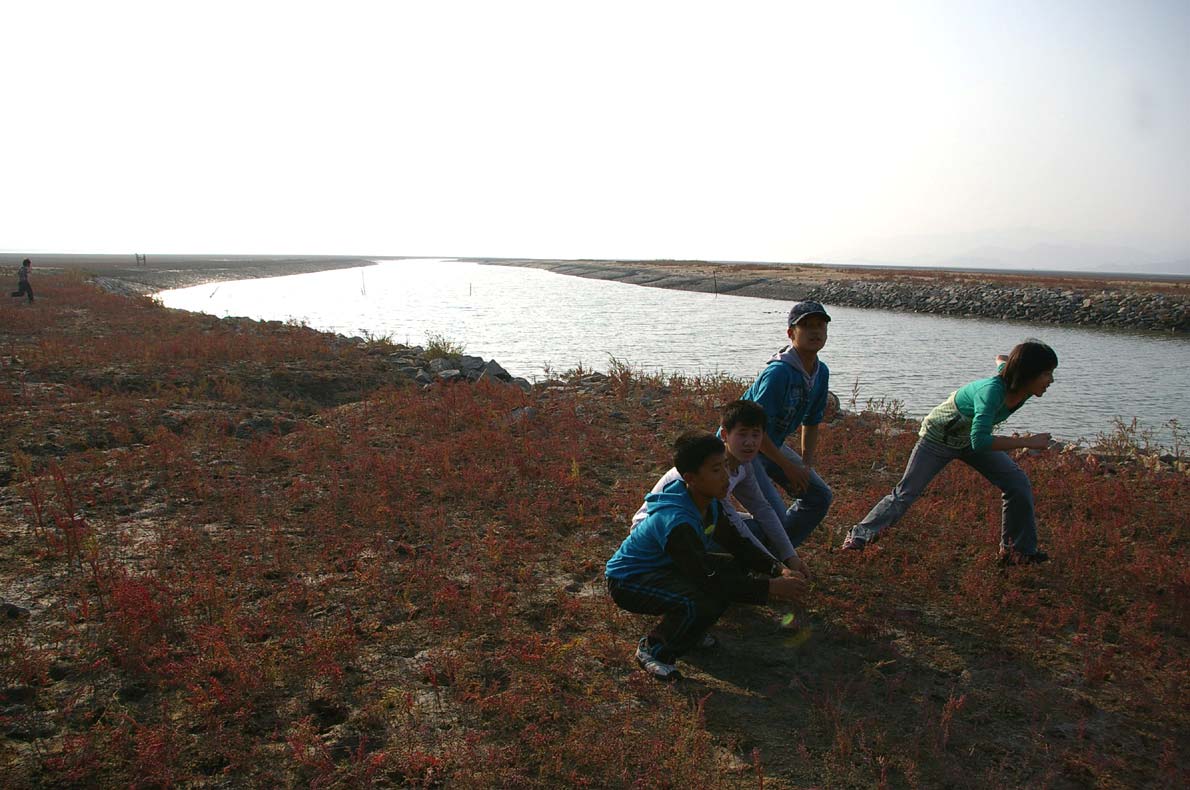
Annex III. Evaluation questionnaire
YSLME /
() ?
?
?
?
?
?
?
?
?
?
?
?
?
?
?
?
() ?
.
- , -
- ,
.
- 12
-
() .
- .
-
15