

BeGLOBALENVIRONMENT current news
F A C I L I T Y
nguela
THE NEWSLETTER OF THE BENGUELA CURRENT LARGE MARINE ECOSYSTEM PROGRAMME
Inside News
July 2004 Issue 2
First moves towards Task team to investigate BCC
3
Ecoystems project wins support of FAO
4-6
Positive sentiments from Namibian industry
7
a Benguela Current Shellfish monitoring programme for the Benguela region 8-9
Last journey of the Humboldt
10-11
International scientists focus on hake
10
Commission
Information sharing and distance learning in the BCLME
12
Guinea Current Large Marine Ecosystem
13
BENEFIT focuses on the future
14
Projects supported by the BCLME Programme
15-18
by Dr Mick O'Toole
Finding practical solutions to bycatch problems
19-21
W
The Agulhas~Somali Current LME
22
ith a total of 11 projects
region to effectively manage the
Public Relations
23
completed and another
BCLME. Other outputs included
Bronze Whaler Sharks
24-26
49 projects in various
the development of the key terms
New studies will assess impacts of marine mining
27
stages of implementation, the
of reference for the planned
BCLME Programme is generating
Advisory Group on Training and
a wealth of information about the
Capacity Building.
Benguela Current Large Marine
Current of Plenty
Training and capacity building
Ecosystem and how the trans-
is a cornerstone of the BCLME
A 25-minute documentary, Current of Plenty, was produced by
boundary management problems
Programme. It underpins virtual y
the BCLME Programme and released on CD this month. Turn to
associated with fishing, mining,
al activities and has been incorpo-
p.23 to find out how to order your copy of Current of Plenty.
oil exploration, coastal develop-
rated into each of the 60 projects
ment, biodiversity and pol ution
that have received support from
may best be managed across the
the BCLME Programme. One of
entire Benguela region.
the key tasks of the Advisory Group
At the same time, the first steps
on Training and Capacity Building
are being taken towards the estab-
wil be to develop a comprehensive
lishment of a Benguela Current
Strategic and Implementation Plan
Commission (BCC).
which wil be formulated at a re-
gional planning workshop to be
In August, a smal team of con-
held in Johannesburg in July. This
sultants wil embark on a project
wil help to ensure that, whenever
to identify the needs and require-
the BCC is formal y established,
ments for establishing a regional
training and capacity building wil be
marine resources commission or
addressed in each of the participating
Intergovernmental Organisation
countries so that transboundary issues
(IGO) for the Benguela region.
may be professional y managed.
The team wil investigate some of
the key legal, management and
On both sides of the BCLME,
economic issues surrounding the
processes are underway to estab-
establishment of the BCC, as wel
lish similar LME programmes. To
as the mandate and functions of
the north of Angola, the Guinea
such an organisation.
Current LME has secured a
US$20 mil ion (R140 mil ion) grant
The training and capacity build-
from the Global Environment Facility
ing component of the BCLME
(GEF) to finance its next phase of
Programme has moved up the
development. And four separate
agenda over the past five months.
programmes under the banner of
A two day consultative meeting
the Aghulas-Somali LMEs have
was held in Namibia in March, dur-
been designed to address the envi-
ing which 50 stakeholders from
ronmental problems that occur in
Angola, Namibia and South Africa
the Western Indian Ocean.
identified priority management
and scientific requirements for the
continued.../2
Claudio Velásquez
1

assessment and environmental
monitoring cruises.
In many ways the BCLME Pro-
gramme has become a showcase
for what may be achieved in Africa
through goodwil and cooperation
between nations. I believe that the
BCLME Programme's constructive
interaction with neighbouring LME
programmes can only strengthen
and enhance the management of
Africa's marine environment.
It gives me great pleasure to cir-
culate, with this 2nd edition of the
BCLME Programme newsletter,
The Fisheries Economics Research Unit at the University of British Columbia (UBC) is leading a team of
local and international researchers in an endeavour to determine the optimal way of sharing the hake
a copy of a 25 minute documen-
total allowable catch (TAC) between the trawl and longline fisheries in Namibia and South Africa.
tary film produced off the coasts
of Angola, Namibia and South
Pictured at the signing of the contract between UBC and the BCLME Programme are Dr Hashali
Africa. The documentary, which
Hamukuaya, director of the Activity Centre for Marine Living Resources, Dr Mick O'Toole, chief tech-
was produced on behalf of the
nical advisor, Professor Rashid Sumaila of the University of British Columbia and Kevin Stephanus
of the University of Namibia.
BCLME Programme by Francois
Odendaal Productions, provides
The issues that face the LME
LMEs. Furthermore, the BCLME
a vivid reminder of the biological
1/...continued
programmes on both sides of the
Programme has been interacting
treasures that are supported by
BCLME differ substantial y, but the
with the Guinea Current Large
the chil waters of the Benguela. It
BCLME Programme is wel placed
Marine Ecosystem (GCLME). The
highlights the importance of work-
to contribute to each of these proc-
BCLME Programme has provided
ing together to deal with the envi-
esses. Indeed, representatives of
funding for representatives from
ronmental problems that threaten
the BCLME Programme played
the GCLME to attend meetings
the integrity of this unique and
a constructive role in a meeting
of the BCLME Programme and
fascinating ecosystem.
that was held in May to discuss
a number of their scientists have
progress with the Agulhas-Somali
BCLME Chief Technical Advisor
taken part in transboundary stock
(Programme Coordinator)
Primeiros passos para a criação de uma
Comissão para a Corrente de Benguela
Em Agosto, uma pequena equipa
qual 50 parceiros interessados de
Por Dr. Mick O'Toole
de consultores embarcou num
Angola, Namíbia e África do Sul
Com um total de 11 projectos ter-
projecto para identificar as neces-
identificaram as prioridades de
minados e de outros 49 em vários
sidades e requisitos para a criação
gestão e as necessidades e req-
estágios de implementação, o
de uma comissão regional para
uisitos científicos para que a região
Programa BCLME está a produzir
os recursos marinhos ou uma
gira eficazmente o BCLME. Outros
informação muito preciosa àcerca
Organização Intergovernmental
outputs incluiram a elaboração dos
do Grande Ecossistema Marinho da
(IGO) para a região de Benguela.
termos de referência cruciais para o
Currente de Benguela e como pod-
A equipa investigará algumas
Grupo Consultivo de Planeamento
erão ser melhor geridos os prob-
questões-chave sobre aspectos
sobre Criação de Capacidade e
lemas transfronteiriços de gestão
de ordem legal, económica e de
Formação.
associados à pesca, exploração
gestão que se relacionem com a
mineira, exploração petrolífera,
criação da BCC assim como com o
A formação e a criação de capaci-
desenvolvimento litoral, biodiversi-
mandato e as funções de uma tal
dade humana é uma pedra basi-
dade e poluição em toda a região
organização.
lar do Programa BCLME. Isto
de Benguela.
está virtualmente subjacente
A componente de formação e de
em todas as actividades e foi
Ao mesmo tempo, estão a ser
criação de capacidade humana do
incorporado em cada um dos 60
dados os primeiros passos para se
Programa BCLME subiu nos cinco
projectos que receberam o apoio
criar uma Comissão para a Corrente
Bengu
meses passados. Uma reunião
do Programa BCLME. Uma das
de Benguela (BCC).
consultiva de dois dias foi realizada
tarefas-chave do Grupo Consultivo
na Namíbia em Março, durante a
de Planeamento sobre Criação
curr e
ent l
n a
ews
2


Be
B n
e g
n u
gcurre
ent l
n a
curr e
ent new
e s
w
Task team to investigate BCC
Former Norwegian fisheries minister, Svein Munkejord, is part of a smal task team which
wil conduct an investigation into whether there is a need to establish an intergovernmental
organisation, or regional marine resources commission, for the Benguela region.
Mr Munkejord, a senior advisor
undertakings by member states
The team is also tasked with
in the Norwegian Directorate of
of the United Nations' Food and
identifying whether a regional
Fisheries, has worked periodical y
Agriculture Organisation (FAO).
legal framework a convention
as an advisor to the South African
would be a necessary first step
Department of Environmental
"We wil be looking at SEAFO and
in the establishment of a per-
Affairs and Tourism since 1996.
asking how the proposed Benguela
manent commission. They will
Current Commission would fit in.
assess what the value of a com-
He explains that the study wil be
And, if there is a case for the joint
mission would be, both economi-
aimed at assessing the merits of
management of fisheries, could it
cally and in terms of contributing
establishing a regional fisheries
take place through SEAFO?" He asks.
to the effective management of
management organisation such as
fisheries in the Benguela region.
a Benguela Current Commission
The cooperative management of
(BCC).
shared fish stocks is likely to be
Mr Munkejord says that the team
Svein Munkejord
a key issue for the proposed
has been asked to provide a
Initial investigations have shown
Benguela Current Commission,
number of models for a commis-
that there are already a range of
says Mr Munkejord. Therefore,
sion and to outline the coordina-
regional fisheries management
the teams' investigation will be
tion and implementation of each
organisations in place in the
focused on identifying the stocks
model. They will also estimate
Benguela region. These include
that are shared by two or more
the costs of establishing a com-
the Southeast Atlantic Fisheries
countries in the Benguela region,
mission and suggest ways in
Organisation (SEAFO), the
and debating whether coopera-
which it could be financed over
International Commission for the
tive management would help to
a medium- to long-term period.
Conservation of Atlantic Tunas
improve the management of
(ICCAT), and a number of voluntary
those stocks.
de Capacidade e Formação será
As questões e problemas que os
conseguido em África com boa-von-
desenvolver um Plano Estratégico
programas dos LMEs enfrentam
tade e cooperação entre as nações.
e de Implementação detalhado que
em ambos os lados do BCLME
Eu acredito que a interação constru-
seja formulado num workshop de
diferem substancialmente, mas o
tiva do Programa BCLME com os
planeamento regional a ter lugar em
Programa BCLME está bem posi-
programas de LMEs vizinhos pode
Joanesburgo em Julho. Isto ajudará
cionado para contribuir para cada
somente reforçar e realçar a gestão
a assegurar que, quando o BCC for
um desses processos. De facto,
do ambiente marinho de África.
criado formalmente, a criação de
os representantes do Programa
capacidade e a formação em cada
BCLME jogaram um papel con-
É com imenso prazer que ponho
um dos países participantes sejam
strutivo numa reunião consultativa
a circular esta segunda edição do
tratadas de tal forma que permitam
de especialistas que foi realizada
boletim de notícias do Programa
que as questões transfronteiriças
em Maio para discutir o progresso
BCLME, uma cópia de um filme
sejam geridas com profissionalismo.
com o LME das Agulhas-Somália.
documental de 25 minutos
Além disso, o Programa BCLME
produzido ao largo das costas de
Em ambos os lados do Grande
tem interagido com o Grande
Angola, Namíbia e África do Sul. O
Ecossistema Marinho da Currente
Ecossistema Marinho da Corrente
documentário, que foi produzido em
de Benguela, os processos estão
da Guiné (GCLME), particularmente
nome do Programa BCLME pela
a caminho de criar programas
no contexto da abordagem de prob-
Francois Odendaal Productions,
semelhantes de LMEs. A norte
lemas compartilhados nas águas
apresenta imagens estonteantes
de Angola, o LME da Corrente da
Angolanas sobre as pescarias e
das interações entre plantas, ani-
Guiné assegurou uma concessão
questões ambientais. O Programa
mais e seres humanos no Grande
de US$ 20 milhões (R140 milhões)
BCLME forneceu também finan-
Ecossistema Marinho da Currente
da Global Environmental Facility
ciamento para representantes do
de Benguela. Isto proporciona-nos
(GEF) para financiar a sua fase de
GCLME assistirem às reuniões con-
uma chamada de atenção muito
desenvolvimento seguinte. E qua-
sultivas do Programa BCLME e tem
forte sobre os tesouros biológicos
tro programas separados sob a ban-
convidado alguns dos seus cientis-
que são suportados pelas águas
deira do LME das Agulhas-Somália
tas para participarem em cruzeiros
frias de Benguela, e destaca a
foram projectados para tratar dos
de avaliação de stocks transfronteir-
importância de se trabalhar em
problemas ambientais que ocorrem
iços e monitoração ambiental.
conjunto para cuidar dos problemas
no Oceano Índico ocidental, desde
ambientais que ameaçam a integri-
a fronteira sul africana do BCLME
Em muitos aspectos o Programa
dade deste fascinante e único ecos-
até aos recifes de corais do Quénia
BCLME transformou-se numa
sistema.
e das Seicheles.
"demonstração" do que pode ser
3


O Projecto sobre Ecosysistemas
obtém Apoio da FAO
Será possível apresentar um sistema mais holístico de
gestão pesqueira para o Grande Ecossistema Marinho da
Corrente de Benguela?
Esta é a pergunta que está a ser
(2002), a Declaração de Reykjavik
alvo, ou a protecção de espécies
feita por uma equipa de peritos
sobre Pescarias Responsáveis no
individuais.
regionais e internacionais que
Ecossistema Marinho (2001) e
investigam a viabilidade de imple-
a Declaração de Kyoto de 1995.
O Dr. Cochrane chama a este
mentação de um conceito de
Além disso, o Código de Conduta
sistema de gestão pesqueira "a
proposta de ecossistema para a
para Pescarias Responsáveis,
proposta orientada para o recur-
gestão pesqueira (EAF) na região
que foi aceite pelos estados
so alvo" ou TROM. Ele diz que
de Benguela.
membros da FAO em 1995, inclui enquanto isto puder ser inevitá-
uma série de princípios de ecos-
vel, está longe de ser ideal:
O estudo de viabilidade é finan-
sistema, preocupações e direc-
ciado pelo Programa BCLME
"Há uma crescente evidência
trizes de políticas para a EAF.
e gerido pela Gestão Marinha
que permite sugerir que a pesca
Dr Kevern Cochrane e Litoral (MCM), uma filial do
Apesar do compromisso dos três
e os métodos de pesca têm um
Departamento Nacional da
países em prol de uma proposta
impacto muito grande sobre os
África do Sul para as Questões
de ecossistema, na realidade a
ecossistemas marinhos. Estes
Ambientais e Turismo. A equipa
gestão pesqueira na região de
impactos, no fim, afectam a
de investigadores é liderada pelo
Benguela - bem como na maior
produtividade do ecossistema e
Dr. Kevern Cochrane da divisão
parte do mundo - continua a con-
como resultado a pesca está a
de recursos marinhos da FAO e
centrar-se nas espécies-alvo.
ser feita a níveis cada vez mais
pelo Dr. Johann Augustyn, chefe
baixos da cadeia trófica, " explica
da divisão científica da MCM.
Esta gestão integrada do ecossis-
ele.
tema aplicado às pescas, é inevi-
O Dr. Cochrane explica que
tável, diz o Dr. Cochrane, porque
A FAO jogou um papel primordial
Angola, Namíbia e África do Sul
a indústria pesqueira gere-se
na promoção da gestão inte-
abraçaram todos o conceito de
pelo lucro e identifica facilmente
grada do ecossistema aplicado
gestão integrada do ecossistema
as espécies que valem a pena
às pescas em todo o mundo. A
aplicado às pescas, através
pescar. Os gestores das pesca-
organização define a gestão inte-
da ratificação de uma série de
rias, e mesmo os conservadores,
grada do ecossistema aplicado às
convenções e de acordos. Isso
reagem introduzindo um sistema
pescas como:
inclui a Cimeira da Terra sobre
de gestão que vise assegurar a
"Uma abordagem para a gestão
o Desenvolvimento Sustentável
pesca sustentável das espécies-
e o desenvolvimento das pescarias,
Ecosystems project wins support of FAO
Is it possible to introduce a more
head of MCM's scientific division.
In spite of the commitment by the
holistic system of fisheries man-
three countries to an ecosystem
agement in the Benguela Current
Dr Cochrane explains that Angola,
approach, in reality fisheries man-
Large Marine Ecosystem?
Namibia and South Africa have
agement in the Benguela region
as wel as in most other parts
This is the question that is being
al embraced the concept of an
of the world continues to be
addressed by a team of regional
ecosystems approach to fish-
focused on target species.
and international experts who
eries management through
Department of
Environmental Affairs & Tourism
are investigating the feasibility
their ratification of a number of
This approach to fisheries man-
of implementing the ecosystem
conventions and agreements.
agement is inevitable, says Dr
approach to fisheries management
These include the World Summit
Cochrane, because the fishing
(EAF) in the Benguela region.
on Sustainable Development
industry is driven mainly by profit
(2002), the Reykjavik Declaration
and easily identifies the species
The feasibility study is funded
on Responsible Fisheries in the
that are worth catching. Fisheries
by the BCLME Programme and
Marine Ecosystem (2001) and
managers, and even conserva-
managed by Marine and Coastal
the Kyoto Declaration of 1995.
tionists, respond by introducing
Management (MCM), a branch of
Moreover, the Code of Conduct
management systems that aim to
South Africa's national Department
for Responsible Fisheries, which
ensure the sustainable fishing of
of Environmental Affairs and
was accepted by FAO member
target species, or the protection of
Tourism. The team of research-
states in 1995, incorporates a
individual species.
ers is led by Dr Kevern Cochrane
number of ecosystem principles,
of the FAO's Marine Resources
concerns and policy guidelines
Dr Cochrane cal s this system of
Service and Dr Johann Augustyn,
for EAF.
fisheries management the "target
4

Bengu
curr e
ent l
n a
ews
que se esforça por contrabalan-
garantiria um futuro sustentável
execução da gestão integrada do
çar diversos objectivos sociais,
para a indústria do eco-turismo
ecossistema aplicado às pescas.
tendo em consideração o conhe-
que se desenvolveu em torno
Ele adianta que uma das áreas-
cimento e as incertezas sobre as
dos pinguins e das outras aves
chave de enfoque do projecto
componentes bióticas, abióticas
marinhas.
será a identificação das formas
e humanas dos ecossistemas
em que as propostas de ecos-
e suas interacções e aplicando
O objectivo do projecto finan-
sistema possam ser usadas para
uma proposta integrada para as
ciado pelo BCLME é investigar a
resolução da gestão de stocks
pescarias dentro de limites ecolo-
viabilidade da introdução de uma
de peixes comerciais que são
gicamente aceitáveis."
gestão integrada do ecossistema
compartilhados por dois ou mais
aplicado às pescas em toda a
países na região de Benguela.
A definição da FAO é pouco
região de Benguela. Isto será
intimidatória, mas posta dessa
conseguido através do exame
Outras das áreas-chave de enfo-
forma, a finalidade de uma
dos sistemas de gestão pesque-
que do projecto será o bycatch
gestão integrada do ecossistema
ira existentes em Angola, na
das pescarias comerciais na
aplicado às pescas é planificar,
Namíbia e na África do Sul e das
região.
desenvolver e gerir as pescarias
recomendações sobre as formas
de maneira que não prejudique
como estes sistemas poderão
O projecto usará os dados dis-
o seu potencial, para que as ger-
ser melhorados com a adopção
poníveis e reunirá os gestores e
ações futuras possam beneficiar
de uma gestão integrada do
modeladores das pescarias.
de todos os bens e serviços pro-
ecossistema.
Entretanto, o Dr. Cochrane sub-
porcionados pelos ecossistemas
linha que o projecto é muito mais
marinhos.
Um dos resultados-chave do
projecto será um relatório que
do que um mero exercício de
Um exemplo simples de tal pro-
será submetido aos políticos
modelação informática:
posta seria gerir os recursos de
responsáveis pelas decisões na
"Existe já um mal entendido de
pequenos pelágicos da África do
região. O relatório recomendará
que este projecto é todo sobre
Sul de tal maneira que as aves
as formas para introdução de
modelação. De facto é tudo uma
marinhas não fossem afectadas
gestão integrada do ecossistema
questão de pôr os sistemas de
adversamente pela captura anual
aplicado às pescas a nível nacion-
gestão no lugar, para se mini-
da indústria pesqueira da ancho-
al e regional.
mizarem os impactos sobre as
va e da sardinha. O objectivo
espécies alvo, as espécies do
de tal proposta seria o de asseg-
O Dr. Cochrane enfatiza que este
by-catch e sobre o ambiente. A
urar a prosperidade económica,
é um estudo de viabilidade que
nossa proposta é usar a melhor
enquanto ao mesmo tempo
visa identificar os custos, benefí-
protegeria a biodiversidade e
cios e necessidades associadas à
continuação.../6
resource orientated approach" or
ment around the world. The
to benefit from the ful range of
TROM. He says that while it may
Organisation defines the ecosys-
goods and services provided by
have been inevitable, it is far from
tem approach as:
marine ecosystems.
ideal:
"An approach to fisheries man-
A simple example of such an
"There is a growing body of evi-
agement and development that
approach would be managing
dence to suggest that fishing and
strives to balance diverse societal
fishing methods have far reaching
objectives, by taking into account
impacts on marine ecosystems.
the knowledge and uncertainties
continued.../6
These impacts may ultimately
about biotic, abiotic and human
affect the productivity of the
components of ecosystems and
whole ecosystem, including the
their interactions and applying an
target resources, and may also
integrated approach to fisheries
lead to changes in the species
within ecological y meaningful
composition and habitats of the
boundaries."
ecosystem. The net result can be
a foreclosing of opportunities and
The FAO's definition is a little
a fal in the potential value of the
intimidating, but simply put,
ecosystem," he explains.
the purpose of an ecosystem
approach to fisheries is to plan,
The FAO has played a leading
develop and manage fisheries in
role in promoting the ecosystem
a way that doesn't jeopardise the
approach to fisheries manage-
potential for future generations
5
reconhecimento dos países de
ta de ecossistemas para gestão
5/...continuação
News
que os ecossistemas marinhos
pesqueira," explica ele.
estão sob pressão e a proposta
A paper entitled "The
ciência disponível; se isso incluir
do ecossistema apresenta uma
A FAO deve compartilhar alguns
bons modelos, deixem-nos usá-
source of Benguela Niños
oportunidade valiosa para resta-
dos custos associados com
los," diz.
in the South Atlantic
belecer o balanço ecológico e
US$100 000 (R700 000) do pro-
jecto EAF que se espera estar
Ocean" which was writ-
As três instituições de pesquisa,
incentivar a pesca a níveis mais
concluído em dezembro de
ten by Dr Pierre Florenchie,
incluindo o MCM na África
altos da cadeia trófica.
2006. Um projecto de acompan-
Professor Johann Lutjeharms,
do Sul, o Centro Nacional de
A FAO vê o projecto de Benguela
hamento dois anos poderá ser
Professor Chris Reason, Dr
Investigação e Informação
como um importante teste glo-
recomendado, dependendo dos
Sebastien Masson and Dr
Marinha da Namíbia (NATMIRC),
bal, diz o Dr. Cochrane:
resultados do projecto inicial.
Mathieu Rouault, received
na Namíbia, e o Instituto de
the Stanley Jackson Award
Investigação Marinha (IIM) em
"À excecpção da Austrália, que
Durante o projecto de acompa-
Angola, estão a custear os pro-
obteve bons resultados na imple-
nhamento, deverão ser feitas
for best published paper
jectos da EAF de alta prioridade,
mentação do EAF, houve muito
tentativas para implementação
contributing to the atomo-
diz o Dr. Cochrane. Isto é,
poucas tentativas visando explorar
das estratégias identificadas no
spheric and oceanic sci-
em parte em consequência do
a implementação de uma propos-
primeiro projecto.
ences in South Africa in
2003. The award was made
at the annual conference of
Dr Cochrane stresses that this
The three national research
the South African Society
5/...continued
is a feasibility study which aims
institutions, including MCM in
for Atmospheric Sciences
South Africa's smal pelagic
to identify the costs, benefits
South Africa, the National Marine
which was held in Cape
resources in such a way that
and needs associated with the
Research and Information Centre
Town in May.
neither the target species nor the
implementation of an ecosystem
(NATMIRC) in Namibia and the
important predators, such as other
approach to fisheries manage-
Instituto de Investigacao Marinha
Seven papers published in
fish species and seabirds, are
ment. He anticipates that one
(IIM) in Angola, are affording the
2003 were nominated for
adversely affected by the fishing
of the project's key focus areas
EAF project high priority, says
the prize. The six independ-
industry's annual harvest of ancho-
wil be to identify ways in which
Dr Cochrane. This is largely as a
ent evaluators noted the
vies and sardines. The goal of such
ecosystem approaches may be
result of the countries' recogni-
importance of the paper by
an approach might be to maintain
used to address the management
tion that marine ecosystems are
Florenchie et al., the suc-
the economic and social contribu-
of commercial fish stocks that are
under pressure and the ecosys-
cinct and wel -written form
tions of fisheries to the country,
shared by two or more countries
tem approach presents a valuable
of the paper and the poten-
while at the same time safeguard-
in the Benguela region.
opportunity to restore ecological
tial for using the results in
ing biodiversity and ensuring a
Another of the project's key focus
balance and optimise the uses of
predicting the incidence of
sustainable future for the ecotour-
areas wil be the often neglected
the ecosystem.
Benguela Niños.
ism industry that has developed,
bycatch of the commercial fisher-
for example, around penguins and
ies in the region, and the impact
The FAO sees the Benguela
other seabirds.
of these bycatches on the affect-
project as an important global test
Dr Hashali Hamukuaya, di-
ed species and the ecosystem.
case, says Dr Cochrane:
rector of the Activity Centre
The objective of the BCLME-fund-
for Marine Living Resources,
The project wil use available data
"With the exception of Australia,
ed project is to investigate the fea-
participated in the Global
and bring together fisheries man-
which has made good progress
sibility of introducing an ecosystem
agers and model ers from across
Environment Facility's Inter-
with implementing EAF, there
approach to fisheries management
the region.
have been very few focused
national Waters exchange
across the Benguela region. This
attempts to explore the imple-
programme when he visited
wil be achieved by examining the
However, Dr Cochrane emphasises
mentation of an ecosystem
the Pacific in April.
existing systems of fisheries man-
that the project is far more than an
approach to fisheries manage-
agement in Angola, Namibia and
exercise in computer model ing:
During his visit, Dr Hamuku-
ment," he explains.
South Africa and recommending
"There is already a misconception
aya gained first hand experi-
ways in which these systems may
that this project is al about model-
The FAO is to share some of the
ence of the regional agency
be improved through the adoption
ling. In fact it is al about putting
costs associated with the project
provides advice on fishery
of an ecosystem approach.
into place management systems
which is expected to be com-
management to 15 smal is-
that minimise impacts on target
pleted by December 2006. A fol-
land states. He also observed
One of the key outcomes of the
species, bycatch species and the
low-up, two-year project may be
the processes leading to the
project wil be a report that wil
environment. Our approach is to
recommended, depending on the
establishment of the Western
be submitted to political decision-
use the best science available; if
results of the initial project.
and Central Pacific Fisheries
makers in the region. The report
that includes good mathematical
Commission (WCPFC) which
wil recommend ways of intro-
models, let's use them, but if not,
During the fol ow-up project,
came into operation in June
ducing an ecosystem approach
then we wil need to look at other
attempts would be made to imple-
2004. Dr Hamukuaya's report
to fisheries management at a
sources of reliable and validated
ment the strategies that are identi-
on his visit to the Pacific is
national and regional level.
information".
fied in the first project.
available at www.bclme.org.
6

Bengu
curr e
ent l
n a
ews
Positive sentiments from
Namibian industry
Namibia's hake fishing industry, which is widely recognised as an important
earner of foreign exchange and a vital provider of employment, is positive about
the impact that the BCLME Programme will have on the management of the
Benguela region's fish stocks.
The chairman of the Namibian
According to Mr Kathindi, the
"At the end of the day it is in the
hake fishing industry association,
Namibian hake industry is mindful
interests of both countries to start
Sylvanus Kathindi, says that the
of the fact that there is a growing
talking about these things," he
sustainable utilisation of the hake
body of evidence to suggest that
says.
resource is an industry priority; as a
Namibia and South Africa share a
result, the industry is supportive of
single stock of deep-water hake,
As the managing director of Etale
the BCLME Programme's objective
Merluccius paradoxus.
Fishing a medium-sized Namibian
of facilitating the sustainable and
fishing company - Mr Kathindi is al
integrated management of resourc-
Scientists have always believed
too aware of the difficulties facing
es across the Benguela region.
that there are separate stocks of
the fishing industry at present.
shal ow water hake Merluccius
Namibia's hake fishing industry
capensis on the west and south
Etale Fishing comprises four quota
Sylvanus Kathindi
earned N$2.9 bil ion ($414 mil ion)
coasts of South Africa, and that the
holders, three of which have ben-
in 2003, but it has been hard hit by
Namibian and South African stocks
efited from the Namibian govern-
the strengthening of the Namibian
of deep-water hake, Merluccius
ment's policy of Namibianisation.
dol ar against the US dol ar, as
paradoxus, are separated by the
Through this policy, the govern-
wel the high number of juvenile
Orange River. However, scientists
ment has encouraged Namibian
fish that have been landed by the
who attended the BENEFIT-
involvement in fisheries and
fishing industry in the past three
BCLME-NRF stock assessment
created opportunities for black
seasons. Both of these factors
workshop that took place in Cape
Namibians who were disadvan-
have caused profits to plunge and
Town in January agreed that there
taged prior to independence in
pushed many smal er fishing com-
may be greater overlaps in the
1990.
panies to the brink of bankruptcy.
deep-water hake stocks than was
"We have to make things work
original y thought. They also agreed
In spite of these difficulties, scien-
at Etale Fishing because we don't
that it is likely that there is a single
tists are positive about the pros-
have a `big brother' to bail us out,"
stock of shal ow water hake and a
pects for the Namibian hake
says Mr Kathindi.
single stock of deep-water hake off
resource. Catch per unit effort
South Africa.
With trading conditions difficult
increased in 2003, even though
and catches poor, Mr Kathindi says
the fishing industry was obliged
Mr Kathindi says that the fishing
that his company is focusing on
to fit selectivity devices to their
industry has not yet discussed the
improving efficiencies and cutting
trawl nets in a bid to curb landings
possibility of sharing arrangements
costs. The company has already
of juvenile hake. In April, the total
between South Africa and Namibia,
introduced different catch strate-
al owable catch (TAC) for Namibia's
but he says that this topic is likely
gies by investing in vessels that
hake fishery was increased by
to feature on the fishing industry's
make it possible to fish deeper and
15 000 tons to 195 000 tons.
agenda in time.
on rougher ground.
Fact File:
The Nambian fishing industry is the country's hake catch is exported to southern Europe, most
second largest earner of foreign currency after notably Spain.
mining. It is the third largest economic sector in Namibia's hake industry employs 6 334 people
Namibia and contributes an estimated 10 percent at onshore factories and a further 3 159 seagoing
to Gross Domestic Product (GDP).
workers.
The Namibian hake fishery, which targets the From an operational perspective, Namibia's hake
Cape hakes, Merluccius paradoxus and M. cap- fishing industry has changed dramatically since
ensis, forms the backbone of the fishing industry. 1989. Whereas all processing of hake took place
The value of hake products produced in 2003 was offshore at independence, today approximately
around N$2.9 billion, according to figures sup- 60% of the hake catch is landed and processed in
plied by the Ministry of Fisheries and Marine Namibia.
Resources. At least 80 percent of the country's Source: Namibian Economist and www.nfi.com.na
7



Shel fish monitoring programme
for the Benguela region
In the mid-1990s, the European Union placed a ban on the export of molluscs from
the Benguela region because an EU-approved monitoring system was not in place.
Today, Angola, Namibia and South Africa are working together through the BCLME
Programme to establish a comprehensive shel fish safety programme for the entire region.
The BCLME Programme's initiative
government has identified the
The project is being implemented
is poised to ensure that the high
aquaculture industry as a focal
by Bronwen Currie and Deon
quality shel fish products that are
point for development and
Louw of Namibia's National Marine
produced in the Benguela region
is encouraging investors to
Research and Information Centre
wil be safety-tested in line with
experiment with the culture of a
(NATMIRC). They are working with
international standards.
wide range of high value species,
a team of international scientists,
including abalone, scal ops,
including Dr. Don Anderson from
The project has the potential to
mussels and finfish.
Woods Hole Oceanographic
open up new markets for South
Institute in the USA, and shel fish
African, Namibian and Angolan
In Angola, mol uscs are largely
sanitation expert Paul Anderson
Bronwen Currie
shel fish producers and contribute
eaten by coastal residents who
who runs the Maine Sea Grant
to the growth of the aquaculture
are not protected from the
programme, also in the USA.
industry in the region.
dangerous, and occasional y fatal,
consequences of harvesting toxic
The planned shel fish safety
South Africa has a wel established
seafood.
programme wil comply with a
aquaculture industry that produces
number of international food safety
mussels and oysters for the local
The shel fish safety programme
systems and provide a regulatory
market, as wel as a variety of
that is being developed by the
environment that wil enable the
abalone products for markets in
BCLME Programme is likely to
aquaculture industry to pursue
the Far East.
be modeled on the food safety
international trading partnerships.
regimes that have been adopted by
In Namibia, aquaculture is
other shel fish producing nations,
"We are trying to lay the
currently limited to the production
such as the EU, New Zealand and
groundwork for the development
of oysters for the South African
the United States.
of aquaculture across the entire
market. However, the Namibian
region," says Bronwen Currie who
Programa de monitoraço de marisco
de Angola, Namíbia e África do Sul
Deon Louw
O estabelecimento de um progra-
da Corrente de Benguela
tar dos potenciais parceiros com-
ma detalhado de segurança do
(BCLME).
erciais.
marisco para os países da região
de Benguela tem o potencial para O Programa BCLME é uma ini-
A África do Sul tem uma indústria
abrir novos mercados de marisco
ciativa regional que visa melhorar
de aquacultura bem desenvolvida
aos produtores sul africanos,
as potencialidades de Angola,
que produz mexilhões e ostras
namibianos e angolanos.
Namíbia e África do Sul para gerir
para o mercado local, bem como
os recursos marinhos e resolver
uma variedade de produtos deri-
Em meados dos anos 90, a União os problemas ambientais trans-
vados do molusco da Califórnia
Européia proibiu a exportação de
fronteiriços. Ele é apoiado pela
para mercados no Extremo
moluscos da região de Benguela
Global Environmental Facility
Oriente.
porque não se utilizava um sis-
(GEF) e gerido pelo Programa
tema de monitoração aprovado
das Nações Unidas para o
Na Namíbia, a aquacultura limita-
pela EU. Entretanto, Angola,
Desenvolvimento (UNDP).
se actualmente à produção de
Namíbia e África do Sul estão
ostras para o mercado sul afri-
a trabalhar agora em conjunto
O enfoque actual do Programa
cano. Entretanto, o governo
para estabelecer um regime de
BCLME com relação à segurança
Namibiano identificou a indústria
sanidade do marisco para toda a
do marisco advem da con-
de aquacultura como um ponto
região.
statação de que o crescimento
fulcral para o desenvolvimento e
da indústria da aquacultura em
está a incentivar os investidores
Este movimento, rumo a uma
Angola, na Namíbia e na África
a experimentar a cultura de uma
maior cooperação entre os três
do Sul se articula em grande
série de espécies de elevado
países da região de Benguela,
medida com a capacidade dos
valor comercial, incluindo o
resulta da criação do Programa
três países em satisfazer as
molusco da Califórnia, escalopes,
do Grande Ecossistema Marinho
exigências de segurança alimen-
mexilhões e peixes.
8


Bengu
curr e
ent l
n a
ews
emphasises that the growth of the
algal blooms or HABs). These are
occurrence of HABs in the coastal
aquaculture industry hinges to a
a relatively common occurrence in
waters of the BCLME and to
large extent on the three countries'
the coastal waters of the Benguela
ensure that farmed shel fish are
ability to meet the food safety
region, particularly in late summer
regularly tested for contamination.
requirements of potential trading
and early winter when the wind
Although there are wel established
partners.
regimes and upwel ing trigger the
laboratory facilities in South Africa
growth of large plankton blooms.
The programme wil be designed
which enable shel fish farmers
The blooms may give seawater a
to include a number of different
to regularly test their products
brown or reddish tint and they are
features, including the monitoring
for contamination, no such
known to have caused mortalities
of water quality and the evaluation
facility exists in Namibia. As a
of wild and farmed fish and shel fish.
of shel fish growing areas.
result, farmers incur high costs
Regulations and guidelines
HABs are a serious threat to
because they have to transport
for handling, tagging, storing,
shel fish producers in Namibia and
their samples to South African
processing and shipping live
South Africa because mussels and
laboratories.
shel fish wil also be developed,
oysters filter algae out of the water
"We are aiming to establish an
with a view to facilitating the
and if a particular algal species is
accredited laboratory in Namibia,"
traceability of shel fish that are
toxic, the biotoxins concentrate in
says Bronwen Currie.
grown and exported from the
the shel fish tissues. When eaten
Benguela region.
by humans, contaminated shel fish
The proposed laboratory would
may cause il ness and even death.
carry out a range of tests on farmed
One of the key features of
shel fish, with a view to meeting
the proposed shel fish safety
One of the goals of the shel fish
the food safety requirements of
programme is the monitoring of
safety programme is to establish
the EU and other potential trading
blooms of toxic algae (harmful
the capacity to monitor the
partners.
Em Angola, os moluscos são
Dr. Don Anderson do Instituto
bases para o desenvolvimento da
comidos maioritariamente pelos
Oceanográfico de Woods Hole
aquacultura em toda a região" diz
residentes no litoral que não
nos EUA, e o perito em sanidade
Bronwen Currie.
estão protegidos das perigosas,
do marisco Paul Anderson que
e ocasionalmente fatais, conse-
dirije o Programa de Maine Sea
continuação.../11
quências da captura de marisco
Grant, também nos EUA.
tóxico.
A iniciativa do Programa BCLME
O programa de segurança do
está preparado para garantir
marisco que se propõe para a
que o marisco de alta qualidade
região de Benguela é provável
produzido na região de Benguela
que seja modelado a partir de
seja testado com segurança em
regimes de segurança alimentar
conformidade com os padrões
que foram adoptados por outras
internacionais, diz Bronwen
nações produtoras de marisco,
Currie.
tais como a EU, a Nova Zelândia
e os Estados Unidos. A sua
O programa obedecerá a uma
criação está a ser dirigida por
série de sistemas internacion-
Bronwen Currie e Deon Louw do
ais de segurança alimentar e
Centro Nacional de Investigação
fornecerá um ambiente regula-
e Informação Marinha da Namíbia mentar que permita à indústria
(NATMIRC). Eles estão a trabal-
de aquacultura buscar parceiros
har com uma equipa de cientis-
comerciais internacionais.
tas internacionais, incluindo o
"Nós estamos a tentar criar as
9

Last journey of the Humboldt
The voyage to the Benguela region by the German research ship, Alexander von
Humboldt, provided an opportunity for over 100 scientists from Germany, Angola,
Namibia and South Africa, to conduct an intensive study of the Benguela Current
Large Marine Ecosystem.
The seven-month, 2.1 mil ion
marine resources; predicting the
It is hoped that this research wil
(R16 mil ion) voyage was funded by
possible impacts of global climate
reveal clues as to the environmental
a number of German educational
change on the Benguela Current
conditions that trigger sulphur erup-
institutions, the regional scientific
Large Marine Ecosystem; and pro-
tions, events that can have a devas-
programme, BENEFIT, and the
viding technical training and oppor-
tating effect on marine resources in
Benguela Current Large Marine
tunities for the gathering of data.
the area.
Ecosystem (BCLME) Programme.
The mud belt off the Namibian
"We have brought together a
The German sponsors were the
coast - where sulphur eruptions are
number of experts from Germany
German ministry of education
a common but poorly understood
and the Benguela region to conduct
for the state of Mecklenburg
phenomenon - was the subject of a
the first thorough and in depth study
Vorpommern, the federal minis-
Professor Bodo von
particularly intensive study.
of these events," said Pro-fessor
try of Science and Technology in
Bodungen of the Baltic
Bodo von Bodungen of the Baltic
Germany, the Max Planck Institute
Large areas of the Namibian shelf
Sea Research Institute
Sea Research Institute, one of the
for Marine Microbiology, the
are covered with unconsolidated
who was one of the
main organisers of the AHAB cruise.
key organisers of the
University of Hamburg and the
organic-rich ooze which forms a
Humboldt's Benguela
Baltic Sea Research Institute.
near-shore mud belt. The ooze is
Professor Von Bodungen explained
very fine almost liquid and is
that one of the scientists' goals is
expedition.
The "Alexander von Humboldt
covered by bacterial muds. These
to identify the trigger for the sulphur
Angola-Benguela Expedition"
very porous, low density sediments
eruptions, with a view to forecast-
(AHAB ) had four focus areas.
are considered to be a main source
ing these events in the future.
These included an investigation of
of methane, carbon dioxide and
A scientific workshop is planned to
the role of oceanographic zones
toxic hydrogen sulphide.
analyse and share the results of the
(such as the Angola Front and the
Four legs of the AHAB voyage were
AHAB voyage.
Lüderitz cel ) on the reproduction of
devoted to obtaining samples of
important fish species; the causes
this ooze and testing the quality and
According to Professor von Bodungen,
of hydrogen sulphide and sulphur
characteristics of the water column
the AHAB expedition provided a val-
eruptions and their impacts on living
above the mud belt.
uable opportunity for young German
International Scientists Focus on Hake
Seven of the world's leading stock by Tony Smith and organised by
assessment scientists spent a South African stock assessment
week in Cape Town in January. expert, Professor Doug Butterworth.
Their task was to review the sci-
The primary purpose of the work-
ence behind the management of shop was to critically review every
Namibian and South African hake step of the stock assessment pro-
stocks.
cess, from the data inputs through
A number of scientists from the to the models and management
region, as well as senior fisher-
procedures that are used to man-
ies managers from Namibia and age the hake fisheries in Namibia
South Africa, attended the week-
and South Africa. The workshop
long stock assessment workshop was also tasked with reviewing
which was sponsored by BENEFIT, the Operational Management
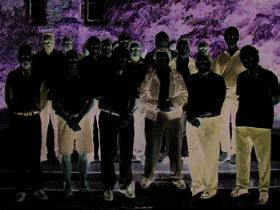
Back row: Dr Hashali Hamakuaya, BCLME Programme; Dr Jean
the BCLME Programme and the Procedure (OMP) for Namibia's
Paul Roux of Lüderitz Marine Research; Dr Johann Augustyn of
South African National Research harvest of Cape fur seals.
Marine and Coastal Management (MCM); Prof. Doug Butterworth
Foundation (NRF).
of the University of Cape Town.
The BENEFIT-BCLME-NRF work-
Centre: Dr Moses Maurihungirire, Ministry of Fisheries and Marine
The invited scientists were Drs shop provided an invaluable forum
Resources, Namibia (MFMR); Paul Nichols of MFMR; Phakamani
James Ianelli, Joseph Powers and for fisheries scientists in the
Buthelezi of MCM; Horst Kleinschmidt of MCM; Dr Ndako
Andre Punt from the USA, Professor
region to broaden their knowledge
Mukapuli of Lüderitz Marine Research; Dr Andre Punt (USA).
Robin Cook and Dr John Pope from of the stock assessment process
Front: International scientists, Prof. Robin Cook (UK), Dr Jim Ianel i
the UK, Dr Tore Strømme from and present their work for critical
(USA), Dr Tore Strømme (Norway), Dr Tony Smith (Australia),
Norway and Dr Tony Smith from review by an international panel of
Dr Joe Powers (USA) and Dr John Pope (UK).
Australia. The meeting was chaired experts.
10

Bengu
curr e
ent l
n a
ews
scientists to conduct research into
environmental variability. And it
provided an opportunity for German
researchers to forge strong links
with the Benguela region:
"Marine science knows no borders,
therefore we are interested in hav-
ing good and reliable scientific insti-
tutes al over the world that we can
cooperate with," said Professor von
Bodungen.
Training and capacity building played
Maggi Barnard
an important role in the cruise and a
one-day demonstration cruise was
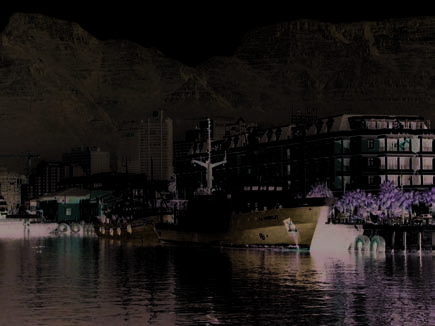
The Alexander von Humboldt berthed in Cape Town.
conducted off Cape Town, Walvis
Bay and Luanda. These cruises
"The ship has done good work,"
the extremely productive Humboldt
provided an opportunity for aspiring
he said. "Every scientist on board
Current which flows off the coast of
scientists to gain first hand experi-
got their samples, even though we
Chile and Peru, has reached the end
ence of ship-based research.
had real y bad weather for part of
of its working life.
Two journalists, one from the German
the cruise and difficulties in deploy-
The crew of the Alexander von
media and another from The Nam-
ing equipment. This is testament to
Humboldt are highly experienced
ibian, were invited to sail with the
the very wel trained crew and their
and play an important role in ensur-
Humboldt on leg seven of the AHAB
sensitivity to scientific research."
ing that equipment is deployed cor-
cruise. This was a three-day journey
Sadly, the Alexander von Humboldt
rectly and efficiently. Some mem-
from Cape Town to Walvis Bay. The
is to be decommissioned in
bers of the crew have sailed with
experience provided Maggi Barnard,
September, fol owing the comple-
the Humboldt for over 30 years and
who regularly writes about environ-
tion of the AHAB cruise and two
are understandably emotional about
mental matters for The Namibian,
short cruises in the North Atlantic
her impending decommission:
with valuable insight into the type of
Ocean and the Baltic Sea.
"We are happy that she is ending her
research that is conducted at sea.
The ship, that was named after the
life with this long cruise," said chief
According to Professor von Bodungen,
19th Century German naturalist and
engineer, Klaus Beckman who first
the AHAB cruise was very successful.
explorer who also gave his name to
sailed with the Humboldt 31 years ago.
Claire Attwood, media
consultant to the BCLME
Programme and Maggi
Barnard, a journalist
with The Namibian, don
Um dos objetivos do programa produtores incorrem em custos
survival suits during a
9/...continuação
de segurança do marisco é criar elevados porque têm que trans-
safety dril on board the
mortalidade em peixes e marisco capacidade para se fazer a moni-
portar as suas amostras para os
Alexander von Humboldt.
selvagens e cultivados.
toração da ocorrência de HABs laboratórios sul africanos.
em toda a região de Benguela e
As HABs são uma ameaça séria assegurar que o marisco cultivado "Nós pretendemos fazer um labo-
para os produtores de marisco seja testado regularmente contra ratório credenciado na Namíbia,"
na região de Benguela porque
a contaminação.
diz Bronwen Currie.
os mexilhões e as ostras filtram
O laboratório proposto realizaria
algas fora de água e se alguma Embora haja boas instalações uma série de exames ao marisco
espécie particular de alga for tóx-
laboratoriais na África do Sul que cultivado, com vista a satisfazer-
ica as biotoxinas concentram-se permitem aos produtores de mar-
se as exigências de segurança
nos tecidos do marisco. Quando isco testar regularmente a con-
alimentar da EU e de outros par-
comido por seres humanos, o taminação dos seus produtos, ceiros comerciais.
marisco contaminado pode causar tais instalações não existem na
doenças e mesmo a morte.
Namíbia. Consequentemente, os
11
Information sharing and
distance learning in the BCLME
News DLIST is an online platform for discussion and learning that was designed to test
the feasibility of using information and communications technology (ICT) to
advance sustainable development in the BCLME region.
The Namibian Minister
of Fisheries and Marine
Resources, Dr Abraham
DLIST has two components:
Iyambo, announced in
information sharing and distance
April that the total al ow-
learning. The information sharing
able catch (TAC) for hake
component focuses on various
would increase by 15 000
means of gathering information,
tons to 195 000 tons for the
organising it and making it more
2004 fishing season. The
accessible. It consists of a library,
monk TAC is down 500 tons to
a message board, discussion
12 000 tons, while the orange
forums and kiosks which are
established and maintained by a
roughy TAC decreased from
range of partners. The informa-
2 650 tons to 2 600 tons.
tion sharing part of DLIST has
been extraordinarily successful,
Namibia's new fisher-
with a large number of people
ies patrol ship, Anna
Figure 1
registering as users and taking
Kakurukaze, arrested six
part in discussion forums.
fully accredited tertiary institution
EcoAfrica (www.ecoafrica.co.za).
vessels in Angolan waters
What is especially encouraging is
course at Peninsula Technikon in
on her first patrol.
that DLIST involves a wide range
Cape Town, South Africa.
With further support from the
The Spanish built patrol
of people who fall into a number
GEF, DLIST will soon enter its
ship, which is named after
of different categories, as is illus-
In 2004, a record 56 students
second phase, aimed at improv-
a Namibian heroine, was
trated in Figure 1.
took the course, representing
ing the platform and expanding
a good spread of industry and
it into areas of South Africa and
deployed by the Monitoring,
The popularity of DLIST contin-
government and including par-
Namibia that have not yet been
Control and Surveil ance
ues to rise - there have been well ticipants from as far away as
covered, as well as into Angola.
Programme (MCS), a project
over 300 000 visitors to the site
Tanzania.
that is supported and fund-
- and new participants register
The BCLME Programme main-
ed by the Southern African
almost daily.
Launched as a global pilot of the
tains a kiosk on the DLIST web-
Global Environment
Facility (GEF)
site. Visit www.dlist.org.
Development Community
The distance learning part of
through a UNDP-led project
(SADC) and the European
DLIST has been equally success-
known as
IW:Learn, DLIST was
Union.
ful. It has been established as a
designed and
implemented by
by Francois Odendaal
The arrests come only a
month after 18 vessels were
fined in US$600 000 for fish-
ing il egal y in Angola. The
vessels were spotted by
fisheries inspectors who
BCLME profiled at Fish Africa
were conducting aerial sur-
veil ance off the coast of
Angola.
Hashali Hamukuaya, director of the Activity
Centre for Marine Living Resources,
The BCLME Programme
Cristina Cicognani, administrative assist-
ant to the Activity Centre for Environmental
has supported environmen-
Variability and Dr Mick O'Toole, chief tech-
tal consultants, EcoAfrica
nical advisor of the BCLME Programme are
to design a website for the
pictured at the Fish Africa Exhibition which
Angolan Institute for the
took place in Cape Town.
Development of Artisanal
Fisheries (IPA).
The BCLME Programme erected a display at
Visit www.ipa.org
Fish Africa and showcased the Programme
to the international fishing industry. In
total, 3 271 visitors from 42 countries vis-
ited the Fish Africa Expo. Many showed a
keen interest in the BCLME Programme
and took away copies of the newsletter,
LME map and a special y designed sticker.
Bengu
curr e
ent l
n a
ews
12
Bengu
curr e
ent l
n a
ews
Guinea Current
Large Marine Ecosystem
The Guinea Current Large Marine Ecosystem (GCLME) Programme
(GCLME) was recently awarded a US$20 mil ion (R140 mil ion) grant
from the Global Environment Facility (GEF).
The grant will finance the next
thereby fulfilling their obligations
phase in the development of
to regional and global conven-
the GCLME which is focused
tions. Specific development goals
on "combating living resources
include the recovery of depleted
depletion and coastal area degra-
fish stocks; the restoration of
dation through ecosystem based
degraded habitats; the reduction
regional actions".
of land- and ship-based pollution;
and the creation of an ecosystem
The programme will be executed
wide assessment and manage-
by the United Nations Industrial
ment framework for sustainable
Development Organisation
use of living marine resources in
(UNIDO) and co-implemented by
the GCLME.
the United Nations Development
Programme (UNDP) and the
The GCLME Programme is an ex-
has provided funding for repre-
United Nations Environment
tension of a pilot project which
sentatives from the GCLME to
Programme (UNEP).
was entitled "Water pollution
attend consultative meetings
control and biodiversity conserva-
of the BCLME Programme and
The GCLME comprises 16
tion in the Gulf of Guinea Large
afforded a number of scientists
West African countries, includ-
Marine Ecosystem". This four-
who are affiliated to the GCLME
ing Angola, Benin, Cameroon,
year project was funded by the
the opportunity to take part in
Congo, Democratic Republic of
GEF and involved Benin, Cote
transboundary research cruises.
Congo, Cote d'Ivoire, Gabon,
d'Ivoire, Ghana, Togo, Nigeria and
For instance, scientists from
Ghana, Equatorial Guinea, Guinea
Cameroon. It was completed in
countries in the GCLME partici-
Bissau, Liberia, Nigeria, Sao
1999.
pated in the recent voyage of the
Tome and Principe, Sierra Leone
German research ship, Alexander
and Togo.
The Benguela Current LME
von Humboldt and will also take
Programme has been working
The GCLME Programme will
part in a BCLME transboundary
closely with the GCLME, particu-
assist the participating nations
survey of sardinella stocks off
larly in the context of address-
to manage coastal and marine
the coasts of Angola and Gabon
ing shared problems in Angolan
resources and restore ecosys-
aboard the Dr Fridtjof Nansen in
waters. The BCLME Programme
tem health and productivity,
July this year.
Fact File:
The Guinea Current Large Marine Ecosystem Convergence Zone (ITCZ), the equatorial area
is characterised by its tropical climate. It owes at which the trade winds converge.
its unity to the Guinea Current, an eastward
flow that is fed by the North Equatorial Counter The Guinea Current Large Marine Ecosystem
Current (NECC) off the Liberian coast.
is considered a Class I, highly productive (>300 gC/
m2-yr), ecosystem based on SeaWiFS global pri-
The physical system of the Guinea Current is mary productivity estimates.
variable in both space and time and its dynamics
are complex. Upwelling off the coasts of Ghana The FAO 10-year trend (1990-1999) shows a
and Cote d'Ivoire occurs seasonally, with a catch of 950 000 tons in 1990 and 900 000 tons
weak upwelling around January to March, and in 1999, with a marked decline to 700 000 tons
intense upwelling from July to September.
in 1994. The LME is very rich in living marine
resources and commercially valuable fish, both
The cold, nutrient rich water of the upwelling marine and coastal. More than 50% of the catch
system drives the biology of the area extending is composed of small pelagic clupeoids. There
from Liberia to Benin, and can be subject to are major fluctuations of commercially valuable
strong seasonal, inter-annual and annual change, species and several demersal and pelagic fish
linked to the migration of the Intertropical species are over-exploited.
Source: www.ed.uri.edu/lme
13


BENEFIT focuses on the future
The process of developing a new set of scientific, training
and development plans and activities for BENEFIT has
gained momentum in the past few months.
In April, the Management
framework workshop was held
a substantial contribution to
Action Committee (MAC) met
in Swakopmund in mid-June and
BENEFIT - almost double the
in Namibia with the purpose of
the results of this deliberation
usual amount - and have fully
developing a new framework for
will be put through several hoops
engaged BENEFIT in planning the
the future development of the
in the next weeks.
expenditure on capacity build-
Programme. The MAC's delibera-
ing interventions. Moreover, the
tions form part of a process that
The MAC has also decided that
BENEFIT secretariat has been
was initiated in 2003, when the
an annual research report should
mandated to assist the Instituto
BENEFIT community was con-
be produced by BENEFIT. We
de Investigação Marinha (IIM) to
sulted on their views and recom-
have decided to take this idea a
develop a marine Science Plan.
mendations for the Programme's
bit further and we aim to produce
Dr Neville Sweijd
future.
a professionally produced publi-
A further development has been
cation that records the outputs
the initiative of the BCLME to
The process of consultation was
of the BENEFIT programme in a
establish an Advisory Group on
initiated in response to changes
succinct and accessible way.
Capacity Building. A stakehold-
in BENEFIT's operating envi-
er's workshop was held in March
ronment, including changes in
The MAC's new mandate and
where input from BENEFIT was
leadership in several of the par-
other developments, such as the
given. What is likely to emerge
ticipating institutes, anticipated
acquisition of a new research
is a new training initiative that
changes in the Programme's
vessel in Angola and the launch
will incorporate BENEFIT's train-
funding base, and the expansion
of the BCLME capacity building
ing plan and which will be jointly
of the BCLME Programme.
initiatives, represent a significant
resourced with BCLME training
shift towards regional integration
initiatives. Further consultation is
At the April workshop, the
and regional marine ecosystem
planned for July 2004.
MAC - which comprises the
management. Over the com-
top officials from the region's
ing months, BENEFIT and its
Another significant development
three fisheries science institutes
partners plan to exemplify this
in the region has been the imple-
- recognised that BENEFIT was
approach by attempting to estab-
mentation by BENEFIT of the
designed and originally promoted
lish a regionally owned remote
BCLME project activities. Several
by the scientific community in
sensing and GIS facility. There
projects are now underway via
the region. While it commended
are also proposals for a regional
direct contracts to consultants
and endorsed this initiative, by
fish-aging centre, as well as a
and the regional marine science
the close of the workshop the
regional plankton-processing cen-
institutes. Some have even
MAC had delivered a fresh new
tre. These are very promising and
been completed. This has been
mandate and a management-
exciting developments that we
a challenging experience and
determined operating framework
look forward to implementing in
BENEFIT has been required to
for the BENEFIT programme. The
the immediate future.
devise mechanisms for dealing
new framework is a "top down"
with new procedures and cir-
directive in the form of renovated
Although BENEFIT's funding base cumstances. Despite this, strong
goals and outputs. It is expected
is secure, changes are expected
leadership and clear heads have
to steer BENEFIT into a phase
in the medium term. There
assisted us in this process and I
of intensive strategic planning
are signs that the Norwegian
would argue that the programme
which will assist the Programme
research vessel, Dr Fridtjof
is running very well on the whole
to develop a new set of scien-
Nansen, might not be available
and we are seeing some exciting
tific, training and development
to the region after 2005, but the
new ideas and results emerging
plans and activities.
German Society for Technical Co-
from it already.
operation (GTZ) has signalled that
A New Science Plan
a third and final phase of funding
It would be true to say that
is likely, pending the results of a
BENEFIT's relationship with the
The BENEFIT programme has
review that took place in April.
BCLME Programme has expand-
been mandated to renew its sci-
ed significantly over the past six
ence plan. This places the pro-
We have already seen increases months and is extending beyond
gramme at a fundamental junc-
in the country contributions to the projects and developing into
ture in its development and the
BENEFIT and these will have to a true partnership.
process will have to be very care-
be accessed to a greater degree
fully thought through. This would
to maintain the Programme
be closely co-ordinated with
infrastructure in the future. Our
developments in the BCLME. A
Angolan partners have made
by Neville Sweijd
14




Bengu
curr e
ent l
n a
ews
Projects supported by
the BCLME Programme
The BCLME Programme has alocated more than US$4.7 milion (R33 milion) in support
of 60 projects. The projects are being implemented by a wide variety of clients, includ-
ing government institutes, universities, private consultancy companies and the regional
marine science and training programme, BENEFIT. Each project has been designed to address
transboundary environmental problems and contribute to the integrated and sustainable man-
agement of the Benguela Current Large Marine Ecosystem.
Biodiversity, Ecosystem Health & Pol ution Projects
BEHP/IA/03/03
BEHP/CEA/03/03
PROJECTS YET TO BE
Harmonisation of national environ- Assessment of the cumulative
FINALISED AND AWARDED:
mental policies and legislation for
effects of sediment discharge from
marine mining, dredging and
on shore and near shore diamond
BEHP/BAC/03/01
offshore petroleum exploration
mining activities on the BCLME
Marine biodiversity status assess-
and production activities in the
Project value: US$140 000
ment and conservation planning
BCLME region
Contracted to: Council for Scientific for the BCLME
Project value: US$39 697
and Industrial Research (CSIR)
Project value: US$182 000
Contracted to: Southern African
Completion date: March 2006
Awarded to: BENEFIT
Institute for Environmental Assess-
Completion date: December 2007
ment (SAIEA)
BEHP/CEA/03/04
Completion date: October 2004
Assessment of the cumulative
BEP/BAC/03/02
BEHP/LBMP/03/01
impacts of scouring of sub-tidal
Mapping of the BCLME shoreline,
Baseline assessment of sources
areas and kelp cutting by diamond shallow water and estuarine habitats
and management of land-based
divers in near-shore areas of the
Project value: US$100 000
marine pollution in the BCLME
BCLME
Awarded to: BENEFIT
Project value: US$85 000
Project value: US$66 400
Completion date: April 2005
Contracted to: Council for Scientific Contracted to: Pisces Environmental
and Industrial Research (CSIR)
Services
BEHP/BAC/03/03
Completion date: September 2005
Completion date: March 2007
Identification of communities,
biotopes and species along the
BEHP/LBMP/03/04
BCLME shoreline and in the shal-
The development of a common
BEHP/OSCP/03/01
low subtidal zone
set of water and sediment quality
Regional Oil Spill Contingency
Project value: US$120 000
guidelines for the coastal zone in
Planning in the BCLME region
Awarded to: BENEFIT
the BCLME region
Project value: US$150 000
Completion date: December 2006
Project value: US$80 000
Contracted to: Council for Scientific
Contracted to: Council for Scientific and Industrial Research (CSIR)
BEHP/BAC/03/04
and Industrial Research (CSIR)
Completion date: March 2005
Baseline surveying of species and
Completion date: September 2005
BEHP/EEF/03/01 - 02
biodiversity in estuarine habitats
BEHP/CEA/03/01
Bycatch of threatened seabirds,
Project value: US$100 000
Data gathering and gap analysis
sharks and turtles in longline
Awarded to: BENEFIT
for modeling the cumulative
fisheries of the BCLME:
Completion date: December 2006
effects of offshore petroleum
An integrated approach
exploration and production
BEHP/BAC/03/05
Project value: US$113 299
activities on the marine environ-
Mapping the offshore habitats of
Contracted to: World Wildlife Fund
ment of the BCLME region
the BCLME region
(WWF South Africa)
Project value: US$100 000
Project value: US$40 000
Completion date: April 2006
Contracted to: Council for Scientific
Awarded to: BENEFIT
and Industrial Research (CSIR)
Completion date: September 2005
Completion date: September 2005
BEHP/BAC/WORKSHOP/04/01
Ecosystem mapping and biodiver-
BEHP/BAC/03/06
BEHP/CEA/03/02
sity consultative workshop
Assessment of offshore biodiver-
Data gathering and gap analysis
26-27 April, Swakopmund
sity in the BCLME region
for assessment of the cumulative
Project value: US$47 095
Project value: US$40 000
effects of marine diamond mining
Contracted to: BENEFIT
Awarded to: BENEFIT
activities on the BCLME
Completion date: May 2004
Completion date: September 2004
Project value: US$76 000
Contracted to: Pisces Environmental
Services
Completion date: September 2006
15

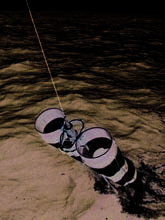
Living Marine Resources Projects
LMR/COM/03/02
LMR/SE/03/02
LMR/MC/03/01
Introducing the BCLME Pro-
An economic and legal study to
Development of a responsible
gramme to the wider audience
assess the policy prospects for for-
aquaculture policy for the BCLME
within the coastal communities
mulating a balanced development
region
Project value: US$16 000
of trade in fish and fish products
Project value: US$92 734
Contracted to: Eco-Africa
from the BCLME region
Contracted to: Enviro-Fish Africa,
Completion date: June 2004
Project value: US$133 260
Rhodes University
Contracted to: Enviro-Fish Africa,
Completion date: May 2005
Rhodes University
LMR/AFSE/03/01
Completion date: December 2006
Review of institutional arrange-
LMR/EAF/03/01
ments and provision of baseline
LMR/SE/03/03
Ecosystem Approach to Fisheries
information in respect of artisanal
An analysis of right-based micro-
(EAF) management in the BCLME
fisheries, including socio-economic economic systems and governance region
surveys of coastal communities
of the important commercial fish-
Project value: US$257 270 + US$79 031
(a suite of three projects)
eries in the BCLME countries
Contracted to: Marine and Coastal
Project value: US$194 120
Project value: US$229 914
Management and Food and Agri-
Contracted to: Environmental Evalu-
Contracted to: Enviro-Fish Africa,
culture Organisation of the United
ation Unit, University of Cape Town
Rhodes University
Nations (FAO)
Completion date: March 2006
Completion date: December 2006.
Completion date: December 2006
LMR/CF/03/16
LMR/SE/03/04
LMR/EAF/03/02
Development of a management
Harmonisation of socio-economic
A regional ecosystem monitor-
plan for bronze whaler shark
policies and legal provisions for
ing programme: Top predators as
resources in the BCLME region
effective implementation of the
biological indicators of ecosystem
Project value: US$77 869
BCLME Programme
change in the BCLME
Contracted to: BENEFIT
Project value: US$135 000
Project value: US$217 994
Completion date: July 2006
Contracted to: Enviro-Fish Africa,
Contracted to: Marine and Coastal
Rhodes University
Management
Completion date: March 2007
Completion date: December 2006
LMR/CF/03/07
Determination of optimal harvest-
LMR/SE/03/05
ing strategies for the hake trawl
An analysis of revenue raising
and longline fisheries in Namibia
instruments of the important com-
and South Africa
mercial fisheries in the BCLME
Project value: US$98 100
countries
Contracted to: Fisheries Economics
Project value: US$91 228
Research Unit, University of British Contracted to: Enviro-Fish Africa,
Columbia
Rhodes University
Completion date: October 2005
Completion date: December 2005
Sponsorship of Key Events
International Workshop on Forecasting and
The 2004 Benguela Forecasting Workshop, which is
Data Assimilation in the Benguela and
being sponsored by the BCLME Programme, the Ocean
Comparable Systems
Observing System (GOOS) of the Intergovernmental
Cape Town, 8 ~ 11th November 2004
Oceanographic Commission, the International
Project value: $80 000 (book publishing costs included)
Association for the Physical Sciences of the Oceans
For details visit www.bclme.org
(IAPSO) and other organisations, will be a crucial step
in the development of a viable observing and forecasting
A key policy action of the BCLME Programme is the system for the Benguela.
assessment of environmental variability, ecosystem
impacts and improvement of predictability. Two corner-
stones of this policy action are the development of an 11th International Conference on Harmful Algal Blooms
early warning system and the improvement of predicta-
Cape Town, 15 ~ 19th November 2004
bility of extreme events and their impacts in the BCLME.
Project value: $8 000
16


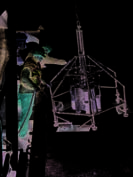
Be
B n
e g
n u
gcurre
ent l
n a
curr e
ent new
e s
w
Environmental Variability Projects
EV/LS/02/03
EV/HAB/02/05
EV/LOW/02/04
Analysis of Benguela dynami-
Development of an operational
Assessment of key transboundary
cal variability and assessment of
capacity for real-time observation
processes and measurement scales
predictability of warm and cold
and forecasting of Harmful Algal
in respect of low oxygen water
events in the BCLME
Blooms (HABs) in the BCLME:
variability: implementation of the
Project value: US$150 000
detection of HABs through the de-
LOW generation areas simulation
Contracted to: University of Cape
ployment of bio-optical moorings.
that provide inputs to trans-
Town
Phase 1: Demonstration project in
boundary models in LOW project
Completion date: February 2006
Namibia and South Africa.
EV/LOW/02/03
· Preliminary report available at
Project value: US$107 645
Project value: US$121 500
www.bclme.org
Contracted to:
Contracted to: University of Cape
University of Cape Town
Town and the Council for Scientific
EV/HAB/02/01
Completion date: July 2005
and Industrial Research (CSIR)
Harmonisation of regulations for
Completion date: March 2005
microalgal toxins for application
EV/HAB/02/06
in countries bordering the BCLME Development of an operational
Project value: US$69 323
capacity for real-time observation
EV/ANGOLA/03/01
Contracted to: Ministry of Fisheries and forecasting of Harmful Algal
Compilation of inventory and
and Marine Resources, Namibia
Blooms (HABs) in the BCLME:
acquisition of oceanographic
Completion date: April 2005
utility of models in forecasting
environmental data in the Angola
· Review report available at
HABs
sector of the BCLME. Phase one
www.bclme.org
Project value: US$30 700
(inventory)
Contracted to: University of Cape
Project value: US$20 000
EV/HAB/02/02a
Town and the Council for Scientific
Contracted to: Instituto de Investi-
Development of an operational ca-
and Industrial Research (CSIR)
gação Marinha (IIM)
pacity for monitoring of Harmful
Completion date: September 2004
Completion date: October 2004
Algal Blooms (HABs) in countries
bordering the northern part of the
EV/LOW/02/01
BCLME
Critical review of the biophysi-
EV/ANGOLA/03/02
Project value: US$36 260
cal processes and variability
Comprehensive review and re-
Contracted to: Ministry of Fisheries that characterise the low oxygen
interpretation of oceanographic
and Marine Resources, Namibia.
water (LOW) variability and an
information on the Angola sector
Completion date: April 2005
improved monthly State of the
of the BCLME
· Review report available at
Environment (SOE) reporting on
Project value: US$20 000
www.bclme.org
low oxygen water in the BCLME
Contracted to: Instituto de Investi-
Project value: US$46 250
gação Marinha (IIM)
EV/HAB/04/Shellsan
Contracted to: University of Cape
Completion date: January 2005
Development of a shellfish
Town and the Council for Scientific
sanitation programme model for
and Industrial Research (CSIR)
EV/ANGOLA/03/03
application in consort with the
Completion date: July 2004
Assessment of the present state
microalgal toxins component
of oceanographic environmental
Project value: US$27 925
EV/LOW/02/03
monitoring in the Angolan sector
Contracted to: Ministry of Fisheries Assessment of key transboundary
of the BCLME region
and Marine Resources, Namibia
processes and measurement scales
Project value: US$10 000
Completion date: April 2005
in respect of low oxygen water
(LOW) variability: preliminary
Contracted to: Instituto de Investi-
EV/HAB/02/03
implementation and examination
gação Marinha (IIM)
Investigation into the diversity
of the role of large scale and trans-
Completion date: June 2004
and distribution of cysts of Harm-
boundary hydrodynamic control
ful Algal Blooms (HABs) within
of LOW variability.
EV/ANGOLA/03/05
the BCLME region
Project value: US$57 712
Build capacity for Angola
Project value: US$25 420
Contracted to: University of Cape
Project value: US$7 000
Contracted to:
Town and the Council for Scientific
Contracted to: Instituto de Investi-
University of Cape Town
and Industrial Research (CSIR)
gação Marinha (IIM)
Completion date: January 2005
Completion date: May 2005
Completion date: July 2004
continued.../18
1?7
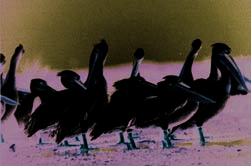
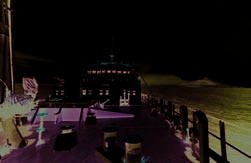
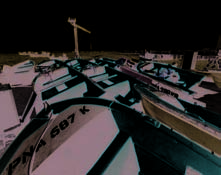

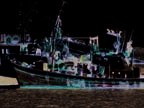
Environmental Variability Projects continued...
EV/ANGOLA/03/06
EV/PROVARE/02/05
EV/LS/02/06
Upgrade communication systems
Retrospective analysis of plank-
Diagnosis of large scale South
for Angolan BCLME core partner
ton community structure in the
Atlantic modes that impact on the
institutions.
BCLME to provide an index of
transboundary BCLME: investi-
Project value: US$8 000
long-term changes in the ecosystem gating the potential for improved
Contracted to: Instituto de Investi-
Project value: US$111 985
predictability and sustainable
gação Marinha (IIM)
Contracted to: BENEFIT
management
Completion date: June 2004
Completion date: December 2006
Project value: US$87 959
Contracted to: University of Cape Town
Completion date: January 2007
· Preliminary report available at
www.bclme.org
Completed Projects
PCU/TCB/03/01
LMR/CF/03/04
EV/SADCO/03/01
Training and capacity building needs
Feasibility study into the application
SADCO holdings of Namibian
assessment for the BCLME region
of genetic techniques for determining
data: Assessment of historical
Project value: US$26 230
fish stock identity of transboundary
oceanographic data available from
Contracted to: Anchor Environmental populations in the BCLME region
SADCO
Consultants
Project value: US$7 819
Project value: US$2 400
Completed: February 2004
Contracted to: BENEFIT
Contracted to: Ms Fiona Duncan,
· Final report available at
Completed: November 2003
through UNDP-SA
www.bclme.org
· Final report available at
Completed: October 2003
PCU/AVM/03/01
www.bclme.org
· Final report available at
Publicising the BCLME Programme
www.bclme.org
LMR/CF/03/01
through audio visual media
Feasibility study into the establishment
Project value: US$16 000
of a permanent regional fish ageing
EV/PROVARE/02/01
Contracted to: Francois Odendaal
centre in one of the BCLME countries
Feasibility assessment for the use
Film Productions
Project value: US$11 520
of a towed undulating oceano-
Completed: May 2004
Contracted to: BENEFIT
graphic recorder (TUOR) in the
Documentary circulated on CD in July Completed: November 2003
BCLME
Film released in September 2004
· Final report available at
Project value: US$5 850
Contracted to: Philip Reid
LMR/CF/NANSEN/04/01
www.bclme.org
Completed: November 2003
Survey of transboundary demer-
· Executive summary available at
sal fish stocks in Namibia with
EV/LS/02/04
www.bclme.org
special reference to hake
Participation in the Climate
Project value: US$110 500
Variability Programme (CLIVAR/
Contracted to: Institute of Marine
OOPC) Workshop on South
EV/HUMBOLDT/04/01
Research, Bergen, Norway
Atlantic Climate Observing
Ichthyoplankton distribution,
Completed: July 2004
System in Angra dos Reis, Brazil
monitoring and training, northern
Project value: US$3 160
Namibia/southern Angola; oceano-
LMR/COM/02/01
The BCLME Programme provided
graphic, hydrological and benthic
Henties Bay Community project
co-sponsorship for Mr Quilanda
monitoring in Angolan waters
Project value: US$4 051
Fidel of Angola and Ms Aina Iita
(AHAB leg 9).
Contracted to: Henties Bay Com-
of Namibia to attend the CLIVAR
Project value: US$130 000
munity
workshop in Brazil between 6 and 8 Completed: July 2004
Project terminated
February 2003.
LMR/COM/03/01
EV/LS/02/02
LMR/CF/03/02
An assessment of means of involv-
Feasibility study of the south-east ex-
An assessment of the state of com-
ing coastal communities in the
tension of PIRATA (Pilot Moored
mercial fisheries catch data in the
BCLME Programme
Array in the Tropical Atlantic)
BCLME region
Project value: US$30 000
Project value: US$29 900
Project value: US$11 240
Contracted to: Eco-Africa
Contracted to: University of Cape Town Contracted to: BENEFIT
Completed: March 2004
Completed: November 2003
Completion date: May 2004
Be
B n
e g
n u
g
· Final report available at
· Final report available at
· Final report available at
www.bclme.org
www.bclme.org
www.bclme.org
curr e
ent l
n a
curr e
ent new
e s
w
?
18



Bengu
curr e
ent l
n a
ews
Finding practical solutions
to bycatch problems
South African longline fisheries could kill as many as 20 000 seabirds every
year, despite the fact that simple and inexpensive bycatch mitigation
measures could reduce that number by at least two thirds.
Nobody knows how many
"If you speak to skippers, they say
different shape in each of the three
seabirds, sharks and turtles are
that they kil very few seabirds,"
countries of the Benguela region.
kil ed in Namibia and Angola's
says Dr Nel.
longline fisheries.
The focus of the project in South
"But they don't realise that if
Africa wil be on raising awareness
Addressing the incidental bycatch
every boat kil s the odd bird now-
of the seabird bycatch problem
of longline fishing operations in the
and-then, the numbers eventual y
and encouraging fishing companies
Benguela region is the focus of a
add up."
to test and implement mitigation
BCLME-funded project that is being
devices.
implemented by WWF South Africa
South African longliners set
and Birdlife South Africa.
approximately 34 mil ion hooks per
In Namibia, the project wil focus
year. The use of seabird bycatch
on assessment and training. There
Dr Deon Nel
Regional project coordinator,
mitigation measures, such as bird
is very little information available
Dr Deon Nel, who is marine
scaring devices and weighting
about the bycatch of seabirds and
programme manager for WWF
of lines, is prescribed by permit
pelagic sharks off Namibia, but the
South Africa, explains that the
conditions, but compliance is poor.
wel established fisheries observer
project has two important thrusts:
programme has the potential
getting to grips with the scale
In Namibia, about 45 longline
to increase knowledge and
of the bycatch problem and
vessels fish for hake, tuna, bil fish
improve awareness about bycatch
introducing simple and appropriate
and sharks. Although an observer
problems.
mitigation measures to try and
scheme is in place in Namibia, the
avoid the senseless kil ing of
scale and nature of seabird bycatch
"We plan to build the capacity of
seabirds, turtles and sharks.
is unknown.
observers to col ect more detailed
and reliable data on the scale
Longline fishing vessels operating
Initial reports of shark landings
and nature of the problem," says
in the Benguela region target hake,
indicate that pelagic sharks are
Dr Nel, explaining that improved
tuna, swordfish and sharks. But
caught in large numbers off
knowledge wil al ow for informed
they also catch seabirds, especial y
Namibia, especial y when tuna
decision-making.
albatrosses and petrels. These
species are unavailable to the
birds dive onto baited hooks in a
longline fishery.
"We also plan to educate fisheries
quest for food, and are dragged
observers about the biology and
Although tunas are caught in
underwater to their deaths.
conservation status of affected
Angolan waters, the exact size
species, as wel as the mechanics
Turtles are also kil ed when they
and scope of the longline fishery
and practical use of mitigation
feed on baited hooks.
in that country is not known.
measures."
Similarly, very little is known about
Some sharks are targeted by
the threatened seabirds that occur
In Angola the project wil focus
longline vessels, but at least 25
off the coast of Angola which
on gathering information about
species of shark are caught by
might be threatened by longline
the longline fisheries and their
longliners that are fishing for
fisheries. And, it is quite likely that
potential for catching seabirds,
tuna and swordfish. Many are
leatherback and olive ridley turtles,
sharks and turtles. This task is
discarded, sometimes after their
that are relatively abundant off
fins have been removed.
the coast of Angola, are caught in
continued.../20
significant numbers.
The bycatch problems that are
associated with longline fisheries
The seabird, shark and turtle
are different for the three countries
species that are most severely
of the Benguela region.
threatened by longline fishing
operations share a common
For instance, in South Africa there
life history. They are general y
is a fairly good understanding
long lived, but breed slowly or
about the seabird bycatch problem.
have low recruitment into the
Mitigation measures have been
breeding population. This makes
designed and tested, but there
them especial y vulnerable to the
is a lot of work to be done to
unintended effects of longline
ensure that the fishing industry
fishing operations.
understands the importance
of implementing the mitigation
According to Dr Nel, the BCLME-
measures.
funded project wil take a slightly
Peter Ryan
19
News
managed by a representative of
an independent observer; the
19/...continued
the Angolan Institute of Artisanal
implementation of mitigation
Fishers.
measures rests with the fishermen
South African scientists say
likely to be complicated by the fact
themselves," says Dr Nel.
that their efforts to rebuild
that foreign fishing boats operate
Dr Nel stresses the importance
smal pelagic fish stocks over
in Angolan waters, together with
of cooperation with the fishing
"Impractical mitigation measures
the past 20 years have been
large numbers of artisanal fishers.
industry, especial y in South Africa
that are forced upon the industry
and Namibia where longline
without consultation wil receive
"spectacularly successful".
Although the artisanal fishers
operators are general y wel
little support. We have to work
The total al owable catch
are unlikely to catch seabirds
organised and represented.
with the fishing industry to find
(TAC) for pilchards is to jump
as bycatch, there is anecdotal
practical solutions that wil work for
by 58 percent to 450 000 tons,
evidence to suggest that they
"In the South African fleet, we
them."
while the anchovy TAC wil
do catch substantial numbers
can hope for 20 percent observer
increase by 65 percent to
of turtles and may even catch
coverage at the very best. This
The two-year BCLME-funded
300 000 tons. An additional
seabirds for food. The Angolan
means that 80 percent of fishing
project complements a smal er
50 000 tons wil be fished
portion of the project wil be
operations are conducted without
project that has received funding
as pilchard bycatch in the
anchovy fishery.
An international workshop
Pescas de Longline ~ encontrando soluções
on forecasting and data
assimilation in the Benguela
práticas para os problemas do bycatch
and comparable systems
wil be held in Cape Town in
As pescas com longline (pesca à
tubarões na região de Benguela.
Na Namíbia, aproximadamente
November.
linha) da África do Sul poderiam
Mas elas capturam também aves
45 embarcações de longline cap-
matar cerca de 20 000 aves
marinhas, principalmente alba-
turam pescada, atum, peixes de
The workshop wil address
marinhas anualmente, apesar do
trozes e petréis. Estes pássaros
de bico e tubarões. Embora exis-
a broad range of subjects of
facto de se poder reduzir esse
mergulham nos anzóis com isca
ta um esquema de observação
importance for the develop-
número para menos de dois ter-
em busca de alimento, e são
na Namíbia, a escala e a natureza
ment of a predictive capabil-
ços com medidas simples e bara-
arrastados para debaixo d'água
do bycatch de aves marinhas são
ity for the greater Benguela
tas para mitigação do bycatch
para a sua morte.
desconhecidas.
Current region and com-
(captura adicional).
parable systems. Topics of
As tartarugas são mortas tam-
Os relatórios iniciais sobre des-
relevance to forecasting on
Ninguém sabe quantas aves
bém quando se alimentam nos
cargas de tubarões mostram que
time scales ranging from
marinhas, tubarões e tartarugas
anzóis com isca.
os tubarões pelágicos são captu-
hours to months, and pos-
são mortos nas pescas com lon-
rados em grandes quantidades
gline na Namíbia e em Angola.
Alguns tubarões são procurados
fora da Namíbia, especialmente
sibly even years and dec-
pelas embarcações de longline,
quando a pesca com longline não
ades, wil be addressed. For
Debruçar-se sobre o bycatch
mas pelo menos 25 espécies de
consegue capturar as espécies
more information visit www.
acidental das operações de
tubarões são capturadas pelos
de atum. Embora em águas
bclme.org
pesca com longline na região de
longliners que pescam atum e
angolanas os tunídeos se captu-
Benguela é o enfoque de um pro-
peixes de bico. Muitos são ati-
rem tunídeos, não se conhece a
Marthinus van Schalkwyk
jecto financiado pelo BCLME que
rados ao mar, às vezes depois
quantidade exacta e o âmbito da
has been appointed Minister
está a ser executado pelo WWF
de lhes terem sido removidas as
pescaria com longline no país.
of Environmental Affairs and
da África do Sul e pela Birdlife da
barbatanas.
Igualmente, muito pouco se sabe
Tourism in South Africa. Mr
África do Sul.
Os problemas do bycatch que
sobre as aves marinhas amea-
van Schalkwyk replaces
O coordenador regional do pro-
estão associados com as pes-
çadas que ocorrem ao largo da
Mohammed Val i Moosa,
jecto, o Dr. Deon Nel, gestor do
cas com longline são diferentes
costa de Angola que pode estar
who served two terms as
programa marinho da WWF da
nos três países da região de
ameaçada pela pesca com lon-
a Cabinet minister before
África do Sul, explica que o pro-
Benguela.
gline. E, é plenamente provável
announcing late in 2003 that
jecto tem dois enfoques impor-
que as tartarugas verde e de bico
Por exemplo, na África do Sul
he would not make himself
tantes: começando por deter-
de falcão, relativamente abundan-
há uma compreensão razoavel-
available for appointment to
minar escala do problema do
tes ao largo da costa de Angola,
mente boa sobre o problema do
the Cabinet.
bycatch e introduzindo medidas
sejam capturadas em números
de mitigação simples e apropria-
bycatch sobre as aves marinhas.
significativos.
Mr van Schalkwyk is leader
das para tentar evitar a matança
As medidas de mitigação foram
As espécies de aves marinhas,
of the New National Party
descabida de aves marinhas, tar-
projectadas e testadas, mas há
muito trabalho a ser feito para
tubarões e tartarugas que estão
and former premier of the
tarugas e tubarões.
garantir que a indústria pesqueira
mais severamente ameaça-
Western Cape Province.
As embarcações de pesca com
compreenda a importância da
das pelas operações de pesca
longline visam a captura de
implementação das medidas de
com longline compartilham de
pescada, atum, peixes de bico e
mitigação.
uma história de vida comum.
20

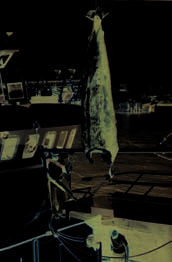
Bengu
curr e
ent l
n a
ews
from IAATO, WWF- New Zealand,
BirdLife South Africa, which wil
weighting regimes. Four of these
WWF South Africa and Southern
implement the project in South
devices are the property of BirdLife
Seabird Solutions (SSS).
Africa, currently undertakes some
International and a further six wil
training of fisheries observers, but
be borrowed from the Australian
The IAATO project aims to
the BCLME project wil greatly
Antarctic Division.
maximise a transfer of knowledge
enhance these efforts through
between the New Zealand pelagic
the provision of much needed
The BCLME project wil also
longline industry and its South
Richard Cuthbert
resources such as sturdy training
network closely with BirdLife
African counterpart. New Zealand
manuals.
International's Save the Albatross
has had considerable experience in
campaign, which is addressing
dealing with seabird bycatch, and is
The project wil have access to
seabird bycatch at a global scale
at the forefront of setting up multi-
ten Time Depth Recorders, valued
and has developed a number of
stakeholder fora where fishers and
at over $10 000 (R70 000) that
resources that may be utilised in
conservationists work together to
wil be used to measure the rate
the Benguela region.
seek solutions to the problem.
of line sinking under various line
Geralmente têm uma grande
sibilização sobre os problemas do
um projecto menor que contou
longevidade, mas reproduzem-
bycatch.
com financiamento da IAATO, da
se lentamente ou têm um baixo
WWF- Nova Zelândia, da WWF
recrutamento na população
Em Angola o projecto visará a
- África do Sul e da Southern
reprodutora. Isto fá-los especial-
recolha de informação sobre as
Seabird Solutions (SSS).
mente vulneráveis aos efeitos
pescarias com longline e o seu
não propositados das operações
potencial em capturar aves mari-
O projecto de IAATO tem como
de pesca com longline.
nhas, tubarões e tartarugas. Esta
objectivo maximizar a transfe-
tarefa é provávelmente muito
rência de conhecimentos entre a
De acordo com o Dr. Nel, o pro-
complicada pelo facto de os bar-
indústria pelágica de longline da
jecto financiado pelo BCLME
cos de pesca extrangeiros ope-
Nova Zelândia e as suas contra-
será ligeiramente diferente em
rarem em águas angolanas junta-
partes da África Austral.
cada um dos três países da
mente com um grande número
região de Benguela.
de pescadores artesanais.
O projecto do BCLME também
interagirá de perto com a campa-
Na Namíbia, o projecto visará a
A porção angolana do projecto
nha Salvar o Albatróz da BirdLife
avaliação e a formação. O pro-
será controlada por um repre-
International, que visa o bycatch
grama de observação das pesca-
sentante do Instituto de Pesca
de aves marinhas numa escala
rias bem estabelecido na Namíbia Artesanal de Angola.
global e desenvolveu uma série
tem o potencial de aumentar o
de recursos que poderão ser utili-
conhecimento e melhorar a sen-
O projecto de dois anos financia-
zados na região de Benguela.
do pelo BCLME complementa
Fact File:
Seabirds, sharks and turtles
hammerhead S. lewini, smooth
The productive waters of the Benguela ecosystem are an important hammerhead S. zygaena, shortfin mako
foraging area for thirteen species of seabirds that are killed in significant Isurus oxyrinchus, blue shark Prionace
numbers by longline fisheries. Twelve of these species are threatened glauca, porbeagle shark Lamna nasus
with extinction, while the remaining species is classified as near- and crocodile shark Pseudocarcharias
threatened. Tristan albatrosses D. dabbenena have a total breeding kamoharai.
population of about 5 000 individuals restricted almost entirely to a
single breeding island. Spectacled petrels Procellaria conspicillata have a Five species of threatened turtles occur
breeding population of 3 000 to 4 000 pairs restricted to a single island. in the waters of the South East Atlantic, particularly off the coast of
Both these species are killed by longline fishing vessels operating in the Angola. These are green turtle Chelonia mydas (endangered), loggerhead
Benguela ecosystem.
turtle Caretta caretta (endangered), leatherback turtle Dermochelys
coriacea, olive ridley Lepidochely olivacea, and hawksbill turtle
The oceanic and inshore waters of the South East Atlantic are utilised Eretmochelys inbricata. Although little is known about the bycatch of
by 36 species of sharks that are classified as threatened, near-threatened turtles in the BCLME, it is thought that populations of olive ridley and
or data-deficient by the IUCN. Longline fishing operations pose a leatherbacks would be at particular risk from longline fishing operations
threat to at least eight of these species, including the thresher shark because of their pelagic habits and relative abundance along the Angolan
Alopias vulpinus, great hammerhead Sphyrna mokarran, scalloped coastline.
Source: WWF South Africa
21
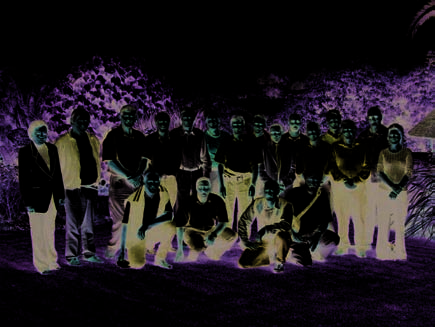
The Agulhas~Somali Current LME
A specialist consultative meeting was held in May to discuss progress
with the Aghulas -Somali Current Large Marine Ecosystem in prep-
aration for a PDF Block B project document.
David La Roche, senior techni-
A fourth project will comprise
investigated. This investigation
cal advisor for the UNDP-GEF
a set of coastal zone demon-
will include an analysis of the
International Waters programme
stration projects in areas such
impacts of variability and warm
in southern Africa, organised and
as community based fisheries
water rings of the Aghulas
chaired the meeting which was
regimes, coral reef protec-
Current on the fisheries resourc-
held near Cape Town.
tion and endangered species.
es of the west coast.
Mangroves may also be consid-
A programmatic approach to the
ered for coastal zone demonstra-
The countries involved in the
Western Indian Ocean region is
tion projects.
establishment of the Agulhas
to be adopted. This will include
Somali Current LME are the
a South West Indian Ocean
Transboundary fisheries and pol-
Comores, Kenya, Madagascar,
Fisheries Programme (SWIOFP),
lution issues will be addressed,
Mauritius, Mozambique,
a separately planned LME for
as well as mapping of oceano-
Seychelles, South Africa,
the coastal zone and for wildlife
graphic features, fisheries resourc-
Tanzania and France.
conservation in the South West
es and areas of productivity.
Indian Ocean, and an approved
It is expected that the PDF Block
UNEP Project to investigate
The boundary zone between the
B phase will be completed in
land-based sources of pollu-
Benguela Current Large Marine
July 2005 and implementation of
tion, consistent with the Global
Ecosystem (BCLME) and the
the LME programme will start in
Programme of Action (GPA).
Aghulas Somali Current Large
late 2005 or early 2006.
Marine Ecosystem will also be
(Back) Ana Paula Baloi, Southwest Indian Ocean Fisheries Project; Dr Brad Brown, NOAA; Dr Larry Hutchings, MCM;
Professor Vere Shannon, UCT; David LaRoche, UNDP-GEF International Waters in Southern Africa; Professor Andrew
Bakun, University of Miami; Dr Mick O'Toole, BCLME Programme; Dr Francis Marsac, Unite de Recherche, Centre
IRD, Reunion; Professor Dixon Waruinge, UNEP; Raymond Roman, UCT; Andrew Cooke, consultant (Madagascar);
Andrew Menz, UNOPS; Tony Ribbink, SA Institute for Aquatic Biodiversity; Professor Johann Lutjeharms, UCT; Lesley
Staegemann, BCLME Programme. (Front) Dr Johan Groeneveld, MCM; Selby Remie, Ministry of Environment & Natural
Resources Seychelles; Mike Roberts, MCM; Ross Shotton, FAO.
Fact File:
The western Indian Ocean is the site of some of the most dynamical y
The region is considered a distinct biogeographic province of the Indo-
varying large marine ecosystems in the world. To the north is the Somali West Pacific with high levels of regional endemism. It has a high
LME that develops during the southwest monsoon to become one of
diversity of cetaceans (at least 20 species), five species of marine turtles,
the most intense coastal upwel ing systems in the world, bringing rich
numerous seabirds and an important remnant population of the threat-
nutrients to the surface of tropical waters. Similarly, the Agulhas LME
ened dugong. The region is also home to the coelacanth, a unique marine
to the south represents a region of dynamic nutrient cycling and associ-
fish that evolved some 400 mil ion years ago and miraculously survived
Bateed fn
ishergies puotential. The Agulhas and Mozambique currents link the mass extinction that marked the demise of the dinosaurs.
these two major LMEs of the western Indian Ocean.
Source: www.ed.uri.edu/lme
curr e
ent l
n a
ews
22
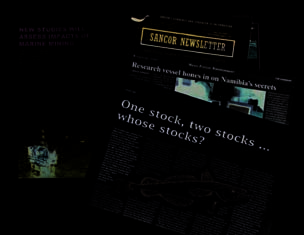
Bengu
curr e
ent l
n a
ews
Public Relations
Current of Plenty was released on
for albacore tuna on the Malgas I ,
CD in June.
and filmed a purse seiner land-
ing its pilchard catch off Cape
The documentary describes the
Town. Fishing companies, I&J and
abundance of life that occurs in the
NovaNam also supplied footage for
coastal regions of the Benguela.
the documentary.
It captures the fascinating natural
biodiversity of the Benguela region
Current of Plenty wil entertain and
- both on land and at sea and
educate anyone who has an
shows how humans are utilising the
interest in the Benguela region.
resources of the Benguela on a
It is likely to become a wel -used
smal - and industrial-scale.
resource in the classrooms of
the region and wil also stand as
For instance, Current of Plenty
a showcase for the Benguela
The powerful waves that lash the
documents the activity on a hake
Current Large Marine Ecosystem
shores of the Benguela Current
trawler and features images of
for many years to come.
Large Marine Ecosystem provide a
diamond mining and oil dril ing.
dramatic opening for a 25-minute
De Beers Marine donated dramatic
Limited copies of Current of Plenty
documentary, Current of Plenty,
underwater footage which was
are available. To order yours, please
which was produced for the
taken from the submersible, Jago.
contact Cristina Cicognani at
BCLME Programme by Francois
Cameraman, Claudio Velásquez,
bclmeevs@deat.gov.za
Odendaal Productions.
recorded the excitement of fishing
The BCLME Programme web-
profiles include information on
Research, G.
site has grown from strength
the geography, demographics,
Hempel and K.
to strength over the past six
economy, infrastructure, marine
Sherman, eds.
months. It now features an up-
environment, fisheries and min-
2003.
to-date list of all the projects
ing sectors in each of the three
that are being implemented by
countries. The profiles are avail-
Integrated
the BCLME Programme. Web
able online in both English and
Management
of the
browsers are able to download
Portuguese.
Benguela
reports for the projects that have
Current Region
been completed.
Copies of two very topical
papers on the Benguela Current
A Framework
for Future
Also available on the site are
Large Marine Ecosystem may be
Development
progress reports for some of the
downloaded from the site.
longer running projects.
These are:
MJ O'Toole,
LV Shannon, V de Barros Neto and
The website now features
Sustainability of the Benguela:
DE Malan
profiles on Angola, Namibia
ex Africa simper aliquid novi
Published in Science and Integrated
and South Africa, providing
LV Shannon and MJ O'Toole:
Coastal Management, Dahlem
web browsers with a snapshot
Published in Large Marine
University Press.
of the three countries of the
Ecosystems of the World: Trends
Visit www.bclme.org
Benguela region. The country
in Exploitation, Protection and
The BCLME Programme has been
In June, the BCLME Programme
wel represented in the fishing press
was featured in the newsletter
over the past six months. Articles
of the World Conservation Union,
on the Programme and some of its
IUCN.
activities have appeared regularly
in Maritime Southern Africa and
The voyage of the Alexander von
Fishing Industry News, as wel as
Humboldt was wel documented
in the international fishing journals,
in the Namibian press, especial y
Fishing News International and
by journalist, Maggi Barnard, who
World Fishing.
accompanied the Humboldt on
a three-day transfer between
Scientific and academic news-
Cape Town and Walvis Bay. Ms
letters, such as South Africa's
Barnard's articles, which make
Research Highlights and the
for entertaining and informative
SANCOR newsletter have also
reading, are posted to the BCLME
featured updates on the BCLME
Programme's website.
Programme.
23


Tubarões de Bronze
Amigração dos tubarões de bronze entre a Namíbia e Angola apresenta desafios
difíceis para a gestão pesqueira; mas um projecto que conseguiu o apoio do
Programa do BCLME esforçar-se-á por fornecer aos governos de ambos os país-
es um ante-projecto para a futura gestão desta espécie litoral de grande valor.
Os tubarões de bronze Carch-
dos Tigres, no sul de Angola
O programa do BCLME está
arhinus brachyurus, são geral-
em 2003, foram recapturados
a dar apoio ao projecto de tel-
mente conhecidos na Namíbia
três meses mais tarde perto de
emetria por satélite porque o
como tubarões de cobre ou
Swakopmund, na Namíbia, 715
tubarão de bronze representa um
"bronzeados" e em Angola como km a sul.
exemplo clássico de problemas
tubarões de cobre. A espécie
ambientais transfronteiriços,
ocorre em todo o mundo e é
Presume-se que a Baía dos
uma das áreas-chave em foco no
conhecida como sendo uma das
Tigres seja uma área de
Programa.
que têm o crescimento mais
reprodução e crescimento muito
lento de todas as espécies de
importante dos tubarões de
Na Namíbia, os tubarões de
tubarões, um factor que a torna
bronze, mas os cientistas acredi-
bronze são o ponto focal de uma
Dr Hannes
extremamente vulnerável à
tam que a espécie migre para
indústria de turismo eferves-
Holtzhausen
sobre-exploração.
as águas Namibianas para ter as
suas crias. Esta teoria é supor-
cente. Os pescadores de pesca
Os cientistas acreditam que na
tada pelo facto de que muitos
à linha valorizam muito o tubarão
África Austral ocorram duas popu-
dos tubarões que são captura-
de bronze pela sua legendária
lações separadas de tubarões de
dos e marcados na Namíbia são
habilidade de combate e pes-
bronze: uma distribui-se desde a
fêmeas grávidas.
cadores de todo mundo viajam
zona ocidental da Província do Cabo
para a Namíbia na esperança de
na direcção Leste e a outra desde
A localização exacta das zonas
medir forças com um tubarão de
Walvis Bay, na Namíbia, mov-
de crescimento das espécies
bronze a partir da praia, usando
endo-se para Norte, até ao sul de
permanece um mistério, e este
cana e carreto. A pesca recrea-
Angola. Os estudos de marcação-
é um dos segredos que os
tiva de tubarões de bronze gera
e-soltura sugerem que a Namíbia e
cientistas têm esperança de
uns 2,1 milhões de dólares (R15
Angola partilham uma única popu-
desvendar quando os quatro
milhões) de rendimento do tur-
lação de tubarões de bronze.
tubarões de bronze com mar-
ismo anualmente e quase todos
cação acompanhada via satélite
os tubarões de bronze que são
Por exemplo, dois tubarões
forem recuperados mais tarde
capturados pelos pescadores na
que foram marcados na Baía
este ano.
Namíbia são libertados. No sul
Bronze Whaler Sharks
The migration of bronze whaler
Scientists believe that two
Namibian waters to bear its pups.
sharks between Namibia and
separate populations of bronze
This theory is supported by the
Angola presents tough challeng-
whaler sharks occur in southern
fact that many of the sharks that
es for fisheries management; but
Africa: one is distributed from
are caught and tagged in Namibia
a project that has won the sup-
the Western Cape eastwards
are pregnant females.
port of the BCLME Programme
and the other from Walvis Bay
will endeavour to provide the
in Namibia, northwards into
The exact location of the spe-
governments of both countries
southern Angola. Tag and release
cies' pupping grounds remains
with a blueprint for the future
studies suggest that Namibia and
a mystery, and this is one of the
management of this highly prized
Angola share a single population
secrets that scientists hope will
coastal species.
of bronze whaler sharks.
be revealed when four satellite
tags which have been attached
Bronze whaler sharks
For instance, two sharks that
to bronze whaler sharks are
Carcharhinus brachyurus, are
were tagged at Baia dos Tigres
retrieved later this year.
commonly known in Namibia as
in southern Angola in 2003, were
the copper shark or "bronzy"
recaptured three months later
The BCLME Programme is sup-
and in Angola as tiburòn cobrizo.
near Swakopmund in Namibia,
porting the satellite telemetry
The species occurs all over the
715km to the south.
project because the bronze whal-
world and is known to be one of
er shark presents a classic exam-
the slowest growing of all shark
Baia dos Tigres is thought to be
ple of transboundary environ-
species, a factor that makes it
an important breeding ground
mental problems, one of the key
and nursery area for bronze whal-
focus areas of the Programme.
Bengu extremely vulnerable to over-
exploitation.
er sharks, but scientists believe
that the species migrates to
In Namibia, bronze whaler sharks
curr e
ent l
n a
ews
are the focal point of a vibrant
24
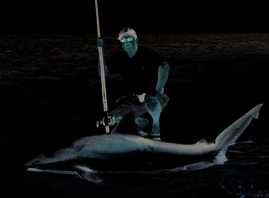
Bengu
curr e
ent l
n a
ews
e centro de Angola entretanto,
capturados de forma sustentada
camente, via satélite, num "site"
os tubarões de bronze e outras
no sul de Angola e que impacto
da Internet, oferecendo desse
espécies pelágicas, tais como
a captura está a ter na pesca rec-
modo aos cientistas uma janela
o tubarão-raposo, tubarão azul,
reativa da Namíbia.
para o mundo destas criaturas
anequim de barbatana curta e o
fascinantes.
cação, são capturados por "lon-
"Nós esperamos poder avaliar a
gliners" pelágicos pelas suas
população e formular um plano
Ao longo dos dois anos pas-
carne e barbatanas. Durante
conjunto de gestão dos tubarões
sados, foi marcado um total de
2001 e 2002, desenvolveu-se
de bronze de modo que a sua
952 tubarões de bronze com eti-
uma pesca orientada para os
pesca possa sobreviver na
quetas ordinárias do tipo dardo,
tubarões de bronze no sul de
Namíbia ", diz o líder do projecto,
por investigadores na Namíbia
Angola, especificamente na Baía
Hannes Holtzhausen, chefe de
e em Angola. Foram recolhidos
dos Tigres. Os níveis exactos de
pesquisa de grandes peixes
dados biológicos de 261 espéci-
captura e o impacto desta pes-
pelágicos no Centro Nacional
mes e até à data, foram recap-
caria são desconhecidos, mas os
de Investigação e Informação
turados 17 tubarões marcados.
cientistas e a indústria do turismo Marinha (NATMIRC) da Namíbia.
Os dados produzidos pelos estu-
da Namíbia estão receosos que
dos de marcação-soltura estão a
As etiquetas-satélite foram pos-
tenham um efeito devastador na
ajudar aos cientistas a recolher
tas em dois tubarões machos
pesca recreativa de tubarões de
informação sobre a grandeza da
e em duas fêmeas que foram
bronze no seu país.
distribuição e do ratio entre os
capturadas na Namíbia entre
sexos dos tubarões de bronze e
Fevereiro e Abril deste ano. As
a identificar mudanças sazonais
Um dos alvos do projecto de tel-
etiquetas de arquivo Argos PTT-
nos índices de captura.
emetria por satélite é determinar
100 são programadas para se
em que extensão os tubarões
soltarem dos tubarões sozinhas
Espera-se que os números das
de bronze migram sazonalmene
no fim do ano. Assim que as eti-
fêmeas grávidas e dos tubarões
entre a Namíbia e Angola. O
quetas se soltem dos tubarões,
recém-nascidos que são captur-
projecto testará também se os
a informação sobre a rota da sua
tubarões de bronze podem ser
migração é carregada automati-
continuação.../26
tourism industry. Shore anglers
in southern Angola, specifically at
prize the bronze whaler for its
Baia dos Tigres. The exact levels
legendary fighting ability and
of harvesting and the impact of
anglers from all over the world
this fishery are unknown, but sci-
travel to Namibia in the hope
entists and the tourism industry
of catching a bronze whaler
in Namibia are concerned that it
from the beach, using rod and
will have a devastating effect on
reel. The recreational fishery for
the recreational fishery for bronze
bronze whaler sharks generates
whaler sharks in their country.
an estimated US$2.1 million (R15
million) in tourism revenue annu-
One of the aims of the satellite
ally and almost all of the bronze
telemetry project is to deter-
whaler sharks that are caught by
mine the extent to which bronze
anglers in Namibia are released.
whaler sharks migrate seasonally
between Namibia and Angola.
In southern and central Angola
The project will also test whether
however, bronze whalers and
bronze whaler sharks may be
other pelagic shark species,
sustainably harvested in south-
such as thresher, blue, shortfin
ern Angola and what impact the
mako and soupfin sharks are har-
harvest is having on Namibia's
A recreational angler lands a bronze whaler shark in Namibia.
vested by pelagic longliners for
recreational fishery.
The bronze whaler project has received substantial support
their meat and fins. During 2001
from the recreational angling sector in South Africa and
and 2002, a targeted fishery for
continued.../26 Namibia, both through sponsorship and the involvement of
bronze whaler sharks developed
anglers in tagging studies.
25

dos deste exercício, deverá ser
de tubarão-bronze na região de
25/...continuação
possível fazer recomendações
BCLME. Isto deverá revelar se a
ados nos cruzeiros de marcação-
sobre o nível de capturas para o
população de tubarões de bronze
e-soltura ajudem a identificar as
recurso na sua globalidade. Tais
da África Austral é de facto sepa-
áreas de reprodução e cresci-
recomendações teriam em con-
rada da população da Namibia/
mento de modo a que estas
sideração a necessidade de ter
Angola e ajudará aos cientistas
áreas possam ser objecto de
uma captura comercial sustentáv-
a verificarem a informação que
proteção no futuro.
el em Angola sem afectar o uso
é recolhida nos estudos de mar-
"sem-consumo" dos tubarões de
cação-e-soltura.
Uma vez recolhidos todos os
bronze na Namíbia.
necessários parâmetros biológi-
No fim do projecto, será apresen-
cos e dados sobre as capturas,
Também incluído no estudo
tado aos governos da Namíbia
será usado um modelo de pescas financiado pelo BCLME há uma
e de Angola um plano para a
apropriado para avaliar o stock de
componente de pesquisa genéti-
gestão futura do stock compartil-
tubarão de bronze na Namíbia e
ca que vai ajudar a determinar a
hado de tubarão de bronze.
em Angola. Baseado nos resulta-
identidade do stock do recurso
tion about their migration route
pregnant females and new born
25/...continued
is automatically downloaded,
sharks that are caught in tag-and-
"We hope to be able to assess
via satellite, to an internet site,
release surveys will help to iden-
the population and formulate a
thereby offering scientists a
tify breeding and pupping areas
joint management plan for bronze
window onto the world of these
so that these areas might be
whaler sharks so that the Namibian
fascinating creatures.
afforded protection in the future.
fishery can survive," says project
Over the past two years, a total
Once all the necessary biological
leader, Dr Hannes Holtzhausen,
of 952 bronze whaler sharks
parameters and catch data have
the head of research into large
have been tagged with ordi-
been collected, an appropriate
pelagic fish at the National Marine
nary dart tags by researchers in
fisheries model will be used to
Research and Information Centre
Namibia and Angola. Biological
assess the bronze whaler stock
(NATMIRC) in Namibia.
data has been collected for
in Namibia and Angola. Based
Satellite tags have been attached
261 specimens and to date, 17
on the results of this exercise,
to two male and two female
tagged sharks have been recap-
it should be possible to recom-
sharks that were caught in
tured. The data that is generated
mend a harvesting level for
Namibia between February and
by the tag-and-release studies is
the resource as a whole. Such
April this year.
helping scientists to gather infor-
recommendations would take
mation about the size distribution
into account the need to have a
The Argos PTT-100 archival
and sex ratios of bronze whaler
sustainable commercial harvest
pop-up tags are programmed
sharks and to identify seasonal
in Angola without affecting the
to detach themselves from the
changes in catch rates.
non-consumptive use of bronze
sharks at year-end. Once the
whaler sharks in Namibia.
tags pop off the sharks, informa-
It is hoped that the numbers of
Research support good cause and assessed by scientists from South Africa
and Namibia who took part in the cruise," said
One ton of frozen fish was donated to the Erongo
Dr Nevil e Sweijd, director of BENEFIT.
House of Safety in Swakopmund recently.
According to Dr Hashali Hamukuaya, director of
The BCLME Programme, BENEFIT Programme the Marine Living Resources Activity Centre of
and the Norwegian Nansen Programme, made
the BCLME, work carried out by the Ministry's
the donation to the home for abandoned,
scientists and the regional programmes is
abused, neglected and destitute children.
an important part of ensuring the sustainable
utilisation of marine resources. However, it is
The fish, consisting of hake, kingklip, anglefish
not often that there is an opportunity for these
and sole, were caught on a research cruise
research programmes to make a direct contri-
which was conducted on board the Norwegian
bution to the community, he said.
vessel, Dr Fritjof Nansen.
Manager of the Erongo House of Safety,
"The fish are in good condition and were fro-
Alfrieda Thomas, expressed her gratitude on
zen at sea after they were measured, weighed
behalf of the children's home.
Bengu
Paulus Kalenga, volunteer at the Erongo House of Safety; Dr Ben van Zyl, head of the national Marine
Information and Research Centre; Alfrieda Thomas, House of Safety manager; and Dr Hashali
Hamukuaya, director of the Marine Living Resources Activity Centre of the BCLME Programme.
curr e
ent l
n a
ews
26

Bengu
curr e
ent l
n a
ews
New studies wil assess
impacts of marine mining
The Benguela Current Large Marine Ecosystem (BCLME) Programme has allocated
approximately US$382 400 (R2.7 million) to examine the cumulative effects that
offshore petroleum extraction and diamond mining have on the marine environ-
ment of the Benguela region.
Marine diamond mining is under-
project wil determine what data
Previous studies have documented
taken along the west coasts of
are available from the petroleum
the negative effects that shore-
South Africa and Namibia, and al
industry and whether they are use-
based and near shore mining have
three countries in the Benguela
ful for assessing the state of the
on rock lobster. These include a
region are involved in petroleum
marine environment.
reduction of food availability or the
exploration and production.
degradation of rock lobster habitat
Once this assessment is complet-
through the smothering of reefs or
Although a number of impact
ed, the BCLME Programme wil
the reduction of kelp cover.
assessment studies have been
turn its attention towards establish-
conducted, little is known about
ing a baseline for environmental
Most studies have found these
the col ective effect that marine
data and setting up monitoring
impacts to be localised, short
mining operations have on the
studies in the vicinity of dril ing
term and minor, however, ques-
marine environment over a long
activities.
tions remain about the cumulative
period of time.
effects of reef smothering and the
A similar project has been
cumulative degradation of kelp
Similarly, insufficient knowledge
designed to access environmental
cover. Added to these problems is
exists with respect to the cumula-
data col ected by marine diamond
the issue of periodic incursions of
tive impacts of petroleum explora-
mining companies over the years.
low oxygen water which is char-
tion and production activities in
This project has been contracted
acteristic of the productive west
the BCLME, particularly in Angolan
to Pisces Environmental Services.
coast.
waters.
Two other studies have been
Both of the BCLME-funded studies
Extensive offshore petroleum
designed to test the cumulative
have been designed to examine
production activities take place
impacts of marine diamond min-
the repetitive impacts of a range
in Angola's northern provinces of
ing. The first of these, which has
of mining activities. The issues of
Cabinda and Zaire, and intensive
been contracted to the CSIR, is
greatest concern, and those that
dril ing is taking place on the conti-
an assessment of the cumulative
are currently least understood,
nental slope between Cabinda and
effects of sediment discharges
relate to the impact on near-shore
Luanda.
from on-shore and near-shore dia-
reefs of sediment discharges from
mond mining activities.
It is not unrealistic to expect that
continual or expanding mining
several hundred wel s wil be dril ed
The second study, which has
operations, and the repeated cut-
off Angola in the next decade.
been undertaken by Pisces
ting of kelp in shal ow reef areas.
Environmental Services, is an
There are two consequences of
assessment of the cumulative
these activities that are of con-
impacts of scouring sub-tidal areas
cern to the management of the
and kelp cutting by divers, with
BCLME. These are: the effect that
particular reference to rock lobster
the discharge of dril ing mud and
populations.
cuttings has on benthic organisms
such as crabs, shrimps and marine
Off the South African and Namibian
worms; and the effect that the
coasts, major discharges of fine
discharge of toxic production water
sediment from shore-based dia-
from offshore platforms has on
mond processing plants and diver
plankton, fish eggs and larvae.
operations within the near-shore
zone (from the shore to a depth
A third, indirect effect, is that
of approximately 40m) occur as a
of restricted fishing around oil
by-product of mining operations.
rigs and pipelines. This could be
There is concern, particularly from
beneficial for fish populations, pro-
the fishing industry, that these tur-
vided that pol ution or disturbance
bid waters may impact negatively
effects are smal .
on the ecosystems and fisheries
A project that has been contracted
resources in the vicinity of mining
to the South African Council for
operations.
Scientific and Industrial Research
In the Northern Cape Province and
(CSIR) is to focus on the compila-
A smal boat that is used for extracting diamonds in the nearshore
southern Namibia there is on-going
tion of available information relating
environment is pictured at Alexander Bay in South Africa.
conflict between mining operators
to offshore dril ing activities. This
A BCLME-funded project is to study the cumulative ef ects
and the rock lobster fishing industry.
of diamond mining on the marine environment.
27




The BCLME Programme
via the ballast water of ships moving through the
Benguela
The BCLME Programme is a joint initiative by
the governments of Angola, Namibia and South
region, and pollutants or harmful algal blooms that
Africa to manage and utilise the resources of the
can be advected by winds and currents from the
Benguela Current Large Marine Ecosystem in a sus-
waters of one country into another.
tainable and integrated manner.
The Programme is funded by the Global Environment
Facility (GEF) which has contributed US$15.2 million
The Programme is designed to improve the structures through the United Nations Development Programme
and capacities of Namibia, Angola and South Africa
(UNDP) for the regional initiative. The GEF's funding
to deal with the environmental problems that occur
complements an investment of US$16 million by
across the national boundaries, in order that the eco-
the three countries, and over US$7 mil ion from other
system may be managed as a whole.
sources such as the Benguela Environment Fisheries
These transboundary issues include the migration
Training Interactions Programme, BENEFIT.
or straddling of valuable fish stocks across national
The BCLME Programme is administered by a
boundaries, the introduction of invasive alien species
Programme Co-ordinating Unit.
BCLME PROGRAMME CO-ORDINATING UNIT
WINDHOEK, NAMIBIA
Tel:
+264 -(0) 61-246 948
Fax:
+264 -(0) 61-246 803
Chief Technical Advisor: Dr Mick O'Toole
Email:
otoole@bclme.un.na
ACTIVITY CENTRE:
BIODIVERSITY, ECOSYSTEM HEALTH AND POLLUTION
LUANDA, ANGOLA
Tel:
+244 -(0) 92-50 8200
Fax:
+244 -(0) 92-50 8200
Director: Ms Maria Sardinha
Email:
milu_sardinha@yahoo.com
ACTIVITY CENTRE:
LIVING MARINE RESOURCES
Swakopmund, NAMIBIA
Tel:
+264 -(0) 64-410 1106
Fax:
+264 -(0) 64-410 740
Director: Dr Hashali Hamukuaya
Email:
hhamukuaya@benguela.org
ACTIVITY CENTRE:
ENVIRONMENTAL VARIABILITY
Cape Town, SOUTH AFRICA
Tel:
+27 -(0) 21-402 3418
Fax:
+27 -(0) 21-421 7406
Director: Ms Lesley Staegemann
Email:
bclmeevg@deat.gov.za
Portuguese translations by
Luis Anapaz
Special thanks to Claudio
Feedback:
Please send your comments,
Design & DTP:
Velásquez Rojas who sup-
suggestions and stories to:
Günther Komnick Studio
plied many of the photo-
Claire Attwood
Tel: +27 21 424 6340
graphs in Benguela Current
Tel/Fax: +27 21 788 3500
News.
Email: cattwood@mweb.co.za
Portuguese Translation: Luis Anapaz
Photography:
Bengu
Claudio Velásquez, Maggi Barnard,
www.bclme.org
Mick O'Toole, Claire Attwood, Peter Ryan,
Richard Cuthbert, Neville Sweijd
curr e
ent l
n a
ews
28