

(1,1) -1- Cover 40b_only.indd 2004-04-05, 14:07:25
Global International
Waters Assessment
Amazon Basin
GIWA Regional assessment 40b
Barthem, R. B., Charvet-Almeida, P., Montag, L. F. A. and A. E. Lanna
Global International
Waters Assessment
Regional assessments
Global International
Waters Assessment
Regional assessment 40b
Amazon Basin
GIWA report production
Series editor: Ulla Li Zweifel
Report editor: David Souter
Editorial assistance: Johanna Egerup and Malin Karlsson
Maps & GIS: Niklas Holmgren
Design & graphics: Joakim Palmqvist
Global International Waters Assessment
Amazon Basin, GIWA Regional assessment 40b
Published by the University of Kalmar on behalf of
United Nations Environment Programme
© 2004 United Nations Environment Programme
ISSN 1651-9402
University of Kalmar
SE-391 82 Kalmar
Sweden
United Nations Environment Programme
PO Box 30552,
Nairobi, Kenya
This publication may be reproduced in whole or in part and
in any form for educational or non-profit purposes without
special permission from the copyright holder, provided
acknowledgement of the source is made. No use of this
publication may be made for resale or for any other commercial
purpose whatsoever without prior permission in writing from the
United Nations Environment Programme.
CITATIONS
When citing this report, please use:
UNEP, 2004. Barthem, R. B., Charvet-Almeida, P., Montag, L. F. A.
and Lanna, A.E. Amazon Basin, GIWA Regional assessment 40b.
University of Kalmar, Kalmar, Sweden.
DISCLAIMER
The views expressed in this publication are those of the authors
and do not necessarily reflect those of UNEP. The designations
employed and the presentations do not imply the expressions
of any opinion whatsoever on the part of UNEP or cooperating
agencies concerning the legal status of any country, territory,
city or areas or its authority, or concerning the delimitation of its
frontiers or boundaries.
This publication has been peer-reviewed and the information
herein is believed to be reliable, but the publisher does not
warrant its completeness or accuracy.
Printed and bound in Sweden by Sunds Tryck Öland AB.
CONTENTS
Contents
Abbreviations and acronyms
9
Executive summary
11
Regional definition
14
Boundaries of the Amazon region
14
Physical characteristics
15
Socio-economic characteristics
19
Assessment
22
Freshwater shortage
22
Pollution
24
Habitat and community modification
26
Unsustainable exploitation of fish and other living resources
28
Global change
30
Priority concerns
31
Causal chain analysis of the Madeira River Basin
34
Introduction
34
System description
35
Causal model and links
38
Policy options of the Madeira River Basin
43
Definition of the problems
43
Construction of the policy options
45
Identification of the recommended policy options
46
Likely performance of recommended policies
46
References
48
Annexes
53
Annex I List of contributing authors and organisations
53
Annex II Detailed scoring tables
54
Annex III List of important water-related programmes in the region
58
Annex IV List of conventions and specific laws that affect water use in the region
59
The Global International Waters Assessment
i
The GIWA methodology
vii
CONTENTS
Abbreviations and acronyms
ACA
Amazon Conservation Association
ACT
Amazon Cooperation Treaty
ANA
Brazilian National Water Agency
BOD
Biological Oxygen Demand
CENDEPESCA
Bolivian Centre for Fisheries Development
COBRAPHI
Brazilian Committee for the International Hydrological Programme
EMBRAPA
Brazilian Agricultural Research Corporation
FAO
Food and Agricultural Organization of the United Nations
HiBAm
Hydrology and Geochemistry of the Amazon Basin
IBAMA
Brazilian Institute of Environment
IBGE
Brazilian Institute of Geography and Statistics
INPA
The National Institute for Research in the Amazon
INPE
Brazilian National Institute for Space Research
LBA
Large Scale Biosphere-Atmosphere Experiment in Amazonia
MERCOSUR
Mercado Común del Sur (Southern Common Market)
MINPES
Peruvian Ministry of Fisheries
MPEG
The State of Pará Emílio Goeldi Museum
PPG7
Protection of the Brazilian Rainforest
PROVARZEA
The Amazon Floodplains (Varzea) Project
SECTAM
The Pará State Secretariat for Science, Technology and Environment
SENAMHI
National Service of Meteorology
SINCHI
The Amazonic Institute of Scientific Research
UA
Amazonas University
UFPA
Federal University of Pará
UFPB
Federal University of Paraíba
UNEP
United Nations Environment Programme
ABBREVIATIONS AND ACRONYMS
9
List of figures
Figure 1
Geographical location of the Amazon, Orinoco and Paraná basins. . . . . . . . . . . . . . . . . . . . . . . . . . . . . . . . . . . . . . . . . . . . . . . . . . . . . . . . . . . . . . . . . . . . . . . . . . . . . . . . . . . . . . . . . . . . . 14
Figure 2
The Amazon Basin. . . . . . . . . . . . . . . . . . . . . . . . . . . . . . . . . . . . . . . . . . . . . . . . . . . . . . . . . . . . . . . . . . . . . . . . . . . . . . . . . . . . . . . . . . . . . . . . . . . . . . . . . . . . . . . . . . . . . . . . . . . . . . . . . . . . . . . . . . . . . . 15
Figure 3
The drainage basins of the tributaries comprising the Amazon Basin.. . . . . . . . . . . . . . . . . . . . . . . . . . . . . . . . . . . . . . . . . . . . . . . . . . . . . . . . . . . . . . . . . . . . . . . . . . . . . . . . . . . . . . . . . . 16
Figure 4
The main Amazon habitats. . . . . . . . . . . . . . . . . . . . . . . . . . . . . . . . . . . . . . . . . . . . . . . . . . . . . . . . . . . . . . . . . . . . . . . . . . . . . . . . . . . . . . . . . . . . . . . . . . . . . . . . . . . . . . . . . . . . . . . . . . . . . . . . . . . . . 19
Figure 5
A small urban stream blocked by solid wastes.. . . . . . . . . . . . . . . . . . . . . . . . . . . . . . . . . . . . . . . . . . . . . . . . . . . . . . . . . . . . . . . . . . . . . . . . . . . . . . . . . . . . . . . . . . . . . . . . . . . . . . . . . . . . . . . . . 25
Figure 6
The rivers of the Amazon Basin carry a large volume of trees, pieces of wood, branches, leaves and roots. . . . . . . . . . . . . . . . . . . . . . . . . . . . . . . . . . . . . . . . . . . . . . . . . . . . . . 25
Figure 7
The Balbina Dam on the Uatumã River.. . . . . . . . . . . . . . . . . . . . . . . . . . . . . . . . . . . . . . . . . . . . . . . . . . . . . . . . . . . . . . . . . . . . . . . . . . . . . . . . . . . . . . . . . . . . . . . . . . . . . . . . . . . . . . . . . . . . . . . . 27
Figure 8
Model indicating the inter-linkage and synergies between the concerns. . . . . . . . . . . . . . . . . . . . . . . . . . . . . . . . . . . . . . . . . . . . . . . . . . . . . . . . . . . . . . . . . . . . . . . . . . . . . . . . . . . . . . . 33
Figure 9
Deforested areas in the Madeira Basin. . . . . . . . . . . . . . . . . . . . . . . . . . . . . . . . . . . . . . . . . . . . . . . . . . . . . . . . . . . . . . . . . . . . . . . . . . . . . . . . . . . . . . . . . . . . . . . . . . . . . . . . . . . . . . . . . . . . . . . . . 35
Figure 10 Anthropogenic pressure in the Madeira River Basin. . . . . . . . . . . . . . . . . . . . . . . . . . . . . . . . . . . . . . . . . . . . . . . . . . . . . . . . . . . . . . . . . . . . . . . . . . . . . . . . . . . . . . . . . . . . . . . . . . . . . . . . . . . . 36
Figure 11 Gold mining activity in the Madeira River headwaters. . . . . . . . . . . . . . . . . . . . . . . . . . . . . . . . . . . . . . . . . . . . . . . . . . . . . . . . . . . . . . . . . . . . . . . . . . . . . . . . . . . . . . . . . . . . . . . . . . . . . . . . . 36
Figure 12 Transport of timber (mahogany) in the Peruvian rivers. . . . . . . . . . . . . . . . . . . . . . . . . . . . . . . . . . . . . . . . . . . . . . . . . . . . . . . . . . . . . . . . . . . . . . . . . . . . . . . . . . . . . . . . . . . . . . . . . . . . . . . . . 37
Figure 13 Fishing activity in the Madre de Dios River. . . . . . . . . . . . . . . . . . . . . . . . . . . . . . . . . . . . . . . . . . . . . . . . . . . . . . . . . . . . . . . . . . . . . . . . . . . . . . . . . . . . . . . . . . . . . . . . . . . . . . . . . . . . . . . . . . . . . 37
Figure 14 Madeira River Basin causal chain analysis on Pollution. . . . . . . . . . . . . . . . . . . . . . . . . . . . . . . . . . . . . . . . . . . . . . . . . . . . . . . . . . . . . . . . . . . . . . . . . . . . . . . . . . . . . . . . . . . . . . . . . . . . . . . . 41
Figure 15 Madeira River Basin causal chain analysis on Habitat and community modification. . . . . . . . . . . . . . . . . . . . . . . . . . . . . . . . . . . . . . . . . . . . . . . . . . . . . . . . . . . . . . . . . . . . . . . . . . . 42
List of tables
Table 1
The Amazon River and its main tributaries. . . . . . . . . . . . . . . . . . . . . . . . . . . . . . . . . . . . . . . . . . . . . . . . . . . . . . . . . . . . . . . . . . . . . . . . . . . . . . . . . . . . . . . . . . . . . . . . . . . . . . . . . . . . . . . . . . . . . 16
Table 2
Countries within the Amazon Basin. . . . . . . . . . . . . . . . . . . . . . . . . . . . . . . . . . . . . . . . . . . . . . . . . . . . . . . . . . . . . . . . . . . . . . . . . . . . . . . . . . . . . . . . . . . . . . . . . . . . . . . . . . . . . . . . . . . . . . . . . . . . 16
Table 3
Scoring table for the Amazon region. . . . . . . . . . . . . . . . . . . . . . . . . . . . . . . . . . . . . . . . . . . . . . . . . . . . . . . . . . . . . . . . . . . . . . . . . . . . . . . . . . . . . . . . . . . . . . . . . . . . . . . . . . . . . . . . . . . . . . . . . . . 22
Table 4
Population in relation to river basins. . . . . . . . . . . . . . . . . . . . . . . . . . . . . . . . . . . . . . . . . . . . . . . . . . . . . . . . . . . . . . . . . . . . . . . . . . . . . . . . . . . . . . . . . . . . . . . . . . . . . . . . . . . . . . . . . . . . . . . . . . . 35
Table 5
Basic sanitation indicators in the Brazilian part of Madeira and Amazon basins. . . . . . . . . . . . . . . . . . . . . . . . . . . . . . . . . . . . . . . . . . . . . . . . . . . . . . . . . . . . . . . . . . . . . . . . . . . . . . . 38
Table 6
Water availability in the Brazilian part of the Madeira and Amazon basins.. . . . . . . . . . . . . . . . . . . . . . . . . . . . . . . . . . . . . . . . . . . . . . . . . . . . . . . . . . . . . . . . . . . . . . . . . . . . . . . . . . . . 38
Table 7
Water demand in the Brazilian part of the Madeira and Amazon basins.. . . . . . . . . . . . . . . . . . . . . . . . . . . . . . . . . . . . . . . . . . . . . . . . . . . . . . . . . . . . . . . . . . . . . . . . . . . . . . . . . . . . . . . 38
Table 8
Organic load in the Brazilian part of the Madeira and Amazon basins. . . . . . . . . . . . . . . . . . . . . . . . . . . . . . . . . . . . . . . . . . . . . . . . . . . . . . . . . . . . . . . . . . . . . . . . . . . . . . . . . . . . . . . . . 38
10
GIWA REGIONAL ASSESSMENT 40B AMAZON BASIN
Executive summary
The Amazon Basin is the largest basin on the planet and also one of the
are the most important products exported from the Amazon Basin.
least understood. Its drainage area covers more than one third of the
Timber exploitation focuses on a few species, particularly mahogany
South American continent, and its discharge contributes almost one
(Swietenia macrophyl a). The primary environmental consequence of
fifth of the total discharge of all rivers of the world. The headwaters of
this exploitation is the depletion of natural populations of the exploited
the Amazon River are located about 100 km from the Pacific Ocean and
species. The construction of roads to facilitate the extraction of timber
it runs more than 6 000 km before draining into the Atlantic Ocean. In
from within the forest also provides access to farmers and other groups
addition, the Amazon has 15 tributaries, including the Tocantins River,
that colonise and expand into these newly accessible areas. Mining,
that measure more than 1 000 km in length. The Madeira and Negro
particularly of al uvial gold, and oil extraction activities are scattered
rivers are the most important tributaries, contributing with more than
throughout the Amazon region. The main environmental problems
one third of the total water discharge. The Amazon Basin contains
associated with mining are pol ution and increased suspended
a complex system of vegetation, including the most extensive and
sediment loads caused by erosion which leads to the degradation
preserved rainforest in the world. The rainforest, known as the Amazon
of downstream habitats. Fishing is also an extractive activity that is
Rainforest, is not confined to the Amazon Basin but also extends into
traditional and important in the Amazon plains. Fish is a source of cheap,
the Orinoco Basin and other small basins located between the mouths
high quality protein for inhabitants of the Amazon Basin. Some selected
of the Orinoco and Amazon rivers. In addition, savannah and tundra-
species of fish are exported to other regions outside the Amazon Basin
like vegetation can also be found. Extensive areas of scrub-savannah
and also to other countries. Overexploitation exists but is restricted to
dominate the headwaters of the Brazilian and Guyana shields, while
only a few target species.
the regions of the Basin situated at high altitude in the Andes are
characterised by tundra-like grassy tussocks cal ed the Puna.
The development and expansion of agriculture is modifying the
environment within the region. Large cattle farms are being established
The Amazon Basin is shared by Brazil, Peru, Ecuador, Bolivia, Colombia,
in vast areas along the southern and eastern borders of the Basin. Also,
Venezuela and Guyana. More than half of this basin is located in
large soybean plantations are being established mainly in less humid
Brazilian territory, but the headwaters are located in the Andean
areas near the borders of the Basin. Meat and soybeans may become
portion of the Basin which is shared by Bolivia, Peru, Ecuador and
important export products from this region, but it wil result in the
Colombia. The human density in the Amazon Basin is very low and
replacement of natural forests by pastures and soybean plantation.
people are concentrated in urban centres. In the entire Basin there are
The importance of the Amazon forest in regulating the hydrological
five cities with more than 1 million inhabitants and an additional three
and carbon cycles has only very recently been recognised and the
with more than 300 000 people. However, despite the high proportion
consequences of the large-scale deforestation are not wel understood.
of the population living in urban areas, the economy of the region is
As a consequence, deforestation and pollution were considered to be
stil primarily dependent on the extraction of exportable minerals,
the most critical large-scale environmental problems in this region
oils and forest products. The only exception is the contribution made
leading to the conclusion that Habitat and community modification
by the industrial park established in the duty free zone in the city of
and Pol ution were the most important GIWA concerns in the entire
Manaus. Products from timber, mining and petroleum exploitation
Amazon Basin.
EXECUTIVE SUMMARY
11
Although the environmental and socio-economic impacts of each
informed about the ecology, economy, socio-economy, hydrology,
of the predefined GIWA issues and concerns were assessed over
meteorology, agriculture and other important aspects related to water
the entire Amazon Basin, the dimension and heterogeneity of the
and land use in the Basin. This action could be implemented in three
region rendered causal chain and policy options analyses of the entire
ways: (i) research, to obtain more and new information; (i ) search,
region impracticable. As a consequence, these analyses focused on
to gather existing information; and (i i) dissemination, to transmit
determining the root causes of and policy options for mitigating Habitat
information to the target audience. The purpose of this project is to
and community modification and Pollution only in the Madeira Basin.
integrate the different countries and stakeholders that support research,
This basin was chosen because of its socio-economic importance to
databases, and social organisations, in the field of water resources
the region and its transboundary nature.
and environmental management in the Madeira Basin. This project
wil represent a first step to develop and implement a basin-wide
The Madeira River Basin is shared by Brazil, Bolivia and Peru and
management programme involving the three countries. This action
therefore, requires a transnational management agreement in order
complies with directives of the Amazon Cooperation Treaty (ACT) and
to ensure appropriate management of aquatic resources and the
will be the basis for the constitution of a Commission or International
establishment of a socio-economic development plan. The Causal
Committee of the Madeira River Basin. Al three countries possess
chain analysis determined that the root causes of Pollution and Habitat
research programmes and database systems to monitor problems and
and community modification in the Madeira Basin were: governance
manage water resources sustainably, but these programmes are not
failures, market and policy failures, poverty, and lack of knowledge and
integrated. The implementation of an integrated information system
information. The lack of information affects the Basin in different ways,
might improve the prediction of floods and the implementation of
from the inability to detect problems and unsustainable practices to the
mechanisms for pol ution control. Also, the scientific community within
lack of environmental warning mechanisms to raise awareness among
these countries could work in association with the information system
decision-makers. The failure of governance was related to the difficulty in
to develop joint research projects in the aquatic sciences.
establishing acceptable mechanisms to settle conflicts among different
interests. The lack of legitimacy of negotiations commanding decisions
The impetus for establishing a sustainable development programme for
regarding investments and the absence of a basin-wide management
fishing activities in the Madeira Basin is the great economic potential of
plan were the two biggest problems associated with governance
fish stocks and the importance of connections between the upper and
failures in the region. The market and policy failures were attributable
lower parts of rivers to enable fish migration. This project aims to gather
to the misconception that natural resources of the Amazon Basin are
fisheries projects and organisations in order to achieve sustainable
inexhaustible which leads to the unsustainable use of those resources.
fishing practices and exploitation of unidentified opportunities. In
The lack of knowledge was associated with inadequate training in best
addition, the project should strive to raise awareness among fishermen
land use practices resulting in the failure to adopt techniques for soil
and stakeholders of how their activities affect and, in turn, are affected
and chemical use in the agriculture and mining industries that make
by the health of the environment of the Basin, thus transforming them
these activities more profitable and less environmental y damaging.
into one of the primary agents monitoring and enforcing the sustainable
Training in best land use practices must be included in the basin-wide
development programme. In the Amazon Basin, some efforts have been
management plan. Final y, poverty is common in the Amazon Basin and
made to integrate fisheries management, mainly to manage the stocks
results in the significant dependence of people living in the region on
of large migratory catfish. Experiences gained from these efforts could
the exploitation of natural resources in order to sustain their livelihoods.
be incorporated directly into a sustainable fisheries development
The Amazon Basin is one of the last frontiers and a land of opportunities
programme for the Madeira Basin. The selection of this project was
for those that do not have good perspectives in their homelands. The
based on the fact that the fishery supports thousands of direct and
poverty-environmental degradation cycle probably represents the
indirect jobs and, as a consequence, the adequate management of the
largest chal enge for the future administration of this region.
fish stocks in the region is more important from a social perspective
than an economic one. Considering the fact that large migratory
The two most promising projects developed to address these root
catfish spawn in the Andean headwaters of the Basin and mature
causes aimed to collate and disseminate information and to implement
in the estuary and in the lower Amazon reaches, the geographic
a fisheries management programme in the Madeira Basin. Information
area in which this project would be implemented is enormous. The
is the key requirement in order to implement actions to ensure
protection of the spawning areas of these species is essential for the
sustainable use of water resources. The Governments must be well
fishery in the entire Amazon Basin. The efficiency of the project is high
12
GIWA REGIONAL ASSESSMENT 40B AMAZON BASIN
EXECUTIVE SUMMARY
13
because the economic feedback resulting from larger fish stocks is
relatively fast. In addition, the equity considerations are also positive
because the development programme for fishing activities would
directly affect both professional and amateur fishermen, as well as the
consumer markets in the largest cities. Furthermore, considering the
increase in the number of conflicts between fishermen during recent
decades, the political feasibility of the project must be addressed. The
necessity of implementing a fishing ordinance to manage fish stocks
in the region has been recognised by both professional fishermen and
by artisanal fisherman living in riparian communities. In some cases,
it is impossible to find an equitable solution for a conflict and it is
necessary to make a decision that could be unfavourable to one party.
If this is done, the political feasibility of the project can be threatened.
However, if the decision is not taken, the conflict may intensify and
become uncontrol able, potential y threatening the project once
again. Unfortunately, despite having the necessary scientific capacity,
the implementation of this project is prevented by inadequate financial
resources in each of the three countries that share the Madeira Basin.
12
GIWA REGIONAL ASSESSMENT 40B AMAZON BASIN
EXECUTIVE SUMMARY
13
Regional definition
This section describes the boundaries and the main physical and
socio-economic characteristics of the region in order to define the
area considered in the regional GIWA assessment and to provide
sufficient background information to establish the context within
which the assessment was conducted.
Boundaries of the
Amazon region
The Amazon Basin is the largest drainage basin on the planet. It is
situated completely within the tropics, between 5° N and 17° S, and
occupies more than one third of the South American continent. Seven
countries, Brazil, Bolivia, Peru, Colombia, Ecuador, Venezuela and
Guyana share this basin. The Orinoco and Paraná rivers represent other
important South American basins, located to the north and south of
the Amazon Basin, respectively (Figure 1).
The headwaters of the Amazon River are located in the Andes Mountains
© GIWA 2003
which are shared among Bolivia, Peru, Ecuador and Colombia, while the
Figure 1
Geographical location of the Amazon, Orinoco and
Paraná basins.
origin of several important tributaries are found in the Brazilian and
Guyana shields, an ancient Precambrian crystalline basement situated
partial y separated by several islands located at their confluence, and it
along the northern and southern border of the Basin (Figure 2). The
may represent a division of the basins. The Marajó Island is the largest
headwaters of rivers situated in the northern Amazon Basin are shared
and it separates the mouth of the Amazon to the north from Marajó
by Venezuela, Guyana and Brazil, while the headwaters of rivers in
Bay and Pará River, which are considered the mouth of the Tocantins
the south are located in Brazil. The central, the lower and the mouth
River and several other smal er rivers located to the south (Barthem &
of the Amazon River fal within the Brazilian territory (Figure 3). The
Schwassmann 1994). The discharge of the Amazon and Tocantins rivers
Amazon discharges into the North Brazil Shelf Large Marine Ecosystem
creates a large area along the northeastern coast of South America where
(LME 17).
fresh and saltwater mix and sustains a 2 700 km stretch of low-lying,
muddy mangrove forests. This environment extends from the Orinoco
The Brazilian Government excludes the Tocantins River from the Amazon
Delta in Venezuela into the Brazilian State of Maranhão and is inhabited
Basin's drainage area (COBRAPHI 1984). The mouths of these rivers are
by several endemic species, genera and sub-families of fishes (Myers
14
GIWA REGIONAL ASSESSMENT 40B AMAZON BASIN
REGIONAL DEFINITION
15
1960). The volume of water discharged from both these rivers supply
Physical characteristics
around 15% of the total fluvial water into the world's oceans (Mil iman &
Meade 1983, Goulding et al. 2003). However, despite the geographical
The area of the Amazon Basin is estimated to 6 869 000 km2 (Table 1).
separation of the mouths of the Amazon and Tocantins rivers, the water
Although 69% of the Amazon Basin is situated in Brazil; Bolivia and Peru
from both mixes prior to reaching the ocean and therefore has similar
can also be considered as Amazon countries, because 66% and 60%
physical and chemical properties which gives rise to similar freshwater
of the area of these countries respectively is located in the Amazon
fauna on both sides of the archipelago (Barthem 1985, SANYO Techno
Basin (Goulding et al. 2003) (Table 2). The catchment area of the Basin
Marine Inc. 1998, Smith 2002). As a consequence, there are no ecological
extends from 79° W (Chamaya River, Peru) to 46° W (Palma River, Brazil),
or geographical reasons to consider these basins separately.
from 5° N (Cotingo River, Brazil) to 17° S (headwater Araguaia River, Brazil)
and incorporates some of the greatest drainage basins of the world
The boundary of the GIWA Amazon region was considered the limits
(Goulding et al. 2003). Table 1 shows the areas of the most important
of the drainage area of the Amazon and Tocantin Basins. Due to the
catchments within the Amazon Basin and identifies those that are
extension of the Amazon mouth and the influence of the freshwater
considered international and drain an area shared by more than one
discharge on coastal waters close to its mouth, it was necessary to
country, and those that are considered national and drain an area larger
define the eastern limits of the region. Although the distance from the
than a state. The largest catchment within the Amazon Basin in terms
mouth that freshwater is discharged from the Amazon varies more that
of drainage area and discharges of water and sediment is the Madeira
100 km between seasons, the influence of the freshwater is very small
River, which drains an area that covers parts of Brazil, Bolivia and Peru.
beyond 50 m depth (Barthem & Schwassmann 1994, SANYO Techno
The Tocantins River is the second largest catchment in terms of drainage
Marine Inc. 1998). Therefore, the eastern limit of the Amazon Basin
area and is entirely Brazilian. The Negro River, in the northern Amazon
region was designated as the 50 m depth contour and included the
Basin, is the most important tributary in relation to discharge of water
Guamá and Araguari rivers as well as other small basins (Figure 3).
and drainage area, which drains parts of four countries: Brazil, Colombia,
Venezuela
Guyana
LME 17
Suriname
Colombia
French Guiana
G u y a n a
S h i e l d
Boa Vista
Trombetas
o
Branc
Macapá
Negr
Caq
o
ueta
Ecuador
Balbina
Japura
Uatum
Curuá Una
á
Belém
Napo
Putumayo-Içá
Urubu
Amazonas
A
Manaus
Tigr
Santarém
Tucuruí
e
n
Iquitos
A m a z o n i a n l o w l a n d s
Mar
d
añón
Xingu
a
e
Tapajos
Jurua
Madeir
s
Uc
Purus
ayali
Samuel
m
Porto Velho
Rio Branco
Aripuonã
Braço Norte
l d
Elevation (m)
o
Lageado
0
i e
u
Juina
50
Peru
Brazil
n
S h
Tocantins
100
t
Madre de DiosBeni
é
Cuzco
Sierra da Mesa
200
a
Mamor B r a z i l i a n
Culuene
500
i n
1000
Bolivia
s
La Paz
Torixoreu
River
2000
City
Santa Cruz
3000
LME17
de la Sierra
4000
Amazonas estuary
0
500 Kilometres
6561
Hydroelectric dam
© GIWA 2003
Figure 2
The Amazon Basin.
14
GIWA REGIONAL ASSESSMENT 40B AMAZON BASIN
REGIONAL DEFINITION
15
Table 1
The Amazon River and its main tributaries.
Table 2
Countries within the Amazon Basin.
Basin area
Discharge
Amazon Basin
Country area included in the
Basin
Countries
Category
Country
(km2)
(m3/s)
by country (%)
Amazon Basin (%)
Brazil, Bolivia, Peru, Colombia,
Brazil
69.1
54.7
Amazonas
6 869 000
100%
220 800
International
Ecuador, Venezuela and Guyana
Peru
11.4
59.9
Tributaries
Bolivia
10.7
65.9
Madeira
1 380 000
20%
31 200
Brazil, Bolivia and Peru
International
Colombia
5.9
35.0
Tocantins
757 000
11%
11 800
Brazil
National
Ecuador
2.0
46.8
Brazil, Colombia, Venezuela
Negro
696 808
10%
28 060
International
and Guyana
Venezuela
0.8
6.1
Xingu
504 277
7%
9 680
Brazil
National
Guyana
<0.1
<0.1
(Source: Goulding et al. 2003)
Tapajós
489 628
7%
13 540
Brazil
National
Purus
375 000
5%
10 970
Brazil and Peru
International
The origin of the Amazon lies approximately 100 km from the Pacific
Marañón
358 050
5%
ND
Peru and Ecuador
International
Ocean in the oriental slopes of the Andes Mountains and reaches
Ucayali
337 510
5%
ND
Peru
National
the sedimentary lands of low declivity in Peru before crossing the
Caquetá-Japurá
289 000
4%
18 620
Brazil and Colombia
International
frontier between Colombia and Brazil. The total length of the Amazon
Juruá
217 000
3%
8 420
Brazil and Peru
International
is debated because it is difficult to measure the distance along its
Ecuador, Colombia, Peru and
Putumayo-Içá
148 000
2%
8 760
International
meandering course and also because it is not known exactly where
Brazil
the origin is located. However it is estimated to be between 6 400 and
Trombetas
133 930
2%
2 855
Brazil
National
6 800 km (Goulding et al. 2003). Approximately 15 tributaries and the
Napo
115 000
2%
ND
Peru and Ecuador
International
Tocantins River have lengths greater than 1 000 km and three of them
Uatumã
105 350
2%
1 710
Brazil
National
Note: ND = No Data. (Source: Goulding et al. 2003)
extend more than 3 000 km (Barbosa 1962, Goulding et al. 2003).
Venezuela and Guyana. The origins of other important tributaries in the
The Amazon River discharges approximately 220 800 m3 of water per
Andean zone belong to Bolivia, Peru, Ecuador and Colombia (Figure 3).
second which represents about 15% of the total discharge of al the
Some rivers have their names changed when crossing the border
rivers in the world (Goulding et al. 2003). It transports approximately
between countries. The most important example is the Amazon River,
1.2 billion tonnes of sediments per year, less than Yangtze in China and
which undergoes at least seven name changes between its origin and
Ganges-Brahmaputra in India and Bangladesh (Meade et al. 1979).
its mouth (Barthem & Goulding 1997). In each country, the Amazon has
a different name: Içá and Japurá in Brazil and Putumayo and Caquetá
Most of the Amazon Basin does not exceed an altitude of 250 m, and
in Colombia.
the main humid zones are located below a height of 100 m (Salati &
Vose 1984). The ports located in Iquitos, in the Amazon River (Peru),
and Porto Velho city, in the Madeira River (Brazil), receive ships that
travel more than 3 500 km along the rivers. Otherwise, not all the rivers
of the Amazon Basin are navigable by commercial ships, although, it is
estimated that more than 40 000 km of waterways within the Basin are
içá
iç
navigated by various types of craft.
Climate
Despite its enormous size, the temperature range over the entire
Lageado
Amazon Basin is relatively smal with annual mean temperature varying
from 24 to 26°C. In the mountainous areas, the annual average is below
24°C, while along the Lower and Middle Amazon the mean temperature
exceeds 26°C (Sioli 1975). The homogeneity of temperature is probably
due to the relatively uniform topography of the Basin, the abundance
© GIWA 2003
Figure 3
The drainage basins of the tributaries comprising the
of tropical rainforest, and its location in the north and centre of South
Amazon Basin.
America.
16
GIWA REGIONAL ASSESSMENT 40B AMAZON BASIN
REGIONAL DEFINITION
17
Other climatic parameters however, exhibit important temporal and
The highly turbid rivers that carry a great amount of material in
spatial variations over the area of the Basin. The area, according to the
suspension, such as the Amazon, Napo, Marañón, Tiger, Juruá, Purus
climatic classification of Köppen, is characterised by several climate
and Madeira rivers, are cal ed white-water rivers and originate in the
types: Type Afi is defined by relatively abundant rains throughout the
Andean slopes. The conductivity of waters in these rivers is elevated
year, with the total precipitation in the driest month always exceeding
(> 60 µS/cm) and the pH is close to neutral (6.5-7) (Meade et al. 1979,
60 mm; Type Ami is defined as a relatively dry season, with elevated total
Schmidt 1982, Guerra et al. 1990).
annual pluviometric rate; and Type Awi has a relatively elevated annual
pluviometric index, but also exhibits a clearly defined dry season (Day
Clear-water rivers are, as the name suggests, general y transparent
& Davies 1986).
and originate in the crystal ine Guyana and Brazilian shields where
the processes of erosion yield few particles that are transported in
Mean annual rainfal exhibits great spatial variations throughout the
suspension. As a result, these waters are chemical y pure, with low
Amazon Basin, general y oscil ating between 1 000 mm and 3 600 mm,
conductivity (6-5 µS/cm) and almost neutral pH (5-6) (Sioli 1967). The
but exceeding 8 000 mm in the Andean coastal region (Day & Davies
visibility within the Tapajós, Xingu and Trombetas rivers is almost 5 m.
1986, Goulding et al. 2003). At the mouth of the Amazon River, the total
annual rainfall exceeds 3 000 mm, while in the less rainy corridor, from
A great amount of humic acid in colloidal form is a characteristic of black-
Roraima through Middle Amazon to the State of Goiás in Brazil, the
water rivers, such as the Negro and Urubu. The chemical properties of
total annual rainfall varies between 1 500 and 1 700 mm (Capobianco
these waters is determined by the sandy soils and a type of vegetation
et al. 2001).
known as Campina and Campinarana that grows in these soils. Campina
and Campinarana habitats are dispersed throughout the sedimentary
The pattern of rainfal throughout the year varies across the Basin. In
basin in which the upper reaches of these black-water rivers are located.
the west, rains are relatively evenly distributed, while the northern Basin
Organic matter, leaves and logs, deposited on the soil are not completely
receives its greatest rainfal in the middle of the year and in regions
decomposed and the porosity of the soils al ows humic acid col oids to
south of Ecuador, maximum precipitation occurs at the end of the year
percolate into the rivers, thus reducing the pH of the water to between
(Simpson & Haffer 1978, Salati 1985). Because more than half of the total
4 and 5.5 and generating the characteristic dark colouration of these
precipitation is recycled by evapotranspiration, the Amazon rainforests
rivers. Despite the elevated concentration of organic matter, the water
maintain the rainfall patterns and the hydrological cycles in the region
in black-water rivers is chemical y more pure than those of white-water
(Salati et al. 1978, Salati & Vose 1984). Medium annual evapotranspiration
rivers, with conductivity up to 8 µS/cm (Junk 1997).
ranges from almost 1 000 mm per year in the proximities of the Juruá
and Purus rivers to more than 2 600 mm per year close to the mouth
Rivers of the Andes
of the Amazon River.
Ucayali and Marañón rivers. The Inca Empire was the most famous
civilization of the Ucayali River. Its capital, Cuzco, was established on
Classification of Amazonian rivers
the Apurimac River, in the Basin's headwaters. The mountains have a
The great environmental heterogeneity of the Amazon Basin can be
long history of human alteration extending thousands of years, but
il ustrated by categorising the different biotopes, considering the
the val ey and the lowlands are well preserved. Fishing is an important
different sub-basins that comprise the Amazon Basin, the landscapes
economic activity in the lowlands, mainly around the cities of Pucallpa
defined by the geological past and the different types of floodplain
and Iquitos. The Marañón River was the principal connection between
areas. The main geological units of the Amazon Basin include high
the Peruvian Amazon and the Pacific in the recent past, and now it is
mountains (Andes), old shields (Brazilian Shield and Guyana Shield)
the main pipeline route for the export of oil. In addition to oil extraction,
and the extensive lowlands (Central Amazonian Lowlands) (Figure 2).
numerous copper, zinc, iron, mercury, antimony and gold mines occur
These three geological structures are of fundamental importance for
in the headwaters of these rivers (Goulding et al. 2003).
the chemical quality of water as wel as the composition and production
of fish in the Amazon rivers. The types of water in the Amazon are
Madeira River. The Madeira River, composed of Mamoré, Beni and Madre
classified as white, clear or black according to their colour, which is
de Dios rivers, is the main source of sediments of the Amazon Basin.
determined by the geological structures where the waters originate
The foothil s of the Andes exhibit a sequence of habitats that change
(Sioli & Klinge 1965, Sioli 1967, Sioli 1975).
from snowfal streams to the large rivers at the base of the mountains.
Although the biodiversity increases downstream, the chemical processes
16
GIWA REGIONAL ASSESSMENT 40B AMAZON BASIN
REGIONAL DEFINITION
17
and species endemic to the high altitude reaches of these rivers make
archipelago, between Padauari/Demini and Branco rivers (Goulding
them an important area for the Basin. The confluences of the Andean
et al. 1988). In addition, forests in the catchment are periodical y
rivers and the rivers of the Brazilian Shield is observed along a succession
flooded by the rain and, as a consequence, creates another type of
of rapids and fal s located above the city of Porto Velho. Below this point,
flooded environment that covers large contiguous areas close to the
the River is calm and navigable. The largest floodplain areas are located
margins of the Negro and Branco rivers as wel as in the headwaters
in Bolivia, in the flooded savannahs. These areas are inundated with the
of its tributaries. In the Branco River, the savannah that is periodical y
floods of the rivers and by local rainwater (Goulding et al. 2003). One of
flooded by rain is an environment that favours cattle and rice cultivation
the largest al uvial gold mines within the Amazon Basin is located along
and, moreover, it is an area prone to fires during dry periods. The fal s
the Madre de Dios River (Núñez-Barriga & Castañeda-Hurtado 1999).
and headwaters of the rivers are areas subjected to more severe
environmental impacts, such as mining. Conservation depends on
Putumayo-Içá and Caquetá-Japurá. Although, these Andean rivers may
the enforcement of an environmental law, which is hindered by the
have the most preserved catchments in the entire Amazon Basin, the
expansion of mining activities in this area (Barthem 2001).
foothil region has been altered in areas where communities, primarily
of indigenous people, have expanded along the road and cocoa
Brazilian Shield
production has increased. Fishing is an important activity in the lower
The Brazilian Shield is located in the southern Amazon Basin and is
river, mainly in the Caquetá River and gold exploitation occurs along the
located entirely within Brazil.
Colombian and Brazilian border (Férnandez 1991, Goulding et al. 2003).
Tocantins River. The catchment of the Tocantins River is one of the
Purus and Juruá rivers. The Purus and Juruá rivers are different from
most altered areas of the Amazon Basin. This region possesses two large
other white-water rivers in the Andean region because their headwaters
hydroelectric dams, one at Tucuruí in the lower Tocantins River, and the
are situated below 500 m altitude, although, in the past, they were
other at Lageado, in the upper Tocantins River, and the construction of
connected with the Andes. As a result of geological changes these rivers
25 more is predicted (Leite & Bittencourt 1991). Moreover, its headwaters
now drain a desiccated landscape formed by an older alluvium deposit
are altered by agricultural activities to the south of Pará and north of
and carry large quantities of suspended solids (Clapperton 1993). These
Tocantins, as well as by present and past mining activities.
rivers have one of the largest floodplain areas of the Amazon Basin,
which is explored by professional fishermen from Manaus (Batista
Xingu River. The ichthyofauna of the Xingu River above the waterfall
1998, Petrere 1978). In the headwaters, inhabited by Indians and small
at Altamira is completely different from that of the lower sections of
communities, several areas have been designated for ethnic groups and
the River. The fauna and the ecology of this system are not sufficiently
are protected from extractive activities (Goulding et al. 2003).
known and the main impacts are related to mining and agricultural
activities in its headwaters.
Rivers of the Old Shields
Guyana Shield
Tapajós River. Of the rivers that drain the Brazilian Shield, the Tapajós
The Guyana Shield is located in the north of the Amazon Basin and is
River is the most altered by mining activities in its headwaters and
shared by Brazil, Venezuela, Guyana, Suriname and French Guiana.
also by dredging. Unfortunately, knowledge of the ichthyofauna and
ecology of this drainage system is stil insufficient to evaluate the
Trombetas, Jari, Araguari and other rivers. Most of the drainage area of
dimension of the impact of this activity (Barthem 2001).
these rivers is located in the Guyana Shield, which is characterised by the
fal s and headwaters of smal streams. Large industrial operations, such as
The tributaries of Madeira River. The headwaters of the Madeira River are
the extraction of bauxite in the Trombetas River, the extraction of kaolin
located in the Andean slopes, but its tributaries drain the Brazilian Shield.
and paper production in the Jari River and the extraction of manganese
The main impacts in this area are caused by mining, construction of Samuel's
in the Araguari River occur in these basins (Barthem 2001).
Hydroelectric Dam on the Jamari River, and intense agricultural activity in
its headwaters. Information on the fauna and ecology of these tributaries
Negro River. The Negro River is the largest tributary of the Amazon
is lacking. The Madeira River area and regions close to its tributaries have
River located in the Guyana Shield. Several floodplains in the catchment
been studied more often. However, mercury contamination is known in the
that are flooded by overflow from the Negro River are important, such
area and the disturbances of the mining dredges on the migration of the
as the Anavilhanas archipelago in the Negro River and the unnamed
great catfishes have been mentioned by local fishermen.
18
GIWA REGIONAL ASSESSMENT 40B AMAZON BASIN
REGIONAL DEFINITION
19









The areas of várzea of the white-water rivers are relatively wel conserved
in the area upstream of the confluence of the Purus and Amazon rivers,
in Brazil, without great deforestation caused by cattle or agriculture. On
the other hand, the várzea of the Solimões-Amazon rivers are altered
downstream of the Purus River mainly in the area around Santarém,
in the State of Pará, Brazil. In the area between where the Tapajós and
Xingu rivers join the lower Amazon, there is a different type of várzea,
that is influenced by flooding and river overflow (Barthem 2001).
In Brazil, the várzea of tides are observed along the area between the
confluence of the Xingu and Amazon rivers, and the mangroves. This
Cerrado
vegetation type has been intensely exploited by logging companies
Puna
Dry forest
and smal -scale farmers (Anderson et al. 1999, Barros & Uhl 1999).
Wet forest
However, in spite of this, the condition of habitats in the area of the
Savannah
© GIWA 2003
channels of Breves as well as in the area of the inner delta of Amazon
Figure 4 The main Amazon habitats.
River (Gurupá, Mexiana, Caviana and other islands) is relatively good, as
(Source: WWF 1998-1999)
there are no large agricultural enterprises (Barthem 2001).
Forests
Fields flooded by rain are quite typical within the great islands of
The limits of the Amazon Tropical Forest extend far from the area of the
the Amazon mouth as wel as in the area of the coast of Amapá and
Amazon Basin and covers a great part of Suriname and French Guiana
Pará. This is the most threatened region of the entire Amazon plain
to the north. The Amazon Tropical Forest is composed of complex types
due to ancient human occupation, that had already built dams and
of vegetation such as the highland forest, the cerrado, the flooded
channels, and to the possibility of cattle and agriculture expansion
savannah and the flooded forest (Sioli 1975, Ayres 1993) (Figure 4).
(Smith 2002).
Beyond the limits of the Amazon forest, the Amazon Basin is covered
by an extensive area of savannah and cerrado in the headwaters of
Fish diversity
the Brazilian and Guyana shields. The cloud forest is a special type of
The number of fish species in Amazon remains unknown but estimates
vegetation that grows between 1 500 and 3 000 m on the slopes of the
of the number of fish species in South America vary between 3 000
Andes and is exposed to constant moisture-laden winds. The vegetation
and 8 000, most of them in the Amazon Basin (Menezes 1996, Vari &
changes abruptly at altitudes above 3 000 m. The climate becomes dry
Malabarba 1998).
and cold and a vegetation type known as Puna, which is composed
mainly of grasses and bushes, dominates (Goulding et al. 2003).
The floodplains (várzea and igapó) represent the most important
Socio-economic characteristics
environment for diversity and aquatic productivity (Goulding 1980,
Goulding et al. 1988, Forsberg et al. 1993, Araújo-Lima et al. 1986,
Low human population density is a factor that helps preservation of
Forsberg et al. 1983, Junk 1989 and 1997). These areas extend along
the Amazon Basin. Unfortunately however, this also tends to lead to a
the rivers and appear almost entirely flooded during the rainy
failure to prioritise the col ection and maintenance of data describing
season. Although it is difficult to determine accurately the areas that
basic demographic parameters, such as rates of rural migration, sanitary
are periodical y flooded because of the complexity of the flooding
conditions and the exploitation of timber and fisheries resources,
system which can be influenced by local rains, river overflow and the
among regional administrations. As a consequence, data presented
action of tides (Goulding et al. 2003), it is estimated that within Brazil,
here is often old or does not always cover the entire Amazon Basin.
there is between 70 000 to 100 000 km2 of floodplains and more than
100 000 km2 of lakes and swamps (Goulding et al. 2003). In Bolivia,
Demographic structure
flooded areas occupy between 100 000 and 150 000 km2 of the country
The population density in the Amazon Basin is low and concentrated
(Barthem et al. 1995).
in urban centres (Figure 3). In Brazil, where the Amazon Basin is most
18
GIWA REGIONAL ASSESSMENT 40B AMAZON BASIN
REGIONAL DEFINITION
19
inhabited, the average population density is 3.3 inhabitants per km2,
In the 1960s, the construction of highways irreversibly modified the
which is considerably lower than the average density of 20 inhabitants
social structure of the region. The road between Belém and Brasília
per km2 in the remainder of Brazil.
connected the Amazon to other areas of Brazil. The opening of the
large highways paral el to the rivers changed the pattern of occupation
The Amazon Basin supports five cities that have more than 1 mil ion
of the Brazilian Amazon. As a consequence, deforestation increased
inhabitants and an additional three that have more than 300 000
along the rivers and in the Terra-Firme (upper-land) along the recently
inhabitants. These major population centres are general y located
open highways (Fearnside 1995). In addition, the logging industry
along the larger rivers, such as Amazon and Madeira rivers. The main
constructed roads deep into forests away from the rivers, which enabled
cities are Manaus, Iquitos and Pucallpa along the Amazon River, Belém,
the extraction and export of timber but also lead to the establishment
in the Amazon estuary and Porto Velho on the Madeira River. Other
of settlement in previously uninhabited areas of the Terra-Firme.
important cities, La Paz, La Santa Cruz Sierra and Cusco, are located
in the headwaters in the Andean Mountains (Goulding et al. 2003)
Hunting for subsistence and sale of skins was concentrated mainly
(Figure 3).
on animals such as the capybara (Hydrochaeris hydrochaeris) and
the al igator (Caiman sp.). The turtle (Podocnemis expansa) and the
Socio-cultural aspects
freshwater manatee (Trichechus inunguis) were easy to capture and, as
The Amazon Basin, with its enormous biodiversity, is also characterised
a consequence of overexploitation, many of these animals practically
by a great socio-cultural diversity, composed of countless indigenous
disappeared in some areas (Neves 1995). In addition, the growing
tribes and traditional populations of riverine, rubber tappers and small
presence of commercial fishermen in the area has generated conflicts
farmers (Neves 1995). The indigenous populations, with more than 100
with the local subsistence fishermen, who try to protect the lakes
different languages, are general y located in reserves that currently
that stil contain healthy stocks from the fishing methods used by
occupy more than 15% of the entire Amazonian territory (Diegues 1989).
commercial fishermen in the várzea and industrial fishermen in the
Until the 1960s, the economy was based on the extraction of natural
estuary (Barthem 1995).
resources, particularly rubber or cocoa and fish. Afterwards, mining
of iron, bauxite and gold became important economic activities and
Extraction of plant resources is another practice that is widespread in
people began to migrate from settlements located along the rivers
the Amazon. The main products are rubber, Brazilian Nuts and açaí. In
and várzeas to areas nearby these new industries (Cardoso & Mul er
addition, a plethora of medicinal and aromatic plants are harvested
1978, Diegues 1989).
for the production of pharmaceuticals and cosmetics. Unfortunately
however, due to indiscriminate col ection, some species are threatened
Human settlement in the Amazon, initial y by the indigenous tribes
to the point of extinction. Timber extraction, primarily for the export
and later on by European and other immigrants, occurred mainly in the
market, is practiced but in an exploratory and disorganised fashion.
várzea due to the resources offered by the rivers and streams as well as
The exploration covers large areas of várzea, where the infrastructure
the high fertility of al uvial soils that were productive for agriculture and
to extract and transport the timber exists. The main exploited species
cattle grazing. A mixture of Europeans, African slaves and indigenous
are: Cedro (Cedrela sp.), Jacareuba (Calophyl um brasiliensis), Mogno
peoples traditional y inhabited the várzea and cultivated corn, rice,
(Swietenia macrophylla), Andiroba (Carapa guianensis), Louro (Aniba sp.),
beans and bananas. Hunting, fishing, growing and harvesting rubber,
Ucuuba (Virola surinamensis) and Copaiba (Copaifera vinifera), among
Brazilian Nuts and açaí, complemented those activities (Neves 1995).
others (Fearnside 1995). The highways facilitate the access in the areas
of Terra-Firme, being the areas more explored than those with a more
Private and governmental planning investments occurred at the end
extensive net of highways (Veríssimo et al. 2001).
of the 19th century with the construction of a railway that aimed to
connect the upper Madeira River with the navigated stretch below the
In recent years, mining has seriously compromised the environment
rapids and fal s between Guajará-Mirim and Porto-Velho and facilitate
and the people that live in it. Gold extraction represents an activity that
the transport and export of rubber, which was the main product of the
most affect the ecosystem.
Amazon Basin during that period. The Madeira-Mamoré railway was
completed in the 1930s but, the inauguration of the railway coincided
Socio-economic aspects
with the economic decline of rubber rendering it economical y
The presentation of the socio-economic aspects of Amazon Basin is
unfeasible to operate.
plagued by a chronic shortage of statistics. However, the quality of life
20
GIWA REGIONAL ASSESSMENT 40B AMAZON BASIN
REGIONAL DEFINITION
21
of the resident population and the relationships between production
in 1991, to 70.7%, in 1996, overcoming that reported for the Brazilian
and the activities conducted within the area will be summarised on the
North region (IBGE 1996).
basis of the available information.
The quality of life of the population in the Amazon River Basin, based
The occupation of Amazon was intense at the beginning of the
on indicators such as basic sanitation (provisioning of water, sanitary
18th century. Although the Portuguese paid little attention to the
exhaustion and garbage col ection) and incomes, is characterised by
Amazon during their occupation, great international interest in this area
accentuated lack of infrastructure and social investments. These factors
was generated mainly by the English due to their marine and commerce
make the North region in Brazil less favoured than the average situation
tradition. In the 19th century, during the colonial period, the ephemeral
of the other regions in South America.
"agricultural cycle" was progressively replaced by more permanent
production of coffee, cotton, sugar cane and cacao. Later, American
The contribution of the Amazon River Basin to the Brazilian economy
interests were stimulated by the increasing usefulness and demand for
is relatively modest, considering that the North region was responsible
rubber which promoted several private incentives and government
for less than 3.5% of the GDP, in 1990, despite occupying more than
investments in the area. For example, beyond the railway Madeira-
45% of the national territory (IBGE 1991). The GDP of the North and
Mamoré, the North American entrepreneur, Henry Ford, invested in
Middle-West regions of Brazil increased approximately 18 fold between
the plantation of Hevea along the banks of the Tapajós River, Brazil.
1970 and 1990, while the national GDP increased only 11.4 times. The
The urban nucleus known as Fordland was built to extract, process and
growth in per capita income in the Brazilian North region was of the
export the latex obtained from the plantation. Rubber became the main
order of 7.5 times during the same period, from 197 to 1 509 USD
product of the Amazon Basin until the beginning of the 20th century
(Kasznar 1996).
when the low competitiveness of the extractive process and a fungal
plague in the plantation caused the decline of rubber production
Since the 1970s, the agricultural activities of the Brazilian Northern
around 1950. Afterwards, the world centre for rubber exploitation was
region have undergone great transformations that include the spatial
transferred to Southeast Asia, where more productive areas existed and
expansion of crops and growth of bovine flock. Moreover, the changes
fungal infections were able to be control ed (Ribeiro 1990).
in the processes of production, such as the management of resources
and use of different agricultural techniques, as wel as the destination of
In the latter half of the 19th and the beginning of the 20th century,
the production are factors that contributed to the development of the
the migration of people assumed a pivotal role in the expansion and
agriculture in the area. Agricultural activities are essential y dedicated to
establishment of new urban centres. Initial y, migration and colonisation
the subsistence cultivation of rice, cassava, corn and beans, while soya,
occurred along navigable waterways but, with the construction of
coffee and cacao are grown as commercial crops.
federal roads during the 1960s, a new route for migration and economic
expansion was established. In Brazil, the most inhabited and impacted
In the region, the supply of electric energy to some specific areas is
area is observed in the regions under the influence of highways
general y generated by isolated hydroelectric systems (dams of Balbina,
constructed between Belém and Brasília and between Cuiaba-Porto
Samuel, Curua-Una and Coaracy-Nunes) and complemented by fuel-
and Velho-Rio Branco, where several consolidated urban nuclei have
burning thermo-electrical centres. The connection of part of the State
been established. However, in the remainder of the Amazon Basin,
of Para to the System Electric Interlinked North-northeast, through
population centres are general y poorly connected. Transport and
Tucuruí Hydroelectric Dam, with a transmission line (1 000 MW)
communication is only between those cities that are located along the
between Venezuela and Balbina Hydroelectric Dam is predicted for
main channel of the Amazon River (IBGE 1991).
the future.
In 1996, the Brazilian population in the Amazon River Basin was
6 706 154 inhabitants and had increased 9.4% since 1991 (IBGE 1996).
This increase correspond with trends reported from the North and
Middle-West regions of Brazil, which exhibited the most significant
growth rates in the country (2.44% and 2.22%, respectively), while
the growth rate of the entire country was 1.38% per year during the
same period. The urbanisation rate in the Basin increased from 60.8%,
20
GIWA REGIONAL ASSESSMENT 40B AMAZON BASIN
REGIONAL DEFINITION
21
Assessment
Table 3
Scoring table for the Amazon region.
This section presents the results of the assessment of the impacts
Assessment of GIWA concerns and issues according
The arrow indicates the likely
of each of the five predefined GIWA concerns i.e. Freshwater
to scoring criteria (see Methodology chapter)
direction of future changes.
T
T
C
C
Increased impact
shortage, Pollution, Habitat and community modification,
P
A 0 No known impact
P
A 2 Moderate impact
I
M
I
M
T
T
No changes
C
C
Overexploitation of fish and other living resources, Global
P
A 1 Slight impact
P
A 3 Severe impact
I
M
I
M
Decreased impact
change, and their constituent issues and the priorities identified
p
a
c
t
s
u
n
i
t
y
during this process. The evaluation of severity of each issue
Amazon
e
n
t
a
l
m
p
a
c
t
s
m
i
c i
m
c
o
r
e
*
*
o
m
adheres to a set of predefined criteria as provided in the chapter
p
a
c
t
s
p
a
c
t
s
E
n
v
i
r
o
n
m
i
m
E
c
o
n
o
m
H
e
a
l
t
h i
O
t
h
e
r c
i
m
O
v
e
r
a
l
l S
P
r
i
o
r
i
t
y
*
*
*
describing the GIWA methodology. In this section, the scoring of
Freshwater shortage
0.1*
0.3
0.3
0.3
0.2
5
GIWA concerns and issues is presented in Table 3. Detailed scoring
Modification of stream flow
0
information is provided in Annex II of this report.
Pol ution of existing supplies
1
Changes in the water table
0
Pollution
1*
1.7
2.3
1.7
1.4
2
Microbiological pol ution
0
T
C
Freshwater shortage
Eutrophication
0
P
A
I
M
Chemical
2
Suspended solids
2
Freshwater shortage was considered the least important concern for
Solid waste
1
Thermal
1
the Amazon region. A relatively high average annual precipitation of
Radionuclide
0
1 500 to 2 500 mm (Day & Davies 1986) contributes significantly to the
Spil s
1
hydrological balance and reduces the problems of freshwater shortage
Habitat and community modification
1*
2.3
1.7
1.7
1.7
1
in the region. However, the rainfal is not homogenously distributed
Loss of ecosystems
1
Modification of ecosystems
1
throughout the Amazon Basin or during the year. In some areas and/or
Unsustainable exploitation of fish
0.6*
0
0
0
0.5
4
during some months, the rainfall can be very low leading to occasional
Overexploitation
2
shortages of freshwater (Hodnet et al. 1996).
Excessive by-catch and discards
1
Destructive fishing practices
0
Decreased viability of stock
0
More than half of the Amazon population lives in urban centres
Impact on biological and genetic diversity
1
(Becker 1995). The water in these centres is general y col ected from
Global change
0.8*
0
0
0
0.8
3
neighbouring rivers and distributed to residents by local water
Changes in hydrological cycle
2
companies. The rural populations usual y take water directly from the
Sea level change
0
Increased UV-B radiation
0
rivers or from shal ow water wel s.
Changes in ocean CO source/sink function
0
2
* This value represents an average weighted score of the environmental issues associated
to the concern. For further details see Detailed scoring tables (Annex II).
Some issues related to water shortage are not discussed in detail since
** This value represents the overall score including environmental, socio-economic and
they were considered insignificant in the Amazon Basin. Modification
likely future impacts. For further details see Detailed scoring tables (Annex II).
*** Priority refers to the ranking of GIWA concerns.
of stream flow is among the main indicators of water shortage, since
22
GIWA REGIONAL ASSESSMENT 40B AMAZON BASIN
ASSESSMENT
23
the reduction in water discharge may affect water supplies, the rate
Health impacts associated with freshwater shortage were considered
of dilution of contaminants and the volume of water available in
slight. The number of people affected by occasional seasonal water
underground reservoirs. Some smal streams located near severely
shortage in rural areas is very smal and possibly represents less than
deforested areas may experience a reduction in water flow during the
1% of the total population living in the region and its consequences
dry season. This process is associated with changes in the micro-basin
do not seem to cause significant health problems. On the other hand,
water retention capacity (Hodnet et al. 1996). In such cases, the water
in the urban centres, the pol ution of existing water supplies may
flow is altered and its classification may change from a tropical forest
cause chronic public health problems. Sewage contaminates water
river, which has characteristics of a reservoir river, into a sandbank
supplies and leads to infestations of intestinal parasites and incidences
savannah river that undergoes extreme desiccation during the dry
of diarrhoea that predominantly affects children living in low-income
season (Welcomme 1985). The construction of hydroelectric dams and
areas. This problem is considered serious and more related to urban
water reservoirs has not altered stream flow in the region but potential y
centres of the Amazon region (pers. comm.).
can modify the water discharge cycle. At present, there is no evidence
of annual reductions in the discharges of the Amazon rivers.
Other social and community impacts caused by freshwater shortage
in the Amazon region are presently unnoticed. In areas where seasonal
Impacts associated with changes in the water table were not detected
water shortages are experienced, the population has developed several
in this region. In addition, information describing the effects of the
techniques to solve these problems. Nevertheless, this problem can
natural El Niño phenomena on water levels in wells or spring flow is
be intensified with the increasing deforestation, particularly when the
unavailable. Thus, freshwater shortage associated with changes in the
annual rainfall is less than usual or when regional climate patterns are
water table is not yet considered a problem in the Amazon region.
affected by El Niño events.
Environmental impacts
Conclusions and future outlook
Pollution of existing supplies
Freshwater shortage under present conditions is not a high priority for the
The pollution of existing water supplies has a high but localised impact
Amazon region and, as a result, has few, if any, transboundary implications.
in smal streams or stretches located close to the urban centres (e.g.
The high average annual precipitation maintains stream flow, dilutes
Belém, Santarém, Manaus and neighbourhoods). The general absence
pol utants and guarantees groundwater supplies. If the current supply
of adequate sewage treatment systems and wastewater impoundments
of freshwater is to be maintained in the future, the role of the Amazon
is the main source of pollution of existing supplies. On the other hand,
rainforests in determining climate patterns and hydrological cycles must
the rainfall intensity and the scarcity of large urban centres make this
be conserved (Salati et al. 1978, Salati & Vose 1984). However, the increased
impact local and slight relative to the entire Basin.
deforestation of some parts of the Amazon, such as in the Southeast region
(Brazil), is altering the water cycle and is intensifying the problems related to
Socio-economic impacts
freshwater shortage. Current shortages of water in severely deforested areas
The level of economic impact caused by freshwater shortage is very low
are indicative of what may happen in the region in the future if the present
since the dimension of sectors affected by water shortage is smal and
deforestation rate continues (Lean et al. 1996). In addition to deforestation
limited. During the drier period of the year, there is a reduction in drinking
potential y altering the water cycle, the problem of pol ution of existing
water in smal areas in the rural zone of the southern and southeastern
water supplies can be worsened with the growth in size and number of
regions of the Pará state (Brazil) due to the seasonal declines in stream
smal vil ages and cities scattered on this basin.
flow. This problem can be reduced and is gradual y being solved by the
construction of additional local water reservoirs and wells. The costs
The socio-economics impacts related to freshwater shortage are
incurred through the construction of these wells and reservoirs are very
restricted to smal groups of the population that live in intensively
limited and usual y shared by more than one family.
deforested areas. The impacts of water shortage in those areas are
considered cyclic and occur only during the drier period of the year.
In general, governmental companies are responsible for the treatment
The pollution of water supplies in the urban areas seems more likely to
and distribution of drinking water in the cities. However, recently some
affect health related issues. In the future, it is expected that more people
of these enterprises were privatised and the users observed a slight, but
wil live in the urban centres, but technological improvements might
probably temporary, increase in the cost of water.
provide better conditions for these people. It is also expected that the
drinking water will be supplied from underground reservoirs.
22
GIWA REGIONAL ASSESSMENT 40B AMAZON BASIN
ASSESSMENT
23
Considering the rate of deforestation and the expansion of urban
Environmental impacts
centres, the prognosis for the Amazon Basin indicates that the Freshwater
Chemical pollution
shortage related issues might become a serious environmental problem
Mercury contamination and chemical agricultural wastes are the
when compared with the present situation.
main sources of chemical pollution in the Amazon Basin. The impacts
caused by these pollutants do not affect large areas because there are
no extensive agricultural areas and because gold mining activities are
established in only a few concentrated locations.
T
C
P
A
Pollution
I
M
The DDT found in Amazon soils originated mainly from the use of this
The human population density in the Amazon Basin is very low and
insecticide against malaria vectors between 1946 and 1993. The present
there are only a few industrial areas established near the cities. Manaus is
level is low compared with previous data obtained from important
the only city in the Amazon that has a duty free industrial area and most
agricultural areas in Brazil (Torres et al. 2002).
of the industries located here are concerned only with the assembly
of machines and electrical goods from components that have been
Contamination of organisms by mercury occurs in the Amazon Basin
manufactured in other countries. Because the individual components
but is not yet completely understood since mercury can originate
are imported, the industrial effluents produced during the manufacture
from both gold mining activities and natural sources. The problematic
of those components are not present in Manaus and, as a result, the
areas for chemical pollution were identified as the regions where gold
assembly industry is considered a "clean industry".
mining activities were intense, such as: the Andean region, the State
of Rondônia (Brazil), and the basins of the Tapajós, Xingu and Madeira
There are two scales of enterprises in the central region of the Amazon
rivers. The mercury levels in most fish species consumed by the Amazon
that can strongly impact water quality: (i) the large and concentrated
population are below the limit recommended for consumption by
governmental and private projects, such as the hydroelectric dams
Brazilian legislation, but some areas show some contamination (Kehrig
and petroleum exploitation stations; and (i ) the smal and dispersed
et al. 1998, Brabo et al. 2000).
local activities, such as smal -scale gold mining and agriculture. The
petroleum, hydroelectric, mining, timber and fishing enterprises are the
Until the beginning of the 1990s, the region of Alta Floresta in the
most important but they are few and dispersed along the Basin.
southern Amazon Basin, and the headwater of Tapajós River, were
two of the main areas in which gold prospecting in the Amazon Basin
At present, microbiological pollution is not an important issue for this
was conducted. Although fish, particularly carnivorous fish, exhibited
region. Microbiological contamination is associated with deficiencies
high mercury concentrations, the population living in these regions
in sewage treatment but this stil is a smal and isolated problem.
exhibited low concentrations of mercury in their hair as a result of
Ineffectual sewage treatment seems to have greater impacts on the
the smal proportion of fish in the diet of these people. Unlike other
health of inhabitants in the region than on the quality of water supplies,
people living in other areas of the Amazon Basin, the primary source
because the majority of the Amazon population lives in cities and in
of dietary protein for the population in the southern Basin is red meat.
areas with no sewage treatment.
Nevertheless, the relationship between mercury and fish consumption
was so strong that it was possible to distinguish a twofold difference in
Eutrophication is observed in very small isolated areas and is
the concentration of mercury in hair among those who consumed fish
predominantly associated with the use of fertilisers in agriculture.
and those who did not (Hacon et al. 2000). Other issues related to water
Some crops demand the use of chemical fertilisers that, with
chemical pollution are not known in the Amazon Basin.
the abundant rainfall, are carried into the rivers and may cause
eutrophication. However, the use of fertilisers in the region is still
Suspended solids
very limited and the river flow is so high that excess nutrients are
Solid residues in suspension are normal y abundant in rivers originating
rapidly diluted.
in the Andean region, but the rivers from the Amazon plain and
from the Brazilian and Guyana shields have smal concentrations of
At present, radionuclide problems do not occur in this region since
suspended sediments. An increase in solid residues in suspension was
nuclear power plants and nuclear radioactive wastes are not present.
observed in two rivers that originate in the Brazilian Shield, the Tapajós
and Tocantins rivers. The changes in turbidity of the Tapajós River as a
24
GIWA REGIONAL ASSESSMENT 40B AMAZON BASIN
ASSESSMENT
25
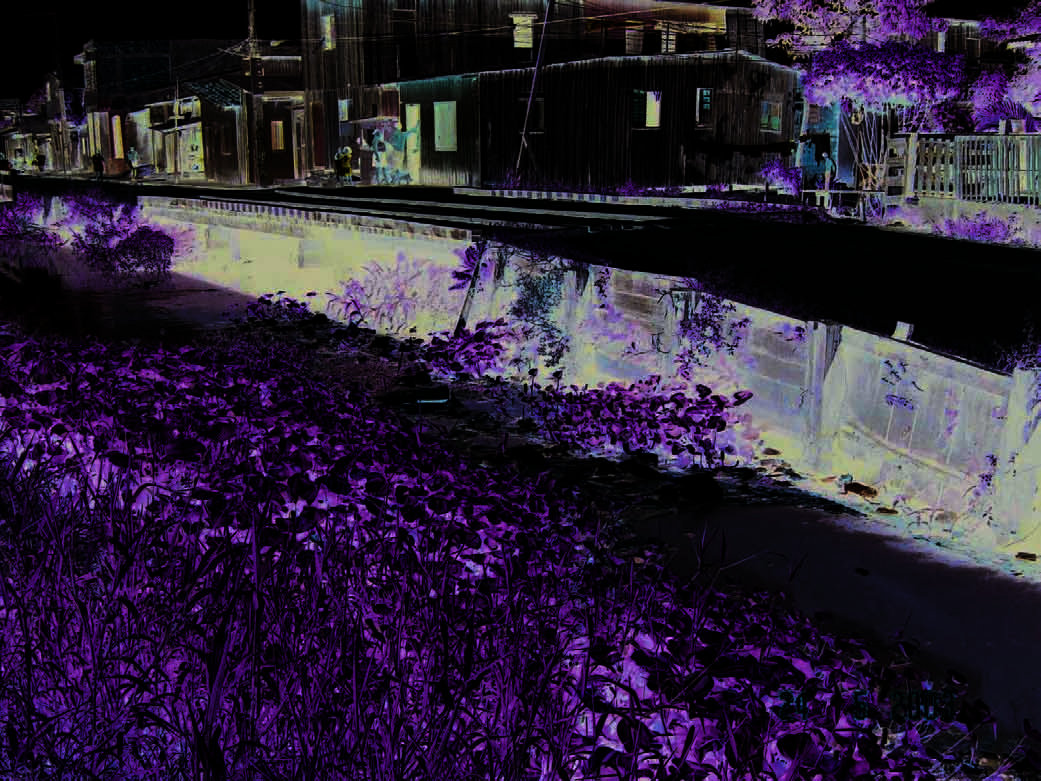
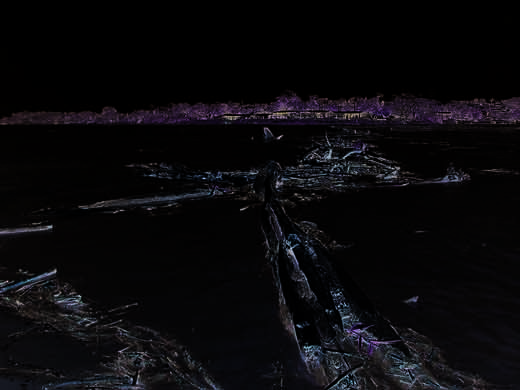
Figure 5
A small urban stream blocked by solid wastes.
(Photo: L. Montag)
result of the influx of suspended solids from gold mining activities were
obvious during periods of low water in the river or at low tide in areas
obvious from aerial observations. Also, increases in the amount of solids
under tidal influence and in mangroves. Some smal streams of the
carried by the Tocantins River were a result of the increase in the bottom
large urban centres may become completely blocked by solid wastes
rolling sediments and not suspended solids (pers. comm.). The origin
which increase health problems, particularly those related to insect
of these solids in the Tocantins River is related to the deforestation as
transmitted diseases (Figure 5).
well as agricultural and cattle grazing activities that are taking place in
the upper portion of this river.
The bottom-set gill net fishery and the trawl fishery have encountered
solid waste in the Amazon estuary, but information describing the
Solid waste
effects of solid wastes on fishing activities is unavailable.
Solid waste pol ution corresponds to various plastic residues and it is
detected mainly in sedimentation areas of the rivers and coast. The
The rivers of the Amazon Basin also carry a large volume of solid
accumulation of solid wastes on some river beaches or small streams
materials brought from the forest and flooded fields. These solid
close to large urban centres potential y affects tourism. It is more
materials include dead trees, pieces of wood, branches, leaves and
roots. During the dry season, these natural solid wastes can cover
beaches and the river channel (Figure 6).
Thermal
Diesel electricity generators located in urban centres dispersed
throughout the Amazon Basin are sources of very smal amounts of
thermal pollution that have insignificant impacts on the region. There
are no sources of thermal pol ution originating from nuclear power
generation in this region.
Spills
Oil spills occur occasional y in areas exploited for petroleum and
Figure 6
The rivers of the Amazon Basin carry a large volume of
during fuel transportation procedures. To date, there are no records
trees, pieces of wood, branches, leaves and roots.
(Photo: R. Barthem)
of significant damage done by oil spills and no statistics describing
24
GIWA REGIONAL ASSESSMENT 40B AMAZON BASIN
ASSESSMENT
25
accidents involving oil transportation rafts. However, an investigation
The impacts of pol ution are likely to increase in the future. Eutrophication
of a recent accident involving an oil transportation raft that occurred
caused by agricultural fertilisers might become a problem as the area
near the mouth of the Amazon River concluded that the strong current
under soybean cultivation gradual y encroaches on the Amazon region.
dispersed the heavy oil in a few weeks (Barthem et al. 2000). Impacts
Savannah and lowland forests are beginning to be transformed for rice
of this oil spil were considered local and the lack of information
and soybean cultivation and rivers are an efficient way to transport these
describing the ichthyofauna of that region limited the possibility to
products. In addition, there is a growing realisation that deforestation is
accurately determine the magnitude of the impacts of the accident
causing considerable increases in the amounts of suspended solids in the
on the fish fauna.
rivers of the Basin. However, the impacts of deforestation might be offset
by anticipated declines in mining of al uvial gold.
Socio-economic impacts
Economic impacts attributable to pol ution are relatively smal . The
Currently, pollution problems exist primarily at a local scale and are not
industries that are operating under ISO 14 000 Certification incur
yet a major concern for the Amazon region. However, it is anticipated
expenses associated with environmental management but these
that the impacts of pol ution wil worsen considerably and it wil become
costs are small compared with the initial investment and maintenance
one of the primary concerns in the Amazon Basin in the future.
required for this system. The smal er economic sectors are at a greater
disadvantage but they are also dispersed throughout the region.
Despite the low economic impacts of pollution in the Amazon Basin,
T
C
its effects are considered continuous or permanent.
P
A
Habitat and community
I
M
modification
The population of the Amazon Basin is more concentrated in
urban centres than in rural areas (Becker 1995). The lack of basic
Since the initiation of large governmental projects during the 1970s, such
water treatment (including sewage treatment) and the inadequate
as the building of roads and hydroelectric dams, the Amazon Basin has
distribution of drinking water in sub-urban areas tend to create a
experienced rapid and extensive landscape modification, particularly in
chronic public health problem (see also Pollution of existing supplies).
the catchments of tributaries located in the Brazilian Shield.
Water pollution increases the rates of infant mortality, especial y due to
severe diarrhoea, and favours the rapid proliferation of endemic and
The development of the local economy also provided significant
tropical diseases. Low drinking water quality and insufficient sewage
incentive for the deforestation of floodplains in the lower Amazon. The
treatment represent the main health problems associated to pollution
construction of roads enabled the expansion of agricultural and cattle
in the Amazon region, particularly in urban areas.
grazing activities at the expense of large areas of flooded and non-
flooded rainforest. The construction of hydroelectric dams affected
Although pol ution is not yet affecting the economic sectors of the
the migratory and spawning patterns of fish causing a decline in
Amazon Basin, the public sector is already noticing some impacts.
local fisheries, and also caused an increase in the incidence of insect
The pol ution of aquatic systems involves cultural problems and lack
transmitted diseases by creating favourable breeding conditions
of water conservation awareness which primarily affects the quality of
for mosquitoes and other vectors (Aragón 1993). The discovery
life of people living in urban centres.
of al uvial gold in several Amazon rivers was a strong economic
incentive that contributed to the socio-economic development and
Conclusions and future outlook
habitat modification. After 30 years of relatively fast development,
Chemical contamination and suspended solids are the principal
the consequences of impacts on the aquatic environment are clear.
pol utants in this region. These impacts are primarily a consequence
Moreover, the size of the human population, particularly in the urban
of gold mining activities in Peruvian and Brazilian rivers, and the
centres, has increased significantly during this period, but stil only
deforestation of large areas, particularly in the southeastern areas of the
causes slight impacts on the regional environment.
Amazon Basin in Brazil. The socio-economic and health impacts caused
by pollution problems are observed more clearly in urban centres. The
Environmental impacts
economic aspects are not significant, but the social and health aspects
Loss of ecosystems or ecotones
are considerable because most people inhabiting the Amazon Basin
Deforestation is the main activity that causes loss of ecosystems in the
live in precarious conditions in the suburbs of cities.
Amazon Basin at the present time. Recently fel ed areas in the Brazilian
26
GIWA REGIONAL ASSESSMENT 40B AMAZON BASIN
ASSESSMENT
27

Shield and the headwaters of the Tocantins, Xingu and Tapajós rivers are
& Goulding 1997). The poor knowledge of the aquatic fauna of the
clearly identifiable on satellite images. The oldest changes to the natural
Amazon certainly contributes to an underestimation of the magnitude
ecosystem occurred in the tundra-like vegetation (Puna) in the Andean
of impacts caused by these habitat modifications. Considering the
zone and were caused by the Indian agricultural activities (Goulding
dearth of information describing the aquatic fauna of the Amazon and
et al. 2003). The impacts of this historical agriculture on the aquatic
the current rate of habitat modification, it is, at present, impossible to
system remain unclear. On the other hand, the recent establishment
determine how many species have been severely affected and, without
of agricultural and cattle grazing fields in the floodplain areas, mainly
additional studies of the biota of the region, how these species will be
in the lower Amazon, have contributed to the removal of the flooded
affected in the future.
forests, which are an important feeding ground for several commercial y
valuable fishes.
The introduction of alien species has also caused permanent
consequences in the Andean waters, rivers and lakes. The introduction
The hydroelectric dams built in the mid and lower tributary rivers of the
of trout and kingfish in the Andean region has enhanced fishing
Amazon Basin have caused habitat fragmentation, interruption of fish
activities (Hanek 1982), but nowadays it is very difficult to determine
migration and the substitution of lotic (rivers) by lenthic (lake) habitats
how the community of endemic species in those rivers and lakes have
(Figure 7).
been affected. Alien species have been introduced in other parts of
the Amazon, but their populations have not survived or are not yet
Ecosystem loss also increases the vulnerability of natural systems to
established in those areas.
future impacts and currently, the number of protected aquatic habitats
is small considering the enormous size and biodiversity of the Amazon
Socio-economic impacts
region (Ayres et al. 1999).
Modification of various habitats and communities has caused some
economic impact in activities related to the extraction of forest
Modification of ecosystems or ecotones
products. Deforestation and the construction of hydroelectric dams
The composition of fish communities in most part of the Amazon
have negatively impacted fisheries and harvesting of Brazilian Nuts.
Basin is apparently still determined by natural events. Local extinction
After the construction of the Tucuruí Hydroelectric Dam on the
of species, particularly migratory species, may have occurred as a
Tocantins River, the fishery production below the artificial lake declined
consequence of large habitat modifications, such as the construction of
dramatical y and, as a consequence, fish markets in cities in the Lower
hydroelectric dams, but there are no records of these events (Barthem
Tocantins region must now import fish from other fishing grounds.
Negative impacts were also observed in agricultural and Brazilian Nut
col ecting activities in the area located above the Tucuruí Dam, where
agricultural land and forests where flooded.
Furthermore, the introduction of cattle to the flood plains has resulted
in the deforestation of areas of flooded forest that is an important
source of food for some commercial fish species. The expansion of
this activity may lead to a decline in the fishery or a change in the
composition of catches in those areas. The economic impacts of habitat
and community modification in the Amazon Basin are moderate and
local but tend to be continuous.
At present, health impacts related to habitat and community
modification mainly occur in deforested areas. Some diseases, such as
malaria, hepatitis, yel ow fever and dengue (break bone fever), exhibit
a tendency to break out after habitats are modified. Malaria outbreaks
have been registered in the Rondônia state in Brazil (Tadei 1987) after
deforestation and habitat changes occurred. Nevertheless, the areas
Figure 7
The Balbina Dam on the Uatumã River.
(Photo: NASA)
and number of people affected are still considered limited.
26
GIWA REGIONAL ASSESSMENT 40B AMAZON BASIN
ASSESSMENT
27
T
C
The Habitat and community modification concern includes deforestation
P
A
Unsustainable exploitation of
I
M
as one of the main problems. The traditional culture of the Amazon
fish and other living resources
people is closely related to the extraction of forest products, hunting
and fishing (Furtado 1984). The deforested areas cannot support these
The fisheries resources of the Amazon have not yet been determined
traditional activities anymore so the people involved have to either
but available information indicates that this region could potential y
change their culture or move to other areas. These cultural changes
yield more than 200 000 tonnes per year (Bayley & Petrere 1989), and
seem to be the most important social and community impacts for local
might reach 1 million tonnes per year. Although more than 200 species
people. When their traditional activities are affected, people have to
of fish are exploited, the commercial market is currently based only on a
change their autonomous collecting, fishing and hunting to become
few dozen species, of which, two are already considered overexploited
an employee of farmers, landowners and other enterprises. Social y, this
(Barthem 1995, Barthem & Petrere 1995, Isaac & Ruffino 1996, Barthem
has a severe impact but the number of people affected is stil considered
et al. 1997, Isaac & Barthem 1995). The most important fishing areas are
smal since human density in the rainforests is low.
the white-water rivers and their flooded margins, and the Amazon
estuary. The only industrial fishery of the Amazon Basin takes place
Conclusions and future outlook
in the estuary and targets the catfish Piramutaba (Brachyplatystoma
Habitat and community modification is the greatest concern in the
vaillanti) (Barthem & Goulding 1997).
Amazon region. The enormous scale of the area affected and the deep
and long duration of the consequences of these kind of impacts are
The recent history of the Amazon economy resulted in a broad
perhaps the main reasons for considering this concern so important and
qualitative difference of income in the region. Urban economic
in need of management. These modifications are taking place rapidly
development brought about an enormous increase in demand for
and, in several cases, the damage is irreversible or requires long-term
fisheries products. Bolstered by this heightened demand, artisanal
recuperation.
fishers based in fishing vil ages scattered around the Amazon River and
estuary either changed their production goal from subsistence-level to
Habitat modification is the main factor responsible for economic, social
business-level or reinforced their existing commercial fishery. Moreover,
and health problems in the region. The Amazon economy is based on
with the introduction of the official fishery promotion policy in the late
petroleum, mining and timber exploitation and, to a lesser extent, the
1960s, fishing companies were established in urban centres as export
generation of electricity. However, the majority of people living in the
businesses and continued to mass-produce fishery products centred
Amazon are not directly employed by these industries. Most people
on fish species which formed comparatively big schools (Barthem
live in the urban centres or along the rivers and roads. The unplanned
1995). Presently, the Amazon fishery resources are under increasing
modification increases problems with malaria and other insect or water-
pressure and require urgent management policies. Destructive fishing
related diseases. The presence of these diseases can negatively affect
practices and decreased viability of stocks are not considered important
economic and social aspects of families and cities in the Amazon.
issues in the Amazon region. Trawling in the estuary and the use of
Moreover, the deforestation of rainforest is affecting traditional
natural poisons in streams exist in the Amazon Basin but do not cause
harvesting of forest products, fishing and hunting.
significant problems. Il egal practices are very limited in the region and,
considering that people who adopt such practices are risking being
Habitat and community modification wil continue to be the priority
fined and prosecuted under environmental protection laws, they do
concern in the future. Development in the Amazon Basin is based
not constitute a problem.
on the modification of large areas of forest to accommodate other
activities such as agriculture or grazing. Furthermore, the hydroelectric
Environmental impacts
potential of the Amazon tributaries is so high that it is impossible to
Overexploitation
consider the future without the construction of new dams in some of
The information describing overexploitation of Amazon fishes is
these tributaries. Moreover, the importance of the forest in maintaining
restricted to only two species, the catfish Piramutaba (Barthem &
regional hydrological cycles dictates that the conservation of the
Petrere 1995) and the fruit-eater and large-scaled fish, the Tambaqui
forest is a priority if the future use of water, particularly for electricity
(Colossoma macropomum) (Isaac & Ruffino 1996). Industrial fishing began
generation, is to be guaranteed. Despite the preservation of large areas
at the start of the 1970s and, within a few years, had overexploited the
of forest, current declines will continue in the future if current patterns
catfish stock in the estuary region (Barthem 1995, Barthem & Petrere
of development persist.
1995). Meanwhile, the traditional fisheries in the central Amazon target
28
GIWA REGIONAL ASSESSMENT 40B AMAZON BASIN
ASSESSMENT
29
the large frugivorous fishes, especial y the Tambaqui. Its special flavour
the fishery landings (Hanek 1982). However, to date, the biological and
attracts consumers and, as a result, has established a niche market that
genetic diversity of the fish fauna in the rest of the Amazon Basin does
promotes selective fishing for this species by local fishermen in the
not seem to have been impacted significantly.
Amazon rivers. The primary feeding ground of these frugivorous fishes
is the flooded forest and therefore, they are also deleteriously affected
Socio-economic impacts
by the deforestation of the flooded forests (Araújo-Lima & Goulding
There are no economic, health or other social and community impacts
1998, Costa et al. 2001). Overexploitation of some stocks is taking place
associated to unsustainable exploitation of fish and other living
in the Amazon region and management interventions are required to
resources known in the Amazon region.
control catches of those species that are most affected and those that
are migratory, particularly the large catfish, that migrate between the
Conclusions and future outlook
Amazon estuary and the foothil s of the Andes (Barthem & Goulding
Fishing is an important occupation and source of protein in the large
1997). These migratory species are particularly vulnerable to excessive
rivers of the Amazon Basin, particularly in the white-water rivers.
fishing effort by the industrial fishery in the estuary, and by other
Few stocks are overexploited. Most stocks are under-exploited or
human activities in the Amazon Basin. In addition, the hydroelectric
are fished within sustainable limits. However, this situation does not
dams in the Tocantins River blocked the migratory path between the
mirror the economic potential of the fishery in this region. The open
lower and upper part of the river and now those species are extinct
access fishery of the Amazon provides an economic safety net for
in the upper part of the Tocantins River. Similarly, mining activities in
members of local communities by enabling anyone to generate an
the headwaters may modify the spawning areas, although, at present,
income from fishing. These non-traditional fishermen contribute to
this has not been observed. Nevertheless, most of the fish stocks in
the increase in uncontrol ed fishing effort applied to easily accessible
this region are general y under-exploited or, at most, exploited to
stocks of non-migratory fish species in areas close to urban centres.
their limit.
The meeting of different fisheries fleets promotes competition among
fishermen, especial y between riparian communities and professional
Excessive by-catch and discards
fishermen within the region. The economic impact is the main factor
The report by Batista (1998), which focuses on the commercial fishery
for control ing unsustainable exploitation of fish and other living
in the central Amazon near the city of Manaus, provides the only
resources in the future. At present, the development of the fishing
information describing quantities of by-catch and discards in the
sector is restricted by a lack of post-capture handling and processing
Amazon Basin. Discards in this region occur due to two factors: capture
facilities. Considering the current state of stocks close to the urban
of non-target fish species; and capture of under-sized specimens. While
centres and the probability that more people wil turn to fishing for
some species are undesirable and always discarded, the amount of fish
their livelihood, the current situation is not likely to improve. If the
discarded because they are under-sized varies between 6% and 80% of
fishery and the trade processes are not wel organised and regulated
the total catch weight. Over the entire Amazon Basin, the total amount
in the future, the proportion of the most valuable species in catches
of fish discarded seems to vary but largely remains unknown.
wil decline and wil be replaced by a greater proportion of smal er,
less desirable species.
Biological and genetic diversity
The introduction of alien species general y causes serious impacts on
The increase in fishing effort associated with the deforestation of the
the native local fauna (Barel et al. 1985). In the Amazon, the impacts are
flooded forests may result in the unsustainable exploitation of the
not so clear. After the intentional or accidental introduction of some
Amazon fishery. In the future, pressure on fish stocks will be higher, but
alien species (e.g. tilapia, clarias, trout), only the trout population has
fishing is likely to be regulated and managed. Other living resources,
established itself in the Andean Zone (Goulding et al. 2003). The high
like turtles and manatees, are already completely protected by law and
altitude and cold-water rivers and lakes of the Andes became the
their future survival is related more to habitat protection rather than to
habitat of this introduced species which is now fished by the local
the regulation of exploitation.
human community. The limited information describing the original
fish community in that region makes comparisons very difficult and it
is almost impossible to evaluate impacts resulting from the introduction
of this species. In the Titicaca Lake, located outside of the Amazon Basin,
alien fish, like trout and kingfish, are responsible for more than 90% of
28
GIWA REGIONAL ASSESSMENT 40B AMAZON BASIN
ASSESSMENT
29
T
C
P
A
Global change
Socio-economic impacts
I
M
The impacts of climate on the economy of the Amazon Basin are
Global change is considered a concern of moderate importance in the
attributable to El Niño rather than global change. In El Niño years, the
Amazon Basin and information related to this concern is very limited.
water level is often very low which concentrates the fish into the deeper
Changes that are unequivocal y attributable to global change are
channels of the Amazon Basin. As a consequence, the fish are more
particularly difficult to determine in this region but the consequences of
accessible to fishermen and fishing effort and catches tend to increase.
these modifications could potential y be very severe. While it is known
Excessive catches, combined with declines in recruitment caused by
that under the influence of El Niño the amount of precipitation received
lack of access to spawning areas, causes a decline in fish stocks in
by the Amazon Basin is significantly lower than usual, which causes
subsequent years. To date, economic impacts observed in the Amazon
concomitant decline in the volume of water discharged from the river, it
region cannot be unequivocal y attributed to global change.
is not known how anthropogenic activities have affected the frequency
and magnitude of this natural climate phenomenon.
The incidences of health problems are also related to years when water
levels in the rivers are very low. Some communities established in the
The role of the Amazon rainforest in the global carbon budget is stil not wel
floodplain areas suffer when the rivers are too low. In general, they
understood. However, the carbon fluxes to and from the Amazon system
utilise canoes for transport and take water from the river. When the
itself are roughly equal (Richey et al. 2002). Further studies are currently
water level is very low, the river channel passes far from the community
being conducted to determine how the production and re-absorption of
houses. As a result, people cannot use their canoes to gather water and
carbon occurs and how this cycle is maintained in this region.
instead they take water from stagnant ponds or lakes, which is a source
of several diseases. No health and other social and community impacts
There is limited information relating global changes to socio-economic
associated to global change are known in the Amazon region.
impacts in this region. Sea level rise has not been reported in the
Amazon Basin and the influence of macro-tides and seasonal discharges
Conclusions and future outlook
from the Amazon River mouth are likely to obscure any changes that
There is limited information about the impacts of global changes
might be attributable to global change. Nevertheless, some researchers
on the Amazon Basin. The apparent decrease in the ice cover in the
have mentioned that they suspect that sea levels have risen along
Antisana Mountain in Ecuador and the suspected rises in sea level in
the coast of this region and its consequences could potential y alter
the Lower Amazon are not unequivocal evidence of global change.
patterns of sediment exchange in the lower Amazon and the landscape
More investigations are needed to determine if these effects should be
of the "várzea" lakes (Dunne et al. 1998).
considered as isolated occurrences or generalised events in this basin.
Increase in UV-B radiation and changes in ocean CO source and sink
The impacts of global changes are associated with the change in the
2
function have not been observed in the Amazon region and are not
local and general climate caused mainly by deforestation. Considering
considered significant.
the present deforestation rate, the prognosis for the future is worse
than the conditions observed at present. The precise consequences are
Environmental impacts
still hard to predict due to the limited number of studies investigating
Changes in hydrological cycle
this subject.
The hydrological cycle is considered the main indicator of global change in
the Amazon region. The long-term data series describing water levels and
Further, information describing the impacts of global change on the
river discharges do not, at present, indicate any changes in the Amazon
socio-economic aspects of the Amazon Basin are also absent. The
Basin attributable to global change. However, it is highly likely that the
socio-economic impacts of global change are the main concern for
hydrological cycle of intensively deforested areas is changing and becoming
the future because they affect production systems and health problems
drier during the dry season period compared with previous years.
related to water transmitted diseases, especially for the people who live
in deforested areas. Research efforts should be directed at developing
The most tangible demonstration of changes in the hydrological cycle
a realistic prediction of the impacts of global change on the Amazon
resulting from global change observed in the Amazon Basin, is the
Basin during the next 20 years so that effective procedures to mitigate
significant reduction in the cover of ice in the Antisana Mountain in
the deleterious impacts can be implemented.
Ecuador (Remígio H. Galárraga-Sánchez, pers. comm.).
30
GIWA REGIONAL ASSESSMENT 40B AMAZON BASIN
ASSESSMENT
31
Priority concerns
are needed to minimise negative impacts and to avoid even greater
problems in the future.
The assessment of major concerns provided results that indicated
priority concerns for further analysis. These results are closely linked
Pollution was identified as being the second most important concern
to current trends and to changes expected to happen in the short to
for the Amazon region. The human population density in the Amazon
long-term. The Amazon region exhibits peculiar characteristics that
Basin is very low and there are only a few industrial areas established
have been considered in the prioritisation of concerns.
around the main cities (Becker 1995). There are no large industrial centres
established in the Amazon Basin and Manaus is the only city that has a
The concerns for the Amazon Basin, were ranked in descending order
duty free industrial area. The industries located around Manaus do not
of severity:
produce large volumes of effluent and are not major sources of pol ution.
1. Habitat and community modification
On the other hand, domestic sewage and solid wastes have polluted
2. Pollution
the smal rivers of this city and are the main cause of urban aquatic
3. Global change
degradation (Silva & Silva 1993). The petroleum, hydroelectric, mining,
4. Unsustainable exploitation of fish and other living resources
timber and fishery industries are the most important in the Basin but
5. Freshwater shortage
exist in a limited number and are spread along this basin (Goulding et
al. 2003). At present, local industrial and urban pollution problems exist
Habitat and community modification was considered the highest
but are not yet a major concern for this region. Chemical contamination
priority among al major concerns that were analysed under both
and suspended solids are the main issues related to pol ution in the
present and future conditions. The enormous area affected and the
Amazon Basin and are primarily caused by gold mining activities in the
deep and long duration of the consequences of these impacts were
Peruvian and Brazilian rivers (Hanai 1999, Núñez-Barriga & Castañeda-
the main reasons for prioritising this concern. Habitat and community
Hurtado 1999) and by the deforestation of large areas of forest located
modification was also considered to be the most significant contributor
mainly in the headwaters of the southeast Amazon in Brazil (Veríssimo
to the economic, social and health problems in the Amazon Basin. The
et al. 2001). There are also two scales of activities going on mainly in
development of the Amazon region has been based on modifications
the Central Amazon region that strongly affect water quality: large and
of vast areas where forests have been transformed into agricultural and
concentrated governmental and private projects, such as hydroelectric
cattle grazing fields (Vieira et al. 1993, Fearnside 1995, Goulding et al.
dams and petroleum exploitation stations; and smal and dispersed local
1996). The economy in this region has been based mainly on mining,
enterprises, such as gold mining and agriculture. The socio-economic
petroleum and timber exploitation, generation of hydroelectricity
impacts related to pol ution are more apparent in the urban centre
and on the duty free zone industries in Manaus (Cardoso & Mul er
areas. At present, economic problems are not considered significant
1978, Monteiro 1995, Goulding et al. 2003). Most people live close to
but social and health issues occur, particularly among people living in
urban centres, along roads and rivers (Becker 1995). Unplanned habitat
the suburbs of the large cities (Aragón 1993). Pollution was considered
modification also contributes directly to increases in the incidence of
among the most important problems in the future mainly because
malaria and other insect and water-related diseases (Aragón 1993).
continued deforestation wil increase further the impacts of suspended
Cyclic outbreaks of these diseases can negatively affect economic
solids carried by the water courses of the Amazon Basin. On the other
and social aspects of the population and cities of the Amazon region.
hand, some of the impacts caused by deforestation might be offset
The forests and the hydrological cycle are closely linked together
by reduction in loads of suspended sediments produced by mining
and, as a consequence, forest conservation was prioritised in order to
activities, which are likely to decline in the future as deposits are slowly
guarantee future water availability and use. Moreover, the tributaries of
exhausted. Pol ution problems in the Amazon Basin are closely linked to
the Amazon have such a high hydroelectric potential (COBRAPHI 1984)
activities responsible for considerable modification of habitats, for both
that it is impossible to consider future conditions without expecting the
the present and future scenarios, and were considered to be among the
construction of new dams in some of these tributaries. The habitat and
most important concerns for the Amazon region.
community modifications indicated a preoccupying scenario for both
present and future trends since historical, traditional and environmental
Unequivocal evidence of Global change was difficult to obtain in the
aspects are involved. Consequences of these modifications include
Amazon region. Available information is very limited and the lack of
economic, social and health problems that require solutions that are
historic data prevents comparison of the present situation with that of
unlikely to be achieved in the short-term. Management procedures
the past in order to determine significant trends. Experts have reported
30
GIWA REGIONAL ASSESSMENT 40B AMAZON BASIN
ASSESSMENT
31
a few isolated cases that might potential y be a consequence of global
under present conditions, unsustainable exploitation of fish is not a
change, but only more research will determine if such cases should be
priority concern for the Amazon Basin.
considered isolated occurrences or little noticed but generalised events
in the Amazon region (Dunne et al. 1998). The impacts of global change
Freshwater shortage was not considered to be a priority and was
are associated mainly with alterations in the local and general climate
placed as the least prioritised concern for the Amazon region. The
caused by deforestation (Salati & Vose 1984). Presently, there is no
Basin receives an average annual precipitation of 1 500 to 2 500 mm
evidence that socio-economic aspects are affected by global change
(Day & Davies 1986) that maintains stream flow in the rivers, dilutes
in this region. However, it is expected that socio-economic impacts will
pol utants and stabilises the water table. This high average annual
be among the main concerns related to global changes in the future.
rainfal is reflected in the significant discharge of the Amazon River,
Such changes tend to affect the production systems and increase
which is approximately 220 800 m3/s (Mil iman & Meade 1983). At
health problems related to water-borne diseases predominantly in
present, the Amazon Basin is perhaps one of the few regions in the
deforested areas. Predictions of future conditions tend to be worse than
world where Freshwater shortage is not a major concern even when
the present situation, unless the rate of deforestation is reduced. The
pol ution of existing supplies is considered. However, considering
consequences related to global changes are hard to predict since there
the apparent importance of the Amazon rainforest in maintaining
is limited number of studies related to this subject in the Amazon region.
patterns of the rainfal in the region (Salati et al. 1978, Salati & Vose
Further studies or research should be conducted in order to detect and
1984), continued deforestation wil alter the hydrological cycle in
measure current changes in order to develop a realistic prognosis of the
the Basin and might cause or exacerbate problems related to water
future. Despite the limited evidence and need of further studies, global
supplies. As a consequence, freshwater shortage might become a
change was considered moderately important due to the worldwide
serious environmental problem in the future. Socio-economic impacts
implications that the deforestation of the forests of Amazon Basin might
occur in localised areas that have suffered intensive deforestation.
have on regional and global climate and carbon budgets.
Populations that live in these areas experience cyclic water shortages
during the drier period of the year. Future perspectives indicate that
Considering that fishing is an important occupation and source of
problems related to freshwater shortage might become a reality in the
animal protein in the large rivers and coastal areas of the Amazon
long-term but, for the moment, other concerns were considered more
region (Barthem 1995, Barthem et al. 1995, Cerdeira et al. 1997),
important in this region.
Unsustainable exploitation of fish and other living resources has
the potential to be a significant problem. Although, declines in the
The inter-linkages between the concerns are presented in Figure 8.
proportion of commercial y valuable species in catches indicates
overexploitation of some species, particularly in areas located close
1. Habitat modification certainly affects the levels of pol ution in
to the urban centres (Barthem & Petrere 1995, Isaac & Ruffino 1996),
the Amazon region. The pol ution related to habitat modification is
most fish stocks in the Amazon Basin are under-exploited or are
mainly caused by the implementation of hydroelectric dams, mining
fished within sustainable limits (Ruffino & Isaac 1995). The fishery of
and deforestation of areas for agriculture, cattle grazing and timber
the Amazon region possesses significant economic potential and
exploitation activities. Al these activities increase the quantity of
often functions as an economic buffer in local communities where
suspended solids and chemical pol ution (mainly mercury and
people with other professions fish in order to secure a livelihood, while
pesticides) in the water. Future planning and management should
searching for better opportunities. This increase in fishing has caused
consider the establishment of natural reserves and the development
conflicts since it leads to competition among different groups (riparian
of activities that take into account the ecological importance of the
community members and professional fishermen) and contributes to
rainforests.
the increase of uncontrol ed fishing. The assessment of this concern
indicated that a significant increase in fishing effort associated with
2. Pollution also results in habitat modification. The increase of organic
deforestation of flooded forests might have negative effects on the
matter in the water leads to eutrophication of the water system and
fishery that could result in unsustainable exploitation and/or declines
causes changes in the Biological Oxygen Demand (BOD) levels, affecting
in economic viability. Unsustainable exploitation of fish and other living
the survival of aquatic organisms. Management and al ocation of areas
resources was considered a concern of limited importance since the
to be used for cattle grazing and agricultural purposes in accordance
great majority of stocks are under-exploited or fished within sustainable
with correct land use strategies is required in order to mitigate the
limits. Future developments might gradual y alter this scenario but,
impacts of pollution in the Amazon Basin.
32
GIWA REGIONAL ASSESSMENT 40B AMAZON BASIN
ASSESSMENT
33
3. Habitat modification is considered to have potential y negative
consequences for fisheries and exploitation of other natural resources.
Increases in suspended solids caused by erosion decreases the area
Freshwater
of floodplain ecosystems and affects local fisheries. The control of the
shortage
erosion caused by mining, deforestation and hydroelectric energy
generation, in conjunction with the adequate use and management
of agricultural and cattle grazing lands is needed to prevent the
1
Habitat
unsustainable exploitation of fish and other living resources.
Pollution
modification
2
4. Habitat modification might have different degrees of interference
in global changes, depending mainly on the intensity of these
3
4 5
modifications. Deforestation affects both local and global climate. The
rainforests moderate the water cycle that maintains the temperature
Unsustainable
ranges and hydrological balance. The establishment of an international
exploitation of
fish and other
Global change
political agreement among the countries that share the Amazon Basin is
living resources
probably the main step to guarantee the maintenance of the ecological
role of the Amazonian rainforest as a climate buffer.
Figure 8
Model indicating the inter-linkage and synergies
between the concerns.
5. Global change is a worldwide concern that affects different regions
in distinct ways. Global change may cause habitat modifications,
especial y through changes related to the climate and, consequently,
to the water cycle. Severe global changes will probably modify habitats
by interfering in the water cycle and this eventual y could lead to long
lasting droughts.
32
GIWA REGIONAL ASSESSMENT 40B AMAZON BASIN
ASSESSMENT
33
Causal chain analysis
of the Madeira River Basin
This section aims to identify the root causes of the environmental
The reduced number of urban centres in the Amazon Basin has helped
and socio-economic impacts resulting from those issues and
preserve the ecological processes within the Basin. Unfortunately
concerns that were prioritised during the assessment, so that
however, the relatively low population within the Amazon Basin also
appropriate policy interventions can be developed and focused
means that the level of attention that central governments dedicate to
where they will yield the greatest benefits for the region. In order
the area is disproportional to its size or its environmental importance.
to achieve this aim, the analysis involves a step-by-step process
As a consequence, local administrations do not have sufficient capacity
that identifies the most important causal links between the
to implement ecological y and economical y sustainable management
environmental and socio-economic impacts, their immediate
due to the shortage of funds from federal budgets and lack of basic
causes, the human activities and economic sectors responsible
information or statistics. Although this situation might prevail in all
and, finally, the root causes that determine the behaviour of those
Amazon countries, the specific situation varies among countries sharing
sectors. The GIWA Causal chain analysis also recognises that,
the Basin and also between different regions within a single country.
within each region, there is often enormous variation in capacity
and great social, cultural, political and environmental diversity.
The GIWA Causal chain analysis aims to identify the root causes that
In order to ensure that the final outcomes of the GIWA are viable
threaten the maintenance of the aquatic ecological processes upon
options for future remediation, the Causal chain analyses of the
which human survival depends. Considering the dimension and
GIWA adopt relatively simple and practical analytical models and
heterogeneity of the Amazon Basin, this analysis was not feasible
focus on specific sites within the region. For further details, please
for the entire region. Table 1 show the division of catchments within
refer to the chapter describing the GIWA methodology.
the Amazon Basin and their transboundary classification (national or
international). The Madeira River has the largest catchment within the
Amazon Basin and is the third biggest river in South America, surpassed
only by the Amazon and Paraná rivers. Among the international basins
Introduction
of the Amazon (Caquetá-Japurá, Juruá, Madeira, Marañón, Napo, Nebro,
Purus and Putumayo-Içá) (Figure 3, Table 1), the Madeira River is the
The Amazon Basin is the largest river basin on the planet and also one
most populated and possesses serious environmental problems. More
of the least understood. Its natural areas are stil quite wel preserved
than half of the population of Bolivia, including the capital La Paz,
and relatively uninhabited. With the exception of Bolivia, the majority
are located in the Madeira Basin (Table 4). Deforestation and mining
of the population of each of the seven countries that share the Amazon
activities are environmental concerns, mainly in Rondônia State, Brazil,
Basin (Brazil, Bolivia, Peru, Colombia, Ecuador, Venezuela and Guyana) is
as well as in the Department of Madre de Dios, Peru, (Figure 9) (Núñez-
located in other regions of these countries outside the Basin. Within the
Barriga & Castañeda-Hurtado 1999). Owing to its size and socio-
Amazon Basin, only five cities possess more than 1 million inhabitants,
economic importance, the Madeira Basin was the focus of the causal
two located in Brazil, two in Bolivia and one in Peru. Three more cities
chain analysis within the Amazon Basin.
have populations that range between 300 000 and 1 mil ion inhabitants,
two in Peru and one in Brazil (Goulding et al. 2003).
34
GIWA REGIONAL ASSESSMENT 40B AMAZON BASIN
CAUSAL CHAIN ANALYSIS
35
Table 4
Population in relation to river basins.
System description
Population
Population
Basin1
Total (2002)
Total of important cities
Geographic and demographic settings
x 1000
%
Basin2
x 1000
%
The Madeira River is the largest tributary of the Amazonas River
Madeira (2002)
1 919
22.6
Madeira3
3 559
68
extending 3 352 km and possessing the largest drainage area
Madeira and Paraná (2002)
2 808
33.1
Paraná4
658
13
(1 380 000 km2), the greatest flow (6 700 km3/year), sediment discharges
B
o
l
i
v
i
a
Madeira and Titicaca (2002)
2 407
28.4
Titicaca5
982
19
(667.4 million tonnes per year), and oscil ations in water level (21.8 m).
Paraná (2002)
941
11.1
The Madeira Basin represents approximately one fifth of the total
B
o
l
i
v
i
a
Titicaca (2002)
402
4.7
drainage area of the Amazon Basin. Fifty percent of the Madeira Basin is
Amazonas (2002)
2 415
15.9
Amazonas6
2 415
16
located in Bolivia, 40% in Brazil and 10% in Peru (Carvalho & Cunha 1998,
Pacífico (2002)
12 534
82.4
Pacífico7
12 534
82
Dunne et al. 1998, Goulding et al. 2003) and, within these countries, it
P
e
r
u
Titicaca (2002)
258
1.7
Titicaca8
258
2
drains 14 different states.
P
e
r
u
Madeira (2002)
86
0.3
Madeira9
68
0.4
North Region (2000)
12 920
7.6
The headwaters of the Madeira River are located near Cochabamba,
Madeira (2000)
1 397
0.9
in the upper Mamoré River, about 4 600 km away from the Atlantic
Acre (2000)
28
0.02
Ocean. Four tributaries of the Madeira River are responsible for more
Amazon Basin (2000)
133
0.1
than 60% of al freshwater discharge: Mamoré, Guaporé-Itenez, Beni and
Pará (2000)
6.8
0.004
Madre de Dios. The Mamoré and Beni rivers have their headwaters in
B
r
a
z
i
l
Rondônia (2000)
1 229
0.8
the Bolivian Andes, while the Madre de Dios originates in the Peruvian
Notes: 1The population data is related to geopolitical areas and not individual river basins
Andes and the Guaporé-Itenez River stems from the Brazilian Shield.
e.g. some Bolivian departments are drained by more than one river basin. 2Population of cities
localised in one or more basins; 3La Paz, Cochabamba, Guayaramerin, Trinidad; 4Santa Cruz de la
These four rivers are navigable from below the foothil s of the Andes
Sierra; 5Oruro; 6 Iquitos, Pucallpa; 7 Lima; 8Puno; 9 Puerto Maldonado.
(Source: GIWA Task team 2003)
until their confluence, near Guajará-Mirim. However, between Guajará-
Mirim and Porto Velho, these rivers are united along a sequence of
waterfal s, where navigation is impossible. Below the San Antonio Fal ,
1 070 km from the mouth, vessels may navigate during the high water
0
250 Kilometres
period. Otherwise, in the dry months between June and November,
these reaches are only navigable by craft drawing less that 2 m of water
(Goulding et al. 2003).
The Madeira Basin supports a significant Bolivian population, but it is
Porto Velho
sparsely inhabited in Peru and in Brazil. More than 50% of the Bolivian
population is located in the Madeira Basin, including the capital La Paz.
Brazil
In contrast, less than 1% of the Peruvian and Brazilian population live
Guajara-Mirim
in the Madeira Basin (Table 4). The Bolivian departments have three
ios
drainage areas: Madeira, Titicaca and Paraná. Some departments are
Madre de D
éor
Gua
Peru
p
drained by more than one basin, for instance: Madeira and Paraná (Santa
am
oré-Itene
Beni
M
z
Cruz, Potosi and Chuquisaca) and Madeira and Titicaca (La Paz). Only
Cuzco
Pando and Beni lie completely within the Madeira River Basin.
Bolivia
The population of Peru is primarily concentrated on the Pacific coast
La Paz
and, while 16% of the Peruvians live within the Amazon Basin, only 0.4%
Santa Cruz de La Sierra
reside in the Madeira Basin, mainly in the Department of Madre de Dios
Deforestation
(Table 4). The headwaters of the Madre De Dios River is located in the
Rivers
Roads
Andes in the Departments of Madre De Dios, Cusco and Puno, but these
© GIWA 2003
departments are sparsely inhabited.
Figure 9
Deforested areas in the Madeira Basin.
(Source: GIWA Task team 2003)
34
GIWA REGIONAL ASSESSMENT 40B AMAZON BASIN
CAUSAL CHAIN ANALYSIS
35
Figure 11 Gold mining activity in the Madeira River headwaters.
(Photo: R. Barthem)
The majority of the Amazon River Basin is located in the North region
0
250 Kilometres
of Brazil but it extends slightly into the Middle-West and Northeast
regions. The Brazilian population, on the other hand, is concentrated
in the Southeast and Northeast regions. Only about 7% of the entire
Brazilian population reside within the North region and less than 1% in
the Madeira Basin. However, despite its current low density, the present
rate of population growth in this region is greater than in other parts
of Brazil (Table 4).
Brazil
Climatic and hydrologic characteristics
The climate of the Madeira Basin varies from cold and dry, in the Andes,
Peru
to tropical and rainy in the Amazon lowlands. The climate in the Peruvian
Bolivia
Andes can be divided according to altitude. In the Janca region, which is
located over 4 800 m above sea level, the climate is extremely cold and
River transport
Tourism
the ground is permanently covered with snow. The Puna region, famous
Fishing
for its populations of alpacas and l amas, is situated between altitudes
Logging
ranging from 4 100 m to 4 800 m, and is characterised by a dry and cold
Gold Mining
climate where the temperature oscil ates between -10° and 20° C. The
Rivers
Roads
Suni or Jalca region located between 3 500 m and 4 100 m is general y
Hydroelectric dam
© GIWA 2003
cold with seasonal rainfal . The Quechua region ranges between
Figure 10 Anthropogenic pressure in the Madeira River Basin.
2 500 m to 3 500 m and is the most inhabited and modified region.
(Source: GIWA Task team 2003)
The climate is dry with cold temperatures and seasonal rainy periods.
The Yunga region situated on the lower slopes of the Andes ranges
narrow floodplains compared with the river discharge. In addition,
between 500 m and 2 300 m, is characterised by a spring climate and
the backwater phenomenon occurs in the lower Madeira rivers due
a dense and highly diverse cloud forest. The areas below 500 m are the
to the natural dam effect caused by the greater elevation of water in
Amazon lowlands, which, with the exception of the largest savannah
the Amazon River. The peak discharge from the lower Madeira River
zone in Bolivia, are general y covered by forests. In the lowlands of the
occurs at least two months earlier than in the Amazon River (Goulding
Madeira Basin, the annual precipitation ranges between 1 000 mm and
et al. 2003).
2 500 mm, while the foothil s of the Andes receive between 5 000 mm
and 10 000 mm per year. Rainfal varies throughout the year with the
Principal economic sectors and processes
dry season occurring between May and September and rainfall peaks
The main socio-economic activities in the region are gold mining,
occurring between November and April (Goulding et al. 2003).
logging, fishing, cattle farms and agriculture (Figure 10).
The level of water in the rivers of Madeira Basin varies according to
Gold mining
seasonal fluctuations in rainfal and exhibits peak in February along
Large al uvial gold deposits were discovered along the Tapajós, Madeira,
the foothills of the Andes, and between February and March in the
Tocantins, Xingu and the Negro rivers between 1979 and 1987 (Hanai
downstream sections of these rivers. The Madeira River, below the
1999). During the 1980s and 1990s, gold mining was very important
Teotônio Fal s, exhibits the greatest variation in annual discharge of any
in the Madeira Basin and mining activities are now concentrated in
river in the Amazon Basin. This is due both to high rainfall and relatively
the region of Madre de Dios, in Peru (Núñez-Barriga & Castañeda-
36
GIWA REGIONAL ASSESSMENT 40B AMAZON BASIN
CAUSAL CHAIN ANALYSIS
37
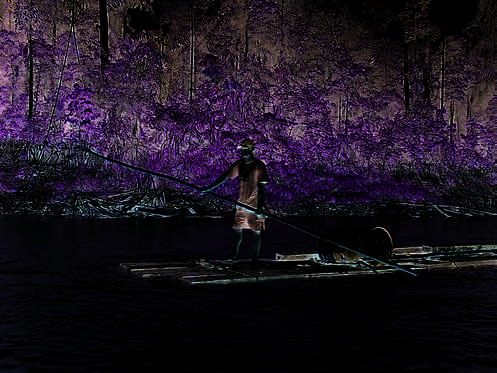
Hurtado 1999) (Figure 11) where it is the most significant contributor to
landings take place in the Madeira River are: Puerto Maldonado, in
the regions economy. Unfortunately however, gold mining is also the
Peru; Trinidad and Guayaramerin, in Bolivia; and Guajará-Mirim, Porto
biggest cause of habitat modification and pollution in the region.
Velho and Manaus, in Brazil. Although the city of Manaus lies outside
the Madeira River Basin, its port receives fish from the fleet that comes
Logging
from the Madeira fishing grounds.
Logging, especial y of mahogany, is also an important source of foreign
income for the region of Madre de Dios. Timber is transported along
Grazing and agriculture
the river (Figure 12) or by road to Lima, where it is exported to foreign
Although agricultural products are very important for local consumption,
markets. Considering that timber cannot be extracted in areas isolated
large plantations of soybean are being established primarily along the
from the river and the roads, logging is limited to areas serviced by
Brazil borders of the Amazon Basin for export. The cattle industry has
transportation routes and as a consequence, the impacts of logging are
traditional y been important for the local economy in Brazil. However,
directly proportional to the density of roads in the region.
grazing is now beginning to dominate the economies of other countries
in the Madeira Basin, usual y at the expense of natural forests.
Other potential activities related to water
resources
Generation of hydroelectricity
The Samuel hydroelectric plant located on the Jamari River in Rondônia
State is currently the main source of hydroelectricity in the Madeira
Basin. The generation of hydroelectricity in Bolivia and Peru is usually
done in the Andes and does not require the building of dams. Despite
the large hydroelectric potential of the region, the dispersed nature
of urban centres in the Madeira Basin and the large distances that the
electricity would have to be transported to reach consumers in the
Figure 12 Transport of timber (mahogany) in the Peruvian rivers.
(Photo: R. Barthem)
other regions of the country have resulted in diesel generators being
the primary source of electricity in the region.
Fishing
Fishing is a common activity in the Madeira River plain (Figure 13) and
Tourism and leisure
provides an important source of high quality, low cost protein. As a
Cusco, the capital of the Inca people, is the most important centre
result, fishing has a significant socio-economic function and maintains
for tourism in the Madeira Basin and is located in the Peruvian
a formal and informal economy that employs hundreds of thousands of
section of the Madre de Dios Basin. This part of the Madeira Basin has
people and generates more than 10 million USD per year (Lauzanne et
great potential for ecotourism and, in the future, this activity should
al. 1990, Cañas 2000, Goulding 1979). The main cities where the fishery
contribute significantly to the local economy and the preservation of
this rich environmental and historical heritage.
River transport
The Madeira River has been an important commercial transport route
for the region since the 19th century. The rubber industry brought
significant economic investments to the region and also caused
considerable changes in the composition of the population. Thousands
of people died due to malaria and conflicts between indigenous
people and colonists during the Rubber period. Several important
infrastructure developments, such as the Madeira-Mamoré railway in
Rondônia (Goulding 1979) and the Fitzcarrald adventure in the Manu
River in the headwaters of Madre de Dios, were undertaken to transport
Figure 13 Fishing activity in the Madre de Dios River.
(Photo: R. Barthem)
rubber from the Madeira River regions to export markets.
36
GIWA REGIONAL ASSESSMENT 40B AMAZON BASIN
CAUSAL CHAIN ANALYSIS
37
Table 5
Basic sanitation indicators in the Brazilian part of
Table 7
Water demand in the Brazilian part of the Madeira
Madeira and Amazon basins.
and Amazon basins.
Water supply
Sewerage network
Treated sewage
Madeira Basin share of:
Hydrographic unit
Madeira
Amazon
(%)
(%)
(%)
Basin
Basin
Amazon Basin (%)
Brazil (%)
Madeira Basin
32.2
3.2
1.4
Amazon Basin
46.5
10.4
2.3
/
s
) Urban
1.28
10.8
11.9
0.29
3 m Rural
3.06
11.3
27.1
2.49
Brazil
81.5
47.2
17.8
r
a
z
i
l (
(Source: ANA 2003)
n B Animal
4.89
13.2
37.0
4.25
a
n
d i Industrial
0.58
3.3
17.6
0.23
Table 6
Water availability in the Brazilian part of the Madeira
e
m
and Amazon basins.
Irrigation
0.36
23.8
1.5
0.03
a
t
e
r d
W Total
10.17
62.4
16.3
0.47
Madeira Basin share of:
Madeira Basin
Amazon Basin
Demand/
Amazon Basin
Brazil
0.3
0.1
NA
NA
Availability (%)
(%)
(%)
Note: NA= Not Applicable. (Source: ANA 2003)
P (mm)
2 160
2 234
NA
NA
E (mm)
1 465
1 320
NA
NA
Table 8
Organic load in the Brazilian part of the Madeira
and Amazon basins.
Q (m3/s)
15 255
108 982
14.0
9.5
Maderira
Amazon
Amazon
q (l/s/km2)
22
29
NA
NA
Brazil (%)
Basin
Basin
Basin (%)
A
v
a
i
l
a
b
i
l
i
t
y
Q (m3/s)
3 429
64 734
5.3
4.4
95
Domestic organic load
61
260
23
4.0
Note: P: Annual mean precipitation; E: Real evapotranspiration; Q: Mean flow over a long
(tonnes BOD /day)
5
period; q: Specific flow; Q : Flow with a 95% permanence. NA = Not Applicable.
95
(Source: ANA 2003)
(Source: ANA 2002)
Currently, the Madeira River is an important route for the transportation
Causal model and links
of soybeans from where they are grown in the centre of Brazil,
particularly the State of Mate Grosse, to ports, such as Itacaotiara, for
The root causes that al owed or motivated such unsustainable scenery
export to markets in Europe (Costa 2000).
may be summarised as fol ows: (i) Law: there are no appropriate
rules; (i ) Governance: there is no capacity of taking decisions,
Water supply
assume accountability, or develop programmes which could solve
In most cities of the Madeira Basin, basic sanitation is poor. In the Brazilian
the problem; (i i) Economic: prices do not reflect the environmental
part, less than one third of the population receives regular water supply,
values; (iv) Socio-economic: the basic demands of the population
the sewerage network services only 3.2% of the population and, even
are sustained by diminishing natural resources, leading to poverty;
then, only 1.4% of the sewage that is actual y col ected is treated. These
(v) Demographic pressure: the capacity of support of the Basin is
standards are not only below the average for the whole of Brazil, but
exceeded; (vi) Technology: there are no techniques that promote
also for the Brazilian portion of the Amazon Basin (Table 5).
the sustainable use of natural resources in the Basin; (vii) Political: the
society is not represented legitimately; and (viii) Knowledge: there is no
The Madeira Basin constitutes 18.4% of the area of the Brazilian Amazon
dissemination of knowledge and information of the natural phenomena
Basin and 8.1% of Brazil. The Madeira River contributes 14% of the
or the available technology.
total volume of water discharged from the Amazon Basin (Table 6).
The demand for water in the Madeira Basin stems primarily from the
The priority concerns identified in the Amazon Basin were Pol ution
agricultural and grazing sectors but is relatively low compared with the
and Habitat and community modification. These concerns were not
availability of water. Even so, this represents 16.3% of the demand in the
only considered as a result of the environmental vulnerability of the
Brazilian Amazon Basin and only 0.47% of the demand in Brazil (Table 7).
Amazon Basin, but also as a consequence of this basin's institutional
and management framework.
The organic load discharged into the Madeira Basin is estimated to
be 61 tonnes per day of Biological Oxygen Demand (BOD ), which
The Causal chain analysis of Pol ution and Habitat and community
5
corresponds to 23% of the total load in the Brazilian Amazon, and 4%
modification are summarised in Figures 14, and 15 respectively. Root
of the total load in Brazil (Table 8).
causes of environmental and socio-economic impacts of Pollution and
38
GIWA REGIONAL ASSESSMENT 40B AMAZON BASIN
CAUSAL CHAIN ANALYSIS
39
Habitat and community modification were identified as Governance
sediments, have experienced an increase of solid residues in suspension.
failures, Market and policy failures, Lack of knowledge, and Poverty and
This is caused mainly by gold mining activities and the erosion caused
demographic factors.
by deforestation for agricultural and cattle raising activities.
Immediate causes and sectors
The rivers and beaches close to the great urban centres exhibit large
Deforestation
amounts of solid residues that affect the health of local people and
Until January 1978, the deforested area corresponded to 85 100 km2
tourism. The low percentages of col ection and treatment of domestic
(2.2% of the total area) as a result of four centuries of human action.
sewage leads to significant pollution. Some small streams of the great
After 1978, there was a significant increase in the occupation of the
urban centres are completely blocked by solid wastes and this increases
region, mainly due to governmental programmes, which resulted
health problems, specifical y those related to insect-transmitted
in an expansion of the deforested areas. In 1999, 440 630 km2 (11.7%
diseases (e.g. mosquito transmitted diseases).
of the total area) were deforested. Data from the Brazilian National
Institute for Space Research (INPE, Instituto Nacional de Pesquisas
Oil spil s occur occasional y in areas where petroleum is exploited and
Espaciais) indicated that the total area deforested during 1999 and
during fuel transportation procedures. There are no records of great
2000 was 17 259 km2 and 19 836 km2 respectively. According to current
damages occasioned by oil spil s so far.
estimates, approximately 15% of the original Amazon forest has already
been destroyed (ANA 2003).
Habitat and community modification
Habitat and community modification is a pivotal question among all
Pollution
the environmental concerns. The enormous area affected and the long
Chemicals and suspended solids are the main pollutants in this region
duration of the consequences of the impacts brought by these factors
and originate primarily from gold mining activities in Peruvian and
are perhaps the main reasons for considering this concern so important
Brazilian rivers and from the deforestation of large areas, especially in
and in need of management.
the headwaters of the southeast Amazon Basin, in Brazil. At present,
localised pol ution problems exist, particularly around urban centres,
Deforestation is the main activity that causes loss of ecosystems in the
but are still not a major overall concern for the Amazon Basin.
Amazon Basin at the present time. Recently opened areas are clearly
identifiable on satellite images in large regions of the Brazilian Shield,
Chemical agricultural wastes and mercury contamination are the main
headwaters of the Guaporé, Aripuanã and others rivers. The oldest
cause of chemical pollution in the Amazon Basin. The impacts caused
modifications to ecosystems occurred in the tundra-like vegetation,
by these pol utants do not affect large areas because agricultural
Puna, in the Andes zone, due to agricultural activities of the Andean
activities are not widespread and because gold mining activities
people. The impact of such historical agriculture on the aquatic
occur in only a few concentrated areas. The present level of pollution
system is unclear, but the recent agriculture and cattle established
is considered low when compared with historical data obtained from
in the floodplain areas, mainly in the lower Amazon, has cleared the
important agricultural areas in Brazil (Torres et al. 2002). The source of
flooded forest that represents a source of food for several important
mercury contamination of organisms is still not completely understood
commercial fishes.
because mercury might have originated from both gold mining
activities and from natural regional sources. The problematic areas for
Fish community modification: The composition of fish species in
chemical pol ution are regions where gold mining activities are intense,
most of the Amazon Basin is stil determined by natural events. The
particularly in the Andean region, the State of Rondônia (Brazil) and
introduction of alien species, such as trout and kingfish, has brought
the Madeira River. Mercury levels in most fish species consumed by the
about permanent and negative consequences mainly in the Andean
Amazon population are below the limit recommended for consumption
waters, rivers and lakes. Alien species have been introduced in other
by the Brazilian legislation, but some areas show some contamination
areas of the Amazon, but they have either not survived or have not yet
(Kehrig et al. 1998, Brabo et al. 2000).
established viable populations.
The concentration of suspended solids in rivers arising from the
Habitat modification: Local extinction of species may occur as
Andean region is natural y high, but the rivers from the Amazon plain
a result of large habitat modifications, such as the construction of
and Brazilian Shield, which usual y have very low concentrations of
hydroelectric dams. Although migratory fish are most affected by such
38
GIWA REGIONAL ASSESSMENT 40B AMAZON BASIN
CAUSAL CHAIN ANALYSIS
39
developments, poor knowledge of the aquatic fauna of the Amazon
Basin-wide management plan not yet implemented: The lack
Basin certainly contributes to underestimating the consequences.
of legitimate base of negotiations, governing decisions regarding
investments, results in a precarious basin-wide management plan. One
The dependence of the Amazon Basin on its rich hydrographic
of the most important issue related to the development of the Amazon
network is graphical y il ustrated when extreme hydrological events
Basin is deforestation, which may modify habitats over an enormous
occur. For example, droughts reduce stream flow which, in turn restricts
area, resulting in unpredictable climate changes. The governments of
navigation in some waterways, while increased flows cause flooding
the Amazon countries understand the necessity of preserving part of
over large areas of floodplain, influencing the dynamics of several
the forest to maintain the ecological processes in this basin. Parks and
animal and plant species and affecting the conservation of biodiversity
reserves have been established in many areas of the Amazon in order
within the Amazon Basin.
to preserve the region's biodiversity. However, it is not clear how much
deforestation has taken place or which are the most important areas of
Root causes
the Amazon forest that should be preserved in order to maintain the
The results of the causal chain analyses of Pol ution and Habitat and
ecological functions of the Basin. Unfortunately however, some habitat
community modification indicated that both concerns share the most
modifications have already occurred on a large scale but the knowledge
important root causes: 1) Governance failures, 2) Market and policy
and understanding of the ecological mechanisms that guarantee the
failures, 3) Poverty, and 4) Lack of knowledge (Figures 14 and 15).
equilibrium of this basin are relatively recent. Data il ustrating the
importance of the forest for maintaining the hydrological cycles in
Root cause 1: Governance failures
the region were only obtained during the 1970s and 1980s (Salati et al.
Two aspects of Governance failures related to the complexity of the
1978, Salati & Vose 1984). Also, the commercial exploitation during the
problem and the difficulty to practicable mechanisms to resolve
1990s of the large catfish, which undertakes long migrations between
conflicts between different interests were identified during the causal
the estuary and the headwaters of the Amazon, illustrated the need of
chain analysis. These aspects were related to: (i) the lack of legitimacy
an international fishery management plan to regulate the exploitation
on negotiations commanding decisions regarding investments; and
of those stocks (Barthem & Goulding 1997).
(ii) the absence of a basin-wide management plan.
In addition, some specific habitats have an enormous importance that
Lack of legitimacy on negotiations commanding decision
is not immediately obvious. The flooded areas are traditional y used for
regarding investments: Three countries and 14 states administer
grazing and the cultivation of rice and jute, and farmers remove the
the Madeira Basin. There are no effective fora in these administrative
flooded forest to increase their production area. This economic expansion
institutions, designated to discuss or decide on the development
causes a negative impact on fishery, because the flooded forest is an
or conservation policies of this basin. The discussions that do occur
important source of food and shelter for fish communities (Goulding
consider each economic sector, such as mining, agriculture, logging
1980, Goulding 1981, Goulding & Carvalho 1982, Goulding 1989).
and conservation, of each country independently. Consequently,
there is an enormous lack of integration and legitimacy of
The implementation of a basin-wide management plan depends
negotiations associated with decisions concerning investments.
primarily on the legitimacy of the parts that must be able to negotiate
decisions regarding investments, as well as on increased knowledge of
The most important forum for discussions in the Amazon Basin is
the ecological processes occurring in the Basin.
the Amazon Cooperation Treaty (ACT) (see Annex IV). This treaty is
a relevant multi-lateral agreement for the promotion of cooperation
Root cause 2: Market and policy failures: misconceptions about
between the Amazon countries (Brazil, Bolivia, Colombia, Ecuador,
resource availability
Guyana, Peru, Surinam and Venezuela) to promote sustainable
There is a common misconception among resource users that the
development in the region. However, this treaty is not implemented
natural resources of the Amazon Basin are inexhaustible which leads
by the Amazon countries to make decisions or to implement policies
to unsustainable exploitation, extinction of species and resource
related to the sustainable development in this region. Thus far, the
shortages. Many of the different economic sectors within the Madeira
Madeira Basin and the other catchments within the Amazon Basin
Basin have, at some time, held this belief and, as a consequence, not
do not possess an integrated institutional framework dedicated to
taken enough care to preserve their own investments. The deforestation
integrated management of the Basin.
caused by traditional activities such as timber extraction and agriculture
40
GIWA REGIONAL ASSESSMENT 40B AMAZON BASIN
CAUSAL CHAIN ANALYSIS
41
Impacts
Issues
Immediate causes
Sectors/Activities
Root causes
Governance
Environmental impacts
Mining
Lack of legitimacy on
Inadequate
Activity (gold and
negotiations
treatment of point
Modified community
precious stones)
commanding
source discharges
structure
decision regarding
Increased mortality of
investments
aquatic organisms
Remobilisation of
suspended solids
Governance
Environmental impacts
Basin-wide
Chemical
management plan
Depletion of fish stocks
Agriculture
pollution
not implemented yet
and species diversity
Leachates from
deforestation
landfills, mining,
Potential for impacts on
mitigatory species
etc
Economic
Economic distortions
Environmental impacts
Environmental impacts
are not correct
Release from
Agriculture
mining
Habitat modification
With improper
land use
Knowledge
Increased sediment
deposition
Insufficient training
techniques
regarding best land
River and stream
use practices
alteration
Suspended
solids
Socio-economic
Poverty among
Soil and sediment
Socio-economic impacts
erosion,
population living in
the basin
remobilisation and
Loss of recreational use
leaching
or aesthetic value
Increased potential for
Municipal/
conflicts
industrial solid
Reduced availability of
wastes
food
Urbanisation
Land occupation
Increased costs of
without
alternative sources of
Releases from
infrastructure
water supply
Solid waste
land development
Increased risks to human
health
Increased costs of
human health protection
Land use
conversion
Figure 14 Madeira River Basin causal chain analysis on Pollution.
has had negative consequences. Dean (1997) highlighted the impacts
less environmental impacts. These relatively modern techniques are
of large-scale deforestation on the soil quality and the hydrological
more quickly adopted by mining companies and by medium or large-
cycle in a tropical South American forest. Mining is another activity
scale farmers, than by informal miners or colonists. Training in best
that has caused degradation of the aquatic system within the Madeira
land use practices must be included in the basin-wide management
Basin, particularly when soil removed during the mining process is not
plan. However, at present, the responsibility of training resource users
control ed or when the river is used as a natural sewer.
within the Basin is scattered among several governmental and non-
governmental institutions.
The use of natural resources must be monitored by the governmental
agencies that can prohibit the exploitation of a resource or determine
Root cause 4: Poverty and demographic factors
and enforce sustainable quotas. The absence of a basin-wide
The majority of the human population that lives in the Amazon
management plan weakens government control of natural resources
Basin is not wealthy and needs to exploit natural resources for their
and thereby encourages unsustainable exploitation.
livelihood. Areas sparsely inhabited may be exploited with few
negative consequences for the environment. On the other hand,
Root cause 3: Lack of knowledge: insufficient training in best
densely inhabited areas general y show decreases in water quality, the
land use practices
abundance of fish and game, and the quality of soils. The increasing risks
Some agricultural and mining techniques of soil and chemical use
to human health are amplified by the immigration of people from other
are available to make these activities more profitable and involving
parts of the country, such as from the Andes or from the semi-arid zone
40
GIWA REGIONAL ASSESSMENT 40B AMAZON BASIN
CAUSAL CHAIN ANALYSIS
41
Impacts
Issues
Immediate causes
Sectors/Activities
Root causes
Governance
Environmental impacts
Mining
Lack of legitimacy on
Inadequate
Loss of natural
Activity (gold and
negotiations
treatment of point
productivity
precious stones)
commanding
source discharges
Loss of biodiversity
decision regarding
investments
Loss of natural protection
from erosion
Remobilisation of
suspended solids
Governance
Basin-wide
Socio-economic impacts
management plan
Agriculture
not implemented yet
Leachates from
deforestation
Human health impacts
landfills, mining,
Loss of recreational use
etc
or aesthetic value
Economic
Reduction in options for
Modification of
Economic distortions
future use
ecosystems or
are not correct
ecotones
Release from
Increased potential for
Agriculture
mining
conflicts
With improper
land use
Knowledge
Reduced availability of
Insufficient training
food
techniques
regarding best land
Increased cost of
River and stream
use practices
alternative sources of
alteration
water supply
Increased risks to human
Socio-economic
health
Poverty among
Soil and sediment
erosion,
population living in
the basin
remobilisation and
leaching
Municipal/
industrial solid
wastes
Urbanisation
Land occupation
without
Releases from
infrastructure
land development
Land use
conversion
Figure 15 Madeira River Basin causal chain analysis on Habitat and community modification.
in Brazil to the lowland forests of the Amazon Basin. During the 1980s,
the State of Rondônia had the highest rate of immigration which lead
directly to a greater number of slums in the largest cities and increased
rates of deforestation (Léna & Oliviera 1991). In addition, immigration to
the Peruvian Amazon has increased since the end of the terrorism that
occurred during the last decade.
The Amazon Basin is one of the last frontiers and a land of opportunities
for those that have few opportunities in their home lands. Moreover,
the Amazon countries have encouraged this immigration, in order to
augment the population of the region. Unfortunately however, the
problems associated with increased immigration, such as increased
poverty, probably represents the largest chal enge for the future
administration of this basin and should be addressed in conjunction
with the other root causes identified by this causal chain analysis.
42
GIWA REGIONAL ASSESSMENT 40B AMAZON BASIN
Policy options
of the Madeira River Basin
This section aims to identify feasible policy options that target
about 1% of the entire basin. These five cities are key regions for the
key components identified in the Causal chain analysis in order
management of the Madeira Basin, considering their location, political
to minimise future impacts on the transboundary aquatic
status and economic power.
environment. Recommended policy options were identified
through a pragmatic process that evaluated a wide range of
The history of colonisation in the Andean region is different from the
potential policy options proposed by regional experts and
Amazon lowlands. The composition of the present Andes civilisation
key political actors according to a number of criteria that were
reflects the original Inca population and the influence of Spanish
appropriate for the institutional context, such as political
colonisation. In addition, mining prospectors have also contributed
and social acceptability, costs and benefits and capacity for
to the make-up of the population in the Madeira Basin. In contrast,
implementation. The policy options presented in the report
the present society of the lowlands is predominantly a result of a
require additional detailed analysis that is beyond the scope
recent migration of the Bolivian, Brazilian and Peruvian people into
of the GIWA and, as a consequence, they are not formal
the indigenous territory, which happened more intensively during the
recommendations to governments but rather contributions to
Rubber period (Cardoso & Mul er 1978, El Comercio 2001).
broader policy processes in the region.
The population of the lowlands of the Madeira Basin is comprised of
several groups of people that are weaving a complex web of ethnic
diversity and are developing the local economy and policies. The
Definition of the problems
most ancient group is the indigenous people that belong to several
cultures and speak different languages. Settled in many established or
Before undertaking policy analysis it was essential that several of the
non-established reserves, these groups have integrated or interacted
myths about the Amazon being homogenous, empty, rich and poor
with the dominant society to varying degrees. The second group is
were discarded (Torre 1995). The divers physical and socio-economic
composed of the first colonisers and the mixed blood groups, known
aspects of the Amazon Basin ensure that it is far from being an
in Brazil as "caboclos". These people have been living in the region for
homogeneous basin. For this reason, the present policy analysis was
several generations and have developed a culture and knowledge that
conducted on an important sub-basin, the Madeira River Basin instead
sustains a traditional exportation economy since the end of the colonial
of considering the entire Amazon Basin.
period (Goulding et al. 1996). They know this region very well and their
knowledge is the foundation of the present economic activities, such
The population and the cities
as timber, fishery and fluvial transportation. The final and most recently
The Madeira Basin has a population of about five mil ion inhabitants
established group is comprised of immigrants who have recently come
(Table 4), and the majority is concentrated in cities in Bolivia (La Paz,
to the region seeking the Amazon richness, mainly gold. Apart from the
16%; Cochabamba, 16%; and Santa Cruz de La Sierra, 23%) and Brazil
indigenous people, most colonists arrived in the Amazon region during
(Porto Velho, 7%). The most important city in the Peruvian portion of the
several economic pulses, such as during the Rubber period at the end
Madeira Basin is Puerto Maldonado, with a population that represents
of the 19th and beginning of the 20th centuries; after the establishment
POLICY OPTIONS
43
of the duty free zone in Manaus in 1967; the period of infrastructure
problems occurring in the Madeira Basin, despite the existence of such
development during the 1970s; and fol owing the increase in gold
commissions in other areas of the countries, particularly in the Titicaca
mining in the 1970-1990s (Cardoso & Mul er 1978, Goulding et al.
Lake region or for a number of rivers in the Northeast and Southeast
1996, Hanai 1999, Núñez-Barriga & Castañeda-Hurtado 1999). These
regions of Brazil.
economic pulses contributed to the development of a diversified local
economy, which sustains one of the highest regional rates of population
Pol ution is probably the most obvious GIWA concern that requires
growth in the Madeira Basin.
international management. The increased propagation of pol ution
downstream, particularly from mining, affects al lowlands of the
The frontiers and economic blocks
Madeira Basin, the lower Amazon River and also the estuary and the
The inhabitants of the Madeira River Basin share the same water supplies
North Brazil Shelf Large Marine Ecosystem (LME 17).
but are separated by political borders such as country, state and county
borderlines. Moreover, Peru and Bolivia belong to a separate economic
Root cause 2: Market and policy failures
block, the Andean Community (Comunidade Andina 2002), from Brazil,
Policies and regulation of each country should help minimise the
which belongs to the Mercosul (also known as MERCOSUR) economic
economic distortions by promoting the use of natural resources in a
block (MERCOSUR 2003) (see Likely performance of recommended
sustainable way. The common directives to achieve the sustainable
policies). The value of trade between the Andean Community and the
development of the Amazon region must be discussed within the
Mercosul has reached almost 6 mil ion USD per year. The main products
scope of the ACT. However, the correction of the economic distortions
exported from the Andean Community to the Mercosul are crude oils,
wil be more effective when the two economic blocks develop
petroleum products, natural gas, bananas, unrefined silver and zinc ores,
mechanisms to consolidate a basin-wide management plan for the
and in return the Mercosul exports vehicles, soybean oil, beans, motor
entire Madeira Basin.
vehicles with piston engines, and hard maize to the Andean Community
(Comunidade Andina 2002). Despite the value of formal trade between
Habitat and community modification is the GIWA concern that is
these countries, an enormous amount of informal trading occurs along
influenced most by the unregulated development of an economy
the border between these three countries in the Madeira Basin. In
that maintains the perception of inexhaustible supplies of natural
addition, the poor communication between major economic centres
resources. The expansion of agriculture is primarily responsible for the
within the Madeira Basin makes sustaining and managing commercial
deforestation of large areas and the resulting habitat modification it
activities within the region very difficult. For example, in order to fly
causes.
between Rio Branco, the capital of Acre in Brazil, and Puerto Maldonado,
the capital of Madre de Dios in Peru, you would have to fly via São Paulo
Root cause 3: Lack of knowledge
and Lima. The distance between Rio Branco and Puerto Maldonado
The local government could easily raise awareness of the public of best
would correspond to a flight of less than one hour, but it actual y takes
land use practices. The establishment and implementation of training
more than 24 hours to fly via São Paulo.
and environmental education programmes would help minimise both
pollution and habitat modification in the Madeira Basin.
Addressing the Root causes
Implementing policies that address the four root causes identified in the
Root cause 4: Poverty
Madeira Basin would probably be facilitated by the cordial relationship
Poverty is a large-scale problem throughout the Amazon Basin.
that exists between the three countries that occupy the Basin and by
Al eviation of poverty in the Madeira Basin is probably the largest
the statement of the Amazon Cooperation Treaty (ACT). On the other
chal enge for the administration and can only be achieved if a holistic
hand, the practical distance that splits the population from different
approach is adopted, that involves all levels of government, addresses
countries might be a serious obstacle in the implementation of a basin-
and root causes.
wide integrated management plan.
Root cause 1: Governance failures
Failures in governance are probably one of the most important root
causes within the Madeira Basin. At present, there is no commission or
authoritative body that has been established to discuss and address
44
GIWA REGIONAL ASSESSMENT 40B AMAZON BASIN
POLICY OPTIONS
45
Construction of the
Contributions to the development of an
policy options
International Commission for the Madeira
River Basin
Information system on water resources in the
The establishment of an International Commission for the Madeira River
Madeira River Basin
Basin is essential in order to coordinate and implement remedial actions
Information is the key to implementing appropriate actions that aim
in order to ensure the sustainable use of water resources in the future.
to achieve sustainable use of water resources. Therefore, governments
Unfortunately, there are at present, no plans for the establishment of
and agencies charged with the regulation of water resources must be
such a commission. Bolivia, Peru and Brazil have not implemented
wel informed about the ecology, economy, socio-economy, hydrology,
an integrated large-scale action to address environmental problems
meteorology, agriculture and other important aspects related to the
associated with aquatic resources, as has been done in relation to the
use of water and land in the Basin. The objectives of an information
drug trafficking problem. To date, each country has developed its own
system could be achieved in three ways: (i) research, to obtain more
mechanisms and projects designed to ensure the sustainable use of
and new information; (i ) search and col ate existing information; and
water resources. Brazil is developing a large-scale programme for the
(iii) dissemination of information to the target audiences.
Protection of the Brazilian Rainforests (PPG7), which is a joint initiative
of the Brazilian Civil Society and the Brazilian Government and is
The purpose of this project is to integrate the different countries and
supported by the international community (PROVARZEA 2003). Peru and
stakeholders that support research, databases and social organisations
Bolivia have established national reserves and Peru gave concessions for
of interest in the field of water resources and environment issues
private reserves in the Madre de Dios headwaters. The first conservation
in the Madeira Basin. Research aiming at the sustainable use of
concession was awarded to ACA (Amazon Conservation Association) for
water resources wil reinforce the basic information required for
the conservation of the lower Los Amigos watershed in Madre de Dios
the elaboration of a basin-wide management plan. Also, the
(Amazon Conservation Association 2003).
implementation of a decentralised information system based on
the principle of the "Clearing-House Mechanism" wil provide greater
This project aims to survey the legal rules and managerial organisations
flexibility in seeking, col ecting, compiling and disseminating data on
in the countries and states of the Madeira Basin. The second phase of the
the Basin. The "Clearing-House Mechanism" is a facilitation system
project wil identify the stakeholders in the Madeira Basin and propose a
in which the Focal point, in this case the Brazilian Ministry of the
schedule to establish an International Commission for this basin.
Environment, does not necessarily have a centralised data base, but
acts as a portal to the web-pages that have the information. The system
Training and environmental education
acts as a web in which al points interact with each other. The main
programme
function of the Focal point is to standardise the information that wil
Permanent training and educational strategies must be developed and
be available via the Internet. This should improve and make easier the
implemented among the population, particularly regarding best land
process of management, monitoring and enforcement of the public
use practices, the non-polluting techniques for gold exploitation, the
and private actions in this basin, decision-making, as wel as increasing
basic sanitation procedures essential for maintaining water quality and
and contributing to further knowledge dissemination on the Madeira
appropriate use. Also, the legal provisions that limit interventions in water
Basin. Al interventions that have an impact on the Basin, especial y
sources and other environmental protection zones should be explained.
mineral prospecting and mining, agriculture and deforestation, would
be involved.
Sustainable development programme for
fishing activities
This project wil represent a first step in establishing an integrated
Although the fish stocks within the Madeira Basin are potential y
basin-wide management programme involving the three countries.
one of its greatest economic assets, present management of these
This action complies with ACT directives and will be the foundation of
resources is inadequate resulting in the unsustainable exploitation of
the constitution of a Commission or International Committee for the
the most valuable stocks. The broad habitat use of the big migratory
management of the Madeira River Basin.
catfish which spawns in the upper reaches of Amazonian rivers in
the Andes and uses the estuary and the lowlands as a nursery zone
(Barthem & Goulding 1997) perfectly illustrates the need for integrated
management in this basin.
44
GIWA REGIONAL ASSESSMENT 40B AMAZON BASIN
POLICY OPTIONS
45
This project aims to align fisheries projects and organisations in order
The options recommended above will contribute to the development
to achieve sustainable fishing practices and exploitation of unidentified
of an international commission and the implementation of a training
opportunities. It encourages different countries to adopt compatible
and environmental education programme. The consolidation of a
regulations for the management of the same stock. In addition, it will
fishery management programme wil involve training and education
endeavour to raise awareness among fishermen and stakeholder of
of the target public, as wel as meetings and workshops with the
how their activities depend on the continued health of the Basin,
governmental fisheries institutions of each country. The same must
transforming them into some of the main agents to monitor and
happen with the implementation of the proposed information system.
enforce the interventions designed to promote sustainable fishing
Thus, these projects are based on the same foundation: integration and
maintenance of fish stocks in the Madeira Basin.
exchange of information.
Identification of the
Likely performance of
recommended policy options
recommended policies
Each of the four projects presented above were developed to address each
Information system for the management of
of the root causes identified by the causal chain analysis. However, the
aquatic resources
projects are not equal y feasible, require different budgets and wil yield
Effectiveness
results over different temporal scales. For example, the benefits of the
Brazil, Bolivia and Peru have designated governmental institutions to
establishment of an International Commission for the Madeira Basin wil
gather information and develop policies for the regulation of water
only become evident in the long-term, despite its extreme importance for
resources. The National Water Agency (Agência Nacional de Água
the consolidation and implementation of an integrated policy regulating
ANA) in Brazil, the National Service of Meteorology (Servicio Nacional
management of aquatic resources in the Basin. Similarly, the establishment
de Meteorología SENAMHI) in Bolivia, and the National Service of
and implementation of training and environmental education programmes
Meteorology and Hydrology (Servicio Nacional de Meteorología e
wil promote the long-term sustainability of practices such as fishing
Hidrología SENAMHI) in Peru have similar functions related to the
and farming but wil not yield immediate benefits. Therefore, the most
information system.
promising project aims to gather and disseminate information and to
integrate the programme for fisheries management in the Madeira Basin.
The implementation of an integrated information system might
improve the predictions of flood and the establishment of systems
Brazil, Bolivia and Peru each possess research programmes and database
for pollution control. Also, the scientific community of these countries
systems to monitor and develop actions to promote the sustainable
could work in association with the information system to develop joint
use of water resources. Unfortunately, these programmes are not
projects within the field of aquatic sciences. The relationship between
integrated and, because of budgetary limitations, are implemented
the intensity of flood and fish migration, the size of deforested area in
only on a limited geographic scale. An initiative of the Civil Society of
the headwaters and the degree of degradation of the val ey floodplain
the three countries, involving universities, research centres and local
vegetation, are examples of the need for research focused on finding
environmental institutions, together with the governments of each
solutions to the priorities identified in the Basin.
country and, if possible, supported by the international community
could focus investigations to find solutions to environmental problems
The impact of this project wil depend on the quality of information
for the priority concerns identified in the Madeira Basin.
incorporated into the information system. In order to ensure that
information derived from this system is accurate and can be used to
In the Amazon Basin, some efforts have been made to consolidate
plan economic development and environmental conservation, strict
regulations into an integrated management strategy for fishing in this
quality controls of the data must be implemented. However, to ensure
region, primarily to manage the big migratory catfish. The management
the usefulness of the system, the information must also be widely
of fisheries along the Amazon River have been discussed in fora
available.
involving participants from Peru, Colombia and Brazil and could be
expanded to include the Madeira Basin.
46
GIWA REGIONAL ASSESSMENT 40B AMAZON BASIN
POLICY OPTIONS
47
Efficiency
The management of the fishery in each country is implemented by three
In general, tangible benefits of collating and disseminating information
agencies: the Brazilian Institute of Environment (IBAMA), the Centre for
are more obvious in the long-term and are often overshadowed by the
Fisheries Development (CENDEPESCA) in Bolivia, and the Ministry of
short-term expense involved in developing the information system.
Fisheries (MINPES) in Peru (Barthem et al. 1995). The effectiveness of this
Nevertheless, such a system would ensure consistency of governmental
project has a wide scope considering the fact that the big migratory
and private planning in the region and would facilitate detailed
catfish spawn in the Andes headwaters and grow in the estuary and
preliminary evaluation of infrastructure development projects such as
in the Lower Amazon. The protection of the spawning areas of these
the construction of hydroelectric power plants, and would also ensure
species is essential for the fishery in the entire Amazon Basin.
effective monitoring of the impacts of such projects after completion.
Efficiency
Equity
The cost-benefit relationship is favourable, considering that the
The information system is more directly related to the government
economic feedback is relatively fast, and the results would be visible
agencies and researchers. They wil analyse the information more
in a short to medium-term. Nevertheless, the complexity of the
frequently than the general public. However, the results of these
population dynamics of these stocks ensures that it is very difficult to
analyses wil help the population that live along the river to evaluate
predict in a short time the consequences of a mitigatory action with
the water quality and the environmental conditions in order to project
the momentary fish abundance. The benefits should be the prevention
future plans.
of a col apse of the fishery activity.
Political feasibility
Equity
Information is power. The integration of an information system has
The development programme for fishing activities wil directly affect
advantages in terms of improving the understanding of the aquatic
the professional and subsistence fishermen, as wel as the consumer
system. It will help the governments of the three countries to develop
market in the largest cities.
a basin-wide management plan for this region. Furthermore, it will
assist in the identification of the main activities that lead to profound
Political feasibility
environmental impacts on the aquatic system. At present, it is very
The number of conflicts between fishermen has increased during the
difficult to assess the damage caused by a specific economic sector or
last few decades. The necessity of implementing a fishing ordinance
company. This anonymous situation could be advantageous to those
has been perceived by the professional fishermen and also by the
who could make a discrete opposition to the project.
people who live along the river margins. Brazil has more experience
in the management of conflicts between fishermen and in the
Implementation capacity
implementation of fishing restrictions. In some cases, it is impossible
The financial resources are limited in each country. Brazil has some
to find a reasonable solution to the conflict and it is necessary to make
hydrological stations and research projects in the aquatic system of the
a decision that could be unfavourable for one party. If this is done,
Madeira, Mamoré and Guaporé rivers. Peru has some research projects
the political feasibility of the project can be threatened. However,
but does not have hydrological stations in the Madre de Dios River.
If the decision is not taken, the conflict may intensify and become
Bolivia possesses some research projects and few hydrological stations
uncontrol able, potential y threatening the project once again.
in the Mamoré, Itenez, Beni and Madre de Dios rivers. Nevertheless, it is
considered that there is implementation capacity in these countries.
Implementation capacity
Although the financial resources are limited in the three countries,
Sustainable development programme for
there is sufficient expertise to implement this project in each country,
fishing activities
particularly in Brazil and Peru.
Effectiveness
The low price of fish is responsible for the low cost of animal protein in
areas of the Madeira Basin where cattle farms are not abundant. Also,
the fishery is responsible for thousands of direct or indirect jobs. The
adequate management of the fish stock has a greater socio-economic
importance than economic importance in that region.
46
GIWA REGIONAL ASSESSMENT 40B AMAZON BASIN
POLICY OPTIONS
47
References
Amazon Conservation Association (2003). Conservation Concessions:
Ayres, J.M., Alves, A.R., Queiroz, H.L., Marmontel, M., Moura, E., Lima,
A New Tool for the Development and Conservation of the
D.M., Azevedo, A., Reis, M., Santos, P., Silveira, R. and Masterson, D.
Environment. Amazon Conservation Association. Retrieved
(1999). Mamirauá: The Conservation of Biodiversity in na Amazonian
May, 2003, from http://www.amazonconservation.org/home/
Flooded Forest. In: Padoch, C., Ayres, J.M., Pinedo-Vasquez, M.
conservation_consession.htm.
and Henderson, A. (eds), Várzea: diversity, development, and
ANA, Agência Nacional de Águas (2002). PNRH, Plano Nacional de
conservation of Amazonia´s white water floodplains, Vol 13. The
Recursos Hídricos 2002, Documento de referência, minuta.
New York Botanical Garden Press, New York, p 203-216.
Retrieved February 28, 2003, from http://www.ana.gov.br/pnrh/.
Barbosa, R.P. (1962). Rios brasileiros com mais de 500 km de extensão.
ANA, Agência Nacional de Águas (2003). PNRH-Plano Nacional de
Revista Brasileira de Geografia, 1:134.
Recursos Hídricos 2003 (National Water Resources Plan). Retrieved
Barel, C.D.N., Dorit, R., Greenwood, P. H., Fryer, G., Hughes, N., Jackson,
May, 2003, from http://www.ana.gov.br/pnrh/DOCUMENTOS.
P.B.N., Kawanabe, H., Lowe-McConnel , R.H., Nagoshi, M., Ribbink,
Anderson, A.B., Mousaticoshvily, I, Jr. and Macedo, D.S. (1999). Logging
A.J., Trewavas, E., Witte, F. and Yamaoka, K. (1985). Destruction of
of Virola surinamensis in the Amazon floodplain: impacts and
fisheries in Africa's lakes. Nature, 315:19-20.
alternatives. In: Padoch, C., Ayres, J.M., Pinedo-Vasquez, M.
Barros, A.C. and Uhl, C. (1999). The economic and social significance
and Henderson, A. (eds), Várzea: diversity, development, and
of logging operations on the floodplains of the Amazon Estuary
conservation of Amazonia´s white water floodplains. The New York
and prospects for ecological sustainability. In: Padoch, C., Ayres,
Botanical Garden Press, New York, p 119-133.
J.M., Pinedo-Vasquez, M. and Henderson, A. (eds), Várzea: diversity,
Aragón, L.E. (1993). Expansão da fronteira, expansão da doença:
development, and conservation of Amazonia´s white water
mobilidade geográfica e saúde na Amazônia. In: Ferreira, E.J.G., dos
floodplains. The New York Botanical Garden Press, New York,
Santos, G.M., Leão, E.L.M. and de Oliveira, L.A. (eds), Bases Científicas
p 153-168.
para Estratégias de Preservação e Desenvolvimento da Amazônia,
Barthem, R.B. (1985). Ocorrência, distribuição e biologia dos peixes da
Vol 2. INPA, Manaus, p 57-79.
baia de Marajó, estuário amazônico. Boletim do Museu Paraense
Araújo-Lima, C.A.R.M., Forsberg, B.R., Victoria, R.L. and Martinel i, L.
Emílio Goeldi, série Zoologia, 15:49-69.
(1986). Energy sources for detritivorous fishes in the Amazon.
Barthem, R.B. (1995). Development of commercial fisheries in the
Science, 234:1256-1258.
Amazon basin and consequences for fish stocks and subsistence
Araújo-Lima, C.A.R.M. and Goulding, M. (1998). Os frutos do tambaqui:
fishing. In: Clüsener-Godt, M. and Sachs, I. (eds), Brazilian
ecologia, conservação e cultivo na Amazônia. Sociedade Civil
perspectives on sustainable development of the Amazon region,
Mamirauá, Tefé, AM.
Vol 15. The Parthenon Pub. Group, Unesco, Paris, p 175-204.
Ayres, J.M. (1993). As Matas de Várzea do Mamirauá. MCT-CNPq -
Barthem, R.B. (2001). Componente Biota Aquática. In: Capobianco, J.P.R.,
Programa do Trópico Úmido, Sociedade Civil Mamirauá, Brasília,
Veríssimo, A., Moreira, A., Sawyer, D., Santos, I. and Pinto, L.P. (eds),
Brasil.
Biodiversidade na Amazônia Brasileira, Câmara do Livro, SP, Brasil,
p 60-78.
48
GIWA REGIONAL ASSESSMENT 40B AMAZON BASIN
REFERENCES
49
Barthem, R.B. and Schwassmann, H.O. (1994). Amazon river influence on
Carvalho, N. de O. and Cunha, S. da B. (1998). Estimativa da carga sólida
the seasonal displacement of the salt wedge in the Tocantins river
do rio Amazonas e seus principais tributários para a foz e oceano:
estuary, Brazil,1983-1985. Boletim do Museu Paraense Emílio Goeldi,
uma retrospectiva. A Água em Revista, 6:44-58.
série Zoologia, 10:119-130.
Cerdeira, R.G.P., Ruffino, M.L. and Isaac, V.J. (1997). Consumo de Pescado
Barthem, R.B., Guerra, H. and Valderrama, M. (1995). Diagnostico de Los
e outros Alimentos pela População Ribeirinha do Lago Grande de
Recursos Hidrobiologicos de la Amazonia. Secretaria Pro Tempore,
Monte Alegre, PA - Brasil. Acta Amazônica, 27:213-228.
Tratado de Cooperación Amazonica, Lima, Peru. 22.
Clapperton, C. M. (1993). Quaternary geology and geomorphology of
Barthem, R.B. and Petrere, M, Jr. (1995). Fisheries and populations
South America. Elsevier, Amsterdam.
dynamics of the freshwater catfish Brachyplatystoma vaillanti in the
COBRAPHI (1984). Hidrologia e Climatologia na Região Amazônica
Amazon estuary. In, Proceedings of the World Fisheries Congress,
Brasileira: Informação Disponível e Atividades em Desenvolvimento.
Vol 1. Oxford & IBH Publishing Co. Pvt. Ltd., New Delhi, p 329-350.
In: Seminário Internacional de Hidrologia e Climatologia da
Barthem, R.B., Petrere, M, Jr., Isaac, V., Ribeiro, M.C.L. de B., McGrath, D.G.,
Amazônia, p 323.
Vieira, I.J.A. and Valderrama-Barco, M. (1997). A pesca na Amazônia:
Comunidade Andina (2002). The Andean Community - MERCOSUR
problemas e perspectivas para o seu manejo. In: Val adares-Padua,
Trade, 1992 - 2001. Retrieved May, 2003, from http://
C. and Bodmer, R.E. (eds), Manejo e Conservação de Vida Silvestre
www.comunidadandina.org/endex.htm.
no Brasil. MCT/CNPq, Sociedade Civil Mamirauá, Belem, p 173-185.
Costa, F.G. (2000). Avaliação do potencial de expansão da soja na
Barthem, R.B. and Goulding, M. (1997). The catfish connection: ecology,
Amazônia Legal: uma aplicação do modelo de Von Thünen.
migration, and conservation of Amazon predators. Biology and
Dissertação de Mestrado, Escola Superior de Agricultura- Luiz de
Resource Management in the Tropics Serie, Columbia University
Queiroz, USP, Piracicaba-SP.
Press.
Costa, L.R.F., Barthem, R.B. and Bittencourt, M.M. (2001). A pesca do
Barthem, R.B., Montag, L.F.A., Charvet-Almeida, P., Pirker, L.E.M. and Cabral,
tambaqui, Colossoma macropomum, com enfoque na área do
R. (2000). Avaliação do Impacto do naufrágio da balsa "Miss Rondônia"
médio Solimões, Amazonas, Brasil. Acta Amazônica, 31:449-468.
à Biota aquática da região de Vila do Conde. (unpublished).
Day, J.A. and Davies, B.R. (1986). The Amazon River System. In: Davies,
Batista, V.S. (1998). Distribuição, dinâmica da frota e dos recursos
B.R. and Walker, K.F. (eds), The Ecology of River System. Dr. W. Junk
pesqueiros da Amazônia Central. INPA/FUA, Manaus.
Publishers, Dordrecht, Netherlands, p 289-318.
Bayley, P.B. and Petrere, M, Jr. (1989). Amazon Fisheries: assessment
Dean, W. (1997). With broadax and firebrand: The destruction of the
methods, current status, and managemente options. In: Proceedings
Brazilian Atlantic Forest. University of California Press, California.
of the International Large River Symposium (LARS). Canada Special
Diegues, A.C.S. (1989). A ocupação humana nas áreas inundáveis da
Publication of Fisheries and Aquatic Sciences, p 385-398.
Amazônia. NUPAUB/USP, São Paulo.
Becker, B. (1995). Undoing myths: the Amazon - an urbanized forest.
Dunne, T., Mertes, L.A.K., Meade, R.H., Richey, J.E. and Forsberg, B.R.
In: Clüsener-Godt, M. and Sachs, I. (eds), Brazilian perspectives
(1998). Exchanges of sediment between the flood plaind and
on sustainable development of the Amazon region, Vol 15. The
channel of the Amazon River in Brazil. Geological Society of
Parthenon Pub. Group, Unesco, Paris, p 53-89.
America Bul etin, 110:450-467.
Brabo, E. da S., Santos, E. de O., Jesus, I.M. de., Mascarenhas, A.F.S. and
El Comercio (2001). Mi terra Perú. Editorial Sol, Lima Peru.
Faial, K. de .F. (2000). Mercury Contamination of Fish and Exposures
Fearnside, P.M. (1995). Agroforestry in Brazil's Amazonian development
of an Indigenous Community in Pará State, Brazil. Environmental
policy: the role and limits of a potential use for degraded lands.
Research Section A, 84:197-203.
In: Clüsener-Godt, M. and Sachs, I. (eds), Brazilian perspectives
Cañas, C.M. (2000). Evaluación de los recursos pesqueros en la provincia
on sustainable development of the Amazon region, Vol 15. The
de Tambopata, Madre de Dios (Julio 1995 - Diciembre 1998). CI-Perú
Parthenon Pub., Unesco, Paris, p 125-148.
ediciones, San Isidro, Lima.
Férnandez, C.A.R. (1991). Bagres, Mal eros y Cuerderos en el Bajo Rio
Capobianco, J.P.R., Veríssimo, A., Moreira, A., Sawyer, D., Santos, I. and
Caqueta. Commercial fisheries in the Lower Caqueta River, In: J.G.
Pinto, L.P. (eds) (2001). Biodiversidade na Amazônia brasileira.
Saldarriaga, and T.V. der Hammen (eds.), Estudios en la Amazonia
Câmara do Livro, SP, Brasil.
Colombiana. Tropenbos, Colombia. p 2-152
Cardoso, F.H. and Mul er, G. (1978). Amazônia: Expansão do Capitalismo.
Forsberg, B.R., Araujo-Lima, C.A.R.M., Martinel i, L.A., Victoria, R.L. and
Brasiliense, São Paulo, Brasil.
Bonassi, J.A. (1993). Autotrophic carbon sources for fish of the
central Amazon. Ecology, 74:643-652.
48
GIWA REGIONAL ASSESSMENT 40B AMAZON BASIN
REFERENCES
49
Furtado, L.G. (1984). Alguns aspectos do processo de mudança na
IBGE, Fundação Instituto Brasileiro de Geografia e Estatística (1991).
região do paraense. Boletim do Museu Paraense Emilio Goeldi,
Censo Demográfico 1991. Retrieved February, 2003, from http:
Antropologia, 1:67:123.
//www.ibge.gov.br/home/estatistica/populacao/censodem/
Goulding, M. (1979). Ecologia da Pesca do Rio Madeira. INPA, Manaus,
default.shtm.
Brazil.
IBGE, Fundação Instituto Brasileiro de Geografia e Estatística (1994).
Goulding, M. (1980). The Fishes and the Forest: Explorations in
Produção Agrícola Municipal. Instituto Brasileiro de Geografia e
Amazonian Natural History. University of California Press, Berkeley,
Estatística IBGE from http://www.ibge.gov.br/.
Lon Angeles, California.
IBGE, Fundação Instituto Brasileiro de Geografia e Estatística (1996).
Goulding, M. (1981). Man and Fisheries on an Amazon Frontier. Dr. W.
Pesquisa Nacional por Amostra de Domicílio. Instituto Brasileiro de
Junk Publishers, The Hague, The Netherlands.
Geografia e Estatística IBGE from http://www.ibge.gov.br/
Goulding, M. (1989). Amazon: The Flooded Forest. BBC Books, London,
Isaac, V.J. and Barthem, R.B. (1995). Os recursos pesqueiros na Amazônia
England.
brasileira. Boletin do Museu Paraense Emílio Goeldi. Série
Goulding, M. and Carvalho, M.L. (1982). Life history and management of
Antropologia, 11:295-339.
the tambaqui (Colossoma macropomum, Characidae): An important
Isaac, V.J. and Ruffino, M.L. (1996). Population dynamics of tambaqui
Amazonian food fish. Revista Brasileira de Zoologia, 1:107-133.
Colossoma macropomum Cuvier 1818, in the Lower Amazon, Brazil.
Goulding, M., Carvalho, M.L. and Ferreira, E.G. (1988). Rio Negro: Rich life
Fisheries Management and Ecology, 3:315-333.
and poor water: Amazonianian Diversity and Foodchain Ecology
Junk, W.J. (1989). The use of Amazonian floodplains under an ecological
as Seen Through Fish Communities. SPB Academic Publishing,
perspective. Interciência, 14:317-322.
The Hague.
Junk, W.J. (1997). The Central Amazon Floodplain. Springer-Verlag Berlin
Goulding, M., Smith, N.J.H. and Mahar, D. (1996). Floods of Fortune:
Heidelberg New York.
Ecology and Economy Along the Amazon. Columbia Unversity
Kasznar, I.K. (1996). Análise da evolução do Produto Interno Bruto (PIB)
Press, New York.
e das dívidas, por estados, 1970-95 - Documento Especial. Report
Goulding, M., Barthem, R.B. and Ferreira, E. (2003). The Smithsonian Atlas
No. 30, Revista de Administração Pública.
of the Amazon. Smithsonian Books, Washington.
Kehrig, H. do A., Malm, O., Akagi, H., Guimarães, J.R.D. and Torres, J.P.M.
Guerra, F.H., Alcántara, B.M.G.J. and Sánchez, R.H. (1990). La Pesquería
(1998). Methylmercury in Fish and Hair Samples from the Balbina
en el Amazonas Peruano. Interciencia, 15:469-475.
Reservoir, Brazilian Amazon. Environmental Research Section A,
Hacon, S., Yokoo, E., Valente, J., Campos, R.C., Silva, A.V.A. da, Menezes,
77:84-90.
E.A.C.C. de, Moraes, E.L.P. de and Ignotti, E. (2000). Exposure to
Lauzanne, L., Loubens, G. and Guennec, B. (1990). Fisheries and fish
Mercury in Pregnant Women from Alta Floresta-Amazon Basin,
biology in the middle Mamore River (region of Trinidad, Bolivia).
Brazil. Environmental Research Section A, 84:204-210.
Interciencia, 15:452-460.
Hanai, M. (1999). Formal and Garimpo Gold Mining and the Environment
Lean, J., Bunton, C.B., Nobre, C.A. and Rowntree, P.R. (1996). The simulated
in Brazil. Chapter 5: Mining and the Environment: Case Studies from
impact of Amazonian deforestation on climate using measured
the Americas IDRC. International Development Research Centre
ABRACOS vegetation characteristics. In: Gash, J.H.C., Nobre, C.A.,
(IDRC). Retrieved May, 2003, from http://www.idrc.ca/books/focus/
Roberts, J.M. and Victoria, R.L. (eds), Amazonian deforestation and
828/chapter5.html.
climate. John Wiley & Sons, Chinchester, England, p 549-576.
Hanek, G. (1982). Peru. Fishery in Lake Titicaca: Present and Future. FAO,
Leite, R de A.N. and Bittencourt, M.M. (1991). Impacto das hidrelétricas
Rome, Italy.
sobre a ictiofauna da Amazônia: O exemplo de Tucuruí. In: Val, A. L.,
Hodnet, M.G., Oyama, M.D., Tomasel a, J. and Marques-Filho, A. de O.
Figliulo, R. and Feldberg, E. (eds), Bases científicas para estratégias de
(1996). Comparisons of long-term soil water storage behaviour
preservação e desenvolvimento da Amazônia: fatos e perspectivas,
under pasture and forest in three areas of Amazonia. In: Gash,
Vol 1. INPA, Manaus, p 85-104.
J.H.C., Nobre, C.A., Roberts, J.M. and Victoria, R.L. (eds), Amazonian
Lena, P. and Olivieira, A.E. de (1991). Amazônia: a fronteira agrícola 20
deforestation and climate. John Wiley & Sons, Chinchester, England,
anos depois. Museu Paraense Emílio Goeldi (Coleção Eduardo
p 57-77.
Galvão), Belém.
Meade, R.H., Nordin, C.F. Jr., Curtis, W.F., Rodrigues, F.M.C., Vale, C.M. do
and Edmond, J.M. (1979). Sediments Loads in Amazon River. Nature,
278:162-164.
50
GIWA REGIONAL ASSESSMENT 40B AMAZON BASIN
REFERENCES
51
Menezes, N.A. (1996). Methods for assessing freshwater fish diversity.
Salati, E. and Vose, P.B. (1984). Amazon Basin: A system in equilibrium.
In: Bicudo, C.E. de M. and Menezes, N.A. (eds.). Biodiversity in Brazil:
Science, 225:129-225.
a first approach. Proceedings of hte Workshop Methods for the
SANYO Techno Marine Inc. (1998). The Fishery resources study of the
Assessment of Biodiversity in Plants and Animals held at Campos
Amazon and Tocantins River Mouth areas in the federative republic
do Jordâo, SP, Brazil, 26-30 May 1996, p 289-296.
of Brazil. Final Report.
MERCOSUR (2003). Antecedentes del MERCOSUR. Retrieved May 2003,
Schmidt, G.W. (1982). Primary Production of Phytoplankton in
from http://www.mercosur.org.uy/pagina1esp.htm.
Three Types of Amazonian Waters. Some Investigations on the
Mil iman, J.D. and Meade, R.H. (1983). World-wide delivery of river
Phytoplankton and its Primary Productivity in the Clear Water of
sediment to the oceans. Journal of Geology, 91:1-21.
the Lower Rio Tapajós, Pará (Brasil). Amazoniana, 7:335-348.
Monteiro, M. de A. (1995). Sidero-metalurgia e carvoejamento na
Silva, E.N.S. and Silva, C.P.D. (1993). A expansão de Manaus como
Amazônia oriental brasileira. In: Ximenes, T. (ed), Cenários da
exemplo do processo de extinção de igarapés. In: Ferreira, E.J.G.,
Industrialização na Amazônia, Série Cooperação Amazônica, Vol
dos Santos, G.M., Leão, E.L.M. and de Oliveira, L.A. (eds), Bases
15. UNAMAZ, Belém, p 49-104.
Científicas para Estratégias de Preservação e Desenvolvimento da
Myers, G.S. (1960). The genera and ecological geography of hte SOuth
Amazônia: Fatos e Perspectivas, Vol 2. INPA, Manaus, p 25-42.
American banjo catfishes, Family Aspredinidae. Stanford Ichth.
Simpson, B.B. and Haffer, J. (1978). Speciation patterns in the Amazon
Bul etin, 7:132-139.
forest biota. Annual Review of Ecology and Systematics, 9:497-518
Neves, W. (1995). Sociodiversity and biodiversity, two sides of the
Sioli, H. (1967). Studies in Amazonian Water. Atlas do Simpósio sobre a
same equation. In: Clusener-Godt, M. and Sachs, I. (eds), Brazilian
Biota Amazônica, 3:9-50.
perspectives on sustainable development of the Amazon Region.
Sioli, H. (1975). Amazon Tributaries and Drainage Basins. In: Hasler, A.D.
The Panteon Publishing Group, Paris, p 91-124.
(ed), Conpling of Land and Water System. Springer-Verlag, Berlin,
Núñez-Barriga, A. and Castañeda-Hurtado, I. (1999). Environmental
p 199-213.
Management in a Heterogeneous Mining Industry: The Case of
Sioli, H. and Klinge, H. (1965). Sobre águas e solo da Amazônia brasileira.
Peru. Chapter 41: Mining and the Environment: Case Studies from
Boletim Geográfico, 185:195-205.
the Americas. International Development Research Centre (IDRC).
Smith, N.J.H. (2002). Amazon sweet sea: land, life and water at the river's
Retrieved May, 2003, from http://www.idrc.ca/books/focus/828/
mouth. University of Texas Press.
chapter4.html.
Tadei, W.P. (1987). Biologia de anofelinos Amazônicos. XI. Estudos em
Petrere, M. Jr (1978). Pesca e esforço de pesca no estado do Amazonas.
populações de Anopheles e controle de malária em Ariquemes
I . Locais, aparelhos de captura e estatística de desembarque. Acta
(Rondônia). Acta Amazônica, 17:151-167.
Amazônica, 8(3) Supl. 2:1-54.
Torre, L.C. de la (1995). Por que "Amazonia sim mitos" y que aporta.
PROVARZEA (2003). Projeto de Manejo dos Recursos Naturais da
In: Aragón, L.E. (ed), Desenvolvimento sustentável nos trópicos
Amazônia. Retrieved May, 2003, from http://www.ibama.gov.br/
úmidos, Vol 13. UNAMAZ/UFPA, Belém, p 41-49.
provarzea.
Torres, J.P.M., Pfeiffer, W.C., Markowitz, S., Pause, R., Malm, O. and
Ribeiro, B.G. (1990). Amazônia urgente: cinco séculos de história e
Japenga, J. (2002). Dichlorodiphenyltrichloroethane in soil, river
ecologia. Itatiaia, Minas Gerais.
sediment, and fish in the Amazon in Brazil. Environmental Research
Richey, J.E., Melack, J.M., Aufdenkampe, A.K., Ballester, V.M. and Hess, L.L.
Section A, 88:134-139.
(2002). Outgassing from Amazonian rivers and wetlands as a large
Vari, R.P. and Malabarba, L.R. (1998). Neotropical Ichthology: An
tropical source of atmospheric CO . Nature, 416:617-620.
Overview. In: Malabarba, L.R., Reis, R.E, Vari, R.P, Lucena, Z.M.S, and
2
Ruffino, M.L. and Isaac, V.J. (1995). Life cycle and biological parameters
Lucena, C.A.S (eds.). Phylogeny and classification of Neotropical
of several Brazilian Amazon fish species. Naga, the ICLARM Quartely,
fishes. Edipucrs, Porto Alegre, Brazil: 01-11.
18:41-45.
Veríssimo, A., Arima, E. and Lima, E. (2001). O diagnóstico do uso da terra
Salati, E. (1985). The climatogy and hydrology in Amazonian. In: Prance,
na Amazônia: exploração madeireira, agricultura e agropecuária. In:
G.T. and Lovejoy, T.E. (eds), Amazonian. Pergamon Press, Oxford, p
Capobianco, J.P.R., Veríssimo, A., Moreira, A., Sawyer, D., dos Santos,
109-145.
I. and Pinto, L. P. (eds), Biodiversidade da Amazônia brasileira:
Salati, E., Marques, J. and Molion, L. (1978). Origem e distribuição das
avaliação e ações prioritárias para a conservação, uso sustentável
chuvas na Amazônia. Interciência, 3:200-205.
e repartição de benefícios. Instituto Socioambiental, Estação
Liberdade, São Paulo, p 327-337.
50
GIWA REGIONAL ASSESSMENT 40B AMAZON BASIN
REFERENCES
51
Vieira, I.C.G., Nepstad, D.C., Brienza, S, Jr. and Pereira, C. (1993). O papel
das áreas degradadas no contexto econômico e ecológico da
Amazônia. In: Ferreira, E.J.G., dos Santos, G.M., Leão, E.L.M. and de
Oliveira, L.A. (eds), Bases científicas para estratégias de preservação
e desenvolvimento da Amazônia, Vol 2. INPA, Manaus, p 43-53.
Welcomme, R.L. (1985). River fisheries. FAO Fisheries Technical Paper
262. FAO.
WWF, Concervation Science Program (1998-1999). Ecoregions Database.
Retrieved July, 2003, from http://www.worldwildlife.org/science/.
52
GIWA REGIONAL ASSESSMENT 40B AMAZON BASIN
Annexes
Annex I.
List of contributing authors and organisations
Name
Institution affiliation
Country
Field of work
Dr. Ronaldo Borges Barthem
The State of Pará Emílio Goeldi Museum (MPEG)
Brazil
Freshwater fish ecology and fisheries
(Coordinator of region 40b-Amazon)
Dr. Efrem Jorge G. Ferreira
The National Institute for Research in the Amazon (INPA)
Brazil
Fish ecology and fishery resources
Dr. Ima Célia Guimarães Vieira
The State of Pará Emílio Goeldi Museum (MPEG)
Brazil
Plant ecology
Dr. José Augusto Martins Corrêa
Federal University of Pará (UFPA)
Brazil
Environmental geochemistry and sedimentology
Dr. José Francisco da F. Ramos
Federal University of Pará (UFPA)
Brazil
Environmental geochemistry
Dr. Marcia Marques
GIWA
Brazil
Water resources pol ution and model ing and impact evaluation
Dr. Maria Thereza Prost
The State of Pará Emílio Goeldi Museum (MPEG)
Brazi
Coastal geomorphology
Dr. Mauro César Lambert de B. Ribeiro Brazilian Institute of Geography and Statistics (IBGE)
Brazil
Fish ecology, fisheries ecology, analysis of environmental impacts in aquatic ecosystems
Dr. Remígio H. Galárraga-Sánchez
Ecuador
Hydrology, water resources and global changes
Biogeochemistry of river basins, river hydrogeochemistry, nutrients cycling in terrestrial and
Dr. Ricardo de O. Figueiredo
Federal University of Pará (UFPA)
Brazil
Amazon ecosystems
Dr. Roberto Araujo Santos
The State of Pará Emílio Goeldi Museum (MPEG)
Brazil
Anthropology, social dynamics in the Brazilian Amazon region and boundaries
Dr. Tatiana Deane de Abreu Sá
Brazilian Agricultural Research Corporation (EMBRAPA)
Brazil
Plant biophysics
Dr. Vandick da Silva Batista
Amazonas University (UA)
Brazil
Evaluation and management of fishery resources
The Pará State Secretariat for Science, Technology and
MSc. Aline Lima
Brazil
Management of hydrographic resources
Environment (SECTAM)
MSc. Jorge Luis Gavina Pereira
The State of Pará Emílio Goeldi Museum (MPEG)
Brazil
Remote sensing and geoprocessing
MSc. Juan Carlos Alonso
The Amazon Institute of Scientific Research (SINCHI )
Colombia
Evaluation and management of fishery resources and aquaculture
MSc. Luciano Fogaça de Assis Montag
The State of Pará Emílio Goeldi Museum (MPEG)
Brazil
Freshwater fish ecology
(Core team of region 40b-Amazon)
MSc. Maria Emília Sales
The State of Pará Emílio Goeldi Museum (MPEG)
Brazil
Biogeochemistry of estuaries and mangroves
MSc. Mauro Luis Ruffino
Pró-Várzea/Brazilian Institute of Environment (IBAMA)
Brazil
Evaluation and management of fishery resources
MSc. Patricia Charvet-Almeida
Federal University of Paraíba (UFPB)
Brazil
Biology, ecology and conservation of sharks and rays
(Core team of region 40b-Amazon)
ANNEXES
53
Annex II.
Detailed scoring tables
I: Freshwater shortage
II: Pollution
Weight
Weight
Environmental
Environmental
Environmental issues
Score
Weight %
averaged
Environmental issues
Score
Weight %
averaged
concern
concern
score
score
1. Modification of stream flow
0
60
Freshwater shortage
0.1
4. Microbiological
0
10
Pol ution
0.95
2. Pol ution of existing supplies
1
10
5. Eutrophication
0
10
3. Changes in the water table
0
30
6. Chemical
2
20
7. Suspended solids
2
15
Criteria for Economic impacts
Raw score
Score Weight %
8. Solid wastes
1
5
Size of economic or public sectors
Very small
Very large
0
33.3
affected
0
1
2
3
9. Thermal
1
5
Degree of impact (cost, output changes
Minimum
Severe
0
33.3
10. Radionuclide
0
20
etc.)
0
1
2
3
Occasion/Short
Continuous
Frequency/Duration
1
33.3
11. Spil s
1
15
0
1
2
3
Weight average score for Economic impacts
0.33
Criteria for Health impacts
Raw score
Score Weight %
Criteria for Economic impacts
Raw score
Score Weight %
Very small
Very large
Size of economic or public sectors
Very small
Very large
Number of people affected
0
33.3
1
33.3
0
1
2
3
affected
0
1
2
3
Minimum
Severe
Degree of impact (cost, output changes
Minimum
Severe
Degree of severity
0
33.3
1
33.3
0
1
2
3
etc.)
0
1
2
3
Occasion/Short
Continuous
Frequency/Duration
1
33.3
Occasion/Short
Continuous
0
1
2
3
Frequency/Duration
3
33.3
0
1
2
3
Weight average score for Health impacts
0.33
Weight average score for Economic impacts
1.67
Criteria for Other social and
Raw score
Score Weight %
community impacts
Criteria for Health impacts
Raw score
Score Weight %
Number and/or size of community
Very small
Very large
0
33.3
Very small
Very large
affected
0
1
2
3
Number of people affected
2
33.3
0
1
2
3
Minimum
Severe
Degree of severity
0
33.3
Minimum
Severe
0
1
2
3
Degree of severity
2
33.3
0
1
2
3
Occasion/Short
Continuous
Frequency/Duration
1
33.3
Occasion/Short
Continuous
0
1
2
3
Frequency/Duration
3
33.3
0
1
2
3
Weight average score for Other social and community impacts
0.33
Weight average score for Health impacts
2.33
Criteria for Other social and
Raw score
Score Weight %
community impacts
Number and/or size of community
Very small
Very large
2
33.3
affected
0
1
2
3
Minimum
Severe
Degree of severity
2
33.3
0
1
2
3
Occasion/Short
Continuous
Frequency/Duration
3
33.3
0
1
2
3
Weight average score for Other social and community impacts
1.67
54
GIWA REGIONAL ASSESSMENT 40B AMAZON BASIN
ANNEXES
55
III: Habitat and community modification
IV: Unsustainable exploitation of fish and other
living resources
Weight
Weight
Environmental
Environmental
Environmental issues
Score
Weight %
averaged
Environmental issues
Score
Weight %
averaged
concern
concern
score
score
Habitat and community
12. Loss of ecosystems
1
60
1
Unsustainable
modification
14. Overexploitation
2
10
0.6
exploitation of fish
13.Modification of ecosystems or
15. Excessive by-catch and
1
10
ecotones, including community
discards
1
40
structure and/or species
composition
16. Destructive fishing practices
0
20
17. Decreased viability of stock
0
30
through pol ution and disease
Criteria for Economic impacts
Raw score
Score Weight %
18. Impact on biological and
1
30
genetic diversity
Size of economic or public sectors
Very small
Very large
2
33.3
affected
0
1
2
3
Degree of impact (cost, output changes
Minimum
Severe
2
33.3
etc.)
0
1
2
3
Criteria for Economic impacts
Raw score
Score Weight %
Occasion/Short
Continuous
Frequency/Duration
3
33.3
Size of economic or public sectors
Very small
Very large
0
1
2
3
0
33.3
affected
0
1
2
3
Weight average score for Economic impacts
2.33
Degree of impact (cost, output changes
Minimum
Severe
0
33.3
etc.)
0
1
2
3
Criteria for Health impacts
Raw score
Score Weight %
Occasion/Short
Continuous
Frequency/Duration
0
33.3
0
1
2
3
Very small
Very large
Number of people affected
1
33.3
0
1
2
3
Weight average score for Economic impacts
0
Minimum
Severe
Degree of severity
2
33.3
0
1
2
3
Criteria for Health impacts
Raw score
Score Weight %
Occasion/Short
Continuous
Frequency/Duration
2
33.3
0
1
2
3
Very small
Very large
Number of people affected
0
33.3
0
1
2
3
Weight average score for Health impacts
1.67
Minimum
Severe
Degree of severity
0
33.3
0
1
2
3
Criteria for Other social and
Raw score
Score Weight %
Occasion/Short
Continuous
community impacts
Frequency/Duration
0
33.3
0
1
2
3
Number and/or size of community
Very small
Very large
1
33.3
affected
0
1
2
3
Weight average score for Health impacts
0
Minimum
Severe
Degree of severity
2
33.3
Criteria for Other social and
0
1
2
3
Raw score
Score Weight %
community impacts
Occasion/Short
Continuous
Frequency/Duration
2
33.3
0
1
2
3
Number and/or size of community
Very small
Very large
0
33.3
affected
0
1
2
3
Weight average score for Other social and community impacts
1.67
Minimum
Severe
Degree of severity
0
33.3
0
1
2
3
Occasion/Short
Continuous
Frequency/Duration
0
33.3
0
1
2
3
Weight average score for Other social and community impacts
0
54
GIWA REGIONAL ASSESSMENT 40B AMAZON BASIN
ANNEXES
55
V: Global change
Weight
Environmental
Environmental issues
Score
Weight %
averaged
concern
score
19. Changes in the hydrological
2
40
Global change
0.8
cycle
20. Sea level change
0
20
21. Increase dUV-B radiation as a
0
20
result of ozone depletion
22. Changes in ocean CO 2
0
30
source/sink function
Criteria for Economic impacts
Raw score
Score Weight %
Size of economic or public sectors
Very small
Very large
0
33.3
affected
0
1
2
3
Degree of impact (cost, output changes
Minimum
Severe
0
33.3
etc.)
0
1
2
3
Occasion/Short
Continuous
Frequency/Duration
0
33.3
0
1
2
3
Weight average score for Economic impacts
0
Criteria for Health impacts
Raw score
Score Weight %
Very small
Very large
Number of people affected
0
33.3
0
1
2
3
Minimum
Severe
Degree of severity
0
33.3
0
1
2
3
Occasion/Short
Continuous
Frequency/Duration
0
33.3
0
1
2
3
Weight average score for Health impacts
0
Criteria for Other social and
Raw score
Score Weight %
community impacts
Number and/or size of community
Very small
Very large
0
33.3
affected
0
1
2
3
Minimum
Severe
Degree of severity
0
33.3
0
1
2
3
Occasion/Short
Continuous
Frequency/Duration
0
33.3
0
1
2
3
Weight average score for Other social and community impacts
0
56
GIWA REGIONAL ASSESSMENT 40B AMAZON BASIN
ANNEXES
57
Comparative environmental and socio-economic impacts of each GIWA concern
Types of impacts
Environmental score
Economic score
Human health score
Social and community score
Concern
Overall score
Present (a)
Future (b)
Present (c)
Future (d)
Present (e)
Future (f)
Present (g)
Future (h)
Freshwater shortage
0.10
0.20
0.33
0.33
0.33
0.33
0.33
0.33
0.29
Pol ution
0.95
1.40
1.67
2.00
1.67
2.00
1.67
2.00
1.67
Habitat and community
1.00
2.00
2.33
2.33
1.67
2.33
1.67
2.33
1.92
modification
Unsustainable exploitation of fish
0.60
1.00
0.00
1.00
0.00
0.00
0.00
1.00
0.45
and other living resources
Global change
0.80
1.00
0.33
1.33
0.33
1.33
0.33
1.33
0.85
If the results in this table were not giving a clear prioritisation, the scores were weighted by assigning different relative importance to present/future
and environmental/socio-economic impacts in the fol owing way:
Weight averaged environmental and socio-economic impacts of each GIWA concern
Present (%) (i)
Future (%) (j)
Total (%)
66
34
100
Other social and
Environmental (k)
Economic (l)
Health (m)
Total (%)
community impacts (n)
50
17
17
17
100
Types of impacts
Time weight averaged
Time weight averaged
Time weight averaged
Time weight averaged
Time weight averaged overall
Social and community
Environmental score (o)
Economic score (p)
Human health score (q)
score
Concern
score (r)
Rank
(a)x(i)+(b)x(j)
(c)x(i)+(d)x(j)
(e)x(i)+(f)x(j)
(g)x(i)+(h)x(j)
(o)x(k)+(p)x(l)+(q)x(m)+(r)x(n)
Freshwater shortage
0.13
0.33
0.33
0.33
0.23
5
Pol ution
1.10
1.78
1.78
1.78
1.44
2
Habitat and community
1.34
2.11
1.89
1.89
1.65
1
modification
Unsustainable exploitation of fish
0.74
0.34
0.00
0.34
0.48
4
and other living resources
Global change
0.87
0.67
0.67
0.67
0.77
3
56
GIWA REGIONAL ASSESSMENT 40B AMAZON BASIN
ANNEXES
57
Annex III.
List of important water-related
programmes in the region
Hydrology and Geochemistry of the Amazon Basin, HiBAm
An international research project (Brazil, Ecuador, Bolivia and France)
for the hydrology and geochemistry study of the Amazon basin. http:
//www.unb.br/ig/hibam/hibam.htm
Large Scale Biosphere-Atmosphere Experiment in Amazonia,
LBA
An international research initiative led by Brazil. LBA is designed to
create the new knowledge needed to understand the climatological,
ecological, biogeochemical, and hydrological functioning of Amazonia,
the impact of land use change on these functions, and the interactions
between Amazonia and the Earth system. The site can also be accessed
in North America at the Oak Ridge National Laboratory, Tennessee,
USA or in Europe at the Postdam Institute for Climate Impact Research,
Potsdam, Germany. http://daac.ornl.gov/lba_cptec/lba/indexi.html
58
GIWA REGIONAL ASSESSMENT 40B AMAZON BASIN
ANNEXES
59
Annex IV.
List of conventions and
specific laws that affect water
use in the region
Amazon Cooperation Treaty, ACT
Signed in July 1978, the Amazon Cooperation Treaty is a relevant
multi-lateral agreement for the promotion of cooperation between
the Amazon countries - Brazil, Bolivia, Colombia, Ecuador, Guyana,
Peru, Surinam and Venezuela - in favour of sustainable development
in the region. In 1995, at a meeting in Lima in order to reinforce the
Treaty from an organisational point of view, the foreign ministers of
the eight countries decided to create a Permanent Secretariat for the
Amazon Cooperation Treaty to be based in Brasilia, re-stating the
importance of the Amazon as an essential source of raw materials for
the food, chemicals and pharmaceuticals industries, recommending
the formulation of plans and strategies for environmental conservation
and the promotion of the region's sustainable development. They also
stressed the importance of the conservation of the environment and of
the promotion of sustainable development in the region.
The Lima meeting was a decisive step towards consolidating the
objectives of this political and diplomatic forum. In the light of
the undertakings signed at Rio-92, it was recommended that the
participating countries should increase cooperation centred on
research and management in the areas of biological diversity, water
and hydro-biological resources, transport, communications, indigenous
peoples, tourism, education and culture.
http://www.mre.gov.br/cdbrasil/itamaraty/web/ingles/relext/mre/
orgreg/tcoopam/index.htm
58
GIWA REGIONAL ASSESSMENT 40B AMAZON BASIN
ANNEXES
59
60
GIWA REGIONAL ASSESSMENT 40B AMAZON BASIN
The Global International
Waters Assessment
This report presents the results of the Global International Waters
Adequately managing the world's aquatic resources for the benefit of
Assessment (GIWA) of the transboundary waters of the Amazon
al is, for a variety of reasons, a very complex task. The liquid state of
Basin. This and the subsequent chapter offer a background that
the most of the world's water means that, without the construction
describes the impetus behind the establishment of GIWA, its
of reservoirs, dams and canals it is free to flow wherever the laws of
objectives and how the GIWA was implemented.
nature dictate. Water is, therefore, a vector transporting not only a
wide variety of valuable resources but also problems from one area
to another. The effluents emanating from environmental y destructive
activities in upstream drainage areas are propagated downstream
The need for a global
and can affect other areas considerable distances away. In the case of
international waters
transboundary river basins, such as the Nile, Amazon and Niger, the
assessment
impacts are transported across national borders and can be observed
in the numerous countries situated within their catchments. In the case
of large oceanic currents, the impacts can even be propagated between
Global y, people are becoming increasingly aware of the degradation of
continents (AMAP 1998). Therefore, the inextricable linkages within
the world's water bodies. Disasters from floods and droughts, frequently
and between both freshwater and marine environments dictates that
reported in the media, are considered to be linked with ongoing global
management of aquatic resources ought to be implemented through
climate change (IPCC 2001), accidents involving large ships pol ute public
a drainage basin approach.
beaches and threaten marine life and almost every commercial fish stock
is exploited beyond sustainable limits - it is estimated that the global
In addition, there is growing appreciation of the incongruence
stocks of large predatory fish have declined to less that 10% of pre-
between the transboundary nature of many aquatic resources and the
industrial fishing levels (Myers & Worm 2003). Further, more than 1 bil ion
traditional introspective national y focused approaches to managing
people worldwide lack access to safe drinking water and 2 bil ion people
those resources. Water, unlike laws and management plans, does not
lack proper sanitation which causes approximately 4 billion cases of
respect national borders and, as a consequence, if future management
diarrhoea each year and results in the death of 2.2 mil ion people, mostly
of water and aquatic resources is to be successful, then a shift in focus
children younger than five (WHO-UNICEF 2002). Moreover, freshwater
towards international cooperation and intergovernmental agreements
and marine habitats are destroyed by infrastructure developments,
is required (UN 1972). Furthermore, the complexity of managing the
dams, roads, ports and human settlements (Brinson & Malvárez 2002,
world's water resources is exacerbated by the dependence of a great
Kennish 2002). As a consequence, there is growing public concern
variety of domestic and industrial activities on those resources. As a
regarding the declining quality and quantity of the world's aquatic
consequence, cross-sectoral multidisciplinary approaches that integrate
resources because of human activities, which has resulted in mounting
environmental, socio-economic and development aspects into
pressure on governments and decision makers to institute new and
management must be adopted. Unfortunately however, the scientific
innovative policies to manage those resources in a sustainable way
information or capacity within each discipline is often not available or
ensuring their availability for future generations.
is inadequately translated for use by managers, decision makers and
GLOBAL INTERNATIONAL WATERS ASSESSMENT
i
policy developers. These inadequacies constitute a serious impediment
The Global Environment Facility (GEF)
to the implementation of urgently needed innovative policies.
The Global Environment Facility forges international co-operation and finances actions to address
six critical threats to the global environment: biodiversity loss, climate change, degradation of
international waters, ozone depletion, land degradation, and persistent organic pol utants (POPs).
Continual assessment of the prevailing and future threats to aquatic
The overal strategic thrust of GEF-funded international waters activities is to meet the incremental
ecosystems and their implications for human populations is essential if
costs of: (a) assisting groups of countries to better understand the environmental concerns of
their international waters and work col aboratively to address them; (b) building the capacity
governments and decision makers are going to be able to make strategic
of existing institutions to utilise a more comprehensive approach for addressing transboundary
policy and management decisions that promote the sustainable use of
water-related environmental concerns; and (c) implementing measures that address the priority
transboundary environmental concerns. The goal is to assist countries to utilise the full range of
those resources and respond to the growing concerns of the general
technical, economic, financial, regulatory, and institutional measures needed to operationalise
public. Although many assessments of aquatic resources are being
sustainable development strategies for international waters.
conducted by local, national, regional and international bodies, past
United Nations Environment Programme (UNEP)
assessments have often concentrated on specific themes, such as
United Nations Environment Programme, established in 1972, is the voice for the environment
biodiversity or persistent toxic substances, or have focused only on
within the United Nations system. The mission of UNEP is to provide leadership and encourage
partnership in caring for the environment by inspiring, informing, and enabling nations and
marine or freshwaters. A globally coherent, drainage basin based
peoples to improve their quality of life without compromising that of future generations.
assessment that embraces the inextricable links between transboundary
UNEP work encompasses:
freshwater and marine systems, and between environmental and
Assessing global, regional and national environmental conditions and trends;
Developing international and national environmental instruments;
societal issues, has never been conducted previously.
Strengthening institutions for the wise management of the environment;
Facilitating the transfer of knowledge and technology for sustainable development;
Encouraging new partnerships and mind-sets within civil society and the private sector.
International call for action
University of Kalmar
University of Kalmar hosts the GIWA Co-ordination Office and provides scientific advice and
administrative and technical assistance to GIWA. University of Kalmar is situated on the coast of
The need for a holistic assessment of transboundary waters in order to
the Baltic Sea. The city has a long tradition of higher education; teachers and marine officers have
been educated in Kalmar since the middle of the 19th century. Today, natural science is a priority
respond to growing public concerns and provide advice to governments
area which gives Kalmar a unique educational and research profile compared with other smal er
and decision makers regarding the management of aquatic resources
universities in Sweden. Of particular relevance for GIWA is the established research in aquatic and
environmental science. Issues linked to the concept of sustainable development are implemented
was recognised by several international bodies focusing on the global
by the research programme Natural Resources Management and Agenda 21 Research School.
environment. In particular, the Global Environment Facility (GEF)
Since its establishment GIWA has grown to become an integral part of University activities.
The GIWA Co-ordination office and GIWA Core team are located at the Kalmarsund Laboratory, the
observed that the International Waters (IW) component of the GEF
university centre for water-related research. Senior scientists appointed by the University are actively
suffered from the lack of a global assessment which made it difficult
involved in the GIWA peer-review and steering groups. As a result of the cooperation the University
can offer courses and seminars related to GIWA objectives and international water issues.
to prioritise international water projects, particularly considering
the inadequate understanding of the nature and root causes of
environmental problems. In 1996, at its fourth meeting in Nairobi, the
causes of degradation of the transboundary aquatic environment and
GEF Scientific and Technical Advisory Panel (STAP), noted that: "Lack of
options for addressing them. These processes led to the development
an International Waters Assessment comparable with that of the IPCC, the
of the Global International Waters Assessment (GIWA) that would be
Global Biodiversity Assessment, and the Stratospheric Ozone Assessment,
implemented by the United Nations Environment Programme (UNEP) in
was a unique and serious impediment to the implementation of the
conjunction with the University of Kalmar, Sweden, on behalf of the GEF.
International Waters Component of the GEF".
The GIWA was inaugurated in Kalmar in October 1999 by the Executive
Director of UNEP, Dr. Klaus Töpfer, and the late Swedish Minister of the
The urgent need for an assessment of the causes of environmental
Environment, Kjel Larsson. On this occasion Dr. Töpfer stated: "GIWA
degradation was also highlighted at the UN Special Session on
is the framework of UNEP´s global water assessment strategy and will
the Environment (UNGASS) in 1997, where commitments were
enable us to record and report on critical water resources for the planet for
made regarding the work of the UN Commission on Sustainable
consideration of sustainable development management practices as part of
Development (UNCSD) on freshwater in 1998 and seas in 1999. Also in
our responsibilities under Agenda 21 agreements of the Rio conference".
1997, two international Declarations, the Potomac Declaration: Towards
enhanced ocean security into the third mil ennium, and the Stockholm
The importance of the GIWA has been further underpinned by the UN
Statement on interaction of land activities, freshwater and enclosed
Mil ennium Development Goals adopted by the UN General Assembly
seas, specifical y emphasised the need for an investigation of the root
in 2000 and the Declaration from the World Summit on Sustainable
iI
REGIONAL ASSESSMENTS
GLOBAL INTERNATIONAL WATERS ASSESSMENT
iII
Development in 2002. The development goals aimed to halve the
International waters and transboundary issues
proportion of people without access to safe drinking water and basic
The term "international waters", as used for the purposes of the GEF Operational Strategy,
sanitation by the year 2015 (United Nations Millennium Declaration
includes the oceans, large marine ecosystems, enclosed or semi-enclosed seas and estuaries, as
wel as rivers, lakes, groundwater systems, and wetlands with transboundary drainage basins
2000). The WSSD also cal s for integrated management of land, water and
or common borders. The water-related ecosystems associated with these waters are considered
living resources (WSSD 2002) and, by 2010, the Reykjavik Declaration on
integral parts of the systems.
Responsible Fisheries in the Marine Ecosystem should be implemented
The term "transboundary issues" is used to describe the threats to the aquatic environment
linked to globalisation, international trade, demographic changes and technological advancement,
by al countries that are party to the declaration (FAO 2001).
threats that are additional to those created through transboundary movement of water. Single
country policies and actions are inadequate in order to cope with these chal enges and this makes
them transboundary in nature.
The international waters area includes numerous international conventions, treaties, and
agreements. The architecture of marine agreements is especial y complex, and a large number
The conceptual framework
of bilateral and multilateral agreements exist for transboundary freshwater basins. Related
conventions and agreements in other areas increase the complexity. These initiatives provide
and objectives
a new opportunity for cooperating nations to link many different programmes and instruments
into regional comprehensive approaches to address international waters.
Considering the general decline in the condition of the world's aquatic
the large-scale deforestation of mangroves for ponds (Primavera 1997).
resources and the international y recognised need for a global y
Within the GIWA, these "non-hydrological" factors constitute as large
coherent assessment of transboundary waters, the primary objectives
a transboundary influence as more traditional y recognised problems,
of the GIWA are:
such as the construction of dams that regulate the flow of water into
To provide a prioritising mechanism that al ows the GEF to focus
a neighbouring country, and are considered equal y important. In
their resources so that they are used in the most cost effective
addition, the GIWA recognises the importance of hydrological units that
manner to achieve significant environmental benefits, at national,
would not normal y be considered transboundary but exert a significant
regional and global levels; and
influence on transboundary waters, such as the Yangtze River in China
To highlight areas in which governments can develop and
which discharges into the East China Sea (Daoji & Daler 2004) and the
implement strategic policies to reduce environmental degradation
Volga River in Russia which is largely responsible for the condition of
and improve the management of aquatic resources.
the Caspian Sea (Barannik et al. 2004). Furthermore, the GIWA is a truly
regional assessment that has incorporated data from a wide range of
In order to meet these objectives and address some of the current
sources and included expert knowledge and information from a wide
inadequacies in international aquatic resources management, the GIWA
range of sectors and from each country in the region. Therefore, the
has incorporated four essential elements into its design:
transboundary concept adopted by the GIWA extends to include
A broad transboundary approach that generates a truly regional
impacts caused by globalisation, international trade, demographic
perspective through the incorporation of expertise and existing
changes and technological advances and recognises the need for
information from al nations in the region and the assessment of
international cooperation to address them.
all factors that influence the aquatic resources of the region;
A drainage basin approach integrating freshwater and marine
systems;
The organisational structure and
A multidisciplinary approach integrating environmental and socio-
economic information and expertise; and
implementation of the GIWA
A coherent assessment that enables global comparison of the
results.
The scale of the assessment
Initial y, the scope of the GIWA was confined to transboundary waters
The GIWA builds on previous assessments implemented within the GEF
in areas that included countries eligible to receive funds from the GEF.
International Waters portfolio but has developed and adopted a broader
However, it was recognised that a truly global perspective would only
definition of transboundary waters to include factors that influence the
be achieved if industrialised, GEF-ineligible regions of the world were
quality and quantity of global aquatic resources. For example, due to
also assessed. Financial resources to assess the GEF-eligible countries
globalisation and international trade, the market for penaeid shrimps
were obtained primarily from the GEF (68%), the Swedish International
has widened and the prices soared. This, in turn, has encouraged
Development Cooperation Agency (Sida) (18%), and the Finnish
entrepreneurs in South East Asia to expand aquaculture resulting in
Department for International Development Cooperation (FINNIDA)
iI
REGIONAL ASSESSMENTS
GLOBAL INTERNATIONAL WATERS ASSESSMENT
iII
1
15
11
16
14
12
28
10
13
25
17
29
9
18
19
30
23
22
8 6 7
31
20
24
26
35
33
2
34
27
5
21
50
32
51
36
37
41
52
4
49
53
43
65
55
3
48
54
42
56
46
62
47
40b
40a
57
62
45b
39
59
45a
58
60
64
44
61
38
63
66
1
Arctic
12
Norwegian Sea (LME)
24 Aral Sea
36 East-China Sea (LME)
46 Somali Coastal Current (LME)
58 North Australian Shelf (LME)
2
Gulf of Mexico (LME)
13
Faroe plateau
25 Gulf of Alaska (LME)
37
Hawaiian Archipelago (LME)
47
East African Rift Valley Lakes
59 Coral Sea Basin
3
Caribbean Sea (LME)
14
Iceland Shelf (LME)
26 California Current (LME)
38 Patagonian Shelf (LME)
48 Gulf of Aden
60 Great Barrier Reef (LME)
4
Caribbean Islands
15
East Greenland Shelf (LME)
27 Gulf of California (LME)
39 Brazil Current (LME)
49 Red Sea (LME)
61
Great Australian Bight
5
Southeast Shelf (LME)
16
West Greenland Shelf (LME)
28 East Bering Sea (LME)
40a Brazilian Northeast (LME)
50 The Gulf
62 Small Island States
6
Northeast Shelf (LME)
17
Baltic Sea (LME)
29 West Bering Sea (LME)
40b Amazon
51
Jordan
63 Tasman Sea
7
Scotian Shelf (LME)
18
North Sea (LME)
30 Sea of Okhotsk (LME)
41
Canary Current (LME)
52 Arabian Sea (LME)
64 Humboldt Current (LME)
8
Gulf of St Lawrence
19
Celtic-Biscay Shelf (LME)
31
Oyashio Current (LME)
42 Guinea Current (LME)
53 Bay of Bengal S.E.
65 Eastern Equatorial Pacific
9
Newfoundland Shelf (LME)
20 Iberian Coastal (LME)
32 Kuroshio Current (LME)
43 Lake Chad
54 South China Sea (LME)
66 Antarctic (LME)
10
Baffin Bay, Labrador Sea,
21
Mediterranean Sea (LME)
33 Sea of Japan/East Sea (LME)
44 Benguela Current (LME)
55 Mekong River
Canadian Archipelago
22 Black Sea (LME)
34 Yellow Sea (LME)
45a Agulhas Current (LME)
56 Sulu-Celebes Sea (LME)
11
Barents Sea (LME)
23 Caspian Sea
35 Bohai Sea
45b Indian Ocean Islands
57 Indonesian Seas (LME)
Figure 1
The 66 transboundary regions assessed within the GIWA project.
(10%). Other contributions were made by Kalmar Municipality, the
Considering the objectives of the GIWA and the elements incorporated
University of Kalmar and the Norwegian Government. The assessment of
into its design, a new methodology for the implementation of the
regions ineligible for GEF funds was conducted by various international
assessment was developed during the initial phase of the project. The
and national organisations as in-kind contributions to the GIWA.
methodology focuses on five major environmental concerns which
constitute the foundation of the GIWA assessment; Freshwater shortage,
In order to be consistent with the transboundary nature of many of the
Pol ution, Habitat and community modification, Overexploitation of fish
world's aquatic resources and the focus of the GIWA, the geographical
and other living resources, and Global change. The GIWA methodology
units being assessed have been designed according to the watersheds
is outlined in the fol owing chapter.
of discrete hydrographic systems rather than political borders (Figure 1).
The geographic units of the assessment were determined during the
The global network
preparatory phase of the project and resulted in the division of the
In each of the 66 regions, the assessment is conducted by a team of
world into 66 regions defined by the entire area of one or more
local experts that is headed by a Focal Point (Figure 2). The Focal Point
catchments areas that drains into a single designated marine system.
can be an individual, institution or organisation that has been selected
These marine systems often correspond to Large Marine Ecosystems
on the basis of their scientific reputation and experience implementing
(LMEs) (Sherman 1994, IOC 2002).
international assessment projects. The Focal Point is responsible
for assembling members of the team and ensuring that it has the
Large Marine Ecocsystems (LMEs)
necessary expertise and experience in a variety of environmental
Large Marine Ecosystems (LMEs) are regions of ocean space encompassing coastal areas from river
and socio-economic disciplines to successful y conduct the regional
basins and estuaries to the seaward boundaries of continental shelves and the outer margin of the
major current systems. They are relatively large regions on the order of 200 000 km2 or greater,
assessment. The selection of team members is one of the most critical
characterised by distinct: (1) bathymetry, (2) hydrography, (3) productivity, and (4) trophical y
elements for the success of GIWA and, in order to ensure that the
dependent populations.
The Large Marine Ecosystems strategy is a global effort for the assessment and management
most relevant information is incorporated into the assessment, team
of international coastal waters. It developed in direct response to a declaration at the 1992
members were selected from a wide variety of institutions such as
Rio Summit. As part of the strategy, the World Conservation Union (IUCN) and National Oceanic
and Atmospheric Administration (NOAA) have joined in an action program to assist developing
universities, research institutes, government agencies, and the private
countries in planning and implementing an ecosystem-based strategy that is focused on LMEs as
sector. In addition, in order to ensure that the assessment produces a
the principal assessment and management units for coastal ocean resources. The LME concept is
also adopted by GEF that recommends the use of LMEs and their contributing freshwater basins
truly regional perspective, the teams should include representatives
as the geographic area for integrating changes in sectoral economic activities.
from each country that shares the region.
iV
REGIONAL ASSESSMENTS
GLOBAL INTERNATIONAL WATERS ASSESSMENT
v
The GIWA is comprised of a logical sequence of four integrated
components. The first stage of the GIWA is cal ed Scaling and is a
process by which the geographic area examined in the assessment is
defined and al the transboundary waters within that area are identified.
Once the geographic scale of the assessment has been defined, the
assessment teams conduct a process known as Scoping in which the
magnitude of environmental and associated socio-economic impacts
of Freshwater shortage, Pol ution, Habitat and community modification,
Unsustainable exploitation of fish and other living resources, and Global
Figure 2
The organisation of the GIWA project.
change is assessed in order to identify and prioritise the concerns
that require the most urgent intervention. The assessment of these
predefined concerns incorporates the best available information and
In total, more than 1 000 experts have contributed to the implementation
the knowledge and experience of the multidisciplinary, multi-national
of the GIWA il ustrating that the GIWA is a participatory exercise that
assessment teams formed in each region. Once the priority concerns
relies on regional expertise. This participatory approach is essential
have been identified, the root causes of these concerns are identified
because it instils a sense of local ownership of the project, which
during the third component of the GIWA, Causal chain analysis. The root
ensures the credibility of the findings and moreover, it has created a
causes are determined through a sequential process that identifies, in
global network of experts and institutions that can col aborate and
turn, the most significant immediate causes fol owed by the economic
exchange experiences and expertise to help mitigate the continued
sectors that are primarily responsible for the immediate causes and
degradation of the world's aquatic resources.
final y, the societal root causes. At each stage in the Causal chain
analysis, the most significant contributors are identified through an
analysis of the best available information which is augmented by the
expertise of the assessment team. The final component of the GIWA is
GIWA Regional reports
the development of Policy options that focus on mitigating the impacts
of the root causes identified by the Causal chain analysis.
The GIWA was established in response to growing concern among the
general public regarding the quality of the world's aquatic resources
The results of the GIWA assessment in each region are reported in
and the recognition of governments and the international community
regional reports that are published by UNEP. These reports are designed
concerning the absence of a global y coherent international waters
to provide a brief physical and socio-economic description of the
assessment. However, because a holistic, region-by-region, assessment
most important features of the region against which the results of the
of the condition of the world's transboundary water resources had never
assessment can be cast. The remaining sections of the report present
been undertaken, a methodology guiding the implementation of such
the results of each stage of the assessment in an easily digestible form.
an assessment did not exist. Therefore, in order to implement the GIWA,
Each regional report is reviewed by at least two independent external
a new methodology that adopted a multidisciplinary, multi-sectoral,
reviewers in order to ensure the scientific validity and applicability of
multi-national approach was developed and is now available for the
each report. The 66 regional assessments of the GIWA will serve UNEP
implementation of future international assessments of aquatic resources.
as an essential complement to the UNEP Water Policy and Strategy and
UNEP's activities in the hydrosphere.
UNEP Water Policy and Strategy
The primary goals of the UNEP water policy and strategy are:
(a) Achieving greater global understanding of freshwater, coastal and marine environments by
conducting environmental assessments in priority areas;
Global International Waters Assessment
(b) Raising awareness of the importance and consequences of unsustainable water use;
(c) Supporting the efforts of Governments in the preparation and implementation of integrated
management of freshwater systems and their related coastal and marine environments;
(d) Providing support for the preparation of integrated management plans and programmes for
aquatic environmental hot spots, based on the assessment results;
(e) Promoting the application by stakeholders of precautionary, preventive and anticipatory
approaches.
iV
REGIONAL ASSESSMENTS
GLOBAL INTERNATIONAL WATERS ASSESSMENT
v
References:
AMAP (1998). Assessment Report: Arctic Pol ution Issues. Arctic
Monitoring and Assessment Programme (AMAP), Oslo, Norway.
Barannik, V., Borysova, O. and Stolberg, F. (2004). The Caspian Sea Region:
Environmental Change. Ambio, 33:45-51.
Brinson, M.M. and Malvárez, A.I. (2002). Temperate freshwater wetlands:
types, status, and threats. Environmental Conservation, 29:115-133.
Daoji, L. and Daler, D. (2004). Ocean Pol ution from Land-based Sources:
East China Sea, China. Ambio, 33:98-106.
FAO (2001). Reykjavik conference on responsible fisheries in the marine
ecosystem. Iceland, 1-4 October 2001.
IOC (2002). IOC-IUCN-NOAA Consultative Meeting on Large Marine
Ecosystems (LMEs). Fourth Session, 8-9 January 2002, Paris,
France.
IPCC (2001). Climate Change 2001: The Scientific Basis. Contribution
of Working Group I to the Third Assessment Report of the
Intergovernmental Panel on Climate Change. In: Houghton,
J.T., Ding, Y., Griggs, D.J., Noguer, M., van der Linden, P.J., Dai, X.,
Maskel , K. and Johnson, C.A. (eds). Cambridge University Press,
Cambridge, United Kingdom and New York, NY, USA.
Kennish, M.J. (2002). Environmental threats and environmental future of
estuaries. Environmental Conservation, 29:78-107.
Myers, R.A. and Worm, B. (2003). Rapid worldwide depletion of predatory
fish communities. Nature, 423:280-283.
Primavera, J.H. (1997) Socio-economic impacts of shrimp culture.
Aquaculture Research, 28:815-827.
Sherman, K. (1994). Sustainability, biomass yields, and health of coastal
ecosystems: an ecological perspective. Marine Ecology Progress
Series, 112:277-301.
United Nations conference on the human environment (1972). Report
available on-line at http://www.unep.org
United Nations Mil ennium Declaration (2000). The Mil ennium
Assembly of the United Nations, New York.
WHO-UNICEF (2002). Global Water Supply and Sanitation Assessment:
2000 Report.
WSSD (2002). World Summit on Sustainable Development.
Johannesburg Summit 2002. Key Outcomes of the Summit,
UN Department of Public Information, New York.
vI
REGIONAL ASSESSMENTS
The GIWA methodology
The specific objectives of the GIWA were to conduct a holistic and global y
The assessment integrates environmental and socio-economic data
comparable assessment of the world's transboundary aquatic resources
from each country in the region to determine the severity of the
that incorporated both environmental and socio-economic factors
impacts of each of the five concerns and their constituent issues on
and recognised the inextricable links between freshwater and marine
the entire region. The integration of this information was facilitated by
environments, in order to enable the GEF to focus their resources and to
implementing the assessment during two participatory workshops
provide guidance and advice to governments and decision makers. The
that typical y involved 10 to 15 environmental and socio-economic
coalition of al these elements into a single coherent methodology that
experts from each country in the region. During these workshops, the
produces an assessment that achieves each of these objectives had not
regional teams performed preliminary analyses based on the col ective
previously been done and posed a significant chal enge.
knowledge and experience of these local experts. The results of these
analyses were substantiated with the best available information to be
The integration of each of these elements into the GIWA methodology
presented in a regional report.
was achieved through an iterative process guided by a special y
Table 1
Pre-defined GIWA concerns and their constituent issues
convened Methods task team that was comprised of a number of
addressed within the assessment.
international assessment and water experts. Before the final version
of the methodology was adopted, preliminary versions underwent
Environmental issues
Major concerns
an extensive external peer review and were subjected to preliminary
1. Modification of stream flow
testing in selected regions. Advice obtained from the Methods task
2. Pol ution of existing supplies
I Freshwater shortage
team and other international experts and the lessons learnt from
3. Changes in the water table
preliminary testing were incorporated into the final version that was
4. Microbiological
5. Eutrophication
used to conduct each of the GIWA regional assessments.
6. Chemical
7. Suspended solids
II Pollution
8. Solid wastes
Considering the enormous differences between regions in terms of the
9. Thermal
10. Radionuclide
quality, quantity and availability of data, socio-economic setting and
11. Spil s
environmental conditions, the achievement of global comparability
12. Loss of ecosystems
required an innovative approach. This was facilitated by focusing
III Habitat and community
13. Modification of ecosystems or ecotones, including community
modification
the assessment on the impacts of five pre-defined concerns namely;
structure and/or species composition
Freshwater shortage, Pollution, Habitat and community modification,
14. Overexploitation
15. Excessive by-catch and discards
IV Unsustainable
Unsustainable exploitation of fish and other living resources and Global
16. Destructive fishing practices
exploitation of fish and
change, in transboundary waters. Considering the diverse range of
17. Decreased viability of stock through pol ution and disease
other living resources
18. Impact on biological and genetic diversity
elements encompassed by each concern, assessing the magnitude of
the impacts caused by these concerns was facilitated by evaluating the
19. Changes in hydrological cycle
20. Sea level change
V Global change
impacts of 22 specific issues that were grouped within these concerns
21. Increased uv-b radiation as a result of ozone depletion
22. Changes in ocean CO source/sink function
(see Table 1).
2
THE GIWA METHODOLOGY
vii


political boundaries but were instead, general y defi ned by a large but
discrete drainage basin that also included the coastal marine waters into
which the basin discharges. In many cases, the marine areas examined
during the assessment coincided with the Large Marine Ecosystems
(LMEs) defi ned by the US National Atmospheric and Oceanographic
Administration (NOAA). As a consequence, scaling should be a
relatively straight-forward task that involves the inspection of the
boundaries that were proposed for the region during the preparatory
phase of GIWA to ensure that they are appropriate and that there are
no important overlaps or gaps with neighbouring regions. When the
proposed boundaries were found to be inadequate, the boundaries of
the region were revised according to the recommendations of experts
from both within the region and from adjacent regions so as to ensure
that any changes did not result in the exclusion of areas from the GIWA.
Once the regional boundary was defi ned, regional teams identifi ed all
the transboundary elements of the aquatic environment within the
region and determined if these elements could be assessed as a single
Figure 1
Illustration of the relationship between the GIWA
coherent aquatic system or if there were two or more independent
approach and other projects implemented within the
GEF International Waters (IW) portfolio.
systems that should be assessed separately.
The GIWA is a logical contiguous process that defi nes the geographic
Scoping Assessing the GIWA concerns
region to be assessed, identifi es and prioritises particularly problems
Scoping is an assessment of the severity of environmental and socio-
based on the magnitude of their impacts on the environment and
economic impacts caused by each of the fi ve pre-defi ned GIWA concerns
human societies in the region, determines the root causes of those
and their constituent issues (Table 1). It is not designed to provide an
problems and, fi nal y, assesses various policy options that addresses
exhaustive review of water-related problems that exist within each region,
those root causes in order to reverse negative trends in the condition
but rather it is a mechanism to identify the most urgent problems in the
of the aquatic environment. These four steps, referred to as Scaling,
region and prioritise those for remedial actions. The priorities determined
Scoping, Causal chain analysis and Policy options analysis, are
by Scoping are therefore one of the main outputs of the GIWA project.
summarised below and are described in their entirety in two volumes:
GIWA Methodology Stage 1: Scaling and Scoping; and GIWA Methodology:
Focusing the assessment on pre-defi ned concerns and issues ensured
Detailed Assessment, Causal Chain Analysis and Policy Options Analysis.
the comparability of the results between diff erent regions. In addition, to
General y, the components of the GIWA methodology are aligned
ensure the long-term applicability of the options that are developed to
with the framework adopted by the GEF for Transboundary Diagnostic
mitigate these problems, Scoping not only assesses the current impacts
Analyses (TDAs) and Strategic Action Programmes (SAPs) (Figure 1) and
of these concerns and issues but also the probable future impacts
assume a broad spectrum of transboundary infl uences in addition to
according to the "most likely scenario" which considered demographic,
those associated with the physical movement of water across national
economic, technological and other relevant changes that wil potential y
borders.
infl uence the aquatic environment within the region by 2020.
Scaling Defining the geographic extent
The magnitude of the impacts caused by each issue on the
of the region
environment and socio-economic indicators was assessed over the
Scaling is the fi rst stage of the assessment and is the process by which
entire region using the best available information from a wide range of
the geographic scale of the assessment is defi ned. In order to facilitate
sources and the knowledge and experience of the each of the experts
the implementation of the GIWA, the globe was divided during the
comprising the regional team. In order to enhance the comparability
design phase of the project into 66 contiguous regions. Considering the
of the assessment between diff erent regions and remove biases
transboundary nature of many aquatic resources and the transboundary
in the assessment caused by diff erent perceptions of and ways to
focus of the GIWA, the boundaries of the regions did not comply with
communicate the severity of impacts caused by particular issues, the
viii
REGIONAL ASSESSMENTS
THE GIWA METHODOLOGY
ix
results were distil ed and reported as standardised scores according to
Table 2
Example of environmental impact assessment of
the fol owing four point scale:
Freshwater shortage.
Weight
0 = no known impact
Environmental
Environmental issues
Score
Weight %
averaged
concerns
1 = slight impact
score
2 = moderate impact
1. Modification of stream flow
1
20
Freshwater shortage
1.50
3 = severe impact
2. Pol ution of existing supplies
2
50
The attributes of each score for each issue were described by a detailed
3. Changes in the water table
1
30
set of pre-defined criteria that were used to guide experts in reporting
Table 3
Example of Health impacts assessment linked to one of
the results of the assessment. For example, the criterion for assigning
the GIWA concerns.
a score of 3 to the issue Loss of ecosystems or ecotones is: "Permanent
Criteria for Health impacts
Raw score
Score Weight %
destruction of at least one habitat is occurring such as to have reduced their
Very small
Very large
surface area by >30% during the last 2-3 decades". The full list of criteria is
Number of people affected
2
50
0
1
2
3
presented at the end of the chapter, Table 5a-e. Although the scoring
Minimum
Severe
Degree of severity
2
30
0
1
2
3
inevitably includes an arbitrary component, the use of predefined
Occasion/Short
Continuous
Frequency/Duration
2
20
criteria facilitates comparison of impacts on a global scale and also
0
1
2
3
Weight average score for Health impacts
2
encouraged consensus of opinion among experts.
The trade-off associated with assessing the impacts of each concern
After al 22 issues and associated socio-economic impacts have
and their constituent issues at the scale of the entire region is that spatial
been scored, weighted and averaged, the magnitude of likely future
resolution was sometimes low. Although the assessment provides a
changes in the environmental and socio-economic impacts of each
score indicating the severity of impacts of a particular issue or concern
of the five concerns on the entire region is assessed according to the
on the entire region, it does not mean that the entire region suffers
most likely scenario which describes the demographic, economic,
the impacts of that problem. For example, eutrophication could be
technological and other relevant changes that might influence the
identified as a severe problem in a region, but this does not imply that all
aquatic environment within the region by 2020.
waters in the region suffer from severe eutrophication. It simply means
that when the degree of eutrophication, the size of the area affected,
In order to prioritise among GIWA concerns within the region and
the socio-economic impacts and the number of people affected is
identify those that will be subjected to causal chain and policy options
considered, the magnitude of the overal impacts meets the criteria
analysis in the subsequent stages of the GIWA, the present and future
defining a severe problem and that a regional action should be initiated
scores of the environmental and socio-economic impacts of each
in order to mitigate the impacts of the problem.
concern are tabulated and an overall score calculated. In the example
presented in Table 4, the scoping assessment indicated that concern I I,
When each issue has been scored, it was weighted according to the relative
Habitat and community modification, was the priority concern in this
contribution it made to the overal environmental impacts of the concern
region. The outcome of this mathematic process was reconciled against
and a weighted average score for each of the five concerns was calculated
the knowledge of experts and the best available information in order
(Table 2). Of course, if each issue was deemed to make equal contributions,
to ensure the validity of the conclusion.
then the score describing the overal impacts of the concern was simply the
arithmetic mean of the scores al ocated to each issue within the concern.
In some cases however, this process and the subsequent participatory
In addition, the socio-economic impacts of each of the five major
discussion did not yield consensus among the regional experts
concerns were assessed for the entire region. The socio-economic
regarding the ranking of priorities. As a consequence, further analysis
impacts were grouped into three categories; Economic impacts,
was required. In such cases, expert teams continued by assessing the
Health impacts and Other social and community impacts (Table 3). For
relative importance of present and potential future impacts and assign
each category, an evaluation of the size, degree and frequency of the
weights to each. Afterwards, the teams assign weights indicating the
impact was performed and, once completed, a weighted average score
relative contribution made by environmental and socio-economic
describing the overal socio-economic impacts of each concern was
factors to the overal impacts of the concern. The weighted average
calculated in the same manner as the overall environmental score.
score for each concern is then recalculated taking into account
viii
REGIONAL ASSESSMENTS
THE GIWA METHODOLOGY
ix
Table 4
Example of comparative environmental and socio-economic impacts of each major concern, presently and likely in year 2020.
Types of impacts
Environmental score
Economic score
Human health score
Social and community score
Concern
Overall score
Present (a)
Future (b)
Present (c)
Future (d)
Present (e)
Future (f)
Present (g)
Future (h)
Freshwater shortage
1.3
2.3
2.7
2.8
2.6
3.0
1.8
2.2
2.3
Pol ution
1.5
2.0
2.0
2.3
1.8
2.3
2.0
2.3
2.0
Habitat and community
2.0
3.0
2.4
3.0
2.4
2.8
2.3
2.7
2.6
modification
Unsustainable exploitation of fish
1.8
2.2
2.0
2.1
2.0
2.1
2.4
2.5
2.1
and other living resources
Global change
0.8
1.0
1.5
1.7
1.5
1.5
1.0
1.0
1.2
the relative contributions of both present and future impacts and
should be regarded as a framework to guide the analysis, rather than
environmental and socio-economic factors. The outcome of these
as a set of detailed instructions. Secondly, in an ideal setting, a causal
additional analyses was subjected to further discussion to identify
chain would be produced by a multidisciplinary group of specialists
overall priorities for the region.
that would statistical y examine each successive cause and study its
links to the problem and to other causes. However, this approach (even
Final y, the assessment recognises that each of the five GIWA concerns
if feasible) would use far more resources and time than those available
are not discrete but often interact. For example, pollution can destroy
to GIWA1. For this reason, it has been necessary to develop a relatively
aquatic habitats that are essential for fish reproduction which, in turn,
simple and practical analytical model for gathering information to
can cause declines in fish stocks and subsequent overexploitation. Once
assemble meaningful causal chains.
teams have ranked each of the concerns and determined the priorities
for the region, the links between the concerns are highlighted in order
Conceptual model
to identify places where strategic interventions could be applied to
A causal chain is a series of statements that link the causes of a problem
yield the greatest benefits for the environment and human societies
with its effects. Recognising the great diversity of local settings and the
in the region.
resulting difficulty in developing broadly applicable policy strategies,
the GIWA CCA focuses on a particular system and then only on those
Causal chain analysis
issues that were prioritised during the scoping assessment. The
Causal Chain Analysis (CCA) traces the cause-effect pathways from the
starting point of a particular causal chain is one of the issues selected
socio-economic and environmental impacts back to their root causes.
during the Scaling and Scoping stages and its related environmental
The GIWA CCA aims to identify the most important causes of each
and socio-economic impacts. The next element in the GIWA chain is
concern prioritised during the scoping assessment in order to direct
the immediate cause; defined as the physical, biological or chemical
policy measures at the most appropriate target in order to prevent
variable that produces the GIWA issue. For example, for the issue of
further degradation of the regional aquatic environment.
eutrophication the immediate causes may be, inter alia:
Enhanced nutrient inputs;
Root causes are not always easy to identify because they are often
Increased recycling/mobilisation;
spatial y or temporal y separated from the actual problems they
Trapping of nutrients (e.g. in river impoundments);
cause. The GIWA CCA was developed to help identify and understand
Run-off and stormwaters
the root causes of environmental and socio-economic problems
in international waters and is conducted by identifying the human
Once the relevant immediate cause(s) for the particular system has
activities that cause the problem and then the factors that determine
(have) been identified, the sectors of human activity that contribute
the ways in which these activities are undertaken. However, because
most significantly to the immediate cause have to be determined.
there is no universal theory describing how root causes interact to
Assuming that the most important immediate cause in our example
create natural resource management problems and due to the great
had been increased nutrient concentrations, then it is logical that the
variation of local circumstances under which the methodology will
most likely sources of those nutrients would be the agricultural, urban
be applied, the GIWA CCA is not a rigidly structured assessment but
or industrial sectors. After identifying the sectors that are primarily
1 This does not mean that the methodology ignores statistical or quantitative studies; as has already been pointed out, the available evidence that justifies the assumption of causal links should
be provided in the assessment.
x
REGIONAL ASSESSMENTS
THE GIWA METHODOLOGY
xi
responsible for the immediate causes, the root causes acting on those
The policy options recommended by the GIWA are only contributions
sectors must be determined. For example, if agriculture was found to
to the larger policy process and, as such, the GIWA methodology
be primarily responsible for the increased nutrient concentrations, the
developed to test the performance of various options under the
root causes could potential y be:
different circumstances has been kept simple and broadly applicable.
Economic (e.g. subsidies to fertilisers and agricultural products);
Legal (e.g. inadequate regulation);
Global International Waters Assessment
Failures in governance (e.g. poor enforcement); or
Technology or knowledge related (e.g. lack of affordable substitutes
for fertilisers or lack of knowledge as to their application).
Once the most relevant root causes have been identified, an
explanation, which includes available data and information, of how
they are responsible for the primary environmental and socio-economic
problems in the region should be provided.
Policy option analysis
Despite considerable effort of many Governments and other
organisations to address transboundary water problems, the evidence
indicates that there is stil much to be done in this endeavour. An
important characteristic of GIWA's Policy Option Analysis (POA) is that
its recommendations are firmly based on a better understanding of
the root causes of the problems. Freshwater scarcity, water pol ution,
overexploitation of living resources and habitat destruction are very
complex phenomena. Policy options that are grounded on a better
understanding of these phenomena wil contribute to create more
effective societal responses to the extremely complex water related
transboundary problems. The core of POA in the assessment consists
of two tasks:
Construct policy options
Policy options are simply different courses of action, which are not
always mutual y exclusive, to solve or mitigate environmental and
socio-economic problems in the region. Although a multitude of
different policy options could be constructed to address each root
cause identified in the CCA, only those few policy options that have
the greatest likelihood of success were analysed in the GIWA.
Select and apply the criteria on which the policy options will be
evaluated
Although there are many criteria that could be used to evaluate any
policy option, GIWA focuses on:
Effectiveness (certainty of result)
Efficiency (maximisation of net benefits)
Equity (fairness of distributional impacts)
Practical criteria (political acceptability, implementation feasibility).
x
REGIONAL ASSESSMENTS
THE GIWA METHODOLOGY
xi
Table 5a: Scoring criteria for environmental impacts of Freshwater shortage
Issue
Score 0 = no known impact
Score 1 = slight impact
Score 2 = moderate impact
Score 3 = severe impact
Issue 1: Modification
No evidence of modification of stream
There is a measurably changing trend in
Significant downward or upward trend
Annual discharge of a river altered by more
of stream flow
flow.
annual river discharge at gauging stations
(more than 20% of the long term mean) in
than 50% of long term mean; or
"An increase or decrease
in a major river or tributary (basin >
annual discharges in a major river or tributary Loss of >50% of riparian or deltaic
in the discharge of
40 000 km2); or
draining a basin of >250 000 km2; or
wetlands over a period of not less than
streams and rivers
There is a measurable decrease in the area
Loss of >20% of flood plain or deltaic
40 years (through causes other than
as a result of human
of wetlands (other than as a consequence
wetlands through causes other than
conversion or artificial embankment); or
interventions on a local/
of conversion or embankment
conversion or artificial embankments; or
Significant increased siltation or erosion
regional scale (see Issue
construction); or
Significant loss of riparian vegetation (e.g.
due to changing in flow regime (other than
19 for flow alterations
There is a measurable change in the
trees, flood plain vegetation); or
normal fluctuations in flood plain rivers);
resulting from global
interannual mean salinity of estuaries or
Significant saline intrusion into previously
or
change) over the last 3-4
coastal lagoons and/or change in the mean
freshwater rivers or lagoons.
Loss of one or more anadromous or
decades."
position of estuarine salt wedge or mixing
catadromous fish species for reasons
zone; or
other than physical barriers to migration,
Change in the occurrence of exceptional
pol ution or overfishing.
discharges (e.g. due to upstream
damming.
Issue 2: Pollution of
No evidence of pol ution of surface and
Any monitored water in the region does
Water supplies does not meet WHO or
River draining more than 10% of the basin
existing supplies
ground waters.
not meet WHO or national drinking water
national drinking water standards in more
have suffered polysaprobic conditions, no
"Pol ution of surface
criteria, other than for natural reasons; or
than 30% of the region; or
longer support fish, or have suffered severe
and ground fresh waters
There have been reports of one or more
There are one or more reports of fish kil s
oxygen depletion
supplies as a result of
fish kil s in the system due to pol ution
due to pol ution in any river draining a
Severe pol ution of other sources of
point or diffuse sources"
within the past five years.
basin of >250 000 km2 .
freshwater (e.g. groundwater)
Issue 3: Changes in
No evidence that abstraction of water from Several wel s have been deepened because Clear evidence of declining base flow in
Aquifers are suffering salinisation over
the water table
aquifers exceeds natural replenishment.
of excessive aquifer draw-down; or
rivers in semi-arid areas; or
regional scale; or
"Changes in aquifers
Several springs have dried up; or
Loss of plant species in the past decade,
Perennial springs have dried up over
as a direct or indirect
Several wel s show some salinisation.
that depend on the presence of ground
regional y significant areas; or
consequence of human
water; or
Some aquifers have become exhausted
activity"
Wel s have been deepened over areas of
hundreds of km2;or
Salinisation over significant areas of the
region.
Table 5b: Scoring criteria for environmental impacts of Pollution
Issue
Score 0 = no known impact
Score 1 = slight impact
Score 2 = moderate impact
Score 3 = severe impact
Issue 4:
Normal incidence of bacterial related
There is minor increase in incidence of
Public health authorities aware of marked
There are large closure areas or very
Microbiological
gastroenteric disorders in fisheries product
bacterial related gastroenteric disorders
increase in the incidence of bacterial
restrictive advisories affecting the
pollution
consumers and no fisheries closures or
in fisheries product consumers but no
related gastroenteric disorders in fisheries
marketability of fisheries products; or
"The adverse effects of
advisories.
fisheries closures or advisories.
product consumers; or
There exists widespread public or tourist
microbial constituents of
There are limited area closures or
awareness of hazards resulting in
human sewage released
advisories reducing the exploitation or
major reductions in the exploitation or
to water bodies."
marketability of fisheries products.
marketability of fisheries products.
Issue 5:
No visible effects on the abundance and
Increased abundance of epiphytic algae; or
Increased filamentous algal production
High frequency (>1 event per year), or
Eutrophication
distributions of natural living resource
A statistical y significant trend in
resulting in algal mats; or
intensity, or large areas of periodic hypoxic
"Artificial y enhanced
distributions in the area; and
decreased water transparency associated
Medium frequency (up to once per year)
conditions, or high frequencies of fish and
primary productivity in
No increased frequency of hypoxia1 or
with algal production as compared with
of large-scale hypoxia and/or fish and
zoobenthos mortality events or harmful
receiving water basins
fish mortality events or harmful algal
long-term (>20 year) data sets; or
zoobenthos mortality events and/or
algal blooms; or
related to the increased
blooms associated with enhanced primary Measurable shal owing of the depth range
harmful algal blooms.
Significant changes in the littoral
availability or supply
production; and
of macrophytes.
community; or
of nutrients, including
No evidence of periodical y reduced
Presence of hydrogen sulphide in
cultural eutrophication
dissolved oxygen or fish and zoobenthos
historical y well oxygenated areas.
in lakes."
mortality; and
No evident abnormality in the frequency of
algal blooms.
xii
REGIONAL ASSESSMENTS
THE GIWA METHODOLOGY
xiii
Issue 6: Chemical
No known or historical levels of chemical
Some chemical contaminants are
Some chemical contaminants are above
Chemical contaminants are above
pollution
contaminants except background levels of
detectable but below threshold limits
threshold limits defined for the country or
threshold limits defined for the country or
"The adverse effects of
natural y occurring substances; and
defined for the country or region; or
region; or
region; and
chemical contaminants
No fisheries closures or advisories due to
Restricted area advisories regarding
Large area advisories by public health
Public health and public awareness of
released to standing or
chemical pol ution; and
chemical contamination of fisheries
authorities concerning fisheries product
fisheries contamination problems with
marine water bodies
No incidence of fisheries product tainting;
products.
contamination but without associated
associated reductions in the marketability
as a result of human
and
catch restrictions or closures; or
of such products either through the
activities. Chemical
No unusual fish mortality events.
If there is no available data use the fol owing High mortalities of aquatic species near
imposition of limited advisories or by area
contaminants are
criteria:
outfal s.
closures of fisheries; or
here defined as
If there is no available data use the fol owing Some use of pesticides in small areas; or
Large-scale mortalities of aquatic species.
compounds that are
criteria:
Presence of small sources of dioxins or
If there is no available data use the fol owing
toxic or persistent or
No use of pesticides; and
furans (e.g., small incineration plants or
criteria:
If there is no available data use the fol owing
bioaccumulating."
No sources of dioxins and furans; and
bleached kraft/pulp mil s using chlorine);
Large-scale use of pesticides in agriculture
criteria:
No regional use of PCBs; and
or
and forestry; or
Indications of health effects resulting
No bleached kraft pulp mil s using chlorine Some previous and existing use of PCBs
Presence of major sources of dioxins or
from use of pesticides; or
bleaching; and
and limited amounts of PCB-containing
furans such as large municipal or industrial Known emissions of dioxins or furans from
No use or sources of other contaminants.
wastes but not in amounts invoking local
incinerators or large bleached kraft pulp
incinerators or chlorine bleaching of pulp;
concerns; or
mil s; or
or
Presence of other contaminants.
Considerable quantities of waste PCBs in
Known contamination of the environment
the area with inadequate regulation or has
or foodstuffs by PCBs; or
invoked some public concerns; or
Known contamination of the environment
Presence of considerable quantities of
or foodstuffs by other contaminants.
other contaminants.
Issue 7: Suspended
No visible reduction in water transparency; Evidently increased or reduced turbidity
Markedly increased or reduced turbidity
Major changes in turbidity over wide or
solids
and
in streams and/or receiving riverine and
in small areas of streams and/or receiving
ecological y significant areas resulting
"The adverse effects of
No evidence of turbidity plumes or
marine environments but without major
riverine and marine environments; or
in markedly changed biodiversity or
modified rates of release
increased siltation; and
changes in associated sedimentation or
Extensive evidence of changes in
mortality in benthic species due to
of suspended particulate No evidence of progressive riverbank,
erosion rates, mortality or diversity of flora
sedimentation or erosion rates; or
excessive sedimentation with or without
matter to water bodies
beach, other coastal or deltaic erosion.
and fauna; or
Changes in benthic or pelagic biodiversity
concomitant changes in the nature of
resulting from human
Some evidence of changes in benthic or
in areas due to sediment blanketing or
deposited sediments (i.e., grain-size
activities"
pelagic biodiversity in some areas due
increased turbidity.
composition/redox); or
to sediment blanketing or increased
Major change in pelagic biodiversity or
turbidity.
mortality due to excessive turbidity.
Issue 8: Solid wastes
No noticeable interference with trawling
Some evidence of marine-derived litter on
Widespread litter on beaches giving rise to
Incidence of litter on beaches sufficient
"Adverse effects
activities; and
beaches; or
public concerns regarding the recreational
to deter the public from recreational
associated with the
No noticeable interference with the
Occasional recovery of solid wastes
use of beaches; or
activities; or
introduction of solid
recreational use of beaches due to litter;
through trawling activities; but
High frequencies of benthic litter recovery
Trawling activities untenable because of
waste materials into
and
Without noticeable interference with
and interference with trawling activities;
benthic litter and gear entanglement; or
water bodies or their
No reported entanglement of aquatic
trawling and recreational activities in
or
Widespread entanglement and/or
environs."
organisms with debris.
coastal areas.
Frequent reports of entanglement/
suffocation of aquatic species by litter.
suffocation of species by litter.
Issue 9: Thermal
No thermal discharges or evidence of
Presence of thermal discharges but
Presence of thermal discharges with large
Presence of thermal discharges with large
"The adverse effects
thermal effluent effects.
without noticeable effects beyond
mixing zones having reduced productivity
mixing zones with associated mortalities,
of the release of
the mixing zone and no significant
or altered biodiversity; or
substantial y reduced productivity or
aqueous effluents at
interference with migration of species.
Evidence of reduced migration of species
noticeable changes in biodiversity; or
temperatures exceeding
due to thermal plume.
Marked reduction in the migration of
ambient temperature
species due to thermal plumes.
in the receiving water
body."
Issue 10: Radionuclide No radionuclide discharges or nuclear
Minor releases or fal out of radionuclides
Minor releases or fal out of radionuclides
Substantial releases or fal out of
"The adverse effects of
activities in the region.
but with well regulated or wel -managed
under poorly regulated conditions that do
radionuclides resulting in excessive
the release of radioactive
conditions complying with the Basic Safety
not provide an adequate basis for public
exposures to humans or animals in relation
contaminants and
Standards.
health assurance or the protection of
to those recommended under the Basic
wastes into the aquatic
aquatic organisms but without situations
Safety Standards; or
environment from
or levels likely to warrant large scale
Some indication of situations or exposures
human activities."
intervention by a national or international
warranting intervention by a national or
authority.
international authority.
Issue 11: Spills
No evidence of present or previous spil s of
Some evidence of minor spil s of hazardous Evidence of widespread contamination
Widespread contamination by hazardous
"The adverse effects
hazardous material; or
materials in small areas with insignificant
by hazardous or aesthetical y displeasing
or aesthetical y displeasing materials
of accidental episodic
No evidence of increased aquatic or avian
smal -scale adverse effects one aquatic or
materials assumed to be from spil age
from frequent spil s resulting in major
releases of contaminants
species mortality due to spil s.
avian species.
(e.g. oil slicks) but with limited evidence of
interference with aquatic resource
and materials to the
widespread adverse effects on resources or
exploitation or coastal recreational
aquatic environment
amenities; or
amenities; or
as a result of human
Some evidence of aquatic or avian species
Significant mortality of aquatic or avian
activities."
mortality through increased presence of
species as evidenced by large numbers of
contaminated or poisoned carcasses on
contaminated carcasses on beaches.
beaches.
xii
REGIONAL ASSESSMENTS
THE GIWA METHODOLOGY
xiii
Table 5c: Scoring criteria for environmental impacts of Habitat and community modification
Issue
Score 0 = no known impact
Score 1 = slight impact
Score 2 = moderate impact
Score 3 = severe impact
Issue 12: Loss of ecosystems or
There is no evidence of loss of
There are indications of fragmentation Permanent destruction of at least one
Permanent destruction of at least one
ecotones
ecosystems or habitats.
of at least one of the habitats.
habitat is occurring such as to have
habitat is occurring such as to have
"The complete destruction of aquatic
reduced their surface area by up to 30
reduced their surface area by >30%
habitats. For the purpose of GIWA
% during the last 2-3 decades.
during the last 2-3 decades.
methodology, recent loss will be
measured as a loss of pre-defined
habitats over the last 2-3 decades."
Issue 13: Modification of
No evidence of change in species
Evidence of change in species
Evidence of change in species
Evidence of change in species
ecosystems or ecotones, including
complement due to species extinction
complement due to species extinction
complement due to species extinction
complement due to species extinction
community structure and/or species
or introduction; and
or introduction
or introduction; and
or introduction; and
composition
No changing in ecosystem function
Evidence of change in population
Evidence of change in population
"Modification of pre-defined habitats
and services.
structure or change in functional group
structure or change in functional group
in terms of extinction of native species,
composition or structure
composition or structure; and
occurrence of introduced species and
Evidence of change in ecosystem
changing in ecosystem function and
services2.
services over the last 2-3 decades."
2 Constanza, R. et al. (1997). The value of the world ecosystem services and natural capital, Nature 387:253-260.
Table 5d: Scoring criteria for environmental impacts of Unsustainable exploitation of fish and other
living resources
Issue
Score 0 = no known impact
Score 1 = slight impact
Score 2 = moderate impact
Score 3 = severe impact
Issue 14: Overexploitation
No harvesting exists catching fish
Commercial harvesting exists but there One stock is exploited beyond MSY
More than one stock is exploited
"The capture of fish, shel fish or marine
(with commercial gear for sale or
is no evidence of over-exploitation.
(maximum sustainable yield) or is
beyond MSY or is outside safe
invertebrates at a level that exceeds the
subsistence).
outside safe biological limits.
biological limits.
maximum sustainable yield of the stock."
Issue 15: Excessive by-catch and
Current harvesting practices show no
Up to 30% of the fisheries yield (by
30-60% of the fisheries yield consists
Over 60% of the fisheries yield is
discards
evidence of excessive by-catch and/or
weight) consists of by-catch and/or
of by-catch and/or discards.
by-catch and/or discards; or
"By-catch refers to the incidental capture
discards.
discards.
Noticeable incidence of capture of
of fish or other animals that are not the
endangered species.
target of the fisheries. Discards refers
to dead fish or other animals that are
returned to the sea."
Issue 16: Destructive fishing
No evidence of habitat destruction due Habitat destruction resulting in
Habitat destruction resulting in
Habitat destruction resulting in
practices
to fisheries practices.
changes in distribution of fish or
moderate reduction of stocks or
complete col apse of a stock or far
"Fishing practices that are deemed to
shel fish stocks; or
moderate changes of the environment;
reaching changes in the environment;
produce significant harm to marine,
Trawling of any one area of the seabed
or
or
lacustrine or coastal habitats and
is occurring less than once per year.
Trawling of any one area of the seabed
Trawling of any one area of the seabed
communities."
is occurring 1-10 times per year; or
is occurring more than 10 times per
Incidental use of explosives or poisons
year; or
for fishing.
Widespread use of explosives or
poisons for fishing.
Issue 17: Decreased viability of
No evidence of increased incidence of
Increased reports of diseases without
Declining populations of one or more
Col apse of stocks as a result of
stocks through contamination and
fish or shel fish diseases.
major impacts on the stock.
species as a result of diseases or
diseases or contamination.
disease
contamination.
"Contamination or diseases of feral (wild)
stocks of fish or invertebrates that are a
direct or indirect consequence of human
action."
Issue 18: Impact on biological and
No evidence of deliberate or accidental Alien species introduced intentional y
Measurable decline in the population
Extinction of native species or local
genetic diversity
introductions of alien species; and
or accidental y without major changes
of native species or local stocks as a
stocks as a result of introductions
"Changes in genetic and species diversity No evidence of deliberate or accidental
in the community structure; or
result of introductions (intentional or
(intentional or accidental); or
of aquatic environments resulting from
introductions of alien stocks; and
Alien stocks introduced intentional y
accidental); or
Major changes (>20%) in the genetic
the introduction of alien or genetical y
No evidence of deliberate or accidental
or accidental y without major changes Some changes in the genetic
composition of stocks (e.g. as a result
modified species as an intentional or
introductions of genetical y modified
in the community structure; or
composition of stocks (e.g. as a result
of escapes from aquaculture replacing
unintentional result of human activities
species.
Genetical y modified species
of escapes from aquaculture replacing
the wild stock).
including aquaculture and restocking."
introduced intentional y or
the wild stock).
accidental y without major changes in
the community structure.
xiv
REGIONAL ASSESSMENTS
THE GIWA METHODOLOGY
xv
Table 5e: Scoring criteria for environmental impacts of Global change
Issue
Score 0 = no known impact
Score 1 = slight impact
Score 2 = moderate impact
Score 3 = severe impact
Issue 19: Changes in hydrological
No evidence of changes in hydrological Change in hydrological cycles due
Significant trend in changing
Loss of an entire habitat through
cycle and ocean circulation
cycle and ocean/coastal current due to
to global change causing changes
terrestrial or sea ice cover (by
desiccation or submergence as a result
"Changes in the local/regional water
global change.
in the distribution and density of
comparison with a long-term time
of global change; or
balance and changes in ocean and coastal
riparian terrestrial or aquatic plants
series) without major downstream
Change in the tree or lichen lines; or
circulation or current regime over the
without influencing overall levels of
effects on river/ocean circulation or
Major impacts on habitats or
last 2-3 decades arising from the wider
productivity; or
biological diversity; or
biodiversity as the result of increasing
problem of global change including
Some evidence of changes in ocean
Extreme events such as flood and
frequency of extreme events; or
ENSO."
or coastal currents due to global
drought are increasing; or
Changing in ocean or coastal currents
change but without a strong effect on Aquatic productivity has been altered
or upwel ing regimes such that plant
ecosystem diversity or productivity.
as a result of global phenomena such
or animal populations are unable to
as ENSO events.
recover to their historical or stable
levels; or
Significant changes in thermohaline
circulation.
Issue 20: Sea level change
No evidence of sea level change.
Some evidences of sea level change
Changed pattern of coastal erosion due Major loss of coastal land areas due to
"Changes in the last 2-3 decades in the
without major loss of populations of
to sea level rise has became evident; or
sea-level change or sea-level induced
annual/seasonal mean sea level as a
organisms.
Increase in coastal flooding events
erosion; or
result of global change."
partly attributed to sea-level rise
Major loss of coastal or intertidal
or changing prevailing atmospheric
populations due to sea-level change or
forcing such as atmospheric pressure
sea level induced erosion.
or wind field (other than storm
surges).
Issue 21: Increased UV-B radiation as No evidence of increasing effects
Some measurable effects of UV/B
Aquatic community structure is
Measured/assessed effects of UV/B
a result of ozone depletion
of UV/B radiation on marine or
radiation on behavior or appearance of
measurably altered as a consequence
irradiation are leading to massive loss
"Increased UV-B flux as a result polar
freshwater organisms.
some aquatic species without affecting
of UV/B radiation; or
of aquatic communities or a significant
ozone depletion over the last 2-3
the viability of the population.
One or more aquatic populations are
change in biological diversity.
decades."
declining.
Issue 22: Changes in ocean CO
No measurable or assessed changes
Some reasonable suspicions that
Some evidences that the impacts
Evidences that the changes in
2
source/sink function
in CO source/sink function of aquatic
current global change is impacting the
of global change have altered the
source/sink function of the aquatic
2
"Changes in the capacity of aquatic
system.
aquatic system sufficiently to alter its
source/sink function for CO of aquatic
systems in the region are sufficient to
2
systems, ocean as well as freshwater, to
source/sink function for CO .
systems in the region by at least 10%.
cause measurable change in global CO
2
2
generate or absorb atmospheric CO as a
balance.
2
direct or indirect consequence of global
change over the last 2-3 decades."
xiv
REGIONAL ASSESSMENTS
THE GIWA METHODOLOGY
xv

G
I
W
A R
E
G
I
O
N
A
L A
S
S
E
S
S
M
E
Global International
The Global International Waters Assessment (GIWA) is a holistic, globally
N
T
S
comparable assessment of all the world's transboundary waters that recognises
Waters Assessment
the inextricable links between freshwater and coastal marine environment and
integrates environmental and socio-economic information to determine the
impacts of a broad suite of influences on the world's aquatic environment.
Broad Transboundary Approach
The GIWA not only assesses the problems caused by human activities manifested by
the physical movement of transboundary waters, but also the impacts of other non-
A
hydrological influences that determine how humans use transboundary waters.
M
A
Z
Regional Assessment - Global Perspective
O
N B
The GIWA provides a global perspective of the world's transboundary waters by assessing
A
66 regions that encompass all major drainage basins and adjacent large marine ecosystems.
S
I
N
The GIWA Assessment of each region incorporates information and expertise from all
countries sharing the transboundary water resources.
Global Comparability
In each region, the assessment focuses on 5 broad concerns that are comprised
of 22 specific water related issues.
Integration of Information and Ecosystems
The GIWA recognises the inextricable links between freshwater and coastal marine
environment and assesses them together as one integrated unit.
The GIWA recognises that the integration of socio-economic and environmental
information and expertise is essential to obtain a holistic picture of the interactions
between the environmental and societal aspects of transboundary waters.
Priorities, Root Causes and Options for the Future
The GIWA indicates priority concerns in each region, determines their societal root causes
and develops options to mitigate the impacts of those concerns in the future.
This Report
This report presents the assessment of the Amazon Basin the largest basin on the planet
and also one of the least understood. Although sparsely inhabited, the Basin is subject to
extensive anthropogenic impacts through deforestation, mining, hydropower generation
and agricultural activities that all have contributed to considerable changes in aquatic
habitats and communities. The root causes of habitat and community modification are
identified in the Madeira Basin, shared by Brazil, Bolivia and Peru, and potential policy
options are presented.
Amazon Basin
GIWA Regional assessment 40b
Barthem, R. B., Charvet-Almeida, P., Montag, L. F. A. and A. E. Lanna