
N E W S L E T T E R N o 6 D e c e m b e r 2 0 0 2
Symposium on future
Important results from
water concerns
the world's largest reservoir
GIWA and the University of Kalmar is
organizing a symposium on transboundary
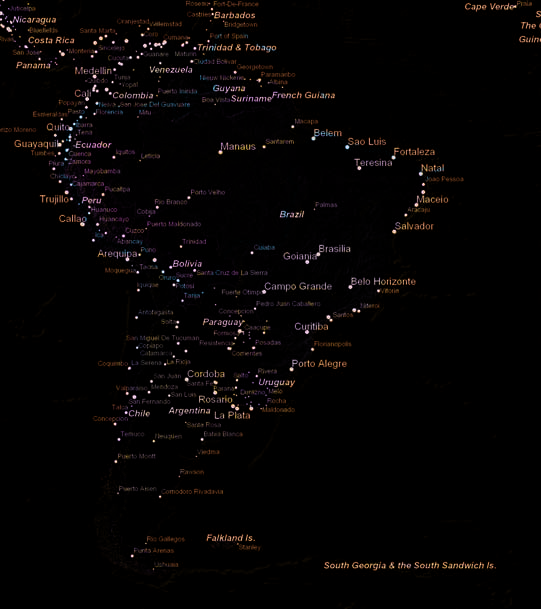
The task team from sub-region 40b All the Latin America sub-regions have done
waters in Kalmar in August 2003. The theme
Amazon has completed the scaling and
the initial scaling and scoping phase of
is how to apply the results from the scientifi c
scoping phase and is now conducting the
GIWA, and the last reports are expected to
assessment to manage water resources with
remaining stages of the GIWA
the focus on developing country situations.
sub-regional assessment.
An important element will be discussions
on global water-related assessments, their
The Amazon basin is an
outcomes and experiences gained.
international water system
A scientifi c board has been formed and
shared by seven South
the fi rst announcement is published.
American countries: Brazil, Peru,
http://www.siwi.org/pdf/2003_World_
Bolivia, Colombia, Ecuador,
Water_Week_1st_Announcement.pdf
Guyana and Venezuela. The
basin is the largest freshwater
system on earth, comprising
one fi fth of the total volume
of the world's riverine water.
In the GIWA assessment,
modifi cation of aquatic habitats
is considered the top priority
in this region mainly due to
its negative socio-economic
Freshwater program
implications such as de-
teriorating health and loss of
for schools
livelihood. The degradation of
The GIWA assessment in the
region of the Amazone Basin
GIWA is giving attention to the International
the aquatic habitats is primarily
involves seven countries.
Year of Freshwater 2003 with a program for
a consequence of dam
schools in the region of Kalmar, host city
constructions, cattle grazing, agri
culture,
be delivered soon. The sub-regional reports
for the GIWA core team. The program will
species introduction and mining. are bringing signifi cant results, and the
collaborate with XL, a science center at
Hydroelectric dams in the middle and task teams are all very enthusiastic to go
the University of Kalmar. Children in
lower Amazon have lead to a decline in
through the next stages of GIWA.
elementary schools will be invited to study
fi sh catches impacting the fi sheries sector
Sub-regional task teams who had started
the challenges to improve supply and quality
negatively. Habitat destruction has not only
earlier are now developing the casual chain
of freshwater. They will do classroom activities
affected the economy but also the heath
analysis and policy options phase. The
and visit the science center to do laboratory
situation with epidemic outbreaks of water-
results may be used by other sub-regions as
experiments.
related diseases.
a model.
The freshwater year will also be recognised
GIWA activities are in full swing also
A mega-regional report is also being
at the Model UN meeting at high school level
in the rest of Latin America and the produced. This report will be based on all
in Kalmar in January.
Caribbean.
the sub-regional reports.
Ten sub-regions pilots in
Upcoming
"Early Delivery Program"
events...
6-9 January 2003 in
Phase 1 of the GIWA assessment, the Scaling
These facts were recognised by the GIWA
Washington, USA:
and Scoping exercise, is now close to being
steering group who met in early October, and the
Meeting with the
completed. From the scaling and scoping an
steering group recommended an extended pilot
Millennium Ecosystem
important overview of the environmental problems
phase to be undertaken in order to gain experience
Assessment
in international waters emerges. This is the fi rst
and utilise the available human resources in the
time a global inventory is done on the health
most effi cient way. This pilot phase was termed
3-7 February 2003 in
of the transboundary water bodies, seas, rivers,
"The Early Delivery Program" indicating that the
Nairobi, Kenya :
lakes, underground aquifers and their ecosystems
sub-regions participating would be the fi rst to
The 22nd session of the
in terms of the environmental and socio-economic
deliver the completed and peer reviewed sub-
UNEP Governing Council
impacts.
regional assessment reports. Obviously this puts a
The next phase, the causal chain and policy
great burden on those sub-regional teams selected
16-23 March 2003, in
option analysis, which is designed to investigate
for the early delivery program. On the other
Kyoto, Japan:
the societal root causes of the degradation of
hand the other who follows later will be able to
3rd World Water Forum
the water bodies and propose possible policy
profi t from the experience gained and the lessons
options for remedial actions, is already initiated.
learned, and they will have the opportunity to use
11-14 August 2003:
A comprehensive and important work to develop
the early delivery program reports as models for
Stockholm Water
methodologies and guidelines has been completed.
their own work.
Symposium
Training and testing is ongoing. In this area GIWA
The participants in the early delivery
again is breaking new grounds and no blueprint
program are: SR17 the Baltic Sea, SR23 the
18-20 August 2003, in
for this exercise is available. The lessons learned
Caspian Sea, SR24 the Aral Sea, SR33 Japan/East
Kalmar, Sweden:
so far indicate that careful and comprehensive
Sea, SR34 Bohai Sea, SR39 Brazil Current, SR40a
Joint GIWA-University of
supervision and assistance to the Sub-regional task
Brazilian Northeast, SR40b Amazon, SR42 the
Kalmar Conference on
teams are required in order to secure credible
Gulf of Guinea, SR 47 East African Rift Valley
Transboundary Waters.
results.
Lakes.
Dear GIWA friends,
Christmas is close by and a new year is soon
here. Here in Sweden the winter days are short.
In December we celebrate the Day of Santa
Lucia, a candle light tradition to brighten the
darkest day of the year.
It has been a hectic but also important and
prosperous year in the life of GIWA. As you will
read in this newsletter the global picture of the
environmental problems in International Waters
now emerges from the GIWA assessment. We
are approaching the Causal Chain and Policy
Optional Analysis, and for that purpose we have
initiated the Early Delivery Program.
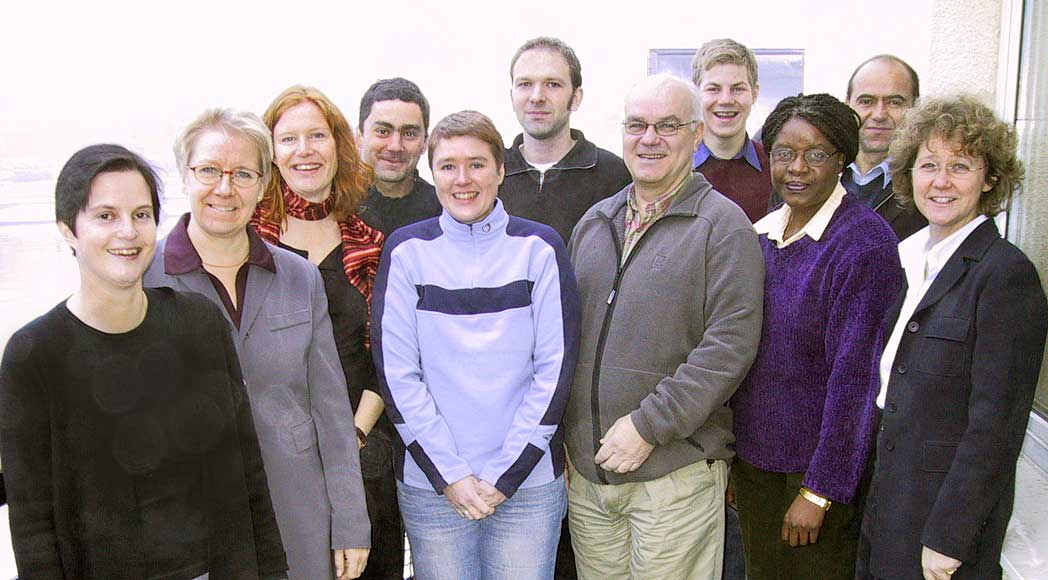
Season' s greetings to all from the GIWA Core Team in Kalmar.
The 3rd World Water Forum in Japan, March
For all of you who have followed GIWA in
newsletters or by our web-site www.giwa.net.
16-23, is one of the important events. GIWA will
2002 and mostly to those of you have given
Your continued support is appreciated.
have a session on "Transboundary Water Issues"
input to the assessment I thank you for the
Seasonal greetings.
as part of the thematic session "Water and
time you have given to GIWA. 2003 will be an
Peace". I will encourage you all to participate in
even more exciting year and I encourage you
Best regards,
this very exciting session.
to continue follow our developments, by the
Dag Daler
GIWA Co-ordination Office
Web Site: www.giwa.net E-mail: info@giwa.net
Postal Address: Global International Waters Assessment, GIWA
Telephone Secretariat: +46 480 44 73 50
SE-391 82 Kalmar, Sweden
Fax +46 480 44 73 55