
ISSN 1818-5614
Participatory project design and
development in Vunisinu and Nalase
villages, Fiji: trainers' report
By Joeli Veitayaki, Vina Ram-Bidesi, Iliapi Tuwai,
Alan Resture, and Arne Lanting
IWP-Pacific Technical Report (International
Waters Project) no. 56
Global
United
Nations
Pacific
Regional
Environment
Development
Environment
Facility
Programme
Programme
SPREP IRC Cataloguing-in-Publication Data
Participatory project design and development in
Vunisinu and Nalase villages, Fiji : trainers' report /
by Joeli Veitayaki ... [et.al]. Apia, Samoa : SPREP,
2007.
iv, 103 p. ; 29 cm. - (IWP-Pacific Technical report, ISSN 1818-
5614 ; no.56).
ISBN: 978-982-04-0380-2
1. Community development Citizen participation Fiji.
2. Economic assistance, Domestic Social Planning Fiji.
3. Community Development Rural Fiji. 4. Regional
development Fiji. I. Veitayaki, Joeli. II. Ram-Bidesi,
Vina. III. Tuwai, Iliapi. IV. Resture, Alan. V. Lanting, Arne.
VI. International Waters Project (IWP). VII. Secretariat of
the Pacific Regional Environment Programme (SPREP).
VIII. Title. IX. Series.
307.1
This report (which was originally written in 2004) was produced by SPREP's International
Waters Project, which is implementing the Strategic Action Programme for the
International Waters of the Pacific Small Island Developing States, with funding from the
Global Environment Facility. The views expressed in this report are not necessarily those
of the publisher. Annexes 1-6 appear as produced by the workshop participants and
facilitators (they have not been edited or revised).
The views expressed in this report are not necessarily those of the publisher.
Cover design by SPREP's Publication Unit
Editing and layout: Mark Smaalders
SPREP
PO BOX 240,
Apia
Samoa
Email: sprep@sprep.org
T: +685 21 929
F: +685 20 231
Website: www.sprep.org
© Secretariat of the Pacific Regional Environment Programme 2007
All rights for commercial/for profit reproduction or translation, in any form, reserved.
SPREP authorises the partial reproduction of this material for scientific, educational or
research purposes, provided that SPREP and the source document are properly
acknowledged. Permission to reproduce the document and/or translate in whole, in any
form, whether for commercial or non-profit purposes, must be requested in writing.
Original SPREP artwork may not be altered or separately published without permission.
ii
Contents
Acknowledgements................................................................................................................... iii
1
Executive summary ........................................................................................................... 1
2
Introduction ....................................................................................................................... 2
3
Training in participatory project planning and design ................................................. 2
3.1
The IWP approach to project planning........................................................................ 2
3.2
Trainers........................................................................................................................ 3
3.3
Training participants.................................................................................................... 3
3.4
Training logistics ......................................................................................................... 4
3.5
Training activities........................................................................................................ 4
3.6
Training schedule ........................................................................................................ 4
3.7
Topics, skills and tools ................................................................................................ 5
3.8
Training resources ....................................................................................................... 7
4
Workshop results............................................................................................................... 7
5
Participants evaluation ..................................................................................................... 8
6
Assessment of facilitators.................................................................................................. 8
7
Issues to be addressed ....................................................................................................... 9
8
Lessons learned................................................................................................................ 10
9
Additional training needs................................................................................................ 11
10 Recommendations............................................................................................................ 11
Bibliography............................................................................................................................. 13
Annex 1: Consultant terms of reference................................................................................ 15
Annex 2: Participants list........................................................................................................ 19
Annex 3: Budget ...................................................................................................................... 20
Annex 4: Training Workshop Programme ........................................................................... 21
Annex 5: Results of the Workshops ............................................Error! Bookmark not defined.
Annex 6: Feedback ................................................................................................................ 100
iii
Acknowledgements
The consultancy team1 was grateful for the opportunity to be involved in IWP's Participatory
Project Planning and Design in Fiji, and welcomed the opportunity to work with the members
of the communities to use the IWP approach to promote appropriate participatory skills
required for meaningful rural development. This portion of the larger PPPD work was an
interesting and useful part of the overall process, and provided the consultant team the
opportunity to work with the Vunisinu and Nalase communities, IWP and government officials
to plan and implement resource management activities. The team is grateful for the opportunity
to be involved in the mobilisation of resource management action at the local level.
Vinaka vakalevu to the people of Vunisinu and Nalase for the support and interest. To Mr Pita
Vatucawaqa and the members of the Environment Committee, our gratitude for your
acceptance and tremendous support. The time spent in the village planning and conducting the
workshops will always be in our memory. We came to the village to do a job but left very
humbled by your situation and your desire to make a difference.
The facilitators from Vunisinu and Nalase were well-chosen. The group was joined by equally
committed representatives from some of the other villages of Dreketi. The facilitators were
good representatives of their people and should be commended for giving up on their time to
be at the workshop.
To the Turaga na Roko Tui Naduguca and members of the Navovula community and the Tui
Wailumu and the people of Nalase, we hope we have interpreted the issues you shared
correctly and that you will find the workshop report and support materials a correct
representation of what happened at the workshop. It also is hoped that you will find the reports
of use as you battle your way to find a better tomorrow for your people.
The consultant team is also thankful to the IWP and the Department of Environment for the
opportunity to be involved in this initiative. The IWP team led by Sandeep Singh worked hard
to facilitate the planning and conduct of the workshops and had to cope with the consultant
teams countless requests. The consultant team learned a great deal from this collaboration and
are now much wiser about the complexities associated with local community involvement in
resource management.
The consultant team is also grateful to colleagues at the Marine Studies Programme, University
of the South Pacific for secretarial support, logistical arrangements and for keeping track of the
financial transactions. Thank you to Sue for the leadership and for coordinating the activities.
To Arne, thank you very much for coming to assist us. You have made a huge contribution.
Vinaka Sami and Mrs Naco for the translations. To all our colleagues, thanks for standing in
during our short absence.
Lastly, the consultant team would like to thank all the unnamed people who assisted in what
ever way to make this task complete. To all of these friends, the team would have had to work
a lot harder if it wasn't for your contribution. The team is indebted to you all, but the work and
its shortcomings is the consultant team's responsibility.
1 The consultancy was undertaken by Joeli Veitayaki, Vina Ram Bidesi, Alan Resture, and Iliapi Tuwai. The team was
aided by Mary Ackley (Peace Corp volunteer in Vunisinu), and Tom Victor.
iv
1 Executive
summary
The International Waters Project (IWP) aims to strengthen the management and conservation
of marine, coastal and freshwater resources in the Pacific Islands region. It is financed through
the International Waters Programme of the Global Environment Facility (GEF), implemented
by the United Nations Development Programme (UNDP), and executed by the Secretariat of
the Pacific Regional Environment Programme (SPREP), in conjunction with the governments
of the 14 participating independent Pacific Island countries.
The Participatory Project Planning and Design phase of the International Waters Project (IWP)
in Fiji involved the training of 15 facilitators from Vunisinu and Nalase villages, who will
spearhead the design and development of environmental management projects in the villages.
The facilitators will be collaborating with community committees, the project development
team, the IWP National Coordinator, and SPREP. The facilitators are well prepared, as a result
of spending three weeks with the consultant team in the facilitators training and the community
workshop. They have been provided with materials and experiences to enable them to
effectively mobilise and focus community support relating to the environmental management
activities planned under the IWP.
The 15 villagers from Vunisinu and Nalase were joined in their two weeks facilitators training
by 10 representatives from the neighbouring villages of Nadoria, Nakorovou, Nabuli and
Suvalailai. This was a promising and positive gesture, as the people of these villages share the
same resources and will need to collaborate if the resource management problems in the area
are to be effectively addressed in the future.
The large number of female participants in the facilitators training workshop was a welcome
feature that may augur well for the project. Although the consultant team was looking for a
balanced representation of all stakeholders, the large number of women participants was
welcomed. A number of the women were village nurses, who doubtless benefited from the
close linkages made in the workshop between environmental management and health issues
and problems.
The commitment by the villages to the IWP initiative was evident even before the training
workshops and the actual sessions began. Villagers were busy with their other responsibilities
but were adamant that the training workshops should be completed as soon as possible.
Whenever the village chief and village headman (turaga ni koro) were not attending to other
things, they were at the workshop, joining the facilitators who were at the training workshops
on a daily basis.2
These people found the workshop activities fascinating and interesting. The workshop has
provided the facilitators with new ideas about what they need to do to change the way their
people relate to issues such as the sustainability and health of fisheries, waste management and
water accessibility. The people are now intending to take action; doing what they think they
need to do to make a difference in the community. This interest needs to be nurtured and
supported to help it take shape.
The emphasis in the facilitators training workshop was on developing self-determined and self-
financed solutions to village problems. It was pleasing to see and hear people reiterating their
2 The training workshop was eagerly awaited by the villagers, who associated it with the commencement of IWP's
activities in the village. Held six months after the official launching of IWP Fiji, the Participatory Project Planning and
Design was the first concrete project action undertaken. According to the villagers, little work had been undertaken over
the previous six months. This claim did not agree with the reports from the IWP team, which referred to community visits
and consultations, establishment of community committees and some awareness raising. During the consultant team's
introduction to the Vunisinu Environment Committee, the villagers related their frustration at the lack of action on the
ground.
1
role in addressing the main environmental issues facing them.
Changes in the way people do things were already evident during the workshop. Composting
was already being practiced in the villages and was being promoted as a result of the IWP
workshop. A composting toilet is being planned for trial in Vunisinu. Although this is part of
another initiative, the facilitators are well aware of the benefits of doing away with flush toilets
and want to assess its acceptability in the village. Attempts also have been undertaken in both
Vunisinu and Nalase to clear the existing village rubbish dump.
The facilitators have a good idea of the challenges they face in trying to mobilise their relatives
in their villages. Together the people need to agree on the priority issues to be addressed and
how best to address these issues as well as formulate associated projects.
2 Introduction
The International Waters Project (IWP)3 is a 7-year, USD 12 million initiative concerned with
management and conservation of marine, coastal and freshwater resources in the Pacific
islands region. The project includes two components: an Integrated Coastal and Watershed
Management (ICWM) component, and an Oceanic Fisheries Management component (the
latter has been managed as a separate project). It is financed by the Global Environment
Facility (GEF) under its International Waters Programme. The ICWM component is
implemented by the United Nations Development Programme (UNDP) and executed by the
Secretariat of the Pacific Regional Environment Programme (SPREP), in conjunction with the
governments of the 14 independent Pacific island countries: Cook Islands, Federated States of
Micronesia, Fiji, Kiribati, Marshall Islands, Nauru, Niue, Palau, Papua New Guinea, Samoa,
Solomon Islands, Tonga, Tuvalu and Vanuatu. The ICWM component of the project has a 7-
year phase of pilot activities, which started in 2000 and will conclude at the end of 2006.
IWP commenced activities in Fiji in June 2002. The National Task Force (NTF) established by
IWP Fiji endorsed the selection of Vunisinu village in the Rewa Province as the IWP pilot
project site. The IWP focal areas are community-based waste reduction, sustainable coastal
fisheries and protection of freshwater resources. Following the site selection, the next step in
pilot project implementation was to work with the community and other stakeholders to
identify the root causes of their waste, freshwater conservation and coastal fisheries concerns,
in order to determine the problems that could be addressed in the time and resources available.
3
Training in participatory project planning and
design
3.1 The
IWP
approach
to project planning
Rural development has been pursued in rural communities for generations, but often with less
than impressive results. In many instances local communities were forced to participate in
initiatives that resulted in depletion of their resources, pollution of their rivers and land, and the
alteration of their coastal habitats and resources. Environmental concerns have not been
properly addressed in the course of many rural development initiatives, resulting in
environmental degradation. In addition, these initiatives have only marginally involved local
communities. Contrary to earlier thinking, recent experiences have shown that the most
3 IWP is formally titled Implementation of the Strategic Action Programme of the Pacific Small Islands Developing
States.
2
successful rural development initiatives are those that local people in planning, formulating
and implementing the initiatives.
For this reason, IWP and other projects are emphasising an inclusive, participatory approach.
People and communities involved in development projects are likely to be committed only
when they are aware of the importance of a project to them and their communities. IWP
projects are appropriate and relevant to the situations in which people live because they give
control to local people, who are responsible for making decisions on issues that directly affect
them and their future. It is for these this reasons that the IWP Fiji training workshop focussed
on self-determined and self-financed rural development, and new ways of thinking and dealing
with community problems.
3.2 Trainers
A consultancy team, from the University of the South Pacific's (USP) Marine Studies
Programme and the International Ocean Institute--Pacific Islands, was engaged to train local
facilitators to work with local stakeholders, in considering the stakeholders' environmental
problems, the issues impacting on these problems, and possible solutions.
The consultant team's objectives were to:
3 build capacity by training local facilitators on how to use participatory social analysis
techniques, participatory problem analysis and project mapping exercises;
4 identify root causes of problems relating to waste management, protection of freshwater
resources and coastal and marine habitat degradation in Vunisinu and Nalase; and
5 facilitate Participatory Project Planning and Design (PPPD).
In promoting appropriate participatory skills required for meaningful rural development, the
team covered topics that included project cycles, economic viability, good governance,
community planning, business management and cost benefit analysis. These skills are crucial
because of the need to improve on the performance of rural development projects. The team
was made up of experienced USP lecturers and community trainers familiar with the
challenges of conducting community training. The consultant team included fisheries resource
management experts, community trainers, fisheries economists, planners and social scientists,
and was well suited to the work they were contracted to do.
3.3 Training
participants
The villagers selected the facilitators before the consultant team was appointed. The facilitators
included a combination of elders and youth, with women outnumbering men. The large
proportion of women enabled comparison to be made with other training workshops, in which
men typically outnumber women. Representatives from the neighbouring villages of Nadoria,
Nakorovou, Nabuli and Suvalailai joined the facilitators from Vunisinu and Nalase. A total of
26 participants completed the training workshop (the list of participants is attached as Annex
2).
The participation of the representatives from the district of Dreketi was a promising
development because of the collaboration that is required within Dreketi and beyond to address
pressing environment problems. Dreketi district is a part of the Rewa River delta. The land is
restricted and water logged. The people of Vunisinu and Nalase will need the support of their
relatives within Dreketi and beyond if they are to succeed in managing their environmental
problems. In addition, the facilitators' work of promoting action within the tikina and province
will require the support of all the people with whom they share their resources.
3
3.4 Training
logistics
The training was conducted at the Community Hall in Vunisinu. The logistical arrangements
were challenging because the consultant team and the facilitators were commuting to Vunisinu
daily. In addition, the villagers had other family responsibilities which at times prevented them
from attending the workshop. IWP-Fiji provided lunches so that the facilitators would not have
to leave the training area. The budget approved by the IWP Project Development Team is
provided as Annex 3.
3.5 Training
activities
The training programme was designed to meet the needs of people who will be planning,
formulating and implementing initiatives. The facilitators were taught to think of new methods
to solving problems, with an emphasis was on self-determined and initiated initiatives. The
latter require planning, which is an activity not often emphasised in rural communities. The
facilitators were also prompted to think about and discuss what contributes to good leadership,
and tools that contribute to sound decision making, such as costbenefit analysis.
Knowledge of basic economics was seen as an extension to conventional community-based
projects, as it assists facilitators to appreciate projects that are focussed on natural resource
management and conservation, and which may not necessarily generate income, but do have
other non-monetary values. It also assisted by increasing the awareness of facilitators regarding
the viability of income-generating projects, and by drawing distinctions between development
and conservation projects. The intention was to extend the understanding of facilitators and
raise awareness of the community regarding the social costs and social benefits that are
associated with actions or activities for which market prices may not exist. This modification
to community-based resource management training was considered important, as a lack of
understanding of such fundamental principles is can cause projects to fail.
Because the training was focussed on natural resource management, facilitators required an
understanding of what motivates people to behave differently with respect to the environment.
Trainers made reference to project cycles as a means of showing facilitators the overall
process, and then integrated participatory approaches as a means of deriving information
regarding, or conducting, each stage of a project. The trainers felt that deriving the goals of the
training would have been ineffective. Such an approach is common, but many rural-based
projects that adopt it begin with a high level of motivation, but later fail, because people do not
understand the fundamental principles that drive community activities. The purpose of this
training was enable the facilitators to work effectively with the community to identify how
community members can best manage their environment though IWP pilot projects.
Consequently, the project cycle approach was seen as more useful for both the facilitators and
the community, as it raised their awareness of how to effectively designand evaluate pilot
projects.
Detailing profit and loss was intended to illustrate costs and benefits concepts, which can assist
in understanding how projects are designed. The aim was not to train the facilitators as
technicians, but to help them conceptualize projects as systematic processes.
3.6 Training
schedule
The training schedule was designed by the consultant team and endorsed by the IWP Project
Development Team. The schedule and lesson plans were based on the process of activities and
material outlined in the SPREP Resource Kit (Mahanty and Stacey 2004), as well as other
references on participatory processes and development (see Bibliography).
4
The focus of the training was on involving people in successful, appropriate and self-
determined development. The aim was to provide the facilitators with as many tools and skills
as possible to assist them in realising this goal.
The training was run according to the rules that were formulated by the facilitators early in the
training workshop. Punctuality and attendance were emphasised. The first 30 minutes of each
day was spent on devotion and evaluation of the previous day's activities. The evaluation
activity was reported to the plenary before the commencement of a day's programme. The
facilitators requested that the training begin at 8:30 and conclude at 4:30 pm, rather than 6:00
pm as proposed in the tentative schedule, and the training schedule revised accordingly (see
Annex 4).
3.7 Topics, skills and tools
The schedule was divided into major groupings based on the topics, tools and skills to be
learned and the reasons for their use. Table 1 separates the topics according to subject and
topics, the skills and tools that are promoted, and some of the features and remarks relevant to
the topics. The table is a summary of the skills and tools facilitators can choose from to
achieve a goal.
The lessons were planned so that each topic was discussed in a short lecture, which was then
followed by breakout group activities and a plenary session, in which the different groups
reported on their work. The facilitators are divided into groups with the men and women
working together. During group work, people were asked to discuss thoroughly and record
their ideas and discussions on butcher paper, which was collected and used in the preparation
of this report. Keeping an accurate record of the discussion is important to understanding the
discussion and debate.
Most of the lecturing was done in Fijian but some of the topics were taught in English with
Fijian translations provided by members of the team. The discussions and reporting during the
workshop were in Fijian.4
During the second week of the workshop the group went on a full day fieldtrip to Nausori and
Suva to see how municipal authorities are treating their waste and water. The last two days of
the workshop were spent on the three focal areas related to IWP (fisheries management, waste
management and water management), with focussed discussions on the major issues relating to
each of these areas. The closing ceremony and the presentation of certificates were conducted
on the afternoon of the last day and were presided over by the Director of the Department of
Environment and IWP Fiji staff.
The training activities the designed by the team were meant to be engaging and useful, and
help facilitators think about new ways of addressing village problems and issues. The
introduction of new topics during the workshop meant that there were occasionally extra
lectures, and participants were forced to share printed materials. This was initially a concern to
the consultant team, but the facilitators were supportive, as they were eager to gain new
information and knowledge. The final evaluation for the facilitators training course was
conducted by the IWP.
4 These notes had to be translated, delaying production of the final workshop reports.
5
Table 2: Topics, skills and tools and why they are used
Topics Skills/Tools
Remarks
Introduction
Rules of the workshop
Sets the pace; Ice breaker
Hopes and expectations
Reasons for attendance
Participation
Reasons for and types
Facilitation
Reasons and features
PLA: process & principle,
Features and why its
challenges
appropriate
Understanding
Stakeholder analysis
All groups and people involved
Community
Community institutions and
Map institutions and relevance
relations
Community resource mapping, Reflect on what is there
Community timeline
Note the changes
Seasonal calendar
Main events/happenings
Community economics
Comparing income and
expenses
Community resources
Identifying resources
Community
Community problems
Problems identified by people
Concerns and
Solutions
Good project/business
What to emphasise, and what
management
to avoid
Good governance
Qualities of leader and
leadership
Concerns & opportunities
What to solve and take
advantage of
Community values
Values that are held
Root cause analysis
The issues to be addressed
Shared vision
What people want for future
Problem tree/fishbone exercise
Logical thinking of issues
Community resource use policy
Guide to plan
Community resource
Plan for use of resource
management plan
Community action plan
Environmental
Environmental Resource
Reasons for management
Resource
Management
Management
Environmental
resources/
Direct and indirect benefits and
Products
market and non-marketed
products
Sustainable
fisheries
Issues to be addressed by and
by who
Waste
management
Issues
to be addressed and by
who
Water
management
Issues
to be addressed and by
who
Decision Making
Project cycle formulation/ Make a part of people way of
identification;
planning action
planning/feasibility; design;
implementation and monitoring;
6
evaluation
Community planning
Proper plan before action is
taken
Costbenefit analysis
Assessment of all costs and
benefits and options
Assessment of options
Choice is important and must
be based on costs, benefits and
needs
3.8 Training resources
The facilitators were provided many materials so that they could formulate new and
appropriate initiatives. A copy of the community development toolbox for facilitators has been
provided to IPW-Fiji as a stand alone report. All of the workshop reports were translated into
Fijian so that they can be used by the facilitators as well as other interested parties.
4 Workshop
results
The training workshop was well organised, with activities that allowed for good exchange of
knowledge and learning. The facilitators at the workshop were among the best prepared that
the consultant team has seen, and they demonstrated outstanding commitment, with minimal
absenteeism and lateness. The facilitators quickly developed a sense of camaraderie, and
although some were shy initially (and reluctant to address the group), this was quickly
resolved, as the rules required that all group members share equally in making presentations to
the plenary from the breakout groups. The extent of their commitment was demonstrated when
the villagers postponed a funeral until after the first week's activities ended.
The workshop was effectively charged with the task of reviving the interest of the people on
the environmental problems that they raised as their focus when the village applied to be the
IWP pilot site,5 and this was successfully achieved. The people of Vunisinu and Nalase
concluded the workshop ready to work with IWP to address their environmental problems.
One of the highlights of the training was the one-day fieldtrip to public utilities in Nausori and
Suva. This trip was conducted to illustrate issues relating to water and waste management to
the facilitators. The point was made that while the magnitude of the problems faced in these
cities differ from those in villages, the principles involved are very similar. The fieldtrip was
also useful in exposing people to the issues involved when problems worsen. The facilitators
were happy with the exercise, which according to some opened their eyes to things they did not
know previously, such as the fact that their drinking water is drawn from the Rewa River in
Waila, which explains why it should be boiled. Another lesson related to the fact that that the
actions of people upstream impact the water those downstream receive, and this helped the
facilitators realise that in attempting to ensure their own water is clean, they need to work with
stakeholders that live and work along the river, right up to the mountains.
It was stressed that the facilitators need to demonstrate their newly acquired knowledge by
practicing what they know. The facilitators will be relied upon to mobilise the rest of their
community, and it is hoped that they will demonstrate the commitment they made during the
workshop.
5 The workshop was seen by many of the villagers as the commencement of IWP's work in Vunisinu and Nalase. Some
concerns were expressed over the lack of action over the six or so months since the project's launch, despite the
establishment of the Project Development Team and the National Task Force.
7
Since the conclusion of the facilitators training workshop, some sporadic actions have
occurred. The villagers, with the help of their Peace Corp volunteer, have been trying to
relocate their waste dump. Some households are now practicing waste separation and
composting. The villagers have also been advised by the Peace Corp volunteer about the effect
of burning of plastics, and the threat from wastewater. It is hoped that the workshop has
complimented these efforts, as what is now required is for the facilitators and the villagers to
demonstrate how seriously they take the discussions at the workshop. The full results of the
training workshop are provided in Annex 5.
5 Participants
evaluation
The facilitators praised the workshop as a worthwhile exercise and were thankful to IWP for
the opportunity to participate. The facilitators acknowledged the training and the fact that it
raised their awareness and understanding of their role in terms of their relationship with their
environment and its resources. The facilitators were happy with the coverage of topics such as
the project cycle, community planning, costbenefit analysis, business management,
composting toilets, community policy and good governance. They saw the relevance of these
topics, which were demanding and sensitive but very well received and popular.
The facilitators were in general grateful for the opportunity to be part of the workshop. Some
of the evaluation comments from the facilitators' daily feedback are listed below.
· Thanks for the training which has prompted us on what to do in the village, starting with
our families
· Good training which has motivated us
· Let us look after our waste. Composting toilet should be considered for use
· Good training with new ideas
· Decision making is critical and we need to make good decisions always
· Liked Alan's session on demand and supply curves
· We are learning many new things such as confidence to stand up in front of a gathering
· We are learning to look after financial matters, planning
· Some women are now separating their domestic waste
· We are learning a lot from how you trainers relate to each other and to us
· We are fortunate to have got the training
The full results of the participants' evaluation are provided in Annex 6.
6
Assessment of facilitators
The facilitators were well chosen. They were representing the own organisations within their
communities and did remarkably well in their training. Topics such as environmental resources
and products, community planning and costbenefit analysis were difficult but well received. It
was obvious that some of the facilitators would be good community leaders.
The facilitators were well led by the Chairman of the Environment Committee in Vunisinu, Mr
Pita Vatucawaqa. His colleagues (including Mr Viliame Nasaumatua, Ms Siteri Kamakorewa
and Ro Viliame Rasigatale) ably assisted Mr Vatucawaqa. Judging from the presentations and
the discussions held during the training workshop, the facilitators should be performing well
when the time comes for the community workshop. A list of the participants is provided as
Annex 2.
8
7
Issues to be addressed
Some suggestions have been made to improve the project's performance.
There was limited preparatory time provided to the consultant team, who were expected to
conduct the training immediately after their appointment. There was no time to present the
tentative programme two weeks prior to the training. The consultant team was also required to
make the logistical arrangements, which were rushed because of the government requirements
that have to be met. The process of providing 3 quotations, obtaining approval, and securing
signed cheques took time, and should have been addressed properly. The process used in this
instance (in which decisions were agreed to with the villagers, without any advice from IWP
regarding the time it takes to process government requests) caused inconveniences, and could
have caused serious problems.
The lack of involvement of the village headman (Turaga ni Koro) of Dreketi was a concern.
The Turaga ni Koro is the leader in the villages and the representatives of the government.
They coordinate development activities in the villages and can serve as representatives for
villagers to other forums outside the village. It would have been convenient if they were
included among the facilitators, as they will be relied upon to assist in the implementation of
village decisions. As it now stands, the facilitators will have to convince the Turaga ni Koro
first if any action has to be taken by the village. Greater coordination is required so that the
Turaga ni Koro in each village is involved in the preparatory work. The task will depend on
how the facilitators present their case to decision makers such as the Turaga ni Koro.
Some of the topics were taught in English with Fijian translations provided by the members of
the team. While the majority of the facilitators may have no problem with this approach, there
is a need to address this issue in any future training. Some of the topics such as costbenefit
analysis involve technical principles, which are difficult to translate into the vernacular. The
problem may be rectified by getting people who can converse in the vernacular to do this part
of the training.
Vunisinu and Nalase are downstream villages. They will have to work with all other
stakeholder groups to get people to work with them on addressing their environmental
problems. This was the reason why the representatives from the other villages of the tikina
were invited to the workshop. The trained facilitators from Nadoria, Nakorovou, Nabuli and
Suvalailai will be useful when it comes to reaching out to the stakeholders in the tikina as well
as the province and areas beyond that need to be involved in the initiative.
It is also a concern that the Rewa Provincial Officials did not participate in the training, as they
would be expected to play a leading role in the publicity and promotion of the IWP approach to
stakeholders outside of Vunisinu and Nalase. The work that has to involve other upstream
stakeholders -- such as the villagers in Rewa, Tailevu, Naitasiri and Namosi and Nausori
Town -- in this initiative will require the involvement of the Rewa Provincial Office.
According to IWP, invitation letters were sent and that these officials were expected to
participate.
There is a need for IWP to further clarify the aim of the project to the people. There are
misconceptions and rumours about the project that are clearly outside the scope of IWP. These
should be corrected so that the collaboration can be based on accurate information.
The last of the issues is to ensure that the interest and momentum that the facilitators' training
has created be maintained. The villagers were a bit concerned by the lack of activity in the six
months before the workshop. IWP must work to ensure that follow-up action is planned, so as
to build on the interest that people now have. Given the concerns (detailed above) regarding
government processes, IWP must ensure that the momentum now created is maintained.
9
8 Lessons
learned
The facilitator training workshop was a notable step toward involving people in the
management of their environmental resources. The trained facilitators will reside in the
communities where they can continue to instigate change and desirable development. The
involvement of the representatives of all community groups augurs well for future
environmental management in Vunisinu and Nalase.
The training the facilitators received has heightened their awareness regarding the
environmental problems they and their fellow villagers face. The trained facilitators can be
actively involved in the initiatives undertaken by the communities to address pertinent issues.
The training was also required to provide new approaches to addressing problems found in the
communities. The idea of composting toilet waste is attracting attention. Domestic wastes are
being separated and used as compost. There are plans to move the village waste dumps and to
take the inorganic waste to waste dumps in Suva or Nausori. In addition, compost toilets are
perhaps the only logical choice in areas such as Vunisinu and Nalase, where water supply is
limited and the water table is high. The people aspire to own flush toilets, however, and regard
that as the best way to solve the human waste problems.
The environmental problems encountered in modernising rural areas such as Vunisinu require
a combination of top-down and bottom-up approaches. Issues such as the treatment of waste
are new to most people, who therefore rely on outside advisers in determining how to address
them. Plastic was commonly and extensively burned, because the people were unaware of the
potential danger to their health. Likewise, batteries and oil were commonly thrown into the
water with little awareness of the problems they cause. In such a situation -- where traditional
practices are not sufficient to address contemporary issues -- the incorporation of top-down
and bottom-up approaches may present the best way of addressing the situation. The training
provided villagers with new methods to address the rural development issues they face.
The facilitators are also villagers, who have to convince their relatives of the need to change
the way they address environmental problems. This made it critical that the facilitators be
adequately prepared for community workshop and stakeholder consultations, and that they be
provided with all the information they will need convince their relatives in the villages.
Fortunately for the consultant team, the facilitators were eager to receive the information and
to undertake all of the required activities.
The planning of village activities is an important part of village life that the villagers have not
taken seriously. The numerous activities that the people in villages need to attend to -- such as
providing food for the family, sending their children to school, earning an income, taking care
of their babies and homes, and attending to church duties -- makes it important that they better
plan their activities. The facilitators in Vunisinu and Nalase shared interesting examples where
proper planning would have saved them from poorly thoughtout community activities, which
cost both resources and time. Planning is critical and should be emphasised in all rural
communities.
Government officials should respect the pressures faced by illagers, who have responsibilities
that may prevent them from attending to meetings with Government officials. The situation
faced by individuals may also rapidly change, because of the ties and responsibilities they
have. The respect of the community inhabitants has to be earned by their outside partners.
In some instances, adaptations may need to be made to standard government practices if
community involvement is to be enhanced. For example, the system of requiring competitive
bidding and selecting the cheapest of three quotations means accepting a bid that is not
necessarily the best. The release of cheques was often late, and beyond the control of team
members, which required having a backup plan. Although minor, such issues help determine
the rapport projects have with people in communities.
10
Kava sessions were conducted each day after the workshop, and were a forum where detailed
discussions were conducted. The kava sessions were a means of soliciting community support
for intended actions. Outside partners, including government officials, need to be close to the
people, so that they can understand their opinions and position. The fact that IWP has no
indigenous Fijian staff members is a serious handicap that may affect IWP's relations with the
people. Communication and involvement with local communities are required as signs that the
people are being actively involved in the project.
9
Additional training needs
Specific training needs will depend on the course of action the villagers decide to take.
However, a number of follow-up training activities would be beneficial. For example people
may need some training on running efficient organisations, and more coverage of project
cycles, cost benefit analysis, business management and community planning.
The consultancy team is of the opinion that in order to promote sustainable natural resources
management, people need to change the way they live and work. This would require capacity
building, because the activities are new and may require adjustments by villagers. Project
activities are new and require that people change certain features of their lives.
The people in the villagers need to organise and decide whether they want to observer the
modern world of economic development, or whether they want to be directly involved. Making
that decision will determine the choices they have. Some people may decide to start a
commercial venture, in which case the rules of engagement need to be clarified from the start.
This is important because the decision will only be realistically pursued if people agree that
they want to be directly involved in economic development activities. If people decide to be
observers, then they would not realise their objectives in a commercial development, despite
assistance and support. It is crucial that the people together agree on what they want to do.
Training on alternative sources of livelihood may be necessary to broaden people's views and
ideas. Alternatives are not easy for people to conceptualize unless these are identified as
potential solutions to address village sustainable resource management problems. There is
currently a strong reliance on traditional village resources (such as gardens, mangroves and
fishing grounds), which are not likely to withstand a large increase in pressure, as would be
associated with growing populations and expanded activities. For this reason new sources of
livelihood are needed.
10 Recommendations
The recommendations offered here are likely to compliment action at the community level.
1. IWP should forge closer understanding and relations among the people involved in the
projects.
2. Respect from communities has to be earned.
3. Communications must be improved to ensure that misunderstandings are avoided.
4. IWP Fiji should have a Fijian speaking staff member, as they are working in a Fijian
community.
5. Genuine collaboration should be emphasised. People need to be aware of what they can
and cannot do and should regard outside partners as people who are there to assist.
6. IWP should identify and work with village champions.
7. Attempts must be made to recruit people to work with IWP who are sympathetic to the
11
position of the villagers.
8. All instructors should converse in Fijian and be able to conduct their lessons in the
vernacular.
The interest in environmental issues that has been generated and rekindled should be
maintained, and IWP should plan for an uninterrupted schedule of follow-up activities.
12
Bibliography
Bunce, L. and Pomeroy, R. 2003. Socioeconomic monitoring guidelines for coastal managers
in Southeast Asia (SocMon SEA). Townsville, Australia: World Commission on
Protected Areas and Australian Institute of Marine Science.
Bunce, L., P. Townsley, R. Pomeroy, R. Pollnac with contributions from H. Cesar, E.
Nicholson, and P. Wiley. 2000. Socioeconomic manual for coral reef management.
Townsville, Australia: Australian Institute of Marine Science.
CEFE (Competency Based Economies Formation of Enterprise). 1994. The best game manual.
Makati, Philippines: CEFE.
Dipper, S and Hunnam, P. (eds). 1996. Community resource conservation and development: A
tool kit for community-based conservation and sustainable development in the Pacific.
Suva, Fiji: WWF-South Pacific.
ECOWOMAN. 2000. Participatory learning and action: a trainer's guide for the South Pacific.
Suva, Fiji: South Pacific Action Committee for Human Ecology and Environment.
Hamilton, L.S. and Snedaker, S.C. (eds). 1984. Handbook for Mangrove Area
Management. United Nations Environment Programme, Kenya and Environment and
Policy Institute, East-West Center, Honolulu, Hawaii.
Lal, P. and Keen, M. 2002. Economic considerations in community based resource use and
management. Development Bulletin 58:68-71.
Lal, P., Holland, P., Veitayaki, J. and Korovulavula, I. 2004. Economics for community-based
project management in the Pacific. Train Sea Coast, University of the South Pacific,
Australian National University and International Waters Programme-Fiji.
Lal, P. 2003. Economic valuation of mangroves and decision making in the Pacific. Ocean
and Coastal Management 46 (9-10):823-844
Lobban, C.S. and Schefter, M. 1997. Tropical Pacific Islands Environment. Mangilao, Guam:
University of Guam Press.
Mahanty, S. and Stacey, N. 2004. Collaborating for sustainability: a resource kit for facilitators
of participatory natural resources management in the Pacific. Apia, Samoa: SPREP.
Nielsen, C. and Rabici, V. 2000. Teachers' manual education for a sustainable Environment.
Live and Learn Environmental Education. Live and Learn Environmental Education,
Suva, Fiji.
Pimbert, M. and Pretty, J. 1994. Participation, people and the management of national parks
and protected areas: past failures and future promise. Draft Discussion Paper.
UNRISD/IIED/WWF.
Pretty, J.N., I. Guijt, Thompson, J. and Scoones, I. 1995. Participatory learning action: a
trainers guide. London: International Institute for Environment and Development.
Resture, A. 2000. Te Falekaupule o Tuvalu: Analysing resource management practices in
Tuvalu. Unpublished Master's thesis. Department of Urban and Regional Planning,
13
University of Hawaii, Honolulu.
SPACHEE/ECOWOMAN, 2000. Community Environment Workshop Handbook for Women.
Suva, Fiji: South Pacific Action Committee for Human Ecology and Environment.
Wates, N. 1999. The community planning handbook. London: Earthscan.
Worah, S., Svedsen, D. S. and Ongleo, C. 1999. Integrated conservation and development: a
trainer's manual. Khlong Luang, Thailand: WWF and Asian Institute of Technology.
WWF South Pacific Programme. 1996. Community resource conservation and development
a toolkit for community-based conservation and sustainable development in the Pacific.
Suva, Fiji WWF South Pacific Programme.
14
Annex 1: Consultant terms of reference
Introduction
The Strategic Action Programme for the International Waters of the Developing Small Islands
States of the Pacific (the IWP) commenced activities in Fiji in June 2002. IWP - Fiji's National
Task Force (NTF) endorsed the selection of Vunisinu village in the Rewa Province as IWP's
pilot project site. IWP's focal areas are community-based waste reduction, sustainable coastal
fisheries and protection of freshwater resources. The next step in implementation of the pilot
project is to work with the community and other stakeholders to identify the root causes of
their waste, freshwater conservation and coastal fisheries concerns in order to determine which
of the problems can be addressed with the time and resources available. A consultant will be
hired to train local facilitators to work with local stakeholders to consider their environmental
problems, issues impacting on problems and possible solutions.
Objective
1. To build capacity by training local facilitators on how to use participatory social
analysis techniques, participatory problem analysis and project mapping exercise (see
output 3 below) to identify root causes of problems relating to waste management,
protection of freshwater resources and coastal and marine habitat degradation in
Vunisinu.
2. To facilitate Participatory Project Planning and Design (See output 5 below).
Background
With stakeholder participation a key objective of the IWP pilot projects, activities are to be
carried out within an integrated participatory planning framework. This involves using a range
of participatory (and non participatory) techniques and tools to work with stakeholders in the
design of their project to address root causes of their environmental problems. This involves
stakeholder analysis, participatory problem analysis, consideration of social and economic and
environmental issues impacting on the problems using a range of tools, development of action
plans or project maps to pilot options, and collection of additional information to describe the
baseline situation and develop monitoring plans.
PPA is a rapid, visual exercise that helps the community collaboratively identify and analyse
key factors and possible root causes of the problem that the pilot project is intended to address.
The PPA is a "process approach" to project development and implementation, as opposed to a
"blue-print" approach. Participatory Problem Analysis is used to get a 'big picture' of the
existing situation and to identify root causes that lead to the overall problem. This is the first
step in a logical process of identifying actual potential strategies for intervention as part of a
pilot project. Utilizing the result of the problem-analysis, this information can be used for a
conceptual "Project Mapping" exercise, a participatory approach for identifying goals, broad
objectives, and developing strategies (e.g. activities) to address issues.
This is a critical step in the design and implementation of the pilot project since it is a
prerequisite to identifying possible responses to the problem. The resulting project will be
poorly designed unless the situation at the start of the project is adequately described. Some
common difficulties faced are:
· the root cause of the problem probably will not be correctly identified;
· the problem itself will probably not be correctly understood;
· the objectives for the project will be poorly conceived; and
· the strategies to address the problem may be inadequate.
In summary, the resulting project will be poorly designed and the risk of failure, such as
developing unsustainable solutions, will increase. It is therefore imperative that a consultant
with relevant expertise be hired to train local facilitators and assist them in working with local
15
stakeholders to assess their environmental problems and develop appropriate local strategies or
management plans to address them.
Outputs
Reports for the consultant
A Preliminary Report on the training activities that includes an outline of follow-up activities
(including responsibilities for their implementation, see Reports section). The Preliminary Report
must include:
i) Outline of proposed training course to be delivered session-by-session;
ii) Related follow-up activities (e.g. community consultations and workshops) and
responsibilities for their implementation;
iii) Itemized list of materials required for training workshop and consultations, including 3
quotations from firms who accept government LPO's.
A Trainer's Report evaluating the training workshop (The Trainer's Report must include:
iv)
Description of training activities undertaken at Vunisinu;
v)
Outcomes;
vi)
Constraints;
vii)
Lessons learned;
viii)
Participant evaluations;
ix)
Additional training needs;
x)
Recommendations.
A Final combined consultant and facilitators Report on local stakeholder Consultations and
Results of Participatory Project Planning, written in collaboration with local facilitators The
final report must include coverage of activities undertaken at Vunisinu, stakeholder consultations,
stakeholder profiles, results and findings of PP A. The Consultant must provide guidelines and
forms specifying the content of facilitator reports, and supervise the local facilitators in the writing
of these reports. The Consultant must incorporate information from local facilitators' reports into
the Combined Report. The Consultant must submit the hardcopy and electronic format of the
Combined Report to the National Coordinator within 10 working days of the completion of the
PPA workshop. The Combined Report must include:
i)
Analysis of stakeholder engagement (facilitation, stakeholder participation and
communication with stakeholders);
ii)
Identification of resource management problems; (stakeholder analysis;
participatory problem analysis);
iii)
Analysis of the social context of resource management problems (participatory
impact assessment, socio-economic baseline assessments, methods, information
collected);
iv)
Project planning (identification and selection of solutions, impact assessment,
consideration of options, project mapping)
The Consultant is engaged to:
1. Prepare a preliminary report on the proposed training activities. The draft SPREP Resource Kit
on Social Assessment and Planning for Participatory Natural Resource Management in the South
Pacific will form the basis of the course material. This should be submitted to the National
Coordinator, PDT and PCU for review 2 weeks prior to training commencement. This will form the
basis of a schedule on training and topics to be covered be distributed as a background paper to
participants before training takes place. The consultant will also provide an itemized list of
resource materials required for the training workshop, as well as quotations from three companies
that accept government Local Purchase orders (LPO's). While the consultant will be paid for
16
his/her services, IWP will pay for and provide workshop materials. The Preliminary Report on
the training activities will include an outline of follow-up activities (including responsibilities for
their implementation) (See Reports section.). The Preliminary Report must include:
· Outline of proposed training course to be delivered session-by-session;
· Related follow-up activities (e.g. community consultations and workshops) and
responsibilities for their implementation;
· Itemized list of materials required for training workshop and consultations, including 3
quotations from firms who accept government LPO's
2. Select facilitators in consultation with the IWP Fiji National Coordinator.
3. Deliver a 2 week training session with the support of IWP-Fiji to locally recruited facilitators on
the processes, activities and steps working with stakeholders to plan and design IWP pilot projects
and activities covering the following topics and modules;
· Stakeholder engagement (facilitation, stakeholder participation and communicating with
stakeholders);
· Identifying resource management problems; (stakeholder analysis; participatory problem
analysis);
· Learning about the social context of resource management problems (participatory social
assessment, socio-economic baseline assessments, methods, analyzing information);
· Project planning (identifying and selecting solutions, impact assessment, considering
options, project mapping);
· Information management and preparing reports (on how to capture results of consultations
and feedback to community)
4. Produce a Training Report at the conclusion of the training workshop on:
· a description of training activities undertaken and structure of workshop including daily
agendas;
· Observations of the workshop progress and outcomes;
· Any constraints or issues encountered;
· Any lessons learned for the IWP;
· An assessment of the participants at Workshop including views on their suitability for the
work;
· Photographs;
· Examples of group work;
· Participant evaluations of the workshop;
· Additional training needs and support for implementation of the IWP in Fiji; any
suggestions on revision or adaptation of training material used; and
· Any other recommendations.
5. Together with the local facilitators at Vunisinu conduct actual stakeholder consultations; analyze
findings and write up a report. The final report must include coverage of activities undertaken at
Vunisinu, stakeholder consultations and an evaluation of actual consultations, stakeholder profiles,
results and findings of PP A. The Consultant will provide guidelines and forms specifying the
content of facilitator reports, and supervise the local facilitators in the writing of these reports. The
Consultant will incorporate information from local facilitators' reports into the Combined Report.
The Combined Report must include:
· Analysis of stakeholder engagement (facilitation, stakeholder participation and
communication with stakeholders);
· Identification of resource management problems; (stakeholder analysis; participatory
problem analysis);
17
· Analysis of the social context of resource management problems (participatory impact
assessment, socio-economic baseline assessments, methods, information collected);
· Project planning (identification and selection of solutions, impact assessment,
consideration of options, project mapping)
6. All draft and final reports will be prepared in English and Fijian;
7. The Consultant will be required to provide an update of progress in a summary form to the IWP
Fiji National Coordinator at the end of every week.
8. Drafts of all reports must be submitted for comment and approval to IWP National Coordinator,
who will also submit the report for review to the Project Development Team (PDT) and the Project
Coordination Unit (PCU) at SPREP. Following return to consultant, report finalization must be
carried out within 15 working days and the final copy (in electronic format) submitted to the
National Coordinator.
Time Frame
(will be
Length/
Name of Report
Author (s)
Content
finalized
Format
Languages
with
consultant
1. Preliminary
Consultant
Outline of proposed training
5 working
Length: Open Hard copy
Report on
course to be delivered, session-
days to
draft
Training activities
by-session; related follow-up
submit to NC;
activities (e.g. community
Finalisation
Languages:
consultations and workshops)
within 10
English and
Electronic
and responsibilities for their
working days
Fijian
final copy
implementation; itemized list of
materials required for training
workshop and consultation,
including 3 quotations from firms
who accept government LPO's
2. Trainer's
Consultant
Description of training activities
10 working
Length: Open Hard copy
Report on
undertaken at Vunisinu;
days
draft
Training
outcomes; constraints; lessons
learned; participant evaluations,
Languages:
additional training needs;
English and
Electronic
recommendations.
Fijian
final copy
3. Facilitators and
Consultant
The report should cover
10 working
Length: Open Hard copy
Consultant
(local
stakeholder engagement
days
draft
combined report
facilitators to
(facilitation, stakeholder
on activities
work under
participation and communicating
Languages:
undertaken at
the
with stakeholders); identifying
English and
Electronic
Vunisinu,
supervision
resource management problems;
Fijian
final copy
stakeholders
of the local
(stakeholder analysis);
consultations,
consultant to
participatory problem analysis);
stakeholder
prepare
learning about the social context
profiles, results
reports and
of resource management
and findings of
submit to
problems (participatory impact
PPA etc
consultant.
assessment, socio-economic
(Combined
The
baseline assessments, methods,
Report)
Consultant
analysing information); project
will provide
planning (identifying and
forms and
selecting solutions, impact
guidelines on
assessment, considering options,
content of
project mapping).
the material
18
Annex 2: Participants list
Nos.
Last Name
First Name
Village
1. Rasiga
Josaia
Tavua
Nalase
2. Saukuru
Lenaitasi
Nalase
3. Rasiga
Cama
Nalase
4. Banai
Mosese
Nalase
5. Ravutu
Semesa
Nalase
6. Raburau
Ponipate
Vunisinu
7. Rokosuka
Pita
Vunisinu
8. Raburau
Paulina
Vunisinu
9. Dolo
Akesa
Vunisinu
10. Jane
Makereta
Vunisinu
11. Rokowati
Selina
Vunisinu
12. Vatucawaqa
Vilisite
Vunisinu
13. Bukarau
Laniana
Vunisinu
14 Ravutu
Kelera
Vunisinu
15 Raimuria
Reapi
Vunisinu
16 Bebenisala
Miriama
Vunisinu
17 Vakatawanuka Vilimaina
Vunisinu
18 Rokosuka
Verenaisi
Vunisinu
19 Vatucawaqa
Pita
Vunisinu
20 Kamakorewa
Ro
Siteri
Vunisinu
21 Navunisaravi
Emi
Nalase
22 Raimuria
Siteri
Vunisinu
23 Muria
Meresimani
Vunisinu
24 Raimuria
Aminio
Vunisinu
25 Kacunaita
Seini
Vunisinu
26 Rasigatale
Rabua
Vunisinu
27 Jale
Unaisi
Vunisinu
28 Tavua
Necani
Vunisinu
29 Raimuria
Apisalome
Vunisinu
30 Bogidrau
Talei
Nalase
31 Qiolele
Waisale
Nalase
32 Saumatua
Viliame
Vunisinu
33 Rasiga
Meredani
Vunisinu
34 Barai
Akosita
Vunisinu
35 Ravutu
Semesa
Vunisinu
36 Bose
Viniana
Vunisinu
37 Taubuli
Sanaila
Nalase
38 Tari
Monika
Nalase
39 Vukinayatu
Keasi
Nalase
40 Leqeta
Merelita
Vunisinu
41 Rasiga
Josaia
Tavua
Vunisinu
42 Rasigatale
Ro
Viliame
Vunisinu
43 Cornelius
Marilyn
IWP
19
Annex 3: Budget
BUDGET (IWP PROJECT) 2004 WORKSHOPS - VUNISINU
Item Details
Costs
(F$)
Phase 1: Facilitators Workshop - Vunisinu
1
Reprint and distribute resource materials & certificates
$ 1,500.00
2
Travel costs for Consultancy team & IWP Staff
$ 1,500.00
Meals for participants and facilitators (40) including morning &
3
afternoon tea
$ 3,000.00
4
Equipment: computer, multimedia, camera & video camera
$ 400.00
5
Kava sevusevu
$ 100.00
6
Fieldtrip bus hire (1-day trip)
$ 600.00
7
Contingency (5%)
$ 260.00
$ 7,360.00
Phase 2: Village Workshop - Vunisinu Village
8
Travel costs for Consultancy team & IWP Staff
$ 1,500.00
9
Equipment: computer, multimedia, camera & video camera
$ 1,000.00
10
Kava - sevusevu
$ 200.00
Morning & afternoon tea plus meals for consultant team for 10 days
11
including
$ 1,500.00
12
Translation costs
$ 1,000.00
13
Facilitator's allowances (14 x 10 days x $15.00)
$ 2,100.00
14
Contingency (5%)
$ 325.50
$ 7,625.50
Total
$ 14,985.50
20
Annex 4: Training Workshop Programme
Monday 17th May Tuesday 18th
Wednesday 19th Thursday 20th Friday 21st
2004
May
May
May
May
9:00
Project Cycle
Formulation/
Introductory
Understanding
Identification;
9:30
Exercises
Community
Community
Planning/Feasibility
Concerns &
Introduction, Rules
Context
Economics -
; Design;
Opportunities
of the workshop,
Stakeholder
Vina/Alan
Implementation and
- Mere Alan
Hopes and
Analysis, -
10:00
Monitoring;
expectations - Joeli
Iliapi
Evaluation -
Vina/Alan
10:30
Morning Tea
11:00
Participation - Joeli
11:30
Community
Institutions and
Relations -
Environmental
Good
Community
Resources/ Products
Governance -
12:00
Facilitation,
Planning - Alan
Iliapi
- Vina Alan
Joeli
Preparation of
workshop - Joeli
12:30
13:00
LUNCH
13:30
14:00
Community
14:30
Concerns &
Facilitation,
Community
Cost-benefit
Solutions
Alternative Source
Preparation of
timeline Seasonal
analysis -
Community
of Livelihood - Joeli
workshop - Joeli
Calendar - - Joeli
Vina
problems, values -
15:00
Iliapi
15:30
Afternoon Tea
16:00
Participatory
Dreams & Vision
Community
Learning & Action
Shared vision,
Resource use Policy
Community
Process & Principle,
community
- Joeli,
Resource Mapping -
Cost-benefit
Challenges - Joeli,
resources exercise -
16:30
Iliapi
analysis -
How it has been
Joeli
Vina
used, Introduction
of Tools - Iliapi
17:00
21
17:30
18:00
Session Ends
Monday 24th Tuesday 25th Wednesday 26th Thursday 27th Friday 28th
May 2004
May
May
May
May
9:00
Managing
Fieldtrip Waila
Managing
9:30
Good Project/
Water
Attaining
Treatment
Business
Fisheries
Resources
Dreams and
Management -
Plant
Resources
Visions
Tom
10:00
Joeli and Alan
Joeli and Iliapi
Mary
10:30
Morning tea
11:00
Water
11:30
Management
Community
Fisheries
Suva Rubbish
problems and
Resource
Management
Dump
Plan
Opportunities
12:00
Management
Plan - Alan/Vina
Joeli and Alan
Joeli and Iliapi
Mary/Joeli
12:30
13:00
LUNCH
13:30
14:00
Waste
Water
14:30
Management
Community
Management
Root Cause
Naboro Landfill
Action Plan
Action Plan -
Challenges
Analysis
Alan
Joeli and Alan
15:00
Mary/Joeli
Mary
15:30
Afternoon tea
16:00
Assessment of
Kinoya Water
Waste
Closing -
22
Option - Vina
Treatment Plant
Management
Director DoE
Alan
Action Plan
16:30
Joeli and Iliapi
Mary
17:00
17:30
18:00 Session
Ends
23
Annex 5: Results of the Workshops
1. ENVIRONMENTAL CONCERNS
WAYS TO PROTECT OUR ENVIRONMENT
CAUSES
Littering
Plastic threats to living things in rivers and ponds
Tins/cans
Iron rods
Chemicals toxicated soil
SOLUTION
Use baskets
Compose toilet
Bury tins and cans, glasses and iron rods
Use knife
WHAT IS THE SOLUTION?
1. Avoid disposing plastic, bottles and tins in rivers
2. Keep latrines, washing and bathing area clean and tidy
3. Fish Poisoning
4. Do not cut mangroves
5. Pigsty and Poultry
6. Long line net is not encouraged
7. Damaging coral reefs is not very wise
WAYS TO PROTECT THE EARTH
a. Avoid disposing rubbish in rivers
b. Do not cut mangroves
c. Bury rubbish
d. Banned what is suppose to ban, like Fish Poisoning, Rambo etc.
e. Abused of our fishing ground
f. Using of fishing net
WAYS OF SOLVING PROBLEMS
24
FISH
To catch the big size of fish using big nets
Do not use fish poison and dynamite
Avoid disposing of plastics and tins in the river
CRABS
Do not catch small ones
MANGROVE TREES
Do not cut mangrove trees. It has to be replaced if it is cut.
25
26
2. HOPES
AND
EXPECTATIONS
EXPECTATION
1. To learn all things that can help, to keep a good and clean environment
2. To develop my knowledge in regards to the environmental concerns, also share it amongst
others to know or learn the concern that I have.
3. To learn to avoid problems and also gives me a brighter knowledge on the environmental
concern.
4. To learn the relationship between human beings and the environment around me.
HOPE
1. Hoping for it will be in greater use to our future generation
2. To go and practice what I've learn, that (youths) can see it and follow it as well
3. To be a small light shining bright in a bigger or brighter light
OBJECTIVES
1. To get the most our of this one week training/workshop
2. To go and share it amongst the villagers things we learnt
3. Aim of the workshop is to know the relationship between myself and the environment around
me
4. Healthy living
A. WHAT'S YOUR GOAL ON THIS ONE WEEK WORKSHOP
(1) Coincide with our education level and our village ways of life
(2) To learn to protect the environment that I'm living in
(3) To learn living in good health
B. WHAT'S YOUR GOAL ON THIS ONE WEEK WORKSHOP
Group 1
(1) To learn things that we don't know of regarding the environment around me
(2) To learn to protect the environment that I'm living in
(3) To learn things that can destroy what I have learned through this one week workshop
27
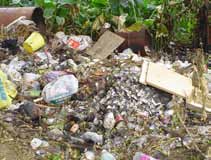
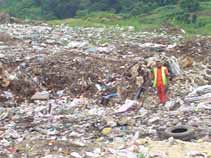
Group 2
(1) I will share all I've learnt with my friends
(2) To learn to live a healthy life
(3) I'm looking forward to learn what I don't know of
(4) The conservation of the sea
(5) It's a good workshop because we learn different ways of solving problems.
Group 3
(1) Learn how to keep a safe environment
(2) In order to save my family, community, church and government
(3) To teach the children the right things to do
C. THINGS YOU EXPECT TO GAIN FROM THIS COURSE
Group 1
(1) To know things that I should know
(2) Facilitators work
(3) Environmental work
(4) Implemented
(5) To know our rep.
Group 2
(1) To know the problems that the world is facing eg. Polluting the world
(2) Things I will achieve from this course, I will spread it to others
a. Starts from my family than goes
b. To share things that I've seen
28
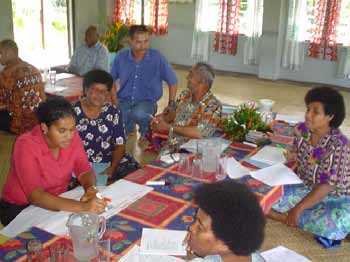
3. FACILITATION:
SELF
MOBILISATION
Group 1
(1) Starts from me/us;
Family
Clan
Village
District Province Government
(2) Its good because it's the same as the problem that we are facing
Group 2
(1) Self employed
(2) Only family members will know the problems
(3) Good relationship between the villagers and government rep.
Group 3
(1) It's you yourself will know the problem you're facing everyday
(2) You can solve your own problem
(3) Funding from outsiders will help this kind of development
29
4. INSTITUTIONAL ANALYSIS
SUVALAILAI
Good spiritual life leads
Peace Corps movement
Financial
You
to
all
good
things
Development
IWP
Think
with local
knowledge
MINISTRY OF YOUTH
Help in building poultry
and piggery farming
COMMUNITY
USP
FISHERIES
Financial
Assistance
MINISTRY OF AGRICULTURE
Financial
Assistance
for
farming
MINISTRY OF HEALTH
Health Development
30
VUNISINU
Women's Club
Church
Ministry of Health
Youth Dept.
Clan
H
District
Province
E
N.D.C.
BALLU KAHN
A
USP
D
PEACE CORPS
I
MINISTRY
N
I.W.P.
OF
ENVIRON
G.E.F
S.P.R.E.P.
MENT
G
U.N.D.P.
S
JICA
School
31
NAKOROVOU
CHURCH
DISTRICT
SCHOOLS
VILLAGE
HEADMAN
PROVINCE
VILLAGE
SPOKESMAN
WOMENS
NAKOROVOU
CLUB
CLAN
YOUTH
MEN'S CLUB
FARMERS
HEALTH
32
NADORIA
VUNIYAVU
DEV.
COMMITTEE
CHURCH
RAI KI LIU
LAY
WOMEN'
PASTOR
NADORIA
CLUB
SOCIAL
WELFARE
HEALTH
EDUCATION
YOUTH
DISTRICT
PROVINCE
EX.
P.W.D.
TOURIST
SERVICEMEN
U.S.P.
M.P.I.
TELECOM
AGRICULTURE
I.W.P.
ENVIRONMENT
33
NABULI
6. YOUTH
1. CHURCH
8. DRAIN DEPT.
Keep the village clean
Teach the village
Dig up drains for they're
and tidy, cut grass, farming,
to be aware of the
never visited after a long time
digging drains, to help the
problem and how
flow of water through the
to solve it.
village.
NABULI
4. DISTRICT COUNCIL
3. VILLAGE COMM.
PROBLEM:
MEETING
Discuss
village
Shortage of
ni veiv development
Food
Bring up suggestion for
developments on the
Flooding
particular district
7. WOMEN'S CLUB
2. GOVERNMENT
5. VILLAGE
Cleaning up the village
Seeking financial assistance Community clean up
Using gloves when cleaning
Cost of digging
Digging up drain
34
NALASE
9. HEALTH
FISHERIES
P.W.D.
U.S.P.
FINANCE
8. P.T.A.
DREKETI DIST.
3. YOUTH
SCHOOL
WOMEN'S
CLUB
1. CHURCH
5. DISTRICT
NALASE
4. VILLAGE
NURSE
2. CHIEF
6. PROVINCE
11. PEACE
CORP
12. CO-OPERATIVE
7. DISTRICT
OFFICER
10. I.W.P.
35
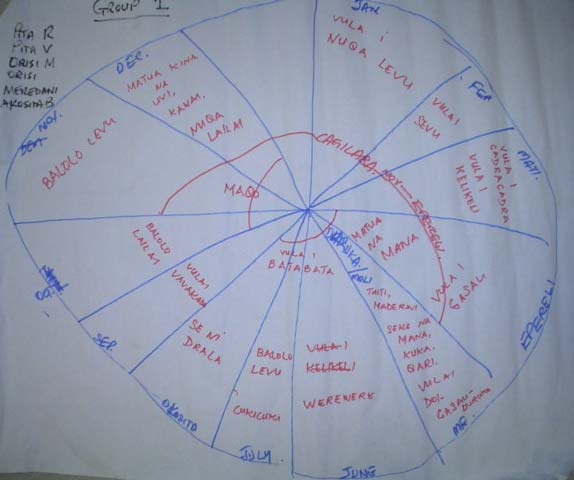
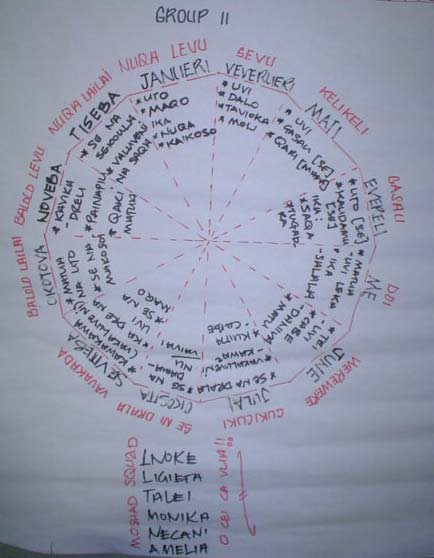
5. SEASONAL CALENDAR
36
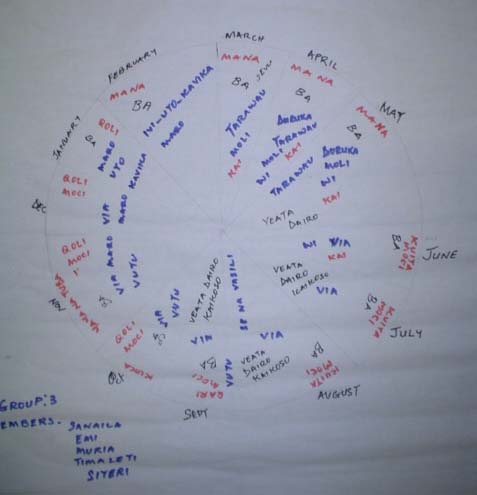
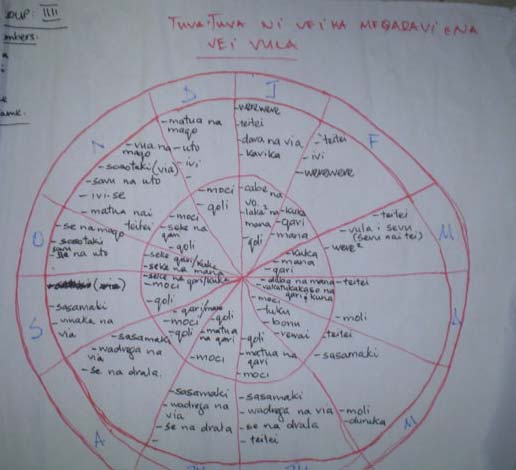
37
6. QUALITIES OF A GOOD LEADER
GOOD GOVERNANCE
Group 1
1. Good Christian background
2. Well educated [good academic background]
3. Good relationship with the club/society members
4. Vision
5. Good moulting leader
6. Be alert everytime
7. Speak the truth
8. Use time wisely
Group 2
Good Leadership
1. Christian
Well mannered leader, always cares for others,
Tell the truth, speaks well
2. Working with Good Background
Well trained , (educated)
Good knowledge of leadership and holding a good post at his work place
3. Healthy Living
Very healthy
Neat and tidy
4. Vision
Good action planner
5. Socialise Well
Well liked by his club members/society
6. Good Time Management
Use time wisely
Group 3
Good Governance
1. Well Educated [Graduate with Degree]
2. Good Knowledge
38
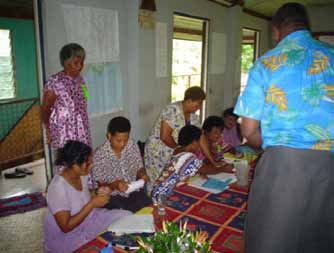
3. Christian
4. Loyal to his/her work [Dedicated worker]
5. Patients
6. Happy with work
7. Eager to learn
8. Care for others
9. Mentally and Physically fit
10. Good Planner
Group 4
Good Leader
1. Body language physically and mentally fit
well educated (good academic background)
2. Good attitude, hard working, good christian background
3. Wise
4. Always tell the truth
5. Kind
6. Socialise
7. Hard working
8. Always think of others before himself
9. Always put him down [treated others as the same]
39
7. TIMELINE TREND
Nalase Village
1951 1960
1961 1970 1971-1980
1981 1990 1991 - 2000
Population
16
30 46 87 106
Census
No. of
6
10 13 19 26
Household
Primary
School
14
47 58 38 40
Secondary
12
42 79 80 145
School
No. of People
20
32 40 51 53
Working
Migrate
60
80 98 109 320
(working)
Development Copra
drier Service
Community Electricity Seawall
Shop(co-op)
Station
Hall
Church
Water
Toilet
Dispensary
Telecom
Fish breed
Footpath
Habitat
Natural Disaster
Earthquake
Earthquake
Hurricane
Hurricane
Hurricane
Hurricane
Flooding
Flooding
Flooding
Flooding
No.
of
Animals
58
61 89 103 85
Problems Transportation
Water
Electricity
Flood
Housing
Water
40
Vunisinu
1951 1960
1961 1970
1971 1980
1981
1991
1990
2000
Population
90 100 115 120
138
Census
No. of
10 12 14 18
27
Households
Primary
School
10 15 30 40
60
No. of People
10 11 15 22
100
Working
Migrate
3 6 10 30
46
(working)
Development Co-op
Co-op
Co-op/B-
T/Bula,
C/Hall,
Hall
Footpath
K/Garden
Natural Disaster
Earthquake
Flooding Hurricane
Bebe
Hurricane Flooding
Flooding
Flooding
Kina
Flooding
No.
of
Animals
10 20 35 40
56
Secondary
5 5 10 20
28
School
Problems Transportation
Transportation Communication
Water
Water
41
Suvalailai
1951
1961
1971 1980
1981 1990
1991 - 2000
1960
1970
Population Census
400
200
150
100
48
No. of Household
20
15
3
5
12
Primary School
20
15
17
18
10
No. of People
10 8 5
2
NIL
working
Migrate
(working)
8 4 3
3
5
Secondary School
10
12
13
9
5
Development Village
Church Building
Start working
Complete
Dairy
Church and
Farm
Community
Hall
Natural Disaster
Earthquake Flooding
Flooding
Flooding
Flooding
Hurricane
Hurricane
Hurricane
Hurricane
No. of Animals
40 chicken 20 chicken 15 chicken
18 chicken
25 chicken
40 cows
35 cows
29 cows
32 cows
23 cows
50 pigs
35 pigs
20 pigs
23 pigs
3 pigs
Problems Finance
Road
Water
Development
Communication
42
Nadoria
1951 1960 1961 1970 1971 1980 1981 1990
1991 2000
Population
- - - 118 150
Census
No. of
19 26 28 30
49
Household
Primary
School
25 31 15 11
16
Secondary
- - - -
4
School
No. of People
15 21 28 17
-
working
Migrate
- - - -
-
(working)
Development Cooperative
Women's
Tourist
Dispensary
Kindergarten
Fijian Bure
Club
Prawn
Water Tank
Church
to Modern
Farming
Footpath
Toilets
Houses
Community
Water Seal
Hall
Natural
Disaster
Earthquake
No.
of
Animals
Problem Lack
of
Lack of land Water Education Water
autoboard
for farming
Water
motors
Fever
Transportation
Water
43
Nabuli Village
1951 1960 1961 1970 1971 1980 1981 1990 1991 2000
Population
400 100 70 50 40
Census
No. of
300
6 9 9 15
Households
Primary
School
100 40 15 10 8
Secondary
50 40 10 10 8
School
No of People
50 30 20 15 15
working
Migrate
300 20 10 15 14
(working)
Development
1
2
Roads, Water, Electricity, Church, Fish
Pond, Dispendary, Water Tank, Footpath,
Kindergarten, Toilet and Water seal.
Natural
Disaster
- 1 2 - 2
No.
of
Animals
100 10 50 60 100
Problems
Transportation used to be our major problems.
44
Nakorovou
1951 1960
1961 1970
1971 1980
1981
1991 -
1990
2000
Population
No idea
985 995 1015
1176
Census
[not born]
No. of
40
45
65
106
households
Primary School
1
1
1
1
1
Secondary
- - - -
-
School
No. of people
5 15
30
50
working
Migrate
(working)
Development Concrete
church
Footpath
Concrete
Drain
National
1957
1972
3
Disaster
Earthquake
Hurricane
Hurricane
No. of Animals
20 cows
28 cows
15 cows
4 cows
60 pigs
70 pigs
105 pigs
100 pigs
Problems Transportation
Transportation Transporation Water Water
Boat
Boat
Boat
Water
Water
Water
45
8. LEADERSHIP QUALITY
How to Become a Good Leader
Group 1
1. Show examples
2. Give his best of ability
3. To follow the rules and regulations of the club
4. Members should be together in all aspects
5. Pray for the leader
6. Very encouraging
7. Work together
When we all work together
Agree together
Stay together
Let us do it together
Joy
Your work is my work
Whatever is ours is for Jesus too
Let us do it together
Joy
Group 2
Results of Good Leadership
1. Regular meetings
2. Planning of Action (Projects)
3. Be Punctual
4. Good relationship with members
5. Solve the problems arise within members
6. Good spokesman and wise
7. Always follow instructions
46
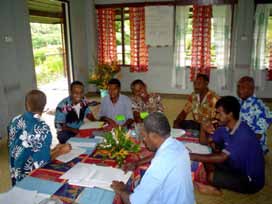
Group 3
1. Always Helpful
See to the club members need
food
clothes
shelter
Group 4
2. Full of Forgiveness
R: Siteri
To club members and others
V: Saumatua
M: Wati
3. Club Members
A: Bavai
Should work together
N: Tavua
Supportive the leader's decision/advice
4. Be Punctual
To be punctual in every meeting
Community work etc.
Group 4
1. Members of the Community to support their leader
2. Members of the community to be supportive in all the plans
3. Members of the community should work together to encourage their leader
4. Pray for the leadership
47
9. RESOURCES
Nalase Village
Resources Marketed
Non-
Direct Indirect
Marketed
1) Mangrove swamps a
a
a
2) Seawall
a
a
a
3) Farming
a
a
a
a
Dalo [taro]
Cassava
Coconuts
Vudi
Bele
Oranges
4) Fish
a
a
a
a
Fish farming
a
a
Tilapia farming
5) Flowers
a
a
a
a
6) Shop Co-op
a
a
a
48
Vunisinu
DIRECT INDIRECT
MARKET
-
Mangrove
-
Mangrove
-
Mangoes
-
Flowers
-
Flowers
-
Gardens
-
Community Hall
-
Oranges
-
Gardens
-
Community Hall
-
Oranges
-
Mangoes
NON-MARKET
-
Mangrove
-
Flowers
-
Mangoes
-
Gardens
-
Community Hall
-
Oranges
-
Gardens
-
Community Hall
-
Oranges
-
Mangoes
-
Mangrove
49
Nadoria
DIRECT INDIRECT
1) Mangrove
Fresh Air
Firewood
Shelter
Posts
Provides shade for livestock
Medicine/Dye
2) Fish/Seafood [salusalu]
Shrimps, prawns, crabs
3) Dalo [taro]
Cool breeze
Cassava
Add colours to environment
Asparagus
Mangoes
Oranges
Bananas
Coconuts
4) Roads Graveyard
Church
House
50
Nakorovou
MANGROVE
DIRECT/INDIRECT
MARKETED: Sold for firewood
Mud lobster
Construction company
Black mangrove crabs
Green mangrove crabs
Fish
NON-MARKET
1) Fuel Source
(a) Habitat for marine life
(b) Wind Breakers
(c) Soil conservation/prevent erosion
(d) Medicinal use
Nabuli
DIRECT
INDIRECT
MARKETING Piggery
Fish-commercial
Cattle farming
Coconut
Cassava
Chicken
NON-MARKETING
House
Fresh Air
Grave
Shops
Community Hall
Sea Wall
Church
Village Sanitation
51
Suva Lailai
DIRECT INDIRECT
MARKET
Local asparagus
Piece of land
Cassava
Flowers
Taro
Bele (spinach)
NON MARKET
Oranges
Coconut
Tahitian chestnut
Beach
Coconut
Wild Taro
Group 1
RUBBISH
Problems
Diseases
Flies
Nasty smell
Cuts
Solution
Compost/manure
Bury rubbish
Burn
Remove all shells, tins etc.
Baskets
Classification of rubbish
Human Waste/Piggery
Problems
Sickness
Dirty water
Nasty smell
Solution
Compost
52
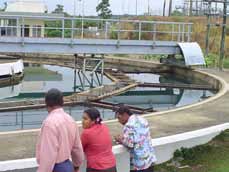
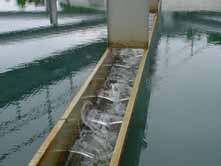
Group 2
WATER RESOURCE CONSERVATION
The proper usage of the source of water
Where the Problem Arises
Polluting our water-supply
Problem Identification
Using of harmful chemicals
Lower water pressure
Goals
To uphold properity of our ocean/rivers
Objective
Avoid polluting our water ways
To try and upgrade water
By 2006 we should have clean and forceful water system
Policies
Re-enforcement of policies to address water pollution
Action
Village meeting District Council Meeting
Provincial Council Meeting
Seek financial assistance from government
P.W.D., Health, IWP, D. N. L.
53
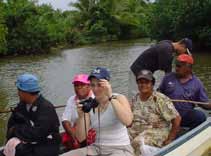
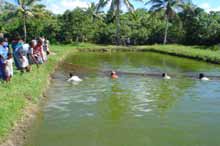
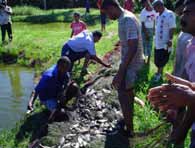
Group 3
FISHERIES
Goals
To replenish our fresh resources for present/future benefits
Exploitation of Fishing Ground
e.g. destruction/cutting down of mangrove
a. Toxicating fish with poisonous root
b. Sea pollution
c. Issuing of licence too excessive
d. Illegal fishing
e. Unauthorised fishing
Should be discussed at village district and provincial council meeting
Organised Fishing Ground
In the presence of Fisheries Dept/Roko/etc.)
Enhance and supervise work to be done
54
10. CPEI
Group 1
GOODS AND SERVICES
GOODS
Food Plantation, market, shop
Drinking water Tap, RWG/river
SERVICES
Transport
Blessings - Wind, sunshine, nights, rainfall
MARKET
PRODUCERS
USED BY MAN
Gardens/Farm
Food
rubbish
Human waste
Plastic
bags/bottles
ENVIRONMENT
-Gardens
-Cassava
-Vudi
-Dalo
[taro]
55
Group 2
CHICKEN FARMING
Man
Eggs
Chicken
Truck
Driver
Crest Chicken Truck
COOKING
(MARKET) JAYS SUPERMARKET
Firewood
Fresh water clam
Pot
Kerosene
Cabbage
Man
Cook
Salt
Water
ENVIRONMENT
Rubbish, plastic, chicken bones, food peelings, smoke from the car
INSTITUTIONS
VILLAGE
SPOKESMAN
ENVIRONMENT
COMMITTEE
PEACE CORP
IWP
VILLAGE
HEADMAN
56
Group 3
GOODS AND SERVICES
1. Chicken
2. Dalo [taro]
3. Cassava
4. Roti/chappati
5. Water
6. Grog
7. Juice
Use without consuming
1. Table
2. Mat
3. Tissue
4. Jugs, Tumblers
Handiwork
Dalo [taro], cassava, mat, flowers
Commercial items
Chicken, flour, grog, sugar, pen, jug, ingredients
Gifts/Donations
Grog, cigarettes, books, pens
Groceries, chicken, cookies, sugar, flour
Trader
Jays
Market
Producer
Crest, Lees, F.S.C., Kadavu, F.M.F.
Labour
Delivery
truck
Eggs Chicks Chicken
Transport
Jays
Customer
Cleaning
Packing
57
Disposing of rubbish
Chicken plastic, food peelings, grog residue, cigarette butts, waste paper
Ways of disposing
1. Burried
2. Burned
3. Compost heap
Generating Income activities
Fishing, farming
Avoid catching small fish
Group 4
Community Economics
Goods
Cassava, Fish, Egg plant, Vudi, Coconut, Duruka, Moli, Passionfruit, Chicken, Vegetables, Dalo,
Flour, Cookies, Tuna, Bread, Butter, Tea, Milk, Sugar, Glass, Jug, Spoon, Plate
Services
Catering, Transport
Cash Income
Farming
Piggery
Working
Community
Fish pond
Fund raising
Rules
$4.00 kg
for right size
Three attendant
58
MARKET
Deep Fridge Electricity
van
Pot to Cook
-Kerosene
-Firewood
-Gas
PRODUCER
CONSUMPTION
Transportation
By truck made
Of plastic seat,
Rubber tyre
Fuel, exhaust
Crest
Chicken house
Made of wood,
Iron, roof
Breed chicken
With mill mix
Butchered by people
Clean wrapped with
Plastic for marketing
ENVIRONMENT
59
Group 5
GOODS:
Fish
Cassava
Vudi [Banana]
Services
Rain
Air
Dew
Goods
Cassava
Dalo [taro]
Vudi [Banana]
Services
Bus
Car
Boat
Goods Visable goods that are used
Services Invisable services but are useful
Group 6
Goods
Local asparagus
Mutton
Fresh water clam
Chicken
EggplantBaigani
Dalo [taro]
Breadfruit
Cassava
Services
Provided by the women
The teachers
Truck
60
FOOD
MARKET
WE
FARMER
CONSUMER
PRODUCER
RUBBISH
PIECE
OF
LAND
ENVIRONMENT
FARMS/GARDENS
61
11. PROBLEMS (What is the Problem)
Nalase Village
DEVELOPMENT
1. Failure to respect others views
2. Lack of knowledge
3. Village Council meeting rarely held
4. Poor decision making
5. Boasting of achievement
6. Excessive use of grog
7. Disobedience
8. Little advice from expertese
9. Loosing interest
10. Insufficient funds
11. Religion
12. Too much gossipping
13. Land dispute
14. No vision/lack
15. Finger pointing
16. Lack of land
17. Lieing
18. Water
19. Roads
20. Floods
21. Insufficient tools for working/development
22. Drainage
23. Relationships with others
24. Farming problems
25. Breaking Laws
26. Transportation
CONSERVATION
1. Lack of education
2. No goals to achieve
3. Lack of understanding
4. Water
5. Rubbish
6. Fishing ground
62
Group 2
DEVELOPMENT
1. Rubbish dump
2. Exploitation of fishing ground
3. Polluting of Water resources
4. Domestic piggery
5. Poor toilet facilities
6. Use of water seal toilets
7. Poor drainage not cleaned
8. Shallow drainage
9. Overgrown surroundings in the village
10. Relationship with others
11. Poor leadership qualities
12. Spiritual growth
13. Carnal christian/unspiritual
14. Poor water supply
15. Lack of nourishing food
16. School dropouts
17. Laziness
18. No farming
19. Financial constraints
20. Overcrowding homes
21. Behaviour, manners
22. Lots of stealing
23. Mannerless
24. Disorderly
25. Transportation
26. De-facto relationship
27. Loose tongue
CONSERVATION
1. A village rubbish dump
2. Restriction
3. Village regulation
4. Discard
5. Encourage to have a toilet per house
6. Use of compost toilet
7. Cleaned and deepend regularly
63
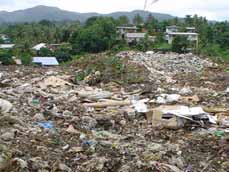
Group 3
DEVELOPMENT
1. Water
2. Land
3. No unity
4. Fishing ground
5. Planning
6. Transportation
7. Drainage
8. Dispensary
9. Poor sanitation kitchen, bathroom, and toilets
10. Trees
11. Leadership
12. Flooding
13. Weedicides
14. Vision not fulfilled
15. No regular meetings
16. People not seeking advice
17. Excessive drinking of grog
18. Livestock
CONSERVATION
1. Water
2. Rubbish
3. Land
4. Fishing ground
5. Good dispensary facility/building
6. Trees
7. Drainage
64
Nakorovou
DEVELOPMENT
1. Fishing ground
2. Water
3. Drainage
4. Unemployment
5. Farming
6. Toilets
7. Kitchen
8. Broken families
9. Relationships
10. Cyclone
11. Flood
12. Weedicides
13. Excessive grog consumption
14. Undermining leadership
CONSERVATION
1. Rubbish/Compose
2. Fishing ground
3. Gardening/Subsistence farming
Suvalailai
DEVELOPMENTS
1. The Pig stys need to be shifted away from the village boundaries
2. Increase village meetings
3. The village is flooded whenever there is a heavy downpour
4. Gardens are often flooded due to poor drainage
5. Request for Government Assistance seems to fall on deaf ears
6. We do not have many well educated children from within our village to help develop village
projects
CONSERVATIONS
1. Great time waster
2. Lack of financial resources
3. Villagers fail to communicate and relate to each other
65
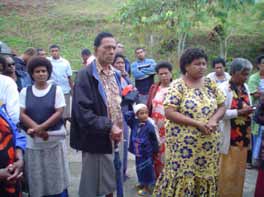
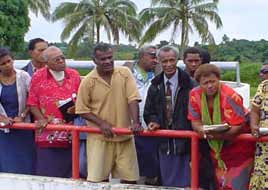
Nabuli
DEVELOPMENT
1. There is no specific source of income, people have been asked to folk out money from their
pockets
2. There's no village dispensary
3. Transportation costs/van/bus
4. Urban Drift (migrate) People looking for employments in urban areas
5. Need for educational assistance workshop [wise budgeting]
CONSERVATION
1. Stench from the pigsty [smell and water]
2. Hurricanes
3. Burning destroys plantation, trees and animals
66
12. THINGS WE LEARNED
1. Budget Distribute of funds
2. Ask for Assistance
3. Ability to listen and appreciate dialogues
4. More dialogues
5. Planning
6. Education
7. Sensible
8. Vision
9. Objective orientated work
1. Group of people
2. Election of President
3. Credit- $160
4. Interest on investment - $40
5. Payback credit 28th May - $200
6. Pay $100 rent on 27th May
7. Bank gives $40.00 to kick off (start)
8. Monday buy tools
9. Tuesday work begins
10. Wednesday marketing day
11. Thursday banking and paying of bills
12. Friday planning
13. Saturday family shopping
14. Sunday Sabbath
15. Tuesday "life card'
16. Use $40 to buy own tools
17. $80 derived from sales
18. Quality items needed
19. Cheap and Low Quality goods
67
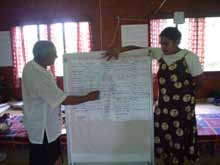
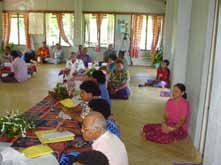
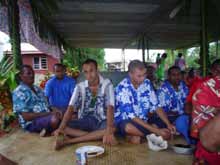
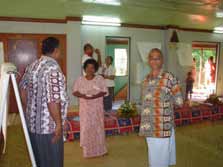
1. Extravagant
2. Thrifty
3. Over eating
4. Over indulgence of grog
5. Poor planning
6. Poor judgement
7. Poor planning/co-ordination
8. Lack of communication
9. Lack of knowledge
10. Poor budgeting
11. Failure to request assistance
12. Following directions
a. Utilising mental competence
b. Planning
c. Time management
d. Reaping the harvest
e. Budgeting
f. Ability to listen
68
13. POLLUTION
SITUATION
PROBLEM/SOLUTION
ANALYSIS
IDENTIFICATION
1, 2, 4
PROJECT
PROJECT
EVALUATION
FEASIBILITY
3, 5
IMPLEMENTATION
& MONITORING
PROJECT
4
DESIGN
69
Group 2
PROJECT B
FISHING PROJECT
SITUATION
PROBLEM/SOLUTION
ANALYSIS
IDENTIFICATION
PROJECT
FEASIBILITY
PROJECT
EVALUATION
PROJECT
DESIGN
PROJECT
IMPLEMENTATION
AND MONITORING
70
Group 3
PROBLEM/SOLUTION
SITUATION
IDENTIFICATION 3, 2
ANALYSIS 2,
3,
5
PROJECT
PROJECT
EVALUATION
FEASIBILITY 1
PROJECT
PROJECT
IMPLEMENTATION
DESIGN 2
& MONITORING 4, 5
71
PLANNING
1
2
PROBLEM ID.
GOALS & OBJECTIVE
7
EVALUATE
3
6
GOALS & OBJECTIVE
DEVELOPMENT
POLICIES
MONITOR
5
4
IMPLEMENT
ACTION PLAN
72
GROUP 1
LACK OF FOOD SUPPLY IN THE GARDEN
1.
For Sale
2. Lack of land
3. Lazy to do planting
Limited Income
Swamped wetland
Too many people
Excessive drinking
of grog
Too
many
people
Unfertile
land
Family Planning
Bury and fertilize
Too much time given
The land
to other commitments
Not thinking of it as a
Village Council Meeting to see
problem
to the excessive drinking of
grog is a waste of time.
Community Regulations
73
Group 2
MANGROVE
Lack of Mangrove
MANGROVE FOR SALE
LACK OF MANGROVE
Source of
It is being used as for house poles
income
Family economical life
It is very cheap
Development of Education
Not the owner
Family/Food
We can use for dyeing
Abuse it
Others
use
it
for
firewood
Firewood
is
free
Easy
to
get
firewood
It is used to make lei
(salusalu from titi)
74
Group 3
WASTE MANAGEMENT
HUMAN WASTE
HOME WASTE
Lack of toilets
Plastic from the shops
Empty tins
Broken glass
Reasons
Take time to decompose
Excessive drinking of
No rules and regulations
grog leads to laziness
to apply for littering
Lack
of
Land
No
proper
rubbish
dump
SICK
75
Group 4
WATER RESOURCES
DRINKING
WATER SWAMPY
LAND
Force of water
is
very
weak
Distilled water/smelling
Mosquitoes breeding places
Water has been running
for a very long distance.
Therefore it goes weak
Smelling water
when it reaches us, they
should change the pipe line
to a bigger one
Force of water is very
Mosquitoes
breeding
place
weak in every houses
To many houses in the
village
76
1. EVALUATING OF
2. PROBLEMS &
PROBLEMS/ISSUE
SOLUTIONS
3. EVALUATE
THE TOPIC TO
6. REVIEW OF
BE DISCUSSED
TOPICS
5. IMPLEMENTATION
OF TOPICS AND ITS
4. SEQUENCING
EVALUATION
OF TOPICS
77
CONCERN AND OPPORTUNITY
Rubbish Dump
Concern Rubbish Dump to be transfer
Opportunity Committee to make arrangements that rubbish to be carried away to
Nausori
$60/Trainer/3 weeks
$2/House/3 weeks
Concern - Attitude
Opportunity Village empowerment to western democratic system
NABULI
CONCERN
1. There are less people in the village. People are migrating to urban areas for
employment opportunity
[village/mataqali council meeting] have to be attended
2. Cutting of trees in the village
Mangoes
Mangrove
Tahitian chestnut
OPPORTUNITY
Empty tins/cans can be used as a flower vase, ash trays
Coconut Leaves
Broom
Hats
Baskets
Sheds skirting
Coconut
Grog bowl
House decorations
78
CONCERNS AND OPPORTUNITY
Nalase
CONCERNS
Rubbish
No unity
Misuse/Abuse
Disobedience
Flowers
Village doesn't look good since all young/budding flowers are cut down for selling
Mangroves
Scrape down for salusalu
Basket Weaving
Used of baby coconut leaves for weaving baskets
Toilets
Used of corals in Flush toilets
Killing coral
OPPORTUNITY
Rubbish
Village council meeting to see that littering is restricted in the village
Flowers
We have been asked to have a nursery
Lei [Salusalu]
Using vau, plastic for salusalu
Basket weaving
Bamboos and pandanus leaves can be used for basket weaving
Toilet
Used of corals in the toilet
Water seal toilets to be introduced again
79
SUVALAILAI
CONCERNS AND OPPORTUNITY
CONCERNS
1. Littering in the village
2. Toilets
3. Healthy Living
4. Styes, Poultry, Dairy farming
OPPORTUNITY
1. Strong relationship between Church Minister and the villages
2. Flower vase made out of cans/tins
3. Young coconut leaves used to weave fans, hats, and baskets
4. Pandanus leaves to make mats
5. Grog bowl is made out of coconut shells
NADORIA
CONCERN
Mangrove
Lei [Salusalu]
Firewood
Dye
Medicine
Rubbish
Conserve
Classified
Relationship
Men and Women can't sit together during meeting
No playing grounds for our children
OPPORTUNITY
To show/Demonstrate
Try to make suitable land for cultivation (re-claim land)
80
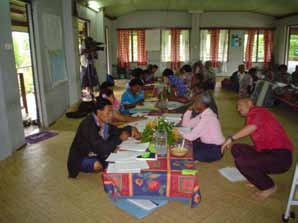
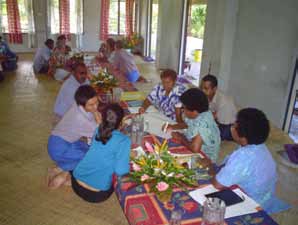
Mangrove
Firewood use the dried ones
Do not make salusalu, dye and medicine
Rubbish
Compost
Burn/bury
Socialise
Try to make men and women sit together very often.
To be sociable
81
CLEAN ENVIRONMENT
VUNISINU
POLICY
To reduce rubbish
ACTION PLAN
Reduce the use of plastic bags for shopping in supermarkets
Collect rubbish from individual houses and classified them for compost
Safe keeping of rubbish to be informed in the village
Rubbish to be taken to Nausori, and we have to pay $2/person/3weeks
Putting up rubbish bins around the village
NALASE VILLAGE
GOALS
To have a fruitful/rich water
To have plenty of fish
To have more marine species
POLICIES
Don't litter the sea
Use the right fishing net
Do not use toxicated chemical [pesticides, weedicides, dynamite]
Issuing of license from the Fisheries Dept and Adi Lady Lala Mara the Roko Tui Dreketi
should be restricted
Banned the water
Do not use bigger nets
ACTION PLAN
Classification of rubbish burn, bury, compost heap and recycle
Using fishing line
Issuing of license to be restricted
Get food from the plantation/shops
82
NADORIA
GOALS
To have a rich/healthy/fishing ground
To have a clean village
To have plenty food wild taro, fruits, coconuts
To have a good relationship
POLICIES
Fishing wisely
Fishing to be banned for 3 months
Check the fishing net
Have a good proper rubbish dump (disposal)
Use leaves and paper bags for food covering
Cut all branches that are not bearing fruits
To have regular meetings with the villagers
NABULI
PROBLEM
Flooding
Littering
GOAL
Upgrading of farming and rubbish dump in the village
POLICIES
Do not litter in the drain
Rubbish should be kept properly
PLAN
Classification of rubbish
Using of compost should be address
Village boundaries should clean once a week
To indicate in the District Council meeting
To upgrade the drainage system in the village
83
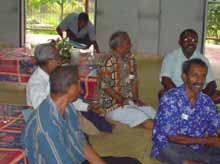
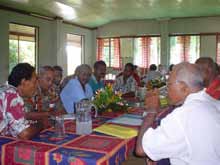
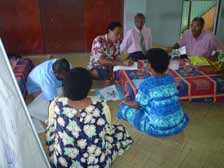
SUVALAILAI
Rubbish
GOALS
To clean up Suvalailai village
POLICIES
To reduce rubbish
ACTION PLAN
To have a plan for a rubbish cleaning up
Rubbish has to be put in a big container and send away, therefore each family has to give a
levy for the payment
Classification of rubbish (plastic/cans)
Burying rubbish like bottles, tiris/cans, iron
84
ECONOMIC ANALYSIS
INPUTS
YEAR 1
YEAR 2
YEAR 3
YEAR 4
5
Hectare
land
$400 $400 $400 $400
1
Tractor
$15,000
$0 $0 $0
Tools, knives, forks, spade file,
$200
$0 $0 $0
pick, hoe, axe, chain saw
Labour
10
people
$20,000 $20,000 $20,000 $20,000
Planting materials - seeds, suckers, $500 $200 $100 $100
stocks
Fertilizer
$1000
Depreciation
tractor
0 0 0 0
Soil
Erosion
$200 $200 $200 $200
Group 2
Flower Planting
INPUT
2 hectare land
Knife, file, fork, spade
Budding (flowers)
8 labour
1 tractor
OUTPUT
1. Flowers
2. Budding
Year 1
Year 2
Year 3
Year 4
Year 5
INPUTS
2
hec/land
$0 $0 $0 $0 $0
1
tractor
$10,000
Working
tools $200
Buddings
$100 $90 $50 $50 $50
Labour
$500 $500 $500 $500 $500
TOTAL
COST
$10,800 $590.00
$550 $550 $550
85
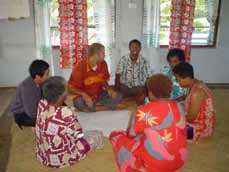
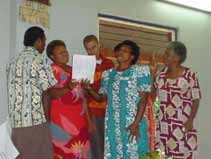
OUTPUT
$1000 $1200 $1200 $1200 $1200
Flowers
$500 $900 $900 $900 $1000
Budding
$1500 $2100 $2100 $2100 $2200
Total Revenue
$3000.00 $3000.00 $6000.00 $12000.00 $24000.00
TOTAL COST
86
HAZARDOUS WASTE
Pesticides (includes Mortein)
Kerosene
Paint
Bleach (Janola, Dazzle)
Car Batteries
Acid
Ash (from burning plastics and other chemical-based products)
Sewage Sludge
WHAT TO DO
Do not use empty hazardous waste bottle
Wear gloves
Use something else better
*There is NO completely safe method for disposing of most hazardous wastes
CHOOSING A WASTE TREATMENT SYSTEM
What makes a toilet system healthy?
In house
No flies
Waste further away
No smell
Consider the health effects of the WHOLE system:
What are the long-term effects on water quality?
What are the immediate effects on water quality?
What are the immediate effects on water quality?
What about other environmental impacts? Ex: fish, coral reef, soil, etc.
Other factors include:
Cost
Maintenance
Appearance
87
14. SOLUTION TO GET WATER
NALASE
a) To get PWD Water Supply to change the pipeline from small/thin ones to a bigger one
b) To keep rain water, guttering made from bamboo to keep rain water flowing to the
tank/drum. This water can be used for washing, toilet, etc. This water can be used for
drinking but it has to be boiled first.
c) Clean all the sources of water, to be used when there is a water problem. eg. Nataratu,
Veivutu, Nacegatu etc.
d) To increase the water pressure following through the villages, we should ask PWD to supply
a water pump for the Rewa province.
e) To get a scientist to observe other sources of water that we are not aware of, to meet the great
need of water in the village.
f) All drinking water should be boiled, to avoid sickness like typhoid etc. "Prevention is better
than cure".
NABULI
SUSTAINABILITY: WATER CONSERVATION
1. Tap Water
Only for drinking and food
Bathing especially for kids
Do not abuse tap water
2. Rain Water
Can be used in the toilets
Washing dishes
3. Well
To keep water safely for drought season
Conservation of taro and wild taro stock for planting
88
WATER SUSTAINABILITY
NADORIA/NAKOROVOU
SOLUTION
Using bigger pipeline
Increase water pressure
Keep rain water
Boil all drinking water
Participants
Myself Province, PWD, Health Dept., MPI, Fisheries
Plan Village Council Meeting District Council Meeting Provincial Council Meeting
To get the water supply representative to see to the main problems
Water tank keep safety water
Boil water take away sickness
INPUT
More water
More water pressure
To keep finance for purchasing of water tank
Boiling water Bring fresh water
SUVALAILAI
Availability of water tank during drought season
Using bigger pipe lines smaller ones to bigger one
Put up gutterings in our homes, empty drums to collect water from the guttering
To see the pressure of water is high, the following of water will be high as well
Dig up well in higher places for resources of water
Keep running water in large drums
Well should be kept clean at all times
WATER CONSERVATION
Solution
To make gutterings:
Make water tanks for water storage
To keep our forefathers Well clean and tidy
89
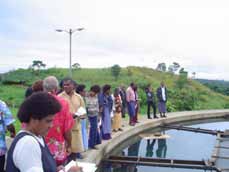
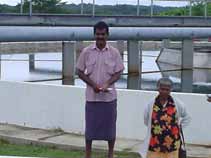
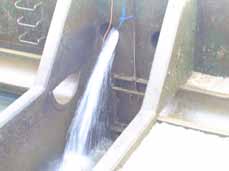
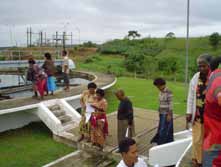
Participants:
Whole family should boil water before drinking
The whole community
Input:
All families, each and everyone, whole Nalase village
Output:
Drink boiled water, will avoid us from getting sick like stomachache, diarrhoea, headache, boil.
Time/When:
Today onwards
Straight after this workshop
90
15. WASTE MANAGEMENT
NALASE
SOLUTION PARTICIPANTS
INPUT
OUTPUT
TIME
Classification Myself, whole
Incenerator
Less rubbish
Today
of rubbish
village
Compost heap
around the village onwards
Regulations
Village spokesman
Using
Mother,
Coconut leaves
Less rubbish
Today
baskets, they Whole village
Materials
(plastic)
onwards
are made of
Waste papers
clothes and
Pandanus leaves
papers
Bamboo
Myself
Soil, fences,
Less rubbish
Starts today
Using
Whole village
paragrass, food
than move on
compost
waste, man, Mere,
IWP, Health
Myself
Man, Health, Mere, No sickness
When
Wearing
Whole village
I.W.P.
toxicated
Gloves
rubbish is use
Myself
Man Avoid
us
from
Start today
Do not use
Villagers
catching other
onwards
empty toxic
sickness
bottles
Increasing
Myself
Man, Mere, I.W.P., Prevent sickness
Regularly
farming
Whole villagers
Health
in the village
Hard
working man
Don't litter
91
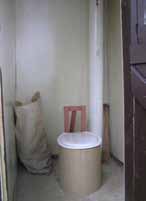
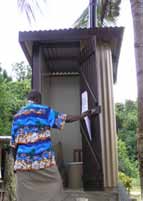
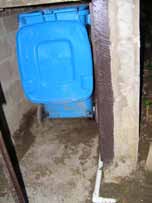
RUBBISH SUSTAINABILITY
NADORIA
SOLUTION PARTICIPANTS
INPUT OUTPUT
TIME
Classification of
Whole community
To dig the
Healthy
Tomorrow
rubbish
rubbish
Living
Onwards
dump
Cleanliness
Compost Myself To make
Fertile Land " "
My family
fence for
compost
heap
To educate them
Myself
To learn the Cleanliness
" "
and to encourage
Community
healthy
Healthy
them every six
Children
living and
Living
months. Be part of Youths
cleanliness
our everyday
District
of water and
living
Province
soil
Dreketi Day
To have a Pilot Project on Compost toilet.
92
RUBBISH SUSTAINABILITY
SUVALAILAI
SOLUTION PARTICIPANTS
INPUT
OUTPUT TIME
Classification
Villagers
To dig a rubbish Healthy
Straight after
of rubbish
dump
Living
this workshop
Littering Individual
person
Keep and bury
Healthy
Today
Individual families empty bottles,
Living
Whole villagers
food waste for
Cleanliness
farming, keep
plastic, burn
papers
To keep
Individual person
Dig rubbish
Healthy
" "
rubbish safely
Families
dump for safe
Living
Villagers
keeping
Cleanliness
District member
Polluting of
Individual person
To pick up all
Healthy
" "
water
Families and
the rubbish in
Living
Villagers
the water
To keep distilled water for planting flowers, and to make a proper drain to go direct to the
dalo plantation.
WASTE MANAGEMENT
NALASE VILLAGE
SOLUTION PARTICIPANTS INPUT
OUTPUT
TIME
Using of
Myself, Villages,
Toilet pan,
Reduce dirty
Now
compost toilet
I.W.P., Mere,
shelter, tins,
water
Health
wheelie bin, pipe,
plot of plants,
man
To plant
Mother, Youth
Ginger (budding) Reduce water
" "
flowers along
Villages
Bucket of soil,
Reclaimed land
the side drain
man
[ginger plant]
Bury water
Father.
Spade, soil, man,
Level the soil
" "
storage
Youth, M.P.I.
truck
Reclaimed land
Regular
Father, Youth,
Spade, knifes,
Clean the water " "
Cleaning Up
Villages
man
93
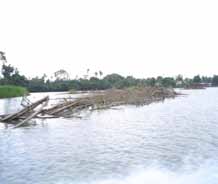
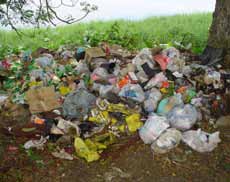
WHAT TO DO TO STOP LITTERING
VUNISINU
SOLUTION PARTICIPANTS
INPUT
OUTPUT TIME
Classification of Villagers
Compost
Manure Now-onwards
rubbish
Individual Person
Knife
Hammer
Wood
Man
Nails
Stop using
Villagers
To encourage
Clean village
To go and practice
plastic
Young & old
the weaving of
Clean river
it after this
Shopkeepers
baskets as
workshop
shopping bags
Transporting
Company/villagers Finance
Stop smelling
Now till our future
rubbish to the
Vehicle
and flies
generation
rubbish dump
Driver
using vehicle
PLAN:
Practising of litter-lout as quoted above to be implemented during the village council meeting
Village council meeting approves it when the work will be share amongst the small groups
company to take the rubbish, financing of the project
Action will only take place when everything is approve
94
RUBBISH SUSTAINABILITY
NAKOROVOU
Solution
Compost Toilet each houses (indivually)
Using compost in every house
Classification of rubbish
Left overs (rubbish) to be taken to Naboro
Participants
Myself
Each families
Clan (tokatoka)
Clan (mataqali)
Clan (yavusa)
District
Province
Rural Local Authority
Health Dept
Police
Plan: Village Council Meeting to
Enforce rules and regulations
Rules classification of rubbish, food waste to go to the compost
Compost should be compulsory
Littering should be prohibitted
Transporting rubbish to Naboro, each family has to give $2.00 for 3 weeks
Household piggery be move away from the village
2 day in a week to weed and clean the village
INPUT
Clean village (sight)
Healthy living (no flies)
Healthy environment earthworms, trees, seafood [sasalu]
95
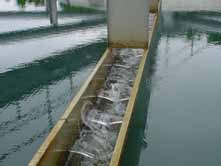
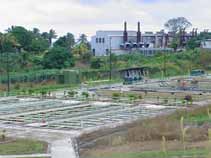
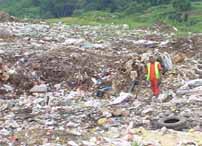
LITTERING SOLUTION
NADORIA/NAKOROVOU
To have a good drainage system (for a proper flowing of water)
To be clean in every 2 weeks
Destroy all mosquitoes breeding places, by bury all distilled waters
Proper gutterings in every house for the smooth flowing of water
96
16. SUSTAINABILITY OF OUR FISHING GROUND
40 70 YEARS
GOLDEN OLDIES
SOLUTIONS
Rubbish:
Stop polluting
Do not cut mangroves
Catching crabs/fish should be banned
Man
PARTICIPANTS
My Family
Whole clan
Mataqali
District
Province
Gone Marama Bale na Roko Tui Dreketi
Fisheries/Health/Agriculture/Forestry
School [Education Dept.]
Surrounding villagers Kubuna/Kaidia/colo
INPUT
Man/Labour
Time
Change/clothes
Tools
Enforcement
OUTPUT
Plenty fish
Rich fish ground
Clean water
Brings finance
TIME
3-4 yrs Interior, town, province, villagers, village spokesman, district council meeting
97
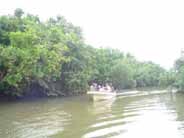
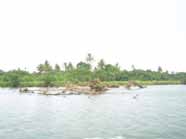
SUSTAINABILITY OF OUR FISHING GROUND
YOUNG GENERATION
SOLUTION PARTICIPANTS
INPUT
OUTPUT TIME
Do not cut
Villagers/license To
see
the
Grow well
Now/onwards
mangrove
enforcement of
rules and
regulations for
abusing
mangrove
Avoid fishing
Villagers, Fisheries, Villagers
Rich fishing
All the time for
carelessly,
license, women
Fisheries
ground
10 yrs.
should be done
Limited
Approval from
wisely
Licence
the Roko Tui
Farming shrimps
Dreketi, Adi
Ban our fishing
Fish farming
Lady Lala Mara
ground
Safe keeping of
Villagers Village Clean village, Today/onwards
rubbish
spokesman
water will
Villagers, Mere
help the
Health
Healthy
Leaving
Avoid giving out Chief, Marama
Roko Tui
Rich fishing
Now and beyond
of fishing
Roko Tui Dreketi,
Dreketi/Fisheries/ ground,
license . To tell
Fisheries
villagers, Police
giving
the important
chances to
issue of using
small fish
bigger nets
Seek assistance
Village/district
All Government
To help
After every 2 to
from other
province
Department
ourselves and 3 yrs
department
our
environments
98
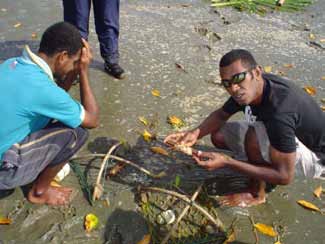
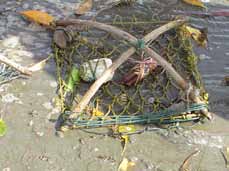
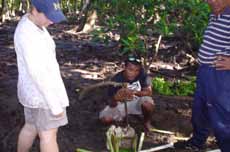
FISHING GROUND SUSTAINABILITY
SOLUTION PARTICIPANTS
INPUT
OUTPUT TIME
Polluting of
Community To
dig
a Don't worry
Doing
fishing ground
proper dump
about getting
community
hurt
work
Use of big size
Women Use
of
big
Big Fish
Fishing period
fishing net
fishing net
Ban of fishing
Village Headman
Village
Rich Fishing
When approval
ground
Council Mtg.
Ground
is given from
District,
Adi Lady Lala
Province
Mara
Women
Fisheries Dept.
Fisheries
Avoid of
Plenty of fish
Ban of fishing
to see to their
Department
issuing of
ground
duties
fishing license
Stop using
Fisheries Police
Enforcement
Freeing of small Lack of finance
toxicated
of fishing
fish
arise
chemicals eg.
ground
Poison dynamite
99
Annex 6: Feedback on the workshop
COMMENTS Thursday 20th May 2004
Thanks for this workshop for things were learned yesterday, we will share it amongst
the villages when we return.
Project cycle.
Environment Chairman (Incentive)
Presenting main points
Good workshop it encouraged us to start working on it at home
A very good workshop. Have to follow the time given by the instructor.
It is very encouraging
Since we will go and train other villagers, everyone has to speak up during the
workshop.
Thank you for this workshop
The Vunisinu compost is a very good alternative way to keep our rubbish.
Suva Lailai village wants a check done in the Burebasaga district to ensure that there
is a rubbish dump in every house.
COMMENTS [Friday 21st May 2004]
Good Workshop
Learned lots of new things and ideas
From Monday-Friday we have learned all the problems and how to solve them
Good decision making is important to people
All things here in the village are from the soil
Our vision
Business Budget Plan
Women's Group
1. Like to invite Mr Tom after 3 days
2. Time management during presentation participants should only talk on the point
and not to beat around the bush.
Catering should be on time
Too much playing and talking during sessions
3. Really liked Allan's lesson on the Demand and Supply curve. It really rings a
bell.
4. Punishment should be done during breaks or the end of the day because it takes time
when it is done in the morning.
100
5. Requesting that the facilitators be grouped into village groups because only they will
facilitate in his/her village and not anyone from other villages. Only
people/occupying the village knows the problem.
Some villagers have only 1 or 2 representatives from their villages - but it's the
village's problem for not sending the numbers of representatives required. We have
learnt a great deal this week "Every problem has a solution".
6. Thanks Allan for translating the group work, this should carry on in the future.
7. Women doing the catering should be smiling so that there is a meaning having the
food they prepare for us.
8. Punishment should be given or lifted because students are breaking the laws and it
is unfair to students who try to be here on time while some tend to come in later or
half the day.
9. Try not to get differences in relationship from making it hard for people to
communicate freely or giving their opinions in groups or at large.
Women Rep:
Mary Ackley
-
Peace Corp Vunisinu
Ro Siteri Kamakorewa
-
Women Rep Vunisinu
Amelia Moqolaki
-
Women Rep Nabuli
Emi Navunisaravi
-
Health Rep Nalase
Timaleti
-
Health Rep Nadoria
Akosita Baravi
-
Women Rep Vunisinu
Siteri Raimuria
-
Health Rep Vunisinu
Ligieta
- Women
Rep
Suva
Lailai
Meresimani Muria
-
Youth Rep Vunisinu
Talei Bogidrau
-
Youth Rep Nalase
Meredani Rasiga
-
Women Rep Nalase
Monika Wati
-
Women Rep Nakorovou
FEEDBACK Monday 24/05/04
We have learned a lot of good things from last week and today
Good Time Management is critical
A lady participant woke up at 5.00am in Suva. She was in Nadoria by 7am and at
8.00am was sitting in the classroom.
This workshop taught us lots of new things like:
Ability to participate in the classroom, to speak freely in public
The need to conserve rubbish, fishing ground and water
Knowing those close individual groups
We learned to be good revenue collectors, good financial controllers and to understand
the current banking system.
101
Separation of rubbish has been put into practice by one lady.
This workshop has given us the opportunity to know and understand each other well.
We have learned a lot of good ways to socialise from the organisers.
FEEDBACK Tuesday 25/05/04
We are very fortunate to come across this kind of workshop which we used to hear at the
Sunday school.
We want to thank the organisers for conducting this workshop
People should not be ashamed of asking questions
Thanks to the Church Minister for letting us know about this workshop
We are very grateful to be part of this workshop. Most of us have reached the age of 50
years and have not been so challenged.
FEEDBACK 28/05
Vina Concern And Opportunity
1. Action on Concern
Our environment, fruits and flowers
Rubbish, water and social ways of living
We are relying on others to do the work, which we can do ourselves
Distinction between private and common property
Excessive drinking of grog leads to poor time management and laziness
2. From this workshop we learnt the main problems we are facing and how to solve
them.
3. Some of the participants got sick from drinking water, ...diarrhoea and stomach
ache. Therefore all drinking water should be boiled.
4. Rules and regulation to go with the action plan.
FEEDBACK FROM THE WOMEN'S GROUP
Mary's statement regarding the compost toilet requires action and not talking.
102
For the villagers that took part in this workshop, Mere is willing to prepare all the
quotation, regarding the pilot project.
We want to thank Jone for the wonderful lunch he prepared yesterday.
We want to apologise for the lack of concentration during classes.
We also want to apologise for our behaviour or any inconvenience we caused is much
regretted.
FEEDBACK FROM THE MEN'S GROUP (28/05/04)
Everything we learned was not very clear as we started, but it got brighter and
brighter as we went on.
Animal waste is useful. Fish breeding and poultry farming is practices in Monfort
Boys Town, therefore pond water has to be kept safe.
We do not have to wait for others to start it for us. We the participants should stand
up and do it ourselves.
We want to thank Mr Jun Daito for the wonderful lunch prepared for us yesterday,
and also the organisers for the workshop regarding toilets.
We the participants should build the compost toilet, since we know the materials to be
used.
103