ISSN 1818-5614
Vanuatu fishery resource profiles
By Moses John Amos
IWP-Pacific Technical Report (International
Waters Project) no.49
Global
United
Nations
Pacific
Regional
Environment
Development
Environment
Facility
Programme
Programme
SPREP IRC Cataloguing-in-Publication data
Amos, Moses John
Vanuatu fishery resource profiles / by Moses John Amos.-
Apia, Samoa : SPREP, 2007.
viii, 195 p. ; 29 cm. - (IWP-Pacific Technical report, ISSN
1818-5614 ; no.49).
ISBN: 978-982-04-0372-7
1. Fisheries Management Vanuatu. 2. Fisheries - Economic
aspects Vanuatu. 3. Fisheries Hydrologic factors Vanuatu.
4. Fisheries Law and legislation Vanuatu. 5. Fisheries
Research Vanuatu. 6. Fisheries Resources Vanuatu.
I. International Waters Project (IWP). II. Secretariat of the Pacific
Regional Environment Programme (SPREP). III. Title. IV. Series.
338.3727
This report (originally written in 2004) was produced by SPREP's International Waters
Project, which is implementing the Strategic Action Programme for the International
Waters of the Pacific Small Island Developing States, with funding from the Global
Environment Facility. This study was funded by the International Waters Project.
The views expressed in this report are not necessarily those of the publisher.
Cover design by SPREP's Publication Unit
Editing and layout: Mark Smaalders, IWP editorial consultant
SPREP
PO BOX 240,
Apia
Samoa
Email: sprep@sprep.org
T: +685 21 929
F: +685 20 231
Website: www.sprep.org
© Secretariat of the Pacific Regional Environment Programme and the Government of
Vanuatu, 2007
All rights for commercial/for profit reproduction or translation, in any form, reserved. SPREP
authorises the partial reproduction of this material for scientific, educational or research
purposes, provided that SPREP and the source document are properly acknowledged.
Permission to reproduce the document and/or translate in whole, in any form, whether for
commercial or non-profit purposes, must be requested in writing. Original SPREP artwork may
not be altered or separately published without permission.
ii
Contents
Abbreviations and Acronyms................................................................................................. vi
Preface ..................................................................................................................................... vii
Executive summary .................................................................................................................. 1
1
Country, economy, fisheries management agencies...................................................... 3
1.1
Land ............................................................................................................................. 3
1.2
Sea................................................................................................................................ 3
1.3
People........................................................................................................................... 4
1.4
Government ................................................................................................................. 4
1.5
Economy ...................................................................................................................... 6
2
National Development Plans ........................................................................................... 7
3
Institutions/agencies governing marine resources ...................................................... 10
3.1
Fisheries Department ................................................................................................. 10
3.2
Environment Unit ...................................................................................................... 10
4
Fisheries resource management.................................................................................... 11
4.1
Customary marine tenure........................................................................................... 12
4.2
Tuna Management Plan ............................................................................................. 13
5
Marine resource legislation ........................................................................................... 14
5.1
Constitution of the Republic of Vanuatu ................................................................... 14
5.2
Maritime Zones Act 1981 [CAP. 138]....................................................................... 14
5.3
Fisheries Act 1982 [CAP. 158] (currently under review).......................................... 14
5.4
Fisheries Regulations Order No. 49 of 1983 ............................................................. 15
5.5
Foreshore Development Act [CAP. 90]..................................................................... 16
5.6
Environment Act........................................................................................................ 16
5.7
Convention on International Trade in Endangered Species of Wild Fauna and Flora
(CITES) ................................................................................................................................ 16
5.8
Decentralization Act .................................................................................................. 17
6
Fisheries sector overview............................................................................................... 17
7
Physical geography ........................................................................................................ 18
7.1
Geological structure and bathymetry......................................................................... 18
7.2
Reefs and mangroves ................................................................................................. 18
8
Climate ............................................................................................................................ 19
9 Crustaceans..................................................................................................................... 21
9.1 Coconut
Crab ............................................................................................................. 21
9.2
Lobsters...................................................................................................................... 27
9.3
Freshwater prawns ..................................................................................................... 31
9.4
Land crabs.................................................................................................................. 33
9.5
Deepwater shrimp ...................................................................................................... 34
10 Finfish
(Osteichthyes) .................................................................................................... 37
10.1 Deepwater bottomfish................................................................................................ 37
10.2 Tunas.......................................................................................................................... 54
10.3 Billfish ....................................................................................................................... 73
11 Other oceanic pelagic fish.............................................................................................. 78
iii
11.1 Dolphinfish, rainbow runner, wahoo and barracuda...................................................78
11.2 Baitfish (small pelagics) .............................................................................................80
11.3 Aquarium fish (marine) ..............................................................................................86
11.4 Shallow water reef fish ...............................................................................................93
11.5 Chondrichthyes .........................................................................................................100
14 Flora ...............................................................................................................................102
14.1 Mangroves ................................................................................................................102
15 Molluscs .........................................................................................................................105
15.1 Trochus .....................................................................................................................105
15.2 Green snail ................................................................................................................110
15.3 Giant clams ...............................................................................................................113
15.4 Oysters ......................................................................................................................119
15.5 Ornamental (specimen) shells...................................................................................122
15.6 Other bivalves...........................................................................................................123
15.7 Octopuses and squids................................................................................................124
16 Species with aquaculture potential..............................................................................126
16.1 The resource..............................................................................................................126
16.2 Distribution ...............................................................................................................126
16.3 Biology and Ecology ................................................................................................126
16.4 The Fishery ...............................................................................................................127
16.5 Potential farming sites ..............................................................................................127
17 Reptiles...........................................................................................................................128
17.1 Turtles .......................................................................................................................128
17.2 Crocodiles .................................................................................................................132
18 Other resources .............................................................................................................133
18.1 Sea
cucumbers ..........................................................................................................133
18.2 Corals and sponges ...................................................................................................141
18.3 Dugongs....................................................................................................................145
19 Endemic freshwater resources.....................................................................................148
19.1 Freshwater ecosystems .............................................................................................148
19.2 Carcharhidae .............................................................................................................148
19.3 Megalopidae (tarpons) ..............................................................................................149
19.4 Hemiramphidae.........................................................................................................150
19.5 Chandidae (perchiets) ...............................................................................................151
19.6 Terapontidae (grunters or tigerperches)....................................................................152
19.7 Terapontidae .............................................................................................................153
19.8 Kuhliidae...................................................................................................................154
19.9 Kuhlidae....................................................................................................................155
19.10 Carangidae (jacks and pompanos) ............................................................................156
19.11 Lutjanidae (snappers) ................................................................................................157
19.12 Lutjanidae .................................................................................................................159
19.13 Lutjanidae .................................................................................................................160
19.14 Gerriidae (silver biddies) ..........................................................................................160
19.15 Monodactylidae.........................................................................................................161
19.16 Scatophagidae ...........................................................................................................162
19.17 Mugilidae (mullets) ..................................................................................................163
19.18 Blennidae ..................................................................................................................165
19.19 Eleotridae (gudgeons)...............................................................................................166
iv
19.20 Gobiddae (gobies).................................................................................................... 167
19.21 Gobiddae.................................................................................................................. 170
19.22 Gobiddae (miniature gobies) ................................................................................... 170
19.23 Gobiddae.................................................................................................................. 171
20 Introduced freshwater fish.......................................................................................... 172
20.1 Poeciliidae (liver bearers) ........................................................................................ 172
20.2 Poeciliidae (liver bearers) ........................................................................................ 173
20.3 Cichlidae .................................................................................................................. 174
20.4 Cichlidae .................................................................................................................. 174
20.5 Cyprinidae................................................................................................................ 175
21 Common freshwater crustaceans................................................................................ 176
21.1 Palaemonidae ........................................................................................................... 176
21.2 Palaemonidae ........................................................................................................... 177
21.3 Palaemonidae ........................................................................................................... 177
21.4 Palaemonidae ........................................................................................................... 178
21.5 Palaemonidae ........................................................................................................... 179
21.6 Palaemonidae ........................................................................................................... 180
21.7 Grapsidae ................................................................................................................. 180
22.1 Anguillidae............................................................................................................... 181
22.2 Anguillidae............................................................................................................... 183
22.3 Anguillidae............................................................................................................... 183
22.4 Anguillidae............................................................................................................... 184
22.5 Muraenidae (moray eels) ......................................................................................... 185
22.6 Ophichthidae............................................................................................................ 186
22.7 Ophichthidae............................................................................................................ 186
References ............................................................................................................................. 188
Appendix 1: Reports of leatherback turtles in Vanuatu................................................... 199
v
Abbreviations and Acronyms
ACIAR
Australian Centre for International Agricultural Research
AIDAB
Australian International Development Assistance Bureau
AIMS
Australian Institute of Marine Science
CITES
Convention on the International Trade in Endangered Species of Wild Fauna
and Flora
CMT
customary marine tenure
CPUE
catch per unit of effort
DWFN
distant water fishing nation
DP1
First National Development Plan (19821986)
DP2
Second National Development Plan (19871991)
DP3
Third National Development Plan (19921996)
EEZ
exclusive economic zone
EIA
environmental impact assessment
FAD
fish aggregation device
FAO
Food and Agriculture Organization of the United Nations
FFA
Pacific Islands Forum Fisheries Agency
GEF
Global Environment Facility
GRN
goods received note
ICLARM
International Centre for Living Aquatic Resources Management
ICOD
International Centre for Ocean Development
ITSL
International Tuna Services Limited
IUCN
International Union for the Conservation of Nature
JAMARC
Japan Marine Fishery Resources Research Centre
JICA
Japan International Cooperation Agency
LGC
local government councils
MSG
Melanesian Spearhead Group
MSY
maximum sustainable yield
OFCF
Overseas Fishery Cooperation Foundation
ORSTOM
French Scientific Research Institute for Cooperative Development
PNG
Papua
New
Guinea
PWD
Public Works Department
SPADP
South Pacific Aquaculture Development Programme
SPC
Secretariat of the Pacific Community
SPFC
South Pacific Fishing Company Ltd.
TL
thoracic
length
UNCLOS
United Nations Convention on the Law of the Sea
WCPO
western and central Pacific Ocean
OFP
Oceanic Fisheries Programme of the Secretariat of the Pacific Community
TAC
total allowable catch
USD
US
dollars
VMS
vessel monitoring system
VFIL
Vanuatu Fishing Investment Limited
VUV
Vanuatu
vatu
vi
Preface
The International Waters Project (IWP) is funded by the Global Environment Facility (GEF),
implemented by the United Nations Development Programme (UNDP), and executed by the
Secretariat of the Pacific Regional Environment Programme (SPREP) in conjunction with the
governments of 14 participating independent Pacific Island countries. IWP was requested to
provide assistance for the review and update of the "Republic of Vanuatu Fisheries Resource
Profiles", originally prepared by Lui A.J. Bell and Moses J. Amos in 1993. The purpose of the
original profiles was to:
· provide information to the government on the level of freshwater and marine
resources available for appropriate development planning, and for initiating
regulatory controls for resource conservation and management;
· facilitate the dissemination of information and data required by government and
local communities, as well as regionally and internationally; and
· facilitate the provision of concise and timely information required by potential
investors.
The terms of reference for the updated review are to:
· undertake library research to collate and assess all existing documentation, data,
images, etc. that will provide information relating to resource identification,
abundance, distribution, exploitation, marketing, and current management
measures in Vanuatu;
· provide and update the list of freshwater and marine resources, and include their
identity, abundance and local distribution;
· describe the utlisation of resources, including exploitation and marketing
information for each resource; and
· describe current management practices (including proposed management plans)
for each resource described.
This report provides an overview of the major marine resources identified as being important
to the commercial, artisanal and subsistence fisheries sectors within Vanuatu. It also covers
numerous freshwater resources.
Each fisheries resource1 includes:
· a brief description of the resource (species present, distribution, biology, and
ecology);
· an overview of the fishery (utlisation, production, and marketing);
· a discussion on stock status; and
· a list of management concerns (current legislation and policies regarding
exploitation and recommended management options). In some cases, a resource
involves more than one species.
The assistance and level of understanding provided by staff members of the Department of
Fisheries and the Environment Unit, particularly Mrs Leah Nimoho, was greatly appreciated.
The author also acknowledges the assistance provided by Ms Beverleigh Kanas Liu for editing
the profiles.
The author assumes full responsibility for the content of this report. Opinions, where
1 Because of the inclusion of profiles for non-marine resources, the term "fisheries resources profiles" is
used, which is more reflective of the contents of the report.
vii
expressed, are his alone and in no way reflect the policy of the International Waters
Programme, the Vanuatu Department of Fisheries, the Environment Unit, or the Government
of Vanuatu.
viii
Executive summary
The Republic of Vanuatu consists of over 80 mountainous islands, mostly of volcanic
and coralline origin, extending over an area of over 12,200 km2. Of this total area, 5,500
km2 is considered arable land. The area of inner reefs and lagoons is approximately 448
km2, with mangroves covering an area of 25 km2.Vanuatu's exclusive economic zone
(EEZ) covers an area of 680,000 km2, but resolution regarding the ownership of Matthew
and Hunter Islands (EEZ of about 190,000 km2) would increase Vanuatu's EEZ
considerably. Vanuatu's projected population in 1991 was 165,260 people, while in 1989
it was 142,630. The intercensal population growth rate between 1979 and 1988 was
2.4%.
The Fisheries Department is the sole agency responsible for the control (regulation),
development and management of fisheries resources within Vanuatu, but the impacts of
development on the natural environment falls under the jurisdiction of the Environment
Unit within the Ministry of Natural Resources. There is a possible overlap of
responsibilities between the two agencies in areas such as assessment and species
conservation.
Vanuatu's First National Development Plan (DP1-1982-1986) concentrated on
diversifying the economy in order to reduce the country's dependence on copra sales. In
the Second Development Plan period (19871991), efforts focused on maximizing the
various economic sectors' contribution to the expansion of income-earning and
employment opportunities with export possibilities. The development of a small, locally
based ocean tuna fishery was envisaged.
The South Pacific Fishing Company was established in 1957 on Espiritu Santo as a cold
storage and fishing support base for longline vessels fishing in the southwest Pacific for
tuna (for canneries). The company ceased operations in 1987 when the fleet transferred
its operation to American Samoa. Fishing by foreign fleets in Vanuatu waters has only
been a low-level activity. During the 1970s, Vanuatu-based longliners took only a small
portion (5002,000 tonnes/year) of their catch (up to 15,000 t/year) within Vanuatu
waters. At this time, Japanese pole-and-line fishing vessels also took only modest
quantities of skipjack (3001,600 t/year). Under an agreement with the Government of
Vanuatu, Russian purse-seiners claimed to have caught a total of 12 t of tuna within
Vanuatu waters during the agreement period. A fee of US 1.5 million dollars was paid to
fish during this agreement period.
By December 2003, 132 longline vessels were licensed to fish within Vanuatu waters.
Vanuatu is a party of the Multilateral Fisheries Treaty with the United States. Research
conducted on the bait fishery in Vanuatu indicates that the resource will not be able to
support a large-scale, pole-and-line fishery.
One of the major projects undertaken during the DP1 period was the establishment of the
Village Fisheries Development Programme, mainly for offshore bottom fishing. The
project was estimated to have met 80% of local requirements for fresh, high quality fish
for urban populations; therefore, it has been successful in significantly reducing the
amount of imported fish. Several studies have been conducted on Vanuatu's offshore
bottomfish resources, and indications so far indicate that the current level of exploitation
has not reached the estimated maximum sustainable yield of about 730 t/year. All of the
catch from this fishery is marketed locally via several avenues. The Provincial Fisheries
Extension Centres in the outer islands, the Santo fish market, Au Bon Marche in Port
Vila, and the LTP fish market in Port Vila are the main marketing channels of fisheries
products. However, direct sales to restaurants and stores, especially those in Port Vila,
are increasing due to better prices offered to fishermen.
1
Fishing has always been considered secondary to agriculture in Vanuatu. However, a
village subsistence fishing survey conducted in 1983 indicated that over 50% of the
country's rural population engaged in fishing. Apart from the collection of trochus and
green snail for the production of button blanks in local factories, most fishing within the
reefs and lagoons has been at the subsistence and artisanal levels. Reef and lagoon fish,
as well as non-finfish marine animals such as lobsters, are becoming increasingly
important at the artisanal level. The current decreasing trend in the number of boats
engaged in bottomfishing is a possible indication of the likely increased pressure on the
inshore resources. Exports of beche-de-mer and aquarium fish have been relatively small
and erratic in the past. Recently, however, they have become some of the major marine
export products, particularly for the aquarium fish trade. At present, trochus is one of the
major inshore resources in Vanuatu, generating income for rural communities. Although
green snail harvesting is done on a smaller scale, higher prices are offered for this
mollusk.
Due to the decline in prices of agricultural products, especially copra, coconut crabs have
become a target species and form an important component of the income of people on the
more remote islands.
In an effort to develop aquaculture in Vanuatu, two animal species have been introduced:
the marine Pacific oyster, Crassostrea gigas, and the giant Malaysian freshwater prawn,
Macrobrachium rosenbergii. Oyster culture trials were conducted in three different areas
but all failed due to poor growth, high mortality and predation. Good growth results were
obtained from trials conducted on Santo, but predation and irregular spat supply were
problematic. No information could be found on the failure of the Macrobrachium project,
but indications are that it may have been caused by high mortality and slow growth rates,
and possibly land disputes.
Recently, the Department of Fisheries has begun studies on freshwater resources.
Preliminary observations indicate that there is potential for the development of
aquaculture using freshwater indigenous fish species. In 2004, the Department of
Fisheries began research on farming imported Nile tilapia from the Fiji Fisheries
Research Station. Aquaculture research on tilapia is currently being undertaken at Erapo
on Efate Island. Aquaculture research on Macrobrachium lar is being undertaken on
Sarate, in south Santo. The Department of Fisheries' future intention is to diversify and
to include the importation of Macrobrachium rosenbergii from the Fiji Fisheries
Research Station in Suva.
Vanuatu was one of the countries included in the 1989 joint Food and Agriculture
Organization of the United Nations and South Pacific Aquaculture Development
Programme study on the potential of green mussel aquaculture. The study indicated
potential sites within Vanuatu, particularly Erakor Lagoon, but water quality (pollution)
was noted to be a problem. The Department of Fisheries currently operates a small-scale
hatchery for three native mollusk groups: trochus (Trochus niloticus); green snail (Turbo
marmoratus), and giant clams (Tridacna crocea and T. maxima). Hatchery work on these
species is for re-seeding purposes.
Vanuatu's Fisheries Act (1983) is currently under review. This process will hopefully
lead to changes that seem necessary in the Fisheries Regulations currently in force. There
is clearly a need for coordination with other agencies in this area in order to define
responsibilities and to avoid conflict and overlap in work programmes.
2
PART 1: VANUATU OVERVIEW
1
Country, economy, fisheries management
agencies
1.1 Land
Vanuatu was first visited by Europeans in the early 17th century. James Cook explored
the islands in 1774, giving them the name "New Hebrides", which lasted until
independence on 30 July 1980. The first European settler was a cattle rancher who
arrived in 1854. He was soon followed by cotton growers from Australia, and later by the
French, who outnumbered the British three to one by the mid-1880s.
The Republic of Vanuatu comprises an archipelago of over 80 islands, of which 67 are
inhabited. The islands lie between latitude 13°S and 20°S, and between longitudes 166°E
and 172°E.The archipelago is approximately 850 km long and lies in the middle of a
triangle formed by Fiji, Solomon Islands, and New Caledonia. The islands include both
volcanic rocks and marine limestone derived from fringing coral reefs. Because of
Vanuatu's location on the margin of the Indian and Pacific Plates, tectonic uplift and
subsidence of islands periodically occurs.
The total land area is 12,200 km2 of which 5,500 km2 (45%) is considered potentially
arable. The areas of inner reefs and lagoons have been estimated to be approximately 448
km2 and mangroves 25 km2. The climate varies from tropical in the north to subtropical
in the south, and annual rainfall ranges from 1,700 mm in the south, to almost 3,000 mm
in the north. Cyclones occur, on average, twice per year.
1.2 Sea
The ocean surface currents in the vicinity of Vanuatu are variable in direction and rate,
but are moderate: the maximum current velocity is 40 cm/s or 0.75 kt. The westward
flowing northern branch of the South Equatorial Current is the strongest current in the
South Pacific, but does not affect the Vanuatu fishing zone. The westward flowing
southern branch of the South Equatorial Current is evident north of 20°S and appears
strongest from July to October. The South Equatorial Counter Current is evident from
5°S10°S during November to April.
Vanuatu claims sovereignty over Matthew and Hunter islands and a large EEZ around
them; however, this claim is disputed by France. It is the Government of Vanuatu's stated
policy that its EEZ includes those waters around the islands of Matthew and Hunter. In
order to facilitate resource management and to remove ambiguity, Vanuatu needs to
promote rapid and equitable resolution of its EEZ boundaries with Fiji, Solomon Islands,
New Caledonia, and France.
In the short term, prior to resolution of boundaries with its neighbours, it is important for
Vanuatu to develop a clear definition of the exact boundaries of its EEZ (including the
Matthew and Hunter zone) so that these boundaries can be included in licensing terms
and conditions, and can be used for management purposes. This may require an
amendment to the Maritime Zones Act.
In Vanuatu's EEZ, the ocean surface is warmest (27°29°C) during January and
February, and coolest (24°27°C) during July and August. The thermocline, a region
where temperatures decrease from 2715°C is from 75350 m within Vanuatu's EEZ. On
average, the thermocline in Vanuatu is slightly deeper than in the Solomon Islands.
Dissolved oxygen concentrations are generally high in the EEZ and do not limit the
3
vertical distribution of tuna. These subsurface oceanographic conditions are likely to
influence longline fishing performance, where the thermal and oxygen profile effectively
determines the extent of yellowfin and bigeye tuna habitat fished by the longline gear.
Both primary and secondary productivity within oceanic waters near Vanuatu are low to
moderate. However, although Vanuatu's EEZ has lower productivity than Papua New
Guinea's or that of the Solomon Islands, there is high localized production around several
of Vanuatu's islands.
1.3 People
The indigenous people of Vanuatu, or ni-Vanuatu, are Melanesians. About 78% of the
population are immigrants or descendants from Europe, Asia and countries in the Pacific
Islands region. The ni-Vanuatu are culturally heterogeneous, a fact that is reflected in the
large number of languages spoken in the country. With over 100 distinct tongues for its
relatively small population, Vanuatu is thought to be the most linguistically diverse
country (per capita) in the world. Vanuatu's national language, Bislama, is a form of
Pidgin-English. Besides Bislama, the country's two official languages of government are
English and French.
About 80% of Vanuatu's people live in rural areas, and they depend on agriculture for
their livelihood. The urban population has increased by 4.2%, which is considerably
faster than the overall rate of increase. The proportion of the population below 15 years
of age is 41.5%, while those below 25 years make up 59.3%.
A recent population count in 2004 puts Vanuatu's population at 215,000 (SPC 2004). The
annual growth rate of 2.7%, and the calculated population density is 18/km2. Average life
expectancy is 69 years (SPC 2004).
1.4 Government
Prior to independence in 1980, Vanuatu was known as the New Hebrides and had been
governed for 74 years by a joint Anglo-French Condominium. The first free and open
elections were held in November 1979, after the various political parties and the
Condominium powers within the country agreed to a constitution for the Republic. The
independence of the sovereign state of Vanuatu was celebrated on 30 July 1980, and the
country became the 155th member of the United Nations in September 1981.
Vanuatu's national political structure consists of legislative, executive and judiciary
branches. The legislative branch consists of a single chamber, parliament, with 52 seats.
Members of parliament are elected every four years. The executive consists of the prime
minister and the Council of Ministers, all of whom are members of parliament (there are
13 ministers). The Judiciary consists of a Supreme Court with a Chief Justice and three
judges. The Head of State is the President of the Republic and is elected for a period of
five years by an electoral college consisting of members of parliament and presidents of
provincial governments. There is a National Council of Chiefs that is mainly an advisory
body to the government and is comprises custom chiefs elected by their peers sitting in
the Island Council of Chiefs. The Council of Chiefs advises on custom and tradition as
well as the preservation and promotion of the country's culture and indigenous
languages.
The government's capital sources of revenue include grant aid, government collection
(e.g. import duties, value added taxVAT, licenses, export permits, company registration,
land registration, other taxes, public enterprises, interest and rent, fees and fines, etc.),
foreign borrowing (soft loans) and direct investment.
4
12 mile zone
24 mile zone
EEZ
New Caledonia
Figure 2: Vanuatu's EEZ, and 12- and 24-mile zones
5
1.5 Economy
Agriculture accounted for 18% of total the gross domestic product (GDP) in 1999 at
constant 1983 prices and 16% at current prices. Subsistence agriculture made up some
51% of the total contribution of agriculture to GDP at both current prices and constant
prices. Agriculture, fisheries and forestry combined account for 23% of GDP.
Table 1: Production of major commodities (in tonnes)
Commodities 1999
2000
2001
2002
2003
Copra 27,723
48,337
14,258
7,338
10,620
Coconut oil
-
1,812
8,733
9,856
7,725
Beef veal
1,577
1,361
815
685
976
Cocoa 1,104
1,536
538
756
1,506
Shells 85
106
39
19
23
Cowhides 258
347
272
235
289
Kava 334
555
935
456
491
Coffee
10
-
8
81
-
Primary agriculture products, mainly copra, beef, cocoa, coconut oil, cowhides and kava,
along with timber and shells, account for the bulk of merchandise exports. Copra is still
the largest export earner in value terms.
Table 2: Export values of major commodities, million VUV
Commodities 1999
2000
2001
2002
2003
Copra 1,381
1,096
323
174
282
Coconut oil
-
126
362
471
382
Beef veal
404
380
239
194
287
Cocoa 148
147
64
143
295
Shells 76
107
95
50
45
Timber sawn
363
415
334
197
249
Cowhides 27
47
39
28
36
Kava 379
478
503
230
228
Coffee
2
-
5
1
-
Other Products
124
418
338
438
797
Total 2,904
3,214
2,302
1,928
2,600
Figure 3 depicts the annual exports per year per commodity. Since 2001, copra exports
have declined while coconut oil exports have increased. Vanuatu's dependence on a few
commodity exports renders the country highly vulnerable to shifts in world commodity
prices. The lack of growth in agriculture does not reflect the potential for the sector.
About 45% of the total land area in Vanuatu is cultivable, characterized by good quality
soils and favorable agro-climatic conditions.
6
Figure 3: Export values of major commodities from Vanuatu, 19992003, in million VUV
The European Community and Australia have been the primary importers of
manufactured Vanuatu commodities. Vanuatu has experienced serious trade imbalances
since independence. The proportion of exports to imports has varied from 2038% over
the past decade. The further trade liberalization that will occur under trade agreements
such as the Melanesian Spearhead Group Trade Agreement will make it increasingly
difficult for Vanuatu to improve or even maintain its current trade balance, unless new,
more effective development strategies are adopted, particularly for the agricultural sector
but also for fisheries and forestry.
Table 3: Total exports from Vanuatu to major countries, by value (mllion
VUV)
Major countries
1999
2000
2003
2001
2002
European Community
1,275
587
495
187
228
Japan 565
387
248
273
228
Australia 80
194
529
524
621
New Caledonia
126
188
235
125
192
South Korea
48
28
9
38
4
New Zealand
56
103
36
89
72
Bangladesh 154
690
213
199
104
Other countries
603
1,036
835
867
682
Total 2,907
3,214
2,600
2,302
2,170
2
National Development Plans
The First National Development Plan (DP1) covered the period 19821986. This was
mainly a period of reconstruction and transition. The primary objectives were
diversification and strengthening and expansion of the productive economic base,
especially the reduction of dependence on copra (National Planning Office, undated).
Major natural resource-based projects were initiated, including the establishment of
cocoa and coffee projects, a copra rehabilitation programme, village-based fisheries
7
programmes, and the expansion of tourism infrastructure.
The broad focus of the Second National Development Plan (DP2, 19871991) shifted to
sustaining and enhancing the achievements made in DP1 through a greater emphasis on
manpower development and improved management (National Planning and Statistics,
undated). The national development objectives for the DP2 period were to:
· achieve an increased degree of economic self-reliance based on natural resource
development compatible with appropriate and acceptable levels of service
provision;
· accelerate human resource development for increased ni-Vanuatu participation in,
and control of, the economy;
· increase productive utilisation of the country's natural resources base as a means
of generating viable and sustained economic growth;
· achieve a more even pattern of regional and rural development;
· further expand the private sector's contribution to national development efforts
for the benefit of the whole country;
· ensure that Vanuatu's unique environmental and cultural heritage is not damaged
in the process of economic development and change; and
· ensure continuation of a stable political environment, based on parliamentary
democracy.
The implementation of these objectives was adopted under the following five broad
strategies:
· the decentralisation of administration, executive and some implementation
functions to the local government councils;
· the active promotion of both the small holder and the large commercial plantation
agricultural sub-sectors;
· the continued promotion of new domestic and foreign investment in the leading
sectors of the economy, particularly tourism, and the processing of primary
produce;
· the development of human resources through on-the-job training, improving the
quality of primary and secondary school education, and post-secondary education
in scientific and technical fields;
· the establishment and operation of an integrated project planning, capital
budgeting, manpower planning system and environmental impact assessment
methodology, designed in order that: investment resources are channelled into
priority sectors; the recurrent cost implications are fully appraised prior to
implementation of capital projects and consolidated into the integrated capital and
recurrent budget; the necessary manpower is either available or appropriate
training programmes are devised; and adverse environment impacts are
minimised.
Within the fisheries sector, the emphasis of development during the DP2 period was on
activities with the greatest potential to generate or sustain income-earning opportunities
and employment to stabilise or reduce imports, to expand exports, and to increase
government revenue.
The developmental strategies for the fisheries sector are listed under six sectors as
follows.
8
Subsistence Fisheries
· Conserve inshore fisheries resources to ensure their continued availability as food
for the rural population.
Small-scale Commercial (Coastal) Fisheries
· Continue to assist the formation of small-scale coastal fishing enterprises
throughout the archipelago; and
· Ensure the long-term viability of such fishing enterprises;
· Produce sufficient fresh fish to satisfy local demand;
· Improve local distribution, storage and marketing facilities;
· Develop export markets and create the necessary infrastructure to support the sale
overseas of catches surplus to local demand; and
· Develop local canned fish products to substitute for imported canned mackerel
and sardines.
Oceanic Fisheries
· Begin development of a small locally based ocean tuna fishery;
· Encourage the revival and diversification of operations of the South Pacific
Fishing Company; and
· Encourage and consider requests for fishing rights within Vanuatu's EEZ from
any foreign nation that is prepared to pay the appropriate fees.
Aquaculture
· Conduct pilot trials to test the feasibility of the artificial culture of aquatic
organisms and the re-seeding of overexploited reef areas.
Research
· Provide the support necessary for the management and sustained economic
development of the sector;
· Continuously monitor the availability of fisheries resources and the effects of
fishing on them;
· Develop improved techniques for the harvesting of the sector's resources; and
· Provide the scientific basis for aquaculture development.
Administration, Training and other Departmental Support Activities
· Develop a cadre of qualified personnel within a Fisheries Development and
Capture Division able to meet the needs of the expanded fisheries sector;
· Upgrade the training facilities for fishermen and departmental staff;
· Improve the capability of local staff to monitor economic and biological changes
within the sector; and
· Improve and consolidate boat-building, marketing and gear supply support
facilities provided to the industry.
A policy to concentrate efforts on small-scale fisheries, and thus protecting the limited
resources, has been established by the fisheries department as the goal.
In the Third National Development Plan (DP3, 19921996), the Environment Unit is
9
listed as being "responsible for the coordination of all activities across sectors,
government agencies, NGOs and the private sector that deal with environmental matters;
it also provides technical advice and specialist attention on environmental matters"
(National Planning and Statistics Office, undated). Development objectives during the
DP3 period are listed as:
· complete environmental legislation and formulate an environmental master plan
to guide future development activities;
· review the organisational structure of the Environment Unit with a view to
upgrading its status to a full Department to monitor environmental changes,
enforce environmental legislation, continue environmental awareness and
educational programmes, and continue Vanuatu's active participation in global
environmental issues;
· prioritize environmental problems and ensure that scarce financial resources are
committed to priority areas;
· provide community extension programmes that assist individuals to see the
importance of a healthy environment, and enable community leaders and land
owners to establish their own policies of land use, resource protection, and
sustainable development.
3
Institutions/agencies governing marine resources
3.1 Fisheries
Department
Administration and management of the fisheries sub-sector lies with the Fisheries
Department within the Ministry of Agriculture, Quarantine, Forestry and Fisheries. The
Fisheries Department is tasked with the responsibility of monitoring the fishery and
implementing development projects.
The Fisheries Department headquarters are in Port Vila with a regional office in
Luganville, and smaller provincial centers in each of Vanuatu's six provinces. The
Fisheries Department is headed by a Director, and has five functional divisions: Research
and Aquaculture, Management and Policy, Licensing and Compliance, Development and
Capture, and Administration.
The overall policy objectives of the fisheries sector are to:
· develop the exploitation of marine resources in order to achieve the potential of
fisheries as an important economic activity;
· maximise the sector's contribution to an expansion in the nation's income-earning
and employment opportunities;
· increase the production of fish and other marine products for domestic and
overseas markets;
· reduce the level of canned and fresh fish imports; and
· increase the sector's contribution to government income available to support other
areas of social and economic development.
3.2 Environment
Unit
The Environmental Unit, which was established initially under the (then) Ministry of
Lands, Energy and Rural Water Supply, became operational in September 1986. The
Second National Development Plan (19871991) (DP2) noted that the proposed work of
the Environment Unit was related specifically to the national objective of preservation of
the cultural and environmental heritage. It was the only agency charged with taking
10
overall and cross-sectoral responsibility for environmental and conservation issues and to
oversee and coordinate environmental and conservation issues. The objectives, as laid
out in the Development Plan are to:
· increase study and knowledge of the natural environment and its wildlife
resources;
· study and recommend procedures for the rational and wise development of natural
resources and wildlife;
· initiate relevant legislation as necessary;
· increase the awareness of conservation and environmental issues within the
government and other agencies; and,
· provide technical expertise to the government and other agencies as required.
The establishment of the Environment Unit presented an opportunity to produce
legislation and procedures to ensure that considerations for the environment and
conservation are adequately covered in the development process. Strategies adopted to
obtain objective goals include:
· production of a National Conservation Strategy report that will provide the basis
for the rational development of natural resources;
· identification and preparation of environmental legislation and administrative
procedures as required;
· organisation of surveys to identify the country's most valuable wildlife and
landscape resources;
· promotion of cross-sectoral discussions and information exchange between the
government and other agencies concerned with environmental issues;
· promotion of environmental education among government personnel and the
country as a whole;
· development of contacts and cooperation with international environmental
agencies; and
· recruitment and training of ni-Vanuatu to participate in, and take over and
develop, the above strategies.
4
Fisheries resource management
Management of fisheries in Vanuatu is understood to mean the exercise, by some
authority, of control over access to fishery resources that ultimately limits, redistributes
or otherwise modifies the type or amount of fish or seafood being caught, and thus the
economic or other returns deriving from it.
Fisheries management in Vanuatu is based on a number of legal instruments that:
· establish a wide range of national level rules and regulations governing, inter
alia, foreign access, vessel licensing, Vanuatu participation in international
agreements, prohibited fishing methods, size limits, exports licensing, marine
reserves, and the deployment and use of fish aggregation devices;
· empower provincial government councils to pass bylaws making "rules and
regulations governing fishing and conditions relating to the issuing of fishing
licenses covering six nautical miles as from the low tide foreshore of all islands
making up the provincial regions";
· uphold the principles of customary marine tenure, whereby customary landowners
also own the foreshore and fringing reefs and the resources those habitats contain.
11
The Department of Fisheries, Ministry of Agriculture, Quarantine, Forestry and
Fisheries, is responsible for the control, development and management of fisheries
resources. The main piece of legislation dealing directly with the management of inshore
fisheries is the Fisheries Act 1982 [CAP. 158], and subsequent amendments. Other
relevant instruments include the Decentralization and Local Government Regions Act
(1994), laws relating to the issue of Business Licenses (CAP 173), the Maritime Zones
Act (1981), and various land laws. Vanuatu is also a party nation to a number of
international conventions and treaties, including the Convention on International Trade in
Endangered Species of Wild Fauna and Flora (CITES), and the United Nations
Convention on the Law of the Sea (UNCLOS).
4.1 Customary
marine
tenure
Customary marine tenure (CMT) is the general term given to the various systems of
ownership or control of marine spaces, or the resources they, contain by indigenous
tribes, clans or communities. CMT has been traditionally practiced in most Pacific Island
countries and continues to exist in various forms throughout the region.
There is no single system of marine tenure in Vanuatu. In many places, land and sea
tenure rights are inherited through the male side of a family, but in some cases it passes
down through the women. CMT not only survives throughout Vanuatu, but is going
through a phase where exercising the right to exclude outsiders and regulate one's own
groups' activities on the fishing ground is intensifying.
Ownership of marine resources creates opportunities not only for resource management,
but also for dispute. Considerable population movement in Vanuatu over the past century
was associated with coastal land alienation for plantations and by churches for their
settlements. Customary laws were never written down, and this has resulted in poorly
remembered histories of traditional ownership of land and associated fishing grounds in
some areas. Occasionally, a request for the identification of customary owners reopens
old disputes that have been dormant for many years; or, the desire for money can lead to
claims that have little foundation in true custom.
In Vanuatu, as in many Pacific Island countries, land tenure is the most contentious and
widespread legal issue. By formally identifying customary owners, and determining their
traditional rights, the government gives priority to land that is the subject of dealings
under law (e.g. leases, logging contracts, declarations of public land). The legal
framework for dealing with these problems remains inadequate. And, because nearshore
marine resources have seldom been subject to such government laws, the development of
formal government procedures for dealing with CMT has lagged behind those dealing
with land tenure.
Vanuatu's various land laws provide for customary ownership of land based on the
concept that all land in Vanuatu is the inalienable property of the ni-Vanuatu people.
This concept is enshrined in the Constitution, which states (Chapter 12, Article 71) that,
"all land in the Republic belongs to the indigenous customary owners and their
descendants". And "land" includes "land extending to the seaside of any foreshore reef
but no further" under the Land Reform Act (Cap. 123). Government laws concerning
land often pertain to tenured marine areas. The Land Leases Act stipulates that customary
owners cannot lease their reefs as they can with their land.
Customary ownership of land extends to the outer limits of coastal or fringing reefs. The
marine resources in these areas are essentially the property of the landowners who may
exploit or restrict access to them as they see fit. Resources such as trochus, green snail
and beche-de-mer, which are found and exploited principally in shallow inshore waters,
12
are thus particularly affected by customary marine tenure practices.
One of the virtues of customary tenure is its flexibility. When such local customs and
laws are precisely defined and fixed legally they tend to freeze tradition, leaving
villagers less flexible in their responses to demographic changes, changes in technology,
or other developments that require adjustments in local resource use patterns and
controls.
There were formerly a number of different traditional marine management measures
practiced in Vanuatu, and these practices varied among the numerous different cultural
groups found throughout these islands. Some of these practices are still found today,
others have survived only through oral history.
An example of a practice that is found throughout Vanuatu is the placement of a taboo --
for varying lengths of time -- on fishing activities of a particular reef area, which allows
the resources within the reef area to recover from fishing efforts, and to rebuild stocks. In
most cases, the leaves of certain plants that are specific to the cultural group are erected
to indicate clearly that the area is under a taboo.
Vanuatu's experience suggests that some strategies and conditions would favour the
success of government-supported, village-based management of small-scale fisheries in
other Pacific islands. These strategies include:
· Publicizing (in coastal communities) the government's willingness to collaborate
with villagers on management issues, and inviting requests for assistance from
interested villages.
· Starting small, not with a comprehensive plan to address many types of fisheries
or many villages.
· Concentrating initially on villages where local marine tenure and local authority
are strong and the community is cohesive.
· Concentrating initially on villages where fishing ground geography facilitates
effective village surveillance.
4.2 Tuna Management Plan
In 2000, the Department of Fisheries developed a National Tuna Management Plan. The
plan sets out the procedures for developing the domestic tuna industry. The Tuna
Management Plan was developed to meet four key objectives, which are to:
· ensure that the exploitation of the tuna resources that are found in and pass
through Vanuatu waters is compatible with the sustainability of the stocks
throughout their range;
· ensure -- within the limits of the sustainability objective -- the harvest is taken
in a way that maximizes the long-term economic and social benefits received by
the peoples of Vanuatu;
· contribute to the food security of ni-Vanuatu; and
· meet regional and international responsibilities for tuna management.
The scope of the Tuna Management Plan covers all highly migratory tuna species
including albacore, yellowfin, bigeye, and skipjack tunas, and all other fish species taken
in the course of fishing for tuna.
The Tuna Management Plan covers all Vanuatu waters, including the consideration of the
area of the Vanuatu EEZ around Mathew and Hunter Islands and Vanuatu flagged tuna
fishing vessels wherever they fish.
13
5 Marine
resource
legislation
5.1 Constitution
of
the Republic of Vanuatu
The 1980 Constitution touches on natural resources or the environment. It imposes for
every ni-Vanuatu a fundamental duty to himself and his descendants and to others "to
protect the Republic of Vanuatu and to safeguard the national wealth, resources and
environment in the interests of the present generation and future generations".
5.2 Maritime
Zones
Act 1981 [CAP. 138]
The Maritime Zones Act (1981) establishes a series of archipelagic baselines around the
islands of Vanuatu and uses them as a basis for the definition of a territorial sea and
other maritime zones, as follows.
5.2.1 Internal waters
Includes rivers, lakes and the intertidal zone down to the low-water mark, as well as the
interior parts of bays and other semi-enclosed waters.
5.2.2 Archipelagic waters
Comprise all waters inside the archipelagic baselines, other than internal waters.
5.2.3 Territorial sea
Comprises all waters outside the archipelagic baselines, up to a limit of 12 nautical
miles.
5.2.4 Contiguous zone
Waters outside the archipelagic baselines, up to a limit of 12 nautical miles, but
excluding the territorial sea.
5.2.5 Continental shelf
Comprises the seabed and subsoil of the submarine areas that extend beyond the limits of
the territorial waters throughout the natural extension of the land territory to the outer
edge of the continental margin, or to a distance of 200 nautical miles from the baseline,
from which the territorial sea is measured where the outer edge of the continental shelf
does not extend up to that distance.
5.2.6 Exclusive economic zone
Comprises areas of the sea, seabed, and subsoil that are beyond and adjacent to the
territorial sea, measured to 200 nautical miles from the baseline.
The main relevance of the Maritime Zones Act to inshore fishery management is the fact
that foreign fishing vessels are normally not licensed to fish inside archipelagic or
internal waters.
5.3 Fisheries Act 1982 [CAP. 158] (currently under review)
Although it was passed by Parliament in 1982, the Fisheries Act only took effect in 1983,
at which time the Fisheries Act No. 22 of 1983 also annulled certain pre-existing statutes
relating to fishery management. Subsequently, the Fisheries (Amendment) Act No. 2 of
1989 made additional provisions, mainly to facilitate the adoption of regional fisheries
treaties by the Government of Vanuatu. Other minor amendments, additional regulations,
14
and ministerial guidelines have also been issued from time to time.
The Fisheries Act of 1983 (Revised Edition 1988) provides "for the control, development
and management of fisheries and matters incidental thereto" and empowers the Minister
for Fisheries to make a wide range of judgments and decisions relating to the issue of
fishery licenses, fishery conservation and management measures, as well as to grant
exemptions from an many of the provisions and regulations contained in the Fisheries
Act.
Section II of the Fisheries Act deals with the Management of Fisheries with the following
subsections:
· Fisheries Management and Development Plans
· Fishery Access Agreement
· Foreign Fishing Licenses
· Minister's Power to Enter into Agreements or Arrangements on Harmonisation of
Licensing and Enforcement
· Regional Register of Foreign Fishing Vessels
· Foreign Investment in Fisheries
· Local Fishing Vessel Licences
· Minister's Power to Authorise Scientific Research Operations.
· Application for Fishing Licence
· Minister's Powers to Refuse to Issue or Renew Fishing Licences
· Conditions of fishing Licences
· Fees, Royalties and Other Charges
· Period of Validity of Fishing Licences
· Suspension and Cancellation of Fishing Licences
· Appeals Against Refusal to Issue or Renew, Suspension and Cancellation of
fishing Licences
· Fishing for Marine Mammals Prohibited in Vanuatu Waters
· Prohibition of Use of Explosives and Poisons for Fishing
· Marine Reserves
· Licensing of Fish Export Processing Establishments
Section IV, Paragraph 24 of the Fisheries Act, empowers the Minister to make
regulations to be consistent with the Act for the implementation of its purpose and
provisions.
5.4 Fisheries Regulations Order No. 49 of 1983
The Fisheries Regulations provide for the conservation and regulation of fisheries in
Vanuatu waters and the issue of licences. The regulations concerning individual fisheries
resources are stated more fully under their respective profile.
Part I
Foreign Fishing Licences
Part II
Local Fishing Licences
Part III
Fish Export Processing Establishment Licences
Part IV
Fishery Conservation Measures
15
Rock
Lobsters
Slipper
Lobsters
Coconut Crab (Coconut Crabs (Protection) Act)
Green
Snail
Trochus
Trumpet
Shell
Coral
Aquarium
Fish
Turtles
Crustaceans
Beche-de-mer
Part V
Fish Aggregating Devices
Part VI
Miscellaneous Provisions
5.5 Foreshore Development Act [CAP. 90]
The Foreshore Development Act (No. 31) of 1975 regulates the carrying out of works
along the foreshore. This Act is administered by the Minister for Internal Affairs, and so
any development work in this area requires the written consent of the Minister for town
and country planning. The foreshore is defined as the land below the mean high water
mark and the bed of the sea within the territorial waters including lagoons.
Until early 2003 there were no statutory requirements for environmental impact
assessments (EIAs) to be submitted prior to any ministerial consent for development on
the foreshore. The Environment Management and Conservation Act, subjects all such
developments to mandatory EIAs, unless such activity is exempt under the Act.
5.6 Environment
Act
Government policy on environmental and conservation issues is to provide an affordable
framework of environmental protection and compliance within Vanuatu. This is realized
through the enactment of the Environment Management and Conservation Act No. 12 of
2002, which went into effect on 9 March 2003. This is the only legislation governing
environmental protection of all natural resources in Vanuatu. The Environment Act
requires mandatory EIAs be carried out for all development projects affecting the
environment before any local or national authority gives consent to developers and
project proponents.
The Environment Act has established a Bioprospecting Advisory Committee, which vets
all applications to carry out bioprospecting activities in Vanuatu. The Environment Act is
currently implemented by the Vanuatu Environment Unit, although a Director of
Environment is not yet appointed.
5.7 Convention on International Trade in Endangered Species of
Wild Fauna and Flora (CITES)
Vanuatu became a party nation to CITES on 15 October 1989. Trade in species listed on
Appendix 1 of the CITES treaty is prohibited, while trade in those species listed on
Appendix 2 requires the authorization of the appropriate national authority which, in
Vanuatu's case, is the Environment Unit of the Ministry of Lands and Natural Resources.
Marine species currently listed on Appendix 2 of CITES include all six species of giant
clam thought to be present in Vanuatu, as well as corals.
16
5.8 Decentralization
Act
The Decentralization and Local Government Act of November 1994 replaced the earlier
Decentralization Act (CAP 127) with a new instrument, which gives more extensive
powers and authorities to local government councils (LGCs) in six newly-defined
provinces within Vanuatu. LGCs are also referred to as provincial governments.
The significant of this Act for inshore fisheries management is the extensive powers it
conveys to LGCs to pass bylaws affecting marine resource use. The Act entitles LGCs to
pass bylaws consistent with existing legislation in order to make "rules and regulations
governing fishing and conditions relating to the issuing of fishing licenses covering six
nautical miles as from the low tide foreshore of all islands making up the LGC region".
LGCs are also empowered to pass bylaws in relational to local economic development
policies and plans, environmental protection zones, business licensing, infrastructure
development, and various other issues that may impact on marine resource development.
6
Fisheries sector overview
As a signatory to the United Nations Commission on the Law of the Sea (UNCLOS),
Vanuatu claims sovereignty over a 200-mi EEZ, enclosing some 710,000 km2 of ocean.
Vanuatu's fisheries sector is an important provider of employment, food and income.
Fisheries resources are exploited at the subsistence, artisanal and industrial levels. As is
the case in many Pacific Islands, fish resources provide the principal source of animal
protein for ni-Vanuatu communities, especially those living in the country's many remote
islands.
Vanuatu's fisheries resources are divided into three main groups: 1) various species of
tuna, 2) deep-water bottom fish generically referred to as "poulet", and made up of
primarily of snappers and related species, and 3) reef fish that inhabit the coastal waters
inside the reefs. Current fishing activities in Vanuatu can be classified into the following
broad categories:
· Subsistence: nearshore reef fishing activities that target reef associated and
lagoon fish, and shellfish and small pelagic fish, reef gleaning, and shell
collecting;
· Artisanal: small-scale commercial fishing activities that principally target
shallow and deep- water bottom snapper (poulet) species, and FAD associated
pelagics using trolling and longlining techniques. Also includes collection of
sessile organisms such as trochus, green snails, and beche-de-mer;
· Big game/sports fishing: commercial charter boat sport fishing for tourists. This
fishing activity targets billfish, tunas and large coastal pelagic fish species. Some
vertical droplining for deep-water bottom fish is also included;
· Locally based longliners: pelagic longline fishing for albacore and yellowfin
tunas, plus some bottom set longlining for snappers and groupers; and,
· Foreign access industrial fishing: which primarily includes longlining, but also
some multilateral purse seining.
Subsistence fishing is an important aspect of village life and is second only to
agriculture. Annual catches of fish and shellfish from reefs and lagoons were estimated at
around 1,360 t/year in 1983, 93% of which was for subsistence consumption. Estimates
of fish production and consumption patterns, and the importance of nearshore fishing
activities to the lives of rural people and the national economy in Vanuatu, are not
reliable.
Traditional management practices have been used to conserve stocks, although with
17
advances in fishing techniques and equipment, and increasing pressure for financial
rewards from fishing, customary methods of fishing have declined in some areas.
Although in some communities, village level management methods are reportedly
making a comeback.
Commercial fisheries focus on the exploitation of high value tuna and deep-water bottom
fish. Such fisheries currently make a small, but important, contribution to the national
economy and to the generation of other socioeconomic benefits. Demand for fish in
urban centers such as Port Vila and Luganville has increased in recent years. Offshore
oceanic fish resources are considered modest in comparison to other island states of the
western and central Pacific. Tuna, in particular, are highly seasonal in their availability,
and are presently only lightly exploited.
7 Physical
geography
7.1 Geological structure and bathymetry
Three ridges dominate the geological structure of Vanuatu: an ancient western range (23
11 million years before present-MaBP), which includes the Torres Archipelago, Santo
and Malekula islands; a more recent eastern range (113.2 MaBP), with Maewo,
Pentecost, and part of Epi and Efate; a recent central range with active volcanoes, which
from north to south encompasses the Banks Archipelago, Ambae, Ambrym and part of
Epi and Efate islands, along with the Shepherds, Erromango, Tanna and Aneityum
islands. The upper emerged parts of these ridges (1,000 m and 500 m isobaths) are not
continuous (i.e. they are several distinct entities separated by deep channels). The largest
includes all of the central and central northern islands of the archipelago -- a V-
formation with Santo at the northwestern point, Maewo the northeastern point, and Efate
at the base. Generally, the reef slopes of islands located on the eastern and western ridges
of the island arc are steeper than the slopes of islands of the central ridge.
7.2 Reefs
and
mangroves
Due to the archipelago's recent geological history, there are no lagoons and no barrier
reefs. The shoreline of Vanuatu's high islands is generally quite uniform, with few
peninsulas, and bays that open widely to the ocean. Port Sandwich Bay, located on the
southeastern point of Malekula Island, is the only inlet along the coast that is wide
enough and deep enough to harbour vessels.
Vanuatu's fringing reefs are generally no more than 100 m wide and a few metres thick.
There are 44,800 ha of fringing reef in Vanuatu, and 53% of this reef is along the coasts
of Malekula (10,100 ha), Efate (8,070 ha) and the Banks-Torres Islands (5,370 ha,
excluding Reef Island).Throughout the coastal area, coral reefs, along with river mouths
and mangroves, are the biotopes with the highest species diversity in terms of fish,
crustaceans and shellfish.
Coral structures develop as a result of a symbiotic relationship between coral polyps and
the unicellular photosynthetic algae that they harbour in their tissues. These
zooxanthellae require light in order to produce organic matter, which is utilized by coral
polyps for their growth. Below 5060 m, there is not enough light for photosynthesis to
take place, and therefore stony, reef-building corals generally do not extend beyond this
depth.
River mouths and mangroves are easily accessible fishing areas. Throughout the country,
288 rivers have mouths that are large enough to be considered a fishing area, and have a
high enough discharge rate to fertilize the coastal zone -- half of all rivers are located on
Santo and Malekula islands, where 63% of the 3,000 ha of mangroves in Vanuatu are
18
also located.
Mangroves, which are located at the interface between the land and the sea, buffer the
land from violent storm waves and winds, and provide critical habitat for many species
of fish and invertebrates. Mangrove root systems (buttress roots and pneumatophores)
hamper the erosive impact of waves and promote sedimentation of suspended particles
derived from soil erosion. The roots capture these sediments, which would otherwise
smother the coral reefs. The aerial roots, which are exposed at high tide, provide
excellent sites for the attachment of molluscs and many small species of algae and
benthic microalgae. These root systems also provide a protected environment for juvenile
and adult fish and crustaceans that take shelter from oceanic and estuary predators. In
addition, the breakdown of organic material enriches the nearby marine environment.
Coastal areas that encompass reef flats, mangroves and river mouths, gives only a partial
indication of the importance of these ecosystems with respect to subsistence fisheries
development; the ratio of these parameters to coastline length provides a much better
indicator. In this regard, the following two islands show the highest fishing potential:
Aneityum, with 43 ha of reef flats per km of coastline, and Malekula with 4.2 ha of
mangroves per km of coastline. Efate and satellite islands form the most uniform group,
where the number of reefs, mangroves and rivers per kilometre of coastline, are higher
than anywhere else in Vanuatu. In contrast, the coastal zones of three volcanic islands --
Ambrym, Ambae and Paama (Lopevi) -- are not suitable for fishing activities as there
are very few reef flats on these recently formed islands, and no mangroves or rivers.
8 Climate
A southeasterly trade wind regime prevails throughout most of the year in Vanuatu. The
trade winds are easterly in southern and central Vanuatu, and southerly in the far north
where there is a clear equatorial climatic influence. Hence, in northern Vanuatu, there is
a high percentage of periods (mainly in summer) of calm weather and mild breezes.
At Vanua Lava, there is a six-month calm period from November to April, while at
Aneityum Island it is generally only calm during February. There is also a latitudinal
zonation to Vanuatu's climate: the southern part of Vanuatu is quite windswept and the
ocean is often very rough, particularly for small fishing boats; the northern islands are
less exposed to winds and are therefore more suitable for fishing activities.
Another type of zonation relates to the extent of exposure to trade winds. The windward
coasts, which are hit by oceanic waves, are less practical for fishing than the leeward
sides of islands. The sheltered zones correspond to the boundary limit for fishing and
navigating conditions for small fishing boats. These zones extend up to 50 km away from
the coasts; over this distance, 15 and 12 knot winds can form 0.6 m and 0.9 m high
waves (respectively), if blowing for 5 h.
The navigational limit under good weather conditions is around 10 km from the coasts
(distance required for 10 knot winds blowing for 2 h to form 3035 cm high waves).
Hence, the "leeward sea" between Santo and Malekula islands to the west, and Maewo,
Pentecost, Ambrym and Epi islands to the east, is an ideal fishing area that is sheltered
from southeasterly swells. The straits between the islands are characterized by high
hydrodynamics, with refracted swells and tidal currents.
Tropical cyclonic phenomena are meteorologically classified as follows: tropical
cyclones, characterized by wind speeds of 63 knots (kt) or more; severe tropical storms,
with winds of 4863 kt; and tropical storms, with maximum wind speeds of 3447 kt.
From 1940 to 1985, 58 severe tropical storms and cyclones affected Vanuatu, 65% of
which occurred in January and February.
19
Climatically, northern Vanuatu is most suitable for fisheries development (milder trade
winds, long calm periods, few devastating cyclones). Conversely, southern Vanuatu is
better for setting up infrastructures associated with fish preservation techniques, which
require ventilation, and good relative humidity for fish salting and drying.
20
PART 2: FISHERIES RESOURCE PROFILES
9 Crustaceans
9.1 Coconut
Crab
9.1.1 Species present
Coconut or robber crab, Birgus latro
9.1.2 Distribution
The coconut or robber crab is widely distributed in the tropics from the Seychelles in the
western Indian Ocean to the Tuamotu Archipelago in the eastern Pacific. Its occurrence
is restricted to island habitats and is virtually unknown in East Africa, the Indian sub-
continent, mainland Asia and Australia, probably due to the presence of large animal
competitors and predators in these areas (Brown and Fielder 1991). However, several
reports seem to indicate that the species' range appears to have somewhat diminished.
Within certain localities, habitat destruction, uncontrolled exploitation, and depredation
by domestic and feral animals, have contributed to declines and local extinctions.
Within Vanuatu, coconut crabs are distributed over a wide area and are present on most
islands of the archipelago. The main coconut crab population areas in Vanuatu are in the
north, mainly the Banks/Torres islands, Santo/Malo, and Maewo islands; and in the
south, mainly on Erromango Island.
9.1.3 Biology and ecology
The coconut crab is a "close relative of the hermit crab group and has evolved to become
the largest and least marine-dependent of the land crabs" (Brown et al. 1991). It is an
omnivorous scavenger and its primary foods include coconut flesh, and the fruits from
Pandanus, Canarium, Cycas, Terminalia, Barringtonia, and Artocarpus. Coconut crabs
are slow-growing and Vanuatu stocks take at least 10 years to reach legal marketable size
(9.0 cm, cephalothoracic length, CTL=43 mm). Fletcher et al. (1991) estimated the
longevity of coconut crabs to be between 40 and 60 years and the asymptotic thoracic
length of 80 mm and 50 mm for males and females, respectively. Growth in coconut
crabs, as in other crustaceans, has two components, the increment of growth at each
moult and the time interval between each moult episode (Fletcher et al. 1991). Moulting
is normally once a year with the exception of smaller-sized crabs that are believed to be
able to moult more than once a year. To escape predation and to minimize the risk of
dehydration, coconut crabs burrow or hide in small crevices that provide the same
conditions as burrows, prior to moulting. The moulting process takes from one to two
hours to complete while the time between moulting and emergence from the burrows is
about one month for small crabs and up to three months for the larger individuals
(Fletcher et al. 1991).
Mature crabs mate on land during the summer months when the shell of both sexes are
hard; fertilization, however, may require seawater. Egg laying is assumed to take place
soon after copulation because females do not possess seminal receptacles. Females carry
fertilized eggs attached to their pleopods for approximately one month before migrating
to the sea to release them. Eggs are released by one of four methods that are closely
associated with the type of coastline present.
1) On cliffy coastlines with narrow or no inter-tidal shelf, the berried crab climbs over
21
the cliff edge and reorients itself so that it faces uphill It then slowly reverses down the
cliff until a wet section, or wave splash, is encountered, at which point it stops and flexes
its abdomen away from the cliff face, letting the egg-bearing pleopods dangle loosely,
and thus exposing the entire egg mass. If there is not a sufficient amount of wave
splashes, the crab moves farther down the cliff until it is washed over by a wave, which
results in the rapid hatching of the mature eggs and washing away of the newly eclosed
zoea larvae.
2) On coastlines with an inter-tidal shelf, the berried female crab walks rapidly across the
shelf until it encounters a saltwater pool. It raises its abdomen to keep the egg mass clear
of the water and eventually lowers it into the water with rapid backward and forward
jerking movements that facilitate the release of eggs.
3) The third method involves coastlines such as that mentioned in method 2, but the eggs
are not released into a pool splashed by waves, but rather in a saltwater "steam" that
drains the shelf.
4) On coastlines with a sand or coral rubble beach, the method of egg release is similar to
that in method 2. The crab moves down the beach into the water until it is swamped by a
wave. In each method, egg hatching/larval release begins by exposing the eggs to moving
water, usually waves.
Mature eggs hatch immediately into the first zoea stage upon release into the ocean. The
hatched eggs undergo four planktonic zoeal stages in approximately three weeks, and the
crabs (new recruits) emerge from the water as glaucothoe that inhabit shells. The
glaucothoe inhabit the wrack area above the high sea mark and are hard to find and
difficult to distinguish from other related coenobinids (Reese 1987). The glaucothoe
subsequently metamorphose into juvenile crabs that maintain the shell carrying habit for
one to two years (Brown 1989).
9.1.4 The Fishery
Utilisation
Because of its large size and terrestrial habit, and the delicate flavour of its flesh, Birgus
is a highly valued food item. Coconut crabs are a vital resource for many small
communities in Vanuatu, for both commercial and subsistence purposes. The collection
and sale of coconut crabs is sometimes the only income earning possibility for the
inhabitants of some of the remote islands.
Coconut crabs are readily captured using methods that require no capital investment in
equipment. In most cases the crabs are caught by hand, having first been attracted to a
staked bait, often a split coconut (Brown et al. 1991). Capture methods have evolved as a
result of declining crab populations. For example, in the Torres region, the bait originally
used was an entire coconut with only a small circular hole cut into it. The bait was
usually set only an hour before dark and checked shortly after dark. If the coconut was
opened entirely or left for too long before checking, the bait would be entirely consumed
or taken. Usually the coconut is split into two and three pieces and the bait is not checked
until after 11 pm, to allow a long enough time period for the crabs to come out find it
(Fletcher 1992).
Production and marketing
Coconut crabs are the only major potential cash crop for remote areas such as Torres
Island, due to the drastic drop in prices of agricultural products, especially copra. Ninety-
five percent of the total crab production in Vanuatu originates from Santo and
Banks/Torres regions.
22
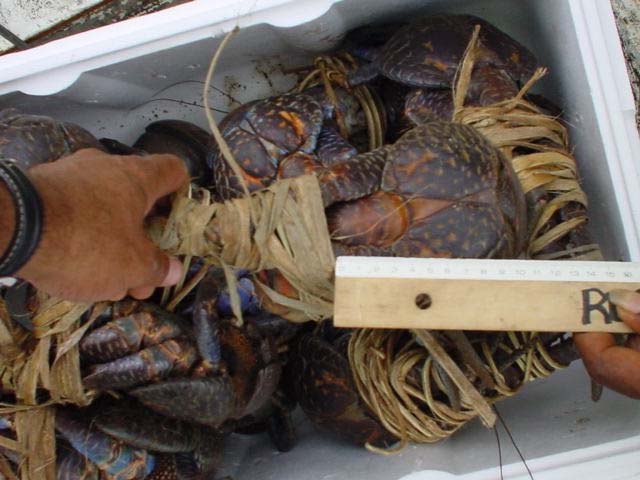
Coconut crabs are exported to the
urban markets in Port Vila and
Santo that target hotels and
restaurants. A smaller portion
comes directly from the collectors
on those islands. The level of
exploitation for all of Vanuatu,
both for subsistence use and
commercial sales, is unknown.
Production data collected by the
Department of Fisheries is scarce
and only dates back to 1983.
Table 4: The total estimated coconut crab production for the Santo and Torres regions,
19831990
Years
Santo
Banks/Torres - Hiu & Tegua
19831984
705 kg
4,662 kg
1987
37,600 crabs
122,000 crabs
1988 3,261.5
kg
-
1989 3,493.6
kg
-
1990 1,521.2
kg
-
1991
8, 854 crabs
97,440
In 1991, an estimated 12,00015,000 crabs, mostly from either Santo or the Torres
regions, were sold to Port Vila restaurants. In 1992, an estimated 20,000 crabs equivalent
to a total weight 25,600 kg were harvested in Torres, mainly from Hiu and Tegua islands,
and only a small percentage from Loh and Toga islands; while 5,960 crabs, equivalent to
a total weight of 4,836 kg were harvested from Santo.
During the 20012002 harvest season, 1,797 crabs (valued at VUV 1,636,200) from
Torres and 2,000 crabs from the Santo/Malo region were harvested. The crabs are sold at
VUV 850 per kilogram. This compares to an average price of VUV 500600 in 1991. In
the open municipal markets in Santo and Port Vila, the crabs sell for VUV 500
2,500/crab. The actual value paid to crab collectors varies, depending on whether
collectors sell directly to restaurants, or through a wholesaler, where payments might be
reduced because of airfreight costs.
Given these limitations, it is likely that most collectors are getting less than VUV 500/kg,
and some only VUV 400/kg. This is not substantially more than they were receiving 10
years ago at VUV 350/kg.
The total number of crabs purchased by restaurants in Port Vila is estimated to be
approximately 1,500/month, which equates to 18,000/year. In Santo, 2000 crabs are sold
locally, making a grand total of 20,000 crabs sold per year; only slightly less than the
25,000 estimated in 1991.
9.1.5
Stock status
The expanding tourist industry and the decline in local copra-based economies has
resulted in a significant increase in the socioeconomic value of the coconut crab, which
in turn has led to an increase in exploitative pressures on local coconut crab populations.
Substantial reductions in population sizes have been noted. The collection and sale of
these crabs is sometimes the means for communities in remotes islands to earn cash,
which makes the conservation of this resource of paramount importance. This need was
highlighted in Australian Centre for International Agricultural Research (ACIAR) and
23
the Australian International Development Assistance Bureau (AIDAB)-funded studies
conducted between 1985 and 1992. The studies revealed that the crabs had a slow growth
rate, recruitment of juveniles may not be large, and that the numbers of adult crabs in an
area could be reduced very quickly. At the conclusion of these initial projects, a series of
recommendations were provided to the Vanuatu Government to assist with the
development of a management strategy to protect the remaining crab stocks. This
resulted in a set of management restrictions in July 1991, which included the use of
closed seasons and restrictions on the number of crabs that could be taken each year from
key areas (i.e. Santo and Torres regions). These controls were in addition to the
minimum legal size and protection of berried crabs that had been in force since 1983, but
had been ineffective in halting the decline in crab stocks. In many areas, stocks suffered
from growth overfishing and potentially recruitment overfishing.
In 2003, given the seriousness of the declining crab populations, ACIAR funded another
study to re-examine coconut crab stocks in Vanuatu to determine if the management
arrangements introduced 10 years ago had been sufficient to conserve the remaining
stocks. The status of coconut crab stocks was assessed by field sampling, which utilised
the same methods as detailed in Fletcher and Amos (1994). The results of the 2003 stock
assessment surveys are outlined below.
Sanma Province
Overall, the number of crabs found in the 2003 surveys in Sanma Province was similar to
or lower than the last survey period in 1991/1993 (Table 5). Some Sanma sites had more
crabs (Matantas, Thion), some had similar numbers (Hog Harbour), and some sites had
substantially fewer crabs (Kole). Most sites had catch rates less than 0.5 crabs per bait,
with few legal size crabs (catch per unit of effort CPUE <0.15). Thus, most areas can
be classified as growth over-fished and the entire province is rated as overfished;
therefore, the total quota should not increase beyond the current official quota of 2,000
crabs/year.
Table 5: CPUE (number of legal size crabs per bait) for sites within the Sanma Province
during each survey period (Fletcher 2003)
Site
1985
1986 1987 1991 1993 2002
HOG
HBR
A 0.1
0.05
0.05
0 0 0
B 0.2
0.1
0.05
0 0 0
Ocean 0.1 0.05 0.04 0.14 0.11
Point 0.5 0.05
0.05 0.07
Cham.
Beach
0.05
Hill
0.05
KOLE
Close 0.05
0
0.03 0.06 0.07 0
Far
0.25
0.05 0.05 0.03 0.13 0
PORT
OLRY
Thion
0.02
0.09
MATANTAS
Hill
0.04
0.35
Beach
0.25
Torba Province
The status of stocks varied among the islands in Torba Province (Table 6). Tegua and
Hiu (Torres group) still has substantial quantities of crabs (mean CPUE >2); with many
sites having higher catch rates than was found 10 years ago. However, crab abundance in
24
some locations in Torba Province has declined, especially Moto Lava in the Banks; and
in Loh there are indications of growth overfishing.
Table 6: CPUE (number of legal size crabs per bait) for sites within the Torba Province
during each survey period (Fletcher 2003)
Site
1985
1986 1987 1991 1993 2002
TORRES
Hiu
Flatstone 4.8 3.2
1.82
1
1.96
Yurtawa
0.55 0.35
0.2
Tegua
Site
1 4
2.5 0.7 0.4
0.87
Site
3
1.2 0.6
2.1
Site
4
0.8
1.8
0.68
Loh
0.02
BANKS
Moto Lava
Site
1
0.3
0.075
Site
2
0.1
0
Tafea Province
An assessment survey carried out in 2002 suggests that there are healthy stocks of
coconut crabs on Erromango Island. However, around the Ipota area on the eastern side
of the island, there is considerable exploitation pressure, resulting in the initial signs of
local depletions. The current harvest of coconut crabs is approximately 1,500 crabs per
year on the east side.
Penama Province
An initial survey in Penama Province (Maewo) suggests that the level of harvesting in
this region may be too great because the catch rates in some areas are relatively low.
9.1.6 Management
The current regulations stipulate that only 5,000 crabs can be collected in the
Torres/Banks region, with a further 2,000 from the Santo/Malo region, leaving a very
large (13,000 crabs) discrepancy with the total numbers sold (20,000). These "extra"
crabs must either have come from collections in non-quota locations such as Maewo and
Erromango, or from "illegal" captures in the regions already under quota. Initial
estimates from Maewo indicate that approximately 2,500 crabs were removed in 2003
while the collections from Erromango were between 1,500 and 2,000.
25
Current legislation/policy regarding exploitation
Fisheries Act CAP 158
Chapter 158. The Fisheries (coconut crabs) Regulation No. of 1991.
Closed season
Santo/Malo region: 31 October1 April
Torres/Banks group: 31 August1 November
Quota allowance
All islands in the Banks/Torres region: 5,000 per year
All islands in the Santo/Malo region: 2,000 per year
The regulation prohibits the capture of coconut crabs carrying eggs, and any crab less
than 9 cm in length when measured along the carapace from immediately behind the
rostral horn to the rear edge of the carapace in the mid-line. The removal of eggs from a
coconut crab, or possessing and/or taking crabs from which eggs have been removed, is
prohibited under the same regulation.
Under the same regulation, the Director of Fisheries may grant permission, upon
application, for the taking of crabs during the closed season for the purposes of scientific
research.
Penalty
Any person who contravenes, or fails to comply with, any of the provisions of the
regulations shall be guilty of an offence and shall be liable on conviction to a fine not
exceeding VUV 100,000.
Ban on the collection of crabs from Sanma Province
A three-year temporary ban on the collection of all crabs within the Sanma Province
region was enacted by way of a regulation in 2004. The purpose of the ban is to stop
further stock declines in some areas of the province.
Recommended legislation/policy regarding exploitation
Sanma Province
It is recommended that the quota for Sanma regions be divided into small, regionally
based quotas as specified below. The quotas specified should be applied within each
area. The quotas have been determined by assuming that all areas are available for
capturing crabs.
Region Maximum
quota
North Santo (Port Olry/Cape/Queros/Loran)
700
Hog Harbour
350
Kole
150
Shark Bay/Mavea
200
South Santo
300
Malo/Aore 300
TOTAL 2,000
Torba Province
It is recommended that the quota for Torba Province be regionalized. The suggested
levels for each region are detailed below.
26
Site Proposed
quota
Torres
Hiu 1,500
Tegua 1,500
Loh 500
Toga/Metoma 200
Banks
Moto Lava
400 (or lower)
Gaua
400 (or lower)
Other
500 (or lower)
Total
5,000 (or lower)
Other proposed measures
· An initial quota of 2,000 coconut crabs should be implemented for Tafea
Province. This number should be allocated as follows: 1,500 from the Ipota
(eastern) side, and 500 from the Dillion Bay (western) side. A closed season
should be implemented for Tafea Province (and all southern provinces) between
January and March to protect spawning in these regions.
· The quota for Maewo in Penama Province should be reduced slightly from its
current level to 1,500 crabs per year, with a closed season occuring at the same
time as that in Sanma Province.
· There should be a trigger point of 500 crabs per year for any other
province/island, which, if exceeded, would trigger the requirement for specific
surveys and management to be introduced.
· The Director of Fisheries should have the power to halt the collection of crabs at
any time if there are indications of over harvesting.
· The collection of information on the numbers of crabs being harvested needs to
be improved. A more accurate means of recording the numbers of crabs sent to
Port Vila from each regional airport, particularly Santo, should be instituted.
· There should be regular three- or four-month surveys of the main restaurants and
markets for crabs in Port Vila.
· Complete yearly/biyearly stock assessment surveys should be conducted using
local fisheries staff at each of the main sites to monitor the performance of the
management arrangements.
9.2 Lobsters
9.2.1 Species present
Three species of rock lobsters are present in Vanuatu: pronghorn spiny lobster, Panulirus
pencillatus; painted spiny lobster, P. versicolor; and longlegged spiny lobster, P.
longipes femoristriga. The slipper lobster, also known as the Caledonian mitten,
Parribacus caledonicus, is also present.
9.2.2 Distribution
Panulirus pencillatus is the most widespread species of the spiny lobsters and is
commonly found in the Indo-West Pacific and Eastern Pacific regions, from the Red Sea,
East and South Africa to Japan, Hawaii, Melanesia, Samoa and the Tuamotu Archipelago
and east to the islands off the west coast of America and in some localities near the
27
continental coast of Mexico.
P. versicolor is present in the Indo-Western Pacific region from the entire Red Sea and
east coast of Africa, southern Japan, Micronesia, Melanesia, northern Australia and
Polynesia.
P. longipes femoristriga is found in Japan, the Mollucca Islands of Indonesia, Papua New
Guinea, Vanuatu, eastern Australia, New Caledonia and French Polynesia.
Parribacus caledonicus is found throughout the Indo-Western Pacific region in
Queensland, Australia; New Caledonia and the Loyalty islands; Vanuatu; Fiji and Samoa.
Within the Vanuatu archipelago, Panulirus pencillatus and Parribacus caledonicus
inhabit the "weather" sides (east and south) of the islands. Panulirus pencillatus is found
around Anietyum, Futuna, Tanna, Erromango islands, the south and east of Efate, the
Shepherd islands, Cooks Reef, Ambrym, Pentecost, Maewo and south and east coast of
Malekula and Espiritu Santo islands. P. longipes femoristriga has been reported to be
present on Tanna and in the northern region and on Maskelyne Island, Malekula and
along the west coast of Espiritu Santo; P. versicolor is found in abundance in the
northern islands as well as around Efate, Tanna and other southern islands.
9.2.3 Biology and ecology
Spiny lobsters are considered opportunistic and omnivorous scavengers that prey on
gastropods, crustaceans, echinoderms, seagrass and algae (Philips et al. 1980 in Pitcher
1993). Rock lobsters are nocturnal and are not gregarious (Holthuis 1991). They reach
sexually maturity at 710 years of age. Once breeding begins, it is continuous throughout
the year, but is reduced in cooler months. Mating in most aquatic decapods occurs shortly
after female moulting and the sexes are attracted to each other by pheromones before or
after moulting (Ruppert and Barnes 1994). The female carries the eggs under its tail for
one month before tiny phyllosoma larvae are released (Pitcher 1993). The larvae remain
in the ocean for 412 months before moulting into the puerulus stage. At this stage they
are about 50 mm long, and resemble a colourless miniature adult. As puerulus they
undergo a transition from the oceanic to the benthic environment, where they settle in or
near the adult habitat, quickly moulting into pigmented juveniles (Philips and Sastry
1980, in Pitcher 1993). Because of the widespread dispersal of Panulirus pencillatus
phyllosoma larvae, and because of there are a number of unexploited reefs to provide
recruitment to exploited reefs, this species is probably resilient to recruitment
overfishing.
Panulirus pencillatus is the main rock lobster species harvested by coastal rural
communities in Vanuatu. It occupies the same habitats as Parribacus caledonicus (i.e.
the "weather" sides of islands), within the surf zone, surge channels and undercut
Porolithon reef where there is good water circulation and the water ranges in depth from
26 metres. P. pencillatus often hide in crevices and marine caves during the day time,
often attached to the ceilings of caves. The ideal habitat includes the spurs of reefs that
run offshore.
P. longipes femoristriga are smaller than P. pencillatus and live in deeper waters up to
122 metres. P. longipes femoristriga favours compact reefs, particularly those receiving
moderate but regular surf action with small blowholes through the narrow fringing reef
flats. These reef types are common around Malekula Island and the west coast of Santo.
P. versicolor is the largest of the three rock lobster species and inhabits quiet, turbid or
clear waters down to 37 metres. It also lives in silty, quiet lagoon waters, often near
stream mouths, or in deeper water on the outside face of reefs that receive moderate to
high wave action.
28
9.2.4 The Fishery
Utilisation
The exploitation of rock lobsters in Vanuatu is widespread, both for subsistence and as a
source of income for rural coastal communities. The lobsters are harvested by hand while
free diving (using mask and snorkel) on moonless nights. A torch is used to find them.
Lobsters are also sometimes harvested during the day. A small experimental fishery was
initiated at Tanna and other southern islands, using two- to three-foot wide beehive cane
or wicker pots baited with chitons or sea urchins. The pots were set on the reef edge in
reasonably sheltered pools or crevices, often covered with stones, and out beyond the
reef in depths of at least 122 m. Pot trapping was unsuccessful with P. versicolor as they
could not be enticed into pots. On the shallow reef, fishermen regularly catch lobsters
either by diving or on foot on the reef during moonless nights (David 1985).
Production and marketing
Main commercial markets are located in Port Vila, Efate and Luganville, and Santo. In
1983, an estimated production of 490 t of lobsters were harvested, of which, 45% was
sold at Port Vila markets, earning an estimated amount of VAT 122 million (David and
Cillaurren 1992).
Baird (1973) reported a CPUE of two to three "sacksfull" a night in Santo and Lamap
(south Malekula island), with an estimated weight between 50 and 100 kg. Value per
kilogram of crab was AUD 1.00 (equivalent to VUV 80).
The artisanal lobster harvest for 1983 was estimated to be approximately 20.5% (490 t)
of the subsistence harvest of 2,402 t of marine organisms annually (David 1985), and
worth an estimated value of more than USD 1 million. Of the total harvest of marine
species, approximately 555 t were produced for sale, of which, 45% consisted of crayfish
and 42% of fish. The estimated market value was VUV147 million, of which, 83% was
attributed to rock lobsters. Of all the crustaceans in Vanuatu, lobsters are the only ones
that are actively marketed, with half of the catch going for sale (David and Cillaurren
1992). Dalzell (1990) reported that "anecdotal sources suggest that lobsters are
increasingly important as a source of cash revenue for villagers, and increasing amounts
are sent by air to Port Vila". The amount and value of spiny and slipper lobsters landed at
the Natai Fish Market from 1988 to 1992, and between 1983 and 1984, are shown in
Table 7.
Table 7: Quantity of lobsters and slipper lobsters landed at Natai Fish Market
May
1983-July
1988 1989 1990 1991 1992
1984
Lobster (kg)
3,306
1,810.0
850.4 1,301.3
1,716.3 1,483.2
Value (VUV)
1,020,11
511,515 396,428 1,604,385 1,042,551
0
Slipper Lobs
0
37.3
0
9.1
71.9
Value (VUV)
0
11,005
0
2,730
28,920
Source: Department of Fisheries database, and Crossland 1984; lobsters purchases between July
1983 and July 1984 at Santofish amounted to 120 kg (Crossland 1984).
From 1990 to 1992, the fisheries extensions centres purchased lobsters, but the data are
mixed together with those of coconut crabs under "other species". Even though the
species in this category seem to have comparatively small inputs into extension centre
purchases, these species are important to other sectors within the country at the
subsistence, artisanal and commercial levels (see Table 8).
29
Table 8: Purchased lobsters recorded as "other species"
1990
1991
1992
Total numbers
168
421
444
Total weight (kg)
503.8
2,081
4,651.2
Source: Department of Fisheries database
In 2003, the Department of Fisheries banned the issue of Fish Establishment Export
Licenses for overseas bound rock lobsters. This was because the status of rock lobster
stocks was not healthy. However, the harvesting of lobsters was still allowed, but only
for domestic market consumption. Exports figures for the years 1999 to 2003 are
summarized in Table 9.
Table 9: Quantity of lobsters exported
Year
Quantity (kg)
Value (VUV)
1999 70 42,000
2001 3,494 3,403,650
2002 758 838,772
2003 10 2,000
Source: Fisheries export permits
9.2.5 Stock status
Assessment surveys carried out by the Department of Fisheries indicate that rock lobster
stocks in Vanuatu are in danger of being overfished. The exploitation level is determined
by access to urban markets in Port Vila and Luganville, and the population size of the
island or coastal communities.
Populations of rock lobsters vary from island to island, and population size is determined
by reef habitat. Some islands appear to have high populations of a particular lobster
species compared with other islands. For example, surveys carried out on the Shepherd
islands (Buninga, Makira, Emae, Tongariki and Mataso) indicate that double-spined and
blue-spot rock lobsters are the predominant species, and that Makira and Mataso islands
had the highest occurrence of lobsters. Very few slipper lobsters were recorded during
the assessment survey, implying that slipper lobster stocks are near depletion.
Assessment surveys carried out around Malekula Island, however, indicate that the
predominant species there is the painted spiny lobster (Panulirus versicolor). The
absence of blue-spot lobsters from the survey sites may be due to its high commercial
value and the ease with which the lobster can be sold or freighted out from Malekula to
either Port Vila or Luganville.
The assessment surveys concluded that Erromango, Aneityum, and the islands of the
Torres/Banks group had very high numbers of rock lobsters.
9.2.6
Management
Current legislaion/policy regarding exploitation
The fisheries regulation under the Fisheries Act CAP 158 of 1982, prohibits taking,
possessing, selling or purchasing of any rock lobster carrying eggs; or any rock lobster
that is less than 22 cm in length when laid flat and measured from immediately behind
the rostral horns to the rear edge of the telson; or any lobster whose carapace is less than
7.5 cm when measured along the mid-line from immediately behind the rostal horns to
the rear edge.
30
The same regulation prohibits the spearing of lobsters as well as the removal of eggs or
the possession, selling or purchasing of lobsters from which eggs have been removed.
For the slipper lobster, P. caledonicus, the above regulation applies, except that the
minimum length is 15 cm measured from the front edge of the carapace to the rear of the
telson. Penalties for violation of these regulations is a fine of up to VUV100,000.
Recommended legislation/policy regarding exploitation
Given the high exploitation levels of lobsters, it is recommended that the Department of
Fisheries should 1) carry out a thorough rock lobster stock assessment; 2) place a closed
season for harvesting of rock lobsters, especially during the period when female lobsters
are carrying eggs; and 3) allocate quotas for each provincial region.
9.3 Freshwater
prawns
9.3.1 Species present
The main endemic species commonly found in rivers, streams or lakes in Vanuatu is
Macrobrachium lar. However, there are several species of freshwater shrimp that are
present Vanuatu but are not in sufficient quantities to be able to sustain an industry.
In the late 1970s, the culture of the giant Malaysian fresh water prawn, Macrobrachium
rosenbergii was tested in Vanuatu but failed due to high mortality rates.
9.3.2 Distribution
Freshwater prawns are found throughout Vanuatu, particularly on islands where there are
rivers, streams or lakes. Stock abundance has been identified on Santo, Malekula,
Maewo, Erromango, Efate, Epi and Anietyum islands.
9.3.3 Biology and ecology
The biology of the freshwater prawn Macrobrachium rosenbergii is well known. Larval
cycles during the hatchery phase as well as the species growout performance in
aquaculture are documented in numerous articles. However, little is know about the
biology and its larval cycle of Macrobrachium lar, although it has been reported to have
a very slow growth rate and is capable of wandering off from, thus making it unsuitable
for aquaculture farming.
9.3.4 The Fishery
Utilisation
Local freshwater prawns are harvested for subsistence use and for sale. In islands such as
Pentecost, and particularly Maewo, taro farmers rear local freshwater prawns in their
irrigated taro patches. Draining these taro patches is another way of harvesting the
Macrobrachium lar. In subsistence use, prawns are caught with a spear, but for
commercial purposes, prawns are caught using traps so that their appearance is
maintained, thus guaranteeing a better financial return.
Current purchasing price per kilogram of local freshwater prawn from harvesters is VUV
5001,000. Retail price is VUV 1,500/kg. Freshwater prawns are normally brought in
from the islands and rural inland areas of Santo and Efate and are sold to middlemen
buyers or directly to restaurants and hotels.
To date, there has been no major aquaculture farming of freshwater prawns. However, in
the late 1970s a local company initiated a trial freshwater prawn farm, but due to rearing
difficulties and a lack of technical expertise, the farm was terminated in the early 1980s.
31
Given the high demand for freshwater prawns at the domestic markets, the Department of
Fisheries, as part of its 2004 development activities, initiated research studies on the
possibilities of farming Macrobrachium rosenbergii. The purpose is to introduce this
freshwater prawn species into Vanuatu from Fiji, where successful trials have been
achieved.
With funding assistance from ACIAR, the Department of Fisheries Research and the
Aquaculture Division began farming trials of M. lar at Sarate, in south Santo. Juveniles
are netted or collected from the wild and reared in impounds (4 m x 6 m) with stocking
densities of 5 prawns per 1 m2. The purpose of this research is to determine the
socioeconomic viability of farming this native freshwater prawn.
Production and marketing
In 1983, it was estimated that the annual production of M. lar was 18 t, representing
0.7% of the annual rural fishing production, was determined for Vanuatu. In 1986, the
Japan International Cooperation Agency (JICA) reported a freshwater prawn yield of 12 t
for Vanuatu in 1984.
From 1988 to 1992 the government owned Natai Fish Market (now liquidated), and
production figures for prawns are shown in Table 10.
Table 10: Production figures for 19881992
1988
1989 1990 1991 1992
FW prawns (kg) 88
422.6
271.6
136.9
67.1
Value
(VUV)
70,400
336,470 657,280 90,545 49,730
Most of the prawn catch is consumed at the subsistence level. Yields from freshwater
areas for subsistence purposes have been estimated to be about 56 t/year (Government of
Vanuatu, Second National Development Plan 19871991).
9.3.5 Stock status
To date no stock assessment surveys has been directed towards estimating or assessing
the stocks of the Macrobrachium lar in Vanuatu. However, fresh water prawns are
continually being harvested and are sold directly to either the restaurants or the hotels at
an average price per kilogram of VAT 1,000.
9.3.6 Management
Current management regimes for this resource are self-regulation, even though
freshwater prawns are a commercially marketed resource.
Current legislation/policy regarding exploitation
There is no current legislation regarding the exploitation of this resource.
Recommended legislation/policy regarding exploitation
The following options should be considered as possible management measures:
· Prohibit or ban the use of all chemicals to catch or harvest this resource by
collectors;
· Develop criteria to manage such economic developments as cattle farming,
habitat destruction, deforestation, irrigation, aquaculture, etc., that may have
detrimental impacts on the resource; and
· Develop criteria for introduction of fresh water exotic species into the river
32
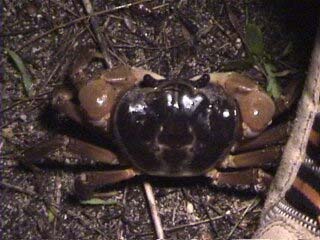
systems.
9.4 Land
crabs
9.4.1 Species present
Three species of land crabs, all belonging to the genus Cardisoma, are found in Vanuatu
(Lal and Esrom 1990).
9.4.2 Distribution
Land crabs occur throughout Vanuatu but abundance is only restricted to a number of
islands such as Malekula, Santo, Emae and Efate.
9.4.3 Biology and ecology
Lal and Esrom (1991) reported that the Cardiosoma spp. is caught on the edges of
mangrove areas and along the sandy strand bordering Rhizophora mangroves. Adults
appear to live in inland areas among ground cover vegetation or in underground burrows,
mainly around swamp areas, and come at night to feed.
Gravid females carry their dark blue coloured eggs until they hatch. They are often
observed eating leaves, and go to the seaside to release the larvae.
Around two days before a full moon, especially during the summer months, the crabs
emerge at dusk and undertake mass migrations to the sea. The larvae are released from
the eggs into the sea by vigorous flapping of the abdomen. A berried female is able to
release up to 425,000 larvae.
Release of larvae at spring tides presumably maximizes dispersal along the coast. It has
been reported that the spawning migration in Vanuatu occurs during a new moon (i.e. on
dark nights).
Typical Cardisoma habitat in Vanuatu is
normally associated with inland mangrove areas Cardisoma hirtipes
and swamps.
9.4.4 The Fishery
Utilisation
In the past, the collection of land crabs was mainly for home consumption; however,
nowadays this resource has a commercial value. Crabs are sometimes caught at night
during their migration to spawn, but are normally caught at around dusk. On islands
where the crabs are abundant, such as on Emae and Uri islands, collection occurs at any
time during the day. Given the recent commercial value of the crabs, rural communities
33
on other islands of Vanuatu are now collecting and exporting the crabs, via air freight or
trading vessels, to Luganville and Port Vila municipal markets for sale.
In areas where crabs are abundant, they are offered for sale in bundles or small baskets.
On Emae Island, crabs are offered for sale at the Aromai airport to airplane passengers at
VUV 200 a basket. In Siwo village on Emae Iisland, members of neighbouring
communities pay a collection fee of VUV 700 per person before they can collect land
crabs on areas of land owned by the Siwo community. In Port Stanley, on Malekula, C.
hirtipes is regularly caught for subsistence as well as for sale. Lal and Esrom (1990)
reported that all households in this area harvest nevri for subsistence, but a large
proportion of them also sell crabs in the Norsup market, mostly on Saturdays. Some are
air freighted to Port Vila, via middlemen buyers.
Production and marketing
There are no records in Vanuatu of land crab production, except some estimates made for
Norsup market on Malekula. Crabs sold on Efate come mostly from Erakor and Eton,
although probably also from northern Efate. At the open market in Port Vila, a basket --
estimated to contain 1020 crabs -- is sold for VUV 500. Crabs are also sold in bundles
or strings at VUV 50 per crab.
Lal and Esrom (1990) estimated that about 17,680 kg of land crabs, worth VUV 850,000,
are marketed via Norsup market annually. Some of these were bought by individuals who
airfreighted them to Port Vila where they were sold for VUV 250300 for a bundle of
five crabs.
9.4.5 Stock status
There is no data on land crabs. However, observations made in locations where there are
abundant land crab populations -- such as Crab Bay on Malekula, and on Siwo and
Vaitini on Emae Island -- indicate a reduction in the overall land crab population.
9.4.6 Management
Current legislation/policy regarding exploitation
There is no legislation concerning the exploitation of land crabs. However, Crab Bay has
now been declared a reserve in order to allow such resources as land crabs to propagate.
Recommended legislation/policy regarding exploitation
There does not seem to be any need to regulate the resource at present. However, if
exploitation becomes too great in areas such as Port Stanley or Emae Island, it may
become necessary to limit or ban the export of crabs to Port Vila. However, in order to
see any sort of trend, it would be necessary to begin collecting data.
9.5 Deepwater
shrimp
9.5.1 Species present
Seven species of the caridean shrimps are found in Vanuatu at depths between 229 m and
650 m. All belong to the family Pandalidae and at least three genera: Heterocarpus,
Plesionika and Parapandalus.
The species listed by King (1986) include, Parapandalus (=Plesionika) serratifrons (the
pyjama shrimp), Pleisionika longirostris (=edwardsii) (stars and stripes shrimp), P. ensis
(striped gladiator shrimp), Heterocarpus ensifer (armed nylon shrimp), H. sibogae (mino
nylon shrimp), H. gibbosus (humpback nylon shrimp), and H. laevigatus (smooth nylon
34
shrimp).
9.5.2 Distribution
Heterocarpus is found in the in the Indian Ocean, as well as the Pacific Islands from
Palau to French Polynesia (King 1993). This species occupies particular depths but has
overlapping ranges with the smaller shrimp (e.g. P. serratifrons and P. edwardsii), and is
widely distributed in shallower waters (<400 m). The medium-sized Heterocarpus, H.
sibogae and H. ensifer predominate catches from depths greater than 400 m; while H.
laevigatus, one of the largest species, is common in depths of more than 500 m.
King (1980) found that within Vanuatu, catch weights of H. ensifer varied significantly
with depth, whereas Pleisionika longirostris accounted for up to about half of the
shallow water catch. H. ensifer occurred throughout the sampled depth range but catches
between 400 m and 500 m consisted almost exclusively of this species. Catches of H.
laevigatus increased with greater depth, while catches of H. ensifer decreased with depth.
Table 11 shows species composition by weight expressed as a percentage of the total
shrimp catch at each depth. In the shallowest depth sampled (229 m), P. serratifrons
accounted for 31% of the total catch.
Table 11: Species composition by weight (% of total catch) at each depth King 1980
Depth (m)
P. longirostris
H. ensifer
H. laevigatus
Other species
229 15 54 31
262 51 48 1
324 47 49 4
384 27 73 0
421
< 1
99
< 1
436
< 1
99
< 1
454 2 98 0
461
< 1
99
< 1
560 57 43 0
650 68 32 0
9.5.3 Biology and ecology
Deepwater caridean shrimp have separate sexes (King 1993). Biological parameters for
four species of deepwater shrimp are given in Table 12. Female sexual maturity of H.
laevigatus is attained between 4 and 4.6 years (4043 mm carapace length); spawning
appears to occur in the winter months. Growth parameters for some other species are also
given and are reproduced below.
Table 12: Some biological parameters of a few deepwater shrimps (King 1993)
Species L (mm)
K(yr-1) M
(yr-1)
Lc
tc
H.
laevigatus* 57
0.27 0.66 40.5 4.6
P.
edwardsii
29.5
0.66
H.
sibogae 41 0.38
H.
gibbosus 45 0.35
L is the asymptotic carapace length, K is the growth coefficient, M is the natural mortality rate, Lc is the
mean length at first reproduction and tc, the relative age at first reproduction. * = figures for Fiji.
35
King (1993) noted that the combination of slow growth rates and high natural mortality
rates suggests that the biomass (weight) of shrimps from a given recruitment is
maximized by an early age, after which the available biomass rapidly declines.
9.5.4 The Fishery
Utilisation
A few species of carid shrimps form the basis of commercial fisheries. For example,
carid shrimps are commercially harvested in Alaska (North America), Chile (King 1986),
Europe and Japan (Crossland, undated).
There has been no fishery in Vanuatu that has been based on deepwater shrimp, even
though this resource can be utilised for speciality food items in local restaurants and
possibly export.
In parts of the world where carid shrimps are commercially exploited, various types of
trawls are used as the main method of harvesting. But as noted by Crossland (undated),
this method is of little use in the South Pacific region because apart from the Gulf of
Papua in Papua New Guinea, there are no areas of continental shelf. Most of the potential
fishing grounds in the Pacific Islands consist of uneven or sloping bottoms, which are
unsuitable for trawling.
Production and marketing
During a survey, H. ensifer was the only species that occurred over the entire depth range
and catches of individual species varied with depth. In addition, dominant species in a
particular depth range differed. When the catch data was grouped into 100 m depth
ranges, it was estimated that the total mean catches were low in shallow water but
increased with dept, reaching a maximum in depths of 500600 m (King 1980). The
mean catch rate was calculated to be 2.83 kg per trap. Shrimp abundance seemed to
decrease beyond this range. King, however, noted that the important factors for
consideration when contemplating a fishing strategy included the catch weight and size
of individual shrimp.
In 1982, the Department of Fisheries and the former ORSTOM (now the Institute de
Recherche pour le Développement, IRD) conducted a survey at depths between 400 m
and 700 m. The most abundant catches of shrimp were obtained from depths between 450
m and 500 m (Wright 1989). This survey also averaged 1.0 kg per trap, with H. sibogae
and H. laevigatus making up the majority of the catch. The results were considered to
show limited economic potential for the development of this fishery in the vicinity of
Port Vila.
The preliminary survey by King in 1983 produced catches that were considered high
enough for consideration for commercial trials. King (1986) provided a table of catch
rates and optimum depths of caridean shrimp from different countries.
Table 13: Catch rates and optimum depths of caridean shrimps from different countries
Location Catch
rates
Optimum
Comments & References
(kg/trap)
Depth (m)
Hawaii's
2.9 550600
Catch
of
H. ensifer and H. laevigatus
Northwestern group
combined (Gooding 1984)
Guam's western Coast 2.1
440680
Catch of H. ensifer and H. laevigatus
combined (Wilder 1977)
Western Samoa, near
1.4 500600
Catch
of
H. sibogae and H.laevigatus
Apia
combined (King 1980, 1984)
36
Location Catch
rates
Optimum
Comments & References
(kg/trap)
Depth (m)
Tonga, near
0.6 600700
Catch
of
H. sibogae and H. laevigatus
Nuku'alofa
combined (King 1981b, 1984)
Fiji, near Suva
1.2
450650
Catch of H.sibogae,
H. gibbosus and H. laevigatus combined
(King 1984)
Vanuatu
2.8
500600
Catch of H. sibogae and H. laevigatus
combined (King 1981a, 1984)
New Caledonia
2.0
800
Catch of H. laevigatus (Intes 1978)
No attempt has been made to further assess the feasibility of commercially exploiting
deepwater shrimp in Vanuatu.
9.5.5 Stock status
The resource is not exploited and information on standing stocks is not known. More
detailed assessment research is needed. Ralston (1986, in King 1993) reported a drastic
decline in catch rates, from 3.31.8 kg/trap-night over a 16-day intensive trapping
experiment for H. laevigatus in the Marianas. The decline in catch rates was attributed
to the decline in shrimp numbers suggesting that the species may be vulnerable to even
moderate trapping in that area (King 1993).
9.5.6 Management
A more comprehensive assessment on this particular potential resource is required to
give some indications of stocks available for exploitation and its likely economic
potential. Results of such research work will indicate strategies to be taken if exploitation
is likely.
Current legislation/policy regarding exploitation
There is no current legislation regarding deepwater shrimp.
Recommended legislation/policy regarding exploitation
Legislation of deepwater shrimp is unnecessary until the resource stock is assessed and
utlisation initiated.
10 Finfish
(Osteichthyes)
10.1 Deepwater bottomfish
10.1.1 Species present
Over 100 species of bottomfish were recorded by Brouard and Grandperrin (1985) with the
most represented families being Lutjanidae (subfamilies Etelinae, Lutjaninae and Apsilinae),
Serranidae (subfamily Epinephelinae) and Lethrinidae.
The 11 main species listed by Schaan et al. (1987) include Lutjanus malabaricus, Etelis
carbunculus, E. coruscans, E. radiosus, Pristipomoides filamentosus, P. flavipinnis, P.
multidens, Aphareus rutilans, Epinephelus magniscuttis, E. morrhua, E. septemfasciatus.
Other species include Aprion virescens, Lutjanus gibbus, L. bohar, L. rufolineatus, L.
argentimaculatus, L. timorensis, Lethrinus variegatus, Lethrinus miniatus, Paracaesio
kusakarii and T. zonatus.
37
Source: FAO Species Catalogue, Vol 6 and 16, Rome, 1985, 1993
10.1.2 Distribution
Throughout the South Pacific, snappers and groupers constitute the greatest proportion of
the deepwater fish catch, in terms of total landing and value. Most of the species in these
two families are widely distributed throughout the central, western and South Pacific.
Species richness, however, tends to decline with distance from the Indo-Pacific faunal
center, so that areas such as Hawaii have fewer species (Moffitt 1993). Allen (1985)
gives an overall general distribution pattern by subfamilies in the family Lutjanidae as
well individual species' known distribution and identification. Many species, particularly
members of Aphareus, Aprion, Etelis, Lutjanus, Macolor, Paracaesio, Pinjalo and
Pristipomoides have broad distributions that encompass wide areas of the Indo-West
Pacific region. Some of these species, such as Lutjanus bohar, L. gibbus, L. kasmira, L.
monostigma, and L. rivulatus, as well as species of Etelis, Paracaesio and
Pristipomoides, are frequently associated with oceanic insular localities. Relatively few
species have greatly restricted distributions and some of these may be more widespread,
but because of their relatively deep habitat, they are seldom collected. Moffitt (1993)
notes that even though most of these species are wide ranging, their relative composition
in catches varies considerably with location.
Deepwater bottom-fish inhabit outer reef slopes at depths ranging from 100400 m
(Brouard and Grandperrin 1985; Schaan et al. 1987). In Vanuatu, this area has been
estimated by region (Table 14) to be over 750,000 ha (David 1985).
Table 14: Surface area for the 100400 m depth band, by region, in Vanuatu (David 1985)
Area Surface
Percentage
Area
Surface Percentage
100400
of total
100400 of total
(ha)
(ha)
Torres 20,596
2.7
Epi-Paama-
76,512 10.1
Lopevi
Banks 51,876
6.9
Efate 95,330
12.6
38
Area Surface
Percentage
Area
Surface Percentage
100400
of total
100400 of total
(ha)
(ha)
Santo-Malo 142,970 18.9
Erromango
55,658
7.4
Maewo 33,468
4.4
Tanna-Aniwa 47,568 6.3
Pentecost 25,000
3.3
Futuna
3,700
0.5
Malekula 101,344
13.4
Aneityum 14,816
2.0
Ambrym 26,650
3.5
Vanuatu
Total
754,685
100
This, however, does not indicate areas that are potentially rich in bottom-fish. Brouard
and Grandperrin (1985) gave depth ranges for 84 different bottom-fish species in
Vanuatu. Classification of species by three depth zones of maximum concentration (as
recorded during deep bottom-fishing in Vanuatu) was also given. These data are shown
in Table 15.
Table 15: Classification of the major species by depth zone of maximum concentration
Shallow species (<120
Intermediate depth species
Deep species (>240 m)
m)
(120240 m)
P. filamentosus
P. multidens
E. carbunculus
A. virencens
P. flavipinnis E.
coruscans
L. gibbus
L. malabricus
T. argyrogrammicus
L. bohar
E. morrhua
S. megalops
C. amblyrhinchos
S. rivoliana
E. radiosus
L. variegatus
L. miniatus
L. carnolabrum
A. rutilans
E. septemfasciatus
A. rutilans
T. zonatus
L.
argentimaculatus
E.
magniscuttis
G.
mossambicus
E.
chlorostigma
E.
areolatus
L.
rufolineatus
P.
kusakarii
The vertical distribution of fishing effort shows two peaks -- located between 150 m and
200 m and between 250 and 300 m depths -- with a subsequent sharp decline to a
minimum at around 400 m. Fishing yields (weight) increase steadily from the surface and
reach a maximum at 400 m depth. There is almost no fishing effort below 500 m.
The vertical distribution of fish species shows clear habitat stratification. Pristipomoides
spp. and Lutjanus malabaricus inhabit the water layer between 25 m and 300 m. Etelis
spp. are the main fish caught below 200 m, and E. carbunculus is caught at the deepest
levels. Groupers (Epinephelus spp.) and Aphareus rutilans are the most common species
in the intermediate waters between 100 m and 350 m, although these fish do not seem to
be very depth-specific.
The two main Etelis species, E. carbunculus and E. coruscans, are mainly fished near
islands that are exposed to southeasterly winds. E. radiosus, the third species of the
group, seems to be widely distributed, but with maximum yields recorded at Tongoa and
Tanna islands. Especially high yields were recorded at Maewo and Paama for E.
carbunculus and at Maewo for E. coruscans.
As noted for Etelis spp., the three Pristipomoides species seem to be widely distributed
39
around many islands, but there are similarities with respect to the geographical
distribution reported for E. radiosus. The highest CPUE for P. multidens was recorded at
Tongoa, while very high yields of P. filamentosus were recorded at Tanna. The
Epinephelus group is mainly caught in Ambrym, Pentecost and Tanna. Catches of L.
malabaricus have declined throughout Vanuatu. A. rutilans catches are specifically
localized around Maewo.
The largest fishing grounds within the country are off the east coast of Santo. Around
Efate, fishing effort during 1987-1988 seemed to have concentrated in the northeast Efate
region, Emao and Forari (Cillaurren 1989).
10.1.3 Biology and ecology
Benthic fish and crustaceans form an important dietary component for deepwater
snappers and groupers, and pelagic urochordates are important prey items for many
species of Pristipomoides (Moffitt 1993). Deepwater snappers are serial spawners,
capable of spawning several times over a prolonged breeding season. Reproduction takes
place in the summer months: May to September in the North Pacific and November to
May in the South Pacific. Fecundity increases with size and for some species it has been
estimated to be between 300,000 and 2,000,000 eggs. Groupers on the other hand are
protogynous hermaphrodites with an abbreviated breeding season peaking for 12
months. Groupers aggregate in large numbers during spawning and are usually
susceptible to fishing during this period. Fecundity has not been determined. Both
snappers and groupers are long lived and slow growing. For natural mortality (M),
Ralston (in Moffitt 1993) found the relationship M=0.0189+2.06K for snappers and
groupers.
Examining catch data within Vanuatu, Brouard and Grandperrin (1985) found that the
only significant sex ratio possible was that calculated from fishing trials carried out in
Santo for 656 P. multidens individuals, giving a male to female ratio of 1:18. The same
authors hypothesized -- using results from microscopic examinations of fresh gonads for
different stages of maturation -- that shallower water species have maximum breeding
activity in summer, although they are capable of spawning all year round, while
deepwater species do not have such a marked cycle. In all species, intense sexual activity
in October and November seems to be very common. Length at sexual maturity (Lm) was
calculated by the same authors for 26 deepwater species, without any sex distinction, as
presented in Table 16. Because of limited numbers in samples for estimating Lm, the
authors were limited to determining the smallest size recorded of sizes associated with
sexual maturity on the basis of the occurrence of a high GSI (gonosomatic index2) and
maturation stages 5, 6 and 7. In addition the Beverton and Holt relationship Lm=kLmax
was used. The K value (K=0.576) used was that obtained for 34 tropical fish species
from the west coast of Africa. The choice not to use k=0.71 as calculated by Loubens
(1980) for New Caledonia was that maximum lengths obtained were much higher than
those in New Caledonia which would have yielded higher values than actual.
2GSI was calculated by dividing the weight of both gonads (in grams) by the weight of the whole fish body (in kg).
40
Table 16: Minimum sexual maturity sizes recorded and calculated sexual maturity sizes(Lm)
using Lm=0.576 mean Lmax (after Brouard and Grandperrin 1985)
Species Minimum
Minimum
Lm
Species Minimum
Minimum
Lm
sizes with sizes
sizes with
sizes
raised
associated
*3
raised GSI
associated
*3
GSI *1
with stages
*1
with
5, 6 and 7
stages 5, 6
*2
and 7 *2
A. rutilans
48
L.
44
argentimaculatus
A. virescens
44
L. bohar
36
E. areolatus
22
L. gibbus
21
E. magniscuttis
40
L. malabaricus
38 38 35
E. morrhua
44 41
44
L. rufolineatus
16
E.
83
P. kusakarii
33
septemfasciatus
E. carbunculus
28 30
54
P. filamentosus
35
E. coruscans
38 33
47
P. flavippinis
28 27 33
E. radiosus
31 40
P. multidens
32 33 37
G. mossambicus
25
S. rivoliana
49
L. miniatus
42
S. megalops
47
L. variegatus
30
T.
21 19 14
argyrogrammicus
L. carnolabrum
35
T. zonatus
20
*1 = minimum sizes for which the GSI was above the mean GSI calculated for maturation stage 5
*2 = minimum sizes where maturation stages 5, 6 and 7 were first noted.
*3 = sexual maturity sizes worked out from mean maximum lengths (Lmmax) using the formula Lm=kLmmax,
where K=0.576.
The growth rates of the main Lutjanidae species that occur on the outer reef slopes of
Vanuatu seem to be very low, lower even than for the more deeper water species such as
E. carbunculus and E. coruscans than for shallower water species such as P. flavipinnis
and P. multidens. Brouard and Grandperrin (1985) gave the following table (Table 17)
and notes for the Von Bertalanffy parameters, total mortality index (Z) and natural
mortality index (M) for six major species of the outer reef slopes in Vanuatu.
Table 17: Some biological parameters for six major species of the outer reef slope in Vanuatu
Mean growth (cm/year)
Species K L
30<L<40
40<L<50
mean
Lc
Z
Z2
M(a-
(cm)
L(cm)
(cm)
1(a-
1
1
)
(a-1)
)
E.
0.07
94 4.2 3.42 57 28 0.07
0.089
0.149
carbunulus
E. coruscans 0.128
82 5.99 4.71 55 30 0.107
0.136
0.237
L.
0.310
60 7.65 4.47 44 32 0.447
0.401
0.545
malabaricus
P.
0.356
58 8.06 4.39 35 27 0.648
1.006
0.602
flavipinnis
P.
0.295
60 7.28 4.26 41 31 0.467
0.587
0.527
filamentosus
P. multidens 0.244
64 7.01 4.53 44 34 0.375
0.460
0.448
K=1000/W, W=aLmb (a, b obtained by means of the length/weight relationship; meanL=mean maximum lengths,
Lc=(L100 +Lo)/2, Z1: total mortality calculated by regression of the Log of the number of individuals as a function
of time, Z2: K (L-meanL)/meanL -Lc), M: natural mortality expressed by the equation LogM=-0.0066-0.279
logL+0.6543 logk+0.4634 logT.
41
Carlot (1988) estimated growth and mortality
parameters (L and K) of E. carbunculus in
Vanuatu to be 132.4 cm and 0.22 year-1
respectively using ELEFAN I. Brouard and
Grandperrin (1985) estimated the same
parameters for the same species, using
otoliths, to be 94.0 and 0.07-1 respectively.
Length-weight relationships for some species
are given in Appendix 2.1 (b).
10.1.4 The Fishery
Fishing technique
Up until the late 1980s, most deepbottom
fishing was done with a manual wooden reel,
monofilament line fitted with a metal leader,
three hooks, and a weight, as shown in the
diagram at right.
The manual wooden fishing reel is a
homemade device developed by FAO in
1976, and which has been widely adopted in
the Pacific Islands (Guldbransen 1977). In
Vanuatu, this device replaced the bicycle
pedal mechanism and is generally used on
powerboats, but sometimes on traditional
dugout canoes. The fishing line on these reels
is used for trolling and deepsea fishing. In
this latter case, it descends vertically from
the fishing boat with the motor off. Three
hooks, set at about 50 cm intervals, are baited
with skipjack tuna or sardines. The line is
only fitted with a small weight as it remains
in the water for a very short amount of time.
Fishing is done during the day or at night, usually drifting. Very little deepwater mooring
with a grab anchor is practised (Guldbransen 1977; Crossland and Grandperrin 1980).
Deep longline fishing was only a marginal technique until the 1990s when it was
gradually adopted by independent fishermen and some associations. Reel and lines are
also used for troll fishing, mainly for tuna, around FADs and on the way to deepsea
fishing grounds. Fishing trips are rarely longer than two days, and most are less than 12
hours long.
Utilisation
The deepwater bottomfish fishery targets the high, commercially valuable snappers
("poulet" or chicken fish), which are locally sold to fish markets, hotels and restaurants.
Some enter the subsistence economy at the village level (Dalzell 1992).
The first datasets available on deepsea fishing were obtained by the South Pacific
Commission (now the Secretariat of the Pacific Community SPC) exploratory
expeditions in Vanuatu (Humes 1975, 1976; Fusimalohi 1979). The initial surveys by the
SPC Deep Sea Fisheries Development Project -- between 1974 and 1981 --concluded
that deepwater bottomfish resources were virtually unexploited. In 1981, after the
formally structured Department of Fisheries was established, the Village Fisheries
42
Development Programme (VFDP) was launched to promote the intensive development of
small-scale deepsea fishing. Hand-reels, developed for deepwater bottom handling in
Western Samoa, were used, and were mounted on 8 m catamarans or 5 m dories powered
by 25 hp outboard motors. Trial fishing efforts for bottomfish, initiated by SPC, were
continued by the Department of Fisheries from 1981 to 1982.
The fishing trials used several types of catamarans and mono-hulls: the 8.6 m alia
catamaran, 5.0 m and 5.6 m Hartley half-cabin launches were chosen, with a marked
preference for the Hartley type (Schaan et al. 1987).
Trap fishing, using Z-type traps, were tried by the Department of Fisheries between 1987
and 1988. Results were mostly poor catches with only very few traps making good
catches (Guerin 1989).
The interest generated from the trials and the government's desire to promote the
exploitation of deepwater resources initiated the establishment of the VFDP by the in
1982. This soon led to the creation of more than 200 fishermen's associations throughout
the archipelago. The activities of 119 of these associations were monitored by VFDP and
ORSTOM (now the Institut de recherché pour le développement) to determine their
fisheries potential and management parameters. The geographical distribution and
temporal development patterns of the studied associations clearly reflect the patterns of
all of the fishermen's associations, and the length of time these associations lasted was
found to vary from island to island.
By 1988, a total of 180 fishing projects were registered under the VFDP, although not all
of these were directly involved in fishing; some concentrated on marketing while others
focused on establishing ice machine centers in 10 locales.
Following the completion of the EU-funded Fisheries Extension Project in 1995, the ice
machine centers, due to a lack of operational funds, were not sustainable. In 1996, all ice
machine centers managed by the Department of Fisheries were placed on public tender as
a privatization scheme. By 1998, no more ice machine centers were operational, resulting
in the decline of many artisanal fishing projects. The closure of all ice machine centers
affected rural sector fishing of deepwater fish, and reduced -- almost to zero in some
areas -- rural economy turnover based on fishery products. In areas such as Tanna, Efate
and Santo, where access to local markets and preservation facilities is available, fishing
projects were only slightly affected.
In 2000, the government -- through a policy decision -- agreed to reactivate commercial
rural fishing activities through the development of provincial ice machine centers as a
mean to boost rural sector economic development. The Department of Fisheries, through
its Development and Capture Division, re-established a community-based ice machine
project in 2001, funded by the Government of Vanuatu. The project completed its first
phase in 2003, which was the establishment of the Tafea (Lenakel, Tanna) and Shefa
(Tunika, Emae) provincial ice machine and marketing centers. The aim of the project is
to establish an ice machine and fish processing and market center at each provincial
zone.
Duty exemption privileges are made available to individual fishermen and to fishing
projects that provide the Department of Fisheries with details of fishing activities and
catches. Provision of in-kind subsidies by the government became the incentive that
sustained the development of the bottomfish fishery. A summary of operating projects by
area and year, under the VFDP between 1982 and 1986, is given by Schaan et al. (1989).
Table 18 provides the number of provincial artisanal fishing projects that were in
operation, and which provided data to the Department of Fisheries between 1982 and
2003.
43
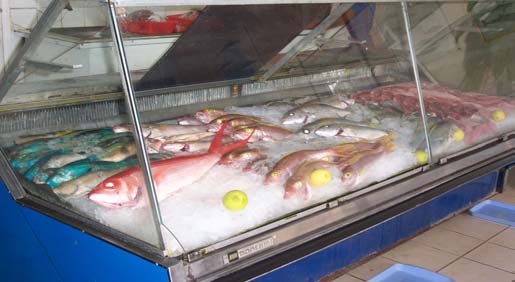
Table 18: Number of operated fishing projects for 1982 to 2003
Province '82 '83 '84 '85 '86 '96 '97 '98 '99 '00 '01 '02 '03
Tafea
1 1 2 2 8 9 9 23 20 14 21 21 22
Shefa
1 4 6 12 10 33 33 21 17 22 33 29 32
Malampa 2 3 3 14 19 23 15 3 3 16 22 17 17
Penama 0 0 5 8 11 2 0 0 0 8 10 2 4
Sanma
2 2 5 15 17 15 19 34 33 16 16 8 13
Torba
0 0 0 1 3 1 3 7 4 1 1 1 1
Total
6 10 21 52 68 83 79 88 77 77 103 78 89
Production and marketing
Catch rates from various SPC bottom
fishing trials in Vanuatu were given
in Dalzell and Preston (1992). Based
on 80kg/trip and 160 trips/year,
Crossland (1984) estimated an
annual production of 320,000 kg
(VUV 32 million) per project.
The advent of the deepwater fishery
also established a marketing scheme.
Originally, the Natai Fish Market in
Port Vila, operated by a government-
owned company called Port Vila Fisheries Limited, received all catches from fishing
projects from around Vanuatu, including those based on Efate between 1982 and 1997.
Transportation to Port Vila was all by air using large coolers, fish boxes and fish bags.
Due to increased production, a second marketing operation, Santofish, was established in
1983 at Luganville which purchased fish caught along the east coast of Santo (largest
fishing grounds) and outer islands.
Fisheries extension centres on the outer islands (seven total: one each on
Tongoa/Sheperd, Malekula/Lakatoro, Banks/Sola, Ambae/Lolowai, Epi, Santo and
Efate/Tafea) purchased and re-sold fish between 1987 and 1993. On Santo and Efate,
fisheries extension centres do not deal with purchases and sales of fish as they are
handled by Santofish and Natai, respectively.
However, because of better prices offered, bottom-fish increasingly went directly to the
restaurants and supermarkets in Vila. The total catch (kg) landed and the average catch
per trip (kg), by area and year, under the VFDP fishing operation between 1982 and 1986
is recorded below (adapted from Schaan et al. 1987):
Table 19: Catch per trip for the years 19821986
Area 1982
1983
1984
1985
1986
Tanna
1,540 1,165 2,867 3,883 13,547
(C/trip) -45.3
-35.3 -33.7 -39.2 -33.1
Efate -
-
4,021
11,212 5,593
(C/trip) -
-
-45.7 -40.3 -40.5
Tongoa -
-
6,874 6,323 1,010
(C/trip) -
-
-44.6
-40 -36.1
Epi
4,412 6,481 8,219 2,082 2,093
(C/trip) -33.9
-38.6 -39.3 -32.5 -30.3
Paama
2,981 11,895 6,314 10,118 7,059
(C/trip) -69.3
-43.6 -29
-28.8
-27.7
44
Area 1982
1983
1984
1985
1986
Ambrym -
-
3,515 7,033 4,383
(C/trip) -
-
-41.8 -27.9 -20.1
Malekula
416 5,514 502 6,648 15,646
(C/trip) -23.1
-35.3 -31.4 -27.2 -30.6
Santo
399 16,936 5,935 22,716 16,154
(C/trip) -20
-22.9 -27
-35.1
-26.4
Pentecost
-
1,883 3,040 6,950 2,315
(C/trip)
-
-12.6 -27.1 -30.2 -21.1
Ambae -
663 8,508 5,587 4,696
(C/trip)
-
-30.1 -23.6 -19.9 -21.3
Banks-Torres -
-
-
328
1,469
(C/trip) -
-
-
-41 -24.5
Vanuatu
9,658 44,177 49,795 82,501 73,965
(C/trip) -39.7
-28.9 -32.2 -31.6 -28.4
In an attempt to estimate the production of the bottomfish fishery in Vanuatu by species,
Schaan et al. (1987) established a length/weight correlation for the main 11 species, of
which, length data were collected. This was used to estimate weight, by species, of those
fish landed under the VFDP between 1982 and 1986. The results are shown in Table 20.
Table 20: Estimated weight by species
Species Est.
weight
% by weight
# measured
% by number
(kg)
L. malabaricus
4,224 5.7
3,720 8.6
E. carbunculus
13,639 18.4
4,635
10.8
E. coruscans
8,550 11.5
2,992 6.9
E. radiosus
2,218 3.0
791
1.8
P. filamentosus
3,671 4.9
2,556 5.9
P. flavipinnis
3,978 5.4
4,940 11.4
P. multidens
10,938 14.7
7,924
18.4
A. rutilans
917 1.2 301 0.9
E. magniscuttis
1,715 2.3
742
1.7
E. morrhua
1,573 2.1
904
2.1
E. septemfasciatus
1,532 2.1
414
1.0
Sub-total 52,955 71.3
29,919 69.5
Others 21,320
28.7 13,131
30.5
Total 74,275
100 43,050
100
Cillaurren (1988) estimated bottomfish production around Efate in 1988 to be 48,800 kg.
The maximum sustainable yield for Efate was estimated to be 98,000 kg, thus the catch
represent only 50% of the total potential production from the area.
Annual patterns concerning fishing effort, yields (total catch weights and fish numbers),
and mean catches are presented in Figure 2. As of 1983, there was a steady rise in the
overall fishing effort, as shown by the regular increase in the number of fishermen's
associations. As of 1989, this trend was reversed because there were too many
associations for the market volume and local outlet potential. Many associations were
therefore disbanded due to a lack of sufficient income.
Deepwater bottomfish production by Department of Fisheries Extension
Centres (19901992)
Fisheries Department Extension centers played a significant role in purchasing deepwater
fish from fishermen. Most of the fish bought from fishermen were re-sold, with surpluses
being freighted to either Santofish or Natai Fish market in Port Vila. Combined catch
45
landings at the Fisheries Extensions from 1990 to 1992, by species, are given in Table
21.
Table 21: Deepwater bottomfish landed (kg) at all the outer islands fisheries extensions
centres
Species 1990
1991
1992
E. carbunculus
1,586.8 1,892.2 1,845.0
E. coruscans
1,733.3 1,562.2 3,322.7
E. radiosus
157.7 413.6 518.3
P. multidens
557.7 55.2
1,884.7
P. flavipinnis
81.1 168.6 805.3
P. filamentosus
1,492.1 3,321.6 9,810.9
L. malabaricus
909.2 1,346.8 3,695.1
A. rutilans
49.5 67.8 601.6
S. rivoliana
229.2 546.0 1,119.8
E. magniscuttis
325.9 270.6 1,067.0
E. morrhua
116.4 279.2 363.1
E. septemfasciatus
252.8 118.4 264.9
Total
7,491.7 10,042.2 25,298.4
Source: Department of Fisheries database
Table 22: Natai Fishmarket deepwater fish purchases (kg) between 1988 and 1992
Species
1988 1989 1990 1991 1992
weight(kg)
weight
(kg)
weight
(kg) weight
(kg) weight
(kg)
Poulet 29,138.6
26,867.3
25,779.4 34,194.3 31,551.6
(Value VUV)
6,255,248
7,122,309 7,442,506 10,571,647 10,065,338
Sea perch
5,054.3
2,671.6 2,355.5 8,283.0 2,355.5
(Value)
967,100 843,992 938,523 2,429,147
938,523
Loche 4,097.1
3,077.2
2,031.5 3,186.8 2,031.5
(Value)
774,296 648,618 516,554 768,463 516,554
Amberjack 1,677.1
1,033.9 1,433.6 938.7 1,433.6
(Value)
231,128 154,304 224,781 180,943 224,781
Bream 5,597.9
2,301.1
3,155.7 2,800.6 3,155.7
(Valu) 676,283
449,911 611,644 665,062 611,644
Jobfish
1,538.0
210.0 270.1 450.0 270.1
(Value)
125,882 40,752 65,482 100,314 65,482
Total wt
47,103.0
36,161.1 35,025.8 49,853.4 40,798.0
(Value) 9,029,937
9,259,886
9,799,490 14,715,576 12,422,322
Source: Department of Fisheries database
46
Figure 2: Annual overall fishing effort, catch patterns per unit of effort and mean weight from 19801991
47
Table 23: Sales of bottom fish through Santofish from 1989 to 1992
Species 1989
1990
1991
1992
Total
weight (kg)
weight (kg) weight (kg)
weight (kg)
weight (kg)
Poulet3 28,247.9
29,626.6
34,180.4 27,033.0 119,087.9
Snapper 5,274.8
8,214.5
10,035.2 20,276.3 43,800.8
Bream 2,058.6
3,700.8
3,078.3 1,121.5 9,959.2
Loche 2,708.0
3,228.9
3,520.8 2,431.1 11,888.8
A/Jack 1,081.4
2,163.5
1,513.0 1,270.9 6,028.8
GJ Fish
152.9
330.6 369.4 159.5 1,012.6
Red
Emp
85.0 90.8 57.6 44.2 277.6
Total
39,608.6 47,355.9 52,754.7 52,336.5 192,055.7
Source: Santofish database
Table 24: Deepwater bottomfish production by province
Year
Tafea
Shefa
Malampa Sanma
Penama
Torba
Total
Value
1993 3,205
33,308 19,773 no
data 4,346 678
61,310
8,296,930
submitted
1994 7,063
26,563 5,814
no
data 1,682 no
data 41,122 10,563,363
collected
submitted
1995 5,691
23,477 11,670 no
data 4,715 no
data 45,553 10,958,750
submitted
submitted
1996 4,731
34,983 7,088
20,608
2,494 2,352 72,255
18,993,237
1997 5,886
30,468 5,286
19,198 527
745
62,109
17,000,425
1998
147 13,376
925 6,562 1,205 435
22,667
6,396,996
1999 no
data 13,684 656
4,839
no
data no data
19,178 6,156,521
submitted
submitted submitted
Total 28,805 211,550
74,662 51,207 25,198 10,454 324,195
78,366,222
Weights are in kg and values in vatu. Source: Department of Fisheries GRN database.
Because excess fish are sent to Natai fish market in Port Vila from Santofish and
Fisheries Extension Centres, there is a possibility of duplication of data if the sets are
combined to obtain the actual total landings using these three sources.
Purchases of poulet fish by Bon Marche in Port Vila in 1992, indicated that 3,000 kg
were received from Santo, 800 kg from North Efate (Lelepa), and 45 kg/week for 3
months (thus 550 kg) from one Efate fisherman. This amounts to 4,350 kg for that year.
Exports of deepwater bottomfish
In 1996, an export market was established which resulted in exports of deepwater bottom
fish overseas. Summarized below are quantities of poulet fish exported from Vanuatu.
3Note: Poulet = Etelis and Pristipomoides, Snapper = L. malabaricus, sea perch, Bream = Paracaesio, Loche = Epinephelus (especially,
E. septemfasciatus, E. morrhua and E. malgaiscuttis), A/jack = amber jack, GJ fish = gray jobfish, Red emp = Lutjanus sebae
48
Table 25: Quantities of poulet fish exported from 1996 to 2003
Year
Total quantity (kg)
Value (VUV)
1996 635 136,269
1997 75 225,000
1999 4,818 3,264,416
2001 6,685 4,369,075
2003 5,273 3,244,200
Source: Department of Fisheries export permits
GRN catch sales records4
Summarized below are records of deepwater bottom fish caught by fishing projects and
sold on the domestic market for the years 2000, 2001, 2002 and 2003.
Table 26: GRN catch sales records of deepwater bottom fish for the 2000
Species
Total quantity (kg)
Value (VUV)
Amberjack 679
473,300
Loche (Ephinelus spp.)
1,583
791,500
Large eye bream
6,359
3,179,500
Green jobfish
933
466,500
Red jobfish
438
306,600
Short tail poulet
12,460
8,722,000
Long tail poulet
6,351
4,445,700
Other sp
4,584
2,292,000
TOTAL 34,324 21,145,600
Table 27: GRN catch sales records of deepwater bottom fish for 2001
Species
Total quantity (kg)
Long tail poulet
4,055
Short tail poulet
3,086
Large eye bream
203
Stripped bream
257
Loche 974
Red jobfish
101
Amberjack 420
Other sp
123
TOTAL 9,219
Table 28: GRN catch sales records of deepwater bottom fish for 2002
Species
Total quantity (kg)
Value (VUV)
Amberjack 18
5,430
Bm. striped loche
4
1,300
Kusakars snapper
3
900
Large eye bream
34
10,200
Large scaled jobfish
27
12,150
Short tail poulet
203
86,000
Red silver jaw
54
14,110
4 Since 19891990, fisheries extension centres have used a receipt system -- the goods received note, or
GRN -- designed to provide information on catch, effort and catch composition.
49
Species
Total quantity (kg)
Value (VUV)
Sea perch
28
8,400
Spotted loche
51
15,150
TOTAL 1,373
484,020
Table 29: GRN Catch sales records deepwater bottom fish for 2003
Species
Total quantity (kg)
Value (VUV)
Amberjack 281
100,270
Bm. striped loche
112
35,950
Kusakars snapper
18.5
7,000
Large eye bream
455
142,310
Large scaled jobfish
270
145,445
Pink tail jobfish
279
125,650
Red short tail poulet
3,627
1,568,635
Red long tail poulet
2,321
907,626
Red silver jaw
944
456,720
Silver jaw
22
9,670
Sea perch
357
130,370
Spotted loche
229
77,565
Seven banded loche
46
18,015
Stripped bream
7.5
3,000
White poulet
92
18,000
Yellow Jobfish
679
232,968
TOTAL 21,836
7,334,197
10.1.5 Stock status
Eleven species of deepwater bottomfish, belonging to two families (Lutjanidae and
Serranidae), account for more than 80% of Vanuatu's fisheries production. Almost half
of the production identified are Etelis spp., a third are Pristipomoides spp., and the rest
includes Epinephelus spp., Lutjanus malabaricus and Aphareus rutilans. Mean sizes are
represented by modal lengths determined during experimental fishing trips (Brouard and
Grandperrin 1985). Village fisheries catch sizes range from 20100 cm for Etelis spp.,
and Aphareus rutilans spp. (jobfish); 16120 cm for Epinephelus; and 2580 cm for
Pristipomoides spp. and Lutjanus malabaricus. Some large-sized fish were recorded for
certain species such as Etelis carbunculus.
The vertical distribution of fishing effort shows two peaks located between 150 m and
200 m, and between 250 m and 300 m, with a subsequent sharp decline to a minimum at
around 400 m. Fishing yields (weight) increase steadily from the surface and reach a
maximum at 400 m. There is almost no fishing effort below 500 m.
The vertical distribution of fish species shows clear habitat stratification. Pristipomoides
spp. and Lutjanus malabaricus inhabit the water layer between 25 m and 300 m depth.
Etelis spp. are the main fish caught below 200 m depth, and E. carbunculus is caught at
the deepest levels. Groupers (Epinephelus spp.) and Aphareus rutilans are the most
common species in the intermediate waters between 100 and 350 m depththese fish do
not seem to be very depth-specific.
Two groups of species are the main targets of fishermen: Pristipomoides spp. and
50
Lutjanus malabaricus within the 100250 m layer, and Etelis spp. in the 200400 m
layer. These species seem to be much more gregarious than Epinephelus spp., which is
considered to be a solitary territorial fish (Moffit 1993). Groupers seem to be bottom
feeders and Lutjanidae species may also seek food close to the seabed. For all bottomfish
species, larval and juvenile forms are pelagic, preferentially colonizing coastal waters,
and nycthemerally migrating vertically, surfacing only at night (Parrish 1987).
Vertical fishing effort distribution patterns differ little between the islands. Generally,
the highest fishing yields do not correspond to maximum fishing efforts. The most
commonly caught species (Etelis spp. and Pristipomoides spp.) are found around all of
the islands. A few catch trends have been noted: Etelis spp. are preferential targets in the
eastern part of the archipelago, and there is higher Pristipomoides production in the
western and southern sectors. Note also that Lutjanus malabaricus nearly completely
disappeared in southern Vanuatu.
Cillaurren (undated) estimated that 74% of the 19871988 catch comprised Etelis and
Pristipomoides species, and that species composition in the 1987 landings showed that
18.2% were of E. carbunculus, 14.3% E. coruscans, 26.4% P. multidens and 15.3% P.
flavippinis. No significant change was observed for the 1988 catch except that percentage
composition of P. flavippinis decreased to 6.9. The catch production around Efate, with
seven operating fishing vessels, landed about 48,800 kg, only about 50% of the estimated
annual potential production of 98,200 kg around Efate. This study however, did not take
into consideration length frequency analysis.
Examination of catch data for the 19821988 period for catch and effort analysis for the
fishery and length frequency analysis on the four most commonly caught deep-water
snapper species, E. carbunculus, E. coruscans, E. radiosus and L. malabaricus is
reported in Carlot and Nguyen (1989). The results indicated that, overall, the catch per
unit of effort (CPUE) generally declined slightly as the number of boats increased. CPUE
for some specific locations, however, remained about the same except for a marked
decline detected for the Paama area. The authors showed that the overall relationship
between catch and effort gave little or no curvature even at the highest level. The
exploitation rate, E, was calculated to be 0.26, which suggests moderate exploitation of
the stocks of these species, given limitations of the data. Examination of the data also
indicated evidence of decline in both the mean length and the 95 percentile. The authors
concluded that their results appeared to be consistent with the conclusion that stocks
were at that time underexploited.
Carlot and Nguyen (1989) also calculated optimum fleet size for the bottomfish fishery
in Vanuatu using two methods, those of Gulland 1971 and Pauly 1984. The Gulland
method yielded an optimal fleet size of 138 vessels, while that of Pauly gave 55 vessels.
Based on different assumptions and calculations, Brouard and Grandperrin (1985),
estimated that 120 boats would generate the maximum sustainable yield (MSY).
The most recent and accurate MSYs for the entire archipelago are provided by
Cillaurren, David, and Grandperrin (2001). The authors estimated a total MSY deepwater
bottom fish for Vanuatu to be 535 t/year, with a fishing zone between 100 m and 500 m.
Calculations of CPUE and MSY are based on catch data for the period 19811991. A
summary of the estimates are provided Table 30.
51
Table 30: Estimated MSYs for islands in Vanuatu
Island
Estimated 100500 m CPUE
Estimated maximum
isobath surface area
(kg/day-line)
sustainable yield
(ha)
(tonnes per year)
Torres 34,286
13.6
21
Banks 66,122
20.0
40
Maewo 25,277
<12.0
15
Ambae 18,525
<12.0
11
Pentecost 30,644
<12.0 19
Santo
152,528
12 - 26
92
Malekula 135,851 15
82
Ambrym 72,305
15 44
Paama
Total for Paama, Epi,
No estimate
13
Emae & Shepherd
Islands is 171,700
Epi
No
estimate
56
Emae
No
estimate
25
Shepherd islands
No estimate
9
Efate
117,456
9 13
71
Erromango 53,658
No
estimate 54
Tanna & Aniwa
61,914
16
37
Aneityum 14,816
No
estimate
15
10.1.6 Management
The MSY figures are rough estimates, although they should, nevertheless, assist
development planners in choosing their objectives. The bottomfish resources of the outer
reef slopes are, as it turns out, rather limited, which means that the fishery must be
managed with great care.
The growth rates of the main commercial species are fairly low but comparatively higher
for the shallow and intermediate species (Pristipomoides spp.) than for the deep species
(Etelis spp.) and that the depth stratification of the species corresponds to a stratification
in their vulnerability to intensive fishing" and because analysis was done on virtually
virgin stocks, very large-sized, therefore very old, Etelis are frequently caught. If fishing
pressure were to be increased significantly, it is very likely that these large specimens
will disappear. From both the catch and effort and length frequency analysis there is
evidence to suggest that the fishery is still under- exploited though there are slight
declines both in mean length and the larger fish (the 95th percentile) and also in the
CPUE for each island.
The fact that the relationship between catch and effort for the whole country suggests
that there is room for more effort caution should be taken, as there might be some
locations where the effort has reached its optimum level.
The change in marketing strategies has made it harder to collect accurate data
consistently. Thus tracing the trends in the fishery using only catch landings from the
private sector would require an improvement of the current data collecting system to
include those sold to stores and restaurants. Even though exploitation seems to be
moderate currently, small specimens (68") of Pristipomoides were seen being offered
for sale in one supermarket in Vila that was visited. Brouard and Grandperrin (1985)
noted that some species were being caught before they reach sexual maturity if 45 cm
was taken as the full recruitment length and would thus be sensitive to fishing pressure.
However, the smaller species are not recruited into the fishery until they are well above
52
their sexual maturity size.
There are indications that the interest and involvement of the private sector in this
particular fishery is levelling off or even declining due to the lack of government support
and limited local market. It has been noted that fishermen in Vanuatu can be so easily
tempted away from the sea that it must be ensured that there is a ready supply of inputs
to fishermen (MacAlister Elliott and Partners 1992). Overall this could indicate the
trends in profitability of fishing for the fishery when either the resource or the market, or
both, are limited. The local market alone limits the fleet number that can economically
operate within the fishery.
Current legislation/policy regarding exploitation
There is currently no legislation that specifically controls the exploitation of the deep-
water demersal fishery. However, current government policy reserves the exploitation of
this resource only for local fishing enterprises owned by citizens and natural citizens of
Vanuatu.
Recommended legislation/policy regarding exploitation
Given the commercial value of this resource and the need for sustainable utlisation, the
Department of Fisheries should develop a management plan for the deepwater demersal
fishery that would place a limit on boat numbers and establish quotas in specific fishing
areas in Vanuatu.
In order to give the management plan legal back up, the minister responsible for the
fisheries sector -- using powers accorded under the Fisheries Act -- should make
regulations that impose limits on fishing craft numbers, fishing gear, size of hooks, and
establish provincial demersal fishery quotas based on calculated MSYs.
Table 31: The different stages in the sexual maturation scale as recorded by Brouard et al.
(1985)
Stage Males
Females
1
Indeterminate sex
Indeterminate sex.
2
Gonad poorly developed, long and thin;
Gonad poorly developed but rather thicker
translucid; whitish to pinkish in colour
than a mere filament; translucid; slight
vascularization.
3
Flattish testicle; pinkish white colour;
Opague ovary with strong vascularization
does not run after cutting
ranging from pink to red; oocytes not visible
to the naked eye.
4
Thick testicle, white; runs slightly after
Well developed ovary with strong
cutting.
vascularization colouring yellow to dark red;
transparent membrane; granulous
appearance; oocytes visible to the naked eye.
5
Thick testicle; often with a triangular
Swollen and granulous ovary with very thin
section; curdled milk appearance; white
and fragile membrane.
colouring, runs easily after cutting.
6
Running ripe
Running ripe
7
Flaccid testicle, spent and burgundy
Spent ovary with strong vascularization; red
strong vascularization.
colour, early in this isolation oocytes can still
found after cutting.
53
Table 32: Lengthweight relationships for some deepwater bottomfish species as calculated
by Brouard and Grandperrin (1985), where W = aFLb where FL is the fork length in cm, and
W is weight in grams.
Species a
b
Aphareus rutilans 0.00336
3.311
Aprion virescens 0.00345
3.330
Epinephelus areolatus 0.13556
2.327
E. magniscuttis 0.03916
2.754
E. morrhua 0.06058
2.624
E. septemfasciatus 0.00332
3.348
Etelis carbunculus 0.02161
2.950
E. coruscans 0.04105
2.758
Gnathodentex mossambicus 0.04012 2.824
Lethrinus miniatus 0.03293
2.728
L. variegatus 0.18224
2.284
Lutjanus argentimaculatus 0.00540
3.206
L. bohar 0.00003
4.606
L. gibbus 0.00006
4.646
L. malabaricus 0.00853
3.137
Paracaesio kusakarii
0.01059 3.135
P. stonei
0.19977 2.402
Pristipomoides flavipinnis
0.02991 2.825
P. multidens
0.02003 2.944
P. typus 0.03909
2.733
Seriola rivoliana
0.00636
3.170
Tropidinius argyrogrammicus 0.00976 3.221
T. zonatus 2.50119
1.612
10.2 Tunas
10.2.1 Species present
The commercially important species in the local tuna fishery include skipjack
(Katsuwonus pelamis), yellowfin tuna (Thunnus albacares), mackerel tuna (Euthynnus
affinis), dog-tooth tuna (Gymnosarda unicolor), and albacore (Thunnus alulunga).
Bigeye (T. obesus) and frigate tuna (Auxis thazard) have also been recorded.
10.2.2 Distribution
Tunas found in Vanuatu are generally believed to migrate throughout the region at
various times of the year. The same fish found in Vanuatu may, depending on the season,
also be found in the waters of other Pacific Island countries, such as the Solomon
Islands, Fiji and Australia, as well as in the high seas areas. Stocks are, therefore,
regional tuna stocks rather than belonging to any one country. Distribution of tunas is
summarized below.
Skipjack tuna
Skipjack tuna exhibit a strong tendency to school in surface waters and are abundant and
widely distributed throughout the world's oceanic surface waters, except in the Black
Sea. Surface-schooling, adult skipjack tuna (>40 cm fork length, FL) are commonly
found in tropical and subtropical waters of the Pacific Ocean. Skipjack in the western and
central Pacific Ocean (WCPO) are considered to be a single stock for assessment
54
purposes.
In the western Pacific, warm, poleward-flowing currents near northern Japan and
southern Australia extend this tuna's distribution to 40ºN and 40ºS. These limits roughly
correspond to the 20ºC surface isotherm.
A substantial amount of information on skipjack migration and movement is available
from tagging programmes. In general, skipjack movement is predominantly from east to
west in the WCPO but is highly variable due to environmental events. During warm El
Niño events, the warm pool (oceanic area with sea surface temperature >28ºC) and part
of the skipjack stock are displaced eastward towards the EEZs of the Marshall Islands,
Nauru and Kiribati. Conversely, during La Niña, or cool events, the warm pool
compresses and skipjack are concentrated towards the western Pacific near Papua New
Guinea and the Federated States of Micronesia
Yellowfin tuna
Yellowfin tuna are abundant worldwide in tropical and subtropical seas, particularly in
the Pacific Ocean. Juveniles commonly school in surface waters in the WCPO with
skipjack and, to a lesser extent, bigeye tuna. Adult yellowfin in the WCPO are located in
deeper waters but are usually above the thermocline, a zone of rapidly changing water
temperature.
The population ranges between 40°N and 35°S in the western Pacific, and 35°N and 33°S
in the eastern Pacific. Restricted mixing between the western and eastern Pacific based
on genetic and tagging data suggests that there are two stocks in the Pacific. Unlike
skipjack tuna, adult yellowfin (>100 cm FL) are found in warm surface waters of the
tropical Pacific, as well as in cooler subsurface waters.
Bigeye tuna
Bigeye tuna are distributed worldwide in tropical and temperate seas, but are absent from
the Mediterranean. Juveniles and small adults may school at the surface with other
bigeye tuna or with yellowfin and/or skipjack. Adult bigeyes inhabit greater depths than
the other tropical tunas and are often associated with the thermocline.
Adult bigeye tuna (>100 cm FL) inhabit the tropical and temperate waters of the Pacific
Ocean between northern Japan (40°N) and northern new Zealand (40°S) in the west, and
from about 40°N to 30°S in the east, except near waters of Central America between 5°
and 20°N. Overall habitat is limited by temperature and dissolved oxygen concentration.
Within these limits, food supply is probably the major determinant of distribution.
Albacore tuna
Albacore distribution is quite different from the three tropical tunas. Juvenile albacore
concentrate in temperate areas where food is abundant, commonly at the ocean surface
along frontal zones. Their distribution includes the Mediterranean Sea extending north to
45° to 50° and south to 30° to 40° but not at the surface between 10°N and 10°S.
Mature albacore gradually disperse to subtropical areas and inhabit deeper waters within
the thermocline.
Mackerel tuna
These tuna are found throughout the warm waters of the Indo-West Pacific, including
oceanic islands and archipelagos. A few stray specimens have been collected in the
eastern tropical Pacific.
55
Dog-tooth tuna
Dog-tooth tuna inhabit waters of the tropical Indo-West Pacific from the Red Sea and
East Africa, eastwards to Japan, the Philippines, Papua New Guinea, and Australia and
out into the islands of Oceania.
Frigate tuna
Distribution is probably throughout warm oceanic waters but there are only a few
documented occurrences in the Atlantic Ocean
Skipjack, yellowfin, bigeye and albacore tunas are present year round in Vanuatu's
waters (Bigelow 2001). The skipjack resource is considerable, given the adjacent
fisheries in Fiji and the Solomon Islands. Most of Vanuatu's waters lie in areas where
albacore are more prevalent, that is, albacore tunas inhabit cooler waters to the south of
20ºS. Aerial surveys for surface tunas, conducted by ORSTOM and funded by the
Vanuatu Government between April 1980 and April 1981, spent 250 flying hours
(prospecting for tunas). One hundred and ten schools were sighted in different areas with
the greatest numbers around Efate, accounting for 17.30% of the schools sighted, West
Santo 15.5%, East Loyalty 10%, and East Tanna and Aneityum 9.1%. The survey
indicated no clear seasonal pattern of abundance and distribution in Vanuatu's waters,
except that fewer tuna were found between April and November.
The most recent and up to date scientific assessment of the status of the stocks is
undertaken by fisheries scientists from the Oceanic Fisheries Programme (OFP) of SPC
in Noumea. OFP carries out stock assessments and related analyses of highly migratory
tuna stocks and publishes results in a number of formats including:
· National Fisheries Assessments for each country;
· The OFP Tuna Fishery Yearbook; and
· The OFP Regional Tuna Bulletin.
Up to date information and publications can also be obtained from the SPC Oceanic
Fisheries Programme website at: www.spc.int/oceanfish.
10.2.3 Biology and ecology
Many tuna species migrate considerable distances, swimming continuously. They eat
substantial amounts of food and have rapid growth. Many species maintain core body
temperatures several degrees above the surrounding sea temperature. Open sea species
feed largely on epi-pelagic fish, squid, and crustaceans. Near-reef species also utilise the
larval and early juvenile stages of reef fish and crustaceans as prey. Reef-associated
species prey on large zooplankton or fish that occupy the water above the reef (Myers et
al. 1991).
Skipjack tuna
Skipjack commonly grow to a length of 80.0 cm FL and a weight of 810 kg. Growth is
similar to yellowfin and bigeye tuna in the first year and slower thereafter, although
significant differences occur between individuals. Skipjack longevity is about five years
as the longest period at liberty for a tagged skipjack 4.5 years. Reproductive maturity is
reached at 4045 cm, corresponding to an age of one year or less.
Skipjack reproduction is especially frequent in an equatorial band between 10°N and
10°S. Spawning has been known to occur in both the WCPO and to some extent in the
eastern Pacific, if the water temperature is >25°C. Spawning occurs throughout the year
in equatorial and tropical waters, but only during summer months at higher latitudes.
56
Data analysis obtained during the SPC (October 1977August 1978) assessment
indicated that by maturity, skipjack populations are dominated by females. The presence
of female skipjack with recovering gonads in Vanuatu in December 1977 and January
1978 indicated that annual spawning occurs in Vanuatu waters during the period between
December and January. Data suggests that skipjack spawning in Vanuatu waters exhibits
seasonal periodicity. The typical diet of skipjack in Vanuatu waters includes squid,
juvenile tuna (several species in the family Scombridae), surgeonfish (Acanthuridae) and
the alima stage of stomapods.
Yellowfin tuna
Yellowfin commonly grow to a length of 150 cm FL and are relatively fast growing.
Yellowfin tuna attain reproductive maturity at 105 cm, probably before the age of two
years. Spawning occurs throughout the year within 10 degree of the equator. Spawning is
progressively confined to summer months at higher latitudes when sea surface
temperatures are >24°C. Spawning usually occurs at night with a mean spawning interval
of approximately two days. Reproductively active fish are vulnerable to troll, purse
seine, and shallow handlines and longlines, whereas deeper longlines catch mature, but
reproductively inactive fish.
Tagging studies for the western Pacific indicate extensive movements between 1200E and
1700W longitudes, with distinct stocks in the eastern Pacific and WCPO. Juvenile
yellowfin often occur in mixed schools with skipjack of the same size, but as they grow
they begin to inhabit deeper, cooler waters. Available data suggest that yellowfin tend to
increase in size from west to east.
Bigeye tuna
Bigeye tuna commonly grow to a length of 180 cm FL with a maximum length of over
200 cm. Bigeye are believed to be significantly longer lived than yellowfin. Several
tagged bigeye have been recaptured in excess of eight years at liberty (the longest period
at liberty is currently 8.2 years). These fish were aged between two and three years at
release, which suggests that significant numbers of fish survive at least until 10 years of
age. Bigeye mature at a size of 100300 cm probably during their third year of life.
The distribution of bigeye larvae suggests that they spawn in the western Pacific between
30°N and 20°S, and in the eastern Pacific between 20°N and the equator. Similar to
yellowfin tuna, bigeye spawning occurs at night with a spawning frequency of ~2 days;
however, the duration of the spawning season for individual bigeye is not known.
Albacore
Albacore commonly grow to a length of 60100 cm with a maximum length of 130 cm.
Growth is relatively slow and the lifespan relatively long compared with the three
tropical tunas. Albacore grow at a rate of approximately 8 cm per year from ages two to
five, with slower growth thereafter. Significant numbers of albacore probably reach an
age of 10 years or more and the longest period at liberty for a tagged and recaptured
albacore is 11 years.
Albacore reach reproductive maturity by 82 cm, which corresponds to an age of at least
five years. In contrast to the tropical tunas, albacore larvae are rare in the equatorial
Pacific. Adult albacore tuna (>80cm FL) in the South Pacific spawn in tropical and
subtropical waters between 10°S and 25°S from November to February. The main
spawning area for albacore in the South Pacific is from 1525°S in summer months.
Albacore are also found in the North Pacific, though the northern and southern stocks are
generally considered to be separate.
57
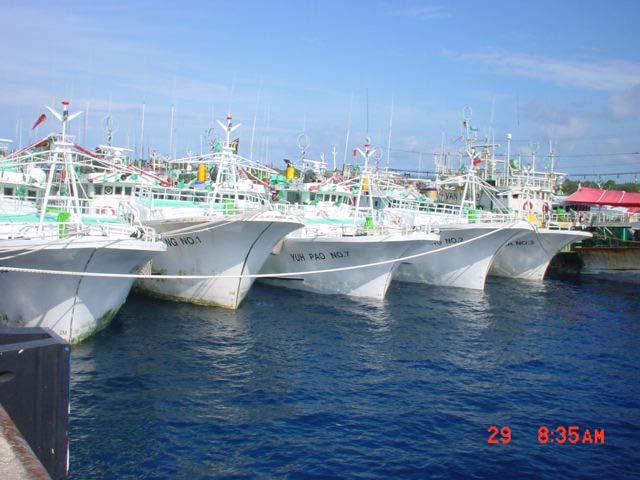
Albacore are distributed Pacific-wide, with juveniles concentrated in the sub-tropical
zone between 3540°S from east of New Zealand to 1300W. Adults tend to concentrate
around 1530°S.
10.2.4 The Fishery
History of Vanuatu's tuna fishery
Foreign and International Involvement
Vanuatu tuna resources are exploited at the industrial, artisanal and subsistence level.
The following Vanuatu summary is largely based upon the studies of coastal fisheries in
the Pacific (Dalzell et al. 1996) and the Republic of Vanuatu Tuna Management Plan.5
Since the mid-1950s, commercial
fishing for tuna within Vanuatu's EEZ
has occurred at a low level (Wright
1989). Japanese longliners were the
first to arrive, but were replaced by
Korean vessels around 1967, and by
Taiwanese vessels after 1975 (Habib
1984). Albacore was the principal
target species for canning in the USA,
Japan and other countries.
Vanuatu's involvement in commercial tuna fishing began in 1957 with the establishment
of the South Pacific Fishing Company Limited (SPFC) based at Palekula, on Espiritu
Santo Island. SPFC was established by the Japanese Mitsui and Company, with the
objective of conducting tuna transshipment operations of longline vessels. The facilities
established at the Palekula Base were large and occupied some 24 ha of relatively flat
land, which had been initially developed by the US Navy during World War II.
The SPFC complex consisted of a main wharf, slipways (one 500 GRT and one 50 GRT),
cold storage, two bait freezers (5,000 cartons of bait in 10 kg boxes/room), two quick-
freeze rooms, unloading area, engine room, large brine block ice makers with crusher, a
loading facility, housing and workshops.
In 1974, much of the plant was upgraded, with a new cold storage facility replacing the
old one. The new cold storage unit was in three rooms, each holding from 500600 t of
frozen fish. A new engine room was also installed with three large Yanmar diesels with
alternators for power, and four large compressors for the ammonia refrigeration system.
The bait freezers and quick-freeze rooms were retained. The ice facility was abandoned
with ice made by filling plastic bags with water and placing them in the quick-freeze
rooms. A new "T" section was added to the existing main wharf, so that larger carrier
vessels could come alongside to load. In addition, a new fuelling wharf was installed at
this time, which was also used for vessels to tie up to, as well as two large fuel storage
tanks and a pump house with pumping equipment.
Over the years, many longliners from different countries worked out of the Palekula
Base. Unfortunately, the transshipment side of the base's operation closed in 1986, when
the remaining vessels relocated to American Samoa to take advantage of incentives
5 The Republic of Vanuatu Tuna Management Plan A National Policy for the Management of Tuna Fisheries
was produced in April 2000 and subsequently adopted by the government in 2001. Additional details are
available at http://www.fao.org/fi/fcp/en/VUT/body.htm.
58
offered by processors there. At this time, the facility was turned over to the Government
of Vanuatu. The slipways were still operational and the government continued using
them until 1998, when financial problems with SPFC caused their closure.
In 1987, a Russian purse seiner paid a reported USD 1.5 million to access the Vanuatu
fishing zone. It only reported a catch of some 12 t of tuna during the short period of
operation.
Also in 1987, the Treaty on Fisheries between the Governments of Central Pacific Island
States and the Government of the United States of America, administered by FFA,
entered into force. The Treaty allows US purse seiners licensed under the Treaty to fish
in Vanuatu waters. This has occurred on only four occasions in 1999 with very small
catches.
Vanuatu's next major experience with tuna fishing was with the development of a
Bilateral Agreement between the Government of Vanuatu, through SPFC, and the
Kaohsiung Fishermen's Association of Taiwan in 1989. Under this agreement, an
unlimited number of vessels could fish in Vanuatu waters, with the license fee set at USD
5,000 per vessel. There were no minimum terms and conditions under this agreement and
it is still in force today with varying numbers of vessels taking out licenses annually. The
government intends to re-negotiate this agreement to bring it in line with national and
international requirements and standards as they apply to Vanuatu.
In the mid-1990s, two tuna fishing enterprises were established, each managing vessels
in Vanuatu. The first, International Tuna Services Limited (ITSL), operated two purse
seiners and one longliner. The purse seiners were Korean, although the vessels were
Vanuatu flagged. The company was 51% Vanuatu owned, which at that time allowed the
vessels to be licensed as local fishing vessels, with an annual fee of VAT 500,000 per
vessel. Unfortunately, in March 2000, low prices world-wide for canning-grade tuna
forced these vessels to stop fishing until the economic climate improved.
TOHO Vanuatu Limited operated a single freezer tuna longliner, which was Japanese
owned and licensed under a trial/experimental arrangement in Vanuatu, paying a fee of
VAT/month 20,000 (VAT/year 240,000). The operation started in late 1995, making 20
day trips and landing 1520 t/trip. The vessel transshipped its catch from Noumea, where
it also took on fuel and provisions. This venture operated for only four months.
During 1999 and 2000, the government negotiated with four Fijian-based companies.
Tuna Pacific Agencies Limited and CKR Fisheries Limited signed agreements for up to
16 vessels each to fish in Vanuatu waters. The other two companies, Tuna Pacific
Company Limited and Jiko Fishing Company Limited, signed agreements that allocated
up to 16 vessels each.
The licensing fees for all Fijian companies has been set at USD 8,000 per vessel (license
fee of USD 7,000 and an observer fee of USD 1,000). The vessels are able to fish in
Vanuatu waters and only need to provide entry and exit reports with a faxed copy of the
log sheets. All catch is landed to processors back in Fiji. Under the agreements, a vessel
monitoring system is required.
Domestic and locally based development
Domestic interest in catching tunas did not begin in Vanuatu until the early 1980s, when
the VFDP was established under the European Development Fund (EDF) in 1982.
Canadian volunteers were involved in the VFDP, setting up commercial fishing
enterprises at the village level around Vanuatu. The focus was to develop a fishery based
on exploiting deepwater snappers, using wooden handreels and boats supplied as part of
the project.
59
A supporting component of the VFDP was the construction and deployment of fish
aggregating devices (FADs) in selected areas. The purpose of the FADs was to provide a
fishing location where boats could go to catch small tunas, mainly skipjack and juvenile
yellowfin, which could be used as bait for fishing deepwater snappers. Several FADs
were deployed off Port Vila in late 1982 and early 1983, and the Department of Fisheries
promoted their use by local fishermen. These FADs were also used by charter
sportfishing vessel operators working out of Port Vila, to increase the potential of
catching fish for their paying customers.
Also during 1983, the Department of Fisheries, with technical assistance from the (then)
South Pacific Commission, conducted experimental fishing trials around the Port Vila
FADs. These trials included the use of vertical longlines, single-hook drifting lines and
gillnets, as well as normal trolling techniques. Trolling catches from around the FADs
were quite high at 9.0 kg/line-hour, with the occasional lure and fish lost to sharks.
Sharks were the main catch from the gill net fishing trials, with the nets being badly
damaged.
FADs were deployed in other locations around Vanuatu, in the vicinity of VFDP centres
where there were bait shortages and there was a suitable location for a FAD. The FADs
also provided an alternative protein source to villagers, especially in the rural areas.
As part of the VFDP, two fish markets were established in 1983, one in Port Vila and the
other in Luganville. The marketing strategy for the village projects was that each centre
would sell catch locally, usually the lower value species, with the higher value species
transported to one of these centres for either local or export sale. In fact, it was a
requirement of the VFDP that all fish, apart from those sold locally in rural areas, had to
be sold to the two government-owned fish markets. The problem with this arrangement
was that the two fish markets would not normally purchase tunas, which meant that
unless the tunas caught around FADs could be sold locally in the rural areas, there was
no market available in the main centres. This marketing approach greatly restricted any
development in small-scale tuna fishing.
The use of FADs continued into the 1990s, after the conclusion of the VFDP. The
Department of Fisheries had materials received under the EDF as well as Japanese aid in
goods and services. The location of the FADs was gradually restricted to the two main
centres, Port Vila and Luganville. This was due to the dwindling materials available, the
lack of funds to purchase new materials, and the fact that the main users were the charter
sportfishing operations and some local fishermen in these areas. In fact, the charter
sportfishing operators and small-scale fishermen using the FADs in the mid and late
1990s purchased some of the materials to complement those still held by the Department
of Fisheries. The charter sportfishing operators then used their own vessels to deploy
several FADs off Port Vila.
In November 1995, Vanuatu Fishing Investments Limited (VFIL) was established as a
locally incorporated company owned by New Zealand interests. VFIL's agreement
included the leasing of the Port Vila fish market set up under the VFDP (which had been
operating at a reduced level for several years) to use for their fishing venture. The fish
market was known as Natai. VFIL was required to restore the equipment in Natai
(chillers, freezers, ice plants, etc.) to an operational condition, plus sell domestic market
products, including a range of imported seafood products.
VFIL was granted four locally based foreign fishing licenses at the time of signing the
agreement, and had access to another 10 such licenses if required. In July 1996, VFIL
had four vessels licensed, although only one actually came to Vanuatu to fish, F/V
Marine Princess (64 GRT). This vessel was set up for both tuna and demersal longlining,
with most trips lasting around six days using a mix of both gears. Unfortunately, this
venture pulled out of Vanuatu in December 1997. The reasons for this were not clear,
60
however, it is thought to be was a mix of inexperience at fishing in Vanuatu, mixing
fishing techniques, low catch rates, and varying prices for both export and domestic
sales.
Since the failure of VFIL, no other locally based commercial tuna fishing has taken
place. The Natai fish market has been sold to private interests, who bulldozed the
premises in early 2000 to build a supermarket with a fish display and a take-away food
section. However, charter sportfishing operators continue their operations with a great
reliance on FADs to increase their fishing prospects for tunas and billfish. In July 2000,
there were eight charter sportfishing vessels operating from five different companies in
Port Vila, and one vessel working out of Luganville.
Recent development of the Vanuatu tuna fishery
Local vessels
Unlike in years past, tunas currently form an important component of the local artisanal
and commercial fisheries. Catches are made by trolling mostly around FADs using small
(~5+ m in length) outboard powered vessels. Most catches are sold locally but skipjack
forms the major bait of the deepbottom fishery for "poulet" (deepwater snappers, Etelis
and Pristipomoides species).
Locally based foreign vessels
As a trial, in 2003 the government -- through the Department of Fisheries -- issued up
to eight locally based foreign fishing licenses. The licenses expired in October 2004.
Seven of the locally based foreign fishing vessels were of Chinese Taipei origin
chartered by a local fishing company known as the "Sound Fishing Group". The eighth
vessel was a Russian fishing boat chartered by another local fishing company known as
"Sushi Fresh". Three of the vessels sunk in Port Vila harbour as a result of a cyclone in
2004, leaving only five vessels in operation.
The vessels were allowed to fish up to nine nautical miles measured from the Vanuatu
base lines. As a condition, the vessels were required to offload all their catch in Vanuatu
for re-export overseas and for local consumption.
Foreign fishing vessels
The number of foreign fishing activities has increased from 14 in 1999 to 137 in 2003.
This increase is a result of bilateral fishing agreements the Government of Vanuatu
signed with nine different foreign fishing companies.
Only one out of the nine foreign fishing companies has a local agent based in Port Vila,
while the other eight are based in Fiji. The foreign fishing vessels were licensed by the
Department of Fisheries to fish for tuna and tune-like species in Vanuatu waters. The
vessels were prohibited to fish in territorial waters.
Table 31 lists the number of licensed foreign, locally based foreign, and local fishing
vessels that fished in Vanuatu waters for the period between 1996 and 2003.
61
Table 31: Number of licensed fishing vessels, 19932003
Year Foreign
fishing
Locally-base foreign
Local fishing vessels
vessels
fishing vessels
1996 34
1
7
1997 26
0
1
1998 15
0
3
1999 14
0
4
2000 63
0
9
2001 54
0
6
2002 105
0
6
2003 137
8
9
Production and marketing
The Vanuatu-based Taiwanese vessels harvested up to 15,000 t/year fishing in the
albacore-rich waters of the open ocean south of Vanuatu and in the EEZs of neighbouring
countries. These "longline vessels (and formerly Korean and Japanese) fishing for
albacore took only a small portion (5002,000 t/year during the 1970s) of their catches in
Vanuatu waters" (Government of Vanuatu Second National Development Plan, 1987
1991). The catch-effort data, including tunas and billfish, between 1962 and 1977 by the
Japanese and Taiwanese longliners within Vanuatu fishing zone is given in Skipjack
Programme (1981).
Table 32: The combined tuna catch (in numbers of fish) for 19671977
1967 1968 1969 1970 1971 1972 1973 1974 1975 1976 1977
B/fin
33
1 1 19
7 26 219
0 14
10
33
Albaco 49,048
30,116 11,390 25,409
33,929 43,421 57,245 10,300 11,550 24,010 30,843
Bigeye 3,349 1,807 865 1,100 2,145 2,127 3,588 1,102 378 2,376 910
Y/fin 7,758
6,176
6,146
4,709
15,931 12,826 18,066 5,473 8244 7,064 6,317
S/jack
148
6 0 20
13
2 18 4 0 164
968
S/tunas
403
404
235
314
0 1 0 0 0 0
Total 60,303
38,509
18,806
31,492 52,339 58,402 79,137 16,879 20,186 33,624 39,071
1
Effort
1,104
475 2 33 143 188 102 14 5 2 1
2
Effort
546 493 417 667 1,152
1,271 2,216 772 749 1,305 1,332
1
Effort +2 1,650 968
419
700 1,295 1,459 2,318 786 754 1,307 1,333
Rate* 36.55
39.78 44.88 44.99 40.42 40.03 34.14 21.47 26.77 25.73 29.31
Effort1: Japanese vessels-effort in thousands of hooks; Effort2: Taiwanese vessels-effort in thousands of hooks
Rate*: Number of fish per thousand hooks - the number of fish is not the total number of fish caught as
billfish are excluded. The other portion of the catches comprises billfish reported under the Profile for Other
Oceanic Pelagics.
Table 33: Combined catches (t) by Japanese and Taiwanese fleets in Vanuatu waters
from 19721976
Catch
1972 1973 1974 1975
1976
Albacore
726 925 168 193
493
Yellowfin
420 525 172 211
250
Bigeye 101
164
53
19
132
Other 105
144
39
25
137
Total 1,352
1,758
432
448
1,012
No. fishing days
737
1,144
409
342
798
Catch per fishing day (t)
1.8 1.5 1.0 1.3
1.3
Source: Habib 1984
The Japanese pole-and-line fishing vessels, operating in the 1970s in the northern part of
62
Vanuatu's EEZ, took only modest quantities (3001,600 t/year) of skipjack (Government
of Vanuatu Second National Development Plan, 19871991). The monthly summary
catch by the Japanese pole-and-line vessel operation within Vanuatu's EEZ from 1974 to
1979 is presented in Table 34, below (adapted from Habib 1984). The data give a catch
range by pole-and-line of about 58 t/boat-day. Skipjack Programme (1980) gave figures
for the Japanese pole-and-line catch-effort within the Vanuatu fishing zone between 1972
and 1978, which were slightly different and are summarized in the same table but
marked*.
Table 34: Monthly catches by the Japanese pole-and-line vessels between 1974 and 1979
within Vanuatu's EEZ
1974
1975
1976
1977
1978
1979
Month Days
Catch
Days Catch Days Catch Days Catch Days Catch Days Catch
(mt)
(mt)
(mt)
(mt)
(mt)
(mt)
Jan 1
5 2
4 3
18
2
2
Feb 31
147
209
1,321
5
40
9
35
Mar
2 16 9 24
55 271
1 1
Apr 8
58
Sep 2
4 1
2
Oct 10
69
Nov
6 8 1 4
34
279
Dec 13
90
36
338
Total boat
2
67
14
261
8
82
days
Total
16
315
94
1,598
58 655
Catch (t)
Catch/boat 8.0 4.7 6.7 6.1
7.3
8.0
day
Total boat
1
31
12
134
8
days*
Total
14
138
96
697
53
catch (t)*
Catch/boat 14.0
4.5
8.0
5.2
6.6
day*
Landings and number of boats for the SPFC longline fleet are presented in Table 35.
These figures, however, do not reflect the proportion caught in Vanuatu waters or the
catch rates.
Table 35: South Pacific Fishing Company (SPFC) Landings by Longline Vessels at Palekula,
Espiritu Santo.
Year No.
of Albacore Yellowfin Bigeye Others Total
Total Fish Re-
Value of Re-
Vessels
(t)
exported (t)
exports
1969 24
8,450 Data
not
Data not available
available
1970 26
9,240 Data
not
Data not available
available
1971 45
13,403 Data
not
Data not available
available
1972 55
15,054 Data
not
Data not available
available
1973 57
14,310 Data
not
Data not available
available
1974 67
12,704 Data
not
Data not available
available
63
Year No.
of Albacore Yellowfin Bigeye Others Total
Total Fish Re-
Value of Re-
Vessels
(t)
exported (t)
exports
1975 46
6,314 Data
not
Data not available
available
1976 28
4,956 Data
not
Data not available
available
1977 55
10,063 Data
not
Data not available
available
1978 48
9,478 9,182
USD
14,376,143
1979 50
7,887 7,724
USD
13,929,587
1980 53
4,734
1,659
503
407
7,304
4,523
USD 9,348,498
1981 27
3,384
858
252
296
5,121 4,840
USD 9,348,498
1982 28
2,981
614
193
273
3,876 3,881
VUV 688,931,000
1983 19
4,178
369
204
280
5,030 4,541
VUV 794,869,000
1984 18
3,132
309
173
292
4,050 3,945
VUV 710,302,000
1985 12
3,058
516
222
136
4,032 3,962
VUV 760,830,000
1986
12
829
219
59
79
1,186
2,492
VUV 373,494,000
T = metric tonnes. Source: Department of Fisheries Annual Reports (for 1983, 1984, 1985, 1986, 1987, 1989);
Habib 1984; Government of Vanuatu Development Plans (first 19821986 and second 19871991).
Catches from trolling trials conducted by the Department of Fisheries between September
1980 and April 1982 comprised skipjack (61%), yellowfin (23%), and other species
(16%). The results of the 19801981 aerial surveys indicated that surface schools
comprised 40% skipjack, 26% yellowfin, 13% mixed skipjack and yellowfin, and the rest
indeterminate.
All tuna catches by the small-scale fishery during the years 19881992 were marketed
locally. Some of the catch was sold on site with most fish sold to the former fisheries
extension centres where proper ice and freezer facilities were located. In cases of over-
supply on the outer islands, the excess fish were sent to the Natai Fish Market in Port
Vila. The tunas landed at the Natai Fish Market as well as those purchased by the
fisheries extension centres between 1988 and 1992 are shown in Table 36. The value of
fish landed at Natai are also given.
Table 36: Value of fish landed at Natai Fish Market during the period 19881992
Species/
1988 1989 1990 1991 1992 1990
1991
1992
Value Natai
Natai
Natai
Natai Natai Fisheries Fisheries
Fisheries
Ext
Ext
Ext
Skipjack 564.7 381.4 669.7 195.9 1,172.5 219.7
1,199.6
3,964.3
Value
32,125 32,746 64,215 19,280 119,861
Yellowfin 1,335.7 2,487.6 2,633.0 274.5 2,122.1 592.1
1,467.6 3,218.0
Value
199,685 372,222 479,990 61,530 503,785
Dog-tooth
768.0 478.3 567.7 76.3 268.6 481.7
1,859.2 1,144.1
Value
99,973 68,825 116,813 17,106 45,806
Albacore
39.2 69 1,227.9
Value
Total wt 2,668.4 3,347.3 3,870.4 546.7 3,563.2
1,332.7 4,595.4 9,554.3
(kg)
Total
337,783 473,793 661,018 97,916 669,452
No data
No data
No data
value
(VUV)
64
The tunas landed at the Natai Fish Market stabilized at around two tonnes per year while
those going through the fisheries extension centres had increased tremendously from one
tonne in 1990 to almost ten tonnes in 1992.
Summaries of tuna sales, by species, at the Santofish market between 1989 and 1992 are
recorded in Table 37. An increase is also shown from about half a tonne in 1989 to
almost three tonnes in 1992. Table 37 also contains catch by the Overseas Fisheries
Cooperation Foundation (OFCF) fishing trials in southern and eastern coastal areas and
around FADs off Santo Island during 19851986.
Table 37: Summaries of tuna sales by species (in kg)
Species
1985 1986
1989 1990 1991
1992
Skipjack 1,109.3
208.5 12.4
219.6 272.8 718.8
Dogtooth -
-
486.9 666.1 815.6
487.2
Yellowfin 1,212 738 72.7 146.8 256.7
1,740.7
Mackeral
tuna
139.8 499.8
8.0 546.8 0.9 0
Total 2,461
1,446
580.0
1,579.3 1,346.0
2,946.7
Total tuna landings in the three outlets were 16 tonnes for 1992. However, because
excess fish from the Santofish market and the extension centres are sent to Natai, the
actual total figure is probably lower due to duplication of data.
Following the closure of the fisheries extension centre-operated ice machines in 1995,
and the liquidation of both Santo Fish and Natai Fish Markets in 1999, it was difficult for
the Department of Fisheries to collect accurate data. The closure of the government-
operated centres and the urban fish markets also affected the operation of many fishing
projects. Up to 95% of the fishing projects ceased operating due to lack of preservation
facilities in rural areas and transportation to the unban markets, such as restaurants and
hotels. However, from 2000 onwards, fishing activities by rural fishing projects began to
increase again. Summarized below (Table 38) are figures tuna caught by artisanal
fishing projects.
Table 38: Summaries of tuna catch (kg) by species by artisanal fishing projects in 2000,
2002, and 2003
Species
2000 2002 2003
Skipjack 1,766
437
2,439
Dogtooth 601.2
79
111
Yellowfin 779.3
197
1,979
Mackeral tuna
-
-
230
Albacore 12
-
6
Total 3,159
713
4,765
The above figures are not representative of the total data provided by artisanal fishing
projects. Data are only those provided by some fishing projects to the Department of
Fisheries.
US Treaty purse seiners
Under the FFA Member Countries' Multilateral Treaty with the United States of
America, the following tuna catches were recorded in Vanuatu's EEZ by American purse
seiners from 1989 to 2004.
65
Table39: Catch (tonnes) by US Treaty purse seiners between 1989 and
2004
Tuna
1989 1990
1997
2001
2002
2004
Wt
Wt
Wt
USD
Wt
USD
Wt
USD
Wt
USD
Skipjack 692 39 10.89
271
63.5
176.5
Yellowfin 97
0
7.26
0
0
40.7
Albacore
0 0 0 0
Total
789 39
18.142 2,230 271 35,585 63.5 8,276 217.2 58,565
Source: Forum Fisheries Agency
Catch in Vanuatu waters by Licensed Foreign Fishing Vessels
Annual catches (in metric tonnes) of albacore (ALB), yellowfin (YFT), bigeye (BET),
billfish (B/fish) and skipjack (SKJ) made by distant-water longline and pole-and-line
fishing vessels (Japan, Korea and Taiwan) in the Vanuatu EEZ or in the vicinity of the of
the Vanuatu EEZ (15°20°S, 165°175°E) between 1979 and 2003 is summarized in the
Table 40, below.
Table 40: Catch by licensed foreign fishing vessels in Vanuatu waters
62 63 64 65 66 67 68 69 70 71 72 73 74 75
ALB 1,111 507 848 99 427 622 356 169 231 106 416 728 317 294
YFT 493 213 372 25 106 158 114 99 50 73 148 293 140 137
BET. 96 45 90 5 25 89 36 17 18 13 18 89 53 7
B/fish 467 270 406 14 82 62 38 6 35 38 41 27 7 10
SKJ - - - - - - - - - - - - 13 148
Total 2167 1035 1716 143 641 931 544 292 334 230 623 1137 531 595
76
77 78 79 80 81 82 83 84 85
86
87 88 89
ALB. 514 566 1,241 1,107 558 1,057 837 1,006 1,071 423 273 1,751 2,024 947
YFT 166
109 229 339 139 134 105 84 119 87 119
201 468 132
BET 63
36 31 70 32 51 35 21 64 15
14
16 25 22
B/fish
51
39 46 63 38 71 34 27 48 14
18
26 32 33
SKJ 87
644
50 446
536
0 0 0 0 0
0
0 0 0
Others
0
0 0 0 0 4 1 3 7 2
0
0 4 1
Total 890 1394 1597 2025 1330 1317 1012 1140 1308 541 424 1994 2552 1135
90 91 92
93 94 95 96 97 98 99 00 01 02 03 Total
ALB
1,430 630 10 1617 1771 5705 2561 2342 1253 3036 2672 1445 2022 1810 47,910
YFT 153 137 57 308 370 448 340 180 290 466 252 515 791 9,156
BET 30 13 20 31 121 77 51 63 75 82 57 153 211 2,080
B/fish 74 33 30 147 212 94 51 45 132 122 0
0
0
2,983
Others
0 2 0 0 0 0 0 0 0 230
102
306
346 2,910
Total 1688 815 10 1723 2257 6408 3180 2784 1541 3532 3572 1856 2996 3159 46,457
Source: Unraised logsheet data held by SPC; Data covers fleet from Vanuatu, Fiji and Taiwan. Figures for 1992
are incomplete (Source: SPC, Country Report No.15).
Albacore
Although subject to year to year fluctuations, albacore catches in the South Pacific have
remained stable since the 1980s at around 30,000 to 40,000 tonnes per year. Taiwanese
longliners generally account for approximately half of this catch with Japanese and
Korean longliners and the New Zealand troll fleet accounting for most of the remainder.
66
Stocks are generally considered to be in good condition with moderate exploitation levels
although recent assessments indicate that fishing mortality may have increased
significantly since the mid 1990s.
Yellowfin
Yellowfin tuna are an important component of tuna fisheries throughout the WCPO. The
yellowfin resource is harvested by a range of fisheries, from small-scale artisanal
fisheries in the Pacific Islands and Southeast Asia, to large distant water longliners and
purse seiners that operate widely in equatorial and tropical waters, using a range of gear
types.
From 1994 to 1999, annual catches of yellowfin in the WCPO have varied between
398,000 and 457,000 t/year. Approximately 54% is taken by purse-seine vessels,
catching the surface swimming fish in equatorial waters. Around 16% is taken by
longline vessels, targeting the adult fish in deeper waters.
Catch per unit of effort for the longline yellowfin fishery is highest in the equatorial zone
where the catch rate is 11.5 fish per 100 hooks. In the south, between 10°S and 40°S,
there has been a recent increase in catch rates to 0.5-1.0 fish per 100 hooks from a low
prior to the 1980s. Vanuatu, which is located within this southern zone, is just south of
the prime yellowfin longline area.
Bigeye
Bigeye tuna are an important component of tuna fisheries throughout the Pacific. They
are the principal target species of the large distant-water longliners from Japan and
Korea, and of the smaller fresh sashimi longliners based in several Pacific Island
countries. Prices paid for both frozen and fresh bigeye on the Japanese sashimi market
are the highest of all the tropical tunas.
Since 1980, the Pacific wide catch of bigeye has varied between 88,000 and 163,000 t.
Japanese longline vessels contribute over 80% of the catch. The catch in the WCPO has
fluctuated between 41,000 and 68,000 t.
Skipjack
Skipjack are primarily caught by purse seine and pole-and-line gear. Catches in the
WCPO have increased steadily over the past two decades, more than doubling since 1980
with a peak catch of 1.1 million tonnes in 1998. In the 1990s, catches fluctuated between
900,000 and 1,100,000 t. Skipjack catches increased during the 1980s due to growth in
the international purse-seine fleet, combined with increased catches by domestic fleets
from the Philippines and Indonesia.
10.2.5 Stock status
The status of tuna stocks in Vanuatu is unknown. Grandperrin (1977) indicated that the
larger subsurface tuna resource in the Pacific has decreased in size as fishing effort has
increased. However, the skipjack resource could be quite substantial and therefore worth
considering as a development prospect. Good concentrations of skipjack were observed
by the SPC Skipjack Survey and Assessment Programme during its tagging operations in
19771978 (Kearney et al.1978).
Even though high estimate of potential commercial catch, 5.5 tonnes per day were
obtained within Vanuatu waters the data was very limited in that fishing was only carried
out for 6 days and thus could not be used to extrapolate to an annual expectation. In
addition the operation was carried out during mid-summer, a period of possible
abundance above average (Skipjack Programme 1983). However, the researchers were
67
confident that even with a ten-fold increase in the skipjack fishery in Vanuatu, "there
should be no immediate concern that recruitment would be significantly impaired as a
result of this increase". The results of the aerial survey conducted by ORSTOM (now
IRD) indicated a small overall quantity of tuna sighted. This was considered as a feature
of the method and its limitations rather than an indication of tuna abundance. The
ORSTOM scientists estimated the potential surface tuna catches, from aerial surveys
results, at around several tens of thousands of tonnes (Petit and Henin 1982).
The SPC survey indicated that significant increases in fishing activities, especially purse-
seining, in neighbouring countries may have a serious detrimental effect of the resources
available within the Republic's EEZ. That is, sustainability of the status of tuna stocks in
Vanuatu waters is determined by the overall exploitation tuna and tuna like species
within the Central and Western Pacific Ocean. A lot of scientific studies have been
carried out to determine the overall western and central Pacific Ocean tuna stocks, the
recents stock assessments were carried out in 2003 and 2004 providing the following
summarized results:
Bigeye tuna
Since about 1994, a rapid increase in purse seine catches of juvenile bigeye has created
increased uncertainty regarding the sustainability of the current levels of exploitation.
Bigeye is the least well understood of the four principal tuna species in the Pacific and
there are serious deficiencies in understanding of basic biological parameters for the
stock. Consequently the assessment of bigeye is quite uncertain and it is not possible to
confidently estimate the current status of the stock.
Recent assessments carried out in 2003 and 2004 indicates that over fishing of the
western and central Pacific Ocean bigeye tuna stock was occurring, i.e.
F(current/F(msy)>1. The assessments further indicated that current level of fishing
mortality F(current) carry high risks of over fishing, with a 67% probability of this
occurring.
Yellowfin tuna
Recent assessments carried out in 2003 and 2004 indicates that the yellowfin stock in the
WCPO is probably not being overfished, [probability (F(current)/F(msy) > 1; ranged
from 15 40%]. The studies emphasized that stock is not in over-fished state. However,
the 2004 assessments estimated the stock is likely to be nearing exploitation and any
further increase in F(current) would move the yellowfin stock to an overfished state.
Skipjack tuna
Stocks are generally considered to be in good condition with moderate exploitation levels
although recent assessments indicate that fishing mortality may have increased
significantly since the early 1990s. However, recent assessments carried out in 2003 by
OFP indicated that the WCPO stock is not being overfished. High levels of recruitment
into the fishery were observed.
South Pacific albacore
Assessments carried out in 2002 and 2003 by OFP estimated low impact of fishing on
total biomass. However, the impact of fishing on longline exploitable biomass (i.e. the
largest albacore) has now reached 30% (i.e. the current longline exploitable biomass is
30% less than it would be in the absence of fishing. The overall stock is unlikely to be
over fished. Observed declines in CPUE in some Pacific island fisheries (including
Vanuatu) in recent years may be as a consequence of changed oceanographic conditions
and observed high levels of localized fishing effort impacting on the CPUE.
68
10.2.6 Management
Due to the migratory nature of the tuna species, management of the resource requires a
regional approach. These can be in the form of prohibition of certain fishing techniques
employed (e.g. no drift gillnetting, and limiting the numbers of fishing vessels).
However, the level of exploitation, especially that of skipjack, at present seems to be
sustainable. The only kind of control currently operating in the region is geared towards
maximising benefits to member countries from the utilisation of the tuna resources by
distant fishing nations fishing in the EEZs through bilateral and multi-lateral agreements.
However the SPC Tuna and Billfish Assessment Programme is geared towards obtaining
sufficient biological information to base management on for the South Pacific tuna
fisheries.
The harvest of tuna resources in Vanuatu waters is currently managed by a National Tuna
Management Plan, developed in 2000 and approved by the Council of Ministers for
implementation in 2004.
The Tuna Management Plan has been developed to meet four key objectives:
· To ensure that the exploitation of the tuna resources that are found in and pass
through Vanuatu waters is compatible with the sustainability of the stocks
throughout their range.
· Within the limits of the sustainability objective, to ensure the harvest is taken in a
way that maximizes the long term economic and social benefits received by the
peoples of Vanuatu.
· To contribute to the food security of ni Vanuatu.
· To meet regional and international responsibilities for tuna management.
The scope of the Management Plan covers all highly migratory tuna species including:
albacore, yellowfin, bigeye, skipjack and all other species taken in the course of fishing
tuna. The Plan covers all Vanuatu waters, including the consideration of the area of the
Vanuatu EEZ around Matthew and Hunter Islands and Vanuatu flagged tuna fishing
vessels wherever hey fish. Detailed below are the changes made by the Management
Plan.
Foreign tuna fishing vessels
Past Situation
Changes
A fleet of mostly Taiwanese vessels fishes in
A limit will be set on the maximum number of
the Vanuatu EEZ - they rarely come close to
licenses for Foreign vessels
land
License fees will be increased from $5,000 to
36 Foreign vessels are currently licensed to
$11,000 per vessel per year for most tuna
fish
longliners
They pay $5,000 per vessel per year to fish
Must fish outside of a 24 mile zone
They must fish outside of the Territorial Sea -
No fishing on sea mounts by foreign vessels
a 12 mile zone around the archipelago
Must carry satellite locators
Observers will be placed on some vessels
By-catch will be monitored
Increased enforcement activities
Vanuatu flagged Foreign tuna fishing vessels
Past Situation
Changes
For a fee, foreign vessels are allowed to fly the Vanuatu flagged tuna fishing vessels will be
Vanuatu flag
required to pay a fee, initially set at $5,000, to
85 Vanuatu flagged fishing vessels operate
cover management costs
around the world - may be many more soon
Vanuatu will participate in relevant
Currently little is known about their operations international conventions and commissions
69
If these vessels violate international
Vanuatu government will be involved in access
agreements it can result in embargoes and
agreements with foreign countries
retaliation by other countries against Vanuatu
Vessels will be required to provide information
This could damage future fish exports from
on their activities or face penalties
Vanuatu
Local tuna fishing vessels
Past Situation
Changes
Vessels less than 10 metres are not required to Only licensed vessels will be eligible for duty
be licensed
exemptions on fuel and fishing equipment
Charter game fishing vessels sell their catch
Vessels 8 metres or more will be required to be
without regulation
licensed, smaller vessels may license to obtain
Duty exemptions are provided to commercial
exemptions
fishermen with and without licenses but not
Charter game fishing vessels that sell their
game fishing vessels
catch will require a commercial license and
Authority within 6 mile provincial zone unclear
then be eligible for duty exemptions
License fee will be VUV 20,000 plus VUV 5,000
per metre over 8 metres
"Local" vessels must be locally owned
Fisheries Division will be the final authority for
tuna conservation and management within 6
mile zone
Local vessels larger than 20 metres may be
required to:
Carry an observer
Have a satellite locator (ALC) on board
File Telex Reports for entry and exit to EEZ
and weekly catches
Local vessels larger than 20 metres will not be
allowed within the 12-mile zone or on sea
mounts
Coordination and management
Past Situation
Changes
Resources for managing tuna fisheries are
A Fisheries Management Account external to
limited
general government revenues that will collect
No forum for strategic planning
a portion of foreign and local license revenues
Limited operational coordination between the
Fisheries Management Account will finance:
different agencies involved including: Fisheries
Observers on foreign vessels,
Division, Vanuatu Maritime Authority, Police
Local development activities,
Maritime Wing
Better management of foreign fishery.
Permanent Tuna Management Advisory
Committee to coordinate and plan.
Tuna Management Coordinator position
Local tuna fishery development
Past Situation
Changes
Small scale tuna fishing mainly being carried
Monies from the Fishery Management Account
out by charter game fishing vessels and small
will be used to place and maintain FADs
vessels trolling around the Fish Aggregating
around Vanuatu to encourage small scale
Device (FAD)
fishing and local sale of tuna
Only one FAD currently in operation and
Plan will promote necessary health and
placement and maintenance are by donation
sanitary regulations to facilitate future tuna
Currently no export of tuna although there is
exports
interest and has been in the past
Promotion of foreign investment in local tuna
fishery
70
Limits on license numbers
The National Tuna Management Plan determines the maximum number of licenses that
can be issued in each fishing category with tuna or tuna like species as a target species;
the fishing category and license limits are listed below.
Fishing Category
Vessel/license limit
A. Tuna longline
100
B. Tuna purse seine
10
C. Tuna pole-and-line
10
D. Other
100
E. Research fishing
No Limit
F. Exploratory and test fishing
2
Total allowable catch
The importance of sustainable management of the tuna resources within the Vanuatu
EEZ, meant that the Management Plan has to set out total allowable catches (TACs) for
the major tuna species. Total TAC for Vanuatu waters is 17,000 t. The total TAC
comprises albacore, yellowfin, bigeye and skipjack tuna (see below).
TACs for major tuna species
Species
Total allowable catch/year
Albacore
10,000 metric tonnes
Yellowfin
3,000 metric tonnes
Bigeye
1,000 metric tonnes
Skipjack
3,000 metric tonnes
Fees
The management plan also details the amount of fees for the different fishing categories,
as can be seen below. All fees are in US dollars unless specifically indicated.
Foreign vessel fees
Fishing Category
GRT
Foreign (USD)
Locally based
foreign (USD)
<100 $9,000
$4,500
A. Tuna longline
>=100 $11,000
$5,500
B. Purse seine
-
$25,000
$12,500
C. Pole-and-line
-
$3,000
$1,500
D. Other methods
$3,000
Based on length
see Schedule
E. Research fishing
$500
$500
Standard
rate
for
Standard rate for
method, prorated
method, prorated
F. Exploratory and test fishing
for shorter period
for shorter
if appropriate
period if
appropriate
71
Fees for locally based foreign vessels fishing using "D, other methods"
Vessel Category
License Fee (VUV)
<= 8 Meters
40,000
> 8 Meters
40,000 + 10,000 per metre over 8 metres
Fees for local vessels (all fishing methods)
Vessel Category
License Fee (VUV)
<= 8 Meters
20,000
> 8 Meters
20,000 + 5,000 per metre over 8 metres
Fees for authorizations for Vanuatu flagged vessels to fish under regional
agreements
Regional Agreement
Authorization Fee (USD)
IATTC $5,000
MHLC $5,000
CCSBT $5,000
IOTC $5,000
ICCAT $5,000
Fees for reefer/carriers
Item Fee
(USD)
Reefer/Carrier License (valid 12 months)
$700
Transshipment fee: Sashimi grade tuna
$12.50/ tonne
Transshipment fee: Cannery grade tuna
$2.00/ tonne
Current legislation/policy regarding exploitation
The Department of Fisheries is responsible for the management of Vanuatu's tuna
resources under the Fisheries Act 1983. Following the endorsement of the National Tuna
Management Plan by the government, the development and management of tuna
resources in Vanuatu waters is based on the Tuna Management Plan.
Recommended legislation/policy regarding exploitation
The newly drafted Fisheries Act must be passed by Parliament as soon as possible. The
enactment of the new Fisheries Bill will further strengthen the development of the
domestic tuna industry.
In order for Vanuatu to obtain greater benefits for its tuna resources, it is highly essential
that the government facilitate the development of a shore-based facility, whereby foreign
fishing vessels operating in Vanuatu waters are subjected to off load their catch for re-
export overseas.
72
10.3 Billfish
10.3.1 Species present
The billfish species found in Vanuatu waters are the black marlin (Makaira indica), blue
marlin (Makaira mazara), striped marlin (Tetrapturus audax), broadbill swordfish
(Xiphias gladius), and sailfish (Istiophorus platypterus).
10.3.2 Distribution
Generally, billfish are primarily epipelagic, inhabiting tropical and temperate waters, as
well as the cold waters of all oceans. They are usually confined to the water layers above
the thermocline but some may occur at greater depths.
Makaira indica (black marlin)
Black marlins are distributed throughout the tropical and subtropical Indian and Pacific
Oceans. Like the sailfish, black marlins are more closely associated with land masses
than either the blue or striped marlin.
Tagging studies have indicated a single black marlin stock, which migrates between the
eastern and southwestern Pacific during El Niño years. Black marlins are highly mobile.
Major seasonal concentrations occur in the northwest Coral Sea (SeptemberDecember),
the northeastern Indian Ocean (NovemberMarch), the eastern Banda Sea west of Irian
Jaya (JanuaryApril), and the East China Sea between Taiwan and Japan (June
November). There are strong indications that the distribution and movements of male and
female black marlin may differ.
Makaira indica (blue marlin)
Makaira indica are the most tropical of all marlins but are found throughout the tropical
and subtropical regions of the Indian and Pacific Oceans; a single stock is assumed for
each ocean. Like the striped marlin, they are rarely encountered in shallow nearshore
waters,.
Blue marlins occur in equatorial waters year round, although part of the stock makes
seasonal migrations to the north and south during the respective summer seasons in each
hemisphere. It is believed that these summer migrations are primarily by "shoals" of
mature males between 35 kg and 75 kg, and that year-to-year variability in the catch rates
of blue marlins away from the equator are strongly influenced by the number of
migrating males. Good catch rates occur when large numbers of males migrate.
Tetrapturus audax (striped marlin)
Striped marlins are found in the tropical, subtropical and temperate waters of the Indian
and Pacific Ocenas. They are a truely oceanic species, rarely found in shallow coastal
waters.
Xiphias gladius (broadbill swordfish)
Broadbill swordfish are found in tropical, temperate and sometimes cold waters of all
oceans. They are restricted to oceanic waters, and are rarely found in waters less than 20
metres in depth.
Istiophorus platypterus (sailfish)
Sailfish have a tropical distribution that extends into subtropical waters of the Indian and
Pacific Oceans. In the western Pacific they are found between 27ºS and 40ºN, and in the
73
east between 5ºS and 25ºN. Peak concentrations in the Pacific occur around Papua New
Guinea, Irian Jaya, the Micronesia (Caroline Islands), Solomons Islands, and the East
China Sea.
The distribution of billfish in Vanuatu is likely to be highly seasonal. Although the
occasional black marlin may be caught, most billfish caught are blue or striped marlin.
Blue marlins are present in significant numbers from November through March. They
may be more abundant from Espiritu Santo north than farther south. Striped marlins are
likely to be caught around the southern half of Vanuatu from September to December,
with a distinct peak in October and November. Because Vanuatu is towards the southern
limit of the normal range of blue marlins and towards the northern end of the range of
striped marlins, high year-to-year variability in the relative numbers of the two species
might be expected as oceanic conditions vary.
Good years for one species are likely to be poor years for the other, as in Hawaii, and
may relate to the southward extent of the South Equatorial Counter Current. Years with
warmer water temperatures may result in higher catch rates of blue marlin while years
with cooler temperatures may result in higher catch rates of the striped marlin.
10.3.3 Biology and ecology
Makaira indica (black marlin)
Females grow in excess of 700 kg, whereas males rarely exceed 200 kg. Available
information on age indicates that female black marlins may reach 15 kg in their first
year, and 30 kg in their second. A 450 kg female is over 10 years old. Males probably
reach similar ages as females, but with slower growth rates.
Like other fish in the family Istiophoridae, the black marlin is an extremely fast
swimmer. Its food consists largely of other large fast swimming fish such as tunas,
mackerels, trevallies, and swordfish. Less important foods include other fish, squid, and
large crustaceans. Analysis of stomach contents indicates that the black marlin uses its
bill to slash prey before it swallows it.
Makaira indica (blue marlin)
Blue marlins are sexually dimorphic in size with females reaching 900 kg while males
may weigh up to 170 kg. Males reach maturity between 30 kg and 40 kg, and females
between 47 kg and 80 kg, although substantially larger females may not have reached
sexual maturity. Males live to be about 21 years and females to at least 28 years. Blue
marlins grow rapidly over 34 years to 80 kg. With the onset of sexual maturity, male
growth rates decrease, whereas female growth rates continue to increase.
Spawning is believed to occur year-round in equatorial waters but is limited to summer
months at higher latitudes. Peak activity may be centered about the eastern Caroline
Islands and the Marshall Islands (Micronesia) in the western Pacific, and French
Polynesia in the east.
Tetrapturus audax (striped marlin)
Striped marlins mature at 2740 kg, and while there appears to be little sexual
dimorphism in size, in the eastern Pacific the percentage of females tends to increase
with the size of the fish. Striped marlins grow to a maximum of 260 kg in at least 10
years.
Xiphias gladius (broadbill swordfish)
Age and growth rates of broadbill swordfish are poorly understood, particularly in the
74
Pacific and Indian Oceans. After about two years of age, females grow faster than males,
reaching a larger maximum size (about 540 kg), and potentially living longer than males.
Males mature at two to three years (about 20 kg) and females at four to five years
(around 75 kg).
Istiophorus platypterus (sailfish)
Sailfish spend a considerable amount of time in nearshore coastal waters, presumably to
take advantage of the seasonal abundance of baitfish schools. There are no external
features to distinguish the sexes, and while it is generally believed that males and
females reach equivalent weights, the larger fish are usually females. Sailfish grow to
100 kg with an average size between 25 kg and 40 kg. Males are not mature until they
reach at least 2025 kg and females closer to 3035 kg.
No study has been conducted for these species within Vanuatu waters, however, Smith
(1992) notes that all billfish are predators of mostly fish and squid. Some biological
information for billfish is given in Nakamura (1985). Sexes are separate, but both are
active and voracious predators, although they are occasionally preyed upon by larger
oceanic fish such as tunas, wahoo, and dolphinfish, particularly when the sailfish are in
their younger stages. Young sailfish are sometimes also taken by adult billfish. Smith
(1992) also notes that billfish are solitary, while other species tend to form small- to
medium-sized schools. Migrations associated with spawning are known for billfish and
dolphinfish.
10.3.4 The Fishery
Utilisation
It is assumed that billfish species do not form an important component of the household
fish consumption. However, recent developments of the village fishing programme for
offshore fishing has led to the utlisation of these resources on all levels (i.e. village,
artisanal and commercial). The majority of the catch is sold to customers at the landing
sites, fish markets in Port Vila and Luganville, or directly to restaurants (including hotel
restaurants).
The pelagic resources support the sport fishing industry in Vanuatu. Large quantities of
the species are caught by game fishers, which are also sold to local markets for domestic
consumption. Large catches are made by small fishing enterprises around FADs.
Production and marketing
Details of catches by Japanese (1962 to 1977) and Taiwanese (1967 to 1977) longliners
operating within Vanuatu waters between 1962 and 1977 is given in Skipjack Programme
(1981) and is summarized for the period 1967 to 1977 in Table 41.
Table 41: Catch of billfish in Vanuatu waters by Japanese and Taiwanese vessels
19671977
1967 1968 1969 1970 1971 1972 1973 1974 1975 1976 1977
Japan
B/bill 564
104
1 12 47 54 11 3 0 0 0
Str/mar
163
178
2 98 324
223
34 0 0 0 0
Blu/mar
170
99 1 50 217
46 37 23 2 1 1
Bla/mar
33 10 0 5 23 10 16 6 0 1 0
Sailfish
202
18 2 40 171
126
84 41 0 7 0
Total 1,132
409
6 205
782
459
182
73 2 9 1
75
1967 1968 1969 1970 1971 1972 1973 1974 1975 1976 1977
Effort 1,104
475
2 33 143
188
102
14 5 2 1
C/effort 1.03 0.86 3.0 6.21 5.47 2.44 1.78 5.21 0.40 4.50 1.00
Taiwan
B/bill 22 44 73 52 70 102 128 50 39 70 85
Str/mar
75 33 20 129 104 313 287 16 30 91 352
Blu/mar 248 329 240 585 610 486 633 338 171 882 358
Bla/mar
9 24 19 50 43 89 60 17 17 30 24
Sailfish 0 28 57 81 18 55 109 42 50 538 166
Total 354 458 409 897 845 1,045
1,217
463 307 1,611
985
Effort 546 493 417 667 1,152
1,271
2,216
772 749 1,305
1,332
C/effort 0.65 0.93 0.98 1.35 0.73 0.82 0.55 0.60 0.41 1.23 0.74
Note: Catch figures are expressed in numbers of fish, and effort in thousands of hooks. These figures
only constitute the non-tuna portions of the catches using the effort recorded. The rest of the catch (the
major portions) are recorded under the Profiles for Tunas.
During the OFCF fishing trials in southern and eastern coastal areas and around FADs
off Santo Island from 19851986, the following data were recorded.
Table 42: Billfish catch for years 19851986 (kg)
Species 1985
1986
Marlin 38.5
670.6
Billfish data collected by the Department of Fisheries from 1987 to 2003 is incomplete
because game fishing vessels that normally target this resource were not forthcoming
with the provision of their catch data. Artisanal fishing projects target mainly the
deepwater bottom and catch billfish as bycatch. The quantity of billfish caught by small-
scale rural fishing projects is very small and often not reported. In 2000, the Department
of Fisheries recorded a total weight of 324 kg of marlin caught by artisanal fishing
projects located on Efate. Summarized below are production sales of billfish by Sanma
Fish Market.
Table 43: Billfish sales by Sanma Fish Market
2001
2002
Species kg
VUV kg VUV
Blue marlin
1,063
300,515
-
-
Swordfish 412
123,600
302
90,600
Most accurate billfish data are those provided by foreign fishing vessels licensed to fish
in Vanuatu waters. Table 44 summarizes catch data submitted by Vanuatu licensed
foreign fishing vessels for 2001. More detailed catch data can be obtained from the
Secretariat of the Pacific Community Tuna Fishery Year Book for 19992003.
76
Table 44: Billfish catch by Vanuatu licensed foreign fishing vessels (2001)
Species Quantity
(kg)
Striped Marlin
4,401
Blue Marlin
7,001
Black Marlin
906
Swordfish 3,048
Sailfish 265
TOTAL 15,621
10.3.5 Stock status
No assessment work on oceanic species has been conducted in Vanuatu. In the past, no
fishery specifically targeted billfish. Billfish tended to be the bycatch of troll fishing for
tunas, and local market demand for billfish was very limited except for dolphin fish
which had a high value close to that of poulet (deep bottom snapper).
However in the recent past the demand for the oceanic pelagic species by the local
markets has increased. This demand is fueled the steady increase in the urban
population. There is no indication of over-exploitation of these resources.
An Australian Centre for International Agricultural Research (ACIAR) study conducted
by the Australian Institute of Marine Science (AIMS), examined the development of
gamefishing tourism, with an emphasis on billfish, in Papua New Guinea, Solomon
Islands and Vanuatu. Based on Japanese longline catch data between 1962 and 1970, the
results indicated that fishing for billfish is likely to be very highly seasonal in Vanuatu.
However, blue marlin is believed to be found in significant numbers from November
March (Williams, undated-draft document).
10.3.6 Management
Current legislation/policy regarding exploitation
There is no national specific legislation that deals with the harvesting of these resources.
However, since they, especially the marlins, form a good portion of the catches by
longliners, their utlisation would fall under bilateral agreements for distant-water fishing
nations to fish in Vanuatu's EEZ.
Recommended legislation/policy regarding exploitation
Legislation does not seem necessary at present, although given the flourishing
gamefishing industry in Vanuatu, a system of collecting catch data from this
development urgently needs to be formulated and administered by the Department of
Fisheries.
77
11 Other oceanic pelagic fish
11.1 Dolphinfish, rainbow runner, wahoo and barracuda
11.1.1 Species present
The main species include dolphinfish (Coryphaena hippurus), rainbow runner (Elegatis
bipinnulatus), wahoo (Acanthocybium solandri), and barracuda (Sphyraena spp).
11.1.2 Distribution
These species are typically distributed in varying abundance throughout the world's oceans.
Their distribution is determined mostly by food availability. They are often associated with
FADs, and in Vanuatu's deep coastal waters, they constitute a good portion of the bycatch from
various fishing methods that target big tunas.
11.1.3 Biology and ecology
There has been no research on these species within Vanuatu waters. Smith (1992) notes that
the above mentioned species are predators that feed mostly on fish and squid. They are active
and voracious predators but are occasionally preyed on by large oceanic fish, particularly
during their younger stages. Sexes are separate.
11.1.4 The Fishery
Utilisation
A survey of village subsistence fishing, conducted in Vanuatu in 1983, indicated the fishing for
deepsea fish did occur, but there was no indication of how important these offshore pelagic
fish were to household consumption. Recent developments of the village fishing programme
for offshore fishing has led to the utilisation of these resources on all levels (i.e. village,
artisanal and commercial). The majority of the catch is sold to customers at the landing sites,
fish markets in Port Vila and Luganville, or directly to restaurants (including hotel restaurants).
The pelagic resources support Vanuatu's sport fishing industry. Large quantities of these
species are caught by game fishers, and are also sold at local markets for domestic
consumption. Large catches are made by small fishing enterprises around FADs.
Production and marketing
Crossland (1984) reported the following purchases (in kg) of wahoo and mahimahi -- by both
former Natai and Santofish markets -- for a one-year period between 1983 and 1984.
Table 44: Purchases by former Natai and Santofish markets
wahoo
mahimahi
Natai (May 1983July 1984)
2,011
1,918
Santofish (July 1983July 1984) 325
743
Those sold to the once operating island fisheries extensions, the Natai Fish Market and
Santofish between the periods 1988 and 1992 are listed in Table 45. The values of the
pelagic fishes were only available from the former Natai Fish market sales records.
78
Table 45: Pelagic fish purchases by Natai, Santo Fish, and fisheries centres
Natai
Value
F/Ext
Santofish
Total
(kg)
(Vatu)
(kg)
(kg)
(kg)
1988
M/mahi 240.2
45,413
240.2
Wahoo
R/runner 173.8
26,442
173.8
1989
M/mahi 155.0
31,117
61.5 216.5
Wahoo
263.1 263.1
R/runner 41.0
5,690
37.6 78.6
1990
M/mahi 103.4
22,616
988.3 131.3 1,223.0
Wahoo
173.1 173.1
R/runner 42.7
6,534
139.4 182.1
1991
M/mahi 102.4
30,278
73.0 106.9 282.3
Wahoo
527.2 527.2
R/runner 4.6
831
32.5 37.1
1992
M/mahi 774.2
169,150
3,412.1 548.8
4,735.1
Wahoo
147.0 147.0
R/runner 20.7
3,933
19.3 40.0
Source: Department of Fisheries and Santofish databases
Data recorded during the OFCF fishing trials in southern and eastern coastal areas and
around FADs off Santo Island from 19851986 are shown in Table 46.
Table 46: Pelagic fish catch (in kg) by OFCF fishing trials
Species 1985
1986
Dolphinfish 1,374.7
642.9
Rainbow runner
146.5
149.2
Other 13.0
30.5
TOTAL 1,534
823
One of the reasons for poor data submission is because artisanal fishing projects typically
do not target pelagic fish. Pelagic fish are generally caught as bycatch, and so their
numbers are often not recorded and submitted to the Department of Fisheries. A few
artisanal fishing projects, however, do target pelagic fish. The fish are sold directly to
restaurants and hotels. These fishing projects are on Efate Island and have access to FAD
deployed 7 miles off Devils point. Even data collection from these fishing projects is
very poor. Summarized below are pelagics caught and sold at the Port Vila Urban
Markets.
79
Table 47: Catch data for 2000, 2002 and 2003
2000 2002
2003
Species
KG VUV KG VUV
KG VUV
Mahimahi 258
64484
6 2200
350
139,019
Rainbow runner
273
78200
5
1100
6.1
1590
Wahoo 1347.9
436718
92
36300
4683
923940
Barracuda - - - - 34
12700
The above data are not complete, and the figures are not representative of the overall total
pelagic fish production by small fishing projects in Vanuatu. Local fish markets have not
cooperated in submitting their production figures.
11.1.5
Stock status
No assessment work on the oceanic pelagic species has been conducted in Vanuatu. In the past
no fishery specifically targets these except they tend to be bycatch from the troll fishing for the
tunas and local market demand for these species was very limited except for dolphin fish
which had a high value close to that of poulet (deep bottom snapper).
However in the recent past the demand for the oceanic pelagic species by the local markets has
increased. This demand is fueled by the steady increase in the urban population. There is no
indication of over-exploitation of these resources.
11.1.6
Management
Current legislation/policy regarding exploitation
There is no specific national legislation that deals with the harvesting of these pelagic fish
resources. However, the Fisheries Act empowers the Director of Fisheries to draft management
plans to control exploitation levels of the resource.
Recommended legislation/policy regarding exploitation
The Department of Fisheries needs to improve its data collection procedures to ensure that
sufficient data can be collected. The following recommendations should be considered:
· Given the flourishing gamefishing industry in Vanuatu, a system of collecting
catch data from this development urgently needs to be administered by the
Department of Fisheries.
· The Department of Fisheries urgently needs to improve its statistics division and
provide appropriate training for its statistician.
· All artisanal fishing projects should pay a fishing license fee.
· Fish market outlets should be obligated by way of a policy to provide data.
11.2 Baitfish (small pelagics)
11.2.1 Species present
The SPC 1977 and 1978 skipjack and baitfish resources assessment in Vanuatu waters
identified 60 baitfish species caught in bouki-ami hauls. The dominant species included
Spratelloides delicatulus, Stolephorus indicus, S. devisi, Hypoatherina ovalaua,
Herklotsichthys punctatus (quadrimaculatus), Apogon (Rhabdamia) cypselurus, Pterocaesio
pisang, and Pterocaesio spp. Other common species include: Benthosoma fibulatum, P.
diagramma, Selar crumenphthalmus, Decapterus macrosoma, Priacanthus spp., Xiphasia
setifer and Archamia lineolata. The only information available on the 1982 joint survey of the
80
baitfish resource by the Department of Fisheries and the South Pacific Fishing Company Ltd.
(SPFC) is a diary of activities (Blackburn 1982). The dominant species of fish caught by stick-
held dip nets using night lamps (as conducted by OFCF in 1985) were baitfish catches of
Herengula ovalis, Sardinops melanosticta, Allanetta, Spratelluides delicaturus, Thachurops
cruenophthalmus), Siphamia versicolor, Engraulidae, Dussunieria hasselti, Grammatorcynus,
Elagatis bipinnulata, Decapterus muroadsi, Rastrelliger kanagurta and others (Anon 1987).
11.2.2 Distribution
Some available information on the distribution of small pelagics in the South Pacific can be
found in Dalzell 1993. The smaller gracile stolephorid anchovies, particularly E. heteroloba
and E. devisi, and the sprats, S. gracilis and S. delicatulus (and S. lewisi in the waters of PNG
and Solomon Islands), are found in Vanuatu's coastal lagoons and coralline areas. The larger
anchovies, including Thryssa balaema, T. setirostris and the larger stolephorids such as S.
indicus and S. waitei, are often found in lagoons and passages that are bordered by mangroves.
The distribution of fusiliers (Caesio and related genera) is determined largely by the extent of
coral cover, which is associated with shallow coastal water (<30 m depth). The mackerels
(Rastrelliger spp.) are found farther offshore, whereas roundscad (Decapterus spp.) are found
between the neritic and oceanic areas, with flying fish inhabiting both inshore waters and the
open ocean (Dalzell and Lewis 1988).
In 1984, several bays in Vanuatu were surveyed using purse seine, dip net and trap nets. The
results were very poor. The survey concluded that areas of high baitfish concentrations could
be absent in Vanuatu due to the lack of suitable wide coastal shelves, which are characteristic
of good baitfish environments (Habib 1984).
Using admiralty charts, the SPC assessment survey in 1977 identified only three islands that
seemed to have suitable sites for baitfishing using bouki-ami. These were Espiritu Santo,
Malekula and Efate. Only five hauls were set in three different sites in only two islands, Turtle
Bay (Santo), Port Stanley (Malekula), and Port Sandwich (Malekula) (Tuna Programme 1983).
(Note: The use of the bouki-ami for baitfishing requires that water depth is suitable and the
area protected from excessive wind, current and wave action).
Surveys using beach seines and lampara nets were conducted in 1982. Results from both
methods compared favourably with those of the Skipjack Programme from other parts of the
Pacific (Habib 1984).
The OFCF/ Department of Fisheries survey in 1982 concentrated in the Santo area within the
southern and eastern coast. Because of the presence of many "curves and indentations and
numerous inlets and coves", the area was thought to have good fishing grounds for baitfish.
Baitfishing trials were carried out in 12 locations within these coasts using the stick-held dip
net technique. The 12 locations were Port Olry, Hog Harbour, Shark Bay, Turtle Bay, Aise
Island, Souranda Bay, Palekula Bay, Aore Island, Luganville anchorage, Tangoa Point,
Tasmalne Point and Tasiriki Bay. Schools of H. ovalis and S. delicatulus were often observed
under the wharves within the Luganville anchorage and Palekula Bay where night baitfishing
was prohibited. Adult baitfish of these two species were only observed for short periods of
time (Anon 1987).
The SPFC/Fisheries Department baitfish survey of 1982 also conducted surveys within
Palekula Bay, Hog Harbour, Port Olry, Shark Bay, Turtle Bay, Aore and Malo Islands, Tangoa
and Tangice Islands and Tasmalum.
11.2.3 Biology and ecology
Most studies on the small pelagic fish in the Pacific have concentrated on the species that are
important to the pole-and-line fishery, such as anchovies, sprats and clupeids. However, "the
biology of the small mackerels, flying fishes, scads and halfbeaks has tended to be neglected in
81
the region" (Dalzell 1993). The only exception here is the study conducted by Conand (1986)
on the biology and ecology of the larger small pelagic fish and the smaller clupeoid species in
the lagoon of New Caledonia (quoted in Dalzell 1993). Based on their life history parameters,
Conand (1986), Lewis (1990) and Dalzell (1993) separated the tropical small pelagic fish into
three groups as shown in Table 48.
Table 48: Biological parameters of small tropical pelagic fish
Group Life
Size Growth
Age
sexual
Spawn Batch
cycle
maturity
fecundity
One
1 year
7 - 10 cm Rapid 3-4
months
extended
500-1500
Species: stolephorid
max
period
oocytes/grm
anchovies (E. heteroloba,
of fish
E. devisis, E. punctifer),
sprats (S. gracilis, S.
delicatulus, S. lewisi) and
silverside (Hypoatherina
ovalau)
Two
1 to 2
10-24 cm
-
towards end restricted
300-500
Species: herring and
years
max
first year
seasonal
oocytes/grm
sardines (Herklotsichthys
of fish
spp., Amblygster spp.,
Sardinella spp.), larger
anchovies (Thrissina spp.,
Stolephorus spp), sharp-
nosed sprats
(Dussumieris spp.)
Three
2-5
20-35 cm
- -
restricted
400-600
Species: roundscads
years
max
seasonal
oocytes/grm
(Decapterus spp.), bigeye
of fish (50-
scads (Selar spp.), small
100 for
mackerels (Rastrelliger
flying fish)
spp.), flyingfish
(Exocoetidae), half beaks
(Hemiramphidae)
Dalzell (1993) gave a summary table for the growth, mortality and maturity parameters for a
number of small pelagic fish species in the South Pacific (Table 49).
Most of the small pelagic fish are considered planktivorous except that scads, mackerel and the
larger anchovies feed on small fishes.
Although there are suitable fishing grounds -- along the eastern and southern coasts of Santo
Island -- the absence of atolls, which act as nursery grounds for baitfish fry, seems to have an
effect on the abundance of baitfish. The general features of the coves and inlets are "either
shallow for some distance from the shore with coral sand and reef or rocky" (OCFC 1987). In
addition, the areas, except Palekula Bay, are all liable to be influenced by trade wind and are
often turbid.
The OFCF report noted that during April (1985), when most nights are calm and stable,
schools of S. melanosticta, H. ovalis, Allanetta and S. delicaturus gathered around the fish
aggregating lights. However, unsuitable species for bait, such as S. melanosticta, D. muroadsi,
Grammatorcynus spp. and E. bipinnulata increased in proportion after mid-May. During poor
weather conditions in and after June, there was a marked decrease in schools aggregating
around the lights at night except for very few fry and juvenile fish.
82
Table 49: Biological parameters for some small pelagic fish species in the South Pacific
Species Location
L K M tmax Lm
Lm/L
(cm)
yr-1 yr-1
(year) (cm)
Encrasicholina
PNG
7.9
2.6 4.9 1.0 5.1 0.65
heteroloba
Stolephorus waitei
PNG
10.9
1.7 3.4 1.5 7.3 0.67
Spratelloies delicatulus
Fiji
7.3
4.6 6.9 0.4 4.0 0.55
Atherinomorus
New
Caledonia 11.4
2.5 4.1 1.2 8.5 0.75
lacunosus
Herklotsichthys
Fiji
12.6
2.0 3.5 1.6 9.5 0.75
quadrimaculatus
Amblygaster sirm
New Caledonia
22.9
1.5
2.4
2.0
15.0
0.66
Decapterus russelli
New Caledonia
24.9
1.3
2.1
3.0
18.0
0.72
Selar
Hawaii
27.0
2.57 3.4 2.0 23.0 0.85
crumenophthalmus
Rastrelliger kanaurta
New Caledonia
23.7
3.0
3.7
1.0
20.0
0.87
11.2.4 The Fishery
Utilisation
Over 75% of the total catch from the OFCF baitfish survey consisted mainly of H. ovalis, S.
melanosticta, Allenetta spp., and only a few specimens of H. ovalis, S. melanosticta and S.
delicatulus were found and used as live baitfish. Other species were unsuitable due to their size
and poor survival rate. During the SPC skipjack and baitfish assessment in Vanuatu, the blue
sprat, S. delicatulus was the dominant species by number and weight. This particular fish is
regarded to be excellent skipjack bait and is easily attracted to lights around which it forms
surface aggregations. The second most abundant species was S. indicus, but because of its
large size and extremely delicate body, it is useless as bait. The hardyhead, H. ovalaua and the
sardine, H. punctatus, also contributed substantially to the catch but only H. punctatus is
regarded as a good skipjack baitfish.
Sardines (clupeids) and mackerel (Rastrelliger and Selar spp.) are caught locally using cast
nets, fine mesh gillnets (25 m long) and sometimes jigging (for mackerel) just off the reef
using lights and hook-and-line gear. There is no data available on species composition from the
subsistence fisheries to give an indication of the importance of the small pelagic fishery to the
local fish food consumption. The only available data are some from the former Santofish
market on Santo and the once operable fisheries extensions on the outer islands.
Excess small pelagic fish, like other marine products from the outer islands, is normally sent to
the urban fish markets in port Vila and Luganville. Sardines and mackerel are also sold in the
supermarkets (e.g. Bon Marche in Port Vila).
Production and marketing
The total baitfish catch from four hauls during the SPC survey in December 1977 amounted to
124.5 kg for an average of 31.1 kg per haul. An additional haul was made in Port Stanley in
January, catching 52.5 kg of baitfish. It was noted that the results were similar to those
executed during the Japan Marine Fishery Resources Research Center JAMARC surveys,
which, from 9 hauls, yielded an average of 30.7 kg per haul (SPC 1983). These figures were
among the lowest obtained by the Skipjack Programme in the different countries surveyed and
were insufficient to support commercial fishing of vessels the size of Hatsutori Maru 1, which
normally requires 50 kg per fishing day.
83
Table 50: Catches by the OFCF fishing trials
Species Catch
(kg)
H. ovalis 196
S. melanosticta 104
Allanetta 60
S. delicatulus 17
T. crumenopthalmus 1
S. versicolor 4
Engraulidae 1
D. hasselti 2
Grammatorcynus 10
Elagatis bipinnulata 9
D. muroadsi 41
R. kanagurta 20
Other
6
Baiting in shallower areas was tested in January, February, March and June 1982 by the
Department of Fisheries. A beach seine was used during the day and lampara net at night. Nine
sets of beach seine yielded an average of 29 kg per set; 14 sets of the lampara net gave an
average of 39.2 kg. The results compared favourably with those in other countries using these
same methods (SPC 1983). However, one of the lampara sets hauled in 364 kg, consisting
mainly of the sardine H. punctatus, a species that had been shown to undergo significant
natural fluctuations in abundance, as noted in Vanuatu, Marshall Islands and Kiribati (SPC
1983). Excluding the 365 kg haul, the average lampara catch for 13 hauls was 14.2 kg, a figure
much less than the beach seine and bouki-ami catches in Vanuatu.
During the SPFC/Department of Fisheries survey in 1982, the potential bait catches were
estimated by Japanese experts to be two and five tonnes per haul in Hoghabour and Turtle bays
(Santo), respectively (Blackburn 1982). Night baitfishing trials in September of that year,
however, failed to confirm these estimates, suggesting that the estimates were unduly
optimistic and/or were affected by the seasonality of the resource (Grandperrin et al. 1982,
quoted in SPC 1983).
No figures are available for the subsistence or artisanal fisheries. The artisanal fishery for
sardines and mackerel are mainly in Santo and Efate. Mackerel in Santo are usually caught
using nets and spears.
Yearly data (weights in kg) of small pelagic fish sold to the Fisheries Extensions (19901992)
on the outer islands are as follows.
Table 51: Small pelagic fish purchases by fisheries centres
1990
1991
1992
S. crumennophthalmus
129.0
210.7
689.3
Clupea sp.
1,225.6
192.0
228.5
Source: Department of Fisheries data
A summary of inshore pelagic fish sales at Santofish on Santo between 1989 and 1992 is
presented in the following table.
Table 52: Inshore pelagic fish sales by SantoFish
1989 1990 1991 1992
Mackerel (kg)
6,583.9 9,882.6 12,257.9 6,649.5
Sardine
(kg)
1,348.6
216.1 238.5 405.3
Source: Santofish database, Santo
84
In 1992 it was estimated that one tonne of fish (some of which included sardines and mackerel)
was sold through the Au Bon Marche supermarket in Port Vila.
The most recent production data (2001) collected by the Department of Fisheries was from a
fish market in Luganville, Santo.
Table 53: Inshore pelagic sales by Sanma Fish market
2001 2002 2003
Species
KG VUV
KG VUV
KG VUV
Mangru 206.5
49,390
1788 369,090
415.5
41375
Sardine
24.5
2940
- - 38
8600
11.2.5 Stock status
No study has been done to assess the stocks of small pelagic fish in Vanuatu, and there is
currently no baitfishing for pole-and-line tuna fishing. The high catch of the sardine, H.
punctatus, from one of the lampara hauls does not reflect its abundance. Although this species
is a good baitfish for skipjack, it is vulnerable to exploitation.
The SPC assessment in 1983 concluded that:
"...examination of coastal charts for Vanuatu suggested that there were few suitable,
large baitfishing areas and that total baitfish resource would thus be limited. The SPC
survey confirmed this limitation of the baitfish resources vulnerable to exploitation by
the bouki-ami technique. Surveys in other areas have shown that species, which are
available exhibit wide seasonal fluctuations in abundance. The absence in Vanuatu of
large quantities of species such as S. heterolobus, S. devisi or S. gracilis, which
constitute the bulk of baitfish catches in PNG and Solomon Islands, certainly detracts
from the stability of the baitfish resource...the results of day-baiting potential showed
some reasonable daily catches but constituted mainly of species which are likely to
show marked variability in abundance and rapid decline in abundance in response to
fishing pressure. It is therefore concluded that even though some sizeable catches are
possible on a seasonal basis, the baitfish resources of Vanuatu are inadequate to
support a commercial pole-and-line fleet year-round."
There are indications that some species caught locally in the subsistence and artisanal fisheries
as inshore pelagics, include those that constitute the baitfish for the pole-and-line fishery.
Subsistence and artisanal levels of exploitation of the small pelagic fish in Vanuatu, seems to
be on a sustainable level. As Dalzell (1993) noted, "most reports on possible overfishing of
small pelagic stocks are anecdotal without any supportive quantifiable evidence".
Studies in the Solomon Islands indicate that the occurrence of reef fish juveniles (non-target
species) in the commercial bait catches could have a detrimental effect on the subsistence
fishery in commercial baitfishing areas (Rawlinson 1989). However, fish caught in the
subsistence-artisanal fishery do not eat baitfish except for some pelagic species, mainly
Scombridae, which are caught by trolling (Blaber et al. 1989 and 1990).
11.2.6
Management
The SPC surveys suggest that the supply of live baitfish may present problems for the
commercial operations of a pole-and-line tuna fishery within Vanuatu. Thus, stocks would not
be able to sustain and support any commercial harvesting of tuna. In addition, species show
seasonality in occurrence. Because of the lack of information on the species caught locally in
the subsistence and artisanal fisheries, management strategies are difficult to devise. This is
particularly so with species that have a short lifespan and high mortality rates where high
fishing could be advantageous because many of the fish will die before completing much of
their growth (Dalzell 1993).
85
However, constant heavy fishing pressure would eventually, in addition to the effects of
environmental factors, lead to recruitment failures. Perhaps the only management necessary at
this stage is the prevention of the use of fine mesh nets and destructive methods to catch
species, such as mackerel (Selar and Rastrelliger spp.), which have a longer (two to four years)
lifespan.
Biological data are required to determine strategies with regards to the management of this
important fishery.
Current legislation/policy regarding exploitation
No legislation exists with regards to the exploitation of baitfish and the management of
commercial baitfishing, or small pelagic fishing, for subsistence and artisanal purposes.
Recommended legislation/policy regarding exploitation
Net mesh size for capturing Selar and Rastrelliger spp. should be considered. Smaller mesh
size nets should be banned.
Any attempt to commercially exploit the baitfishery should proceed only after detailed
research on the fishery is completed.
11.3 Aquarium fish (marine)
Between 1.5 and 2 million people worldwide are believed to keep marine aquaria. This
trade, which supplies this hobby with live marine animals, is a global multi-million
dollar industry, worth an estimated USD 200330 million (UNEP-WCMC 2003)
annually, and operates throughout the tropics.
11.3.1 Species present
Species targeted for the aquarium trade are small and have bright or ornate colours. Other
important species' characteristics include non-restrictive diets and overall adaptability to a
captive environment (Pyle 1993).
A total of 1,471 species of fish are traded worldwide, with the best estimate of annual global
trade ranging between 20 and 24 million individuals. Damselfish (Pomacentridae) make up
almost half of the trade, with species of angelfish (Pomacanthidae), surgeonfish
(Acanthuridae), wrasses (Labridae), gobies (Gobiidae) and butterflyfish (Chaetodontidae)
accounting for approximately another 2530%. The most traded species are the blue-green
damselfish (Chromis viridis), clown anemonefish (Amphiprion ocellaris), whitetail dascyllus
(Dascyllus aruanus), sapphire devil (Chrysiptera cyanea), and the threespot dascyllus
(Dascyllus trimaculatus).
Records of exports from Vanuatu indicate that some species also form a portion in the local
artisanal and subsistence fisheries. Due to the numerous species involved, species collected for
aquarium purposes can be categorized under their families. The more important ones include
Acanthuridae (surgeonfish and tangs), Balistidae and Monacanthidae (triggerfish and filefish),
Blenniidae and Gobiidae (blennies and gobies), Chaetodontidae (butterflyfish), Cirrhidae
(hawkfish), Labridae (wrasses), Pomacanthidae (angelfish), Pomacentridae (damselfish) and
Serranidae (groupers and basslets).
A checklist of taxa of shallow water (<30 m) reef fish in Vanuatu, conducted by the Australian
Institute of Marine Science (AIMS) (Williams 1990), was compiled. A total of 469 species
were identified; of these, 25 fell under 6 main family groups, including 10 species of
Pomacentridae, 5 of Scaridae, 3 of Labridae, 3 of Acanthuridae, 2 Siganidae and 2
Chaetodontidae.
86
11.3.2 Distribution
Ornamental marine species (e.g. corals, other invertebrates, and fish) are collected and
transported mainly from Southeast Asia, but also increasingly from several island nations in
the Indian and Pacific Oceans, to consumers in the main destination markets: the US, the
European Union, and to a lesser extent, Japan. Fish exploited for the aquarium trade in
Vanuatu, as is done in other South Pacific islands, are all wild-caught marine species from
shallow water coral reefs.
11.3.3 Biology and ecology
Reef fish exhibit a wide variety of reproductive strategies. Some, such as many of the
butterflyfish (Chaetodontidae), form monogamous mated pairs. Others, such as the pygmy
angelfish (Pomacanthidae, genus Centropyge), form polygamous harems consisting of a single
male and several females. Still others, such as surgeonfish and tangs (Acanthuridae), spawn in
mass aggregations.
Daily, monthly, and annual periodicity in peak spawning times has been demonstrated for
many species of reef fish (Thresher 1984, in Wright 1993). Spawning tends to occur at dusk or
dawn, during full or new moon, and with some amount of seasonal variation. Specific times
and strategies vary between different species, and sometimes between populations of the same
species in different localities. Actual spawning usually occurs quite rapidly, and fertilization
virtually always takes place externally.
There are two basic strategies employed by reef fish with respect to eggs: parental care, and no
parental care. Reef fish, which devote parental care to their eggs, are usually either demersal
egg-layers (such as the damselfish, Pomacentridae) and gobies (Gobiidae), or mouth brooders
(such as cardinalfish, Apogonidae). By providing parental care for the eggs, these fish are able
to enhance their offspring's survival rate; however, extra time and energy are expended and
clutch sizes are smaller.
Most species of coral reef fish forgo any parental care and spawn pelagic eggs. Gametes are
released in the water column, and the fertilized eggs drift as plankton for some time before
hatching. Although the eggs are more vulnerable to predation, greater numbers of them are
spawned and no energy is expended by the parent in caring for the clutch.
Pyle (1993) gives some biological and ecological characteristics of the main families in the
marine aquarium trade from the South Pacific.
Table 54: Biological and ecological characteristics
Family Feeding
strategy
Reproductive strategy
Habitat
angelfish
herbivore/omnivore harem-forming/pair-forming;
some
shallow to deep reef;
(Pomacanthidae)
species protogynous; spawn at
rubble/coral
dusk; pelagic eggs
butterflyfish
omnivore/plantivore/
pair-forming/school-forming;
shallow to deep reef; coral
(Chaetodontidae)
corrallivore
pelagic eggs
and ledges
surgeonfish and
herbivore
school-forming; spawn at dusk in
all habitats, depending on
tangs
large groups; pelagic eggs
species
(Acanthuridae)
wrasses
omnivore harem-forming/school-forming;
all habitats, depending on
(Labridae)
protogynous; spawn at all time of
species
day (depending on species); pelagic
eggs
groupers and
carnivore/herbivore/
harem-forming/pair-
all habitats, depending on
basslets
planktivore
forming/aggregate forming;
species; Anthiinae form
(Serranidae)
protogynous; spawn at dusk;
aggregation above the
pelagic eggs
substrate
damselfish
herbivore/plantivore/
harem-forming/aggregate-forming;
shallow reef coral/rubble;
(Pomacentridae)
omnivore
spawn in morning; demersal eggs
Amphiprion inhabit sea
anemones
87
Family Feeding
strategy
Reproductive strategy
Habitat
triggerfish and
omnivore harem-forming/aggregate-forming;
all habitats, depending on
filefish
demersal sometimes pelagic eggs;
species; refuge in holes on
some species build nests
(Balistidae and
reef
Monacanthidae)
hawkfish
carnivore
harem-forming; spawn at dusk;
shallow reef often in
(Cirrhitidae)
pelagic or demersal eggs
association with coral
blennies and gobies
omnivore
wide variety of reproductive
all habitats, depending on
(Blenniidae and
strategies,
species
Gobiidae)
depending on species
11.3.4 The Fishery
Utilisation
Recently, the smaller, brighter or more ornate reef fish, including some of the locally
consumed species or their juveniles, have been the target for Vanuatu's aquarium export trade.
Exports have been made to Australia, New Zealand, the US, and Japan between March
1992 and June 1993 involving, initially, the Vanuatu Marine Exports company in 1992
followed by Aqua-life Exports in 1993. Details on these companies were not available. Earlier
reports indicate that the Department of Fisheries has been approached on numerous occasions
over the last decade to support the development of a fishery to supply the aquarium fish
markets in Europe, Australia, the US and Asia (Wright 1989).
Production and marketing
Proper data records of aquarium fish exports commenced in 1992 via application forms for
permits submitted by companies prior to shipment. Because of the lack of proper data
collection procedures, the numerous species involved were only recorded as numbers of fish
and estimated value from each permit application submitted and permit granted. In 1992, 7,590
aquarium fish were exported overseas, of which 35.3% were exported to New Zealand, 32.8%
to Australia, 18.4% to the US, and 13.5% to Japan. Total value for all aquarium fish exported
in 1992 was 556,110.00 Australian dollars (AUD). There were very little export data in 1993.
One reason for this was the effect of the 1993 civil servant nationwide strike, which resulted in
the poor delivery of many services by the Department of Fisheries. The effects of the strike
spilled over into 1994, when 4,500 aquarium fish were exported.
Collection is done by companies through agreements with traditional fishing rights owners.
The aquarium trade appears to be the only industry that has continuously exported live fish for
the last 10 years, surviving the high freight and operating cost in Vanuatu. Aquarium fish
exports increased to 70,000 fish, comprising 300 species from 17 families. The 2003 exports
dominate overall fisheries exports in terms of quantity and value. The export of live rocks and
invertebrates also increased while giant clam exports declined. About 70% of fish exported
originated from the company, Sustainable Reef Supplies. The estimated contribution the
industry made to the local economy is USD 1 million, making it the biggest domestic fisheries
industry. Table 55 summarizes export data from 1992 to 2004.
Table 55: Aquarium fish export figures for 1992 to 2004
Year Quantity
(#
Value
individuals)
1992 3,000 750,000
1993 4,000 1,000,000
1994 4,500 1125000
1995 1,850 26,060
88
Year Quantity
(#
Value
individuals)
1996 5,555 906,153
1997 16,608
747,133
1998 33,945
594,104
1999 29,363
-
2000 12,490
1,856,574
2001 10,051
1,528,754
2002 20,749
5,803,346
2003 70,000
41,522,371
2004 129,793
24,214,932
Table 58 lists the common fish species that are collected purposefully by local divers and
aquarium trade operators for the aquarium export. Angelfish (Pomacanthidae) are the most
traded family with flame angelfish (Centropyge loriculus) being the main exported species,
followed by wrasses (Labridae), gobies/blennies (Gobiidae/Blenniidae), damselfish
(Pomacentridae), butterflyfish (Chaetodontidae) and tangs (Acanthuridae). Angelfish are the
most valued species, contributing 42% of the export value followed by wrasses, others (rare
and unusual species), damselfish, and tangs.
Table 56: The number of fish species per family (in Vanuatu) that are targeted by local
aquarium industries.
Families
Common Name
Number of species
Acanthuridae Tangs
18
Balistidae Triggers
16
Blenniidae Blenny
19
Chaetotontidae Butterfly
fishes
21
Cirrhitidae Hawkfish
6
Gobiidae Goby
8
Labridae Wrasses/Hogfishes
80
Lutjanidae Snappers
7
Monacanthidae Filefishes
7
Mullidae Goatfishes
2
Pomacanthidae Angel
fishes
25
Pomacentridae Clowns/Damsels/Chromis
24
Scaridae Parrot
fishes
2
Scopaenidae Lion
fishes
11
Serranidae Anthias/Croupers/Bass
17
Siganidae Rabbit
fishes
1
Tetraodontidae Puffer
fishes
15
Table 57: Total invertebrate aquarium exports from Vanuatu (19972003)
Year Invertebrates
1997 230
1998 1200
1999 3000
2000 5000
2001 8000
2002 5000
2003 11000
89
11.3.5 Stock status
Efate Island has been the main collection location for aquarium fish products since the
establishment of the export business in the early 1990s. Collection sites around Efate
frequented by divers are outlined on the map below.
Williams (1990) notes that there was no strong evidence of significant human-induced
disturbance of fish communities on study reefs within Vanuatu. However, some reef
disturbances were apparent as a result of cyclones and crown-of-thorns starfish infestations, as
well as the cutting of mangroves and siltation from soil erosion (from logging operations).
Recent assessment surveys by the Secretariat of the Pacific Community in collaboration with
the Department of Fisheries in 2004, indicate that only two sites on Efate (Tuktuk II and Hat
Island) were affected by the collection of aquarium fish by exporting companies. The
remaining islands within the archipelago have healthy aquarium fish stocks.
Efate and offshore islands. Main collection sites for aquarium products.
11.3.6 Management
Pyle (1993) provides a comprehensive literature review of the effects and management
strategies of the aquarium trade in different countries. In small countries such as those in the
South Pacific where often only one operator (exporter) is involved, exploitation guidelines
seem to be sufficient.
Apart from the removal of fish, habitat damage is a major concern. This can result from the
breaking up of corals, either incidentally (anchorage, divers' fins or walking on them), or
deliberately to extract a valuable fish hidden in a coral head. The greatest concern is the use of
destructive collecting methods, such as sodium cyanide.
Current legislation/policy regarding exploitation
Fisheries Regulation 20 prohibits the export of marine fish except with the written
90
permission of the Minister and in accordance with such conditions as he may specify.
However, the permission granted under the regulation does not affect any obligation to
reach agreement with customary land owners regarding the use of land and waters for
catching aquarium fish.
Offences under this regulation are punishable by a fine not exceeding VUV 100,000. The
Fisheries Act 1982 (19) prohibits the use of explosives and poisons to catch fish. Fines
under this section are not to exceed VUV 1,000,000.
In 2000, the government banned exports of the giant clam Tridacna crocea. The ban also
prohibited the harvesting of all species of giant clams on Efate Island for the aquarium
trade.
Recommended legislation/policy regarding exploitation
Recommendations include:
· Operators exporting live fish should be licensed and limited to a single operator
giving the sole operator a 12-month period of grace.
· Operators should be of a high international repute with a proven record in the
trade.
· resource custodians Involvement of in the collection process should be to the
maximum extent practicable. There should be a training component in this
process.
· The use of chemicals or poisons for collection should be prohibited.
· Conservation guidelines should be formulated by the Division of Fisheries in
consultation with the operator. A ceiling on the total number of fish exported per
year to be set, taking into account the area to be fished.
· Efforts should be made to ensure that collection activities do not conflict with
other uses (e.g. tourist diving).
· The Department of Fisheries should consider reserves, closed-seasons, and other
conservation measures.
· A quota should be placed on each fish species exported for aquarium purposes.
· Strict management and monitoring mechanisms should be established to ensure
compliance with quotas and data reporting.
Table 58: Fish harvested for the aquarium export trade
Fish Species
Fish Species
Acanthurus lineatus (Clown Tang ) Chaetodon
equippum
(Saddle Butterflyfish)
Acanthurus nigricans (Power Gray) Chaetodon
mertensii
(Mertensii Butterflyfish)
Acanthurus olivaceous
Chaetodon ornatissimus
Acanthurus olivaceous, juv Chaetodon
pelewensis
Acanthurus pyroferus
Chaetodon rafflessi (Lattice Butterflyfish)
Acanthurus strigata
Chaetodon ulietensis
Acreichthys radiatus
Chaetodon ulietensis (Falcula Butterflyfish )
Amanses scopas
Chaetodon unimaculatus (Teardrop Butterflyfish)
Amblygobius phalaena
Chromis sp. (Black Chromis)
Amphiprion chrysopterus
Chromis viridis (Green Chromis)
Amphiprion chysopterus
Chrysipter sp.(Elect Gregory)
Amphiprion clarkii
Chrysiptera sp. (Black Cap Damsel)
Amphiprion melanopus
Chrysiptera starcki (Starcki Damsel)
Amphiprion perioderon (Pink Shunk) Chrysiptera
taupou (Blue Devil)
Anampses neoguinensis
Chrysiptera tricineta (Tricinta Damsel)
91
Fish Species
Fish Species
Apolemichithyys trimaculatus
Cirrhilabrus exquisitus (Exquisite Wrasse)
Arothron hispidus (White Spot Pufferfish) Cirrhilabrus
pylei
Arothron meleagrisl (Guinea Fow) Cirrhilabrus
rhomboidalis
(Rhomboid Wrasse)
Arothron nigropunctata, xanthic Phase (Dogface
Cirrhilabrus rubromarginatus (Ruby Wrasse)
Goldfish )
Arothron nigropunctatus
Cirrhilabrus scottorum (Scott Wrasse)
Arothron stellatus (Stellatus Pufferfish) Cirrhilabrus
sp. (Black Fin)
Balistapus Undulatus (Undulate Triggerfish) Cirrhilabrus
sp., Hooded wrasse
Balistoides conspicillum
Cirrhilabrus sp.? Vila Fairy wrasse
Balistoides viridescens (Titan Triggerfish) Cirrhitichthys
falco
(Spotted Hawkfish)
Balisttoides conspicillum (Clown Triggerfish ) Cirripectes
stigmaticus
Bodianus anthioides (Lyretail Hogfish)
Cirripectes stigmaticus (Indian Blenny)
Bodianus axillaris
Coris gaimard (Red Coris)
Bodianus axillaris (Coral Hogfish ) Corythoichthys
intestinalis
(Pipefish)
Bodianus bimaculatus (Candy Hogfish) Ctenochaetus
tominiensis
(Tominini Tang)
Bodianus diana (Diana Hogfish) Cyprinocirrhites
polyactis
(Pixy Hawkfish)
Bodianus loxozonus (Black Fin Hogfish) Dascyllus
aruanus
(Three-Stripe Damsel)
Bodianus mesothorax
Dascyllus trimaculatus (Domino)
Bodianus perdito (Banana Hogfish) Dendrochirus
zebra
Bothus sp.
Epinecephalus urodeta
Callopplesiop altovelis (Marine Betta) Escenius
bicolor
Cantherines sp.
Forcipiger flavissimus
Canthigaster bennetti (Bennetti Pufferfish) Forcipiger
Flavissimus
(Longnose Butterflyfish)
Canthigaster coronata
Geniacanthus wanatabe
Canthigaster solandri (Blue Dot Pufferfish) Genicanthus
melanopilos
female
Canthigaster sp. (Deepwater Pufferfish ) Genicanthus
melanopilos
male
Canthigaster Valentini (Valentini Pufferfish) Genicanthus
melanospilos
Centropyge aurantius
Genicanthus watanabe, female
Centropyge bicolor
Gomphosus variu (Brown Bird )
Centropyge bispinosis
Gomphosus varius
Centropyge flavicuda
Halichoeres chrysus
Centropyge flavissimus
Halichoeres melanurus
Centropyge flavissimus x, smoky phase Halichoeres
ornatissimus
(Ornamental Wrasse)
Centropyge heraldi (Herald's Angelfish) Halichoeres
prospeion
Centropyge loriculus
Heniochus acuminatus (BW Heniochus)
Centropyge multifaciatus
Heniochus varius
Centropyge nox
Hoplolatilus starcki (Blueface Coby)
Centropyge vrolki, Vanuatu golden Var. Labroides
bicolor
Centropyge tibicen
Labridae Family (Assorted Wrasse)
Cephalapholis miniata (Miniata Grouper) Labroides
dimidatus
(Cleaner Wrasse)
Cephalopholis miniata
Labroides pectoralis (Multi Cleanerfish)
Cephalopholis urodeta (Vee Tail Grouper) Labropsis
alleni
Chaetodon auriga (Auriga Butterflyfish) Labropsis
xanthonota
Chaetodon ephippium
Lepidozygus tapeinosoma
Macropharynogodon negroensis
Macolor niger (Niger Dogfish)
Melichthys vidua (Pink Tail Triggerfish) Macropharynogodon
meleagris
(Leopard Blue)
Naso Lituratus (Naso Tang) Thalassoma
lutescens,
MD Banana
Naso maculatus
Thalassoma quinquivattum (Rainbow Wrasse)
Naso vlamingii (Vlamingii Tang) Valenciennea
strigata
Neocirrhites armatus
Valenciennea strigata (Sleeper Goby)
Novaculichthys taeniourus Variola
albimarginata
(Lyre Grouper)
Novaculichthys taeniourus (Dragon Wrasse ) Xanthichthys
auromarginatu
(Blue Jaw)
Odonus niger (Niger Triggerfish) Zanclus
canescens
Paracanthurus hepatus (Indo Pacific Blue Tang) Zebrasoma
scopas
Paracheilinus sp. Flasher wrasse Zebrasoma
scopas
(Scopas Tang)
92
Fish Species
Fish Species
Paracirrhites arcatus (Yellow Grouper (Arc Eye
Zebrasoma veliferum (Sailfin Tang)
Hawkfish))
Paracirrhites forsteri
Thalassoma lutescens, LG Super Male
Paracirrhites forsteri (Freckled Hawkfish) Pseudanthias
tuka
Paraluteres prionurus (Mimic File)
pseudobalistes fuscus
Parupeneus barberinoides (Bicolor Goatfish) Pseudocheilinus
evanidus
(Striated Wrasse)
Parupeneus cyclostomus (Yellow Goatfish) Pseudocheilinus
hexataenia
(Sixline Wrasse)
Plectorhinchus chaetodonoides
Pseudocheilinus octotaenia
Plectorhinchus vittatus
Pseudocheilinus sextaenia
Pomacanthus imperator
Pseudochromis porphyreus (Purple Baslet)
Pomacanthus imperator, adult Ptereleotris
evides
(Scissortail)
Pomacentrus sp. (Blue Chromis) Ptereleotris
Sp.
(Redfin Goby)
Pomocanthus semicirculatus
Ptereleotris zebra
Priacanthus sp. Ptereleotris
zebra
(Bar Goby)
Protoreater nodosus
Pterois antennata (Ragged Finned Firefish)
Pseudanthia pleurotaenia
Pterois radiata (Radiata Lionfish)
Pseudanthias lori
Pterois volitans (Volitans Lionfish)
Pseudanthias parvirostris
Pygoplites diacanthus
Pseudanthias pleurotaenia Rhinecanthus
aculeatus
(Humu Humu)
Pseudanthias sp.(tri-color) Rhinecanthus
lunula
(Lunula Triggerfish)
Scorpaensis sp. (Scorpionfish) Rhinecanthus
rectangulus
Sufflamens bursa
Rhinecanthus verrucosa
Sufflamens chrysoptera
Richardsonicthys leucogaster (Waspfish)
Synanceia verrucosa (Stonefish) Scarus
sp. (Assorted Parrotfish)
Thalassoma lunare (Lunare Wrasse) Thalassoma
lutescens
(Lime Wrasse)
Thalassoma lutescens (Banana Wrasse)
11.4 Shallow water reef fish
11.4.1 Species present
Fish species accounted for in this section include those that associate with shallow-water reefs,
lagoons and mangroves and excludes mackerel and sardines. Species and descriptions of most
of the fishes in Vanuatu are given in Fourmanoir and Laboute (1976). The Fisheries
Department and ORSTOM are presently compiling a reef-fish species poster of twenty-two
species they believe constitute the major commercial reef-fish landings. These include: Naso
lituratus (orangespine unicornfish), Kyphosus cinerascens (highfin rudderfish-topsail
drummer), Epinephelus merra (honeycomb grouper), Variola louti (lunartail grouper), Scarus
blochi (quoy's parrotfish), Cheilinus undulatus (napoleonfish-maori wrasse), Hemigymnus
melaptarus (blackedge thicklip wrasse), Plectorhynchus gibbosus (black sweetlips), P.
orientalis (oriental sweetlips), Chaetodon lineatus (lined butterflyfish), Lethrinus harak
(blackspot emperor), L. miniatus (longnose emperor), Sargocentron tieroides (pink
squirrelfish), Lutjanus fulvus (flametail snapper), L. gibbus (humpback snapper),
Mulloidichthys flavolineatus (yellowstripe goatfish), Siganus canaliculatus (seagrass
rabbitfish), S. doliatus (pencil-streaked rabbitfish), Acanthurus lineatus (bluebanded
surgeonfish, convict tang), Shyraena genie (blackfin barracuda), Valamugil seheli (bluespot
mullet), Caranx melampygus (bluefin trevally) and Geres oyena (oyena mojarra).
A study, conducted by the Australian Institute of Marine Science on the shallow-water (<30 m)
reef fishes in Vanuatu, compiled a check-list of sight records of taxa readily observed by a
SCUBA diver (Done and Navin (Eds), 1990). A total of 469 species were identified of which
25, under 6 major groups, were easily distinguishable. These include 10 species of
Pomacentridae, 5 of Scaridae, 3 of Labridae, 3 of Acanthuridae, 2 Siganidae and 2
Chaetodontidae (Williams, 1990).
93
11.4.2 Distribution
Detailed examination of fish communities at Aneityum, Cook Reef, Santo, Gaua and the Reef
Islands indicated significance difference amongst the sites although the differences were small
compared to those observed for reefs only tens of kilometres apart in the Great Barrier Reef
(Williams 1990). It was also observed that there was no latitudinal variation in structure or
species diversity of the communities and no major differences were found between
communities on platform reefs and those on fringing reefs. Williams (1990) notes that the
south-eastern side of Cook Reef and the eastern side of Santo were particularly rich in fish
species and that some species, especially scarids, were more abundant in these areas.
David and Cillaurren (1989) presented the following table on the area distribution of the reefs
in Vanuatu down to 400 m.
Table 58: Area distribution of reefs in Vanuatu down to 400 m
SURFACE AREA (ha)
ISLANDS Land
Shelf
10-100m
100-
Total Reef
400m
Area
Torres 12,000
1,600
26,130
20,600
48,330
Ureparapara 3,900
289 1,650
5,150
7,080
Vanua
Lava
33,000
1,640 6,500 16,390
24,530
Mota
1,500
110 850 3,170
4,130
Mota Lava
3,100
570
2,450
4,120
7,140
Mere Lava
1,500
30
550
1,780
2,360
Gaua
33,000
1,510 3,280 16,990
21,780
Rowa
10 2,630 1,700 4,270
8,600
Santo-Malo 424,800
4,500 60,000 142,970
207,470
Ambae 41,000
230
3,850
11,840
15,920
Maewo 28,000
780
6,030
33,470
40,280
Pentecost
49,000
1,730 8,950 25,000
35,680
Malekula
205,300
10,110 45,100 101,350
156,560
Ambrym 66,500
700
7,250
26,650
34,600
Epi-Paama-Lopevi 47,800 2,500
19,130 76,510
98,140
Tongoa-Tongariki 5,000 150
4,720 16,530
21,400
Emae-Makura-Mataso
3,600 2,020 4,660 30,820
37,500
Efate 92,300
8,070
28,450
95,330
131,850
Erromango
88,700
1,340 4,250 55,660
61,250
Tanna
56,100
1,310 7,450 42,440
51,200
Aniwa 800
310
1,150
5,120
6,580
Futuna 1,100
100
1,400
3,700
5,200
Aneityum 16,000
2,580
18,450
14,820
35,850
TOTAL 1,218,900
44,800
263,950 754,680
1,063,430
11.4.3 Biology and ecology
Ecological characteristics of some of the fish families in this category are given in Pyle
(1993) as follows.
94
Table 59: Ecological characteristics of reef fish families
Family Feeding Reproductive strategy
Habitat
strategy
Acanthuridae
herbivorous
school-forming; spawn at dusk in
all habitats depending on
(surgeonfish
large groups; pelagic eggs
species
and tangs)
Labridae
hebivorous harem-forming/school forming;
all habitats depending on
(wrasses)
protogynous; spawn at all times of
species
day depending on species; pelagic
eggs
Serranidae
carnivorous/
harem-forming/pair-
all habitats depending on
(groupers
herbivorous/
forming/aggregate-forming;
species; Anthiinae form
protogynous; spawn at dusk; pelagic
aggregations above the
and basslets)
planktivorous
eggs
substrate
Sexes are separate in most shallow-water reef-associated fishes including holocentrids,
mugilids, mullids, gerrids, siganids, carangids (Wright 1993). Protogynous (change from
female to male) fishes include serranids, lethrinids, nemipterids and labrids while
platycephalids, sparids, gobiids and muraenids change sex from male to female
(protandrous). Most species produce pelagic eggs except for the majority of siganids,
tetradonids and balistids which nest. Spawning migration, to a reef location contiguous to
oceanic water, vertically in the water column or inshore, is common (Wright 1993).
11.4.4 The Fishery
Utilisation
The reef fishery has been the main source of fish protein on the subsistence level. The change
to a cash-based economy, improved and introduction of modern fishing gears have further
increased the pressure on these very important but potentially vulnerable resources. The
methods employed range from mere collection by hand to gill netting on the reef, set or
surround net and diving using spear guns. Local fishermen prefer spear gun particularly for
night diving especially when spear-fishing for parrot-fish.
David (1989) differentiated shallow-water fish from deep-sea fish by the ability to see the
bottom of the fishing grounds. Thus shallow-water fish are found in areas where the bottom is
visible and include reef flats, upper parts of reef slopes, beaches and mangroves with reef flat
being the most intensively fished area.
Subsistence village fishing, concentrating mostly around the reefs, has been widely considered
secondary to agriculture in Vanuatu. Grandperrin (1977) did not even mention reef fish in his
general inventory of the fisheries resources of Vanuatu. However, the village subsistence
survey carried in 1983 indicated that throughout the country, half the population, from 8,600
households, was estimated to be involved in some form of fishing activity (David and
Cillaurren 1989). Except for the few villages that are located inland (mostly in Santo and
Malekula) all of the fishing households live near the coast, which is about 70% of the
population. Throughout the archipelago, Malekula, the Banks group, Efate, Santo, Pentecost
and Tanna constitute the major fishing population centres. In describing the reef resource
exploitation, David (1990) noted that "fishing is simply a side-line, either for commercial
purposes, to bring in extra money for the household in order to meet particular expenses such
as taxes, school fees, celebrations; or for subsistence purposes, in which case fishing activity is
a regular operation, and only the surplus is marketed". Apart from the fin-fish resource,
species collected mostly for their commercial value from the reefs include trochus, green snail
and sea cucumber. These are treated separately under their individual profiles.
Up to the late 1980s and early 1990s fishing in the reef zones in Vanuatu was still generally
95
steeped in tradition, using age-old ways and means of fishing and generally limited to the
shallower areas of coastline, the intertidal zones and infratidal zones, less than 10 metres deep,
and to the coastal zones sheltered from the swell. Fishing boats used in these zones were
mostly traditional canoes with paddles. The reef flats were easily reached on foot. The
collection of mollusc was normally done by the women. Fishing methods used included;
assegai or spears, bows and arrows, cast nets, fish fences and traps, fishing reel, gill nets,
handlines, poisoning using leaves and under-water spearguns (David 1990).
During the mid 1990s there was a dramatic change in rural fishing methods. There were more
boats powered by either 15 or 25 Hp outboard motors. Prefered fishing methods included; cast
nets, gill nets, under-water spear guns, fishing reels, and handlines. Fin-fish catches from the
reefs became a common commodity in the fish markets. Fin fish which used to be caught for
mainly subsistence are now caught for commercial purposes. This change is driven the cost of
living and the need to generate rural income to cover such costs as school fees, school
uniforms, etc.
Production and marketing
No recent estimate of the contribution of the shallow waters reef-fish to the subsistence as well
as the local market sectors has been made. However, a survey of village fisheries production
was estimated for 1983 as part of the country's agriculture census. A comprehensive report was
produced on this and the results are presented in David (1985). David (1989) summarized the
annual village fishing sector production (confidence interval: 1,9203,011) from that survey to
be 2,402 tonnes, consisting of:
Table 60: Village fishing sector production
Item Percentage
fish 42.5
shellfish 33.5
lobster 20.5
octopus 3.0
freshwater prawns
0.5
Details of the 1983 survey results, including portion sold and value, as presented by
David (1985 and 1989) are as follows, including deep-sea fish.
Table 61: Details of the 1983 survey results
TOTAL
PRODUCTION
PRODUCTION
SOLD
Product Number
Weight
Number Weight % total
Value
(tonnes)
(tonnes)
production 106
VUV
Deepsea fish
1,430,000 572
307,500
123
21.5
9.8
Shallow water fish
3,980,000 398
1,114,000 111.5
28
8.9
Freshwater fish
963,500
48
132,000
7
14
0.5
Octopus 331,800
66
52,000
10.5
15
1.5
Lobsters 981,000
490
498,400
250
51
125
Marine shellfish (baskets) 202,600
810
13,400
53.5
6.5
1.6
Freshwater prawns
9,000 18
-
-
-
-
(baskets)
TOTAL
2,402
555
23
147
Note: no sales of fresh-water prawns was recorded in the survey.
Records of reef fish sold to the former Fisheries Department Extensions Centers on the outer
islands for the period from 1990 to 1992 were given as "mixed reef fish" and is shown in Table
96
62. However mullet is recorded as a separate category. The table also includes shallow reef
fishes purchased by the Natai Fish Market, also lumped under a label ("reef fish") in the
Fisheries Department Database (figures in kg).
Table 62: The purchases of reef fish by the Natai and Fisheries Extension Centres.
Natai Market
Fisheries Extensions
Reef fish
Value (Vatu)
Mixed reef fish
V. seheli
1988 34,064.0
7,708,089
-
1989
6,492.0
1,086,295
-
1990 12,881.6
1,973,169 2,679.8
524.7
1991 20,909.1
4,993,410
4,477.3 2,339.1
1992 24,074.2
6,137,480
7,862.0 1,422.6
The "mixed reef fish" sold through the Natai Fish Market from 1988 to 1992 were made up
mostly of parrot-fish (recorded as "blue fish"), a few surgeon-fish (Acanthuridae) and goatfish
(Parupeneus) which were sold at VUV 360 per kg.
Santofish Market sales of reef fish (excluding inshore pelagics, sardine and mackerel, which
are discussed under Profiles for Baitfishes-small pelagics) between 1989 and 1992 are
recorded in Table 63 below. Mullet is composed almost exclusively of V. seheli. The combined
records show increasing totals from this component of the total fish landing. (Figures are in
kg.).
Table 63: Reef fish sales at Santofish (19891992)
1989 1990 1991 1992
Trevally
(caranx)
340.8 1,518.9
821.3 656.3
Rabbitfish 0 4.1 2.0 764.4
Mullet
122.5 204.9 491.7 2,155.7
Reef fish
3,457.2
8,828.8 11,219.0 10,122.5
Total 3,920.5
10,556.7 12,534.0 13,698.9
In addition to the shallow reef fin-fish the Natai Fish market also purchased reef crabs and mud
crabs as shown below for the 19881992 period (source: Fisheries Department Data Base).
Table 64: Reef crab and mud crab sales, 1988 1992
1988
1989 1990 1991 1992
Reef Crab (kg)
51.9
22.5
8.6
11.3
0
Value
(VUV)
7,943
4,170 2,290 2,663 0
Mud Crab (kg)
0
7.5
22.5
13.6
65.5
Value
(VUV)
0 2,550 10,625 4,760 39.300
Au Bon Marche super market was the only other commercial outlet in Port Vila that sold fish
from the early 1980s until present. In 1992 an estimated 1,000 kg of reef fish, including
sardines and mackerel, were sold via this supermarket during.
Following the closure of both Santo fish and Natai fish markets, in 1997, data collection of reef
fish production has been very poor. The Department of Fisheries only concentrates on
collecting pelagic and deepwater bottom fish data, which are provided by fishing projects via
the GRN forms. Reef fish data records from the Department's data collection base are
incomplete. Summarize below are reef fish sales for the years 2001 to 2003 by Sanma Fish
97
Market.
Table 64: Reef fish sales, 20012003
2001 2002
2003
Species kg
VUV kg VUV
kg VUV
Mix reef fish
627.3
153,484
96
19,330
635
208055
Mullet 24
4800 34
6800
Rabbit fish
-
-
5
1250
Even though data collected by the Department indicated that reef fish production to be very
small, due to poor data collection, the reality is that reef fish production is increasing every
year, given its commercial at the urban markets. Production by fish outlets such as LTP, and
Au Bon Marche indicates an increase in reef fish production, particularly of rabbitfish,
parrotfish, snappers and mullet.
Table 65: Local fish market sales of reef fish for 2004
Species KG
VUV
Mix reef fish
15,767
3,012,495
Sardine 46.5
6,975
Loche 5
750
Trevally 28.2
4,275
Parrotfish 151.9
30,300
Mangru 64
13,056
Total 16,062
3,067,851
Note that the 2004 figures are not complete because some fish markets refused to supply data
regularly to the Department of Fisheries, but even when they do, the figures are under reported.
A possible reason could be that fish markets do not want the Department of Fisheries to know
how much money they are making through the retailing of reef fish and fish in general.
It is important to note that given transportation difficulties, reef fish caught by rural fishermen
and fisherwomen are often sold at urban municipal markets in fish boxes. Data from these
catches are not collected. It is envisaged that with the re-establishment of community-based ice
machine projects, fish data can be collected much more readily. An example is the Emae ice
machine project, which began in 2004. Since its operation -- from September 2004 to
December 2004 --2,738 kg of reef fish were purchased from Emae rural fishermen and
fisherwomen, and transported to Port Vila for sale, resulting in an infusion of VUV 451,770
into the rural communities around Emae.
Artisanal fishing projects are found throughout the islands of Vanuatu, especially on offshore
islands closer to and including Efate and Santo. These projects contribute immensely to rural
economies. Table 66 lists fish caught by artisanal fishing projects in 2004 by quantity and
value. The data, however, are incomplete because some fishing projects were not able to send
in their catch data sheets, and because the Department of Fisheries has not yet completed
entering the 2004 data sheets supplied by artisanal fishing projects.
98
Table 66: Artisanal production in 2004
Species Name
Quantity (kg)
Value (VUV)
Wahoo 206
72700
Yellowfin 1106
166535
Skipjack 1059.5 285400
Mahimahi 15
7500
Dogtooth tuna
67
13400
Rainbow runner
17
3460
Marlin 43
13000
Red short tail
1596
515475
Red long tail
485
271475
Red silver jaw
74
33900
Large-scaled jobfish
360
202000
Yellow jobfish
751
337950
Pink tail jobfish
142
63900
Spotted loche
10
1800
Brown striped loche
33
8250
Large eyebream
17
5100
Kusakars snaper
36
10800
Amberack 109.5
31550
Sea perch (snapper)
45
13530
Silver jaw
139
62550
White poulet
62
13640
Snapper 20
4400
Other 13
2600
Total
6,406 2,140,905
Source: Department of Fisheries
11.4.5 Stock status
There has been no attempt to assess any reef fish stocks in Vanuatu. Compilation of data by the
Department of Fisheries makes it impossible to trace trends of individual species. Williams
(1990) found no significant human-induced disturbance to fish communities in those reefs that
were studied. However, most reefs examined showed evidence of major disturbances by
cyclones and/or crown-of-thorns starfish.
Given the recent population increase, particularly in the rural areas, and the need to generate
income to meet the current high cost of living, fishing pressure on reef fish resources has
increased, especially on Efate, Santo and Malekula. This is due, in part, because of easy access
to urban markets.
11.4.6 Management
On rare occasions, dynamite is used to catch fish. Target species include mullet, mackerel,
goatfish and topsail drummer schools. However, regulations against dynamite use seem to be
widely observed within Vanuatu. The increased use of more efficient fishing gears is apparent,
and the decline in fishing effort for the deepwater fishery could result in a shift of fishing
pressure to shallow water fish.
Current legislation/policy regarding exploitation
The use of explosives and poisons for fishing is prohibited under the Fisheries Act 1983 (CAP.
99
158).
Recommended legislation/policy regarding exploitation
There is some concern about the unregulated use of gillnets, especially in reef areas.
Consideration should be given to setting minimum mesh size limits. The use of spear guns and
underwater flashlights at night is believed to be very effective for catching certain species,
especially parrotfish.
The following recommended policies for immediate implementation should be considered:
Gillnet mesh sizes should be regulated,
Night diving using spear guns and underwater flash lights should be banned,
Provincial governments, in collaboration with the Department of Fisheries and the
Environment, should identify and establish marine reserves.
11.5 Chondrichthyes
11.5.1 Sharks
Species present
During the OFCF project between 1984 and 1986, the following sharks were identified: cat
shark (Scyliorhinus torazame), hammerhead (Sphyrna sp.), and shortspine spurdog (Squalus
mitsukurii). Sharks caught during several SPC deep-bottom fishing expeditions in Vanuatu
also include the silvertip shark (Carcharhinus albimarginatus) and an unidentified species
identified by Dalzell and Preston (1992). Other species are listed in Fourmanoir and Laboute
(1976).
11.5.2 Distribution
Smith (1992) notes that sharks are found from the reef and inshore areas to the open oceans, at
all depths.
During the OFCF project, sharks were observed in and around the coastal waters of Santo,
particularly around FADs. Often during hauling operations in trolling, predation by sharks (and
sometimes by barracuda) was reported. S. mitsukurii were particularly plentiful around FADs.
11.5.3 Biology and ecology
Compagno (1984) provides some information about habitat, distribution, biology and ecology
of known shark species worldwide. In reproduction, fertilization is internal with most species
bearing their young alive in broods, ranging from a few individuals to nearly one hundred
(Smith 1992). Sharks are generally slow growing.
11.5.4 The Fishery
Utilisation
Shark meat is sold commercially at the local fish market in Port Vila. Shark consumption is
common at the subsistence level. A limited amount of shark fin has been exported.
Currently, shark is a bycatch of the deepwater bottomfish fishery. However, some fishermen
purposefully set specially designed lines to catch sharks, either as a hobby or for commercial
purposes. Records of the SPC deep-bottom fishing trials in Vanuatu indicate that shark
constituted a very minor portion of the catch (Dalzell and Preston 1992).
100
In October 2003, the Department of Fisheries issued six fishing licenses for six locally based
foreign fishing vessels to fish for sharks in Vanuatu waters. The licenses were valid for 12
months.
Production and marketing
Catch composition of bottomfish catches landed by Department of Fisheries vessels comprised
9.6% and 16.06% of shark (by weight) in 1983 and 1984, respectively. From October 1985 to
June 1986, mid-water longline fishing trials for large yellowfin tuna around FADs caught 10
sharks.
From 1988 to 1992, the sale of shark meat at the Natai Fish market was the only source of data
where shark was sold. Table 67 summarizes annual shark purchases and value for the Natai
market from 1988 to 1992. Between May 1983 and July 1984, 4,379 kg of shark were
purchased by Natai, while only a small quantity was recorded by Santofish at about the same
time (Crossland 1984).
Table 67: Annual shark purchases and value for the Natai fish market, 19881992
1988 1989
1990 1991 1992
kg
VUV kg VUV kg VUV kg
VUV kg VUV
1,138.6 61,342 725.5 53,200 851.8 63,621 1,289.7 126,008 758.9 77,927
Source: Fisheries Department Data Base
Data for years 19931995, 19981999, and 2002 are not complete because catch data for
sharks for these years were included as part of "mixed-reef fish" data records. Table 68
summarizes catch records by artisanal fishing projects for the years 19961997, 20002001,
and 2003.
Table 68: Shark production by artisanal fishing projects, 1996, 1997, 20002003
1996 (kg)
1997 (kg)
2000 (kg)
2001 (kg)
2003 (kg)
190 586.3
750.8
11,307
1,102
Following the shark fishing operations of the six locally based foreign fishing vessels in
October 2003, three transshipments were made by these vessels between October 2003 and
August 2004.
Records pertaining to shark fin exports from Vanuatu are presented in Table 69.
Table 69: Shark fin exports from Vanuatu, 19801989
Year Quantity
(kg)
Value
1980 10,700
USD59,950.00
1981 14,000
USD71,520.00
1982 5,000
USD25,910.00
1983 9,000
USD47,220.00
1984 22,000
USD46,000.00
1985 11,000
USD70,570.00
1986 5,000
VUV2,282,000
1987
Data not available
-
1988
No data records
VUV50,000
1989
No data records
VUV14,000
101
The high number of shark fin exports from the early to mid-1980s is attributed to the operation
of the South Pacific Fishing Company in Palekula, Santo. From the 1990s onwards, there were
no significant exports of shark fins. Summarized below are recent records of shark fin exports.
Table 70: Shark fin exports (20012004)
Year
Quantity (kg)
Value (VUV)
2001 12
-
2002 22
147,160
2003 478
1,786,316
2004 (January-July)
15
50,460
In 2001, 686 pieces of shark teeth were also exported.
11.5.5 Stock status
No information is available on Vanuatu's shark stocks. However, catch data provided by
locally based foreign fishing vessels seem to indicate that the shark populations in Vanuatu are
still plentiful.
Observations elsewhere indicate that because they are generally slow growing, populations can
be greatly reduced by heavy fishing. Randall et al. (1990, in Smith 1992) noted that the
removal of these top level carnivores from a reef system can result in adverse effects.
11.5.6 Management
Current legislation/policy regarding exploitation
There is no existing legislation concerning the management or exploitation of sharks in
Vanuatu.
Recommended legislation/policy regarding exploitation
Given the quantity of shark trunks transshipped by six locally based foreign fishing vessels,
and the importance of sustainably managing sharks, it is critical that the Department of
Fisheries develop management guidelines for this resource.
A policy banning commercial fishing of sharks is urgent needed. This ban should remain in
effect until the Department of Fisheries, in collaboration with other relevant government and
private sector agencies, develops a sound management plan for the shark fishery.
14 Flora
14.1 Mangroves
14.1.1 Species present
Because of the importance of mangroves to coastal fisheries resources, they are treated as a
resource for these profiles.
Lal and Esrom (1990) list 13 major mangrove tree species (in eight families) recorded in
Vanuatu. They include Heritiera littoralis, Exocecaria aqallocha, Xylocarpus qranatum, Ceriop
tagal, Rhizophora stylosa, R. mucronata, R. apiculata, Bruquiera gymnorhiza, B. parviflora,
Avicennia marina, Sonneratia caseolaris, S. alba and Lumnitzera littorea.
14.1.2 Distribution
102
David (1985) estimated that mangroves cover an area of 3,000 ha (+/- 500) for the whole of
Vanuatu. Of Vanuatu's 80 islands, only 9 have extensive mangrove growth, and apart from
Malekula, mangroves are found only in small clusters scattered along low-energy coastlines
(Lal and Esrom 1990). Malekula is the only island that has extensive growth of mangroves
found along the shorelines protected by fringing reefs, smaller islands and peninsula protecting
bays. David and Cillaurren (1989) provided the area distribution of the main mangroves in
Vanuatu (see Table 71).
Table 71: Distribution of mangroves in Vanuatu
Mangrove Area
Island
(ha)
Percentage
Area of
Mangrove area to island
island
(%)
Malekula 1,975
78.0
205,300
1.0
Hiu 210
8.5
5,280
4.0
Efate 100
4.0
92,300
0.1
Emae 70
3.0
3,280
2.1
Epi 60
2.5
44,500
0.1
Vanua Lava
35
1.5
33,100
0.1
Ureparapara 30
1.0
3,900 0.8
Mota Lava
25
1.0
3,100
0.8
Aniwa 15
0.5
800
1.9
Total 2,460
391,560
0.6
Approximately 86% of Vanuatu's mangroves are located on Malekula and Hiu islands in the
Torres group. However, Emae and Aniwa islands are also well endowed, and mangroves on
each island represent 2% of their respective land masses (David and Cillaurren 1989).
14.1.3 Utilisation
Results of a preliminary survey by Lal and Esrom (1990) indicate that mangroves play an
important role in the local subsistence and semi-subsistence economy, particularly in areas
where extensive concentrations of mangroves are found. Subsistence use of mangroves for
firewood, and for catching mangrove crabs and finfish is important, as revealed by a survey of
11 villages near mangrove ecosystems in Port Stanley on Malekula, and on the adjacent islands
of Uripiv, Uri and the Maskelynes (Table 72). Villages actually situated within the mangroves
on smaller offshore islands such as the Maskelynes are almost entirely dependent on
mangroves for firewood.
14.1.4 Production and marketing
The average consumption of firewood by villages surveyed by Lal and Esrom in 1990 is given
in Table 72.
Table 72: Statistics on mangrove firewood consumption in May 1990 survey
Range
Average
Village
Number
(bundles per month)
(bundles per month)
Potnambe 3
(12)
212
7
Potindir 3
(10)
-
negligible
Litzlitz 11
(42) 220
8
Arbotan 3
(5)
610
8
Molku 3
-
negligible
Uri 5
(7) 824
15
103
Range
Average
Village
Number
(bundles per month)
(bundles per month)
Vilavi 8
(11) 28
4
Potun 4
(9)
23
2
Tevri 5
(17) 27
3
Peskarus 16
(81)
820
12
Pellonk 10
(40) 1020
15
Penap NA
(18) -
NA
Rambuan NA
(14)
-
NA
On Uliveo Island, an average of 1524 bundles of mangrove wood per month per household is
burned as fuelwood. Using an average wet weight of 20 kg per bundle, Lal and Esrom (1990)
estimated an annual consumption of mangrove wood to be 3,6004,800 kg per household. In
the Port Stanley Bay region on Uri, the monthly mangrove fuelwood consumption ranges
between 8 and 24 bundles (160480 kg) per household.
The common finfish species targeted in mangrove areas include mullets, rabbitfish and
goatfish. In the Maskelyne islands, David (in Lal and Esrom 1990) noted that 66 species of
finfish were caught regularly from mangrove areas, and 29 species were caught exclusively
there. Subsistence consumption of fish products was estimated to be 10 kg per month per
household (Lal and Esrom 1990). However, it was impossible to estimate the proportion that
came from mangrove areas. The collection of land crabs, Cardiosoma spp. for both subsistence
and sale in the Port Stanley area, is reported under the Land Crab Profile. Mangrove crabs,
Scylla serrata, are another important resource from the Port Stanley region and on the
Maskelyne islands, and they are often specifically caught to supply restaurants in Port Vila.
One household each from Uri and Uripiv were known to catch crabs for restaurants in Port
Vila, however, no production figures are available. David (in Lal and Esrom 1990) estimated
that the annual fish production from mangroves and coastal shelves, in numbers, is 3,963,200
as compared with 1,447,300 from the outer slope (10400 m). Production in numbers per
hectare for the two areas were estimated to be 80 and 1.5, respectively.
14.1.5 Mangrove status
Lal and Esrom (1990) note that the pressure on mangrove resources from development is small
because of mangroves' distance from main urban centres. However, development for tourism
has resulted in some reclamation of mangrove areas on Efate and adjacent islands, and on Iruiti
Island. The extension of the wharf on Malekula -- to accommodate the needs for a logging
project -- necessitated the clearing of about 100 m of mangroves in Port Stanley. In rural
areas, indiscriminate harvesting of mangroves for fuelwood, an increasing population, and
clearing for easier access to the sea, present problems. These have been noticeable in villages
in Port Stanley and Crab Bay, and on Uliveo Island. The entire coast of Uliveo Island is
believed to have had a fringe of mangroves in the 1940s, although the northern side has been
replaced by a sandy beach.
14.1.5 Management
Systematic management of mangroves does not exist in Vanuatu and the government relies on
existing institutional mechanisms to address mangrove management issues arising from
development on custom land (Lal and Esrom 1990). Any development on custom land requires
the non-owners to obtain a lease from customary land owners. Negotiation of leases on tourism
development, forestry, agriculture, etc., is handled by the Ministry of Lands. Proposals for
physical development involving actual alienation of land for a period of time (e.g. hotel
development) are deliberated by the Rural Alienated Lands Committee. An environmental
impact assessment (EIA) is required for large-scale projects, although the EIA requirement is
104
not currently based on any legislation. A lease is issued subject to restrictions stipulated by the
Ministry of Lands and a number of covenants have been developed. Under the Land Lease Act
1983, one of the covenants included in the standard form of commercial lease is the provision
that the commercial leasee agrees not to fell or otherwise destroy mangroves growing on the
stated land or in the sea contiguous thereto.
Current legislation/policy regarding exploitation
Commercial harvest of mangrove forest products is totally banned. Even though the
government does not have a formal policy on commercial logging of mangroves, the
Environment Unit has adopted an informal policy of not allowing commercial logging of
mangroves or large scale reclamation of mangrove areas for alternative uses (Lal and Esrom,
1990).
Recommended legislation/policy regarding exploitation
The following recommendations should be considered by relevant institutions.
· There should be a ban on harvesting mangroves in Vanuatu.
· Developers should be banned from destroying mangrove areas to build hotels.
· An assessment survey of Vanuatu's mangroves should conducted.
15
Molluscs
15.1 Trochus
15.1.1 Species present
The top shells, Trochus niloticus and Tectus pyramis are present in Vanuatu.
15.1.2 Distribution
Trochus niloticus is found in the tropical and subtropical waters of the eastern Indian and
western Pacific Oceans. Its natural distribution extends from Sri Lanka in the west (Rao 1936)
to Wallis Island in the east (Gillett 1986a). The edge of its natural habitat in the western Pacific
is marked by an oblique line running from Palau down to Wallis. The northern limit of its
range is the Ryukyu Islands of southern Japan (Hedley 1917), while its most southerly extent is
New Caledonia (Bour et al. 1982) and the Swain Reefs complex at the southern end of the
Great Barrier Reef in Australia (Moorhouse 1933).
Translocations of T. niloticus to areas where they do not naturally occur have, in many cases,
been remarkably successful. An example is the successful translocation of trochus to a pass on
the windward side of Tahiti in 1957, when 40 out of 1,200 trochus survived the journey from
Vanuatu (Gillett 1986). These stocks were not fished for 17 years. On the basis of an
estimated biomass of 2,500 tonnes in 1971 (Yen 1985), it was estimated that the initial
population of 40 increased by an average factor of 2.3 annually between initial transplant and
first harvest (Nash 1985).
In Vanuatu, T. niloticus occur naturally and are generally found on reefs with suitable habitats.
15.1.3 Biology and ecology
Trochus niloticus Linnaeus, 1767 is a member of the family Trochidae, a large family of
marine gastropod mollusks that include several hundred species. The family Trochidae is itself
a member of the Archaeogastropoda, the most primitive order of the prosobranch Gastropoda.
It shares this order with the turban shells (family Turbinidae) and the abalones (family
Haliotidae). These families share many life history features: all are herbivores, feeding on
105
either turf or fleshy algae; they release their gametes (eggs and sperm) directly into the sea,
where fertilization occurs; the eggs are lecithotrophic (contain yolk); and the plantonic larval
phase is short (no more than a few days).
T. niloticus occurs in two different growth forms, which have at times been considered two
separate species (Allan 1947, in Wright and Hill 1993). The shell in one form is conical, with
straight sides and flat base. In the second form, the final whorl of the shell expands greatly to
form a wide basal flange. The conical form has been described as Trochus maximus Koch and
the flanged form as T. niloticus Linnaeus (Dodge 1958).
T. niloticus has a large, thick and heavy conical shell that is pinkish with dark, reddish brown
blotches. It is the largest species in the genus, and may exceed 15 cm in basal length. Trochus
inhabit shallow, sunlit waters, and is rarely found deeper than a few metres. The maximum
densities of trochus suitable for harvesting are found on the first metres of the outer reef slope,
which is made up essentially of massive slabs of dead coral (Marchandise undated). Trochus is
primarily herbivorous, feeding on small algae, diatoms and foraminifera on dead coral and
rock surfaces, with a radula. A trochus radula is estimated to comprise of about 150 teeth that
enable the trochus to graze. In the stomach content of 20 trochus specimens, ranging from 60
75 mm in diameter, Asano (1944) found foramanifera, Cyanophyceae, and Phaeophyceae in
large quantities and also a lesser proportion of other small red and green algae mixed with a
large quantity of sand (Asano 1944).
Trochus do not have secondary external sexual features by which the sexes can be
distinguished. The only definite method to determine the trochus sex is to break the apex of the
shell to reveal the gonad which, when mature, is a deep green colour in females, and milky
white in males. However, another method of determining the sex of an adult trochus (without
sacrificing it) is to force the living trochus to retract far into its shell by pressing with one's
thumb on the operculum. This will cause the animal to eject some water in the paleal cavity; if
the water is examined under a microscope, it usually contains some spermatozoa and
sometimes some green ovocytes. This method is usually reliable during the spawning season
when selecting genitors to obtain spawn for aquaculture.
Sexual maturity is reached in the second year (size 56 cm). In Vanuatu spawning occurs
throughout the year, at night during few days before new moon or few days after new moon.
Male and female gametes are released into the sea where fertilization occurs. The fertilized
eggs are covered with a thick chorion, which protects the embryoes. After hatching, the
trochophores develop a larval shell (the protoconch) and swim towards the surface, using the
ciliated velum. At this stage it has become a lecithtrophic veliger. After a few days, the veliger
settles on a substrate, sheds its velum, and begins to crawl along on its single foot feeding on
microscopic algae.
The number of eggs released by a female trochus depends on the size of the shell (basal
length). Heslinga (1981) estimates that one female, 10-cm in diameter, can release up to 2
million ovocytes, while Nash (1985) states that females in the 8.610.0 cm group can release
an average of 1 million ovocytes (Nash 1985). Bour (1990) sampled 596 mature females and
found the following average fecundity per size class.
Table 74: Average fecundity per trochus size
Average
70
80
90
100
110
120
130
diameter (in cm)
Average fecundity
511
562
592
660
690
974
3003
(X 1000)
Trochus growth depends greatly on environmental factors such as water temperature, substrate,
and available food.
106
15.1.4 The Fishery
Utilisation
The collection of trochus for its protein-rich flesh has been a traditional activity in the islands
for a long time. However, since the end of the 19th century, the sale of trochus shells for its
shell has become apparent in Vanuatu. French settlers were reported to have harvested trochus
shells in Vanuatu at the beginning of the 20th century. Commercial harvesting is likely to have
started during the 19th century with the rise of the beche-de-mer industry, not only in Vanuatu,
but the rest of the Pacific as well. At present, trochus is one of the major inshore resources in
Vanuatu that generates income for the rural communities. The major uses are for the local
production of button blanks, shell jewelry and other items Shell exports are mainly to South
Korea and Japan (Kenneth, undated). World demand for pearl shell has increased considerably
since 1989.
Throughout Vanuatu trochus shells are collected by hand on the reef by fishermen diving with
goggles or face masks. The extraction of trochus meat is done after shell has been boiled. The
extracted meat is consumed as a source of protein while the shell is sold.
T. pyramis, which is widely distributed in Vanuatu waters, is also collected on a subsistence
level for food. The shells are sometimes sold as ornaments to the tourists.
Production and marketing
Trochus shells are processed into button blanks for the high quality garment industry. Japanese
companies are the leaders in this sector, and thus set the price trends for the product. Vanuatu
shell factories export their processed products to Japan, Italy, France, Hong Kong, Singapore,
Taiwan and Korea.
David (1985) established the number of people engaged in fishing for trochus for each island
in Vanuatu. The main trochus fishing islands in 1985 are listed below.
Table 75: Number of people engage in trochus fishing
Island
No. of trochus fishers
% of fishermen
Malekula 694
34.0
Epi 223
100
Emae
177
90.0
Efate 173
17.5
The only record of trochus harvesting at the beginning of the century is a report of 60 tonnes as
an export figure for 1921 (Dunbar 1981). Export statistics have only been available since
1969.
The abundance supply of trochus resulted in an increase in number of button blank processing
factories established in Port Vila and Santo during the late 1980s. The number increased from
one factory in 1986 to five factories in 1993. It is estimated that it takes 10 tonnes of raw,
whole trochus shells to produce 1 tonne of button blanks. Table 76 shows exports of trochus
button blanks from 1986 to 1992 from Vanuatu (Amos 1992).
107
Table 76: Button blank export figures, 19861992
Year
Estimated quantity of raw shells
Quantity of button blanks exported
processed (tonnes)
(tonnes)
1986 90.0
9.0
1987 260.0
26.0
1988 400.0
40.0
1989 780.0
78.0
1990 510.0
51.0
1991 679.0
67.9
1992 1,953.9
195.39
In 1993, five established shell processing factories operated in Vanuatu. Prices offered for
shells vary according to each factory but generally range from VUV 170300 per kg of shell.
By 1996, only two processing factories were operating. The number of established processing
factories increased to three in 2001, but by 2003, only one factory was operating. The closure
of two other factories was due to an insufficient supply of raw trochus shells. The table below
contains export figures for 19962003.
Table 77: Processing and export figures for two trochus shell processing factories
(19962003)
Year Raw
shells Button blanks
Trochus
Raw shells
Total value
processed (t)
exported (t)
scraps
exported (t)
exported (t)
1996 263.17
26.32
57.90
No
exports USD994,970.00
1997
306.39 30.64 34.10 11.64 USD847,841.00
1998 476.43
47.64
9.420
No
exports USD700,638.47
1999
279.00
27.90
No exports
No exports
USD697,000.00
2000 286.90
28.69
42.50
No
exports USD222,895.00
2001
305.97 30.60 56.416 No
exports USD806,900.00
2002 114.00
11.40
42.35
No
exports USD260,109.00
2003 157.60
15.76
-
No
exports
USD493,200.30
Table 78: 2004 trochus export figures
Commercial export item
Quantity (kg)
Value (VUV)
Trochus scrapes
7,480
867,680
Trochus button blanks
17,250
32,381,400
2nd Quality shell blanks
2,900
894,824
Shell materials
8,000
1,002,240
Total 35,250
35,146,144
15.1.5 Stock status
Experiences in other Pacific Island countries have shown that T. niloticus is sensitive to
intensive fishing. Although populations may be dense, they can be severely depleted in a short
period of time.
The first trochus stock survey in Vanuatu was done by L.C. Devambez in 1959, and resulted in
a four-year closure on trochus fishing (Devambez 1959). This survey indicated that the:
· average age of the trochus population -- 3 years -- was high;
· proportion of young shells under three years old was extremely low; and
· density of trochus on the reefs was noticeably low (the average take per diver/hour was
seven trochus).
108
A second stock survey was conducted by the same researchers in 1961. This survey concluded
that trochus stocks had increased (the average take per diver/hour was 24.1 trochus). The
results of this survey persuaded the then government (Condominium Government of the New
Hebrides) to re-open the fishery in 1962 (Devambez 1961).
Further stock surveys were carried out in 1990, 1991 and 1992. These surveys indicated that
the stocks were rapidly declining, and thus tighter management controls needed to be
implemented to ensure the sustainability of the resource. In early 1993, the government
introduced a quota system for the established factories. Each factory was only allowed to
process 75 tonnes of raw trochus shells per year. The quota system was difficult to monitor,
and it was hard to ensure that the quota allocated to each factory was respected. The result was
that some factories processed more than their allocated annual quota.
Export figures indicate that the level of exploitation of trochus stocks has increased
tremendously as a result of the establishment of the five processing factories in 1993. The
highest quantity of raw shells -- 1,953.9 tonnes -- was processed in 1993. This figure has
since been reduced to 114 tonnes in 2002.
In 2004 there was only one factory operating with roughly 13 cutting machines. The closure of
four factories and the reduction of raw shell supplies could indicate that current stocks are not
in a healthy state.
In 1996, the Department of Fisheries began an extensive trochus research project aimed at
scientifically investigating ways to increase replenishing wild stocks with hatchery reared
juveniles.
The trochus reseeding project was funded by the Australian Centre for International
Agricultural Research.
This project has been successful in communicating the importance of sustainable management,
and encouraging rural communities to participate in managing their marine resources,
particularly Trochus niloticus resources. The implementation of the project involved
restocking using hatchery reared trochus juveniles and adult trochus translocation in areas
badly affected by uncontrolled exploitation by locals and very poor observation of proper
management measures. Locations within the following islands were either reseeded with
juvenile or adult trochus; Efate, Emae, Mataso, Makira, Nguna, Pele, Moso, Ifira, Hideaway,
Malekula, Aniwa, Anietyum, and Tanna. The current status of trochus, prior to reseeding is
not very healthy, however, by 2010, following restocking trochus stocks for the reseeded
locations should recover to a very healthy state.
15.1.6 Management
Trochus stocks in Vanuatu have been managed by a variety of methods. In early 1959 the
Condominium Government of the New Hebrides instigated a 4 years closed season on trochus
fishing. When the fishery was re-opened in 1962, a quota was enforced. The quota system was
implemented as an Export quota of 75 tonnes (whole shell weight) per year for the entire
country. This system ceased to operate in 1983, when a policy was introduced by the
Government to prohibit the export of whole trochus shells from the country, so that the shells
could be semi-processed into button blanks prior to export.
Current legislation/policy regarding exploitation
The Fisheries Regulations 17 prohibits the taking, harming, possessing, selling or purchasing
of any trochus which is less than 9 cm in diameter when measured across the base. Exportation
of whole trochus shell is illegal without the written permission of the Minister and it must
comply with conditions he specifies.
Offences: Any person who contravenes any of the provision of this part shall be guilty of an
offence and liable to a maximum fine of VUV 100,000.
109
In early 1993 the Government introduced a quota system for the established factories. Each
factory is only allowed to process 75 tonnes of raw trochus shells per year.
Recommended
legislation/policy regarding exploitation
There does not seem to be adequate CPUE data to establish quotas that optimises the utlisation
of this resource. Discrete, separate quotas should be made for each specific and major area of
exploitation. Rotational harvesting of the main areas is a possible way to exploit the fishery on
a sustainable basis. Time series stock assessments are required to set realistic quotas.
The following proposed new policies have been drafted by the State Law Office particularly to
control the level of exploitation of the trochus resource and should be signed and garzetted in
2004 for implementation:
Fisheries Subregulations 17(2) & (4)
"(2)
A person must not take, harm, have in his or her possession, sell or purchase a trochus
shell that is less that 9.0 centimetres or more than 13.0 centimetres in length".
"(4)
The maximum amount of trochus that can be exported from Vanuatu in a year is 55
tonnes".
Regulation 24
Repeals the existing regulation, and is substituted with:
24 Offences
A person who contravenes any provision of this Part is guilty of an offence and is punishable
on conviction by a fine not exceeding:
· in the case of an individual
(i)
VUV 50,000 for a first offence; (ii) VUV 100,000 for a second offence; (iii)
VUV 200,000 for a third or a subsequent offence; and
· in any other case
(i)
VUV 250,000 for a first offence; (ii) VUV 500,000 for a second offence; (iii)
VUV 1,000,000 for a third or subsequent offence."
15.2 Green snail
15.2.1 Species present
Turbo marmoratus
15.2.2 Distribution
T. marmoratus is not widely distributed in the Pacific. It is exploited in only a few Pacific
Island countries, including Papua New Guinea and the Solomon Islands. However, it is widely
distributed southward of Yakushima Island (Japan) and in some Southeast Asian countries
such as Burma, Indonesia and the Philippines. Green snail stocks are thought to have
diminished in Papua New Guinea and Indonesia due to over-exploitation. In Vanuatu, T.
marmoratus is widely distributed throughout the archipelago.
15.2.3 Biology and ecology
The green snail, T. marmoratus (family Turbinidae) is the largest of the turban snails. It has a
thick shell that can exceed 20 cm in width and 3 kg in total weight. The foot of the adult
conical shell is swollen, and that of the young, is round and smooth. The green snail has a
massive white operculum that has a smooth inner surface.
Green snails inhabit shallow water seaward reef slopes down to about 15 metres. They are
110
nocturnal and feed on algae growing on dead corals and rock surfaces. The marine snails are
dioecious broadcast spawners, and male and female gametes are released into the sea where
fertilization occurs. A study on the sexual maturity of green snails in Vanuatu -- made by
Devambez in 1961 -- concluded that they reach sexual maturity when their shells reach
between 11 cm and 15 cm in diameter.
Hatchery observations on green snail spawning carried out by the Vanuatu Fisheries Research
Division indicate that snails spawn throughout the year, several nights before or after a full
moon. During the green snail spawning inductions at the Vanuatu Fisheries Department
Trochus Hatchery, 5.5 million eggs were collected from a 12 cm size female snail. Fecundity
depends on size: for large green snails (greater than 12 cm in basal diameter) the number of
eggs released per female can reach 7 million.
15.2.4 The Fishery
Utilisation
Green snail shells are in great demand commercially. The shells are used mainly for decorative
inlay work. The processing of green snail is very specialized; machinery used for cutting and
slicing the shell is very technical and costly.
Green snails have been harvested in large numbers by ni-Vanuatu since prehistoric times
because of the snail's tasty flesh (which is a source of protein), large size, and ease of capture.
Like Trochus niloticus, the harvesting of green snails is small but provides a significant source
of revenue and employment for coastal communities. The sale of these gastropods is
sometimes the only source of income in some regions, making the conservation of this
resource of paramount importance.
Table 79 shows the level of households in Vanuatu that are engaged in the collection green
snails.
Table 79: The number of households engaged in green snail collection
Regions
Households involved in harvesting green snails
Number
%
Banks/Torres 326
40
Santo/Malo 316
19
Ambae/Maewo 38 4
Pentecost 225
24
Malekula 586
30
Ambrym 153
21
Paama 9
20
Epi 210
56
Shepherds 147
24
Efate 333
29
Tafea 148
9
VANUATU 2491
23
T. setosus, a member of the turban family, is widely distributed in the archipelago and is
harvested in large amounts specifically for subsistence. No figures are available on the
production of this species for consumption.
Production
and
marketing
Current FOB price for premium grade green snail cuts ranges from USD 30,00035,000/tonne.
The major market for green snail is South Korea. The nacreous shell of green snail is a highly
prized shell for inlay of furniture, lacquer ware, and jewelry.
111
Green snail production in Vanuatu is small compared with trochus, although price per kg is
higher for green snail than for trochus. The current price for good quality green snail shells
ranges from VUV 1,7003,000/kg.
Table 80:Export figures of green snail cuts from Vanuatu between 1986 and 2003
Year
Green snail cuts export (tonnes)
Value
1986
15.00
1987
12.00
1988
10.00
1989
12.00
1990
10.00
1991
44.00
1992
7.35
1993 51.03
1994 1.07
1995 .350
1996 2.67
USD
79,720.00
1997 3.90
USD
30,000.00
1998 1.06
USD
860,692.50
1999 .600
-
2000 No
exports
-
2001 No
exports
-
2002 No
exports
-
2003 .694
USD
348,000.00
Source: Department of Fisheries annual reports
15.2.5 Stock status
Green snail resources have been harvested mainly for export purposes since the beginning of
the 19th century. Green snail stocks in Vanuatu have been influenced by long-term exploitation
as well as natural environmental events.
Devambez (1959) noted that during his first survey of the southern islands of Vanuatu in 1959,
it took 6 divers 45 minutes to gather 11 green snails at Anelgohat Reef at Aneityum Island.
During his second survey in 1961, at the same site, it took 2 divers 10 minutes to collect 13
green snails (Devambez 1961).
Green snail stocks have been greatly reduced throughout Vanuatu. Assessment surveys carried
out by the Department of Fisheries from 1998 to 2001 all indicate that green snail stocks have
been exploited to near depletion in the following islands: Efate, the Shepherds group, Epi,
Santo, and Ambrym. The increased exploitation level during the early 1990s is fueled by the
high commercial value of the resource. The only islands that appear to have some green snail
stocks are Aneityum, Malekula, and the Banks group.
The presence of green snails in these islands is the result of strict adherence to community-
based management practices.
As shown in Table 80, there have been no exports of semi-processed green snail cuts since
1999. Two factors are responsible for this: the unavailability of the resource from the main
supplying islands, and the observance of closed seasons in the form of "taboos" (placed by the
community leaders) to control harvesting.
Given the need to investigate ways to repopulate depleted reefs with green snail seeds, the
Department of Fisheries has been allocated funds totaling VUV 4,000,000 in 2004 to carry out
extensive research on hatchery production of green snail juveniles, and the rearing of juveniles
to sizes large enough to avoid predation. The research project is expected to be completed in
2007.
112
15.2.6 Management
Current legislation/policy regarding exploitation
The current implemented management control that protects green snail resources in Vanuatu is
a minimum size limit regulation. The legal harvesting size in Vanuatu is 15 cm basal length
(diameter). The regulation reads:
"No person shall harm, take, have in his possession, sell or purchase any green snail
which is less than 15.00 centimetres in length when measured in its longest
dimension."
"No person shall export green snail except with the written permission of the Minister
and in accordance with such conditions as he may specify."
Offences
Any person who contravenes any of the provision of this part shall be guilty of an offence and
liable to a maximum fine of VUV 100,000.
Given the scarceness of the resource throughout the archipelago, and given the urgent need to
put into place a strict management system, the Department of Fisheries (in close collaboration
with the State Law Office) have drafted a new regulation to repeal the above Regulation 16.
Recommended
legislation/policy regarding exploitation
The Department of Fisheries must ensure that the 10 years fishing ban on green snail resources
is strictly observed. To ensure that future green snail stocks are sustainably utilised, the
Department must develop a management plan that includes the following:
· reference points,
· set harvest quotas per provincial area,
· set a quota on number of investors/factories, and
· closed seasons.
A new proposed management regulation has been drafted and will be referred to as Fisheries
Regulation 16 which now reads:
(1)
In this regulation "green snail" means a mollusk of the species Turbo marmoratus.
(2)
Subject to subregulation (3), a person must not take, harm, have in his or her
possession, sell or purchase any green snail during the period starting on 1 January 2005 and
ending on July 2015.
(3)
A person may take or have in his or her possession a green snail for the purpose of
carrying out research or for breeding the species during the period mentioned in subregulation
(2)."
15.3 Giant clams
15.3.1 Species present
Five species of giant clams have been recorded in Vanuatu. These include Tridacna maxima
(the elongated or rugose giant clam), T. squamosa (the scaley or fluted giant clam), T. crocea
(the boring or crocus clam), T. derasa (smooth giant clam) and Hippopus hippopus (the horse's
hoof, rolling clam, bear paw or strawberry clam). T. gigas (the giant clam) was recorded by
Rosewater (1965), but recent surveys indicate the rarity or absence of T. gigas species, and
therefore, local extinctions are likely.
113
15.3.2 Distribution
Giant clams, tridacnids, are restricted to the Indo-Pacific region and are well adapted to clear
tropical waters such as those that favour coral growth. Munro (1993) gives brief geographical
distributions of each of the nine species of giant clams found world wide. Due to
overexploitation or climatic changes, the range of T. gigas has greatly diminished. Several
species, especially, T. gigas, T. derasa and H. hippopus, have been introduced to countries
outside of their natural ranges.
The results of a survey investigating the distribution and abundance of giant clams in Vanuatu
-- conducted at 29 sites on 13 islands -- were reported by Zann and Ayling (1988). The
survey showed that T.maxima is the most common species found on all islands surveyed in the
archipelago. H. hippopus is found on almost all of the islands and is most abundant on the
uninhabited Cook Reef and Reef Islands, but absent from heavily populated areas such as
Malekula. T. crocea was recorded only from Moso Island off Efate, and Sakau Island near
Malekula. The distribution of T. squamosa is obscure as only dead shells were recorded on
only two islands, Aneityum and Cook Reef, and five live clams were recorded in the Malekula
group. However, it may occur on more islands as it was possible they were included in the T.
maxima counts. Both T. gigas and T. derasa have not been recorded on any island recently.
However, Department of Fisheries personnel indicated that the smooth clam (possibly T.
derasa) has been seen for sale at the Port Vila public market. This was on very rare occasion
and the possible source could have been the Moso or Lelepa Islands.
15.3.3 Biology and ecology
The giant clam family, Tridacnidae, currently has nine living species in two genera, Tridacna
(Bruguiere) and Hippopus (Lamarck), and includes the largest bivalve molluscs known. A
unique characteristic of the giant clams is their symbiotic relationship with zooxanthellae algae
that live in the tissue of the brightly-coloured mantle (Munro undated). (Giant clams acquire
their symbiotic algae at age 715 days). The clams receive photosynthetic sugars and oxygen
from the algae, while the algae receive waste carbon dioxide and nutrient salt from the clams.
In addition, giant clams also filter feed, as is typical of other bivalves, but all of its
maintenance requirements can be derived from the symbiotic algae (Munro 1993). The
zooxanthellae restrict clams to shallow waters where light penetrates.
All species of giant clams mature initially as males (protandrous hermaphrodites) at the age of
two or more years, depending on the species, and eventually become simultaneous
hermaphrodites. Reproduction in the central tropics does not seem to show seasonality.
However, seasonality is shown in gonad ripening at the northern and southern limits of
distribution (Munro 1993). Some degree of lunar periodicity has been observed. During
spawning, sperm are normally released first, followed by the release of eggs after a short
interval (generally ~30 minutes). Fecundity of T. maxima was estimated by Jameson (1974),
and Munro (1993) reported that a 20-cm specimen with ripe gonads would contain 20 million
eggs. Eggs produced from 7080 cm T. gigas were known to produce up to 240 million eggs.
Fertilized eggs develop into swimming trochophores within 12 hours, and shelled veligers
within 36 hours. The larval phase lasts between 5 and 15 days. Soon after the larvae settle on
the bottom, they metamorphose into juvenile clams. Recruitment is low and erratic. Growth
parametres for most giant clam species in several localities are given in Munro (1993). Overall,
for the first few years, growth rates range between 3.5 and 10 cm per year depending on
species. Natural mortality is low.
15.3.4 The Fishery
Utilisation
Dalzell (1990) noted that giant clams are an esteemed food item for ni-Vanuatu who consume
114
an average of 19.1 kg of shellfish/capita/year. The supply of giant clams to the public market
in Port Vila has mainly been from north Efate (i.e. Moso and Lelepa islands). On most of the
islands, giant clams are collected as a subsistence food item. Giant clam shells, mostly H.
hippopus, are often offered for sale in Port Vila streets.
It was not until 1998 that giant clams became a lucrative commodity in the aquarium trade
business. The most highly sought after species are T. maxima and T. crocea. From 19982000
large quantities of T. maxima and T. crocea were harvested from north Efate, particularly from
Moso and Lelepa islands by the locals and sold to aquarium traders based in Port Vila.
Production
and
marketing
No figures are available, but the total annual estimated subsistence harvest in 1983 of 2,403 t
consisted of 33.5%, by weight, of shellfish comprising oysters, clams and cockle families
(David 1985). Relative compositions of the three families were not given. Only on rare
occasions are giant clams seen offered for sale in the public market in Vila. This is mostly on
Saturdays and the species involved are H. hippopus, T. squamosa and sometimes T. maxima.
Estimates of landings and revenue from the sales of shells are not known.
Summarized in the table below is the number of clams harvested from north Efate and from the
surrounding offshore islands of Lelepa, Moso, Pele, and Nguna, mainly for the aquarium trade
exports. Ninety per cent of the total giant clams exported were T.crocea.
Table 81: Total giant clams exports from Vanuatu, 1997 2003
Year Giant
Clams
1997 350
1998 16160
1999 11835
2000 26746
2001 13496
2002 4057
2003 2000
15.3.5 Stock status
T. gigas and T. derasa are believed to be locally extinct because recent surveys have not found
any specimens, even though Vanuatu was included in the distribution of these species by
Rosewater (1965). However, on rare occasions Fisheries Officers have recorded smooth-
shelled clams (T. derasa) being sold in the public municipal market. This may be an indication
that small populations of these clams still exist but only in some islands, mainly the Moso and
Lelepa islands. T. gigas fossils were reported from Efate by Munro (quoted in Zann and Ayling
1988). Zann and Ayling (1988, 1990) provide tables on the distribution and abundance of giant
clam species found in Vanuatu at sites on which rapid surveys were conducted in 1988. The
areas covered were the reef slopes (< 10 m depths) and lagoon reef patches using spot dives
and manta tows.
Table 82: Summarized results of the 1988 giant clam survey
Abundance (numbers per hectare)
Location
T. maxima
T. squamosa
T. crocea
H. hippopus
Aneityum
Port Aneityum
16
shells only
-
-
Inyeug Island
50
-
-
shells only
Port Patrick
16
-
-
-
Tanna
Leviar 5 - - -
Port Resolution
-
-
-
-
115
Abundance (numbers per hectare)
Location
T. maxima
T. squamosa
T. crocea
H. hippopus
Erromango
Dillon's Bay
shells only
-
-
-
Efate
Lelepa 3 - - -
Malao Bay
-
-
-
shells only
Moso Island
7
-
3
3
Cook's Reef
10 shells
only
- 25
Pentecost
Wanuru 6 -
- 9
Loltong Bay
20
-
-
-
Gaua
Lesalau Bay
9
-
-
1
Ureparapara shells
only
-
-
-
Reef Islands
13
-
-
23
Epiritu Santo
Big Bay
-
-
-
-
Hog Harbour
2
-
-
2
Turtle Bay
-
-
-
-
A detailed survey, using replicate belt transects at selected locations in the Malekula Group,
was presented by the same authors and the results are reproduced in Table 83. No clams were
found on the reef flats.
Table 83: Summarized results of the Malekula group survey
Abundance (numbers per hectares)
Reef Crest
Reef slope
T.
T.
T.
H.
T.
T.
T.
H.
maxima
squamosa crocea
hippopus
maxima
squamosa crocea hippopus
Maskelynes
Matai/SE:exp
24 -
- -
8 8
- -
Sakau/SE:exp
32 -
- -
16 8
- -
Sakau/S:m.
- -
- -
8 8
- -
exp
Sakau/NW:shel
-
- 48
- -
- -
-
Cook Bay:v.
- - 8
- 24
8 -
-
shel
Atchin Island
SE:exp
-
- -
- 16
- -
-
Malakula
Port
Sandwich
E:exp 8
- -
- 8
- -
-
E:exp
- -
- -
- 8
- -
T. maxima was the only species recorded in all of the islands surveyed. Although H. hippopus
was not found on all islands, significant populations exist in uninhabited areas, Cook Reef and
Reef Island. However, this species was not found in the detailed survey in the Malekula Group,
which is more heavily populated. T. crocea is rare and was recorded only at Moso Island and
off Sakau Island near Malekula. Its abundance at Sakau/NW, however, was high. Live T.
squamosa were only located at five sites in Malekula with low abundance.
116
Stock assessment surveys by the Department of Fisheries from 19982000 were conducted at
57 sites on the islands of Anietyum, Erromango, Tanna, Efate, Emae, Mataso, Makira,
Malekula, Gaua, Vanua Lava, Mota Lava, Ureparapara and Torres. The average density of all
giant clams (calculated as numbers per 100 m was generally low in all survey sites, as can be
seen in Table 84. Slightly high populations were recorded in the Banks Group sites, which is
expected as the fishing pressure is relatively low. Analyses of survey results indicate that a
very low density of giant clams exist throughout Vanuatu. In the Shepherd Island sites, the
average density of all clams in the sampled areas was less than 1 clam per 100 m , 1.5 clams
per 100 m for sample sites in Tafea Province, 3 clams per 100 m² for Torba Province, and 1.3
clams per 100 m² for sites in Malampa Province.
Table 84: Number of giant clams per sampled area
Survey
Abundance
Location
Reef crest/Lagoon
Reef slope
T.
T.
T.
H.
T.
T.
T.
H.
maxima squamosa
crocea hippopus maxima squamosa crocea hippopus
Gaua - Losolava
6
1
0
1
5
0
0
3
Vanua Lava
0 0 0 0 44 0 0 0
Vureas Bay
Pakea
Island 0 0 0 0 31 1 0 0
Ravenga
-West
0 0 0 0 41 0 0 2
-
North 0 0 0 2 66 1 0 2
Mota Lava -Ra
0
0
0
0
20
0
0
0
Reef island
0 0 0 0 178 8 0 0
N.West
-West
4 0 0 0 126 0 0 2
Ureparapara-
0 0 0 0 97 0 0 2
Lagoon
Hiu-Picot
Bay 0 0 0 0 153 0 0 0
Metoma
0 0 0 0 0 1 0 0
Tegua-South 0 0 0 0 19 1 0 2
Loh
0 0 0 0 7 0 0 0
Malekula
-Sakau
7 3 7 3 0 0 0 0
-
Lamap 71 5 4 2 0 0 0 0
-
Uri
19 3 0 1 0 0 0 0
-
Tedka 37 17 5 2 0 0 0 0
-
Pinalum 27 4 0 0 0 0 0 0
-
Vao
26 14 3 0 0 0 0 0
-
Port
0 3 6 0 0 0 0 0
Stanley
- Litz Litz
16
12
4
0
0
0
0
0
-
Lambubu
37 14 0 0 0 0 0 0
- Crab Bay
1
1
0
0
0
0
0
0
-
Avok 25 7 0 2 0 0 0 0
Emae - Marae
0
0
0
0
80
5
0
0
-
Sulua 0 1 0 1 100 2 0 1
-
Worarana
1 0 0 0 0 0 0 0
-
Makatea
1 0 0 0 0 0 0 0
-
Siwo 8 2 0 2 0 0 0 0
-
Vaitini 0 0 0 0 24 6 0 0
Cooks Reef
14 6 0 2 0 0 0 0
West Lagoon
-North Flat
1
0
0
4
0
0
0
0
Makira
1 0 0 0 1 0 0 0
Mataso-
1 1 0 0 0 0 0 0
Na'asang
117
Survey
Abundance
Location
Reef crest/Lagoon
Reef slope
T.
T.
T.
H.
T.
T.
T.
H.
maxima squamosa crocea hippopus maxima squamosa crocea hippopus
-South
0 0 0 0 10 1 0 0
Mistery Island
65 25 0 1 0 0 0 0
East reef flat
-North
lagoon 0 0 0 0 15 0 0 0
Aneityum
0 0 0 0 102 5 0 0
Anelgouhat-east
-Port Patrick-
19 0 0 0 0 0 0 0
central
Port Patrick-
15 2 0 0 0 0 0 0
south
Tanna-Port
10 0 0 0 0 0 0 0
resolution-east
Survey results indicate that the most abundant giant clam species is Tridacna maxima,
followed by Tridacna squamosa. Tricdacna crocea and Hippopus hippopus populations appear
to be fished out in all surveyed locations.
Significant populations of T. maxima were observed on Anelgouhat Reef on Aneityum island,
Dillons Bay reef on Erromango Island, Vao and Labubu on Malekula, Cooks Reef on Emae,
and Reef Island in the Banks Group. T. crocea was observed in abundance at Moso Reef
(Tassiriki side of Tranquility Reserve area), also on Lelepa Island and Ifira and Malapoa Point
areas. The survey observed a significant population of T. crocea on giant clam reserve areas
owned by Tranquility Island Resort on Moso Island.
H. hippopus stock has been heavily fished in all the coastal reefs except on remote reefs and
small community-protected giant clam reserves. The survey figures clearly indicate the
scarcity of this particular clam species in Vanuatu. A stock assessment is an ongoing activity
for the Department of Fisheries.
15.3.6 Management
Although the overexploitation of giant clams has been well documented in many areas, it has
not been well researched and recorded in Vanuatu.
Some giant clam shells for sale in Port Vila's streets are far too small, as far as conservation of
stocks is concerned. But it is difficult to confirm whether these shells indicate the sizes that are
harvested for consumption, or whether or not they were dead when found.
Current legislation/policy regarding exploitation
There is currently no legislation in force for the management of giant clams in Vanuatu.
However, PART II Sections (20), subsection (1) and (2) of the Fisheries Act CAP 158,
provides the Minister with the authority to declare an area within Vanuatu waters to be a
marine reserve. A marine reserve has been established at Crab Bay in Malekula, and the area
has giant clams, mostly H. hippopus.
In 2000, the government passed a policy to ban the harvesting of wild giant clams on Efate and
neighbouring islands for the aquarium trade. The ban prohibits the harvesting of T. maxima on
Efate Island, although it can still be harvested from the offshore islands and shipped into to
Port Vila for the aquarium trade. T. crocea is banned from all aquarium exports.
Recommended
legislation/policy regarding exploitation
Application of minimum size limits has been employed as a management tool for giant clam
stocks in several countries. This is especially beneficial when giant clams have low natural
118
mortality and thus "the largest yields will be obtained by taking giant clams at relatively large
sizes" (Munro 1993). Munro noted that a combination of minimum size limits and the
imposition of annual quotas (to be harvested in a single short season) offer the best prospects.
Although the establishment of reserves has not proven to increase recruitment in depleted
areas, it will at least play a role in conserving the genetic pool of remaining stocks. The rapid
and successful progress in giant clam mariculture offers the possibility of augmenting or
reseeding depleted areas using hatchery-reared juvenile clams.
The following recommendations should be considered by the Government of Vanuatu:
· accord special protection to uninhabited Cook's Reef and Reef Islands, where H.
hippopus are common;
· reintroduce T. gigas and restock H. hippopus; and
· introduce size limitations for all species of giant clams in Vanuatu.
The low levels of T. squamosa recorded singles out this species as needing restocking.
Fairbairn (1992) concluded that prospects exist in Vanuatu for the establishment of giant clam
mariculture projects, especially in certain areas on Santo, Efate, and Malekula. Such a project
would, however, require the support of village councils and chiefs, and landowners.
Establishment of a small-scale giant clam hatchery for reseeding native species would seem
feasible. Facility costs would be minimal as the existing hatchery for trochus and green snail
could be used.
15.4 Oysters
15.4.1 Species present
Endemic species include Saccostrea glomerata (formerly Crassostrea glomerata) and
Crassostrea echinata. C. gigas was introduced in Vanuatu in the 1920s.
15.4.2 Distribution
With the exception of the Arctic and Antarctic regions, oysters are found in all the sea areas of
the world.
Oysters vary widely, from those living on the rocky reefs of outer ocean coasts with high
salinity waters, to those living in the inner recesses of bays with a high degree of fresh water
flow. Approximately 200 species of oyster are known to exist in the world.
Very little is known about the distribution of native oyster species in Vanuatu. Some oysters
found near Turtle Bay (Santo), Oyster Island (Santo), were introduced from Australia in 1920.
Oysters are found in Port Sandwich (Malekula), Port Havannah (Efate), north of Port
Havannah Bay, and the inner lagoon at Erakor (Efate).
15.4.3 Biology and ecology
Among the varieties of shellfish found worldwide, the most prolific are the conch (Gastropoda)
and bivalve (Pelecypoda) families. There are about 85,000 species of conches, and 25,000
species of bivalves. Conches actively search for food on the ocean floor with eyes and feelers,
while bivalves, such as scallops, tend to bury themselves in the ocean floor or, in the case of
oysters, attach themselves to rock outcroppings or reefs.
The soft body of bivalves is fully enclosed in a shell and a mantle that lines the shell. There is
also a gill between the mantle and internal organs. On the back edge of the body are a number
of pores through which water is drawn in to pass through the gill and aid in breathing. At the
same time, the gill also functions to separate debris in the water from edible suspended matter
such as plankton. The volume of water thus processed by the gill in the case of the Pacific
119
cupped oyster is about 10 litres/hour. The Virginia oyster (American cupped oyster) filters
about 525 litres/hour at a water temperature of 20°C. This means that some oysters process
more than 1,000 times their body weight (without shell) of water every hour (Yamaha 1989).
The amount of phytoplankton consumed by an adult oyster in one day is thought to be between
1 and 5 grams.
Within the same species of oyster there are considerable differences in the shape of the shell
and other biological characteristics, depending on environmental conditions within they live.
The number of eggs produced by a single mature oyster ranges from 50 to 100 million
(Yamaha 1989). Fertilized eggs and larvae begin a random process of dispersion and
reconcentration in accordance with the whims of forces like tides, wave motion and eddying
currents. After two or three weeks in this drifting phase they enter the fixed stage of their life
cycle in which they attach themselves to some stationary object. Oysters feed primarily on
vegetable planktons and detritus, but the amount of food consumed varies with species and
also in accordance with the stage of growth and life environment conditions.
Shell growth is greatly influenced by such factors as water temperature and salinity, currents
and gestation. It is generally most active in the spring and autumn, and tends to stagnate in the
spawning season of summer and in winter.
15.4.4 The Fishery
Utilisation
Oyster culture has been practised since ancient times. The fine taste of the oyster meat itself
must have prompted man to attempt the deliberate production of oysters. The estimated annual
worldwide harvest of oysters is around one million tons (weight including shell), most of
which is the product of artificial proliferation and culture fisheries (Yamaha 1989). The
principal species include the Pacific cupped oyster (C. gigas), American cupped oyster (C.
virginica), European flat oyster (Ostrea edulis) and Portuguese cupped oyster (C. angulata).
Like many other South Pacific island countries, oyster farming on a trial basis had been
attempted in Vanuatu during the 1970s. The farming trial was not successful. At present, oyster
is mainly utilised for subsistence consumption with a small portion marketed locally. The
Masklyne Islands appear to be main supplier of mangrove oysters for the Port Vila market.
Production
and
marketing
The main oyster producing nations are Japan, Korea, Mexico, France, and the USA. Among
these the USA, Japan and Korea are the major producers, each counting for between 23% and
26% of the total world production (Yamaha 1989).
Production of oysters in Vanuatu is very small and no records exist even for the portion that is
marketed locally.
Oyster culture experiments were initiated in Vanuatu in 1972. Van Pel (1956) suggested that
the Philippine method of rack culture be employed. Suitable culture locations included the
shallow sheltered waters of southeast Santo, southeast Malekula, in the northern lagoon of Port
Vila, in the inner lagoon at Erakor, and in Port Resolution (Tanna). The protected water in Port
Sandwich was suggested as a good place for the initials trials.
The rationale for oyster culture in Vanuatu included meeting local demand and exporting
surplus production (Hallier 1977). C. gigas was selected for culture, in preference to the two
local species for the following reasons:
· C. gigas is virtually the sole species existing in the South Pacific for which large
supplies of spat are easily available;
120
· this avoids the difficulties attending the collection of native spat, a tricky matter
since local stocks are never very large and little is known about their spawning
period;
· C. gigas, a fast growing species, is very similar in appearance and taste to C.
angulata and therefore likely to go down well with European consumers in
Vanuatu and in New Caledonia (Hallier 1977).
Oyster culture experiments were conducted at the following locations:
· the Mounparap Oyster Breeding Station on the island of Santo,
· Lamap in Port Sandwich Bay farm in Malekula island, and
· the island of Efate (Erakor lagoon).
In October of 1972, 20,000 unattached spat of C. gigas from the hatchery of W. Budge
Mariculture Farm, Pescadero, California, were planted in Mounparap Bay (Santo). During
1973, batches of 100,000 spat came in approximately every six weeks. About 600,000 C. gigas
spat were grown in the Santo farm. This farm materialised through an association of private
interests (Autrand 1973). The venture received financial assistance from the New Hebrides
Condominium in the form of long-term credit and the experiment was conducted for over a
period of two years. Spats of the native rock oyster, C. echinata, was also collected and farmed
by a private oyster farm (Doumenge 1973).
The Port Sandwich Oyster farm was set up in April, 1973. This venture was formed by 165
islanders from five villages in the area and the operation was financed by the French
Administration. About 100,000 C. gigas seeds were imported from the same California
hatchery. Continuous trials were conducted for over a period of one year. Growth rates
recorded were comparable to those obtained at the Santo operation.
Results from these experiments were disappointing and the breeding of C. gigas in Vanuatu
had to be discontinued without any definite conclusions been reached. The harmful action of
the parasites, Polydora, and especially Pseudostylochus6, were observed. High mortality rates
and poor growth were observed during the hot season, which was also the period of highest
rainfall.
However, a private oyster farm set in Santo in 1972 had better results. Production was 4,000
dozen per month, which was marketed in Luganville and Port Vila. However, the two most
significant problems that remained were irregular supplies of spat and the control of the
predator, Pseudostylochus.
15.4.5 Stock status
There are no consistent records of the current stocks of oysters in the Vanuatu waters and there
have not been any surveys done on the very small existing stocks.
Van Pel (1956), based his observations, reported that oysters appear to be plentiful in Vanuatu.
However this is not the case at present and only limited areas would adequately support oyster
growth. The only area that has substantial stocks of oysters would be the Oyster Island Resort
in Santo.
15.4.6 Management
6Pseudostylochus is a flat worm measuring less than 1 mm in thickness and reaching a maximum length of 5
6 cm. Its shape varies and it is capable of moving in all direction, in much the same way as an amoeba. It
lives in darkness and is highly sensitive to fresh water.
121
Current legislation/policy regarding exploitation
There is no legislation currently in force that deals with this resource.
Recommended legislation/policy regarding exploitation
None seems to be required. However, consideration could be given to the introduction of
exotic species into Vanuatu to farm for consumption at the local markets. Current imported
New Zealand oyster is sold at VUV 3,000 per half a kilogram.
15.5 Ornamental (specimen) shells
15.5.1 Species present
Numerous species of shells are offered for sale to tourists. They include cones, cowries,
helmet, trumpet, triton, spider, giant clams, nautilus, black-lipped pearl oyster (Pinctada
margaritifera), etc. Lewis (1985) notes that collector's shells are marine invertebrates from the
classes Gastropoda (sea shells), Pelecypoda (bivalves), Scaphopoda (tusk shells) and
Cephalopoda (nautilus).
Wright (1989), reports that the Melanesia Shell Produts Ltd (MSP) was involved in the trade of
certain shells including the giant triton, Charonia tritonis both locally and overseas. There is
currently no information on lists species found in Vanuatu.
15.5.2 Distribution
Shellfish are found in every type of marine habitat, from coral reefs and sand to silt and mud
(Smith 1992); most are habitat specific. They occur worldwide, but the centre of distribution
and maximum diversity is generally considered to be the area of ocean bordered by Indonesia,
Papua New Guinea and the Philippines. Currently there is no information on the distribution of
P. margaritifera in Vanuatu.
15.5.3 Biology and ecology
C. tritonis shell can reach 40 cm or more in length and is usually found among corals on coral
reefs and feeds mainly on starfish, including Culcita novaeguinea, the blue starfish Linckia
laevigata and the Crown-of-thorns, Acanthaster planci, but also occasionally on holothurians
(Wells et al. 1983). Maximum size is attained in up to six years and female lays clumps of
sausage-shaped egg capsules under protective rocks. Larvae are long-lived and have
considerable dispersal abilities. The biology and ecology of P. margaritifera is well
documented for other countries.
15.5.4 The Fishery
Utilisation
Kay and Smalley (1989, quoted in Smith 1992) categorises shells into five groups in the shell
trade. These are ornamental shells (e.g. cones and cowries); shells used in shell craft (e.g.
money cowries and helmet shells); specimen and rare shells (e.g. golden cowry); commercial
shell (e.g. trochus, pearl oyster); and shells used for food. The shell trade in Vanuatu is mainly
for tourists, and include shells of those collected for food (e.g. giant clams) as well as the shells
collected solely for sale (e.g. cowries and cones). No specific fishery is based on P.
margaritifera except that its use is limited to the sales of the shells in the local ornamental
trade.
Shell collecting is mainly done by walking over areas of sand in lagoons or coral at low tide.
They are sometimes found under rocks or by searching through areas of sand (Lewis 1985).
Fishing for shellfish species in deeper water require diving and these are sometimes picked up
during spearfishing operation.
122
Production and marketing
The Department of Fisheries does not currently collect any data on this fishery nor have there
been any attempt to estimate shells that are sold on the streets in Port Vila. However, the
Department of Fisheries issues souvenir permits to tourists or shell collectors on an ad hoc
basis when it is requested. The quantity of shells taken out of the country as souvenirs is very
small.
15.5.5 Stock status
Information on stocks of the species involved is non-existent. Stock status information for
giant clams is discussed in this profile. A note here though is that H. hippopus shells seen being
offered for sale in Vila consist mostly of shells that were about three to four inches in length. It
is not clear whether this size is targeted for this species for the trade or it is a reflection of the
size collected for home consumption. C. tritonis is listed as rare in the IUCN Invertebrate Red
Data Book.
15.5.6 Management
Current legislation/policy regarding exploitation
The only regulation that covers any species in this category is that for trumpet shell, Fisheries
Regulation 18. Under the regulation, trumpet shell is defined as C. tritonis and the taking,
possessing, selling or purchasing of a shell of this species less than 20 cm in length is
prohibited.
Penalty is a fine of not more than VUV 100,000 for any offences.
Recommended
legislation/policy regarding exploitation
Recommendations in other countries concerning ornamental shells trade include banning direct
export, harvesting areas restriction and annual rotation, use of scuba or dredging. Because of
the apparent detrimental effect of collection on C. tritonis populations in many countries,
collection and export have been banned in Fiji (Wells et al. 1983). The Department of Fisheries
should consider enacting a policy to ban harvests or collection of C. tritonis.
15.6 Other bivalves
15.6. Species present
Clams (Anadara spp.), cockles (Gafrarium spp.) and mussels in the genuses Modiolus and
Brachiodontes).
15.6.2 Distribution
These bivalve species are mostly associated with areas where mangroves thrive and thus their
distribution is limited to these areas.
In Vanuatu, the bivalves species can only be found in certain islands such as Malekula, Emae,
Efate, Banks group, Santo, particularly islands where there are mangrove populations.
15.6.3 Biology and ecology
The biology of the locally found species as included in this section has not been studied.
Cockles commonly inhabit muddy seashore and burrow only into the surface of the mud.
Farmed cockles, Anadara granosa, in Thailand are harvested after 18 months when they reach
about 4 cm and 24 g in weight (Tookwinas 1983). In India the same species is found to spawn
throughout the year and can have 2-4 reproductive cycles in a year. First maturity is attained at
20 and 24 mm for males and females respectively (Narasimham 1988).
123
15.6.4 The Fishery
Utilisation
Fisheries based on these species are mainly for home consumption (subsistence) in areas where
they are found. Collections are done both by men and women. Main collection area on Efate
Island is the Erakor Lagoon. However, with the change to cash economy, some of the catches
are being sold, e.g Anadara, but at very low levels. Shells are also sold to the tourists as
ornaments. The native mussel species are utilised on the subsistence level only. A. granosa has
been successfully farmed in Asia.
Production
and
marketing
No estimates are available on the production from these species either at the subsistence or
artisanal level, even for the areas where they form an important component of the reef catch.
David (1985) estimated the total village fishing production to be approximately 2,402 tonnes
of which 33.5% (about 810 tonnes) consists of bivalve mollusc (clams, cockles and oyster
family).
15.6.5 Stock status
Stocks status of the native species is unknown.
15.6.6 Management
Because of the limited level of utlisation and their low level in importance as commercial
species, management has not been considered.
Current
legislation/policy regarding exploitation
No legislation exists concerning the exploitation of species in this section.
Recommended legislation/policy regarding exploitation:
Given the increase collection pressure on the cockle stocks in the Erakor Lagoon by locals for
both subsistence and as a source of income, the Department of Fisheries should consider
carrying out an assessment stock survey of the lagoon to determine the stock status of the
cockles and consider placing a ban for up to 3 years on collection of the resource.
15.7 Octopuses and squids
15.7.1 Species present
Octopus production is mentioned in only one reference located during the review. It does not
however identify the species found within Vanuatu. Smith (1992) notes that the common
octopus, Octopus cyaneus, is widespread in the Indo-Pacific region. There is no squid fishery
known in Vanuatu.
15.7.2 Distribution
Octopuses generally "hide" in small holes in reefs and are found both in the intertidal and
subtidal zones around reefs and rocky areas. Distribution of octopuses is wide spread through
all islands of Vanuatu.
15.7.3 Biology and ecology
As in all cephalopods, sexes in octopuses are separate and prior to mating there is often an
elaborate mating ritual involving colour changes and touching of tentacles. One of the male's
tentacles is modified to carry sperm to the mantle cavity of the female and eggs are usually
brooded and they develop directly into tiny adult form (Smith 1992). They actively predate on
124
crustaceans and mollusc and are usually solitary.
15.7.4 The Fishery
Utilisation
Traditionally, octopus fishing involves the use of a cowry decorated to look like a rat. This is
also practised in some Polynesian communities. David (1985) reported that "octopus fishing is
only conducted to the south and east of a line between Malo, Ambae and Ambrym" and that
the number of households fishing cephalopods is closely correlated with the total number of
fishermen surveyed. Half the cephalopod fishermen are concentrated on Malekula and Efate.
The household survey on Malekula, Paama, Epi, Nguna/Pele, Efate and Tanna, indicated that
only 9.5% of the octopus fishermen sell part of their catch. In Tanna, the octopus fishermen
sold 77.5% of their catch. Details are given in the following table as was given by David
(1985). The figures are those per week and represent 9.5% of the total landing as estimated by
the same author.
Table 85: Number of Fishermen/Fisherwomen per island
OCTOPUS SOLD
FISHERMEN SELLING THEIR CATCH
Island Number
Geographical
% of
Average
% of
Geographical
distribution
catch
sales per
fishermen distribution
(%)
house-
(%)
hold
Tanna 31
40.8 77.5
15.5 100 16.7
Malekula 15 19.8
8.0 5.0
6.0 25.0
Efate 13
17.1 19.3
4.5 13.5
16.7
Nguna-Pele 8
10.5
20.5 4.0
40.0
16.7
Epi 7
9.2 24.0
3.5
22.0
16.7
Paama 2 2.6
14.5
22.0 25.0 8.0
Vanuatu 76 100
15.5
6.5
9.5 100
Catching is mostly done using spear guns but at low tide, the fishermen simply walk over the
reef and poke into the holes, suspected to "house" an octopus, using a rod.
Production and marketing
Of the total extrapolated annual fisheries village production of 2,402 t in Vanuatu in 1983,
3.0% (66 t) accounted for octopuses of which 15% (10.5 t), worth VUV 1.5 m, was sold
(David and Cillaurren 1989). Data obtained by the Department of Fisheries from Natai Fish
Market, Santofish and the Fisheries Extension Centres in the outer islands indicate that there
was no local production of octopus going through these outlets.
There is however a possibility that octopus could be lumped under the "other" category due to
minimal amounts. Otherwise octopus has been completely utilised on the subsistence level
only. Fresh "baby octopus", imported from New Zealand were being sold at the Natai Fish
Market during July 1993 at VUV 1,390 per kg.
Recent data production of octopus is nonexistent even though the resource is still harvested for
subsistence use and also sold at the Port Vila urban markets.
15.7.5 Stock status
Stocks are not known as no study has been conducted nor data collected for this particular
resource.
15.7.6 Management
125
There does not currently seem to be any commercial demand for octopus in Vanuatu and thus
exploitation is limited to subsistence. A possible threat to the resource would be the
destruction of habitat (reefs).
Current legislation/policy regarding exploitation
No legislation exists regarding the exploitation of octopus in Vanuatu.
Recommended legislation/policy regarding exploitation
It appears that there is currently no problem with the commercial exploitation of the resource.
However, exploitation for subsistence purposes needs monitoring and some form of
management control by the Department of Fisheries.
16 Species with aquaculture potential
16.1 The resource
Green mussel, Perna viridis.
16.2 Distribution
There are no native green mussel species in Vanuatu. Two green mussel species, Perna viridis
and P. canaliculus, are being cultured commercially in some countries. P. canaliculus, the
green-lipped mussel, is restricted to the temperate waters around New Zealand, whereas P.
viridis, the Philippine green mussel, occurs widely in tropical waters throughout the Indo-
Pacific region, from the Persian Gulf to southern Japan and throughout Malaysia, Indonesia
and the Philippines (Siddall 1980). A closely related brown mussel P. perna is found around
the African continent and in the northern half of South America (Hickman 1989).
Green mussels are not endemic to the tropical Pacific islands (Hickman 1989), although they
have been introduced to several countries specifically for aquaculture purposes. P. viridis, from
the Philippines, was introduced into New Caledonia in 1972, into Fiji in 1975, Tonga in 1978
(Hickman 1989), and from Tahiti to Western Samoa in 1982 (Bell and Albert 1983). Mussels
were transferred from New Caledonia to French Polynesia in 1978 for the development of
larval rearing techniques (Uwate et al. 1984).
There have been no introductions of green mussel into Vanuatu. With regards to native mussel
species, little is known about their distribution within Vanuatu.
16.3 Biology and Ecology
The Philippine green mussel, P. viridis, inhabits estuarine or warm (26320C) coastal waters
rich in plankton, and highly saline (2733 ppt). Mussels can tolerate short periods of exposure
to extremes of temperatures and salinity, and to high turbidity from suspended sediments.
Spawning mussels release their eggs and sperm into the water where fertilization occurs.
Fertilized eggs hatch into free-swimming larvae within 24 hours. They remain in this stage for
1520 days, after which they settle and attach themselves to solid substrates. A firm substrate
is required for larval settlement and for subsequent basal attachment throughout juvenile and
adult life. There must be adequate flow of current to provide sufficient food for growth, to
prevent build up of faecal and pseudofaecal material, and to disperse the larvae during their
three to four- week free-swimming phase.
Mussels are subject to predation by starfish, crustaceans and fish throughout their life, and
possibly also to carnivorous molluscs and annelids, when they are spat and juveniles. There
have been few reported parasites and diseases of green mussels.
126
Mussels are filter feeders, feeding predominantly on phytoplankton but with also intaking
detrital suspended matter. High levels of inorganic suspended matter reduce the mussel's
feeding ability by "diluting" the amount of nutritionally useful material it is able to filter
(Hickman 1989). As filter feeders, mussels are vulnerable to organic and chemical pollution
and to natural phytoplankton blooms such as red tides.
The male mussel can be distinguished from the female by the colour of its meat. The meat or
mantle of a male mussel is generally milky white to creamy, while that of a mature female is
orange to red. Sexual maturity in P. viridis is attained at 2030 mm shell length (three to four
months old).
16.4 The Fishery
16.4.1 Utilisation
Although green mussels do not naturally occur in Vanuatu, there is potential for introducing
them for aquaculture. Mussels could potentially help meet Vanuatu's need for a low-cost, high-
quality protein food. Commercial cropping of mussels is common in those countries where
mussels are farmed, while subsistence cropping of mussels is common in those countries
where mussels occur naturally.
Native mussel species are only utilised on a subsistence level in Vanuatu, mainly as a source of
protein.
16.4.2 Production and marketing
Mussels are farmed extensively throughout the world. Spain, China, Holland and Denmark
each have an annual production of about 100,000 tonnes (Hickman 1989). The vast majority of
the world's annual production of 800,000 tonnes comes from farming the blue mussel, Mytilus
edulis and M. galloprovincialis, with only 10% being derived from the green mussels P. viridis
and P. canaliculus (FAO 1988a).
Green mussels are farmed commercially in Thailand, the Philippines and New Zealand. New
Zealand is the only country that exports significant quantities of green mussels (FAO 1988b).
Vanuatu's native mussel stocks, if any, are not sufficient to meet local demands. Vanuatu
imports small quantities of New Zealand green-lip mussels, mainly for the restaurant and hotel
market in Port Vila.
16.5 Potential farming sites
The Vanuatu Department of Fisheries has received expressions of interest in farming green
mussels. Mussel farming is seen to have a potential for import substitution. The small size of
the established market for green mussels in Vanuatu and the dubious sanitary quality of the
potential mussel farming areas close to Port Vila, suggest that the development of mussel
culture, based on the established market, may not be viable.
In 1989, Robert W. Hickman, a consultant with FAO, carried out a case study in Port Vila on
the potential of farming green mussels in Vanuatu. Hickman surveyed the Erakor and Eratap
lagoons, which are the only sites near Port Vila that, according to the Department of Fisheries,
have potential for mussel aquaculture.
The survey results indicate that Erakor Lagoon has around 120 ha of water 510 m deep, and
so has potential for numerous longline systems. The high primary productivity, as indicated by
the colour and turbidity of the water, suggests there the lagoon has sufficient food for filter
feeding bivalves. The water quality of Erakor Lagoon, however, poses a major constraint to
farming filter feeding bivalves. The water is polluted by septic tank seepages in the lagoon
(Nerland 1985; Naidu and Morrison 1988). High faecal coliform (14152/100 ml) in the water
127
and elevated levels of dissolved phosphates and nitrates have been reported (Naidu and
Morrison 1988) as well as depressed dissolved oxygen levels (Yuen 1980). There is also the
danger of red tide blooms possibly resulting from localised eutrophic conditions.
Eratap Lagoon is much smaller than Erakor, and is more sheltered from the prevailing winds.
Eratop appears to have similar characteristics to Erakor Lagoon, including a narrow entrance
channel, extensive areas of shallow reef flats, and probably limited water movement. Hickman
(1989) concluded that the mangrove oyster and local mussel species could be used to assess
intensive farming techniques, in preference to introducing a new species in the form of the
tropical green mussel.
17 Reptiles
17.1 Turtles
17.1.1 Species present
The main turtle species found in Vanuatu are the green (Chelonia mydas) and hawksbill
(Eretmochelys imbricata). Leatherback (Dermochelys coriacea) as well as olive or Pacific
Ridley (Lepidochelys olivacea) turtles have also been observed.
17.1.2 Distribution
There are seven species of turtles throughout the world, and all but one occurs in the Pacific
region. The most frequently seen species in the Pacific are the hawksbill and green turtle,
although leatherback (D. coriacea), loggerhead (Caretta caretta) and olive or Pacific Ridley
(L. olivaccea) turtles also occur. Leatherback turtles in the Pacific are highly endangered and
there are suggestions that they may be on the verge of extirpation (Spotila et al. 2000). Nesting
females have declined precipitously in Malaysia (Chan and Liew 1996) and Costa Rica
(Spotila et al. 2000).
Little information is available on marine turtles in Vanuatu but the hawksbill and the green
turtles are the most common species turtles found. Information collected by Dickinson (1981)
indicates that turtles can be encountered almost throughout the archipelago, from Anietyum in
the south, to the Banks/Torres Group in the north (Groombridge and Luxmoore 1989).
Leatherback turtles occur in small numbers. Archival data reviews and interviews of
knowledgeable coastal residents by George et al. (2004) indicate that leatherback turtles are
known throughout many islands of Vanuatu. They are often seen at sea as they migrate to
nesting areas. There are several vernacular names for leatherback turtles. For example, on
Aneityum the leatherback is known as "naho yau", which translates as "whale turtle", referring
to its size. On Akhamb Island off southern Malekula, they are known as "nev marmaj", which
translates as "devil turtle". It is said that in this area, leatherbacks are avoided and not eaten
due to their unusual appearance, and a belief that they are bad spirits.
17.1.3 Biology and ecology
The hawksbill turtle feeds invertebrates, sponges and soft corals. The green turtle, by contrast,
is mainly herbivorous, feeding on seagrass and algae. Because seagrass beds often do not occur
close to suitable breeding beaches, green turtles may migrate from a resident habitat to
breeding beaches and back at intervals. Loggerheads and olive Ridleys are also carnivorous
and, like the hawksbill, do not appear to migrate to the same extent as the green turtle,
although some long distance movement has been recorded (Pickering 1983). The movements
of olive Ridley turtles are particularly poorly known. Loggerheads nest mainly outside the
tropics on subtropical and warm temperate coasts.
While green turtles often nest together in large numbers (sites are called rookeries), the nesting
128
of the hawksbill is diffused, with no great concentrations of nests. The single largest known
green turtle rookery is on Raine Island on the northern Great Barrier Reef in Queensland, with
80,000 nesting females per year (Pickering 1989). Other major rookeries occur around
Australia, on the Caribbean coast of Costa Rica (Tortuguero), the Pacific coast of Mexico,
Ascension Island, the coasts of Oman and Pakistan, and islands in the Mozambique Channel
(Pickering 1989). Hawksbill nesting densities are low throughout their range, with moderate
concentrations in a few localities such as the Torres Straits islands of Queensland, the southern
Red Sea and the Gulf of Aden, and the Arnavon Islands near Santa Ysabel in the Solomon
Islands.
There is evidence that 714 months after hatching, young green and hawksbill turtles spend
their time drifting passively in beds of floating seaweed, such as Sargassum spp., in the deep
ocean. Green turtles are then thought to spend a developmental period in inshore estuarine,
coastal and reef habitats before moving to their main resident areas (Pickering 1989).
A review of archival data, unpublished reports, interviews with key informants from coastal
communities, and a nesting beach survey (see Petro et al 2005) indicates that leatherback
turtles nest on a number of Islands, including Pentecost, Ambrym, Malekula, Epi and Efate. A
number of other islands including Gaua, Ambae, Tanna, Aneityum and Santo also reported
regular nesting activity up until about 2030 years ago. It is possible that these areas are still
occasionally used for nesting by small numbers of leatherbacks (George et al. 2004).
On Efate Island adjacent to Port Vila, one or two females nest, but not every year. The nesting
beaches are in the Mele Bay area (adjacent to Port Vila) and in Teouma Bay, south of the
captital. The Mele Bay nesting beaches are in areas that have been developed for real estate, a
tourist resort, and a golf course.
Epi Island appears to have the largest number of nests, with two nesting areas. The southwest-
exposed coasts in the Votlo area probably have as many as 2030 nesting females (George et
al. 2004). A smaller number appear to nest on the east coast around Big Bay. Malekula appears
to have the greatest number of nests after Epi. Malekula also appears to be the only island
where leatherbacks are still consumed. All nests are on black sand beaches often associated
with rivers. Tabulated below are survey results of leatherback nesting sites at Votlo, south Epi
by George et al. (2004).
Table 86: Nesting beach survey at Votlo, southern Epi
Activity Green Hawksbill
Leatherback
Grand
total
False
crawls
10 3 5 17
Nesting
15
2
31
46
Grand Total
25
5
36
63
Number
tagged
2 0 9 11
(Refer to Appendix 4 for summarized information on leatherbacks in Vanuatu)
17.1.4 The Fishery
Utilisation
The major sea turtle products traded internationally are raw and worked shell, particularly from
the hawksbill turtle; raw skin and processed leather, from olive Ridley and green turtles; and
oil used in cosmetics and some meat products from the green turtle. The hawksbill turtle faces
a special problem as its beautiful shell is the source of "tortoiseshell", which is made into
jewelry and other carved items (Daly 1989). Very little, if any, green turtle shell is traded
internationally as it is very thin and does not have the physical properties of tortoiseshell,
making it unsuitable for manufacturing.
Pacific people have been exploiting turtles for subsistence purposes for thousands of years and
the taking of limited numbers of turtles for food and traditional local use continues today.
129
However, as with the exploitation of some other marine resources, in recent times the hunting
of turtles in some areas is becoming more commercially motivated.
Hawksbill and green turtles are both exploited for meat and eggs in Vanuatu, and the use of
their shells is thought to be minimal. In areas where they are abundant, green and hawksbill
turtles have been hunted for centuries to supply the basic needs of traditional subsistence
villages, for example, food, tools, decoration and trade items. Hunting practices, which have
evolved over many years, represent the oral knowledge of the village relating to the turtle,
where it lives, its habitats, and the most efficient ways of hunting it. The complex social
interactions involved in observing the many rules, rituals and traditional ownership patterns
contribute to make the hunt an organised and disciplined affair and the consumption of turtles a
special social event in the village. Where they occur these traditional patterns of capture and
consumption have helped to regulate the exploitation of sea turtles.
The killing of turtles for consumption does not occur on all islands in Vanuatu. A
questionnaire carried out in 1989, by the Environment Section of the Vanuatu Department of
Physical Planning and Environment, showed that on some islands, the killing of certain
animals is taboo and on others, only the chief is allowed to kill or can permit such killing. On
other islands, such as the Masklynes, marine turtles are only hunted during the yam season.
Their large size makes leatherbacks nearly impossible to harvest (when they are found
swimming at sea) because they are too huge to be hoisted into canoes or small fishing craft.
For those local communities that consume leatherbacks, such as the Malekula coastal
communities, leatherbacks are harvested when they are found on nesting beaches.
Production and marketing
From 19761988 an average of 50,000 adult hawksbill turtles were killed each year for
international trade (Daly 1989). The current major exporting countries of tortoiseshell are
Cuba, Haiti and Jamaica in the Caribbean; the Maldives and Comoros Islands in the Indian
Ocean; and the Solomon Islands and Fiji in the Pacific. Japan is by far the major importer,
providing the stimulus behind the international trade in tortoiseshell -- although Singapore,
Taiwan, Hong Kong and China also import this shell for their carving industries. In 1988,
Japan imported just under 30 tonnes of tortoiseshell, representing some 28,000 adult
hawksbills (Daly 1989).
Little information is available from most Pacific Island nations regarding the extent of sea
turtle product exports, although it appears that only shell is currently traded internationally.
The most reliable source for figures on the exports of tortoiseshell from the Pacific is the
Japanese Custom Statistics (Daly 1989). These show that during the period 19851988, Japan
imported significant quantities from both the Solomon Islands and Fiji.
Table 87: Export figures (in kg) of tortoiseshells from the Solomon Islands and Fiji to Japan
Year Solomon
Islands
Fiji
1985
1,556
294
1986
1,793
497
1987
4,723
1,859
1988
3,911
817
The only other recorded exports of tortoiseshell to Japan from the Pacific were from Vanuatu
as reported by Daly (1989).
130
Table 88: Exports of turtle shells from Vanuatu to Japan
Year 1980 1984
1985
Weight (kg)
33
25
12
McElroy and Alexander (1979, in Groombridge and Luxmoore 1989) estimated the annual
catch of turtles in the Maskelynes -- the principal turtle fishing area -- to be 60120 turtles,
evenly split between hawksbills and greens. Eggs were said to be taken whenever they were
found. The hunting pressure was localised and never intense, and was believed to not have
much impact on the turtle population. The majority of turtles are deliberately caught at sea;
females are also captured on the beaches.
At present, turtle killings by coastal communities is minimal, given the amount of awareness
work carried out by the Environment Unit, the Department of Fisheries, and "Wan Smol Bag",
a theater group. There are now turtle monitors on all islands in Vanuatu, and they meet every
year to discuss turtle conservation issues.
17.1.5 Stock status
Currently, there are no consistent indices of sea turtle abundance in Vanuatu. However, green
and hawksbill turtles are the only known species nesting within the country. Information on the
leatherback turtle indicate that it occurs in some parts of Vanuatu. Only one or two nesting
beaches are known. Green and hawksbill turtles are common in the extensive reefs and shallow
areas of Vanuatu's islands.
The most important nesting area in the Vanuatu archipelago is at south Malekula Island.
Important mainland nesting areas for green turtles occurs at South West Bay, and particularly
Lambobe beach. Small numbers of hawksbill turtles also nest here. A rough estimate of the
numbers nesting each year is from 40120 turtles (Groombridge and Luxmoore 1989). Turtles
are particularly plentiful in the Maskelynes islands off the southern coast of Malekula. Regular
nesting of both species also occurs within the group, particularly at Seior and Laifond islands.
Sakau and two small islands close to Aham Island are used occasionally. Other notable
nesting areas are southeast of Epi Island, Emae Island, and in the north among the Torres
Group. The nesting season for both hawksbill and green turtles is from September to early
January.
During a one-week turtle survey in the Maskelynes in November 1992 by the Vanuatu
Environment Unit, only five turtles were tagged: three greens and two hawksbills. No turtle
nesting was observed. The results of the survey seem to indicate a declining number of turtles
around the Maskelynes.
17.1.6 Management
The Department of Fisheries -- having recognized the urgent need for conservation of the
marine turtles and the need to increase their populations -- established several turtle nurseries
in collaboration with some private sector investors. The nurseries were able to rear up to 200
juvenile turtles, mainly hawksbills. The intent is to increase survivability rates for juvenile
turtles. The three nurseries successfully released over 300 tagged turtles in total. Two of the
nurseries are now closed. Only one nursery is still in operation and is managed by the Congula
Cruises management.
Current legislation/policy regarding exploitation
Vanuatu is a party to the Convention on International Trade in Endangered Species of Wild
Fauna and Flora (CITES) (date of entry: 15 October 1989). The convention prohibits the trade
of any turtle product.
131
The Fisheries Regulations Order No. 49 of 1983 protects the harvesting of turtles as follows:
No person shall
(i)
disturb, take, have in his possession, sell or purchase any turtle eggs;
(ii)
interfere with any turtle nest; or
(iii) sell, purchase or export any turtle or the shell thereof of the species
Eretmochelys imbricata, known as the hawksbill turtle.
Recommended legislation/policy regarding exploitation
In order to make the regulations more meaningful, consideration should be given where
traditional customs are involved. The Department of Fisheries, in consultation with relevant
institutions, should develop a management plan for all species of marine turtles in Vanuatu.
The management plan should establish a quota system, and a closed season for harvesting
turtles, as well as a ban on killing leatherback turtles.
17.2 Crocodiles
17.2.1 Species present
Crocodylus porosus.
17.2.2 Distribution
The only island in Vanuatu known to have had had a breeding population of the estuarine
crocodile, C. porosus, is Vanua Lava Island, one of the islands in the Banks/Torres
groupGroup, in northern of Vanuatu.
It is thought that the crocodile population on Vanua Lava was a natural extension of the
populations of the Solomon Islands (Messel and King 1992). The crocodile populations,
though small, on Nendo and Vanikoro islands in the Solomon Islands are only some 250 to 300
km to the northwest of Vanua Lava, a swimming distance for the strong and long distance
swimming C. porosus.
17.2.3 Biology and ecology
Little is known about the biology and ecology of crocodiles in Vanuatu.
17.2.4 The Fishery
Production and marketing
There is no production and marketing of crocodile skin or flesh in Vanuatu, although in other
Pacific Island countries, such as Papua New Guinea, there is a crocodile skin export industry.
17.2.5 Stock status
Little is known about the C. porosus population on Vanua Lava. A survey carried by David
Luders in 1983 (in Messel and King 1992) reported no crocodiles. However, Luders gathered
important local information on crocodiles in Vanua Lava. He stated in his report that prior to
1972, a well known local, Mr. Jimmy Jones who occupied a plantation on the Selva River
(Vanua Lava) for many years, reported daily sighting of crocodiles of all sizes during the
1960s basking on the sandbanks near the mouth of the river. He reportedly had shot some (the
last one he shot was in 1978, and was 5.5 m long). Nests were occasionally found in the Selva
River area. There is little doubt that it was a breeding population, and total numbers may have
ranged up to 200. In his commentary and conclusion, Luders stated that it seemed certain that
the 1972 cyclone reduced the crocodile population of Vanua Lava to nearly nil, and the bulk of
132
the population may have been washed out to the sea and suffered an unknown fate. The habitat
of the main population (Selva River) was altered unfavourably.
A second survey of the Vanua Lava crocodile population was carried out by Chambers and
Esrom of the Vanuatu Environment Unit, Ministry of Lands, in 1989. Chambers and Esrom
(1989) concluded that very few crocodiles remained on the island, perhaps only two or three.
However, no crocodiles were seen during the survey.
In September 1992, a third crocodile survey was conducted on Vanua Lava, headed by
Professors Messel and King, in collaboration with the Vanuatu Environment Unit. Only two
large belly slides, some days old, were seen 250 metres upstream of the mouth of Selva River.
Messel and King (1992) concluded that the crocodiles of Vanua Lava are on the verge of
extinction and that only one large male C. porosus is remaining for certain, although there
might be a second animal, smaller in size. Since no juvenile crocodiles were sighted during the
survey, it was postulated that if there is a second animal, then it is a male or an immature
female. There is no longer a breeding population.
17.2.6 Management
Current legislation/policy regarding exploitation
There is no management legislation regarding crocodiles in Vanuatu.
Recommended legislation/policy regarding exploitation
Survey results seem to indicate that the crocodile population on Vanua Lava has become
almost extinct. In addition, natural events such as cyclones are indicated as having a major role
in the disappearance of crocodiles.
18 Other
resources
18.1 Sea cucumbers
18.1.1 Species present
The most recent survey conducted on sea cucumbers was an Australian International
Development Assistance Bureau (AIDAB) project conducted in 1988. Eighteen sea cucumber
species were recorded in Vanuatu: Actinopyga echinites, A. mauritiana, A. miliaris, A.
palauensis, Bohadschia argus, B. similis, B. vitiensis, Holothuria (Acanthotrapeza) coluber, H.
(Halodeima) atra, H. (Halodeima) edulis, H. (Mertensiothuria) leucospilota, H. (Metriatyla)
scabra, H. (Microthele) nobilis, H. (Microthele) fuscopunctata, Stichopus chloronotus, S.
variegatus, Synapta maculata and Thelenota ananas.
18.1.2 Distribution
Chambers (1990) recorded the distribution and occurrence of sea cucumbers by species for
sites visited. In addition, distribution within each location was broken down into distribution
by different habitats. For the purposes of this document, species occurrence (distribution) is
summarised below (Table 89) for locations under the different islands and groups of islands, as
recorded by Chambers (1990).
133
Table 89: Species distribution
Island Location(s)
Species
Aneityum
Inyeug platform reef
H. atra, B. argus, S. chloronotus
Anelgohat Bay
A. mauritiana, S. maculata
Port Patrick
S. chloronotus
Efate & offshore islands
Moso, southwest shore
H. atra, S. chloronotus
Moso, east side
H. atra, H. fuscopunctata
Emae Cooks Reef
Platform reef, west side
A. mauritiana, B. argus, H. atra, H.
fuscopunctata, S. chloronotus, T.
ananas
A. mauritiana, B. similis, H. atra, H.
Platform reef, centre
fuscopunctata, S. chloronotus,
T.ananas
A. mauritiana, B. argus, H. atra, S.
Platform reef, northeast
chloronotus, T. ananas
Malekula and offshore islands
Metai
A. echinites, A. miliaris, A.
palauensis, B. argus, B. similis, B.
vitiensis, H. atra, S. maculata
B. argus, H. atra, H. nobilis, S.
Sakao, south
chloronotus
H. atra, H. edulis, S. chloronotus, S.
Sakao north
maculata
B. vitiensis, H. coluber, H. atra, H.
Cook Bay
edulis, S. variegatus
H. atra, H. edulis, H. scabra, S.
Gaspard Bay
chloronotus
A. mauritiana, H. leucospilota, T.
ananas
Atchin
H. atra, S. chloronotus
Port sandwich
Pentecost and offshore islands
Wanuru
A. mauritiana
Banmatmat
H. atra
Loltong
nil
Santo and offshore islands
Big Bay
nil
Hog Harbour
nil
Champagne Beach
H. atra, H. nobilis, T. ananas
Turtle Bay
H. fuscopunctata, S. chloronotus, S.
variegatus
Palekula Bay
H. atra
Gaua
Lesalau Bay
H. atra, H. edulis, S. chloronotus, S.
variegatus
Lesalau Lagoon
H. atra, H. nobilis, S. chloronotus
Reef Islands
Platform reef, south
B. argus, H. nobilis
Platform reef, northwest
A. mauritiana
Enwut and Watansa
H. atra, H. leucospilota
Ureparapara
Lorup Bay, south
nil
Lorup Bay, north
A. miliaris
Lorup Bay, village
nil
The most diverse sites were the three sampling stations at Cook Reef (six species each) and the
intertidal reef crest and sand flats east of Metai Island in the Maskelyne Islands (seven
134
species).
Bacteria constitutes the major nutritional component for most holothuroids. Therefore "the
complex relationship between bacterial populations and sediment structure may have a major
influence on the distribution of holothuroids" (Preston 1993).
18.1.3 Biology and ecology
Sea cucumbers belong to the phylum Echinodermata, which contains 17 classes, 12 of which
are extinct. There are four subphyla (Homalozoa extinct) which include sea lollies and feather
stars (Crinozoa), starfish, brittle stars and basket stars (Asterozoa), and spiny-skinned (as most
members have defensive spines on the outside of their bodies) (Campbell 1985).
There are 900 echinoderms known as beche-de-mer, or sea cucumbers, belonging to the class
Holothuroidea. The body of the holothuriod is not drawn out into arms and the mouth and anus
are located at different ends of the body. The class is distinguished from other echinoderms by
the reduction of the skeleton to microscopic ossicles, and by the modification of the buccal
podia into a circle of tentacles around the mouth (Ruppert and Barnes 1994).
Most sea cucumbers are dioecious (separate sexes) and all species can reproduce sexually.
Spawning occurs in spring or summer in the tropics. During spawning, eggs are caught by the
tentacles and transferred to the sole or the dorsal body surface for incubation. The eggs pass
from the gonads into the coelom where they are fertilized (Ruppert and Barnes 1994).
Development begins to take place within the coelom and the young leave through a rupture in
the anal region. The embryo then becomes planktonic. There are two larval stages. On the third
day of development the larval stage called auricularia is reached. The second stage is a barrel-
shaped larva, called doliolaria, where the ciliated band has become broken up into three to five
ciliated bands.
Sea cucumbers live for 510 years, maturing after 3 years, depending on the species. Predators
include tritons, starfish, lobsters, rays, and humans.
Sea cucumbers are deposit and suspension feeders, swallowing the upper few millimetres of
sediment on which they live. The sediment consists of inorganic compound, organic detritus,
micro-organisms, and their own or other animals' faecal material, with bacteria making up the
major nutritional component for most species. They generally feed continuously or have a
daily rhythm in their feeding frequency, often related to light levels. Species that live in reef
flat areas "vacuum" the surfaces of their habitat, cleaning off the film of sediment that settles
there.
Literature on the biology and ecology of sea cucumbers in Vanuatu is very limited. Apart from
the AIDAB-funded study in 1988, the only other report was that of Baker (1929, in Chambers
1990). That report recorded four species of sea cucumber arranged in clear zones in the
shallow fringing reef lagoon at Gaua Island. Speaking on the general results of the AIDAB
survey carried out in 1988, Chambers (1990) noted that:
"overall, the beche-de-mer showed no preference for the major habitat types of reefs,
lagoon or intertidal zones, with averages of 2.1, 2.5, and 2.4 species per site
respectively. Within these habitats, the exposed sites may have higher diversity than
the sheltered sites: lagoon - 3.0:1.3 species, intertidal - 2.6:1.8 species and reefs -
2.8:1.5. However, as the data are highly variable more sites would need to be evaluated
to confirm this apparent trend".
Conand (1989) gives a review of what is known about the biology of the main species of
holothurians exploited commercially in the South Pacific. Additional information is provided
in Preston (1993).
135
18.1.4 The Fishery
Utilisation
Sea cucumbers do not form any fishery for local consumption by ni-Vanuatu, and there is no
local market for them. A revival in sea cucumber fishing and processing was reported in 1973
(Baird 1973). This indicates that processing for export had occurred earlier but abandoned until
the early 1970s. Latham (1929, in Dalzell 1990) reported that beche-de-mer was one of
Vanuatu's principal exports at the beginning of the 20th century. Dalzell (1990) reported that
exports of beche-de-mer were officially terminated in Vanuatu after 1988, due to the
consistently poor product being exported by inexperienced processors. However, after an SPC
processors training course (JulyAugust 1989), four locals were actively processing beche-de-
mer for export in 1990 (letter to SPC dated 5 June 1990).
There are at present five licensed local companies involved in exporting dried beche-de-mer
products. Main harvesting areas have concentrated on Emae Island, the Banks Group, Efate
Island, Cook Reef, the Masklyne Islands, Epi, and Atchin Island.
Production and marketing
Conand (1989) classified beche-de-mer species according to their commercial value, with H.
scabra, H. fuscogilva and H. nobilis having high value; A. echinites, A. miliaris and T. ananas
having medium value; and H. atra, H. fuscopunctata and H. mauritiana having low
commercial value. Baird (1973) reported that this industry could well be expanded,
considering Vanuatu's extensive coastline. He reported that beche-de-mer fishing and
processing had been revived by a Mr Autrand in one or two villages. Autrand was reported to
have successfully marketed the product "on behalf of the villages concerned" and that demand
was high and prices being paid were good. No production figures were reported.
The export of beche-de-mer products from Vanuatu -- to Hong Kong, Singapore and Australia
-- between 1983 and 1989 are recorded in Tables 90 and 91.
Table 90: Beche-de-mer exports from Vanuatu (19831989)
Year Quantity
Value (VUV)
Source
(tonnes)
1983 6 3,121,000
Fisheries
annual report for 1983;
Preston (1993)
1984
3
1,707,000
Department of Fisheries annual
report for 1984; Second National
Development Plan (19871991);
Preston (1993)
1985
6.8
5,251,000
Department of Fisheries annual
reports for 1986 & 1987.
1986
4
2,837,000
Department of Fisheries annual
reports for 1986 & 1987; Preston
(1993)
1987
1
938,000
Department of Fisheries annual
reports for 1987 & 1989; FFA 1990.
1988
15
3,291,000
Department of Fisheries annual
report for 1989; Overseas Trade Part
II 19851990 exports
1989
24
9,377,000
Department of Fisheries annual
report for 1989
Data obtained from records of Export Permits and Certificates of Origin gave an indication of
beche-de-mer exports, species involved, and amount for 1990.
136
Table 91: Beche-de-mer exports, 1990
Date
Species
Quantity (kg)
Value/kg (USD) Total Value
24 April 1990
Blackfish
1,500.0
Greenfish
600.0
Black
teatfish
660.0
Surf
redfish
400.0
Sandfish
700.0
Prickly
redfish
60.0
Total
3,920.0
VUV
2,442,000
7 May 1990
Beche-de-mer
300.0
12.00
USD 3,600.00
13 Jul 1990
Sandfish
327.0
12.00
USD 3924.00
Blackfish
69.0
4.00
276.00
Teatfish
20.0
10.00
200.00
Total
416.0
USD
4,400.00
18 Oct 1990
Black teatfish 644.4
12.00
USD
7,732.80
Sand
redfish
87.6
7.00
613.20
Prickly
redfish
8.8
9.00
79.20
Total
740.8
USD
8,425.2
7 Dec 1990
Black teatfish
200.0
9.00
USD 1,800.00
Prickly
redfish
8.8
12.00
105.60
Prickly
redfish
8.8
12.00
105.60
Surf
redfish
87.6
9.00
788.40
Total
296.4
USD
2,694.00
TOTAL 1990
5,673.2
USD 37,719.2
No export data were located for the period between 1991 and 1992. However the following
export figures were obtained from records of Permits to Export Fisheries Products between
May and August 1993. During this three-month period, 7.5 tonnes, worth about USD 55,000
was exported.
Table 92: Beche-de-mer exports, May 1993August 1993
Date
Species
Quantity kg)
FOB/kg
Total Value (USD)
8 June 1993
Processed beche-
2,245 USD
7.00
15,715.00
de-mer
Sub-total
2,245
15,715.00
7 July 1993
Blackfish
694
USD 4.00
Sandfish
543
USD
5.00
Sub-total
1,237
5,491.00
9 August 1993
Black teatfish
720
Curryfish
480
Tigerfish
1,240
Vula
300
Prickly
redfish
240
Surf
redfish
500
Lollyfish
400
Sub-total
4,000
33,530.00
TOTAL
7,482
54,736.00
137
Table 93: Beche-de-mer exports, 19962004
Year
Quantity (kg)
Value (VUV)
1996 1,771
-
1997 38,100
8,352,874
1998 19,086
7,828,280
1999 18,220
5,079,170
2000 25,500
4,181,604
2001 47,694
17,609,324
2002 8,402
5,122,676
2003 25,069
11,906,346
2004 14,094
13,934,242
18.1.5 Stock status
The 1988 AIDAB-funded survey recorded the presence of all the major commercial species of
sea cucumber in the survey sites in Vanuatu, including H. nobilis, A. miliaris, A. echinites, A.
mauritiana, T. ananas, H. scabra, and H. atra.
Annual export figures for beche-de-mer from Vanuatu between 1983 and 1990 were relatively
low, ranging from 16 tonnes, except for 1988 and 1989 when 15 and 25 tonnes were
exported, respectively. About 7.5 tonnes were exported during a three-month period in the
middle of 1993. Chambers (1990) reported that, "harvesting is been carried out intermittently
at periods of one or more years, thus allowing stocks to recover and build up between
successive harvests". Because of the lack of information on catch per unit of effort on this
particular fishery, no meaningful estimates of sustainable exploitation can be made.
Baker (1929, in Chambers 1990) recorded densities of up to five sea cucumbers/m2 for S.
chloronotus and H. atra in the shallow fringing reef lagoon at Gaua Island. Wright (1989)
reported that a two-week survey of the archipelago was undertaken by a Fiji Fisheries Division
staff member in 1983. Although no report was published, he noted that "the Draft Fisheries
Management Plans prepared in September, 1983 revealed that the survey recorded that the
black teatfish, (H. nobilis) was the most abundant holothurian encountered".
Chambers (1990) generally found low densities of sea cucumbers (rarely exceeding 1/100 m2)
at eight sites in the Maskelyne Islands and at Atchin Island, with the exceptions of high
densities of S. chloronotus at a site on Moso Island and H. leucospilota in rock pools on the
north shore of Atchin Island. However, both species have no commercial value. The author
noted that the low densities may be typical for much of Vanuatu, except that very high
densities of certain species (mostly of commercial* value) were recorded by the same author in
1987 at various sites in Port Vila Harbour and the Ekasuvat Lagoon.
Table 94: Density of beche-de-mer by species in Port Vila Harbour at Ekasuvadt Lagoon (in
descending order of value)
Species
Numbers per 100 m2
H. scabra* 43
A. miliaris* 785
H. atra* 214
H. edulis
21
138
Table 95: Densities (no./100 m2) of sea cucumbers at the eight sites reported above by
Chambers (1990)
Species Metai Sakao
Sakao Sakao
Sakao Cooks
Cooks Atchin
Intertidal south
south
north
north
Bay
Bay
reef
& reef
intertidal
reef
intertidal
reef
intertidal reef
crest
crest
crest
crest
crest
A. echinites 0.1
A.
0.1
1.6
mauritiana
A.
0.1
palauensis
B. argus
0.1
B. similis
2.2
B. vitiensis
0.1
<0.1
H. coluber
<0.1
H. atra
0.7 0.4 1.5 0.1
0.9 0.3
H. edulis
0.9
0.2
H. nobilis
0.1
S.
4.9
0.7
chloronotus
S.
0.2
variegatus
S.
0.1
0.1
maculata
T. ananas
<0.1
Stock assessment surveys of beche-de-mer carried out by the Department of Fisheries at the
Shepherd Outer Islands from SeptemberOctober 1998 indicated that Emae Island has a stock
density great enough to sustain commercial harvesting, however, this would need to be
carefully managed to ensure the sustainability of the resource. The overall predominant species
is lollyfish, which occurs in highest densities on the northeastern side of Emae Island.
Lollyfish has a very low commercial value. The smaller islands of Buninga, Mataso and
Tongariki do not have densities that can withstand harvesting above subsistence levels.
In 2003, the Department of Fisheries carried out an intensive sea slug survey around Epi
Island. The following sites were surveyed, Lamen Island, Nuvi, Nikaura, Valesdir, Mavelau,
Burumba, Maso, Ponkovio, and Alak. The results of the survey showed that Epi has a healthy
stock of sea slugs, with the predominant species being lollyfish and greenfish.
The overall status of sea slug stocks in Vanuatu is at a very critical stage, whereby, sustained
fishing pressure can result in depletion of the stocks. Fishing pressure is a direct result of
monetary needs of rural communities throughout Vanuatu.
18.1.6 Management
Managing the exploitation of the sea cucumber fishery in South Pacific countries has been very
minimal. This has been partly due to the fact that the beche-de-mer industry in the region is not
an old tradition and there is an absence of scientific information on which to base management
decisions. As a result, this particular fishery has been characterised by periods of heavy
exploitation followed by a recovery period (Preston 1993). One of the contributing factors in
the control of harvesting is that low returns obtained on small-sized products usually
spontaneously restricts fishing to large specimens (Conand 1989).
139
Current legislation/policy regarding exploitation
The Fisheries Regulation of 1988 prohibits the exportation of beche-de-mer without the written
permission of the Minister and in accordance with conditions he specifies.
Ministerial Order of 1991 limits the export of dried beche-de-mer to an annual quota of 35
tonnes.
Recommended legislation/policy regarding exploitation
Chambers (1990) recommended that:
"the correct strategy with regard to beche-de-mer harvesting in Vanuatu is to collect
intermittently from sites which are both large enough and support sufficient densities
of commercial species to be economic. Stocks should then be left for however long it
takes them to recover to economic levels. There are probably few such areas in
Vanuatu".
Records of annual exports of dried beche-de-mer from Vanuatu have been consistently well
below the legal quota. This seems to indicate that the quota (35 tonnes/year) applied is very
much unfounded and could well be above the sustainable level of exploitation for the fishery.
The reason for the low production thus far is not apparent but it can indicate that the resource
is not large enough to be expanded to meet the quota, or there is a lack of enthusiasm by the
collectors and exporters to expand.
Given the above situation, the Department of Fisheries needs to conduct an assessment of the
resource in order to obtain exploitable levels of the available stocks and to avoid legislating
meaningless (or even damaging) regulations. Only three companies should be allowed to
operate and process beche-de-mer in Vanuatu.
Conand (1989) and Preston (1993) describe several options available for the management of
sea cucumber resources for sustainable utilisation. One such means is the application of
minimum size limits regulations. Conand (1989) notes:
"the seasonal fishing ban can hinder exports, since the buyers on the Hong Kong and
Singapore markets have always insisted that suppliers should be regular. A longer
closed season can be considered where yields drop drastically. It is difficult to enforce
closures of fishing zones and their boundaries must respect local customs, when these
non-mobile resources are exploited under a system of traditional ownership. Limiting
fishable sizes tends to favour recruitment. When applied to catches, such restrictions
are hard to verify but when applied to the processed product, they are realistic and can
be checked through exports. The limits should be set out on the basis of scientific
results relating to size at first sexual maturity".
Length and weight values for processed beche-de-mer, with corresponding total wet length and
weight at first sexual maturity, have been calculated for some commercially valuable species.
These can then be used as a basis for setting a legal size on the processed product (Conand
1989). However, Conand (1989) notes that "these are minimal and that better knowledge about
growth remains essential so as to be able to leave individuals undisturbed for one or more
breeding seasons before harvesting them".
In the absence of data on which to base a reasonable minimum export quota, perhaps the
minimum quantity required by market or the minimum amount to make an operation
economically feasible could be used.
140
18.2 Corals and sponges
18.2.1 Species present
Veron (1990) gives comprehensive details of the results of the a study conducted in 1988 by
the Australian Institute of Marine Science (AIMS) on the hermatypic (reef-building) corals in
Vanuatu. Hermatypic coral species listed as "very common" during the survey are given in the
Table 96 below with some remarks made. There is no information is available on coral species
exported from Vanuatu as "rocks".
Smith (1992) lists coral species sought for ornamental or curio purposes including, branching
corals (Acropora, Seriatopora, Pocillopora), stinging corals (Millepora, Strylaster), organpipe
corals (Tubipora), brain corals (Goniastrea, Euphyllia), and mushroom corals (Fungia). Eight
species of precious corals, Corallium sp. have been found at depths of 1001,200 m in
Vanuatu (Eade 1988, in Wright 1989).
Table 96: Coral species found in Vanuatu
Species Remarks Species
Remarks
Pocillopora damicornis
wide range of habitat
Porites latistella
no taxonomic differences
from Philippine's colonies
P. verrucosa
on upper reef slopes
Goniopora
mostly on lower reef slopes
somaliensis
and in lagoons
Seriatopora hystrix
on upper reef slope
G. tenuidens
on upper reef slopes and in
shallow lagoons
Stylophora pistillata
in exposed shallow
G. minor
protected reef slopes and in
upper slopes
lagoons
Montipora capricornis
at 1020m depth
Coeloseris mayeri
some exposed upper reef
slopes and sometimes on
lower slopes
M. caliculata
more polymorphic than
Pachyseris rugosa
forms very large colonies in
observed on GBR
some lagoons
M. samarensis
reef flats
Fungia (Pleuractis) no taxonomic difference
scutaria
from GBR coralla
M. altasepta
on protected reef flats
Galaxea
protected lower reef slopes
fascicularis
and in lagoons
M. digitata
on reef flats, no
Lobophyllia
on most reef slopes
taxonomic differences
hemprichii
from in GBR
M. hispida
forms large reddish-
Diploastrea
abundant on exposed upper
orange colonies
heliopora
reef slopes
M. crassituberculata
in wide range of
Cyphastrea serailia in a wide range of
biotopes
environments
Acropora palifera
on exposed upper reef
Echinopora
over wide range of
slopes
lamellosa
environments
A. formosa
in most reef habitats
E. mammiformis
in one station where it
forms monospecific stands.
Less common elsewhere
A. echinata
in some lower reef
slope stations and
some lagoons and may
form very extensive
mono-specific stands
Although they are not well documented, there are healthy populations of soft corals and
common sponges in Vanuatu. Sponges are primitive multicellular organisms, and over 5,000
141
species have been described to date. In 2000, research carried out by the Coral Reef Research
Foundation around Efate Island and Espiritu Santo Island alone identified at least 158 species
of common sponges of the Phylum: Porifera and Class: Demospongia. As regards to soft
coral, a total of at least 106 species were identified as belonging to the Phylum: Cnidaria,
Class: Hyrozoa and Class: Anthozoa, Subclass: Octocorallia.
18.2.2 Distribution
Coral reefs are tropical, shallow water ecosystems, largely restricted to the area between the
latitudes 30°N and 30°S (Sheppard and Wells 1988). Generally, vertical distribution of corals
is determined by light, and the actual depth limit depends on water transparency. No reefs
develop in areas where the annual minimum temperature is below 18°C (Achituv and
Dubinsky 1990).
Precious corals, Corallium sp., were found at depths of 1001,200 m in Vanuatu during the
CCOP/SOPAC Precious Coral survey. Coral species used in the ornamental trade are those in
shallow reef areas.
18.2.3 Biology and ecology
Coral growth is optimal only within a fairly narrow range of water temperatures and salinities,
and so varies considerably from area to area. Some Acropora grow fast (up to 20 cm per year),
while Favia and Porites grow very slowly (Lewis 1985; Veron 1986). Achituv and Dubinsky
(1990) note that maximal growth usually occurs only down to 3040% of subsurface irradiance
(the irradiance immediately below the water surface) and rarely is any significant reef
formation found below 10% irradiance. Reproduction is both sexual and asexual. Harrison and
Wallace (1990) note that sexual reproduction patterns include hermaphroditic or gonochronic
species with broadcast spawning or brooding modes of development; hermaphroditic broadcast
spawners are the dominant group.
Several asexual reproductive processes can result in the formation of new colonies or solitary
corals. These processes include fragmentation of established colonies, budding and transverse
or longitudinal fission, single polyp bail-out, detachment of groups of polyps as drifting polyp
balls, and asexually produced planulae. Spawning has been observed mostly at night between
dusk and midnight.
Sponges are exclusively sessile animals with large goblet-shaped structures and are divided
into three organizational types asconoids, syconoids, and leuconoids. The simplest are the
asconoids sponges. Asconoid sponges have but one large chamber or atrium lined with
flagellated choanocytes. Because of their simple structure and organization, these sponges
grow no larger than 8 mm. The second more advanced type of sponge is the syconoid sponge.
Folds in the body wall give rise to cup-shaped structures called radial tubes. Sponges with this
structure have a maximum length of 4 cm. The majority of sponges, icluding all large sponges,
belong to the third group, the leuconoid sponges.
Sponges undergo sexual as well as asexual reproduction (budding). Gametes are not produced
in particular organs, but throughout the body of the sponge. Most sponges are hermaphrodites.
Sperm cells, which are released into the open wate, fertilize the amoeboid egg cells of
conspecific sponges. Sponges have an exceptional capacity of regeneration. Small pieces can
grow into new sponges. Even when several species of sponges are minced, scrapped, mixed,
and pressed through a sieve, they regenerate into complete organisms. Sponges thrive in a
variety of habitats, even in dark locations avoided by many animals, such as grottos, caves and
overhangs. Their natural enemies include a few snails, nudibrachs, free-living worms,
crustacea (crabs), fishes and turtles with diet centered on sponges.
142
18.2.4 The Fishery
Utilisation
Corals are collected to a limited extent for the local tourist trade as well as for home
decoration. Some corals are exported with aquarium fish as "rocks". Crossland (undated) notes
that the original concern over the wreck of the President Coolidge at Million Dollar Point,
which led to the establishment of the area as the first national marine reserve, was that certain
individuals were stealing parts of the wreck and also stripping the area of corals, mainly the
colourful gorgonians and the red Distichopora violacea. He further notes that some of corals
were being collected on a semi-commercial basis by local divers.
The demand for live corals for the aquarium trade is huge. This led to the Department of
Fisheries issuing licenses for cultured coral in 2000. In 2004, the Department of Fisheries
revoked all licenses for exporting live cultured corals on the basis that some exporters were
removing live Acropora spp. coral from the wild and exporting it as cultured coral. The
Department of Fisheries, however, allows the export of live "rocks" for the aquarium trade
industry.
With regards to sponges, multiple chemical compounds have been isolated from sponges and
are now synthesized worldwide. Antibiotics, hormones, and even some compounds able to halt
the growth of certain types of tumors are among them.
Production and marketing
Pieces of coral are marketed together with aquarium fish. Live rock is also exported for the
aquarium industry. Records extracted from application forms for permits to export marine
products from Vanuatu in 1992 show that 840 pieces of "rocks" worth VUV 30,600 were
exported to New Zealand, the United States and Japan.
Table 97: Coral and live rock exports, 19972004
Coral Live
rock
Year Pieces
VUV KG VUV
1997 373
-
23,350 -
1998 722
-
15,370 -
1999 75
-
13,160 -
2000 4,013
-
23,630
1,596,839
2001 7,000
922,521
19,195
2,278,931
2002 780
328,474
26,950
3,734,349
2003 2,185
1,020,445
25,889
14,225,901
2004 (Jan
Ban - 36,600
3,355,300
July)
Given the economic viability of the sponges, there has not been are exports of sponges
overseas from Vanuatu. The Department of Fisheries does not issue permits for harvest of wild
sponge populations for export purposes.
18.2.5 Stock status
The Australian Institute of Marine Science conducted a survey of corals and coral reefs in
Vanuatu in 1988. All information in this section is derived from results of that survey. Done
and Navin (1990) observed that Vanuatu's reefs include pristine areas with no evidence of
recent physical damage, and other areas where there has been considerable death and injury to
corals from cyclones, sea level changes, and crown-of-thorns starfish. Outstanding coral reefs
were observed on the east side of Inyeug on Aneityum, on the west side of Cook Reef, the
entrance to Hog Harbour on Lathu Island, the reef slopes adjacent to the western bay on Reef
143
Island, and on Ureparapara. Although the status of reefs in Vanuatu was listed as "good" by
Dahl (1985, in Done and Navin 1990), they were assessed as "poor" in 1988, even with the
exceptions of some areas as stated above. It was suggested that considerable degradation had
taken place since 1985, mainly from cyclones and crown-of-thorns starfish.
In 1998, the Department of Fisheries initiated a Coral Reef Monitoring Program, with funding
support from the South West Pacific Node at the Marine Studies Programme, University of the
South Pacific. Ten sites were selected to be regularly monitored, eight of which were on Efate
Island, one site on Iapuna, Epi, and another site on Aore Island. Monitoring results showed
that the main causes of stress to corals in Vanuatu are from natural disasters (e.g. bleaching,
cyclone damage, and crown-of-thorns, Acanthaster planci, predation). The most recent
bleaching in 2000/2001 caused coral deaths around west Efate from Port Vila Harbour, Mele
Bay and Erakor Island. Coral bleaching was observed at all monitoring sites.
Coral gardens around Aore Island and Million Dollar Point on Santo were severely damaged
due to predation by crown-of-thorns starfish. This led the Department of Fisheries to initiate a
crown-of-thorns starfish eradication and awareness program for Aore Island. A joint effort
comprising Santo Fisheries staff, the Vanuatu Moblie Force, Santo Dive operators, youth and
village communities began a cleanup campaign in May 2004, with funding support from the
Biodiversity Project. In September 2004, a second cleanup campaign was held, with funding
support from the Foundation of the People of the South Pacific. A total of 1,187 crown-of-
thorns starfish were eradicated. Damage by crown-of-thorns predation is also recorded from
reefs at Aneityum, Epi and Malekula.
Cyclones have also significantly damaged corals in Vanuatu. Cyclone Danny in 2003 damaged
80% of live corals on exposed reefs on southwest Efate from Malapoa, Devils Point, Pango,
Hat Island and Lelepa. Floods (rivers and streams) caused by cyclone Danny also brought
considerable amounts of silt and mud onto the coastal waters causing high mortality of corals.
Earthquakes also contribute to coral deaths in Vanuatu. In 1999, the northern part of Ambrym
Island was forced upward by an earthquake. This resulted in a 10 m tsunami that hit south
Pentecost (killing 11 people, injuring 50, and displacing over 100 others) and caused servere
damage to coral reefs.
There has not been any stock assessment surveys carried out to determine the status of stocks
of sponges through out Vanuatu, nor has there been any comprehensive scientific assessment
to document all species of sponges in Vanuatu waters.
18.2.6 Management
Sheppard and Wells (1988) state that "coral reefs rank as among the most biologically
productive and diverse of all natural ecosystems, their high productivity stemming from
efficient biological recycling, high retention of nutrients and a structure which provides habitat
for a vast array of other organisms". Writing about coral reef evolution worldwide, Achituv
and Dubinsky (1990) note that corals reached their peak in the past, and at the present time
they are in decline. Within Vanuatu, Done and Navin (1990) wrote that the major threats to
existing healthy reefs, and to the recovery of degraded reefs, appears to be siltation, which
accompanies the logging of steep watersheds, and eutrophication caused by domestic sewage
discharged into reef waters. The greatest immediate threat to the survival of corals however
was attributed to continued crown-of-thorns starfish outbreaks.
Recent threats have been high seawater temperatures, which is the main cause of coral
bleaching throughout the archipelago. Exports of live coral for the aquarium trade can also be a
threat if they are not monitored and managed strictly by the Department of Fisheries.
Current legislation/policy regarding exploitation
Fisheries Regulation 19 prohibits the taking of more than three pieces of living coral in any 24-
144
hour period, except with the permission of the Director and in accordance with such conditions
as he may specify. In addition, the export of any coral is prohibited except with the written
permission of the Director and in accordance with such conditions as he may specify.
Recommended legislation/policy regarding exploitation
Vanuatu is often affected by cyclones and their effects on coral reefs have been apparent in
certain areas. The regulation on taking and exporting live corals may need to be reconsidered,
and limited to the collection of dead corals only.
Although the current level of exploitation of corals in Vanuatu does not seem to pose a threat
to the resource, it should be safeguarded now for future direction and development. Apart from
a total ban on harvesting and exportation, restriction options, as already practised in other
countries, include some combinations of the following:
· licensing collectors
· imposition of quotas
· prohibition of the use of scuba
· restriction of species collected
· zonation of areas for collection
· restrict number of commercial operators.
18.3 Dugongs
18.3.1 Species present
Dugong dugon
18.3.2 Distribution
Dugongs are widely distributed in shallow, coastal tropical and sub-tropical waters from east
Africa to the southwest Pacific. In the Pacific region, they are present in large numbers in some
parts of Papua New Guinea (Hudson 1977), New Caledonia and the Solomon Islands
(Nishiwaki and Marsh 1985), Yap and Guam (Nishiwaki et al. 1979), and Palau (Brownell et
al. 1981). Large populations of dugongs, perhaps the most numerous remaining in the world,
are found in Australia (Anderson 1986; Heinsohn et al. 1978; Marsh 1986; Prince et al. 1981).
The Vanuatu archipelago forms the easternmost limit of the dugong's distribution (Marsh
1983) where their populations are distributed throughout the islands from Aneityum in the
south to the Torres Islands in the north (Chambers et al. 1989).
18.3.3 Biology and ecology
Distantly related to the elephant, the dugong (Dugong dugon) is a massive but inoffensive
herbivorous sea mammal. It is the only existing member of the family Dugongidae (Order
Sirenia). The only other member of this family, Steller's sea cow, was hunted to extinction
within 30 years of its discovery in the 18th century.
Dugongs tend to be found in warm, shallow, and sheltered inshore and reef areas where beds
of seagrasses occur. Analysis of stomach contents indicate that dugongs consume a wide
variety of tropical and subtropical seagrasses, preferring to feed on small delicate seagrasses,
digging up the whole plant, including the rhizomes, making a distinctive feeding trail. Algae
are also eaten.
On a recent survey of coral reefs in Vanuatu, Chambers (1990) found nine species of seagrass,
all of which are reported by Nishiwaki and Marsh (1985) to be eaten by dugongs. These
145
seagrasses include Cymodocea rotundata, C. serrulata, Enchalus acoroides, Halodule
pinifolia, H. uninervis, Halophila ovalis, Syringodium isoetifolium, Thalassia hemprichii and
Thalassodendron ciliatum.
Dugongs have a potential life span of 6070 years (Marsh 1983). Females bear their first calf
at a minimum age of 10 years (but sometimes not until 1518 years) after a pregnancy lasting
about a year. A single calf is usually born. Although a calf begins to eat seagrass soon after
birth, it can suckle for up to two years, and the cow-calf bond is extremely well-developed. An
estimate of the average interval between births for various Australian populations ranges from
about three to seven years.
Because dugongs are such slow breeders, mortality must also be very low for a dugong
population to be maintained. By analogy with other wild mammals, mortality is expected to be
higher in juveniles than in adults. Adult survivorship therefore needs to be very high (on the
order of 95% per year or more) for population maintenance. Thus, dugongs are extremely
susceptible to over-exploitation which is why their status is now so vulnerable.
18.3.4 The Fishery
Utilisation
In Vanuatu dungongs are hunted mainly for food, with oil being a subsidiary reason (Chambers
et al. 1989). The flesh is taken mainly for subsistence purposes, and occasionally for
ceremonial reasons. In other Pacific Island countries, such as Papua New Guinea, dugongs are
used to supply teeth for ornaments and jewelery, bones for utensils, spears and clubs, skin for
earrings and amulets, and the skull and whiskers for display in the men's meeting house in
some regions.
In most localities in Vanuatu where dugongs are killed, hunting takes place at any time of the
year, and is not apparently governed by any custom or tradition. Where such controls do
operate, they are mostly related to the yam seasons, which are events of great significance in
Vanuatu. Many localities within Vanuatu do not consider the dugong an important animal,
either in terms of food or culture.
A survey on the status of dugongs in Vanuatu by Chambers et al. in 1989 indicates that
dugongs are killed by a variety of methods, but the most common method is spearing.
Table 98: Identified relative usage of methods by which dugongs are reportedly killed in
Vanuatu (Chambers et al. 1989)
Method
Number of people reporting this method
Spear
30
Blocking the nostrils
6
Setting nets
5
Gun
5
Dynamite
2
Axe
2
Accident - nets
2
Accident - boats
1
Stone wall
1
Spear gun
1
Knife
1
Dugongs have recently become a major tourist attraction in Vanuatu, due to their behavior
which makes them easy to be tamed. There are reports from some islands in the archipelago of
146
coastal communities feeding and swimining with the dugongs. In Epi (Lamen Bay) and Tanna
(Port Resolution) tourists are able to swim with dugongs.
Production and marketing
There are no production records or records of dugong flesh being sold in the markets in
Vanuatu. In Papua New Guinea the meat is freely marketed in some areas (Hudson 1977). In
New Caledonia, dugong tusks are sold at USD 60 each (Chambers pers. observ. 1988).
18.3.5 Stock status
Dugong numbers have greatly been reduced in the recent past and in many areas it is now
extinct or greatly reduced in numbers. Declines have been caused by overhunting, accidental
mortality from boats and fishing nets, pollution, and loss of seagrass beds that provide its
stable food (Chambers et al. 1989).
In Micronesia (Yap, Guam and Palau) dugongs are rare and must be considered in danger of
extinction. In Melanesia (Papua New Guinea, Solomon Islands, New Caledonia and Vanuatu)
dugong numbers have decreased in recent years, and the long-term prospects of the dugong in
Papua New Guinea must be considered as uncertain unless hunting is reduced (Chambers et al.
1989). In New Caledonia and the Solomon Islands, the status of the dugong is not known, but
it is hunted in both countries.
So far as is known at present, Vanuatu has the Pacific region's only reasonable dugong
numbers that are not subjected to any great pressures that could lead to a marked decline in
their numbers, although it is not possible to make an accurate estimate of their numbers in
Vanuatu. The survey conducted by Chambers et al. in 1989 indicated that dugongs are reported
to be present in nearly all 100 localities in the survey areas. Major islands where dugongs have
been reported from many locales, include Efate, Santo and Malekula. Other islands such as
Tanna and Erromango had a few localities where dugongs had been reported. Most of the
dugongs sighted were a single animal or pairs of animals with an average number reported
from each locality of about two or three.
Futuna, Buninga and Mere Lava islands reportedly have no dugongs. Dugongs were also
reportedly absent from the Dillon's Bay area on the west coast Erromango, and Wusi on the
west coast of Santo.
18.3.6 Management
Current legislation/policy regarding exploitation:
Throughout its range, Dugong dugon is considered an endangered species (IUCN 1982). In
many countries the dugong is legally protected.
In Vanuatu, the dugong is protected by the Fisheries Act of 1982, which prohibits the capture
of mammals in Vanuatu waters.
Recommended legislation/policy regarding exploitation
Existing regulations seem to be adequate.
147
19 Endemic freshwater resources
This section covers both the edible and non-edible freshwater fish and crustaceans of Vanuatu.
Much of the information is obtained from Nimoho 2000.
19.1 Freshwater ecosystems
Vanuatu's freshwater ecosystems comprise rivers, streams, volcanic lakes, ephemeral lakes and
swamps. The distribution of the various freshwater ecosystems is patchy throughout the
archipelago, covering only 1.0% of the total land area of approximately 14,763 km2.
Freshwater ecosystems on Vanuatu's larger islands, (e.g. the Jordan River on Santo, Cooks
River on Erromango Island, and Pankumo River on Malekula Island) have greater discharges,
which form cascades, rockfaces, pools, and tidal reaches, and are often characterized as having
extensive flood planes. Smaller islands ecosystems on the other hand only have streams, which
are often ephemeral.
19.1.1 Importance of Freshwater Ecosystems
Rivers, streams and lakes provide water for day-to-day living in rural communities, and for
irrigation of land to grow staple root crops. Freshwater ecosystems provide habitat for
important sources of protein, such as fish, eels, birds and invertebrates, and for terrestrial
wildlife, including birds, reptiles and frogs.
19.1.2 Freshwater Fauna Composition
The dominant freshwater fauna in Vanuatu are fish, gastropods and crustaceans. Nimoho
(2000) reported 62 fish species within 20 families, 7 species of prawns within one family, and
1 crab species.
19.2 Carcharhidae
19.2.1 Species present
Carcharhinus leucas (bull shark)
Distribution
The bull shark is also called the river shark, freshwater whaler, estuary whaler, and swan river
whaler. It can live in a wide range of habitats, including coastal marine and estuarine areas, to
freshwater streams.
It has been recorded from the surf zone down to a depth of at least 150 m. It is the only species
of shark that is known to live for extended periods in freshwater. It has been reported nearly
4000 km from the sea in the Amazon River system, and is known to breed in Lake Nicaragua
in Central America. The bull shark is common in Papua New Guinea and has been reported to
inhabit inland river systems 130 km from the coast. In Australia, the bull shark occurs from
Perth, Western Australia, around the northern coastline and down the east coast to Sydney,
New South Wales. This species has a widespread distribution in tropical and warm temperate
waters of the world. In Vanuatu, bull sharks have been reported within the upper reaches of the
Pankumo River, which is the largest river on Malekula Island.
19.2.1.2 Biology and ecology
The bull shark is recognized by a combination of physical features, including a stout body,
short blunt snout, triangular serrated teeth in the upper jaw, and no fin markings as an adult.
This species has a second dorsal fin about one third the height of the first, small eyes, and no
148
skin ridge between the two dorsal fins. It is grey above and pale below, sometimes with a pale
stripe on the flank.
The bull shark is large, growing to a length of 3.4 m. Its omnivorous diet includes fish
(including other sharks), dolphins, turtles, birds, molluscs, echinoderms and even terrestrial
mammals. Bull sharks are considered to be an aggressive species and are considered dangerous
to humans. Some authors consider the bull shark to be more dangerous than the great white
shark and the tiger shark. This is because of the bull shark's omnivorous diet and habitat
preferences, which mean it may be found in murky water, where a swimmer splashing about
could be mistaken for a struggling fish. It has been responsible for a number of attacks on
humans within its range.
19.2.2 The Fishery
Utilisation
Bull sharks are caught by inland communities for subsistence purposes, as a prime source of
protein. The sharks are not commercially harvested because there are demands for the flesh at
the local domestic markets.
19.2.3 Stock status
No stock assessment surveys have been carried out to determine the population dynamics and
status of bull sharks.
19.2.4 Management
Current legislation/policy regarding exploitation
There is currently no legislation to manage the exploitation of bull sharks.
Recommended legislation/policy regarding exploitation
The Department of Fisheries, in collaboration with the Environment Unit, should carry out an
in-depth stock assessment survey to determine the status of freshwater shark stocks in the
Pankumo River.
19.3 Megalopidae (tarpons)
19.3.1 Order
Elopiformes (tarpons and tenpounders)
Class
Actinopterygii (ray-finned fish)
Species present
Megalops cyprinoids (ox-eye herring)
Distribution
Ox-eye herring are found in the Indo-Pacific, from the Red Sea and Natal, South Africa (Smith
1986) to the Society Islands, north to southern Korea, south to the Arafura Sea (Russell and
Houston 1989) and New South Wales. It is restricted to high islands in Micronesia (e.g. Palau,
Caroline and the Mariana Islands). It has been reported as far inland as the lower Shire in
Malawi and the Save-Runde junction in Zimbabwe (Skelton 1993). It is widespread in the
lower Zambezi River channels up to Marromeu and in the Micelo River up to Malingapanzi
149
(Bills 1999). In Vanuatu, this fish is reported only in Malekula and Epi islands.
Ox-eye herring inhabit the lower reaches of streams, coastal rivers, estuaries and often the
upper streams and inland lakes. It is distributed through out the tropical Indo-West Pacific.
Biology and ecology
Ox-eye herring favour fresh water, brackish water, and marine waters at depths up to 50 m.
Adults are generally found at sea, but juveniles inhabit river mouths, inner bays, and
mangroves. In fresh water, it occurs in rivers, lagoons, lakes, and swampy backwaters (Allen
1991). It tolerates salinities from 0100. It is mainly diurnal (Coates 1987), and it feeds mainly
on fish and crustaceans (Fischer et al. 1990).
Ox-eye herring breed offshore, possibly throughout the year. Larvae are transparent and
resemble larval eels (Bell-Cross and Minshull 1988). Juveniles commonly enter fresh water
(Kuiter and Tonozuka 2001). Ox-eye herring can be cultured in ponds, with the fry being
sourced from coasts (Kottelat et al. 1993). It can tolerate oxygen-poor water by "breathing" air
into a lung-like air bladder. In Vanuatu, it normally grows to a fork length of 36 cm. It has a
minimum population doubling time of 1.44.4 years.
Dorsal spines (total): 0; Dorsal soft rays (total): 16-21; Anal spines: 0; Anal soft rays: 23-31.
Lower jaw projects beyond snout; a bony gular plate present between the jaw bones. Last fin
ray of dorsal long and filamentous; ventrally located pectoral fins; abdominal pelvic fins with 9
or more rays. Branchiostegals more than 23. Scales large. Color blue-green dorsally; silvery
on sides
19.3.2 The Fishery
Utilisation
Ox-eye herring is a good angling fish. The flesh is considered poor quality for eating, although
it has been recommended for aquaculture. In Vanuatu, for inland communities in Malekula and
Epi, it is a source of protein.
19.3.3 Stock status
There has been no stock assessment survey carried out to determine the population dynamics
and status of ox-eye herring in Vanuatu.
19.3.4 Management
Current legislation/policy regarding exploitation
There is currently no legislation that manages the exploitation of ox-eye herring.
Recommended legislation/policy regarding exploitation
Because ox-eye herring does not play a significant role with regards to subsistence, and
because it has no commercial value, there is no need to carry out assessment surveys, and thus,
no need for management measures.
19.4 Hemiramphidae
19.4.1 Species present
Zenarchopterus sp. (Garfish)
150
Distribution
Garfish are found in coastal streams, inhabiting aquatic vegetation that lines the banks of large
streams and mangrove swamps. The species is widely distributed from East Africa across the
Pacific. In Vanuatu, it is found only on Santo Island.
Biology and ecology
A biological and ecological study of garfish has never been carried out in Vanuatu. The fish
has a silver-coloured, narrow elongated body. It is easily distinguished by its very short upper
jaw; the lower jaw forms a long beak. The body ranges from 115170 mm in length.
19.4.2 The Fishery
Utilisation
Garfish are consumed by other marine animals.
19.4.3 Stock status
There has been no stock assessment survey carried out to determine the population dynamics
and status of the garfish species in Vanuatu.
19.4.4 Management
Current legislation/policy regarding exploitation
There is currently no legislation that manages the exploitation of garfish.
Recommended legislation/policy regarding exploitation
Because garfish do not play a significant role with regards subsistence, and because it has no
commercial value, there is no need at this stage to carry out assessment surveys, and thus no
need for any management measures.
19.5 Chandidae (perchiets)
19.5.1 Species present
Ambassis urotaenia. (Bleeker's glass perchiets)
Distribution
This species is widely distributed from India to the western Pacific. In Vanuatu, it is only
found on Malekula Island. It frequently enters estuaries and lower parts of freshwater streams.
Biology and ecology
A biological and ecological study of Bleeker's glass perchiets has never been carried out in
Vanuatu. The fish has a semi-transparent body with silvery sheen on its head and sides, and a
row of single transverse scales on its cheek. It has two dorsal fins and a forked caudal fin. The
body is covered with dark scales that form a network pattern. Its maximum body length is 75
mm.
19.5.2 The Fishery
Utilisation
Bleeker's glass perchiets are consumed by other marine animals.
151
19.5.3 Stock status
No stock assessment surveys have been carried out to determine the population dynamics and
status of this freshwater fish species in Vanuatu.
19.5.4 Management
Current legislation/policy regarding exploitation
There is currently no legislation to manage the exploitation of this resource.
Recommended legislation/policy regarding exploitation
Because Bleeker's glass perchiets do not play a significant role with regards to subsistence,
and because they have no commercial value, there is no need at this stage to carry out an
assessment survey, and thus, no need for any management measures.
19.6 Terapontidae (grunters or tigerperches)
19.6.1 Order
Perciformes (perch-like)
Class
Actinopterygii (ray-finned fish)
Species present
Hephaestus fuliginous (sooty grunter) and Mesopristes argenteus (silver grunter)
Distribution
In the western Pacific they are found from the Yaeyama Islands in Japan, south to Queensland,
Australia and east to New Caledonia. Large populations have been reported to occur in
brackish and fresh waters in Papua New Guinea.
The two grunter species do not share the same habitats. In Vanuatu, sooty grunters are found in
the lower reaches of the Jordan River on Santo Island. It occupies large rivers and sometimes
can be found inhabiting deep rocky pools near waterfalls.
Silver grunters inhabit lower sections of streams, often penetrating into inland deep stream
pools.
Biology and ecology
Biological and ecological studies of the sooty grunter have never been carried out in Vanuatu.
The body of the sooty grunter is dark grayish and often greenish; the lower areas of the head,
breast and belly are whitish. The dorsal and anal fins are short. Juveniles have a large dark
blotch on the anal fin and smaller black spot at the base of the last dorsal ray. Maximum body
length is 45 cm.
Silver grunters are silvery and have long rigid dorsal and anal spines. Dorsal spines (total): 12;
Dorsal soft rays (total): 1011; Anal spines: 3; Anal soft rays: 89. The dorsal caudal and anal
fins are yellowish. Its profile is ventrally flattened. Maximum body length is 28 cm. Juvenile
silver grunters have four distinct black lines on their bodies. The fish inhabits inshore areas
near mangroves. It is found in lentic and lotic freshwater (Paxton et al. 1989). Juveniles are
commonly found in the lower sections of creeks and may penetrate several kilometres into
fresh water (Allen1991). Maximum average body length is 28 cm.
152
Silver grunters favour fresh water, brackish water, and marine waters. They have a medium,
minimum population doubling time of 1.44.4 years.
19.6.2 The Fishery
Utilisation
The two grunter species are a significant source of protein for local communities. They are
locally known as "toktok" fish because of the grunty sound it makes when fished using hand
lines.
19.6.3 Stock status
No stock assessment surveys have been carried out to determine the population dynamics and
status of this fresh water fish species in Vanuatu.
19.6.4 Management
Current legislation/policy regarding exploitation
There is currently no legislation to manage the exploitation of this resource.
Recommended legislation/policy regarding exploitation
Because grunters play a significant role in the subsistence livelihood of local communities
located close to the Jordan River, it is recommended that an assessment survey be carried out
to determine the status of stocks and the type of conservation and management measures to be
implemented.
Research should also be carried out by the Department of Fisheries to determine the prospects
of farming this fish.
19.7 Terapontidae
19.7.1 Order
Perciformes (perch-like)
Class
Actinopterygii (ray-finned fish)
Species present
Terapon jarbua
Distribution
These fish are found in the Indo-Pacific from the Red Sea and East Africa to Samoa, north to
southern Japan, south to the Arafura Sea (Russell and Houston 1989), Australia, and Lord
Howe Island. They are also found in India (Jeyaseelan 1998). In Vanuatu, this fish has been
recorded only from Epi Island.
Biology and ecology
Terapon jarbua prefers freshwater, brackish, and marine waters, and can occupy depths
ranging from 20 290 m. In the vicinity of river mouths, it is found over shallow sandy
bottoms. It is also know to enter estuaries and rivers (Rahman 1989; Yamada et al. 1995;
Kuiter and Tonozuka 2001). Adults form loose aggregations (Ref. 48635). Juveniles are
153
common in sandy intertidal areas, often in tidal pools. These fish are omnivorous (Paxton et al.
1989), feeding on fish, insects, algae, and sand-dwelling invertebrates (Lieske and Myers
1994). Adults spawn in the sea, and juveniles migrate to fresh water (Allen 1991).
Dorsal spines (total): 1112; Dorsal soft rays (total): 911; Anal spines: 3; Anal soft rays: 7
10. Lower opercular spine extending well beyond the opercular flap. Post temporal bone
exposed posteriorly and serrate. Body color is fawn above, cream below, nape dark; head,
body and fins with and iridescent sheen. Three or four curved dark brown bands run from the
nape to the hind part of the body, the lowermost continuing across the middle of the caudal fin.
Adults have a large dark blotch on their spinous dorsal fins and stripes on their dorsal fin.
Maximum body length is 157 mm.
19.7.2 The Fishery
Utilisation
Terapon jarbua are marketed fresh, dried or salted (Rainboth 1996). Although it has minor
commercial value, it can be cultured on a commercial basis. In Vanuatu, this fish is a good
source of protein for local communities.
19.7.3 Stock status
No stock assessment surveys have been carried out to determine the population dynamics and
status of this freshwater fish species in Vanuatu. However, the fish has a low, minimum
population doubling time of 4.5 14 years (Preliminary K and tmax)
19.7.4 Management
Current legislation/policy regarding exploitation
There is currently no legislation to manage the exploitation of this fish.
Recommended legislation/policy regarding exploitation
Because it plays a significant role in the subsistence livelihood of local communities located in
close proximity to the coast and estuaries, it is recommended that an assessment survey be
carried out to determine the status of stocks and the type of conservation and management
measures to be implemented. Research should also be carried out by the Department of
Fisheries to determine the prospects of farming this fresh water fish.
19.8 Kuhliidae
19.8.1 Order
Perciformes (perch-like)
Class
Actinopterygii (ray-finned fish)
Species present
Khulia rupestris (jungle perch)
Distribution
This fish is found from Africa to Asia and Oceania, from East Africa to Samoa, north to the
Ryukyu Islands (Japan), south to Queensland, Australia and east to New Caledonia. In
Vanuatu, this species is found around most islands that have streams and rivers.
154
Biology and ecology
The fish prefers such habitats as reef-associated; catadromous; freshwater; brackish; and
marine. It is primarily a freshwater inhabitant but may penetrate adjacent marine habitats
(Randall and Randall 2001). It occurs in estuaries and the middle reaches of rivers, usually in
relatively fast-flowing, clear streams (Allen 1991), but is not found above water falls.
Dorsal spines (total): 10; Dorsal soft rays (total): 1012; Anal spines: 3; Anal soft rays: 911.
Preorbital serrae 1015 (obsolete in large specimens); body depth 2.63.0 in SL; mouth large
for genus, maxilla reaching to below posterior half of eye; caudal fin emarginated and has a
dark blotch at the lobes of the fins, lobes somewhat rounded, caudal concavity 5.38.7 in head
length. Silvery, the scales dorsally on body with black edges, those on side with a black bar or
spot; juveniles with a broad black zone, edged above and below in white, in soft portion of
dorsal fin, and each lobe of caudal fin with a large, white-edged black spot; black areas in these
fins enlarge with growth until in adults most of these fins black (caudal with upper and lower
edges and corners whitish) (Randall and Randall 2001). Maximum body length is 450 mm with
maximum published weight of 2,700 g (Smith 1986).
19.8.2 The Fishery
Utilisation
Khulia rupestris is considered to be a good food fish (Smith 1986). It also has commercial
value as a game fish. It is a significant source of protein for local communities.
19.8.3 Stock status
No stock assessment surveys have been carried out to determine the population dynamics and
status of this freshwater fish species in Vanuatu.
19.8.4 Management
Current legislation/policy regarding exploitation
There is currently no legislation to manage the exploitation of this resource.
Recommended legislation/policy regarding exploitation
Because it plays a significant role in the subsistence livelihood of local communities located in
close proximity to streams and rivers, it is recommended that an assessment survey be carried
out to determine the status of stocks and the type of conservation and management measures to
be implemented.
Research should also be carried out by the Department of Fisheries to determine the prospects
of farming this fish.
19.9 Kuhlidae
19.9.1 Order
Perciformes (perch-like)
Class
Actinopterygii (ray-finned fish)
Species present
Khulia munda
155
Distribution
Khulia munda is found in Oceania in Fiji, Vanuatu, New Caledonia and Queensland, Australia.
In Vanuatu, this fish is found on most islands that have streams and rivers.
Biology and ecology
This fish inhabits such environments as benthopelagic, fresh water, and brackish water. In
Vanuatu, it inhabits the coastal reaches of streams and estuaries
Dorsal spines (total): 10; Dorsal soft rays (total): 1011; Anal spines: 3; Anal soft rays: 11.
Preorbital serrae 1421; body depth 2.552.85 in SL; orbit diameter 2.552.8 in head length;
maxilla usually reaching to below anterior margin of pupil; caudal concavity 2.53.0 in head
length. Silvery, front of lips and upper half of snout blackish; caudal fin yellow with a very
broad black posterior margin, the upper and lower margins narrowly black, but broadening
towards base, often connecting across base of fin (Randall and Randall 2001). Average body
length is 110 mm.
19.9.2 The Fishery
Utilisation
This freshwater fish is a significant source of protein for local communities.
19.9.3 Stock status
No stock assessment surveys have been carried out to determine the population dynamics and
status of this freshwater fish species in Vanuatu.
19.9.4 Management
Current legislation/policy regarding exploitation
There is currently no legislation to manage the exploitation of Khulia munda.
Recommended legislation/policy regarding exploitation
Because it plays a significant role in the subsistence livelihood of local communities located in
close proximity to the coastal reaches of streams and estuaries, it is recommended that an
assessment survey be carried out to determine the status of stocks and the type of conservation
and management measures to be implemented.
Research should also be carried out by the Department of Fisheries to determine the prospects
of farming this fish.
19.10 Carangidae (jacks and pompanos)
19.10.1 Order
Percifomes (perch-like)
Class
Actinopterygii (ray-finned fish)
Species present
Caranx sexfasciatus (bigeye trevally)
Distribution
156
Caranx sexfasciatus is found in the Indo-Pacific, from the Red Sea and East Africa to Hawaii,
north to southern Japan and the Ogasawara Islands, south to Australia and New Caledonia. It is
also found in the eastern Pacific, from the southwestern coast of Baja California Sur, Mexico
and the Gulf of California to Ecuador and the Galapagos Islands (Smith-Vaniz 1995). In
Vanuatu, Caranx sexfasciatus is found only on Santo and Malekula islands.
Biology and ecology
Caranx sexfasciatus prefers such environments as reef-associated, amphidromous, fresh water,
brackish water, and marine waters; and can occupy depths range up to 96 m. It inhabits coastal
and oceanic waters associated with reefs (Smith-Vaniz 1995), and occasionally enters rivers.
Juveniles may venture into estuaries, occasionally entering rivers and penetrating well inland
(Allen 1991). Caranx sexfasciatus forms slow-moving schools in passes or outside the reef
during the day, dispersing at night to feed (Bagnis et al. 1984). Caranx sexfasciatus feeds
mainly on fish and crustaceans (Smith-Vaniz 1995).
Dorsal spines (total): 9; Dorsal soft rays (total): 1922; Anal spines: 3; Anal soft rays: 1417.
Body color iridescent blue-green dorsally, silvery white below; soft dorsal lobe and anal fin
with white-tipped lobes; caudal yellowish to black. Pectoral fins falcate; anal fin with 2
detached spines. Upper edge of opercle with a small blackish spot. 2736 strong, dark scutes.
Breast fully scaled.
Average body length is 250 mm, however this fish is able to grow up to 750 mm in body
length with a maximum published weight of 18 kg (Frimodt 1995).
19.10.2 The Fishery
Utilisation
Caranx sexfasciatus is marketed fresh, dried or salted (Smith-Vaniz 1995), and frozen
(Frimodt 1995). It is consumed broiled and baked (Frimodt 1995). It has commercial value and
is a good gamefish. In Vanuatu, this fish is a good source of protein for local communities.
Stock status
No stock assessment surveys have been carried out to determine the population dynamics and
status of this fish species in Vanuatu. However, the fish has a low, minimum population
doubling time 4.514 years (Preliminary K and tmax).
19.10.3 Management
Current legislation/policy regarding exploitation
There is currently no legislation to manage the exploitation of Caranx sexfasciatus.
Recommended legislation/policy regarding exploitation
Because it plays a significant role in the subsistence livelihood of local communities, it is
recommended that an assessment survey be carried out to determine the status of stocks and
the type of conservation and management measures to be implemented.
Research should also be carried out by the Department of Fisheries to determine the prospects
of farming this fish.
19.11 Lutjanidae (snappers)
19.11.1 Order
Percifomes (perch-like)
157
Class
Actinopterygii (ray-finned fish)
Species present
Lutjanus argentimaculatus (mangrove red snapper)
Distribution
Lutjanus argentimaculatus is subtropical and is widely distributed throughout the Indo-West
Pacific and East Africa to Samoa and the Line Islands (Kiribati), north to the Ryukyu Islands
(Japan), south to Australia, and has dispersed into the eastern Mediterranean (off Lebanon) via
the Suez Canal, although it is not well established there. In Vanuatu, Lutjanus
argentimaculatus is found on Santo, Efate, Erromango and Malekula islands.
Biology and ecology
This fish is reef-associated, oceanodromous, and found in fresh water, brackish water, and
marine waters; depth range 10120 m. Juveniles and subadults favour estuaries or lower
sections of fresh water streams.
Dorsal spines (total): 10; Dorsal soft rays (total): 1314; Anal spines: 3; Anal soft rays: 78.
Preopercular notch and knob poorly developed. Scale rows on back more or less parallel to
lateral line, or parallel below spinous part of dorsal fin and sometimes rising obliquely
posteriorly, or rarely with entirely oblique rows. Generally greenish brown on back, grading to
reddish on sides and ventral parts. Trawl specimens from deep water frequently are reddish
with dark scale centers and white scale margins, giving a reticulated appearance. Juveniles
have a series of about eight whitish bars crossing their sides, and 1 or 2 blue lines across their
cheek. L. argentimaculatus distinguished from the L. bohar by its longer snout and truncate tail
and more bronze to greenish coloration (Myers 1999).
Lutjanus argentimaculatus is a euryhaline species (Lewis and Pring 1986). Juveniles and
young adults occur in mangrove estuaries and in the lower reaches of freshwater streams
(Sommer et al. 1996; Kuiter and Tonozuka 2001). Adults are often found in groups around
coral reefs (Lieske and Myers 1994), eventually they migrate offshore to deeper reef areas,
sometimes venturing to depths in excess of 100 m. They are mainly nocturnal, and feed mainly
on fish and crustaceans. Lutjanus argentimaculatus is an excellent food fish (Anderson 1986),
and an important market species throughout the Indo-Pacific region, although it is never found
in large quantities. In Hong Kong, it is found in live fish markets (Lee and Sadovy 1998).
Lutjanus argentimaculatus is a good aquaculture species because it does not go rancid easily
when frozen (Lessa et al. 1999). It commands a good export market price with no limit on
body size (Lessa et al. 1999). There are no reported damaging diseases (Lessa et al. 1999).
Average body length is 340 mm with maximum published weight of 8,700 g and maximum
reported age of 18 years.
19.11.2 The Fishery
Utilisation
Lutjanus argentimaculatus has commercial value and can be easily cultured. It is also a
preferred fish for gamefishing. In Vanuatu, this fish is a significant source of protein for local
communities.
19.11.3 Stock status
No stock assessment surveys have been carried out to determine the population dynamics and
status of this sub-freshwater fish in Vanuatu.
158
19.11.4 Management
Current legislation/policy regarding exploitation
There is currently no legislation to manage the exploitation of Lutjanus argentimaculatus.
Recommended legislation/policy regarding exploitation
Because Lutjanus argentimaculatus plays a significant role in the subsistence livelihood of
local communities located in close proximity to the estuaries or lower section of freshwater
streams, it is recommended that an assessment survey be carried out to determine the status of
stocks and the type of conservation and management measures to be implemented.
Research should also be carried out by the Department of Fisheries to determine the prospects
of farming this fish.
19.12 Lutjanidae
19.12.1 Species present
Lutjanus fuscescens (spotted bass)
Distribution
This species occurs in China, the Philippines, Papua New Guinea, Solomon Islands and
Australia. In Vanuatu Lutjanus fuscescens is found on Santo Island.
Biology and ecology
Biological and ecological studies of Lutjanus fuscescens have never been carried out in
Vanuatu.
Lutjanus fuscescens has a single dorsal fin and is greenish-brown on its back and white on its
ventral parts. Average body length is 400 mm, although overall fork length may be more.
Lutjanus fuscescens is partly a marine species, with adults found in coastal reefs or in deeper
offshore areas. Juveniles and subadults favour estuaries or lower sections of freshwater
streams.
19.12.2 The Fishery
Utilisation
Lutjanus fuscescens js a significant source of protein for local communities.
19.12.3 Stock status
No stock assessment surveys have been carried out to determine the population dynamics and
status of this sub-freshwater fish species in Vanuatu.
19.12.4 Management
Current legislation/policy regarding exploitation
There is currently no legislation to manage the exploitation of Lutjanus fuscescens.
Recommended legislation/policy regarding exploitation
Because Lutjanus fuscescens plays a significant role in the subsistence livelihood of local
communities located in close proximity to the estuaries or lower sections of freshwater
159
streams, it is recommended that an assessment survey be carried out to determine the status of
stocks and the type of conservation and management measures to be put into place.
Research should also be carried out by the Department of Fisheries to determine the prospects
of farming this fish.
19.13 Lutjanidae
19.13.1 Species present
Lutjanus russelii
Distribution
Lutjanus russelii occurs throughout the Indo-Pacific, including New Caledonia. In Vanuatu it
is only found on Gaua.
Biology and ecology
Biological and ecological studies of Lutjanus russelii have never been carried out in Vanuatu.
This fish has a single dorsal fin with four distinct longitudinal stripes across its golden-yellow
body. Average body length is 110 mm. Lutjanus russelii inhabits lower reaches of streams
near coastal areas.
19.13.2 The Fishery
Utilisation
This freshwater fish is consumed by other marine animals. It does not provide a significant
source of protein for local communities.
19.13.3 Stock status
No stock assessment surveys have been carried out to determine the population dynamics and
status of this sub-freshwater fish species in Vanuatu.
19.13.4 Management
Current legislation/policy regarding exploitation
There is currently no legislation to manage the exploitation of Lutjanus russelii.
Recommended legislation/policy regarding exploitation
Because Lutjanus russelii does not play a significant role with regards to subsistence, and
because it has no commercial value, there is no need at this stage to carry out assessment
surveys, and thus, no need for any management measures.
19.14 Gerriidae (silver biddies)
19.14.1 Order
Percifomes (perch-like)
Class
Actinopterygii (ray-finned fish)
Species present
160
Gerres filamentosus (thread silver biddy)
Distribution
Gerres filamentosus is found in the Indo-Pacific, from East Africa and Madagascar to Japan
and Australia, and has been reported from New Caledonia. It enters rivers and lakes in
Madagascar and on the east coast of Africa. In Vanuatu, it is found only on Efate, Malekula
and Maewo.
This species occurs throughout East Africa, the tropical Indo-Pacific, Australia and the eastern
Pacific islands.
Biology and ecology
Dorsal spines (total): 9; Dorsal soft rays (total): 1011; Anal spines: 23; Anal soft rays: 78. It
is generally silvery. The second dorsal-fin spine is very long. There is a vertical series of spots
along the side. Average body length is 220 mm.
This is marine species enters lakes and the lower reaches of freshwater rivers, and juveniles are
found in brackish mangrove estuaries. Gerres filamentosus inhabits shallow waters over sandy
substrates along the coasts and in estuaries. It feeds on small crustaceans, polychaetes and
forams on sand or muddy-sand bottoms, as well as worms and insect larvae.
The fish prefers such environments as demersal, amphidromous, fresh water, brackish water,
and marine waters. It can occupy depths ranging from 1050 m. Normally this fish lives in
mangrove areas, estuaries and shallow marine areas.
19.14.2 The Fishery
Utilisation
Gerres filamentosus has commercial value. It is normally salted or made into fish sauce. In
Vanuatu this fish is a significant source of protein for local communities.
19.14.3 Stock status
No stock assessment surveys have been carried out to determine the population dynamics and
status of this sub-fresh water fish species in Vanuatu. However, it has a high, minimum
population doubling time less than 15 months (Preliminary K and tmax).
19.14.4 Management
Current legislation/policy regarding exploitation
There is currently no legislation to manage the exploitation of Gerres filamentosus.
Recommended legislation/policy regarding exploitation
Because Gerres filamentosus plays a significant role in the subsistence livelihood of local
communities located in close proximity to mangrove areas, estuaries and shallow marine areas,
it is recommended that an assessment survey be carried out to determine the status of stocks
and the type of conservation and management measures to be put into place.
Research should also be carried out by the Department of Fisheries to determine the prospects
of farming this fish.
19.15 Monodactylidae
19.15.1 Species present
161
Monodactylus argenteus (silver-moon fish)
Distribution
This species is found in the Indo-West Pacific, from the Red Sea and East Africa to Samoa,
north to the Yaeyamas, and south to New Caledonia and Australia.
It is found in the freshwater tidal zone of the Mekong delta, and is widespread from India to
Papua New Guinea. In Vanuatu, it is found only on Santo.
Biology and ecology
Also called a butterfly fish, Monodactylus argenteus is commonly found in mangrove
estuaries, often entering creeks. It is sometimes found in silty coastal reefs. Small juveniles are
solitary but can also live in small aggregations. Monodactylus argenteus feeds on plankton and
detritus. It is highly territorial and be caught with throw nets. The fish has a diamond body
shape; juveniles tend to have pelvic fins that are absent in adults. Average body length is 250
mm.
Dorsal spines (total): 78; Dorsal soft rays (total): 2731; Anal spines: 3; Anal soft rays: 2732.
Adults are bright silver with yellow and dusky dorsal fin tip. Small juveniles are more colorful
with yellow over most of the dorsal fin and two vertical black bands over the head.
19.15.2 The Fishery
Utilisation
The fish has minor commercial value, although it is highly sought after for the aquarium trade
industry. In Vanuatu, this fish is a significant source of protein for local communities.
19.15.3 Stock status
No stock assessment surveys have been carried out to determine the population dynamics and
status of this fish species in Vanuatu.
19.15.4 Management
Current legislation/policy regarding exploitation
There is currently no legislation to manage the exploitation of Monodactylus argenteus.
Recommended legislation/policy regarding exploitation
Because it plays a significant role in the subsistence livelihood of local communities located in
close proximity to large streams close to the coast, it is recommended that an assessment
survey be carried out to determine the status of stocks and the type of conservation and
management measures that should be put into place to ensure the long-term sustainable
utilisation of this resource.
19.16 Scatophagidae
19.16.1 Species present
Scatophagus argus (spotted scat)
Distribution
This fish species is found in the Indo-Pacific, from Kuwait to Vanuatu and New Caledonia,
north to southern Japan; and from Palau to Pohnpei in Micronesia. It has been reported from
162
Samoa and the Society Islands, and is found throughout India, Sri Lanka, Malaysia, Singapore,
and the northern part Australia. In Vanuatu the fish is found only on Malekula.
Biology and ecology
Scatophagus argus inhabits harbors, natural embayments, brackish estuaries, and the lower
reaches of freshwater streams, frequently occurring in mangroves. It feeds on worms,
crustaceans, insects and plant matter. The dorsal, anal and pelvic spines are believed by
Filippino fishers to be venomous and capable of inflicting wounds. It is used in Chinese
medicine, and in Hong Kong it is found in live fish markets. It is marketed as fresh fish.
It is also called a butterfly fish and is brown with reddish-brown round spots on its body. The
head profile ascends steeply with a deep concavity above the eyes. Dorsal spines (total): 1011;
Dorsal soft rays (total): 1618; Anal spines: 4; Anal soft rays: 1315. Average maximum body
length is 380 mm.
Scatophagus argus is very resilient and has a high, minimum population doubling time of less
than 15 months.
19.16.2 The Fishery
Utilization
In some countries, Scatophagus argus is one of the preferred species for aquaculture, because
of its commercial value. In Vanuatu, it is a significant source of protein for local communities.
19.16.3 Stock status
No stock assessment surveys have been carried out to determine the population dynamics and
status of this fish species in Vanuatu.
19.16.4 Management
Current legislation/policy regarding exploitation
There is currently no legislation to manage the exploitation of Scatophagus argus.
Recommended legislation/policy regarding exploitation
Because it plays a significant role in the subsistence livelihood of local communities located in
close proximity to large streams close to the coast, it is recommended that an assessment
survey be carried out to determine the status of stocks and the type of conservation and
management measures to be put in place to sustainably conserve this resource.
19.17 Mugilidae (mullets)
19.17.1 Species present
Four species of fresh water mullets are found in Vanuatu:
Cestraceus guamensis (white mullet)
Cestraceus
plicatilis
(black mullet)
Mugil
cephalus
Crenimugil
crenilabis
Distribution
These species are commonly widespread throughout the tropical Indo-West and central Pacific.
163
In Vanuatu, Cestraceus guamensis is found on only three islands, Santo, Maewo and
Pentecost; Cestraceus plicatilis is found on almost all islands with large streams; Mugil
cephalus is recorded only on Erromango and Aneityum islands; and Crenimugil crenilabis on
Pentecost only.
Biology and ecology
Biology and ecological studies of these mullets have never been carried out in Vanuatu.
Mullets generally have silvery elongated bodies with a small mouth and fine or no teeth. They
possess two well separated dorsal fins with the first dorsal fin having 4 spines. The eyes are
generally partly surrounded by adipose tissue. Mullets are common throughout the large
streams in Vanuatu. In 1992, Ryan reported two other mullet species Lisa subviridis and Lisa
crenilabis in Vanuatu, which are now thought to be extinct in Vanuatu.
Cestraceus guamensis
This species is identified by its silvery white elongated body, and is often referred to as white
mullet. It has an adipose eyelid and an elongated jaw that extends below the eye. This mullet
has large scales and an indistinct lateral line. It inhabits the lower reaches of streams near the
coast. Adults may move inland via large steams. Average fork length is 180 mm.
Cestraceus plicatilis (black mullet)
This species has a long jaw that extends to below the eye. Its eyes are partly surrounded by
adipose eyelid. It possesses an indistinct lateral line. The posterior end of the lower jaw has 2
to 4 rounded fleshy lobes. The upper body is greyish, and the sides and belly are silvery white.
It inhabits the lower reaches of streams near the coast. Adults may be found well inland up to
elevations of 300 m in large and fast flowing streams.
Mugil cephalus
This species is olive green on its back, while its sides are silvery, and its belly is a silvery-
white. It has a dark blotch at the base of its pectoral fin and has longitudinal faint brown stripes
on its body and a white face on its ventral side. This mullet species inhabits shallow coastal
seas and often enters estuaries or the lower parts of streams. Average fork length is 600 mm.
Crenimugil crenilabis
This species has a clearly marginate caudal fin and a small mouth. It does not possess adipose
eyelids, or, if present, are poorly developed. The body is greenish to grey on the back, with
silver on the sides and belly. The average fork length is 180 mm but it can grow bigger.
19.17.2 The Fishery
Utilisation
All four species of mullet are a significant source of protein for local communities. Surplus is
sold locally to to earn cash.
19.17.3 Stock status
No stock assessment surveys have been carried out to determine the population dynamics and
status of this fish species in Vanuatu.
19.17.4 Management
Current legislation/policy regarding exploitation
164
There is currently no legislation to manage the exploitation of these mullet species.
Recommended legislation/policy regarding exploitation
Because mullets play a significant role in the subsistence livelihood of local communities
located close to large streams near the coast, it is recommended that an assessment survey be
carried out to determine the status of stocks and the type of conservation and management
measures to be put into place.
Research studies should also be carried out by the Department of Fisheries on all four mullet
species, to determine the prospects for commercial farming.
19.18 Blennidae
19.18.1 Species present
Meiacanthus anema
Distribution
This fish species is found in Asia and Oceania, from Indonesia and the Philippines, to New
Guinea, Solomon Islands and Vanuatu. It is also reported from New Caledonia. In Vanuatu,
this fish is found only on Efate Island.
Biology and ecology
Meiacanthus anema occurs in estuaries and freshwater habitats, particularly the lower reaches
of shallow fresh water pools of rivers and streams, and frequently where mangroves are
abundant. It has toxic buccal glands associated with its grooved canines. It is avoided by
predators, which even reject it unharmed if they try to ingest it.
Blennies are small colourful fish with three distinct longitudinal dark or black stripes on their
bodies. They have elongated bodies (and no scales) and a long-based dorsal fin. Average
maximum body length is 7.2 cm.
The fish is very resilient and has an ability for medium, minimum population doubling time
1.44.4 years
19.18.2 The Fishery
Utilisation
This fish has aquarium trade value. In Vanuatu it does not play a significant role in the
livelihood of the local communities. It is mainly preyed upon by carnivorous birds and by
other fish living in rivers.
19.18.3 Stock status
No stock assessment surveys have been carried out to determine the population dynamics and
status of this freshwater fish species in Vanuatu.
Current legislation/policy regarding exploitation
There is currently no legislation to manage the exploitation of Meiacanthus anema.
Recommended legislation/policy regarding exploitation
Because it does not play a significant role with regards to subsistence, and because it has no
commercial value, there is no need at this stage to carry out assessment surveys, and thus, no
need for any management measures.
165
19.19 Eleotridae (gudgeons)
19.19.1 Species present
There are eight species of gudgeons found in Vanuatu:
Belobranchus belobranchus (throatspine gudgeon), Eleotris fusca (brown gudgeon),
Hypseleotris guentheri (rainbow prigi), Ophieleotris aporos var. aporos (snakehead gudgeon),
Ophieleotris aporos new var., Ophieleotris aporos var. geuntheri, Ophieleotris porocephala
(spangled gudgeon), and Oxyeleotris sp. (sleeper goby).
Distribution
Belobranchus belobranchus: This species is found in Indonesia, the Philippines, Papua New
Guinea and Vanuatu. In Vanuatu, it is found only on Maewo, Pentecost and Efate islands.
Eleotris fusca: This species is found in Papua New Guinea and is widely distributed
throughout the Pacific Island countries. In Vanuatu, it is found on almost all islands with river
systems and streams.
Hypseleotris guentheri: This species is found in Indonesia, Papua New Guinea, New
Caledonia, Fiji, Samoa and Vanuatu. In Vanuatu it is found only on Pentecost, Malekula, Epi,
Efate and Erromango islands.
Ophieleotris aporos var. aporos: This species is widespread within the Indo-West Pacific. In
Vanuatu, it is only found on Santo, Maewo, Pentecost, Malekula islands.
Ophieleotris aporos new var: This species is reported to be found only in New Caledonia and
Vanuatu. In Vanuatu it is found on Pentecost, Santo and Efate islands.
Ophieleotris aporos var. geuntheri: This fish is found in New Caledonia, and in Vanuatu. In
Vanuatu it is found on Santo and Malekula.
Ophieleotris porocephala: This species is widespread throughout the high volcanic islands of
Oceania. In Vanuatu it is found on Santo, Malekula, Vanua Lava and Efate.
Oxyeleotris sp.: This fish is found only on Vanua Lava, Maewo and Pentecost islands
Biology and ecology
Gudgeons have elongated bodies, fairly flattened heads, and two separate pelvic fins. They are
normally stream bottom dwellers.
Belobranchus belobranchus: This fish is dark brown with five broad light-coloured bars across
its body. The body also has numerous dark horizontal lines on sides with light spots forming
lines radiating from eye across the cheeks. Fins may have spots. This fish occupies the lower
reaches of streams that have rocky or gravel bottoms. Average body length is 103 mm.
Eleotris fusca: There is a downward projecting spine at the lower corner of the preopercle
margin and numerous dark horizontal lines on this fish's body. It is common throughout all
parts of streams below waterfalls. Average body length is 150 mm.
Hypseleotris guentheri: The dorsal fins of males have white spots, and the dorsal fins of
females have faint spots. This species inhabits shallow pools within the lower and middle
reaches of clear, fast flowing streams. Average body length is 50 mm.
Ophieleotris aporos var. aporos: This fish has two to four brown stripes radiating from the
lower part of the eye across the cheek. It has a number of transverse scales. Fin margins are
yellow. This species occupies the lower reaches of estuaries of large rivers, swamps and lakes.
Average body length is 201 mm.
Ophieleotris aporos new var.: The fish has a broad compressed head and a number of
166
transverse scales. It is yellow with dark red blotches arranged longitudinally on its body. It has
dark-reddish fins with yellow margins and three dark stripes radiating from the lower part of
the eyes across the cheeks. At the base of the pectoral fins there is a dark blotch. This species
inhabits pools in the lower reaches of clear, fast flowing streams. Average body length is 230
mm.
Ophieleotris aporos var. guentheri: The body is spotted with longitudinal spotted lines along
the body and white spotted fins. The female does not have spots on its body. This species
inhabits the lower and middle reaches of large streams. Average body length is 129 mm
Ophieleotris porocephala: The body is dark brown with scattered white spots on the sides. The
scales form longitudinal body lines. Fins have yellow margins. This fish inhabits the lower
reaches of streams, estuaries and freshwater creek pools. Average body length is 180 mm.
Another species, Ophieleotris macrolepidota, was reported in Vanuatu in 1992 by Ryan.
However, it appears that this species is now extinct.
Oxyeleotris sp.: The head of this fish is fairly compressed. The body is tan-brown and has
narrow dark lines. It also has tan- brown blotches on the sides of its head and lips. The pectoral
fins have white spots. It inhabits the muddy bottom of streams near coasts, and is considered
an important source of food for local communities. Average body length is 350 mm.
19.19.2 The Fishery
Utilisation
Apart from the sleeper goby, gudgeons do not appear to play a significant role in the livelihood
of local communities.
19.19.3 Stock status
No stock assessment surveys have been carried out to determine the population dynamics and
status of gudgeons in Vanuatu.
19.19.4 Management
Current legislation/policy regarding exploitation
There is currently no legislation to manage the exploitation of gudgeons.
Recommended legislation/policy regarding exploitation
It may be relevant for the Department of Fisheries, in collaboration with the Environment Unit,
to carry out an extensive assessment of the status of gudgeon fish. Given the fact that three of
the species may be extinct in Vanuatu, it may be essential to consider implementing some strict
management measures.
19.20 Gobiddae (gobies)
19.20.1 Species present
The following 11 species of gobies are found in Vanuatu: Awaous guamensis; Awaous
ocellaris; Glossogobius celebius (Celebes goby); Mugilogobius fusculus (obscure goby);
Periophthalmus argentilineatus (silverstripe mudskipper); Periophthalmus weberi (Weber's
mudskipper); Redigobius bikolanus (speckled goby); Sicyopterus laceocephalus (Micrurus);
Sicyopterus cyanocephalus; Sicyopterus sp.; and Vevineala pyrrhotigris
167
Distribution
Awaous guamensis: Found in algal mats at the bottom of streams. Occurs only within some
Pacific island groups, such as the Solomon Islands, New Caledonia, Vanuatu, the Marianas,
and the Hawaiian Islands. In Vanuatu, it is found only on Aneityum Island.
Awaous ocellaris: Inhabits the middle reaches of streams with sandy bottom substrates. Found
in southern Papua New Guinea and northern Australia. In Vanuatu, it is found on Maewo and
Malekula islands.
Glossogobius celebius: Inhabits the lower reaches of wide streams. Commonly found in the
western tropical Pacific. In Vanuatu, it is found only on Pentecost, Malekula, Epi, Efate and
Maewo islands.
Mugilogobius fusculus: Occupies the lower reaches of streams, particularly within estuaries. It
is found throughout the Indo-Pacific. In Vanuatu, it is only found on Maewo Island.
Periophthalmus argentilineatus: This species is reported to occupy the lower reaches of
streams, particularly within extensive brackish mangrove areas. It occurs throughout the Indo-
West Pacific, including Vanuatu, where it is found only on Malekula Island.
Periophthalmus weberi: Inhabits tidal fresh water areas within mangroves. Found in southern
Papua New Guinea, northern Australia, and in Vanuatu where it is recorded only from
Malekula Island.
Redigobius bikolanus: Inhabits the lower parts of streams. Found in Japan, the Philippines,
Indonesia, Papua New Guinea, northern Australia, and Vanuatu, where it is found only on
Efate Island.
Sicyopterus laceocephalus: This fish possesses well developed suckers, which enables it to
climb rocks and move farther into inland waters. It is therefore found throughout all parts of
streams, from the lower to upper reaches. Widespread throughout the western and central
Pacific island. In Vanuatu, this fish is a common resident in all fast flowing streams.
Sicyopterus cyanocephalus: Inhabits fast flowing streams where bottom substrates are
composed mainly of stones and boulders. Found in the Philippines, Indonesia, Papua New
Guinea and Vanuatu, where it is found only on Pentecost Island.
Sicyopterus sp.: Found within the lower parts of streams that are fairly undisturbed. It is found
on Efate, Pentecost and Maewo islands.
Vevineala pyrrhotigris: An endemic genus with only one species found on Ambae and Maewo
islands.
Biology and ecology
This family of goby species is generally stream bottom dwelling. Bodies include a flattened
head and pelvic fins that are fused to form a sucker, which enables the fish to attach itself to
rocks while feeding.
Awaous guamensis: Has a duck beak-like mouth shape. Lacks cheek scales. Has two separate
dorsal fins and a rounded caudal fin. Has broad jaws that extend back to below the eyes. Body
is brownish with longitudinal rows of dark spots. As a defensive behaviour, this fish often
takes cover by diving into the algal substrate when threatened. Average body length is 106
mm.
Awaous ocellaris: Lacks cheek scales. Body is brown with mid-lateral rows of 67 irregular
dark brown blotches and numerous small brown blotches. Has a triangular dark brown mark on
the upper pectoral fin. Average maximum length is 100 mm.
Glossogobius celebius: Has a flattened head and a more rounded snout than Awaous. Has
broad cheeks that lack scales. The body is brown with five dark brown blotches on the middle
168
of sides. It has an orange and dark blotch at the base of the rear end of the dorsal fin. Average
maximum body length is 120 mm.
Mugilogobius fusculus: Has broad cheeks with no scales. The scale is only present on the
opercule. Has a rounded caudal fin and the first dorsal fin spine forms an elongated filament.
Average maximum body length is 31 mm.
Periophthalmus argentilineatus: Lacks cheek scales. Has protruded eyes over its head. Has
broad black stripe with a narrow white margin on the first and second dorsal fins. Outer edge
of the second dorsal fin is broadly reddish. Pelvic fins are partly fused. Average maximum
body length is 27 mm.
Periophthalmus weberi: Has a fairly flattened head, and lacks cheek scales. Has protruded eyes
and pelvic fins that are partly fused.
Redigobius bikolanus: The head is fairly flat and lacks cheek scales. Has three faint brown bars
on the head, and a brown body with dark spots and blotches. There are 2628 mid-lateral
scales and 7 transverse scales. Average maximum body length is 35 mm.
Sicyopterus laceocephalus: Lacks cheek scales. Has tear marks that extend vertically onto
mouth ends. Has orange caudal fins with a black margin, which is prominent in adults. Has 17
transverse scales and an average maximum body length of 70 mm.
Sicyopterus cyanocephalus: Lacks scales and has tear marks that extend vertically onto mouth
ends. Has two separate dorsal fins. The second dorsal fin may have a dark spot. The body has
78 black bars spreading across the body. It also has longitudinal lines of blotches along the
body. Scales in the interior part of the body are smaller than those within the mid body. Has 17
transverse scales. Average maximum body length is 110 mm.
Sicyopterus sp.: Cheeks lack scales. Has tear marks extending vertically onto its mouth end.
Has orange caudal fins and two separate dorsal fins. Has a light brown body with a dark orange
line extending along the side from the body center to the base of the caudal fin. Body scales are
smaller than those of S. lacocephalus. Average body length is 50 mm.
Vevineala pyrrhotigris: Generally a narrow elongated, and small-bodied fish. Has strong
circular fused pelvic fins with a strong freanum with a reddish blood appearance when alive
which fades into a brown colour when dead and preserved. The scales have black margins
which form a rigid black transverse marks on the body from anal fin to base of the caudal fin.
Average known body length is 21 mm.
19.20.2 The Fishery
Utilisation
None of the goby species play a significant role in the livelihood of the local communities.
19.20.3 Stock status
No stock assessment surveys have been carried out to determine the population dynamics and
status of goby species in Vanuatu.
19.20.4 Management
Current legislation/policy regarding exploitation
There is currently no legislation to manage the exploitation of gobies.
Recommended legislation/policy regarding exploitation
It may be relevant for the Environment Unit and the Fisheries Department to carry out
169
assessment studies on habitat damage that may have resulted in significant depletions of a
number of goby species in Vanuatu.
19.21 Gobiddae
19.21.1 Species present
Sicyopus zosterophorum
Distribution
Sicyopus zosterophorum occurs within the upper reaches of streams within pools of creeks.
The genus is found mainly in the western Indo-Pacific. In Vanuatu, Sicyopus zosterophorum is
found only on Ambae and Pentecost.
Biology and ecology
This fish has an elongated and fairly compressed narrow body. Average body size is 25 mm. It
has a scaleless head and has two separate dorsal fins. The eyes are positioned above the end of
the mouth. There are dark stripes across the body, which are more distinct in males than in
females.
19.21.2 The Fishery
Utilisation
This fish does not play a significant role in the livelihood of local communities.
19.21.3 Stock status
No stock assessment surveys have been carried out to determine the population dynamics and
status of Sicyopus zosterophorum in Vanuatu
19.21.4 Management
Current legislation/policy regarding exploitation
There is currently no legislation to manage the exploitation of Sicyopus zosterophorum.
Recommended legislation/policy regarding exploitation
It may be relevant for the Environment Unit and the Fisheries Department to carry out
assessment studies on habitat damage, which may have resulted in population reductions of
this genus.
19.22 Gobiddae (miniature gobies)
19.22.1 Genus present
Stenogobius
Distribution
This genus occurs within all parts of streams. It is widely distributed across the Pacific. In
Vanuatu it is recorded from Efate, Erromango and Maewo.
Biology and ecology
There are two species of this genus, which are new species and have not yet been named.
170
Stenogobius species has a conspicuous black tear mark stripe below the eye, extending behind
the end of the mouth. It has 1012 black bars across its body. Average body length is 71 mm.
Stenogobius species lacks conspicuous dark bars across its body and has an orange caudal fin
with a dark margin. Average body length is 87 mm.
19.22.2 The Fishery
Utilisation
This fish does not play a significant role in the livelihood of local communities.
19.22.3 Stock status
No stock assessment surveys have been carried out to determine the population dynamics and
status of miniature gobies in Vanuatu.
19.22.4 Management
Current legislation/policy regarding exploitation
There is currently no legislation to manage the exploitation of miniature gobies.
Recommended legislation/policy regarding exploitation
It may be relevant for the Environment Unit and the Fisheries Department to carry out
assessment studies on habitat damage, which may have resulted in population reductions of
this genus. A third species, Stenogobius genivittatus, was reported in Vanuatu by Ryan in
1992. This species may now be extinct in Vanuatu.
19.23 Gobiddae
19.23.1 Species present
Stiphodon rutilaureus
Distribution
This species occupies stream bottoms, and is common within shallow clear pools in the lower
parts of streams near the coasts. It occurs throughout Malaysia, Indonesia, Papua New Guinea
and many Pacific Island groups. In Vanuatu it is recorded on Efate, Erromango, Maewo, Santo
and Vanua Lava.
Biology and ecology
This species has strong circular fused pelvic fins with a freanum edge that, when alive, is red;
when dead it is brown. This fish has a flattened head and two separate dorsal fins. Males have
colourful fins with a filamentous ray at the first dorsal fin. Females have a brown body with
longitudinal line of dark blotches along the body side. In streams, males have been observed to
swim in groups of two or three, with one female.
The genus has several species which have been reported in Vanuatu. Stiphodon elegans and S.
astilbos were recorded in Santo by Ryan (1992). These species are thought to now be extinct in
Vanuatu.
171
19.22.2 The Fishery
Utilisation
This fish does not play a significant role in the livelihood of local communities.
19.22.3 Stock status
No stock assessment surveys have been carried out to determine the population dynamics and
status of this fish species in Vanuatu.
19.22.4 Management
Current legislation/policy regarding exploitation
There is currently no legislation to manage the exploitation of this resource.
Recommended legislation/policy regarding exploitation
It may be relevant for the Environment Unit and the Fisheries Department to carry out
assessment studies on habitat damage, which may have resulted in population reductions of
this species.
20 Introduced freshwater fish
A number of exotic freshwater fish have been introduced into Vanuatu, either by health
authorities to assist in the control of mosquito larvae, or to improve nutrients as food fish.
While the introductions of exotic fish species were done in the past with good intentions, for
example to increase food production and as biological controls, the environmental impact may
be negative. Introduced species are more resilient and thus compete rigorously for limited
space and food, often feeding on native fish and prawn species, including their larvae.
20.1 Poeciliidae (liver bearers)
20.1.1 Species present
Peocillia reticulate (guppies)
20.1.2 Distribution
This species is a native to northeastern South America and the West Indies. It was brought to
Vanuatu to feed on the larvae of mosquitoes that carry malaria. There are large populations in
Lake Wailenitaka on Ambae Island.
20.1.3 Biology and ecology
This species is considered a pest to native freshwater fauna due to its rapid breeding habits and
ability to dominate and crowd out local native fish species.
Females can reach a maximum size of 50 mm and males 25 mm. The fish has 78 dorsal fin
rays. Females have prominent rounded bellies, while males are more slender. These fish
possess 2628 mid lateral scales. The caudal fin often has a rounded black spot at its base.
20.1.4 The Fishery
Utilisation
This fish does not play a significant role in the livelihood of the local communities. However,
it helps control the propagation of mosquito larvae in lakes and stagnant streams or water
172
holes.
20.1.5 Stock status
No stock assessment surveys have been carried out in Vanuatu to determine the population
dynamics and status of stocks of this freshwater fish species.
20.1.6 Management
Current legislation/policy regarding exploitation
There is currently no legislation to manage the exploitation of this fish.
Recommended legislation/policy regarding exploitation
It may be relevant for the Environment Unit and the Department of Fisheries to carry out
assessment studies to determine mechanisms to control the propagation of this fish species.
20.2 Poeciliidae (liver bearers)
20.2.1 Species present
Gambusia affinis (mosquito fish)
20.2.2 Distribution
This fish species is native to the Gulf of Mexico and North America. It is well established
throughout the western tropical Indo-Pacific, except for Australia where its possession is
strictly prohibited.
It was introduced into Vanuatu to feed on mosquito larvae. It has been widely distributed by
health authorities to almost every island in Vanuatu, particularly densely populated areas
where the incidence of malaria is high. This fish has established itself very well, and it is
abundant in volcanic lakes -- including Lake Siwi on Tanna and Lake Waimemea on Ambae
Island -- and in swamps, ponds, and small slow-flowing streams.
20.2.3 Biology and ecology
This species preys on native fish and prawn larvae. It often attacks larger fish, nipping off their
fins and causing paralysis and eventually death.
20.2.4 The Fishery
Utilisation
This fish does not play a significant role in the livelihood of the local communities. However,
it helps control the propagation of mosquito larvae in lakes and stagnant streams or water
holes.
20.2.5 Stock status
No stock assessment surveys have been carried out in Vanuatu to determine the population
dynamics and stock status of this freshwater fish species.
20.2.6 Management
Current legislation/policy regarding exploitation
There is currently no legislation to manage the exploitation of this fish species.
173
Recommended legislation/policy regarding exploitation
It may be relevant for the Environment Unit and the Department of Fisheries to carry out
assessment studies to determine mechanisms to control the propagation of this fish.
20.3 Cichlidae
20.3.1 Species present
Oreochromis mossambica (tilapia)
20.3.2 Distribution
This species is native to eastern Africa. It was brought into Vanuatu to help control the larvae
of mosquitoes that carry malaria. It has slowly become an important food fish for rural
communities. This fish is abundant in volcanic lakes such as Waimemea on Ambae, Siwi on
Tanna. It is also abundant in large rivers and streams on Santo.
20.3.3 Biology and ecology
This species is greenish on the back of its body, and silvery to grayish on its sides. Its belly is
silvery white. It has an elongated dorsal fin with 1013 rays. Maximum average length is
about 300 mm. Females practice mouth brooding.
20.3.4 The Fishery
Utilisation
This fish plays a significant role in the livelihood of local communities, particularly as food. It
can easily become a pest though due to its ability to rapidly breed and its ability to withstand
water temperatures up to 400 C.
20.3.5 Stock status
No stock assessment surveys have been carried out in Vanuatu to determine the population
dynamics and stock status of this freshwater fish species.
20.3.6 Management
Current legislation/policy regarding exploitation
There is currently no legislation to manage the exploitation of this fish.
Recommended legislation/policy regarding exploitation
It may be relevant for the Environment Unit and the Department of Fisheries to carry out
assessment studies to determine mechanisms for controlling the propagation of this fish
species.
20.4 Cichlidae
20.4.1 Species present
Sarotherodon occidentalis (tilapia)
20.4.2 Distribution
This species is native to Senegal. It was brought into Vanuatu as an important food fish for
rural communities. It is abundant in volcanic lakes such as Waimemea on Ambae, Siwi on
174
Tanna. It is also abundant in large rivers and streams on Santo.
20.4.3 Biology and ecology
This species has 1223 dorsal fin rays, and has a distinct lateral line with 3032 scales on the
lateral line. Average body size is about 100 mm, however some individuals may grow even
bigger. Females and males practice mouth brooding.
20.4.4 The Fishery
Utilisation
This fish plays significant role in the livelihood of the local communities, particularly as food.
It can easily become a pest due to its ability to rapidly breed and its ability to withstand
rigorous environmental conditions.
20.4.5 Stock status
No stock assessment surveys have been carried out in Vanuatu to determine the population
dynamics and stock status of this freshwater fish species.
20.4.6 Management
Current legislation/policy regarding exploitation
There is currently no legislation to manage the exploitation of this fish species.
Recommended legislation/policy regarding exploitation
It may be relevant for the Environment Unit and the Department of Fisheries to carry out
assessment studies to determine mechanisms for controlling the propagation of this fish.
20.5 Cyprinidae
20.5.1 Species present
Cyprinus spp. (carps)
20.5.2 Distribution
This fish is native to eastern Asia. It was brought into Vanuatu as an important food fish for
rural communities. It is abundant in Lake Maniuro on Efate Island.
20.5.3 Biology and ecology
This species has an adverse influence on the environment because of its ability to rapidly breed
and its sucking mode of feeding, which greatly disturbs the substratum causing turbidity in the
water. They compete with native species for food, the main source being aquatic invertebrates.
The body colour is olive, bronze to gold, and may have black blotches. The belly is silvery
yellow. It has 2631 lateral line scales. Its head is fairly triangular and lack scales. It has a
distinct forked tail. Average body length is 160 mm, however, it can grow even bigger.
20.5.4 The Fishery
Utilization
This fish plays a significant role in the livelihood of local communities, particularly as food. It
can easily become a pest though due to its rapid breeding behaviour and its ability to withstand
175
rigorous environmental conditions.
20.5.5 Stock status
No stock assessment surveys have been carried out in Vanuatu to determine the population
dynamics and stock status of this freshwater fish.
20.5.6 Management
Current legislation/policy regarding exploitation
There is currently no legislation to manage the exploitation of this fish.
Recommended legislation/policy regarding exploitation
It may be relevant for the Environment Unit and the Department of Fisheries to carry out
assessment studies to determine mechanisms for controlling the propagation of this fish.
21 Common freshwater crustaceans
Freshwater crustaceans in Vanuatu comprise 18 species, eight of which are prawns belonging
to the family Palaemonidae and the genus Macrobrachium. There are nine species of
freshwater shrimps and one crab species belong to the family Grapsidae.
Freshwater prawns are found throughout the islands and the larger species provide an
important source of protein for rural communities.
21.1 Palaemonidae
21.1.1 Species present
Macrobrachium gracilirostre
21.1.2 Distribution
This species occurs in Taiwan, Indonesia, Papua New Guinea, Fiji and Samoa. It is widespread
in Vanuatu, and is in all streams throughout the islands.
21.1.3 Biology and ecology
The species rostrum is slightly convex, with 67 teeth behind its eyes. Teeth are more widely
spaced in front of the eye. It has numerous dark green stripes along the body. The second
pereopodes are fairly equal in length and similar in form. The carpus is longer than the merus.
Maximum carapace length is about 25 mm.
21.1.4 The Fishery
Utilisation
This species plays a significant role in the livelihood of local communities, particularly as
food.
21.1.5 Stock status
No stock assessment surveys have been carried out in Vanuatu to determine the population
dynamics and stock status of this freshwater prawn species.
21.1.6 Management
176
Current legislation/policy regarding exploitation
There is currently no legislation to manage the exploitation of this prawn species.
Recommended legislation/policy regarding exploitation
It may be not relevant at this stage to impose legislation for its management.
21.2 Palaemonidae
21.2.1 Species present
Macrobrachium latimanus
21.2.2 Distribution
This species is widespread throughout India, Sri Lanka, the Philippines, Indonesia and
eastward to the Marquesas Islands. It is widespread in Vanuatu and found in all streams
throughout the islands.
21.2.3 Biology and ecology
This species is common in stream pools, particularly the upper reaches and sometimes above
waterfalls.
Males have well developed rostrum, which are slightly bent downwards. It has 23 teeth
behind its eyes. Those in front of its eyes are more crowded. The second pereopodes are more
or less equal in length with the palm compressed to mass. The carpus is shorter than the merus.
It has a blue or dark spot on its tail. Maximum carapace length is about 30 mm.
21.2.4 The Fishery
Utilisation
This species plays significant role in the livelihood of local communities, particularly as food.
It is often harvested on a commercial basis for domestic consumption.
21.2.5 Stock status
No stock assessment surveys have been carried out in Vanuatu to determine the population
dynamics and stock status of this freshwater prawn species.
21.2.6 Management
Current legislation/policy regarding exploitation
There is currently no legislation to manage the exploitation of this freshwater prawn species.
Recommended legislation/policy regarding exploitation
It may be relevant at this stage to carry out assessment surveys to determine the status of
stocks.
21.3 Palaemonidae
21.3.1 Species present
Macrobrachium australe
21.3.2 Distribution
177
This species is widespread throughout the Indian and Pacific Oceans. It is found in all streams
throughout the islands of Vanuatu.
21.3.3 Biology and ecology
This species is common in stream pools, and is particularly found in the lower reaches of
streams.
Its rostrum is curved upwards at the tip with 23 teeth behind its eyes. The upper edge has 9
13 teeth. The second pereopodes are of different sizes. The carpus is longer than the merus. It
has three distinct stripes (black or red) on its cephalothorax. Total body length is about 7080
mm for females and 100120 mm for males.
21.3.4 The Fishery
Utilisation
This species plays a significant role in the livelihood of local communities, particularly as
food. It is often harvested on a commercial basis for domestic consumption.
21.3.5 Stock status
No stock assessment surveys have been carried out in Vanuatu to determine the population
dynamics and stock status of this freshwater prawn species.
21.3.6 Management
Current legislation/policy regarding exploitation
There is currently no legislation to manage the exploitation of this freshwater prawn
Recommended legislation/policy regarding exploitation
It may be relevant at this stage to carry out assessment surveys to determine the status of
stocks.
21.4 Palaemonidae
21.4.1 Species present
Macrobrachium lepidactyloides
21.4.2 Distribution
This species occurs in the Philippines, Indonesia and Fiji. In Vanuatu it is only found on Santo
and Malekula islands.
21.4.3 Biology and ecology
This species is rare. It is common in large streams near the coast.
Its rostrum dorsal margin is slightly bent with 11 teeth unequally spaced. It has seven teeth
behind its eyes and four teeth in front of its eyes. The second pereopodes have different lengths
and sizes with palm compressed to mass. The carpus and merus lengths are more or less equal.
Maximum carapace length is about 25 mm.
21.4.4 The Fishery
Utilisation
178
This species plays a significant role in the livelihood of local communities, particularly as
food.
21.4.5 Stock status
No stock assessment surveys have been carried out in Vanuatu to determine the population
dynamics and stock status of this freshwater prawn species.
21.4.6 Management
Current legislation/policy regarding exploitation
There is currently no legislation to manage the exploitation of the resource.
Recommended legislation/policy regarding exploitation
It may be relevant at this stage to carry out assessment surveys to determine the status of
stocks.
21.5 Palaemonidae
21.5.1 Species present
Macrobrachium placidulum
21.5.2 Distribution
This species is common in the Philippines, Indonesia, Papua New Guinea (Bismarck
Archipelago), Palau and Fiji. In Vanuatu it is only found on Efate and Malekula islands.
21.5.3 Biology and ecology
This species occupies the lower parts of clear streams.
Its rostrum margin is slightly bent downward. The teeth are more widely spaced anteriorly than
posteriorly. The second pereopodes are unequal lengths. The carpus is shorter than the merus.
This species may have a black stripe at the tail base. Maximum carapace length is about 20
mm.
21.5.4 The Fishery
Utilisation
This species plays a significant role in the livelihood of local communities, particularly as
food.
21.5.5 Stock status
No stock assessment surveys have been carried out in Vanuatu to determine the population
dynamics and stock status of this freshwater prawn species.
21.5.6 Management
Current legislation/policy regarding exploitation
There is currently no legislation to manage the exploitation of this freshwater prawn.
Recommended legislation/policy regarding exploitation
It may be relevant at this stage to carry out assessment surveys to determine the status of
179
stocks.
21.6 Palaemonidae
21.6.1 Species present
Macrobrachium latidactylus
21.6.2 Distribution
This species is common in the Philippines, Indonesia, Malaysia and Taiwan. In Vanuatu it is
only found on Santo and Malekula islands.
21.6.3 Biology and ecology
This species occupies the lower parts of large streams with bottom substrates comprising
mainly sand and gravel.
Its rostrum margin is slightly bent downward with 35 teeth behind its eyes. The second
pereopodes are unequal in length and are of different forms. The carpus is longer than the
merus. This species may have a black stripe at the base of the tail. Maximum carapace length is
about 25 mm.
21.6.4 The Fishery
Utilisation
This species plays a significant role in the livelihood of local communities, particularly as
food.
21.6.5 Stock status
No stock assessment surveys have been carried out in Vanuatu to determine the population
dynamics and stock status of this freshwater prawn species.
21.6.6 Management
Current legislation/policy regarding exploitation
There is currently no legislation to manage the exploitation of this freshwater prawn
Recommended legislation/policy regarding exploitation
It may be relevant at this stage to carry out assessment surveys to determine the status of
stocks.
21.7 Grapsidae
21.7.1 Species present
Varuna litterata
21.7.2 Distribution
This species is common to East Africa, Japan and throughout the western Indo-Pacific. In
Vanuatu it is only found on Erromango, Pentecost and Efate islands.
21.7.3 Biology and ecology
This species occupies the lower parts of large streams with bottom substrates that comprise
180
mainly sand and gravel.
Its carapace is slightly rectangular, with an "H" mark on the back. The body is reddish brown.
Maximum carapace width is about 55 mm. Its legs have fine hairs.
21.7.4 The Fishery
Utilisation
This crab does not play a significant role in the livelihood of local communities.
21.7.5 Stock status
No stock assessment surveys have been carried out in Vanuatu to determine the population
dynamics and stock status of this freshwater crab species.
21.7.6 Management
Current legislation/policy regarding exploitation
There is currently no legislation to manage the exploitation of this crab.
Recommended legislation/policy regarding exploitation
It may not be relevant at this stage to carry out assessment surveys to determine the status of
stocks.
22 Freshwater
eels
Freshwater eels belong to the order Anguilliformes. There are more than 500 fish species in the
order Anguilliformes, and they are characteristically slender, elongated and usually scaleless,
with long dorsal and anal fins that are continuous around the tail tip. They do not have pelvic
fins but have a single fin that extends around much of the body posterior.
Eels are found in all seas, from coastal regions to midwater depths. Freshwater eels are active,
predaceous fish with small embedded scales. They may take 1020 years to reach sexual
maturity before they migrate downstream to the sea to spawn and die. The transparent young
drift to the coast and make their way upstream. The life cycle of eels consists of development
and early growth in the open ocean: the planktonic (free-floating) dispersal of eggs and larvae,
metamorphosis, juvenile and adult growth, and the migration of maturing adults to an oceanic
spawning area.
Freshwater eels use their muscular bodies to slither up rapids and waterfalls towards the upper
reaches of streams from which they enter inland lakes, such as Lake Letas on Gaua Island, in
the Banks Torres group. In many islands of Vanuatu, eels are a culturally significant species,
associated with streams and rivers. Freshwater eels are considered valuable food fish for local
communities, including species ranging in length from 10 cm to about 3.5 m.
22.1 Anguillidae
22.1.1 Species present
Anguilla marmorata (giant long-finned eel)
22.1.2 Distribution
This eel is found throughout the Indo-Pacific, from East Africa to French Polynesia, north to
181
southern Japan. In Africa it is common in inland waters in Mozambique and lower Zambezi
River. It is also common throughout the Pacific Islands.
This eel is demersal and can occupy freshwater, brackish and marine environments in depths
ranging from 1 400 m. In Vanuatu it is found in all stream courses and lakes throughout the
islands.
22.1.3 Biology and ecology
Adults have a brownish to black marbling on their back on a grayish-yellow background. This
coloration can fade away. Younger specimens are grey or orange and the marbling is less
visible. The body has brown speckles scattered on the back, sides and fins; yellow between
speckles and edge of pectoral fin; the belly is white or pale blue. Its head is rounded, the snout
is depressed, the lower jaw is protruded, and the gill openings are small. The scales are matted-
like under the skin, the pectoral fin is rounded, and the pelvic fin absent. This eels is
distinguished from all other species by the mottled color and the long dorsal fin, which begins
closer to the gill opening than to the anus.
This eel species is long-finned. The maxillary tooth band is relatively narrow, consisting of
three longitudinal rows of teeth with toothless grooves between each row. The maximum
recorded body length is 100 cm. However, there are reports of this species growing to over
100 cm in length.
This eel lives in freshwater areas as an adult, and in estuaries and seas as a juvenile. It is found
in lowland rivers as well as upland tributaries. While in rivers, the sex gland of the fish does
not develop and in winter it follows streams to river mouths where the sex gland begins to
develop and afterwards it goes to the deep sea to breed. Its spawning grounds are deepsea
gullies in the south of the Philippines, east of Indonesia and in Papua New Guinea. It inhabits
deep rocky pools and is active at night, feeding on a wide range of prey, especially crabs, frogs
and fish. It is thought to breed east of Madagascar where juveniles are carried to the East Coast
by ocean currents.
This eel species has a very low, minimum population doubling time of more than 14 years. It
can reach a maximum weight of 20.5 kg and has been reported to live up to 40 years.
22.1.4 The Fishery
Utilisation
This eel species has a commercial value and is commercially farmed. In Vanuatu, it plays a
significant role in the livelihood of local communities. It is harvested by local communities and
consumed locally as a source of protein.
22.1.5 Stock status
No stock assessment surveys have been carried out in Vanuatu to determine the population
dynamics and stock status of this freshwater eel. It is harmless and therefore there are fears that
local populations could be in danger of being overfished.
22.1.6 Management
Current legislation/policy regarding exploitation
There is currently no legislation to manage the exploitation of this eel species.
Recommended legislation/policy regarding exploitation
Given its significant role as a food source, it is recommended that assessment surveys are
carried out to determine the status of stocks and to formulate management measures.
182
22.2 Anguillidae
22.2.1 Species present
Anguilla megostoma (Pacific long-finned eel)
22.2.2 Distribution
This eel species if found in the Indo-Pacific, from Sulawesi, Indonesia to the Society Islands in
French Polynesia. It is also recorded from Pitcairn Island. In general, this species is common
throughout the western and central Pacific region. In Vanuatu it is only found on Santo,
Malekula, Gaua and Aneityum islands.
22.2.3 Biology and ecology
It is the only species that can be either variegated or plain-colored. Mottled individuals most
closely resemble Anguilla celebensis and A. interioris in having broad, undivided tooth bands,
but their ranges do not overlap. Plain-colored individuals most closely resemble A. japonica
and A. borneensis, but those species are both geographically distant. A. obscura is also plain-
colored but has a shorter dorsal fin. The skin is grey to yellowish and more or less spotted with
brown or black. It can be sometimes uniformly brownish-red on the flanks and the back. The
belly is white. Young specimens are grey and do not have spots. This eel species is also long-
finned. It is generally brownish-yellow and has a large mouth. Average body length is recorded
to be 430 mm, however, it may grow to a maximum size of 100 cm, weighing up to 9 kg.
This eel species is found in all parts of streams above waterfalls, in rocky pools, springs and
lakes.
22.2.4 The Fishery
Utilisation
This eel species plays a significant role in the livelihood of local communities. It is harvested
by local communities and consumed as a source of protein.
22.2.5 Stock status
No stock assessment surveys have been carried out in Vanuatu to determine the population
dynamics and stock status of this freshwater fish species.
22.2.6 Management
Current legislation/policy regarding exploitation
There is currently no legislation to manage the exploitation of this eel species.
Recommended legislation/policy regarding exploitation
Given its significant role as a food source it is recommended that assessment surveys are
carried out to determine the status of stocks and to formulate management measures.
22.3 Anguillidae
22.3.1 Species present
Anguilla obscura (Pacific short-finned eel)
22.3.2 Distribution
183
This eel is found in the Pacific Ocean, from western New Guinea and Queensland, Australia to
the Society Islands in French Polynesia. A single specimen was recorded from a tributary of
the Buffalo River, near King William's Town in South Africa, but this is questionable. This
species is common throughout the western and central Pacific region. In Vanuatu it is only
found on Santo and Gaua islands.
22.3.3 Biology and ecology
This eel is found in estuaries and inland lakes. It belongs to the group of anguillasthat have a
short dorsal fin, that begins slightly before the anus. It most closely resembles Anguilla
australis and A. bicolor, from which it can be distinguished with certainty only by the number
of vertebrae. This eel species is short-finned, and has a uniform dark brown colour, which is
lighter on the belly. Average body length is recorded to be 101 cm.
It is found in large turbid rivers and small creeks and occurs both in running and stagnant
waters. It feeds mainly on fish, crustaceans and molluscs. It has a very low, minimum
population doubling time of more than 14 years.
22.3.4 The Fishery
Utilisation
This eel species plays a significant role in the livelihood of local communities. It is harvested
by local communities and consumed as a source of protein.
22.3.5 Stock status
No stock assessment surveys have been carried out in Vanuatu to determine the population
dynamics and stock status of this freshwater eel.
22.3.6 Management
Current legislation/policy regarding exploitation
There is currently no legislation to manage the exploitation of this eel species.
Recommended legislation/policy regarding exploitation
Given its significant role as a food source, it is recommended that assessment surveys are
carried out to determine the status of stocks and to formulate management measures.
22.4 Anguillidae
22.4.1 Species present
Anguilla reinhardti (marbled eel)
22.4.2 Distribution
This species is found in Papua New Guinea; eastern Australia, including Tasmania, Lord Howe
Island; New Caledonia and New Zealand. In Vanuatu it is only found on Vanua Lava and Gaua
islands.
22.4.3 Biology and ecology
This eel species is relatively rare in Vanuatu. It occurs in coastal lagoons, rivers, streams,
lakes, swamps and farm dams, but prefers riverine habitats. It is mainly a nocturnal feeder,
feeding on crustaceans, molluscs, aquatic and terrestrial insects, and fish including elvers and
native trout.
184
It has a mottled color and tooth bands with a separated inner series. The only other species
within its range with these characteristics is Anguilla marmorata, but that species has a longer
dorsal fin. This eel species is long-finned. It is olive green to brownish with distinct darker
blotching on its back, and a longitudinal row of dots on the sides. The belly is pale grey or
white. The median fins are dark brown, and the pectoral fins are yellowish. The average body
length is around 200 cm. Its maximum recorded weight is 16.3 kg and it can live up to 41 years
and can release up to 5 million offspring per season. It has a very low, minimum population
doubling time of more than 14 years.
22.4.4 The Fishery
Utilisation
This eel species play a significant role in the livelihood of local communities. It is harvested by
local communities and consumed as a source of protein.
22.4.5 Stock status
No stock assessment surveys have been carried out in Vanuatu to determine the population
dynamics and stock status of this freshwater fish species.
22.4.6 Management
Current legislation/policy regarding exploitation
There is currently no legislation to manage the exploitation of this eel.
Recommended legislation/policy regarding exploitation
Given its significant role as a food source, it is recommended that assessment surveys are
carried out to determine the status of stocks and to formulate management measures.
22.5 Muraenidae (moray eels)
22.5.1 Species present
Gymnothorax polyuranodon (freshwater moray eel)
22.5.2 Distribution
This species is found in Indonesia, Fiji and northern Australia. In Vanuatu it is only found on
Malekula, Epi and Erromango islands.
22.5.3 Biology and ecology
This eel species inhabits river mouths close to the sea. It has a snake-like body shape. Its dorsal
fin is located above or in front of its gill opening. Its body is yellowish-brown and has large
irregular round black blotches, which are joined to form longitudinal dark bands on the head.
The average body length is about 80 cm.
22.5.4 The Fishery
Utilisation
This eel species does not play a significant role in the livelihood of local communities.
22.5.5 Stock status
No stock assessment surveys have been carried out in Vanuatu to determine the population
185
dynamics and stock status of this freshwater fish species.
22.5.6 Management
Current legislation/policy regarding exploitation
There is currently no legislation to manage the exploitation of this eel.
Recommended legislation/policy regarding exploitation
Given its lack of importance as a food source, it is not necessary at this stage to carry out
assessment surveys to determine the status of stocks.
22.6 Ophichthidae
22.6.1 Species present
Achirophichthys kampeni (freshwater snake-eel)
22.6.2 Distribution
This is a rare eel species found only in Papua New Guinea and Vanuatu, where it is found only
on Malekula, Maewo and Santo islands.
22.6.3 Biology and ecology
This eel species inhabits coastal streams with sandy substrates. It burrows into the sandy
substrates for shelter. It has a long slender body and pointed snout. Its dorsal fin begins slightly
behind its gill openings. It lacks scales, but has white pores forming a lateral line on the body.
It is grayish on its dorsal side and whitish on its ventral. Average body length is 310 mm.
22.6.4 The Fishery
Utilisation
This eel species does not play a significant role in the livelihood of local communities.
22.6.5 Stock status
No stock assessment surveys have been carried out in Vanuatu to determine the population
dynamics and stock status of this freshwater eel species.
22.6.6 Management
Current legislation/policy regarding exploitation
There is currently no legislation to manage the exploitation of this eel.
Recommended legislation/policy regarding exploitation
Given its lack of importance as a food source, it is not necessary at this stage to carry out
assessment surveys to determine the status of stocks.
22.7 Ophichthidae
22.7.1 Species present
Lamnostona polythalmus
186
22.7.2 Distribution
This eel species is rare and found only Epi and Efate islands.
22.7.3 Biology and ecology
It inhabits river mouths and burrows into sandy bottom substrates.
This eel has a long, slender worm-like body and has a pointed snout. Its dorsal fin begins
slightly behind its gill openings. It lacks scales. Average body length is 290 mm.
22.7.4 The Fishery
Utilisation
This eel species does not play a significant role in the livelihood of local communities.
22.7.5 Stock status
No stock assessment surveys have been carried out in Vanuatu to determine the population
dynamics and stock status of this freshwater eel.
22.7.6 Management
Current legislation/policy regarding exploitation
There is currently no legislation to manage the exploitation of this eel species.
Recommended legislation/policy regarding exploitation
Given its lack of importance as a food source, it is not necessary at this stage to carry out
assessment surveys to determine the status of stocks.
187
References
Achituv Y and Dubinsky Z. 1990. Evolution and zoogeography of coral reefs. p.19. In:
Dubinsky Z. Ecosystems of the world: Coral reefs. New York: Elsevier.
Allan J. 1947. The trochus. Fisheries Newsletter 6(2):2021, 23.
Allen G.R. 1985. FAO species catalogue. Vol. 6. Snappers of the world. An annotated and
illustrated catalogue of lutjanid species known to date. FAO Fisheries Synopsis
(125):208 p.
Allen G.R. 1991. Field guide to the freshwater fishes of New Guinea. Christensen Research
Institute, Madang, Papua New Guinea.
Amos M.J. 1992. The over-view of trochus and green snails within the archipelago. Vanuatu
Fisheries Department, Port Vila, Vanuatu.
Anderson P.K. 1986. Dugongs of Shark Bay, Australia: Seasonal migration, water temperature
and forage. National Geographic Research 2(4):473490.
Anderson W.D. Jr. 1986. Lutjanidae. (Genus Lutjanus by G.R. Allen). p. 572579. In: Smith
M.M. and Heemstra P.C. (eds). Smiths' sea fishes. Berlin: Springer-Verlag.
Anon. 1987. Comprehensive report of the Vanuatu Coastal Fishery Development Project.
Overseas Fishery Cooperation Foundation, December 1987.
Asano N. 1944. On the food of top shell (Tectus (Pyramidae) niloticus (Linne)) from Palau
Islands. [in Japanese]. Kagaku Nanyo (Science of South Seas) 15:126128.
Autrand M. 1973. Oyster breeding in the New Hebrides. Fisheries Newsletter, South Pacific
Commission.
Bagnis R., Mazellier P., Bennett J. and Christian E. 1984. Poissons de Polynésie, 5th Edition.
Société Nouvelle des Editions du Pacifique, Elysées, France.
Baird R.H. 1973. Report on Fisheries Development in the New Hebrides. Visit of 20 May1
June 1973. South Pacific Commission. Noumea, New Caledonia.
Bell L.A.J. and Albert J. 1983. Progress report on the green mussel culture project in Western
Samoa, April 1983. South Pacific Commission Fisheries Newsletter No. 25. April
June 1983. p. 1216.
Bell-Cross G. and Minshull J.L. 1988. The fishes of Zimbabwe. National Museums and
Monuments of Zimbabwe, Harare, Zimbabwe. 294 p.
Bills R. (comp.) 1999. An inventory of fishes from the Lower Zambezi River, Mozambique
(27/7/1999 to 14/8/1999). Investigational Report 62, 60 p. JLB Smith Institute of
Ichthyology, Grahamstown, South Africa.
Blaber S.J.M., Milton D.A. and Rawlinson N.J.F. 1990. Diets of lagoon fishes of the Solomon
Islands: Predators of tuna baitfish and trophin effects of baitfishing on the subsistence
fishery. Fisheries Research 8:263286.
Blaber S.J.M., Milton D.A., Rawlinson N.J.F., Tiroba G. and Nichols P.V. 1989. Reef fish and
fisheries in Solomon Islands and Maldives and their interactions with tuna
baitfisheries. p 159168. In: Blaber S.J.M. and Copland J.W. (ed). Tuna baitfish in the
Indo-Pacific region: Proceedings of a workshop, Honiara, Solomon Islands, 1113
December 1989. ACIAR Proceedings, No. 30.
Blackburn D. 1982. Summary of baitfish survey conducted jointly between Japanese
Fishermen, S.P.F.C. and the Vanuatu Fisheries Department.
Bour W. 1990. The fishery resources of Pacific Island countries. Part 3: Trochus. FAO
188
Fisheries Technical Paper, No. 272.3.
Bour W., Gohin F. and Bouchet P. 1982. Croissance et mortalitié des trocas (Trochus niloticus
L.) de Nouvelle Caledonie. Haliots 12:7190.
Brouard F and Grandperrin R. 1985. Deep-bottom fishes of the outer reef slope in Vanuatu.
ORSTOM Centre, Noumea, New Caledonia.
Brown I.W. (ed) 1989. Growth and recruitment in coconut crab populations in Vanuatu. Final
annual report, June 1988.
Brown I.W. and Fielder D.R. (ed). 1991. The coconut crab: Aspects of the biology and ecology
of Birgus latro in the Republic of Vanuatu. ACIAR Monograph No. 8, 136 p.
Brownell R.L., Anderson P.K., Owen R.P. and Ralls K. 1981. The status of dugongs in Palau,
an isolated group. In: Marsh H. (ed). The dugong: Proceeding of a seminar/workshop
held at James Cook University, 813 May 1979. James Cook University, Queensland.
p. 1942.
Carlot A.H. 1988. Growth and mortality of snapper Etelis carbunculus in Vanuatu. In:
Fishbyte 7(1):1112.
Carlot A.H. and Nguyen F. 1989. Preliminary study on population dynamics of Vanuatu deep
bottom fish after seven years of exploitation. Tropical Fisheries Resource Assessment
Workshop, Honolulu, Hawaii, July 526, 1989.
Chambers M.R. 1990. Beche-de-mer. p. 8691. In: Done T.J. and Navin K.F. (eds). Vanuatu
marine resources: Report of a biological survey. Australian Institute of Marine Science,
Townsville, Australia.
Chambers M.R. and Esrom D. 1989. The status of the estuarine crocodile in Vanuatu.
Chambers M.R., Bani E. and Barker-Hudson B.E.T. 1989. The status of the dugong (Dugong
dugon) in Vanuatu.
Chan, EH and Liew HC. 1996. Decline of the leatherback population in Terengganu, Malaysia,
1956-1995. Chelonian Conservation and Biology. 2(2): 196-203
Cillaurren E. 1989. Status of the deep bottom fishery around Efate in 1987 and in 1988.
Mission ORSTOM de Port-Vila, Port Vila, Vanuatu.
Cillaurren E., David G. and Grandperrin R. 2001. Atlas des pêcheries côtières décennal pour le
développement. Paris, France: IRD Editions. 256 p.
Coates D. 1987. Observations on the biology of tarpon, Megalops cyprinoides (Broussonet)
(Pisces: Megalopidae), in the Sepik River, northern Papua New Guinea. Aust. J. Mar.
Freshwat. Res. 38(4):529535.
Collette B.B. and Nauen C.E. 1983. FAO species catalogue. Vol.2. Scombrids of the world. An
annotated and illustrated catalogue of tunas, mackerels, bonitos and related species
known to date. FAO Fisheries Synopsis, (125) Vol. 2: 137 p.
Compagno, Leonard J.V. 1984. FAO species catalogue, Vol. 4, Parts 1 and 2, Sharks of the
World. Rome: FAO, 655 pp.
Conand F. 1988. Tuna baitfishes: Biology, ecology, resources in New Caledonia. Workshop on
Pacific inshore fishery resources. South Pacific Commission, Noumea, New Caledonia.
Background Paper 3. 9 p.
Conand C. 1989. The fishery resources of Pacific Island countries. Part 2. Holothurians.
Crossland J. 1980. Deep water shrimps trapping. Institute of Marine Resources. USP. 8 p.
Crossland J. 1984. Port Vila Fisheries Ltd: The establishment and operation of a government
189
owned fish marketing company. Fisheries Department, Ministry of Agriculture,
Forestry and Fisheries, Government of Vanuatu, Port Vila, Vanuatu.
Crossland J. undated. Vanuatu's First Marine Reserve. 2 p.
Crossland J. and Grandperrin R. 1980. The development of deep bottom fishing in the tropical
Pacific. South Pacific Commission, Occasional Paper 17. 12 p.
Daly T. 1989. Sea turtles: The threat posed by international trade. South Pacific Commission,
Fourth South Pacific Conference on Nature Conservation and Protected Areas.
Dalzell P. 1990. A review of fisheries research in the Republic of Vanuatu. Inshore Fisheries
Programme. South Pacific Commission, Noumea, New Caledonia.
Dalzell P. 1992. The status of statistical reporting from artisanal fisheries in Vanuatu. Inshore
Fisheries Programme. South Pacific Commission, Noumea, New Caledonia.
Dalzell P. 1993. Small pelagic fishes. p. 97133. In: Wright A. and Hill L. (eds). Nearshore
marine resources of the South Pacific. Forum Fisheries Agency (Honiara)/Institute of
Pacific Studies (USP, Suva).
Dalzell P. and Lewis A.D. 1988. Fisheries for small pelagics in the Pacific Islands and their
potential yields. South Pacific Commission Working Paper 9. 44 p.
Dalzell P. and Lewis A.D. 1989. A review of the South Pacific tuna baitfisheries: Small
pelagic fisheries associated with coral reefs. Marine Fisheries Review 51(4):110.
Dalzell P. and Preston G. 1992. Deep reef slope fishery resources of the South Pacific: A
summary and analysis of the dropline fishing survey data generated by the activities of
the SPC Fisheries Programme between 1974 and 1988. South Pacific Commission,
Noumea, New Caledonia.
Dalzell P., Adams T.J.H. and Polunin N.V.C. 1996. Coastal fisheries in the Pacific Islands.
Oceanography and Marine Biology: An Annual Review 34:395531.
David G. (undated). The mangroves of Vanuatu. Naika 22: 2228.
David G. 1985. A survey of village fisheries in Vanuatu 1. The equipment and the catch.
Studies in Oceanography No. 12. ORSTOM, Port Vila, Vanuatu.
David G. 1990. Strategies of reef resources exploitation in Pacific Islands: The case of
Vanuatu. Proceedings of the International Society of Reef Studies Congress, Noumea
New Caledonia (unpublished).
David G. and Cillaurren E. 1989. A survey of village subsistence fishing in Vanuatu. Notes
and documents on oceanography No. 19. ORSTOM, Port Vila, Vanuatu.
David G. and Cillaurren E. 1992. National Fisheries Development Policy for Coastal Waters,
small-scale village fishing and food self reliance in Vanuatu. Draft. ORSTOM, Port
Vila, Vanuatu.
Devambez L.C. 1959. Survey of trochus reefs in the central and southern groups of the New
Hebrides. South Pacific Commission, Noumea, New Caledonia. 9 p.
Devambez L.C. 1961. Report on a supplementary survey of trochus and green snail in the
central and southern groups of the New Hebrides. South Pacific Commission, Noumea,
New Caledonia. 12 p.
Dodge H. 1958. A historical review of the mollusks of Linnaeus. Part 6. The genus Trochus
of the Class Gastropoda. Bulletin of the American Museum of Natural History
116(2):15224.
Done T.J. 1990. Introduction. p.19. In: Done T.J. and Navin K.F. (eds). Vanuatu marine
resources: Report of a biological survey. Australian Institute of Marine Science,
190
Townsville, Australia.
Done T.J. and Navin K.F. 1990. Shallow-water benthic communities on coral reefs. p. 1036.
In: Done T.J. and Navin K.F. (eds). Vanuatu marine resources: Report of a biological
survey. Australian Institute of Marine Science, Townsville, Australia.
Doumenge F. 1973. Aquaculture in equatorial and tropical Pacific islands: Present status and
prospects of future development. p.215. In: South Pacific Commission Fisheries
Newsletter, 8 March.
Dunbar A. 1981. Transport and development: Inter island shipping in Vanuatu. PhD thesis,
Australian National University.
Fairbairn T.I.J. 1992. Reef and lagoon tenure in the Republic of Vanuatu, and prospects for
mariculture development. p.153168. In: Tisdell C. (ed). Giant clams in the sustainable
development of the South Pacific: Socio-economic issues in mariculture and
conservation. ACIAR Monograph No. 18.
FAO. 1988a. Yearbook of fishery statistics. Catches and landings. Vol. 62. FAO, Rome.
FAO. 1988b. Yearbook of fishery statistics. Fishery commodities. Vol. 63. FAO, Rome.
Fischer W., Sousa I., Silva C., de Freitas A., Poutiers J.M., Schneider W., Borges T.C., Feral
J.P. and Massinga A. 1990. Fichas FAO de identificaçao de espécies para actividades
de pesca. Guia de campo das espécies comerciais marinhas e de águas salobras de
Moçambique. Publicaçao preparada em collaboraçao com o Instituto de Investigaçao
Pesquiera de Moçambique, com financiamento do Projecto PNUD/FAO MOZ/86/030
e de NORAD. Roma, FAO. 1990. 424 p.
Fisheries Department. Reports for 19831989. Ministry of Agriculture, Forestry and Fisheries.
Government of Vanuatu.
Fisheries Department. Annual Reports for 19831989, 19962003. Ministry of Agriculture,
Forestry and Fisheries. Government of Vanuatu.
Fletcher W.J. 1988. Coconut crab ecology in Vanuatu. ACIAR Fisheries Research Branch.
SPC/Inshore Fisheries Resources/WP7.
Fletcher W.J. 1992. Stock assessment and management of coconut crabs (Birgus latro) in
Vanuatu. Report of an AIDAB funded project undertaken in November 1991 for the
Fisheries Department, Republic of Vanuatu.
Fletcher W.J. 2003. Stock assessment and review of management for coconut crabs in
Vanuatu. Final project report to the Fisheries Department, Republic of Vanuatu. 76 p.
Fletcher W.J. and Amos M. 1994. Stock assessment of coconut crabs: A manual ACIAR
Monograph Series No. 29. 32 p.
Fletcher W.J., Brown I.W. and Fielder D.R. 1991. Moulting and growth characteristics. In:
Brown I.W. and Fielder D.R. (eds). 1991. The coconut crab: Aspects of Birgus latro
biology and ecology in Vanuatu. ACIAR Monograph Number 8.
Forum Fisheries Agency. 1990. Miscellaneous marine products. FFA Export Market Report.
Second Quarter 1990. Honiara, Solomon Islands. 7 p.
Fourmanoir P. and Laboute P. 1976. Poissons de Nouvelle Caledonie et des Nouvelles
Hebrides.
Frimodt C. 1995. Multilingual illustrated guide to the world's commercial warmwater fish.
Fishing News Books, Osney Mead, Oxford, England. 215 p.
George R.W. 1972. South Pacific Islands: Rock lobster resources. A report prepared for the
South Pacific Islands Fisheries Development Agency. Food and Agriculture
191
Organization of the United Nations, Rome.
Gillet R. 1986. The transplantation of trochus from Fiji to Tokelau. UNDP/OPE Integrated
Atoll Development Project. 28 p.
Gooding R.M. 1984. Trapping surveys of the deepwater caridean shrimps, Heterocarpus
laevigatus and H. ensifer, in the Northwestern Hawaiian Islands. Marine Fisheries
Review 46(2):1826.
Government of Vanuatu. Second National Development Plan 19871991. Volume1. Port Vila
Vanuatu.
Grandperrin R. 1977. Thoughts on fisheries development in the New Hebrides. South Pacific
Commission. Noumea, New Caledonia.
Grandperrin R. and Schann O. (undated). Review of possible research activities with regard to
fisheries in Vanuatu. ORSTOM, Port Vila, Vanuatu.
Groombridge, B., and Luxmoore, R. 1989. The Green Turtle and Hawksbill (Reptilia:
Cheloniidae): World Status, Exploitation and Trade. Lausanne, Switzerland: CITES
Secretariat, 601 pp.
Guerin JM. 1989. Experimental trap fishing in Vanuatu. Notes and documents in
Oceanography. No. 22, ORSTOM, Port Vila, Vanuatu.
Gulbrandsen O. 1977. Outer reef fishery in Western Samoa. Regional Technical Meeting on
Fisheries (9th). Noumea, New Caledonia. South Pacific Commission. Working Paper
25. 25 p.
Gulland J.A. 1971. Science and fishery management. Journal du conseil internationale pour
l'exploration de la mer 33:471477.
Habib G. 1984. Fishing Fleet Development in the Republic of Vanuatu. FAO, Rome Italy.
Hallier J.P. 1977. Oyster breeding in the New Hebrides. South Pacific Commission, Fisheries
Newsletter.
Harrison P.L. and Wallace C.C. 1990. Reproduction, dispersal and recruitment of scheractinian
corals. p. 133208. In: Dubinsky Z. (ed). Ecosystems of the world: Coral
Reefs. New York: Elsevier.
Hedley C. 1917. The economics of Trochus niloticus. Australian Zoologist 1:6973.Heinsohn
G.E., Lear R.J., Bryden M.M., Marsh H. and Gardner R.R. 1978. Discovery of a large
resident population of dugongs adjacent to the major port of Brisbane, Moreton Bay,
Australia. Environmental Conservation 5:9192.
Heslinga G.A. 1981b. Growth and maturity of Trochus niloticus in the laboratory. Proceedings
of the Fourth Coral Reef Symposium 1:3945.
Holthuis L.B. 1991. FAO species catalogue. Vol. 13. Marine lobsters of the world. An
annotated and illustrated catalogue of species of interest to fisheries known to date.
FAO Fisheries Synopsis. No. 125, Vol. 13. Rome: FAO. 292 p.
Hudson B.E.T. 1977. Dugong: Distribution, hunting, protective legislation and cultural
significance in Papua New Guinea. Wildlife in Papua New Guinea 77/16:122.
Hutchins B. and Swainston R. 1986. Sea fishes of southern Australia. Complete field guide for
anglers and divers. Swainston Publishing. 180 p.
Intes A. 1978. Pêche profonde aux casiers en Nouvelle-Calédonie et îles adjacentes. Premiers
résultants. Documents scientifique et oceanographiques de l'ORSTROM, Nouméa,
Nouvelle-Calédonia. No. 2.
IUCN. 1982. The IUCN mammal Red Data book. Part I. The Americas and Australasia
192
(excluding Cetacea). Complied by Thornback J. and Jenkins M. IUCN, Gland,
Switzerland. 516 p.
Jeyaseelan M.J.P. 1998. Manual of fish eggs and larvae from Asian mangrove waters. United
Nations Educational, Scientific and Cultural Organization. Paris. 193 p.
JICA. 1986. Basic design study report on the Village Fisheries Equipment Improvement
Project in the Republic of Vanuatu. Japan International Cooperation Agency.
Karen S, Beven H, and Adam M. 2000. Malampa Province beche-de-mer, giant clam, lobster
and coconut crab stock assessment surveys.
Kenneth D. (undated). Economic assessment of the commercial shell industry in Vanuatu.
Vanuatu Fisheries Department. Port Vila, Vanuatu.
King M. 1980. Deepwater shrimp resources in Vanuatu: A preliminary survey off Port Vila.
Marine Fisheries Review 43(12):1017.
King, M. 1981. The deepwater shrimps of Tonga: a preliminary survey near Nuku'alofa.
Institute of Marine Resources, University of the South Pacific, Suva.
King, M. 1984. The species and depth distribution of deepwater caridean shrimps (Decapoda,
Caridea) near some Southwest Pacific Islands. Crustaceana, Volume 47, No. 2, pages
174191.
King M. 1986. The fishery resources of Pacific island countries. FAO Fisheries Technical
Paper 272.1. 45 p.
King M. 1993. Deepwater shrimp. p. 513538. In: Wright A and Hill L. (eds). Nearshore
marine resources of the South Pacific. Forum Fisheries Agency (Honiara)/Institute of
Pacific Studies (University of the South Pacific, Suva, Fiji).
Kottelat M., Whitten A.J., Kartikasari S.N. and Wirjoatmodjo S. 1993. Freshwater fishes of
Western Indonesia and Sulawesi. Periplus Editions, Hong Kong. 221 p.
Kuiter R.H. and Tonozuka T. 2001. Pictorial guide to Indonesian reef fishes. Part 1. Eels -
Snappers, Muraenidae - Lutjanidae. Zoonetics, Australia. 302 p.
Lal P.N. and Esrom D. 1990. Utilisation and management of mangroves, "narong", resources
in Vanuatu.
Last P.R. and Stevens J.D. 1994. Sharks and rays of Australia. CSIRO. 513 p.
Lee C. and Sadovy Y. 1998. A taste for live fish: Hong Kong's live reef fish market. Naga
ICLARM Q. 21(2):3842.
Lessa R., Santana F.M. and Paglerani R. 1999. Age, growth and stock structure of the oceanic
whitetip shark, (Carcharhinus longimanus), from the southwestern equatorial Atlantic.
Marine Freshwater Resources 50:383388.
Lewis A. 1985. Fishery resource profiles: Information for development planning. Fisheries
Division, Ministry of Primary Industries, Government of Fiji. 90 p.
Lewis A.D. and Pring C.K. 1986. Freshwater and brackishwater fish and fisheries of Fiji. p.
3859. In: Petr T. (ed). Reports and papers presented at the Indo-Pacific Fishery
Commission Expert Consultation on inland fisheries of the larger Indo-Pacific islands.
Bangkok, Thailand, 46 August 1986. FAO Fish. Rep. (371) Suppl.: 258 p.
Lieske E. and Myers R. 1994. Collins Pocket Guide. Coral reef fishes. Indo-Pacific and
Caribbean including the Red Sea. Haper Collins Publishers. 400 p.
Loubens G. 1980. Biologie de quelques especes de poissons du lagon NeoCaledonien. III.
Croissance Cahiers l'Indo-Pacifique 2:101153.
193
MacAlister, Elliot and Partners Limited. 1992. Urban fish marketing in Vanuatu. Final Report.
August 1992.
Marsh H. 1983. Conserving the dugong (cowfish) in Vanuatu. Naika No.9.
Marsh, H. 1986. The status of the dugong in Torres Strait. Torres Strait Fisheries Seminar. Port
Moresby. 11-14 February 1985. Torres Strait Fisheries, Port Moresby. pp. 53-76
Messel H. and King F.W. 1992. Survey and plan for recovery of the crocodile population of
the Republic of Vanuatu, Southwestern Pacific Ocean.
Moffitt R.B. 1993. Deepwater demersal fish. p. 7395. In: In: Wright A. and Hill L. (eds).
Nearshore marine resources of the South Pacific. Forum Fisheries Agency
(Honiara)/Institute of Pacific Studies (USP, Suva).
Moorhouse F.W. 1932. Notes on Trochus niloticus. Scient. Rep. Gt Barrier Reef Exped.
19281929. 3(5):145155.
Moorhouse, F.W. (1933). The Commercial Trochus ( T. niloticus). Rep. Grt. Barrier Reef
Commitee. 4 (1): 2329
Moses J.A. 20002002. Fisheries Department annual reports.
Munro J.L. 1993. Giant clams. p. 431449. In: Wright A. and Hill L. (eds). Nearshore marine
resources of the South Pacific. Forum Fisheries Agency (Honiara)/Institute of Pacific
Studies (USP, Suva).
Munro, J.L. (undated). Development of a giant clam management strategy for the Milne Bay
Province. Report to the Department of Fisheries and Marine Resources of the
Government of Papua New Guinea. ICLARM, Honiara, Solomon Islands.
Myers R.F. 1999. Micronesian reef fishes: a comprehensive guide to the coral reef fishes of
Micronesia, 3rd revised and expanded edition. Coral Graphics, Barrigada, Guam. 330
p.
Myers R.A. et al. 2001. What is the carrying capacity for fish in the ocean? A meta-analysis of
population dynamics of North Atlantic cod. Canadian Journal of Fisheries and Aquatic
Science 58:1464-1476.
Naidu S.D. and Morrison R.J. 1988. Pacific lagoonal study. Interim report. Institute of Natural
Resources, University of the South Pacific.
Nakamura I. 1985. FAO species catalogue. Vol.5. Billfishes of the World. An annotated and
illustrated catalogue of marlins, sailfishes, spearfishes and swordfishes known to date.
Rome: United Nations Development Programme Food and Agriculture Organization of
the United Nations.
Narasimham K.A. 1988. Biology of the blood clam Anadara granosa (Linnaeus) in Kakinada
Bay. Journal of Marine Biology Associaion, India 30(1& 2):137150.
Nash W.J. 1985. Aspects of the biology of Trochus niloticus and its fishery in the Great Barrier
Reef region.
Nash W.J. 1986. Aspects of the biology of Trochus niloticus (Gastropoda: Trochidae) and its
fishery in the Great Barrier Reef region. Report to the Queensland Department of
Primary Industries, and the Great Barrier Reef Marine Park Authority. 210 p.
National Planning and Statistics Office. Second National Development Plan, 19871991.
Volume 1. Port Vila, Republic of Vanuatu.
National Planning and Statistics Office. Third National Development Plan, 19921996. Office
of the Prime Minister. Port Vila, Republic of Vanuatu.
National Planning Office. First National Development Plan, 19821986. Port Vila, Republic of
194
Vanuatu.
Nerland J. 1985. Mission report on Republic of Vanuatu, 28 October to 1 November. IMO
Regional Advisor on Marine Pollution (Asia and Pacific).
Nichols P.V. 1991. Republic of Palau Marine Resources Profiles. FFA Report No. 91/59.
Forum Fisheries Agency, Honiara, Solomon Islands.
Nichols P.V. 1993. Sharks. p. 285327. In: Wright A. and Hill L. (eds). Nearshore marine
resources in the South Pacific. Forum Fisheries Agency (Honiara)/Institute of Pacific
Studies (USP, Suva).
Nimoho L. 2000. A report on the freshwater fish and crustaceans of Vanuatu. Published by the
Environment Unit, Government of Vanuatu.
Nishiwaki M. and Marsh H. 1985. Dugong, Dugong dugon. p. 1-31. In: Muller, 1976.
Handbook of Marine Mammals Volume 3. Academic Press, London. Nishiwaki M.,
Kasuya T., Miyazaki N., Tobayama T. and Kataoka T. 1979. Present distribution of the
dugong in the world. Scientific report of the Whales Research Institute 31:131141.
Pakoa K. 2003. Fisheries Department Annual Report.
Pakoa K. 2004. The coral reefs of Vanuatu. Status Report. 41 p.
Parrish J.D. 1987. The trophic biology of snappers and groupers. p. 405463. In: Polovina J.J.
and Ralston S. (eds). Tropical snappers and groupers: Biology and fisheries
management. Westview Press, Inc., Boulder, CO. 659 p.
Pauley D. 1984. Fish population dynamics in tropical waters: A manual for use with
programmable calculators. ICLARM studies and reviews 8. 325 p.
Paxton J.R. 2003. Shark nets in the spotlight. Nature Australia. Spring. 27(10):84. Reproduced
with permission from Nature Australia magazine. The latest Nature Australia can be
viewed at http://www.natureaustralia.net/).
Paxton J.R., Hoese D.F., Allen G.R. and Hanley J.E. 1989. Pisces. Petromyzontidae to
Carangidae. Zoological Catalogue of Australia, Vol. 7. Australian Government
Publishing Service, Canberra, 665 p.
Petit M. and Henin C. 1982. Radiométrie aérienne et prospection thonière : Rapport final =
Aerial radiometry and tuna survey: final report. Port Vila: ORSTOM. Notes et
documents d'océanographie 3. 94 p.
Petro G, Hickey F and Mackay K. 2005. Leatherback turtles in Vanuatu. In: Kinan I. (ed).
2005. Proceedings of the Second Western Pacific Sea Turtle Cooperative Research and
Management Workshop. Volume I: West Pacific Leatherback and Southwest Pacific
Hawksbill Sea Turtles. 17-21 May 2004, Honolulu, HI. Honolulu, HI, USA: Western
Pacific Regional Fishery Management Council.
Pickering R. 1983. Marine turtles and their conservation. Naika 9:1112.
Pitcher C.D. 1993. Spiny lobsters. pp 539-607. In: Wright A and Hill L. (eds). Nearshore
marine resources of the South Pacific. Forum Fisheries Agency (Honiara)/Institute of
Pacific Studies (USP, Suva).
Prescott J. 1988. Tropical spiny lobster: An overview of their biology, the fisheries and the
economics with particular reference to the double spined rock lobster P. penicilatus.
Fisheries Research, Department of Fisheries and Marine Resources. Papua New
Guinea. Presented at the South Pacific Commission Workshop on Pacific Inshore
Fishery Resources, 1425 March 1988, Noumea, New Caledonia.
Preston G.L. 1993. Beche-de-mer. p. 371407. In: Wright A. and Hall L. (eds). Nearshore
marine resources of the Pacific Islands. Forum Fisheries Agency. (Honiara)/Institute of
195
Pacific Studies (USP, Suva).
Preston G.L. 1996. Masterplan for the sustainable management and development of Vanuatu's
inshore fisheries resources. FAO Proceedings ISRS Congress 1990, 6174.
Prince RIT, PK Anderson and Blackman D. 1981. The status and distribution of dugongs in
Western Australia. p. 6787. In: Marsh H. (ed). The Dugong: Proceedings of a
Seminar/Workshop held at James Cook University 8-13 May 1979. James Cook
University of North Queensland, Townsville, Australia.
Pyle R.L. 1993. Marine aquarium fish. p. 135176. In: Wright A. and Hill L. (eds). Nearshore
fisheries resources of the South Pacific. Forum Fisheries Agency (Honiara)/Institute of
Pacific Studies (USP, Suva).
Rahman A.K.A. 1989. Freshwater fishes of Bangladesh. Zoological Society of Bangladesh.
Department of Zoology, University of Dhaka. 364 p.
Rainboth W.J. 1996. Fishes of the Cambodian Mekong. FAO Species Identification Field
Guide for Fishery Purposes. FAO, Rome. 265 p.
Randall J.E. and Randall H.A. 2001. Review of the fishes of the genus Kuhlia (Perciformes:
Kuhliidae) of the Central Pacific. Pacific Science 55(3):227256.
Rao H.S. 1936. Observations on the rate of growth and longevity of Trochus niloticus in the
Andaman Islands. Rec. Indian Mus. 38: 473499.
Raubani J.J. 2002. Vanuatu Coral Reef Monitoring Network Project progress report. Resource
Assessment and Computer Information Division, Fisheries Department.
Rawlinson N.J.F. 1989. Catch composition of the tuna baitfishery of Solomon Islands and
possible impacts on non-target species. In: Blaber S.J.M. and Copland J.W. (ed). Tuna
baitfish in the Indo-Pacific region: Proceedings of a workshop, Honiara, Solomon
Islands, 1113 December 1989. ACIAR Proceedings, No. 30.
Ruppert E.E. and Barnes R.D. 1994. (eds). Invertebrate zoology, 6th ed. P.604606, 690750.
Philadelphia: Saunders College Publishing, Harcourt Brace College Publishers.
Rosewater J. 1965. The family Tridacnidae in the Indo-Pacific. Indo-Pacific Mollusca 1:347
393.
Ruppert, E. E., and Barnes, R. D. 1994. Invertebrate Zoology. 6th ed. New York: Saunders
College Publishing Harcourt Brace College Publishing.
Russell B.C. and Houston W. 1989. Offshore fishes of the Arafura Sea. Beagle 6(1):69-84.
Schaan O., Carlot A. and N'Guyen F. 1987. Exploitation of deepsea fish resources by the
village fisheries in Vanuatu. Notes and documents on oceanography No. 16.
ORSTOM, Vanuatu.
Schiller C., Fielder D.R., Brown I.W. and Obed A. 1991. Reproduction, early life-history and
recruitment. In: Brown I.W. and Fielder D.R. (ed). The coconut crab: Aspects of
Birgus latro biology and ecology in Vanuatu. ACIAR Monograph No. 8, 136 p.1.
Sheppard C. and Wells S.M. 1988. Coral reefs of the world. Volume 2: Indian Ocean, Red Sea
and Gulf. (as revised, updated and edited by S.M. Wells). United Nations Environment
Programme. International Union for the Conservation of Nature and Natural
Resources.
Skelton P.H. 1993. A complete guide to the freshwater fishes of southern Africa. Southern
Book Publishers. 388 p.
Siddall S.E. 1980. A clarification of the genus Perna (Mytilidae). Bulletin of Marine Science
30:858870.
196
Skipjack Programme. 1980. Skipjack fishing effort and catch, 19721978, by the Japanese
pole-and-line fleet within 200 miles of the countries in the area of the South Pacific
Commission. Skipjack Survey and Assessment Programme Technical Report No. 2,
South Pacific Commission, Noumea, New Caledonia.
Skipjack Programme. 1981. Skipjack fishing effort and catch by the longline fleets of Japan
(19621977) and Taiwan (19671977) within 200 miles of the countries in the area of
the South Pacific Commission. Skipjack Survey and Assessment Programme Technical
Report No.3, South Pacific Commission, Noumea, New Caledonia.
Smith A.J. 1992. Federated States of Micronesia Marine Resources Profiles. FFA Report No.
92/17.
Smith M.M. 1986. Megalopidae. p. 155156. In: Smith M.M. and Heemstra P.C. (eds). Smiths'
sea fishes. Berlin: Springer-Verlag.
Smith-Vaniz W.F. 1995. Carangidae. Jureles, pámpanos, cojinúas, zapateros, cocineros,
casabes, macarelas, chicharros, jorobados, medregales, pez pilota. p. 940986. In:
Fischer W., Krupp F., Schneider W., Sommer C., Carpenter K.E. and Niem V. (eds).
Guia FAO para Identification de Especies para lo Fines de la Pesca. Pacifico Centro-
Oriental. 3 Vols. FAO, Rome.
Sommer C., Schneider W. and Poutiers J.-M. 1996. FAO species identification field guide for
fishery purposes. The living marine resources of Somalia. FAO, Rome. 376 p.
SPC. 2004. Demographic webpages, http://www.spc.int/demog/en/index.html.
Spotila JR, Reina RR, Steyermark, AC, Plotkin PT and Paladino FV. 2000. Pacific leatherback
turtles face extinction. Nature 405:529530.
Stamatopoulos C. 1993. Trends in catches and landings. Pacific fisheries: 19701991. FAO
Fisheries Circular. No. 855.3. Rome, FAO. 213 p.
Statistics Office. 1991. Vanuatu National Population Census May 1989. Main Report.
Statistics Office. Port Vila, Vanuatu.
Statistics Office. 1988. Overseas Trade. Part II Exports, 19821987. Ref:3.3. Vanuatu
Statistical Bulletin.
Statistics Office. 1991. Overseas Trade. Part II Exports, 1985-1990. Ref:3.3. Vanuatu
Statistical Bulletin.
Tookwinas S. 1983. Commercial cockle farming in southern Thailand (translated by E.W.
McCoy). In: McCoy E.W. and Chongpeepien T. (eds). Bivalve mollusc culture
research in Thailand. ICLARM Technical Report 19, 170 p.
Tuna Baitfish in the Indo-Pacific Region: proceedings of a workshop, Honiara, Solomon
Islands, 11-13 December 1989. ACIAR Proceedings No. 30, pp 190-211.
Tuna Programme. 1983. Assessment of the skipjack and baitfish resources of the Republic of
Vanuatu. Skipjack Survey and Assessment Programme Final Country Report No. 9,
South Pacific Commission, Noumea, New Caledonia.
Uwate K.R., Kunatuba P., Raobati B. and Tenakanai C. 1984. A review of aquaculture
activities in the Pacific islands region. Pacific Islands Development Program, East-
West Center, Honolulu, Hawaii.
Valmayor R.V. 1977. Philippines recommends for mussels and oysters.
van Pel H.. 1956. Oyster farming. South Pacific Bulletin 6(3):1920.
Vanuatu Statistical Bulletin. 1992. Overseas Trade, Part I. Statistics Office, Government of
Vanuatu.
197
Vanuatu Statistical Bulletin. 1992. Overseas Trade, Part II. Statistics Office, Government of
Vanuatu.
Veron J.E.N. 1990. Hermatypic corals. p. 3765. In: Done T.J. and Navin K.F. (eds). Vanuatu
marine resources: Report of a biological survey. Australian Institute of Marine Science,
Townsville.
Wells S.M., Pyle R.M. and Collins N.M. 1983. The IUCN Invertebrate Red Data Book. IUCN,
Gland, Switzerland.
Wilder M. 1977. Biological aspects and fisheries potential of two deep-water shrimp,
Heterocarpus ensifer and Heterocarpus laevigatus, in waters around Guam. Master of
Science Thesis, University of Guam. 79 p.
Williams, D. McB. 1990. Shallow-water reef fishes. p. 6676. In: Done T.J. and Navin K.F.
(eds). Vanuatu marine resources: Report of a biological survey. Australian Institute of
Marine Science, Townsville, Australia.
Wright A. 1989. A review of fisheries research in Vanuatu and suggestions for the future. A
report prepared for the Vanuatu Government's Ministry of Agriculture, Forestry and
Fisheries Department of Fisheries. FFA Report 89/20. FFA, Honiara, Solomon
Islands.
Wright A. 1993. Shallow water reef-associated finfish. p. 204284. In: Wright A. and Hill L.
(eds). Nearshore marine resources of the South Pacific. Forum Fisheries Agency
(Honiara)/Institute of Pacific Studies (USP, Suva).
Wright A. and Hill L. 1993. Nearshore marine resources of the South Pacific. Suva, Institute of
Pacific Studies; Honiara, Forum Fisheries Agency; Canada, International Centre for
Ocean Development.
Yamaha. 1989. Oyster culture fishing. Fishery Journal No.28.
Yamada U. Shirai S., Irie T., Tokimura M., Deng S., Zheng Y., Li C., Kim Y.U. and Kim Y.S.
1995. Names and Illustrations of Fishes from the East China Sea and the Yellow Sea.
Overseas Fishery Cooperation Foundation, Tokyo, Japan.
Yen, S. 1985. The exploitation of troca (Trochus niloticus) in French Polynesia. Vol. 5,
Proceedings of the Fifth International Coral Reef Congress, Tahiti.
Yuen T.L. 1980. Coastal survey of water quality around Port Vila. South Pacific Commission
document 279/81, Noumea, New Caledonia.
Zann L.P. and Ayling A.M. 1988. Status of giant clams in Vanuatu. In: Copeland J.W. and
Lucas J.S. (eds). Giant clams in Asia and the Pacific. ACIAR Monograph No. 9. 274 p.
Zann L.P. and Ayling A.M. 1990. Giant clams. p. 7781. In: Done T.J. and Navin K.F. (eds).
Vanuatu marine resources: Report of a biological survey. Australian Institute of Marine
Science, Townsville,Australia.
198
Appendix 1: Reports of leatherback turtles in Vanuatu
Source: Leatherback turtles in Vanuatu (Petro et al 2005).
Island Location
Beach
or
Date
No. Turtles
Notes
Area
Crawls
Nests
Tagged
Eaten
Ambae West Devils
Limited habit on
Ambae
Rock
Ambae but some
East
Lolowai
black beaches &
Ambae
area
nesting reported in
past, some
consumed 2030
years ago
1
Jan-
1(~3m)
All island beaches
2003
are black sand.
Ambrym
Port Vato
Tagged turtle later
seen swimming
2004
None
Black-
1999/
1
Caught coming
sands
00
Mele Bay
ashore, tagged and
released but in
1
injured state. Main
2003
Efate
nest could not be
found but one
small egg was
found
Melemaat
1997/98 2
1
Photographed & on
postcard
Teouma
99/ 00
1
Black sand beach
Bay
with river, turtle
was consumed.
Fisheries
Department laid
charge
No
30
July
1
location
1997
(127cm)
given
12 Nov
36
31
9
See nesting survey
2002
report for
15 Feb
additional
2003
information
Epi
SW Epi
Votlo
Storm surge
destroyed some
nests, some
hatchlings seen
Jan-03
SW Epi
Votlo
Late
5
Jan-04
Port
Jan-04
3
1
45 km suitable
Quimie
beach, north end
towards Votlo one
nest destroyed by
storm
East
Big Bay
Jan-04
1
45 km black sand
Coast
beach, limited
surveys
199
Island Location
Beach
or
Date
No. Turtles
Notes
Area
Crawls
Nests
Tagged
Eaten
SW Bay
Dixon
Jan-04
2
3 km beach no
Reef to
regular monitoring
Bamboo
Bay
SW tip
Malfakal
2000
Some
Suitable beaches
between Caroline
Bay & Malfakal
SE
Maskelyne Few
1
Killed but covered
Malekula
Islands
years
in sores so would
Malekula
ago
not eat it.
Unua
Jan-02
1
Large area of
suitable habitat--
river estuary & 3
East
long black sand
Coast
beaches
Blacksand Feb-04
1
Nesting
female
(N of Port
eaten
Sandwich)
NW
Wilak
1997
1
4 km long black
Malakula
sand beach
Pentecost Bay
Poinkros 2000
1
Nesting
female
Martelli
eaten
200