December 2000
http://www.nioz.nl/loicz
No. 17
outcomes from the synthesis process on
LOICZ Integration and
which we are currently embarking. We
Synthesis
expect the volume to be published at end
2002 and it will address the key issues
LOICZ is entering its third phase of
and questions posed for LOICZ within
activities integration and synthesis.
the LOICZ Science Plan (IGBP Report
This means our effort over the next two
Number 23, 1993).
years will be focussed on drawing
together the evolved understanding of
The integration of data and information
the global coastal zone developed by
collected and developed by LOICZ on
LOICZ scientists. From our beginings in
status and changes in the global coastal
1993, LOICZ has built a network of
zone from the efforts of a large number
scientists contributing to research to
of scientists around the world will be a
answer the key questions posed in the
major task coordinated by the SSC over
LOICZ Science Plan (1993). The
the next 2 years. This will require a team
LOICZ Implementation Plan (1994)
effort across LOICZ both to distil infor-
provided a detail of the wide challenges
mation and to carry out a final synthesis
This is the seventeenth
to science that exist in the global coastal
about what we know and the gaps in our
newsletter of the Land Ocean
zone, outlining the array of research
understanding on global coastal systems
opportunities and directions that could
Interactions in the Coastal Zone
and material fluxes, under natural and
be followed to build a comprehensive
(LOICZ) International Project of
anthropogenic pressures and change.
picture. The LOICZ Scientific Steering
the IGBP. It is produced quarterly
Work has begun in identifying the key
Committee has continued to work with
to provide news and information
elements as chapters for the synthesis
global scientists and funding bodies to
regarding LOICZ activites
book, outlined below.
address priority tasks, as individual and
national contributing research projects,
explore the need and issues for a second
The lead authors for each chapter are
and to establish directed core projects on
phase of global research addressing the
building collaborative teams and en-
global coastal research.
function of the Earth System. The
listing leading scientists to contribute to
results of wide ranging discussions with
sections of the chapters. All scientists
In these last two years of the current
related agencies and programs, and out-
are encouraged to contribute to this
LOICZ core project, we will continue
comes of various "futures" working
effort; initially to talk with the chapter
with thematic workshop activities and
groups will be couched in a proposed
lead authors about contributions that can
contributing research but increasingly
IGBP II program for consideration at the
be made.
focus on scientific workshops and
IGBP Congress in Amsterdam July
involvement of all LOICZ associated-
2001. LOICZ has been part of these acti-
scientists in the development of a syn-
vities and it is expected that the issue of
Chapter 1. Introduction
thesis. The product of the "synthesis"
the global coastal zone will continue to
Change, Drivers of Change, and Con-
will be a book addressing material
be a vital element of a new program.
sequences of Change in the Coastal
fluxes and the human dimension in the
Details such as key questions of science
Zone.
global coastal zone, to be published in
and an operational structure will be
late 2002 as part of the IGBP Series. The
developed from ongoing consultation
(Lead authors: Chris Crossland, Hart-
joint LOICZ-JGOFS Continental Mar-
within the wider global science and
wig Kremer and Han Lindeboom)
gins Task Team is working to produce a
users community.
companion volume addressing in parti-
This chapter will provide an introduction
cular, the flux of carbon in the global
and framework for:
LOICZ Synthesis
margins.
· defining the coastal zone for LOICZ
The Book
purposes;
To the future?
· the LOICZ questions on material
Over the last 18 months the IGBP has
In keeping with the approach taken
fluxes and the human dimension;
been working in consultation with rela-
across IGBP, LOICZ will produce a
· a context for global change in the
ted global programs (IHDP, WCRP) to
"Synthesis Book" as a compendium of
coastal zone including scenarios for
A CORE PROJECT OF THE
I
G
B
P
INTERNATIONAL GEOSPHERE-BIOSPHERE PROGRAMME
page 2
LOICZ NEWSLETTER
change, coastal heterogeneity and
In this chapter we will focus on different
Chapter 3.
variability, human dimensions (in a
coastal habitats, and the development of
Water and the Coastal Zone
DPSIR framework), coastal habitats
(human) pressures, especially in relation
River basin-coast interactions: the
and fluxes, scales of changes in rela-
to these habitats. Also the role of the
flow of substances and changes in the
tion to impacts and forcing function;
coastal area in food production and the
hydrological cycle
· a presentation of the "LOICZ view",
possible protection of the different
considering coastal zone research on
habitats and new threats will be
(Lead author: Wim Salomons)
global change, dimensions of chan-
described across a global scale. For the
ge, fluxes (horizontal and vertical),
different subchapters (see below) we
Coasts worldwide are subject to many
resolution of variability and a sys-
invite expert scientists to draft concept
pressures which are expected to continue
tems view of the coastal zone; and
texts. Those interested in contributing to
or increase in the future. Despite the
· a consideration of threats, problems,
this challenging task are invited to
decrease in inputs, the "classical" con-
issues and perceptions of pressures
contact Han Lindeboom
taminants such as heavy metals,
and global change.
(h.j.lindeboom@alterra. wagur)
nutrients and PCB's are still of concern
in a number of areas and will remain
1.
Introduction
important. Past and planned physical
Chapter 2. Coastal Habitats
changes in rivers (e.g. damming) in-
and Living Resources
2.
Present situation
fluence the natural flow of water,
Changing habitats on land and in the
2.1. Coastal habitats
nutrients and sediments to the coast.
coastal seas, and changing resources
2.1.1 Coral reefs -Including calcifi-
New classes of chemicals have entered
cation and CO2 effects
the priority lists of international organi-
(Lead authors: Han Lindeboom, Silvia
2.1.2 Mangroves
zations and will require coastal zone
Ibarra-Obando)
2.1.3 Seagrass meadows and salt
impact and monitoring studies. In addi-
marshes
tion the increase in economic activities
The world's coastal zones are long
2.1.4 Rocky shores and kelp beds
from tourism, fisheries, urbanization
narrow features of mainland, islands and
2.1.5 Arctic shores
and the generally expected increase in
seas generally forming the outer boun-
2.1.6 Sandy beaches
traffic will offer challenges for coastal
dary of the coastal domain. More than
2.1.7 Estuaries
zone managers and regulators. Manage-
40% of the people in the world live in
(The global distribution and
ment issues and their solutions require
this relatively small but highly producti-
changes of these habitats will be
an integrated approach of the natural
ve, highly valued, dynamic and sensitive
derived from the LOICZ typology
and socioeconomic sciences. Numerous
area which occupies 18% of the surface
exercise)
studies (often monodisciplinary) have
of the globe. It is the area where about
2.2 Variability
been conducted to deal directly with
25% of global primary productivity
(natural and changes in major
these issues but could benefit from more
occurs, and it supplies about 70% of glo-
processes e.g., calcification)
integrated assessment.
bal fish catch. At the same time it is one
This integration of the results of past
of the most threatened and changing
3.
Increasing (human) pressures
studies requires a framework for ana-
areas. Pollution, eutrophication, chan-
3.1. Demographics
lysis. For the integration we have chosen
ging sediment load, urbanization, land
3.2. Recreation and tourism
the DPSIR framework since it allows the
reclamation, overfishing, mining and
-
beaches, swimming, recreational
combination of results from the natural
tourism continuously threaten the future
boating;
and social sciences as well feedback
of coastal ecosystems. Although most
-
ecotourism (marine animals such
from and to policy/ management options.
impacts are still regional, the scale of
as seals and birds, whalewatching)
As already stated the pressures are mani-
development along all coasts of the
3.3. Coastal protection and engineering
fold, hence we have to narrow them
world is increasing such that it has
3.4. Mining
down within the LOICZ context, which
become a real global issue. Despite the
3.5. Pollution in relation to water quality
deals with changes in biogeochemical
rapidly increasing knowledge about
3.6. Coastal hazards
cycles as major indicators. Hence,
coastal ecosystems, crucial questions on
LOICZ-BASINS deals with the impact
the causes of natural variability and the
4.
Food production
of human society on the material trans-
effects of human impacts are still
4.1 Aquaculture
port such as water, sediments, nutrients,
unanswered. Although the perception of
4.2 Fisheries
heavy metals and man-made chemicals
politicians and managers of our coasts is
to the coast. It assesses their coastal
shifting from a mainly shortterm econo-
5.
Protection and threats
impact and tries to provide feasible
mical approach towards a longterm eco-
5.1 Habitats
management options together with an
nomical ecological perspective, the
5.2 Invertebrates and fish
analysis of success and failure of past
consequences of this shift (read changes
5.3 Mammals and birds
regulatory measures. Since the changes
of management practice) are often
5.4 Harmful algae
in fluxes are mostly land or river catch-
ignored or difficult to sell. The major
5.5 Invasive species
ment based we will treat the catch-
challenge that we face today is mana-
ment/coastal sea as one unit a water
ging the human use of these habitats, so
6.
Conclusions and
continuum. Furthermore, applying this
that future generations can also enjoy
recommendations
scale to coastal change phenomena
the wide visual, cultural and edible pro-
6.1. Major management issues
means that as well as activities from agri-
ducts that it provides.
6.2. Scientific priorities
culture, fisheries, urban development,
page 3
LOICZ NEWSLETTER
industry, transport and tourism,
LOICZ-BASINS. Through regional
material fluxes, and biogeochemical
morphological changes (e.g. damming)
workshops on a global scale these
transformations of materials during river
must also be taken into account to the
studies are identified and synthesized.
transport.
extent that they affect the fluxes.
In addition the workshops identify the
pertinent regional issues and followup
3. Data, Trends and Scenarios
In particular the following parameters
workshops assist in preparing research
At regional levels (particularly built
will be assessed:
proposals for local and regional funding
upon outcomes from the suite of LOICZ
·
material flow of water, sediments,
agencies. To date successful workshops
river basin assessment workshops and
nutrients and priority substances
have been held in Europe, Latin America
allied research) including:
(past, current and future trends);
and Africa. For 2001 workshops and
3.1 Europe (EUROCAT EU project)
·
socioeconomic drivers which have
studies are planned for East Asia and
3.2 South America and the Caribbean
changed or will change the material
Oceania. Followup workshops aiming at
(LOICZ SAmBas and CariBas)
flows;
finalising a first regional synthesis and
3.3 Africa (LOICZ AfriBas)
·
indicators for the impact on coastal
at formulating research proposals take
3.4 Asia and Australia (LOICZ Austral-
zone functioning and to derive from
place in 2001 in Latin America and
AsiaBas)
them
Africa. In 2001 the EUROCAT project
3.5 Oceania Bas
·
a "critical load" for the coastal zone.
funded by the European Union, which
deals with the interaction between its
4. Global trends
This critical load concept can be used
major catchments and coastal seas, will
Material flows (e.g., scaling up from 3.)
(as has been done for atmospheric
start and contribute to LOICZ-BASINS.
and regional hotspots of change, and
pollution abatement) for a cost-benefit
nutrient and regional inputs to coastal
analysis of management options.
Through the global workshops BASINS
seas.
Scenario building is an integral part of
offers a common framework for analysis
this analysis.
assessment of coastal zone and manage-
5. Major trends and outlook
ment issues. This common framework
(pressures, impacts, success/failure
The LOICZ-BASINS approach faces
not only assists the regional synthesis
regulations).
three major challenges:
efforts and the acquisition of funding
1) to determine the time delay between
but will also allow LOICZ to address its
changes in landbased material flows
global issues. In this respect are impor-
Chapter 4. Stability of the
(due to socioeconomic activities,
tant the contribution of BASINS to the
Coastal Zone
morphological changes or regula-
LOICZ synthesis book and its inter-
Fate and process of materials inclu-
tory measures) and their impact on
action with other focal areas. In parti-
ding sediments and "nonreactive"
the coastal zone system.
cular BASINS is expected to provide an
matter
2) to generate an improved under-
index system enabling the categorisation
standing of the complexities of the
of the links between catchment changes
(Lead author: James Syvitski; with Bob
coastal sea environments and to
and response observed in the coastal
Buddemeier, Nick Harvey, Bob Costanza,
derive from this complex environ-
zone to the typology upscaling effort
Eric Wolanski)
ment the "critical loads".
considering global river run off and
3) to consider the multiplicity of
coastal biogeochemistry (joint project of
The world's coastline has evolved for
interests and stakeholders affected.
LOICZ and BAHC).
many thousands of years, experiencing
In particular, there may be local,
changes to habitat, coastal dynamics,
regional, national, and multinational
The synthesis chapter on LOICZ focus 1
and the input of sediment from the
governmental bodies with conflic-
and in particular the BASINS results
continental interior. Sea level has risen in
ting interests.
will contain the subchapters listed
some areas, but fallen elsewhere. Human
below. Those interested in contributing
impact ranges from massive (e.g. reduc-
Large catchments seem to be obvious
to this challenging task are invited to
tion in wetlands, urbanization) to non-
examples to be addressed within a global
contact Wim Salomons
existent (i.e. high Arctic, Antarctica).
LOICZ synthesising effort (e.g. Ama-
(wim. salomons@gkss.de)
The Stability of the Coastal Zone docu-
zon). However, a major portion of the
ments how humans and climate shifts
flows to the coastal seas are generated in
1. Introduction
can and have affected the stability of our
small to medium size catchments with
The flow of water (and materials) to the
coastlines on a global scale.
high socioeconomic activities. These
coastal zone addressing surface flows
areas are also of priority interest to the
and the role/significance of ground-
The Chapter begins with a discussion on
global BASINS effort. The same also
water; consideration and context of
the meaning of pristine conditions, and
applies to island dominated regions such
DPSIR framework and critical loads
how human development has modified
as the South Pacific or the Caribbean
approach to natural and human dimen-
these conditions in various locales
where often the whole island is a catch-
sions.
around the globe. Modifications include
ment affecting its coastal zone and influ-
deforestation, cultivation, changes in
ences are generated by both anthropoge-
2. Material Mass flow
habitat, urbanization, agricultural
nic drivers and global forcing.
River basins to the coast (point and
impoundment, and upstream modifi-
diffuse sources) and consideration of the
cation to flow characteristics. However,
As mentioned, numerous studies have
concepts of mass flow. Linkage to IGBP
our concern is not just in the magnitude
been conducted, which can contribute to
BAHC synthesis and estimates for
of change, but also in the recent and
page 4
LOICZ NEWSLETTER
accelerated rate of change. LOICZ
significantly to sea level fluctuations.
Human migration to the coastal zone
interests extend to whether alterations
IPCC predictions suggest that sea level
and concomitant land use change has
on the local level can cumulatively give
is rising globally (15 to 95 cm by 2100)
also greatly impacted the stability of our
rise to coastal zone changes of global
as a result of the recent warming of the
coastal areas. Population shifts impact
significance.
ocean and the melting of ice caps. As sea
the natural habitat, including wetland
levels rise, we may destabilize a coast
use and extent, stability of river channels
It is important to recognize the range in
due to accelerated beach erosion and the
and flood plains, and the health of
natural variability within a given coastal
trapping of river sediment on flood
coastal reefs and mangrove swamps.
zone, given the influence of longer-term
plains. The predicted IPCC climate-
These alterations almost always desta-
geological processes. However, we focus
warming scenario will undoubtably
bilize the coastal environment.
on how humans or climate shifts can
impact one coastline more than another.
amplify or ameliorate this range in
For example, the Siberian coast is
Chapter 4 of the LOICZ Synthesis
natural variability. Our collective global
presently experiencing a reduction in
volume will be multiauthored. Col-
data on the ambient conditions of our
offshore sea ice cover, and this in turn
leagues are asked to submit contribu-
coasts are based on observations unfor-
provides an increase in ocean fetch. The
tions (data, figures and text) on these
tunately determined during times of
consequence is higher sea levels during
topics and toward the synthesis volume.
transition. Therefore it is fair to suggest
the openwater summer, and acceleration
Full reference and acknowledgement of
that our understanding of natural varia-
of coastal erosion. Recent studies also
material will be provided to all partici-
bility may itself be suspect. Future
suggest that tropical to temperate coastal
pants. Contributions should be directed
prediction of coastal change must take
environments are experiencing stormier
to authors with topical responsibility:
into account these types of biases.
conditions (i.e. number and severity of
typology and coastal habitat
hurricanes). Will local storm surges
- Robert Buddemeier
Storage capacity (shortterm versus long-
magnify the impact of a global sea level
(Buddrw@kgs.ukans.edu),
term) and residence time of material
rise, increasing the risk to humans and
population impacts
(say, mud versus sand) are other impor-
their infrastructure? Are there negative
- Robert Costanza
tant parameters that coastal scientists
feedbacks to our engineering of the
(Costza@cbl.umces.edu),
use to understand how different coast
protection of our coastal settlements?
sea level impacts
zones (estuaries, deltas, lagoons, wet-
- Nick Harvey
lands) adapt to change. The LOICZ
Perhaps the largest impact to coastal
(Nharvey@adelaide.edu.au), and
typological approach provides us with
stability is from our modification to the
river influences
insight to the globalization of our under-
global flux of sediment to the coastal
- James Syvitski
standing of coastal zone dynamics and
zone. Changes in global hydrology have
(James.syvitski@colorado.edu) or
environments. Typology relies on a
modified the timing and intensity of
- Eric Wolanski
minimum level of data quality for
floods, and therefore the effective dis-
(E.Wolansk@aims.gov.au).
defining parameters, and a minimum
charge available for sediment transport.
data resolution. Typology offers us
Climate shifts have varied the contribu-
1. Introduction
insight into data poor regions of the
tions from meltwater (snow, ice), altered
· pristine conditions vs present and
world. Various techniques in upscaling
the intensity of rain, changed a drainage
future conditions
and downscaling allow us to identify
basins water storage capacity, and
· rates of change at the temporal
which coastlines are sensitive to changes
altered precipitation and evaporation
(±100 years) and spatial scale
in sea level, storminess, river fluxes, and
rates. Humans have also modified
(local vs regional)
human impacts.
downstream flow significantly.
· natural variability vs trends in
change
The impact of sea level fluctuations on
Over half of the world rivers have seen
· storage capacity and residence
coastal stability takes on different
stream flow modification through the
time
meaning when considering a local
construction of large reservoirs. These
region in a global context. Many of the
and other rivers have also been impacted
2. Understanding the coastal zone
regional controls on sea level involve
by water withdrawl for agriculture,
through typology
longterm geological processes (subsi-
industry and settlements. Some rivers
(Robert Buddemeier)
dence, isostasy), and have a profound
that once had continuous flow now run
· spatial distributions of properties
influence on controlling shortterm
dry every year due to these impacts.
· identification of sensitive coast-
dynamics. As sea levels fluctuate, the
Some rivers can no longer provide the
lines
morphology of a coastal zone will
necessary energy to disperse sediment
evolve, changing the boundary condi-
up and down the coastal zone, and
3. Impacts of local, regional and
tions of other coastal processes: circula-
thereby replenish beaches with new
global sea level fluctuations
tion, waves, tides, and the stor age of
sediment. Other rivers that were once
(Nick Harvey)
sediment on flood plains. The influence
dominated by suspended load have
· processes and mechanisms: coas-
of humans can also affect changes in sea
become bedload rivers, through the trap-
tal dynamics
level at the local scale. For example, as
ping efficiency of upstream reservoirs.
· evolving morphology and boun-
we remove groundwater and hydro-
Other rivers can no longer sweep the
dary conditions
carbons from subterranean reservoirs,
finegrained organic matter and mud out
· coastal storms, coastal protection
sea level may rise in nearby areas.
from their estuarine system.
Climate warming may also contribute
page 5
LOICZ NEWSLETTER
4. Changes in the flux of water and
coastal zone concerns the role of hori-
1.2 Why the coastal zone?
sediment
zontal fluxes in global balances. Further,
· land influence
(Eric Wolanski)
rates change for the reaction of any par-
· ocean influence
· processes and mechanisms
ticular material as it moves from one
· bottom influence
· evolution of water flow to the
system box to another.
· human influence
ocean: climate vs man
1.3 Horizontal versus vertical fluxes
· evolution of sediment discharge to
In this Chapter, analysis will estimate
1.4 Turnover versus net flux in nutrient
the ocean: agriculture, deforesta-
the magnitude of fluxes, the biogeo-
cycling
tion, dams
chemical pathways of the fluxes, and
· changing turnover between sys-
large-scale controls on the fluxes, with
tem boxes
5. Patterns of Change in the World
particular considerations to changes in
1.5 Pathways of nutrient uptake, release,
of Global Change
fluxes in response to global environ-
retention, and loss
(Robert Costanza)
mental changes. A particularly impor-
· organic versus inorganic path-
· impacts of people: human migra-
tant component of change to be consi-
ways for C
tion and land use change
dered is the interactions of those fluxes
· biotic versus abiotic pathways
· impacts of climate change: rain-
with humans: human perturbations and
for P
fall, air temperature, storminess
consequences. It is assumed -and will be
· alternative pathways for N
· sea level rise and sediment reten-
further evaluated- that changing land
1.6 Factors influencing change on time
tion
use, human population density, and
scales of decades to centuries
· biostability, shoreline modifica-
changing technology are the primary
· variability versus trends in
tion, reclamation: wetlands, coral
drivers of change.
change - time scales of change
reefs, delta plains, deforestation of
· past, present, and possible future
man-groves
One primary tool for the assessment of
conditions
these processes in the coastal ocean will
6. Summary
be biogeochemical budgets - the site-
2. Classifying the world's coastal
Patterns of change
specific budgets being generated by
zone
Danger signals
LOICZ according to the LOICZ guide-
(Robert Buddemeier, Dennis Swa-
Mapping the future
lines, additional budgets available in the
ney)
literature but not following the LOICZ
2.1 Expert versus statistical typology
guidelines, and generic (global) budgets
2.2 Terrestrial and marine influences on
that do not capture the detail of the site-
typology
Chapter 5. Impacts and Feed- specific analyses. It is felt that budgets 2.3 Physical and social influences on
backs in C, N and P Cycling in according to the LOICZ guidelines must
typology
the Coastal Zone
be the primary information used, in
2.4 Typology versus regression to
Fate and process of chemically reactive
order to assure objective comparison.
examine the coastal zone.
materials carried in the coastal sea.
However, there exists a great deal of
information that does not conform to
3. CNP fluxes by coastal type
(Lead authors: Stephen V. Smith, Fred
those guidelines but that is nevertheless
(Robert Buddemeier, Fred Wulff,
Wulff, Robert Buddemeier and Chris
of great use.
Stephen V. Smith)
Crossland)
3.1 A look at information availability
A second major tool will be the use of
· the LOICZ methodology
A major consideration for Earth System
the LoiczView tools for typological
· the LOICZ research strategy
Science is to estimate the role of the
(classification) analysis of the global
· other information availability
coastal ocean in the processing of car-
coastal zone. This analysis will allow
3.2 Fluxes and variability of fluxes
bon, nitrogen, and phosphorus as mate-
both for a general classification of the
under "pristine" conditions
rials move from the land to the ocean.
coastal zone and a statistical analysis of
3.3 Influences of environmental change
This question needs to be addressed glo-
the budget data by coastal type; hence
on CNP fluxes
bally; it needs to be addressed regionally
extrapolation from budgeted to unbud-
· systemic changes
and by ecosystem type; and time trends
geted portions of the coastal zone. It is
· cumulative changes
in this role need to be addressed.
assumed that the global budgets will be
3.4 Global aggregation of coastal CNP
the most dependable descriptions of
fluxes
Of particular interest is to consider why
global performance, but that the local
· top-down versus bottom-up ana-
the coastal zone should be treated as a
budgets and typological analyses will
lysis of aggregate behavior
zone, rather than as a hard boundary
provide the best bases for regional
· role of the coastal zone in global
between the land and ocean. In general
understanding.
ocean fluxes
terms, the reasons are that important
[The lead editors listed below may choose
3.5 Prospects for future fluxes
transformations occur as materials move
co-editors and/or sub-chapter authors.]
from land to the ocean. These trans-
4. Implications of coastal zone
formations differ both quantitatively and
1. Introduction
CNP fluxes
qualitatively from reactions in the
(Stephen V. Smith, Fred Wulff)
(Chris Crossland, Robert Costanza
interior of the ocean, largely out of
1.1 Why C, N, and P?
and Peter Burbridge)
contact with the sea floor. A related
· discussion of other elements,
4.1 Implications in Earth System Science
issue important but not unique in the
such as Si
4.2 Implications for management
page 6
LOICZ NEWSLETTER
5. Summary and conclusions
certainly an underestimate. Coastal
· changes in groundwater recharge
(Stephen V. Smith, Robert Budde-
environments, including estuaries, coas-
rates, excessive abstraction
meier, Fred Wulff and Chris Cross-
tal wetlands, beds of sea grass and algae,
· salinisation
land)
coral reefs, and continental shelves were
· global shift in climate/rainfall
estimated to be of disproportionately
· contamination of surface waters
high value in this study. They cover only
(agriculture, industry, human
Chapter 6. Science for Mana- 6.3% of the world's surface but are
wastes)
gement in the Coastal Zone
responsible for 43% of the estimated
· inefficient use of water resource
Hot issues, key findings and impli-
value of the world's ecosystem services.
1.5 Nutrient Cycling
cations of the LOICZ program
These environments are particularly
· loss of wetlands in respect to
valuable in regulating the cycling of
inorganic to organic transfor-
(Lead Authors: Peter Burbridge, Robert
nutrients that control the productivity of
mation, support to estuarine and
Costanza)
plants on land and in the sea.
marine food chains
· N, P fluxes 1.6 Waste manage-
Ecosystem functions refer variously to
1. Key research findings
ment
the habitat, biological, or systems
Coastal regions focus of human ac-
· loss of wetland water purification,
properties or processes of ecosystems.
tivity. Implications for humans: loss
removal of pollutants from water
Ecosystem goods (e.g., food) and
of ecosystem, services in water-
column
services (e.g., waste assimilation) repre-
sheds, coastal margins, nearshore
· pollution - agriculture, industry,
sent the benefits human populations
marine areas.
human wastes
derive, directly or indirectly, from eco-
1.1 Flooding vulnerability - Urban and
1.7 Sediment control
system functions. For simplicity, we
Rural Regions
· accelerated erosion due to reduc-
refer to ecosystem goods and services
· sea-level rise
tion in sediment supplies from
together as ecosystem services. Daily
· storm surges
watersheds to coastal margins
(1997) provides a detailed recent com-
· changes in river basin hydrology
· dredging - need for better disposal
pendium on describing, measuring, and
· abstraction of ground water-soil
of dredge spoil to allow wetlands
valuing ecosystem services. Only
subsidence and erosion/deflation
to serve as receptors of spoil
renewable ecosystem services, exclu-
of land surface
· maintain functions of estuaries as
ding non-renewable fuels and minerals
· removal of buffers (reefs, man-
absorbers of wave and tidal energy
and the atmosphere are included. Note
grove, narrowing of estuaries and
· increased storminess, relative
that ecosystem services and functions
reclamation of wetlands)
sealevel rise retreat of coastal
do not necessarily show a one-to-one
· inappropriate coastal engineering
margins- Managed retreat
correspondence. In some cases a single
that disrupts coastal processes and
· changes in Sediment fluxes
ecosystem service is the product of two
increases vulnerability of people,
1.8 Biodiversity
or more ecosystem functions, whereas
property, crops and investment
· degradation of estuarine and coas-
in other cases a single ecosystem func-
· (examples - urban regions: Cal-
tal systems with loss of biological
tion contributes to two or more eco-
cutta, Venice; rural regions: Ban-
diversity
system services. It is also important to
gladesh/ Bay of Bengal, Orissa,
emphasize the interdependent nature of
Mozambique)
2. Scope for Action
many ecosystem functions. For
1.2 Disease vulnerability
2.1 Results of LOICZ research to
example, some of the net primary
· contamination of surface waters,
determine what scope there is for
production in an ecosystem ends up as
groundwater, ballast water dis-
action to moderate or reverse
food, the consumption of which gene-
charge in nearshore and estuarine
changes in earth systems associated
rates respiratory products necessary for
environments
with coastal systems that constrain
primary production. Even though these
· human disease vectors - Cholera
sustainable use of coastal regions,
functions and services are interdepen-
· diseases of plants and animals e.g.
ecosystems and natural resources.
dent, in many cases they can be added
loss of aquaculture production
2.2 Limitations imposed on human
because they represent "joint products"
(salmon production loss in Scot-
action resulting from natural
of the ecosystem which support human
land, Chile; seal and canine
changes in earth systems.
welfare.
distemper virus)
2.3 Identification of key actions,
· poor sanitation - loss of shellfish
prioritisation and scaling of actions
A preliminary assessment of the value
producing areas
2.4 Estimation of economic costs and
of ecosystem services at the global scale
1.3 Decreasing Food Security
benefits associated with key actions.
(Costanza et al. 1997) indicated that
· plant and animal disease vectors
they provide a significant portion of the
reducing cultivated crops, aqua-
3. Research Needs
total contribution to human welfare on
culture
Identification of key areas/subjects
this planet. This study estimated that the
· loss of capture fisheries from loss
where further strategic use of
annual value of these services (in 1994
of coastal habitat support func-
scientific investigation is required to
$US) at $16-54 trillion, with an esti-
tions, loss of marine protein
enhance the effectiveness of mana-
mated average of $33 trillion (which is
important to poorer communities
gement and to enable the evaluation
significantly larger than global GNP).
1.4 Freshwater Shortages
of options for sustainable use of
Because of the nature of the un-
· changes in regional hydrology,
coastal regions and resources to
certainties in this estimate, it is almost
water-shed/ catchments/land cover
meet human needs and aspirations.
page 7
LOICZ NEWSLETTER
Chapter 7.
Jan Crossland is currently employed on
Preliminary/First Synthesis
IPO Notes
contract to LOICZ to edit and publish
The Way Ahead
HESTER AND JAN
the UNEP project workshop reports.
(Lead Author: TBA)
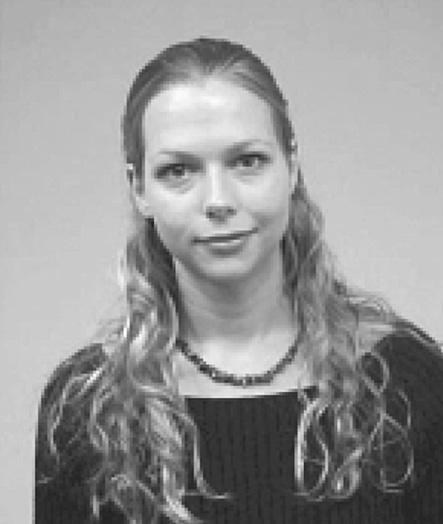
In Newsletter 16, we welcomed Hester
Jan has worked in various scientific and
Whyte as Office Manager and Jan
educational capacities, including echi-
Chapter 8. Epilogue
Crossland as `editor'
noderm taxonomy and scientific con-
"So What?"
ference organisation, mostly part-time,
(Lead author: TBA)
Hester has the following to say about
as she has tried to keep up with Chris's
herself:
various career moves, and at the same
Chapters 7 and 8 will be addressed as
time raise two daughters, now teenagers.
the substantive analyses and earlier
I was born in Great Britain in the
Living on Texel and working with the
chapters are developed. These will
summer of 1974, to an English father
international LOICZ community has
represent the major synthesis findings to
and a Dutch mother. We moved to Texel
opened yet more doors and made pos-
date from the LOICZ project. An Open
when I was three. After finishing school
sible a long-term European experience
Science Meeting planned for early 2002
on Texel I moved to The Hague to study
for all members of the Crossland family.
will contribute to a wide audience input
Educational Media. When I graduated I
not only to review and identify gaps in
decided to check out some other parts of
· · · · · ·
the earlier chapter topics but, will pro-
the world. After being in a lot of trains,
vide a major forum for drawing together
planes and automobiles going through
the content and substance of these final
Thailand, Australia, the US and Mexico
chapters.
I returned to Texel with a lot more
FIRST ANNOUNCEMENTS
memories but a lot less money.
AND CALLS FOR PAPERS
· · · · · ·
I worked for 6 months in a shop selling
Climate Change and Variability in
sporting goods, then in the flower bulb
Northern Europe (CLIC)
The Global International
business. After a cold Texel winter, I
- June 6-8, 2001,
Waters Assessment
applied for an indoor job as co-ordinator
University of Turku, Finland
Methodology Protocol
at ChildRight Worldwide, a foundation
For further information contact Dr Jaana
that fights against every form of child
Vormisto, FIGARE-coordination,
UNEP/GEF GIWA presents a new
exploitation. The foundation, originally
University of Turku FIN-20014
water assessment method and calls for
situated just outside Oosterend (on
Turku, Finland
comments
Texel), where I happened to live, moved
Email: jaavor@utu.fi
back to Amsterdam. I followed and wor-
UNEP/GEF GIWA invites scientists of
ked in Amsterdam for nearly two years.
International Human Dimensions
all levels, institutions, private sector,
For financial reasons they had to let me
Programme (IHDP) on Global Envi-
NGOs, water stakeholders and the public
go last September.
ronmental Change
to peer review and comment on the new
4th Open Meeting - October 6-8 2001,
GIWA Assessment Methodology Proto-
Rio de Janeiro, Brazil.
col. The method has been developed to
Emphasis in this meeting will be placed
address environmental problems in
on research with a regional perspective
Intentional Waters of globally 66 Sub-
and links between natural and social
regions and to identify the societal root
sciences, as well as between local,
causes behind the problems.
regional and global scales. Plenary
themes of the meeting will address the
The GIWA assessment focuses on trans-
challenges of integration in human
boundary water problems -in lakes,
dimension research across disciplines,
rivers, groundwater, coastal zone and
across hemispheres and across the
marine area - of global importance and
science/policy interface.
their environmental and socio-economic
Information will be available on:
aspects. In short the GIWA assessment
<http//sedac.ciesin.org/openmeeting>.
methodology deals with Scoping,
Enquiries can be addressed to
Detailed Environmental and Socio-eco-
open.meeting@ciesin.org.
nomic Impact Assessment and the Cau-
The deadline for submission of abstracts
sal Chain Analysis as well as Indicators.
I had already moved back to Texel, so
and session proposals is March 29,
I thought it was time to get a job on the
2001.
The UNEP/GEF GIWA web site
island and decided that the NIOZ might
www.giwa.net provides access to the
be the place. By coincidence, or was it,
Joint IAPSO/IABO Assembly 2001:
methodology documentation, further
there were several vacancies at the NIOZ,
An Ocean Odyssey
information and contains an easy to
and the LOICZ IPO was looking for a
21-28 October 2001,
handle report engine for your com-
new office manager - and here I am!
Mar del Plata, Argentina.
ments. It will be open for comments
Information at
until 18 February 2001.
· · · · · ·
<http//www.criba.edu.ar/2001_ocean
page 8
LOICZ NEWSLETTER
· SAMBAS II workshop on South
Contact: igbp@congrex.nl,
American Basins and Caribbean river
www.sciconf.igbp.kva.se
LOICZ PUBLICATIONS
catchments/coastal fluxes and human
dimensions.
· 3rd International Conference on Land
[Available as printed copies or from the
26-29 March 2001, Brazil
Degradation and Meeting of the IUSS
LOICZ web site: www/nioz.nl/ loicz]
(by invitation). Contact: LOICZ IPO
SubcommissionC Soil and Water
Conservation.
Estuarine Systems of the South America
· LOICZ UNEP Americas thematic
24-28 September 2001.
Region: C, N, P Fluxes, 2000.
workshop on upscaling and assess-
Rio de Janeiro, Brazil.
LOICZ UNEP workshop report. Eds.
ment of nutrient fluxes in coastal
More informaion on
V. Dupra, S.V. Smith, J.I. Marshall
es-tuarine systems.
www.cnps.embrapa.br/ICLD
Crossland and C.J. Crossland. LOICZ
29 April - 2 May 2001.
R&S no. 15.
Ensenada, Mexico
· Joint IAPSO-IABO Assembly and
(by invitation). Contact: LOICZ IPO.
XII Colloquium: 2001 - An Ocean
Estuarine Systems of the East Asian
Odyssey.
Region: C, N, P Fluxes, 2000.
· AfriBASINS II workshop on African
21-28 October 2001,
LOICZ UNEP workshop report. Eds. V.
river catchments/ coastal fluxes and
Mar del Plata, Argentina.
Dupra, S.V. Smith, J.I. Marshall
human dimensions.
Contact: gmper-ill@criba.edu.ar or
Crossland and C.J. Crossland. LOICZ
2-5 July 2001, Europe TBA
iado@criba.edu.ar
R&S no. 16.
(by invitation). Contact: LOICZ IPO
· Global Conference on Oceans and
LOICZ Web Site: Biogeochemica
· LOICZ UNEP Africa and Europe the-
Coasts at Rio+10: Assessing Progress,
Budgets and Modelling
matic workshop on upscaling and
Addressing continuing and New
new sites and tutorial materials
assessment of nutrient fluxes in coas-
Challenges.
(http://data.ecology.su.se/MNODE/).
tal estuarine systems.
3-7 December 2001. UNESCO, Paris.
2-5 July 2001, The Netherlands
Contact IOC Secretariat, Paris.
LOICZ Web Site: Typology
(by invitation). Contact: LOICZ IPO.
(http://water.kgs.ukans.edu:8888/public/
Typpages/index.htm) Also (www.kgs.
· LOICZ Scientific Steering Commit-
IPO STAFF
ukans. edu/ Hexacoral/ Workshops)
tee Meeting.
7-8 July 2001, Amsterdam.
Coming soon:
Contact: LOICZ IPO.
CHRIS CROSSLAND
South American Basins: River Catch-
Executive Officer
ment Effects on Coastal Seas, 2001.
HARTWIG KREMER
OTHER MEETINGS
Compiled by D. Lacerde, B. Kjerfve,
Deputy Executive Officer
W. Salomons and H. Kremer LOICZ
HESTER WHYTE,
R&S no. 17.
· IGBP Science Committee annual
Office Manager
meeting.
MILDRED JOURDAN,
19-23 February 2001.
Office Assistant
LOICZ CALENDAR
Chiang Mai, Thailand
MAARTEN SCHEFFERS
(by invitation). IGBP Secretariat.
Liaison Officer
· LOICZ UNEP Asia and Oceania the-
matic workshop on upscaling and
· GEOTROP 4th International Con-
assessment of nutrient fluxes in coas-
ference on Environmental Chemistry
F
tal estuarine systems.
& Geochemistry in the Tropics.
OR MORE INFORMATION,
14-17 January 2001.
7-11 May 2001. Townsville, Australia.
PLEASE CONTACT:
Brisbane, Australia (by invitation).
Contact: Greg Brunskill
Contact: LOICZ IPO.
(g.brunskil@aims.gov.au) or
LOICZ INTERNATIONAL PROJECT
www.tvl.clw.csiro.au/geotrop2001/
OFFICE
· LOICZ-UNEP-EU Mediterranean,
NETHERLANDS INSTITUTE FOR
Black Sea, North Africa workshop on
· CoastGIS 2001: 4th International Con-
SEA RESEARCH
biogeochemical modelling of estuari-
ference on Computer Mapping and
PO BOX 59
ne systems.
GIS for CZM Managing the Inter-
1790 AB DEN BURG - TEXEL
5-8 February 2001. Athens, Greece
faces.
THE NETHERLANDS
(by invitation). Contact: LOICZ IPO.
18-20 June 2001.
Halifax, Nova Scotia, Canada.
PHONE: 31-222 369404
· East Asia BASINS workshop on river
More information on
F
catchments/coastal fluxes and human
http:\\agc.bio.ns.ca/coastgis2001
AX:
31-222 369430
dimensions.
· IGBP Open Science Conference.
E-MAIL: LOICZ@NIOZ.NL
26-28 February 2001, Hong Kong
10-14 July, 2001.
WWW HOME PAGE:
(by invitation). Contact: LOICZ IPO
Amsterdam, The Netherlands.
HTTP://WWW.NIOZ.NL/LOICZ/
A CORE PROJECT OF THE
I
G
B
P
INTERNATIONAL GEOSPHERE-BIOSPHERE PROGRAMME