
//Deutschland////Österreich
Active for
////BosnaiHerce
the Danube
govina////Balgarija////Hrvatska////Ceskárepublika////Ma
River Basin
gyarors
1994 2004: Ten years of cooperation in the Danube River Basin
zág////Moldova////România////SrbijaiCrnaGora////Slovensko////Slovenija////Ukraďna////Deutschland////Österreich////BosnaiHercegovina////Balgarija///
//// Deutschland //// Österreich //// Bosna i
/Hrv
kraďna
a
t
s
k
//// U
a////Cesk
//// Slovenija
á republika////Magyarország////Moldova////România////SrbijaiCrnaGora////Slovensko
ICPDR International Commission for the Protection of the Danube River
Permanent Secretariat
Vienna International Centre, D0412
PO Box 500, 1400 Vienna, Austria
Phone: 0043-1-260 60 5738
Fax: 0043-1-260 60 5895
e-mail: icpdr@unvienna.org, www.icpdr.org
Main Successes
Facts and Figures about
A few key achievements illustrate the success of ICPDR's work:
- Development of a cooperative strategy for setting up the Danube River Basin Management Plan
the Danube River Basin
- Cooperation with stakeholder groups to build a common understanding of the sustainable use of the Danube
- Identification and facilitation of funding for 45 projects investing in waste water treatment plants
18 countries make the Danube River Basin the most international
The graph shows the share of the different countries (%)
- Setting up a network of more than 75 water quality monitoring stations throughout the Danube River Basin
river basin in the world:
of the Danube River Basin area (Switzerland, Italy, Poland, Albania
- Development of an Emission Inventory for pollution originating from municipalities, industry and agriculture
Germany (DE), Austria (AT), Czech Republic (CZ), Slovakia (SK),
and Macedonia are not included)
- Operation of a basin-wide Accident Emergency Warning System helping to reduce damage from accidental spills
Hungary (HU), Slovenia (SI), Croatia (HR), Bosnia-Herzegovina (BA),
- Assessment and reduction of potential accidental risk hotspots
Serbia-Montenegro (CS), Romania (RO), Bulgaria (BG), Moldova (MD),
Austria
10,0
- Preparation of the basin-wide Danube Flood Action Programme, which aims to reduce flood damage by
Ukraine (UA) as well as Switzerland, Italy, Poland, Albania and
Bosnia-Herzegovina
4,6
- improving flood forecasts and warnings
Macedonia (with very small shares).
Bulgaria
5,9
- restoring natural flood retention features
Croatia
4,4
- planning land-use carefully to account for areas that are naturally liable to flooding
CZ
Czech Republic
2,9
UA
- Launch of Danube Day on June 29: the inauguration in 2004 included more than 100 events held basin-wide to raise awareness and
DE
SK
Germany
7,0
strengthen "Danube Solidarity"
AT
MD
Hungary
11,6
HU
Moldova
1,6
SI
RO
HR
Romania
29,0
Serbia-Montenegro
11,1
BA
Slovak Republic
5,9
CS
BG
Slovenia
2,0
Main Problems
Ukraine
3,8
Length of the Danube: 2,780 km (Rhine: 1,320 km; Amazon: 6,437 km)
- Water quality in the Danube River Basin is greatly affected by the activities of over 81 million people
Size of the Danube River Basin: 801,463 km2 (10% of the European continent)
- Excessive nutrients are disturbing the ecological balance in the Danube and the Black Sea
81 million people live in the Danube River Basin.
- Cadmium, Lead, Mercury, DDT, Lindane and Atrazine are among the most serious pollutants contaminating the Danube River Basin
- More than 80% of the length of the Danube is regulated, and over 700 dams and weirs have been built along its main tributaries
The main tributaries of the Danube:
The Iskar is the largest Danube tributary on Bulgarian territory. It
- The floods of 2002, which caused 14.4 billion of damage in Germany, Austria, the Czech Republic and Slovakia, were made worse by canalisation
The Inn is the third largest tributary by water discharge. At its mouth
springs from the Rila mountain passes, flows through the outskirts of
and the loss of natural floodplains
in Passau, it brings more water into the Danube than the latter itself.
Sofia and crosses the Balkan mountains.
However, its catchment area is only nearly half as big as the Danube at
this point. The main tributary of the Inn is the Salzach.
The Siret River Basin is situated to the east of the Carpathians. Its
source lies in Ukraine and it flows through the territory of Ukraine and
The Morava/March catchment area covers parts of Czech Republic,
Romania. Its main sub-tributaries are Suceava, Moldova, Bistrita,
Slovakia and Austria. It is an ecologically valuable area with high
Trotus, Barlad and Buzau.
diversity of species and landscape types.
Goals
The Prut is the last tributary of the Danube, with its mouth just
- Safeguarding the Danube's water resources for future generations
The Drau/Drava rises in the southern Alps in Italy and is the dominant
upstream of the Danube Delta. Its source is in the Ukrainian Wood
- Naturally balanced waters free from excess nutrients
river of southern Austria, eastern Slovenia, southern Hungary and
Carpathians. Later it forms the border between Romania and
- No more risks from toxic chemicals
Croatia. Main Austrian sub-tributaries are Isel, Möll, Lieser and Gurk,
Moldova. Main sub-tributaries are Ceremosh, Derelui, Volovat, Baseu,
- Healthy and sustainable river systems
and the Mur/Mura.
Corogea, Jijia, Chineja, Ciugur and Lapusna.
- Damage-free floods
The Tysa/Tisza/Tisa River basin is the largest sub-basin in the Danube
The Danube Delta is largely situated in Romania but is partly in
River Basin. The Tysa/Tisza/Tisa River is also the longest tributary
Ukraine. The entire protected area covers 679 000 ha including
(966 km).
floodplains and marine areas. The core of the reserve has been
established as a "World Nature Heritage" in 1991. The Delta is an
The Sava is the largest Danube tributary by discharge. It rises in the
environmental buffer between the Danube River and the Black Sea,
western Slovenian mountains, passes through Croatian lowland before
filtering out pollutants and enabling both water quality conditions and
forming the border between Croatia and Bosnia-Herzegovina.
natural habitats for fish in the Delta and in the environmentally
Continuing through Serbia-Montenegro it reaches its confluence with
vulnerable shallow waters of the north-western Black Sea. Moreover,
the Danube in Belgrade. Its main sub-tributaries are Krka, Kupa, Una,
it is Europe's largest remaining natural wetland a unique ecosystem.
Vrbas, Bosna, Drina and Kolubara.
Main Successes
Facts and Figures about
A few key achievements illustrate the success of ICPDR's work:
- Development of a cooperative strategy for setting up the Danube River Basin Management Plan
the Danube River Basin
- Cooperation with stakeholder groups to build a common understanding of the sustainable use of the Danube
- Identification and facilitation of funding for 45 projects investing in waste water treatment plants
18 countries make the Danube River Basin the most international
The graph shows the share of the different countries (%)
- Setting up a network of more than 75 water quality monitoring stations throughout the Danube River Basin
river basin in the world:
of the Danube River Basin area (Switzerland, Italy, Poland, Albania
- Development of an Emission Inventory for pollution originating from municipalities, industry and agriculture
Germany (DE), Austria (AT), Czech Republic (CZ), Slovakia (SK),
and Macedonia are not included)
- Operation of a basin-wide Accident Emergency Warning System helping to reduce damage from accidental spills
Hungary (HU), Slovenia (SI), Croatia (HR), Bosnia-Herzegovina (BA),
- Assessment and reduction of potential accidental risk hotspots
Serbia-Montenegro (CS), Romania (RO), Bulgaria (BG), Moldova (MD),
Austria
10,0
- Preparation of the basin-wide Danube Flood Action Programme, which aims to reduce flood damage by
Ukraine (UA) as well as Switzerland, Italy, Poland, Albania and
Bosnia-Herzegovina
4,6
- improving flood forecasts and warnings
Macedonia (with very small shares).
Bulgaria
5,9
- restoring natural flood retention features
Croatia
4,4
- planning land-use carefully to account for areas that are naturally liable to flooding
CZ
Czech Republic
2,9
UA
- Launch of Danube Day on June 29: the inauguration in 2004 included more than 100 events held basin-wide to raise awareness and
DE
SK
Germany
7,0
strengthen "Danube Solidarity"
AT
MD
Hungary
11,6
HU
Moldova
1,6
SI
RO
HR
Romania
29,0
Serbia-Montenegro
11,1
BA
Slovak Republic
5,9
CS
BG
Slovenia
2,0
Main Problems
Ukraine
3,8
Length of the Danube: 2,780 km (Rhine: 1,320 km; Amazon: 6,437 km)
- Water quality in the Danube River Basin is greatly affected by the activities of over 81 million people
Size of the Danube River Basin: 801,463 km2 (10% of the European continent)
- Excessive nutrients are disturbing the ecological balance in the Danube and the Black Sea
81 million people live in the Danube River Basin.
- Cadmium, Lead, Mercury, DDT, Lindane and Atrazine are among the most serious pollutants contaminating the Danube River Basin
- More than 80% of the length of the Danube is regulated, and over 700 dams and weirs have been built along its main tributaries
The main tributaries of the Danube:
The Iskar is the largest Danube tributary on Bulgarian territory. It
- The floods of 2002, which caused 14.4 billion of damage in Germany, Austria, the Czech Republic and Slovakia, were made worse by canalisation
The Inn is the third largest tributary by water discharge. At its mouth
springs from the Rila mountain passes, flows through the outskirts of
and the loss of natural floodplains
in Passau, it brings more water into the Danube than the latter itself.
Sofia and crosses the Balkan mountains.
However, its catchment area is only nearly half as big as the Danube at
this point. The main tributary of the Inn is the Salzach.
The Siret River Basin is situated to the east of the Carpathians. Its
source lies in Ukraine and it flows through the territory of Ukraine and
The Morava/March catchment area covers parts of Czech Republic,
Romania. Its main sub-tributaries are Suceava, Moldova, Bistrita,
Slovakia and Austria. It is an ecologically valuable area with high
Trotus, Barlad and Buzau.
diversity of species and landscape types.
Goals
The Prut is the last tributary of the Danube, with its mouth just
- Safeguarding the Danube's water resources for future generations
The Drau/Drava rises in the southern Alps in Italy and is the dominant
upstream of the Danube Delta. Its source is in the Ukrainian Wood
- Naturally balanced waters free from excess nutrients
river of southern Austria, eastern Slovenia, southern Hungary and
Carpathians. Later it forms the border between Romania and
- No more risks from toxic chemicals
Croatia. Main Austrian sub-tributaries are Isel, Möll, Lieser and Gurk,
Moldova. Main sub-tributaries are Ceremosh, Derelui, Volovat, Baseu,
- Healthy and sustainable river systems
and the Mur/Mura.
Corogea, Jijia, Chineja, Ciugur and Lapusna.
- Damage-free floods
The Tysa/Tisza/Tisa River basin is the largest sub-basin in the Danube
The Danube Delta is largely situated in Romania but is partly in
River Basin. The Tysa/Tisza/Tisa River is also the longest tributary
Ukraine. The entire protected area covers 679 000 ha including
(966 km).
floodplains and marine areas. The core of the reserve has been
established as a "World Nature Heritage" in 1991. The Delta is an
The Sava is the largest Danube tributary by discharge. It rises in the
environmental buffer between the Danube River and the Black Sea,
western Slovenian mountains, passes through Croatian lowland before
filtering out pollutants and enabling both water quality conditions and
forming the border between Croatia and Bosnia-Herzegovina.
natural habitats for fish in the Delta and in the environmentally
Continuing through Serbia-Montenegro it reaches its confluence with
vulnerable shallow waters of the north-western Black Sea. Moreover,
the Danube in Belgrade. Its main sub-tributaries are Krka, Kupa, Una,
it is Europe's largest remaining natural wetland a unique ecosystem.
Vrbas, Bosna, Drina and Kolubara.
/// Bosna i Hercegovina //// Balgarija //// Hrvatska //// Ceská republika //// Magyarország //// Moldova////România////SrbijaiCrnaGora////Slovensko////Slovenija///

Interview with Cathrine Day, ICPDR President 2004, Director General of the DG Environment
What is the significance of the Danube River?
What does the future hold for the Danube Basin?
The Danube is a river that binds and connects people. It is the most
Despite the success of the past, further pollution reduction efforts are
international river in the world and links important parts of Europe.
necessary, particularly for nutrients, but also to reduce and stop
It begins in the Black Forest of Germany and passes through ten
discharges of a number of hazardous pollutants. We need to ensure
countries on its remarkable journey to the Black Sea. The river has
that the environmental benefits of pollution reduction in the last
historically, and to this day, served as a natural bridge between east
ten years are not reversed due to an increase of pollution from
and west and embraces many diverse cultures and histories.
economic development in the region. This is the ultimate challenge of
sustainability in the Danube: to find ways of continuing economic
Has the ICPDR met its goals?
growth without environmental degradation.
In a very short time the International Commission for the Protection
of the Danube River, the ICPDR, has developed into an effective
What is the secret of ICPDR's success?
forum for coordination and cooperation and helps the countries
I am very pleased that all Danube countries have demonstrated an
of the Danube basin to work towards sustainable water resources
active interest in the efforts of the ICPDR. Maintaining and
management. This is no easy task given the differing economic and
strengthening the efforts to improve and restore the Danube will
political circumstances in each of the Danube countries. Over the last
require concerted and consistent efforts. In addition, the Danube Day
ten years, we have reduced pollution, we have learned to take better
on 29th June 2004 showed that there is a tremendous sense of
care of our wetlands and other areas of high biodiversity value and we
solidarity among Danube peoples. The people of the Danube
are more sensitive to the impact of engineering projects on the
recognise that this is their river and that their individual actions can
environment.
contribute to its protection. The continued efforts to mobilise and
interest the people of the Danube in the work of the ICPDR will be
I would also like to highlight some of our latest achievements in 2004
critical to future success. I am optimistic that this is possible and that
such as the completion of the Danube Basin Analysis Report and the
the next ten years will bring further success.
Flood Action Programme. These are key milestones in the efforts to
ensure that the waters of the Danube and its tributaries are managed in
an effective and sustainable way.
//// Ukraďna////Deutschland////Österreich////BosnaiHercegovina////Balgarija////Hrvatska////Ceskárepublika////Magyarország////Moldova////România//
History
1985 Signing of the Bucharest Declaration for the Protection of the
October 1998 Establishment of the International Commission for the
Danube River, which led to increased international cooperation and an
Protection of the Danube River (ICPDR).
international monitoring programme.
June 1999 The first yearbook of the TransNational Monitoring
February 1991 The Danube Basin countries decide to set up a
published.
Convention on the Protection and Management of the River and an
Ecological Agreement.
1 October 1999 The Permanent Secretariat of the ICPDR begins its
operation.
September 1991 Danube Conference is held in Sofia with international
donors and NGOs, resulting in the launch of the Environmental
8 June 2000 Official transfer of the Bucharest Declaration activities to
Programme for the Danube River Basin.
the Danube River Protection Convention.
March 1992 Signing of the UN ECE Convention on the Protection and
October 2000 Nomination of the ICPDR as platform for the
use of Transboundary Watercourses and International Lakes in
implementation of the EU Water Framework Directive.
Helsinki.
November 2000 The ICPDR adopts the Joint Action Plan 2001 2005.
July 1993 Equipe Cousteau carries out a regional study of the Danube
Basin directed at past impacts of pollution, funded by the European
August/September 2001 The ICPDR organises the Joint Danube Survey,
Bank for Reconstruction and Development.
the first comprehensive scientific expedition focusing on the entire
stretch of the Danube.
29 June 1994 Signing of the Danube River Protection Convention by
11 Danube Basin countries and the European Union in Sofia.
November 2001 The ICPDR prepares the Inventory of Potential
Accident Risk Spots.
December 1994 Adoption of the Strategic Action Plan for the Danube
River Basin by environmental ministers.
1 December 2002 Launch of the UNDP/GEF Danube Regional Project.
January 1996 Official start of the operation of the TransNational
29 June 2004 Launch of "International Danube Day", celebrated by all
Monitoring System.
Danube Countries.
July 1996 Approval of the Strategic Action Plan Implementation
13 December 2004 The first ICPDR Ministerial Meeting takes place in
Programme.
Vienna. The ICPDR adopts the Action Programme for Sustainable
Flood Protection, the Danube Declaration and the Danube Analysis as
22 October 1998 The Danube River Protection Convention comes
required by the EU Water Framework Directive ("Roof Report 2004").
into force.
// Srbija i Crna Gora //// Slovensko //// Slovenija //// Ukraďna //// Deutschland ////Österreich////BosnaiHercegovina////Balgarija////Hrvatska////Ceskárepublika////

// Deutschland //// Österreich //// Bosna i Hercegovina //// Balgarija //// Hrvatska////Ceskárepublika////Magyarország////Moldova////România////SrbijaiCrnaGora////
Table of Contents
9 The Danube: A Remarkable Journey
11 Rich Biodiversity of the Danube River Basin
12 One River Basin: Uniting People Across Boundary Lines
14 Using the River
16 The Danube at Risk
18 ICPDR: A Catalyst for Change
21 The Roots of the ICPDR
22 PHARE and UNDP/GEF: Sharing the Challenge
24 A Framework for the Future
//// Srbija i Crna Gora ////
ânia
27
om
The Accident Emergency Warning System: Spreading the Message
//// R
28 Looking After the Danube
ova
old
M
30 Reducing the Risk of Damage from Floods
////
g
31
rszá
A Cleaner River Basin
ro
yaga
32
M
Danube Day: Celebrating the River
////
a
35
lik
The Danube's Future
bupreá
skeC
////
a
tsk
rva
H
////
//// Slovensko //// Slovenija //// Ukraďna //// Deutschland //// Österreich //// Bosna i Hercegovina //// Balgarija
9
The Danube:
A Remarkable Journey
It begins as a small trickle of water in the Black Forest Mountains of Germany, but by the time the Danube ends its 2,780 km journey to the Black Sea, almost
300 tributaries have joined the Danube to drain 10% of continental Europe.
The Danube is a remarkable river, and binds together a multitude of
A Unique Environment
different cultures and peoples. Eighteen countries share its basin,
It is hard to imagine a more diverse region the Danube River Basin's
making the Danube the most international river on the planet. The
geographical biodiversity includes high Alpine zones, large plains,
river serves as a vital link between East and West, South and North,
sand dunes, forested and marshy wetlands, and the unique Danube
and has for centuries played an important role in the political, social
Delta. Numerous large rivers are tributaries of the Danube in its
and economic development of Central and Eastern Europe. The
middle part, three main tributaries, the Drava, Tisza, and Sava rivers,
Danube shapes and is shaped by the lives of the 81 million people
double the water volume of the main river before it finally joins the
who call the basin "home".
waters of the Black Sea.
The Danube River Basin includes all of Hungary; nearly all of
The importance of this region is evident in the valuable ecological
Austria, Romania, Slovenia, Slovakia and Serbia and Montenegro;
and economic resources of the area, as well as the public dependence
significant areas of Bosnia and Herzegovina, Bulgaria, Croatia, the
on the river and its tributaries for life, leisure and livelihood.
Czech Republic and Moldova; and parts of Germany and Ukraine.
Five more countries share areas of the Danube basin smaller than
2,000 km2: Switzerland, Italy, Poland, Albania and Macedonia.
sterreich //// Bosna i Hercegovina //// Balgarija
Ö
//// H
////
rvatska //// Ceskárepublika////Magyarország////Moldova//
///// Slovensko //// Slovenija //// Ukraďna //// Deutschland
The Danube River Basin
Length of the Danube:
2,780 km
Navigable length of the Danube:
2,412 km
Annual water discharge into the Black Sea:
202 bn m3 (6,460 m3/sec average)
Size of the basin:
801,463 km2 (almost 10% of continental Europe)
Inhabitants:
81 million
Number of states:
18
Size of the Danube Delta:
679,000 ha
Main tributaries of the Danube:
Tisza, Sava, Inn, Morava, Drava, Velika Morava, Iskar, Siret, Prut







11
Rich Biodiversity
of the Danube
River Basin
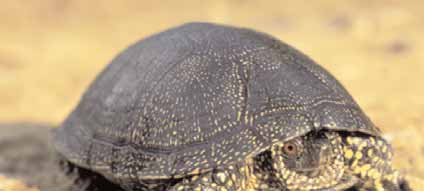
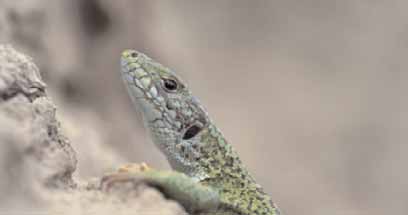
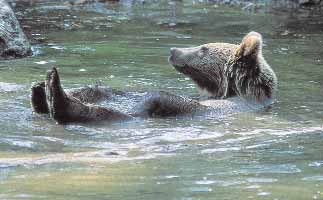
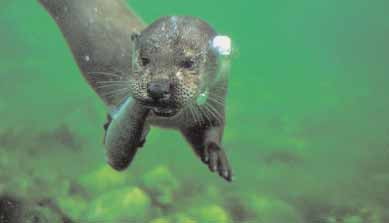
The Danube River Basin hosts a variety of fascinating and diverse ecological territories with many unique plants and animals. The habitats created by the
Danube and its tributaries house a mix of wildlife, with about 2,000 vascular plants and more than 5,000 animal species. The distinctive nature of the Danube
Basin's diverse habitats secure its place as a natural treasure. These include:
The Morava-Dyje Floodplain Meadows
The Danube Delta
The floodplains and meadows of the Morava-Dyje basin are one of the
At its mouth, the Danube River discharges into the Black Sea through
most valuable ecological resources in Central Europe. The area is an
the Delta, an extensive fan-shaped area of river arms, lakes, reed-beds,
optimal nesting place for threatened birds and home to many valuable
dunes and salt marshes. As Europe's largest remaining natural
plant species. The region is made up of riverside canals, oxbow lakes,
wetland, the Danube Delta is one of the continent's most valuable
sand and gravel banks, reed beds, swamps, periodic pools, the most
habitats for wetland wildlife and biodiversity. The unique ecosystems
common, floodplain meadows and forests, and the Morava River
of the Delta, consisting of a labyrinthine network of river channels,
itself.
shallow bays and hundreds of lakes, interspersed with extensive
marshes, reed-beds, islands and floodplains, form a valuable natural
Mike Baltzer, WWF Danube Carpathian Programme
buffer zone, filtering out pollutants from the river, and helping to
"The Lower Danube is one of the most outstanding biodiversity
improve water quality in the vulnerable waters of the north-western
regions in the world. To protect the unique value of its remaining
Black Sea.
wetlands and to restore impacted floodplain areas, the Environment
Ministers of Bulgaria, Moldova, Romania and Ukraine signed the
Tobias Salathé, RAMSAR Convention on Wetlands
`Lower Danube Green Corridor' agreement in June 2000, the largest
"Danube floodplains are among the most important remaining
international wetlands protection and restoration initiative in
floodplains in Europe. They are places where natural dynamics of
Europe. Its implementation is a leading example of how human
river flows still create habitats, ephemeral and lasting, that
welfare, responsible land use and nature protection can drive
support an impressive biological diversity. Keeping the dynamics
sustainable development in European countries. WWF is happy and
of these floodplain ecosystems alive is the best assurance for
proud to support the ICPDR in implementing this challenging and
sustainable development at local and regional scale."
progressive enterprise."
The Black Sea
The Danube Floodplains
The Black Sea is one of the most remarkable regional seas in the
One of the largest remaining floodplain areas in Central Europe lies
world. It is nearly cut off from the rest of the world's oceans but is
where the Danube and Drava rivers meet. This transboundary area
up to 2,212 m deep. Six countries share the Black Sea: Romania,
includes territories belonging to Hungary, Croatia, and Serbia and
Bulgaria, Turkey, Georgia, Russia and Ukraine, and more than
Montenegro, and represents a single ecological unit divided by
160 million inhabitants live in the greater Black Sea Basin. The
national borders. The floodplain displays outstanding biodiversity and
Danube is the most important tributary to the Black Sea, joined by
is the largest and the most important fish-spawning area in the middle
Europe's third and fourth largest rivers, the Dnieper and Don.
section of the Danube basin. The area also provides favourable living
conditions for over 20,000 water birds, especially grebes, cormorants,
herons and egrets, and is home to a number of threatened species of
mammals, such as the river otter, the wildcat and a number of
endangered species of bats.
/////// România //// Srbija i Crna Gora //// Slovensko //// Slovenija //// Ukraďna //// Deutschland //// Österreich //// Bosna i Hercegovina ///


One River Basin:
Uniting People Across
//// Hrvatska //// Ceská republika ////
Boundary Lines
//// Balgarija
The Danube River is impressive not only because of its size but also because it has a rich human history
and continues to shape, and be shaped by, the people who live in the river basin. Twenty languages are
spoken, there are numerous religious communities, and people living here have disparate historical and
cultural experiences. Above all, the vast differences in contemporary social, political and economic
circumstances experienced by local people make the Danube River Basin a region of singular character.
The ecosystems of the Danube River Basin are highly valuable in eco-
nomic and social terms. As one of the major river systems in Europe,
the Danube provides millions of people with water and resources.
The fertile lowlands along the middle and lower reaches of the
Danube rank among the most important agricultural regions in
Europe. People rely on the Danube, for drinking water, agriculture,
industry, transport, energy, tourism and recreation, all of which are
heavily dependent on the rational use and sustainable management of
the river and its related ecosystems. Industry, including energy gener-
ation, and mining are economically important as they account for a
significant amount of employment and revenue of countries in the
Danube River Basin.
Politics and the River
The middle and downstream countries in transition face economic and
financial challenges, which influence the basin-wide management of
water resources and restoration efforts. The future development of
human and economic activities must better integrate environmental
and water management concerns into municipal, industrial and
agricultural policies and strategies. The transition process under way
and the accession to the European Union provide some countries with
plenty of opportunities for these steps.
Johannes Wolf, Danube Environmental Forum
"The challenge we all are faced with is not to simply live next to the Danube or its tributaries
but with the rivers. However small the contribution of a single citizen may be, it is another
step towards the sustainable development of the Danube River Basin. All the different strate-
gies, methods, mechanisms and programmes to protect the Danube River and its tributaries
result in one final decisive obligation for all of us: We simply have to do it."

13
////
i Crna Gora //// Slovensko //// Slovenija
rbija
//// Uk
//// S
raďna //// D
/
ânia
/
e
///
u
M
ts
a
c
g
h
y
la
a
n
r
d
o
//// Österreich //// Bosna i Hercegovina //// Balgarija
rszág //// Moldova //// Rom

14
Using
the
River
The river and its tributaries have played an important role in human history and development. It is one of the major river systems in Europe, and the fact that
it is possible to manage the river for irrigation, flood control, energy and transport has greatly influenced the lives all people living in the basin.
/ Hrvatska //// Ceská republika ////M
///
agyarország////Moldova////România////SrbijaiCrnaGora////Slovensko////Slovenija////Ukraďna////Deutschland////Österreich
15
Holding Back the Danube and its Tributaries
Navigating the Waters
Like all major rivers of Europe, the Danube has been significantly
Navigation has long been a traditional activity on the Danube,
altered and affected by human activities throughout history. Building
facilitating the region's economic development. Historically the
large dyke systems for flood protection started in the 16th century in
Danube and some of its main tributaries, such as the Sava, have
Hungary, and old networks of drainage or irrigation systems still exist
formed important trade routes across Europe.
in all basins. The first major Danube regulation works started in 1830
in Upper Austria; the first hydro dam was built in 1927 at Vilshofen in
Ships can navigate the Danube from 2,411 kilometres upstream all the
lower Bavaria. Today hydropower use and energy production vary
way down to the Delta for 87% of the river's total length and can
substantially from country to country. Hydraulic works in the form of
call in at 78 harbours located along the Danube between Kelheim and
dams and reservoirs are found in all mountainous areas of the Danube
the Black Sea. The Black Sea itself is almost completely cut off from
basin, while most navigation canals, dyke and irrigation networks
the world's other seas and ocean, and the Danube and its tributaries
concentrate on the lowlands along the central and lower Danube.
play an important role in connecting this area with the rest of the
More than 80% of the length of the Danube is regulated, and over
world. Three artificial waterways have been built on the Danube: the
700 dams and weirs have been built along its main tributaries. There
Danube-Tisza-Danube Canal in Northern Serbia, the Danube-Black
is a chain of 59 dams in the upper Danube between the source and
Sea canal in Romania, and the Rhine-Main-Danube Canal. This latter
Gabcikovo downstream from Bratislava (on average one dam every
canal system provides a link from the Danube to the North Sea.
16 km) and there are only three important free-flowing sections of the
upper Danube left (Straubing-Vilshofen in Bavaria, the Wachau in
Constantin Mihailescu, Head of Delegation, Moldova
Austria and Vienna-Bratislava).
"Agriculture is a cornerstone of life in the Danube. We
must therefore protect this important economic ability by
mitigating the hazards and risks: climate changes and
climate variability that drastically affect agriculture of
the country and the region. We must continue to promote
clean production mechanisms, as well as improve access
to information and to decision-making processes in order
//// Bosna i Hercegovina //// Balgarija //// Hrvats
to change the mentality of the people and their attitude
ka ////
toward organic agriculture and nature protection."
Ceská republika////Magyarország////Moldova////România////SrbijaiCrnaGora////Slovensko

16
The Danube
at Risk
The activities of over 81 million people in 18 countries within the catchment
area greatly affect the natural environment of the Danube River Basin,
leading to problems with water quality and quantity, and significant
reductions in biodiversity. In some regions, water availability is endangered
not only by pollution, but also by inappropriate reallocation among the users.
Furthermore, armed conflict and population displacement have taken an
environmental toll, as has general economic recession and lack of financial
sustainability of institutions.
Agriculture and Industry
Agriculture has long been a major source of income for many people
living in the Danube River Basin, and it has also been a source of
pollutants, including fertilisers and pesticides, as well as effluent from
huge pig farms and agro-industrial units. Inappropriate agricultural
practices have contaminated rivers and groundwater, and led to soil
erosion. Many wetlands have been converted into farmland, drained,
contaminated or otherwise degraded. Fertile topsoil has eroded in
many agricultural regions. These changes have affected the structure
and biodiversity of many ecosystems.
Stanko Nick, ICPDR President 2001, Croatia
"Pollution especially one affecting rivers easily gets
transboundary character; the only way to fight it success-
fully is to combine international efforts and to control it
across state borders."
//////Magyarország////Moldova////România////SrbijaiCrnaGora////Slovensko////Slovenija////Ukraďna////Deutschland////Österreich////BosnaiHercegovina////Balgarija////
17
Some industrial facilities are also outdated and have inadequate
sewerage systems. Treatment facilities have insufficient capacities
pollution control technologies and discharge wastewater into sewers
and are often operated unsuitably. Smaller wastewater treatment
without pre-treatment. The chemical, food, and pulp and paper
facilities for individual buildings such as septic tanks are sometimes
industries are amongst the sectors of industrial polluters in the Danube
insufficiently controlled.
River Basin and discharges from such plants raise the levels of
nutrients, heavy metals and organic micro-pollutants in the river
Utilising water resources for important human activities has changed
network.
the hydrological systems. Problems of water quality and quantity
create significant environmental damage and impair quality of life.
In addition, accidental pollution incidents in the Danube River Basin
have caused damage to the environment in the past, and endangered
Habitat Loss
the health of local people. The Baia Mare cyanide spills in Romania
Preserving the natural habitats of the many species living in the basin
in 2000, for example, led to immediately affected plants and aquatic
is a constant struggle. The habitats of pelicans in the Danube Delta,
life in the Tisza River. The subsequent tailing dam burst at Baia
sturgeon in the Lower Danube, for example, are particularly under
Borsa, also in 2000, released 20,000 tonnes of heavy metals
threat. Breeding places for fish, such as the five species of sturgeon
containing sediments into the Novat River, a tributary of the Viseu and
that formerly lived in the Danube, have been destroyed and now only
the Tisza.
remnant populations of these creatures remain. The loss of
floodplains has not only meant loss of biodiversity but also loss of
Eutrophication
important functions such as the purification of water, flood storage
Excessive amounts of nutrients have been entering the Danube River
and groundwater recharge. Changes in the depth or width of a river
Basin for many decades. The excess nutrients cause water where the
typically reduce flow rates, interrupting natural sediment
water moves slowly, particularly to become murky or clogged with
transportation. The taming of wild rivers to improve flood prevention,
algal blooms and disturb the ecological balance of the river. Entire
navigation, agricultural production and energy production has
food webs, including valuable fish stocks, are often affected by
shortened the length of the Danube.
eutrophication. Eutrophication of natural and artificial lakes is
considered one of the most important direct consequences of surface
Gyula Holló, Head of Delegation,Hungary
water pollution, as well as an immediate cause of water resource
"We highly appreciate the results achieved so far by the Danube
degradation. Of significance is also the impact of the nutrients from
community in the framework of the ICPDR, and are convinced
the Danube on the Black Sea.
that we will be enthusiastic and strong enough to develop our
cooperation further according to the commitments formulated in
Managing Water
the Ministerial Declaration in achieving good status of waters and
Historically, industrial manufacturing enterprises around the world
related ecosystems as well as in increasing flood safety."
paid little attention to waste treatment or to environmental protection
and enterprises in Danube countries were no different. Wastewater
Meeting the Challenges of the Basin
containing toxic contaminants were discharged directly into rivers and
Despite the difficulties that face the Danube Basin, all Danube
contaminated solid wastes were dumped in landfills close to
countries have been working together to develop mechanisms to
watercourses where seepage polluted soil and groundwater.
sustain water resources. The achievements made by countries in the
framework of the ICPDR over the last ten years have worked to
Too much inadequately treated waste water still ends up in the
ensure that the problems are reversible and surmountable. Through
Danube, contaminating drinking water supply for millions of people,
the dedication from committed individuals and the collective coopera-
and leading to problems for irrigation, industry, fishing, tourism,
tion of dynamic partnerships, the ICPDR has proved to be vital to
power generation and navigation. Rivers in the basin often serve as a
making the Danube Basin a showcase for sustainable water
direct waste disposal, leading to water pollution and loss of
management in a changing world.
biodiversity. Nutrients and toxins from agriculture and households as
well as chemicals from out-dated industrial plants enter the river
system without being properly treated. Half of all households in the
middle and lower Danube regions are not connected to central
////// Hrvatska //// Ceská republika //// Magyarország //// Moldova //// România //// Srbija i Crna Gora //// Slovensko //// Slovenija //// Ukraďna //// Deutschland ////
18
ICPDR:
A Catalyst for Change
Since the Danube River Protection Convention (DRPC) was signed in Sofia, Bulgaria, in 1994 and came into force in 1998, the European Community and 13
Danube River Basin countries have used it as the legal basis for protection and sustainable use of water and other ecological resources. Countries cooperating
under the convention include: Germany, Austria, the Czech Republic, Slovakia, Hungary, Slovenia, Croatia, Bosnia and Herzegovina, Serbia and Montenegro,
Bulgaria, Romania, Moldova and Ukraine. Bosnia and Herzegovina, although participating in the work of the ICPDR, is currently completing the measures to
become a full contracting party to the Convention.
National delegates, representatives from the highest ministerial levels,
The ICPDR is also committed to raising public awareness and
technical experts, and members of civil society and of the scientific
knowledge of the problems and challenges for water management in
community cooperate under the DRPC. To make the convention
the Danube. The communication strategy of ICPDR focuses on effec-
document a living tool, the International Commission for the
tive implementation of nutrient reduction, ecosystem management and
Protection of the Danube River (ICPDR) was established. Since this
transboundary cooperation at the local, national and regional levels.
time, the ICPDR has grown into one of the largest and most active
Publications include Danube Watch, which has been produced since
international bodies of experts on river basin management in Europe.
1994 and is distributed for free to interested individuals and
All countries of the Danube have actively participated in the work
institutions in all Danube countries. The magazine aims to inform the
groups of the ICPDR and achieved important progress in their joint
public about sustainable water management as well as critical issues
efforts to manage this shared river system. The ICPDR's ambitious
of water protection.
mission is to promote and coordinate sustainable and equitable water
management, including conservation and rational use of waters for the
A Cooperation Platform
benefit of the Danube River Basin countries and their people.
Environmental protection is a community responsibility and to
achieve this the ICPDR cooperates with regional and international
Working for the Danube
agencies, non-governmental organisations and the scientific
ICPDR divides its work into six thematic work areas, for which strate-
community. From the beginning of the DRPC, the involvement of
gies, guidelines and joint activities are developed: Flood Protection, to
non-governmental organisations (NGOs) as equal members with
develop the action programme for sustainable flood prevention; River
government representatives and international organisations was a
Basin Management, to implement the EU Water Framework Directive;
priority. Today, ten organisations have taken this opportunity to
Ecology, to address ecological issues related to water management;
involve themselves actively in the work of the ICPDR and have been
Emission, to control emission and pollution from point and diffuse
granted observer status to the ICPDR. This cooperation, which gives
sources; Water Quality, to monitor and assess water quality; and
the observers rights to participate in all decision-making meetings and
Accident Prevention and Control, to develop strategies and
expert groups of the ICPDR, has proven successful and has ensured
programmes for reducing the risk of accidents and to operate an
that different inputs have been brought in to influence and shape the
Accident Emergency Warning System.
water management in the Danube Basin.
The ICPDR sets a common platform for sustainable use of
Fritz Holzwarth, ICPDR President 2003, Head of Delegation, Germany
ecological resources and coherent and integrated river basin
"We entrusted ICPDR with difficult tasks to aid river basin
management. In order to achieve substantial progress in the
management and the reaction to these challenges set an example
implementation of the DRPC, the ICPDR works to maintain and
for other river basins. In my year as President of the ICPDR in 2003,
improve the status of water resource quality and quantity; to
I experienced not only the serious commitment and full engagement
prevent, reduce and control water pollution, including pollution
of all Danube countries, but also mutual trust and friendship."
from accidents; to improve environmental conditions of aquatic
ecosystems and biodiversity; and to contribute to the protection of
republika //// Magy
the Black Sea from land-based sources of pollution.
aro
eská
rszág
//// C
//// Moldova///
///// Österreich //// Bosna i Hercegovina //// Balgarija //// Hrvatska
19
Cooperation with Industry
The ICPDR has set the goal to
strengthen relationships with business
and with other stakeholder groups to
build a common understanding of the
sustainable use of the Danube and its
resources. One positive example of the
relationship with business has been
the cooperation with the Alcoa
Foundation.
Alcoa Foundation
Alcoa, the world's leading producer of
primary and fabricated aluminium, as
part of its commitment to community
support in the countries where it
operates, has provided substantial
support for pollution monitoring work
in transboundary areas. In 2002, Alcoa
Foundation donated a Total Organic
Carbon/Total Nitrogen analyser to the
National Institute for Marine Research
and Development in Constanta,
Organisational Structure under the Danube River Protection Convention
Romania. The analyser was needed to
improve the assessment of Danube
pollution to the Black Sea. Additional
International Commission for the Protection of the Danube River (ICPDR)
cooperation has followed, including a
project to purchase technical
Strategic
River Basin
Emission
Monitoring
Accident
Ecology
Flood
equipment for water research
Expert Group
Management Expert Group
Laboratory
Prevention
Expert Group
Prevention
institutions on the Crisuri River in
Expert Group
Information
Control
Control
Romania and to expand community
Management Expert Group
Expert Group
awareness of local pollution problems.
Expert Group
///
21
The Roots of the
ICPDR
Cooperation in the Danube had early precedents. The Bucharest Declaration of 1985 brought signatories together to take the first steps toward a
transboundary water quality network, and by 1991 a convention protecting the Danube Basin was under development. Representatives of the Danube Basin
countries met in Sofia of that year, together with international agencies such as the European Commission, United Nations Development Program (UNDP) and
the World Bank. Together, they established the Environmental Programme for the Protection of the Danube River Basin (EPDRB). The EU was asked as a
neutral party to lead a task force, consisting of Danube country representatives, donors, international financial institutions as well as NGOs. The EU also
provided financial and institutional support to the EPDRB through the EU PHARE Multi-Country Programme-Environment Programme (MCP-Environment).
International financial institutions were important in developing the
Danube Basin countries readily contributed facilities on a rotating
EPDRB and later actively participated in the Task Force. The World
basis. The coordination of their input via focal points was a major
Bank was instrumental in conceiving and planning the components of
success factor of the programme. Country representatives came to
the programme and remained an active participant in the task force as
regard the PCU as a major catalyst to their own actions to improve
well as in the early stages of programme implementation. The newly
their policies, administration and methods to be adopted for initiating
established European Bank for Reconstruction and Development also
environmental improvements.
provided valuable help. Bilateral donors such as USAID also joined the
task force, eventually coordinating their own technical assistance in the
Mitja Bricelj, Head of Delegation, Slovenia
Danube region.
"The ICPDR activities significantly contribute to better
collaboration on bilateral and sub-regional levels with the
Getting Started
introduction of sustainable water management standards
A Programme Coordination Unit (PCU) opened in 1992 to oversee the
in the region. The results of ICPDR's work are significant:
programme until the convention entered into force and the results
from the extremely pragmatic and important tool for early
were handed over to the new Secretariat. The PCU was responsible
warning notification of accidents, to the first common
for starting operation of the expert sub-groups in monitoring,
Danube Roof Report prepared along EU-WFD standards.
emergency warning and data management. Additionally, the PCU
ICPDR is in an excellent position to make a significant
organised methods for distributing information on programmes and
contribution to sustainable development in that region."
activities, and established an effective NGO network in the basin.
//// Österreich //// Bosna i Hercegovina //// Balgarija ////Hrvatsk
//// Slovensko //// Slove
a
n
/
i
/
ja //// Ukraďna //// Deutschland
oldova //// România //// Srbija i Crna Gora
/// M

22
PHARE and UNDP/GEF:
Sharing the Challenge
The EU PHARE Programme began in 1990 to support the political transitions in Central and Eastern Europe and to address transboundary environmental
issues. The Danube Programme was the first regional programme approved, and was considered to be a significant success story of the PHARE Multi-Country
Programme (MCP). PHARE-MCP was the largest donor to the EPDRB. The other major supporter of progress, the United Nations Development Programme
(UNDP), with support from the Global Environment Facility (GEF), has been working to address priority environmental problems in the Danube since 1992.
Partners in River Protection
problems; building capacity for environmental management;
The cooperation agreement between the EU PHARE programme
promoting NGOs and civil society as a means for developing activities
and UNDP/GEF to coordinate their activities and to jointly
and ensuring transparency; and promoting an ecosystem approach.
manage the PCU for the EPDRB was a successful model for the
The groups worked together on several programme activities, such as:
implementation of other transboundary water projects in the
wetland rehabilitation, sustainable agriculture, raising public
Black Sea, the Dnieper River and the Caspian Sea. A clear
awareness through Danube Watch and Danube Information System,
agreement to share responsibilities allowed the EU PHARE team
and developing the Strategic Action Plan.
members and UNDP/GEF-funded staff to plan the strategic direction
and handle the administrative tasks of the PCU. While both groups
UNDP/GEF Pollution Reduction Programme
had the same overall objective of improving the sustainable
The pollution reduction project was a major international response to
management of the Danube River Basin, activities were divided
the degradation of surface and groundwater quality in the Danube
according to priorities.
River Basin and eutrophication of the Black Sea. To complete the
project, a transboundary analysis was accomplished to obtain more
PHARE's activities reflected their priorities of promoting social, polit-
complete knowledge of pollution loads and their effects in the Danube
ical and economic stability in the region; preparing non-EU countries
River Basin. Basic data was gathered from the National Reviews and
for EU accession; establishing the operational and legal structures
from the National Planning Workshops. The main pollution sources
necessary for ratifying and implementing the Danube River Protection
were identified in the frame of the analysis and a list of "hot spots"
Convention; and filling knowledge gaps with applied research
was drafted. The Danube Water Quality Model was also designed as
activities. UNDP/GEF's activities concentrated on their priorities of
part of this programme to estimate and evaluate the flow of pollution
understanding the global and transboundary aspects of environmental
through the Danube into the Black Sea.

/////// Ceská republika
23
//// Magyarország////Moldova////România////SrbijaiCrnaGora////Slovensko////Slovenija////Ukraďna////Deutschland////Österreich//
UNDP/GEF Danube Regional Project
assure nutrient reduction and sustainable management of water bodies
The support of GEF through the Pollution Reduction Programme
and ecological resources, involving all stakeholders and building up
has been followed up by a major programme of support called the,
adequate monitoring and information systems. Sustainable ecological
Danube Regional Project as one of three components of the GEF
conditions for land use and water management are targeted through
Strategic Partnership for Nutrient Reduction in the Danube and the
activities to build capacity and reinforcement of transboundary
Black Sea Basin the largest and perhaps most ambitious water-
cooperation. Public involvement remains a key step to achieving
related project supported by the GEF anywhere in the world. The
these targets, and community actions are reinforced through the Small
project aims to strengthen capacity of the ICPDR and Danube Basin
Grants Programme.
countries to develop effective mechanisms for regional cooperation
and to ensure the protection of international waters, sustainable
Alfred Duda, GEF Secretariat, International Waters
management of natural resources and biodiversity. Key targets include
"Rivers that cross borders can be a source of conflict or
reducing nutrient pollution and supporting trans-boundary cooperation,
can present an opportunity for cooperation. The Global
paying particular attention to the sustainable ecological effects within
Environment Facility (GEF) has been associated with the
the Danube River Basin and the Black Sea. The Danube Regional
Danube Basin for a decade, and in that time has seen
Project also contributes to the development of programmes for public
the ICPDR grow into a major force for cooperation among
participation, communication and strengthening NGOs.
nations, and a model for how countries should
collaborate in resolving their cross-border water
The specific objective of the Danube Regional Project was to prepare
concerns."
and initiate basin-wide capacity building activities, setting up
institutional and legal instruments at the national and regional levels to
24
A Framework
for the Future
Water flow does not take place according to administrative or political boundaries, so the best way to protect and manage water is by close international cooperation
between all countries within the natural geographical and hydrological unit of the river basin bringing together all interests upstream and downstream.
The transboundary cooperation in managing Danube waters was
Bringing Change to the Basin
reinforced when the Water Framework Directive (WFD) was adopted
The River Basin Management Expert Group was created to prepare
by the European Union in 2000. The EU Member States are obliged
and coordinate the necessary actions for the implementation of the
to fulfil the WFD, which emphasises using a river basin approach for
WFD. One of its first tasks was to develop a strategic paper for the
managing water resources. However, all countries cooperating under
development of the Danube River Basin District Management Plan.
the DRPC expressed their firm political commitment to support the
The Danube River Basin Plan will consist of the roof plan, dealing
implementation of the WFD in their countries and pledged to
with all the issues of basin-wide importance and the detailed national
cooperate in the framework of the ICPDR to achieve a single, basin-
plans dealing with all national issues and those that have been
wide coordinated Danube River Basin Management Plan.
coordinated bilaterally.
The ICPDR provides the platform for coordination necessary to
The WFD brings major changes to water management practices. Most
develop and establish a river basin management plan for the Danube
importantly, it sets uniform standards in water policy throughout the
River Basin. The WFD has added strength to the efforts to coordinate
European Union and integrates different policy areas involving water
actions in support of integrated river basin management and created a
issues. The directive requires cross-border cooperation in the
new tool for the effective management of water resources.
development of integrated and coordinated river basin management
plans, encouraging active involvement from stakeholders, NGOs and
Wolfgang Stalzer, ICPDR President 1998 1999,
local citizens. The WFD stipulates a defined timeframe for the
Head of Delegation, Austria
achievement of the good status of surface water and groundwater, as
"The ICPDR can be seen as a successful model for transboundary
well as requiring a comprehensive ecological assessment and
cooperation in an international river basin. With 18 countries
classification of a water body based on the composition and
sharing its basin, the Danube ranks highest in the need
abundance of aquatic fauna and flora. Finally, the WFD introduces
for international coordination. Since the ICPDR successfully
economic analysis of water use in order to estimate the most cost-
facilitates the development of the Danube River Basin
effective combination of measures for water uses.
Management Plan as requested by the EU Water Framework
Directive, this also emphasises the importance this organisation
Nikola Marjanovic, Head of Delegation, Serbia and Montenegro
will play in the future."
"ICPDR is instrumental for integrated river basin management. When
decentralization processes are required, it is very difficult for the water
CH
sector to provide integrated river basin management, as required by
IT
the Water Frame Directive. However, the activities of the ICPDR are
DE
proving that if integrated river basin management is possible at an
UA
AT
Bilateral agreements
international level, it must be possible at a national level."
(examples)
MD
CZ
PL
RO
SK
ICPDR
HU
BG
SI
CS
MK
BA
HR
AL
25
//////// BosnaiHercegovina////Balgarija////Hrvatska////Ceskárepublika////Magyarország////Moldova////România////SrbijaiCrnaGora////Slovensko////Slovenija/
New Standards for European Waters
The implementation of the WFD stipulates the achievement of good ecological status and good chemical status by 2015. Ecological status assessment is not
only based on water quality but on the occurrence of species and their habitats in comparison with undisturbed reference conditions. This legal instrument
poses new challenges to the Danube River Basin countries, but it is an important tool for the long-term success of protection measures for Danube waters.
Sustainable river basin management is at the heart of the WFD, but it also:
- Stipulates a programme of measures for all water bodies at risk of failing to reach the environmental objectives
- Requests cost-effective combinations of measures for respect to water use
- Includes the involvement of the public (including stakeholders and NGOs) in the development of river basin management
- Sets a binding time frame by which all Member States must reach the "good" status of surface and groundwater by 2015.

///// Ceská republika //// Magyarország //// Moldova //// România //// Srbija i Crna Gora //// Slovensko //// Slovenija ////Ukraďna////Deutschland////Österreich//////
27
The Accident Emergency
Warning System:
Spreading the Message
Recognising the growing needs of the Danube countries for early information on accidental water pollution incidents, the ICPDR developed the Accident and
Emergency Warning System (AEWS). The objective of the AEWS system is to increase safety in the Danube River Basin in order to enable national authorities to
protect water users against accidental pollution and other emergency situations by providing early information on transboundary water pollution incidents for
those countries affected. The system is activated whenever there is a risk of transboundary water pollution, or threshold danger levels of certain hazardous
substances are exceeded. The AEWS sends out international warning messages to countries downstream to help the authorities put environmental protection
and public safety measures into action.
Signalling Risk
There is a need for further actions to strengthen cooperation with the
The AEWS operates on a network of Principal International Alert
Danube Navigation Commission on accident systems. Both
Centres in each of the participating countries. The main function of
organisations have worked together in the past and each are registered
the centres is to coordinate emergency warning at the international
observers to the other body. During 2004, the ICPDR will complete
level. Three units work together in the alert centres: the
an evaluation of the environmental impacts of discharges from inland
communication unit (operating 24 hours a day) sends and receives
navigation, including discharged bilge water, wastewater from tank
warnings and other messages, the expert unit is responsible for
washings and sewage from passenger boats. The report will also
transboundary impact assessment, and the decision-making unit
include proposals related to future cooperation with the Danube
decides on the extent of the international warnings needed. A data
Commission.
bank of dangerous chemicals and the Danube Basin Alarm Model
assist the experts to assess the environmental impacts of accidental
Emil Marinov, ICPDR President 2000, Bulgaria
pollution on the river and its important tributaries. The speed, the
"During the accidental spills in 2000, I was impressed with
maximum concentrations or concentration distribution of the polluted
how quickly the Accident and Emergency Warning System
water body can be predicted using this system model.
went into action for these emergencies and its effective
operation. Moreover, the successful cooperation proved the
Expanding the System
vital necessity of this tool for the entire river basin."
The system is currently being upgraded to improve its effectiveness
and cost-efficiency. The satellite-based communications links are
being replaced by a web-based communication system using the
Internet and SMS messages. This system will form an integral part of
the ICPDR information system, DANUBIS. Other supporting tools,
including the Danube Basin Alarm Model and the database of
dangerous substances, are meanwhile being improved. The system
deals at present only with waste pollution, but the scope can be
extended in the future to include other environmental hazards, such as
Gora //// Slovensko //// Slovenija //// Ukraďna ////
ice and floods.
i Crna
rbija
//// S
ânia
///// Bosna i Hercegovina //// Balgarija //// Hr
om
vatska /
//// R
/// Ceská
oldova
republika ////Magyarország////M
28
Looking After the Danube
Frequently referred to as the Blue Danube, the river still evokes nostalgic memories of past eras. Today, the Danube is grey-green rather than blue, the result
of natural processes and many decades of human activity throughout the Danube River Basin.
After the first multinational agreement on the Danube in 1985, a series
Reducing Emissions to the Danube
of monitoring stations and a programme of sampling and analysis was
Information about emission of pollutants to the Danube is essential for
established. These stations originally focused on political boundaries
effective implementation of the DRPC. Several articles of the DRPC
where the Danube River entered or left a country and covered a
contain provisions for emissions. The overall objective of the
relatively limited range of chemical determinants. The Monitoring,
Emission Expert Group is to identify measures that will reduce
Laboratory and Information Management Expert Group of the ICPDR
polluting emissions to the Danube River Basin. The key role of the
(MLIM) was central to the introduction of the Trans-National
Emission Expert Group within the ICPDR is to establish and update
Monitoring Network for the Danube Basin (TNMN) in 1996. The
inventories of relevant point and non-point sources of pollution within
expert group recognised that additional monitoring programmes were
the Danube River Basin.
needed to support these stations, including sites upstream and
downstream of embouchure points of major tributaries or of cities
The Emission Expert Group has coordinated actions for the reduction
where the main pollutants were believed to be coming from. An
of polluting loads mainly from point sources to the Danube River
important feature of the TNMN has been that all stations used were
Basin for the time period up to 2005. This includes identifying the
existing national monitoring stations. This kept costs down for each
most significant types of water pollution; preparing inventories of
country by creating less additional work.
municipal and industrial discharges; making proposals for the
appropriate measures required, including guidance for best available
The main objective of the TNMN is to provide an overall view of pol-
technologies, assessing the investments and other costs involved; and
lution and long-term trends in water quality and pollution loads in the
estimating the reduction of water pollution that can be achieved with
major rivers in the Danube River Basin. The monitoring network is
the various measures. The Emission Expert Group cooperates with
based on national surface water monitoring networks and includes a
other expert groups on the establishment of a list of pollutants,
total of 79 monitoring locations with up to three sampling points
monitoring requirements for wastewater discharges, and the
across the river. The minimum sampling frequency is 12 times per
elaboration of water quality targets.
year for chemical determinants in water and twice a year for
biological parameters. Importantly, the ICPDR has developed and
Milan Matuska, Global Water Partnership
managed a quality control system to ensure that the information
"Water resources management promotes the coordinated
collected is comparable and consistent in its quality.
development of water, land and related resources, in
order to maximise economic and social welfare in an
Exchanging Knowledge
equitable manner without compromising the
The final challenge for any monitoring programme is to provide a
sustainability of vital eco-systems. Those goals are the
means of exchanging data in a common format. MLIM experts devel-
reasons GWP of Central and Eastern Europe participates
oped the Data Exchange File Format in order to ensure that each mon-
as a committed observer in the programmes supported
itoring station has access to the same information and interpretations
by ICPDR in the Danube region. ICPDR pays special
can be made on equal platforms. The process of collecting data is not
attention to public participation issues, a promising field
an end it itself but provides information for decision makers at local,
of cooperation for both partners, to approach water as the
national and international levels. The decision makers are then in a
source of life and to apply solutions based on open
position to make informed policy changes that lead to water quality
dialogues with all stakeholders involved."
improvements and to redefine their information needs. Improvements
in the Transnational Monitoring Network are also planned to meet the
requirements of the EU Water Framework Directive. In this way, the
cycle continues.
//// Deutschland //// Österreich //// Bosna i Hercegovina //// Balgarija //// Hrvatska //// Ceská republika //// Magyarország //// Moldova ////////
29
/// România////SrbijaiCrnaGora////Slovensko////Slovenija////Ukraďna////Deutschland////Österreich////BosnaiHercegovina////Balgarija////Hrvatska////
30
Reducing the Risk
of Damage from Floods
The disastrous floods that occurred in August 2002 in the Danube and Elbe river basins accelerated the efforts of the ICPDR in coordinating and harmonising
basin-wide actions to cope with flood hazards. An expert group on Flood Protection was established in November 2002 to develop the Action Programme for
Sustainable Flood Protection in the Danube River Basin. The action programme has been taking into account the initiative of the European Water Directors
concerning flood management and the ICPDR welcomed an offer from the European Commission for access to the LISFLOOD programme aimed at developing
a European Flood Alert System for major European catchments.
The Danube Flood Action Programme calls for unified and
sustainable management of river basin ecosystems, and those
coordinated strategies for reducing flood damages by reconnecting
ecosystems and wetlands directly depending on them.
natural flood retention areas and emphasising land-use planning that
takes into account areas that are naturally liable to flooding. The
The expert group is currently working on provisions of the WFD to
action programme defines the underlying principles and objectives for
make an inventory of protected areas that are part of the river basin
sustainable flood protection for the entire basin. The first stage
ecosystem in the Danube River Basin. In addition, the expert group
defines a set of general objectives, the need to network existing
provides guidance for the monitoring of habitat and species protection
national flood reporting and forecasting systems, and sets out several
areas and works to support actively the dissemination of information
categories of measures likely to reduce the risk of flooding.
on the conservation, restoration and sustainable management of
wetlands, especially floodplains.
In the future, it will be crucial to advance the planning process and
the level of detail of specific action plans for the various sub-basins of
Martina Motlova, ICPDR President 2002, Czech Republic
the river Danube rapidly, in order to be able to assemble from these
"In August 2002, the Czech Republic recorded the greatest floods
components an overall programme by 2009. During this planning
on its territory. In spite of repeated warnings of experts, citizens as
stage, it must be ensured that a harmonious development process
well as municipal politicians were caught off guard. The floods
ultimately leads to a consistent flood action programme for the entire
reminded us that our civilizing interventions to the landscape are
Danube River Basin, incorporating the future developments of the EU
often negative. The floods issued a bill to people for their irresponsi-
initiative on flood risk management planning where possible.
bility, blindness and arrogance; it took human lives and caused
considerable damage. Nevertheless, the floods helped to uncover
Restoring the River Basin Floodplains
some of our better features which were almost forgotten: unification,
The overall objective of the Ecology Expert Group is to support
compassion and solidarity."
ICPDR activities related to the conservation, restoration and
31
A Cleaner River Basin
Water quality in the Danube has improved significantly during the last decade and considerable improvements in environmental conditions in the Danube
basin have been achieved. Pollution from municipalities and industry is declining due to the following factors: economic recession in the lower Danube;
successful measures taken to reduce nutrient discharges, particularly in the upper Danube countries; dramatic reduction in the use of fertilisers and
considerable improvements in the treatment of wastewater; and the implementation of a ban or limitation on phosphate detergents in some countries. Most
stretches of the Danube can be described as only moderately polluted, since conditions correspond to targets where concentrations of key substances are
identical or close to the target values set by the ICPDR.
Total nitrogen levels in the Black Sea have been reduced, while
chemicals being produced, stored or used at the plants, as well as
current phosphate levels appear to be roughly the same as in the
contaminated sites including landfills, dumps and decommissioned
1960s. According to the national reports of the Black Sea
industrial installations in areas liable to flooding. The presence of a
Commission, efforts to reduce discharges from high priority pollution
plant or site on the inventory only reflects a potential threat. The
sources and insufficiently treated wastewater are beginning to bear
actual risk to the environment must be determined more accurately by
fruit, since fewer and less intense algal blooms are now being
assessing the effectiveness of existing safety measures in a thorough
recorded in the sea, while total fish catches have increased.
site analysis. The inventory of operating sites was finalised in 2001
for most of the Danube countries, and updated in 2003 with
Marian Supek, Head of Delegation, Slovakia
contributions from Austria and Bosnia and Herzegovina.
"Maintaining and improving waste water treatment plants has been
critical to the reduction of pollution, and the significant investment
Florin Stadiu, Head of Delegation, Romania
in waste treatment plants in the last ten years is critical to the
"After ten years of concerted efforts by the Danube and Black Sea
future of the entire Danube River Basin."
countries, the first signs of ecosystem recovery and water quality
improvement are evident. I am certain that, based on a reliable
Assessing the Risks
protection and rehabilitation managerial mechanism, sustainable
The ICPDR is working to prevent accidental pollution and to improve
development shall finally be achieved in the Danube Black Sea
response capability by listing all Accident Risk Spots in inventories,
region, with a similar ecological status to the 1960s, and the
and providing tools to lessen the related risks. All Accident Risk
Danube will become the desired `river of life' that will refresh the
Spots identified in the Danube River Basin have been preliminarily
Black Sea waters, ensuring the welfare of the future generation."
ranked according to their overall risk potential. The Accident Risk
Spots Inventory encompasses operational industrial sites associated
with a major risk of accidental pollution, due to the nature of the
////
//// Deutschland //// Österreich //// Bosna i Hercegovina //// Balgarija
/////// România //// Srbija i Crna Gora //// Slovensko //// Slovenija //// Ukraďna
32
Danube Day:
Celebrating the River
Tuesday 29 June 2004 was the inauguration of Danube Day, the largest celebration ever for the Danube Basin and its peoples. This mammoth festival
honoured the Danube and the rivers that flow into it. It paid tribute to the vital role they play in providing water, food, power, recreation and livelihood. Danube
Day celebrated the peoples of the region and the wildlife that finds refuge there.
Danube Day was about people: getting involved and thinking about
Danube Day was a spectacular celebration that helped highlight the
how their actions impact neighbours downstream. The Danube Day
importance of looking after Danube rivers. Danube Day demonstrated
message spread through discussion forums, river adventures, a
the need for Danube countries and organisations to work together to
Danube schools competition, a cross-border cycle tour, conservation
ensure river resources are shared and not abused. Danube Day will
tasks and simply by encouraging people to visit their own river. Fun
become a movement, growing year by year to raise awareness about
was the emphasis on riverbanks across the region; festivals showcased
the Danube and its tributaries so people and wildlife can use and
the richness of Danube culture, with music and dance enjoyed well
enjoy the Danube for centuries to come.
into the night. In Germany, children came face-to-face with
fascinating river creatures; in Vienna visitors took a virtual cruise
Kalman Mizsei, UNDP Regional Director for Europe and the CIS
down the Danube sampling the delights of each country's cuisine
"Environmental challenges cannot be addressed by countries acting
along the way; and in Hungary "surrogate parents" adopted and
alone. The UN community is proud to have been able to contribute
released young sturgeon into the river.
to strengthening the capacity of the Danube countries to address
these challenges at global, national and community levels, seeking
Uniting Peoples
out and sharing best practices, providing innovative policy advice
Along with practical events, symbolic gestures promoted solidarity
and linking partners through various projects. Danube Day
between Danube peoples. Slovakian children sent greetings to river
represented a successful cooperation between all the Danube
neighbours; a torch was carried along the Danube in Romania; ship
nations to promote the sound use of the river's natural resources."
workers saluted the river by blasting a `wave of sound' upstream
through Bulgaria, Romania, Hungary and Slovakia; the Danube at
Novi Sad was filled with hundreds of paper boats containing goodwill
messages and throughout the region school pupils created beautiful,
intricate sculptures in honour of their local rivers.
///// Ceskárepublika////Magyarország////Moldova////România////SrbijaiCrnaGora////Slovensko////Slovenija////Ukraďna////Deutschland////Österreich////BosnaiHercegovina/////
33
agyarország //// Mo
//// M
ldova ////Rom
republika
ânia /
/
//
/
/ Srbija i Crna Gora //// Slovensko //// Slovenija //// Ukraďna //// Deutschland ///
///// Balgarija ////Hrvatska////Ceská

////// Österreich //// Bosna i Hercegovina //// Balgarija ////Hrvatska //// Ceská republika////Magyarország////Moldova////România////SrbijaiCrnaGora////Slovensko////
35
The Danube's
Future
Despite the achievements of the last ten years, water and water-related ecosystems in the Danube River Basin continue to be at risk from pollution and other
negative factors. Furthermore, the frequency of serious flood events due to climatic changes is expected to rise, which in combination with unsustainable
human practices may cause substantial economic, social and environmental damage. New challenges are developing, for example in understanding and
responding to environmental problems such as the introduction of invasive species and pressures from aquaculture. ICPDR is poised to meet these challenges
as well as to achieve the goals set forth in the DRPC.
Recognising the shared responsibility necessary for meeting these
the release of these substances into the Danube will be phased out for
concerns, the ICPDR emphasises its commitment to achieve
particular hazardous substances by 2020, and significantly reduced for
integrated river basin management focusing, in particular, on
other relevant pollutants. Monitoring systems and data availability
transboundary and basin-wide impacts by: meeting key objectives of
must be improved, particularly for areas relevant for the assessment
the DRPC through implementing the WFD; developing an internation-
of trans-boundary impacts. The structural degradation of aquatic
ally coordinated river basin management plan for the Danube basin by
ecosystems must be halted and sections of the Danube and its
2009, taking coordinated steps to reduce risks from floods in line with
tributaries returned to a more natural state, including adaptations of
the principles as set out in the communication from the European
existing barriers that allow migratory fish to become part of our
Commission on flood risk management, flood prevention, protection
ecosystem again and reconnecting wetlands and retention areas.
and mitigation.
Although there is still much work to be done, the ICPDR will continue
Facing the Challenges to Come
to work to improve the well-being of the Danube River Basin, thus
It will be necessary to terminate discharges of untreated wastewater
ensuring the sustainable use and development of the basin's natural
from cities and towns and from major industries, and to increase
resources for future generations to come.
efficiency and the level of treatment subsequently. In addition, a
major priority will be improving the knowledge base and
Dragan Doko, Minister of Foreign Trade and Economic
implementing prevention measures on hazardous substances to ensure
Relation, Bosnia-Herzegovina
"Bosnia-Herzegovina is very happy to be joining the ICPDR as
a fully participating member. Water is absolutely essential
for securing sustainable development, and cooperation within
the `Danube Family' will assist Bosnia-Herzegovina in
fulfilling its national and international responsibilities."
//// Bosna i Hercegovina //// Balgarija //// Hrvatska //// Ceská republika////M
//// Österreich
agyarország //// Moldova //// România ///
//// Slovenija //// Ukraďna //// Deutschland

IMPRINT
Published by:
Concept/Layout: Büro X Wien, www.buerox.at
ICPDR International Commission for the Protection of the Danube River
Photos: Igor Liska, Birgit Vogel, Peter Literathy, WWF/Anton Vorauer, WWF/P. Weimann,
Vienna International Center, DO412
WWF/H. Kretschmer, Euronatur/Martin Schneider-Jacoby; Carpathian Ecoregion
PO Box 500, 1400 Vienna, Austria
Initiative, Milan Vogrin; The ICPDR would like to thank the photographers for
e-mail: icpdr@unvienna.org, web: http://www.icpdr.org
providing their pictures free of charge.
Editor: Jasmine Bachmann
Print: Gerin
Text: Kirstie Shepherd
Number printed: 5000
Proofreader: Susannah Wight
© ICPDR 2004

//Deutschland////Österreich
Active for
////BosnaiHerce
the Danube
govina////Balgarija////Hrvatska////Ceskárepublika////Ma
River Basin
gyarors
1994 2004: Ten years of cooperation in the Danube River Basin
zág////Moldova////România////SrbijaiCrnaGora////Slovensko////Slovenija////Ukraďna////Deutschland////Österreich////BosnaiHercegovina////Balgarija///
//// Deutschland //// Österreich //// Bosna i
/Hrv
kraďna
a
t
s
k
//// U
a////Cesk
//// Slovenija
á republika////Magyarország////Moldova////România////SrbijaiCrnaGora////Slovensko
ICPDR International Commission for the Protection of the Danube River
Permanent Secretariat
Vienna International Centre, D0412
PO Box 500, 1400 Vienna, Austria
Phone: 0043-1-260 60 5738
Fax: 0043-1-260 60 5895
e-mail: icpdr@unvienna.org, www.icpdr.org