
























Version Française
Lakeside
Vol. 1 No. 2-3: 1999
The Quarterly Newsletter of the
Lake Tanganyika Biodiversity Project
UNDP/GEF/RAF/92/G32
Table of Contents -
Foreword
2
Commemoration of World
3
Environment Day in Kigoma
by Bartholomew Tarimo
LTBP's New Recruits
4
LTBP's New Intranet Website
5
by Jerod Clabaugh
BIOSS Workshop for
6
Francophones
by Félix Nicayenzi
A Strategic Action Plan for
7
Lake Tanganyika
by Nicholas Hodgson
LTBP Participation in the
8
Nyanza Project
by Mukungilwa Kamalebo
The Pollution Problem
9
in Burundi
by Gabriel Hakizimana
Spotlight: Reuben Shapola
10
by Kelly West
Isotope Hydrology of
12
Tanganyikan Catchments
by Hudson Nkotagu
LTBP Rennovations of
13
Riparian Stations
Calendar of Progress &
14
Upcoming Events
`Pollution Control & Other Measures to Protect Biodiversity in Lake Tanganyika' -
`Lutte contre la pollution et autres mesures pour protéger
UNDP/GEF/RAF/92/G32
la biodiversité du lac Tanganyika'

Foreword
Dear Reader,
I am delighted to be able to present this the second, double issue of "Lakeside" to all our friends and affiliates.
As promised the majority of articles in this edition have been prepared by LTBP participants from the region. I
trust you will agree that the articles provide a useful and easily digestible insight into the work of the project, ranging from the
overarching Strategic Planning process, through specific scientific studies such as the isotope hydrology work, to the all important
involvement of local communities, exemplified by the activities carried out during World Environment Day.
The need to keep all informed is a difficult but vital task in such a geographically dispersed project. This newsletter is but one means
of achieving this, however, it is by no means the only one. First, it is worth noting that the project produces quarterly progress reports
and although these are, of course, more formal in presentation I would encourage all those who are actively engaged in the project
to read these reports. They will help keep you up to date with what is happening in other project fields and locations.
More immediate than the above and potentially much more effective is the project's website launched in January of this year. All
project reports together with a host of other information are available on the website and for the many project participants who are
not connected, but do have access to a PC, we are providing a complete portable copy of the website on CD-ROM, updated every 3
months. Your views on both are most welcome!
I hope you enjoy this newsletter but there is, of course, always room for improvement so please come forward with your ideas and
comments. In addition unsolicited articles on any aspect of the project, the lake and its peoples will be gratefully accepted for
consideration.
With best wishes
-Andy Menz
Project Coordinator
This Newsletter is published by the Project Coordination Unit of the Lake Tanganyika Biodiversity Project
UNDP/GEF/RAF/92/G32
`'Pollution Control and Other Measures to Protect Biodiversity in Lake Tanganyika'
P. O. Box 1119, Bujumbura, Burundi
Tel: + 257 21 99 60
Fax: + 257 21 99 61
Email: ltbpbuja@cni.cbinf.com
Internet: http://www.ltbp.org
Edited by the LTBP Project Coordination Unit
Layout & Design: Jerod Clabaugh
French Translation: Pierre-Claver Nzimpora
The ideas represented herein do not necessarily represent those of the United Nations Development Programme or Global
Environmental Facility. The designations employed and the presentation of material in this newsletter do not imply the expression of
any opinion on the part of UNDP or GEF concerning the legal status of any country, territory, city or area, or concerning the
determination of its frontiers or borders.
2


















Commemoration of World Environment Day in
The activities were officially inaugurated on 30 May 1998 at
Kigoma, June 1998
Kibirizi by the former Kigoma District Commissioner (DC) Alhaj
Ahmed Lugusha. The DC started by joining members of the Kibirizi
by Bartholomew Tarimo
community in their effort to clean Kibirizi market.
W
The importance of Lake Tanganyika in providing: water for
orld Environment Day (WED) is an annual event
domestic use, fish as a primary source of protein, employment,
which can be celebrated in many ways, including
transport, and recreational uses like swimming and leisure were
street rallies, bicycle parades, green concerts, essay
discussed. Threats to Lake Tanganyika, including: contamination
competitions in schools, tree planting as well as recycling and clean
by sewage and oil products, cultivation without any soil conserva-
up campaigns. WED is also a multi-media event which inspires
tion measures leading to increased siltation and habitat destruction,
thousands of journalists to write and report on the environment. It
and unsustainable fishing practices including the use of chemicals
is a visual event with television documentaries, photo exhibits and
and small net sizes, were also the subject of many speeches and
poster displays. It is also an intellectual event for those who organize
discussions.
and participate in seminars, round-table meetings and symposia.
All in all, WED serves to enhance public and political attention
and action for the environment.
In this connection, Lake Tanganyika Biodiversity Project (LTBP),
in collaboration with Kigoma Regional and District authorities,
Government Institutions and Non-Governmental Organizations
(NGOs) participated fully in commemorating this event.
The main aims and objectives were to:-
·
promote environmental issues such as the benefits of nature
and the great loss associated with environmental destruction,
to the larger community.
·
arouse public awareness of actions that promote and actions
that harm the environment.
·
carry out environmental management activities in collabora-
tion with Regional and District authorities, NGOs and others.
·
activate the role of informal education through such settings
Mr. Lugusha, former Kigoma DC, oversees the clean-up of Kibirizi Market.
as role-playing during commemoration week.
Culminating a week of activities is different villages, on World
Environment Day, 5 June 1998, a procession led by a brass band
and followed by scouts, primary school children, Kigoma residents
and other invited guests were received by the Guest of Honor, the
Regional Administrative Secretary (RAS) on behalf of the Regional
Commissioner.
Kigoma Town Council and Radio Tanzania Dar es Salaam in
Kigoma were commended for being on the forefront in planting
trees and spreading the message about the importance of conserving
the environment.
It is hoped that WED will be commemorated every year along the
lake shore and that Kigoma Town Council will ensure the
sustainability of WED and WED activities. It was advocated that
other stakeholders should prepare for the coming years by including
WED costs in their annual budgets.
The WED team and Scouts lead a village clean-up in Ujiji
Bartholomew Tarimo is the LTBP Environmental Education
The main activities in this event included: community clean-up of
Coordinator for Tanzania.
the Kigoma urban environment (market places), a parade
culminating in speeches by regional authorities, displays of
environmental posters, film presentations, environmental messages
from school children, and traditional groups of musicians, dancers
and drummers performing songs with environmental messages.
LTBP took the lead role in aiding Kigoma authorities to coordinate
these activities.
3

















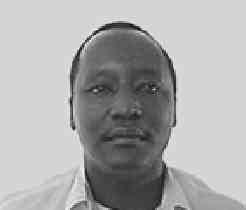
LTBP's New Recruits
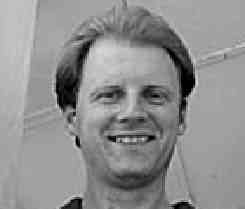
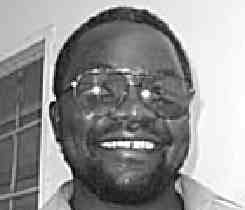
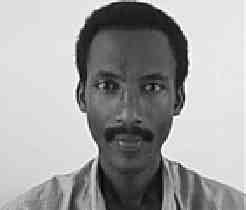
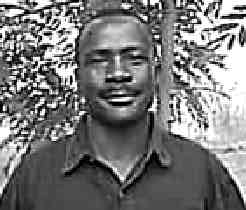
As you tour the LTBP riparian stations these days, you will probably notice that our offices are becoming increasingly
populated. During the past year, LTBP has recruited a number of adminstrators and facilitators to assist in carrying out
activities at the riparian stations. Administrative assistants were recruited to manage the project accounts and tend to other
matters, including: travel and accomodation bookings, importation and exportation of project equipment and other details. Our
administrative assistants are very busy people undertaking thankless jobs. Happily, we have a top-notch line-up working for us: in
Kigoma, Mr. Bahati (James) Barongo left the UNHCR repatriation effort to help us manage the LTBP station at Tanzanian Fisheries
Research Institute-Kigoma (TAFIRI). In Bujumbura, Mr. Mamert Maboneza, who is very experienced owing to his previous service
with our sister project Lake Tanganyika Research (LTR), has a double load, managing payments and other activities for both the
Bujumbura and Uvira stations (DR Congo does not have a functional banking system for the moment, so all such transactions for
Uvira are routed through the Bujumbura station). And in Mpulungu, Mr. Clement Mwelwa joined us from Lusaka last October after
Mr. Martin Pearce left the project to run his own business. The riparian station administrators work together with the administrative
staff in the Project Coordinator's office in Dar es Salaam, Ms. Maria Hiza, Mr. Ritesh Bhandari and Mr. Christopher Rweyendera to
ensure a smoothe execution of all LTBP activities.
Mamert Maboneza
Pierre-Claver Nzimpora
Richard Paley
Bahati Barongo
Olivier Drieu
Clement Mwelwa
In addition to administrators, LTBP has also recruited facilitators/trainers to help develop and implement the special studies workplans
and in so doing raise local capacity. Mssrs. John Dorr (Fishing Practices Special Study), Olivier Drieu (Sedimentation Special
Study) and Richard Paley (Biodiversity Special Study) arrived in Mpulungu in October 1997 and spent the following month touring
the riparian stations to meet their national colleagues and discuss their special studies' workplans. Mr. Paley is based in
Kigoma and Mr. Drieu is based in Mpulungu, though they spend much of their time travelling to the different stations to tend to
activities. Dr. Dorr was based in Bujumbura, but has since left LTBP to coordinate an environmental project in the Philippines. We
were sad to lose Dr. Dorr, however, before leaving he completed a detailed assessment and workplan for the Fishing Practices Special
Study. LTBP is currently finalizing arrangements for his replacement as well as a facilitator for the Socio-Economic Special Study.
Additionally, LTBP has recruited a full-time translator, Mr. Pierre-Claver Nzimpora, to translate the wealth of documents the
project generates from English to French or French to English as necessary. Mr. Nzimpora is based at the LTBP Bujumbura Station.
Mr. Robert Kimanduka, also based at LTBP Bujumbura Station, works closely with the BIOSS team to manage the Biodiversity
Literature Database.
4


















Your Regional Resource Center -- Introducing LTBP's Intranet Website
by Jerod Clabaugh
As many of you know, LTBP has no single `base' of operations, but rather many bases including: the Project
Coordinator's office in Dar es Salaam, the Scientific Liaison Officer's Office in Bujumbura, the Kigoma and Mpulungu
Stations, the National Coordinators' Offices in Bujumbura, Dar es Salaam, Kinshasa and Lusaka, plus the offices of Natural
Resources Institute (NRI), Marine Resources Assessment Group (MRAG) and the Institute of Freshwater Ecology (IFE), and UNOPS
and GEF headquarters in the USA. With so many different affiliates spread throughout the region and across the globe, it is very
difficult to ensure that all project information is readily available at all places and to all participants.
Over the past two years, LTBP has been investigating solutions to
tackle this problem. We chose Internet technology to develop a
`regional resource center', where all project information is gathered,
archived, and made available to potential users. In January 1999, we
unveiled our globally-accessible intranet website. And for those par-
ticipants without direct access to the Internet, we are providing a
complete portable copy of the website on CD-ROM, updated every
3 months.
Although this website is currently based in the UK at NRI, plans are
already underway for its deployment to the region later this year. In
the coming months, a regional participant will be trained to oversee
the development and maintenance of the website into the future.
Our website is divided into two sections. The public section allows
anyone in the world to learn more about Lake Tanganyika and LTBP's
efforts to protect its biodiversity. Visitors accessing the public section
can even, through pictures, visit our riparian field stations. In the
private section, LTBP affiliates can find out the latest project news,
read or print any project document (even this newsletter), view in-
«Click» on this banner to enter our private section
depth information and data on each Special Study or our Geo-
graphical Information System, keep in touch with the
How to Connect...
Strategic Action Program, download forms and other files
For those with access to the Internet, you can begin by going directly to
our homepage at http://www.ltbp.org
crucial for project administration, find out the current location
of consultants in the region or just peruse our expanding photo
The private section can be accessed by clicking on the logo (above left)
gallery of project events. Whether in the UK or Mpulungu,
at the bottom of the homepage. Access may be requested from
all project information is at your fingertips.
lakeside@cni.cbinf.com
For those lacking access to the Internet, you can request a CD-ROM
Jerod Clabaugh served as Technical Officer with LTBP for
subscription. Just email us at lakeside@cni.cbinf.com for more information.
16 months and continues to update the website and publish
the newsletter.
Our private section -- information at your fingertips
5













BIOSS Workshop for Francophones
All these methods were scrutinised in order to improve them,
and were practiced on the field during two days in Gitaza and
By Félix Nicayenzi
Magara. Some samples of molluscs and of other macro-
invertebrates were brought to the lab and studied, and then
Following the example of the training workshop on preserved with appropriate techniques. Calculation of biodiversity
special studies techniques and methods held in Kigoma indexes was also introduced and applied to these samples.
from 22 September to 3 October 1997 for Lake Tanganyika Participants also practised how to key in the obtained data into
researchers from anglophone countries, a similar workshop was the computer.
held in Bujumbura for the benefit of francophone countries from
2 to 10 July 1998. Twenty one participants from the Democratic After field and lab work, participants briefly presented the obtained
Republic of Congo and from Burundi took part in the workshop results to make sure that the methods had been well practised and
with the assistance of international experts.
Mr Jean-Berchmans Manirakiza, the LTBP National Coordinator,
made the opening speech. After bidding welcome to all
participants, he recalled the importance of Lake Tanganyika for
the riparian population, the different threats affecting the lake's
biodiversity and the need to protect it. He finished his speech by
wishing plenty of success to the workshop.
The objectives of the workshop were among other things the
analysis, discussion and standardisation of methods and proto-
cols for the estimation and management of biodiversity used in
the project in order to improve taxonomical knowledge and
finalise protocols of sampling and surveying for the research
program in Burundi and the Democratic Republic of Congo.
Drs. Nshombo Muderhwa and J. Bosco Gashagaza make final
preparations for an aquatic survey
to allow comparison of these techniques. Calculation of
biodiversity indexes was well mastered. Taxonomical knowledge
was improved.
The workshop was organised by Kelly West from LTBP and Eddie
Allison from MRAG in the United Kingdom. The trainers who
conducted the work were: Kelly West for molluscs, Eddie Allison
for the calculation of biodiversity indexes and initiation to the
Project database, Koen Martens from the Royal Belgian Institute
of Natural Science for macro-invertebrates, Luc De Vos from
Kenya National Museum, J. Bosco Gashagaza from Rwanda
Students study the hippos, crocodiles, and birds at Rusizi National Park
National University, Gaspard Ntakimazi from University of
Burundi, and Nshombo Muderhwa, Director General of CRH
An eight day intensive program was prepared and included some
Uvira in the Democratic Republic of Congo for fish taxonomy.
presentations/debates, theoretical and practical sessions of
Other participants from DRC at Hydrobiological Research Centre
taxonomy of fishes and macro-invertebrates, sessions of initiation
were: Mulimbwa N'sibula, Scientific Director, Bwebwa Diamani,
to the project database, field trips and analysis and processing of
Mukirania Muke Syaira, Bashonga Bishobiri, Amandala Shekani,
samples collected from the field. The program also inserted an
Patrick Kukiye Buda, Muzumani Risasi, all of them researchers
excursion to Rusizi National Park. In order to facilitate practical
with the Centre. Burundi was represented by: Félix Nicayenzi,
activities on the field, in laboratories and on the computer,
Wilondja Kamalebo, both LTBP researchers, Benoit Nzigidahera,
participants divided themselves into two groups taking turns
adviser at INECN, Libère Ndayisenga, Ladislas Habonimana, re-
around the trainers.
spectively chief warden and tourist guide for Rusizi National
Park and Bernard Sinunguka, researcher with the Department of
The different speakers addressed such themes as : " What is
Fisheries and Pisciculture, and Albéric Rugirabirori, technician
biodiversity ? What is its importance ? How to measure it ?",
from the University of Burundi.
"Ichthyological diversity of the lake Tanganyika catchment" ,
"Ecology and evolution of cichlids frequenting shells", etc.
The workshop closed with a dinner during which Koen Martens
entertained us with his presentation on `Speciation in Ancient
Let us recall that special studies methods used by the project to
Lakes.'
evaluate and estimate biodiversity are the following : "manta",
profile of sub-lacustrine habitat, stationary fish census, rapid fish
census, global fish census, census along mollusc transect and
Félix Nicayenzi wrote his university thesis on the cichlids fish of
quads, gill net fishing, collecting macro-invertebrates with a
Lake Tanganyika. He worked for the Centre de Recherche
bottom sampler or a net and crab trapping. Most of these activities
Régionale en Hydrobiologie Appliquée before joining LTBP.
are carried out through diving using SCUBA.
6

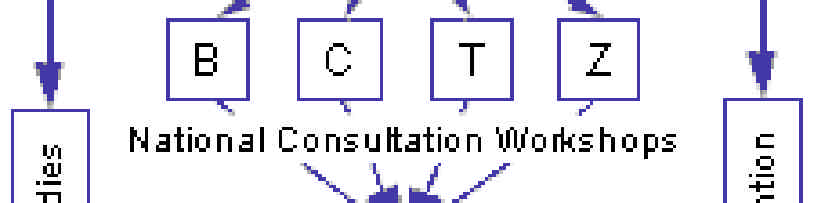

A Strategic Action Plan for Lake Tanganyika
by Nicholas Hodgson
The RAF/G32/92 project document signed by Lake
Tanganyika's four riparian nations describes the first
immediate objective as: "...establish a regional long term
management programme for pollution control, conservation and
maintenance of biodiversity in Lake Tanganyika". The key
mechanism for achieving this output was seen as the formula-
tion of a Strategic Plan. The project document also envisaged
establishing a permanent organisation, or Lake Management
Body, to promote the cooperative management of the lake,
effectively becoming responsible for supervising the implemen-
tation of the strategic plan.
This same approach has been adopted in many other interna-
tional resource management programmes; lessons have been
learned and concepts refined. The Strategic Action Plan - the
SAP - is now central to the GEF approach to achieving consen-
sus in the management of international waters. And it continues
to evolve.
There is no definitive blueprint for a Strategic Action Plan, but
underlying the SAP are two interlinked management require-
ments. These both relate to principles embodied in the Rio
Convention. The Preventative Principle states that it is generally
better to prevent damage than to cure it. While the Precautionary
Principle states that "...lack of full scientific certainty should
not be used as a reason for postponing measures to avoid or
minimise such a threat."
framework, and that the national representatives, members of the
restructured Technical Advisory Committee, were fully aware of
The management implication is that there is a need to set
their "Constituents" concerns.
priorities, based on best available information; and a need to
respond to change as either the situation changes or the knowledge
The first major task of the Technical Advisory Committee has
been to refine and expand on the priorities and management
on how to manage it improves. A Strategic Action Plan is
therefore not static, it becomes a tool and function of a
concerns identified at the inception workshop, using the formal
Management Body responsible for adapting and implementing
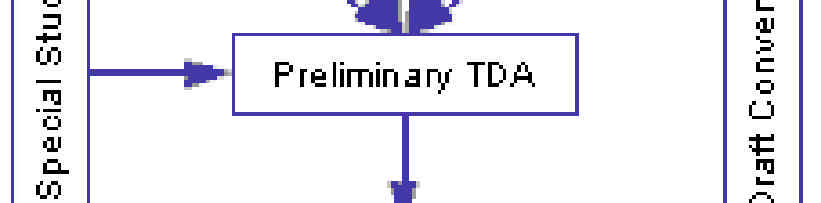
mechanism of a Preliminary Transboundary Diagnostic Analysis
it as the situation changes.
- the TDA. This is simply a mechanism to establish a common
framework of facts and an understanding of threats and
opportunities, as a means of arriving at a consensus on the
Over the last year, the process of developing the Lake Tanganyika
Strategic Action Plan has increasingly involved many of the
priorities for action that need to be included in the SAP.
stakeholders, planners, decision makers and scientists linked to
the project in all four countries. But the process started three
The TDA workshop was held in Lusaka in November 1998 and
years ago with the inception workshop, where the four countries
the workshop report has now been distributed for comment.
identified their priority management concerns. Following this,
and informed by the baseline reviews, the priorities for the special
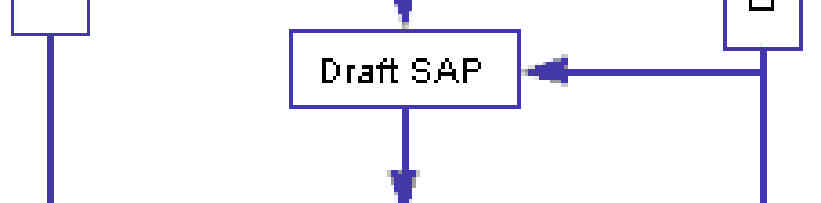
The next stage in the process will be for the TAC to prepare a
draft Strategic Action Plan. This will include both the results of
studies were defined to answer specific management questions.
In January 1998, the Project Steering Committee endorsed a
the TDA and the conclusions from the first steps in preparing the
process of national and regional consultation that would lead to
draft Convention. Following this, the preliminary TDA will be
a final SAP being endorsed within the project time frame. This
revised to include implications of the final results of the special
process would be led by the Technical Advisory Committee with
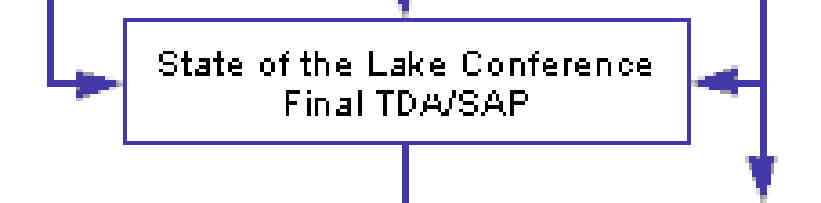
studies programmes, due to be completed later this year. And on
the basis of the revised TDA a final SAP will be prepared for
additional members brought in specifically for the SAP. In
parallel with this, the steering committee approved the work
endorsement by the steering committee and additional ministerial
programme for the development of a formal Convention that will
representation. The SAP will then become the guiding path for
provide the legal framework for the SAP. Since then the project
the Lake Management Body, and its responsibility.
has supported a series of national and regional meetings. The
national meetings were led by the national working groups, with
additional representation to include as wide a range of
Nicholas Hodgson is coordinating the LTBP SAP process.
stakeholders as possible. The outcome of the national meetings
was that all four countries developed a common analytical
7




LTBP Participation in the Nyanza Project
Each student, under the supervision of a trainer and sometimes in
collaboration with other students, completed an independent re-
by Mukungilwa Kamalebo
search project in a subject of his/her choice related to one of the
branches of theory, (i.e. geology, limnology or biology of Lake
Nine African students and twelve American students Tanganyika). Research topics among the African students included
participated in the first session of The Nyanza Project
diverse subjects such as: a comparison of fish populations at two
in Kigoma, Tanzania, from 1 June 10 July 1998. The
different habitats, the effects of coastal upwelling in high relief
Nyanza Project is a scientific research and training course initi-
and low relief zones, variations in the thermocline and its effect
ated by Dr. Andrew Cohen of the University of Arizona (USA).
on nutrient levels in Kigoma basin, algal benthos of the littoral
It is a part of the Research Experience for Undergraduates (REU)
zone, diatom assemblages from surface sediments, the relation-
programs, the main objective of which is to interest and to ac-
ship between water parameters and fishing results, the effect of
tively involve participants in different types of scientific research.
small streams on the hydrogeochemistry of the lake and studies
The Nyanza Project specialized in the following research sub-
of the settling rates of fish eggs. At the end of his/her work, each
jects: geology, biology, and limnology of The African Great
student presented, in plenary session, his achieved preliminary
Lakes, and of Lake Tanganyika in particular.
results.
In addition to their scientific activities, participants got the op-
portunity to visit Livingstone Museum in Ujiji and the road of
slaves. They also had an excursion to Gombe Stream National
Park.
Three Burundians participated in the course: Célestin Bigirimana,
Arthur Nahayo, Térence Nahimana; along with three Congolese:
Safari Borauzima (ISP Bukavu), Mukungilwa Kamalebo (CRH/
UVIRA), Mavula Mbemba(CRH/ UVIRA); two Tanzanians :
Shariffa Bungala, Chobaliko Rubabwa and one Zambian: Phallen
Milambo. Twelve American students also participated: Pete
Macintyre, Karine Simon, Kirsten Bannister, Kristin France,
Christie Haupert, Beverly Green, Giana Gelsey, Ginger
Edattukarran, Brandon League, Joel Hoffman, Sarah Pittiglio,
Mark Woodworth.
Nyanza students work with freshly collected samples
The following trainers did their best to ensure the success of the
Nyanza Project:
The American National Science Foundation (NSF) sponsors the
five-year project. While NSF/REU supported the American par-
Andrew Cohen, University of Arizona, USA, Director of Nyanza
ticipants, The Lake Tanganyika Biodiversity Project (LTBP) spon-
Project; Chris Scholtz, geologist, University of Miami, Florida,
sored the African participants and provided material contribu-
USA; Ellinor Michel, biologist University of Amsterdam,
tions for the organization of the courses.
Netherlands; Pierre Denis Plisnier, limnologist, Tervuren
Museum, Belgium, Gaspard Ntakimazi, biologist, University of
Tanzania Fisheries Research Institute (TAFIRI) hosted the courses.
Burundi, Nick Matthieu, R.E.U. Administrator and guest lecturers:
The project students and instructors also received scientific and
Kelly West, biologist, scientific coordinator, LTBP; Simone Alin,
technical collaboration from TAFIRI staff members.
biologist, USA.
The African students travelled many different paths to reach
The Nyanza Project training session, Kigoma 1998, ended as
Kigoma. The Congolese delegation left Uvira, via Bujumbura,
planned on the 10th of July 1998 and the African students followed
on the 28 May 1998 and arrived in Kigoma by small plane the
different paths to their respective homes.
same day. The Burundian delegation arrived the following day
by small charter plane. The Tanzanian and Zambian delegates
The Congolese team would like to take this opportunity to express
arrived by train on the 31 May 1998 along with the American
its thanks to the Nyanza Project organisers, the trainers, LTBP
students and the instructors. All the students were accommodated
and to all those who contributed to the success of Nyanza Project,
in « Railway Hotel ».
Kigoma 1998.
The training activities were two-fold i.e. theory and practical
courses with exercises in the field and laboratory and individual
research projects.
Mukungilwa Kamalebo participated in the first year of the Nyanza
Theory and practical courses took place during the first three
Project. He is a researcher in the Biology Department of the
weeks of the session. One week of intensive classroom lecture
Centre de Recherche en Hydrobiologie-Uvira in the Democratic
and field and laboratory practical courses were devoted to each
Republic of Congo.
of the major theme topics: geology of East African lakes, tropical
limnology and biology, biodiversity and the evolution of Lake
Tanganyika.
8





































The Pollution Problem in Burundi
fringing the lake is agricultural land area where pesticides are
often in use. This is especially problematic in the Rusizi plain
by Gabriel Hakizimana
and the Rumonge area where farmers use organochlorates in
ricefields which constitute a dreadful pollution threat for
B
underground waters and the Lake.
urundi is one of Lake Tanganyika's four riparian
nations. It differs from its neighboring countries in
that its capital city, Bujumbura, is located on the shores
of Lake Tanganyika. Bujumbura is the most industrialized and
most populated city in Burundi and along the entire coastline of
Lake Tanganyika.
From more than a century, the city of Bujumbura underwent a
considerable evolution, but it was during the 1960s that
industrialisation started, and it has been expanding ever since.
Bujumbura has about 250,000 inhabitants with about 70 industrial
enterprises which influence the waters of Lake Tanganyika and
its nearby rivers.
A census of pollution sources made by the National Institute for
the Environment and Nature Conservation (Institut National pour
l'Environnement et la Conservation de la Nature) in 1992 revealed
the existence of many different types of industries in Bujumbura,
including:
food processing, textiles, metallurgy, chemicals and
pharmaceuticals, petrol warehouses and garages, soap
manufacturers, slaughterhouses, paint refineries, printing
houses, and so on.
Bujumbura's water treatment plant
It is important to note that in the Bujumbura area, the lake is
occassionally subjected to pollution, both accidental and
intentional. With the growth of industrial activities, quantities of
industrial waste, sometimes very toxic, are also increasing and
we are witnessing cases of unauthorised dumping and even direct
disposal in the lake. Recent events included the disposal of about
600 tons of out-of-date milk in the Rusizi River and a recent mass-
mortality of fishes in Bujumbura Bay which according to our
analyses was probably provoked by accidental disposal of a
considerable quantity of caustic lye (NaOH) during the off-loading
of boat cargo.
Burundi is taking many different measures to reduce the load of
pollutants entering Lake Tanganyika. For example, the Govern-
ment of Burundi has installed an industrial and domestic water
Brarudi Brewery: one of over 70 industries in Bujumbura
treatment plant in Bujumbura. This facility, which employs
mechanical and biological treatment, treats 38% of Bujumbura's
Designers installed all these enterprises without thinking about
wastewater before it enters the lake with a 95% reduction in
waste pre-treatment systems. Consequently most of these
Biochemical Oxygen Demand (BOD).
industries discharge their waste into the lake or into rivers that
flow into the lake.
Furthermore in the framework of LTBP, the Pollution Special
Study, engaged in Burundi since June 1998, carries out physico-
There are also smaller towns, such as Rumonge and Nyanza-Lac,
chemical and phytoplankton analyses. They have already
that directly discharge their domestic waste water into Lake
produced two quarterly reports on this subject. Their analyses
Tanganyika. Domestic water discharge presents the danger of
concentrate on the water quality of Bujumbura Bay as well as the
biological contamination and public health risk. Analyses
waters of Bujumbura City and its rivers. These and other pollution
conducted in Bujumbura Bay revealed the existence of different
and water quality data were integrated into the Burundian National
forms of bacteria especially coliforms and Escherichia coli which
Strategic Action Programme reports and the Transboundary
live very near the city's drinking water intake system.
Diagnostic Analysis.
Pesticides are another important risk factor along the Burundian
Gabriel Hakizimana is the LTBP Pollution Special Study Coor-
portion of the Lake Tanganyika catchment. Much of the region
dinator for Burundi.
9








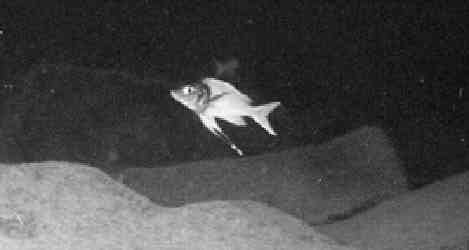
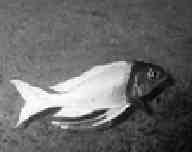
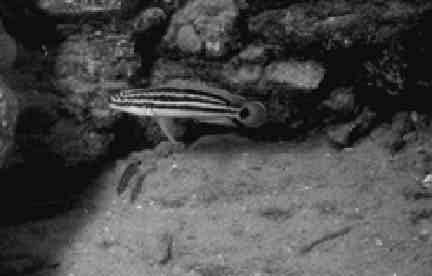
Reuben Shapola's Underwater Photo Gallery
by Kelly West
Mr. Reuben Shapola, from the Zambian Department of Fisheries (DoF) Mpulungu Station, was
a participant in the first dive training course held in Kigoma in 1997 for the LTBP
Biodiversity Special Study. In addition, Mr. Shapola is an amateur photography hobbyist. After
being certified to dive and trained in underwater research methods, Mr. Shapola took an interest in under-
water photography. He has refined his technique over the past year, and has selected some of his best
images for us to show here and on the project website.
Mr. Shapola first became interested in both diving and underwater photography when some Japanese researchers visited Mpulungu
Station in 1988. Over the years Mr. Shapola and other DoF staff have continued to collaborate with the Japanese research team.
Though Mr. Shapola had previous experience diving, it was not until the LTBP underwater research methods training course that he
tried his hand at underwater photography. The first roll of film that he shot included lots of pictures of only rocks or sand. "The fish
move so fast!" Mr. Shapola lamented in describing some of the difficulties of
underwater photography. In addition to all the complications of normal photogra-
phy, Mr. Shapola notes that underwater photography is much more difficult than
regular photography because the light underwater is more difficult to judge, and
because the subjects, especially the fish, are not very helpful in that they never hold
still and smile for the camera. As you can see from his photos, Mr. Shapola has
found ways in which to overcome these difficulties.
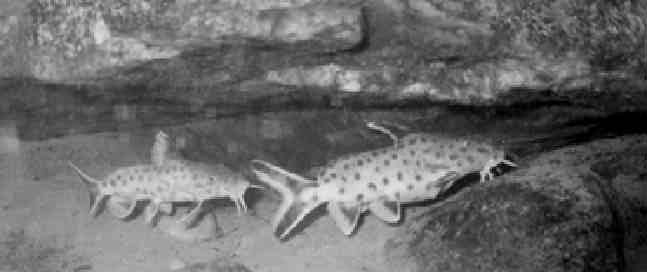
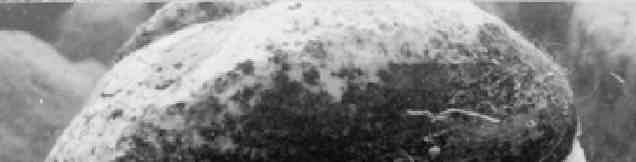
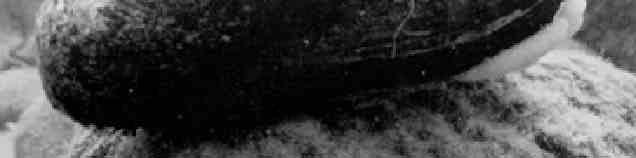
Synodontis sp. catfishes
Mr. Shapola attended Kasaka Fisheries Training Center in Kafue, Zambia before
joining DoF Mpulungu Station in September 1986. In addition to diving surveys,
Mr. Shapola also participates in the DoF gill net surveys in Zambia. We wish him
much luck with his photography as he continues to practice and perfect his technique.
More photos can be viewed at
http://www.ltbp.org/priv/GALLERY.HTM
a bivalve mollusc
Kelly West is the Scientific Liaison Officer for LTBP.
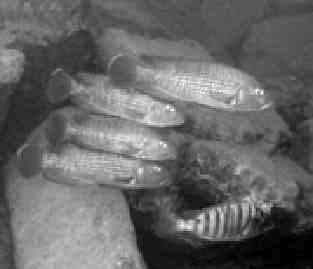
Opthalmotilapia ventralis patrolling territory
Neolamprologus sexifaciatus patrolling
through a school of N. brichardi
A troop of Lamprologus callipterus on the prowl
Sand-dwelling cichlid nest
10


















The Zambian dive team out for a snorkel
Opthalmotilapia ventralis in nest
This rocky outcrop is home to at least 7-10 different spp. of cichlids
A Zambian diver collecting samples
Catherine O'Reilly measuring primary productivity
Julidochromis sp.
Rocky/sandy habitat - 3m
11















The Isotope Hydrology Of Selected Lake
flow velocity, stream flow measurements do not always
Tanganyika Watersheds
correspond directly with the gauge height. Stream flow measure-
ments for the shifting Ngonya stream were accomplished by use
of surveying techniques. It is interesting to note that the data
by Hudson Nkotagu
collected following this procedure and those obtained directly on
the staff gauge, plot equally well on the rating curve for the stream.
Background:
T
Water samples analysis:
he isotope hydrology of selected Lake Tanganyika
watershed areas is a component of the LTBP Sedimen-
During fieldwork, analyses of water samples are limited to: the
tation Special Study. Drs. Patterson and Nkotagu, along
determinations of pH, NO3, dissolved oxygen, electrical conduc-
with other team members, selected two watersheds during a visit
tivity, temperature, Fe, Chloride, Phosphorous and alkalinity.
to the study area in September 1997. Both an impacted and
However, laboratory work commences with the filtration of all
unimpacted watershed were selected for comparative hydrologi-
the samples at the Kigoma LTBP wet laboratory and detailed
cal evaluation of the land use effects and their implications to the
chemical analyses for all major ions and other parameters are
Lake's biodiversity.
performed at the Tanzania Bureau of Standards (TBS) in Dar es
Salaam.
The isotope techniques provide complimentary information to
those of the classical methods. Information such as: sources of
water, nutrients and the hydraulic interconnection between surface
and groundwater can be obtained through the study of isotopes.
In addition, the pollutant pathways into the lake and the
quantification of stream flow into both base flow and surface
runoff can be easily and more accurately achieved by use of
environmental isotopes.
This work involves mainly water sampling from rainfall, stream
flows, groundwater and the Lake. Furthermore, sediment sampling
is also conducted in order to determine the current sedimentation
rates.
Water sampling:
Water samples are collected from both the Mitumba and Ngonya
streams flowing through the unimpacted and impacted watersheds
respectively. A total of 160 duplicate water samples have so far
Dr. Nkotagu and villagers collect water from the new collection chamber at
Mwamgongo, Tanzania
been collected. Samples from both the high and low stream flows
are targeted in order to observe the effects of both lithology and
land use on the stream flows' chemical character as well as in the
Field equipment installation:
delineation of the major pollutant pathways. The same sampling
points on the streams and the lake are maintained for proper
Two manual rain gauges were installed in the open air, one close
monitoring of the chemical character of the water with season.
to each of the Mitumba and Ngonya stream gauging stations. Due
Samples are likewise collected from rainfall.
to the roughness of the Ngonya stream, a metallic gauze was
installed in order to protect the gauge plate from being knocked
Sediment sampling:
down by rolling boulders and cobbles brought about during flash
floods.
Sampling also includes sediment load from both the Ngonya
and Mitumba streams.
Interesting news:
Preliminary assessment shows, as expected, that Mitumba stream
Interesting news is that one of the seepage sampling points
flowing across the unimpacted watershed area in the Gombe
identified during this work has been developed into a water supply
National Park carries lower sediment load than the Ngonya stream
source for the Mwamgongo village. After our explanations to the
located in the heavily impacted watershed. The actual sediment
village leaders on how to solve their acute problems of a clean
load of the two streams is yet to be determined in the laboratory
and safe drinking water supply, a collection chamber was con-
for proper evaluation of the recent sedimentation rates.
structed. Collective efforts by all the villagers resulted in this
wonderful potentially long-term solution.
Stream flow measurements:
Dr. Hudson Nkotagu is the Sedimentation Special Study Coordi-
Stream flow measurements are recorded mainly for high flows.
nator for Tanzania.
Both Mitumba and Ngonya streams are measured. Flow for the
Ngonya stream varies from 0.093 to 0.733 M3/sec at gauge heights
of 0.14 to 0.733 m respectively. The Mitumba stream flow is
observed to vary from 0.031 to 0.190 M3/sec at gauge heights of
0.06 to 0.13m respectively. Because of the micro climate effect
and/or shifting of the stream flow control factors resulting in
increased channel width and reduced stream
12

















LTBP Renovations of Riparian Stations
TAFIRI wet and dry laboratories and renovated the R/V Echo.
Though some analyses are conducted in Dar es Salaam and
During the past year, LTBP has worked hard to establish Arusha, all the LTBP special studies conducting research in
a presence in each of Lake Tanganyika's four riparian
Tanzania rely on the TAFIRI Kigoma facilities.
nations. In addition to our National Coordinator's offices
in Bujumbura, Dar es Salaam, Kinshasa and Lusaka, and the
Project Coordinator's office in Dar es Salaam, LTBP has
established a presence at the lakeshore in each of these countries,
with lakeside research stations in Bujumbura, Kigoma, Mpulungu,
and Uvira.
In Bujumbura, the Burundian Ministry of Agriculture granted
LTBP generous office space in the Department of Water, Fisheries
and Aquaculture. After a coat of paint all around, we moved into
the former offices of the Regional Research Center in Applied
Hydrobiology (CRRHA). Our facilities include: wet and dry
laboratories, a museum with aquaria, a library with computer
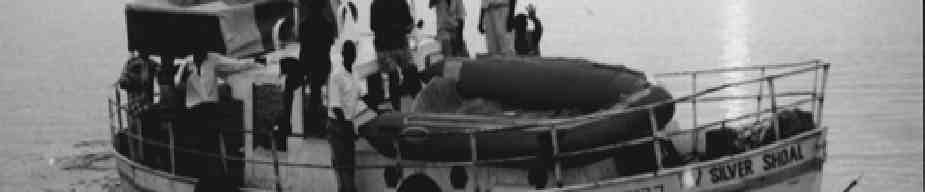
The R/V Silver Shoal (DoF - Zambia)
The Zambian Department of Fisheries (DoF) granted LTBP office
facilities at their compound in Mpulungu. LTBP has dedicated
office space for the administrative assistant and facilitator and
has use of communal DoF facilities, including, laboratories, the
library, and storage facilities. At DoF Mpulungu station, LTBP
has upgraded the wet and dry lab facilities, renovated the R/V
Silver Shoal and contributed computers to the library. All the
LTBP special studies conducting research in Zambia rely on these
DoF Mpulungu Station facilities.
LTBP Bujumbura Station
In the Democratic Republic of Congo, LTBP activities are
concentrated at the Hydrobiological Research Center (CRH) in
facilities and office space. We are grateful for the resources, Uvira. The two-story center, with its biological and limnological
notably a vast library of literature, that we inherited from the laboratories, museum and darkroom, was constructed by the
CRRHA project. LTBP also capitalizes on the excellent laboratory Belgians in the 1940s and at that time was surely the most
facilities of other institutions in Bujumbura to carry out its studies.
For example, the physico-chemical component of the pollution
studies is carried out at the laboratory of the National Institute for
the Environment and Conservation of Nature (INECN) and
components of the sedimentation studies are conducted at the
Department of Geology and Mines (DGGM), the National
Geographic Institute (IGEBU) and the University of Burundi.
In Tanzania, LTBP is based at The Tanzanian Fisheries Research
Institute (TAFIRI) compound in Kigoma. LTBP renovated an
old fish-shaped storage building/canteen to provide offices for
the facilitator, administrative assistant, visiting researchers and
communal computer facilities. In addition, LTBP upgraded the
LTBP Uvira Station (CRH)
impressive scientific center on the lake. In addition to the
Belgians, other international scientists including the Japanese,
Americans, and French have relied on this center over the years.
LTBP is currently renovating the CRH building to put it back in
business as a functional laboratory. This work includes complete
refitting of electricity and plumbing, masonry, woodworking and
a fresh coat of paint all around.
We hope that you will make an effort to visit the LTBP riparian
stations when you are in the area or learn more about each station
by visiting our website.
LTBP Kigoma Station (TAFIRI)
13
Calendar of Progress and Upcoming Events
29 Jun-3 Jul 1998
Zambia held its National Sectoral Problem
23-27 Nov 1998
Transboundary Diagnostic Analysis held in
Review workshop in preparation of the SAP.
Lusaka, Zambia. Technical specialists from
Tanganyika's four riparian nations met in
2-10 Jul 1998
Francophone Biodiversity Workshop held in
Lusaka to prioritize the threats to Lake
Tanganyika's biodiversity.
Bujumbura: `Atelier ESBIO: Evaluation,
monitoring, gestion et exploitation de la
Biodiversité'
16 Nov 1998
Project Personnel from LTBP and the Lake
Tanganyika Research (LTR) projects met to
13-14 Jul 1998
Interviews held at Marine Resources
discuss a joint monitoring program to be
executed at the riparian station.
Assessment Group (MRAG) and Natural
Resources Institute (NRI) for field-based
facilitators to assist with execution of special
16 Dec 1998
Project personnel visited the Centre de
studies.
Recherche en Hydrobiologie (CRH) for the
first time since July 1998 owing to insecur-
ities in the region. Scientific activities and
27-31 Jul 1998
Tanzania held its National Sectoral Problem
rennovation of CRH resume.
Review workshop in preparation for the SAP.
25-29 Jan 1999
Training and Communications Liaison
12-13 Aug 1998
Delegations from Burundi, DR Congo,
Officers from Tanganyika's four riparian
Tanzania and Zambia gathered in Arusha,
nations met in Bujumbura for a workshop.
Tanzania for Steering Committee and
Technical Advisory Committee Meetings.
Agenda items included: review of project
4-5 Mar 1999
Delegates from Tanganyika's four riparian
progress at all levels, presentation of the
countries attend the closing conference for
IW:Learn distance-based learning initiative,
the Lake Malawi GEF project.
clarification of the roles of National Working
Groups and National Steering Committees,
15 Apr 1999
Project Management Meeting in UK to
discussion of the Training Needs Assessment
discuss the recommendations of the mid-
Report, overview of the Strategic Action
term evaluation.
Planning Process and preparation for
Transboundary Diagnostic Analysis.
May 1999
Steering Committee Meeting and Tripartite
31 Aug-4 Sept 1998
Review in Bujumbura, Burundi.
Zambia held its National Environmental
Priorities and Strategies Review workshop in
preparation for the SAP.
7-11 Sept 1998
Burundi held its National Sectoral Problem
Review workshop in preparation for the SAP.
2 Oct-6 Nov 1998
Facilitators arrived in post and, with the
SLO, toured the Mpulungu, Kigoma and
Bujumbura stations to assess resources and
determine priorities as they made forward
workplans for their special studies.
12-16 Oct 1998
Tanzania held its National Environmental
Priorities and Strategies Review in
preparation for the SAP.
20-24 Oct 1998
RD Congo held a workshop in Arusha,
Tanzania to deal with both the National
Sectoral Problem Review and the National
Environmental Priorities and Strategies
Review in preparation of the SAP.
1-29 Nov 1998
LTBP underwent mid-term evaluation.
Mssrs. G. Cougny and N. Ipsen, contracted
by UNOPS to carry out an evaluation of
LTBP on behalf of UNDP and GEF, visited
Dar es Salaam, Bujumbura, Kigoma,
Mpulungu and Lusaka to meet with
National Coordinators, members of National
Working Groups, the Project Coordination
Unit, members of national institutions
executing work on behalf of the project and
other project personnel.
2-6 Nov 1998
Burundi held its National Environmental
Priorities and Strategies Review workshop in
preparation for the SAP.
14