òqØæoJ èeÉfÈdG ᣰûfCG ¿EG .»eÓ°SE'G ᫪æàdG æHh áÄ«Ñd IóëàYG ·C'G èeÉfôHh »FÉE'G IóëàYG ·C'G èeÉfôHh
of Aden. This project is funded by UNDP, UNEP, The World Bank and The Islamic Development
QOÉ°üªd Góà°ùYG Góîà°SE'G ,...ôëÑdG çàdGh áMÓYG ôWÉfl «J ,áÄ«¡dG äGQób ºYO :äÉf
Bank (IDB). The SAP is being carried out through seven complementary components:
q
µe á©Ñ°S ÈY
institutional strengthening, reduction of navigation risks and marine pollution, sustainable use
IQGOEG Ö«dÉ°SC' ºYO ,áq«ªfi ájôëH WÉæY äɵѰT ¢ù«°SCÉJ ,...«G ´æàdGh äÉÄ«ÑdG Y á¶aÉÙG ,áq«G ájôëÑdG
of living marine resources, conservation of habitats and biodiversity, the establishment of a
.á«Ñ©°ûdG ácQÉ°ûYGh á«Ä«ÑdG á«YàdGh á«MÉ°ùdG WÉæªd áeɵàe
network of marine protected areas, support for integrated coastal zone management, and the
enhancement of public awareness and participation.
k
IhÓY º«bE'ÉH çó àdG ájªæàdG ᣰûfC'Gh áÄ«ÑdG Y á¶aÉÙÉH á°UÉÿG äÉe©YÉH ºcójhõJ g ájQÉÑNE'G ádÉ°SôdG òg øe ±ó¡dG ¿EG
áÄ«¡d Q°üJ hCG TM°Vh IQhô°dÉH ¢ùµ©J ' ájQÉÑNE'CG Iô°ûædG äÉjàfi ¿EG .É©dG ɪàgE'G äGP ájôëÑdG äÉY°VYÉH á°UÉÿG ä'ÉYG Y
hCG OhóM ,á©WÉe ,ádhO ...C' ÊfÉdG TM°VdÉH ¢üàîj ɪ«a áÄ«¡dG øe ±ôW ...CG ...CGQ øY ÒÑ©àdG øª°àJ ' É¡fCG ɪc ,ôjôëàdG ¢ù> hCG
The aim of the newsletter is to provide information on conservation and development activities taking place in the region
.áªNÉàe OhóM
together with articles on marine issues of general interest. The contents of the newsletter do not necessarily represent the
position or views of PERSGA or the editorial board, nor do they imply the expression of any opinion on the part of PERSGA
:Iô°ûædG òg äÉjàÙ TMÑ£dG ¥M
concerning the legal status of any country, territory, frontier or border.
.Qó°üYG í«°VJ IÉYGôe TMe É¡JÉjàfi øe ...CG hCG Iô°ûædG òg Góîà°SEG IOÉYEG Réj
All non-copyright material may be freely reproduced. Al-Sanbouk cordially requests that due reference is made to the source if
any news/articles/pictures are reprinted in other publications.
ôjôëàdG áÄ«g
ô°üf QGô°V .O
Ñæ°ùdG
:ôjôëàdG ¢ù«FQ
áÄ«¡dG °ùæe
É©dG ±Gô°TE'G
...Ra óªfi .O
Al-Sanbouk
Editorial Board
Dr. Dirar Nasr
«aJ QGõf .O.CG
è櫪«a jQOhQ ó«°ùdG
óYÉ°ùYG É©dG ÚeC'G
is under the patronage of
Chief editor:
PERSGA/SAP Coordinator
áÄ«¡d É©dG ÚeC'G
ájõ«,E'G á¨dG Qôfi
Dr. Mohammed Fawzi
Dr. Nizar Tawfiq
:AÉ°YC'G
Deputy Secretary General
Mr. Roderick Fleming
PERSGA Secretary General
»©aÉ«dG ó«©°S ¿É£ÑdG
<ÿG ó«°S .O
English Language Editor
ôWÉfl øe «àdG »FÉ°üNCG
Members:
´hô°ûYG ôjóe
...ôëÑdG çàdGh áMÓYG
Dr. Saiyed Al-Khouli
Captain Saeed Al-Yafai
Project Manager
NRMP Specialist
:<ÉàdG ¿Gæ©dÉH É°üJE'CG AÉLôdG á«aÉ°VEG ï°ùf Óà°SE' hCG ájójÈdG áªFÉd ¤EG ɪ°fEÓd
.ájO©°ùdG á«Hô©dG ᵪYG - 21583 IóL ,53662 Ü.¢U ,¿óY è«Nh ôªMC'G ôëÑdG áÄ«H Y á¶aÉëªd ᫪«bE'G áÄ«¡dG
The editors encourage you to submit articles, reviews, and photographs for publication but cannot guarantee that they will be used.
+966 2 657 3224 :JÉg
To join our mailing list or to receive additional copies please contact:
+966 2 652 1901 :¢ùcÉa
The Regional Organization of the Environment of the Red Sea & Gulf of Aden, P.O. Box 53662, Jeddah 21583, Kingdom of Saudi Arabia.
information@persga.org :ÊhεdE'G ójÈdG
Tel.: +966 2 657 3224 Fax: +966 2 652 1901
http://www.persga.org :øe É¡«Y °üG øµÁ Ñæ°ùdG øe áHÉ°ùdG OGóYC'G
Email: information@persga.org http://www.persga.org
This newsletter is printed on 100% recycled paper.
%100 á`Ñ°ùæH ¬``©«æ°üJ IOÉ`YEG q" ¥Qh Y á`jQÉ`ÑNE'G Iô°ûædG òg á`YÉ`ÑW â`q"
1
1
áÄ«H Y á¶aÉëªd ᫪«bE'G áÄ«¡dG áªc
A Word from
¿óY è«Nh ôªMC'G ôëÑdG
PERSGA Editorial
,A...QÉdG ...õjõY
Dear reader,
¢©H ,᫪«bE'G áÄ«¡dG äÉWÉ°ûf ìô°ûJ »àdG ájOÉ«àY'G OGYG ¤EG áaÉ°VE'ÉH ,Oó©dG Gòg ºµd
Welcome to Al Sanbouk 15. In addition to our regular items describing the activities of PERSGA this
q
ój .Ñæ°ùdG øe 15 Oó©dG ` H kÉÑMôe
edition of Al Sanbouk introduces to you some of the important work that is being carried out to make
äÉcô°Th É¡cqÓoeh øØ°ùdG Y kÉHÉéjEG ¢ùµ©æj É ,kÉæeCG ÌcCG É¡©Lh áq«dhódG áMÓYG «¡°ùJ LCG øe Égò«ØæJ qºàj »àdG áqeÉ¡dG ɪYC'G
international shipping safer, giving benefits to the vessels, ship owners, insurance companies and,
'
' êÓ`©dG ø`e Ò`N á`jÉ`bdG' ' IÒ¡°ûdG á`d`YG ¤EG kGOÉæà°SGh .»e«dG ¬bRQ ` É¡«Y óªà©j øe qch ájôëÑdG áÄ«ÑdG qºgCG µ°ûHh ÚeCÉàdG
most importantly the environment and all who gain their livelihood from it. Following the maxim that
çOGM ɪàMG ¢ü«J ¤EG <ÉàdÉHh º«bE'G ` áMÓYG ôWÉfl «J ¤EG »é«JGΰS'G ª©dG èeÉfôH øe ÊÉãdG ¿qµYG ±ó¡j
"prevention is always better than cure", Component 2 of the Strategic Action Programme, aims to
.ÒZh çàdG ãe É¡æY áªLÉædG ÖbG©dGh øØ°ùdG
reduce navigation risks within the region and therefore to decrease the probability of shipping
accidents and their inevitable polluting consequences.
áæ«Ø°S 20^000 øe ÜQÉj Ée QÉëHEG »æ©j É ,á«YÉ©dG IQÉéàdG øe %7
The Red Sea and Gulf of Aden carry around 7% of global maritime trade. This translates into a huge
øØ°ùdG òg °ùJ ' ,ô°VÉG âbdG ` .iôNC'G áq«ØÿG ôWÉiG ¢©Hh ,áë°V øcÉeCGh ,Qî°U ,ádhõ©e QõL É¡æe IójóY
number of vessels, 14,000 a year or more, traversing the narrow waterways with their coral reefs,
á«dÉY IQ£N äGP á£æe ôªMC'G ôëÑdG ÜæL øe á£æYG òg Èà©J dòdh .ÜóæYG ÜÉH «°e RÉàOE ¿CG ó©H áæ«©e kÉbôW
submerged shoals and hidden dangers. In many parts of the world the International Maritime
»àdG øØ°ùdG ÚH °üØd á
Organization (IMO) has established routes that separate vessels travelling in different directions, a
q
«MÓe ¥ôW ,/É©dG AÉëfCG øe Òãc ` ,ájôëÑdG á«YÉ©dG ᪶æYG äOóM ód .ájôëÑdG áMÓªd áÑ°ùædÉH
simple technique and one that has undoubtedly prevented a large number of accidents over the
.øeõdG qôe Y çOGG øe ÒãµdG TMæe ` äóYÉ°S á«G ` É¡qæµd ᣫ°ùH ájôW »gh ,ÚØàfl ÚgÉéqJÉH ¬éàJ
years. Traffic passing through the Bab el Mandeb, and sailing east or west of the Hanish Islands do
É¡qfCG øe óqcCÉàd ¥ô£dG ò¡d Ñ°ùe í°ùe AGôLEG k'hCG »¨Ñæj ,kÉ«dhO ádÑeh øØ°ùdG äGQÉ°ùe ÚH É¡«a °üØoj áq«MÓe ¥ôW ¢ù«°SCÉàd
not have to follow any prescribed routes and this area is, as a direct consequence, one with a high
ójóh `GôZhQó«¡dG í°ùYG ɪYCG a kGÒÑc kGQhO ᫪«bE'G áÄ«¡dG âÑ©d ódh .É¡µ°ùJ ¿CG ójôJ »àdG øØ°ùd áÉ°Uh áfeCÉe
navigational risk. To establish internationally accepted routes with traffic separated into lanes
requires that these lanes are surveyed in advance to guarantee that they are safe from underwater
:¿GæY â Oó©dG Gòg a Ú檰YG ÚdÉYG ` °üØe g ɪc ¿óY è«Nh ôªMC'G ôëÑdG ` áMÓYG ¥ô£d ÒHGóJ
obstructions. PERSGA has been extensively involved in hydrographic surveying and the identification
.' â°SaC
'
G Iôî°U h '
ôëÑdG ÜæL ` `GôZhQó«¡dG í°ùYG'
of new routeing measures as described in the articles "Hydrographic Surveying and Charting in the
.áÄ«ÑdG ájɪM «Ñ°S ` iôNCG áqeÉg áªgÉ°ùe Èà©J »àdGh AfGYG ` ádhódG ºqµ ɶæd IóqMe á«bÉØJG ø°ùd O¡L kÉ«dÉM ...ôOEh
Southern Red Sea" and "The Avocet Rock".
TMqàªàJ øØ°ùdG òg q¿CG øe ócCÉàd É¡°û«àØJh ájôëÑdG ÅfGYÉH øØ°ùdG ¤EG O©°üdG ÚHqQóe Ú°ûàØY qëj ,á«bÉØJ'G òg «Ñ£J ó©Hh
A second important contribution to environmental protection is being made through efforts to
øjóLGàYG IQÉqëÑdG ¤EG áaÉ°VEG ,É¡«a áeÓ°ùdG Iõ¡LCGh ,Égó««°ûJh ,QÉëHEÓd É¡àq«MÓ°U å«M øe dPh kÉ«dhO É¡H ±Î©YG ¢ù«jÉYÉH
establish a uniform Port State Control agreement within the region. Once implemented, trained
øe kÉ«dÉM ¿óY è«Nh ôªMC'G ôëÑdG Èà©jh .º«bE'G ÅfGà °SôdG hCG QÉëHE'G øe ¢ù«jÉYG ò¡H TMàªàJ ' »àdG øØ°ùdG TMæ" óbh .É¡«a
inspectors have the power to board vessels visiting the port and inspect them to ensure that they meet
ób »àdGh á«dhódG ¢ù«jÉYG ¿hO áÁób øØ°S É¡«a ôëÑJ ób ,dòd káé«àfh .É¡H ª©e á«bÉØJG É¡«a óLJ ' »àdG /É©dG ` á«dG WÉæYG
internationally accepted standards of seaworthiness, construction, safety equipment, and crew. Vessels
dÉÑe øØ°ùdG òg ãe ÜÉë°UCG »æéj óbh ,É¡æàe Y ÚgDe ÒZ IQÉqëH OLd hCG QÉëHEÓd É¡àq«MÓ°U ó©d kGô¶f ôëÑdG ` íæOE hCG ¥ô¨J
not meeting the standards may be prevented from sailing, or banned from visiting the port. Currently the
.É¡«Y ÚeCÉàdG á«MÉf øe É¡fGóa óæY IÒÑc
Red Sea is one of the few areas in the world where no agreements have been made. As a result, old,
substandard vessels with poorly trained crews can be used and they may sink or run aground because they
ájDhôdG q¿CG q'EG ,äGQGOGôdGh TMbGYG ójó Iõ¡LCG OLh øe ºZôdÉHh .¿óY è«Nh ôªMC'G ôëÑdG ` ájDhôdG Y ÜÉÑ°dGh á«eôdG °UG©dG ôKDJ
are unseaworthy, badly manned, or even because they are worth more as an insurance loss.
ÜÉH ` (¿«e) ËôH IôjõL ` IQÉæe AÉæH q" óbh ,QGòfEG á«°Sc áqeÉg kÉehO äGQÉæYG âfÉch .TMbGYG ójóëàd »°ù«FôdG QÙG ÑJ ájô°üÑdG
The Red Sea and Gulf of Aden are areas where haze and dust storms often lower the captain's visibility.
¤EG êÉà É¡æµd É¡æe ÒãµdG Ö«côJ ãeC'G øeh Iôªà°ùe áfÉ«°U ¤EG êÉà ÉqjC'G òg ` áMÓªd IóYÉ°ùYG Iõ¡LC'G q¿EG .1860 ÉY Ñb ÜóæYG
Despite the advent of GPS and radars, we rely heavily on visual clues for determining our position. This explains
iôj ,òg ájôëÑdG ¥ô£dG ` qô" »àdG øë°ûdG äÉ«ªY øe kÉjæ°S Q'hO QÉ«e Iô°û©dG ÜQÉj Ée ¿Ñ°ùµj øØ°ùdG qÓoe ¿CG ¤EG kGô¶fh .j" QOÉ°üe
why lighthouses have always been so important as warning signs; as long ago as 1860 a lighthouse was
Y TMLΰùJ ¿CG hód øµÁ ±°ùa ,ìGÎb'G Gòg ò«ØæJ q" GPEGh .á«MÓYG äGóYÉ°ùYG jªàd IójóL ¥ôW Y °üG øµÁ ¬fCG ÊÉãdG ¿qµYG
established on Perim Island (Mayyun) in the strait of Bab el Mandeb. The current aids to navigation need continual
.á«MÓYG äGóYÉ°ùYG Iõ¡LCG Òaàd É¡dòÑJ »àdG «dɵàdG ¢©H bC'G
maintenance, and more should be installed. However the ships that pass through the region without stopping at
any port escape paying any contribution towards their upkeep. With an estimated USD 10 billion per year in ocean
Y áqªL óFGØH O©à°Sh º«bE'G ` áÄ«ÑdG ájɪM ià°ùe TMaQ ` ÒÑc µ°ûH ºgÉ°ùJ ±°S
.áq«ÙGh ᫪«bE'Gh áq«dhódG äÉjà°ùYG
expected from all ships.
....ôëÑdG çàdGh áMÓYG ôWÉfl «J É> a áÄ«¡dG ¬H J É
'
Ñæ°ùdG' øe Oó©dG Gòg «£©j ¿CG eCÉf ,ÇQÉdG ...õjõY
q
ªY IQ°U
This work, funded by the World Bank, will make a significant contribution to the level of environmental protection within
the region conferring benefits at the global, regional and national levels.
We hope you enjoy learning more about our work for the protection of the marine environment.
»©aÉ«dG ¬dGóÑY ó«©°S /¿É£ÑdG
ájôëÑdG ¿Ä°ûdGh ædG ôjRh
Captain\ Saeed Abdulla Al-Yafai
Minister of Transport & Maritime Affairs
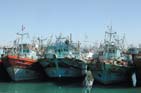
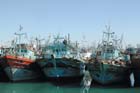
ᣰSGH ª©J á«Ñ°ûN ÖcGôe Y Ñæ°ùdG º°SG £j
Al-Sanbouk is the name given to wooden vessels
powered by sail and engine that have taken
¤Gh øe TMFÉ°ÑdG ª »àdGh ´Gô°Th qôfi
goods to and from most ports in the
¿óY è«Nh ôªMC'G ôëÑdG ` AfGYG º¶©e
Red Sea and Gulf of Aden
.Úæ°ùdG äÉÄe ióe Y
for hundreds of years.
2
2
P E R S G A
äÉWÉ°ûf
Activities
¿óY è«Nh ôªMC'G ôëÑdG áÄ«H Y á¶aÉëªd ᫪«bE'G áÄ«¡dG
Regional Fisheries Stock Assessments
᫪«bE'G ójÉ°üªd ¿hõiG º««J
The third Regional Living Marine Resources Working Group meeting was held in Hurghada
ÚH É```e IÎ``ØdG ` (ô`°üe) á``bOô¨dG á``æjóe ` á`q`«G á``jô`ëÑdG OQG`YG `ªY á``YªÛ å`dÉ``ãdG ´É``ª`à`L'G ó`Y
(Egypt) from 30 June - 4 July and included a Workshop on Sustainable Management of Living
º«bEG ` á
'
q
«G ájôëÑdG OQGªd áeGóà°ùYG IQGOE'G M ªY á°TQh ´ÉªàL'G øqª°J óbh ,2001 «dj 4 - «fj 30
Marine Resources in the Red Sea and Gulf of Aden. The main areas identified for co-operation
ɪ°SCÓd ΰûYG ¿hõiG º««J ΰûYG ¿hÉ©àd Égójó
.
'
q
" »àdG áqª¡YG ä'ÉÛG øeh ¿óY è«Nh ôªMC'G ôëÑdG
included the assessment of shared fisheries stocks and their sustainable management. The
QÉëÑdG ©d »edG 󡩪d á©HÉàdG á«fGó«YG äBÉ°ûæYGh ÈàiG IQÉjR âq" ɪc .É¡«Y á¶aÉÙGh É¡JQGOEG á
laboratory and field facilities of the National Institute for Oceanography and Fisheries (NIOF)
q
«Ø«ch
in Suez were visited.
.¢ùj°ùdÉH ójÉ°üYGh
The LMR Lead Specialist, together with six colleagues from the Ministry of Agriculture and
(ɪ°SC'G IQGOEG) É«YGh áYGQõdG IQGRh øe øjôNBG AÓeR áà°S h áq«G ájôëÑdG OQGªd ...OÉ«dG »FÉ°üNC'G à°SEG
Water (Fisheries Department), joined a fishing vessel working along the coastline of Gizan,
Éb ,áæ«Ø°ùdG ô¡X Y ºgOLh AÉæKCGh .ájO©°ùdG á«Hô©dG ᵪYÉH ¿Gõ«L MG°S W Y ɪ°SC'G ó«°üd ÜQÉb
Saudi Arabia. While onboard they conducted a bottom-trawl survey to collect data on
´GfCG ôjóàdh ¿hõiG º««J ¢Vô¨H ¿É«HôdG øY äÉe©e TMª÷ dPh á«YÉdG qô÷G ÉÑ°ûd í°ùà ¿hQcòYG
shrimp for stock assessment purposes and to assess the variety and numbers of fish species
ɪ°SC'G ôj°üJh ,ójóh ,äÉæq«Y òNCG q" ódh .IO°üe ÒZ ájô£H É¡°Ñb qºàj »àdG ɪ°SC'G OGóYCGh
caught in the by-catch. Shrimp and fish species were sampled, identified, photographed and
specimens taken for measurement in the laboratory.
.ÈàiG ` É¡°SÉ«d ¿É«HôdGh
The trip established valuable contacts and agreements for cooperation in data transfer from
.ɪ°SC'G IQGOEGh áÄ«¡dG ÚH äÉe©YG OÉÑJ É> ` ¿hÉ©àd áeÉg äÉ«bÉØJGh ä'É°üJG ¥ôW AÉ°ûf
q
E
G áMôdG òg øY èàfh
the Department to PERSGA. The new Arabic version of the Field Guide to Sharks was
.¢TôdG ɪ°SC' ÊGó«YG «dódG øe á«Hô©dG áî°ùædG º««àH ɪ°SC'G IQGOEG ` äÉ«FÉ°üME'G GdÄ°ùe Éb ódh
evaluated by the enumerators at the Fisheries Department.
Standard Survey Methods for Habitats and Species
øWGYGh ´GfCÓd á«°SÉ«dG í°ùYG Ö«dÉ°SCG
Two training courses for regional specialists were carried out from 24 June - 5 July at the
ájôëÑdG ©dG á£ëà 2001 «dj 5 - «fj 24 ÚHÉe IÎØdG ` Ú«ª«bE'G Ú«FÉ°üNCÓd ÖjQóJ q»JQhO óY q"
Aqaba Marine Science Station. The first course covered "Standard Survey Methods for Coral
'
á«fÉãdG IQhódG ´°Veh , á«fÉLôYG ÜÉ©°ûd á«°SÉ«dG í°ùYG Ö«dÉ°SCG' ¤hC'G IQhódG ´°Ve ¿Éch .¿OQC'ÉH áÑ©dG `
Reefs" and the other "Standard Survey Methods for Seagrasses and Seaweeds". Sixteen
.º«bE'G hO øe ÜQóàe 16 ÚJQhódG ÚJÉg ` QÉ°T óbh .' ájôëÑdG ÖdÉë£dGh ÜÉ°ûYCÓd á«°SÉ«dG í°ùYG Ö«dÉ°SC ' G
regional participants attended the courses.
á«Hô©dG ᵪYÉH IqóL áæjóe ` ...«G ´qæàdGh á«©«Ñ£dG øWGYG ¿°U ªY áYªÛ TMHGôdG ´ÉªàL'G óoY
The fourth Regional Habitats and Biodiversity Conservation Working Group meeting was held
í°ùYG ɪYC' «°ùæàdGh §«£îàdG q" ,´ÉªàL'G Gòg AÉæKCGh .2001 ȪàÑ°S 23 - 22 ÚH Ée IÎØdG ` ájO©°ùdG
in Jeddah from 22-23 September. During this meeting, planning and coordination took place
(Regional ReefCheck Surveys)
É`¡d ádhó`ÛGh ,¿É`£°S øH ó`dÉ`N á°ù°SDe TMe
á«fÉLôYG ÜÉ`©°ûdG ¢üëØd »ª«b'G
for the regional ReefCheck surveys with the Khaled bin Sultan Foundation, which are currently
scheduled for next April. Sets of equipment for turtle survey work have been prepared and
¥ôa óîà°ùJ ±°Sh ,MÓ°ùdG í°ùe ɪYC' Iõ¡LC'G øe áYªéà º«bE'G hO øe ádhO qc ójhõJ q"h .ÑYG jôHG ô¡°T `
distributed to each country in the region. The monitoring teams will use these when work is carried
.2002 ÉY øe «dj àMh jÉe ô¡°T øe kAGóàHG ª©dG ò«ØæJ qºàj ÉeóæY Iõ¡LC'G òg áÑbGôYG
out from May to July next year.
Public Awareness, Social Marketing and Micro-Grants Programs
¢ùàfGôL-hôµjÉeh ,»YɪàLE'G j°ùàdG ,áeÉ©dG á«YàdG èeGôH
A Social Marketing survey is an activity that determines people's attitudes and their level of
á¶aÉÙG ãe áæ«©e á«°d º¡ª¡a ióeh ¢SÉædG äÉYÉÑ£fEG °ûµà°ùj ·É°ûf g »YɪàLE'G j°ùàd í°ùYG ᫪Y q¿EG
understanding of a particular issue, such as marine conservation or resource awareness, and
¿Éqµ°ùdG ÉÑàfEG ÜòL å«M øe áÑ°SÉæe äÉ«é«JGΰSÉH á«°UàdG ºK øeh ,OQGYÉH áeÉ©dG á«YàdG hCG ájôëÑdG áÄ«ÑdG Y
then recommends the strategies that are the most appropriate in terms of the target audience
hO ¢©H ` »YɪàL'G j°ùàdG í°ùà ɫdG q" ódh .á«dÉG äÉYÉÑ£fE'G Ò«¨àd ájQhô°dG õaGG Nh
and in terms of creating the necessary motivation to alter behaviour patterns. A Social
k
É°VGô©à°SEG ,ôHàcCG ô¡°T ` IqóL ` ⪫bCG ªY á°TQh ÓN øe É¡°VôY q" »àdG ,èFÉàædG â檰J óbh .º«bE'G
Marketing survey has been conducted in several countries of the region. The results,
.áeÉ©dG á«Yàd áMÎYG äÉYhô°ûYGh ,äÉ«°UJ ,á«°SÉ°SC'G ¿GóÑdG äÉ«FÉ°üMEG ,á°SªYG á«Ä«ÑdG cÉ°ûªd
presented at a workshop in Jeddah last October, included a brief on the perceived
environmental problems, basic country statistics, recommendations, and proposed projects for
äGô°TDe ,»ª«¶æJ ÊÉ«H º°SQ øe Ö«àµdG Gòg ¿qµJ óbh .iô¨°üdG íæYG èeGôH øY Ö«àc OGóYEG q" dP ¤EG áaÉ°VEG
public awareness.
.ìGÎb'G ᫪Y dòch QÉ«àN'G ÒjÉ©e ,¥Éëà°S'G ÒjÉ©e ,»ª«bE'G èeÉfÈdG °ùæeh ᫪«bE'G áæédG É¡e ,óàdG
In addition, a manual on Micro-Grant Programs has been prepared. This includes an organizational chart, progress indicators,
.Öq«àµdG ` kÉMÎe kÉWÉ°ûf ÚKÓKh á«fɪK êGQOEG "h
duties of the regional committee and regional program coordinator, eligibility criteria, selection criteria as well as the proposal
AGôLEG á
process. Thirty-eight proposed Micro Grant activities are included in the manual.
q
«Ø«c Y ÚcQÉ°ûYG ÖjQóJ q" ,2001 ôHàcCG 10 - 1 ÚHÉe IÎØdG ` IqóL ` óoY ...òdGh ,ácQÉ°ûYGh áqeÉ©dG á«YàdG ¿qµe ªY áYª> ´ÉªàLEG AÉæKCGh
.kÉ«Ñ°ùf IÒ¨°U TMjQÉ°ûe ëf iô¨°üdG íæªd äÉMÎe ËóJh OGóYEG áq«Ø«ch »qÙG »YɪàL'G j°ùàdÉH ©àJ äÉ°SGQO
3
3
During the Public Awareness and Participation (PAP) Working Group meeting in Jeddah, held from
,áqeÉ©dG á«YàdG áªM øe Aõéc dPh , Ée°üdG ¥ô°T ɪ°T a áqeÉ©dG á«YàdÉH á©àe IójóY äÉWÉ°ûæH É«dG q"
1-10 October, members were trained on how to conduct local social marketing studies and how
.á`«dÉ`e°üdGh á`jõ«,E'Gh á`«`Hô©dG äɨdÉH á«fÉ«H äÉe°SQh äGQÉ©°Th äÉ¡«LJ ª äÉMd âÑ°üof ¢Vô¨dG Gò¡dh
to identify and prepare proposals for Micro-Grants towards small relevant projects.
øe ¢üqîàdG q" å«M °SÉ°SH ¥ô°ûH AWÉ°ûd «¶æJ ᫪Y hCGh ìÉààaEG áØM ⪫bCG ,áªG òg äÉ«dÉ©a øª°Vh
Many public awareness activities have been carried out in NE Somalia as part of the Public
ôjQÉJ QGó°UEG TMe á©°SGh á«eÓYEG á«£¨àH áªG òg ⫶Mh .á«dÉààe ÉjCG áKÓK ÓN äÉjÉØædG øe ¿ÉæWCG TM°H
Awareness campaign. Message boards with slogans were erected on appropriate sites
.áªG »ª¶æe Ñb øe á«Øë°U
carrying illustrations and slogans in Arabic, English and Somali. The opening ceremony and a
,ø`ª`«dG ø`e c ` dPh á``Ä«`ÑdG Y á`¶aÉÙG á
first beach clean-up were held east of Bosaso where several tons of garbage were removed
q
``«Ø«c ` Ú°SQóªd á``«ª°SQ ÒZ á``jHôJ á``«ÑjQóJ äGQhO ⪫boCG
over a period of three consecutive days. Media coverage was extensive with several press
,QÉ``W'G Gòg `h .á`«°SQóe á«Ä«H mOGf AÉ°ûfEG q" ɪc ,Ée°üdG ÜôZ ɪ°Th ,Ée°üdG ¥ô°T ɪ°Th ,¿GO°ùdGh
releases.
ÖjQóJ áq«Ø«c ,áH£YG äÓ«¡°ùàdGh äBÉ°ûæYG ,á«°SQóe mOGf AÉ°ûfEG áq«Ø«c :á«dÉàdG ä'ÉÛG »q£¨j Öq«àc ôjô "
Non-formal Environmental Education training courses have been conducted for teachers in
á``qeÉ©dG á``«YàdG ¿q`µe ªY áYª> ´ÉªàLG OÉ©fEG AÉæKCGh .á«°SQóYG á«Ä«ÑdG ájófCÓd ᫪«bEG áµÑ°Th ,Ú°SqQóYG
Yemen, Sudan, NE Somalia and NW Somalia and environmental school clubs (ESC) have been
ó```H `µd äÉ```«``fGõ`«eh á```°qüØe `ª`Y §```£N OGó`YEÉH G`eÉ`bh äÉ`WÉ`°ûædG òg ¿``cQÉ`°ûYG ¢û```bÉf ,á``cQÉ`°ûYGh
established. A manual has been written which includes: Mechanisms for establishing school
.º«bE'G ¿GóH øe
clubs, facilities required, mechanisms for teacher training, and regional ESC networking.
At the PAP Working Group meeting participants discussed these activities and prepared
detailed work plans and budgets for each country.
ª©dG jôØd ÊÉãdG ´ÉªàL'G ,á«MÉ°ùdG WÉæªd áeɵàYG IQGOE'G
Y á¶aÉëªd ᫪«bE'G áÄ«¡dG ÚH ácΰûe ájÉYôHh ¿óY è«Nh ôªMC'G ôëÑd é«JGΰS'G ª©dG èeÉfôH QÉWEG `
ICZM Third Working Group Meeting
ÊÉ`ãdG ´É`ªàL'G ó`Y q" áÄ«ÑdG á`jÉ`ª áqeÉ`©dG á`Ä«¡dGh á``MÉ`«°ùdGh á`Ä«ÑdG IQGRhh ,¿ó`Y è«Nh ô`ªMC'G ô`ëÑdG á``Ä«H
Under the joint sponsorship of PERSGA/SAP, the Ministry of Tourism and Environment, and the
Ú`H É`e IÎ`ØdG Ó`N ,á«`æ`ª«dG á`jQ``¡`ª÷G ,¿ó``Y ` á`«`MÉ`°ùdG `WÉ`æ`ª`d á``eÉ``µ`àYG IQGOE'G ¿q``µ`Y `ª`©dG á`Y`ª`Û
General Agency for Environment Protection in Aden, Yemen hosted the Third Integrated Coastal
.2001 ȪàÑ°S 12-9
Zone Management (ICZM ) Working Group (WG) meeting. The WG meeting was held between the
9th and the 12th of September 2001.
WÉæªd áeɵàYG IQGOE'G ¿qµÃ iôNCGh ᫪«bE'G áÄ«¡dÉH á«Øjô©J á°ùL âæqª°J äGô°VÉfi óY ´ÉªàL'G ÓN ` q"
ôWÉiG øYh º«bE'G ` á«MÉ°ùdG WÉæªd áeɵàYG IQGOE'ÉH á©àe áæ
The meeting spread over 4 days and included an introductory session about PERSGA and another
q
«©e ÉjÉ°b øY äGô°VÉfi â檰J ɪc .á«MÉ°ùdG
about the ICZM component, several presentations about particular ICZM issues in the region, and one
` á«MÉ°ùdG WÉæªd øgGôdG TM°Vd á«dqhC'G á°SGQódG èFÉàf ¢VGô©à°SG ´ÉªàL'G ±GógCG øe ¿Éch ....ôëÑdG çàdG h á«MÓYG
concerning navigation risks and marine pollution. It also included several workshops, a presentation on
WÉæªd á«fGó«e IQÉjõH ª©dG áYª> âeÉb óbh .ÖjQóàd IOqó©àe ªY ¢TQh IóY óY q" dP ¤EG áaÉ°VE'ÉH .¿óY á¶aÉfi
the results of the ICZM Pre-Assessment Survey conducted in Aden, and a field trip to a local
.¿óY á¶aÉfi ` á«MÉ°ùdG
coastal area.
Reduction of Navigation Risk and Maritime Pollution Second Working Group Workshop,
,AiQG£dG §£Nh áMÓYG áeÓ°S M áMÓYG áYª> ªY á°TQh
Djibouti (1st - 4th July 2001)
(2001 «dj 4-1) »JÑ«L
The purpose of the workshop was to discuss the activities of the SAP Navigation Risk and Maritime Pollution
GYCÓd ª©dG áq£N Y áaGYGh ' ' ...ôëÑdG çàdGh áMÓYG ôWÉfl «J' ' ¿qµe äGRÉ,G Y ±bdG ª©dG á°TQh ±GógCG øe ¿Éc
component, to approve the Indicative Workplan for 2001-2003, to hold a
.áFQÉ£dG ä'ÉG a ádOÉÑàYG äGóYÉ°ùYG õcôà ¢UÉÿG ôjôàdG á°ûbÉæeh AiQG£dG §£N M ¢ùaÉæàdGh 2003-2001
discussion on the Marine Emergency Mutual Aid Centre (MEMAC) study
carried out in May 2001 and to review its recommendations.
í°ùYG èFÉàf ¢Vô©H á«dÉàdG äÉ°ù÷G äCGóàHG á«MÉààa'G á°ù÷G ó©H :á°UÓÿGh èFÉàædG
ª©dG áYª> ¬«dEG â°UJ Éeh IójóL §FGôN QGó°UE' áY°VYG §£ÿGh `GôZhQó«¡dG
Outcome and Conclusions: After the opening session the subsequent
IqO`°ùe á`°ûbÉæe âq" ºK .ô`ªMC'G ô`ëÑdG Ü`æL ` äGQÉ`°ùYG °üa É`¶æH ¢ü`àîj ɪ«a
sessions reviewed the results of the hydrographic survey and future
áëaɵe õcôà ¬àbÓYh áFQÉ£dG ä'ÉG a ádOÉÑàYG äGóYÉ°ùYG õcôà ¢UÉÿG ô`jô``àdG
plans, survey results, data analysis, traffic separation schemes, and
contingency planning. The MEMAC Study Report and its relation to the
ɶf TMe É¡ªZÉæJh á«æWdG AiQG£dG §£N M ä'hGóYG äôLh ;JÑ«L a çàdG
Djibouti Stockpile Centre was carefully reviewed and suggested
ábOÉ°üe beh HQÉe á«bÉØJG äÉÑ£àe ¤EG ´ÉªàL'G ¢Vqô©J dòc .᫪«bE'G AiQG£dG
amendments to the report were made. The meeting also discussed
¿ó`Y è`«Nh ô`ªMC'G ôëÑdG º`«bEG ¿Ó`YEG ¤EG áqëYG á`LÉ`Gh áÄ«¡dG a AÉ°YC'G hódG
MARPOL requirements, and the need for its ratification by PERSGA
AiQG£dG §£ÿ ªY áq£N IqO°ùe OGóYEG q" ɪc .HQÉe á«bÉØJG ah áq°UÉN á`£æe
Member States so that the Red Sea and Gulf of Aden Region can be
.É¡«Y áaGYGh ᫪«bE'G
declared a Special Area. A draft `Action Plan for Regional Contingency
Planning' was prepared and agreed upon.
4
4
The Fifth PERSGA Council Meeting, Cairo: 27 October 2001
2001 ôHàcG 27 : IôgÉdG ,áÄ«¡dG ¢ùÛ ¢ùeÉÿG ´ÉªàLE'G
After the approval of the proposed Agenda, the meeting reviewed the recommendations of the
´É``ª``àLG äÉ``«°U``Jh ôjô``J Y ¢ù`ÛG TM``qWG º``K ìÎ``YG É``ªYC'G hó``L Y á``aG`YÉH ´É`ªàL'G É`ªYCG äCGóH
Preparatory Meeting and the two statements presented by the Secretary General on:
IOÉ``©°S øe ø``«àeqó``YG Ú``Jô``qcò``YG ``Y ¢ù````ÛG TM``qWG ɪc .(á`jò`«Ø`æàdG/á`jÒ`°ëàdG á`æédG) ácΰûYG áæédG
1. The SAP Special Review report.
:É`ª`gh É`©dG Ú`eC'G
2. The report on the Marine Emergency Mutual Aid Centre (MEMAC) and the Djibouti
.øjójÉÙG AGÈÿG jôa É¡H Éb »àdG é«JGΰS'G ª©dG èeÉfôH ´hô°ûY á°UÉÿG á©LGôYG ôjôJ ¿
q
C
còe -1
q
É°ûH Iô
Stockpile Centre.
.»JÑ«L a çàdG áëaɵe äGó©e TM«ªOE õcôe ¿
q
C
còe -2
q
É°ûH Iô
The most important decisions taken by the Council were:
:á°ùeÉÿG ¬JQhO a ¢ùÛG ÉgòîJG »àdG äGQGôdG ºgCG øe ¿Éch
A. Approval of the Secretary General's report.
B. With regard to the Special Review report: the continuation of the Chief Technical Advisor
.É©dG ÚeC'G ôjôJ ¬æ
" -
q
ª°J Ée Y áaGYG â
C
G
(CTA) position in addition to the new Technical Advisory Group if considered necessary;
TMbe Y AÉHE
q
UÉ`ÿG á`©LGôYG ôjôàH ¢üàîj ɪ«a -Ü
'G QôJ óa ,é`«JGΰS'G `ª©dG è`eÉ`fôH º«`«Jh á`°
and the preparation of new Terms of Reference for the CTA position and their approval
Ió`jó`L á`«`©Lôe ·hô`°T OGó`YE
«aÉ°V
q
Gh ,á`LÉG ó`æY Ú`
E
q
æØdG QÉ°ûà°ùYG
G AGÈ`îH áfÉ©à°S'G TMe »°ù«FôdG »
by Member Countries before an announcement for the position.
.áØ«XdG øY ¿ÓYE'G Ñb É¡«Y áaGªd hód É¡dÉ°SQEGh áØ«Xd
C. With regard to the MEMAC Study and the Djibouti Stockpile Centre: Member Countries
°S
should designate part of their compensation funds from oil spill accidents to Environment
q
áëaɵe õcGôeh ádOÉÑàYG äGóYÉ°ùYG õcôY »°ù D
óY
YG QÉW'G øY AGÈÿG Ég CG »àdG á°SGQódÉH ¢üàîj ɪ«a -ê
Funds; and PERSGA should do its best to attract funds from donor agencies (such as the
¢ü«°üîàH AÉ°YC'G hódG J ¿C
" ,»JÑ«L a äGó©YG TM«ªOE õcôe dP ` Éà ç
q
ÉH á«°UàdG â
q
àdG
World Bank, EU, the Norwegian Government and oil producing companies) to fund the
q
àdG øe äÉ°j©àdG óFÉY øe AõL
Üò`÷ ÉgO`¡L ò`H áÄ`«¡dG øe Ö`£dGh ,áÄ«ÑdG ¥hóæ°üd ...ôëÑdG ç
reactivation of the Djibouti Stockpile Centre as stated in the Report.
êÉ`àfEG äÉ`cô°Th èjhÔdG á`eµMh »HhQh'G OÉ'Gh
The Third Meeting of the Task Force for the Implementation of the Strategic
Action Programme for the Red Sea and Gulf of Aden (SAP)
¿óY è«Nh ôªMC'G ôëÑd »é«JGΰS'G ª©dG èeÉfôH ªY jôØd ådÉãdG ´ÉªàLE'G
The third Task Force meeting for the Strategic Action Programme for the Red Sea and Gulf of Aden
was held from 16-17 September 2001 in the Conference Room of the Meteorology and Environmental
áë°üY á©HÉàdG äGô"DYG áYÉb ` ¿óY è«Nh ôªMC'G ôëÑd »é«JGΰSE'G ª©dG èeÉfôH ªY jôØd ådÉãdG ´ÉªàLE'G óY
Protection Administration, Jeddah.
óL áæjóe ` áÄ«ÑdG ájɪMh OÉ°UQ
q
.2001 ȪàÑ°S 17 - 16 IÎØdG ` I
C
'G
The meeting was attended by representatives from the PERSGA Member Countries, UNDP Riyadh and
IóëàYG ·C'G èeÉfôHh ¢VÉjôdG/»FÉE'G IóëàYG ·C'G èeÉfÈd ¿ãh áÄ«¡dG ` AÉ°Y
q
C
'G hód ¿ã ´ÉªàL'G ` QÉ°T óbh
q
UNEP on behalf of the GEF Implementing Agencies, the Islamic Development Bank, and invited guests
E
G á`dhód q㠴ɪàL'G ` QÉ°T ɪc ,᫪æàd »eÓ°SE'G æÑdGh áÄ«Ñd
including a delegate from the Government of Eritrea. Representatives from the World Bank (Washington)
and UNDP (New York) were unable to attend in person due to the disruption in airline services following the
bJ ¤
q
E
O
q
G ä CG »àdG ȪàÑ°S 11 çGóMCG ÖÑ°ùH kÉjQ°M ´ÉªàL'G ` ácQÉ°ûYG øe (Qj«f) »FÉE'G IóëàYG ·C'G èeÉfôHh (ø£æ°TGh)
incidents of 11 September but were linked to the meeting via telephone-conference.
.»ØJÉg ô"De jôW øY ´ÉªàLE'G ` ÉcQÉ°T ɪ¡fCG q'EG áj÷G äÓMôdG
Dr. Saiyed Al Khouli (SAP Project Manager) gave a PowerPoint presentation in Arabic and English on the current
á«Hô©dG Úà¨dÉH ¢VôY ËóàH ,¿óY è«Nh ôªMC'G ôëÑd »é«JGΰS'G ª©dG èeÉfôH ´hô°ûe ôjóe ,<ÿG ó«°S /QàcódG Éb
state of SAP execution and the achievements made since the last Task Force Meeting. Professor Mustafa Tolba
¬ÑW Ø£°üe QàcódG PÉà°SC'G Éb ɪc .ª©dG jôØd ÒNC
" »àdG äGRÉ,
q
'G ´ÉªàL'G òæe â
E
'Gh ´hô°ûªd <ÉG TM°VdG øY ájõ«,'Gh
gave a presentation on the Special Review Report, an independent analysis of the current progress of the SAP
.' ' »NGO º««J á«Kc' ' OGóYEG " ´hô°ûYG ªY Ò°ùd
q
q
à°ùe « øY IQÉÑY gh ,' ' á°UÉÿG á©LGôYG ôjôJ' ' ¢Vô©H
prepared as an internal appraisal document.
á«HÉéjE'G äG£ÿÉH Ö«MÎdG q" ¢U°üÿG ¬Lh Yh .´hô°ûYG ªY Ò°S ¢U°üîH ájOÉàfG iôNCGh á«Ñ«MôJ äɶMÓe äQó°U ´ÉªàL'G AÉæKCG
A number of both complementary and critical remarks were made concerning the progress of the SAP. In particular,
notice was taken of the significant positive steps taken by PERSGA since 1996 through the establishment and
äÉY`ª> AÉ`°ûfEG `dò`ch ,¿ó`Y è`«Nh ô`ª`MC'G ô`ëÑd »é«JGΰS'G `ª`©dG è`eÉ`fôH ò`«ØæJh OGó`YEG «Ñ°S ` 1996 ÉY òæe áÄ«¡dG É¡H âeÉb »àdG
implementation of the SAP, creation of the regional Working Groups and initiation of the plans. It became clear that
´hô`°ûYG ø`e á`°S`ªYG è`FÉ`à`ædGh äÉ`©`qb`àdG ó`jó` IQhô`°V ´É`ªàL'G AÉæKCG í°JG ôNBG ÖfÉL øeh .ábÓ©dG äGP `ª©dG §£N TM°Vhh á`«ª«bE'G ª©dG
there is a need to clarify the expectations of the stakeholders and the tangible benefits that they expect to realise from
«æ©YG hód áÑ°ùædÉH
.áq
the programme.
.᫪«bE'G ¬Ñ°T ëf «YÉH kÉYÉÑ£fG »£©J èeÉfÈdG ¬LhCG ¢©H ¿C
q
LôYG ±Góg
Gh ,´hô°ûYG øe I
C
óàdG a ßMÓYG A§ÑdG É«M dG ¢©H AGóH
q
'G ëf
E
G q"h
Some concern was raised about the rate of progress towards the targets, and that some aspects of the programme give the
°ùæe) ø°ùM QGô°V /QàcódG Éb óbh
q
á`jô`ë`ÑdG AiQG`£d á``dOÉ``ÑàYG äGó`YÉ`°ùYG õcô`e `M øjQÉ`°ûà°ùYG ô`jô`J Y »æÑe ¢VôY Ëó`àH (á``Ä«¡dG TM`jQÉ`°ûe
appearance of having a sub-regional slant.
(MEMAC)
.(1982) IóL á«bÉØJÉH ëYG cJhÈdG a ¬«Y ¢U°üæe ájôëÑdG AiQG£d ádOÉÑàYG äGóYÉ°ùYG õcôe
q
¿CÉH ª©dG jôa AÉ°YCG ÒcòJ "h .
q
5
5
` AGÈÿG ´ÉªàLG OÉ©fEG AÉæKCG dPh ájô°üYG áeµG áaGà ábOô¨dG a õcôYG Gòg AÉ°ûfEG Y áaGYG â"h
Dr. Dirar Nasr (PERSGA-SAP Co-ordinator) delivered a presentation based on the consultants'
report on the Marine Emergency Mutual Aid Centre (MEMAC). The Task Force were reminded
` í`°Ve ``g É`ªc ,õ``côYG QhO ¿``µ«°Sh .õ``cô`YÉH ¢UÉ`ÿG AÉ``æ`ÑdG ó`««°ûJ kÉ«dÉ`M ...ô`éjh .1989 É`Y ` á`jQóæµ°SE'G
that the establishment of a MEMAC was stipulated in the Protocol to the Jeddah Convention
` á``eÉ`©dG ...ó`jC'G ô`j`£Jh ,Ö`jQó`àdG è`eGô`H TM`°Vhh ,äGQó`dG õ`jõ©Jh äÉ`e`©YG `«`°ùæJ ,Q`cò`YG `c`JhÈ`dG
of 1982. At the 1989 Expert meeting in Alexandria the meeting accepted the offer made by
.äjõdG äÉHô°ùJ áëaɵe ¬eÉ¡e øe ¿µj ødh .AÉ°YC'G hó`dG
the Government of Egypt to host the MEMAC at a site in Hurghada. The building is currently
under construction. The role of the MEMAC centre, as stated in the Protocol, will be
ãe ¢ù«°SCÉJ Y áÄ«¡dG óYÉ°ùJ óbh .§ØædG äÉHô°ùJ áëaɵY ᫪«bEG õcGôe áµÑ°T AÉ°ûfEG ¤EG áLÉG GQOEG " ódh
for information co-ordination and capacity building, the establishment of training
,«¨°ûàdG á«dÄ°ùe òNCG áÄ«¡dG TM°SH ¢ù«d øµdh («¨°ûàdG äÉÑjQóJ ºYOh jªàdG QOÉ°üe ójóëàH) õcGôYG òg
programmes, and manpower development in the Member Countries. It will not have an
.§ØædG äÉHô°ùJ «¶æJ ɪYCÉH É«dG hCG ,áfÉ«°üdGh
oil spill combating function.
:á«°ù«FôdG äÉMÎYG »j ɪ«ah ,´ÉªàLE'G øe äÉ«°UàdG ¢©H êÉàæà°SEG "h
The need for a network of subregional centres for combating oil spills was recognised.
PERSGA may assist in their establishment (identify sources of funding, support for
.áeÉ¡dG FÉKdG TM«ª÷ á«°ùfôØdG á¨dÉH ...ò«ØæJ ¢üîe ôjô
operational training) but cannot take responsibility for operations, maintenance, or the
¤EG á`dó©`e á`î`°ùf TM`aQh âª`J »àdG äÉ`°û``bÉ`æYG A`°V ` ``ª©dG `jô`Ød á`«©LôYG ·hô`°ûdG á`©LGôe
conduct of oil spill clean-up activities.
.É¡«Y áaGªd ¢ù`ÛG
A number of recommendations were drawn from the meeting. Some of the key ideas are
èeGÈdG NGóJ ...OÉØàd é`«JGÎ`°S'G `ª©dG èeÉ`fôH Ó`N ø`e É`jõcô`e ÖjQó`àdG è`eGÈd `«°ùæàdG ¿`µ«°S
listed below:
¤EG øjQÉ°ûà°ùYG ôjQÉJh ÖjQóàdG OGe É°SQEG Öéj ɪc .áHÉ°ùdG äÉÑjQóàdG è`FÉàf á`©LGôYh á`«ÑjQóàdG
All major documents should have an Executive Summary in French.
.ÉgôaJ ÉM AÉ°YC'G hódG
The Task Force Terms of Reference will be reviewed in light of the discussions held and
a revised version submitted to the Council for their approval.
The coordination of training programmes will be centralised within the SAP to prevent
overlaps and to review the benefits accrued. Training materials and consultant reports
should be circulated to the Member Countries as soon as they are available.
øe º«bE'G hO øe ádhO c øe ÚHQóàYG OGóYG
Number of trainees from each of PERSGA's member countries,
»é«JGΰSE'G ª©dG ´hô°ûe / áÄ«¡dG äÉWÉ°ûf ÓN
who received training through PERSGA / SAP activities
øª«dG
ô°üe Ée°üdG ¿GO°ùdG ájO©°ùdG »JÑ«L ¿OQC'G
Jordan Djibouti Saudi Arabia Sudan Somalia Egypt Yemen
10 5 8 6 6 13 42
42 13
6
6
8 5 10
6
6
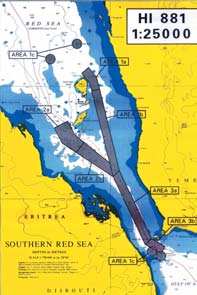
Reduction of Navigation
ôWÉfl «J
Risk and Maritime Pollution
...ôëÑdG çàdGh áMÓYG
Hydrographic Surveying and Charting in the Southern Red Sea
ôªMC'G ôëÑdG »HæL ` §FGôÿG º°SQh `GôZhQó«¡dG í°ùYG
In December 1998, Dr. Steven Lintner of the World Bank and Captain Saeed Yafai, Chairman
áeÉ©dG áÄ«¡dG ¢ù«FQ ,»©aÉ«dG ó«©°S ¿É£ÑdGh
¿àfJ áæjóe ` IóëàYG ᵪYÉH ájôëÑdG áMÉ°ùYG ÖàµY IQÉjõH ,øª«dÉH ájôëÑdG ¿hD°ûd
Kingdom Hydrographic Office (UKHO) in Taunton. The aim of the visit was
᫪«bE'G áÄ«¡dGh ájôëÑdG áMÉ°ùYG Öàµe ÚH ¿hÉ©àdG á«fɵeEG åëH ±ó¡H ,á«fÉ£jÈdG
to determine whether it would be possible for UKHO and PERSGA to work
»HæL ` ...ôëÑdG ædG áeÓ°S õjõ©J É> ` ¿óY è«Nh ôªMC'G ôëÑdG áÄ«H Y á¶aÉëªd
together to enhance shipping safety in the southern Red Sea, specifically
by carrying out a hydrographic survey of the hazardous area around the
QõéH ᣫÙG Iô£ÿG WÉæªd `GôZhQó«g í°ùe AGôLEG jôW øY kÉ°U°üNh ,ôªMC'G ôëÑdG
Hanish Islands. The area had not been properly surveyed for over 120
;kÉeÉY 120 øe ÌcCG òæe í«ë°üdG ¬LdG Y kÉë°ùe ó¡°ûJ / á£æYG òg ¿CG å«M ,¢û«æM
years. It was vital for new surveys to be completed before a planned Traffic
°üØd á`©eõYG á`£ÿG ò`«`Ø`æJ `Ñb Ió`jóL á`«MÉ°ùe äÉ``«`ªY É"EG ...Qhô`°dG øe íÑ°UCG óbh
Separation Scheme could be introduced. UKHO, which is "responsible"
' k'hD
'
°ùe ' ó©j ...òdG ,Ió``ë`àYG á``µªYÉH á``jô``ëÑdG á``MÉ``°ùYG Ö`àµe `aGhh .á`«MÓ`YG äGQÉ``°ùYG
internationally for the production of navigation charts for the Red Sea,
äGóYÉ°ùYG ËóJ Y ,ôªMC'G ôëÑd á«MÓYG §FGôÿG QGó°UEG øY
Oó°üdG Gòg ` áH£YG
.
PERSGA was, and is, very aware that this enclosed body of water remains
relatively undisturbed ecologically, but is under ever increasing danger
,¿B'G àM GõJ 'h ,¿óY è«Nh ôªMC'G ôëÑdG áÄ«H Y á¶aÉëªd ᫪«bE'G áÄ«¡dG âfÉch
from the threat of pollution from tank washing, bilge cleaning, garbage
¬æµdh ,á«Ä«ÑdG äÉHGô£°V'G øY kÉ«Ñ°ùf kGó«©H GR Ée ¨YG »FÉYG º°ù÷G Gòg ¿CG QóJ
disposal and oil spills from ships. The Red Sea and Gulf of Aden form part
AÉYG ìõfh ,äÓbÉædG °ùZ äÉ«ªY ÖÑ°ùH çàdG ó©e ´ÉØJQG ` ãªàj ójGõàe ô£ÿ ¢Vô©àj
of a major shipping route that carries over 7% of total world trade,
ôªMC'G ôëÑdG ãÁh .É¡æe âjõdG Üô°ùJh ,É¡JÉjÉØf øe ¢üîàdGh ,øØ°ùdG ô©b ` ø°SB'G
including numerous oil tankers. The two streams of traffic, which travel
northbound to the Suez Canal and southbound from it, are forced together
,á«YÉ©dG IQÉéàdG <ɪLEG øe %7 øe ÌcCG ªëj »°ù«FQ »MÓe jôW øe GkAõL ¿óY è«Nh
by the Gulf of Suez in the north and by the Hanish Islands and the Straits
IÉæb ¤EG k'ɪ°T ¬éàYG »MÓYG jô£dG ¿CG ßMÓjh .§ØædG äÓbÉf øe ójó©dG dP ` ÉÃ
of Bab el Mandeb in the south. Apart from the extensive and well-charted
¢û«æM QõLh k'ɪ°T ¢ùj°ùdG è«N óæY IQhô°dÉH ¿É«àj É¡æe kÉHæL ¬éàYG jô£dGh ¢ùj°ùdG
separation scheme in the Gulf of Suez, traffic in the Red Sea is for the most
Y ì°VH IOóÙGh á©°SGdG »MÓYG °üØdG äGQÉ°ùe AÉæãà°SÉHh .kÉHæL ÜóæYG ÜÉH «°eh
part unregulated and the southern end of this 1,200 mile route is considered
,ºYC'Gh ÖZC'G ` ᪶æe ÒZ ôªMC'G ôëÑdG ` áMÓYG ácôM ¿EÉa ,¢ùj°ùdG è«N ` §FGôÿG
a high-risk zone for navigational accidents. A collision, grounding or other
incident involving a large tanker is a statistical probability and one that would seriously
çOGëd kÉMô°ùe ¿µJ ¿CG øµÁ ôWÉiÉH áaØfi á£æe «e 1200 ¬dW dÉÑdG ôªYG Gò¡d »Hæ÷G ±ô£dG Èà©jh
damage the seagrass beds, mangrove forests and coral reefs in the area.
¬d ¿µ«°S É ,IÒѵdG äÓbÉæd çOGG øe ÉgÒZ hCG ìæL hCG OÉ°üJ çOGM ´bh kÉ«FÉ°üMEG ªàÙG øªa .á«MÓYG
.á£æYG J ` á«fÉLôYG ÜÉ©°ûdGh iQ°ûdG QÉé°TCG äÉHÉZh ájôëÑdG ¢ûFÉ°ûG äÉ룰ùe Y IÒ£N QÉKBG
Work was formally initiated in April 1999. Terms of reference for the survey contract were prepared
and World Bank procedures followed for selecting a company. Gardline Surveys, which has extensive
»àdG äGAGôLE'G â©ÑtJGh ,í°ùYG OY OæHh äÉ°UÉ°üàNG ójó ºàa ;´hô°ûYG Gòg ` ᫪°SQ IQ°üH ª©dG CGóH 1999 ¿É°ù«f/jôHCG `h
experience in hydrographic work for nautical charting purposes, was contracted and mobilized its vessel
áMÉ°ùYG ɪYCG ` á©°SGh IÈîH TMàªàJ »àdG ' ' õ«aÒ°S øj'OQÉZ' ' ácô°T TMe óbÉ©àdG "h .áÑ°SÉæYG ácô°ûdG QÉ«àN'
.2000 ÊÉãdG øjô°ûJ/Ȫaf ` ' ' AÉà°ûdG º°SY' ' ' ' ôµ«°S ø°ThCG' ' É¡àæ«Ø°S õ«¡éàH âeÉbh ,á«MÓYG §FGôÿG º°SQ ¢VGôZC' ájôëÑdG
Since then the Ocean Seeker has surveyed an area of over 750 square nautical miles between the Avocet
'
, ' â«°SaCG' ' Iôî°U ÚH TMJ kÉ©Hôe kÉjôëH kÓ«e 750 Y É¡àMÉ°ùe HôJ á£æe í°ùà ' ' ôµ«°S ø°ThC ' G' áæ«Ø°ùdG âeÉb ÚG dP òæeh
Rock, north of the Abu Ali Islands, the proposed route passing south and west of the Hanish Islands, and the
connecting routes to the south through Bab el Mandeb into the Gulf of Aden. Surveys have been carried out to
AGôLEG "h .¿óY è«N ¤EG ÜóæYG ÜÉH ÈY kÉHæL §HôdG ¥ôWh ,¢û«æM QõL ÜôZh ÜæL ôÁ ...òdG ìÎYG jô£dGh ,»Y HCG QõL <ɪ°Th
the highest international standards, as demanded by the International Maritime Organization (IMO). Echo
ió°üH ¥ÉªYC'G ¢SÉ«b äGhOCG âeóîà°SGh .á«dhódG ájôëÑdG ᪶æYG äÉÑ£àe Ö°ùM á«dhódG ÒjÉ©YG YC' kÉah á«MÉ°ùYG äÉ«ª©dG òg
soundings, side-scan sonar, magnetometry and sea-bed sampling have all been used to build up a picture of the
¢ùjQÉ°J øY áeÉc IQ°U øjµàd ôëÑdG ´Éb øe IPNCÉYG äÉæ«©dG ¢üëah ,á«°ù«£æ¨YG ä'ÉÛG Ió°T ¢SÉ«bh ,QÉf°ùdÉH »ÑfÉ÷G í°ùYGh ,ä°üdG
underwater topography, while tides and currents have been monitored at key points in the area.
.á£æYÉH á«°ù«FQ TMbGe ` ájôëÑdG äGQÉ«àdGh Qõ÷Gh óYG ó°UQ " ɪæ«H ,¥ÉªYC'G
The work was hampered by unexpectedly adverse weather during the period between December 2000 and
¿CG ßG ø°ù øµdh .2001 QÉjCG/jÉe ¤EG 2000 hC'G ¿fÉc/Ȫ°ùjO øe IÎØdG ` á©bàYG ÒZ áj÷G ±hô¶dG A°S ÖÑ°ùH £©J ª©dG ¿CG 'EG
May 2001, but fortunately the ship was built to continue working under these rougher conditions. A fully equipped
survey launch, kept on-board, was able to take advantage of the brief periods of calmer weather to carry out
»àdG IÒ°üdG äGÎØdG Ó¨à°SG øe â浪àa ;á«°SÉdG áj÷G ±hô¶dG òg ` ª©dG á°UGe øe É¡æµÁ ëf Y ᪪°üe ' ' ôµ«°S ø°ThC ' G' áæ«Ø°ùdG
investigations closer inshore.
.É¡æàe Y ªfih kÓeÉc kGõ«¡OE õ¡> í°ùªd ¢ûæd Góîà°SÉH á°ùHÉ«dG ¤EG ÜôbC'G WÉæYG ` çëÑdG AGôLE' ¢ù£dG É¡«a ø°ù
Results have been impressive. The ship has steamed over 21,000 kilometres and recovered around 900 sea-bed samples, most
` ¿B'G ®Øfi É¡ª¶©e ôëÑdG ´Éb øe áæ«Y 900
.øª«dÉH AÉ©æ°U á©eÉL
7
7
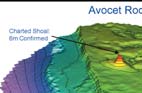
á«Whôfl äÓ«µ°ûJh ,AÉYG â IQª¨e á룰ùe ºªb äGP ÓJ OLh ôëÑdG ´Éd áæ«Ø°ùdG É¡JòNCG »àdG OÉ©HC'G á«KÓK Q°üdG ÚÑJh
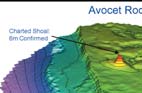
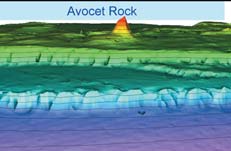
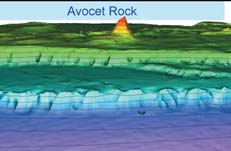
Three-dimensional pictures of the sea-bed reveal flat-topped submerged hills, cone-shaped
Iô`e hC' äô¡X »àdG ÉgOÉ©HC
G eɵH Iô£ÿG ' â«°SaC ' G Iôî°Uh ,QõL áÄ«g Y hóÑàd ôëÑdG ´Éb øe IOÉM ÉjGhõH TMØJôJ µ°ûdG
structures rising steeply from the floor to appear as islands, the full extent of the dangerous
Avocet Rock - seen for the first time as a plateau 400 m x 400 m and just six metres below the
øe ójó©dG É£Mh ,ôëÑdG í£°S â QÉàeCG áà°S Y ójõj ' ªY Y TMJh ,400 * 400 É`¡`àMÉ°ùe á`Ñ°g IQ`°U Y
surface of the water, and several wrecks that had not previously been recorded.
.Ñb øe sé°ùoJ / »àdG øØ°ùdG
One regional surveyor was able to spend a month on board the Ocean Seeker benefiting
Y TMsWG å«M ' ôµ«°S ø°ThC 'G áæ«Ø°ùdG Ïe Y ô¡°T AÉ°d Ú«ª«bE'G í°ùYG AGÈN óMC' á°UôØdG âë«JCG óbh
from exposure to modern survey equipment and methods, and at the same time
.áæ«Ø°ùdG ᪡e ò«ØæJ ` ájɨd kÉ«HÉéjEG kÉeÉ¡°SEG ób âbdG ¢ùØf `h ,áãjóG í°ùYG FÉ°Shh äGó©e
contributing very positively towards the work of the vessel.
øµª«°S ...òdG ôeC'G ,WÉæYG TM«ªL ` »MÓYG °üØdG äGQÉ°ùY »°UC'G º«ª°üàdG áeÓ°S âàÑKCG çÉëHC'G ¿CG ÒZ
In all areas, however, the original design of the traffic separation scheme has been
OɪàY' á«dhódG ájôëÑdG ᪶æªd ¬ÁóJ øe ¿óY è«Nh ôªMC'G ôëÑdG áÄ«H Y á¶aÉëªd ᫪«bE'G áÄ«¡dG
confirmed as sound, and this will enable PERSGA to present it to IMO for adoption as an
"international routeing measure". The new routeing measures will be presented in 2002
QÉ°S GPE
'
Gh ,2002 ` á«MÓYG ¥ô£dG ójóëàH á°UÉÿG Iójó÷G ÒjÉ©YG ËóJ ô¶àæYG øeh ;
'
.2003 É©dG °üàæe ëH ÉgOɪàYG ºàj ±°ùa Gôj Ée Y A»°T c
This is a `first' that PERSGA can be rightly proud to have been able to implement.
¿CG ¿óY è«Nh ôªMC'G ôëÑdG áÄ«H Y á¶aÉëªd ᫪«bE'G áÄ«¡d ëj ¬Yf øe RÉ,EG ' hC 'G ª©dG Gòg ãÁh
.¬«ëàH ôîØJ
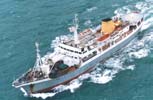
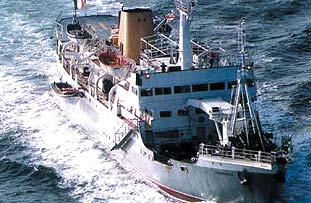
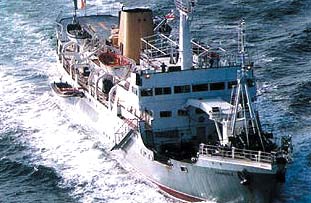
* Pictures:
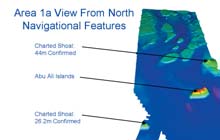
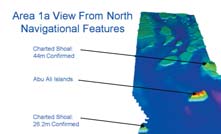
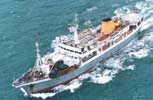
Ocean seeker the survey vessel, Chart showing the area surveyed and proposed new routes for shipping
*
:Q°üdG äÉ«©J
áMÎYG Iójó÷G á«MÓYG ¥ô£dGh É¡ë°ùe " »àdG á£æYG ÚÑJ á£jôN , ' ôµ«°S ø°ThC G' í°ùYG áæ«Ø°S
The Avocet Rock
During the early years of the 19th Century the Red Sea and Gulf of Aden were relatively quiet
' â«°SaC ' G Iôî°U
waterways. The movement of ships between ports was confined to local or regional trade within
the `enclosed' body of water. Exports from the region to Europe or the Americas could go north
ácôM âfɵa .kÉ«Ñ°ùf áFOÉ¡dG á«MÓYG ¥ô£dG øe ¿óY è«Nh ôªMC'G ôëÑdG ¿Éc ô°ûY TM°SÉàdG ¿ôdG øe ¤hC'G äGæ°ùdG `
to the Gulf of Suez and then overland to the Mediterranean coast, or take the much longer
òg äGQOÉ°U âfÉch ;'
á¨YG' á«FÉYG áàµdG J NGO ᫪«bE'G hCG á«ÙG IQÉéàdG Y ô°üàJ ÅfGYG ÚH ɪ«a øØ°ùdG
passage south around the Cape of Good Hope. Ships were driven mainly by wind, with a small
k
ÉjôW °ùJ hCG ,§°SàYG ôëÑdG MÉ°S ¤EG kGôH æJ ºK ¢ùj°ùdG è«N ¤EG k'ɪ°T ¬éàJ ÉeEG ÚàµjôeC'Gh ÉHhQhCG ¤EG á£æYG
number of rather inefficient steamships just beginning to appear.
âbdG ` ìÉjôdG IH Ò°ùJ ÖdɨdG ` øØ°ùdG âfÉch .ídÉ°üdG AÉLôdG ¢SCGQ M Qhóàd kÉHæL QÉëHE'ÉH ÒãµH dP øe WCG
With the opening of the Suez Canal in 1869 and the development of the much more efficient
.IAÉصdG IOhófi Oó©dG á«b GõJ ' ó©H âfÉc ¿EGh Q¡¶dG ` ájQÉîÑdG øØ°ùdG ¬«a äCGóH ...òdG
triple-expansion steam engines, the situation changed. Steamships became faster, with greater range
and size, able to carry more cargo. Coaling stations were established at Aden and on Perim (Mayyun)
;´É°VhC'G äÒ¨J ,IAÉصdG øe YCG QóH º°ùàJ »àdG OóªàdG á«KÓK ájQÉîÑdG äÉcôÙG QɵàHGh ,1869 ÉY ¢ùj°ùdG IÉæb ìÉààaG TMeh
Island at the southern entrance to the Red Sea. By the 1880's a lighthouse had been built on Perim Island
¿óY ` ºëØdÉH øjªàdG äÉ£fi âÄ°ûfCGh .ºî°VCG ä'ªM f Y QóbCGh ,kɪéM ÈcCGh kÉYæJ ÌcCGh ,´ô°SCG ájQÉîÑdG øØ°ùdG âëÑ°UCÉa
and maritime nations were discussing the urgent need for lighthouses or light vessels at Jabal At
,ËôH IôjõL ` IQÉæe AÉæH " ,ô°ûY TM°SÉàdG ¿ôdG øe äÉ«æ«fɪãdG ëHh .ôªMC'G ôëÑd »Hæ÷G NóYG óæY (¿jÉe) ËôH IôjõLh
Tair, Zubair, and Abu Ali islands, as well as at Cape Gardafui, and on Socotra Island.
...aGOQÉL ¢SCGQ ÖfÉL ¤EG »Y HCGh ÒHRh Ò£dG ÑL QõL óæY áªFÉ©dG ôFÉæYG hCG ôFÉæYG áeÉbEG ¤EG áëYG áLÉG åëÑJ á«MÉ°ùdG hódG äCGóHh
In the 1870's, extensive hydrographic surveys were carried out in the Red Sea between Bab
.iô£°S IôjõL Yh
el Mandeb and Jabal At Tair, with depths and positions measured using lead lines and
ÜÉH ÚH ôªMC'G ôëÑdG ` ¥É£ædG á©°SGh ...ôëH í°ùe äÉ«ªY âjôLCG ,ô°ûY TM°SÉàdG ¿ôdG øe äÉ«æ«©Ñ°ùdG `h
sextants, the standard methods used up to the 1950's. Positions and coastlines of islands
were determined and hazards such as the 3-foot rock south of Hanish Al Kubra were marked
Ö«dÉ°SC'G »gh ,äÉ«°Só°ùdGh Q¨dG È°S ÉÑM Góîà°SÉH TMbGYGh ¥ÉªYC'G ¢SÉ«b É¡dÓN " Ò£dG ÑLh ÜóæYG
on the new charts. With greater knowledge of water depths and underwater topography,
É¡W£Nh Qõ÷G TMbGe ójó "h .øjô°û©dG ¿ôdG øe äÉ«æ«°ùªÿG àM áeóîà°ùe âX »àdG á«°SÉ«dG
ships could sail with confidence through the hazardous waters of the southern Red Sea - or so
GóbCG áKÓK É¡YÉØJQG Ñj »àdG Iôî°üdG ãe ,Iójó÷G §FGôÿG Y ájôëÑdG ôWÉiG ójóh ,á«MÉ°ùdG
it appeared.
¿CG øØ°ùdG âYÉ£à°SG ¥ÉªYC'G ¢ùjQÉ°Jh É«YG ¥ÉªYCÉH áaô©YG ójGõJ TMeh .iȵdG ¢û«æM IôjõL ÜæL á©bGdGh
A `rock reported' notice was inserted in the February 1886 edition of chart GB143, published by the United Kingdom
.ÉM ...CG Y ôeC'G GóH Gòµg hCG ` ôªMC'G ôëÑdG »HæL ` Iô£ÿG É«YG ÈY áãH ôëÑJ
Hydrographic Office (UKHO ) following reports of a new danger discovered in the general area between 14° 21'N, 42° 38'E
and 14° 23'N, 42° 43'E. A year later, in March 1887, the SS Avocet reported striking a rock in position 14° 21'N, 42° 38'E,
GB143
ȈdG ,
ºbQ ájôëÑdG á£jôÿG øe 1886 ·ÉÑ°T/ôjGÈa á©ÑW ` ' ' Iôî°U øY äÉZÓH' ' áXëe äOQh óa
and the UK Admiralty recorded that "there appeared to be 24 feet of water on this rock". It certainly seemed that something
42º 38'
,kÉ`bô°T
14º 21'
h ,k'ɪ°T
ÚH á©bGdG áeÉ©dG á£æYG ` ójóL ô£N ±É°ûàcÉH ó«ØJ äÉZÓH OhQh ÜÉYCG ` IóëàYG ᵪYÉH ájôëÑdG áMÉ°ùYG Öàµe ÉgQó°UCG
was down there. On the other hand, in April, the HMS Flying Fish found depths in excess of 100 fathoms (600 feet) while
42º 43'
14º 23'
ó`æ``Y Iô`î°üH É`¡eGó£°UG øY ' ' â«°SaCG' ' ájQÉîÑdG áæ«Ø°ùdG â¨HCG ,1887 QGPBG/¢SQÉ`e ` ójóëàdÉHh ,áæ°ùH dP ó©Hh .kÉbô°T
h ,k'ɪ°T
ÚHh
investigating the reported shoal.
42º 38'
14º 21'
GóH Ée kÉÄ«°T ¿CG ócDYG ôeC'Gh ;' ' kÉeób 24 Ñj Iôî°üdG òg ¥a É«YG ªY ¿CG hóÑj' ' ¬fCG á«fÉ£jÈdG á«dGÒeC'G âé°Sh ,kÉbô°T
h ,k'É`ª°T
TM`°V``YG
.TM°VYG Gòg ` kGOLe
8
8
The existence of a serious danger to shipping was dramatically confirmed when, on 9 June 1887,
AÉæKCG ` (ób 600) áeÉb 100 Y ójõJ ¥ÉªYCG Y ¿É°ù«f/jôHCG ` äÌY ' ¢û«a æjÓa' á«fÉ£jÈdG áæ«Ø°ùdG øµd
the 2,017 tons SS Teddington hit an underwater obstruction and sank near the Avocet Rock's
.É¡æY ÑYG áë°dG á£æYG ò¡d É¡FÉ°üà°SG
marked position. The new "Teddington Rock" was inserted on the chart in position 14° 23'N,
42° 42.5'E. It appeared that two rocks might exist in this area, but with hazy conditions making
âeó£°UG ÉeóæY 1887 ¿GôjõM/«fj 9 ` áÄLÉØe IQ°üH øØ°ùdG ácôM ÉeCG º«°ùL »MÓe ô£N OLh ócCÉJ ºK
navigation out of sight of land uncertain at best, no one could be sure.
Oó``ÙG TM°V``YG Üô``b â``bô`¨a ,AÉ``YG â`` É``e `FÉ`©H kÉ`æW 2017 É¡`àdªM ``ÑJ »àdG '
¿`à`¨æjóJ' ájQÉîÑdG áæ«Ø°ùdG
42º 42.5'
Later in 1887, HMS Sylvia carried out a survey to search for Avocet and Teddington Rocks. She
14º 23'
h ,k'ɪ°T
á£f óæY §FGôÿG Y Iójó÷G ' ¿à¨æjóJ Iôî°U' â`LQOCGh .' â`«°SaCG' Iô``î°üd
ran over the reported position of the Avocet Rock and found depths of about 100 fathoms,
áMÓYG ©OE »àdG á«HÉÑ°dG ±hô¶d kGô¶f øµdh ,á£æYG òg ` ¿ÉJôî°U Éæg ¿µJ ¿CG ªàÙG øe GóHh .kÉbô°T
then over the position of the Teddington Rock and found depths in excess of 30 fathoms.
.dP øe ëàd «Ñ°S áªK øµj ºa ,á£æYG J ` ôjóJ °aCG Y ÖbG©dG ¿eCÉe ÒZ kGôeCG á°ùHÉ«dG ájDhQ ¿hO
However, in 1888 HMS Stork while searching for Avocet Rock determined a least-depth of
15 feet in position 14° 22.13'N, 42° 34.5'E, some miles from the positions reported by both
»Jôî°U øY åëÑd kÉë°ùe ' '
É«Ø«°S ' á«fÉ£jÈdG áæ«Ø°ùdG äôLCG ,1887 ÉY ` ó©H ɪ«ah
the SS Avocet and the SS Teddington!
ª©dG ¿C
G äóLhh ,' â«°SaC
G ' Iôî°üd QcòYG TMbYG ¥a äôªa , ' ¿à¨æjóJ'
h ' â«°SaCG'
ójõj ª©dG äóLa ' ¿à¨æjóJ' Iôî°U TMbe ¥a äôe ºK ,áeÉb 100
`absolutely necessary' for the southern Red Sea and should be built at
''
Qà°S' ' á``«fÉ``£jÈdG á``æ`«Ø°ùdG äó``Lh ,1888 É```Y ` ø`µdh .á``eÉ`b 30 Y
Abu Ali, Mokha, Jabal Zubair and Jabal At Tair. Germany
TM`°V`YG ó`æ`Y kÉ``eó`b 15 ``Ñj ``ªY ``bCG ¿CG ' â«°SaC ' G Iôî°U øY É``¡`ãëH Ó`N
recommended that a light should also be placed on the Avocet Rock.
42º 34.5'
14º 22.13'
Ú©°V`YG ø`e É«eCG á©`°H ó©H Y ...CG ,kÉbô°T
h ,k'É`ª°T
The costs of the lights would have to be met by levies on ships
!
' ¿à¨æjóJ ' h ' â«°SaCG' ¿ÉàjQÉîÑdG ¿Éàæ«`Ø°ùdG ɪ¡æY â`¨`HCG øjò`dG
passing through the Suez Canal and paid to the Government of
Egypt.
ÉgQÉÑàYÉH ôFÉæYG AÉ°ûfEÉH »°UJ ájôëÑdG hódG âfÉc àM 1888 ÉY ëj /h
In April 1894 the mystery deepened. A survey was carried out by HMS
ÉiGh »`Y HCG ` É`¡`FÉ`æH IQhô`°Hh ,ô`ªMC'G ô`ëÑdG »H`æL ` ' ' ᫪`àM IQhô`°V' '
Egeria in the vicinity of a shoal reported by HMS Yarra in December
.kÉ°jCG ' â«°SaCG' Iôî°U Y IQÉæe áeÉbEÉH É«fÉYCG â°UhCG ɪc ;Ò£dG ÑLh ÒHR ÑLh
1892. The search, centred on 14° 19.6'N 42° 34.5'E with an
IÉæb ` IQÉYG øØ°ùdG Y ¢VôØoJ °SQ øe äGQÉæYG òg «dɵJ ójó°ùJ QôYG øe ¿Éch
approximate radius 2 nautical miles, revealed depths of over 210 feet.
.ájô°üYG áeµëd TMaóoJh ¢ùj°ùdG
The story then moves forward 100 years when, on 17th October 1990,
UKHO was sent details of the grounding of the US reserve force vessel SS
á``ë°V á©ÑH ᣫÙG á£æªd kÉë°ùe ' ' ÉjÒéjEG' ' á«fÉ£jÈdG áæ«Ø°ùdG äôLCG PEG ;1894 ¿É°ù«f/jôHCG ` kÉ°VªZ ôeC'G OGORGh
William J Callagham in position 14° 22'N, 42° 37'E, i.e. 5 miles west of
42º 34.5'
14º 19.6'
h ,k'ɪ°T
á£f Y åëÑdG õ`côJh ;1892 hC'G ¿``fÉc/È`ª°ùjO ` ' GQÉj' á`«fÉ£jÈdG áæ«Ø°ùdG É¡æY â¨HCG
where Teddington Rock was thought to be. But the Egeria survey in 1894 had
á°üdG äôªà°SGh .GóbCG 210 Y ójõJ kÉbɪYCG ' ' GQÉj' ' áæ«Ø°ùdG äóLa ,kÉÑjôJ ÚjôëH Ú«e Égô£b °üf Ñj IôFGO ` ,kÉbô°T
recorded depths of over 450 feet within a 1-mile radius of the position given by the
áæ«Ø°S ìæL øY «°UÉØJ 1990 hC'G øjô°ûJ/ôHàcCG 17 ` IóëàYG ᵪYÉH ájôëÑdG áMÉ°ùYG Öàµe J ÉeóæY áæ°S áFÉà dP ó©H
William J Callagham!
42º 37'
14º 22'
Üô¨dG ¤EG É«eCG á°ùªN ó©H Y ...CG ,kÉbô°T
h ,k'ɪ°T
TM°VYG óæY ' ' Ég'Éc .ê É«jh' ' ᫵jôeC'G ·É«àM'G äGb
A navigation warning was issued on 19th October 1990 for an "unknown obstruction" in position 14° 22'N,
é°S ób ¿Éc 1894 ÉY ' ' ÉjÒéjEG' ' áæ«Ø°ùdG ¬JôLCG ...òdG í°ùYG øµd .óæY TMJ ' ' ¿à¨æjóJ' ' Iôî°U ¿CG óà©YG øe ¿Éc ...òdG TM°VYG øe
42° 38'E, about a mile east of the Callagham position. Examination of satellite pictures revealed no visible
!' ' Ég'Éc .ê É«jh' ' áæ«Ø°ùdG ¬æY â¨HCG ...òdG TM°VYG Égõcôeh ,kGóMGh kÓ«e Égô£b °üf Ñj IôFGO ` kÉeób 450 Y ójõJ kÉbɪYCG
rock in either the position of Avocet Rock or in the position of the reported grounding of the SS Callagham. In
December 1991 UKHO received a comment from the HMS Tristen that she had passed over the position of the
42º 38'
14º 22'
h ,k'ɪ°T
TM`°VYG óæ`Y ' ' `¡> `FÉY' ' O``Lh øY »``MÓ``e ô``jò`` QGó``°UEG " 1990 hC'G øjô``°ûJ/ô``H``àcCG 19 `h
reported rock "several times without grounding". The only `definite' was the uncertainty.
AG°S ¿É«©d á«Fôe Iôî°U ...CG OLh ÚÑàj / á«YÉæ°üdG QɪbC'G Q°U ¢üëØHh .' Ég'Éc' TM°Ve øe ¥ô°ûdG ¤EG «e
ájôëÑdG áMÉ°ùYG Öàµe J ,1991 hC'G ¿fÉc/Ȫ°ùjO `h .¬«a ' Ég'Éc' áæ«Ø°ùdG ìæL øY HCG ...òdG TMbYG ` hCG ' â«°SaCG' Iôî°U TM°Ve `
presence, or absence, of other rocks or shoals had not been disproved. In 1995, concerned about this rock, UKHO
¿CG ...CG .' ' íæOE ¿CG ¿hO äGôe IóY' ' É¡æY ÑYG Iôî°üdG TM°Ve ¥a äÈY É¡fCG OÉØe ' ' Úà°ùjôJ' ' á«fÉ£jÈdG áæ«Ø°ùdG ¬à°SQCG kÉ«©J IóëàYG ᵪYÉH
researched the matter and asked USS Littlehales to locate Avocet Rock. This they did, finding a least depth of 4.6 metres
.A»°T ...CG øe ócCÉàdG óY g ' ' ócDYG' ' ó«MdG A»°ûdG
over the rock. However the survey only consisted of a few lines of soundings in the area of and over the rock, and it did
not prove conclusively the extent of the obstruction or whether other shoals existed nearby.
s
ø°ùàj /h ,ábódG ¤EG ôàØj TMbGªd Égójó ¿Éch ,Q¨dG È°S ÉÑM Góîà°SÉH ºàJ áë°dG ´ÉÑdG AÉ°üà°SG äÉ«ªY c âfÉc ÚG dP àMh
In 1999 the UKHO worked with PERSGA to define the area to be surveyed for a new traffic separation scheme passing east
ádCÉ°ùYG åëH ¤àa ,IóëàYG ᵪYÉH ájôëÑdG áMÉ°ùYG Öàµe b Iôî°üdG òg äQÉKCG ,1995 ÉY `h .iôNCG áë°V ´ÉH hCG Qî°U ...CG OLh »Øf hCG äÉÑKEG
and west of the Hanish Islands and down through the Bab el Mandeb. Tracks from the separation scheme were designed to
4^6 Ñj Iôî°üdG òg ¥a É«ªd ªY bCG ¿C
G äóLhh ɡડà áæ«Ø°ùdG âeÉa .' â«°SaCG' Iôî°U TMbe Ú«©J '
õ«¡à«d' ᫵jôeC'G áæ«Ø°ùdG øe kÉÑdÉW
take ships well clear of obstructions such as the Avocet Rock, but a number of important isolated patches were recommended
âfÉc GPEG Ée hCG FÉ©dG ºéM TMWÉb ëf Y âÑãj /h ;É¡bah Iôî°üdG á£æe ` Q¨dG È°ùd ÉÑM á©°H GõfEG øY Oõj / ¬JôLCG ...òdG í°ùYG øµd ;QÉàeCG
for investigation, including a definitive survey of this particular underwater hazard.
.TMbYG Gòg øe áHôe Y iôNCG áë°V ´ÉH Éæg
9
9
ôªMC'G ôëÑdG áÄ«H Y á¶aÉëªd ᫪«bE'G áÄ«¡dG TMe IóëàYG ᵪYÉH ájôëÑdG áMÉ°ùYG Öàµe ΰTG 1999 ÉY `h
Hence the first comprehensive survey of this area, using high precision echo sounders and tidal
data, side scan sonar and satellite-based position-fixing equipment was initiated. It was carried
¥ô°ûdG ¤EG Iójó÷G »MÓYG °üØdG äGQÉ°ùe Ú«©àd É¡ë°ùe ...ôé«°S »àdG á£æYG ójóëàd »©°ùdG ` ¿óY è«Nh
out by Gardline Surveys Ltd. with financial support from the World Bank. On 17th April 2001 a
FG©dG øY øØ°ùdÉH iCÉæj ëf Y äGQÉ°ùYG òg ⪪°U óbh .ÜóæYG ÜÉH àM kÉHæL IóàªYGh ¢û«æM QõL øe Üô¨dGh
message was received from Gardline advising that the survey had confirmed the existence of a
¬LH É¡æeh ,á°üØæYG áeÉ¡dG äÉMÉ°ùYG ¢©H åëH âMÎbG äÉ«°UàdG ¢©H øµdh ,' â«°SaC G' Iôî°U ãe áØàiG
serious navigational hazard in the form of a rocky shoal some 400m x 400m in extent, with an
.AÉYG í£°S â TMbGdG »MÓYG ô£ÿG dòd º°SÉM í°ùe AGôLEG ¢UÉN
average depth of only 6 metres.
ió°üH QÉ©°ûà°S'G Iõ¡LCG Góîà°SÉH á£æYG ò¡d eÉ°T í°ùe hCG CGóH Éæg øeh
The impressive results cover an area of radius 2.5 nautical miles
Iõ¡LCGh ,Qõ÷Gh óYÉH á°UÉÿG äÉfÉ«ÑdGh ,Iójó°ûdG ábódÉH º°ùàJ »àdG ä°üdG
around the Avocet Rock. It is clearly shown as a hill rising steeply
from a plateau, with submarine cliffs taking the sea bed down to
.á«YÉæ°üdG QɪbC'G Góîà°SÉH TMbGYG ójó äGó©eh ,»ÑfÉ÷G í°ùªd QÉf°ùdG
a second and a third plateaux lying to the west of the rock. In May
æÑdG øe <Ée ºYóH '
ó«à«ª«d õ«aÒ°S øj'OQÉL' ácô°T í°ùYG Gòg AGôLEÉH Ébh
the survey vessel MV Ocean Seeker sent UKHO a Hydrographic
' ácô°T øe ádÉ°SQ â°Uh 2001 ¿É°ù«f/jôHCG øe ô°ûY TMHÉ°ùdG `h .
á©H áÄ«g Y kGÒ£N kÉ«MÓe kÉFÉY Éæg ¿CG âÑKCG í°ùYG ¿C
G ó«ØJ ' ' øj'OQÉL'
12.42"N, 42° 41' 57.29"E with a minimum depth of 5.9 metres.
É«YG ªY ójõj 'h kÉ°VôYh k'W Îe áFɪ©HQCG
«e 2^5 Égô£b °üf á£æe á°ûgóYG èFÉàædG òg »£¨Jh .QÉàeCG 6 Y É¡ba
without harm before 1886. But with tankers now sailing with
QGóëf'G ójó°T kÓJ ¬Ñ°ûJ Iôî°üdG òg ¿C
G í°JGh ' â«°SaC G' Iôî°U M ...ôëH
draughts of 22 metres, or even more, separation schemes and
Y QóëæJ ôëÑdG í£°S â IQª¨e ±hôL É¡æe Üô¨dG ¤EGh ,áÑ°g ¥a j
other `safe routes' need to provide guaranteed depths that would
have seemed incredible to mariners 150 years ago. The action taken
í°ùYG áæ«Ø°S â°SQCG QÉjCG/jÉe ô¡°T `h .´ÉdG ëf áãdÉK áÑ°g ºK á«fÉK áÑ°g áÄ«g
by PERSGA has enabled international charting authorities to remove
óæY IóMGh áë°V á©H OLh ócDJ IóëàYG ᵪYÉH ájôëÑdG áMÉ°ùYG Öàµe ¤E
G á«aGôZhQó«g ádÉ°SQ ' ôµ«°S ø°ThC ' G
the doubt over the location and extent of a shoal close to the main shipping route through the
42º 41' 57.29''
14º 22' 12.42''
.QÉàeCG 5^9 øY j ' ª©Hh ,
h ,k'É``ª°T
TM`°VYG
Red Sea, a shoal with a history stretching back over 130 years and the cause of several maritime
accidents.
óbh ¿B'G ÉeCG ;1886 ÉY Ñb iPC' ¢Vô©àJ ¿CG ¿hO Iôî°üdG òg ¥a äôe IÒ¨°üdG øØ°ùdG øe ºc :AôYG AÉ°ùàj óbh
¿C
G Öéj ' áæeB
'
'G äGôªYG øe ÉgÒZh °üØdG äGQÉ°ùe ¿EÉa ,ÌcCG hCG kGÎe 22 ¤EG É¡°ùWÉZ °üj IQÉYG äÓbÉædG âëÑ°UCG
* United Kingdom Hydrographic Office carries primary responsibility for charts in this area. PERSGA gratefully
acknowledges the assistance of UKHO in providing archive records of the charting history of the Avocet Rock.
âæµe Gòµgh .â°e kÉeÉY 150 òæe ÚMÓªd á«ëà°ùe hóÑà°S °T ÓH âfÉc OÉ©HCG »gh ,áfª°e ¥ÉªYCG Y ªà°ûJ
§FGôÿG º°Sôd á«dhódG äÉ£°ùdG ¿óY è«Nh ôªMC'G ôëÑdG áÄ«H Y á¶aÉëªd ᫪«bE'G áÄ«¡dG É¡JòîJG »àdG äG£ÿG
J ,ôªMC'G ôëÑdG ÈY »°ù«FôdG »MÓYG ôªYG øe áÑjôdG áë°dG á©ÑdG ºéMh TM°Và §«ÙG °ûdG ádGREG øe á«MÓYG
.ájôëH çOGM IóY ` âÑÑ°ùJ »àdGh ,kÉeÉY 130 øe ÌcCG ióe Y É¡îjQÉJ óàÁ »àdG á£æYG
*
ôëÑdG áÄ«H Y á¶aÉëªd ᫪«bE'G áÄ«¡dG ¬LàJh .á£æYG òg §FGôN OGóYEG øY ¤hC'G á«dhD°ùYG IóëàYG ᵪYÉH ájôëÑdG áMÉ°ùYG Öàµe ¤àj
'
. â«°SaC ' G Iôî°üd §FGôÿG º°SQ ïjQÉJ øY á«Ø«°TQCG äÓé°S OGóYE' É¡d É¡eób »àdG IóYÉ°ùYG Y Ö൪d ôµ°ûdÉH ¿óY è«Nh ôªMC'G
10
10
F U T U R E
äÉWÉ°ûædG
Activities
á``«``Ñ`à°ùYG
Habitat and Biodiversity Conservation (HBC)
...«G ´æàdG h á«©«Ñ£dG øWGYG ¿°U
During March 02 a regional training course on Standard Survey Methodology for Mangroves
SSM
ô¡°T ÓN »JÑ«L ` ó©j ±°S ±hô¨fÉYG áÄ«ÑH ¢UÉÿG
äÉe©YG TMªL ó«MJ M á«ÑjQóJ á°TQh
will be conducted in Djibouti. Sixteen regional specialists are expected to attend.
.º«bE'G øe »FÉ°üNCG 16 Q°M TMbàYG øeh 2002 ¢SQÉe
On the 18th of March 02, and lasting for two days, a Working Group meeting will be held
.»JÑ«L ` 2002 ¢SQÉe 18 ` ¿µYÉH ¢UÉÿG ª©dG jôa AÉ°YC' ªY á°TQh ó©J ±°S
in Djibouti.
Living Marine Resources (LMR)
ájôëÑdG OQGYG IQGOEG
During January & February 02 the 1st and 2nd Sub-Regional Training and Research
ôjGÈah ôjÉæj ...ô¡°T ÓN IóL h ¿óY øe c ` ÊÉãdGh hC'G çÉëHC'Gh ÖjQóàdG ...õcôe ôj£J ºà«°S
Centers in Aden and in Jeddah will be upgraded with new equipment.
.áeRÓdG äGó©YÉH ºgójhõJ ºà«°S å«M 2002
A regional training course for fish enumerators will be conducted in March 02 and
ÖjQó`àdG ºà«°S å«M 2002 ¢SQÉe ô¡°T ` ª°ùdG AÉ°üMEÉH Ú°ü°üîàªd ᫪«bEG á«ÑjQóJ IQhO ó©à°S
will cover the following topics: data collection, standardization of fisheries statistics.
.á£æYÉH ᫵ª°ùdG »FÉ°üME'G äÉfÉ«ÑdG ó°Uôd IóMe á«°Sh çGóëà°SGh äÉe©YG TMªL Y
The component will be participating in the development of the structure and contents
Y ±ô°ûJ »àdGh áÄ«¡dÉH á°UÉÿG á«fÉ«ÑdG óYGd ᫪«bEG äÉfÉ«H IóMh AÉ°ûfEG ` ácQÉ°ûYG ºà«°S
of the Regional Database, which will be developed for PERSGA by CEDARE, and will
CEDARE
±Éæ°UC'Gh ÜQGdG Oó©J TMe Ö°SÉæàj Éà äÉfÉ«H IóMh TMj£J ÉÛG Gòg ` ºà«°S ɪc
Égò«ØæJ
develop standards relating to boat/gear categories and species sub-areas.
In cooperation with the Public Awareness and Participation (PAP) component, as part
.á£æYÉH ájôëÑdG
of the Micro-Grants Program, lobster traps will be distributed for fisheries in Yemen,
ójhõJ ºà«°S IÒ¨°üdG íæYG èeÉfôH ÓN øe á«Ñ©°ûdG ácQÉ°ûYG h áeÉ©dG á«YàdG ¿µe TMe ¿hÉ©àdÉH
Djibouti and Somalia to substitute for fishing gear currently in use.
ó«°üdG ¥ôW fi ëàd Ée°üdGh »JÑ«L h øª«dG øe IQÉàfl WÉæe ` GRcÉà°SEÓd ...hÉî°S øjOÉ«°üdG
In preparation for the workshop, which will be conducted in April 02, the purchase of
.áÄ«ÑdG Y »Ñ°ùdG ÒKCÉàdG äGP á«dÉG
elasmobranch samples will take place. These samples will be stocked in the Sub-Regional
kGOGó©à°SG ¿óYh Ió`L ø`e c ` ÖjQó``àdG ...õ`cô`e ` É`¡YGó``jEGh ¢Thô``dG É`ª°SC' äÉ`æ`«Y AGô`°T º`à«°S
training centers. The training course will be about "Population dynamics and stock
ɪ°SC' ¿hõiG º`««J ¥ô`W h äÉ©ªéàdG á`«µ«eÉæjO á°SGQóH á°UÉÿGh 2002 jôHG ` á«`ÑjQóàdG IQhódG ó©d
assessment methods for elasmobranch".
.á¡«Ñ°ûdG ɪ°SC'Gh ¢TôdG
Marine Protected Areas (MPA)
A Train-Sea-Coast training course on MPA management will be conducted between the
᫪ÙG ájôëÑdG WÉæYG
6th and 13th of January 02.
Train Sea Coast
IÎ``ØdG `
Ó```N ø``e á`«`ª`ÙG á`jô```ë`ÑdG ``WÉ``æ`YG IQGOEG ```M á«`Ñ``jQó``J á``°TQh ó``Y º`à«°S
The first surveys of the proposed MPA will take place in Dongonab Bay in January 02, this work
.2002 ô`jÉ`æj 13-6 ø`«H É`e
will be conducted through the National Wildlife Conservation General Administration under the
¤EG ôjÉæj 20 ÚH Ée IÎØdG ` ÜÉ`æfO è«N á`£æe ` á`MÎYG á`«`ªÙG ájô`ëÑdG `WÉ`æªd äÉ`M`°ùe hCÉH É«dG ºà«°S
management of the MPA component.
.¿GO°ùdG ` ájÈdG IÉ«G ájɪ áeÉ©dG á«edG IQGOE'G TMe ¿hÉ©àdÉH 2002 ôjGÈa 20
Integrated Coastal Zone Management (ICZM)
á«MÉ°ùdG WÉæYG IQGOEG
Issuing of the special arrangements needed for ICZM in Aden.
Appointment of specialists in Somalia, Djibouti and Sudan to prepare pre-assessment reports about
.¿óY á£æe ` á«MÉ°ùdG WÉæYG IQGOEÉH á°UÉÿG äGAGôLE'G QGó°UEG ºà«°S
coastal zones in their countries.
.hódG J ` á«MÉ°ùdG WÉæYG TM°Vh M á«dhC'G ôjQÉàdG OGóYE' »JÑ«Lh ¿GO°ùdGh Ée°üdG øe Ú«FÉ°üNCG Ú«©J ºà«°S
Preparations for the Establishment of Dongonab Bay and Mukkawar Island
ÜÉæfO è«N ` ÚàjôëH Ú૪fi AÉ°ûfE' äGOGó©à°SE'G
Marine Protected Area, Sudan
¿GO°ùdÉH Qµe IôjõLh
A Steering Committee has been formed made up of the primary government stakeholders that will be concerned with
ÜÉæfO è«N ` ¤hC'G í°ùYG ɪYCG ...ôéà°Sh .áMÎYG ájôëÑdG äÉ«ªÙÉH Ú«æ©YG Ú«°ù«FôdG Ú«eµG øjó«Øà°ùYG øe áfµe Ò«°ùJ áæ÷ «µ°ûJ "
this proposed marine protected area. The first surveys will take place in Dongonab Bay in January 2002. The work will be
overseen by and will be conducted through the national Wildlife Conservation General Administration, which is taking the
.á«°ù«FôdG á«dÄ°ùYG É¡JÉY Y òNCÉJ »àdGh ájÈdG IÉ«G ájɪ áeÉ©dG IQGOE'G Ñb øe ɪYC'G òg Y ±Gô°TE'Gh ò«ØæàdG ºà«°Sh ;2002 ôjÉæj ô¡°T `
lead responsibility. The core team for survey implementation has been identified and arrangements made to ensure their
¤EG áaÉ°VEG .Ö°SÉæYG âbdG ` ª©dG TMbe ` ÉgóLGJ ¿Éª°d áeRÓdG äÉÑ«JÎdÉH É«dG " ɪc ª©dG Gòg ...ODà°S »àdG á«°SÉ°SC'G ábôØdG Ú«©J " ódh
availability. The necessary equipment for underwater work has been located or purchased and includes diving kits, air
.ôµ°ù©ªd ájQhô°V äGó©eh »FÉHô¡c ódeh ,(Q°ShȪc) AGg §ZÉ°Vh ,¢UZ Iõ¡LCG ª°ûJ »àdGh É«YG â ª©d áeRÓdG äGó©YG AGô°Th ójó " ,dP
compressor, generator and camping materials. A GIS consultant will conduct the preparatory work for the littoral and sublittoral
.á«YÉæ°üdG QɪbC'G Q°U Góîà°SÉH dPh á«MÉ°ùdG âh á«MÉ°ùdG WÉæYG a ájó«¡" ɪYCÉH á«aGô¨÷G äÉe©YG ɶf ` QÉ°ûà°ùe «°Sh
ground-truthing using satellite imagery.
dPh ¢U`¨dG äGó`©e Gó`îà°SÉH ¢U¨dG M »JÑ«L ` á«ÑjQóJ IQhO áeÉbEG â" ,᫪ÙG ájôëÑdG WÉæYG
.»JÑ«Lh Ée°üdG ÜôZ ɪ`°Th ,É`e`°üdG ¥ô`°T É`ª°T øe ÚHQó`àY
representatives from NE and NW Somalia, and from Djibouti.
11
11