òqØæoJ èeÉfÈdG ᣰûfCG ¿EG .᫪æàd »eÓ°SE'G æÑdGh áÄ«Ñd IóëàYG ·C'G èeÉfôHh »FÉE'G IóëàYG ·C'G èeÉfôHh
of Aden. This project is funded by UNDP, UNEP, The World Bank and The Islamic Development
OQGªd Góà°ùYG Góîà°SE'G ,...ôëÑdG çàdGh áMÓYG ôWÉfl «J ,áÄ«¡dG äGQób ºYO :äÉf
Bank. The SAP is being carried out through seven complementary components: institutional
q
µe á©Ñ°S ÈY
strengthening, reduction of navigation risks and marine pollution, sustainable use of living
ºYO ,áq«ªÙG ájôëÑdG WÉæYG øe áµÑ°T AÉ°ûfEG,...«G ´æàdGh á«©«Ñ£dG äÉÄ«ÑdG Y á¶aÉÙG ,áq«G ájôëÑdG
marine resources, conservation of habitats and biodiversity, the establishment of a network of
.ácQÉ°ûYGh áeÉ©dG á«YàdGh á«MÉ°ùdG WÉæªd áeɵàYG IQGOE'G
marine protected areas, support for integrated coastal zone management, and the enhancement
of public awareness and participation.
k
IhÓY º«bE'ÉH çó àdG ájªæàdG ᣰûfC'Gh áÄ«ÑdG Y á¶aÉÙÉH á°UÉÿG äÉe©YÉH ºcójhõJ g ájQÉÑNE'G ádÉ°SôdG òg øe ±ó¡dG ¿EG
áÄ«¡d Q°üJ hCG TM°Vh IQhô°dÉH ¢ùµ©J ' ájQÉÑNE'CG Iô°ûædG äÉjàfi ¿EG .É©dG ɪàgE'G äGP ájôëÑdG äÉY°VYÉH á°UÉÿG ä'ÉYG Y
hCG OhóM ,á©WÉe ,ádhO ...C' ÊfÉdG TM°VdÉH ¢üàîj ɪ«a áÄ«¡dG øe ±ôW ...CG ...CGQ øY ÒÑ©àdG øª°àJ ' É¡fCG ɪc ,ôjôëàdG áÄ«g hCG
The aim of the newsletter is to provide information on conservation and development activities taking place in the region
.áªNÉàe OhóM
together with articles on marine issues of general interest. The contents of the newsletter do not necessarily represent the
position or views of PERSGA or the editorial board, nor do they imply the expression of any opinion on the part of PERSGA
:Iô°ûædG òg äÉjàÙ TMÑ£dG ¥M
concerning the legal status of any country, territory, frontier or border.
.Qó°üYG í«°VJ IÉYGôe TMe É¡JÉjàfi øe ...CG hCG Iô°ûædG òg Góîà°SEG IOÉYEG Réj
All non-copyright material may be freely reproduced. Al-Sanbouk cordially requests that due reference is made to the source if
any news/articles/pictures are reprinted in other publications.
ôjôëàdG áÄ«g
ô°üf QGô°V .O
Ñæ°ùdG
:ôjôëàdG ¢ù«FQ
áÄ«¡dG ` ´hô°ûYG °ùæe
É©dG ±Gô°TE'G
...Ra óªfi .O
Al-Sanbouk
Editorial Board
Dr. Dirar Nasr
äÉ°û«ÑW ON
«aJ QGõf .O.CG
óYÉ°ùYG É©dG ÚeC'G
is under the patronage of
Chief editor:
PERSGA/SAP Coordinator
á«Ä«ÑdG á«YàdG á«FÉ°üNCG
áÄ«¡d É©dG ÚeC'G
Dr. Mohammed Fawzi
Dr. Nizar Tawfiq
Khulood Tubaishat
è櫪«a jQOhQ
Deputy Secretary General
Public Awareness Lead Specialist
PERSGA Secretary General
ájõ«,E'G á¨dG Qôfi
:AÉ°YC'G
Roderick Fleming
<ÿG ó«°S .O
¿ÉHôb áeÉ°SCG
Members:
English Language Editor
´hô°ûYG ôjóe
Dr. Saiyed Al-Khouli
...OÉ«b »FÉ°üNCG
Osama Qurban
Project Manager
ICZM Lead Specialist
:<ÉàdG ¿Gæ©dÉH É°üJE'CG AÉLôdG á«aÉ°VEG ï°ùf Óà°SE' hCG ájójÈdG áªFÉdG ¤EG ɪ°fEÓd
.ájO©°ùdG á«Hô©dG ᵪYG - 21583 IóL ,53662 Ü.¢U ,¿óY è«Nh ôªMC'G ôëÑdG áÄ«H Y á¶aÉëªd ᫪«bE'G áÄ«¡dG
The editors encourage you to submit articles, reviews, and photographs for publication but cannot guarantee that they will be used.
+966 2 657 3224 :JÉg
To join our mailing list or to receive additional copies please contact:
+966 2 652 1901 :¢ù`cÉ``a
The Regional Organization of the Environment of the Red Sea & Gulf of Aden, P.O. Box 53662, Jeddah 21583, Kingdom of Saudi Arabia.
information@persga.org :ÊhεdE'G ójÈdG
Tel.: +966 2 657 3224 Fax: +966 2 652 1901
http://www.persga.org :øe É¡«Y °üG øµÁ Ñæ°ùdG øe áHÉ°ùdG OGóYC'G
Email: information@persga.org http://www.persga.org
This newsletter is printed on 100% recycled paper.
%100 á`Ñ°ùæH ¬``©«æ°üJ IOÉ`YEG q" ¥Qh Y á`jQÉ`ÑNE'G Iô°ûædG òg á`YÉ`ÑW â`q"
1
1
áÄ«H Y á¶aÉëªd ᫪«bE'G áÄ«¡dG áªc
A Word from
¿óY è«Nh ôªMC'G ôëÑdG
PERSGA Editorial
AiQÉdG ...õjõY
Dear Reader,
Welcome to Al-Sanbouk, issue number 16. In addition to our regular material that reports on
äÉWÉ°ûf RÈJ »àdG ájOÉ«àYE'G OGYG ¤G áaÉ°VE'ÉH ,Oó©dG Gòg ` ¥ô£àf ±°S .Ñæ°ùdG øe 16 Oó©dG a ºµH ÉÑMôe
PERSGA'S recent activities, this edition focuses on the topic of Integrated Coastal Zone
hO ` ¡ØYG Gòg «Ñ£J ¤EG ÚfiÉW á«MÉ°ùdG WÉæªd áeɵàYG IQGOE'G ´°Ve ¤EG ,áægGôdG IÎØdG ÓN áÄ«¡dG
Management (ICZM). We sincerely hope that the concepts underlying this philosophy will be
IQGOEÓd í«àj É ;áeGóà°ùYG ᫪æàd áÑcGYG ÒZ ájªæàdG äGQGôdG QGó°UEG øe «àdG ¤EG dP ...ODj ¿CGh ,º«bE'G
implemented in the region, leading ultimately to a decrease in decisions that do not allow for
.ó«©ÑdGh Ò°üdG ióYG Y á«©«Ñ£dG ÉgOQGeh ájôëÑdGh á«MÉ°ùdG WÉæªd Góà°ùYG Góîà°S'G « áYÉØdG
long-term sustainable development. Effective ICZM would permit short and long-term
sustainable use of coastal and marine areas and the natural resources they supply.
IQGOE'G ¿µe ÓN øeh ,áÄ«¡dG òØæJ ...òdG ¿óY è«Nh ôªMC'G ôëÑd é«JGΰS'G ª©dG èeÉfôH QÉWEG `
Through the ICZM component of the Strategic Action Programme (SAP) for the Red Sea and
,á«MÉ°ùdG WÉæªd áeɵàYG IQGOEÓd »LP ·É°ûf ò«Øæàd ¿óY á¶aÉfi QÉ«àNG " ,á«MÉ°ùdG WÉæªd áeɵàYG
Gulf of Aden, which is executed by PERSGA, the Governorate of Aden was selected for an
IQGOEÓd á«FGôLEG á£N ìÎe TM°Vh " dòd É©ÑJh .á¶aÉëªd á«MÉ°ùdG á£æªd øgGôdG TM°Vd á°SGQO OGóYEGh
ICZM Model Activity, and for the preparation of a study on the state of the coastal area.
áYª> AÉ°YCGh ,Ú«æWdG AGÈÿG Ñb øe dPh IòaÉædG á«æWdG äÉ©jô°ûàd Éah ,á«MÉ°ùdG WÉæªd áeɵàYG
Under the supervision of the Lead Specialists and in accordance with the existing legislation,
ó«cCÉJh ,ábÓ©dG äGP ±GôWC'G TM«ªL øe ácQÉ°ûYG äÉ¡÷G ÒKCÉàdh .¿µYG AGÈN ±Gô°TEÉH ¿óY ` á«æWdG ª©dG
national consultants and the ICZM Working Group members formulated a proposed plan for
ICZM. Taking into account the aspirations of all the relevant participating parties, and to
.á¶aÉÙG ` á«æ©YG äÉ¡÷Gh »ÙG ¢ùÛG AÉ°YCG Y É¡°VôY " óa á£ÿG ò«ØæàH º¡eGõàdG
ensure their commitment, the plan was presented to the members of the Local Council and
to the relevant agencies in the Aden Governorate. All parties, especially the Governorate
ájQ¡ª÷G YÉØJ ócDj É IôG á£æYG IOÉ«b øeh á¶aÉÙG IQGOEG øe á°UÉNh GÒÑc Gó«jCÉJ á£ÿG äóLh óbh
authorities and the managers of the Free Zone, have accepted the plan. It is hoped that these
´hô°ûYGh O¡÷G òg ÚH eɵàdG ºàj ¿CG eCÉfh .øª«dG a É¡eÉ¡e «¡°ùJh ᫪«bE'G áÄ«¡dG ᣰûfCG TMe á«æª«dG
plans will be complemented by similar proposals from the Belhaf-Bir Ali project. This will
ájɪ áeÉ©dG áÄ«¡d æ°ùàj àM á«MÉ°ùdG WÉæªd áeɵàYG IQGOE'G É> a ±ÉëH »Y ÒH ` ò«ØæJ ...QÉ÷G
allow the Environment Protection Authority to develop a national plan for ICZM on the coast
of Yemen. It is also hoped that other countries that have not yet developed plans for ICZM will
hódG ó«Øà°ùJ ¿CG eCÉf ɪc .á«æª«dG ájQ¡ª÷G ` á«MÉ°ùdG WÉæªd áeɵàYG IQGOEÓd á«æWh á£N ª©H É«dG áÄ«ÑdG
be able to make use of the experience gained by Yemen in this field.
.ÉÛG Gòg ` øª«dG a á«LPªædG áHôéàdG øe á«MÉ°ùdG WÉæªd áeɵàYG IQGOEÓd á«æWh á£N OGóYEÉH ó©H ºJ / »àdG
Dear Reader, the formulation and implementation of such plans and programmes will preserve a
áeɵàe IQGOE' Éah ᪫°S áÄ«H Éæd øª°j èeGÈdG òg ãe «Ñ£Jh §£ÿG òg ãe êGôNEGh ò«ØæJ ¿EG ,AiQÉdG ...õjõY
healthy environment that will permit sustainable use of natural resources, conservation of the
øe óëjh ájôëÑdG áÄ«ÑdG Y ßaÉëj É ájôëÑdGh á«MÉ°ùdG á£æYG ` á«©«Ñ£dG OQGªd Góà°ùYG Góîà°S'G øª°J
coastal and marine environment, and a reduction in pollutants from coastal development.
.á«MÉ°ùdG ᫪æàdG øY áOEÉædG äÉKYG
...ôé°ûYG ó«©°S óªfi .O
Dr. Mohammed S. Al-Mashjery
President Environment Protection Authority
AÉ©æ°U - áÄ«ÑdG ájɪ áeÉ©dG áÄ«¡dG ¢ù«FQ
ᣰSGH ª©J á«Ñ°ûN ÖcGôe Y Ñæ°ùdG º°SG £j
Al-Sanbouk is the name given to wooden vessels
¤EGh ø`e TM`FÉ``°`ÑdG `ª` »àdGh ´Gô``°Th
powered by sail and engine that have taken
q
ô`fi
goods to and from most ports in the
¿óY è«Nh ôªMC'G ôëÑdG ` AfGYG º¶©e
Red Sea and Gulf of Aden
.Úæ°ùdG äÉÄe ióe Y
for hundreds of years.
2
2
P E R S G A
äÉWÉ°ûf
Activities
¿óY è«Nh ôªMC'G ôëÑdG áÄ«H Y á¶aÉëªd ᫪«bE'G áÄ«¡dG
Strategic Action Programme - Mid Term Evaluation
¿óY è«Nh ôªMC'G ôëÑd »é«JGΰS'G ª©dG èeÉfôH ò«Øæàd »Ø°üædG º««àdG
The Strategic Action Programme for the Red Sea and Gulf of Aden (SAP) was designed to run for
TM«bàdG " ódh ;GYCG á°ùªN ÓN ò«ØæJ ºàj å«ëH ¿óY è«Nh ôªMC'G ôëÑd »é«JGΰS'G ª©dG èeÉfôH º«ª°üJ "
a period of five years. The Project documents were signed in December 1998 and
ªàµJ / áH£YG FÉXdG ¿CG øe ºZôdÉH 1999 ôjÉæj ` »©ØdG ò«ØæàdG CGóHh 1998 Ȫ°ùjO ` ´hô°ûYG FÉKh Y
implementation began officially in January 1999, though full staffing was not reached until
jôa ᣰSGH jôHCG ` èeÉfÈdG ò«Øæàd »Ø°üædG º««àdG AGôLEG " óa ´hô°ûYG FÉKd Éahh .2002 ÉY TM£e àM
early 2000. In accordance with the Project documents, a Mid Term Evaluation was carried out
»YÉ©dG aôªd á«dhódG É«YG äÉYhô°ûeh ájôëÑdG áÄ«ÑdG ¿°U É> ` ÚgDYG Ú«dhódGh Ú«ª«bE'G AGÈÿG øe
in April by an independent team of experts. The team, led by Dr. Mostafa Tolba from ICED in
Egypt, consisted of highly qualified regional and international experts from the field of marine
.᫪æàdGh áÄ«Ñd
ÉeCG º««àd á«dhC'G èFÉàædG ¢Vô©H Ï°Sa ó«ØjO QàcódG Éb óa áÑW Ø£°üe QàcódG PÉà°SC'G øY áHÉ«fh
On behalf of Dr. Mostafa Tolba, Dr. David Vousden presented the preliminary findings of the
iòdG ôjôàdG õcôJ ódh .¿óY è«Nh ôªMC'G ôëÑd »é«JGΰS'G ª©dG èeÉfôH ªY jôØd TMHGôdG ´ÉªàL'G
Mid Term Evaluation team at the Fourth SAP Task Force meeting. The report highlighted the
¢©H äÉ©bJ ÚH aGàdG óY ¤EG ôjôàdG QÉ°TCG ɪc ;¬eÉeCG IOLYG äÉjóëàdGh ´hô°ûYG èFÉàf Y ÒÑÿG ¬°VôY
current achievements of the SAP and the challenges that lie ahead. The report also noted
Ió«Wh ábÓY äGP ©ØdÉH øµJ / âeób »àdG äÉ«FôYG øe ÒãµdG ¿CGh ,èeÉfÈdG ᣰûfC' áY°VYG §£ÿGh hódG
that there is a mismatch between some country expectations and the planned Programme
activities, and that many of the comments made were not actually relevant to the
.èeÉfÈdG ò«ØæJ øe á©bàYG èFÉàæd ójóL jô©J OGóYEG IQhô°H á«°UàdG äAÉL dòdh .´hô°ûYG ò«ØæJ á£îH
implementation of the Programme as laid down in the original Project Implementation Plan.
Therefore it was recommended that a new definition of the final expected outcomes or `final
project landscape' be prepared.
áMÓªd IójóL äGQÉ°ùe
í°ùYG Öàµe ᣰSGH í°ùYG èFÉàf Ñb É«ª°SQ " °VÉYG É©dG ÓN â" »àdG áØãµYG á«aGôZhQó«¡dG äÉM°ùYG ó©H
WÉæYG í«°VJ TMe Iójó÷G §FGôÿG øe ï°ùf OGóYEG "h .2001 Ȫ°ùjO 15 j a ÊÉ£jÈdG `GôZhQó«¡dG
New Routes for Shipping
Y á«æÑYGh ,äGQÉ°ùYG ójóëàd Iójó÷G äGAGôLE'ÉH á°UÉÿG äÉMÎYG hÉæJ ºà«°Sh .í«ë°üdG É¡©°Vh a Iô£ÿG
Following the extensive hydrographic surveys carried out last year, the United Kingdom
.2002 «dj a á«dhódG ájôëÑdG ᪶æªd á©HÉàdG áMÓªd á«YôØdG áæédG ´ÉªàLG ÓN ,Iójó÷G §FGôÿG
Hydrographic Office officially accepted the results of the survey on 15 December 2001. New charts
of the southern Red Sea have been prepared with known hazards now correctly positioned and
several shallow patches (shoals) removed. The proposals for new routing measures, based on these
AfGYG ` hódG ºµ äGQOÉÑe
new charts were presented to the IMO Sub-committee on Safety of Navigation in July.
ªY áYª> AÉ°YCG É¡«a QÉ°T IóéH ¢SQÉe 20-18 IÎØdG ÓN AfGYG ` hódG ºµ M ªY á°TQh óY "
ájôëÑdG ᪶æYG ,ájôëÑdG áÄ«ÑdG ájɪ ᫪«bE'G ᪶æYG »ã ÖfÉéH º«bE'G ` AfGYG äÉ£°ùd ¿ãh áMÓYG
Port State Control Initiatives
¢VhôY ËóàH á«dhódG ájôëÑdG ᪶æYG ã Ébh .ÉjÎjQG ádhód ãh ᫪«b'G áÄ«¡dG ,
«©ØJ IOÉjR IQhô°V É¡æe äÉ«°UàH ª©dG á°TQh âLôNh .AfGYG ` hódG ºµëàH á°üdG äGP äÉ©jô°ûàdG M
from 18-20 March. Participants included representatives from port authorities in the PERSGA
M ...óæ¡dG §«ÙG ºgÉØJ Iôcòe ¤EG ɪ°f'ÉH dPh áÄ«¡dG ` AÉ°YC'G hód áÑ°ùædÉH AfGYG ` hódG ºµ äGAGôLEG
region, from ROPME, Eritrea, and invited guests including a representative from the World
.Éæµ dP ¿Éc Ée àe AfGYG ` hódG ºµ M áÑ°SÉæe iôNCG ºgÉØJ äGôcòe ...CG hCG AfGYG ` hódG ºµ
Bank. Presentations were given by a spokesman from the International Maritime Organization.
It was recommended that the PERSGA States should increase the effectiveness of their Port State
Control measures by joining the Indian Ocean Memorandum of Understanding (MoU) or other
á«G ájôëÑdG OQGYG
appropriate MoU on Port State Control as soon as they are in a position to do so.
;á°üdG hP QGôdG G©fÉ°U ´ÉªàL'G Gò¡d »YOh ;óFÉ°üªd ᫪«bEG áÄ«g AÉ°ûfEG ´°Ve á°ûbÉæY «fj 25 h 24 »ej ÓN IóL ` ´ÉªàLG óY "
.´ÉªàL'G Gòg TMe øeGõàdÉH «fj 27 - 24 IÎØdG ÓN á«G ájôëÑdG OQGYG ¿µe ªY áYª> ´ÉªàLG óY " ɪc
Living Marine Resources (LMR)
A meeting was held from 24-25 June in Jeddah to discuss the establishment of a Regional Commission for Fisheries
(RECOFI). Relevant decision makers were invited to attend. The LMR Working Group meeting was held from 24-27 June in
conjunction with the RECOFI meeting.
3
3
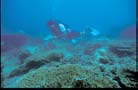
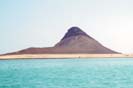
Subregional Fisheries Research and Training Centres
ójÉ°üYG çÉëHCGh ÖjQóàd ᫪«bE'G ¬Ñ°T õcGôYG
Two subregional fisheries research and training centres have now been established in the
¬Ñ°T õcôYG ójhõJ " ódh .IóéH ôNB'Gh ¿ó©H ɪgóMCG º«bE'G a ójÉ°üYG çÉëHCGh ÖjQóàd Ú«ª«bEG ¬Ñ°T øjõcôe AÉ°ûfEG "
region; one in Aden and the other in Jeddah. The centre in Jeddah has been provided with
.äGô"DYG áYÉd á«©ª°S äGó©eh ó«ªOE IóMh ,᫪bQ GÒeÉc ,äGεLhôH ,ôgÉ> ,äÉ©HÉW ,á«dBG äÉÑ°SÉëH IóéH »ª«bE'G
computers, printer, projectors, microscope, digital camera, freezer unit and basic audio
2001 Ȫaf 14 - 12 IÎØdG ÓN ¿OQ'ÉH áÑ©dG a ÉYɪàLG á«G ájôëÑdG OQGYG ªY áYª> äóY ɪc
equipment for the conference facilities.
ª©dG èeÉfôH ò«ØæJ ` ᫪«bE'G äÉ°ù°SDYG QhO ´ÉªàL'G hÉæJh .2002 É©d ª©dG §£Nh äGRÉ,E'G â°ûbÉf
The SAP Living Marine Resources Working Group met in Aqaba, Jordan from 12-14 November
.¿óY è«Nh ôªMC'G ôëÑd »é«JGΰS'G
2001. Achievements realised and plans for 2002 were discussed. The role of regional
institutions in the implementation of the Strategic Action Programme was considered.
...«G ´æàdG äÉM°ùe
Biodiversity Surveys
20 - 18 IÎØdG ÓN »JÑ«L ` ...«G ´æàdGh á«©«Ñ£dG øWGYG ¿°U ªY áYªÛ ¢ùeÉÿG ´ÉªàL'G óY "
.iQ°ûdG QÉé°TCGh ájQõL óYG äÉÄ«ÑdÉH á°UÉÿG äÉe©YG TM«ªOE ¥ôW ó«MJ M ᫪«bEG á«ÑjQóJ IQhO ¬à©ÑJ ¢SQÉe
The fifth regional Habitat and Biodiversity Working Group meeting took place in Djibouti 18-
20 March followed immediately by a regional training course on Standard Survey Methods for
.jÉe ô¡°T ÓN º«b'G ` ôªà°SGh jôHCG ô¡°T øe ÒNC'G ´Ñ°SC'G a á«fÉLôYG ÜÉ©°ûd ª«bE'G í°ùYG CGóH ɪc
Inter-tidal and Mangrove Habitats.
.¿GO°ùdGh Ée°üdG ºK »JÑ«Lh ájO©°ùdGh øª«dÉa ô°üe a í°ùYG CGóH óbh
A regional coral reef survey started in the last week of April and continued throughout the
region during May. Surveys started in Egypt, and took place in Yemen, Saudi Arabia, Djibouti,
Somalia and Sudan.
ájôëÑdG ᫪ÙG WÉæYG äÉM°ùe
ª©dG " óbh .2002 ôjÉæj ` (¿GO°ùdG) Qµe IôjõLh ÜÉæfO è«N ` ájôëÑdG äÉ«ªëªd í°ùe ɪYCG hCG "
IQGOE'G ÓN øe í°ùYG ɪYCG â"h ;ájôëÑdG äÉ«ªÙÉH ábÓ©dG äGP á«°ù«FôdG äÉ¡÷G øe áfµe Ò«°ùJ áæ÷ ±Gô°TEÉH
Marine Protected Area Surveys
øë°Th AGô°T " óbh .ª©dG Gòg ` ájOÉ«dG á«dÄ°ùYG É¡JÉY Y äòNCG »àdGh ¿GO°ùdG ` ájÈdG IÉ«G ájɪ áeÉ©dG
The first MPA surveys took place in Dungonab Bay, Sudan in January 2002. The work was overseen
É«d á«aGô¨÷G äÉe©YG ɶf QÉ°ûà°ùe TMe óbÉ©àdG "h .í°ùYG ɪYCG a AóÑdG Ñb ÉÑ°ùe ¢ù£¨dGh í°ùYG äGó©e
by a Steering Committee made up of the primary government MPA stakeholders and was conducted
` í°ùYG ɪYCG äCGóHh .á«ÄWÉ°ûdG âh á«ÄWÉ°ûdG á£æªd á«YÉæ°üdG QɪbC'G Q°U øe ëàdÉH áj󫡪àdG ɪYC'ÉH
through the national Wildlife Conservation General Administration who took lead responsibility. The
necessary equipment for underwater surveying including diving kits, air compressor, generator and
.ôjGÈa 19 ` ⪵à°SGh ôjÉæj 19
camping materials was purchased in advance. A GIS consultant was contracted to conduct the
OGóYE' 2002 jôHCG ` (øª«dG) »Y ÒH ±ÉëH ` áMÎYG ájôëÑdG ᫪ÙG ` í°ùYG ɪYCÉH É«dG " dòc
preparatory work for the littoral and sublittoral ground-truthing using satellite imagery. Surveys
áÄ«ÑdG ájɪ áeÉ©dG áÄ«¡dG TMe «°ùæàdGh ¿hÉ©àdÉH ª©dG Gò¡H É«dG " óbh .IOóÙG á£æªd IQGOE'G §£N
commenced on 19 January and were completed by 19 February.
.ájôëÑdG WÉæªd áeɵàYG IQGOE'Gh ᫪ÙG WÉæYG IQGOEG ´hô°ûe ` ÚdÄ°ùYGh
Surveys took place in April 2002 for the preparation of site-specific management plans for the Belhaf
- Bir Ali Marine Protected Area in Yemen. This project was carried out in conjunction with the
QõL ᫪fi AÉ°ûfEG §£N ôj£àH AóÑd jôHCG 28-21 øe IÎØdG ` »JÑ«L ¤EG ªY áã©H âjôLCG óa »JÑ«L ` ÉeCG
Environment Protection Authority and the Protected Areas Management & Coastal Zones
.á«HGÎdG áÄ«¡àdGh áÄ«ÑdGh Òª©àdGh ¿Éµ°SE'G IQGRh TMe ¿hÉ©àdÉH 2002 «fj ` í°ùYG ɪYCG â"h ¿É«°S ¢SCGQh TMHG°ùdG
Management (PAM-CZM) project officials.
áÄ«¡dG ÚH á«bÉØJG TM«bJ " óbh ,ájôëÑdG äÉ«ªÙÉH á°UÉÿG IOóÙG WÉæªd ájQGOE'G á£ÿG OGóYEG ¤EG dP ...OD«°Sh
PERSGA later conducted a mission to Djibouti (21-28 April) to initiate plans for the `Establishment
.¿CÉ°ûdG Gòg ` áÄ«ÑdG IQGRhh ᫪«bE'G
of the Isles des Sept Frères and Ras Siyyan Marine Protected Area'. Survey work was carried out
in June 2002 in cooperation with the Ministry of Housing, Urbanism, Environment and Land Use
Planning. This will lead to the preparation of site-specific management plans for the MPA. An
¿óY ` á«MÉ°ùdG WÉæYG IQGOEG ôj£J
agreement was signed between PERSGA and the Ministry of the Environment.
áM äóY ɪc áÄ«ÑdG ájɪ áeÉ©dG áÄ«¡dG ¢ù«FQ TMe IO°ùYG á°ûbÉæe â"h ;¿óY ` á«MÉ°ùdG WÉæªd áeɵàYG IQGOE'G äGOÉ°TQEG øe ¤hC'G IO°ùYG OGóYEG "
.É¡à©LGôY ffÉdG QÉ°ûà°ùYG ¤EG á«FÉ¡ædG É¡JQ°U ` É¡ª«°ùJ " »àdG äGOÉ°TQ'G J É¡dÓN â°VôY ¿óY á¶aÉÙ »ÙG ¢ùéªd óMGh «d ªY
Coastal Zone Management Developments in Aden
ª©dG jôa QÉ«àNG " å«M »JÑ«Lh ¿GO°ùdG ` á«MÉ°ùdG WÉæªd áeɵàYG IQGOEÓd á«LPªædG ᣰûfC'G AóÑd á«dhC'G §£ÿG â©°Vh óa ôNBG ÖfÉL øeh
Draft guidelines for ICZM in Aden have been prepared. The draft has been discussed with the EPA Chairman, and a one-day
.¿GO°ùdG ` ·É°ûædG Gò¡H É«d
workshop held for the Local Council of Aden Governorate. The draft has been finalised and forwarded to a legal specialist
for editing.
4
4
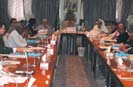
Preliminary plans have been made to launch ICZM Model Activities in Sudan and in Djibouti.
á«Ñ©°ûdG ácQÉ°ûYG äÉYhô°ûe
Sudan's national ICZM team has been selected.
íæYG èeÉfôH ÓN øe ÉgOGóYEG øµÁ »àdGh TMªàÛG ácQÉ°ûe TMjQÉ°ûe ɪµà°S' ¿GO°ùdGh ¿OQC'Gh øª«dG IQÉjR â"
TMªàÛG ácQÉ°ûe TMjQÉ°ûe á©HQCG QGôbEG " óbh .TMjQÉ°ûYG OGóYEG º«¶æàd á«æWh Ò«°ùJ ¿É÷ AÉ°ûfEG " ɪc .iô¨°üdG
Community Participation Projects
:<ÉàdG ëædG Y É¡d áeRÓdG íæYG âeóbh
Visits have been made to Yemen, Jordan, and Sudan to promote the Community Participation
.øª«dÉH ÓµYG ` ñhô°ûdG ¿hõfl IQGOEG (1
Projects that can be funded through the Micro-Grants. National steering committees have
been established to organise the preparation of projects.
.¿OQC'G ` ó«°üdG TMªà> º««J (2
Four Community Participation Projects have been approved and grants awarded as follows:
.¿OQC'ÉH ...ôëÑdG õæàYG QGhR õcôe (3
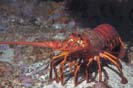
1. Management of Lobster Stocks in Mukallah, Yemen
.øª«dG ` Q«£dG áÑbGôe IóMh (4
2. Assessment of Fishing Community, Jordan
3. Marine Park Visitor Centre, Jordan
TMªàÛGh ájôëÑdG äÉ«ªÙG í°ùe jôa áHÉY ÜÉæfO è«N ` áMÎYG ájôëÑdG ᫪ëªd IQÉjR AGôLEG " óbh
4. Bird Watching Unit, Aden, Yemen
᪶æe TMe ºgÉØJ Iôcòe Y TM«bàdG "h .᫪ÙG ` ácQÉ°ûYGh áeÉ©dG á«YàdÉH ¢V¡ædG ¢Uôa á°ûbÉæYh »ÙG
''
''
A trip was made to the proposed MPA at Dungonab (Sudan) to meet the local community
.ÜÉæfO á£æe ` ácQÉ°ûYGh áeÉ©dG á«YàdG èeGôH ` ¿hÉ©àdG LCG øe á«eµG ÒZ OQc
and to discuss opportunities for raising public awareness and participation in the MPA. A
MoU was signed with the NGO `Accord' for co-operation with the Strategic Action
Programme's Public Awareness programmes in the Dungonab area.
MÉ°ùd á«°SQóe äGQÉjR
IQÉjõd dPh jôHCG ` IôHôH AÉæ«e ¤EG (Ée°üdG ÜôZ ɪ°T) É«°ù«Lôg ` ¢SQGóYG áÑW øe Ú°ùªN f "
MÉ°ùdGh ôëÑdG É¡«a ¿hógÉ°ûj Iôe hCG òg âfÉc óa áÑ£dG á«Ñdɨd áÑ°ùædÉHh ;AWG°ûdGh AÉæ«YGh ó«°üdG õcGôe
School visits to the coast
¿ÉHôdGh AÉæ«YG ôjóe ÖFÉfh á«fhÉ©àdG ójÉ°üYG ¢ù«FQh ójÉ°üªd ª«dlG °ùæYG ᣰSGH á«Ø«ãJ áMQ º¡d âë«JCG å«M
Fifty students from school clubs in Hargeisa (NW Somalia) were taken to Berbera in April. They
.ø°ùM Ú°ùM
visited the fishing centre, the port of Berbera and the Batalaale beach. For most of the students it
was the first time they had seen the coast and the sea. Students were given a tour by the Regional
Fisheries Coordinator, Fishing Cooperative Chairman, Deputy Harbour Master and Pilot, Hussein
»é«JGΰS'G ª©dG èeÉfôH ªY jôØd TMHGôdG ´ÉªàL'G
Hassan.
7 h 6 ej ÓN IóL ` ¿óY è«Nh ôªMC'G ôëÑd »é«JGΰS'G ª©dG èeÉfôH ªY jôØd TMHGôdG ´ÉªàL'G óY "
Fourth Task Force Meeting
»FÉ'G IóëàYG ·C'G èeÉfôH øe µd ¿ãh º«bE'G hO øe ª©dG jôa AÉ°YCG ´ÉªàL'G ` QÉ°Th .2002 jÉe
The Fourth Task Force meeting for the Strategic Action Programme for the Red Sea and Gulf of
º««àdÉH µYG jôØd ã ¤EG áaÉ°VE'ÉH ᫪æàd »eÓ°SE'G æÑdGh
.øjYóYG ±«°dG IOÉ°ùdGh ¿óY è«Nh ôªMC'G ôëÑd »é«JGΰS'G ª©dG èeÉfôH ò«Øæàd »Ø°üædG
representatives from the PERSGA Member Countries, UNDP, UNEP, and the World Bank (on
` óàdG øY ¢VhôY ËóàH ¿jOÉ«dG ¿«FÉ°üNC'G Éb ò«ØæàdG ` ácQÉ°ûYG äÉ¡÷Gh AÉ°YC'G hódG äɪc ¤EG ´Éªà°S'G ó©H
behalf of the GEF Implementing Agencies), the Islamic Development Bank, a representative
from the SAP Mid Term Evaluation team, and invited guests.
ò«ØæJ º««àd á«dhC'G èFÉàædG á°ûbÉæe â" ´ÉªàLÓd ÊÉãdG «dG `h .èeÉfÈdG äÉfµe øe ¿µe µd á«Ñà°ùYG §£ÿGh èeÉfÈdG ò«ØæJ
.¬JGRÉ,EGh èeÉfÈd á«Ñà°ùYG ¬eGóà°SÓd áeRÓdG á«é«JGΰS'ÉH ɪàg'G TMe èeÉfÈdG
After opening statements from the member countries and implementing agencies the SAP Lead
Specialists gave presentations on the current status of each component and their future plans. On the second day the
:<ÉàdÉc ´ÉªàLÓd á«°ù«FôdG äÉ«°UàdG äAÉLh
Task Force discussed the preliminary results of the SAP mid term evaluation and considered strategies for the future
;É`gRGôMEG ø`µÁ á`©bàYG è`FÉàædG ¿CG Y ó`«cCÉàd »æeõdG ¢SÉ«YGh á«fGõ«YG A°V Y á«dÉG ª©dG §£N á©LGôà ´hô°ûYG IQGOEG J ¿CG
sustainability of the Programme and its achievements.
.TMbGdG ¢VQCG Y É«©a Égò«ØæJ øµÁ »àdG ᣰûfC'G øª°àJ å«ëH äÓjó©J AGôLEG á«fɵeEG QÉÑàY'G ` òNDj ¿CGh
The following are the primary recommendations made by the meeting:
''
áeGóà°S'G á«é«JGΰSG
.''
IO°ùe á©LGôÃ ´hô°ûYG IQGOEGh èeÉfÈdG ªY jôa j ¿CG
The SAP management should review the current Work Plans in light of the timescale and budget to ensure that the
projected achievements are attainable. Amendments should be considered that include on-the-ground demonstration
á«ÑàYG ᣰûfC'G jªàd ¢UÉÿG ´É£dG øe ...OÉYG ¿©dG Ö£d áÑ°SÉæYG äÉ«dB'G OGóYEG ` IóYÉ°ùYG ¬«a Ö£j á«dhódG ájôëÑdG ᪶æªd ÜÉ£N ó©j ¿CG
projects if feasible.
....ôëÑdG çàdGh áMÓYG ôWÉfl «J :èeÉfÈd ÊÉãdG ¿µªd
The Task Force and PERSGA management should review the draft Sustainability Strategy.
5
5
á````eÉ`µàYG IQGOE'G É``> ` ó``©H øY º`©àdG M »`YÉ`©dG á``Ä«ÑdG ```aôe äGQOÉ`Ñe øe IOÉ`Øà°S'G ` åëÑdG IQhô°V
A letter should be prepared for IMO requesting assistance with the modalities for
approaching the private sector to gain further funding for SAP component 2, Reduction
.(á«MÉ°ùdG WÉæªd áeɵàYG IQGOE'G) ¢SOÉ°ùdG ¿µYG ò«ØæJ óæY á«MÉ°ùdG WÉæªd
of Navigation Risk and Marine Pollution.
.áæ°S c øY <ÉYG ôjôàd ¢üîe iæ°ùdG ôjôàdÉH ëj ¿CG
The value of the GEF ICZM distance learning initiative to the implementation of
¬`à``ªLôJ øµ`Á kÉ°üîe á`«°ù«FôdG ```FÉ```KdG c øª°àJ ¿CG Y Ú`jOÉ«dG Ú`«FÉ°üNC'G `Ñb øe ó«cCÉàdG ºàj ¿CG
component 6 (ICZM) should be investigated.
.á«°ùfôØdG ¤EG
A summary of the SAP Financial Statement for the year should be attached to the
`É`µdG â``dG »JÑ«L ` ò`ØæJ »àdG á`£°ûfC'G í`æ" ¿CG Y Ú`jOÉ«dG Ú`«FÉ°üNC'G `Ñb øe ó`«cCÉàdG º`àj ¿CG
Annual Report.
.ià°ùYG á«dÉY èFÉàf RGôME'
Lead Specialists should ensure that all major documents have an Executive Summary
that can be translated into French.
»é«JGΰS'G ª©dG èeGôH ªY jôØd ¢ùeÉÿG ´ÉªàLE'G
Lead Specialists should ensure that consultancies in Djibouti are of sufficient
duration to achieve quality results.
»ej ÓN IóL ` ¿óY è«Nh ôªMC'G ôëÑd »é«JGΰS'G ª©dG èeGôH ªY jôØd ¢ùeÉÿG ´ÉªàL'G óY "
»FÉ'G IóëàYG ·C'G èeGôHh (¿OQ'G GóY Ée) º«bE'G hO G㠴ɪàL'G ` QÉ°Th .2002 ȪàÑ°S 19 h 18
Fifth Task Force Meeting
¤EG áaÉ°VE'ÉH ᫪æàd »eÓ°SE'G æÑdGh (»YÉ©dG áÄ«ÑdG aôe øY)
GIWA
.(
The Fifth Task Force meeting for the Strategic Action Programme for the Red Sea and Gulf of
Aden was held from 18-19 September 2002 in Jeddah, Kingdom of Saudi Arabia. The meeting
»gÉ°j ¿CG ÓeBG èeGÈdG ` áYÉØdG º¡àcQÉ°ûeh º¡ªYO Y hódG »ã ôµ°Th ÚcQÉ°ûYÉH «aJ QGõf QàcódG ÖMQ
was attended by representatives from all the PERSGA Member Countries (with the exception of
ÜjGO dÉ°S /ó«°ùdG ób ɪc .áÄ«¡dG èeGÈd KÉ <Ée ºYóH hódG ÖfÉL øe GõàdG ...æ©YGh »ª©dG ºYódG Gòg
Jordan); UNDP, UNEP, and the World Bank (on behalf of the GEF Implementing Agencies); the
.á«dhódG IÉ«ªd »YÉ©dG º««àdG èeÉfôH øY IòÑf (áÄ«Ñd IóëàYG ·C'G èeÉfôH øe)
Islamic Development Bank; a representative from UNEP/GIWA and invited guests.
ɪc ,(2003 Ȫ°ùjO àM) á«Ñà°ùYG º¡££Nh º¡JÉfµe ᣰûfCG ¢Vô©H ¿jOÉ«dG ¿«FÉ°üNC'G Éb ôNBG ÖfÉL øeh
Dr. Nizar Tawfiq, Secretary General welcomed the participants and thanked the representatives
ᣰûfC'G ¢©H á°ûbÉæe â" å«M »é«JGΰS'G ª©dG èeÉfÈd áëæYG ª©dG á£N OGóM ó«ÛG óÑY QàcódG ¢VôY
of the Member States for their support and involvement in the Programme. He emphasized his
hope that, in addition to the scientific and moral commitments being made, the financial
.2003 ÉY ÓN Égò«ØæJ øµÁ »àdG á«LPªædG
commitment of the Member Countries would be equally forthcoming.
AÉ°ûfEÉH á°UÉÿG äGAGôLE'Gh Úëfɪd ô"De ó©H ©àj ɪ«a QɵaC'G ¢©H «aJ QGõf QàcódG ób áÄ«¡dG Ñà°ùe Mh
Following the introductory statements from the Implementing Agencies and the Member Countries,
IóYÉ°ùà ᫪«bE'G AiQG£dG §£ÿ RÓdG jªàdG OÉéjE' ªY äÉ°TQh óYh
.ájôëÑdG á«dhódG ᪶æYG
The Lead Specialists gave presentations on the current status of their components and plans for the future
(to December 2003). Dr. Abdul Majeid Haddad introduced the revised SAP workplan to the Task Force
:É¡æe äÉ«°UJ IóY äÉ°ûbÉæYG øY â°î"h
members. A variety of possible Demonstration Activities that could be implemented from 2003 were
.á«dÉYG É¡JÉeGõàdÉH hódG AÉad i°üdG IQhô°dG -
discussed.
¿ó`Y è`«Nh ô`ªMC'G ôëÑd »`ª`«bE'G ó`«°UôdG è`eÉ`fô`H ` ¿hÉ`©àdÉH ¢üàîj É`ª«a §°SàYG ôëÑdG `ªY á`£N TMe «°ùæàdÉH áÄ«¡dG J ¿CG -
Dr. Tawfiq laid out some ideas for the future of the Regional Organization. The World Bank are assisting with
the procedures to establish the Red Sea Environment Fund and a future donor conference. The International
.èeGÈdG ᣰûfCG ` »JÑ«L IóYÉ°ùY á«°ùfôØdG á¨dG øe Ú浪àYG ájôëÑdG áÄ«ÑdG ¿°U ` Ú«FÉ°üNC'G óMCG ójóh
Maritime Organization is assisting PERSGA in workshops and with fund raising for regional contingency planning
Y äCGôW »àdG äGÒ«¨àd ô°üàfl ¢üîe OGóYEÉH ØJ ¿CGh »é«JGΰS'G ª©dG èeÉfôH º««Jh ó°Uôd äGô°TDe ójó Y áÄ«¡dG õcôJ ¿CG -
Several recommendations were raised; they included:
.áëqæYG ª©dG á£N OGóYEG àM ò«Øæàd á«°UC'G á£ÿG TM°Vh òæe èeÉfÈdG
- The urgent need for the countries to fulfil their financial commitments to PERSGA.
.áÄ«¡dG òg ãe AÉ°ûfEG Y áaGYG ºàJ ÉYÉM óFÉ°üªd ᫪«bE'G áÄ«¡d »°ù°SDYG µ«¡dG á°ûbÉæY ªY á°TQh º«¶æàH áÄ«¡dG J ¿CG -
- PERSGA will coordinate with the Mediterranean Action Programme with regard to cooperation in a regional monitoring
programme for the Red Sea and Gulf of Aden, and to locate suitable francophone marine conservation specialists to assist
with programme activities in Djibouti.
- PERSGA will focus on the identification of indicators for SAP Monitoring and Evaluation. PERSGA will prepare a brief summary
of the changes made from the original PIP and operational workplans to the revised SAP Work Plan.
- PERSGA will convene a workshop to discuss the institutional structure of the proposed RECOFI once the initial procedures and
approval for the establishment of such a body have been agreed upon.
6
6
P E R S G A
Training
Ö`jQó`à`dG
Non-formal environmental education
»é¡æe' »Ä«H º«©J IQhO
A training workshop on `Environmental Education Techniques and Establishing Environmental
''
`
''
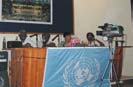
¢SQGóYG ` á«Ä«H ...OGf AÉ°ûfEG á«dBGh »Ä«ÑdG º«©àdG äÉ«æJ M Úª©ªd »é¡æe' »Ä«H º«©J IQhO óY "
Clubs in Schools' was held in Djibouti during the period 29 December 2001 5 January 2002.
IóY øe Úª©YG ÖjQóJ äGQhódG òg øe ±ó¡dG ¿Éch .2002 ôjÉæj 5 - 2001 Ȫ°ùjO 29 IÎØdG ÓN »JÑ«L
The main objective of this workshop was to train teachers from several coastal districts of
.É¡«a ¿ª©j »àdG ¢SQGóYG ` á«Ä«H ...OGf AÉ°ûfE' áeRÓdG äÉ«æàdGh ¥ô£dG É> ` »JÑ«L a á«MÉ°S AÉ«MCG
Djibouti on the methods and techniques needed to establish environmental clubs in their
respective schools. Twenty teachers and supervisors were selected by the Ministry of Education
HCGh GQLOÉJ ,»JÑ«L ` IOLYG ¢SQGóYG øe º«©àdG IQGRh ᣰSGH Úª©YG øe øjô°ûY QÉ«àNG " óbh
from schools in Djibouti, Tadjourah and Obock to participate in this training workshop.
.IQcòYG á«ÑjQóàdG äGQhódG ` ácQÉ°ûªd
PERSGA/TSC Joint Marine Protected Areas Management Course
ájôëÑdG ᫪ÙG WÉæYG IQGOEG M ácΰûe á«ÑjQóJ IQhO
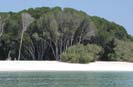
The first Marine Protected Areas Management Course was held in Port Sudan from 6-13
èeÉ`fôHh á«`ª«b'G á`Ä«¡dG ÚH ácÎ`°ûe IQhO h
''
â°Sc °S øjôJ
''
IÎØdG ÓN ¿GO°ùJQH áæjóe `
C
G ó`Y "
January 2002. Twenty-three participants from the PERSGA member countries and a
º«bE'G hO øe ÜQóàe 23 IQhódG ` QÉ°T óbh .ájôëÑdG ᫪ÙG WÉæYG IQGOEG M 2002 ôjÉæj 13 - 6
representative from Eritrea attended the course. The main objective of this course was to
ájôëÑdG ᫪ÙG WÉæYG ...ôjóe ójhõJ g IQhód »°ù«FôdG ±ó¡dG ¿Éch .ÉjÎjQG ádhO øe ÜQóàe ¤EG áaÉ°VE'ÉH
provide current and future MPA managers in the Red Sea region with an array of knowledge,
äÉgÉOE'Gh äGQÉ¡YGh ±QÉ©YG øe áÑJôe áYªéà ¿óY è«Nh ôªMC'G ôëÑdG º«bEG ` Ú«Ñà°ùYGh Ú«dÉG
skills and attitudes for MPA planning and management.
.ájôëÑdG ᫪ÙG WÉæYG IQGOEGh §«£îJ ` IóFÉ°ùdG
The course was prepared by the Red Sea Train-Sea-Coast Course Development Unit in Port
Sudan with assistance from PERSGA within the framework of the Strategic Action Programme
` ᫪«b'G áÄ«¡dG øe IóYÉ°ùà ¿GO°ùJQH ` IQhódG äGQôe OGóYEG IóMh ᣰSGH IQhódG äGQôe OGóYEG " óbh
for the Red Sea and Gulf of Aden. This was a job-oriented course tailored to the specific roles
âfÉc å«M Ø«Xh ¬«LJ äGP á«ÑjQóàdG IQhódG âfÉch .¿óY è«Nh ôªMC'G ôëÑd é«JGΰS'G ª©dG èeÉfôH QÉWEG
and tasks of current and future MPA managers.
.ájôëÑdG ᫪ÙG WÉæYG iôjóe É¡eh °ù«FôdG QhódG Y á°üØe
The TRAIN-SEA-COAST (TSC) Programme is a cooperative and sharing training network. It was
''
''
º°ùb ᣰSGH 1995 ÉY DhÉ°ûfEG " ÖjQóàdG OÉÑJh ¿hÉ©àd áµÑ°T øY IQÉÑY â°Sc °S øjôJ èeÉfôH ¿CG ôcòdÉH ôjó÷G
established in 1995 by the Division for Ocean Affairs (UN/DOALOS) with the financial assistance of
g èeÉfÈdG Gò¡d »°ù«FôdG ±ó¡dGh .»FÉ'G IóëàYG ·C'G èeÉfôH øe <Ée ºYóH IóëàYG ·CÓd TMHÉàdG ájôëÑdG ¿Ä°ûdG
UNDP. The main objective of the TSC Programme is to build capacity at the local level for the
production and delivery of high quality training courses in the field of coastal and ocean management.
.á«MÉ°ùdGh ájôëÑdG WÉæYG IQGOEG É> ` á«ÑjQóJ äGQhód ià°ùYG Ió«L äGQôe OGóYE' »ÙG ià°ùYG Y äGQódG AÉæH
Regional Workshop on Conservation of the Northern Red Sea
ôªMC'G ôëÑdG ɪ°T »`a ájôëÑdG áÄ«ÑdG IQGOE' á«°SGQO áM
á«°SGQO áM ó©H (ɵjÉL)
Commission for Wildlife Conservation and Development (NCWCD) and the Japan International Cooperation
øe áG ` QÉ°T .2002 ôjÉæj 30 - 28 IÎØdG ÓN ¢VÉjôdG áæjóe ` dPh ôªMC'G ôëÑdG ɪ°T ` ájôëÑdG áÄ«ÑdG IQGOE'
Agency (JICA) in Riyadh during the period 28-30 January 2002. PERSGA was represented in the workshop by
TMHQCG á©LGôà ¿cQÉ°ûYG Éb óbh .ájôëÑdG ᫪ÙG WÉæYG ¿µY ...OÉ«dG »FÉ°üNC'Gh äÉYhô°ûYG °ùæe øe c ᫪«bE'G áÄ«¡dG ÖfÉL
the PERSGA/SAP Coordinator and the MPA Lead Specialist. The workshop reviewed the Management Plans for
áÑ°üdG ¢SGQ ,íj°S ¢SGQ á£æY á««°üØàdG ájQGOE'G §£ÿGh ,ôªMC'G ôëÑdG ɪ°T á£æY áeÉ°ûdG ájQGOE'G á£ÿG ⪰T äGO°ùe
Ra's Suwayhil, Ra's Al-Qasbah, and Al Wajh Bank and the Master Plan for the three proposed marine protected
᫪ÙG WÉæYG IQGOEÉH ¢üàîj ɪ«a â" »àdG äÉ°SGQódG AÉæKCG Égô°üM " »àdG äÉe©YG «Ñ£J Ñ°S ¿cQÉ°ûYG ¢ûbÉf ɪc ;¬LdG áØ°Vh
areas in the northern Red Sea. The workshop also discussed the application of the inventory study data to
.IQGOE'ÉH ábÓ©dG äGP iôNC'G ÉjÉ°dGh áMÎYG ájôëÑdG
management of marine protected areas and other management issues.
á°UÉÿG äÉe©YG TMªL ¥ôW ó«MJ M á«ÑjQóJ IQhO
Standard Survey Methods for Inter-tidal and Mangrove Habitats
iQ°ûdG QÉé°TCGh ájQõL óYG äÉÄ«ÑdÉH
A regional training course on Standard Survey Methods for Inter-tidal and Mangrove Habitats
took place in Djibouti in March 2002 in cooperation with the Scientific Research Institute and
äÉe©YG TM«ªOE ¥ôW ó«MJ M º«bE'G hO ` Ú«æWdG ÚFÉ°üNCÓd á«ÑjQóJ IQhO ó©H ᫪«bE'G áÄ«¡dG âeÉb
the Ministry of Habitat, Urbanization and Environment. The course, which was attended by 18
ó¡©e TMe ¿hÉ©àdÉH »JÑ«L áæjóe ` 2002 ¢SQÉe 28 - 21 IÎØdG ÓN iQ°ûdG QÉé°TCGh ájQõL óYG äÉÄ«ÑdÉH á°UÉÿG
regional specialists, included lectures and field trips. The main objective of the training course
øe ÉHQóàe 18 É¡«a QÉ°T »àdG ,ª©dG á°TQh â檰J óbh .»JÑ«éH áÄ«ÑdGh Òª©àdGh ¿Éµ°S'G IQGRhh ᫪©dG çÉëHC'G
was to train regional specialists in the Standard Survey Methods for habitat assessment
AGôLEÉH É«dG øe ÚcQÉ°ûYG Úµ" g ª©dG á°TQd »°ù«FôdG ±ó¡dG ¿Éch .á«fGó«e äÓMQh äGô°VÉfi ,º«bE'G hO
prepared by PERSGA. The course provided the necessary theoretical background and specific
ÓNh .á«MÉ°ùdG äÉÄ«ÑdG Y TMjQÉ°ûªd »Ä«ÑdG ôKC'G º««àd á«°SÉ°SC'G AiOÉÑYG Y ±bdG ¤EG áaÉ°VE'ÉH iQ°ûdG QÉé°TCGh á«MÉ°ùdG WÉæYG ` äÉ°SGQódG
training on sample storing, identification methods, data analysis, and interpretation of survey results.
.äÉM°ùYG òg ãà á°UÉÿG ôjQÉàdG áHÉàc á«Ø«ch äÉe©YG «ëàH GcQÉ°Th »M ÖjQóJh áØãµe äGô°VÉfi ¿HQóàYG J IQhódG
7
7
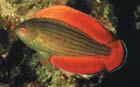
Social Marketing Workshop
»YɪàL'G j°ùàdG M ªY á°TQh
''
''
A two-day Social Marketing Workshop was held in NE Somalia on 26-27 March 2002 for 12
Iô°ûY »æK' 2002 ¢SQÉe 27 h 26 »ej ÓN Ée°üdG ¥ô°T ɪ°T ` »YɪàL'G j°ùàdG M ªY á°TQh óY "
trainees representing government institutions, local NGOs and community based organizations.
.äÉ©ªàÛÉH á°üdG äGP äɪ¶æYGh á«ÙG á«Y£dG äÉ«©ª÷G ,á«eµG äÉ°ù°SDYG ¿ãÁ ÜQóàe
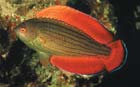
The Status and Potential for Ornamental Fisheries
äÉ«fɵeEGh øgGôdG TM°VdG º««J Ö«dÉ°SCG M á«ÑjQóJ ªY á°TQh
A participatory training workshop in Methodologies for Assessing the Status and Potential for
á«Ä«ÑdG É¡JGÒKCÉJh áæjõdG ɪ°SCG óFÉ°üe
Ornamental Fisheries and their Environmental Impacts was organized and conducted at the
sub-regional LMR Research and Training Centre in Jeddah from 915 April, 2002. The course
''
É¡JGÒKCÉJh áæjõdG ɪ°SCG óFÉ°üe äÉ«fɵeEGh øgGôdG TM°VdG º««J Ö«dÉ°SCG M á«ÑjQóJ ªY á°TQh äóY
had the following objectives:
á«Ä«ÑdG
''
OQGYG M ÖjQóàdGh çÉëHCÓd »ª«bE'G ¬Ñ°T õcôYG ` dPh 2002 jôHCG 15-9 IÎØdG ÓN IóéH
1) To collect data from exporting companies in the Jeddah area of Saudi Arabia on
:<ÉàdG ëædG Y IQhódG òg ±GógCG âfÉch .á«G ájôëÑdG
ornamental fish collection practices, holding facilities and export practices.
TMªL äÉ°SQÉ M á``jO©°ùdG á``«Hô©dG á`µªYÉH Ió``L á£æe ` IQó°üYG äÉ``cô°ûdG øe äÉ``e©YG TMªL (1
2) To train local participants in:
a) Identification of marine aquarium fish species from the Red Sea and Gulf of Aden with
.ôjó°üàdG äÉ°SQÉh øjõîàdG aGôeh áæjõdG É`ª°SCG
special consideration of the biological factors which make species vulnerable to over-
:Y Ú«ÙG ÚcQÉ°ûYG ÖjQóJ (2
collection, or that contribute to poor survivorship in captivity,
©OE »àdG á«Ld«ÑdG eG©d ¢UÉÿG QÉÑàY'G TMe ¿óY è«Nh ôªMC'G ôëÑdG ` áæjõdG ɪ°SCG ´GfCG ójó (CG
b) Methodologies for the collection and analysis of export data on aquarium fish,
.ô°SC'G ` É¡FÉH ©°V ` ºgÉ°ùJ »àdG hCG ,ôFÉ÷G TMªéd ká°VôY ÌcCG ´GfC'G
c) Sampling methodologies for collection, analysis and reporting of field data for monitoring
.áæjõdG ɪ°SCG ôjó°üJ äÉfÉ«H «h TMªL Ö«dÉ°SCG (Ü
the impacts of the aquarium fish trade.
É``ª°SCG IQÉ``OE äGÒ`KCÉJ ó`°UQ LCG øe á`«fGó«YG äÉ`e©YG ô`jQÉ`J OGóYEGh «h TMª÷ äÉæ«©dG òNCG Ö«dÉ°SCG (`L
The ultimate goal of the training course was to promote sustainable use of marine aquarium
AÉ`°YC'G hódG øe kÉ`HQó``àe 32 É`¡``«a QÉ``°T »àdG ,á`«ÑjQóàdG ```ª©dG á``°TQh ø``e »FÉ``¡ædG ±ó``¡dG ¿Éch .á```æjõdG
organisms. Twenty-three participants from the PERSGA member states attended the workshop.
.áæjõdG ɪ°SC' Góà°ùYG Góîà°S'G ` `ãªàj ,á`«ª«bE'G á``Ä«¡dG `
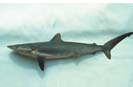
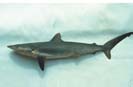
Methodologies for Stock Assessment and Fisheries Management of Elasmobranchs
A six-day participatory training workshop in Methodologies for Stock Assessment and Fisheries
''
''
¿hõiG º««Jh äÉe©YG TMªL Ö«dÉ°SCGh á«ahô°¨dG ɪ°SC'G jô©J M á«ÑjQóJ ªY á°TQh
Management of Elasmobranchs was organized and conducted at the sub-regional Fisheries Research
''
''
ÖjQóàdG õcôà ¿hõiG º««Jh äÉe©YG TMªL Ö«dÉ°SCGh á«ahô°¨dG ɪ°SC'G jô©J' M á«ÑjQóJ ªY á°TQh äóY
and Training Centre in Aden from April 27 to May 3, 2002. The course had following objective:
QÉ°Th ;2002 jÉe 2 ¤EG jôHCG 27 IÎØdG ÓN ¿óY ` ᫵ª°ùdG IhÌdG ÖjQóJ ó¡©Ã DhÉ°ûfEG " ...òdG »ª«bE'G ¬Ñ°T
To introduce regional fisheries scientists to the theory and practice of stock assessment
:` ãªàj ª©dG á°TQd »°ù«FôdG ±ó¡dG ¿Éch .º«bE'G øe ÉHQóàe 20 É¡«a
methods for sharks and rays as a means of increasing the technical capacity of regional staff
- a starting point for the proper long-term management of the resources.
á«°Sc á«ahô°¨dG ɪ°SC'G ¿hõfl º««J Ö«dÉ°SCG äÉ°SQÉh äÉjô¶æH º«b'G ` ᫵ª°ùdG IhÌdG AɪY jô©J
The course included a general introduction to the objectives and practice of stock assessment
.ó«©ÑdG ióYG Y OQGYG IQGOE' ¥Ó£fG á£æc ,º«b'G ` ÚeÉ©d á«æØdG IAÉصdG IOÉjõd
and management, and the inter-relationships between them. The course included theory as
.É¡æ«H áNGóàYG äÉbÓ©dGh ¿hõiG IQGOEGh º««J Ö«dÉ°SCG á°SQÉh ±GógCÉH kÉeÉY kÉØjô©J ª©dG á°TQh â檰Jh
well as practical work. The training was offered to 20 participants from the region.
PERSGA/ALECSO Joint Workshop on Preparing a Training Kit on Environmental
á«Ä«ÑdG á«YàdGh É°üJ'G äGQÉ¡e ` á«ÑjQóJ áÑ«M OGóYE' ¤hC'G á««Ñ£àdG áG
Public Awareness and Communication
©dGh áaÉãdGh á«HÎd á«Hô©dG ᪶æYGh ¿óY è«Nh ôªMC'G ôëÑdG áÄ«H Y á¶aÉëªd ᫪«b'G áÄ«¡dG ÚH ácΰûe á«ÑjQóJ ªY á°TQh óY "
The Workshop on `Preparing a Training Kit on Environmental Public Awareness and Communication (EPAC)' was held
IóL áæjóe a dPh R á«Ä«ÑdG á«YàdGh É°üJ'G äGQÉ¡e a á«ÑjQóJ áÑ«M OGóYEGR M É¡FÉEGh ájô£ØdG IÉ«G ájɪ á«æWdG áÄ«¡dG TMe ¿hÉ©àdÉH
jointly by PERSGA and ALECSO in cooperation with the National Commission for Wildlife Conservation and Development
.2002 jÉe 22 - 18 IÎØdG ÓN
(NCWCD). The workshop took place in Jeddah during the period 18 22 May 2002. It consisted of formal presentations,
group discussions, lectures and practical applications on course materials. The main objective of the workshop was to build
ÚcQÉ°ûYG äGQób AÉæH g °ù«FôdG ±ó¡dG ¿Éch .á«ÑjQóàdG OGªd ᫪Y äÉ«Ñ£Jh á«YɪL äÉ°ûbÉæeh äGô°VÉfih á«ÑjQóJ ¢VhôY ª©dG á°TQh â檰J
the capacity of participants in training methodologies and preparation of training methods.
.áeÉ©dG á«Yàd á«ÑjQóJ áÑ«M OGóYEGh É°üJ'G äGQÉ¡e ᫪æJh áeÉ©dG á«YàdG èeGôH OGóYEÉH ¿cQÉ°ûYG Éb å«M ÖjQóàdG ¥ôW OGóYEGh Ö«dÉ°SCG É> a
The participants worked together in preparing public awareness programmes, generating communication skills and formulating
AGÈN áKÓK ¤EG áaÉ°VE'ÉH øª«dGh ô°üe ,Ée°üdG ÜôZ ɪ°Th ¥ô°T ɪ°T ,¿GO°ùdG ,ájO©°ùdG ,JÑ«L ,¿OQ'G øe ÜQóàe 13 ª©dG á°TQh a QÉ°T óbh
.º«bE'G hO øe
8
8
an environmental public awareness kit. The workshop was attended by 13 trainees from Djibouti,
á«MÉ°ùdG WÉæYG ` äÉØiG IQGOEG É> ` ᫪«bEG á«ÑjQóJ IQhO
Egypt, Jordan, Saudi Arabia, NE and NW Somalia, Sudan and Yemen, in addition to three
instructors from the region.
á«HÎd á«Hô©dG ᪶æYGh ¿óY è«Nh ôªMC'G ôëÑdG áÄ«H Y á¶aÉëªd ᫪«b'G áÄ«¡dG ÚH ΰûYG ¿hÉ©àdG QÉWEG a
á«ÑjQóJ IQhO óY " (iQGó«°S) ÉHhQhGh Hô©dG º«bEÓd ᫪æàdGh áÄ«ÑdG õcôe áaÉ°à°SGh (°ùµ«dG) ©dGh áaÉãdGh
IQhódG ` QÉ°T . 2002 «fj 5 - 1 IÎØdG ÓN IôgÉdG ` á«MÉ°ùdG WÉæYG ` äÉØiG IQGOEG É> ` ᫪«bEG
PERSGA/ALECSO Regional Training Course on Waste Management
ô°üe ájQ¡ªL øe øjô°VÉfi áKÓKh º«bE'G hO øe äÉØiG IQGOEG É> ` Ú°ü°üîàYG øe ÚHQóàe Iô°ûY
in Coastal Areas
.°ùµ«dGh ᫪«bE'G áÄ«¡dG »ã ÖfÉéH á«Hô©dG
In the framework of the joint activities between PERSGA and ALECSO a regional training
á«MÉ°ùdG WÉæYG ` äÉØiG IQGOE' º«°ùdG §«£îàdG Y IQOÉb QOGc øjµJ IQhódG òg ±GógCG ÚH øe ¿Éc
course on `Waste Management in Coastal Areas' was held in Cairo during the period 1-5
June 2002 hosted by CEDARE. Ten participants from the region attended the course in
§«£îàdG èeGôH ò«ØæJh º«ª°üJh ,ÉÛG Gòg ` øjôNBÓd º¡JGÈN f Y øjQOÉb ¿HQóàYG íÑ°üj å«ëH
addition to three lecturers from Egypt. Among the objectives of the course was building the
.ºgOÓÑd »ÙG TMªàÛG TMe jôØdG ìhôH ª©dGh
capacity of participants in sound planning for waste management, experience transference
WÉæYÉH Iô£ÿG äÉØiGh ,ájóÑdGh á«YÉæ°üdG áÑ°üdG äÉØiG IQGOEG ãe áeÉg ÉjÉ°b Y IQhódG äõcQh
to others, implementation of planning projects, and developing team spirit with their local
communities in their respective countries.
É«e Góîà°SG IOÉYEG ÒjÉ©eh ,FÉ°ùdG »YÉæ°üdG ±ô°üdGh »ë°üdG ±ô°üdG äÉØfl á÷É©e º¶fh ,á«MÉ°ùdG
óbh .äÉØiG IQGOEG º¶æd á«ë°üdG ÖfG÷Gh äÉØiG IQGOEG äÉYhô°ûY Ä«ÑdG º««àdG ÖfÉéH èdÉ©YG ±ô°üdG
The training course concentrated on important issues such as industrial and municipal solid
.áÄ«ÑdG ¿Ä°ûd ádhódG ôjRh ,¢VÉjQ ìhó QàcódG <É©e á«ÑjQóàdG IQhód á«MÉààa'G á°ù÷G ÖWÉN
wastes, hazardous wastes in coastal areas, sewage treatment systems, criteria for reuse of
treated wastewater and EIA for waste management projects in addition to the health aspects
of waste management systems.
á°û°û©YG ájôëÑdG Q«£dÉH á°UÉÿG äÉe©YG TMªL ¥ôW ó«MJ M á«ÑjQóJ IQhO
The Training Course was addressed by HE Dr. Mamdouh Riyadh, the State Minister for
ÖjQóàdG õcôà áã É¡FÉEGh ájô£ØdG IÉ«G ájɪ á«æWdG áÄ«¡dGh ᫪«bE'G áÄ«¡dG ÚH ºFÉdG ¿hÉ©àdG QÉWEG a
Environment in Egypt.
Q«£dÉH á°UÉÿG äÉe©YG TMªL ¥ôW ó«MJ M á«ÑjQóJ IQhO ⪫bCG ,¢VÉjôdÉH á«©«Ñ£dG OQGYG Y á¶aÉëªd
á«Hô©dG ᵪYÉH ¿É°Sôa QõL ` 2002 «fj 10 - 1 IÎØdG ÓN ¿óY è«Nh ôªMC'G ôëÑdÉH á°û°û©YG ájôëÑdG
Standard Survey Methods for Nesting Seabirds
«Ñ£àH ¿HQóàYG Éb IQhódG ÓNh ;º«bE'G hO TM«ªL øe ÚHQóàe á«fɪK á«ÑjQóàdG IQhódG ` QÉ°T .ájO©°ùdG
A regional training course on `Standard Survey Methods for Nesting Seabirds in the Red Sea
AGÈÿG øe ÚæKG øe äGô°VÉfi GJ ¿CG ó©H ájôëÑdG Q«£dG É¡«Y ôKɵàJ »àdG Qõ÷G ¢©H Y á«M äÉM°ùe
and Gulf of Aden region' was held in the Farasan Islands (Kingdom of Saudi Arabia) during
.á«ÑjQóàdG IQhódG ÓN â" »àdG äÉM°ùYG øY ôjQÉJ áHÉàch äÉe©YG «ëàH GeÉb ɪc ;Ú«ª«bE'G
the period 1-10 June 2002. The course was held in the framework of the cooperation between
PERSGA and the Training Centre for the Conservation of Natural Resources of NCWCD. Eight
trainees from the region participated in this course. The lectures provided by the two trainers
2002 «fj - ôjÉæj ô¡°TC'G ÓN º¡ÑjQóJ " øjòdG º«bE'G hO øe ÚHQóàYG OóY
on Standard Survey Methods were applied during the field surveys in the islands where
¿óY è«Nh ôªMC'G ôëÑd »é«JGΰS'G ª©dG èeÉfôHh áÄ«¡dG ᣰûfCG ÓN øe
seabirds concentrate. Information was analysed by the participants and reports were drafted.
º`````````«`````````````````````bE'G hO ø``````````e ø```````````«``````````HQó````````````à````````YG Oó```````````````Y
á«ÑjQóàdG IQhódG/ª©dG á°TQh
Ée°üdG
øª«dG
ô°üe
¿GO°ùdG
ájO©°ùdG
»JÑ«L
¿OQC'G
ÜôZ/¢T
¥ô°T/¢T
᫪ÙG ájôëÑdG WÉæYG IQGOEG
3
2
2
3
6
1
3
2
''â°Sc »°S øjôJ'' TMe GΰTE'ÉH
á°UÉÿG äÉe©YG TMªL ¥ôW ó«MJ
Number of trainees from each of PERSGA's member countries who received training,
2
2
2
2
2
2
5
-
iQ°ûdG äÉÑfh ájQõL óYG äÉÄ«ÑdÉH
through PERSGA/SAP activities, during the months January - June 2002
ójÉ°üe á«fɵeEGh øgGôdG TM°VdG
2
1
1
1
1
8
1
2
N u m b e r o f t r a i n e e s f r o m t h e P E R S G A m e m b e r c o u n t r i e s
áæjõdG ɪ°SCG
Training Workshop/Course
Djibouti
Egypt
Jordan
Saudi Ar.
Somalia
óFÉ°üe IQGOEGh ¿hõiG º««J
NE NW
Sudan
Yemen
9
-
2
2
2
4
2
2
MPA Management
á«ahô°¨dG ɪ°SC'G
2
2
1
3
2
6
3
(Joint PERSGA/TSC)
3
äGQÉ¡e ` á«ÑjQóJ áÑ«M OGóYEG
1
1
1
2
2
4
1
1
SSM for intertidal and
á«Ä«ÑdG á«YàdGh É°üJE'G
2
-
2
2
2
2
2
mangrove habitat
5
á«MÉ°ùdG WÉæYG ` äÉØiG IQGOEG
1
4
-
1
1
1
1
1
Status & potential for
1
2
8
1
1
1
2
omamental fisheries
1
á°UÉÿG äÉe©YG TMªL ¥ôW ó«MJ
1
1
1
-
1
3
1
1
Stock assessment & fisheries
ájôëÑdG Q«£dÉH
-
2
4
2
2
2
9
management of elasmobranchs
2
19
11
9
11
15
23
14
9
´ªÛG
Preparing a training kit on environmental
1
1
1
4
2
1
2
1
public awareness & communic.
Waste management in
1
4
1
1
1
-
1
1
coastal areas
Standard Survey Methods for
1
1
1
3
-
1
1
1
nesting seabirds
Total number of trainees
14
11
9
23
11
9
15
19
9
9
§«£îJh IQGOEG
Integrated Coastal Zone Management (ICZM)
in the Red Sea and Gulf of Aden Region
É°ùdG á£æYG
á«M
áeóe
Introduction
»¡a dòdh ...«G ´æàdGh ájOÉ°üàb'G ᪫dG äGP á«©«Ñ£dG OQGYÉH á«æ¨dG WÉæYG ºgCG øe á«MÉ°ùdG WÉæYG Èà©J
Coastal zones are important areas characterized by rich natural resources of economic value and
biological diversity and therefore they are regarded as sources of income to a wide range of
iQ°T QÉé°TCGh áÑWQ »°VGQCG øe WÉæYG òg ` á«©«Ñ£dG øWGYÉa .á£æYG ¿Éµ°S øe ÒÑc º°ùb ¥GRQC' »°ù«FQ Qó°üe
inhabitants. Natural habitats in these areas, which could be wetlands, mangroves, seagrass,
»àdGh äÉJÉÑædGh äÉjNôdGh äÉjô°ûdGh ɪ°SC'G ´GfCG º¶©Y FGe øY IQÉÑY ÉgÒZh á«fÉLôe ÜÉ©°Th ájôëH ¢ûFÉ°ûMh
coral reefs etc., serve as reservoirs for various fishes, crustaceans and molluscs, which
iôNCG óFGa øWGYG ò¡d ¿CG ó, dP ¤EG áaÉ°VE'ÉH ;á«dÉe «dɵJ ¿hO áªFGO áØ°üH á«FGò¨dG OGYG êÉàfEG ` ºgÉ°ùJ
contribute significant food resources. In addition these habitats have other benefits some
.ájôëÑdG áÄ«ÑdG ¤EG É¡dNO Ñb äÉKªd äÉë°Tôªc ª©j øe É¡æeh ,ájô©àdG eGY øe AWG°ûdG »ªëj øe É¡æªa
protect the shores from erosion, others act as filters for pollutants.
ÉW¨°V ¢VôØJ á«MÉ°ùdG WÉæYG ` TMjô°ùdG Êɵ°ùdG ªædGh ájOÉ°üàb'G ᫪æàdÉc IójóY eGY Éæg ¿CG ÒZ
However, several factors such as industrial development and urbanization exert continuous
.á«MÉ°ùdG WÉæªd á«Ldµj'G FÉXdG QÉ«¡fG ¤EG ...ODj É OQGYG Y GójGõàe
pressure on these natural resources leading to the break down of the ecological functions of
the coastal habitats. Pollutants in coastal areas have similar adverse effects on natural
ɪ«a á°UÉN WÉæYG àH »Ä«ÑdG ¿RGàdÉH ÓNE'G ¤EG ...ODj ájôëÑdGh á«MÉ°ùdG áÄ«ÑdG ` äÉKYG OLh ¿CG ɪc
resources especially the sedentary ones such as corals and bivalves. Pollutants may also
±Gó°UC'Gh ¿ÉLôYGh iQ°ûdG QÉé°TCG ãe çàdG øWGe øe Éàf'G Y IQódG " ' »àdG AÉ«MC'ÉH ©àj
threaten various industries especially those depending on seawater such as desalination
É¡LÉàfEG ` óªà©J »àdGh áØàiG äÉYÉæ°üdG Oó¡j ób ájôëÑdGh á«MÉ°ùdG áÄ«ÑdG ` äÉKYG QÉ°ûàfG ¿CG ɪc .ÉgÒZh
plants.
.É«YG á« äÉ£ëªc »FÉYG §°SdG Y
Integrated Coastal Zone Management
á«MÉ°ùdG WÉæªd áeɵàYG IQGOE'G
ICZM is a management framework, which has proven to be effective at enhancing the
sustainable development of coastal resources and the marine environment at the local
á«MÉ°ùdG OQGªd áeGóà°ùYG ᫪æàdG õjõ©J ` ¬à«dÉ©a âÑKCG iQGOEG QÉWEG øY IQÉÑY á«MÉ°ùdG WÉæªd áeɵàYG IQGOE'G
government level. It provides local government units with coordination mechanisms and
äGP äÉ¡÷G ÚH «°ùæàdG äÉ«dBG á«ÙG áeµG äGóMd ôaJ PEG ;á«ÙG äÉeµG ià°ùe Y ájôëÑdG áÄ«ÑdGh
processes to resolve conflicts in land use harmonizing both the economic development and
M Y ª©J ɪc ;ájò«ØæàdG Iõ¡LC'G äÉ«MÓ°U NGóJ TMæeh á«LGhOR'G É¡«a Öæéàj IQ°üH á«MÉ°ùdG á£æYÉH ábÓ©dG
environmental management of marine and coastal resources.
.á«MÉ°ùdGh ájôëÑdG áÄ«ÑdG Y á¶aÉÙG ±GógCG óîj Éà WÉæ``YG òg äÉeGóîà°SG ` ¢VQÉ©àdG
ICZM in most countries in the Red Sea and Gulf of Aden Region is adversely affected by weak co-
,äGQGRdG ÚH «°ùæàdG ©°H ôKCÉàJ ¿óY è«Nh ôªMC'G ôëÑdG º«bEG hO º¶©e ` á«MÉ°ùdG WÉæªd áeɵàYG IQGOE'G ¿EG
ordination between ministries, overlapping jurisdictions, conflicting objectives, and weak execution
` á«MÉ°ùdG WÉæYG IQGOE' YÉØdG Góîà°S'G ᫪gCG øªµJh .°VGQC'G ä'ɪ©à°SG §£ÿ ò«ØæàdG ©°Vh ,±GógC'G ÜQÉ°Jh
of land use plans. The effective use of ICZM is especially important in supporting the co-operating
countries to meet challenges related to long-term development of coastal settlements and
á«dhódGh á«ÙG áMÉ«°ùdG ` TM°SàdGh »MÉ°ùdG ¿É£«à°SÓd ióYG ájW ᫪æàdÉH á©àYG äÉjóëàdG á¡LGY áfhÉ©àYG hódG ºYO
development zones, further expansion of international and domestic tourism, and maintenance of the
.á«MÉ°ùdG á£æªd `ÉãdG çQE'Gh ...«G ´æàdG ¿°Uh
rich biodiversity and cultural heritage of the coastal zone.
á«MÉ°ùdG WÉæªd áeɵàYG IQGOE'G ºYO ` áÄ«¡dG O¡L
PERSGA's support to ICZM
»é«JGΰS'G ª©dG èeÉfôH ò«ØæJ QÉWEG ` , ¿óY è«Nh ôªMC'G ôëÑdG áÄ«H Y á¶aÉëªd ᫪«bE'G áÄ«¡dG ¿EÉa ÉØfBG IQcòYG ÜÉÑ°SC'G µd
PERSGA is supporting the preparation and assisting in the implementation of ICZM model activities at selected
áeɵàYG IQGOEÓd á«LPªædG äÉWÉ°ûædG ò«ØæJ ` IóYÉ°ùYGh OGóYE'G ºYO ¤EG ©°ùJ ,á«MÉ°ùdG WÉæªd áeɵàYG IQGOE'G ¿µe ÓN øeh
sites in four countries in need of assistance - Djibouti, Sudan, the northern coast of Somalia and Yemen. The
TM°VdÉa ;Ée°üd <ɪ°ûdG MÉ°ùdGh »JÑ«Lh ¿GO°ùdGh øª«dG »g IóYÉ°ùYG ¤EG êÉà hO TMHQCG ` IQÉàfl WÉæe ` á«MÉ°ùdG WÉæªd
development of ICZM in these countries is less advanced compared to Jordan, Saudi Arabia and Egypt. Measures
æd ÒHGóàdG òîàJ ¿CG óH ' Gò¡dh .ô°üeh ájO©°ùdGh ¿OQC'ÉH áfQÉe ÉeóJ bCG hódG òg ` á«MÉ°ùdG WÉæªd áeɵàYG IQGOEÓd áÑ°ùædÉH
need to be taken to transfer knowledge from these countries, and improve their knowledge of the ICZM planning
and management process in order to achieve regional goals for conservation of the coastal and marine environment.
.á«MÉ°ùdGh ájôëÑdG áÄ«ÑdG ájɪ ᫪«bE'G ±GógC'G « ᫨H ájQGOE'G äÉ«ª©dGh §£ÿÉH GQOE'Gh áaô©YG õjõ©Jh hódG òg øe áaô©YG
±Góg'G
Objectives
The overall aim of the ICZM Model Activity is to prepare and test draft ICZM Guidelines for Coastal Area Planning by
º««Jh äÉ«ª©dG «Ñ£àH á«MÉ°ùdG WÉæYG §«£îàd äÉ¡Le IO°ùe QÉÑàNGh OGóYEG ¤EG á«MÉ°ùdG WÉæYG IQGOE' á«LPªædG äÉWÉ°ûæd áÄ«¡dG á£N ±ó¡J
applying the process and evaluating its strengths and weaknesses, its difficulties, its appropriateness, etc, and proposing
.äÉ¡LYG á©LGôeh ᫪©dG òg ` IQGOE'G ôj£àd äÉMÎe TM°Vh dòch ;ïdG.... É¡àeAÓeh É¡à«dÉ©a ióeh äÉH©°üdGh ,É¡«a IdGh ©°dG ·Éf
improvements to the process and revision of the Guidelines.
:»JC'G ` á«LPªædG ᣰûfCÓd áeÉ©dG ±GógC'G ãªàJh
10
10
The general objectives of the model activities are:
.É«Ñ°ùf øeõdG øe WCG IóY á«MÉ°ùdG OQGªd ©YGh ãeC'G Ó¨à°S'Gh ájɪG
To protect and rationally utilize the coastal resources over a relatively long period of time;
Y ª©dGh ,OLe »Ä«H ¢VQÉ©J ...CG ᫪©dG Iô¶ædG TMe ,É¡H á«°UàdGh ájQGOE'G äGAGôLE'G Y ±ô©àdG
To determine and recommend management measures with a view to resolving the
.á«Ñà°ùYG ᫪æàd ᫵«eÉæjóH íª°ùJ ãe äGô AÉæH
existing environmental conflicts and setting up the optimum paths for future dynamic
.áÄ«Ñd á«Ñ°ùædG IQódG TMe °TɪàJ »LPªædG ·É°ûæd IQÉàiG á«MÉ°ùdG á£æªd ájªæJ º«gÉØe ìGÎbG
development;
* To propose a development concept for the selected coastal area of the model activity,
harmonized with the receptive capacity of the environment.
á«é«JGΰS'G
OQGªd áeɵàYG IQGOE'Gh áeGóà°ùYG ᫪æàd á«°SÉ°SCG º«gÉØe Y á«LPªædG ᣰûfC'G á«é«JGΰSG óªà©J
:»g á«°SÉ°SC'G Égô°UÉæYh ,á«MÉ°ùdG
Strategy
.¿Éµ°ùdG äGõ«côJh IOÉjR
The strategy of the model activities is based on the principles of sustainable development
and integrated management of coastal resources, the basic elements of which are:
.á£æªd á«©«Ñ£dG OQGYG óîJ ájOÉ°üàbG ᣰûfCG ᫪æJ
Increase and concentration of population;
.á«©«Ñ£dG ᪶fC'G QgóJ bh
Development of economic activities which respect the natural resources of the area;
.ÓÑà°ùe áÄ«ÑdÉH ô°J »àdG äÉ«ª©dG TMæe
Cessation/halting of degradation of natural systems;
áaÉ°VE'ÉH ,»ÑjôéàdG ·É°ûædG ò«ØæJ ìÉéæd eG©dG ºgCG øe Èà©j á«ÙGh á«æWdG äÉ£°ùd YÉØdG GΰT'G ¿EG
á«edG äÉ°ù°SDYG ÈY øeDj ¿CG øµÁ á£æYG ` á«Ä«ÑdG äÓµ°ûªd øgGôdG TM°VdGh á«ÙG ±hô¶dÉH ÉYE'G ¿CG ¤EG
Prevention of negative environmental processes in the future.
±QÉ©YG c TMe áeɵàe á«Ä«ÑdG IQGOE'G §£N OGóYEG ` ᣰûfC'G TM«ªL Ö°üJ ¿CG Öéj ɪc .á°üdG äGP á«ÙGh
For the successful implementation of a pilot activity an active involvement of the national and
.á«°üî°ûdG äɪgÉ°ùYG ÈZ áÑ°ùàµYG
local authorities is probably the most important factor. Additionally, knowledge of the local
conditions and the precise distribution of environmental problems in the area can only be
determined by the relevant national and local institutions. All activities should lead to the preparation
»°ù°SDYG QÉW'G
of environmental management plans integrating knowledge gained from all sectors.
:ºgh á«MÉ°ùdG WÉæªd áeɵàYG IQGOEÓd á«LPªædG ᣰûfC'G ôj£J ` ÉfOCG ºgôcP OQGdG ÚãªYG c QÉ°û«°S
,º`«`b'G ` É`¡dÉ°üJG ·ÉæHh IóéH É¡à°SÉFQ ÈY QÉ°ûà°Sh ;¿óY è«Nh ôªMC'G ôëÑdG áÄ«H Y á¶aÉëªd ᫪«bE'G áÄ«¡dG
Institutional framework
;èeÉfÈd Ú«æWdG Ú°ùæYÉHh ,»é«JGΰS'G ª©dG èeÉfôH äÉfµÃh
The following actors participate in the development of an ICZM model activity:
;äɪ¶æYGh á«eµG äÉÄ«¡dG
PERSGA:
PERSGA participates through the headquarters in Jeddah; PERSGA regional focal points; SAP components and
;á«edG äÉ°ù°SDYG
the national programme coordinators.
.á«Y£dG äɪ¶æYGh ¢UÉÿG ´É£dG
Government authorities and organizations;
WÉæªd áeɵàYG IQGOEÓd »æWh ªY jôa «µ°ûJ ºà«°S ɪc ;»ÑjôéàdG ·É°ûædG ` »æWdG «°ùæàdG a ÉeÉY GQhO áÄ«¡dG É°üJG ·Éf Ö©à°Sh
National institutions;
IQGOE'G ` ÒÑN º¡°SCGÎj äÉ°ü°üîàdG àfl øe AGÈN «µ°ûJ ºà«°S dòch .á«MÉ°ùdG á£æYÉH ábÓ©dG äGP äÉ¡÷G ¬«a ãÁ á«MÉ°ùdG
Private sector and NGO's.
jôa AÉ°YCGh iôNC'G ᣰûfC'G TMe äÉe©YG OÉÑJ ¿Éª°d èeÉfÈd »æWdG °ùæYG TMe ÉJ «°ùæàH jôØdG ¢ù«FQ ª©jh á«MÉ°ùdG WÉæªd áeɵàYG
.èeÉfÈdG ªY äÉfµY ª©dG
The PERSGA national focal point acts as a general national co-ordinator for the pilot activity.
A national ICZM working group representing all stakeholders is established.
A multidisciplinary team of experts lead by an ICZM expert also established. The team leader, jointly with the SAP-NPC,
ensures full exchange of information between various activities and working group members of other SAP components.
11
11
ª©dG á©«ÑW
Scope of Work
:MGôe á©HQCG ¤EG ª©dG º«°ùJ ºà«°S
The work is divided into four stages:
ájÒ° - ¤hC'G áMôYG
Stage 1 - Preparatory
»æWdG AGÈÿG jôa «µ°ûJ
Establishment of the national experts team
A team of national ICZM experts has to be established following PERSGA's procurement
.áÄ«¡dG Égó©J »àdG á«©LôYG ·hô°ûd Éah »æWdG AGÈÿG jôa «µ°ûJ ºà«°S
process.
á«MÉ°ùdG á£æYG QÉ«àNG
Selected coastal site
É©ÑJ ôNC' ¿Éµe øe àîj ...òdG ª©dGh £dG QÉÑàYG TMe ádhO c ` IQÉàiG á«MÉ°ùdG á£æYG jô©J ºà«°S
In each country the selected site is identified and the area determined. The length and depth
.IQÉàiG á£æªd MÉ°ùdG ¢üFÉ°üNh á«aGôZÑ£d
of coastline will vary from site to site according to the topographic and coastal
characteristics of the selected area.
MÉ°ùdG µ°Th §
áë°VGh IQ°U Y ±ô©àdG ...Qhô°dG øe ¬fEÉa á«MÉ°ùdG WÉæªd áeɵàYG IQGOEÓd »LP ·É°ûf ôj£àd
Coastal Profile
jôa «°Sh ;á£æªd á«Ldµj'Gh á«Ä«ÑdG ¢üFÉ°üÿGh á«°SÉ«°ùdGh á«aÉãdGh á«YɪàL'Gh ájOÉ°üàb'G ÖfGéd
In initiating the development of the ICZM model activity, it is essential to have a clear profile
of socio-economic, cultural, political and ecological characteristics of the site. The national
` äÉ«°UàdGh äGAGôLE'Gh äÉ¡LYG ôj£àd óîà°ù«°S ...òdGh »æWdG »MÉ°ùdG §ªædG OGóYEÉH »æWdG AGÈÿG
experts team prepares the national coastal profile, which is used for the development of
.äÉ¡LYG IO°ùe QÉÑàN' IóFGôdG äÉYhô°ûYG ò«ØæJ
guidelines, procedures and recommendations and in the implementation of Pilot Projects to
á«MÉ°ùdG WÉæªd áeɵàYG IQGOEÓd á«æWh ªY áYª> «µ°ûJ
test the draft guidelines.
QÉ°ûà°Sh ábÓ©dG äGP äÉ«dÉ©ØdG áaÉc ã" á«MÉ°ùdG WÉæªd áeɵàYG IQGOEÓd á«æWh ªY áYª> «µ°ûJ ºà«°S
Establishment of the national ICZM working group
á©LGôeh ,á««°üØàdG ª©dG á£N TMe ØàJ »àdGh áeɵàYG IQGOC'G §£N ò«ØæJh Ò°h OGóYEG ` ª©dG áYª>
A national ICZM working group representing all relevant stakeholders is established. The
working group participates in the formulation, preparation and implementation of the integrated
.á«Ñà°ùe ªY §£N ìGÎbGh ,ª©dG Ò°S ` óàdG äÉjà°ùe
management plans as well as agreeing on the detailed work plan, reviewing progress and
considering future plans.
»Ñà°ùYG «ëàdG - á«fÉãdG áMôYG
.᫪æàdGh áÄ«ÑdG ÚH NGóàdG äÉbÓY í°VJ »àdG ôWC'G ÜÉ¡°SEÉH í°Và°S ájGóÑdG áMôªc ó©J »àdGh áMôYG òg
Stage 2 - Prospective Analysis
»Ä«H jQÉæ«°S ôj£J
This stage, which can be identified as the initiation stage, elaborates frameworks that show interactive
NGóJ ià°ùeh ´GfCG ójó ` »MÉ°ùdG µ°ûdG hCG §ªædG ɪ©à°SG ºà«°S :áÄ«ÑdG Y ᫪æàd áØàiG äGQÉ«àN'G ôKG « ºàj ÈYh
relationships between development and environment.
Ö£àj iòdG »Ä«ÑdG ɪàg'G äÉjdhCG ójó øµÁ ¬fÉa ácQÉ°ûYG äÉ¡÷G TMe QhÉ°ûàdGh »Ä«ÑdG §ªædG ójó ÈYh .IQGOE'Gh äÉ°SÉ«°ùdG
Development of environmental scenarios through which the impact on the environment of development
.ájQØdG áHÉéà°S'G
options are analysed. The coastal profile will be used in determining the types and level of policy and
management interventions. Through environmental profiling and consultation with stakeholders, it is possible
á«MÉ°ùdG WÉæYG Y á©bàYG á«NÉæYG äGÒ¨àdG ä''O á°SGQO
to prioritise the environmental concerns requiring immediate attention.
Oô£°YG Ò¨àd áªàÙG äGÒKCÉàdG á°SGQOh ¢üëah á«MÉ°ùdG º¶ædG Y QÉëÑdG Ö«°SÉæe ´ÉØJQ' áªàÙG äGÒKCÉàdG á°SGQOh ¢üëa ÈY dPh
The possible implications of expected climate change on the coastal area are assessed through an examination of
.ÉjOÉ°üàbG ᪡YG ´GfC'G Y áªàÙG QÉKB'G dP ` Éà ájôëÑdG º¶ædG Y IQGôG äÉLQO `
the possible effects of sea level changes on coastal ecosystems and an examination of the possible effects of
temperature elevations on marine ecosystems, including the possible effects on economically important species.
...QGOE'G èeÉfÈdGh eɵàYG §«£îàdG - áãdÉãdG áMôYG
á««°üØàdG ᫪©dG §£ÿG øe ÒãµdG ôj£J ¬dÓN øe øµÁ iòdGh ióYG jW ªY èeÉfôHh É©dG QÉWE'G ôa«°S ...QGOE'G èeÉfÈdGh eɵàYG §«£îàdG ¿EG
Stage 3 - Integrated planning and management programme
.áæ«©e á£æe hCG áæ«©e á«°H á©àYG
The Integrated plan and management programme (IPMP) provides a general framework and long-term action programme
within which more detailed issue-specific and area-specific action plans can be developed.
12
12
Development of Integrated Planning and Management Study
ájQGOEG á°SGQOh eɵàe §«£îJ ôj£J
The objective of this activity is to establish the basis for the process of integrated planning and
·É°ûæd á«MÉ°ùdG WÉæYG OQGY IQGOE'Gh eɵàYG §«£îàdG ᫪©d ¢ù°SC'G AÉ°ûfEG g ·É°ûædG Gòg øe ±ó¡dG
management of the resources of the coastal area of the model activity, and to develop an
ÖfÉéH áMÎYG ᫪æàdG áeGóà°S' »Ä«ÑdG ªëàdG IQób Y á«æÑe á£æªd áeÉ°T Iô¶f ôj£J dòch »LPªædG
outlook for the area based on the capacity of the environment to sustain the proposed
:á«dÉàdG ÖfG÷G á«£¨J øe eɵàYG §«£îàdGh ájQGOE'G á°SQGód óH'h .iôNC'G óFGØdG
development.
.á«©jô°ûàdGh ᫵«¡dG äÉÑ«JÎdG
The Integrated Planning and Management Study should cover the following aspects:
.ájôëÑdGh á«MÉ°ùdG WÉæYG IQGOEGh §«£îàd á«fi äGQób AÉæH
Organizational and legal arrangements;
.á«MÉ°ùdGh ájôëÑdG OQGªd áeGóà°ùYG ᫪æàd á«é«JGΰSG á«Ä«H á£N
Building local capacity to plan and manage coastal and marine areas;
A strategic environment plan for sustainable development of the coastal and
.á``«Ä«ÑdG á`MÉ«°ùdGh äÉ`jÉØædG IQGOEG ãe á«Ä«ÑdG IQGOEÓd áLôG ÉjÉ°dG »£¨J ióYG IÒ°üb ªY §£N
marine resources;
.¢UÉÿGh É©dG ´É£dG É¡«a ΰûj á«Ä«H äGQɪãà°SG
Short-term action plans covering critical environmental management issues, such as
.»Ä«ÑdG ó°Uôd èeÉfôH
waste management and eco-tourism;
á```«MÉ`°ùdG `WÉ``æªd á``eÉ``µàYG IQGOE'G è``eGôH ò«``ØæJh IQGOE' ¢UÉ``ÿGh É©dG ´É``£dG øe ÚHQóàe ÖjQóJ
Environmental investments by both the public and private sectors;
.É¡d áªYGódGh áÑMÉ°üYG iôNC'G ᣰûfC'Gh
An environmental monitoring programme;
á°üdG äGP á«eµG äÉÄ«¡dG º°j øjó«Øà°ùYG øe ¢jôY Q¡ªL §°Sh á«YàdGh äGQódG AÉæHh ¬cGô°T AÉ°ûfEG
Training of local people from the public and private sector to manage and implement ICZM
` á````eɵdG á```cQÉ°ûªd á``«Y£dG äÉ``ª¶æYGh ¢UÉ`ÿG ´É£dG øe Úªà¡YGh TMªàÛG IOÉbh á«ÁOÉcC'G äÉ°ù°SDYGh
programmes and related supporting activities; and
.á«MÉ°ùdG WÉæªd áeɵàYG IQGOE'G
Techniques of establishing partnerships, building awareness and capabilities within the full
range of stakeholders including relevant Government agencies, academic institutions,
community leaders, private sector interests and nongovernmental organisations (NGOs) so that
»æÑàdG
they can participate fully in ICZM.
»æÑJ ó©jh .᫪æàdG áMôY ájQhô°dG ô°UÉæ©dG AÉ¡àfG ó©H »JCÉJ á«MÉ°ùdG WÉæªd áeɵàYG IQGOE'G IQhód »æÑàdG áMôe ¿EG
ÓYEG øe óH' ¬fÉa dP «¡°ùàdh .áMôYG òg ` É«ªàM ÉÑjQóJ á«Ä«ÑdG IQGOE'G á«é«JGΰSG á£ÿ á«ÙG á«eµG äÉÄ«¡dG
Adopting
ÚeCÉàH ©àj ɪ«a á°UÉN ,TMªàÛG á«gÉaQh áÄ«ÑdG áë°Uh áeÉ©dG áë°üdÉH á£ÑJôYG ôWÉiGh á«Ä«ÑdG äÓµ°ûYÉH Ö©°ûdG áeÉY
.ádɪ©dGh AGò¨dG
The ADOPTING phase of the Integrated Coastal Zone Management (ICZM) cycle comes after the necessary
elements of the DEVELOPING stage have been completed. Getting the Strategic Environmental Management
äGQOÉÑYG ï°Sôj É á«Yô°ûdG øe á«dÉY äÉjà°ùe ` ᫪«¶æàdG äÉ«dB'Gh ÉæÑàYG §£ÿG TM°«°S á«ÙG áeµG ᣰSGH »æÑàdG ¿EG
Plan and other action plans adopted by the local government authority is a crucial exercise at this stage. To
.Ió«Øà°ùYG äÉ¡éd áÑ°ùædÉH »°SÉ«°ùdG Gõàd'G øe á«dÉ©dG áLQód áé«àf É¡àeGóà°SÉH ©àj ɪ«a MÉ°ùd áeɵàYG IQGOE'G ÉOE
facilitate this, the general public should be informed of the environmental problems, the risks related to public
health, ecosystem health, and the well being of the society, especially in terms of food and employment security.
Adoption by the local government brings the developed plans and organizational mechanisms to a heightened
ò«ØæàdG
level of legitimacy. The higher degree of political will from the stakeholders strengthens the sustainability of the
,áMôYG òg ` ,´hô°ûYG IQGOEG j øµÁh .«¨°ûàdG Öàµe ª°ûJ äÉYÉ£dG IOó©àe «°ùæJ hCG/h eɵJ á«dBG TM°VH CGóÑj èeÉfÈdG ò«ØæJ ¿EG
CZM initiative.
OQGe ÜÉ£à°SG ·Î°ûj ¬fG ɪc .áÑ°SÉæYG á«ffÉdG äGAGôLE'G PÉîJG ÈY dPh ,á«ÙG áeµëd »°ù°SDYG µ«¡dG øe °SÉ°SC'G Aõ÷G íÑ°üàd
.á«MÉ°ùdG WÉæªd áeɵàYG IQGOE'G èeÉfôH Ò«°ùàd á«LQÉN á«dÉe
Implementing
Programme implementation begins by setting up an inter-agency and or multi-sectoral coordinating mechanism including the
operating office. The project management arrangements at this stage can be transformed and become an essential part of the
local governments' institutional structure through appropriate legislative procedures. External financing resources should be
used to operationalize the Integrated Coastal Zone Management (ICZM) programme.
13
13
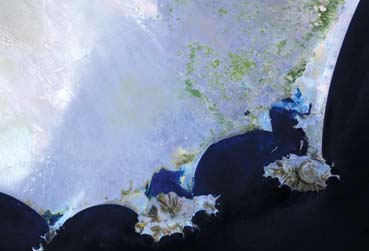
º«bE'G hóH á«MÉ°ùdG WÉæYG IQGOEG
ICZM in the Countries of the Region
,ájô°üYG áeµG âeÉb ÉãYG Ñ°S ©a ,á«MÉ°ùdG WÉæYG IQGOEG ` º«bE'G hO iód §«£îàdG äÉjà°ùe àîJ
The level of ICZM planning in the PERSGA countries varies from one country to the other; for
instance, the Egyptian Government, in coordination with the World Bank, tries to improve the
á«°SÉ°SC'G á«æÑdG IófÉ°ùeh áMÉ«°ùdÉH á©àYG ¢UÉÿG ´É£dG äÉ°SÉ«°S Ú°ù ¤EG »©°ùdÉH ,
á£N øY Q°üJ OGóYEÉH ,»YÉ©dG áÄ«ÑdG aôe TMe ¿hÉ©àdÉHh ,¿OQC'G áeµM âeÉb ɪc .áLÉØ°Sh ábOô¨dG á£æe `
and Safaga areas. The Jordanian Government, in coordination with the Global Environment
§«£îJh IQGOE' áMÎYG á£ÿG TM°Vh ¤EG ájO©°ùdG áeµG ©°ùJh .áÑ©dG è«îH É¡d á©HÉàdG ÅWG°ûdG IQGOE'
Facility (GEF), has prepared plans for the management of the Jordanian beaches in the Gulf
.á«MÉ°ùdG WÉæYG Y ᫪æàdG ɪYCG º«¶æàd áµ°ûYG á«æWdG áæédG ÓN øe ò«ØæàdG ó«b á«MÉ°ùdG á£æYG
of Aqaba. The Saudi Arabian Government is heading towards the implementation of a
áÄ«ÑdG ájɪ áeÉ©dG áÄ«¡dG TMe «°ùæàdÉH ¿óY è«Nh ôªMC'G ôëÑdG áÄ«H Y á¶aÉëªd ᫪«bE'G áÄ«¡dG Jh
proposed plan for planning and management of coastal areas through a national committee
responsible for organizing development activities in coastal areas. PERSGA, in coordination
äÉÄ«¡dG TMe ¿hÉ©àdÉH ¿óY á¶aÉëà á«MÉ°ùdG á£æYG IQGOE' »LP ·É°ûf ò«Øæàd á«æª«dG ájQ¡ª÷ÉH
with the Yemeni Environment Protection Authority, is currently implementing a model
§£N øY Q°üàdG TM°Vd ájQhô°dG äÉe©YG TMªéH É°jCG áÄ«¡dG J ɪc .á«eµG ÒZh á«eµG äɪ¶æYGh
activity for ICZM in Aden Province in cooperation with relevant governmental and non-
»JÑ«L ` áKÉ äÉWÉ°ûf ò«ØæJ Y ª©dG ...ôéjh .¿GO°ùdG ájQ¡ª÷ á«MÉ°ùdG WÉæYG IQGOE' á«æWh
governmental agencies. Necessary data are being collected in Sudan through PERSGA for
.á«MÉ°ùdG É¡WÉæe IQGOEG ` É¡JóYÉ°ùY
developing national ICZM plans. A similar activity will take place in Djibouti to help the
government in developing their national ICZM. Hence, PERSGA is working towards the
Y á«MÉ°ùdG á£æYG IQGOE' áeÉ©dG ±GógC'Gh äÉ°SÉ«°ùdG øY Q°üJ TM°Vh Y áÄ«¡dG ª©à°S £æYG Gòg øeh
implementation of the general objectives of ICZM on a regional level for the conservation of
.á«MÉ°ùdG ÉgOQGe Y á¶aÉÙG ¢Vô¨H »ª«bE'G ià°ùYG
the region's coastal resources.
14
14
P E R S G A
QÉ``````````Ñ````````NCG
News
á```````Ä``````«````¡````dG
The PERSGA Secretary General, Dr. Nizar Tawfiq, visited Yemen in March and met in Sana'a with
á«æª«dG ájQ¡ªéd áÄ«¡dG ÉY ÚeCG IQÉjR
HE the Prime Minister and Their Excellencies the Ministers of Tourism and Environment, Fish
Wealth, and Transport and Maritime Affairs. He also met with the Chairman of the Environment
¤EG IQÉjõH ,«aJ º«gGôHEG QGõf QàcódG ,¿óY è«Nh ôªMC'G ôëÑdG áÄ«H Y á¶aÉëªd ᫪«bE'G áÄ«¡d É©dG ÚeC'G Éb
Protection Authority and his Deputy. In Aden Dr. Tawfiq met with the Governor of Aden
ÜÉë°UCGh áÄ«ÑdGh áMÉ«°ùdG ôjRh <É©eh AGQRdG ¢ù> ¢ù«FQ ádhóH AÉ©æ°U ` ¬JOÉ©°S TMªàLG å«M á«æª«dG ájQ¡ª÷G
Province where he was informed of the progress in the current activities in the field of ICZM,
QàcódG ,áÄ«ÑdG ájɪM áÄ«g ¢ù«FôH É©dG ÚeC'G »àdG ɪc .ájôëÑdG ¿Ä°ûdGh äÓ°UGYGh ᫵ª°ùdG IhÌdG AGQRh <É©YG
Public Awareness and Participation, and Living Marine Resources. The Marine Science
` áÄ«ÑdG ájɪM áÄ«g º°ùb ôjóeh ßaÉÙÉH àdG óa ,¿óY ` ÉeCG .jó°T Oªfi ¢Sóæ¡YG ¬ÑFÉfh ,...ôé°ûYG óªfi
Research Centre and the Fisheries Training Centre were also included in this visit which
áeÉ©dG á«YàdGh á«MÉ°ùdG WÉæªd áeɵàYG IQGOE'G ᣰûfCG ò«ØæJ ` ª©dG Ò°S Y «aJ QàcódG ´ÓWEG " óbh .¿óY
received wide publicity in the Yemeni media.
` ôcòjh .᫵ª°ùdG IhÌdG ÖjQóJ ó¡©eh QÉëÑdG Y çÉëHCG õcôe IQÉjR â" ɪc .á«G ájôëÑdG OQGYGh ácQÉ°ûYGh
Following his visit, the PERSGA Secretary General praised the following activities which took
.á«æª«dG ÓYE'G FÉ°Sh ` TM°SGh µ°ûH É¡à«£¨J â" É©dG ÚeC'G IQÉjR ¿CG Oó°üdG Gòg
place in Yemen as a result of the cooperation between Yemen and PERSGA:
:᫪«b'G áÄ«¡dG TMe ¿hÉ©àdG áé«àf â" »àdG á«dÉàdG ᣰûfC'G áÄ«¡d É©dG ÚeC'G øªK á«æª«dG ájQ¡ªéd ¬JQÉjR ôKEG
Removal of random constructions on the coast;
;MG°ùdG Y äÉ«FG°û©dG ádGREG
Request for an EIA regarding all projects taking place in coastal areas;
;á«MÉ°ùdG WÉæYG Y äÉWÉ°ûædGh äÉYhô°ûYG µd á«Ä«ÑdG äGÒKCÉàdG º««J AGôLEG ÖW
Introduction of environmental awareness issues and PERSGA activities in the national
education book for the ninth grade;
;TM°SÉàdG °üd á«æWdG á«HÎdG ÜÉàc ` áÄ«¡dÉH jô©àdGh áÄ«ÑdG TM«°VGe ÉNOEG
Support for MPA activities in Yemen;
;ájôëÑdG ᫪ÙG WÉæYG ¿µe É¡H j »àdG ᣰûfC'G ºYO
Increase in biodiversity conservation activities;
;...«G ´æàdG ¿°U ·É°ûf IOÉjR
General recognition, at all levels, of PERSGA activities including SAP Components.
.»é«JGΰS'G ª©dG èeÉfôH äÉfµe dP ` Éà áÄ«¡dG ᣰûfCÉH äÉjà°ùYG c Y ¢SÉ°ùME'G
Fourth Session of CSD10 Preparation for the World Summit
á«fÉãdG ¢VQC'G áªd TMHGôdG ...Ò°ëàdG ô"DYG
A PERSGA delegation headed by the Secretary General, Dr. Nizar Tawfiq, participated in the Fourth
iòdGh á«fÉãdG ¢VQC'G áªd TMHGôdG ...Ò°ëàdG ô"DYG ` ,«aJ º«gGôHEG QGõf QàcódG ,É©dG ÚeC'G á°SÉFôH áÄ«¡dG øe óah QÉ°T
Session of CSD10 acting as Preparatory Committee for the World Summit on Sustainable Development.
''
¢ù> AÉ°YCÉH É©dG ÚeC'G TMªàLG ô"DYG Gòg ¢ûeÉg Yh .2002 «fj 5 - jÉe 27 IÎØdG ÓN É«°ù«fhófÉH
''
<ÉH ` óY
The meeting took place in Bali, Indonesia, during the period 27 May - 7 June 2002. As a side activity of
''
the Fourth Session, the Secretary General held a meeting with the participating members of the PERSGA
±GógC'G « ëf
''
øjô°û©dGh iOÉG ¿ôdG ɪYCG hóLh áÄ«¡dG M ªY ábQh ¢VôY " å«M ,ô"DYG ` ÚcQÉ°ûYG áÄ«¡dG
Council where a working paper titled: "The PERSGA Agenda (for the new millennium): Sustainable
áªdG ô"De ` É¡°Vô©d ᫪°SQ á«Kc äÈàYGh áÄ«¡dG ¢ù> AÉ°YCG Ñb øe ábQdG òg QGôbEG " óbh .Iójó÷G á«ØdCÓd ájªæàdG
Development in the Red Sea and Gulf of Aden" was presented. This working paper was approved by the
.2002 ȪàÑ°S 4 àM ¢ù£°ùZCG 26 øe IÎØdG ÓN É«jôaG ÜæL ájQ¡ªéH êÈ°ùfÉgL ` ó©j ...òdG áeGóà°ùYG ᫪æàd
PERSGA Council members and was regarded as an official document to be presented at the World Summit
on Sustainable Development, held in Johannesburg from 26 August to 4 September, 2002.
áÄ«¡dG Qhõj á«Hô©dG ô°üe ájQ¡ªL ` áÄ«ÑdG ¿Ä°ûd ádhódG ôjRh
ôe ¤EG IQÉjõH ,¢SQOÉJ ¢VÉjQ ìhó QàcódG ,á«Hô©dG ô°üe ájQ¡ªL ` áÄ«ÑdG ¿Ä°ûd ádhódG ôjRh <É©e Éb
The Egyptian State Minister for Environment visits PERSGA
áÄ«¡dG É°ùbCG ¬«dÉ©e óØJ ɪc .óYÉ°ùYG É©dG ÚeC'Gh ,É©dG ÚeC'ÉH TMªàLG å«M «fj 12 AÉ©HQC'G j IóéH áÄ«¡dG
HE Dr. Mamdouh Riyadh Tadrus, the Egyptian State Minister for Environment, visited PERSGA
` á«MÉ°ùdG WÉæYGh ájôëÑdG áÄ«ÑdG ¿°U É> ` áÄ«¡dG É¡dòÑJ »àdG O¡÷ÉH Gó«°ûe ÚeÉ©dG àdGh áØàiG
Headquarters in Jeddah on Wednesday 12 June and met with the PERSGA Secretary General
.¿óY è«Nh ôªMC'G ôëÑdG
and his Deputy. HE briefly visited various sections of PERSGA and met with the staff
expressing his satisfaction with the PERSGA activities in the conservation of marine and
coastal areas in the Red Sea and Gulf of Aden.
15
15
(Iójó÷G á«ØdCÓd) áÄ«¡dG ɪYCG hóL
THE PERSGA AGENDA (for the new millennium)
SUSTAINABLE DEVELOPMENT IN THE RED SEA AND GULF OF ADEN
¿óY è«Nh ôªMC'G ôëÑdG ` áeGóà°ùYG ᫪æàdG
Foreword
É¡FÉ°ûfEG ¿ÓYEG òæe ,¿óY è«Nh ôªMC'G ôëÑdG áÄ«H Y á¶aÉëªd ᫪«bE'G áÄ«¡dG äÉWÉ°ûf á«KdG òg ¢Vô©à°ùJ
ÉY øjô°û©dGh ...OÉG ¿ôdG ɪYCG hóL ` ¢VQC'G áªb É¡JOóM »àdG ª©dG äÉjdhC' áÑ°ùædÉH ,1995 ÉY `
This document reviews the activities of PERSGA "The Regional Organization for the
ájªæàdG ±GógC'G ò«Øæàd áÑ°ùædÉH ,¢U°üÿG ¬Lh Yh ,º«bE'G ` áÄ«¡d »Ñà°ùYG QhódG á«KdG ¢ùªàJh .1992
Conservation of the Environment of the Red Sea and Gulf of Aden" since its establishment in
1995 in relation to the priorities for action identified by the 1992 Earth Summit in Agenda
»àdG á«Ø«µd ó«÷G º¡ØdG á«KdG òg Rõ©J ¿CG eDYG øeh .2000 É©dG á«ØdCG áªb ` Égójó " »àdG á«ØdCÓd
21. It looks at PERSGA's future role in the region, especially in regard to the implementation
¿hÉ©àdG óFGah ,»ª«bE'G ià°ùYG Y øjô°û©dGh ...OÉG ¿ôdG ɪYCG hóL ÉOE É¡JÉeGõàdG hódG É¡H âHÉb
of the Millennium Development Goals identified at the 2000 Millennium Summit. It is hoped
./É©dG ` É«YG ºgCG óMCG ` áeGóà°ùYG ᫪æàdG ` »ª«bE'G
that this document will promote a better understanding of how states have met their
AGENDA
FOR THE NEW MILLENNIUM
Agenda 21 obligations at the regional level, and the benefits of regional cooperation for the
AGENDA
SUSTAINABLE
DEVELOPMENT
IN THE RED SEA
á«KdG ¢üîe
sustainable development of some of the world's most valuable waters.
FOR THE NEW MILLENNIUM
AND GULF OF ADEN
SUSTAINABLE
DEVELOPMENT
OQGY áeGóà°ùYG IQGOE'G ÉOE »ª«bEG ô AÉ°ûfEG ` 1995 ÉY òæe GQóe ÉW°T áÄ«¡dG äÉWÉ°ûf â©£b ód
Summary
IN THE RED SEA
AND GULF OF ADEN
òg âªgÉ°S óbh .áëfÉYG äɪ¶æYGh »YÉ©dG áÄ«ÑdG aôe øe Qµ°ûe ºYóH dPh ¿óY è«Nh ôªMC'G ôëÑdG
Since 1995, PERSGA activities have gone a long way to establish a regional movement for
` hódG IóYÉ°ùe ` kGQhO âÑ©d dòdh ;º«bE'G ` øjô°û©dGh ...OÉG ¿ôdG ɪYCG hóL ò«ØæJ ` äÉWÉ°ûædG
the sustainable management of the resources of the Red Sea and Gulf of Aden with
.1992 ÉY jQ áªb ` ¬H âeõàdG Éà AÉadG
appreciable support from the Global Environment Facility (GEF) and other donor agencies.
PERSGA's activities have contributed substantially to the implementation of Agenda 21 in the
.º«bE'G ` ÊóYG TMªàÛGh á«ãëÑdG äÉ°ù°SDYGh äÉeµG ÚH äÉe©YG OÉÑJh
§£ÿG ôj£J "h ;áMÉàe ᫪«bE'G äÉe©YG eɵJh TMªL äÉ«dBG âëÑ°UCG ɪc ,᫪«bE'G äÉ°ù°SDYG äGQób õjõ©J "h
commitments they made at the Rio Earth Summit in 1992.
.LÉ©dG ÖjôdG ` ᫪«bE'G ª©dG §£N ªàµà°Sh ¿°üd ᫪«bE'G
PERSGA has fostered a spirit of international cooperation and exchange of knowledge among
k
Gó¡L º«bE'G äÉeµM òÑJh ;GójóL ià°ùe äÉWÉ°ûædG òg òNCÉJ ¿CG óH ' ,»ª«bE'G ¿hÉ©àd áàHÉãdG á«°VQC'G OLh TMeh
governments, research institutions and civil society in the Region. The capacity of regional
᫪æàd áLôG áMôYG ò¡d kÉ«dÉM áÄ«¡dG ó©à°ùJh .Égôj£J " »àdG §£ÿGh äÉ«é«JGΰS'G ò«ØæJ ` É¡fhÉ©J ájJ ` kÉæªãe
institutions has been enhanced and mechanisms are now in place for the collection and integration
of regional data. Regional conservation plans have been developed and regional action plans will
º«bE'G ±GógCG «ëàd áeGóà°ùYG ᫪æàdG Y kGOó> kGõ«côJ Ö£àJ »àdG áMôYG òg ;¿óY è«Nh ôªMC'G ôëÑdG ` áeGóà°ùYG
soon be available.
.ôØdG ádGREG Y ª©dG ɡ檰V øeh
With groundwork for regional cooperation in place, activities must now be taken to a new level; the
« ` áëfÉYG ᫪«bE'Gh á«dhódG äÉ¡÷Gh º«bE'G hO Y óªà©J ¿óY è«Nh ôªMC'G ôëÑdG Y á¶aÉëªd ᫪«bE'G áÄ«¡dG ¿EG
governments of the region intensifying their collaboration to implement the strategies and plans that
»é«JGΰS'G ª©dG èeÉfôH á©LGôà ¢üàîj ɪ«a º«bE'G äÉeµM ºYO Y áÄ«¡dG óªà©J ɪc .áeGóà°ùYG ᫪æàd »ª«bE'G ¿hÉ©àdG
have been developed. PERSGA is preparing for this critical phase of development in the Red Sea and Gulf
.á«Ñà°ùYG äÉWÉ°ûædG jªàd ÉgO¡L òHh ,áeGóà°ùYG ᫪æàd áªdG ô"De ó©H ¿óY è«Nh ôªMC'G ôëÑd
of Aden region. This phase will place renewed emphasis on the regional objectives for sustainable
development, one of which is poverty alleviation.
PERSGA depends on the countries of the Region, and the regional and international donor agencies, to achieve
regional cooperation for sustainable development. PERSGA also depends on the support of the Region's
governments in their review of the Strategic Action Programme for the Red Sea of Aden following the World
Summit on Sustainable Development, and the efforts they make to fund future activities.
16
16


P a r t i c i p a t i o n a t t h e
` ácQÉ°ûYG
World Summit on Sustainable Development
(2002 ȪàÑ°S/¢ù£°ùZCG ,É«jôaC
G ÜæL ,êÒÑ°ùfÉgL) ¢VQC'G áªb ô"De
(Johannesburg August/September 2002)
PERSGA participated in the World Summit preparatory meeting which was held in Bali Indonesia
<ÉH ` óY ...òdG ...Ò°ëàdG ´ÉªàLE'G ` áÄ«¡dG âcQÉ°T óa áÄ«¡dG áeGóà°SEG á«é«JGΰSÉH á°UÉÿG ᣰûfC'G QÉWEG `
(27 May- 5 June 2002). Within the context of Agenda 21, and as an integral part of PERSGA's
21 `dG ¿ôd áÄ«¡dG ɪYCG hóL QÉWEG ` áÄ«¡dG âeÉb å«M 2002 «fj 5 àMh jÉe 27 øe IÎØdG ` É«°ù«fhófÉH
sustainability strategy a document was prepared titled "Sustainable Development in the Red Sea
ô"DYG ÖfÉL Y óY ´ÉªàLEG ` É¡°VôY "h ¿óY è«Nh ôªMC'G ôëÑdG ` áeGóà°ùYG ᫪æàdG ¿Gæ©H ábQh OGóYEÉH
and Gulf of Aden". This was presented to their Excellencies the Ministers responsible for the
` QÉ°T óbh ,¿óY è«Nh ôªMC'G ôëÑdG º«bEG ` áÄ«ÑdG øY ÚdÄ°ùYG AGQRdG IOÉ©°ùdGh <É©YGh ª°ùdG ÜÉë°UC'
Environment in the Red Sea and Gulf of Aden Region at a meeting held on the margin of the
conference. Representatives of international and regional organizations such as the World
IQÉ°TE'G QóOEh .áÄ«Ñd IóëàYG ·C'G èeÉfôHh
ᣰûfC'G ÚH §HôJ »àdGh á«KdG òg ãe OGóYEÉH äQOÉH »àdG Ió«MdG ᫪«bE'G ᪶æYG âfÉc áÄ«¡dG ¿CG ¤EG
only organization at the meeting which took the initiative to prepare and present such a
.AÉdG Gòg ãe ` É¡°VôYh áeGóà°ùYG ᫪æàdGh É¡H J »àdG èeGÈdGh
document linking activities and programmes with sustainable development.
IóëàYG ·C'G øe Ióªà©YG ᫪«bE'G äɪ¶æYG ióMEÉc áÄ«¡dG OɪàYEG «Ñ°S ` áÄ«¡dG O¡L ìÉ, A°V `h Gòg
In light of PERSGA's successful efforts to be recognised by the United Nations as a regional
QGõf QàcódG IOÉ©°S á°SÉFôH ià°ùYG TM«aQ óah «µ°ûàH É©dG ÚeC'G IOÉ©°S QOÉH óa ,áªdG ô"De ` GΰTEÓd
organization to participate at the World Summit, the Secretary General formed a high level
delegation under his chairmanship to participate in the Summit. This delegation was
ôjóe ,<ÿG ó«°S QàcódGh ,óYÉ°ùYG É©dG ÚeC'G ,...Ra øªMôdG óÑY óªfi QàcódG IOÉ°ùdG áj°Yh «aJ
composed of Dr. Mohamed Fawzi (Deputy Secretary General), Dr. Saiyed Al-Khouli (SAP
ÚjOÉ«dG Ú«FÉ°üNC'G ,¿ÉHôb áeÉ°SCG ó«°ùdGh äÉ°û«ÑW ON á°ùfB'Gh ¬dGóÑY óªfi QàcódG øe ch ,´hô°ûYG
Project Manager), Dr. Mohamed Abdallah (LMR Lead Specialist), Ms. Khulood Tubaishat
àfH ájôb ` áÄ«¡d ¢Vô©e áeÉbEG Y ô"Dªd ᪶æYG á¡÷G TMe ¥ÉØJE'G " ɪc ,ô"DYG ` ácQÉ°ûªd ´hô°ûYÉH
(PAP Lead Specialist) and Mr. Osama Qurban (ICZM Lead Specialist). It was also agreed with
.ô"DYG ¢ûeÉg Y ÉYG ¢Vô©ªd â°ü°üN »àdGh êÈ°ùfÉgL ` ¢VQÉ©ªd
the Summit organizing agency to establish a display on the margin of the meeting in
Ponto-village in Johannesburg where other similar displays were presented.
:<ÉàdG ¬LdG Y IÒÑc á«dÉ©ØH ô"DYG ᣰûfCG áaÉc ` áÄ«¡dG óah QÉ°T óbh
The PERSGA delegation contributed effectively in all the activities as follows:
ióMEG É`gQÉÑàYÉH á`«eµG á«dhódG äÉÄ«¡dG ÚH É¡fɵe äòNCG ¿CG ó©H á`Ä«¡dG «ã"h ô"DYG ɪYCG ` ácQÉ°ûYG
Participation and representation of PERSGA as one of the key regional organizations
.ájôëÑdG áÄ«ÑdG Y ®ÉØG É> ` áeÉ©dG ᫪«bE'G äÉÄ«¡dG
working in the field of marine environmental conservation.
Establishment of a PERSGA display which attracted the local and international media
FÉ°Sh QɶfCG âØd óM ¤EG ácQÉ°ûYG äÉ¡÷G ¢VQÉ©e øY ÒjÉ©YG µH õ«" á`Ä«¡dÉH ¢UÉ`N ¢Vô`©e á`eÉbEG
on account of its unique qualities. These included:
:å«M øe ÒZ øY ¢Vô©YG OqôØJ å«M á«dhódGh á«ÙG ÓYE'G
ájôëÑdG AÉ`«MCÓd áÄ«°e ÉeGQfÉH Y É¡æjµJ ` ...à á`«°VQC
· Construction and design of high quality including a floor display that contained a
·
G O`Lh ãe ¢Vô©dG FGôWh º«ª°üàdG IO`L
lighted panorama of living marine organisms from the Red Sea and Gulf of Aden.
.¿óY è«Nh ôªMC'G ôëÑdG á`Ä«H øe
.áÄ«ÑdG ájɪM É> ` É¡JÉWÉ°ûfh áÄ«¡dG øY »F°dG ·É°SE'G ᣰSGH ºFGO ¢VôY ·
· Continuous film display about the Organization and its activities in the field of environmental protection.
.§FGôÿGh á>óYG äÉfG£°S'G dP ` Éà »é«JGΰSE'G ª©dG èeGôHh áÄ«¡dG FÉKd õ«ªàYG ià°ùYG ·
· The high quality of documents about PERSGA and the SAP, including CDs and maps.
.º«bE'G hO ` áÄ«¡dG äÉWÉ°ûf øY §jô°T ¢VôY HÉ°ùdG ¢Vô©dG TMe OÉÑàdÉH " ·
· A video tape presentation of the activities of the Organization in the Member States.
.º¡JGQÉ°ùØà°SEG Y
· At least one member of the team continuously present at the exhibition to welcome visitors, and to
q
OôdGh ìô°ûdG ËóJh QGhõdG IOÉ°ùdG ÉÑà°S' ¢Vô©YG ` óadG AÉ°YCG óMC' bC'G Y ºFGódG óLGàdG ·
offer detailed explanations or answer questions.
»FÉKh ¢Vô`Y Ó`N ø`e dPh á`«Hô`©dG hó`dG á`©eÉ`L äÉ`YÑ£e ¢Vô`©YG ±É`°à°SEG ó`a ,É©dG ÚeC'G IOÉ`©°S ¬`H ó`Yh ÉY ò«ØæJh Gòg
As the Secretary General had promised, the exhibition also hosted some publications from the Arab League.
.¢Vô©YG QGhR Y É¡©jRJh øª«dGh Ú£°ùah á«Hô©dG á©eÉéd á>óe äÉfG£°SGh ôjQÉJh
This included the display and distribution of documents, reports and CDs from the Arab League, Palestine,
and Yemen.
.ià°ùYG Gòg Yh ¢Vô©YG Gòg ãe âeÉbCG »àdG Ió«MdG á«Hô©dG ᫪«bE'G áÄ«¡dG »g âfÉc áÄ«¡dG ¿CG ¤EG IQÉ°TE'G QóOEh
It was noticed that PERSGA was the only organization that had produced an exhibition of such high quality. The
stand was honoured to receive visits from representatives from other international delegations, Ministers and a
ô"DYG ` á`cQÉ`°ûYG á`«Hô©dG O``adG øe Oó`Yh AGQR`dG <É`©YG ÜÉ``ë°UCG øe Oó`Yh á`«dhódG äÉ`ª`¶æYG »`ã øe Oó`Y IQÉ`jõH ¢Vô`©YG ±ô`°T ó`bh
number of Arab delegations from the Red Sea and Gulf of Aden countries.
.¢VQÉ©YG ¢VQCG QGhR á«ÑZCG IQÉjR ¤EG áaÉ°VE'ÉH ¿óY è«Nh ôªMC'G ôëÑdG º«bEG hO á°UÉN
During their activities at the Summit the team members took care to establish and maintain contacts with representatives
.AÉ°YC'G hódG O`aH ôª`à`°ùYG É°ü`JE'G Y ô`"D`YG ` áeÉ©`dG äÉ°ù`÷G ` º`¡`JÉ``cQÉ``°ûe Ó`N ó`a`dG AÉ°`YCG ¢UôM ɪ`c
from other regions.
17
17


äGhOC'G TM`jRJ ÓN øe ô`"DYG á`£°ûfCGh äÉ``YɪàLEG TM«ªL ` á``Ä«¡d º``FGódG ó``LGàdG áÄ«¡dG óah M ɪc
Using a well thought-out division of labour the team succeeded in attending all the meetings
»àdGh á``jôëÑdG á`Ä«ÑdÉH á°UÉÿG äÉYɪàLEÓd kGÒÑc kÉeɪàgEG ó`adG £YCG å`«M ,ô`"DYG IÎa GW º¡æ«H É`¡YGh
and activities taking place during the whole period of the Summit. In particular, considerable
interest was shown in private meetings that concerned the marine environment organized
.á°ü°üîàYG á«dhódG äÉÄ«¡dG É``¡àª¶f
by specialised international organizations.
º`°SÉH kÉ``YɪàLEG áÄ«¡dG óah º``¶f å«M á`Ä«¡dG É¡«a âcQÉ`°T á`«`Ñ`fÉ`L äGAÉ``d É`æg â`fÉc ,dP ¤EG á`aÉ`°VE'ÉH
In addition the Organization prepared a side-meeting in the margins of the meetings
ᣰûfC'G ¢VôY ¬«a " ᫪«bE'G QÉëÑdG É`> ` á«`ª«bE'G äÉ`ª`¶æYÉH á°UÉÿG äÉ`YÉ`ªàL'G ¢û`eÉg Y áÄ«¡dG
concerning the Regional Seas Programme. At the meeting the various activities being
IOÉ©°S É`b å«M - á`£æYG áLÉ kÉÑW á«Ñà°ùYG TMjQÉ°ûYÉH É«d ÉgOGó©à°SGh áÄ«¡dG É¡H J »àdG áØàiG
carried out by the Organization and its determination to carry out future projects to
meet the region's needs were stressed.
AGÈ``ÿG ø`e ó``jó```©dGh á```Ä«¡dG ó`ah AÉ`°YCG TM``«``ª`L Q``°``ëHh ´É````ª``à`LE'G á````°SÉ``FôH Ió`YÉ`°ùYG É©dG ÚeC'G
kG°Y á``Ä`«¡dG QÉÑàYEG Y áaGYG " å«M É``ÛG ¢ùØf ` á`eÉ©dG á``«dhódG äÉ``Ä«¡dG »ã ,Ú°ü°üîàYGh
The Deputy Secretary General chaired the meetings which were attended by all the team
.á«Ñà°ùYG º¡JÉWÉ°ûf ` ¬cGô°TEG Öéj k'É©a
members and many professionals, specialists and representatives of international
organizations working in the same field. An agreement was reached defining the
Organization as an active member that should be asked to participate in
»YÉ©dG áÄ«ÑdG aôY ÊÉãdG ô"DYG
future activities.
ó«ÛG óÑY QàcódGh TMjQÉ°ûYG °ùæe - ø°ùM QGô°V QàcódGh ´hô°ûYG ôjóe - <ÿG ó«°S QàcódG øe c QÉ°T
áÄ«ÑdG aGôY á«dhódG É«YG TMjQÉ°ûY ÊÉãdG ô"DYG ` (»FÉE'G IóëàYG ·C'G èeÉfôH ` ´hô°ûYG °ùæe) OGóM
GEF Second Biennial International Waters Conference
.(2002 ȪàÑ°S 29-25) Ú°üdG ` ¿É«dGO áæjóà ó©fG ...òdG »YÉ©dG
Dr. Saiyed Al-Khouli (SAP, Project Manager) Dr. Dirar Nasr (PERSGA/SAP Coordinator) and
äÉ¡÷Gh á«dhódG ÉYG TMjQÉ°ûe äGQGOEG ÚH ¿hÉ©àdGh áaô©YG OÉÑJ TM«é°ûJ (1) ô"Dªd á«°ù«FôdG ±GógC'G âfÉch
Dr. Abdul Majeid Haddad (UNDP SAP Coordinator) attended the GEF Second Biennial
.á``«dhódG É«YG IQGOEGh ò«Øæàd äÉ°SQɪYG ø°ùMCG ô°ûfh ójó (2) ácQÉ°ûYG äÉeµGh »YÉ©dG áÄ«ÑdG aôY á©HÉàdG
International Waters Conference in Dalian, China, 25-29 September 2002.
äÉLÉàfG ìô°T ¬«a " kÉYɪàLG (¿Òd «HO ...BG) º«©àdG OÉÑJh OQGYG áµÑ°T èeÉfôH óY ô"Dªd hC'G «dG `
The primary objectives of the Conference were (i) to encourage knowledge sharing and
.á>óYG ¢UGôbC'Gh âfÎfE'G Y á«æÑe á«dhódG É«YG äÉYhô°ûe É¡JQó°UCG »àdG ±QÉ©ªd IójóL
collaboration between GEF International Waters (IW) project managers, GEF agencies,
participating governments and (ii) to identify and disseminate best practices for International
»é«JGΰSE'G ª©dG èeÉfôH ò«ØæJ ÈY ÉgRGôMEG " »àdG äGRÉ,EÓd kGõLe ´ÉªàL'G Gòg ` <ÿG QàcódG ób óbh
Waters management.
.¿óY è«Nh ôªMC'G ôëÑd
At a meeting on the first day, hosted by IW: LEARN, new Internet and CD ROM-based knowledge
:»g ªY äÉYªÛ á«Y°Ve äÉ°ùL TMHQG TMe ádOÉÑàe áªàµe äÉ°ùL çÓK øe ô"DYG ¿µJ
products produced by GEF IW projects were demonstrated. Dr. Al-Khouli gave a brief description of the
.OhóG ÈY (ájôëÑdG áÄ«ÑdG ádÉG) »°ü«î°ûàdG «ëàdG :kÉj°S ª©æa -1
major achievements of the Strategic Action Programme for the Red Sea and Gulf of Aden. The
.IOÉØà°ùYG ¢ShQódGh áHôéàdG :á©°SGdG ájôëÑdG º¶ædG -2
conference was composed of three Plenary Sessions, which alternated with Four Thematic Working
.IOÉØà°ùYG ¢ShQódGh áHôéàdG :áHò©dG É«YG ¢VGMCG IQGOEG -3
Groups.
.jªàdGh ácQÉ°ûYG :áeGóà°S'G AÉæHh ôj£J -4
1: Working Together: Transboundary Diagnostic Analysis (TDA)
2: Large Marine Ecosystems (LME) and Coasts: Experiences and Lessons Learned.
å«M á«fÉãdG áYªÛG OGóM QàcódG QÉàNG ɪæ«H ¤hC'G áYªÛG ¤GEG ô°üf QGô°V QàcódGh á©HGôdG áYªÛG ¤EG <ÿG QàcódG º°fG
3: Freshwater Basin Management: Experiences and Lessons Learned.
á¡HÉ°ûàe âfÉc äGRÉ,E'Gh äÉH©°üdG ¿CG øe ºZôdÉHh .áØàiG á«dhódG É«YG TMjQÉ°ûe ÚH ÜQÉéàdGh áaô©YG OÉÑàd á°Uôa äÉ°ù÷G Iòg âMÉJCG
4: Building Sustainability: Partnerships and Finance.
¢©ÑH áfQÉe ¿óY è«Nh ôªMC'G ôëÑd »é«JGΰS'G ª©dG èeÉfôH ò«ØæJ ` kÉXëe ÉeóJ äRôMCG áÄ«¡dG ¿CG ßMÓJ ób ¬fCG 'EG Ée óM ¤EG
Dr. Al-Khouli joined Working Group 4, Dr. Nasr - Group 1, while Dr. Haddad attended Group 2. These sessions
.iôNC'G á«dhódG É«YG TMjQÉ°ûe
allowed for an exchange of knowledge and experience between different GEF IW projects. Though similar difficulties
áÄ«ÑdG aôY á«dhódG É«YG TMjQÉ°ûà ڣÑJôe AGÈN á©HQCG äGÈN øe IOÉØà°SÓd ÚcQÉ°ûªd á°Uôa ¤hC'G áªàµYG á°ù÷G âMÉJCG ôNB'G ÖfÉ÷G Yh
and achievements were noted it soon became clear that PERSGA has made substantially more progress than some other
IW projects in the implementation of the Strategic Action Programme.
á°ù÷G ÉeCG .á«fÉãdG áªàµYG á°ù÷G OÉ©fG AÉæKCG dPh á«dhódG É«YG QÉWEG ` º¡©jQÉ°ûe ò«ØæJ ` É«°SBG ¥ô°Th Ú°üdG áHôOE ¢VôY " ɪæ«H ,»YÉ©dG
.»YÉ©dG áÄ«ÑdG aôY º««àdGh ó°UôdG èeÉfôH Y äõcôJ óa áãdÉãdG áªàµYG
Plenary (1) gave an opportunity for all the participants to learn from the experiences of four experts associated with GEF
IW projects. Plenary (2) reviewed the East Asian and Chinese experiences in implementing their GEF IW Projects. Plenary (3)
.â°Sc »°S øjôJ èeÉfôH °ùæe TMe dòch (¿Òd «HO ...BG) º«©àdG OÉÑJh OQGYG áµÑ°T èeÉfôH °ùæeh ôjóe TMe ´ÉªàLG óY " ô"DYG ¢ûeÉg Y
concentrated on GEF Monitoring and Evaluation.
Meetings were held on the margin of the conference with the Director and Project Coordinator of IW: LEARN, and the
Coordinator of the UN TRAIN-SEA-COAST programme.
18
18


Habitat and Biodiversity Conservation (HBC)
...«G ´æàdGh á«©«Ñ£dG øWGYG ¿°U
Regional surveys in selected mangrove areas were conducted during the months of June
á`Ñ°ùædÉH É`eCG ;`«d`jh `«fj ...ô`¡°T Ó`N IQÉ`àfl `WÉ`æe ` iQ`°ûdG QÉ`é°TCG äÉ`Ä`«Ñd »`ª«b'G í`°ùYG AGô``LEG "
and July. With regard to marine turtles, preparations are being made to carry out
.øª«dGh ô°üe ,¿GO°ùdG ,ájO©°ùdG ,»JÑ«L øe c ` í°ùe AGôLE' OGóYE'G kÉ«dÉM ...ôé«a ájôëÑdG MÓ°ùd
surveys in Djibouti, Egypt, Saudi Arabia, Sudan and Yemen.
;¢ù£°ùZCGh «dj ...ô¡°T ÓN º«bE'ÉH É¡°û«°û©àd IQÉàfl ø`cÉ`eCG ` ájô`ëÑdG Q`«£d í°ùe AGô`LEÉH É`«dG "
A regional survey in selected seabird breeding areas was conducted during the months
''
'
¿óY è«Nh ôªMC'G ôM ÖdG a ájôëÑdG Q«£dG ¿°üd á«é«JΰSG ôj£J M ᫪«bEG ªY á°TQh óY ºà«°Sh
of July and August. A Regional Workshop on the `Development of a Conservation Strategy
for Seabirds in the Red Sea and Gulf of Aden' will be carried out during the
.Q«£dG Y á¶aÉëªd á«dhódG á«©ª÷G TMe «°ùæàdÉH á«é«JGΰS'G òg ôj£J ºà«°Sh ;Ȫ°ùjO ô¡°T ÓN
month of December. The strategy will be developed in coordination with BirdLife International.
F U T U R E
äÉWÉ°ûædG
Activities
á``«`````Ñ`````à`°ùYG
General activities
áeÉY äÉWÉ°ûf
A meeting of the Governors from the administrative areas bordering the Red Sea and Gulf
.2002 ôNGhCG ` ¿óY è«Nh ôªMC'G ôëÑdG ºNÉàJ »àdG äɶaÉÙG ` Ú¶aÉëªd ´ÉªàLG
of Aden will be held in late 2002.
.2002 ôHàcG 24 j áÄ«¡dG ¢ùÛ ¢SOÉ°ùdG ´ÉªàL'G ó©«°S
The PERSGA Council Meeting will be held on 24 October, 2002.
óFÉ°üªd äÉe©e IóYÉb º«°ùJh OGó`YEÉH (...QGó``«°S) É``HhQhGh »Hô``©dG º``«`bEÓd á`«``ª`æàdGh áÄ``«ÑdG õ``cô``e `«°S
CEDARE will deliver the LMR Database and conduct training during August, September
äÉe©YG ɶf ¤EG äÉfÉ«ÑdG ±É°à°Sh .ôHàcCGh ȪàÑ°S ,¢ù£°ùZCG ô¡°TC'G ÓN Ú«°UÉ°üàN'G ÖjQóJh ᫪«b'G
and October. Data will be added to the PERSGA IMS/GIS during October and November.
.áÄ«¡dÉH á«aGô¨÷G äÉe©YG ɶf / ájQGOE'G
A pilot Community Participation Project will be implemented to replace gill-nets with longlines,
áÄ«ÑdÉH IQÉ°dG ó«°üdG äGó©e ÓME' ...ó«àdG ó«°üdG ´É£d áÑ°ùædÉH TMªàÛG ácQÉ°ûe M óFGQ ´hô°ûe ò«ØæJ ºà«°S
This activity will take place during the months of September through to December.
.(IQÉæ°üdG Góîà°SG) kÉ«Ä«H ᪫°S iôNCÉH (á«e°û«ÿG ÉÑ°ûdG)
Pilot studies will be conducted in four countries (Djibouti, Egypt, Saudi Arabia, and Yemen), which
will cover stock assessment and population dynamics of invertebrates, with a special focus on shrimps.
ó``FÉ`°üe IQGOEGh ¿hõ``iG º`««J øY (ø`ª«dGh ô`°üe ,á`jO``©°ùdG ,»J`Ñ`«L) hO TM``HQCG ` Ió``FGQ äÉ``°SGQó`H É`«``dG º`à«°S
. ¿É«HhôdG óFÉ°üe Y õ«cÎH äÉjôaÓdG
Marine Protected Areas (MPA)
ájôëÑdG ᫪ÙG WÉæYG
The management plans for Dungonab Bay, Mukalla Islands, Belhalf - Bir Ali, and Iles des Sept Frères MPAs will
be prepared during the second half of 2002.
dPh ¿É«°S ¢SGQh äÉ©Ñ°ùdG QõLh ,»Y ÒH ±ÉëH ,Qµe IôjõL ,ÜÉæfO è«N ` ájôëÑdG ᫪ÙG WÉæªd IQGOE'G §£N OGóYEG ºà«°S
.2002 ÉY øe ÒNC'G °üædG ÓN
19
19