´æàdGh äÉÄ«ÑdG Y á¶aÉÙG ,á«G ájôëÑdG QOÉ°üªd Góà°ùYG Góîà°SE'G ,QÉëÑdG çJh áMÓYG ôWÉfl
Bank (IDB). SAP is being carried out through seven complementary components: institutional
strengthening, reduction of navigation risks and marine pollution, sustainable use of living
á«Ä«ÑdG á«YàdGh á«MÉ°ùdG WÉæªd áeɵàe IQGOCG Ö«dÉ°SC' ºYO ,᫪fi ájôëH WÉæY äɵѰT ¢ù«°SCÉJ ,FÉ«MC'G
marine resources, conservation of habitats and biodiversity, the establishment of a network of
.á«Ñ©°ûdG ácQÉ°ûYGh
marine protected areas, support for integrated coastal zone management, and the enhancement
of public awareness and participation.
Y IhÓY º«bE'ÉH çó àdG ájôj£àdG ᣰûfC'G h áÄ«ÑdG Y á¶aÉÙÉH á°UÉÿG äÉe©YÉH ºcójhõJ g ájQÉÑNC'G ádÉ°SôdG øe ±ó¡dG ¿EG
¢ù> hCG Éé°SÒÑd Q°üJ hCG TM°Vh IQhô°dÉH ¢ùµ©J' ájQÉÑNC'G Iô°ûædG äÉjàfi ¿EG .É©dG ɪàgE'G äGP ájôëÑdG äÉY°VYÉH á°UÉÿG ä'ÉYG
.áªNÉàe OhóM hCG OhóM ,á©WÉe ,ádhO ...C' ÊfÉdG TM°VdÉH ¢üàîj ɪ«a Éé°SÒH øe ±ôW ...CG ...CGQ øY ÒÑ©àdG øª°àJ ' É¡fCG ɪc ,ôjôëàdG
The aim of the newsletter is to provide information on conservation and development activities taking place in the region
.ô°ûædG ¥M É¡ª°ûj ' »àdG OGYG c øe ï°ùf ªY øµÁ
together with articles on marine issues of general interest. The contents of the newsletter do not necessarily represent the
Ú©e dDe º°SEG â ô¡¶J »àdG ä'ÉYG ¿EG .iôNCG äÉYÑ£e øe É¡àYÉÑW â" Q°U ,ä'Ée ,QÉÑNCG ...C' TMLGôYG QOÉ°üe í«°VàH Ñæ°ùdG Ö£J
position or views of PERSGA or the editorial board, nor do they imply the expression of any opinion on the part of PERSGA
.dDYG øe HÉàc ¿PEG Y °üG ó©H §a É¡©ÑW IOÉYEG øµÁ
concerning the legal status of any country, territory, frontier or border.
All non-copyright material may be freely reproduced. Al-Sanbouk cordially requests that due reference is made to the source if
any news/articles/pictures are reprinted in other publications.
¢ùfj óªfi ó«°ùdG
ô°üf QGô°V 0O
ôjôëàdG áÄ«g
Ñæ°ùdG
᫪ÙG WÉæYG »FÉ°üNCG
áÄ«¡dG °ùæe
:ôjôëàdG ¢ù«FQ
É©dG ±Gô°T'G
...Ra óªfi 0O
Al-Sanbouk is
Editorial Board
Dr. Dirar Nasr
Mr. Mohammad Younis
«aJ QGõf 0O
äÉ°û«ÑW ON á°ùfB'G
óYÉ°ùYG É©dG ÚeC'G
Under the Patronage of
Chief editor:
PERSGA/SAP Coordinator
Marine Protected Areas Specialist
áÄ«¡d É©dG ÚeC'G
á«Ä«ÑdG á«YàdG á«FÉ°üNCG
Dr. Mohammed Fawzi
Dr. Nizar Tawfiq
:AÉ°YC'G
Deputy Secretary General
Ms. Khulood Tubaishat
PERSGA Secretary General
è櫪«a jQOhQ ó«°ùdG
<ÿG ó«°S .O
Public Awareness Specialist
ájõ«,E'G á¨dG Qôfi
Members:
´hô°ûYG ôjóe
Dr. Saiyed Al-Khouli
Mr. Roderick Fleming
Project Manager
English Language Editor
:<ÉàdG ¿Gæ©dÉH É°üJC'G AÉLôdG á«aÉ°VEG ï°ùf Óà°S' ájójÈdG áªFÉd ɪ°fEÓd
.ájO©°ùdG á«Hô©dG ᵪYG - 21583 IóL ,53662 Ü.¢U ,Éé°SÒH
The editors encourage you to submit articles, reviews, and photographs for publication but cannot guarantee that they will be used.
+966 2 657 3224 :JÉg
To join our mailing list or to receive additional copies please contact:
+966 2 652 1901 :¢ùcÉa
PERSGA, P.O. Box 53662, Jeddah 21583, Kingdom of Saudi Arabia.
information@persga.org :ÊhεdE'G ójÈdG
Tel.: +966 2 657 3224 Fax: +966 2 652 1901
http://www.unep.ch/seas/main/persga/red.html :øe É¡«Y °üG øµÁ Éé°SÒH øe áHÉ°ùdG OGóYC'G
Email: information@persga.org http://www.unep.ch/seas/main/persga/red.html
This newsletter is printed on 100% recycled paper.
%100 á`Ñ°ùæH ¬``©«æ°üJ IOÉ`YEG " ¥Qh Y á`jQÉ`ÑNC'G Iô°ûædG òg á`YÉ`ÑW â`q"
1
1
áÄ«H Y á¶aÉëªd ᫪«bE'G áÄ«¡dG áªc
A Word from
¿óY è«Nh ôªMC'G ôëÑdG
PERSGA Editorial
,A...QÉdG ...õjõY
Dear reader,
;áØàiG á«îjQÉàdG MGôYG ` ¿óY è«Nh ôªMC'G ôëÑdG MG°Sh ¿É°ùfE'G ÚH Ió«Wh ábÓY ɪFGO Éæg âfÉc ód
There has always been a strong and deep relationship between man and the sea along the
ájOÉ°üàb'G ᫪æàdG ` É«°SÉ°SCG ÉæcQ Èà©J ᣰûfC'G øe IÒÑc áYª> ` ôëÑdG Y á«Hô©dG Ü©°ûdG äóªàYG óa
coasts of the Red Sea and Gulf of Aden. The Arab nations have depended on the Sea for a
Èà©J OQGYG òg .ájôëÑdG OQGYG øe ójó©dG Y ɪ¡FGàMGh »é«JGΰS'G ¿óY è«Nh ôªMC'G ôëÑdG TMbY Gô¶f
variety of activities and it is viewed as a cornerstone for economic development due to its
µ°ûJ ɪc á«¡«aÎdGh á«MÉ«°ùdG ᫪æàd É°Uôa í«àJh ,ábÉ£dGh á«fó©YGh á«LÓ©dGh á«FGò¨dG äGhÌd GQó°üe
strategic position and the range of marine resources that it can provide. These resources
include food, medicines, minerals, energy, fresh-water through desalination, and tourist and
»ª©dG åëÑd GÈàflh ,ä'É°üJ'Gh áMÓYG äɵѰûd GÈ©eh ,á«ëàdG jôW øY áHò©dG É«YG Òaàd ÉeÉg GQó°üe
recreational development opportunities. The Sea also acts as a vitally important
,ÉgH°ùæeh ¿óY è«Nh ôªMC'G ôëÑdG áÄ«H Y á¶aÉëªd ᫪«bE'G áÄ«¡dG ª©J »àdG äGhÌdG øe dP ÒZh
international route for navigation and a laboratory for scientific research.
dP ¤EG Ò°ûj ɪc ,áeGóà°S'G صJ h ájÉصdG IQ°üH É¡JOÉjRh É¡dÓ¨à°SG ¬LhCG ôj£àd ,ºgó¡L °übCÉH
.Oó©dG Gòg ` ᫪ÙG ájôëÑdG WÉæYÉH ¢UÉÿG ÉYG
Through its staff, PERSGA is making a considerable effort to ensure that development of
these resources is carried out in a way that will both satisfy needs and maintain
äGQób AÉæÑd AÉ°YC'G hódG ¿óe ` hCG IóL áæjóe ` »ª°SôdG Égôe ` AG°S áÄ«¡dG »H°ùæe O¡L ôaÉ°àJh
sustainability, as described in the article on marine protected areas.
ôª`MC'G ôëÑdG ` áæeɵdG äGhÌdG øe á°üîà°ùYG óFGØdG º«¶©J ¿Éª°d AÉ°YC'G hódG ` äÉ°ù°SDYGh OGôaC'G
Both at the HQ in Jeddah and in the cities of the member countries, PERSGA and its staff are
.äGhÌdG ò¡d Ió«°Tô`dG Ò`Z äÉeGóî`à°S'ÉH ᣫ`ÙG QÉ£NC'G «`Jh ¿óY è«Nh
directing their energy into the capacity building of individuals and institutions as it is the
decisions made by people that will ultimately determine the way in which the resources of the
,º«bE'ÉH çó »àdG èeGÈdGh ᣰûfC'G øY QÉÑNC'G RôHCG RÉéjE' ºµ«Y áÄ«¡dG É¡æe £J IÒ¨°U IòaÉf øY IQÉÑY Ñæ°ùdGh
Red Sea and Gulf of Aden are used, either positively with benefits for the future, or negatively with
.IòaÉædG òg ôj£àd É¡fhôJ äÉMÎe ...CG J Égó©°ùjh
the attendant problems of pollution and over-exploitation.
Al-Sanbouk is a small window through which PERSGA presents to you a brief information update on the
activities and programmes taking place in the region. We welcome any comments or suggestions that you
see necessary to help us to develop and improve our contribution to you and your environment.
<ÿG ó«°S .O
´hô°ûYG ôjóe
Dr. Saiyed Al-Khouli
Project Manager
ᣰSGH ª©J á«Ñ°ûN ÖcGôe Y Ñæ°ùdG º°SG £j
Al-Sanbouk is the name given to wooden vessels
¤Gh øe TMFÉ°ÑdG ª »àdGh ´Gô°Th ôfi
powered by sail and engine that have taken
goods to and from most ports in the
¿óY è«Nh ôªMC'G ôëÑdG ` AfGYG º¶©e
Red Sea and Gulf of Aden
.Úæ°ùdG äÉÄe ióe Y
for hundreds of years.
2
2
PERSGA
ᣰûfCG
Activities
á```Ä``«``¡dG
International Coral Reef Initiative (ICRI) Meeting
/É©dG ` á«fÉLôYG ÜÉ©°ûdG M ´ÉªàLG
An ICRI meeting took place in Cebu, Philippines, during the first week of April 2001. PERSGA was
á«dhódG IQOÉÑYG a «°ùæàdGh §«£îàdÉH á°UÉÿG áæédG AÉ°YC' ...QhódG ´ÉªàLE'G ÚÑØdG ` Ñ«°S áæjóe ` óY
represented at this meeting by Dr. Fareed Krupp (CTA) and Mr. Abdullah Alsuhaibany (HBC-LS).
(International Coral Reef Initiative)
ãe óbh .2001 jôHG øe hC'G ´Ñ°SC'G ÓN dPh
á«fÉLôYG ÜÉ©°ûd
A lecture was given during the meeting on the Regional Action Plan for the Conservation of
¬dGóÑY /PÉà°SC'Gh (»°ù«FôdG »æØdG QÉ°ûà°ùYG) Ühôc ójôa /QàcódG øe c ´ÉªàLE'G Gòg ` ᫪«bE'G áÄ«¡dG
Coral Reefs in the Arabian Seas Region, which is being prepared with PERSGA's support. The
participants expressed their admiration for the plan and the way PERSGA is going about the
Iô°VÉfi AÉdG " ´ÉªàLC'G ÓNh .(...«G ´æàdGh á«©«Ñ£dG øWGYG ¿°U ¿µY ...OÉ«dG »FÉ°üNC'G) ÊÉÑ«ë°ùdG
conservation of coral reefs in the region. Representatives of international organisations
` ᫪«b'G áÄ«¡dG QÉ°ûJ àdGh '»Hô©dG øWdÉH á«fÉLôYG ÜÉ©°ûdG Y á¶aÉëªd ᫪«bE'G ª©dG á£N' M
related to global coral reef conservation expressed their support for the proposed plan and
` á«fÉLôYG ÜÉ©°ûdG Y á¶aÉÙÉH á°UÉÿG á«dhódG äɪ¶æYG ¢©H AÉ°YCGh AÉ°SDhQ ióHCG óbh Gòg .ÉgOGóYEG
mentioned that their understanding of the Red Sea and Gulf of Aden was changed in light
è«Nh ôªMC'G ôëÑdG º«b' á«dhódG ᫪gCÓd º¡e¡Øe ¿CG GhôcP ɪc áMÎYG á£îd ÒѵdG º¡ªYO øY /É©dG
of the enthusiasm shown by the regional countries in conserving their reefs.
.á«fÉLôYG ÜÉ©°ûdG Y á¶aÉëªd »ª«bE'G ¢SɪG Gòg OLH ¿B'G Ò¨J ób ¿óY
HBC Working Group Meeting and Biodiversity Training Course in Sudan
...«G ´æàdGh á«©«Ñ£dG øWGYG ¿°U ªY áYª> ÖjQóJh ´ÉªàLG
The third Habitats and Biodiversity Conservation (HBC) Working Group meeting was held in
IÎØdG ÓN dPh ...«G ´æàdGh á«©«Ñ£dG øWGYG ¿°U ªY áYªÛ ådÉãdG ´ÉªàL'G WôÿG áæjóe ` óY
Khartoum over the period 18-19 March. The meeting was opened by Dr. El-Fadil Ali Adam,
ôj£àdGh áÄ«ÑdG IQGRh «ch) OBG »Y °VÉØdG /¢Sóæ¡YG QàcódG IOÉ©°S ´ÉªàL'G íààaG óbh ;2001 ¢SQÉe 19-18
Deputy Minister of the Ministry of Environment and Rural Development. The meeting
discussed activities concerning habitat and biodiversity conservation and agreed upon the
QGôbEG "h ...«G ´æàdGh á«©«Ñ£dG øWGYG ¿°U ¿µÃ á°UÉÿG ᣰûfC'G ¿©ªàÛG ¢ûbÉf óbh .(ÊGôª©dG
studies and training courses that will be conducted during 2001 to upgrade national
TM°VdG Y ±bdG ¤EG áaÉ°VE'ÉH á«æWdG äGAÉصdG ôj£J ¤EG áaOÉ¡dGh 2001 É©d á«ÑjQóàdG äGQhódGh äÉ°SGQódG
capabilities and increase knowledge of the state of habitats and the problems that they face.
.É¡¡LGJ »àdG cÉ°ûYG ºgCGh á«©«Ñ£dG øWGªd øgGôdG
A training course on `Planning for Biodiversity Conservation' was also held. The Working Group
᫪«bE'G ª©dG áYª> É¡«a QÉ°T '...«G ´æàdG ¿°Uh §«£îàdG' M á«ÑjQóJ IQhO äóY ,iôNCG á¡L øe
member, the National Programme Coordinator, and a number of national specialists from the Red
¢ùÛGh ¿GO°ùJQH ` ôªMC'G ôëÑdG á©eÉL øe Ú«æWdG Ú«FÉ°üNC'G øe OóY ¤EG áaÉ°VE'ÉH ´hô°ûªd »æWdG °ùæYGh
Sea University at Port Sudan, from the Higher Council for Environment and Natural Resources
áÄ«Ñd YC'G ¢ùÛG Ñb øe ÒѵdG ¿hÉ©àdG ¿Éc óbh .áÄ«ÑdG ájɪ á«fGO°ùdG á«©ª÷Gh á«©«Ñ£dG OQGYGh áÄ«Ñd YC'G
(HCENR), and from the Sudanese Committee for the Protection of the Environment all participated.
The unwavering support of HCENR was one of the major factors contributing towards the success
.ᣰûfC'G òg ìÉ,EG ÜÉÑ°SCG óMCG WôÿÉH á«©«Ñ£dG OQGYGh
of this activity.
Ée°üdG ` ...«G ´æàdGh á«°ù«FôdG á«©«Ñ£dG øWGYG TM°Vh º««J
Assessing the Status of Key Habitats and Biodiversity in Somalia
á«æÑdGh øeC'Gh É©£dG ÚeCÉJ g íqYGh hC'G ¬eɪàgEG TMªà> a ...«G ´æàdGh á«©«Ñ£dG øWGYG ájɪ ºYO Y °üëf «c
»FÉ°üNC'G øe c Éb ,LC'G ájW ᫪æJ ...C' ¢SÉ°SC'G »g ᪫°ùdG áÄ«ÑdG ¿CÉH ɪYh ,IôcGòdG ` GD°ùdG Gòg TMe ?á«°SÉ°SC'G á«ëàdG
How can we gain community support for habitat and biodiversity conservation in a country where the most
pressing concerns of the people are food security and basic infrastructure? Keeping this question in mind and
/QàcódG ,»°ù«FôdG »æØdG QÉ°ûà°ùYGh ,ÊÉÑ«ë°ùdG ¬dGóÑY/ó«°ùdG ...«G ´æàdGh á«©«Ñ£dG øWGYG Y á¶aÉëªd »ª«bE'G ...OÉ«dG
being aware that a healthy environment is the basis for long-term sustainable development, PERSGA's regional
øWGYG TM°Vh º««J g IQÉjõdG òg øe ±ó¡dG ¿Éch .2001 jÉe 10- jôHG 26 øe IÎØdG ` Ée°üdG ɪ°T ¤EG IQÉjõH ,Ühôc ójôa
Lead Specialist for Habitat and Biodiversity Conservation, Mr. Abdullah Alsuhaibany, and the Chief Technical
,ájôëÑdG Q«£dGh ,É¡H á£ÑJôYG á«FÉ«MC'G äÉYªÛGh á«fÉLôYG ÜÉ©°ûdG á°UÉNh ,¿óY è«N MG°S W Y á«°ù«FôdG ´GfC'Gh á©«Ñ£dG
Advisor, Dr. Fareed Krupp, visited northern Somalia between 26 April and 10 May. Their objectives were to assess
»é«JGΰSE'G ª©dG èeÉfôH ò«ØæJ a ª©dG Ò°S M ábÓ©dG äGP äÉ¡÷G á°ûbÉæYh ,äGQódG õjõ©J äÉÑ£àeh »ÙG ÖjQóàdG º««Jh
the status of habitats and key species along the Gulf of Aden coast, particularly coral reefs, reef associated
.¿óY è«Nh ôªMC'G ôëÑd
communities and seabirds, to assess local training and capacity building needs, and to discuss the SAP with
key stakeholders.
ÜQÉb Ïe Y ÉjCG áKÓK IóY ª©dG jôa ¬H Éb iòdG í°ùYG í°VhCG å«M ,Ée°üdG ¥ô°T ɪ°T ,°SÉ°SH ` ᪡YG øe ¤hC'G áMôYG äCGóH
The first leg of the mission started in Bosaso, NE Somalia. A three-day, boat-based survey of the coastline east of Bosaso
¢VÉ°«HEG IôgÉX ôKEG »YɪL J äÉeÓY ájCG É¡«Y ô¡¶J ¿CG ¿hO Ió«L ádÉëH á£æYG òg ` á«fÉLôYG ÜÉ©°ûdG ¿CG °SÉ°SH ¥ô°T »MÉ°ùdG §îd
revealed that coral reefs in this area are in a healthy condition without any signs of die-off following the 1997/98
Shimbiro
ó«L AÉ£Z TMe áYæàe
hȪ«°T á£æe ` IOLYG ÜÉ©°ûdG âfÉc ód .1998/1997 ÉY ` /É©dG âMÉàLG »àdG á«fÉLôYG ÜÉ©°ûd
worldwide coral bleaching event. Reefs in the Shimbiro area were particularly diverse with a very high coverage of live coral.
ìhGÎ`j IÒ`¨°U á`£æe ` á`«fÉ`LôYG ÜÉ`©°ûdÉH á`£ÑJôYG É`ª°SC'G ´G`fCG øe kÉ`Yf 60 øe Ì`cCG qó`Y " ¬`fCG ô`cò`dÉH ô`jó`÷Gh .»G ¿É`Lô`ªd
Over 60 reef-associated fish species were counted in a small area at depths between 1 and 6 m.
.QÉàeCG 6h1 ÚH É¡ªY
Facts about the Red Sea
ôªMC'G ôëÑdG øY FÉM
"The Red Sea is called an enclosed or semi enclosed sea, as there is relatively little water exchange with the Gulf
of Aden in the south and even less water exchange via the Suez Canal with the Mediterranean"
''¢ùj°ùdG IÉæb jôW øY §°SàYG ôëÑdG TMe OÉÑàdG ájOhófih Üæ÷G ` ¿óY è«N TMe É«YG OÉÑJ ád kGô¶f á¨YG ¬Ñ°T QÉëÑdG øe ôªMC'G ôëÑdG Èà©j''
3
3
A highlight of the trip in NW Somalia was a visit to Mait, a rocky island about 15 km off the coast,
MÉ°ùdG øY ó©ÑJ »àdG ájôî°üdG ójÉe IôjõL IQÉjR Ée°üdG ÜôZ ɪ°T ` áã©ÑdG ¬H âeÉb »àdG á«°ù«FôdG É¡YG øe
which is known as a regionally important breeding area for seabirds. At least five species breed
òg ` ódGàjh .᫪«b'G ᫪gC'G äGP ájôëÑdG Q«£dG ódGàd á£æªc áahô©e IôjõL »gh ,kGÎe «c 15
Q«W ódGàd ¿óY è«N a øcÉeC'G ºgCG øe Èà©J Iôjõ÷G òg ¿CG í°VGdG øeh ,bC'G Y ´GfCG á°ùªN Iôjõ÷G
common noddy anywhere in the Gulf of Aden. Coral and reef fish assemblages in the vicinity of
ójÉe IôjõL á£æe ` É¡H á£ÑJôYG ɪ°SC'Gh á«fÉLôYG ÜÉ©°ûdG ¿CG ßMd ɪc .TMFÉ°ûdG ¢û«WC'Gh á©æYG áæ°TôÿG
the Island were particularly rich.
.GóL á«æZ âfÉc
Fieldwork Survey and Training Course on Elasmobranch Identification
& Data Collection Methods
á«ahô°¨dG ɪ°SC'G «æ°üJ M á«ÑjQóJ IQhOh ÊGó«e í°ùe
Dr. Khaled Hariri, Dr. Mohamed Abdallah, and Dr. Ramon Bonfil visited the main fishing and
¿hõiGôjóàd äÉe©YG TMªLh
landing localities for sharks along the Red Sea and Gulf of Aden coasts. They recorded the
¬dGóÑY óªfi QàcódGh (á«G ájôëÑdG OQGªd ...OÉ«dG FÉ°üNC'G) ...ôjôG ódÉN QàcódG øe c Éb
different species of elasmobranch occurring in the fisheries, the size of the sharks, and
í°ùà ,(¢ThôdG ɪ°SCG »°UÉ°üàNEG) «ØfH ¿eGQ QàcódG ¤EG áaÉ°VEG (á«G ájôëÑdG OQGYG »FÉ°üNCG)
statistical information from historical catches. Further information was collected about the
characteristics of the fishing boats and the type of fishing gear used. Twenty-seven species of
«é°ùàd dPh ¿óY è«Nh ôªMC'G ôëÑdG MG°S W Y ¢TôdG ɪ°SCG GõfE' á«°ù«FôdG TMbGªd ÊGó«e
sharks and 13 species of ray were recorded from the region during the survey.
¢üFÉ°üN øY áÑ°SÉæYG äÉe©YG «é°ùJ dòch ójÉ°üYG ` IóLGàYG á«ahô°¨dG ɪ°SC'G øe áØàiG ±Éæ°UC'G
ɪ°SCG øY á«FÉ°üMEG äÉ«£©e ¤EG áaÉ°VE'ÉH ¢ThôdG ɪ°SCG ÉéMCGh É¡JGó©eh ɪ°SC'G ó«°U ÜQGb äGõ«eh
A four-day training course on elasmobranchs identification and data collection methods was
carried out at the LMR sub-regional research and training centre in Aden from April 28th to 1st
øØ°ùdG ɪ°SCG øe kÉYf 13h ¢TôdG ɪ°SCG øe kÉYf 28 «é°ùJ " ¿B'G àMh .º«bE'G ` Égó«°U " »àdG ¢ThôdG
May. H.E. Mr. Taha. A. Ghanem, Governor of Aden Governorate, Dr. Mohsen. A. Hamdani, EPC
.ÊGó«YG í°ùYG AÉæKCG (ᣫbôdG)
Chairman, and Mr. Mahmoud Saghiri, Deputy Minister Ministry of Fish Wealth, attended the
ôjóJ ¢Vô¨d äÉ«£©YG TMªL Ö«dÉ°SCGh á«ahô°¨dG ɪ°SC'G «æ°üJ' øY ÉjCG á©HQCG IóY á«ÑjQóJ IQhO áeÉbEG â"
opening session of the training workshop. A draft Field Identification Guide for Sharks and Rays
was prepared and contributed to the trainees.
,øª«dGh ,¿OQC'Gh ,Ée°üdGh ,¿GO°ùdGh ,ájO©°ùdGh ,ô°üeh ,»JÑ«L øe kÉHQóàe (55) Ú°ùªNh á°ùªÿ dPh '¿hõiG
IÎØdG ÓN dPh á«G ájôëÑdG OQGYÉH ¢UÉÿGh ¿óY ` çëÑdGh ÖjQóàd »ª«b'G ¬Ñ°T õcôYÉH IQhódG òg ⪫bCGh
Fifty-five persons drawn from Djibouti, Egypt, Saudi Arabia, Sudan, Somalia, Jordan and Yemen are
now trained enumerators.
.2001 jÉe1 àMh jôHEG 28 øe
Numbers of trainees from each of the PERSGA Member Countries at
'
ájôëÑdG OQGªd á«ÑjQóàdG IQhódG' ádhO c ` ÚHQóàYG OGóYCG
the Living Marine Resources Training Course:
¿OQC'G ájO©°ùdG øª«dG »JÑ«L Ée°üdG
¿GO°ùdG ô°üe ádhódG
Country Egypt Sudan Somalia Djibouti Yemen Saudi Arabia Jordan
Number of trainees 7 6 11
4 15 10 2
2 10 15
4 11
6 7 ÚHQóàYG OóY
¿óY è«N h ôªMC'G ôëÑdG ` áÄ«ÑdG M á«YàdG áªM
Public Awareness Campaign
The Red Sea and Gulf of Aden Day Campaign was conducted in Yemen, Sudan, Somalia and
N ¤EG âaóg IOó©àe äÉWÉ°ûæH »JÑ«Lh Ée°üdGh ¿GO°ùdGh øª«dG :á«dÉàdG hódG ` áªG ¥ÓWEG "
Djibouti. The campaign included several events among which were clean-up dives, and
ÖfÉL ¤EG .ôëÑdG «¶æJ áªMh ÅWÉ°ûdG «¶æJ áªëc äÉ°SQÉ ÓN øe dPh áÄ«ÑdGh áeÉ©dG ÚH YÉØJ
beach clean-ups with the main objective of involving the public in environmentally related
á«Yàd ±ó¡J á«°SQóe äÉWÉ°ûf º«¶æJ " ɪc .ácQÉ°ûe ádhO c ` áªG ájÉ¡f h ájGóH ` ᫪°SôdG äÓØG
activities. In addition there were educational events conducted in schools in the participating
á«£¨J " óa ´ædG Gòg øe äÓªG ±GógCG øe ô°TÉÑe ±ó¡d «ëàc h .áÄ«ÑdG ëf »ë°üdG °ùdÉH ÜÓ£dG
countries.
.ácQÉ°ûYG hódG øe c ` á«ÙG ÓYE'G FÉ°Sh Ñb øe áªG äÉWÉ°ûfh çGóMCG
The activities of the campaign were covered by the press in the relevant countries.
ôªMC'G ôëÑdG øY FÉM
Facts about the Red Sea
''ìÉjôdG É¡cô á«ë£°ùdG äGQÉ«àdG''
"Surface water currents are driven by the wind"
4
4
A Regional Network of
᫪«bEG áµÑ°T
Marine Protected Areas
᫪ÙG ájôëÑdG WÉæªd
Suspicious of Protected Areas? Are they set up to satisfy the conscience of the conservationists? It
¿CG í«ë°U ?áÄ«ÑdG ¿°U ¤EG IÉYódG ôFɪ°V AÉ°VQEG OôÛ ÉgDhÉ°ûfEG " g ?᫪ÙG WÉæYG ´°Ve ` °ûdG QhÉ°ùj g
is true that the areas chosen are often the most spectacular, with the greatest diversity of fauna
hCG á«Ld«L /É©e É¡d hCG É¡JÉJÉÑfh É¡JÉfG«M ` ÒÑc ´æJ TMe kÉfhQ WÉæYG ÌcCG kIOÉY »g ÉgQÉ«àNG " »àdG WÉæYG
and flora or with specific unusual geological or geophysical attributes, but `No' - the scientists
hóÑj ɪc .§a º¡°ùØfC' ´GfC'G ø°ùMCG ßØM ¿dhÉëj ' Aɪ©dG ¿EG ,dòc ôeC'G ¢ù«d øµdh .ájOÉY ÒZ áæ«©e á«FÉjõ«a«L
aren't just trying to keep the best bits for themselves, as it sometimes appears. Protected areas
.TMªàÛG Y ÒÑc ÒKCÉJ É¡d <ÉàdÉHh áÄ«Ñd á«HÉéjEGh á««M óFGa É¡d ó«cCÉàdÉH ᫪ÙG WÉæYG ¿EG H ,¿É«MC'G ¢©H `
do, in fact, have very real and positive benefits for the environment and, as a direct
consequence, to society at large.
IóFÉa ÚH QÉ«àNE'ÉH ¿¡LGj ÉeóæY á«°üî°ûdG º¡JÉaô°üJ º«¶æJ ` áH©°U ¿hóéj TMªàÛG OGôaCG ¿CG °SDYG øe
ÒZ OQGe ¤EG ëàJ ¢üî°T µd áMÉàYG OQGYÉa .áahô©e á°üb »g 'äÉ«eª©dG IÉ°SCÉe' ¿EG .áLBG ICÉaɵeh áLÉY
Regretfully individuals do find it difficult to regulate their own behavior when faced with a
íÑ°üJ ,ójÉ°üYG hCG »YGôYG âfÉc AG°S ,OQGYG IóYÉbh ,ÜGôÿG ¤EG ...ODj ±Gõæà°SE'G ¿C' ¢üî°T ...C' áMÉàe
choice between an immediate benefit and a delayed reward. The `tragedy of the commons'
is well-documented story. A resource that belongs to everyone soon becomes a resource
á©«Ñ£dG OQGYG ôJ Y õaGM ...CG Éæg óLJ ' ¬fCGh á°UÉN ,᪶fCGh §HG°V Éæg ¿µJ ' ÉeóæY áehó©e
belonging to no one as over-exploitation leads to ruination. Without controls and
.»©«Ñ£dG Oóéàd É¡fCÉ°Th
regulations the resource base, be it grazing land or fisheries stocks, is plundered because
É¡KÎd áeGóà°ùe ájô£H á«Ä«ÑdG ÉgOQGe ôjóJ »µd äÉeµG ...ójCG ` áeÉg IGOCG g ᫪ÙG WÉæYG AÉ°ûfEG ¿EG
there is no incentive to put anything aside for natural regeneration.
,á«MÉ°ùdG WÉæYG IQGOEG ,´GfC'G ájɪM ,ójÉ°üYG IQGOEG áMÉàYG iôNC'G äGQÉ«ÿG ÚH øeh .áeOÉdG É«LC'G
The establishment of protected areas is one valuable tool available to governments to
.»°VGQC'G äÉeGóîà°S' §«£îàdGh
manage their environmental resources in a sustainable manner for future generations,
fisheries management, species protection, coastal zone management and land-use planning
ájɪM gh GóMGh É«°ù«FQ Ée¡Øe É¡Ñd ` ª áeÉY É¡æµd IOó©àe ¢VGôZC' ᫪ÙG ájôëÑdG WÉæYG AÉ°ûfEG øµÁ
being some of the other available options.
TMbGY ájɪM Éæg ¿µJ ób ,QÉWE'G Gòg `h .áeOÉdGh á«dÉG É«LC'G áë°üY ájôg÷G á«Ldµj'G äÉ«ª©dG
.¢VGôfE'ÉH IOó¡YG hCG IQOÉædG ´GfC'G É¡«a ¢û«©J »àdG øcÉeC'Gh ,áfÉ°Gh ódGàdGh êhGõàdG øcÉeCGh ,¢TÉ°ûYC'G
Marine protected areas may be established for a variety of objectives but generically they all
have one key concept at their core and that is to safeguard the essential ecological processes
á°UCÉàe óFÉY Éæ¡a .ôNBG ÖfÉL øe kÉ«MhQ kGQhO Ö©J ᫪ÙG ájôëÑdG WÉæYG øµdh ,±GógC'G óMCG g '¿°üdG' ¿EG
for the benefit of current and future generations. Within this context there may be protection
ÉæÑfÉL øe GõàdÓd á«°Uhh dÉÿG TMæ°Uh IQób Y IOÉ¡°ûc Èà©J »àdGh äÉfG«G ´GfCG TM«ª÷ á«°SÉ°SC'G º«dG `
for nesting sites, breeding grounds, spawning areas, special habitats for juveniles, or areas where
.ÉæFÉHBG øe ÉgÉæKQh »àdG áÄ«ÑdÉc ÉædÉØWCG ¤EG áéàæeh ᪫°S - bC'G Y - ¿µJ áÄ«H æH
rare or endangered species live.
Ú«eOB'G Y áeôfi WÉæe WÉæYG òg ¿CG kCÉ£N ¿É°ùfE'G óà©j PEG ,á«Ñ°S Iô¶æH ᫪ÙG WÉæYG ¤EG ô¶æj Ée GÒãc
`Conservation' may be one objective, but MPAs also fulfill a valuable spiritual role. There are beliefs
º¡JÉ°SQɪà ɫdG øe º¡©æ" ᪶fCG â É¡«dEG °UdG øe ¿eôë«°S WÉæe .§a äÉfG«ëd á°ü°üfl ÅLÓeh
in the intrinsic value of all species as a testament to the work of the Creator and an obligation to
äÉ©ªàÛG TMe ¿hÉ©àdÉH É¡©°Vh ºàj »àdG ájQGOE'G äÉ«é«JGΰSE'Éa ,TMbGdG g ¿µj Ée GQOÉf Q°üàdG Gòg øµdh .ájOÉ«àYE'G
pass on to our children an environment at least as healthy and productive as the one we inherited
from our parents.
ÜQÉ°àdG äÉ«é«JGΰS'G òg jõJ Ée ÉÑdÉZh ,ÖbGôeh Góà°ùe µ°ûH WÉæYG òg OQGY ...QÉOE Ó¨à°SÉH kÉeªY íª°ùJ á«ÙG
TMæÁ »àdG WÉæYG ¿CG »æ©j ' Gògh ,Ú°UG¨dGh øjOÉ«°üdG äÉYªéªc ᫪ÙG WÉæYG óîà°ùJ »àdG äÉYªÛG ÚH CÉ°ûæj ób iòdG
Protected areas are often viewed negatively, as people mistakenly believe that they will be forbidden
.áYÉa á«é«JGΰSEG øe kAõL µ°ûJ ' ¢U¨dGh ó«°üdG kÉ©£b É¡«a
zones, sanctuaries set aside for the animals only, areas to which they will be forever denied access, with
rules that prevent them from carrying out customary practices. This is rarely the case. Management
¢ûFÉ°ûGh ±hô¨æYG QÉé°TCGh .á«fÉLôYG ÜÉ©°ûdG a ájôëÑdG ɪ¡JÉYª> ´æJh ɪéH ¿óY è«Nh ôªMC'G ôëÑdG ô¡à°ûj
strategies, set up in cooperation with the local communities generally allow for commercial use of resources
áeÉJ ájGQO Y á£æYG hO äÉeµMh .ɪ¡«a IOLYG OQGªd ájOÉ°üàb'G ᪫dGh ´GfC'G ¿É£«à°S' TM«aôdG ià°ùYGh .ájôëÑdG
in a controlled and sustainable manner, often resolving conflicts between different user groups such as the
.áeRÓdG ¿°üdG äGAGôLEG PÉîJG IQhô°H
fishing and diving communities. That is not to say that no-take zones and no-dive zones may not form part of a
øe äɵѰûdG òg .IóMGh ᫪fi ájôëH á£æe ¢ù«°SCÉJ óæY káeÉY ádÑYG äGôjÈàdG ¥a óFGa ᫪ÙG WÉæYG äɵѰTh ᪶fCG âaÉ°VCG
well-managed strategy.
øWGe ¤EG êÉà »àdG IôLÉ¡YG ´GfC'G ó«ØJ ¿CG ªàÙG øeh »ª«bE'G ...«G ´æàdG øe á«dÉãe êPÉ ¿°U a óYÉ°ùJ ób ᫪ÙG WÉæYG
The Red Sea and Gulf of Aden are globally renowned for the beauty and diversity of their marine communities, their
.ôNBG óÑd ᫪«bE'G É«YG ¤EG Ée óÑd ᫪«bE'G É«YG øe ôëàj iòdG ôLÉ¡YG ¿hõiGh ábôØàe
coral reefs, mangroves, and seagrass beds, the high level of species endemism, and the economic value of the resources.
The governments of the region are well aware of the need for appropriate conservation measures to be taken.
,«Ñ£àdGh ÊfÉdG QÉWE'G ` ¥É°ùJ'Gh ºZÉæàdG ãe áæeÉc á«aÉ°VEG óFGa É¡d ,áµÑ°ûc ,á°ùæe ájô£H ᫪ÙG ájôëÑdG WÉæYG IQGOEG ´°Ve hÉæJ ¿EG
,çàdG çQGc äÉbhCG ` É°üJ'G Ñ°S Ú°ùh ,ácΰûYG á«ÑjQóàdG äGQOÉÑYG ÓN øe «dɵàdG «J ` ºµëàdGh ,äGÈÿGh áaô©YG OÉÑJ á«fɵeEGh
Systems, or networks of protected areas have added advantages over and above the generally accepted justifications for
.OQGYG ò¡d hÉ°ùàe º°SÉJ ¤EG ...ODj É OQGªd Góà°ùe Góîà°SG ëf óMYG ª«bE'G ÉOE'Gh
individual MPA site establishment. They can help conserve representative examples of regional biodiversity and have the
potential to benefit both migratory species that require scattered habitats, and transboundary stocks that move from the
territorial waters of one country to those of another.
Facts about the Red Sea
ôªMC'G ôëÑdG øY FÉM
"The Red Sea joins the Gulf of Aden at the Bab el Mandeb. In 1869 the Red Sea was joined to the
Mediterranean when the Suez Canal was opened"
''¢ùj°ùdG IÉæb ìÉààaG óæY 1869 ÉY §°SàYG ôëÑdÉH ¬dÉ°üJG "h ;ÜóæYG ÜÉH «°e jôW øY ¿óY è«îH ôªMC'G ôëÑdG °üàj''
5
5
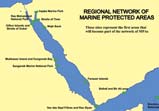
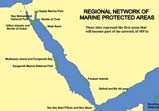
A coordinated approach to management of MPAs as a network has potential added benefits such
¿µJ µd á«dhO hCG ᫪«bEG ᫪gCG äGP á£æe 12 ójó " ¿óY è«Nh ôªMC'G ôëÑd »é«JGΰS'G ª©dG èeÉfôH ôj£J AÉæKCG
as consistency in legal frameworks and enforcement, opportunities for sharing knowledge and
ôNB'G É¡°©Hh ᫪fi ájôëH WÉæªc É¡fÓYEG " WÉæYG òg ¢©H .᫪ÙG ájôëÑdG WÉæYG øe ᫪«bEG áµÑ°ûd ¢SÉ°SC'G
experience, improved cost effectiveness through joint training initiatives, improved
êPÉh ,á«°ù«FôdG á«aGô¨L«ÑdG á«YôØdG äGóMdG µd êPÉ Y áµÑ°ûdG ªà°ûJ .'áMÎYG WÉæYG' áMôe ` GR Ée
communication at times of pollution crisis, and a regional approach to sustainable resource usage
.äÉJÉÑædGh äÉfG«G ´GfCG äÉYª>h á«MÉ°ùdG øWGYG ´GfCG TM«ª÷ á«°SÉ°SCG
leading to a more equitable sharing of the benefits.
:á«JB'G WÉæYG øe ¿µàJ ᫪«bE'G áµÑ°ûdG òg
During the development of the SAP twelve areas of regional or global significance were
(¿É«°S ¢SCGQh TMHG°ùdG QõL) »JÑ«L
identified that should form the basis of a regional network of marine protected areas. Some
(ÑL «°eh ,¿àØL QõL ,á«æWdG óªfi ¢SGQ ᫪fi) ô°üe
are already declared MPAs, others are still at the `proposed' stage. The network includes
representatives of all major biogeographical sub-units, prime examples of all types of coastal
(á«æWdG áÑ©dG ᫪fi) ¿OQC'G
and marine habitats and species communities. This regional network consists of the
(¿É°Sôa QõLh ,¬LdG ,¿GÒJ «°e) ájO©°ùdG
following areas.
(øjódG ó©°S QõLh äÉÑ«Y) Ée°üdG
(ÜÉæfO è«Nh 'º°Sôe' Qµe IôjõL ,»edG ...ôëÑdG Ö«ææ°S õæàe) ¿GO°ùdG
Djibouti (Iles des Sept Frères and Ras Siyan)
Egypt (Ras Mohammed National Park, Giftun Islands and Straits of Gubal)
(»YÒH - ±ÉëH á£æeh iô£°S QõL áYª>) øª«dG
Jordan (Aqaba Marine Park)
Saudi Arabia (Straits of Tiran; Wajh Bank, Farasan Islands)
Somalia (Aibat and Saad ad-Din Islands)
Sudan (Sanganeb Marine National Park, Mukkawar Island and Dungonab Bay)
Yemen (Socotra Islands Group, Belhaf and Bir Ali area)
áæ©YG ᫪ÙG ájôëÑdG WÉæYG
Declared Marine Protected Areas
á«æWdG óªfi ¢SGQ ᫪fi
Ras Mohammed National Park
ª°ûJ .TMHôe Îe«c 480 øe ÌcCG kÉ«dÉM ᫪ÙG òg »£¨Jh ,1983 ÉY ` á«æWdG óªfi ¢SGQ ᫪fi øY ¿ÓYE'G "
Ras Mohammed was declared a protected area in 1983 and now extends over 480 km2. It includes both
marine and terrestrial areas at the Ras Mohammed Peninsula and the island of Tiran. The Park is
á«fÉLôYG ájôØG É¡JÉ©ØJôà ᫪ÙG òg ô¡à°ûJh ,¿GÒJ IôjõLh óªfi ¢SGQ IôjõL áÑ°T ` ájôHh ájôëH WÉæe ᫪ÙG
notable for its sharply-defined, raised, fossil-coral platforms, which represent ancient shorelines. These
2^000^000 - 15^000 øe áÁódG ÜÉ©°ûdG òg QɪYCG ìhGÎJh ,áÁódG á«MÉ°ùdG ·£ÿG ã" »àdGh /É©YG áë°VGdG
old reefs range in age from 15,000 to 2,000,000 years in age. The Ras Mohammed National Park is the
øe Òãc ÉgQhõj å«M ôªMC'G ôëÑdG ` QGóJ »àdG Ió«MdG ᫪ÙG ájôëÑdG á£æYG á«æWdG óªfi ¢SGQ ᫪fi Èà©Jh .áæ°S
only operational marine protected area in the Red Sea, and many tourists visit it to enjoy diving and
.iôNC'G ájôëÑdG äÉ°VÉjôdGh ¢U¨dÉH ´Éàªà°SÓd ìÉq«°ùdG
other water sports.
Sanganeb Marine National Park
»æWdG iôëÑdG Ö«ææ°S õæàe
Sanganeb, which lies 35 km to the north east of Port Sudan, is the only atoll in the Red Sea. It was
Ió«MdG ᫪ÙG g ,¿GO°ùJQH áæjóY bô°ûdG ɪ°ûdG ¤EG GÎe«c 35 áaÉ°ùe Y TMj iòdG »æWdG iôëÑdG Ö«ææ°S õæàe
declared a Marine National park in April 1990. The Wildlife Conservation General Administration is
ÉgôXÉæà ֫ææ°S õ«ªàJ .1990 ÉY jôHG ` ᫪fi á£æªc É¡fÓYEG "h .ôªMC'G ôëÑdG ` Iôjóà°ùe ÜÉ©°T øe ¿µàJ »àdG
responsible for its administration. Sanganeb is famed for its spectacular seascape and its depths that
.iôNC'G ájôëÑdG äÉæFɵdGh ɪ°SC'G àfl øe ójó©dGh áØàiG ¿ÉLôYG ´GfCÉH è©J àdG É¡bɪYCGh áHÓÿG ájôëÑdG
teem with different corals, enlivened by a multitude of fish and other marine creatures.
ájôëÑdG ¬Ñ©dG ᫪fi
Aqaba Marine Park
Aqaba Marine Park occupies approximately 7 km of the southern coast of Jordan. It was declared a
1986 ÉY ` É¡fÓYEG "h ,¿OQCÓd »Hô¨dG MÉ°ùdG øe äGÎe«c 7
.É¡d ±Gô°TEG á£N TM°Vh " å«M ájôëH ᫪ëªc
the near-shore marine environment while allowing for certain uses at a sustainable level, to maintain
the health, resilience and integrity of the marine environment.
iô£°S QõL áYª> a ᫪ÙG WÉæYG
,...QµdGóÑY ,iô£°S :»g iȵdG á©HQC'G Qõ÷Gh .»æª«dG äeô°M MÉ°S øe Îe«c 400
äÉfG«G ` á«dÉY ¿É£«à°S'G áÑ°ùfh .TMHôe Îe«c 3^625 áMÉ°ùe É¡°ùØf iô£°S IôjõL àh .É°SQOh ,¬ëª°S
The islands of Socotra lie some 400 km from the Yemeni-Hadhramout coast. The four largest islands
are: Socotra, Abdul Kori, Samha and Darsa. Socotra itself has an area of 3,625 km2. Endemism is high
IóëàYG ·C'G èeÉfôH/»YÉ©dG áÄ«ÑdG aôe ´hô°ûe Éb ódh .'...óæ¡dG §«ÙG ¢SbÉH'ÉL' Öd Qõ÷G gDj É äÉJÉÑædGh
in both faunal and floral species, a fact that qualifies the islands for the title "the Galapagos of the
øµÁ £æªàd á©FGQ á£N OGóYEÉH 'iô£°S QõL áYª> ` ...«G ´æàd Góà°ùYG Góîà°S'Gh ¿°üdG' ¿GæY â áÄ«Ñd
Indian Ocean". The UNEP/GEF Project "Conservation and Sustainable Use of the Biodiversity of Socotra
.º«b'G ` iôNC'G ᫪ÙG ájôëÑdG WÉæªd êPªæc É¡eGóîà°SG
Group of Islands" has prepared a superb zoning plan, which could be used as a model for MPAs
elsewhere in the region.
¿É°Sôa QõL ᫪fi
á£æYG øe iÈdGh MÉ°ùdG º°ùdG TMjh .¿Gõ«L ÜôZ ºc 42 ó©H Y á°Øîæe á«fÉLôe IôjõL 176 ¿É°Sôa «ÑNQCG º°j
Farasan Islands - Saudi Arabia
Rhizophora and Avicennia)
The islands of Farasan was declared a protected area in 1996. Major habitats and regional significance:
ÜÉ©°ûdG ,(
áØ«ãµdG ±hô¨æYG QÉé°TCÉH Qõ÷G RÉà"h .TMHôe Îe«c 3Q310 áMÉ°ùe Y ᫪ÙG
Terrestrial and coastal reserve, archipelago of coral islands, mangroves (Rhizophora and Avicennia), coral
᫪ÙG á°SGQO â" ódh .áæWà°ùYG ¿'õ¨dGh IôKɵàYG Q«£dG ,ájôëÑdG äÉjóãdG ,ájôëÑdG ¢ûFÉ°ûG äÉ룰ùe ,á«fÉLôYG
reefs, seagrass beds, marine mammals, nesting seabirds, two species of mangroves, endemic gazelle.
.1996 ÉY a ájôëH ᫪ëªc É«ª°SQ âæYCG å«M ájQGOE'G á£ÿG ò«ØæJ a AóÑdG "h Ió«L á°SGQO ¿É°Sôa ` ájôëÑdG
ôªMC'G ôëÑdG øY FÉM
Facts about the Red Sea
''Üæ÷G ` «aJQH ¤EG ó«©°SQH øe ºc 162 ¢ùj°ùdG IÉæb W Ñj''
"The Suez Canal is 162 km from Port Said to Port Tewfik in the south"
6
6
To establish this network of MPAs it has been necessary to develop a Regional Master Plan that agrees with
á«dhódG ÒjÉ©YG TMe °TɪàJ á«°ù«FQ ᫪«bEG á£N ôj£J ...Qhô°dG øe ¿Éc ,᫪ÙG ájôëÑdG WÉæYG øe áµÑ°ûdG òg AÉ°ûfE'
international guidelines and incorporates regional environmental and socio-economic conditions. The plan
óîà°ùJ ióYG jW ɶf á«Kc á£ÿG òg Èà©Jh .º«bE'G ` á«YɪàL'Gh ájOÉ°üàb'Gh á«Ä«ÑdG äÉÑ£àYG Y ...àh
is a long-term policy document that will be used as the basis for the development of site-specific
IQÉÑY ióYG IÒ°üb á°UÉÿG ájQGOE'G á£ÿG ògh ,áµÑ°ûdG òg øª°V á£æe µH á°UÉN ájQGOEG á£N ôj£àd ¢SÉ°SCÉc
Management Plans for each of the MPAs in the network. The site-specific Management Plans are
.kÉ©e ᫪«bE'Gh á«ÙG ±GógC'G á÷É©Y ÉgPÉîJG »¨Ñæj »àdG áæ«©YG ájQGOE'G äGAGôLE'G ìô°ûJ ᫪Y á«Kh øY
short-term, practical documents that describe the specific management actions required to tackle both
regional and local objectives.
ájôëÑdG WÉæªd Góà°ùYG Góîà°S'Gh ¿°üd ªàÙG FÉ©dG º«bE'G ` IOhóÙG äGÈÿGh á«æØdG äGQódG Èà©J
äGQÉ¡YGh ÖjQóàdGh äÉe©YG Òaàd ÚeRÓdG AGÈÿG ¤EG º«bE'G hO ¢©H ôàØj ,ä'ÉG ¢©H ` ᫪ÙG
A potential constraint to the conservation and sustainable use of the MPAs is the limited
óªfi ¢SCGQ ᫪fi ` IOLYG J »g kÉ«dÉM IôaàYG äGÈÿG º¶©e .᫪ÙG ájôëÑdG WÉæYG IQGOE' áH£YG
technical capacity and experience that currently exists in the region. In some cases individual
countries lack the necessary pool of experts to provide the knowledge, training and skills
.º«bE'G ` ÉJ µ°ûH ª©J ájôëH ᫪٠°aC'G êPªædG Èà©J »àdGh ô°üe ` á«æWdG
required for MPA management. Much of the currently available experience is at the Ras
AóÑdG ÓN øe dPh ô°TÉÑe µ°ûH ´°VYG Gòg ¿óY è«Nh ôªMC'G ôëÑd »é«JGΰS'G ª©dG èeÉfôH hÉæJ ód
Mohammed National Park (Egypt), which is the best example of a fully operational MPA in
òg »£¨Jh .º«bE'G ` Ú«ª©dGh ÚdG÷Gh ᫪ÙG ájôëÑdG WÉæYG AGQóY á«ÑjQóàdG äGQhódG øe á°ù°S óY a
the region.
ÚdG÷G äÉÑLGh ,áeRÓdG äGó©YÉH ¢U¨dG ,ájôëÑdGh á«MÉ°ùdG WÉæYG áÑbGôeh í°ùe ,ájQGOE'G FÉ°ùYG äGQhódG
The SAP has addressed this issue directly by initiating a series of training courses for MPA
ábÓY äGP TM«°VGe â£Zh ô°üe ` á«æWdG óªfi ¢SGQ ᫪ëà ¤hC'G IQhódG áeÉbEG â" óbh .áeÉ©dG äÉbÓ©dGh
managers, scientists and rangers from the region. Courses will cover management issues,
.᫪ÙG ájôëÑdG WÉæYG IQGOEÉH
marine and coastal surveys and monitoring, scuba diving, ranger duties, policing and public
relations. The first course was held at the Ras Mohammed National Park and covered topics
associated with MPA management.
áMÎYG ᫪ÙG ájôëÑdG WÉæYG
JÑ«L - ¿É«°S ¢SGQh äÉ©Ñ°ùdG QõL
ÜÉ©°ûdÉHh ±hô¨æYG QÉé°TCG É¡Ø »àdG ¿ÉéÿÉH RÉà" -IQhÉÛG IóàªYG É¡MG°Sh ájôî°üdG ÉgQõéH- á£æYG òg
á°SQÉh ¢ù£¨dÉH ´Éàªà°S'G ¢Vô¨H ìG°ùdG IQÉjR ¿CG ÒZ ;ájôaÓdG É¡JÉfG«Mh É¡cɪ°SCÉH á«æ¨dGh áYæàYG á«fÉLôYG
Proposed Marine Protected Areas
.¿ÉLôYG TMªLh á«fÉLôYG ÜÉ©°ûdG Ò°ùµJ ãe á«ÙG cÉ°ûYG ¢©Ñd É¡°Vô©J á£æYG ò¡d iôNC'G á«FÉYG äÉ°VÉjôdG
ô°üe - Ñb «°eh ¿àØL QõL
Isles des Sept Frères and Ras Siyan - Djibouti
This area of rocky islands and the adjacent coastal stretch has mangrove fringed bays and diverse coral
¢û«°û©àd á£æªch á«fÉLôYG ÜÉ©°ûdG ´æàH RÉà"h »Hô¨dG MÉ°ùdG ádÉÑb TMJ Qõ÷G øe áYª> øY IQÉÑY á£æYG òg
reefs, rich with fish and invertebrates. Due to the many tourists that visit the area to enjoy diving and
ÒeóJh ôFÉ÷G ó«°üdG ɪàMGh á«¡«aÎdG ᣰûfC'G ·¨°V á£æYG ¬LGJ »àdG äGOó¡YG øe .ájôëÑdG Q«£dGh MÓ°ùdG
other water sports there are some local problems such as reef trampling and coral collection.
.ÜQGdG °Sôd áé«àf á«fÉLôYG ÜÉ©°ûdG
Giftun Islands and Straits of Gubal - Egypt
ô°üe/ájO©°ùdG - ¿GÒJ «°e
A group of islands off the western coast with well-developed and diverse coral reefs, turtles and nesting
seabirds. Current threats include increasing recreational pressure, possible over-fishing and anchor
á£ÑJôYG á«fG«G äÉYªéªd ´æJ TMe áÑ©dG è«ÿ Hæ÷G ±ô£dG ` áØ«ãµdG á«fÉLôYG ÜÉ©°ûdÉH RÉà" QõL øY IQÉÑY
damage to corals.
á£æe É¡fCG ßMÓJ ɪc ;è«ÿÉH ¬FÉàdG á£æeh ôªMC'G ôëÑdG ÚH á©«Ñ£dG ` §°SàdÉH É°jCG RÉà"h ;á«fÉLôYG ÜÉ©°ûdÉH
Straits of Tiran - Saudi Arabia/Egypt
.á«MÉ«°ùdG ᣰûfC'G ` ãªàJ áªàÙG äGójó¡àdG ;ôëÑdG ¢ùFGôY É¡«a iò¨àJh MÓ°ùdG É¡«a ¢«ÑJ
Islands with extensive coral reefs located at the southern end of the Gulf of Aqaba; diverse reef-associated
ájO©°ùdG - IÈ«æe ô°Th ¿ÉÑg ô°T ,¬LdG
faunal communities intermediate in nature between those of the Red Sea and the adjoining Gulf; an area
noted for turtle nesting and dugong feeding it is potentially threatened by tourist activities.
ôëÑdG c ` IOLYG á«fÉLôYG ÜÉ©°ûdG º¶f øe GAõL øª°àJh Qõ÷Gh áë°dG WÉæYG øe á©°SGh äÉMÉ°ùe øY IQÉÑY
;Q«£dG ¢û«°û©J øcÉeCGh MÓ°ùdG ,±hô¨æYG QÉé°TCG ,ájôëÑdG ¢ûFÉ°ûG äÉ룰ùe ,ÜÉ©°ûdÉH á£ÑJôYG AÉ«MC'G TMe ôªMC'G
Wajh Bank, Sharm Habban, & Sharm Munaybirah - Saudi Arabia
An extensive shallow water area, islands and a stretch of the mainland coast; includes part of the most
ᣰûfC'G øY áOEÉædG áªàÙG äGójó¡àdG øª°àJ .ôªMC'G ôëÑdG øe <ɪ°ûdG Aõ÷G ` ôëÑdG ¢ùFGô©d á«°ù«FQ á£æeh
extensive coral reef system of the entire Red Sea with typical reef-associated fauna, seagrass beds,
.ÜÉ©°ûdG §°Sh ãµYG ó«°üdGh Q«£dG ¢«Hh MÓ°ùdG TMªL á«fÉ°ùfE'G
mangroves, turtles, and bird nesting sites; a key area for dugongs in the northern Red Sea. Potentially
damaging human activities currently include the collection of turtle and bird eggs and heavy reef fishing.
Ée°üdG - øjódG ó©°Sh äÉÑ«Y QõL
,±hô¨æYG QÉé°TCG É¡«£¨J á°Øîæe QõL Y É¡FGàMG ¤EG áaÉ°VE'ÉH ¿óY è«N ` á«fÉLôYG ÜÉ©°ûdG WÉæe ÈcCG øe Èà©J
Aibat and Saad ad-Din Islands - Somalia
Not only the largest coral reef area in the Gulf of Aden, but also including a fascinating area of low-
TMªL á£æYG äGOó¡e øe ;MÓ°ùdG ɪàMGh ájôëÑdG Q«£dG ¢û«°û©àd áeÉg á£æe .áîÑ°ùdG °VGQC'Gh áÉYG äÉ룰ùYG
lying mangrove islands, salt marsh and swamps. A very important site for nesting seabirds and probably
.É¡e LCG øe MÓ°ùdG ó°üMh MÓ°ùdG ¢V«Hh Q«£dG
also for turtles. Threatened by over collection of bird and turtle eggs and harvesting of turtles for meat.
¿GO°ùdG - ÜÉæfO è«Nh (º°Sôe) Qµe IôjõL
Mukkawar Island and Dungonab Bay - Sudan
fÉ£«°ûdG øØ°S HCG øe áFÉ¡dG äÉYªÛGh ,(¡ÑdG) JG ¢TôdG ,á«fÉLôYG ÜÉ©°ûdG OLh áMÎYG ᫪ÙG òg õ«Á
Coral reefs, whale sharks, and the largest schools of manta rays known in the Red Sea characterise this
particular proposed MPA. There are also notable bird nesting sites and oyster beds. The natural resources
ÓN øe Ó¨à°SÓd á«©«Ñ£dG OQGYG ¢Vô©àJh .QÉÙG ªæd á©°SGh WÉæeh Q«£dG ¢û«°û©àd øcÉeCG É°jCG ßMÓJ ɪc ÓYG hCG
are exploited through shark fishing, oyster farming and bèche-de-mer (sea cucumber) collection.
.ôëÑdG QÉ«N TMªLh QÉÙG á«HôJh ¢TôdG ɪ°SCG ó«°U
Belhaf and Bir Ali area - Yemen
øª«dG -Y ÒH- ±ÉëH á£æe
This proposed MPA includes a stretch of scenic coastline, a unique crater lake, high aspect islands, coral
á«fÉLôe ÜÉ©°Th ÜÓN MÉ°S Y iàh É¡Yf øe Iójôa á«fÉcôH ága NGO IÒëH øY IQÉÑY áMÎYG ᫪ÙG òg
reefs, rich fisheries and turtle nesting sites. It is threatened by development proposals for tourism and
for an oil terminal.
AÉ°ûfEGh áMÉ«°ùdÉH á©àYG ájªæàdG äÉMÎYG ᫪ÙG ¬LGJ »àdG äGOó¡YG øe .MÓ°ùdG ¢û«°û©àd ¿Éµeh ᫵ª°S IhôKh
.âjõdG ôjó°üàd á£fi
Facts about the Red Sea
ôªMC'G ôëÑdG øY FÉM
"The Red Sea is saltier than other oceans; the salinity is higher in the north (40 ppt) than the south"
''Üæ÷G a ¬æe (dC'G a AõL 40) ɪ°ûdG a YCG áMYG äÉLQOh ;iôNC'G äÉ£«ÙGh QÉëÑdG øe áMe ÌcCG ôªMC'G ôëÑdG Èà©j''
7
7
ᣰûfC'G
Current
á````````jQÉ```````÷G
Activities
á``jô`ëÑdG ÖdÉ`ë£dGh ¢û`FÉ°ûGh á`«fÉLôYG ÜÉ©°ûdG äÉ°SGQO ¥ôW ó«MJ M Ú«ª«bE'G ÚHQóªd á«ÑjQóJ IQhO
Twenty regional trainees will attend a course on standard methods for surveying coral reefs,
±`°Sh ;2001 «d`j 6 ¤G «f`j 24 øe IÎØdG ÓN ¿OQC'ÉH áÑ©dG áæjóe ` ¿óY è«Nh ôªMC'G ôëÑdG `
seagrasses and algae. It will be held in Aqaba, Jordan, during the period 24 June to 6 July.
These methods will then be used throughout the Red Sea and Gulf of Aden region (RSGA)
º`à«°Sh ;á`«ªY iôNCGh á`jô¶f Ö`fG`L IQhó`dG ø`ª°àà°S .º`«bE'G øe ÉHQóàe 20
.É¡àfQÉe øµÁ áØàiG WÉæYG øe äÉfÉ«H Y °üëd º«b'G c a ¥ô£dG òg Gó``îà°SG
A Living Marine Resources Working Group meeting and workshop on `Sustainable
á```bOô`¨dG á`æjó`e a ' áeGó`à°ùYG IQGOE'G' ``M `ªY á`°TQhh á`«G á`jôëÑdG OQG`YG `ªY áYª> ´ÉªàLG
management' will take place from 30 June to 3 July.
.2001 «dj øe ådÉãdG àM «fj IÎØdG ÓN
A Navigation Working Group meeting and workshop on `Navigation safety and oil spill
á``MÓ`YG á`eÓ°S' `M `ªY á`°TQhh ...ô`ëÑdG ç```àdGh á`MÓYG ô`WÉ`fl «J `ªY á`Yª`> ´É`ªàLG
contingency planning' will be held from 1 to 4 July in Djibouti.
.2001 «dj 4-1 IÎØdG ÓN »JÑ«L a 'âjõdÉH çàdG çOGM áëaɵY AiQG£dG §`£Nh
As of August this year, a project on `marine turtle conservation in the RSGA' will start.
ôëÑdG º«bG ` ájôëÑdG MÓ°ùdG á`°SGQO ´hô°ûe a AóÑdG ºàj ±°S ,É©dG Gòg ¢ù£°ùZCG ô¡°T øe AGóàHG
A large number of national researchers specialised in turtle conservation will take part
Ú`°ü°üîàYG Ú`«æWdG Ú`ãMÉÑdG øe Ò`Ñc Oó`Y ´hô`°ûYG Gò`g ` QÉ`°ûj ±``°Sh .¿ó``Y è`«Nh ô`ªMC'G
in this project together with fishermen and local volunteers.
á``«`ª`gCG Y º``¡`ÑjQóàd Ú`Y£àeh øjOÉ«°U øe º`«b'G AÉ`æ`HCG ¤EG á`aÉ°VE'ÉH ájôëÑdG MÓ°ùdG `
.äÉe©YG TM«ªOE ` áªgÉ°ùYGh ájôëÑdG MÓ°ùdG Y á``¶`aÉÙG
A social-marketing assessment, organized by the Public Awareness and Participation
Lead Specialist, will be conducted during the period July to September. The main
Social-Marketing Assessment
objective of this assessment is to produce a strategic workplan for information
-`«d`j IÎ``ØdG Ó``N
»YÉ```ª``àL'G ```j``°ùàd º```«`«J AGô``LEG
communication and to design a focussed and appropriate Micro-Grants Program
.º«bÓd 'iô¨°üdG íæYG' èeÉfôH OGóYEGh º«ª°üàd á«é«JGΰSG á£N OGóYEG ±ó`¡H È`ª`àÑ°S
for the region.
ᣰûfC'G
International
``dhó``dG
á`````````«`
Activities
Üô©dG AGQRdG ´ÉªàLG
Meeting of Arab Ministers
øY ¿dÄ°ùYG Üô©dG AGQRdG »ÑX »HCG ` TMªàLG `g1421 Ió©dG ...P øe TM°SÉàd aGYG 2001 ôjGÈa øe ådÉãdG `
In response to concerns expressed by Arab countries about environmental issues and to follow
äGQGôd kÉYÉÑàà°SGh á«Ä«ÑdG ÉjÉ°dÉH á«Hô©dG hódG ɪàgG Y kGó«cCÉJ dPh .2001 áÄ«ÑdG ô"De ó©d áÄ«ÑdG ¿hD°T
up on decisions and commitments made at regional and international conferences stemming from
IóëàYG ·C'G ô"De øY oeÉædG jQ ¿ÓYEG ` äÉeGõàdGh äGQGôb øe Qó°U Éeh á«YÉ©dGh á«Hô©dG äGô"DYG øY IQOÉ°üdG
the Rio Declaration, the Arab Ministers responsible for environmental affairs met in Abu Dhabi on
'h ;á«Hô©dG äÉ©ªàÛG ᫪æJ ` IójóY äGRÉ,G ó¡°T »Hô©dG øWdG ¿CG ô"DYG iCGQ óbh .(¢VQC'G áªb) ᫪æàdG h áÄ«Ñd
the 3rd of February for Environment Conference 2001. The conference confirmed the need for
AGQRdG óLh óbh .áÄ«ÑdG ájɪMh ôØdG áHQÉfih ᫪æàdG äÉÑ£àe ÚH §Hôd « áYQÉ°ùàYG ᫪æàdG òg ÖcGj ¿CG óH
environmental development and environmental conservation to run hand-in-hand with social and
¶ ¿CG Öéj »àdGh »Hô©dG /É©dG ` IÒ£ÿG á«Ä«ÑdG cÉ°ûYG øe á«MÉ°ùdGh ájôëÑdG WÉæYG QgóJ áµ°ûe ¿CG Üô©dG
economic development, and poverty alleviation. The Arab Ministers noted that the deterioration of
the marine environment, and its effect on tourism, was one of the more serious environmental
.ájdhCÉH
problems in the Arab World and should have a priority in remediation.
»àdGh Üô©dG AGÈÿG øe áÑîf Ñb øe ó©YG '»Hô©dG øWdG ` »Ä«ÑdG ª©dG Ñà°ùe' ôjôJ ` ÉgôcP OQh »àdG äÉH©°üdG øeh
A report, prepared by Arab experts and titled Future of Environmental Work in Arab Countries has
:»g á«MÉ°ùdG WÉæYÉH ¢üàîJ
highlighted the principal issues which are:
á¨e ¬Ñ°T QÉëH á«Hô©dG QÉëÑdG
The problems associated with landfilling which destroys marine resources and threatens
ájôëÑdG áÄ«ÑdG çJ ` á«°SÉ°SCG eGY µ°ûJ hÎÑdG äÉØflh »ë°üdG ±ô°üdGh á«YÉæ°üdG äÉØiG
biodiversity
»Ld«ÑdG ´æàdG Oó¡Jh ájôëÑdG OQGYG ôeóJ OôdG áµ°ûe
Industrial waste, sewage and petroleum waste, which are the primary sources of
»µª°ùdG êÉàf'G áb
marine pollution
The limited establishment of marine protected areas
ájOÉ°üàb'G WÉæYG øY äÉ°SGQO OLh óY
Insufficient fish production
ÚëFÉ°ùd áÑb ¬©éj É IQOÉædG á«fÉLôYG ÜÉ©°ûdÉH ôªMC'G ôëÑdG õ«"
The absence of studies on economic areas
Ohófi µ°ûH 'EG ºàj ' á«©«ÑW äÉ«ªfi áeÉbEG Y ª©dG
High levels of tourism due to the attractive coral reefs of the Red Sea
A§ÑH ºàj kÉ©e á«dhOh á«HôY hCG á«HôY äɪ¶æe ÓN øe ájôëÑdG áÄ«ÑdG Ú°ù Y ª©dG
The slow pace of work towards the enhancement of the marine environment through partnerships between
Arabic and international organisations
:É¡æe FGóH - á«dhódG äÉ«bÉØJ'G ` IOQGdG ióYG ájW §£ÿG ÖfÉL ¤EG ióYG IÒ°üb ëc - ô"DYG ìÎbG óbh
It was suggested by the Conference that short-term solutions, besides the long-term plans given in international
...«G ´æàdG ßØ ájôëÑdG á«©«Ñ£dG äÉ«ªÙG áeÉbEG øcÉeC' á«bO §FGôN TM°Vh
conventions, could include:
á«dhódG äÉbÉØJ'G QÉWEG ` É¡« Y hódG ª©J äÉjdhCG TM°Vh
The preparation of accurate maps to conserve biodiversity in marine protected areas
á«MÉ«°S èeGÈd §«£îàdG ,á«fÉLôYG ÜÉ©°ûdG ájɪM
Protection for coral reefs
ôªMC'G ôëÑdG ` IÒÑc ¥ÉªYCG Y IOLYG áæNÉ°ùdG É«YG ôH øY á««°üØJ äÉ°SGQóH É«dG
Planning for tourism programmes
Detailed studies on hot-waters found in deep-sea areas
(è«ÿG) âjµdGh (ôªMC'G ôëÑdG) IóL »à«bÉØJG øe µd á«æØdG äÉfÉeCÓd ºYódG ÒaJ
Provision of support to the Technical Secretariats of the two regional conventions -PERSGA - Jeddah Convention (Red Sea
and Gulf of Aden) and ROPME - Kuwait Convention (Gulf)
ôªMC'G ôëÑdG øY FÉM
,«°üdG ` ájÄe áLQO 26-21 h AÉà°ûdG ` ájÄe áLQO 21-18 É«YG IQGôM áLQO §°Sàe Ñj''
Facts about the Red Sea
''Üæ÷G ` kÉÄaO OGOõJ É«YG ¿CG ÒZ
"The average seawater temperature is 18-21°C in winter and 21-26°C in summer though it is always warmer farther south"
8
8
GOOS (The Global Ocean Observing System)
(GOOS) äÉ£«ÙG áÑbGôY YÉ©dG ɶædG
GOOS is a system designed to provide information about the present and future state of the world's
./É©dG äÉ£«fih QÉëÑd Ñà°ùYGh <ÉG TM°VdÉH á©àYG äÉe©YG Òaàd äÉ£«ÙG áÑbGôY »YÉ©dG ɶædG º«ª°üJ "
seas and oceans. It was created by the International Oceanographic Commission (IOC) in 1991 in
(IOC)
øe Òãc äÉÑZôd áHÉéà°SG
äÉ£«ÙG ©d á«eµG á«dhódG áæédG ᣰSGH 1991 ÉY ɶædG Gòg A°ûfCG ódh
response to the desire of many nations to improve both management of the oceans and climate
ɶf AÉ°ûfEG iQhô°dG øe ¿Éc óa ájɨdG òg ¤EG °Udh .á«NÉæYG äGDÑæàdGh äÉ£«ÙG IQGOEG Ú°ù ¢Vô¨H ·C'G
forecasts. In order to do this it was necessary to establish a system of observations dealing with
.áeɵàe IQ°üH äÉ£«ëªd á«Ld«ÑdGh á«FÉ«ª«µdGh á«FÉjõ«ØdG MGædG TMe eÉ©àj áÑbGôe
physical, chemical and biological aspects of the oceans in an integrated way.
äÉeµG Ñb øe äÉe©YG ¤EG ¬«a êÉàëj iòdG /É©dG Gòg ãe ¿CG ` äÉ£«ÙG áÑbGôY YÉ©dG ɶædG ájDhQ øªµJ
The vision of GOOS may be given as "a world where the information needed by governments,
industry, science and the general public to deal with marine related issues, including the effect
,ñÉæYG Y äÉ£«ÙG ÒKCÉJ dP ` Éà ,á°üdG äGP ÉjÉ°dG TMe eÉ©àd Q¡ª÷Gh ᫪©dG äÉ¡÷Gh TMfÉ°üYGh
of the ocean upon climate, is supported by a unified global network to systematically acquire,
äGDÑæàdGh «dÉëàdG AGôLEGh ,á«eɶf IQ°üH äÉ£«ÙG ó°UQ TMjRJh èeOh RGôME' IóMe á«YÉY áµÑ°ûH ºYó«°S
integrate and distribute oceanic observations, and to generate analyses, forecasts and other
.iôNC'G Ió«ØYG oeGædGh
useful products."
äÉ£«ÙG áÑbGôY YÉ©dG ɶædG TMaÉæe
Benefits of GOOS
There are many kinds of activities carried out in marine and coastal areas that are
Éæàë°üd áÑ°ùædÉH øªãH QóJ ' àdGh á«MÉ°ùdGh ájôëÑdG WÉæYG ` ...ôOE »àdG ᣰûfC'G øe IÒãc ´GfCG Éæg
indispensable for our health and well-being as well as for economic and social development.
` çó »àdG äGÒ¨àdG á©«Ñ£H ôKCÉàJ ᣰûfC'G òg ãe .á«YɪàL'Gh ájOÉ°üàb'G ᫪æàdG ¤EG áaÉ°VEG Éæà«gÉaQh
These activities are subject to the changing nature of the marine environment. The inherent
óªà©j äÉe©e Y °üG jôW øY É¡«J øµÁ µ°ûdGh áeRÓYG ôWÉiG òg ãe ¿CG ÒZ .ájôëÑdG áÄ«ÑdG
risks and uncertainties can be reduced by access to reliable the information. GOOS provides
çàdG TMæÁ ,á«©«Ñ£dG çQGµdG IóM «Øîàd Ió«ØYG äÉe©YG ôaj äÉ£«ÙG áÑbGôY »YÉ©dG ɶædGh .É¡«Y
information useful for mitigation of natural disasters, prevention of marine pollution,
.á°üdG äGP ájôëÑdG ᣰûfC'Gh á«MÉ°ùdG WÉæYG IQGOEG ø°ùëj ,ɪ°SC'G ójÉ°üe á«dÉ©a øe ójõj ,...ôëÑdG
increasing fisheries efficiency, better management of the coastal zone, and other marine
related activities. In addition, GOOS will improve the prediction of weather and climate
ãe ,á«NÉæYGh áj÷G äGÒ¨àdG a äGDÑæàdG ø°ùë«°S äÉ£«ÙG áÑbGôY YÉ©dG ɶædG ¿EÉa dP ¤EG áaÉ°VE'ÉH
changes such as El Niño, bringing significant economic and social benefits.
.áeÉg á«YɪàLGh ájOÉ°üàbG TMaÉæe dòH áÑdÉL ,æ«ædG
Beneficiaries of GOOS
Examples of Information Provided by GOOS
Shipping
Forecasts of change in water levels
YÉ©dG ɶædG Égôaj »àdG äÉe©ªd áãeCG
YÉ©dG ɶædG øe Ió«Øà°ùYG äÉ¡÷G
Fisheries and aquaculture
Positions and strengths of currents
:äÉ£«ÙG áÑbGôY
:äÉ£«ÙG áÑbGôY
Tourism and recreation
Occurrence of unusually high waves
ôëÑdG í£°S ià°ùe ` äGÒ¨àdÉH äGDÑæàdG
áMÓYG
Environmental protection
Extent of sea ice
äGQÉ«àdG Ibh TMbGe
ɪ°SC'G á«HôJh óFÉ°üYG
Coastal and marine defenses
Incidence of harmful algal blooms
Safety services
Vulnerability of fish stocks and farms
ájOÉY ÒZ á«dÉY êGeCG çhóM
¬«aÎdGh áMÉ«°ùdG
Offshore oil and gas production
Rainfall predictions in dry areas
ájôëÑdG êãdG ¥É£f
á«Ä«ÑdG ájɪG
Ports and harbors Length and coldness of winters
IQÉ°dG ÖdÉë£dG QÉgORG çhóM
iôëÑdGh MÉ°ùdG ´ÉaódG
Polar research
Likelihood of disease outbreaks
Ö£©d ɪ°SC'G á«HôJ ´QGõeh µª°ùdG ¿hõiG á«HÉb
áeÓ°ùdG äÉeóN
Mineral extraction
áaÉ÷G WÉæYG ` QÉ£eC'G ·°S äGDÑæJ
ôëÑdG ¢VôY ` RɨdGh âjõdG êÉàfG
GOOS is sponsored by:
AÉà°ûdG ô¡°TCG IOhôHh W
AaGôYGh AfGYG
IOC (Intergovernmental Oceanographic Commission), WMO (World Meteorological Organization),
¢VGôeC'G QÉ°ûàfG ɪàMG
øjó©àdG
UNEP (United Nations Environment Programme), and ICSU (International Council of Science)
For further information:
GOOS Project Office
Intergovernmental Oceanographic Commission (IOC) - UNESCO
1, Rue Miollis, 75732 Paris Cedex 15, France
Phone: 33.1.45.68.39.74. Fax: 33.1.45.68.58.12
Email: c.summerhayes@unesco.org
Homepage: http://www.unesco.org/ioc/goos/
ôªMC'G ôëÑdG øY FÉM
Facts about the Red Sea
"The Red Sea is very deep in the central trough - 2000 m or more, but along the coastline it is relatively shallow
,(Îe 500-100) ¬MG°S W Y É«Ñ°ùf ë°V ¬æµd , Îe 2000 øe ÌcCG - °ù«FôdG Gô> ` GóL «ªY ôªMC'G ôëÑdG''
(100-500 m). The Suez Canal is only about 20 m deep!"
''GÎe øjô°ûY ¬ªY Ñ«a ¢ùj°ùdG IÉæb ÉeCG
9
9


áÄ«Ñd IóëàYG ·C'G èeÉfôH ÉY ôjóe É¡¡Lh »àdG ádÉ°SôdG ¢üîe
Summary of a Message from UNEP's Executive Director
2001 «fj 5 ,»YÉ©dG áÄ«ÑdG j áÑ°SÉæÃ
on the occasion of World Environment Day, 5-June 2001
"Connect with the World Wide Web of Life"
'
IÉ«ëd á«YÉ©dG áµÑ°ûdÉH ëàdEG'
á©àYG áãjóG á«eGQódG äGQ£àdG ¿CG a ¬eCGh ¬dDhÉØJ øY ôØHJ ¢Sc /QàcódG ÈY YÉ©dG áÄ«ÑdG j áÑ°SÉæà ¬àªc `
In his address for World Environment Day Dr. Töpfer expressed his optimism and hope that the
recent dramatic developments in information technology, and the rapid growth in globalisation
DhÉØàdG Gòg ¿CG ÒZ .áeÉgh IójóL á«Ä«H TMaÉæe ÖL É¡æµÁ á«YÉ©dG IQÉéàdGh áY©dG ` TMjô°ùdG ªædGh äÉe©YG á«æàH
and world trade could bring significant new environmental advantages. However this message
.á«bÉH âdGR Ée áeGóà°ùYG ᫪æàdG äÉjóh »FGò¨dG øeC'G ÊóJh ôØdG ` áãªàYG áÁódG ÉæcÉ°ûe ¿CG Ø°U ôµ©j
is tempered with the knowledge that our old problems of poverty, lack of food security, and
É¡ª¶fh É¡JGó«©àH ¢VQC'G ¿CÉH Éfôcòj Gògh ' IÉ«ëd á«YÉ©dG áµÑ°ûdÉH ëàdEG' g É©dG Gòg »YÉ©dG áÄ«ÑdG j QÉ©°T ¿EG
the challenge of sustainable development remain urgent and enduring.
` ¬Ñ©j QhO ¬d ,GÒ¨°U ¿Éc ɪ¡e ,á©«Ñ£dG ô°UÉæY øe ô°üæY c .ΰûYG ÉæKQEGh ÉæJÉ«M ¢SÉ°SCG »g áµHÉ°ûàYG
This year World Environment Day has taken as its slogan "Connect with the World Wide Web
.ɶædG Gòg á«dÉ©a
of Life". This is a reminder that the Earth with all its complex, interlocking ecosystems, is the
foundation of our lives, and our common heritage. Every part of nature however small and
QàcódG
ióªd OhóM Éægh .´GfC'G øe á£HGÎeh á©°SGh áµÑ°T øe GAõL µ°ûf H ɶædG Gòg øY °üØæf ' Éæ°ùØfCG øëf
Dr. Klaus Töpfer
insignificant it may appear, has its part to play in the balanced functioning of the system.
ÒØHJ ¢Sc
áµÑ°ûdG òg ` ÉgGó°U OOÎj äGÒ«¨J çóëf ¿CG ¿hO ,ÉæH ᣫÙG áÄ«ÑdG ¬H Ò¨f ...òdG ióYGh ¿Éµ°ùdG ¬H ªæj iòdG
We ourselves are not divorced from it but form an integral part of this web of interconnected
.ô£îd ÉæÑà°ùe ¢Vqô©Jh
species. There are limits to the changes that we can cause to our environment without there
being serious effects that may jeopardize our own future.
'
IÉ«G ájôW' ¤EG ÉæJô¶fh É檫gÉØe ` ...QòL Ò«¨J g Ü£YG ¿CG ÓFÉb ¬àdÉ°SQ a ôØHJ QàcódG ôªà°ùjh
Dr. Töpfer goes on to say that we need a fundamental shift in our concepts and attitudes
:á«°SÉ°SCG É¡æµd ᣫ°ùH áÄ°SCG Éæ°ùØfCG CÉ°ùf ¿CG Y IÉ«ëd á«YÉ©dG áµÑ°ûdG ájɪMh ¿°U ádCÉ°ùe óªà©J ájÉ¡ædG ` ¬fC'
towards our `way of life'. To quote: "Ultimately, the question of conserving and protecting the
?É¡©Ñàj ¿CG ¿É°ùfEÓd »¨Ñæj »àdG IÉ«G ájôW »g Ée ?»Øµj ºc ?¢û«©f «c
World Wide Web of Life depends on asking ourselves simple but fundamental questions: How
Éæà«dÄ°ùe Èà©J ájÉ¡ædG ` ¬fCG 'EG ª©dG Gòg ` óYÉ°ùJ ¿CG øµÁ äÉeµG ¿CG øe ºZôdÉH ¬fCG ôØHJ QàcódG Éfôcòjh
should we live? How much is enough? What way of life ought human beings to pursue?"
.AÉYG Üô°Th AG¡dG ¥É°ûæà°SG ` Éj°S ΰûf ɪc ,á«æeÉ°àdG
He reminds us that although governments can assist with this work, it is ultimately our own
collective responsibility as we all consume the same vital resources such as air and water.
ÉgPÉîJG »¨Ñæj »àdG áÑ°SÉæYG äG£ÿG PÉîJG ÉææµÁ ,øeÉ°àdG ÓN øeh ; ÉæjójCG ` ¢VQC'G ¿CG' :ÓFÉb ¬àdÉ°SQ ºààîjh
.' ÉfOÉØMCGh ÉædÉØWCG ¤EG kÉØ«¶fh kÉæeBG kÉYÉY ºq°ùf ¿CÉH øjQîa ¿µfh
"The Earth is in our hands" he concludes "by joining together, we can take the commonsense steps
we need to take - and be proud to pass along a safe, clean world to our children and our children's
children."
ôªMC'G ôëÑdG øY FÉM
Facts about the Red Sea
''á«Hæ÷Gh á«dɪ°ûdG ±GôWC'ÉH áfQÉe £°SdG AGõLC'G ` ádBÉ°V bCG É¡fCG ÒZ . ÎYG ió©àJ Ée GQOÉf á«Ä°V óYG ácôM''
"The tidal range is small, rarely exceeding 1 m. The range is smallest in the middle and greater at each end"
10
10
A SAP for the Guinea Current Large Marine Ecosystem
ºà°ù«°ScEG øjQÉe êQ' âfôc ɫ櫨d »é«JGΰSG ªY èeÉfôH
Ghana, together with five other countries, started a GEF funded project in 1995 with the aim of
º¶ædG áë°U IOÉ©à°SG ¤EG ±ó¡j YÉ©dG áÄ«ÑdG aôe ¬dÁ ´hô°ûe ò«ØæJ ` iôNCG hO ¢ùªN TMe ÉfÉZ äCGóH 1995 ÉY `
restoring and sustaining the health of the Gulf of Guinea Large Marine Ecosystem. The Accra
êQ' âfôc É«æ«Z' `d »é«JGΰSG ªY èeÉfôH ôj£J ¤EG (1999) GôcCG ¿ÓYEG ÉYO óbh .ÒѵdG É«æ«Z è«N ` á«Ldµj'G
Declaration (1999) called for the development of a Strategic Action Programme (SAP) for the
(GCLME)
.Üæ÷G ` ',CGh ɪ°ûdG ` hÉ°ù«H É«æ«Z ÚH ô°ûY áà°ùdG hódG c º°j '
ºà°ù«°ScEG øjQÉe
Guinea Current Large Marine Ecosystem (GCLME), including a full Transboundary Diagnostic
Analysis, to include all the sixteen countries between Guinea Bissau in the north and Angola
ÓN (ÉfÉZ) GôcG ` ᣰûfCG á©LGôe ´ÉªàLG óY óa - »é«JGΰS'G ª©dG èeÉfôH ôj£J gh - ±ó¡dG Gòg ÆÑdh
in the south.
ÖfÉéH á«MÉ°ùdGh ájôëÑdG áÄ«ÑdG ¬LGJ »àdG cÉ°ûYGh á«dÉG ÉjÉ°dG á°ûbÉæe ¬«a â" 2001 jÉe 17-16 IÎØdG
Working towards the ultimate objective of this Strategic Action Programme, a `Stocktaking
.IQcòYG cÉ°ûYG á¡LGY Égò«ØæJ " »àdG èeGÈdGh TMjQÉ°ûYGh ᣰûfC'G
Meeting' took place in Accra (Ghana) from 16-17 May 2001. At the meeting the current issues
á«æWdG ôjQÉàdG ácQÉ°ûYG hódG øe ¿«FÉ°üN'G ¬«a ób å«M ª©dG äÉYªÛ ´ÉªàLG ¬«dEG QÉ°ûYG ´ÉªàL'G Ñ°S
and problems facing the marine and coastal environment were discussed together with the
ºYódG ób iòdG Ò«°ùàdG áæéd ådÉK ´ÉªàLÉH ¿ÉYɪàL'G ºààNGh .º¡dhO ` á«MÉ°ùdGh ájôëÑdG áÄ«ÑdG ádÉM øY
activities, projects and programmes that are being used to address them.
IÈÿG ËóàH áKÓãdG äÉYɪàL'G ä'hGóe ` áÄ«¡dG âªgÉ°S óbh .á©LGôYG ´ÉªàLG ¬«dEG °UJ ÉY °SÉ«°ùdG
The meeting was preceded by a specialist Working Group Meeting where experts from the
.¿óY è«Nh ôªMC'G ôëÑd é«JGΰS'G ª©dG èeÉfÈd ò«ØæàdGh OGóYE'G »àMôe ÓN IOÉØà°ùYG ¢ShQódGh
participating countries presented national reports on the state of the marine and coastal
environment in their respective countries, and was followed by a Steering Committee Meeting,
Ò«°ùàdG áæ÷ âæÑJ á©LGôYG ´ÉªàLGh ª©dG äÉYª> ´ÉªàLG ÓN É¡«dEG °UàdG " »àdG èFÉàædG A°V Yh
which gave the necessary political support to the outcome of the Stocktaking Meeting.
:á«dÉàdG äÉ«°UàdG
PERSGA contributed to the proceedings of the Stocktaking Meeting by presenting its
.áahô©YG á«aGô¨÷G ÉgOhóëH ádhO ô°ûY áà°ùdG õªà°ù«°ScEG øjQÉe êQ' âfôc É«æ«ZR ´hô°ûe º°j ¿CG -1
experience and lessons-learned during the preparatory and implementing phases of the
Red Sea SAP.
.¿ÉLóHCG á«bÉØJ' °SÉ«°ùdGh ffÉdG QÉWE'G ` ´hô°ûYG ôj£J ºàj ¿CG -2
Based on the outcome of the Working Group and Stocktaking Meetings, the Steering
(PDF-B)
áÄ«Ñd IóëàYG ·C'G èeÉfôHh FÉ'G IóëàYG ·C'G èeÉfôH TMe
- ´hô°ûYG OGóYEG «¡°ùJ áëæe æÑJ -3
Committee Meeting adopted the following resolutions:
ájÒ°ëàdG ᣰûfCÓd áÑ°SÉæe IGOCÉc - IòØæe á¡éc á«YÉæ°üdG ᫪æàd IóëàYG ·C'G ᪶æeh ò«Øæàd áªYGO äÉ¡éc
1. The Guinea Current Large Marine Ecosystem Project should incorporate the 16 countries
.»YÉ©dG áÄ«ÑdG aôe ¤EG É¡Áóàd Gó«¡" ´hô°ûªd á«°ù«FôdG á«KdG ôj£àd áeRÓdG
within the natural limits of the GCLME.
2. The GCLME project will be developed under the policies and legal framework of the Abidjan
Convention.
3. The proposal for a PDF-B grant with UNDP and UNEP as implementing Agencies and UNIDO as the
sole executing Agency, has been adopted by members of the Steering Committee as the appropriate tool
for the preparatory activities needed to develop a Guinea Current Large Marine Ecosystem Project Brief
and Project Document for submission to the GEF.
ôªMC'G ôëÑdG øY FÉM
Facts about the Red Sea
"The Red Sea is getting wider each year, but only by a few centimetres"
''á«b äGΪàæ°ùH Éjæ°S ôªMC'G ôëÑdG TM°Sàj''
"The Red Sea is approximately 1,932 km long and has a maximum width of 306 km"
''ºc 306 ¤GM ¬d ¢VôY °übCGh ºc 1932 ¤GM ôªMC'G ôëÑdG W Ñj''
11
11