òqØæoJ èeÉfÈdG ᣰûfCG ¿EG .᫪æàd »eÓ°SE'G æÑdGh áÄ«Ñd IóëàYG ·C'G èeÉfôHh »FÉE'G IóëàYG ·C'G èeÉfôHh
of Aden. This project is funded by UNDP, UNEP, The World Bank and The Islamic Development
ájôëÑdG OQGªd Góà°ùYG Góîà°SE'G ,...ôëÑdG çàdGh áMÓYG ôWÉfl «J ,áÄ«¡dG äGQób ºYO :äÉfqµe á©Ñ°S ÈY
Bank. The SAP is being carried out through seven complementary components: institutional
strengthening, reduction of navigation risks and marine pollution, sustainable use of living marine
IQGOE'G ºYO ,áq«ªÙG ájôëÑdG WÉæYG øe áµÑ°T AÉ°ûfEG ,...«G ´æàdGh á«©«Ñ£dG äÉÄ«ÑdG Y á¶aÉÙG ,áq«G
resources, conservation of habitats and biodiversity, the establishment of a network of marine
.ácQÉ°ûYGh áeÉ©dG á«YàdGh á«MÉ°ùdG WÉæªd áeɵàYG
protected areas, support for integrated coastal zone management, and the enhancement of public
k
IhÓY º«bE'ÉH çó àdG ájªæàdG ᣰûfC'Gh áÄ«ÑdG Y á¶aÉÙÉH á°UÉÿG äÉe©YÉH ºcójhõJ g ájQÉÑNE'G ádÉ°SôdG òg øe ±ó¡dG ¿EG
awareness and participation.
áÄ«¡d Q°üJ hCG TM°Vh IQhô°dÉH ¢ùµ©J ' ájQÉÑNE'CG Iô°ûædG äÉjàfi ¿EG .É©dG ɪàgE'G äGP ájôëÑdG äÉY°VYÉH á°UÉÿG ä'ÉYG Y
hCG OhóM ,á©WÉe ,ádhO ...C' ÊfÉdG TM°VdÉH ¢üàîj ɪ«a áÄ«¡dG øe ±ôW ...CG ...CGQ øY ÒÑ©àdG øª°àJ ' É¡fCG ɪc ,ôjôëàdG áÄ«g hCG
The aim of the newsletter is to provide information on conservation and development activities taking place in the region
.áªNÉàe OhóM
together with articles on marine issues of general interest. The contents of the newsletter do not necessarily represent the
position or views of PERSGA or the editorial board, nor do they imply the expression of any opinion on the part of PERSGA
:Iô°ûædG òg äÉjàÙ TMÑ£dG ¥M
concerning the legal status of any country, territory, frontier or border.
.Qó°üYG í«°VJ IÉYGôe TMe É¡JÉjàfi øe ...CG hCG Iô°ûædG òg Góîà°SEG IOÉYEG Réj
All non-copyright material may be freely reproduced. Al-Sanbouk cordially requests that due reference is made to the source if
any news/articles/pictures are reprinted in other publications.
ôjôëàdG áÄ«g
Ñæ°ùdG
äÉ°û«ÑW ON
:ôjôëàdG ¢ù«FQ
É©dG ±Gô°TE'G
áeÉ©dG á«YàdG á«FÉ°üNCG
Al-Sanbouk
Editorial Board
...Ra óªfi .O
Khulood Tubaishat
«aJ QGõf .O.CG
is under the patronage of
Chief editor:
...ôH áfÉØ°S
óYÉ°ùYG É©dG ÚeC'G
Public Awareness Lead Specialist
áÄ«¡d É©dG ÚeC'G
Dr. Mohammed Fawzi
áÄ«H á«FÉ°üNCG
Dr. Nizar Tawfiq
:AÉ°YC'G
Deputy Secretary General
Saffanah Barry
PERSGA Secretary General
ÊÉÑ«ë°ùdG ¬dGóÑY
<ÿG ó«°S .O
Environmental Specialist
Members:
...«G ´æàdGh á«©«Ñ£dG øWGYG ¿°U »FÉ°üNCG
´hô°ûYG ôjóe
Dr. Saiyed Al-Khouli
Abdullah Alsuhaibany
è櫪«a jQOhQ
ô°üf QGô°V .O
Project Manager
Habitat & Biodiversity Lead Specialist
ájõ«,E'G á¨dG Qôfi
hC'G »æØdG ôjóYG
Dr. Dirar Nasr
Roderick Fleming
Senior Technical Director
English Language Editor
:<ÉàdG ¿Gæ©dÉH É°üJE'CG AÉLôdG á«aÉ°VEG ï°ùf Óà°SE' hCG ájójÈdG áªFÉd ¤EG ɪ°fEÓd
.ájO©°ùdG á«Hô©dG ᵪYG - 21583 IóL ,53662 Ü.¢U ,¿óY è«Nh ôªMC'G ôëÑdG áÄ«H Y á¶aÉëªd ᫪«bE'G áÄ«¡dG
The editors encourage you to submit articles, reviews, and photographs for publication but cannot guarantee that they will be used.
+966 2 657 3224 :JÉg
To join our mailing list or to receive additional copies please contact:
+966 2 652 1901 :¢ùcÉa
The Regional Organization for the Conservation of the Environment of the Red Sea & Gulf of Aden, P.O. Box 53662, Jeddah 21583, Kingdom of Saudi Arabia.
information@persga.org :ÊhεdE'G ójÈdG
Tel.: +966 2 657 3224 Fax: +966 2 652 1901
http://www.persga.org :øe É¡«Y °üG øµÁ Ñæ°ùdG øe áHÉ°ùdG OGóYC'G
Email: information@persga.org http://www.persga.org
This newsletter is printed on 100% recycled paper.
%100 á`Ñ°ùæH ¬``©«æ°üJ IOÉ`YEG q" ¥Qh Y á`jQÉ`ÑNE'G Iô°ûædG òg á`YÉ`ÑW â`q"
1
1
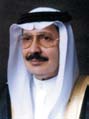
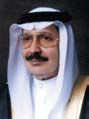
áÄ«H Y á¶aÉëªd ᫪«bE'G áÄ«¡dG áªc
A Word from
PERSGA Editorial
¿óY è«Nh ôªMC'G ôëÑdG
,ÇQÉdG ...õjõY
Dear reader,
TM£°ùJ äCGóH »àdG Iô°UÉ©YG äÉ룰üYG øe »Ld«ÑdG ´æàdG hCG »FÉ«MC'G ´æàdG í£°üe ¿CG ¢SÉædG øe ÒãµdG óà©j
Many people believe that the term biodiversity is a modern term that entered into current use
¬«Y ÖLhCGh ¢VQC'G ` ÉØîà°ùe ¿É°ùfE'G ©Lh ,Úæ°ùdG äÉÄe òæe dP øY Éæ¡Ñf ób Ó°SE'G ¿CG 'EG ,»°VÉYG ¿ôdG `
in the last century, however Islam has recognised this concept for hundreds of years and made
''
''
c øe áæ«Ø°ùdG ` ªëj ¿CG Ó°ùdG ¬«Y ìæd ¤É©J ¬dG b ¿æeDYG IQ°S ` iôfh ,´æàdG dP Y á¶aÉÙG
man as guardian on earth and asked him to conserve its natural diversity. In surat
`mouminoon' we see Allah telling prophet Noah to take into the Ark male and female from
''
Éææ«YCÉH ØdG TMæ°UG ¿CG ¬«dEG Éæ«MhCÉa :¤É©J Éb ,º«¶©dG ¿Éa£dG çhóM óæY IÉ«G ɵ°TCG áaÉc øe ÚæKG ÚLhR
all forms of life on earth before the Great Flood occurred. Similarly Allah made thinking and
'h º¡æe dG ¬«Y Ñ°S øe 'EG gCGh ÚæKG ÚLhR c øe É¡«a °SÉa QæàdG QÉah ÉfôeCG AÉL GPEÉa ,Éæ«Mhh
pondering on the creation of heaven and earth, and all the life forms included, as signs for
¿bô¨e º¡f
.''
E
G GªX øjòdG ` »æÑWÉîJ
rational people. Many verses of the Koran testify to this.
dP Y ádGódG äÉjB'Gh ,ÚbÉ©d äÉjBG ÜGhO øe É¡H Éeh ¢VQC'Gh äGª°ùdG N ` ôHóàdGh ôµØàdG ¬dG ©L ɪc
But, what do we mean by biodiversity? Simply we can say that biodiversity is the difference
between various kinds of living organism, plant or animal, marine or terrestrial, and the
øjÉÑàdG øY IQÉÑY »FÉ«ME'G ´æàdG ¿CG dG øµÁ ᣰùÑe IQ°üHh ?»FÉ«ME'G ´æàdÉH ó°üj GPÉe øµdh ;IÒãc
variation and the differences between species and ecosystems. The known number of
ÚH ±ÓàN'Gh ´æàdG dòch ,ájôëÑdGh É¡æe ájÈdG ,á«fG«Gh á«JÉÑædG ,á«G äÉæFɵdG ´GfCG ÚH ±ÓàN'Gh
organisms represents only a very small proportion of the complete picture, and this diversity
Gòg ãÁ å«M ,Ò°ù«dG Aõ÷G 'EG ã" ' ájô°ûÑdG iód áahô©YG OGóYC'G ¿EÉa ÉM ájCG Yh .á«Ä«ÑdG º¶ædGh ´GfC'G
represents one of the mysteries of life in the biosphere. The complex relationships between
áëe IQhô°V ,Ió©eh áµHÉ°ûàe äÉbÓY øe ¬jàëj Ée µ°ûHh ,...«G §«ÙG a IÉ«G QGô°SCG øe kGô°S ´æàdG
organisms and ecosystems is necessary for the stability of life on earth.
.¢VQC'G Öcc Y IÉ«G QGôà°S' á«°SÉ°SCGh
Here I would like to return to some of the most important ecosystems the marine
environmental ecosystems with all their complex inter-relationships, and here maybe the
ÜÉ©°ûdG áÄ«H ©dh ; áNGóàYG iôNC'G ɡશfCG µH ájôëÑdG áæ«ÑdG ɶf gh á«Ä«ÑdG ᪶fC'G ºgCG óMCG Y êôYCG Éægh
coral reef ecosystem would be most important in terms of the way it affects and is effected
á«LÉàfE'G a ôKDJh É©dG ...ôëÑdG »æ«ÑdG ɶædG Y ÒÑc óëH ôKDJh ôKCÉàJ »àdG º¶ædG òg ºgCG óMCG »g á«fÉLôYG
by other ocean ecosystems. It is important also for marine productivity, is rich in fisheries and
ᣰûfC'G ¢©H ÖÑ°ùH äÉÄ«ÑdG òg QgóJ IÒNC'G äGæ°ùdG a ßMd ód .iôNCG á«©«ÑW OQGeh äGhôK øe ájôëÑdG
other natural resources.
øe Òãc a kGÒÑc kGô£N É¡°VÉ°«HGh ÜÉ©°ûdG äe IôgÉX âµ°T å«M ô£ÿG Gòg Qój /É©dG CGóHh ; á«Ñ°ùdG ájô°ûÑdG
The deterioration of marine environments through human impact has been observed in recent
./É©dG M ájôëÑdG äÉÄ«ÑdG
years. The world has began to realise this danger since the phenomenon of coral bleaching that
threatened several marine environments around the world. There is no doubt that the concern of
á©aO £YCG äÉÄ«ÑdG ò¡H ÚeC'G ó¡Y
PÉfE' PÉîJG Öéj ÉY eɵàe Q°üJ OGóYEG IQhô°H ËôµdG ª°S ¬«Làd ¿Éc óa ,áj«G äÉÄ«ÑdG Gòg Y ®ÉØëd IÒÑc
his Crown Prince, has been shown through its support for the conservation of this environment. His
Y ®ÉØëd ᫪«bEG á«é«JGΰSG TMe eɵàJ á«æWh á«é«JGΰSG QÉWEG ` »Hô©dG è«ÿGh ôªMC'G ôëÑdG É«e ` á«fÉLôYG ÜÉ©°ûdG
Royal Highness directed the preparation of a holistic integrated picture for the conservation of coral
reefs of the Red Sea and Gulf of Aden, to be placed in the framework of a national strategy that
äÉ£«ÙGh QÉëÑdG É«e ¿CGh á°UÉN ,ILôYG ±GógC'G ¿CG É¡d øµÁ ' ÉgOôØà ádhO O¡L ¿CG ócDYG øe ¬fCG PEG ,ÜÉ©°ûdG òg
complements the regional strategy.
JÉY Y ÈcC'G AÖ©dG TMj Éægh ;᫪«bEG á«é«JGΰSG ¤EG °UàdG áYô°S IQhô°V Y ócCÉàdG Öéj dòdh .OhóM É¡d ¢ù«d ¿ÉéÿGh
It is certain that efforts of the state alone cannot achieve the expected goals, especially as seas, oceans
) ¿óY è«Nh ôªM
PERSGA
dòch (
C
'G ôëÑdG áÄ«H Y á¶aÉëªd ᫪«bE'G áÄ«¡dG äÉ¡÷G òg øeh ,᫪«bE'G äɪ¶æYGh äÉÄ«¡dG
and bays have no boundaries. Therefore it has been important to speed up efforts towards a regional
(ROPME)
.
ájôëÑdG áÄ«ÑdG ájɪ ᫪«bE'G ᪶æYG
strategy and here the largest portion of the burden lies on the shoulders of the regional organizations among
which are PERSGA and ROPME. Finally I would like to confirm that national and regional efforts cannot
áaÉc ª°ûàa áØãµe ájYJ äÓªM É¡ÑMÉ°üj ¿CG ¿hO ìÉéædG É¡d øµÁ ' ᫪«bE'Gh á«æWdG O¡÷G ¿CG Y É°jCG ó«cCÉàdG Öéj Éægh
succeed without intensive public awareness that includes all government and non-governmental sectors.
.á«gC'Gh á«eµG äÉYÉ£dG
IOÉfR HCG óeÉM øH õjõ©dG óÑY .O.CG
Dr. Abdulaziz Abuzinada
Secretary General,
É¡FÉEGh ájô£ØdG IÉ«G ájɪ á«æWdG áÄ«¡d É©dG ÚeC'G
National Commission for Wildlife Conservation and Development, Riyadh
ᣰSGH ª©J á«Ñ°ûN ÖcGôe Y Ñæ°ùdG º°SG £j
Al-Sanbouk is the name given to wooden vessels
powered by sail and engine that have taken
¤Gh øe TMFÉ°ÑdG ª »àdGh ´Gô°Th qôfi
goods to and from most ports in the
¿óY è«Nh ôªMC'G ôëÑdG ` AfGYG º¶©e
Red Sea and Gulf of Aden
.Úæ°ùdG äÉÄe ióe Y
for hundreds of years.
2
2
P E R S G A
äÉWÉ°ûf
Activities
¿óY è«Nh ôªMC'G ôëÑdG áÄ«H Y á¶aÉëªd ᫪«bE'G áÄ«¡dG
LMR Activities
:É¡JQGOEGh á«G ájôëÑdG OQGªd Góà°ùYG Góîà°S'G ¿µe ᣰûfCG
In cooperation with FAO, ICLARM, ROPME and the Agricultural Policy Reform Project USA (RDI),
a highly successful international workshop was conducted in Hurghada, (Egypt) from September
(ô°üe) ábOô¨dG a á«dhO ªY á°TQh
15-17, 2002 on "Environmentally Friendly Aquaculture and Fisheries Practices". Forty
IQGOE'G M 2002 ȪàÑ°S 17-15 øe IÎØdG ÓN ô°üà ábOô¨dG áæjóà áëLÉf á«dhO ªY á°TQh óY "
specialists participated and exchanged information experiences and expertise. The meeting
ájòZC'G ᪶æe øe c TMe ¿hÉ©àdÉH dPh , áÄ«ÑdG ájó°U ójÉ°üYG ᣰûfCGh ...ôëÑdG »µª°ùdG ´GQõà°SÓd áeGóà°ùYG
provided an opportunity for participants to take part in some professional networking. The
priority areas in need of attention to improve the quality of product were identified. The
᫪«bE'G ᪶æYGh ,á«G á«FÉYG OQGYG IQGOE'
óbh .»µjôeC'G ºYódG äÉYhô°ûe ióMEG - ô°üà á«YGQõdG äÉ°SÉ«°ùdG ìÓ°UEG ´hô°ûeh ,ájôëÑdG áÄ«ÑdG ájɪ
A regional meeting was held in Jeddah as a preliminary step towards the establishment of
á°Uôa ´ÉªàL'G ìÉJCGh .äGÈÿGh ±QÉ©YGh äÉe©YG OÉÑJ " å«M kÉ«FÉ°üNCG ¿©HQCG ª©dG á°TQh ` QÉ°T
a Regional Commission for Fisheries in the Red Sea and Gulf of Aden (RECOFI). It was
á«Ä«ÑdG QÉKB'G aÓàd ɪàg'G »Yóà°ùJ »àdG ájdhC'G äGP ä'ÉÛG ójó " ɪc .ÚcQÉ`°ûYG ÚH »æ¡YG °UGàd
attended by the relevant decision makers involved with national fisheries policies from the
.ô°ûæd ª©dG á°TQh ä'hGóe OGóYEG Y kÉ«dÉM ª©dG iôéjh .èàæYG IOL Ú°ùh äÉ°SQɪYG àd
PERSGA member countries. Countries' approval for RECOFI establishment was obtained.
Studies and Long-term Programmes for Data Collection,
ɪ°SC'G óFÉ°üY ᫪«bEG áÄ«g
Management and Monitoring
ôªMC'G ôëÑdG ` ɪ°SC'G óFÉ°üY ᫪«bEG áÄ«g AÉ°ûfEG ëf ájó«¡" I£îc IóL áæjóe ` »ª«bEG ´ÉªàLG óY ód
The LMR LS has worked jointly with a team of two regional consultants and national
áÄ«¡dÉH AÉ°YC'G hódG ` ᫵ª°ùdG óFÉ°üªd á«æWdG äÉ°SÉ«°ùdÉH Ú«æ©YG QGôdG hòîàe É¡«a QÉ°T ,¿óY è«Nh
counterparts to monitor the impacts of the ornamental fish collection and aquarium fish trade
AÉ°ûfEG Y á«æ©YG hódG áaGe Y °üG øµeCG óbh .¿óY è«Nh ôªMC'G ôëÑdG áÄ«H Y á¶aÉ٠᫪«bE'G
in Djibouti, Egypt, Jordan, Saudi Arabia and Yemen. Based on a pre-approved regional
.áYGQõdGh ájòZC'G ᪶æe Ñb øe É¡d ª°SôdG ¿ÓYE'G á©HÉàe kÉ«dÉM iôéjh .᫵ª°ùdG óFÉ°üYG áÄ«g
standard methodology, the study involved inspection of the holding facilities in six ornamental
fish companies, collection of the export data, and conducting underwater surveys at a total
of 112 transects.
ó°UôdGh IQGOE'Gh äÉe©YG TMª÷ ióYG Ió«©H èeGÈdGh äÉ°SGQódG
ÚæKCG øe jôa ácQÉ°ûà ,É¡JQGOEGh á«G ájôëÑdG OQGªd Góà°ùYG Góîà°S'G ¿µY ...OÉ«dG »FÉ°üNC'G Éb
The environmental impacts of trawl fishing
øe c ` É¡JQÉOEh áæjõdG ɪ°SCG ó«°U äGÒKCÉJ ó°UôH ,Ú«æWdG AGô¶ædG ÖfÉL ¤EG Ú«ª«bE'G AGÈÿG øe
A monitoring programme is being conducted in cooperation with, and with the assistance of, the Ministry
óa ,kÉØ°S Ióªà©e ᫪«bEG á«é¡æe A°V Yh .øª«dGh ájO©°ùdG á«Hô©dG ᵪYGh ¿OQC'Gh ô°üeh »JÑ«L
of Agriculture (Saudi Arabia), the National Institute of Oceanography and Fisheries (Egypt) and
¤EG ,áæjõdG ɪ°SCG É> ` ª©J äÉcô°T â°S iód ɪ°SC'G TM«ªOE aGôY á«fGó«e IQÉjR á°SGQódG â檰J
the Marine Science Resources and Research Centre (Yemen) to look at the environmental
impacts of trawl fishing in the coastal waters of each country. A greater focus is being
.kÉ©be 112 ` AÉYG â äÉM°ùe AGôLEGh ôjó°üàdG äÉe©e TMªL ÖfÉL
placed on the sustainable use of biodiversity as the study is contributing to the following:
ó¡©YGh (ájO©°ùdG á«Hô©dG ᵪYG) áYGQõdG IQGRh TMe ¿hÉ©àdÉH áÑbGôeh ó°UQ èeÉfôH ò«ØæJ Y ª©dG iôéj
äGÒKCÉàdG ` ô¶æd dPh (øª«dG) OQGYGh QÉëÑdG Y çÉëHCG õcôeh (ô°üe) ójÉ°üYGh QÉëÑdG ©d »edG
Identifying the spawning grounds and other areas critical to fish populations and thus
identifying the areas that need to be established as marine reserves,
Góîà°S'G Y »°ù«FôdG õ«cÎdG Ö°üfG óbh .ádhO µd á«MÉ°ùdG É«YG ` »YÉdG ô÷G ÉÑ°ûH ó«°üd á«Ä«ÑdG
Seeking ways to minimize the proportion of discard in the catch taken by shrimp trawlers,
:<ÉàdG ` á°SGQódG º¡°ùJ å«M ...«G ´æàd Góà°ùYG
Studying the interrelationship between biodiversity, ecosystems and fisheries,
FÉ°Sh a ºµëàdG »¨Ñæj »àdG WÉæYG ójó
Developing a sustainable management plan for invertebrates with special focus on
q
ºK øeh ɪ°SC'G äÉYªÛ áÑ°ùædÉH iôNC'G áeÉ¡dG WÉæYGh ôKɵàdG WÉæe ójó
shrimp and cuttlefish.
;É¡«a ó«°üdG ó«YGeh
;»YÉdG ô÷G ÉÑ°T ᣰSGH ¿É«HhôdG ...OÉ«°U iód ó«°üdG °üfi ` iôNC'G ɪ°SC'G øe óbÉØdG áÑ°ùf «J Ñ°S Y Qã©d »©°ùdG
;᫵ª°ùdG IhÌdGh á«Ld«µjE'G º¶ædGh ...«G ´æàdG ÚH ábÓ©dG á°SGQO
. ájôëÑdG äÉfÉWô°ùdGh QÉÑGh ¿É«HhôdG Y ¢UÉÿG õ«cÎdG TMe äÉjQÉaÓd áeGóà°ùe IQGOEG á£N ôj£J
3
3
Satellite Mapping of Marine Protected Areas
á«YÉæ°üdG QɪbC'ÉH ájôëÑdG äÉ«ªëªd §FGôN TM°Vh
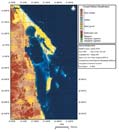
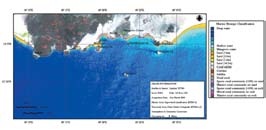
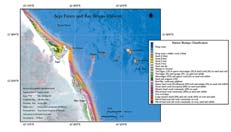
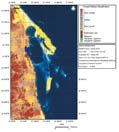
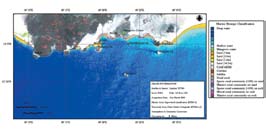
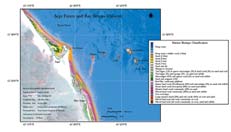
The coastal and marine habitats of the proposed marine protected areas at Dungonab Bay and
IôjõLh (¿GO°ùdG) QGµe IôjõLh ÜÉæfO è«N øe c ` áMÎYG á«MÉ°ùdGh ájôëÑdG øWGªd §FGôN TM°Vh "
Mukawwar Island (Sudan), Iles des Sept Frères (Djibouti) and Belhaf-Bir Ali (Yemen) have been
¿É°ùf') »YÉæ°üdG ôªdG Góîà°SÉH ó©H øY QÉ©°ûà°S'G ᣰSGH dPh (øª«dG) »Y ôÄH ±ÉëHh (»JÑ«L) øjNC'G
mapped by remote sensing using the satellite Landsat 7 Enhanced Thematic Mapper (ETM+).
:áãeC'G ¢©H ògh ;(IQ£YG á«Y°VYG §FGôîd 7
Some examples are shown below.
Supervised classification of Coastal Biotopes Landsat 7ETM+ satellite image of Dunganob Bay
äÉ°ùf') »YÉæ°üdG ôªdG ᣰSGH áj«G àµdG «æ°üJ .(«J) 3 ` äÉ°ùf' »YÉæ°üdG ôªdÉH ¿GO°ùdG øe IQ°U
and Mukkawar Island, Sudan (WRS 171/045 and 046, 4 June 2001).
(2001 «fj 4) ¿GO°ùdG ,QGµe IôjõLh ÜÉæfO è«N IQ°U ` (+.EG .»J ....EG-7 `
The marine habitats and biotopes of Bir Ali to Belhaf, Yemen (Landsat 7ETM+ 166/051 13 May 2000). The
øª«dG ,»Y ôÄH ±ÉëH á£æY áj«G àµdGh ájôëÑdG á«©«Ñ£dG øWGYG .(«J) 2 ` äÉ°ùf' »YÉæ°üdG ôªdÉH øª«dG øe IQ°U
west-east variation in water quality is clearly illustrated by the changing colour of the deeper water, from
É«YG ¿d Ò¨J ÓN øe ¥ô°ûdGh Üô¨dG ÚH É«YG IOL ` øjÉÑàdG IQ°üdG ô¡¶J .(2000 jÉe 13 ` ,+.EG .»J ....EG-7 ` äÉ°ùf')
darker to lighter blue, from left to right in the image.
.--ÉØdG ¥QRC'G ¤EG øcGódG ¥QRC'G øe ,᫪©dG
(2000 jÉe 13 ` ,+.EG .»J ....EG-7 ` äÉ°ùf') »JÑ«L ` ¿É«°S ¢SCGQh øjNC'G Iôjõ÷ ájôëÑdG áj«G àµdG ,(«J) 3 ` ájôëÑdG áj«G àµd ` »JÑ«L øe IQ°U
The marine biotopes of Sept Frères and Ras Siyyan Djibouti (Landsat 7ETM+ 166/051 13 May 2000).
4
4
A Workshop to Develop a National Coastal Zone Management Plan for Sudan
¿GO°ùdG a á«MÉ°ùdG WÉæªd áeɵàYG IQGOEÓd á«æWh á£N ôj£àd ªY á°TQh
PERSGA held a first workshop on ICZM for Sudan (Port Sudan, 17-19 January 2003) to discuss
WÉæªd áeɵàYG IQGOEÓd ¤hC'G ª©dG á°TQh ó©H ¿óY è«Nh ôªMC'G ôëÑdG áÄ«H Y á¶aÉëªd ᫪«bE'G áÄ«¡dG âeÉb
the database of information on coastal areas of Sudan which was prepared as a basis for the
WÉæYG øY äÉfÉ«ÑdGh äÉe©YG IóYÉb á°ûbÉæY (2003 ôjÉæj 19-17 :¿GO°ùJQH ) ¿GO°ùdG ájQ¡ªéH á«MÉ°ùdG
national ICZM for Sudan. This study includes eight chapters: a general overview of the Sudan,
.¿GO°ùdG ájQ¡ª÷ á«MÉ°ùdG WÉæªd áeɵàYG IQGOE'G á£N OGóYE' ´hô°ûªc ÉgOGóYEG " »àdG ¿GO°ùdÉH á«MÉ°ùdG
a general overview of the Red Sea State, a database of terrestrial and marine resources, eco-
:»gh ÜGHCG á«fɪK Y á°SGQódG âªà°TG óbh
nomic and developmental activities, developmental and social activities, environmental and
security pressures and threats, legislation, and recommendations.
¿GO°ùdG ájQ¡ªL øY áeÉ©dG äGô°TDYGh íeÓYG .1
The study was prepared by a team made up of scientists, university lecturers and specialists
ôªMC'G ôëÑdG áj'h øY áeÉ©dG äGô°TDYGh íeÓYG .2
from Sudan selected by PERSGA. All government and non-governmental sectors, and some
ájôëÑdGh á«°VQC'G OQGYG IóYÉb .3
national and international NGOs relevant to coastal areas were invited to attend this work-
ájªæàdGh ájOÉ°üàb'G ᣰûfC'G .4
shop to express their comments on the information collected and to participate in formu-
á«©ªàÛGh ájªæàdG ᣰûfC'G .5
lating the basic structure for the proposed National ICZM Plan for Sudan.
á«æeC'Gh á«Ä«ÑdG äGOó¡YGh ·¨°dG .6
The workshop attracted the attention of government authorities. The Opening Session was
ÚfGdGh äÉ©jô°ûàdG .7
attended by His Excellency the Minister of Science and Technology and the Closing Session
äÉ«°UàdG .8
by His Excellency the Minister of Environment and Urban Development. The Governor of the
Red Sea State attended both sessions.
ɪc ;áÄ«¡dG ᣰSGH ºgQÉ«àNG " ¿GO°ùdÉH Ú«FÉ°üNC'Gh äÉ©eÉ÷G IòJÉ°SCGh Aɪ©dG øe áÑîf á°SGQódG OGóYEÉH Éb
The workshop ended with a number of recommendations formulated under five headings:
ábÓ©dG äGP á«dhódG äɪ¶æYG ¢©Hh á«Y£dG äÉ«©ª÷Gh á«eµG ÒZh á«eµG äÉ¡÷G áaÉc IYO â"
dòch ;äÉe©e øe ¬©ªL " Ée É«M º¡JɶMÓeh º¡J É«Fôe AGóHE' ª©dG á°TQh ` ácQÉ°ûªd á«MÉ°ùdG á£æYÉH
Institutional Structure
Legislation
.¿GO°ùdG a á«MÉ°ùdG WÉæYG §«£îJh IQGOE' áMÎYG á£îd á«°SÉ°SC'G íeÓYG TM°Vh ` ácQÉ°ûYG
Environmental Awareness and Public Participation
áfÉàdGh ©dG ôjRh <É©e á«MÉààa'G á°ù÷G ô°M å«M á«eµG äÉ£°ùdG ɪàgÉH ª©dG á°TQh ⫶M óbh
Contingency Planning
.Úà°ù÷G a ôªMC'G ôëÑdG áj'h ¤Gh IOÉ©°S QÉ°T ɪc á«fGôª©dG ᫪æàdGh áÄ«ÑdG ôjRh <É©e á«eÉàÿG á°ù÷Gh
Natural Resources and Marine Protected Areas
:»g QhÉfi á°ùªN a äÉ«°UàdG øe Oó©H ª©dG á°TQh âLôN óbh
äɪ«¶æàdGh á«°ù°SDYG cÉ«¡dG
Community Participation Projects
ÚfGdGh äÉ©jô°ûàdG
Several Micro-grant projects under the SAP Public Awareness and Participation component will be imple-
á«©ªàÛG ácQÉ°ûYGh á«Ä«ÑdG á«YàdG
mented in NE and NW Somalia.
AiQG£dG á£N
ájôëÑdG äÉ«ªÙGh á«©«Ñ£dG OQGYG
Beach Sanitation and Greening (NE Somalia)
The main objective of this project is to minimize the negative impact of the different wastes accumulating along
the town beaches of Bosaso by improving the sanitation situation, establishing an adequate garbage collection
áq«Ñ©°ûdG ácQÉ°ûYG TMjQÉ°ûe
system, and the planting of trees.
ɪ°T ` dPh (»é«JGΰSE'G ª©dG èeÉfôH) ácQÉ°ûYGh áeÉ©dG á«YàdG ¿µe QÉWEG ` iô¨°üdG íæYG TMjQÉ°ûe øe ójó©dG ò«ØæJ ºàj ±°S
Translation of Environmental Knowledge into the Somali Language (NE & NW Somalia)
.Ée°üdG ÜôZ ɪ°Th ¥ô°T
These projects will provide environmental knowledge to the Somali people so that they may effectively contribute to
(Ée°üdG ÜôZ ɪ°T) ÉgÒ°îJh AWG°ûdG áë°U
environmental activities and control environmental actions in Somalia. An understanding of environmental concepts and
Ú°ù ÓN øe dPh °SÉ°SH áæjóe AWG°T OGóàeG Y äÉKYG ´GfCG J ºcGÎd »Ñ°ùdG ÒKCÉàdG «J ` ´hô°ûYG Gò¡d »°ù«FôdG ±ó¡dG ãªàj
sustainable resource use is vital to ensure future survival for them and their children.
.QÉé°TC'G áYGQRh äÉjÉØædG TMª÷ m±Éc ɶf TM°Vhh »ë°üdG TM°VdG
Mangrove Forest Conservation (NE Somalia)
This project calls for the rescue of depleted mangrove forests through protection, public awareness raising for coastal fisher-
(Ée°üdG ÜôZ ɪ°Th ¥ô°T ɪ°T) á«dÉe°üdG á¨dG ¤EG á«Ä«ÑdG ±QÉ©YG áªLôJ
men and nomadic communities, and the planting of new mangrove trees. Activities are intended to change the coastal com-
OGóàeG Y áÄ«ÑdG ` ºµëàdG ÒHGóJh á«Ä«ÑdG ᣰûfC'G ` á«dÉ©ØH áªgÉ°ùYG TM«£à°ùj å«ëH <Ée°üdG TMªàéªd á«Ä«ÑdG ±QÉ©YG ÒaJ TMjQÉ°ûYG òg í«àà°S
munity's attitudes towards these important natural forests.
.ó©H øe º¡dÉØWC'h TMªàÛG OGôaC' »Ñà°ùYG ¢û«©dG صj kÉj«M kGôeCG Èà©J OQGªd Góà°ùYG Góîà°S'Gh áÄ«ÑdG º«gÉØe ÜÉ©«à°SG ¿CG °T 'h .Ée°üdG
5
5






(Ée°üdG ¥ô°T ɪ°T) iQ°ûdG QÉé°TCG äÉHÉZ Y á¶aÉÙG
Protection of Mangroves at Saad ad Din and Aibat Islands
The primary purpose of this project is to make aware to the beneficiaries how to prevent loss of
øjOÉ«°üdG ÚH áeÉ©dG á«YàdG TMaQh ájɪG ÓN øe áaõæà°ùYG iQ°ûdG äÉHÉZ PÉfEG ¤EG ´hô°ûYG Gòg ±ó¡j
the areas of existing mangroves and how to control activities threatening their productivity. In
äÉ¡LJ Ò«¨J ¤EG ´hô°ûYG Gòg QÉWEG ` ᣰûfC'G ±ó¡Jh .Iójó÷G iQ°ûdG QÉé°TCG áYGQõHh ,ájhôdG äÉ©ªàÛGh
order to take appropriate measures, it is of the utmost importance to improve the level of
.᫪gC'ÉH º°ùàJ »àdG äÉHɨdG òg AGREG á«MÉ°ùdG äÉ©ªàÛG
environmental awareness of local authorities, fishermen, and local communities.
äÉÑ«Yh øjódG ó©°S QõL ` iQ°ûdG QÉé°TCG ájɪM
Protection of Mangroves and Turtles in NW Somalia
This project will help to conserve the mangroves and the turtles along the eastern coast of
á«Ø«ch áªFÉdG iQ°ûdG QÉé°TCÉH QGô°VE'G øe óG á«Ø«µH øjó«Øà°ùYG á«YJ ` ´hô°ûYG Gò¡d »°ù«FôdG ±ó¡dG ãªàj
NW Somalia through a comprehensive public awareness programme which takes into
øe ,áÑ°SÉæYG ÒHGóàdG PÉîJG æ°ùàj àMh .QÉé°TC'G J á«LÉàfG ójó¡J É¡fCÉ°T øe »àdG ᣰûfC'G ` ºµëàdG
account the full involvement of the local community, especially in developing and drafting a
.á«ÙG äÉ©ªàÛGh øjOÉ«°üdG ·É°ShCG `h äÉ£°ùdG iód á«Ä«ÑdG á«YàdG ià°ùe Ú°ù ¿ÉµÃ ᫪gC'G
local management plan. A series of meetings and workshops will be held for the local
communities including the fishermen, community elders, pastoral communities and local
:Ée°üdG ÜôZ ɪ°T ` ájôëÑdG MÓ°ùdGh iQ°ûdG QÉé°TCG ájɪM
government officials. In particular the project will target the five main fishing centres of
Showla, Ruguuda, Onkor, Dhagah-guduud, and Shalaw.
§ÿG OGóàeG Y ájôëÑdG MÓ°ùdGh iQ°ûdG QÉé°TCG Y á¶aÉÙG ᫪Y IófÉ°ùe g ´hô°ûYG Gòg øe ±ó¡dG
Ú©H òNCÉj áeÉ©dG á«Yàd eÉ°T èeÉfôH ò«ØæJ ÓN øe dPh ,Ée°üdG ÜôZ ɪ°T ` »bô°ûdG »MÉ°ùdG
Hodeidah Mangroves Project
ºà«°Sh .á«Ä«ÑdG IQGOEÓd á«fi á£N áZÉ«°Uh ôj£àH ©àj ɪ«a á°UÉNh »ÙG TMªàéªd áeɵdG ácQÉ°ûYG QÉÑàY'G
A grant agreement has been made between PERSGA and the Yemen Protectorates Society
TMªàÛG ` ø°ùdG QÉÑch øjOÉ«°üdG É¡«a Éà á«ÙG äÉ©ªàéªd ª©dG äÉ°TQhh äÉYɪàL'G øe á°ù°S óY
for implementing a `Conservation of Mangroves Project'. This aims to conserve and
á«°ù«FôdG ó«°üdG õcGôe ,¢U°üÿG ¬Lh Y ,´hô°ûYG ±ó¡à°ùjh .á«ÙG áeµG <Ä°ùeh ájYôdG äÉ©ªàÛGh
rehabilitate the mangroves in Hodeidah city (Yemen) and to introduce alternative use of
mangrove by the local community.
.dÉ°Th OhóL ` ÉZGOh ôµfCGh GOZQh '°T ` á°ùªÿG
IójóG á£æe ` iQ°ûdG QÉé°TCG ´hô°ûe
Shark ID Guide
äÉ«ªÙG á«©ªLh ¿óY è«Nh ôªMC'G ôëÑdG áÄ«H Y á¶aÉëªd ᫪«bE'G áÄ«¡dG ÚH áëæe ËóJ á«bÉØJG GôHEG " ód
PERSGA has designed and prepared one thousand copies of a waterproof "Shark
''
''
IOÉYEGh iQ°ûdG QÉé°TCG Y á¶aÉÙG ¤EG ´hô°ûYG Gòg ±ó¡jh iQ°ûdG QÉé°TCG Y á¶aÉÙG ´hô°ûe ò«Øæàd á«æª«dG
Identification Guide". This handy set of flip-sheets will be of great value to fisheries scientists
.á«ÙG äÉ©ªàÛG ÚH iQ°ûd ájóH äÉeGóîà°SG ÉNOEGh (øª«dÉH) IójóG áæjóe ` É¡«gCÉJ
and fisheries enumerators collecting data for stock assessment purposes. Each sheet shows
a picture of a shark and highlights the key features that distinguish it from other species.
Being printed on waterproof paper these guides can be used in the field under `fish market'
conditions or on the decks of boats at sea. Several hundred copies have already been
¢TôdG ɪ°SCG «æ°üJ
distributed to key institutions throughout the region.
.''
''
- «dódG Gò¡d ¿µ«°Sh ¢TôdG ɪ°SCG «æ°üJ «dO øe áî°ùf dCG OGóYEGh º«ª°üàH ᫪«bE'G áÄ«¡dG âeÉb
...OGóYh ájôëÑdG óFÉ°üYÉH ڪࡪd ᪫¶Y IóFÉa - Góîà°S'G ¡°Sh Aɪd IóeÉ°U á«bQh FÉë°U øe gh
New Publications
¢TôdG ɪ°SCG óMC' IQ°U í°VJ á«bQh áØ«ë°U ch .»µª°ùdG ¿hõiG ôjóàd äÉfÉ«ÑdG TMªL ¢Vô¨H ɪ°SC'G
` É¡eGóîà°SG øµª«a Aɪd IóeÉ°U FÉë°üdG ¿CG ÉÃh .iôNC'G ´GfC'G øe Égõ«" »àdG á«°ù«FôdG /É©YG ÚÑJh
The second issue of PERSGA's Technical Series was printed at the end of 2002. It is titled A Bibliography of
Oceanographic and Marine Environmental Research 1985-1998. Red Sea and Gulf of
.º«bE'G ` ᫪©dG äÉ°ù°SDYG Y É¡æe äÉÄe TMjRJ " óbh .ÜQGdG ô¡X Y hCG ɪ°SC'G É¡«a ´ÉÑJ »àdG øcÉeC'G
Aden Region. The book forms a companion edition to the publication Red Sea,
Gulf of Aden and Suez CanalA Bibliography on Oceanographic and Marine
IójóL äÉYÑ£e
Environmental Research (1775-1984) edited by Selim Marcos and Allen Varley
and published jointly by ALECSO-PERSGA and UNESCO in 1990. More than
ôëÑdG áÄ«H Y á¶aÉëªd ᫪«bE'G áÄ«¡d ᫪©dG äGQGó°UE'G á°ù°S øe ÊÉãdG QGó°UE'G áYÉÑW â"
3,200 references to scientific work on the region have been arranged
''
äÉ£«ÙG Y çÉëHCG øY É«aGôZÑH ¿GæY â 2002 ÉY ájÉ¡f ` dPh ¿óY è«Nh ôªMC'G
alphabetically by author. An extensive collection of indexes have been prepared
.''
á«bÉEG á©ÑW ÜÉàµdG µ°ûjh
¿óY è«NhôªMC'G ôëÑdG º«bEG ` 1998-1985 ájôëÑdG áÄ«ÑdGh
so that the users can search for information from a variety of entry points.
áÄ«ÑdGh äÉ£«ÙG Y çÉëHCG É«aGôZÑH :¢ùj°ùdG IÉæbh ¿óY è«Nh ôªMC'G ôëÑdG :áYÑ£ªd
These indexes include: author, subject, region, country, location, taxonomy,
,
be errors of omission and apologies are made to those whose papers have been
left out. In the future PERSGA hopes to put the work onto a computer database
that can be hosted on a website and readily updated with any missing references.
6
6
PERSGA's Training Workshop Report (2002 No.2) has also been issued. The volume Guidelines for
ôªMC'G ôëÑdG áÄ«H èeÉfôH) ᫪«bE'G áÄ«¡dG/©dGh áaÉãdGh á«HÎd á«Hô©dG ᪶æYG ÚH ¿hÉ©àdÉH 1990 ÉY ô°ûfh
Ornamental Fish Sampling, Data Collection and Analysis of the Aquarium Fish Trade runs to 172
ɪc .º«bE'G M ᫪©dG ɪYCÓd kÉ©Lôe 3200 øY ójõj ÉY »FÉ÷G Ö«JÎdÉH dDYG Éb óbh .µ°ùf«dGh (¿óY è«Nh
pages and includes not only aquarium fish identification but also the official Marine Aquarium
òg ª°ûJh .ÖfGL IóY øe äÉe©YG øY åëÑdG ¿eóîà°ùYG TM«£à°ùj å«ëH â°SQÉ¡ØdG øe áYª> OGóYEG "
Council Standards for fishery management, collection and husbandry. This volume should prove
g ɪch .á«Ld«÷G IÎØdGh ´ædGh ᫪©dG ᫪°ùàdGh TMbYGh óÑdGh á£æYGh ´°VYGh dDYG øe c â°SQÉ¡ØdG
to be very useful for all researchers and professionals involved with these the most attractive
of Red Sea fishes.
êGQOEG §°S øjòdG ÄdhC' QGòàY'G " ¬fCG ó«H ,ÉØZE'G AÉ£NCG ¢©H â©bh óa ,ºéG Gò¡H ª©d áÑ°ùædÉH ÉG
` ¬°Vô©d
with the latest edition of Al Sanbouk.
.É¡dÉØZEG " TMLGôe ...CG êGQOEÉH ¬ãjó æ°ùà«d dPh âfÎfE'G TMbGe ióMEG
:¿GæY â ᫪«bE'G áÄ«¡d á«ÑjQóàdG ª©dG äÉ°TQh ôjQÉJ á°ù°S øe 2002 É©d ÊÉãdG óÛG Qó°U ɪc
.''
''
172 ` óÛG Gòg TMjh áæjõdG ɪ°SCG a IQÉéàdG «h äÉfÉ«ÑdG TMªL ,áæjõdG ɪ°SCG äÉæ«Y òNC' äGOÉ°TQEG
Library
,ájôëÑdG áæjõdG ɪ°SCG ¢ùÛ á«ª°SôdG ÒjÉ©YG ¤EG ÉgGó©àj ÉEG ,áæjõdG ɪ°SCG «æ°üJ Y ô°üàj ' å«M áëØ°U
During the last few months PERSGA has been actively working on its library, finding the
Gòg ¿CG í°VGdG øeh .áæjõdG ɪ°SCG á«HôJh TMªL ¢ù°SCG TM°Jh ,᫵ª°ùdG IhÌdG òg IQGOEG ¤EG »eôJ »àdG ¢ù«jÉYG »gh
most effective way to collect, assemble and maintain documents, books and journals on the
.ôªMC'G ôëÑdG ` áHGò÷G áæjõdG ɪ°SCÉH ɪàg'G ...hP øe Ú°üàiGh ÚãMÉÑdG µd kGó«Øe ¿µ«°S óÛG
marine environment. Data entries are made to a database provided free from UNESCO. The
classification and cataloguing methods have been adapted from systems used by UNEP and
É©d ËJ TMjRàH ¿óY è«Nh ôªMC'G ôëÑdG áÄ«H Y á¶aÉëªd ᫪«bE'G áÄ«¡dG âeÉb ,Iójó÷G áæ°ùdG áÑ°SÉæÃh
the World Bank. "A procedures manual" has been prepared and distributed to local and
.''
''
Ñæ°ùdG ájQÉÑNE'G Iô°ûædG øe ô°ûY ¢SOÉ°ùdG Oó©dG øª°V AÉ°YC'G hódG c Y 2003
regional users. All new acquisitions are registered on the database when they arrive.
Future plans are for the library to be more accessible to regional users. A list of recent acquisitions
will be distributed to the NPC offices, and a request form will be prepared so users who are away
á`Ñ`à`µYG
from HQ can order copies of references, articles, reprints, etc... The library collection will be posted
on the website with extensive information about the references available.
TMª÷ á«YÉa ¥ô£dG ÌcCG OÉéjEÉH É¡àÑàµe ôj£J Y ª©dG Y á«°VÉYG á«dG ô¡°TC'G ÓN ᫪«bE'G áÄ«¡dG âصY
In addition to the above, and in order to improve our services, we will in the next couple of months
É¡Jôah äÉe©e IóYÉb a äÉfÉ«ÑdG ÉNOEG " óbh .ájôëÑdG áÄ«ÑdG É> a ᫪©dG äÓÛGh äÉYÑ£YGh FÉKdG ßØMh
finish establishing the library's book collection and concentrate on journals, reprints, and
` ¤hódG æÑdGh áÄ«Ñd IóëàYG ·C'G èeÉfôH a á©ÑàYG ᪶fC'G Góîà°SG " ɪæ«H ,HÉe ¿hO áÄ«¡d µ°ùf«dG ᪶æe
subscriptions to e-journals.
,áÑàµYÉH á°UÉÿG äÉ«ª©dGh äGAGôLE'G Ö«àc OGóYEG " óbh .É¡àÄ«¡J ó©H (êdÉàc) IQ°üYG ¢SQÉ¡ØdGh «æ°üàdG ¥ôW
.Ú«ª«bE'Gh Ú«ÙG Úeóîà°ùYG Y ¬©jRJh
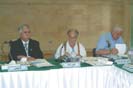
PERSGA Council Sixth Meeting Sharm el-Sheikh ( 24 October 2002)
TMjRJ ºà«°S Oó°üdG Gòg ah .»ª«bE'G ià°ùYG Y ÚÑZGôdG Ñb øe áÑàµYG Góîà°S' á°UôØdG áMÉJEG á«Ñà°ùYG §£ÿG øe
ÚÑZGôd æ°ùàj å«ëH ÖW êP OGóYEG ºà«°S ɪc èeÉfÈd Ú«æWdG Ú°ùæYG ÖJɵe Y áãjóG FÉKdGh äÉYÑ£YÉH áªFÉb
The PERSGA Council held its sixth meeting in Sharm el-Sheikh on 24 October 2002 in the presence of their
Excellencies the Ministers Members of the Council to discuss items listed in the agenda, after review of the
TMe âfÎfE'G Y áÑàµYG ¬jà Ée TM°Vd á£N Éægh .ïdG IOÉ©YG äÉ©Ñ£dG hCG ä'ÉYG ,TMLGôYG øe ï°ùf ÖW IóL áæjóe êQÉN øe
report from the Preparatory Meeting. Representatives of the Arab League, ALECSO, UNEP, UNEP-ROWA,
.áMÉàYG TMLGôYG øY á°«Øà°ùe äÉe©e
ROPME, the World Bank, IsDB, and CEDARE attended the meeting.
äÉ©Ñ£dGh ,᫪©dG äÓÛG Y õ«cÎdGh äÉYÑ£YG TMªL øe AÉ¡àf'G ºà«°S ÉÛG Gòg ` áÄ«¡dG äÉeóN Ú°ùëàdh dP ¤EG áaÉ°VE'ÉH
His Excellency, A. Tubaishat, Minister of Rural and Urban Affairs and Environment (Jordan)
.fhε«d'G ójÈdÉH ´RJ »àdG ᫪©dG äÓÛG ` GΰT'Gh IOÉ©YG
chaired the meeting. Dr. Töpfer, Executive Director of UNEP, addressed the opening session
commending the good relationship between UNEP, PERSGA and its Secretary General. He
welcomed the initiatives that PERSGA is taking to tackle environmental problems in the Red
(2002 ôHàcG 24) ï«°ûdG ô°T ` ¢SOÉ°ùdG ¬YɪàLG ó©j áÄ«¡dG ¢ù>
Sea and Gulf of Aden.
ÜÉë°UCG Q°ëH 2002 ôHàcCG 24 j ï«°ûdG ô°T áæjóe ` ¢SOÉ°ùdG ¬YɪàLG ôbYG áÄ«¡dG ¢ù> óY
The Council listened to a brief report from the Secretary General where he mentioned the
Y ´ÓW'G ó©H dPh ¬dɪYCG hóL ` áLQóYG äÉY°VYG á°ûbÉæY dPh ¢ùÛG AÉ°YCG AGQRdG <É©YG
difficulties PERSGA is facing in implementing its regular programmes, and its dependence
hódG á©eÉL øY ¿ã ´ÉªàL'G ` QÉ°T óbh .(ájò«ØæàdG ájÒ°ëàdG) ácΰûYG áæédG äÉ«°UJh ôjôJ
on the joint activities with relevant organisations, due to the lack of contributions made into
É«°SBG Üô¨d »ª«bE'G ÖàµYG ,áÄ«Ñd IóëàYG ·C'G èeÉfôH ,©dGh áaÉãdGh á«HÎd á«Hô©dG ᪶æYG ,á«Hô©dG
the PERSGA budget. He presented PERSGA's plan for a sustainable strategy to move forward from
»eÓ°SE'G æÑdG ,
of Marine Sciences in the region to complement their individual efforts. He also highlighted the SAP Mid-Term Evaluation, the
.ÉHhQhCGh »Hô©dG º«bEÓd ᫪æàdGh áÄ«ÑdG õcôeh ,᫪æàd
review of the Task Force to this report, and the recent achievements gained from SAP implementation.
7
7
á«fOQ'G ᵪYÉH áÄ«ÑdGh ájhôdGh ájóÑdG ¿Ä°ûdG ôjRh äÉ°û«ÑW ¥GRôdG óÑY QàcódG <É©e º°ùJ ´ÉªàL'G ɪYCG ájGóH `
The Council discussed at length a Memo concerning PERSGA's strategy on sustainability. This aims
ájQ¡ª÷ÉH áMÉ«°ùdGh áÄ«ÑdG ôjRh ÊÉjQ'G YG óÑY QàcódG <É©Y kÉØN á°SOÉ°ùdG ¬JQhO ` ¢ùÛG á°SÉFQ ᫪°TÉ¡dG
to produce a mechanism for funding PERSGA's future projects with the expectation of funding from
donors and the private sector, and future plans to hold a donor conference. In this context the
.(1982 áæ°ùd IóL á«bÉØJG øe Iô°ûY á©HÉ°ùdG IOÉYG ɵMC' kÉah) á«æª«dG
Secretary General asked representatives of the World Bank to give a presentation to the Council
¿hÉ©àdÉH kGó«°ûe áÄ«Ñd IóëàYG ·C'G èeÉfÈd ...ò«ØæàdG ôjóYG ,ôØHJ ¢ShÓc QàcódG á«MÉààa'G á°ù÷G ÖWÉN óbh
on the proposed donor conference. This presentation included the establishment of sustainable
É¡d ¢Vô©àj »àdG cÉ°ûYG á¡LGY áÄ«¡dG ¬dòÑJ ÉY ¬MÉ«JQG øY kGÈ©eh É©dG É¡æ«eCGh áÄ«¡dG TMe øjôªà°ùYG «°ùæàdGh
funding mechanisms for PERSGA. The Bank explained the Environmental Fund concept, and
discussed national and World Bank experience and lessons learned from the establishment of
.¿óY è«Nh ôªMC'G ôëÑdG º«bEG
such Funds, and the practical steps required to establish such a Fund for PERSGA.
øe áÄ«¡dG ¬¡LGJ ÉY ¬«a ¢Vô©J å«M «aJ QGõf QàcódG ¬eób É©dG ÚeCÓd ô°üàfl ôjôJ ¤EG ¢ùÛG TMªà°SG
Among the decisions of the Council was the unanimous agreement for the reappointment of
AÉah óY ÖÑ°ùH dPh ,á°üdG äGP äɪ¶æYG TMe ácΰûYG ᣰûfC'G Y ÉgOɪàYGh ,É¡>GôH ò«ØæJ ` Q°üb
Dr. Nizar to the position of Secretary General for another four years, which was made with
äGRÉ,EG A°V Y É¡dɪYCG áeGóà°S' á«é«JGΰSG TM°Vh ` áÄ«¡dG á£N ¿ÉHCGh .á«dÉYG É¡JÉeGõàdÉH AÉ°YC'G hódG
compliments from the Council Members on the value he had brought to the Organization.
OÉdG É©dG ` ªY á°TQh ó©d §«£îàdGh Ú¶aÉëªd ´ÉªàLG ó©d Ö«JÎdGh ,é«JGΰS'G ª©dG èeÉfôH
The Secretary General expressed his appreciation to the Council for their trust in him and
»Ø°üædG ôjôàdG ¤EG ¬JOÉ©°S QÉ°TCG ɪc .º«bE'G ` ᫪©dG ógÉ©YG ÚH eɵàdG ¢Vô¨H QÉëÑdG Y äÉ«c AGóª©d
declared his increased determination to work for the benefit of the region.
QÉWEG a â »àdG äGRÉ,E'Gh ôjôàdG Gò¡d èeÉfÈdG ªY jôa á©LGôeh ,»é«JGΰS'G ª©dG èeÉfôH ò«Øæàd
.»é«JGΰS'G ª©dG èeÉfôH ò«ØæJ
Display at the First World Conference Exhibition in Sharm El-Sheikh
±ó¡J »àdGh áeGóà°S'G « ` áÄ«¡dG á«é«JGΰSÉH á°UÉÿG IôcòYG ¢ùÛG É¡°ûbÉf »àdG äÉY°VYG ÚH øeh
October 2002, PERSGA set up a display at the First World Conference for Nature and the
ô"De ó©d Ö«JÎdGh ,¢UÉÿG ´É£dGh ÚëfÉYG øe j" TMbJ TMe áÄ«¡d á«Ñà°ùYG TMjQÉ°ûYG jªàd á«dBG OÉéjEG ¤EG
Environment held in Sharm El-Sheikh, Egypt. The PERSGA team included management and
ô"De ´°Ve ` ¢ùéªd kÉ°VôY ój ¿CG
¡ØY ¬«a ¢Vô©J áÄ«¡d áeGóà°ùe j" á«dBG AÉ°ûfEG M ¤hódG æÑdG ã ¬eób iòdG ¢Vô©dG QGO óbh .ÚëfÉYG
The display was conveniently situated at the very beginning of the exhibition hall, which was a
¤EG áLÉGh ;á«Ä«ÑdG jOÉæ°üdG AÉ°ûfEG øe IOÉØà°ùYG ¢ShQódGh
.áÄ«¡d »Ä«H ¥hóæ°U AÉ°ûfE' ᫪©dG äG£ÿGh áÄ«¡d áeGóà°ùe j" á«dBG
assembled strategically to catch the eyes and admiration of the many spectators and participants.
Bystanders enjoyed coming to the PERSGA stand where they could watch a video, pick up copies
ÚeC'G Ö°üæe ` «aJ º«gGôHG QGõf QàcódG Ú«©J ójóOE Y ´ÉªLE'ÉH áaGYG ôbYG ¢ùÛG äGQGôb øª°V øe ¿Éc óbh
of our publications, admire large posters illustrating PERSGA's involvement in regional
É©dG ÚeC'G ÈY óbh .áÄ«¡d QGõf QàcódG ¬eób Éà ôbYG ¢ùÛG AÉ°YCG c øe IOÉ°TE'G TMe iôNCG äGæ°S TMHQCG IÎØd É©dG
conservation, and take away PERSGA's complementary CD and pin after enjoying warm Red Sea
.º«bE'G LCG øe ª©dG Y kGQGô°UEG ójõ«°S dP ¿CGh ôbYG ¢ùÛG ÉjEG Ég'hCG »àdG áãdÉH RGõàYG øY
hospitality in the form of dates especially brought over to the exhibition from Jeddah.
The PERSGA display was also on show on the occasion of the opening ceremony of the Aqaba marine
national park, which was held under the auspices of His Royal Highness King Abdullah of Jordan on
(ï«°ûdG ô°T) á©«Ñ£dGh áÄ«Ñd hC'G »YÉ©dG ô"DYG ¢Vô©e ` áÄ«¡dG ìÉæL
Thursday 23 January 2003. The display consisted of PERSGA publications, CDs, and posters showing
PERSGA's activities in conservation of the Red Sea and Gulf of Aden. The visitors were appropriately
.ô°üà 﫰ûdG ô°T ` óY »àdG á©«Ñ£dGh áÄ«Ñd hC'G »YÉ©dG ô"DYG ¢Vô©e ` ìÉæéH ᫪«bE'G áÄ«¡dG âcQÉ°T 2002 ÉY øe ôHàcCG `
impressed with the exhibit.
` áÄ«¡dG ìÉæ÷ ºFÓYG TMbªd ¿Éc óbh .Iõ« IQ°üH ¢Vô©YG ìÉ,E' kGQóe kGó¡L áÄ«¡dG ìÉæL OGóYEG ` QÉ°T iòdG jôØdG òH óbh
.ô"DYG ` ÚcQÉ°ûYGh ÚLôØàYG øe Òãc ÜÉéYEGh QɶfCG ìÉæ÷G ÜòL å«M ø°ùM ôKCG ¢Vô©YG áYÉb hCG
Regional Media Workshop
GÑéYCGh ,áÄ«¡d äÉYÑ£e G©ªLh áÄ«¡dG äÉWÉ°ûf øY É«Ä«H ɪa GhógÉ°T å«M ¢Vô©YG a áÄ«¡dG ìÉæL IQÉjõH ô"DYG ±«°V TMàªà°SG ód
A Regional Media Workshop on `environmental public awareness for journalists', took place from 21-25 December
á>óe ¢UGôbCGh áÄ«¡dG QÉ©°T TMjRJ " ɪc .»ª«bE'G ià°ùYG Y ájôëÑdG áÄ«ÑdG ¿°üd áÄ«¡dG ¬H J ...òdG YÉØdG QhódG ¢ùµ©J »àdG äÉ°üYÉH
within the PERSGA-SAP framework, and existing cooperation between PERSGA and the World Bank. The main aims
.IóL øe ¢Vô©ªd kÉ°ü«°üN âÑL Q" µ°T ` ôªMC'G ôëÑdG ôµH QGhõdG ´Éàªà°SG ó©H ,äÉ°üYG ¬æY È©J ÉY ᪵J áÄ«¡d
of the workshop were to prepare a practical press kit for journalists in the region, and to establish a network so that a
perpetual exchange of national and regional environmental issues could take place on an ongoing basis, and
environmental public awareness programmes and activities could gain more media coverage. The workshop was an
(¿OQC'G) áÑ©dG õæàe ìÉààaG ØM ` áÄ«¡dG ìÉæL
opportunity to raise the awareness of regional journalists on environment concerns and to motivate them to write news with
accurate information.
óbh .2003 ôjÉæj 23 ¢ù«ªÿG j ` dPh ¿OQC'G e ádÓ÷G ÖMÉ°U ájÉYôH »æWdG áÑ©dG õæàe ìÉààaG ØM ¢Vô©e ` ìÉæéH ᫪«bE'G áÄ«¡dG âcQÉ°T
ôëÑdG áÄ«H Y á¶aÉÙG «Ñ°S ` áÄ«¡dG ᣰûfCG í°VJ »àdG äÉ°üYGh áÄ«¡dG É¡JQó°UCG »àdG á>óYG ¢UGôbC'Gh äÉYÑ£YG ¢©H ¢Vô©YG ` áÄ«¡dG ìÉæL º°V
.QGhõdG ¢SØf ` kÉæ°ùM kGôKCG ¢Vô©YG ` áÄ«¡dG ìÉæL ôJ óbh .¿óY è«Nh ôªMC'G
8
8
The main objectives of the workshop were to:
2002 Ȫ°ùjO 25-21 : IóL - Ú«Øë°üd »Ä«H »eÓYEG «dO QGó°UE' ᫪«bE'G ª©dG á°TQh
Establish an understanding of conservation in marine and coastal environments
á°TQh óY "
''
''
.2002 Ȫ°ùjO 25-21 IÎØdG ÓN IóL ` Ú«Øë°üd áeÉ©dG á«Ä«ÑdG á«YàdG M ᫪«bEG ªY
network of journalists
Prepare an outline for an Environmental Press Kit
᫪Y «¡°ùàd áµÑ°T AÉ°ûfEGh ,º«bE'G ` Ú«Øë°üd á«Ä«H áÑ«M OGóYEG g ª©dG á°TQd á«°ù«FôdG ±GógC'G âfÉc
Prepare the groundwork for journalists in the region and to generate the motivation to
¶ ób »àdG á«Ä«ÑdG ᣰûfC'Gh ,á«Ä«ÑdG á«Yàd èeGôHh ,ôªà°ùe µ°ûH ᫪«bE'Gh á«ÙG á«Ä«ÑdG TM«°VGYG OÉÑJ
write about environmental issues
.á«aÉc á«eÓYEG á«£¨àH
Press coverage of the Workshop was given by the Saudi Press Agency and by Arab News.
º¡©aOh á«Ä«ÑdG ÉjÉ°dG M º«bE'G øe Ú«Øë°üdG iód »Ä«ÑdG »YdG TMaôd Ió«L á°Uôa ª©dG á°TQh óY ¿Éc
The five-day workshop proved to be a great success. Dr Nizar Tawfiq gave a closing speech
.á«bO äÉe©Ã QÉÑNC'G ô°ûæd
where he formally announced the establishment of the media network named MERSA
(Media for the Red Sea and Gulf of Aden).
:<ÉàdG ` ª©dG á°TQd á«°ù«FôdG ±GógC'G âã"
á«MÉ°ùdGh ájôëÑdG áÄ«ÑdG ¿°U ᫪©d í°VGh º¡ØJ N
á«eÓYEG áµÑ°T AÉ°ûfEG ᫪gCGh º«bE'G ` »Ä«ÑdG ÓYE'G QhO ójó
á«Øë°U á«Ä«H áÑ« á«°ù«FQ ·£N TM°Vh
á«Ä«ÑdG TM«°VGYG øY áHÉàµd ºgõ«Øh º«bE'G ` Ú«Øë°üd ¢ù°SCG TM°Vh
á°TQd á«Øë°U á«£¨àH âeÉb ájO©°ùdG AÉÑfC'G ádÉchh R«f ÜôY áØ«ë°Uh á«ÙG áaÉë°üdG ¿CG ¤EG IQÉ°TE'G QóOE
-áÄ«¡d É©dG ÚeC'G- «aJ QGõf QàcódG PÉà°SC'G IOÉ©°S á«eÉàÿG á°ù÷G ÖWÉN óbh .É¡MÉ, âàÑKCG àdG ª©dG
.''
''
É°SÒe ¿óY è«Nh ôªMC'G ôëÑd á«eÓYE'G áµÑ°ûdG AÉ°ûfEG øY kÉ«ª°SQ øYCG å«M
9
9
á«©«Ñ£dG øWGYG ¿°U
Habitat and Biodiversity
Conservation in the Region
º«bE'G ` ...«G ´æàdGh
m
±dCÉe ÒZ ...«M ´æJ øe ¬H ¿GôNõj ÉY dPh ,kGójôah kGó©e kÉjôëH kÉ«Ld«µjEG kÉeɶf ¿óY è«Nh ôªMC'G ôëÑdG ãÁ
With its extraordinary biological diversity and remarkably high degree of endemism, the Red Sea
and Gulf of Aden represent a complex and unique tropical marine ecosystem. This narrow band
äGQÉdG ÚH kGô°ùL µ°ûj áMÓªd kÉeÉg kÉ£N «°dG »FÉYG º°ù÷G Gòg Èà©j dòc .´GfC'G ¿É£«à°SG øe TM«aQ ià°ùeh
of water is also an important shipping lane, linking the world's major oceans. Its natural coastal
ÖfÉL ¤EG ,Úæ°ùdG ±'BG OGóàeG Y Ü©°ûdG ºYO Y ª©J á«©«Ñ£dG á«MÉ°ùdG OQGe âX óbh ./É©dG ` á«°ù«FôdG
resources have supported populations for thousands of years, and nourished the development
¬«a GõJ ' ...òdG âbdG `h .É«°SBGh ÉHhQhCÉH É«jôaGh á«Hô©dG Iôjõ÷G ¬Ñ°T øe c §HôJ ájQÉOEh ájôëH máaÉãd É¡JQH
of a maritime and trading culture linking Arabia and Africa with Europe and Asia. While large
øe áOEÉædG J á°UÉNh .á«Ä«ÑdG ôWÉiG ` IOô£e IOÉjR dÉæg ¿CG q'EG ,᪫°S áÄ«ÑH º©æJ º«bE'G øe IÒÑc AGõLCG
parts of the region are still in a pristine state, environmental threats, notably from habitat
á¶aÉëªd ...Qa AGôLEG PÉîJG »Yóà°ùj ...òdG ôeC'G .çàdG øeh ·ôØe µ°ûH É¡dÓ¨à°SGh á«©«Ñ£dG øWGYG ÒeóJ
destruction, over-exploitation and pollution, are increasing rapidly requiring immediate
action to conserve and protect the region's coastal and marine environment.
.º«bEÓd ájôëÑdGh á«MÉ°ùdG áÄ«ÑdG Y
PERSGA took the initiative during the implementation of the Strategic Action Programme
¿óY è«Nh ôªMC'G ôëÑdG áÄ«H Y á¶aÉëªd ᫪«bE'G áÄ«¡dG äòîJG ,»é«JGΰS'G ª©dG èeÉfÈd Égò«ØæJ ÓN
(SAP) to study the importance of conserving regional habitats and biodiversity. It identified
á«©«Ñ£dG øWGYG ójóëàH áÄ«¡dG âeÉb PEG .º«bE'G ` ...«G ´æàdGh á«©«Ñ£dG øWGYG ¿°U ᫪gCG á°SGQóH IQOÉÑYG
the key habitats that need immediate attention to be the coral reefs, seagrass beds and
ájôëÑdG ÜÉ°ûYC'G äÉ룰ùeh á«fÉLôYG ÜÉ©°ûdG ` øWGYG òg ãªàJh ,LÉ©dG ɪàg'G ÖLà°ùJ »àdG á«°ù«FôdG
mangroves. As for the key species of concern they are reef fish, marine turtles, breeding
.ájôëÑdG äÉ«jóãdGh Q«£dGh MÓ°ùdGh ÜÉ©°ûdG ɪ°SCG ` á«°ù«FôdG ´GfC'G ãªàJ ɪæ«H .iQ°ûdG QÉé°TCGh
seabirds and marine mammals.
''
É¡dhCG :»é«JGΰS'G ª©dG èeÉfôH QÉWEG `
''
...«G ´æàdGh á«©«Ñ£dG øWGYG ¿°U ¿µY ±GógCG á©HQCG Éæg
The Habitats and Biodiversity (HBC) component of the SAP has four objectives. First, to train
»ª«bE'Gh »æWdG Újà°ùYG Y ...«G ´æàdGh á«©«Ñ£dG øWGYG Y á¶aÉÙG LCG øe äGQódG AÉæHh ÖjQóàdG
and build the capacity for conserving habitats and biodiversity within the Red Sea and Gulf
of Aden (RSGA) region. Second, to develop regional conservation plans for turtles, seabirds
äÉ«jóãdGh Q«£dGh MÓ°ùdG Y ᫪«bE'G á¶aÉÙG §£N ôj£J É¡«fÉKh .¿óY è«Nh ôªMC'G ôëÑdG º«bEG `
and marine mammals. Third, to develop regional conservation plans for key habitats, such as
ÜÉ©°ûdG ãe á«°ù«FôdG á«©«Ñ£dG øWGYG Y ᫪«bE'G á¶aÉÙG §£N ôj£J ¡a ådÉãdG ±ó¡dG ÉeCG .ájôëÑdG
mangroves, seagrass beds and coral reefs. And the fourth objective is to establish the legal
ÚfGdGh äÉ°SÉ«°ùd QÉWEG IQH ` TMHGôdG ±ó¡dG ãªàjh .ájôëÑdG ÜÉ°ûYC'G äÉ£ë°ùeh iQ°ûdG QÉé°TCGh á«fÉLôYG
and policy framework for the conservation of habitats and biodiversity.
....«G ´æàdGh á«©«Ñ£dG øWGYG Y á¶aÉëªd áeRÓdG
In order to meet these objectives, HBC developed a strategy consisting of five steps. Step one
ªà°ûJ á«é«JGΰSG OGóYEÉH ...«G ´æàdGh á«©«Ñ£dG øWGYG ¿°U ¿µe Éb óa ,±GógC'G òg AÉØ«à°SG æ°ùàj àMh
is to standardize the survey methodology. Before evaluating the current status of marine
habitats and biodiversity within the RSGA region, surveys must be undertaken that are
á«©«Ñ£dG øWGªd øgGôdG TM°VdG º««J Ñbh ,¬fCG PEG .í°ùYG á«é¡æe ó«MJ ` ¤hC'G I£ÿG ãªàJh .äG£N ¢ùªN Y
comparable in extent, nature, detail and output. Standardizing the survey methodology is essential
'h .É¡JÉéàæeh É¡«°UÉØJh É¡à©«ÑWh É¡à«dª°T ` áfQÉYÉH º°ùàJ äÉM°ùe AGôLEG »¨Ñæj ,º«bE'G ` ...«G ´æàdGh ájôëÑdG
to allow comparison of data across the region, and for the formulation of conservation efforts that
á¶aÉÙG O¡L TM°Vh øe øuµÁh ,º«bE'G OGóàeG Y äÉe©YG áfQÉe í«àj kÉ«°SÉ°SCG kGôeCG Èà©j í°ùYG á«é¡æe ó«MJ ¿CG °T
are regionally applicable. The first step in this process was the development of the "Guide for
á«°ù«FôdG ´GfC'Gh á«©«Ñ£dG øWGªd óMYG í°ùYG Ö«dÉ°SCG «dO OGóYEG »g ᫪©dG òg ` ¤hC'G I£ÿG âfÉch .kÉ«ª«bEG áªFÓYG
Standard Survey Methods for Key Habitats and Key Species (SSM) in the PERSGA Region" to be used
in these surveys. PERSGA has accomplished this by reviewing currently used methods and drafting
q
ºK øeh kÉ«dÉM áeóîà°ùYG Ö«dÉ°SC'G á©LGôe ÓN øe ᪡YG òg áÄ«¡dG äõ,CG óbh .äÉM°ùYG J ` ¬eGóîà°S' ,º«bE'G `
contextual SSMs in each of the relevant fields: sub-tidal, coral reefs, seagrass beds, inter-tidal,
ÜÉ°ûYC'G äÉ룰ùeh á«fÉLôYG ÜÉ©°ûdGh ,ájQõL óYG á£æYG ãe :á°üdG äGP ä'ÉÛG øe mµd IóMe í°ùe Ö«dÉ°SCG áZÉ«°U
mangroves and their associated fauna, as well as for important groups such as reef fish, marine
äÉ«jóãdGh ÜÉ©°ûdG ɪ°SCG ãe áeÉ¡dG äÉYªéªd áÑ°ùædÉH dòch ,É¡H á£ÑJôYG á«fG«G äÉYªÛGh iQ°ûdG QÉé°TCGh ájôëÑdG
mammals, marine turtles and seabirds.
.ájôëÑdG Q«£dGh MÓ°ùdGh
The second step is to train regional specialists on using the SSMs. During the last three years,
¿°Z `h .IóMYG í°ùYG Ö«dÉ°SCG Góîà°SG Y º«bE'G øe Ú«FÉ°üNC'G ÖjQóJ ±ó¡à°ùJ âfɵa á«fÉãdG I£ÿG ÉeCG
more than 100 specialists from the entire region have been trained by PERSGA through
jôW øY AG°S ᫪«bE'G áÄ«¡dG ᣰSGH º«bE'G øe »FÉ°üNCG áFÉe øe ÌcCG ÖjQóJ " ,á«°VÉYG äGæ°S çÓãdG
training courses and on-the job- training during the field surveys.
.á«fGó«YG äÉM°ùYG AÉæKCG ª©dG ¢SCGQ Y ÖjQóàdG hCG á«ÑjQóàdG äGQhódG
The third step is to conduct regional surveys, and so far fourteen surveys have been
º««J ±ó¡H º«bE'G ` ¿B'G àM kÉë°ùe 14 AGôLEG " PEG ;᫪«bEG äÉM°ùe AGôLEG ` áãdÉãdG á£ÿG ãªàJh
conducted within the region in order to evaluate the present status of natural habitats
and species. Besides the success of conducting such surveys, one aspect that PERSGA
¿EÉa ,äÉM°ùYG òg AGôLEG ` ¬« " ...òdG ìÉéædG øY kÓ°ah .´GfC'Gh á«©«Ñ£dG øWGªd øgGôdG TM°VdG
was particularly proud of is that the surveys were carried out by regional specialists.
áÄ«¡d áÑ°ùædÉH RGõàY'Gh ôîØdG »MGf óMCG Èà©j äÉM°ùYG òg AGôLEÉH º«bE'G øe Ú«FÉ°üNC'G É«b
Furthermore, all the national specialists were very confident and showed interest in
` áÑZôdG Ghô¡XCG ɪc ,º¡°ùØfCG ` káK Ú«æWdG Ú«FÉ°üNC'G áaÉc ióHCG óa ,dP ¤EG káaÉ°VEGh .᫪«bE'G
carrying out similar monitoring in their countries in the future.
.kÓÑà°ùe º¡fGóH ` áKÉ ó°UQ äÉ«ªY AGôLEG
The fourth step in the strategy is to prepare conservation plans. The National Status
,øgGôdG TM°Vd á«æWdG ôjQÉàdG äOCG óbh .á¶aÉÙG §£N OGóYEG »g á«é«JGΰS'G òg ` á©HGôdG I£ÿG Èà©Jh
Reports developed from the surveys have provided PERSGA with useful information on the
present status of the habitats and species within the region. Regional Reports have been developed (some only in draft form)
ôjQÉàdG OGóYEG " ɪc .º«bE'G ` ´GfC'Gh á«©«Ñ£dG øWGªd øgGôdG TM°VdG M Ió«Øe äÉe©Ã ᫪«bE'G áÄ«¡dG ójhõJ ¤EG ,äÉM°ùYG J øY â°î" »àdG
and these will form the basis for the Regional Conservation Plans, which will be developed later this year.
.áæ°ùdG òg øe M' âbh ` ÉgOGóYEG ºà«°S »àdG ,᫪«bE'G á¶aÉÙG §£ÿ ¢SÉ°SC'G kÉ©e µ°ûJ ±°Sh (IO°ùe ᨫ°U ` Gõj ' É¡°©H ¿CÉH kɪY) ᫪«bE'G
10
10
The final step of course is implementing the conservation plans and this is usually the most difficult
±ó¡à°ùJ á£N ...C' áÑ°ùædÉH áH©°U ÌcC'G I£ÿG kIOÉY »gh ,á¶aÉÙG §£N ò«ØæJ ` TMÑ£dÉH IÒNC'G I£ÿG ãªàJh
part for any conservation initiative. However, PERSGA took the crucial step of implementing
Ñb àM á¶aÉÙG á£N ` áeÉ¡dG ô°UÉæ©dG ò«ØæàH ᪰SÉG I£ÿG äòîJG ób âfÉc ᫪«bE'G áÄ«¡dG ¿CG ó«H .á¶aÉÙG
the important elements of the conservation plan even before developing the plans. Several
ª°ûJh .I£ÿG ò¡d ÉgôjóJ øY áªàÙG áëfÉYG äÉ¡÷Gh á«dhódG äÉ¡÷G øe ójó©dG âHôYCG óbh .§£ÿG ôj£J
international agencies and potential donors appreciated this step. These elements include
¢V¡ædGh á«æWdG á«Ä«ÑdG äÉ°ù°SDYGh º«bE'G øe Ú«FÉ°üNC'G äGQób AÉæH øe c Égò«ØæJ " »àdG ô°UÉæ©dG
capacity building of regional specialists and national environmental institutes, and raising
the level of public awareness.
.É©dG »YdG ià°ùÃ
Regional Survey for Key Habitats and Key Species
á«°ù«FôdG ´GfC'Gh á«©«Ñ£dG øWGªd »ª«bE'G í°ùYG
Regional Coral Reef Survey
A coral reef survey took place from April to June 2002 using regional team leaders and
national specialists trained by PERSGA last year. The surveys started in Saudi Arabia, and
á«fÉLôYG ÜÉ©°ûd »ª«bE'G í°ùYG
took place in Egypt, Yemen, Djibouti, and Sudan. The three regional consultants visited
᫪«bE'G ¥ôØd ¿jOÉ«dG É¡H Éb 2002 «fj ¤EG jôHCG øe IÎØdG ` ÜÉ©°ûd »ª«bEG í°ùe AGôLEG " ód
PERSGA HQs in Jeddah to discuss the survey programme with the HBC LS and to conduct
ᵪYG ` äÉM°ùYG òg äCGóHh .ô°üæYG É©dG ` º¡ÑjQóàH ᫪«bE'G áÄ«¡dG âeÉb øjòdG ¿«æWdG ¿«FÉ°üNC'Gh
the survey on some of the offshore islands near Jeddah, Farasan Island and on the Al-Wajh
áÄ«¡dG ôe IQÉjõH áKÓãdG ¿«ª«bE'G ¿hQÉ°ûà°ùYG Ébh .¿GO°ùdGh »JÑ«Lh øª«dGh ô°üe ` ºK ájO©°ùdG á«Hô©dG
Archipelago. In Djibouti three trainees and two specialists participated in the ReefCheck
,...«G ´æàdGh á«©«Ñ£dG øWGYG ¿°U ¿µY ...OÉ«dG »FÉ°üNC'G TMe äÉM°ùYG èeÉfôH á°ûbÉæY IóL ` ᫪«bE'G
training and coral reef habitat surveys. Offshore islands and coastal areas were surveyed over
a period of six days. In Sudan the ReefCheck programme was conducted during the period
QÉ°T »JÑ«L `h .¬LdG «ÑNQCGh ¿É°Sôa QõLh IóL áæjóà A»WÉ°ûdG øY Ió«©ÑdG Qõ÷G ¢©H ` í°ùYG AGôLE'h
25-31 May. Two regional consultants and two national specialists spent the whole period at
(Reef Check)
äÉM°ùeh
á«fÉLôYG ÜÉ©°ûdG í°ùe M á«ÑjQóàdG IQhódG ` Ú«FÉ°üNC'G øe ¿ÉæKGh ÚHQóàe áKÓK
sea and surveyed the five most sensitive sites - Sanganeb Atoll, Winget reef, Towartit reef,
ójõj Ée ÓN á«MÉ°ùdG WÉæYGh A»WÉ°ûdG øY Ió«©ÑdG Qõ÷G øe c í°ùe "h .á«fÉLôYG ÜÉ©°ûd á«©«Ñ£dG øWGYG
Suakin reef and Tala Tala Archipelago. In Yemen the coral reef survey focussed on the Yemeni
(Reef Check)
Ébh .jÉe 31-25 øe IÎØdG ÓN
ÜÉ©°ûdG í°ùe èeÉfôH iôLCG óa ,¿GO°ùdG ` ÉeCG .ÉjCG áà°ùdG øY
Red Sea coast. A complementary ReefCheck survey was carried out in Socotra by the Environment
TMbGªd í°ùe AGôLEG " å«M ôëÑdG ` IÎØdG òg AÉ°H Ú«æWdG Ú«FÉ°üNC'G øe ¿ÉæKGh ¿É«ª«bEG ¿GQÉ°ûà°ùe
Protection Authority. The result of this survey, the "Regional Coral Reef Status Report for the
PERSGA Region" was published in the World Coral Reef Status Report. Copies of this report will be
õcôJ ,øª«dG `h .ÓJÓJ «ÑNQCGh øcG°S ÜÉ©°Th â«JQGJ ÜÉ©°Th â«,h ÜÉ©°Th Ö«ææ°S :á«°SÉ°ùM ÌcC'G á°ùªÿG
distributed to the region and the report was hosted at the website:
í°ùe AGôLEÉH áÄ«ÑdG ájɪ áeÉ©dG áÄ«¡dG É«b dP Jh .ôªMC'G ôëÑdG Y »æª«dG MÉ°ùdG Y á«fÉLôYG ÜÉ©°ûdG í°ùe
http://www.aims.gov.au/pages/research/coral-bleaching/scr2002/scr-00.html
(Reef Check)
.iô£b°S IôjõL `
ÜÉ©°ûdG í°ùe ÓN øe »«ªµJ
''
''
Regional Survey for Breeding Seabirds
...òdGh ¿óY è«Nh ôªMC'G ôëÑdG º«bEG ` á«fÉLôYG ÜÉ©°ûd øgGôdG TM°Vd »ª«bE'G ôjôàdG í°ùYG Gòg èFÉàf øe ¿Éc ód
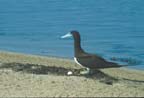
The importance of the Red Sea and the Gulf of Aden region for seabirds is undeniable as several endemic
The World Coral Reef Status Report
Y ôjôàdG TM°Vh " óbh ,º«bE'G ` ôjôàdG Gòg øe ï°ùf ´RJ ±°Sh.
` ô°ûf "
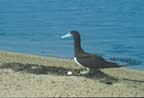
species survive here including the White-eyed gull Larus leucophthalmus, Red-billed tropicbird Phaeton
:<ÉàdG âfÎfE'G TMbe
aethereus indicus, Spoonbill Platalea leucorodia archeri and Brown noddy Anous stolidus plumbeigularus. A
http://www.aims.gov.au/pages/research/coral-bleaching/scr2002/scr-00.html
further group is endemic to the north west Indian Ocean area, and important sub-populations of many of
these breed in the RSGA region such as Jouanin's Petrel Bulweria fallax, Sooty gull Larus hemprichii, Swift tern
Sterna bergii velox, White-cheeked tern Sterna repressa and the Socotra Cormorant Phalacrocorax nigrogularis.
ájôëÑdG Q«£d »ª«bE'G í°ùYG
However, the status of these populations and other seabirds breeding in this region were not known and the
` ¢û«©J áæWà°ùYG ´GfC'G øe ójó©dG ¿CGh ɪ«°S ' ,ájôëÑdG Q«£d áÑ°ùædÉH ¿óY è«Nh ôªMC'G ôëÑdG º«bEG ᫪gCG ` m°T áªK óLj '
majority of information currently available is from results of short surveys carried out one to three decades ago.
(Brown noddy Anous stolidus plumbeigularus)
dÉægh .
»æÑdG ¬HC'Gh á©e HCGh ¢SÉ£¨dGh ºî°SC'G ¢SQædG É¡«a Éà ,á£æYG òg
A standard survey methodology was developed by PERSGA to estimate regional population sizes and evaluate the
ôªG ôëÑdG º«bEG ` É¡æe ójó©d áeÉ¡dG á«YôØdG äÉYªÛG ÖfÉL ¤EG ,...óæ¡dG §«ÙG øe »Hô¨dG ɪ°ûdG á£æe øWà°ùJ iôNCG áYª>
importance of sites, in order to produce a conservation action plan for the seabirds in the region. Training of national
(Sterna
(swift tern)
(Bulweria fallax)
óÿG AÉ°«H áæ°TôÿGh
á«aÉ£ÿG áæ°TôÿGh ºî°SC'G ¢SQædGh
»à«fG÷G AædG ôFÉW ãe ¿óY è«Nh
seabird specialists built the capacity of local experts in seabird identification and developed a network among the seabird
(Phalacrocorax nigrogularis)
repressa)
ájôëÑdG Q«£dh äÉYªÛG ò¡d áÑ°ùædÉH ±hô©e ÒZ øgGôdG TM°VdG ¿CG ó«H .
iô£°ùdG ¥É¨dGh
specialists in the region. The training was conducted in the Farasan Islands protected area, Saudi Arabia, between 1-9 June
.äGæ°ùdG øe øjóY hCG óY Ñb ÉgDhGôLEG " IÒ°üb äÉM°ùY áé«àf âfÉc áMÉàYG äÉe©YG ÖZCG ¿CG ɪc ;á£æYG òg ` ôKɵàJ »àdG iôNC'G
2002. The course was organized with the Training Center for Natural Resources Conservation at the National Commission
for Wildlife Conservation and Development (NCWCD), Saudi Arabia.
º««Jh ᫪«bE'G äÉYªÛG OGóYCG ôjóJ ±ó¡H í°ùªd IóMYG á«é¡æYG ôj£àH ¿óY è«Nh ôªMC'G ôëÑdG áÄ«H Y á¶aÉëªd ᫪«bE'G áÄ«¡dG âeÉb
AÉæH ` Ú«æWdG ájôëÑdG Q«£dG »«FÉ°üNCG ÖjQóJ ±óg ã" óbh .º«bE'G ` ájôëÑdG Q«£dG Y á¶aÉëªd ªY á£N IQH LCG øe TMbGYG ᫪gCG
.º«bE'G ` Ú«FÉ°üNC'G øe áµÑ°T AÉ°ûfEGh ájôëÑdG Q«£dG «æ°üJ É> ` Ú«ÙG AGÈÿG äGQób
11
11

.2002 «fj 9-1 øe IÎØdG ÓN ,ájO©°ùdG á«Hô©dG ᵪYÉH ¿É°Sôa QõéH ᫪ÙG á£æYG ` ÖjQóàdG AGôLEG " óbh
At this course ten regional trainees were coached. PERSGA then sponsored regional specialists to
conduct surveys and to train more national specialists in seabird monitoring. These surveys were
É¡FÉEGh ájô£ØdG IÉ«G ájɪ á«æWdG áÄ«¡d TMHÉàdG á«©«Ñ£dG OQGYG ÖjQóJ õcôe TMe ¿hÉ©àdÉH ÖjQóàdG º«¶æJ " PEG
conducted in June and July 2002. During these surveys the White-cheeked terns were recorded
Ú«ª«bEG Ú«FÉ°üNCG ájÉYôH ᫪«bE'G áÄ«¡dG âeÉb ºK .º«bE'G øe ÚHQóàe Iô°ûY IQhódG òg øe OÉØà°SGh .ᵪYÉH
breeding in Djibouti for the first time and with high numbers in Sudan and Yemen. However,
âjôLCG óbh .ájôëÑdG Q«£dG ó°UQ Ö«dÉ°SCG Y Ú«æWdG Ú«FÉ°üNC'G øe ójõYG ÖjQóJh º«bE'G ` äÉM°ùe AGôLE'
the Bridled, White-cheeked, and Lesser-crested terns were the most common terns in the
ôKɵJ ä'ÉM ,Iôe hC'h ,»JÑ«L ` âé°S ,äÉM°ùYG òg ÓNh .2002 ÉY øe «djh «fj ` äÉM°ùYG òg
region. Additionally the breeding colonies of the Swift terns were probably smaller than
(white-cheeked terns)
¿GO°ùdG ` Q«£dG òg øe IÒÑc OGóYCG kÉ°jCG dÉægh .
óÿG AÉ°«H áæ°TôÿG Q«£d
expected. Other species like the Masked boobies were found breeding around the southern
(bridled)
Red Sea, whereas the Brown boobies were breeding on most islands of the Red Sea and all
.º«bE'G ` kÉY«°T ÌcC'G ´GfC'G »g IÒ¨°üdG áLàYGh ,óÿG AÉ°«Hh
á©æYG áæ°TôÿG ¿CG q'EG .øª«dGh
year round. From these surveys a set of national inventories were developed which include
ôFÉW ãe ,iôNCG ´GfCG dÉægh .kÉ©bàe ¿Éc ɪY kGÒãc J áæ°TôÿG ódGJ äGôª©à°ùe ¿EÉa dP ¤EG káaÉ°VEGh
the current status and threats to the seabird populations. Additionally, these reports were
(masked boobies)
¢û«WC'G ôFÉW óLh ɪæ«H ,ôªMC'G ôëÑdG ÜæL ` ôKɵJ ádÉM ` äóLh ,
TMæYG ¢û«WC'G
compiled into a regional inventory that gives an estimate of the population sizes of the
(brown boobies)
different seabirds species and presents recommendations for conserving the breeding
" äÉM°ùYG òg ÓN øeh .áæ°ùdG OGóàeG Yh ôªMC'G ôëÑdG QõL ÖZCG ` ôKɵàj
»æÑdG
seabird populations in the region.
Q«£dG OGóYCG É¡d ¢Vô©àJ »àdG ôWÉiGh øgGôdG TM°VdG ⪰T »àdGh á«æWdG ºFGdG øe áYª> OGóYEG
ájôëÑdG Q«£dG ´GfCG ºé äGôjóJ ÚÑJ ᫪«bEG áªFÉb øª°V ôjQÉàdG òg TMªL " ,dP ¤EG káaÉ°VEGh .ájôëÑdG
Regional Survey for Mangrove
.º«bE'G ` Q«£dG äÉYª> Y á¶aÉÙG ¿CÉ°ûH äÉ«°UJ óJh áØàiG
Regional mangrove surveys were conducted in Sudan, Djibouti, and Yemen in June and July
2002 in order to develop a regional report on the status of mangrove habitats in the RSGA
region. One regional consultant was hired to conduct the surveys in Sudan, Djibouti, and
iQ°ûdG QÉé°TC' »ª«bE'G í°ùYG
Yemen. He was assisted by six national specialists who were trained earlier in March on the
ÉY øe «djh «fj ` dPh øª«dGh »JÑ«Lh ¿GO°ùdG øe c ` iQ°ûdG QÉé°TC' ᫪«bEG äÉM°ùe AGôLEG " ód
SSM for inter-tidal and mangrove habitats.
.¿óY è«Nh ôªMC'G ôëÑdG º«bEG ` iQ°ûdG QÉé°TCG øWGY øgGôdG TM°VdG M »ª«bEG ôjôJ OGóYEG ±ó¡H 2002
áà°S QÉ°ûà°ùYG Gòg óYÉ°ùj ¿Éch .øª«dGh »JÑ«Lh ¿GO°ùdG ` äÉM°ùYG AGôLE' óMGh »ª«bEG QÉ°ûà°ùe øe óbÉ©àdG "h
Regional Survey for Marine Turtles
ájóYG â øWGªd áÑ°ùædÉH IóMYG í°ùYG Ö«dÉ°SCG Y ¢SQÉe ô¡°T ` HÉ°S âbh ` º¡ÑjQóJ " Ú«æWh Ú«FÉ°üNCG
Marine turtle surveys were conducted in two countries in 2002, Saudi Arabia and Yemen, in
October and November respectively. Surveys for other countries will take place in 2003 due to the
øe »ÑàYG Aõ÷G Óà°SG TMbàYG øeh ,2002 Ȫ°ùjO ` í°ùYG ôjôJ øe AõL AÉ¡fEG øµeCG óbh .iQ°ûdG QÉé°TCG øWGeh
seasonal breeding time of the turtles. The results will form the basis of the Regional Conservation
.2003 ôjÉæj ájÉ¡f ` ôjôàdG
Plan for Marine Turtles in the RSGA region. Two national consultants were hired to conduct these
surveys in their countries; three national specialists, trained at the regional training course on the
ájôëÑdG MÓ°ùd »ª«bE'G í°ùYG
SSM for Marine Turtles in December 2000, are assisting each consultant.
dPh ,øª«dGh ájO©°ùdG á«Hô©dG ᵪYG ɪg ,áæ°ùdG òg ÓN øjóH ` ájôëÑdG MÓ°ùdG äÉM°ùe AGôLEG "
In Saudi Arabia the survey was carried out in close coordination with the National Commission for
k
Éah 2003 ÉY ` iôNC'G ¿GóÑd áÑ°ùædÉH äÉM°ùYG AGôLEG õà©YG øeh .
MÓ°ùdG ¿°üd ᫪«bE'G á£îd kÉ°SÉ°SCG äÉM°ùYG òg èFÉàf µ°ûà°Sh .ájôëÑdG MÓ°ùdG ódGJ º°SGY
Ras Baridi, Ras Alaquqe and Farasan Island on the Red Sea coast during the period 27
J AGôLEÉH É«d ÚæKG Ú«æWh øjQÉ°ûà°ùe TMe óbÉ©àdG " óbh .¿óY è«Nh ôªMC'G ôëÑdG º«bEG ` ájôëÑdG
September to 14 November 2002.
᫪«bE'G á«ÑjQóàdG IQhódG ` kÉÑjQóJ GJ ø ,Ú«æWh Ú«FÉ°üNCG áKÓK «°S ɪc ;ɪ¡jóH ` äÉM°ùYG
In Yemen, the survey was carried out with the Environmental Protection Authority
.ɪ¡æe QÉ°ûà°ùe µd áeRÓdG IóYÉ°ùYG ËóàH ,2000 Ȫ°ùjO ` ájôëÑdG MÓ°ùd óMYG í°ùYG Ü°SCG M
(EPA). The survey was conducted on Ithmoon-Ras Sharma and Bir Ali Belhaf beaches.
Fieldwork was undertaken on the nesting beaches to count nesting females, pits, eggs,
øe kÓc í°ùYG £Zh .¢VÉjôdÉH É¡FÉEGh ájô£ØdG IÉ«G ájɪ á«æWdG áÄ«¡dG TMe «KdG ¿hÉ©àdÉH í°ùYG AGôLEG " ájO©°ùdG á«Hô©dG ᵪYG `h
and dead turtles. During the surveys in these two countries, on-the-job-training was
.2002 Ȫaf 14 ¤EG ȪàÑ°S 27 øe IÎØdG ÓN dPh ,ôªMC'G ôëÑdG MÉ°S Y ¿É°Sôa QõLh «Y ¢SCGQh ,...ójôH ¢SCGôH áfÉ°G AWG°T
held for team members, particularly in use of the SSM for measuring morphometric
data and the tagging process for marine turtles. In Yemen, volunteers from several
.»Y ÒH ±ÉëHh Éeô°T ¢SCGQ AWG°T ` í°ùYG iôL PEG .áÄ«ÑdG ájɪ áeÉ©dG áÄ«¡dG TMe ¿hÉ©àdÉH í°ùYG AGôLEG " ,iôNC'G á«MÉædG øe ,øª«dG `h
NGOs and schools were encouraged to take part in the training programme and
` äÉM°ùYG ÓNh .áfÉ°G AWG°T ` áà«YG MÓ°ùdGh ¢«ÑdG OGó©Jh ¢«ÑdG ôØMh áfÉ°G ádÉM ` çÉfE'G OGóYCG òNCG ` ÊGó«YG ª©dG ã"h
participate in the beach surveys.
á«FÉ«MC'G áj«æÑdG äÉe©YG ¢SÉ«d óMYG í°ùYG Ü°SCG Góîà°SG M á°UÉNh ,í°ùYG jôa AÉ°YC' ª©dG ¢SCGQ Y ÖjQóJ AGôLEG " ,øjóÑdG øjòg
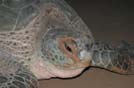
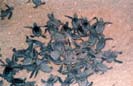
The surveys confirmed that two species of marine turtles breed in the region, the Green Turtle
èeÉfÈdG ` ácQÉ°ûªd ¢SQGóYG ÜÓW øeh á«eµM ÒZ äɪ¶æe IóY øe ÚY£àYG TM«é°ûJ " ,øª«dG `h .ájôëÑdG MÓ°ùdG Y äÉeÓ©dG TM°Vh ᫪Yh
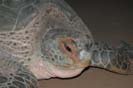
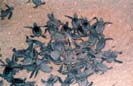
(Chelonia mydas) and the Hawksbill (Eretmochelys imbricata). More than 66 female green turtles were tagged this year and
.AWG°ûdG äÉM°ùe AGôLEGh »ÑjQóàdG
for the first time the PERSGA turtle tags were used in the region.
" PEG .ô°üdG QÉæe äGP MÓ°ùdGh AGô°ÿG MÓ°ùdG :ɪg º«bE'G ` ¿GôKɵàj ájôëÑdG MÓ°ùdG øe ¿ÉYf dÉæg ¿CG ¤EG äÉM°ùYG òg â°üNh
.º«bE'G ` Iôe hC' ᫪«bE'G áÄ«¡dG äÉeÓY âeóîà°SG óbh ,áæ°ùdG òg ÓN AGô°ÿG MÓ°ùdG øe ãfCG 66 øe ÌcCG Y äÉeÓY TM°Vh
12
12
F u t u r e
äÉWÉ°ûædG
Activities
á``«``Ñ`à°ùYG
The First Meeting of Governors of Coastal Cities on the Red Sea and Gulf of Aden
¿óY è«Nh ôªMC'G ôëÑdG Y á«MÉ°ùdG ¿óYG »¶aÉÙ ´ÉªàLG hCG
¿É°ùfE'G á«gÉaQh á°û«©YG ià°ùe TMaQ LCG øe ᫪æJ èeGôH ¤EG êÉà »àdG á«eÉædG hódG øe Èà©J º«bE'G hO ¿CG ©YG øe
It is well known that the countries of the region are developing countries which need
developmental projects to raise the standard of living of their inhabitants and to alleviate
¢©H ` ¬fCG 'EG ,ÉÛG Gòg ` kGÒÑc kÉMÉ, âM ób á«MÉ°ùdG äɶaÉÙG øe ójó©dG ¿CG øe ºZôdÉHh .ôØdG Y AÉ°dGh
poverty. A number of coastal states in the region have made progress in this respect. However,
.«¨°ûàdGh ò«ØæàdG MGôe hCG §«£îàdG MGôe ` dP ¿Éc AG°S »Ä«ÑdG ó©ÑdG ájªæàdG èeGÈdG ´GôJ / ä'ÉG
in some cases these developmental programmes did not take into consideration
áæjóe ` ¿óY è«Nh ôªMC'G ôëÑdG Y á«MÉ°ùdG ¿óYG »¶aÉÙ ´ÉªàLG hCG ó©H ᫪«bE'G áÄ«¡dG à°S dòd
environmental aspects either in their planning or implementation phases.
.2003 ¢SQÉe 3-1 IÎØdG ÓN IóL
For this reason PERSGA will organise, in Jeddah, the first meeting for governors of coastal
cites on the Red Sea and Gulf of Aden during the period 1-3 March 2003. The objectives of
` á«MÉ°ùdG äɶaÉÙG äÉLÉ«àMGh ;á«MÉ°ùdG WÉæYG ` á«Ä«ÑdG cÉ°ûYG Y ±ô©àdG ¤EG ´ÉªàL'G Gòg ±ó¡jh
the meeting include:
É> ` äɶaÉÙG òg äGQób Y ±ô©àdG ¤EG áaÉ°VE'ÉH ,ÖjQóàdGh ájôëÑdGh á«MÉ°ùdG áÄ«ÑdG ájɪM É>
recognizing environmental problems in coastal areas in PERSGA countries,
.á«Ä«ÑdG áHÉbôdG
recognizing the needs of coastal governorates in the field of marine and coastal
` äÉ«ÙGh äɶaÉÙG QhO «©ØJ Ñ°Sh ,É¡JÉWÉ°ûfh áÄ«¡dÉH Ú¶aÉÙG IOÉ°ùdG jô©àH ª©dG á°TQh à°S ɪc
environmental protection,
á«MÉ°ùdG äɶaÉÙGh áÄ«¡dG ÚH ¿hÉ©àdG ᫪æàd áÑ°SÉæYG ôWC'G ìGÎbGh ,á«©«Ñ£dG ÉgOQGeh áÄ«ÑdG ájɪM
recognizing the needs of the coastal governorates in training,
recognizing the capacity of coastal governorates in environmental monitoring,
»ª«bE'G eɵàdGh ¿hÉ©àdG ᫪æJh ,á«Ä«ÑdG IQGOE'G É> ` áÄ«ÑdG ¿Ä°T øY ádÄ°ùYG ájõcôYG á«eµG äÉ°ù°SDYGh
informing the governors about PERSGA and its activities,
.á«MÉ°ùdG WÉæªd áeɵàYG IQGOE'G É> `
activating the role of governors in the protection of the environment and its natural resources,
suggesting appropriate ways of developing cooperation between PERSGA, coastal
governorates and the central government institutions responsible for environmental affairs
in the field of environmental management, and
¿Ó`````YEG
developing regional cooperation in the field of ICZM.
IÎØdG ÓN ¿óY è«Nh ôªMC'G ôëÑd é«JGΰS'G ª©dG èeÉfôH ªY jôØd ¢SOÉ°ùdG ´ÉªàL'G óY ºà«°S
±«°dGh èeÉfÈdG ò«Øæàd áëfÉYG äÉ¡÷Gh º«bE'G hO G㠴ɪàL'G ô°ë«°Sh .IóL áæjóe ` 2003 jôHCG 30 - 28
. ´ÉªàL'G Q° ¿hYóYG
Announcement
Sixth Task Force Meeting
The sixth meeting of the Strategic Action Programme Task Force is scheduled to take place in Jeddah
from 28-30 April 2003. Representatives from the PERSGA countries, the SAP Implementing Agencies and
äÉ«ëàdGh ájôëÑdG çOGG M ªY á°TQh
other invited guests will attend.
ábÉædG »àKOÉM QÉÑNCÓd á«°ù«FôdG øjhÉæ©dG ` kÉfɵe äóLhh /É©dG øe áØàfl ´ÉH ` ÉãjóM â©bh »àdG ájôëÑdG çOGG øe
''
''
''
''
.Oó©dG Gòg ` ɪ¡æY A»°TôcP óbh êȪ«d ábÉædGh êó«à°ùjôH
Workshop on Marine Accidents and Investigations
''
áæjóe ` º«bE'G øe AGÈÿGh
''
...ôëÑdG çàdGh áMÓYG ôWÉfl «J
ªY áYªÛ ªY á°TQh ó©d kÉ«dÉM äÉÑ«JÎdG ºàJ
á°TQdG ¿CG TMe äÉ«ëàdGh ájôëÑdG çOGG g á°ûbÉæªd ¢Vhô©YG »°ù«FôdG ´°VYGh .2003 ¢SQÉe 6-2 IÎØdG ÓN ¿GO°ùJQH
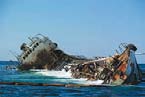
Recent maritime incidents in different part of the world that have made headline news the Limburg and
Prestige are mentioned in this issue.
øØ°ùdG äGQÉ°ùe ó°UQ ãe ¿óY è«Nh ôªMC'G ôëÑd é«JGΰS'G ª©dG èeÉfÈd ÊÉãdG ¿µªd iôNC'G ô°UÉæ©dG ¢ûbÉæJh ¢Vô©à°ùà°S
.AfGYG ` ádhódG ºµh ᫪«bE'G ájôëÑdG AiQG£d §«£îàd ª©dG á£Nh
A Navigation Working Group (NWG) Workshop has been arranged for maritime experts from the region and will be
held in Port Sudan from 2-6 March 2003. The main subject to be presented is "Marine Accident and Incident
ó«°ùdG gh ª©dG á°TQh OÉ©fG AÉæKCG äÉ°ûbÉæYG IOÉ«d ,᪶æYG øe Qóe ºYóH ,á«dhódG ájôëÑdG ᪶æYG øe GÒÑN ᫪«bE'G áÄ«¡dG äóYCG óbh
Investigation" though progress with other elements of SAP Component 2 such as Routing Measures, Traffic Monitoring,
.IóëàYG ᵪYG ` äÉ«ëàdGh ájôëÑdG çOGG º°ùb ´ôØd HÉ°ùdG ¢ù«FôdG ,,,' ¿L
the Action Plan for Regional Contingency Planning and Port State Control will also be presented and discussed.
With the kind support of the International Maritime Organization (IMO), PERSGA has arranged for an IMO expert to lead
lectures and discussions at this Workshop. He is the former head of the UK's Marine Accident and Investigation Branch
(MAIB), John Lang.
13
13
:á«dÉàdG TM«°VGYG ª©dG á°TQh ¢ûbÉæJ ¿CG TMbàYG øeh
The subjects to be covered during the Workshop are:
An introduction to maritime accident investigation
äÉ«ëàdGh ájôëÑdG çOGëd Nóe
International legislation and the IMO Code
á«dhódG ájôëÑdG ᪶æªd á«MÓ£°U'G ReôdGh á«dhódG äÉ©jô°ûàdG
Collecting the evidence - technical, documentary, historical, personal and voyage
ïdG á«FÉKdG , á«îjQÉàdG , á«æàdG - F'ódG TMªL
data recorders
Interview techniques
äÓHÉYG äÉ«æJ
Accident types and case studies
ádÉëd äÉ°SGQOh çOGG ´GfCG
Analysis of evidence
F'ódG «
Human factors in the marine environment
ájôëÑdG áÄ«ÑdG a á«fÉ°ùfE'G eG©dG
Writing the report
ôjôàdG OGóYEG
Miscellaneous activities, follow-up actions, dealing with the media and victim's families,
ô°SCGh ÓYE'G Iõ¡LCG TMe eÉ©àdG ,á©HÉàYG äÉ«ªY ,áØàiG ᣰûfC'G É¡æ«H øe iôNCG ÖfGL ª©dG á°TQh »£¨à°S
international cooperation and response etc., will also be covered. The IMO Model Course
and other support materials on the subject will be provided to those taking part.
á°TQh ´°Ve ºYóJ »àdG OGYG ¢©H á«dhódG ájôëÑdG ᪶æYG óà°Sh .ïdG áHÉéà°S'Gh
This Workshop offers marine experts from the region the opportunity to improve their
abilities to deal with any incidents that may take place in our region and is therefore a very
»àdG ájôëÑdG çOGG TMe eÉ©àdG óæY º¡JGQób õjõ©àd º«bE'G øe AGÈîd á°Uôa á°TQdG òg í«àJ ¿CG TMbàYG øe
relevant contribution by the Strategic Action Programme to the improvement of regional
ôëÑd »é«JGΰS'G ª©dG èeÉfôH øe á°üdG äGP äɪgÉ°ùYG ióMEG ª©dG á°TQh Èà©J dòdh º«bE'G ` çó ób
maritime capacity.
.º«bE'G ` ájôëÑdG äGQódG ájàd ¿óY è«Nh ôªMC'G
Useful Links
âfÎfE'G Y Ió«Øe TMbGe
http://www.alreem.com/index/index.asp
http://www.alreem.com/index/index.asp
http://www.icriforum.org/secretariat/sec_home.html
http://www.icriforum.org/secretariat/sec_home.html
http://ncwcd.gov.sa/home.html
http://ncwcd.gov.sa/home.html
http://www.blacksea-environment.org/bsep.htm
http://www.blacksea-environment.org/bsep.htm
http://www.kfupm.edu.sa/
http://www.kfupm.edu.sa/
http://www.giwa.net/
http://www.giwa.net/
http://www.ecoterra.net
http://www.ecoterra.net
http://www.biodiv.org
http:// www.biodiv.org
http://www.reefcheck.org
http:// www.reefcheck.org
http://www1.unep.org/marine-mammals/
http://www1.unep.org/marine-mammals/
http://www.ecopath.org
http://www.ecopath.org
14
14
R e g i o n a l
QÉ``````Ñ````````NCG
News
º``«``bE'G øe
Hydrocarbons on Beaches
ôªMC'G ôëÑd »æª«dG MÉ°ùdG øe á«ë£°ùdG äÉ«H°SôdG ` äÉfɵdG QÉ°ûàfG
A paper on straight-chain, saturated hydrocarbons in the surface sediments of Yemen's Red Sea
á«ægódG á«fHôchQó«¡dG äÉÑcôYG áÄa) äÉfɵdG QÉ°ûàfG M (2002) 15 Oó©dG ,©dG á«c á> ` ᫪Y ábQh ô°ûf "
coasts has recently been published in the Faculty of Science Bulletin, Sana'a University,
øe áYª> ¬H Éb 1997-1995 IÎØdG ÓN ôªMC'G ôëÑd »æª«dG MÉ°ùdG øe á«ë£°ùdG äÉ«H°SôdG ` (á©Ñ°ûYG
15 (2002) 59-65. The abstract is given below.
èFÉàædG Èà©Jh .(Ñ«YO .O h áÑg ¿É°ùM .O , aG°ûdG .O , ôµHHG óªfi .O) AÉ©æ°U á©eÉéH ©dG á«c øe Aɪ©dG
N-Alkanes Distributions in Surface Sediments from the Red Sea Coast of Yemen
.á«Ñà°ùe äÉ°SGQód á°jôY ·£îc á°SGQódG òg øe É¡«dEG °UàdG " »àdG
M. Abubakr, N. Al-Shwafi, H. Heba and A. DouAbul (Department of Earth and Environmental
Science, Faculty of Science, Sana'a University, Yemen)
This paper presents the N-alkanes distribution in recent sediments of the Red Sea coast of
IÉ```ah çOÉ``M
Yemen during 1995-1997. The results are the first of their kind for the region and should
serve as baseline for future studies. The concentration of N-alkanes in sediment samples
ób ¢ù©àdG ÚØdhódG Gòg .É¡H f »àdG ó«°üdG ᣰûfC' áé«àf á°SÉ°ùMh á«cP äÉfG«M ¿Góa á«fÉãdG Iôªd ógÉ°ûf
ranged from ND ngg-1 to 1651 ngg-1 dry weight, expressed as Kuwait crude oil equivalent.
.AG¡dG ¢ùØæà«d AÉYG í£°S ¤EG °UdG TM£à°ùj / ¬fC' kÉbôZ äÉe TMÑ£dÉHh ó«°üdG ÉÑ°T ióMEG a ©J
It is evident that all the sites are contaminated to some extent with N-alkanes.
¤EG á«e°û«ÿG ÉÑ°ûdG øe ¢TôdG ɪ°SCG ó«°U ᫪Y Ò«¨J IÉ°SCÉYG òg ...OÉØJ É¡H øµÁ »àdG FÉ°SdG ÚH øeh
N-alkanes generally constitute the major fraction of saturated hydrocarbons, and their
¿óY è«N á£æe ` óFGQ ´hô°ûe AGôLEÉH Oó°üdG Gòg ` áÄ«¡dG Jh .(ô°ûdG) äGQÉæ°üdGh ·«ÿG Góîà°SG
distribution patterns are characterized by carbon-number ranges and predominance,
.°ùdG Gòg ãe Ò«¨J ᫪Y «¡°ùàd
depending on the nature of the source material and its microbial or geochemical alteration.
In this respect it has been recognized that distributions exhibiting odd carbon-number
predominance in the C15-C21 and C25-C31 ranges are characteristic of autochthonous and
allochthonous natural inputs respectively, whereas slight even carbon-number predominance or
ájɪG »Yóà°ùJ »àdG IhÌdG :»JÑ«L ` á«fÉLôYG ÜÉ©°ûdG
smooth distribution in the C20-C30 range have been invoked for reduction or bacterial diagentic
ÜÉ©°ûd ᫪«bEG äÉM°ùà ¿óY è«Nh ôªMC'G ôëÑdG áÄ«H Y á¶aÉëªd ᫪«bE'G áÄ«¡dG ` AÉ°YC'G hódG âeÉb
processes. Finally, fossil (petroleum) N-alkanes are characterized by a low carbon preference
distribution generally concurrent with an unresolved complex mixture of branched and cyclic
Y ¿ÉJQhódG ¿ÉJÉg äõcQh .¿OQC'Gh ô°üe øe c ` Úà«ÑjQóJ ÚJQhO óY äÉ°SGQódG òg »Jh .2002 ÉY á«fÉLôYG
saturated hydrocarbons.
(Reef Check)
.á«fÉLôYG ÜÉ©°ûdG øWGe º««àd kÉM' âeóîà°SG »àdGh
É¡«Y £j »àdG óMYG í°ùYG á«é¡æe ¢ùjQóJ
QgóJ TMbGe Èà©Jh .eÉc ´Ñ°SCG IÎa ÓN ª©dG jôa ᣰSGH TMbGe áà°S í°ùe " PEG .jÉe ` í°ùYG iôLCG »JÑ«L `
ãªàJh .(hOÉÑeCG QNh <ɵ°ùeh ÉNYG »JôjõL ãe) QGhõdG øe á«dÉY ·¨°d ¢Vô©àJ »àdG J »g á«fÉLôYG ÜÉ©°ûdG
Accidental Death
¥OÉæÑH ó«°üdGh ,ÜÉ©°ûdG Y »°ûYGh ÜÉ©°ûdG TMªLh °SôdG äÉ«ªY ¬Kó ...òdG Qô°dG ` á«fÉLôYG ÜÉ©°ûdG QgóJ ÜÉÑ°SCG
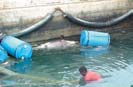
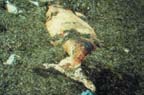
Once again we witness the loss of intelligent, sensitive animals as a result of our fishing activities.
QÉàeCG á©°Ñd kGÒeóJ ÚKófi ÜÉ©°ûdG Y °SôdÉH ÜQGdG GµdÉe jh .ó«°üdG ÉÑ°T ´É«°Vh ...ôëÑdG çàdGh ,á«FÉYG ó«°üdG
Drowned in a net, unable to reach the surface to breathe, this unfortunate dolphin died so
øe äÉ«ªc äóg°T óbh .iôNCG øcÉeCG ëf Iôé¡dG ¤EG ÜÉ©°ûdÉH á£ÑJôYG á«fG«G äÉYªÛÉH TMaój É ,Iôe c ` á©Hôe
we can eat our fish.
J »g »HÉ©°ûdG AÉ£¨dG áH º°ùàJ »àdG TMbGYG ¿CG ɪc .<ɵ°ùe IôjõL ` dòch ÉJQBG AWG°T `h hOÉÑeCG QN ` ÜÉ©°ûdG ¢VÉfCG
One way to reduce this inadvertent killing is to help the shark fishery change from gill net
.ìÉ«°ùdG äGQÉjR É¡«Y ôKɵàJ »àdG
fishing to long-line fishing. PERSGA is running a pilot project in the Gulf of Aden region to
` NódG øe äGQ'hódG ÚjÓH QóJ áYÉæ°U »gh ,á«fÉLôYG ÜÉ©°ûdG áeÓ°S Y kGÒÑc kGOɪàYG áMÉ«°ùdG óªà©J
facilitate this change of behaviour.
᫪ÙG øe äOÉØà°SG »àdG ô°üe É¡æeh ,©ØdÉH áYÉæ°üdG òg øe º«bE'G ` ¿GóÑdG ¢©H äOÉØà°SG óbh ./É©dG
.óªfi ¢SCGôH ájôëÑdG
Coral reefs of Djibouti: wealth that needs to be preserved
»µdÉe ᣰSGH Égôj£J Y ª©dG iôéj ¬fCG ó«H ,¿B'G àM ¿CÉ°T GP kÓNO QóJ ' áMÉ«°ùdG ¿EÉa »JÑ«L ` ÉeCG
Prepared by Nasser Djama Abdi and previously printed in full in the Djiboutian national newspaper "La Nation".
øe k'óH á«Ä«ÑdG áMÉ«°ùdÉH ¢V¡ædG Y ª©dG ,áeGóà°ùYG ᫪æàdG QÉWEG ` ,¬H »°Uj Éh .á«MÉ«°ùdG aGôYG
PERSGA member countries undertook regional coral reefs surveys in 2002. These studies followed two regional training
.ájôëÑdG áÄ«Ñd kGÒeóJ ÌcCG Èà©J »àdGh ºéG IÒÑc áMÉ«°ùdG
courses held in Egypt and Jordan. The course taught a standard scientific survey methodology called ReefCheck that was
.»YÉ©dG ñÉæYG Y á¶aÉÙG LCG øe áeÉg ᫪Y Èà©J á«fÉLôYG ÜÉ©°ûdG Y á¶aÉÙG ¿EÉa ,iôNCG á«MÉf øeh
subsequently used to assess the coral reef habitats.
áÄ«aódG IôgÉX äGRÉZ óMCG gh ,¿HôµdG ó°ùcCG ÊÉK ¢UÉ°üàeÉH J ,ájQGóYG äÉHɨdG ¿CÉ°T É¡fCÉ°T ,ÜÉ©°ûdG ¿CG dP
(Greenhouse)
»eGôdG J«c cJôH »æÑàd
15
15
àdG Gòg ãY IQhô°V Éæg g
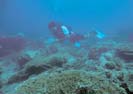
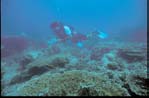
In Djibouti, the survey was carried out in May. Six locations were investigated by the team over a
period of one week. The sites where corals were degraded were those with highest visitor
,á°Shô©dG òg .»JÑ«L áæjóe AWG°T Y IÉe áà«YG (WC'G) ôëÑdG ¢ùFGôY ióMEG «Ñ°S ôHÉY °ûàcG
pressure (e.g. Moucha and Maskali islands, Khor Ambado). The causes of coral reef degradation
` É¡FÉdEG ÒZ kÉÄ«°T OÉ«°üdG ©Øj /h âbôZh ó«°üdG ÉÑ°T ióMEÉH âY ,ájôëÑdG äÉ«jóãdG øe »gh
are anchor damage, coral collection, trampling, spearfishing, marine pollution and lost fishing
᫪fih ¢VGôf'ÉH IOó¡YG ´GfC'G øe ôëÑdG ¢ùFGôYh .AWÉ°ûdG ¤EG êYG É¡aò«d á«fÉK Iôe ôëÑdG
nets. Boat owners throw their anchors onto corals destroying several square metres each time,
provoking the migration of associated fauna elsewhere. A lot of coral rubble was seen at Khor
?TMjOdG øFɵdG Gòg ájɪ ájÉصdG ¬«a Éà ª©f øëf ¡a .á«dhOh á«æWh äÉ©jô°ûàH
Ambado, Arta Plages as well as at Maskali. The sites with the lowest hard coral cover were
those most visited by tourists.
The tourism industry depends heavily on the good health of coral reefs and generates
»JÑ«L ` ÉNYG IôjõL ` iQ°ûdG QÉé°TCG øe ådÉK ´f ±É°ûàcEG
billions of dollars of revenue worldwide Some countries in the region have already
.IQLÉJ è«N Nóe óæY Iôjõ÷G òg TMJh .1988 ÉY ` ájôëH ᫪ëªc ÉNYG IôjõL øY ¿ÓYE'G " ód
benefited, such as in Egypt, from the marine protected area at Ras Mohamed.
ª°ûJ Iôjõ÷G ¿CG ±hô©YG øeh .«ãc ÜÉ©°T í£°ùe M Iôéëàe á«fÉLôe ÜÉ©°T áàc øe Iôjõ÷G ¿µàJh
Tourism in Djibouti does not generate much revenue yet, but it is being developed by
»Hæ÷G Aõ÷G `h .iQ°ûdG QÉé°TCG øe áHÉZh á«fÉLôYG ÜÉ©°ûdG ãe ájôëÑdG á«©«Ñ£dG øWGYG øe á©°SGh áØFÉW
tourist operators. It is advisable, in the framework of sustainable development, to promote
áØ«ãc äÉHÉZ Q¡X ¤EG ...ODj É ,äÉÑ°SÎdG ᫪gCG hóÑJ ɪc ,´É°ùJ'ÉH ...QÉdG ±ô÷G º°ùàj ,ôªMC'G ôëÑdG øe
ecotourism instead of mass tourism which is more destructive to the marine environment.
` ãªàJ á£æYG ` MG°ùdG OGóàeG Y iQ°ûdG QÉé°TCG øe kÉY«°T ÌcC'G ´GfC'G ¿CÉH kɪY ;iQ°ûdG QÉé°TCG øe
The conservation of corals is also important for the preservation of world climate. Corals
(Avicennia marina)
h
(Rhizophora mucronata)
iQ°ûdG ´GfCG `WCG ø`e Ò`NC'G È`à©jh ,
ÚYædG
consume carbon dioxide, the greenhouse gas primarily responsible for climate change, in the
.káÑWÉb á£æYG `
same way as terrestrial tropical forests. This is a global environmental problem which has
prompted the adoption of the Kyoto Protocol which is intended to reduce gas emissions. The
economic development of industrial countries, and those that imitate them, is currently leading
our planet along a dangerous and unsustainable path.
Is this Killing necessary
The discovery of a dead dugong washed onto the Haramous shore (Djibouti City) was
made by a passer-by. This two-metre long marine mammal was drowned in a
fisherman's net, and then tossed back into the sea. It belongs to an endangered species
and is protected by national and international laws. Are we doing enough to protect
these gentle creatures?
16
16
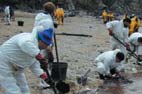
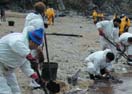
A Third Mangrove Species for Moucha Island, Republic of Djibouti
iQ°ûdG øe ójóL ´f Y Qã©dG
The island of Moucha was declared a marine protected area in 1988. It is located at the
.᫪«bE'G áÄ«¡dGh á©«Ñ£dG ¿°üd
.Iôjõ÷G øe WÉæYG ¢©H á«£¨J ºàJ / ɪ«a ,áMÉ°ùYGh ¿ÉeõdG å«M øe ájOhóÙÉH ⪰ùJG äÉM°ùYG òg ¿CG ó«H
extensive reef flat. It is known to contain diverse marine habitats such as coral reefs, and a
(Avicennia marina)
,kGQÉ°ûàfGh kÉY«°T ÌcC'G gh ,
ɪg äÉM°ùYG òg AÉæKCG ɪ¡«Y ±ô©àdG " ¿GòdG ¿ÉYædG ¿Éch
mangrove forest. In the southern part of the Red Sea the continental shelf is wider and the
( Rhizophora mucronata)
QÉé°TCG øe ådÉK ´f Y Qã©dG " ,2001 ¢SQÉe ` DhGôLEG " ÊGó«e í°ùe AÉæKCGh
h
sediment supply is important, resulting in extensive stands of mangrove forests. The most
common mangrove species occurring along the coasts are Avicennia marina and Rhizophora
(Ceriops tagal)
óLj ´ædG Gòg ¿CG kÉe©e ¿Éc HÉ°ùdG `h
¬fCÉH ´ædG «æ°üJ áë°U kÉM' ócCÉJ óbh ,iQ°ûdG
mucronata, the latter being the tallest in the area.
᫪Y ¿EÉa dP A°V Yh ;(ôæY QNh ÉjQhóZ ãe) »JÑ«L øe á«dɪ°ûdG AGõLC'G ` iQ°ûdG äÉHÉZ ` §a
.»JÑ«L øe »Hæ÷G Aõ÷G ` OLd «é°ùJ hCG áHÉãà ¿µJ IôYG òg ¬«Y Qã©dG
A new mangrove species found!
á«©«Ñ£dG øWGYG ájɪM »Yóà°ùj kÉ«aÉ°VEG kÉÑÑ°S Èà©j ÉNYG IôjõL ` iQ°ûdG QÉé°TCG øe ´ædG Gòg ±É°ûàcG ¿EG
The island has been surveyed many times in recent years by IUCN and PERSGA. However
ájɪëH á«æ©YG á«æWdG äÉ°ù°SDYG ¬¡LGJ kÉjó µ°ûj ôeC'G Gòg ¿CG °T 'h .á«Ä«ÑdG áMÉ«°ùdÉH ¢V¡ædGh ájôëÑdG
these surveys were limited in time and space and some areas of the island were not covered.
The only mangroves species encountered during those surveys were Avicennia marina, the
.ájôëÑdG äÉ«ªÙG IQGOEGh áÄ«ÑdG
most common and dominant species, and Rhizophora mucronata. During a field survey
undertaken in March 2001 a third mangrove species was found, and its identification later
confirmed as Ceriops tagal. Previously this species was only known to occur in northern
mangrove stands (e.g. Godoria and Khor Angar) making this the first record from the southern
part of the country.
QÉ``````Ñ````````NCG
The discovery of Ceriops tagal in Moucha island should be an additional reason for protecting
á````````````````«````````````````dhO
the natural marine habitats and promoting eco-tourism. This is the challenge facing the national
institutions concerned with the protection of the environment and the management of marine
protected areas.
è«à°ùjôH - âjõdÉH çàdG øe ójõYG
''
''
''
...Îe øW 77000 `H áªfi »gh ÉéjQ AÉæ«e øe 1976 ÉY ÉgDhÉæH " »àdGh
''
êóà°ùjôH §ØædG ábÉf äôëHCG
International
a ¿É«°S'ÉL áæjóe MÉ°S ádÉÑb áæ«Ø°ùdG äÉæcÉe ` cÉ°ûYG äCGóHh .IQaɨæ°S ¤EG É¡jôW ` ObdG âjR øe
News
ëf É«eCG áKÓK áaÉ°ùe áæ«Ø°ùdG âaô,Gh .QÉàeCG á«fɪK ´ÉØJQG ¤EG ¬LGeCG °üJ èFÉg ôëH ` É«fÉÑ°SG ɪ°T
.á«fÉÑ°S'G AWG°ûdG
More Oil Pollution - -the PRESTIGE
ÉYh .kGA°S 'EG ôeC'G Oõj / dP ¿CG ÒZ IQHÉ°üdG äÉfGõN ` É«YG ï°H É¡fRGJ IOÉ©à°SG ábÉædG ¿É£Ñb hÉM
The 1976-built tanker `Prestige' sailed from Riga in Latvia with a cargo of 77,000 metric tonnes of fuel oil en
ôëÑdG NGO ¤EG É¡Ñë°S " óa É¡Ñà°ùj AÉæ«e ...CG ,ObdG øe Îe ±'BG á©HQCG É¡æe Öµ°ùfG »àdG ,ábÉædG óOE /
route for Singapore. Trouble started when she was off the Galician coast of northern Spain. In heavy seas, with
ITOPF
...OÉ«°üd á«ÙG äÉYªÛG á°û«©e kIOó¡eh ,ôëÑdG É«e dòH áKe ,É¡æe âjõdG c Üɵ°ùfGh É¡ª£ øe kÉaN
eight metre waves, the single-hulled tanker sustained damage on the starboard side and started listing badly.
¤EG áHÉ°üYG ábÉædG øe áYÉ°ÑdG æd Iôªà°ùYG ä'hÉÙG â°ûa óa èFÉ¡dG ôëÑd áÄ«°ùdG ±hô¶dG `h .ɪ°SC'G
Once the list exceeded 25%, the engines automatically stopped. The tanker drifted within 3 miles of the scenic
Spanish coastline.
.Q'hO ¿«e áà°S Ñe ᫪©dG òg µJ å«M iôNCG ábÉf
The captain stabilised the ship by pumping water into ballast tanks but this resulted in severe stress being placed on
NGO åµÁh ÷G IOhÈd áé«àf âjõdG óªéàj ¿CG a ÉeB'G óY TMe É«fÉÑ°SG AWG°T øe kÓ«e 133 ó©H Y âbôZh ábÉædG ⪣ óbh
the structure. As no port would offer refuge to the vessel, which had leaked some 4000 mt
.Iôªà°ùe áØ°üH øµdh áÄ«£H ájô£H áYó°üàYG äÉfGõÿG øe âjõdG Üô°ùJ ¤EG Ò°ûJ áãjóG ôjQÉàdG ¿CG ÒZ .ábÉædG É£M
of fuel, it was towed out to sea as fears mounted that it would break up and spill its
entire cargo, polluting the sea and endangering the livelihood of the local fishing
.áÄ«Ñd É¡ÑOE »àdG áë°VGdG ôWÉîªd kGô¶f IóMGdG áÑ£dG äGP áÁódG ábÓª©dG äÓbÉædG ô¶ëH AGóædG ójóOE ¤EG çOÉG Gòg ÉYO óbh
communities. However the constant battering of stormy seas meant that attempts to
make a ship-to-ship transfer of the cargo, worth $6 million, failed.
Approximately 133 miles off the coast of Spain the ship broke up and sank. Hopes were
that the fuel oil would solidify due to the cold water temperatures and would remain
in the wreck. However, recent reports indicate a slow but persistent stream of oil
escaping from the ruptured tanks.
ITOPF
This incident has led to renewed calls for the banning of old single-hulled super-tankers
17
due to the obvious threats that they pose to the environment.
17
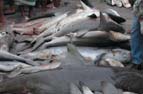
fÉYõdG LCG øe ¢TôdG ó«°üd »YÉ©dG ô¶ÉH ...OÉæj ¢TôdG ɪ°SCG áfÉeCG ¢ù>
Shark Trust Calls for Global ban on Shark Finning
¢TôdGh ábô£YG ãe ¢TôdG ª°S øe áæ«©e ´GfCG ó«°U ó©e ` %90 ÜQÉj ÉÃ fóàdG í°Vj ôjôJ ÉãjóM Qó°U
A recent report shows declines of up to 90% in the catch rate for certain shark species, such as
the Hammerhead and White Shark in the north-west Atlantic. These statistics are
ɪ°T äÉ«FÉ°üMEG TMe kÉ°jCG HÉ£àJ äÉ«FÉ°üME'G òg ¿EÉa ßG A°ùdh .»°ùWC'G §«ÙG ÜôZ ɪ°T ` ¢«HC'G
unfortunately mirrored in the north east Atlantic as well.
.»°ùWC'G §«ÙG ¥ô°T
IUCN Shark Specialist Group said "This report confirms our long-held fears: that
º¡ahÉfl ócDj ôjôàdG Gòg ¿CG ¢TôdG ª°S É> ` á©«Ñ£dG ¿°üd
overfishing is not only driving large coastal sharks towards extinction, but also
¢VGôf'G ¤EG IÒѵdG á«MÉ°ùdG ¢TôdG ɪ°SCG TMaO ¤EG Oj ' ¢TôdG ɪ°SC' ôFÉ÷G ó«°üdG ¿CG øe áÁódG
depleting oceanic shark stocks; vital species for maintaining the stability of
Y ®ÉØëd á«°SÉ°SC'G ´GfC'G øe gh äÉ£«ÙG ` ¢TôdG ª°S ¿hõfl ÊóJ
.ájôëÑdG º¶ædG QGôà°SG
The impact of overfishing on shark populations is exacerbated by their reproductive
strategy. Sharks can take many years to reach sexual maturity; have long gestation
.ódGàdG ` ¢TôdG á«é«JGΰSG kGA°S ójõj ¢TôdG ɪ°SCG äÉ©ªOE Y ôFÉ÷G ó«°üd á«Ñ°ùdG äGÒKCÉàdG ¿EG
periods; and give birth to few young. The natural rate of increase of a shark population
.Qɨ°üdG øe á«b kGOGóYCG Égó©H óJ ájW ªM IÎa É¡dh ;ÆÑdG ø°S Ñàd äGæ°S IóY òNCÉJ ¢TôdG ɪ°SCÉa
is just 1-4% per year, in comparison to the 30-40% increase displayed by bony fish.
ó©e Ñj »àdG ᫪¶©dG ɪ°SC'ÉH áfQÉe Éjæ°S %4-1 øe ìhGÎj ¢TôdG ɪ°SC' ájæ°ùdG OÉjõdG ó©eh
It is clear that shark numbers are decreasing at an alarming rate, and on a global scale. If
.Éjæ°S %40-30 É¡«a IOÉjõdG
we are to halt this dramatic decline, action must be taken on a global scale. The Shark Trust
Gòg ±ÉjEG ÉfOQCG GPEGh .»YÉ©dG ¢SÉ«YÉHh ô£ÿÉH QòæJ ájô£H ¢Øîæj ¢TôdG ɪ°SCG OGóYCG ¿CG í°VGdG øeh
is campaigning for a global ban on shark finning and asks you to support this campaign by
.»YÉY ià°ùe Y RÓdG PÉîJG øe óHÓa eGQódG ¢VÉØîf'G
signing an online petition found at www.sharktrust.org.
áªG òg ºYO ºµæe Ö£jh ¢TôdG ɪ°SCG fÉYR TM£b ±ÉjE' ¬«YÉY áªëH j ¢TôdG ɪ°SCG áfÉeCG ¢ù> ¿CG
www.sharktrust.org :»JB'G º¡©be ` âfÎfE'G Y OLYG AGóædG Y TM«bàdÉH dPh
WORLD WATER DAY 2003 ( 22 March )
The goal for World Water Day 2003 is to inspire worldwide political and community action
and encourage greater global understanding of the need for more responsible water use
2003 É«ªd »YÉ©dG «dG
and conservation.
''
''
º¡ØdG øe ójõYG õjõ©Jh kÉ«YɪàLGh kÉ«°SÉ«°S RÓdG PÉîJÉH TMªLCG /É©d RÉ©jE'G g 2003 É«ªd YÉ©dG «dG øe ¢Vô¨dG
The theme for this year's event is "Water for the Future", calling on one and all to observe
sustainable approaches to water use for the benefit of future generations.
.Aɪd Ä°ùYG Góîà°S'Gh ¿°üdG IQhô°V É«M
United Nations Environment Programme (UNEP), the lead UN agency for World Water Day 2003, aims
''
''
ídÉ°üd É«YG äÉeGóîà°S' áeGóà°ùYG ¥ô£dG °aCG hÉæàd äÉYɪ÷Gh OGôaCÓd IYO gh Ñà°ùªd AÉYG g É©dG Gòg ´°Veh
to work with governments and key partners worldwide to plan events that achieve this end. UNEP has
.áeOÉdG É«LC'G
dedicated the 22 March 2003 for activities related to the conservation and development of
,''
''
TMe ª©j 2003 É«ªd »YÉ©dG «dG ᣰûfCG ` ª©dG OJ »àdG IóëàYG ·C'G äɪ¶æe ióMEG ,áÄ«Ñd IóëàYG ·C'G èeÉfôH ¿EG
water resources.
22 j áÄ«Ñd IóëàYG ·C'G èeÉfôH OóM óbh .±ó¡dG Gòg »àdG §£ÿG TM°Vd /É©dG ià°ùe Y Ú«°ù«FôdG AÉcô°ûdGh äÉeµG
It is notable that World Water day, this year, coincides with celebrations marking 2003 as the International
.É«YG OQGe ᫪æJh ¿°üH á°üdG äGP ᣰûfCÓd 2003 ¢SQÉe
Year of Fresh Water.
.áHò©dG É«ªd á«dhO áæ°S 2003 ÉY ójóëàH ä'ÉØàM'G TMe øeGõàj É©dG Gòg É«ªd »YÉ©dG «dG ¿CG ©YG øeh
18
18
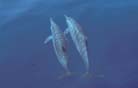
Maui Bans Displays of Captive Cetaceans
¿Éà«Gh Úa'ódG ¢VQÉ©e TMæ" (...GhÉg) ...hÉe
The County Council of Maui recently made the Hawaiian county the seventeenth city or county
É¡H J »àdG ÜÉ©dC'G ¢VQÉ©e ` ¿Éà«Gh Úa'ódG Góîà°SG TMæÁ ôeCG QGó°UEÉH (...GhÉg) ...hÉe ` ádhódG ¢ù> Éb
in the United States to ban displays of captive cetaceans.
''
äÉj'dG ` TMjô°ûàdG Gòg ãe QGó°UEÉH J »àdG 17 ºbQ ádhódG hCG áæjóYG
''
...hÉe Èà©J dòHh .äÉbiG òg
"The Council finds that cetaceans (dolphins and whales) are highly intelligent - and highly
á«còdG äÉfG«G øe ¿Éà«Gh Úa'ódG ¿CG ¤EG ÖÑ°ùdG ¿fÉdG Gòg Qó°UCG iòdG ádhódG ¢ù> iõYh .IóëàYG
sensitive - marine mammals," the legislation prohibiting the displays states. "The Council
''
TMaÉæYG øe ÒãµdG ôaj
''
...hÉe ádhóH §«ëj ...òdG ...OÉ¡dG §«ÙG ` ÉgOLh iôj ¢ùÛG ¿CGh ,kGóL á°SÉ°ùGh
further finds the presence of cetaceans in the Pacific Ocean surrounding Maui County
AÉæ©dGh Ió°ûdG øe ÒãµdG ¬«a ÜÉ©dC'G Ëóàd ô°SC'G ` ÉgOLh ¿CGh ;ádhódG »æWGY ájOÉ°üàb'Gh á«MhôdGh á«aÉãdG
provides many cultural, spiritual, and economic benefits to the County's residents. The
.á«°û«©YG É¡dGMC' kGô¶f
Council also finds that the exhibition of captive cetaceans leads to their distress due to the
living conditions for these animals. Therefore, the purpose of this law is to prohibit the
ÉÃ áeGô¨dGh ,áæ°S øY ójõJ ' IóY øé°ùdG áHY ¤EG ¢Vô©à«°S ¿fÉdG Gòg dÉîj øe c ¿CG ôcòdÉH ôjó÷G
exhibition of captive cetaceans (dolphins and whales)."
:
''
g ...hÉe ¿CG TM«ª÷G ±ô©«°S
k
ÓFÉb ¿fÉdG Qhó°U Y ¢ùÛG AÉ°YCG óMCG Y óbh .Q'hO dCG Ñe OÉ©j
Violators are subject to imprisonment for not more than one year and fines of as much as
.'' Ghódh ɪc kGQGôMCG Úa'ódGh ¿Éà«G ¬«a ¢û«©J ¿CG øµÁ iòdG ¿ÉµYG
$1,000. Hundreds of letters and a petition signed by more than 15,000 individuals calling
for the ban had been received by the members of the Council.
"Maui will now be recognized as a place where whales and dolphins will all live free and in
the wild," said Council member Alan Arakawa. "This decision proves we can do what is right."
á«dhódG çGóMC'G IôµØe
Events Calendar
Name of Environmental Event
Venue
Date
ïjQÉàdG
¿ÉµYG
»Ä«ÑdG çóG ¿GæY
22nd Session of the Governing Council/Global
2003 ôjGÈa 7-3
É«æ«c ,»HhÒf
»Ä«ÑdG ...QGRdG ióàæYG
Nairobi, Kenya
3-7 Feb 2003
Ministerial Environmental Forum
2003 ¢SQÉe 13-11
É°ùfôa ,â°ùjôH
çàdG çOG áHÉéà°SE'G M ᫪æàdGh çÉëHCÓd ådÉãdG ióàæYG
3rd R&D Forum on High Density Oil Spill Response
Brest, France
11-13 March 2003
áaÉãµdG <ÉY âjõdÉH
3rd World Water Forum- Ministerial Conference
Berlin, Germany
16-23 March 2003
2003 ¢SQÉe 23-16
É«fÉYCG ,ÚdôH
É«ªd ådÉãdG »YÉ©dG ióàæYG
1st International Symposium for the Egyptian Society
áj«G É«Ldæµàd ájô°üYG á«©ªéd hC'G
ô°üe ,IôgÉdG
for Bio-technology and Environmental Science
17-18 March 2003
2003 ¢SQÉe 18-17
á«Ä«ÑdG ©dGh
World Water Day 2003
Global
22 March 2003
2003 ¢SQÉe 22
»YÉY
É«ªd »YÉ©dG «dG
RC/GCRMN Workshop on Coral Reef Monitoring
Cebu & Bohol,
2003 ¢SQÉe 30-28
ÚÑØdG
á
Philippines
28-30 March 2003
q
«fÉLôYG ÜÉ©°ûdG ó°UQ M ªY á°TQh
Marine Aquarium Trade Coral Reef Monitoring
Cebu & Bohol,
31 March -
- ¢SQÉe 31
ɪ°SCG ` IQÉéàd áq«Ä«ÑdG QÉKB'G ó°UQ M ªY á°TQh
ÚÑØdG
Protocol Workshop
Philippines
April 2 2003
2003 jôHCG 2
áq«fÉLôYG ÜÉ©°ûdG
Diplomatic Conference to adopt a Protocol to the
ëe cJhôH »æÑàd »°SÉeHódG ô"DYG
London, England
12-16 May 2003
2003 jÉe 16 - 12
GÎ,EG ,¿óæd
1992 Fund Convention (IMO)
á«dÉYG äÉ°ü°üîªd 1992 á«bÉØJÉH
19
19