
August/2004
© 2004 Strategic Action Program for the Integrated Management of the São Francisco River Basin and its Coastal Zone SAP Final Report. All rights reserved
by the National Water Agency ANA (Agência Nacional de Águas), Global Environment Facility GEF, United Nations Environment Programme UNEP and
the Organization of American States OAS. Text contained in this publication, provided it is not used for commercial purposes, may be reproduced, stored or
transmitted. Images may not be reproduced, stored or transmitted, except with expressed authorization from the respective copyright holders.
PRESIDENT OF THE REPUBLIC
ORGANIZATION OF AMERICAN STATES OAS
Luiz Inácio Lula da Silva
Thomas Scott Vaughan, Director, Unit for Sustainable Development and
Environment USDE/OAS
VICE-PRESIDENT
José Alencar Gomes da Silva
Jorge Rucks
Head of Geographic Area II, South AmericaUSDE/OAS
MINISTER OF ENVIRONMENT
Marina Silva
Nelson da Franca Ribeiro dos Anjos
International Coordinator of the GEF São Francisco Project Principal Water
DIRECTION AND COORDINATION OF THE GEF SÃO FRANCISCO
Resources Specialist USDE/OAS
PROJECT NATIONAL WATER AGENCY (AGÊNCIA NACIONAL DE
ÁGUAS) ANA
Maria Stefanova Apostolova
Board Members
Specialist USDE/OAS
Jerson Kelman Director-President
Benedito Braga
Technical Team
Ivo Brasil
José Luiz de Souza, Technical
Dilma Seli Pena Pereira
Coordinator of the GEF São Francisco Project
Marcos Aurélio Vasconcelos de Freitas
Team of Consultants
Antônio Félix Domingues - Superintendent of Water and SoilsANA
Antônio Carlos Tatit Holtz
National Director of the GEF São Francisco Project
Fernando A. Rodriguez
Ailton Francisco da Rocha
João Gilberto Lotufo Conejo
Hiroaki Makibara
Coordinator of Activity 4.5 Drafting of the SAP
Albano Henrique de Araujo
Guilherme Pimentel Holtz
BRAZILIAN COOPERATION AGENCY ABC (AGÊNCIA BRASILEIRA
DE COOPERAÇÃO) of the MINISTRY OF FOREIGN RELATIONS (MRE,
MINISTÉRIO DAS RELAÇÕES EXTERIORES)
Cecília Malagutti de Souza Manager for Received Multilateral Technical
Cooperation-ABC/MRE
GLOBAL ENVIRONMENT FACILITY GEF
TDA Desenho & Arte Ltda.
INTERNATIONAL WATERS IW
Director: Marcos Rebouças
Alfred Duda, GEF Senior Advisor on International Waters
Graphic design and Publication: Marcos Rebouças and Eduardo Meneses
Andrea Merla, GEF Program Manager on International Waters
Layout: Eduardo Meneses and Tatiana Rodrigues
English Translation: George Piers Aune, RAPPORT traduções e interpretação Ltda.
UNITED NATIONS ENVIRONMENT PROGRAMME-UNEP
Printing: Athalaia Gráfica e Editora
Isabelle Vanderbeck, Operations Manager GEF/UNEP
www.tdabrasil.com.br
Integrated management project for land-based activities in the São Francisco River Basin : Strategic Action Program for integrated management of the
São Francisco River Basin and its coastal zone - SAP: GEF São Francisco : Final Report / Brazil's National Water Agency ANA (Agência Nacional de Águas)... [et
al.]. - Brasilia : TDA Desenho & Arte Ltda., 2004.
336 p. : il..
ISBN 85-98276-02-2
Tradução de: Projeto de gerenciamento integrado das atividades...costeira PAE: GEF São Francisco: relatório final, 2004.
ISBN 85-98276-01-4
1. São Francisco River Basin Committee CBHSF. 2. Environment. 3. São Francisco River Basin. 4. São Francisco River. 5. Sustainable Development.
6. Water Resources. I. Brazil's National Water Agency-ANA (Agência Nacional de Águas). Global Environment Facility. II. Brazil. United Nations Environment
Programme. III. Strategic Action Program for the Integrated Management of the São Francisco River Basin and its coastal zone-SAP. IV. GEF São Francisco.
CDU 504
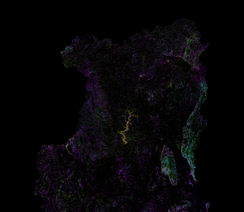






Source: National Water Agency ANA
São Francisco River Basin
Mosaic of Landsat satelite images (1991/1992)

Landscape São Francisco River
table of contents
Preface
11
1. Background, content, process, scope and lessons learned from the SAP
13
1.1. Background
15
1.2. Format of the SAP
16
1.3. Preparation of the SAP
18
1.3.1. Public participation
19
1.3.2. Principal recommendations and comments
21
1.4. National and international scope of the SAP
22
1.5. Lessons learned from the GEF São Francisco Project
24
2. Characteristics of the basin and its coastal zone
29
2.1. Conservation and environmental protection areas in the São Francisco River Basin
36
2.2. Potential use conflicts
39
2.3. Socioeconomic challenges
42
2.4. Availability of water
42
2.5. Demand for water resources
47
2.6. Principal impacts of interactions between water resources and the environment
48
3. Institutional Context
53
3.1. Institutional framework
60
3.1.1. Current institutional instruments
60
3.1.2. Mechanisms for public participation
64
3.1.3. Role of states and municipalities in water-resources management
64
3.1.4. Role of the São Francisco River Basin Committee CBHSF
66
3.1.5. Non-Governmental Organizations
68
3.1.6. Management pact and integration agreement
69
3.2. Coastal areas management and interfaces with the SAP
71
3.3. Current projects and planned investment
81
3.3.1. Surveys carried out during the preparatory phase of the DAB
81
3.3.2. Multi-year Plan of Action PPA 2004-2007
83
Photo: Alain Dhomé
4. Strategic guidelines for management of the São Francisco River basin and its coastal zone
91
4.1. Development policies and water use
93
4.2. Strategies for consolidation of the São Francisco River Basin Committee (CBHSF)
99
4.2.1. Challenges
99
4.2.2. Strategies for creation of the São Francisco River Basin Water Agency
103
4.3. Guidelines for implementation of management instruments
109
4.3.1. Principal technical instruments
110
4.3.2. Economic instruments
114
4.3.3. Strategic and policy instruments
115
4.4. The São Francisco River Basin Plan and the role of the SAP
117
5. Strategic actions and selected activities
121
5.1. Guidelines for the Selection of Priority Areas and Actions
123
5.2. Structure and Basic Components
124
5.2.1. Component I - Implementation of the Integrated Basin Management System for the São Francisco River Basin and its Coastal Zone 128
5.2.2. Component II - Sustainable use of water resources and environmental restoration of the São Francisco River Basin and its Coastal Zone
131
5.3. Analysis of selected strategic actions
131
5.3.1. Strengthening of institutional relationships (I.1)
132
5.3.2. Implementation of institutional instruments, training programs and public participation mechanisms (I.2)
136
5.3.3. Development of technical instruments for the Integrated Basin Management System (I.3)
142
5.3.4. Public Involvement and Environmental Education (I.4)
147
5.3.5. Promoting multiple forms of water use (II.1)
150
5.3.6. Water, soil and biodiversity conservation (II.2)
151
5.3.7. Access to environmental sanitation and measures to be taken in the event of floods or droughts (II.3)
155
5.3.8. Sustainable use and protection of groundwater (II.4)
156
5.4. Physiographic regions encompassed by the actions
157
6. Implementation of the SAP
159
6.1. Investments Required and Implementation Schedule
161
6.2. Potential Institutional Partners in the Implementation of the SAP
167
6.3. Governmental Investments in the São Francisco River Basin
170
6.3.1. Federal and State Multi-year Action Plans (PPAs)
170
6.3.2. Investment Requirements within the Context of the Basin Plan
179
6.4. Risks and Sustainability
192
6.4.1. Risks
192
6.4.2. Sustainability
193
6.5. Monitoring and Evaluation
195
7. Selected Bibliography
197
7.1. Relevant Internet Sites
199
7.1.1. Federal Institutions
199
7.1.2. Governmental agencies
200
7.1.3. Companies
200
7.1.4. National and State Water Resources Councils
200
7.2. Other documents
201
8. Principal players in preparation of the SAP
205
8.1. Governmental and non-governmental organizations involved in the Project
208
8.1.1. Federal Governmental Bodies
208
8.1.2. Non-governmental bodies and professional associations
213
8.1.3. Private and State Companies
216
8.1.4. São Francisco River Basin Participative Water Resources Management Board
217
8.1.5. Overseas Instituicions
217
8.1.6. International Institutions and Agencies
217
8.2. Project Coordination and Management
218
8.3. SAP Preparation Team and collaborators
220
8.4. Members of the Plans and Programs Work Group (GT-CBHSF)
221
8.5. Members of the Executive Board of the São Francisco River Basin Committee CBHSF
221
9. Annexes
223
1. Decisions of the São Francisco River Basin Committee (CBHSF) relating to the SAP
229
2. Activities
235
3. Causal Chain Analysis
255
4. Legal and institutional aspects
275
5. Investments foreseen in the Multi-year Action Plans (PPAS), for the São Francisco River Basin and its costal zone
293
list of tables
1. Number of participants, by institution, involved in public events for preparation of the SAP.
20
2. Number of recommendations and comments per component of the SAP, raised during public events
22
3. Area, population and number of municipalities in the Basin, by State, in the São Francisco River Basin
31
4. Physical and socio-economic characteristics of the São Francisco River Basin, by physiographic region.
35
5. Availability and demand for water in the São Francisco River Basin (SAP Reviewed).
47
6. Governmental bodies and companies involved in the São Francisco River Basin and its Coastal Zone.
55
7. Principal national governmental bodies and companies involved in the São Francisco River Basin and its Coastal Zone.
57
8. Principal state bodies involved in the São Francisco River Basin and its Coastal Zone.
58
9. Physiographic regions encompassed by strategic actions under the SAP
158
10. SAP Investments by Component and Strategic Action
162
11. Annual disbursement schedule for financial resources
163
12. Implementation schedule, and monitoring and evaluation schedule of SAP implementation
164
13. Investments by Principal Activity of Component I
166
14. Investments by Principal Activity of Component II
167
15. Potential Institutional Partners for Implementation of Component I of the SAP
168
16. Potential Institutional Partners for Implementation of Component II of the SAP
169
17. Selected PPA Programs with links to the SAP
171
18. Investments foreseen in the São Francisco River Basin, by state, 2004-2007 State PPAs
172
19. PPA 2004-2007 for Minas Gerais
173
2 0. PPA 2004-2007 for Alagoas
174
21. PPA 2004-2007 for Pernambuco
175
22. PPA 2004-2007 for Bahia
176
23. PPA 2004-2007 for Sergipe
177
24. PPA 2004-2007 for the Federal District
178
25. Investment Requirements for the São Francisco River Basin over the next 20 years
191
26. Estimated investment capacity of the Federal Government in the São Francisco River Basin
191
27. Activities of the Project Components
239
28. Logical Framework: Critical Problems / Activities
257
29. Synopsis of legal and institutional aspects
283
30. Legal framework for participatory water resources management in the São Francisco River Basin
284
31. Institutional frameworks for state water resources management systems and areas of competence within the Basin
285
32. Collegiate bodies foreseen under the state water resources management systems
286
33. National and State Water Resources Councils: competencies
287
34. River Basin Committees: Competencies
289
35. Selected PPA Programs with links to the SAP
300
36. Programs of the Ministry of Environment (MMA)
307
37. Programs of the Ministry of National Integration (MI)
310
38. Programs of the Ministry of Cities
316
39. Programs of the Ministry of Mines and Energy
318
l
i
40. s
Pr t
og a de f
rams of the Ministr igura
y of Science and T s
ec e
hnology fotos
320
41. Programs of the Ministry of Justice
321
42. Programs of the Ministry of Planning, Budget and Management
321
1.
Localização da bacia do r
43. Prog
io São Francisco e sua zona costeira
rams of the Special Ministry for Food Secur
ity and Combating Hunger
2
321
2.
P
44. articipação percentual de instituições no D
Programs of the Ministry of Welfar
AB e PAE
e and Social Pr
omotion
8
321
3.
Recomendação de no
45. Prog
va divisão fisiog
rams of the Ministr
ráfica da Bacia
y of Health
16
322
4. Médias mensais de pr
46. Prog
ecipitação e v
rams of the Ministry of Ag azão
rar
ian Development
20
323
5. Unidades de conser
47. Prog
vação na Bacia
rams of the Ministr
y of Culture
21
323
6. Ár
48. eas ir
Prog rigadas
rams of the Ministry of Education
22
324
7. Hidr
49. Pr oelétr
og
icas existentes e planejadas na Bacia
rams of the Ministry of Transport
23
324
8. Disponibilidade hídr
50. Prog
ica (m_/hab/ano) na Bacia
rams of the Ministry of Agriculture, Liv
estock and Supply
26
325
9. Pr
51. incipais sistemas aqüífer
Prog
os da Bacia
rams of the Special Secretaria
t of Aquaculture and Fisheries
27
326
10.
52. Ocor
Prog rência de sedimentos em suspensão nas águas superfi
rams of the Ministry of Tourism
ciais da Bacia
30
326
11.
53. Divisão estadual e m
Investments for
unicipal da Bacia
eseen for the Basin,
under the PPA 2004-2007, by State
32
327
12. Sistema Nacional de Gerenciamento de Recursos Hídricos
36
list of boxes
1. The GEF São Francisco Website http://www.ana.gov.br/gefsf/
17
2. The São Francisco River Basin Committee (CBHSF)
23
3. São Francisco River Basin Information Network - RISF
25
4. Geo-referenced information system for the Upper Rio das Velhas Basin
26
5. New geographical classification of the São Francisco Basin
34
6. The São Francisco River is 2,863 km in length
39
7. Towns with over 100,000 population
42
8. Basic sanitation and environmental control in the São Francisco River Basin
45
9. Ichthyofauna of the Lower São Francisco River
48
10. Exotic species, endangered species and impacts upon the ichthyofauna of the Lower São Francisco River
50
11. Is desertification taking place in the São Francisco River Basin?
61
12. Contribution of tributaries to the flow of the São Francisco River
65
13. Waters from the São Francisco River Basin feed the Basin of the Tocantins River
66
14. Availability of Water Resources Plans in the Sub-basins of the São Francisco River Basin
78
15. Formation Process of the São Francisco River Basin Committee (CBHSF): lessons learned
97
16. Participatory reservoir management: the experience of Pernambuco
103
17. Community-Government partnerships for restoration of riparian forests
109
18. Hydroelectric power potential and multiple water use in the São Francisco River Basin
115
19. Volunteer Water Agents
116
20. Irrigated Farming in the São Francisco River Basin: qualitative aspects
135
21. Recommendations for the rational utilization of irrigation water in Irecê
143
22. Freight on inland waterways of the São Francisco River Basin
144
23. Over US$ 1 billion invested in irrigation works in the São Francisco River Basin
152
11
list of figures
1. Location of the São Francisco River Basin and coastal zone
12
2. Percentage participation of intituitions in the DAB and the SAP
21
3. Recommended new physiographic division of the São Francisco River Basin
33
4. Average Rainfall and Flow measurements in the Basin of the São Francisco River
37
5. Conservation Units in the São Francisco River Basin
38
6. Irrigated Areas
40
7. Current and Planned Hydroelectric Plants in the São Francisco River Basin
41
8. Water-resources availability in the São Francisco River Basin
44
9. Principal aquifer systems in the São Francisco River Basin
46
10. Average Suspended Sediment Concentrations in Surface Water in the São Francisco River Basin
51
11. State and municipal boundaries in the São Francisco River Basin.
56
12. National Water Resources Management System
60
13. Organization of river basin management
72
14. Area within the scope of sub-region 39 and of the São Francisco River Basin sub area 39C.
73
15. The Federal Multi-Year Action Plan - PPA 2004-2007
87
16. Most significant centers of development within the São Francisco River Basin
94
17. Flowchart of soil and water use interactions
98
18. Water resources management instruments
108
19. Probable structure of the São Francisco River Basin Plan and its interface with the SAP
120
20. Interaction between the Basin Plan and the SAP
127
21. Structure of the SAP
129
22. SAP Actions for Component I
133
23. SAP Actions for Component II
148
24. Location of the Activities of the GEF São Francisco Project
237
25. Structure of the causal chain
256
26. Causal chain Lack of institucional articulation
261
27. Causal chain Water use conflits
262
28. Causal chain Insufficient water for multiple uses
263
29. Causal chain Alterations and degradation of the aquatic ecosystem
265
30. Causal chain Sources of point and non-point polluition
266
31. Causal chain Alterations in land use and inadequate settlement patterns
268
32. Causal chain Uncontrolled exploitation of groundwater, dissociated from surface water
269
33. Causal chain Restrictions to navigation
271
11
Preface
he objective of the Strategic Action Pro-
The report is divided into eight chapters. Chapter 1
gram for the Integrated Management of the
presents the background, process of preparation and basic
São Francisco Basin and its Coastal Zone
content of the SAP, including its national and internation-
T SAP, is to propose an action program, al ramifications, and lessons learned during the course of
covering a period of approximately 4 years, targeted at
implementation of the GEF São Francisco Project.
resolving conflicts and revitalizing the São Francisco River
Basin and its coastal zone (Figure 1).
The major geographic, environmental and socio-econom-
ic characteristics are presented in Chapter 2.
The SAP was prepared between July and November
2003, as the final step in the "Project for the Integrated
Chapter 3 deals with the institutional framework within
Management of Land-based Activities in the São Francisco
which development of the Basin and its coastal zone is
River Basin", approved by the Global Environment Facil-
conducted.
ity (GEF) in 1998. This project is known locally as the
GEF São Francisco Project, and has been characterized
Chapter 4 provides strategic guidelines for management
by intense public participation and discussions within the
of the Basin and its coastal zone.
Committee for the São Francisco River Basin (CBHSF).
It is important to note that more than 12,000 people and
The Strategic Action Program, designed to be implement-
404 institutions participated in this effort.
ed over a four-year period, together with its principal
components and activities, is described in Chapter 5.
During the plenary meeting of the CBHSF, from 1 to 3
Chapter 6 deals with issues of program implementation.
October 2003, after the Plans and Programs Work Group
(GT-CBHSF) had examined all the strategic actions
Chapters 7 and 8 include a selected bibliography and a
proposed, the Committee voted unanimously to sup-
listing of the major participants and collaborators in-
port continuation of the SAP preparation and negotiation
volved in development of the Project.
process, and to provide the technical and political support
required for its consolidation.
The five annexes to this document relate to decisions
made by the CBHSF at its plenary meeting in Penedo
Consequently, the SAP reflects the results of this consul-
(AL), with respect to the SAP, the institutions and staff in-
tative participation and stands as a major contribution
volved in activities, the causal chain, legislation pertinent
to improving the process of environmental management
to water-resources management at both the federal and
in the Basin and its coastal zone, thus making it possible
state levels, and investments allocated under the Multi-
to conceive and implement an integrated management
Year Plans (PPAs) of the Federal Government and of the
model, adjusted specifically to the context of the Basin.
Governments of the States that share the Basin.



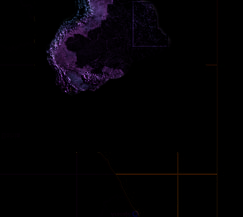

Source: ANA/GEF/UNEP/OEA Project
Figure 1. Location of the São Francisco River Basin and coastal zone
Background, content, process, scope
and lessons learned from the SAP
1
Background, content, process, scope and lessons learned from the SAP
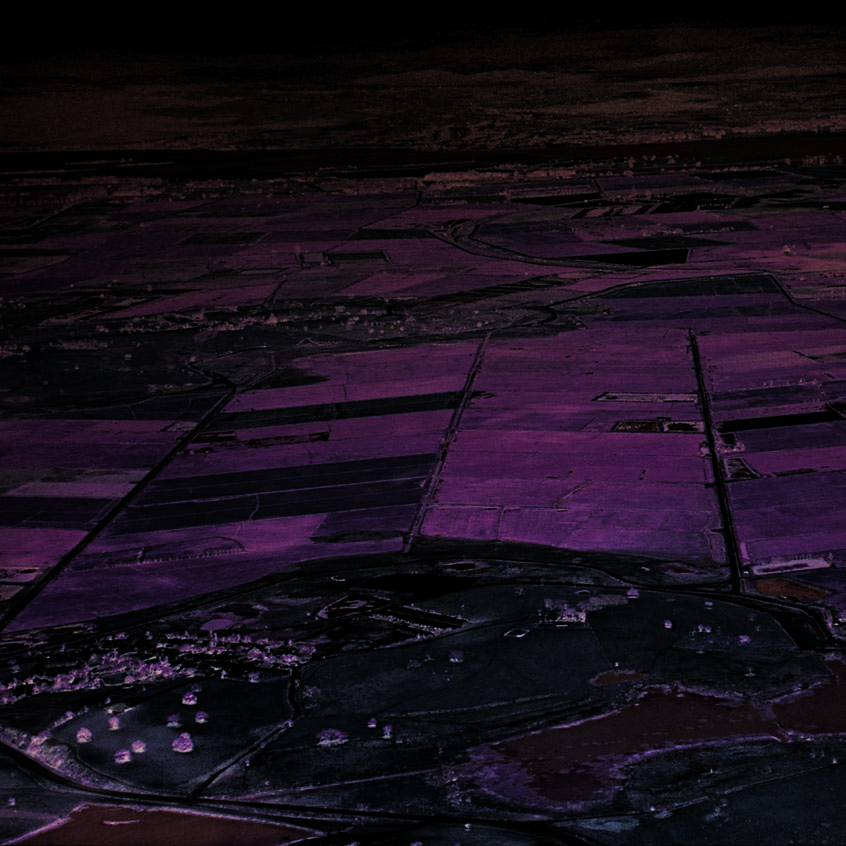
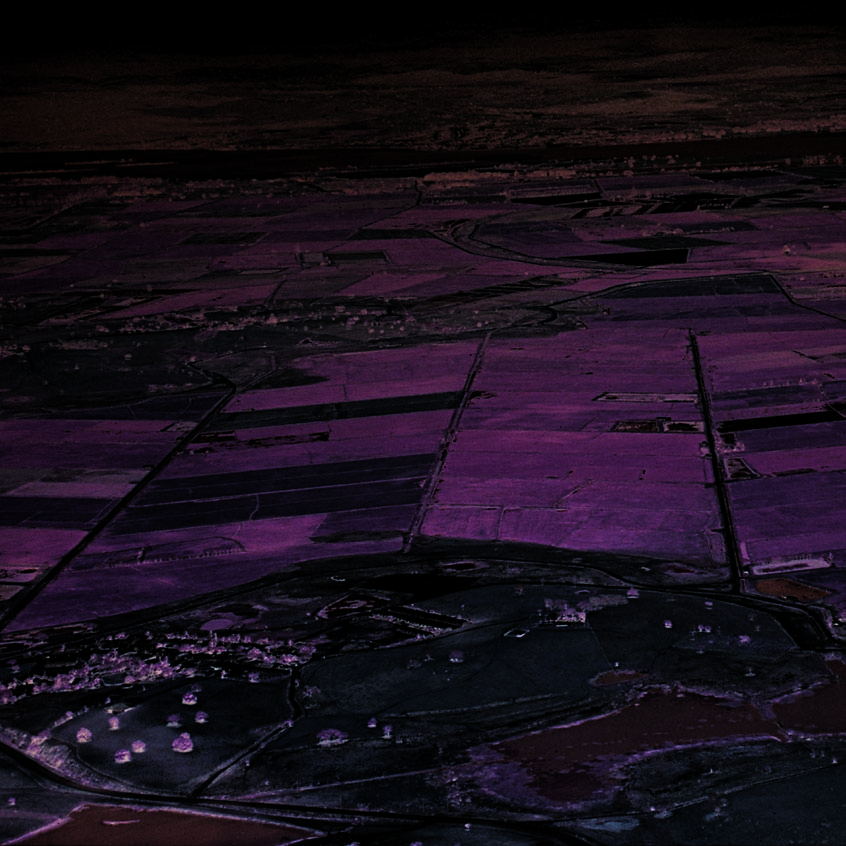
Aerial view Irrigation in the São Francisco Valley
1.1. Background
The São Francisco River Basin and its Coastal Zone are areas of strategic importance to the
development of a vast region of Brazil. Thus, these areas have been targeted for constant gov-
ernment attention and are increasingly subject to demands on the part of local and regional
society.
The various interventions to which the river and its most important tributaries have been
subjected have generated complex alterations in its flow system, with repercussions on its
coastal zone.
Studies and projects carried out in the Basin have never assumed an approach that encom-
passes the entire area, including the coastal zone, and neither has an integrated-management
approach ever been applied. 1
A portion of the Basin is in the semi-arid region, which extends into the northern part of
Brazil's Northeast Region. The São Francisco River, with an annual average flow of 2,850m3/
second, accounts for roughly two-thirds of the freshwater available in the entire Northeast
Region. It is for this reason that the possibility of sharing this water, through an inter-basin
transfer scheme, with other Northeastern states that do not share the Basin has been a recur-
ring theme since Imperial times.
The highly complex ramifications of the proposal for transposition of the São Francisco's
waters, the current situation in the Basin and its coastal zone, and the potential for conflict
among states that share the Basin, have led to efforts that seek to prioritize measures for
revitalizing the River, so that future population-growth and socio-economic development
demands will not result in the adoption of approaches that ultimately jeopardize the sustain-
ability of the Basin and its coastal zone.
In 1995, the Special Commission for the Development of the São Francisco Valley was cre-
ated, by Federal Senate Act 480, with the objective of fostering discussion of the strategies,
policies, programs and priorities to be applied for development of the region, encompassing
such topics as poverty reduction, the need to maintain a balance between socio-economic
development and environmental protection, and the rehabilitation of degraded lands in the
Basin.
1 Final report Special Commission for the Development of the São Francisco Valley Federal Senate Brasília 1995
Similar concepts have been cited in evaluation reports involving projects financed by the World Bank.
Photo: Alain Dhomé
16
17
In 1996, the Brazilian Government requested that the
proved in July 1998, in the amount of US$ 22.214 mil ion,
Organization of American States (OAS), in collabora-
of which the GEF provided US$ 4.771 mil ion.
tion with the United Nations Environment Programme
(UNEP), prepare a request for funding from the GEF
Execution of the project made it possible to develop a
Project Development Facility, for the preparation of a
Diagnostic Analysis of the Basin (DAB), the first version
two-stage program for water-resources management
of which was published in July 2003. Subsequently, a
and planning in the São Francisco River Basin. With the
preliminary draft of the Strategic Action Program for the
assistance of UNEP and OAS, a PDF/B2 proposal was
Integrated Management of the São Francisco Basin and its
prepared and submitted in the amount of US$ 341,000,
Coastal Zone (SAP) was concluded in December 2003.
and approved by the GEF Council.
The DAB was prepared on the basis of information gathered
The PDF/B resources made available to Brazil led to the
and conclusions drawn from the 28 Activities implemented
preparation of a project proposal entitled "Integrated
in the São Francisco River Basin and its coastal zone during
Management of Land-based Activities in the São Francisco
the period from September 1999 to April 2003. Later on,
Basin." This proposal was approved during July 1998, in
these conclusions were discussed in detail with the technical
the amount of US $ 22.214 million, as Project GF/1100-
and scientific communities, and with representatives of local
99-14. The GEF contributed US$ 4.771 million of the
stakeholders in the area in question.
total project cost.
Essentially, this implies that, though the starting point
It was proposed that the United Nations Environment
was the DAB, many of the strategic actions and activities
Programme perform the role of implementing agency, in
recommended in this report stem from interactions that
view of the nature of the task that comprises initial strate-
took place subsequent to the diagnostic analysis. These
gic programming, whereas UNEP's partnership with the
interactions took the form of proposals raised by par-
OAS flows from the latter's experience in carrying out
ticipants at the Brasília Seminar, meetings of the CBHSF
similar work throughout Latin America.
Work Group, and workshops held in the four physio-
graphic regions of the Basin.
Initially, the Secretariat of Water Resources of Brazil's
Ministry of Environment (SRH/MMA) was designated
as the local executing agency. Subsequently, in 2001, leg-
1.2. Format of the SAP
islative changes in the framework of the National Water
Resources Policy (PNRH) resulted in the creation of the
The SAP encompasses two duly-justified and detailed ma-
National Water Agency (ANA), which has since assumed
jor components: Strategic Actions and Strategic Activities.
the role of local executing agency.
Each activity includes the products, objectives, expected
benefits and beneficiaries, institutional partners, refer-
In March 1997, the GEF Council approved the request
ence budget and schedule:
submitted by the Brazilian Government. A grant under the
PDF/B enabled preparation of a project proposal known as
I. Implementation of the Integrated Water Resources
Integrated Management of Land-based activities in the São
Management System for the Basin and its coastal zone
Francisco Basin Project GF/1.100/99-14, that was ap-
SIRGHI;
2 PDB/B is a GEF preliminary request for funding document, that paves the way for a Cooperation Project and grants.
16
17
II. Sustainable Use of Water Resources and rehabilitation
of the Basin and of its Coastal Zone.
The two components focus principally upon strengthen-
ing of institutions and public participation, sustainable
water-resources development, and environmental protec-
tion, rehabilitation and conservation. Permeating this
approach is the concept of social inclusion targeted at the
population of the Basin.
Box 1
Execution of these actions must necessarily entail the ac-
The GEF São Francisco Website
tive support and participation of the São Francisco River
http://www.ana.gov.br/gefsf/
Basin Committee (CBHSF) and of the federal and state
Information on over 3 years of research and demonstration projects car-
entities that are active in the Basin and its coastal zone.
ried out under the 29 Activities that comprise the project on Integrated
Management of Land Based Activities in the São Francisco River Basin
Moreover, the SAP served as a basis for the preparation of
(ANA/GEF/UNEP/OAS)--GEF São Francisco is available over the
the Basin Plan, as called for by Law 9.433/97 and CBHSF
Internet.
guidelines. Aside from the parts that can be carried out
Executive Summaries of the Final Reports on the Activities, the Diagnos-
using grant funding from the Global Environment Facility
tic Analysis of the São Francisco River Basin and its Costal ZoneDAB,
- GEF, the SAP encompasses an array of activities and
and the Strategic Action Program for the Integrated Management of the
their corresponding investments necessary for consistent
São Francisco River Basin and its Coastal ZoneSAP are available in PDF
development of water-resources policies in the Basin
format for download.
and its coastal zone. This preliminary evaluation of the
With a view to forming a borderless virtual community for the exchange
investment requirements was taken as a reference when
of information on the São Francisco River Basin, the Website was devel-
defining `the Basin's investment needs'.
oped with the following aspects in mind:
The SAP proposes a series of priority strategic actions
· Design: the layout of the site was designed for ease of navigability and
that have been identified by a diverse array of stakehold-
adequate representation of GEF Projects;
· Content: within an information-technology architecture, the Website
ers, including the federal government, states, municipal-
seeks to provide a comprehensive overview of the Project, including
ities, private institutions and NGOs, that comprise the
all of the Project's principal outputs, executive summaries of the major
membership of the São Francisco Basin Committee. This
documents, and an overview of its stakeholders in order simultaneous-
strengthens the strategic participation of the institu-
ly to fulfill an array of institutional, technical, journalistic, educational,
and communications needs, in both English and Portuguese;
tions involved in the management of water-resources of
· Technology: within a keyword-searchable database, the Website pro-
the Basin, thereby endowing them with characteristics
vides a management system for circulating the content in such a way as
needed to transcend boundaries, and enabling actions to
to allow an infinite number of people to publish reports directly onto
be replicated or adapted in other regions.
the website from any part of the world;
· Support: a user's manual is available to provide guidance for users of
the Website.
Furthermore, these actions are compatible among them-
selves and are clearly linked to components of Multi-Year
The GEF São Francisco Website seeks to provide a simple system for the
Action Plans (PPAs) prepared by the federal government and
management and dissemination of knowledge on the São Francisco River
Basin and its Coastal Zone.
the states directly involved in the Basin and its coastal zone.
18
19
The SAP also defines the institutional framework needed
The SAP should, therefore, be regarded as a working
to generate, sustain, and support the commitment to
document, to be used by local institutions for improv-
the actions indicated therein, and assesses the necessary
ing methodologies and strategies, with the overall aim of
financial, technical and human resource requirements for
promoting sustainable development in the Basin and its
implementing the program over a four-year period.
coastal zone. It provides a means for harnessing the power
of current water-resources management instruments
The SAP consolidates the planning cycle, in the sense that the
and enabling their incorporation into policies, programs
Basin Plan is constantly being updated and revised through
and plans while, at the same time, interacting with other
application of control and adjustment instruments adopted as
natural resources management models.
a result of a broad-based process of public participation that
has characterized the entire preparatory process. Additional
contributions of new knowledge can be incorporated and
1.3. Preparation of the SAP
the institutional efforts refined, based upon predetermined
indicators and performance evaluations, to attain the final
The drafting of the SAP marks the conclusion of the first
objective of sustainable development of the water resources
stage of the Project. It is the culmination of studies and
of the Basin.
actions carried out under the 29 Activities, and of analyses
of the causal links among the problems addressed under
One of the merits of SAP is that it provides stakeholders
those Activities. It was precisely through these Activities
in the Basin and its coastal zone, the CBHSF and other
that it became possible to identify the proposed actions,
interested parties, with a ready reference document that
and focus them, with a view to correcting/mitigating the
defines strategic actions and guidelines for integrated
more critical problems.
overall management of water resources. At the same time,
priority actions to be executed are specified with the aim
In preparing the SAP, an effort was made to encompass
of revitalizing the Basin. Moreover, it orients studies and
all of the integrated management activities focused on
provides details for the formulation of projects and inter-
the São Francisco River Basin and its coastal zone. To this
ventions so as to enable their evaluation within the frame-
end, a process of consultation was launched that entailed
work of the Basin Plan. In this manner, the SAP seeks to
broad stakeholder participation, similar to that employed
contribute to the consolidation of actions performed by
in the formulation of the DAB.
the Basin Committee, providing it with a work agenda for
the early years of its operation.
18
19
Aside from the 210 events carried out during execution
During the course of the Project a total of 217 public
of the DAB and SAP Activities, seven additional meetings,
events, in the form of seminars, workshops, working
with strong public participation, were held specifically
meetings and plenary meetings, were held.
for the purposes of SAP preparation, thus providing op-
portunities for wide-ranging discussion of its objectives,
The preparation work for activities under the DAB and
consistency, completeness and methodologies, and of
SAP entailed the work of approximately 200 consultants
its intermediate and final outputs. The purpose of this
who prepared the documents and proposals discussed
process was to gather information on local concerns
during these events, and consolidated the outcomes into
and solicit contributions to the SAP, while disseminating
final reports.
information on the progress of the work.
1.3.1. Public participation
Five meetings were held: the Brasilia Seminar, which took
place between 24 and 25 August 2003; workshops in Belo
The GEF São Francisco Project entailed ample involve-
Horizonte on 9 September 2003, Aracaju on 12 Septem-
ment of society, with strong participation of the general
ber 2003, Petrolina on 15 September 2003, and Barreiras
public from the outset of the 29 activities. The results of
on 17 September 2003. These venues correspond to the
this process culminated in the formulation of the Diag-
Upper, Lower, Lower-middle and Middle physiographic
nostic Analysis of the São Francisco River Basin and its
regions of the São Francisco River Basin, respectively.
Coastal Zone (DAB), reaching its peak with the prepa-
In addition, the 2nd Plenary Meeting of the CBHSF took
ration of the Strategic Action Program for Integrated
place in Penedo (AL), from 1 to 3 October 2003. Two
Management of the São Francisco Basin and its Coastal
further meetings were held by the Plans and Programs
Zone (SAP).
Work Group (GT-CBHSF), created by the CBHSF as
a counterpart to the effort made by the GEF/ANA/
UNEP/OAS during the SAP preparation process.
20
21
The execution phase of activities and of the DAB involved
NGOs, 20 private companies, and 5 international
11,503 people from 284 institutions, comprising 41
organizations.
federal, 66 state and 67 municipal bodies; 60 NGOs;
43 private companies; and 7 international organiza-
The total consolidated number of institutions that con-
tions.
tributed to the Project amounted to 483. These include 50
federal organizations, 102 state institutions, 110 municipal
As Table 1 shows, 594 stakeholders from the Ba-
entities, 150 NGOs, 63 private companies, and 10 inter-
sin and its coastal zone, representing a total of 196
national organizations. Overall, considering all of these
institutions, participated in the SAP formulation
events, the SAP formulation efforts involved participation
phase. These institutions included 15 federal bodies,
of some 200 consultants, 1,262 collaborators and 12,097
40 state level entities, 36 municipal institutions, 80
participants, representing the 483 entities.
Table 1. Number of participants, by institution, involved in public events for preparation of the SAP.
No of participants by institution
Event
NGOs and
Location/Date
Federal
State
Municipal
International
Total
Companies
Seminar
Brasilia-DF
81
12
0
21
5
119
August 25-26, 2003
Regional Workshop
Upper São Francisco
26
36
15
35
1
113
Belo Horizonte-MG
September 9, 2003
Regional Workshop
Lower São Francisco
17
21
0
11
1
50
Aracaju-SE
September 12, 2003
Regional Workshop
Lower-Middle São Francisco
14
10
9
2
0
35
Petrolina-PE
September 15, 2003
Regional Workshop
Middle São Francisco
24
25
18
91
0
158
Barreiras-BA
September 17, 2003
Plenary Meeting
CBHSF
13
30
27
48
1
119
Penedo-AL
October 1-3, 2003
Overall total
175
134
69
208
17
594
With respect to the SAP, it is worth noting that 35% of
It can thus be concluded that there has been intense
the participants in these events represented NGOs or
public interest in the work of formulating the SAP and
private companies; i.e., the participants were not repre-
that participation has not been limited to public-sector
sentatives of public authorities, but rather of civil society
representatives or employees of government entities
in general.
alone.

20
21
Table 1 shows that 35% of the total of participants
vate companies, increased from 36% in the DAB, to 51%
were representatives of NGOs or of private compa-
in the SAP, demonstrating that such participation was
nies.
significantly stronger in the second stage of the Project.
This indicates that there was greater intensity of interest
It is worth noting, in figure 2, that the percentage partici-
displayed by these entities during the phase of preparing
pation by private entities, including both NGOs and pri-
actions than during the diagnostic phase.
Figure 2. Percentage participation of institutions in the DAB and the SAP
1.3.2. Principal recommendations and comments
This entire process culminated in an analysis, under the
DAB, and in targeted recommendations for preparation
of the SAP. To validate these key steps, public debates
were held in Brasilia and in the four physiographic regions
of the São Francisco River Basin. In order to ensure ample
opportunity for public debate and, consequently, enrich-
ment of the SAP preparation process, participants at all
of these events were provided opportunities to speak and
put forward recommendations and comments.
As Table 2 shows, the 134 recommendations were dis-
tributed on a relatively even basis among the different
components, however, their distribution by event was less
even. As can be seen, participants in the Brasilia Seminar
showed greater interest in issues relating to Compo-
nent II, whereas, at the Regional Workshop in Petrolina,
participants opted to focus greater attention upon those
Photo: Alain Dhomé
relating to Component I.
Landscape Semi-arid region
22
23
Aside from these events, the SAP document was ex-
to be transmitted in an appropriate form to the Basin
amined in detail and debated on two different occa-
Committee.
sions, in Belo Horizonte and in Aracaju, by the project
preparation team and the Plans and Programs Work
This process culminated in the CBHSF Plenary Meeting
Group established by the CBHSF. It was this analysis
in Penedo, at which the two CBHSF documents appended
and debate that enabled the CBHSF Work Group to
to Annex 1 of this report were drafted: Recommenda-
prepare and remit its position on the subject to the
tions of the Plans and Programs Work Group in support
CBHSF. This step was critical to the entire process,
of the SAP, and CBHSF Decision No. 03, which provides
since it made it possible for the inputs of civil society
for the São Francisco River Basin Plan.
Table 2. Number of recommendations and comments per component of the SAP, raised during public events
Event
SAP Themes
Location/Date
Component I
Component II
Total
Seminar Brasilia-DF
7
15
22
August 25-26, 2003
Regional Workshop, Upper São Francisco
15
13
28
Belo Horizonte-MG, September 9, 2003
Regional Workshop, Lower São Francisco
16
18
34
Aracaju-SE, September 12, 2003
Regional Workshop, Lower-Middle São Francisco
13
2
15
Petrolina-PE, September 15, 2003
Regional Workshop, Middle São Francisco
16
19
35
Barreiras-BA, September 17, 2003
Overall total
67
67
134
1.4. National and international scope
both the São Francisco and the Nile basins, agriculture was
of the SAP
revitalized by annual flooding of the river banks. On the São
Francisco River, annual flooding ceased with the construction
The results of the GEF São Francisco Project were
of a series of hydroelectric plants in the Lower-middle region
consolidated in the diagnostic analysis, which, in turn,
of the Basin, which not only altered the natural rise and fal
became a tool of enormous importance in the preparation
of its waters, but also changed the conditions that had previ-
and adoption of the SAP. Aside from proving an extremely
ously supported a highly varied ichthyofauna.
valuable experience, the diagnostic analysis has also gen-
erated a wealth of information on the São Francisco River
On the Nile, seasonal variations in water levels stil result in a
Basin and its coastal zone, making it possible to begin
replenishing of sediments on the river banks, since the Aswan
exchanging experiences, not only within the framework
Dam is a relatively large distance from the river mouth,
of the São Francisco Basin, but also with other regions of
whereas at the estuary of the São Francisco, such sediments
Brazil and even with other countries.
have been reduced by a factor of over twenty fold.
Parallels have been drawn with the experience of the Nile
Many of the strategic environmental and institutional is-
River Basin and the building of the Aswan High Dam. In
sues raised during the SAP preparation process are similar

22
23
to those encountered in other regions and basins of the
world. Among them:
· Exchanges and sharing of information and knowledge
among all the participating institutions, states and
entities involved, with the objective of consolidating a
strong system of environmental coordination;
· Point and non-point sources of pollution, and pro-
posed solutions, with the call for participation by those
Box 2
responsible for the pollution as well as those who suffer
The São Francisco River Basin
its consequences;
Committee (CBHSF) Website
· Limitations upon the capacity to act effectively and effi-
ciently in controlling environmental impacts, especially
with regard to the degradation of ecosystems by pol-
http://www.cbhsaofrancisco.org.br/
lution, erosion and the spread of invasive species (such
The Website of the São Francisco River Basin Committee (CBHSF) is one
as the aquatic plant known as "cabelo" in the Lower São
of the outputs of activity 4.1 Promotion of Public Involvement in the
Francisco River). Such negative impacts pose limita-
São Francisco River Basin, and is targeted at empowering the Basin Com-
tions in the areas of human, financial and (especially)
mittee to carry out participative and decentralized management of water
social resources;
resources throughout the São Francisco River Basin.
· The importance of understanding and consolidating
The site provides a powerful tool for raising the profile of the Basin
awareness with regard to environmental issues when
Committee, by enabling it to publicize information on its founding and
formulating and deploying customized activities suit-
development, and to post updated reports on its activities, in Portuguese,
able for adaptation or replication in other areas, taking
English and Spanish.
into account regional and cultural factors and the
degree of social development;
In line with its underlying principles of decentralized public participation,
and in compliance with current laws governing the management and use
· Understanding of how environmental impacts can
of water-resources, the CBHSF website not only serves as a forum for
serve to orient sector-specific policies, through public
debate but also provides news on issues of interest to Basin Committee
participation and full assimilation of implications by all
members, such as:
stakeholders;
· The wide variety of types of water use in the Basin, de-
· the mobilization process that led to the Committee's foundation;
· its composition and organizational structure;
manding harmonized solutions for the implementation
· full documentation, including its bylaws and the decree under which it
of integrated water-resources management; and
was founded;
· The importance of public involvement throughout the
· reports and minutes of meetings, its mission statement and rules of
process, from identification of problems to the formula-
procedure.
tion of solutions, including monitoring of implementa-
tion and, most importantly, the role of the Basin Com-
mittee as the legitimate institutional forum for decision
making, implementation and monitoring of actions, by
means of the harnessing of cooperative participation of
stakeholders, that has proven one of the richest experi-
ences to emerge from the GEF São Francisco Project.
24
25
1.5. Lessons learned from the
· Despite application of the principles of public involve-
GEF São Francisco Project
ment during the course of the Activities, the initial
preparation of the DAB did not take such full advantage
Several important lessons can be drawn from the entire
as it might have of the insights3 put forward by the vari-
process of conception and preparation of the DAB and
ous institutions and stakeholders4. Such contributions
the SAP, and their subsequent validation through the
are of inestimable worth and importance in ensuring
Activities, meetings, seminars and workshops. The major
continued innovation, especially in light of the percep-
lessons are listed below:
tion, stressed by a number of authors, that knowledge
creation involves both ideals and ideas. This shortcom-
· Considerable gaps still exist in our knowledge of the
ing was corrected during preparation of the SAP, which
interactions between water and land use. Such know-
more fully reflected all that had been discussed at the
ledge is essential for defining critical areas and priori-
various events;
ties. Training is the key to closing this gap, coupled with
· The spirit of public involvement was significant and
the activities of the Basin Committee;
permeated all stages of the work. Commitment on
· The GEF São Francisco Project demonstrated not only
the part of all those directly or indirectly involved in
that it was possible, but also developed a process, to
the project and of interested parties in the various
draft an analytical and participative diagnosis through
questions and themes raised; the sense of identity of
the authentic exercise of democracy and negotiation.
stakeholders; and the clarity of objectives as they were
Due consideration was given to the contributions of all
transmitted to the stakeholders, were identified as be-
stakeholders in drawing up the strategic action program
ing the most critical elements of this involvement;
for the development of the São Francisco River Basin;
· Direct involvement of stakeholders in project execu-
· Public involvement of more than 12,000 people in the
tion, through open debate of findings and conclusions,
debates on the two phases of the GEF São Francisco
served to reduce tensions created by ideological dis-
Project was, without any doubt whatsoever, expressive
course, devoid of factual or technical-scientific founda-
and spontaneous.
tions. Radical discourse proved unable to withstand the
· The degree of participation in events and debates
salutary and refreshing effects of freely expressed ideas,
revealed the depth of interest in themes relating to
and tensions tended to dissipate as grandstanding gave
the São Francisco River Basin and was reflected in the
way to dialogue. It was thus possible, for example, to
numbers of concrete recommendations put forward by
deal with environmental aspects of the Project without
participants;
resorting to radical posturing;
· After the relatively large number of entities that partici-
· Another important factor that contributed to the
pated in the preparation of the DAB, more and different
change in attitudes was participation by the public. This
entities came forward to participate in the SAP.
proved to be of inestimable importance in the de-
· There was a sharp increase in the number of NGOs
cision-making process. When the responsibility inher-
participating in the SAP formulation, as compared
ent to decision making is fully comprehended, reactions
to the number that participated in the DAB, demon-
tended to become more moderate and decisions more
strating that, as the project began to address concrete
rational, as those charged with tasks realize that they
problems rather than the abstract framework of the
may well in future be held accountable by the public for
diagnostic analysis, the degree of interest intensified;
their decisions;
3 Experiences and discernment.
4 Actors and interested parties directly and indirectly involved.
24
25
· When expressing objectives and priorities, or when
justifying the processes whereby the GEF São Francisco
Project was prepared, clarity proved to be the most
ASF
important attribute of communication. Such clarity
ODEV
should be pursued, from the initial drafting of terms
Photo: C
of reference, through to the conclusion of the process.
Clear and concise communication proved to be one of
Box 3
the key requisites for ensuring efficient and effective
public participation in the tasks of Project preparation
São Francisco River Basin
and execution;
Information Network - RISF
· Actions pursued had to take due account of a diversity
Within the scope of Activity 4.7.C. Meta-data Based Reference Inform-
of sub-regional situations, and allow for the hetero-
ation System on the São Francisco River Basin - a database containing all
geneity of interests involved, and the disparate capabili-
references to the São Francisco Basin located in Brazilian Federal Govern-
ties of stakeholders, participants and beneficiaries, as
ment institutions was established under coordination of the Brazilian
was clearly reflected by a wide range of attitudes and
National Water Agency ANA.
behaviors displayed by stakeholders;
Such an information network entails cooperation among the entities that
· The federal and state institutions involved have gradu-
produce and share information, with a view to lowering costs and distributing
ally assumed greater responsibilities in the execution
outputs to society. RISF thus operates in a context in which a very large num-
of tasks allotted to them during the course of Project
ber of international and national initiatives with similar aims are taking place.
preparation. Such engagement and participation has
increased as their perception of the importance of the
Information on international initiatives can be obtained through the
Federal Geographical Data Committee FGDC, a US-based organization
Project has grown;
whose website is: www.fgdc.gov. Information on the São Francisco River
· The role of municipalities has proven to be of inestim-
can be found on the ANA website at: http//:risf.ana.gov.br.
able importance in the implementation of the Project.
Municipal participation, however, must not become too
In view of the vast area of the São Francisco Basin, the information
closely associated with the administration of individual
network was planned to go into effect in phases. In the first phase, the
goal was to establish data libraries by merging the databases of various
mayors, but rather, should seek to include the broader
Brasilia-based governmental agencies. These, aside from the Brazilian
general public. There is a danger of the Project losing
Water Agency - ANA (Agência Nacional de Águas) included:
favor when administrations change, and project conti-
nuity demands that support depend not upon one single
· São Francisco and Parnaíba Valley Development Company
faction of local government, but rather, upon a commit-
CODEVASF (Companhia de Desenvolvimento dos Vales do São Francisco e do
Parnaíba)
ment sanctioned by the entire community;
· The Brazilian National Electric Energy Agency ANEEL (Agência
· The Basin Committee has demonstrated its capacity to
Nacional de Energia Elétrica)
fulfill its role in the integrated management of the re-
· The Brazilian Institute of Environment and Renewable Natural
sources of the São Francisco River Basin. At a meeting
Resources IBAMA (Instituto Brasileiro do Meio Ambiente e dos Recursos
Naturais Renováveis)
held on 2 October 2003 in Penedo, Alagoas, the Com-
· The Mineral Resources Research Company CPRM (Companhia de
mittee proved that it was able to make decisions and
Pesquisa e Recursos Minerais)
consolidate the support of local communities. The con-
· The National Institute of Meteorology INMET (Instituto Nacional de
tribution of the CBHSF Work Group was of inestimable
Meteorologia)
· The National Department of Works for Combating Drought DNOCS
value to this outcome, in that the Work Group formally
(Departamento Nacional de Obras Contra a Seca)
· The Secretariat of Water Resources SRH (Secretaria de Recursos Hídricos)
In the near future ANA will be incorporating additional data from other
entities to the RISF.

26
27
conveyed the conclusions of the entire public consulta-
tion process to the CBHSF, as significant contributions
to the decision-making process of that body;
· The support provided by the Project to the CBHSF
unquestionably enabled the GEF to improve the quality
of water-resources management in the Basin, thereby
enhancing the value of the work well beyond the scope
Box 4
of its financial contribution;
· The financial support of the GEF to the São Francisco
Geo-referenced information system
Project is, however, for a limited time period. Addition-
for the Upper Rio das Velhas Basin
al financial inflows generated by payment for the water
use must be secured, and the Basin Agency must be
During preparation of Activity 2.1 - Environmental Assessment of the Im-
consolidated, if the CBHSF is to continue to perform its
pacts of Mining on Water Resources in the Upper Rio das Velhas Basin - in
vital role in managing the Basin in an integrated man-
2001, a database was established for the Minas Gerais Water Management
ner. Consequently, in the second stage of the Project, it
Institute - IGAM (Instituto Mineiro de Gestão das Águas), containing
information on the following thematic blocks in the region:
is essential that the Basin Agency be implemented and
endowed with the means of ensuring that the Project
· availability of surface and ground water
will move forward, perpetuating the benefits engen-
· water quality in the hydrographic basin and the impacts of mining
dered during this first stage;
· developments in land use and susceptibility to erosion
· The Basin Committee has played the role of fostering
· water use in productive and mining activities
· environmental awareness
inter-institutional understanding, as it facilitates discus-
sion of questions of importance to the Basin within the
Aside from numeric data for each of these thematic blocks, the following
framework of its Regional and Technical Chambers. In
maps, containing information on the Rio das Velhas Basin, are available on
so doing, the CBHSF has proven to be a solution to one
the Geo-referenced Information System GIS:
of the major problems identified by the Project;
· location
· It has also become clear that the Committee must be
· isohyetal points and pluviometers
provided with permanent guidance, with respect to the
· watercourses, fluviometers and water-quality measurement stations
objectives of its actions, and that this can be achieved
· surface water hydrology
only through systematic elaboration of Basin Plans, as
· location of concession areas
· hydro-stratographic units
called for under Law 9.433/97. Initially, such orienta-
· conservation units and water waterfalls
tion is provided by the SAP;
· mining activities
· The drafting of federal and state Multi-year Action
· geology
Plans (PPAs) represents an important step forward
· geology of the iron-bearing quadrilateral
· hypsometry/relief
in bringing greater discipline to investment flows.
· classes of declivities
Although expenditures are only authorized when jus-
· pedology
tified under projects included under PPAs, in practice,
· vegetation cover and land use in 1985
two difficulties arise; namely: a lack of coordination
· vegetation cover and land use in 1999
· municipal boundaries
between federal and state planning authorities in the
· simplified morpho-structural diagram of the iron-bearing quadrilateral
drawing up of PPAs, and, even when projects are
· summary of potential water availability
included within PPAs, they are often held up owing to
· geo-pedological units
spending constraints;
· environmental awareness of water-resources pollution
· principal results of water-quality diagnoses
· basic units for environmental analysis

26
27
· Systematic preparation and implementation of the Basin
of economic development, situated within enormous
Plan, through broad-based participation and debate
`voids' characterized by extremely low Human Devel-
with society in general, will define real investment
opment Indices (HDIs). Outside the `islands' of devel-
priorities in the Basin by the various spheres of govern-
opment are areas where extreme poverty stimulates
ment, while providing instruments for the resolution
careless extraction of natural resources, as an impera-
Photo: Alain Dhomé
of difficulties arising from activities specified in PPAs
tive for survival, and causes significant environmental
at the federal and state levels. A Basin Plan will bolster
degradation. The `islands' themselves are also marred by
public and political support for inclusion of the neces-
poor water and soil use practices, with the result that
sary investments in the respective PPAs;
the entire Basin is in serious environmental jeopardy;
· Though the financial contribution of the GEF is rela-
· The course of the Lower São Francisco River and its
tively modest and limited in time, it plays an important
estuary, a region marked by extremely low HDI, suffers
role in the establishment of a system that is certain to
from anthropogenic environmental degradation that
be of utmost importance to decisions involving the
severely limits possibilities for generating income, and
future of the São Francisco River Basin and, provided
traditional fisheries have practical y disappeared. There is
that the actions put forward in the SAP are successful,
thus a pressing need to provide local populations with eco-
this strategic program is likely to stimulate investments
nomic alternatives for improving the quality of their lives.
amounting to billions of reals (dollars);
· With respect to the physical, economic and environ-
The two previous lessons lead to a third of even
mental aspects of the São Francisco River Basin, it is
broader scope: the need for revitalization of the Basin,
striking that the whole region is dotted with `islands'
the most viable instrument for which is the SAP.
eres
Photo: Eraldo P
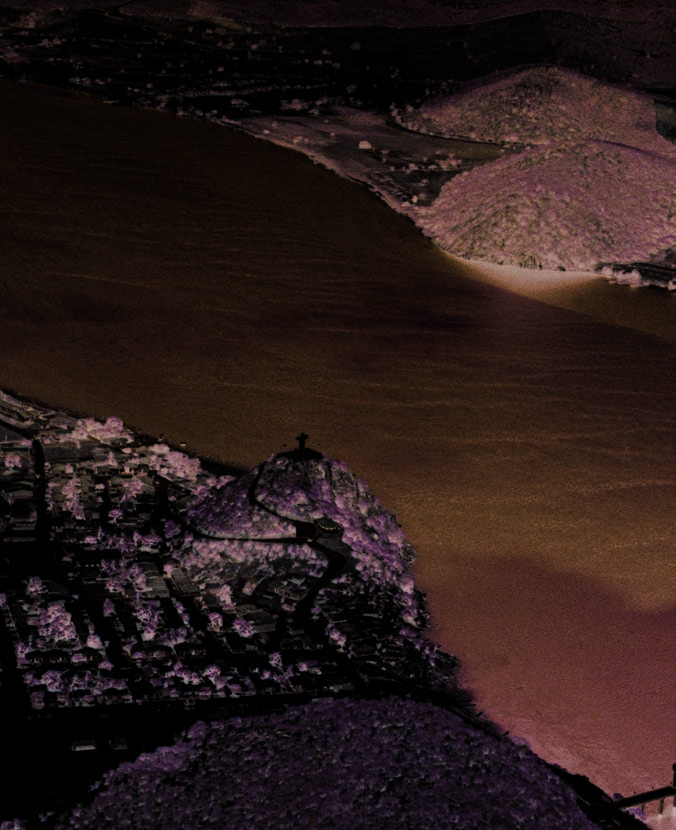
Aerial view of the São Franscisco River showing the twin cities of Petrolina (PE) and Juazeiro (BA)
Pão de Açúcar-AL
Characteristics of the Basin
and its coastal zone
2
Characteristics of the Basin and its coastal zone
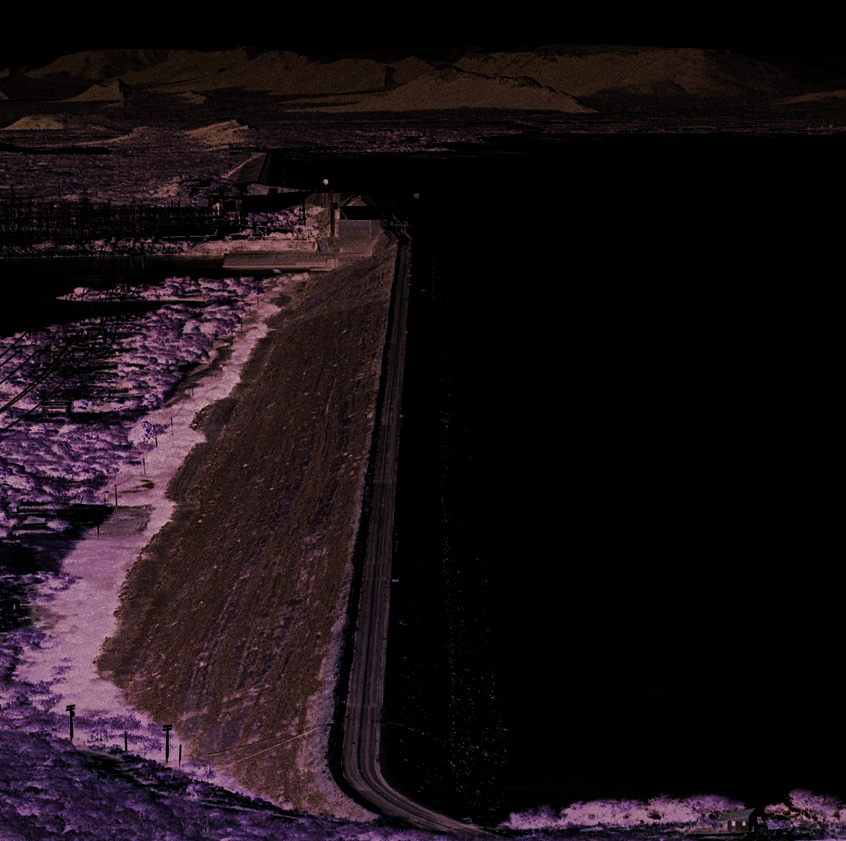
Aerial view of the Sobradinho Dam
The São Francisco River Basin is a vast and complex system encompassing various Brazilian
states. From the jurisdictional standpoint, the political-administrative organization of the São
Francisco River Basin involves the federal government, state and Federal District authorities,
and also municipal authorities, which, according to Brazil's Constitution, are autonomous
within the Brazilian Federation. In order to harness synergies capable of contributing to Bra-
zil's development on a sustainable basis, the management model for the São Francisco River
Basin must entail intense interaction, integration and negotiation among all of these parties.
Table 3: Area, population and number of municipalities in the Basin, by State, in the São Francisco River Basin1
Area
Population
Municipalities
State
Km2
%
Inhabitants
%
No.
%
Minas Gerais
234,684
36.8
7,595,274
57.2
240
47.7
Goiás
3,041
0.5
107,858
0.8
3
0.6
Federal District
1,355
0.2
22,000
-
1
0.2
Bahia
305,866
48.0
2,663,527
20.1
114
22.7
Pernambuco
69,607
10.9
1,614,565
12.2
69
13.7
Alagoas
14,321
2.3
1,002,900
7.5
49
9.7
Sergipe
8,046
1.3
291,831
2.2
27
5.4
Total
636,920
100
13,297,955
100
503
100
Source: IBGE-Census 2000/ANA/GEF/UNEP/OAS
In addition to this decentralized and federative framework, under the terms of Law 9.433/
97, the basic unit for water-resources management is the hydrographic basin, thus making
negotiation and political integration across political boundaries imperative.
Another setback has been institutional weaknesses and fragmentation, with countless or-
ganizations dealing with development and water-resources issues, at the federal, state and
municipal levels, with little coordination among them.
The creation and installation, at the end of 2002, of the São Francisco River Basin Commit-
tee - CBHSF, is a clear indication of progress achieved toward implementation of a National
Water Resources Management System. The establishment of the Basin Committee is evi-
dence of a new form of State organization, in which elected government officials are not the
principal participants, since the Committee also reserves seats for representatives of
organized civil society.
1The area of the São Francisco River Basin and its physiographic regions was obtained using the officially defined borders of the
Basin, at a scale of 1:100,000. The area was computed by CODEVASF from a Lambert conical projection re-projected as an
Albers Equivalent.
Photo: Alain Dhomé
32
Practically every imaginable type of water resources use
Among the studies carried out to provide technical-scien-
can be found in the Basin. For this reason the region pro-
tific bases for preparation of the SAP was the delineation
vides an important focus for studies on how to optimize
of a new physiographic division of the São Francisco River
and harmonize various forms of water use, namely: gen-
Basin. This delineation coincided with the conclusion of
eration of electricity, shipping, irrigation, fishing, tourism
the Final Report of the Federal Senate Monitoring Com-
and leisure, dilution of wastes, household and industrial
mission on the São Francisco River Revitalization Project,
water supply, mining, and others. Moreover, aside from
that "there is a need for broad discussion in academic
these disparate forms of use, it is necessary to ensure
and administrative circles with the aim of updating these
adequate flows for preservation of the environment.
limits."
The São Francisco River Basin is marked by socio-eco-
This new physiographic division, which the Federal Sen-
nomic disparities and environmental vulnerabilities, in
ate termed a `new geography,' was proposed by the Fed-
which wealthy areas with high population densities
eral Senate Commission on the grounds that the current
coexist alongside areas with severe poverty and low
divisions had become outdated.
population densities.
The proposed new framework preserves the current
The Metropolitan Region of Belo Horizonte (RMBH)
four physiographic divisions (Upper, Middle, Lower-
is located in the Upper São Francisco River Basin. The
middle and Lower), but redefines the borders between
City of Belo Horizonte is the capital of the State of Minas
the Lower-middle and Lower São Francisco River
Gerais. With 26 municipalities and an area of 6,255 km2,
Basin, following a line that passes close to the town
the State of Minas Gerais represents less than 1% of the
of Belo Monte (AL) (Figure 1 and Appendix 2). This
entire São Francisco River Basin. However, its 3,900,000
boundary is based on geological, geomorphological,
inhabitants (according to the 2000 census) correspond to
hydrographic, and climatic criteria that provide the
roughly 29.3% of the population in the entire Basin.
foundations for the physiographic homogeneity that
should be considered within a proposed Basin Plan,
Data on the physical and socio-economic aspects of the
to be developed from the DAB and SAP. The criteria
São Francisco River Basin were revised and updated dur-
developed for this re-delineation may stimulate further
ing preparation of the Diagnostic Analysis of the Basin
and deeper studies, based on the same criteria, in the
(DAB). During that process, those involved, in close co-
event that further divisions are proposed within the
operation with such institutions as CODESVASF, CHESF
Basin. In this regard, the CBHSF and the National
and EMBRAPA, took the opportunity to reevaluate and
Council of Water Resources (CNRH) are considering
redefine much of the statistical data on the Basin, making
whether the Middle São Francisco River Basin should
it possible to portray current realities more accurately.
be further subdivided.




32
Source: Project ANA/GEF/UNEP/OAS
Figure 3. Recommended new physiographic division of the São Francisco River Basin

34
35
The proposal for the new subdivision was presented and
discussed at the VI Symposium on Water Resources of the
Northeast, convened by the Brazilian Association of Water
Resources (ABRH) in Maceió between December 3rd and
6th, 2002, and at the II Congress on Planning and Manage-
ment of Coastal Zones in Portuguese-Speaking Countries,
held in Recife, from October 12th to 19th, 2003.
Box 5
Approximately 343,784 km2 of the São Francisco River
New geographical classification of the
Basin, corresponding to 54% of the total area, are in the
São Francisco Basin
so-called Drought Polygon. A total of 251 municipalities
lie within this area, which has a population of more than
The Final Report of the Federal Senate Committee on Monitoring of the
5,680,000.
Project for Revitalization of the São Francisco River, published in November
2002, made the fol owing recommendations with respect to the physiographic
The Basin drains an area that extends from upstream
regions of the São Francisco River Basin, under the heading `New Geography'.
regions in Minas Gerais, with rainfall of more than 2,000
"In view of the progressive socioeconomic and environmental differentia-
mm, to semi-arid and arid zones in the states of Bahia
tion taking place along the course of the São Francisco River, occurring
and Pernambuco, where rainfall amounts to less than
principally since the formation of the Sobradinho reservoir and construc-
350 mm, to the mouth of the River where rainfall levels
tion of the Xingó dam, this Committee believes that the current boundar-
gradually increase to about 1,300 mm per year.
ies of the Middle, Sub-middle and Lower São Francisco are outmoded.
From observations made, we consider it would be most fruitful to engage
academic and administrative circles in a deep discussion, with a view to
Table 4 summarizes the main physical, natural and socio-
reviewing these boundaries, in the light of the following:
economic characteristics of the Basin, by physiographic
region.
a) the new reality brought on with the formation of Sobradinho Lake, ex-
tending over 300 kilometers, as a new and specific unit on the course
of the river that, in view of its characteristics and dimensions, requires
a specific approach;
b) integration of the Paulo Afonso Xingó stretch of the Lower-middle São
Francisco, in view of the fil ing of the canyon, thereby providing a new
configuration for this stretch, given that the realities of the Lower São Fran-
cisco have been significantly altered since the building of the Xingó dam".
The first subdivision delimiting the large physiographic regions of the São
Francisco River Basin were drawn up in 1967 by the United States Bureau
of Reclamation USBR. With support from the Federal University of
Alagoas, the GEF São Francisco Project has undertaken an analysis of the
various physiographic regions, and has proposed the following new divis-
ions, in consonance with the Federal Senate recommendation:
· Upper, from its headwaters to its confluence with the Jequitaí MG
· Middle, from its confluence with the Jequitaí to the Sobradinho dam PE/BA
· Lower-middle, from Sobradinho dam to Belo Monte AL
· Lower, from Belo Monte the Estuary AL/SE
Photo: Alain Dhomé
In order to draft these new limits and to verify the possibility of subdivid-
Paisagem Pirapora-MG
ing the Middle São Francisco (the area of which is some 400,000 square
kilometers), in 2004, with the support of the GEF São Francisco Project, the
São Francisco and Parnaíba Val ey Development Company CODEVASF, wil
be carrying out a survey, using modern technological resources and satel ite
imaging, with a view to determining the precise boundaries of the four physio-
graphic regions, thereby bringing them into line with current realities.
34
35
Table 4: Physical and socio-economic characteristics of the São Francisco River Basin, by physiographic region.
Lower and Adjacent
Characteristic
Total or Average
Upper
Middle
Lower-middle
Coastal Zone
Area, km2
636,920
99,387
401,559
115,987
19,987
Area, %
100%
15.6%
63.1%
18.2%
3.1%
Length of main stem, km
2,863 km
1,003
1,152
568
140
Minas Gerais (MG),
Photo: Alain Dhomé
Federal District (DF),
MG,
BA,
PE,
Goiás (GO),
DF,
PE,
States encompassed
MG
AL, and
Bahia (BA), Pernam-
GO, and
AL, and
SE
buco (PE), Alagoas
BA
SE
(AL), and Sergipe (SE)
Number of municipalities2
503
194
173
93
78
2,021,289
1,422,881
Population and (%)
13,297,955 (100)
6,489,402 (48,8)
3,364,383 (25,3)
(15,2)
(10,7)
Urbanization, %
100
93
57
54
51
Population density, popu-
20.1
62.9
8.0
16.8
68.7
lation per km2
Elevation, m
- -
1,600 to 600
1,400 to 500
800 to 200
480 (sea level)
Slope of main stem,
- -
0.70 to 0.20
0.10
0.10 to 3.10
0.10
m/km
Tropical humid and
Tropical semi-arid
Prevailing climate
- -
Semi-arid and arid
Sub-humid
temperate
and subhumid dry
Availability of water,
7,024
6,003
15,167
899
1,172
m3/per person /year
Median annual rainfall, mm
1,036
2,000 to 1,100 (1,372) 1,400 to 600 (1,052)
800 to 350 (693)
350 to 1,500 (957)
Median temperature, ºC
18 to 27
23
24
27
25
Median annual sunlight, hours
- -
2,400
2,600 to 3,300
2,800
2,800
Median annual evapora-
896
1,000
1,300
1,550
1,500
tion/ transpiration, mm
Contribution to the flow, %
100
41.7
54.6
1.9
1.8
Maximum median
Pirapora, 1,303 in
Juazeiro, 4,393 in
Pão de Açucar, 4,660
- -
Foz, 4.680 in March
monthly flow, m3/s
February
February
in February
Minimum median
Pirapora, 637 in
Juazeiro, 1,419 in
Pão de Açucar, 1,507
Foz, 1,536 in Sep-
- -
monthly flow, m3/s
August
September
in September
tember
Pirapora
Sediments, 106/t/yr, and
Morpará 21,5
Juazeiro 12.9
Propriá 0,41
9.8 (636,920)
8,3
(area, km2)
(344,800)
(510,800)
(620,170)
(61,880)
Semi-deciduous
Cerrado, "caatinga"
Predominant vegetation
Cerrado and forest
seasonal forest, man-
- -
and small, high alti-
"Caatinga"
cover
remnant
grove swamps and
tude forest
coastal vegetation
Basic sanitation, % of
homes
- Water supply
- -
90
43
37
33
- Sewers
- -
71
13
22
9
- Sewage treatment
- -
80%
1%
17%
1%
continued...
2 The sum of 538 municipalities (rather than 503) results from some being counted twice, as they are located in 2 physiographic regions.


36
continued...
1,243 between Pira-
pora and Petrolina/
Juazeiro, 104 in
60 between Piranhas 148 from Belo Monte
Navigable waterways, km
2,061
- -
Paracatu, 155 in
and Belo Monte
to the mouth
Corrente, and 351 in
Grande
Três Marias (396),
Sobradinho (1,050),
Paulo Afonso I, II,
Principal hydroelectric
Rio das Pedras (9.3), Panderos (4.2), Cor-
III and IV (3,986),
dams (power output
- -
Cajuru (7.2), Queima-
rentina (9.0),
Moxotó (440),
- -
potential, MW)
dos (10.5), Parauna
Rio das Fêmeas
Itaparica (1,500),
(4.1)
(10.0)
Xingo (3,000)
Irrigated area, ha and (%)
342,712 (100)
44,091 (12.9)
170,760 (49.8)
93,180 (27.2)
34,681 (10.1)
Farming, livestock,
Farming, livestock,
Farming, livestock,
Industry, mining and
Major economic activities
- -
industry and aqua-
power generation, min-
fishing and aquacul-
livestock
culture
ing and agribusiness
ture
HDI
0.343 to 0.802
0.549 to 0.802
0.343 to 0.724
0.438 to 0.664
0.364 to 0.534
According to CHESF, the median long-term flow at the
mouth is 2,850 m3/s, though this figure is now being
reassessed.3 Figure 4 shows average monthly rainfall and
flow measurements for the Basin as a whole.
2.1. Conservation and environmental
protection areas in the São Francisco
River Basin
State and federal environmental protection and conserva-
tion areas, including indigenous reserves, represent only
Photo: Alain Dhomé
a small portion of the land uses in the São Francisco River
Basin, as Figure 5 shows.
Serra da Canastra-MG
Photo: Alain Dhomé
Landscape São Francisco River
3 The natural flow levels between hydroelectric plans in the São Francisco River Basin are now being reevaluated through studies contracted by the National System Operator
(ONS), with the support of the Ministry of Mines and Energy, ANEEL, and ANA. The project is entitled "Review of the Series of Natural Flows in the Principal Basins of the
National Interconnected System (SIN)" and aims to improve the planning of water resources utilization. The study is scheduled to be completed in November 2003.







36
Source: Project ANA/GEF/UNEP/OAS
Figure 4. Average Rainfall and Flow measurements in the São Francisco River Basin





39
Source: IBAMA
Figure 5 - Conservation Units in the São Francisco River Basin
39
2.2. Potential use conflicts
Approximately 27% of the land area of the São Francisco
River Basin is suitable for farming purposes. Using stand-
ards issued by the United States Bureau of Reclamation
(USBR), 3,000,000 hectares have potential for irrigation.
According to the São Francisco Valley Development Plan
Box 6
(PLANVASF), published in 1989, this total could be in-
creased to as much as 8,000,000 hectares, if more flexible
The São Francisco River is 2,863 km
criteria, with pumping up to 60 meters, are adopted.
in length
In 2002, the São Francisco and Parnaíba Valley Development Company
Having utilized practically all the São Francisco River's
- CODEVASF, carried out a detailed survey of the full length of the São
hydroelectric power generation potential, irrigated farm-
Francisco River.
ing is now the principal economic vocation of the Basin.
This study found that the true source of the São Francisco is the Samburá
Joint evaluations carried out by the electricity generation
river, close to the traditional source of the river in the Serra da Canastra,
in Minas Gerais.
companies and CODEVASF in 1989, indicated that up to
a 800,000 hectares of irrigated agriculture could be sus-
Satellite imaging showed that the basin of the Samburá covers a larger
tained without creating water-use conflicts between these
geographical area than does the São Francisco upstream from their conflu-
two water users. Once the irrigated area exceeds that
ence, and that the Samburá is longer than the portion of the São Francisco
point, negotiations will be necessary to establish water
upstream from their confluence.
allocation rules and priority criteria.
The elevation of the thalweg of the rivers at their confluence is: 664.944
m. for the Samburá, and 666.108 m. for the São Francisco. Flows meas-
In 2003, the irrigated area amounted to 342,712 ha, as is
ured in August 2002 for the Samburá were 16.6 m3/sec.; and for the São
shown in Figure 6. Consequently, there is ample potential
Francisco 5.3 m3/sec. It was also found that, at the confluence, the Sam-
for expanding irrigation without entering into conflicts
burá has a broader channel and a greater flow than the São Francisco, and
that the thalweg of the latter is higher than that of the Samburá, hitherto
with the power generation industry.
regarded as the tributary.
This scenario, however, is indicative of the importance of
Measurements of the length of the river, carried out using maps on
water resources management in the São Francisco River
various scales and satellite images, show that the São Francisco River is
Basin, and, unquestionably, implementation of the SAP
2,716 kilometers long, from its estuary on the Atlantic seaboard, to the
confluence of these two rivers. It was also found that the Samburá river is
will assist in mitigating potential conflicts before they
147 kilometers in length. Thus, the total length of the São Francisco River
occur.
is 2,863 kilometers.
The major currently operating and planned hydroelectric
plants for the São Francisco River Basin are shown in
Figure 7.





Source: ANA/Codevasf.
Figure 6. Irrigated Areas



Source: Aneel.
Figure 7 Current and Planned Hydroelectric Plants in the São Francisco River Basin

42
43
2.3. Socioeconomic challenges
The Diagnostic Analysis of the Basin (DAB), highlighted
a series of economic disparities within the Basin. The
Basin encompasses areas of considerable wealth, as well
as areas of severe poverty; areas of high demographic
density stand in contrast to enormous demographic voids;
Box 7
and highly industrialized areas coexist alongside areas of
subsistence agriculture.
Towns with over 100,000 population
Three major socioeconomic indicators provide an overview
As the table below shows, there are 14 towns with populations of over
100,000 in the São Francisco River Basin. Taken together, these towns
of the contrasts that exist within the São Francisco River
have a combined population of almost five million.
Basin. The Infant Mortality Rate (IMR, per 1000 live births)
ranges from 25.66 in Minas Gerais, to 64.38 in Alagoas, and
Towns with over 100,000 population in the São Francisco River Basin.
is general y higher than the average rate for Brazil, which
is 33.55 (IBGE, 2000). The Human Development Index
Town/State
Population
· Upper São Francisco
(HDI), ranges from 0.633 in Alagoas, to 0.844 in the Federal
Belo Horizonte-MG
2,229,697
District. In some municipalities HDI drops as low as 0.343,
Contagem-MG
536,408
whereas the average HDI for Brazil as a whole is 0.769.
Betim-MG
303,588
Per-capita GDP (Gross Domestic Product), ranges from
Santa Luzia-MG
184,721
Sete Lagoas-MG
184,286
R$2,275 (US$ 758) in Alagoas, to R$5,239 (US$ 1,746) in
Divinópolis-MG
183,707
Minas Gerais, whereas the figure for Brazil as a whole is R$
Patos de Minas-MG
123,708
5,740 (US$ 1,913) (IBGE, 1999).
Sabará-MG
114,557
Conselheiro Lafayete-MG
102,417
· Middle São Francisco
Montes Claros-MG
306,258
2.4. Availability of water
Barreiras-BA
131,335
· Lower-middle São Francisco
Petrolina-PE
218,336
Surface waters
Juazeiro-BA
174,101
· Lower São Francisco
Though not very intense considering the huge area cov-
Arapiraca-AL
186,150
Total
4,979,629
ered by the São Francisco River Basin, the flows of the
Source: IBGE, 2000.
São Francisco River are comprised of the combined flows
The combined populations of these towns account for roughly 32.78% of
of a number of fairly large secondary level tributaries.4 At
the total population of the São Francisco River Basin. It is worth point-
least seven of these tributaries have average flows of more
ing out that nine towns in the Rio das Velhas sub-basin, located in the
Upper São Francisco physiographic region, account for a population of
than 100 m3/s and, taken together, they contribute a total
3,963,089.
of 1,506 m3/s, or approximately 73%, of the regulated
flow downstream of the Sobradinho Dam, which is 2,080
m3/s.
4 Resolution 30 of the National Council of Water Resources (CNRH, Conselho
Nacional de Recursos Hídricos) (Annex 2), adopted on 11 December 2002,
establishes the methodology for the classification of hydrographic basins and
defines the main stem of the São Francisco River as being `of the first order'.

42
43
When rivers, streams, brooks, creeks and rills are taken
converted to volume and correlated to the availability of
into account, the São Francisco River has 168 tributaries,
water to the population in each physiographic region, the
of which 99 are perennial and 69 are intermittent. The
highest volumes are to be found in the Middle São Fran-
most important perennial tributaries are: the Paracatu,
cisco River Basin (15,167 m3/person/year), despite the
Urucuia, Carinhanha, Corrente, and Grande rivers on
fact that tributaries in this region contribute the lowest
Photo: Banco de Imagens
the left bank; and the Velhas, Jequitaí, and Verde Grande
flows to the main stream. The Upper São Francisco
rivers on the right bank. Tributaries located downstream
River Basin has the next highest volume per capita,
of the Grande River are within the Drought Polygon and
with 6,003 m3/person/year, followed by the Lower
tend to be intermittent; i.e., they are dry during part of
São Francisco River Basin, with 1,172 m3/person/
the year and large torrents during the rainy season.
year, and the Lower-middle São Francisco River Basin,
with 899 m3/person/year. Figure 8 shows the distrib-
Overall, flows in the São Francisco River amount to
ution of water availability (m3/person/year) within
7,024 m3 per person per year. When these flows are
the São Francisco River Basin.
Photo: Alain Dhomé
Xingó Dam AL/SE




45
Source: ANA.
Figure 8. Water-resources availability (m3/person/year) in the São Francisco River Basin
45
Box 8
Groundwater
Basic sanitation and environmental
Groundwater resources of the São Francisco River Basin,
control in the São Francisco River Basin
though extensively utilized, have not been fully appraised.
Coverage rates for such essential services as water supply, sewage collec-
tion and treatment, in the São Francisco River Basin, are below the rates
In areas of metamorphic and igneous bedrock, aquifers
for Brazil as a whole, as the table below shows.
are formed within fractures. In the semi-arid region, the
aquifer tends to be covered by a thin mantle of weathered
Basic Sanitation Indicators
rock, 1 to 5 meters in thickness. In this area, the yields of
Physiographic
Water
Sewage
Sewage
wells average 2 m3 per hour, at an average depth of 50 m.
region of the
supply
mains
treatment
In more humid areas, the mantle is thicker, ranging from
Basin
%
%
%
10 to 100 m, and wells tend to produce average flows in
Upper
83.60
52.20
6.20
Middle
67.90
12.20
1.20
the range of 8 m3/h at a depth of 85m.
Lower-middle
61.30
25.80
17.40
Lower
54.10
18.70
1.10
The number of abandoned and disused wells is generally
São Francisco
quite high, and saline water is often found.
79.40
49.90
3.20
River Basin
Brazil
86.50
59.00
21.20
Elsewhere in the Basin, limestone bedrock is found, prim-
Source: Secretariat of Urban Development of the Presidency of the Republic SEDU.
Brasilia. 2003.
arily in the portion of the Basin that overlies the Bambuí
karst aquifer. Wells in this region have average yields of 14
Indiscriminate dumping of domestic and industrial wastes has seriously
m3/h, at an average depth of 85 meters, and are intensely
compromised water quality in such rivers as the Pará, Paracatu, Parao-
used.
peba, Verde Grande, Jequitaí, Abaeté, Urucuia, Rio das Velhas, Grande,
Corrente, and many others.
The highly porous Urucuia-Areado aquifer system,
located in the Middle São Francisco region, provides the
The situation is even more serious in the Metropolitan Region of Belo
Horizonte where water pollution, caused by the dumping of effluents
primary water source for human settlements and for ir-
from domestic drains and industrial wastes, is exacerbated by massive
rigation, with wells averaging 90 m in depth and having
amounts of inorganic wastes resulting from the mining and processing
average yields of 10 m3/h.
of minerals. The situation is gradually being brought under control, with
start of operations, in 2001, of the Arrudas sub-basin Sewage Treatment
Station (STS), and the Onça sub-basin STS that is due to go into operation
Figure 9 shows the principal aquifer systems in the São
in 2004.
Francisco River Basin, including several sedimentary
aquifers located in the Lower-middle region of the Basin,
The remaining loads of organic pollution discharged into the São Francis-
more specifically, in the State of Pernambuco.
co River Basin amount to 498 tons of BOD5/day, corresponding to 7.8%
of the total for Brazil. Of these, 314 tons are discharged in the Upper São
Francisco, 81 tons in the Middle, 59 tons in the Lower-middle, and 44
tons in the Lower São Francisco River Basin.
It can thus be perceived that the highest loads of organic pollution are
concentrated in the Upper São Francisco. Industrial pollution, which is
likewise concentrated in the Upper and Lower-middle São Francisco, is
of a lesser degree of intensity in terms of its effects as environmental
pollution, as a consequence of more effective control on the part of state-
level environmental authorities, and a gradual increase in awareness on the
part of industry with respect to the environment.




47
Source: ANA.
Figure 9. Principal aquifer systems in the São Francisco River Basin
47
2.5. Demand for water resources
Much research remains to be done to determine
Demand for water in the San Francisco River Basin is
present and future demands for water, by region, by
currently estimated at 203 m3/s, corresponding to 9% of
economic sector, and by water source. Assessments are
overall Brazilian demand. The highest demand for water
needed of the water-producing potential of hydro-geo-
occurs in the Middle São Francisco River Basin (70.2
logical water sources and small tributaries, especially
m3/s), followed by the Upper São Francisco River Basin
in areas where the greatest agricultural demands
(57.3m3/s), the Lower-middle São Francisco River Basin
are concentrated, and particularly along very fragile
(57.4m3/s) and finally the Lower São Francisco River
watercourses.
Basin (17.9m3/s).
Table 5. Availability and demand for water in the São Francisco River Basin (SAP Reviewed).
Flow*
Demand (m3/s)
Physiographic
Area
Demand
Q
Q
Live-
Region
(km2)
95
Urban
Rural
Industry
Irrigation
Total
Q95 (%)
(m3/s)
(m3/s)
stock
1,189
289
Upper
99,387
26.8
2.2
2.5
11.4
14.4
57.3
19.8
(1,189)*
(289)*
1,522
531
13.2
Middle
401,559
4.6
2.8
3.2
0.8
58.8
70.2
(2.711)*
(820)*
(8.5)*
229.6
Lower-middle
115,987
111
25
2.8
2.3
1.4
0.4
50.5
57.4
(6.8)*
28
8
223.7
Lower
19,987
1.1
1.4
0.7
0.3
14.4
17.9
(2.850)*
(853)*
(2.1)*
Total
636,920
2,850
853
35.3
8.7
7.8
12.9
138.1
202.8
23.8*
Q: natural contribution of each stretch; Q95: flow with 95% confidence of recurrence; *Availability is considered by physiographic region. Source: SRH/MMA and ANA, 2003
The highest demand/availability ratio, amounting
River Basin (8.5%),the Lower-middle São Francisco
to 19.8%, is to be found in the Upper São Francisco
River Basin (6.8%), and Lower São Francisco River
River Basin, followed by the Middle São Francisco
Basin (2.1%).

48
2.6. Principal impacts of interactions
between water resources and the
environment
Broken down by physiographic region, the major impacts
related to interactions between water resources and the
environment are as follows:
Box 9
Upper São Francisco River Basin:
Ichthyofauna of the Lower
São Francisco River
· erosion, including that originating from rural roads,
producing sediment loads that affect water courses cre-
In 1998/99, Costa et al. (2000), having analyzed the ichthyofauna in 8 loca-
ating water quality problems and silting of river beds;
tions in Alagoas and Sergipe in the Lower São Francisco, reported finding
· urban, industrial and mining activities that generate
33 fresh-water fish species, some of which were exotic, and 14 sea-water or
estuarine species. These species are identified in the table below.
wastes, sewage and a variety of pollutants, jeopardiz-
Fresh-water species
ing water quality in streams and lakes that receive these
Scientific name
Local name
discharges.
Steindacherina elegans
Aragu
Leporinus piau
Piau-preto
Leporinus sp.
Piau-três-pintas
Schinzodou knerii
Piau-branco
Middle São Francisco River Basin:
Salminus hilarii
Tubarana-branca
Centropomus pectinatus
Robalo
Prochilodus sp.
Curimatá
· widespread pollution caused by agriculture and se-
Prochilodus argenteus
Xira
Prochilodus costatus
Curimatá
weage discharges, jeopardizing the quality of surface
Pseudoplatystoma coruscans
Surubim
and ground waters; and
Serrasalmus rhombeus
Piranha-preta
Serrasalmus piraya
Piranha-vermelha
· intensive use of surface and ground waters for irrigated
Serrasalmus brandii
Pirambeba
Myleus micans
Pacu
farming.
Pimelodus maculatus
Mandi-amarelo
Cichla ocellaris
Tucunaré
Ciclha sp.
Tucunaré
Lower-middle São Francisco River Basin:
Lophiosilurus alexandri
Niquim
Psieudopimelodus zungaro
Pacamão
Hoplias malabaricus
Traíra
· widespread pollution caused by agriculture and sewer-
Cichlasoma sp.
Cará
Colossoma macropomum
Tambaqui
age, including discharges into intermittent water
Pachyurus franccisci
Curvina-branca
Pachyurus squamipinnis
Curvina
courses;
Hypostomus commersonii
Carí
· uncontrolled discharges and inadequate disposal of solid
Hypostomus margaritifer
Cari-pintado
Sternopygus macrurus
Sarapó
wastes;
Oreochromis niloticus
Tilápia
Plagioscion squamosissimus
Pescada-do-piauí
· water shortages owing to the intermittent nature of
Cyprimus carpio
Carpa
tributaries.
Acestrorhyncus lacustris
Lambiá
Parauchenipterus gaeatus
Cumbá
Astronotus ocellatus
Apaiari
Sea or estuarine species
Scientific name
Local name
Bagre sp.
Bagre
Selenaspis herzbergii
Bagre
Caranx sp.
Xaréu
Eurreges brasiliensis
Carapeba
Centropomus paralellus
Camurim
Centropomus pectinatus
Robalo
Tarpon atlanticus
Camurupim
Anchoviella lepidentostole
Pilombeta
Stellifer sp.
Cabeça-de-coco
Lutjanus sp.
Caranha
Mugil brasiliensis
Curimã
Mugil sp.
Tainha
Hyporhamphus sp.
Agulha
Geres sp.
Carapicu

48
Photo: Alain Dhomé
Canyon São Francisco River Xingó-AL


50
Lower São Francisco River Basin and its
coastal zone:
· physical impacts caused by upstream dams on the
ichthyofauna, loss of biodiversity owing to reduced nut-
rient concentrations, and flood control structures that
inhibit fish from going up river to spawn (piracema);
Box 10
Erosion on the banks and bed of the São Francisco
River;
Exotic species, endangered species
· modification of the sediment balance and flooding pat-
and impacts upon the ichthyofauna of
terns at the estuary.
the Lower São Francisco River
Suspended sediment concentrations in the Basin are
In the Lower São Francisco, particularly, introduced exotic species
shown in Figure 10. Based on measurements made during
include: Tucunaré (Cichla ocellaris and Cichla sp.), Tambaqui (Colossoma
the GEF São Francisco Project in 2001, the discharge of
macrppomum), Nilotic Tilápia (Oreochromis niloticus), Carp (Cyprinus
sediments at the mouth amounted to only 0.41 million
carpio), Apaiarí (Astronotus ocellatus), Pescada do Piauí (Plagioscion
tons/year, suggesting that there has been a reduction of
squamosissimus) and a hybrid known as Tambacu. These species, especially
the Tucunaré, have caused impacts upon the regional ichthyofauna.
97% in the loads, as compared to measurements effected
by CODEVASF between 1966 and 1968, that recorded
Fishermen of Alagoas in the Lower São Francisco speak of falling catches
loads of 12.5 million tons/ year.
or the `disappearance' no less than 12 fish species: Mandim (Pimelodus
macalatus), Aragu (Steindacherina elegans), Cumbá (Parauchenipterus
galeatus), Lambiá (Acestrorhyncus lacustris), Niquim (Lophiosilurus
alexandri), Xira (Prochilodus argenteus), Dourado (Salminus brasiliensis),
Surubim (Pseudoplatystoma caruscans), Pirá (Conorhynchus conirostris),
Pilombeta (Anchoviella lepidentostole), Piau Cutia (Leporinus sp.) and
Piaba Mantêga (Moenkkausia costae). Control of the landing of catches of
these fish, in the 1998/99 period, corroborates the perceptions of these
fishermen.
Negative environmental impacts upon fish stocks that may be due to dams
have been analyzed by a number of authors, and the transformation of the
river from a fast-flowing to a slow-flowing stream, and the consequent
changes in characteristics of the water, have led to the disappearance, in
the Xingó reservoir, of fish species typically found in fast-flowing well
oxygenated waters. This was probably the plight of the Carí-espinho
(Pterygoplichthys etentaculatus). Among the fish species that have been
impeded from migrating upstream are: the Piau-branco (Schinzodon kne-
rii), Matrichão (Brycon lundi), Curimatá (Prochilodus affinis), Pacu (Myl-
eus micans) and the Pirá (Conorhynchus conirostris). Aside from these,
fish species typically found in sea water, such as Robalo (Centropomus
pectinatus) and Pilombeta (Anchoviella lepidentostole), are occasionally
found below the dam, but are no longer encountered above it.
Photo: Alain Dhomé
Aerial view Lower São Francisco




50
Source: Codevasf/Planvasf/Embrapa.
Figure 10 - Average Suspended Sediment Concentrations in Surface Water in the São Francisco River Basin

Landscape semi-arid region
Institutional
Context
3

Institutional Context
Landscape semi-arid region

The fact that the Basin and its coastal zone encompass six states (Goiás, Minas Gerais, Bahia,
Pernambuco, Alagoas and Sergipe), 503 municipalities and part of the Federal District (Fig-
ure 11), and that its waters are subject to the jurisdiction of numerous federal and state insti-
tutions, justifies the complex and multidisciplinary nature of the institutional model adopted,
that must seek to create synergies, rather than provoking divisions or antagonisms.
Until approval of Law 9.433/97, water in Brazil had always been treated in a fragmented
sectoral manner, dissociated from other natural resources.
Water needs to be treated as the common underlying element for ensuring environmentally
sound approaches to the development of the Basin and its coastal zone, in the pursuit of
sustainable growth. The legal framework to this effect already exists, and now it is necessary
to put it into practice. Formulation of the SAP represents the initial step for attaining this
objective. The institutional framework, and the federal and state legislation relating to the
Basin and its coastal zone, are detailed in Annex 3 of this report.
The principal regional institutions involved in management of the Basin and its coastal zone,
and their respective responsibilities for projects connected to the SAP, are listed in Table 6.
Table 6. Governmental bodies and companies involved in the São Francisco River Basin and its Coastal Zone.
Bodies and
Role in the Basin
Interface with SAP
companies
ADENE/
SUDENE
Ensure resources and investments with fiscal incentives Regional Development
(NE+ES+North
of MG)
CHESF
Monitoring of fisheries, water
(AL, BA, CE, PB, Generate, transmit and distribute electric power
quality
PE, PI, RN, SE)
CODEVASF (BA, Promote water and land use for development of the
Irrigation, environment, geopro-
SE, AL, PE, MG, Basin
cessing
PI)
Execute Federal Government policy in terms of: works
and improvements in areas subject to drought and
DNOCS
floods; irrigation; settlement of communities in areas
(PI, CE, MG, RN, served by irrigation or in special areas; provision of
Irrigation, aquaculture and wells.
PB, PE, AL, SE, basic sanitation services in specific areas; emergency
BA)
assistance in cases of catastrophes and cooperation
with municipalities
FRANAVE
Revitalization of river transport.
(São Francisco
River transport and development of new shipping lines
River)
eres
Photo: Eraldo P


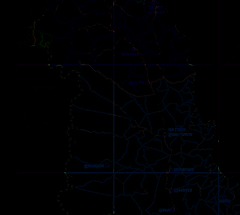


57
Source: ANA/Codevasf.
Figure 11. State and municipal boundaries in the São Francisco River Basin.
57
Table 7 shows the federal bodies, and Table 8 the state
bodies in the São Francisco River Basin.
Table 7. Principal national governmental bodies and companies involved in the São Francisco River Basin and its Coastal Zone.
National bodies and com-
Role in the basin
Interface with SAP
panies
Ministry of Environment
Environmental and water resources policies
EEZ, coastal zone, environmental and water resources policy
MMA
Secretariat of Water Re-
Water resources policy
Formulation of governmental Water Resources policies
sources SRH
Ministry of Agriculture,
Aquaculture, micro-basin management, land use and rural exten-
Livestock and Supply
Agricultural development
sion services
MAPA
Ministry of Communications Telephone, radio broadcasting and postal
Information and communication technology in environmental
MC
systems
protection and management of water resources
Ministry of Science and
CT-Hydro; human-resources training and product development,
Technology
Scientific and technological research
and the sustainable management, conservation, and integrated
MCT
and efficient use of water
Ministry of Agrarian Devel-
Rational use of water and land resources, ensuring better incomes
Social inclusion
opment - MDA
and sustainability for small farmers
Ministry of Education
Education at all levels
Environmental education
ME
Ministry of Mines and Energy Electric power and mining
Mining and renewable energy
- MME
Planning and finance for expansion of
ELETROBRAS
the electricity generation and distribution
Definition of priorities and investment
system
Ministry of Planning and
Definition of government investment priorities for 4-year periods,
Strategic planning and oversight of Multi-
Budget
always extending into the first year of incoming administrations,
year Plans - PPA
MPO
and studies of development axes
Promotion of public health, protection and
Ministry of Health - MS
Improving quality of life and control of water-borne diseases
recovery
National Health Foundation
Provision of water and sewerage facilities for towns of less than
Water and sewerage
- FUNASA
30,000 population
Ministry of
Transportation in general
Maintenance of waterways, shipping
Transport MT
Regulation and execution of the National
National Water Agency
Water Resources Plan (PNRH) and
Execution of water resources projects: PROÁGUA, GEF São
ANA
implementation of the Water Law (Federal
Francisco, RISF, P1MC
Law No. 9.433/97)
National Electric Energy
Definition of need for hydroelectric power plants, development and
Regulation of the electric power market
Agency - ANEEL
control of their operations
Operator of the National
Operation and administration of the Nat-
Electric System
Operation of reservoirs associated with hydroelectric plants
ional Electricity Grid in Brazil
ONS
National Waterway Transport Integration of waterway and land transport- Strategic development corridors
Agency - ANTAQ
ation systems
Brazilian Agricultural Re-
Generation, adaptation and transfer of tech- Water quality
search Enterprise EMBRAPA nology for agribusiness
Brazilian Institute of En-
Execution of the National Environmental
vironment and Renewable
Fishing, water quality, environmental education, remote sensing
Policy
Natural Resources -IBAMA
58
59
Table 8. Principal state bodies involved in the São Francisco River Basin and its Coastal Zone.
State bodies
Role in the basin
Interface with SAP
CEMIG
Electric power generation and distribution
Environmental education, restoration of ripar-
(MG)
ian forests and water quality
COPASA
Water supply and sewerage
Pollution control
(MG)
SEMAD
Environmental policy
EEZ, environmental and water-resources policy
(MG)
SEAGRI
Water and land conservation
Micro-basin management and land use
(MG)
EMATER (MG)
Economic, social, environmental and rural development guidance
Technical and rural assistance
RURALMINAS
Services and technology in support of agricultural engineering and Sanitation and water resources
(MG)
mechanization, and management of rural-development programs
and projects
IGAM (MG)
Planning and administration for preservation of water quantity
Water resources management
and quality
IEF (MG)
Forestry policy, preservation and conservation of flora and fauna, Preservation and conservation of fauna and
sustainable development of renewable natural resources and fish-
flora
eries, research into biomass and biodiversity
INDI (MG)
Industrial support agency
Sustainable industrial development
SAAE
Water supply and sewerage
Water and sewerage
(MG)
SEPLAN
Planning and management
Planning
(MG)
CETEC
Research and development, provision of services and diffusion of
Research and development
(MG)
technology
CAESB
Water supply and sewerage
Basic sanitation
(DF)
SEMARH
Formulation, coordination and execution of environmental and
EEZ, environmental and water-resource policy
(DF)
water-resources policies
SEMARH
Coordination and formulation of state environmental, water-re-
EEZ, environmental and water-resource policy
(GO)
sources, biodiversity and forestry policies
SIMEGO
Monitoring of weather, climate and water resources
Water resources management
(GO)
CPRH
Licensing, legislation, monitoring, control and environmental
Environmental policies
(PE)
education
COMPESA
Execution of government water supply and sewerage policies
Water supply and sewerage
(PE)
SCTMA
Formulation, support and execution of state scientific, technolog-
EEZ, environmental and water resources poli-
(PE)
ical and innovation development policies; planning, coordination
cies
and implementation of state environmental and water-resources
policies
IPA
Generation, adaptation and transfer of knowledge and technology
Research and development
(PE)
COELBA
Electricity distribution
Electric power distribution
(BA)
CERB
Execution of water-resources programs, projects and actions:
Management of water resources
(BA)
perennialization of rivers, drilling of wells, construction of dams
and combating drought; execution of other programs, projects and
actions relative to infrastructure works
Continued...
58
59
Continued...
CRA
Formulation and execution of the state policy for environmental
Environmental, forestry and water-resources
(BA)
management, forestry and water-resources development
policy
EBDA
Rural technical assistance and research, classification of farm
Technical assistance and rural extension
(BA)
products and support for livestock and agro-industrialization
services
based on the principles of sustainable development
EMBASA
Supply of water and sewerage
Water supply and sewerage
(BA)
SAAE
Supply of water and sewerage
Water supply and sewerage
(BA)
SEINFRA
Execution of public policies relative to electric power, transport-
Oversight of water, transportation, sanitation
(BA)
ation, communication, management of water resources and basic
and communication services
sanitation; regulation, control and inspection of the quality of
public services provided by concessions, permits or licenses.
SEPLAN
Planning, science and technology
Planning, science and technology
(BA)
SRH
Development and execution of public policies, measures to discip-
Water-resources management
(BA)
line water use and management of water resources
SEMARH
Formulation and execution of state policy for environmental man- Environmental, forestry and water-resources
(BA)
agement, forestry and water-resources development
policy
SEAGRI
Formulation and execution of state policy for agriculture, irriga-
Policies for agriculture, irrigation and land
(BA)
tion and land reform.
reform
ADEMA
Formulation, coordination and execution of State Environmental
Social mobilization and environmental educ-
(SE)
Policy.
ation; specific and general pollution control;
conservation at the estuary
COHIDRO
Rural engineering, farm mechanization and management of ir-
Support for the rational use of water in irrig-
(SE)
rigated areas
ation
DEFESA CIVIL (SE)
State Civil Defense policy: planning for and promoting prompt
Preventive measures in the event of floods and
responses to droughts and floods.
droughts
DESO
Water supply and sewerage
Environmental cooperation services in poor
(SE)
communities
EMDAGRO (SE)
Health surveillance, technical assistance and rural extension
Recovery of ichthyofauna, erosion control,
services
restoration of degraded areas
SEPLANTEC/
Formulation, coordination and execution of the state research
Support for the establishment of an inter-instit-
FAP
policy
utional research network
(SE)
SEPLANTEC/ SRH
Formulation, coordination and execution of the state water-re-
Management of water resources
(SE)
sources policy
CASAL
Water supply and sewerage
Cooperation for environmental services in poor
(AL)
communities
EMATER
Technical assistance and rural extension services
Erosion control, restoration of degraded areas
(AL)
FAPEAL
Formulation, coordination and execution of the state research
Establishment of an
(AL)
policy
inter-institutional research network
IMA
Formulation, coordination and execution of the state environmen-
Social mobilization and environmental education;
(AL)
tal policy
restoration of ichthyofauna and support for the
development of fisheries and aquaculture
SEMARHN (AL)
Formulation, execution and coordination of the state environmen-
Environmental and water resources policy
tal and water-resources policy
60
61
3.1. Institutional framework
During the SAP formulation period, the institutional
framework for managing land and water resources in the
Basin was analyzed from the standpoint of the princi-
pal potential approaches to the management of water
eres
resources, with a view to integrating governmental and
private initiatives and maximizing synergies.
Photo: Eraldo P
3.1.1. Current institutional instruments
The National Water Resources Management System
was established by Law 9.433/97, and its administrative
structure is shown in Figure 12 which also shows the
scope of the activities and inter-relationships between the
various bodies engaged in water-resources management
Photos: Alain Dhomé
activities, including the Basin Committee.
Penedo-AL
Figure 12. National Water Resources Management System
Federal level
1998 as the principal legislative and deliberative body in
the hierarchy of the National Water Resources Manage-
National Water Resources Council CNRH
ment System.
Established by Decree 2.612, of 3 July 1998, the National
It is responsible for fostering links with, and promoting
Water Resources Council began operations in November
planning of water-resources policies among, national,

60
61
regional, state and local governmental bodies and user
organizations; arbitrating disputes between State Water
Resources Committees (CERHs); debating projects
involving the use of water resources that extend beyond
the jurisdictions of the states where they are to be carried
eres
out; deliberating on questions submitted by State Water
Resources Committees and Basin Committees (Basin
Committees); analyzing proposals for amending legisla-
Photo: Eraldo P
Box 11
tion pertinent to water resources and National Water
Resources Policy; establishing complementarity among
Is desertification taking place in the
the directives for the implementation of the National
São Francisco River Basin?
Water Resources Policy and the functioning of the Nat-
ional Water Resources Management System; approving
Having reviewed the literature, analyzed satellite images, conducted
proposals for the institution of Basin Committees and
mapping of the Lower-middle São Francisco region in Pernambuco and
establishing criteria for the drafting of their bylaws;
Bahia and carried out field inspections, it has been concluded that no ac-
approving and executing the National Water Resources
centuated soil degradation on a scale that could be shown on the maps (1:
100.000) or which could be described as desertification is taking place.
Plan, and determining the steps necessary to accomplish
its goals; and, establishing general criteria for authoriza-
Reports indicating that desertification is taking place in Brazil and the
tions and charges, under the provisions of Law 9.433/97.
identification of centers of desertification in the semi-arid areas have been
overstated and require further and more in-depth research. Aside from
National Water Agency ANA
simply not corresponding to reality, as is the case of Cabrobó-PE, such
reports may reflect an unreal and distorted image of the situation in the
interior of Brazil's Northeast region, and thus contribute to perpetuat-
The National Water Agency (ANA) is a special autonomous
ing economic stagnation, rather than serving to stimulate investment and
body linked to the Ministry of Environment, that is respon-
promote development on sustainable bases.
sible for both regulating multiple water uses and implement-
ing the National Water Resources Management System.
It is worth stressing that areas in which significant environmental degrada-
tion has been reported are smaller than the minimum mapping unit used
for cartographic purposes, and may be classified as areas requiring special
ANA carries out its work in association with public and
attention. Adoption of such a classification is a more adequate approach to
private bodies that comprise the system, and among its
dealing with such areas. Moreover, the definition of a policy for monit-
responsibilities are: ensuring compliance with federal
oring and protecting riparian strips and slopes, classified as Areas for
Permanent Preservation in accordance with the Brazilian Forestry Code,
legislation pertinent to water resources; issuing legislative
is also recommended.
instruments relating to the National Water Resources Pol-
icy; stimulating and supporting initiatives directed toward
Areas of degradation
the establishment of Basin Committees; authorizing and
controlling the use of water resources in rivers belonging
· The banks of the Salitre River, in the municipality of Campo Formoso
to the Nation; instituting water-use charges, in association
BA, with accentuated formation of gullies (voçorocas)
· Carnaíba do Sertão BA, lime quarrying
with the Basin Committees, and receiving, distributing
· Township of Pau-Preto BA, stone quarrying
and investing the proceeds of such charges in accordance
· Between Curaçá and Paulo Afonso BA, formation of gullies
with Article 22 of Law 9.433/97; planning and promot-
(voçorocas)
ing steps to prevent or mitigate the effects of droughts and
floods, in association with state and municipal Civil Defense
62
63
organizations; defining and overseeing the operation of
State Water Resources Councils CERH
reservoirs by public and private agents in order to guarantee
multiple uses of water resources; organizing, establishing and
As the central consultative, legislative and deliberative
managing the National Water Resources Information System;
bodies responsible for management of water resources at
providing support to states for the establishment of bodies
the state level, these Councils are charged with establish-
responsible for state-level management of water resources;
ing the principles and guidelines that will orient state
proposing to CNRH the adoption of incentives, including
water-resources policies, in much the same way as the
financial premiums, for qualitative and quantitative conserva-
CNRH does at the federal level.
tion of water resources; drafting technical studies and pro-
vide support for the definition, by the CNRH, of water-use
State-level Public Water Resources Manage-
charges, and assisting ANA in the definition of guidelines for
ment Bodies
the investment of federal financial resources; and, stimulating
research and human-resources training in the management
The state-level water resources management bodies are
of water resources, in accordance with the provisions of Law
responsible for formulation and implementation of State
9.984/00.
Water Resources Plans (PERH), in coordination with public
and private bodies and agencies, and non-governmental wa-
Federal Level
ter-resources organizations that participate in the State Water
Resources Management System (SEGRH). Their responsi-
Secretariat of Water Resources SRH
bilities include the licensing and supervision of the use of
water resources within the state sphere.
Located within the Ministry of Environment (MMA),
the Secretariat of Water Resources (SRH) is responsible
Basin level
for formulating the National Water Resources Policy,
and supporting the National Water Resources Council
Basin Committees - CBH
(CNRH) in the monitoring, execution and approval of the
National Water Resources Plan. It performs the role of
Also known as the "Parliaments of the Waters", these
Executive Secretary of the CNRH and provides technical
committees are made up of governmental representatives
training on issues relating to water resources and policy
from the federal, state and municipal spheres, representa-
formulation, and conducts awareness-raising programs on
tives of civil society, and water users.
the importance of conserving water resources.
At the river basin level, the Basin Committees (CBHs)
State level
perform a legislative, consultative and deliberative role,
and are responsible for promoting discussion of issues
State Systems for the Management of Water
relating to water resources and coordinating the work of
Resources
other agencies in this area. Among their responsibilities
are: performing first-level arbitration of water resource
Like the National Water Resources Management System,
conflicts; approving a water-resources plan for implemen-
the state water resources management systems are made
tation in the basin; monitoring the execution of the water
up of state councils for water resources, state water-re-
resources plan and suggesting the necessary measures
sources management bodies, basin committees, and basin
for attaining the plan's goals; informing the national and
water agencies.
state water-resources councils (CNRH and CERHs) of

62
63
the minimum water uptake needs, water sources and
Among the responsibilities of Water Agencies are:
discharge levels exempted from water-use authorization
ensuring an up-to-date balance of water use and
or licensing requirements in effect in each region and at
securing availability of water resources; maintaining a
each jurisdictional level; establishing mechanisms for the
register of water-resources users; collecting, through
instituting of water-use charges and proposing the rates
delegation, fees for the use of water resources; an-
to be charged; and, establishing criteria and promoting
alyzing and issuing reports on projects and works
cost sharing arrangements for the multiple use of water
financed by revenues accruing from water-use
resources in the public or collective interest.
charges; monitoring the financial administration of
revenues obtained through water-use charges; manag-
Water Agencies
ing information systems on water resources; entering
into agreements, obtaining financing and commis-
Water Agencies, once they have been sanctioned by the
sioning services necessary for conduct of their activi-
National Council for Water Resources (CNRH), are
ties; drafting budget proposals for submission to the
intended to play the role of executive secretariat to their
Basin Committee; promoting the necessary studies
respective basin committees. Their purpose is to manage
for the management of water resources; formulat-
the financial resources accruing from water-use charges,
ing a water-resources plan for approval by the Basin
and to administer the system.
Committee; proposing to the Basin Committee cat-
egories and rates to be charged; and, submitting an
The establishment of these water agencies must be conditioned
investment plan for revenues collected and proposing
by financial viability assessments, once systems of water-use
cost sharing arrangements for multiple, common or
charges have been established for the respective basins.
collective water use projects.
64
65
3.1.2. Mechanisms for public participation
pation in public initiatives, in line with concerns ex-
Public participation in the management of water re-
pressed by society.
sources in Brazil has grown in recent years. Such partici-
pation is always more intense when there are conflicts of
One striking example of such public participation oc-
interest, either over quantities of available water, or the
curred during the process of establishing the São Francis-
conservation of water resources.
co River Basin Committee (CBHSF), in 2001 and 2002,
when a total of 58 formal meetings were held, involving
Decentralized decision making has proven an approach
6,770 people.
capable of legitimizing and strengthening the role of
water-user organizations in river basins. The aim of
From the national standpoint, the formulation of the SAP
decentralized decision making is to promote collective
has sought to orient its strategic action program through
action and, thereby, to generate joint responsibility on the
the following activities: (i) successful experimentation;
part of the various agents that participate in deliberations
(ii) regional conditioning of factors relating to water
affecting water use.
resources and their management; and (iii) local regional
institutional characteristics.
To achieve effective public participation, it is essential
to respect the specific characteristics of each region, in
3.1.3. Role of states and municipalities in water-re-
terms of both public participation in institutional manage-
sources management
ment, and their approaches to water resources projects.
Such characteristics are reflected in the institutional
Under the Brazilian legal framework, the Federal govern-
organization of each of Brazil's states, and in the levels of
ment is responsible for legislating on water resources,
public and private participation achieved.
instituting the National Water Resources Management
System, and defining criteria for authorizing the exer-
In states of the Northeast, where the critical issue is a lack
cise of water-use rights. On the other hand, states have
of water, the states have attempted to assist water users in
dominion over "surface and groundwater, flows, springs
setting up channels of participation, both at the river-
and deposits, except when these result from public works
basin level and at the level of local strategic reservoirs.
effected by the Federal government."
In the South and Southeast regions, where water-qual-
ity is the main problem, inter-municipal river basin
Protecting the environment, combating all forms of pol-
associations or consortia, and basin committees, have
lution, and recording, monitoring and controlling the
been established as fora for fostering orderly discus-
exercise of concession rights to prospect for and exploit
sion and decision-making.
water resources, are shared responsibilities of the Federal
Union, the States and the Municipalities, each acting in its
Such social participation, however, is still just beginning
respective sphere of jurisdiction.
and very fragile. More widespread participation of water
users in public decision-making requires integrated, de-
The federal government, states and municipalities share
centralized and participatory action. This implies involv-
responsibilities for implementing environmental standards.
ing the entire institutional system for water-resources
With respect to legislation, it is the responsibility of the
management in actions directed toward integrated river
Federal Union to establish general standards, and of the states
basin management, through the strengthening of partici-
and municipalities to approve supplementary regulations.
64
65
Box 12
Contribution of tributaries to the flow
Since the Federal Constitution delegates power, clearly,
of the São Francisco River
only those entities that have legislative authority can suc-
cessfully exercise such power. Thus, the Federal Union
The principal flow of the São Francisco, though not very intense consider-
issues general rules which the states and municipalities
ing the total area of its Basin, receives the flows of other secondary water
may complement or supplement, provided their measures
courses that are of considerable caliber and flow. No less than seven of these
tributaries have flows of over 100 m3/s, and their total contribution to the
do not clash with those of the other spheres.
principal stream amounts to some 1,500 m3/s, equivalent to approximately
73% of the regulated flow downstream from the Sobradinho dam.
Federal institutions can delegate or transfer the authority
to exercise powers relating to the management of water
All told, the São Francisco River has 168 tributaries, considering rivers,
resources to water agencies or basin agencies, in accor-
creeks, streams, brooks and rills. Of these, 99 are perennial and 69 are
intermittent streams. The larger rivers that flow into the São Francisco on
dance with the terms of Article 44 of Law 9.433/97, and
a year-round basis are shown in the Table below:
other applicable legal provisions.
Flows of the principal rivers that form the São Francisco
The role of municipalities, defined under Brazil's Constitu-
Left bank
Area km2
Average flow m3/s
tion as autonomous entities of the federation, is of fun-
Paracatu MG/GO/DF
45.600
436
damental importance, as it is the municipality that bears
Urucuia MG/GO
26.000
251
responsibility for organizing those aspects of environmental
Carinhanha MG/BA
18.000
150
management deemed necessary to address local issues, water
Corrente BA
35.000
251
being preeminent among them. Municipalities must assume
Grande BA
76.000
262
responsibility for evaluation, and for the establishment of
Right bank
norms, criteria and standards, relating to the control and
Paraopeba MG
12.500
115
maintenance of the quality of the local environment.
Das Velhas MG
29.000
292
Jequitaí MG
8.830
46
Verde Grande MG/BA
30.500
19
Municipalities thus need to seek empowerment and net-
Source: ANA. Brasilia. 2002.
working capabilities, so as to imbue their representation
on the Basin Committees and Water Agencies with greater
Although the Table shows the Verde Grande River as a year-round water
course, water stress caused by irrigation since 1985 have resulted in its
legitimacy and relevance. As will be explained in greater
bed frequently being left dry.
detail later in this report, this is one of the great contri-
butions that the SAP is providing for integrated water-re-
The permanent flow of the São Francisco River is due to the location of its
sources management.
headwaters and of a great portion of its upper reaches in a region with a
tropical climate and heavy rainfall, thereby providing it with sufficient
water to cross the crystalline semi-arid region. Moreover, much of its
Methodologies have been developed within the SAP to
course flows over sedimentary regions from which it receives highly sig-
promote municipal-level management and establish the
nificant groundwater contributions. However, the bed of the São Francisco
conditions necessary to enable municipalities to take on a
also crosses large areas in which it receives no contributions from tribu-
greater role in water resources management. To this end,
taries during the dry season, thereby resulting in significant water losses
through infiltration, rapid runoff and evaporation.
municipalities need:
· adequate administrative and organizational structures;
· qualified technical staff;
· sustainable financial resources;
· ensured continuity (municipal environmental bodies often
do not survive changes in the political administration);
66
· linkages with other governmental agencies and institu-
tions; and
· conflict management and resolution skills.
Brazilian environmental policy has created opportunities
for greater municipal participation, through changes in
environmental licensing that emphasize the municipality's
Box 13
status as a federative body and the delegation of specific
environmental-management functions, especially those
Waters from the São Francisco
closest to local interests.
River Basin feed the Basin of the
The establishment of partnerships and associations among
Tocantins River
municipalities has proven an efficient strategy for promot-
A detailed analysis of the combined use of surface water in the sub-basin
ing exchanges of experiences and ideas. These partner-
of the Fêmeas River, an area comprising 6.300 km2, was carried out un-
ships and associations may also provide instruments and
der Activity 3.2. of the GEF São Francisco Project by the Superintendency
conditions for proposing and enacting joint actions in the
of Water Resources of Bahia SRH/BA (Superintendência de Recursos
environmental field and, more especially, in the water
Hídricos da Bahia).
resources area.
The sub-basin of the Fêmeas River is located within the basin of the Rio
Grande, one of the left-bank tributaries of the Middle São Francisco,
3.1.4. Role of the São Francisco River Basin Commit-
located in the west of the State of Bahia, on the border with the States of
tee CBHSF
Goiás and Tocantins.
The São Francisco Basin Committee, an innovative ap-
The principal aquifer in this region corresponds to cretaceous sediments
of the Urucuia Group, the terrain slopes gently to the East, and the
proach to effective water-resources management, has
dominant vegetation is `cerrado'.
now been instituted. The Basin Committee acts as a
veritable parliament for deliberation of water-resources
It was found that, in the sub-basin, the contribution of groundwater to the
management issues, and has played a major role in assess-
flow of rivers is greater than 90%, thereby characterizing its dominance
ing actions proposed in the SAP.
in generating the flows of the Fêmeas River and of its tributaries and, con-
sequently, also of the Rio Grande. The rainy season lasts from October to
April, during which time 94% of the total annual rainfall occurs. The flow
Its scope encompasses the entire length of the São Fran-
of these rivers is permanent throughout 12 months of the year.
cisco River Basin, and its membership comprises repre-
sentatives of organized civil society and water users, as
By means of geo-electrical soundings at 80 locations, and static-level
well as representatives of Executive-Branch institutions
measurements taken in 139 wells, the level and base of the aquifer were
defined. The drafting of a groundwater map showed two important aspects
from the three spheres of government, which account for
relating to the geometric and spatial distribution of equipotential points,
half of its total membership.
namely:
The principal objectives of the Basin Committee include:
· the rivers depend fundamentally upon the Urucuia Aquifer, since their
integrating water-resources management with environ-
basic discharge corresponds to the volume of water replaced by the
Aquifer, and;
mental protection; securing the technical, economic and
· there is a division of the Urucuia Aquifer, within the São Francisco Ba-
financial feasibility of investment programs and projects,
sin, by means of an underground watershed, running approximately in
a north-south direction, dividing the underground flow to the east, to
the Fêmeas Basin; and to the west, to the basin of the Tocantins River.
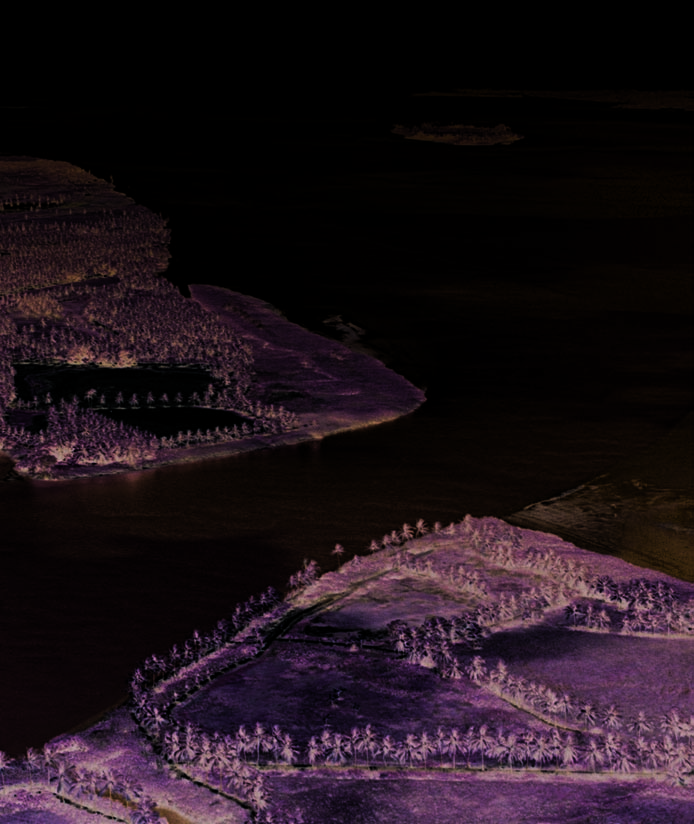
66
Mouth of the São Francisco River
Photos: Alain Dhomé
68
69
and providing support for integrated public and water-re-
· promote the establishment of a basin Water Agency, to
sources sector policies, with the aim of fostering sustain-
serve as its Executive Secretariat, and deliberate the
able development in the São Francisco River Basin as a
Water Agency's budget proposal;
whole; and, promoting interfaces between national and
· establish criteria and promote cost sharing of works
state water resources-management systems, including the
for multiple, common or collective use, and develop
integration of municipal policies and regional proposals
further actions;
for plans, programs and projects into the directives and
· develop and support environmental-education initia-
goals established for the São Francisco River Basin, with
tives, in accordance with Law 9.795/99, that estab-
a view to ensuring the conservation and protection of
lished the National Environmental Education Policy;
water resources in the entire Basin.
· approve the Basin Committee's bylaws, in accordance
with provisions of the CNRH.
Mouth of the São Francisco River
The Basin Committee should have a Water Agency
In order to achieve these objectives, Law 9.433/97 em-
empowered to perform the functions of its Executive
powers the Basin Committee to:
Secretariat.
· promote discussion of issues relating to water resources
The role of Regional Consultative Chambers in the
and foster links with participating bodies;
Basin Committee also merits mention. These are boards,
· arbitrate, initially at an administrative level, conflicts
formed to reflect the physiographic divisions of the Basin,
relating to water resources;
whose duties include: promotion of links between sub-
· approve the Basin Water Resources Plan pursuant to the
basins committees; recommendation of requests from
guidelines established by the National Water Resources
sub-basins committees; support for shared-management
Council and the National Water Resources Plan, while
initiatives within the scope of the Basin; discussion and
integrating and harmonizing the Water Resources Plans
presentation of suggestions relating to issues within their
for the sub-basins of tributaries to the São Francisco
sphere of authority to the Basin Committee; promotion
River with the Water Resources Plan for the São Fran-
of actions carried out in the area of the Basin; coordina-
cisco River Basin as a whole;
tion, within the scope of their activities, of mobilization
· monitor execution of the Water Resources Plan for the
for the renewal of the terms of office of Basin Committee
Basin and suggest steps for attaining its goals;
members; and, convening of public meetings approved by
· propose, to the CNRH, minimum water uptake, deriva-
plenary sessions of the Basin Committee.
tion and discharge levels, as defined under state water-
resources policies, to be exempted from water-use
3.1.5. Non-Governmental Organizations
authorization or licensing requirements;
· establish mechanisms for water-use charges and pro-
In parallel to the work of governmental institutions and
pose rates for fees to be charged in the Basin, in associa-
the Basin Committee, there are a considerable number of
tion with the committees for the major tributaries and
Non-Governmental Organizations (NGOs) working in
in consonance with state water-resources policies;
the Basin and its coastal zone. These are non-profit enti-
· deliberate on priorities for investment of revenues
ties whose efforts are directed toward various aspects of
accruing from water-use charges, and forward its con-
environmental protection and community development,
clusions to the National Water Resources Council, in
and some are dedicated to aspects of water-resources
accordance with Article 22 of Law 9.433/97;
management. Some of these NGOs are concerned with
68
69
regional development, while others have a more strictly
By working with NGOs, the State is not abdicating its
local role.
constitutionally appointed role, but, rather, enhancing the
efficiency, efficacy and effectiveness of its activities.
These NGOs could be important partners in the imple-
mentation of the SAP, as they could potentially institute
NGOs dedicated to development activities could help
a model for private-state integration, as will be discussed
explore new sustainable-development initiatives in vari-
later in this report.
ous areas, through the conduct of economic, technical
and environmental feasibility studies, entailing effective
The Federal Government's policy of decentralization has
participation of society. Local NGOs, working in close
sought to redefine the way in which governmental actions
contact with grass-roots communities, can play an effec-
are carried out, retaining at the central level only those
tive role in the management of such initiatives.
powers that cannot be delegated, and transferring as
much management responsibility as possible to the local
The third sector could provide the basis for ensuring that
level. Brazilian legislation regulating activities of the third
support reaches small communities and dispersed rural
sector adopts the premise that `what is public is not a
populations, in support to governmental initiatives. In
monopoly of the state'.
this way, formal governmental institutions can focus more
closely upon core institutional elements, such as expedit-
Thus, an approach based upon participatory management
ing administrative procedures and providing assistance for
and partnerships is being adopted, in accordance with the
securing funding.
following general principles:
Such partnerships generate a win-win situation, whereby
· in order to ensure legitimacy and efficiency, no ad-
cost reductions and management efficiency gains can be
ministrative or political process should be launched
achieved through the productive use of the initiatives gen-
without first securing community participation;
erated, without causing undue damage to the ecosystem.
· planning and management responsibilities should be
shared between public authorities and society;
3.1.6. Management pact and integration agreement
· only regulatory functions that require law enforce-
Shared management of the water resources necessarily im-
ment activity on the part of the management agency
plies the resolution of conflicts of interest among the various
cannot be delegated;
players. To this end, it is necessary to establish institutional
· many activities can be carried out through partner-
environments suitable for conflict resolution and prob-
ships with NGOs, universities, private companies,
lem solving where negotiations can be carried out, and to
etc.
respond to situations where possible gaps may exist in the
· Planning, execution, prevention and corrective
legal framework. The creation of such environments entails a
control measures, education, and communications
combination of various factors, among them:
and public relations, are all necessary elements of
well-structured integrated management initiatives.
· convergence of aims;
· understanding, on the part of all participants, of the
NGOs are viewed as useful potential partners for carry-
issues and challenges involved;
ing out activities within their specific areas of interest,
· fostering of bonds of confidence through the exercise of
since they often possess qualified human resources and
ethical, transparent and democratic management, with
specialized knowledge.
a view to achieving equitable decision making;

70
71
Fruits of the São Francisco Valley
70
71
· building of a sense of social identity and of commu-
Figure 13 illustrates the interaction of the various institu-
nity, through shared responsibility and co-dependence,
tions which could participate in river basin management
throughout the Basin.
under an Integration Agreement.
The establishment of such environments of con-
The principal elements needed to address and overcome
fidence and consensus could be achieved through
these challenges are understanding and cooperation. The
a pact involving all significant social participants
issue of federal and state jurisdictional dominion over
in the Basin. Such a pact would consist of a com-
bodies of water must be resolved through examination
mitment to the principles, aims and guidelines for
of the legal possibilities and the establishing administra-
action foreseen in the legislation, with a view to
tive cooperation agreements to enable joint approaches
putting them into effect.
to the resolution of conflicts. Moreover, such agreements
must encompass the establishment of mutually-acceptable
No universal formula exists for designing institutions on
norms, criteria and procedures, in order to guarantee the
the scale needed to carry out the management of water
effective exercise of shared and delegated responsibilities.
resources in a country the size of Brazil, where such an
immense diversity of situations is to be found. This consti-
It is important to underscore that the establishment of a
tutes one of the greatest challenges for the São Francisco
management pact is an important step along the path to-
River Basin Committee.
ward the signing of an Integration Agreement. In practice,
it is through such pacts that technical water-resources
One clear path to be followed is the construction of a
management can be deployed, since they make it possible
pact, which will translate the commitment of making the
to consolidate decentralized institutional water-resources
principle of shared management an objective reality, in
management instruments that reflect ethical and demo-
line with the terms of Law 9.433/97.
cratic principles.
The National Water Agency (ANA), in the exercise
In order to establish such management pacts, institutions
of its technical and institutional role, with the aim
that participate in the Integrated Water Resources Man-
of implementing integrated shared water-resources
agement System, must be held accountable for actions
management strategies, has proposed that a Man-
carried out in their respective spheres, and must exercise
agement Pact be celebrated through an Integration
due diligence and commitment in the pursuit of integra-
Agreement, between ANA, the States, and the Basin
tion; i.e., they must enhance their skills in such areas
Committees.
as listening, dialoguing, accepting disparate viewpoints,
cooperating and sharing views, in order to reach a state of
This integration pact or agreement is based on the
mutual understanding and cooperation.
harmonization of criteria and procedures for the
implementation and operationalization of the inst-
itutional and technical management instruments
3.2. Coastal areas management and
applicable to and in the Basin. It is a real alternative,
interfaces with the SAP
and, perhaps, the only one within the present legal
framework that could overcome the challenges which
A number of actions are currently underway which, in
have been mentioned above, especially the question of
view of their importance and affinity with the principles
overlapping jurisdictions over water bodies.
that underpin the SAP, require an assessment in terms of
Photo: Codevasf
72
73
their scope, performance and their interface with the SAP.
below in descending order of priority, were identified as
Foremost among these are: the National Coastal Manage-
being of particular concern:
ment Program (GERCO), and the Program for the As-
sessment of the Sustainable Potential of Living Resources
i) shortages of fresh water;
in the Exclusive Economic Zone (REVIZEE).
ii) pollution;
iii) changes in habitats;
The Global Environment Facility (GEF) selected interna-
iv) unsustainable exploitation of fish stocks and living
tional waters as one of the four areas in which it concen-
resources; and
trates its support. The Global International Waters Assess-
v) global climate change.
ments (GIWA) will provide the information necessary to
prioritize the projects it supports.
The Brazilian coastal zone is 8,698 km long, of
variable width, and contains a variety of contigu-
GIWA is evaluating 66 sub-regions, which wil enable it to
ous ecosystems over an area of approximately 388
establish strong cooperative links with al of its significant
thousand km2. This area is home to almost a quarter
partners. Its activities wil focus mainly upon establishing an
of Brazil's population, living in 400 municipalities
exchange of information and coordination of programs for
with an average population density of 87 people
joint activities, designed to culminate in the establishment of
per km2, (i.e., five times greater than the national
a worldwide network for the evaluation of waters.
average which is 17 people per km2). There are 17
coastal states, though only two of them, Alagoas and
At the GIWA meeting, held in Rio de Janeiro from 3 to
Sergipe, are encompassed within the São Francisco
5 October 2001, the five environmental aspects, listed
River estuary.
Figure 13. Organization of river basin management
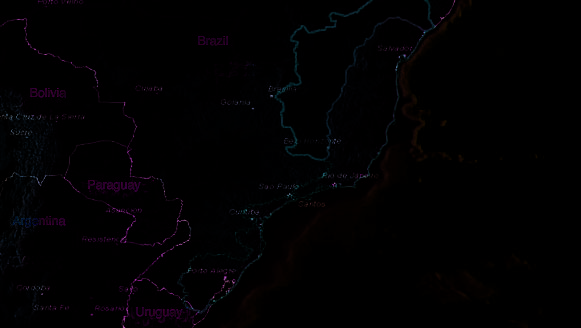
72
73
Part of this area is situated in GIWA sub-region 39C
ticipatory planning and management of socioeconomic
(Figure 14) which encompasses the ocean waters of the
activities of the Coastal Zone. The Plan seeks to ensure
eastern and southern coasts of Brazil and all of the inland
sustainable use, through appropriate control and protec-
waters draining into the ocean off this coast, within the
tion measures, and through the preservation and restor-
boundaries of the South West Atlantic Large Marine Eco-
ation of natural resources and coastal ecosystems. The
system, as defined by UNESCO.
Program for the Evaluation of the Sustainable Potential of
Live Resources in the Exclusive Economic Zone (RE-
Estuaries and coastal zones are regarded as strategically
VIZEE) aims to increase sustainable potential catches of
important for Brazil and are the subject of general action
the living resources within the Exclusive Economic Zone
guidelines established under Law 9.433/97, which insti-
(EEZ), and is being implemented according to the follow-
tuted the National Water Resources Policy and provided
ing stages:
for the establishment of the National Water Resources
Management System. Insert VI of Article 3 of the Law
(i) Determination of the distributions, seasonality, abun-
refers clearly to: "the integration of hydrographic-
dance and sustainable potential of living resources in the
basin management with that of estuaries and coastal-zone
EEZ, using techniques for fish prospecting and the evalu-
systems."
ation of stocks;
The National Coastal Management Program (GERCO),
(ii) Collection of extensive climatological, physical,
instituted under Law 7.661/88, provides for the estab-
chemical, geological and biological data for an un-
lishment of a National Coastal Management Plan (PNGC)
derstanding of the dynamics of the living resources
designed to foster integrated, decentralized and par-
in the EEZ;
Figure 14. Area within the scope of sub-region 39 and of the São Francisco River Basin sub area 39C.
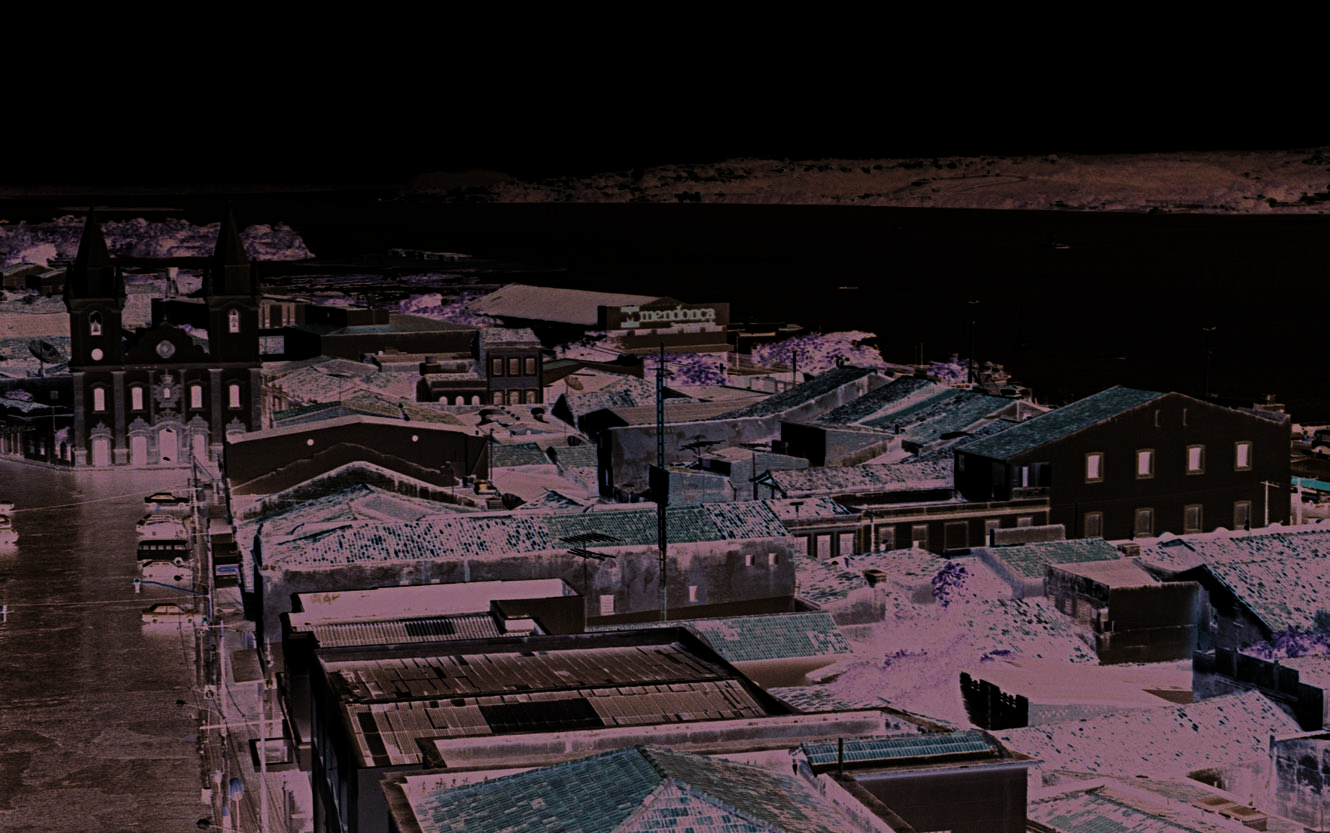
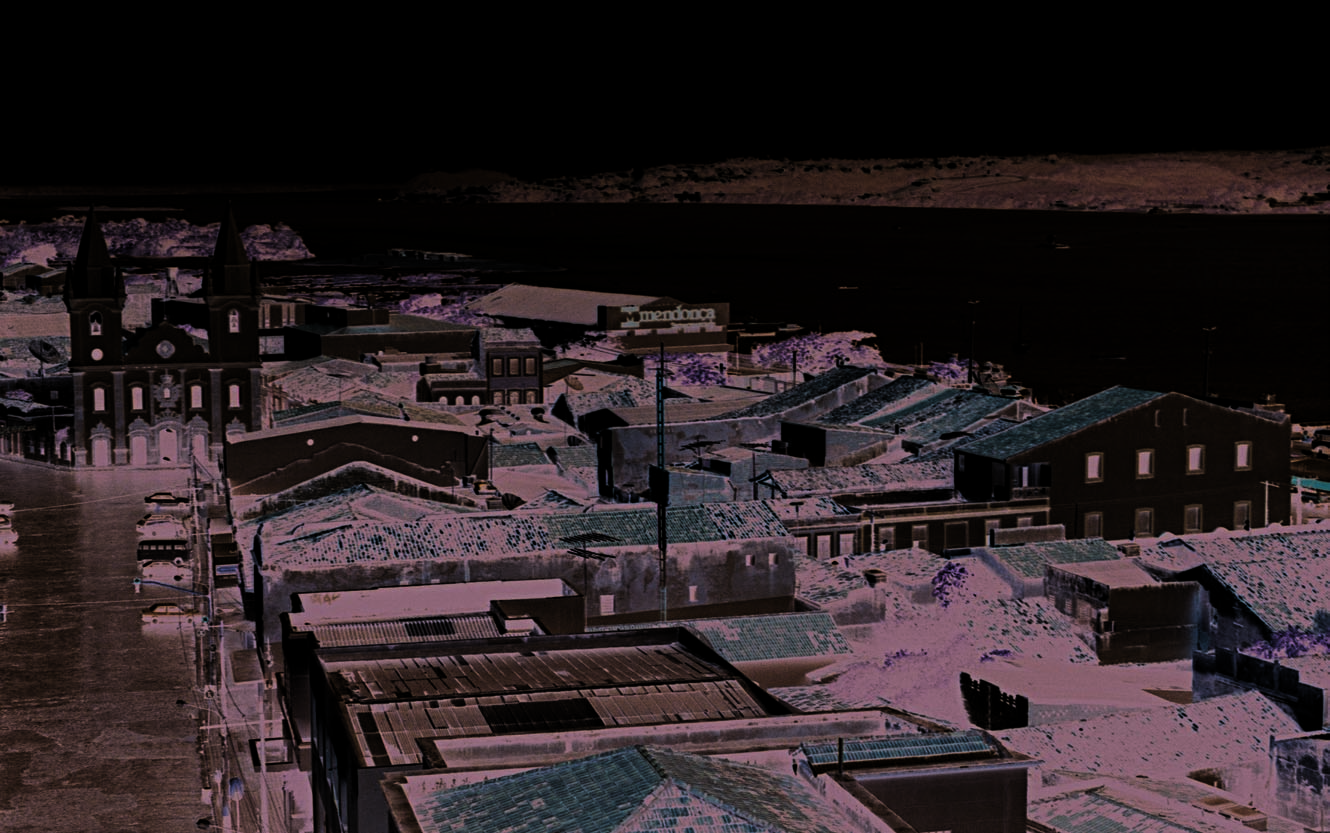
View of the town of Penedo-AL
76
(iii) Analysis of the sustainable potential and prospects for
Consequently, the GEF São Francisco Project is the first
exploitation, based on coordinated information on abun-
GEF supported initiative to be carried out in Brazil,
dance and environmental characteristics.
simultaneously conducting evaluations and studies in both
the São Francisco River Basin and its estuary and coastal
The SAP established a strong link between the integrated
zone (Photo 1).
management of land and sea environments in the Coastal
Zone, through the construction and maintenance of trans-
Studies carried out by the Federal Universities of Alagoas
parent and participatory decision-making mechanisms,
(UFAL) and Sergipe (UFSE) and by the Xingó Institute in
based on the best available information and technology
the areas close to the estuary include:
and on convergent and compatible public policies at all
administrative levels.
· hydrodynamic-sedimentological research into the
Lower São Francisco River and its coastal zone;
Implementation of the Program aims to reinforce the
· determination of nutrient levels in the São Francisco
principle of decentralization, and to ensure commit-
River close to its estuary;
ment and cooperation on the part of the various levels of
· restoration of the estuarine ichthyofauna of the Lower
government, and between government and society as a
São Francisco River and of eroded river banks along
whole, in the formulation of state and municipal policies,
the Lower São Francisco River, and mitigation of their
plans and programs.
effects on sedimentation dynamics in the river bed.
At the estuary of the So Francisco River, the coastal strip
The State of Sergipe has prepared a State Coastal Man-
under the jurisdiction of the PNGC is governed by coastal
agement Plan. Alagoas also has a Coastal Management
municipalities, whose territory stretches no more than 50
Plan but it is targeted toward the northern part of the
km from the shoreline. Within this area, the municipali-
State and does not include the São Francisco River
ties carry out activities and maintain facilities that have
estuary.
considerable impacts upon the Coastal Zone and that are
highly significant for these coastal ecosystems.
In both of these states, the coastal region is char-
acterized by riparian and coastal plains comprised
The Land-Ocean Interactions in the Coastal Zone
of seasonal floodplains (várzeas) and high sandy
(LOICZ) are at the center of the International Geo-
river terraces (tabuleiros) of the Barreiras group,
sphere-Biosphere Program (IGBP), which sponsors the
with sandbars (restingas), and coastal dunes, lakes
Study on Global Climate Change carried out by UNEP
and channels. The várzeas are typically occupied by
with GEF support. The aim of this study is to enhance
cyclical crops and pioneer vegetation. On the sur-
knowledge of the basic carbon, nitrogen, and phosphorus
rounding tabuleiros, the vegetation has been almost
nutrient cycles; to improve knowledge on how bio-geo-
entirely replaced by cyclical crops, especially sugar
chemical processes in the coastal zone affect material
cane and cattle pasturelands.
flows; and to describe the relationships between these
flows and environmental changes, including human inter-
The dominant ecosystems in the region, aside from the
ventions. The program, however, does not encompass ac-
São Francisco River delta, comprise dunes, sandbars,
tivities in the estuary of the São Francisco River, since its
floodplains, and beach barriers (cordões litorâneos),
nearest activity is being carried out in the coastal lagoon
lagoons, river islands, sandy river terraces, and mangrove
system of Munda/Manguaba in the State of Alagoas.
swamps.

76
Source: Inpe scene 214/67, year 2001.
Estuary of the São Francisco River
78
79
Box 14
Among the most significant Conservation Units in this
region are the Piaçabuçu Environmental Protection Area
Availability of Water Resources Plans
(APA), with an area of approximately 8,600 hectares,
in the Sub-basins of the São Francisco
and the Praia do Peba Shoreline, an Area "Under Special
Protection", which covers 2,778 hectares.
River Basin
Water Resources Plans define the programs and projects to be carried out
The Santa Isabel Biological Reserve, on the southern
within hydrographic basins, based upon the formulation of alternatives that
border of the municipality of Pacatuba, covers an area of
associate goals and objectives to be attained with the resources available. In-
vestment programs that comprise such plans must provide for a management
2,766 hectares. In addition to these federal conservation
component (institutional development, an information system, licensing,
units, there are state-level environmental protection areas
enforcement and bil ing, surveys, research, and non-structural projects and
such as the Marituba do Peixe APA, located in the várzea
measures for environmental protection and conservation); a water-resources
engineering-works and services component (e.g., building of dams); and
da Marituba that covers an area of 10,900 hectares in the
related components (i.e., sanitation, energy, irrigation, and navigation); and
municipality of Penedo.
must contain a proposed institutional and economic/financial framework for
their execution, operation and maintenance.
The Piaçabuçu APA preserves an important sample of the
In order to develop the water-resources plan for the São Francisco River
region's flora and wildlife that comprises species which
Basin that went into effect in 2004, the National Water Agency (ANA) and
are associated ecologically with open terrain, but also
the São Francisco River Basin Committee (CBHSF), with support from
the GEF-São Francisco Project, has developed an in-depth knowledge of
shelters species characteristic of the Atlantic Forest (Mata
the various basin plans currently in operation in the various sub-basins of
Atlântica), thus providing a mosaic of the fauna and flora
the São Francisco, in order to identify investment programs that had been
encountered in the Brazilian coastal zone. The area is also
proposed when these plans were initially drafted in the 1995-1998 period.
an important refuge for various species of migratory and
The fol owing water-resources plans currently under execution in the São
resident birds.
Francisco River Basin are available from the National Water Agency - ANA:
In terms of maritime species, Peba Beach in Alagoas is
Minas Gerais
a site for the reproduction of turtles and also marks the
· Basin of the Paracatu River
· Basin of the das Velhas River
southern limit of the manatee in Brazil. Both the envi-
· Basin of the Verde Grande River
ronmental zoning of this APA , and its Environmental
Bahia
Management Plan, have been completed and are being
· Basin of the Corrente River
implemented.
· Hydrographic basins of the Middle and Lower sections of the Rio
Grande and of the tributaries on the left bank of Sobradinho Lake
· Basins on the right bank of the Lower-middle São Francisco River
The Santa Isabel Biological Reserve in Sergipe preserves typi-
· Basins of the Verde and Jacaré Rivers, on the right bank of Sobradinho Lake
cal sand-dune and restinga vegetation ecosystems, and serves
as a refuge for migratory birds. The Reserve is one of the
Sergipe
· Hydrographic basins of the Curituba, Jacaré, Capivara, Campos Novos
most important nurseries for water turtles in Brazil.
Rivers, and others
· Hydrographic basins of the Gararu, Salgado, Riacho Jacaré, Pilões,
However, little research has been done on the marine
Bertume Rivers, and others
geomorphology of this area, or on the coastal dynamics
Alagoas/Pernambuco
of its interaction with the river. There are, in the region,
· Basin of the Capiá River
· Basin of the Traipu River
mud banks extending up to the 50 m isobath, especially
· Basin of the Ipanema River
to the south of the So Francisco River estuary. The entire
· Basin of the Moxotó River
right bank of the estuary has been undergoing significant
Pernambuco
· Basin of the Pajeú River and of the GI-3 group of river basins
· Basins of the Brigida and Terra Nova Rivers, and of the GI-4, GI-5 and
GI-9 groups of river basins
· Basins of the Pontal and Garças Rivers, and of the GI-6, GI-7 and GI-8
groups of river basins.
78
79
erosion, owing to increased wave action from the sea,
River estuary and its coastal zone. This biodiversity is
probably as a consequence of changes in the flow of the
under threat of being transformed into areas of intensive
river resulting from reduced flows and sediment loads,
rice and sugar-cane plantation. The várzeas are natural
and exacerbated by destruction of the mangroves.
breeding grounds and nurseries for a great variety of fish
species, and are constantly renewed by spawning and
One of the most important characteristics of this area is
influx of fingerlings from local streams or from the São
the wetland complexes of the floodplains (várzeas) which
Francisco River itself.
absorb excess of water during the rains and flooding
events. Such flooding was more common prior to con-
To the north, in the State of Alagoas, the sand dunes of
struction of the various hydroelectric plants, but flooding
the São Francisco Delta form the State's southern coast,
still periodically results in plentiful inflows of fish into the
and high sandy coastal terraces (tabuleiros) are the char-
lagoons, where they provide a livelihood for traditional
acteristic terrain at Pontal do Peba and Vrzea de Marituba
fishermen such as those living in the vicinity of the Mari-
(Photo 2). The towns located closest to the coastal zone
tuba várzea.
on the northern bank of the São Francisco River are Feliz
Deserto, Penedo and Piaçabuçu.
It is the influence of the várzeas and other wetland areas
(such as Brejo Grande and Marituba) that gives rise to the
The principal economic activities in this region are:
great diversity of the biological resources in the region,
subsistence farming, intensive commercial sugar-cane and
especially of the fish community, in the São Francisco
coconut production; traditional fishing; oil production;
and handicrafts and tourism.
In the area of tourism development, a project called Costa
Dourada has been proposed, which would entail allocat-
ing large areas of beach front to private developers.
In the State of Sergipe, to the south of the São Fran-
cisco River estuary, the coastline comprises a landscape
of sandy coastal plain protected from the sea by sand-
bars (restingas) with sparse natural vegetation along
the seashore, mangroves, and sand-clay coastal terraces
(tabuleiros) that have been taken over by cattle pasture
and sugarcane plantations. The towns in this region are
Pirambu, Pacatuba, Ilha das Flores and Brejo Grande. The
Santa Isabel Biological Reserve is located in the munici-
palities of Pirambu and Pacatuba.
The principal economic activities in the area are the pro-
duction of oil and natural gas, and sodium and potassium
chloride by Petrobrás, and fertilizers and cement by other
companies. Agricultural products the region include sug-
arcane that supplies ethanol distilleries, coconut planta-
Photo: Arquivo ANA
Typical sand dunes at the estuary of the São Francisco River
tions and livestock raising.
81
Aerial view São Francisco River

81
3.3. Current projects and planned
vided, through effecting institutional improvements and
investment
executing priority projects, including the renovation of
aqueducts, canals, and dams, the transposition of water
3.3.1. Surveys carried out during the preparatory
between river basins, and exploitation of groundwater
phase of the DAB
resources.
A variety of governmental institutions, at the federal,
Plan for hydro-environmental revitalization of the São
state and municipal spheres, and NGOs are currently
Francisco River Basin - A diagnosis was conducted by
engaged in projects and initiatives that have implications
the Ministry of Regional Integration (MI) to assess the
in terms of the management of water-resources in the São
principal hydrological and environmental problems of the
Francisco River Basin. The following is a listing of current
region, identified through available secondary information
and planned initiatives, some of which have been con-
sources. The work is centered on the Lower São Francisco
templated in the 2004-2007 Multi-Year Plan (PPA), that
River Basin.
interface with actions foreseen in the SAP.
Program for Revitalization and Conservation of the São
PROÁGUA This program was designed to provide
Francisco Within this Program, the Ministry of the En-
water for the semi-arid region and to strengthen the in-
vironment (MMA): (i) seeks to promote quantitative and
stitutions responsible for implementation of the National
qualitative improvements in water supply throughout the
Water Resources Management System, instituted by
Basin; (ii) promote improvements in socio-environmental
the Ministry of Environment (MMA) and the National
and living conditions for riverine populations; and, (iii)
Water Agency (ANA), with funding from the World Bank.
promote equity through benefits resulting from the trans-
The program aims to increase volumes of water pro-
position of waters between river basins.
Coastal Management Program (GERCO) - This program,
being implemented by the Ministry of Environment
(MMA) and the Ministry of the Navy (MM), coastal states
and NGOs, seeks to promote rational and sustainable
use of natural resources in the coastal zone, with a view
to improving the living standards of local populations,
while at the same time promoting protection of local
ecosystems. This program is a component of the National
Coastal Management Plan (PNGC), instituted under Law
7.661 of 16 May 1988.
Our Rivers Program (Programa Nossos Rios): São Fran-
cisco - This program of the National Water Agency (ANA)
provides the basis for the conservation and revitalization
of the So Francisco River Basin project, instituted by
Photo: Arquivo ANA
Decree on 5 June 2001.
Typical mangroves in the region of the São Francisco River estuary
Photo: Alain Dhomé
82
83
There follows a listing of the principal projects and pro-
Marias; and, (ii) Management and rational use of the
grams planned or being carried out by State level institu-
Caatinga biome and impounding of water NGO Caat-
tions and NGOs:
inga is introducing changes in land use patterns.
· Bahia: State Program for the Sustainable Development
This list shows that, though actions being carried out
of Springs and Riverine Areas, the Living Headwaters
by the various agencies in the São Francisco River Basin
Program (Programa Nascentes Vivas), and the Program
often have objectives that overlap, the projects themselves
for the Preservation and Restoration of the Salitre
tend to be extremely local in scope. Under the GEF São
River Basin SRH/BA.
Francisco Project, a number of meetings were held to
· Minas Gerais: (i) Technology Development for Decon-
promote the involvement of the various participants,
tamination of Areas Degraded by Gold Mining, with
specialists, and of representatives of communities and
the Recovery of Mercury and Gold, a case study being
of government, with a view to identifying problems and
carried out at Córrego Rico (Paracatu/MG) CETEC,
their causes, and sharing proposals for action and correc-
sponsored by CNPq/FNMA; (ii) Pilot Project for
tive measures to be implemented.
Water Use and Soil Conservation in the Entre Ribeiros
Sub-basin IGAM, which implements concepts used in
Based on the results of these meetings, seven significant
other World Bank financed micro-basin projects carried
critical problems were identified. The principal problem,
out in Paraná and Santa Catarina; (iii) Monitoring of
or root cause, was diagnosed as a lack of institutional ar-
Water Quality in the São Francisco River Basin in the
ticulation. Other critical problems identified were: water
State of Minas Gerais executed by IGAM, financed
use conflicts stemming from multiple uses; degradation of
by ANA under a Technical Cooperation Agreement;
the aquatic ecosystem; widespread pollution from point
(iv) Geo-environmental Study of the headwaters of
and non-point sources; changes in land use and unsuitable
the Rio das Velhas Water and soil quality, executed
land use patterns; uncontrolled tapping of groundwater
and financed by IGAM, under a Technical Cooperation
without regard for surface- or ground- water availability;
Agreement with UFMG/FUNDEP; (v) Revitaliza-
and the presence of barriers to shipping.
tion of the Upper Rio das Velhas Sub-basin, executed
by Minas Gerais State Secretariat of Environment
Institutional networking, acknowledged to be an essential
SEMAD, and financed by MMA, through a Technical
element for implementation of laws and regulations, for
Cooperation Agreement with IBAMA; and, (vi) Pilot
deployment of concrete actions, and for coordinated in-
Project for Preservation, Revitalization and Monitoring
tegration of development projects throughout the Basin,
of the Bambu River Basin FUNDAGRI and EAFB.
was perceived to be lacking.
· Non-governmental and private organizations:
(i) Recovery of areas contaminated by heavy metals:
Poor networking, resulting from this lack of linkages, re-
CMM, a private metallurgical company of the Votoran-
flects weak institutional capabilities, especially in terms of
tin Group, through an agreement with the Federal
the capacity to establish goals and define roles to be per-
University of Lavras (UFLA) and with support from
formed by the various bodies that are active in the Basin.
FAPEMIG (a research foundation), has developed a
This is exacerbated by the lack of the institutional
technology for the restoration of flora in areas with
skills necessary for the various bodies to exercise their
soils contaminated by heavy metals which it is apply-
functions in a coordinated, articulated and integrated
ing in degraded areas in the industrial district of Três
manner.
82
83
The result of this is overlapping activities and a dissipation
· Mega-objective II, the economic, environmental and
of human and financial resources. The SAP's support for
regional dimensions: environmentally-sustainable
the recently established Basin Committee, as an instru-
growth, job and income generation, and the reduction
ment for promoting articulation among these various
of regional disparities; and,
agencies and organizations that have a common interest
· Mega-objective III, the democratic dimension: promo-
in water management in the So Francisco River Basin,
tion and expansion of citizenship and strengthening of
is regarded as the best response for overcoming these
democracy.
deficiencies.
These three mega-objectives are laid out in 30 challenges,
3.3.2. Multi-year Plan of Action PPA 2004-2007
indicating development targets to be attained for foster-
ing development. These challenges are addressed by 374
Overall structure of the PPA
programs, broken down into some 4,300 actions.
The Federal Multi-year Plan of Action (PPA) is submitted
The 30 challenges issued under the three mega-objectives
by the Executive Branch to the National Congress every
are presented below. Ten of them relate to the first mega-
four years. In 2003, the PPA for the 2004-2007 period
objective, eleven to the second, and nine to the third.
was approved.
Challenges number 6, 17 and 19 contain programs and
actions directly related to the SAP.
In view of the complexity of the PPA process, there
follows a brief description of its structure, to elucidate
Challenges under mega-objective I:
procedures.
1) Combating hunger with a view to its eradication, and
The PPA for 2004-2007, prepared by the federal ad-
promoting food and nutritional security, guaranteeing
ministration, seeks to institute the following long-term
social participation and citizenship;
strategies:
2) Broadening the scope and enhancing income transfer
· social inclusion and better income distribution through
targeted at poor families;
strong GDP growth and more employment;
· environmentally sustainable growth, with a reduction
3) Promoting universal access to social security (encom-
of regional disparities, underpinned by a vibrant mass
passing health, social insurance and welfare) with quality
consumer market, investment and productivity gains;
and equity;
· reduced vulnerability to external factors, by means of
greater competitiveness, leading to sustainable growth; and
4) Raising schooling levels and the quality of education,
· strengthening of citizenship and democracy.
by promoting universal access to schools;
These strategic goals of the PPA are divided into five di-
5) Increasing supply and reducing prices of goods and
mensions (social, economic, regional, environmental and
services consumed by the population;
democratic), under the following three mega-objectives:
6) Implementing urban reforms, and improving living
· Mega-objective I, the social dimension: social inclusion
conditions, access and mobility, with an emphasis on qual-
and reduction of social inequalities;
ity of life and the environment;
84
7) Reducing the vulnerability of children and adolescents
17) Stimulating infrastructure investments in a coordi-
to all forms of violence, by improving mechanisms for the
nated and sustainable manner;
defense of their rights;
18) Reducing regional and intra-regional inequalities
8) Promoting reduction of racial inequalities;
through national, macro-regional, sub-regional and local
integration, stimulating the participation of society in lo-
9) Promoting reduction of gender inequalities;
cal development;
10) Improving access to information and knowledge
19) Improving environmental quality and management
through new technologies, and digital inclusion mecha-
by promoting conservation and sustainable use of natural
nisms.
resources, with an emphasis on promoting environmental
education;
Challenges under mega-objective II:
20) Expanding Brazil's participation in the international
11) Attaining macroeconomic stability, through resump-
market, preserving national interests;
tion and maintenance of growth, better income distribu-
tion, and generation of jobs and employment;
21) Stimulating and strengthening micro-, small- and
medium-sized companies, by developing and fostering
12) Expanding domestic sources of financing, and broad-
entrepreneurial skills.
ening access to credit for investment, production and
consumption;
Challenges under mega-objective III:
13) Expanding the supply of jobs, promoting professional
22) Strengthening citizenship, guaranteeing human rights,
training and regulating the labor market, with an empha-
and respecting diversity in human relations;
sis on reducing informal labor;
23) Guaranteeing the physical integrity of indigenous
14) Executing effective land reform, rehabilitating exist-
peoples, and respecting their cultural identity and eco-
ing settlements, strengthening and consolidating family
nomic organization;
agriculture, and promoting sustainable rural develop-
ment;
24) Valuing the diversity of national and regional cultures;
15) Coordinating and promoting productive investment
25) Guaranteeing public security through implementation
and increased productivity, with an emphasis on reducing
of decentralized and integrated public policies;
vulnerability to external factors;
26) Preserving the Nation's integrity and sovereignty;
16) Expanding, strengthening and regionally deconcen-
trating scientific and the technological capabilities that
27) Promoting national interests intensifying Brazil's
underpin development, thereby democratizing access to
commitment to a culture of worldwide peace, solidarity
science and technology;
and human rights;
eres
Photo: Eraldo P

84
Transmission line
eres
Photo: Eraldo P
86
87
28) Implementing new forms of ethical, transparent, par-
· Administrative Support Programs, that encompass
ticipatory, decentralized public management, with social
actions targeted at providing support to the admin-
controls and centered upon the citizen;
istration and implementation of the other programs,
essentially by covering personnel costs that cannot be
29) Combating corruption;
allocated directly to public policies under individual
direct action programs.
30) Democratizing the communications media, by en-
hancing the value of alternative media and diversity of
It should be stressed that the Direct Action Programs account
expression.
for 90.3% of the total resources al ocated under the PPA,
amounting to R$ 1,609.4 bil ion (US$ 536.5 bil ion) over
The programs of the PPA are grouped into four broad
the four-year period of the PPA, with the three remaining
categories according to their objectives:
programs receiving only 9.7% of this total.
· Direct Action Programs, aimed at attending to society's
The PPA's Direct Action Programs reflect, through the al-
demands and needs;
location of resources, commitments that the government has
· Public-Policy Management Programs, aimed at guiding
publicly assumed in relation to society. Of the three mega-ob-
government actions relating to formulation, coordina-
jectives around which the PPA's implementation strategy is
tion, supervision and evaluation of public policies;
structured, mega-objective I (social inclusion and reduction
· Programs of State Services, aimed at the production of
of social inequalities), accounts for 63% of total planned ex-
goods and services where the State itself is the beneficiary,
penditure for the four-year period encompassed by the Plan.
through institutions established for this purpose; and
A flow chart, with a structural and sequential view of the
PPA, is provided in Figure 15
Photo: Alain Dhomé
Boat on the São Francisco River
86
87
Figure 15 - The Federal Multi-Year Action Plan - PPA 2004-2007
A general description of the principal programs and
the implementation, extension and improvement of the
actions under the SAP, taken from the PPA report, is pre-
water-supply and sewerage systems, urban drainage net-
sented below. The most signifi cant aspects to be extracted
works, and collection and fi nal disposal systems for urban
from this information are the priorities established by
solid waste.
means of interfaces between investments allocated under
the PPA and actions to be carried out under the SAP.
The national goals for sanitation are to benefi t 9 million
families, increasing the percentage coverage rates for
General characteristics of the principal PPA programs
urban water supply from 92.4% to 93.5%, and increas-
that interface with the SAP.
ing sewer service coverage from 50.9% to 57.9%. of the
population. These investments are conditioned by studies,
Under Mega-Objective I (social inclusion and reduction
plans and projects targeted at institutional and operational
of social inequalities), Challenge number 6, `implement-
development in the sanitation sector, human-resources
ing urban reforms by improving living conditions, access
training, and reform of regulatory frameworks, social
and mobility, with an emphasis on quality of life and
controls and evaluation mechanisms, underpinned by
the environment', focuses on the environmental sanita-
environmental education and soil and land-use man-
tion program that aims to provide fi nancial support for
agement.

89
Fruit in the São Francisco River Valley
89
As the principal environmental problems and threats to
and includes human-resources training, development
ecosystems demonstrate, there is a close relationship
of and access to new technologies, health, sanitation,
between environmental and social degradation. Clearly, if
and educational components. Conviver also includes a
solid-waste disposal and sewage treatment are inadequate,
portion of the Proágua program targeted toward semi-
the water quality of rivers will be compromised. It is for
arid areas, which encompasses medium-sized public
this reason that the PPA states that competent water-re-
works, and a social-integration component targeted
sources management needs to be ensured by progressive
toward local populations (sertanejos) in areas where
implementation of the new Water Law, and that intensive
shortages of water are a fact of daily life. The pro-
investments must be implemented to ensure adequate
gram will benefit about 3.7 million people and 200
basic sanitation and solid-waste collection in large cities.
communities through the provision of good quality
water by December 2005.
Among the 11 Challenges issued under Mega-Objective
· Proágua Infrastructure This project aims to increase
II (environmentally-sustainable growth, job and income
the quantity of water available for human consumption
generation, and the reduction of regional disparities),
and for farming through the execution of large-scale
Challenge number 17, `stimulating infrastructure invest-
infra-structure works, such as construction of dams,
ments in a coordinated and sustainable manner', merits
reservoirs and aqueducts. Around 2,000 km of aque-
special attention. One of the most significant challenges
ducts are to be built and some 5 billion cubic meters
over the coming years will be to ensure that the basic req-
of water are to be impounded to serve municipalities
uisites and infrastructure necessary to satisfy the demands
that currently lack reliable and safe water supplies. The
of society and of the economy are met. The PPA aims
program also aims to generate some 80,000 jobs.
to stimulate expansion and modernization of social and
· Irrigated Agriculture Efficiency This program is main-
physical infrastructure, with a view to eliminating bottle-
ly directed at the Northeast and aims to reduce current
necks and fostering growth, improving competitiveness
levels of water consumption by irrigated agriculture by
and thereby reducing the so-called `Brazil-cost,' while, at
roughly 10%.
the same time, fulfilling the government's commitment
· Development of Irrigated Agriculture This Program's
to improving social and regional income distribution, and
principal efforts are directed toward areas in which
preserving the quality of the environment.
adverse climactic conditions make sustainable agricul-
ture unfeasible. The aim for the four-year period is to
The PPA aims to stimulate public-private partnerships
incorporate 100,000 hectares into public irrigation
and enhance the roles of regulatory agencies. It also at-
projects, currently at different stages of implementation
tributes high priority to addressing problems stemming
and operation. This will correspond to an 83% increase
from adverse weather conditions, especially the droughts
in the area currently under irrigation.
that afflict certain areas of Brazil.
· Integration of hydrographic basins The aim of this
project is to build connections between river basins in
Among the PPA's investment priorities for the water-
the northern portion of Northeastern Brazil in order
resources sector that have a direct bearing upon the SAP,
to ensure perennial flows of at least 75 cubic m3/s in in-
the following programs merit special mention:
termittent rivers in the region, using water transferred
from the São Francisco River. Aside from ensuring per-
· Integrated and Sustainable Development of Semi-arid
ennial flows in these intermittent rivers, the program
Areas, "Conviver" This program involves the integra-
will offer protection to municipalities most susceptible
tion of a series of irrigation projects in semi-arid areas,
to drought.
Photo: Codevasf
90
Challenge number 19, `improving environmental qual-
Basin Committees in the performance of their duties
ity and management by promoting conservation and
of control and licensing, and in instituting water-use
sustainable use of natural resources, with an emphasis on
charges. Within the scope of the PPA, the principal aim
promoting environmental education', seeks to support
is the initiation of integrated water resources manage-
the introduction of measures for the protection of water
ment in six hydrographic basins.
resources, not only where they are under threat, in urban
· Conservation and Rational Water Use This program
centers and degraded areas, but also through regulations
seeks to ensure water quality and foster conservation
on the use of water sources. Springs and other water bod-
and efficient use of water resources, in a complemen-
ies continue to be subject to intense pressures, not only
tary manner, through the financing of projects targeted
from informal uses, settlement of headwater and recharge
at water reuse and increasing water availability, envi-
areas and the destruction of the riparian forest, but also
ronmental monitoring of water quality, and stimulating
from the discharge of domestic and industrial wastes. It
demonstration projects in the field of rational water
is for this reason that the PPA contemplates the following
use. Almost 20% of the planet's biological resources
programs:
are in Brazil. A portion of Brazil's vast biologi-
cal heritage has already been lost and much of the
· ProBacias The aim of this program is to implement
remainder is under threat, thereby placing some of
the National Water Resources Policy with a view to
the principal Brazilian biomes in jeopardy. The PPA
instituting decentralized and participatory management
addresses these issues by stressing the need to con-
under the auspices of Basin Committees, and through
solidate existing conservation units and establish new
promoting more effective integration and sharing of
sustainable-use and permanent-protection areas, espe-
guidelines among local, regional, state and federal
cially in regions of the Cerrado, Caatinga and Atlantic
water authorities. These actions are designed to support
Rainforest vegetation.
Photo: Codevasf
Plant nursery
Strategic guidelines for
the management of the São Francisco
4
River Basin and its coastal zone

Strategic guidelines for the management of the
São Francisco River Basin and its coastal zone
Canyon Alagoas-Sergipe

4.1. Development policies and water use
The São Francisco River Basin and its coastal zone are not areas of great prosperity when
compared to other regions of Brazil. Figure 16 shows its principal centers of development.
In view of the inequalities that exist within the Basin, and its level of development as com-
pared to other more prosperous areas of the country, the pursuit of `development with social
inclusion' as the underlying policy for water resources management would appear a prudent
approach, compatible with local aspirations.
While allowing this general principle to permeate policy approaches, it should not be forgot-
ten that development implies the use of resources. It has, moreover, become evident that
water-use policies could serve as a driving force to stimulate future economic development.
Thus, water-resources management polices should be implemented in line with modern
practices, and should seek to cause the least possible impact on the environment.
A basic premise for successful implementation of water-resources management policies is
that policymakers should have a clear understanding of the true needs and potential of the São
Francisco River Basin, in view of the diversity of water uses in the region, the conflicts that have
emerged in relation to them, and problems of quality, quantity and spatial distribution.
Within such a context, determining the most appropriate uses for water resources in the
Basin has become vitally important, and the SAP aims to contribute to defining needs and
priorities, and ensuring that water-resources management serves as a tool for measuring
development and assessing the success of policies adopted.
In order to determine the most appropriate forms of water use, establish policies and con-
solidate plans to engender appropriate forms of water use and promote sustainable devel-
opment, it is essential that the São Francisco River Basin Committee be consolidated, and
provided with adequate management instruments.
The development of water-use plans will require identification of investment needs, and
sources of funding will have to be earmarked, so as to ensure execution of the most pressing
priorities.
Development alternatives
Formulation of planning scenarios for the future of the São Francisco River Basin and its
coastal zone is a complex matter. The future scenarios must take into account not only his-
torical trends, but also the initiatives of the federal, state and (to a lesser extent) municipal
governments, especially with respect to economic and policy aspects. Only by means of clear
signals from these authorities will it be possible to encourage private enterprise to effect the
Photo: Alain Dhomé




95
Source: National Water Agency ANA /GEF/UNEP/OAS Project
Figure 16. Most signifi cant centers of development within the São Francisco River Basin
95
investments that are so sorely needed for the develop-
The integration of markets and internationalization of
ment of this area of Brazil.
production have tended to limit the maneuvering space
of Nation-States, to lessen their capacity to control and
The São Francisco River Basin has long been a ma-
regulate foreign trade, and modified many other econom-
jor exporter of electric power, contributing to the
ic-policy variables.
development of Brazil's Northeast Region through the
hydroelectric power plants operated by CHESF, and
These transformations in production systems have re-
to parts of the Southeast Region through the power
sulted in growing unemployment rates in many countries.
generated at the Três Marias Hydroelectic Plant in
Since, in modern societies, the right to the exercise citi-
the upper reaches of the Basin. There are also a large
zenship is based upon formal labor relations, losing a job,
number of other Small Hydroelectric Plants (SHPs).
besides cutting off access to income and, consequently,
In 2003, in line with the policy of electrical intercon-
to consumption, thus implies poverty and loss of basic
nection, the hydroelectric plants of the São Francisco
citizenship rights. The `excluded', having become super-
River Basin have been incorporated into the national
fluous to the system upon becoming redundant, thus pose
electrical system.
a threat to social cohesion.
For many years people have talked about transporting
Planning scenarios for the Basin range from optimistic
water between basins, from the Tocantins to the São
forecasts of an era of prosperity with integrated develop-
Francisco, and from the São Francisco to basins in the
ment and systematic social-inclusion policies, to somber
semi-arid regions of the northern part of the Northeast.
warnings of environmental degradation, stagnation and
Such decisions pose distinct scenarios of greater or lesser
poverty brought on by deteriorating structural problems.
vulnerability for the Basin and its coastal zone, caused not
Actions proposed, such as those under the SAP, that
only by endogenous or regional factors but, at times, by
focus on the sustainable use of natural resources, public
deliberations at a national level.
participation in decision-making and policies targeted at
reducing social and economic exclusion, have sought to
A general assessment of Brazil's industrial sector, car-
delineate a path that steers clear of the excesses of each of
ried out by the Social Services to Industry (SESI), noted
these two scenarios.
that a technological revolution in production processes is
occurring not only in industry, but also in other sectors
The world population is aging, and the populations of
of the economy. These changes have altered competi-
Brazil and the region of the São Francisco River Basin
tive relationships on a planetary scale, with the following
are no exception. On the one hand, life expectancy has
repercussions:
increased; on the other, birth rates are declining. Ac-
cording to the World Health Organization (WHO), by
· reduced availability of raw materials and energy
2025, Brazil will have the sixth most aged population
sources;
in the world. With 15% of Brazil's general population
· redefinition of labor and conditions of employment;
considered to be elderly, the situation in the São Francisco
· changes in the productive structure;
River Basin will be even more accentuated, owing to the
· increased supply of new products and services;
mass exodus of its youth in search of better opportunities
· lower transport and communications costs;
for the future. Means will have to be found to reverse
· growing participation of companies in the management
this migratory flow through measures that stimulate local
and dissemination of knowledge.
economic development.

96
97
Photo: Arquivo ANA
2nd Plenary meeting of the São Francisco River Basin Commitee
The Federal Government's Multi-Year Action Plan (PPA)
experience substantial growth over the next four years.
for 2004-2007 addresses these issues through the follow-
Cumulatively, production in the farming and livestock
ing long-term strategies: social inclusion and distribu-
sector is expected to grow by about 18% during the
tion of income through vigorous GDP and employment
2004 - 2007 period, with special emphasis on increased
growth; environmentally-sustainable growth to reduce
production for export.
regional disparities, stimulated by the expansion of the
mass consumer market through investments and pro-
In regional terms, the growth forecast for the Northeast,
ductivity gains; reduced vulnerability to external factors
where the São Francisco River Basin makes an important
by expanding competitive activities which make such
contribution, would result in an increase in its contribu-
sustained growth achievable; and strengthening citizen-
tion to Brazil's GDP.
ship and democracy.
However, such ambitious forecasts may not materi-
Investments in water-resources, sanitation and housing,
alize in a uniform manner throughout the Basin, and
provided for in the PPA, comprise a large portfolio of
are likely to be more significant in the region of the
projects for the future.
Middle São Francisco River Basin. In Minas Gerais,
for example, the Jaíba Project, which is one among
In the light of a forecasted Gross Domestic Product
the State's 27 priority projects, is undergoing ex-
(GDP) growth of between 1% and 1.5% during 2003 and
pansion, while, in Bahia, the Government's Alcohol
3.5% during 2004, the Government is predicting longer-
Producing Centers extend from the boundary of the
term growth in GDP of about 4% in 2005, 4.5% in 2006,
Lower-middle São Francisco River Basin to the Iu-Iu
and 5% in 2007. Farming and livestock are expected to
sub-basin.
96
97
Box 15
Formation Process of the São
In all likelihood, the western part of the Middle São
Francisco River Basin Committee
Francisco River Basin, both in Minas Gerais, in the
(CBHSF): lessons learned
Sub-basin of the Paracatu River, and in Bahia, in the
Sub-basins of the Corrente and Grande Rivers, will
Work on Activities 3.4. - Support for the Instituting of an Integrated Basin
continue to be dedicated to intensive farming, princi-
Committee for the São Francisco River Basin (CBHSF), and 3.5. - Sup-
port for the Strengthening of the CBHSF, began in 2001. Close contact
pally grain production. These areas will undoubtedly
was maintained and events were attended for determining the course of
surpass the growth forecast of 4.2% p.a., predicted for
the formation process of CBHSF, especially during the period between
the Northeast as a whole. Meanwhile, sustainable de-
June and October 2002. Highlights of this stage of the work included
velopment in the Lower São Francisco River Basin will
mobilization for formation of the Committee, and the choosing of elected
representatives of such segments as water users, municipal public sector
focus mainly on tourism and aquaculture, the latter
and organized civil society. In 2003, support was provided for the holding
including restoration of local fisheries where possible,
of meetings in various regions of the Basin, culminating with the Plenary
since prospects for other economic alternatives in this
of Penedo, attended by the Vice-President of the Republic and the Minis-
region are very limited.
ter of Environment.
A detailed report on the process of the formation of the CBHSF, along
Even in a less adverse scenario, serious doubts per-
with an account and evaluation of its methodological, normative and con-
sist as to how sustained growth in the Basin can be
textual aspects, was prepared by the National Water Agency (ANA), with
financed, and there is a preeminent need to attract
GEF support, and is available on the ANA website.
private capital investment. Regardless of the scenario,
it is clear that agribusiness will remain a major focus
For the formation of the São Francisco River Basin Committee, initially,
a Provisional Board was set up, comprising 19 members, 9 of which
of activity and a driving force behind development in
represented governmental, and 10 represented non-governmental, bodies
the area.
which, from October 2001 up until the Committee was inaugurated in
November 2002, held 10 meetings. Within the scope of the Provisional
It is important to bear in mind that immense areas of
Board, committees were established to attend to the election process and
to the drafting of the Committee's house rules. Moreover, State Commit-
land in the São Francisco River Basin have not as yet been
tees for Coordination of the Election Process were set up. It was decided
utilized, and that, as in many areas currently being used,
that the Committee should have 60 members, of which 40% represent
methods applied in their exploitation are not always the
water users, 33% the Public Authorities, and 27% representing Civil Soc-
most sustainable or orthodox. This underscores the im-
iety; and that the composition by state should be as follows: 32% Minas
Gerais, 20% Bahia, 13% Pernambuco, 10% Sergipe, 10% Alagoas and 3%
portance of understanding that sustainable development
the Federal District.
in the São Francisco River Basin needs to be based on the
three-pronged model: "water land energy".
A mobilization program was drawn up and 39 Regional Meetings held,
which were attended by 5,726 people from 6 states and the Federal Dis-
Water is the most critical limiting factor to long-term
trict. The majority of the participants who attended these Regional Meet-
ings were representatives of Civil Society (53%), the remainder being
sustainability and, for this reason, it will be necessary to
representatives of the Public Authorities (28%) and of Water Users (19%).
conduct a careful assessment of the role of water-resourc-
es management in the sustainable development of the
In preparation for the electoral process, 27 state plenary meetings were
Basin, as conceptualized in the São Francisco GEF
held and one special plenary meeting for indigenous peoples of the São
Project.
Francisco River Basin. A total of 940 people attended these plenary meet-
ings, of which 57% were representative of the Water Users, 30% of Civil
Society and 13% of the Public Authorities.
Within this context, Strategic Environmental Assess-
ments (SEAs) will be an important tool for implement-
It is important to underscore that throughout this process there was much
ing this policy, by minimizing the negative impacts and
debate on the problems, demands and proposals of local society through-
out the São Francisco River Basin. The result was a great step forward in
the building of a new participatory approach to water-resources manage-
ment, involving state management agencies and institutions of Civil
Society as full partners in this process.
98
99
maximizing the benefits of the intended development.
place of the traditional geopolitical one. Such is the real
These Assessments address the environmental, economic
contribution that SEAs can provide in the preparation
and social impacts of Development Policies, Plans and
of the Basin Management Plan, as required by Law
Programs (PPP). Their use, therefore, is a more appro-
9.433/97.
priate approach to the situation in the Basin and its coastal
zone than are Environmental Impact Assessments (EIAs),
Although the emphasis is on water, it should be re-
which apply only to projects.
membered that integrated natural-resources manage-
ment within a structure based on economic theory is
Water should be a central focus. Any Assessment should
a prerequisite for a sound environmental policy, and that
emphasize its key role throughout the entire hydrological
integrated water-resources management is a component
cycle, taking into account all aspects of atmospheric, sur-
of such an overall approach. This is reflected in the legis-
face and ground waters. The use of the SEAs introduces
lation governing waters which provides general guidelines
technical, political and institutional dimensions that play
for implementation of the national water-use policy and
an important role in promoting sustainable development,
emphasizes the integration of basin management into
and, when the focus is placed upon the water component,
other aspects of environmental and land-use policy, as
introduces a water-use management policy dimension in
shown in Figure 17.
Figure 17. Flowchart of soil and water use interactions
98
99
4.2. Strategies for consolidation of the
the Basin Plan. These issues should include the operation
São Francisco River Basin Committee
of reservoirs, determination of actions for revitalization
(CBHSF)
of land and water resources, establishment of criteria for
granting water-use licenses, identification of mechanisms
4.2.1. Challenges
for instituting water-use charges, administration of over-
sight of water uses and of the activities of users, opera-
The major challenge facing the São Francisco River Basin
tion of the information system, and conclusion of a host
Committee will be that of consolidating its position as the
of other decisions within the scope of the Committee's
forum for determining a strategic program for the Basin
remit.
with the aim of guaranteeing revitalization of the river
and optimization of its multiple uses, in an efficient and
To this end, strategies for the decentralized implementa-
democratic manner.
tion of these management tools are urgently needed to
enable the Committee, on the basis of technical informa-
Consequently, the most urgent challenges facing the São
tion and with legal support, to address these issues and
Francisco River Basin Committee are issues of an op-
make decisions that will determine the destiny of the
erational nature, including determination of operational
Basin.
mechanisms to ensure its sustainability; to provide for its
technical, financial and administrative support; to confirm
Overcoming conflicts between local, regional and inter-
its assignment of responsibilities; to provide a framework
state interests in the management of the Basin's water
for its decision-making procedures; and to accommo-
resources will surely pose serious challenges to the Basin
date the structuring of its technical councils and regional
Committee. Such difficulties are already apparent, and
advisory bodies.
stem from the diversity of state-level water-resources
management systems, as well as the social, economic and
Consolidating the Committee's position as the forum
cultural peculiarities of the various states that comprise
for deliberating water-resources policy for the Basin will
the region, and will require negotiating skills and respect-
depend upon its ability to overcome, among many other
ful approaches to building of a sustainable and effective
challenges, an overwhelming belief in the superiority
system for integrated and participative natural resources
of technical knowledge over empirical and grass-roots
management.
knowledge. This is the legacy of top-down decision mak-
ing in a sector in which, until quite recently, all policy
The rationale that underpins the concept of sharing basin
decisions tended to be handed down, unilaterally, in
management responsibilities among users, society and
accordance with dominant interests, and without any dis-
government is no less valid simply because of the greater
cussion taking place outside the scope of State agencies.
complexity of a large hydrographic basin, as is the case
in the São Francisco River Basin. However, overcoming
In contrast, the SAP recommends that technical and
resistance will require the honing of negotiating skills, a
scientific knowledge should be placed at the service of the
willingness to engage in dialogue, and respect for existing
Basin Committee so that, alongside the intrinsic knowl-
institutions, while seeking a consensus for joint strate-
edge of the Basin's population, it can be used as an instru-
gies for action, targeted at producing benefits for the São
ment to support decision-making, in all issues relating to
Francisco River Basin as a whole.
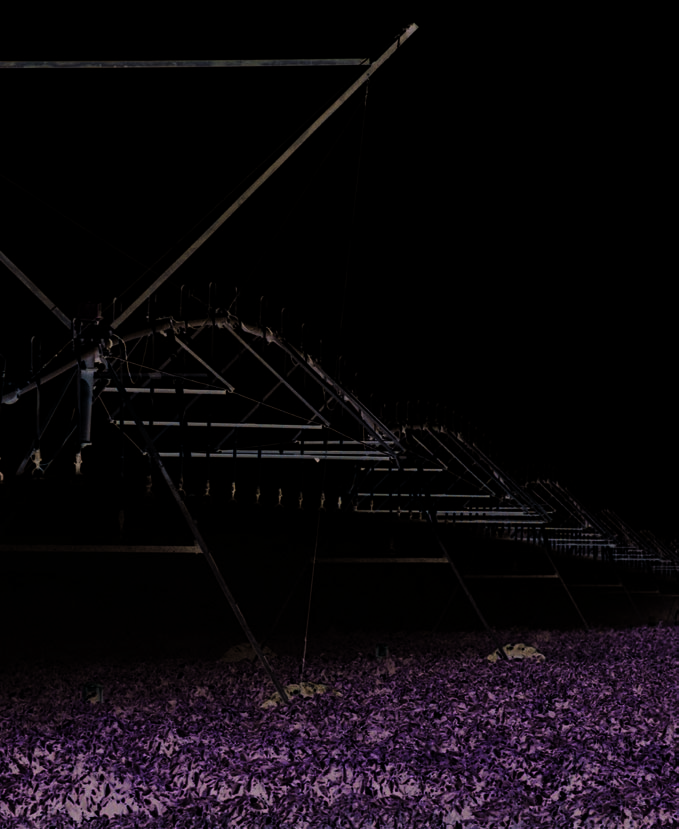
101
Irrigation in the São Francisco Valley
101
Preparing a strategic decision-making agenda for the
levels. The regulatory standards and legal underpinnings
Basin will require broad-based participation by the vari-
of the System are not yet in place to address the many
ous stakeholders, and will require vision and political
competing demands likely to arise within the participative
decisiveness on the part of the agencies charged with
model selected for the management of water resources in
managing water resources at the state and federal levels.
Brazil.
These agencies, in particular, need to acknowledge the
Basin Committee as an integral part of the decision-mak-
Additional legal instruments required, for example, for
ing system for management of the Basin.
disciplining relations between Basin Committees and
their component sub-basin committees, and the establish-
However, in view of the size and complexity of the São
ment of management tools, especially water-use charges,
Francisco River Basin and its coastal zone, there is a need
will have strong implications in terms of state legislation,
to stimulate and strengthen intermediary channels of ex-
and as yet unpredictable repercussions on relations among
change between society and the Basin Committee, in line
the numerous institutions operating in the Basin.
with the realities of each region, and to ensure that the
views of bodies such as the tributary committees and the
It is through the review and adjustment of the legal
regional advisory councils are heard by the Basin Com-
framework, and an objective assessment of its weaknesses,
mittee. The strengthening of such channels would assist
that proposals for new laws and regulations can be drafted
in enabling the Committee's decision-making agenda,
and submitted to the competent legislative spheres.
incorporating relevant issues of concern in the Basin,
Through the adoption of such proposals, active mea-
and ensuring that decisions made when the Committee
sures can be taken to address the need to provide the São
is in session are preceded by ample discussion within the
Francisco River Basin Committee with water-resources
affected regions and sub-basins, thereby guaranteeing that
management instruments, and to ensure its operation
the views of all of the various stakeholders are effectively
until such time as it becomes self-sustaining.
represented.
Establishment and functions of the
Review and adjustment of the legal frame-
Technical Office
work to ensure sustainability of the São
Francisco River Basin Committee
A temporary office is to be established to carry out the
executive functions of the São Francisco River Basin
The experience of establishing the São Francisco River
Committee and to enable it to function until such time as
Basin Committee has highlighted the nature of the laws
the Basin Water Agency is established and mechanisms are
and standards that regulate the creation and proceed-
instituted to levy water-use charges. The establishment of
ings of river basin committees in Brazil, especially with
the Basin Water Agency is a complex task that can only be
respect to the setting of water-use charges, the allocation
achieved after intense debate within the Committee.
of revenues accruing from collection of such charges, and
the proceedings of Basin Agencies.
The team in charge of the Technical Office will be respon-
sible for executing the tasks required to make the São
Despite the progress achieved since inauguration of the
Francisco River Basin Committee operational, including:
National Water Resources Policy, the National Water
orchestrating contacts and negotiations between the Na-
Resources Management System has not as yet been fully
tional Water Agency (ANA), state institutions and stake-
assimilated by agencies at the federal, state and municipal
holders in the Basin, with the aim of forming a network
eres
Photo: Eraldo P
102
103
of institutional partnerships; harmonizing the interests of
tion to the nearly 6,000 stakeholders and the 940 licensed
the federal government and the states with the internal
participants in the electoral process resident within the
interests of stakeholders within the Basin; preparing
Basin, has resulted in their positive participation in the
drafts of cooperation agreements with states and institu-
regional advisory councils, as provided for in the Internal
tions that are to participate in the implementation of such
Regulations of the São Francisco River Basin Committee.
actions; and organizing and establishing the Technical Of-
fice, and providing for procurement of vehicles, furnish-
In addition to their function of keeping the Committee in
ings and office equipment (i.e., telephone, fax, computers
touch with the different regional realities, these councils
and printers, Internet, office supplies).
will have a decisive role in the establishment of water-
resources management tools, since they will be able to
Establishment of the Technical Office wil be the respon-
assist the São Francisco River Basin Committee by provid-
sibility of the National Water Agency (ANA) and the São
ing local assessments of the relevance of the proposed
Francisco River Basin Committee. This office should serve
measures.
as a management and operations unit and functioning as the
executive arm of the São Francisco River Basin Committee.
The National Water Resources Policy foresees the pres-
ence of a water-resources management consultant, in
Initially, the Technical Office could operate within the
each region of the Basin (i.e., the Upper, Middle, Lower-
National Water Agency (ANA) for a minimum period
middle, and Lower São Francisco River Basins).
of six months, with a view to expediting procedures for
implementing integration agreements and formalizing
Technical Councils
political interfaces with other institutions and federal
programs. After this period of consolidation and acquisi-
Technical Councils are to be responsible for examining
tion of initial operational experience, the Technical Office
technical, scientific and institutional issues with a view
could be transferred to another agency within the Basin
to assisting the Basin Committee in its decision-mak-
and, depending on the demand, could assist in fomenting
ing; preparing studies and analyzing proposals relating to
the creation of support groups at the level of the regional
their particular fields of expertise; issuing opinions when
advisory councils.
requested by the Chairman of the São Francisco River
Basin Committee; preparing reports and submitting is-
The Technical Office is to be responsible for coordinat-
sues to the Plenary of the Basin Committee for decision;
ing all activities performed during the implementation
and inviting specialists to provide information on specific
period. To follow up and coordinate these activities, a
issues within their spheres of competence.
monitoring process, with indicators defined for tracking
the progress of activities underway, should be established.
In addition to the Technical Council for Institutional and
Such monitoring will enable corrections of course and the
Legal Articulation, that has already been established, the
adoption of concrete measures to ensure implementation
formation of four additional Technical Councils has been
of actions throughout the Basin.
proposed to address the following: Water Rights and Fees;
Plans, Programs and Projects; Minorities; and Training,
Regional Advisory Councils
Information and Communication.
The legacy built up and handed over to the São Francisco
The Assembly of Indigenous Peoples has also submitted a
River Basin Committee, of a responsible attitude in rela-
demand for the creation of a Technical Council for Indig-
102
103
Box 16
Participatory reservoir management:
enous Peoples, and this proposal, having been brought to
the experience of Pernambuco
the attention of the São Francisco River Basin Committee,
is receiving due consideration within the context of ac-
In the semi-arid areas of the São Francisco River Basin, reservoirs (açudes)
are commonly built to provide water supply for small communities, ir-
tions for the establishment of the other advisory councils.
rigation for subsistence farming and water to livestock. Activity 3.3. A.
entailed two experiences of forming Water Users Councils for two such
4.2.2. Strategies for creation of the São Francisco
reservoirs in the State of Pernambuco.
River Basin Water Agency
These Water Users Councils (CONSUs) are civil society entities governed
by private law, with authority over a limited area of influence near reser-
Preliminary considerations
voirs built by the Public Authorities, for urban water supply, farming and
livestock activities. They are organized as Boards, with seats for represen-
Modern water resources management consists of a set of
tatives of the public authorities and of various local organizations that have
guidelines that encompass a worldwide consensus of best
a stake in maintaining the operation and sharing of water resources of the
reservoirs around which they are organized. In the Semi-Arid areas, this
practices. At various symposia, specialists in the field have
institutional arrangement is often preferred to the organization of a basin
concluded that the basic principles of modern water-re-
committee, owing to the intermittent flows of rivers in these areas.
sources management must include:
While accompanying deployment of the Water Users Councils of Açude
· decentralized and participative management through
Jazigo and of the Perennial Utilization System for Riacho Pontal, it
became apparent that such councils enable the exercise of participatory
river basin committees;
management, based upon concrete day-to-day problems experienced by
· the financial commitment of users, through the prin-
these communities of water users. Among the lessons learned from this
ciple that `the polluter/user pays;' and
type of management system, the following stand out:
· the river basin as the basic unit for planning and action,
through adoption of a Basin Plan.
· The educational process, aimed at promoting cooperation and demo-
cratic management among water users, is more effective when its
starting point is social mobilization targeted at resolution of concrete
It is also generally accepted by the majority of specialists
problems closely linked to community interests. Among these are the
that the executive body responsible for the operation of
need to restore and preserve reservoirs and the urgency of defining
such a system should be a basin water agency. It is worth
criteria for ensuring availability of water in times of shortage.
· Shared efforts to improve the operation of reservoirs and overcome
stating, as a basic premise, that the system rests upon a
technical problems, and negotiations to fulfill demands and resolve
three-part foundation comprising the river basin commit-
disputes among the various types of water users, tend to strengthen
tee; the basin water agency; and a suite of management
associative practices and the cooperation necessary to deploy effective
tools.
instruments for shared water management.
· Disputes over water use witnessed during the course of these experi-
ences were often exacerbated by a lack of information as to the opera-
In various experiences from around the world, it has been
tional capacities of the reservoirs, and of the alternatives for rational
observed that attempts to institute such systems have
utilization of water. Negotiated allocations of water, for various types
gone awry as a consequence of failing to attend simultane-
of use and of user, are more effective when users have consistent infor-
mation on the performance of reservoirs and of operational demands
ously to these three underlying aspects. In other words,
for their protection and maintenance, and when water-users councils
it can be safely stated that the principal causes of failure
show that they are fully committed to settling disputes, with a view to
have been:
ensuring the best possible operation of reservoirs.
· It is necessary that water users establish a relationship of trust and
partnership with the public water-resources management agency, so
· establishment of river basin committees with poorly
that they can receive reliable information and feel it is worthwhile
structured river basin water agencies and insufficient
to participate in council meetings at which they are represented. The
financial resources;
formation of Water Users Councils for Açude Jazigo and for the Peren-
nial Utilization System for Riacho Pontal, were a step forward in this
regard.
104
105
· preparation of Basin Plans without an executive com-
· to act as the secretariat during meetings of the river
mittee to validate them, and, more especially, without
basin committee;
provision of sufficient financial resources for their
· to expedite decisions of the river basin committee,
implementation;
analyze requests for funding and effect transfers of
· establishment of river basin water agencies without
resources to users;
clearly providing them with appropriate management
· to carry out technical studies in support of water-re-
tools, or leaving them with unresolved conflicts among
sources management efforts and effect improvements
institutions.
in water-related and environmental conditions in the
river basin; and
Experience has shown that it is necessary to invest in
· to draw up the basin plan and submit it to the basin
technical studies in order to better understand a river
committee for deliberation.
basin's physical, biotic and economic characteristics so as
to sustain the administrative and regulatory system. Con-
Under Brazilian law, river basin agencies are respon-
ditions necessary for a sustainable system depend upon:
sible for:
· the likelihood that emergent or repressed conflicts over
1. maintaining an updated balance of the availability of
the use of the water in the river basin can be resolved,
water resources within their areas of operation;
including conflicts both of a quantitative and qualitative
nature that enhance the political need to establish the
2. maintaining a register of water resources users;
system;
· the real prospect of financial self-sustainability, through
3. charging fees for the use of water resources, through
the institution of water-use charges; and,
delegated authority;
· institutional credibility for the formation of partner-
ships with users, so that the merits of the new water-
4. analyzing and issuing official opinions on projects and
resources management model have value to the part-
works to be financed through funds generated through
ners in order to overcome natural resistance to change.
water-use charges;
Legal responsibilities of the Basin
5. monitoring the financial management of the revenues
Water Agency
collected through water-use charges;
The basin water agency is the executive arm of the river
6. managing water-resources information systems within
basin committee, and carries out or puts into effect the
their areas of operation;
committee's decisions. It is, however, important to remem-
ber that the water agency does not actual y execute works,
7. entering into agreements, providing services and
but, rather, transfers revenues accruing from water-use
financing contracts for the discharge of their duties;
charges col ected from those who use or pol ute the waters
of the basin, so as to enable the users, themselves, to resolve
8. drawing up budget proposals and submitting them for
problems involving water or the natural environment. The
the approval of the respective river basin committee or
principal functions of the water agency are:
committees;
eres
Photo: Eraldo P
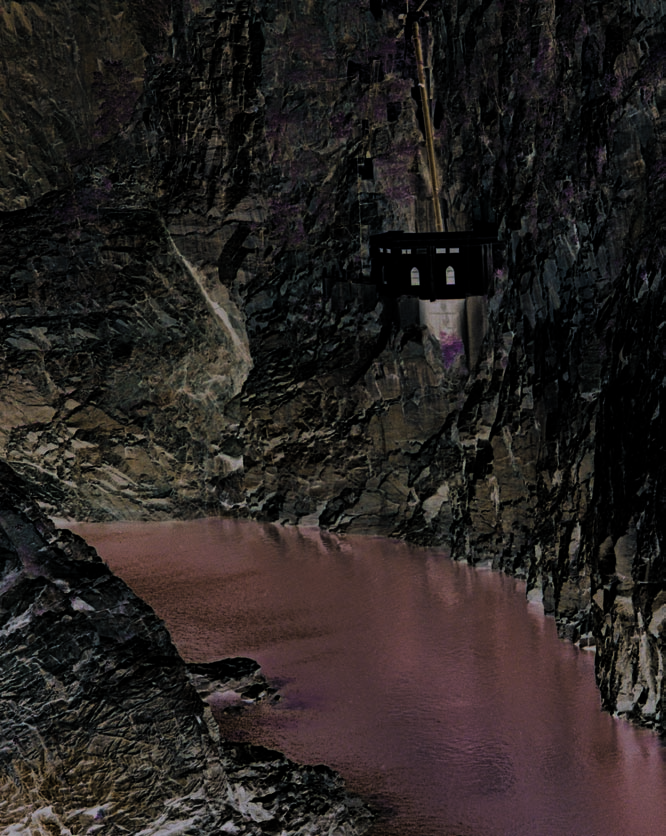
104
105
View of the first hydroelectric plant on the São Francisco River
eres
Photo: Eraldo P
106
107
9. providing the resources necessary for the execution of
The diverse hurdles that must be overcome in this mission
water-resources management studies within of their areas
to establish mechanisms for water-resources management
of operation;
in the interim period, until a system of water-use charges
has been instituted under the auspices of a Basin Water
10. drawing up a water-resources plan for approval by the
Agency, will place the Basin Committee in a position
respective river basin committee;
where, undoubtedly, it will need to seek support from
institutions such as the National Water Agency (ANA) and
11. proposing to the respective river basin committee or
the state water-resources management bodies.
committees:
The investment required, in this case, encompasses finan-
· a classification system for bodies of water by catego-
cial support for the goals identified by the São Francisco
ries of use, to be submitted to the respective National
River Basin Committee, including the resources needed
or State Water Resources Councils, according to their
to establish the Technical Office and for equipment and
jurisdictions;
supplies, as well as an allocation to be used in the prepara-
· the amounts to be charged for the use of water resourc-
tion of a preliminary register of water users in the Basin,
es; and,
and resources to cover the expenses of technical missions
· a plan for the investment of the revenues collected
to the Basin, training for the staff of the Technical Office,
through water-use charges.
and training for members of the São Francisco River Basin
Committee.
Creating conditions for the future establish-
ment of a Basin Water Agency under the São
Budget of the Basin Water Agency
Francisco River Basin Committee
Brazil's new water-resources legislation foresees a policy
The establishment and operationalization of a Basin Water
based on the principle of shared financial responsibility.
Agency to serve as the executive arm of the São Francisco
It is intended that the entire system should be financially
River Basin Committee will entail assertive efforts and
self-sustaining, through the institution of water-use
careful planning. The range of responsibilities and duties
charges. Consequently, anyone who uses, consumes or
that fall within the remit of the Basin Water Agency, and
pollutes water shall be called upon to make a financial
which are to serve as elements to sustain the functioning
contribution. Such charges should conform to the follow-
of the São Francisco River Basin Committee, can only be
ing guidelines:
addressed if a set of prerequisites are met. It is for this
reason that it is so important that, prior to the institution
· the system should not receive State subsidies;
of the Basin Water Agency, the Technical Office be estab-
· charges shall be invested in the river basin where they
lished with the capabilities needed to provide operational
are collected;
and executive support for the São Francisco River Basin
· charges shall be proportional to the cost incurred by us-
Committee, in the interim period prior to the founding
ers subject to the effects of the polluting action(s);
of the Basin Water Agency.
· charges should stimulate and discipline rational water use,
in keeping with regional peculiarities and conditions;
· parameters for establishing charges should relate to
problems existing in the River Basin and to actions
under the Basin Plan.
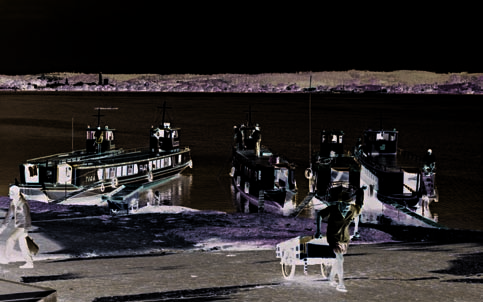
106
107
Implementation of the Basin Water Agency
Available information concerning the principal variables
in studies of the economic feasibility of a Basin Water
Instituting charges for the use of water figures as one of
Agency, i.e., data on the availability of surface and ground
the most important points in the implementation of the
waters, the register of water users, and quantitative
Basin Water Agency. It constitutes the principal manage-
and qualitative data on their abstraction and discharges,
ment tool of the Agency, and, clearly and objectively,
should be sufficient to carry out a complete study.
enables operationalization of the Basin Water Agency
model. On the other hand, water-use charges should not
To ensure the viability of the Basin Water Agency, it is
be viewed as an isolated management tool, or one capable
necessary therefore:
of resolving all of the issues relating to water-resources
planning and management. The concession of water-use
· initially, to normalize the status of the principal water
rights, environmental licensing, and implementation of
users in the River Basin, through the issuing of water-
Basin Plans approved by the Basin Committees are also
use licenses; and
essential management tools. Moreover, aside from these,
· to implement a system of water-use charges during
the stimulus provided by investments in public works and
2005, since 2004 will be dedicated to developing prior-
services that address local and regional interests consti-
ity projects and the institutional components for the
tute efficient means of improving the quality and availabil-
implementation of the Basin Water Agency, and hold-
ity of water resources.
ing consultations with users, as it is believed that the
Photo: Alain Dhomé
Boats on the São Francisco River
108
109
system of water-use charges should be implemented
implemented, such as the registration of users (at least
gradually.
the major ones) and approval of a specific enabling law,
providing criteria for establishing water-use charges
In order to ensure the feasibility of a comprehensive
based on flow rates, intake and consumption, volumes
investment program to be carried out by the Basin Water
discharged and other conditions relevant to the body of
Agency, it is extremely important that partnerships be es-
water and to the river basin;
tablished with the state and municipal governments, and
· Articulation and negotiation with federal and state au-
especially with the operators of sanitation concessions.
thorities: even when the prerequisites above have been
met, it will be necessary to define unified procedures
Likewise, there is a pressing need to engage water users
and charges be established for the use of water, regard-
in an ongoing effort, based upon transparent and par-
less of whether it is in the federal or state domain;
ticipatory initiatives to be conducted by the River Basin
· Sustainability and effectiveness: charges for water use
Committee, with a view to promoting awareness and a
will only gain effective support from society and from
sense of environmental responsibility, involving those
users if they comply with the following principles:
responsible for the largest abstractions of water and/or
· acceptance of the importance of charges as an instru-
the greatest discharges of pollutants.
ment for the rational use of water resources, to be
promoted through public awareness campaigns, and
Consequently, prior to applying these management pro-
participatory, decentralized planning;
cedures and implementing water-use charges as a means of
· identification of economic impacts on productive
ensuring the viability of the Basin Water Agency, it is impor-
activities and consequent consideration of these im-
tant that certain aspects of the process be addressed:
pacts when setting criteria and rates to be charged;
· assurance that the revenues will be utilized to benefit
· Technical and legal prerequisites: this group en-
communities in the river basins from which they are
compasses actions without which charges cannot be
collected.
Figure 18. Water resources management instruments
108
109
If it succeeds in fulfilling these criteria, the Basin Water
Agency will be financially independent and fully equipped
to provide executive support to the São Francisco River
Basin Committee, and to discharge its duties in relation to
major water-users, public entities and society in general.
Strategic Plan for the Basin Water Agency
Box 17
The strategic plan entails a results-oriented consolidation
Community-Government partnerships
of all institutional, legal and operational elements, with a
for restoration of riparian forests
view to fostering regional development through:
In the municipality of Luz, in the State of Minas Gerais, in the Upper
São Francisco region, within the scope of Activity 2.2.A. of the GEF São
· General Simulation of Revenues and Expenses: This
Francisco Project, community mobilization and training activities were
activity, to be carried out in conjunction with the São
carried out with the aim of producing saplings of native tree species to be
Francisco River Basin Committee, involves detailing all
used in the restoration of riparian forests and environmental conservation.
The success of this communitygovernment partnership is likely to serve
expenditures and revenues deriving from the establish-
as a model for other areas.
ment of a system that levies charges on water users and
polluters.
Degradation of riparian forests in the São Francisco River Basin has
· Management Studies of a Basin Water Agency: These
reached a point where many species have almost become extinct, making
should encompass an assessment of the technical, insti-
it necessary to gather seeds in small forested areas or from other reserves.
tutional and legal requirements for the implementation
Schools and rural communities, among which there has been growing
of a Water Agency, using models that take both state and
awareness of the economic losses associated with environmental degrada-
federal scenarios into account.
tion, have joined forces with NGOs, local government, unions, farming
· Cost Estimations: This activity should determine the
cooperatives and churches, to reforest riparian areas.
costs of preparing the register of water users, expand-
ing the system of water-use permits, establishing an
Listings were produced of farmers interested in participating in the proj-
ect and, with participation of farmers organizations and the government's
information system, an institutional design for the
rural extension company EMATER, a campaign was launched to collect
Water Agency, effecting any necessary inter-institu-
seeds of native species.
tional agreements, and creating and interim manage-
ment structure during the period of establishment of
Mobilization also attracted participation of town dwellers, through
the Agency.
environmental-awareness building, training courses, meetings, field visits,
fairs and workshops that addressed environmental issues and provided
knowledge and propagated values for the exercise of citizenship.
4.3. Guidelines for implementation of
management instruments
Roughly 200,000 saplings of native species and fruit trees, and also some
exotic species, were produced. These saplings were distributed to farmers
Figure 18 provides a graphic representation of inter-
who assumed a commitment to plant and tend to them in the proxim-
ity of watercourses on their properties. Furthermore, a collective action
relationships among the management instruments to be
initiative was launched in which 600 municipal high-school students
applied to water resources management, in accordance
participated in the planting of saplings, after having received orientation
with the provisions of Law 9.433/97.
during field visits.
This methodology for combating deforestation could easily be replicated
in the 500 municipalities of the São Francisco Basin, thereby presenting a
low-cost solution through the restoration of riparian forests.
110
111
In the interests of clarity, the management instruments
or river basin committees, the National Water Resources
established under the National Water Resources Policy
Council approved Resolution 17 on May 29, 2001, which
have been arranged in following categories: technical in-
provided, under the terms of Law 9.433/97, supplementary
struments, economic instruments, and strategic or policy
guidelines for the preparation of water resources plans.
instruments.
On May 24, 2002, Resolution 22 of the National Water
4.3.1. Principal technical instruments
Resources Council determined how groundwater studies
should be integrated into the water resources planning
Water Resources Basin Plans
process.
Basin Plans are master plans targeted at providing the
Classification of bodies of water
foundations and guidance necessary for implementation
of the National Water Resources Policy, and for managing
The classification of bodies of water is one of the essential
water resources.
instruments for water-resources management and envi-
ronmental planning provided under the National Water
As a management tool, they comprise a flexible frame-
Resources Policy.
work that permits continual updating through linkages
established between the Basin Water Agencies and sectoral
Classification provides for the "establishment of the qual-
and regional planners, with defined indicators to expe-
ity level (class) to be achieved or maintained within a
dite ongoing assessment of results. At the level of each
segment of a body of water over time." This definition is
river basin, the plans are to be drawn up by the Agencies
set forth in Resolution 20/86 of the National Environ-
under the general supervision of the respective River
ment Council (CONAMA), dated June 18, 1986. The
Basin Committees. In cases where the Basin Water Agen-
Resolution provides classifications for bodies of fresh
cies have not yet been established, responsibility for the
water, brackish water and salt water in Brazil, based on
preparation of such plans will be assigned to competent
their principal uses.
water-resources management bodies with jurisdiction
over the waters, under supervision of their respective
National Water Resources Council Resolution 12, of July 19,
Basin Committees.
2000, established the procedures for determining the clas-
sification of bodies of water, in accordance with precepts laid
The Basin Plans set the priorities for water use in the
down in the Water Law. The aim of these classifications is to
Basin, and allocate the necessary funding. This implies
guarantee water quality compatible with the most stringent
that such plans are, in effect, a broad political agreement
water-use requirements, and to reduce pol ution-control
among all stakeholders, since the setting of water-use pri-
costs through constant preventive actions.
orities will determine the form that water-use rights will
take and the charges to be levied for the use of the waters.
As was intended by Law 9.433/97, more than being a
The preparation of the Basin Plans must, necessarily, be a
mere category or designation, the classification of bodies
participatory process.
of water constitutes a powerful planning instrument.
Water-quality goals set out in the Basin Plan should strive
Considering the need to harmonize the drafting of the
to improve the water-quality rating of the river; i.e., to
Basin Plans with the plans to be drawn up for their
attain a better classification within a period set by the
respective sub-basins, each with its management bodies
Committee.
110
111
Future water-quality targets to be achieved for a given
The following forms of water use are not subject to
body of water should be decided through a pact estab-
permits: the use of water resources to fulfill the needs
lished by society, taking into account the water-use pri-
of rural settlements with small populations; diversions,
orities. Discussion and establishment of such pacts should
abstractions and discharges regarded as insignificant;
be pursued within the appropriate forum specified by the
and, the impoundment of volumes of water regarded as
Water Law; i.e., the Basin Committee. The final deci-
insignificant.
sion as to the classification to be achieved must be ratified
by the State or the National Water Resources Council,
Licenses to use water-resources from rivers within the
depending upon which sphere of government has do-
domain of the Federal government are issued by the Na-
minion over the water body in question, in accordance
tional Water Agency (ANA), whereas licenses for the use
with guidelines established under CONAMA Resolution
of water from rivers under State domain are issued by the
20/86.
competent State bodies or entities.
Licenses
National Water Resources Council Resolution 7, of June
21, 2000, provided for the creation of a Technical Council
The granting of licenses to use water resources is an
for Integration Procedures, Licensing and Regulation,
administrative procedure whereby the licensee is autho-
with authority to propose:
rized to use the water subject to terms and conditions
expressed in the license. Unlike a simple authorization,
· guidelines for integrating procedures among the institu-
licenses serve as an indispensable management instru-
tions responsible for issuing water licenses and regula-
ment, since they enable managers to exercise quantitative
tory decisions that affect the use of water resources;
and qualitative control over various types of water use.
· joint actions among institutions, targeted at optimizing
Although licenses are granted by public authorities, li-
procedures for related issues;
censing requirements are conditioned by guidelines estab-
· guidelines and joint actions for the resolution of con-
lished under the Basin Plans approved by the respective
flicts arising from multiple uses of water resources; and
Basin Committees. National Water Resources Council
· compensatory and mitigating actions.
Resolution 16, of May 8, 2001, established general crite-
ria for the licensing of the use of water resources.
Information Systems
Forms of water-use subject to licensing include: diversion
The term information systems refers to a system for col-
or uptake of water from a given body of water for final
lecting, handling, storing and retrieving information on
consumption, including public water supply and water
water resources and on factors influencing water resourc-
used in productive processes; tapping of groundwater
es management.
for final consumption or as a component of productive
processes; discharges into a body of water of liquid efflu-
Law 9.984, of July 17, 2000, which provided for the
ents or gaseous wastes, whether treated or otherwise, for
creation of the National Water Agency (ANA), assigned
dilution, transport or final disposal; use of hydroelectric
ANA the task of "organizing, implementing and manag-
generating potential; and, any other uses that alter rates
ing the National Water Resources Information System"
of flow, or the quantity or quality of the water within a
(Article 4, sub-item XIV). National Water Resources
given body of water.
Council Resolution 13, of September 25, 2000, issued


Aerial view of the Xingó dam
114
115
regulations relating to the implementation of the National
water wholesome shall be performed at the expense of
Water Resources Information System. The National Water
offenders who, in addition to criminal liability, if any, shall
Resources Information System (SNIRH) is essentially a
also be responsable for losses and damages caused, and be
decision-making support instrument for participants in
liable to fines imposed under administrative regulations."
the National Water Resources Management System. In
Despite the relevance of these legal precepts, they have
order to provide a basic structure and standardized for-
never been adequately implemented.
mats, a central coordination unit is required. By law, free
access to information is guaranteed to society as a whole.
In January 1997, Law 9.433/97, known as the Water Law,
instituted water use charges as one of the management
4.3.2. Economic instruments
instruments for implementation of the National Water
Resources Policy. The Water Law also established mechan-
Water use charges
isms whereby charges will be applied, the area (river
basin) in which they shall be applied, assigned responsibil-
Charges for water use constitute one of the management
ity for determining the rates, system of application and
tools employed to induce water users to adopt more
timeframe for instituting charges (by the Basin Com-
rational patterns of consumption. There is a need to
mittees), and established the agency responsibility for
establish a balance between availability and demand and,
executing actions using revenues collected (i.e., the Basin
consequently, to promote harmony among competing
Water Agency).
demands for water while, at the same time, redistributing
the social costs, lessening potentially damaging discharg-
It determined that water-use charges should be levied on
es of effluents, and providing funding for engineering
those forms of use that require licenses (Article 20), and
works, programs and interventions in the water-resources
that the rates charged shall be commensurate with:
sector.
· the volume of water withdrawn and resulting altera-
Water-use charges have been sanctioned by Brazilian
tions in flow rates, in cases of diversions, abstractions,
legislation since the promulgation of Decree Law 24.643,
and tapping of groundwater;
known as the Water Code. One of the provisions of the
· the volume discharged and resulting flow rate varia-
Water Code states that: "public use of water may be free
tions, in cases of sewage and other liquid or gaseous
or paid, in accordance with the laws and regulations of
discharges, and the physical, chemical, biological and
the sphere of administration to which they pertain" (Ar-
toxic characteristics of the effluent (Article 21).
ticle 36, § 2).
It further determined that revenues resulting from
The law also demonstrated concern for water quality,
charges collected shall be spent, in accordance with local
through the statement that "no one may lawfully defile or
priorities, in the river basin wherein they were generated.
contaminate waters that they do not consume, to the det-
riment of third parties" (Article 109). Article 110 of the
Basin Committees are charged with establishing mechan-
Law provided for what is now known as the "polluter-pays
isms for applying water-use charges and proposing the
principle," when it stated that the "work required to make
rates to be charged. The rates are to be submitted to the
114
115
Box 18
appropriate State or National Water Resources Council,
for ratification, based on the jurisdiction over the body of
Hydroelectric power potential
water in question.
and multiple water use in the São
Francisco River Basin
Law 9.984/2000, that provided for the creation of the
National Water Agency (ANA), assigned ANA responsi-
The São Francisco River Basin is endowed with a potential 26,300 MW
bilities for:
of hydroelectric generating power, of which 10,300 MW has already been
harnessed. Hydroelectricity from the São Francisco River Basin is the
principal source of power for the entire Northeast region of Brazil.
· implementing, jointly with the Basin Committees,
charges on the use of water resources within the federal
The table below provides information on the power plants located on the
domain;
main stem of the São Francisco River. Other smaller-scale power plants,
· collecting, distributing and investing revenues accruing
located in sub-basins of the São Francisco River, include 6 operated by
CEMIG, with total installed capacity of 30.14 MW.
from the water-use charges collected within the federal
domain.
Principal Hydroelectric Plants on the São Francisco River
Distance
National Water Resources Council Resolution 21, of March
from the
Catch-
Usable
Installed
14, 2002, established the Permanent Technical Council for
Oper-
mouth of
Power plant
ment area volume
capacity
ated by
the São
Water-Use Charges, whose principal duties are:
(km2)
(km3)
(MW)
Francisco
River (km)
Três Marias Cemig
2,220
50,560
15.278
396
· to propose general criteria for applying charges;
Sobradinho
Chesf
800
498,425
28.669
1,050
· to propose and analyze supplementary guidelines
Itaperica
Chesf
310
587,000
3.548
1,500
for the implementation and collection of water-use
Moxotó
Chesf
270
599,200
0.226
400
Paulo
Chesf
270
599,200
0.090
1,423
charges;
Afonso 1/3
· to propose guidelines and joint actions for the integra-
Paulo
Chesf
270
599,200
0.030
2,460
tion and optimization of procedures among the institu-
Afonso 4
Xingó
Chesf
210
608,700
0.005
3,000
tions responsible for collecting water-use charges;
· to analyze mechanisms for collecting water-use charges
It is thus worth stressing that the reservoirs of hydroelectric plants on
and the rates to be charged for use of water resources,
the São Francisco River, aside from producing electric power, have other
important roles relating to the multiple use of water resources, namely:
in accordance with suggestions made by the Basin Com-
irrigation, water supply for human consumption, regularization of flows
mittees.
and flood control, navigation, fisheries, tourism and leisure. The reservoirs
of the Três Marias and Sobradinho hydroelectric plants are of particular
4.3.3. Strategic and policy instruments
importance in regulating flows in the river bed and preventing flooding.
Although the minimum natural flow at the Três Marias dam amounts to less
Enforcement
than 60 m3/s, the reservoir makes it possible to maintain a minimum flow of
500 m3/s throughout the year, thus making it feasible to conduct year-round
Enforcement does not figure under the provisions of Ar-
navigat-ion on the stretch of the São Francisco River between Pirapora and
ticle 5 of Law 9.433/97 as a separate element among the
Juazeiro. The same applies to the Sobradinho reservoir, where though the natu-
ral minimum flow was no more than 620 m3/s, it has been possible to maintain a
instruments prescribed in the National Water Resources
minimum flow of over 1,000 m3/s, even during the power crisis in 2001.
Policy. Nonetheless, unquestionably, the role of enforce-
With respect to flood control, each year an Annual Flood Prevention
Plan is drafted by the National Operator of the electricity System
(ONS), detailing the volumes to be discharged into the main stream
of the São Francisco River, with a view to avoiding flooding that may
occur in the period between November and April, and presenting
maximum discharge volumes to be complied with downstream of each
of the hydroelectric plants.

116
117
ment is intrinsic to the application of each of those instru-
ments. Essentially, enforcement represents the exercise
of public authority and control, thereby constituting an
important facet of the application of public policies.
Enforcement can be defined as the control and monitor-
ing of the use of water resources, with the aim of guar-
Box 19
anteeing availability of water for multiple uses. It serves
to deter inappropriate patterns of use and to impose
Volunteer Water Agents
sanctions on those who commit abuses or offenses against
water-resources regulations, thereby ensuring that users
Volunteer Water Agents are members of the local community, who may be
of water resources observe the legislation in force, while
teachers or public-school students, that monitor water quality, with a view
to promoting a sustainable environment from the ecological, economic
at the same time informing them of the legal require-
and social standpoints.
ments that they must fulfill in order to be in compliance.
Users can normalize their status by filling out a declara-
The work of these Volunteers generates data and information for measur-
tion specifying the type of water use that they aim to
ing the ISA_Water index, used in Activity 1.4 Development of a Water-
pursue, and by obtaining a license from the appropriate
Quality Monitoring System in the Lower-middle São Francisco Basin.
federal or state authority entitling them to use the speci-
This indicator is a precise broad-spectrum tool for measuring geographic
fied water resource.
variables, in the light of ecological, economic and social profiles, for the
evaluation of bodies of water, thereby minimizing the need to conduct in-
Preventive enforcement is based on the Basin Plans,
dividual tests on each one of them. It measures environmental degradation
decisions of Basin Committees, and licensing. With the
resulting from human activity and its impact upon the natural-resources
base, with a view to promoting environmental protection and conserva-
aim of guiding users toward compliance with laws and
tion measures.
water-use regulations, preventive measures should be car-
ried out on a system-wide basis, beginning with enforce-
The basic instrument used by Volunteer Water Agents is an "Ecokit", that
ment campaigns in priority river basins. Actions for the
comprises flasks and bottles of reagents and all the material necessary
enforcement of policies and combating of offenses against
to conduct physical and chemical analyses, thereby making it possible to
assess such aspects of water quality as: temperature, pH, dissolved oxygen,
water-resources regulations often result from responses
BOD, total hardness, turbidity, and iron, phosphate, chlorate, chlorine and
to complaints or situations revealed during enforcement
ammonia content.
campaigns, and thus tend to involve "one-on-one" contact
with users, initially with the aim of instructing them on
This methodology, aside from being a low-cost approach that is easily
how to enter into compliance with regulations and, in
disseminated throughout the region, also enables the spread of educational
and scientific knowledge, thereby having a positive effect in terms of grass
cases of conflicts over water use, seeking to reach a con-
roots environmental education. It is, furthermore, a means of harnessing
sensus, possibly through the application of the regulatory
public participation and of providing training in the basic concepts inher-
instruments foreseen in National Water Agency (ANA)
ent to shared water-resources management.
Resolution 082/02. Modern technologies, such as
remote sensoring, are indispensable tools for the conduct
and monitoring of enforcement activities.
The implementation of instruments prescribed under the
National Water Resources Policy seeks to ensure rational
and integrated patterns of water-resources utilization.
116
117
The enforcement of laws and regulations governing the
· a program for implementing the management instru-
multiple uses of water resources thus comprises an es-
ments provided under Law 9.433/97, encompassing
sential component of this policy.
the following aspects: (a) limits and criteria for granting
water rights; (b) guidelines and criteria for setting rates
for water-use charges; (c) proposals for the classifica-
4.4. The São Francisco River Basin Plan
tion of bodies of water; (d) methods for implementing
and the role of the SAP
the Basin information system; and (e) environmental
education initiatives in keeping with the national envi-
With the founding of the São Francisco River Basin
ronmental-education policy, established by Law 9.795,
Committee at the end of 2002, one of the Committee's
of April 27, 1999.
priorities has been the preparation of a water-resources
basin plan for the São Francisco River Basin (hereinafter
The programs that are to comprise the São Francisco
referred to as the São Francisco River Basin Plan), to
River Basin Plan must cover a broad and diversified range
underpin its water-resources policy-management frame-
of issues, requiring careful structuring, which, from now
work. This is a long-term task, with planning horizons
onward, will constitute one of the principal focuses pur-
stretching over the entire period required for structuring
sued by the São Francisco River Basin Committee.
and implementing its programs and projects.
Although they contain some similar elements, the SAP
Actions foreseen under the São Francisco River Basin
and the Basin Plan have quite distinct objectives, con-
Plan will seek to establish the integrated management
tent and execution schedules. The SAP is a document
of the São Francisco River Basin, on an permanent basis,
containing a set of strategic actions designed to address
in accordance with general guidelines provided under
priority concerns, and is designed to comprise a second
the National Water Resources Policy (PNRH), and Law
stage of support from the Global Environment Facility
9.433, of January 8, 1997.
to the National Water Agency (ANA). As a consequence
of the studies carried out, the activities and analyses of
National Water Resources Council Resolution 17, of May
causal chains, the identification of proposed courses of ac-
29, 2001, determined that water-resources plans shall be
tion to be pursued is targeted at correcting or mitigating
based upon diagnostic and prognostic analyses, alterna-
these critical problems. Its scope, however, encompasses
tives for harmonization, goals, strategies, programs and
integrated management actions applied throughout the
projects, and encompass both surface and ground water
entire São Francisco River Basin. Moreover, in order to be
resources. The Resolution further recommended that the
eligible for GEF funding, such actions must be in compli-
following topics be considered when establishing goals,
ance with the GEF's criteria.
strategies, programs and projects:
The São Francisco River Basin Plan, in its full final ver-
· identification of priority actions, possible executing
sion, will be a much more comprehensive document.
or participating bodies and entities, cost assessments,
Indeed, water-resources basin plans need to be conceived
funding sources and establishment of timeframes for
as continuous and dynamic processes, subject to periodic
execution;
review, and focused on long-term horizons, expressed
· proposals for adjusting and/or structuring the system
through scenario analyses that examine future conditions
for water-resources management in the Basin;
for the development of their respective river basins. The
118
119
drafting of such plans wil involve a complex participative
the fulfillment of human needs, while at the same time
process under coordination of the River Basin Committee.
providing effective instruments for environmental educa-
tion of communities, endowing them with critical and
Under the terms of Article 38 of Law 9.433/97, it is
deliberative autonomy, while increasing their awareness of
the responsibility of the Basin Committees, within their
the interdependence of the natural, socio-economic and
areas of authority, to promote debate on issues relating to
cultural environments."
water resources, and to provide coordination for actions
to be carried out by the entities involved. It is also within
At the Plenary Meeting of the São Francisco River Basin
the remit of the Basin Committee to approve the water-
Committee, held in Penedo, it was decided that prepara-
resources plan for the Basin and to monitor its execu-
tion of the Basin Plan should be entrusted to a high-level
tion. A period of roughly 15 months is anticipated to
Technical Work Group, comprising members of the
be required for drafting the plan, not including the time
National Water Agency (ANA) and representatives of
needed for successive reviews and amendments, prior to
the agencies that manage water resources in the states
its approval by the Basin Committee, providing the vari-
that comprise the São Francisco River Basin. This Techni-
ous stakeholders and communities with ample opportun-
cal Work Group was charged with the task of present-
ity to present their views.
ing, within six months, a first draft of the Basin Plan for
discussion, deliberation and approval by the Committee.
It is worth noting that, according to item III of the São
The process of preparing the Basin Plan will be overseen
Francisco River Basin Committee's Declaration of Prin-
and assessed by the Committee's Council on Technical
ciples and Mission Statement, "the Committee, in the
Plans and Projects, and by its Regional Advisory Councils.
exercise of its administrative and management authority,
shall prioritize approval of a Basin Plan, that shall com-
At the same Plenary Meeting of the São Francisco River
prise a statement of the principal guidelines and bases
Basin Committee, a preliminary draft of the structure
for deployment of other instruments provided for under
of components and actions required for completing the
the National Water Resources Policy; namely: licensing
Basin Plan was submitted for debate and comment, with a
of the right to use water resources, water-use charges,
view to stimulating involvement of participants in activi-
and the classification of bodies of water; and shall seek, by
ties targeted towards the revitalization of the River Basin.
means of the other instruments foreseen, to accomplish
the effective revitalization and management of quality and
Components of an investment program, to be pursued
quantity of water resources and their multiple uses."
under the Basin Plan, could be grouped into two major
categories: (i) management, relating mainly to actions
Further, according to Item IV of this Declaration of Prin-
of a `non-structural' nature; and (ii) services and works,
ciples and Mission Statement, "based upon the Basin Plan,
relating to actions of a `structural' nature, comprising the
the Committee shall approve a strategic and operational
more direct corrective interventions to be effected in the
program for revitalizing the River Basin by elucidating
River Basin.
concepts relating to water-resources management and
defining technically-justified measures to promote the
The management component is characterized by actions
preservation, conservation and restoration of the river
that, in general, require relatively minor investments but
basin, with a view to favoring biodiversity, and environ-
entail major institutional articulation and integration ef-
mental, economic and social sustainability, and ensuring
forts by multi-disciplinary teams. Many of the actions un-
adequate quantities and quality of water supplies, for
der this component relate to the performance of studies,
118
119
analyses and surveys, or to actions that provide support
· control of erosion and siltation/deposition;
for development. The services and works component,
· provision of technical and financial assistance to municipal-
on the other hand, is characterized by actions entailing
ities for sustainable management of urban and rural lands;
direct interventions in the River Basin, and that involve
· development and implementation of actions for the
engineering projects, public works, services of a correc-
preservation and restoration of the ichthyofauna and
tive nature, and actions specifically targeted at promoting
biodiversity.
development.
Services and Works Component - Environ-
The contribution of the SAP, within the scope of the Basin
mental Sanitation
Plan, is more closely related to lines of action under the
management component, in view of the eligibility criteria
· projects and works for universalized water supply;
emanating from the GEF itself, which is its financial
· projects and works to improve levels of collection and
agent. In view of this, and with a view to providing
treatment of urban sewage and industrial effluents;
greater clarity for the purposes of the preliminary draft
· projects and works to improve levels of collection and
of the Basin Plan, it is suggested that the management
final disposal of urban solid wastes;
component be covered by actions encompassed by the
· environmental restoration of areas degraded by mining.
SAP, whereas actions under the services and works com-
ponent be left for subsequent definition. Under such an
Clearly, other actions also could be included, but the
arrangement, aspects relating to services and works in an
listing above is considered sufficiently broad to stimulate
investment program to be executed under the Basin Plan,
initial discussions within the São Francisco River Basin
could encompass the following:
Committee and to guide the compilation of supporting
material to expedite the process.
Services and Works Component - Water
Resources:
Figure 19 provides an illustration of the organization
of the components and actions to be included in the
· normalization of flows, multiple use and flood control;
preliminary draft of the Basin Plan, and their interfaces
· improved navigability within the Basin;
with the SAP.
120
Figure 19. Probable structure of the São Francisco River Basin Plan and its interface with the SAP
Strategic actions and
selected activities
5

Strategic actions and selected activities
View of the town of Penedo-AL

Strategic actions and selected activities
5.1. Guidelines for the Selection of Priority Areas and Actions
In the development of the GEF São Francisco Project, two types of actions were prioritized:
actions that seek to minimize the principal negative aspects diagnosed; and actions that aim
to establish a sound technical and management base for carrying out the work and for deci-
sion-making, with intense public involvement on the part of Basin institutions.
With respect to actions of the first type, the size, heterogeneity and complexity of the São
Francisco River Basin means that it is impossible to treat the full scope of all of the problems
facing the Basin at the same time. For this reason, the strategy adopted was to select areas
for intervention and priority actions under the SAP through the development of integrated
activities that could not only lead to rapid and favorable outcomes in resolving the problems
identified in specific locations where the direct interventions were carried out, but could also
constitute easily replicated or adapted models for adoption in other areas. It was considered
that the scope of actions selected should, whenever possible, include measures to address all
of the problems identified and seek to deal with them as a whole, on a sound basis, thereby
avoiding thinly-spread or limited actions. To this end, it is also necessary to focus on more
restricted and representative areas for action, and, while these problems did not occur in the
same way in the different physiographic regions of the Basin, various approaches could be
adopted in tackling them. In general, the priority actions took the following guidelines into
account:
· a sound and consistent technical basis, explicitly related to the critical problems of the
Basin;
· a coordinated approach, addressing the greatest possible number of problems in partner-
ship with the institutions potentially involved in their resolution;
· an ability to produce measurable benefits, to be evaluated throughout the entire course of
project implementation;
· community participation, particularly of organized civil society;
· a potential to be fully or partly replicable in the Basin or in similar areas, such as in the
semi-arid Northeast, or even in other countries around the world;
· a contribution to the well-being of the local community and to sustainable development;
· being environmentally and socially acceptable in other words, risks of negative impacts
for the environment or for local communities should be minimized;
· the opportunity to develop the capabilities and potential of the communities and institu-
tions involved; and
· institutional sustainability in technical and financial terms, thereby guaranteeing continuity
beyond the period in which they receive GEF resources.
Photo: Alain Dhomé
124
The selection of areas for implementing priority actions
resources. From this standpoint, it should be noted that
was carried out with a view to: achieving direct benefits
the Basin Committees, prescribed under Law 9.433 of
(i.e., solving one or more critical problem); being repre-
8 January 1997, as components of the National Water
sentative and having potential for replication; and, to the
Resources System (SNRH), constitute model institutions
extent possible, potentially constituting a `regional proj-
for enlisting public participation from society as a whole.
ect' in which a set of activities with a specific objective
This should be taken into account when conceptualizing
could be relied upon to provide support and assistance for
actions intended to support and promote public partici-
other activities.
pation and social mobilization to ensure these actions are
effective and efficient.
With respect to actions of the second type, those having a
technical basis were selected after taking into account the
The structure of the SAP and of its basic components,
specific needs identified during the execution of the Diag-
in order to fulfill the goals set under the National Water
nostic Analysis of the Basin (DAB) and/or those originat-
Resources Policy and the GEF São Francisco Project,
ing from points raised during the public debates of the
focused on the promotion of technical-institutional
São Francisco River Basin Committee (CBHSF).
strengthening and participation of society as a whole.
This could be consolidated through the implementation
of a participative and stable water-resources management
5.2. Structure and Basic Components
system, to which the SAP contributed. This system is
the Integrated Water Resources Management System for
The strategic actions foreseen in the SAP aim to make a
the São Francisco Basin and its coastal zone, hereinafter
lasting contribution to the integrated management of the
referred to as Integrated Basin Management System (SIG-
São Francisco River Basin and its coastal zone, in accor-
RHI). The SAP's contribution comprised the develop-
dance with the general guidelines of the National Water
ment and adaptation of the regulatory framework and its
Resources Policy (PNRH) as expressed in Law 9.433 of
technical and institutional instruments. This framework
8 January 1997, and in consonance with the aims and
and these instruments aided in developing a management
objectives of the GEF São Francisco Project, which was
database, implementing the institutional instruments
the basis for developing the SAP. Brazil's National Water
required under the Integrated Basin Management System,
Resources Policy stipulates that water resources manage-
and reinforcing institutional links, along with fulfilling
ment should be systematic, and that it should: take into
the socio-institutional role of providing environmental
account the quantity and quality of water; be appropriate
training and education for its members and other parties
to the context of physical, biotic, demographic, eco-
involved. However, in order for the Integrated Basin
nomic, social and cultural diversity; be integrated with
Management System to be in a position to be utilized
environmental management and articulated with land-use
successfully, it is indispensable that the institutional links
management; and, finally, be integrated with the manage-
with appropriate water-resources and environmental
ment of estuary systems and coastal areas of the corres-
authorities at the federal, state and municipal levels be in
ponding hydrographic basins.
place. The establishment of such links is another area that
received support under the SAP.
The GEF São Francisco Project emphasized the impor-
tance of public participation, by users and other stake-
It should be remembered that the São Francisco River
holders, as a means of involving society in decision-mak-
Basin and its coastal zone includes practically every type
ing, with a view to ensuring the sustainable use of water
of water use. Therefore, the SAP initiatives also ought to
eres
Photo: Eraldo P

124
Landscape semi-arid region
eres
Photo: Eraldo P

126
127
seek to promote the multiple and rational use of water re-
São Francisco River Basin Committee in its early years,
sources in order to ensure sustainable development in the
until systematic procedures for drafting and periodically
Basin and its coastal zone. At the same time, steps should
reviewing such Plans are established. To prepare the São
be taken to ensure progress toward universal access to
Francisco River Basin Committee for this role of for-
water supplies, sewage collection and treatment, and final
mulating the Basin Plan, it will be necessary to conduct
disposal of solid waste with a view to fulfilling social-
studies, identify the actors involved and establish their
inclusion goals enunciated under the Multi-year Plan of
responsibilities, as well as to determine how such studies
Action (PPA) for 2004-2007. In addition, the critical
will be prepared, how often the plans will be reviewed,
decision making instruments to be deployed in the event
the systematic procedures for their approval, provision of
of emergencies, with a view to protecting and defend-
oversight by the public, and other associated issues.
ing local communities and users in emergencies, should
be adopted in consonance with the aims of the National
With these goals in mind, the SAP introduced a partici-
Water Resources Policy, and the provisions of Law
pative planning system, utilizing lessons learned during
9.433/97. Likewise, the SAP initiatives should contribute
the SAP drafting process, so as to foster comprehensive
to the sustainable development in the Basin and coastal
public participation in determining the allocation of
area, from the physical standpoint, through preventative
investment resources for projects that affect the Basin and
measures, environmental protection and the restoration
its coastal zone.
of degraded areas, with the consequent conservation of
water resources and quality, and of soil and biodiversity.
Another pressing issue is the potential for sustainable use
of groundwater resources, found particularly in the Mid-
dle and Lower-middle São Francisco River Basin, through
an assessment of their volume, quality and knowledge
available with respect to their potential for exploitation.
It is essential to bear in mind that, since the main goal
of the SAP is the implementation of strategic actions for
integrated management of the River and its coastal zone,
the basic thrust of such actions should be to seek consen-
sus and provide instruments for the systematic formula-
tion of the Basin Plan, under the terms of Law 9.433/97.
Such a Basin Plan must be approved by the São Francisco
River Basin Committee (CBHSF).
Figure 20 provides a graphic representation of interac-
tions between the Basin Plan and the SAP. In practice,
since the SAP comprises a series of interlinked measures,
eres
supported by studies, it will provide a significant contri-
bution for expediting the preparation of an initial draft of
the Basin Plan and for the allocation of available finan-
Photo: Eraldo P
cial resources, to serve as baseline for the work of the
Coconuts São Francisco River Valley

126
127
Figure 20. Interaction between the Basin Plan and the SAP
eres
Photo: Eraldo P
Grapes in the São Francisco Valley
128
129
It is also necessary that actions proposed be linked to in-
In the light of the latter conclusion, which consolidates
vestments foreseen under the federal and state Multi-year
the previous three, it can be concluded that issues relat-
Plans of Action (PPAs) for the São Francisco Basin and its
ing to the strengthening of institutions and networking,
coastal zone, since these will be regarded as the Brazilian
public participation, and environmental training and
counterpart to any future funding provided by the GEF
education can be grouped into a single component that
and, as such, must be guaranteed by the corresponding
deals with the implementation of such management
budgeted resources allocated within these government
measures. Likewise, issues related to sustained develop-
plans.
ment, pollution prevention, environmental protection
and environmental restoration may be grouped under a
Among the lessons learned during the drafting of the
second component.
Diagnostic Analysis of the Basin (DAB) which led to the
identification of problems of the São Francisco River
It was within such parameters that the SAP was prepared.
Basin and its coastal zone, the following appear to have
Its structure comprises these two major components for
permeated all other issues and thus constitute important
the Basin and its coastal zone, namely: contributions to
factors to be taken into account:
the introduction of an Integrated Basin Management Sys-
tem and its array of management instruments; and to the
· the mere act of organizing (or reorganizing) resource-
sustainable use of water resources and the restoration of
utilization patterns in the São Francisco River Basin
environmental quality, as shown in Figure 21. In order to
and its coastal zone may have led to more sustainable
achieve these aims, these Components must incorporate
development in the area;
eight Strategic Actions, selected in strict compliance with
· the causal chain of problem analysis has shown the need
the criteria described as folows:
for public participation in the search for solutions to
problems, so as to avoid the same problems from being
5.2.1. Component I - Implementation of the
repeated over time;
Integrated Basin Management System for the
· the best approaches to facilitating and improving such
São Francisco River Basin and its Coastal Zone
public participation are mobilization and environmen-
tal education; and, finally,
Strategic Action I.1. Strengthening of institutional links
· consolidation of an integrated water-resources man-
among federal programs, and among federal, state, and
agement system can guarantee public participation,
municipal authorities, Basin Committees and other par-
discipline types of water use through the application
ticipants in the management of water-resources and envi-
of suitable management instruments, and foster better
ronmental systems, with a view to promoting collabora-
planning, allocation mechanisms, inspection procedures
tion and improvements in the regulatory framework by
and application of water use charges.
setting criteria and formulating strategies for the issuing
of water-use licenses, monitoring of different types of
water use, managing conflicts and establishing water-use
charges.
128
129
Figure 21. Structure of the SAP

131
Micro-spray irrigation
131
Strategic Action I.2. Implementation of institutional in-
and non-point pollution control; and the establishment of
struments for the Integrated Basin Management System,
a conservation unit.
training and public participation, to ensure the represen-
tation of users and stakeholders in the Basin Committees,
Strategic Action II.3. Access to environmental sanita-
providing them with training and skills, instituting the
tion and measures to be taken in the event of floods or
Basin Water Agency and state water-resources manage-
droughts, essentially providing access to environmental
ment systems, and introducing an effective participatory
sanitation for poor communities and identifying and
planning system.
drafting emergency management measures for the entire
São Francisco River Basin and its coastal zone in the event
Strategic Action I.3. Development of technical instru-
of extreme weather conditions, such as floods or pro-
ments for the Integrated Basin Management System,
longed drought.
identifying and promoting activities to equip the System
with all the necessary technical instruments required for
Strategic Action II.4. Sustainable use and protection
the exercise of its activities, including development of its
of groundwater sources, with the aim of developing
database and information system, accrediting and moni-
hydro-geological maps of the aquifers underlying the
toring of users, and inputting of field data.
São Francisco River Basin and establishing guidelines for
the sustainable exploitation of its two, known principal
Strategic Action I.4. Social Mobilization and Environmen-
aquifers.
tal Education, through pursuit of an action plan involving
restoration of historical documentation pertaining to the
actions of agencies operating within the São Francisco
5.3. Analysis of selected
River Basin and of the coastal area.
strategic actions
5.2.2. Component II - Sustainable use of water
Based on the eight Strategic Actions, workshops were
resources and environmental restoration of the São
convened in each of the four physiographic areas of the
Francisco River Basin and its Coastal Zone
São Francisco River Basin to discuss the proposed actions
with stakeholders and interact with the São Francisco
Strategic Action II.1. Promotion of multiple uses of
River Basin Committee Work Group (GT-CBHSF). These
water, encompassing development and rational use of
meetings enabled participants to identify 14 principal ac-
water for irrigation, human consumption, livestock,
tivities, within the scope of the SAP's basic macro-actions,
navigation, hydroelectric power generation, fisheries and
encompassing the range of issues to be addressed in the
aquaculture; such approaches should include intervent-
integrated management of the Basin and its coastal zone.
ions during the feasibility study and design phases of hy-
draulic engineering works to ensure economic efficiency
It is worth noting that, within the scope of the GEF São
and low environmental impact, particularly when located
Francisco Project, a series of meetings and seminars were
near the coastal zone.
held during 2001 and 2002 with the aim of deepening
understanding of experiences and identifying problems
Strategic Action II.2. Conservation of water, soil and bio-
and their causes, to assist in the formulation of actions
diversity, dealing with ichthyofauna, restoration of shore-
to be developed. As a result, these workshops identified
land vegetation and conservation of the remaining forests;
various relevant and critical problems in the São Francisco
control of erosion and recovery of degraded areas; point
River Basin and its coastal zone and it was on the basis
eres
Photo: Eraldo P
132
133
5.3.1. Strengthening of institutional relationships (I.1)
of an analysis of this information that the SAP proposals
were formulated. The proposals consist of a (short-term)
This Strategic Action is divided in two main activities:
four-year strategic action program to address conflicts
and foster revitalization of the São Francisco River Basin
I.1.1 Links between programs run by federal
and its coastal zone.
bodies, among water-resource and envi-
ronmental management systems; federal,
In order to assess the Strategic Actions selected, enu-
state and municipal governments, and other
merate their benefits and identify their beneficiaries, a
stakeholders in the system
more detailed examination of the content of the propos-
als underlying the principal activities is needed. It must
This activity may be described as promoting articulation
be born in mind that the SAP, in effect, is a program
among the SAP activities and the actions of government
comprising components of an institutional nature, based
and of stakeholders involved in the São Francisco River
on "non-structural" actions and measures; i.e., it does not
Basin and its coastal zone, with a view to promoting a
involve execution of large-scale engineering works or in-
convergence of efforts and multiplication of results.
terventions that significantly affect the flow of the river or
directly alter physical conditions in its hydrographic basin.
The principal expected benefit stems from a greater de-
gree of overall efficiency to be attained in the conduct of
Activities and their beneficiaries are frequently dispersed
all activities carried out in the Basin, as a consequence of
throughout the São Francisco River Basin and are often
improved articulation among programs and projects run
not in touch with each other. Similarly, the various pro-
by the various bodies and stakeholders.
ponents, whose roles often overlap, often work indepen-
dently and autonomously. In view of these circumstances,
These benefits can be achieved through the implementa-
benefits can be achieved through overall efficiency gains
tion of a communications system to provide inputs for
and greater rationality in the conduct of actions. In like
water-resources managers, thereby strengthening links
manner, however, the expected benefits, as wel as impacts
and interaction between the SAP project initiatives and
upon the beneficiaries of the actions, cannot always be quan-
actions being carried out under other government pro-
tified or expressed in a simple and comprehensive way.
grams in the Basin. Such a convergence of efforts should
lead to synergy and multiplication of the individual re-
This difficulty notwithstanding, an attempt was made to
sults, through mediation of conflicts among programs and
analyze strategic actions and to enumerate their benefits
proposals for the Basin, in a transparent manner.
and beneficiaries, by component of the SAP, as is shown in
Figures 22 and 23.
This need stems from the fact that, during the prepara-
tion of the Diagnostic Analysis for the Basin (DAB), it was
Strategic Actions in Component I - Imple-
acknowledged that institutional articulation is an essential
mentation of the Integrated Water Resource
element for the application of laws, regulations and pro-
Management System for the Basin and its
cedures, and for the pursuit of integrated development
Coastal Zone.
projects.
132
133
Figure 22. SAP Actions for Component I
134
135
Efforts aimed at promoting links between central govern-
estimates, with scrutiny of the various components of
ment, states and municipalities ensure a more rational
the work to be carried out by each institution and of
application of financial, human and material resources,
the results of their work, with an emphasis on promot-
and thus reduce waste due to overlap or repetition.
ing convergence among the various proposals;
· preparation of an `annual agenda of intentions', en-
To this end, there is a need for a swifter and more flexible
compassing the plans and targets of each institution for
flow of communications and information among institu-
subsequent periods, and the drafting of a framework for
tions in the Basin, and also within each institution, at their
identifying potential conflicts and points of convergence;
various decision-making levels, through to the end-users
· setting of criteria and procedures to harmonize and
of water resources. Conflicting or dubious guidelines
match budgets and timelines for action among the vari-
emanating from numerous overlapping agencies should be
ous federal and state government institutions.
eliminated, in favor of greater integration and networking
among institutions.
I.1.2. Support for the setting of licensing
criteria, water-use charges, management of
Implementation of such an initiative would lead to greater
conflicts, and definition of monitoring strat-
interaction among the various bodies actively involved in
egies.
the Basin, thereby fostering the setting of clearer objec-
tives and establishing of more appropriate roles, enabling
This activity will support research designed to improve
these bodies to exercise their functions in a coordinated,
the regulatory framework in the São Francisco River
articulated and integrated manner.
Basin and its coastal zone.
The direct beneficiaries of this activity will be federal,
The activity has an important contribution to make in the
state, and municipal institutions, and the Basin Com-
setting of criteria, to be adopted by São Francisco River
mittee, that intend to pursue programs within the São
Basin Committee in its Basin Plan, that will aid in har-
Francisco River Basin and its coastal zone. This activity
monizing the implementation of licensing instruments,
will enable them to carry out their duties more efficiently
monitoring users, and settling disputes stemming from
and economically by avoiding overlapping and unneces-
jurisdictional issues related to water bodies at the various
sary expenses. This activity is designed to complement the
governmental levels, thereby helping to avoid further
Multi-year Action Plan (PPA).
litigation and disputes arising from unequal treatment of
similar cases.
As an activity targeted at promoting integration and joint
actions among federal, state and municipal programs, the
It is important to stress that water-use licenses do not
expected actions and outcomes include:
transfer ownership of water, since such ownership is
inalienable. What is being authorized is simply the right
· integration agreement between the states and the
to use water. The regulatory frameworks for hydrographic
federal government to standardize management instru-
basins or sub-basins, identified under this activity, com-
ments
prise strategic instruments intended to orient implement-
· events to promote integration and articulation, involv-
ation of this water-resources management instrument.
ing those responsible for planned and ongoing initiat-
ives, in discussions with participation from local and
It will be necessary to create mechanisms for harmonizing
regional planners and parties responsible for preparing
strategies and the deployment of monitoring and inspec-
134
135
Box 20
Irrigated Farming in the São Francisco
tion policies for water-resources use among the states
River Basin: qualitative aspects
that share the Basin and federal authorities. To this end,
the definition of an organizational model with monitor-
Climatic conditions in the São Francisco River Basin are ideal for agricul-
ing and inspection instruments that take into account the
ture, however, owing to irregular and low rainfall patterns in some areas,
procedures currently employed by the National Water
irrigation is required to ensure successful farming.
Agency (ANA), and state water-resources management
In the São Francisco River Basin, 3 million ha. of land could potentially
bodies involved in the São Francisco River Basin, will also
be irrigated, of which, 342,712 ha. are currently producing irrigated
be necessary.
crops. Of the average flow of 2,850 m3/s, some 203 m3/s are diverted for
various uses. Irrigation takes the largest portion (68%), corresponding to
The aim of this approach is to optimize strategies and meth-
138 m3/s. Of the water-use licenses issued in Minas Gerais, 76% are for
irrigation, whereas in Bahia this proportion reaches 94%. Though not very
odologies and ensure compatible implementation of regula-
common, disputes over water use have been reported in such areas as the
tions, including water-use charges, with a view to avoiding
Verde Grande sub-basin. At Entre Ribeiros, in the Paracatu sub-basin, it
court chal enges and confusion on the part of water users.
has been estimated that 85% of the average seven-day flow, with a 10-year
replenishment period, is removed for irrigation.
Simulations should be conducted to serve as inputs for the
Despite such disputes, the potential for the growth of irrigated farming,
deliberations of the São Francisco River Basin Committee
to fulfill the social and economic development needs of the São Francisco
on issues relating to the definition of mechanisms, criteria,
River Basin, is considerable. This is particularly apparent in the area of
and rates to be charged for the use of water resources
Juazeiro-Petrolina, in the west of Bahia, the north of Minas Gerais, and
according to the various types of use (farming, sanitation,
Paracatu, where irrigated agriculture has undergone the greatest expan-
sion. It is thus necessary to promote more efficient water use, water-re-
industry, livestock, etc.), and the setting of criteria and
sources management, and planning for the expansion of irrigated areas.
limits for categories of use classed as insignificant.
In order to increase the efficiency of water use in irrigated farming, it
The activity also should encompass economic surveys to
is necessary to secure more information on the performance of current
assess the impact of the cost of water on the final prices of
irrigation systems. An evaluation of methods used in 55 irrigation systems
located in the north of Minas Gerais, the region of Bom Jesus da Lapa,
products in, among others, the industrial, mining, sanitation,
the west of Bahia, the region of Irecê, and in the Juazeiro-Petrolina area,
irrigation and power sectors within the São Francisco River
showed that, generally speaking, the irrigation systems used are fairly uni-
Basin. These activities would be documented in reports to
form in terms of water distribution, thus indicating that the projects are
serve as decision-making inputs for the São Francisco River
adequately sized. On the other hand, an assessment of the management of
irrigation systems revealed that such management was often lacking, and
Basin Committee and state management bodies.
that inadequate methods were often used.
One of the benefits of the activity is that it facilitates
With overhead irrigation systems, irrigation efficiency averaged 71%,
implementation of an equitable system of charges for
which is below the acceptable level. This was due to high evaporation and
water-resources users, in the various categories of use, by
spray-drift losses (11%) and deep percolation (18%). With drip irrigation,
an irrigation efficiency of 79% was achieved, with losses amounting to of
taking into account the real costs incurred.
21%, chiefly through deep percolation. Deep percolation losses derive
from inadequate irrigation management, i.e., excessive water applications,
The expected outcomes of this activity are:
amounting to 40% in the case of drip irrigation, and 23% using overhead
systems.
· Studies for the establishment of licensing cri-
The adoption of proper irrigation management practices could result in
teria, including preparation of a joint resolution, to be
water savings of as much as 64% for drip-irrigation systems where exces-
signed by the National Water Agency (ANA) and water-
sive amounts are being applied, while the potential savings with overhead
resource management bodies and committees, estab-
irrigation systems could amount to 43%.
136
lishing licensing criteria for the Basin or sub-basins,
I.2.1. Support for the São Francisco River
to guide their actions when disputes arise and orient
Basin Committee, through implementation
institutional interventions in accordance with planning
of the Basin Water Agency, the establishment
targets; drafting of a water-use licensing manual to
of an inter-institutional research network
guide the actions of the National Water Agency (ANA),
for state water-resource management sys-
states and Federal District, in consonance with general
tems, and provision of training for members
guidelines set forth under the regulatory framework;
of the Integrated Basin Management System
drafting of a report on the compatibility of criteria
for water-use licensing; preparation of a manual for
During the Diagnostic Analysis, it became clear that the
enhancing methodologies used in developing regulatory
dominance of site-specific and isolated actions on the part
frameworks; and instituting of an integrated licensing
of the various bodies at the different spheres of govern-
system under the National Water Agency (ANA), states
ment, without adequate integration and planning, have
and Federal District.
at times led to conflicting efforts. In this context, the São
· Studies for the establishment of conflict management
Francisco River Basin Committee that, with strong sup-
strategies, including creation of a dispute management
port from the GEF project, has now been founded and
strategy for water-resource management use in order
installed, though still in need of further strengthening,
to ensure compatibility of uses in the São Francisco
takes on added importance.
River Basin, in partnership with the state bodies in-
volved and the Regional Advisory Councils of the São
This activity will follow up on the establishment of the
Francisco Basin Committee; establishing initiatives to
Basin Committee by supporting the implementation of
address the legal framework, including both formal and
the Basin Water Agency, as the executive body that will
informal structures; mapping of existing and potential
guarantee successful and effective functioning of the
conflicts; identification of critical issues and the system-
Committee, and by providing support for state water-re-
atization of data; and description of enforcement and
sources management systems.
inspection procedures for water-resource use.
· Studies for the setting of criteria for charges on the use
This support should be provided through training activi-
of water resources, including preparation of inputs for
ties targeted at members of the Integrated Water-Re-
the deliberations of the São Francisco Basin Committee,
sources Management System, thorough courses, semi-
setting the parameters for the definition of limits as to
nars, workshops, internships and trainee programs, with
what are to be regarded as insignificant levels of use and
the aim of providing technological training and improving
the range of rates to be charged for the use of water
standards. Such initiatives will help encourage participa-
resources, as well as criteria for their applicability in
tion of users and stakeholders in public events relating to
the various regions of the Basin, according to types of
water-resource issues.
users, seasonal variations, type of source, etc.
In order to expand the scientific-knowledge base in the
5.3.2. Implementation of institutional instruments,
region, this activity should provide support for the estab-
training programs and public participation mecha-
lishment of an inter-institutional research network on the
nisms (I.2)
São Francisco River Basin and coastal area.
This Strategic Action is comprised of two principal
Such a network should seek to develop mechanisms to
activities:
ensure compatibility among policies, and provide support
Photo: Alain Dhomé

136
Irrigation in the São Francisco Valley
Photo: Alain Dhomé
138
139
to state governments, generally by means of Coopera-
Until such time as the Basin Water Agency is established
tion Agreements designed to support the establishment
and water-use charges are instituted, the São Francisco
of their respective State Water-Resources Management
River Basin Committee has no means of stimulating
Systems.
public participation on the part of its members. Further-
more, the very accentuated regional, social and economic
Cooperation Agreements could be drafted with a spe-
disparities, and the enormous distances that separate
cific work program to address the needs of each state,
members of the Committee, are major obstacles to public
with a view to strengthening and/or restructuring
participation which, unless adequate responses are found,
state water-resources bodies. These Agreements could
could lead to the Committee losing significance.
introduce technical and institutional management in-
struments; support the adoption of technical standards
Expected outputs of this activity are:
and guidelines; and the preparation of specific studies
and projects. The activity should also support reservoir
· Support for instituting of the Basin Agency
users associations around the impoundments that are
Actions to strengthen the Basin Water Agency, taking into
often the only sources of water available in many parts
account the specificities of its component sub-basins, and
of the semi-arid region.
the diversity of regional situations; providing support,
initially for the Technical Bureau, and, subsequently, for
Experiences that focus upon providing support
the structuring and founding of the Basin Water Agency.
for civil-society organizations, that represent the
interests of water-resource users in the various
· Support for state water-resources management
sub-basins that comprise the São Francisco River
systems Training
Basin, have proved potentially effective. Mobiliza-
· Support for reservoir users associations
tion of these stakeholders, with their extensive local
(açudes)
knowledge, can help change values and behaviors
Actions include the holding of events to disseminate
and have been shown to be of crucial importance
knowledge and promote training programs, and provid-
in instituting participative water management of
ing technical training for public and private entities
source-specific waters. To date, water-resources
operating reservoirs and their related facilities.
planning documents and technical studies have
· Support for an inter-institutional research
tended to be written with a high level of abstraction
network
that most users have difficulty understanding.
Actions include drawing up a register of higher-educa-
tion and research institutions, setting selection criteria
The São Francisco River Basin Committee and, by
for the various institutions registered, and creating a
extension, all its members, will be the principal bene-
research network based upon the institutions selected.
ficiaries of this activity. Not only will its members be
These actions could also include creation of a virtual
better prepared for the exercise of their duties, but
library, issuance of discussion lists on subjects of com-
also the problem of its status as a deliberative body
mon interest to a specific audience, and establishment
without executive powers will be resolved when the
of fora for the conduct of debates on specific themes.
Basin Water Agency, with its technical team empow-
· Training for members of the Integrated Basin
ered to carry out the studies and projects necessary
Management System
for ensuring successful outcomes for the work of the
Actions to support the training of staff and officials
Committee, is finally instituted.
include: organization of courses on water-resources
138
139
management, organization of workshops, seminars and
It is crucially important, therefore, that activities in sup-
debates on related subjects, and provision of opportuni-
port of the Basin planning system, as proposed in the
ties for trainees.
SAP, be in place to motivate the continuity of the studies
leading to the preparation of the principal management
I.2.2. Support for the implementation of a
instrument of the system: the Plan for the São Francisco
planning system based on models providing
River Basin and its Coastal Zone, and its accompanying
for interaction between sectoral policies
investment program and consultations.
One of the first activities to be launched by the São Fran-
The Basin Plan will indicate actions to be pursued, and
cisco River Basin Committee will be the formulation, by
financial resources that must be secured, to address the
the National Water Agency (ANA), of a Basin Plan for the
problems that need to be overcome in revitalizing the São
São Francisco River Basin and its coastal zone, in compli-
Francisco River Basin and its coastal zone.
ance with legislation in force. Establishing procedures for
implementing a planning system in the Basin should be
The beneficiaries of this activity will be all stakeholders
based upon providing for interaction between sectoral
in the system who, after systematic planning has been
investment policies and the quantitative and qualitative
introduced, will have the opportunity to exert a lasting
water management in the São Francisco River Basin and
influence on determination of investment priorities in the
its coastal zone. Periodic evaluations of development sce-
São Francisco River Basin and its coastal zone.
narios and proposals for measures targeted at the devel-
opment, should be undertaken as an additional element of
The expected outcomes are:
this process aimed at the conservation, preservation and
sustainable utilization of water resources.
· preparation of integration agreements between the dif-
ferent governmental bodies, taking into account their
With a view to expediting discussions to this end within
roles and expected contributions to the functioning of
the São Francisco River Basin Committee, the Diagnostic
the planning system;
Analysis of the Basin (DAB) provides an initial overview
· determination of strategies for a transition from the
of the situation in the Basin, and the SAP provides a
current situation, through the preparation of the Basin
preview of the investments required to resolve the main
Plan under the direction of the National Water Agency
problems identified. An analysis of these preliminary
(ANA) and the Basin Committee, to the establishment
investment proposals and the subsequent prepara-
of the Basin Water Agency, with a review of the long-
tion of the more detailed Basin Plan, to be discussed
term investment goals presented in subsequent state
within the scope of the São Francisco Basin Commit-
and federal Multi-year Plans of Action (PPAs), and their
tee, should result in a final version of the investment
corresponding annual budgets;
program for the Basin that will support solicitation
· preparation of suggested Bylaws of the Basin Water
of funds, over and above those available to the bodies
Agency, governing aspects relevant to its role in the
charged with the execution of the Plan.
planning area;
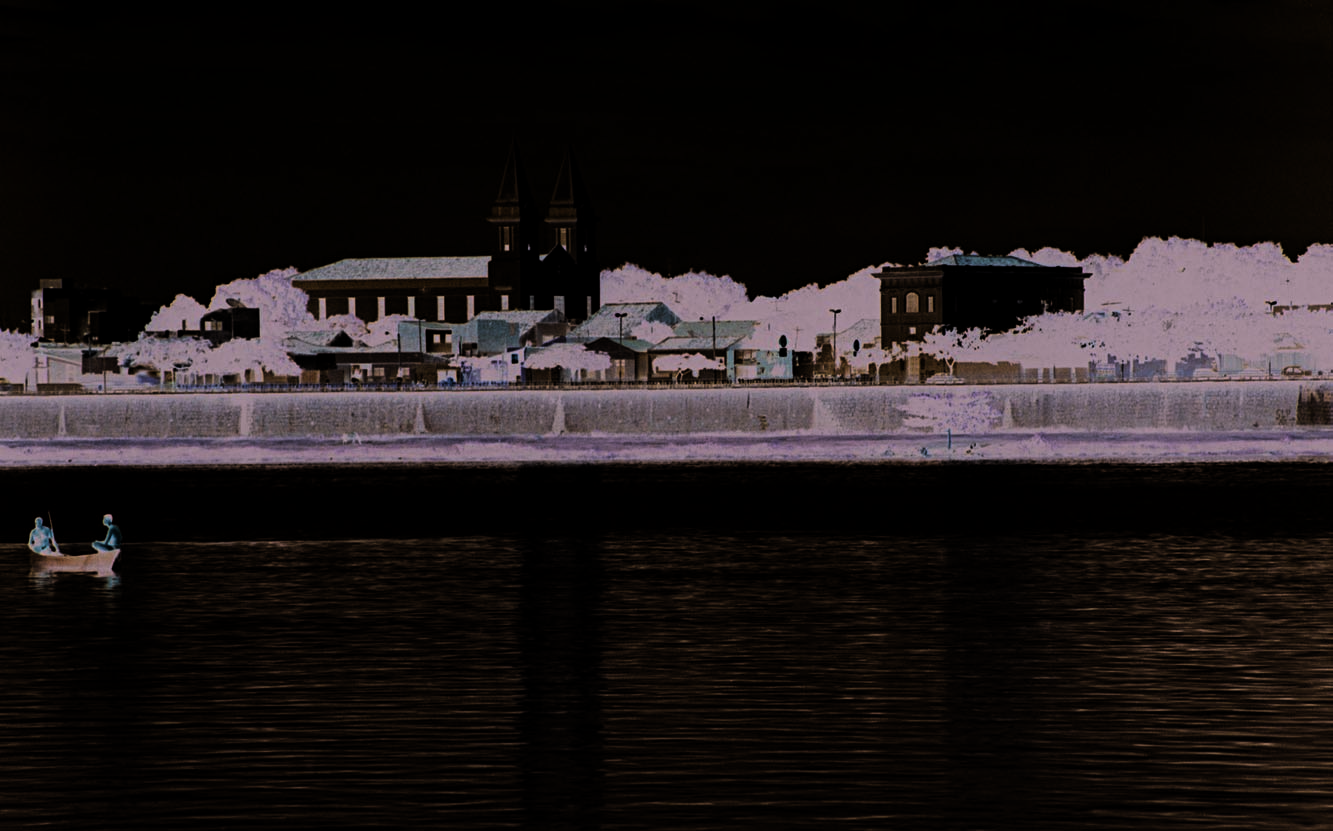
São Francisco River at Juazeiro-BA
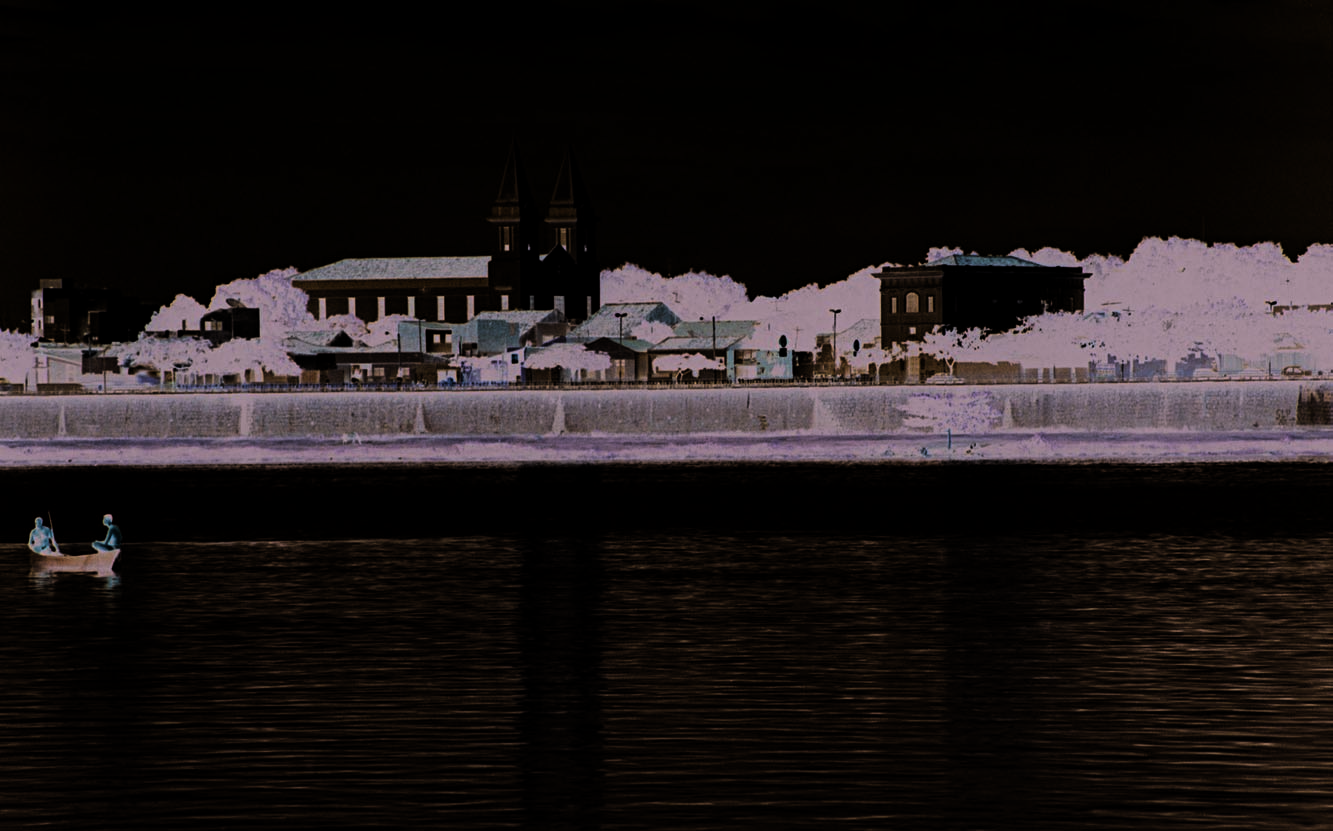
142
143
· preparation of a flow chart, illustrating the linkages
Basin users (irrespective of whether the rivers are in the
between sectoral plans and the Basin Plan, with a view
federal or state domain), as the initial action designed to
to consolidating institutional coordination;
ensure control over water supply and demand.
· establishment of a planning horizon, stipulating execu-
tion schedules, periodic reviews and work method-
Thus the conditions will be laid down for regularizing
ologies, including the use of Strategic Environmental
user licenses, a fundamental step in the introduction
Evaluations applicable to policies, plans, programs and
of water-use charges, and for aiding the formulation of
works in the São Francisco River Basin.
directives for water-resources management and licens-
ing procedures, particularly in areas of real or potential
5.3.3. Development of technical instruments for the
conflict arising from uncontrolled water use.
Integrated Basin Management System (I.3)
There will also be a series of workshops and seminars to
It is recommended that the two principal activities be
gather input for defining licensing criteria. A user sup-
adopted:
port service will be implemented through the adoption
of an "0800" toll-free phone number, staffed by trained
I.3.1. Support for the regularization of
individuals from the water-resources management body
water-resource use, for monitoring and
responsible for licensing and billing. This training will be
users, for implementation of an information
extended to certain outside bodies, such as those assisting
system for the São Francisco River Basin and
with the user registration and regularization processes.
its coastal zone, and for the establishment of
a database for the Integrated Basin
The principal beneficiaries are the final users who, by
Management System
means of this service, will have their water use duly
licensed and regularized. The federal, state and munici-
Among other objectives, the aim of this Activity is to
pal water-resource management bodies will also benefit,
operationalize the register of water-users in the Basin in
since the database will receive inputs that are not current-
order to regulate water-resource supply and demand,
ly available, thereby endowing the system with greater
and prepare users for the eventual implementation of
consistency.
charging mechanisms, thereby aiding in the elaboration
of water-resources management guidelines and licens-
This activity will also provide input for an important in-
ing procedures, particularly in areas of real or potential
strument envisaged herein, i.e., the monitoring of water
conflict.
use and of water users. This is targeted at classifying the
various types of water use in the São Francisco River
The benefits of such action are clear, given that control
Basin. Bulk water measuring devices, campaigns to
over the use of the Basin's water is an indispensable
measure flows, and rapid analyses of sediment and water
instrument for managing demand, resolving any conflicts
will also be implemented in order to arrive at a true
arising from water use, and, consequently, for integrating
picture of demand for water resources in the Basin, given
water-resources management throughout the Basin.
that there are frequent discrepancies between licensed
and real flow volumes.
Upon implementation, information on water users will
be included in a database, via the National Register of
The principal beneficiaries of such monitoring will be
Water Resource Users (CNURH) that contains data on all
the federal and state water resource management bodies,

142
143
whose activities will be enhanced by adoption of instru-
ments capable of assessing the real (monitored) situation
and any discrepancies between it and the planned distri-
bution, in light of major projects currently being planned
and negotiated. In this way, monitoring can contribute
to ensuring guaranteed water supplies for local com-
munities, and identifying potential conflicts between the
transportation, energy, and irrigation sectors. A register
of water-resources users, broken down by user type, will
be a by-product of this activity.
With this information, water use will be regularized
on the basis of user demand as reflected in the declared
water-use by registered users. Thus, it will be possible to
calculate actual volumes with a greater degree of ac-
curacy, thereby assisting in the decision-making process
Box 21
with respect to new undertakings. It will also be possible
Recommendations for the rational
to predict and map potential conflicts, and to anticipate
utilization of irrigation water in Irecê
measures for resolving them, rather than simply waiting
for them to come to a head, usually as a consequence of
On the Irecê plateau, in the Verde/Jacaré sub-basin, data provided by the
whistle blowing.
Superintendency of Irrigation of the Secretariat of Agriculture of the State
of Bahia SEAGRI, indicates that there are over 6,000 ha. of irrigated
Monitoring by type of user ultimately aims to correct the
land and that groundwater is being drawn from 10,000 tube wells.
huge water losses from reservoirs due to evaporation,
especially in the semi-arid region; the use of inadequate
A study carried out under Activity 1.5. - the Impact of Agriculture
on Groundwater Resources in the Rio Verde/Jacaré Sub-basin, by the
irrigation techniques; and the lack of periodic mainte-
Federal University of Bahia UFBA and the Superintendency of Water
nance on most dams, canals, etc. Moreover, indirectly,
Resources SRH/BA, shows that there is intense irrigation using central
users will also benefit since monitoring and integrated
pivots and localized irrigation, of low efficiency in terms of water use,
management will lead to more rational water use.
and that irrigation is carried out at times of day when greatest evaporation
takes place.
As a result, many of the Basin's recurrent problems,
This is a semi-arid region, where annual rainfall amounts to some 730
such as the presence of unregistered weirs installed by
mm. In some areas, it was found that, from 1981 to 2002, water tables
major users that jeopardize low-income communities
had fallen by as much as 13 meters.
downstream or in their immediate vicinity, will tend to
be resolved. The same is true of major conflicts (though
With a view to optimizing and rationalizing water use, and improving the
efficiency of irrigation, the GEF São Francisco team recommended that
these have tended not to be explicit) involving conflicting
farmers carry out their irrigation at night, when there is less loss to the
demands from the expansion of irrigated farming versus
atmosphere. Significant gains were achieved, as of December 2003, and
hydroelectric power-generation.
water consumption was reduced by around 20%.
144
145
These activities will prove invaluable for two related ac-
tivities; namely, creation of the Integrated Basin Manage-
ment System, and development of hydrologic, hydraulic
and water-quality simulation models. They will also
provide inputs for the decision-making process.
The principal beneficiaries, once again, wil be the federal
and state water-resources management bodies, that wil be
provided with modern simulation instruments for assessing
the Basin's water balance, and the operation of reservoirs
Box 22
and hydraulic facilities, thereby making it possible to conduct
analyses of innumerable potential scenarios.
Freight on inland waterways of the
São Francisco River Basin
This activity also encompasses the development of the
Integrated Basin Management System database, including
Waterways are an adequate form of transport for bulk cargoes that do
the rehabilitation and modernization of the hydrometric
not require high speeds. This theme was examined under Activity 1.1.C.
network, the monitoring of water and ecosystem quality,
Evaluation of the Potential Contribution of the Lower São Francisco
and conclusion of land-use mapping activities.
Waterway to Enhancing Competitiveness of Agriculture in the São Fran-
cisco River Basin.
It is worth pointing out that the hydrometric network was
Appropriate goods for transport on the waterway are those with a low
initially planned and implemented principally with the
value-added component that can be transported in bulk over large dis-
aim of providing support for electricity-sector planning
tances. Grain and agricultural supplies are typical of the goods that could
and operations, rather than for the purposes of managing
be transported by water.
multiple forms of water use.
Cargoes under consideration for transport on the São Francisco waterway,
include: soybeans, corn (maize), soy meal, gypsum, and tomato paste.
In general, it appears that the data is most scarce in areas
Fertilizers used for farming in the São Francisco River Basin, produced in
where intensive irrigation is being carried out, since such
Camaçari in the State of Bahia, are also among the products that could be
activities tend to be concentrated in sub-basins with little
transported on the waterway.
hydroelectric potential. This has led to the granting of
Within the area of influence of the waterway, Pernambuco produces to-
some licenses without adequate technical assessments
mato paste and gypsum, and consumes corn (maize) and soya meal. Bahia,
of water availability and risks, thereby contributing to
produces corn (maize) soybeans, soy meal and soy oil, and both produces
aggravation of conflicts, as has been the case in the Verde
and consumes tomato paste. Minas Gerais produces corn (maize) and is,
Grande River sub-basin.
at the same time, a consumer of gypsum and tomato paste. Goiás and the
Federal District also produce corn (maize).
Moreover, several of the sub-projects developed during
The main seaports that export products from the São Francisco River
the SAP formulation phase highlighted both this defi-
Basin are: Aratu, Salvador and Ilhéus in Bahia, Suape in Pernambuco, and
ciency of data and a lack of awareness that surface- and
the Vitória port complex in Espírito Santo.
ground- water are all part of a single system. Implemen-
tation of this action will correct these deficiencies. Once
Multi-modal transport systems that include stretches on which goods are
transported by barge for distribution in the area of influence of the São
again, the main beneficiaries will be the federal and state
Francisco Waterway could, potentially, generate savings amounting to US$
water resource management bodies.
45.5 million, in relation to the use of road transport alone. Furthermore,
the use of river transport would result in considerable savings of fuel and
thus much lower emissions of CO2 into the atmosphere.
144
145
Expected outputs include:
water-quality data in line with specifications for
manned and automated measuring stations within an
· Support for the regularization of water-re-
optimized operational framework, and document-
source use
ing changes in the data acquisition source program,
Evaluation of the current status of knowledge regarding
written in Delphi, to adapt it for electronic-data
water demand in the Basin (available registers) and the
reception and to enable it to perform data-consis-
sizing/planning of campaigns to ensure complete user
tency analyses using an Oracle database. The re-
registers, including: satellite imaging of irrigated areas;
sulting program will be part of the National Water
drafting of a manual defining a registration campaign
Resource Information System, run by the National
methodology (based upon user declarations and/or
Water Agency (ANA), and interface with the ANA
census-based); standardizing registration procedures
Geographical Information System (GIS). This sub-
and data for licensing and billing purposes, in conjunc-
component will also support the implementation
tion with other management bodies in the Basin; identi-
of a piezometric monitoring network, designed to
fying partners, from both governmental and private en-
provide more detailed knowledge on groundwater
tities, for mounting regularization campaigns; creating
resources in the Verde Grande River Sub-basin (in
a user registration system (customization of software,
Minas Gerais and Bahia) and expand the existing
database and hardware); and drafting a personnel train-
network in the Verde/Jacaré River Sub-basin.
ing program for user support.
· Monitoring of water uses and users
I.3.2. Development of hydrologic, hydraulic
Identification of water users in the Basin, quantifying
and water-quality simulation models and of
water demand and availability to assist with decision
a decision-making support system
making and the implementation of new undertak-
ings; compiling a register of laboratories equipped to
This activity entails the development of a support
perform tests; analyzing the quality of river water; and
system for decision-making, including development
disseminating the resulting information.
of simulation models for quantitative and qualitative
· Support of the information system on water
analysis of the Basin's hydrologic condition and hydraulic
resources in the São Francisco River Basin and
structures (dams, canals, catchments, pumping facilities,
its coastal zone
diversions, etc.).
Consolidation and operationalization of a geo-refer-
enced database, making information on water resources
The following technical instruments are involved in the
available using, inter alia, the Internet.
development of this system:
· Development of the Integrated Basin Manage-
ment System database
· network flow models for water allocation, correspond-
This activity comprises two sub-components:
ing to the multiple categories of water use in the São
· Land Use Mapping of the Upper and Middle São Fran-
Francisco River Sub-basins; a water quality analysis
cisco River Basins, completing the map of land use and
model; and a non-linear model for calculating alterna-
settlement patterns in the entire São Francisco River
tives to maintain a steady power output from hydro-
Basin, in ArcView® format; and,
electric power plants to the national grid system;
· Rehabilitating and upgrading of the hydrometric and
· a database containing quantitative and qualitative details
water-quality monitoring networks, resizing a joint
on industrial, rural, irrigation, livestock and human
network for the collection of hydrometeorologic and
water demands;

147
Irrigation in the São Francisco Valley
147
· a dialog module for facilitating electronic communica-
Social mobilization occurs only when a group of individu-
tions between databases, the model base and users;
als seeks to achieve common objectives. This, in turn,
· sectoral demand models for the industrial, rural, irriga-
depends upon an awareness of the importance and public-
tion, livestock and human water supply sectors;
spiritedness of the objectives. In order to mobilize public
· decision-making support systems for sub-basins and for
support for integrated and sustainable water-resource
the Basin as a whole.
management, therefore, planned and coordinated public
involvement must be promoted.
Given that these instruments will aid the resolution of
conflicts and promote integrated management within the
This promotion should be based on a Social Mobilization
Basin, the benefits lie in improved quality of decision-
and Environmental Education Plan that covers the entire
making. The development and deployment of these mod-
São Francisco River Basin and its coastal zone, while
els will be of paramount importance for implementing
respecting regional differences.
licensing procedures and negotiated water allocations in
the sub-basins. They thus constitute the principal techni-
cal instruments for analyzing water supply and demand in
the Basin, and will, therefore, be of inestimable use to the
Basin Committee and the Basin Water Agency.
The following instruments should be drafted:
· Technical specifications, comprising the following simu-
lation-model modules: (i) Database Module, (ii) Model
Module, and (iii) Dialog Module;
· Manuals, including (i) User Manual; (ii) Model Refer-
ence Manual, with numeric solutions and frameworks
· A computer program for the Decision-making Support
System (DSS).
5.3.4. Public Involvement and Environmental
Education (I.4)
This Strategic Action is comprised of one principal
activity:
I.4.1. Promotion of social mobilization and
environmental education, including the
drafting of a plan that respects regional dif-
ferences, and the restoration of historical
documents
F
otos: Alain Dhomé
View of the mouth of the São Francisco River
eres
Photo: Eraldo P
148
The benefits of social involvement are of paramount
· Courses, field days, and seminars, and the drafting of primers;
importance, though difficult to measure, as they become
· Educational events, including convening a public water
apparent only in the longer term. Indeed, without the
and environment week.
support of society, sustainable development cannot be
achieved.
Component II Strategic Actions Sustainable Use of
Water Resources and Environmental Restoration of the
The envisaged outputs of this activity are:
São Francisco River Basin and its Coastal Zone
· An Environmental Educational Plan for the São Fran-
This Strategic Action is comprised of three main activi-
cisco River Basin and its coastal zone;
ties, as shown in Figure 23:
Figure 23. SAP Actions for Component II Actions
Photo: Alain Dhomé

148
Fruit in the São Francisco Valley
Photo: Alain Dhomé
150
151
5.3.5. Promoting multiple forms of water use (II.1)
· Convening of courses and disseminating informa-
tion by means of workshops, seminars and technical
Three main activities are foreseen under this strategic action:
publications.
II.1.1. Support for rational water use in
II.1.2. Follow-up of hydro-environmental
irrigation
and operational studies on multipurpose
dams, including the generation of artificial
This activity aims to promote the economic, social and
floods, with the aim of providing support
environmental sustainability of irrigation systems, by
for shipping and resolving problems in the
reducing water and energy losses, seeking to achieve
Coastal Zone
maximum crop yields per unit of area based upon opti-
mizing water use, and allowing the integration of irriga-
This activity will monitor progress on inventory, econom-
tion technology and water-management instruments.
ic-feasibility and environmental studies on all dams under
To this end, it will be necessary to study replacement of
consideration, and assessments of their impacts on the
existing irrigation methods, adoption of more water-ef-
Basin and its coastal zone, always from the standpoint of
ficient crops, and use of improved piping and distribution
multiple water uses. The dams in question are those being
efficiency in irrigation districts.
considered by CHESF, CEMIG, CODEVASF and others,
for specific or multiple uses, on the das Velhas, Paracatu,
Such studies will lead to the drafting a pilot scheme for
Urucuia, Jequitaí and São Francisco rivers.
rationalizing water use, equipment and crop selection, as-
sisting farmers and institutions that operate and maintain
These investigations may lead to further studies aimed at
irrigation and drainage systems to make the best possible
establishing operational rules for these dams in order to
use of more efficient irrigation methods. They will also
optimize their multi-purpose uses, thereby conferring
provide inputs for a study of project costs designed to
massive benefits on the system as a whole.
increase the efficiency of water transport, distribution
and application, through the introduction of automation
A better understanding of flow regulation, carried out in
and permanent controls over water use based on tried
conjunction with the shipping, irrigation, power-genera-
and tested software.
tion and water-resource management sectors, will help
optimize the investments needed to ensure shipping on
The products envisaged are:
the river and some of its leading tributaries, thereby
integrating the region's various municipalities and states,
· A model and software for calculating water and irrigation-
by determining the cost of services required to keep the
flow needs, making use of regional and local data;
waterway navigable.
· Organizing and disseminating a database on soils, cli-
mate, crops and irrigation-management, and detailing
In addition to enhancing decision-making by providing in-
parameters for orienting licensing procedures;
formation to aid in understanding the problems afflicting
150
151
water-resource users in the Basin and its coastal zone, the
environmental conservation. Jobs and income will be
activity could also provide partial sponsorship for studies
created through the introduction of fish conservation,
designed to restore navigation in the region of the Middle
processing and distribution technologies (including by-
São Francisco River.
products), thereby diversifying the rural economy and
social structure.
The activity envisages morphologic and bathymetric sur-
veys of the river bed and implementation of mathematical
Intermediate steps in this process involve fostering the
and hydrodynamic models in the estuarine region, with
rehabilitation of fish populations by monitored restocking
a view to initiating studies and control over erosion and
with native species, managing the addition of nutrients to
silting in the Lower São Francisco River Basin, possibly
the river, and the drafting of a fisheries-management plan.
through the use of monitored artificial flooding. The work
The principal direct beneficiaries are fishermen of the
and studies wil be undertaken by federal and state bodies.
region of the Lower São Francisco River Basin.
The products to be prepared to support the multi-pur-
The outputs envisaged are:
pose operation of dams and the occasional generation of
artificial floods are:
· A database, continually updated, containing de-
tails on, inter alia, aquaculturists/fish-farmers,
· Compendia of the dam studies for decision-making
reservoirs [açudes], dams, water sources [aguadas]
purposes;
and suppliers of basic aquaculture inputs;
· Reports on the technical, economic and environmental
· Short courses in fish-breeding for fish-farmers
feasibility of instigating artificial floods downstream
and extension workers;
from the Xingó dam, considering aspects relating to
· Manuals for extension workers covering such
their impact on the riparian population and the inter-
issues as fish breeding systems and processing
connected power system;
techniques;
· Compendia of strategies for restoring shipping on the
· Facilities for the production and distribution of
river.
fry, and the setting up of experimental facilities to
investigate the reproduction of native fish species,
With respect to shipping, assistance will be provided to
larval fish rearing and fry rearing;
the State of Bahia for re-instituting shipping services on
· Training schemes for fish-breeding in net tanks
the stretches deemed most viable, extending the study
and in irrigation channels, using improved tech-
already completed on the stretch between Juazeiro and
nologies.
Ibotirama, to Pirapora in Minas Gerais.
5.3.6. Water, soil and biodiversity conservation (II.2)
II.1.3. Assisting in the rehabilitation of the
ichthyofauna and fostering the development
This Strategic Action is comprised of two main activities:
of fisheries and aquaculture
II.2.1. Support for restoring and preserving
The main aims of this activity are to restore fish stocks
remaining vegetation, control of erosion,
with native species, when feasible, and introduce highly
restoration of degraded areas and measures
efficient aquaculture systems which will serve as instru-
to control specific point and non-point pol-
ments for economic and social development, as well as
lution
152
153
Box 23
The aim of this activity is to promote measures to assist
Over US$ 1 billion invested in
bodies that work with the restoring and/or preserving
irrigation works in the São Francisco
of the Basin's representative ecosystems, including the
Atlantic Forest. The activity will provide support to the
River Basin
efforts of federal, state and municipal government actions
Up until 2003, total investments in irrigation in the region of the São
to restore native vegetation around headwaters, in aquifer
Francisco Basin encompassed by CODEVASF were of the order of US$
recharge areas, around springs and along river banks.
1.112 billion. A major portion of this investment has been provided by
international agencies. The table below presents figures on the investment
To this end, it will be necessary to draw up a detailed
for each of the projects currently underway.
profile of all activities with potential impacts on soil
Investments in Irrigation Projetcs in the São Francisco River Basin
loss in the Basin, apply semi-quantitative mathematical
irrigation project
Investments US$
models within a GIS environment, and assess the most
Barreiras
112,122,941
appropriate conservation practices always respecting local
Bebedouro
5,834,827
socio-economic and environmental characteristics.
Betume
23,731,793
Boacica
47,984,058
Ceraíma
5,511,955
Microbasins can be rehabilitated by installing small stone
Cotinguiba/Pindoba
21,800,633
weirs to contain sediment, and utilizing underground
Curaçá
25,653,499
Estreito
31,066,218
dams to store water and form areas of cultivatable land.
Formoso A
169,675,849
Local roads can be improved by creating detention and in-
Formoso H
59,180,601
filtration basins, or rerouting stormwater in such a way as
Gorutuba
30,963,550
to avoid erosion and sediment runoff into watercourses.
Itiúba
13,216,073
Jaíba
274,888,310
Lagoa Grande
1,654,946
These actions aim to assist with the preparation of a pilot
Mandacaru
2,276,888
project for integrated water-and-soil conservation, to
Maniçoba
25,045,949
Mirorós
28,009,529
enhance the status of `Water Producers' in the sub-basins
Nilo Coelho
182,445,765
of the São Francisco River.
Nupeba
3,093,308
Piloto Formoso
2,618,795
They also envisage the identification of critical points in
Pirapora
4,479,618
Propriá
11,773,809
the São Francisco River Basin where there is a potential
Riacho Grande
1,615,138
risk of environmental accidents, related to point and non-
São Desidério/Barreiras Sul
8,630,831
point pollution originating in rural and urban areas, from
Tourão
19,541,451
Total
1,112,816,348
mining, domestic sewage, dam breaks, agrochemicals
Source: CODEVASF, Brasilia, june 2003
and/or nutrients. These actions will be identified through
preparation of terms of reference and appropriate pilot
projects.
With a view to contributing to reducing the role of the State in eco-
nomic activities, CODEVASF has begun to transfer responsibility for the
management of irrigation projects to the farmers that work on them. This
The envisaged outputs are:
transfer of responsibilities has been taking place through Contracts for
the Delegation of Management in irrigated areas, signed by water users
· Mapping of critical areas of deforestation and soil-loss
associations.
in the Basin, on an appropriate scale;
152
153
· an evaluation of land use, land management and reme-
II.2.2. Support to the creation of a conserva-
dial practices capable of stemming erosion, along with
tion unit at the mouth of the São Francisco
their socio-economic and environmental effectiveness;
River and in its Coastal Zone
· a workshop on legislation and erosion controls, includ-
ing replanting and sustainable management of riparian
This activity will support the creation of a conservation
vegetation and protection of areas of permanent preser-
unit characteristic of the region's bio-ecological system,
vation, involving organizations and stakeholders from
while, at the same time, permitting identification and
the most critically affected regions;
delineation of areas requiring permanent environmental pro-
· primers on replanting and sustainable management
tection, and determination of the level of protection needed.
of riparian vegetation and management of permanent
It wil also permit assessment of water-exchange mechan-
preservation areas;
isms, tidal-prisms and seawater intrusion volume ratios,
· a pilot project on sustainable agricultural and urban
estuarine sedimentation and sediment transport mechanisms,
stormwater management practices and undertaking
and nutrient concentrations and cycling in estuarine man-
socio-economic and environmental monitoring of the
grove swamps, and identification of the distribution and yield
feasibility and replicability of the projects;
of phytoplankton, zooplankton and mangrove species.
· an evaluation of critical areas of the Basin subject to
nitrate- and phosphate-induced eutrophication;
This activity will lead to a better understanding of how
· the identification of critical point and non-point sources
to reconcile development with the sustainable use of
of pollution, by agrochemicals and industrial and min-
biodiversity, thereby mitigating the effects of the environ-
ing effluent, and assessing their impact on human health
mental changes taking place in the São Francisco River
and environment.
Basin and its coastal zone. The focus of these actions will
eres
Photo: Eraldo P
Irrigation in the São Francisco Valley
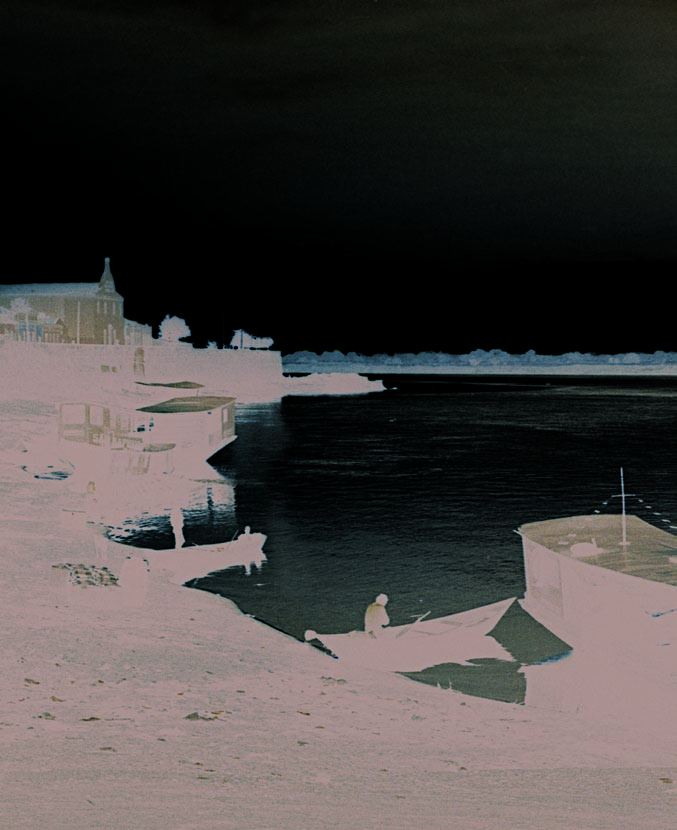
155
São Francisco River Barra - BA

155
be support for the creation of set of conservation units,
In order to protect the riverside population, and that of
with the aim of controlling land use, exploitation of natu-
other areas of the São Francisco River Basin and its coastal
ral resources, and ongoing environmental degradation in
zone, this activity is also designed to provide flood and
these critical areas. An ecological corridor should be cre-
drought prevention, monitoring and impact-assessment
ated to link these conservation units. The direct beneficia-
programs for communities in the Basin, in view of the
ries are the population of the Lower São Francisco River
seriousness of such natural disasters.
Basin and its coastal zone.
The envisaged outputs are:
The envisaged outputs are:
· a seminar, attended by representatives of govern-
· studies for a delineated Conservation Unit and eco-
ment and of organized civil society, to establish
logical corridor;
criteria for the proposed actions and identify
· workshops for presentation of interim results and a
priority areas for their implementation;
seminar for the dissemination of the final results, as
· a diagnostic analysis, including economic evalu-
well as a proposal for the implementation of a Conser-
ations and conceptual studies, on water-supply,
vation Unit at the mouth of the São Francisco River;
sewage and solid-waste collection and disposal
· a Management Plan for the Conservation Unit at the
systems in the São Francisco River Basin;
mouth the São Francisco River and in the coastal zone,
· improvements in environmental sanitation systems
including empirical estimates of sediment and nutrient
in priority municipalities;
loads and cycles;
· Action Plans for drought and flood relief, entail-
· a proposal for the creation of an ecological corridor from
ing a series of workshops and seminars, and the
the mouth of the São Francisco River to the Xingó Dam.
participation of the various stakeholders to be
involved in their development and execution.
5.3.7. Access to environmental sanitation and mea-
sures to be taken in the event of floods or droughts
(II.3)
This Strategic Activity is comprised of one main
activity:
II.3.1. Help provide access to environmen-
tal sanitation for poor communities and the
adoption of preventive measures against
floods and droughts
This activity will stimulate access to environmental sanita-
tion in municipalities in the São Francisco River Basin
with less than 5,000 population, providing substantial
economic, environmental and social benefits for the
greater part of the population of the Basin.
F
otos: Alain Dhomé
Irrigation channel - Jaiba Project - BA
Photo: Alain Dhomé
156
157
5.3.8. Sustainable use and protection
quantification of the available groundwater reserves; and,
of groundwater (II.4)
in the case of the two principal aquifers, an evaluation of
This strategic action envisages one principal activity:
their water catchment, production and supply potential,
and vulnerability to contamination of the quality of their
II.4.1. Dissemination of knowledge on the
water.
management, utilization and protection of
aquifers in the Basin, and establishment of
A deeper knowledge of these two aquifers will help to
guidelines for sustainable exploitation of the
potentially increase water availability in the Upper and
Bambuí and Urucuia aquifers
Middle São Francisco River Basins, ensuring coverage
for local populations, even in a scenario characterized by
This activity aims to improve the knowledge base con-
higher volumes of use than are currently envisaged.
cerning on the aquifers in the Basin, including the isolated
sedimentary aquifers in the Lower-middle São Francisco
The envisaged outputs are:
River Basin. It will also result in preparation of guidelines
for the integrated management, utilization and protec-
· A diagnostic analysis of the current state of knowledge
tion of groundwater resources of the Bambuí and Urucuia
on the lithological and structural framework of the
aquifers.
Basin's existing aquifers, and on the storage, circulation,
extraction, quality and utilization of their water;
Such knowledge will enable an evaluation of the contri-
· Delineated pilot areas, including the physical and geo-
bution of groundwater to the São Francisco River's total
metric characterization of the aquifers, their hydraulic
flow through determination of groundwater interfaces
and hydrodynamic features, water uses and exploitation
with the surface water system.
characteristics, and water-quality;
· A comprehensive evaluation and consolidation of
This will be achieved through analysis of geological,
knowledge and the establishment of guidelines for the
geostructural, geomorphologic and hydrogeologic data;
sustainable use and protection of groundwater, espe-
cially from the Bambuí and Urucuia aquifers.
156
157
5.4. Physiographic regions
Component II, on the other hand, contains actions target-
encompassed by the actions
ed at more specific areas, albeit still with ample coverage
throughout each of the major divisions in the Basin and at
The selection criteria utilized for the determination of
the coastal zone.
areas where strategic actions will be carried out made it
possible to establish a highly homogeneous distribution
Thus, the only actions under Component II that apply to
and comprehensive coverage of the São Francisco River
a single physiographic region include those targeted at the
Basin and its coastal zone (see Table 9).
Lower São Francisco River Basin and its coastal zone, in
view of the specific nature of the problems that need to
Component I is applicable to the entire Basin and its
be resolved.
coastal zone, since it deals with matters related to the
Integrated Basin Management System, at the federal level,
Likewise, and for the same reason, actions targeted at
and at that of each of the states.
groundwater resources do not apply only to the Lower
São Francisco River Basin, nor do actions aimed at regu-
larization of flows apply solely to the Upper São Francisco
River Basin.
It is important to note that activity I.3.1, which updates
land-use mapping in the Middle São Francisco River Basin
in a manner compatible with the other surveys already
completed in the other three major sub-basins, should be
considered as being of relevance to the entire Basin.
158
Table 9. Physiographic regions encompassed by strategic actions under the SAP
Physiographic Region
-
onent
Strategic Actions
Principal Activities
wer &
Upper
Middle
wer-mi
ddle
Lo
Coastal
Zone
Comp
Lo
I.1. Strengthening of institu-
I.1.1. Articulation between federal programs and between
tional links
water-resource and environmental systems, federal, state
and municipal governments and other stakeholders
I.1.2. Support for the establishment of licensing criteria,
water use charges, conflict management and monitoring
strategies
I.2. Implementation of Integ- I.2.1. Support for the Basin Committee, through institution
tem
rated Basin Management
of the Basin Water Agency, an inter-institutional research
System institutional instru-
network and state water-resource management systems,
ments, training and public-
including training and capacity-building for members of the
participation mechanisms
Integrated Basin Management System
I.2.2. Support for the implementation of a planning system
with modeling that allows interaction between sectoral
n Management Sys
policies
I.3. Creation of Integrated
I.3.1. Regularization of water-resource use, monitoring and
r
ated Basi
Basin Management System
user data, the implementation of an information system for
technical instruments
the São Francisco River Basin and its coastal zone, and
development of the Integrated Basin Management System
database
I.3.2. Creation of hydrologic, hydraulic and water-quality simu-
on of the Integ
lation models and of a system to support decision making
I.4. Social Mobilization and
I.4.1. Promotion of public participation and environmental
Environmental Education
education, including the drafting of a plan that respects
regional characteristics and involves restoration of histori-
Implementati
I.
cal documents
II.1. Promotion of multiple
II.1.1. Fostering rational water use in irrigation
water use
II.1.2. Continuation of hydro-environmental and operation-
on of
al studies on multipurpose dams, including the generation of
ati
tor
artificial floods aimed at providing support for shipping and
resolving problems in the coastal zone
II.1.3. Assisting the rehabilitation of ichthyofauna and
onmental Res
fostering the development of fisheries and aquaculture
v
ir
II.2. Water, soil and biodiver-
II.2.1. Support for reforestation and the preservation of
tal Zone
sity conservation
remaining vegetation, control of erosion, restoration of de-
graded areas and application of measures to control point
ces and En
and non-point pollution sources
II.2.2. Assist the creation of a conservation unit at the
r Resour
n and its Coas
mouth of the São Francisco and of its coastal zone
ate
II.3. Access to environmental II.3.1. Assisting in the provision of access to environmental
W
r Basi
ve
sanitation and measures to be sanitation in poor communities and the adoption of preven-
e of
adopted in case of floods and tive measures against floods and drought
le Us
isco Ri
drought
nab
r
anc
II.4. Protection and sustain-
II.4.1. Development of knowledge on the management, use
tai
able use of groundwater
and protection of aquifers in the Basin and establishment
Sus
of guidelines for the sustainable exploitation of the Bambuí
II.
the São F
and Urucuia aquifers
Implementation
of the SAP
6

Implementation of the SAP
Grapes Petrolina - PE

Implementation of the SAP
6.1. Investments Required and Implementation Schedule
The purpose of the strategic actions planned under the Strategic Action Program (SAP) is
to foster environmentally sustainable development within the São Francisco River Basin and
its coastal zone. In order to implement such actions, Brazilian Federal Government invest-
ment programs, and those of the States, municipalities and local entities that share the Basin,
should be taken into consideration.
Significant investments have been made and/or are scheduled to be made in this part of
Brazil, as described in Section 3.3.1. Some of these projects are financed by national agencies
such as CHESF, CEMIG, CODEVASF, etc., and others by possible co-financiers, such as the
multinational agencies.
One such case is the US$ 330 million World Bank loan for the massive PROAGUA project in
Northeast Brazil, some US$ 5 million of which has already been invested in the Basin.
As set forth in Section 6.3.1 below, projects compatible with the SAP, totaling US$ 199.1
million over four years, were identified. Of these, the National Water Agency (ANA) selected
three Programs, encompassing five Activities with allocations under the Multi-year Action
Plan (PPA), for urgent implementation. These Programs total US$ 29.5 million, and the as-
sociated, proposed Activities represent the core investment scenario for the Basin.
The investment scenario also includes implementation of other actions needed to usher in
sustainable development concomitantly with these core São Francisco River Basin Programs.
These are the activities, identified in the SAP, which are crucial for achieving the global envi-
ronmental benefits resulting from the mitigation of transboundary environmental problems
that also affect coastal waters in the Southwest Atlantic Large Marine Ecosystem.
The costs of these actions include costs related to sustainable development projects within
the Basin and its coastal zone, over and above those identified in the routine environmental
impact assessments and mitigation measures required to comply with federal and state envi-
ronmental laws and regulations in Brazil.
Photo: Alain Dhomé

162
163
These incremental implementation costs of the eight
strategic actions encompassed within the SAP amount
to US$ 9 million, split into US$ 4.3 million under
Component I, and US$ 4.7 million under Component
II, in accordance with the allocation for each strate-
gic action, as presented in Table 10. This amount is in
addition to the above-mentioned Brazilian investment
of some US$ 29.5 million over the same four-year
period, as shown in section 6.3.1 of this report. This
raises the investment allocated to similar activities
in the Basin to US$ 38.5 million over four years, as
shown in Table 10.
Photo: Alain Dhomé
Landscape Jaíba - BA
Table 10. SAP Investments by Component and Strategic Action
Incremental Cost--GEF
Components / Strategic Actions
Total Cost US$
US$
I -- Implementation of the Integrated Water Resources Management System
4,300,000
4,570,000
for the Basin and its coastal zone (SIGRHI)
I.1. Strengthening institutional networking
200,000
250,000
I.2. Introducing Integrated Basin Management System institutional instruments,
1,500,000
1,570,000
public participation and capacity-building mechanisms
I.3. Developing the Integrated Basin Management System technical instruments
2,200,000
2,275,000
1.4. Involving society and environmental education
400,000
475,000
II -- Sustainable use of water resources and environmental rehabilitation of
4,700,000
33,930,000
the Basin and its coastal zone
II.1. Promoting multiple water uses
2,200,000
7,430,000
II.2. Conserving water, soil and biodiversity
700,000
13,700,000
II.3. Providing access to environmental sanitation and measures to be taken in
1,150,000
11,150,000
the event of floods or droughts
II.4. Implementing programs for the sustainable use and protection of ground-
650,000
1,650,000
water
Total (I + II) US$
9,000,000
38,500,000
The implementation period for all actions planned under
They have their own schedules, depending upon their
the SAP is approximately four years, although the indi-
component actions, as shown in Table 11 (Disbursements)
vidual activities do not all begin or end at the same time.
and Table 12 (Dates).
162
163
Table 11. Annual disbursement schedule for financial resources
Annual Expenditures Distribution (US$ x 1,000)
Components
Year 1
Year 2
Year 3
Year 4
Total
Component I
670
2,325
1,155
150
4,300
Component II
430
2,160
1,650
460
4,700
Overall Total
1,100
4,485
2,805
610
9,000
%
12.2%
49.8%
31.2%
6.8%
100%
Photo: Alain Dhomé
Serra da Canastra-MG
164
Table 12. Implementation schedule, and monitoring and evaluation schedule of SAP implementation
Year
Strategic Actions
Main Activities
Year 1
Year 2
Year 3
Year 4
I. Implementation of the Integrated Basin Management System (SIGRHI)
I.1.1. Networking among programs managed by federal agen-
cies and among entities responsible for water-resources and
environment systems: the federal, state, and municipal govern-
I.1. Strengthening institu-
ments and other stakeholders in the Basin.
tional networking
I.1.2. Establishing licensing criteria, water use charges,
protocols for managing disputes and definition of monitoring
strategies.
I.2.1. Supporting the Basin Committee through the institution
I.2. Introduction of Integ-
of the Basin Water Agency, establishing an inter-institutional
rated Basin Management
research network and state water resource management
System institutional instru-
systems, training and capacity-building for the members of the
ments, public participa-
Integrated Basin Management System.
tion and capacity-building
I.2.2. Implementing a planning system with modeling that
mechanisms
allows for interaction among sectoral policies.
I.3.1. Regularizing and monitoring water-resources uses
I.3. Development of Integ-
and users, implementing an information system for the São
rated Basin Management
Francisco River Basin and its coastal zone, and developing the
System technical instru-
Integrated Basin Management System database.
ments
I.3.2. Developing hydrologic, hydraulic and water quality
simulation models, and a decision-making support system.
I.4.1. Fostering social mobilization, public involvement and
I.4. Social mobilization and environmental education, including the preparation of a Plan
environmental education
that takes regional characteristics into account and includes
the restoration of historical documents.
II. Sustainable Use of Water Resources and Environment Rehabilitation in the Basin
II.1.1. Fostering policies for rational use of irrigation water.
II.1.2. Overseeing hydro-environmental studies for multiple
use dams and their operations in order to provide support
II.1. Promotion of multiple for shipping and mitigation of problems in the coastal zone,
water usage
including the generation of artificial floods.
II.1.3. Supporting the recovery of the ichthyofauna and the
development of fisheries and aquaculture.
II.2.1. Supporting reforestation and preservation of remain-
ing vegetation, erosion control, recovery of degraded areas
II.2. Conservation of water, and measures for point and non-point pollution control.
soil and biodiversity
II.2.2. Establishing a conservation unit at the mouth of the
São Francisco River, in its coastal zone.
II.3. Access to environmen-
II.3.1. Providing access to environmental sanitation in poor
tal sanitation and measures communities, and preventive flooding and drought control
for dealing with floods and
measures
droughts
II.4.1. Fostering adequate knowledge for the management,
II.4. Sustainable use and
use and protection of aquifers in the Basin, and establishing
protection of groundwater
guidelines for the sustainable utilization of the Bambuí and
Urucuia aquifers.
Photo: Alain Dhomé
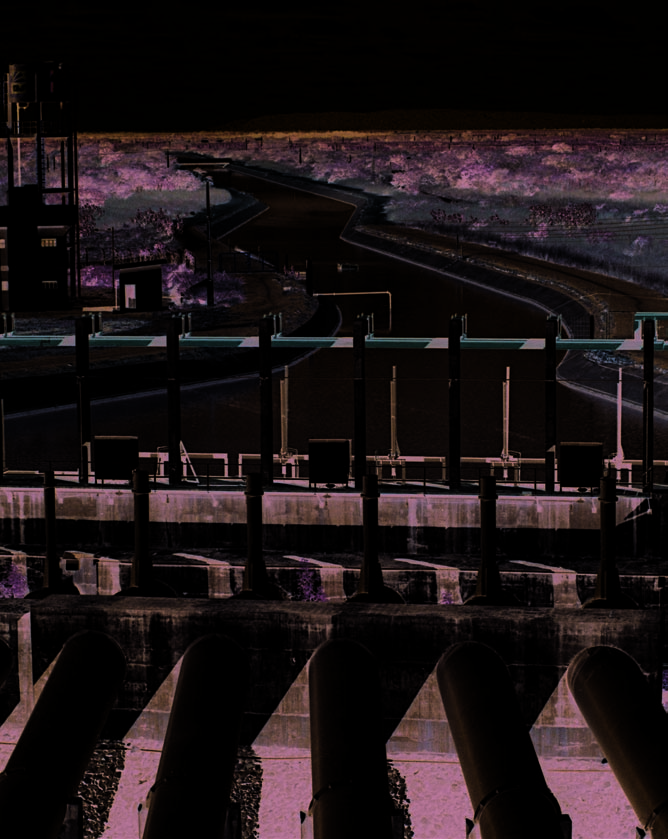
164
Irrigation channel Jaíba-BA

166
167
The investments in each of the seven principal activities
are shown in Table 13. These investments will ensure the
that comprise the Strategic Actions under Component I
outcomes described in Chapter 5 for each of these activities.
Table 13. Investments by Principal Activity of Component I
Strategic Actions
Principal Activities
Cost US$
I.1.1. Networking among programs managed by federal agencies and among
entities responsible for water-resources and environment systems, the federal
100,000
I.1. Strengthening institutional
government, the states, municipalities and other stakeholders in the system.
networking
I.1.2. Establishing licensing criteria, water use charges, and protocols for the
100,000
management of disputes and monitoring strategies.
I.2.1 Supporting the Basin Committee through instituting the Basin Water
I.2. . Introduction of Integrated
Agency, establishing an inter-institutional research network and state water
Basin Management System
1,100,000
resource management systems, and training and capacity-building programs for
institutional instruments, public
the members of the Integrated Basin Management System.
participation and capacity-building I.2.2 Implementing a planning system with modeling that allows for interaction
mechanisms
400,000
among sectoral policies.
I.3.1. Regularizing and monitoring water-resources uses and users, implement-
I.3. Development of the Integrated ing an information system for the São Francisco River Basin and its coastal
2,000,000
Basin Management System techni- zone, and developing the Integrated Basin Management System database.
cal instruments
I.3.2. Developing hydrologic, hydraulic and water quality simulation models, and
200,000
the decision-making support system.
I.4.1. Fostering social mobilization, public involvement and environmental edu-
I.4. Social mobilization and envi-
cation, including the preparation of a Plan that takes regional characteristics
400,000
ronmental education
into account and includes the restoration of historical documents.
Sub-Total - Component I
US$
4,300,000
Photo: Alain Dhomé
Irrigation in the São Francisco Valley
166
167
Likewise, investments in the seven principal ac-
outcomes described in Chapter 5, are presented in
tivities of Component II, designed to ensure the
Table 14.
Table 14. Investments by Principal Activity of Component II
Strategic Actions
Principal Activities
Cost US$
II.1.1. Fostering the rational use of irrigation water.
900,000
II.1.2. Overseeing hydro-environmental studies for multiple use dams
and their operation in order to provide support for shipping and mitiga-
900,000
II.1. Promotion of multiple water usage
tion of problems in the coastal zone, including the generation of artificial
floods.
II.1.3. Supporting the recovery of ichthyofauna and the development of
400,000
fisheries and aquaculture.
II.2.1. Supporting reforestation and preservation of remaining vegeta-
tion, erosion control, recovery of degraded areas and measures for point
500,000
II.2. Conservation of water, soil and
and non-point source pollution control.
biodiversity
II.2.2. Establishing a conservation unit at the mouth of the São Fran-
200,000
cisco River, in its coastal zone.
II.3. Access to environmental sanitation
II.3.1. Providing access to environmental sanitation in poor communities
and measures for dealing with floods and
1,150,000
and preventive measures for flooding and drought control.
droughts
II.4.1. Fostering adequate knowledge for the management, use and
II.4. Sustainable use and protection of
protection of aquifers in the Basin, and establishing guidelines for the
650,000
groundwater
sustainable utilization of the Bambuí and Urucuia aquifers.
Sub total Component II
US$
4,700,000
6.2. Potential Institutional Partners in
When identifying partners, the need to harmonize
the Implementation of the SAP
very diverse interests and public policies must be taken
into consideration. There is also a need to incorporate
The numbers of stakeholders and the intense public
the technical and managerial skills of entities that have
participation involved in the preparation of the GEF São
data and information available, or the technical capac-
Francisco Project were undoubtedly of great importance
ity to obtain them.
in enabling the project to reflect consensus on the various
concerns and needs of stakeholders throughout the Basin.
Tables 15 and 16, respectively, list the institutions
selected as potential partners for implementing
This project management process thus constitutes a highly
Components I and II of the SAP, to ensure continuity
successful experience that can serve as a model for its
of participation in the process with the decentraliza-
continuation. The partnerships for implementing the SAP
tion and integration of the actions to be implemented
actions will remain the same as those involved in its for-
for integrated management of the São Francisco River
mulation, with only a few slight variations in emphasis.
Basin.
168
169
Note that this is a preliminary list that should not be
regarded as exclusive, and which should be updated as the
SAP is implemented.
Table 15. Potential Institutional Partners for Implementation of Component I of the SAP
Component I: Implementation of the Integrated Basin Management System (SIGRHI)
Action
Activity
Institutional Partners
I.1.1 Networking among programs managed by
federal agencies and among entities responsible Ministry of Environment; Ministry of Planning and Budget;
for water-resources and environment systems:
State and Municipal Secretariats of Water-Resources, Envi-
I.1. Strengthening institutional the federal, state, and municipal governments
ronment and Planning; CBHSF.
networking
and other stakeholders in the system.
I.1.2. Establishing licensing criteria, water use
State water resource management entities;
charges, and protocols for managing disputes
CBHSF.
and monitoring strategies.
I.2.1 Supporting the Basin Committee through
instituting of the Basin Water Agency, establish- Ministry of Environment; CBHSF; State water resource
I.2. Introduction of Integrated
ing an inter-institutional research network and
management entities; Research Support Entities;
Basin Management System
state water resource management systems, and
Municipal Administrations; NGOs.
institutional instruments, public training and capacity-building for the members
participation and capacity-
of the Integrated Basin Management System.
building mechanisms
I.2.2. Implementing a planning system with
State water resource management entities; Federal Enti-
modeling that allows for interaction among
ties (IBAMA, CODEVASF, MI, MC, MS, MT, MPO, MME,
sectoral policies.
ANEEL); CBHSF; CHESF; CEMIG.
I.3.1. Regularizing and monitoring of water-
resources usage and users, implementing an
Ministry of Transport; State environment and water
information system for the São Francisco River resource management entities; IBAMA; State environment
I.3. Development of Integrated Basin and its coastal zone, and developing the police; CHESF; CEMIG; CODEVASF; ANEEL; CBHSF.
Basin Management System
Integrated Basin Management System database.
technical instruments
I.3.2. Developing hydrologic, hydraulic and
State environment and water-resource management entities;
water quality simulation models, and the
CHESF; CEMIG; CODEVASF; ANEEL; CBHSF.
decision-making support system
I.4.1. Fostering social mobilization, public in-
volvement and environmental education, includ-
I.4. Social mobilization and
CBHSF; State Secretariats of Education and Environment;
ing the preparation of a Plan that takes regional
environmental education
Municipal Administrations; CBHSF; NGOs.
characteristics into account and includes the
restoration of historical documents.
168
169
Table 16. Potential Institutional Partners for Implementation of Component II of the SAP
Component II -- Implementation of Integrated Water Resources Management and Environmental Restoration in the Basin and its Coastal
Zone
Action
Activity
Institutional Partners
EMBRAPA; EMATER;Fundação Rural (DF); MBC;
Pirecciani Acord; EPAMIG; UNIMONTES; Associação de
II.1.1. Fostering rational use of irrigation water.
Irrigantes; Irrigation Districts; CODEVASF; CTHidro;
FINEP; CBHSF.
II.1.2. Overseeing hydro-environmental studies for
Ministry of Transport/AHSFRA; CBHSF; CHESF;
multiple use dams and their operation in order to
CEMIG; NOS; ANEEL; State Water Resource Secretariats;
provide support for shipping and mitigation of prob-
Bahia State/SEPLANTEC;Municipal Administrations;
lems in the coastal zone, including the generation of
NGOs; SENAF; FRANAVE.
II.1. Promotion of mul-
artificial floods.
tiple water usage
CODEVASF; CERAQUA (SF); INFOPESCA; COHIDRO
(SE); Betume Irrigation District (DIB); Cotinguiba/Pindoba
Irrigation District (DICOP); Propriá Irrigation District
(DIPP); EMBRAPA; EMDAGRO;
II.1.3. Supporting the recovery of ichthyofauna and
Fry Nurseries (public and private); Faculdade Pio X Col-
the development of fisheries and aquaculture.
lege; UFS; UFAL; IBAMA; Fishermen's, and Fish-Farmer
Institutions; Instituto Xingó / CHESF;
Municipal Administrations; State Secretariats ofAgriculture
(SE/AL), SEBRAE (SE/AL); CBHSF.
II.2.1. Supporting reforestation and preservation of
RURALMINAS; EMATER (MG); CODEVASF;
remaining vegetation, erosion control, recovery of
Municipal Administrations; State Secretariats of Environ-
degraded areas and measures for point and non-point ment and Agriculture; Farmer representatives;
II.2. Conservation of
pollution control
CBHSF; NGOs.
water, soil and biodiversity
Sergipe and Alagoas State Secretariats of Environment;
II.2.2. Establishing a conservation unit at the mouth
Sergipe Federal University; UFAL;
of the São Francisco River, in its coastal zone.
Bahia Federal University; SOS Velho Chico; CBHSF.
II.3. Access to environ-
II.3.1. Providing access to environmental sanitation in Ministry of the Environment/ Secretariat of Environmental
mental sanitation and
poor communities and preventive measures for flood-
Quality;
measures for dealing with ing and drought control.
Ministry of Health /FUNASA; CBHSF.
floods and droughts
State and Federal Universities; Research Institutions;
II.4.1. Fostering adequate knowledge for the manage- Technical Schools;
II.4. Sustainable use and
ment, use and protection of aquifers in the Basin, and PETROBRAS;
protection of groundwater establishing guidelines for the sustainable utilization
State water resource management entities;
of the Bambuí and Urucuia aquifers.
CBHSF.
170
171
6.3. Governmental Investments in the
Of these 154 programs and actions, 67 can be categorized as
São Francisco River Basin
clearly applicable to the São Francisco River Basin. These 67
programs and actions total R$ 2,866,218,563 (US$ 955.4
6.3.1. Federal and State Multi-year Action
mil ion) over four years. However, of this funding, a major
Plans (PPAs)
portion is earmarked for implementation or management
transfers of irrigation projects (R$ 333,040,734 or about
The scope of activities covered by the SAP is huge, and
US$ 111 mil ion), and for studies, projects and engineering
the number of Government actions and programs that
works associated with integrating the São Francisco River
may potentially relate to actions under the SAP is also
with other river basins in Northeast Brazil
extensive, involving various ministries, state entities, and
(R$ 1,928,000,000 or US$ 642.7 mil ion).
local government offices, which could offer significant
There are 23 actions that are more directly related to the re-
synergy with the SAP.
vitalization of the Basin and water supply, totaling R$ 605.2
mil ion (US$ 201.7 mil ion) over a four-year period.
A detailed analysis of the cross-linkages among the federal
Multi-year Action Plan (PPA) that affect the São Francisco
Brazilian projects that most directly interface with the
River Basin is provided in Annex 4, showing that pro-
goals of the SAP (Table 17) were selected from among
grams and actions that relate or converge with the SAP
this set of 23 programs, by the National Water Agency
activities on the theme of integrated development of the
(ANA). These 23 programs total R$ 88.5 million (US$
Basin. The level of investment associated with these pro-
29.5 million), representing an average of R$ 22.1 million
grams amounts to some R$ 63.9 billion (about US$ 21.3
per year (US$ 7.37 million per year) to be disbursed
billion) over four years.
under the 2004-2007 Multi-year Action Plan.
A more detailed examination of the federal PPA indicates
In parallel, CHESF expects to be making major invest-
that about 154 federal programs or actions directly inter-
ments in the São Francisco River Basin over the four-year
face with proposed SAP actions. These amount to a total
period. Indeed, its plans to make use of hydroelectric
of around R$ 9,166,824,860 (US$ 3.06 billion) over four
potential at Sobradinho-Itaparica, alone, amount to some
years. Some of this funding is earmarked for more general
R$ 3 billion (US$ 1 billion).
and comprehensive programs and actions, to be undertak-
en throughout Brazil. Though at least a part of this fund-
It must, however, be stressed that this proposal is not spe-
ing will be targeted toward the São Francisco River Basin,
cifically addressed in the federal Multi-year Action Plan
on the basis of currently available data, specific allocations
(PPA) and that, in accordance with Brazilian law, conces-
for the Basin can not be determined.
sions for the installation and operation of hydroelectric
power plants must be awarded through auction, with the
participation of the private sector.

170
171
Table 17. Selected PPA Programs with links to the SAP
PPA Program 2004-
Action
In Charge
Value 2004-2007
2007
3429. Revitalization and rehabilitation of the
R$ 289.5 million
1305. Revitalization of
MI
São Francisco River
US$ 96.5 million
river basins in vulnerable 101P. Rehabilitation and preservation of the
R$ 10.3 million
situations and subject to
MMA
São Francisco River Basin
US$ 3.4 million
environmental degrada-
5472. Rehabilitation of soils and control of
R$ 70.0 million
tion
CODEVASF
erosion in the São Francisco River Basin
US$ 23.3 million
0229. São Francisco
5859. Restoration of the shipping channel on
R$ 25.0 million
MT
Corridor
the São Francisco River Waterway
US$ 8.3 million
1304. Water conserva-
3042. Integrated Management of onshore
R$ 0.8 million*
tion, rational use and
activities in the São Francisco River Basin
MMA/ANA
US$ 0.27 million
quality
(in partnership with GEF)
* Includes only GEF São Francisco Project coordination spending.
Photo: Alain Dhomé
Aerial view of the Xingó Reservoir
172
173
Table 18. Investments foreseen in the São Francisco River
Other proposals, put forth by CHESF, amounting to R$
Basin, by state, 2004-2007 State PPAs *
12.0 million (about US$ 4 million), merit mention:
US$
STATE
R$
(approximate)
i. Implementation of a real-time geo-referenced water
Alagoas
477,758,000
159,252,667
Bahia
213,538,000
71,179,333
resources-system between Morpará and the São
Federal District
264,074,000
88,024,667
Francisco River mouth;
Minas Gerais
563,231,000
187,743,667
ii. Restoration of riparian areas degraded by urban
Pernambuco
9,070,000
3,023,333
Sergipe
219,668,000
73,222,667
settlement or alterations in the flow of the São Fran-
Goiás
(**)
(**)
cisco River;
Total
1,747,339,000
582,446,333
iii. Survey of water uses and registration of water users
(*) = In most cases, these sums include Federal transfers of funds.
(**) = No sizable investments planned for the Basin.
between Morpará and the river mouth;
iv. Expansion and adaptation of sewage treatment
systems in towns relocated after displacement by the
has yet been published or approved by their respective
creation of proposed new reservoirs;
Legislative Assemblies, a summary of available informa-
v. Feasibility studies on generation of artificial floods
tion from states whose jurisdictions include lands within
designed to restore morphological and environmen-
the São Francisco River Basin is presented in Table 18.
tal conditions within the main river-bed;
vi. Reforestation of degraded areas and restoration of
In terms of the amounts proposed in the state PPAs, it
riparian forests; and
should be noted that a significant portion of these funds
vii. Restoration of ichthyofauna in the Lower-middle and
stems from federal transfers and, consequently, is already
Lower São Francisco River, including expansion of
accounted for under the federal government programs
the capacity of the Fisheries Station at Paulo Afonso
noted above.
for producing fry of native-species for repopulating
the river and reservoirs.
However, the data supplied by most of the states do not
stipulate the sources of this funding, which makes it dif-
In the area of research and development, during 2004,
ficult to correctly estimate the allocation of state-funded
CHESF is obliged by law to disburse some R$ 40.0
investments planned for the Basin. Moreover, substantial
million (about US$ 13.3 million), of which half is to be
proportions of the investments are earmarked for water-
invested directly by the company, and the other half cred-
resources infrastructure that may not necessarily directly
ited to the Ministry of Science and Technology's National
relate to the revitalization of the Basin or, consequently,
Science and Technology Development Fund (FDNCT/
be convergent with the actions set forth in the SAP. Not-
MCT). A significant proportion of these funds may be al-
withstanding, Table 18 indicates that sizable investments
located to project in the São Francisco River Basin.
are planned for the Basin.
The states that share the São Francisco River Basin also
More detailed information on the state programs
organize a series of programs. Although no definitive
and projects is summarized, in the form of tables, in
version of the state-level PPAs for the 2004-2007 period
Annex 4.
172
173
a) PPA 2004-2007 - State of Minas Gerais
Information provided by the Minas Gerais State Planning
and Management Information System presents a range of
actions with interfaces with implementation of the SAP
in the São Francisco River Basin. Its principal component,
Code 0172, is: Revitalization and sustainable develop-
ment program for the São Francisco River Basin, targeted
at ensuring the sustainability of anthropogenic activities
in the Basin, listing high-priority actions designed to
restore, conserve and preserve the environment, as well
as enhance the quality and quantity of water supplies, and
upgrade quality of life in the region.
eres
Actions under this program, that have an interface with
the SAP, are listed in Table 19, and total R$ 58,386,661
(US$ 19.5 million) for 2004, and R$ 563,231,000
Photo: Eraldo P
(US$ 187.7 million) for the 2004-2007 period.
Irrigation in the São Francisco Valley
Table 19. PPA 2004-2007 for Minas Gerais
Actions planned under the Revitalization and Sustainable Development
R$
US$ (approximate)
Program of the São Francisco River Basin (0172)
(P261) Technical and economic feasibility studies for implementation of
a waterway in the São Francisco River Basin and its tributaries, in Minas
30,000,000
10,000,000
Gerais.
(P338) Environmental education.
4,000,000
1,333,333
(P345) Generation, dissemination and transfer of knowledge and technology.
21,247,000
7,082,333
(P449) Implementation of engineering works.
210,000,000
70,000,000
(P577) Management of biodiversity and expansion of forestry in the São
7,000,000
2,333,333
Francisco River Basin.
(P632) Land management.
10,250,000
3,416,667
(P659) Water quality management and monitoring of water pollution.
63,360,000
21,120,000
(P661) Water resource management.
30,030,000
10,010,000
(P718) Integrated sub-basin management.
40,000,000
13,333,333
(P904) Control of sales and use of pesticides.
3,900,000
1,300,000
(P910) Building of biodigesters.
3,000,000
1,000,000
(P932) Treatment of urban effluents.
48,000,000
16,000,000
(P941) Handling solid and liquid wastes produced by farming and livestock.
8,100,000
2,700,000
(P445) Restoration of vegetation cover.
50,000,000
16,666,667
(P664) Support for the establishment of Basin Committees and Basin Agen-
28,444,000
9,481,333
cies.
(P672) Expansion of the forestry base in the São Francisco River Basin.
4,500,000
1,500,000
(P733) Consulting services for the River Basin Technical Councils.
1,400,000
466,667
Total
563,231,000
187,743,667

174
175
b) PPA 2004-2007 for Alagoas
in Table 20, and amount to R$ 477,758,000 (about
The principal programs for the State of Alagoas are listed
US$ 159.2 million) for the 2004-2007 period.
Table 20. PPA 2004-2007 for Alagoas
Planned Actions (Implementing Agency)
R$
US$ (approximate)
Strengthening of the São Francisco River Basin Committee (SEMAR-
120,000
40,000
HN).
Environmental prevention, protection and restoration (SEMARHN/IMA).
90,000
30,000
Environmental education and capacity-building (SEMARHN).
161,000
53.667
Sertão canal (SEINFRA).
312,037,000
104,012,333
Small water-conservation projects in the semi-arid area and Sertão
1,750,000
583,333
drylands (SEMARHN).
Drawing up of soil, water and vegetation management and conservation
1,000
333
plans (SEMARHN).
Training of technical staff for combating desertification (SEMARHN).
26,000
8,667
Installation of sewage collection systems - São Francisco River Basin
163,573,000
54,524,333
(SEINFRA).
Total
477,758,000
159,252,667
Photo: Codevasf
Fruits in the São Francisco Valley
174
175
eres
Photo: Eraldo P
Bridge linking Juazeiro - BA and Petrolina - PE
c) PPA 2004-2007 for Pernambuco
The principal programs for Pernambuco are listed in Table
for 2004 and R$ 9,070,000 (about US$ 3.0 million)
21, and amount to R$ 2,830,000 (US$ 0,94 mil ion)
for the 2004-2007 period.
Table 21. PPA 2004-2007 for Pernambuco
Planned Actions (Implementing Agency)
R$
US$
Review/update Water-Resource Master Plans for tributary river basins of the São
2,400,000
800,000
Francisco River.
Prepare an integrated water resource usage plan for tributary river basins of the
1,300,000
433,333
São Francisco River (PARH, São Francisco).
Integrated hydro-meteorological network project for tributary river basins of the
900,000
300,000
São Francisco River.
Support for the establishment of the Pontal, Garças, Brígida and Terra Nova
River Basin Committees, restructuring of the Moxotó and Pajeú River Basin
1,970,000
656,667
Committees, and establishing Water Users Associations.
Hydro-geological studies of the Araripe, Jatobá, Cedro, Mirandiba and Tupanaci
2,500,000
833,333
sedimentary basins.
Total
9,070,000
3,023,333
176
177
d) PPA 2004-2007 for Bahia
region. These projects and actions comprise investments of
The principal water resources development programs for
some R$ 73,198,000 (about US$ 24.4 mil ion) for 2004 and
the State of Bahia are related to expanding the water supply
R$ 213,538,000 (about US$ 71.2 mil ion) for the 2004-
systems and building of water mains to service the semi-arid
2007 period, as shown in Table 22 below.
Table 22. PPA 2004-2007 for Bahia
Planned Actions (Implementing Agency)
R$
US$ (approximate)
Program 204: `Sanitation is Life': expansion and upgrading of the quality of service;
Project 3919: Expansion of water supplies to the semi-arid region;
114,700,000
38,233,333
Proágua/Activity 1529: Expansion of water supply systems in the Northeast.
Idem, Activity 1758: Building water mains.
50,000,000
16,666,667
Idem, Activity 1844: Development of institutional programs.
800,000
266,667
Program 223: `Look to nature';
19,600,000
6,533,333
Project 3505: Water resources management (PGRH).
Program 218: `Fruits of the Earth';
Project 3917: Water Resources Management Infrastructure (PGRH)
1,400,000
466,667
PGRH/Activity 2109: Dam operations in the Northeast.
Program 222: `Reviving our Waters' and `Renaissance of Earth';
Project 3363: Replanting riparian forests;
235,000
78,333
Activity 1655: Technical Assistance for farmers on planting riparian forests.
Idem, Activity 2178: Replanting riparian forests (SFC).
1,321,000
440,333
Idem, Project 3629: Environmental sanitation of river basins;
3,679,000
1,226,333
Activity 2552: Recovery of degraded areas in river basin in the Northeast.
Idem, Activity 2552: Restoring degraded areas in river basins.
3,681,000
1,227,000
Idem, Project 3646: Sustainable, integrated development of lands around the
Sobradinho Lake;
2,860,000
953,333
Activity 1871: Preparation of a study and project for the lands surrounding
Sobradinho Lake.
Idem, Activity 2093: Environmental monitoring around the Sobradinho Lake.
4,840,000
1,613,333
Idem, Activity 2472: Community development for environmental and health
4,230,000
1,410,000
education.
Idem, Project 3743: Revitalization of the São Francisco River Basin;
Activity 1829: Development of educational activities through
286,000
95,333
community mobilization.
Idem, Activity 2171: Drawing up an agreement on the restoration of riparian
286,000
95,333
forests (SFC).
Idem, Activity 2178: Restoration of riparian forests (SFC).
2,010,000
670,000
Idem, Project 3896: Combating desertification;
Activity 1873: Drawing up a plan for preventing and combating desertification
660,000
220,000
in the Northeast region (SPA).
Idem, Activity 3896: Preparation of a plan for preventing and combating de-
440,000
146,667
sertification in the Lower-middle São Francisco River region (SPA).
Program 226: Environmental awareness;
Project 3654: Environmental education;
1,830,000
610,000
Activity 2171: Agreement on capacity-building for extension agents in the São
Francisco River Basin.
Program 234: Public administration models;
Project 3656: Institutional strengthening for entities within the State
Environment and Water Resources System;
680,000
226,667
Activity 1565: Support for the Water Resources and Environment Councils with
a view to strengthening these bodies.
Total
213,538,000
71,179,333
176
177
e) PPA 2004-2007 for Sergipe
projects in the semi-arid region. Together, these
Similar to Bahia State, the principal water resource
programs amount to R$ 219,668,000 (about
programs in the State of Sergipe relate to water
US$ 73.2 million) for the 2004-2007 period, as
supplies, and building water mains and irrigation
listed in Table 23.
Table 23. PPA 2004-2007 for Sergipe
Planned Actions
R$
US$ (approximate)
Integrated solid waste systems for the Districts in the Costa dos Coqueirais
11,928,000
3,976,000
Complex
Urbanization of the Salomé Lagoon, Cedro de São João
1,325,000
441,667
Jacaré-Curituba Project
22,000,000
7,333,333
Xingó Canal
90,000,000
30,000,000
Supplementary studies of water availability in river basins in Sergipe
6,000*
2,000
Support for organization of bulk water users in the river basins of the State
6,000*
2,000
Revitalization of river basins
100,000*
33,333
Support for River Basin Committees
6,000*
2,000
`Our Rivers Program': São Francisco
200,000
66,667
Preparation of a Master Plan for the São Francisco River Basin, Sergipe
40,000
13,333
Section
Supplementary social and economic feasibility studies for upgrading, auto-
mating and extending the integrated water mains systems at Alto Sertão and
50,000
16,667
Sertaneja
Preparation of the State water infrastructure rehabilitation plan
6,000*
2,000
State water resource management capacity-building plan
50,000*
16,667
Implementation of the State water resources information system
50,000*
16,667
Decentralized action in support of water resources management by citizens
50,000*
16,667
Implementation of the water-quality and hydro-meteorological network in
84,000*
28,000
Sergipe
Updating and supplementing the Sergipe State Cartographic Base at a scale
84,000*
28,000
of 1:100,000
Preparation of the Digital Atlas on Water Resources
9,000*
3,000
Upgrading, automating and expanding integrated water mains systems at
75,000,000
25,000,000
Alto Sertão and Sertaneja
Preparation of Ecological and Economic Zoning for Sergipe
30,000*
10,000
Recovery of degraded areas and riparian forests in the Jacaré and Cadoz
632,000
210,667
River sub-basins
Expanding integrated water mains systems at Alto Sertão and Sertaneja
8,637,000
2,879,000
Replacing the water mains system of the São Francisco River
7,621,000
2,540,333
Purchase of equipment for operating system automation
656,000*
218,667
Boring and establishing wells
123,000*
41,000
Establishing irrigation perimeters
500,000*
166,667
Maintaining irrigation perimeters
475,000*
158,333
Total
219,668,000
73,222,667
(*) sums estimated for investment in the São Francisco River Basin.

178
179
f) PPA 2004-2007 for the Federal District
listed in Table 24. These programs amount to some
The principal PPA programs for the Federal District are
R$ 264,074,000 (about US$ 88 mil ion) for the 2004-2007 period.
Table 24. PPA 2004-2007 for the Federal District
Planned Actions
R$ US$ (approximate)
Water Resource Management
265,000
88,333
City 21 Program
50,000
16,667
Establishment of the District Water Agency
375,000
125,000
Restoration of degraded areas
246,750,000
82,250,000
District Environmental Protection Plan
8,625,000
2,875,000
Federal District Ecotourism Project
30,000
10,000
Procurement of equipment for strengthening water resource and environmental licensing,
100,000
33,333
oversight and inspections
Strengthening of the Water Resource Management Policy
6,625,000
2,208,333
Strengthening and restructuring of the water resource and environmental licensing, oversight
100,000
33,333
and inspection systems
Implementation of the water source protection program
150,000
50,000
Implementation of the River Basin Restoration and Stewardship Program
50,000
16,667
Reforestation with native plants
7,000
2,333
Modernization of the hydro-meteorological network in the Federal District
255,000
85,000
Mapping of ecosystems
7,000
2,333
Environmental Information System
525,000
175,000
Maintenance of the Water Resources and Environmental Information System, and the geo-
60,000
20,000
referenced database
Ecological and economic zoning
100,000
33,333
Total
264,074,000
88,024,667
Photo: Alain Dhomé
Aerial view São Francisco River
178
179
g) PPA 2004-2007 for Goiás
Description of the principal actions in the
There are no significant investments planned in Goiás
preliminary draft of the Basin Plan
State for the areas included in the São Francisco River
Basin.
Some of the principal actions proposed under the Water
Resources Works and Services Component are described
6.3.2. Investment Requirements within the Context
briefly below, with cost estimates of the more important
of the Basin Plan
items.
Certain test scenarios were prepared and, for items rated
It should be underscored that the main purpose of this
as crucial for the drafting of a Basin Plan, information
section, in the context of the SAP, is to provide a preview
relating to preliminary estimates was assessed with a view
of current water resources development and manage-
to providing a relatively detailed overview of current
ment proposals in the Basin, without concern for ranking
concerns in the Basin that must be addressed by new or
sectoral priorities, the most pressing needs, or the avail-
planned investments.
ability of funding.
Studies carried out to underpin the preliminary invest-
Water Resources Works and Services
ment schedules provide a relatively clear overview of
Component
some of the most important sections to be included in
the Basin Plan. In the light of these preliminary elements
Regularization of flow-rates, multiple use and
it is believed that the São Francisco River Basin Commit-
flood control: There are numerous studies for engi-
tee (CBHSF), with fairly minor efforts, will successfully
neering works to regularize flow-rates and provide flood
complete the Basin Planning process, thereby obtaining
control along the São Francisco River and its tributaries.
the necessary information and data management capabili-
ties needed to keep the work on schedule.
The study, entitled "Technical consulting and support
services for meeting the needs of CODEVASF in terms
When the Technical Work Group (established by CBHSF
of preliminary water supply systems for multiple uses in
Plenary Decision No. 3 of October 3, 2003), began its
the São Francisco River Basin and the semi-arid region of
activities, it was felt that this information could contrib-
Northeast Brazil," assigns high priority to the building of
ute greatly to speeding up the proceedings, by providing
ten reservoirs, at a total cost of US$ 666.67 million, that
significant input and assisting in assigning roles in accor-
would result in an increase of the flow at Sobradinho by
dance with the SAP and the Basin Plan, thereby paving the
some 46.7 m3/s. These reservoirs, to be located on tribu-
way for discussions and analyses of proposals.
taries of the São Francisco River in Minas Gerais State,
would permit an increase of the order of 216 m3/s of wa-
ter to meet demands for irrigation. However, as the title
of the study shows, research is still at a preliminary phase
and such measures must be subject to further reflection
and review during the drafting of the Basin Plan.
180
181
This activity also includes the implementation of ir-
addition to using water from the spillways of the Furnas
rigation projects. Countless studies have been carried
hydroelectric plant, and the diversion of water from the
out, including those by PLIRHINE and PLANVASF.
Rio Grande Basin to the São Francisco River Basin.
More recently, the technical studies commissioned by
CODEVASF have targeted the need for preliminary stud-
The current irrigation projects in the Basin can be classed
ies on primary water supply systems for multiple uses in
as both public and private. Public projects are limited to
the São Francisco River Basin and the Semi-Arid Region
areas under the technical and administrative responsibility
of Northeast Brazil.
of government entities; whereas private projects are those
implemented by private enterprise, at times supported by
According to the CODEVASF study, the irrigated area in
public loans and subsidies.
the Basin today covers some 342,712 hectares. Studies
and projects already envisaged extend this area to some
In this field, it is important to concentrate efforts on
800,000 hectares. Abstractions of water to serve this
completing public projects that are already underway.
larger irrigated area could have impacts upon the avail-
However, future irrigation projects should include mea-
ability of water for electric power generation and naviga-
sures to minimize water consumption through replacing
tion activities.
outdated irrigation techniques with other, more modern
and efficient alternatives.
In order to meet increased demands for water due to the
expansion of the irrigated area, the CODEVASF study
Current studies need to be subjected to critical analysis
proposes the building of ten reservoirs on tributaries
and, from the multiple-use standpoint, those that are
of the São Francisco River and six on the main river, in
most likely to foster regional development should be
Photo: Alain Dhomé
Barges on the São Francisco River
180
181
selected and moved toward completion. Such analyses
lion), while the other measures still need to be submitted
should also weigh the positive and negative impacts of
to more detailed cost analysis.
building a dam, and assess its cumulative effects on the
river system as a whole.
Erosion and siltation control: The proposed ero-
sion and siltation control measures for the Upper São
Upgrading navigability in the Basin: The São Fran-
Francisco region are targeted at identifying the critical
cisco River and its main tributaries have been proposed as
areas within the Basin where the loss of soil contributes
the focus for a new, multi-modal transport corridor for
to erosion and sedimentation problems in the Basin.
fostering economic development of the region.
Through simulations, based on mathematical models and
field questionnaires, the most appropriate conservation
To this end, it will be necessary to maintain water levels
practices for mitigating current erosion can be identified,
within the river, as the study conducted by FUNDESPA
taking local, social and economic conditions into account.
on the stretch between Ibotirama and Juazeiro has dem-
onstrated. The top priority measures include:
Similarly, mining areas where erosion control is needed
should be identified, and appropriate methods for con-
· Rock removal at 51 locations where rock formations
trolling soil loss, and the estimated costs of mitigating
impede flows along a 40 km reach of the São Francisco
these problems, should be developed. For projects that
River between Sobradinho and Juazeiro/Petrolina, in
have already been prepared, this activity can channel the
order to ensure a minimum draught of 1.5 m and an
funding required to underwrite the implementation of
active channel width of 100 m, at an estimated cost of
appropriate measures.
US$ 2.4 million;
· Procurement, equipping, deployment, and operation
Another approach to this action that could be adopted,
of a hydrographic vessel for the periodic production of
in parallel, entails competitive funding. The concept of
digitized shipping charts for the stretch between Iboti-
competitive funding implies that there are no fixed rules
rama and Picão Arcado, at an estimated cost of US$
for allocating funds among the various proposals and
200,000;
projects, and no pre-defined percentages are earmarked
· Establishment of a test site for work on stabilizing em-
for each of them. Rather, funding would be approved on
bankments and regulating the course of the river on the
an annual basis, depending on the progress of the project
stretch upstream from the Sobradinho Reservoir, at an
and guidelines/performance standards approved annually
estimated cost of US$ 6 million;
by the Program Coordinators. Disbursements would be
· Enhancement of shipping operations utilizing the fleet
effected by order of presentation of eligible projects; i.e.,
currently available on the waterway;
those that best meet the pre-defined eligibility criteria.
· Chartering the fleet owned by the Companhia de
Navegação do São Francisco (FRANAVE), with a view
For the preliminary Basin Plan, (Table 25) an estimated
to effecting investments needed for its modernization.
budget of US$ 700,000 was set for projects, and US$ 20
million was allocated for erosion and siltation control
It is estimated that it would take five years to implement
works and services. Among the most relevant projects is
these measures. The sums needed to implement the first
the preparation of an Erosion Prevention and Sediment
two measures (rock clearance and procurement of a ves-
Containment Program for the Upper Velhas and Parao-
sel) are estimated at R$ 25.9 million (about US$ 8.6 mil-
peba River Basins, estimated to cost about US$ 450,000.
183
Aerial view of the São Francisco River
183
Development and implementation of measures
The degree of impact on biological diversity will vary
for the protection and restoration of ichthyo-
according to characteristics of local wildlife, the loca-
fauna and biodiversity: The São Francisco River Basin
tion of a dam in relation to population distribution in
once teemed with fish, both in its upper and lower cours-
the surrounding area, the morphometry of the Basin, the
es, and provided its residents with food while attracting
existence of other dams upstream, the design of the dam,
many sports fishermen. However, as the impacts of altera-
and operating procedures at the power plant.
tions triggered by human occupation have expanded,
fish stocks have declined and biodiversity has dwindled,
With respect to the impacts of building hydroelectric
resulting in the virtual elimination of traditional fisheries
dams, in accordance with the provisions of Decree Law
as a livelihood.
221 of 28 February, 1967, stocking reservoirs with fish
and building fish-ladders for migratory species has been
One of the core properties of Nature, biodiversity,
recommended. On the other hand, specific legislation for
ensures the balance and stability of ecosystems while, at
the protection of Brazil's biodiversity foresees that larvae
the same time, provides a potential source of economic
and fry introduced must have the same genetic character-
benefit. It is the basis of agriculture, livestock raising,
istics as local wild populations. This means that larvae and
fisheries and forestry, and underpins the strategic biotech-
fry produced in isolation on fish farms by selective breed-
nology industry. It is the driving force behind the natural
ing techniques are not regarded as suitable for stocking
processes that ensure the bounty of ecosystems and the
such reservoirs.
myriad species that provide support for other life forms,
thereby modifying the biosphere and making it suitable
Notwithstanding, the results of fish-stocking initiatives
and safe for life.
have not always been satisfactory. One inevitable result
has been alterations in the mix of aquatic fauna in local
Quite apart from its intrinsic value, biological diver-
populations and, whereas some species proliferate exces-
sity has ecological, genetic, social, economic, scientific,
sively, other populations shrink, or even become extinct
educational, cultural, recreational and aesthetic values. In
at the local level.
view of its overwhelming importance, biodiversity must
be preserved, in face of the following threats:
To an extent, this shift in species composition is consistent
with the change in habitat from a lotic, flowing water system
· Habitat fragmentation and loss;
to a lentic, static water system in the impounded lake. Thus,
· Introduction of exotic species and diseases;
in order to develop a more effective ichthyofauna and bio-
· Over-exploitation of plant and animal species;
diversity recovery and preservation program, it is necessary
· Use of hybrids and single-crop plantations by agribusi-
to know what stocks are to be found in the various habitats
ness and reforestation programs;
(both natural and modified), and to develop an approach that
· Contamination of the soil, water and air by pollut-
maintains a balance between conservation and the sustain-
ants; and
able use of biological resources, while taking into account the
· Climate change and variability.
lifestyles of local communities.
Building dams and artificial lakes produces a complex series
In several parts of the world, the management of fish
of impacts that affect the chemical, physical and biological
stocks has powerful social, economic and environmental
components of the original natural environment.
appeal, both within the context of conserving biodiver-
sity, and for the maintenance and expansion of catches.
Photo: Alain Dhomé
184
185
Fish stocks stewardship programs should include the
Burgeoning problems of point and non-point source pol-
establishment of protective off-seasons, definition of
lution associated with these activities have had adverse ef-
catch quotas, standardization of types of fishing equip-
fects on water resources throughout the Basin. Foremost
ment allowed, revitalization of spawning and nursery
among these problems are siltation of soils lost due to
areas, enhancing of natural environments and recovery of
improper land use, pollution by urban and rural waste-
degraded areas, in parallel with environmental education.
waters (sewage) and agrochemicals, and eutrophication
caused by runoff from intensive farming and livestock-
These are concerns to be addressed during the prepara-
raising activities. These impacts have, in turn, adversely
tion phase of the Basin Plan. However, during preparation
affected water quality in the Basin, resulting in the spread
of the SAP this theme received little emphasis and, thus,
of disease, plummeting fish catches and a decrease in the
for the purposes of estimating costs of the Basin Plan, a
biodiversity of ichthyofauna, higher water-treatment costs
minimum investment of US$ 1 million was proposed for
and a shortening of the useful life of dams.
this program component.
In larger towns, the municipal authorities have frequently
Technical and financial assistance to municipali-
had to deal with flooding during periods of heavy rainfall,
ties for sustainable management of urban and
exacerbated by poor urban drainage, and with the conse-
rural land: Although average erosion rates in the São
quent high rates of waterborne diseases associated with
Francisco River Basin are not very high, some areas are
contaminated flood waters.
subject to rampant erosion, with significant social, eco-
nomic and environmental impacts. Such erosion occurs
It is these same mayors' offices that are responsible for
on steeply-sloping, easily-degradable soils, and where
regulating settlement patterns and land use, with a view
improper land management and patterns of use exist.
to ensuring sustainable management of urban and rural
These areas are particularly prevalent in the Greater Belo
land. Consequently, all initiatives relating to access to
Horizonte and Abaeté Valley regions in Minas Gerais, as
land and facilitating urban and rural land tenure are of
well as around the Sobradinho Reservoir in Bahia, and in
significant interest to them, as are also questions relat-
the Pajeú River valley in Pernambuco.
ing to environmental zoning, biodiversity conservation,
restoration of micro-basins and the establishment and
Aside from soil losses occurring at a rate of over thirty
expansion of conservation units, and other specific pro-
tons/hectare/year, that jeopardize the sustainability of
posals targeted at solving problems in each district, on a
agricultural outputs in these areas, this level of erosion
case-by-case basis. The promotion of sustainable agricul-
produces large amounts of sediment that cause siltation in
ture and control over the use of agrochemicals, envi-
the downstream reservoirs.
ronmental restoration of headwaters and springs and of
water-courses and areas where aquifers are replenished,
The entire São Francisco River Basin bears marks of the
restoration and conservation of vegetation, are also rated
hand of man, be it through rural activities such as farming
as important activities.
and livestock-raising, or through the spread of human
settlements and the expansion of towns. In general, hu-
However, frequently, municipalities are poorly prepared
man settlements and economic activities have tended to
to deal with these issues owing either to a lack of funds
spring up near water-courses, and have resulted in sig-
or a shortage of professional skills. They tend not to have
nificant alterations to the landscape and removal of native
a broader overall appreciation of issues that relate to
vegetation.
the Basin as a whole and need guidance in fulfilling their

184
185
duties with respect to land use and settlement patterns
the census, in 2000, the total population of the São Fran-
within the scope of the larger landscape.
cisco River Basin was 14,017,822, of which the urban
population comprised 10,240,341.
In view of these limitations, these concerns must be ad-
dressed in the Basin Plan. However, during preparation
Consequently, the populations of the 503 in Table 4 p.35
of the SAP this theme received little emphasis and, once
municipalities in the Basin were considered in the plan-
again, for the purposes of estimating costs of the Basin
ning and delivery of sanitation works and services. The
Plan, a minimum investment of US$ 1 million was pro-
Federal District was not included in this survey since its
posed for this program component.
urban communities make no significant demands upon the
waters of the São Francisco River Basin. Likewise, small
Environmental Sanitation Works and Services
towns that make only limited demands on the water re-
Component
sources of the Basin, or whose municipal seats are located
outside the Basin, were also not included. Municipali-
Engineering works and projects for ensuring
ties partially located within the Basin were considered,
universal access to safe water supplies: Providing
regardless of the location of their municipal seats.
access to high quality water for human consumption in
urban and rural communities, with a view to improving
In evaluating the water-supply status of these communi-
coverage rates and achieving universal access in the near
ties, and to establish priority rating criteria, indicators
future, has been a high priority in the Basin. According to
such as the Human Development Index (HDI) and cover-
Photo: Codevasf
Aerial view over the São Francisco Valley
186
age rates were used. In this assessment, urban populations
Projects and engineering works to improve ur-
not served by water-distribution networks, and of rural
ban sewage and industrial wastewater collection
populations that could potentially be reached by simple
and treatment levels: The control of water pollution
water supply systems, were estimated. Based upon this
and expansion of access to sewage collection and treat-
survey, some 14% of the urban population of the Basin,
ment services in urban and rural communities is focused
or some 1.4 million people, was considered to lack access
on upgrading their respective HDI indicators and attain-
to treated water supply.
ing universal access to sanitation services.
To estimate the investment needed for the provision of
An assessment of the proportion of the urban popula-
water supply throughout the Basin, a model known as
tion not served by sewage collection and treatment
"Sizing of investment requirements for universal access to
networks, and of the total rural population that could
water supply, sewage collection and treatment services in
potentially be serviced by simple sewerage systems,
Brazil," developed by the National Secretariat of Environ-
indicated that some 73% of the urban population of
mental Sanitation of the Ministry of Cities, was adopted.
the Basin, or roughly 7 million people, has no access
This management instrument, developed in May 2003,
to sewage collection facilities. With respect to sew-
aims to provide public managers with guidelines for
age treatment, only 3% of the total volume of sewage
drawing up and implementing sanitation policies at the
collected receives any form of treatment, according to
national level.
data for the year 2000.
The model analyzes the sum total of investments needed
According to estimates from the National Water Agency
to ensure availability of supply as well as the costs of
(ANA), 50% of the urban population of the Basin lives in
expanding and refurbishing distribution systems in the
fifteen municipalities with populations of over 100,000,
São Francisco River Basin, in order to achieve universal
nine of which are located in the Velhas and Paraopeba
access, on a year by year basis. Consequently, the sums
sub-basins, the region that includes the Belo Horizonte
presented represent the cumulative sum required over a
Metropolitan Region.
twenty-year period.
The Belo Horizonte Metropolitan Region (BHMR) dis-
These costs are estimated at US$ 1.7 billion, and can be
charges the largest volumes of sewage into the Basin, but
broken down in terms of serving urban and rural commu-
the volumes discharged into the Rio Grande sub-basin,
nities; system components (catchment and distribution);
including those of the town of Montes Claros, located
or type of investment (expansion and replacement).
close to its headwaters, are also significant.
Deployment of the actions could initially be targeted at
According to recent data from the Minas Gerais State
municipalities with HDI ratings of under 0.60, and
Sanitation Utility (Companhia de Saneamento de Minas
water-supply coverage rates of less than 80%; however,
Gerais - COPASA-MG), the Arrudas Sewage Treatment
the guidelines provided by the Ministry of Cities are
Station (ETE) currently services wastes generated by a
designed to provide universal access to water supply
population of 1.8 million individuals. When the Onça
services within a twenty-year period. Population-growth
Sewage Treatment Station goes into operation, a total of 3
estimates for the Basin over this period foresee a total
million people will benefit from treatment of the sewage
population of seventeen million, and a projected urban
and wastewater effluents generated in the cities of Belo
population of fifteen million.
Horizonte and Contagem.
Photo: Alain Dhomé

186
Source of the São Francisco River - Serra da Canastra
188
189
In order to assess the status of sewage collection and
are estimated at around US$ 150 million, and should be
treatment in the 15 largest communities, and to establish
deducted from this total.
priorities for actions, indicators such as HDI and coverage
ratings were used. Similar to the objectives established
Initially, implementation of this action could be targeted
for water supply, the target is to attain universal access to
at municipalities where the problem of wastewaters has
sewerage services in twenty years. In order to estimate
not been tackled. In particular need of such actions are
the investments required for installing universal sewage
municipalities in the Belo Horizonte Metropolitan Region
collection and treatment services, the model developed
not covered by the PROSAM, in addition to 36 towns
by the National Secretariat of Environmental Sanitation of
with populations of over 100,000, located within the Ba-
the Ministry of Cities was adopted.
sin. Among these municipalities with populations of over
100,000 are: Sete Lagoas, Santa Luzia, Sabará, Ribeirão
This model estimates the investments required for sewage
das Neves, Divinópolis, Betim and Montes Claros, all in
collection and treatment in the São Francisco River Basin
Minas Gerais; Petrolina, in Pernambuco; Barreiras, in
with a view to attaining universal access, on a year by year
Bahia; and Arapiraca, in Alagoas.
basis. Consequently, these figures represent the cumula-
tive amount over a twenty-year period.
Projects and engineering works for upgrading
the collection and final disposal of solid urban
With respect to industrial wastewaters, it is significant
wastes: The overall goal is to implement pollution
that the largest-scale industrial activities in the São
controls through upgrading urban garbage collection ser-
Francisco River Basin take place in the Rio das Velhas
vices, eliminating garbage dumps and establishing sanitary
sub-basin. According to a study carried out under the
landfills. An assessment was made of the urban population
Environmental Sanitation Program for the Arrudas and
not served by garbage collection facilities, and of the cur-
Onça Stream Basins (PROSAM), there are some 3,125
rent status of facilities for final disposal of solid wastes.
industrial plants in the area, of which 1,576 are classified
as being potentially polluting.
It is significant that only 37% of households in the São
Francisco River Basin enjoy urban cleaning services or
Solutions for treating these industrial wastewaters could
garbage collection ratings of more than 90%, and that
be implemented, either by connecting them to the public
some 20% of the urban population in the Basin is in
sewage-collection network, thus allowing the costs to be
need of improved services in order that universal access
born along with those of treating urban sewage, or by
to garbage collection facilities can be attained. Data
means of installation of treatment systems by the compa-
analyzed under the National Basic Sanitation Survey
nies themselves.
(PNSB) indicate that 90% of districts in the Basin dis-
pose of their solid wastes through garbage dumps. It is
The cost of providing wastewater treatment to both
noteworthy that the issue of urban garbage has almost
domestic households and industries in the Basin has been
been resolved in the municipalities of Belo Horizonte,
estimated at US$ 2.7 billion. This can be broken down ac-
Contagem and Betim.
cording to the type of rural or urban community served,
the type of system (collection or treatment), and the type
The principal actions proposed to address this concern
of investment (expansion and replacement). Funding al-
are expansion and replacement of collection equipment
ready allocated, such as those sums relating to the installa-
and vehicle fleets, shutting down of garbage dumps in
tion of the Arrudas and Onça Sewage Treatment Stations,
municipalities with populations under 100,000, and the

188
189
distribution of municipalities within the Basin. On-site
diagnoses will also be necessary to assess the most critical
solid-waste dumps and their proximity to water sources.
Initial implementation of these actions could focus on 77
municipalities with a garbage collection coverage rates
of less than 70% and urban communities with less than
10,000 population.
Environmental restoration of areas affected by
mining: The environmental impacts of mining opera-
tions on the water resources of the São Francisco River
Basin are most evident in areas where mining is most
prominent, namely the Rio das Velhas sub-basin. This area
concentrates a number of mining operations, while also
providing a significant portion of the water supply for the
Belo Horizonte Metropolitan Region.
Photo: Alain Dhomé
Mining in this region consists, mainly of iron ore extrac-
São Francisco River Piranhas - AL
tion in what is known as the Iron-Bearing Quadrilateral,
the geological characteristics of which support numerous
establishment of sanitary landfills in municipalities with
aquifers that are the source and headwaters of the Upper
populations under 1.5 million.
Rio das Velhas.
In order to assess the required upgrades in garbage col-
Another significant mining area is the Upper Paraopeba
lection services, the elimination of garbage dumps and
River sub-basin, that lies alongside the Rio das Velhas
the establishment of sanitary landfills in municipalities in
Basin, where similar land-use patterns and mining activit-
the Basin, the National Basic Sanitation Survey (PNSB)
ies take place. The Paraopeba River is of special signifi-
diagnostic methodology was used, as well as an analysis
cance within the context of the Upper São Francisco
drawn up by the Secretariat of Environmental Quality of
River Basin, since it runs through the Belo Horizonte
the Ministry of Environment (MMA) entitled: "Estimated
Metropolitan Region and, in addition to serving as a
investment shortfal s for garbage col ection equipment,
source for public water supply for various municipalit-
elimination of garbage dumps and infrastructure for estab-
ies, it also receives significant discharges of solid wastes
lishing sanitary landfills in Brazil," dated February 2003.
from countless small-scale mining operations. These solids
are subsequently deposited downstream in the reservoir
The cost of actions associated with achieving this goal
behind the Três Marias hydroelectric dam.
has been estimated at US$ 137 million, over a ten-year
period.
In addition to the iron ore found in the Quadrilateral
Region, the São Francisco River Basin also encompasses
The actions rated as highest priority should take so-
significant deposits of various metal ores such as zinc
cial indicators into consideration, as well as the spatial
and copper, quarries for such industrial materials as
190
191
limestone and quartzite, and materials used in construc-
Mining on Water Resources in the Principal Mining
tion such as slate and ceramic clays, as well as countless
Districts US$ 930,000.
pits where sand is extracted for use by the construction
industry.
The preparation of these six studies, as essential compo-
nents of an Environmental Action Plan within the overall
To provide a complete assessment of this scenario, it is
Basin Plan, will require funding in the amount of US$
vital that a general database on mining activities be estab-
4,480,000. Note that the control of erosion and siltation
lished, as these activities have a direct bearing upon the
associated with mining activities is covered under the
development of soil and water-use planning studies.
Water Resources Works and Services Component. This
action foresees the preparation of an erosion preven-
These efforts could result in the preparation of an Envi-
tion and siltation containment program for the Upper
ronmental Action Plan, focused on promoting environ-
Velhas and Paraopeba River Basins which, alongside other
mental recovery studies in areas degraded by mining.
projects, may compete competitively for project funding
This would provide guidelines and proposals for a set of
totaling US$ 700,000, and for funding for services and
environmental projects aimed at fostering preservation of
works totaling US$ 20 million.
water resources and promoting sustainable development
of the Basin. Although the principal focus of these ac-
In the future, when drawing up the Basin Plan under the
tions is the Rio das Velhas and Paraopeba sub-basins, they
aegis of a Technical Group to be established by the Na-
should also seek to expand knowledge on the effects of
tional Water Agency (ANA) in partnership with the São
mining in other parts of the São Francisco River Basin.
Francisco River Basin Committee (CBHSF) and represen-
tatives of the States, these actions should be subjected to a
This being the case, the Environmental Action Plan should
fresh assessment, with a view to studying the possibility of
include:
grouping them into a single action, in the light of the high
degree of interdependence among them.
· Definition of a hydro-geological model and the techni-
cal bases for a Management Plan for the Aquifer System
The National Water Agency (ANA) has devoted consider-
of the Upper Velhas and Paraopeba Rivers US$
able effort to the preliminary structure of the Basin Plan
880,000.
during the preparation phase of the SAP. These efforts led
· Expansion of the Water Quantity and Quality Monitor-
to the preparation of a Table illustrating current liabilities
ing Network for the Upper Rio das Velhas Basin US$
in the São Francisco River Basin, in terms of demands for
750,000.
investments in water resources.
· Preparation of Mining Damage Assessment and Evalu-
ation of Adverse Effects on Water Resources in the
Table 25 provides estimates of the investment require-
Upper Velhas and Paraopeba Rivers US$ 920,000.
ments based on the evaluations presented above, indicat-
· Preparation of the Environmental Zoning for the Upper
ing total liabilities in the Basin of around US$ 5.3 billion.
Velhas and Paraopeba River Basins US$ 650,000.
It should be stressed that the most costly investments
· Preparation of a Media, Awareness-building and Socio-
(in water supply and sewage) are spread over a 20-year
environmental Education Program for the Upper Rio
implementation period.
das Velhas region US$ 350,000.
· Expansion of the mining database for the São Francisco
It should be stressed that these estimates are based on
River Basin to include an Assessment of the Effects of
numerous assumptions and scenarios that have yet to
190
191
Table 25. Investment Requirements for the São Francisco River Basin over the next 20 years
Component/Action
US$
Water Resources Services and Works Component
698,000,000
Regularization of flow-rates, multiple uses and flood control*
666,667,000
Upgrading navigability in the Basin
8,633,000
Erosion and siltation control
20,700,000
Technical and financial assistance to municipalities for sustainable management of urban and rural lands
1,000,000
Development and implementation of ichthyofauna and biodiversity preservation and rehabilitation strategies
1,000,000
Environmental Sanitation Works and Services Component
4,602,132,658
Projects and works for universal access to water supply **
1,734,226,200
Projects and works for upgrading urban and industrial garbage collection and sewage treatment **
2,726,412,410
Projects and works for upgrading collection and final disposal of urban solid wastes
137,014,048
Environmental recovery of areas degraded by mining
4,480,000
Total for Works and Services Component US$
5,300,132,658
Notes: Capital investments (in water supply and sewerage services) are scheduled for implementation over twenty years.
(*) CODEVASF
(**) Ministry of Cities
take into account sector-specific priorities and strategic
On the basis of such priority ratings, the São Francisco
options that may be pursued at the regional and state levels.
River Basin Committee (CBHSF) would be in a better
Likewise, they do not take into consideration either the rank-
position to structure the Basin Plan and its investment
ing of needs or the availability of funding. Nonetheless, this
program, prior to submitting its requirements to financial
exercise constitutes a valid approach, in that it provides an
agents for funding.
initial overview of the scope of existing liabilities, in terms of
the need for investments in water resources. Consequently,
Based upon data from the Multi-year Action Plan (PPA) for
these estimates il ustrate what could be characterized as a
2004-2007, Table 26 indicates that the investment capacity
`desirable' investment scenario.
of the Brazilian Government to meet the investment needs
in the São Francisco River Basin, through programs focusing
Comparing this estimate with budgetary allocations of the
upon issues relating to water resources, sanitation and envi-
Brazilian Federal Government, and those earmarked by
ronment, could amount to US$ 412 mil ion over a four-year
the States in their annual budgets, and with the potential
period; i.e., US$ 103 mil ion per year.
revenues that could be raised through the introduction of
water-use charges, a general overview of difference be-
Assuming that estimated liabilities in the Basin amount
tween what is `desirable' and what is `executable' emerges,
to a total of US$ 5.3 billion over twenty years (see Table
making it possible to determine selection criteria and prior-
25), equivalent to an average of US$ 265 million per year,
ity ratings for actions to be carried out within the scope of
it would appear that there is an investment shortfall of
the São Francisco River Basin Committee (CBHSF).
around US$ 160 million per year.
Table 26. Estimated investment capacity of the Federal Government in the São Francisco River Basin
Planned Amounts
Programs/Actions - PPA 2004-2007
US$ million/year
R$ million
US$ million
Programs relating to water resources *
630.1
210.0
52.5
Programs for revitalizing the São Francisco River **
605.2
201.7
50.4
Total
1,235.3
411.7
102.9
(*) Estimate for the São Francisco River Basin, based on 10% of the total sums foreseen for all PPA programs/actions relating to water resources, sanitation and environment.
(**) Revitalization actions in the Basin and water supply in the semi-arid region.
Note: Estimates do not include the PPA funding earmarked for works and studies relating to inter-basin transfers, nor the implementation or transfer of irrigation perimeters.
192
193
Preparation and approval of the Basin Plan by the São
ing them with social sustainability. This entails developing
Francisco River Basin Committee (CBHSF), through
mechanisms for ensuring the delivery of high-quality
ample public discussion, will result in greater public and
water supplies to the poorest communities, through rational
political backing for the investment program, thereby
and environmental y-sustainable water and land resource
increasing the likelihood of its inclusion in future Multi-
management activities. The associated programs also height-
year Action Plans (PPAs). Moreover, the establishment
en awareness of the importance of water, and the rational
of the Basin Water Agency and instituting of water-use
use of water resources, with a view to improving the living
charges will increase the amount of funding available,
conditions of local communities. This awareness is bolstered
closing the gap between estimated income and envisioned
by a col ective vision of the Basin as a whole, including the
expenditures.
entire system from headwaters to estuary.
The major risks, along with means of mitigating them, are
6.4. Risks and Sustainability
presented below, with remarks on sustainability of the SAP.
All planning must be accompanied by caveats since
6.4.1. Risks
forecasting the future is fraught with hazards. In the face
of such uncertainties, planners must be bold in their
· Inter-institutional Competition. There are power-
reliance upon projections, while having the prudence
ful vested interests at stake among water users, and
to monitor the results over time so as to enable adjust-
deep-rooted cultural hurdles that must be overcome in
ments to be made as the course of events may justify
order to achieve compliance with the provisions of Law
over time.
9.433/97. Awareness-building and educational ap-
proaches must be adopted, and it will take time for the
Management initiatives also will develop over time. No
new rules to be assimilated. The legal framework exists,
matter how appropriate projected and implemented
but compliance will not occur automatically. The strate-
systems may seem at the time, they will inevitably have
gic action that is targeted at strengthening institutional
to be adjusted as they progress, as new situations arise,
linkages and networking foresees activities designed to
and as basic assumptions are challenged. As uncertainties
help minimize this risk.
are clarified or discarded, others are identified through an
· Dependence upon sector-specific economic
ongoing and dynamic process of management.
performance. Most of the actions focus directly or
indirectly upon the principal economic activities pur-
Notwithstanding, at this stage, it is already possible to
sued throughout much of the Basin; i.e., farming and
identify some of the potential risks, along with the es-
livestock raising. If these segments of the local economy
sential conditions necessary to underpin the sustainability
do not perform well, there will be stumbling-blocks
of the SAP, based on the opinions of specialists and the
that may hamper the achievement of objectives, since
conclusions of countless meetings involving the inputs of
many stakeholders will find it hard to undergo a transi-
numerous stakeholders from throughout the Basin.
tion to other forms of sustainable activities. SAP activi-
ties targeted at facilitating interactions among sector-
Risks do indeed exist. However, the proposed actions
specific policies, and fostering rational use of irrigation
provide a means of establishing foundations for the
water, will certainly mitigate this risk.
economic sustainability of activities targeted at certain
· Poorly defined institutional and legal frame-
critical regions in the Basin, while at the same time imbu-
works in the sanitation sector. The regulations
192
193
that govern the sanitation sector have yet to be prop-
spreading of resources can only lead to a loss in efficacy,
erly established. Though Bills providing the new legal
resulting in ineffective and incomplete actions. The SAP
framework for the water-resources sector are before
activities that foster links between federal programs,
the National Congress, in the absence of legislative
water-resources and environmental protection systems,
action on these initiatives, it has not been possible
the federal, state and municipal administrations, and
to establish cost-sharing arrangements whereby
other stakeholders will play a key role in addressing this
private companies, NGOs and the various levels of
risk by focusing attention on key strategic actions.
government can participate jointly in investments
· Cultural resistance to water-resource policy
in wastewater collection and treatment, with a view
instruments. The introduction of water-use charges
to stopping or reducing the discharge of untreated
for bulk water will not pass unchallenged in certain
sewage into water bodies. Stakeholders are lobby-
parts of the Basin. Currently, in some municipalities,
ing political leaders to approve this Bill. Activities
the municipal water and sewage utility does not charge
designed to `develop measures for controlling point and
even for provision of treated-water supply. The intro-
non-point pollution will strengthen these efforts.
duction of licensing, subject to limits and inspections,
· Awakening environmental awareness. The
will have to entail a massive effort to convince many of
environmental dimension has yet to be adequately
today's users, who believe that they have a right to con-
assimilated by all institutions in the Basin. This same
tinue drawing water merely because they have always
lack of environmental awareness also constitutes an
done so, of the need to submit to licensing procedures.
obstacle to the development of shared planning respon-
Enlisting the effective and well-coordinated participa-
sibilities, that contemplate all of the multiple uses of
tion of water users in decision-making, with respect
water resources in the Basin. A consensual overview
to licensing criteria and the rates to be charged, wil be a
is still lacking in relation to coastal management, in
critical aspect for success of the project. Establishing clear
the area around the mouth of the São Francisco River,
and straightforward criteria and guidelines, as stipulated in
that requires handling on an integrated basis with the
the SAP, wil tend to weaken this resistance.
management of the Basin as a whole. Formal approval
· Water transfers and disputes. As this is a contro-
of the SAP, the work of the Basin Committee and
versial topic that involves States with differing positions
the institution of the Basin Water Agency and of state
or at least doubts over their positioning in terms of the
water-resource management systems, training and ca-
use of the waters of the São Francisco River in other
pacity-building components will help to mitigate risks
River Basins, and as this is a topic that warrants the
associated with a lack of awareness.
attention of the Federal Government, the transfer of
· Insufficient resources. There are stil shortages of hu-
waters into or out of the São Francisco River Basin may
man resources and funding at some levels of government
have certain implications for the implementation of the
that could have adverse effects on the prescribed inte-
SAP. The establishment of dispute management criteria
grated-management approach. The Multi-year Action Plan
and the actions proposed through the Strategic Actions
(PPA) assigns high priority to government actions, and the
Program (SAP) that focus on the revitalization of the
SAP helps encourage incremental investments.
Basin, will certainly help minimize this type of dispute.
· Dispersion of actions. As the Basin is very large,
encompassing portions of various states and hundreds
6.4.2. Sustainability
of municipalities, there will always be political pres-
sures to effect a sharing out of the scarce funding
· Public Involvement. Effective participation of soci-
available among a multitude of beneficiaries. Such a thin
ety in the implementation of the program, unquestion-
194
195
ably, constitutes the principal instrument for strength-
lishment of institutional links with the states, munici-
ening the organization of current users and establishing
palities and water-users that comprise its membership,
conditions for ensuring sustainability of the program.
will foster efficient water use and the development
This is the reason behind the guidelines laid down for
of sustainable management of water resources in the
public involvement in this document.
Basin, during and after implementation of the Project.
· Legal and institutional framework. The legal and
· Technical aspects. The main strategic issues relat-
institutional basis for water resource management, and
ing to the management of the Basin will be solved on a
especially the definition of water resources as insepara-
demonstration basis: assuring appropriate implemen-
ble from land and water management, of issues relating
tation of programs and policies relating to information
to water quality and quantity, of the role of multiple
systems, licensing criteria, bil ing and classification, and
use considerations in sector-specific planning, and the
planning and priority ratings for actions and investments.
compatibility of environmental and water-resources
· Environmental aspects. The basis for sustainability
management, as defined at the federal level and to
will be the adoption of rational water use; the recov-
which the states are currently adapting, paves the way
ery of degraded areas; the development of sustainable
for sustainable development.
models for utilizing natural resources of the Basin; the
· The Basin Committee. The establishment of this
establishment of legally protected areas; the application
`parliament' is the single most significant achievement
pollution controls; the consolidation of public aware-
of the SAP in the São Francisco River Basin. Now
ness of environmental issues relating to water resourc-
the task remains to strengthen the Basin Committee
es; and the rational use of estuarine water resources
and provide it with the instruments needed to ensure
with a view to improving living conditions of the
its success. These instruments range from technical
population in balance with the needs of the ecosystems
equipment to capacity-building for its members. The
that comprise their environment.
strengthening of the Basin Committee, and the estab-
· Economic aspects. The proposed actions foresee
more efficient water use, reducing the need for new
investments while boosting productivity rates in the
major economic sectors through implementation of
instruments designed to heighten awareness of the eco-
nomic value of water; the adoption of licensing criteria
that should assign high priorities to the most efficient
allocations; upgrading conditions of the subsistence
farmers and enabling inclusion of remote populations in
194
195
the economy by providing them with opportunities to
levels of government, in order to ensure attainment of the
market their produce; reduced shipping costs through
SAP's proposed objectives.
development of waterways, thereby making products
originating in the Basin more competitive; and creation
The São Francisco River Basin Committee (CBHSF) is the
of income generation opportunities through the devel-
principal partner in this initiative, and should be informed
opment of ecotourism.
promptly and regularly on the progress of actions being
· Social aspects. Sustainability should be based on
carried out under the SAP, in order to orient its decision
upgrading the living standards of urban and rural com-
making. The products to be generated through the imple-
munities, and by ensuring improvements in health and
mentation of the SAP will provide important inputs for
income; enhancing the ability of remote communities
such decision making, and the SAP will provide an initial
to survive droughts; assuring population safety in rela-
Agenda for the proceedings of the Basin Committee.
tion to floods; and promoting grassroots participation
in the decisions on investment priorities in the Basin.
Within this context, it is worthwhile stressing the impor-
· Financial aspects. Sustainability is a long-term
tance of implementing planning systems which will allow
goal that cannot be expected to result directly from
the Committee, and other members of the Integrated
short-term actions under the SAP, but, rather, can be
Basin Management System, to undertake and support
engendered by the multiplying effect to be achieved
actions on an ongoing, systematized basis over the short,
through the development of production models tailored
medium and long terms.
to the Basin. Such models, once implemented, will
result in increased production of goods and services on
At the first meeting of Steering Committee, during this
a sustainable basis, leading to a higher standard of living
proposed implementation stage, the monitoring and
throughout the Basin.
assessment protocol should be approved, in agreement
with the institutions involved, and contain, at a minimum,
indicators covering:
6.5. Monitoring and Evaluation
· Disbursements and measures of physical progress of the SAP;
In a multilateral context, ANA, as the National Execut-
· Performance standards for institutions, rated `as
ing Agency will be responsible for the technical quality
planned' and `as is';
of the Project, whereas UNEP, as the GEF Implement-
· Management performance standards;
ing Agency, will cooperate with the OAS, the Regional
· Technical performance standards for actions and activities.
Executing Agency, to ensure that the project is carried
It is further proposed that Monitoring Reports, address-
out in compliance with GEF financial and administrative
ing these indicators, be presented on a quarterly basis,
requirements. In the Brazilian context, the National Water
with the half-yearly reports being reviewed at the regular
Agency (ANA) is the national executing entity respon-
meetings of the Steering Committee of the project,
sible for formulation of the SAP; however, its implemen-
describing the progress attained in the implementation of
tation will involve many other institutions at the various
each of the activities.

Photo: Alain Dhomé
View of Penedo - AL
Selected
Bibliography
7
Selected Bibliography
Jaíba Project BA
Selected Bibliography
7.1. Relevant Internet Sites
7.1.1. Federal Institutions
Ministries
PLANNING, BUDGET AND MANAGEMENT
http://www.planejamento.gov.br
EXTERNAL RELATIONS
http://www.mre.gov.br
TRANSPORT
http://www.transportes.gov.br
HEALTH
http://www.saude.gov.br
AGRARIAN DEVELOPMENT
http://www.mda.gov.br
TOURISM
http://www.turismo.gov.br
CITIES
http://www.cidades.gov.br
NATIONAL INTEGRATION
http://www.integracao.gov.br
AGRICULTURE, LIVESTOCK AND SUPPLY
http://www.agricultura.gov.br
SCIENCE AND TECHNOLOGY
http://www.mct.gov.br
ENVIRONMENT
http://www.mma.gov.br
MINES AND E ENERGY
http://www.mme.gov.br
Photo: Codevasf
200
201
7.1.2. Governmental agencies
NATIONAL WATER AGENCY - ANA
http://www.ana.gov.br
NATIONAL ELECTRIC POWER AGENCY - ANEEL
http://www.aneel.gov.br
CPRM
http://www.cprm.gov.br
DNPM
http://www.dnpm.gov.br
EMBRAPA
http://www.embrapa.gov.br
IBAMA
http://www.ibama.gov.br
SRH/MMA
http://www.mma.gov.br/port/srh/index.cfm
7.1.3. Companies
CHESF
http://www.chesf.gov.br
CODEVASF
http://www.codevasf.gov.br
7.1.4. National and State Water Resources Councils
NATIONAL WATER RESOURCES COUNCIL - CNRH
http://www.cnrh-srh.gov.br/resolucoes
ALAGOAS
http://www.ipdal.com.br/
BAHIA
http://www.ba.gov.br/
200
201
FEDERAL DISTRICT
http://www.df.gov.br/
GOIÁS
http://www.goias.gov.br/
MINAS GERAIS
http://www.mg.gov.br/
PERNAMBUCO
http://www.pe.gov.br/principal.asp
SERGIPE
http://www.sergipe.com.br/
7.2. Other documents
ANA/GEF/UNEP/OAS, Estudo hidrodinâmico-sedimentológico do Baixo São Francisco, Esturio e Zona Costeira Adja-
cente-AL/SE, UFAL, Maceió-AL, March 2003.
ANA/GEF/UNEP/OAS, Determinação da Carga de Nutrientes do São Francisco na Região da Foz e o Impacto das Che-
ias Artificiais no seu Controle, UFAL, Maceió-AL, April 2003.
ANA/GEF/UNEP/OAS, Avaliação da Contribuição da Navegação no Rio São Francisco ao Incremento da Competitivi-
dade da Agricultura na Bacia, DNIT, Brasília-DF, February 2003.
ANA/GEF/UNEP/OAS, Avaliação das Interferências Ambientais da Mineração nos Recursos Hídricos da Bacia do Alto
Rio das Velhas-MG, IGAM, Belo Horizonte-MG, November 2001.
ANA/GEF/UNEP/OAS, Recomposição da Ictiofauna Reofílica do Baixo São Francisco, Canind do São Francisco-AL,
Instituto Xing, April 2003.
ANA/GEF/UNEP/OAS, Desenvolvimento de um Sistema de Monitoramento de Qualidade de Água no Sub-Médio
do Rio São Francisco: Índice de Sustentabilidade Ambiental do Uso da Água-ISAÁgua, EMBRAPA, Jaguariúna-SP,
December 2002.
ANA/GEF/UNEP/OAS, Impacto da Agricultura nos Recursos Hídricos Subterrâneos no Rio Verde/Jacar-BA, UFBA,
Salvador-BA, March 2003.
ANA/GEF/UNEP/OAS, Determinação do Uso da Terra na Bacia do São Francisco - Baixo; Sub-Médio e Alto,
CODEVASF, Brasília-DF, January 2002.
ANA/GEF/UNEP/OAS, Parceria para a Melhoria da Qualidade das Águas do Ribeirão São Pedro do Oeste -MG, CBRP,
São Sebastião do Oeste-MG, November 2002.
ANA/GEF/UNEP/OAS, Parceria Comunidade-Governo e Participação Popular como Instrumento de Recuperação de
Matas Ciliares e Conservação Ambiental, ASF, Luz-MG, November 2002.
ANA/GEF/UNEP/OAS, Análise Multitemporal da Dinâmica de Alteração da Conformação do Leito do Rio São Fran-
cisco Trecho Médio-BA, CODEVASF, Brasília-DF, November 2002.
ANA/GEF/UNEP/OAS, Estudo do Processo Erosivo das Margens do Baixo São Francisco e seus Efeitos na Dinâmica de
Sedimentação do Rio, UFS, Aracajú-SE, April 2003.
202
203
ANA/GEF/UNEP/OAS, Estudo de Viabilidade de Implementação de Agência de Bacia na Sub-bacia do Rio Maranhão-
MG, IGAM, Belo Horizonte-MG, February 2003.
ANA/GEF/UNEP/OAS, Uso Conjunto das Águas Superficiais e Subterrâneas da Sub-bacia do Rio das Fêmeas-BA
SRH/BA, Salvador-BA, January 2003.
ANA/GEF/UNEP/OAS, Gestão Participativa de Recursos Hídricos em Pernambuco: Experiência do Açude Jazigo e do
Sistema de Perenização do Riacho Pontal, SRH/PE, Recife-PE, December 2002.
ANA/GEF/UNEP/OAS, Plano de Gerenciamento Integrado da Bacia do Rio Salitre, UFBA, Salvador-BA, January 2003.
ANA/GEF/UNEP/OAS, O Processo de Criação do Comitê da Bacia Hidrográfica do São Francisco: Relato e Avaliação
de Aspectos Metodológicos, Normativos e Contextuais, ANA, Brasília-DF, March 2003.
ANA/GEF/UNEP/OAS, Elaboração da Página Eletrônica para o Comitê da Bacia Hidrográfica do Rio São Francisco,
ANA, Brasília-DF, March 2003.
ANA/GEF/UNEP/OAS, VI Simpósio Regional do Nordeste de Recursos Hídricos, ABRH, Maceió-AL, April 2003.
ANA/GEF/UNEP/OAS, Cartilha O Rio de São Francisco, CODEVASF, Brasília-DF, 2002.
ANA/GEF/UNEP/OAS, Proposta para implementação de cobrança pelo uso da água na Bacia do rio São Francisco,
Brasília-DF, December 2003.
ANA/GEF/UNEP/OAS, Avaliação de Instrumentos Econômicos para o Gerenciamento Sustentável dos Recursos Hídri-
cos na Sub-bacia do Verde Grande-MG/BA, ANA/FAHMA, Brasília-DF, December 2002.
ANA/GEF/UNEP/OAS, Proposta para Suplementação da Cobrança pelo Uso da Água na Bacia do Rio São Francisco
- ANA, Brasília-DF, May 2003.
ANA/GEF/UNEP/OAS, Quantificação e Análise da Eficiência do Uso da Água pelo Setor Agrícola na Bacia do Rio São
Francisco, UFV, Viçosa-MG, January 2003.
ANA/GEF/UNEP/OAS, Diagnóstico Analítico da Bacia do rio São Francisco e de sua Zona Costeira, Brasília, DF, June
2003.
ANA/GEF/UNEP/OAS, Determinação de Políticas Operacionais para os Principais Reservatórios da Bacia do Rio São
Francisco e de sua Zona Costeira, ANA, São Paulo-SP, November 2002.
ANA/GEF/UNEP/OAS, Eventos de participação pública de subsídio. Preparação do PAE, October 2003, Brasília, DF.
ANA/GEF/UNEP/OAS, Proposta de uma Rede de Monitoramento Piezométrico na Sub-bacia do Rio Verde Grande,
ANA, Belo Horizonte-MG, September 2002.
ANA/GEF/UNEP/OAS, Rede de Informações da Bacia do Rio São Francisco RISF, ANA, Brasília-DF, March 2003
ANA/GEF/UNEP/OAS. Proposta para Implementação da Cobrança pelo Uso da Água na Bacia do Rio São Francisco,
ANA, Brasília- DF, 2003.
ANA/GEF/UNEP/OAS. Desenvolvimento e Implantação do Sistema de Informações Gerenciais dos Projetos GEF,
ANA, Brasília- DF, May 2003.
ANA/GEF/UNEP/OAS. Proposta para Implementação da Cobrança pelo Uso da Água na Bacia do Rio São Francisco,
ANA, Brasília-DF, August 2003.
UNEP/OAS, Project Document, Integrated Management of Land-based Activities in the São Francisco Basin, GF/1100-
99-14, Washington, DC, September 21, 1999.
ANA, Evolução da organização e implementação da gestão de bacias no Brasil, Brasília DF, October 2002.
ANA, Relatório de gestão 2002, Brasília DF, February 2003.
ANA/IMAN, O Comitê da Bacia Hidrográfica do rio São Francisco, Brasília DF, 2002.
BRASIL, Congresso Nacional, Lei 9.433 de 8 de janeiro de 1997. Institui a Política Nacional de Recursos Hídricos e o
Sistema Nacional de Gestão de Recursos Hídricos.
202
203
BRASIL, Congresso Nacional, Lei 9.984 de 17 de julho de 2000. Cria a Agência Nacional de Águas-ANA e define sua
estrutura e funcionamento.
BRASIL, Conselho Nacional de Recursos Hídricos CNRH, Resolução Nº 5 de 10 de abril de 2000. Normatiza os prazos
e procedimentos para formação e habilitação de comitês de Bacias hidrográficas.
BRASIL, Departamento Nacional de Águas e Energia Elétrica - Cooperação Brasil-França. Projeto Rio Doce. Gerencia-
mento Integrado da Bacia do Rio Doce Diagnóstico, Plano Diretor, Simulação Financeira. Brasília, 1993.
DUDA, A.M. Addressing Global Environment Issues Through a Comprehensive Approach to Water Resources Manage-
ment - Perspectives from the São Francisco and Plata Basin. GEF, Washington, DC, 1997.
KELMAN, J. Gerenciamento de recursos hídricos: outorga e cobrança. Rio de Janeiro: UFRJ / COPPE, 1997.
CODEVASF/OAS. Plano Diretor para o desenvolvimento do vale do São Francisco -PLANVASF. Relatório Final. Brasília-
DF, 1989.
ELETROBRÁS. Diagnóstico das condições sedimentológicas dos principais rios brasileiros. Centrais Elétricas S.A. , Dire-
toria de Planejamento e Engenharia. Rio de Janeiro-RJ, 1992.
IGAM. Legislação de Recursos Hídricos. Compilação, organização e comentários por Márley Caetano de Mendonça.
Belo Horizonte-MG, 2002.
GEF. Capacity Building Requirements for Global Environmental Protection: John F. E. Ohiorhenuan and Stepphen M.
Wunker -Working Paper Number 12. Washington, DC.
MI/INPE/FUNCATE. Plano de revitalização hidroambiental da bacia hidrográfica do rio São Francisco. Brasília-DF,
2000.
MMA/FMA/DEPAM. Programa para a gestão integrada dos recursos naturais da bacia do rio São Francisco - Recursos
Pesqueiros Como Ponto Focal. Brasília-DF, 1997.
SENADO FEDERAL. Comissão de acompanhamento do Projeto de Revitalização do Rio São Francisco, Relatório Final.
Brasília-DF, 2002.
SRH/MMA. Plano Nacional de Recursos Hídricos, 2002. Diagnóstico das regiões hidrográficas, versão 2, Bacia do São
Francisco. Brasília-DF, 2001.
US BUREAU OF RECLAMATION. Reconhecimento dos recursos hídricos e de solos da bacia do rio São Francisco,
SUVALE. Rio de Janeiro-RJ, 1970, 5v.
UNESCO. Regulated River Basins: A Review of Hydrological Aspects for Operational Management by the Working
Group on IHP - II Project A.22 Edited by T. Kitson. Case Study, São Francisco River Basin by Nelson da Franca Ri-
beiro dos Anjos, Paris, 1984.
UNESCO/CPRM/DNPM. Mapa hidrogeológico de América del Sur. Texto explicativo. Coordenador-geral- Nelson da
Franca Ribeiro dos Anjos. Braslia-DF, 1999.
VIEIRA, G.G. Como Vi o rio São Francisco 500 anos após Américo Vespúcio. Diário de bordo e outros escritos. Expe-
dição Américo Vespúcio. Brasília-DF, 2001.

River Transport São Francisco River
Principal players in
preparation of the SAP
8

Principal players in preparation of the SAP
São Francisco River Pirapora-MG

Principal players in preparation of the SAP
To understand the scope of public participation and the number of players involved in prepa-
ration of the GEF-São Francisco Project, aside from the listing provided in this chapter, it
is also worthwhile examining Chapter 1, sub-sections 1.3.1 and 1.3.2, that provide further
information on public involvement in the formulation of the DAB and the SAP.
Photo: Alain Dhomé
São Francisco River Pirapora-MG
Photo: Alain Dhomé
208
209
Below is a listing of institutions that participated in the SAP preparation process
8.1 Governmental and non-governmental organizations involved in the Project
8.1.1 Federal Government Bodies
Federals
ANA
National Water Agency
ANEEL
National Electric Energy Agency
CEEIVASF
Executive Committee for Integrated Studies of the São Francisco Valley
CEFET
Federal Center for Technological Education
CHESF
Hydroelectric Company of the São Francisco
CNRH
National Water Resources Council
CODEVASF
São Francisco and Parnaíba Valley Development Company
CPATSA
Tropical Semi-arid Farming and Livestock Research Center
CPRM
Mineral Resources Research Company
DNIT
National Department of Transport Infrastructure
DNOCS
National Department of Works for Combating Drought
EB
Brazilian Army
EMBRAPA
Brazilian Agricultural Research Corporation
FNMA
National Environment Fund
FNS
National Health Foundation
FUNAI
National Indian Foundation
FURNAS
Furnas Centrais Elétricas S.A.
GERCO
Coastal Management
IBAMA
Brazilian Institute of Environment and Renewable Natural Resources
INCRA
National Institute of Colonization and Land Reform
INMET
National Meteorology Institute
JF
Federal Courts
MA
Ministry of the Air Force
MAPA
Ministry of Agriculture, Livestock and Supply
ME
Ministry of Education
MI
Ministry of National Integration
MMA
Ministry of Environment
MME
Ministry of Mines and Energy
MP
Office of the Public Prosecutor
MPOG
Ministry of Planning, Budget and Management
MT
Ministry of Transport
ONS
National Operator of the Electric System
PROÁGUA
Program for Sustainable Development of Brazil's Semi-arid areas
SRH-MMA
Secretariat of Water Resources of the Ministry of Environment
SUDENE
Superintendency for Development of the Northeast
UFAL
Federal University of Alagoas
UFBA
Federal University of Bahia
UFF
Fluminense Federal University
UFG
Federal University of Goiás
UFMG
Federal University of Minas Gerais
UFOP
Federal University of Ouro Preto
UFPB
Federal University of Paraíba
UFPE
Federal University of Pernambuco
UFRN
Federal University of Rio Grande do Norte
UFS
Federal University of Sergipe
UFV
Federal University of Viçosa
UnB
University of Brasília
UNICAMP
University of Campinas
Continued...
208
209
Continued...
State level bodies
Alagoas
Ass. Leg.
Alagoas Legislature of Alagoas
CASAL
Water Supply and Sanitation Company of Alagoas
CEAL
Energy Company of Alagoas
DHM
Hydrometeorology Board of Alagoas
EPEAL-
Farming and Livestock Research Enterprise of Alagoas
IMA
Environment Institute of Alagoas
NMRH
Center for Meteorology and Water Resources
PM
Military Police of Alagoas
SAAE
Autonomous Water and Sewage Services of Alagoas
SAI
Secretariat of Agriculture and Irrigation of Alagoas
SEMARHN
Executive Secretariat of Environment, Water and Natural Resources
SPDA
Secretariat of Planning and Development of Alagoas
Bahia
ADAB
State Agricultural Defense Agency
Ass.Leg.
Bahia Legislature
CERB
Rural Engineering Company of Bahia
CODEBA
Bahia State Docks Company
COELBA
Electricity Company of Bahia
CRA
Environmental Resources Center of Bahia
CRB
Regional Council of Biology
DERBA
Highway Department of Bahia
DIB
Irrigation District of Bahia
EBDA
Bahia Agricultural Development Company
EMBASA
Bahia Water and Sanitation Company
FAMESF
Faculty of Agronomy of the Middle São Francisco
ICA
Cocoa Institute of Bahia
PA
Environmental Police of Bahia
PM
Military Police of Bahia
SAAE
Autonomous Water and Sewage Services of Bahia
SEAGRI
Secretariat of Agriculture, Irrigation and Land Reform of Bahia
SEFAZ
State Secretariat of Finance of Bahia
SEIBA
Superintendency of Economic and Social Studies of Bahia
SEINFRA
State Secretariat of Infrastructure of Bahia
SEMARH
Secretariat of Environment and Water Resources of Bahia
SEPLANTEC
Secretariat of Planning Science and Technology of Bahia
SESAB
Secretariat of Health of Bahia
SFEBA
State Secretariat of Finance of Bahia
SIRBA
Superintendency of Irrigation of Bahia
SRH
Secretariat of Water Resources of Bahia
UEB
State University of Bahia
UEFS
State University of Feira de Santana
UNEB
University of the State of Bahia
Federal District
CAESB
Brasília Sanitation Company
DLFMA
Environmental Licensing Control and Monitoring Board of the Federal District
SEMARH
Secretariat of Environment and Water Resources of the Federal District
Goiás
SEMARH
Secretariat of Environment and Water Resources of Goiás
SRH
Secretariat of Water Resources of Goiás
Minas Gerais
CEMIG
Minas Gerais Energy Company
Continued...
210
211
Continued...
CEPEMG
Center for Education Studies and Research of Minas Gerais
CERH
State Water Resources Committee of Minas Gerais
CETEC
Technological Center Foundation of Minas Gerais
COPAM
State Council of Environmental Policy of Minas Gerais
COPASA
Minas Gerais Sanitation Company
CREDINOR
Rural Credit Cooperative of the North of Minas Gerais
CRH
Minas Gerais State Water Resources Council
EMATER
Rural Technical Assistance Company of Minas Gerais
EPAMIG
Minas Gerais Agricultural Research Company
FASF
Faculty of Philosophy, Sciences and Letters of the Upper São Francisco
FEAM
State Environment Foundation of Minas Gerais
FEP
Polytechnic School Foundation
FRANAVE
São Francisco Navigation Company
IEF-MG
State Forests Institute of Minas Gerais
IGAM
Minas Gerais Water Management Institute
INDI
Minas Gerais Industrial Development Institute
INESP
Minas Gerais Higher Learning and Research Institute
PMMA
Military Environmental Police
PM
Military Police of Minas Gerais
PPNL
Office of the Public Prosecutor of Nova Lima
PPOP
Office of the Public Prosecutor of Ouro Preto
PRODEMGE
State Data Processing of Minis Gerais
RURALMINAS
Minas Gerais Rural Foundation for Colonization Agrarian Development
SAAE
Autonomous Water and Sewage Services of Minas Gerais
SEEF
State Superintendency of Finance of Minas Gerais
SEMAD
Secretariat of Environment and Sustainable Development of Minas Gerais
SETASCAD
Secretariat of Labor, Association for Children and Adolescents
SUDECOOP
Superintendence of Development and Cooperation
UEMG
State University of Minas Gerais
Pernambuco
COMPESA
Pernambuco Sanitation Company
COMTRAP
Airport Operations Company
CPRH
Pernambuco Water Resources Company
CPMA
Pernambuco Environment Company
EBAPE
Supply and Development Company of Pernambuco
ITEP
Technological Institute of Pernambuco
SECTMA
Secretariat of Sciences, Technology and Environment of Pernambuco
SRH-PE
Secretariat of Water Resources of Pernambuco
São Paulo
USP
University of São Paulo
Sergipe
ADEMA
State Environment Administration of Sergipe
CEDA
Environmental Law Committee of Aracaju
CEFET
Federal Center for Technological Education of Sergipe
CREA
Regional Council of Engineering, Architecture and Agronomy of Sergipe
DESO
Sanitation Company of Sergipe
ENERGIPE
Energy Company of Sergipe
FAPESE
Support for Research and Extension Foundation of Sergipe
FS
Faculty of Sergipe
MEB
Grassroots Education Movement of Sergipe
SEDU
Secretariat of Education of Sergipe
SEES
State Secretariat of Education of Sergipe
SEMA
Special Secretariat of Environment of Sergipe
SEPLANTEC
Secretariat of Planning, Science and Technology of Sergipe
Continued...
210
211
Continued...
SRH-SE
Superintendence of Water Resources of Sergipe
TAMAR
Tamar Project
UNIT
Tiradentes University
Municipal bodies
Alagoas
PM-AL
Military Police of Alagoas
Municipal Administration of Belo Monte
Municipal Administration of Feliz Deserto
Municipal Administration of Pão de Açúcar
Municipal Administration of Penedo
Municipal Administration of Piaçabuçu
Municipal Administration of Piranhas
SAAEPA
Autonomuos Water and Sewage Services of Pão de Açúcar
Bahia
Municipal Chamber of Codijipe
DIBS
Distribuition of Irrigation Barreiras do Sul
EAC
Agricultural School of Correntina
EAM
Agricultural School of Macaúbas
EFAJ
Family Farming School of Jaboticaba
Municipal Administration of Ariranha Azul
Municipal Administration of Campo Formoso
Municipal Administration of Carmo do Cajurú
Municipal Administration of Correntina
Municipal Administration of Cristópolis
Municipal Administration of Curaçá
Municipal Administration of Ibotirama
Municipal Administration of Itacarambi
Municipal Administration of Jacobina
Municipal Administration of Jaguarari
Municipal Administration of Juazeiro
Municipal Administration of Luiz Eduardo Magalhães
Municipal Administration of Miguel Calmon
Municipal Administration of Mirangaba
Municipal Administration of Morro do Chapéu
Municipal Administration of Niansivão
Municipal Administration of Ourolândia
Municipal Administration of Paulo Afonso
Municipal Administration of Piratinga
Municipal Administration of Rio Pires
Municipal Administration of Santa Brígida
Municipal Administration of São Desidério
Municipal Administration of Sento Sé
Municipal Administration of Umburanas
Municipal Administration of Várzea Nova
SAAEJ
Autonomous Water and Sewage Services of Juazeiro
Minas Gerais
ADLUZ
Development Agency of Luz
CCRGT
Rural Community Councils of Guarita and Teixeira
CDAR
Regional Action and Development Company
CEPALUZ
Agricultural Production Cooperative of Luz
CIBAPAR
Inter-municipal Consortium of the Paraopeba River Basin
CMDR
Municipal Rural Development Council of São Sebastião do Oeste
CMI
Municipal Chamber of Itabirito
Continued...
212
213
Continued...
CMNL
Municipal Chamber of Nova Lima
CMR
Municipal Chamber of Raposos
CMRA
Municipal Chamber of Rio Acima
CODEMA
Municipal Council for Environmental Defense and Development
COPASA
Luz Office
DIJ
Jaiba Irrigation District
DIPCP
Contiguiba/Pindoba Irrigation District
FMMA
Municipal Environment Foundation
FUNEDI
Education Foundation of Divinópolis
FUTAG
Municipal Foundation for Cultural Action and Training
PFNL
Forestry Police of Nova Lima
Municipal Administration of Bom Despacho
Municipal Administration of Capitão Enéas
Municipal Administration of Congonhas
Municipal Administration of Conselheiro Lafaiete
Municipal Administration of Divinópolis
Municipal Administration of Itaúna
Municipal Administration of Janaúba
Municipal Administration of Lagoa da Prata
Municipal Administration of Lagoa Grande
Municipal Administration of Luz
Municipal Administration of Montes Claros
Municipal Administration of Ouro Branco
Municipal Administration of Pará de Minas
Municipal Administration of Pirapora
Municipal Administration of Pitangui
Municipal Administration of São Gonçalo do Abaeté
Municipal Administration of São João Lagoa
Municipal Administration of São Roque of Minas
Municipal Administration of São S. do Oeste
Municipal Administration of Serra Talhada
Municipal Administration of Tiradentes
Municipal Administration of Três Marias
RET
Tripuí Ecological Reserve
SAAEB
Autonomous Water and Sewage Services of Bocaiúva
SAAEIT
Autonomous Water and Sewage Services of Itabirito
SAAEP
Autonomous Water and Sewage Services of Pirapora
SMDEI
Municipal Secretariat of Economic Development of Itabirito
SMMA
Municipal Secretariat of Environment of Ouro Preto
SMMAI
Municipal Secretariat of Environment of Itabirito
SMMALUZ
Municipal Secretariat of Environment of Luz
SMMANL
Municipal Secretariat of Environment of Nova Lima
SMMAR
Municipal Secretariat of Environment of Raposos
SMMARA
Municipal Secretariat of Environment of Rio Acima
SODAEOP
Secretariat of Works/Department of Water and Sewage of Ouro Preto
SODAERA
Secretariat of Works/Department of Water and Sewage of Rio Acima
Pernambuco
AEDA
Education Bureau do Araripe
CPP
Peoples Council of Petrolina
Municipal Administration of Orocó
Municipal Administration of Petrolina
Municipal Administration of Poço Redondo
Continued...
212
213
Continued...
Municipal Administration of Porto da Folha
Municipal Administration of Salgueiro
Municipal Administration of Santa Maria da Boa Vista
Sergipe
EMURB
Municipal Urbanization Company
Municipal Administration of Aracaju
Municipal Administration of Brejo Grande
Municipal Administration of Capela
Municipal Administration of Ilha das Flores
Municipal Administration of Neópolis
Municipal Administration of Poço Redondo
Municipal Administration of Porto da Folha
Municipal Administration of São Francisco
SAAECAP
Autonomous Water and Sewage Services of Capela
8.1.2. Non-governmental bodies and professional associations
International
TNC
The Nature Conservancy
WFT
World Fisheries Trust
National
ABAS
Brazilian Groundwater Association
ABID
Brazilian Irrigation and Drainage Association
ABRH
Brazilian Water Resources Association
FUNCATE
Science Foundation, Applications and Special Technologies
FUNDIFRAN
Foundation for the Integrated Development of the São Francisco
Alagoas
AC
Community Association of Capela
ACPM
Association of Concessionaires of the Marituba Project
ACSSL
Community Association of Sítio Salgado do Lino
ÁGUA E VIDA Association
AMBSB
Neighborhood Association of Senhor do Bonfim
AMPM
Neighborhood Association of Ponta Morfina
AMVB
Neighborhood Association of Vale do Boaca
APAL
Fisherman's Associations of Alagoas
ASCAP
Resources Training Association
ASCOC
Farmers Association
ATRM
Association of Rural Workers of Marieziro
CEAPA
State Center of Associations of Settlers and Small Farmers of Alagoas
COPPABACS
Small Farmers Cooperative Community Seed Banks
CP
Casa de Penedo
CPAL
Fishing Colonies of Alagoas
CPRP
Farmers Cooperative of Penedo
FPAL
Federation of Fishermen of the State of Alagoas
FTV
Fundação Teotônio Vilela
FUNDEPES
Extension Research and Development Foundation
Instituto Acauã
Marina Velho Chico
Olha o Chico Association
STRPA
Union of Rural Workers of Pão de Açúcar
Z19 Fishing Colony
Z2 Fishing Colony
Z27 Fishing Colony
Z41 Fishing Colony
Continued...
214
215
Continued...
Bahia
ABCR
Street Sprinters Association of Barreiras
ABIR
Boatmen's Association Ilha do Rodeador
ACA
Agricultural Commercial Association of Xique-Xique
ACAFLC
Community Association of Farmers and Families of Lagoa Clara
ACRF
Community Association for Land Reform of Serra Azul
AIA
Industry and Agronomy Association of Xique-Xique
AIBA
Irrigated Farming Association of Western Bahia
AJEB
Young Entrepreneurs Association of Barreiras
AMINA
Friends of Nature Association of Barreiras and the surrounding Region
AMPPRVI
Association of Mini and Small Farmers of Vale do Itaguari
AMVBE
Neighborhood Association of Vila Boa Esperança
APLB
Retired Teachers Association of Bahia
APMSF
Fishermen's Association of Muquem do São Francisco
APRSS
Farmer's Association of Sento Sé
APSB
Fishermen's Association of Saco de Boi
AQMBV
Quilomba Association of Mangal Barro Vermelho
ASPAVARG
Professional Fishermen's Association of Friends of the Rio Grande Valley
Association of Canaã
Association of Iguarape
Association of Mexedeira
Association of Nonacolonha
Association of Serra Dourada
Association of Utinga
AUSO
United Association of Santo Onofre
CAB
Center for Associations of Barreiras
CDL
Shop Managers Chamber
CPBA
Fishing Colonies of Bahia
FDISF
Integrated Development Foundation of the São Francisco
FONASC
National Forum of Civil Society Committees of Bahia
PT
Worker's Party - Bahia
SEMMARH
Municipal Secretariat of Environment and Water Resources
SPR
Union of Farmers
STC
Union of Workers of Coríbe
STR
Union of Rural Workers
Minas Gerais
AAASF
Environmental Association of the Upper São Francisco
ABANORTE
Central Fruit Farmers Association of the North of Minas Gerais
ABESA-MG
Brazilian Association of Sanitation and Environmental Engineering of Minas Gerais
ABID
Brazilian Irrigation and Drainage Association
ABMG
Biologists Association of Minas Gerais
ACAL
Community Association of Water Limpa
ACBOV
Community Association of Bairro Ouro Velho
ACJC
Community Association of Jardim Canadá
ACSB
Community Association of São Bartolomeu
ACT
Tangará Condominium Association
ADESA
Environmental Development Association
AEAP
Agronomists Association of Paracatu
AMAMC
Association of Friends of the Environment of Morro do Chapéu
AMDA
Minas Gerais Association for Defense of the Environment
AMMVI
Municipal Association of the Vale do Itaparica Micro Region
AMOVILE
Neighborhood Association of Ville de Montagne
Continued...
214
215
Continued...
AMPA
Environmental Preservation Association of Mingú
ASF
São Francisco Association
ASSEMAE
National Association of Municipal Sanitation Services
ATPPRBG
Small Farmers and Rural Workers Association of Buriti Grande
BE
Ecological Brigade
CBHPA
Pará River Basin Committee
CBHRS
Salitre River Basin Committee
CBHVG
Verde Grande River Basin Committee
CCA
Canto das Waters Condominium
CODEMA
Municipal Council for Environmental Conservation and Defense
COMPCANA
Cana Protection Committee
CPMG
Fishing Colonies of Minas Gerais
CPTM
Fishing Colony of Três Marias
FAEMG
State Federation of Agriculture of Minas Gerais
FETAEMG
Federation of Agricultural Workers of Minas Gerais
FIEMG
Federation of Industries of the State of Minas Gerais
FJP
Fundação João Pinheiro
FOBES
Ouro Preto Social Welfare Foundation
FPA
Federation of Traditional Fishermen
FPEMG
State Federation of Fishermen of Minas Gerais
FPP
Federation of Professional Fishermen of Minas Gerais
Foundação Biodiversitas
Foundação Gorceix
GARRA
Environmental Movement
IMAN
Instituto Manoel Novaes
Instituto Guaicuy SOS Rio das Velhas
IRPAA
Regional Institute for Appropriate Small Farming Techniques
MANUELZÃO Projeto
MCA
Movement for Citizenship and Waters
MEL
Free Ecological Movement
MEST
Seiva da Terra Ecological Movement
MSA
Alternative Society Movement
MVP
Paracatu Green Movement
OAB-MG
Brazilian Bar Association - Ouro Branco-MG
PROMUTUCA
Association for Environmental Preservation of Vale do Mutuca
SIGMNM
Union of Gypsum and Non-Metallic Materials Industries
SINDIEXTRA
Union Extractive Industries
SINDRP
Rural Union of Pirapora
SPRLUZ
Rural Employers' Union of Luz
UAI
Environmental Union of Itabirito
UAVS
United Associations of Irrigation Users of Vale do Salitre
Pernambuco
ABRH-PE
Brazilian Water Resources Association of Pernambuco
ACPRJ
Commercial Farmers Association of Jiló
ADMA
Association for Defense of the Environment
ADSQ
Development Association of Santa Quitéria
WATERVALE
Environmental Guardians Association of the São Francisco Valley
ARFB
Barra Rural Finance Association
CBG
Garça River Basin Committee
DSCAS
Diaconia Civil Society and Social Action
FPP
Federation of Fishermen of Pernambuco
PCH
Association of Representatives of Small Hydroelectric Plants
PV
Green Party - Petrolina
Continued...
216
217
Continued...
STRJ
Union of Rural Workers of Juazeiro
UAMP
United Municipal Associations of Pernambuco
Sergipe
AGROECO
Agro-ecological
APS
Fishermen's Association of Saúde
Comunidade Saramem
CPMAB
Fishing Colony of the Municipality of Areia Branca
FDRSF
Forum for Defense of the São Francisco
FJN
Foundação Joaquim Nabuco
Xingo Scientific and Technological Development Institute
LCI
Lions Club International
MOPEC
Popular Ecological Movement
MPV
Movimento Pensar Verde
OAB-SE
Bar Association Brazil - Sergipe
SSABSFCT
Socio-Environmental Society of the Lower São Francisco - Canoa da Tolda
8.1.3. Private and State Companies
State Companies
PETROBRAS
Petróleo Brasileiro S.A.
VALE
Companhia Vale do Rio Doce
Bahia
AGENCY 5
Agency 5 Arte e Multimídia
AGOL
Agropecuaria Grande Oeste Ltda.
Coop. Pesc. Ibotirama
Ibotirama Fishermen's Cooperative
Curtume
Curtume Moderno S.A.
DR
Diário da Região
HIDROBASA
Hidrogeólogos Consultores
HIDROCON
Hydro-geological Consultants
HIDROLOG
Serviços de Perfilagem Ltda.
MAUERBERG
Mauerberg Poços Artesianos Ltda.
TCF
Turismo Campo Formoso
Federal District
DM
Diário dos Municipios
GNL
Administração de Negócios Ltda.
IKHON
Administração e Tecnologia
JFMA
Jornal Folha do Meio Ambiente
TDA
Desenho e Arte
Minas Gerais
ACA
Água Consultores Associados
AÇOMINAS
Aços Minas Gerais
AFA
América Frutas e Alimentos S.A.
AHRSF
Administration da Hidrovia do Rio São Francisco
ANGLOGOLD
Mineration Morro Velho Ltda.
BB
Balsa Britânica
BELMIL
Bemil Ltda.
CAD
Cooperativa Agropecuária de Divinópolis
CC
Curtume Campelo
CI
Chuvatel Irrigação
CM
Curtume Moderno
CMM
Companhia Mineira of Metais
CNC
Casa Nobre Consultoria
CONEMAL
Conemal Ltda.
CONSUB
Consub SG
COOPADAP
Cooperativa Agropecuária do Alto Parnaíba
Continued...
216
217
Continued...
COOPERC
Cooperativa Agrícola de Irrigação e do Projeto de Ceraíma
ECONSULT
Empresa Consult de Engenharia Ambiental Ltda.
ECOPLAN/MAGMA/CAB
Consórcio ECOPLAN/MAGMA/CAB
EHIL
Estância Hidromineral Itabirito Ltda.
FAHMA
Planejamento e Engenharia Agrícola Ltda.
FORTECO
Forteco S.A.
FRUTIVALE
Frutivale
FTN
Fazenda Terra Nova
GA
Golder Associates
GAIA
Consultoria Ambiental
IMNE
Italmagnésio - Nordeste
LEME
Engineering Ltda.
LIASA
Ligas de Alumínio S.A.
MAGNESITA
Magnesita S.A.
MBR
Minerações Brasileiras Reunidas
MORGAN
Cerâmica Morgan
MPMM
Minas Pérola Mármore de Minas Ltda.
MRV
Mineração Rio Verde
PCEAI
Pedras Congonhas Exportação Arte e Indústria Ltda.
PEDOGEO
Empresa Pedogeo de Consultores Associados Ltda.
PROPEL
Propel Ltda.
TIMCI
Topázio Imperial Mineração Comércio e Indústria Ltda.
TRANZDUARTE
Empresa Tranzduarte Ltda.
TV CEMIG
TV Cemig
UL
Usina Luciana
VALEÉ S.A.
Valeé S.A.
VM
Visão Mundial
VOTORANTIM
Grupo Votorantim Metais
Pernambuco
VE
Vale Export
Sergipe
ODEBRECHT-SE
Construtora Odebrecht
8.1.4. São Francisco River Basin Participative Water Resources Management Board
CBHSF
São Francisco River Basin Committee
8.1.5. Overseas Institutions
LAVAL
University Canada
UCAL
University of California -USA
Universidad Jaume I - Spain
Universidad del País Basco - Spain
8.1.6. International Institutions and Agencies
GEF
Global Environmental Facility
OAS
Organization of American States
UNEP
United Nations Environment Programme
IWRN/RIRH
Inter-American Water Resources Network
Continued...
218
219
8.2. Project Coordination and
Management
National Water Agency ANA
SPS, Área 5, Quadra 3, Bloco B
70.610-200, Brasília-DF, Brasil
http://www.ana.gov.br
Jerson Kelman
Managing Director of ANA
Phone: (55-61) 445.5441, Fax: (55-61) 445.5404
E-mail: kelman@ana.gov.br
Benedito Braga
Director of ANA
Phone: (55-61) 445.5431, Fax: (55-61) 445.5415
E-mail: benbraga@ana.gov.br
Dilma Seli P. Pereira
Director of ANA
Phone: (55-61) 445.5108
E-mail: dilma@ana.gov.br
Antônio Félix Domingues
Superintendent for Water and Soil ANA
National Director of the GEF São Francisco Project
Phone: (55-61) 445.5212, Fax: (61) 445.5354
E-mail: felix@ana.gov.br
João Gilberto Lotufo Conejo
Superintendent of Water Resources Planning ANA
Coordinator of Activity 4.5
Phone: (55-61) 445.5204
E-mail: jglotufo@ana.gov.br
Rodrigo Flecha F. Alves
Superintendent of Institutional Articulation ANA
Phone: (55-61) 445.5209
E-mail: rodrigof@ana.gov.br
Joaquim Guedes Corrêa Gondim Filho
Superintendent for Multiple Use ANA
Phone: (61) 445-5203
E-mail joaquim@ana.gov.br
Gisela Damm Forattini
Superintendent of Control ANA
Phone: (61) 445-5230
E-mail gisela@ana.gov.br
Valdemar Santos Guimarães
Superintendent of Hydrological Information ANA
Phone: (61) 445-5210
E-mail valdemar@ana.gov.br
Francisco Lopes Viana
Superintendent of Licensing and
Water-use Charges ANA
Phone: (61) 445-5250
E-mail fcoviana@ana.gov.br
Continued...
218
219
Continued...
José Edil Benedito
Superintendent of Technology and Training ANA
Phone: (61) 445-5260
E-mail jose.edil@ana.gov.br
José Luiz de Souza
Technical Coordinator of the GEF São Francisco Project ANA
Phone: (55-61) 445.5291; Fax: (55-61) 445.5354
E-mail: jls.gef@ana.gov.br
Antônio Roberto Lopes
Manager of the Superintendent for Water Resources Planning ANA
Phone: (61) 445-5320
E-mail:arglopes@ana.gov.br
Devanir Garcia dos Santos
Manager of the Superintendent for Water and Soil Conservation ANA
Phone: (55-61) 445.5212, Fax: (55-61) 445.5354
E-mail: devanir@ana.gov.br
Agência Brasileira de Cooperação do Ministério das Relações Exteriores ABC/MRE
Brazilian Cooperation Agency Ministry of Foreign Relations http://www.abc.mre.gov.br/
Cecília Malagutti de Souza
Manager of Received Multilateral Technical Cooperation ABC/MME
Palácio do Itamaraty, Anexo 1, 8o Andar
70.170-900, Brasília-DF, Brasil
Phone: (55-61) 411.6883; Fax: (55-61) 411.6894
E-mail: csouza@abc.mre.gov.br
Fundo para o Meio Ambiente Mundial Global Environmental Facility GEF
http://www.gefweb.org
Alfred Duda
Senior Advisor
GEF International Waters
1818 H Street NW
Washington D.C., 20433, USA
(1-202) 458-8198/473-1077; (1-202) 522-3240
E-mail: aduda@thegef.org
Andrea Merla
Program Manager
GEF International Waters
1818 H Street NW
Washington DC, 20433, USA
(1-202) 458-8198; (1-202) 522-3240
E-mail: amerla@thegef.org
United Nations Environment Programme - UNEP
http://www.unep.org/
Isabelle Van Der Beck
Task Manager - GEF/UNEP Projects
P.O. Box 30552
Nairobi, Kenya
Phone: (254-2) 62-4339.4028; Fax.: (254-2) 62-2798.3943
E-mail: isabelle.vanderbeck@unep.org
Continued...
220
221
Continued...
OEA Organização dos Estados Americanos Organization of American States - OAS
http://www.oas.org
Thomas Scott Vaughn - Director Unit for Sustainable Development and Environment USDE/OAS/1889 F street, NW, Washington, D.C.
20006-4499, USA
Jorge Rucks
Head of Geographic Area II, South America
Project Technical Unit USDE/OAS
Junin, 1940 P. B.
1113, Buenos Aires, Argentina
Phone: (54-11) 4803.7606; Fax: (54-11) 4801.6092
E-mail: oea@oea.com.ar
Nelson da Franca Ribeiro dos Anjos
Coordinator for International Projects in Brazil
Principal Water Resources Specialist - UDSMA/OAS
SGAN Quadra 601, Lote. 01, Ed. Codevasf, Sala 213
70.830-010, Brasília-DF, Brasil
Phone: (55-61) 322.7895; (55-61) 224.2861; Fax.: (55-61) 224.6902
E-mail: nelsonf@oeabrasil.com.br
Maria Apostolova
Specialist of the Unit for Sustainable Development and Environment
Oficina Nacional de la OEA en México
Presidente Masaryk, no 526, piso 1, Edifico SEP,
Colonia Polanco, 11560, México-DF Phone: (5255) 5280-1208
E-mail: mstesanova@prodigy.net.mx
8.3. SAP Preparation Team and Collaborators
· Coordinator of Activity 4.5B
João Gilberto Lotufo Conejo
jglotufo@ana.gov.br
· Consultants
Antonio Carlos Tatit Holtz
antonioh@inetone.com.br
Coordinator of the SAP Preparation Team
Fernando A. Rodriguez
frodriguez@uol.com.br
Deputy Coordinator of the Team
Ailton Francisco da Rocha
afrocha@infonet.com.br
Albano Henrique de Araújo
albano@ana.gov.br
Guilherme Pimentel Holtz
gholtz@ana.gov.br
Hiroaki Makibara
hmakibara@terra.com.br
· Collaborators
César Eduardo B. Pimentel
nacesar@terra.com.br
Geraldo José dos Santos
gejosantos@bol.com.br
Jose Augusto de A. Machado
jamachado50@terra.com.br
Luis Antonio V. de Garcia
hidrosis@uol.com.br
Maria Angélica Valério
mavalerio@pop.com.br
Bolivar Antunes Matos
bolivar@ana.gov.br
Cláudio Ritti Itaborahy
claritti@ana.gov.br
João Augusto Burnett
jaburnett@ana.gov.br
José Luiz Gomes Zoby
jlzoby@ana.gov.br
Marcelo Pires Costa
marcelo@ana.gov.br
Maria Inês Muanis Persechini
ines@ana.gov.br
Marly Cunha Terrel
marlyterrel@ana.gov.br
Nilo Nunes
nilonunes@ana.gov.br
Osman Fernandes da Silva
osman@ana.gov.br
Rosana Garjulli Sales Costa
rosana@ana.gov.br
Continued...
220
221
Continued...
8.4. Members of the Plans and Programs Work Group (GT-CBHSF)
Francisco Sandro Rodrigues de Holanda
Phone: (79) 212.6921
e-mail: fholanda@infonet.com.br
Antônio Thomaz da Matta Machado
Phone: (31) 3432-4740/3248-9801/9992-8453
e-mail: thomaz@medicina.ufmg.br
José Holanda Neto
Phone: (79) 214.6023; (79) 9971.4315
e-mail: holanda@prodase.com.br
Edison Ribeiro dos Santos
Phone: (74) 661.1355; (77) 698.1163
e-mail: edison@fundifran.org.br
Alexander Max Figueiredo Sá
Phone: (81) 3425-0327/(81) 3425-0301
e-mail: alexsa@sectma.pe.gov.br
8.5. Members of the Executive Board of the São Francisco River Basin Committee CBHSF
José Carlos Carvalho
President
Phone: (31) 3298.6581; (31) 3298.6351
e-mail: presidente@cbhsaofrancisco.org.br
Jorge Khoury Hedaye
Vice-President
Phone: (71) 370.3804; (71) 370.3805
e-mail: vicepresidente@cbhsaofrancisco.org.br
Luiz Carlos da Silveira Fontes
Executive Secretary
Phone: (79) 212.6406
e-mail: secretario@cbhsaofrancisco.org.br
Aelton Marques de Faria
Coordinator of the Consultative Chamber of the Upper São Francisco Region
Phone: (31) 3299.4877 (31) 3275.3061 (31) 9619.8150
e-mail: camaradoalto@cbhsaofrancisco.org.br
Cláudio Roberto Oliveira de Vasconcellos
Phone: (77) 613.2022; (77) 9971.0394
Coordinator of the Consultative Chamber of the Middle São Francisco Region
e-mail: camaradomedio@cbhsaofrancisco.org.br
José Almir Cirilo
Coordinator of the Consultative Chamber of the Lower-middle São Francisco Region
Phone: (81) 3271.8223
e-mail: camaradosubmedio@cbhsaofrancisco.org.br
Anivaldo de Miranda Pinto
Coordinator of the Consultative Chamber of the Lower São Francisco Region
Phone: (82) 315.2680
e-mail: camaradobaixo@cbhsaofrancisco.org.br

Landscape semi-arid Region
Annexes
9

Annexes
Petroglyphs Valley of the Peruaçu-MG

Annexes
ANNEX I
DECISIONS OF THE SÃO FRANCISCO RIVER BASIN COMMITTEE
RELATING TO THE SAP
ANNEX II
PROJECT ACTIVITIES
ANNEX III
CAUSAL CHAIN
ANNEX IV
LEGAL AND INSTITUCIONAL ASPECTS
ANNEX V
INVESTMENTS FORESEEN IN THE MULTI-YEAR ACTION PLANS (PPAs)
FOR THE SÃO FRANCISCO RIVER BASIN AND ITS COASTAL ZONE
Photo: Alain Dhomé

ANNEX I

ANNEX I
229
229
1. DECISIONS OF THE SÃO FRANCISCO
Management System for the São Francisco River Basin,
RIVER BASIN COMMITTEE (CBHSF)
and stimulating public involvement, is in line with the
RELATING TO THE STRATEGIC ACTION
general guidelines of the National Water Resources Policy
PROGRAM (SAP)
(PNRH) and thus assists in the promotion and consolida-
tion of the Basin Committee;
1.1. Recommendations of the Plans
and Programs Work Group
Considering that the methodological strategy put into ef-
fect for the preparation of the SAP resulted in an intense
As a result of public debates held during preparation of
process of integration betwen the São Francisco River
the Strategic Action Program (SAP) that included the
Basin Committee (CBH SF) and state-level agencies, and
participation of governmental agencies and, especially, the
through the holding regional workshops, organized by the
Plans and Programs Work Group, a recommendation was
Consultative Chambers, fostered debate with a great vari-
drafted for submission to the Plenary of the São Francisco
ety of stakeholders on issues relating to the São Francisco
River Basin Committee (CBHSF). The text of this recom-
River Basin and, above all, in view of the incorporation of
mendation, as approved by the Plenary Meeting of the
the suggestions formulated by this Work Group in its sys-
Committee in Penedo, and recorded in the minutes, is
tematized version, on the occasion of the work meeting
reproduced below:
held in Aracaju-SE on September 29 and 30;
São Francisco River Basin Committee (CBHSF)
Considering that this version, with its eight actions and
14 activities foreseen, is representative of the suggestions
Theme: Strategic Action Program for the Management of
proposed during the regional Workshops; and,
the São Francisco River Basin and its Coastal Zone - SAP
- Activity 4.5-B/2204-07
Considering, lastly, that the SAP will contribute with
significant inputs to the drafting of a Basin Plan,
Considering that actions foreseen under the Program are
targeted at contributing, in a permanent manner, to the
Be it resolved by this Work Group that the process of
integrated management of the São Francisco River Basin
the drawing up and negotiating the Strategic Action
and its coastal zone;
Program for the Integrated Management of the São
Francisco River Basin and its Coastal Zone be recom-
Considering that the structure of the SAP and its
mended to the Committee, and that the Committee's
basic components, by providing technical and institut-
political support be provided for its consolidation
ional strengthening for the Integrated Water Resources
within the Basin Planning process.
Penedo-AL, October 2, 2003
Members of the Plans and Programs Work Group
Francisco Sandro Rodrigues de Holanda
Antônio Thomaz da Matta Machado
José Holanda Neto
Edison Ribeiro dos Santos
Alexander Max Figueiredo Sá"
230
231
1.2. Decision 03 of the São Francisco
prioritize, in the exercise of its management and ad-
River Basin Committee (CBHSF),
ministrative activities, approval of a Basin Plan, that shal
October 3, 20031
serve as the principal element to guide and substantiate
implementation of al other instruments of the National
Provides for the drafting of a Water Resources Plan for
Water Resources Policy; namely: the licensing of the right
the São Francisco River Basin.
to use water resources, water use charges, classification of
bodies of water, and shal seek to promote ef ective revi-
The São Francisco River Basin Committee, created by
talization, by means of utilization of the instruments foreseen
Presidential Decree on June 5 2001, through the exercise
and through management of the quality and quantity of
of the powers vested in its Bylaws and in Articles 37 and
water for multiple use"--and of Principle IV--"the São
38 of Law 9.433, of January 8, 1997; and,
Francisco River Basin Committee shal approve, on the
basis of the Basin Plan, a strategic and operational pro-
In view of the preparation of the Water Resources Plan for
gram for revitalization of the Basin, through elucidation
the São Francisco River Basin, in accordance with Articles
of concepts relating to the management of water and the
6, 7 and 8 of said Law, the provisions of National Water Re-
definition of technical y-justified measures to promote the
sources Council (CNRH) Resolution 17, of May 29, 2001,
preservation, conservation and rehabilitation of waters to
and the powers vested in the National Water Agency (ANA),
the benefit of biodiversity, environmental-economic and
as foreseen in Article 4 of Law 9.984 of July 17, 2000; and,
social sustainability, and to ensure the quality and quantity
of water for the fulfil ment of human needs by means of
Considering that,
the consolidation of effective environmental education
instruments, so as to provide communities with criti-
1. "the hydrographic basin is the territorial unit for the
cal and discursive autonomy, and to demonstrate the
implementation of the National Water Resources Pol-
close relationship of interdependence among natural,
icy and activities under the National Water Resources
socio-economic, and cultural dimensions";
Management System" (Article 1, paragraph V of Law
4. the lack of institutional networking links, identified
9.433, of January 8, 1997);
in previous and current diagnostic analyses as one of
2. Hydrographic Basin Water Resources Plans are long-
the principal causes, and as a consequence, of current
term plans, with planning horizons compatible with the
degradation in the Basin;
implementation period of their programs and projects,
5. the discussions held in the four Regional Workshops
and contain diagnoses, plans for the al ocation and regula-
carried out during 2003, by the Regional Consultative
tion of water use, indications of measures to be taken,
Chambers of the Upper, Middle, Lower-middle and
programs to be developed and projects to be carried out
Lower São Francisco River, which are integral parts of the
for attainment of the goals foreseen (Article 7, paragraph
structure of the CBHSF, with supervision of the Plans and
V), and thereby comprise the technical and political in-
Programs Work Group of the Committee; and,
struments for management of the Basin, approved by the
6. the need to obtain a consensus, among all stake-
Committee;
holders in the Basin, with respect to the concept
3. the Declaration of Principles of the São Francisco
of revitalization and the establishment of measures
River Basin Committee, and especially Principle
and actions needed for the management of projects,
III--"the São Francisco River Basin Committee shall
services and engineering works;
1Published in the Official Gazette (DOU) on October 31,2003.
230
231
RESOLVES:
Article 3. In the process of preparing the Water Resourc-
es Plan for the São Francisco River Basin, an assessment
Article 1. For the preparation of the Water Resources
should be made of the opportunity for, and appropriate-
Plan for the São Francisco River Basin, a high-level
ness of, incorporating SAP actions contained in compo-
Technical Work Group shall be established by the National
nent I; component II; and the the DAB, into programs
Water Agency (ANA), by the São Francisco and Parnaíba
and projects that comprise the Basin Plans agreed by the
Valley Development Company (Codevasf), and by the
Committees of the Sub-basins, stakeholder representa-
state-level and Federal-District water-resources manage-
tives and civil society in the São Francisco River Basin.
ment bodies that share the river basin, to submit to the
Committee, within the period of six (6) months, a draft
Article 4. Revitalization of the São Francisco River Basin,
for discussion and decision, to which the plenary may
understood as meaning the rehabilitation of water and
effect amendments, deletions, modifications or additions,
environmental resources in the Basin, entails a set of
prior to approval.
measures and management actions, projects, services and
works, that comprise an integrated and integral planned
§ 1. Drafting of a Master Plan for the Water Resources of
project, within the scope of the Basin, to be carried out
the São Francisco River Basin shall be monitored and ap-
by municipalities, the Federal District, states, federal govern-
praised by the Technical Chamber for Plans and Projects
ment, private enterprise and organized civil society, with
of the CBHSF and by the Regional Consultative Cham-
the aim of restoring the quality and quantity of ground and
bers, in compliance with the provisions of the Terms of
surface waters, so as to ensure multiple use, preservation
Reference and in accordance with the work schedule.
and recuperation of biodiversity in the Basin.
§ 2. The Technical Work Group foreseen in the caption of this Ar-
Article 5. The management measures and actions, revital-
ticle shal promote articulation with the Inter-ministerial Work
ization services and engineering works that make up the
Group, established by Presidential Decree on June 11, 2003.
Water Resources Plan for the São Francisco River Basin
comprise no less than the following components:
§ 3. The process of preparation, analysis, discussion and
approval of the Water Resources Plan shall be supervised
I - Component I Implementation of the Integrated Water
by the Board of the CBHSF, in accordance with the terms
Resources Management Information System (SIGRHI).
of CNRH Resolution 17, Article 2, of May 29, 2001.
a) Strengthening institutional networking links and
Article 2. The Technical Work Group referred to in Ar-
harmonizing actions carried out by public bodies in the
ticle 1 shall, within the period of thirty (30) days, review
Basin;
and present the Terms of Reference, containing the guide-
b) Implementing and strengthening institutional manage-
lines and schedule of work, to the Technical Chamber for
ment instruments (e.g., the Basin Committee, Basin
Plans and Projects of the CBHSF.
Water Agency, and related Management Bodies) and
training throughout the Basin;
§ 1. The Technical Chamber for Plans and Projects of the
c) Developing and implementing regulatory instruments
CBHSF shall inform and collect suggestions from the Re-
for the use of water resources in the Basin (e.g., licens-
gional Consultative Chambers, with a view to enhancing
ing, water-use charges, and enforcement);
the Terms of Reference, and forward them to the Techni-
d) Developing and implementing an environmental edu-
cal Work Group, as foreseen in Article 1 of this Decision.
cation program.
232
II- Component II - Sustainable use of water resources and
c) Implementing projects and works to improve levels of
environmental restoration in the Basin.
collection and treatment of urban solid wastes;
a) Promoting multiple uses of water, in a sustainable
§ 1. The Technical Work Group foreseen in Article 1 shall
manner, and preventing impacts due to extreme hy-
coordinate with the Management Committee of the
drological events;
Project for Conservation and Revitalization of the São
b) Implementing actions aimed at the sustainable use and
Francisco River Basin, created by Presidential Decree on
protection of groundwater;
June 5, 2001.
c) Developing and implementing actions for the pres-
ervation and recuperation of the ichthyofauna and
§ 2. The Technical Work Group foreseen Article 1 shall co-
biodiversity;
ordinate with the Management Committee of the Project
d) Reforesting and restoring degraded areas (riparian
for Conservation and Revitalization of the São Francisco
forests, hill tops and springs);
River Basin, instituted by the Ministry of the Environ-
e) Environmentally rehabilitating areas degraded by min-
ment pursuant to Ministerial Order 384 of September
ing activities.
25, 2003.
III- Component III - Water resources services and works,
Article 6. Instruct the Executive Secretariat of the CBH-SF
and land use.
to promote articulation between the Technical Work Group,
foreseen in Article 1 of this Decision, and the Technical
a) Implementing actions for regularization of flows, mul-
Chamber for Plans and Projects, and take other measures so
tiple use, and flood control;
as to ensure ful compliance with this Decision.
b) Implementing actions to improve navigability in the
Basin;
Article7. This Decision shall be dispatched to:
c) Implementing actions for the control of erosion and
siltation;
· the National Water Resources Council (CNRH), for its
d) Fostering technical and financial assistance for munici-
information;
palities for the sustainable management of urban and
· the National Water Agency, for implementation of the
rural land.
necessary measures; and,
· the Federal District, the States of Minas Gerais, Goiás,
IV- Component IV Environmental sanitation services
Bahia, Pernambuco, Sergipe, and Alagoas, and their
and works.
respective state water resources councils and other
bodies in the Basin, for implementation of the neces-
a) Implementing projects and engineering works for
sary measures;
achieving universal water supply;
b) Implementing projects and works to improve levels of
Article 8. This Decision shall go into effect on the date
collection and treatment of urban sewage and indus-
of its approval by the plenary of the São Francisco River
trial effluents;
Basin Committee.
JOSÉ CARLOS CARVALHO
President of the CBHSF
LUIZ CARLOS DA SILVEIRA FONTES
Secretary of the CBHSF

232
ANNEX II
235
235
2. ACTIVITIES
This Component was designed to provide a solid techni-
cal and scientific basis for strategic corrective actions,
aimed at protecting the marine environment, through
2.1 Project Components
management of land-based activities identified during
Project preparation. Specifically, these included activities
targeted at:
In preparing the proposal for the Project for Integrated
Management of Land-based Activities in the São Francisco
· quantification of priority environmental issues, identi-
River Basin, the Secretariat of Water Resources of the
fied during the preparatory phase of the SAP, with
Ministry of Environment (SRH/MMA), the Organization
updating and consolidation of the available data, for the
of American States (OAS) and the United Nations Envi-
purpose of preparing future scenarios for land, aquatic
ronment Programme (UNEP) conducted broad-based
and marine systems;
public consultations to identify the principal problems of
· identification and quantification of the impact of land-
the Basin and its coastal zone, and to solicit proposals for
based activities and of the regularization of flows on the
project activities.
hydrology and water quality of the São Francisco River,
with special emphasis on the transport of sediments and
During this phase, known as the Project Development
nutrients, fisheries and aquatic ecology of the entire sys-
phase, supported by Global Environment Facility (GEF)
tem, and, above al , the adjacent coastal zone;
Project Development Facility, Block B funds (PDF-
· identification and appraisal of the most probable
B), seminars were held in three towns in the different
reasons for changes in the morphology of the São
physiographic regions of the Basin and its coastal zone:
Francisco River, and the composition and distribution
Belo Horizonte, in November 1997; Penedo, in February
of its aquatic fauna, with a view to determining the
1998; and Petrolina, in December 1998. More than 270
underlying causes of changes observed;
persons, representing over 110 federal, state, and munici-
· provision of a quantitative basis for determining stra-
pal bodies, universities, non-governmental organizations,
tegic actions with a view to optimizing the multiple
associations, unions, and private businesses, attended
use of the water resources of the São Francisco River
these seminars.
Basin, and protecting and restoring ecosystems in the
coastal zone currently suffering the negative effects of
Various proposals were presented, debated and selected
land-based activities.
at these meetings. These proposals could be categorized in
four components:
Component II Public and Stakeholder Par-
ticipation.
I. Environmental Assessment of the São Francisco River
Basin and its Coastal Zone;
This Component was designed to promote the involve-
II. Public and Stakeholder Participation;
ment of communities in the identification of problems
III. Development of the Organizational Structure;
and in studies of potential corrective measures, and also
IV. Formulation of the Strategic Action Program for the Integrat-
to establish a dialogue between persons and institutions
ed Management of the São Francisco River Basin (SAP).
with economic and social interests in the Basin. The aim
These four components are summarized below.
was to take advantage of their understanding, and to
appropriate the experiences of communities in identify-
Component I Environmental Analysis of the
ing actions to be carried out under the SAP, these being
São Francisco River Basin and its Coastal Zone.
essential requisites for ensuring the effectiveness and
236
237
environmental sustainability of such actions. The activi-
assessments, developed under the three previous Compo-
ties carried out included:
nents, and in the preparation of the SAP. Included among
the principal elements of this Component were aspects
· mapping of the region, at an appropriate scale, with a
relating to fundamental legal, institutional, human and
view to determining land use patterns;
natural resources that are indispensable requisites for
· identification, for purposes of coordination and
implementation of corrective measures, identified during
stakeholder involvement, of persons and bodies
the SAP preparation process. The aim was to promote
with institutional responsibilities in the São Fran-
cooperative development of a comprehensive Program,
cisco River Basin, including such sectors as fisheries,
based upon a multi-sectoral and holistic approach to the
shipping, mining and agro-industry and the public
environmental management and economic development
sector;
of the São Francisco River Basin and its Coastal Zone.
· demonstration of sustainable farming and irriga-
Figure 24 shows the locations, of the Activities, and there
tion management measures, with the aim of imple-
follows a listing containing essential information.
menting appropriate water and soil management
techniques, correct utilization of agro-chemical
products, enhanced crop-management methods and
2.2. Results of the Activities
designs of irrigation systems, and maintenance of
such infrastructure as roads and irrigation channels;
· creation of professional qualification and training pro-
During the preparation of the Diagnostic Analysis of the São
grams, at all levels, with the aim of providing technical
Francisco River Basin and its Coastal Zone (DAB), various
and administrative support for the implementation and
aspects emerged which contributed significantly to the tech-
operation of community-based soil and water manage-
nical and scientific knowledge base, and to the elucidation of
ment programs.
some unsubstantiated statements that had been in circulation.
This knowledge made it possible to explain or confirm some
Component III Development of an Organi-
of the myths which had gained currency in the Basin. Among
zational Structure.
these were al eged desertification in the Cabrobó region, and
increased salinity in the bed of the São Francisco River fol-
The aim of this Component was to enhance institutional
lowing construction of Xingó Dam.
capacities and the quality of human resources for the
establishment of the São Francisco River Basin Commit-
Under the environmental appraisal of the São Francisco
tee (CBHSF), thereby contributing to the strengthening
River Basin and its coastal zone, in the Upper São Fran-
of institutions, with a view to ensuring continuity of
cisco Basin, the impacts of mining on water resources
management actions identified during the SAP prepara-
were assessed and mapping of land use carried out. In
tion process, implemented in the Basin.
the Middle São Francisco Basin, multi-year evaluation
studies were carried out on the dynamics of altera-
Component IV Formulation of the Strategic
tions in the shape of the bed of the São Francisco River,
Action Program for Integrated Management
and a study of combined use of surface and ground
of the São Francisco River Basin (SAP).
waters, was carried out in the sub-basin of the Fêmeas
River. In the Lower-middle portion of the Basin, work
The objective of this Component was to synthesize data
was carried out to determine land use patterns, and a
and experiences resulting from research and cost-analysis
system for water quality monitoring and assessment of
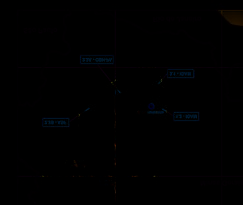



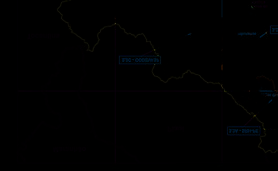
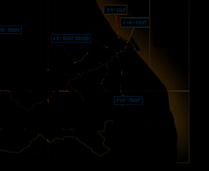
236
237
Figure 24. Location of the Activities of the GEF São Francisco Project
238
239
the impact of agriculture on groundwater resources in
Board of which has now been inaugurated and is currently
the Verde/Jacaré River Basin. In the Lower São Fran-
exercising its full powers. In the sub-basins of the São
cisco Basin, studies of hydrodynamicsedimentation
Francisco River, such support was behind the installa-
processes along the banks and in the bed of the river,
tion of the Basin Committee of the Rio Salitre Sub-Basin
its estuary and adjacent coastal zone were carried out,
in Bahia, in the Lower-middle São Francisco, which is
along with studies of erosion on river banks, its effects
currently functioning with a provisional structure owing
on the dynamics of sedimentation in the river and
to alterations in the Water Resources Law of the State
nutrient loads in the region closest to its mouth, and of
of Bahia; and a feasibility study for implementing a Basin
measures for restoration of the rheophilic [potamodro-
Water Agency for the Maranhão River in Minas Gerais in
mous] ichthyofauna and determination of land use.
the Upper São Francisco.
Intense stakeholder participation characterized all
Lastly, other activities for the Integrated Management
phases of this work. Public participation, in which
of the São Francisco River Basin and its Coastal Zone
NGOs and municipalities performed significant roles,
were carried out to provide a solid foundation for the
facilitated the dissemination of information on activi-
formulation of the Strategic Action Program (SAP),
ties through such initiatives as: the Partnership to
such as the Evaluation of Economic Instruments for
Improve Water Quality in Ribeirão São Pedro (MG),
the Sustainable Management of Water Resources in
and Recuperation of Our Forests in Luz (MG), both
the Verde Grande River Sub Basin; Quantification
in the Upper São Francisco River Basin; and Training
and Analysis of the Efficiency of Water Use by the
in Participative Water Resources Management and
Agricultural Sector in the São Francisco River Basin;
Environmental Education (PB), in the Lower-middle
Evaluation of the Contribution of Shipping on the
portion of the São Francisco River Basin.
São Francisco River to Increasing the Competitive-
ness of Agriculture in the São Francisco River Basin;
Acknowledgement of the need for institutional strength-
Determination of Operating Policies for the Principal
ening led to efforts to support the creation and strength-
Reservoirs of the São Francisco River Basin; and other,
ening of the São Francisco River Basin Committee, the
similar activities.
238
239
Executive Summaries of the Final Reports of the Activi-
the National Water Agency (ANA), that can be accessed
ties of the GEF São Francisco River Basin Project are
at: http://www.ana.gov.br/gefsf/. There follows
available in Portuguese and English, on the web page of
a listing of these Activities, by Project Component:
Table 27 Activities of the Project Components
Component I. Environmental Assessment of the São Francisco River Basin and its Coastal Zone
Upper São Francisco
· Environmental Effects of Mining Activities on the Water Resources of the Upper das Velhas River Basin-MG (Activity 1.2)
· Determination of Land Use in the Upper São Francisco River Basin (Activity 2.1)
Middle São Francisco
· Multi-temporal Analysis of Riverbed Shape Alteration Dynamics in the Middle São Francisco -BA (Activity 2.2C)
· Conjunctive Use of Surface and Ground Waters in the Fêmeas River Basin-BA (Activity 3.2)
· Impact of Agriculture on Groundwater Resources in the Verde/Jacaré River Basins-BA (Activity 1.5)
Lower-middle São Francisco
· Determination of Land Use in the Lower-middle São Francisco River Basin (Activity 2.1)
· Development of a Water Quality Monitoring System in the Lower-middle São Francisco -BA/PE (Activity 1.4)
Lower São Francisco and its Coastal Zone
· Hydrodynamic and Sediment Studies of the Lower São Francisco, its Estuary and Adjacent Coastal Zone-AL/SE (Activity 1.1A)
· Riverbank Erosion Evaluation Studies and the Effects of Riverbank Erosion on Sedimentation Dynamics-AL/SE (Activity 2.4)
· Determination of Estuarine Nutrient and Sediment Loads in the Region of the Mouth of the São Francisco River (Activity 1.1B)
· Restoration of Rheophilic Ichthyofauna of the Lower São Francisco-AL/SE (Activity 1.3)
· Determination of Land Use in the Lower São Francisco (Activity 2.1)
Component II Public and Stakeholder Participation
· Fostering Public Participation in the São Francisco River Basin (Activity 4.1)
· Partnership for Improvement of Water Quality in São Pedro Stream-MG (Activity 2.2A)
· Recovering Our Forests A Pilot Project in the Municipality of Luz-MG (Activity 2.2B)
· Training for the Participatory Management of Water Resources and Environmental Education PE (Activity 3.3A)
Component III Development of the Organizational Framework
· Support for the Creation of the São Francisco River Basin Committee (Activity 3.4) and Support to the Strengthening of the São Francisco
River Basin Integration Committee (Activity 3.5)
· Pilot Study for the Implementation of a Basin Water Agency in the Sub-basin of the Maranhão River -MG (Activity 3.1)
· Integrated Management Plan for the Salitre River Basin -BA (Activity 3.3B)
Component IV Formulation of the Strategic Action Program for the Integrated Management of the São Francisco River Basin (SAP)
· Evaluation of the Contribution of Shipping to the Competitiveness of Agriculture in the São Francisco River Basin (Activity 1.1C)
· Evaluation of Economic Instruments for the Sustainable Management of Water Resources in the Verde Grande Sub-basin -MG/BA (Activity 4.2A)
· Quantification and Assessment of the Efficiency of Agricultural Water Use in the São Francisco River Basin (Activity 4.3)
· Formulation of Operational Policies for the Principal Reservoirs of the São Francisco River Basin (Activity 4.4)
· Diagnostic Analysis and Proposal for Expanding the Hydro-Meteorological Network of São Francisco River Basin (Activity 4.7A)
· Proposal for a Piezometric Monitoring Network in the Verde Grande River Sub-basin -MG (Activity 4.7B)
· Development of a Metadata-based Reference Information System (Activity 4.7C)
240
241
2.3. Basic information on the Activities
I. ENVIRONMENTAL ANALYSIS OF THE BASIN AND ITS COASTAL ZONE
Activity
Goals and outputs
Executing institutions and
Coordinator
Number of persons
participants
Consultants
involved
1.1A. Hydro-dynamic- Goals
Federal
Coordinator
Consultants : 14
sedimentlogical study
Identify the current hydrodynamic
UFAL*; CHESF; CODEVASF;
Arno Maschmann
Workshop**: 76
of the Lower São
status of the lower reaches of the
UFBA; UFRN
Consultants
Seminar:500***
Francisco, Estuary and São Francisco River, its estuary and State
Adriana Reis
Adjacent Coastal Zone adjacent ocean region, quantifying
IMA; SERHI-AL; SRH-SE
Arthur Hernandez
-AL/SE
current sediment transport and dis-
NGOs
Geórgenes Caval-cante
tribution, and relating them to biotic FUNDEPES; Inst. Xingó
Helenice Vital
productivity of tropic levels of phyto-,
Paulo Mafalda Júnior
zoo-and ichthyo-plankton.
Allysson Matos
Outputs
Anderson Nunes
Final Report
Christiane Souza
- Hydrodynamic-sedementologic
Marco Gonçalves
study of the Lower São Francisco
Newton Júnior
River, its Estuary and Adjacent
Oberdan Oliveira
Coastal Zone -AL/SE
Rivaldo Júnior
5 annexes
Werner Tabasa
1 workshop**- Lower São Francisco:
Yatska Hernandes
Identification of Water Problems
and Mitigating Measures. Xingó-AL,
2000
1 seminar*** Do Velho at Novo
Chico: A Discussion of Problems and
of Hydro-Environmental Solutions
for the Lower São Francisco and the
Mouth Propriá-SE, 2002
1.1B. Determination of Goals
Federal
Coordinator
Consultants : 9
Nutrient Loads in the
Characterize nutrient loads and sea-
UFAL*
Paulo Petter
São Francisco River
sonal variation at the mouth of the
Consultants
in the Region near its
São Francisco River; identify the im-
Bastiaan Knopper
mouth, and the Impact portance of the river for enrichment
Geórgenes Cavalcante
of Artificial Floods on
of nutrients in the adjacent ocean
João Lorenzetti
their Control
environment; and relate the findings
Manuel dos Santos
with available fisheries statistics
Silvana Quintela
Outputs
Sinval G. Júnior
Final Report
Alex N. Oliveira
Determination of Nutrient Loads
Esdras L. Andrade
of the São Francisco in the Region of
Paulo Barros Omena
its Mouth.
* Executing institution
Continued...
** Carried out together with Activities 1.1A, 1.1B and 2.1
*** Carried out together with Activities 1.1A, 1.1B, 1.3, 2.1 and 2.4
240
241
Continued...
Activity
Goals and outputs
Executing institutions and
Coordinator
Number of persons
participants
Consultants
involved
1.1C. Evaluation of
Goals
Federal
Coordinator
Consultant: 1
the Contribution of
Analyze waterway transportation,
MT*; ANA; DNIT
Paulo Godoy
Collaborators :7
Navigation on the São integrated with other transport
State
Nathércia Schneider
Francisco River to
modalities, as a factor for increasing CODEBA; FRANAVE
Increased Competitive- the competitiveness of agriculture
Private
ness of Agriculture in
in the São Francisco River Basin ,
AHRSF
the Basin
especially in the West and Southwest
of Bahia
Outputs
Final Report
Evaluation of the Contribution
of Navigation on the São Francisco
River to the Increase in Competitive-
ness of Agriculture in the Basin
1.2. Assessment of the Goals
State
Coordinator
Consultants : 3
Environmental Effects Identify and quantify the impact of IGAM*; CEMIG; CERH-MG;
Elisa Boechat
Collaborators :21
of Mining on Water
mining on the quality and quantity
COPAM-MG; CO-PASA-MG;
Consultants
Seminars: 70
Resources in the Upper of water available in the Upper Rio
Emater-MG; FEAM-MG; IEF-
Golder Associates
Rio das Velhas Basin
das Velhas
MG; PPNL; PPOP; SEEF-MG; Victória Tuyama
Outputs
Semad-MG
Willer Hudson Pós
Final Report
Municipal
Assessment of the Environmental
CMI; CMNL; CMR; CMRA;
effects of Mining on Water Resources PFNL; SAAEIT; SMDEI;
in the Upper Rio das Velhas Basin
SMMA; SMMAI; SMMANL;
-MG
SMMA-RA; SODAEOP; SO-
6 annexes
DAERA
2 seminars
NGOs
ACAL; ACBOV; ACJC;
ACSB; ACT; AMAMC;
AMOVILE; AMPA; CCA;
FOBES; Fund. Gorceix;
MEL; PM-MG; RET; UAI
Private
ANGLOGOLD; BEMIL;
MORGAN; CONEMAL; EHIL;
FORTECO; FRUTIVALE; GA;
MAS; MRV; MBR; MPMM;
PCEAI; SAAE; TIMCI
1.3. Restoration of the Goals
NGOs
Coordinator
Consultants : 5
Rheophylic Ichthyo-
Identify native species of economic
Inst. Xingó*
Fábio C. Branco
fauna of the Lower São importance in the Lower São Fran-
APAL; CPAL
Consultants
Francisco-AL/SE
cisco and generate proposals for
Rivaldo Couto
a Program to Restock the Xingó
Sineide Montenegro
Reservoir and areas Downstream
Enaide M. Magalhães-
Outputs
Maria Célia Lyra
Final Report
Manoel dos Santos
Restoration of the Rheoph-
ylic Ichthyofauna of the Lower São
Francisco
1 seminar***
Continued...
242
243
Continued...
1.4. Development
Goals
Federal
Coordinator
Consultants: 21
of a Water-Quality
Define a monitoring methodology to
EMBRAPA-MA*; ANA;
Aderaldo Silva
Collaborators:
Monitoring System in
evaluate the quality of water for mul- CODEVASF; CPATSA; UnB
Consultants
554
the Lower-middle São tiple uses, in view of agro-industrial, State
Ana de La Cruz
Courses: 246
Francisco-BA/PE
forestry and industrial activities in
ITEP; UNICAMP NGO
Anderson S. Pereira
the region of the Lower-middle São
IRPAA
Carlos Alcebíades
Francisco
Cláudio Buschinelli
Outputs
Daniel Lobo
Final Report
Daniela M. Mariuzzo
Development of a Water-Qual-
Enio Farias e Silva
ity Monitoring System for the
Francisco N. da Silva
Lower-middle São Francisco River:
Izilda A. Rodrigues
Environmental Sustainability Index
José Aragão
of Water-Use (ISA-Água)
José M. Gascó
9 annexes
Julián Del Rey
4 Courses
Luis Carlos Hermes
- Training of Volunteer Water Agents
Luíza Brito
Marcos C. Ferreira
Maria Inês Ferreira
Osmar Abílio
Renato F. Guimarães
Roberto A. Marino
Ronalton Machado
Zacarias Vaz Filho
1.5. Impact of Agricul- Goals
Federal
Coordinator
Consultants : 7
ture on Groundwater
Conduct a diagnostic study of impacts UFBA*;CODEVASF; EMBRA-
Heraldo Silva
Collaborators : 7
Resources in the Rio
and structure, as a basis for the
PA; UFBA; UFV; UFS
Consultants
Courses: 26
Verde/
establishment of a pilot system for
State
Everardo Mantovani
Workshops: 49
Jacaré Basins -BA
monitoring and data collection in the
CERB; CRH-MG; EMBASA;
Haroldo S. Dórea
Seminars: 119
non-saturated zone, where intensive
ITEP; SRH-BA
Ignácio Evangelista
irrigated farming is carried out, to as-
International
Iñaki Antigüedad
sess the impacts on the quantities and CYTED; LAVAL;
José Llamas
quality of surface and ground waters
Univ. Jaume I; Univ. País Basco
Semara de An-drade
available in the Basin of the Verde/
Ricardo Rodrigues
Jacaré River. Identify root causes and
recommend mitigating measures.
Outputs
Final Report
Impact of Agriculture on Surface
and Groundwater Resources of the
Verde/Jacaré Basin-BA
9 annexes
2 Courses
1 workshop
1 seminar
Continued...
242
243
Continued...
II. PUBLIC AND STAKEHOLDER PARTICIPATION
2.1. Definition of Land Goals
Federal
Coordinator
Consultants : 11
Use in the Lower,
Determine land-use and settlement
CODEVASF*
Rui Junqueira
Collaborators : 3
Lower-middle and
patterns in the Upper, Lower-middle
Consultants
Upper São Francisco
and Lower São Francisco River
Albano H. Araújo
River Basin
Basin as a basis for the management
Jurema Ribeiro
of water resources, preservation and
Carlos Alcebíades
environmental monitoring
Carlos H. Saito
Outputs
Francisco Fer-nandes
Final Report
Ileana Mota
Determine Land Use patterns in the
Karla C. Rosa
Lower, Lower-middle and Upper the
Mário J. Gon-çalves
São Francisco River Basin
Ricardo Marques
7 annexes
Roberto Rodriguez
1 workshop**
Verner Riebold
1 seminar***
2.2A. Partnership to
Goals
Federal
Coordinator
Consultants : 6
Improve Water Quality Improve the quality of water of the
EMBRAPA
Regina Greco
Collaborators :
in the Ribeirão São
Ribeirão São Pedro, by means of
State
Consultants
210
Pedro-MG
community involvement, and adop-
CEMIG; COPASA-MG; Emater- Edwaldo A. Santana
Courses: 1,826
tion of corrective soil-management
MG; FEAM-MG; IGAM; IMA;
Joaquim A. Júnior
Workshops: 146
measures, with special focus on
INESP; PM-MG; UEMG
José Roberto Possato Seminars: 595
pollution associated with secondary
Municipal
Marcelo M. Pinto
roads, farming, urban and industrial
CCRGT; CMDR; Pref. São S.
Roberto Rodrigues Ve-
activities.
do Oeste
tor Reni de Souza
Outputs
NGO
Final Report
CBHPA*
Partnership to Improve Water
Private
Quality in the Ribeirão São Pedro do CAD; ECONSULT PEDOGEO;
Oeste-MG
TRANZDUARTE
10 annexes
66 courses
8 meetings
4 seminars
2.2B. Restoration of
Goals
Federal
Coordinator
Consultants : 7
Our Forests
Carry out environmental conserva-
ME
Francisco Soares
Collaborators : 8
tion and restoration activities,
State
Consultants
Courses: 204
through the planting of riparian for-
CEMIG; COPASA-MG; Emater- Fernando Sasdelli
ests, soil conservation practices, en-
MG; FASF; IMA
Marília Q. Nogueira
vironmental education, participatory Municipal
Bruno O. Miranda
management, and the strengthening
ADLUZ; CEPALUZ; Pref. Luz; Dayvisson Paulinelli
of organizations in the municipality
SMMALUZ
Emerson Macedo
of Luz-MG
NGOs
Márcia C. da Silva
Outputs
ASF*; SPRLUZ
Vagno A. da Silva
Final Report
Community-Government Partner-
ship and Public Participation as an
instrument for the Restoration of
Riparian Forests and Environmental
Conservation
17 annexes
12 Courses
Continued...
244
245
Continued...
2.2C. Multi-temporal
Goals
Federal
Coordinator
Consultants : 4
Analysis of the Dynam- Analyze the dynamics of changes in
CODEVASF*; CHESF; UFBA;
Rui Junqueira
Collaborator: 1
ics of Changes in the
the shape of the bed of the São Fran- UFS
Consultants
Shape of the Bed of the cisco River (Middle stretch) in the
State
Albano H. Araújo
Middle São Francisco
1946-1948, and 2000-2001 periods SRH-BA
Francisco B. Rolim
River -BA
and correlate these with natural and International
Jurema B. Ribeiro
anthropogenic changes in physical
LAVAL
Karla C.Rosa
conditions in the area
Outputs
Final Report
Multi-temporal Analysis of the
Dynamics of Changes in the Shape of
the Bed of the Middle Stretch of the
São Francisco River -BA
5 annexes
2.4. Study of Erosion
Goals
Federal UFS*; CODEVASF;
Coordinator
Consultants : 6
of the Banks of the
Identify changes that have taken
UFF; UFG
Luís Carlos Fontes
Collaborators : 7
Lower São Francisco
place in the dynamics of the river
State
Consultants
and its Effects on the
since the construction of large dams, FAPESE; SRH-SE; Seplantec-
Francisco S. Holanda
River's Sedimentation and of the causes, the principal
SE
Ana Patrícia Casado
Dynamics
agents and processes involved in the
Cícero dos Santos
dynamics of erosion on the banks of
Edgardo Latru-besse
the lower reaches of the São Fran-
Rivaldo dos Santos
cisco River
Sandra B. da Cunha
Outputs
Final Report
Study of Erosion on the Banks
of the Lower São Francisco and its
Effects on the River's Sedimentation
Dynamics
2 annexes
1 seminar***
III. DEVELOPMENT OF AN ORGANIZATIONAL FRAMEWORK
3.1. Pilot study for the Goals
State
Coordinator
Consultants : 3
Implementation of a
Provide support for the implementa-
Igam*; FEAM-MG
Elisa Boechat
Collaborators : 21
Basin Water Agency in tion of Federal Law 9.433/97, of the Municipal
Consultants
Courses: 71
the Rio Maranhão Sub- corresponding State-level legislation, CODEMA; COPASA
Antônio Leão Lanna
Meetings : 300
basin -MG
and other water-resources manage-
Pref. CNGOonhas;
Carlos Orsini Nunes
ment instruments foreseen in law to
Pref. Conselheiro Lafaiete;
Percival I. Souza
support of the Basin Committee of
Pref. Ouro Branco
the Rio Maranhão-MG
Private
Outputs
AÇOMINAS
Final Report
Feasibility Study on the Implemen-
tation a Basin Water Agency in the
Sub-Basin of the Rio Maranhão-MG
3 annexes
2 Courses
11 meetings
Continued...
244
245
Continued...
3.2. Combined Use of
Goals
Federal UFBA; UFPB
Coordinator
Consultants : 12
Surface and Ground
Identify the hydro-geological
State
Kátia Nascimento
Colaborators : 38
Waters in the Rio das
characteristics of aquifers and the
SRH-BA*
Consultants
Fêmeas Sub-Basin -BA hydrological characteristics of the
Municipal
Claudia Vieira
principal water bodies; determine hy- Pref. Luís Ed. Magalhães; Pref. Emanuel Barros
drodynamic parameters for the uti-
São Desidério
Hans Dieter Schuster
lization of simulation models; study
NGO
Heráclio Araújo
the relationships between surface and AIBA
Fernando Genz
ground waters; and propose criteria
Private HIDROBASA;
José P. dos Santos
for the licensing of water-use rights
HIDROCON;
João Ilton de Oliveira
Outputs
HIDROLOG;
Lúcia Tenório
Final Report
MAUERBERG
Olivar Lima
- Combined Use of Surface and
Paulo Henrique Prates
Ground Waters in the Rio das
Rosane Aquino
Fêmeas Sub-Basin -BA
Zoltan Cavalcante
13 annexes
3.3A. Training for Par- Goals
Federal
Coordinator
Consultants : 9
ticipative Management Institute and implement Councils
CODEVASF
Paulo Dutra
Collaborators : 40
of Water Resources and of Users for participative manage-
State
Consultants
Courses: 76
Environmental Educa-
ment of reservoirs; train extension
SRH-PE*; EBAPE
Marisa S. Figueiroa
tion -PE
agents for environmental education
Municipal
Déborah A. Trajano
activities; train users in the rational
Pref. Petrolina; Pref. Serra
Fábio C. Aquino
multiple-use of reservoirs; and train
Talhada
Janayna Farias Silva
farmers in restoration and adequate
José Carlos Borba
land use
José Oto de Oliveira
Outputs
Jucélio M. de França
Final Report
Luiz C. de Oliveira
- Participative Management of
Paulo F. Araújo
Water Resources in Pernambuco:
Experiences of Açude Jazigo and the
System for Ensuring Perennial Flows
in Riacho Pontal
4 annexes
2 Courses
3.3B. Integrated
Goals
Federal
Coordinators
Consultants : 25
Management Plan for Prepare a Management Plan for the UFBA*; ANA; CHESF; CNRH; Yvonilde Medeiros
Collaborators : 45
the the Rio Salitre
Rio Salitre Basin, by means of a par- CODEVASF; CPRM; EM-
Maria S. Gon-çalves
Courses: 102
Basin -BA
ticipatory process, as a pilot project
BRAPA; FNMA; FNS;IBAMA; Consultants
Meetings : 30
to be applied in other sub-basins of
MIN; MMA; SRH-MMA
Antônio M. da Silva
the São Francisco River
State
Isabel Galo Martins
Outputs
CERB; CRA-BA;
Lenise C. B. Santos
Final Report
EBDA;EMBASA; FEP; SRH-
Maria E. dos Santos
Integrated Management Plan for
BA; UEFS; UNEB
the Rio Salitre Basin
Municipal
11 annexes
CDAR
40 meetings
Municipal Administrations of
Campo Formoso; Jacobina;
Juazeiro; Miguel Calmon; Mi-
rangaba; Morro do Chapéu;
Ourolândia; Umburanas; Várzea
Nova
Continued...
246
247
Continued...
3.4. Support for the
Goals
Federal ANA*; ANEEL; CBH-
Coordinator
Consultants : 8
creation of the do São Collaborate in the creation of the
SF; CHESF; CODEVASF;
Rodrigo Flecha
Collaborators : 187
Francisco River Basin
São Francisco River Basin Com-
FUNAI; MIN; MMA; MME;
Consultants
CBHSF
Committee
mittee and provide support for
MP; MT
Rui Anastácio Silva
Federal: 6
strengthening it as a means of foster- State
Rosana Garjulli
State: 12
3.5. Support for
ing development of an institutional
ABESA; CASAL; CEMIG;
Flávia Barros
Municipal: 16
Strengthening of the
Framework for the São Francisco
COELBA; COPASA-MG;
José T. de Araújo
Civil Society: 32
São Francisco Basin In- River Basin
EMBASA; FEP; FUNDI-
Ana de Menezes
Users: 47
tegration Committee
Outputs
FRAN; IGAM; MEB; SAAE-
Antônio Lima
Plenary and meet-
Final Report
AL; SAAE-BA; SAAE-MG;
Maria G. Ogata
ings : 5.726
The Process of Creation of the São SEIN-FRA; SEPLANTEC-BA; Patrícia Souza Lima
Francisco River Basin Committee :
SERHI-AL; SRH-GO; UFAL;
Report and Evaluation of Method-
UFBA; UFPE; UFS; UNEB;
ological, Normative and Contextual
UNIT
Aspects
Municipal
12 annexes
ADESA; AEAP; AEDA; CPP;
39 plenary and mobilization meetings DIPCP; FUNEDI; FUTAG;
SAAEB; SAAECAP; SAAEJ;
SAAEPA;
Municipal Administrations of
Carmo do Cajuru; Ibotirama;
Itacarambi; Jua-zeiro; Luiz Ed.
Magalhães; Pão de Açúcar;
Pira-nhas; Pirapora; Poço
Redondo; Porto da Folha; Sal-
gueiro; Santa M. da Boa Vista;
São Roque de Minas; Sento Sé;
Três Marias
NGOs
ABIR; ABRH-PE; ACSSL;
AMDA; AMPPRVI; APRSS;
APS; ARFB;
ASPAVARG; ATPPRBG;
CBHRS; COPPABACS;
CPBA; CPMG; DSCAS;
FAEMG; FETAEMG;
FIEMG; FPEMG; Fund. Biodi-
versitas; IMAN; Inst. Guaicuy;
MEST; OAB-MG;
SAAE; SIGMNM;
SINDIEXTRA; SINDRP;
SSABSFCT; STC; STRPA;
UAVS
Private
AFA; AGOL; COOPADAP;
COOPERC; CC; CCM; CMM;
FRUTIVALE; IMNE; LIASA;
VALÉE
Continued...
246
247
Continued...
IV. FORMULATION OF AN INTEGRATED BASIN MANAGEMENT PROGRAM
4.1. Promoting Public Goals
Federal
Coordination
Consultants : 4
Involvement in the São Promote public involvement in water- ANA*; ABRH; CODEVASF;
José Luiz de Souza
Collaborators : 10
Francisco River Basin
resources management in the São
PRO-ÁGUA;UFAL
Consultants
Workshop: 120
Francisco River Basin;
State
Fernando Cordeiro
Symposium: 493
create a webpage for the São
SERHI-AL
Rui Junqueira Sandro
Francisco River Basin Committee;
Private
Quadros
produce a primer on the São Fran-
AGENCY5; TDA
Marcos Rebouças
cisco River; and promote workshops
Wilde C. G. Júnior
and meetings
Outputs
2 Final Reports
- Preparation of a webpage for the
São Francisco River Basin Com-
mittee
VI Regional Symposium on Water
Resources of the Northeast
1 primer 10.000 copies
The São Francisco River
1 video/CD 250 copies
The GEF São Francisco Project
1 folder 5.000 copies The GEF
São Francisco Project in Portu-
guese and English
1 Symposium
VI Regional Symposium of Water
Resources of the Northeast min-
utes
- GEF São Francisco webpage
http://www.ana.gov.br/gefsf
4.2A. Evaluation of
Goals
Federal
Coordinator
Consultants : 8
Economic Instruments Evaluation of financial mechanisms, ANA*; CODEVASF; DNOCS;
Devanir G. Santos
for the Sustainable
especially licensing and water-use
UFBA; UFV
Consultant
Management of Water charges, for the sustainable manage- State RURALMINAS; CETEC; Guilherme E. Simão
Resources in the Rio
ment of water resources in the Verde DERBA; EMBASA; IGAM;
Verde Grande Sub-
Grande River Basin
INDI; SRH-BA; UFBA
Basin -MG/BA
Outputs
Municipal
Final Report
COPASA
Evaluation of Instruments
Private
Economic for Sustainable Water-
FAHMA
Resources Management in the Verde
Grande Sub-Basin -MG/BA
3 annexes
Continued...
248
249
Continued...
4.2B. Evaluation of
Goals
Federal
Coordinator
Consultant: 1
Economic Instruments Provide a detailed framework for the ANA*; CODEVASF; SRH-
Devanir G. Santos
for the Sustainable
use of economic instruments for the
MMA; CHESF
Consultant
Management of Water management of water resources , in-
Raymundo Garrido
Resources in the São
cluding a proposal for legislation and
Francisco River Basin
the strengthening of administrative
mechanisms necessary for implemen-
tation of such instruments
Outputs
Final Report
Proposal for Supplementary Water-
Use Charges in the São Francisco
River Basin
15 annexes
4.3. Quantification and Goals
Federal
Coordinators
Consultants : 13
Analysis of the Ef-
Characterize agricultural water-use
UFV*; CODEVASF; EMBRAPA Márcio Mota Ramos
Collaborators : 5
ficiency of Agricultural patterns and quantify their ef-
State
Fernando F. Pruski
Water-Use in the São
ficiency, with a view to optimizing the CEASA; IGAM; RuralMinas;
Consultants
Francisco River Basin
use of water resources and increase
SEIBA; SIRBA; SRH-BA
Alessandro Teixeira
the availability of water in the São
NGO
Cassiana S. Rocha
Francisco Basin
AIBA
Demetrius da Silva
Outputs
Private
Gessionei Santana
Final Report
CI; PROPEL; VE
Lineu Neiva
- Quantification and Analysis of the
Luciano Novaes
Efficiency of Agricultural Water-use
Nori Paulo Giebeler
in the São Francisco River Basin
Rafael Ribeiro
13 annexes
Sergio O. de Avellar
Silvio Bueno
Suely Silveira
Wallisson Freitas
4.4. Determine Operat- Goals
Federal
Coordinator
Consultants : 3
ing Procedures for the Present alternative operational
ANA*; CHESF; ONS
Marcos Freitas
Principal Reservoirs
models for reservoirs on São Fran-
State
Consultants
in the São Francisco
cisco River, taking into account the
CEMIG
João Eduardo Lopes
River Basin
multiple uses of water resources.
João Luiz Brandão
Outputs
Mario T. de Barros
Final Report
Operating Procedures for the Princi-
pal Reservoirs in the São Francisco
River Basin
3 annexes
Continued...
248
249
Continued...
4.5A. Diagnostic Analy- Goals
Federal
Coordinator
Consultants : 5
sis of the São Francisco Identify and harmonize development ANA*; CODEVASF; IBAMA;
José Luiz de Souza
Collaborators : 2
River Basin and of its
efforts in the São Francisco Basin
MI; MMA; SRH-MMA
Consultants
Coastal Zone DAB
and in its coastal zone and promote
State
Fernando Rodri-guez
strategic and rational integration
SERHI-AL; SRH-BA; SRH-PE; Guilherme P. Holtz
of such efforts for the sustainable
SRH-SE; SEMARH-MG
Arno Maschmann
development of the region
Rolando Gaal Vadas
Outputs
José Lins de A. Filho
Final Report
Diagnostic Analysis of the São
Francisco River Basin DAB
8 annexes
4.5B. Formulation of
Goals
Federal
Coordinator
Consultants : 7
an Integrated Manage- Formulation of a Strategic Action
ANA*
João Lotufo
Collaborators : 14
ment Program for the
Program for Integrated Management
Consultant
São Francisco River
of the São Francisco River Basin and
Coordinator
Basin and its Coastal
its Coastal Zone
Antônio Carlos T.
Zone SAP
Outputs
Holtz
Final Report
Deputy Coordinator
Strategic Action Program for
Fernando Rodriguez
Integrated Management of the São
Consultants
Francisco River Basin and its Coastal
Hiroaki Makibara
Zone - SAP
Aílton F. Rocha
Cézar Pimentel
Guilherme P. Holtz
Albano H. Araújo
Continued...
250
251
Continued...
4.6. Events with Public Goals
Federal
Coordinator
Seminar: 119
Participation for the
Inform, consult and involve special-
ANA*; ANEEL; CHESF;
José Luiz de Souza
Workshops: 356
Drafting of the SAP
ists in water-resources, and other
CODEVASF; EM-BRAPA;
Consultant
Plenary: 119
(International Semi-
relevant areas, in the diagnosis and
FUNAI; IBAMA; INCRA; MI;
Guilherme P. Holtz
nars on Protection of
proposing of corrective measures for MMA; MPOG; MT; UFAL;
the Marine Environ-
environmental problems in the São
UFBA; UFPE; UFS; UFV
ment from Land-based Francisco River Basin, in preparation State
Activities in the São
of the SAP.
ADAB; CASAL; CEDA;
Francisco River Basin) Disseminate experiences acquired in CEMIG; COELBA; COMPESA;
the process of implementing water-
COMTRAP;
resources management actions
COPASA-MG; CRB; CREA-SE;
Outputs
DESO; DIB; EBDA; EMATER-
Final Report- Events with Public
MG; EMBASA; EPAMIG;
Participation and Inputs for the
FEAM-MG; FS; IEF-MG;
Preparation of the Strategic Action IGAM; IMA; MEB; PM-AL;
Program for Integrated Management PM-BA; PM MA; PM-MG;
of the São Francisco River Basin and RURALMINAS; SEMARHN-
its Coastal Zone - SAP
AL; SAAE-AL;
1 seminar
SEAGRI-BA; SEPLANTEC-
Brasília-DF
BA; SECTMA; SEDU; SEES;
4 Regional workshops
SEMA-BA; SEMA-SE; SEMA-
Upper Belo Horizonte-MG
RH-MG; SESAB; SFEBA; SRH-
Lower Aracaju-SE
BA; TAMAR; UNEB; UNIT
Lower-middle Petrolina-PE
Municipal
Middle Barreiras-BA
ABRH-PE; ADSQ; AEDA;
1 plenary meeting of the São
AGUAVALE; ARFB; Cam. Mun.
Francisco River Basin Committee
Codigipe; CIBAPAR;
(CBHSF) - Penedo-AL
CPP; DIBS; DIPCP; EAC;
EMURB; FUNEDI; FUTAG;
Municipal Administrations of
Brejo Grande; Capela; Correntina;
Cristópolis; Divinópolis; Ilha das
Flores; Itacarambi; Jaguarari;
Lagoa da Prata; Luiz Ed. Magal-
hães; Niansivão; Pão de Açúcar;
Piaçabuçu; Piranhas; Pirapora;
Poço Redondo; Porto da Folha;
Rio Pires; S. J. da Lagoa; Sal-
gueiro; Santa M. Boa Vista; São
Roque de Minas; Três Marias;
Sento Sé;
SAAE; SAAEP; SAAEB; SAA-
ECAP; SAAEJ; SAAEPA
Continued...
250
251
Continued...
NGOs
AGROECO; ÁGUA e VIDA; APLB;
APS; AS-SEMAE; Assoc. Igarapé;
Assoc. Mexedeira;
Assoc. Nonacolonha; Assoc. S. Dou-
rada; Assoc. Utinga; ATPPRBG;
CBHRS;
CBHVG; Com. Saramem; CPMAG;
COMPCA-NA; FAEMG; FDRSF;
FETAEMG; FIEMG; FJN; FPA;
FPAL; FPP; Fund. Biodiver-
sitas; Inst. Guaicuy; LCI; MEST;
MOPEC; MVP; OAB-MG; OAB-
SE; OLHA O CHICO; SIG-MNM;
PCH; SINDIEXTRA; SINDRP;
SOS Rio das Velhas; MANUEL-
ZÃO; SSABS-FCT; STR; STRJ;
UAVS
Private and state
AGOL; BB; CC; CCM;
CMM; CONSUB; Coop. Pesc.
Ibotirama; AFA;
COOPADAP; COOPERC;
GA; GAIA; IMNE; LIASA;
ODEBRECHT-SE; PETRO-
BRAS; SG; TV CE-MIG; UL;
VM; VALE;
VOTORANTIM-MG
Participatory Management
Boards
CBHSF
International
IWRN/RIRH; OEA; TNC;
UCAL; WFT
4.7A. Diagnosis and
Goals
Federal
Coordinators
Consultant: 1
Proposal for Extend-
Optimize the network for the col-
ANA*; CHESF;
Augusto Bragança
Collaborators : 18
ing the São Francisco
lection of hydro-meteorological
CODEVASF; CPRM; DNOCS;
Waldemar Guima-rães
River Basin Hydro-me- information, and of water-quality and SUDENE; FUR-NAS; INMET; MA
Consultant
teorological network
sediment data in the São Francisco
State
Christian A. Govastki
River Basin, by means of a diagnostic ADEMA-SE; CAESB; CASAL;
study and a proposal for extending
CEAL; CEMIG; CERB; CETEC;
the network
COELBA; COPASA-MG; CPRH;
Outputs
CRA-BA; DHM-AL; DLFMA-
Final Report
DF; EBDA; Ema-ter-MG;
- Diagnosis and Proposal for Ex-
EMBASA; ENERGIPE; FEAM-
tending the Hydro-meteorological
MG; IC-BA; IEF-MG; IGAM;
network in the São Francisco River
IMA; SEAGRI-BA; Se-mad-
Basin and its Coastal Zone
MG; SERHI-AL SEMARH-
12 annexes
DF; SEMARH-PB; SRH-BA;
SRH-PE; SEMARH-GO
Continued...
252
Continued...
4.7B. Proposal for a
Goals
Federal
Coordinator
Consultant: 1
Piezometric Monitor-
Propose a piezometric monitor-
ANA*; CODEVASF; CPRM
Fernando Dantas
Collaborators : 24
ing Network in the Rio ing network to provide inputs and
State
Consultant
Verde Grande Sub-
detailed knowledge on groundwater
COPASA;
Waldemir B. da Cruz
Basin -MG
availability in the Rio Verde Grande
CREDINOR; Emater-MG;
Basin.
IGAM; Semad-MG
Outputs
Municipal
Final Report
Pref. Capitão Enéas; Pref.
- Proposal for a Piezometric
Janaúba; Pref. Montes Claros
Monitoring network for the Rio Verde NGO
Grande Sub-Basin MG
ABANORTE
1 annex
Private
LEME
4.7C. Reference
Goals
Federal
Coordinators
Consultants : 2
System for Metadata-
Compile a database of reference
ANA*; ANEEL; CODEVASF;
Augusto Bragança
Collaborators : 40
based Information
information and documents on the
CPRM; IBAMA; INMET; SRH- Waldemar Guima-rães Meetings : 28
São Francisco River Basin contained MMA
Consultants
in various federal government institu-
Luiz Bursztyn
tions.
Francisca A. Neta
Outputs
Final Report
Information Network on the São
Francisco River Basin RISF
4 annexes
6 meetings
1 webpage- http://risf.ana.gov.br
4.7D. Management
Goals
Federal
Coordinator
Consultants : 2
Information System
Compile an information system for
ANA*
A. Félix Domingues
on Water Resources
the monitoring of GEF funded
Private
Consultants
Projects
water-resources projects
IKHON
Alexandre M. Braga
Outputs
Fabiano Carvalho
Final Report Establishment of a
Management Information System on
GEF Projects
1 management information system
TOTAL
29 Activities
216 events
483 institutions
13.559 persons
50 Federal
involved
102 State
200 Consultants
110 Municipal
1,262 Collabora-
150 NGOs
tors
63 Private
12.097 Partici-
10 International
pants

252
ANNEX III
255
255
3. CAUSAL CHAIN ANALYSIS
to the identification of the root causes. The root causes, in
general, tend to stem from problems of a technical, sci-
entific, economic, institutional and socio-political nature,
3.1. Definition and Objective
identified as being the most critical issues facing the Basin.
of Causal Chain Analysis
A priority rating (in relation to other causes of the
same type) is attributed to each causal factor identi-
Causal Chain Analysis is a tool used by the GEF for the defi-
fied, and the trend (increasing, declining, or constant)
nition and determination of strategic actions in hydrographic
for each is noted. Priorities were rated from 1 to 3,
basins, and in water-resources and environmental projects.
from highest to lowest; and trends were indicated by
The methodology plots paths of cause and effect of significant
colors, with red indicating an increasing trend; yellow
environmental issues, with a view to tracing root causes and
indicating a constant trend; and green indicating a de-
identifying potential, sustainable solutions. The basic premise
creasing trend. Plotting these combinations of priori-
is that addressing the cause of concern wil result in a more
ties and trends assisted in the identification of the most
sustainable solution than treating the symptoms of that con-
significant problems. The primary, secondary, tertiary
cern in the environment.
and fundamental causes are linked to each other by
means of lines, indicating the logic and sequence of
The goal of causal chain analysis, as utilized in the Stra-
causes. These lines relate the principal aspects of the
tegic Action Program for the Integrated Management of
problems thus identified, and their inter-relationships,
the São Francisco River Basin and its Coastal Zone (SAP),
to the proposed actions for resolving them.
is to identify essential aspects of critical problems to be
addressed and to define appropriate mitigating mea-
Under the auspices of the GEF São Francisco Project, a
sures and policies. In order to construct the causal chain
series of meetings was held to promote public involve-
of a specific problem or theme, the questions, "Why?"
ment, on the part of stakeholders, specialists, community
and "What is the cause?," must be asked exhaustively at
representatives, and government officials, in the identifi-
technical meetings attended by specialists in various fields
cation of problems, their causes, and proposed corrective
of knowledge, including not only water resources, but
actions to be carried out. Among these were the seminars
also legal and social science specialists, among others.
held in Brasilia (November 2001) and in Recife (Janu-
The causal matrix or chain presented herein uses the
ary 2002), attended by Project Activity coordinators, the
conclusions and recommendations developed during the
national and international technical coordinators, and
GEF- São Francisco Project, reflecting the views of the
Project consultants. Further meetings were held at the
principal stakeholders and multidisciplinary specialists, to
National Water Agency (ANA) in April and May 2003.
identify primary, secondary and tertiary causes, leading
The purpose of these meetings was to foster understand-
256
257
ing and disseminate knowledge of the array of experi-
structure of the causal c
uctur
hains, as conceiv
hains,
ed and pr
as conceiv
epar
ed and pr
ed
epar
ences revealed during the process of identifying problems
during these meetings, with the par
ing these meetings,
ticipation of the v
ticipa
ar
tion of the v i-i
and causes, and to draw up actions to be carried out. The
ous stakeholder
ous stak
s and specialists, is sho
s and specialists,
wn in Figur
is sho
e 25.
wn in Figur
Figure 25. Structure of the causal chain
256
257
3.2 Critical problems
· Degradation of the aquatic ecosystem;
and priority actions
· Sources of point and non-point pollution;
· Changing and inappropriate land use patterns;
· Unregulated use of groundwater, without regard to
Based on the results of the meetings, seminars, and
surface water;
workshops held by the various institutions and govern-
· Limitations to navigation.
mental organizations and non-governmental organizations
involved, eight relevant critical problems were identified:
Table 28 presents a logical framework that correlates the
· Lack of institutional articulation;
most critical problems with each of the Activities. The
· Water use;
causal chains for each problem trace the primary, second-
· Insufficient water for multiple uses;
ary and tertiary causes to their ultimate or root causes.
Table 28. Logical Framework: Critical Problems / Activities
-
or
oint and
ollution
,
without
ing and inappro
water
oint p
ater use conflicts
Lack of institutional
vigation
1.
articulation
2.W
3.Insufficient water f
multiple uses
4.Degradation of the
aquatic ecossystem
5.Sources of p
non-p
6.Chang
priate land use patterns
7 Unregulated use of
ground
regard to surface water
8.Limitations to
na
1.1.A - Hydrodynamic-Sedimentological Study of the
Lower São Francisco, its Estuary and Adjacent Coastal
Zone -AL/SE
1.1.B Determination of Nutrient Loads in the Region
of the Mouth of the São Francisco River and the Im-
pacts of Artificial Flooding
1.1.C - Evaluation of the Contribution of Shipping to
the Competitiveness of Agriculture in the São Francisco
River Basin
1.2 - Evaluation of Environmental Effects of Mining on
Water Resources in the Upper Rio das Velhas Basin
1.3 - Restoration of the Rheophyllic Ichthyofauna of
the Lower São Francisco River Basin -AL/SE
1.4 - Development of a Water-Quality Monitoring Sys-
tem in the Lower-middle São Francisco -BA/PE
1.5 - Impact of Agriculture on Groundwater Resources
in the Verde/Jacaré River Basin BA
2.1- Determination of Land Use in the Lower, Lower-
middle and Upper São Francisco River Basin
2.2.A- Partnership to Improve Water Quality of Ribei-
rão São Pedro -MG
Continued...
258
259
Continued...
2.2.B - Restoring Our Forests
2.2.C- Multi-temporal Analysis of Alterations in the Sha-
pe of the Bed of the Middle São Francisco River BA
2.4 Study of Erosion of the Banks of the Lower
São Francisco River and its Effects on Sedimentation
Dynamics
3.1- Pilot Study on Implementation of a Basin Water
Agency in the Rio Maranhão Sub-basin -MG
3.2- Combined Use of Surface and Ground Waters in
the Rio das Fêmeas Sub-basin - Bahia
3.3.A - Training for Participatory Management of Wa-
ter Resources and Environmental Education -PE
3.3.B - Integrated Management Plan for the Rio
Salitre Basin -BA
3.4 - Support for Creation of the São Francisco River
Basin Committee
3.5 - Support for Strengthening of the São Francisco
River Basin Integration Committee
4.1 Promotion of Public Involvement in the São
Francisco River Basin
4.2.A - Evaluation of Economic Instruments for
Sustainable Management of Water Resources in the
Sub-basin of the Verde Grande River -MG/BA
4.2.B - Evaluation of Economic Instruments for Sus-
tainable Management of Water Resources in the São
Francisco River Basin
4.3 - Quantification and Analysis of the Efficiency of
Agricultural Water Use in the São Francisco River
Basin
4.4 - Determination of Operating Policies for the Prin-
cipal Reservoirs of the São Francisco River Basin
4.5.A Diagnostic Analysis of the São Francisco River
Basin and its Coastal Zone - DAB
4.5.B - Formulation of an Integrated Management
Program for the Basin and its Coastal Zone - PGI/PAE
4.6 - International Seminars on the Protection of the
Marine Environment from Land-based Activities in the
São Francisco River Basin
4.7A Diagnosis and Proposal for Expansion of the
Hydro-meteorological Network of the São Francisco
River Basin
4.7B - Proposal for a Piezometric Monitoring Network
for the Sub-basin of the Verde Grande River -MG
4.7.C - Reference System for Metadata Based Infor-
mation
4.7.D Computerized System for the Management of
Water Resources Projects
258
259
3.2.1. Lack of institutional articulation
· strengthening the São Francisco River Basin Commit-
Although institutional articulation was acknowledged
tee and the application of legal instruments for pro-
to be an essential element for successful implementa-
moting the sustainable use and conservation of natural
tion of laws and regulations, and for the implemen-
resources;
tation of integrated-development procedures and
· implementing mechanisms for institutional articula-
projects, such articulation was found to be lacking
tion and inter-sectoral coordination;
throughout the Basin. This problem encompasses
· developing and strengthening economic instruments
limited institutional capacities, especially with regard
and financial mechanisms;
to the definition of goals and establishment of roles
· implementing and strengthening an information
among the various organizations involved in the Basin,
system for the Basin, with an ample network and wide
and scare or absent skills needed by the organizations
accessibility for all;
to perform their functions in a coordinated, articu-
· strengthening institutions for implementing integrated
lated and integrated manner (Figure 26).
management at all levels, based upon financial and
budgetary planning;
The Activities of the GEF São Francisco Project
· formulating and implementing integrated basin man-
conducted in the Basin uncovered a variety of issues
agement plans.
relating to the lack of institutional networking links,
among them:
In order to overcome such shortcomings, it will be neces-
sary to optimize current human resources, to apply effec-
· lack of communication skills on the part of institu-
tive administrative methods and processes, to identify and
tions and the consequent inability of the institutions to
seize opportunities for networking, to provide organiza-
perform their duties in a coordinated manner;
tional training, to share knowledge and experiences, and
· shortages of trained staff and equipment;
to secure the financial autonomy of institutions.
· insufficient funding, exacerbated by the failure to share
knowledge and experiences;
3.2.2. Conflicts over water use
· lack of methodological and administrative continuity,
especially following elections at the federal, state and
The prospect of intensification of conflicts over the use
municipal levels;
of water in the São Francisco River Basin is real, in view
· lack of political articulation among spheres of govern-
of increasing demands for water. To allay this threat, it
ment, and other institutions;
is necessary that an operating system for the Basin be
· lack of awareness, commitment and involvement on
established that addresses the multiple demands for water
the part of communities, hampering effective and ef-
resources and establishes priorities in accordance with the
ficient participation, and the need to enhance effective
provisions of Law 9.443/97 (Figure 4). Little concrete
public involvement;
information is available, however, with respect to current
· lack of a comprehensive understanding of the needs of
and future regional and sectoral demands, hydro-geologi-
society and lack of trust in the various players in-
cal potentials, and surface water availability (especially in
volved, hampering the setting of priorities;
intermittent water courses), upon which to base predic-
· lack of performance indicators upon which to consoli-
tions relating to such potential conflicts.
date networking and partnerships.
There also is an urgent need to quantify levels of surface-
Recommendations for resolving the problem of poor
and ground-water pollution. Such information is needed
institutional articulation include:
for the formulation of sound fiscal and legal management
260
261
mechanisms, including the allocation of water rights, the
National Electricity System (ONS). At present, however,
establishment of water-use charges, and other regulations
this does not appear to be taking place.
governing water use. Hydraulic simulation models of
water use and management in the Basin, and application
Utilization of the reservoir of a hydroelectric dam for
of the management instruments foreseen in Law 9.433/
multiple uses may affect the operation of power plants
97, could be of great value in predicting the development
and, consequently, the volume of water that can be
of future scenarios.
delivered to downstream users, in view of regulations
governing maximum and minimum flows. It may also
3.2.3. Insufficiency of water for multiples uses
affect the capacity of the power plants to generate electric
power, the volume of electricity produced, and the usable
In recent decades, the Government has carried out a
volumes of water stored and available for discharge or
number of actions to foster development in the São
the production of electric power at specific times. All this
Francisco River Basin. Most of these, however, have been
implies limitations on maximum discharges over spill-
sectoral approaches, the greatest benefits of which, so far,
ways and minimum discharge levels. Efforts have been
have been in the areas of electric power generation and
made to reconcile utilization of water by hydroelectric
irrigation.
power plants while, at the same time, providing water for
other uses, such as irrigation, navigation, flood control,
According to Article 4 of Law 9.984, of 2000, it is the
leisure and tourism, and ensuring water quality and the
responsibility of the National Water Agency (ANA), to
preservation of aquatic wildlife and flora. These efforts
define and control operating rules for reservoirs oper-
have identified the shortfall between current demands
ated by public and private agents. These rules should
for water and the volume of water available to meet
seek to ensure availability of water for multiple uses, in
the demands. The causal chain relating the shortages of
accordance with the terms of water resources plans in
water to the multiple demands for and uses of water in
effect in the respective river basins. In such a context,
the various sub-basins of the São Francisco River Basin
the above-mentioned law requires that the definition of
is shown in Figure 28. In this regard, it is important
operating rules for the reservoirs of hydroelectric plants
to examine closely when, where and how such water
be implemented in cooperation with the Operator of the
shortages take place.
260
261
Figure 26. Causal chain Lack of institucional articulation
262
263
Figure 27. Causal chain Water use conflits
262
263
Figure 28. Causal chain Insufficient water for multiple uses
264
265
3.2.4 Change and degradation of the
3.2.5. Sources of point and non-point pollution
aquatic ecosystem
Each physiographic region of the São Francisco River
The São Francisco River Basin is a very complex area.
Basin has its own peculiarities and specific problems,
The historical development of the Basin occurred in a
and these differ from one region to another. Among
tumultuous and segmented manner, with little integrated
the most serious environmental problems identified in
planning, and within a relatively fragile institutional
the Upper São Francisco River Basin were the direct
structure. This piecemeal and sectoral-oriented develop-
dumping into the river of untreated urban storm- and
ment, over time, has resulted in the degradation of the
waste-waters, and of industrial and mining effluents
Basin and its coastal zone. Flows on great stretches of
containing heavy metals and cyanides. Moreover, the
the São Francisco River have been regularized, causing
indiscriminate use of agrochemicals and large-scale
alterations in the natural pattern of rise and fall of water
land clearing, with wood being removed for char-
levels during periods that coincided with the fish breed-
coal production, and land converted for agricultural
ing season. Such alterations also affect the deposition of
cultivation, industrial uses and mining, are additional
sediments and other contaminants in the system. Changes
Basin-wide concerns.
in the rates of erosion and the deposition of sediments
also affect the availability of nutrients, principally in the
The influence of the large- and medium-sized reservoirs
lower stretches of the Basin and its coastal zone, further
along the course of the river tends to amplify the effects
modifying the aquatic environment upon which the fish
of pollution in its upper reaches, and contribute to the
and other aquatic species depend. As a consequence, sig-
impacts observed in the aquatic fauna throughout the
nificant changes have taken place in the fresh-water fauna
Basin. In the Middle São Francisco River Basin, the prin-
and flora of the River.
cipal environmental problems relate to poor water quality
stemming, to a great extent, from sources of pollution
All of these problems, manifested in the upstream por-
upstream, soil degradation, and increasing erosion. In the
tions of the Basin, have contributed to, or are related
Lower-middle São Francisco River Basin, environmen-
to, environmental problems in the Lower São Fran-
tal problems generally relate to poor water quality, the
cisco and in its coastal zone. Foremost among these
accumulation of pollutants in reservoirs, interruption of
are: sedimentation in the river; eutrophication of the
fish migrations, high rates of soil erosion stemming from
reservoirs; oligotrophication of the coastal waters;
farming activities, contamination of surface and ground
alteration of river flow patterns; reduction in the num-
waters by runoff from irrigation areas, and alterations in
bers and diversity of populations of aquatic species and
the shape of the river bed and in the geo-morphology of
of such endangered species as sea turtles that nest on
the estuary owing, principally, to the presence of struc-
coastal beaches; and increased incidences of endemic
tures designed to regulate the River's flow.
diseases.
Figure 30 shows the causal chain referent to the critical
The causal chain relating to these critical problems to the
problem of increases in sources of point and non-point
degradation of the aquatic ecosystem is shown in Figure 29.
pollution.
264
265
Figure 29. Causal chain Alterations and degradation of the aquatic ecosystem
266
267
Figure 30. Causal chain Sources of point and non-point polluition
266
267
3.2.6. Changes in land use and inadequate
limit established on the basis of estimated mean annual
settlement patterns
discharge, thereby making it unfeasible to grant any
further licenses. As a consequence, some farmers have
The various Government actions targeted at promot-
sought to tap groundwater sources by drilling deep wells.
ing development of the Basin have focused on specific
As some of these wells produce significant quantities of
economic sectors, with little concern for the integrat-
water, other farmers are stimulated to engage in this un-
ed, planned and sustainable development of the Basin
regulated exploitation of groundwater resources.
as a whole. Socio-economic problems stemming from
this sectoral approach persist, and are aggravated by
There are currently no studies to demonstrate the
the significant environmental problems that have arisen
hydrodynamic parameters of most of these ground-
in their wake. Among the most serious environmental
water sources in the Basin, the areas involved, or the
aspects are:
volumes of groundwater available and their potential
for exploitation, much less the relationship between
· soil erosion, with the consequent silting of water-
groundwater and surface waters. Thus, there is a need
courses;
to conduct quantitative surveys of surface and ground-
· land clearing for farming and cattle-raising;
water resources and to compile a register of existing
· poorly-maintained rural roads;
wells and regulate the drilling of new wells. A study
· removal of timber for domestic and industrial con-
is also needed to determine the relationships between
sumption;
surface- and ground-water resources, and to define
· degradation of the water-source areas;
clear criteria for the issuing of licenses to exploit the
· erosion of the river banks;
latter, in such a manner that interference with surface
· loss of soil fertility;
water uses is controlled, and the impact on production
· compaction of the soil;
and water levels in wells minimized. Furthermore,
· increased salinity;
mechanisms are needed for monitoring, controlling
· loss of beach areas;
and enforcing regulations relating to the drilling of
· siltation due to the accumulation of slag and mining
new wells and exploitation of groundwater resources.
wastes.
Figure 32 shows the causal chain relevant to the critical
The respective causal chain is shown in Figure 31.
problem of uncontrolled exploitation of groundwater,
dissociated from surface water.
3.2.7. Uncontrolled exploitation of groundwater,
dissociated from surface water
3.2.8. Restrictions on navigation
The use of surface waters, principally for irrigation, has
Historically, inland shipping was a major factor in the
intensified the number of requests for water licenses in
development of the São Francisco River Basin, when
the states that share the Basin. In some of the sub-basins
approximately 1,900 kilometers of navigable waterway
of the São Francisco River Basin, licenses have been grant-
served as the gateway to, and primary transportation
ed for the full volume of sustainable supply, the maximum
route within, the São Francisco Valley. In recent decades,
268
269
Figure 31. Causal chain Alterations in land use and inadequate settlement patterns
268
269
Figure 32. Causal chain Uncontrolled exploitation of groundwater, dissociated from surface water
270
271
maintenance of the waterway has been neglected and the
Studies carried out with the aim of assessing the potential
shipping routes have fallen into disuse, owing to transport
savings that could be generated by utilization of multi-
policies that focus primarily on highways and (to a lesser
modal transport systems in the area of influence of the
degree) on railways. As productive activities, and especial-
waterway, in comparison to other means of transporting
ly agricultural production, increases in the São Francisco
freight currently in use, indicate that these could amount
River Basin, competition for transporting such products
to US$ 45.5 million per year, relative to the current high-
to market has reawakened interest in the potential of
way freight system. Waterways offer certain advantages
shipping on the inland waterway.
compared to other modes of transportation. In view of
these, efforts to integrate shipping on the São Francisco
The waterway offers freight transport potential for 2.5
River with the other modes of freight transport ought
million tones, of which 85% is on the Pirapora-Iboti-
to seek to increase the competitive edge of irrigated
rama / Juazeiro-Petrolina stretch. The principal goods
agricultural in the Basin, and develop links with the West
transported include: corn (maize), soy beans, soy meal,
and Southwest regions of Brazil. Among the aspects that
tomato paste, gypsum and fertilizers. This waterway
merit analysis in this regard are the shortage of public
transportation route is currently in use, but its operations
policies for the waterways sector and the inadequate
are hampered lack of reliability due to frequent variations
depth of navigation channels. The process of siltation that
in depth that depend upon hydroelectric plant operations.
poses barriers to shipping stems from inadequate soil
In order to reestablish inland navigation as a competitive
management and must be addressed within the context of
mode of transport, it is essential that the waterway be
overall planning for the Basin.
dredged, rocks and other navigational hazards removed,
and signage and markers installed.
270
271
Figure 33. Causal chain Restrictions to Navigation

ANNEX IV

ANNEX IV
275
275
4. LEGAL AND INSTITUTIONAL ASPECTS
4.2. Federal Legislation on water
resources and related issues
4.1. Introduction
There follows a listing of aspects of the interfaces of
water resources management referent to: integration of
The legal framework that underpins institutional actions
the management of such resources with environmental
is, unquestionably, an aspect of great importance to the
management; integration of river basin management with
implementation of public policies. Water Resources Poli-
that of estuarine systems and coastal zones; definition on
cies require a legal framework that enables the introduc-
the part of the states with respect to implementation of
tion of innovative approaches to integrated, decentralized
the National Water Resources Policy; and regulation of
and participative water management in such a way as to
Law 9.433 for the implementation of the National Water
maintain the essential integrity of the aquatic ecosystems
Resources Management System, especially as it relates to
while meeting human needs in a sustainable manner.
the São Francisco River Basin.
Guaranteeing effective implementation of such principles
within the National Water Resources Policy is, most
Laws on policy and management systems
certainly, one of the greatest challenges to be met by all
segments that comprise the National Water Resources
Decree 24.643, of July 10, 1934 Creates the Water Code.
Management System.
Law 6.938, of August 31, 1981 Provides for the Na-
With this in mind, this Annex seeks to plot the develop-
tional Environment Policy, its purposes and mechanisms
ment of the legal and institutional bases for the imple-
of formulation and application, and takes other actions.
mentation of Water Resources Policies, both at the federal
and state levels, and highlights their interfaces with the
CONAMA Resolution 20, of June 18, 1986 - (Published
National Environment Policy. By means of an examination
in the DOU of July 30, 1986) - Establishes classifications
of the legal texts relating to water resources manage-
for fresh, brackish and saline water throughout Brazil, in
ment in the São Francisco River Basin, the development
accordance with principle uses.
of participatory water-resources management processes
in federal legislation, and in that of the states that share
The Federal Constitution of 1988 - Provides, in Article
the São Francisco River Basin, is summarized in tables,
21, paragraph XIX, that the Federal Union shall establish
covering such varied aspects as: the legal and institutional
a National Water Resources Management System.
framework for the implementation of the Water Resourc-
es Policy, the institutional structure of the state water
The United Nations Convention on Environment and De-
resources-management systems and of the areas within
velopment ("Agenda 21"), Chapter 18 - Provides for the
their domain throughout the Basin, the collegiate bodies
protection of the quality and supply of water resources
and other forms of organization involved with water
through application of integrated development criteria for
resources management, the methodologies for supporting
management and use of water resources.
the public-participation process, the level of decentraliza-
tion, and public participation in the implementation of
Law 9.433, of January 8, 1997 - Institutes the National
management instruments.
Water Resources Policy, creates the National Water Re-
276
277
sources System, regulates paragraph XIX of Article 21 of
4.3. State water resources legislation
the Federal Constitution, and takes other measures.
The states, since they hold dominion over water, have ap-
CIRM Resolution 5, of December 3, 1997 Provides the bases for
proved their own laws for the administrative organization of
implementation of an integrated coastal management program.
their respective water-resources sectors. When establishing
their water resources policies, the states sought, at the same
Law 9.605, of February 12, 1998 Creates the Law of
time, to establish their own management systems, whereby
Environmental Crimes.
they designed institutional arrangements for the implemen-
tation of actions relating to the sector which, in most cases,
Law 9.984, of July 17, 2000 - Creates the National
closely coordinated with environmental management. In this
Water Agency (ANA), the federal body entrusted
respect, it is worth noting that the states that share the São
with implementation of the National Water Resources
Francisco River Basin, and the Federal District, have devel-
Policy, as part of the National Water Resources Man-
oped and instituted water resources legislation, and that, in
agement System, establishing rules for its activities, its
most cases, such regulations are already in effect.
administrative structure and its sources of funding.
Regulations
4.3.1. Alagoas
Decree 2.612, of June 3, 1998 - Regulates the National
Laws on policy and management systems
Water Resources Council, a consultative and deliberative
body within the organizational structure of the Ministry
Law 5.965, of November 10, 1997, issued on Novem-
of Environment, of Water Resources and of the Amazon
ber 11, 1997 Provides for the State Water Resources
region, and takes other measures.
Policy, institutes the Integrated Water Resources Manage-
ment System, and takes other measures.
Presidential Decree of June 5, 2001 Provides for a project
on the conservation and revitalization of the São Francisco
Regulations
River Basin, and takes other measures, comprised of actions
conceived and executed, in a participatory and integrated
Decree 37.784, of October 22, 1998, issued on October
manner, by federal, state and municipal governments, and
23, 1998 - Regulates the State Water Resources Council.
the Federal District, and organized civil society.
Decree 006, of January 23, 2001 - Regulates the licens-
Presidential Decree of June 5, 2001 - Institutes the São
ing of rights to use water resources.
Francisco River Basin Committee, a col egiate body, with
normative, deliberative and consultative powers, within the
Institutional water resources structure
scope of the respective river basin, linked to the National
Water Resources Council (CNRH), in accordance with the
Law 6.126, December 16, 1999 - Creates the State Secre-
terms of CNRH Resolution 5, of April 10, 2000.
tariat of Water Resources.
The 9th Ordinary Meeting of the National Water Re-
Law 6.145, of January 13, 2000 - Provides basic guidelines
sources Council, of June 25, 2003 - Creates the Rio
for reform and organization the Executive Branch in the
Verde Grande Basin Committee.
State of Alagoas.
276
277
Delegated Law 32, of April 23, 2003 - Provides for the
Decree 8.247, of May 8, 2002 - Approves the Bylaws
structure of the Executive Secretariat of Environment,
of Superintendency of Water Resources of Bahia
Water and Natural Resources, and takes other measures.
(SRH).
Institutional water resources structure
4.3.2. Bahia
Law 6.812, of January 18, 1995 - Creates the Super-
Laws on policy and management systems
intendence of Water Resources, an independent agency
linked to the Secretariat of Water Resources, Sanitation
Law 6.855, of May 12, 1995 - Provides for policy, man-
and Housing.
agement and for the state water resources plan (pub-
lished in the DOU on May 13 and 14, 1995).
Decree 4.082, of March 27, 1995 - Approves the bylaws
of the Superintendency of Water Resources (SRH) which,
Law 7.435, of December 30, 1998 - Provides for the
at present, is linked to the State Secretariat for Environ-
organization and structure of the public administration
ment and Water Resources.
and the State Executive Branch.
Law 8.194, of January 21, 2002 - Provides for the cre-
4.3.3. Federal District
ation of the State Water Resources Fund of Bahia (FER-
HBA) and the reorganization of the Superintendency of
Laws on policy and management systems
Water Resources (SRH) and of the State Water Resources
Council (CONERH).
Law 2.725, of June 13, 2001 - Institutes the Water Re-
sources Policy of the Federal District, creates the Water
Law 8.538, of December 20, 2002 - Alters the organiza-
Resources Management System of the Federal District,
tional structure of the public administration of the State
and revokes Law 512, of July 28, 1993.
Executive Branch.
Law 41, of September 13, 1989 - Provides for the Envi-
Regulations
ronmental Policy for the Federal District.
Decree 4.082, of March 27, 1995 - Approves the Bylaws
Groundwater
of the Superintendency of Water Resources (SRH).
Decree 22.358, of August 31, 2001 - Provides for
Decree 6.295, of March 21, 1997 - Institutes the System
licensing of the right to use groundwater in the Federal
of Planning, Coordination and Implementation of the Wa-
District which is the subject of paragraph II, of Article
ter Resources Management Project of the State of Bahia.
12, of Law 2.725, of June 13, 2001, and takes other
measures.
Decree 6.296, of March 21, 1997 - Provides for licens-
ing of the right to use water resources, and specifies
Regulations
offences and penalties.
Decree 21.410, of August 2, 2000 - Provides for the or-
Law 7.354, of September 14, 1998 - Creates the State
ganizational structure of the State Secretariat of Environ-
Water Resources Council.
ment and Water Resources.
278
279
Decree 21.170, of May 5, 2000 - Creates the Under-
Law 13.456, of April 16, 1999 - Transforms the Secre-
Secretariat of Water Resources.
tariat of Environment and Water Resources into the Sec-
retariat of Environment, Water Resources and Housing.
Article 31 of Law 2.725 - Creates the Water Resources
Council of the Federal District.
Groundwater
Decree 22.356, of August 31, 2001 - Regulates the
Law 13.583, of January 11, 2000 - Provides for conser-
Water Resources Information System of the Federal
vation and takes measures for environmental protection
District, and takes other measures.
of groundwater deposits in the State of Goiás.
Decree 22.359, of August 31, 2001 - Provides for licens-
Regulations
ing of the right to use water resources in the Federal
District, and takes other measures.
Decree 4.468, of June 19, 1995 - Provides for the State
Water Resources Council (CERH).
Institutional water resources structure
Order 130, of April 22, 1999 - Regulates licensing
Decree 21.410, of August 2, 2000 - Provides for the
instruments.
structure of the Secretariat of State for Environment and
Water Resources.
Institutional water resources structure
Law 12.603, of April 7, 1995 - Institutes the Secretariat
4.3.4. Goiás
of Environment and Water Resources (SEMARH).
Laws on policy and management systems
Law 13.456, of April 16, 1999 Transformed the Secre-
tariat of Environment and Water Resources into the Sec-
Law 12.603, of April 7, 1995 - Institutes the Secretariat
retariat of Environment, Water Resources and Housing.
of Environment and Water Resources (SEMARH).
Law 14.475, of July 16, 2003 - Provides for creation of
Law 13.025, of January 13, 1997 - Provides for fisheries,
the Goiás State Water Agency, and takes other measures.
aquaculture and protection of aquatic fauna.
Law 13.040, of March 20, 1997 - Approves the State
4.3.5. Minas Gerais
Water and Minerals Resources Plan for the four-year
period 1995/1998.
Laws on policy and management systems
Law 13.061, of May 9, 1997 - Amends the above-men-
Law 11.903, of September 6, 1995 - Creates the Secre-
tioned State Water and Minerals Resources Plan.
tariat of State for Environment and Sustainable Develop-
ment, changing the name of the Secretariat.
Law 13.123, of July 16, 1997 - Provides for the
State Water Resources Policy, and takes other mea-
Law 12.503, of May 30, 1997 - Creates the State Water
sures.
Conservation Program.
278
279
Law 12.581, of July 17, 1997 - Provides for organization
Law 11.516, of December 30, 1997 - Provides for envi-
of the Secretariat of State of Environment and Sustain-
ronmental licensing.
able Development (SEMAD), and takes other measures.
Administrative Order 010, of December 30, 1998 - Al-
Law 12.584, of July 17, 1997 - Changes the name of
ters the wording of Order 030/93, of June 7, 1993.
the Water Resources Department of the State of Minas
Gerais (DRH-MG) to Minas Gerais Water Manage-
IGAM Order 007, of October 19, 1999 - Changes
ment Institute (Instituto Mineiro de Gestão das Águas
the wording of item 3 of Article 8 of Order 030/93,
IGAM), provides for its reorganization, and takes other
of June 7, 1993, and creates new wording provided by
measures.
Order 010/98, of December 30, 1998, that regulates
the process of licensing the right to use water in the State
Law 13.194, of January 29, 1999, issued on January 30,
domain.
1999 - Creates the Fund for the Rehabilitation, Protec-
tion and Sustainable Development of River Basins of
IGAM Order 6, of May 25, 2000 - Adds a paragraph
the State of Minas Gerais (FHIDRO), and takes other
to Article 12 and changes the wording of Article 13 of
measures.
Order 030/93, of June 7, 1993, and creates new wording
provided by Order 010/98, of December 30, 1998, and
Law 13.199, of January 29, 1999, issued on January 30,
amended by IGAM Order 007/99, of October 19, 1999,
1999 - Provides for the State Water Resources Policy,
which regulates the process of licensing the right to use
and takes other measures.
water within the State domain.
Groundwater
IGAM Order 01, of April 4, 2000 - Provides for public-
ity of applications for licenses for the right to use water
Law 13.771, of December 11, 2000 - Provides for the
resources.
administration, protection and conservation of groundwa-
ter in the State domain.
Decree 41.136, of June 20, 2000 - Regulates the Fund
for Recuperation, Protection and Sustainable Develop-
Regulations
ment of River Basins in the State of Minas Gerais (FHI-
DRO).
Decree 29.961, of April 28, 1987 Creates the State
Water Resources Council.
Decree 41.578, of March 8, 2001 - Regulates Law
13.199, of January 29, 1999, which provides for the State
Decree 37.191, of August 28, 1995 - Provides for the
Water Resources Policy.
State Water Resources Council (CERH-MG), and takes
other measures.
Institutional structure for water resources
Decree 40.057, of November 16, 1998 - Provides for
Decree 40.055, of November 16, 1998 - Contains the
enforcement and control of the use of water resources
bylaws of Minas Gerais Water Management Institute
in the State, under the Minas Gerais Water Management
(IGAM), that is linked to the Secretariat of State for Envi-
Institute (IGAM).
ronment and Sustainable Development (SEMAD).
280
281
Committees of the tributaries of the São
Regulations
Francisco River
Decree 19.281, of August 22, 1996 - Provides for the
Committees have been established for the Paracatu,
management of water quality and control of water pol-
Paraopeba, das Velhas, and Pará rivers, and for the tribu-
lution.
taries of the Upper São Francisco in Minas Gerais.
Decree 19.286, of 6 June 1997 - Approves the bylaws,
Committees are in the process of being formed for the
structure and organization of the Secretariat of Science,
Abaeté/Borrachudo, Urucuia, Pandeiro/Calindó, and
Technology and Environment.
Pacuí/Jequitaí rivers.
Decree 20.269, of December 25, 1997 - State Water
Resources Policy and Plan: Provides for an integrated water
4.3.6. Pernambuco
resources management system in the State of Pernambuco.
Laws on policy and management systems
Decree 20.423, of March 26, 1998 - Regulates Law
11.427, of January 18, 1997, and takes other measures.
Law 9.377, of December 1st, 1983 - Creates measures
for protection of the environment.
Decree 23.941, of January 11, 2002 - Regulates Law
12.008, of January 1, 2001, which provides for the State
Law 11.426, of January 17, 1997 - State Water Resourc-
Solid-Waste Policy, and takes other measures.
es Policy and Plan: provides for an integrated water-re-
sources management system in the State of Pernambuco.
Decree 25.275, of March 6, 2003 - Approves the bylaws
of the Secretariat of Science, Technology and Environ-
Law 11.427, of January 18, 1997 - Provides for the
ment, and takes other measures.
conservation and protection of groundwater in the State
of Pernambuco.
Decree 25.387, of April 14, 2003 - Regulates the State
Agenda 21 Program, and takes other measures.
Law 11.629, of January 28, 1999 - Provides for the or-
ganizational structure of the State Executive Branch, cre-
Decree 25.388, of April 14, 2003 - Regulates the Inte-
ates and extinguishes positions, and takes other measures
grated Water Resources Management Program, and takes
(created the Secretariat of Water Resources).
other measures.
Groundwater
Institutional water resources structure
Law 11.427, of January 17, 1997 - Provides for conservation
Decree 21.281, of February 4, 1999 - Provides for the
and protection of groundwater in the State of Pernambuco.
basic structure of the Secretariat of Water Resources, and
takes other measures.
280
281
Committees of tributaries of the São Fran-
Decree 20.778, of June 21, 2002 - Institutes the Sergipe
cisco River
River Basin Committee, and takes other related measures.
Pajeú and Moxotó Rivers
Institutional water resources structure
The management body responsible for the State Water
4.3.7. Sergipe
Resources Policy is the State Secretariat for Planning, Sci-
ence and Technology (SEPLANTEC). Within the organi-
Laws on policy and management systems
zational structure of SEPLANTEC, the Superintendency
of Water Resources was created to serve as the operation-
Law 3.870, of September 5, 1997 - Provides for the
al body responsible for water resources management.
State Water Resources Policy, institutes the Integrated
Water Resources Management System, and takes other
measures.
4.4. Summary of the legislation
Law 4.600, of September 13, 2002 - Amends Article 12,
Table 29 shows the set of legal instruments, described in the text
paragraph IV, and Article 13 of Law 3.870.
above, which underpin institutional actions relating to imple-
mentation of water resources policies, and the inter-relation
Regulations
between these policies, in the São Francisco River Basin.
Decree 18.099, of March 26, 1998 - Provides for the
Table 30 examines how the legal framework has expe-
State Water Resources Council (CONERH/SE), and takes
dited or hampered the development of participatory
other measures.
water-resources management processes. While it can be
concluded that the principles and mechanisms established
Decree 18.456, of December 3, 1999 - Regulates the
in legislation have expedited participatory management,
licensing of the right to use water resources.
the most significant obstacles arise when instituting new
legislation, either owing to inadequacies on the part of
Decree 18.931, of July 3, 2000 - Corrects the values
the state in ensuring the exercise of participatory and
of operational costs in the annex to Decree 18.456, of
decentralized management, or owing to contradictions
December 3, 1999, which regulates licensing of the right
contained in the complementary legislation itself.
to use water resources.
Table 31 presents the institutional structure underlying
Decree 19.079, of September 5, 2000 - Regulates the
water-resources management in the states, conceived to
State Water Resources Fund (FUNERH).
ensure the implementation state water resources policies.
One striking characteristic is the variety of approaches
Decree 19.675, of May 4, 2001 - Suspends the licens-
followed to ensure the implementation of state water
ing of the right to drill new deep tube wells, for any
resources management systems. To what point such diver-
purpose, in the region between parallels 8.770.000 m
sity of institutional arrangements expedites or hampers
and 8.830.000 m N; MC = 39o W GR, in the sedi-
water resources management is an issue to be examined
mentary basin of the State, and takes other related
in greater depth, taking into account the conditions pre-
measures.
vailing in each state.
282
283
Table 32 lists the collegiate bodies foreseen under the
Lastly, Tables 33 and 34 provide a comparative analysis
respective state water-resources management systems,
of the powers of these Councils and Committees in the
highlighting the way in which they are being structured,
states, which may also reflect their physical, social, eco-
and the results obtained. The State Water Resources
nomic, cultural, institutional and political realities. It is
Councils and Basin Committees have slightly different
worth noting that, when preparing these Tables, care was
powers in each state, but practically all of them have
taken to report only what is explicitly contained in the
broad consultative and deliberative powers.
texts of the various laws.
282
283
Table 29. Synopsis of legal and institutional aspects
Federal
Institutional
Union
Laws relating to policies and
Regulations
Water Resources
Committees
and
management systems
Groundwater
Structure
States
Decree 24.643 of 07/10/1934
Law 6.938 of 08/31/1981
Decree 2.612, of 06/03/1998
CONAMA Resolution 20 of
Presidential Decree of 06/05/
Federal
06/18/1986
2001
Law 9.984 of
Not covered
(1)
Union
Agenda 21 Chapter 18
Presidential Decree of 06/05/
07/17/2000
Law 9.433 of 01/08/1997
2001 (Instituted the CBHSF).
Law 9.605 of 02/12/1998
Law 9.984 of 07/17/2000
Law 6.126 of
12/16/1999
Decree 37.784 of 10/22/1998
Law 6.145 of
Alagoas
Law 5.965 of 11/10/1997
Not covered
(2)
Decree 006 of 01/23/2001
01/13/2000
Delegated Law 32
of 04/23/2003
Decree 4.082 of 03/27/1995
Law 6.855 of 05/12/1995
Law 6.812 of
Decree 6.295 of 03/21/1997
Law 7.435 of 12/30/1998
01/18/1995
Bahia
Not covered
Decree 6.296 of 03/21/1997
(3)
Law 8.194 of 01/21/2002
Decree 4.082 of
Law 7.354 of 09/14/1998
Law 8.538 of 12/20/2002
03/27/1995
Decree 8.247 of 05/08/2002
Decree 21.410 of 08/02/2000
Federal
Law 2.725 of 06/13/2001
Decree 22.358, of
Decree 21.170 of 05/05/2000
Decree 21.410 of
(2)
District
Law 41 of 09/13/1989
08/31/2001.
Decree 22.356 of 08/31/2001
08/02/2000
Decree 22.359 of 08/31/2001
Law 12.603 of 04/07/1995
Law 12.603 of
Law 13.025 of 01/13/1997
04/07/1995
Law 13.040 of 03/20/1997
Law 13.583, of
Decree 4.468 of 06/19/1995
Law 13.456 of
Goiás
(2)
Law 13.061 of 05/09/1997
01/11/2000.
Order 130 of 04/22/1999
04/16/1999
Law 13.123 of 07/16/1997
Law 14.475 of
Law 13.456 of 04/16/1999
07/16/2003
284
285
Table 30. Legal framework for participatory water resources management in the São Francisco River Basin
State
Facilitates
Hampers
· Water Resources Law 5965, has been in effect since November
· Lack of regulations on some items of the Water Resour-
1997.
ces Law
· Licensing system drafted and submitted to the State Attorneys
· Licensing has not yet been issued
· The Water Resources Law establishes the principle of participatory · State Water Resources Fund has not yet been instituted
Alagoas
management
· Outdated and outmoded classification of water bodies
· 6 Water Resources Master Plans drawn up for 12 Basins
· Lack of instruments and mechanisms to ensure partici-
· 2 Water Resources Master Plans being drafted, involving 4 basins
pation in Water Resources Master Plans
· Of the 44 Basins, 16 have plans in operation
· Management System not defined , lack of flexibility to establish
· Decentralization of administrative /spatial aspects,
methodologies
rather than of decision making
· Establishment of a state management structure prior to institution · Lack of public involvement in decision-making
of the federal framework
· Institutional: the Decree differs from the Law with
· Water-Resources Management Plan, as an institutional tool for
respect to the role of committees
Bahia
ensuring participatory management
· The institution is not imbued with a participatory-mana-
· Close links between users and the management body facilitate
gement philosophy
organization
· Lack of institutional articulation, owing to failure to
install collegiate bodies (CERH, CIRH, COREH)
· Lack of institutional, economic and financial mechanism
to ensure sustainability of management
· Law 2725 establishes the bases for participatory management
· Does not allow participation of informally constituted
· Establishment of the State Council, Basin Committee and Basin
civic organizations in the management system
Federal
Water Agency
District
· Enables integration of civic organizations in the state water-re-
sources management system
· Law 1.313 provides for the creation of State Councils, Basin
· Does not foresee participation of civic organizations in
Goiás
Committees and Basin Water Agencies
the management system
·Facilitates the entire water resources management process
· The legal framework has not, to date, hampered mana-
Pernambuco
gement
· Focus on water as a scarce good of economic value
· Adaptation to the new social-participation scenario
· A implementation of a water resources policy
· Management by Basin vs. other planning units
· Deployment of management
Minas Gerais · Approval of licensing
· Public participation
· New types of organization
· Establishment of the State Council, Basin Committees and Basin
· Does not allow participation of informally constituted
Water Agencies
civic organizations in the management system
· Enables participation of civil society organizations in the state
· Does not establish compensation mechanisms for trans-
Sergipe
water-resources management system
position of water from one Basin to another
· Does not foresee participation of Basin Committees in
the management of Funerh
284
285
Table 31. Institutional frameworks for state water resources management systems and areas of competence within the Basin
State
Institution
Area of competence
Secretariat of Environment, Water and Natural
Principal state body responsible for administration, for formu-
Alagoas
Resources
lating, normalizing, coordinating and executing the State Water
Resources Policy
Secretariat of Environment and Water Resources
Water resources management body (semi-autonomous agency
Bahía
Superintendency for Water Resources
linked to the Secretariat of Water Resources and Environment)
Secretariat of Environment and Water
Water management body of the Federal District
Federal District
Resources SEMARH
Under-Secretariat for Water Resources
Secretariat for Environment and Water
Coordinates preparation and implementation of the State Water
Goiás
Resources SEMARH
Resources Plan
Superintendency for Water Resources
Secretariat of Science, Technology and Environment Water resources management body, with responsibility to plan,
Pernambuco
coordinate and execute the State Water Resources Plan
State Secretariat of Environment and Sustainable
Formulation and coordination of the state environmental protec-
Development SEMAD
tion and water management policy
Principal body for coordination of the State Environment System.
Minas Gerais
Minas Gerais Institute of Water Management -
Water resources management body responsible for preservation of
IGAM (linked to SEMAD)
the quantity and quality of water in the State, through shared ma-
nagement of water resources, with a view to promoting multiple
use and sustainable development
State Secretariat of Planning, Science and
State water resources management body
Sergípe
Technology SEPLANTEC
Superintendency for Water Resources - SRH
286
287
Table 32. Collegiate bodies foreseen under the state water resources management systems
State
Provided for by law
Status
Results
The State has mobilized and now has a legal-insti-
Establishment of SERHI, on
tutional framework for the implementation of State December 16, 1999, has enabled
Alagoas
State Water Resources Council
Water Resources Policy.
convergence of actions in the water
The State Water Resources Council was regulated resources area
on October 22, 1999
Institutional Council for the
Instituted by Decree 6.295, in March 1997, has not AUA: Sítio do Meio
Water Resources Management
as yet been installed or regulated
(Filadélfia),Várzea Grande (Pin-
Project CIRH
dobaçu) Lajedinho (Saúde Comua:
Coordinating Committee COREH
11 (5 at the headwaters, 4 around
Bahia
State Water Resources Council
Created on September 14, 1998 ( Law 7 .354) has the Ponto Novo Reservoir and 2
not as yet been regulated
downstream from the Reservoir, -
River Basin Committees
Water Users Association AUA, Municipal Water
Upper and Middle Itapicuru Basin)
Users Committee Comua, and Inter-municipal
Consortium
State Water Resources Council
Created by article 31 of Law 2.725.
Federal District
River Basin Committees
State Water Resources Council Regulated by Decree 4.468, of June 19, 1995
Goiás
River Basin Committees
Water Resources Council - CRH
Created in 1998, meets regularly
Currently, the Council is discussing
a Licensing Manual for the Pajeú,
Moxotó and Pirapama Basin
Committees
Pernambuco
River Basin Committees
3 Committees created and
The Pirapama Basin Committee is
6 Committees in the process of being established
the best consolidated, and is develo-
ping programs for environmental
education and the rational use of
resources
State Water Resources Council
Established and meeting regularly
A Legislative Seminar on "Waters
of Minas", held in October 1993,
established a benchmark for water
resources management and provi-
ded the bases for State law
Minas Gerais
River Basin Committees
In the process of being established
12 Committees currently in force;
Regional Association Water
9 Committees in the process of
Users
formation/ mobilization :
10 Precursor Committees:
I association established
Inter-municipal Consortia
2 inter-municipal consortia
tate Water Resources Council
Instituted by Decree 8.099, of May 26, 1999, after The Council is holding regular
an awareness-building process and discussion with
ordinary meetings, discussing and
various institutional players and participation of
deliberating issues within its sphere
Sergipe
civil society
of competence
River Basin Committees
Currently, the State is conducting a Program of
The Rio Sergipe Basin Committee
Support for Participatory Management
has been instituted
286
287
Table 33. National and State Water Resources Councils: competences
1. Legislation, planning and institutional articulation
CNRH
AL
BA
DF
GO
MG
PE
SE
Analyze proposed amendments to legislation relating to water resources
X
Examine and deliberate on proposed amendments to legislation relating to water
X
X
X
resources and State Water Resources Policy
Delegate powers to the management body
Establish principles and guidelines for the State Water Resources Plan and for
X
basin master plans
Propose and deliberate the State Water Resources Plan, as established by law
Approve the proposed State Water Resources Plan
X
X
X
X
X
X
Approve and submit to the competent authorities annual and multi-year plans
X
X
X
referent to the water resources sector (budgetary guidelines)
Establish general criteria for the licensing of the right to use water resources and
X
X
charges for their use
Establish complementary guidelines or criteria and general standards for imple-
mentation of the State Water Resources Policy and for application of its manage-
X
X
X
X
X
ment instruments (concessions, state fund, licensing, cost sharing)
Examine and approve an annual report on the status of water resources
X
X
X
X
Promote inter-institutional articulation for water resources planning within the
X
X
X
X
context of national, regional, state, and sector-specific user planning
Define, in articulation with the State Environment Council, principles and
guidelines for common action and procedures for the purpose of establishing
X
uniformity for activities in the sector
Monitor execution of the State and National Water Resources Plans and suggest
X
X
X
X
X
measures to be taken to ensure fulfillment of their goals
Deliberate on the signing of agreements, with public and private, national, foreign
or international entities, for the development of water resources, whenever this
X
implies contracting of debt on the part of the State
Continued...
288
289
Continued...
2- Relations with River Basin Committees
CNRH
AL
BA
DF
GO
MG
PE
SE
Arbitrate or promote, as the final administrative appeal, negotiation of conflicts
and disputes among users of different river basins, or among State Councils in
X
X
X
the case of the National Council
Hear appeals against decisions of the Committees, or of the State Councils in the X
X
X
X
X
case of the National Council
Deliberate on projects for water utilization that are beyond the scope of the
X
X
X
X
X
Basin Committee, or of the states in the case of the National Council
3 - Water use charges
CNRH
AL
BA
DF
GO
MG
PE
SE
Approve or establish criteria or general billing standards and, in the cases of
X
X
Paraiba, Sergipe and Espirito Santo, suggest sums to be charged
Propose, to the Governor, billing criteria and standards for each region or river
basin, observing the provisions of the lei and regulations
Approve annual and multi-year programs for the investment of resources of the
State Water Resources Fund
4 - Classification of water bodies
CNRH
AL
BA
DF
GO
MG
PE
SE
Promote the classification of water bodies according to their principal categories
of use, having consulted the Committees
Approve the classification of water bodies according to their principal catego-
ries of use, having consulted the community of stakeholders and, in the case of
Paraíba, on the basis of a proposal from the management body
Deliberate on the classification of water bodies according to categories of use, in
X
line with guidelines issued by the State Environmental Policy Council
5 Basin Water Agencies
CNRH
AL
BA
DF
GO
MG
PE
SE
Approve the creation of Basin Water Agencies based on proposals made by the
respective Basin Committees.
Approve the accounting plan of the Basin Water Agency
288
289
Table 34. River Basin Committees: Competences
1- Legislation, planning and inter- institutional articulation
CNRH
AL
BA
DF
GO
MG
PE
SE
Propose plans, programs and projects for the utilization of water resources
X
of the respective river basin
Approve a plan for the utilization, conservation and protection of water
resources of the river basin and, in the case of Alagoas, suggest criteria for
X
X
X
utilization
Approve a proposal referent to the Master Plan or Management Plan for the
X
X
X
X
X
respective river basin, as a component of the State Water Resources Plan
Discuss and submit suggestions to the management body on relevant issues
X
to the respective basins
Discuss and submit suggestions to the management body on relevant issues
X
to the respective basins
Suggest (approve in the case of Minas Gerais) agreements between bod-
ies and entities that make up the Basin Committees and public or private
X
X
national and international institutions, with interests in the river basin
Draw up an annual calendar on demand for water
Carry out control actions in the river basin
Administrate problems relating to water shortages, the water balance, or
X
water pollution in the river basin
Establish, by means of technical criteria and standards, cost sharing for
X
X
X
the multiple use of water resources
Monitor implementation of the State Water Resources Plan and of Basin
Master Plans and suggest measures for the fulfillment of goals within the
X
X
X
X
X
X
scope of the river basin
Approve (provide inputs for) annual reports on the status of water re-
X
X
X
sources in the river basin
Articulate, with adjacent or nearby Basin Committees, solutions to prob-
X
lems relating to groundwater from common hydro-geological sources
2- Process of social organization
CNRH
AL
BA
DF
GO
MG
PE
SE
Promote debate on issues relating to water resources and coordinate ac-
X
X
tions among the bodies responsible
Stimulate (approve in the case of Minas Gerais) the process of organiza-
tion of users and society (inter-municipal consortia, local, regional and
X
multi-sector associations of water users)
Decide / arbitrate conflicts among users, acting as the first level
X
X
X
X
X
of deliberation
Promote understanding, cooperation and conciliation among water re-
X
X
X
X
sources users
3- Licensing of the right to use water resources
CNRH
AL
BA
DF
GO
MG
PE
SE
Propose, to the National and State Water Resources Councils, the exemp-
X
X
X
X
X
tion of licensing for small-scale catchments, diversions and discharges
Deliberate and approve technical opinions on concessions and licenses for
the use of water resources within the scope of the river basin
Approve licensing for the use of water resources by large-scale projects
X
with potential risks of pollution within the scope of the river basin
Continued...
290
Continued...
4 - Classification of bodies of water
CNRH
AL
BA
DF
GO
MG
PE
SE
Propose to the competent authority, a classification system for water bod-
X
ies in the river basin
Deliberate, at public hearings, proposal for the classification of water ac-
X
X
cording to the principal categories of use
5 Water-use charges
CNRH
AL
BA
DF
GO
MG
PE
SE
Establish criteria and standards for water-use charges and propose sums to
X
X
X
X
be charged within the scope of the river basin
Establish billing mechanisms and propose the sums to be charged
X
Proceed, through delegation from the licenser and the Executive Secre-
tariats of the Basin Committees, to effect billing procedures for the use of
X
water resources
Propose, to the State Water Resources Council, billing procedures and the
sums to be charged
Approve an Investment Plan for resources accruing from water use
X
X
X
charges to be used in the respective river basin
Contribute alternative suggestions with regard to investment of the portion
of resources accruing from water-use charges and other resources in the
X
State Fund for the river basin
Deliberate and express opinions, at the State Water Resources Council,
on the investment of financial resources and non-returnable funding from
X
financial institutions and other sources
6 - Basin Water Agency
CNRH
AL
BA
DF
GO
MG
PE
SE
Approve the budget of the Basin Water Agency, its accounting system,
define requisites to be fulfilled by its managers, staff and employees, in
X
X
accordance with career plans for employees, pay and benefits
Discuss the contracting of engineering works and services on behalf of the
X
X
river basin to be commissioned by the agency
Discuss financing and investments to be carried out by the Water Agency
X
Submit, to the State Water Resources Council, general management crite-
ria and standards for licensing, having consulted the Agency

290
ANNEX V
293
293
5. INVESTMENTS FORESEEN IN THE
funding from the World Bank. The aim is to increase
MULTI-YEAR ACTION PLANS (PPAs),
the supply of water, through strengthening of institu-
FOR THE SÃO FRANCISCO RIVER BASIN
tions and priority investment in such engineering
AND ITS COSTAL ZONE
works as water mains, canals, dams, inter-basin trans-
fers and tapping of groundwater sources.
The purpose of this annex is to identify federal and state-
· Plan for Water-resources and Environmental Revital-
level governmental programs that have links or interfaces
ization of the São Francisco River Basin The Ministry
with actions proposed under the Strategic Action Pro-
of Regional Integration (MI) proposes to conduct
gram (SAP). A similar survey was conducted during the
diagnostic studies focused upon the principal water-
Diagnostic Analysis of the Basin (DAB). For the purposes
resources and environmental problems identified
of the SAP this survey was directed at the Multi-year Ac-
through a survey of the literature, especially in the
tion Plans (PPAs) for the period 2004-2007. The results
Lower São Francisco River Basin.
of this survey are presented below.
· Program for Revitalization and Conservation of
the São Francisco The Ministry of Environment
(MMA) seeks: (i) to improve the supply of water in
5.1. Surveys conducted during the DAB
the Basin, in both quantitative and qualitative terms;
preparation phase
(ii) improve social and environmental conditions for
populations living along the river banks; and (iii)
There are a variety of governmental institutions at the
promote a more equitable distribution of benefits
federal, state and municipal levels, and NGOs, engaged in
stemming from transfer of water between river
activities in the São Francisco River Basin. Consequently,
basins.
there are vast number of ongoing and planned projects
· Program for Groundwater in the Northeast (CPRM):
dealing with themes that relate to the use of water re-
This program aims to survey, produce and distribute
sources within the Basin.
information relating to the availability, circulation and
use of groundwater in semi-arid regions.
During the DAB phase, a significant number of these
· Plan for establishing a water-resources management
planned and ongoing projects and programs were identi-
system for the Verde Grande River Basin The Na-
fied. The following list comprises a selection of those
tional Water Agency (ANA) aims to establish mecha-
most closely linked to actions foreseen under the GEF São
nisms for deploying instruments defined in legislation,
Francisco Project.
especially those relating to water-use charges and
licensing.
At the federal level, the following planned and ongoing
· National Water Pollution Control Plan for Hydro-
projects and programs, some of which are covered by the
graphic Basins (PRODES) The National Water
PPA 2004-2007, are regarded as having linkages with ac-
Agency (ANA) proposes financial incentives, in the
tions foreseen in the SAP.
form of payments for sewage treatment, for service
providers that invest in the installation and operation
· PROÁGUA This program addresses water-sup-
of sewage-treatment plants in river basins with high
ply services in the semi-arid region and institu-
levels of water pollution.
tional strengthening for the national water resources
· Micro-basins Program The Ministry of Agriculture,
management system of the Ministry of Environment
Livestock and Supply, with Secretariats of Agriculture
(MMA) and the National Water Agency ANA, with
and rural extension and technical assistance bodies,
294
295
aims to promote integrated and sustainable rural
and Juazeiro (BA) - National Water Agency (ANA) and
development, using micro-basins as the basic orga-
FUNDESPA.
nizational planning unit for production as a strategy
· Strategic Management of Water Resources on the
for enhancing farm productivity through the use of
stretch of the Preto River situated in the Fed-
appropriate technologies, from the environmental,
eral District National Water Agency (ANA) and
economic and social standpoints.
SEMARH-DF.
· Ecological-Economic Zoning of the São Francisco
· Managing Flows Downstream from Hydroelec-
River Valley CODEVASF.
tric Reservoirs in the São Francisco River Basin,
· Coastal Management Program (GERCO) The
based upon weather forecasting ANEEL/OMM
Ministry of Environment (MMA), Ministry of the
and UFRGS/USP/INPE are currently negotiat-
Navy (MM), coastal states and NGOs aim to plan
ing this project with the Ministry of Science and
and administer the use of natural resources in the
Technology (MCT) for possible funding through
coastal zone, with a view to improving the quality
the Water-Resources Fund.
of life of local populations, and providing adequate
· Water Producer (Produtor de Água) The Na-
protection for ecosystems. This program is part of
tional Water Agency (ANA) seeks to improve the
the National Coastal Management Program (PNGC),
quality and quantity of water in rural areas with
established under Law 7.661, of 16 May 1988.
springs and headwaters.
· The `Our Rivers' (Nossos Rios) Program São
· Rational Water Use The National Water Agency
Francisco The National Water Agency (ANA)
(ANA) seeks to promote the rational use of water
serves as the sponsor for a project for conservation
from springs, headwaters and catchments, up
and revitalization of the São Francisco River Basin,
until its arrival at the main water bodies, with a
established by Decree, on June 5, 2001.
view to minimizing waste.
· Regularization of flows from the systems of dams
on the Velhas, Urucuia and Paracatu rivers Upper
There are also many programs being carried out by
and Middle São Francisco CODEVASF seeks to
the states that share the Basin and by NGOs. There
improve efficiency of the use of water resources and
follows a listing of ongoing or planned projects and
promote multiple forms of water use, thereby produc-
programs for the São Francisco River Basin and its
ing socio-economic and environmental gains.
tributaries:
· Program for development of semi-arid areas
CODEVASF seeks, through the interconnection of
State of Bahia:
river basins, to make water available in the poorest
region of Brazil, using water from the São Francisco
· Program for Water Supply Purification and Re-
River Basin to supply a water distribution system for
covery of Wells CERB/BA.
multiple uses, with a view to fostering sustainable
· Program for Sustainable Development of Springs
development in semi-arid areas.
and River Bank Areas in the State of Bahia (Na-
· Information System on Land and Water Use in the São
scentes Vivas) SRH/BA.
Francisco River Val ey CODEVASF seeks to establish
· Preservation and Recovery of the Salitre River
linkages and provide data for users on the current status
Basin (BA) SRH BA.
of land and water use in the São Francisco River Basin.
· Establishment and Operation of a Technical Of-
· Study for the recovery of the stretch of the São Fran-
fice for the Verde Grande River Basin (MG - BA)
cisco River between the Municipalities of Ibotirama
National Water Agency (ANA) and FADENOR.
294
295
State of Minas Gerais:
face water resources in the Alto Rio Lambari IGAM,
IEF, SEMAD, EMATER/MG, CODEMA, municipal
· Development of Technology for Decontamination of
governments, Rural Community Councils, compa-
Areas Degraded by Gold Mining, through the Recov-
nies and municipal schools propose to develop and
ery of Gold and Mercury (Case Study: Córrego Rico/
implement corrective emergency solutions, enhance
Paracatu/MG) CETEC financed by CNPq/FNMA.
environmental management and establish a conserva-
· Preparation of charts on water-resources availability
tion plan for the sustainable management of natural
in association with geological and geomorphologic
resources, and stimulate the population to become
sphere of dominion information, for use in licensing
involved in issues relating to water resources manage-
procedures by IGAM This will constitute a method-
ment through social mobilization.
ological basis for application in river basins and has, to
· Pilot project for the preservation, revitalization and
date, only been applied on a small scale.
monitoring of the Bambuí River Basin, a tributary of
· Preparation of a register of water users and of water
the São Francisco River FUNDAGRI and EAFB.
uses for the Paracatu River Basin IGAM will develop
a methodology to make it possible to apply mecha-
Programs carried out by Non-Government Organizations
nisms that allow constant updating in the light of
and private entities:
changes taking place within the Basin.
· Pilot project for water use and soil conservation in
· Rehabilitation of an area contaminated by heavy met-
the sub-basin of the Entre Ribeiros streams IGAM
als: Companhia Mineira de Metais (CMM), a metal-
will apply concepts that have already been applied and
lurgical company belonging to Grupo Votorantim, has
tested in micro-basin projects funded by the World
an agreement with the Federal University of Lavras
Bank in states such as Paraná and Santa Catarina.
(UFLA) and FAPEMIG (a research foundation) to
· Monitoring of Water Quality in the São Francisco
develop a solution for restoring an area surrounding its
River Basin in the State of Minas Gerais This project
industrial plant at Três Marias. This project is deploying
wil be executed by IGAM with funding provided under
a "Technology for Restoration of Forests in Areas with
a Technical Cooperation Agreement with the National
Soils Contaminated by Heavy Metals".
Water Agency (ANA).
· Management and rational exploitation of the Caat-
· Geo-environmental study of part of the headwaters of
inga biome and Water Catchments NGO Caatinga
the Rio das Velhas: Water and Soil Quality This project
proposes to evaluate changing and inadequate land-use
wil be funded and executed by IGAM under a Technical
patterns.
Cooperation Agreement with UFMG/FUNDEP
· Project for the Revitalization of the Gorutuba River
As this list reflects, there is an enormous variety of ac-
- This project will be executed by IGAM with funds
tions taking place throughout the Basin. It can also be
from IGAM and the Municipal government of Janaúba.
observed that there is some replication of efforts and
· Revitalization of the Rio das Velhas sub-basin This
some very local treatment of common themes; however,
project will be executed by the Secretariat of Environ-
in view of the size of the São Francisco River Basin and
ment of Minas Gerais (SEMAD) with funding from the
the diversity of the players involved, this is perhaps inevi-
Ministry of Environment (MMA), in terms of a Techni-
table. Within the scope of the GEF São Francisco Project,
cal Cooperation Agreement with IBAMA.
a number of meetings were held bringing together the
· Detailed survey of quantitative environmental impacts
various players, specialists, representatives of com-
caused by mining on the quality and availability of sur-
munities and of government, with a view to identifying
296
297
problems, their causes and proposing actions and correc-
Legislatures. Inevitably, this scheduling posed a difficulty
tive measures to be applied. Based upon these meetings,
for the drafting of the SAP, since only at the end of the
eight critical problems were identified. Foremost among
year was a final version of the PPA approved by Congress
these was `a lack of institutional networking,' followed
available. Thus, the SAP was drawn up based upon
by: water-use conflicts; insufficient water for multiple
drafts provided by state legislatures and the National
uses; changes and degradation of the aquatic ecosystem;
Congress which, though reflecting the intentions of
point and non-point sources of pollution; modification of
the Executive Branch, had not as yet been ratified by
inadequate land-use patterns; unrestrained use of ground-
the Legislatures.
water, without relation to surface water; and barriers to
navigation.
The premises underlying the PPA drawn up by federal
public bodies and presented to Congress consist of a long-
It was recognized that institutional networking,
term development strategy based on: social inclusion
acknowledged to be an essential feature for ensuring
and income deconcentration, with strong GDP growth
compliance with laws, regulations and concrete actions
and increased employment; environmentally sustainable
in the Basin, was lacking, and that no integrated devel-
growth, reduction of regional disparities, underpinned by
opment programs are currently being carried out in
a mass consumer market, by investments and by increased
the Basin. This lack of institutional links encompasses
productivity; reduced vulnerability to external factors
weak institutional capacities, especially with respect
through expansion of competitive activities conducive to
to the definition of goals and setting of responsibilities
sustained growth, and strengthening of citizenship and
among the various organizations in the Basin and the
democracy.
identification of skills needed to enable them to carry
out their duties in a coordinated, articulated and inte-
This strategy comprises three mega-objectives. The first
grated manner. This has resulted in overlapping activi-
of these relates to the social dimension, envisaging social
ties and dispersion of human and financial resources.
inclusion and reduction of social inequalities. The second
One of the actions foreseen under the SAP seeks to
encompasses and articulates the economic, regional and
overcome these weaknesses by providing support to
environmental dimensions, with a view to stimulating
the work of the recently-installed São Francisco River
environmentally-sustainable growth and the reduction
Basin Committee (CBHSF), and providing it with the
of regional disparities, through increased income and
instruments it needs to function effectively.
employment. The third relates to the democratic dimen-
sion, and is targeted at promoting enhanced citizenship
and strengthening democracy. These three mega-objec-
5.2. Federal Government Multi-year
tives are in turn subdivided into 30 challenges, which
Action Plan (PPA) 2004-2007
represent the principal goals for overcoming obstacles
to the implementation of a development strategy. These
5.2.1. Principal programs of interest to the SAP
challenges are to be faced by means of 374 programs,
consisting of some 4,300 actions.
The Multi-year Action Plan (PPA) is submitted by the
Federal Government to Congress for approval every four
Of these programs, some are of special significance
years. In 2003, the PPA for the 2004-2007 period was
in terms of their interfaces with actions proposed
submitted in August, and approved at the end of the year.
within the scope of the SAP and, for this reason, are
Likewise, State level PPAs must be approved by the State
described below.
296
297
Under mega-objective I--Social Inclusion and Reduc-
regional disparities--Challenge number 17, `Stimulating
tion of Social Inequalities--Challenge number 6 calls
infrastructure investments in a coordinated and sustain-
for implementing urban reforms and improving living
able manner,' merits special attention. One of the most
conditions, access and mobility, with emphasis on quality
significant challenges over the coming years will be to
of life and the environment. Foremost among the actions
ensure the basic requisites and infrastructure necessary
proposed under Challenge number 6 are the environmen-
to satisfy the demands of society and of the economy. The
tal sanitation program, that aims to provide financial sup-
PPA aims to stimulate expansion and modernization of
port for implementation, extension and improvement of
social and physical infrastructure, with a view to eliminat-
water-supply and sewerage systems, urban drainage, and
ing bottlenecks and fostering growth, improving systemic
collection and final disposal of urban solid waste.
competitiveness and thereby reducing the so-called `Bra-
zil-cost,' while at the same time, fulfilling its commitment
Under the PPA 2004-2007, the national goals for sanita-
to improve social and regional income distribution, while
tion are: to benefit 9 million families, increasing cover-
preserving the quality of the environment. The PPA aims
age rates for urban water supply from 92.4% to 93.5%,
to stimulate public-private partnerships and to enhance
and increase coverage of urban sewerage from 50.9% to
the roles and services of regulatory agencies. Among the
57.9%. In the case of solid wastes, the goal is to expand
PPA investment priorities for the transport and water-
household garbage collection rates from 91.1% to 93.1%,
resources sectors, which have a direct bearing upon the
and to incriasing the proportion of municipalities that
SAP, the drought, and problems stemming from adverse
have adequate waste-disposal from 29% to 43%. These
weather conditions that afflict certain areas of Brazil, are
investments are conditioned on studies, plans and projects
to receive priority treatment under the PPA.
targeted toward institutional and operational develop-
ment of the sanitation sector, human-resources training,
Integrated and Sustainable Development of Semi-arid
and reform of regulatory frameworks, social control and
Areas "Conviver" This program involves integration
evaluation, underpinned by environmental education, and
of a series of irrigation projects in semi-arid areas, and
soil and land-use management.
includes human-resources training, development of and
access to new technologies, health, sanitation, and educa-
The principal strategy underlying the PPA is promotion of
tion components. Conviver also includes a portion of
sustainable long-term development. As the principal en-
the PROÁGUA Semi-Árido program, targeted toward
vironmental problems and threats to Brazil's ecosystems
semi-arid areas, which encompasses medium-sized public
have demonstrated, there is a close relationship between
engineering works, and a social-integration component
environmental and social degradation. Evidently, if solid-
targeted toward local populations (sertanejos) in this area
waste disposal and sewage treatment are inadequate, they
where shortages of water are a fact of daily life. The
end up compromising the quality of water in rivers. It is
program will benefit some 3.7 million people and 200
for this reason that the PPA states that competent water-
communities through the provision of good quality water,
resources management needs to be ensured by progres-
by December 2005. In a parallel effort, PROÁGUA
sive implementation of the new Water Law, and that
Infra-estrutura aims to increase the quantity of water
intensive investments are needed to ensure adequate basic
available for human consumption and for farming through
sanitation and solid-waste collection in large cities.
execution of large-scale engineering works such as dams,
reservoirs and aqueducts. Around 2,000 km of aqueducts
Under mega-objective II--Environmentally-sustainable
are to be built and some 5 billion cubic meters of water
growth, job and income generation, and reduction of
impounded, to serve municipalities that currently lack
298
299
reliable and safe water supplies. The program also aims to
Water Resources Policy, with a view to instituting decen-
generate some 80,000 jobs.
tralized and participatory management under the auspices
of Basin Committees. This entails promoting more
Irrigated Agriculture Efficiency This program is pre-
effective integration and shared guidelines among local,
dominantly targeted to the Northeast and aims to reduce
regional, state and federal water authorities. Actions will
current levels of water consumption in irrigated farming
seek to support Basin Committees in the performance
by at least 10%.
of their roles of control and licensing, and in instituting
water-use charges. The principal aim is implementation
Development of Irrigated Agriculture This Program's
of integrated water-resources management in six hydro-
principal focus is directed toward areas in which adverse
graphic basins.
climactic conditions undermine sustainable agricul-
ture. The aim for the four-year period is to incorporate
Conservation and Rational Water Use This program
100,000 hectares into public irrigation projects, currently
seeks, in a complementary manner, to ensure water
at different stages of implementation and operation. This
quality and foster conservation and efficient use of water
will correspond to an 83% increase in the area currently
resources, through the financing of projects targeted at
under irrigation.
reuse and increasing water availability, environmental
monitoring of the quality of water resources, and stimu-
Integration of Hydrographic Basins The aim is to build
lating demonstration projects in the area of rational water
connections between river basins in the northern portion of
use. Almost 20% of the Planet's biological resources are
Northeastern Brazil, in order to ensure perennial flows of
in Brazil. A portion of this biological heritage has already
75 m3/s in the intermittent rivers of the region, using water
been lost, and much of the remainder is in jeopardy ow-
taken from the São Francisco River. Aside from ensuring
ing to the threats posed to some of Brazil's principal
perennial flows in these rivers, the program wil afford pro-
biomes. The PPA addresses these issues by placing empha-
tection to municipalities most susceptible to drought.
sis upon the consolidation of existing conservation units
and establishing new sustainable-use and permanent-prot-
Challenge number 19, "Improving environmental quality
ection areas, especially in regions of Cerrado, Caatinga
and management and promoting conservation and sus-
and Atlantic Rainforest vegetation.
tainable use of natural resources, with emphasis on pro-
moting environmental education," seeks to enhance the
In general terms, the foregoing are the principal programs of the
recent focus of public policies water resources. The PPA
PPA 2004-2007 that correspond with actions proposed in the
seeks to introduce measures for the protection of waters,
SAP. The most important elements to be derived from this infor-
not only where they are under threat in urban centers and
mation are the interfaces between investments foreseen under
degraded areas, but also through regulations on the use of
the PPAs and the actions of the SAP, in terms of priorities. This
water sources. Springs and other water bodies continue
large portfolio of investments represents the Brazilian counter-
to be subject to intense pressures, not only from irregular
part to the resources pledged by GEF, and serves as an `endorse-
use, settlements in headwater areas and the destruction
ment' of priority and guarantee of continuity for programs
of riparian forest, but also from the discharge of domestic
under execution by the various spheres of government.
and industrial wastes.
The scope of activities covered by the SAP is huge, and
It is for this reason that the PPA seeks, through the ProBa-
the number of Government actions and programs that
cias program, to promote implementation of the National
may potentially relate to actions under the SAP is also
298
299
extensive, involving various Ministries, having significant
· 101S: Establishment of databases on low-cost and high
affinities with the SAP. A detailed analysis of the cross-
social impact technologies for Environmental Restora-
cutting themes that affect PPA programs and the São
tion of Vulnerable Basins, R$ 2,000,000 (US$ 0.67
Francisco River Basin is provided in section 1.2.2, which
million);
shows that programs and actions that relate or converge
· 101T: Dissemination of best practices for sustain-
with the theme of integrated development of the Basin
able water conservation, use and management, R$
may amount to some R$ 63.9 billion (US$ 21.3 billion).
2,500,000 (US$ 0.83 million);
A more detailed examination of the Multi-year Action
· 2272: Management and administration of Program
Plan (PPA) provides a selection of around 154 Federal
1305: revitalization of river basins vulnerable to
programs or actions that have some type of interface with
environmental degradation, R$ 1,400,000 (US$ 0.47
the proposed SAP actions, totaling funding of around R$
million);
9,166,824,860 (US$ 3.06 billion) over four years. How-
· 101U: Establishment of an environmental database
ever, some of this funding is earmarked for more general
on the São Francisco River Basin, R$ 1,800,000 (US$
and comprehensive programs and actions, to be undertak-
0.60 million);
en throughout Brazil, portions of which will certainly be
· 4538: Monitoring of water quality in the São Francisco
allocated to the São Francisco River Basin. On the basis
River Basin, R$ 4,000,000 (US$ 1.33 million);
of currently available data, however, it is not possible to
· 3429: Engineering works for the revitalization and
specify which allocations will be spent specifically in the
recovery of the São Francisco River, R$ 289,520,564
São Francisco River Basin.
(US$ 96.50 million);
· 5472: Recovery and control of erosion in the São
Of these 154 programs and actions under the PPA, 67 can
Francisco River Basin, R$ 70,000,000 (US$ 23.03
clearly be categorized as applicable to the São Francisco
million);
River Basin, totaling R$ 2,866,218,563 (US$ 955.4
· 101P: Recovery and preservation of the São Francisco
million). However, of this funding, a major portion is ear-
River Basin, R$ 10,301,926 (US$ 3.40 million);
marked for implementation (or management transfers) of
· 4540: Reforesting of the headwaters, banks and
irrigation projects; for studies, projects and engineering
degraded areas of the São Francisco, R$ 20,000,000
works aimed at integration of the São Francisco River
(US$ 6.67 million);
with other river basins in Northeast Brazil. This leaves 23
· 5859: Improvements to the navigation channel of the
actions that are more directly related to revitalization of
São Francisco River Waterway, R$ 25,000,000 (US$
the Basin and of water supply, totaling R$ 605.2 million
8.30 million);
(US$ 201.70 million), for the period 2004-2007:
· 0228: Inland Shipping: Provide freight and passenger
transport services on the waterway of the São Fran-
· 001B: Support to Priority Projects of the São Francis-
cisco River, R$ 28,073,723 (US$ 9.36 million);
co River Basin Committee, using revenues from water
· 5910: Building of the São Francisco water main, 42.5
use charges, R$ 3,000,000 (US$ 1.00 million);
km in length, in the State of Sergipe, R$ 23,000,000
· 001E: Support to Priority Projects of the Basin Com-
(US$ 7.67 million);
mittee of the Rio Verde Grande, using revenues from
· 3536: Water resources infrastructure study for the
water use charges, R$ 3,250,000 (US$ 1.08 million);
Xingó Canal project in the State of Sergipe, R$
· 3042: Integrated Management Project for Land-based
9,990,557 (US$ 3.33 million);
Activities in the São Francisco River Basin (in Partner-
· 7764: Study for the establishment of multiple-use
ship with the GEF), R$ 800,000 (US$ 0.27 million);
reservoir systems in the Velhas, Urucuia and Paracatu
300
301
river basins in the State of Minas Gerais, R$ 1,450,000
· 5340: Implementation of the Canal Terra Nova in the
(US$ 0.48 million);
State of Pernambuco, R$ 60,000 (US$ 20,000).
· 5676: Expansion of water supply to the 3rd stage of
the Feijó Aqueduct sub-system, 232 km in length,
Brazilian projects that interface with the GEF goals identified
in the State of Bahia (PROÁGUA Semi-Árido), R$
by the National Water Agency (ANA) total R$ 88,5 mil ion
10,125,000 (US$ 3.37 million);
(US$ 29.50 mil ion), representing an average of R$ 22.1
· 5896: Expansion, recovery and automation of irriga-
mil ion (US$ 7.37 mil ion) per year, to be disbursed through
tion systems in the Alto Sertão and Sertaneja districts
governmental programs prescribed in Multi-year Action Plan
of the State of Sergipe (PROÁGUA Semi-Árido), R$
activities for the period 2004-2007 (see Table 1 35).
49,286,059 (US$ 16.40 million);
· 5808: Establishment of water supply systems in
In parallel, estimated major expenditures of CHESF, that
the São Francisco and Jequitinhonha Valleys of the
are to underwrite its proposed four-year development
State of Minas Gerais (PROÁGUA Semi-Árido), R$
actions, are worth mentioning. The planned utiliza-
17,200,000 (US$ 5.70 million);
tion of the Sobradinho-Itaparica drop is likely to absorb
· 5334: Implementation of the Arco Íris canal in the
investments of approximately R$ 3,000,000,000 (US$ 1
State of Pernambuco, R$ 60,000 (US$ 0.02 million);
billion). It must, however, be stressed that this proposal is
· 5336: Implementation of the Canal do Sertão Pernam-
not specifically addressed in the federal Multi-year Action
buco in the State of Pernambuco, R$ 32,360,000 (US$
Plan (PPA) and that, in accordance with Brazilian law,
10.80 million);
concessions for the installation and operation of hydro-
electric power plants must be awarded through auctions,
with the participation of the private sector.
Table 35. Selected PPA Programs with links to the SAP
PPA Program 2004-2007
Action
In Charge
Value 2004-2007
3429. Engineering works for Revitalization and recu-
R$ 289.5 million
MI
1305. Revitalization of
peration of the São Francisco River
US$ 96.5 million
river basins in vulnerable
101P. Recuperation and preservation of the São
R$ 10.3 million
MMA
situations and subject to
Francisco River Basin
US$ 3.4 million
environmental degradation
5472. Recuperation and control of erosion in the São
R$ 70.0 million
CODEVASF
Francisco River Basin
US$ 2.3 million
0229. São Francisco Cor-
5859. Upgrading the shipping channel on the São
R$ 25.0 million
MT
ridor
Francisco River Waterway
US$ 8.3 million
3042. Integrated Management Project for land-based
1304. Water conservation,
R$ 0.8 million*
activities in the São Francisco River Basin (in part-
MMA/ANA
rational use and quality
US$ 0.27 million
nership with GEF)
US$ 1 = R$ 3 *Includes only spending on GEF São Francisco Project coordination.
300
301
Other proposals put forth by CHESF merit mention:
From an examination of the cross-cutting themes de-
scribed in item 1.2.2, it can be seen that funding foreseen
i. Implementation of a real-time geo-referenced water-
under the PPA 2004-2007 for the Ministry of Environ-
resources monitoring system, between Morpará and
ment amounts to R$ 932,596,393 (US$ 310.8 million),
the river mouth;
of which R$ 124,943,022 (US$ 41.6 million) is for the
ii. Restoration of riverside areas degraded by urban
2004 period. Some Programs are specifically targeted at
settlement or alterations in the river flow system;
the São Francisco River Basin, whereas others are national
iii. Survey and registration of water uses along the
or regional in scope, and it is not as yet clear whether
stretch between Morpará and the river mouth;
any of this funding is to be targeted at any specific river
iv. Expansion and adaptation of sewage treatment sys-
basins. Of the Programs that comprise the PPA, the fol-
tems in towns relocated after filling of reservoirs;
lowing stand out as having direct links with the SAP, or
v. Feasibility studies on generation of artificial floods
great potential for multiplication of results, in view of
designed to upgrade morphological and environmen-
their compatibility with actions foreseen in the SAP:
tal conditions of the main river-bed;
vi. Reforestation of degraded areas and rehabilitation/
Program 0497: Management of the National Water
recuperation of riparian forests; and
Resources Policy. This Program aims to coordinate the
vii.Reabilitation/recuperation of ichthyofauna in the
planning and formulation of sector-level policies and the
Lower-middle and Lower São Francisco, including
evaluation and control of programs in the area of water
the expansion of the Fisheries Station at Paulo Afonso
resources, with funding foreseen of R$ 39,390,708 (US$
for producing of native-species fry for populating the
13.1 million) for the four-year period, of which
river and reservoirs; amounting to a total of
R$ 7,400,927 is earmarked for 2004. The principal Ac-
R$ 12,000,000 (US$ 4 million).
tion under this program is number 0718, Support for the
Establishment of State Water Resources Management Sys-
For research and development in 2004, CHESF is obliged
tems, with funding foreseen of R$ 10,423,472, of which
by law to disburse some R$ 40,000,000 (US$ 13.3
R$ 2,250,000 is earmarked for 2004.
million), of which half is to be invested directly by the
company, and the other half credited to the Ministry of
Program 1107: ProBacias. This Program aims to imple-
Science and Technology's National Science and Technol-
ment the Integrated River Basins Management System,
ogy Development Fund (FDNCT/MCT), a significant
with funding foreseen of R$ 67,160,000 (US$ 22.4 mil-
proportion of which may be allocated to the São Fran-
lion) for the period 2004-2007, of which R$ 15,844,000
cisco River Basin.
(US$ 5.3 million) is for the year of 2004. Many of these
Actions interface with the SAP, for example:
Merely for the purposes of illustration, there follows a list
of the principal programs and actions that have an inter-
· Action 001B: Support to priority projects of the São
face with the SAP, including those mentioned above. The
Francisco River Basin Committee, using revenues from
complete list is to be found in section 1.2.2, that provides
water-use charges, with foreseen funding for the four-
an examination of cross-cutting themes.
year period of R$ 3,000,000 (US$ 1.00 million).
· Action 001E: Support to priority projects of the Basin
a. Principal programs of the PPA 2004-2007
Committee of the Rio Verde Grande, using revenues
within the scope of the Ministry of Environ-
from water-use charges, with foreseen funding for the
ment (MMA):
four-year period of R$ 3,250,000 (US$ 1.08 million).
302
303
· Action 4925: Preparation of basin plans for riv-
· Action 4937: Support to projects for the diffusion of
ers within the domain of the Federal Government,
scientific and technological research for the sustainable
with foreseen funding for the four-year period of R$
development and conservation of water resources,
21,310,000 (US$ 7.10 million).
with foreseen funding for the four-year period of R$
· Action 2977: Inspection of the use of water resources,
7,350,000 (US$ 2.45 million).
with foreseen funding for the four-year period of R$
· Action 2957: Support to projects for recovery and
4,326,000 (US$ 1.44 million).
conservation of river basins, with foreseen funding for
· Action 4980: Support for the establishment of Basin
the four-year period of R$ 19,200,000 (US$ 6.40 mil-
Committees and Basin Agencies for rivers within the
lion).
domain of the Federal Government, with foreseen
· Action 4929: Support to demonstration projects for
funding for the four-year period of R$ 9,750,000
rational water use, with foreseen funding for the four-
(US$ 3.25 million).
year period of R$ 5,900,000 (US$ 1.97 million).
· Action 7270: Establishment of a system of charges for
· Action 3042: Integrated Management Project for
the use of water resources in river basins, with fore-
Land-based Activities in the São Francisco River Basin
seen funding for the four-year period of R$ 2,300,000
(in partnership with GEF), with foreseen funding for
(US$ 0.77 mil ion).
the four-year period of R$ 800,000 (US$ 0.27 mil-
· Action 7406: Implementation of a water quality warning
lion).
system, with foreseen funding for the four-year period of
R$ 3,060,000 (US$ 1.02 mil ion).
Program 1305: Revitalization of River Basins Vulnerable
· Action 7278: Implementation of the National Information
to Environmental Degradation. This Program aims to
System on Water Resources, with foreseen funding for
revitalize the São Francisco River Basin, and other Basins
the four-year period of R$ 2,600,000 (US$ 0.87 mil ion).
in situations of high environmental risk, and to promote
· Action 4926: Issuing of licenses for the right to use water
the prevention and mitigation of potential impacts stem-
resources in the domain of the Federal Government,
ming from the establishment of high-priority national
with foreseen funding for the four-year period of R$
projects or of heightened anthropogenic activities causing
3,200,000 (US$ 1.06 mil ion).
a high degree of environmental damage in such Basins,
· Action 6251: National System for the Prevention of Criti-
with funding foreseen of R$ 401,522,490 (US$ 133.80
cal Hydrological Events, with foreseen funding for the
million) for the four-year period, and R$ 28,000,000 for
four-year period of R$ 5,200,000 (US$ 1.73 mil ion).
2004. There follows a listing of the principal actions that
have interfaces with the SAP and the funding foreseen for
Program 1304: Water Conservation, Rational Use and
the period 2004-2007.
Quality. This Program aims to improve the efficiency of
use of water resources, the conservation and quality of
· Action 101S: Establishment of a database on low-cost
water, with funding foreseen of R$ 41,078,173 (US$
and high social impact technological experiences, re-
13.70 million) for the period 2004-2007, of which R$
lating to environmental recovery of vulnerable basins,
4,750,000 is earmarked for 2004. The principal actions
with foreseen funding for the four-year period of R$
that might have an interface with the SAP are:
2,000,000 (US$ 0.67 million).
· Action 101T: Dissemination of best practices for con-
· Action 2396: Evaluation of surface water, with
servation, use and sustainable management of water,
foreseen funding for the four-year period of R$
with foreseen funding for the four-year period of R$
1,800,000 (US$ 0.60 million).
2,500,000 (US$ 0.83 million).
302
303
· Action 101U: Establishment of an environmental data-
238.6 million) for the period 2004-2007, of which R$
base on the São Francisco River Basin, with foreseen
119,795,000 (US$ 39.9 million) is for 2004. Essentially,
funding for the four-year period of R$ 1,800,000
it comprises actions that aim to set up irrigation projects
(US$ 0.60 million).
in the various states that share the semi-arid area, many
· Action 4538: Monitoring of water quality in the São
of them to be located within the São Francisco River
Francisco River Basin, with foreseen funding for the
Basin. It also includes drainage, registration of irrigation,
four-year period of R$ 4,000,000 (US$ 1.33 million).
and studies for the planning and management of regional
· Action 3429: Engineering works for the revitalization
development and land use.
and recovery of the São Francisco River, with foreseen
funding for the four-year period of R$ 289,520,564
Program 1036: Integration of River Basins. This Program
(US$ 96.50 million).
aims to integrate the water resources in Basins where
· Action 5472: Recovery and control of erosion in the
little water is available and expand the supply of water in
São Francisco River Basin, with foreseen funding for
such Basins, with funding foreseen of R$ 2,030,744,919
the four-year period of R$ 70,000,000 (US$ 23.30
(US$ 676.9 million) for the period 2004-2007, of which
million).
R$ 40,500,000 (US$ 13.5 million) is for 2004. There fol-
· Action 101P: Recovery and preservation of the São Fran-
lows a listing of the principal actions that have interfaces
cisco River Basin, with foreseen funding for the four-year
with the SAP and the funding foreseen for the period
period of R$ 10,301,926 (US$ 3.43 mil ion).
2004-2007.
· Action 4540: Reforestation of headwaters, riverbanks
and degraded areas of the São Francisco, with foreseen
· Action 101M: Integration of the São Francisco River
funding for the four-year period of R$ 20,000,000
with the Paraíba, Moxotó and Ipojuca River Basins
(US$ 6.67 million).
(East Axis), with foreseen funding for the four-year
period of R$ 395,000,000 (US$ 131.7 million).
b. Principal programs of the PPA 2004-2007,
· Action 5912: Study on the integration of the Paranaíba
within the scope of Ministry of National In-
and Grande River Basins with the São Francisco River
tegration (MI):
Basin in the State of Minas Gerais, with foreseen fund-
ing for the four-year period of R$ 20,000,000 (US$
From an examination of the cross-cutting themes,
6.7 million).
described in section 1.2.2, it can be seen that certain Pro-
· Action 5904: Study on the integration of the São
grams of the Ministry of National Integration are spec-
Francisco River with the Vaza-Barris, Itapicuru and
ifically related to the project for revitalization or transl-
Jacuípe basins (South Axis), with foreseen funding for
olation of water from the São Francisco River, whereas
the four-year period of R$ 145,000,000 (US$ 48.3
others are of a more specific nature. From this set of
million).
Programs the following were identified as having the most
· Action 5906: Study on the Integration of the Tocantins
direct interfaces with actions foreseen in the SAP:
and São Francisco River Basins, with foreseen funding for
the four-year period of R$ 13,000,000 (US$ 4.3 mil ion).
Program 0379: Development of Irrigated Agriculture.
· Action 5900: Integration of the São Francisco River
This Program aims to expand the area under irrigation
with the Jaguaribe, Piranhas-Açu and Apodi River
as a means of promoting regional development, with a
Basins (North Axis), with foreseen funding for the
view to creating jobs and improving the distribution of in-
four-year period of R$ 1,355,000,000 (US$ 451.7
come, and has funding foreseen of R$ 715,913,650 (US$
million).
304
305
Program 0515: PROÁGUA Infra-Estrutura aims to
Feijão Water Main sub-system; (ii) Expansion, recovery
increase the quantity of water available for human con-
and automation of integrated systems in Alto Sertão and
sumption and for farming through execution of large-
Sertaneja in the State of Sergipe; (iii) Support to projects
scale engineering works such as dams, reservoirs and
for technology innovation for family farming in semi-arid
aqueducts, with foreseen funding of R$ 395,670,490
areas; (iv) Support to integrated sanitation projects in
(US$ 131.9 million) for the period 2004-2007, of which
municipalities with populations of up to 20,000 people in
R$ 54,850,000 (US$ 18.3 million) is for 2004. The prin-
semi-arid areas; (v) Sustainable development for land-re-
cipal actions that have great potential for interface with
form settlements in semi-arid areas of the Northeast; (vi)
actions foreseen in the SAP are:
State systems for water resources management in semi-
arid areas; (vii) Establishment of water supply systems in
· Action 4516: Registration of water-resources infrastruc-
the São Francisco and Jequitinhonha Valleys of the State of
ture in the Northeast, with funding foreseen for the four-
Minas Gerais (PROÁGUA Semi-Árido); (viii) Implemen-
year period of R$ 1,450,000 (US$ 0.48 mil ion).
tation of the Canal do Sertão Pernambuco in the State of
· Action 5910: Construction of the São Francisco Water
Pernambuco.
Main, 42.5 km in length, in the State of Sergipe,
with foreseen funding for the four-year period of R$
Program 1038: Transfer of Management of Public Irrigation
23,000,000 (US$ 7.67 million).
Projects. This Program aims to transfer the management of
· Action 3536: Study of water-resources infrastructure
commercial y-feasible public irrigation projects to farm-
of the Xingó Canal Project in the State of Sergipe,
ers, with funding foreseen of R$ 187,068,557 (US$ 62.4
with foreseen funding for the four-year period of R$
mil ion) for the period 2004-2007, of which R$ 58,406,683
9,950,557 (US$ 3.32 million).
(US$ 19.5 mil ion) is for 2004. Many of these irrigation
· Action 7764: Study for the establishment of a mul-
projects are located in the São Francisco River Basin and wil
tiple-use reservoir system in the Velhas, Urucuia and
have interfaces with the SAP, since users wil need assistance
Paracatu River Basins in the State of Minas Gerais,
and guidance on how to manage the systems, and technical
with foreseen funding for the four-year period of R$
training in rational use of water resources.
1,450,000 (US$ 0.48 million).
· Action 2822: Maintenance and conservation of en-
c. Principal programs of the PPA 2004-2007
gineering works for water-resources infrastructure,
within the scope of The Ministry of Cities:
with foreseen funding for the four-year period of R$
13,391,000 (US$ 4.46 million).
From an examination of the cross-cutting themes, described
in section 1.2.2, it can be seen that the principal program of
Program 1047: Integrated and Sustainable Development
the Ministry of Cities is number 0122: Urban Environmental
of Semi-Arid Areas Conviver. This Program stems from
Sanitation, with the aim of expanding coverage and improv-
PROÁGUA Semi-árido and aims to reduce the socio-
ing the quality of urban environmental sanitation services.
economic vulnerability of populations in semi-arid areas
With funding of R$ 2,866,326,810 (US$ 955.4 million)
susceptible to drought, with resources amounting to R$
for the period 2004-2007, of which R$ 579,300,000
528,072,033 (US$ 176.0 million) for the period 2004-
(US$ 193.1 million) is for 2004, the principal actions
2007, of which R$ 97,744,410 (US$ 32.6 million) is for
with potential interfaces with the SAP are:
2004. These actions are spread throughout the semi-arid
areas and foremost among them are: (i) Expansion of wa-
· Action 0636: Support for implementation and expansion
ter supply through implementation of the 3rd Stage of the
of water supply systems in municipalities with populations
304
305
of over 15,000, with foreseen funding for the four-year
River Basin is allocated under Program number 0294,
period of R$ 75,201,900 (US$ 25.1 mil ion).
Energy in the Northeast Region, that aims to meet the
· Action 002M: Support for implementation and expansion
energy needs of the Northeast Region, with funding of
of water supply systems in municipalities with populations
R$ 1,591,547,165 (US$ 530.5 million) for the four-year
of over 30,000, with foreseen funding for the four-year
period. The principal actions that have interfaces with the
period of R$ 261,000,000 (US$ 87.0 mil ion).
SAP and the sums foreseen for the period 2004-2007 are
· Action 0654: Support for implementation and ex-
as follows:
pansion of sewage collection and treatment systems
in municipalities with populations of over 15,000,
· Action 3378: Establishment of a transmission system
with foreseen funding for the four-year period of
associated to the Xingó Hydroelectric Plant in Bahia,
R$ 148,190,000 (US$ 49.4 million).
with foreseen funding for the four-year period of R$
· Action 002L: Support for implementation and ex-
2,904,149 (US$ 0.97 million).
pansion of sewage collection and treatment systems
· Action 3370: Establishment of a transmission system
in municipalities with populations of over 30,000,
for the Northeast, with foreseen funding for the four-
with foreseen funding for the four-year period of
year period of R$ 741,571,924 (US$ 247.20 million).
R$ 505,000,000 (US$ 168.3 million).
· Action 3390: Irrigation of lots in the 20,599 ha re-
· Action 7652: Establishment of household sanitation
settlement area of the Itaparica plant in the state of
improvements for disease prevention and control,
Bahia, with foreseen funding for the four-year period
with foreseen funding for the four-year period of
of R$ 265,231,409 (US$ 88.40 million).
R$ 294,292,000 (US$ 98.1 million).
· Action 3861: Implementation, expansion or improve-
e. Principal programs of the PPA 2004-2007,
ment of the public water supply systems for disease
within the scope of Ministry of Science and
prevention and control in municipalities with populations
Technology:
of up to 30,000, with foreseen funding for the four-year
period of R$ 690,118,000 (US$ 230.0 mil ion).
From an examination of the cross-cutting themes, de-
· Action 7654: Implementation, expansion or improve-
scribed in section 1.2.2, it can be seen that funding fore-
ment of the public sewage col ection networks for disease
seen under the PPA 2004-2007 for the Ministry of Sci-
prevention and control in municipalities with populations
ence and Technology that has potential repercussions
of up to 30,000, with foreseen funding for the four-year
on the São Francisco River Basin is allocated under
period of R$ 423,728,000 (US$ 141.2 mil ion).
Program number 1122, Science, Nature and Society.
· Action 2905: Removal of pollution from river basins,
This Program aims to expand scientific and technical
with foreseen funding for the four-year period of r$
knowledge on interactions between nature, science
76,078,000 (US$ 25.3 million).
and society, and contribute to an understanding of
processes of change and to improving the lives of the
d. Principal programs of the PPA 2004-2007, with-
population. With funding foreseen of R$ 168,276,883
in the scope of the Ministry of Mines and Energy:
(US$ 56.1 million) for the period 2004-2007, R$
37,366,843 (US$ 12.4 million) is for 2004. However,
From an examination of the cross-cutting themes, de-
these actions are thinly spread throughout Brazil and it
scribed in section 1.2.2, it can be seen that funding fore-
is not clear how they will affect the São Francisco River
seen under the PPA 2004-2007 for the Ministry of Mines
Basin. The principal actions that may have a potential
and Energy that has repercussions on the São Francisco
interface with the SAP are:
306
307
· Action 2209: Training of human resources in research
Program 0229: São Francisco Corridor, that aims to reduce
and development for the water-resources sector (CT-
freight costs in an area encompassing the States of Bahia,
Hidro), with funding foreseen of R$ 16,110,000 (US$
Sergipe and the north of Minas Gerais. Within this Program,
5.37 million) for the four-year period.
Action 5589, Improvements to the Navigation Channel of
· Action 2223: Support for institutional projects for
the São Francisco River Waterway, merits attention, with
research in the water-resources sector (CT-Hidro),
funding foreseen of R$ 25,000,000 (US$ 8.30 mil ion) for
with funding foreseen of R$ 63,450,000 (US$ 21.10
the period 2004-2007, of which R$ 10,000,000 (US$ 3.33
million) for the four-year period.
mil ion) is for 2004.
· Action 0894: Support for the establishment and mod-
ernization of state weather, climate and water-resources
Program 0223: Maintenance of Waterways, that aims
monitoring centers, with funding foreseen of R$
to maintain the physical and operational features of inland
4,475,500 (US$ 1.49 mil ion) for the four-year period.
waterways, with funding foreseen of R$ 33,500,000 (US$
· Action 2378: Gathering and sharing of hydro-meteo-
11.20 mil ion) for 2004, and of R$ 143,575,793 (US$ 47.80
rological data, with funding foreseen of R$ 75,388,843
mil ion) for the period 2004-2007.
(US$ 25.10 mil ion) for the four-year period.
Program 0228: Inland Navigation, that provides passenger
f. Principal programs of the PPA 2004-2007,
and freight services on the São Francisco River waterway,
within the scope of the Special Secretariat of
with funding foreseen of R$ 6,404,783 (US$ 2.10 mil-
Aquaculture and Fisheries:
lion) for 2004, and of R$ 28,073,723 (US$ 9.36 million)
for the period 2004-2007.
From an examination of the cross-cutting themes, described
in section 1.2.2, it can be seen that resources under the
5.2.2. Cross-cutting themes addressed by Programs
PPA 2004-2007 for the Special Secretariat of Aquaculture
of the PPA that affect the São Francisco River Basin
and Fisheries that have repercussions in the São Francisco
River Basin are those in Program number 1224, Aquacul-
Al of the Programs and Actions of the PPA 2004-2007 were
ture and Fisheries in Brazil. This Program aims to increase
examined and those with cross-cutting effects upon the ac-
national fisheries production, with funding foreseen of R$
tions of the SAP were identified, as were those with poten-
24,917,537 (US$ 8.30 mil ion) for the period 2004-2007,
tial multiplying effects. The overal sum of al these actions
of which R$ 5,340,040 (US$ 1.78 mil ion) is for 2004. The
amounts to R$ 9,626,216,981 (US$ 3.2 bil ion) for 2004.
action with the principal interface with the SAP is number
For the period 2004-2007, these actions under the PPA
5352, Intensive farming of fish in net tanks in rivers and large
represent R$ 63,921,411,216 (US$ 21.3 bil ion).
reservoirs, with resources foreseen over the four-year period
of R$ 18,685,971 (US$ 6.23 mil ion).
There is no information in the PPA linking the programs
with the agencies responsible. For this reason information
g. Principal programs of the PPA 2004-2007
linking Programs and actions of the PPA with the bodies re-
within the scope of Ministry of Transport:
sponsible was based upon information provided by ANA, the
results of which are presented in Tables 36 to 53. It should
From an examination of the cross-cutting themes,
be noted that many of the programs are of a multi-sector
described in section 1.2.2, it can be seen that of the Pro-
nature, involving more than one agency. The distribution of
grams that comprise the PPA 2004-2007 for the Ministry
programs among the various agencies, shown in Tables 36 to
of Transport, the following have more direct interfaces
53, should thus not be interpreted too rigidly, since al oca-
with actions foreseen in the SAP:
tions effected through one ministry may not necessarily, for
example, mean that it is whol y responsible for the program.
306
307
Table 36 Programs of the Ministry of Environment (MMA)
Sums expressed in Reais (R$)
Number
Agency/Program/Action
2004
2004 to 2007
44000
ENVIRONMENT
124,943,022
932,596,393
Environmental Education for Sustainable Societies: Stimulate and support
environmental education for the fostering of values and social relations, knowledge,
0052
6,244,940
26,368,849
skills, attitudes and competences that contribute to overall participation in the
building of sustainable societies
Training of human resources for environmental preservation and control in mariti-
4232
87,091
me and port areas
6270
Environmental education for water resources
600,000
3,250,000
2972
Education for the conservation of biodiversity
35,000
182,400
2965
Support for integrated environmental education projects
3,000,000
11,000,000
4932
Training of environmental educators
1,229,979
5,313,702
2272
Program management and administration
1,379,961
6,235,656
1997
Implantation of the Brazilian Information System on Environmental Education
300,000
Management of the National Policy for Water Resources (Águas do Brasil): Co-
0497
ordinate the planning and formulation of sector-specific policies and the evaluation
7,400,927
39,390,708
and control of programs in the area of water resources
718
Support for the Establishing of State Water Resources Management Systems
2,250,000
10,423,472
7728
Drafting of a National Water Resources Plan
1,200,159
6,676,345
2039
Formulation of a National Water Resources Policy
2,000,000
11,441,319
4999
Establishment of a National Water Resources Council
1,850,768
10,293,222
2272
Program Management and Administration
100,000
556,350
Protected Areas of Brazil (Parques do Brasil): Expand and consolidate the
499
national system of conservation units and other protected areas, with a view to
27,073,515
133,411,795
protecting Brazil's biodiversity and a fair sharing of the resulting benefits
500
Brazilian Ecotourism (Turismo Verde)
3,351,500
20,134,923
National Forests (Florestas Sustentáveis): Promote sustainable management and
0506
multiple use of public and private native forests and the sustainable expansion of
737,866
4,157,328
planted forestry
0786
Support for the recovery of ecosystems and degraded areas
737,866
4,157,328
Ecological and Economic Zoning: Promote ecological and economic zoning in
512
order to plan and organize, sustainable land use, thereby providing inputs for terri-
3,456,520
74,055,759
torial planning in Brazil
Live without Pollution (Brasil Joga Limpo): Reduce pollution and control risks
0516
2,467,600
14,299,118
stemming from exposure to hazardous wastes and industrial residues
6083
Training for chemical safety
130,000
696,133
2979
Control of agrochemicals and of other chemical substances
1,500,000
8,900,000
7499
Establishment of an Information Network on Chemical Safety
217,744
Implementation of the National Registration System for Emissions
7596
130,000
696,133
and Transfers of Pollutants
6085
Mapping of contaminated areas
357,600
1,914,902
6084
Laboratory support for inspection and control
350,000
1,874,206
Sustainable Fisheries Resources: Promote sustainable use of fish stocks, reconci-
0104
6,246,000
28,648,253
ling commercial exploitation with conservation needs
2094
Licensing requirements for sports fishing
700,000
3,901,134
2946
Environmental control over activities in the fisheries sector
1,000,000
5,700,000
2963
Support for projects for the sustainable use of fish stocks
3,000,000
11,000,000
Continued...
308
309
Continued...
Evaluation of the sustainable potential of living resources in the exclusive econo-
3528
120,000
642,546
mic zone REVIZEE
2272
Program management and administration
1,426,000
7,404,573
Urban Solid Wastes: Encourage the reduction, reutilization and recycling of
urban solid wastes, expand coverage and increase efficiency and efficacy of public
8007
cleaning services, collection, treatment and final disposal, and promote social
2,890,000
3,158,139
enhancements and inclusion of garbage sorters through the elimination of dumps
and child labor
Combating Desertification: Reduce the rate of increase of desert areas or of areas
1080
2,423,000
12,660,525
undergoing desertification
4971
Training of local extension agents for combating desertification
100,000
556,350
7380
Preparation of a National Action Plan for Combating Desertification (PAN)
700,000
3,894,441
4984
Support for projects for combating desertification
1,500,000
7,500,000
2272
Program management and administration
123,000
709,734
Environment and Climate Change: Promote control over polluting activities,
1084
thereby contributing to improving the quality of the environment and reducing the
2,048,654
11,437,978
effects of pollutants upon the global climate
6451
Preparation of an inventory of air and water pollutants
406,154
2,174,901
Preparation of an Annual Report on Environmental Quality within the scope of the
6450
142,500
763,077
Brown Agenda
6452
Support for development projects and studies on climate action
1,500,000
8,500,000
1107
ProBacias: Implement the Integrated Basin Management System
15,844,000
67,160,000
Support to priority projects of the São Francisco River Basin Committee using
001B
3,000,000
revenues from water-use charges
Support to priority projects of the Basin Committee of the Rio Verde Grande using
001E
250,000
3,250,000
revenues from water-use charges
4936
National Register of Water Resources Users
1,000,000
530,000
4928
Training for management, participation and protection of water resources
750,000
3,800,000
4925
Preparation of Basin Plans for rivers within the Federal Domain
7,035,000
21,310,000
2977
Control of the use of water resources
600,000
4,326,000
Support for the establishment of Basin Committees and Basin Agencies for rivers
4980
2,250,000
9,750,000
within the Federal Domain
2272
Program management and administration
459,000
4,834,000
Establishment of a System of Charges for the Use of Water
7270
600,000
2,300,000
Resources in River Basins
7406
Implementation of a Water Quality Warning System
500,000
3,060,000
7278
Implementation of the National Information System on Water Resources
800,000
2,600,000
4926
Issuing of licenses for the right to use water resources within the Federal Domain
900,000
3,200,000
Support for projects for the prevention of impacts of droughts and National floods
6251
700,000
5,200,000
System for the Prevention of Critical Hydrological Events:
(Action 3857 - Preparation of Brazil's Agenda 21) Agenda 21: Promote the
internal absorption of the principles and strategies of Brazil's Agenda 21 in the
formulation and implementation of national and local public policies, by means
1102
4,184,000
16,886,501
of strategic decentralized and participatory planning, to establish the priorities
defined and executed through government-society partnerships, from a sustainable
development perspective
4921
Preparation and implementation of local Agenda 21 Projects
381,500
1,963,991
4913
Support for local Agenda 21 Projects
3,000,000
10,500,000
4910
Continuous training for local Agenda 21 Projects
262,000
906,448
Continued...
308
309
Continued...
2272
Program management and administration
310,000
2,732,909
4911
Implementation of Brazil's Agenda 21
230,500
783,153
Risk Prevention and Combating Environmental Emergencies: Prevent risks and
1210
6,500,000
29,576,665
combat environmental emergencies
Preparation of a National Plan for Prevention and Response to Emergencies and
7549
500,000
2,400,000
Environmental Accidents
6062
Facing up to environmental emergencies
500,000
2,250,000
6124
Control of degradation, pollutants and contaminants
2,500,000
11,600,000
4989
Mapping of areas at risk from oil spills
1,985,822
7567
Implementation of the Environmental Monitoring Center
500,000
950,000
6080
Environmental Licensing of Activities in the Electric Power and Transport Sectors
2,500,000
10,314,936
4246
Prevention of water pollution and response to oil spills
75,907
Conservation, Rational Use and Water Quality: Improve efficiency of the use of
1304
4,750,000
41,078,173
water resources, conservation and water quality
2396
Evaluation of surface water resources
1,800,000
Support for projects for the diffusion of scientific and technological research for
4937
1,000,000
7,350,000
the sustainable development and conservation of water resources
2957
Support for projects for the recovery and conservation of river basins
2,700,000
19,200,000
4929
Support for demonstration projects for rational water use
500,000
5,900,000
2272
Program management and administration
350,000
6,028,173
Integrated Management Project for Land-based Activities in the São Francisco
3042
200,000
800,000
River Basin (in partnership with GEF)
Revitalization of River Basins Vulnerable to Environmental Degradation:
Revitalize the São Francisco River Basin, and other basins in situations of high en-
1305
vironmental risk, and promote the prevention and mitigation of potential impacts
28,000,000
401,522,490
stemming from the establishment of national priority projects or of increased and
concentrated atrophic action that can cause severe damages to such basins
Establishment of a database on low cost and high social impact technological
101S
500,000
2,000,000
experiences relating to the restoration of environmentally vulnerable basins
Dissemination of best practices of conservation, use and sustainable management
101T
500,000
2,500,000
of water
2272
Program management and administration
200,000
1,400,000
101U
Establishment of an Environmental Database on the São Francisco River Basin
300,000
1,800,000
4538
Monitor water quality in the São Francisco River Basin
1,000,000
4,000,000
3429
Engineering works for the revitalization and recovery of the São Francisco River
10,000,000
289,520,564
5472
Recovery and control of erosion in the São Francisco River Basin
10,000,000
70,000,000
101P
Recovery and preservation of the São Francisco River Basin
500,000
10,301,926
4540
Reforestation of headwaters, banks and degraded areas of the São Francisco
5,000,000
20,000,000
Conservation and Recovery of Brazil's Biomes: Conserve and restore such
1332
Brazilian biomes as the Atlantic Forest and the grasslands of the South (Campos
1,324,500
8,649,189
Sulinos), the Cerrado and Caatinga and the Coastal and Maritime Zones
Note: Some programs of a multi-sector nature involve two or more agencies. The resources may not necessarily be under the responsibility of the same body.
310
311
Table 37. Programs of the Ministry of National Integration (MI)
Sums expressed in Reais (R$)
Number
Agency/Program/Action
2004
2004 to 2007
53000
NATIONAL INTEGRATION
539,033,256
4,768,734,334
Development of Irrigated Agriculture (Irrigation and Drainage): Expand the
0379
area under irrigation as a means of promoting regional development, with a
119,795,000
715,913,650
view to creating jobs and improving the distribution of income
Building of the Serra da Batateira Water Main, 18.8 km in length,
5248
3,300,000
in the State of Bahia
2272
Program management and administration
7,725,000
39,512,964
Installation of the Baixio de Irecê Irrigation Project with 59,375 ha in the
5314
15,020,000
166,991,950
State of Bahia
Installation of the Bananeiras Irrigation Project with 400 ha
5902
12,100,000
in the State of Alagoas
Installation of the Canal do Sertão Alagoano Irrigation Project with 40,000
1654
10,300,000
117,300,000
ha in the State of Alagoas
Installation of the Flores de Goiás Irrigation Project with 26,500 ha in the
5252
5,000,000
16,000,000
State of Goiás
Installation of the Jacaré-Curituba Irrigation Project with 3,150 ha in the
1622
5,250,000
19,250,000
State of Sergipe
Installation of the Jaíba Irrigation Project 1st Stage- with 4,678 ha in the
5320
18,000,000
18,000,000
State of Minas Gerais
Installation of the Jaíba Irrigation Project 3rd stage - with 12,000 ha in the
5322
1,000,000
62,700,000
State of Minas Gerais
Installation of the Luiz Alves do Araguaia Irrigation Project with 10,790 ha
3770
10,000,000
53,480,000
in the State of Goiás
Installation of the Marituba Irrigation Project with 3,136 ha
1686
1,000,000
1,040,000
in the State of Alagoas
Installation of the Piau Irrigation Project with 2,000 ha in the
5242
3,300,000
State of Alagoas
Installation of the Platôs de Guadalupe Irrigation Project with 13,639 ha in
5262
5,500,000
5,560,000
the State of Piauí
Installation of the Pontal Irrigation Project with 7,862 ha in the State of
5260
14,000,000
43,601,917
Pernambuco
Installation of the Pontal Sobradinho Irrigation Project with 27,930 ha in the
5316
1,000,000
12,600,000
State of Pernambuco
Installation of the Rio Bálsamo Irrigation Project - 1st Stage- with 700 ha in
1666
7,000,000
32,000,000
the State of Alagoas
Installation of the Rio Preto Irrigation Project with 7,600 ha in
5250
300,000
the Federal District
Installation of the Salitre Irrigation Project with 31,305 ha in the State of
1692
15,000,000
99,776,819
Bahia
Installation of the Três Barras Irrigation Project with 1,456 ha in
1608
4,000,000
9,100,000
the State of Goiás
Sustainable Urban Drainage: Promote sustainable management of urban
1138
drainage through structural and non-structural measurers aimed at prevention,
15,040,000
81,865,984
control and minimization of the impacts of urban and river-bank flooding
Support to states and municipalities in preparation of sustainable urban
580
3,500,000
drainage projects
Continued...
310
311
Continued...
Support for implementation and expansion of sustainable urban drainage
578
18,300,556
systems
1662
Drainage works
15,040,000
60,065,428
Efficiency of Irrigated Farming: Increase the efficiency of resources used in
1037
1,575,000
10,134,242
irrigated farming
7016
National Register of Irrigated Agriculture
150,000
450,000
4811
Train agents for the diffusion of technologies for the development of irrigation
250,000
1,700,000
4712
Train human resources for irrigated farming
250,000
1,750,000
4845
Train users of irrigation projects in the efficient use of water
250,000
1,800,000
2272
Program management and administration
575,000
3,134,242
5858
Modernization of technologies for allotment systems
100,000
1,300,000
Regional Development and Land Use Policy Management (Management of
the National Integration Policy): Coordinate the planning and formulation of
0757
1,752,000
19,545,722
sector-specific policies and the evaluation and control of Programs in the areas
of regional development and land use
4550
Training for the irrigated farming sub-sector
360,000
Studies for the planning and management of regional
4534
745,474
11,367,500
development and land use
Establishment, promotion and coordination of the network for regional
6421
development of public policies, programs and relevant actions for regional
1,006,526
7,818,222
development and land use at each sphere of government
Integration of River Basins: Integrate water resources in basins with little
1036
40,500,000
2,030,744,919
water available, and increase the volume of supply
Integration of the São Francisco River Basin with the basins of the Paraíba,
101M
5,000,000
395,000,000
Moxotó and Ipojuca Rivers (East Axis)
Study on the integration of the Paranaíba and Grande River Basins with the
5912
6,000,000
20,000,000
São Francisco River Basin in the State of Minas Gerais
Study on the integration of the Tocantins and Parnaíba River Basins with those
5908
4,000,000
38,000,000
of the Jaguaribe, Poti, Acaraú and Piranhas Rivers
Study on the integration of the São Francisco River Basin with the Basins of
5904
7,000,000
145,000,000
the Vaza-Barris, Itapecuru and Jacuípe Rivers (South Axis)
Study on the integration of the Basins of the Tocantins and
5906
4,000,000
13,000,000
São Francisco Rivers
2272
Program management and administration
1,500,000
6,744,919
Integration of the Jaguaribe/Poti/Longá, Acaraú/Coreaú, Mamanguape/
101N
Gramame/Apodi/Piranhas Açu River Basins in the northern part of
8,000,000
58,000,000
the Northeast
Integration of the São Francisco River with the Jaguaribe, Piranhas-Açu and
5900
5,000,000
1,355,000,000
Apodi River Basins (North Axis)
Productive Organization of Poor Communities- Pronager: Promote training
and organization of production for poor communities, with a view to promoting
8009
6,500,000
36,580,500
their participation in the labor market, through the use of their own resources
and economic vocations
Prevention and Preparation for Emergencies and Disasters: Reduce damage
1027
5,055,000
34,230,000
and losses caused by natural and man-made disasters
678
Support to engineering works for prevention of disasters
92,000
1,636,000
662
Support to specialized bodies in accident prevention
1,500,000
13,000,000
4848
Train Civil Defense Agents
738,000
5,438,000
2272
Program management and administration
675,000
5,106,000
5476
Implementation of the National Disaster Management Center
2,000,000
4,000,000
4641
Public interest advertising
50,000
3,550,000
4634
Conduct disaster simulation exercises
1,500,000
Continued...
312
313
Continued...
PROÁGUA Infra-Estrutura; Increase the supply of high-quality water for
0515
human consumption and for production by means of execution of strategic
54,850,000
395,670,490
engineering works: dams, reservoirs and water mains
4516
Register of Water Use Infrastructure in the Northeast
300,000
1,450,000
Building of the São Francisco Water Main with 42.5 km in the State of
5910
23,000,000
Sergipe
1716
Building of the Oeste Water Main with 721 km in the State of Pernambuco
500,000
84,459,000
Building of the Jucazinho Water Main with 243 km in the State
3647
4,500,000
15,350,000
of Pernambuco
3715
Building of the Berizal Dam in the State of Minas Gerais
23,000,000
32,936,000
3735
Building of the Congonhas Dam in the State of Minas Gerais
500,000
8,522,000
3521
Building of the São Pedro Dam in the State of Pernambuco
8,014,000
3445
Building of the Córrego João Leite Dam in the State of Goiás
21,000,000
5924
Building of the do Peão Dam in the State of Minas Gerais
4,500,000
5308
Building of the Jequitaí Dam in the State of Minas Gerais
14,000,000
137,825,283
1674
Building of the Dam in the Rio Poxim Basin in the State of Sergipe
1,158,692
3327
Building of the Vacaria Dam in the State of Minas Gerais
4,500,000
Building of the Frei Damião Water Main System with 435.5 km in the State
101K
8,000,000
of Pernambuco
Building of the Water Supply System of the Leiteira Basin with 118 km in the
5254
300,000
State of Alagoas
Study of the water-resources infrastructure of the Xingó Canal Project in the
3536
5,000,000
9,990,557
State of Sergipe
Study for the Establishment of Reservoir Systems for Multiple Uses Velhas,
7764
1,450,000
Urucuia and Paracatu River Basins in the State of Minas Gerais
2272
Program management and administration
3,350,000
16,855,220
Maintenance and conservation of engineering works for
2822
3,600,000
13,391,000
water-resources infrastructure
4512
Operation and maintenance of dams
2,568,738
4641
Public service advertising
100,000
400,000
Integrated and Sustainable Development of Semi-Arid Areas - Conviver:
1047
Reduce socioeconomic vulnerabilities of populations in semi-arid
97,744,410
528,072,033
areas subject to drought
Expansion of the water supply through implementation of the 3rd Stage of
5676
the Feijão Water Main - with 232 km in the State of Bahia (PROÁGUA Semi-
10,125,000
10,125,000
Árido)
Expansion of the Caetité Water Supply System in the State of Bahia (PROÁ-
5670
7,813,600
GUA Semi-Árido)
Expansion, recovery and automation of irrigated systems in Alto Sertão and
5896
3,192,614
49,286,059
Sertaneja in the State of Sergipe (PROÁGUA Semi-Árido)
Support to projects for technology innovation for family farming
566
2,500,000
19,600,000
in semi-arid areas
Support to integrated sanitation projects in municipalities with populations of
582
4,000,000
142,799,241
up to 20,000 in semi-arid areas
4652
Training for integrated and sustainable development in semi-arid areas
1,600,000
9,871,250
4514
Training for the installation of small-scale community hydroelectric plants
800,000
4,800,000
3774
Construction water-storage units
500,000
1,000,000
Sustainable development for land-reform settlements in semi-arid areas
5160
9,000,000
68,306,400
of the Northeast
1852
Desalinization of water - Projeto Água Boa
700,000
2,500,000
Continued...
312
313
Continued...
Establishment of state water resources management systems in semi-arid
3028
9,000,000
28,000,000
areas
4532
Support for productive projects in Brejos da Barra
200,000
2,319,421
4650
Strengthening of associations and cooperatives in semi-arid areas
500,000
2,706,250
2272
Program management and administration
1,325,000
41,092,230
7766
Establishment of public wells
1,820,000
4,320,000
Establishment of a water supply and sewage system in Diamantina in the State
5782
2,916,000
2,916,000
of Minas Gerais (PROÁGUA Semi-Árido)
Establishment of a water supply system in Araçuaí in the State of Minas
5814
6,155,000
13,155,000
Gerais (PROÁGUA Semi-Árido)
Establishment and integration of the water supply system of Santana with the
5658
5,000,000
12,352,386
145 km water main system in the State of Bahia (PROÁGUA Semi-Árido)
Establishment of water supply systems in the São Francisco and Jequitinhonha
5808
17,200,000
Basins in the State of Minas Gerais (PROÁGUA Semi-Árido)
Establishment of simplified water supply systems for small localities using a
5666
4,800,000
4,800,000
central standard in the State of Bahia (PROÁGUA Semi-Árido)
5334
Implementation of the Arco Íris Canal in the State of Pernambuco
60,000
5336
Implementation of the Canal do Sertão in the State of Pernambuco
5,000,000
32,360,000
5340
Implementation of the Terra Nova Canal in the State of Pernambuco
60,000
Cleansing of storage units, wells, pumps, pipelines and production facilities
4885
1,950,000
(Água para quem tem Sede)
4656
Maintenance of small-scale community hydroelectric plants
85,000
4,526,250
4654
Social organization and participatory management in semi-arid areas
500,000
2,706,250
6277
Production of micro-algae as an alternative food in semi-arid areas
100,000
400,000
The Luís Gonzaga Water Main System with 118 km in the State
5822
13,120,900
of Pernambuco (PROÁGUA Semi-Árido)
The Agreste Integrated Water Main System in the State of Sergipe
5898
10,510,000
10,510,000
(PROÁGUA Semi-Árido)
The Piauitinga Integrated Water Main System in the State of Sergipe
5894
9,876,000
9,876,000
(PROÁGUA Semi-Árido)
Integration of the Water Supply System of Planalto and Barra do Choça with
5892
7,539,796
7,539,796
a 21 km Water Main in the State of Bahia (PROÁGUA Semi-Árido)
Promote Sustainability of Sub-Regional Spaces - Promeso: Expand the
autonomy and sustainability of sub-regional spaces, by means of social orga-
1025
49,355,000
270,776,527
nization, the development of endogenous potential and strengthening of the
productive base, with a view to reducing inter- and intra-regional disparities
Promotion and Economic Insertion of Sub-Regions - Promover: Promote, in
dynamic sub-regional spaces, competitive development of activities with econo-
1022
52,085,163
399,143,710
mic potential in local economies, within a regional, national and international
context
Transfer of Management of Public Irrigation Projects: Transfer the manage-
1038
58,406,683
187,068,557
ment of public irrigation projects that can be managed by the users
2272
Program management and administration
1,675,000
7,954,242
Transfer the Management of the Baixio de Irecê Irrigation Project with
5324
262,358
5,690,057
13,057 ha in the State of Bahia
Transfer the Management of the Barreiras Norte Irrigation Project with
5328
1,000,550
2,511,370
2,093 ha in the State of Bahia
Transfer the Management of the Bebedouro Irrigation Project with 2,091 ha
5330
185,000
990,380
in the State of Pernambuco
Continued...
314
315
Continued...
Transfer the Management of the Betume Irrigation Project with 2,865 ha in
5332
655,000
2,498,897
the State of Sergipe
Transfer the Management of the Boa Vista Irrigation Project with 131 ha in
5990
154,500
953,180
the State of Pernambuco
Transfer the Management of the Boacica Irrigation Project with 3,334 ha in
5338
535,000
2,951,140
the State of Alagoas
Transfer the Management of the Brumado Irrigation Project with 2,470 ha in
5956
304,250
703,590
the State of Bahia
Transfer the Management of the Cachoeira II Irrigation Project with 230 ha
5986
151,750
551,090
in the State of Pernambuco
Transfer the Management of the Ceraíma Irrigation Project with 408 ha in the
5346
192,236
State of Bahia
Transfer the Management of the Cotinguiba/Pindoba Irrigation Project with
5364
375,000
2,070,536
2,237 ha in the State of Sergipe
Transfer the Management of the Curaçá Irrigation Project with 4,350 ha in
5378
563,000
3,203,798
the State of Bahia
Transfer the Management of the Custódia Irrigation Project with 263 ha in
5988
115,875
715,385
the State of Pernambuco
Transfer the Management of the Estreito I/III Irrigation Project in the State
5446
356,000
1,886,222
of Bahia
Transfer the Management of the Estreito IV Irrigation Project with 646 ha in
5456
366,000
2,044,581
the State of Bahia
Transfer the Management of the Formosinho Irrigation Project with 448 ha in
5458
65,000
340,525
the State of Bahia
Transfer the Management of the Formoso Irrigation Project with 12,048 ha in
5368
2,666,020
15,992,935
the State of Bahia
Transfer the Management of the Gorutuba Irrigation Project with 5,286 ha in
5370
400,000
2,095,536
the State of Minas Gerais
Transfer the Management of the Itiúba Irrigation Project with 894 ha in the
5436
300,000
1,571,653
State of Alagoas
Transfer the Management of the Jacarecica II Irrigation Project with 1,592
5664
900,000
ha in the State of Sergipe
Transfer the Management of the Jacurici Irrigation Project with 305 ha in the
5954
77,250
1,504,354
State of Bahia
Transfer the Management of the Jaíba Irrigation Project with 24,745 ha in
7758
2,776,776
19,861,545
the State of Minas Gerais
Transfer the Management of the Lagoa Grande Irrigation Project with 1,538
5438
211,942
ha in the State of Minas Gerais
Transfer the Management of the Luís Alves Irrigation Project do Araguaia
5652
200,000
1,070,000
- 1st Stage- with 1,884 ha in the State of Goiás
Transfer the Management of the Mandacaru Irrigation Project with 419 ha in
5440
180,000
631,437
the State of Bahia
Transfer the Management of the Maniçoba Irrigation Project with 4,293 ha in
5442
561,000
3,150,931
the State of Bahia
Transfer the Management of the Marituba Irrigation Project with 3,136 ha in
5460
154,159
3,543,017
the State of Alagoas
Transfer the Management of the Mirorós Irrigation Project with 2,145 ha in
5348
865,000
5,803,250
the State of Bahia
Transfer the Management of the Moxotó Irrigation Project with 7,202 ha in
5984
1,131,250
11,114,690
the State of Pernambuco
Continued...
314
315
Continued...
Transfer the Management of the Nilo Coelho Irrigation Project with 18,857
5354
1,487,039
9,114,833
ha in the State of Pernambuco
Transfer the Management of the Nupeba/Riacho Grande with Irrigation
5358
1,555,000
9,524,021
Project 4,770 ha in the State of Bahia
Transfer the Management of the Pindorama Irrigation Project with 1,005 ha
5630
800,000
800,000
in the State of Alagoas
Transfer the Management of the Pirapora Irrigation Project with 1,236 ha in
5360
172,521
the State of Minas Gerais
Transfer the Management of the Pontal Sul Irrigation Project with 3,958 ha
5376
116,240
2,794,110
in the State of Pernambuco
Transfer the Management of the Propriá Irrigation Project with 1,177 ha in
5380
520,000
1,876,429
the State of Sergipe
Transfer the Management of the Quixabinha Irrigation Project with 293 ha in
5976
194,670
794,180
the State of Ceará
Transfer the Management of the Salitre Irrigation Project - 1st Stage- with
5382
262,996
913,793
5,104 ha in the State of Bahia
Transfer the Management of the Irrigation Project São Desidério/Barreiras
5386
455,000
1,747,847
Sul with 2,238 ha in the State of Bahia
Transfer the Management of the Tourão Irrigation Project with 10,710 ha in
5410
350,000
1,833,594
the State of Bahia
Transfer the Management of the Três Barras Irrigation Project with 1,456 ha
5648
600,000
2,131,000
in the State of Goiás
Transfer the Management of the Várzea do Boi Irrigation Project with 326 ha
5970
154,500
953,180
in the State of Ceará
Transfer the Management of the Vaza-Barris Irrigation Project with 1,796 ha
5952
363,500
2,759,530
in the State of Bahia
Transfer the Management of the Complexo Itaparica Irrigation projects do
5374
10,932,000
15,876,000
with 5,286 ha in the State of Bahia
Transfer the Management of the Complexo Itaparica Irrigation projects with
5434
24,540,000
33,069,000
9,136,5 ha in the State of Pernambuco
Disaster Relief: Promote rescue and assistance for people affected by disas-
ters, reestablishment of essential services and recovery of losses and damages,
1029
30,300,000
30,720,000
especially when a state of emergency has been declared and acknowledged by
the Federal Government
4578
Creation of a Disaster Relief Group
200,000
440,000
4568
Rehabilitation after disasters
5,040,000
5,100,000
4570
Recovery of damages caused by disasters
20,040,000
20,100,000
4564
Rescue and assistance to people affected by disasters
5,020,000
5,080,000
Integrated Development of the Region of the Federal District and surroun-
ding areas (RIDE) (0094 - Development of the region surrounding the Federal
1028
6,075,000
28,268,000
District): Institute a management model for the sustainable development of
the Federal District and surrounding areas
4854
Train agents for management of the development of the RIDE
850,000
4,547,000
Preparation of a Plan for the Physical and Territorial Organization of the
7849
500,000
2,670,000
Federal District and surrounding areas
Management of Implementation of Projects for the Sustainable Development
7968
1,350,000
3,250,000
of RIDE-DF
2272
Program management and administration
1,675,000
8,737,000
Mobilization of communities thought associations and cooperatives in the
4853
1,700,000
9,064,000
RIDE
Note: Some programs of a multi-sector nature involve two or more agencies. The resources may not necessarily be under the responsibility of the same body.
316
317
Table 38. Programs of the Ministry of Cities
Sums expressed in Reais (R$)
Number
Agency/Program/Action
2004
2004 to 2007
56000
CITIES
688,810,000
3,880,951,567
Strengthening of Municipal Urban Management: Strengthen technical and
1136
institutional capacities of Municipalities in the areas of planning, urban services
12,550,000
181,824,597
and territorial management
612
Support for training of municipalities and social agents for urban development
250,000
4,255,000
Support for metropolitan management municipal consortia
588
300,000
8,603,722
for urban development
3965 Studies for the formulation of municipal urban sustainable development
642
Support plans for implementation of instruments foreseen under the Statute of
5,000,000
25,743,932
Cities and the preparation of master plans:
Support for institutional modernization of municipalities to enable them to provi-
652
7,000,000
143,221,943
de better housing conditions for low income families (Habitat-Brasil)
Management of the Urban Development Policy: Coordinate the planning and for-
mulation of sector-specific policies and the evaluation and control of programs
0310
0
3,000,000
in the areas of urban development, housing, basic and environmental sanitation,
urban transport and traffic
(Information surveys for territorial Survey) management of information on physi-
2400
3,000,000
cal infrastructure, urban and territorial planning:
Urban Environmental Sanitation: Expanding coverage and improving the quality
0122
579,300,000
2,866,326,810
of service for urban environmental sanitation
Support for management of basic sanitation systems in municipalities with popu-
800
7,000,000
31,691,000
lations of up to 30,000
Support for implementation and expansion of water supply systems in municipali-
636
3,510,000
75,201,900
ties with populations of over 15,000
Support for implementation and expansion of water supply systems in municipali-
002M
90,000,000
261,000,000
ties with populations of over 30,000
Support for implementation and expansion of sewage collection and treatment
654
8,190,000
148,190,000
systems in municipalities with populations of over 15,000 (3959)
Support for implementation and expansion of sewage collection and treatment
002L
175,000,000
505,000,000
systems in municipalities with populations of over 30,000 (5876)
586
Support for Social Action Projects in Sanitation (PASS) (3970)
3,300,000
50,824,815
640
Support for Projects to Combat Waste of Water (3964)
300,000
3,300,000
798
Support for Control of Water Quality for Human Consumption
15,000,000
67,913,000
Support for Institutional Development of Public Operators of Environmental
002K
10,000,000
31,000,000
Sanitation systems in Municipalities with populations of over 30,000
Training for managers and technical staff in health education for sanitation
6136
5,000,000
22,637,000
actions
2272
Program management and administration
40,000,000
185,353,095
Establishment of household sanitation improvements for disease prevention and
7652
65,000,000
294,292,000
control
Implementation, expansion or improvement of public water supply systems for
3861
95,000,000
690,118,000
disease prevention and control in municipalities with populations of up to 30,000
Implementation, expansion or improvement of the public sewage collection
7654
network for disease prevention and control in municipalities with populations of
60,000,000
423,728,000
up to 30,000
Continued...
316
317
Continued...
2905
Removal of pollution from river basins
2,000,000
76,078,000
Quality and Productivity of Habitat (PBQP-H) (PBQP-Habitat - Brazilian Habi-
tat Quality and Productivity Program): Raise quality and productivity standards
0810
in the building trade, by means of creation and establishment of mechanisms for
40,000
1,102,000
technological and management modernization, thereby contributing to increase
the supply of housing for the low-income population
Improve the quality and productivity of materials, components, services and
4332
40,000
1,102,000
works (3961)
Urbanization, Regularization and Integration
of Precarious Settlements: Improve living conditions in precarious human settle-
1128
95,670,000
814,048,839
ments, reduce risks by providing urban infrastructure and resolving land tenure
issues, integrating them into the urban fabric
Support to environmental sanitation projects in precarious settlements (PAT/
646
5,670,000
87,921,300
Prosanear) (0122 - 3980)
Support for urbanization of precarious settlements (Habitat-Brasil) (0122
644
90,000,000
726,127,539
- 3979)
Refurbishing of inner-city areas: Promote urban renewal and increase populations
in abandoned inner-city areas, with a view to optimizing installed infrastructure,
1137
1,250,000
14,649,321
recovering the housing stocks and stimulating the economy, conserving property
values and culture
602
Support for preparation of plans for refurbishing of inner-city areas
1,250,000
14,649,321
318
319
Table 39. Programs of the Ministry of Mines and Energy
Sums expressed in Reais (R$)
Number
Agency/Program/Action
2004
2004 to 2007
32000
MINES AND ENERGY
931,094,644
2,927,539,316
Electric Power Supply: Ensure conditions for the provision of electric power to
0274
19,824,600
90,652,272
consumers
4697
Authorization and concessions for electric power generation
3,924,600
13,359,413
4699
Authorization and concessions for electric power transmission
3,200,000
10,892,859
2407
Surveys of potential hydroelectric sites in river basins
12,700,000
66,400,000
Electric Power for Small Communities - Energia Cidadã: Promote access to electric
power for low-income families in rural areas and attend to demand from communities,
0273
444,048
2,169,884
schools, health clinics, and water-pumping stations, either by extending power lines or
by decentralized service
5914
Rural electrification
444,048
2,169,884
Quality of Electric Power Services: Ensure provision of electric power services with
0272
61,694,630
228,353,652
adequate conditions and a reasonable price
4880
Control of electric power services
35,338,354
128,425,803
4703
Regulation of electric power services
26,356,276
99,927,849
Management of the Energy Policy: Coordinate the planning and formulation of sec-
276
126,894,508
764,403,835
tor-specific policies and the evaluation and control of Programs in the energy area
4896
National energy balance
1,105,000
4,255,000
4897
Preparation of a Ten-year Plan for Expansion of the Electricity Sector
5,800,000
23,800,000
Inventory and project feasibility studies for the establishment of a generation and
3427
27,000,000
132,000,000
transmission system in the Amazon Region
6508
Studies for expansion of electric power generation
90,089,508
591,648,835
4859
Socio-environmental studies for the energy sector
2,000,000
9,400,000
4895
Long and medium-term planning (national energy matrix)
900,000
3,300,000
Geology of Brazil: Generate and disseminate geological and hydro-geological infor-
1115
mation as inputs for planning of the land and subsoil and to stimulate an increase in
22,000,000
52,114,927
investment in the mining sector
2398
Geological surveys
10,000,000
29,875,000
4872
Geophysical surveys
7,000,000
9,759,961
4873
Geo-chemical surveys
1,000,000
2,500,000
2397
Hydro-geological surveys
3,500,000
6,500,000
7058
Modernization and improvement of the Mineral Analyses Laboratory - Lamin
500,000
3,479,966
Energy in the Northeast Region (Energy in the Northeast Axes): Serve the electric
0294
674,976,488
1,591,547,165
power needs of the Northeast Region
5103
Expansion of the capacity of the Bongi Thermoelectric Plant to up to 430 MW
1,183,028
4,183,028
Expansion of the capacity of the Camaçari Thermoelectric Plant from 174 to 350
5105
148,936,007
201,850,815
MW
3409
Expansion of the urban electric power distribution network in Alagoas
12,000,000
60,415,000
3378
Establishment of a Transmission System for the Xingó Hydroelectric Plant in Bahia
2,075,823
2,904,149
3375
Establishment of a Transmission System in the State of Alagoas (69 kV)
6,400,000
29,190,000
3370
Establishment of a Transmission System in the Northeast
301,341,545
741,571,924
Irrigation of lots in the 20.599 ha re-settlement area of the Itaparica Plant in the
3390
116,265,276
265,231,409
State of Bahia
4476
Maintenance of the electric power generation system
47,812,651
102,953,171
Transmission system of the Northeast (Establishment of 4 sectioned 230 kV sub-
5107
38,962,158
183,247,669
stations)
Continued...
318
319
Continued...
Management of the Mineral Policy: Coordinate the planning and formulation of sec-
1069
8,460,000
64,843,000
tor-specific policies and the evaluation and control of Programs in the mining area
4887
Studies for planning of the mining sector
8,460,000
64,843,000
Mining and Sustainable Development (Development of Mining): Promote develop-
0391
2,170,000
11,746,310
ment of mining in Brazil
2402
Environmental monitoring of mining
370,000
2,002,830
4874
Monitoring and control of aquifers, mineral and thermal water
150,000
811,960
2377
Licensing of mineral rights
1,650,000
8,931,520
Technological Development of the Energy Sector (Applied Research in the Energy
Area): Develop technologies relating to the energy sector at research institutes and
0476
14,530,370
115,108,271
transfer them to the productive sector, with a view to expansion and modernization of
Brazil's industrial capabilities
2765
Technological research and development for the generation of electric power
14,530,370
115,108,271
Alternative Renewable Energy: Expand the supply of electric power from renewable
1044
100,000
6,600,000
sources, on a sustainable basis, minimizing environmental impacts
Feasibility Study of Projects for Small-scale Hydroelectric Plants and the use of
4893
100,000
6,600,000
alternative energy sources (wind and biomass)
Note: Some programs of a multi-sector nature involve two or more agencies. The resources may not necessarily be under the responsibility of the same body.
320
321
Table 40. Programs of the Ministry of Science and Technology
Sums expressed in Reais (R$)
Number
Agency/Program/Action
2004
2004 to 2007
24000
SCIENCE AND TECHNOLOGY
541,605,329
2,427,878,027
Science, Nature and Society (0462 - Climatology, Meteorology and Hydrology):
Expand scientific and technical knowledge on interactions between nature, science
1122
37,366,843
168,276,883
and society, that contribute to an understanding of processes of change and to
improving the lives of the population
Training of human resources in research and development for the water-resources
2209
sector CT-Hidro: Training of human resources in research and development for
3,600,000
16,110,000
the water-resources sector (CT-Hidro)
Support for research and technological innovation for the water-resources sector
2223
CT-Hidro: Support for Institutional projects for research in the water-resources
13,400,000
63,450,000
sector (CT-Hidro)
Implementation and modernization of state weather, climate and water-resources
894
monitoring centers: Support for the establishment and modernization of state
1,000,000
4,475,500
weather, climate and water-resources monitoring centers
Development of imaging applications and data for meteorology and environment:
4659
Research and development imaging applications and data for meteorology and
450,000
1,318,875
environment
2378
Gathering and sharing of hydro-metrological data
17,388,843
75,388,843
7682
Implementation of the Meteorology and Climate Network
1,293,000
5,786,822
Establishment of a hydro-meteorological and environmental information system
7316
695,100
for prediction and mitigation of environmental disasters
Research and technological innovation for the meteorology and climatology
4943
235,000
1,051,743
sectors
Qualification and Training of Human Resources for Research (Training of Human
Resources for Research ): Expand the capacity of the National Science and Tech-
0460
496,009,000
2,220,188,280
nology System to respond to demands for knowledge and technical and scientific
services for society, through education and training of researchers
900
Granting of scholarships to stimulate research
170,650,000
763,744,075
901
Granting of scholarships for the education and training of researchers
228,832,000
1,024,137,616
902
Granting of scholarships on introduction to research
56,427,000
252,839,039
Granting of research scholarships on technological and
903
29,100,000
130,237,050
entrepreneurial development
2272
Program management and administration
11,000,000
49,230,500
Promotion of Research and Scientific and Technological Development (Expan-
sion and Consolidation of Scientific and Technological Knowledge): Expand and
0461
improve the technical-scientific infrastructure and support execution of scientific
3,800,000
20,316,900
and technological research that may contribute to Brazil's social and economic
development
Implementation of a Study Center for Strategic Technologies
7302
800,000
6,890,400
for the Northeast CETENE
1257
Implementation of the National Institute of Semi-Arid Areas
3,000,000
13,426,500
Diffusion and Popularization of Science: Promote democratization of access to
1112
knowledge and its benefits, through diffusion of knowledge and
4,429,486
19,095,964
popularization of science
100P
Establishment of an information system on technologies for social development
900,000
3,299,750
4148
Support to entities and promotion of events for popular science
2,629,486
11,768,264
6021
Support for the diffusion of appropriate technologies
900,000
4,027,950
Note: Some programs of a multi-sector nature involve two or more agencies. The resources may not necessarily be under the responsibility of the same body.
320
321
Table. 41 Programs of the Ministry of Justice
Sums expressed in Reais (R$)
Number
Agency/Program/Action
2004
2004 to 2007
30000
JUSTICE
1,160,000
5,144,600
Protection of Indian Lands, Territorial Management and Ethnic Development
0151
(Indigenous Territories and Culture): Ensure and protect the integrity of the
1,160,000
5,144,600
territorial and environmental heritage of indigenous societies
Conservation and restoration of biodiversity on Indian Lands (Promotion of events
2566
1,160,000
5,144,600
on environmental education on Indian Lands)
Table. 42 Programs of the Ministry of Planning, Budget and Management
Sums expressed in Reais (R$)
Number
Agency/Program/Action
2004
2004 to 2007
47000
PLANNING AND MANAGEMENT
2,000,000
15,125,533
Statistical and Geographic Information: Prepare and publicize statistical informa-
796
tion; of a demographic and socioeconomic nature; of geo-scientific information and
2,000,000
15,125,533
of a geographic, cartographic, geodesic and environmental nature.
2665
Geographic and environmental surveys and research
1,000,000
5,060,000
3596
Implementation of the geo-processing system and modernization of cartography
1,000,000
8,752,000
7097
National Basic Sanitation Survey
1,313,533
Note: Some programs of a multi-sector nature involve two or more agencies. The resources may not necessarily be under the responsibility of the same body.
Table. 43 Programs of the Special Ministry for Food Security and Combating Hunger
Sums expressed in Reais (R$)
Number
Agency/Program/Action
2004
2004 to 2007
20123
FOOD SECURITY AND COMBATING HUNGER
227,388,457
832,795,257
Access to Food (0071 - Comunidade Ativa): Guarantee populations living in situ-
1049
ations of food insecurity, dignified, regular and adequate access to food for the
227,388,457
832,795,257
maintenance of human health.
Table. 44 Programs of the Ministry of Welfare and Social Promotion
Sums expressed in Reais (R$)
Number
Agency/Program/Action
2004
2004 to 2007
55000
SOCIAL WELFARE
8,000,000
32,000,000
Evaluation of Federal Government Social Policies: Contribute to expansion of
1096
effectiveness of the social policies of the Federal Government, identifying ethnic
8,000,000
32,000,000
and gender disparities
4924
Training in social policies for state and municipal technical staff and managers
2,000,000
8,000,000
National System for the Identification and Selection of Target Publics for Income
6414
6,000,000
24,000,000
Transfer Programs Unified Register
322
323
Table. 45 Programs of the Ministry of Health
Sums expressed in Reais (R$)
Number
Agency/Program/Action
2004
2004 to 2007
36000
HEALTH
5,385,500,000
25,389,448,000
Popular Participation and Inter-sectoral Aspects of Healthcare Reform on the
1314
Unified Health System: Promote popular participation and inter-sector aspects
7,000,000
31,696,000
of health
2272
Program management and administration
7,000,000
31,696,000
Continuing Education and Professional Training in the Unified Health System:
1311
Promote training and continuous education for health professionals of the Uni-
50,900,000
216,698,000
fied Health System
6200
Promote the principles of popular education in health
12,000,000
47,276,000
Support the training of policy makers in specific technical areas of interest to
847
23,900,000
101,504,000
states and municipalities
851
Support for continual training of agents for social control
12,000,000
54,335,000
6195
Distance training for health professionals and social agents
3,000,000
13,583,000
Healthy Diet (0008): Stimulate and strengthen actions for promoting healthy
1215
diet in the life cycle with a view to prevention and control of nutritional disor-
14,800,000
67,005,000
ders and diseases relating to food and nutrition
Prevention and Control of Vaccine-preventable Diseases (0006): Prevent and
1186
458,000,000
2,073,714,000
maintain control over vaccine-preventable diseases
6031
Imuno-biological responses to disease prevention and control
450,000,000
2,037,492,000
4383
Vaccination of the Population
8,000,000
36,222,000
Surveillance, Prevention and Control of Diseases Transmitted by Vectors and
1187
Zoonoses: Reduce deaths and morbidity from diseases transmitted by animal
8,000,000
36,224,000
vectors
Surveillance, prevention and control of diseases transmitted by vectors and
6042
8,000,000
36,224,000
zoonoses
Primary Healthcare: Expand the Family Health Program and the primary
1214
healthcare network, through implementation of a resolute, integral and humane
3,974,700,000
19,015,475,000
Primary Healthcare Policy
Financial incentives for Municipalities accredited to receive the variable part of
589
1,800,000,000
8,749,961,000
the Primary Healthcare Rate (PAB) for Family Health
Financial incentives for the expansion and consolidation of a Family Health
442
94,700,000
328,782,000
Strategy in Municipalities with population of over 100,000
587
Basic welfare services in Brazilian municipalities
2,080,000,000
9,936,732,000
Epidemiological and Environmental Health Surveillance (0013): Prevent and
1203
control diseases, outbreaks, epidemics, public calamities and epidemiological
700,600,000
3,172,150,000
emergencies in an opportune manner
Control of outbreaks, epidemics, public calamities and
6160
2,800,000
12,680,000
epidemiological emergencies
Financial incentives for states, the Federal District and municipalities certified
829
687,000,000
3,110,571,000
for epidemiology and disease control
4382
National Environmental Health Surveillance System
10,800,000
48,899,000
Rural Sanitation (0119 - Basic Sanitation): Expanding coverage and improving
1287
80,000,000
362,204,000
the quality of environmental sanitation services in rural areas
7684
Expansion of basic sanitation actions in indigenous villages
31,000,000
140,354,000
2272
Program management and administration
3,000,000
13,583,000
Continued...
322
323
Continued...
3921
Home improvements for the control of chagas disease
16,000,000
72,441,000
Implementation, expansion or improvement of sanitation services in localities
7656
30,000,000
135,826,000
with population of less than 2,500 and in rural areas
Surveillance, Prevention and Control of Malaria and Dengue: Reduce inci-
1308
76,500,000
346,369,000
dences of malaria and dengue through control of vectors
Attention to the Health of Strategic Populations in Special Situations and
1312
Emergencies: Guarantee healthcare for strategic population groups in special
15,000,000
67,913,000
situations and emergencies in an equitable, integral, humane manner with quality
6176
Children's healthcare
8,000,000
36,222,000
6175
Women's healthcare
7,000,000
31,691,000
Note: Some programs of a multi-sector nature involve two or more agencies. The resources may not necessarily be under the responsibility of the same body.
Table. 46 Programs of the Ministry of Agrarian Development
Sums expressed in Reais (R$)
Number
Agency/Program/Action
2004
2004 to 2007
49000
LAND TENURE DEVELOPMENT
109,656,884
1,225,810,598
Family Farming - Pronaf: Strengthen Family Farming, promoting competitive
0351
90,300,000
1,016,400,000
participation in markets
Support for municipal infrastructure projects and services for family farming
620
80,000,000
920,000,000
(Financial assistance for municipal infrastructure projects and services)
4448
Training for farming families
10,000,000
95,200,000
6276
Training for family farmers participating in public irrigation projects
300,000
1,200,000
Sustainable Settlements for Rural Workers (Novo Mundo Rural: Settlement of
0135
Rural Workers): Promote democratic access to the land, ensuring food sovereignty
10,716,800
142,584,532
and the generation of jobs and income
4464
Technical assistance and training for people living in settlements
10,716,800
142,584,532
Sustainable Development in Land Reform (Emancipation of Rural Settlements):
Provide the population of settlements with training and management tools and
0137
establish processes of organization and production, with the aim of promoting
8,640,084
66,826,066
economic, social, cultural and political, integration, respecting regional diversities
while improving the quality of life and of citizenship
Technical assistance and training for people living in settlements recovery (Techni-
4470
8,640,084
66,826,066
cal assistance and training for families settled in projects established prior to 1998)
Table. 47 Programs of the Ministry of Culture
Sums expressed in Reais (R$)
Number
Agency/Program/Action
2004
2004 to 2007
42000
CULTURE
44,915,167
192,617,958
0167
Brazil's Cultural Heritage
20,674,767
89,944,156
1648
Refurbishing of protected historical sites (Revitalization of historical sites - Urbis)
3,116,295
13,082,016
4013
Preservation of historical, administrative and artistic collections (Northeast)
433,972
2,016,469
Preservation of the landscape, archeological sites and of historical and artistic
2636
17,124,500
74,845,671
heritage buildings
Monumenta: Preservation of historical heritage: Revitalization of cultural heritage
813
24,240,400
102,673,802
in urban centers, creating conditions for sustainability
324
325
Table. 48 Programs of the Ministry of Education
Sums expressed in Reais (R$)
Number
Agency/Program/Action
2004
2004 to 2007
26000
EDUCATION
368,311,162
15,648,449,750
1060
Brazil Alfabetizado: Create opportunities for literacy for all youths and adults
184,155,581
822,696,343
Brasil Escolarizado: Guarantee, with enhanced quality, school access and atten-
1061
184,155,581
14,825,753,407
dance for all children, adolescents, youths and adults in Primary Education
Table. 49 Programs of the Ministry of Transport
Sums expressed in Reais (R$)
Number
Agency/Program/Action
2004
2004 to 2007
9000
TRANSPORT
295,200,672
3,889,480,747
São Francisco Corridor: Reduce freight transport and costs in an area that encom-
229
66,904,360
669,269,421
passes the States of Bahia, Sergipe and the north of Minas Gerais
7334
Refurbish the Conveyor Belt System at the Port of Aratu
1,500,000
1,500,000
105S
Refurbish Stretches of the BR-101 Highway in the State of Bahia
4,400,000
157,520,000
1212
Refurbishf Stretches of the BR-101 Highway in the State of Sergipe
5,600,000
200,480,000
1226
Construction of Railway Bypasses in the State of Bahia
10,000,000
10,000,000
Construction of Two Docking Berths with Backup area
7326
50,000,000
Lengthening of the Água de Meninos Quay of the Port of Salvador
7350
Construction of a Docking Platform on the Quay of the Port of Ilhéus
1,980,000
15,449,607
107Q
Construction of Stretches of the BR-116 Highway in the State of Bahia
25,000,000
25,000,000
7144
Construction of Stretches of the BR-135 Highway in the State of Bahia
133,000,000
7762
Removal of rocks in the Maneuvering Basin of the Port of Aratu
6,000,000
7354
Removal of rocks in the Port of Ilhéus
1,645,710
7322
Dredging and deepening of the Água de Meninos Quay of the Port of Salvador
2,734,200
100V
Dredging and deepening of the Port of Ilhéus
2,100,000
7,426,990
4953
Dredging and maintenance of the Port of Aratu
500,000
4956
Dredging and maintenance of the Port of Ilhéus
5,324,360
13,338,200
7330
Installation of a Treatment Station for Toxic Residues at the Port of Aratu
6,566,084
5859
Improvements to the Navigation Channel of the São Francisco River Waterway
10,000,000
25,000,000
7318
Engineering works for the Água de Meninos Quay of the Port of Salvador
10,582,981
7328
Engineering Works for Stabilization of Cliffs at the Port of Aratu
1,525,649
Project for Construction of Three Docking Berths and the Lengthening of the Break-
7324
1,000,000
1,000,000
water, on the Northern end of the Água de Meninos Quay of the Port of Salvador
East Corridor: Reduce the cost of freight transport in an area that encompasses the
230
82,500,000
1,421,809,811
States of Minas Gerais, Espírito Santo and Rio de Janeiro
Southeast Corridor: Reduce the cost of freight transport in an area that encompasses
232
the States of Mato Grosso and Mato Grosso do Sul, the south of the State of Goiás
10,000,000
140,000,000
and part of the Southeast Region
Northeast Corridor: Reduce the cost of freight transport in an area that encompasses
235
60,000,000
1,285,966,265
the States of Piauí, Ceará, Rio Grande do Norte, Paraíba, Pernambuco and Alagoas
Maintenance of Waterways: Maintain the physical and operational characteristics of
223
33,500,000
143,575,793
inland waterways
Inland Navigation: Provide freight and passenger transport services on the São Fran-
228
6,404,783
28,073,723
cisco River Waterway
Shipping: Guarantee quality in the provision of inland navigation, coastal shipping and
221
35,891,529
200,785,734
long-distance transport services
Note: Some programs of a multi-sector nature involve two or more agencies. The resources may not necessarily be under the responsibility of the same body.
324
325
Table. 50 Programs of the Ministry of Agriculture, Livestock and Supply
Sums expressed in Reais (R$)
Number
Agency/Program/Action
2004
2004 to 2007
22000
AGRICULTURE, LIVESTOCK AND SUPPLY
204,286,984
992,728,313
Development of Organic Farming Pró-Orgânico: Increase the supply of
1225
440,000
2,150,103
organic produce and stimulate exports
Development of Poultry Farming (Productivity of Poultry Farming):
0371
Increase productivity of poultry farms by reducing the incidence of disease
2,017,000
9,856,267
and improving productive functions and reproductive capabilities
Development of Cattle Raising (Productivity of Cattle Raising): Increase the
0359
productivity of cattle and buffalo herds by reducing the incidence of disease
23,052,550
116,802,886
and improving productive functions and reproductive capabilities
Development of Goat, Horse and Sheep Raising: Increase the productivity of
goats, sheep and horses and of small and medium sized animals by reducing
0377
4,038,816
19,736,070
the incidence of disease and improving productive functions and reproductive
capabilities
Development of Horticulture (Productivity of Vegetables): Increase the pro-
0369
ductivity of vegetables, medicinal herbs and spice gardens so that they meet
2,077,043
9,741,581
the standards required by the national and international market
Development of Pig Raising (Productivity of Pig Raising): Increase the
0367
productivity of pig farms by reducing the incidence of disease and improving
1,920,000
9,382,268
productive functions and reproductive capabilities
Development of Cereal, Root Crops and of other Vegetable Species (Pro-
0361
ductivity of Cereals): Increase the productivity of cereals and of forages
6,850,195
25,664,928
through pest control and incorporation of new technologies
Research and Development of Livestock and Farming and Agro-industries
for Social Development: Construct bases of scientific and technological
1161
12,685,550
61,406,192
knowledge on farming and livestock and on agro-industries targeted at small-
scale ventures
Research and Development for the Competitiveness and Sustainability of
Agribusiness: Increase the base of scientific and technological knowledge
1156
necessary to maintain development of the competitiveness of production
135,915,150
663,268,627
networks in Brazilian agribusiness, emphasizing dimensions relating to envi-
ronmental sustainability, quality and security of products and processes
Development of Fruit Farming - Profruta: Raise the standards of quality
0354
of Brazilian horticulture to the levels of excellence required by the
1,000,000
4,886,599
international market
Organization and training of agents engaged in horticulture (1102 - Training
4810
700,000
3,420,619
of fruit farmers)
4713
Technology transfer for the development of horticulture
300,000
1,465,980
Management and Conservation of Soils in Agriculture (Soil Conservation in
Agriculture): Ensure adequate soil management and use and promote the re-
0368
5,640,680
27,563,736
covery of degraded areas with a view to ensuring sustainable food production
and availability of high-quality water for human and animal consumption
Quality of Livestock and Farming Inputs and Services (Quality of Farm
Inputs): Safeguard production and productivity of farming and livestock by
0375
3,250,000
15,881,441
ensuring adequate levels of compliance and quality of basic inputs and
making them available to farmers
Continued...
326
327
Continued...
Control of fertilizers, lime and vaccines (Control of production and marketing
2141
2,050,000
10,017,524
of fertilizers, lime and vaccines)
Control of Agrochemicals (Control of the production of pesticides
2909
1,200,000
5,863,917
and herbicides)
Minimization of Risks in Agribusiness: Minimize the risks to farm production
0365
5,400,000
26,387,615
stemming from the action of biological agents and climate
Establishment of Automatic Stations for the collection of Meteoro-
3989
2,500,000
12,216,494
logical Data
3658
Establishment of a Telecommunications Network for Meteorological Data
1,300,000
6,352,565
2161
Production and dissemination of meteorological and climatologic information
1,600,000
7,818,556
Table. 51 Programs of the Special Secretariat of Aquaculture and Fisheries
Sums expressed in Reais (R$
Number
Agency/Program/Action
2004
2004 to 2007
20124
FISHERIES
5,340,040
24,917,537
1224
Aquaculture and Fisheries in Brazil: Increase national fisheries production
5,340,040
24,917,537
5356
Utilization of irrigation channels in fish farming projects
1,511,566
7958
Establishment of an aquaculture station
120,000
5464
Establishment of fish farming stations
4,600,000
4,600,000
5352
Implementation of intensive fish breeding in tank nets in rivers and large reservoirs
740,040
18,685,971
Table. 52 Programs of the Ministry of Tourism
Sums expressed in Reais (R$)
Number
Agency/Program/Action
2004
2004 to 2007
54000
TOURISM
148,971,364
735,193,286
Tourism in Brazil: Uma Viagem para Todos: Increase the flows of tourists
1166
145,971,364
722,201,362
by improving the structure and supply of tourist services in Brazil
Tourism Policy Management: Coordinate the planning and formulation of sector-
1001
3,000,000
12,991,924
specific policies and the evaluation and control of Programs in the tourism area
4092
Preparation of municipal plans for the development of tourism
3,000,000
12,991,924
5.3. Multi-year Action Plans - PPAs
portion of the resources earmarked in the State PPAs
2004-2007 of the States
originates from Federal Government transfers, and, thus,
has already been included under Programs of the Federal
Within the scope of the various States that share the
Government. The data provided by the majority of the
São Francisco River Basin there are a large number of
States, however, do not clearly state the origin of these
programs. Although final versions of the State PPAs for
resources, thereby making it difficult correctly to dis-
the period 2004-2007, approved by their respective State
criminate the state resources from the federal resources
Legislatures, were not available, the following infor-
earmarked for investments in the Basin. Moreover, a
mation was collected on the States that share the São
substantial portion of the investments are targeted at
Francisco River Basin. It is worth noting that a significant
water-resources infrastructure, which does not necessar-
326
327
ily mean tha
il
t the
y mean tha
y ar
t the
e to be used for r
y ar
e
e to be used for r vitaliza
e
tion of the
vitaliza
Fundaçaõ Rural Mineira-RURALMINAS: Enable ship-
Basin. Despite this lac
Basin.
k of information,
ma
tion,Tab
T le 53 pr
ab
o
le 53 pr vides
o
ping on the principal navigation channel and establish new
a good indication of the v
a good indica
olume of in
tion of the v
v
olume of in estments for
v
eseen
estments for
shipping routes on the principal tributaries. R$ 800,000
in the Basin.
(US$ 0.27 million) for 2004 and a total of R$ 30,000,000
(US$ 10.00 million).
Table. 53. Investments foreseen for the Basin, under the PPA
2004-2007, by State
(P338) Environmental education, Secretariat of Environ-
State
R$ million
US$ million
ment and Sustainable Development: awareness building
Alagoas - AL
477,758,000
159,252,667
for users of the São Francisco River Basin with respect
Bahia - BA
213,538,000
71,179,333
Federal District - DF 264,074,000
88,024,667
to its revitalization and environmental protection. R$
Minas Gerais - MG
563,231,000
187,743,667
200,000 (US$ 0.07 million) for 2004, and a total of R$
Pernambuco - PE
9,070,000
3,023,333
4,000,000 (US$ 1.33 million).
Sergipe - SE
219,668,000
73,222,667
Goiás - GO
(*)
(*)
1,747,339,000
582,446,333
(P345) Generation, diffusion and transfer of knowl-
(*) = No significant investment foreseen in the São Francisco Basin.
edge and technology, Farming and Livestock Research
In most cases, the sums presented include federal transfers.
(1 US$ = R$ 3).
Company of Minas Gerais: Generate new technologies,
facilitate access for all users of the Basin to knowledge
and technology. R$ 1,273,000 (US$ 0.42 million) for
There follows an account of the information collected in
2004, and a total of R$ 21,247,000 (US$ 7.08 mil-
the various States that share the Basin.
lion).
5.3.1. PPA 2004-2007 for the State of Minas Gerais
(P449) Establishment of hydraulic engineering works,
Fundação Rural Mineira-RURALMINAS: Improve the
Information provided by the Management and Planning
quantity and quality of the water supply. R$ 239,661
Information System of Minas Gerais shows an array of
(US$ 0.08 million) for 2004, and a total of
actions with interfaces in the São Francisco River Basin.
tR$ 210,000,000 (US$ 70.00 million).
The principal Program is number 0172, Program for the
Revitalization and Sustainable Development of the São
(P577) Management of biodiversity and expansion of
Francisco River Basin, that aims to ensure the sustain-
forestry in the São Francisco River Basin, State Forest
ability of anthropogenic activities, by establishing priority
Institute (Instituto Estadual de Florestas): Promote an
actions targeted at environmental recovery, conservation
expansion of forestry in the São Francisco River Basin, by
and preservation, and increasing the quantity and quality
encouraging farmers to maintain nurseries and to collect
of water available, thereby improving the quality of life of
seeds of native species for the restoration of riparian veg-
users. The principal projects and actions under this Program,
etation, gallery forests and reforestation of hill tops. R$
described below, amount to a total of R$ 58,386,661 (US$
1,000,000 (US$ 0.33 million) for 2004, and a total of
19.5 mil ion) for 2004, and of R$ 563,231,000 (US$ 187.7
R$ 7,000,000 (US$ 2.33 million).
mil ion) for the period 2004-2007:
(P632) Land management, Secretariat of Agricul-
(P261) Technical and economic feasibility studies for the
ture, Livestock and Supply: Soil management and
implementation of a waterway in the main channel of the
conservation involving technical staff trained in ag-
São Francisco River and its tributaries, in Minas Gerais,
riculture and ecology, no-till agriculture and recov-
328
329
ery of pastures. R$ 1,250,000 (US$ 0.42 million) for
Basins of Minas Gerais: recycling and reuse of wastes
2004, and a total of R$ 10,250,000 (US$ 3.42 million).
from farming and livestock for the generation of house-
hold electricity. R$ 1,000,000 (US$ 0.33 million) for
(P659) Monitoring of water quality and water pollu-
2004, and a total of R$ 3,000,000 (US$ 1.00 million).
tion control, Minas Gerais Water Management Institute
(Instituto Mineiro de Gestão das Águas): Monitor water
(P932) Treatment of urban wastes, Secretariat of Envi-
quality in the principal tributaries of the São Francisco
ronment and Sustainable Development: Treatment of
River periodically determining the "WQI", with a total
household and industrial wastes for 241 Municipalities in
investment in 2004 of R$ 2,020,000,000 (US$ 0.67 mil-
the São Francisco River Basin. Total investment in 2004 of
lion), of which R$ 412,000 (US$ 0.14 million) is State
R$ 8,000,000 (US$ 2.67 million), of which R$ 500,000
counterpart funding. The total sum for the 2004-2007
(US$ 0.17 million) is State counterpart funding. The total
period is R$ 63,360,000 (US$ 21.10 million).
sum for the 2004-2007 period is R$ 48,000,000 (US$
16.00 million).
(P661) Water Resources Management, Fund for Recov-
ery, Protection and Sustainable Development of River Ba-
(P941) Management of farming and livestock residues
sins of Minas Gerais: Implement and consolidate partici-
and wastes, Minas Gerais Farming and Livestock Institute:
patory water-resources management in the São Francisco
Control widespread pollution in rural areas. R$ 100,000
River Basin with a strategy for qualitative and quantitative
(US$ 0.03 million) for 2004 and a total of R$ 8,100,000
recovery and preservation. R$ 5,330,000 (US$ 1.78 mil-
(US$ 2.70 million).
lion) for 2004, and a total of R$ 30,030,000 (US$ 10.00
million).
(P445) Restoration of the vegetation, Minas Gerais Water
Management Institute (Instituto Mineiro de Gestão
(P718) Integrated sub-basin management, Minas Gerais
das Águas): Increase infiltration of water into the soil
Technical Assistance and Rural Extension Company
avoiding excessive erosion and silting, with a view
(Empresa de Assistência Técnica e Extensão Rural for the
to replenishing aquifers. R$ 28,000,000 (US$ 9.33
State of Minas Gerais): Implement 200 projects for the
million) for 2004, and a total of R$ 50,000,000 (US$
recovery and preservation of small river basins on the
16.70 million).
tributaries of the São Francisco River in Minas Gerais.
R$ 2,000,000 (US$ 0.67 million) for 2004, and a total of
(P664) Support for the instillation and work of
R$ 40,000,000 (US$ 13.30 million).
Basin Committees and Basin Agencies, Minas Gerais
Water Management Institute (Instituto Mineiro de
(P904) Control of the trade in agrochemicals, Minas
Gestão das Águas): Consolidation of the installed
Gerais Farming and Livestock Institute: Control
Basin Committees and inauguration of new ones;
and inhibit the indiscriminate trade in agricultural
creation of Basin Agencies. R$ 5,044,000 (US$ 1.68
chemicals in the principal farming regions of the
million) for 2004, and a total of R$ 28,444,000
São Francisco River Basin. R$ 200,000 (US$ 0.07
(US$ 9.48 million).
million) for 2004, and a total of R$ 3,900,000 (US$
1.30 million).
(P672) Expansion of forestry in the São Francisco River
Basin, State Forestry Institute: Promote the expansion
(P910) Construction of Biodigesters, Fund for the Recov-
forestry in the São Francisco River Basin, by encouraging
ery, Protection and Sustainable Development of River
farmers to establish nurseries for the production of sap-
328
329
lings suitable for reforestation of forested areas in aquifer-
2004, and a total of R$ 50,000,000 (US$ 16.7 mil-
replenishment areas, riparian forests, gallery forests and
lion) for the 2004-2007 period.
hill tops. R$ 1,500,000 (US$ 0.50 million) for 2004, and
· Activity 1844 - Institutional Development Program,
a total of R$ 4,500,000 (US$ 1.50 million).
SMARH/SRH: The sum of R$ 240,000 (US$ 0.08
million) has been earmarked for 2004, and a total of
(P733) Advisory Services for the Technical Chambers of
R$ 800,000 (US$ 0.27 million) for the period 2004-
the River Basin Committees, Minas Gerais Water Manage-
2007.
ment Institute (Instituto Mineiro de Gestão das Águas):
Deployment of technical staff for advisory and structur-
Program 223: De olho na natureza: watching out for
ing of the work of the Technical Chambers of River Basin
nature:
Committees. R$ 430,000 (US$ 0.14 million) for 2004,
and a total of R$ 1,400,000 (US$ 0.47 million).
Project 3505 - Water Resources Management PGRH,
SMARH/SRH: The sum of R$ 19,600,000 (US$ 6.53
5.3.2. PPA 2004-2007 for the State of Bahia
mil ion) has been earmarked for 2004, and a total of R$
19,600,000 (US$ 6.53 mil ion) for the period 2004-2007.
The information that follows was taken from a listing
of activities that comprise the PPA 2004-2007 for State
Program 218: Frutos da Terra: Fruits of the Earth:
of Bahia. The principal programs, in the area of water
resources, relate to expansion of the water supply system
Project 3917 Infrastructure for Water Resources Man-
and the construction of water mains to serve semi-arid
agement - PGRH:
areas. Among the various activities foreseen, the following
have interfaces with the São Francisco River Basin. They
· Activity 2109 - Operation of Dams Northeast, SRH:
represent an investment of roughly R$ 73,198,000 (US$
The sum of R$ 1,400,000 (US$ 0.47 million) has been
24.4 million) for 2004, and of R$ 213,538,000 (US$
earmarked for 2004, and a total of R$ 1,400,000 (US$
71.2 million) for the 2004-2007 period.
0.47 million) for the period 2004-2007.
Program 204: `Sanitation is Life': Expansion and quality
Program 222: Reviver nossas águas e renascer nossa terra:
of service:
Reviving our water and rebirth of the earth:
Project 3919 - Expansion of the supply of water in semi-
Project 3363 - Restoration of riparian forests:
arid areas: PROÁGUA
· Activity 1655 - Technical assistance to farmers, the
· Activity 1529 - Expansion of the water supply system
planting of riparian forests, SFC. The sum of R$ 36,000
in the Northeast, Secretariat of Urban Development/
(US$ 0.012 mil ion) has been earmarked for 2004 and a
Embasa: The sum of R$ 34,560,000 (US$ 11.5 mil-
total of R$ 235,000 (US$ 0.078 mil ion) for the period
lion) has been earmarked for 2004, and a total of R$
2004-2007.
114,700,000 (US$ 38.2 million) for the 2004-2007
· Activity 2178 - Restoration of riparian forests,
period.
SFC. The sum of R$ 36,000 (US$ 0.012 million)
· Activity 1758 - Construction of Water Mains, Secre-
has been earmarked for 2004 and a total of R$
tariat of Urban Development/Embasa: The sum of R$
1,321,000 (US$ 0.440 million) for the period
15,000,000 (US$ 5.0 million) has been earmarked for
2004-2007.
330
331
Project 3629 - Environmental restoration of river basins:
· Activity 2178 - Restoration of riparian forests, SFC:
The sum of R$ 400,000 (US$ 0.13 million) has been
· Activity 2552 - Restoration of degraded areas in river basins
earmarked for 2004, and a total of R$ 2,010,000 (US$
Northeast, SPA: The sum of R$ 134,000 (US$ 0.045
0.67 million) for the period 2004-2007.
mil ion) has been earmarked for 2004 and a total of R$
3,679,000 (US$ 1.23 mil ion) for the period 2004-2007.
Project 3896 Combat desertification:
· Activity 2552 - Restoration of degraded areas in
river basins - Central high plains, SPA: The sum of R$
· Activity 1873 Preparation of a plan for combat-
136,000 (US$ 0.045 million) has been earmarked for
ing and preventing desertification in the Northeast
2004 and a total of R$ 3,681,000 (US$ 1.23 million)
region, SPA: The sum of R$ 330,000 (US$ 0.11
for the period 2004-2007.
million) has been earmarked for 2004, and a total
of R$ 660,000 (US$ 0.22 million) for the period
Project 3646 - Integrated and Sustainable Development
2004-2007.
the region surrounding the Sobradinho Lake:
· Activity 3896 - Preparation of a plan to combat
and prevent desertification in the Lower-middle
· Activity 1871 - Preparation of a study and project for
São Francisco region, SPA: The sum of R$ 220,000
the region surrounding the Sobradinho Lake, SPA:
(US$ 0.07 million) has been earmarked for 2004,
The sum of R$ 160,000 (US$ 0.05 million) has been
and a total of R$ 440,000 (US$ 0.15 million) for
earmarked for 2004 and a total of R$ 2,860,000 (US$
the period 2004-2007.
0.95 million) for the period 2004-2007.
· Activity 2093 - Environmental Monitoring for the re-
Program 226: Environmental awareness:
gion surrounding the Sobradinho Lake, SPA: The sum
of R$ 240,000 (US$ 0.08 million) has been earmarked
Project 3654 - Environmental education:
for 2004 and a total of R$ 4,840,000 (US$ 1.61 mil-
lion) for the period 2004-2007.
· Activity 2171 - Signing of an agreement for the train-
· Activity 2472 - Community health and environmental
ing of agents in the São Francisco River Basin, SPA:
education, SPA: The sum of R$ 210,000 (US$ 0.07
The sum of R$ 180,000 (US$ 0.06 million) has been
mil ion) has been earmarked for 2004 and a total of R$
earmarked for 2004, and a total of R$ 1,830,000 (US$
4,230,000 (US$ 1.41 mil ion) for the period 2004-2007.
0.61 million) for the period 2004-2007.
Project 3743 - Revitalization of São Francisco River Basin:
Program 234: Public Management Models:
· Activity 1829 - Development of educational activities
Project 3656 - Institutional Strengthening for enti-
through community mobilization, SFC: The sum of R$
ties that comprise the State environment and water
143,000 (US$ 0.05 million) has been earmarked for
resources system:
2004, and a total of R$ 286,000 (US$ 0.09 million)
for the period 2004-2007.
· Activity 1565 Support for the Environment and
· Activity 2171 - Signing of an agreement for restoration
Water Resources Council with a view to strength-
of riparian forests, SFC: The sum of R$ 143,000 (US$
ening these boards, SPA: The sum of R$ 30,000
0.05 million) has been earmarked for 2004, and a
(US$ 0.01 million) has been earmarked for 2004,
total of R$ 286,000 (US$ 0.09 million) for the period
and a total of R$ 680,000 (US$ 0.23 million) for
2004-2007.
the period 2004-2007.
330
331
5.3.3. PPA 2004-2007 for the State of Sergipe
· Support for the organization of bulk water users in the
The information that follows was taken from a listing of
State's River Basins, SEPLANTEC: Ensure water sup-
activities that comprise the PPA 2004-2007 for the State
plies in sufficient quantities and with quality standards
of Sergipe. As in the case of Bahia, the principal programs
adequate for their various uses, for current and future
in the area of water resources in Sergipe are related to
generations, by means of integrated management,
water supply, construction of water mains and irrigation
planning and regulation, preserving and restoring
works in semi-arid areas. Investments in these programs
water resources in the State, R$ 6,000,* (US$ 2,000).
in Sergipe amount to R$ 219,668,000 (US$ 73.2 mil-
· Revitalization of River basins, SEPLANTEC: Ensure
lion) for the period 2004-2007. The list that follows is a
water supplies in sufficient quantities and with quality
selection of programs that have an interface with the São
standards adequate for their various uses, for cur-
Francisco River Basin.
rent and future generations, by means of integrated
management, planning and regulation, preserving and
· Integrated System for the Treatment of Solid Wastes
restoring water resources in the State, R$ 100,000*
- Municipalities of the `Costa dos Coqueirais' area,
(US$ 33,333).
Prodetur, Seinfra: Ensure conservation of environ-
· Support for the Basin to Committees, SEPLANTEC:
mental resources, adoption of a policy that enables
Ensure water supplies in sufficient quantities and with
maintenance of balanced ecosystems, R$11,928,000
quality standards adequate for their various uses, for
(US$ 3.98 million).
current and future generations, by means of integrated
· Urbanization of Salomé Lake in Cedro de São João,
management, planning and regulation, preserving
Seinfra: Ensure conservation of environmental re-
and restoring water resources in the State, R$ 6,000*
sources, adoption of a policy that enables mainte-
(US$ 2,000).
nance of balanced ecosystems, R$ 1,325,000 (US$
· Nossos Rios Our rivers Program: São Francisco,
0.44 million).
SEPLANTEC: Apply the pilot model for sustainable
· Jacaré-Curituba Project, Seinfra: Raise living standards
integrated water resources management, R$ 200,000
of rural populations by means of providing water for
(US$ 66,667).
human consumption and for livestock, and through
· Preparation of a Master Plan for the Sergipe portion of
promoting sustainable development of current and
the São Francisco River Basin, SEPLANTEC: Ensure
potential irrigated areas, R$ 22,000,000 (US$ 7.33
the availability of sufficient quantities of high-quality
million).
water supplies in semi-arid areas by promoting the
· Xingó Canal, Seinfra: Raise living standards of rural
rational use of water resources and the implementa-
populations by means of providing water for human
tion of structural and priority engineering works, R$
consumption and for livestock, and through promot-
40,000 (US$ 13,333).
ing sustainable development of current and potential
· Complementary socioeconomic feasibility studies
irrigated areas, R$ 90,000,000 (US$ 30.00 million).
for the Project for improvement, automation and
· Complementary studies on the availability of water
expansion of integrated systems of water mains in
in river basins of the State of Sergipe, SEPLANTEC:
Alto Sertão and Sertaneja, SEPLANTEC: This Action
Ensure, for current and future generations, water sup-
is part of the PROÁGUA Program, the objective of
plies in sufficient quantities and with quality standards
which is to ensure the availability of sufficient quanti-
adequate for their various uses by means of integrated
ties of high-quality water supplies in semi-arid areas by
management, planning and regulation, preserving
promoting the rational use of water resources and the
and restoring water resources in the State, R$ 6,000*
implementation of structural and priority engineering
(US$ 2,000).
works, R$ 50,000 (US$ 16,667).
332
333
· Preparation of the State Plan for refurbishing of
· Updating and complementation of Mapping of the
hydraulic infrastructure, SEPLANTEC: This Action
State of Sergipe on a 1:100.000 scale, SEPLANTEC:
is part of the PROÁGUA Program, the objective of
This Action is part of the PROÁGUA Program, the
which is to ensure the availability of sufficient quanti-
objective of which is to ensure the availability of sufficient
ties of high-quality water supplies in semi-arid areas by
quantities of high-quality water supplies in semi-arid areas
promoting the rational use of water resources and the
by promoting the rational use of water resources and the
implementation of structural and priority engineering
implementation of structural and priority engineering
works, R$ 6,000* (US$ 2,000).
works, R$ 84,000* (US$ 28,000).
· State Plan for Training in Water Resources Man-
· Preparation of a digital atlas of water resources,
agement, SEPLANTEC: This Action is part of the
SEPLANTEC: This Action is part of the PROÁGUA
PROÁGUA Program, the objective of which is to
Program, the objective of which is to ensure the avail-
ensure the availability of sufficient quantities of high-
ability of sufficient quantities of high-quality water
quality water supplies in semi-arid areas by promoting
supplies in semi-arid areas by promoting the rational
the rational use of water resources and the implemen-
use of water resources and the implementation of
tation of structural and priority engineering works,
structural and priority engineering works, R$ 9,000*
R$ 50,000* (US$ 16,667).
(US$ 3,000).
· Implementation of the State water resources informa-
· Improvement, automation and expansion of integrated
tion system, SEPLANTEC: This Action is part of the
systems of water mains in Alto Sertão and Sertaneja,
PROÁGUA Program, the objective of which is to
SEPLANTEC: This Action is part of the PROÁGUA
ensure the availability of sufficient quantities of high-
Program, the objective of which is to ensure the
quality water supplies in semi-arid areas by promoting
availability of sufficient quantities of high-quality
the rational use of water resources and the implemen-
water supplies in semi-arid areas, by promoting the
tation of structural and priority engineering works, R$
rational use of water resources and the implementa-
50,000* (US$ 16,667).
tion of structural and priority engineering works, R$
· Decentralized Actions in support of Citizen Manage-
75,000,000 (US$ 25.00 million).
ment of water resources, SEPLANTEC: This Action
· Preparation of Ecological and Economic Zoning for
is part of the PROÁGUA Program, the objective of
the State of Sergipe, Adema: Support for planning,
which is to ensure the availability of sufficient quanti-
drafting and monitoring of environmental policies, R$
ties of high-quality water supplies in semi-arid areas by
30,000* (US$ 10,000).
promoting the rational use of water resources and the
· Rehabilitation of Degraded Areas and of riparian
implementation of structural and priority engineering
forests in the sub-basins of the Jacaré and Cadoz Riv-
works, R$ 50,000* (US$ 16,667).
ers, Adema: Ensure conservation of environmental
· Implementation of water quality monitoring in the hy-
resources, adoption of a policy that enables mainte-
dro-meteorological network for the State of Sergipe,
nance of balanced ecosystems, R$ 632,000 (US$ 0.21
SEPLANTEC: This Action is part of the PROÁGUA
million).
Program, the objective of which is to ensure the avail-
· Expansion of the integrated systems of water mains of
ability of sufficient quantities of high-quality water
Alto Sertão and Sertaneja, Deso: Promote improve-
supplies in semi-arid areas by promoting the rational
ments in the quality of life of the population, by means
use of water resources and the implementation of
of implementation of actions relating to water supply,
structural and priority engineering works, R$ 84,000*
sewage drains and solid waste disposal, R$ 8,637,000
(US$ 28,000).
(US$ 2.88 million).
332
333
· Duplication of the Water Mains System of the São
· Project for the establishment of an integrated hydro-
Francisco, Deso: Promote improvements in the quality
meteorological network in tributary river basins of the
of life of the population by means of actions relating to
São Francisco, R$ 900,000 (US$ 0.30 million);
water supply, sewage drains and solid waste disposal,
· Support for the creation of the Basin Committees of
R$ 7,621,000 (US$ 2.54 million).
the Pontal, Garças, Brígida and Terra Nova Rivers, re-
· Procurement of equipment for the automation operat-
establishment of the Basin Committees of the Moxotó
ing systems, Deso: Promote improvements in the
and Pajeú Rivers, and establishment of Associations of
quality of life of the population by means of actions
Water Users, R$ 1,970,000 (US$ 0.66 million);
relating to water supply, sewage drains and solid waste
· Hydro-geological Studies on the sedimentary Basins of
disposal, R$ 656,000* (US$ 0.22 million).
Araripe, Jatobá, Cedro, Mirandiba and Tupanaci, R$
· Drilling and installation of wells, Cohidro: Raise living
2,500,000 (US$ 0.83 million).
standards of rural populations by means of providing
water for human consumption and for livestock, and pro-
The State of Pernambuco's investments in these Programs
moting sustainable development in current and potential
amount to R$ 2,830,000 (US$ 0.94 million) for 2004,
irrigated areas, R$ 123,000* (US$ 0.04 mil ion).
and to R$ 9,070,000 (US$ 3.00 million) for the 2004-
· Establishment of irrigation projects, Cohidro: Raise
2007 period.
living standards of rural populations by means of pro-
viding water for human consumption and for live-
5.3.5. PPA 2004-2007 for the State of Alagoas
stock, and promoting sustainable development in
current and potential irrigated areas, R$ 500,000*
The Principal programs for Alagoas and their respective
(US$ 0.17 million).
values are listed below:
· Maintenance of irrigation projects, Cohidro: Raise living
standards of rural populations by means of providing
· Strengthening of the São Francisco Basin Committee,
water for human consumption and for livestock, and pro-
SEMARHN, R$ 120,000 (US$ 40,000);
moting sustainable development in current and potential
· Environmental prevention, protection and rehabilita-
irrigated areas, R$ 475,000* (US$ 0.16 mil ion).
tion, Semarhn/IMA, R$ 90,000 (US$ 30,000);
· Environmental training and education, SEMARHN,
Note: (*) Sums estimated for the São Francisco River Basin.
R$ 161,000 (US$ 53,667);
· Canal do Sertão, SEINFRA, R$ 312,037,000 (US$
5.3.4. PPA 2004-2007 for the State of Pernambuco
104.00 million);
· Establishment of small-scale engineering works for
The principal programs for the State of Pernambuco and
water catchment in semi-arid areas/sertão, Semarhn,
the respective sums foreseen are as follows:
R$ 1,750,000 (US$ 0.58 million);
· Drafting of soil, water and vegetation conservation
· Review/Updating of Master Plans for water resources
plans, SEMARHN, R$ 1,000 (US$ 333);
in tributary river basins of the São Francisco, R$
· Training of technical staff in combating desertification,
2,400,000 (US$ 0.80 million);
SEMARHN, R$ 26,000 (US$ 8,667);
· Plan for the integrated use of water resources in tribu-
· Implementation of a sewage collection system in the
tary river basins of the São Francisco PARH- São
São Francisco River Basin, SEINFRA, R$ 163,573,000
Francisco, R$ 1,300,000 (US$ 0.43 million);
(US$ 54.50 million);
334
The investments of the State of Alagoas in these Programs
· Strengthening and restructuring of the system of envi-
amount to R$ 477,758,000 (US$ 159.20 million) for the
ronmental monitoring, control and licensing of the use
period 2004-2007.
of water resources, R$ 100,000 (US$ 33,333)
· Implementation of the Program for protection of
5.3.6. PPA 2004-2007 for the Federal District
headwaters, R$ 150,000 (US$ 50,000)
· Implementation of a Program for the recovery and
The principal programs of the PPA 2004-2007 for the
management of river basins, R$ 50,000 (US$ 16,667)
Federal District (DF), and the respective sums foreseen
· Reforestation using native species, R$ 7,000 (US$ 2,333)
are as follows:
· Modernization of the DF hydro-meteorological net-
work, R$ 255,000 (US$ 85,000)
· Water Resources Management, R$ 265,000 (US$
· Mapping of ecosystems, R$ 7,000 (US$ 2,333)
88,333)
· Environmental Information System, R$ 525,000 (US$
· The Cities Program R$ 2,150,000 (US$ 16,667)
0.18 million)
· Installation of the Federal District Water Agency, R$
· Maintenance of the environmental information system
375,000 (US$ 0.13 million)
and the geo-referenced water resources database, R$
· Recovery of degraded areas, R$ 246,750,000 (US$
60,000 (US$ 20,000)
82.20 million)
· Ecological and economic zoning, R$ 100,000 (US$
· Federal District Plan for environmental protection, R$
33,333)
8,625,000 (US$ 2.87 million)
· Eco-tourism Project in the DF, R$ 30,000 (US$
The investments of the Federal District in these Programs
10,000)
amount to R$ 264,074,000 (US$ 88.00 million) for the
· Procurement of equipment for the strengthening of
2004-2007 period.
environmental control and licensing of the use of wa-
ter resources, R$ 100,000 (US$ 33,333)
5.3.7. PPA 2004-2007 for the State of Goiás
· Strengthening of the water resources management
No significant investments are foreseen in the State of Goiás,
policy, R$ 6,625,000 (US$ 2.21 million)
in the area corresponding to the São Francisco River Basin.
334
This publication was setin Perpetua (11/15pt) type and Printed in
Offset on Couchê Reflex matte L2, 115g/m2 paper.
The cover is Supremo Duo Design 300g/m2, in august, 2004.
Document Outline
- þÿ
- þÿ
- þÿ
- þÿ
- þÿ
- þÿ
- þÿ
- þÿ
- þÿ
- þÿ
- þÿ
- þÿ
- þÿ
- þÿ
- þÿ
- þÿ
- þÿ
- þÿ
- þÿ
- þÿ
- þÿ
- þÿ
- þÿ
- þÿ
- þÿ
- þÿ
- þÿ
- þÿ
- þÿ
- þÿ
- þÿ
- þÿ
- þÿ
- þÿ
- þÿ
- þÿ
- þÿ
- þÿ
- þÿ
- þÿ
- þÿ
- þÿ
- þÿ
- þÿ
- þÿ
- þÿ
- þÿ
- þÿ
- þÿ
- þÿ
- þÿ
- þÿ
- þÿ
- þÿ
- þÿ
- þÿ
- þÿ
- þÿ
- þÿ
- þÿ
- þÿ
- þÿ
- þÿ
- þÿ
- þÿ
- þÿ
- þÿ
- þÿ
- þÿ