








4TH GLOBAL CONFERENCE ON
OCEANS, COASTS, AND ISLANDS
Working Group on Climate,
Oceans, and Security
POLICY BRIEF ON CLIMATE, OCEANS,
AND SECURITY
Global Oceans Conference
GOC 2008
Vietnam
R O Korea
Indonesia
Organized by the
Global Forum on Oceans,
Coasts, and Islands and
Hosted by the Government of
CANADA
Vietnam, Ministry of
Flemish Government,
Belgium
Agriculture and Rural
Development
with principal funding
from the Global
Environment Facility
Pre-conference version, March 30, 2008
Global Forum on Oceans, Coasts, and Islands--Strategic Oceans Planning to 2016
The Global forum on Oceans, Coasts, and Islands has undertaken a strategic planning effort for the period 2006-2016
to develop policy recommendations for specific next steps needed to advance the global oceans agenda aimed at
governments, UN agencies, NGOs, industry, and scientific groups. To this effect, Working Groups have been
organized around 12 major topic areas related to the global oceans commitments made at the 2002 World Summit on
Sustainable Development and to emerging issues facing the global oceans community.
The Working Groups have been organized and coordinated by the Global Forum Secretariat, under the direction of
Dr. Biliana Cicin-Sain, Co-Chair and Head of Secretariat, Global Forum on Oceans, Coasts, and Islands, and
involving the following staff from the Gerard J. Mangone Center for Marine Policy, University of Delaware: Miriam
Balgos, Kateryna Wowk, Caitlin Snyder, Shelby Hockenberry, and Kathleen McCole.
Working Group on Climate, Oceans, and Security
WORKING GROUP LEADERS:
Edward Miles, School of Marine Affairs,
University of Washington
Gunnar Kullenberg, Independent Consultant,
and former Executive Secretary of the
David Zilkoski, Director, National Geodetic Survey,
Intergovernmental Oceanographic
NOAA/NOS
Commission of UNESCO
WORKING GROUP MEMBERS:
Janot-Reine Mendler de Suarez, Global
Environment Facility/IW-LEARN
Ellina Levina, OECD
Ambassador Tuiloma Neroni Slade, Former
Leonard Nurse, University of West Indies,
Permanent Representative of Samoa to the
Cave Hill Campus, Barbados and former
United Nations, former Chair of AOSIS, and
Permanent Secretary (Environment), Ministry
former Judge for the International Criminal
of Physical Development and Environment,
Court
Barbados
Ik Kyo Chung, Pusan National University and Gi-
Ambassador Gunnar Palsson, Iceland
Jun Han and Jai Young Lee, Ministry of Land,
Transport, and Maritime Affairs, Republic of Korea
Eduard Sarukhanian, Director, World-
Weather-Watch-Applications, World
Bill Eichbaum, Managing Director and Vice
Meteorological Organization
President of the Marine Portfolio, World
Wildlife Fund
Ken Sherman, NOAA-NMFS
Indroyono Soesilo and Tonny Wagey,
Ambassador Enele Sopoaga, Permanent
Ministry of Marine Affairs and Fisheries,
Secretary (CEO) for Foreign Affairs and
Indonesia
Labour, Tuvalu
Christopher Tompkins, Independent Consultant, UK,
Vu Thanh Ca, Institute of Hydrography and
formerly DEFRA
Meteorology, Vietnam
Robert Corell, Arctic Climate Impact
Clive Wilkinson, Global Coral Reef
Assessment
Monitoring Network
Paul Epstein, Associate Director, Center for
Health and the Global Environment, Harvard
University Medical School
Margaret Davidson, NOAA
Magdalena A.K. Muir, Arctic Institute of
North America
Kateryna M. Wowk, University of Delaware and
NOAA
David VanderZwaag, Dalhousie University,
IUCN Specialist Group on Ocean Law and
Governance
Global Forum on Oceans, Coasts, and Islands
Working Group on Climate, Oceans, and Security
Policy Brief:
Climate, Oceans, and Security
Lead Authors:
Gunnar Kullenberg, Janot-Reine Mendler de Suarez, Kateryna Wowk,
Kathleen McCole, and Biliana Cicin-Sain
Draft March 30, 2008
Table of Contents
Foreword by Biliana Cicin-Sain, Global Forum
iii
Policy Brief
I. The Imperative of Factoring in Climate Change Effects
1
in Ocean and coastal Management
II. Major Areas of Focus
6
II.1. Identify appropriate policy responses to scientific
6
findings on the effects and differential impacts of climate
change on different regions and peoples of the world
II.2. Address the "climate divide" (i.e., the poorest people
14
on earth will be affected the most by climate changes) and
encourage international commitments and funding
mechanisms to respond to the differential effects of
climate change on different regions and peoples
II.3. Encourage a wide range of adaptation efforts
18
II.4. Understand and address global ocean changes
28
(ocean warming, ocean acidification etc.)
II.5. Properly manage mitigation efforts that use or rely
35
on the oceans
References
39
ii
Foreword
Climate, Oceans, and Security
The oceans play a significant role in regulating the global climate and moderating
weather systems around the world. Changes in climate can have a profound impact on
the functioning of ocean, coastal and island ecosystems. In particular, the following
impacts can be anticipated:
Sea level rise, increases in coastal flooding, storm intensity, and potentially
changing current patterns;
Ocean warming, which may result in increased stratification and changed
circulation patterns of ocean currents, decrease the amount of sea ice, increase
coral bleaching and mortality, and may result in pole-ward migrations of
species and increased algal blooms;
Ocean acidification, which poses adverse effects on calcifying species such as
corals, echinoderms, crustaceans, and mollusks as well as certain
phytoplankton.
In its 2007 report, the Intergovernmental Panel on Climate Change (IPCC), amid
growing global concern, called urgent attention to significant social impacts of
climate change as well-- the growing "climate divide" that exists between the
developed and the developing world- that is to say, the brunt of the damage acting as
the catalyst for global climate change has been created by the developed world but its
impacts will be felt most readily by the developing world. As the chair of the IPCC
panel noted "It's the poorest of the poor in the world, and this includes poor people
even in prosperous societies, who are going to be the worst hit ... [as] people who are
poor are least equipped to be able to adapt to the impacts of climate change and
therefore, in some sense, this does become a global responsibility" (IPCC 2007).
Developing nations in Africa (which account for less than three percent of global
carbon emissions) and Asia would be most affected and the developed wealthy
nations far from the equator least affected. Asia will be particularly vulnerable to the
effects of climate change, especially major population centers at low elevations
including: Mumbai, India; Shanghai, China; Jakarta, Indonesia; Tokyo, Japan; and
Dhaka, Bangladesh. The five most vulnerable countries with large populations are
China, India, Bangladesh, Vietnam, and Indonesia. The countries most threatened
when looking at largest total land area are Russia, Canada, the United States, China,
and Indonesia. The impact of climate change on developing nations, especially SIDS,
is significant and the implications of these potential effects range from changes in
ocean chemistry and forecasted sea level rise to impacts on ecosystems, human health,
and the displacement of coastal peoples. The need to address these issues in the
oceans community is a vital first step in combating the potentially devastating effects
of climate change with specific attention to the developing world and SIDS.
Ocean and coastal leaders are at the frontline of climate change effects, and are in a
unique position to address these effects on the peoples of the world. They can also
lend moral voice to the climate negotiations, especially emphasizing the need to
address global equity and climate divide issues, and in defining a clear vision and call
iii
to action. The climate issues that ocean and coastal leaders around the world will
need to face will ineradicably change the nature of coastal and ocean management,
introducing increased uncertainty, the need to incorporate climate change planning
into all existing management processes, the need to develop and apply new tools
related to vulnerability assessment, and the need to make difficult choices in what in
many cases will be "no-win" situations involving significant adverse impacts to
vulnerable ecosystems and communities.
The Global Forum Working Group on Climate, Oceans, and Security in its Policy
Brief recommends that the Global Conference participants focus especially on the
following major areas of focus:
1. Identify appropriate policy responses to scientific findings on the effects and
differential impacts of climate change on different regions and peoples of the
world
2. Address the "climate divide" and encourage international commitments and
funding mechanisms to respond to the differential effects of climate change on
different regions and peoples
3. Encourage a wide range of adaptation efforts
4. Understand and address global oceans changes, e.g., ocean warming, ocean
acidification, changes in current systems, changes in polar regions
5. Properly manage mitigation efforts that use or rely on the oceans
--alternative energy
--carbon storage and sequestration
--restoration and sustainable management of coastal ecosystems
Discussions on Climate, Oceans, and Security at the Global Conference
On the basis of the Policy Brief discussion, Conference participants may wish to
consider the following:
1. The Global Conference should put climate on the priority agenda of ocean and
coastal leaders around the world to address the policy implications of ocean changes
and to mobilize international and national responses to these issues;
2. Global Conference participants should discuss the priority topics outlined by the
Working Group and confirm (or revise) such priorities;
3. Global Conference participants should mobilize around the issue of the climate
divide and work to develop appropriate international and national responses to this
central issue;
4. Global Conference participants should focus on the need to develop appropriate
regulatory policy frameworks to manage emerging uses of the ocean to mitigate
climate change effects, such as carbon sequestration and storage and iron fertilization.
iv
5. Global Conference participants should focus on mobilizing appropriate
frameworks for the use of the oceans for alternative energy purposes.
The Global Forum Secretariat is indebted to Dr. Gunnar Kullenberg, former
Executive Director of the Intergovernmental Oceanographic Commission for his
leadership of the Oceans, Climate, and Security Working Group, and to Kateryna
Wowk, Janot-Reine Mendler de Suarez, and Kathleen McCole for their contributions
to the Policy Brief. The useful concepts and references provided by Margaret
Davidson in the adaptation section and by Professor Paul Epstein in the public health
section are appreciated very much.
Biliana Cicin-Sain
Global Forum on Oceans,
Coasts,
and
Islands
v
Policy Brief:
Climate, Oceans, and Security
I. The Imperative of Factoring
one ocean use on most other ocean
in Climate Change Effects in
uses: fishing, aquaculture, oil drilling,
Ocean and Coastal
mineral resources extraction, ports,
dredging waste disposal, and many
Management
other land-related activities. The
human influence and touch now reach
The ocean forms a necessary part of
all parts of the ocean. The oceans and
our life support system. It is the fly
coasts are basic parts of our human
wheel of the climate system and
security complex. The ocean
hydrological cycle. It provides most of
community, including the ocean users,
the water vapour, the leading
has a large responsibility in helping
greenhouse gas, to the atmosphere and
address ocean issues.
maintains the freshwater balance of the
continents. Through photosynthetic
The 2007 4th Assessment Report of the
production of organic material it keeps
Intergovernmental Panel on Climate
the natural or long-term balances of
Change (IPCC) provides a helpful
oxygen and carbon dioxide in the
starting point to discuss how these
atmosphere, together with its natural
issues should be addressed. It
uptake of carbon dioxide. The
unequivocally confirms the assertion
interactions and interdependencies
which has been gaining traction over
between ocean-atmosphere-
the last two decades among thousands
cryosphere-land and their ecosystems
of the world's climate and
are fundamental elements of related
environmental scientists that growing
processes. The oceans and coastal
contributions of human-generated
areas influence all sectors of our
emissions as a by-product of
economy, and provide the only source
industrialization are responsible for
of protein for 1-2 billion people of the
forcing the `greenhouse effect.'
poorest parts of the Earth. Many
Global warming due to this is now
natural hazards have their origin in the
triggering a number of still little-
ocean: tsunamis, tropical cyclones,
understood feedback loops which are
storm and tidal surges and flooding, El
further accelerating the amplitude of
Niño and monsoon phenomena. Most
climate variability and the rate of
of these can now to a certain degree be
climate change, placing increasing
forecasted, based on ocean
pressure on the ability of ecosystems
observations, dynamic modelling and
and human society to adapt.
high power computers. Ocean
observations provide key information,
Increased variability, by introducing
and are also important for constructing
more energy into the cyclical system of
climate scenarios.
ocean/atmosphere interactions
(referred to in the vernacular as
Due to ocean dynamics, `the problems
`weather conditions'), increased
of ocean space are closely interrelated
variability is already differentially
and need be considered as a whole.'
impacting both the polar regions,
The interdependencies are
which are subject to more extreme
demonstrated through the effects of
warming trends, and the lower
1
latitudes, where coastal communities
triggered by an increase of melt water
are subject to sea level rise,
in the north, in combination with a
compounded by greater frequency,
change in the wind system. Such
intensity and unpredictability in
processes could conceivably plunge
extreme weather events and trends,
Northern Europe into a new `little ice
such as floods, drought, heat waves
age' with equally dramatic effects
and storms. The accelerated increase
upon fisheries and weather patterns
in global temperatures is also
throughout the Atlantic system.
impacting species distribution and
food-webs underlying globally
At the same time the security of coastal
significant fisheries, while ocean
populations is already on a risk
acidification due to increased uptake of
trajectory due to sea level rise and
CO2 threatens shellfish and coral reefs
increased intensity and frequency of
already under increasing stress from
storms, coupled with increasing
higher ocean temperatures and sea
scarcity of fresh water due to impacts
level rise. Degradation of ecosystem
of the greenhouse effect on the
complexity reduces both the
hydrological cycle, and combined with
productivity and the adaptive capacity
coastal population growth trends,
of living marine resources upon which
threatens developing countries with a
developing countries significantly
growing tide of environmental
depend for subsistence, commercial
refugees either permanently in the
fishing, and a spectrum of coastal and
case of many small island developing
sectorally-affected livelihoods.
States (SIDS) or of literally millions
more seasonally displaced populations
Precise impacts cannot yet be predicted
due to `natural' disasters.
with certainty due to insufficient time
series data, modeling, and analysis.
Health impacts of climate change
However, when the rate of climatic
range from spread or reintroduction
change exceeds the different rates at
due to warmer temperatures of diseases
which interdependent species can
such as malaria, dengue and
adapt to changes in habitat conditions,
schistosomiasis, to the emergence of
the integrity of the complex inter-
outbreaks of rare diseases such as
relationships which lend resilience to
chicungunya. Increased climate stress
ecosystems is at a heightened risk.
can be particularly insidious by
Many scientists have voiced concern
compounding the impact of exposure
with the difficulty of predicting radical
to already present disease and
or rapid changes in weather and
infection, such as HIV/AIDS. For
ecosystems that could be triggered by
example, when women must travel
approaching thresholds, or `tipping
further to get water because of the
points.' A significant weakening of
effects of climate change, they place
the Gulf Stream may be triggered by a
themselves at greater risk and also
combination of changes in the wind
reduce their time available for
system and freshwater inflow from
household work, caring for sick family,
melting polar ice, which may also
and farming in the face of other
force the current to deviate further
climate-induced risks to food security.
south. A significant decrease of
northward heat transfer from inflow of
Both the 4th IPCC report and the 2007
warm water originating from the Gulf
UN Human Development Report
Stream, possibly associated with a
document the fact that although the
weakening of the Stream, may be
developing countries and in
2
particular SIDS are least responsible
vision of cooperative action is called
for the greenhouse gasses which are at
for, including enhanced national and
the root of global warming, these are
international action on mitigation
the nations whose people are most
including long-term commitments of
severely affected by the impacts of
verifiable reductions, sectoral and
climate variability and change. The
market-based approaches, and
unprecedented present rate of global
implementation of sustainable forest
warming, caused by by-products of a
management policies.
global economic boom, directly
impacts the global poor in all countries
International cooperation is equally
who are least able to adapt. Failure to
called for in stepping up urgent
take immediate and concerted
implementation of adaptation actions,
corrective action to mitigate
including through vulnerability and
greenhouse gas emissions constitutes a
financing needs assessments and
potent risk to human security for rich
prioritization of actions, capacity-
and poor alike.
building and response strategies,
mainstreaming of adaptation across
The December 2007 United Nations
sectors and spatial planning, and
Climate Change Conference in Bali,
incentives to stimulate climate-resilient
hosted by the Government of
development, taking into account the
Indonesia, brought together more than
urgent immediate needs of developing
10,000 participants, including
countries that are particularly
representatives of over 180 countries
vulnerable, especially the LDCs and
together with observers from
SIDS, as well as countries in Africa
intergovernmental and
affected by drought, desertification and
nongovernmental organizations and the
floods. Risk management and risk
media. The conference culminated in
reduction, including risk sharing and
the adoption of the Bali Roadmap,
risk transfer mechanisms such as
which consists of a number of forward-
insurance are highlighted, as are
looking decisions that represent
strategies for disaster reduction and
various tracks essential to reaching a
means to address loss and damages
secure climate future. The Bali
associated with climate change. In
Roadmap charts the course for a new
pursuing economic diversification, and
negotiating process designed to tackle
coherence and integration between
climate change, includes decisions on
public and private sectors and civil
technology transfer and on reducing
society to build resilience, enhanced
emissions from deforestation, and
action on adaptation and mitigation
launches the Adaptation Fund and the
technology development and removal
Bali Action Plan.
of obstacles to transfer, including
provision of financial and investment
The Bali Action Plan responds to the
support for adaptation, mitigation and
findings of the 4th IPCC report that
technology cooperation are the
warming of the climate system is
building blocks of the Bali Action
unequivocal, and that delay in reducing
Plan.
emissions significantly constrains
opportunities to achieve lower
The scope of human security risks
stabilization levels and increases the
which are aggravated by anthropogenic
risk of more severe climate change
climate change underscores the need
impacts. Recognizing that deep cuts in
for the global community to come to
global emissions are required, a shared
grips with what can be characterized as
3
`the climate divide.' The climate
the risks created by anthropogenic
divide essentially reflects the transfer
climate change, to promote and
of the risks and externalized costs of
implement ecosystem-based
the pollution created since the 19th
management of shared natural resource
century from the global North to the
systems at the transboundary scale, to
global South in the form of climate
build resilience at the community level
impacts on coastal communities, the
while simultaneously empowering self-
economic resource base, and the
governance and cooperation across
ocean/atmosphere cycles which
borders and sectors through innovative,
underpin the planet's life support
integrated and flexible science-based
system. The achievement of the
legal and regulatory frameworks, and
Millennium Development Goals and
to create sustainable financing
the benefits that can be gained through
mechanisms and innovative revenue
the efforts of countries to cooperate in
streams to ensure that progress on
establishing sustainable economies
MDGs, the eradication of poverty, and
(based on ecosystem-based
the path to prosperity for all is not
management) are directly
compromised by the impacts of
compromised by the effects of an
climate.
anthropogenically-accelerated rate of
global warming. The additional costs
Ocean and coastal leaders, in
of adaptation in developing countries
particular, are at the frontline of
can be seen as an equity issue, with the
climate change effects, and in coming
industrialized countries sharing
together as the Global Forum on
responsibility, including the possibility
Oceans, Coasts, and Islands are in a
of levies and regulatory controls
unique position to address these effects
altering fundamentally the profitability
on the peoples of the world. They can
of certain sectors associated with
also lend moral voice to the climate
pollution. In this context, there is a
negotiations, especially emphasizing
need to accurately value ecosystem
the need to address global equity and
services and implement necessary
climate divide issues, and in defining a
measures. The Global Forum on
clear vision and call to action.
Oceans, Coasts, and Islands provides
an opportunity to seriously discuss the
Hence, the major areas that
development of innovative risk
participants in the Global Forum on
management and distribution
Oceans, Coasts, and Islands should
mechanisms, including access to
focus on are:
insurance or micro-insurance for the
vulnerable, and to explore ways to
1. Identify appropriate policy
send improved legal, regulatory and
responses to scientific findings on
pricing signals throughout the global
the effects and differential impacts
market economy.
of climate change on different
regions and peoples of the world
The security of the human family, of
the global economy, and of world
2. Address the "climate divide" (i.e.,
peace depend, crucially, on the degree
the poorest people on earth will be
to which the world community can
affected the most by climate
step up to concerted, coordinated and
changes) and encourage
proactive commitments and action to
international commitments and
aggressively mitigate greenhouse
funding mechanisms to respond to
gasses, to more equitably redistribute
the differential effects of climate
4
change on different regions and
5. Properly manage mitigation efforts
peoples
that use or rely on the oceans
--alternative energy
3. Encourage a wide range of
--carbon storage and sequestration
adaptation efforts
--restoration and sustainable
management of coastal ecosystems
4. Understand and address global
oceans changes, e.g., ocean
If our generation of leadership does not
warming, ocean acidification,
take steps to sustain the ability of the
changes in current systems,
global oceans, coasts and islands to
changes in polar regions
support human life in peace and
security based on the right to a decent
standard of living for all, who will?
5
II. Major Areas of Focus
Section II.1 includes anticipated
climate change impacts and possible
1. Identify appropriate policy
policy responses, which illustrates the
responses to scientific findings on the
range of policy issues and potential
effects and differential impacts of
responses. Tables 1a-c below show
climate change on different regions
some of the observed and forecasted
and peoples of the world
ocean changes, unknowns and
potential resulting policy implications.
-- understand and address global
These issues and responses are
oceans changes, e.g., ocean
examined in more detail in relation to
warming, ocean acidification,
regional effects, notably on small
changes in current systems,
island developing States and the
changes in polar regions
underlying issue of public health.
Tables 1a-c: Ocean, climate change and security
Table 1(a): Concern, issue or risk - Weather conditions, variability and security
Observed,
Increasing severe droughts, heat waves, storms, flooding, cyclone activity;
confirmed
shifts in climate zones and seasonality; increased sea level, temperature
changes
humidity, precipitation in mid-, high-latitudes
Inferred,
Indications of increasing frequency of storms, heavy precipitation,
conjectured
flooding, and variability events as El Niño; crop land degradation,
agricultural disturbances, decreased food production; deforestation,
freshwater decline, soil erosion; increased mortality, increased infectious
diseases
Unknown, lack Time scales and extent of changes, quantification at regional, sub-regional
information
level; scale of disruption in food production, agricultural and fisheries
yields in transportation and distributions
Impacts, policy Geopolitical implications as regards food production, migration of people;
implications
poverty enhancements, local, regional conflicts, possibly failed States;
rural decline, migration to urban centers, increasing unemployment,
disruption of livelihoods in vulnerable countries; disruption of services,
e.g. for tourism, transport, sanitation
What can the
Provision of education, social advice, awareness in use/produce of
ocean
forecasting, warning systems; dialogue with users as regards needs, use of
community do
forecasting; help in developing, suggesting observations, interpretations,
modeling, forecasting, related networks for data/information exchange,
identification of gaps; help develop warning systems, protection for
coastal zones, development of norms, zonation schemes
Table 1(b): Concern, issue or risk - Food security
Observed,
Rising prices due to climate change and other factors; use of crops for bio-
confirmed
fuels; impacts on sea and freshwater fisheries through overfishing,
changes
pollution, habitat losses, destructive fisheries; ecosystem and biodiversity
changes; climate variability (El Niño, other oscillations); shifts in
distribution of fish; severe impacts on food security-high risks in view of
combined pressures on marine living resources
Inferred,
Increasing mortality in poor countries due to hunger related diseases;
conjectured
climate change exacerbating impacts due to temperature changes (air,
water); sea level changes, nutrients, primary, secondary production, shifts
in timing of production, fish migration, ecosystem changes and migrations
6
Unknown, lack Quantification of loss of nutrition, food security, impacts on human health,
information
ability to survive; range of change in fisheries and biodiversity; scales of
impacts of acidification, sea level rise, possible changes in upwelling
systems and ocean circulation
Impacts, policy Increasing social unrest; needs for diversification, adjustments,
implications
management; economic impacts through prices, availability, lack of
nutrition (protein) for most poor populations; disrupting effects on small-
scale fisheries and aquaculture; need adapt policy to control fisheries,
pressure on habitats as wetlands, estuaries, flood plains, benthic systems;
integrated management with land-forestry-water due to interdependencies;
promote conservation, use no-take zones, ban fishing, control technology,
enforcement of rules, norms; develop aquaculture
What can the
Help identify what and how ocean forecasting can do for management of
ocean
water resources, seasonal adjustments of agriculture, crops, social
community do
conditions; provide information on changes in ocean conditions and what
these mean for fisheries, aquaculture; dialogue with fisheries and food
production industries on preservation, protection measures; help rural
coastal areas implementing ICM by providing information, education,
data, forecasting in developing aquaculture
Table 1(c): Concern, issue or risk - Coastal areas and habitats, related ecosystems
Observed,
Sea level changes, lack of stable coastline, increased erosion, storm and
confirmed
tidal surges, hurricane impacts; inundations; changes in ecosystems due to
changes
temperature changes
Inferred,
Trends in changes appear confirmed by modeling; changes in wind,
conjectured
current, wave conditions possible and in coastal upwelling; possible
changes in nutrient supplies
Unknown, lack Not clear if observed changes are all trends, or variability; quantifications
information
very uncertain
Impacts, policy Adaptations depend upon coastal development situation: natural systems
implications
as beaches, dunes, wetlands, estuaries can adapt naturally to changes in
sea level, wind, current, wave patterns; planned retreat also possible when
infrastructure development is limited; adaptation in areas with large
infrastructure developments need to rely on protection efforts such as
dikes, walls, or beach nourishment, restoration, wetland creations
What can the
Train personnel; advice on most appropriate approach; develop
ocean
forecasting; support institutional developments, identify technological
community do
inputs; provide capacity building; advice on specific measures as critical
observations, data needs, modeling, use of forecasting, help ensure that a
system-oriented approach is used; advocate for integrated management
a) Anticipated Regional Effects of
in Table 2 below. Though not
Climate Change
considered by the IPCC, this analysis
will be expanded to include open
Climate change will have a variety of
oceans, which is detailed in Section
impacts on agriculture, human health,
II.4 (Tables 3a-h) of this report.
biodiversity, coastal areas, and water
Regions and areas to be considered
stress, which will vary by region. A
include: Africa; Australia/New
preliminary assessment of expected
Zealand; Asia; Europe; Latin America;
regional impacts in some areas, based
North America; Polar Regions; Small
on IPCC reports, has been summarized
Islands; and Open Oceans.
7
TABLE 2: EXPECTED REGIONAL IMPACTS (IPCC 2007)
Region /
Agriculture
Water Stress
Coastal Areas
Human Health
Ecosystems and
Impact
Biodiversity
Africa
decrease in agricultural
by 2020: 75 to 250
by end of 21st C, sea
disease vectors altered
by 2080s, proportion of
(one of the
areas, growing seasons,
million people face
level rise projected to
by climate change, may
arid and semi-arid land
most
and yield potential;
increased water stress;
affect low-lying coastal
increase risk of certain
increase by 5 to 8%;
vulnerable
decrease in yield as
by 2050: 350 to 600
areas; further degrada-
diseases, i.e. malaria
decrease in lake
continents
much as 50% by 2020;
million face increased
tion of mangroves,
fisheries catch due to
to climate
decrease in crop net
water stress
coral reefs; cost of
rising water
change)
revenues as much as
adaptation to sea-level
temperature
90% by 2100
rise at least 5- 10%GDP
Asia
in parts of Asia, crop
120 million to 1.2
predicted significant
increase in coastal
within next 20 to 30
yield decreases between billion people
sea-level rise results in
water temperatures
years, glacier melt in
2.5 to 10% by the
experience increased
greater risk of flooding
could lead to cases of
Himalayas will lead to
2020s and 5 to 30% in
water stress by 2020s
and sea-water intrusion; cholera in South Asia;
increased flooding and
2050s
and 185 million to 981
loss of coral reefs
increase in mortality
avalanches and reduced
million people by
estimated at 24% in the
caused by diarrhoeal
river flows; increased
2050s
next ten years and 30%
disease in East, South,
extinction rates
within thirty years
and South-East Asia
Australia
increase in drought and
increase in water
continued coastal
increase in number,
significant biodiversity
/ New
fire lead to decline in
security problems by
development and
intensity and duration
loss by 2020 in several
Zealand
agriculture and forestry
2030
population growth lead
of heat waves; may
areas, including the
by 2030 in southern and
to higher risks from sea
cause increased public
Great Barrier Reef and
eastern Australia and
level rise
health risk
Queensland Wet
eastern New Zealand
Tropics
Europe
initial benefits in
predicted rise in
sea-level rise will cause increase in number,
many glaciers and
Northern Europe, i.e.
population facing high
loss of up to 20% of
intensity and duration
permafrost areas
increased crop yields,
water stress will
wetlands; increased risk of heat waves; increase
disappear
but long-term negative
increase from 19%
of flash floods, coastal
in flooding; increase in
impacts, i.e. increased
(present) to 35%
flooding and coastal
vector and food-borne
flooding; drought and
(2070s); decrease in
erosion; coastal
disease; all pose
high temperatures in
summer rainfall in
flooding predicted to
increased public health
Southern Europe
Central and Eastern
negatively impact up to
risk
exacerbated
Europe
1.6 million people/yr
Latin
by 2050s, 50% of
by 2020s net increase in sea-level rise negatively concerns include heat
increases in
America
agricultural lands will
people facing water
impact Mesoamerican
stress and water-borne
temperature and
face increased
stress will be between 7 coral reefs; increased
diseases; stagnant air
decrease in soil water
salinization and
and 77 million; water
risk of flooding in low-
masses in urban areas
lead to savanna
desertification;
availability affected by
lying coastal areas due
and health problems
replacing tropical forest
decreased productivity
glacier loss and
to sea level rise
related to increases in
in eastern Amazonia by
of cattle/dairy farms
changes in precipitation
surface ozone; stratos-
mid-century
pheric ozone loss, UVB
increases in some areas
Polar
in the Arctic, climate
changes in Arctic
potential navigable
negative impacts on
reduced extent of
Regions
warming is likely to
freshwater systems will northern sea routes for
indigenous
glaciers and ice sheets;
lead to the opportunity
affect hydrological
shipping
communities, i.e.
warmer ecosystems
for an expansion of
extremes, global
infrastructure
vulnerable to species
agriculture and forestry
feedbacks, contaminant
invasions; ocean
where markets and
pathways; models
acidification impact
infrastructure exist
predict increased flow
calcified organisms
or are developed
for major river systems
Small
sea level rise, sea water
by mid century, water
sea-level rise may lead
increased incidence of
warmer temperatures
Islands
intrusion, inundation
resources in many
to increased storm
disease, particularly in
lead to increased risk of
(please
and soil salinization
small islands projected
surge, erosion and
tropical and sub-
invasion by non-native
also see
will all negatively
to be reduced
inundation; threats to
tropical islands
species
below)
impact coastal
vital infrastructure;
agriculture
deteriorating coasts
coral bleaching/beach
erosion
8
b) Climate Change and Small Island
constrained by a lack of replenishment
Developing States
to the Adaptation Fund, established to
finance concrete adaptation projects
While the fourth assessment on small
and programs in developing countries
islands confirms and strengthens the
that are Parties to the Kyoto Protocol.
findings of the third assessment report,
a number of policy and research areas
Coastal management efforts have been
remain unaddressed and require
an area of focus on the global agenda
increased attention and further study.
for several decades. The coastal zone
management approach can
The IPCC concluded that sea level rise
significantly support adaptation to sea
is expected to exacerbate inundation,
level rise, especially through an
storm surge, erosion and other coastal
enhanced stakeholder involvement
hazards, thus threatening vital
process. Increased attention and
infrastructure, settlements and facilities
efforts in this area for small islands is
which support the livelihood of island
imperative to their sea level rise
communities, with very high
strategies. Integrated coastal zone
confidence.1 Although the IPCC
management must be implemented
Working Group I provided sufficient
jointly with adaptation projects to
evidence for sea level rise and its links
achieve maximum effectiveness and
to climate change, sea level rise
reduce long-term vulnerability.
measurements for small islands are still
controversial, leading some researchers
Regarding freshwater resources, the
to conclude that sea level rise is not
IPCC found that there is strong
occurring. The situation on the ground
evidence that under most climate
is, however, different. Many islands
change scenarios water resources in
have already reported increased coastal
small islands are likely to be seriously
erosion and tidal surges. This lack of
compromised, with very high
clarity in available local data has led to
confidence (see footnote 1).
policy inaction until disaster strikes,
Historically, research on water
thereby forcing action, often at great
resources in small islands has been
cost. Small island leaders have been
quite intensive, but the uncertainty of
working to raise attention at the global
climate change and how it will affect
level to the problem of sea level rise
the microclimates of small islands is
since the 1980s, but so far the islands
still an area for further research. Many
have had to implement coastal
small islands have enhanced their
adaptation measures at their own
approaches to water conservation, yet
expenditure. Recent efforts by the
future declines in the availability of
GEF, the World Bank and other UN
water would considerably constrain
agencies have been limited and
existing measures. Efforts for
integrated water management should
1 In the IPCC 2007 Report, where uncertainty
be further encouraged and lessons
is assessed more quantitatively using expert
shared with other small islands.
judgment of the correctness of underlying data,
models or analyses, then the following scale of
Some islands have opted for the
confidence levels is used to express the
installation of seawater desalination
assessed chance of a finding being correct:
very high confidence at least 9 out of 10; high
plants, but such facilities are
confidence about 8 out of 10; medium
potentially high consumers of energy
confidence about 5 out of 10; low confidence
and hence emitters of greenhouse
about 2 out of 10; and very low confidence less
gases. This could be offset, however,
than 1 out of 10.
9
if renewable energy from the sun or
benefits are rarely allocated to the
ocean (e.g. solar, tidal, OTEC, wave
country or community of origin; hence
energy, etc.) were used to power
there is always pressure for sustained
desalination. For more information on
and even increased resource extraction.
renewable energy and the ocean please
Unsustainable practices fuelled by
see Section II.5 of this report.
trade to developed nations remains a
priority policy challenge to be tackled
In looking at marine ecosystems and
if islands are to successfully manage
fisheries the IPCC concluded that
their marine fisheries.
climate change is likely to heavily
impact coral reefs, fisheries and other
Complicating resource management,
marine-based resources of small
small island States have large EEZs
islands, with high confidence (see
and hence also large marine
footnote 1). Sustainable marine
ecosystems. Management of such vast
ecosystem and fisheries management
areas of the ocean is beyond the
are critical to island survival. Climate
abilities of most small islands. As a
change is expected to have a
result, illegal fishing and other forms
significant effect on those fragile
of unsustainable resource extraction
resources. A primary concern here is
goes on unchecked. Rational
that many of the marine resources
approaches to the governance of large
abutting small islands are already
ocean areas are still in their infancy,
under severe human stress, in
particularly in small islands. Further,
particular through overfishing. Coral
the challenges faced by many small
reefs are also impacted on a daily basis
island States to submit their claims of
from coastal development and growing
an extended continental shelf under the
tourism pressure. While these
law of sea, despite the deadline, are
economic activities are vital and
still evident.
necessary, conservation of marine
ecosystems and proper management of
Research is lacking in many areas of
coastal and demersal fisheries remains
marine ecosystem interactions and
a priority in small islands. Climate
climate change, though there has been
change will place further pressure on
some focus on coral reef recovery in
these resources.
the last few years. However,
monitoring is fragmented and lacking
It is still not clear how climate change
which prevents scientists and policy-
will impact the resiliency of coral
makers from making informed
reefs. Although a number of studies
decisions, and ocean observing
are being undertaken in all parts of the
systems are absent in many ocean
world, it is still unclear how isolated
areas under the jurisdiction of small
islands recover from extensive and
island States. This lack of global
repeated coral bleaching. One
coverage leads to serious data gaps,
researcher has postulated that coral
again affecting the abilities of ocean
reefs will be extinct by the turn of the
and coastal managers to make
century. With such a high dependency
informed decisions and meet the
on coral reefs, many islands could
challenges posed by a changing
potentially be abandoned for more
climate.
productive areas. Demand for many
types of fisheries depends upon global
c) Climate Change and Public Health
market demands, and although some
(this section is based on references provided
by Professor Paul Epstein)
species may attract a premium, such
10
The effects of climate change will have
fever, Hantavirus pulmonary
an enormously negative impact on
syndrome, West Nile virus, Lyme
human health worldwide. Increasing
disease, cholera, and respiratory illness
temperatures, drought and flooding
caused by increasing episodes of fire.
will cause increases in starvation,
disease, and deaths in human
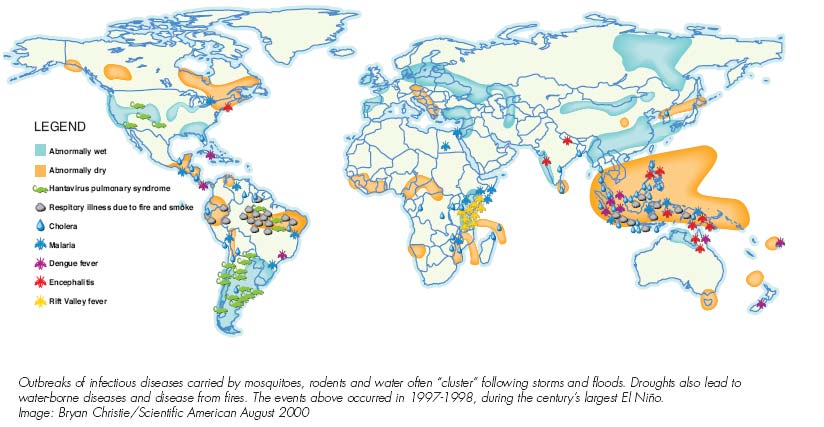
The map below (Figure 1) shows
populations. In addition, climate
abnormally wet and dry conditions
change will affect the health of many
around the world during the century's
organisms that humans depend on for
largest El Nino event, 1997-1998. Due
survival, such as coral reefs, livestock,
to these abnormally wet and dry
crops, and trees, which will
conditions, mosquito and rodent borne
increasingly deteriorate the health of
diseases surfaced in different areas of
humans. One of the most devastating
the world, which are also represented
effects of climate change on human
in the figure. The majority of areas
health will be the increase in the
that were most affected are located in
outbreaks of diseases, such as malaria,
developing countries.
dengue fever, encephalitis, rift valley
Figure 1: Extreme Weather Events and Disease Outbreaks: 1997-1998 (Harvard Medical
School 2005 pg 35)
The increase in outbreaks of mosquito
Currently there is evidence that
borne diseases in developing countries
suggests that this form of malaria is
is one of the most dangerous effects
also becoming increasingly abundant
associated with climate change.
in Venezuela and Sri Lanka.
Malaria is one of the most prevalent
Outbreaks of malaria are caused by
and deadly of these diseases, and it is
flooding and abnormally wet
currently plaguing many developing
conditions, and can also be linked to
countries, causing between one and
drought conditions. For example,
three million deaths per year. The
flooding in Mozambique in February
most dangerous form of malaria is
and March of 2000 caused a malaria
Plasmodium falciparum and is the
epidemic. In Brazil, due to abnormal
most abundant form in Africa.
droughts in the 1980s and 1990s which
11
caused crop failure and famine, people
rate, producing more pollen. Warming
were forced to migrate to other areas of
temperatures have also been causing
the Amazon where they subsequently
plants to release pollen earlier each
contracted malaria and brought it back
year, resulting in longer growing
to their home towns when the drought
seasons. This phenomenon has
subsided. With increasing extreme
negative effects for those who suffer
weather events associated with climate
from asthma. In addition, droughts
change, it can be expected that more
cause increases in dust in Africa and
droughts and periods of abnormally
the Caribbean islands, which further
wet conditions will result in more
agitates respiratory ailments, and
cases of malaria throughout the world,
which has also increased forest fires in
and more specifically, in developing
Southeast Asia and the Amazon.
countries. This conclusion can also be
drawn for other mosquito-vectored
The effects of climate change on the
illnesses, such as dengue fever.
environment also cause a variety of
other negative effects on human health.
People are also experiencing increases
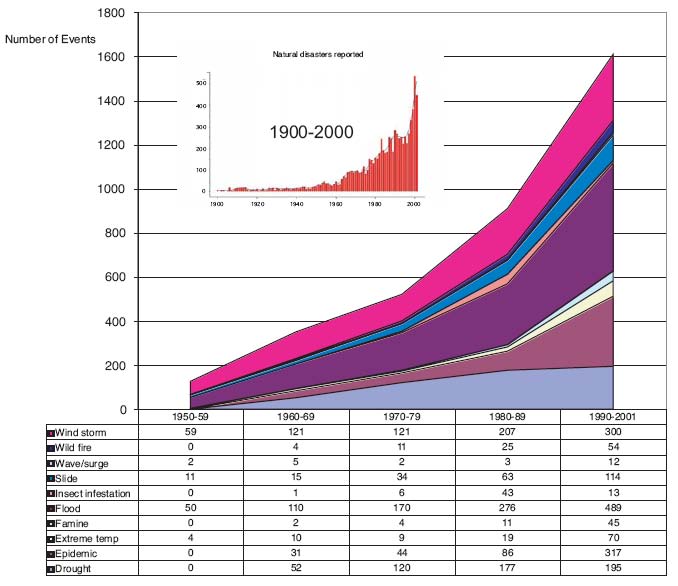
Figure 2 below shows how natural
in respiratory illnesses due to the
disasters such as wind storms, floods,
changing climate. For instance, many
waves/surge, slide, wild fires, insect
people suffer from asthma, and in
infestations, extreme temperatures, and
developing countries, asthma can be a
drought all have increased dramatically
very debilitating illness. It has been
from 1950 to 2001. All of these natural
shown that increases in CO2 causes
disasters can have potentially
plants to photosynthesize at a faster
devastating effects for human beings.
Figure 2: The Frequency of Weather-Related Disasters (Harvard Medical School
2005 pg 23)
12
Heat waves are very dangerous to
available. Another issue is the
human health, and are likely to become
contamination of fresh water by water-
more frequent as climate change
borne illnesses. In areas of frequent
progresses. For instance, during the
flooding, such as Mozambique and
summer of 2003, Europe experienced
Bangladesh, much of the freshwater
what was considered the hottest
supplies have become contaminated
summer since at least AD 1500. An
with human waste and bacteria, further
event such as this, if it occurred in the
decimating the amount of drinking
United States, "could cause thousands
water available and creating sanitation
of excess deaths in the inner cities and
issues. Diseases such as cholera and
could precipitate extensive blackouts"
typhoid are much more abundant
(Harvard Medical School 2005 pg 53).
following flooding events in
Heat waves cause death among the
developing countries (Center for
elderly, ill and very young. In
Disease Control and Prevention 2005).
addition, increased periods of heat lead
to scarce fresh drinking water supplies
As discussed in other areas of this
in some areas, increasing the demand
report, climate change will have
for water and lowering the quality of
extremely negative impacts on coral
life of some populations. Increased
reefs, including massive bleaching
humidity associated with heat waves
events and outbreaks of disease. Such
also has a negative effect on human
events will have an impact on human
health, causing discomfort, respiratory
health. Coral reefs protect many island
ailments, and further exacerbating the
States by serving as a buffer against
problem of increasing insect
storms. A 2005 report by the Harvard
populations leading to increasing
Medical School found that "[t]he total
instances of insect vectored diseases.
value of reef-related shoreline
protective services in the Caribbean
Droughts have already been increasing,
region has been estimated to be
particularly in parts of Africa (Figure 3
between US $740 million and US $2.2
in Section II.2 of this report) and South
billion per year. Depending upon the
America. This results in a shortage of
degree of development, this coastal-
drinking and irrigation water, which
protection benefit ranges from US
causes food shortages, and in turn,
$2,000 to US $1,000,000 per kilometer
malnutrition among individuals (IPCC
of coastline" (p 77). In addition,
AR4 Synthesis Report). In addition to
because reefs serve as nurseries for
drought, a rise in sea level will cause
many fish species vital to commercial
many rivers and groundwater sources
fishing industries, if reef ecosystems
to become saline, further decreasing
continue to perish the livelihoods of
the amount of fresh water supplies
many people will be affected.
13
2. Address the "climate divide" (i.e.,
Changes in the hydrological cycle will
the poorest people on earth will be
have large effects with flooding and
affected the most by climate
other extreme weather events, largely
changes) and encourage
influenced by the ocean, and occurring
international commitments and
in some of the most vulnerable areas of
funding mechanisms to respond to
the world. It is anticipated that
the differential effects of climate
developing nations in Africa (which
change on different regions and
account for less than three percent of
peoples
global carbon emissions) and Asia will
be most affected and the developed
The countries most vulnerable are
nations far from the equator least
least able to protect themselves. They
affected. The map below (Figure 3)
also contribute least to the global
from the 2007/2008 UNDP Human
emissions of greenhouse gases.
Development Report shows which
Without action they will pay a high
parts of Africa are predicted to
price for the actions of others.
experience an increase in drought
conditions due to climate change. Asia
--Kofi Annan
will be particularly vulnerable to the
effects of climate change, especially
In its 2007 report, the IPCC, amid
major population centers at low
growing global concern, called urgent
elevations including: Mumbai, India;
attention to the growing "climate
Shanghai, China; Jakarta, Indonesia;
divide" that exists between the
Tokyo, Japan; and Dhaka, Bangladesh.
developed and the developing world--
The five most vulnerable countries
that is to say, the brunt of the damage
with large populations are China,
acting as the catalyst for global climate
India, Bangladesh, Vietnam, and
change has been created by the
Indonesia. The impact of climate
developed world but its impacts will be
change on developing nations,
felt most readily by the developing
especially small island developing
world. As the chair of the IPCC panel
States (SIDS), is significant and the
noted "[i]t's the poorest of the poor in
implications of these potential effects
the world, and this includes poor
range from changes in ocean chemistry
people even in prosperous societies,
and forecasted sea level rise to impacts
who are going to be the worst hit ...
on ecosystems and human health. The
[as] people who are poor are least
need to address these issues in the
equipped to be able to adapt to the
oceans community is a vital first step
impacts of climate change and
in combating the potentially
therefore, in some sense, this does
devastating effects of climate change
become a global responsibility" (IPCC
with specific attention to the
2007).
developing world and SIDS.
14
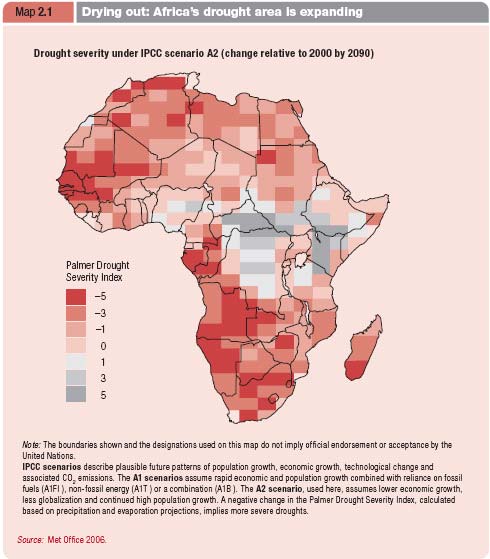
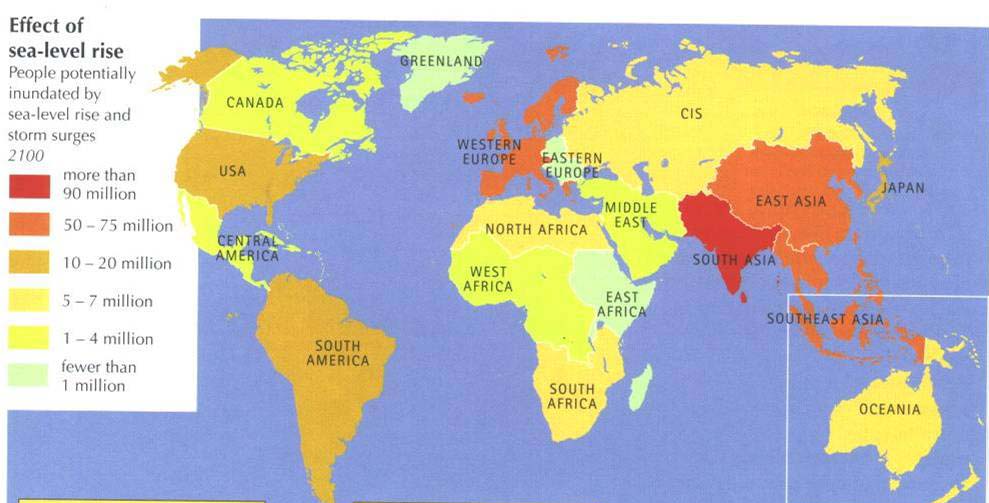
Figure 3: Changing drought conditions in Africa 2000-
2090 (UNDP Human Development Report 2007/2008 pg
107)
In certain island States people are
due to high tides and storms. One
already being evacuated due to the
hundred people living on the island of
threats of increased storm frequency
Tegua, Vanuatu, were also forced to
and intensity, and the rising sea. For
abandon their homes in 2005 due to
example, 2000 people living in the
rising sea levels. Other islands such as
Carteret Islands of Papua New Guinea
Tuvalu and Kiribati are currently
were forced to evacuate their homes
preparing plans for an eventual
and move to an adjacent island
evacuation.
following the demise of their homes
Figure 4: Effect of sea level rise
15
Sea level rise is a pressing issue not
populations are likely to be affected
only for SIDS but for other countries in
because a very high concentration of
Asia and Europe. Figure 4 above
people live in close proximity to the
shows areas of the world that could
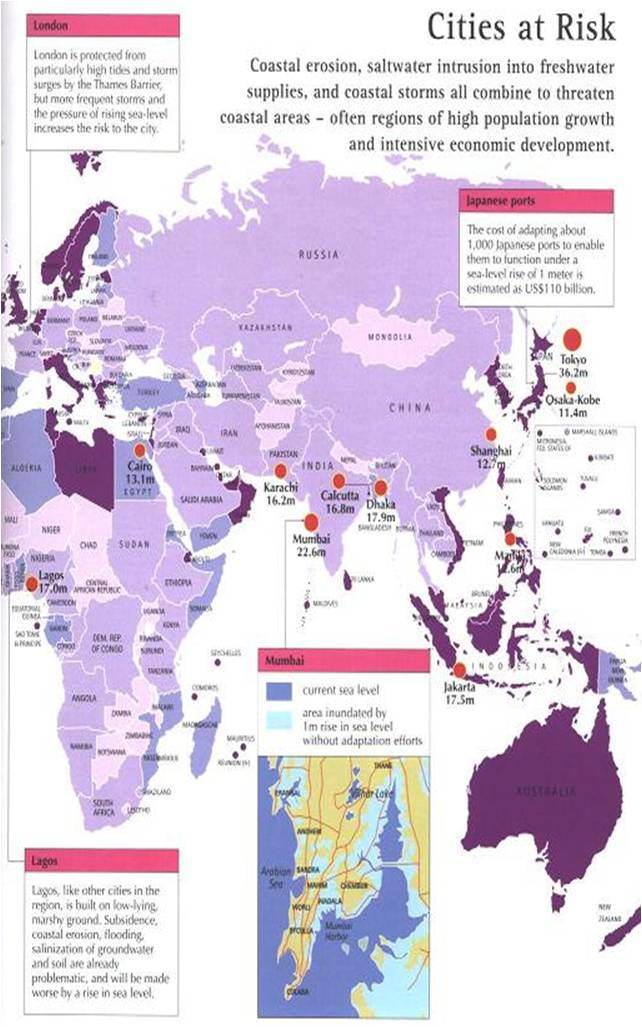
coast. The dark purple areas of the
have areas potentially inundated by sea
map below (Figure 5) show those
level rise and storm surges by 2100.
regions that had the most people (76-
Based on this analysis, people living in
100 percent of the total population)
India, East and Southeast Asia and
living less than 60 miles from the coast
Western Europe will be most affected
as of 1995. Some of these countries
by sea level rise by 2100. Within
include Vietnam, Australia, Japan,
South Asia, more than 90 million
North and South Korea, and Indonesia.
people may potentially be affected by
On the contrary, developed countries
sea level rise, and in East and
such as the United States and Canada
Southeast Asia, as well as Western
(not shown on this page) only had 1-50
Europe, between 50 and 75 million
percent of their total population living
people may be affected (Dow et al. pg
less than 60 miles from the coast.
63).
Adapting to these changing conditions
will require strategic planning among
In addition, not only are areas in India
developed and developing nations
and South East Asia more susceptible
alike.
to sea level rise, more of their
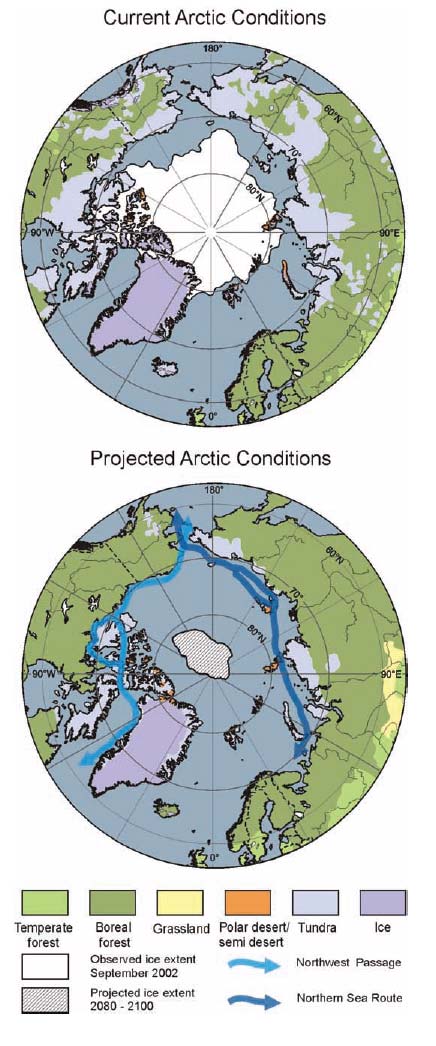
Arctic Region
The Arctic region and its
populations are particularly
vulnerable to the effects of
climate change. The indigenous
peoples there will be very much
influenced, primarily in a
negative way and with much of
these negative effects driven from
the ocean. Mean surface
temperatures are projected to
increase by another 3°C by 2050,
leading to vast reductions in
summer sea ice (Figure 6) and an
extensive loss of ice-based
ecosystems and related species.
A global temperature increase of
34°C could further result in 330
million people being permanently
or temporarily displaced through
flooding impacts, particularly
those in the Arctic region.
Figure 5: Cities at risk (Dow et al. pg 65)
16
Direct impacts, including injury and
death, in the region are expected to
increase due to exposure to extreme
temperatures and weather events. For
example, residents in some Arctic
regions report respiratory stress
associated with extreme warm summer
days not previously experienced (IPCC
2007 pg 671). Numerous, more
complex, indirect impacts on human-
environment interactions in the Arctic
are also anticipated.
Increasingly uncharacteristic
environmental conditions are being
reported throughout the region, and
evidence suggests that climate-related
injuries are exasperated as a result of
these changing conditions, such as
thinning and earlier break-up of sea
ice.
Indigenous peoples in the Arctic are
poised to be among the first and worst
impacted by the effects of climate
change. As the 2007/2008 UNDP
Human Development Report includes,
a leader of the Inuit community
commented "[t]he Arctic is the world's
climate change barometer. Inuit are
the mercury in that barometer" (UNDP
2007 pg 103).
Figure 6: Arctic sea ice (IPCC 2007 pg
659)
17
3. Encourage a wide range of
A comprehensive approach towards
adaptation efforts
'coastal change detection' will allow us
(This section is based on information provided
to more effectively identify climate
by Margaret Davidson)
threats to human and associated
ecological communities. A climate
Enhancing options for adapting to
vulnerability assessment will enable
climate change is a multifaceted
government at all levels to be more
process. First, as has long been
strategic about their physical and green
discussed, many of the physical and
infrastructure siting and investments.
ecological mitigation strategies that we
The following provides further
would wish to undertake in order to
description of some of these concepts.
'contain' the rapidly escalating costs of
For information on specific ocean-
coastal disasters are also the same
related/ocean-driven changes, as well
practices that we need to promote to
as mitigation efforts, as related to
ensure coastal community resilience in
climate change please see Sections II.4
the face of climate change. For
and II.5, respectively, of this report.
instance, siting, engineering and
construction practices with regard to
a) Mainstreaming Climate
physical structures (elevation of
Adaptation through Emphasis on
buildings, enhanced construction
Climate Variability and Extremes
standards) are designed societally and
economically. There are infrastructure
Climate adaptation
siting and design projects that are
Climate adaptation refers to the
being conceptualized today that by the
policies and actions designed and
time that they are actually built, it will
implemented to reduce the negative
be apparent that they are unfortunately
impacts of climate change. Key issues
sited or inadequate in their design
associated with adaptation include:
capacity. We need to begin now to
rescope physical infrastructure
Adaptation can have many
requirements for coastal margins and
different dimensions and is
take an approach that is economically
most effective when
strategic given limited funds
approached as an ongoing and
worldwide for physical infrastructure.
flexible process.
Secondly, the need to recognize,
Adaptation vs. Mitigation -
enhance or preserve coastal ecosystem
Climate adaptation is different
functions such as flood mitigation or
from climate mitigation, which
water filtration is even greater in an era
focuses on lessening human
of rapid acceleration of sea levels and
impacts through reduction of
increasing extremes of drought and
greenhouse gas emissions.
floods. Communities through proper
change analysis can begin to
Mainstreaming -
understand a much more strategic
Mainstreaming involves
approach toward 'green infrastructure',
integrating climate adaptation
e.g. the acquisition, restoration and
strategies into existing decision
even creation of ecologically essential
processes such as planning,
habitats so as to ensure the availability
economic development, and
of services such as wildlife corridors
environmental protection
and flood protection in a few decades
activities.
from now.
Climate Change vs. Climate
Variability and Extremes - For
18
most stakeholders and
Seventeen of the eighteen
decisionmakers, impacts
warmest years in the 20th
associated with gradual
century occurred since 1980.
increases in average
Higher latitudes have warmed
temperatures over the next 50
more than equatorial regions,
years are too distant to result in
and nighttime temperatures
immediate adaptation actions.
have risen more than daytime
Decisionmakers are, however,
temperatures.
interested in the potential near-
term impacts of climate
As the Earth warms, more
variations and extremes. There
water evaporates from oceans
is a need to more clearly
and lakes, which will
demonstrate relevant
eventually fall as rain or snow.
connections between long-term
During the 20th century, annual
climate change (e.g. long-term
precipitation has increased
temperature increases) and
about 10 percent in the mid-
shorter-term variability and
and high-latitudes.
extremes (e.g. flood frequency,
Warming is also causing
drought magnitude and
permafrost to thaw, and is
probability, rainfall intensity
melting sea ice, snow cover,
storm locations and frequency).
and mountain glaciers. Global
sea level rose 4 to 8 inches (10-
Climate Change and Variability
20 cm) during the 20th century
Overview
because ocean water expands
The summary below highlights
as it warms, and because
ongoing trends in global climate
melting glaciers are adding
change and anticipated regional-scale
water to the oceans.
impacts. Successfully engaging
The relevant question is not
decisionmakers and mainstreaming
whether the increase in
adaptation will depend heavily on the
greenhouse gases is
ability to translate long-term global
contributing to warming, but
climate change trends into regional and
rather, what will be the amount
local risks related to climate variability
and rate of future warming and
and extreme events. The information
associated climate changes, and
below comes from "Climate Change
what impacts will those
Impacts on the United States - The
changes have on human and
Potential Consequences of Climate
natural systems.
Variability and Change" by the
National Assessment Synthesis Team,
Projected climate variability and
US Global Change Research Program,
extreme event impacts at the regional
published in 2000.
scale include:
Current global climate change trends
Increases in flooding associated
include:
with stronger rainfall events,
increased saturation and overall
Global average surface
temperature has increased by
increased precipitation
over 1ºF during the 20th
amounts.
century. About half this rise has
Increases in flash flooding
occurred since the late 1970s.
associated with more sudden
19
snow melts and unseasonal
specific events or an aggregation of
rainfall.
events over time. Key characteristics
of risk-based approaches to climate
More catastrophic impacts from
more frequent and intense
adaptation include:
hurricanes.
Assessment of likelihood of
More damaging storm surges
climate events based on historic
associated with sea level rise.
trends and predictions of
More damaging overall storm
climate variability and
impacts associated with loss of
extremes.
natural buffers to sea level rise.
Assessment of the potential
Permanent loss of coastal
consequences of climate events
infrastructure to inundation
to physical, social and natural
from sea level rise.
systems.
Coastal erosion associated with
Assessment of baseline
sea level rise.
conditions and methods to
facilitate adaptive approaches
Reduction in freshwater
sources due to increased
to implementation.
evaporation from warming
Evaluation of climate
temperatures or drought
adaptation options in terms of
conditions in certain areas.
their costs and benefits in
reducing unacceptable risks.
Increasing fluctuations in
weather and climate extremes
Development of policies and
such as increased flooding in
action plans to reduce risks to
one year and severe drought the
acceptable levels.
next.
Identification of effective
Reduced availability of water
mechanisms for mainstream
resources in dryer areas,
adaptation programs into
exacerbating current
regional and local decision
competition for water among
processes.
various sectors.
Flexibility to accommodate
Increases in landslides from
changes to risks over time.
more intense and frequent
Mainstreaming through
rainfall.
connections to ongoing hazard
Permafrost thawing from
risk assessment and
warming temperatures causing
management processes.
increased erosion, landslides,
and sinking of ground surfaces.
Resiliency-Based Approaches to
Climate Adaptation
Retreating and thinning of sea
ice increasing inundation,
Vulnerability is defined as
storm surges and significant
susceptibility to damages from climate
coastal erosion.
extremes or variability. It is often
referred to as the sensitivity of a
Risk-Based Climate Adaptation
system to anticipated impacts.
Risk is the combination of likelihood
Resilience goes a step further than
and consequences. Risks are assessed
vulnerability, identifying the extent to
for both current and future conditions,
which communities have the adaptive
with the option of examining either
capacity to absorb and rebound from
20
anticipated impacts. Characteristics of
understand and predict on a
resiliency-focused approaches to
regional scale, the effects of
climate adaptation include:
climate change and variability.
Increase the understanding of
Identification of indicators of
socioeconomic relevance of
resilience capacities of
adaptation in addition to
physical, social, economic and
focusing on the natural science
environmental systems and
components.
their interdependencies with
each other.
Improve Local Relevancy of
Climate Information provide
Development of locally-
specific thresholds associated
credible climate information in
with resilience indicators.
contexts that are useful and
usable to local decisionmakers.
Identification and
It is critical to provide clear and
implementation of processes to
understandable information
assess and track community
upon which to base local
capability to withstand the
adaptation decisions.
consequences of climate
Whenever possible, link
variability and extremes.
climate change predictions to
Community-based resilience
past and current experiences
assessment processes to
with extremes and variability to
facilitate necessary
more effectively demonstrate
coordination and cooperation
meaningful context for non-
among different sectors (public,
scientists. Given the nature of
private, non-profit) and across
uncertainty associated with
numerous disciplines such as
current climate models, it is
land use planning, economic
also imperative that we
development, natural resource
improve our ability to
management, social agencies,
effectively communicate
education and emergency
uncertainty to non-technical
management.
audiences.
Mainstreaming climate
Develop Improved Risk-Based
adaptation strategies into
Tools provide risk assessment
resilience-focused policies,
tools (useful at regional and
actions and initiatives.
local scales) to identify current
and projected exposure to
Future Directions
existing and predicted climate
There are a number of things that can
extremes and variability.
be done or explored in the near future
Linking climate change
to strengthen the linkages between
variables to more local and
climate, hazards, community resilience
immediate risks associated with
and climate adaptation. Some of these
extreme events will generate
include:
higher interest and use than
tools focused exclusively on
Improve Climate Change
Impact Science through
long-term climate risks.
improved observations,
Focusing on the development
modeling and forecasting,
of risk-based tools to be used in
continue efforts to better
screening for climate
considerations as part of
21
existing planning and
considerations into decision
implementation processes will
processes. The experiences of
likely be more effective in
early audiences will provide
mainstreaming climate
case studies and best practices
adaptation than the
upon which to expand and
development of new stand
improve future activities.
alone plans.
b) USAID and the Adaptation
Develop Resilience Assessment
Guidance Manual
Processes and Tools provide
tools and information resources
In the summer of 2007 the U.S.
for use in assessing resilience at
Agency for International Development
the community scale. Link
(USAID) published a manual intended
specifically to risks associated
to assist with the integration of climate
with current and future climate
information into development and
extremes and variability.
adaptation efforts, Adapting to Climate
Identify the most appropriate
Variability and Change: a Guidance
indicators of resilience across
Manual for Development Planning to
physical, social, economic and
assist with the integration of climate
environmental systems of
information into development efforts.
communities. Develop
This is the first of many tools USAID
community-based processes
is developing to assist planners and
and methods for pursuing
stakeholders in adapting to a changing
collaborative approaches to
climate.
resilience assessment and
implementation of adaptation
The Global Climate Change Team of
strategies.
USAID has been working to address
the causes and effects of climate
Provide for Outreach, Training
and Technical Support Build
change since 1991. The organization
off of existing networks
has developed a design process
dedicated to reducing hazard
referred to as a "project cycle" that
impacts such as coastal
includes four basic steps of problem
managers, floodplain managers,
diagnosis, project design,
land use planners, conservation
implementation and evaluation. This
planners, natural resource
basic process is then further developed
managers, and emergency
into a flexible six-step approach for
managers. Those currently
assessing vulnerability and identifying
involved in hazards
and implementing climate change
management are most likely to
adaptations, termed the V&A approach
be the "early adopters" in
(Figure 5).
incorporating climate change
22
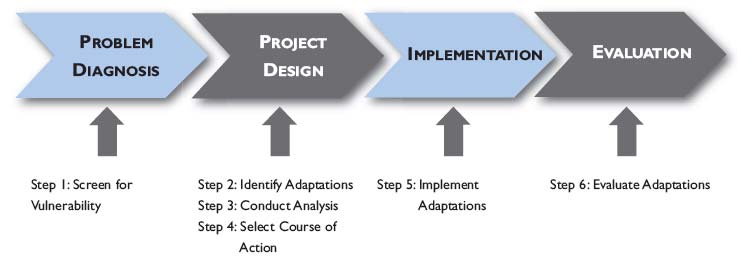
Figure 5: The Project Cycle and the V&A Approach (USAID 2007)
As noted above, the V&A approach is
steps that a certain project requires.
flexible and intended to be tailored and
Following is a brief description of the
applied to various projects at any stage.
six-step approach, which is also
The approach observes the needs of a
summarized in Figure 8.
specific project and uses only those
Figure 8: Steps to Incorporate Climate Change into Project Planning (USAID 2007)
23
Step 1: Screen for Vulnerability
ownership of both process and decision
Screening for a prospective project's
among the organization, its
vulnerability involves a determination
implementing partners,
of whether the project might be
decisionmakers, and stakeholders.
affected by climate variability or
Further, the decision must take into
climate change. This also involves
account a nation's economic,
determination of whether or not a
environmental and social goals, not in
project is within the organization's
terms of the success of the project.
manageable interests, capacity, or
resource constraints. Furthermore,
Step 5: Implement Adaptations
analysts must be cognizant that not
Implementation typically includes the
only are some projects particularly
following: better definition of the
sensitive (e.g. water resources, coastal
specific tasks, schedule, and roles of
development, and natural resource
the implementing partners,
management), but also that projects
decisionmakers, and stakeholders; and
will likely need to rely on readily
resource requirements.
available information and expert
Step 6: Evaluate the Adaptations
opinions. According to USAID "[t]he
This step is taken to determine whether
most difficult part of adapting to
the project delivers the intended
climate change will be gathering data
benefits and/or causes unanticipated
about climate change for a specific
adverse outcomes.
location and interpreting that data to
understand possible impacts on your
Evaluation should also be conducted of
project".
the process itself to determine how
Step 2: Identify Adaptation Options
well the steps worked, the role
Step 2 involves the compilation of an
stakeholders played, the usefulness of
initial list of adaptation strategies and
the analysis, etc. For further
the application of a mutually agreed
information on this process please visit
upon process by the organization, its
the USAID 2007 report at:
implementing partners, and
http://www.usaid.gov/our_work/enviro
stakeholders. The initial list is then
nment/climate/docs/reports/cc_vamanu
prioritized. A high degree of
al.pdf
participation, including local and
national decisionmakers and
c) ICZM, IWRM and the LME
stakeholders, should be pursued.
approach
Step 3: Conduct Analysis This step
In addition to the above adaptation
is conducted to evaluate each of the
methods, we must remain cognizant of
adaptation options for effectiveness at
those tools which have been effectively
building resilience to the effects of
utilized by the global oceans
climate change. Imperative in this step
community to adapt to changing
is consideration of the project's
environmental conditions. Integrated
timeframe, budget, and analytical
coastal zone management (ICZM),
requirements for implementation. A
integrated water resources
variety of criteria can be used in this
management (IWRM) and the Large
analysis, listed in the report.
Marine Ecosystem (LME) approach
are arguably the best management
Step 4: Select Course of Action In
tools the global community has for
selecting an adaptation option it is
adaptation to climate change and
important to engender a sense of local
ensuring environmental security.
24
Further, their successful application
reduction, and transfer through
has been demonstrated and
insurance and innovative financial
documented. These approaches are
instruments and funding mechanisms.
embraced at varying levels of policy
by a growing number of countries as a
d) UNDP adaptation learning
means to balance multiple users, build
mechanism (country-level data)
the integration across sectors and
increase benefits from coastal and
The Adaptation Learning Mechanism
marine resources while sustainably
is a GEF project capturing and
managing the ecosystem to ensure its
disseminating adaptation experiences
continued production of goods and
and good practices via an open
services.
knowledge platform, with co-financing
from the Swiss Agency for
These methods require adaptive,
Development and Cooperation and the
ecosystem-based management which
Institut de l'Énergie et de
allows mangers to: focus on the
l'Environnement de la Francophonie.
structures, processes, resilience,
UNDP is implementing the project in
functions and interactions among
partnership with World Bank and the
ecosystems; respond to the complex,
United Nations Environment
shifting interactions; and, alter
Programme (UNEP). Launched in
management schemes in light of new
December 2007, the ALM Web site
information and enhanced
provides access to adaptation
understanding of ecosystem processes.
resources, including project case
In applying ICZM, IWRM or the LME
studies, best practices and other tools,
approach managers should be aware
such as the UNDP-developed database
that the specific stages of the processes
of adaptation profiles of individual
will vary according to the area being
countries. Initially developed by
managed and the actors involved.
UNDP, the country adaptation profiles
Coastal and ocean managers should
contain climate-change adaptation
further keep in mind that the transition
information for over 140 developing
to these approaches to oceans must be
countries. This regularly updated
incremental and collaborative.
online database includes information
ranging from key vulnerabilities to
Climate variability is introducing new
historical scientific data on climate
threats to human and environmental
risks, climate change and impacts
security, creating a need for
projections, and links to related online
policymakers, governments and
resources and project Web sites.
stakeholders alike to invest in building
Country profiles also allow user
capacity in ecosystem-based adaptive
submissions of related documents and
management approaches at all levels,
links.
and deploy these methods to manage,
http://www.adaptationlearning.net/
reduce and adapt to vulnerability and
risk. ICZM, IWRM and the LME
e) Nairobi Work Programme on
approach facilitate this process by
Impacts, Vulnerability & Adaptation
providing methods which bridge
to Climate Change
science and policy based on the
precautionary principle, embrace the
Unlike mitigation of greenhouse gases,
use of environmental valuation, flows,
adaptation to the impacts of climate
and payments for ecosystem services,
change is a cross-cutting theme under
and expand access to risk management,
the UNFCCC, which in 2006
25
mandated the five-year Nairobi Work
f) Gender and Climate Change
Programme on Impacts, Vulnerability
and Adaptation to Climate Change
From a gender perspective, a
(NWP) to assist countries, in particular
significant breakthrough was achieved
developing countries, least developed
at COP13 in Bali: For the first time in
countries and SIDS, to improve their
UNFCCC history, a worldwide
understanding and assessment of
network of women, organizations and
impacts, vulnerability and adaptation,
institutions, gendercc women for
and in making informed decisions on
climate justice
practical adaptation actions and
(http://www.gendercc.net/), was
measures to respond to climate change
established. The group published
on a sound, scientific, technical and
several position papers articulating the
socioeconomic basis, taking into
women's and gender perspectives on
account current and future climate
the most pressing issues under
change and variability, through nine
negotiation, and for the first time a
areas of work: methods and tools; data
range of activities on women's and
and observations; climate modeling,
gender issues was organized in
scenarios and downscaling; climate-
conjunction with the COP. Women for
related risks and extreme events;
Climate Justice call upon governments,
socioeconomic information; adaptation
international agencies and all
planning and practices; research;
stakeholders to confront in particular
technologies for adaptation; and
the causes of vulnerability to climate
economic diversification.
change, and to ensure gender equity in
all phases and aspects of funding:
The expected outcomes of the NWP
when designing, implementing, and
are enhanced capacity at the
evaluating proposals, and in reporting
international, regional, national,
on programs.
sectoral and local levels to further
identify and understand impacts,
Adaptation must be defined as an
vulnerability, and adaptation
integrated concept, which is targeting
responses, and to select and implement
the causes of vulnerability in social
practical, effective and high-priority
groups and in particular of women.
adaptation actions; improved
Whereas new funding mechanisms are
information and advice to the
needed to cover the costs of adaptation
UNFCCC on the scientific, technical
for those countries contributing
and socioeconomic aspects of impacts,
proportionally little to climate change
vulnerability and adaptation; enhanced
and lack the resources to cope with its
development, dissemination and use of
impacts, the same applies within
knowledge from practical adaptation
nations, where women and the poor
activities; enhanced cooperation
suffer the impacts of climate change
among all actors, aimed at enhancing
disproportionately, inter alia due to
their ability to manage climate change
lack of information, capacity, financial
risks; and enhanced integration of
constraints.
adaptation to climate change with
sustainable development efforts.
Women and gender experts should be
Climate, oceans and security policies
involved in the development of
can effectively be aligned with and
funding criteria and programs as well
build on Nairobi Work Program
as in decisions about funding. Gender
objectives.
analysis should be mandatory and
attention should be paid to meeting
26
both quantitative and qualitative
inequalities, while encompassing a
targets for the participation of women,
gender perspective. Gender sensitive
with primary consideration to impacts
indicators for measuring progress in
of programs on the social situation of
the review of funds, programs and
women and men in all aspects of their
mechanisms should be based on these
lives, communities and livelihoods.
criteria.
Women are rarely involved in
technology needs assessment or
Women and men do not have equal
transfer schemes; strategies need to be
access to property, money, funds and
developed for technology exchange
markets, hence benefits from funding
processes to help rural and indigenous
and financing mechanisms are also
women increase household
unequal. Gender analysis should
productivity and alleviate work loads
include examination of the effects of
while adapting to climate change.
market-based approaches on women,
Adaptation and mitigation technologies
indigenous and poor communities, in
need to be embedded in broader
order to ensure that factors critical to
capacity building and properly adapted
sustainable development, such as
to women's needs.
social justice, gender equality and
poverty reduction, are not overlooked.
Gender responsible criteria for
Women for Climate and Justice have
programs/projects should include
proposed that the UNFCCC allocate 20
social and economic justice, women's
percent of all donor funds to be
human rights, environmental
earmarked for activities and projects
sustainability, and contributing to the
explicitly addressing women and
reduction of poverty and social
designed by women / gender experts.
27
4. Understand and Address Global
extinctions at the margins or edges of
Ocean Changes (ocean warming,
various species' current distributional
ocean acidification etc.)
ranges, and in any event most think
that the impact of ocean warming on
Global oceans changes are occurring at
various marine species will be most
rates and in ways unprecedented. For
pronounced at the northern and
example, recent analyses by the
southern margins of their customary
National Oceanic and Atmospheric
ranges. Moreover, because these
Administration (NOAA) provide
margins or transitional regions are
evidence of high rates of warming in
usually characterized by greater
all but three (94 percent) of the world's
degrees of biodiversity, changes in
64 Large Marine Ecosystems (LMEs),
these margins will impact biodiversity
which significantly exceeds reports of
to a greater degree than will be seen in
the IPCC. This has serious
ocean regions that are well away from
implications for addressing the science
them. There is a need to understand
needed to understand and confirm the
and address changes in the global
preliminary climate change indicators
ocean environment to ensure its
of LME warming in relation to
sustainable production and use into the
fisheries, chlorophyll, primary
future. (See paper on fisheries and
productivity and hydrography, and
climate change, part of the Fisheries
further implications for enacting policy
and Aquaculture Policy Brief).
to address these extreme changes. (See
findings of the Working Group on
a) Background
Large Marine Ecosystems).
While climate change science has
Global warming's impact on the
made considerable progress, large
world's fisheries provides another
uncertainties still continue to exist in
example. A variety of future climate
regards to our understanding of the
change projections have been proposed
impacts of climate on change on
in relation to climate change and
oceans, their biota and ecology. Much
fisheries, ranging from the mildly
of the current scientific research has
beneficial to the truly catastrophic. At
focused on climate change impacts in
the most benign end of the spectrum, a
coastal regions, particularly in regards
few scientists have suggested that a
to coral bleaching and sea level rise.
general global warming of ocean
Less is known about potential impacts
waters will increase global ocean
to open oceans and deep seas Tables 3
productivity. However, even these still
a-h below summarize some of the
concede that this will be accompanied
anticipated effects of climate change
by significant changes in species
on the marine environment.
distributions and ecosystem
biodiversities. Some have also
Climate change may bring about large
suggested that the general warming
changes in ocean temperature and
trend will especially increase the
circulation. In 2006, the German
productivity of new species in high-
Advisory Council on Global Change
latitude regions. Most mainstream
(WBGU) released a Special Report,
scientists, however, have offered
"The Future Oceans Warming up,
projections describing more disruptive
Rising High, Turning Sour" which
changes in marine-species distribution
shows that climate change is having
and ecosystem biodiversity. Some also
severe impacts on the state of the
add that there will be outright
oceans. Three critical processes, ocean
28
warming, ocean acidification and sea-
high seas. Dynamics of pelagic
level rise, are a direct outcome of the
systems depend largely on sea water
atmospheric enrichment of pollution
temperature and current flow patterns,
with greenhouse gases, especially
which affect the magnitude and
carbon dioxide. The report emphasizes
temporal and spatial distribution of
the need for a rapid response - because
primary productivity. These factors, in
of the major time lags, human action
turn, affect the distribution of
now will determine the state of the
zooplankton, pelagic fishes and other
oceans for many centuries to come.
pelagic megafauna. However, the
extent to which climate change may
According to the fourth IPCC report,
threaten species in the pelagic systems
observations since 1961 show that the
requires further research. For example,
average temperature of the global
there is as yet insufficient knowledge
ocean has increased to depths of at
about impacts of climate change on
least 3000 meters and that the ocean
regional ocean currents and about
has been taking up over 80 percent of
physical-biological linkages to enable
the heat being added to the climate
confident predictions of changes in
system. Most coupled ocean-
fisheries productivity.
atmosphere models suggest a
weakening of the convective
c) Ocean acidification
overturning of the ocean in the North
Atlantic and around Antarctica, which
According to the fourth IPCC report,
would affect ocean circulation and
the uptake of anthropogenic carbon
could have significant regional impacts
since 1750 has led to the ocean
on climate. Conditions setting up such
becoming more acidic with an average
changes may be initiated in the 21st
decrease in pH of 0.1 units. Increasing
century, but the effects may not
atmospheric CO2 concentrations lead
become evident until centuries later.
to further acidification. Projections
based on SRES scenarios give a
Oceanographic changes caused by
reduction in average global surface
climate change may affect marine
ocean pH of between 0.14 and 0.35
organisms in a variety of ways
units over the 21st century. While the
including their abundance, distribution
effects of observed ocean acidification
and breeding and migration cycles.
on the marine biosphere are as yet
These changes may cause community-
undocumented, the progressive
level shifts that will affect the
acidification of oceans is expected to
functioning of the oceanic ecosystem.
have negative impacts on marine shell-
In addition, international studies
forming organisms and their dependent
indicate that the productivity of marine
species.
systems will be affected by climate
change. These changes may also
Consequently, ocean acidification
influence the ability of ocean
presents a potentially serious future
ecosystems to produce food for human
threat to cold water coral reefs and
consumption.
plankton with calcareous shells (such
as foraminifera). Increasing
b) Climate change and the pelagic
acidification de-saturates aragonite in
environment
water, making conditions unfavorable
for corals to build their carbonate
Climate change may have a potentially
skeletons. Current research predicts
large impact on pelagic systems in the
that tropical coral calcification would
29
be reduced by up to 54 percent if
shallower by several hundred meters,
atmospheric carbon dioxide doubled.
thereby raising the prospect that areas
Because of the lowered carbonate
once suitable for coldwater coral
saturation state at higher latitudes and
growth will become inhospitable in the
in deeper waters, cold water corals
future. It is predicted that 70 percent of
may be even more vulnerable to
the 410 known locations with deep-sea
acidification than their tropical
corals may be in aragonite-
counterparts. Also, the depth at which
undersaturated waters by 2099.
aragonite dissolves could become
Table 3(a): Warming, heat content
Observed
Since 1961 significant increase measured in ocean heat content warming in top
changes, or
700/750m; in N.A. to 1000 m, under Gulf Stream-N.A. current at 40°N, there
variations
warming is possibly deeper but so far has not penetrated bottom waters;
increased surface warming in Arctic; ice cover in Arctic decreasing
Inferred or
Accounts for over 90% of possible increase of Earth's heat content; ocean heat
conjectured
content variability is a critical variable for detecting effects of GHG increases or
resolving heat balance; slower ocean circulation, increased density layering
Modeling
Increase in ocean heat content from 1993-2003 from 2 models are much larger
results
than observed; rising SST leads to increasing El Niño frequency; decreasing ice
cover, increasing sea level, but some rates at lower end are lower than observed
rates
Effects,
Possible increased uptake of CO2 through photosynthesis, but warming results
impacts,
in more release; sea level rise through thermal expansion, melting of ice;
confirmed or
increased humidity, spreading of diseases; decreased ocean ventilation; changes
possible
in biodiversity, biological systems, migration of species, harmful algae; possible
changes in deep-bottom water formation, thermohaline circulation;
intensification of weather, hydrological cycle, droughts, precipitation, runoff
Possible policy Need quantifications, economic coupling; human security complexes with
implications
changes in food, health, hazards due to weather, flooding, climate variability
Table 3(b): Salinity, fresh water content, hydrological cycle
Observed
Subpolar surface and intermediate waters freshened in Atlantic, Pacific;
changes, or
intermediate waters around 1000m freshened in southern hemisphere in Atlantic,
variations
Pacific; in northern hemisphere freshening in Pacific with decrease in oxygen
content; in N.A. layer around 1000m saltier due to Mediterranean Outflow
Inferred or
Estimates of changes in freshwater suggest freshening of ocean; pattern in salinity
conjectured
changes compatible with changes in hydrological cycle, precipitation, larger water
transports in atmosphere from low to high latitudes; agrees with increase in
hydrological cycle over ocean
Modeling
--
results
Effects,
Could result in changing ocean circulation, advection and overturning; changes in
impacts,
heat, salt distribution linked to changes in ocean circulation, changes in
confirmed or
hydrological cycle and freshwater exchanges between ocean basins; possible
possible
changes in ocean biological production, biodiversity, species distributions
Possible policy Freshwater balances and availability; changes in river flows, precipitation, flooding
implications
and desertification/drought conditions; spreading of diseases; changes in
agricultural and food stock productions; a comprehensive security approach called
for concerning water, food and health
30
Table 3(c): Ocean circulation
Observed
Strong variation in N.A. circulation over last decades; N.A. oscillation variability
changes, or
and increase since early 1960's; sedimentary records show changes in N.A.
variations
circulation during glacial climate, cut off of warm water flow to northern seas,
fronts displaced south, Gulf Stream diverted
Inferred or
Not known if these are trends; formation of deep water reduced; warming expected
conjectured
to give slower ocean circulation, increased density stratification, slowing down
vertical transport of carbon-positive feed back
Modeling
Some suggest slowing of thermohaline circulation and deep water formation in
results
N.A.; model projections show large range in possible changes, high uncertainty
Effects,
Ocean ventilation reduced; decrease in heat transfer to north; possible effects on
impacts,
coastal and shelf seas giving increased export of nutrients and carbon to deep sea, or
confirmed or
increased inflow to shallow seas; possible effects on biological community
possible
structures; influences on pelagic ecosystems, zooplankton, fish, others; effects on
particular biodiversity areas such as coral reefs, seamounts, vents, combined with
other factors as acidification, warming, species changes, inflows of new species
Possible policy Need quantify and look at synergistic effects and feedbacks potentially amplifying
implications
other effects
Table 3(d): Oceanic uptake of CO2; other GHG's; acidification; generation of aerosols
Observed
Oceanic uptake of emitted CO2 in 1750-1990 42%, 1980-2005, 37%; flux of
changes, or
carbon out 90Gt, in 92Gt in mean annually; oceanic uptake over decade 2.2 Gt/year;
variations
increase of inorganic C in ocean 120Gt since 1750, about 1000Gt stored in ocean
surface layer; 50% of uptake in top 400m; deepest penetration about 1000m in N.A.
and sub-Antarctic; tropical ocean is out-gassing CO2; high growth-rates coupled to
El Niño events then leads to low uptake; extra-tropical northern hemisphere net
sink; Southern Ocean large sink; carbonate buffer system transforms C from CO2
into dissolved C; methane is released from sea floor, observations suggest most is
absorbed in sea water; ocean ecosystems affect the chemical composition of the
atmosphere: oxygen, NO2, dimethyl sulfide, sulphate aerosols
Inferred or
Likely a decrease in CO2 uptake due warming and acidification, positive feedbacks;
conjectured
saturation can occur, which has been indicated for Southern Ocean; carbonate
saturation depth shallows; small percentage of methane released from sea floor can
reach atmosphere; coral reef calcification reduced by 50% for doubling of CO2 level
in atmosphere, cold water coral reefs potentially even more affected, as well as
sponge reefs
Modeling
Model results suggest overall effect of combined carbon-climate systems
results
interactions gives positive feedback, giving higher CO2 levels than without the
interactions; up to 70% of known 410 locations of deep sea corals may be in calcite
(aragonite) undersaturated waters by 2099
Effects,
Acidification, decrease in carbonate concentration, availability of carbonate,
impacts,
bicarbonate ions with impacts on ecosystems, calcifying organisms, corals;
confirmed or
saturation depth shallows, serious for high latitude ecosystems; shifts in ecosystem
possible
structure, changes in biodiversity and marine food web; increase in CO2 in
atmosphere increase partial pressure of CO2, resulting in increasing acidity, and
decreasing ocean buffer capacity; a decrease in uptake capacity for CO2 is certain
and serious; dissolution of carbonate from ocean floor will increase, impact not
known; sulphate aerosols counteract warming by GHG, but their residence time
much less than CO2; feedbacks very difficult to quantify involving physical and
biochemical processes; acidification is a very serious threat to calcite forming
31
species such as coral reefs, which are also particularly threatened due to other
changes such as warming, sea level rise and shallowing of saturation depth, for cold
water reefs in particular
Possible policy Effects confirm GHG emission is a global problem which should act as a unifying
implications
not a dividing force; ocean can provide for various contributions to remedies and
adaptations including alternative renewable energy sources as wind, waves, tidal,
ocean thermal energy conversion; sequestration of CO2, theory and experiments
suggesting it can be done, but implications must be studied; role of sea floor in
climate system needs be considered, for biodiversity, genetic resources, and
acidification; this includes abyssal plains, hydro-thermal vents, cold seeps,
biodiversity hot-spots, life below the sea bed
Table 3(e): Biological production, ecosystems, biodiversity, nutrients
Observed
Nutrient inputs increased due to increased fertilizer use and waste water releases;
changes, or
confirmed by enhanced areas of eutrophication; atmospheric inputs reach open
variations
ocean; nitrogen cycle accelerated (fertilizer, agriculture, fossil fuel uses); increase in
plankton blooms suggested in high north latitudes; shifts in plankton biomass
observed in N.A., N.P., S. Indian Ocean; changes in nutrient levels found in all deep
waters, no clear pattern; decrease in oxygen content in intermediate waters
Inferred or
Warmer water could lead to higher photosynthetic uptake of CO2, but increased
conjectured
stratification, decreased ventilation giving lower nutrient inputs from below can
counter this; warmer climate may decrease inputs of micronutrients as zinc, iron to
open ocean through decreased dust deposition, a positive feedback through decrease
of CO2 uptake; inferred decrease by 6% of primary production since 1980's to late
1990's; large scale changes in ocean conditions clear, including in biodiversity
Modeling
Changes in ocean productivity are key to reconstruction of conditions in other
results
climate periods, including on winds, currents, by means of isotope paleontology;
not clear if observed large scale changes in open ocean conditions are caused by
natural variability or represent trends of change due to anthropogenic influences
Effects,
Increased photosynthetic production would increase uptake of CO2, decreased
impacts,
would decrease it; possible changes in plankton species and biodiversity, with
confirmed or
influences on food web and higher production, fish migration and distribution, also
possible
influenced by changing physical conditions; decrease of nutrient inputs through
decreased interior upwelling and ventilation of intermediate waters decrease
primary production, decrease CO2 uptake and release of oxygen; increased
temperature leads to increased rates of oxygen consumption, faster re-
mineralization; changes in biodiversity can influence food web, and impact pelagic
biological systems; displacement, extinction of species, possibly genetic resources,
which could be needed for biological adaptation/production
Possible policy Research on effects of acidification and biodiversity; continue/enhance observations
implications
over long term to clarify trends; role of ocean floor in climate and biological
system; management of fisheries, top ocean predators, productive fish; ensure fast
release of new results, adaptive management; creation/use of protected areas; need
for much education on climate change implications; loss of biodiversity and genetic
resources also show this is a global problem which should act as a unifying force
needing a global shared policy with a comprehensive security approach
32
Table 3(f): Sea level
Observed
Global mean sea level rose 1.8mm per year for decades prior to 1990; increased to
changes, or
3.1mm in 1990's, decade 1993-2003 thermal expansion in top 750m generated
variations
1.6mm per year; loss of ice sheets 2.8mm; rise is not uniform: largest in western
Pacific and eastern Indian Ocean; dropping sea level in eastern Pacific and western
Indian; large regional variability due to S, T, freshwater
Inferred or
Thermal expansion accounted for 0.4mm; thermal expansion 1.5mm; climate
conjectured
change main factors of sea level change and associated budget; rise appears largest
along coasts; climate variability has large effects; El Niño effect 10mm 97-98, and
at Pacific islands 20cm or larger; some uncertain factors not included in projections;
ice-melting in particular uncertain; unabated warming could give a 7-7.5 feet rise
Modeling
Actual sea level rises seem to follow uppermost limit of model forecasts, or be even
results
larger; model projections suggest rates of 4mm per year
Effects,
Increased coastal erosion, inundations, flooding combined with more frequent and
impacts,
stronger possibly more persistent storm events, and with tidal motion; shifts in
confirmed or
wetlands, possibly migrations of such, coral reefs, mangroves, tidal flats; loss of
possible
coastal protections from such ecosystems; long-term changes relatively certain,
coasts in retreat, no coastal stability, enhanced erosion
Possible policy Security concern for humans, infrastructure, zonation schemes; diseases, insurance
implications
and coastal protections; risk and vulnerability evaluations, assessments of
construction norms, enforcement of norms, codes, zonations; ensure coastal
observations, data banks, development of forecasting tools and their proper use;
adaptive management; sea level rise also shows climate change as a global problem
calling for a common response policy, acting together within a comprehensive
security philosophy, considering interdependencies and synergistic effects
Table 3(g): Weather and variability
Observed
Confirmed changes, increases in extreme storm events, strengths and frequency in
changes, or
mid-latitudes; changes in precipitation and drought conditions increases; record
variations
breaking weather events globally in 2007
Inferred or
Changes in tropical cyclone distributions, frequency, strengths; stronger effects of
conjectured
El Niño, other oscillations like Indian Ocean Dipole, North Atlantic Oscillation
Modeling
Increasing trend in extreme weather events over the past years confirmed (IPCC);
results
climate variability can be modeled and reasonably forecasted
Effects,
Increasing intensity and frequency of coastal disasters; inland flooding due to
impacts,
precipitation, river overflows, generating loss of infrastructure; heat waves,
confirmed or
humidity with impacts on human health; spreading of diseases, migration of
possible
species, invasive species can be harmful to agriculture, health; loss of food
production, agricultural losses; seasonal patterns/regularity changing with earlier
heating, displaced rainy season, changed timing of primary production;
consequences for human health due to changes in ocean ecosystem structures,
bacteria-virus; disease now spreading faster
Possible policy Security needs more attention; well-managed environment helpful; awareness,
implications
combined with adaptation, protection and mitigation; ensure observation, data
exchange, use of forecasts, education, strengthen model-based seasonal forecasting
with international coordination, cooperation between centers; risk evaluations
critical, combine with modeling forecasting tools; changing weather and seasonal
conditions also bring out the globality and unifying aspects of the overall problem
33
Table 3(h): Arctic Basin
Observed
Warming; decreasing ice coverage, record low ice cover in 2007; permafrost
changes, or
decreasing; retreating glaciers and Greenland ice cover; biological degradation
variations
threats to top level parts of system, bears, walrus; sea level rise shrinking habitats
for wildlife and coastal life
Inferred or
Ice cover decrease appears to occur much faster than forecasted; accelerated loss in
conjectured
Greenland; potentially serious consequences for ocean conditions, effects on the
circulation, overturning, ventilation, and changing circulation in Arctic basin
Modeling
Models predict loss of ice cover 2.5% per decade; observed loss larger by about
results
factor of 3; open water season will increase in length by a factor of 2-3 over few
coming years
Effects,
Increased pressure on whole environment, increased exploration pressure and
impacts,
competition, including hydrocarbons, minerals mining, fisheries, shipping; threats
confirmed or
to biodiversity; positive feedbacks through methane releases, decreased reflection;
possible
accelerated coastal erosion, coastal instability; enhanced extreme weather exposure;
enhanced agricultural possibilities in Greenland; impacts will reach beyond Arctic
through possible changes in ocean circulation, leaking out of other substances,
permafrost melting releasing methane and oxidizable carbon
Possible policy Increased political tension requires more intergovernmental dialogue; regional,
implications
possibly global regime formation, with comprehensive security needs; change
threatens all aspects of northern life, and opens up to broader and more frequent
accessibility
34
5. Properly manage mitigation
sailing with the wind is mainly a sport
efforts that use or rely on the oceans
and a recreation, although taking many
--alternative energy
different forms. There have been
--carbon storage and
attempts to introduce sailing ships as
sequestration
commercial transport alternatives,
--restoration and sustainable
using computer technology to manage
management of coastal
the sails. However, this has not
ecosystems
established itself. Wind energy is,
however, being tapped for electricity
Increasingly, the oceans are being
generation in some countries where the
looked to not only as alternative
topography of the land is suitable, for
renewable suppliers of energy, but as
instance in many European countries.
storage sites for carbon dioxide and
Many of these countries also use the
other greenhouse gases as well. Yet in
coastal winds and plan for sea-based
many instances the technology is
windmills to generate electricity.
lacking, has extremely high
Large-scale offshore windfarms have
implementation or operational costs, or
already been implemented and are in
has unknown consequences. This
operation in Denmark and Ireland.
section will briefly address emerging
initiatives in this field and potential
The energy of the tides has been
problems that may arise as we look to
tapped for some time in areas of large
the oceans to mitigate the effects of a
tides with related strong tidal currents.
changing climate.
These are predictable, regular, and
sustained and thus very suitable as
a) Alternative energy and the oceans
renewable energy sources. Along the
European coasts tidal mills have
Another important resource originating
supplied mechanical power for
from the ocean, also as food in the
hundreds of years, using the rise and
form of energy for humans, is
fall of the tide, or the tidal current.
renewable energy from the tides, the
Through immigration from Europe this
wind, the waves and currents, and the
technology has also been introduced in
temperature (heat content) differences
America.
between the surface layer and the
deeper waters in tropical-subtropical
In our time technology permits the
zones. The alternative energy sources
construction of large barrages in areas
are only very gradually becoming
of high tidal range. An example is the
commercially attractive. Despite this,
Rance barrage in Brittany, France,
considerable research and
built in 1966 (see Summerhayes 1996).
technological development as regards
This generates half a million kilowatts
these sources of energy has been going
of power per tidal cycle. The cost was
on over the last several decades. Most
100 million USD. The operating costs,
oil is subsidized. Perhaps the subsidies
however, are lower than any other
could instead be used for research on
power station in France, the fuel is free
alternative energy sources, so as to
and there are no waste products. Areas
help decrease our overall dependence
with a tidal range exceeding 10m,
on the fossil energy sources.
which appears to be the requirement,
exist in many countries, e.g. UK,
The wind, of course, was the major
Russia, Canada, China, and tidal
source of energy for shipping during
barrages have also been constructed in
the period of sailing ships. Today
these countries. The technology is
35
clearly available. Summerhayes
are also being developed and used in
(1996) presents the case of the Severn
India.
Estuary barrage project, which has
been proposed. If implemented, the 16
Some of the ocean currents such as the
km long barrage would include 216
Gulf Stream off Florida, U.S. and the
turbo-generators of 9 m in diameter,
Kuroshio off the east coast of Japan
each giving 8640 MW. The annual
flow as enormous rivers carrying many
output would amount to 17 TW hours
millions of m3 of water per second at
of electricity, equivalent to burning of
speeds up to some meters per second.
8 million tons of oil, and
This energy source could potentially be
corresponding to 7 percent of the
utilized. However, the transformation
electrical use of England and Wales.
is so far not commercially viable.
The environmental impacts must, of
course, be assessed in detail, but early
The conversion of the thermal energy
evaluations suggest they would not be
stored in parts of the ocean into
prohibitive. They should also be
electricity is a more viable option. The
evaluated in the context of the impacts
principle of ocean thermal-energy
of burning oil.
conversion, commonly referred to as
OTEC, uses the difference in
The force of the ocean surface wind-
temperature between the surface
generated waves is well known by all
waters and the subsurface waters,
sailors and can also be observed at the
about 20-25 °C over a depth range of
coast where this energy can cause
500-1000 m in the tropical zones of the
considerable disruptions. Clearly the
ocean. A first modern-type but very
energy could be used more
small closed-cycle OTEC plant was
constructively if properly tamed so as
constructed in Hawaii in 1979. Of the
to generate electricity. The power
electrical output of 50 KW, about 80
potential of an average wave per
percent was used to pump up cold
kilometer of beach is estimated at
water for the system. There is much
about 40 MW. In regions where such
potential in the OTEC principle for
waves reasonably regularly occur they
oceanic islands in the tropics lacking
could constitute a very substantial
other energy sources. Considerable
energy source with no other
research is therefore going on. The
environmental impacts than that of the
environmental impacts are mainly
required constructions. These, of
related to lowering of the surface water
course, as in the case of the windmills,
temperature and increasing the
can be substantial enough mainly with
nutrients in the euphoric zone, thus
respect to amenities and aesthetics.
possibly enhancing the biological
The wave energy can be transformed
productivity. One possibility of
by means of floating or fixed
making the system commercially
constructions. The latter uses the
attractive is actually to utilize the cold
oscillating water column generated by
subsurface waters, which are rich in
the wave to push air through a turbine.
nutrients to support mariculture
This concept has been proven by a
installations in association with the
pilot plant in the UK and is
OTEC plant. The cold water could
commercially utilized. The floating
also be utilized for air-conditioning or
devices convert the wave energy by
to cool the soil or to obtain clean
being lifted up and down through
freshwater through desalination. It is
coupling to a hydraulic system.
this combination of OTEC, mariculture
Techniques for extracting wave energy
and to achieve a number of other by-
36
products which is currently being
impacts on the marine ecosystem, and
researched in order to make the
2) on millennial timescales, a
integrated system commercially
carbonated ocean would ensure high
attractive. We see how an integrated
CO2 concentrations in the atmosphere.
approach is being adopted, involving
To date, large-scale injection of carbon
science, technology and users in
dioxide into the ocean has not been
partnerships.
done, and there have been few studies
that address the effects of such an
b) Oceanic carbon sequestration and
introduction on the marine ecosystem
storage
or studies regarding rates the diffusion
of a large amount of carbon dioxide
Carbon dioxide capture and storage
into the surrounding water masses and
(CCS) has been identified as a
ultimately to the atmosphere. Though
potential method to reduce
the UNFCCC encourages using the
anthropogenic CO2 emissions to the
ocean as a CO2 reservoir, application
atmosphere. Carbon dioxide capture
of UNCLOS is ambiguous, as marine
and storage could help to lower
carbon dioxide falls under the
atmospheric concentrations by
definition of a pollutant. OSPAR, the
gathering carbon dioxide at industrial
London Convention, and the London
point sources, compressing it, and
Protocol also apply internationally to
injecting it into geological formations
ocean storage of carbon dioxide.
and the ocean. Arguably the most
controversial component of carbon
The environmental consequences of
dioxide capture and storage, the oceans
this activity are unknown, and the
have been looked to as a reservoir due
carbon dioxide dumped in the oceans
to their enormous capacity. The large
will eventually percolate to the surface
amount of carbon in the ocean,
and back into the atmosphere. Before
approximately 38,000 Gt stored in the
CCS can be implemented on a large
deep layers of the ocean and 1000 Gt
scale as an anthropogenic supplement
stored in the surface layers of the
to the Earth's natural methods of
ocean, is 50 times the amount of
removing carbon dioxide from the
carbon stored in the atmosphere (~750
atmosphere, policy makers must be
Gt) and 20 times the amount in plants
confident that the new strategies are
and soils (~2,200 Gt). In addition,
both effective in actually reducing
there are no practical limits to the
carbon dioxide emissions over the
ocean's capacity for carbon dioxide,
long-term and facilitate safe, practical,
which may account for the ocean's
and sustainable solutions to our
appeal as a reservoir. From a ship or a
growing energy needs.
fixed pipeline, carbon dioxide could be
injected into the ocean at any depth.
c) Iron Fertilization
At depths in excess of 3000 meters,
carbon dioxide is denser than seawater
It is thought that fertilization with iron
and would sink as plumes or form
or nitrogen of large areas of the global
lakes in closed basins.
oceans may potentially sequester
carbon and increase the production of
The controversy surrounding the ocean
living marine resources. This
storage option stems from two
speculation has led to an increased
significant drawbacks: 1) even slight
focus on this possibility by researchers
increases in acidity associated with a
and the commercial sector. However,
carbonated ocean can have disastrous
this method of sequestering carbon,
37
thereby mitigating some effects of a
undertake such operations. Thus,
changing climate, while potentially
SCOR and GESAMP provide that "any
conceptually attractive, may also have
deliberate large-scale addition of
disastrous consequences. In March
nutrients to the ocean must be
2008 the Scientific Committee on
conducted in such a way that the
Oceanic Research (SCOR) of the
outcomes of these experiments are
International Council for Science and
statistically quantified and
the Joint Group of Experts on the
independently verified..."
Scientific Aspects of Marine
Furthermore, the groups call for any
Environmental Protection (GESAMP)
such experiment to be transparent and
of the United Nations released a joint
for the results be made publicly
statement to this effect. The groups
available. Finally, SCOR and
noted that while such a potential for
GESAMP recommend that carbon
ocean fertilization does exist, these
credits for ocean fertilization should
large-scale proposals fail to address a
not be allowed "unless and until
major underlying problem we simply
reliable methods have been developed
do not know how the marine
to estimate and verify the amount of
ecosystem will respond. While our
carbon actually sequestered, and side
understanding of the ocean
effects have been properly understood
environment is improving, there are
and taken into account."
still too many unknowns to be able to
38
Key sources
Dow, Kristin; Downing, Thomas E.
The sources are on the Global Forum
The Atlas of Climate Change:
website and may be downloaded by
Mapping the World's Greatest
participants.
Challenge. Earthscan. London, UK.
2006.
Observations, some current conditions
and evaluations on climate change
Gateway to the UN System's Work on
and marine areas beyond national
Climate Change. Available:
jurisdiction, Dr. Gunnar Kullenberg,
http://www.un.org/climatechange/in
former Executive Secretary,
dex.shtml
Intergovernmental Oceanographic
Commission
Global Environment Facility. "GEF
Support for Adaptation to Climate
German Advisory Council on Global
Change."http://www.gefweb.org/pr
Change. 2006. The Future Oceans
ojects/focal_areas/climate/document
Warming Up, Rising High, Turning
s/Insrt_6_GEFsupport.pdf
Sour. Special Report. Berlin.
http://www.wbgu.de/wbgu_sn2006
Guinotte, J.M., Orr, J., Cairns, S.,
_en.pdf
Freiwald, A., Morgan, L. and
George, R. 2006. Will human-
United Nations Development
induced changes in seawater
Programme. The Human
chemistry alter the distribution of
Development Report. 2007/2008.
deep-sea scleractinian corals? Front.
New York: UNDP, 2007
Ecol. Environ. 4(3): 141-146.
World Climate Research Programme
Hobday, Alistair J., Thomas A. Okey,
Briefing to IOC 2007. Available:
Elvira S. Poloczanska, Thomas J.
http://wcrp.ipsl.jussieu.fr/SF_Ocean
Kunz, Anthony J. Richardson (Eds.)
Climate.html
2006. Impacts of climate change on
Australian Marine Life. CSIRO
Other important documents and
Marine and Atmospheric Research
sources of information
report to the Australian Greenhouse
Office, Department of the
CBD. 2001. Interlinkages between
Environment and Heritage.
climate change and biodiversity.
September 2006
CBD Technical Report No. 10.
http://www.greenhouse.gov.au/impa
http://www.cbd.int/doc/publications
cts/publications/marinelife.html
/cbd-ts-10.pdf
Intergovernmental Panel on Climate
Center for Health and the Global
Change. 2007. Fourth Assessment
Environment at Harvard Medical
Report Climate Change 2007:
School. 2005. Climate Change
Synthesis Report.
Futures Health, Ecological and
http://www.ipcc.ch/ipccreports/ar4-
Economic Dimensions.
syr.htm
http://chge.med.harvard.edu/progra
ms/ccf/documents/ccf_report_oct_0
Ocean Observations Panel for Climate
6.pdf
(OOPC). Available:
http://ioc3.unesco.org/oopc/about/i
ndex.php
39
Additions to the Ocean. 4 March
Orr, J.C., Fabry, V.J., Aumont, O.,
2008. Available: http://www.scor-
Bopp, L., Doney, S.C., Feely, R.A.,
int.org/SCOR-GESAMP.pdf
Gnanadesikan, A., Gruber, N.,
Ishida, A., Joos, F., Key, R.M.,
Summerhayes, C.P. 1996. Ocean
Lindsay, K., Maier-Reimer, E.,
Resources, pp 314-337, in
Matear, R., Monfray, P., Mouchet,
Oceanography: An Illustrated
A., Najjar, R.G., Plattner, G.,
Guide. Eds. C.P. Summerhayes and
Rodgers, K.B., Sabine, C.L.,
S.A. Thorpe, Manson Publishing
Sarmiento, J.L., Schlitzer, R.,
ltd., London.
Slater, R.D., Totterdell, I.J.,
Weirig, M., Yamanaka, Y. and
The Bali Action Plan (Advance
Yool, A. 2005. Anthropogenic
unedited version). Available:
ocean acidification over the
http://unfccc.int/files/meetings/cop
twenty-first century and its impact
_13/application/pdf/cp_bali_act
on calcifying organisms. Nature
ion.pdf
437: 681-686.
The Intergovernmental Panel on
Roberts JM, Wheeler AJ, Freiwald A
Climate Change (IPCC) Fourth
(2006) Reefs of the deep: the
Assessment Report.
biology and geology of cold-water
http://www.ipcc.ch/ipccreports/ar4
coral ecosystems. Science 312:543-
-syr.htm
547
The Ocean Acidification Network.
SCOR and GESAMP. 2008. Press
Available: http://www.ocean-
Release: Position of SCOR1 and
acidification.net/
GESAMP2 on Deliberate Nutrient
40
Steering Committee, Global Forum on Oceans, Coasts, and Islands*
Co-Chairs
Management Project (MACEMP),
Satya Nandan, Secretary-General,
Charles Ehler, Consultant to UNESCO
Biliana Cicin-Sain, Director, Gerard J.
Ministry of Natural Resources and
International Seabed Authority,
Julius Francis, Executive Secretary,
Mangone Center for Marine Policy,
Tourism
Jamaica
Western Indian Ocean Marine Science
University of Delaware (also Head of
Rolph Payet, Advisor to the President,
Tiago Pitta e Cunha, Member, Cabinet
Association, Tanzania
Secretariat, Global Forum)
Seychelles
of Fisheries and Maritime
Matthew Gianni, Political Advisor,
Patricio A. Bernal, Executive-
Lori Ridgeway, Director-General,
Commissioner, European Commission
Deep Sea Conservation Coalition,
Secretary, Intergovernmental
International Coordination and Policy
Mary Power, Director, Resource
Netherlands
Oceanographic Commission,
Analysis, Department of Fisheries and
Mobilization Office, World
Vladimir Golitsyn, Professor of
UNESCO, Paris, France
Oceans, Canada, and Camille Mageau,
Meteorological Association
International Law, Moscow State
Veerle Vandeweerd, Director,
Director, Marine Ecosystems
Cristelle Pratt, Director, South Pacific
University of International Relations
Environment and Energy Group,
Conservation Branch, Department of
Applied Geoscience Commission
Lynne Hale, Director, Marine
United Nations Development
Fisheries and Oceans, Canada
(SOPAC), Fiji
Strategy, The Nature Conservancy
Programme (UNDP)
Mario Ruivo, Intersectoral
Diane Quarless, Chief, Small Island
Art Hanson, former Ministerial Ocean
Governmental
Oceanographic Commission, Ministry
Developing States Unit, UNDESA
of Science, Technology, and Higher
Ambassador, Department of Fisheries
David Balton, Deputy Assistant
Education, Portugal
John Richardson, Head, Maritime
and Oceans, Canada, member of the
Secretary for Oceans and Fisheries,
Policy Task Force, European
Canadian Foundation for Innovation
Indroyono Soesilo, Chairman, Agency
Bureau of Oceans, U.S. Department of
Commission
(CFI)
for Marine and Fisheries Research,
State
Department of Marine Affairs and
Anne Rogers, United Nations
Gregor Hodgson, Director, Reef
Phil Burgess, Director, Cetacean
Fisheries, Indonesia
Department of Economic and Social
Check
Policy and Recovery, Department of
Affairs (UNDESA)
Ambassador Enele S. Sopoaga,
Paul Holthus, Independent Consultant
the Environment and Water
Tuvalu, Former Vice-Chair, Alliance
Eduard Sarukhanian, Director, World-
Gunnar Kullenberg, Independent
Resources, Australia
of Small Island Developing States
Weather-Watch-Applications, World
Consultant and former Director,
Nguyen Chu Hoi, Director, Institute of
(AOSIS)
Meteorological Organization (WMO),
Intergovernmental Oceanographic
Fisheries Economics and Planning,
Switzerland
Chris Tompkins, Independent
Commission (IOC)
Ministry of Agriculture and Rural
Consultant
Alan Simcock, Independent
Dan Laffoley, World Commission on
Development, Vietnam
Consultant
Intergovernmental
Protected Areas-Marine, IUCN
Aldo Cosentino, Director-General,
Dann Sklarew, Director and Chief
Carl Lundin, Head, IUCN Marine
Directorate for Nature Protection, Sea
Salvatore Arico, Programme
Technical Advisor, GEF, IW:LEARN
Programme
Protection, Ministry for Environment
Specialist, Ecological Sciences,
Asterio Takesy, Director, Secretariat
and Protection of the Territory, Italy
UNESCO
Dawn Martin, President, Sea Web,
for the Pacific Regional Environment
USA
Margaret Davidson, Director, Coastal
Julian Barbiere and Stefano Belfiore,
Programme
Services Center, National Oceanic and
Intergovernmental Oceanographic
Gerald Miles, The Nature
Khulood Tubaishat, Advisor, The
Atmospheric Administration (NOAA),
Commission, France
Conservancy, Pacific Region,
Regional Organization for the
USA
Chua Thia-Eng, Partnership in
Brisbane, Australia
Conservation of the Environment of
Antonio Diaz de Leon, Director-
Environmental Management for the
the Red Sea and Gulf of Aden
Iouri Oliounine, Executive Director,
General, Environmental, Regional
Seas of East Asia (PEMSEA),
(PERSGA)
International Ocean Institute, Malta
Integration and Sectoral Policy,
IMO/UNDP/GEF, Philippines
Chika Ukwe, Industrial Development
Pietro Parravano, President, Institute
Environment and Natural Resources
Anjan Datta, Global Programme for
Officer (International Waters), United
for Fisheries Resources, World
Ministry (SEMARNAT), Mexico
the Protection of the Marine
Nations Industrial Development
Fisheries Forum
Ambassador Angus Friday, Chair,
Environment from Land-Based
Organization (UNIDO)
Sian Pullen, Independent Consultant,
Alliance of Small Island States
Activities, The Hague
Marjo Vierros, Visiting Professor,
New Zealand, and former Head of
(AOSIS), Permanent Representative of
Ahmed Djoghlaf, Executive Secretary,
Institute of Advanced Studies, United
European and Middle East Marine
Grenada to the United Nations
Convention on Biological Diversity
Nations University, Vancouver
Program, WWF International, UK
Gi-Jun Han, Ministry of Maritime
Al Duda, Senior Advisor, International
Eugenio Yunis, Chief, Sustainable
Victoria Radchenko, Director,
Affairs and Fisheries, Republic of
Waters, Global Environment Facility
Development of Tourism World
International Ocean Institute, Ukraine
Korea
(GEF)
Tourism Organization
Tony Ribbink, Director, Sustainable
Elie Jarmache, Chargé de Mission,
Serge Garcia, Independent Consultant,
A.H. Zakri, Director, Institute of
Seas Trust
Secrétariat Général de la Mer, France
and Former Director, Marine Fisheries
Advanced Studies, United Nations
Evelia Rivera-Arriaga, Centro de
Magnus Johannesson, Secretary-
Resources Division, Food and
University, Yokohama
Ecologia, Pesquerias y Oceanographia
General, Ministry for the
Agriculture Organization (FAO)
Nongovernmental
del Golfo de Mexico (EPOMEX),
Environment, Iceland
Marea E. Hatziolos, Senior Coastal
Mexico
Ambassador Jagdish Koonjul,
and Marine Specialist, Environment
Milton Asmus, International
Nirmal Jivan Shah, Chief Executive,
Mauritius, former Chair, Alliance of
Department, The World Bank
Representative, Brazilian Agency for
Nature Seychelles
Small Island States (AOSIS)
Coastal Management
Indumathie Hewawasam, Independent
Alan Simcock, former Executive
Gerhard Kuska, Associate Director
Consultant
Awni Behnam, President, International
Director, OSPAR, and former co-
and Director of Ocean and Coastal
Ocean Institute, Malta
Andrew Hudson, Principal Technical
chair, UN Informal Consultative
Policy, White House Council on
Advisor, International Waters,
Charles A. Buchanan, Administrator
Process on Ocean Affairs and Law of
Environmental Quality, USA
UNDP/GEF
Luso-American Development
the Sea
Tom Laughlin, Deputy Director,
Foundation, Portugal
David Johnson, Executive Secretary,
Nancy Targett, Dean, University of
International Affairs Office, National
OSPAR Convention, London
Torkil J. Clausen, Managing Director,
Delaware College of Marine and Earth
Oceanic and Atmospheric
DHI Water Policy and Senior Adviser,
Studies
Administration (NOAA), USA
Vladimir Mamaev, GEF Regional
Global Water Partnership
Technical Advisor, UNDP, Europe
Kristian Teleki, International Coral
Haiqing Li, Deputy Director-General,
and the CIS, Slovak Republic
Simon Cripps, Director, Global
Reef Action Network, Switzerland
State Oceanic Administration (SOA),
Marine Programme, World Wide Fund
Hiroshi Terashima, Executive
China
Franklin McDonald, Adviser, UNEP
For Nature (WWF) International
Caribbean Environment Programme
Director, Institute for Ocean Policy,
John Low, Adviser to the Minister of
(UNEP/CEP), and former Director,
Richard Delaney, Executive Director,
Ocean Policy Research Foundation,
Marine Resources for the Cook Islands
National Environmental Policy
Center for Coastal Studies,
Japan
Rejoice Mabudafhasi, Deputy Minister
Agency, Jamaica
Provincetown, Massachusetts, USA
Grant Trebble, African Marine and
of Environmental Affairs and
Vaclav Mikulka, Director, UN
Annick de Marffy, former Director of
Coastal Resource Over-exploitation
Tourism, South Africa
Division for Ocean Affairs and the
Division of Ocean Affairs and Law of
Prevention Strategy (AMCROPS),
Jan Mees, Director, Flanders Marine
Law of the Sea
the Sea (UNDOALOS), United
South Africa
Institute, Belgium
Nations International Consultant
Ali Mohamed, Coordinator, Coastal
Philippe Vallette and Manuel Cira,
Guillermo Garcia Montero, President,
and Marine Secretariat, New
Sylvia Earle, Chair, Deep Ocean
NAUSICAA, France, and the World
National Aquarium, Havana, Cuba
Partnership for Africa's Development
Exploration and Research (DOER),
Ocean Network
and Explorer-in-Residence, National
Magnus Ngoile, Team Leader, Marine
(NEPAD), Kenya
Geographic Society
David VanderZwaag, IUCN Specialist
and Coastal Environmental
Group on Ocean Law and Governance
* Please note: Members of the Steering Committee participate in their individual capacities.