Nile Basin Initiative
Nile Tr ansbound ary Environment al Action Projec t (NTEAP)
The Nile Environment
A QUARTERLY NEWSLETTER OF NTEAP
Volume I11, issue 3
July Sept 2006
Editorial
Editorial
The President of the Republic of Burundi Applauds
T his issue of the Nile Environment covers various
NTEAP Micro-grants Activities
activities of the third quarter, including micro-
grants, the impacts of macro and sectoral policies on
the environment in the Nile basin and environment
education and public awareness.
NTEAP is very proud to share with our readers the
news of the visit made by H.E the President of the
Republic of Burundi to one of the microgrants pro-
jects in Burundi, supported by the microgrants com-
ponent of NTEAP.
The micro-grants program enjoyed a very high level
political boost this quarter when the president of the
republic of Burundi H.E Mr. Pierre NKURUNZIZA
visited one of the women groups benefiting from the
NTEAP microgrants support, in Burundi. For the
president to spend one whole hour, working with the
communities, is a manifestation of the high level
political support enjoyed by NBI and a commitment
by the leaders of the NBI countries to poverty eradi-
cation. We feel greatly humbled and challenged by
the action of H.E the President of Burundi.
The NTEAP through its Micro-grants component
offers financial support to address some of the envi-
ronmental problems in the basin through community
level land, forests and water conservation, including
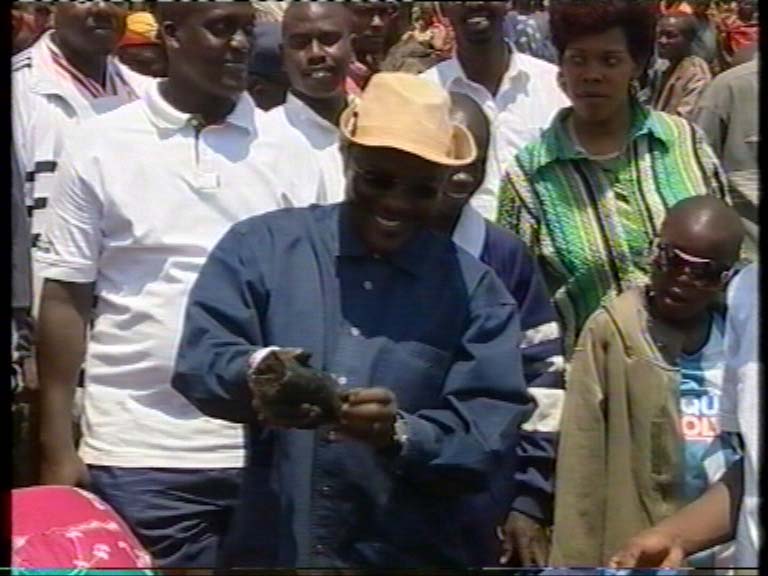
H.E Mr. Pierre NKURUNZIZA, (center with a hat) at Micro-grants Project
mitigation of soil erosion, desertification, non point
Site with Proponents
pollution and invasive water weeds. To date 118
projects, spread over the 9 participating countries,
H .E Mr. Pierre NKURUNZIZA, the president of the Republic of Burundi
have been approved by NTEAP for funding amount-
has applauded the support given to communities by the Nile Environ-
ing to $2,614,809.
mental Action Project (NTEAP) of the Nile Basin Initiative (NBI) for conserv-
ing the environment. The president made a visit to `DUKINGIRE IKIBIRA", an
An equally high level support to NBI at large was
association of 700 Burundian women, on August 21, 2006. The group is a bene-
received at the NBI countries parliamentarian orien-
ficiary of the NTEAP Micro-grants program and they recently received finan-
tation workshop which was held during July 17 to 19
cial support amounting to US$ 25,000 (Twenty Five Thousand US Dollars)
2006 in Entebbe, attended by four members of par-
liament from each of the NBI countries, including
from the Nile Basin Initiative NTEAP Programme to fund the project
parliamentarians from the lake Victoria basin coun-
"Conservation of the forests, water and soils in the MUBARAZI river catch-
tries. The parliamentarians issued a declaration in
ments.
full support of the NBI.
The president spent more than one hour working with the group on the prepa-
The high level political support is an opportunity for
ration of seedbeds for forestry and agro-forestry activities. He made an offer of
NBI/NTEAP to promote green development policies.
approximately US$ 5,000 (five million Burundi Francs) to the group for poverty
Gedion Asfaw, RPM
reduction activities (growing of potatoes, corn, vegetables and mushrooms) and
encouraged them to sustain the environmental conservation activities.
Inside this issue:
He pledged continued support, and regular visits to the women to monitor pro-
gress. "DUKINGIRE IKIBIRA" is supervised by the Association of Women for
Editorial
1
the Environment in Burundi (AFEB). AFEB sensitizes the riparian population
Visit of HE President of Burundi to Micro-grants
of the KIBIRA National Park on forest protection and other initiatives for the
Project
1
conservation of forests, water and soil, so as to prevent over exploitation of the
Macropolicies and the Environment
2
Parliamentarians Orientation Workshop
3
KIBIRA National Park natural resources .
Micro-grants funding hits $2,614,809
4
NTEAP participates in GEF 3rd Assembly
5
Salvator Ruzima NPC Burundi
River Nile Registers highest levels
6









PAGE 2
THE NILE ENVIRONMENT
VOLUME I11, ISSUE 3
Impacts of Macro and Sectoral Policies on the Environment in the Nile Basin
Require More Studies
Nile riparian coun- Technology (ICT) were some of the
tries.
reasons advanced for more studies in
this area.
Macro and sectoral
policies greatly in- The relationship between macro and
fluence the use of sectoral policies and the environment
resources and eco- at country level were examined in pa-
logical services. Fis- pers presented by the participants.
cal, monetary,
The outcome of the two day workshop
trade, investment, observed the need for new studies on
pricing and institu- impacts of macro and sectoral policies
tional policy shifts on the environment. Macro policies
all affect the scale have both positive and negative effects
and rate of environ- on the environment but the patterns
mental degradation.
Workshop Participants Outside Protea Hotel Courtyard
and magnitude are complex and dy-
namic, therefore necessitating further
T he Nile basin countries have According to the presentations during research. This was the stance at the
expressed the need to carry the workshop, the precise impact of planning workshop.
out more studies on the impacts of macro and sectoral policies on the
macro and sectoral policies on the environment is difficult to determine The studies are expected to build on
environment in the Nile Basin. The because of the vague environmental two key macro and sectoral policy is-
pronouncement was made at the indicators. `'Macro-economic policies, sues identified in the Transboundary
Regional Macro-policies planning whether or not successful in generat- Environmental Analysis (TEA),
namely; the policy issues and potential
workshop organised by the Nile ing economic growth, indirectly im-
interventions, focusing on the
Transboundary Environment
relationship between site-
Action Project (NTEAP), of the
specific deforestation for fuel
Nile Basin Initiative (NBI),
wood and the dynamics of the
during 28-29th August 2006, in
energy markets being sup-
Protea Hotel Courtyard, Dar-
plied, and the policy issues
es-Salaam, Tanzania.
and potential interventions
related to the links between
The workshop was attended by
agricultural productivity, pes-
the NTEAP Project Manage-
ticide subsidies and non point-
ment Unit, National Project
source pollution of water sup-
Coordinators, representatives
plies.
of the environmental agencies
of the basin countries, UNDP,
However the workshop delib-
representatives of institutions
erated first on the need to con-
responsible for policy research
duct such studies and secondly
in the respective countries and
discussed on possible topics of
relevant government institu-
studies beyond what was sug-
tions in Tanzania. The work-
gested in Project Implementa-
shop was officially opened and Mr. Eric Mugurusi- Guest of Honour (left); Mr. Ge-
tion Plan. The workshop also
closed by the NTEAP Project dion Asfaw-Regional Project Manager
recommended an action plan
Steering Committee Member of
which indicated the follow up
Tanzania, Mr. Eric Mugurusi. The
activities to be carried out until Febru-
Regional Project Manager Mr. Ge- pact the environment due to change ary 2007, at which time the PMU
dion Asfaw chaired the two day in income, public revenues, and inno- shall present a study plan and budget
sessions.
vative capacity'', Mr Kaggwa, from to the Project Steering Committee for
Uganda said.
approval and launch of the studies.
The primary goal of the workshop
The PMU is mandated to draft the
was to seek consensus on the macro
TOR of the studies and communicate
Disaggregated, obsolete data, and
and sectoral policy studies proposed
with the participants of the planning
new challenges in environmental
in the Project Implementation Plan
workshop for the refinement of the
(PIP) and produce a synthesis suit- management such as post conflict en- TOR.
able for dissemination in all of the vironment management and develop-
ments in Information Communication Joel Arumadri KMS






VOLUME I11, ISSUE 3
THE NILE ENVIRONMENT
PAGE 3
CBSI & NTEAP Organize Parliamentarian Orientation Workshop
Nile Council of
fits from cooperation
Ministers and
over the joint manage-
Minister for Wa-
ment and utilization of
ter and Environ-
the common Nile Basin
ment in Burundi,
water resources.
Mr Ashok Subra- ·
Generate political will
manian Manager,
amongst Parliamen-
Nile Team at the
tarians and build their
World Bank, and
capacity to actively par-
Mr. Ndayizeye
ticipate in NBI pro-
Audace, the new
grams
NBI Executive
·
Canvas Parliamentari-
Director.
ans, support for NBI/
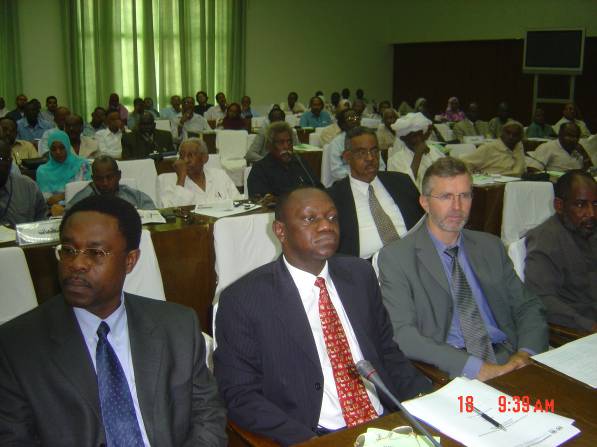
Participants at the Parliamentarians Orientation Workshop, Entebbe
Over 100 partici-
CBSI efforts to avail
pants from the
the necessary space for
T he CBSI and NTEAP jointly or- NBI countries including Burundi, Democ-
public consultations on
ganized a parliamentarian work- ratic Republic of Congo (DRC), Egypt,
NBI issues and opera-
shop which took place during July Ethiopia, Kenya, Rwanda, Sudan, Tanza-
tions.
17- 19 2006, in Entebbe, Uganda. nia, Uganda and the Lake Victoria basin The parliamentarians pledged
The workshop was attended by all Parliamentarians attended the workshop. to support integration of NBI
NBI countries and four parliamen- The workshop was aimed at:
programs in national work
tarians from each country partici- ·
deepening the understanding of Nile plans and use their legisla-
pated. The opening ceremony was
Basin Parliamentarians on the objec- tive mandate to promote any
attended by Hon Edward Ssekandi,
tives of the NBI, its Shared Vision, issue that can help the Nile
Speaker of Ugandan Parliament,
Strategic Action Program and the Basin cooperation progress.
Hon Maria Mutagamba Minister for
subcomponents
Gedion Asfaw, RPM
Water and Environment in Uganda, ·
Acquaint parliamentarians with
Hon. Odette Kayitesi, Chairperson
knowledge on the need for and bene-
NTEAP Collaboration with SAPs Heightens
T he Nile Transboundary Environment The SAP is currently implementing a The NELSAP mission is to contrib-
Action Project (NTEAP) has con-
series of investment projects. The in-
ute to the eradication of poverty to
ducted hands-on awareness material de-
tended beneficiaries of these projects promote economic growth, and re-
velopment training for twenty one Sub-
are the Nile basin communities.
verse environmental degradation in
sidiary Action Program (SAP) project staff Whereas efforts are being made in in-
the Nile Equatorial Lakes region.
during July 16-21 2006. Sio-Malaba-
forming the communities on the in-
Malakisi, Kagera River TIWRM, Mara tended benefits, the outreach is still The Eastern Nile Subsidiary Action
TIWRM and LEAF Pilot project and Nile limited due to a number of factors, in-
Program (ENSAP) is an investment
Equatorial Lakes Subsidiary Action Pro-
cluding a wide variety of stakeholders, program by the Governments of
ject (NELSAP), Eastern Nile Technical diversity of projects, literacy levels and Egypt, Ethiopia and the Sudan un-
Regional Office (ENTRO) and NTEAP language barrier.
der the umbrella of the Nile Basin
Rwanda participated.
Initiative (NBI). The objective of
Participants recommended a central-
ENSAP is to achieve joint action on
Outputs included, posters, brochures, fact-
ised outreach material development the ground to promote poverty alle-
sheets, pamphlets and a newsletter of centre. They also emphasised the need viation, economic growth and rever-
NEL SAP. In addition, TORs for a docu-
for translating the materials into dif-
sal of environmental degradation.
mentary video for the Kagera project were ferent languages.A similar training
also developed. NTEAP project is facili-
will be organised for ENTRO in No-
Maushe Kidundo EE & A LS
tating the printing of these materials.
vember 2006.







PAGE 4
THE NILE ENVIRONMENT
VOLUME I11, ISSUE 3
Environment and Sustainable Development to be Mainstreamed Within Nile Basin
Universities
In May 10-13, Nile Basin EE ment Programme, the SADC Regional
Lecturers network members Environmental Education Pro-
joined other thirty African gramme, the Association of African
universities lecturers in Nai-
Universities, the Global Virtual Uni-
robi, Kenya, as part of the versity, the Global Higher Education
first group to be trained in for Sustainability Programme and
`Educate the Educator on
the Nile Basin Initiative through
Environment and Sustainable NTEAP, amongst others.
Development (ESD) Innova-
tions'. The first Educate the The main objective of the workshop
Educators ESD Innovation was to build the capacity of the Lec-
Course is part of a wider initia-
turers and develop action plans for
tive to support the United Na-
devolving the skills at national level.
tions Decade of Education for The workshop also assisted EE lec-
Nile Basin EE Lecturers Network Members with Sustainable Development turers to establish contacts with
International Trainers, Nairobi, Kenya
(DESD). Makelle University in peers outside the basin and be part
Ethiopia has started to imple-
T
of the 8 years UNEP MESA pro-
he Nile Transboundary Environ-
ment its national plan by training the gramme. The NTEAP and UNEP
ment Action Project works with members of University Environment will try and support some of the
eighteen universities (two from each Club in ESD and organising tree action plans, especially those on
Nile basin country) within the Nile planting within the University. An training, both at the national and
basin to pilot mainstream environ-
attempt has also been made to main-
university level as a means of ad-
mental education within the universi-
stream teaching of ESD by introduc-
vancing ESD mainstreaming within
ties and to build capacity of both lec-
ing the concept through the depart-
the Nile basin universities .
tures and students through training, mental council.
exchange visits and support to stu-
M. Kidundo- EE & A Lead Spe-
dents in research projects.
In Africa, this initiative is being sup-
ported by the United Nations Environ-
cialist
NTEAP Microgrants Project Approvals Hit 118, Amounting to US $2,614,809
T he Nile Transboundary Environ- 2005-2006. The first two quarters of 2006) stand at 85 in all the nine
ment Action Project (NTEAP) 2006 witnessed a surge in approvals riparian countries. The total
of new Micro-
amount of resources committed for
grants projects, the new projects totals $1,953,787
Total commitments by country against total
with the second dollars.
MG allocations for 2004-2008
quarter witness-
6.34%
Burundi
ing the highest in
The Microgrants component of
4.65% 2.54%
2.85%
D.R.C.
terms of numbers
NTEAP gives financial support for
5.80%
Egypt
and resources local level approaches to land and
committed. The water conservation, including miti-
Ethiopia
50.96%
5.50%
NTEAP budget gation actions for soil erosion, de-
Kenya
7.29%
reflects an alloca-
sertification, non-point source pol-
Rwanda
8.73%
tion of $2.4 mil-
lution and invasive water weeds. It
5.33%
Sudan
lion dollars for also provides support to govern-
Tanzania
Micro-grants Pro-
ment and NGO staff in training
Uganda
jects in 2006. and information sharing on lessons
This figure in-
learned and water conservation.
Total Grant
cludes projects All the participating Nile basin
approved in 2005 countries have benefited from the
has to date approved a total of 118 but funding deferred to 2006.
fund as shown in the graphics.
projects for funding, amounting to
US $2,614,809 during the period The number of new projects ap-
Amir Baker, MG Lead Specialist
proved in 2006 (as of end of June
VOLUME I11, ISSUE 3
THE NILE ENVIRONMENT
PAGE 5
14 Million tons of Soil Lost to Soil Erosion in Rwanda Annually
A soil erosion study in Rwanda Rwanda has an area of 26.338 km2 erosion in Rwanda and restore soil
has estimated the soil loss to with a cultivable land of 825,000 hec- fertility by embarking on the follow-
erosion in Rwanda at a worrying fig- tares, which is 60% of the total arable ing actions:
ure of 14m tons per year, which is land and 31% of the total country sur- Construction of erosion control struc-
able to feed 40,000 people annually. face area. Apparently only 23.4% of tures adapted to the soil type and slope
This was disclosed at a stakeholders the country's land is less prone to for water flow control; deep tillage of
workshop organized by the Nile erosion, whereas 37.5% of the land soil in order to improve soil porosity and
Transboundary Environmental Ac- requires protection before attempting its structural stability; addition of farm
tion Project (NTEAP) Microgrants any agricultural production and yard manure or compost; Liming
component on 27th April, 2006, at the 39.1% of the country is highly prone (5t/ha) in order to increase the pH up to
Bethanie centre, to present the result to erosion.
more than5; organo-mineral application
of the soil erosion study conducted by
to control deficiencies through direct
application on the plant, use of mixed
a national consultant, Mr Vincent The study categorized slopes ranging cropping with complementary plants
Ngarambe. The consultant attributed from 2 to 5% as most suitable for instead of antagonistic crops; crop rota-
the serious soil erosion and land deg- agricultural production and recom- tion and isolation, sometimes using
radation in Rwanda to the topogra- mended areas with slope up to 25%, green manure; Planting of green ma-
phy and the relief features. The ero- for erosion control measures (hedges, nure and cultivation of leguminous
sion in Rwanda he said is exacer- trenches). For slopes above 25%, ter- crops to fix atmospheric nitrogen,
bated by the high demographic pres- racing is recommended. Conservation among other measures.
sure resulting into a rapid regression of cultivated lands becomes more dif-
of landholdings (average of 0.6 ha per ficult on slopes above 35%, and be- Given the importance of organic matter
agricultural household); discontinua- yond 65%, crop cultivation should be in soil fertility protection, the partici-
tion of fallowing practices in agricul- avoided and the area protected in pants recommended agro-forestry tech-
tural production; over exploitation of various ways.
niques to improve soil and water con-
lands mostly without organic-mineral
servation.
The consultant recommended that
restitution and cultivation of steep the NTEAP through its Microgrants Joseph Bizima-LMGC Rwanda
slopes without erosion control meas- component supports mitigating of soil
ures.
NTEAP Participates in GEF Third Global Assembly in Cape town, South Africa
Chairperson for the Assembly and the discussions that followed the pres-
two vice chairs.
entations emphasized on the impor-
tance of creating synergies with
T he Global Assembly which is an A side event entitled "Delivering other ongoing programs in those
event organized by the Global global environmental benefits in Sub countries to increase the impact
Environment Facility (GEF) every 3-4 Saharan Africa through partnerships: and realize the vast development
years was an opportunity for countries community based investments and potentials. Moreover, participants
to discuss the global environmental regional integration. How is the Bank expressed interest in sharing the
trends and actions, review funding working with the GEF?" was organized
experiences emanating from those
issues and discuss operational mat-
on 29 August. The side event was interventions with broader audi-
ters. The Assembly was a strategic moderated by the World Bank. Mr. ences in other countries and creat-
opportunity for GEF stakeholders to Amir Baker, the Micro-Grants Lead ing linkages with other programs
take stock and collectively strengthen Specialist made a presentation on the as well as encouraging govern-
strategies and actions for protecting NBI and NTEAP and their respective ments to adopt the successful mod-
the global environment and achieving roles in promoting and enhancing re-
els in their development plans.
sustainable development. The opening gional cooperation in Africa. The pres-
session was addressed by the Vice-
entation touched on the vision of the NTEAP publications (the Trans-
President of South Africa, the Minster NBI, the objectives of NTEAP, the boundary Environmental Analysis
of Environment of South Africa as activities of NTEAP and how they re-
Document, posters, newsletters and
well as the GEF Chief Executive Offi-
late to the different challenges facing NRAK CDs) were displayed at the
cer. The opening session which was the riparian countries.
IW: Learn Exhibition Booth.
ceremonial in nature also set the pace The discussions of the event focused
for the discussions of the next two on the GEF funded interventions
days and addressed some immediate through the NBI and in Botswana, Amir Baker Micro-grants LS
general matters such as electing the Burundi, Zambia and Tanzania. The












PAGE 6
THE NILE ENVIRONMENT
VOLUME I11, ISSUE 3
River Nile Registers Highest Levels Over 10 Years Period
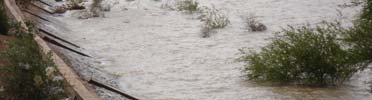
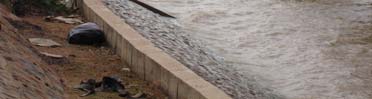
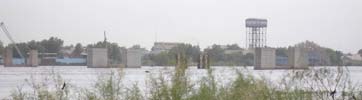
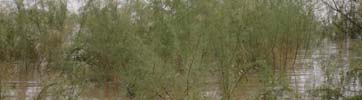
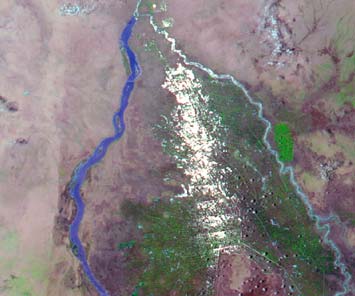
Blue Nile in Khartoum (23/8/06):High
Khartoum: 250 m MODIS image, August
Blue Nile in Khartoum (23/8/06):Plants
water level
23, 2006(Source: CSA)
I t has been observed that the Blue toum, where the White and Blue Nile Earth and can be used for monitoring
Nile has registered the highest lev- meet. The White Nile is subsequently large areas of the Nile Basin. The
els over a long period of time. Accord- held back by the Blue Nile and a large other sensor card that can be used for
ing to Mr. John Omwenga, the Nile lake is formed. South of Khartoum, flood monitoring is RADARSAT with
Transboundary Environmental Action the Jabal al-Awliya Dam increases its capability of acquiring pictures
Project (NTEAP) Water Quality Moni- the pooling effect. The flood waters even through cloud cover.
toring Lead Specialist, this is the are essential for the agricultural ac-
highest level registered since 1988.
tivities of the Gizera plain, south of In response to a request by NTEAP ,
Khartoum.
through Hatfield Consultants Ltd, the
In northern Sudan, the River Nile usu-
Canadian Space Agency (CSA)
ally begins to rise in May, reaching its Seasonal flooding is a normal phe- has agreed to acquire Radarsat im-
maximum flow in August. The timing nomenon of rivers; however adverse ages over the White and Blue Nile
and the volume of flood vary from year floods cause disasters ranging from in response to the rapidly rising wa-
to year and this year has registered displacement of people, destruction of ter levels. A plan of acquisition for
the highest level over a period of over property to loss of lives. Understand- two images, September 7, 2006, and
10 years. The flood results from high ing the dynamics of the hydrological September 21, 2006 has already
seasonal discharge in the Blue Nile, regime is of significant importance for been submitted. Hatfield Consult-
the Atbara, and Sobat Rivers. The planning. Space borne satellite tech- ants Ltd, CSA and NTEAP are part-
equatorial Lakes Plateau, with more nology is a powerful tool in achieving
consistent rainfall all the year round, the understanding. The 250m Moder- ners in the development of the Nile
contributes a smaller but relatively ate Resolution Imaging Spectroradi- River Awareness Kit (NRAK), a
constant flow throughout the year.
ometer (MODIS) image of 23/8/06 multi media, environmental educa-
over Khartoum (above) shows the tion and awareness tool.
The heavy rainfall and subsequent Blue and White Nile. MODIS con-
increase in flow cause flooding in the
Joel Arumadri KMS
tinuously revolves around the the
low lying plains surrounding Khar-
NTEAP RPM Undertakes Microgrants Monitoring Visit in Uganda( r eport on NTEAP website)
T he NTEAP Regional Project Man-
ager, Mr. Gedion Asfaw under-
took a monitoring visit of Micro-
grants Projects in Uganda on the
15th of July 2006, and visited
the Waste Management Project
in Busia Town Council and the
Integrated Management of Wa-
tershed of River Malaba at the
Kenya-Uganda boarder. See pic-
RPM with Project Proponents, LMGC
tures on your right and page 7.
Waste Management Project in Busia
Town. NBI Logo competing


















PAGE 7
THE NILE ENVIRONMENT
VOLUME I11, ISSUE 3
World Bank Warns of Looming Environmental Danger Daily Monitor (Ugandan daily
9/9/06)
T HE World Bank has warned of example that was cited in the report measures of greenhouse gas emis-
grave risks to poor countries' is that of investments in irrigation sions are crucial if long-term environ-
long-term economic growth and schemes but which might turn out mental and climatic changes are to be
poverty reduction efforts if environ-
useless and wasteful when rainfall averted.
mental concerns are not taken care
declines and water reservoirs dry up
of--Reports ELIAS BIRYA-
due to climatic changes induced by It said however that most of the
BAREMA
reckless environmental activities.
changes projected for the coming dec-
ades can no longer be avoided.
A new report titled: "Managing Cli-
Other than helping the condensation
mate Risk-Integrating Adaptation process, forests are vast absorbers of The Transboundary Environmental
into World Bank Group Opera-
the toxic carbon dioxide emitted by Analysis (TEA) identifies six of the
tions," released on August 29, factories, which helps reduce its con- ten Nile countries among the world's
paints a dark picture of the future
centration in the atmosphere and poorest, with millions of people dis-
of poor countries that degrade their
allowing the heat radiated from the placed by numerous natural disas-
environment, apparently in pursuit
earth to escape into far space.
ters, some of which are a consequence
of economic prosperity.
of environmental degradation. The
When forests are cut, all the carbon grinding poverty coupled with the
The report calls on governments to
dioxide that is spewed into the atmos- rapid population growth has put
balance the imperatives of eco-
phere settles there, creating a heat enormous pressure on the natural
nomic prosperity with preservation
trapping ceiling and subsequently resources and ecological systems on
of critical ecological systems if both
warming the earth-the phenomenon which economic development is
development and environmental c a l l e d g l o b a l w a r m i n g .
based. The basin countries are there-
sustainability are to be achieved.
"Climate variability is no longer an fore highly vulnerable to the looming
issue for the distant future," the WB environmental danger envisaged by
"Adaptation to climate change said in a statement commenting on the World Bank.
should be addressed through a cli-
the report.
mate risk management approach -
This calls for a careful review of the
that is, an ongoing process that "During the past century, the global macro and sectoral policies with a
starts with coping strategies for climate warmed by about 0.7°C be- view to greening those likely to en-
current climate variability, tries to
cause of human activities, with ac- danger the environment.
anticipate changes in climate companying changes in rainfall pat-
change, and seeks to evolve new terns, extreme weather events, and The Nile Transboundary Environ-
coping strategies as necessary," the
sea levels, and another 1.4°C-5.8°C ment Action Project (NTEAP) re-
report reads in part.
temperature rise is projected in the cently held a workshop to discuss the
next hundred years."
impacts of macro and sectoral policies
According to the World Bank, ne-
in the basin countries, and the need
glect and damage of vital systems The impacts of higher temperatures, for further studies on the impacts of
of the environment may in the end
wildly fluctuating precipitation, development policies on the environ-
destroy the very costly economic weather extremities, and sea level ment in the Nile basin was echoed
investments that a country might rise are already being felt and are very strongly.
want to peg its hopes on.
expected to continue to intensify.
Extra reporting by Joel Aru-
A more perceptible and familiar The report said aggressive mitigation madri KMS
Uganda Microgrants Monitoring Visit Pictures cont ' d from Page 6
Office of the Youth Environment Service
Some sites are inaccessible
Spring Protection Project
PAGE 8
THE NILE ENVIRONMENT
VOLUME I11, ISSUE 3
N IL E BA SIN IN IT IA TI VE
N IL E T RA NSBO UN DA RY
The First Sudan National Conference for Environmental
E NV IR ONM ENT A L
A C TI ON P RO JE C T
Management, 17- 19 July 2006
Al Jamhuria Street
tives of civil society organizations.
House No. 2, Plot 15
The State Minister of Environment
P. O. Box 2891
and Physical Development H.E
Theresa Siricio, as well as the State
Phone: 249-183-784206/26
Minister of Agriculture and Forestry
Fax: 249-183-784248
H.E Dr. Ann Itto opened the confer-
Email: info@nilebasin.org
ence.
The conference was addressed by
Visit us at:
representatives of the European Com-
www.nileteap.org
mission (EC), World Bank , United
Nations Environment Program
(UNEP), Government of the Southern
Editorial Committee
Sudan (GoSS), the Nile Transbound-
Gedion Asfaw, Chair
ary Environmental Action Project
Joel Arumadri
(NTEAP) and the Secretary General
Editor
of the HCENR.
Amir Baker, member
A key output of the conference was a
Intisar Salih, member
first draft of the environmental man-
Herbert World Bank; Sekou Tore-UNEP, Andrew Morton-UNEP
John Omwenga,
agement plan. Information gaps
member
T he Higher Council for Environment and Natu- identified at the conference are expected to be
filled in a second workshop, planned to be con-
Maushe
ral Resources (HCENR) in collaboration with
the federal line ministries have held a national vened in October 2006, in Southern Sudan.
Kidundo,member
conference aimed at preparing a National Plan for
Mohammed Rahim,
The draft plan is
Environmental Management (NPEM). The ultimate
to be subjected to
layout and publishing
goal is to leverage synergistic action from institu-
a thorough con-
assistant
tions concerned with the environment and natural
sultation and
resources from both Government of National Unity
review, before
(GoNU) and the Government of Southern Sudan
presentation to a
(GoSS) for environmental and natural resources final workshop for
management in the Sudan.
e n d o r s e m e n t
The conference, with a theme "Environment for towards the end
Peace and Development" took place at the Friend-
of this year.
Dr. Saadeldin
ship Hall Khar-
The project for preparing a National Plan for
toum, Sudan. It
Environmental Management (NPEM) for post
was attended by
conflict Sudan is financed by Nile Transboundry
over 120 partici-
Environment Action Project (NTEAP), United
Putting the Shared
pants from
Nations Environment Program (UNEP) and the
Southern Sudan,
Vision into Action
European Commission, as well as the GoNU.
Red Sea, North-
ern State, Ge-
By :Susan A J Coordinator
Please send your articles / com-
darif, Sinnar,
ments to
North and South
Izzat Mirghani- Coordinator
The Editor
Kordofan, North
Nile Environment at
and West Darfur,
jarumadri@nilebasin.org
Blue Nile State HE Dr. Ann Itto- State Minister,
and representa-
for Agric
Upcoming events
2-5th Oct, 2006, Nairobi, Kenya, EE & A Prac-
Learn Strengthening Transboundary Water
23-29 November, Addis Abeba, SVP Coordi-
tioners Workshop
Resources management in Africa.
nation Work planning Meeting.
Mid October Mid Term Review Launch
Oct , 2006, National Teachers Training
Nov 30 Dec 2, 2006, Addis Abeba, Nile
26-28th October 2006, Ougadugou, Burki-
Nov , 2006, UN ESD Workshop
Development Forum.
nafaso, IW Learn valuation of ecosystems.
6-11th Nov, Nairobi, Kenya, Regional WQ
2-5 Dec, 2006, Cairo, Egypt, Use of Brackish
26-28th October 2006, Nairobi, Kenya, IW
Workshop.
Ground Water in Agriculture.
Learn Information Technology Regional Work-
Nov , 2006, National Community Training
3-14 Dec, 2006, Partners Review MTR
shop.
Oct-Nov, 2006, International wetlands
18-21 Dec, 2006, Entebbe, Uganda, NTEAP
Oct 30 Nov 2, 2006, Nairobi, Kenya, IW
Course.
Staff Retreat and Work Plan Finalization
Opinions expressed in this newsletter are not necessarily the views of the NBI, its member countries or partners.