PACIFIC ISLANDS OCEANIC FISHERIES MANAGEMENT PROJECT
PROJECT SUMMARY
PROJECT OBJECTIVES
of transboundary oceanic fi shery resources and protection of the WTP
The intended outputs of the Ecosystem Analysis Sub-Component
LME. National capacities in oceanic fi shery monitoring and assessment
are:
Small Island Developing States (SIDS) have special conditions and
The immediate objectives of the Project address the two root causes of the
strengthened, with Pacifi c SIDS meeting their national and Commission-
Output
1.3.1: Observer sampling and analysis of commercial
needs that were identifi ed for international attention in the Barbados
threats to the sustainability of use of the region's oceanic fi sh resources
related responsibilities in these areas.
fi shery catches to determine trophic relationships of pelagic
Programme of Action for the Sustainable Development of Small
identifi ed in the SAP:
species in the WTP LME
Island Developing States and in the World Summit for Sustainable
The Information and Knowledge Objective
Sub-Component 1.1 Outcome: Fishery Monitoring, Coordination &
Output 1.3.2: Collection and analysis of information on seamounts
Development's Johannesburg Plan of Implementation. Throughout
to improve understanding of the transboundary oceanic fi sh
Enhancement
in the WTP warm pool
these instruments, the importance of coastal and marine resources and
resources and related features of the Western and Central Pacifi c
Integrated and economically sustainable national monitoring
Output 1.3.3: Model-based
analysis
of
ecosystem-based
the coastal and marine environment to sustainable development of SIDS
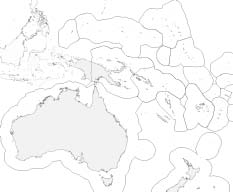
Warm Pool Large Marine Ecosystem
programmes in place including catch and effort, observer, port sampling
management options
is emphasised, with the Plan of Implementation specifi cally calling for
and landing data; Pacifi c SIDS providing data to the Commission in
Output 1.3.4: Estimates of levels of by-catch in WCPO oceanic
support for the Western and Central Pacifi c Fisheries Convention (the
The Governance Objective
the form required; national capacities to process and analyse data for
fi sheries
WCPF Convention).
to create new regional institutional arrangements, and reform,
realign and strengthen national arrangements for conservation
national monitoring needs enhanced; improved information on fi shing
Output 1.3.5: Results of ecosystem analysis and proposals for
The Global Environment Facility (GEF) identifi es sustainable management
and management of transboundary oceanic fi shery resources
in national waters and by national fl eets being used for national policy
long-term ecosystem monitoring and operationalisation of the
of regional fi sh stocks as one of the major environmental issues SIDS
making, and to inform national positions at the Commission. Enhanced
ecosystem-based approach for use by the Commission's Scientifi c
have in common, and as a target for activities under the SIDS component
The structure of the Project is designed to address these two objectives
quality and accessibility of fi sheries information and data leading to
Committee, especially its Ecosystems & Bycatch Working Group,
of OP 9, the Integrated Land and Water Multiple Focal Area Operational
through two major technical components. A third component will provide
more effective development and improvement of the Commission's
and by Pacifi c SIDS.
Program. In addition, the GEF promotes the adoption of an ecosystem-
services necessary for effective implementation as follows.
policy and decision-making process.
based approach to addressing environmental problems in Large Marine
Component 2 Outcome: Law, Policy And Institutional Reform,
Ecosystems through activities under the Large Marine Ecosystem
Component 1, the Scientifi c Assessment and Monitoring Enhancement
The intended outputs of the Fishery Monitoring, Coordination And
Realignment & Strengthening
Component of OP 8, the Waterbody-Based Operational Program.
Component, is aimed at providing improved scientifi c information and
Enhancement Sub-Component are:
The WCPF Commission established and beginning to function
knowledge on the oceanic transboundary fi sh stocks and related ecosystem
Output
1.1.1:
A template for national integrated monitoring
effectively. Pacifi c Island nations taking a lead role in the functioning
Consistent with this framework, GEF fi
nancing for the South
aspects of the Western Tropical Pacifi c Warm Pool LME, and at strengthening
programmes including logsheet, observer, port sampling and landing
and management of the Commission, and in the related management
Pacifi c International Waters SAP Project from 2000 to support the
the national capacities of Pacifi c SIDS in these areas. This work will include a
data collection and management; and provision of national data to the
of the fi sheries and the globally-important LME. National laws, policies,
implementation of an International Waters Pacifi c Islands Strategic
particular focus on the ecology of seamounts in relation to pelagic fi sheries,
Commission
institutions and programmes relating to management of transboundary
Action Programme (IW Pacifi c Islands SAP) included a pilot phase of
and the fi shing impacts upon them.
Output 1.1.2: National monitoring systems based on the regional
oceanic fi sheries reformed, realigned and strengthened to implement the
support for the Oceanic Fisheries Management Component, which
template for integrated monitoring, customised to meet national
WCPF Convention and other applicable global and regional instruments.
underpinned successful efforts to conclude and bring into force the
Component 2, the Law, Policy And Institutional Reform, Realignment
needs
National capacities in oceanic fi sheries law, fi sheries management and
WCPF Convention.
& Strengthening Component, is aimed at assisting Pacifi c Island States
Output 1.1.3: A regional monitoring coordination capacity, to develop
compliance strengthened.
as they participate in the earliest stages of the work of the new WCPF
regional standards such as data formats, and to provide a clearing
Commission, and at the same time reform, realign and strengthen their
house for information on fi shery monitoring
GEF assistance was sought for a new Pacifi c Islands OFM Project to
Sub-Component 2.1 Outcome: Legal Reform:
national laws, policies, institutions and programmes relating to management
Output
1.1.4:
Training of national monitoring staff, particularly
support Pacifi c SIDS efforts as they participate in the setting up and
Major Commission legal arrangements and mechanisms in place,
of transboundary oceanic fi sheries and protection of marine biodiversity.
monitoring coordinators, observers and port samplers
initial period of operation of the new Commission that is at the centre of
including provisions relating to non-Parties and sanctions for
the WCPF Convention, and further as they reform, realign, restructure
Component 3, the Coordination, Participation and Information Services
non-compliance; national laws, regulations, license conditions
Sub-Component 1.2 Outcome: Stock Assessment
and strengthen their national fi sheries laws, policies, institutions
Component, is aimed at effective project management, complemented
reformed to implement the WCPF Convention and other relevant
Detailed information available on the status of national tuna fi sheries,
and programmes to take up the new opportunities which the WCPF
by mechanisms to increase participation and raise awareness of the
international legal instruments; enhanced national legal capacity to
including the implications of regional stock assessments, and the
Convention creates and discharge the new responsibilities which the
conservation and management of oceanic resources and the oceanic
apply the Convention and national management regimes, including
impacts of local fi sheries and oceanographic variability on local
Convention requires.
environment.
domestic legal processes for dealing with infringements:
stocks and fi shing performance Strengthened national capacities
The design of the Project has involved a substantial consultative process,
to use and interpret regional stock assessments, fi sheries data and
The intended outputs of the Legal Reform Sub-Component are:
The goals of the Project combine the interests of the global community
which has been warmly supported throughout the region. Refl ecting
oceanographic information at the national level, to participate in
Output 2.1.1: A strategy and workplan for activities on regional and
in the conservation of a marine ecosystem covering a huge area of the
outcomes of this process, the Project seeks to apply a regional approach
Commission scientifi c work, and to understand the implications of
national legal issues
surface of the globe, with the interests of some of the world's smallest
in a way that recognises national needs; to strike a balance between
Commission stock assessments.
Output 2.1.2: New draft laws, regulations, agreements & licence
nations in the responsible and sustainable management of resources
technical and capacity-building outputs by twinning technical and capacity
conditions in line with WCPF Convention prepared and shared with
that are crucial for their sustainable development.
building activities in every area; and to open participation in all project
The intended outputs of the Stock Assessment Sub-Component are:
Pacifi c SIDS
activities to governmental and non-governmental stakeholders. The
Output 1.2.1: National oceanic fi
sheries status reports prepared
Output 2.1.3: Proposals for the Commission from Pacifi c SIDS for
The global environmental goal of the Project is to achieve global
structure for implementation and execution of the Project builds on a
collaboratively with national scientifi c staff
legal arrangements to implement the Convention
environmental benefi ts by enhanced conservation and management of
record of successful collaboration between UNDP, regional organisations
Output 1.2.2: Advice to Pacifi c SIDS on scientifi c issues in the work of
Output 2.1.4: Training of policy makers and legal personnel in
transboundary oceanic fi shery resources in the Pacifi c Islands region
and Pacifi c SIDS in past activities in oceanic environmental management
the Commission
oceanic fi sheries management legal issues
and the protection of the biodiversity of the Western Tropical Pacifi c
and conservation, strengthened by planned new partnerships with IUCN, a
Output 1.2.3: Training of national technical and scientifi c staff to
Warm Pool Large Marine Ecosystem.
regional environmental NGO and a regional industry NGO. =
understand regional stock assessment methods, and interpret and
Sub-Component 2.2 Outcome: Policy Reform
apply the results; and to use oceanographic data
The broad development goal of the Project is to assist the Pacifi c Island
Commission Secretariat and technical programmes established
PROJECT COMPONENT OUTCOMES
States to improve the contribution to their sustainable development from
and conservation and management measures beginning to
Sub-Component 1.3 Outcome: Ecosystem Analysis
improved management of transboundary oceanic fi shery resources, and
Component 1 Outcome: Scientifi c Assessment and Monitoring Enhancement
be adopted; national oceanic fi sheries management plans,
Enhanced understanding of the dynamics of the western Pacifi c warm
from the conservation of oceanic marine biodiversity generally.
policies and strategies prepared, implemented and reviewed;
Improved quality, compatibility and availability of scientifi c information and
pool pelagic ecosystem, with particular focus on trophic relationships;
adoption of a more integrated and cross-sectoral approach
knowledge on the oceanic transboundary fi sh stocks and related ecosystem
enhanced understanding of the ecology of seamounts, in particular
The IW Pacifi c Islands SAP identifi ed the ultimate root cause underlying
and, improved coordination between government departments
aspects of the WTP warm pool LME, with a particular focus on the ecology
their impacts on aggregation and movement of pelagic species, and
the concerns about, and threats to, International Waters in the region as
(Fisheries, Environment, Development, Economy, etc); enhanced
of seamounts in relation to pelagic fi sheries, and the fi shing impacts
the fi sheries impacts thereon; provision of ecosystem-based scientifi c
defi ciencies in management, and grouped the defi ciencies into two linked
understanding by policy makers and enhanced national capacities
upon them. This information being used by the Commission and Pacifi c
advice to the Commission and to Pacifi c SIDS; enhanced information
subsets lack of understanding, and weaknesses in governance.
in regional and national policy analysis for sustainable and
SIDS to adopt and apply measures for the conservation and management
on the magnitude of by-catch in WCPO oceanic fi sheries.
responsible fi sheries; enhanced stakeholder understanding of


PACIFIC ISLANDS OCEANIC FISHERIES MANAGEMENT PROJECT
Commission and national policy issues, especially private sector.The
linkages to other global fi sheries and their issues. Capture of up-to-
intended outputs of the Policy Reform Sub-Component are:
date information and advice on related ecosystem management and
innovative fi sheries management approaches. Transfer of lessons and
PROJECT COORDINATION UNIT
Output 2.2.1: National oceanic fi sheries management Plans, policies
replication of best practices through an active mechanism linked to
P
R
O
J
E
C
T
and strategies
Pacifi c Islands Forum Fisheries Agency
the Commission.
Output 2.2.2: Strategies and specifi
c proposals for the overall
P.O Box 629
development of the Commission, including its Secretariat and technical
The intended outputs of the Information Strategy Sub-Component are:
Honiara
programmes, and for Commission conservation and management
Output 3.1.1: Project Information System for capture, storage and
Solomon Islands
measures
dissemination of project data, lessons and best practices, and provision
Output 2.2.3: Identifi
cation of possible management options for
of information products
seamounts, including compliance options
Output 3.1.2: Knowledge management process identifying innovative,
Tel: +677 21124
Output 2.2.4: Training of policy makers, technical personnel and other
best practice and replicable
Fax: +677 23995
Pacifi c SIDS stakeholders to increase understanding of sustainable
Website: http://www.ffa.int/gef
and responsible fi sheries
Sub-Component 3.2 Outcome: Monitoring & Evaluation
Effective monitoring and evaluation of progress and performance,
To achieve global environmental benefi ts by
Sub-Component 2.3 Outcome: Institutional Reform
including monitoring of process, stress reduction and environmental
Project Coordinator: N.Barbara Hanchard
enhanced conservation and management of
Public sector fi
sheries administrations reformed, realigned &
status indicators; monitoring and evaluation outputs used in Project
Email: barbara.hanchard@ffa.int
strengthened; capacities of national non-governmental organizations
management and in assessing the effectiveness of Commission
transboundary oceanic fi shery resources in
to participate in oceanic fi sheries management enhanced; consultative
measures.
the Pacifi c Islands region and the protection
processes enhanced to promote a more integrated approach
to fi
sheries management and administration that encourages
The intended outputs of the Monitoring & Evaluation Sub-Component
of the biodiversity of the Western Tropical
coordination and participation between diverse government, and non-
are:
Pacifi c Warm Pool LME
government stakeholders.
Output 3.2.1: Measures of, and reports on, overall project performance
and delivery, including independent evaluations of the Project
The intended outputs of the Institutional Reform Sub-Component are:
Output 3.2.2: Analysis of process, stress-reduction, and environmental
Output
2.3.1:
Strategies, plans and proposals for the reform,
status indicators as per the GEF International Waters Operational
realignment and strengthening of national oceanic fi sheries
Strategy
management administrations
Output 2.3.2: Processes for national consultation between stakeholders
Sub-Component 3.3 Outcome: Stakeholder Participation And
in oceanic fi sheries management
Awareness Raising
Non-governmental stakeholder participation in national and regional
Sub-Component 2.4 Outcome: Compliance Strengthening
oceanic fi sheries management processes, including the Commission,
Realigned and strengthened national compliance programmes;
enhanced. Awareness of oceanic fi sheries management issues and
improved regional MCS coordination; strategies for Commission
the WCPF Convention improved. Specifi c forums developed for NGO
compliance programmes; enhanced national compliance capacities
participation and discussion process. Promotion of awareness of
(inspection, observation, patrol, VMS, investigation).
national and regional development and economic priorities and how
these relate to sustainable fi sheries management.
The intended outputs of the Compliance Strengthening Sub-Component
are:
The intended outputs of the Stakeholder Participation And Awareness
Output 2.4.1: Strategies, plans and proposals for realigning and
Raising Sub-Component are:
strengthening national oceanic fi sheries compliance programmes
Output 3.3.1: ENGO participation and awareness raising in Convention-
Output 2.4.2: Arrangements for regional coordination of monitoring,
related processes
control and surveillance activities
Output 3.3.2: Support industry participation and awareness raising in
Output
2.4.3:
Strategies and proposals for regional compliance
Convention-related processes
measures and programmes
Output 2.4.4: Training of national compliance staff, especially in
Sub-Component 3.4 Outcome: Project Management & Coordination
inspection and VMS
Project effectively managed and coordinated between implementing
and executing agencies and other participants in the Project; effective
Component 3 Outcome: Coordination, Participation and Information Services
participation in Project management and coordination by stakeholders;
Effective project management at the national and regional level. Major
reports on Project progress and performance fl owing between Project
governmental and non-governmental stakeholders participating in project
participants and being used to manage the Project.
activities and consultative mechanisms at national and regional levels.
Information on the project and the WCPF process contributing to increased
The intended outputs of the Project Management and Coordination
awareness of oceanic fi shery resource and ecosystem management. Project
Sub-Component are:
evaluations refl ecting successful and sustainable project objectives.
Output 3.4.1: Project Coordination Unit staffi ng and offi ce
Output 3.4.2: Arrangements for coordination between Implementing
Sub-Component Outcome 3.1: Project Information System
and Executing Agencies
Enhancement of awareness about the Project, and understanding of
Output 3.4.3: Regional Steering Committee Meetings and Reports
its objectives and progress. Establishment of a Clearing House for
Output 3.4.4: National Consultative Committee Meetings and Reports
lessons and best practices within the Pacifi c SIDS, as well as through
Output 3.4.5: Reports on Project implementation, workplan and fi nances