Document of
The World Bank
Report No:
GEF PROJECT DOCUMENT
ON A
PROPOSED GRANT FROM
THE GLOBAL ENVIRONMENT FACILITY TRUST FUND
IN THE AMOUNT OF US$11 MILLION
TO
THE UNIVERSITY OF QUEENSLAND
BRISBANE, AUSTRALIA
FOR A GLOBAL PROJECT:
CORAL REEF TARGETED RESEARCH AND CAPACITY BUILDING FOR MANAGEMENT
August 4, 2004
Environment Department
Environmentally & Socially Sustainable Development Network
CURRENCY EQUIVALENTS
(Exchange Rate Effective 13 July 2004)
Currency Unit = Australian Dollar
AUS$1 = US$0.7208
US$1 = AUS$ 1.3873
FISCAL YEAR
2005 -- 2009
ABBREVIATIONS AND ACRONYMS
AO
Administrative Officer
BML
Bolinao Marine Laboratory, Philippines
BWG
Bleaching (and Local Ecological Responses) Working Group
CMS
Centre for Marine Studies
COE Center of Excellence
CRTR
GEF Coral Reef Targeted Research
CWG
Connectivity (and Large-scale Ecological Processes) Working
Group
DCCO
Data integration, Communication and Capacity building Officer
DWG
Disease Working Group
EO
Executive Officer
FO
Finance Officer
GEF
Global Environmental Facility
GBR
Great Barrier Reef
IMS
Institute of Marine Science, Zanzibar
IOC
Intergovernmental Oceanographic Commission
MDSWG
Modeling and Decision Support Working Group
PDF B
Project Development Facility, Phase B Planning Grant
PEA
Project Executing Agency
PIP
Project Implementation Plan
PM
Puerto Morelos
RRWG
Restoration and Remediation Working Group
RSWG
Remote Sensing Working Group
SOP
Standard Operating Procedures
UNAM
Universidad Nacional Autónoma de México
UPMSI
University of Philippines, Marine Science Institute
UQ
University of Queensland
UNESCO
United Nations Educational, Scientific & Cultural Organization
WB
World Bank
Vice President:
Ian Johnson, ESDVP
Acting Director:
James Warren Evans, ENV
Sector Director:
Maria Teresa Serra, EASES
Task Team Leader:
Marea Eleni Hatziolos, ENV
WORLD
CORAL REEF TARGETED RESEARCH AND CAPACITY BUILDING FOR MANAGEMENT
CONTENTS
A. Project Development Objective
Page
1. Project development objective
2
2. Key performance indicators
2
B. Strategic Context
1. Sector-related Country Assistance Strategy (CAS) goal supported by the project
3
2. Main sector issues and Government strategy
5
3. Sector issues to be addressed by the project and strategic choices
6
C. Project Description Summary
1. Project components
6
2. Key policy and institutional reforms supported by the project
15
3. Benefits and target population
16
4. Institutional and implementation arrangements
18
D. Project Rationale
1. Project alternatives considered and reasons for rejection
19
2. Major related projects financed by the Bank and/or other development agencies
20
3. Lessons learned and reflected in the project design
24
4. Indications of recipient commitment and ownership 25
5. Value added of Bank and Global support in this project
25
E. Summary Project Analysis
1. Economic
25
2. Financial
26
3. Technical
27
4. Institutional
28
5. Environmental
30
6. Social
31
7. Safeguard Policies
31
F. Sustainability and Risks
1. Sustainability
32
2. Critical risks
33
3. Possible controversial aspects
34
G. Main Grant Conditions
1. Effectiveness Condition
34
2. Other
34
H. Readiness for Implementation
34
I. Compliance with Bank Policies
34
Annexes
Annex 1: Project Design Summary
36
Annex 2: Detailed Project Description
43
Annex 3: Estimated Project Costs
56
Annex 4: see Annex 11 - Incremental Cost Analysis
Annex 5: Financial Summary
58
Annex 6: (A) Procurement Arrangements
59
(B) Financial Management and Disbursement Arrangements
62
Annex 7: Project Processing Schedule
66
Annex 8: Documents in the Project File
67
Annex 9: Statement of Loans and Credits
69
Annex 10: Country at a Glance
71
Annex 11: Incremental Cost Analysis
77
Annex 12: STAP Roster Technical Review
87
Annex 13: Hardwiring Links between Science and Management
105
MAP(S)
IBRD 32570
IBRD 32571
IBRD 32572
IBRD 32574
WORLD
Coral Reef Targeted Research and Capacity Building for Management
GEF Project Document
East Asia Environment and Social Development Unit (EASES)
Environment Department (ENV)
Date: August 4, 2004
Team Leader: Marea Eleni Hatziolos
EASES Sector Director: Maria Teresa Serra
Sector(s): General agriculture, fishing and forestry sector
ENV Acting Director: James Warren Evans
(100%)
Project ID: P078034
Theme(s): Biodiversity (P), Other environment and natural
Focal Area: I - International waters
resources management (P)
Project Financing Data
[ ] Loan [ ] Credit [X] Grant [ ] Guarantee [ ] Other:
For Loans/Credits/Others:
Amount (US$m): 11.0 M
Financing Plan (US$m): Source
Local
Foreign
Total
RECIPIENT
0.00
2.50
2.50
AUSTRALIA, STATE GOV. OF QUEENSLAND
0.00
2.60
2.60
DEVELOPMENT GRANT FACILITY (WB)
0.00
3.00
3.00
GLOBAL ENVIRONMENT FACILITY
0.00
11.00
11.00
FOREIGN UNIVERSITIES
0.00
3.20
3.20
Total:
0.00
22.30
22.30
Recipient: THE UNIVERSITY OF QUEENSLAND, BRISBANE, AUSTRALIA
on behalf of Mexico, Tanzania and the Philippines
Responsible agency: THE UNIVERSITY OF QUEENSLAND, BRISBANE, AUSTRALIA
The University of Queensland
Address: Office of the Deputy Vice-Chancellor (Research)
Brisbane, QLD 4072,
AUSTRALIA
Contact Person: Prof. David Siddle
Tel: 61-7-3365-9044 Fax: 61-7-3365-9040 Email: w.freeman@research.uq.edu.au
Estimated Disbursements ( Bank FY/US$m):
FY
2005
2006
2007
2008
2009
Annual
2.20
2.50
2.40
2.40
1.50
Cumulative
2.20
4.70
7.10
9.50
11.00
Project implementation period: Five years
Expected effectiveness date: 12/12/2004 Expected closing date: 11/30/2009
OPCS PAD Form: Rev. March, 2000
A. Project Development Objective
1. Project development objective: (see Annex 1)
The Global Environment Objective is to fill critical gaps in our global understanding of what determines
coral reef ecosystem vulnerability and resilience to a range of key stressors--from localized human stress
to climate change--and to inform policies and management interventions on behalf of coral reefs and the
communities that depend on them. The Project Development Objective is to align, for the first time, the
expertise and resources of the global coral reef community around key research questions related to the
resilience and vulnerability of coral reef ecosystems, to integrate the results, and to disseminate them in
formats readily accessible to managers and decision-makers. A related objective is to build much-needed
capacity for science-based management of coral reefs in developing countries, where the majority of reefs
are found.These objectives will be achieved through targeted investigations involving networks of scientists,
in consultation with managers, and the dissemination of knowledge within and across regions to
decisionmakers.
2. Key performance indicators: (see Annex 1)
The Targeted Research Project is being designed as part of a long term effort that will be implemented in
phases. The initial five- year phase will support the establishment of an applied research framework and
build capacity for science-based management of coral reefs in areas with significant coral reef resources
and Bank/GEF investments. These include sites in Mesoamerica, East Africa, Southeast Asia, and the
Southwestern Pacific. While the impacts of this project are expected to be realized well beyond the five
year time frame of the initial phase, expected outcomes include a coordinated processes to fill critical
knowledge gaps, improved capacity for science-based management of coral reef ecosystems, and
development and uptake of new knowledge products to enhance decision-making. Evidence of these
outcomes would include, inter alia, new management tools in the hands of users, decision-support systems
to aid local decision-making, publications co-authored by developed and developing country scientists and
policy briefs outlining actions to promote coral reef sustainability. These outcomes will serve as
benchmarks for the Project's long term goals, which are more effective management and informed policies
leading to the sustainability of coral reef ecosystems. Key indicators of project success during phase 1
include the following:
1. Formerly fragmented research efforts are coordinated and targeted for the first time around key
sustainability themes in four coral reef regions. A coalition of scientists and research institutions from
developed and developing countries is built to support this effort.
2. Major partners from different sectors are aligned with this initiative, building momentum toward a
critical mass of resources and a sustained effort.
3. Institutional and human capacity for science-based management of coral reef ecosystems is built in
countries where coral reefs are found
4. Research results are peer reviewed by members of the scientific and management community and
include knowledge products (see Box 1 in section C.2) and decision support systems relevant to
managers and policymakers
5. Coral reef managers are empowered with knowledge and tools to make better decisions.
6. Research findings are mainstreamed into World Bank and IOC country dialogue and assistance
strategies for countries with coral reefs.
7. Policies to protect coral reefs or mitigate impacts from key stressors are strengthened as a result of new
information.
8. Coral reef management projects under early implementation or in preparation--many with GEF
- 2 -
support--incorporate TR findings into project design.
9. The GEF uses results to guide future resource allocations for coral reef management and as a model for
large-scale targeted research to address cross cutting issues in Climate Change, International Waters
and Biodiversity.
B. Strategic Context
1. Sector-related Country Assistance Strategy (CAS) goal supported by the project: (see Annex 1)
Document number: n/a Date of latest CAS discussion: n/a
The TR Project supports two main thrusts of the Bank's Environment Strategy: (1) Improving quality of
life, and (2) Protecting the Global Commons. Of the 184 member countries within the World Bank, over
100 possess coral reefs within their national boundaries, and rely upon them as natural assets. Coral reefs
are not only global assets of exceptional biodiversity value, they are significant drivers of economic growth
in the more than 60 developing countries where they occur. Cesar et al 2003, have calculated the net
present value of healthy coral reefs at $800 Billion annually. This figure derives primarily from the
contribution of reefs to (i) tourism --the fastest growing economic sector in the world and (ii) fisheries,
which, like tourism, is a major employer and source of foreign exchange to many of the Bank's clients. In
terms of the Bank's target beneficiaries, many impoverished coastal communities depend on reefs directly
for food, livelihoods and environmental security. Coral reefs are an essential source of nutrition, income
and subsistence for the poorest of the poor--those marginalized communities who turn to the sea as a last
resort to meet their basic needs. A major study by DFID on Poverty and Reefs (2003) estimates that of the
30 million small scale fishers in the developing world, most are dependent in some form on coral reefs.
More than half the protein and essential nutrients in the diet of 400 million poor living in tropical coastal
areas is supplied by fish, the majority of which is marine and a large proportion of which is dependent on
healthy reefs. Thus, from an economic growth perspective, as a source of nutrition and and the basis of
livelihood for millions of the world's poor, coral reefs are closely linked to the Bank's poverty and
environment agenda. Their continued productivity and health should be a key objective of natural resource
management and an essential part of any poverty reduction strategy in those countries where coral reefs are
found.
The Tanzania PRS and in the FY04-06 CAS emphasize the strong links between sustainable management
of natural resources and poverty reduction. Tanzania has a large and rapidly growing coastal population
which includes two of the four most impoverished provinces in the country. Tanzania also borders the
largest area of shallow coral reef in East Africa (DFID 2003) and it is estimated that 93,000 coastal
dwellers in Tanzania are employed in fisheries or aquaculture. In Zanzibar alone, some 23,000 artisanal
fishers depend directly on the surrounding coral reefs for their livelihood and protein. Tanzania is currently
preparing a $55M Marine and Coastal Environmental Management Project, with primarily IDA support,
which will benefit directly from the research and capacity building components of the proposed Targeted
Research (TR) initiative. In the Philippines, where more than 1 million small scale fishers depend directly
on coral reefs for their livelihoods; 50% of all animal protein consumed in the Philippines derives from
marine fisheries and aquaculture. To ensure linkages with the TR initiative, the Philippines Country Team
will be represented on an internal Bank Working Group comprised of Task Team Leaders of coral reef and
coastal management projects which will liase directly with the TR Project governance structure. The
internal Working Group will ensure that research results feed into ongoing AAA, rural and environment
sector strategies, and country dialogue (see section C3 below). In Indonesia, the launch of a $75M
follow-on (Phase II) Project for Coral Reef Rehabilitation and Management (COREMAP) is expected later
this year, to strengthen governance of Indonesia's 2.6 million ha of coral reefs, which have the potential to
provide hundreds of millions of dollars annually through tourism and fishing to the Indonesian economy
- 3 -
and to directly affect the livelihoods of some 10,000 coastal communities scattered throughout Indonesia.
Links have also been built between COREMAP II and the TR Project to support the research and
science-based management capacity of the former. On the Caribbean Coast of Mexico and Belize,
reef-based tourism is a major economic sector, and is being developed with Bank support in Honduras. The
Fisheries Sector is also a key sector in the sub-region, with nearly 300,000 people employed in fisheries
and aquaculture. The productivity of the fisheries sector (shrimp, lobster, conch, and other high valued
species) in Mexico, Belize and Honduras is directly dependent on the health of the adjacent Barrier Reef,
the longest in the hemisphere. The CASes in all three countries emphasize the importance of governance of
natural resources to sustain rural economic growth. Here again, the TR Project is designed to link closely
with the ongoing regional project for the Conservation and Sustainable Use of the Mesoamerican Barrier
Reef System--by providing crucial information on ecosystem connectivity, larval transport, disease, and
vulnerability to El Nino events. All of these feed directly into Project objectives, which include improving
management effectiveness of marine protected areas, assessing the health of the MBRS, and assessing
resilience to climate change.
1a. Global Operational strategy/Program objective addressed by the project:
Coral reef ecosystems are open and trans-boundary in nature by virtue of the of flow of nutrients,
pollutants, larvae, and adults of migratory species across ecosystem boundaries, and often national
frontiers. Pollutants entering the system are primarily land based, emphasizing connections between
drainage basins and shallow, coastal receiving waters, where most coral reefs are found. Coral reefs are a
major feature of Large tropical Marine Ecosystems. They are extraordinarily diverse and generate an array
of environmental goods and services which are dependent on reef integrity and the maintenance of
ecosystem processes. Effective governance of transboundary aquatic resources is a hallmark of the IW
Focal Area. The Targeted Research Project responds to the strategic priority for the International Waters
Focal Area identified in the GEF FY03-FY06 Business Plan to: "Expand global coverage to other water
bodies of cross-cutting foundational capacity building and innovative demonstration projects."
Through a series of highly integrated investigations in four coral reef regions of the world, the TR Project
seeks to fill the most significant gaps in our global understanding of the relationship between major
stressors and the structure and function of coral reefs. The Project will explore the role of ecosystem
processes, such as connectivity, community dynamics and structure, in responses to stress, e.g., in the
form of differential bleaching, rates of disease incidence, and recovery to determine what factors may
confer resilience and sustainability in response to major forms of stress. By bridging knowledge gaps
related to impacts of climate change and localized human stress on the sustainability of trans-boundary
aquatic ecosystems, the project fits within the Integrated Land and Water Operational Program, OP 9.
However, by virtue of its cross-cutting investigations, which will shed light on the relationship between the
effects of climate change on coral reef ecosystem integrity, including biodiversity and connectivity between
reefs, as well as between watersheds and aquatic ecosystems, the project will have benefits in several
different focal areas and operational programs, e.g., GEF OPs 2, 8,10 and 12. It may also form the basis
for a study on inter linkages and future joint program of work between the GEF Focal Areas of Climate
Change, International Water and Biodiversity within the Bank.
As noted above, the Project will support capacity building across GEF Focal Areas, by creating a robust
scientific framework within developing countries to investigate the basis for ecosystem vulnerability and
resilience to climate change and localized human pressures. Impacts on ecosystem structure and
Biodiversity will also be examined as part of these investigations. The model for establishing global
networks of researchers to jointly investigate topics of high priority for coral reef ecosystem management,
and to link the results to policy and decision-making, is eminently transferable to other focal areas and
- 4 -
themes. This cross-cutting outcome for capacity building is also identified in the GEF FY03-06 Business
Plan as a priority for the third replenishment phase:
..."Cross-cutting capacity building projects will support capacity building activities outside the scope of
any one focal area but common to achieving the goals of all focal areas. Such activities, particularly
focusing on LDCs and SIDS, will include: (i) foundational capacity building, to establish the basic capacity
of a country to meet its global environmental and sustainable development goals."
The joint investigations and targeted learning that result from collaborative, applied research, involving
networks of developed and developing country scientists, will build the foundation for knowledge-based
management and policies. The research findings and cutting edge tools developed will be disseminated
periodically through a series of management and policy briefs aimed to improve our global capacity to
manage coral reef ecosystems.
2. Main sector issues and Government strategy:
Despite their global significance as environmental and economic assets, coral reefs are in decline
worldwide. The main threats to coral ecosystem sustainability stem from localized impacts of human
pressure and accelerated climate change. Human impacts include (i) over-fishing and destructive fishing
techniques, which alter trophic levels and destroy the ecological integrity of reef communities; (ii)
land-based sources of pollution (e.g., sedimentation from deforestation and other poor land-use practices,
pesticides, eutrophication from agricultural run off and municipal waste, and Persistent Organic Pollutants
(POPs); (iii) habitat loss from land reclamation and construction, (iv) marine-based threats, including
maritime transport, the cruise line industry. Impacts associated with climate change include (i) increased
sea surface temperature, sea-level rise and storm frequency and severity, and (ii) changes in ocean
chemistry, all of which undermine reef growth and the physical integrity of coral reef ecosystems.
The 1997/98 massive coral bleaching episode tied to an El Niño event, in which an estimated 30% of the
world's coral reefs were affected, was a wake-up call to coral reef scientists and managers alike. Science
magazine devoted an entire issue (August 15, 2003) to the spectre of coral reef decline. In a lead review
article, entitled Climate Change, Human Impacts and the Resilience of Coral Reefs, the authors identify a
range of human stressors on reefs whose intensity and frequency have resulted in a global threat to coral
reefs. The cumulative impact of this threat is exacerbated by historically high rates of climate change and
climate variability, which together place enormous stress on the ability of reefs to adapt. The Global
Status of Coral Reefs 2002 Report, lists two thirds of the world's reefs as under severe threat from the
cumulative impacts of economic development and associated impacts of climate change. Calls for
protection and more sustainable use of coral reef ecosystems have been a familiar theme in global fora,
from the International Coral Reef Initiative (launched in 1995, in which the Bank played a key role), to the
Convention on Biological Diversity (1995), the International Tropical Marine Ecosystems Management
Symposia (ITMEMS I and II, 1998 and 2003, respectively), and most recently, the World Summit on
Sustainable Development (2002). The WSSD Plan of Implementation identifies coral reefs as unique and
vulnerable ecosystems that play a crucial role in the economies of SIDs and other developing states, and
urged partners to: (i) implement the Framework for Action of the International Coral Reef Initiative (ICRI);
(ii) implement the Jakarta Mandate on Marine Biodiversity of the Convention on Biological Diversity; and
(iii) strengthen capacity globally to manage these ecosystems through science-based management and
information sharing.
- 5 -
3. Sector issues to be addressed by the project and strategic choices:
Addressing these challenges will require a new research paradigm. Based on agreed priorities identified in
extensive consultations with coral reef scientists and managers during the Block A phase, this project seeks
to coordinate and target research for the first time in this community's history. It will establish a global
network of eminent coral reef scientists working together across disciplines and regions so that (i) key
knowledge gaps can be systematically addressed to reduce uncertainty in the context of management , (ii)
targeted research is multidisciplinary, drawing on a blend of biophysical and social sciences, (iii) the
research is integrated across space and time to allow for a synoptic view of coral reef ecosystem dynamics
in response to stress at local, regional and global scales and (iv) research findings are effectively
communicated to decision-makers. (vi) These findings will be followed up at the policy level, by the Bank
in country dialogue with clients with coral reefs, as to appropriate policy actions and investments.
Strategic choices involve the design of a global project for targeted research vs. a series of regional or
national-level projects to support science based management of reefs. Other strategic choices involve the
institutional arrangements and flow of funds for a global project which will be implemented across four
sub-regions. Another key strategic choice has been to focus capacity building on creating the investigative
framework and robust methodology to prioritize and test hypotheses in the field that will inform
management, rather than to focus on management per se. Other initiatives, like the International Coral
Reef Action Network (ICRAN) and NGO supported community-based management efforts are designed to
focus on the latter. This strategic choice has clear implications for the fundamental nature and design of the
Targeted Research Project.
C. Project Description Summary
1. Project components (see Annex 2 for a detailed description and Annex 3 for a detailed cost breakdown):
Below are summarized the overall components of the TR project, the structure of the participating
elements, the key reforms to be sought, the benefits and target population, and the institutional and
implementation arrangements.
Project compnents are organized around the following major themes:
Component I. Addressing Knowledge and Technology Gaps ($US 11.2 M)
Over the past ten years, an increasing awareness of the importance of coral reefs has been evident,
especially in light of their rapid decline in many regions, and their significance to developing countries.
However, what remains fundamentally unknown about these ecosystems is alarming, especially when
management interventions are becoming increasingly important. Significant gaps in understanding some of
the basic forcing functions affecting coral reefs remain. This targeted research framework will
systematically define those information gaps, and prioritize them in an order of strategic importance to
management, so that the resulting information and tools developed can lead to credible outcomes. The
project is organized around six key themes and research questions, which will be investigated by
interdisciplinary teams of developing and developed country scientists. These themes were identified
through extensive consultation with the scientific and management communities over the course of project
preparation to encompass the kinds of knowledge and management tools that underpin sustainability
science for coral reefs. They are the focus of investigations by distinct working groups and include the
following:
i. Bleaching and Local Ecological Response: The physiological mechanisms and ecological
- 6 -
consequences of large area (or massive) coral reef bleaching, particularly in response to sea surface
temperature anomalies, like the El Niño/Southern Oscillation episodes; to nutrient and sediment
influxes; and the potential consequences of changes in frequency of coral taxa in response to such
stressors on coral reef integrity and function;
ii. Disease: The nature, severity and spread of coral reef diseases, some of which may be responsible for
major shifts in the structure, function, health and sustainability of coral reefs;
iii. Connectivity: The importance of physical and biological connections (or "connectivity") between
coral reefs, whether within or between different regions of International Waters. This also has direct
bearing on the environmental conditions and key design factors needed to establish and sustain effective
Marine Protected Areas (MPAs);
iv. Restoration and Remediation: The tools, technologies and efficacy of restoring coral reefs that have
been severely degraded or destroyed, and the key organisms and environmental conditions to consider
when rehabilitating a given coral reef environment, and the circumstances under which such restoration
may be cost-effective;
v. Remote Sensing: The application of remote sensing to refine information and enhance the rate and
scale at which knowledge can be generated and applied. This includes the need to modify remote
sensing applications and related technologies so that they can be practically deployed and sustained
within developing countries;
A sixth theme focuses on the development of Decision Support Tools to help managers and policymakers
understand the likely pressure/response behavior of coral reef ecosystems to a range of local and climate
change related stressors, and the types of interventions that could mitigate these effects. This theme is
addressed by the Modeling and Decision Support Working Group and is described in Component III,
below, on Linking Science to Management.
Figure 1 shows the intent of a thematic integration and coordination between the working groups at a given
site. Given resources limitations, not all working groups can begin targeted investigations in all 4 regions
initially. However, the intent is to have all working groups engaged in at least two of the four all locations
within the project's first phase. Figure 2 shows the locations and stages in the project at which the working
groups will engage within each region. Standard operating procedures are being developed to ensure
statistical rigor and comparability of results across field sites. Working Groups with work with researchers
from the Centers of Excellence to set up sampling, permanent plots and experimental work that can be
initiated jointly and monitored between visits by Working Group members. The Modelling and Decision
Support Working Group will pull together results from other groups and their own collection of
socioeconomic data to create models of the system and each site that can be disturbed by various stressors.
Outcomes, including their social and economic implications, will help elucidate tradeoffs of various policies
to decisionmakers.
- 7 -
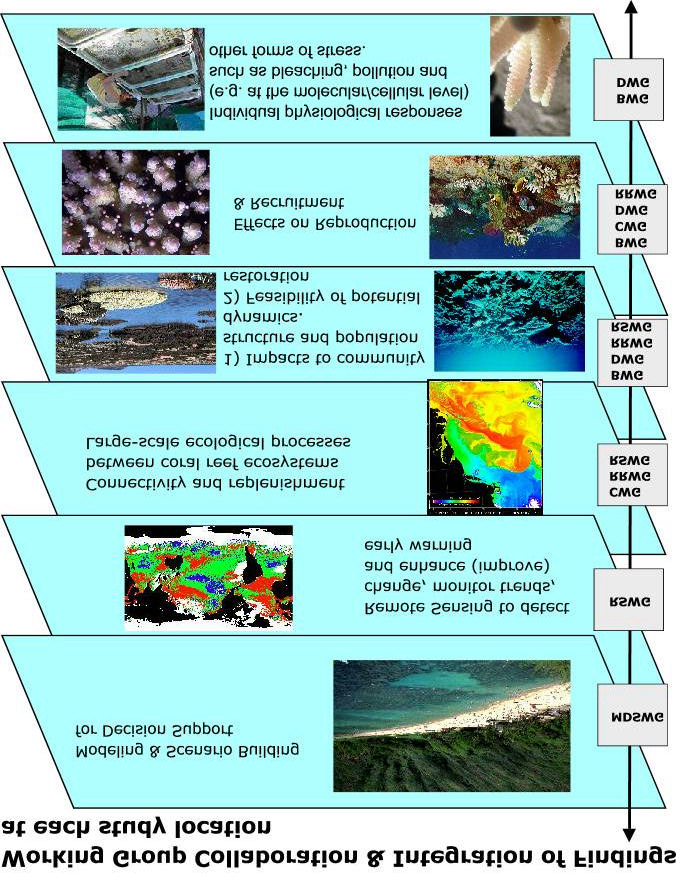
Figure1 - Major coral reef research themes and the integration of research across
working groups. By employing this layering approach, there is greater leverage in
relating information across themes and within the initially limited numberof studysites.
Sites may increase in replication as this model evolves over the course of the Targeted
Research program.
- 8 -
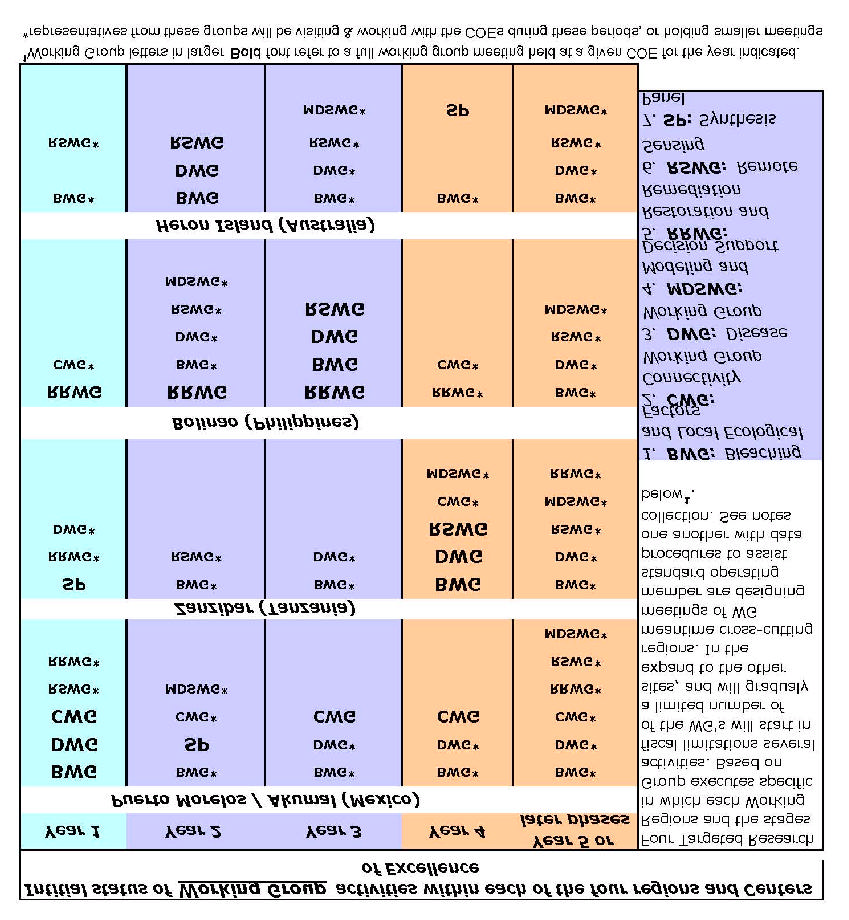
Figure 2 - Study Site locations and the stages at which working groups will engage.
- 9 -
Component II. Promoting Scientific Learning and Capacity Building (US $4.2 M*)
Currently, most coral reef research is based in universities and research institutes in the developed world,
while most coral reefs are located in developing countries. Rectifying this global discrepancy is a key
mission of this project. To accomplish this, the research themes outlined above will be explored in different
regions. This will serve both to ensure that the information ultimately used by managers is regionally
appropriate, and to provide collaborative training opportunities with local scientists so that they can
respond to future developments.
The Targeted Research investigations will focus around four "Centers of Excellence" (COE) in four
major coral reef regions of the world:
l
Western Caribbean/Mesoamerica: Puerto Morelos Laboratory of the Universidad Autónoma
Nacional de México
l
Eastern Africa: Institute of Marine Science, of the University of Dar es Salaam, Zanzibar,
Tanzania
l
Southeast Asia: Marine Science Institute in Bolinao of the University of the Philippines
l
South Pacific/Australasia: Heron Island Marine Research Laboratory of University of Queensland,
on the Great Barrier Reef, Australia
These sites were selected on the basis of significant ongoing GEF and other donor investments in coral reef
management, and where considerable baseline data already exist. Although the three developing country
nodes are not yet Centers of Excellence, they do count on a core of coral reef scientists and infrastructure,
essential to carrying out the research. One of the objectives of the Project will be to transform these resarch
institutions into real Centers of Excellence--to serve as regional resources for coral reef scientists and
managers.
Each of these Centers will play an important functional role within the overall Targeted Research program.
The Centers will host the majority (but not all) of the research of the Working Groups (as some will be
carried out at satellite sites) and promote the participation of local scientists and graduate students in this or
similar research. Funds will be made available to each COE to support regionally relevant coral reef
research, identified as a high priority, which links to the Targeted Research carried out by the various
Working Groups, and can benefit from the expertise of these visiting researchers. This scientific mentoring
will help build capacity for world class research that will eventually be designed and sustained by local
scientists in the region. Such apprenticeship-type arranagements were piloted at the Centers of Excellence
during project preparation, in which world renown, seasoned researchers were paired with younger
post-doctoral and graduate students in a supporting environment. This model also presents an opportunity
for the scientific community to learn and benefit from the knowledge of local stakeholders, especially with
those who may possess traditional knowledge. It will be replicated in all four Centers of Excellence over the
course of the project to promote north-south and intergenerational learning between scientists, as well as a
greater appreciation of the need to make research relevant to local and regional needs.
Second, the Centers of Excellence will serve as magnets for regional and local scientists to improve their
technical skills, such as:
· taxonomic classification to assist visiting regional and international researchers
· experimental design and implementation
· communication workshops to more accurately convey research results to an array of audiences
- 10 -
· writing workshops to improve the quality of papers to be accepted in international scientific journals
The Targeted Research Project will support a series of workshops each year which will bring researchers in
the various working groups together to orient field research, brief each other on findings and based on these
results, modify and design the next phase of investigation.
In addition, researchers will explore together with other stakeholders (e.g, NGO representatives,
government agency representatives and regional and local businesses) how such research findings can be
applied in practice (see section c. below). At least once during the life of project, a symposium will be
convened involving all project participants and representatives of relevant GEF IW and Marine
Biodiveristy Projects to presents findings, demonstrate their application to improving management (e.g.,
through new tools and decision support systems) and public awareness about cause and effect relationships
between human impacts and coral reef health.
If successful, this model may be easily replicated in other regions, e.g., the Red Sea and Central Pacific, as
the Project expands into a second phase.
*Support for this component will be reinforced by graduate student scholarships to developing country students and
research training conducted at the Centers of Excellence in conjunction with the research undertaken by the
various Working Groups, identitifed above in Component I.
Component III. Linking Scientific Knowledge to Management and Policy (US $ 4.0 M)
A guiding Synthesis Panel has been established to give direction to the targeted research program and
ensure that the whole is greater than the sum of its parts. In addition to overseeing the quality of the
research,the Synthesis Panel synthesizes results across Working Groups and Centers of Excellence to
interpret these findings and make policy recommendations where appropriate. Periodic symposia will be
convened throughout the project to engage key stakeholders, public policy makers, and experts in
economics, social development and law in dialogue about the relevance and implications of research
outcomes. With input from these groups and from regular independent reviews, the Synthesis Panel will
modify the focus of investigations as needed to benefit management and policy. The Panel consists of the
heads of each of the six scientific working groups, representatives from each of the Centers of Excellence,
the Executive Officer from the Project Executing Agency, and several outside experts representing the
scientific, managemenet, natural resource economics and environmental policy communities. Efforts are
currently underway to engage a manager from South East Asia (possibly Indonesia), to fill a vacancy
recently created by a former member from this region. The Synthesis Panel will be aided in its role by a
coordinator based in Washington, D.C. who will serve as an Exectuive Secretary to the Synthesis Panel
and interlocutor with the PEA. Terms of reference for the Coordinator have been drafted and will be
included in the Project Implementation Manual.
Another important element of this component will be the work of a sixth scientific Working Group, on
Modeling and Decision Support. Its task will be to integrate bio-physical data and and other information
about coral reef ecosystem boundaries and drivers with economic and social data from human communities
in and around the Center of Excellence. Modeling the response of coral reefs to these ecosystem drivers,
incorporating disturbance from both human stressors and climate change, can help decisionmakers
visualize the results of various policy decisions on coral reef structure and function. Among the types of
stress/response system behavior modeled could be the effects of eutrophication and sedimentation on
recruitment of coral reef organisms, effects of pollution or increased sea surface temperature on the
frequency of disease outbreaks on coral reefs, effects of increases in sea surface temperature on coral
- 11 -
reproduction and calcification rates, and the effects of overfishing and changes in food web structure on
the abundance and distribution of reef building corals. Such models will help translate ecosystem response
to changes in the productivity of ecosystem goods and services. These changes will be translated, in turn,
into economic and social impacts on local stakeholders as well as on coral reef dependent economies in the
region.
In addition to hosting the research, each Center of Excellence will serve as the conduit of information to
satellite sites in the region, and to various user/stakeholder groups. These user groups include other GEF
projects (including those in OP2 as well as Large Marine Ecosystem Projects), programs such as the
Global Coral Reef Monitoring Network (GCRMN) and the Internatioanl Coral Reef Action Network
(ICRAN) of the International Coral Reef Initiative (ICRI), and Coral Reef Degradation in the Indian Ocean
(CORDIO), a multi-donor program (see Fig. 3 below). Thus, in addition to strengthening scientific
capacity in the region, the Centers of Excellence will be responsbile for building management capacity
locally among coastal resource managers (including coastal developers, managers of watersheds draining
into coral reefs, community-based groups and NGOs promoting conservation and sustainable use of coral
reefs) by: (1) overseeing training in monitoring and the appliation of new management tools developed by
the Working Groups to emerging management initiatives, (2) incorporating traditional knowledge into the
training and data collection methods, and (3) translating research findings into user friendly information
and tools for decisionmakers. This will include demonstrations of the visualization tools developed by the
Modeling and Decision Support Working Group.
The Centers of Excellence will also serve as conduits of information to decision-makers at the the national
and regional levels in the design of national developent plans and policies where tourism and fisheries are
concerned, in the implementation of international conventions and negotiating access agreements to coastal
resources. NGOs active in the region, represent a particularly cost-effective means to communicate findings
to managers and help convert them into low-tech solutions for direct application to developing country
management needs. These include tool kits for managers, such as the one TNC has prepared for building
resilience into MPA design, as well as those involving bio-indicators to assess stress in key reef species.
The Project has also been identified as a source of new knowledge for an innovative Learning
Partnership--the Tropical Marine Protected Area Network--initiated recently by Conservation International,
The Nature Conservancy, Wildlife Conservation Society and World Wildlife Fund. This learning network
will operate in the same regions where the TR Project Centers of Excellence are located and will help
disseminate project findings for uptake by MPA managers.
- 12 -
Example of Knowledge Products and Tools from Targeted Research
Ø Review of the state of knowledge in each focal area of investigation
Ø Simple biomarkers of ecosystem stress to be used in routine reef monitoring by local
communities and resources managers
Ø Early warning tools to predict bleaching in corals in response to specific stressors (e.g.,
heat, light, contaminants) in corals in response to specific contaminants or certain
pollutants related to specific Early warning tools to predict bleaching in corals
Ø Development of simple disease diagnostic kits to measure prevalence of disease, identify
syndromes and test for certain pathogens
Ø Techniques to measure connectivity between coral reefs to support spatial management
(e.g., setting MPA boundaries and designing functional networks of MPAs)
Ø Remote Sensing techniques to measure changes in coral reef community structure and
biodiversity over space and time
Ø Primer on restoring and rehabilitating damaged coral reefs, and conditions under which
such restoration may be cost-effective
Ø Decision support tools, including scenario building and other visualization
techniques, to demonstrate likely outcomes of development decisions and
economic policies and
High level audiences will be kept abreast of research findings through the work of the Synthesis Panel. In
addition to overseeing the direction and quality of the Targeted Research, the Synthesis Panel integrates the
research findings and serves as a formal interlocutor with other disciplines, such as development economics
and law, to enhance the relevance and uptake of results by policymakers and to recommend key policy and
institutional reforms stemming from the targeted research. In addition to publishing findings in the peer
reviewed scientific literature, the Synthesis Panel will periodicaly develop and disseminate a series of
management and policy briefs, or précis, in a form easily internalized by different audiences. These
audiences include Bank Country Directors, GEF project teams, policy-makers, and member of regional and
global fora (e.g, the IPCC, CSD, ICRI, SBSTTA, Regional Seas Conventions).
To inform the Bank's country dialogue with strategic clients with coral reef resources, an internal working
group composed of Bank Task Team Leaders of relevent coral reef and coastal resource management
projects has been formed. This working group will liaise closely with the Synthesis Panel and relay project
findings and recommendations to country teams (both SMUs and CMUs). Country Directors will be
briefed periodically on the results to inform country dialogue on needed policy reforms, as well as feed into
AAA work, preparation of CASes, PRSPs and sector strategies.
Finally, to disseminate and promote the uptake of Project results, the TR will also make use of the
IW:Learn Project (a GEF/UNDP/UNEP/WB Knowledge Management Project for International Waters) to
help disseminate research findings. Electronic fora and roundtable discussions focusing on key themes
emerging from the targeted investigations may be supported through the IW:Learn Project and open to the
relevant community of practice.Over the course of project implementation, the information and tools
produced will be disseminated as knowledge products to enhance the management of coral reefs. These
products may range from in-situ diagnostics (for example, disease assessment and bio-indicators of specific
forms of stress and metabolic response in coral reef organisms, to markers for larval recruitment indicating
source and sink reefs) to remote sensing products and applications to assess the state of coral reef health.
In addition to these tools, a series of management and policy briefs will be developed periodically by the
- 13 -

Synthesis Panel, and released to targeted audiences.
WB Internal Working Group
Country Directors
Bleaching
Policy Development
Disease
Connectivity
Synthesis Panel
Management Intervention
Remote Sensing
(Executive Committee)
Restoration
Modeling
Monitoring
PEA
(e.g.GCRMNCORDIO )
Research
Institution
Regional
Research
Center
Institution
Project
of Excellence
Mozambique
NGO
Research Institution
Project
MPA
MACEMP
Network
Figure 3 - Illustration of the institutional linkages involved in designing, implementing and disseminating the results of the targeted investigations.
Institutional Nodes, or Centers of Excellence, will provide the quality control and research rigor required to carry out the experimental design
formulated by the working groups and endorsed by the Steering Committee. Capacity building is the result of collaboration between a COE and other
research facilities in selected locations with coral reef ecosystems, through formal exchanges, targeted learning and collaborative research. Research
results are channeled to management projects and activities to inform decision making, and to policymakers to introduce needed reforms. Similar
clusters of node and satellite institutions are envisioned in each region and some of the working groups may overlap in their use of field sites and
clusters to carry out investigations.
Component IV. Project Administration (US$ 2.9 M)
This component involves overall coordination and management of Project implementation (see section C 4.
on Institutional Arrangements.) A Project Coordination Unit will be set up in the Center for Marine
Studies of the University of Queensland, which will serve as the Project Executing Agency (PEA). The
PEA will be staffed by an Executive Officer, a Financial Management Officer/Procurement Officer, and a
Project Coordinator to assist the EO in overseeing activities at the Centers of Excellence. As part of its
in-kind contribution to the Project partnership, UNESCO/Intergovernmental Oceanographic Administration
(IOC) will second one of its technical staff from Headquarters to serve as a full time Communications and
Outreach Officer based in Brisbane at the PEA. His primary role will be to liaise with the COEs, to link the
targeted research to IOC programs to build capacity for better management of ocean resources, and to
facilitate a knowledge network among COEs with support from the PEA. The PEA will also be
responsible for Data Management and for disseminating and archiving research results in formats and
channels acceptable to the institutions involved and for the benefit of target audiences. The Project
Implementation Manual will document procedures for data ownership, management and dissemination.
- 14 -
Component
Indicative
% of
GEF
% GEF
Bank
% of
Direct
Parallel
Costs
Total
Financing Financing Financing Bank/DGF and
Financing
(US$M)
-DGF
Financing In-Kind [1]
(US$M)
Co-Finan
cing
1. Knowledge &
11.2
48
8
72
0
0
0
3.2 (2)
Technology Gaps
2. Promoting
4.2
22
1.2
11
1.7
57
0
1.3 (3)
Learning and
Capacity Building
3. Linking
4.0
18.5
1.4
13
1.3
43
0
1.3
Scientific
Knowledge to
Management
4. Project
2.9
11.5
0.4
4
0
2.5
0
Administration
TOTAL
22.3
100
11
100
3
100
2.5
5.8
[1] Administered outside the PEA
[2] Research Institutions
[3] Smart State Grant to Heron Island
Indicative
Other
% of
GEF
% of
Component
Costs
% of
financing
Bank/DGF financing
GEF
(US$M)
Total
(US$M)
financing
(US$M)
financing
1. Filling Key Knowledge Gaps
11.20
50.2
3.20
28.3
8.00
72.7
2. Promoting Learning and Capacity Building
4.20
18.8
3.00
26.5
1.20
10.9
3. Linking Scientific Knowledge to Management
4.00
17.9
2.60
23.0
1.40
12.7
4. Project Administration
2.90
13.0
2.50
22.1
0.40
3.6
Total Project Costs
22.30
100.0
11.30
100.0
11.00
100.0
Total Financing Required
22.30
100.0
11.30
100.0
11.00
100.0
2. Key policy and institutional reforms supported by the project:
Key Policy and Institutional Reforms
The key policy reforms to be sought will be (i) better information and knowledge transfer of those practices
that can most effectively alleviate localized human stress that may contribute to increased vulnerability of
coral reefs to the effects of climate change; (ii) development of institutional and human resource capacity to
support coordinated, long-term investigations into the nature of stress/response interactions determining
coral reef sustainability in the face of cumulative stress from natural and human-induced causes; (iii)
facilitating the linkages between science and management to visualize future scenarios (e.g., of resource
state and provision of goods and services ) based on current patterns and trends, identify appropriate
regulatory and incentive-based interventions, and build support for sustained conservation of coral reefs.
Although this framework is designed to address targeted research globally, the Project aims to shape policy
- 15 -
decisions affecting the sustainability of coral reef ecosystems at national and local levels. It aims to do this
by developing accurate stress/response and ecosystem dynamic models and decision support that will
significantly improve our understanding of coral reef ecosystem resilience, vulnerability to difference
forms of stress (from local, human-induced stress, to climate change impact), and the steps that can be
taken to reduce uncertainty in designing management interventions. Scenario building, which will allow the
forecasting of reef ecosystem response to stress under different management/use options (including
upstream or offsite development), will provide decision-makers with the basis for significantly improved
management interventions and the design or strengthening of relevant policies that contribute to the
sustainability of coral reef ecosystems for generations to come.
What is needed is a change in the way coral reef science is pursued in support of management and in the
way development decisions which may affect coral reefs are made. This involves a commitment by the
public sector to sustained, targeted and high quality empirical work directed at resolving key unknowns as a
fundamental priority. Once these key, targeted gaps in knowledge are filled, the dissemination of this
information to policymakers, the scientific community, industry, coastal managers and the general public
will have positive impacts on management interventions and policy. Ultimately, the Targeted Research will
support policies related to mitigating the causes and effects of climate change, improve those practices and
technology that most effectively reduce land bases sources of pollution to reefs, over-fishing, and the
application of tools to enhance natural resilience and recovery of reefs to stress. (This includes better
zoning of coastal landscapes and seascapes, and terrestrial corridors contiguous with reefs, adoption of
improved field techniques to assess reef health or factors such as disease, light, heat and other stressors
which may elicit coral bleaching; or may facilitate artificial restoration.)
3. Benefits and target population:
Benefits and Target Population
The benefits of this project are primarily global, however, there will also be regional and local benefits as a
result of many of the findings. The targeted research is directed at filling critical gaps in our understanding
of how coral reef ecosystems around the world respond to different types of threats, how to mitigate these
threats, and how best to enhance natural resilience to and recovery from major disturbances. Only with
systematic investigations designed to identify the nature of ecosystem response to such threats and to
discriminate significant trends in coral reef ecosystem response from natural variability (background noise),
can science provide the guidance needed to managers and stakeholders who rely on coral reef ecosystem
goods and services for livelihoods, or value their biological, cultural and intrinsic worth.
The major benefits of the TR will be:
l
networks of developed and developing country scientists collaborating on the testing of strategic,
priority hypotheses related to determinants of coral reef vulnerability and resilience under various
forms of stress and coordinating their research across regions;
l
capacity and long-term commitments for targeted learning within and across regions strengthened
l
a rigorous framework in place for science based management of coral reef ecosystems in four key
regions of the world;
l
informed decision making backed by solid science that reduces uncertainty, and guidance to GEF
and other partners on the range of options and most cost-effective investments to improve the
condition of coral reefs globally.
Development benefits include a globally coordinated scientific community skilled in developing
- 16 -
investigative frameworks designed to reduce uncertainty regarding key issues related to ecosystem
sustainability within and between regions, and to develop cost-effective tools and knowledge that will
significantly improve coral reef management at the local level. Because of the global nature of this research
effort, the opportunity to coordinate with a number of ongoing or planned coral reef initiatives in various
regions of the world with support from bilateral agencies (such as US NOAA and the U.S Coral Reef Task
Force, the Agence Francaise de Developpement, which is about to launch a coral reef research initiative in
the South Pacific) and scientific research institutions (like the U.S. National Science Foundation, Woods
Hole Oceanographic Institution and the National Science adn Engineering Research Council of Canada).
Project beneficiaries include (i) the community of established coral reef scientists, who will have the
opportunity to collaborate on a global scale on agreed priorities essential to effective, long-term
management, (ii) the emerging generation of new coral reef researchers who will be trained in cutting edge
investigative techniques by the best scientists in the field, to answer these and other questions, as they
emerge, related to the survival of coral reef ecosystems, as we know them, around the world.
Managers (from the public sector, NGOs and CBDOs) and policy-makers will also benefit from this
Targeted Research as the recipients of knowledge and key information that will help them make the case for
better practices and policies aligned with conservation and sustainable use of coral reef ecosystems. The
Targeted Research preparation has consulted extensively with on-going scientific and management efforts
related to coral reefs. Current coral reefs management initiatives, such as ICRAN, which is now an
operational network of ICRI, will benefit by strengthening management recommendation and options as a
result of this project. NGO program, such as the Nature Conservancy's "Transforming Coral Reef
Conservation for the 21st Century" will also use results, and is collaborating with this project to further
conservation objectives. Important indirect beneficiaries are the hundreds of millions of people who either
rely on coral reefs for environmental security and economic livelihoods; enjoy reefs for their recreational,
cultural and spiritual value; or stand to gain from biodiversity and ecological services that have yet to be
assessed.
The GEF and its implementing agencies, including the World Bank, will also benefit significantly from the
guidance emerging over the course of this targeted research program, to assess the cost-effectiveness and
long-term impact of current interventions and improve upon them; the need to re-orient strategic assistance,
and how to achieve synergy across related focal areas (e.g., international waters, biodiversity and climate
change).
- 17 -
4. Institutional and implementation arrangements:
A major study to identify the most appropriate institutional arrangements and flow of funds for the
implementation of the project was completed as part of project preparation. The results of the study
recommended the establishment of a global implementing agency (the Project Executing Agency or PEA)
with overall responsibility for project execution and administrative accountability to the Bank. An
arrangement whereby The University of Queensland, Australia, serves as recipient of the Grant funds on
behalf of project beneficiaries, and as Executing Agency, in partnership with UNESCO-IOC, has been
determined to offer an optimal combination of financial accountability, technical expertise, capacity
building and long-term institutional commitment (including substantial co-financing ), to serve as the global
executing agency. The PEA will have a fully dedicated staff to oversee project implementation, outreach
and communication activities, and future planning (including development activities to identify future
co-financing and new partnerships). Such a staff will include, at a minimum, a senior level Executive
Officer, a Project Coordinator, an Outreach and Communications Specialist, and a Financial Manager with
responsibility for sub-project grants and the limited procurement of goods and consultant services that will
be undertaken by the PEA. These will be full time positions, working out of the same centralized project
office. In addition, the PEA will hire, as necessary, short term consultants to work with the Synthesis Panel
to: 1) design a communication strategy for the Project 2) produce and disseminate knowledge products
(including periodic publications in peer reviewed journals, policy and management recommendations,
videos and other educational materials to reach a range of user groups); (3) organize multi-disciplinary
symposia to help interpret research findings for policymakers, and (4) periodically evaluate the
performance of Working Groups and Centers of Excellence. A dedicated Executive Secretariat will assist
the Synthesis Panel in carrying out these tasks.
At the field site level, the four Centers of Excellence will be responsible for hosting the research, helping to
organize training workshops and information outreach activities. They will work closely with the 6
scientific working groups, who will be directly in charge of organizing and leading the research program.
The Working Groups will be responsible for planning detailed work programs around key research
question in their area of concern and translating these into research proposals that will be reviewed for
funding. The research outlined in these proposals must satisfy criteria of scientific rigor, relevance to
management, feasibility and cost effectiveness Input of the management community in shaping the resarch
agenda and on interpreation of research findings will be obtained inter alia, through inclusion of managers
in each Working Group and in the independent peer review of proposals, through reference groups of end
users associated with each Working Group, through workshops and multi-disciplinary symposia designed
to interpret the application of results, and, in the case of Modeling and Decision Support Working Group,
through ongoing consultations with decisionmakers at the local and higher levels.
Chairs of the Working Groups and representative of the Centers of Excellence will be responsible for
developing and submitting annual work plans to the PEA and reports on performance relative to annual
benchmarks. These will be reviewed, in turn, by the Synthesis Panel, and by independent reviewers as
appropriate. A sub-committe of the Synthesis Panel, the Executive Committe, will be derived from the
external members of the Synthesis Panel (e.g., those not affiliated with a Working Group or Center of
Excellence) and a representative of the University of Queensland not directly associated with the PEA
office. These "financially disinterested" members will review annual work programs and budgets
submitted by the Working Groups and Centers of Excellenceand make decisions about resource allocations
consistent with performance and research priorities agreed by the group as a whole. The Executive
Committe will also take into account the recommendations of independent peer reviewers who will be
selected from the coral reef research and management communities to provide an arms length review of the
annual reports and work plans of each Working Group and Center of Excellence. Procedural details for the
- 18 -
functioning of the Synthesis Panel and the Executive Committee have been developed, along with guidelines
and criteria for the approval of sub-project grants, and are included in the Project Implementation Manual.
Task manager
(& Internal World Bank
Peer Review Panel
Working Group)
Reports, papers,
draft budget,
annual reports
Synthesis Panel
Executive Committee
External SP members
WG chairs & other experts,
plus UQ representative
COE reps, IOC rep
( PEA EO & Executive
Secretary attend as observers)
Budget, policy
Financial reporting,
Scientific reports, direction on regional
capacity outreach and capacity building
PEA
Budgets, contracts
WGs
Financial and scientific
CoEs
reports
Figure 4. Diagram of relationship between the various administrative and oversight bodies of the TR Project. The
PEA submits semi-annual Project progress reports and research and budget proposals on behalf of the WGs and
COEs to the Synthesis Panel for their review. The Synthesis Panel makes its recommendatios to the Executive
Committee, which reviews these and input from independent peer reviewers to make final decisions on resource
allocations. Policy Briefs and other technical communications emerging from the Synthesis Panel are also
reviewed by the Exectuive Committee and independent reviewers prior to being released.
D. Project Rationale
1. Project alternatives considered and reasons for rejection:
Previous studies of large-scale environmental impacts have shown that organizing response, damage
assessment and restoration programs in a reaction-based mode results in significant financial and societal
costs to both the affected and responsible parties. An alternative approach is to support management with
targeted research that is proactive in its focus and strategic planning. The global knowledge creation and
capacity building that is part of this program is consistent with the GEF's new strategic emphasis on
targeted learning to build indigenous capacity within its clients for strategic and effective environmental
decision-making. This involves asking the right questions, e. g., to identify major bottlenecks or drivers to
sustain coral reef ecosystem goods and services, or to improve the cost-effectiveness of applications of
existing tools, like Marine Protected Areas and coastal and ocean zoning, and the use of remote sensing and
modeling. Targeted research may also lead to development and application of new tools, such as
- 19 -
biotechnology, in the design of bio-indicators of reef stress or resistance to bleaching, and in the
identification of pathogens and their pathways of transmission. At the macro scale, this might involve the
development of new tools like genetic markers to reveal connectivity between reef systems or techniques to
enhance natural recovery and restore reefs damaged from blast fishing or cyanide. This new knowledge,
disseminated and linked to decision-making, has the capacity to dramatically increase the effectiveness of
current and future management interventions. It also lends credibility and accountability to
decision-making and has the potential to generate the political will needed to make tough trade-offs between
conservation and intensive use.
An alternative to this approach is the no-project alternative, which would perpetuate the problems of
uninformed/reactive management rather than science based/pro-active management, and isolated, country-
specific research. The latter which, while valuable, would not have the spin-off and global learning impact
of the networked research and integrated problem solving that is the hallmark of this Targeted Research
and Capacity Building Program. Without a better understanding of ecosystem processes and how they
interact with the range of stressors facing coral reefs today, management interventions will continue to be
hampered by inadequate science. The proposed project will, therfore, link the results of the Targeted
Research to the Bank's portfolio of ongoing and pipeline coral reef projects, many in partnership with the
GEF.
2. Major related projects financed by the Bank and/or other development agencies (completed,
ongoing and planned).
Please refer to the Map annex to see where many of these Projects are located in relation to the Centers of
Excellence.
Latest Supervision
Sector Issue
Project
(PSR) Ratings
(Bank-financed projects only)
Implementation
Development
Bank-financed
Progress (IP)
Objective (DO)
Improving management of highly
Coral Reef Rehabilitation and
S
S
threatened, economically important
Management Project
environmental goods and services in the (COREMAP): Phases I-II
epicenter of marine biodiversity.
Conservation and Sustainable
S
S
Use of the Mesoamerican
Barrier Reef System
Gulf of Aqaba Environmental
S
S
Action Plan
Red Sea Strategic Action Plan
S
S
Implementation (Bank, UNEP
and UNDP)
Coral Reef Monitoring Network
S
HS
in Member States of the Indian
Ocean Commission (COI),
within the Global Reef
Monitoring Network (GCRMN)
Coastal and Marine
S
U
Biodiversity Management
Project, Mozambique
- 20 -
Coastal and Marine
U
S
Biodiversity Conservation in
Mindanao, Philippines
Marine Biodiversity Protection
S
S
and Management (MSP),
Samoa
Hon Mun MPA Pilot Project
HS
S
(MSP), Vietnam
CORALINA Project, San
HS
HS
Andres, Colombia
Coastal Zone Integrated
Management Program, Benin
(Pipeline)
Guinean Coastal Zone
Integrated Management and
Preservation of Biodiversity
(Pipeline)
Coastal and Biodiversity
Management Program, Guinea
Bissau (Pipeline)
Marine and Coastal
Biodiversity Conservation,
Senegal (Pipeline)
Sustainable Coastal
Livelihoods, Tanzania
(Pipeline)
Mainstreaming Adaptation to
Climate Change in Caribbean
(Pipeline)
Other development agencies
Selected UNDP Activities
Tanzania: Development of
Mnazi Bay Marine Park
Comoros: Conservation of
Biodiversity and Sustainable
Development in the Federal
Islamic Republic of the
Comoros
Mauritius: The Management
and Protection of the
Endangered Marine
Environment of the Republic of
Mauritius
India: Management of Coral
Reef Ecosystem of Andaman
and Nicobar Islands
Maldives: Conservation and
Sustainable Use of Biodiversity
Associated with Coral Reefs in
- 21 -
the Maldives
Vietnam: Coastal and Marine
Biodiversity Conservation and
Sustainable Use in the Con Dao
Islands
Philippines: Conservation of
the Tubbataha Reef National
Park
Philippines: Biodiversity
Conservation and Management
of the Bohol Islands
Papua New Guinea: Milne-Bay
Province Marine Integrated
Conservation
Belize: Conservation and
Sustainable use of the Barrier
Reef Complex
Cuba: Priority Actions to
Consolidate Biodiversity
Protection in the
Sabana-Camaguey Ecosystem
UNEP Activities
Reversing Degradation Trends
in the South China Sea and
Gulf of Thailand
Integrating Watershed and
Coastal Area Management in
Small Island Developing States
of the Caribbean
Development and Protection of
the Coastal and Marine
Environment in Sub-Saharan
Africa
Reduction of Environmental
Impact from Tropical Shrimp
Trawling through Introduction
of By-catch Technologies and
Change of Management
Other Donors
International Coral Reef
Initiative (ICRI)
International Coral Reef Action
Network (ICRAN)
IP/DO Ratings: HS (Highly Satisfactory), S (Satisfactory), U (Unsatisfactory), HU (Highly Unsatisfactory)
In addition to projects related to conservation and sustainable use of marine biodiversity (exemplified by
the examples given above), there are a growing number of Large Marine Ecosystem (IW-LME) Projects
under preparation (Caribbean LME, Gulf of Mexico LME, and Agulhas and Somali Current LME) and
early implementation (Pacific SIDS, South China Sea), which complement and may benefit from the
overall research agenda of the Targeted Research Project. The UNDP/GEF Caribbean LME project
- 22 -
concept highlights the need to fill critical data gaps related to preparation of the TDA/SAPs for the wider
Caribbean. There is also a capacity building component of the LME Project, focusing on improving
governance and institutional arrangements for management of shared resources of the Caribbean LME, as
well as a science component which focuses on transboundary, pelagic fisheries management. The TR
Project can contribute information on stress/response pathways in coral reefs of the Western Caribbean
associated with major land based threats, as well as from Climate Change. There is broad scope for linking
the Working Groups on Connectivity and Remote Sensing under the TR, with research groups under the
Caribbean LME Project, especially on the topics of spawning aggregations and larval and adult phase
dispersal (major axis of connectivity within LMEs), and assessing marine ecosystem health. The latter will
be crucial to the objectives of enhancing governance of transboundary coastal and marine resources.
Discussions with UNEP Regional Seas staff in the Caribbean on how to use results from the TR to
accelerate ratification of the Land Based Sources of Marine Pollution (LBS) Protocol in member countries
have also taken place. Use of the GIS-based coral reef visualization and decision support tools to be
developed by the Modeling WG, represent the potential application of TR research outputs to management
and policy in the Wider Caribbean.
Similar opportunities exist for the TR Project to liaise with the UNEP/GEF South China Sea Project,
which has a sub-component and regional working group on Coral Reefs, some of whose members overlap
with those in the TR Project. Opportunities for close collaboration between the two projects lie within the
area of Reef Restoration and Rehabilitation, Connectivity and Decision Support and Modeling. The
International Coral Reef Action Network (ICRAN), a partnership hosted by UNEP and the World
Conservation Monitoring Center, will also be able to use the results from the Targeted Research
investigations to contribute to a suite of demonstration sites within UNEP's Regional Seas Programmes,
including South East Asia and the Caribbean. Peer-to-peer learning exchanges are also planned, which
could be facilitated through the nodes. As a result of these information and learning exchanges, feedback
will also be provided to participants in the Targeted Research to help ensure that it is client-driven.
Although Agulhas and Somali Current LME project is still in the concept phase, there has been significant
progress in scooping out needs and activities within the Eastern African/Western Indian Ocean Marine
Eco-region of the LME through a consortium of NGOs (WWF is taking the lead) and research institutions,
including the Institute of Marine Sciences in Zanzibar. Focus on coastal resources, such as coral reefs,
fisheries and mangroves, and improving management tools such as spatial planning (MPAs and ICM) and
remote sensing, offer excellent opportunities for collaboration between the TR Project and this effort and
building ownership for an ecosystem based management approach to governance of share living marine
resources of the LME.
To ensure broad dissemination of research results across LMEs, facilitate uptake of new management tools
and promote replication of research activities in new regions during subsequent phases of the Project (e.g.,
the Pacific SIDS, the Gulf of Mexico, and the Red Sea LMEs), the Targeted Research Project will
coordinate closely with the IW:LEARN Project, about to enter its second phase. The Bank led activities
under this jointly implemented UNDP/UNEP/WB IW Full Sized Project, will include hosting leaning
exchanges on coral reefs through the IW:Learn website (www.IWLearn.net) with links to the TR website at
www.GEFCoral.org . These learning exchanges may feature, among other things, techniques to assess
ecosystem boundaries (relevant to classification of marine ecoregions within the LMEs), and new
diagnostic tools to predict coral bleaching and disease paths in corals, or techniques to enhance recovery of
damaged reefs, a high priority for reefs in the South China Sea. In addition to the virtual learning that can
take place through links to the IW:Learn portal, IW Project Teams and representatives from these projects
will be invited to attend periodic training workshops in the regions hosted by the Centers of Excellence.
Resources will be set aside for participation by government counterparts involved in these LME Projects,
to ensure cross project learning and encourage adoption of better management policies. Similarly, funds
- 23 -
will be set aside to ensure that TR principals attend the biannual IW Conferences, to report on research
results and application to management of transboundary water resources.
3. Lessons learned and reflected in the project design:
Historically, research components of GEF projects dealing with coastal and marine ecosystems have
focused on assessing and monitoring baseline conditions. Several have documented declines in the resource
base, but few, if any, have supported experimental research that would improve our understanding of
ecosystem function or factors that regulate ecosystem response to various kinds of threats. A recent
Consultative Group meeting of the WB/GEF MesoAmerican Barrier Reef System Project held in Belize
(October 03), flagged the Targeted Reseach Project as a much needed complement to the work the MBRS
Project is undertaking in sustainable fisheries, monitoring of ecosystem health and policy harmonization in
coral reef related sectors in the four participatin countires. This includes: (i) managing spawning
aggregations of commercially valuable reef fish (and links to the TR Connectivity Working Group), (ii)
implementing the first regional Synoptic Monitoring Program of Reef Health for the MBRS (with links to
the TR Remote Sensing Working Group and to the the Disease and Bleaching Working Groups); and (iii)
technical input to the MBRS Policy Woking Groups on harmonizing policies and good practice related to
shared resources of the MBRS (with links to the TR Modeling and Decision Support Working Groups).
Similarly, the COREMAP II Project Team and NGOs (TNC) working alongside, have indicated very
strong interest in collaboration with the TR Working Group on Reef Restoration and Rehabilitation, to test
new tools for restoring dynamited and cyanide damaged reefs in the region. Given the emphasis on
ecosystem-based management endorsed by the GEF, the WSSD and others for favoring a holistic approach
to natural resources management, there is a need to understand the nature and pathways of ecosystem
drivers to identify bottlenecks in ecosystem function and how best to address these.
Lessons learned from past experience with public sector financed-research have been incorporated into the
design of the Targeted Research, as follows: (i) target research on strategic priorities which will
significantly enhance knowledge required for effective management, (ii) identify near-to-medium term
products and tools that can be applied in the interim to demonstrate the benefits of a committed, targeted
research program; (iii) ensure transparency and full-fledged participation in partnerships between
developed and developing countries, and (iv) disseminate knowledge as widely as possible, taking care to
tailor messages to different target audiences.
Historically, the coral reef scientific community has been fragmented in its approach to conducting
investigations in a coordinated manner, and over both space and time. The TR framework presents the first
opportunity for the coral reef scientific community to pool its intellectual resources and energies--in a
collaborative mode with developed and developing country scientists--to design targeted investigations that
will address key unknowns and ultimately contribute to improving human welfare. The research framework
has emphasized the need to prioritize gaps in knowledge, sequence investigations to build on knowledge
obtained by one or more working groups, analyze and synthesize results (with the help of the Steering
Committee), and disseminate these as discrete knowledge products and innovative tools to stakeholder
groups. As the results from these investigations come on line, the Steering Committee will be in a position
to collectively address how the information may best be used to affect management options, influence
policy, contribute to the accuracy of economic models involving coral reefs and dependent communities,
and improve the quality of life through enhancing the sustainability of strategic resources.
- 24 -
4. Indications of recipient commitment and ownership:
This project is global in scope, and will involve more than 70 international scientists and a host of scientific
institutions from around the world. The proposal has the strong support of the nodal agencies in the four
countries involved (Mexico, Tanzania, the Philippines and Australia), as evidenced by the letters of
endorsement from these institutions. The coral reef community in these and other countries in the regions
who will benefit from direct involvement in the research or from the management information that will be
generated by it are also enthusiastic about this global effort. A strong role for the COEs is envisioned in
terms of engaging other institutions in the region in the research, building capacity among the next
generation of coral reef scientists and serving as an information clearing house to a range of stakeholders
(from local communities to national and regional level policy-makers). These activities are consistent with
the missions of the COEs, and their roles in providing technical advice for the formulation of national and
regional policies. To create local buy-in, each Center of Excellence will serve as the conduit of information
to satellite sites and various user/stakeholder groups and projects within each region. NGOs active in the
region will help to communicate findings to managers and help convert them into low-tech solutions for
direct application to developing country management needs. These include tool kits for managers, such as
the one The Nature Conservancy has prepared for building resilience into MPA design, as well as those
involving bio-indicators to assess stress in key reef species.
5. Value added of Bank and Global support in this project:
Of the 184 member countries of the World Bank, more than 90 countries rely on coral reefs as natural
economic assets. However, most of these reefs and associated resources are components of larger
transboundary marine ecosystems, which require multi-country approaches to manage and conserve. The
Bank has considerable experience in transboundary water resources management through a growing
portfolio of Regional Seas and International Waters programs. More recently, experience in promoting
regional cooperation in the conservation and sustainable use of the world's second longest barrier reef
system--the Mesoamerican Barrier Reef System--has provided a model for regional coordination,
involving multinational technical and policy working groups, on which the TR Project can build.
The Bank is in a unique position to provide global leadership on needed policy reforms that may be
implicated by the TR findings. World Bank Country and Sector Directors will be apprised periodically of
the research results and their implications for the Bank's clients, by an internal Project working group of
Bank Task Team Leaders of coastal and marine resource management projects. Result can form the basis
for ESW, flagging the value of goods and services provided by coral reefs and what is at stake, or feed
directly into the Country Dialogue with clients with coral reefs, and the Country Assistance Strategy and
the PRSP process. Where appropriate, new investment projects may be identified to reduce stress on coral
reefs and the threat to reef-dependent communities, as in Tanzania, where a Sustainable Coastal
Livelihoods Projects is being designed as a follow up to the PRSP.
E. Summary Project Analysis (Detailed assessments are in the project file, see Annex 8)
1. Economic (see Annex 4):
Cost benefit
NPV=US$ million; ERR = % (see Annex 4)
Cost effectiveness
Incremental Cost
Other (specify)
The activities and costs subsumed under this Project are entirely incremental, as they support global
learning and capacity building for science-based decision-making. Baseline research activities in client
counties consist mostly of coral reef monitoring and localized investigations. Apart from monitoring
- 25 -
activities, these efforts are not systematically networked at the national or regional level, nor are they
designed to shed light on specific stress response relationships, or the variability in response (i.e., in
resilience or vulnerability) that reef ecosystems may display depending on the type, intensity and
cumulative nature of the stress. In contrast, the GEF Targeted Research Project is designed to focus on
strategic questions directly related to the sustainability of coral reef ecosystems at different sites, under
varying stress regimes, and to compare these results across regions. The interdisciplinary nature of the
working groups, the geographic and temporal scale of the research program (across four distinct coral reef
regions, over 15 years), and the networked nature of the research, will require a degree of cooperation and
support that cannot be sustained by any one country. The transboundary nature of coral reef ecosystems,
the threats to their sustainability, and the fundamental gaps in our understanding of system behavior and
recovery potential, require a multinational effort that spans a range of variability within and between
systems. Multinational working groups and cross regional learning and capacity building will ensure that
this is a truly global effort, extending well beyond the boundaries of the research sites and countries
involved.
No other organization is presently undertaking such a coordinated and targeted program of research to
inform managers and policymakers on cost-effective options for coral reef conservation and management.
This program would simply not be possible without GEF funding. The GEF serves as an organizing force
around which a significant proportion of the community of practice for coral reef research is being united
for the first time. The preparation activities have galvanized partner participation, and have resulted in
resources and efforts to be realigned, but the GEF support will be catalytic in launching this Targeted
Research. The GEF will also serve as a powerful catalyst to leverage funds from an array of partners and
collaborators who are committed to supporting one or more aspects of the research. The critical mass of
investigators and supporting institutions who are being brought together as a result of this initiative will
have an unprecedented impact on the way ecosystem research is conducted in the future.
An incremental cost analysis has been prepared and is attached as Annex 4. The total Project Cost is
estimated at US $28.8 million. GEF is asked to contribute $11 million, or approximately half the cost of
implementing this first phase of the overall Targeted Research Program. Over $12 million has been
identified as in-kind co-financing, and at least $8 million in cash co-financing is being sought from a
number of sources to implement the work program presented here. These include: collaborating research
institutions such as the University of Queensland, US NOAA and others (e.g. NSF and comparable
institutions), as well as from the Bank's Development Grant Facility (which will meet in April to reviewa
proposed request for $3M over three years in support of the Project's Partnership), and Bilaterals such as
the Japanese, who have expressed a strong interest in supporting coral reef research in the Pacific. In
addition to cash, participating research institutions are expected to contribute substantial in-kind resources,
in terms of access to field laboratory facilities, services, and staff time. The team is approaching a number
of Private Foundations, which have specific programs for marine conservation, scientific research or
climate change, as well as corporations with an interest in promoting marine tourism and travel. The latter
have already pledged significant in-kind co-financing in the form of reduced hotel and air fares for Project
researchers. Working Groups have also been seeking co-financing directly through national research
funding agencies and collaborating institutions (e.g., US NOAA). An additional $10-20 Million in
leveraged cash and in-kind resources (including personnel and equipment), not directly under the Project's
control, will be raised from collaborating institutions. New partnerships are expected to emerge once GEF
financing is committed and the Project gains momentum on the ground. (see section on Finance below).
2. Financial (see Annex 4 and Annex 5):
NPV=US$ million; FRR = % (see Annex 4)
The Project Executing Agency shall be the principal recipient of GEF funds, other donor funds and funds
- 26 -
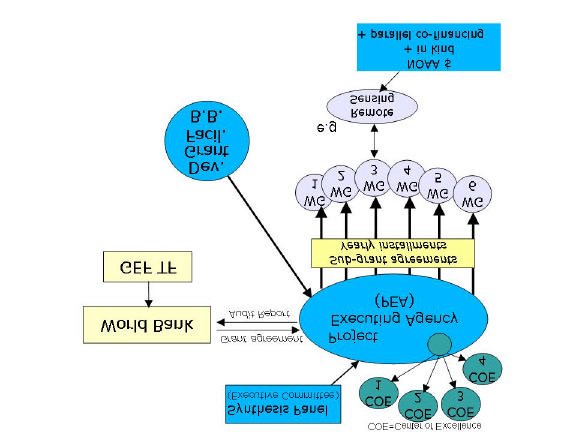
to be contributed by the participating governments. The PEA shall be fully accountable for all project
funds and shall ensure timely disbursement of funds to participating project implementing institutions. PEA
shall be responsible overall project management and coordination including procurement, financial
management and project administration. Figure 4, below, illustrates the Flow of Funds model to
accommodate the diverse source of funds (e.g. from the GEF, the Bank, Bi-laterals, and the recipient) and
the potential for new co-financing expected to emerge throughout Project implementation.
Figure 4 - Diagram of Funds Flow Model for the Targeted Research.
Fiscal Impact:
N/A (no loans involved)
3. Technical:
The six targeted research working groups will coordinate investigations and results through use of
complementary study designs and locations, and through targeted learning exchanges. By coordinating the
targeted investigations, the working groups are building an information base that can directly relate
findings across space and time (see Figure 1). Such complementary data collection not only strengthens
findings but also enhances correlations at different spatial scales. Investigations within many of the
Working Groups will also contribute to specific model development to support their respective areas of
inquiry, and to contribute to the decision support. The standard operating procedures developed under the
Project will contribute to more effective technical exchange by ensuring consistent application of methods
and protocols. This has tremendous implications for extending technical capacity and standard approaches
- 27 -
within the client countries. Combined with targeted learning exchanges, this technical approach allows a
broad spectrum of researchers within both developed and developing countries to present and debate
relevant issues about priority hypotheses, the logistics required to implement targeted research, and to share
various experiences. This model is proving to be highly effective in knowledge sharing, and in transcending
previous communication barriers. While certain locations will continue to experience limitations in
infrastructure (i.e. Internet throughput--which is largely based on given Country's telecommunications
infrastructure), these focused exchanges will help to mitigate this constraint within Centers of Excellence
in each region.
In concert with the Synthesis Panel, the working groups members and supporting staff will design, plan and
disseminate policy briefs and guidelines for the application of relevant findings into management and policy
operations. These will be made available directly to clients, Bank country teams and sector units, the GEF,
NGO community and to relevant international fora.
4. Institutional:
4.1 Executing agencies:
Project execution will be carried out through a series of mutually reinforcing institutional arrangements. A
partnership arrangement between the University of Queensland, Australia and UNESCO-IOC, has been
determined to offer an optimal combination of financial accountability, technical expertise, capacity
building and long-term institutional commitment (including substantial co-financing ), to serve as the global
executing agency. At the field site level, four nodal agencies will be responsible for hosting the research,
helping to organize training workshops and information outreach activities. They will work closely with the
6 scientific working groups, who will be directly in charge of organizing and leading the research program.
Liaison with local and international NGOs with projects in the region, and with other projects and research
institutions who have expressed interest in collaborating in some aspect of the TR Program will be
facilitated through this layered structure of project execution.
As a result of the Block A consultations which engaged both scientists and managers, a conscious decision
was made to limit the research to 3-4 key coral reef regions of the world during the initial five year phase.
These regions were selected on the basis of where there were already significant GEF and other investments
in coral reef management; where there was the beginning of a critical mass of coral reefs scientists and
infrastructure to support establishment of a regional node (which could evolve into a Center of Excellence
for coral reef research), and with support from the Project could facilitate research and capacity building at
a number of satellite sites. The research nodes in these regions were carefully selected in coral reef
ecosystems where considerable baseline data was already available and where resident researchers were
engaged in research that could both contribute to and benefit from the targeted research objectives.
Under ideal circumstances and significantly larger financial resources, this project would have greater
spatial replication and site representation within each of the regions identified, and would reflect some sort
of stratified random sampling design. However, there will never be enough financial resources to conduct
the kind of spatial replication that would be required to generate rigor and power in a statistical context (i.e.
drawing inference over a sampling universe within a given region). As an alternative, this project has
approached the targeted research with a case-study model, whereby a limited number of study sites have
been identified, in which a suite of investigations around key themes is carried out and the information
integrated at each site. Results will be compared across sites, where possible, to assess what
impact/response relationships may be global in scope as opposed to regional (in terms of cumulative
- 28 -
impacts) or even local in scope. It is legitimate and necessary to focus at the outset on a smaller number of
sites until the effectiveness of the research model(s) can be demonstrated.
It is the project's intention to expand the number of sites as the Project progresses through successive
phases and the working groups move toward filling critical information gaps through time. This is why the
Targeted Research has been conceived as a 15 year program. Sequencing is essential in light of the human
and financial resources available and to allow consolidation of results and reformulation of hypotheses
before expanding into new regions and sites. (See Figures 1 and 2)
4.2 Project management:
Day to day administration of the TR Project will be the responsibility of the Project Executing Agency
(PEA). The PEA will have a fully dedicated staff to oversee project implementation and performance,
outreach and communication activities, and future planning (including development activities to identify
future co-financing and new partnerships). Such a staff will include, at a minimum, a senior level
Executive Officer, an Administrative Assistant (to help with Sub-grant administration and procurement), a
Data, Outreach and Capacity Building Officer, a Research and Education Coordinator and a Financial
Manager. These will be full time positions, preferably working out of the same centralized project office.
In addition, the PEA will hire, as necessary, short term consultants as required.
The PEA will receive technical oversight and programmatic direction from a Synthesis Panel and Executive
Committee (see section on institutional arrangements). The PEA will report technical and financial progress
of the Project semi-annually to the Bank with copies to the Synthesis Panel and Executive Committee for
comment. A full briefing on Project progress will be made to the Synthesis Panel during the annual
meetings of the Synthesis Panel and Executive Committee. In addition to the progress reports, the PEA will
submit a financial audit and annual work plans for the WGs, COEs and Synthesis Panel, approved by the
Executive Committee, to the Bank. TheBank will provide financial and technical oversight through
supervision missions and an internal Bank Working Group, consisting of staff with relevant projects.
Project Monitoring and Evaluation
Project monitoring and evaluation will be the shared responsibility of the Project Executing Agency and the
Synthesis Panel. M&E of progress by the Working Groups and Centers of Excellence will be an ongoing
task of the PEA, whose responsibility includes reviewing outputs against agreed workprograms and a
series of performance indicators that will be included in the subgrant agreements between the PEA and
recipients. These will reflect outputs and outcomes described in Annex 1 of the PAD and the agreed goals
and objectives of the specific Working Groups or Centers of Excellence. WG Chairs and COE
representatives will also be responsible for developing and submitting work programs for the next year to
the PEA. These will be reviewed initially by the Synthesis Panel and recommendations for funding made to
the Executive Committee. An independent peer review of proposals will be commissioned periodically by
the Synthesis Panel to provide an arms length assessment of the merit of the sub-project proposal. These
recommendations along with those of the Synthesis Panel will be passed on to the Executive Committee for
review and final allocation of resources to the various subproject proposals.
The full Synthesis Panel will convene physically at least once a year to take stock of the year's outcomes,
discuss any outstanding issues related to the direction of the science, agree on publications to be developed
for the coming year, and review proposals of the WG and COEs. In between meetings, the Synthesis Panel
will communicate regularly through conference calls and e-mail. Extraordinary meetings of the Synthesis
Panel may be convened if necessary, although efforts will be made to convene these around other
conferences or meetings which Synthesis Panel members may be attending.
- 29 -
Results of these meetings will be documented in official minutes by the executive secretariat and
communicated to the PEA. The minutes of the meetings and follow up actions will be included in
semi-annual technical and financial progress reports submitted to the Bank. These semi-annual reports will
also include the results of supervision missions by PEA staff to research sites. Prior to being submitted to
the Bank, the semi-annual technical and financial progress reports will be reviewed by the Executive
Committee, which will have responsibility for approving the following year's research work program and
budget for each of the six working groups and the four COEs. The scientific output of the Project will be
continuously evaluated through publications in peer reviewed journals and presentations at international
fora. A Mid-Term Review of the Project at the end of Year 3 will coincide with an evaluation of the key
outcomes of the Development Grant Facility financed components (2 and 3). These evaluations will assess
progress against performance benchmarks in Annex 1 toward meeting the GEF and Project Development
Objectives.
4.3 Procurement issues:
No issues were identified during the appraisal mission. The executing agency has been assessed to be at
very low risk by the Bank. The University of Queensland's procurement procedures mirror those of the
Bank and these will be used for the limited procurement to be carried out by the PEA. A procurement plan
for these goods and services has been agreed. The majority of the Grant funds will be disbursed through
subgrants which will not require a Bank approved procurement plan.
4.4 Financial management issues:
These are discussed in the section on Financial Management arrangements in Annex 6.
5. Environmental:
Environmental Category: C (Not Required)
5.1 Summarize the steps undertaken for environmental assessment and EMP preparation (including
consultation and disclosure) and the significant issues and their treatment emerging from this analysis.
The Project is designed to enhance environmental sustainability. There are no negative environmental
issues/impacts associated with this project. It is primarily a technical assistance project to build capacity
for science based management of coral reef ecosystems. The approach is one of trying to create the
investigative framework that will help reef scientists and managers understand the basis for ecosystem
vulnerability or resilience in the face of key environmental stressors, such as climate change, land-based
sources of pollution, disease, etc., and to develop tools that may be most cost-effective in reducing risk and
enhancing sustainability. A Category C Environmental Rating has been assigned to the Project by the
Bank's Environmental Safeguards Team.
5.2 What are the main features of the EMP and are they adequate?
n/a
5.3 For Category A and B projects, timeline and status of EA:
Date of receipt of final draft:
n/a
5.4 How have stakeholders been consulted at the stage of (a) environmental screening and (b) draft EA
report on the environmental impacts and proposed environment management plan? Describe mechanisms
of consultation that were used and which groups were consulted?
n/a
5.5 What mechanisms have been established to monitor and evaluate the impact of the project on the
environment? Do the indicators reflect the objectives and results of the EMP?
- 30 -
n/a
6. Social:
6.1 Summarize key social issues relevant to the project objectives, and specify the project's social
development outcomes.
Building capacity for science-based management of coral reefs in countries where they occur will increase
the potential for appropriate and cost-effective management interventions, heighten accountability to the
public re: important conservation/development tradeoffs and create the basis for risk management in the
context of environmental uncertainty. All of these outcomes have substantial social benefits, particularly
for those communities dependent on coral reefs. For tourism dependent countries, strengthening the
information base to safeguard coral reefs will have enormous economic benefits as well.
6.2 Participatory Approach: How are key stakeholders participating in the project?
Participation of stakeholders will be via workshops, collaborative research, exchange of graduate students
and post-docs, publications, symposia and application of research results to policy and management of
coral reefs.
6.3 How does the project involve consultations or collaboration with NGOs or other civil society
organizations?
The results of the research will feed directly into a variety of management activities already in place. Many
of these are sponsored by NGOs and CBOs, working with communities to conserve coral reefs and ensure
their continued production of environmental goods and services (see figure 1 in C). Among the NGOs with
which the Project will be working are: The Nature Conservancy, Conservation International, WWF, The
Wildlife Conservation Society, Environmental Defense, Centro Ecológico Akumal, Western Indian Ocean
Marine Science Association (WIOMSA), Society for the Conservation of Reef Fish Spawning
Aggregations (SCRFA); The project will also work with NGOs to disseminate information, educate the
general public and provide material for their advocacy work for marine conservation.
6.4 What institutional arrangements have been provided to ensure the project achieves its social
development outcomes?
The Synthesis Panel will serve as the interface between science and management and science and policy.
The SP will ensure that research is carried out in a cost-effective and rigorous way to ensure credibility of
results, and will channel findings to various stakeholder groups in appropriate formats to promote the
visibility and uptake of the results in decision-making.
6.5 How will the project monitor performance in terms of social development outcomes?
This will be worked out in project preparation.
7. Safeguard Policies:
7.1 Are any of the following safeguard policies triggered by the project?
Policy
Triggered
Environmental Assessment (OP 4.01, BP 4.01, GP 4.01)
Yes
No
Natural Habitats (OP 4.04, BP 4.04, GP 4.04)
Yes
No
Forestry (OP 4.36, GP 4.36)
Yes
No
Pest Management (OP 4.09)
Yes
No
Cultural Property (OPN 11.03)
Yes
No
Indigenous Peoples (OD 4.20)
Yes
No
Involuntary Resettlement (OP/BP 4.12)
Yes
No
Safety of Dams (OP 4.37, BP 4.37)
Yes
No
- 31 -
Projects in International Waters (OP 7.50, BP 7.50, GP 7.50)
Yes
No
Projects in Disputed Areas (OP 7.60, BP 7.60, GP 7.60)*
Yes
No
7.2 Describe provisions made by the project to ensure compliance with applicable safeguard policies.
N/A - this is a technical assistance project focused on targeted research and learning. None of the activities
identified under this project are likely to trigger any of the Bank's Safeguard Policies.
F. Sustainability and Risks
1. Sustainability:
The Project is envisioned as the first phase of a long term effort which will be sustained through a
coalition of partners, built around a common agenda and measurable outcomes. GEF support is being
requested for this initial phase, which will serve as a proving ground for the targeted research model and a
platform for scaling up and replicating the model in subsequent phases. The requested level of GEF
support in this early phase is critical in that it will serve as the primary catalyst to (i) build a broad
coalition of partners (within the scientific, NGO and management communities) committed to this effort
over the long term, (ii) mobilize the necessary human and financial resources to undertake it, (iii) re-align
ongoing and potential investments of partners in a coordinated effort that will bring focus and cutting edge
science to a common research agenda, and (iv) facilitate the uptake of new knowledge and tools derived
from the targeted research into the design and implementation of GEF-supported activities related to coral
reefs.
A long-term approach is needed because coral reefs are influenced by processes over a wide range of
temporal and spatial scales. Research in other marine environments has consistently identified the need to
establish long-term studies and management trials (over at least 10 to 15 years) to better understand the
dynamics and drivers of these systems. This is especially true of coral reef ecosystems. Existing research
indicates that coral reefs fluctuate on several decade-long time scales, hence the need to sustain this effort
over a multiple phases. The results generated have the potential to eliminate much of the uncertainty
characterizing coral reef management efforts to date and to transform management of highly threatened
ecosystems from a reactive, empirical mode to a pro-active one. This has important implications for
resource allocation, with a focus on preventive measures to manage risks to coral reefs.
Despite the long-term nature of these investigations, information products will be staged for delivery at
periodic intervals to provide interim benefits and tools for managers. Outreach workshops to communicate
the relevance of investigations and their outputs to local communities and to those responsible for coastal
and marine resources management will be organized annually by the Centers of Excellence. Tools and
guidance described in a box in Section C2, will be disseminated through knowledge networks within the
coastal resources management community, and policy briefs will be circulated by the Synthesis Panel for
key audiences in the public policy and development communities. This periodic update of management
relevant results will help sustain the commitment that will be required to reap the benefits of targeted
investigations over the longer term. As this program of research develops, the Centers of Excellence
become stronger, and the working groups generate visible benefits for management and policy, it is hoped
that the project's partnerships will expand and that additional financing from research institutions,
governments and private foundations will be forthcoming, eliminating the need for further GEF support.
Linking the TR to Bank investments, as in Phase 2 of the Indonesia Coral Reef Rehabilitation and
Management Project (COREMAP, which includes GEF support) and to a Poverty Reduction Strategy
Credit for Sustainable Coastal Livelihoods in Tanzania, will contribute the sustainability of the TR and the
uptake of results in follow-up actions.
- 32 -
GEF support during preparation and the promise of support for this initial phase have been absolutely
essential to securing the buy-in of key partners thus far. In addition to the direct Project co-financing,
significant investments in related activities have also been leveraged, to coincide with this initial phase of
the Project. While these leveraged investments lie outside the Project, the results will contribute important
knowledge toward filling gaps and strengthening networking with scientists engaged in the Targeted
Research, thus also contributing to capacity building. Extending the TR effort to subsequent phases will
depend on the success of this initial phase in achieving measurable outcomes and enlisting the necessary
financial and institutional support for future investments. As in other examples of regional Bank/GEF
initiatives, these initial investments will serve to attract new resources by a range of partners, helping to
institutionalize collaboration and sustain the Project through successive phases. It is anticipated that
partnerships will expand and additional financing from research institutions, governments and private
foundations will become the major source of funding in the subsequent phases of the program.
1a. Replicability:
Because the TR Project is structured around discrete research themes and networks of scientists it presents
infinite opportunities for replication and scale up. In this initial phase, the Project investigations will be
centered around four nodes and Centers of Excellence. Consistent with the availability of resources, the
research design calls for the 6 Working Groups to focus their investigations at these sites to lend power to
their research through integration of information across themes, in a case-study or demonstration project
approach. The research agendas of each of the Working Groups, however, provide broad scope for
replication at satellite sites in the region, expanding collaboration with other scientists and institutions
around the node. Similarly, the opportunity exists to expand to new nodes and Centers of Excellence in
subsequent phases, as demand and resources dictate. Successful implementation in Phase 1 will set the
stage for scale up and replication in subsequent phases. The focus in subsequent phases or regions may
shift away from filling basic knowledge gaps to strengthening capacity in coral reef countries and tools and
interventions for better decision-making. Modeling and decision-support are among the tools that may be
refined as knowledge gaps are filled and effort shifts to the application of knowledge to management. By
the end of this five year phase, the Project will have documented a model for Targeted Research with wide
transferability to other GEF Focal Areas.
2. Critical Risks (reflecting the failure of critical assumptions found in the fourth column of Annex 1):
Note "With respect to project objectives, there are no significant risks of failure of critical assumptions".
Risk
Risk Rating
Risk Mitigation Measure
From Outputs to Objective
The research findings do not lead to
S
The project is designed to couple the research
demonstrable improvements in
with the management and policy communities.
management or policies affecting coral
The Centers of Excellence have a role to play in
reefs.
disseminating information locally to coastal
resources users/managers, and to feed it up to
policy makers at the national and regional level
through periodic symposia and briefings. The
Synthesis Panel has a similar role to play at the
level of international public policy.
From Components to Outputs
Project Components 1-3.
M
Centers of Excellence and associated academic
Continued support for the project by
institutions within host countries will need to be
researchers in developing and developed
well integrated into the project, the benefits of
- 33 -
country institutions is not sustained due to
their participation clear and tangible, and the
lack of political will or other priorities.
importance of their work recognized by
management.
Project implementation (disbursements)
M
The University of Queensland has substantial
will be affected by complexity and scope
experience in executing complex projects. It has
of the Project.
sound financial management and follows
international standards in procurement and grant
administration. As partners in project
execution, UNESCO/IOC will work closely
with the Centers of Excellence to provide
technical support and liaison with the PEA. The
Bank Project Team will include representation
from each country team where there is a Center
of Excellence, and field based staff will carry
out regular supervision missions.
Overall Risk Rating
Risk Rating - H (High Risk), S (Substantial Risk), M (Modest Risk), N(Negligible or Low Risk)
M
3. Possible Controversial Aspects:
None
G. Main GrantConditions
1. Effectiveness Condition
Approval by the Bank of the Project Implementation Manual, which is currently available in draft.
The PEA has been established and adequately staffed.
2. Other [classify according to covenant types used in the Legal Agreements.]
n/a.
H. Readiness for Implementation
1. a) The engineering design documents for the first year's activities are complete and ready for the start
of project implementation.
1. b) Not applicable.
2. The procurement documents for the first year's activities are complete and ready for the start of
project implementation.
3. The Project Implementation Plan has been appraised and found to be realistic and of satisfactory
quality.
4. The following items are lacking and are discussed under loan conditions (Section G):
N/A
- 34 -
I. Compliance with Bank Policies
1. This project complies with all applicable Bank policies.
2. The following exceptions to Bank policies are recommended for approval. The project complies with
all other applicable Bank policies.
Marea Eleni Hatziolos
Maria Teresa Serra
James Warren Evans
Team Leader , ENV Sector Director, EASES Acting Director, ENV
- 35 -
Annex 1: Project Design Summary
WORLD: Coral Reef Targeted Research and Capacity Building for Management
\
Key Performance
Data Collection Strategy
Hierarchy of Objectives
Indicators
Critical Assumptions
Sector-related CAS Goal:
Sector Indicators:
Sector/ country reports:
(from Goal to Bank Mission)
The strategic goal of this
1. Conservation of coral
1. Global Status of Coral
Continued commitment by
Program is to enhance the
reefs and the goods and
Reefs Report (produced
countries and donors to
sustainability of coral reef
services they provide are
every two years by
conserve and manage coral
ecosystems as global
priorities for reef countries, GCRMN).
reef ecosystems for
commons, whose goods and as reflected in economic
2. National economic
sustainable use.
services support the
development plans and
development plans, regional
livelihoods and security of support from the
plans, integrated coastal
millions of people.
international community.
management plans, etc.
2. The CASes, PRSPs and 3. Commission on
CEAs of countries with
Sustainable Development
significant coral reefs
Reports; progress reports on
include discussion of the
follow up to WSSD targets
status of reefs, and their
on coral reefs.
contribution to livelihoods 4. Scorecards/performance
and environmental/
reports of ICRI members.
economic security in that
country.
GEF Operational Program:
Outcome / Impact
Indicators:
International Waters: OP 9, 1. Formerly fragmented
1. Number and
1. Implementation of project
Multiple Focal Area:
coral reef research efforts management-relevance of
on a global scale does not
To build capacity for
are coordinated and targeted publications and reports
prove too complex to
science-based management for the first time around key arising from national
achieve objectives.
of transboundary marine
science and technology
research agencies
2. Sustained co-financing
ecosystems under threat
gaps.
2. Project progress reports. beyond first phase is
from climate change and
--A coalition of scientists
3. National reports,
forthcoming.
multiple human stressors,
and research institutions
quantitatively improved,
through targeted research
from developed and
with higher standards of
and learning across regions. developing countries is built confidence presented to
to support this effort.
meetings of the International
2. Major partners from
Coral Reef Initiative (ICRI)
different sectors are aligned 4. Annual reports from
with this initiative, building research institutions and
momentum toward a critical management agencies
mass of resources and
associated with the
sustained commitment to the management of coral reefs.
targeted research beyond the
initial phase.
--Increase in number of
partners contributing
-- Increased in amount of
- 36 -
resources leveraged since
start of Project
3. Results of research are
peer reviewed annually for
quality control and product
delivery against agreed
benchmarks; synthesized;
interpreted and disseminated
to different audiences.
4. Results are linked to
management such that coral
reef managers are
empowered with knowledge
and tools to make better
decisions
5. Institutional and human
capacity for science-based
management of coral reef
ecosystems is built in
participating countries
where coral reefs are found.
--COEs fully engaged in
hosting research and
training by EOP.
6. Policies in participating
countries to protect coral
reefs or mitigate impacts
from key stressors are
strengthened as a result of
new information.
--At least 1 example of
policy adoption or reform in
favor of coral reefs
documented by EOP.
7. Research findings are
mainstreamed into World
Bank country dialogue and
assistance strategies for
countries with coral reefs.
8. Coral reef management
projects under early
implementation or in
preparation -- many with
GEF support --incorporate
research findings and links
to TR in project design.
9. The GEF uses results to
guide future resource
allocations to address cross
- 37 -
cutting issues in Climate
Change, International
Waters and Biodiversity in
the context of
transboundary water
resources mgt, and to guide
clients in the design of
large-scale targeted
research.
Global Objective:
Outcome / Impact
Project reports:
(from Objective to Goal)
Indicators:
To fill critical science and
Evidence of mainstreaming
technology gaps that
new knowledge and tools
currently impede effective
(e.g., into NGO toolkits
management and informed produced for MPA and
decision-making on behalf
coral reef managers, and
of coral reefs. To build
into policy briefings for
such capacity in countries
decision-makers) by EOP.
where coral reefs occur, and
thereby improve the
prospects for sustainability
of reefs and the goods and
services they provide to
millions of people.
Output from each
Output Indicators:
Project reports:
(from Outputs to Objective)
Component:
1. Addressing knowledge
1. a. Five international
1. Project reports
Coral reefs continue to
and technology gaps:
working groups established 2. Publications
provide a major source of
--Uncovering critical
and conducting research
3. Website content and
protein and income to
unknowns that contribute to under sub-project
visitation frequency
millions of poor people
improved management.
agreements at at least 1
4. Formal feedback from
living in the tropical coastal
Developing new tools and COE by Yr 1.
workshops
areas, and thus management
techniques for assessing
--State of knowledge of
5. Feedback from project
of coral reef resources
coral reef stress, and for
each WG focal area
participants (e.g., recorded continues to be a high
rehabilitating damaged
summarized in a TR
on website forum area)
priority in developing
reefs.
publication by end of Year
countries with significant
1 to serve as knowledge
coral reef resources.
baseline.
--At least 3 diagnostic tools
- 38 -
on line by end of year 2.
--At least 2 policy briefs
prepared and disseminated
to environmental policy
community by EOP
-- At least five major
knowledge products (see
Box in PAD C 2)
generated and
disseminated by EOP.
2. Promoting scientific
2. Developing country
2. a. Publications in peer
learning and capacity
graduate students and early reviewed journals and Staff
building:
career researchers included Profile of TR Project
Scientists and students with in the research activities of
enhanced capacity to engage all working groups by Year
in targeted research.
2 (At least 20 graduate or
Institutions with increased
post-doctoral fellowships
capacity to engage in
supported by the Project by
targeted research.
EOP);
b. Active collaboration
b. Project progress reports.
between developed and
developing countryscientists
in research activities;
improved research and
technical capabilities of
developing country
institutions;
c. Regular exchanges of
c. Project progress reports.
academic staff and students Project website.
between developing and
developed country
institutions by EOP
d. Multiple publications of d. Peer reviewed journals
research results in peer
reviewed journals by
developed and developing
country scientists for each
WG. Enhanced publishing
by COE staff in
peer-reviewed journals (e.g.,
rate more than doubles by
EOP).
3. Linking scientific
3. a. Synthesis Panel meets a. Project progress reports.
knowledge to management
at least once/yr and agrees
on agenda and outputs for
year 1 (Secretariat
established by project
effectiveness)
- 39 -
b. Work programs for all
WGs reviewed and
approved for Year 1; and at
least 10 sub-project
agreements negotiated and
disbursed by end of Year 1;
sub-project agreements with
all COEs negotiated and
disbursed by end of Year 1
c. Workshops with
3c. TR Project publication
managers and other local
series; Project website;
stakeholders staged at
other project websites linked
strategic points throughout to TR Project
the project; Symposia (at
least 2 by end of year 4)
bringing together multiple
disciplines (e.g., legal/policy
experts, social scientist and
natural resource economists
along with marine
scientists) periodically
convened to discuss and
interpret implications of
research findings;
management information
and policy briefs published
periodically; a dynamic
database of knowledge
generated by the Project
established and sustained,
and accessible to managers
in user friendly formats by
end of Year 2.
3d. Decision support tools, 3d. Management strategies
including scenario building in target countries
and other visualization
techniques, to demonstrate
likely outcomes of
development decisions and
economic policies on line at
3 of 4 COEs by EOP.
3e. Tools (e.g., diagnostic 3e. Project reports
kits) and Models being used
collaboratively by
researchers and managers
on actual management
issues by EOP.
3f, Adaptive management
3f. Symposia proceedings
- 40 -
(process) model developed
and implemented for Project
to guide direction from
Synthesis Panel.
3g. At least one major
symposium hosted at each
COE to disseminate and
interpret research findings
for policymakers and
managers in the region.
3h. World Bank internal
Working Group is briefed
frequently by the SP on key
findings and other issues
relevant to policy.
3i. At least one example of 3i. Country Assistance
policy dialogue between a
Strategies
World Bank Country
Director and client on action
to reduce/mitigate stress on
coral reefs documented by
EOP.
4. Project Administration
4.a. PEA fully staffed and
Project reports
operational within 6 months
of effectiveness.
Bank supervision reports
b. Sub-project agreement
negotiated and first year
sub-grants disbursed to all
WG by 1st quarter of
CY05.
c. Periodic site visits made
to COEs as needed
c. Knowledge management
system up and running by
Year 2.
Project Components /
Inputs: (budget for each
Project reports:
(from Components to
Sub-components:
component)
Outputs)
1. Addressing key
1. $11.2M
Progress reports and
Continued support for the
knowledge and technology
disbursement/ expenditure
project by partners and by
gaps.
reports
researchers in developing
and developed country
institutions.
2. Promoting scientific
2. $4.20M
Project Reports on no. of
learning and capacity
graduate and postdoctoral
building.
students trained between
WG institutions and COEs;
- 41 -
and WG institutional
reports.
3. Linking scientific
3. $4.0M
Project Reports and number
knowledge to management.
of policy briefs produced,
participating NGO annual
reports; refereed
publications credited to the
TR.
4. Project Administration
4. $2.9M
Semi-annual technical and
financial progress reports
- 42 -
Annex 2: Detailed Project Description
WORLD: Coral Reef Targeted Research and Capacity Building for Management
Coral reefs play a key role for the functioning of tropical coastal ecosystems and for the large coastal
populations that depend on reef resources for their daily livelihoods. Complex and productive, coral reefs
include an overall biodiversity that is critical for the ecosystem's natural ability to respond to environmental
change. Coral reefs also provide critical resources (e.g. fish, tourism, coastal protection, etc) for some 500
million people that depended either totally or partially on reefs (Wilkinson, 2002). Coral reefs are under
pressure from a wide array of human influences. Recent evidence also reveals that coral reefs are sensitive
to environmental changes like climate change (Hoegh-Guldberg 1999; IPCC 2001). As a result of such
pressures, coral reefs are in decline in almost every region of the world. Recent estimates put the rate of
decline at somewhere between 40 and 60% of the world's coral reefs over the next 50 years unless
appropriate steps are taken (GCRMN 2000). This has huge ramifications for a large number of human
societies and endeavors as well as the inherent aesthetics of our coastal ecosystems.
Understanding how these changes will manifest themselves and how the impact on human and reef
communities can be eliminated or minimized is an urgent priority. Despite significant progress over the last
two decades, there are many key gaps in our basic understanding of coral reef function and dynamics. The
Coral Reef Targeted Research and Capacity Building program has been established to address these
fundamental information gaps in our understanding of coral reef ecosystems, so that management options
and policy interventions can be strengthened globally. For the first time in history, this project will join the
collective effort of many of the World's leading coral reef scientists to coordinate research efforts and
address key outstanding questions about the health of coral reefs. The program is being developed in phases
over 15 years, and through focused and systematic research, is working to effectively support management
and policy and to better integrate resulting information with other disciplines, such as economics and law.
The program will also enhance the capacity of researchers, students and managers within developing
countries, so that a global network can effectively share the most up-to-date research to benefit regional,
national and local management actions and policy.
The Program is coordinated across four geographic nodes, representing key coral reef regions of the world,
and focused around six key themes which will address essential science and technology gaps in our
understanding of what drives coral reef ecosystem sustainability. The Targeted Research Program
framework consists of three strategic elements:
1. Addressing knowledge and technology gaps
2. Promoting Learning and Capacity Building
3. Linking scientific knowledge to management
4. Project Administration and Coordination
By Component:
Project Component 1 - US$11.20 million
I. Key Knowledge Gaps (GEF = US$ 8.0) (Other Cofinancing = US $ 3.2)
A. Targeted Investigations and Working Groups
To address these science and technology gaps, 6 Working Groups, comprised of developed and developing
country scientists who are internationally regarded in their fields, have been formed to focus and coordinate
research around key themes. A guiding Synthesis Panel has been formed to play a crucial role in overseeing
the quality and direction of the research, and to integrate research findings such that the whole is greater
- 43 -
than the sum of its parts.
Under Component 1, targeted investigations of five of the six Working Groups will be supported. The
research of the sixth Working Group, "Decision Support and Modeling," will be supported under
Component 3 (Linking Science to Management) as the main objective of this WG is to link science to
management by helping to integrate the results of the other five Working Groups into a descriptive model of
the coral reef ecosystem that is being investigated. The model is intended to serve as a scenario building
tool for managers and policymakers to help them visualize the ecological and socio-eoconomic impacts of
their decisions on coral reefs.
(1) Coral Bleaching and Local Ecological Responses Working Group (BWG): Ove Hoegh-Guldberg,
Chair, University of Queensland, Australia Members: Yossi Loya, Co-Chair, University of Tel Aviv,
Israel, Bill Fitt, (Cellular responses, USA); Helen T. Yap (Local ecological responses, Philippines); John
Bythel (Local ecological responses, UK); Rob van Woesik (Local ecological responses, Japan/USA);
Roberto Iglesias-Prieto (Molecular mechanism/markers, Mexico); Ruth Gates (Cellular responses, USA);
Barbara Brown (Cellular responses, UK); Michael Lesser (Cellular responses, USA); Ron Johnstone
(Local ecological responses, Australia); Tim McClannahan (Local ecological responses, Kenya) Nyawira
Muthiga (Local ecological responses Kenya) David Obura (Local ecological responses, Kenya); Ole
Vestergaard, Coordination (IOC/UNESCO, France)
The Bleaching Working Group was founded by the UNESCO/Intergovernmental Oceanographic
Commission (IOC) in April of 2001. The group's initial terms of reference included the development of
indicators specifically for coral bleaching. Subsequently, it expanded its mandate to examine specific
physiological mechanisms for coral bleaching as well as the local ecological factors that precipitate
bleaching and its after-effects, and differences between direct human stresses with those related to climate
change.
The Working Group has prioritized hypotheses at various levels of interaction related to stress tolerance
and the basis for vulnerability and resilience corals reefs to bleaching. Examples include the following:
l
Molecular-level Hypotheses: i)The basis of heat stress tolerance in corals rests in the molecular
mechanisms that reduce photoinhibition. ii) Failure of the primary steps of photosynthesis leads to
a build-up of oxygen radicals, which then cause cellular damage. iii) Both coral host and
zooxanthellae have a series of coral bleaching specific markers that may be useful as bio-markers.
l
Cellular and Physiological Hypotheses: i) Coral bleaching and mortality is driven by the primary
variable elevated temperature but is influenced by light, flow and other factors. ii) Thermal stress
will reduce growth rates, coral metabolism, and regenerative capacity iii) Seasonal fluctuations in
the density and quality of zooxanthellae are important to understanding coral bleaching.
l
Within-Reef Ecological-level Hypotheses: i) Climate change will reduce reef resilience by:
increasing whole colony mortality on coral reefs, changing differential mortality patterns (species,
size) reducing recruitment (loss during larval phase failure of settlement), having a greater effect
on larval survival compared to the adult phase, causing a change in relative abundance of
populations, size frequency distributions, and causing a functional shift. ii) Other stressors (natural
and/or anthropogenic) will have a compounding effect on the tolerance of corals and zooxanthellae
to thermal stress.
(2) Connectivity and Large-Scale Ecological Processes Working Group (CWG): Peter F. Sale, Chair
University of Windsor, Canada (fish ecology, recruitment)
Members: Menchie Ablan (fisheries genetics, Malaysia/Philippines); Ernesto Arias (fish and coral ecology,
Mexico); Mark Butler (lobster biology, recruitment, USA); Bob Cowen (fisheries oceanography, larval
- 44 -
biology, USA); Geoff Jones (fish ecology, recruitment, Australia); Serge Planes (fish genetics, France);
Barry Ruddick (physical oceanography, Canada); Bob Steneck (coral reef ecology, coral recruitment,
USA); Alina Szmant (coral biology, recruitment, USA); Simon Thorrold (fish otolith microchemistry,
USA); Yvonne Sadovy (fisheries ecology, China); Bret Danilowicz (fish recruitment, stock discrimination,
Ireland/USA); Ken Lindeman (fish ecology, USA); Enric Sala (grouper biology, USA); Mary Alice
Coffroth (coral genetics, USA)
Coral reefs are patchily distributed in an ocean that provides the possibility of transport among them.
Presently, the design of Marine Protected Areas (MPA) containing coral reefs and their implementation
uses educated guesses to decide appropriate spatial scales and patterns of placement, and there is little
information to determine whether these guesses are even approximately correct. As levels of direct
exploitation of coral reef resources rise, and as other pressures on reefs and increased use of coastal
environments intensify, it becomes increasingly important that the establishment of spatially explicit
management is done at correct spatial scales ones compatible with known patterns of "connectivity" of
target populations.
Connectivity can be defined as the flux of items between locations. It exists for nutrients, sediments, and
pollutants, but in the context of coral reef management, connectivity in the form of the effective transfer of
individuals (usually pelagic larvae) between local populations is the most important, and also the most
difficult to measure. While the transfers of non-living materials are likely to be determined primarily by
local and regional hydrodynamics, we know that the transfer of organisms (demographic connectivity) is
more complex since passive transport due to hydrodynamics is modified by the sensory and behavioral
capabilities of marine larvae. Effective transfer also involves successful establishment as a part of a
breeding population, so connectivity among populations is not simply measured by focusing on dispersal
patterns, but must include successful recruitment to the receiving population.
At present we lack quantitative data on demographic connectivity, yet these data are essential if we are to
improve our ability to design and implement networks of MPAs and other spatially explicit management
systems. The use of MPAs presupposes connectivity. Either MPAs are established at a size believed large
enough to encompass all phases of the life cycle of species being sustained, or they are established at a size,
and in spatial arrangements with respect to un-protected sites, that will foster enhanced recruitment of
species to these surrounding sites due to dispersal beyond MPA boundaries.
The Connectivity Working Group is targeting these fundamental gaps in our knowledge. It is beginning its
work in selected areas within the various regions of the program with the aim to develop specific tools and
techniques necessary to address these critical questions. The Group's initial focus involves the following
research:
Larval biology and behavior. By studying several organisms simultaneously? ranging from spiny lobster
with very lengthy larval phases, to corals with much shorted larval durations, to fishes with active larval
swimming behavior? the CWG will provide critical knowledge of the potential of connectivity in furthering
management and conservation.
Hydrodynamic and biophysical models to predict dispersal. The spatial and temporal patterns in
abundance of new recruits must be driven initially by patterns of dispersal from source locations in a
region. Using biophysical models to track dispersal through larval life from selected source locations, it
should be possible to generate maps of 'settlement intensity' to compare with observed recruitment patterns.
Congruence will suggest that models are sufficiently precise to describe patterns of connectivity among
locations. Deviations will drive further work to improve hydrodynamic models, and to explore capabilities
- 45 -
for active movement. The nature of the deviations will provide cues to factors that may be important in
determining connectivity patterns for various species.
Genetics. Flux experiments on corals and fish will use genetic data to reliably identify progeny from
particular mass spawnings and dispersals. Coral studies will also use genetic patterns expressed in cohorts
of differing age to determine if there have been measurable changes in patterns of connectivity in recent
decades (during a time when Caribbean coral populations have suffered serious declines).
Otolith chemistry (inner ear bones within fishes). Work with fish will take advantage of the possibility
that otoliths of larvae can be given a unique tag by administering a chemical to the females immediately
prior to spawning. A second 'marking' method will rely on collection of sufficient genetic information from
the spawning aggregation that a 'paternity analysis' can be used to screen collected recruits. The fish flux
experiments will also tag the aggregating adults externally so that the 'catchment area' of the aggregation
can be established using tag returns to locate animals after they have dispersed.
Recruitment monitoring. Studies of recruitment will be substantially extended by targeted research on
early post-settlement survivorship and growth of selected species. The underlying hypothesis driving this
work is that there are major bottlenecks to successful recruitment of corals that occur after completion of
the larval phase. Understanding the causes of these bottlenecks, and therefore the conditions under which
connectivity may or may not be achieved is clearly fundamental to a full description of coral reef
connectivity.
Built into this targeted research, the CWG will be working with local managers and scientists in
undertaking these experiments, so that genuine transfer of tools and techniques will take place, and so that
a joint understanding of the findings will have direct application towards improved management.
(3) Coral Disease Working Group (DWG): C. Drew Harvell, Chair, Cornell University, Ithaca, NY,
USA
Members: Garriet Smith, Co-Chair, (USA); Farooq Azam (USA), Eric Jordan (Mexico), Esther Koh
(Singapore), Eugene Rosenberg (Israel), Ernesto Weil (Puerto Rico), Bette Willis (Australia), Laurie
Raymundo, (Philippines/Guam).
Over the last 20 years, unprecedented increases in disease on coral reefs have contributed significantly to
coral reef degradation. Disease-related damage of coral reefs has been well documented in the Caribbean,
but recent observations of coral disease in other regions of the world are just beginning, and disease
occurrence in these other regions may be a potential harbinger for increasing outbreaks and impacts
associated with increased climate warming. What has prompted this rapid emergence of coral disease?
The Disease Working Group is targeting investigations to address this question, to understand this
emergent problem and to develop tools and responses that can be used for management. The Disease
Working Group is basing its work program around the following major tasks and hypotheses:
l
Identify major coral diseases. What diseases are global in their distribution?
l
Infectious disease significantly reduces coral reef biodiversity. Can some diseases enhance
l
biodiversity?
l
Coral disease (and pathogenic organisms) are higher during bleaching events and in more
bleached locales. Are bleached corals more sensitive to super-infection with other pathogens?
l
Coral Disease prevalence and severity are higher in high nitrogen eutrophic situations. Does
- 46 -
chronic stress (such as eutrophication) result in higher incidences of disease?
l
What is the host range of known coral pathogens?
l
Remediation for coral disease. Can antimicrobial agents limit infections?
(4) Coral Restoration and Remediation Working Group (RRWG): Alasdair Edwards, Chair,
University of Newcastle, U.K.
Members: Edgardo D. Gomez, Co-Chair (Philippines), Loke Ming Chou (Singapore), Andrew Hayward
(Australia), Richard E. Dodge (Caribbean), Johann Bell (Malaysia), Baruch Rinkevich (Israel), Aileen
Morse (USA), Tadashi Kimura (Japan), Abdul Azeez Abdul Hakeem (Maldives).
The world-wide degradation of coral reefs, particularly in the last two decades, has prompted greater
attention to remediation and restoration. This has resulted in a wide range of initiatives broadly classified as
improving the existing condition of impacted coral reefs (mainly through human influence). Early initiatives
have focused more on artificial reefs where "reefs", or more accurately "fish-aggregating devices" are
created on non-coral reef platforms, mainly to enhance fisheries production. While this approach is still
being expanded more recent activities have been directed specifically at restoring degraded coral reefs.
The diversity and scale of remediation/restoration activities vary tremendously. They cover habitat
modification, coral transplantation, species re-introduction, and recruitment potential enhancement. Some
of these interventions involve large-scale sub-tidal structures designed to facilitate natural colonization of
reef-related species, while others use simpler and less costly approaches that are more readily replicated.
Reef remediation and restoration will continue to have an increasingly important role and efforts are likely
to expand in the future. However, viable approaches and technologies are in relatively early stages of
development, and in most cases are currently difficult to implement on large spatial scales.
Reef remediation/restoration should not replace reef protection as the first management option. However,
large areas of degraded reefs make it unavoidable to ignore remediation and restoration action. The loss of
biological and economic services from degraded reefs continually emphasize the need for maintaining the
ecosystem, and where degraded, to restore it to a level where significance can once again be realized.
The Restoration and Remediation Working Group is examining the state of restoration and remediation
techniques and is targeting investigations to test the efficacy of a range of potential applications. The
research includes the following considerations:
l
the scientific protocols necessary to design and implement restoration strategies
l
baseline data for developing effective criteria
l
the efficacy and feasibility of restoration and remediation techniques
l
prospects for enhancing natural recovery
l
opportunities to combine reef remediation with small and micro-enterprise at the local level.
The Restoration and Remediation Working Group will coordinate its investigations with other Targeted
Research Working Groups to consider implementing joint research into remediation or restoration options,
especially with the Bleaching, Disease and Connectivity Working Groups.
(5) Remote Sensing Working Group (RSWG): Peter J. Mumby, Chair, University of Exeter, U.K.
Members: Laura David, Co-chair (Philippines), Ian Gillett (Caribbean, Belize), Jack Hardy (Caribbean,
Indo-Pacific, USA); Eric Hochberg (Caribbean, Indo-Pacific, USA), Ellsworth LaDrew (Caribbean,
Indo-Pacific, Canada), William Skirving (Indo-Pacific, Australia); Al Strong (Caribbean, Indo-Pacific,
- 47 -
USA); Mary Vasquez (Caribbean, Belize).
The Remote Sensing Working Group will be developing and testing a wide range of remote sensing tools,
including satellite, airborne, acoustic and in situ methods. Prior to this Targeted Research effort, the remote
sensing of coral reefs has been conducted on an ad-hoc basis with little consistency or general insight into
its limitations. For example, we know that some aspects of reef health can be resolved on shallow reefs in
French Polynesia but we cannot predict whether this would be a realistic expectation in say Jamaica, where
reefs have a different flora and fauna, are located in deeper water, and where light penetration is slightly
reduced because of higher suspended sediment concentrations in the water column. Without a generic
understanding of the limitations of reef remote sensing, the technology may continue to be oversold or
deployed for unrealistic management objectives, resulting in an inappropriate use of financial resources.
The RSWG will quantify the limitations of coral reef remote sensing by combining radiative transfer
modelling and field experiments. Models predict the ability of a given remote sensing instrument to detect
the subtleties of bottom reflectance that distinguish reef habitats or the cover of corals and macroalgae
within habitats. While the passage of light through the water column is relatively well understood, the
interaction of light between reef organisms, many of which have complex structures, presents a research
challenge. We address this problem using methods which were originally developed in the computer graphic
industry. Coral structures are divided into thousands of individual patches, each of which behaves as a
specialized reflecting surface. On reaching the reef, sunlight is reflected and scattered in predictable
directions, from which we can calculate the net light recorded by the sensor once it has passed back through
the water and atmosphere. Computer models will be refined and tested in the laboratory and then tested
under field conditions in a unique, large-scale remote sensing experiment.
The RSWG will also provide tools to identify various coral reef habitat types and possibly predict the cover
of corals and algae on a reef. These tools require high resolution imagery and direct field survey at the time
of image acquisition and therefore have limited application to archived or lower-resolution imagery. A
wealth of satellite and photographic data are often available for reefs, sometimes archived as far back as
World War II. We will conduct a number of activities to improve the way in which changes in reef
condition can be predicted indirectly using remote sensing. These methods will highlight which areas of the
coast have undergone the greatest change and help managers quantify the rate of change in coral reef
habitats.
Recent remote sensing research has improved the detail of reef habitat maps but the interpretation and uses
of these products for management and measuring and evaluating biodiversity has received relatively little
attention. Specifically, what do habitat maps mean in terms of biodiversity and reef function and how
should they be used for conservation planning? For example, many reserve selection algorithms require an
extensive database of species' distributions which are costly and logistically difficult to establish. Remote
sensing could largely replace intensive site-specific biodiversity surveys if the value of habitats as a
surrogate for species (or functional) diversity were established in a variety of environments. The Targeted
Research framework provides an unrivalled opportunity for taxonomic capacity within its Centers of
Excellence and to quantify the ecological basis of habitat maps.
In addition to improving the capability of remote sensing to help assess coral reefs, this working group will
also provide technical assistance to the other working groups that might benefit from the use of remote
sensing products to complete their investigations. Finally, the RSWG will organize a wide variety of
oceanographic and atmospheric remote sensing products into an International Oceanographic Atlas and will
make them available for reef and coastal management within a single website.
- 48 -
B. Research Workshops and Academic Mentoring by Working Group Members
As part of the research to be led by each Working Group, workshops will be organized by the Working
Group chairs at each Center of Excellence to host the reseaerch. This will serve to bring together the
various members of the Working Group(s) to launch the research and to orient local scientists and
researchers in the region about the targeted investigations to be carried out at the Center of Excellence. The
workshops will be a combination of knowledge sharing and field work, demonstrating the techniques to be
used and introducing graduate students, post docs and resident scientists to the research that will be carried
out. Support for collaborative research on local research priorities that will benefit from the expertise and
guidance of Working Group Members will be provided under Component 2, Promoting Scientific Learning
and Capacity Building.
Research scholarships for developing country graduate and post-doctoral students will be a major
component of all the Working Group research. Wherever possible, developing country students will be
recruited into the research laboratories of Working Group members to carry out investigations as part of
the TR Program and to complete degree programs under Working Group member supervision. The level of
involvement will be fully defined during the startup of each research component and will depend on the
availability of suitable students. This could range from full scholarships to undertake work in the
institute(s) of developed country Working Group members, to joint supervision between developed and
developing country WG members. This would involve a proportion of the time spent in training within the
developed country institute(s), or simply the incorporation of a component of a local student's research
project into the local activities of the group, with the student benefiting from the advice and interactions of
working group members during field visits. A definitive list of developing country student involvement is
not yet available, but initial plans envisage up to 23 masters and PHD students, and 8 Postdocs being
supported under the project. The sharing of at least four of the postdoctoral fellowships may be supported
in partnership with the International Society of Reef Studies.
The senior scientists involved in each working group all have excellent publication records and a concerted
effort will be made to publish results with developing country counterparts in peer-reviewed journals. The
chance to publish with some of the most senior figures in each field will constitute an important capacity
building component for both students and early career scientists in all groups. The publications will be
supplemented by other reports and information briefs written for more general audiences.
Project Component 2 - US$4.20 million
II. Scientific Learning and Capacity Building (GEF = US$ 1.2 M; DGF = US$ 1.7 M; other
Co-finance = US$ 1.3 M)
Each of the Targeted Research Working Groups will carry out the majority of their field work in
developing countries. Four regional nodes have been selected that reflect the biological diversity of coral
reefs throughout the world, and have the capacity to serve as Centers of Excellence (COE).
- 49 -
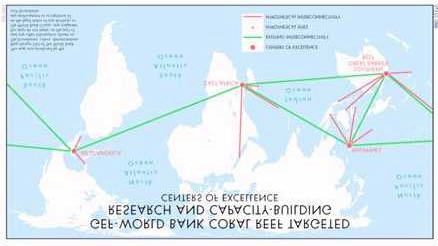
The four nodes occur within three major coral reef regions? the western Pacific, including Southeast Asia
(which is the center of coral reef biodiversity), the Indian Ocean (which has suffered extensively from
recent episodes of coral bleaching associated with climate change), and the western Atlantic (whose reefs
are substantially different from Pacific and Indian Ocean reefs). The locations have been selected on the
basis of significant ongoing investments in coral reef management, and where considerable baseline data
already exist, along with a critical mass of coral reef scientists and infrastructure--essential to carrying out
coordinated research. In each of these four areas, a Center of Excellence (COE) has been identified
l
Western Caribbean: Universidad Nacional Autónoma de México
l
Eastern Africa: University of Dar Es Salaam, Marine Science Institute, Zanzibar, Tanzania
l
Southeast Asia: Marine Science Institute, University of the Philippines
l
South Pacific/Australasia: University of Queensland, Australia
During the first years Mexico, Heron Island and the Philippines will be the most active sites. Palau1 and
Belize will also be involved to a lesser extent at this time. The Synthesis Panel will hold its Year 1 meeting
in Zanzibar, with the intent to begin working group collaboration there in years 2 or 3. Other potential sites
will be brought into the program in a progressive manner, possibly toward the end of phase 1, depending
upon the success of working group integration at the core sites and the need for spatial replication.
1The Government of Palau, through the International Coral Reef Center, is exploring partnership arrangements with the TR Project to host some of
.
the WG research as a satellite site
Activities:
A. Institutional Strengthening of Centers of Excellence (US $2.9 M )
Four regional nodes with the capacity to develop into Centers of Excellence for Coral Reef Research will
host the research of the Working Groups. They will serve as a convening location for the Working Groups
to meet and discuss the research priorities with regional and local scientists in a collaborative spirit.
Furthermore, they will also serve as convening locations at specific periods to work with regional and local
managers to consider how the findings can be applied within management contexts. Research plans,
standard methods and development of capacity are being coordinated to maximize the level of effort
between as many of the sites and working groups as possible. Each of the working groups will conduct core
elements of their investigations in at least two of the four locations during the first phase of the Program.
As hosts for the investigations, the COEs also serve as the focal points for scientific learning exchanges,
- 50 -
led by the various Working Groups under Component 1. The project will support a series of workshops
each year which will bring researchers from the various working groups together to orient field research,
brief one another on findings and, based on these results, modify and design the subsequent phases of
targeted research. Through the Centers of Excellence, working group members will engage with other
researchers from within the region, as well as other working groups, and will jointly conduct investigations,
share knowledge and engage in training opportunities with doctoral and post-doctoral students from
participating developing countries. Based on experiences during the project development phase,
apprenticeship-type models proved to be highly successful by combining world-class, seasoned researchers
with younger post-doctoral and graduate students in a supportive working environment. This brings
International expertise in the development and use of various techniques and investigative strategies that
will provide opportunities for regional and local researchers to benefit. The involvement of post-graduates
is supported through stipends and research scholarships. Each Center will identify a representative to serve
on the Synthesis Panel (see Component III below), who will be responsible for coordinating the research to
be carried out by the various Working Groups and oversee training in research techniques and the
application of new management technologies for participants in the region. Support for equipment (e.g.
microscopes, instruments, boats, etc.) and other upgrades (such as high speed internet communication and
reference materials) will be provided to each COE, along with support for a technical assistant to the COE
Representative
Co-financing support for graduate scholarships will also occur for developing country students enrolled at
Universities (i.e. affiliated with the COEs), to collaborate on coral reef research at the four Centers of
Excellence. This will support research and training in state-of-the-art techniques in coral reef research for
developing country scientists affiliated with networks of marine laboratories and research institutions
within the regions.
B. Support for participation by regional scientists in Targeted Research Activities. (US $0.150 M)
A major role of the COEs is to facilitate access to the research training and management tools developed
under the Project, by other scientists or managers in the region, not formally affiliated with the COEO.
These opportunities for developing country scientists from the region, outside the COE, to participate
(These would include personnel involved in other GEF-financed Coral Reef Management activities (e.g.,
Indonesia COREMAP, the MBRS Project in Mesoamerica, the Marine and Coastal Ecosystem
Management Project (MACEMP) in Tanzania), and other donor financed initiatives.
C. Support for Local Research Priorities (US $1.0 M for 3 COEs), which can be informed by
Working Group expertise. Participation of other local scientists as researchers/collaborators in
specific experiments.
Resources will also be set aside to support coral reef research that addresses local and regional priorities
(e.g., Bolinao connectivity work). Thus, researchers at the COEs and at participating satellite sites (e.g.
other research facilities which are part of a regional network of marine laboratories) will have the
opportunity to engage in related research that is tailored to the specific needs of that region, while at the
same time, benefiting from the expertise and mentoring by WG members and opportunities to reinforce
institutional collaboration among scientists. Such collaboration will also access local knowledge and
expertise and help ensure the near-term application of findings to local/regional management issues.
D. Ongoing Outreach Activities (US $0.115 M)
Connecting with local stakeholders; developing communication and educational materials, e.g., for schools,
and other knowledge products that can inform regional coral reef management activities. In addition to the
- 51 -
major workshops involving all working groups mentioned above, the Centers of Excellence, in cooperation
with the WGs, will hold additional meetings and small workshops to familiarize local participants and
stakeholders with the proposed work. This will also involve training of local personnel to carry out
ecological surveys and certain experiments/measurements which require regular attention. Among those
expected to participate would be technical staff and graduate students from local supporting institutions.
For example, in years 1 & 2 the Disease Working Group will be training local Philippine personnel to carry
out surveys for disease and to take samples for isolation and identification of pathogens.
Project Component 3 - US$ 4.00 million
III. Linking Scientific Knowledge to Management (GEF = US$ 1.4 M), DGF = US$ 1.3 M) Other
Co-finance = US$ 1.3 M
A. Role of Synthesis Panel
A guiding Synthesis Panel helps gives direction to the Targeted Research program and interpets and
disseminates its findings. This experts Panel consists of the heads of each of the six thematic workding
groups, representatives from each of the Centers of Excellence, the Executive Officer from the Project
Executing Agency, and several outside experts representing coral reef scientists, economists, and managers.
In order to maximize the impacts of the project on managers, scientists, environmental NGOs and
government agencies in coral reef countries, the results of the program will be disseminated in a variety of
formats and using a range of media. Peer reviewed papers will represent the highest level of scientific
output and will ensure a high level of quality control on the results and conclusions. Non-technical
summaries of the major findings will also be created by a contract science writer with experience working
in developing countries. These will be further distilled into short briefs outlining the major results, setting
out the policy implications, and listing possible management actions and policy options for consideration by
relevant government agencies. The World Bank, as implementing agency, will use these policy briefs to
inform its Country Dialogue with client countries and the preparation of country assistance and other
strategies to guide its lending and non-lending operations. Such information will be used to promote reform
in those economic sectors as well as macroeconomic policies which are responsible for local stress on coral
reefs.
During the first year the Synthesis Panel will finalize policies on intellectual property and information
access that will provide maximum flow of data and information while giving reasonable protection to
researchers who need to publish their work before it enters the public domain.
The activities of the Synthesis Panel include the following:
(1) Periodic Meetings to Review, synthesize and interpret research results and provide direction re: scope
and budget for proposed follow on investigations. This will be part of an annual review process that
evaluates research findings and approves proposals for continuing research. An Executive Committee will
approve funding allocations for renewal of research subgrants on an annual basis.
(2) Occasional Symposia to bring interdisciplinary perspectives to bear on research findings and to
discuss implications for policy (to be held periodically in Washington for benefit of Bank staff and other
public policy makers, e.g, U.S. Coral Reef Task Force, GEF STAP, National Academy of Sciences,
Bilateral and Multilateral officials, NGO community.)
(3) Publications and Communications in the form of peer reviewed journal articles, Policy Briefs, and
Occasional Technical Papers (These will be part of a TR series--output of the project), and periodic press
releases. As part of the latter, one or two international workshops for journalists will be supported (with
- 52 -
Australian and DGF funds?) Work with Journalism and Public Policy Department of the University of
Queensland to develop this. (Science writer hired to work with Synthesis Panel to draft briefs and journal
articles, and to work with Working Groups and COEs to distill findings re: new tools or insights to be
published in a variety of media (NGO newsletters, magazines, popular press, etc.)
(4) Special Studies (including DGF Evaluation at end of Year 3)
(5) Short Term Consultancies to support the work of the Synthesis Panel
(a) Washington-based Coordinator to serve as Executive Secretariat
(b) Honoraria for external Synthesis Panel members
(c) Independent Peer Reviewers (up to 4 reviewers/yr)
B. Modeling and Decision Support Working Group
Roger Bradbury (Chair), Australian National University, Canberra, Australia
Members: John McManus, (USA) Porfirio Aliño (Philippines); Ernesto Arias (Mexico,Team Leader for
MBRS); Antonio Badan (Mexico); Herminia Carnigal (Philippines); Robert Cowen (USA); Laura David
(Philippines, Team Leader for Philippines), Bohdan Durnota (Australia); Felimon C. Gavanilo, Jr.
(Philippines/USA); Craig Johnson (Tasmania); Richard Pollnac (USA); Ramon Sampang (Philippines);
Rob Seymour (U.K), Rodrigo Garza (Mexico); Eloy Sosa (Mexico); Liana Talaue-Mcmanus
(USA/Philippines); Cesar Villanoy (Philippines); Scott Woolridge (Australia).
The Modeling and Decision Support Working Group (MDSWG) is focused on the development of a set of
novel, state-of-the-art tools to improve coral reef management and education. It integrates the work of the
other five working groups, and combines this with a broad range of social, economic, ecological and
physical information in a land-to-sea, watershed-based framework. The research is centered on the
development of Dynamic Decision Support Systems (DDSS), which will augment Geographic Information
Systems with best-practice guides, expert systems, and scenario-testing models. The set of spatially-explicit
models will serve as layers in the GIS designed to provide analyses of the potential impacts of various
management interventions on the coral reef and associated local economic and social systems. The layers
will be interlinked in flexible ways, to provide for interdisciplinary analyses of potential cause and effect
relationships. The models will not be aimed at simple deterministic prediction, but rather at identifying
ranges of potential outcomes of management actions classified as high, medium and low probability.
The Modeling and Decision Support Working Group has been designed to focus on the development of
advanced, highly innovative decision support tools for management, which will include scenario-testing,
agent-based interdisciplinary modeling capabilities integrated with Geographic Information Systems (GIS).
Some major project design goals include:
1. Long-term field efforts to parameterize the models based on studies of the
targeted research working groups and associated human societies (in at least two of the COEs) can be
carried out cost-effectively.
2. The decision support systems are based on needs that are of high priority in developing
nations.
3. There is a strong local capacity to maintain and improve the systems after initial
development.
4. Current expertise in Australia and the US on agent-based modeling, supplemented by
partners in Europe, is built upon and combined with the considerable body of knowledge of reef ecology
and hydrodynamics accumulated by scientists in Mexico and the Philippines.
C. Meetings for Decision-makers at COEs
- 53 -
Participation of local NGO's and coral reef managers in planning and awareness workshops to disseminate
results and to discuss their management and policy implications. Based on preliminary discussions during
the Block B phase, and further discussions during the early part of year 1 a number of active NGOs and
management agencies will be invited to participate in workshops at those active stations which will present
the objectives and management relevance of the proposed research and seek input on site locations,
participation in some of the survey work, and plans for interpreting and disseminating the results of the
research in terms relevant to managers and local NGO staff. This will be followed in year 4 with a major
symposium, coinciding with the 11th International Coral Reef Symposium to discuss the results and
consider their incorporation into management plans and policy recommendations globally for coral reefs. In
the intervening years, smaller meetings will be held between selected working groups and managers/NGO
staff.
Project Component 4 - US$2.90 million
Component IV. Project Administration (GEF = US$ 0.4 M; Co-financing = US$ 2.5 M)
A.
PEA Coordination and Oversight (Financial Management and Reporting)
B.
Liaising with other partners
l
Networking with UNESCO/IOC to link TR activities to IOC Programs for science-based
management of Ocean resources. As part of its in-kind contribution to the Project
partnership, UNESCO/Intergovernmental Oceanographic Administration (IOC) will second
one of its technical staff from Headquarters to serve as a full time Data, Outreach and
Capacity Building Officer based in Brisbane at the PEA. His primary role will be to liaise with
the COEs, to link the targeted research to IOC programs to build capacity for better
management of ocean resources, and to facilitate a knowledge network among COEs with
support from the PEA.
l
Program Sustainability & Fundraising
C.
Communication and Outreach
In collaboration with the Synthesis Panel and Centers of Excellence. In order to maximize the
impacts of the project on managers, scientists, environmental NGOs and government agencies in
coral reef countries, the results of the program will be output in a variety of formats and using a
range of media. Peer reviewed papers will represent the highest level of scientific output and will
ensure a high level of quality control on the results and conclusions. Non-technical summaries of the
major findings will also be created by a contract science writer with experience working in
developing countries. These will be further distilled into short briefs outlining the major results,
setting out the policy implications, and listing possible management actions and policy options for
consideration by relevant government agencies. The World Bank, as implementing agency, will use
these policy briefs to inform its Country Dialogue with client countries and the preparation of
country assistance and other strategies to guide its lending and non-lending operations. Such
information will be used to promote reform in those economic sectors as well as macroeconomic
policies which are responsible for local stress on coral reefs. IOC will, similarly, use policy briefs
and recommendations to inform its programs with member states to improve ocean governance and
sustainable use of coral reef ecosystems.
The Project Executing Agency staff will maintain communication with key contacts in each
participating country during the course of the research. Formal and informal dialogues between
stakeholders and working group members will take place on an ongoing basis. In association with
each working group, the PEA will produce an annual non-technical report on the results and
- 54 -
management relevance of the group's progress and achievements.
D.
Information Management (PEA)
The PEA will also be responsible for Data Management and for disseminating and archiving research
results in formats and channels acceptable to the institutions involved and for the benefit of target
audiences. To the extend possible, data and information arising from the project will be entered into a
central database together with a meta-database of all raw data holdings. (It is recognized that in some
cases data and results may be more appropriately linked to rather than stored at PEA.) This will form
the core of a specialized online information system. In addition a comprehensive bibliography of
papers relating to all aspects of the research program will be compiled and made available in print
and electronic form to a all members and interested stakeholders. A selection of these will be made
available as online documents for downloading and sharing among members. Information will be
cross referenced and searchable to the extend possible using keywords. Photographs and remote
sensing images obtained as part of the project will be stored in the database and made available for
download using similar query and search interfaces. The Project Implementation Manual will
document procedures for data ownership, management and dissemination.
- 55 -
Annex 3: Estimated Project Costs
WORLD: Coral Reef Targeted Research and Capacity Building for Management
Local
Foreign
Total
Project Cost By Component
US $million
US $million
US $million
I. Filling Knowledge and Technology Gaps
11.20
11.20
II. Promoting Scientific Learning and Capacity Building
0.00
4.20
4.20
Linking Scientific Knowledge to Management
0.00
4.00
4.00
Project Administration
0.00
2.90
2.90
Total Baseline Cost
0.00
22.30
22.30
Physical Contingencies
0.00
0.00
0.00
Price Contingencies
0.00
0.00
0.00
1
Total Project Costs
0.00
22.30
22.30
Total Financing Required
0.00
22.30
22.30
1 Identifiable taxes and duties are 0 (US$m) and the total project cost, net of taxes, is 22.3 (US$m). Therefore, the project cost sharing ratio is 62.78% of total
project cost net of taxes.
- 56 -
Annex 4: Incremental Cost Analysis
WORLD: Coral Reef Targeted Research and Capacity Building for Management
See Annex 11 - Incremental Cost Analysis
- 57 -
Annex 5: Financial Summary
WORLD: Coral Reef Targeted Research and Capacity Building for Management
In US$
Source of Component 1 Component 2 Component 3. Component 4. TOTAL
Millions
Finance
Knowledge & Promoting
Linking Scientific Project
Tech. Gaps
Scientific
Knowledge to
Administration
Learning &
Management
Capacity
Building
Year 1
GEF
2
0
0.15
0.1
2.25
Bank/DGF
0
0.6
0.4
0
1
Other
0
0.2
0.2
0.5
0.7
Year 2
GEF
2.2
0
0.1
0.075
2.4
Bank/DGF
0
0.7
0.4
0
1.1
Other
0
0.4
0.2
0.2
0.8
Year 3
GEF
2.1
0
0.1
0.08
2.3
Bank/DGF
0
0.4
0.5
0
0.9
Other
0.9
0.3
0.2
0.6
2.0
Year 4
GEF
1.2
0.6
0.7
0.08
2.6
Bank/DGF
0
0
0
0
0
Other
1.3
0.4
0.2
0.6
2.5
Year 5
GEF
0.5
0.6
0.25
0.08
1.4
Bank/DGF
0
0
0
0
0
Other
1.0
0.15
0.5
0.6
2.3
Total by
GEF
8
1.2
1.4
0.4
11.0
Financiers
Bank/DGF
0
1.7
1.3
0
3.0
Other
3.2
1.3
1.3
2.5
8.3
PROJECT
22.3
TOTAL
- 58 -
Annex 6(A): Procurement Arrangements
WORLD: Coral Reef Targeted Research and Capacity Building for Management
Procurement
Technical Annex: Procurement Arrangements
Project Components
The Targeted Research Project is part of a longer term effort to support the establishment of an applied
research framework and build capacity for science-based management of coral reefs in areas with
significant coral reef resources and Bank/GEF investments. The project will provide grants to research
institutions designed to: (i) define knowledge and technology gaps on the importance of coral reefs through
key themes and research questions which will be investigated by interdisciplinary teams of developing and
developed country scientists; (ii) promote scientific learning and capacity building ; and (iii) link scientific
knowledge to management policy.
Procurement
Procurement for the proposed project would be carried out in accordance with the World Bank :Guidelines:
Procurement Under IBRD Loans and IDA Credits" dated May 2004; and "Guidelines: Selection and
Employment of Consultants by World Bank Borrowers" dated May 2004, and the provisions stipulated in
the Legal Agreement.
A procurement capacity assessment was carried out for the University of Queensland which in this case is
the project executing agency. The University has long established procedures for its own procurement
which mirror the Bank's shopping procedures for goods valued at $100,000 or less and for the hiring of
individual consultants. Given that the UQ procurement procedures are acceptable to the Bank and that the
majority of the project consists of grants to research institutions who will handle the very small
procurements in accordance with their established commercial procedures, the procurement risk is assessed
as low.
Procurement under the grants will be done by the institutions themselves following standard commercial
practices which are acceptable to the Bank. The grants will be used mainly to fund approved research
activities, provide scholarships, organize seminars to disseminate research results, procure small amounts
of laboratory equipment and supplies and fund travel costs of scientists and researchers to participate in the
working groups involved in the research. As recipients of the grants, the research institutions are expected
to follow standard commercial practices and to seek the best evaluated prices as it is in their own best
interest and will maximize the utilization of scarce resources.
The University of Queensland, acting as Project Executing Agency (PEA) will be responsible for the
management and administration of the project. Funds will be used by the PEA for the hiring of individual
consultants, organize seminars and meetings, provide for the travel of participants, communications costs
and arrange for the publication and dissemination of the research material. Individual consultants will be
selected by comparing CVs of qualified candidates. Other incidental costs will be procured on the basis of
statements of expenditures following UQ's own procedures.
Because of the above, the preparation of a normal procurement plan is not meaningful. Grants will be
provided on an annual tranche by the PEA which will prepare an annual program based on
- 59 -
recommendations of a synthesis panel which will receive grant proposals.
Procurement methods (Table A)
Apart from the grants to the Working Groups and the Centers of Excellence, however, some goods and services will be procured by the PEAfor the
Synthesis Panel and for Project administration.
Table A: Project Costs by Procurement Arrangements
(US$ million equivalent)
1
Procurement Method
Expenditure Category
ICB
2
NCB
Other
N.B.F.
Total Cost
1. Works
0.00
0.00
0.00
0.00
0.00
(0.00)
(0.00)
(0.00)
(0.00)
(0.00)
2. Goods
0.00
0.00
0.00
0.00
0.00
(0.00)
(0.00)
(0.00)
(0.00)
(0.00)
3. Services
0.00
0.00
0.30
0.60
0.90
Consultant Services
(0.00)
(0.00)
(0.30)
(0.00)
(0.30)
4. Miscellaneous ((including,
0.00
0.00
15.60
5.80
21.40
subgrants, services,
incremental operating costs,
and travel related to meetings
and project administration)
(0.00)
(0.00)
(15.60)
(0.00)
(15.60)
Total
0.00
0.00
15.90
6.40
22.30
(0.00)
(0.00)
(15.90)
(0.00)
(15.90)
1/ Figures in parentheses are the amounts to be financed by the Bank Grant. All costs include contingencies.
2/ "Other" category includes services of contracted staff of the project management office, goods purchased through
national shopping under subgrants, training, technical assistance services, and incremental operating costs related
to (i) managing the project, and (ii) administration of sub-grants.
- 60 -
Table A1: Consultant Selection Arrangements (optional)
(US$ million equivalent)
Selection Method
Consultant Services
Expenditure Category
QCBS
QBS
SFB
LCS
CQ
Other
N.B.F.
1
Total Cost
A. Firms
0.00
0.00
0.00
0.00
0.00
0.00
0.00
0.00
(0.00)
(0.00)
(0.00)
(0.00)
(0.00)
(0.00)
(0.00)
(0.00)
B. Individuals
0.00
0.00
0.00
0.00
0.00
0.90
0.00
0.90
(0.00)
(0.00)
(0.00)
(0.00)
(0.00)
(0.90)
(0.00)
(0.90)
Total
0.00
0.00
0.00
0.00
0.00
0.90
0.00
0.90
(0.00)
(0.00)
(0.00)
(0.00)
(0.00)
(0.90)
(0.00)
(0.90)
1\ Including contingencies
Note: QCBS = Quality- and Cost-Based Selection
QBS = Quality-based Selection
SFB = Selection under a Fixed Budget
LCS = Least-Cost Selection
CQ = Selection Based on Consultants' Qualifications
Other = Selection of individual consultants (per Section V of Consultants Guidelines),
Commercial Practices, etc.
N.B.F. = Not Bank-financed
Figures in parentheses are the amounts to be financed by the Bank Grant.
No prior review for procurement of consultants or other procurement categories will be required under the
project.
- 61 -
Annex 6(B): Financial Management and Disbursement Arrangements
WORLD: Coral Reef Targeted Research and Capacity Building for Management
Financial Management
1. Summary of the Financial Management Assessment
Summary Project Description
The Coral Reef Targeted Research Project (The TR Project) will fund global research activities for science
based coral reef management and capacity building. The project implementation is undertaken by six
technical working groups organized around key research themes and four centers of excellence, three of
which are based in beneficiary developing countries. A Synthesis Panel composed of the chairpersons of
the six working groups plus additional outside experts and representatives of the regional centers of
excellence will provide overall guidance and direction to project implementation.
A major study was carried out to identify the most appropriate institutional arrangements and flow of funds
for the project. The study recommended establishment of a global implementing agency with overall
responsibility for project execution and financial accountability to the Bank. The University of Queensland
(UQ), a leader in the field of coral reef research and management, was selected as the host organization for
the Project Executing Agency (PEA). The scientific Working Groups (WG) and Centers of Excellence
(COE) established under the overall direction of the Global Synthesis Panel will carry out the field level
implementation of the project. The PEA will operate independently under the guidance of the Synthesis
Panel who will meet annually to review Project progress, performance of the PEA and the host organization
and approve the annual budget. UQ shall be responsible for oversight and providing management support
to the Project Executing Agency. The PEA shall be the principal recipient of GEF funds, other donor funds
and funds to be contributed by the participating governments. The PEA shall be fully accountable for all
project funds and shall ensure timely disbursement of funds to participating project implementing
institutions. PEA shall be responsible for overall project management and coordination including
procurement, financial management and project administration.
Implementing Entity -Financial Management Assessment
A financial management assessment of the host organization was carried out in accordance with the
Guidelines for Assessment of Financial Management Arrangements of Bank financed Projects. The results
of the assessment are summarized below.
The University of Queensland was established in 1909 and is a leader among the Australian universities
and recognized internationally. The UQ is governed by the University of Queensland Act of 1998. The Act
provides for the establishment of the governing body (the Senate) and defines its financial and corporate
powers and responsibilities.
The Finance Administration and Audit Act of the Queensland state government prescribes the accounting
and audit requirements of UQ. UQ financial policies, systems and procedures are described in a Financial
Management Practice Manual that is prepared in accordance with the requirements of the Act. The
Financial Management Practice Manual is based on a Financial Management Standard that was issued in
July 1997 pursuant to Section 46L of the Financial Administration and Audit Act. This standard specifies
the financial administrative requirements for statutory authorities (which includes the University) and also
outlines the basic accountability and internal control procedures the Queensland Government requires to be
adopted. The prescribed accounting standards are consistent with generally accepted accounting principles
and Australian Accounting Standards.
The UQ finance function is organized under a Chief Financial Officer with a decentralized finance staff
providing financial services to the various faculties and schools of the UQ. UQ operates on the principle of
delegated authority with heads of faculties and schools responsible for operation, control and financial
- 62 -
accountability of their respective sections. A Business Manager (Head of Financial Services) supports the
heads of faculties and schools and is responsible for all decentralized financial management functions. The
Chief Financial Officer provides centralized financial services and oversight.
The PEA for the project will be located within the Centre for Marine Studies (CMS) of UQ. The CMS is
an independent financial accountability unit within the Faculty of Biological and Chemical Sciences. PEA
will be headed by an Executive Officer and will be supported by financial and technical staff. UQ has
already appointed a project accountant who will be responsible for the project financial management. The
project accountant will follow the UQ accounting polices and practices in maintaining project accounts,
financial reporting and audit. The CMS financial staff will provide support, as required, in the discharge of
the PEA finance services. The CMS financial staff and the central finance staff will provide guidance and
oversight of the project accountant.
The proposed financial structure and the accounting and financial polices and practices are
acceptable to the Bank.
Risk Assessment
Overall financial management risks are considered minimal given strong financial management and control
environment in the host organization. The host organization will take responsibility for establishment of the
financial management unit of the PEA and ensure that competent staff is appointed to the unit.
Inherent Risks are considered minimal due good financial management environment, qualified staff,
training and continuous oversight by well organized finance department of the host organization.
Control risks are also considered minimal due establishment of sound financial management policies and
procedures, clear lines of authority and reporting and availability of well-qualified staff.
2. Audit Arrangements
Independent Audit
The Auditor-General (Queensland Audit Office) of the Queensland Government, in accordance with the
Finance Administration and Audit Act, currently audits UQ financial statements. PEA shall have the
project financial statements audited by an independent external auditor acceptable to the Bank The
Queensland Audit Office is an acceptable independent auditor. The audit report together with the annual
financial statements shall be submitted to the Bank within 6 months after the close of the financial year. UQ
has an internal audit function and it is expected that the internal auditors will include the PEA, as a unit
within CMS, in their annual internal audit program. In addition, consideration could be given for field
internal audits if significant risks are revealed in administration of research grants during project
implementation.
3. Disbursement Arrangements
Funds Flow and Disbursement Arrangements
Fund Flow from Bank to PEA. All project funds, GEF, donors and participating governments, shall be
deposited with the PEA. GEF funds shall be deposited in accordance with the disbursement arrangements
described below. The deposit of funds from parallel co-financiers shall be in accordance with separate
bi-lateral agreements with each of the parallel co-financiers. PEA shall establish a separate bank account
(Project Special Account) denominated in US dollars for deposit of GEF and World Bank funds. Project
Special Bank Account (SA) shall be established with a commercial bank acceptable to the Bank. The
initial deposit in the amount not exceeding US$ 1 million will be deposited to the SA on receipt of the first
withdrawal application. The replenishment of the Special Account shall be based on Statement of
Expenditures (SOE) to be submitted monthly or whenever the SA is drawn below half of its initial deposit.
- 63 -
All GEF portions of project eligible expenditures shall be paid out of the Special Account in accordance
with agreed accounting policies and procedures. PEA shall maintain separate accounts and supporting
documents to report on the operation of the Special Account.
Fund Flow from PEA to project executing agencies. A major portion of project funds will be disbursed
as grants (herein after called sub-grants) to project participating institutes and Centers of Excellence to
fund approved research and capacity building activities. Disbursement of funds from the SA to
sub-grantees would be based upon signed sub-grant agreements following UQ policies and procedures for
administration of research grants.
UQ has considerable experience in managing research grants and has a separate organizational unit that
provides administrative and legal support to the administration and management of grants. Sub-grant
applications will be in a standard form and will be initially reviewed and approved by the scientific
Working Groups and submitted to the PEA for funding. The PEA with the support of appropriate UQ units
will review applications for completeness and enter into a sub-grant agreement with the recipients. The
sub-grant agreement shall specify, inter alia, purpose of the grant, objects of expenditure, disbursement
schedule and reporting and monitoring arrangements. UQ accounting policies for management of research
grants are given in the Financial Management Practices Manual. Based on theses policies, PEA will prepa
re guidance describing the preparation, administration and management of Project sub-grants to be included
in the Project Implementation Manual.
All other project related expenditures would be disbursed following UQ financial practices by the PEA.
PEA shall maintain all documentation supporting disbursement from the Special Account.
To accommodate any eligible expenditures leading up to Project start up between July 1and Project
Effectiveness, retroactive financing of up to US$1 Million (or 10% of the GEF Grant funds), shall be
allowed. Such eligible expenditures include preparation and publication of manuals by the Working
Groups, field work, meetings and travel that have been approved by the Synthesis Panel for the operation
of the Working Groups.
Financial Management System
Organization and staffing. PEA shall establish a project accounting unit staffed with qualified and
experienced personnel. A Project Accountant (PA) with qualifications and experience acceptable to the
Bank has already been appointed as head of the unit. The Project Accountant shall be under the direct
supervision of CMS Head of Financial Services and report functionally to the Head of the PEA and shall
be supported by an adequate number of assistant and support staff. The number of staff and their
responsibilities shall be decided based on the volume of work with due regard to segregation of duties and
internal control processes.
Internal Control. UQ has well defined administrative, accounting and operational procedures for various
level of authority. Internal control processes of UQ are assessed as satisfactory and the PEA finance unit
will operate in this environment. A sound organization and staffing, clear accounting and control
procedures, independent oversight of the finance unit by the finance managers of UQ and training of project
staff by the Bank should contribute to a good internal control environment.
Accounting Policies and Procedures. PEA shall follow accounting policies of UQ in recording and
reporting project transactions. It is agreed that separate project accounts shall be maintained within the UQ
accounting system. PEA shall design a chart of accounts that would facilitate reporting of project
expenditures in the format agreed for Financial Monitoring Reports. The chart of account shall facilitate
recording of financial transactions for GEF and other donors, the project components and geographic
locations. A Sub-grant Administration manual (to be included in the Project Implementation Manual) shall
include policies and procedures for accounting and reporting at the level of field entities such as Technical
- 64 -
Working Groups and Centers of Excellence for research grants received from the Project.
Planning and budgeting. UQ currently has a sound budgeting process and it is agreed that similar budget
policy be established for project activities. PEA shall require that all field project entities prepare annual
work plans and budgets within the overall PAD expenditure estimates. The work plans and budgets,
covering GEF and other donor funded activities, shall include both financial and physical targets. The
annual budget shall also include a procurement plan. The annual plan, following review by the PEA, shall
be submitted to the Synthesis Panel for approval. The approved budget shall be submitted for Bank review
no less than 30 days prior to the beginning of the fiscal year. Following Bank's no objection, the budget
shall be the basis for project financial management.
Reporting and Monitoring. PEA shall prepare half-yearly and annual financial statements to report on
project activities to the Bank and other stakeholders. The semester financial statements shall be based on
agreed Financial Monitoring Reports and shall include (i) project financial statements compared with
budgets and (ii) physical progress report compared with targets. The quarterly FMRs shall be agreed at
negotiations. PEA shall also prepare annual project financial statements in accordance with agreed
accounting principles and policies.
Allocation of grant proceeds (Table C)
Table C: Allocation of Grant Proceeds
Expenditure Category
Amount in US$million
Financing Percentage
Sub-grants
10.30
93.7
Consultant Services
0.30
2.7
Incremental Operating Costs
0.40
3.6
Goods
0.00
0
Total Project Costs with Bank
11.00
Financing
Total
11.00
Use of statements of expenditures (SOEs):
Special account:
- 65 -
Annex 7: Project Processing Schedule
WORLD: Coral Reef Targeted Research and Capacity Building for Management
Project Schedule
Planned
Actual
Time taken to prepare the project (months)
24
60
First Bank mission (identification)
11/23/1998
11/23/1998
Appraisal mission departure
04/01/2004
04/13/2004
Negotiations
07/01/2004
07/19/2004
Planned Date of Effectiveness
12/01/2004
Prepared by:
Preparation assistance:
Bank staff who worked on the project included:
Name
Speciality
Marea E. Hatziolos
Task Team Leader / Sr. Environmental Specialist
Anthony J. Hooten
Consultant / Coral Reef Ecologist
Hanneke van Tilburg
Senior Counsel / Legal
Maurice Le Blanc
Consultant / Procurement Specialist
Wijaya Wickrema
Consultant / Financial Management Specialist
Tundy Agardy
Consultant / Marine Resource and MPA Specialist
Agustinus Samson Kaber
Program Assistant / Bank and GEF Project Processing
Robin Broadfield
GEF Regional Coordinator
- 66 -
Annex 8: Documents in the Project File*
WORLD: Coral Reef Targeted Research and Capacity Building for Management
A. Project Implementation Plan
Project Implementation Manual (in Draft)
B. Bank Staff Assessments
C. Other
List of Project-related Publications of authors in the Working Groups or Centers of Excellence (in
print, in press or in preparation)
Bleaching Working Group
T.P. Hughes, A.H. Baird, D.R. Bellwood, M. Card, S.R. Connolly, C. Folke, R. Grosberg, O.
Hoegh-Guldberg, J.B.C. Jackson, J. Keypas, J.M. Lough, P. Marshall, M. Nystrom, S.R.
Palumbi, J.M. Pandolfi, B. Rosen, and J. Roughgarden. 2003. Climate Change, Human
Impacts, and the Resilience of Coral Reefs. Science Vol. 301 (August 15): 929-933.
Nature, Vol 45, 28 Feb 2002: "Reef under threat from 'bleaching' outbreak"
R.P. Cooney, O. Pantos, M.D. Le-Tissier and J.C. Bythell: 'Comparison of the molecular
microbiology of black band disease in corals between the Great Barrier Reef and Caribbean'
(Submitted).
LaJeunesse, Todd C., William K. W. Loh, Robert van Woesik, Ove Hoegh-Guldberg,
Gregory W. Schmidt, and William K. Fitt: Low symbiont diversity in southern Great Barrier
Reef corals relative to those of the Caribbean (Limnology & Oceanography, Vol. 48(5),
September 2003, in press)
Ove Hoegh-Guldberg, Ross J. Jones, Selina Ward & William K. Loh: Is coral bleaching really
adaptive? Nature 415, 601 602, Feb 2002
B.E. Brown, R.P Dunne, M.S. Goodson, A.E. Douglas: Experience shapes the susceptibility of
a reef coral to bleaching. Coral Reefs (in press).
Gian-Reto Walther, Eric Post, Peter Convey, Annette Menzel, Camille Parmesan, Trevor J.
C. Beebee, Jean-Marc Fromentin, Ove Hoegh-Guldberg, Franz Bairlein: Ecological responses
to recent climate change. Nature416, 389 395, Mar 2002.
Remote Sensing Working Group
Tiit Kutser, Arnold G. Dekker, William Skirving: Modeling spectral discrimination of Great
Barrier Reef benthic communities by remote sensing instruments. Limnology & Oceanography,
48, 497510, Aug 2003.
P.J. Mumby and eight co-authors. A Review of Remote Sensing for Coral Reefs. Submitted
Marine Pollution Bulletin
Hedley JD, Mumby PJ, Joyce KE, Phinn SR (2003) Spectral unmixing of coral reef benthos
under ideal conditions. Coral Reefs (in press)
Hedley JD, Mumby PJ (2003) Spectral unmixing and the resolution of depth from remotely
sensed data of aquatic systems. Limnology & Oceanography 48: 480-488
Mumby PJ, Edwards AJ (2002) Mapping marine environments with IKONOS imagery:
- 67 -
enhanced spatial resolution does deliver greater thematic accuracy. Remote Sensing of
Environment 82: 248-257
Disease Working Group
Drew Harvell, Charles E. Mitchell, Jessica R. Ward, Sonia Altizer, Andrew P. Dobson,5
Richard S. Ostfeld, Michael D. Samuel: Climate Warming and Disease Risks for Terrestrial and
Marine Biota, Science, 296, 2158-2162, June 2002.
C. D. Harvell and seven co-authors. In prep. New Perspectives on International Impacts of
Coral Disease.
Mullen, Harvell, Jordan, Ward, Alker, Smith, Petes. submitted. Host range and anti-fungal
resistance of aspergillosis in three seafan species of the Yucatan. Marine Biology.
Ward, Lafferty, Harvell. in prep. Proxies Reveal Increasing Impacts of Disease in the Ocean.
Ward, Harvell, Smith, Bruno, Rypien, Jordan. in prep. A Test of the Disease as a Driver of
coral Biodiversity Hypothesis.
Harvell, Pates and Peters. in prep. Mechanisms of Coral Resistance to Disease. (Chapter
contributions for a book edited by Eugene Rosenberg, in prep. Global Coral Health and Disease.)
Weil and Smith. in prep. Local and geographic variability in disease prevalence at the species
level in the Wider Caribbean.
Willis, Smith, Ritchie and Paige. Prevalence of Coral Disease in Australia.
Raymunodo and Kacsmarsky. Prevalence of newly described Philippine Coral Diseases.
Restoration and Remediation Working Group
L.M. Chou and ten co-authors. A preliminary guide to coral reef restoration and remediation
options for managers. Planned for December, 2003.
*Including electronic files
- 68 -
Annex 9: Statement of Loans and Credits
WORLD: Coral Reef Targeted Research and Capacity Building for Management
29-Apr-2004
Difference between expected
and actual
Original Amount in US$ Millions
disbursementsa
Project ID
FY
Purpose
IBRD
IDA
GEF
Cancel.
Undisb.
Orig
Frm Rev'd
P073195
2001 Critical Ecosystem Partnership Fund
0.00
0.00
25.00
0.00
20.90
62.30
0.00
Total:
0.00
0.00
25.00
0.00
20.90
62.30
0.00
- 69 -
WORLD
STATEMENT OF IFC's
Held and Disbursed Portfolio
Mar - 2004
In Millions US Dollars
Committed
Disbursed
IFC
IFC
FY Approval
Company
Loan
Equity
Quasi
Partic
Loan
Equity
Quasi
Partic
2002
AIG GEM II
0.00
45.00
0.00
0.00
0.00
0.00
0.00
0.00
2003
AIM-ACCION
0.00
3.00
0.00
0.00
0.00
0.64
0.00
0.00
2004
BTC Pipeline
125.00
0.00
0.00
125.00
84.50
0.00
0.00
84.50
2002
CIPEF IV
0.00
30.00
0.00
0.00
0.00
0.67
0.00
0.00
2000/02/03
IMI
0.00
4.58
0.00
0.00
0.00
4.58
0.00
0.00
1994
Index Fund
0.00
9.02
0.00
0.00
0.00
9.02
0.00
0.00
2003
Novica
0.00
1.50
0.00
0.00
0.00
1.25
0.00
0.00
2004
Olam
0.00
15.00
0.00
0.00
0.00
15.00
0.00
0.00
2003
ShoreCap Intl
0.00
2.50
0.00
0.00
0.00
0.42
0.00
0.00
1999
Solar Dev. Cap.
0.00
4.80
0.00
0.00
0.00
0.00
0.00
0.00
1997
TCW (GEM) Fund
0.00
5.44
0.00
0.00
0.00
5.44
0.00
0.00
Total Portfolio:
125.00
120.84
0.00
125.00
84.50
37.02
0.00
84.50
Approvals Pending Commitment
FY Approval
Company
Loan
Equity
Quasi
Partic
2003
Ascent Fund
0.00
0.00
10.00
0.00
2002
GWRF
0.00
0.00
10.00
0.00
2003
Global MEF
0.00
4.00
0.05
0.00
2004
Schwarz Group
151.73
0.00
0.00
0.00
2004
TCW GEM VII
0.00
0.00
30.00
0.00
Total Pending Commitment:
151.73
4.00
50.05
0.00
- 70 -
Annex 10: Country at a Glance
WORLD: Coral Reef Targeted Research and Capacity Building for Management
Mexico at a glance
9/3/03
Latin
Upper-
P O V E R T Y a n d S O C I A L
America
middle-
Mexico
& Carib.
i n c o m e
Development diamond*
2002
Population, mid-year (millions)
100.9
527
331
Life expectancy
GNI per capita (Atlas method, US$)
5,920
3,280
5,040
GNI (Atlas method, US$ billions)
597.0
1,727
1,668
Average annual growth, 1996-02
Population ( % )
1.4
1.5
1.2
Labor force ( % )
2.4
2.2
1.8
G N I
Gross
per
primary
Most recent estimate (latest year available, 1996-02)
capita
enrollment
Poverty (% of population below national poverty line)
..
..
..
Urban population (% of total population)
75
76
75
Life expectancy at birth (years)
74
71
73
Infant mortality (per 1,000 live births)
25
27
19
Child malnutrition (% of children under 5)
8
9
..
Access to improved water source
Access to an improved water source (% of population)
88
86
90
Illiteracy (% of population age 15+)
8
11
7
Gross primary enrollment (% of school-age population)
113
130
105
Mexico
Male
114
131
106
Upper-middle-income group
Female
113
128
105
K E Y E C O N O M I C R A T I O S a n d L O N G - T E R M T R E N D S
1982
1992
2001
2002
Economic ratios*
G D P (US$ billions)
173.7
363.6
623.9
637.2
Gross domestic investment/GDP
22.9
23.3
20.9
20.3
Trade
Exports of goods and services/GDP
15.3
15.2
27.4
27.2
Gross domestic savings/GDP
27.9
18.3
18.6
18.3
Gross national savings/GDP
21.5
16.6
17.9
18.0
Current account balance/GDP
-3.4
-6.7
-2.9
-2.2
Domestic
Interest payments/GDP
4.5
1.6
1.9
1.7
Investment
savings
Total debt/GDP
49.6
30.9
25.4
24.2
Total debt service/exports
52.3
33.8
26.3
18.8
Present value of debt/GDP
..
..
..
..
Present value of debt/exports
..
..
..
..
Indebtedness
1982-92
1992-02
2001
2002
2002-06
(average annual growth)
G D P
1.9
3.2
-0.3
0.9
3.8
Mexico
GDP per capita
-0.1
1.6
-1.8
-0.6
2.1
Upper-middle-income group
Exports of goods and services
5.1
13.4
-3.6
1.4
5.6
S T R U C T U R E o f t h e E C O N O M Y
1982
1992
2001
2002
Growth of investment and GDP (%)
( % o f G D P )
Agriculture
8.1
6.7
4.1
4.0
30
Industry
33.4
28.1
27.1
26.6
20
Manufacturing
21.7
20.2
19.6
18.9
10
Services
58.4
65.2
68.7
69.4
0
Private consumption
61.6
71.8
69.6
70.0
97
98
9 9
00
01
0 2
-10
General government consumption
10.5
9.9
11.8
11.8
G D I
G D P
Imports of goods and services
10.3
20.3
29.7
29.2
1982-92
1992-02
2001
2002
Growth of exports and imports (%)
(average annual growth)
Agriculture
0.7
1.7
3.3
-0.4
3 0
Industry
2.5
3.7
-3.5
0.0
2 0
Manufacturing
3.0
4.3
-3.7
-0.6
Services
2.0
3.1
0.7
1.4
1 0
Private consumption
2.7
2.9
2.7
1.2
0
9 7
9 8
99
0 0
0 1
02
General government consumption
2.1
1.5
-1.2
-1.3
-10
Gross domestic investment
2.5
4.7
-5.2
0.5
Exports
Imports
Imports of goods and services
11.2
11.8
-1.5
1.6
Note: 2002 data are preliminary estimates.
* The diamonds show four key indicators in the country (in bold) compared with its income-group average. If data are missing, the diamond will
be incomplete.
- 71 -
Mexico
PRICES and GOVERNMENT FINANCE
1982
1992
2001
2002
Inflation (%)
Domestic prices
(% change)
40
Consumer prices
58.9
15.5
6.4
5.0
30
Implicit GDP deflator
60.9
14.4
6.5
4.6
20
Government finance
10
(% of GDP, includes current grants)
0
Current revenue
27.4
23.7
21.8
22.6
97
98
99
00
01
02
Current budget balance
-6.0
5.0
1.9
0.2
GDP deflator
CPI
Overall surplus/deficit
-14.1
1.4
-0.7
-1.2
TRADE
1982
1992
2001
2002
Export and import levels (US$ mill.)
(US$ millions)
Total exports (fob)
24,055
46,196
158,443
160,813
200,000
Oil
16,477
8,307
12,799
14,475
Agriculture
1,233
2,112
3,903
3,998
150,000
Manufactures
5,843
35,420
141,353
141,951
Total imports (cif)
17,011
62,129
168,396
168,949
100,000
Consumer goods
1,517
7,744
19,752
21,178
50,000
Intermediate goods
10,991
42,830
126,149
126,778
Capital goods
4,502
11,556
22,496
20,992
0
96
97
98
99
00
01
02
Export price index (1995=100)
127
91
103
106
Import price index (1995=100)
74
91
103
104
Exports
Imports
Terms of trade (1995=100)
171
100
101
102
BALANCE of PAYMENTS
1982
1992
2001
2002
Current account balance to GDP (%)
(US$ millions)
Exports of goods and services
28,169
55,387
171,103
173,374
0
Imports of goods and services
22,841
73,617
184,614
185,419
96
97
98
99
00
01
02
Resource balance
5,328
-18,230
-13,511
-12,045
-1
Net income
-12,261
-9,595
-13,835
-12,282
-2
Net current transfers
1,043
3,386
9,338
10,268
-3
Current account balance
-5,890
-24,438
-18,008
-14,058
-4
Financing items (net)
2,316
26,184
25,347
19,851
Changes in net reserves
3,574
-1,745
-7,339
-5,793
-5
Memo:
Reserves including gold (US$ millions)
914
18,975
44,814
50,607
Conversion rate (DEC, local/US$)
5.64E-2
3.1
9.3
9.7
EXTERNAL DEBT and RESOURCE FLOWS
1982
1992
2001
2002
(US$ millions)
Composition of 2002 debt (US$ mill.)
Total debt outstanding and disbursed
86,081
112,315
158,291
153,923
IBRD
2,692
11,966
10,883
10,596
G: 18,000
A: 10,596
IDA
0
0
0
0
D: 6,021
Total debt service
15,684
20,751
48,729
35,254
E: 2,803
IBRD
328
1,874
2,178
2,093
IDA
0
0
0
0
Composition of net resource flows
Official grants
76
14
..
..
Official creditors
1,577
615
-669
-432
Private creditors
6,391
-531
3,198
-3,932
Foreign direct investment
1,655
4,393
25,334
13,627
Portfolio equity
0
4,783
151
-104
F: 116,503
World Bank program
Commitments
540
1,313
860
1,322
A - IBRD
E - Bilateral
Disbursements
408
1,352
749
1,247
B - IDA
D - Other multilateral
F - Private
Principal repayments
133
981
1,314
1,356
C - IMF
G - Short-term
Net flows
275
371
-565
-108
Interest payments
195
892
864
737
Net transfers
80
-522
-1,429
-845
Development Economics
9/3/03
- 72 -
Philippines at a glance
9/2/03
East
Lower-
POVERTY and SOCIAL
Asia &
middle-
Philippines
Pacific
income
Development diamond*
2002
Population, mid-year (millions)
79.9
1,838
2,411
Life expectancy
GNI per capita (Atlas method, US$)
1,020
950
1,390
GNI (Atlas method, US$ billions)
81.5
1,740
3,352
Average annual growth, 1996-02
Population (%)
2.2
1.0
1.0
Labor force (%)
2.3
1.2
1.2
GNI
Gross
per
primary
Most recent estimate (latest year available, 1996-02)
capita
enrollment
Poverty (% of population below national poverty line) 1/
28
..
..
Urban population (% of total population)
60
38
49
Life expectancy at birth (years)
70
69
69
Infant mortality (per 1,000 live births)
29
33
30
Child malnutrition (% of children under 5)
32
15
11
Access to improved water source
Access to an improved water source (% of population)
86
76
81
Illiteracy (% of population age 15+)
5
13
13
Gross primary enrollment (% of school-age population)
113
106
111
Philippines
Male
114
105
111
Lower-middle-income group
Female
113
106
110
KEY ECONOMIC RATIOS and LONG-TERM TRENDS
1982
1992
2001
2002
Economic ratios*
GDP (US$ billions)
37.3
53.0
71.4
77.1
Gross domestic investment/GDP
27.9
21.3
17.6
16.6
Trade
Exports of goods and services/GDP
20.3
29.1
48.5
48.9
Gross domestic savings/GDP
22.1
16.4
19.0
17.7
Gross national savings/GDP
..
19.7
25.5
24.8
Current account balance/GDP
-8.6
-1.6
1.9
5.4
Domestic
Interest payments/GDP
2.5
2.5
4.0
6.4
Investment
savings
Total debt/GDP
65.4
62.3
80.9
77.7
Total debt service/exports
42.6
24.5
21.6
24.8
Present value of debt/GDP
..
..
77.4
..
Present value of debt/exports
..
..
132.7
..
Indebtedness
1982-92
1992-02
2001
2002
2002-06
(average annual growth)
GDP
1.6
3.7
3.2
4.6
..
Philippines
GDP per capita
-0.8
1.4
1.0
2.4
..
Lower-middle-income group
Exports of goods and services
5.5
5.9
-5.2
3.3
..
STRUCTURE of the ECONOMY
1982
1992
2001
2002
Growth of investment and GDP (%)
(% of GDP)
20
Agriculture
23.3
21.8
15.1
14.9
Industry
38.8
32.8
31.6
31.6
10
Manufacturing
25.1
24.2
22.8
22.9
0
Services
37.8
45.3
53.3
53.5
97
98
99
00
01
02
-10
Private consumption
68.8
73.9
68.2
69.5
-20
General government consumption
9.1
9.7
12.8
12.8
GDI
GDP
Imports of goods and services
26.1
34.0
47.0
47.8
1982-92
1992-02
2001
2002
Growth of exports and imports (%)
(average annual growth)
Agriculture
1.5
2.0
3.7
3.5
20
Industry
0.1
3.5
2.3
4.1
10
Manufacturing
1.3
3.5
2.9
3.3
0
Services
3.1
4.6
3.7
5.4
-10
97
98
99
00
01
02
Private consumption 2/
2.8
3.9
1.9
7.1
-20
General government consumption
1.9
3.9
0.3
1.8
-30
Gross domestic investment
0.4
2.4
1.3
-0.6
Exports
Imports
Imports of goods and services
7.0
5.1
-0.8
4.9
Note: 2002 data are preliminary estimates.
* The diamonds show four key indicators in the country (in bold) compared with its income-group average. If data are missing, the diamond will
be incomplete.
1/ Government poverty estimate is 34 percent for CY 2000. 2/ Includes statistical discrepancy
- 73 -
Philippines
PRICES and GOVERNMENT FINANCE
1982
1992
2001
2002
Inflation (%)
Domestic prices
(% change)
15
Consumer prices
..
8.9
6.1
3.1
10
Implicit GDP deflator
8.7
7.9
6.6
4.5
5
Government finance
(% of GDP, includes current grants)
0
Current revenue
..
18.0
15.5
14.3
97
98
99
00
01
02
Current budget balance
..
2.1
-2.3
-5.3
GDP deflator
CPI
Overall surplus/deficit
..
-1.2
-4.0
-5.3
TRADE
1982
1992
2001
2002
Export and import levels (US$ mill.)
(US$ millions)
Total exports (fob)
..
9,824
31,243
34,383
40,000
Electronics/Telecom
..
2,753
16,699
18,583
Garments
..
2,140
2,403
2,391
30,000
Manufactures
..
7,293
28,340
31,181
Total imports (cif)
..
14,519
31,986
33,975
20,000
Food
..
599
1,348
1,384
10,000
Fuel and energy
..
2,050
3,372
3,273
Capital goods
..
4,023
11,438
13,532
0
96
97
98
99
00
01
02
Export price index (1995=100)
..
..
..
..
Import price index (1995=100)
..
..
..
..
Exports
Imports
Terms of trade (1995=100)
..
..
..
..
BALANCE of PAYMENTS
1982
1992
2001
2002
Current account balance to GDP (%)
(US$ millions)
Exports of goods and services
6,825
14,566
34,391
37,439
15
Imports of goods and services
9,467
16,834
37,184
38,295
Resource balance
-2,642
-2,268
-2,793
-856
10
Net income
-1,044
593
3,669
4,550
5
Net current transfers
486
817
447
503
0
Current account balance
-3,200
-858
1,323
4,197
96
97
98
99
00
01
02
-5
Financing items (net)
2,471
2,350
-1,131
-4,857
Changes in net reserves
729
-1,492
-192
660
-10
Memo:
Reserves including gold (US$ millions)
..
4,338
15,658
16,180
Conversion rate (DEC, local/US$)
8.5
25.5
51.0
51.6
EXTERNAL DEBT and RESOURCE FLOWS
1982
1992
2001
2002
(US$ millions)
Composition of 2002 debt (US$ mill.)
Total debt outstanding and disbursed
24,413
33,005
57,758
59,919
IBRD
1,519
4,179
3,250
3,324
A: 3,324
B: 208
IDA
49
166
204
208
G: 5,558
C: 1,686
Total debt service
3,513
4,302
9,004
11,271
D: 3,391
IBRD
174
640
491
479
IDA
0
2
6
7
Composition of net resource flows
E: 12,160
Official grants
70
208
112
74
Official creditors
469
1,457
-258
-39
Private creditors
1,138
-1,330
2,883
1,057
Foreign direct investment
16
228
1,142
1,026
F: 33,592
Portfolio equity
0
360
1,050
1,912
World Bank program
Commitments
541
630
90
200
A - IBRD
E - Bilateral
Disbursements
259
578
120
177
B - IDA
D - Other multilateral
F - Private
Principal repayments
61
325
312
327
C - IMF
G - Short-term
Net flows
197
254
-192
-150
Interest payments
113
317
185
158
Net transfers
84
-63
-377
-308
Development Economics
9/2/03
- 74 -
Tanzania at a glance
8/20/03
Sub-
POVERTY and SOCIAL
Saharan
Low-
Tanzania
Africa
income
Development diamond*
2002
Population, mid-year (millions)
35.2
688
2,495
Life expectancy
GNI per capita (Atlas method, US$)
280
450
430
GNI (Atlas method, US$ billions)
9.9
306
1,072
Average annual growth, 1996-02
Population (%)
2.4
2.4
1.9
GNI
Labor force (%)
2.5
2.5
2.3
Gross
per
primary
Most recent estimate (latest year available, 1996-02)
capita
enrollment
Poverty (% of population below national poverty line)
..
..
..
Urban population (% of total population)
34
33
30
Life expectancy at birth (years)
43
46
59
Infant mortality (per 1,000 live births)
107
105
81
Child malnutrition (% of children under 5)
29
..
..
Access to improved water source
Access to an improved water source (% of population)
68
58
76
Illiteracy (% of population age 15+)
23
37
37
Gross primary enrollment (% of school-age population)
63
86
95
Tanzania
Male
63
92
103
Low-income group
Female
63
80
87
KEY ECONOMIC RATIOS and LONG-TERM TRENDS
1982
1992
2001
2002
Economic ratios*
GDP (US$ billions)
..
4.6
9.3
9.4
Gross domestic investment/GDP
..
27.2
17.0
17.4
Trade
Exports of goods and services/GDP
..
12.4
15.3
16.7
Gross domestic savings/GDP
..
0.3
8.4
10.5
Gross national savings/GDP
..
6.2
7.3
10.1
Current account balance/GDP
..
-15.5
-7.9
..
Domestic
Interest payments/GDP
..
1.2
0.4
0.6
Investment
savings
Total debt/GDP
..
145.1
71.5
77.2
Total debt service/exports
23.6
42.2
10.3
7.8
Present value of debt/GDP
..
..
14.4
..
Present value of debt/exports
..
..
89.9
..
Indebtedness
1982-92
1992-02
2001
2002
2002-06
(average annual growth)
GDP
..
4.0
6.1
6.3
..
Tanzania
GDP per capita
..
1.3
3.8
4.1
..
Low-income group
Exports of goods and services
..
6.6
-2.7
1.0
..
STRUCTURE of the ECONOMY
1982
1992
2001
2002
Growth of investment and GDP (%)
(% of GDP)
15
Agriculture
..
48.0
44.8
44.4
Industry
..
16.2
16.0
16.3
10
Manufacturing
..
8.2
7.4
7.6
5
Services
..
35.8
39.2
39.3
0
Private consumption
..
80.0
79.9
77.1
97
98
99
00
01
02
-5
General government consumption
..
19.6
11.7
12.5
GDI
GDP
Imports of goods and services
..
39.4
23.9
23.6
1982-92
1992-02
2001
2002
Growth of exports and imports (%)
(average annual growth)
Agriculture
..
3.6
5.4
5.0
60
Industry
..
5.3
6.9
9.3
40
Manufacturing
..
4.3
5.0
7.8
20
Services
..
3.7
5.5
6.2
0
97
98
99
00
01
02
Private consumption
..
3.9
24.0
2.3
-20
General government consumption
..
1.9
-32.6
13.6
-40
Gross domestic investment
..
0.7
5.8
6.7
Exports
Imports
Imports of goods and services
..
2.3
19.5
-3.3
Note: 2002 data are preliminary estimates.
This table was produced from the Development Economics central database.
* The diamonds show four key indicators in the country (in bold) compared with its income-group average. If data are missing, the diamond will
be incomplete.
- 75 -
Tanzania
PRICES and GOVERNMENT FINANCE
1982
1992
2001
2002
Inflation (%)
Domestic prices
(% change)
30
25
Consumer prices
28.9
21.8
5.2
4.6
20
Implicit GDP deflator
..
25.4
6.2
4.2
15
10
Government finance
5
(% of GDP, includes current grants)
0
Current revenue
..
12.7
11.4
11.5
97
98
99
00
01
02
Current budget balance
..
0.8
-0.7
-1.4
GDP deflator
CPI
Overall surplus/deficit
..
-1.6
-5.0
-5.7
TRADE
1982
1992
2001
2002
Export and import levels (US$ mill.)
(US$ millions)
Total exports (fob)
411
414
772
737
2,000
Coffee
134
60
57
70
Cotton
56
98
33
41
1,500
Manufactures
43
64
56
38
Total imports (cif)
1,128
1,357
1,726
1,889
1,000
Food
106
25
169
..
500
Fuel and energy
256
142
106
..
Capital goods
527
639
755
813
0
96
97
98
99
00
01
02
Export price index (1995=100)
86
75
151
156
Import price index (1995=100)
77
101
102
110
Exports
Imports
Terms of trade (1995=100)
112
74
148
141
BALANCE of PAYMENTS
1982
1992
2001
2002
Current account balance to GDP (%)
(US$ millions)
Exports of goods and services
645
548
1,430
1,569
0
Imports of goods and services
1,201
1,885
2,232
2,224
-1
96
97
98
99
00
01
02
Resource balance
-556
-1,337
-802
-656
-2
-3
Net income
-85
-187
-85
-45
-4
Net current transfers
24
456
-19
10
-5
-6
Current account balance
-523
-714
-738
..
-7
-8
Financing items (net)
524
817
909
..
-9
Changes in net reserves
0
-102
-171
-347
-10
Memo:
Reserves including gold (US$ millions)
..
..
..
..
Conversion rate (DEC, local/US$)
9.3
297.7
876.4
966.6
EXTERNAL DEBT and RESOURCE FLOWS
1982
1992
2001
2002
(US$ millions)
Composition of 2002 debt (US$ mill.)
Total debt outstanding and disbursed
6,202
6,675
6,679
7,238
IBRD
211
171
8
6
G: 606
A: 6
IDA
414
1,618
2,588
2,869
F: 97
Total debt service
152
235
154
128
IBRD
25
45
4
3
B: 2,869
IDA
4
19
35
22
Composition of net resource flows
E: 2,543
Official grants
309
697
927
..
Official creditors
231
263
93
179
Private creditors
31
-45
-21
-21
Foreign direct investment
17
12
224
..
Portfolio equity
0
0
0
..
D: 717
C: 400
World Bank program
Commitments
71
60
355
57
A - IBRD
E - Bilateral
Disbursements
107
235
119
148
B - IDA
D - Other multilateral
F - Private
Principal repayments
10
39
23
8
C - IMF
G - Short-term
Net flows
97
196
96
140
Interest payments
18
25
17
17
Net transfers
79
171
80
123
Note: This table was produced from the Development Economics central database.
8/20/03
- 76 -
Annex 11: Incremental Cost Analysis
WORLD: Coral Reef Targeted Research and Capacity Building for Management
Context and Broad Development Goals
1.
Context. Although they occupy only 0.1% of the ocean's surface, coral reefs are the world's
richest repositories of marine biodiversity, and are the largest living structures on earth. Like their
terrestrial counterparts, the rainforests, coral reefs support an array of environmental goods and services,
whose ecological, cultural and economic value exceed our current capacity to quantify. Yet, despite their
global significance, coral reefs are in decline worldwide.
2.
The Global Status of Coral Reefs 2002 Report, lists two thirds of the world's reefs as under severe
threat from the cumulative impacts of economic development and associated impacts of climate change.
Even more recent reporting from the Scientific community (Science VOL 301 15 AUGUST 2003) stresses
the now-global extent of coral reef decline.
3.
The root causes of the deterioration of coral reefs have historically been attributed to direct human
impacts, such as over fishing and destructive fishing practices, and chronic forms of near shore pollution;
including sewage and sedimentation from poor land use practices. However, over the last several decades
trends in climate-related episodes have begun to have significant impacts on coral reef ecosystems, and the
combination of such events, combined with chronic forms of stress, are likely acting synergistically in the
deterioration of coral reefs. The cumulative impact of threats to coral reef ecosystems is exacerbated by
these historically rapid rates of changes in climate globally, which places enormous stress on the ability of
coral reefs to adapt. That the negative trends appear to be observed in all coral reef regions of the world
clearly indicate the global scope of the problem.
4.
Calls for more effective conservation and more sustainable use of coral reef ecosystems have been
a familiar theme in global forums, from the International Coral Reef Initiative, to the Convention on
Biological Diversity (1995), the International Tropical Marine Ecosystems Management Symposia
(ITMEMS I and II, 1998 and 2003, respectively), and most recently, the World Summit on Sustainable
Development (2002). The WSSD Plan of Implementation identifies coral reefs as unique and vulnerable
ecosystems that play a crucial role in the economies of Small Island Developing States (SIDs) and other
developing states, and urges partners to: (i) implement the Framework for Action of the International Coral
Reef Initiative (ICRI); (ii) implement the Jakarta Mandate on Marine Biodiversity of the Convention on
Biological Diversity; and (iii) strengthen capacity globally to manage these ecosystems through
science-based management and information sharing.
5.
Many coral reef conservation and management initiatives have been launched in response to these
challenges. As examples, the World Bank, in partnership with the GEF and others currently has over $270
Million in active or pipeline projects in which coral reefs are a significant focus of
conservation/sustainable use management effort. The United Nations Foundation, through UNEP, has
catalyzed the launch of the International Coral Reef Action Network, and several International
Non-Governmental Organizations (e.g. the World Wildlife Fund, The Nature Conservancy, Conservation
International) have launched programs in an attempt to reverse coral reef decline. However, the
effectiveness of these interventions is undermined by a paucity of information about what determines
ecosystem sustainability and resilience to major disturbance events in an environment of increasing and
variable stress. This information can only come from robust empirical observation and research on
stress/response interactions, analysis of ecosystem drivers and threshold points. From such research it is
- 77 -
possible to produce knowledge and to help national and local coral ref managers apply this knowledge by
developing the tools and approaches needed to manage with credibility and effectiveness. Such systematic
research must be targeted to management needs and of sufficient temporal and geographic scale to
discriminate long-term trends from background noise and local ecosystem response from larger scale,
potentially global effects.
6.
Project Scope. Without the understanding of key ecosystem processes and how they interact with
the range of stressors facing coral reefs today, management interventions, short of complete removal of the
sources of stress, will continue to be largely guesswork. The precautionary principle is currently our best
tool to counteract threats from economic development and climate change whose impacts we do not fully
understand. This is, however, a blunt instrument which is both economically and socially costly, and hence
rarely applied.
7.
The alternative approach, which this project embodies, is to support coral reef management with
World-class targeted research. This involves scientists asking the right questions whose answers can benefit
management and then providing managers with the best available science-based answers to them, e. g., to
identify major drivers or bottlenecks in sustaining coral reef ecosystem goods and services, or to improve
the cost-effectiveness of applications of existing tools, like Marine Protected Areas and coastal and ocean
zoning, and the use remote sensing and modeling to support decisions. Such targeted research may also
lead to development and application of new tools, such as biotechnology, in the design of bio-indicators of
reef stress or resistance to bleaching, and in the identification of pathogens and their pathways of
transmission. At the macro scale, this might involve the development of new tools like genetic markers to
reveal connectivity between reef systems or techniques to enhance natural recovery and restore reefs
damaged from blast fishing or cyanide. This new knowledge, when disseminated and linked to
decision-making, has the capacity to dramatically increase the effectiveness of current and future
management interventions as well as improvements to policies at the national level. It also lends credibility
and accountability to decision-making and has the potential to generate the political will needed to make
tough trade-offs between conservation and intensive use. These are the development objectives of this
project.
8.
This Coral Reef Targeted Research Project will be the first phase of a long term coral reef
targeted research program. The program will be implemented in phases; this Project's first five-year
phase will initiate research in areas of the world with significant coral reefs and Bank/GEF investments.
These include sites in Mesoamerica, East Africa, Southeast Asia, and the Southwestern Pacific. Research
nodes will be established at existing institutions that have the capacity to develop into Centers of Excellence
in the region, and that may serve as resources and information clearing houses to satellite sites (involved in
collaborative research or management), within and between regions.
9.
The Project has the following four main objectives and components:
a. Addressing Knowledge and Technology Gaps
10.
Over the past ten years, awareness of the importance of coral reefs has increased sharply,
especially in light of their rapid decline in many regions, and their significance to developing countries.
However, significant gaps remain in our understanding of some of the basic forcing functions and processes
affecting coral reefs--to the extent that current management options are severely limited. The Project will
systematically define information gaps, and prioritize them in an order of strategic importance to
management, so that the resulting information and tools developed can lead to credible outcomes.
Furthermore, policies developed at regional and national levels will also be strengthened to improve
legislation to sustain the products and services provided to SIDS and coastal communities by coral reefs.
- 78 -
11.
This component of the Project is organized around six key themes and major research categories,
which will be investigated by interdisciplinary teams of developing and developed country scientists. These
themes were identified through extensive consultation over the course of project preparation to encompass
the kinds of knowledge and management tools that underpin sustainability science for coral reefs. They
include:
l
The physiological mechanisms and ecological consequences of large area (or massive) coral reef
bleaching, particularly in response to sea surface temperature anomalies, like the El Niño/Southern
Oscillation episodes, and the potential consequences of their changes in frequency;
l
The nature, severity and spread of coral reef diseases, some of which may be responsible for major
shifts in the structure, function, health and sustainability of coral reefs;
l
The importance of larger-scale ecological processes, and the physical and biological connections
(or "connectivity") between coral reefs, whether within or between different regions. This also has
direct bearing on the environmental conditions and key design factors needed to establish and
sustain effective Marine Protected Areas (MPAs);
l
The tools, technologies and efficacy of restoring coral reefs that have been severely degraded or
destroyed, and the key organisms and environmental conditions to consider when rehabilitating a
given coral reef environment;
l
The application of advanced technology, particularly remote sensing, to refine information and
enhance the rate and scale at which knowledge can be generated and applied. This includes the
need to modify technology so that it can be practically deployed and sustained within developing
countries;
l
The need to develop decision support tools and scenario building which integrate economic
development with bio-physical and other forcing functions to determine coral reef ecosystem
response to (different kind and rates of) change or stress. Included in this type of analysis may be
the impact of human stress on altering trophic relationships on coral reefs, particularly the
relationship between nutrients, overfishing, and the overgrowth of corals by seaweeds and the
reversibility of transitions between coral dominated and algal-dominated states. The development
of models will incorporate the economic value of coral reefs, the socio-economic factors that affect
the sustainable use of coral reefs, and the factors that inhibit translation of science into
management.
b. Promoting Scientific Learning and Capacity Building
12.
Currently, most coral reef research is based in universities and research institutions in the
developed countries, while most coral reefs are located in developing countries. Rectifying this global
discrepancy is the key mission of this project component.
13.
In order to achieve this objective, the Targeted Research investigations will focus around four
"Centers of Excellence" (COE) in four major coral reef regions (Western Caribbean (Universidad Nacional
Autónoma de México), Eastern Africa (Marine Science Institute, University of Dar es Salaam, Zanzibar,
Tanzania), Southeast Asia (Marine Science Institute, University of the Philippines), and the central south
Pacific (University of Queensland, Australia).
14.
These COEs will serve as nodes for targeted learning and capacity building between developed and
developing country scientists -- to ensure that the information ultimately used by managers is regionally
appropriate, and to train local scientists so that they can respond to future developments. Through twinning
arrangements between various universities and research institutions, coral reef scientists will exchange with
partner institutions to share cutting edge techniques e.g., the identification of coral pathogens,
- 79 -
measurements of metabolic stress linked to specific environmental stressors, the use of genetic markers to
track larval dispersal and connectivity, and application of agent-based modeling techniques to simulate
coral reef ecosystem response to various forms of stress. The Targeted Research Project will support a
series of workshops each year which will bring researchers in the various working groups together to orient
field research, brief each other on findings and based on these results, modify and design the next phase of
research.
c. Linking Scientific Knowledge to Management and Policy
15.
A third major objective and outcome of this Targeted Research Project will be to improve global
predictive capability in assessing impacts to coral reef ecosystems, in the face of cumulative stress from
increasing coastal populations, changes in climate and other uncertainty. The targeted investigations are
designed to feed into decision support systems for managers, policy makers, and other stakeholders.
16.
The results generated from the targeted investigations will be formulated for application into
management and policy contexts. Over the course of project implementation, the information and tools
produced will be disseminated as knowledge products to enhance the management approaches and
interventions. These products may range from in-situ diagnostics (for example, disease assessment and
bio-indicators of specific forms of stress and metabolic response in coral reef organisms, to markers for
larval recruitment indicating source and sink reefs) to remote sensing products and applications to assess
the state of coral reef health. In addition to these tools, a series of management and policy briefs will be
developed periodically by the Synthesis Panel and released to targeted audiences. These audiences include
the World Bank Country Directors and Country Assistance Strategy (CAS) and Poverty Reduction
Strategy (PRS) teams, GEF project teams, policy-makers, and member of regional and global fora (e.g, the
IPCC, CSD, ICRI, SBSTTA, Regional Seas Conventions).
17.
Links will be made between research results and management efforts in the four regions. Each
Center of Excellence will serve as the conduit of information to satellite sites and various user/stakeholder
groups (including NGOs and others involved in MPA management, coastal zone management and marine
regulation, national and community-based coral reef management activities, and ecosystem monitoring
efforts. NGOs active in the region, represent a particularly cost-effective means to communicate findings
to managers and help convert them into low-tech solutions for direct application to developing country
management needs. These include tool kits for managers, as well as those involving bio-indicators to assess
stress in key reef species. At the other end of the spectrum, high level audiences will be kept abreast of
research findings through publications of each of the working groups; through Synthesis Panel briefings,
and in the form of periodic management and policy briefs.
18.
The project component's main stakeholder and beneficiary groups will be both developing and
developed country scientists who--for the first time in history for this scientific community--will have an
opportunity to collaborate on address problems at a regional and global perspective that would not have
been possible up until this point in time. It is anticipated that this project will result in a considerably
strengthened institutional and human resource capacity, awareness and an improved, global information
base from which the Centers of Excellence, visiting country scientists, managers, and academic institutions
and agencies will benefit.
19.
Additional target beneficiaries are members of the global community who also benefit from the
biodiversity of coral reef ecosystems and services. It is anticipated that the project will result in significant
gains in biodiversity conservation and sustainable development knowledge, information, awareness, income
and non-monetary economic benefits. Finally, the GEF will also be a beneficiary of this project by gaining
new insights into the best application of future GEF funding as applied to specific management and
- 80 -
conservation options for coral reefs and related marine resources within its member countries.
d. Project Execution and Administration
20.
Given the global extent and the multidisciplinary nature of this undertaking, a carefully designed
project execution and administration component is a critical part of the overall framework. The project
involves renowned researchers from over 50 institutions who will carry out integrated, coral reef targeted
research projects in four regions around the world. In addition, these scientists will work together to ensure
that local capacity in the regions in which they work will be built over time, so that local scientists can
benefit.
21.
The successful execution of the project will be contingent on an implementing arrangement with
committed individuals and institutions, a good governance structure, fiscal and managerial responsiveness,
and sound financial management. This involves the coordination between the various working groups, and
the related field work, the Synthesis Panel, the Centers of Excellence, the distillation of relevant information
and its appropriate communication in the contexts of scientific peer review, management application, policy
and sustainable development. As part of the project's preparation a range of institutional models have been
considered and evaluated. A model has been chosen that balances the need for speed and efficiency in
supporting the on-the-ground targeted research, with the need for technical and fiscal accountability in
reaching the project objectives and goals.
22.
The project will be managed by a Project Executing Agency (PEA), which will liaise with all of the
Technical Working Groups, regional Centers of Excellence, and individual project staff when necessary.
The PEA will have a fully dedicated staff to oversee project implementation, outreach and communication
activities, and future planning (including development activities to identify future co-financing and new
partnerships). Such a staff will include, at a minimum, a senior level Executive Officer, a Project
Coordinator, an Outreach and Communications Specialist, and a Financial Manager. These will be full
time positions, preferably working out of the same centralized project office. In addition, the PEA will hire,
as necessary, short term consultants to 1) design workshops to integrate the research efforts of the scientific
Working Groups, 2) oversee capacity-building efforts within the regions, and 3) disseminate synthesized
results of targeted research to recipients involved in coral reef management, such as decision-makers,
non-governmental organizations, and donor organizations.
23.
In addition to the core management group that works together out of a centralized location, one or
more data managers will be necessary. Such staff will not only manage the databases, but also develop and
implement mechanisms for accessing such data -- for the scientists involved in the project and for the public
at large. The need for such a position will of course increase through the life of the project.
24.
The scientific Working Groups will be responsible for planning detailed research activities in each
specialty, including choices regarding individual projects and institutions, as well as budgetary decisions
involving resource allocations and procurements. Chairs of the scientific Working Groups will develop and
submit annual work plans to the PEA, to be reviewed and approved by the Synthesis Panel. Each chair will
also be responsible for evaluating progress made towards the stated goals of the scientific Working Group
which he/she heads.
- 81 -
Baseline Scenario
25.
Current Situation. In the absence of GEF assistance for this project, the scientific community will
pursue various coral reef targeted research investigations within limited and uncoordinated subject areas
and geographic scope and using a variety of methodologies. There will be some collaboration between
developed and developing country scientists, and a poor to modest amount of additional scientific capacity
will be developed in the countries and regions where most coral reefs are located. Some of this baseline
work may receive other forms of support from public and private foundations and academic institutions,
and some would be undertaken (in the case of developing countries) through government institutions' own
limited financial resources. In effect, the baseline work is largely compartmentalized within a country or
sub-region and will focus on disparate scientific aspects of this global problem, using a variety of
methodologies. While some scientific progress will continue to be made, little coordination of the research
and little systematic dissemination of the information it produces, within a multi-disciplinary context,
would occur.
26.
Given the uncoordinated aspects of current research among investigators, their institutions and
countries, and the inadequacy of resources to address problems with a multidisciplinary approach, it is
almost certain that coral reefs within each of the target regions will continue to be degraded and global
biodiversity values will continue to be lost unless significant, targeted actions are taken within a
coordinated operational framework to supplement the current baseline.
27.
Scope of the Project's Baseline Scenario. Based on an analysis of current plans for investigative
activities under the baseline scenario, the following table illustrates where specific resources and activities
are most likely to take place. Baseline expenditures on conservation-related activities are largely
regionally focused, and so the baseline expenditures primarily generate limited local benefits, not global
ones.
TABLE A 4.1 SUMMARY OF BASELINE CORAL REEF RESEARCH ACTIVITIES
NO.
NATURE OF INVESTMENT
GEOGRAPHIC FOCUS
Budget amounts over 1-5 years
(US$Millions)
a.
Regional Environmental Monitoring
Mesoamerican Barrier Reef System
4.4
and Information System
(Mexico, Belize, Guatemala, Honduras)
b.
NOAA Coral Reef Watch Program
Caribbean, Northwest Pacific US
8.0
c.
Ecology of Infectious Disease within
Caribbean
0.25
Coral Reefs (NSF Grant)
d.
University of Queensland. Coral Reef
South Pacific, Mexico
1.2
Climate Change-related investigations.
Development of specific indicators related
to coral bleaching.
e.
Remote Sensing methods testing for
Caribbean, Palau
0.175
field sampling and risk mapping
Total
14.0
28.
Costs. Over a five year project period, the total expenditures under the Baseline Scenario would be
approximately USD$14 Million. These are constituted as follows:
- 82 -
a.
Regional Environmental Monitoring and information management system in the Mesoamerican
Barrier Reef System.
Through a project funded by the GEF and World Bank the Mesoamerican region is developing a
long term program for protection and sustainable use of the barrier reef system bordering Mexico,
Belize, Guatemala and Honduras. As part of the project a sub- regionally focused monitoring and
information management system is being developed to ensure that:
· monitoring techniques are appropriate, cost-effective and responsive to the information
needs and monitoring capacity of each country, and that
· monitoring protocols are compatible within the region to allow for cross-country
comparisons and integration of data into a regional assessment of ecosystem health over
time.
· only a small proportion of resources are allocated to targeted research and field
investigations, with the bulk of effort going toward monitoring and reporting.
b.
NOAA Coral Reef Watch Program
The US National Oceanic and Atmospheric Administration has developed a program that focuses
on technological applications for coral reef management. NOAA Scientists have developed
experimental algorithms using satellite sea surface temperature imagery to identify regions of
concern for coral bleaching events. With the experimental algorithms, NOAA provides a rendering
of sea surface temperatures interpreted experimentally for the study of coral bleaching. In addition
to this work, NOAA provides a number of websites and information products focusing on coral
reef database management, integrating biological data from the reefs with interrelated chemical,
biological, and physical data of surrounding marine areas. These data include measurements of
coral reef taxa occurrences, numbers, life stages, pathology, productivity, sea water chemistry,
turbidity, temperature, salinity, currents, bio-optical data, and substratum features. NOAA
provides significant support to the United States Coral Reef Task Force and its domestic agenda
for the protection of state and territorial coral reefs, but a significant amount of its work and
resources also focus on the Caribbean basin and the Pacific Ocean, with an increasing interest in
supporting international efforts.
c.
Ecology of Infectious Diseases
Based on a five year grant from the (US) National Science Foundation, a number of investigators,
some of whom are working group members, have received grant funding to further study the nature
and extent of diseases affecting hard corals, and particularly sea fans, within the Caribbean Basin.
The results from this work will contribute to more specific knowledge on the cause and effect of
specific diseases or syndromes within this region.
d.
Coral Bleaching, Climate Change and Development of Indicators
The University of Queensland has received grant funding from a number of sources to conduct a
range of studies related to coral reef bleaching and the consequences of thermal stress on coral
reefs within the Pacific and to a lesser extent, the western Caribbean (Yucatan Peninsula in
Mexico). Results from this work will lead to the development of some indicators, but this work
would be geographically limited in research and application of results. It would not have the
potential to influence policy decisions which may impact on coral reefs
- 83 -
e.
Remote Sensing methods for field sampling and risk mapping
Academic institutions, such as the University of Waterloo (Canada), University of Exeter (U.K.)
the Australian Institute of Marine Science and others have committed resources to field test a
number of approaches for coral reefs using remote sensing technology. In particular, the prospects
of developing maps for areas that may be at higher risk to coral bleaching is being developed using
Landsat imagery to proxy local bathymetry is being examined. Also, field testing of the potential
plot sizes for long term monitoring using remote sensing is being developed.
29.
Benefits. The benefits of the Baseline Scenario can be characterized as modest. At least some
ongoing research and progress will be made with respect to various scientific investigations. However,
these will be uncoordinated within any adaptive science framework (such as this project), and will be of
limited benefit, especially if results remain within the confines of only one or two regions. Furthermore,
results will be of limited global benefit within any management or policy context given the isolated nature
and lack of information coordination of results. Of the activities defined, work within the Mesoamerican
Barrier Reef System) would likely have the greatest spatial impact with respect to management application.
Global Environmental Objective
30.
The Project's Development Objective and the Global Environment objective are to fill critical gaps
in our understanding of what determines coral reef ecosystem vulnerability and resilience to a range of
stressors--from climate change to chronic and acute forms of localized human impacts-- and to use this
knowledge to strengthen management and policy globally for the benefit of coral reefs and the communities
that depend on them. This will be achieved through targeted investigations involving networks of scientists,
in consultation with managers, and the dissemination of knowledge within and across regions. The use of
four major coral reef regions is an important aspect of this work, as it provides the opportunity to
examine--and potentially replicate the findings--whether the factors affecting coral reefs are more local in
nature or are global in extent, and how results can be used to strengthen future management options. The
results generated over the life of this project will also significantly contribute to the GEF's ability to apply
the best use of its limited resources in future conservation efforts where coral reefs and associated
ecosystems are involved. A related objective is to build capacity for science-based management of coral
reefs in developing countries where the majority of reefs are found.
GEF Alternative
31.
Scope. The proposed GEF Alternative aims to develop a global adaptive science framework to
allow scientists to investigate key unknowns regarding ecosystem drivers and how they interact with
various forms of anthropogenic stress and climate change to determine vulnerability or resilience of coral
reef ecosystems to these major forms of environmental "disturbance." The targeted research has been
carefully designed in specific areas of study by the various working groups, to test hypotheses relevant to
management decision-making and to inform end-users of the implications of the results so that they can
be readily applied. The project scope of the GEF Alternative includes the project components summarized
above.. The GEF alternative will mark the first time in history within this scientific discipline that a
strategic and coordinated set of investigations--designed within an adaptive framework-- will be organized
and executed on a global scale. The four major coral reef regions were selected based on the prospects of
establishing Centers of Excellence within important areas where investigations can be successfully staged,
and where there are significant opportunities for sharing knowledge and extending scientific capacity and
learning.
32.
Costs. The total additional expenditures associated with the GEF Alternative are estimated to be
- 84 -
about US$20.00 million; these are summarized in Table A4.2 The GEF Alternative would involve
expanded and new activities as described in the project components section above, and are summarized
below:
Component
Indicative
% of
Co-financing
% of
GEF
% of
Costs
Total
(US$M)
Co-financing
financing
GEF
(US$M)
(US$M)
Financing
1. Knowledge &
11.20
50.0
3.20
28.0
8.00
72.5
Technology Gaps
2. Linking
4.20
19.0
3.00
27.0
1.20
11.0
Scientific
Knowledge to
Management
3. Promoting
4.00
18.0
2.60
23.0
1.40
12.5
Learning and
Capacity Building
4. Project
2.90
13.0
2.50
22.0
0.40
4.0
Administration
Total Project 22.30
100.0
11.30
100.0
11.00
100.0
Costs
This Incremental Cost table pools all co-financing to show the relationship of incremental GEF support. The Project Cost Table (Section C1 of this
PAD) provides a further break down of co-financing type and percentage. This does not include in-kind contributions for investigator salaries and
significant technology contributions from NOAA as a direct result of this project, and so is conservative in the amounts presented.
33.
Benefits. The GEF Alternative will achieve all the benefits from the Baseline Scenario, but will
enable further global benefits to be achieved, which can then be applied regionally and locally within
appropriate management contexts to achieve additional regional/local benefits. In addition to the Baseline
benefits, incremental benefits to the global community include the ability to conserve and sustain globally
significant and representative biodiversity within each of the four regions, and to understand globally
important drivers and trends in coral reef ecosystem health and to test and apply management options that
may be broadly applied to mitigate impacts at the local and broader scales.
34.
The GEF Alternative also provides institutional benefits that remove a number of the barriers to
long term biodiversity conservation in these ecosystems. These institutional benefits include the following:
l
Strengthened links between science and policy for substantive and sustained change in
behavior(public sector, corporate and local governance) in favor of coral reef ecosystems f
Coral Reef Ecosystems. The involvement of the Bank in promoting policy reforms based on
reliable science, through country dialogue with clients and through its convening power in
international for a will advance this outcome.
l
Development of protocols for the design of more effective MPA networks and other decision
support tools. Under the Baseline, "on-the-ground" experimental work, field testing of tools and
interventions to enhance management in light of research findings, and decision support tools to
help policymakers visualize the results of various development options is unlikely to occur. Under
the GEF Alternative, by contrast, the communication and outreach activities designed to directly
link science to management will educate stakeholders and help ensure that decisions are informed,
and tradeoffs clearly spelled out. This will discourage short-term decision-making and increase the
prospect for consistency in policies across sectors which have potential impacts on coral reefs.
35.
Domestic Benefits. It is estimated that incremental domestic benefits of about US$4.00 million will
be realized in the GEF Alternative case. These benefits are associated largely with the Centers of
Excellence, and with direct interventions supported through the targeted initiatives in the GEF Alternative.
Other indirect benefits may also be realized through improved project review and determination of future
components, based on the knowledge gained from the findings. Also, ecosystem management (e.g.,
- 85 -
improved watershed management, enhanced local existence values) but any incremental economic benefits
from these improvements have not been estimated or included here; they are acknowledged to be one of the
justifications for some level of Baseline support as a whole and for some further contributions towards the
incremental costs identified under the GEF Alternative.
Incremental Costs
36.
The total expenditure under the Baseline Scenario is estimated to be US$14.0 million while the
total expenditure under the GEF Alternative is estimated to be approximately US$36.0 million. The
incremental expenditures (costs) under the GEF Alternative are therefore US$22.0 million for the first
phase project.
37.
Of the incremental expenditures (costs) of US$22.0 million, the GEF is requested to fund US$11.0
million; the balance will be funded by other donors and stakeholders.
Table A4.3 coral reef targeted research and capacity building
Incremental Cost Determination
(US $ million) [2003$]
Component
Category
Cost
Regional / Local Benefit
Global Benefit
A. Knowledge &
Baseline
US$10.75
Specific areas of inquiry (not necessarily tied to
Some benefits based on information products or
Technology Gaps
adaptive or applied science) will continue. Some
tools that might be applied in more than one
regions and localities will benefit from the findings.
region (e.g. NOAA SST data products,
indicators from Disease Research, UQ)
With GEF
US$21.95
Improved coordination of priority unknowns (using
Strategic uncovering of priority unknowns
Alternative
similar methods) targeted within four regions and
through an adaptive scientific approach related
cross-referenced where possible. Sharing of methods,
to the sustainability of coral reef ecosystems
investigative techniques and information products.
through improved management and policy
options.
Incremental
US$11.20
B. Linking Scientific
Baseline
US$2.3
Improvement of monitoring and information across a
Knowledge to
specific region (i.e. the MBRS region in the
Management
Caribbean)
With GEF
US$6.5
Improved communication of targeted information
Improved protection of key globally and
Alternative
across multiple regions and disciplines. Working
regionally threatened ecosystems. Translation of
Groups to specifically work with management
targeted research to management and policy.
interests to improve management options and
Enhanced opportunities to engage in meaningful
approaches.
discussion with other disciplines (economics,
law, sustainable development).
Incremental
US$4.20
US$0.00
Not estimated.
C. Promoting Learning
Baseline
US$1.00
and Capacity Building
With GEF
US$5.00
Enhanced monitoring and information exchange
Enhanced information exchange between
Alternative
permitting adaptive management. Efficient delivery
developed and developing country scientists.
of project funds, and evaluation of progress.
Efficient coordination of implementing
Demonstration of financing models that potentially
institutions, and monitoring of progress.
will be transferable to other protected areas, with
concomitant efficiency gains.
Incremental
US$4.00
US$
D. Project
Baseline
US$0.00
Administration
With GEF
US$2.90
Establishment of Centers of Excellence within four
Coordination of global efforts, adaptive science
Alternative
regions to serve as learning centers and magnets for
to benefit management and policy. Efficient
each Region.
delivery of project funds, and evaluation of
progress.
Incremental
US$2.90
US$
Baseline
US$14.0
Totals
With GEF
US$36.3
Alternative
Incremental
US$22.30
US$0.00
- 86 -
Annex 12: STAP Roster Technical Review
WORLD: Coral Reef Targeted Research and Capacity Building for Management
"World investigation of localised stress and compounding effects on climate change on sustainability
of coral reef systems" a targeted research project submitted by the World Bank
Sent to GEF on September 9, 2003
The STAP and the GEF Targeted Research Committee is very pleased to have had the opportunity to
review the World Bank's Coral Reef Targeted Research Proposal scheduled for submission to the GEF
Council in November 20031. The Research Committee realizes that this project should have been at the
time of pipeline-entry/PDF-B stage and appreciates the opportunity of being able to review it at this stage.
In the future, the Research Committee very much hopes the process is successfully in place to support their
capacity as committed scientists and reviewers of GEF targeted research proposals at the appropriate stage.
The Research Committee trusts that its concerns on this coral reef targeted proposal will be addressed in
the final documentation Some members of the Research Committee would like to reserve the right to send
in more details comments at a later stage, whilst others have incorporated them here..
Overall, this is a well-conceived targeted research (TR) that is addressing the stresses that are affecting the
coral reefs of the world. Its basic approach is well stated and the outcomes it is seeking have the potential
to advance our understanding of the various stresses and their impacts on coral reefs. However, as written,
we have a few concerns that make us uncertain as to whether the TR will deliver what is being promised.
We have summarised our concerns below and they cover aspects of choice of the sites, institutions and
individual scietists, scientific management and leadership, the transfer of the scientific information into
management actions and comments on the proposed work by each of the Working Groups. Where
possible, we have made suggestions that could be implemented to overcome these. We very much hope
they can help strengthen the proposal and achieve the needed outcomes of this TR.
1.
The choice of the specific sites is not clear and should be clarified. It is not clear as to why the
specific sites mentioned were chosen for the research (and neither is the choice of
individuals/institutions see below). In an ideal world, the project would be carried out in sites
that were representative of different coral reef systems, types of sediments, eutrophic impacts,
stresses, spatial characteristics (eg. region and current systems) and biodiversity. Why are some
regions excluded, eg. the insular Caribbean?
2.
The synergies between the Working Groups, and the way stresses are being addressed at any
of the selected site, need to be clarified. From the documentation presented, the synergies
between the Working Groups are not clear. It appears that the multiple stresses that the project
emphasises are not being addressed at all the sites. We would have assumed that this would have
been one of the priorities and strengths of the project. From Appendix 6 it is hard to see what is
going to be researched at what site. It would be extremely useful to present a site/activity table.
This would really bring out if many of the stresses are indeed going to be addressed at the various
sites. We realise that the technical appendices do provide more details for much of the work, but
essentially address the issues in that working group and not across the working group.
3.
Plans should be developed to expose the project to a wider scientific scrutiny and seek their
collaboration where needed. In addition to the selection of sites, how and why certain individuals
(especially team leaders) were chosen is not clear. The project should ideally have involved a wide
range of scientists and institutions from developing and developed countries and at least attempted
- 87 -
to involve the best experts in those regions. We appreciate that this is not an easy task (both due to
difficulties in identifying the best experts and the possibility of not being able to attract their
interest and time). Given the stage of the project, we would like to encourage the proposed
activities be reviewed more extensively by internationally recognised experts involved in coral reef
research and seek their collaboration/involvement when necessary. A possible mechanism might be
through a workshop in conjunction with a web-based discussion or a large international coral reef
conference, so there is a wider exposure of the proposed activities and an extensive review. The
STAP can also suggest experts from the developing and developed world.
4.
The different working groups work needs to be brought together under strong scientific
leadership. From the present draft, it is not clear that the Synthesis Panel and its chair would be
able to bring the multiple stresses and the work at the various sites together even with an external
chair. The Working Groups state that the other working groups would provide the information,
data or expertise, but again, from the description given, it is not clear how this is going to be done
what are the questions that would be addressed and how would the information be brought
together. Thus, the role and the value added of the Synthesis Panel needs to be clarified, in addition
to the synergies between the Panel and the Working Groups.
5.
The project should state how it is building on existing information. It is not clear from the
proposal on how the Project will interact and benefit from the existing GEF interventions which
includes a coral reef management component. This should be further elaborated in the proposal. It
is even more intriguing that there is little or no mention of how the project will build on what has
already been done by institutions such as, ICRAN, ICRI, ICN, NOAA, others involved in the
insular Caribbean and the Cooperative Research Centre for Reefs in Australia. These institutions
and others can also become potential collaborators and their existing resources and networks can
become part of information dissemination, e.g., as part of the learning exchanges process, the data
generated can also be distributed via nodes such as SIDSNET, which already has nodes in the
Caribbean and the Pacific.
6.
There appears to be lack of consultation, needs analysis and engagement of the potential
managers. We do not see evidence that the management action will result from the scientific
findings. Is there evidence that the managers are looking for `science-based' solutions? Have they
been consulted (i.e. user needs assessment done) and if so what were the outcomes? Have the
managers had information presented to them by individuals or institutions involved before and have
the managers taken action? There is no clear mechanism presented on how the scientific
information will result in management actions.
7.
Management implications/outcomes are weak in all the working groups and need to be
strengthened. Linkages to other working groups are weak, including data/information and
methodology transfer. Further information has to be presented to really demonstrate the
mechanism for the transfer of the information to the mangers and its subsequent use. Section D,
project rationale, does not mention the underlying causes. The management options should surely
have to consider these before any "new" management strategies are put into place.
8.
We encourage the project to incorporate the active involvement of local communities from the
beginning. The approach taken at each of the sites appears to be very top down. We have seen
little or no mention of the local communities that do manage and rely on many of the coral reefs of
the world. In some cases, we hope that they have people who have already been doing work on the
- 88 -
ground as otherwise it is going to be very hard for the scientists and managers to walk in and do the
work (e.g. in Papua New Guinea). Therefore, an initial stakeholder analysis would help in
identifying and engaging the local communities.
9.
We are concerned about the participation of developing country scientists and the funds that
will be allocated to them. It would be helpful to indicate what is the ratio of experts from
developing countries participating in the research, and what is the proportion of funds being
allocated to developing countries.
10.
There appears to be a lack of post-intervention follow-up and needs to be stated clearly. In
terms of GEF global environment impacts, it is important to identify follow-up strategies. It seems
to be missing entirely in the documentation. Further clarification is needed on what entities would
follow up after the interventions? How would the follow-up occur?
11.
Some of the assumptions being made need clarification and testing, (e.g. disease and the
interaction with water quality is too simplified and generalised) and the appropriate Working
Groups need to add that this will be tested. We feel that the project should point out the challenges
and also the assumptions that apply to the replicability and transferability of the results.
12.
The summary of the proposed work by some of the Working Groups (see below) is excellent,
but some others need to be strengthened both in terms of the methodology and perhaps the
experts involved. In particular we would like to highlight our concerns about Modelling and
Decision Support Working Group and within that "Field validation". Field validation is a a critical
aspect and needs to be considered in more detail than in the cursory manner presented here with
(both within the main project proposal and in the Technical Annex 1). There is no indication as to
how field validation will be undertaken, and no consideration of temporal and spatial scales etc.
More specific comments on the Working Groups
Our comments are based on the Annexes in the main document but we have also checked in the six
Scientific Annexes provided. The quality of the documentations in these annexes seems to vary
considerably. Again a strong scientific leadership for the whole project could help overcome this.
Some comments across the working groups are:
a)
Scaling issues: Some of the information (e.g. IPCC scenarios) are available mostly at the global
level, and yet the coral abundance, reef biodiversity etc is a t local and at best regional level. How
would these be incorporated into the models?
b)
Some of the modelling work mentioned in various work in the appendix is hard to do on land let
alone an "open" system as that of coral reefs. We are not convinced that enough thought has been
given to this ciritical section in all the working groups.
c)
Only $3.0 million are allocated to "linking scientific knowledge to management", the same amount
that is allocated to project administration. If the former is an important goal of the project, is this
level of funding proportionately adequate? Perhaps the team might wish to revisit this funding
allocation.
Specific comments on each of the working groups proposed work:
1.
Bleaching Working Group: has some weaknesses. Some parts of the summary of the proposed
work are excellent, however, other portions of the summary are less thorough, and give the
impression that little or no work has been done in the three activities listed in the first paragraph.
- 89 -
We can only assume that since some of the processes involved, eg. changes in physiology to
individuals reef systems, globe, are long-term that data needed on this would be somehow (through
individuals and institutions involved?) be incorporated in the project.
2.
Diseases Working Group: overall good.
3.
Connectivity various issues need to be improved, such as:
a.
There is not enough evidence to indicate that what is proposed is achievable in the defined
time frame.
b.
It is not clear as to what techniques will have to be developed and which ones will be further
expanded.
c.
How long would it take to do develop the tools to identify and monitor stress and would these
techniques be easily and quickly transferable to the other regions?
d.
Is any of the information transferable to other regions and coral reefs with different history,
biodiversity and set of stresses?
e.
Are the researchers concentrating on "keystone species" so they may obtain a good
understanding of the critical processes?
f.
Is there a logic for choosing to concentrate on lobsters, groupers and snappers?
4.
Restoration Working Group: well presented summary of the intended work, although again it
would have been useful to say if pilot or other work suggests that the experimental work being
suggested can be done over the spatio-temporal scale of the project.
5.
Remote sensing Working Group: this seems to promise a great deal and we are not sure if it can
deliver. Some of the techniques are a challenge in land-based systems and we are not convinced
that these can be done in the coral reef systems. Further information on how the project team plans
to address this would be useful.
6.
Modelling and Decision support Working Group: this is the weakest WG in terms of the
information presented. We are not sure if there is sufficient data available to develop an expert
system. What are some of the challenges and can they be overcome? How will field validation be
done? This is not trivial and should be clarified (see point 13 above). 12 major sets of models are
being proposed and it is not clear how they will be integrated; there will be challenges in terms of
information available and their spatio-temporal scales and yet this does not come across in the
summary presented. We are not convinced that the research will lead to definite management
implications
Some minor points on the main project proposal
·
Section B, page 2 onwards. It would be worth mentioning climate variability as well as climate
change is being considered; is "unprecedented" bleaching and not "unprecedented mortality" on
page 3. The section does need to mention the temporal aspects and the potential time lags that
might be of relevance to the coral reef systems
·
Would the TR really lead to a "new generation of trained scientists" (page 20) in 5 years?
- 90 -
Response to STAP Roster technical reviewer's comments
(in italics)
1.
The choice of the specific sites is not clear and should be clarified. It is not clear as to why the
specific sites mentioned were chosen for the research (and neither is the choice of individuals/institutions
see below). In an ideal world, the project would be carried out in sites that were representative of different
coral reef systems, types of sediments, eutrophic impacts, stresses, spatial characteristics (eg. region and
current systems) and biodiversity. Why are some regions excluded, eg. the insular Caribbean?
As a result of the Block A consultations which engaged both scientists and managers, a conscious
decision was made to limit the research to 3-4 key coral reef regions of the world during the initial five
year phase. These regions were selected on the basis of where there were already significant GEF and
other investments in coral reef management; where there was the beginning of a critical mass of coral
reefs scientists and infrastructure to support establishment of a regional node (which could evolve into a
Center of Excellence for coral reef research), and with support from the Project could facilitate research
and capacity building at a number of satellite sites. The research nodes in these regions were carefully
selected in coral reef ecosystems where considerable baseline data was already available and where
resident researchers were engaged in research that could both contribute to and benefit from the
targeted research objectives. (See Brief Section E.4.1)
Under ideal circumstances and significantly larger financial resources, this project would have greater
spatial replication and site representation within each of the regions identified, and would reflect some
sort of stratified random sampling design. However, there will never be enough financial resources to
conduct the kind of spatial replication that would be required to generate rigor and power in a statistical
context (i.e. drawing inference over a sampling universe within a given region). As an alternative, this
project has approached the targeted research with a case-study model, whereby a limited number of
study sites have been identified, in which a suite of investigations around key themes is carried out and
the information integrated at each site. Results will be compared across sites, where possible, to assess
what impact/response relationships may be global in scope as opposed to regional (in terms of
cumulative impacts) or even local in scope. It is legitimate and necessary to focus at the outset on a
smaller number of sites until the effectiveness of the research model(s) can be demonstrated.
It is the project's intention to expand the number of sites as the Project progresses through successive
phases and the working groups move toward filling critical information gaps through time. This is why
the Targeted Research has been conceived as a 15 year program. Sequencing is essential in light of the
human and financial resources available and to allow consolidation of results and reformulation of
hypotheses before expanding into new regions and sites.
2.
The synergies between the Working Groups, and the way stresses are being addressed at any
of the selected site, need to be clarified. From the documentation presented, the synergies between the
Working Groups are not clear. It appears that the multiple stresses that the project emphasises are not
being addressed at all the sites. We would have assumed that this would have been one of the priorities and
strengths of the project. From Appendix 6 it is hard to see what is going to be researched at what site. It
would be extremely useful to present a site/activity table. This would really bring out if many of the
stresses are indeed going to be addressed at the various sites. We realise that the technical appendices do
provide more details for much of the work, but essentially address the issues in that working group and not
across the working group.
The suggestion of a site/activity table to lay out what investigations will occur at each site and where
potential synergies between WGs lie is an excellent idea and will be incorporated into the Project Brief
prior to final submission in November (see Section C1 addressing knowledge and technology gaps). As
- 91 -
noted above, however, the need to concentrate investigations in a limited number of sites and to sequence
the work in line with proof of concept, resources and logistics, has determined the initial scope and
geographic focus of the research in phase one. As a result, not all Working Groups will be working at
all sites simultaneously in the initial phases until demonstrations can be completed and then scaled to
other locations. Nevertheless, there is significant scope for synergy between the various working groups,
and maximizing these opportunities and integrating information (especially at different scales) is a
foundation of the model, and will be one of the main responsibilities of the Synthesis Panel to see that
this occurs. This is a major strength of the proposed investigations and an example of the high value
added of this approach to targeted research.
The Synthesis Panel has only been able to meet twice thus far during the Block B phase, but a third
meeting is being planned in December 2003 to coordinate field work and to confirm procedures for the
sharing of results in real time. In the meantime, there have been many working group meetings in which
representatives from other working groups have attended. This has led to a more coordinated approach
to the development of the WG research agendas and the sequencing of fieldwork, as reflected in the draft
technical annexes. The construction of a table to clearly indicate who is doing what where, will help
define this more clearly in the Brief and in the Project Implementation Plan.
3.
Plans should be developed to expose the project to a wider scientific scrutiny and seek their
collaboration where needed. In addition to the selection of sites, how and why certain individuals
(especially team leaders) were chosen is not clear. The project should ideally have involved a wide range of
scientists and institutions from developing and developed countries and at least attempted to involve the
best experts in those regions. We appreciate that this is not an easy task (both due to difficulties in
identifying the best experts and the possibility of not being able to attract their interest and time). Given the
stage of the project, we would like to encourage the proposed activities be reviewed more extensively by
internationally recognised experts involved in coral reef research and seek their collaboration/involvement
when necessary. A possible mechanism might be through a workshop in conjunction with a web-based
discussion or a large international coral reef conference, so there is a wider exposure of the proposed
activities and an extensive review. The STAP can also suggest experts from the developing and developed
world.
This comment suggests that the STAP was not aware of the considerable consultation and vetting within
the scientific community that went on prior to and during the Block A Phase. The need for a Targeted
Research program for coral reefs was first conceived in response to the 1997-98 El Nino-mass bleaching
event, and presented at the first Inter-tropical Marine Ecosystems Management Symposium (ITMEMS) in
November of 1998. After positive initial feedback and, following a favourable concept review by the
STAP Research Committee in place at that time, a PDF Block A grant was obtained. The PDF A was to
support systematic consultations with the scientific and management communities in conjunction with
major coral reef fora, such as the International Conference on Scientific Aspects of Coral Reef
Assessment, Monitoring and Restoration, 1999 in Fort Lauderdale, Florida, USA; the International
Workshop on Coral Reef Bleaching in Riyadh, Saudi Arabia, 1999; the 9th International Coral Reef
Symposium in Bali in 2000 and the ICRI meetings in New Caledonia in 2000, and the Philippines in
2001. These consultations resulted in the prioritisation of research themes, identification of the best
scientists in the field to undertake this research, and the narrowing down of field sites in line with
existing knowledge, research infrastructure, GEF investments and anticipated budget.
The Working Group Chairs, selected to lead the effort in the key thematic areas, are pre-eminent in their
fields. They are highly respected scientists with international reputations. These chairs were then invited
by the World Bank's team to form working groups based on the following criteria:
1. That demonstrated scientific excellence and rigor be a defining quality of working group composition
- 92 -
2. That where possible, the working group include developing country scientists who clearly meet the
first criterion in the field of investigation
3. That size of the working group not exceed a critical threshold beyond which it is difficult to act
efficiently and with consensus
4. That the working group members be individuals who are willing to commit to an atmosphere of team
work and coordinated investigations, and who are willing to share knowledge and approaches with
others in developing capacity at every opportunity.
Further communication of the concept and of the emerging working groups was made to the external
scientific community during a number of workshops supported with Block B funds. These exemplified the
consultation and learning exchanges that the TR Project espouses, and will continue to be a hallmark of
the targeted research model through involvement of the Centers of Excellence (See Brief Section E.4.1).
Examples of these include two workshops, which were held in:
l
Heron Island, Southern Great Barrier Reef, University of Queensland, 25 Feb 18 March 2002,
attended by 48 researchers and students,
l
Puerto Morelos, Mexican Caribbean, Universidad Nacional Autónoma de México, 9-22
September 2002, attended by 25 researchers and students.
At these meetings, Working Group members engaged with other senior researchers (invited as
distinguished guests) to share their knowledge and exchange ideas with young doctoral and
post-doctoral students from participating developing and developed countries. This has allowed
researchers to collectively discuss, peer-review, design and implement research priorities jointly at two
of the four COEs, while at the same time share information and results across a broad generational
gradient (i.e. an apprenticeship model). At the end of these exchanges, reports have been generated that
have resulted in furthering post-workshop application of the information. The TR workshop concept also
serves as a good mechanism within each of the COEs for integrating science into management
considerations by facilitating regional discussions and learning exchanges among scientist, managers,
policy-makes, NGOs and public sectors.
The scientific members throughout the working groups are already well connected within their
community of practice, and most, if not all of the WG members are also members of the International
Society for Reef Studies (ISRS), and National Chapters of other scientific organizations. The ISRS hosts
a quadrennial symposium on reef studies, and the next of these (the 10th ICRS) will take place in
Okinawa, Japan in the summer of 2004. This project, and its working group representatives have
already applied for and have been accepted by the organizing committee of the ISRS--to host
mini-symposia on this global project, and to seek ways in which the targeted research can be
strengthened. In addition, the Targeted Research will support 2 ISRS research scholarships per year, to
be awarded to outstanding scientists form developing countries who will carry out research hosted by the
TR Project.
4.
The different working groups work needs to be brought together under strong scientific
leadership. From the present draft, it is not clear that the Synthesis Panel and its chair would be able to
bring the multiple stresses and the work at the various sites together even with an external chair. The
Working Groups state that the other working groups would provide the information, data or expertise, but
again, from the description given, it is not clear how this is going to be done what are the questions that
would be addressed and how would the information be brought together. Thus, the role and the value added
of the Synthesis Panel needs to be clarified, in addition to the synergies between the Panel and the Working
Groups.
While we agree that strong scientific leadership is required to bring the working groups together in a
- 93 -
coherent way, we take strong exception to the notion that such scientific leadership does not exist within
the Project structure we have laid out. As noted before, the Chairs of the Working Groups and other
members of the Synthesis Panel are world class scientists (see technical annexes posted on the website
for lists of WG Chairs & members). Nevertheless, the Project Team welcomes recommendations from
the STAP of additional scientists whom they feel can contribute to, and provide periodic review of project
results and its process.
The role of the Synthesis Panel as part of the larger Steering Committee, is crucial in reviewing scientific
results, to provide a check and balance of priority hypotheses across the working groups, and relating
them across the various disciplines to distil emerging trends, discriminate global from regional or local
patterns of response and steer the research in ever more promising directions. The recognition of strong
coordination has already been acknowledged, and this has been addressed in the revised section of the
Brief on institutional arrangements. This has been informed by the results of a major study which was
not complete at the time of the STAP review.
5.
The project should state how it is building on existing information. It is not clear from the
proposal on how the Project will interact and benefit from the existing GEF interventions which includes a
coral reef management component. This should be further elaborated in the proposal. It is even more
intriguing that there is little or no mention of how the project will build on what has already been done by
institutions such as, ICRAN, ICRI, ICN, NOAA, others involved in the insular Caribbean and the
Cooperative Research Centre for Reefs in Australia. These institutions and others can also become
potential collaborators and their existing resources and networks can become part of information
dissemination, e.g., as part of the learning exchanges process, the data generated can also be distributed via
nodes such as SIDSNET, which already has nodes in the Caribbean and the Pacific.
The TR Project Team has consulted extensively with staff from the institutions and projects referenced
above. ICRI has been briefed on the status of project development since its inception, at the first
ITMEMS, and then regularly at ICRI Steering Committee (CPC) Meetings and Symposia. The project
has the full endorsement of this group, and in fact, it was the result of a presentation to the ICRI CPC in
Maputo in December of 2001 that the East African Node was added, at the insistence of delegates from
the region, including scientists and managers. The existence of several GEF and other donor-supported
projects supporting ecosystem-based coastal resources management in the MBRS region, active scientific
research and a strong commitment of governments and NGOs to conserve the world's second longest
barrier reef, was a major factor in the selection of this sub-region, as well as in identifying a demand
and opportunity for channelling results. The MBRS Project, COREMAP, ICRAN and other global NGO
marine conservation initiatives have repeatedly expressed their desire to use the research results
generated from the TR Project to underpin and inform the interventions that are being promulgated
under these management projects. Here, existing networks like ICRAN and SIDSnet can help to
disseminate research information to the management community. In contrast to these management
efforts, the primary objective of the TR is not to implement better management, or even good governance.
It is, rather, to create a robust framework for good science (and extend that quality through targeted,
scientific learning) which will lead to new tools, insights about how systems in different places respond
to various kinds of stress and prospects for their recovery in a changing environment, how they are
connected in space and time, and how this information can be related to allow managers and
policymakers to anticipate with greater accuracy the impacts of their decisions and have a sounder basis
on which to intervene. (See Brief Section C.3. Benefits & Target Population).
Institutions such as NOAA and a new Center for Coral Reefs and Climate Change at the University of
Queensland are already enlisted as partners under the project and are providing significant co-financing
(NOAA at approximately $10 million in direct and related co-financing; University of Queensland at
- 94 -
approximately US $3 million in direct co-financing.) The TR is also building effectively on the
investigations of its Working Group members, many of whom are engaged in cutting edge research in the
field. For example, within the Connectivity WG, their proposed research will benefit from the following
foundational work of its members:
1. GP Jones has published one of the only two studies to empirically document retention of larval reef
fish (Jones, G.P., Millicich, M.J., Emslie, M.J., Lunow, C. 1999. Self-recruitment in a coral reef fish
population. Nature. 402, 802-804.) There are zero comparable studies on corals or other reef
creatures.
2. RK Cowen is responsible for an important modelling contribution to connectivity thinking: Cowen,
R.K., Lwiza, K.M.M., Sponaugle, S., Paris, C.B., Olson, D.B. 2001. Connectivity of marine
populations: open or closed? Science. 287, 857-859.
3. S. Thorrold is one of the 2-3 leaders in use of otolith microchemistry to document sources of larval
fish.
4. R. Steneck is a leading expert on the processes surrounding coral settlement and recruitment
5. M. Butler is a leading expert on spiny lobster settlement, recruitment and juvenile ecology in the
Caribbean.
6.
There appears to be lack of consultation, needs analysis and engagement of the potential
managers. We do not see evidence that the management action will result from the scientific findings. Is
there evidence that the managers are looking for `science-based' solutions? Have they been consulted (i.e.
user needs assessment done) and if so what were the outcomes? Have the managers had information
presented to them by individuals or institutions involved before and have the managers taken action? There
is no clear mechanism presented on how the scientific information will result in management actions.
Please see the response to comment #3 above. The ability to link the scientific findings to management
and facilitate its uptake is both a key objective and a major challenge of the Targeted Research Project.
The Project team recognizes the strategic importance of promoting these linkages in: (i) the
prioritization of research questions, (ii) formulation of hypotheses in ways that suggest
management-relevant outcomes if the hypothesis is accepted or rejected, (iii) testing of research tools
(such as remote sensing, fish larval dispersal markers, and field assays to diagnose stress in indicators
species and diseases in corals), (iv) cost effective reef restoration techniques and (v) designing decision
support tools to enhance management. All of these are core elements of the research. Managers were in
fact consulted during project preparation (during the Block A and later in the Block B, although a formal
assessment of managers' needs was not undertaken) in professional meetings and side events at
international conferences dedicated to this purpose, through ICRI, ICRAN, and GEF project teams, with
NGOs such as The Nature Conservancy and WWF¯all of whom have identified a demand for knowledge
and products among their constituents of the kind the TR is being designed to generate. An example is
the growing interest among MPA managers in the notion of connectivity within and between ecosystems,
its importance to maintaining the integrity of marine ecosystems and their supply of goods and services
(e.g., in the context of fisheries recruitment and recovery of damaged coral reefs), how to measure it in
the areas they manage, and how to use this information to design effective and resilient networks of
MPAs. Without the science to explore this properly, estimates of connectivity between reefs will continue
to be based on flawed concepts of surface currents, passive transport, and dispersal potential for one or
two species. The result will be a continuation of the trial and error approach to management--a costly
approach given what is at stake for coral reefs and those who depend on them.
To help managers ask the right questions of scientists and to sharpen the focus of the TR on management
issues of local importance as well as global interest, the Centers of Excellence will need to play a strong
role in bridging these two communities. The COEs can facilitate a combination of adaptive management
- 95 -
and applied science by maintaining a dialogue between local managers and scientists in the region who
are engaged in the TR. Similarly, creating opportunities for periodic consultation and outreach to local
communities and incorporation of traditional knowledge in the process of addressing unknowns will be a
responsibility of the COEs. They will be represented on the Capacity Building Sub-Committee along with
other members of the Steering Committee, to help strengthen the linkages between science and
management and ensure that local benefits are generated from the research undertaken. In a recent site
visit to one of the proposed Centers of Excellence, the local representative immediately recognized the
value of this approach. Upon learning of the plans for this proposal, he stated: "We need to stop
shouting at one another based on emotion and rhetoric. We need answers from helpful, adaptive,
science". NGO collaborators in the TR, such as TNC and their affiliates, also have a strategic role to
play in ensuring that the research findings are interpreted for various stakeholders and channelled
effectively to these groups. Through their "Toolkit for MPA Managers" which aims to include measures
to assess coral bleaching and guidance on how to minimize MPA vulnerability, and to enhance recovery
from these and other disturbance events (including pollution, disease and blast fishing) the TR Project
will have a ready conduit for the uptake of relevant findings from the various working groups as they
emerge.
7.
Management implications/outcomes are weak in all the working groups and need to be
strengthened.
(Please see technical annexes, as well as a separate file on project website: http://www.gefcoral.org that
discusses management implications.)Linkages to other working groups are weak, including
data/information and methodology transfer. Further information has to be presented to really demonstrate
the mechanism for the transfer of the information to the managers and its subsequent use.
See discussion of CoE's role in information dissemination to managers; see Brief section E.4.1 and
section D.5 regarding policy dialogue between Bank and Clients).
Section D, project rationale, does not mention the underlying causes. The management options should
surely have to consider these before any "new" management strategies are put into place.
Please see the response to point 6 above. Examples of more specific management outcomes include the
following (in this case, from the Connectivity Working Group):
a. Development of novel chemical methods for tracing sources of larval fish
b. Development of novel genetic methods for tracing sources of larval fish and corals
c. Use of data on recruitment variation in a novel way to test the realism and precision of models of
dispersal of fish and lobster
d. Use these novel approaches to provide estimates of connectivity in Mesoamerica for a) one
breeding population of Nassau grouper, b) one or two representative reef fish species, c) one or
two species of coral, and d) spiny lobster.
e. Application of these same methods (modified as necessary depending on discoveries in
Mesoamerica) to fish populations in the Philippines and coral and fish populations in Palau.
(Thus capturing instances of connectivity in a continental Caribbean, a continental Pacific, and
a mid-Pacific location.)
f. Educating graduate students in each region in the course of carrying out the research.
g. Engaging the management and NGO communities as participants in the research, as a
deliberate way to enhance understanding of the problem, and its importance for management.
h. Development, through a series of workshops, a clear appreciation in each local region of how
the data obtained can be used to make better management decisions than would otherwise be
possible.
8.
We encourage the project to incorporate the active involvement of local communities from the
- 96 -
beginning. The approach taken at each of the sites appears to be very top down. We have seen little or no
mention of the local communities that do manage and rely on many of the coral reefs of the world. In some
cases, we hope that they have people who have already been doing work on the ground as otherwise it is
going to be very hard for the scientists and managers to walk in and do the work (e.g. in Papua New
Guinea). Therefore, an initial stakeholder analysis would help in identifying and engaging the local
communities.
The STAP review raises a valid point and one the Project Team has been giving more thought to as the
role of the COEs as interlocutors with local stakeholders and as centers for outreach and capacity
building has become better defined. The centers in Puerto Morelos, Bolinao, Zanzibar and The Great
Barrier Reef will not only serve as regional resource centers, but as focal points for engagement of the
local community in research that will have an impact on their livelihoods and security. Rapid
ecological appraisal promoted by NGOs such as TNC and partners for use by local communities, could
provide a modus operandi as well for local community involvement in some aspects of the research. This
would also be an opportunity for researchers to solicit local and traditional knowledge to help frame
research questions in ways that are more meaningful to local groups. Thus, the findings could also be
more readily interpreted and disseminated.
A workshop in Mexico being planned for early in Year by the Connectivity WG will bring together
individuals from management agencies already committed to the Synoptic Monitoring Program (SMP)
designed to monitor the health of the Mesoamerican Barrier Reef, under the MBRS project, to teach them
how to monitor recruitment of fish, corals and lobster, and encourage the inclusion of these
measurements within their SMP activities, while also teaching them how recruitment information is
needed for study of connectivity, and how it can be used to inform management actions. This may be the
first of an on-going dialogue with the management community that will build their capacity, while
assisting in the data collection required for aspects of the connectivity project. This and other vehicles
for active participation of local communities and managers will be explored during the early stages of
project implementation. (See Brief Section E.4.1)
9.
We are concerned about the participation of developing country scientists and the funds that
will be allocated to them. It would be helpful to indicate what is the ratio of experts from developing
countries participating in the research, and what is the proportion of funds being allocated to developing
countries.
From the outset it has been a fundamental principle of the TR Project that support for developing
country participation in the project would be a high priority. Working Groups agreed that support for
students and post-docs would be earmarked for individuals from the regions in which they would be
working, (i.e. Mesoamerica, Eastern Africa, South East Asia and Melanesia), not from developed
countries, and that, wherever possible, these students would be enrolled in institutions in the region,
even if they were seconded to developed country labs for portions of their education. The fact that
Working Group membership is skewed toward developed country representation is a simple reflection of
the current skills distribution in the areas of investigation targeted by the project (see complete list of
Working Group members on project website: http://www.gefcoral.org). In spite of this and the limitations
imposed by the budget on the total number of members in each group, the Working Group Chairs have
done an excellent job of having developing country scientists represented within their groups. The
current percentage of developing country scientists involved in the WGs are as follows:
Bleaching and Local Ecological Responses WG:
30%
Connectivity and Large-scale Ecological Processes WG:
20%
Disease WG:
37%
- 97 -
Restoration and Remediation WG:
27%
Remote Sensing WG:
25%
Modelling and Decision Support WG:
43%
We fully expect to see these percentages increase as the project moves forward. As a case in point, with
respect to the Connectivity Working Group, faculty from CINVESTAV-Merida, and at
ECOSUR-Chetumal (Mexico) will be added to participation in the research, as well as additional faculty
from the node at UNAM.
10.
There appears to be a lack of post-intervention follow-up and needs to be stated clearly. In
terms of GEF global environment impacts, it is important to identify follow-up strategies. It seems to be
missing entirely in the documentation. Further clarification is needed on what entities would follow up
after the interventions? How would the follow-up occur?
The TR project is being designed as a 15 year program, thus follow up after the initial five year phase is
being anticipated in a second and third phase. This will depend on the achievement of outputs and
progress against performance indicators in the initial phase. GEF funds would represent a substantially
smaller percentage of the overall project cost, as new partners are recruited and the research
infrastructure (human and physical) becomes mainstreamed into institutions supported by the TR. (See
sections on sustainability and replication in the Executive Summary and in Section F of the Project
Brief).
11.
Some of the assumptions being made need clarification and testing, (e.g. disease and the
interaction with water quality is too simplified and generalised) and the appropriate Working Groups need
to add that this will be tested. We feel that the project should point out the challenges and also the
assumptions that apply to the replicability and transferability of the results.
The Working Groups are keenly aware of the assumptions involved in this adaptive research model, and
of the associated problems and trade-offs. The tables that accompany each of the technical annexes have
attempted to organize the information for each of the priority hypotheses so that the latter could be
evaluated along with the assumptions, and then ranked for each Working Group. The Scientific
Committee would review these with the help of the Synthesis Committee to determine which ones should
be approved and how they should be ranked in order of importance. Replicability of investigations (and
their inherent assumptions) is dependent upon their place within the investigative hierarchy and whether
the results should be interpreted (i.e. molecular or physiological responses to stress) globally or in a
more local context, if they prove to vary considerably over space (e.g. different ecological responses of
populations in different regions). Communications between the Working Groups and their chairs, and
the Synthesis Panel's oversight and synthesis of the findings will help determine the transferability of the
results.
12.
The summary of the proposed work by some of the Working Groups (see below) is excellent,
but some others need to be strengthened both in terms of the methodology and perhaps the experts
involved. In particular we would like to highlight our concerns about Modelling and Decision Support
Working Group and within that "Field validation". Field validation is a critical aspect and needs to be
considered in more detail than in the cursory manner presented here with (both within the main project
proposal and in the Technical Annex 1). There is no indication as to how field validation will be
undertaken, and no consideration of temporal and spatial scales etc.
We accept this comment, and are working to see that methods and approaches are standardized and
coordinated between working groups. As a case in point, an upcoming joint meeting in the Philippines in
- 98 -
October--as part of the on-going Block B phase--will examine the issue of recruitment on coral reefs, and
the ways and means in which working groups can coordinate their methods--to ensure that consideration
is being given to variation in temporal and spatial scales, that common assumptions are carefully
examined, and that there will be cooperation to help validate proposed models. As for additional
experts, we feel confident that the Working Group chairs have carefully considered the caliber of
researchers involved. However, we welcome any suggestions of the STAP to forward to the Chairs for
consideration.
More specific comments on the Working Groups
Our comments are based on the Annexes in the main document but we have also checked in the six
Scientific Annexes provided. The quality of the documentations in these annexes seems to vary
considerably. Again a strong scientific leadership for the whole project could help overcome this.
We believe that this leadership exists within the capability of the Synthesis Panel membership, and this
will also be addressed in considering the role of the coordinators within the Project Executing Agency.
Some comments across the working groups are:
a)
Scaling issues: Some of the information (e.g. IPCC scenarios) are available mostly at the global
level, and yet the coral abundance, reef biodiversity etc is a t local and at best regional level. How would
these be incorporated into the models?
Reconciling the variations in scale between organisms, communities, their habitats and ecosystems is a
fundamental challenge that is a foundation of this targeted research. These are questions that have been
explored in the literature since the mid-1990s, and are being examined as part of this project. One such
approach looks to rule-based modelling that explores differences in scales as a consequence of the
agents that run independently and then interact within the system (
http://www.ncoremiami.org/WaterModel.htm ). While the appropriate modelling approaches are being
considered, the working groups have prioritized many of the investigations with differences of scale in
mind. This is clear within technical annex #1, where the working group has prioritized its investigations
to deal with the molecular mechanisms of coral reef bleaching as the pre-requisite to ecological studies
that will examine its cause and effect under various forms of stress.
b)
Some of the modelling work mentioned in various work in the appendix is hard to do on land let
alone an "open" system as that of coral reefs. We are not convinced that enough thought has been given to
this critical section in all the working groups.
Comment noted. There is value in each of the working groups developing need-specific models in
conducting (or evaluating) targeted research within a given working group's activities that may or may
not contribute to the larger issue of decision support and field validation for a larger expert system. This
is somewhat of a separate issue from the design and development of a larger decision support tool. In
addition to any MDS tool developed by the MDSWG, the Synthesis Panel will have a role in decision
support for the overall project. However, we accept the comment that discussion of specific modelling
within each of the working groups, and their relationships and inputs to a decision support model can be
clarified within the project Brief (see Brief section E.3).
c)
Only $3.0 million are allocated to "linking scientific knowledge to management", the same amount
that is allocated to project administration. If the former is an important goal of the project, is this level of
funding proportionately adequate? Perhaps the team might wish to revisit this funding allocation.
We appreciate the need to allocate resources in a way that is consistent with our assessment of the
importance of the various components. While $11 Million in GEF ($20 Million overall) may seem like a
lot to allocate to Targeted Research, the scope of this effort is quite large relative to the available
- 99 -
resource envelope. Because of the Project's complexity, Project administration and management will be
crucial to ensuring that technical components are well executed. The challenge will be to increase the
envelope for these technical elements, through additional co-financing, not to reduce the overall
allocation for administration. The bulk of project administrative costs will be covered through
co-financing.
Specific comments on each of the working groups proposed work:
1.
Bleaching Working Group: has some weaknesses. Some parts of the summary of the proposed
work are excellent, however, other portions of the summary are less thorough, and give the impression that
little or no work has been done in the three activities listed in the first paragraph. We can only assume that
since some of the processes involved, eg. changes in physiology to individuals reef systems, globe, are
long-term that data needed on this would be somehow (through individuals and institutions involved?) be
incorporated in the project.
This comment appears to be restricted to the summary presented within the Draft Brief, as opposed to the
more detailed presentation within the technical annex for this working group, which is much more
comprehensive in the description of priorities and work programs. The above comments will be taken
into consideration during final approval of the document; however, it should be noted that the Working
Group has made significant progress in prioritising the relevant hypotheses for each of the three
activities, although it cannot be expected that these would all be addressed in comprehensive detail in the
pilot work during the Block B phase. This Working Group has made significant progress in
understanding the physiology to date, but as stated in the response in a), above, it has prioritized its
investigations to deal with the molecular mechanisms of coral reef bleaching first, as the pre-requisite to
ecological studies that will examine its cause and effect under various forms of stress as the project gets
underway.
2.
Diseases Working Group: overall good.
3.
Connectivity various issues need to be improved, such as:
The connectivity work in Mesoamerica has had a healthy head-start due to prior research there by a
significant percentage of working group members (Sale, Cowen, Steneck and Butler, and the inclusion of
experts like Thorrold, Planes and Jones). Some parts of the research are straightforward and will work;
others are more risky. For example, the studies of coral larval dispersal may hit difficulties not yet
foreseen. The modelling goal using fish recruitment and lobster recruitment as data to test the accuracy
of dispersal models should work, and if we can build good dispersal models, these can then derive
connectivity estimates. Otolith chemistry will either be superb or disappointing, but if the latter, we will
know that investing in it is not warranted. The same goes for assignment tests using genetic data. The
proposal is structured on the understanding that there will be mid-course corrections, as is the case in
any research project worth funding. The track-records of the working group members as leaders within
their fields should instil more confidence than is apparent by the STAP comments.
a.
It is not clear as to what techniques will have to be developed and which ones will be further
expanded.
There is considerable technique development in: otolith chemistry - finding ways to label otoliths and,
perhaps, using otolith cores as signals of natal locations, coral genetics finding markers that show
relationships in time and space, coral ecology developing immunogenetic probes to identify planula
larvae, physical oceanography using neutral density beads to mimic dispersing eggs or planulae. Most
of the work, however, uses known methodology in novel ways or in novel combinations, such as a) the
suite of activities planned at a spawning aggregation to yield data on larval dispersal and subsequent
locations of the aggregated adults, b) using otolith cores as signals for natal locations for fish recruiting
- 100 -
across a region, c) using genetic assignment tests to assign larval fish or coral recruits to specific source
populations, d) using data on recruitment patterns of fish or lobster as a way of testing the
accuracy/realism of models of dispersal (much modelling seems to be done without any effort to see if the
model is realistic, and dispersal is a complicated process). In many instances it is the particular
combination of approaches, frequently from different disciplines, that is novel, and potentially able to
actually measure connectivity.
b.
How long would it take to do develop the tools to identify and monitor stress and would these
techniques be easily and quickly transferable to the other regions?
Connectivity is an intrinsic property of open ecological systems. It occurs in the presence and in the
absence of stresses on those systems (it may or may not be modified by the stress). We need to learn how
to measure it, because knowledge of connectivity is essential if we are to manage these systems in any
spatially-explicit way such as through creation of networks of no-take zones.
c.
Is any of the information transferable to other regions and coral reefs with different history,
biodiversity and set of stresses?
Yes, all of it. But with the usual caveat: one measurement yields one result it gives us a clue about
scale, but we won't appreciate the variance within that scale of response until more results are obtained.
If we discover that larval Nassau grouper from the Glovers Reef spawning aggregation site, spawned in
February 2006 end up on reefs stretching from Turneffe to northern Belize, and on Chinchorro,
Cozumel, and Key West, that tells us a lot about dispersal of that species that year in that site. We will
not even know if that was an exceptional year (or an exceptional site), but we will know a lot more about
it than we do now. At present we know a) that a proportion (small or large not really sure) of one
small damselfish, spawned at Lizard Island, settled to sites at Lizard Island one year (retained on scale
of 5km), and that larvae of one small wrasse recruiting to sites on St. Croix USVI were 'predominantly'
produced on that island rather than elsewhere in the Caribbean (retained on scale of 20-50km).
d.
Are the researchers concentrating on "keystone species" so they may obtain a good understanding
of the critical processes?
No. Reasons for species selection vary: Nassau grouper typical of aggregating spawners, has
functioning site near research facility at Glover's Reef, there is on-going research on this population, it
is a charismatic species, and Belize has recently protected all spawning aggregation sites. Therefore,
this is a good opportunity to give them data about how one site functions. Bicolor damselfish typical
non-aggregating spawner, easily recognized so field collections can be done by local stakeholders,
common and widely distributed. Spiny lobster economically most valuable fishery species in
Caribbean, has very long larval life relative to fish being used, or to corals. Montastrea largest
reef-building genus within the Caribbean; existing genetic and juvenile work in progress, widely
distributed, abundant. We are focusing heavily on fish because the chance of success seems greater with
them (more effort has already been expended to measure fish connectivity than is case for other reef
species), and because they are economically important (to both fisheries and tourism).
e.
Is there a logic for choosing to concentrate on lobsters, groupers and snappers?
See above.
4.
Restoration Working Group: well presented summary of the intended work, although again it
would have been useful to say if pilot or other work suggests that the experimental work being suggested
can be done over the spatio-temporal scale of the project.
5.
Remote sensing Working Group: this seems to promise a great deal and we are not sure if it can
deliver. Some of the techniques are a challenge in land-based systems and we are not convinced that these
- 101 -
can be done in the coral reef systems. Further information on how the project team plans to address this
would be useful.
The reviewers' point out that some of the objectives for this WG are challenging and difficult to
accomplish on land. They request clarification but do not specify which issues they consider to be
particularly difficult. Therefore, this response focuses on those generic remote sensing questions which
are applicable to terrestrial systems.
1. Firstly, it is important to point out that the RSWG has met on four occasions and has rigorously
reviewed the feasibility of all projects under consideration. Some of these were considered too
challenging given the immaturity of the science and limited resources available. These issues will be
revisited before the second phase of the study.
2. One of the reasons the RSWG is able to propose a great deal of research activity is that the RSWG
have acquired considerable co-funding (note that NOAA is a significant co-funder of our effort as per
STAP comment #5 above).
3. Spectral unmixing: The process of spectral unmixing is challenging in any environment and especially
so through an aquatic medium. There are two key problems:
a)
Determining the depth of the overlying water column without field data. The RSWG have already
solved this problem using mathematics and optimisation routines (Hedley & Mumby 2003). Essentially, if
the spectral imagery has more spectral bands than there are substratum classes on the seabed, then a
series of simultaneous equations can be solved to estimate depth. Specifically, the method inserts a
potential depth value and determines whether the equations are compatible after Gaussian elimination.
The process is repeated with varying depth estimates until equations become compatible, giving the
correct estimate of depth. The required inputs are (i) the diffuse attenuation coefficient of each spectral
band and (ii) the end member spectra of individual substratum types or a combination thereof. Both can
be determined from the imagery with minimal field work (approx. one day of ground survey).
b)
Applying a linear unmixing method. Once the influence of depth is removed by adjusting
reflectance values to uniform depth (e.g. the surface), an unmixing algorithm must be applied. Most
methods make the simplifying assumption that spectra mix in a linear relationship to the composition of
substrata in the pixel. The RSWG undertook pilot work during the Block B phase and tested whether a
linear unmixing method will represent coral and algal mixtures. Experiments were carried out at Heron
Island (Australia) and Palau. Our results show that linear mixture models are a fair representation of
coral/algal mixes with accuracies upward of 70% (considered high for such analyses in terrestrial
systems). The paper is accepted for publication in the journal Coral Reefs (Hedley et al. 2003). The
RSWG aims to improve on these accuracies by developing non-linear mixture models, better able to deal
with the irregular shapes of corals. To do this, the WG members are developing a new form of radiative
transfer modelling that uses radiosity methods. Radiosity methods were developed by the computer
graphics industry to give stunningly realistic representations of sunlight in animations (e.g. the movie,
"Shrek"). The RSWG is developing these methods further to resolve how light interacts with corals and
algae. The net outcome of this research is that managers will be able to monitor the health (coral and
algal cover) of their reefs using airborne remote sensing and future satellite sensors which will have an
adequate number of spectral bands. This provides greater spatial representation of the state of reefs and
releases staff from the extremely time-consuming process of monitoring reefs in situ.
4. The detection of change in reef systems
Change detection is a major area of remote sensing research both in terrestrial and aquatic systems. The
RSWG believe that we are making significant progress in developing promising new methods and most
- 102 -
importantly, converting the expression of remote sensing science into that used by coral reef managers.
This latter objective is vital if managers are to make greater use of remote sensing (and in so doing,
undertake management more cost-effectively). For example, the standard presentation of accuracy for a
habitat map involves confusion matrices. However, managers are concerned with achieving a certain
statistical power in detecting say a 10% change in coral cover over the course of a year using Analysis of
Variance. We are bridging this gulf in statistical methods by undertaking ANOVA power-analysis with
remotely sensed data (e.g. Mumby et al. 2001).
Many of the methods the RSWG is developing for change detection rely on changes in the texture and
local autocorrelation in reflectance. These methods have already been developed (LeDrew et al. 2000)
and there is compelling evidence that the texture varies between many reef habitats (Mumby & Edwards
2002). To investigate these questions further, the RSWG are using an innovative approach in which
several images are acquired in rapid succession (e.g. 2 months). Atmospheric conditions differ amongst
images just as they would if using a longer time series. However, if the RSWG makes the reasonable
assumption that the status of reefs has not changed between images, then texture of individual reef
habitats can be compared from image to image. Indeed, with the field surveys planned at each study site,
the RSWG will be able to determine how depth, water turbidity, and biogeographic regions influence the
separability of reef habitats by each method.
References:
Hedley JD, Mumby PJ, Joyce KE, Phinn SR (2003) Spectral unmixing of coral reef benthos under ideal
conditions. Coral Reefs (in press)
Hedley JD, Mumby PJ (2003) Spectral unmixing and the resolution of depth from remotely sensed data
of aquatic systems. Limnology & Oceanography 48: 480-488
LeDrew E, Wulder M, Holden H (2000) Change detection of satellite imagery for reconnaissance of
stressed tropical corals. IGARSS 2000, Hawaii CD-ROM, IEEE International Geoscience and Remote
Sensing Society.
Mumby PJ, Edwards AJ (2002) Mapping marine environments with IKONOS imagery: enhanced spatial
resolution does deliver greater thematic accuracy. Remote Sensing of Environment 82: 248-257
Mumby PJ, Chisholm JRM, Hedley JH, Clark CD, Jaubert J (2001) A bird's-eye view of the health of
coral reefs. Nature 413 (6852): 36-36
6.
Modelling and Decision support Working Group: this is the weakest WG in terms of the
information presented. We are not sure if there is sufficient data available to develop an expert system.
What are some of the challenges and can they be overcome? How will field validation be done? This is not
trivial and should be clarified (see point 13 above). 12 major sets of models are being proposed and it is
not clear how they will be integrated; there will be challenges in terms of information available and their
spatio-temporal scales and yet this does not come across in the summary presented. We are not convinced
that the research will lead to definite management implications
Comments noted, and will be taken into consideration.
The concern about whether or not our work will improve management also indicates that we have not
gotten a simple point across: A well-built GIS of a reef and adjacent land almost always improves
management decision-making. Where it does not, it is usually because it was built and then never used
effectively by managers and policy-makers, or there is a failure in political will. Any good GIS of such a
system combined with appropriate documentation also establishes a detailed case history of trials,
successes and failures in managing a coral reef. There is no more useful guidance for improving coral
reef management globally than providing access to well understood case histories. This is the reason we
- 103 -
are using such an approach in working with the initially limited number of sites within the four regions
(and Centers of Excellence), and in coordinating the work of the various working groups. The aim of the
MDS is to build good, easily-used GIS systems, and then to carefully add to their capabilities by
augmenting them with other decision support capabilities (including simulation), filtered via validation.
As long as we are improving GIS for reef management purposes, then we are extremely likely to be
improving reef management.
Some minor points on the main project proposal
l
Section B, page 2 onwards. It would be worth mentioning climate variability as well as climate change
is being considered; is "unprecedented" bleaching and not "unprecedented mortality" on page 3. The
section does need to mention the temporal aspects and the potential time lags that might be of relevance
to the coral reef systems
Comments noted.
l
Would the TR really lead to a "new generation of trained scientists" (page 20) in 5 years?
The team believes that the case has been clearly made within the Brief that this is not the intent. A
"new generation of trained scientists" is intended to take place over the life of the three phases (15
years) of the project.
- 104 -
Annex 13: Hardwiring Links between Science and Management:
Activities Matrix and Project Conceptual Model
WORLD: Coral Reef Targeted Research and Capacity Building for Management
Matrix of Activities: Hardwiring Links between Science and Management
Year 1
Year 2
Year 3
Year 4
Year 5
Working
Managers represented
Managers represented
Managers
Managers
Managers
Groups
within WGs/ongoing
within WGs/ongoing
represented within
represented within
represented within
dialogue with end user
dialogue with end-
WGs/ongoing
WGs//ongoing
WGs//ongoing
reference group
user reference group
dialogue with end
dialogue with end
dialogue with end
user reference
user reference group
user reference
Outreach to local
Outreach to local
group
group
communities and
communities and
Outreach to local
managers during
managers via
Outreach to local
communities and
Outreach to local
training workshops
training workshops
communities and
managers during
communities and
(e.g. in use of new
managers during
training workshops
managers during
Prototype of Model
info and tools to
training workshops
.
training workshops
for Decision Support
enhance coral reef
(e.g., dissemination
Tool designed with
monitoring through
of new diagnostic
Prototype DS model
management/
e.g., GCRMN and
and spatial planning
for at least 2 COEs
decision-maker
ReefCheck)
tools as they come
up and running
community
on line)
Synthesis Panel Annual Meetings
Annual Meetings
Multi-disciplinary
Annual Meetings
Major all-project
(includes coral including dedicated
including dedicated
symposium hosted at including dedicated
symposium at the end
reef managers) session with
session with
the Bank with NAS,
session with
of Phase I, to include
Managers/Policy-make
Managers/Policy-ma
NGOs, and specialists Managers/Policy-make all GEF coral reef and
rs
kers ($75K)
in public policy, law
rs ($75K)
related LME projects.
economics, and social
Peer Review of annual
Peer Review
development ($40K + Peer Review
Peer Review
work-programs by peer
additional co-financing
review panel, which
from partners )
includes managers
Peer Review
Production of Policy
Production &
Briefs based on WG
dissemination of
Findings for
State-of-Knowledge
dissemination to
reports for each WG,
managers and
including Primer on
policy-makers
Restoration and
Remediation of
Damaged Reefs and
Remote Sensing
Applications for Coral
Reef management to
serve as Baselines.
Centers of
Outreach activities to
Regional Workshop
Outreach activities to Outreach activities to
Regional Workshop
Excellence
engage local
for Decision-Makers
engage local
engage local
for
managers/decision-ma
($75K per COE)
managers/decision-ma managers/decision-ma Decision-Makers
kers ($10K each year)
Outreach activities
kers ($10K each year) kers ($10K each year)
($75K per COE)
to local
managers/decision-
makers ($10K each
year)
Other
Feeding scientific
Presentation on
Linking scientific
Session for
results to MPA
science-based
results to coral reef
Managers and
Links to
Knowledge Networks
management at the
Targeted Learning
Policy Makers at the
ongoing
(established by TNC,
International
Component of GEF
11th International
programs like
WWF, WCS & CI)
Tropical Marine
IW:LEARN Project
Coral Reef
GCRMN and
throughout Project
Ecosystems
($175K) for coral
Symposium (Ft.
Reef Check
Life.
Management
reef managers
Lauderdale, FL)
Symposium
(ITMEMS3)
- 105 -
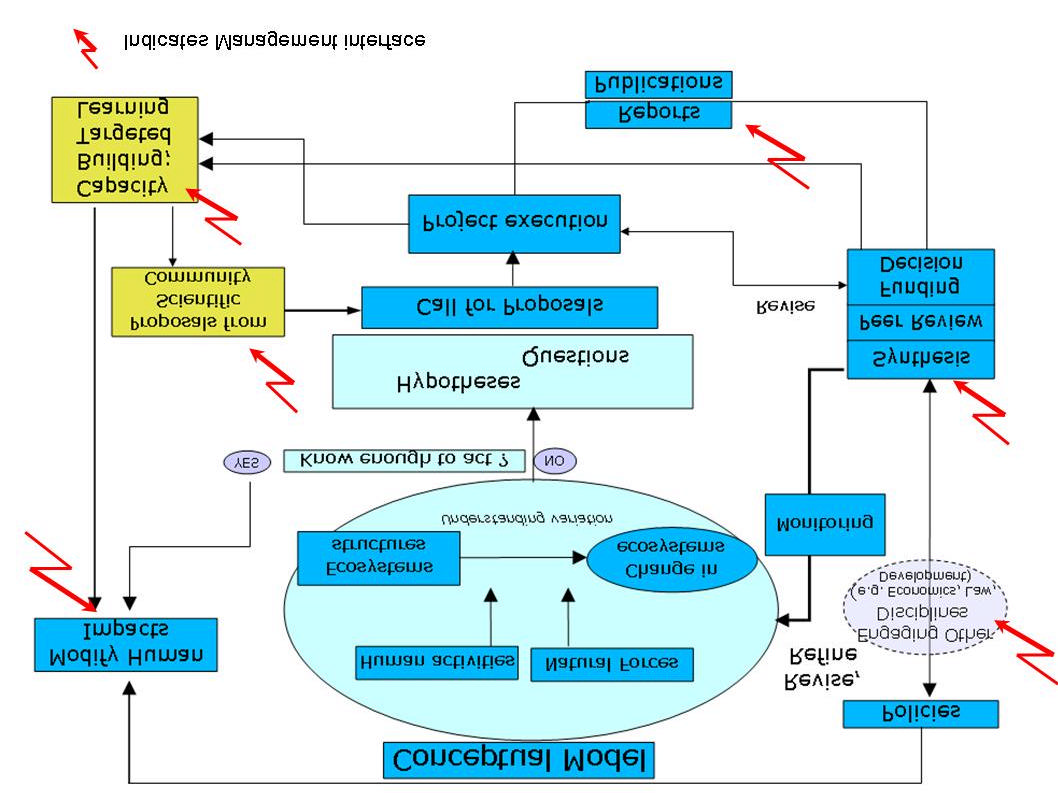
- 106 -
Y 2003
JUL
such boundaries.
any endorsement or acceptance of
on the legal status of any territor
The W
this map do not imply
and any other infor
The boundaries, colors, denominations
Map Design Unit of The W
This map was produced by the
orld Bank Group, any judgment
Pacific
Ocean
South
mation shown on
, on the par
orld Bank.
y
,
t of
or
MESOAMERICA
GEF-WORLD BANK CORAL REEF T
RESEARCH AND CAP
Atlantic
Ocean
Nor
th
Atlantic
Ocean
South
CENTERS OF EXCELLENCE
EAST AFRICA
ACITY
HYPOTHETICAL INTERCONNECTIVITY
HYPOTHETICAL SITES
EXISTING INTERCONNECTIVITY
CENTERS OF EXCELLENCE
-BUILDING
Ocean
Indian
ARGETED
GREA
PHILIPPINES
SOUTHERN
REEF T BARRIER
Pacific
Ocean
Nor
th
IBRD 32570
88°
U.S.A.
80°
GEF-WORLD BANK CORAL REEF TARGETED
RESEARCH AND CAPACITY-BUILDING
CARIBBEAN REGION
Targeted Research Center of Excellence
Other GEF Projects
Mesoamerican Barrier Reef (MBRS)
ICRAN Sites
UNDP Site
International Boundaries
88°
THE
72°
64°
24°
BAHAMAS
Turks and
Caicos (UK)
Gulf of
Yucatan
C U B A
Mexico
Channel
Virgin Islands
Anguilla (UK)
(US)
(UK)
St. Maarten (Neth),
Cayman Is.
DOMINICAN
St. Martin (FR)
(UK)
HAITI
REPUBLIC
MEXICO
Puerto
St. Barthelemy (FR)
Rico (US)
Satellite Study Site
ANTIGUA &
BELIZE
JAMAICA
Conservation and Use of the Barrier Reef Complex (UNDP)
Saba (Neth)
BARBUDA
MESOAMERICAN BARRIER REEF
St. Eustasius (Neth)
Guadeloupe
16°
(MEXICO, BELIZE, GUATEMALA, HONDURAS)
(FR)
16°
GUATEMALA
ST. KITTS & NEVIS
DOMINICA
HONDURAS
Montserrat (UK)
Caribbean
Caribbean Sea
Martinique (FR)
Archipelago
ST. LUCIA
Sustainable Use of
EL SALVADOR
Biosphere Reserve
NICARAGUA
Biodiversity in the Western
ST. VINCENT &
(GEF/World Bank)
BARBADOS
Slope of the Serrania del
THE GRENADINES
P A C I F I C
Baudo (GEF/World Bank)
L. Nicaragua
Bonaire(Neth)
O C E A N
TRINIDAD &
COSTA
TOBAGO
0
250
500
RICA
KILOMETERS
PANAMA
This map was produced by the Map Design Unit of The World Bank.
Gulf of
R.B. de VENEZUELA
8° IBRD 32571
JUL
The boundaries, colors, denominations and any other information shown
Panama
on this map do not imply, on the part of The World Bank Group, any
COLOMBIA
Y 2003
judgment on the legal status of any territory, or any endorsement or
acceptance of such boundaries.
GUYANA
88°
80°
72°
64°
IBRD 32572
30°
Gulf of Aqaba Environmental Action
JORDAN
30°
GEF-WORLD BANK CORAL
Plan (GEF/World Bank/UNDP/UNEP)
SAUDI
REEF TARGETED RESEARCH
Red Sea Coastal and Marine Resources Red SeaARABIA
Management (GEF/World Bank)
AND CAPACITY-BUILDING
EAST AFRICAN REGION
LIBYA
ARAB REP.
OF EGYPT
Targeted Research Center of Excellence
Implementation of the Strategic Action
Other GEF Projects
Program for the Red Sea and the Gulf of
ICRAN Sites
Aden (Djibouti, Egypt, Jordan, Saudi Arabia,
International Boundaries
NIGER
Somalia, Sudan, Yemen) World Bank
45°
OMAN
60°
ERITREA
REP. OF YEMEN
15°
CHAD
15°
Coastal Zone Management
SUDAN
along the Gulf of Aden
DJIBOUTI
(GEF/World Bank)
0
250
500
ETHIOPIA
KILOMETERS
CENTRAL
AFRICAN REP.
SOMALIA
I N D I A N
CAMEROON
UGANDA
O C E A N
KENYA
0°
0°
GABON
CONGO
RWANDA
DEM. REP. OF
BURUNDI
CONGO
SEYCHELLES
Zanzibar
TANZANIA
Island
Coral Reef Monitoring in Member States of
the Indian Ocean Commission, within the
Global Coral Reef Monitoring Network
COMOROS (GEF/World Bank) & Indian Ocean Oil
Spill Contingency Planning Project
ANGOLA
MALAWI
ZAMBIA
Mayotte
15°
(FR)
15°
MOZAMBIQUE
ZIMBABWE
MADAGASCAR
MAURITIUS
NAMIBIA
Coastal and Marine
Réunion
BOTSWANA
Biodiversity project
(FR)
This map was produced by the
(GEF/World Bank)
Map Design Unit of The World Bank.
The boundaries, colors, denominations
and any other information shown on
this map do not imply, on the part of
The World Bank Group, any judgment
on the legal status of any territory, or
SOUTH AFRICA
SWAZILAND
any endorsement or acceptance of
15°
LESOTHO
45°
such boundaries.
JULY 2003
Y 2003
JUL
15
0
PHILIPPINES
°
REEF T
°
AND CAP
GEF-WORLD BANK CORAL
INDONESIA
SOUTHWEST P
TIMOR-LESTE
Inter
ICRAN Sites
Other GEF Projects
T
argeted Research Center of Excellence
ARGETED RESEARCH
national Boundaries
AUSTRALIA
ACITY
ACIFIC REGION
135
135
P
-BUILDING
°
ALAU
°
(UNDP/Conser
NEW GUINEA
Inter
Milne Bay
P
national)
APUA
30
°
150
vation
150
°
°
Study Site
Coral Sea
Satellite
FEDERA
OF MICRONESIA
Heron Island
acceptance of such boundaries.
judgment on the legal
on this map do not imply, on the part of The World Bank Group, any
The boundaries, colors,
This map was produced by the Map Design Unit of The World Bank.
TED ST
SOLOMON
ISLANDS
A
TES
Caledonia
status of any territory,
denominations and any
(FR)
New
165
165
NAURU
°
°
or any endorsement or
other information shown
V
ANUA
TU
MARSHALL
ISLANDS
and Management Project Biodiversity Protection
KIRIBA
(GEF/W
TUV
FIJI
0
Samoa Marine
ALU
TI
180
KILOMETERS
180
orld Bank)
°
P
500
OCEAN
°
ACIFIC
1000
TONGA
SAMOA
30
15
°
°
0
°
IBRD 32574