





April 2007
STRENGTHENING CONSIDERATION OF
WETLANDS IN THE RIVER BASIN
MANAGEMENT PLANNING.
FINAL REPORT FOR THE DANUBE REGIONAL
PROJECT FUNDED NATIONAL CAMPAIGN IN
SLOVAKIA.
AUTHORS
PREPARED BY:
DAPHNE Institute of Applied Ecology
AUTHORS:
Milan Janak,
Barbara Immerova
DAPHNE Institute of Applied Ecology
Podunajska 24, 821 06 Bratislava
Slovakia
PREFACE
From June 2006 till January 2007 DAPHNE Institute of Applied Ecology from Slovakia, member
of Danube Environmental Forum, organized a DRP funded national campaign to raise awareness
of water managers on wetlands values and functions in Slovakia. These managers and decision-
makers are the key persons which will be actually implementing or supervise the measures
required under EU WFD. Inclusion of wetlands into river basin management thus largely
depends on their awareness and knowledge.
To properly address the target group local experts from national Slovak Water Management
Enterprise state enterprise, Slovak Hydro-Meteorological Institute and other local experts were
invited to design project activities. The main activities included regional workshops were
potential of wetlands in solving water related issues in the river basins was emphasized. The
impact of campaign on the target group was measured through introductory and final survey
done on the sample representatives of the target group.
The campaign also succeeded to identify obstacles for better incorporating wetlands
management into integrated river basin management. The results and findings were discussed
on final workshop with responsible representatives of the Slovak Ministry of Environment.
Final Report for the national wetland campaign in Slovakia
page 5
TABLE OF CONTENTS
1.
Project Scope and organisation .............................................................................9
1.1.
Project background..........................................................................................9
1.1.1.
Goals of the campaign..................................................................................9
1.1.2.
Target groups ........................................................................................... 10
1.1.3.
Expected outcomes .................................................................................... 10
1.1.4.
Project timeline ......................................................................................... 10
1.2.
Project inception and organisation ................................................................... 11
2.
Report on Project Activities................................................................................. 11
2.1.
Project activities............................................................................................ 11
2.1.1.
Production of introductory questionnaire on the awareness concerning the WFD
and the role of wetlands .......................................................................................... 11
2.1.2.
Organising phone interviews with the representatives of the target audience...... 11
2.1.3.
Processing and evaluation of gathered data ................................................... 12
2.1.4.
Organising press event on the WFD and the role of wetlands, goals and activities of
the project and findings of the introductory survey ...................................................... 12
2.1.5.
Production of brochure on the role of wetlands in the WFD implementation ........ 12
2.1.6.
Organising workshops for target groups - water managers, state administration
and self-government representatives (regional and local decision-makers) and nature
conservancy managers............................................................................................ 12
2.1.6.1. Workshop programme.........................................................................13
2.1.6.2. Summary
of
workshops attendance.......................................................14
2.1.6.3. Summary
of
discussions at the workshops .............................................15
2.1.7.
Production of questionnaire to evaluate success of the campaign ...................... 16
2.1.8.
Organising phone interviews with the representatives of the target audience...... 16
2.1.9.
Processing of data and evaluation of campaign's success comparing status before
and after project implementation .............................................................................. 17
2.1.10. Final workshop and press conference............................................................ 22
3.
Conclusions...................................................................................................... 22
LIST OF TABLES
Table 1 Project timeline ................................................................................................10
Table 2 Workshop programme .......................................................................................13
Table 3 Summary of workshop participation.....................................................................14
UNDP/GEF DANUBE REGIONAL PROJECT
page 6
LIST OF PICTURES AND GRAPHS
Figure 1 Picture from the workshop in Ruzomberok ...........................................................15
Figure 2 Picture from the workshop in Piestany.................................................................16
Figure 3 Comparison of survey sample structure with regard to age, organisation and position 17
Figure 4 Comparison of answers for the question regarding definition of wetland ...................18
Figure 5 Number of mentioned wetland functions in single answer.......................................18
Figure 6 Overview of mentioned wetland functions in single answer.....................................19
Figure 7 Opinion of respondents on inclusion of wetlands into RBM in Slovakia ......................20
Figure 8 Awareness on practical use of wetlands for improvement of water issues in the river
basins ...................................................................................................................20
Figure 9 Identified problems and obstacles in implementing integrated river basin management
in Slovakia.............................................................................................................21
DAPHNE INSTITUTE OF APPLIED ECOLOGY
Final Report for the national wetland campaign in Slovakia
page 7
ABBREVIATIONS
CO
County Office (for Environment)
DEF
Danube Environmental Forum
DO
District Office (for Environment)
DRB
Danube River Basin
DRP
Danube Regional Project
EU European
Union
EU WFD
EU Water Framework Directive
GEF
Global Environment Facility
ICPDR
International Commission for the Protection of the Danube River
MoE
Ministry of Environment of the Slovak Republic
RBD
River Basin District
RBM River
Basin
Management
SHMI
Slovak Hydro-Meteorological Institute
SNC
State Nature Conservancy of the Slovak Republic
SWE
Slovak Water Management Enterprise
UNDP
United Nations Development Programme
UNDP/GEF DANUBE REGIONAL PROJECT
EXECUTIVE SUMMARY
page 8
EXECUTIVE SUMMARY
DAPHNE Institute of Applied Ecology has organized a DRP-funded campaign to raise
awareness about the importance of wetlands in river basin management (RBM) in Slovakia. It
was linked to the "International Wetlands Campaign" of the Danube Environmental Forum (DEF)
which includes DAPHNE as a member. Campaign was targeted on regional and local decision-
makers and water managers. It began with evaluation of current perception of wetlands within
the target group. The survey done on 100 representatives of the target group shown, that
majority 93% of respondents were aware of any importance of wetlands, however only
minority was aware of any socio-economic importance of wetlands (except nature protection).
Majority of respondents could not refer to any concrete example where wetlands help to solve
problems within RBM.
To improve the situation 10 workshops were organized throughout Slovakia. The workshops
covered all river basins of Slovakia and provided sharing of knowledge between nature
conservationists and the water managers. Through the seminars the water managers obtained
information about the values and functions of wetlands and their particular presence in the river
basins of Slovakia. Except these, participants obtained also basic information about the current
schedule and development on the Water Framework Directive implementation with regard to
River Basin Management Plans elaboration which starts in 2007. Examples of successful projects
where wetlands were included into the RBM were also presented.
Altogether 289 participants took part on 10 workshops, which include 122 representatives from
Slovak Water Management Enterprise, 41 participants from State Nature Conservancy and 82
local decision-makers.
The workshops enabled discussions between important stakeholder groups in the river basins
about local `wetland issues'. They succeeded to identify some barriers in better incorporating
wetlands into RBM. Among other issues, conflicts within legislation, lack of communication and
coordination between relevant actors within the river basins, complicated landownership and
insufficient funding were identified.
The results of the survey undertaken by the end of the campaign on the 100 representatives of
the target group shown, that their awareness on wetlands significantly improved. They know
better what can be regarded as wetland (98% in Dec. `06 in comparison with 87% in Sept. `06)
and their perception of hydrological importance of wetlands increased (eg. water retention
function mentioned in 62 answers in Dec. `06 in comparison with 23 answers in Sept. `06).
DAPHNE INSTITUTE OF APPLIED ECOLOGY
Final Report for the national wetland campaign in Slovakia
page 9
1. PROJECT SCOPE AND ORGANISATION
DAPHNE Institute of Applied Ecology from Slovakia received funding from UNDP GEF Danube
Regional Project for the national campaign on encouraging implementation of the Water
Framework Directive and promoting role of wetlands in this process. The campaign was also
meant as part of the Danube Environmental Forum's (DEF) international campaign on wetlands,
which includes DAPHNE as one of the member organisations.
1.1. Project background
Integration of needs and demands of different sectors into the planning and execution of the
river basin management is an actual task arising from the Water Framework Directive
implementation. It requires a lot of efforts from all interested stakeholders, proper coordination,
adequate and relevant and timely information on the process, goals and possibilities of the
integrated river basin management. By the end of 2006 the timeline and the action plan for the
production of the river basin management plans is to be published, elaboration will start next
year. River basin management plan will be in certain extent a compromise between demands of
different sectors. However it should respect, not contradict the ecology of the river basin, as the
key requirement of the WFD. The ecological status of the river basin largely depends on the
status of the water bodies and associated aquatic and terrestrial ecosystems including wetlands
of different types.
While the river basin management plans elaboration will be coordinated by the Slovak Ministry
of Environment, water managers, state administration officers and self-governments in the river
basins will actually provide their day-to-day implementation. Their knowledge of needs and
possibilities for inclusion of wetlands into river basin management is actually insufficient. On the
other hand there are specialists within the State Nature Conservancy the Slovak Republic, which
have good knowledge and experience with the wetland management. These on the other hand
lack information on the river basin management planning and their possible participation. There
is certainly some tension between two groups from the past conflicts, misunderstanding and
lack of communication. Their cooperation is however inevitable for the success of the integrated
river basin management.
1.1.1. Goals of the campaign
The goals of the campaign were set up as follows:
> Raise awareness on the role of wetlands in the river basin management among water
managers and representatives of state administration and self-government (regional
and local decision-makers);
> Demonstrate examples of wetland restoration and using wetlands in the river basin
management in solving issues such as flood protection, erosion control, etc. in specific
projects;
> Identify problems and barriers avoiding inclusion of wetlands into the river basin
management and propose possible solutions to improve the situation;
> Raise awareness of the water managers, state administration and self-government
representatives (regional and local decision-makers) and nature conservancy
managers on the process, tasks, responsibilities and participation possibilities in the
river basin management planning from 2007 onwards.
UNDP/GEF DANUBE REGIONAL PROJECT
Report on project activities
page 10
1.1.2. Target
groups
The target groups of the campaign were the water managers, state water management
administration officers, regional and local self-government representatives and representatives
of state nature conservancy and state administration officers responsible for nature
conservation. Involvement of last two groups was decided upon advice of the water managers,
as the campaign should serve not only awareness raising but also catalysing discussion on
wetland needs and problems in each of the river basins in Slovakia.
1.1.3. Expected
outcomes
The campaign expected the following outcomes to be achieved:
>
water managers, representatives of state administration and self-governments
(regional and local decision-makers) and nature conservancy managers aware of the
WFD implementation and willing to participate in the process;
>
water managers and representatives of state administration and self-governments
(regional and local decision-makers) recognise the importance and role of wetlands
in general and specifically in the river basin management;
>
barriers and possible solutions to the above identified.
1.1.4. Project
timeline
The project duration was June 2006 January 2007. This report refers to entire project
implementation period. The project inception phase encompassed June July 2006. The real
timeline of activities' implementation was as follows:
Table 1 Project timeline
Activity
Month
July August
September
October
November
December
January
1.
2.
3.
4.
5.
6.
7.
8.
9.
10.
DAPHNE INSTITUTE OF APPLIED ECOLOGY
Final Report for the national wetland campaign in Slovakia
page 11
1.2. Project inception and organisation
In order to form a basis for the project implementation, two working meeting took place in June
and July 2006 with the representatives of Ministry of Environment, Slovak Water Management
Enterprise (SWE) and Slovak Hydro-Meteorological Institute (SHMI). On the first meeting it was
agreed with the representative of the Ministry of Environment, that the campaign can not be
officially supported by the MoE as this might imply financial expectations from the regional and
district administrations (reimbursement of travel costs) and also the views on the WFD
implementation in Slovakia as they will be presented could be different from the official opinion
of the ministry. It was agreed the project will co-operate with the ministerial working group for
public participation in WFD. Also few proposed changes were incorporated to the project design.
Second meeting included meeting with the Vice-Director of the Slovak Water Management
Enterprise and the General Director of the Slovak Hydro-Meteorological Institute. Both
organisations play important role in WFD implementation in Slovakia. Both high level
representatives expressed their support for the campaign and offered organisational and
technical assistance for project activities, especially for the organisation and funding of
workshops. Thus the SWE provided space for 8 out of 10 workshops free of charge and SHMI
provided funding for refreshment and space renting for the remaining 2 workshops.
Further co-operation on the project/campaign has been created with the UNDP GEF project
Conservation, Restoration and Wise Use of Rich Fens in the Slovak Republic. This project
supported involvement and inputs from the State Nature Conservancy experts and experts of
the Slovak Technical University to the workshops.
2. REPORT ON PROJECT ACTIVITIES
2.1. Project activities
2.1.1. Production of introductory questionnaire on the awareness
concerning the WFD and the role of wetlands
The questionnaire for the introductory survey on campaign's target audience concerning their
awareness on wetlands and the Water Framework Directive was prepared. The draft
questionnaire was commented by the project partners in Slovakia (SWE, SHMI) as well as by
the DRP experts. The proposed changes were reflected in the final version of the questionnaire
which was used for the phone interviews (Annex 1).
2.1.2. Organising phone interviews with the representatives of the target
audience
During September 2006 the introductory survey on 105 representatives of the target group was
organised via phone interviews. The sample of respondents included already pre-selected
representatives of the Slovak Water Management Agency, furthermore the regional and district
water management officers and representatives of regional and local self-governments, which
should be later on invited to the workshops. Information was provided altogether by 100
respondents, remaining 5 refused the interview.
UNDP/GEF DANUBE REGIONAL PROJECT
Report on project activities
page 12
2.1.3. Processing and evaluation of gathered data
Data gathered from respondents through phone interviews was processed and analysed using
basic statistics. The results show that 93% of respondents are aware of any importance of
wetlands, however only minority is aware of any socio-economic importance of wetlands (any
except nature protection). For example, only 23% of respondents named the water retention
function as important feature of the wetlands. Also only 10% of respondents could refer to any
concrete example where wetlands helped to solve water related problems within the River Basin
Management. On the other hand majority of 79% respondents think that wetland management
should be part of the River Basin Management, 10% of respondents could not take concrete
attitude in this issue and 11% disagreed to include wetland management into the RBM as they
believe this is more responsibility of nature conservancy. More detailed description of the
survey's results is provided in separate report (Annex 2).
2.1.4. Organising press event on the WFD and the role of wetlands, goals
and activities of the project and findings of the introductory survey
The press event was originally planned for September 2006. Due to time pressure with
preparation of workshops the press event was postponed until 26th October 2006. It was
planned the press event will include excursion into hydro-technical laboratories of the Water
Research Institute in Bratislava, where functional 3D model of the Morava River Floodplain can
be shown. The e-mail invitations to the event were sent out to approximately 20 pre-selected
journalists interested in environmental issues. The press release to the event was sent out on
the same day. However the topic was perhaps not so attractive and only one journalist came for
the event. However the final press conference was more successful and few journalists
contacted the project team also afterwards with requests for interview.
2.1.5. Production of brochure on the role of wetlands in the WFD
implementation
It was planned within the project to produce Slovak version of DEF brochure on the role of
wetlands in the RBM. The translation of the draft text was prepared already in June 2006 but as
the English master copy has been revised until December 2006, the Slovak version has been
prepared for printing only in 2007. The brochure in electronic version (.pdf) is attached to report
as Annex 3.
2.1.6. Organising workshops for target groups - water managers, state
administration and self-government representatives (regional and
local decision-makers) and nature conservancy managers
Workshops for the target group were the key activity of the wetlands awareness raising
campaign. As it was agreed on the preparatory meetings with national project partners, the
campaign consisted of 10 workshops.
Inevitable support for the preparation and organisation of the workshops provided the Slovak
Water Management Enterprise. Directorate of the company provided pre-selection of
participants from the company for each of the workshops and distributed the first information
about the project to the River Basin District organisational units of the company. These further
provided assistance in booking the space for workshops (SWE provided facilities for 8 out of 10
workshops free of charge), organising local catering and furthermore also specific input to the
workshop programme. Headquarters of the State Nature Conservancy of the Slovak Republic
encouraged participation and input into workshop programme from its organisation units as well
DAPHNE INSTITUTE OF APPLIED ECOLOGY
Final Report for the national wetland campaign in Slovakia
page 13
supported also by the UNDP GEF project "Conservation, Restoration and Wise Use of Rich Fens
in the Slovak Republic". Slovak Hydro-Meteorological Institute also assisted in organisation of
the workshops. It has organised and funded 2 out of 10 workshops. Experts of SHMI also
contributed to the workshop programme.
2.1.6.1. Workshop programme
The model programme which was used in all workshops is presented in the following table. The
programme was adapted to local circumstances while including information on local wetlands
presented by SNC experts, presentation of most relevant model project for inclusion of wetlands
into the RBM and also experience of the water managers with wetland management presented
on few workshops.
Table 2 Workshop programme
9:30
Arrival and registration of participants
10:00
Welcome and opening of the workshop, aims and programme of the workshop.
Milan Janak, DAPHNE Institute of Applied Ecology
Boris Minarik, Slovak Hydro-Meteorological Institute
10:10
Wetlands, their values and functions
Milan Janak, DAPHNE Institute of Applied Ecology
Questions and discussion
10:30
Water Framework Directive goals, tools, timeframe and national
implementation strategy
Boris Minarik, Slovak Hydro-Meteorological Institute
Questions and discussion
10:50
Role of wetlands in the WFD and the Integrated River Basin Management
Milan Janak, DAPHNE Institute of Applied Ecology
Questions and discussion
11:10
Distribution and diversity of wetlands in the (respective) River Basin District
their status, management, requirements, etc.
State Nature Conservancy of the Slovak Republic
Questions and discussion
11:30
Considering needs of wetlands and their potential in solving major water
management issues in the river basin (erosion control, flood protection, nutrient
limitation, etc.) presentation of successful project examples**
Questions and discussion
12:30
Discussion: Considering needs of wetlands and their potential in solving major
water management issues in the river basin; identification of obstacles and
possible solutions
all partners
13:00
Conclusions and closing of the workshop
**In this place one or more of the following specific presentations were given:
UNDP/GEF DANUBE REGIONAL PROJECT
Report on project activities
page 14
>
Integrated Land Use and Management of Wetlands Pilot project in the Village
Olsavica (Levoca county) UNDP GEF Danube Regional Project
>
Integration of principles a practices of ecological management in the landscape and
water resources management on the East-Slovakian Lowland (Senne area) UNDP
GEF project proposal
>
Revitalisation of the upper Vah River especially for helping migration of fish through
barriers in the river bed State Nature Conservancy and partners
>
Conservation by Restoration: Strategy and Management for a River-Floodplain on
the Lower Morava River - Water Research Institute Slovak Science and Technology
Assistance Agency funded project
>
Restoration of Water Conditions in Sur Fen Nature Reserve LIFE III Nature project
>
Experience of the Slovak Water Management Enterprise (SWE) with wetlands'
management
2.1.6.2. Summary of workshops attendance
Within October and early November 2006 10 workshops took place throughout Slovakia.
Altogether 289 participants take part on the workshops. The mixed audience comprised of the
water managers, decision-makers and the conservationists. Number of each stakeholder group
representatives present on workshops is summarized in the following table. The original
attendance lists for each workshop, signed by participants, are available in hard copy or as
images in electronic version.
Table 3 Summary of workshop participation
Number of participants
Regional and
Location Date
local
SWE SNC
others TOTAL
decision-
makers
Velka Trna
3.10.2006 14
5
3
6
28
Kosice 4.10.2006
15 0 11 6 32
Poprad 5.10.2006
8 7
3
6
24
Ruzina 17.10.2006
12 4 2 3 21
Banska Bystrica 18.10.2006 17
6
6
4
33
Ruzomberok 19.10.2006
11
5
7
5
28
Piestany 20.10.2006
11 5
25
2
43
Nitra 31.10.2006
13 3 14 3 33
Bratislava 2.11.2006
16
4
6
5
31
Malacky 3.11.2006
5
2
5
4
16
TOTAL 10 122 41 82 44 289
DAPHNE INSTITUTE OF APPLIED ECOLOGY
Final Report for the national wetland campaign in Slovakia
page 15
2.1.6.3. Summary of discussions at the workshops
One of the aims of the project was also to identify barriers for better inclusion of wetland issues
into RBM. The mixed workshop audience of water managers, regional and local decision-makers
and the conservation managers has proven to be appropriate for discussions on the workshops.
Briefly summarizing, the most discussed issues included conflicts within legislation, lack of
communication and coordination between relevant actors within the RBD, complicated
landownership, insufficient funding, insufficient human resources which is connected also with
lack of information, training and awareness. These issues repeatedly appeared to hamper the
most an effective inclusion of wetlands in the RBM or vice versa the wise use of wetlands. On
some workshops unsolved problems from the past, conflicts, misunderstanding and lack of or
unwillingness to communication between water managers and conservation managers appears
to be a significant issue.
Similarly these obstacles were identified by the survey done among the water managers after
workshops (see activity 2.1.9).
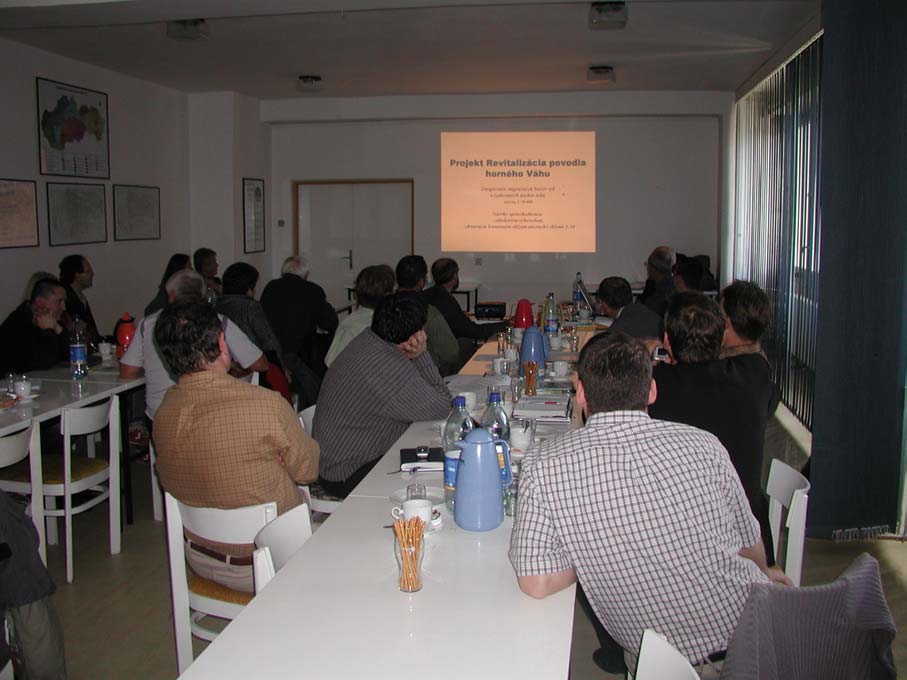
Figure 1 Picture from the workshop in Ruzomberok
The workshop held on 19th October 2006 in Ruzomberok at the Vah River Catchment Administration's Office.
Proposed project "Revitalisation of the upper Vah River" is being presented by local experts.
UNDP/GEF DANUBE REGIONAL PROJECT
Report on project activities
page 16
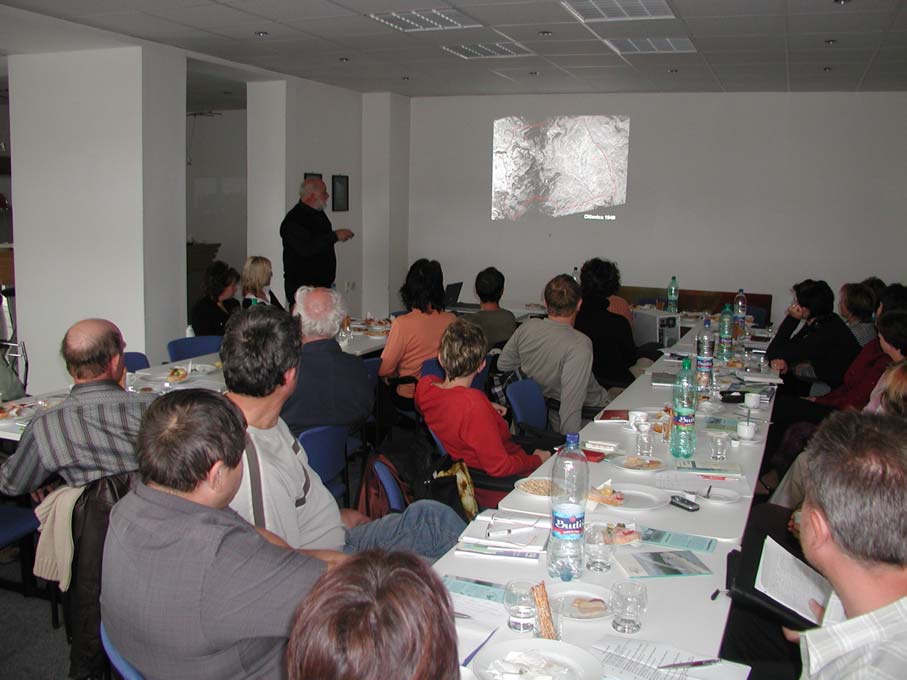
Figure 2 Picture from the workshop in Piestany
The workshop held on 20th October 2006 in Piestany at the Vah River Catchment Administration's Office. The
model project "Integrated Land Use and Management of Wetlands Pilot project in the Village Olsavica" is being
presented by DAPHNE expert.
2.1.7. Production of questionnaire to evaluate success of the campaign
Similarly as the questionnaire for the introductory survey the questionnaire was prepared to
evaluate the success of the campaign. It was planned to be used for the same target audience -
the water managers and regional and local decision-makers. The draft questionnaire was
commented by the project partners in Slovakia (SWE, SHMI) as well as by the DRP experts. The
proposed changes were reflected in the final version of the questionnaire which was used for the
phone interviews (Annex 4).
2.1.8. Organising phone interviews with the representatives of the target
audience
Though during the project implementation the option for distributing and collecting of
questionnaires on the workshops has been considered, the survey was finally undertaken as it
was originally planned, via the phone interviews with workshop participants. This option
however put more effort on the project team as the other option, but on the other hand using
the same methodology for the introductory and the final survey provides better basis for
comparison of the target group before and after the campaign.
DAPHNE INSTITUTE OF APPLIED ECOLOGY
Final Report for the national wetland campaign in Slovakia
page 17
Phone interview for the final survey were actually done during December 2006. Altogether 100
respondents provided information to the survey. All interviewees took part on some of the
workshops. The group consisted mainly from water manager of SWE, state administration
officers from county and district offices (regional and local decision-makers) and few
representatives of municipalities.
2.1.9. Processing of data and evaluation of campaign's success comparing
status before and after project implementation
Structure of the questionnaire for the final survey was designed with regard to allow comparison
of results of the introductory survey made in September 2006 and the final survey from
December 2006. The following figures allow making such comparison.
Figure 3 Comparison of survey sample structure with regard to age, organisation and
position
Structure of respondents in Sept. 2006
Structure of respondents in Dec. 2006
up to 30 years
14
up to 30 years
26
31-50
56
31-50
58
51 and more
30
51 and more
16
SWE
36
SWE
46
DO
51
DO
44
CO
8
CO
MU
5
7
MU
3
employee
68
employee
85
lower management
30
higher management
2
lower management
15
%
0
10
20
30
40
50
60
70
80
0
10
20
30
40
50
60
70
80
90 %
Comparison of survey sample structure with regard to age, organisation and position.
The Figure 3 shows structure of respondents with regard to age, organisation and position. In
both the introductory survey and the final survey the age structure of respondents was very
similar, although there were more respondents with age of 51 and more. However in both
surveys the group of respondents in age 31-50 represented more than 50%. The structure of
respondents according to organisation was also very similar in both surveys. Although in
September there were more District Office managers (51) and slightly less SWE managers (36)
and in December the two groups were almost of the same number (46 SWE managers and 44
DO managers). Concerning the position of respondents in both samples the group of employees
prevailed, however in December there were more of them (85 in comparison to 68 in
September). In September survey there were however more respondents in position of lower
management (heads of departments, etc.) and also few higher managers (directors and vice-
directors). This information was however included here only for illustration purposes. It was not
used for later detailed analysis of other answers.
UNDP/GEF DANUBE REGIONAL PROJECT
Report on project activities
page 18
Figure 4 Comparison of answers for the question regarding definition of wetland
What do you mean by wetland (Sept. 2006)?
What do you mean by wetland (Dec. 2006)?
1%
2%
12%
a
a
b (correct)
b (correct)
c
c
87%
98%
Comparison of answers for the question regarding definition of wetland. Options were: a) wet, unusable area, which
has to be carefully ameliorated before any use; b) area with permanent or temporary, standing or flowing water, as for
example a marsh, fen, peatland, stream, lake etc.; c) other
One of the basic questions included in the survey was the question revealing the understanding
of wetlands among the target group, but also general perception of usefulness of wetlands (are
wetlands only `unusable areas'?). It is very positive that already at the beginning of campaign
87% of respondents have identified with the correct definition of wetland, but there were also
12% which regarded wetlands as unusable areas. In December 2006 after activities of the
campaign there were no answers of "wetlands = unusable areas" and thus the number of
correct answers increased up to 98%. This is a very positive result of the campaign.
Figure 5 Number of mentioned wetland functions in single answer
Number of mentioned wetland functions in single answer (Sept. 2006)
Number of mentioned wetland functions in single answer (Dec. 2006)
50
50
44
40
40
42
33
30
30
20
24
20
16
10
10
12
10
4
7
2
5
0
0
0
1
2
3
4
5 and more
0
1
2
3
4
number of functions
number of functions
Respondents were asked to mention at least 3 important functions of wetlands.
Figure 5 shows how many respondents were able to mention at least 3 (but also less) important
wetland functions in September and December 2006. The results show that most of the
respondents were able to mention at least 1 important wetland however only 17% were able to
mention 3 or more functions of wetlands. In December 2006 the group of respondent, which
DAPHNE INSTITUTE OF APPLIED ECOLOGY
Final Report for the national wetland campaign in Slovakia
page 19
mentioned only 1 function stayed almost on the same size (42% in comparison to 44% from
Sept. 2006), however there were 27% of respondents able to mention 3 or more (even more
than 5!) important wetland functions in December 2006.
Figure 6 Overview of mentioned wetland functions in single answers
Wetland functions mentioned by respondents
70
60
50
40
30
20
10
0
ity
le
ss
s
r
n
tion
al
ra
rd
bi
ate
ow
ater
ater
ass)
osion
tention
ection
r cyc
d g
ation
w
ate
n w
nd
om
r re
rot
er qu
cre
tabilisa
at
an
re
on't kn
s
w
atio
tabilisatio
ood
eding of
I d
rou
g
inking w
wate
flood p
ate
ater, bi
e and
w
irrig
ing
f dr
against er ecos
ent of w
m
ad,
o
ion
oclim
m
gi
sh, bre
ce
cr
ve
, re
f fi
fluenc
our
y use (w
tect
mi
at
in
pro
ter re
res
rg
pro
im
pe
ene
IX. 06
eeding o
nt for wa
br
rta
duction of
po
XII. 06
im
pro
Comparison of mentioned wetland functions in single answers in Sept. and Dec. 2006.
The Figure 6 illustrates even better the impact of the campaign. In September 2006 the most
frequently mentioned important function of wetlands was maintenance of biodiversity (56
answers; it is not shown on the graph). From the economic functions the water retention was
mentioned 23 times. Every other function was during the introductory survey mentioned by less
than 10 respondents (occurs in the results less than 10 times). By the end of the campaign in
December 2006 the water retention function was mentioned 62 times and other 5 wetland
functions were mentioned by more than 10 respondents. This increase of awareness on
important wetland functions is nicely shown on the figure.
UNDP/GEF DANUBE REGIONAL PROJECT
Report on project activities
page 20
Figure 7 Opinion of respondents on inclusion of wetlands into RBM in Slovakia
Do you think wetland conservation should be part of integrated river basin
management in Slovakia?
100
80
60
40
20
IX. 06
XII. 06
0
yes
no
I do not know
Comparison of results from Sept. and Dec. 2006.
Figure 7 shows comparison of perception of inclusion of wetlands management into the overall
river basin management. It is shown, that already before the campaign 79% of respondents
thought about wetlands as integral part of river basin management, however the remaining
21% disagreed or could not make up their minds. In December 2006 there were only 7% of
such respondents those either disagreed to include wetlands into RBM or do not know to
answer. In December 2006 the group of respondents which agree to include wetlands in RBM
constituted 93%, which means increase by 14%.
Figure 8 Awareness on practical use of wetlands for improvement of water issues in
the river basins
Can you make a concrete example, where increase of the wetlands' area
resulted in solving/improvement of the water management issues in the
river basin?
100
90
80
70
60
50
40
30
20
IX. 06
10
XII. 06
0
no
yes
Comparison of results from Sept. and Dec. 2006.
DAPHNE INSTITUTE OF APPLIED ECOLOGY
Final Report for the national wetland campaign in Slovakia
page 21
With the campaign we also tried to illustrate the potential of wetlands in solving water
management issues on concrete examples of successful projects. That is why we asked
respondents to mention such concrete examples within the surveys. In September 2006 there
were only 10% of respondents able to mention such positive examples while, in December 2006
this number increased up to 34%. However in December 2006 there still remained 66% of
respondents unable to mention such concrete positive example of wetlands management.
Considering the fact that for the final survey in December 2006 we have asked only respondents
those took part on some of the workshop this still seems to be high portion of not convinced
target group. This result might be explained by fact that most of presented project examples
were emphasizing river basin ecology and thus for the water managers (rather technicians) the
link between the benefits of wetlands restoration and improvement of the RBM is not so explicit.
Using of different terminology might be also an obstacle in better understanding of the issue.
Changing of this status however remains as challenge for the future.
Figure 9 Identified problems and obstacles in implementing integrated river basin
management in Slovakia.
Main problems and obstacles in implementing the integrated river basin
management in Slovakia
60
50
40
30
20
10
0
g
t
s
tion
nel
lders
ion
licy
en
at
ces
ship
now
goal
isla
pm
rson
d po
etlands
en
ner
nd
oblems
pe
akeho
pet
not k
st
ow
pr
inform
an
m
ent
I do
clear leg
en
of
k
tion of w
and
rategy a
re no
sufficient financin
un
twe
lac
gem
fini
lear co
chnical equi
e a
in
st
be
na
ated l
unc
te
or
on
ther
ion
ma
m
lear de
plic
po
m
rat
er
op
unc
com
pr
coope
im
clear co
d
un
cation an
XII.06
uni
m
m
co
Results from Dec. 2006.
Another aim of the campaign was to identify obstacles in implementing the integrated river
basin management in Slovakia. Few problems were already identified during the workshops. To
prove the impression from the workshop discussions and maybe to find out the opinion of
maybe also some less pro-active members of the target group we have included into the final
survey the question concerning the perceived problems and obstacles in the RBM in Slovakia.
The results show, that more that insufficient funding was the most mentioned obstacle for
integrated RBM in Slovakia. Unclear or somehow even contradicting law was also regarded as
significant problem. It was mentioned 41 times by respondents and it was also frequently
discussed during the workshops. Lack of (trained) personnel, lack of communication and
cooperation between stakeholders, lack of information and improper management and policy
UNDP/GEF DANUBE REGIONAL PROJECT
Report on project activities
page 22
were also considered as important problems each mentioned more than 10 times. Only 2
respondents considered `no problems' within the RBM in Slovakia.
2.1.10. Final workshop and press conference
In order to summarize the results of the project and present them to top managers responsible
for EU WFD implementation in Slovakia, especially the SWE, SHMI, Ministry of Environment as
well as other institutions, it was agreed to organise a final workshop in January 2007. The
workshop took place on 24th January 2007 in Bratislava at the headquarters of SHMI. Despite
there were 25 representatives invited to the workshop only 8 representatives of national
institutions responsible for EU WFD implementation participated on the final workshop. The
programme included in short version the information given on each workshop the definition of
wetlands, their values and functions, aims and procedure of EU WFD and example of project
using wetlands in solving water management issues in the RBM. The results of the surveys
undertaken during the project were also presented and identified obstacles for RBM were
discussed. It was agreed to provide the information gathered during the project to the MoE and
other institutions. It have been concluded that wetlands have number of significant functions
and thus they can not be regarded as the only solution for water related issues, they have
potential to become part of the measures within river basin management and thus help solving
water management issues in the river basins.
After the closing of the final workshop the press conference was organised at the SHMI.
Representatives of Slovak Television were present and made short interviews with
representatives of DAPHNE, SWE and SHMI about the project and the topic of wetlands and
water management. The interviews were broadcasted on the following day as part of regional
news on Slovak Television channel STV2. Except these other 2 journalists were present on the
press conference from the regional journal Zahorie and from the SITA press agency. On the
following week another interview to Slovak Radio was provided.
3. CONCLUSIONS
Considering comparison of results from introductory and the final surveys the campaign seems
to be successful in its main objective raising awareness of water managers and decision-
makers in wetland values and functions and strengthening the consideration of wetlands in the
river basin management. Just for example, there was significant increase of perceived number
of important wetland functions among the target group by the end of the campaign.
Project succeeded also to identify obstacles avoiding better inclusion of wetland management
into the river basin management. Insufficient funding, contradicting law, lack of (trained)
personnel, lack of communication and cooperation between stakeholders, lack of information
and improper management and policy were the most discussed problems on workshops and
also mentioned in the survey. Alarming fact is that only 2 respondents from 100 within the final
survey considered `no problems' within the RBM in Slovakia. The identified obstacles were
presented and discussed with representatives of MoE and generally agreed, though no concrete
steps how to improve the situation were not decided yet.
The project also put significant effort in providing positive examples of wetland related projects
which are helping to solve water related issues such as soils erosion, floods etc. However the
benefits of wetlands restoration for the RBM seems to remain not explicit linked for the water
managers, maybe due to ecological terms used and/or lack of technical data which would prove
the benefits. This thus remains as challenge for the future.
DAPHNE INSTITUTE OF APPLIED ECOLOGY
Final Report for the national wetland campaign in Slovakia
page 23
With the total number of 289 participants the workshops has proven to be interesting for the
target group. Both the SWE water managers (122 participants in total) and also the County and
District Office officers attended the workshops in significant number (82 participants in total).
The workshops were mostly positively accepted by the workshop participants. Several workshop
participants expressed their positive evaluation of workshops during the final survey. In two
cases workshops participants organized further meeting for their colleagues to spread the
information and knowledge they got on the workshop.
It should be stated that the positive result of the campaign was achieved only because of the
co-operation and support from the SWE, SHMI and State Nature Conservancy. These
organizations knowing the situation in EU WFD implementation in Slovakia and the challenges
ahead have supported the campaign from the very beginning, even despite the reluctance of
the Ministry of Environment.
The project has not achieved a massive media attention, but this was not a major tool of this
campaign as the target group was rather specific the water manager and decision-makers and
not the general public. The workshops as the main campaign's tool used, the rather `expert
language' and specific topic were not very attractive to media. However in its final stage the
project got a fair media attention.
UNDP/GEF DANUBE REGIONAL PROJECT
ANNEXES
page 24
ANNEXES
ANNEX 1
Introductory questionnaire
ANNEX 2
Introductory survey report
ANNEX 3
Wetlands in the River Basin Management brochure in .pdf
ANNEX 4
Final questionnaire
ANNEX 5
Final survey report
ANNEX 6
Financial Report
DAPHNE INSTITUTE OF APPLIED ECOLOGY
DOTAZNÍK
Úloha mokradí v integrovanom manazmente riecnych povodí
1. Vek
2. Organizácia
3. Pozícia
4. Co rozumiete pod pojmom mokra?
zamokrená, nevyuzitená plocha, ktorá si pred akýmkovek vyuzitím vyzaduje dôkladnú
melioráciu
územie s trvalou alebo docasnou, stojatou alebo tecúcou vodou, ako napr. mociar,
slatina, raselinisko, vodný tok, jazero a pod.
iné
5. Sú poda Vás mokrade hospodársky (alebo inak) významné?
áno
nie
6. Ak áno, uvete prosím aspo 3 dôlezité funkcie mokradí
7. Majú poda Vás mokrade aj nejaké negatívne vplyvy?
nie
áno, napríklad
neviem
8. Viete uvies konkrétny príklad, kedy sa zväcsením plochy mokradí dosiahlo zlepsenie
vodohospodárskych problémov v povodí (napr. vysychanie vodného toku a nedostatok
vody, záplavy, erózia pôdy, znecistenie vodného toku a pod.)?
nie
áno, napríklad
9. Co poda Vás znamená integrovaný manazment povodia?
zahrnutie nákladov na starostlivos o vodné toky a protipovodové opatrenia v primeranej
výske do plánovania státneho rozpoctu
zahrnutie potrieb a
poziadaviek vodného hospodárstva v
územnoplánovacej
dokumentácii
zohadnenie a vyvázenie poziadaviek iných sektorov (ako je energetika, doprava,
ponohospodárstvo, rybné hospodárstvo, cestovný ruch at.) v plánovaní a výkone
vodného hospodárstva v povodí za úcelom dlhodobej ochrany dostupných vodných
zdrojov
neviem
10. Na Slovensku sa integrovaný manazment povodí
uz uplatuje v rámci vodohospodárskych plánov a hydroekologických plánov a súcasný
stav je viac-menej vyhovujúci
zacne sa s jeho plánovaním a uplatovaním od roku 2007 v súvislosti s novou národnou
a európskou legislatívou
nemusí zavádza
neviem
11.
Mala by ochrana mokradí by súcasou integrovaného manazmentu povodí na
Slovensku?
áno
nie
neviem
EVALUATION OF THE QUESTIONNAIRE:
ROLE OF WETLANDS IN THE INTEGRATED RIVER BASIN MANAGEMENT
The total number of respondents: 105
Number of refused answers: 5 (reasons: there were not competent; they don't want to answer or they were
not sure, if they can give us such a kind of information)
The total number of filled questionnaires: 100
Abbreviations used in charts:
SWMA Slovak Water Management Agency
CO state administration county office
DO state administration district office
MU self-government, municipality
1. Age
More than half of respondents (56%) belong to the category 31-50 year, 30% belong to the category
51 and more years and only the 4% of respondents were younger than 30 years (chart 1).
2. Organisation
From the total number of respondents 51 % were employees of state administration - county offices,
department for water management (highest % relates to highest number of county offices), 8% were
employees from the state administration district offices, 36% were from Slovak Water Management
Agency, and the rest 5% were from self-government, municipality (chart 1).
3. Position
68% of all respondents were employees, 30 % were from lower management (head of department) and
only 2% were higher management (director) (chart 1).
Chart 1: Respondents according to age, organisation and position.
up to 30 years
14
Age
31-50
56
51 and more
30
Organisation
SWMA
36
CO
51
DO
8
MU
5
Position
employee
68
low er management
30
higher management
2
0
10
20
30
40
50
60
70
80 %
4. What you mean by wetland?
a) wet, unusable area, which has to be carefully ameliorated before any use
b) area with permanent or temporary, standing or flowing water, as for example a marsh, fen, peatland,
stream, lake, etc.
c) other
Chart 2 represents how respondents perceived wetlands. Most of them have chosen a natural definition
from answer b). Only 12 % preferred technical answer a).Only 1% of respondents have another idea what
wetland means. Chart 3 represents answers according to organisation.
Chart 2
4. What you mean by wetland
1%
12%
a
b (correct)
c
87%
Chart 3
4. What you mean by wetland?
50
44
40
31
a
30
b (correct)
%
c
20
10
6
7
5
5
1
1
0
SWMA
CO
DO
MU
Organisation
5. Are wetlands economically (or in other ways) important?
a) yes
b) no
More then 90% of respondents give a positive answer to this question (Chart 4), what declared, that most
of people perceived wetlands as important. Chart 5 present answers of respondents according to
organisation.
Chart 4
5. Are wetlands economically (or in other ways) important?
7%
yes
no
93%
Chart 5
5. Are wetlands economically (or in other ways) important?
50
43
40
36
30
%
20
yes
no
8
10
7
5
1
0
SWMA
CO
DO
MU
Organisation
6. If yes, please specify at least 3 important wetland functions
As is shown in the chart 6, the most of respondents, whose answer was positive in former question, were
able to specify only 1 function of wetland. 33% specified 2 answers and only 18% specified more than 2
answers. 4% of them were not able to specify any function, although they give a positive answer in
question number 5. These result shows, that there is a lack of knowledge among respondents in area of
wetland importance and function. But there must be also considered the type of methodology - telephonic
interview, when respondents do not have enough time for answers. Chart 7 shows how the respondents
from each type of organisation answered.
Most of respondents know that wetlands have some importance (result from question number 5). But only
few of them appreciate economical importance of wetlands. Usually they understand importance of
wetland from natural and nature protection point of view. In a table 1 and also in the chart 8 are listed all
of functions, which were mentioned by respondents and their percentage occurrence in a single answers.
Chart 6
Number of mentioned wetlands functions in single answers
50
44
40
33
30
%
20
16
10
4
2
0
0
1
2
3
4
num ber of functions
Chart 7
Number of mentioned wetland functions according to organisation
25
22
20
16
15
14
15
no answer
%
1 function in answer
10
9
8
2 functions in answer
3-4 functions in answer
4
4
5
2
2 2
1
1
0
SWMA
CO
DO
MU
Organisation
Table 1: Occurrence of mentioned wetland function in a single answer in %
function
%
important habitat
60
retention of water
25
biodiversity
17
protection of water & ground water
5
microclimate
5
water quality
4
oil, reed, biomass, peat
4
floodplain protection
3
recreation, tourism
2
water regime
2
ecostabilisation
2
resource of drinking water
1
I don't know
4
Chart 8
Occurrence of mentioned wetland function in a single answer in %
70
60
50
40
30
20
10
0
tat
r
ter
te
ity
at
e
ater
al
tion
tion
urism
ate
habi
versity
qu
s, pe
t know
nd w
oclima
regim ilisa
as
otec
, to
er
ab
on'
ion of wa biodi
icr
m
water
ion
I d
portant
iom
wat
ost
b
eat
im
ec
retent
& grou
d,
dplain prrecr
of drinking w
rface
floo
oil, ree
urce
resso
tion of su
otec
pr
7. Do wetlands produce also any negative impacts?
a) no
b) yes, for example
c) I dont know
39% of respondents responded, that wetlands do not have any negative impacts. More then half of them
(58%) think, that wetlands have some negative impact. 3% of respondents were not able to express their
opinion (chart 9). Answers according to type of organisation are presented in the chart 10.
Chart 9
7. Do wetlands produce also any negative impatcs?
3 %
39 %
no
yes
I do not know
58 %
Chart 10
7. Do wetlands produce also any negative impacts?
30
27
24
25
21
20
no
% 15
yes
12
I dont know
10
4
4
5
3
3
2
0
SWMA
CO
DO
MU
Organisation
Chart 11 presents all opinions mentioned by people, who answered that wetlands produce also any
negative impacts. The most frequent examples mentioned by them were insects. Second was a fact, that
this soil cannot be economically used you cannot build there or use it for agriculture.
People usually mentioned only 1 negative impact, some of them mentioned 2-3 various impacts. But most
of people who mentioned some negative impacts declared that from natural point of view, wetland cannot
be negative, and their negative impacts arise only when man decides to live in their surroundings.
Chart 11
Negative impacts of wetlands mentioned in respondents answers
12 %
insects
high water table
no possibility for economic use of land
31 %
morning fogs
59 %
standing water - decreased outflow in the
country
I do not know
2 %
2 %
7 %
8. Can you make a concrete example, where increase of the wetlands area has resulted in
solving/improvement of the water management issues in the river basin (such as draining of the
river, draughts, floods, soil erosion, river pollution etc.)?
a) no
b) yes, for example
From answers to question 8 it results, that most of respondents do not have any experience with
improving water management issues in the river basin due to increasing of the wetlands area. Only 10%
of them have such experience some from own practice, some from literature.
Chart 12
8. Can you make a concrete examle, where increase of
the wetland´s area has resulted in improvement of the
water management issues?
10%
no
yes
90%
Chart 13
Answers on 8. question according to organisation
60
48
50
40
31
% 30
no
yes
20
8
10
5
3
3
2
0
SWMA
CO
DO
MU
Organisation
9. What do you mean by integrated river basin management?
a) inclusion of sufficient amount of funds for the costs of the water courses management and flood
protection in the state budged planning
b) inclusion of needs and demands of the water management in the spatial planning documentation
c) reflecting and balancing the demands of different sectors (such as energy, transportation, agriculture,
fisheries, tourism etc.) in planning and implementation of the water management in the river basin with
the aim of long-term protection of available water resources
d) I do not know
2/3 of respondents were able to choose correct answer on this question. Evaluation of answers is
presented on chart 14 and 15.
Chart 14
9. What do you mean by integrated river basin management?
6%
6%
13%
a
b
c (correct)
I dont know
75%
Chart 15
9. What do you mean by integrated river basin management?
40
36
35
28
30
25
a
%
20
b
c (correct)
15
I do not know
9
10
7
4
4
4
5
2
2
2
1
1
0
SWMA
CO
DO
MU
Organisation
10. Integrated river basin management in Slovakia
a) is already being implemented on the framework of existing water management plans and hydro-
ecological plans and present status is more/less suitable
b) will be planned and implemented from 2007 in relation to new national and European legislation
c) does not need to be introduced at all
d) I do not know
Although 2/3 of respondents answered in question number 9 correctly, by this question it was only 44%.
Answer number c) is not in chart, because nobody has chosen it. Total of 35% of respondents decided to
choose the answer a), because according to their opinion, some principles of the integrated water
management are already mentioned in Water Act.
Chart 16
10. Integrated river basin management in Slovakia
21 %
35 %
a
b (correct)
I do not know
44 %
Chart 17
10. Integrated river basin management in Slovakia
25
21
19
20
18
15
12
%
9
10
a
8
b (correct)
I do not know
4
4
5
3
2
0
SWMA
CO
DO
MU
Organisation
11. Do you think wetland conservation should be included in the integrated river basin
management in Slovakia?
a) no
b) yes
c) I do not know
More than 2/3 of respondents (79%) answered positively on this question. Only 11% disagreed, because
they think, that wetland conservation should be in the competence of the State Nature Conservancy.
Altogether 10% of respondents was not able to express their own opinion on this question.
Chart 18
11. Do you think wetland conservation shoul be included in the
integrated river basin management in Slovakia?
10 %
11 %
no
yes
I do not know
79 %
Chart 19
11. Do you think wetland conservation should be included in the
integrated river basin management in Slovakia?
45
40
40
35
30
30
25
%
no
20
yes
15
I do not know
10
5
6
6
5
3
3
1
2
1
3
0
SWMA
CO
DO
MU
Organisation
Co je to mokra ?
Mokrade sú územia, v ktorých je voda dominantným faktorom
urcujúcim zivotné prostredie a súvisiace rastlinstvo a zivocísstvo.
Predstavujú rozmanité a hydrologicky zlozité ekosystémy, ktoré
sa obvykle vyvíjajú na prechode zo suchozemského do typicky
vodného prostredia.
Existuje mnozstvo definícií, interpretácií a vnímaní pojmu
mokra . Pod a Ramsarského dohovoru o mokradiach sú mokrade:
,,územia s mociarmi, slatinami, raseliniskami, s vodami prírodný-
mi alebo umelými, trvalými alebo docasnými, stojatými aj tecúci-
mi, sladkými, brakickými alebo slanými vrátane územia s mor-
skou vodou, ktorej hbka pri odlive nepresahuje ses metrov".
ÚLOHA MOKRADÍ
V MANAZMENTE
RIECNYCH POVODÍ
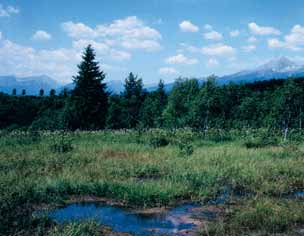
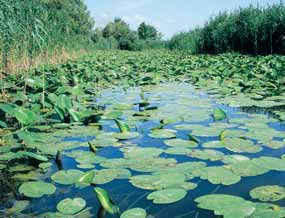
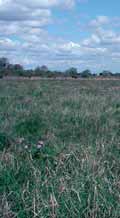
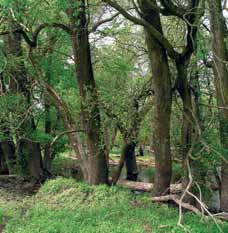
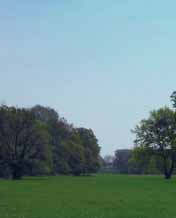
Pod a komplexnejsej, funkcnej definície sú mokrade:
> heterogénne, ale osobité ekosystémy, ktorých výnimocné ekolo-
gické, biogeochemické a hydrologické funkcie vyplývajú z domi-
nancie a specifických zdrojov vody, jej chemického zlozenia
a periodicity zaplavovania alebo nasycovania vodou,
> vyskytujú sa v rôznych typoch krajiny a môzu predstavova aj
trvalé plytké (< 2m hlboké) alebo docasné stojaté vody,
> ich pôdy, substrát a biota sa prispôsobili záplavám alebo podmá-
caniu vysokou hladinou podzemnej vody a súvisiacemu obme-
dzenému prístupu vzduchu.
raselinisko
pleso
Hovorí sa vsak, ze raz vidie je lepsie ako stokrát pocu , a preto, ak
Vás priláka poh ad na mokrade, dajte pozor, kam stúpate, lebo si tu
rýchlo môzete zamoci nohy.
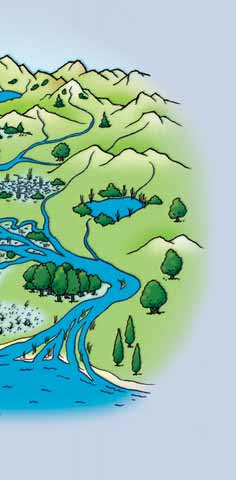
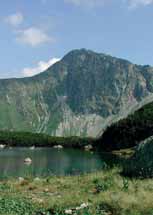
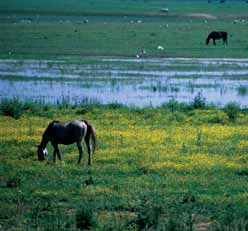
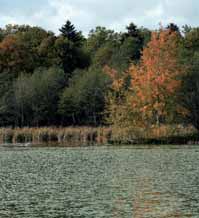
DIVERSITY
PRECO SÚ MOKRADE DÔLEZITÉ
OF WETLANDS
PRE MANAZMENT VODNÝCH ZDROJOV?
Mokrade sa vyznacujú mnozstvom dôlezitých funkcií a hodnôt,
ktoré súvisia s hydrológiou, kvalitou vody, potravovým re azcom
a funkciou biotopu rastlín a zivocíchov.
Hydrologické funkcie mokradí, ktoré sú významné pre manazment
vodných zdrojov, zahajú najmä:
> Zmierovanie záplavových vn: Ve ká cas mokradí je spojená
s riecnymi nivami. Ke sa v case prívalových daz ov alebo pocas
jarného topenia snehu voda vyleje z riecneho koryta, mokrade
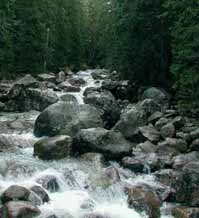
horský potok
zadrzia cas prebytocnej vody.
> Udrziavanie sanitárneho prietoku: znamená udrziavanie prietoku
v povrchovom toku na úrovni, ktorá je dostatocná na prezitie
pôvodných druhov rýb a iných zivocíchov závislých od vodné-
ho prostredia. Sanitárny prietok je pri kazdom toku iný a závisí
tak od prírodných faktorov, ako sú zrázky, geologické podmienky,
vegetácia, ako aj od antropogénnych faktorov, akým je napr.
vyuzitie krajiny. Niektoré mokrade sú schopné akumulova vodu
a v case sucha ju postupne uvo ova do povrchového toku.
> Zabraovanie brehovej erózii: Mokra ová vegetácia na brehoch
riek stabilizuje brehovú ciaru tým, ze zmieruje nápor vn, prú-
dov a alsích eróznych síl.
> Cistenie vody: V mokradiach sa prirodzenými procesmi odstra-
ujú z vody sedimenty a organická hmota. Najmä korene rastlín
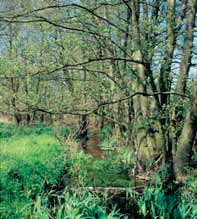
riparian forest
zachytávajú sedimenty a zabraujú tak odnásaniu cennej pôdy.
Niektoré umelé mokrade sa môzu vyuzíva na cistenie odpadovej
vody, z ktorej odstraujú ziviny a znecis ujúce látky.
> Zachytávanie a prenos znecis ujúcich látok: mokrade sú schop-
né zachytáva ziviny, najmä dusík a fosfor, ktoré zhromaz ujú
v telách rastlín a v pôde. Odstraovanie zivín z vody v mokra-
diach zabrauje eutrofizácii, zlepsuje kvalitu vody a vytvára
zdroj zivín pre okolie.
> Udrziavanie teploty vody: uvo ovaním studenej vody do vod-
ných tokov pocas obdobia s nízkymi prietokmi mokrade znizujú
riziko prehriatia vody v toku, cím chránia ryby a iné vodné orga-
nizmy pred nedostatkom kyslíka. Brehové porasty plnia obdobnú
funkciu. Zatieujú malé toky, cím minimalizujú ich priame vysta-
venie slnecnému ziareniu.
> Dopanie zásob podzemnej vody: mokrade u ahcujú prúdenie
mtve rameno
slanisko
vody medzi systémom podzemnej a povrchovej vody. Dopanie
podzemnej vody sa deje vtedy, ke voda prúdi z mokradí do záso-
bární podzemnej vody. Naopak, k odtoku podzemnej vody dochá-
luzný les
mokrá lúka
dza vtedy, ke voda prúdi z podzemných zásobární do mokradí.
> Biotop rýb a iných druhov organizmov: mokrade poskytujú vodu,
potravu, úkryt a miesto pre rozmnozovanie mnohým druhom rýb
a iným druhom organizmov.
MOKRADE A RÁMCOVÁ SMERNICA O VODE
Európsky parlament a Rada prijali v októbri 2000 Smernicu 2000/
60/ES, ktorá ustanovuje rámec pôsobnosti Spolocenstva v oblasti
vodohospodárskej politiky (Rámcová smernica o vode RSV).
Hlavné ciele RSV sú:
> predchádza alsiemu zhorsovaniu kvality a kvantity vsetkých
vôd v Európe,
> dosiahnu a udrza ,,dobrý stav" vsetkých vodných útvarov do
roku 2015,
> prispieva k trvalo udrzate nému, vyvázenému a cestnému vyu-
zívaniu vôd.
Clánok 1(a) RSV urcuje, ze ochrana, obnova a zlepsenie stavu mo-
kradí je súcas cie ov smernice. Uvádza sa, ze smernica:
,,ustanoví rámec ochrany vnútrozemských povrchových vôd, bra-
mociar
kických vôd, pobrezných vôd a podzemných vôd...
... zabráni alsiemu zhorsovaniu, ochráni a zlepsí stav vodných
ekosystémov, a s oh adom na ich potrebu vody suchozemských
ekosystémov a mokradí, ktoré sú priamo závislé od vodných eko-
systémov."
Hoci sa RSV o mokradiach zmieuje (napr. v clánku 1(a) a v prílo-
he VI(vii)), neobsahuje ziadnu specifickú definíciu mokradí, neukla-
dá státom povinnosti ani odporúcania vo vz ahu k mokradiam,
a neurcuje ani rozsah, v ktorom by mokrade mali by vyuzívané
na dosiahnutie environmentálnych cie ov smernice. Tieto ciele sa
vz ahujú na ,,vodné útvary" ako ,,operacné jednotky" RSV.
Nasledujúca tabu ka sumarizuje typy ekosystémov menované RSV,
ktoré môzu mokrade zaha alebo ich mozno za mokrade pova-
zova , a pokia sa vyskytujú v oblasti povodia, dosiahnutie cie ov
smernice si môze vyziada prijatie osobitných opatrení pre tieto
rybník
ekosystémy.
Typ ekosystému pod a RSV
Zodpovedajúce typy mokradí
suchozemské ekosystémy priamo
pramene, slatiny a vrchoviská, sla-
závislé od podzemnej vody
niská, mokré lúky a pasienky, obna-
zené dná, lesné a krovité mociare,
luzné lesy, jaskyne s podzemnými
tokmi alebo stojatou vodou
hydromorfologické prvky v záplavo-
porasty vodných rastlín, luzné lesy,
vej, pobreznej alebo prílivovej zóne
vysokobylinná nivná vegetácia, alu-
útvarov povrchových vôd
viálne lúky, porasty trsti a vysokých
ostríc, obnazené dná, docasné jazier-
ka, vnútrozemské delty, prílivové
oblasti
malé prvky povrchovej vody neiden-
pramene, slatiny a vrchoviská, do-
vnútrozemská delta
tifikované ako vodné útvary, ale pre-
casné jazierka, mokré lúky a pasien-
pojené s útvarmi povrchovej vody
ky, lesné a krovité mociare, trs ové
a ostricové mociare, obnazené dná,
porasty vodných rastlín
rieky, jazerá, prechodné vodné a po-
potoky a rieky, plesá, jazerá, mtve
brezné vodné útvary
ramená, rybníky, poldre, riecne delty
a pobrezné zóny
ekosystémy výrazne ovplyvujúce
vsetky typy mokradí
kvalitu alebo mnozstvo vody záso-
bujúcej útvary povrchových vôd
alebo povrchové vody napojené na
útvary povrchových vôd
Úloha mokradí v riadení povodí a dosiahnutí environmentálnych
cie ov RSV bola najlepsie vyjadrená v spolocnom texte prijatom na
stretnutí ,,vodohospodárskych riadite ov" v Kodani v novembri 2002:
nízinná rieka
,,Mokra ové ekosystémy sú ekologicky a funkcne významnými
prvkami vodného prostredia a majú významný potenciál prispie
k dosiahnutiu trvalo udrzate ného manazmentu povodí.
riecna niva
Za azenie mokradí (ako napríklad fyzické úpravy alebo zneciste-
nie) môzu ovplyvni ekologický stav vodných útvarov. Odstrao-
vanie týchto zá azí by preto malo by súcas ou opatrení plánov
manazmentu povodí, pokia si to vyzaduje dosiahnutie environ-
mentálnych cie ov smernice.
Vytváranie mokradí a ich obnova môze za priaznivých okolností
ponúknu udrzate né, úsporné a sociálne akceptovate né riesenia...
prispievajúce k zmierneniu vplyvu znecistenia, k zmierneniu vply-
vov sucha a záplav, napomáhajúce dosiahnu trvalo udrzate ný
ma-nazment pobrezných oblastí a podporujúce dopanie zásob
podzemnej vody."

ZAPOJENIE MOKRADÍ DO PRAVIDELNÉHO
> opatrenia na ochranu kvality vody, na zabránenie rozptýleného
MANAZMENTU POVODÍ
znecistenia a odstránenie znecistenia povrchovej vody prioritnými
látkami môzu zaha obnovu mokradí, reaktiváciu riecnych nív
Ochrana a zlepsenie stavu povrchových a podzemných vôd sa bude
alebo tvorbu umelých mokradí at .;
zabezpecova prostredníctvom programu opatrení RSV, ktoré sa
> opatrenia na zamedzenie akýchko vek alsích významných
vypracujú tak, aby sa dosiahli environmentálne ciele urcené smerni-
nepriaznivých vplyvov na stav vôd a opatrenia na predchádzanie
cou.
a zmierovanie strát spôsobených technickými zariadeniami môzu
Program opatrení bude zaha dve kategórie aktivít:
zaha odstránenie starých a nevhodne zostrojených priehrad, hatí
a hrádzí, výstavbu rybochodov a pod.
> ,,základné" opatrenia, ktoré sú clenské státy povinné uplatova a
> ,,doplnkové" opatrenia, ktoré môzu clenské státy prija .
Okrem uz uvedených opatrení majú mokrade významný potenciál
zmierova vplyvy povodní a sucha, odstraova chemické látky
a sedimenty z nív alebo pobrezných vôd, zlepsova dopanie pod-
zemnej vody. Vytvárajú tiez biotop pre vo ne zijúce organizmy a pod-
Rekonstrukcia a obnova mokra ových území je zaradená v zozname
porujú sirokú skálu udských aktivít. Správne vyuzitie potenciálu
mozných doplnkových opatrení.
mokradí pre trvalo udrzate ný manazment povodí je výzvou súcas-
Starostlivos o mokrade sa vsak môze sta aj súcas ou základných (po-
nosti.
vinných) opatrení, ak je nevyhnutná na dosiahnutie cie ov smernice.
Clenské státy sa tiez môzu rozhodnú pre pouzitie opatrení manaz-
POUZITÉ ZDROJE
mentu mokradí, ak predpokladajú, ze ide o ekonomicky najefektív-
nejsí prístup alebo z iných dôvodov najvhodnejsiu kombináciu opa-
> Smernica 2000/60/ES Európskeho Parlamentu a Rady z 23. októ-
trení. Naviac, opatrenia starostlivosti o mokrade by mali by povinné,
bra 2000, ktorou sa stanovuje rámec pôsobnosti pre opatrenia Spo-
pokia je mokra :
locenstva v oblasti vodného hospodárstva.
> riekou, jazerom, prechodným alebo pobrezným vodným útvarom,
> Common Implementation Strategy for the Water Framework Direc-
alebo
tive (2000/60/EC) - Horizontal Guidance Document on the Role of
> cas ou povrchového vodného útvaru a jej ochrana, zlepsenie alebo
Wetlands in the Water Framework Directive, Final Draft, 23. apríla
obnova je potrebná na zaistenie hydromorfologických podmienok,
2003.
ktoré sú nevyhnutné pre biologické prvky urcujúce dobrý ekologic-
> Négrel Ph., Petelet-Giraud E., Sgouridis F. (2005): EUROWET, Integrati-
ký stav vodného útvaru.
on of European Wetland research in sustainable management of
Spomedzi základných opatrení uvedených smernicou zara ujeme
the water cycle. Significance of wetlands in the water cycle.
medzi opatrenia týkajúce sa mokradí, resp. medzi opatrenia, ktorými
je mozné získa najväcsí úzitok z manazmentu mokradí:
> opatrenia pozadované inou legislatívou Spolocenstva vrátane vo-
dohospodárskych opatrení potrebných na zabezpecenie ochrany
území Natura 2000, ako aj biotopov mimo chránených území, pokia
je to nevyhnutné na dosiahnutie ustanovení Smernice o vtákoch
a Smernice o biotopoch napr. vytváranie náhradných mokra o-
vých biotopov pre druhy vtákov európskeho významu, zlepsenie
vodného rezimu alebo kvality vody mokradí;
> opatrenia na dosiahnutie návratnosti nákladov za vodohospodár-
ske sluzby (distribúcia vody do domácností, verejných institúcií
alebo pre akéko vek hospodárske aktivity) napr. premietnutie ná-
kladov na obnovu mokradí do ceny vodohospodárskych sluzieb
v prípadoch, ke má odber vody významný vplyv na súvisiace mo-
krade;
Vydalo: Dunajské environmentálne fórum
Text: Milan Janák, prispeli P. Moisi, L. Mrekva, E. A. Tamás, M. Vogrin,
J. Wolf
Jazyková úprava: Andrea Viceníková
Fotografie: M. Vogrin, V. Melo, R. Watzka a archívy DEF a DAPHNE
Grafika a dizajn: R. Watzka, RWdesign
2006 © DEF
Prípravu a vydanie tejto
publikácie podporil Dunajský
regionálny projekt UNDP/GEF.
Stanoviská a názory prezentované v tejto publikácii sa nemusia
zhodova so stanoviskami a názormi donorov.
DOTAZNÍK
Úloha mokradí v integrovanom manazmente riecnych povodí
1. Vek
2. Organizácia
3. Pozícia
4. Vedeli by ste vlastnými slovami charakterizova pojem mokra?
zamokrená, azko vyuzitená plocha, ktorá si pred akýmkovek vyuzitím vyzaduje
dôkladné odvodnenie
územie s trvalou alebo docasnou, stojatou alebo tecúcou vodou, ako napr. mociar,
slatina, raselinisko, vodný tok, jazero a pod.
iné
5. Mokrade sú významné z hadiska ochrany biodiverzity (ochrany prírody). Vedeli by ste
vsak uvies aj iné (hospodársky) významné funkcie mokradí? Uvete aspo 3.
6. Viete uvies konkrétny príklad, kedy sa zväcsením plochy mokradí dosiahlo zlepsenie
vodohospodárskych problémov v povodí (napr. vysychanie vodného toku a nedostatok
vody, záplavy, erózia pôdy, znecistenie vodného toku a pod.)?
nie
áno, napríklad
7. Integrovaný manazment povodí znamená zohadnenie a vyvázenie poziadaviek iných
sektorov (ako je energetika, doprava, ponohospodárstvo, rybné hospodárstvo, cestovný
ruch, ochrana prírody, at.) vo vyuzívaní dostupných vodných zdrojov v rámci povodia za
úcelom ich dlhodobej ochrany. Môzu poda Vás mokrade prispie k tomuto cieu, mala by
teda starostlivos o mokrade by súcasou integrovaného manazmentu povodí na
Slovensku?
áno
nie
neviem
8. Co je poda Vás prekázkou zavedenia integrovaného manazmentu povodí na
Slovensku? Môzete uvies viac príkladov.
EVALUATION OF THE QUESTIONNAIRE:
ROLE OF WETLANDS IN THE INTEGRATED RIVER BASIN MANAGEMENT
(AFTER SEMINARS)
The total number of respondents and fulfilled questionnaires: 100
Abbreviations used in graphs:
SWMA Slovak Water Management Agency
CO state administration county office
DO state administration district office
MU self-government, municipality
1. Age
More than half of respondents (58%) belong to the category 31-50 year, 26% were up to 30 years and
16% belong to the category 51 and more years (graph 1).
2. Organisation
From the total number of respondents 46% were employees of Slovak Water Management Agency, 44%
were employees of state administration county offices, 7% from the state administration district
offices and only 3% were from municipality (graph 1).
3. Position
85% of all respondents were employees and 15% were from lower management (head of department)
(graph 1).
Graph 1: Respondents according to age, organisation and position.
up to 30 years
26
Age
31-50
58
51 and more
16
Organisation
SWMA
46
CO
44
DO
7
MU
3
Position
employee
85
low er management
15
0
10
20
30
40
50
60
70
80
90 %
4. What you mean by wetland?
a) wet, unusable area, which has to be carefully ameliorated before any use
b) area with permanent or temporary, standing or flowing water, as for example a marsh, fen, peatland,
stream, lake, etc.
c) other
Respondents were asked to make their own definition. It was evaluated according to which answer a) b)
or c) was their definition closer. Almost all of respondents understand wetlands similar to answer b). No
body declared answer a) (percentage are in graph 2). But some of respondents' mentioned, that after
seminars, they change their opinion on what does it mean wetland, and although they say a good
definition, they were not familiar with such a broad definition of wetlands.
Graph 2
4. What you mean by wetland
2%
a
b (correct)
c
98%
5. Wetlands are important because of protection of biodiversity (nature protection). Could you
mention also another function of wetlands (for example economical function)? Mention at least 3.
83% of respondents were able to mention at least one of wetlands function, besides of nature value
function. 27% from this amount mentioned at least 3 function. Only 3% of respondents were not able to
mention any such wetland function.
In the graph 3 is shown, how many functions were respondents able to answer immediately (it must be
considered a method of questionnaire telephonic interview, when they do not have enough time to
consider and there were interrupted from their work). 42% were able to mention immediately only 1
function, 24% mention 2 functions and 27% mention a at least 3 functions of wetlands.
Graph 4 describes wetland functions mentioned by respondents and their frequency of occurrence in
answers. More than half of respondents (in 62 answers) were conscious of wetland function as retention
of water. Also floodplain protection (in 30 answers) and influence of microclimate (in17 answers) was
frequently answered. Other mentioned functions were also production of peat, wood, grass, reed and
fishery. Few people mentioned as function - source of drinking water, influence on underground water,
water energy etc.
Graph 3
5. Number of mentioned wetlands functions in single answers
50
40
42
30
%
20
24
10
12
10
7
5
0
0
1
2
3
4
5 and more
number of functions
Graph 4
5. O5
c. P
cue
r r
e c
necn
e tage
of
(eof o
conc
ocu
mire
canc
l) e
w o
e f
tl (
a e
n conom
d functical) w
on m e
e tla
nti nd func
oned in ti
r on
es menti
ponde on
ntse d
anin
s
wers
respondents answers
3
5
2
5
6
7
re
r t
e ent
e ion of
o
w
n of a
w t
a er
7
e
fl
f oodpl
ood ain protec
e tion
o
7
62
mikro
r c
o limat
ma e
7
improve w
prov
a
e w t
a er
e qu
r
al
qu ity
inf
n lfue
u n
e c
n e a wa
e a w t
a er
e r
r e
r gi
e me
8
prod
pr u
od c
u tion
on o
f
o pe
f
a
pe t
a , re
r ad
e ,
ad wo
w o
o d
o an
d
d gr
an
as
d gr s
fishe
h r
e y
r
10
re
r c
e rea
r t
ea ion
irr
r irgat
ga ion w
on a
w t
a er
e
10
I don
I
'
don t know
n
inf
n lfuenc
ue e u
e nde
u
rgroun
nde
d
rgroun w
d a
w t
a er
e
11
30
re
r s
e ou
o r
u c
r e of
e dr
of i
dr nk
n ing
ng w
a
w t
a er
30
e
17
energy
e
(wa
(w t
a er
e ,
r bi
omas
a s)
pr
p o
r t
o ec
e tion
o ag
n
ai
ag nst erosion
o
8. Can you make a concrete example, where increase of the wetlands area has resulted in
solving/improvement of the water management issues in the river basin (such as draining of the
river, draughts, floods, soil erosion, river pollution etc.)?
a) no
b) yes, for example
More than half of respondents (66%) answered, that they do not know about such an example, although
there was a presentation about such case on seminars. 34% of them mentioned some example, and 25%
from this amount has their knowledge's already from seminars (graph 5).
Graph 5
6. Can you make a concrete examle, where increase of the
wetland´s area has resulted in improvement of the water
management issues?
34%
no
yes
66%
7. Integrated river basin management reflect and balancing the demands of different sectors (such
as energy, transportation, agriculture, fisheries, tourism etc.) in planning and implementation of
the water management in the river basin with the aim of long-term protection of available water
resources. Do you thing that wetlands can contribute to this aim, and protection of them should be
included into integrated river basin management?
a) yes
b) no
d) I do not know
93% of respondents are thinking that wetland should be included into integrated river basin management.
Some of them remarked, that they must say yes, because of this broad wetland definition.
Only 3% of respondents declared that it is very specific area and it should be only in competency of
nature protection. 4% of respondents have not able to make their own opinion. Results are in the graph 6.
Graph 6
7. Do you think wetland conservation shoul be included in the
integrated river basin management in Slovakia?
4
3
yes
no
I do not know
93
8. What are the main problems with implementation of integrated river basin management in
Slovakia? You can mention more than 1 problem.
93% of respondents mention at least one problem. Only 2% mentioned that everything is OK, and there is
no problem. 5% of respondents mentioned, that they do not have enough information to make some
opinion on this question. Results are in the graph 7.
Respondents identified totally 11 main problems with implementation of integrated water management.
The most frequently answered problem were finances (in 54 of answers). On the second place was
legislation. The main reason for legislation was that is unclear and there are lot of contradiction between
water law and nature protection law. Problem is also with definition of wetlands, because there is more
than one definition and some of respondents were not familiar with very broad definition of wetland
(Ramsar definition?). 13% of respondents mentioned that there is also problem with people not only
because of lack of employees, but also in approach of people to this problem what is connecting also with
lack of information and lack of experts in this area. 17% of respondents see besides others also big
problem in communication and cooperation between stakeholders, especially between nature protectors
and water managers. Problem is also with management from a higher position, and there are sometimes
not clear competences.
On the graph 9 are shown also main identified problems according to organisation.
Graph 7
8. Number of mentioned problems in single answers on question n. 8
40
35
32
30
%
21
20
10
5
5
2
0
I do not know
0 (there is no
1
2
3
4
problem)
number of mentioned problems
Graph 8
8. What are the main problems with implementation of integrated water management in
Slovakia?
3 3 2
5
5
6
finance
54
8
legislation
people
10
communication and cooperation between stakeholders
information
14
management and policy
definition of wetlands
not clear competences
land ownership
17
I do not know
41
bad technical equipement
25
not clear common strategy and goals
there are no problems
Graph 9
8. Identified problems with implementation of integrated water
management according to organisation
30
25
20
finance
%
legislation
people
15
communication
information
10
definition
5
0
SWMA
CO
DO
MU
organisation

