UNDP | GEF
DANUBE
REGIONAL
PROJECT
WETLANDS
BACKGROUND STORY
WET PLANTS ARE THERE FOR A REASON
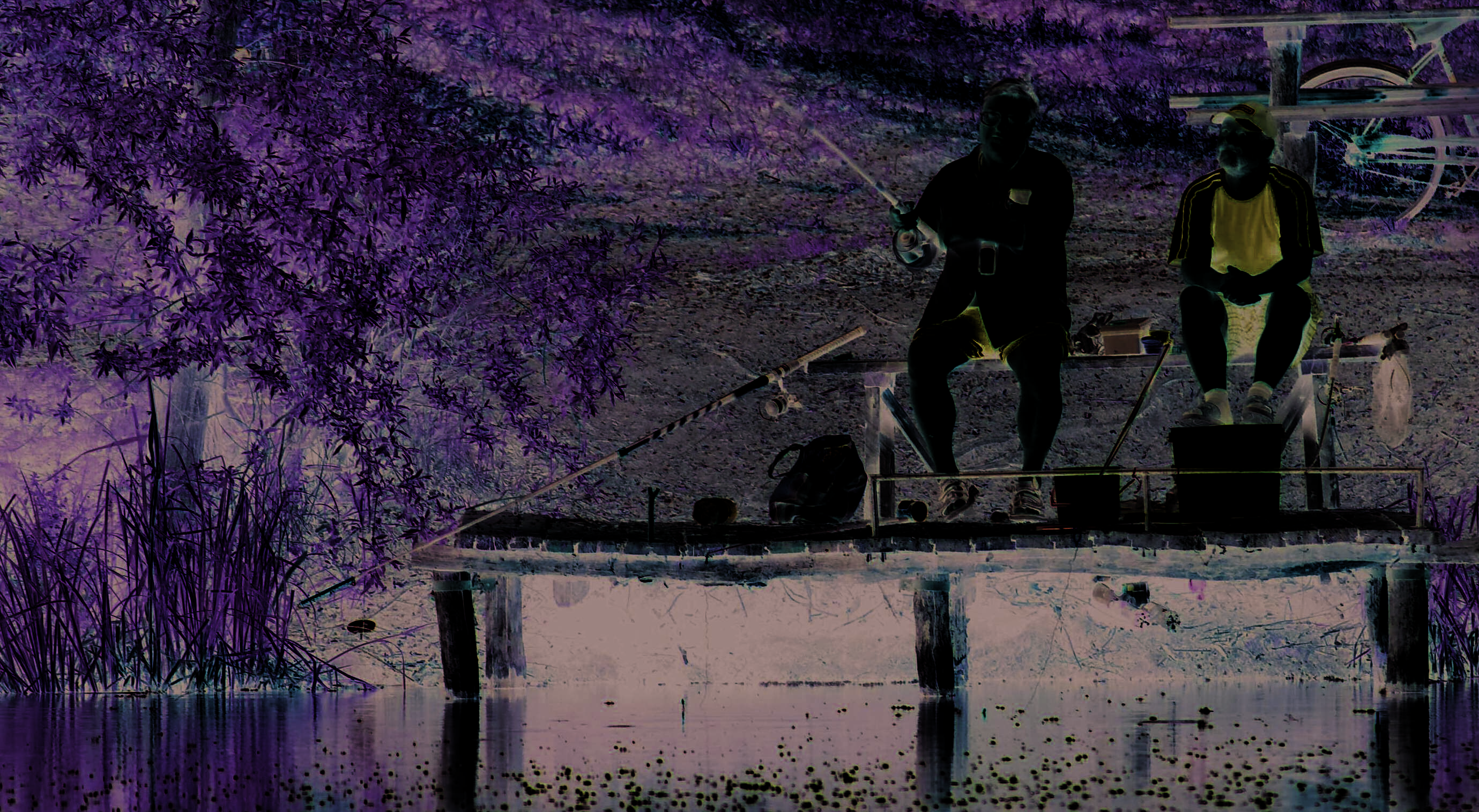
Zoltan is surrounded by tins of raw corn and fly larvae, cans of Borsodi beer, and his
Trabant playing Hungarian hits from the 70s. He feels at one with nature, nestled at the
side of Malom Tó (lake), happily watching ducks skim the surface.
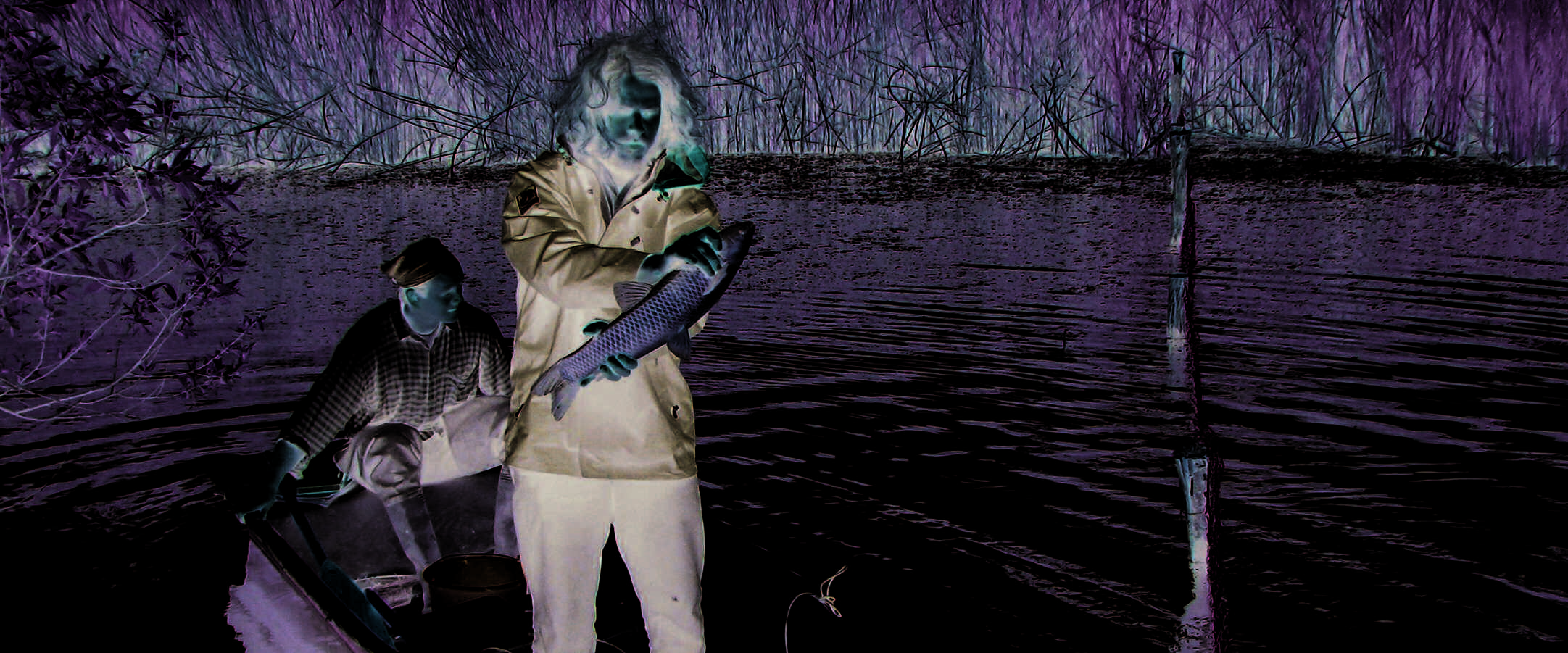
Two hours of calm waiting, then a tug on his translucent line drives him to his rod. The next ten minutes are
blessed with pulling the unwilling victim ashore, presenting the 33 cm grass carp to envious friends, throwing
him back in, and opening a fresh Borsodi. The fish also returns to what it was doing eating.
Grass carp, an alien species from Asia, were introduced to Malom Lake in the 1970s because of their appetites
they can eat their own weight in vegetation daily. Requests for the fish had come from local fishing associations
to clear the lake of reed-grass vegetation to allow more space for fishing and rowing.
In record time, the foreigners ate just about everything. "Fish like grass carp are added to about fifty percent
of the 1,000 small lakes in Hungary," says Sándor Tatár, a representative of the local NGO Tavirozsa.
"The result is that nearly half of the lakes have been virtually cleared of vegetation."
DANUBE REGIONAL PROJECT | WETLANDS
TAVIROZSA FOUNDED
The fish's impacts on Malom Lake were too much on top of earlier
impacts. From the 1920s, landscaping and dredging to make way
In response, some local residents united to form
for new housing developments destroyed large areas of plant life.
the Tavirózsa NGO in 1996. With funding from the
Waste cesspits were also dug that leached pollution into the ground- Hungarian government, the NGO assessed local
water and lake. Nutrient pollution increased but the ecosystem
water quality and biological factors in the lake and
could handle it given the ability of the remaining lake plants to
surrounding Szödrákosi-patak (creek) catchment area
absorb pollution. "But once the grass carp started eating, the lake's
of 132 sq km. The creek runs north through
self-cleaning capacity ended and nutrient pollution skyrocketed,"
Veresegyház and its three lakes including Malom Lake
says Tatár. By 1980, large algal blooms appeared. Water quality
before draining into the Danube River above Budapest.
deteriorated and fish reproduction decreased.
Natural, social and economic values, protected
species and human impacts were also assessed.
The area's rare and endangered plants were also hit. In the 1980s,
for example, lápi rence reed-grass, a fantastic plant that eats
Early successes included discoveries of protected areas that had
aquatic insects with its underwater leaves, completely disappeared.
been illegally cut or drained and gaining protection status for another
Now strictly protected in Hungary, the plant used to attract botanists valuable area. Discussions with the Mayor led to a plan to upgrade
from across the country to Malom Lake.
the local treatment plant to remove nutrients, although a lack of
funds could delay works.
In 1985, Malom Lake was given national protection status.
Even though adding foreign fish species became prohibited by law,
fishing associations continued to stock the lake with grass carp. In
In 2006, with help from the UNDP-GEF Danube Regional Project
1996, a new sewage treatment plant was built near the lake for the
(DRP) Small Grants Programme, Tavirozsa purchased equipment to
local town of Veresegyház and neighbouring villages. Plant capacity
test water in three lakes. Monitoring found that big rains in April and
was over-used, however, to the point that concentrations of nutrients May caused significant nutrient pollution to the lakes because of the
discharged from the treatment plant were above permitted levels
city's poorly combined sewage system. In one instance, rain volumes
and leached into the lake system. Bacteria levels increased sharply
pushed up the solid steel cover of a sewer allowing sewage to seep
including toxic cyanobacteria and coliform bacteria resulting in
into the lake. The NGO notified local and regional authorities who
human symptoms such as allergic reactions, fever and vomiting.
came to test the water themselves. "But they didn't test bacteria
or algae," says Tatár.
"Water quality at the sand beach became catastrophic,"
says Tatár. Having attracted some 3000 to 4000 people daily in
In early August, Tavirozsa measured algae and cyanobacteria chloro-
the past, beach numbers went down by ninety percent after 1990.
phyll and found counts to be double acceptable limits. Tatar notified
the Hungarian health authority (ANTSZ) but they didn't answer
promptly. By August 18, the NGO measured counts four times the
accepted government limit. ANTSZ finally did appear on the scene,
but only at the end of the bathing season, and they also failed to mea-
sure all parameters as required by law, says Tatár. "The government
didn't want to send out bad news during top season," says Tatár.
2
Interestingly, Veresegyház, not long ago a village, is one of the fastest
growing cities in Hungary, attracting some 500 new residents a year
to a new suburb 30 minutes from busy Budapest, current population
13,000. The fishing lakes, beach, wetlands, all-year thermal bath and
even a bear sanctuary draw new people from Budapest.
Taking matters into their own hands, the NGO has since created
Tavirozsa Radio (www.tavirozsa-radio.hu, FM 107.3), the city's
first radio station, to raise public awareness. And in the recent
Hungarian October local elections, Tatár became a local councillor
in Veresegyház.
GOODBYE GRASS CARP,
Pulling out a floating needle-like coontail plant, he says that, because
HELLO REED-GRASS
the plants here have been able to remain healthy, water quality is
two grades higher than that in algae-green Malom Lake and "the
DRP funds were also used by the NGO to implement
water is full of life".
a demonstration wetland rehabilitation project at the
top end of one of the city's three lakes, Pamut Lake.
The next step is to test the demonstration site water in the future
to prove that quality improved. Based on that evidence, Tatár hopes
"We support the project because it will bring the reed-grass back
to secure a larger project using the same strategy to restore all
which will help bring back some valuable local fish species that have
three lakes starting in 2007. "It's a good idea to have all three lakes
almost disappeared," said the leader of Pamut Lake's fishing associa- included," says Kiss. "Grass carp might return to our lake otherwise,
tion's, Gusztáv Kiss. "Water quality will improve. Grass carp won't be
for example carried over by birds." Tatár also wants to ensure that
added to our lake anymore."
pollution from the local treatment plant stops soon.
Following a baseline environmental assessment in the spring of
"With small funds, one can improve the natural self-cleaning capacity
2006, the small lake area was fenced off and all grass carp were
of wetland areas," he says. "The bigger problem is getting local sup-
removed. Rooted and floating native reed-grass with high nutrient
port. At Pamut Lake, we were able to convince the fishing association
removal capacities were collected from nearby lakes in bags and
there to accept the project. But the other two lakes each have their
then manually added to the site.
own association, and they're not convinced yet. They still prefer their
grass carp and open water space to the reed-grass, clean water,
"We are confident that the new reed-grass will help improve water
clean beach and healthy ecosystem. Now we're working to change
quality and fish habitat," says Tatár. He then brings me to a small
their perceptions."
highly vegetated wetland area with a small link to Malom Lake.
3
Tatár also hopes to increase national and international
awareness of their efforts at Malom Lake. "It's a small lake but
it's connected to the Danube. The issues surrounding wetlands
and alien species are basin-wide."
Funding from the UNDP-GEF DRP for Tavirozsa's project is
just one among many activities being funded across the Danube
River Basin to protect and restore wetlands, and to raise the
importance of wetland management in river basin management.
Besides funding NGOs in other Danube countries, examples
of other DRP wetland-related activities include raising awareness
of the importance of wetlands among Slovak water managers,
and assessing the effectiveness of wetlands in reducing nutrient
pollution.
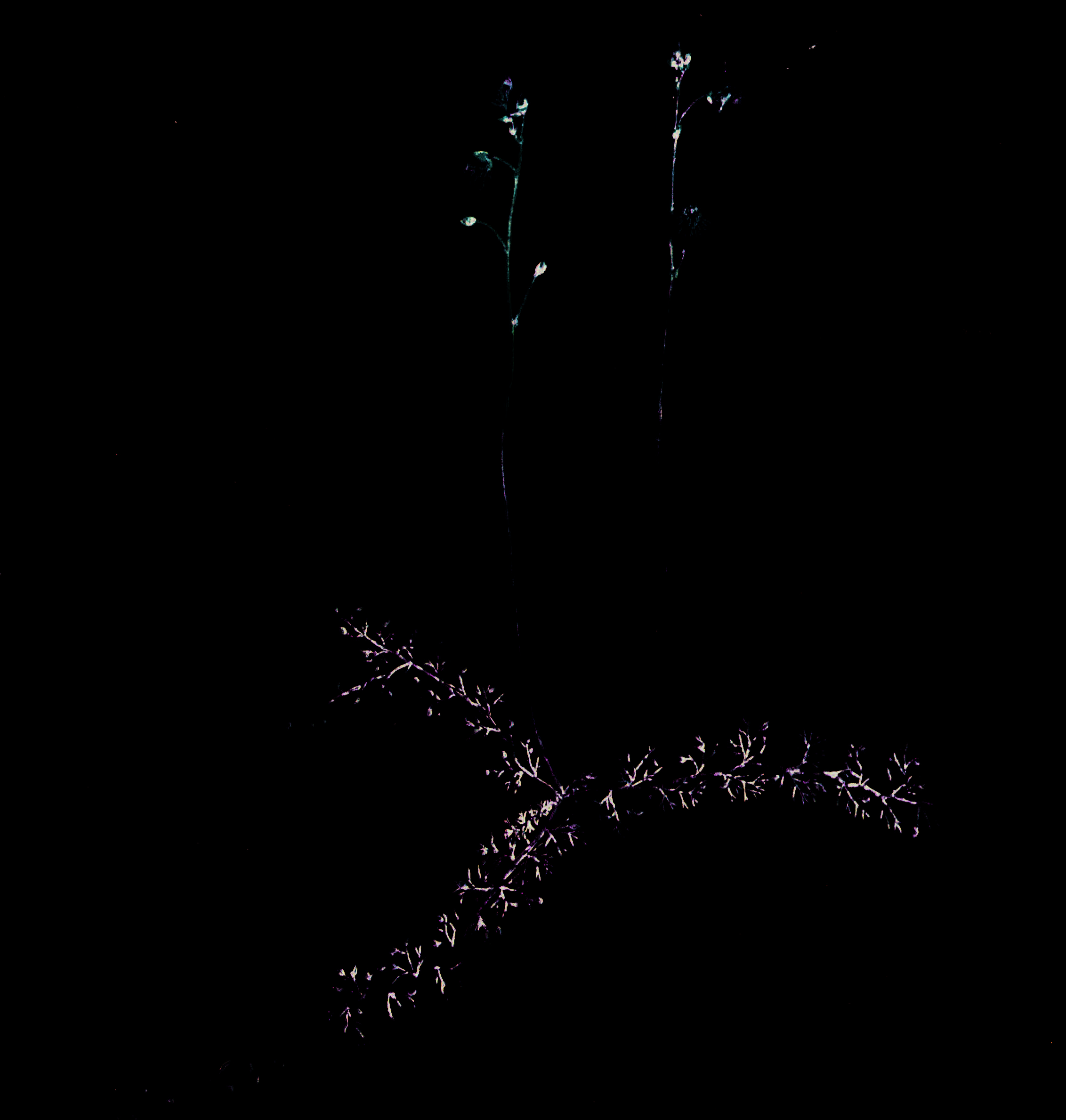
The extinct Utricularia bremii
Aquarell painted by Vera Csapody in Veresegyház, 1947
FOR MORE INFORMATION ABOUT
DANUBE REGIONAL PROJECT PLEASE CONTACT
UNDP | GEF
Peter Whalley
Paul Csagoly
DANUBE
DRP Environmental Specialist
DRP Communications Specialist
REGIONAL
peter.whalley@unvienna.org
paul.csagoly@unvienna.org
+43 1 26060 4023
+43 1 26060 4722
PROJECT