
UNDP | GEF
DANUBE
REGIONAL
PROJECT
AGRICULTURE &
DANUBE WATER
POLLUTION
BACKGROUND STORY
DANUBE FARMERS ARE FRIENDS, NOT FOES
Ever talk to people whose work involved killing animals? People in a slaughterhouse or
in shops selling meat or fish? The butcher sawing the slab of beef, blood on his apron,
said to me: "City people look down on folks like me but I do their dirty work."
He was right. Many urban consumers love picking out fresh-cut steaks packaged in colourful wrap-
ping (with singing cows illustrated on the package?) in clean supermarkets. They might even visit a
farm and get their feet dirty. But they won't kill the cow. They're consumers, not producers. That's
the farmer's thankless job. Farmers actually do hundreds of jobs most of us would rather avoid. Some
of us even call farmers enemies of the environment from animal killers to soil spoilers to flood pro-
moters. Take irrigation for example -- it's been known to spoil the soil with too much salt, or to affect
drinking water sources if too much water is taken out. Farmers have also been blamed for replacing
floodplains that protect villages from floods with unproductive artificial wheat or corn fields.
In the Danube River Basin (DRB), farmers were recently charged as a main water polluter.
Is that fair?
DANUBE REGIONAL PROJECT | AGRICULTURE AND DANUBE WATER POLLUTION
TOXIC GROWTH
Hundreds of toxic chemicals are released into
DRB waters with serious threats to the environ-
ment. And many toxins come from agriculture.
This news was recently reported in the `Danube
River Basin Analysis', the first ever comprehensive
analysis of the Danube environment and pressures
impacting it. The Analysis was coordinated by
the International Commission for the Protection
of the Danube River (ICPDR), the body mandated
with implementing the Danube River Protection
Convention.
"Farmers need agro-chemicals such as pesticides and
In DRB waters, pesticides generally increase downstream.
fertilizers to sustain yields and produce good quality
"Alarming concentrations" can be found in the lower
crops", says Dirk Ahner, Deputy Director General for the
Danube and in some tributaries, says the Danube Analysis.
European Commission's (EC) Directorate General for
The DRB is home to 29 of the EU's list of 33 `hazardous
Agriculture and Rural Development. "Yet the excessive or
priority substances', eleven of which are agricultural
inappropriate use of these substances can contribute to
pesticides. Many are used in producing cereals, rapeseed,
water pollution through the leaching or run-off of nutrients
sunflower, maize, orchard fruits and grapes. Only three are
and pesticides, and through the emission of contaminants
authorized in all countries. A shocking seven are not
from agricultural by-products and waste."
authorized in any country, many having been left in old
stockpiles, some in flood-prone areas.
`Pesticides' generally refer to insecticides, herbicides and
fungicides. These substances are usually diluted with water
A big threat is from `DDT', a pesticide banned in Europe
and then sprayed on soil or crops. The equipment used for
known to reduce the ability of both birds and fish to
spraying has generally improved allowing for better control.
reproduce -- in Danube samples taken, 71% exceeded
But farmers still decide when and where the spraying
permissible levels. Another is the herbicide`atrazine' which
happens, and how much, and they don't always do it right.
was banned in the EU from 2006 because of its damaging
Too much spraying can lead to high soil toxicity, the death
impacts on the environment.
of important soil organisms or contaminated drinking water.
Another problem is with the disposal of unused spray
material and the washing of used equipment, often near
or directly into water bodies.
1
NON-NUTRITIOUS NUTRIENTS
Few are aware of nutrient pollution from
agriculture to the water -- for example, from
nitrogen. Nitrogen is the most important mineral
nutrient for plants, playing a crucial role in plant
growth and photosynthesis. In soluble form,
nitrogen becomes `nitrate' -- easily leached from
soil into water. And too much of it means pollution.
One main source is the inappropriate or over-use of
nitrogen fertilizers for crops like wheat. Many farmers apply
them at the wrong time of year or in the wrong areas
for example, on frozen areas, on slopes or close to surface
waters. That means nitrogen is more prone to enter the
water. Some farmers don't consider the crops being
fertilized after a certain amount, further benefits from
fertilizers stop and even reverse. Some fertilizers never
even reach the crops they're targeted for.
Another nutrient source is the over-production and poor
Farming is also the second biggest source for phosphorus
handling of solid manure and liquid waste from raising
emissions in the DRB with a 32% share. Phosphorus,
livestock. Manure can be a good natural fertilizer for crops.
like nitrogen, is an essential nutrient for plant growth and
But the usable amount is limited by the area of cropland
maturity. But again, if too much is added through fertilizers,
available. One pig and its piglets, for example, make one
water pollution can result.
truckload of manure annually. That would need 1.2 ha of
fields for spreading, which means 60,000 ha are needed
The biggest impact from nutrient pollution is `eutrophication'
for a mid-sized farm of 50,000 pigs. That kind of space
which reduces oxygen in the water, decreases plant and
is rarely available. So, on many farms, nearly half of all
animal species and worsens water quality. Danube nutrient
livestock waste becomes pollution. Some farmers try to
pollution has helped create a severe ecological imbalance
store it properly. Others pile it on the grass. Others just
in the Black Sea in fact, most of the world's major coastal
dump it into streams. In any case, a lot eventually gets
ecosystems are now seriously affected by eutrophication,
into the water, especially in times of heavy rains and floods -
from China to the Gulf of Mexico. Nutrients are actually one
and lower Danube countries have had their share of major
of the world's biggest pollution problems, notes the World
flooding lately.
Watch Institute, blamed in part for species loss, acid rain
and even climate change. And nitrates in drinking water
Another concern is that manure should only be spread at
have been linked to infant poisoning.
certain times of the year. But since storing facilities are
usually inadequate, spreading happens all year. This includes
The Danube Analysis also found groundwater in the DRB
winter when it is not necessary, and when the loss of
at high risk of pollution from agricultural fertilizers and
nitrates is highest.
chemicals. That's a big problem because groundwater is
the source of 95% of the public water supply in some
The result is that, for decades, too much nitrogen
Danube countries. Many people get water from their own
from agriculture has been getting into DRB waters.
private wells as high as 43% in some countries. Overall,
The same is true for too much coming from poorly treated
48 million people in the DRB depend on groundwater
or untreated wastewater from industry and from municipali-
sources for drinking water.
ties. All combined, the excesses meant that nitrogen use
doubled from the 1950s to the mid-1980s. Nitrogen levels
are still too high. Agriculture is now the biggest source
of nitrogen in the DRB with a 39% share.
2

EU TOO INTENSE
Whether farming is `intensive' or `extensive' has a
"Intensifying agriculture and the connected development
major bearing on pollution. Intensive farming usually
and draining are the most important causes of nature
means high numbers for pesticides, fertilizers,
and landscape destruction in 20th century Europe," says
animal density and equipment. It often means
Stroming.
getting the most out of the land in the shortest
amount of time as cheaply as possible. Endless
Not surprisingly, early EU members Germany and Austria
are still quite high in intensive production methods and
corn fields or factory farms slaughtering thousands
inputting nitrogen pollution to the Danube.
of chickens daily come to mind here.
Extensive farming tends to be more traditional using more
DANUBE INTENSITY
land area, less fertilizers and pesticides, and growing less
ON THE RISE
animals and crops. It uses more human labour, time and
environmentally-friendly techniques. Picture shepherds in
In the former communist countries within the
the hills grazing cattle in natural grasslands or meadows.
DRB, extensive farming was preserved in many
areas, especially in remote hills and mountains
In a competitive free-trade world demanding high production
such as Romania's Carpathians. Small farms
and low costs, intensive farming has well-suited large
survived through strong local demand, limited
western agro-companies intent on big profits. This is
foreign competition and state support.
especially true for the EU's original 15 members which
Agriculture remained a key employer for people.
depended heavily on the EU's Common Agricultural Policy
(CAP) for decades to subsidize intensive practices.
That situation has drastically changed. The end of
Results from the CAP included reductions in small farms
communism meant major reductions in state support
and the size of the EU's agricultural workforce. It also
and access to markets. Free trade meant competition with
led to the growth of large agro-companies and degraded
powerful western agro-companies and their cheaper
natural environments. According to a report by Dutch
products. Many large state-owned farms and smaller family
consultant Stroming for WWF's `One Europe More Nature'
farms closed shop. Cities and other types of work lured
project, only the largest and most advanced companies
young farmers away. Vukovar, Croatia, for example, was
survived with 80% of CAP funds going to 20% of the
a thriving farming area during communism. Today, 70%
farmers. From 1992 to 2002, 200,000 farmers stopped
of the workforce is unemployed as young people flock to
their businesses in the EU every year while the CAP
the new local Benetton factory, the capital Zagreb, the
continued to spend 40 billion euros yearly on farming
Adriatic coast or to Canada.
support from the EU's total budget of 75 billion euros.
3
MEETING THE LAW
Farming losses did have one positive feature -- a big drop
One of the best tools to ensure Danube waters
in nutrient pollution and fertilizer use in the central and
stay clean is the EU's Water Framework Directive
lower Danube countries. Pesticide use declined by 40%
(WFD), its main body of legislation for protecting
while there was a 50% drop in livestock numbers.
water. EU countries are obliged by law to
meet WFD objectives including achieving `good
Nonetheless, farming is still important business.
environmental status in all water bodies' by 2015.
A 2003 study showed that, in six central and lower
It also requires the complete phase-out of all 33
Danube countries, agriculture uses a near average of
hazardous substances, including pesticides,
60% (Hungary led with 71.5%) of the total land surface,
within 20 years.
with 37% under direct cultivation.
Smaller eastern farmers new to the EU hoped that EU
An early milestone was each country's assessment of the
accession would improve their lot. They expected to receive
water bodies within their boundaries, including whether they
CAP support as did their neighbours to the west. But now
risked failing to meet the WFD. This was done in relation
the CAP is also changing, for everyone. A recent CAP
to four `risk categories' including hazardous substances
reform process is intent on reducing subsidies for farming,
and nutrients. Some river basins, often crossing many coun-
especially for intensive production. This could still mean
tries, also did this -- hence the Danube River Basin Analysis
that, without enough subsidies from either the state or the
for the Danube countries. In this respect, it was great news
CAP, eastern production methods won't be able to compete
when all the DRB countries not in, or acceding to, the EU
with larger more established companies especially those
also agreed to abide by the WFD and cooperate with the
now buying up large tracts of nearby lands given lower
ICPDR in producing the Danube Analysis. These included
costs and taxes.
Bosnia and Herzegovina, Moldova, Serbia and Montenegro
and Ukraine.
If that happens, intensive farming and pollution into DRB
waters could rise again.
EU-wide, the assessments show that many water bodies
may not meet the WFD and that one of the main reasons
Stroming further warns that, within a few years, some 60
is pollution from farming, especially from nitrogen and
to 90 million ha of land in Europe will be disposed of from
phosphorus. Results from the Danube Analysis, specific
the viewpoint of food production. If the right policies are not
to the DRB, aren't much better. In total, percentages of
implemented soon, the result could be that large areas of
the entire DRB `at risk' or `possibly at risk' are 55% from
land will either become completely forested or degenerate,
nutrient pollution and 73% from hazardous substances.
while increasing intensive farming will continue on the
The Danube Delta is `at risk' from hazardous substances
remaining farmlands. This could create `digital landscapes'
and nutrient pollution. All Black Sea coastal waters are
where large-scale open agricultural areas and closed
`at risk' from nutrient pollution and `possibly at risk' from
forests dominate Europe's landscape.
hazardous substances.
4
The pesticides DDT and Lindane are `at risk' of failing
"The CAP of today is very different from what it was 15
to meet the WFD. And agriculture is a main cause.
years ago," said Ahner at the conference. "The integration
of environmental concerns into agricultural policy has been
Danube countries now need to develop a `Danube River
one of the main priorities in the last decade of reforms of
Basin Management Plan' by 2009 on how to meet the
the CAP."
WFD by 2015. This will include actions to reduce the
impacts from agriculture.
Reforms started in the 1990s. The 2003-2004 reforms
and the new Rural Development Regulation are the latest
Another tool is the EU's 1991 `Nitrates Directive', designed
steps. As a result, many now even see the CAP as an
to protect waters against pollution caused by nitrates from
important tool for water policy.
agricultural sources, including pollution caused by the appli-
cation and storage of fertilizer and manure on farmland.
Reform of the CAP's `first pillar' should help reduce
income support for production and "is expected to reduce
It requires EU Members States to monitor surface waters
incentives for intensive production." This pillar includes
and groundwater for nitrate pollution. If pollution levels are
mandatory `cross-compliance' which has made the granting
or could be high, States must then designate such areas
of payments to farmers conditional on their respecting
as `nitrate vulnerable zones' and apply agricultural `action
environmental laws including the EU's Nitrates and
programme measures'.
Groundwater directives. The WFD is not yet linked, but may
be in the future. The first pillar also includes requirements
for farmers to set some of their lands aside for
environmental benefits.
Reform of the CAP's second pillar, rural development
programmes, made implementation of the WFD one of its
three environmental priorities for 2007-2013. Included is
the `meeting standards' measure which provides farmers
with temporary support for compliance with demanding new
standards such as the WFD. And new training measures
for making farmers more aware of less polluting production
techniques were introduced.
Interestingly, rural development `agri-environmental
schemes' now encourage farmers to work beyond conven-
tional farming practices such as raising crops and animals
to `farming services' naturally provided by the environment.
For example, this could mean a switch from growing corn
to improving the flood protection capacity of a specific area
of land.
It could mean creating new wetlands on former cropland
to help reduce nutrient pollution and improve water quality.
It could even be increased cattle grazing in grasslands and
LINKING THE CAP AND WFD
meadows to help preserve endangered animals dependent
on semi-natural habitat. WWF's `One Europe, More Nature'
In late September 2005, the `Conference on the
programme is leading the way here with local demonstrati-
Water Framework Directive and Agriculture' was
on projects across the continent such as in Romania and
held in London to raise awareness of the WFD
Estonia.
and agriculture agenda, especially the challenges
to achieving WFD objectives caused by agriculture's
During the conference, while it was agreed that a reformed
CAP was likely to have significant positive impacts in the
impacts on water. The conference was held by the
future, much depends on the rigour with which Member
EU Strategic Steering Group (SSG), set up jointly
States implement new legislation and define and implement
by the EC and UK government.
good agricultural and environmental practices.
5
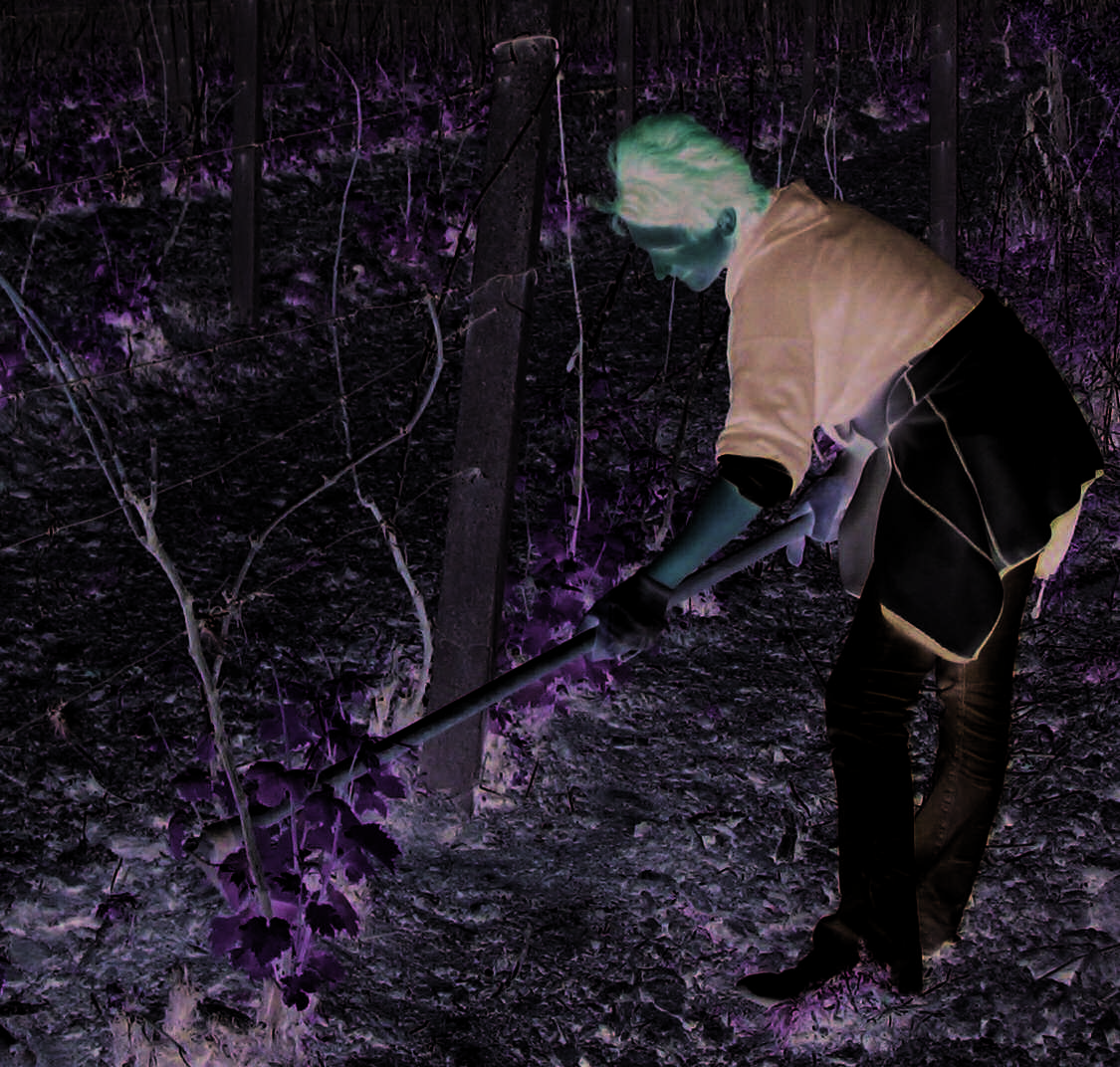
Stavros Dimas, the EC Commissioner for the Environment,
added that active cooperation is needed at the river basin
level between water, agriculture and rural development
planners. That's already a big achievement for DRB
countries, coordinated by the Vienna-based ICPDR.
As a follow-up to the London conference, a second
conference entitled `WFD meets CAP Opportunities
for the future' will be held March 2-3 2006 in Vienna,
Austria. In April, the ICPDR will host a special event to
discuss agriculture and water pollution in the DRB.
THE FUTURE OF
FARM SUBSIDIES
Soon after the London conference, an EU leaders'
summit in mid-December agreed on a final
EU budget for the period 2007-2013. The vast
majority, or 46%, of the EU budget will be spent on
aid to farmers and rural development, at 49 billion
euros. The UK tried to reduce the CAP but France
One must remember that the CAP exists primarily to
refused, so CAP overall spending will remain about
assist farmers and agriculture. "When looking for the final
the same, although farm spending could still possi-
combination of measures, a balance will need to be
bly change before 2014.
struck between objectives as diverse as water protection,
safeguarding and enhancing other environmental resources
Farmers from the 10 states that joined the EU in 2004
and the landscape, maintaining and improving the
(many of them Danube countries) began by receiving
competitiveness of our agriculture, and creating new
subsidies at 25% of the rate paid to farmers in the other
opportunities for growth and jobs in rural areas," says
15 EU countries. That rate rose to 30% in 2005 and equal
the EC's Ahner.
levels should be reached by 2013. As a result, money
paid to farmers in the older EU states will begin to decline
Dimas adds that the EC must be "sufficiently flexible to
after 2007 with an overall 5% cut from 2007-2013.
take account of any socio-economic problems caused in
Also, there will be no new money to pay farm subsidies to
trying to meet" environmental directives. He adds that EU
Romania and Bulgaria when they join the EU in 2007 or
countries can get exemptions to the directives, such as
2008, which could mean further cuts of 8-9% from overall
the extension of deadlines beyond 2015, if they can show
CAP subsidies.At the same time, rural development funding
that major negative impacts will hit their agricultural sector.
now currently accounts for 13% of the total agriculture
"But the real political discussion will be on how to share out
budget and this will increase to 25% before 2010.
both the burdens and the benefits. We need to find win-win
solutions that have benefits for farmers and the environ-
Is this good news for Danube farmers from the new
ment alike."
EU states? Perhaps in the short-term, as subsidies rise
until 2013. After that, however, pressure will continue to
Subsidizing farmers has always been controversial, be
increase to reduce EU farm subsidies. One sure sign of
it for intensive or extensive production. Many farmers
this was the deal reached on December 18, 2005 at the
would rather be self-sufficient and not require government
World Trade Organization, with EU backing, to globally end
payments. But without, many know they just will not survive.
agricultural export subsidies by 2013 through its `Hong
According to the BBC, between 2002 and 2003, falls
Kong Declaration'. It will also eliminate almost all tariffs and
of more than 8% in the number of farmers leaving the
quotas on farm exports from the world's poorest countries,
industry were registered in the Czech Republic, Hungary,
thereby increasing agricultural competition worldwide.
Poland, Slovenia, Slovakia and the UK.
6
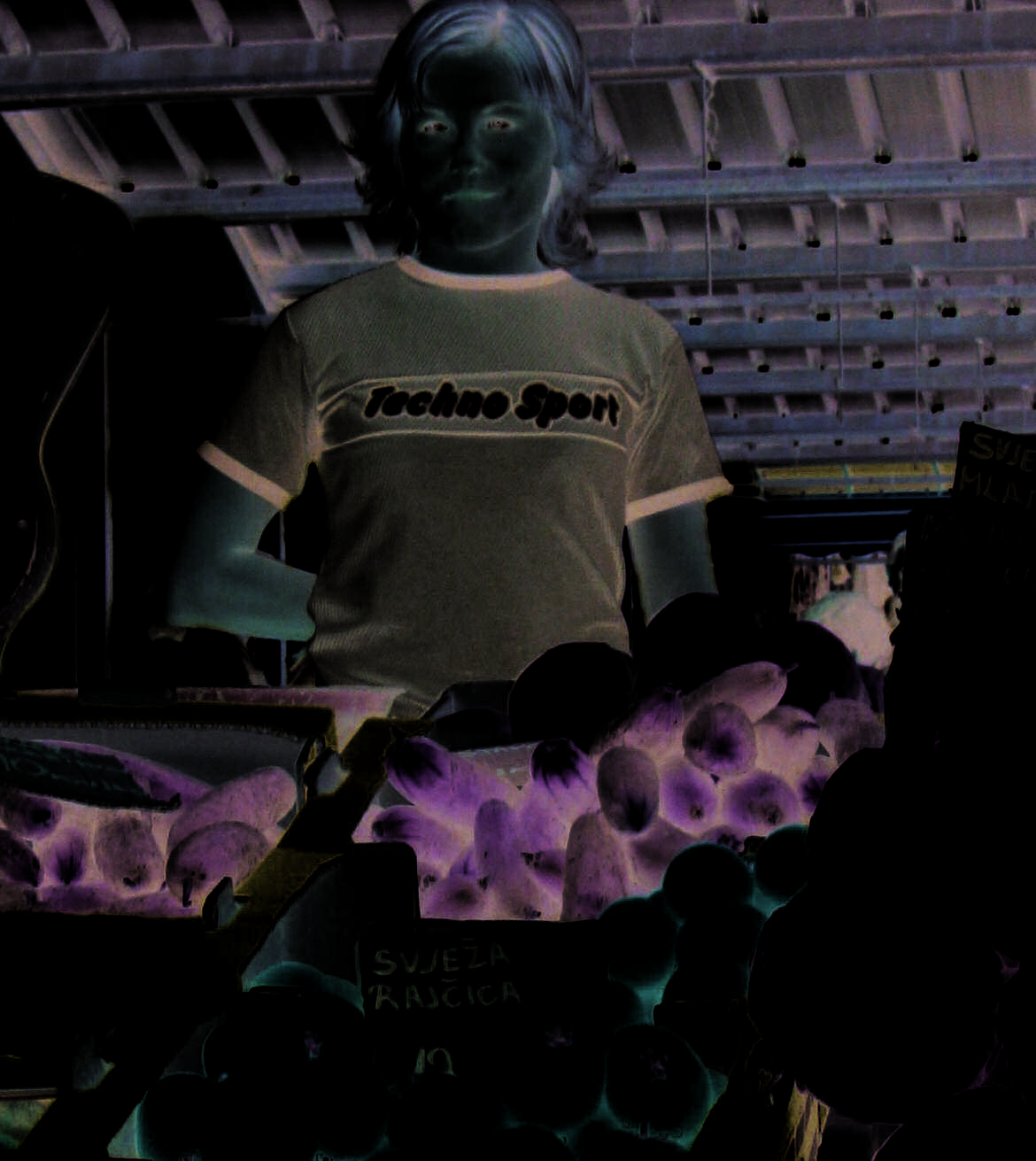
FRIENDS,
NOT FOES
As the 2nd millennium came to a close,
the question was farming `OR' environment.
Many now realize that neither will function
properly without mutual respect and
understanding.
Farmers can, and most would actually choose to be,
friends of the environment, through providing us with food
or even key environmental services such as protecting us
from floods or purifying our drinking water. But only if they
benefit themselves.
"The Austrian farmers I've worked with, want a good
relationship with the land," says Johannes Wolf of NGO
`Distelverein'. "Sometimes they need to do jobs they know
may hurt the environment. But if they can be convinced
that a change will be economically and ecologically
beneficial, they will do it."
"Farmers need to be involved," said the Chairman at
the end of the London conference. "They need to be
communicated with effectively and also need to have
access to the necessary training and advice."
So in the end, the answer is that farmers shouldn't be
seen as enemies of the environment. Most farmers aren't
really all that `bad' after all. The truth is that many farmers
are neither aware of the environmental problems they
cause, nor of how to solve them. With more thanks, more
help and more secure incomes, they can become true
friends of the Danube and its people.
FOR MORE INFORMATION ABOUT
DANUBE REGIONAL PROJECT PLEASE CONTACT
UNDP | GEF
Peter Whalley
Paul Csagoly
DANUBE
DRP Environmental Specialist
DRP Communications Specialist
REGIONAL
peter.whalley@unvienna.org
paul.csagoly@unvienna.org
+43 1 26060 4023
+43 1 26060 4722
PROJECT