
OBALKA_4 28.6.2007 15:01 Stránka 1
15 YEARS OF MANAGING
THE DANUBE RIVER BASIN
FOR MORE INFORMATION ABOUT
THE DANUBE REGIONAL PROJECT, PLEASE CONTACT
1991 2006
Ivan Zavadsky, Regional Programme Director
UNDP | GEF DANUBE REGIONAL PROJECT
Vienna International Centre, PO Box 500, A-1400 Vienna, Austria
www.undp-drp.orgwww.drp
Philip Weller, Executive Secretary
INTERNATIONAL COMMISSION FOR THE PROTECTION OF THE DANUBE RIVER
Vienna International Centre, PO Box 500, A-1400, Vienna, Austria
www.icpdr.orgww.drp.org.org
UNDP | GEF
DANUBE
Text by Paul Csagoly
REGIONAL
Design by 7 · Währingerstrasse 48/7 · A-1090 Vienna, Austria
T +43 1 319 3777 · E office@agentur-sieben.atw.dr
PROJECT
Vnutro_4 27.6.2007 9:37 Stránka 1
FOREWORD
WIN WIN DANUBE RIVER
BASIN MANAGEMENT
In 2007, the first International Waters regional programme
The interventions of GEF/UNDP continued to be critical in hel-
to have received funding from the Global Environment Facility
ping to drive the accession process and in fulfilling Danube
(GEF) will end. Targeted in the Danube River Basin and begun
country obligations, from enhancing the IRBM capacities of
in 1991, this programme is a flagship model of good practice
institutions to advising on national legislative reform to testing
for applying integrated river basin management (IRBM) to other
best agricultural practices and supporting public participation.
transboundary river basins across the globe.
Clearly, after 15 years of IRBM development in the Danube
Basin, a win-win situation had resulted between the
Before massive political changes transformed Central and
GEF/UNDP, ICPDR, EU and the Danube countries and their
Eastern Europe, Danube countries had experienced minimal
diverse peoples.
IRBM collaboration. After 1990, the need for increased coo-
peration and political will to lay the foundations for IRBM beca-
This document presents the key political decisions made and
me clear. The Danube was not only the most international river
their results from the development of new programmes, insti-
basin in the world shared by 19 countries -- over the last 150
tutions and the convention to environmental progress. Lessons
years, it had also sustained numerous damages and yet pre-
learned in applying IRBM will be presented with the hope of
served incredible biological assets. Environmental threats con-
their transferability to other basins, as will the Danube outlook
tinued including toxic and nutrient pollution to the Black Sea into
for the next 15 years.
which the Danube flows.
Shaped by two institutions that took a lead role in facilitating the
From the start, international donor interventions were essen-
creation of an IRBM framework for the Danube, this document
tial as a catalyst for progress, especially from GEF/UNDP and
celebrates the upcoming end and outputs of GEF/UNDP
the European Commission. Initial efforts focused on assessing
efforts in the Danube Basin. It also presents the strong foun-
information, building capacities and institutions and supporting
dations for the future work of the ICPDR which is sure to achie-
the creation of the legally binding Danube River Protection
ve progress in managing this internationally shared river and
Convention.
continue providing valuable lessons learned for other interna-
tional waters projects.
In time, the accession of many of the Danube countries to the
EU and the requirement that they fulfil EU directives (laws)
became the main drivers and incentives for improved multi-
country IRBM in the Danube Basin in addition to the key trans-
boundary concerns related to GEF-funded interventions. After
Philip Weller
Alfred Duda
2000, the main priority of the Danube Convention's implemen-
Executive Secretary
Senior Advisor, International Waters
ting body, the International Commission for the Protection of
ICPDR
GEF Secretariat
the Danube River (ICPDR) created in 1998, became the
implementation of the EU Water Framework Directive.
3
Vnutro_4 27.6.2007 9:38 Stránka 2
4
Vnutro_4 27.6.2007 9:38 Stránka 3
TABLE OF CONTENTS
3
Foreword:
Win-Win Danube Management
8-9
The Most International River Basin in the World
12-13
The Danube's `Managers'
The History 15 Years of Building Danube Management
16-17
Key Political Decisions
18-21
Programmes and Activities
Achievements
24-32
Institutional Achievements
33-35
Environmental Achievements
38-39
Lessons Learned
42-43
Future Outlook
44
Glossary of Acronyms
5
Vnutro_4 27.6.2007 9:38 Stránka 4
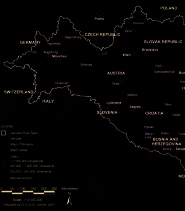
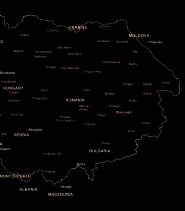
DANUBE RIVER BASIN
Vnutro_4 27.6.2007 9:38 Stránka 5
THE MOST INTERNATIONAL
RIVER BASIN IN THE WORLD

Vnutro_4 27.6.2007 9:38 Stránka 6
THE MOST INTERNATIONAL
RIVER BASIN IN THE WORLD
GEOGRAPHY
ENVIRONMENTAL ASSETS
The Danube River Basin is Europe's second largest with a total
The basin shows a tremendous diversity of habitats and ecosy-
area of 801,463 km2. Now including the territories of 19 coun-
stems through which rivers and streams flow including glacia-
tries, it is the world's most international river basin. It is also
ted high-gradient mountains, forested midland mountains and
home to 81 million people with a variety of languages and histo-
hills, upland plateaus and plains and wet lowlands near sea
rical backgrounds.
level. Some remain relatively untouched with species and habi-
tats of outstanding ecological value, constituting a unique heri-
The Danube River stretches 2,780 km from Germany's Black
tage to be preserved. In many cases, the level of biodiversity is
Forest to the Danube Delta. Countless other rivers drain from
higher in the lower reaches of the river.
the basin into the Danube River such as the Inn River in Austria
and Germany; the Morava in the Czech Republic, Austria and
Floodplain forests, marshlands, deltas, floodplain corridors,
Slovakia; the Tisza in Hungary, Romania, Slovakia, Serbia and
lakeshores and other wetlands are essential components in the
Ukraine; the Sava in Slovenia, Croatia, Bosnia and Herzegovina,
basin's biodiversity and hydrology. Many are transboundary in
Serbia and Montenegro; and the Prut River in Romania,
nature and represent valuable drinking water reserves for
Moldova and Ukraine.
millions of people. The 675,000 ha Danube Delta is the most
important wetland in the basin and is a transboundary UNESCO
The basin is divided into upper, middle and lower basins. The
World Heritage Site and Man and Biosphere Reserve.
Upper Basin extends from the source of the Danube in
Germany to Bratislava, Slovakia. The Middle Basin is the
largest, extending to the dams of the Iron Gate Gorge on the
HUMAN IMPACTS
border between Serbia and Romania. The lowlands, plateaus
and mountains of Romania and Bulgaria form the Lower Basin.
Over the last 150 years, Danube aquatic ecosystems, biodi-
Finally, the river divides into the three main branches of the
versity and water quality and quantity have been significantly
Danube Delta, with an area of about 6,750 sq km, before ente-
impacted by human activities. For example, some 80% of the
ring the Black Sea.
Danube's wetlands and floodplains have been lost since the end
of the 19th century, threatening habitats of key species such
as pelicans in the Danube Delta and beavers in the Upper Danube.
Pollution remains a serious problem, especially from organic
substances and nutrients. In the 1970s and 1980s, excessive
nutrient pollution resulted in a severe ecological imbalance in,
and the large-scale eutrophication of, tens of thousands of sq km
of waters in the western Black Sea, as the depletion of oxygen
decreased biodiversity and worsened water quality.
A large proportion of this originated from the Danube Basin
through agriculture, municipal wastewater (human waste and
detergents) and industry. Toxic substances are a key threat, made
worse by mining and chemical accidents. The occurrence and
negative impacts of floods continues to increase in the region.
8

Vnutro_4 27.6.2007 9:38 Stránka 7
Navigation, hydropower dams, river channelling, gravel extrac-
THE NEED FOR IRBM
tion, groundwater exploitation and climate change also pose
Given the complexity of the Danube River Basin the many
key threats to the Danube environment.
countries, differences in economic performance, biological
assets, past damages and continued threats from human
The significant decline in industry and farming following the
impacts it was clear that one overall framework or mechanism
political transition after 1989 reduced human pressures on the
was required to sustainably manage the basin environment.
Danube Basin and the Black Sea. However, the potential for
pollution to increase as economies recover still requires intro-
Increasingly, `integrated river basin management', otherwise
ducing good practices that minimise the impacts of farming
known as IRBM, gained acceptance as the primary mechanism
and industrial activities. The inefficiency or absence of waste-
to address the issues and their impacts.
water treatment plants in the middle and lower Danube coun-
tries also still pose a significant threat.
9

Vnutro_4 27.6.2007 9:38 Stránka 8
Vnutro_4 27.6.2007 9:38 Stránka 9
THE DANUBE'S `MANAGERS`
Vnutro_4 27.6.2007 9:39 Stránka 10
THE DANUBE'S `MANAGERS`
From 1991 to 2006, major efforts were made by the following
GEF/UNDP
Danube `managers' to help lay the foundations for IRBM in the
The Global Environment Facility (GEF), established in 1991,
Danube Basin: Danube country governments, ICPDR, GEF/
helps developing countries, and those in economic transition,
UNDP, EU and NGOs.
to fund projects that protect the global environment. Since
1991, GEF has provided grants for more than 1,300 projects
DANUBE COUNTRY
in 140 countries. The GEF International Waters (IW) focal area
GOVERNMENTS
targets transboundary water systems. Examples of concerns
addressed include water pollution, protection of fishery habitats
The following 13 countries are all `Contracting Parties' to the
and balancing competing water uses.
Danube River Protection Convention: Austria, Bosnia and
Herzegovina, Bulgaria, Croatia, the Czech Republic, Germany,
GEF projects help countries to learn to work together on key
Hungary, Moldova, Romania, Slovenia, Slovakia, Serbia and
transboundary concerns, set priorities for joint action and to
Montenegro and Ukraine. In 2006, Serbia and Montenegro
implement those actions. It plays a catalytic role in helping nations
divided into two countries -- efforts are now underway to secu-
make the full use of policy, legal and institutional reforms and
re the accession of Montenegro to the Convention.
investments necessary to address their complex concerns.
The Danube Basin was a first for GEF IW site of the first `IW
THE INTERNATIONAL COMMISSION
regional programme' ever funded by the GEF in 1992. The
FOR THE PROTECTION OF
United Nations Development Programme (UNDP), well established
THE DANUBE RIVER
in the region before 1989, has implemented GEF projects sup-
porting the Danube. Over time, Danube Basin countries identi-
The International Commission for the Protection of the Danube
fied reducing nutrient pollution as one of the basin's key trans-
River (ICPDR) is a trans-national body, established October 27,
boundary water concerns.
1998 to ensure the sustainable and equitable use of waters
and freshwater resources in the Danube Basin. It is mandated
to implement the Danube River Protection Convention (DRPC),
the major legal instrument for cooperation and transboundary
water management in the Danube Basin, as well as the Water
Framework Directive of the EU. It is the legally responsible insti-
tution for further development of Danube water management
and regional cooperation in Danube IRBM.
It is formally comprised of the Delegations of all Contracting
Parties to the DRPC. Representatives from ministries, civil
society and the scientific community also cooperate in the
ICPDR. Technical expert groups provide the ICPDR with techni-
cal information and strategic input. The Permanent Secretariat
performs functions to administer the Convention and realise
the ICPDR programme.
12

Vnutro_4 27.6.2007 9:39 Stránka 11
In December 2000, the EU adopted the WFD - a new and
EUROPEAN UNION
effective tool for water management. The operational tool of a
The European Union (EU) has been a main driver for IRBM in
thoroughly restructured European Water Policy, it sets objecti-
the Danube since 1991. The European Commission (EC) is also
ves for water protection well into the 21st century and is seen
an original Contracting Party to the DRPC. As time went by, EU
by many as the strongest water protection legislation in the
accession and the fulfilment of the EU's environmental directives
world.
became, as it is today, the main driving force for environmen-
tal change in the Danube Basin.
Covering surface and ground waters (fresh, transitional and
coastal), it aims to achieve a `good status' for all European
While Germany was one of the founding members of the EU,
waters and ecosystems by 2015. It obliges Member States
Austria acceded in 1995. Most of the post-communist Danube
and accession countries to use a river basin approach for
states began processes to join the EU soon after transition
managing water resources. It requires cross-border cooperation
began between 1994 and 1996. In 2004, four Danube Basin
and encourages multi-stakeholder cooperation, with NGOs and
countries joined the EU the Czech Republic, Hungary, Slovenia
local citizens included. It also obliges every EU river basin, inclu-
and Slovakia. Two more Danube countries, Bulgaria and
ding the Danube, to develop a `River Basin Analysis' by 2004,
Romania, joined in 2007. Croatia applied in 2003 and has
followed by a `River Basin Management Plan (RBMP)' by 2009
begun EU accession negotiations, bringing the total number of
which specifies the `Programme of Measures' required to meet
Danube countries in, or expected to soon join, the EU to nine.
the 2015 objectives.
The five Danube countries of Bosnia and Herzegovina, Serbia,
Montenegro, Ukraine and Moldova have not yet made any
formal application to accede to the EU.
DANUBE NGOs
Membership to the EU obliges a country to fulfil the EU's
Prior to 1990 in the former communist countries, civil society
package of laws or `directives', including environmental directi-
representation and non-governmental organisations (NGOs)
ves. The first step is for a country to develop institutional capa-
were almost non-existent. Upstream, Germany and Austria
city and harmonise EU laws. The second is implementation, a
experienced NGO participation in environmental decision-
costly process and one where meeting environmental directives
making and as government and private sector `watchdogs'.
has been the most expensive.
After 1991, international NGOs such as WWF began to parti-
EU water protection legislation came in three waves. The first
cipate in Danube-related matters. National and local Danube
wave, starting in 1975, set binding water quality targets for
NGOs also began to take shape to the point that NGOs were
drinking water and other uses and limits on emissions. The
involved in key decisions and programmes from the start, sha-
second wave in the early 1990s led to the Urban Waste Water
ring the table with Danube country governments, GEF/UNDP
Treatment Directive (UWWT) and Nitrates Directive. The third
and the EC.
wave in the mid-1990s resulted in the Water Framework
Directive (WFD) (2000) and Drinking Water Directive (1998).
With time, the Danube Environmental Forum (DEF) was crea-
ted and is today the umbrella organisation for the largest
In response, significant technical and financial support for the
network of NGOs in the Danube Basin with 174 member orga-
accession process came, and continues to come, from inter-
nisations.
national donors such as GEF/UNDP and the EC.
13
Vnutro_4 27.6.2007 9:39 Stránka 12
Vnutro_4 27.6.2007 9:39 Stránka 13
THE HISTORY -
15 YEARS OF BUILDING
DANUBE MANAGEMENT

Vnutro_4 27.6.2007 9:39 Stránka 14
THE HISTORY -
15 YEARS OF BULDING
DANUBE MANAGEMENT
KEY POLITICAL DECISIONS
From 1991 to 2006, Danube countries, international organi-
The need for a DRPC was further driven by Danube countries
sations and other partners negotiated key political decisions
becoming Parties to the new UNECE Convention on the
that led to agreements, conventions and work programmes
Protection of Transboundary Rivers and Lakes signed in
based increasingly on IRBM approaches. The result of these
Helsinki in March 1992. It obliged Parties to prevent trans-
was a number of institutional and environmental outputs and
boundary impacts on watercourses and encouraged them to
achievements.
cooperate through river basin management agreements. In
effect, the `Helsinki Convention' would become the basis for the
DRPC.
1991 - 2000
In 1985, Danube countries had agreed on the `Bucharest
On June 29, 1994 in Sofia, Bulgaria, 11 Danube countries
Declaration on Water Management of the Danube River' to
(Austria, Bulgaria, Croatia, the Czech Republic, Germany,
coordinate water management activities. The goals were ambi-
Hungary, Moldova, Romania, Slovakia, Slovenia and Ukraine)
tious but the political and economic situation in the region at
and the EC signed the DRPC. It became the overall legal fra-
the time hindered effective implementation.
mework for protecting and sustainably using water and other
shared ecological resources. The DRPC came into force on
Not long after the massive regional political changes affected
October 22, 1998. Days later, the International Commission
Central and Eastern Europe (CEE), the idea to create a `Danube
for the Protection of the Danube River (ICPDR) and its
River Protection Convention (DRPC)' was supported by Danube
Permanent Secretariat were established. Between 1998 and
countries at the first UNECE `Environment for Europe'
2000, the ICPDR, chiefly through its Expert Groups, coopera-
conference held at the Dobris Castle in the Czech Republic in
ted with GEF/UNDP and the EC in implementing the EPDRB.
June 1991.
Building on this momentum, 24 countries, GEF/UNDP, EC and
NGOs met in Sofia, Bulgaria in September 1991 to plan next
steps. The result was the birth of the jointly agreed
`Environmental Programme for the Danube River Basin
(EPDRB)', a framework initiative for regional cooperation in
water management that would initiate priority studies and
actions supporting the establishment of the DRPC.
The EPDRB was managed and mainly funded by the EU Phare
Multi-Country Programme for Environment and UNDP, which
planned to draw funds from the emerging Global Environment
Facility (GEF) to implement EPDRB activities. The EPDRB was
extremely important in that it was the first regional programme
ever to be approved by both organisations.
16



Vnutro_4 27.6.2007 9:40 Stránka 15
2000 - 2006
In 2000, the EPDRB officially ended. This proved to be a major
milestone whereby the lead in managing the Danube Basin shifted
from donors to the ICPDR and the Danube countries themsel-
ves, with GEF/UNDP support.
Also in 2000, the ICPDR Heads of National Delegations agreed
that the implementation of the EU's Water Framework Directive
(WFD) should become the highest priority for the ICPDR for the
coming years. Ministers from all of the Danube countries gave
their full commitment to back the decision, including members
of the EU, prospective members and non-members. They further
pledged to develop a single, basin-wide Danube River Basin
Management Plan (DRBMP) and nominated the ICPDR as its
coordination body. The decision made sense given that both the
WFD and ICPDR were based on using IRBM.
Begun in 2001, through its Danube Regional Project (DRP),
GEF/UNDP continued to support the ICPDR with its WFD
efforts and in strengthening cooperation between Danube
countries. A second key focus of the DRP was on reducing
nutrient pollution in the Danube Basin and thereby the ecolo-
gically damaged Black Sea. The DRP and significant involve-
ment of the GEF/UNDP in Danube Basin management end in
2007.
Internal conflicts between some of the former nations of
Yugoslavia prevented their formal participation in either the
DRPC or ICPDR processes. After the wars, the DRPC went into
force in Serbia and Montenegro in 2003 and in Bosnia and
Herzegovina in 2005. By 2005, all of the Danube Basin's
13 biggest countries had become Parties to the DRPC.
17
Vnutro_4 27.6.2007 9:40 Stránka 16
18
Vnutro_4 27.6.2007 9:40 Stránka 17
PROGRAMMES
AND ACTIVITIES
1991 - 2000
The first programmes from 1991 to 2000 were primarily
management, donor coordination and establishing an effective
donor-driven by institutions such as GEF/UNDP and the
NGO network.
European Commission (EC). In September 1991, following their
decision to create the Environmental Programme for the
By 1994, donors and countries were anxious to move from
Danube River Basin (EPDRB), participants at the Sofia meeting
planning to implementation. To fill the gap, a Strategic Action
also agreed to create a Task Force to guide the programme
Plan (SAP) would identify objectives, targets and priority actions
and a Programme Coordination Unit (PCU) to manage daily
and give overall strategic guidance -- no easy job, as there was
operations.
no global precedent in preparing a SAP for a large multi-coun-
try river basin programme.
The main role of the Task Force was to support the programme
until the earlier proposed DRPC came into effect. The EC,
In December 1994 in Bucharest, Danube ministers and the EC
asked to chair the Task Force, was seen as a neutral party that
accepted the SAP. Its four strategic goals were: the improve-
could guarantee a balance of interests between upstream
ment of aquatic ecosystems and biodiversity in the basin and
Danube countries and economically weaker downstream ones.
the reduction of pollution loads entering the Black Sea; main-
EC participation was also seen by many countries in transition
taining and improving the quantity and quality of water; control
as a clear signal that they would be included in the future
of damage from accidental spills; and the development of regional
enlargement of the EU, thereby adding incentive to their active
cooperation in water management.
participation.
The necessary measures needed to meet the above goals
The PCU was established to coordinate and implement the
were: construction of municipal sewer systems and waste-
EPDRB and support the Task Force. A new venture for interna-
water treatment plants; reductions of industrial wastewater,
tional operations, it was jointly managed and funded by
harmful substances from agriculture and the risks of acci-
GEF/UNDP and the EU.
dents; restoration of wetlands and floodplains; and integrated
water management.
The programme goal was to establish an operational basis for
strategic and integrated management of the Danube Basin
Working in cooperation with the new ICPDR, the SAP led to two
environment, focusing initially on priority environmental issues.
main projects: the GEF/UNDP-led Danube River Basin Pollution
It was intended to collect all available information and fill gaps,
Reduction Programme (DPRP) and the Phare-led Strategic
build networks for cooperation, and carry out institutional
Action Plan Implementation Programme.
strengthening and capacity building activities to set the stage
for later implementation and investments.
DPRP efforts led to the preparation of the first GEF
`Transboundary Diagnostic Analysis' (TDA) for the Danube Basin
The main activities for the PCU included support for water qua-
with a focus on nutrient pollution. This analysis would become
lity monitoring, early warning systems for accidents, information
an important building block for subsequent Danube analyses.
19
Vnutro_4 27.6.2007 9:40 Stránka 18
2000 - 2006
As planned back in 1991, the Danube PCU and EU Phare pro-
The DRBMP will include information on the: characteristics of
gramme for the Danube ended when the Danube Convention
the Danube Basin; significant pressures and impacts of human
went into force and responsibilities were handed over to the
activities on the status of surface water and groundwater;
new ICPDR Secretariat.
monitoring networks; environmental objectives; economic
analysis of water use; programme of measures; and public
In 2000, the results from the EPDRB and the Danube River
information and consultation measures taken.
Basin Pollution Reduction Programme were transferred to the
ICPDR to prepare its Joint Action Programme (JAP). The JAP,
The Danube Black Sea Task Force (DABLAS) was set up in
corresponding to a `Strategic Action Plan' in GEF terminology,
2001 to provide a platform for cooperation to ensure the pro-
built on the GEF TDA prepared earlier in 1999.
tection of water and water-related ecosystems in the Danube
and the Black Sea. It comprises Danube country representatives,
The JAP outlined the steps to be taken between 2001 and
ICPDR Secretariat, Black Sea Commission, International
2005 to achieve the DRPC's environmental objectives. They
Financing Institutions (IFIs), the EC, interested EU Member
included measures to reduce water pollution, promote nature
States, other bilateral donors, other regional/international
conservation and restore ecosystems. Joint action by countries
institutions and civil society representatives. Its primary goal
was seen as essential to reduce the flow of pollutants from
was to develop financing mechanisms for the implementation of
agricultural, domestic and industrial sources into the Danube
investment projects for pollution reduction and the rehabili-
and Black Sea.
tation of ecosystems.
Also in 2000, Danube countries had agreed that the first prio-
On December 1 2001, the five-year Danube Regional Project
rity of the ICPDR for the coming years should be implementati-
(DRP) was launched - the last phase of GEF/UNDP long-term
on of the EU Water Framework Directive (WFD) using IRBM as
support for IRBM in the Danube Basin, executed through
the guiding approach. While the non-accession countries of
UNOPS. Its main goal was to strengthen the capacity of the
Bosnia and Herzegovina, Croatia, Moldova, Ukraine and Serbia
ICPDR and Danube countries to cooperate in fulfilling their com-
and Montenegro were not legally required to abide by any EU
mitments to implement the Danube Convention and EU WFD.
directives, they all formally and voluntarily agreed to undertake
It would build on the GEF TDA prepared in 1999 and
WFD implementation. By this decision, the timeline for the next
the ICPDR's JAP of 2000 to help develop the 2004 Danube
15 years of the ICPDR's main activities, and for Danube IRBM,
River Basin Analysis and eventually the Danube River Basin
were largely determined, in having to meet the EU's ambitious
Management Plan.
deadlines for WFD implementation.
Reducing nutrient pollution was especially important for the
The first key deadline to be met, in 2004, was the development
DRP given the expanded interest of GEF in downstream eutro-
of the Danube River Basin Analysis, the first comprehensive
phication problems in the Black Sea. Furthermore, nutrient
characterisation and pressure/impact analysis of the entire
reduction activities would benefit all Danube managers including
basin, and the biggest step towards developing the Danube
GEF/UNDP, EC, ICPDR and the Danube countries given the fact
River Basin Management Plan (DRBMP) by 2009. By 2006,
that nutrient pollution was one of four key issues that Danube
the WFD required the establishment of an international moni-
countries risked in not being able to meet the WFD's require-
toring network, and by 2015, the meeting of the WFD objectives.
ments. Countries were also obliged to reduce their nutrient
loads to meet other EU directives including the Urban Waste
Water Treatment Directive (UWWT) and Nitrates Directive.
20

Vnutro_4 27.6.2007 9:41 Stránka 19
Other key DRP targets included introducing best agricultural
Its intermediate objective includes the implementation of urgent
practices, conserving wetlands, improving the financial opera-
control measures by the countries to reduce nutrient discharges
tions of water and wastewater utilities, reducing phosphate use
to the Black Sea to levels at or below those observed in 1997.
in laundry detergents, improving public awareness and streng-
The Partnership also aims to put in place sustainable gover-
thening public participation and NGOs.
nance and investment frameworks to prevent the renewed eco-
system deterioration that might occur with expected future
The DRP is part of the larger USD $95 million `GEF Strategic
economic improvement in DRB and Black Sea countries.
Partnership for Nutrient Reduction in the Danube/Black Sea
Basin' approved in 2001. It targets assistance in Danube and
The Partnership includes three components. The first is the
Black Sea countries to address transboundary concerns from
DRP. The second is the `Black Sea Ecosystem Recovery
nutrient pollution. One of GEF's largest and perhaps most
Project' for the six Black Sea littoral countries. The third is the
ambitious water-related projects in the world, its long-term
`Investment Fund for Nutrient Reduction' implemented by the
objective is for countries to take measures to reduce nutrient
World Bank, geared to supporting single-country, single-sector
pollution levels and other hazardous substances to such levels
investment sub-projects for nutrient reduction as well as wet-
necessary to permit Black Sea ecosystems to recover to
land and floodplain restoration.
similar conditions as those observed in the 1960s.
21
Vnutro_4 27.6.2007 9:41 Stránka 20
Vnutro_4 27.6.2007 9:41 Stránka 21
ACHIEVEMENTS

Vnutro_4 27.6.2007 9:41 Stránka 22
ACHIEVEMENTS
INSTITUTIONAL
1 MEETING EU
REQUIREMENTS
ACHIEVEMENTS
As the years went by, accession to the EU and the fulfilment of
its water protection legislation became the main drivers for
improving Danube IRBM. Political and economic incentives for
environmental compliance thus supplemented requirements to
1
Meeting EU requirements
abide by the Danube Convention. To date, many Danube coun-
2
Mature regional coordinating institution
tries have already acceded to the EU, and others will join soon.
3
Water quality monitoring system
They are on track in meeting most EU environmental directives.
4
Accident early warning system
A model example is the Danube River Basin Analysis. Building
5
Reducing pollution emissions
on the earlier TDA and JAP, successfully coordinated by the
6
Reducing nutrient pollution
ICPDR, completed in 2004 and delivered to the EU in March
7
Conserving wetlands
2005, the analysis met the first significant reporting require-
ment of the WFD. It includes the characterisation of surface
8
Enhanced public participation and communications
waters and groundwater, an inventory of protected areas, an
9
Sub-basin IRBM
economic analysis, public participation activities and a future
10
Flood management
outlook.
Its key conclusion was that pollution by organic, nutrient and
hazardous substances, as well as hydromorphological altera-
tions, are the future key water management issues in the basin.
For example, some 65% of the basin was found to be at risk
of not meeting the WFD's objectives due to nutrient pollution.
In effect, these issues became the focus for developing the
DRBMP by 2009, also now on track, and again coordinated by
the ICPDR with GEF/UNDP support.
The capacity of the Danube countries to continuously meet the
EU's accession and legislative challenges were significantly
strengthened by all of the decisions, programmes, activities,
outputs and achievements resulting from 15 years of building
an IRBM framework in the basin. The Danube's `managers'
were highly prepared for, and in a state of excellent readiness,
to meet EU requirements, perhaps more so than any other
river basin in Europe. They continue to be so.
24


Vnutro_4 27.6.2007 9:42 Stránka 23
3 WATER QUALITY
MONITORING SYSTEM
Throughout the 15 years, GEF/UNDP targeted interventions
After the Bucharest Convention in 1985, a series of monitoring
played a catalytic role in helping the Danube countries and
stations and a programme of sampling and analysis were
ICPDR to reach this state of readiness, including providing
created for the basin. Stations focused mainly on boundaries
detailed information for the Danube Analysis. A sure sign of the
between nations and a limited range of chemical determinands.
win-win situation that had resulted between the GEF/UNDP,
ICPDR, EC and Danube countries -- in April 2005, the EU high-
After 1992, efforts focused on developing the Trans-National
lighted the DRP as a model for transboundary waters gover-
Monitoring Network (TNMN) and adding sampling stations and
nance in its report to the U.N. Commission on Sustainable
determinants to be monitored. The main objective of TNMN
Development.
was to provide an overall view of pollution and long-term trends
in water quality and pollution loads in the major rivers of the
2
Danube Basin. It would also ensure comparable data and tech-
MATURE REGIONAL
niques to exchange information in a common format.
COORDINATING INSTITUTION
Since its creation, the ICPDR has grown into one of the largest
Formally launched by the ICPDR in June 1998 in Bratislava,
and most active international bodies of experts on IRBM in the
Slovakia, the TNMN network now comprises over 75 water
world, promoting policy agreements and setting joint priorities
quality monitoring stations. Ultimately, it gave decision-makers
and strategies to improve the basin. The permanent, financially
data to make the right policy and investment decisions to
sustainable body is now vital to maintaining continuity, momen-
improve water quality. Monitoring upgrades supported by
tum and country commitment.
GEF/UNDP will help ensure the TNMN will meet the WFD
requirements, especially by broadening its scope to consider
All Danube countries have actively participated in ICPDR expert
biological monitoring.
groups. It has encouraged public participation in its decision-
making, expert group and planning processes, including repre-
sentatives from academia, the private sector and NGOs. Some
key successes thus far include the coordination of inputs from
all Danube countries into the Danube River Basin Analysis
2004, annual Danube Day events, the Joint Action Programme
2001-2005 and the Flood Action Programme.
The ICPDR also has a Memorandum of Understanding with the
Black Sea Commission. This includes agreement on both sides
to cooperate through a Joint Technical Working Group to monitor,
and develop indicators for, impacts from activities in the Danube
River Basin on the Black Sea.
25


Vnutro_4 27.6.2007 9:42 Stránka 24
4 ACCIDENT EMERGENCY
5 REDUCING
WARNING SYSTEM
POLLUTION EMISSIONS
The first stage of the Accident Emergency Warning System
The identification of measures to reduce polluting emissions
(AEWS) was made operable in April 1997. Its objective was to
was initiated in 1995 through the EPDRB. Early successes
enable national authorities to protect water users against acci-
included identifying the most significant types of water pollution;
dental pollution and other emergency situations. A web-based
preparing inventories of municipal, agricultural and industrial
communication system ensures the quick transmission of
discharges; making proposals for appropriate measures inclu-
messages between countries to help authorities downstream
ding guidance for the best available technologies; a list of prio-
put environmental and public safety measures into action. In
rity pollutants to be reduced or eliminated; and evaluations of
January 2000, the AEWS proved highly effective in warning
the pollution loads from non-point sources (e.g. nutrients from
downstream countries of an approaching large cyanide spill
agriculture).
from Romania.
New production methods and technologies leading to reduced
A data bank of dangerous chemicals and the Danube Basin
industrial pollution were implemented at three industrial hot-
Alarm Model assist experts to assess the environmental
spots including a leather tannery in Bulgaria, pulp and paper
impacts of accidental pollution. In 2001, the first leg of the
plant in Romania, and chemical plant in Slovakia.
Accident Risk Spots Inventory was finalised by the ICPDR,
encompassing operational industrial sites associated with a
The GEF/UNDP Danube Pollution Reduction Programme later
major risk of accidental pollution.
developed a Transboundary Diagnostic Analysis (TDA) of pollution
loads in the basin and their effects. Main pollution sources
were identified and a list of `hot spots' was drafted. The pro-
gramme's report of 1999 gave an overall view of the most
important on-going and planned measures for the reduction of
pollution in the basin.
26

Vnutro_4 27.6.2007 9:42 Stránka 25
6 REDUCING
NUTRIENT POLLUTION
NUTRIENT POLLUTION
AND AGRICULTURE
The ICPDR's Joint Action Programme, with DABLAS support,
Significant efforts were geared to reducing nutrient pollution
prepared a prioritised list of investments for nutrient pollution
from agriculture. In the early years, awareness was raised, new
reduction. The estimated total costs of these projects were in
tools were developed, and procedures for appropriate fertiliser
excess of 4,000 M USD with expected reductions of nitrogen
applications, manure handling and organic farming were tested
emissions by 50 kilotonnes/year and of phosphorus emissions
at demonstration farms to help reduce nutrient loads.
by 9 kilotonnes/year.
In 2004, the ICPDR's Danube River Basin Analysis found
A model (MONERIS) was developed with support from
agriculture to be the biggest source of nitrogen in the Danube
Germany, the EC and GEF/UNDP to estimate nutrient loads in
Basin with a 39% share, and the second biggest source for
rivers. It helps to fill in data gaps resulting from trans-national
phosphorus emissions with a 32% share. More recently, it was
and national monitoring programmes in the basin.
observed that, while the EU Common Agricultural Policy (CAP)
has historically been a key driver for intensive agricultural prac-
Over the last 15 years, GEF/UNDP and EC programmes made
tices that contributed to excess nutrient pollution, recent CAP
significant interventions to reduce nutrient pollution. It was both
reform now provides opportunities for supporting EU water
necessary and strategically important for GEF programmes to
protection efforts.
build on the efforts of the EC, given that EU processes became
the main driving force for getting DRB countries to improve
Since 2001, successes include assessments of the use of
their environmental performance. In effect, through their
nutrient fertilisers, manure and pesticides in the basin and
respective nutrient pollution reduction efforts, both GEF/UNDP
identifying bad agricultural practices and their environmental
and the EU helped meet each other's goals. Related legal, poli-
impacts. Recommendations were made regarding the imple-
cy and institutional reforms were facilitated and transboundary
mentation of best agricultural practices (BAP) and of EU and
nutrient pollution reduction strategies were mainstreamed into
national policies and legislation that could support agricultural
national strategies and plans.
reform. Furthermore, GEF, through the World Bank, supports
agricultural pollution control projects in five Danube countries.
All Danube and Black Sea countries will have implemented one
or more new policies and legislation supporting nutrient pollution
BAPs are currently being tested at demonstration farms in
reduction. Three countries declared all surface water resources
Serbia, the results of which have been transferred to other
sensitive under the EU Urban Waste Water Treatment Direc-
Danube countries through national training workshops. A total
tive, thus requiring nitrogen and phosphorus removal for waste-
of 53 NGOs in the Danube River Basin have received DRP finan-
water plants in communities of over 10,000 inhabitants. The
cial grants to support activities in disseminating information
ICPDR is also actively encouraging a wider introduction of ban-
about and applying BAPs.
ning phosphate-free detergents in the basin.
27

Vnutro_4 27.6.2007 9:42 Stránka 26
NUTRIENT POLLUTION AND
MUNICIPAL WASTEWATER TREATMENT
7 WETLANDS
While sufficient wastewater treatment has already been deve-
Early efforts raised the importance of wetland rehabilitation.
loped in Germany and Austria, major efforts are still required
The Morava Floodplain Restoration Project in particular had
for central and lower Danube countries. EU legislation and local
promising results in one of the most valuable wetland areas in
demands are driving them to expand treatment capacity. The
Europe. It contributed in 1999 to the establishment of a Tri-
EU Urban Wastewater Treatment Directive (UWWT) is designed
lateral Ramsar Platform headed by environment ministries.
to protect the environment from the adverse effects of waste-
It also helped point the way for additional rehabilitation projects
water from cities and the agro-food industry.
to be supported by the ICPDR. The Project was complimented
by an GEF/UNDP activity that identified 17 priority wetland and
Building on earlier DABLAS efforts, an inventory of municipal
floodplain rehabilitation sites between Bavaria and the Danube
wastewater treatment plants is being compiled by the ICPDR to
Delta.
provide information such as location, pollution loads, treatment
technologies and cost efficiencies. This data will help to identify
The next milestone in wetland conservation was the develop-
the future measures needed in the DRBMP such as expanding
ment of an inventory of the most important water-related pro-
utility capacity.
tected areas for species and habitat protection in the Danube
Basin, many of which were wetland areas.
Given that the UWWT may be the most expensive EU water
quality requirement to implement, many utilities need help in
After 2000, a key focus of GEF/UNDP efforts was on asses-
making the right price and investment decisions to pay for
sing the potential of wetlands to absorb nutrient pollution.
cleaner water. A DRP sub-project is raising awareness among
Danube water managers were targeted by raising their aware-
Danube River Basin wastewater utility managers about reforms
ness of the need to conserve wetlands as part of their overall
to reduce internal costs, providing financial tools to assist in
IRBM activities. This included promoting the multiple benefits
making decisions about investing in expansions, and testing
of wetlands through various products and activities such as
new products at demonstration sites in Croatia and Romania.
guidance documents, training and demonstration projects.
Support for Danube NGO wetland conservation efforts included
NUTRIENT POLLUTION AND
help for the international campaign of the Danube Environmen-
PHOSPHATES IN LAUNDRY DETERGENTS
tal Forum (DEF), a basin-wide NGO network, and DEF national
efforts in Croatia, Serbia, Slovakia and Slovenia.
Recommendations are being provided to Danube national
governments on how to react to the use of phosphates in house-
hold laundry detergents and how consumers and industry can
switch to alternative phosphate-free products. Early studies
found detergent phosphates to be a major urban contributor to
nutrient pollution, and that their removal would be the fastest
and cheapest way for significant reductions of phosphorus
currently released into the basin.
28
Vnutro_4 27.6.2007 9:42 Stránka 27
29


Vnutro_4 27.6.2007 9:42 Stránka 28
8 ENHANCED PUBLIC
PARTICIPATION AND COMMUNICATION
Raising awareness about Danube issues and solutions through
Activities were aimed at raising awareness about IRBM and
information dissemination and strategic communications, and
opportunities for public involvement and developing networks
encouraging public participation in environmental decision-
for public participation experts and media.
making, have been key features of building IRBM in the basin.
Today, `Danube Watch' continues to be the official quarterly
For example, NGOs were included in the landmark 1991 Sofia
magazine of the ICPDR. International Danube Day, launched by
meeting and helped to develop the EPDRB. Soon after, they
the ICPDR on 29 June 2004 to celebrate the 10th anniversary
(e.g. WWF and IUCN) were involved with the EPDRB Task For-
of the signing of the DRPC, is now an annual event paying
ce a novel idea and groundbreaking decision to equate NGO
tribute to the Danube and its tributaries. It is celebrated by
status with that of government representatives at the table.
organisations at every level of society through a diverse range
The active involvement of the public in sustainable water mana-
of activities to create stronger connections between Danube
gement was later recognized as a core principle with the 1994
people, the basin and its biodiversity, and to mobilise them to
signing of the Danube River Protection Convention and the WFD.
take action.
Early achievements included the first `Danube Watch' quarterly
The expanded ICPDR website includes comprehensive and
news bulletin in 1994, financial grants to NGOs and the esta-
detailed information on a wide range of issues affecting the
blishent of DEF. After 2000, the cooperation of NGOs was
Danube and ICPDR. To date, 12 organisations are observers
essential for achieving the goals of the ICPDR and GEF/UNDP.
to the ICPDR including NGOs and private sector water users
(e.g. hydropower). The ICPDR has also been proactive in invol-
ving the public and stakeholders in conferences and workshops
INTERNATIONAL COMMISSION FOR
and in developing numerous brochures and technical publications
THE PROTECTION OF THE DANUBE RIVER
on a wide range of IRBM issues in multiple languages.
(ICPDR)
Given that the EU WFD requires public involvement in IRBM, the
ICPDR defined a `Danube River Basin Strategy for Public Parti-
cipation in River Basin Management Planning 2003 2009'
to be implemented by Danube countries with ICPDR guidance.
30


Vnutro_4 27.6.2007 9:42 Stránka 29
GEF/UNDP
DANUBE REGIONAL PROJECT
(DRP)
Considerable DRP resources were provided to the ICPDR for its
The DRP used communications as a strategic tool to help
communications activities including assistance for workshops,
reach project goals and target audiences. This included wide-
Danube Watch publications, Danube Day activities and media
spread media outreach, encouraging national decision-makers
support.
to endorse DRP products and training trainers at the national
level.
Particular attention was also given to strengthening the capa-
cities of the Danube Environmental Forum (DEF), created earlier
In 2004, the DRP initiated a component to build the capacities
through GEF/UNDP interventions. Today, the DEF is the
of government authorities to provide water-related information
umbrella organisation for the largest network of NGOs in the
to the public. Demonstration projects at selected local pollution
basin with a strong Secretariat, 174 member organisations
hot spots are `road testing' reinforced community involvement
and national focal points from 13 Danube countries. The DRP
in solving water pollution issues. The project also aims to
helped strengthen the DEF through extending the network,
strengthen the capacities of the ICPDR to provide public infor-
communication support, training and support for public aware-
mation.
ness-raising activities.
The DRP Small Grants Programme was the DRP's main vehicle
for engaging local stakeholders. 120 National Grants and 10
Regional Grants were distributed to NGOs in 11 countries.
Many projects were geared to solving nutrient and toxic pollution
problems through direct pollution reduction, improved moni-
toring systems and increased public awareness. Other exam-
ples include Sava Basin NGOs pushing for public participation in
the development of the Sava RBMP, and an NGO in Sarajevo,
Bosnia and Herzegovina, raising local awareness about phos-
phates in detergents.
31

Vnutro_4 27.6.2007 9:43 Stránka 30
9 SUB-BASIN IRBM
10 FLOOD MANAGEMENT
Given the immensity and internal complexities of the entire
The devastating floods impacting the Danube Basin since
Danube Basin, efficiencies can be gained by managing smaller
1997, from the Morava to the Tisza, triggered a process of
areas based on natural sub-river basins. Sub-basin initiatives
rethinking fundamental attitudes -- from dominating nature to
also provide lessons for strengthening IRBM and the implemen-
co-existence with floods. In response, ICPDR efforts were acce-
tation of the EU WFD. Early efforts helped develop a framework
lerated in co-ordinating basin-wide actions with inclusion of the
for collaboration between the five countries sharing the Tisza
issue in its Joint Action Programme (JAP).
sub-basin. Another effort strengthened stakeholder participa-
tion for the Yantra River Basin Council in Bulgaria.
In December 2004, the Action Programme for Sustainable
Flood Protection for the Danube was released by the ICPDR. Its
Since 2000, activities have supported the enhancement of
four basin-wide targets are: improvement of flood forecasting
IRBM at the sub-basin level, especially for the Tisza and Sava
and early flood warning systems, inter-linking national or regional
river basins, and more recently for the Danube Delta and Prut
systems; support for the preparation of and coordination
River Basin, under the umbrella of the ICPDR. For example, the
between sub-basin-wide flood action plans; creating forums for
Sava Basin countries are being assisted in developing a Sava
the exchange of expert knowledge; and a common approach in
RBM Plan under the coordination of the new Sava River Basin
the assessment of flood-prone areas and the evaluation of
Commission and in reporting to the WFD.
flood risk.
32


Vnutro_4 27.6.2007 9:43 Stránka 31
ENVIRONMENTAL
ACHIEVEMENTS
IMPROVED BLACK SEA
ECOLOGICAL STATUS
Danube countries and international institutions were successful
Having cooperated in numerous joint efforts, the GEF Strategic
in establishing programmes and carrying out activities to
Partnership, ICPDR, EC and Danube countries can take credit
support IRBM. One of the key results coming from the effecti-
for recent measurable improvements in the Black Sea's north-
ve application of IRBM should assumedly be environmental pro-
west shelf. Nowhere on Earth have such demonstrable water
gress.
quality and ecosystem improvements been observed in a large
river and adjacent sea as in the Danube and Black Sea eco-
In the Danube Basin, there are already signs of environmental
systems over the last decade. The Black Sea is showing initial
improvement. There is also still much to be done. Over 150
evidence of recovery.
years prior to 1990, human activities caused significant damage
to the river, its tributaries and ecosystems. The old adage
Nowhere has such nitrogen and phosphorus pollution reducti-
therefore applies well here -- it takes much longer to rebuild
on been achieved as to reverse the documented dead zone of
something than to damage it. Nonetheless, the necessary
oxygen depletion in the Black Sea's northwest shelf. Oxygen
framework and foundations have been put in place so more
depletion in the lower levels of the sea observed in the 1970s
improvements are expected soon.
and 1980s has been virtually eliminated, with oxygen levels
now at or near saturation in most areas. Significant progress
Most importantly, all of the Danube countries, with ICPDR
was made toward achieving and even exceeding (for phosphorus)
assistance, are on track in meeting EU WFD requirements.
the objective of stabilising nutrient loads to the Black Sea at
The first significant milestone was the completion of the
1997 levels. In the Danube Basin, nitrogen emissions have
Danube River Basin Analysis in 2004. Work is now well under
decreased by 20% and phosphorus almost by 50% over the
way to develop the Danube River Basin Management Plan
last 15 years.
(DRBMP) by 2009. Efforts are on track with the hope that by
2015, the DRBMP and its Programme of Measures (geared to
The frequency of algae blooms has decreased markedly com-
rectifying problems and avoiding threats in the basin) will have
pared to levels in the 1980s, and surface chlorophyll concen-
been implemented throughout the basin, with the result that
trations have also shown measurable decreases. The number
Danube waters meet WFD requirements, including good ecolo-
of benthic species observed in the early 2000s was 1.5x - 2x
gical status.
higher than levels found in the late 1980s, but still more than
1.5x lower than conditions in the 1960s.
At the same time, many of the observed positive environmen-
tal trends in both the Black Sea and the Danube Basin stem
from the impacts of the economic downturn following the
collapse of the former Soviet Union in the 1990s and associa-
ted reductions in fertiliser use, livestock-raising and industrial
emissions.
33

Vnutro_4 27.6.2007 9:43 Stránka 32
NUTRIENTS REMOVED
IN THE DANUBE BASIN
The table below represents the summaries of fully financed projects that were underway or completed recently,
total investments and nutrients removed according to time period.
Timeframe
Number
Total Investment
Nutrient Removal, t/a
of Projects
Mio. USD
Nitrogen Phosphorus
Completed by Dec 2003
56
803
5,300
1,000
Completed in 2004 & 2005
35
475
4,500
800
Completed after 2005
50
1,365
>10,000
>2,000
(fully financed)
World Bank
8
214
5,500
375
Total
149
2,857
>25,300
> 4,175
Among the 149 fully financed projects, 128 are situated within
REDUCED RISK
the EU member countries: Austria, Germany, the Czech
IN UPPER DANUBE REACHES
Republic, Hungary, Slovakia, and Slovenia. Municipal sector
Most of the upper reaches of the Danube are no longer consi-
projects account for the majority of the fully financed projects,
dered `at risk' of not achieving the EU WFD objectives for hazar-
and national co-financing provided more than 50% of total
dous substances, nutrients and organic loads. This can largely
municipal investments. Most GEF-WB investments were instead
be attributed to the widespread construction or improvement
concentrated on non-EU countries and the agricultural sector.
of wastewater treatment utilities, driven by country obligations
to meet the EU Urban Wastewater Treatment Directive.
Total emissions to the Danube Basin, prior to taking the projects
into account, were estimated as 700 kilotonnes/year (kt/a)
for nitrogen and 70 kt/a for phosphorus, with the measured
loads to the Black Sea estimated as 400 kt/a for nitrogen and
12 kt/a for phosphorus.
34
Vnutro_4 27.6.2007 9:43 Stránka 33
LOCAL IMPROVEMENTS
Numerous environmental improvements were made at the
Regarding phosphates in detergents, measurable reductions
local level, especially where demonstration and pilot projects
resulted through NGO efforts in Sarajevo, Bosnia and
were implemented during various programmes and sub-pro-
Herzegovina. Concrete gains in wetland rehabilitation and pro-
jects. Concrete local results also came from NGOs that recei-
tection were also made.
ved financial grants.
In January 2000, messages sent by Romania to Hungary
As examples, nutrient pollution was reduced through demon-
through the AEWS drove Hungary to open sluices to significantly
stration projects testing best agricultural practices (BAPs) in
dilute the massive plume of cyanide entering the country from
north Serbia. About half of all of the DRP Small Grants went to
a Romanian mining accident, thus reducing the impacts of the
NGOs performing agriculture-related activities, some of which
toxins.
had concrete reductions.
35
Vnutro_4 27.6.2007 9:44 Stránka 34
Vnutro_4 27.6.2007 9:44 Stránka 35
LESSONS LEARNED
FUTURE OUTLOOK
Vnutro_4 27.6.2007 9:44 Stránka 36
LESSONS LEARNED
Lessons have been learned in implementing IRBM in the
1 REGIONAL
Danube Basin. Some are transferable to other river basins
LEGAL FRAMEWORK
worldwide. Some are Danube-specific, the result of political and
economic processes occurring within the Danube Basin over
The political will of the Danube countries, and of the EU, was
the last 15 years (e.g. EU accession). It is therefore important
needed to jointly sign and ratify the Danube River Protection
to consider every basin as different.
Convention. The agreement legally bound countries to co-ope-
rate on fundamental water management issues by taking "all
Two key pre-conditions were required to make it work. One,
appropriate legal, administrative and technical measures to at
Danube countries had the political will to cooperate with each
least maintain and where possible improve the current water
other and apply IRBM. Two, international donor assistance was
quality and environmental conditions of the Danube river and of
valuable in helping the countries lay the early foundations, as
the waters in its catchment area, and to prevent and reduce
was the importance of ensuring donor coordination to maintain
as far as possible adverse impacts and changes occurring or
strategic focus and benefits, and a win-win situation, for all
likely to be caused."
`Danube managers'. These pre-conditions catalysed the deve-
lopment of the following `building blocks' required for Danube
All Danube countries that had already become EU members or
IRBM to function:
which had begun their EU accession process also became
obliged to meet EU environmental water-related directives,
most notably the Water Framework, Nitrates and Urban
Wastewater directives. Even non-accession countries agreed
1
Regional legal framework
to abide by the Water Framework Directive (WFD). In effect, all
Danube countries were to be guided by one common over-
2
Regional coordinating institution
arching regional water-related legal framework.
3
Joint programmes and actions
4
Evidence-based information
5
Best technologies and practices
2 REGIONAL
6
Public participation and communications
COORDINATING INSTITUTION
Again, it was the political will of the Danube countries that led
to their agreeing to the creation of one regional institution
Therefore, in other river basins where the political will exists to
mandated to coordinate and provide guidance for their joint
apply IRBM, donors such as GEF/UNDP can facilitate the deve-
efforts, especially to implement the DRPC and EU WFD.
lopment of the necessary building blocks.
Today, the multi-country cooperation and coordination reached
through the ICPDR is a great success for the most internatio-
nal river basin in the world.
38
Vnutro_4 27.6.2007 9:44 Stránka 37
3 JOINT PROGRAMMES
AND ACTIONS
The regional legal framework and coordinating institution that
different technical assistance priorities, they shared the same
were put into place by 1997-98 depended on the preparations
overall objectives. This became a successful model for the
made and milestones achieved in the preceding seven years.
implementation of other trans-boundary projects worldwide
This time period was dominated by the EPDRB and its sub-pro-
(e.g. Black Sea, Caspian Sea).
grammes which had been jointly agreed on by the Danube coun-
tries, GEF/UNDP, EC and other key partners such as NGOs.
It was shown that environmental programmes should include a
mix of strategies, activities and policies to be effective. For
The early development of a Strategic Action Plan and then Joint
example, to reduce nutrient pollution, short-term point-source
Action Programme provided significant benefits through impro-
investments in improved wastewater treatment and policies
ving the understanding about issues and assessing solutions.
regulating phosphates in detergents should be mixed with longer
The JAP will be `transformed' under the WFD to become part
-term strategies aimed at reducing non-point pollution from
of the Programme of Measures of the Danube River Basin
agricultural sources.
Management Plan (DRBMP).
The need to ensure programmatic and sectoral inter-linkages
Exceptional cooperation between the GEF/UNDP and EC ranged
also increased, especially between upstream and downstream
from their agreement to jointly manage the EPBRD to their sup-
countries, the Danube and Black Sea Commissions, and environ-
port of the Danube River Basin Analysis. Even though they had
ment and agriculture ministries.
39
Vnutro_4 27.6.2007 9:44 Stránka 38
40

Vnutro_4 27.6.2007 9:45 Stránka 39
4 EVIDENCE-BASED
5 BEST TECHNOLOGIES
INFORMATION
AND PRACTICES
Effective IRBM begins with quality information about the status
In many cases, the availability of quality data and information
of the environment and pressures impacting it. From 1991,
depends on the use of best technologies and practices. In the
numerous efforts were made to improve and harmonise data
Danube Basin, technologies have continuously been enhanced
collection among all 13 countries of the basin. Significant
to provide the best information possible, from those involved in
information-related outputs were achieved such as the Danube
the international water quality monitoring system to progress
River Basin Analysis 2004, the international water quality
with the web-based accident early warning system.
monitoring system, the DANUBIS electronic information
system, and countless reports, maps and inventories.
Wastewater treatment utility managers in the basin will have
access to a mathematical tool, `ASTEC', that enhances their
The attention given to the production of quality information is
ability to make crucial cost, pricing and investment decisions.
now being channelled by the ICPDR and Danube countries to
Another example is the demonstration sites testing best agri-
the development of appropriate evidence-based measures, or
cultural practices to help farmers in seven countries reduce
strategies, that will be most effective in improving water body
nutrient inputs.
health in order to meet EU WFD requirements by 2015, to be
presented in the DRBMP by 2009.
6 PUBLIC PARTICIPATION
AND COMMUNICATIONS
Information about major decisions and programmes was regu-
larly disseminated to Danube stakeholders through various for-
mats. Information added transparency to processes and impor-
tant public input. NGOs enhanced information collection, incor-
porated local level realities, raised local awareness and mobili-
sed local action.
41

Vnutro_4 27.6.2007 9:45 Stránka 40
FUTURE OUTLOOK
After 15 years of building IRBM, the Danube Basin now attracts
that gains from the last 15 years are not reversed, and that
major interest both within the EU and worldwide. Within the
economies grow without environmental destruction. To help
EU, it is seen as a model for how to effectively apply IRBM
pave the way, wise strategies and continued collaboration bet-
through the Water Framework Directive (WFD). `All eyes are on
ween the ICPDR, Danube countries and donors is needed.
the Danube' as water managers apply lessons to managing
their own water bodies.
WFD implementation is on track. Next steps include improving
the international water quality monitoring network, preparation
Given that the WFD is probably the most comprehensive and
and agreement on the DRBMP and its Programme of
integrated water legislation in the world, this also makes the
Measures, and implementing the measures to meet the WFD
Danube a global flagship model for how to get IRBM right,
by 2015.
especially for GEF and for reducing nutrient pollution. Ultimately,
GEF/UNDP efforts in the Danube-Black Sea area could become
Regarding agriculture, economic improvements could lead to
a progressive model for expanding public awareness of the
an increase in fertiliser and pesticide use by farmers, and thus
threats from nutrient pollution worldwide.
water pollution, even though EU agricultural reforms are intent
on reducing subsidies for intensive farming. In response,
Therefore, the pressure is on for the Danube to have concrete
Danube managers should continue efforts to increase farmer
results. The next 15 years will continue to see challenges.
awareness and the application of `best agricultural practices
IRBM is now commonly accepted as the best means to ensure
(BAPs)', and BAPs need to be promoted by governments.
42

OBALKA_4 28.6.2007 15:01 Stránka 2
POTENTIAL ACTIVITIES
OVER THE NEXT 15 YEARS INCLUDE:
GLOSSARY OF ACRONYMS
> Increased investments in middle and lower
> Overall enforcement of existing
AEWS
Accident Emergency Warning System
IUCN
The World Conservation Union
Danube wastewater treatment
and new policies and legislation
ASTEC
Accounts Simulation for Tariffs
IW
International Waters Programme
and Effluent Charges
JAP
Joint Action Programme
BAP
Best Agricultural Practices
JDS
Joint Danube Survey
> Continued efforts to reduce nutrient pollution
> Expansion of sub-basin initiatives
CAP
Common Agricultural Policy
MONERIS Modelling Nutrient Emissions
in the Danube-Black Sea region
(e.g. Prut, Danube Delta)
DABLAS
Danube Black Sea Task Force
Into River Systems
DANUBIS Danube Information System
NGO
Non-governmental organisation
> Accident prevention, especially of toxic pollution
> Development of a Danube GIS
DEF
Danube Environmental Forum
PCU
Programme Coordination Unit
and continued production of the `Danube Watch'
DPRP
Danube Pollution Reduction Programme
SAP
Strategic Action Plan
> Implementation of the Action Programme
magazine and coordination of Danube Day
DRP
Danube Regional Project
TDA
Transboundary Diagnostic Analysis
for Sustainable Flood Protection
DRBMP
Danube River Basin Management Plan
TNMN
Trans-National Monitoring Network
> Improved collaboration between the Danube
DRPC
Danube River Protection Convention
WFD
Water Framework Directive
EC
European Commission
UNDP
United Nations Development Programme
> Increasing awareness, protection
and Black Sea Commissions, as well as between
EPDRB
Environmental Programme for the
UNECE
United Nations Economic Commission
and restoration of wetlands
national agriculture and environment ministries
Danube River Basin
for Europe
EU
European Union
UNESCO United Nations Educational, Scientific
> Enacting a ban on the use of phosphates
GEF
Global Environmental Facility
and Cultural Organization
in detergents
GIS
Geographical Information Systems
UNOPS
United Nations Office for Project Services
ICPDR
International Commission for the
UWWT
Urban Waste Water Treatment Directive
Protection of the Danube River
WB
World Bank
IRBM
Integrated River Basin Management
WWF
World Wide Fund for Nature
Finally, the maturity of the ICPDR as the coordi-
The good news is that the last 15 years of
nating body for Danube IRBM now requires sustai-
achievements in the basin, as presented in this
na-ble financing for its activities. Financial support
document, should provide an excellent incentive
comes from direct financial or in-kind contributi-
for more `friends' to join up and help ensure the
ons from Contracting Parties, EC research funds
future health of the Danube Basin for the next 15
and corporate sponsors (e.g. The Coca-Cola
years and beyond.
Company and Coca-Cola HBC, Alcoa Foundation).
A concept is also being developed for a `Friends of
the Danube Fund' to increase external financial
support for IRBM activities.
43
44