BOBLME-2009-REG-5.0-IWS-02
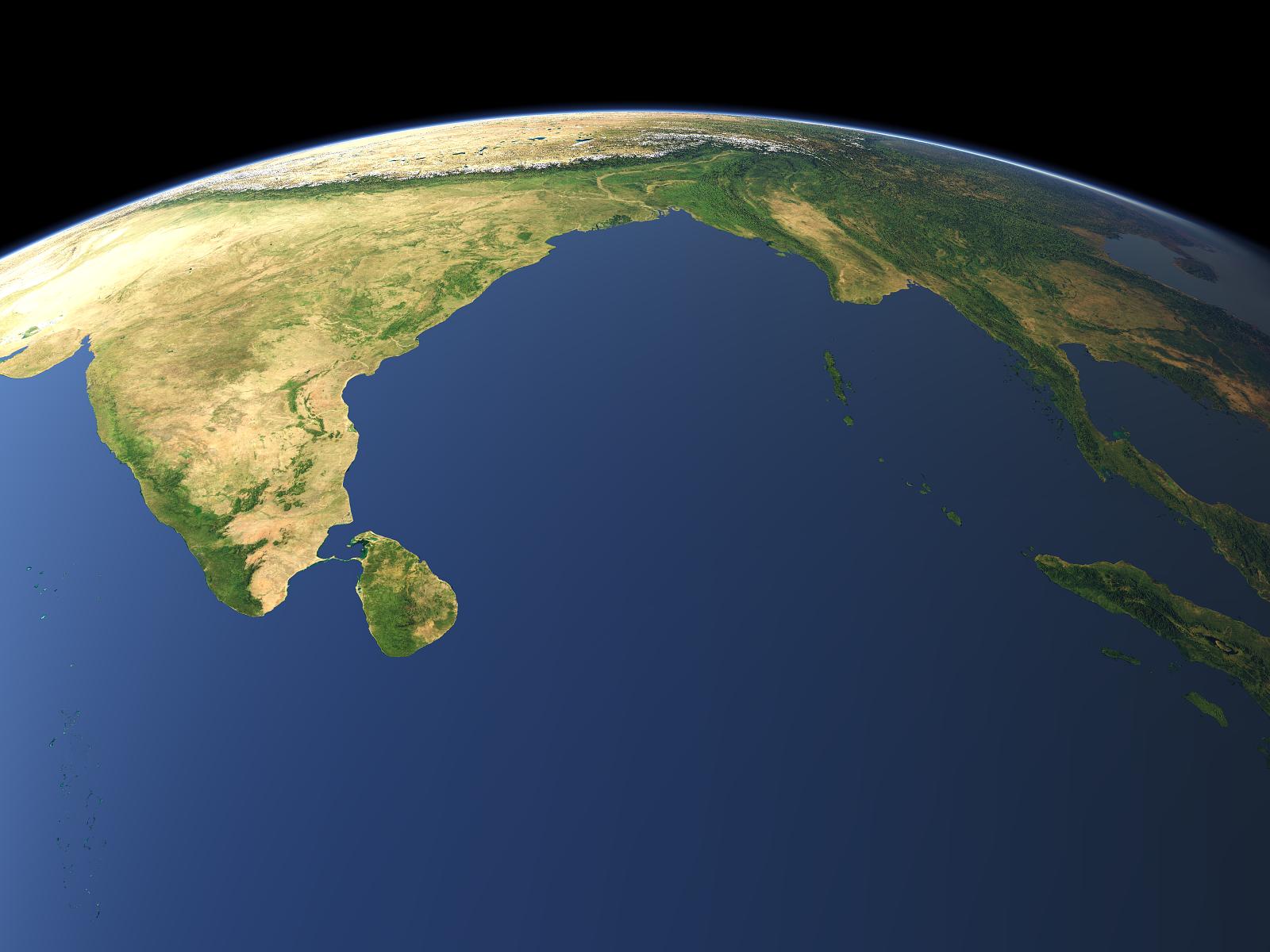
The Bay of Bengal
Large Marine Ecosystem Project
- an overview
Chris O'Brien
Regional Coordinator BOBLME Project
FAO Regional Office for Asia and the Pacific
A brief history
1979 1986 Bay of Bengal Programme (phase 1)
Improve the standard of living and the quality of life of
small-scale fishers (by development and uptake of techniques
and technologies)
A brief history
1979 1986 Bay of Bengal Programme (phase 1)
Improve the standard of living and the quality of life of
small-scale fishers (by development and uptake of techniques
and technologies)
1987 1994 Bay of Bengal Programme (phase 2)
Socio-economic betterment of small-scale fisher-folk
communities
1995 2000 Bay of Bengal Programme (phase 3)
Addressing the management of BOB fisheries
Recent history
2001 2005 BOBLME Project development
Tsunami
April 2005 Project approved by GEF Council
June 2008 Project reviewed and confirmed
September 2008 First signature
April 2009 Project becomes operational
May 2009 Project staff arrive
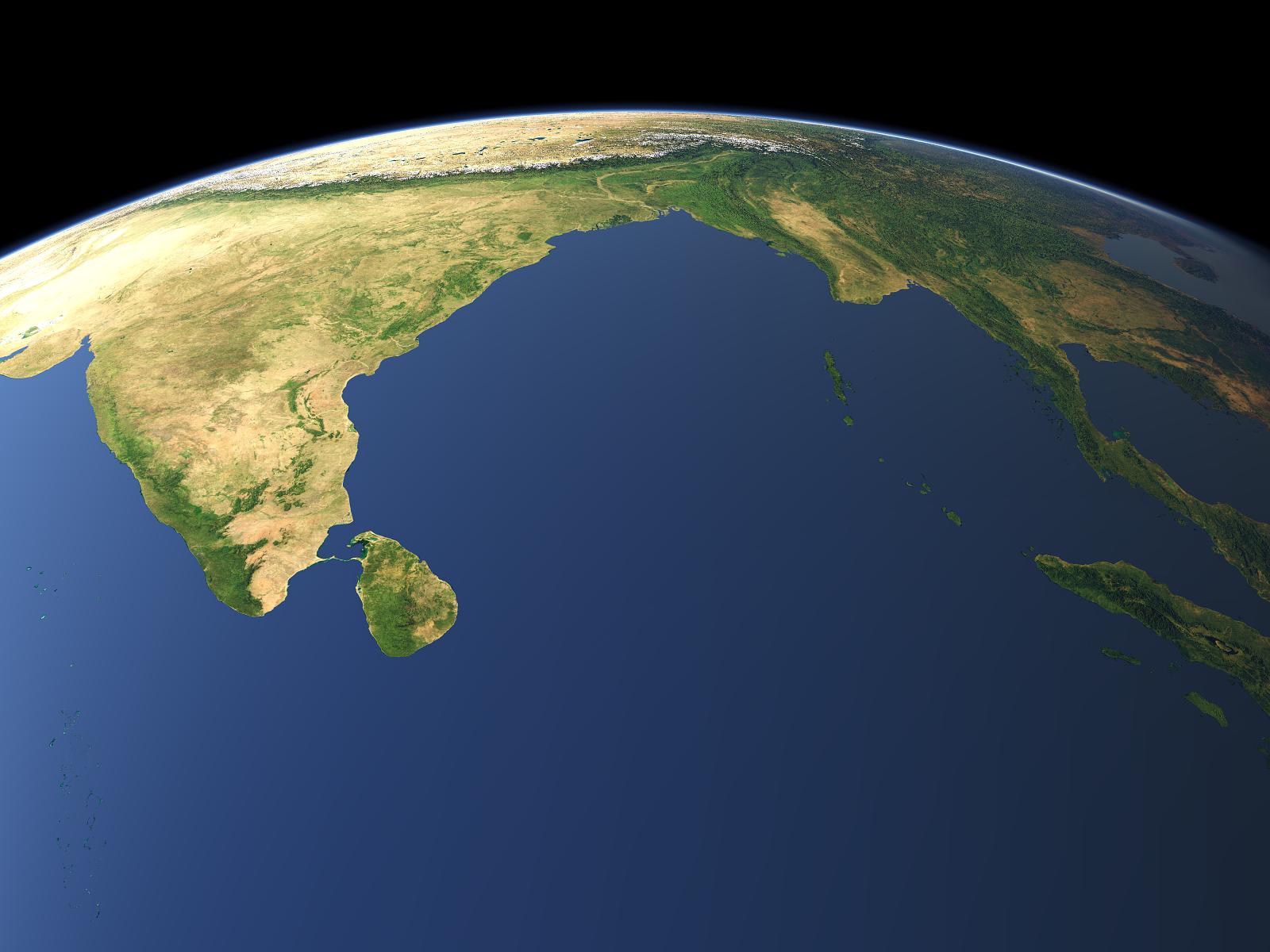
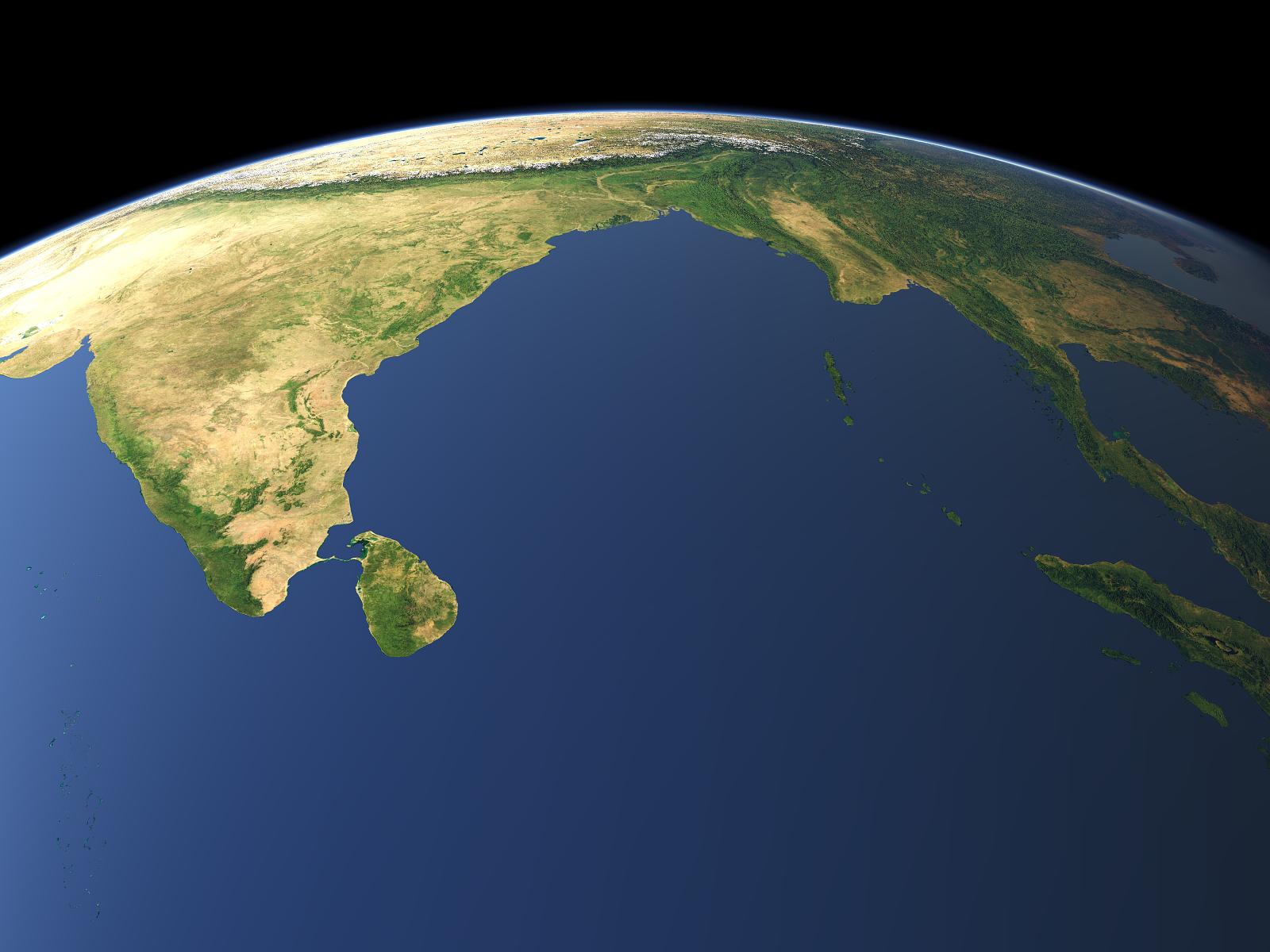
3.9 million km2
8 countries
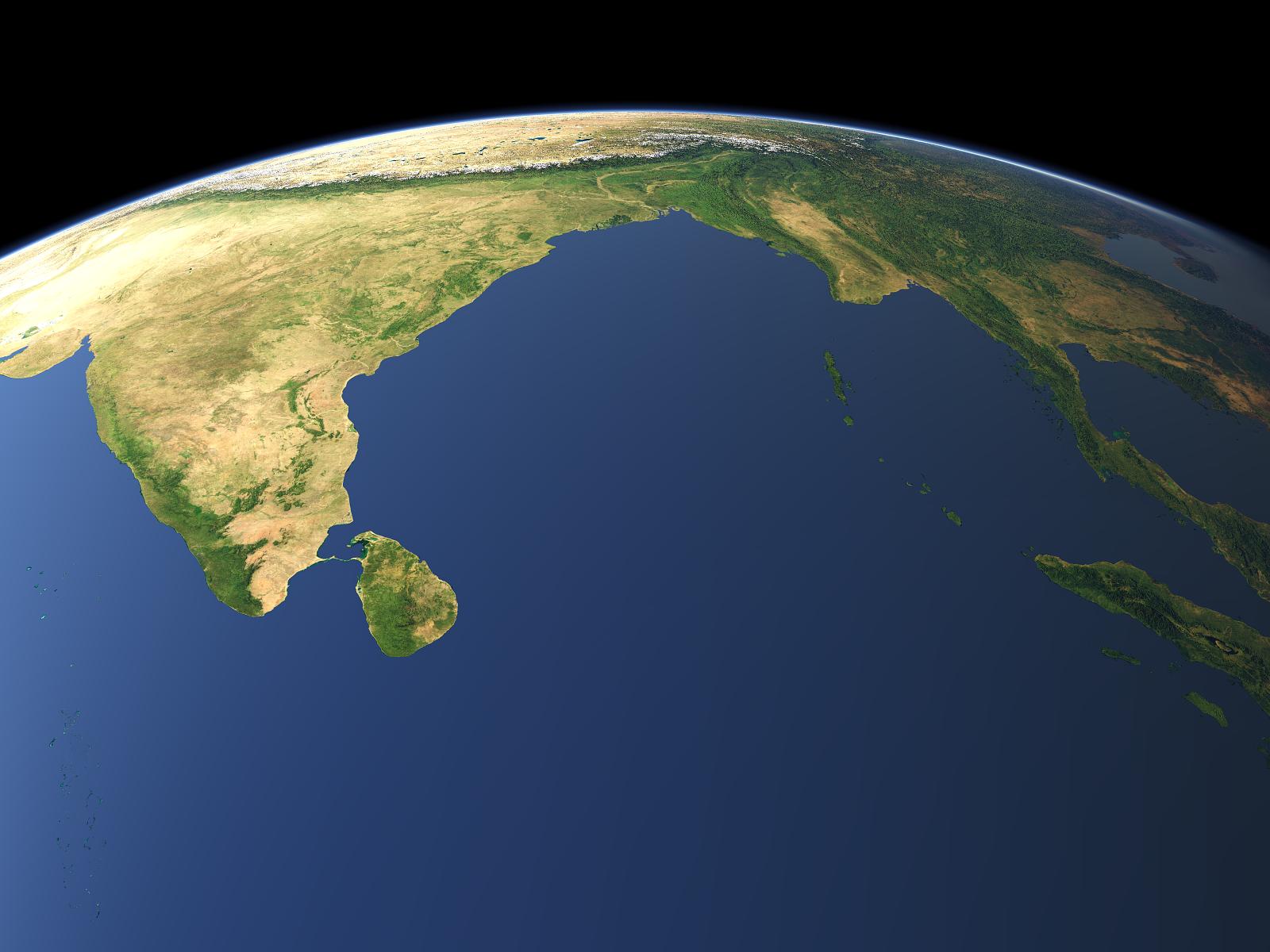
3.9 million km2
8 countries
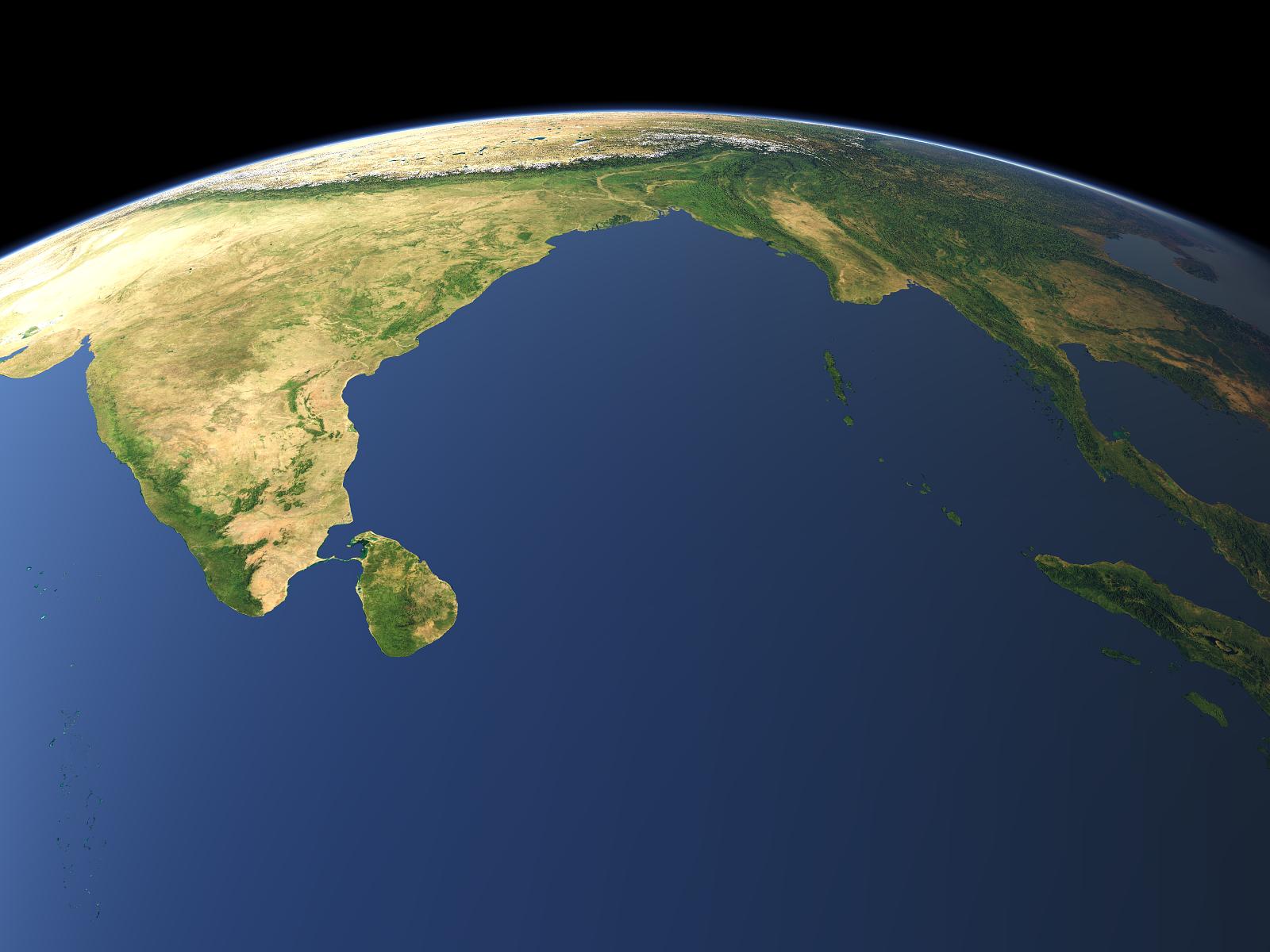
3.9 million km2
8 countries
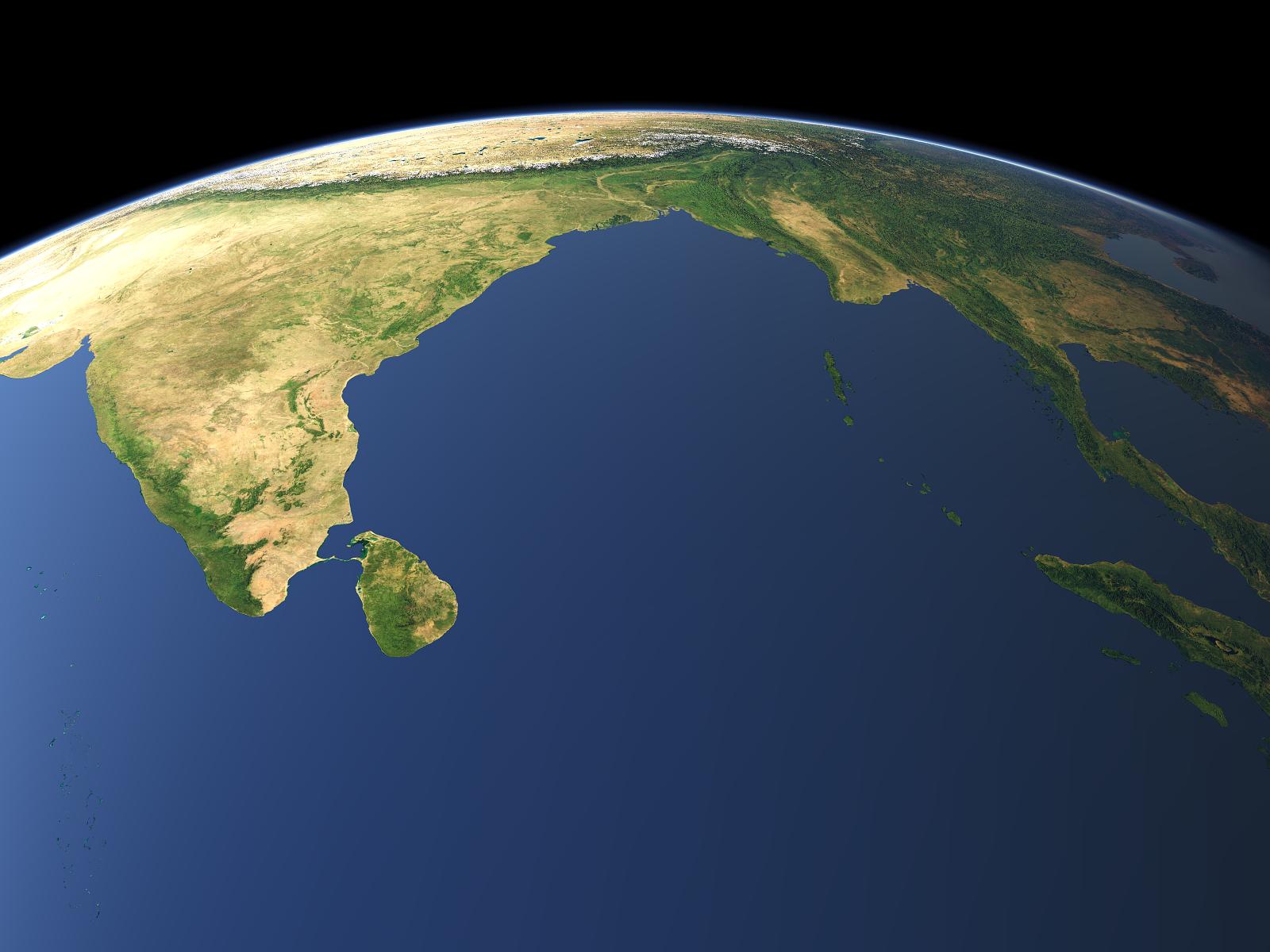
3.9 million km2
8 countries
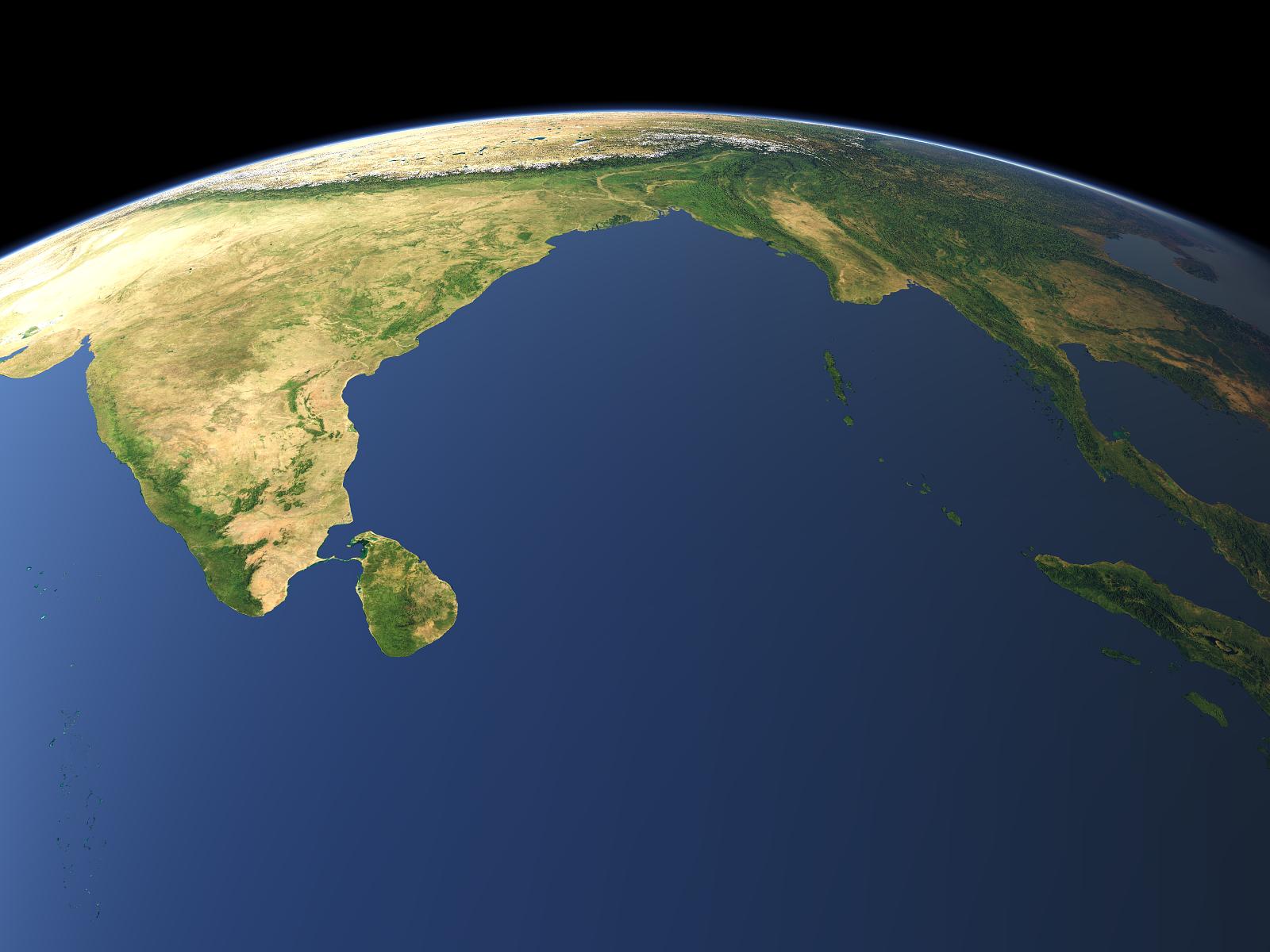
3.9 million km2
8 countries
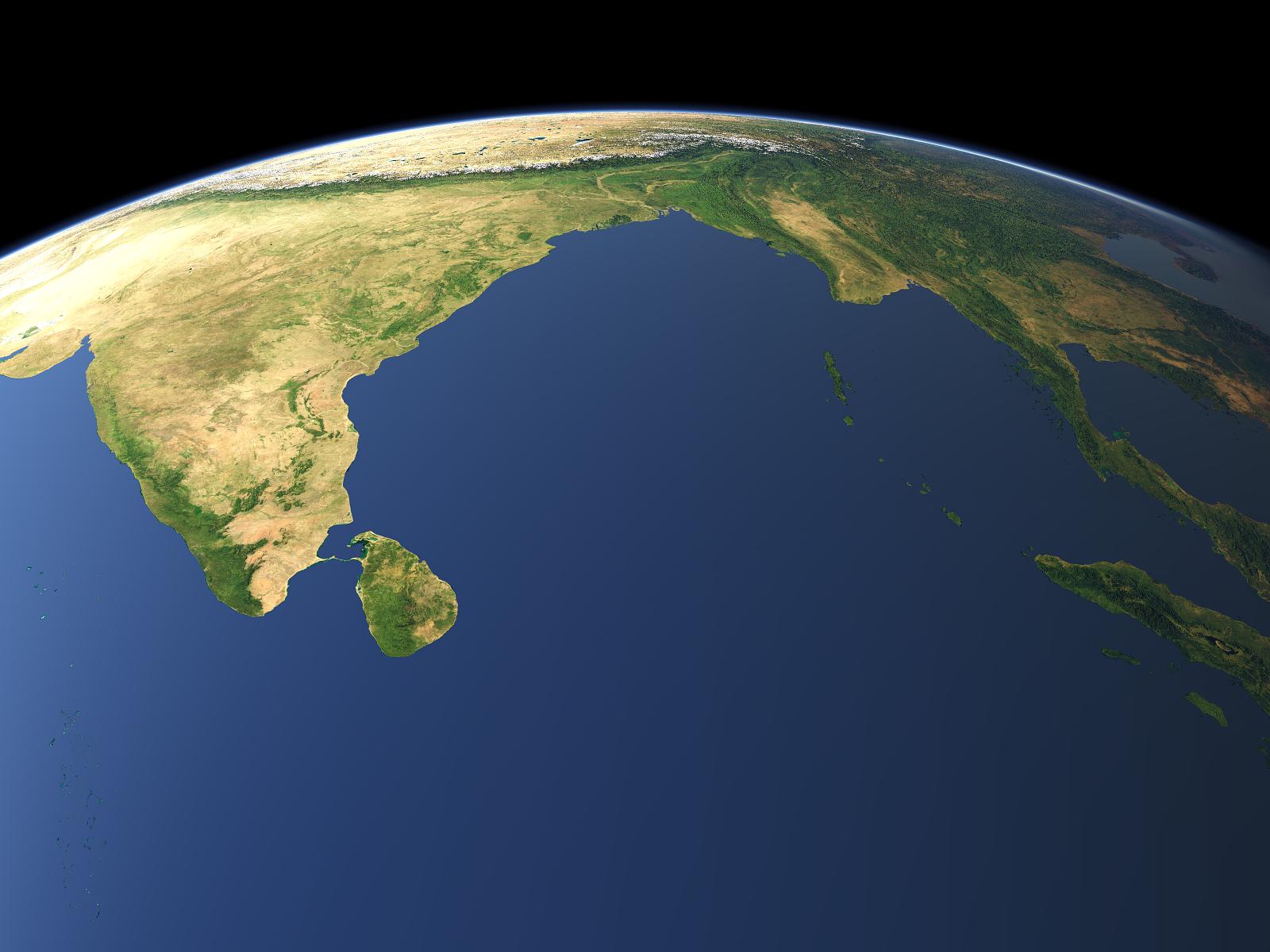
3.9 million km2
8 countries
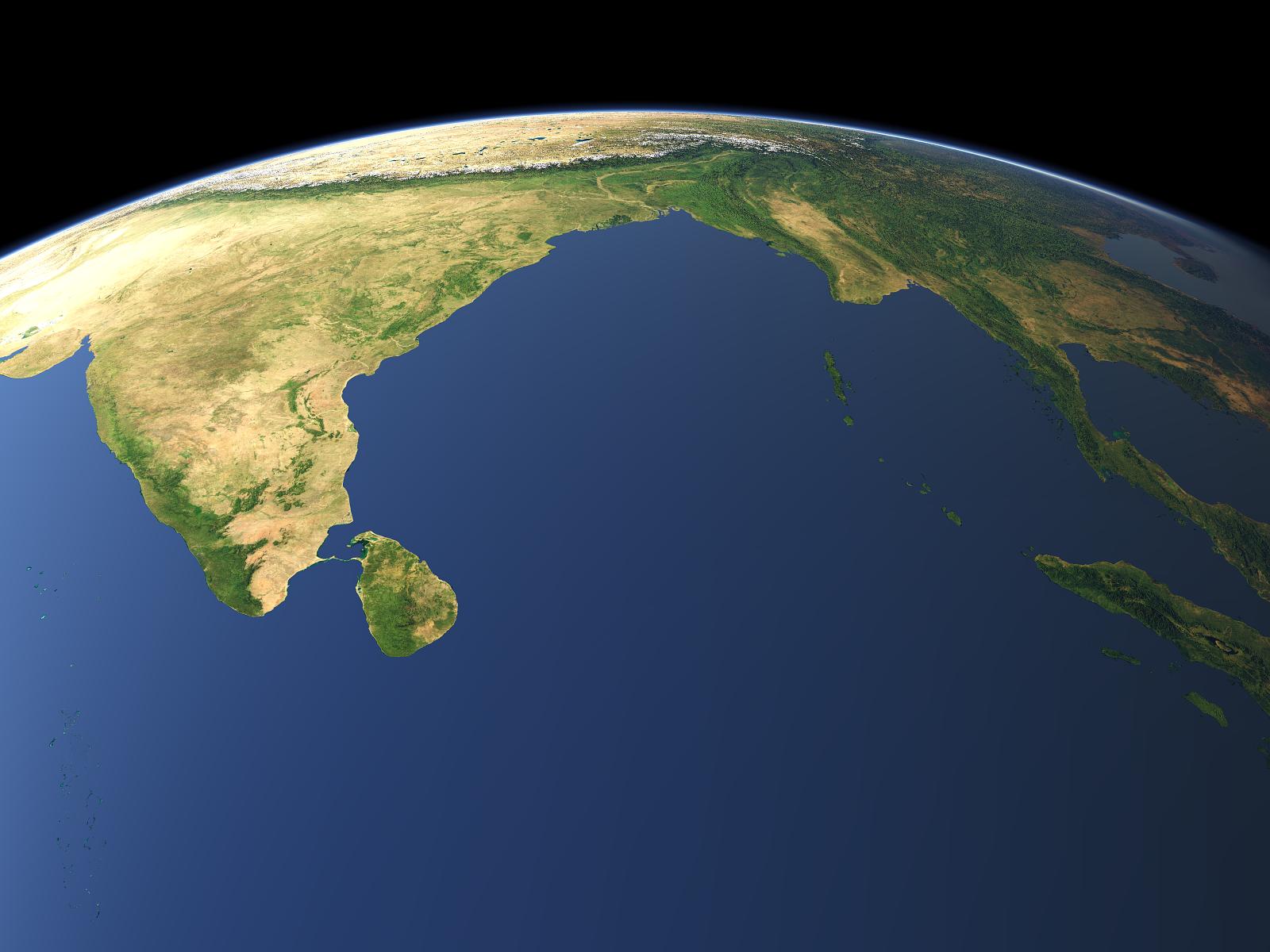
3.9 million km2
8 countries
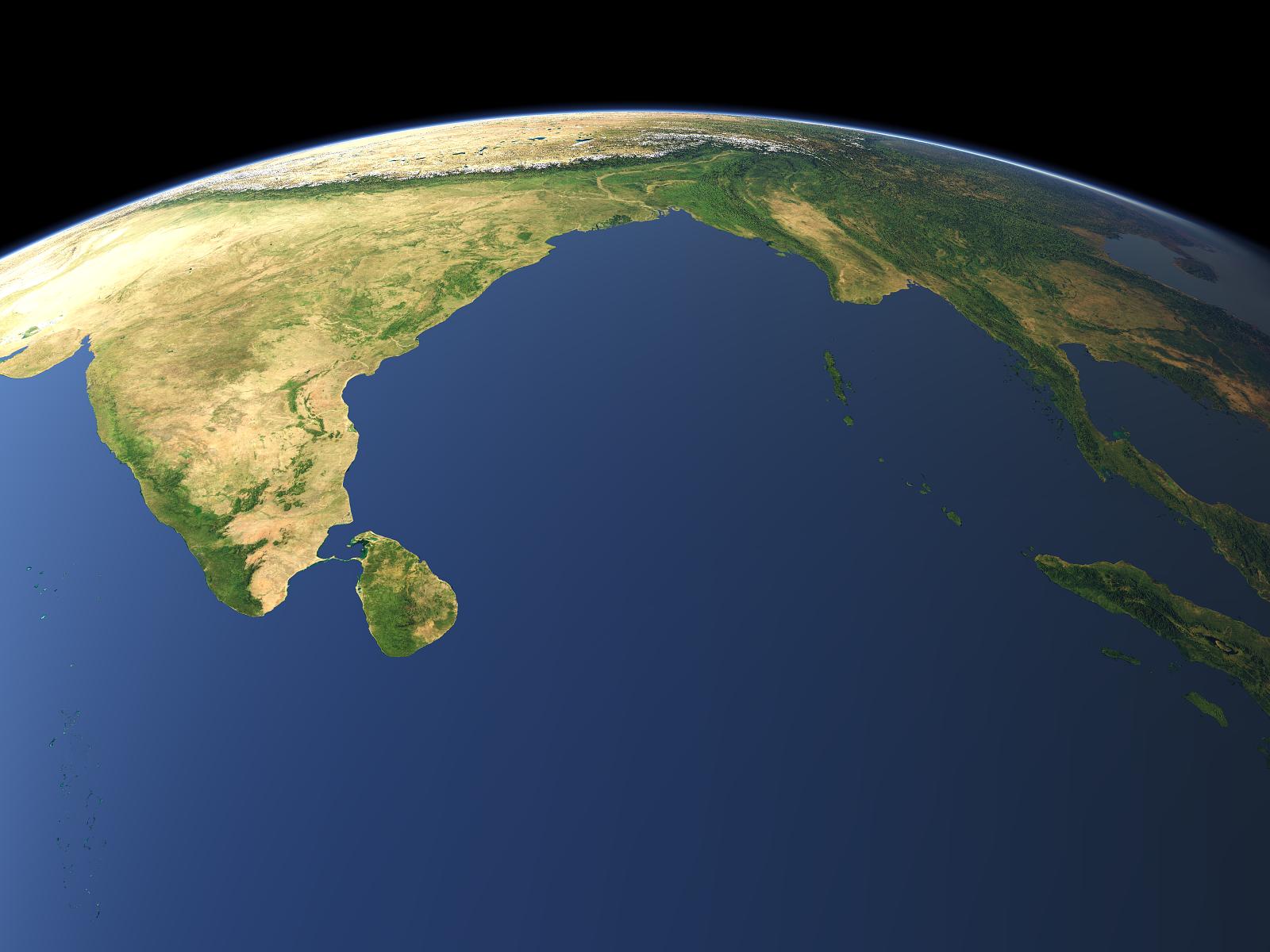
3.9 million km2
8 countries
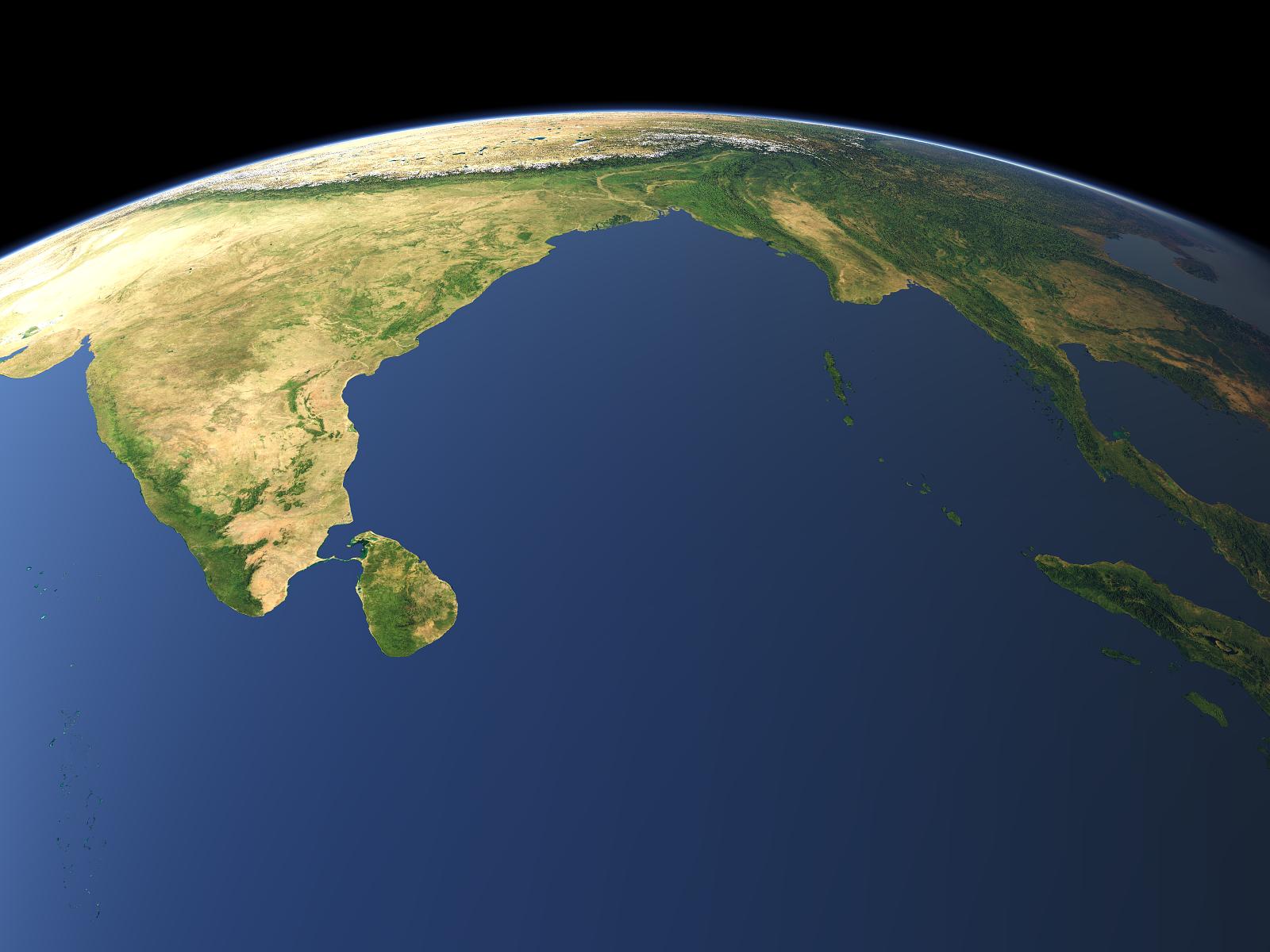
3.9 million km2
8 countries
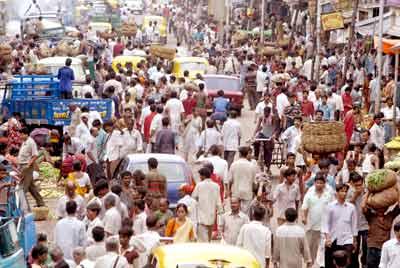
400 million people affected
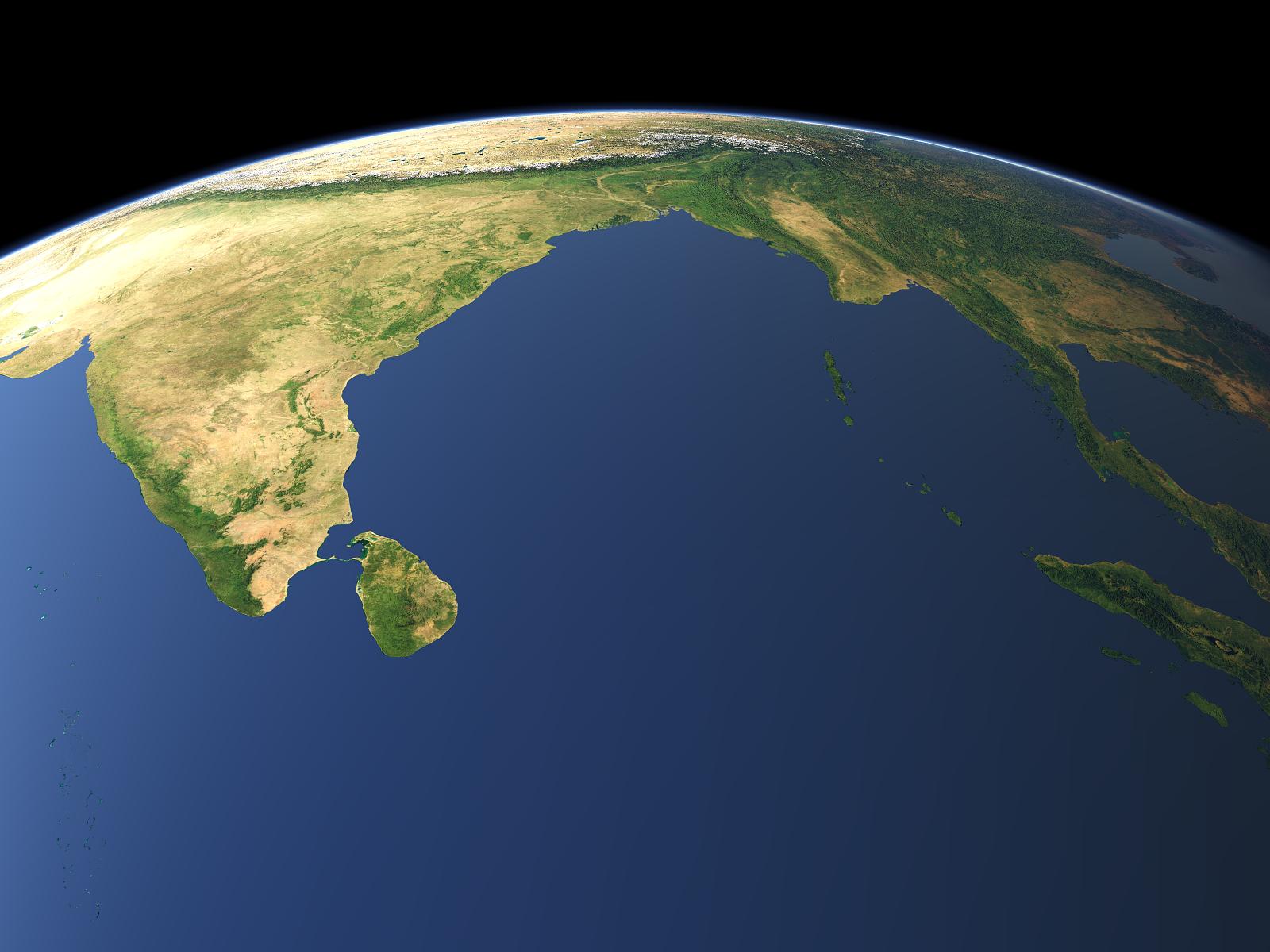
Rapid population growth and high dependence on aquatic resources for food,
trade, livelihoods, increased land use are having major impacts on the marine
ecosystem
The Bay of Bengal is experiencing
·
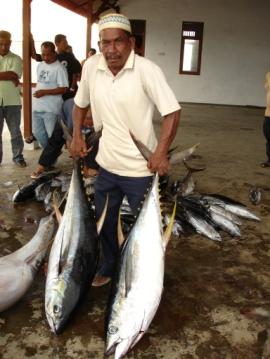
over exploitation of fishstocks
·
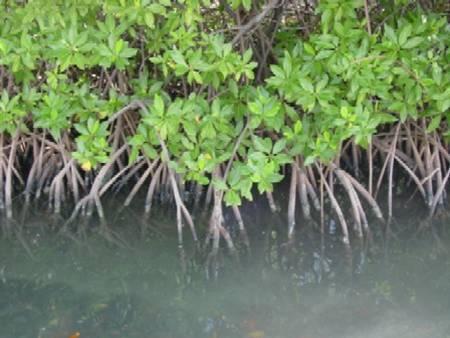
habitat degradation
·
land based pollution
·
uncertainty whether the ecosystem will be able
to support livelihoods in the future


LME size
(million km2)
7
6
5
BOBLME
4
3
2
1
0
The BOBLME Project has five components
Development of a SAP
Resource management
Understanding the environment
Ecosystem health
Communications
Component 1: Strategic Action Plan
· Finalize TDA
· Establish BOB management arrangements
· Devise a sustainable financing mechanism
· SAP formulation and adoption
Component 2: Coastal/Marine Natural Resources
Management and Sustainable Use
· Promote community-based management
· Improve policy harmonization
· Devise regional fishery assessments and management
plans (3)
· Collaborative critical habitat management
Component 3: Improved Understanding and Predictability
of the BOBLME Environment
· Improved understanding of large-scale processes and
dynamics affecting the BOBLME
· Promote use of MPAs to conserve regional fish stocks
· Improved regional cooperation with regional and global
assessment and monitoring programmes
Component 4: Maintenance of Ecosystem Health and
Management of Pollution
· Establishment of an effective ecosystem indicator
framework
· Develop a regional approach to identifying and managing
important coastal pollution issues
Component 5: Project Management
· Establishment of the RCU
· Monitoring and evaluation system
· Project information and dissemination system
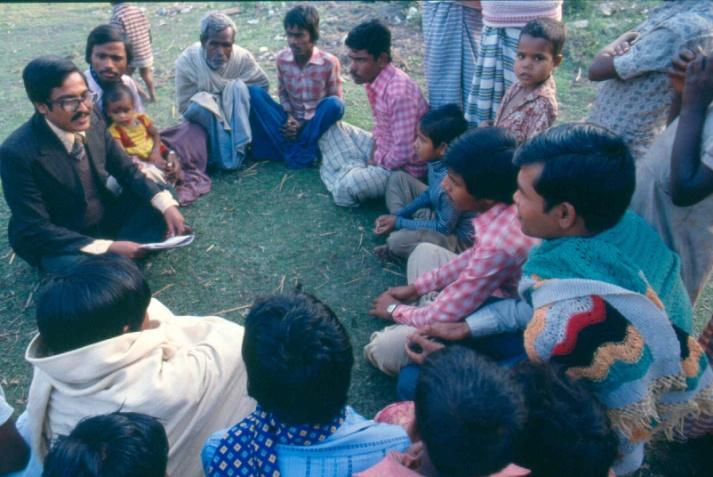
Expected outcomes of the BOBLME project
· Two major documents developed and agreed:
1. Trans-boundary Diagnostic Analysis
2. Endorsed Strategic Action Programme
· Establishment of :
Financially-sustainable institutional
arrangements
Commitment from the BOBLME countries to
collaborate through adoption of an agreed
institutional collaborative mechanism.
Expected outcomes of the BOBLME project
· Stronger governance:
improvement in policy development
Processes for planning and dialogue
Multi-sectoral involvement
· Improved resource management:
Better understanding of small-scale fisheries issues
Co-management
healthy ecosystems
· Improved well-being of rural fisher communities:
greater resilience
sustainable fisheries
· Better knowledge of:
BOBLME's large-scale processes and ecology
basic health indicators in the BOBLME
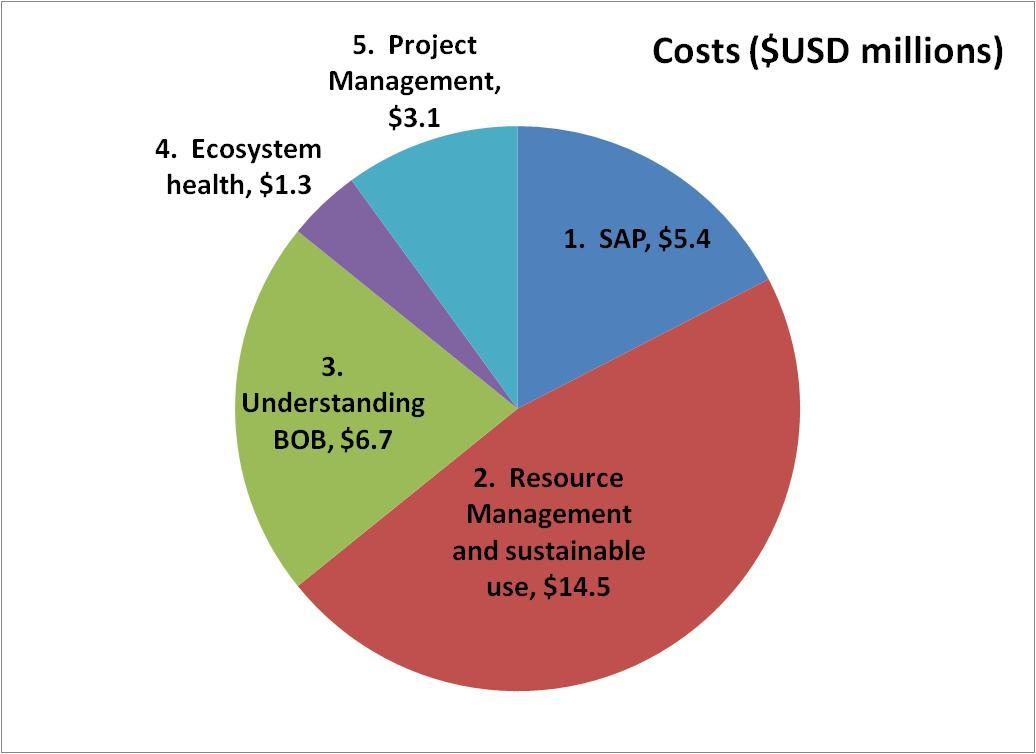
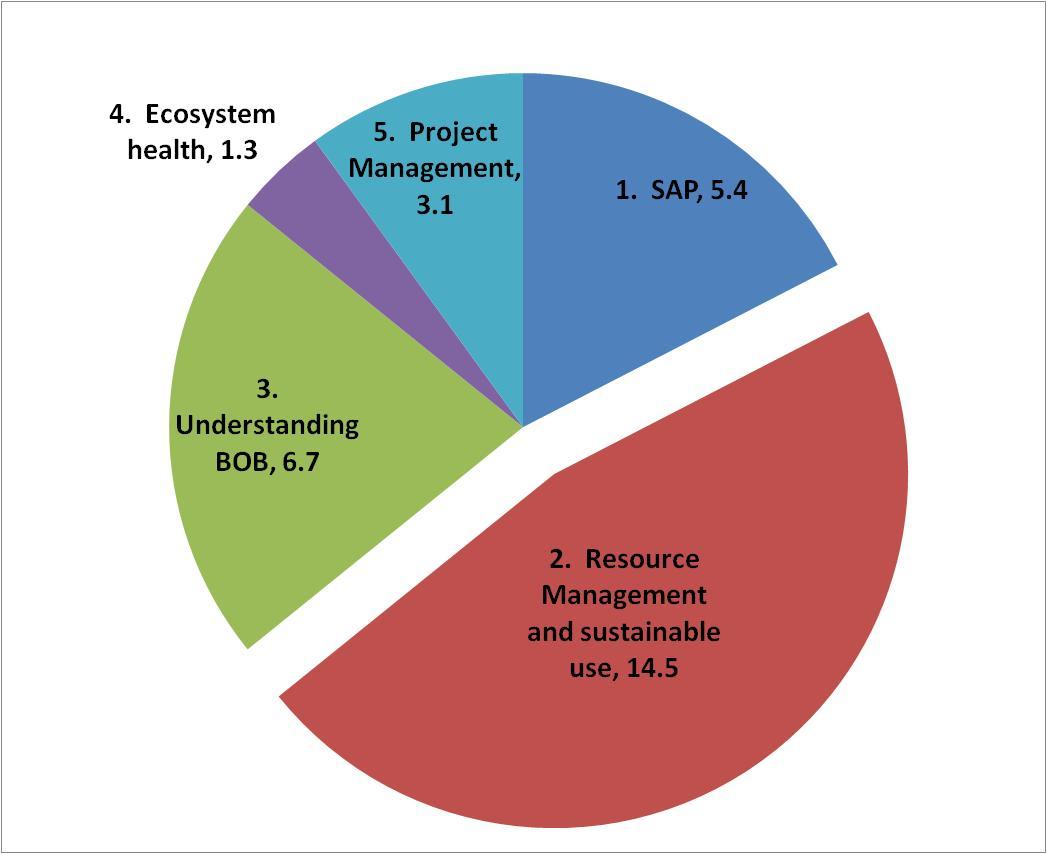
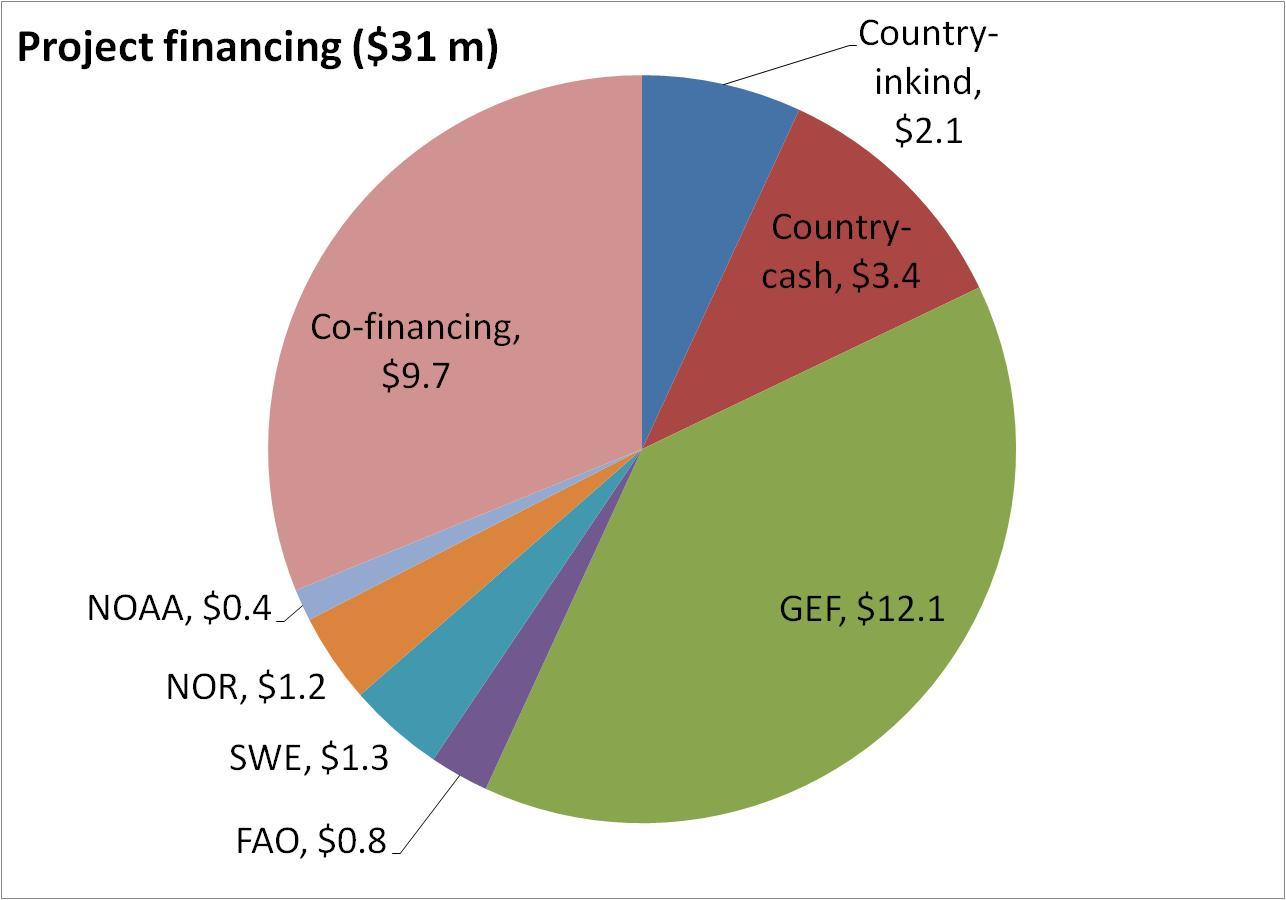
Component 2 ($14.5 m):
ICM - $1.0 m
Policy - $2.8 m
Fisheries assess& mgt - $10.1 m
Critical habitat management - $0.6 m

FAO is the GEF Agency and project execution agency
FAO provides:
· Staff administration
· Project services travel, purchasing etc
· Budget and financial management and reporting
· Technical adviser
· Project Task Force
· Temporary accommodation for the RCU
Project Activities
· 486 Workshops
· 77 Studies
· 129 international consultant months
· 259 National consultant months
· Data collection, short courses, training
· Communications
· Monitoring and evaluation regime
· Reporting
Project Steering
Committee
Task forces
Advisory
panels
National coordinator
Technical adviser
National AP teams
Regional Fisheries
taskforce
Regional Statistical Sub-
Committee
MPA working group