West Indian Ocean
Strategic Action Programme
First Draft
Version 4
January 2002
Global Environment Facility-United Nations Environment Programme
Table of Contents
PREFACE........................................................................................................................................ III
1.0 BACKGROUND AND RATIONALE ....................................................................................... 1
1.1 GLOBAL AND REGIONAL SIGNIFICANCE OF THE WEST INDIAN OCEAN.................................... 2
1.2 BASIS FOR PREPARATION OF THE STRATEGIC ACTION PROGRAMME ....................................... 5
2.0 CAUSES OF DEGRADATION AND THREATS TO THE AQUATIC
ENVIRONMENT AND RESOURCES OF THE WEST INDIAN OCEAN................................ 7
2.1 CAUSES OF ENVIRONMENTAL DEGRADATION ......................................................................... 7
2.2 EMERGING PROBLEMS FOR THE WEST INDIAN OCEAN .......................................................... 13
2.2.1 Coastal
urbanization...................................................................................................... 13
2.2.2 Increase in industrial activities...................................................................................... 13
2.2.3 Tourism
development ..................................................................................................... 14
3.0 ESTABLISHMENT OF ENVIRONMENTAL QUALITY OBJECTIVES FOR THE
WEST INDIAN OCEAN................................................................................................................. 15
3.1 GENERAL............................................................................................................................... 15
3.2 OBJECTIVES, RATIONAL, AND PRIORITIES FOR THE SAP ....................................................... 16
3.3 ENVIRONMENTAL QUALITY OBJECTIVES, TARGETS, AND PRIORITY ACTIONS ...................... 17
4.0 PRIORITY ACTIONS AND INTERVENTIONS .................................................................. 19
5.0 COST BENEFIT ANALYSIS OF PROGRAMME ACTIONS ........................................... 27
5.1 VALUATION CONSIDERATIONS .............................................................................................. 31
5.2 VALUATION OF RESOURCES .................................................................................................. 31
5.2.1 Mangrove ....................................................................................................................... 31
5.2.2 Coral
Reefs..................................................................................................................... 31
5.2.3 Seagrass ......................................................................................................................... 31
5.2.4 Total habitat values........................................................................................................ 31
5.2.5 Overexploitation of living resources.............................................................................. 31
5.2.6 Pollution......................................................................................................................... 31
5.3 ESTIMATED COST OF STRATEGIC ACTION PROGRAMME........................................................ 32
6.0 PRIORITY REGIONAL AND NATIONAL ACTIONS TO ADDRESS THE CAUSES
OF ENVIRONMENTAL DEGRADATION AND THREATS TO THE ENVIRONMENT
OF THE WEST INDIAN OCEAN................................................................................................. 33
6.1 PRIORITIES............................................................................................................................. 33
i
List of Figures
Figure 1. Indian Ocean Area.......................................................................................................... 1
List of Tables
Table 1. Human Development Index and Gross Domestic Product for some of the countries in
the Western Indian Ocean Region.................................................................................. 3
Table 2. Coastline usage in Mauritius in 1990 and 1996 ............................................................. 3
Table 3. Population and Population Density for the Countries of the Region ............................. 4
Table 4. Distribution of mangrove forests ................................................................................... 5
Table 5. Environmental Quality Objectives, Targets, and Interventions ................................... 20
Table 6. Priority Actions within Each Category of Intervention ............................................... 27
ii
Preface
The West Indian Ocean region is a globally significant environment marked by recent rapid
development in the aftermath of considerable political and economic change. Somalia, to the
north on the mainland, continues to experience challenging political transition, while
Mozambique to the south has emerged during the past decade from a decades long conflict.
These conditions have placed added stress on the rapid development in these countries, and
reduced historical focus on the environment. The ten bordering countries (Somalia, Tanzania,
Kenya, Mozambique, South Africa, Comoros Islands, Madagascar, Mauritius, Seychelles, and
France--Reunion) of the West Indian Ocean have varying degrees of economic development,
and widely disparate economic bases. On the mainland, countries rely heavily on industry and
agriculture for development. In the island states, geography and geology restrict the agricultural
base, and leave little room for industry. The island states are characterized more by tourism, and
by marine-related activities. Some (e.g., Mauritius) are moving towards global clean industries
such as software and information technology. However, as disparate as these countries are, they
recognize the need to join together to address transboundary threats, which include degraded
water quality, degraded habitat, loss of biodiversity, and decline of economically valuable
marine resources.
Recognizing that actions are urgently needed to halt degradation of the environment of the West
Indian Ocean, the countries of the region sought the assistance of UNEP and the Global
Environment Facility (GEF) in preparing a Transboundary Diagnostic Analysis of the major
perceived issues and problems, and their root causes, as the basis for development of this
Strategic Action Programme. Working under the umbrella of the so-called Nairobi Convention
(Protection, Management and Development of Marine and Coastal Environment in the Eastern
Africa Region, in full force in 1999), the PDF-B has been implemented by UNEP. Initial
meetings in 1997 produced a draft TDA and draft SAP by 1998. Revision of these documents
lagged as the project sought more focus. Finally, in December 2001, renewed efforts to
complete the Framework TDA and SAP, and the Project Document, were undertaken following
clarification of the interests of GEF implementing agencies in supporting the Nairobi Convention
in their West Indian Ocean environmental priorities.
In accordance with the GEF Operational Strategy these analyses and reviews included the
preparation of a Transboundary Diagnostic Analysis (TDA) (UNEP Draft of 15 January 2002)
and Strategic Action Programme (SAP, this document). The TDA process was episodic,
consisting of activities during two periods. First, in the 1997-1998 timeframe, regional
committees worked to put together the Draft acting under the facilitation of the Institute of
Marine Sciences (IMS) in Dar es Salaam, Tanzania. National TDA Reports were produced by
national experts, regional meetings were held to synthesize the information, and then IMS
facilitated the production of the Draft TDA by 1998. This TDA was circulated and reviewed. In
December 2001, consultants undertook the revision of the earlier TDA, focusing more on land-
based activities and sources. The resulting second draft was issued on 15 January 2002.
The present draft Strategic Action Programme is based on the findings of the regional
Transboundary Diagnostic Analysis (TDA) that represents a regional synthesis of issues
identified from the national reports. The TDA identifies the priorities among water-related
iii
problems and concerns, their socio-economic root causes, the sectoral implications of actions
needed to mitigate them and the extent to which the problems are transboundary in either origin
or effect.
The Transboundary Diagnostic Analysis and the Strategic Action Programme are being
submitted to the Parties of the Nairobi Convention for their review and endorsement. The fourth
Conference of Parties of the Nairobi Convention, held in December 2001, already endorsed the
major elements of the analysis that supports the TDA and SAP.
A key element of the West Indian Ocean project must be actions that will lead to the further
elaboration and development of the present draft Strategic Action Programme. It is the intention
of participating governments that this process of development will take place during the full GEF
project arising from these activities.
The methodology approached in this SAP has been to develop priorities based on information
(sparse in some areas though it may be) developed in the framework TDA. In the TDA, major
perceived problems and issues were identified, as were the socio-economic root causes. In order
to frame interventions for each of these MPPIs with its appropriate root causes, this SAP made
use of Environmental Quality Objectives (EQOs). EQOs are commonly used in Europe, for
instance, to achieve a consensus position on vision for the environment. The EQOs envision
encapsulating not only the major areas of the environment where value is placed by the populace,
but also on the uses to be made of that aspect of the environment (e.g., clean air, provision of
sustainable resources, recreational use). This approach is a powerful one in that it states quite
simple objectives that the Region agrees to, as a basis for defining actions. The next step is to
identify quantitative targets for each EQO. Those targets are precise, succinct, have an
associated timeline (next five years), and have indicators associated with them. The targets are
generally not the only ones needed to achieve the EQO, but rather represent a step towards
satisfying the EQO. Once the targets are agreed, then specific actions or interventions leading to
achievement of the targets on the stated time period are identified. These targets, likewise, must
be precise, and achievable. How they are to be achieved, and by whom, must be negotiated
amongst the stakeholders. The GEF has a role to play in those interventions that address
transboundary aspects, and that therefore are incremental.
The actions proposed in the framework Strategic Action Programme are wide ranging in class of
intervention. Some of the interventions proposed are policy/legal interventions. Some are
demonstration projects. Some are capacity building. Some represent institutional strengthening.
Some represent scientific studies or data management. Overall, the diversity of interventions is
required to provide a sustainable SAP, and sustainable long-term efforts at environmental
protection. Successful implementation of the SAP will require active participation by a variety
of stakeholders at all levels and of all types: regional/national/local governmental levels,
international partners, private sector, non-governmental organizations, both international and
bilateral, and others. UNEP's mandate is to facilitate this process, and to help assure synergies
between participating partners and projects are maximized, to the benefit of the environment.
iv
West Indian Ocean
Strategic Action Programme
1.0 Background and Rationale
The Western Indian Ocean (WIO) Region is comprised of the continental coastal states (Somalia,
Kenya, Tanzania, Mozambique and South Africa) and the island States (Mauritius, Comoros,
Reunion --France, Seychelles, and Madagascar). The ten Western Indian Ocean nations are at
different stages of both political and economic development. These differences are reflected in
the range of individual economic indicators from those with a per capita gross national product
of over $ 8,000 per annum, to those with $500 per capita. Similarly, national institutions reflect
comparable variations in strength and infrastructure.
All countries in the region are linked by a common environmental convention: the Nairobi
Convention (Protection, Management and Development of Marine and Coastal Environment in
the Eastern Africa Region). This important linkage provides a mechanism for the region to
address their transboundary problems. With the recent emphasis on revitalizing the Convention,
this GEF-facilitated SAP helps lay out the important near-term future actions for improving the
region's environment. At the end of this intervention, the countries should be closer to parity in
addressing their national land-based activities environmental issues, so as to be more effective in
achievement of regional solutions to transboundary problems.
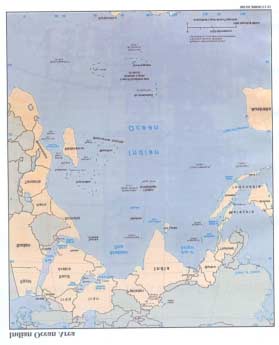
Figure 1. Indian Ocean Area
The Woods Hole Group, Inc.
1
8-May-03
#2001-202
3:49 PM
West Indian Ocean
Strategic Action Programme
This SAP is organized in the following manner. Section 1 provides the background and rationale
for the SAP, and includes a discussion of the process by which the SAP was put together.
Section 2 provides a brief review of the major perceived problems and issues identified by the
TDA, and the root causes of degradation and threats to the environment. This section briefly
summarizes some of the major findings of the TDA. It sets the stage for the development of the
SAP, by indicating the major problems, root causes, and threats, which the SAP is designed to
address.
Section 3 discusses how the major interventions are derived through the use of overarching
policy-level Environmental Quality Objectives (EQOs), and associated targets. The EQO is the
bridging mechanism to move from the understanding of the primary problem areas, root causes,
and threats (analysis phase of the TDA/SAP process) into the Action Phase of the SAP, where
specific national and transboundary actions and interventions must be identified and agreed.
This bridging mechanism links the actions/interventions to specific OUTCOMES that are agreed
regionally: the EQOs. Each EQO, while overarching, has specific targets assigned to it to meet
the needs of the timeframe of the SAP (5-10 years). Each target has an associated environmental
indicator, which is the metric that will be used to determine whether that target has been
achieved or not. The environmental indicator might be of one of three kinds: Process Indicator,
Stress Reduction Indicator, or Environmental Status Indicator.
Section 4 then discusses the Priority Actions and Interventions that will lead to achievement of
the various targets, and move in towards satisfaction of the EQOs (on a longer-term basis). The
priority actions and interventions are presented in two ways. First, they are listed according to
EQO and the specific target that they support. Second, each action/intervention is categorized
into a type of intervention (policy, legal/ regulatory, institutional strengthening, capacity
building, investment, scientific investigation, data management process), and listed according to
category. This second presentation makes much clearer the close parallelism in approach
towards satisfying the three different EQOs for the WIO, demonstrating that each has policy,
legal, capacity building, etc. interventions and actions.
Section 5 is an outline of a cost-benefit analysis to support the actions/interventions of the SAP.
Lacking adequate information from the draft Framework, the cost-benefit analysis cannot be
completed at this stage. It will be completed during the full GEF project as the list of
actions/interventions are refined, and as the methodology for evaluating resource valuations is
agreed within the region.
Section 6 is a brief listing of the top areas of priority regional (Transboundary) and national
actions, culled from the tables of Section 4.
1.1
Global and Regional Significance of the West Indian Ocean
The West Indian Ocean region is an area at the verge of rapid economic and human expansion.
Plagued by political and social struggles in many of the countries, several countries (e.g., South
The Woods Hole Group, Inc.
2
8-May-03
#2001-202
3:49 PM
West Indian Ocean
Strategic Action Programme
Africa, Mozambique) have recently emerged from decades long struggles and are on the verge of
rapid national advances in the socio-economic realm. Some of the countries are quite poor, some
are less so. The human development index (UNDP) shows a similar disparity amongst the
countries (Table 1), mirroring the differences in GDP amongst the countries. Rapid development
may further threaten the already degraded environment, if the governments are not made aware
of, and encouraged, to address the potential environmental consequences of this rapid
development.
Table 1.
Human Development Index and Gross Domestic Product for some of the
countries in the Western Indian Ocean Region
Country
HDI Rank (2000)
GDP/Capita
(PPP 1999) ($)
Mauritius 71
8950
Kenya 138
1010
Tanzania 156
500
Madagascar 141
790
Mozambique 168
810
Source: UNDP (HDI) and World Bank (GDP)
The coastal zones of the mainland countries in particular are currently experiencing an influx of
people and expansion of economic activities such as tourism, which are occurring spontaneously,
with no thought given to the planning or provision of basic infrastructure and services, protection
of the marine environment, and sustainable use of the natural resources base.
For example in Mauritius, residential and tourism development is located more or less along the
coast (Table 2). This is causing conflicts among users, as most of these developments are
blocking accessibility to beaches by fishermen as well as the general public.
Table 2.
Coastline usage in Mauritius in 1990 and 1996
Coastline
% of Coastline
% of Coastline
distribution
1990
1996
Public beaches
5.9
8.2
Hotels 9.0
13.0
Bungalows 16.0
16.0
Coastal Villages
7.7
7.7
Services 4.7
3.9
Agriculture 7.3
6.4
Fodder 5.3
8.9
Natural vegetation
32.4
24.2
Cliffs 3.2
3.2
Cliff/fodder 3.6
3.6
Total 100
100
The Woods Hole Group, Inc.
3
8-May-03
#2001-202
3:49 PM
West Indian Ocean
Strategic Action Programme
In 1994 the combined population of the nine countries residing within coastal regions was
estimated at 19 million, of which Kenya, Mozambique, Tanzania, and Madagascar constituted
over 95% of the total (Table 3). The population growth rates of the mainland states, the
Comoros, and Madagascar are generally high, particularly in Kenya (3.3%), Tanzania (2.8%),
and Mozambique (2.8%). Growth rates in the large coastal cities, such as Dar Es Salaam (6.7%
per annum), Maputo (7.2% per annum), and Mombasa (5.0% per annum), are even higher due to
rural- urban migration. In addition to the local population, the number of coastal tourists visiting
the region has increased significantly in recent years, which has increased the load of domestic
sewage.
Table 3.
Population and Population Density for the Countries of the Region
Country Population Coastal
% of
Population
(millions)
Population
coastal
Growth rate
population
Comoros 0.54 0.54 100%
2.7
Kenya 26.80
2.30
8.1%
3.3
Madagascar 12.10 4.80
36.6% 3.0
Mauritius
1.10 1.10 100%
1.2
Mozambique 18.53
6.50
39.3%
2.8
Seychelles
0.07 0.07 100%
1.5
Tanzania 28.90 4.61 16.2% 2.8
Source: Abdoulhalik (1997). Government of Kenya (1989). Ranaivoson (1997). National
Institute for Statistics (1996). Government Management and Information System (1996) Bureau
of Statistics, Ministry of Finance, Economic Affairs and Planning (1991).
This human development scenario overlaps the rich niche occupied by the region in global
biodiversity. Large continental shelves combined with shallow nearshore regions, in an area
where riverine sediment input in general is small, combine to provide rich offshore coral reefs,
seagrass beds, and vast fringing mangrove areas. These reef and mangrove areas serve as habitat
to a rich fauna and flora, including some rare and endangered species (e.g., marine turtles, large
whale populations, migrating bird populations, dugong, and the like).
Coral reefs are among the most biologically diverse ecosystems typical of the coast of East
Africa from Somalia to Mozambique featuring fringing and patch reefs along the coastline, with
Mozambique, Tanzania, Madagascar, and Kenya having the largest coverage by area. According
to Sheppard (1987), the total number of coral species recorded in different parts of the region are
as follows:
Kenya-Tanzania coastline
112 Species
Mozambique 149
Species
Reunion l27
Species
Mauritius l36
Species
Tulear, Madagascar
113 Species
The Woods Hole Group, Inc.
4
8-May-03
#2001-202
3:49 PM
West Indian Ocean
Strategic Action Programme
Corals provide vast habitat for flora and fauna, and protect the coastline from erosion both by
supplying sediment to coastal areas, but also by protecting the shoreline from wave attack.
There are many areas with conditions favorable for mangroves, including estuaries, bays,
protected shores, and lagoons. Whereas mangroves are found scattered along much of the
Region shoreline, the most significant stands occur in Kenya, Tanzania, Madagascar, and
Mozambique (Table 4).
Table 4.
Distribution of Mangrove Forests
Country
Mangrove area (ha)
Comoros Negligible
Kenya 62,027
Madagascar 320,700
Mauritius Negligible
Mozambique 84,800
Seychelles Negligible
Tanzania 133,500
The seagrass beds are a common feature of intertidal mud and sand flats, coastal lagoons, and
sandy areas around the bases of shallow fringing and patch reefs. They are found in all countries
of East Africa, the most extensive beds being around Bazaruto archipelago in Mozambique. In
Tanzania, seagrass beds are found in all bays and the west side of Pemba, Unguija, and Mafia
islands. In Kenya, seagrass and algal beds are prominent in Mombasa, Diani, and Malindi, and
in Seychelles they are dominant in Platte, Coetivy, and Aldabra. Worldwide there are 58 species
of seagrasses of which twelve species are found in the Western Indian Ocean region. Shallow-
rooted seagrasses forms have colonized unstable sediments in the intertidal as well as in the
lagoon waters. Thalassia sp. and Thalasodentron sp. dominate in lagoons areas with
consolidated sediments. Seagrass beds provide shelter, food and nursery area for some of the
important and valuable species of fish (siganids, lethrinids, lutjanids, scarids), shellfish, dugong
(Dugong dugong) and the green turtle (Chelonia mydas).
1.2
Basis for Preparation of the Strategic Action Programme
The Transboundary Diagnostic Analysis (TDA) for the West Indian Ocean is based on national
TDA reports prepared in 1997 by Mozambique, Kenya, Tanzania, Madagascar, Comoros,
Mauritius, and Seychelles. The TDA is also based on the national reports prepared in 1998 by
these countries on Land Based Activities affecting the quality and uses of the marine, coastal as
well as national reports prepared in 2001 by Mozambique, Kenia, Tanzania, Mouritius and
Seychelles for the GEF MSP project "Development and Protection of marine and coastal
environment of the Sub-Saharan Africa." All these national reports present the key national
priorities amongst the many issues and concerns relating to the aquatic environment of the West
Indian Ocean. The TDA greatly benefited from the Draft TDA prepared by the Institute of
Marine Sciences (Tanzania). The TDA provides an assessment of the regional and wider
significance of these issues; an analysis of the socio-economic causes of environmental
The Woods Hole Group, Inc.
5
8-May-03
#2001-202
3:49 PM
West Indian Ocean
Strategic Action Programme
degradation; an evaluation of the sectoral implications of actions needed to mitigate them; and an
analysis of priorities from the national and regional perspectives.
The Strategic Action Programme (this document) is based on the preliminary findings of the
regional Transboundary Diagnostic Analysis, priorities identified in the Overview and the
Strategic Action Plan for Land-based Sources and Activities Affecting the Marine, Coastal and
Associated Fresh Water Environment in the Eastern African Region prepared in 1997 by UNEP
and in 1999 by FAO correspondingly. The present Strategic Action Programme is also based on
the Eastern African Marine Ecoregion Draft Conservation Plan, prepared by WWF in 2001.
The TDA benefited from interaction with numerous groups in the region, including:
· Institute for Marine Sciences, Dar es Salaam, Tanzania
· West Indian Ocean Marine Sciences Association (WIOMSA)
· World Wildlife Federation
· IUCN
· Coastal Zone Management Center (Rijkwaterstaat, NL)
· Coastal Resources Institute (URI)
· Food and Agricultural Organization
· Intergovernmental Oceanographic Commission
· Southeast Africa Coastal Area Management NGO (SEACAM)
· International Maritime Organization (IMO)
The Woods Hole Group, Inc.
6
8-May-03
#2001-202
3:49 PM
West Indian Ocean
Strategic Action Programme
2.0 Causes of Degradation and Threats to the Aquatic Environment and Resources of the
West Indian Ocean
2.1
Causes of Environmental Degradation
The Preliminary TDA identified the following list of major perceived problems and issues. It
includes four existing problems/issues:
1. Shortage and contamination of fresh water
2. Decline in harvests of marine living resources
3. Degradation of coastal habitats (mangroves, seagrass beds, and coral reefs), loss of
biodiversity.
4. Overall water quality decline: Contamination of coastal waters, beaches and living
resources.
The TDA identified the shortage and contamination of fresh water as one of the priority area in
the West Indian Ocean region. The major transboundary patterns of the fresh water shortage and
contamination can be illustrated as follows:
· The West Indian Ocean region has rivers basins that transcend national boundaries and
the inputs from these rivers have long geographic impacts.
· Most coastal areas in WIO region are arid; fresh water is therefore a scarce resource.
Industries, agriculture, and populace compete for limited resources, and pollute those
same resources in the process.
· Land and fresh water are limiting resources in the island states.
· Potential conflicts exist over shared water resources
Major environmental impacts of fresh water shortage include:
· saltwater intrusion
· down stream erosion
· degradation of coastal ecology
· reduction in biodiversity
· reduction of fisheries resources
· decrease of wetlands areas
· reduced capacity to transport sediments
· modification of coastal habitats.
Major environmental impacts of fresh water contamination includes:
· downstream ecological damage
· modification of coastal habitats
· depletion of fish stocks
· loss of biodiversity
The Woods Hole Group, Inc.
7
8-May-03
#2001-202
3:49 PM
West Indian Ocean
Strategic Action Programme
· degradation of coastal ecology.
The major socio-economic impacts are:
· lowering of agricultural production
· shortage of drinking water
· decline in drinking water quality
· reduction of hydro-electric power production
· reduction in industrial production
· increased cost of alternative water supplies
· effects on human health
· increase water intake treatment costs.
The root causes of shortage and contamination of freshwaters include:
· lack of regional water agreements
· lack of or ineffective national policies, laws, and regulations governing pollution of
waters
· lack of coastal zone planning and management
· poor capacity for monitoring pollution
· absence of economic instruments to control freshwater usage (metering) and pollution
(polluter-pays principle)
· population growth in the coastal zone
· increased tourism without accompanying water and sewerage capacity.
Another critical area identified in the TDA is decline in harvests of marine living resources. The
major transboundary elements of the problem can be summarized as:
· loss of income from regional and global trade of marine products
· region-wide decrease in biodiversity of the marine living resources including the
disappearance of high quality critical natural resources
· region-wide destructive fishing techniques degrading coral reefs, mangrove and seagrass
habitats
· increasing catch effort on pelagic species such as tuna, bill fish, king fish and sharks.
The environmental impacts associated with decline in harvest of marine resources include:
· loss of biodiversity
· changes in food web
· changes in community structure due to over exploitation of one or more key species
· increased vulnerability of commercially important species
· long term changes in genetic diversity
· stock reduction
· loss of top predators
· habitat degradation due to destructive fishing technique.
The Woods Hole Group, Inc.
8
8-May-03
#2001-202
3:49 PM
West Indian Ocean
Strategic Action Programme
The major socio-economic impacts of decline in marine resources include:
· reduced income
· loss of employment
· population migration
· conflicts between user groups
· lost of recreational opportunities
· decline in diet.
The root causes of decline in harvest of marine resources include:
· non-compliance to the fao fisheries code of conduct
· lack of regional fisheries agreements
· lack of national policies and legal basis for protecting fisheries
· inadequate enforcement of existing fisheries
· lack of knowledge on part of artesanal fishermen of consequences of overfishing
· lack of adequate alternative livelihoods
· artificial demand for certain marine products internationally
· inadequate policy/laws governing marine pollution and land-based activities
· lack of scientific basis for establishing quotas for marine resources
· insufficient sectoral coordination with government ministries
· lack of alternative fishing technologies (e.g., exclusion devices)
· inadequate valuation of living marine resources in government budget considerations.
The third major perceived problem is degradation of coastal habitats and loss of marine
biodiversity. The coastal ecosystems of the region are generally both rich in natural resources
and highly productive. Important habitats include mangrove forests, coral reefs, and seagrass
beds. These ecosystems sustain a great diversity of marine life and are an important food source
for most coastal communities.
Coral reefs and mangroves are the most biologically diverse ecosystems and greatly at risk.
Coral reefs grow in clear water and reefs growth is extremely sensitive to pollution, whether due
to chemical contaminants or suspended sediments. The rapid expansion of coastal populations
and consequentially increased loads of domestic sewage, agricultural runoff and industrial
effluent to the marine environment represents a significant threat to the coral reef habitat and
human health.
The main source of the destruction of coral reefs are associated with:
· Overexploitation. Local population harvests the coral and the ornamental shell associated
for exportation.
· Use of destructive harvesting techniques, observed all over the country. Tourists use
snorkeling, spearfishing. There is suspicion that people are using dynamite in the region.
The Woods Hole Group, Inc.
9
8-May-03
#2001-202
3:49 PM
West Indian Ocean
Strategic Action Programme
Other damaging fishing techniques used by artesanal fishermen include: beach seining,
gill nets, line fishing, traditional traps, poisoning.
· Environmental factors such as storms cause severe destruction in the coral reefs. Erosion
and consequent sediment transport cause siltation. Considerable source of sediments
comes from erosion of coastal sand dunes, accelerated in part by the deforestation of the
vegetation on the dunes.
Mangroves are under threat from both the environment and human activity. Heavy rainfall and
extreme drought can lead to super-dilution and hypersalinisation of the mangrove swamps,
causing disturbance in the regular development of the mangroves.
Human threat, apart from the small-scale subsistence fishing, has been characterized by
destruction of mangroves for buildings, farming, salt mining, port and airport construction and
industrial sites. Often the mangroves are viewed as useless land, and hence, vulnerable to
alternate use or used to dump wastes (John and Lawson, 1990). Mangroves may be the only fuel
source in some areas.
Seagrass beds are destroyed by a number of factors, including bottom trawling, loss of water
clarity due to increased sediment loads to rivers, and in some localized cases, eutrophication.
Some other major threats to the seagrass ecosystem are:
· Over-exploitation
Because the seaweeds are consumed, used in industry and hence of commercial value,
their exploitation in some areas (northern part of the country) exceed by far the levels of
sustainability.
· Destruction by artesanal fisherman and local population
The collection of invertebrates in the intertidal area, carried by women and children
during the low tide, often involves digging and revolving huge amounts of sand and
steeping in the seagrasses. The revolving of sediments may be beneficial because it
enhances the recycling of nutrients, but if done in higher intensity, as it seems to be in the
shores near high population centers (Maputo Bay), it can result in higher erosion with
consequent siltation and/or destruction of seagrass beds.
· Deforestation of coastal sand dune vegetation
Bare land is vulnerable to erosion. Sand and dust are transported to the coastal waters by
rain and/or winds. This results in siltation, and loss of water clarity.
The transboundary elements of the degradation of coastal habitats and loss of the biodiversity
can be described as follows:
· Marine living resources are often migratory (even corals, when they spawn, release eggs
that may travel transboundary);
· The coastal habitats provide feeding and nursery grounds to migratory species;
· Degradation of coastal habitats contribute to the overall decline of regional and global
biodiversity;
The Woods Hole Group, Inc.
10
8-May-03
#2001-202
3:49 PM
West Indian Ocean
Strategic Action Programme
· Regional-wide destructive practices degrade coral reefs, mangroves, and seagrass
habitats;
· The sustainability of marine and coastal biodiversity depends on the integrity of the
interlinked ecosystems that supports all trophic levels in the food chain. ;
· Incidental and illegal catches of endangered species;
· Impact to migratory species and their habitats;
· Sediment plumes from rivers may cross both land and marine boundaries.
Major environmental impacts that characterize degraded habitat and loss of biodiversity include:
· loss of natural productivity
· reduction of fish stocks
· loss of migratory species
· changes in coastal ecosystems
· depletion of mangroves
· degradation of coral reefs
· effects on number and distribution of global population of certain migratory species
· reduction in ecological value of marine resources
· degradation of coastal landscapes
· changes of the hydrological regimes.
.
Socio-economic impacts arise from degraded habitats and loss of biodiversity. The degradation
of coastal habitats by an expending coastal population leads to the degradation of the
interdependent habitats and thus to reduced fish catches. For example, a reduction in seagrass or
mangrove cover can reduce fish spawning, leading to reduced catches, which has both social and
economic implications, particularly for artesanal fisheries, the income from which represents a
significant proportion of GNP. Some of the most important impacts include:
· reduction of income from fisheries
· changes in employment
· loss of aesthetic value
· loss of income from tourism industry
· loss of cultural heritage.
The root causes of the degradation of marine habitats and environment in the West Indian Ocean
include:
· lack of regional agreement on conservation of habitats and biodiversity
· lack or inadequacy of national policy and legislation on marine habitats and biodiversity
· inadequate national policy/legislation on pollution and land-based activities (e.g., gpa)
· inadequacy of monitoring and enforcement of existing laws
· lack of understanding by local fishermen about the value of marine habitats
· lack of government will to preserve the coastal ecosystem
· poverty amongst coastal inhabitants
· inadequate coastal zone planning and management
The Woods Hole Group, Inc.
11
8-May-03
#2001-202
3:49 PM
West Indian Ocean
Strategic Action Programme
· poor intersectoral coordination in the government (e.g., dredging, agricultural practices)
· lack of alternative fuel sources.
The final major perceived problem/issue was overall water quality decline, contamination of
coastal waters, beaches and living resources. Land-based sources play a major role in both
inland and coastal pollution. The majority of coastal degradation in the region is derived from
land-based activities associated with urban, agricultural, and industrial centers and from cultural
practices. Pollution derived from the marine sector, particularly from tanker spills and
discharges, is important as well. Major sources of pollution in urban and industrial areas include
sewage, industrial processing wastes, agricultural run-off, and urban run-off.
Transboundary elements of water quality decline include:
· Pollution from transboundary rivers can contaminate beaches, coastal waters and seafood
and thereby affect human health;
· Loss of recreational areas;
· High cost of mitigation puts stress on government budgets.
Environmental impacts associated with water quality decline include:
· deterioration of water quality
· increase of waterborne diseases
· increase of mortality in marine organisms
· eutrophication
· changes in ecosystem community structure (e.g., algae)
· loss of biodiversity through degradation of genetic diversity
· depletion of fish stocks and species diversity
· damage to coral reefs and seagrass beds
· changes in coastal ecosystems.
Socio-economic impacts result from water quality decline as well. The perception of a pristine
environment and unpolluted water along the beaches is crucial in maintaining ecosystem health
and ensuring the continued success of beach hotels in attracting tourists, and the associated
income. The importance of coastal tourism throughout the WIO region is highlighted by Kenya
where 60-70% of national tourism is coastal, and the island states of Comoros, Mauritius, and
Seychelles where it accounts for all tourism.
Specific socio-economic impacts include:
· increased risk to human health
· increased costs for medical treatment
· loss of market seafood
· reduce income from fisheries
· changes in employment
· loss of recreational value
The Woods Hole Group, Inc.
12
8-May-03
#2001-202
3:49 PM
West Indian Ocean
Strategic Action Programme
· low availability of potable water
· loss of cultural heritage
· population migration.
The root causes of the water quality decline include:
· lack of regional agreements on water quality objectives and water quality standards
· inadequate national policy and legislative basis (no plans of action for land based
activities)
· lack of monitoring and enforcement of existing legal/regulatory basis
· institutional weakness
· poor economic conditions preclude costly investments in the environment
· lack of coastal area planning and management
· poor intersectoral coordination of the government ministries
· poor agricultural practices due to lack of technology or alternative agro-chemicals.
The Transboundary Diagnostic Analysis provides more detailed information on the root causes
and sources of the problems identified.
2.2
Emerging Problems for the West Indian Ocean
Three emerging problems have been identified that may affect the environment of the WIO in
the future.
2.2.1 Coastal
urbanization
Problems associated with coastal urbanization relate to increasing populations, including overall
national population growth and continued preferential resettlement of populations in coastal
regions, especially migration to coastal urban centres. These changes will have significant
consequences for waste management and the threat of degradation of water supplies.
2.2.2
Increase in industrial activities
Urban and associated industrial growth in coastal regions can be expected to produce potential
new point sources of pollution impacting directly or indirectly on coastal waters and inlets. Such
growth will lead to an increase in the scale of trading and associated shipping movements and
there will be a need to monitor port-related pollution. With increases in shipping movements, it
may be necessary to expand the present harbours and ports or develop new ones. The dredging in
the vicinity of the near-shore and coastal environment may affect the delicate marine and
associated wetland ecosystems. Hydrocarbon development is another growth area, for example at
the Songo Songo gas field in Tanzania: this may present potential pollution hazards which could
have extensive consequences for the health of coastal habitats. Even without urban growth, there
are existing point emissions which are producing significant degradation of platform
environments, for example at Dar es Salaam in Tanzania. Some of the coastal urban centres, such
as Zanzibar Town, have poorly developed sewerage systems and increasing population pressures
without remedial action may lead to serious problems. Much of the coastal population relies on
underground sources for water supply. There are serious risks of groundwater contamination if
The Woods Hole Group, Inc.
13
8-May-03
#2001-202
3:49 PM
West Indian Ocean
Strategic Action Programme
more effective sewage management is not introduced as a priority. Effluents from industrial
growth in non-coastal parts of catchments will need to be monitored.
With the increase in population the demand for hydroelectric power is rising. The general
tendency in the region will be to continue impounding river basins. This may change the river
flow and siltation patterns with negative consequences to the environment. Predicted sealevel
rises as a consequence of global warming may exacerbate the problem of groundwater quality
due to saline intrusion, particularly around Mombasa and Zanzibar Town.
2.2.3 Tourism
development
The management of waste and the discharge of chlorinated swimming pool waters from hotel
developments on coastal waterfronts is seen as a growing problem, particularly in locations
without significant tidal flushing and unpredictable expansion in the tourist population. Although
individually small, there are many of these sources on some coastal regions, and their combined
long-term impacts on the health of platform and reef habitats could be considerable. Other
tourism-related activities, which are growing, and possible sources of direct pollution in sensitive
habitats include the use of powerboats and jet skis. The powerboats and skis may cause physical
habitat degradation through accidental running aground in the shallow waters, through anchors
and oil spills.
The Woods Hole Group, Inc.
14
8-May-03
#2001-202
3:49 PM
West Indian Ocean
Strategic Action Programme
3.0 Establishment of Environmental Quality Objectives for the West Indian Ocean
3.1 General
The national reports and the transboundary diagnostic analysis identified the priority problems of
the West Indian Ocean as being, shortage and contamination of fresh water, decline in harvests
of marine living resources, degradation of coastal habitats (mangroves, seagrass beds, and coral
reefs) and loss of biodiversity, overall water quality decline, and contamination of coastal waters,
beaches and living resources.
For a number of these issues and problems quantitative indicators of loss or degradation are not
available, or the data and information are not uniform throughout the region, thus, further studies
are required in order to establish definitive EQO for protection and management of the
environment and its resources. Nevertheless, recognizing the urgency of the issues and problems,
the Governments agreed to establish preliminary EQO and targets for the key issues identified
for priority action in the immediate future.
Underlying the process of degradation of the various resources described in the TDA is the lack
of an effective institutional framework at national and regional levels, for collective management
of the environment and resources. This problem is addressed among the priority actions outlined
in this draft Strategic Action Programme.
This section is organized first by providing the objectives for the SAP, then by introducing the
concept of Environmental Quality Objectives, and next listing those EQOs for the WIO land-
based sources focal area. This section ends with a list of the specific targets identified in the 5-
to-10 year time frame to move towards achievement of those EQOs.
Section 4 then takes the EQOs and targets, and lists the specific activities that are proposed to
achieve those targets in the 5-to-10 year time frame. The activities are not costed yet, but will be
costed as this Programme is updated and revised during the full GEF Project. Each activity is
classified according to category of intervention (policy, legal/regulatory, institutional
strengthening, capacity building, investments, scientific investigation, and data management).
An additional table (Table 6) depicts the activities/interventions according to category of
intervention, to show the broad-ranging activities within each category.
Section 5 outlines a cost-benefit analysis to support the actions/interventions of the SAP.
Lacking adequate information from the draft Framework TDA, the cost-benefit analysis cannot
be completed at this stage. It will be completed during the full GEF project as the list of
actions/interventions are refined, and as the methodology for evaluating resource valuations is
agreed within the region.
Section 6 then identifies the priority Actions and Interventions that are proposed in the
immediate term. These Actions and Interventions cover a broad range of needs, but are the
priority areas where stakeholder focus must reside in the near term.
The Woods Hole Group, Inc.
15
8-May-03
#2001-202
3:49 PM
West Indian Ocean
Strategic Action Programme
3.2
Objectives, Rational, and Priorities for the SAP
The ultimate goal of the Strategic Action Programme is to halt or slow the current rate of
environmental degradation and as such it contains priority actions that need to be undertaken at
both national and regional levels. It is designed to assist participating states in taking actions
individually or jointly within their respective policies, priorities and resources, which will lead to
the prevention, reduction, control and/or elimination of the causes of degradation of the marine
and freshwater environment. Achievement of the aims of the SAP will contribute to the
protection of human health; promote the conservation and sustainable use of marine living
resources; and contribute to the maintenance of globally significant biological diversity.
The general objectives of the SAP are:
· Formulation of principles, approaches, measures, timetables and priorities for action;
· Preparation of a priority list for intervention and investments;
· Detailed analysis of expected baseline and additional actions needed to resolve each
transboundary priority problem;
· Identification of the elements and preparation of guidelines for the formulation of
national action plans for the protection of the marine environment and rational use of
marine and coastal resources consistent with the regional SAP;
· Foster the involvement of regional and, where appropriate, national Non-Governmental
Organizations and the private sector in the implementation of the SAP;
· Foster collaboration and co-operation between all regional entities having interests in the
environment of the West Indian Ocean in an attempt to reduce or eliminate duplication of
effort and waste of scarce human and financial resources.
The countries of the West Indian Ocean region are at different levels of socio-economic,
scientific, and technological development. However, the basic infrastructure for the protection of
the environment and for the sustainable use of marine resources exists in all countries of the
region, including competent institutions having authority for protection of the environment, and
adopted legislation and regulations. However, the governments of the region have recognised
that past actions at national and regional levels have not been adequate to halt the rate of
degradation and that a more strategic approach is required. Consequently, targets have been
defined and endorsed by the governments, for each of the priority areas of concern identified in
the TDA, namely:
· Shortage and contamination of fresh water
· Decline in harvests of marine living resources
· Degradation of coastal habitats (mangroves, seagrass beds, and coral reefs), loss of
biodiversity.
· Overall water quality decline. Contamination of coastal waters, beaches and living
resources.
The Woods Hole Group, Inc.
16
8-May-03
#2001-202
3:49 PM
West Indian Ocean
Strategic Action Programme
3.3
Environmental Quality Objectives, Targets, and Priority Actions
In order to categorize and prioritize interventions for each major perceived problem and issue,
the MMPIs were recast into overall Environmental Quality Objectives.
The environmental impacts, socio-economic impacts, and root causes of the various MPPIs
overlap to a great extent. Common are their causes: for instance, land-based activities affect
fresh water, decline in harvests of marine living resources, degradation of coastal habitats, and
overall water quality decline. Therefore, recognizing these overlaps, the EQOs were limited to
three overarching objectives:
· Balanced Marine and Riverine Ecosystems
(addresses MPPI 2, 3, 4, and 5)
· Sustainable Productivity from Coastal Living Resources
(addresses MPPI 2)
· Stabilized High Quality Fresh Water Supplies (Surface And Groundwater)
(addresses MPPI 1 and 4)
Each of these EQOs had specific targets associated with them, with the environmental indicators
shown below. Environmental Indicators are a tool used to assure precise evaluation of
achievement or satisfaction of the target, demonstrating which metric will be used in the
evaluation. Environmental indicators may be of three types, according to GEF terminology:
Process Indicator, Stress Reduction Indicator, or Environmental Status Indicator. The timeframe
for the targets is a five-to-ten year period.
Balanced Marine and Riverine Ecosystems
· Reduce Land-based pollution by 10% by the year 2010 (Indicator: river pollution surveys
show improvement of water quality by 10% by year 2010)
· Decline in the quality of selected coral reef sites halted by 2010 (Indicator: coral reef
surveys show coral reef areas are stable from year-to-year, other than natural variability)
· Four medium quality and three high quality coral sites have improved by at least 1 status
level by 2010 (Indicator: seven selected coral reef sites show improvement)
· At least 100,000 ha of healthy, viable, and representative mangrove forests spanning the
ecoregion by 2010 (Indicator: aerial surveys combined with ground-truthing indicates at
least 100,000 ha of healthy mangroves)
· Decline in quantity and quality in sea grass sites will have been halted by 2010
(Indicator: Pentadal sea grass surveys show stability in area of grasses, and absence of
increased disease or altered health of seagrasses)
Sustainable Productivity from Coastal Living Resources
· The economic use of threatened or endangered living resources stabilized by 2010
(Indicator: National reports on threatened and endangered species verify lack of illegal
trading activity in each country)
The Woods Hole Group, Inc.
17
8-May-03
#2001-202
3:49 PM
West Indian Ocean
Strategic Action Programme
· Reduce the use of illegal fishing methods by 50 % by 2010 (Indicator: National reports
on illegal fishing verify the decline in this activity)
Stabilized High Quality Fresh Water Supplies (surface and groundwater)
· By 2012, reduce degradation from LB activities by 50 % (Indicator: water quality
monitoring at the mouths of rivers and in the coastal zone show halving nutrient levels,
lower turbidity, and decreased contaminants of concern by 2012)
· Sustainable allocation of water use by 2010 (Indicators: Regional water agreements in
place for all major rivers in the area)
· By 2012, areas of groundwater contamination declining by 10% (Indicator: groundwater
surveys show 10% lower levels of nitrogen, bacteria and viruses, and contaminants of
concern by year 2012)
The Woods Hole Group, Inc.
18
8-May-03
#2001-202
3:49 PM
West Indian Ocean
Strategic Action Programme
4.0 Priority Actions and Interventions
Following the identification of environmental quality objectives and their associated targets
above, specific interventions/actions were identified to achieve first the targets, and ultimately,
the EQOs. These priority actions and interventions can be categorized within one or more of the
following major groupings:
· Policy actions
· Legislative/regulatory reform
· Institutional strengthening
· Capacity building
· Investment
· Scientific investigation
· Data management
This TDA lists and prioritizes these different categories of actions and interventions. Table 5
summarizes the priority interventions within each EQO and target. These actions/interventions
will be reviewed and costed during the full GEF project. Each intervention is categorized by
type of intervention. It also is labeled according to whether the intervention is primarily a
national responsibility, or a regional (Transboundary) one.
Table 6 lists the priority actions/interventions according to category of intervention. For
instance, all policy actions are listed together, all legal/regulatory actions are listed together, and
so on. This table depicts the broad diversity of interventions within each category of intervention
across all major EQOs and targets. This table demonstrates that comparable multi-sectoral
approaches are being taken to address each of the EQOs and targets.
The Woods Hole Group, Inc.
19
8-May-03
#2001-202
3:49 PM
West Indian Ocean
Strategic Action Programme
Table 5.
Environmental Quality Objectives, Targets, and Interventions
Environmental
Estimated
Type of
Quality
Targets Activities
Interventions
Cost
Intervention
Objectives
in U.S. $
Balanced Marine
Reduce Land-based
Establish common
Develop guidelines for methods of water,
Legislative
/
and Riverine
pollution by 10% by
methods for assessing
sediment, and biota monitoring and
Regulatory
Ecosystems
the year 2010
water and sediment
assessment (including sampling, analysis,
Transboundary
quality, including
risk assessment and mussel-watch type
bioassays of coastal biota
monitoring)
Develop and establish national/regional
Data Management
land-based activities data and information
Transboundary
management system as a tool for
contaminant assessment and management
Fill gaps in knowledge of
Conduct regional assessment of priority
Scientific
priority pollutants
land-based activities, sources of
Investigations
(contaminant levels) and
contaminants , and pollutant levels in water
Transboundary
major sources of
and sediments;
pollutants (contaminant
inputs)
Routine targeted monitoring of riverine,
Investment
estuarine, and coastal waters, sediments,
National
and biota for purposes of identifying major
hot spots of pollution and land-based
activities
Estimate the carrying
Using available information from existing
Scientific
capacity of the coastal
sources, identify the major ecotones of the
Investigation
waters, using an
region, and their biological and physical
Transboundary
ecosystem-based approach components
Develop common regional guidelines for
Scientific
risk assessment of coastal waters
Investigation
Transboundary
Periodic risk assessment (5-year) and
Investment
implementing the first risk assessment
Transboundary then
(1993-4)
National
Strengthen regional legal
National review on policy, legal, and
Legislative
/
basis for preventing
regulatory frameworks, and institutional
Regulatory
degradation from land-
structure for addressing land-based
National
based activities
activities
The Woods Hole Group, Inc.
20
8-May-03
#2001-202
3:49 PM
West Indian Ocean
Strategic Action Programme
Environmental
Estimated
Type of
Quality
Targets Activities
Interventions
Cost
Intervention
Objectives
in U.S. $
Draft Regional EIA process review in a
Legislative
/
regional workshop; adopt regional EIA and
Regulatory
submit to CoP for endorsement in 2003
Transboundary
Develop realistic National Plans of Action
Capacity Building
for land-based sources and activities
National
Develop and obtain approval for Protocol
Legislative
/
to the Nairobi Convention with Annexes,
Regulatory
on Land Based Activities and Sources of
Transboundary
Pollution
Determine and satisfy
Conduct survey on training needs and
Capacity Building
training needs in region
conduct training in Land-Based activities
Transboundary
for LB activities and
and sources (for high officials, mid-level
sources
government, community, experts, industry,
etc.)
Develop
educational
Conduct survey on educational needs to
Capacity Building
programs at all levels on
support reduction of land-based activities
Transboundary
LB activities and sources
and sources and implement the activities to
address three top priority regional
educational needs, in appropriate languages
Develop Integrate private sector into activities of
Policy
Regional/Governmental/Pr
this project, as appropriate as sub-
National
ivate Sector/Public Sector
contractor, consultant, or co-sponsor of
partnerships on LB
specific activities
activities and sources
Working with private sector, identify and
Policy
secure financing to replicate the
National
demonstration projects in other areas of the
region
Identify, strengthen, and
Develop a public participation and
Capacity Building
involve Stakeholders in
awareness (PPA) work plan for the Project
Transboundary
LBS issues in the Region
Decline in the
Fill gaps in knowledge of
Undertake inventory of selected sites to
Scientific
quality of selected
priority in protecting the
establish species composition, extent and
Investigations
coral reef sites halted coral reefs
condition of habitat, and management
National
by 2010.
challenges.
The Woods Hole Group, Inc.
21
8-May-03
#2001-202
3:49 PM
West Indian Ocean
Strategic Action Programme
Environmental
Estimated
Type of
Quality
Targets Activities
Interventions
Cost
Intervention
Objectives
in U.S. $
Strengthen
regional
Establish/link with international network(s)
Capacity Building
networks
of coral community professionals
National
(scientists, mangers, private sector) with
knowledge of international trade in coral
reef organisms
Review ecoregion network of MPAs and
Institutional
potentially establish new areas
Strengthening
Transboundary
Strengthen regional legal
Advocate for the establishment /
Legislative
/
basis
harmonization of local, national, regional,
Regulatory
and international sectoral legislation (i.e.
Transboundary
fisheries, tourism, trade in coral reef
organisms) relevant to the conservation and
management of coral reef/community plant
and animal species.
Promote the adoption of measures to
Capacity Building
address global warming and climate change
Transboundary
Four medium quality Develop site and habitat
Promotion of environmental and
Capacity Building
and 3 high quality
specific management plans community-based tourism
National
coral sites have
through a participatory
improved by at least
process which includes
1 status level by
local communities for
2010
each site/seascape
Strengthen effectiveness of enforcement
Legislative
/
measures
Regulatory
National
Promotion of research in key sectors (e.g.
Capacity Building
habitat restoration, impact of climate
National
change, tourist carrying capacities)
involving local communities.
Implementation of coral restoration projects
Investments
Transboundary
Establishment of education and awareness
Capacity Building
programmes
Transboundary
Support sustainable artesanal fishing (gear,
Capacity Building
vessels, loans etc.)
Transboundary
The Woods Hole Group, Inc.
22
8-May-03
#2001-202
3:49 PM
West Indian Ocean
Strategic Action Programme
Environmental
Estimated
Type of
Quality
Targets Activities
Interventions
Cost
Intervention
Objectives
in U.S. $
Ban coral mining and find alternative
Legislative
/
building materials
Regulatory
National
Identify and establish alternative sources of
Policy
income generation etc to take the pressure
National
off reefs.
At least 100,000 ha
Fill gaps in knowledge of
Collect and/or verify baseline data on
Scientific
of healthy, viable,
priority for protection of
extent, diversity, local uses of mangrove
Investigations
and representative
mangrove forests
products, and management challenges
National
mangrove forests
spanning the
ecoregion by 2010.
Strengthen regional legal
Review, harmonize, and strengthen relevant Legislative/
basis for protection of
local, national, regional and international
Regulatory
mangrove
conventions, policies and legislation
National and
forests
Transboundary
Management
plans
Develop national mangrove management
Policy
developed for all selected
strategies/ plans/ frameworks (including
National
mangrove sites of global
community participation and
and ecoregional
empowerment)
importance by 2006
Strengthen the capacity of local
Institutional
conservation groups to conserve mangroves
Strengthening
Transboundary
Effective enforcement of closed seasons for Legislative/
mangrove harvesting
Regulatory
National
Develop acceptable alternatives to use of
Investments
mangroves for fuel and building
National
Decline in quantity
Fill gaps in knowledge
Improve knowledge of distribution,
Scientific
and quality in sea
condition and management of seagrass
Investigations
grass sites will have
communities in priority sites (or in EAME
Transboundary
been halted by 2010
if insufficient information)
Strengthen legal basis
Ensure that the importance of sea grass
Legislative
/
beds is reflected in national policies and
Regulatory
legislation
National
The Woods Hole Group, Inc.
23
8-May-03
#2001-202
3:49 PM
West Indian Ocean
Strategic Action Programme
Environmental
Estimated
Type of
Quality
Targets Activities
Interventions
Cost
Intervention
Objectives
in U.S. $
Establishing policy and legal frameworks
Legislative/
within and between countries in regions
Regulatory
that protect sea grass meadows from
National and
destructive practices including trans-border
Transboundary
destructive fishing practices
Harmonize national sectoral legislation
Legislative
/
within each country.
Regulatory
National
Undertake a participatory planning process
Capacity Building
for each site/seascape to identify challenges
National
and locally acceptable management
mechanisms.
Develop
site-specific
Implement management plans, monitor and
Legislative
/
management plans for
review their success
Regulatory
selected sea grass areas
National
(could be in the context of
larger management
activities (e.g. MPAs))
Advocate for better regulation of the
Capacity Building
international trade in sea-shells
Transboundary
Raise sea grass as an important ecosystem
Capacity Building
to be considered by the Nairobi Convention
Transboundary
Link with international sea grass
Capacity Building
conservation initiatives
Transboundary
Establish/compile guidelines to inform all
Capacity Building
seascape(site) based planning processes
Transboundary
Promote general research on methods of
Capacity Building
restoration.
Transboundary
Support artesanal fishermen in undertaking
Investments
sustainable fishing (gear, vessels, loans
National
etc.) Identify and establish alternative
sources of income generation etc to take the
pressure off sea grass beds.
The Woods Hole Group, Inc.
24
8-May-03
#2001-202
3:49 PM
West Indian Ocean
Strategic Action Programme
Environmental
Estimated
Type of
Quality
Targets Activities
Interventions
Cost
Intervention
Objectives
in U.S. $
Sustainable
The economic use of Fill gaps in knowledge
Establish current levels and patterns of
Scientific
productivity from
threatened or
trade of selected species
Investigations
coastal living
endangered living
Transboundary
resources
resources stabilized
by 2010
Establish distribution and abundance
Scientific
Investigations
Transboundary
Identify areas where species are and are not Scientific
threatened by over-exploitation
Investigations
Transboundary
Establish criteria for "healthy" situation
Scientific
Investigations
Transboundary
Reduce the use of
Strengthen Legal basis
Ensure that legislation regulating fishing
Legislative/
illegal fishing
gear, quotas, size limits, seasons, and
Regulatory
methods by 50 % by
allowed fishing areas are in place
National
2010
Strengthen enforcement of quotas, size
Policy
limits, seasons, etc.
National
Help harmonize fishing regulations
Policy
between EAME countries
Transboundary
Establish "no take zones" either
Legislative
/
geographically or seasonally
Regulatory
Transboundary
Promote establishment of appropriate
Legislative
/
regional fishing international agreements
Regulatory
Transboundary
Develop site-specific or
Ensure management plans are developed,
Legislative/
species-specific
implemented and monitored with local
Regulatory
management plans that
communities and user groups
National
promote sustainable
utilization and protect
nursery or reproduction
areas
The Woods Hole Group, Inc.
25
8-May-03
#2001-202
3:49 PM
West Indian Ocean
Strategic Action Programme
Environmental
Estimated
Type of
Quality
Targets Activities
Interventions
Cost
Intervention
Objectives
in U.S. $
Provide
alternative
Develop and demonstrate mechanisms to
Policy
technologies
reduce by-catch
Transboundary
Stabilized high
By 2012, reduce
Develop guidelines and
Develop common regional guidelines for
None available Legislative /
quality fresh water
degradation from LB monitoring
periodic assessment of river water quality .
Regulatory
supplies (surface
activities by 50 %
Transboundary
and groundwater)
Implement a first periodic assessment (3-
None available Investment
year interval) of the river water quality and
National
trends
cation of water use by tional agreements on shared
Review and strengthening of existing
Legislative
/
2010
water basins.
international river system agreements.
Regulatory
Develop new agreements
Transboundary
Harmonize environmental and economic
Policy
policy
National
Monitor supply and quality of water in
Investment
major rivers
National
Prepare environmental impact assessments
Investment
(EIAs) for major investments
National
Support freshwater resource tenure and
Investment
valuation
National
Organize pilot Small Island Developing
Investment
State (SIDS) groundwater governance
National
By 2012, areas of
Develop common guidelines for periodic
None available Scientific
groundwater
assessment of ground-water quality trends
Investigations
contamination
Transboundary
declining by 10%
Develop and implement a groundwater
None available Investment
quality trend monitoring programme
National
Conduct the first periodic assessment of
None available Investment
groundwater quality and its trends (after 5-
National
6 years)
The Woods Hole Group, Inc.
26
8-May-03
#2001-202
3:49 PM
West Indian Ocean
Strategic Action Programme
Table 6.
Priority Actions within Each Category of Intervention
Environmental Quality
Category
Interventions
Objectives
Policy Actions
I. Balanced Marine and
Integrate private sector into activities of this project, as
Riverine Ecosystems
appropriate as sub-contractor, consultant, or co-sponsor of
specific activities
Working with private sector, identify and secure financing to
replicate the demonstration projects in other areas of the region
Identify and establish alternative sources of income generation
etc to take the pressure off reefs.
Develop national mangrove management strategies/ plans/
frameworks (including community participation and
empowerment)
II. Sustainable
Strengthen enforcement of quotas, size limits, seasons, etc.
productivity from coastal
living resources
Help harmonize fishing regulations between EAME countries
Develop and demonstrate mechanisms to reduce by-catch
III. Stabilized high
Harmonize environmental and economic policy
quality fresh water
supplies (surface and
groundwater)
Legislative /
I. Balanced Marine and
Develop guidelines for methods of water, sediment, and biota
Regulatory
Riverine Ecosystems
monitoring and assessment (including sampling, analysis, risk
Actions
assessment and mussel-watch type monitoring)
National review on policy, legal, and regulatory frameworks, and
institutional structure for addressing land-based activities
Draft Regional EIA process review in a regional workshop; adopt
regional EIA and submit to CoP for endorsement in 2003
Develop and obtain approval for Protocol to the Nairobi
Convention with Annexes, on Land Based Activities and Sources
of Pollution
Advocate for the establishment / harmonization of local, national,
regional, and international sectoral legislation (i.e. fisheries,
tourism, trade in coral reef organisms) relevant to the
conservation and management of coral reef/community plant and
animal species.
Strengthen effectiveness of enforcement measures
Ban coral mining and find alternative building materials
Review, harmonize, and strengthen relevant local, national,
regional and international conventions, policies and legislation
Effective enforcement of closed seasons for mangrove harvesting
Ensure that the importance of sea grass beds is reflected in
national policies and legislation
Establishing policy and legal frameworks within and between
countries in regions that protect sea grass meadows from
destructive practices including trans-border destructive fishing
practices
Harmonize national sectoral legislation within each country.
Implement management plans, monitor and review their success
II. Sustainable
Ensure that legislation regulating fishing gear, quotas, size limits,
productivity from coastal
seasons, and allowed fishing areas are in place
living resources
The Woods Hole Group, Inc.
27
8-May-03
#2001-103
3:49 PM
West Indian Ocean
Strategic Action Programme
Environmental Quality
Category
Interventions
Objectives
Establish "no take zones" either geographically or seasonally
Promote establishment of appropriate regional fishing
international agreements
Ensure management plans are developed, implemented and
monitored with local communities and user groups
III. Stabilized high
Develop common regional guidelines for periodic assessment of
quality fresh water
river water quality .
supplies (surface and
groundwater)
Review and strengthening of existing international river system
agreements. Develop new agreements
Institutional
I. Balanced Marine and
Review ecoregion network of MPAs and potentially establish
Strengthening
Riverine Ecosystems
new areas
Actions
Strengthen the capacity of local conservation groups to conserve
mangroves
II. Sustainable
None
productivity from coastal
living resources
III. Stabilized high
None
quality fresh water
supplies (surface and
groundwater)
Capacity Building I. Balanced Marine and
Develop realistic National Plans of Action for land-based sources
Actions
Riverine Ecosystems
and activities
Conduct survey on training needs and conduct training in Land-
Based activities and sources (for high officials, mid-level
government, community, experts, industry, etc.)
Conduct survey on educational needs to support reduction of
land-based activities and sources and implement the activities to
address three top priority regional educational needs, in
appropriate languages
Develop a public participation and awareness (PPA) work plan
for the Project
Establish/link with international network(s) of coral community
professionals (scientists, mangers, private sector) with knowledge
of international trade in coral reef organisms
Promote the adoption of measures to address global warming and
climate change
Promotion of environmental and community-based tourism
Promotion of research in key sectors (e.g. habitat restoration,
impact of climate change, tourist carrying capacities) involving
local communities.
Establishment of education and awareness programmes
Support sustainable artesanal fishing (gear, vessels, loans etc.)
Undertake a participatory planning process for each site/seascape
to identify challenges and locally acceptable management
mechanisms.
Advocate for better regulation of the international trade in sea-
shells
Raise sea grass as an important ecosystem to be considered by
the Nairobi Convention
The Woods Hole Group, Inc.
28
8-May-03
#2001-103
3:49 PM
West Indian Ocean
Strategic Action Programme
Environmental Quality
Category
Interventions
Objectives
Link with international sea grass conservation initiatives
Establish/compile guidelines to inform all seascape(site) based
planning processes
Promote general research on methods of restoration.
II. Sustainable
None
productivity from coastal
living resources
III. Stabilized high
None
quality fresh water
supplies (surface and
groundwater)
Investment
I. Balanced Marine and
Routine targeted monitoring of riverine, estuarine, and coastal
Actions
Riverine Ecosystems
waters, sediments, and biota for purposes of identifying major
hot spots of pollution and land-based activities
Periodic risk assessment (5-year) and implementing the first risk
assessment (1993-4)
Implementation of coral restoration projects
Develop acceptable alternatives to use of mangroves for fuel and
building
Support artesanal fishermen in undertaking sustainable fishing
(gear, vessels, loans etc.) Identify and establish alternative
sources of income generation etc to take the pressure off sea
grass beds.
II. Sustainable
None
productivity from coastal
living resources
III. Stabilized high
Implement a first periodic assessment (3-year interval) of the
quality fresh water
river water quality and trends
supplies (surface and
groundwater)
Monitor supply and quality of water in major rivers
Prepare environmental impact assessments (EIAs) for major
investments
Support freshwater resource tenure and valuation
Organize pilot Small Island Developing State (SIDS)
groundwater governance
Develop and implement a groundwater quality trend monitoring
programme
Conduct the first periodic assessment of groundwater quality and
its trends (after 5-6 years)
Scientific
I. Balanced Marine and
Conduct regional assessment of priority land-based activities,
Investigation
Riverine Ecosystems
sources of contaminants , and pollutant levels in water and
Actions
sediments;
Using available information from existing sources, identify the
major ecotones of the region, and their biological and physical
components
Develop common regional guidelines for risk assessment of
coastal waters
Undertake inventory of selected sites to establish species
composition, extent and condition of habitat, and management
challenges.
The Woods Hole Group, Inc.
29
8-May-03
#2001-103
3:49 PM
West Indian Ocean
Strategic Action Programme
Environmental Quality
Category
Interventions
Objectives
Collect and/or verify baseline data on extent, diversity, local uses
of mangrove products, and management challenges
Improve knowledge of distribution, condition and management
of seagrass communities in priority sites (or in EAME if
insufficient information)
II. Sustainable
Establish current levels and patterns of trade of selected species
productivity from coastal
living resources
Establish distribution and abundance
Identify areas where species are and are not threatened by over-
exploitation
Establish criteria for "healthy" situation
III. Stabilized high
Develop common guidelines for periodic assessment of ground-
quality fresh water
water quality trends
supplies (surface and
groundwater)
Data
I. Balanced Marine and
Develop and establish national/regional land-based activities data
Management
Riverine Ecosystems
and information management system as a tool for contaminant
Actions
assessment and management
II. Sustainable
None
productivity from coastal
living resources
III. Stabilized high
None
quality fresh water
supplies (surface and
groundwater)
The Woods Hole Group, Inc.
30
8-May-03
#2001-103
3:49 PM
West Indian Ocean
Strategic Action Programme
5.0 Cost Benefit Analysis of Programme Actions
In this section the evaluation is focused on:
· The economic and ecological valuations of the resources;
· The costs of the actions to meet the targets as identified in Sections 3 and 4;
· The value saved by meeting the targets identified by specific actions of the project;
· The benefits obtained after the GEF project is complete.
The actual cost-benefit analysis is not performed as part of this preliminary SAP, for several
reasons:
a) Insufficient knowledge is available about the status of the specific resources in question,
so percent improvements as listed in the Targets cannot be quantified.
b) The interventions proposed by the SAP have not been costed out fully yet. This costing
exercise will take place as part of the full GEF project, and will contribute to the updated
SAP.
c) Lacking either the valuation of natural resources, or the cost with and without the
alternative, a cost-benefit analysis cannot be made.
However, the following section briefly describes how the cost-benefit analysis would take place.
5.1 Valuation
Considerations
The approach to the valuation of the resources of the West Indian Ocean will estimate the value
of ecosystems in terms of ecological functions and economic values which follows that used in
Costanza et al. 1997 (The value of the world's ecosystem services and natural capital. Nature,
387, 253-260). Alternative valuation methods are time intensive and quite expensive, requiring
considerable work at the site. During the full GEF project, both Constanza's evaluation
methodology and more complete evaluation methodologies will be applied to the SAP
alternative.
5.2
Valuation of Resources
Using the methodology of Constanza et al., or an alternative valuation methodology developed
during the full GEF project, the following valuations will be performed:
5.2.1 Mangrove
5.2.2 Coral
Reefs
5.2.3
Seagrass
5.2.4
Total habitat values
5.2.5
Overexploitation of living resources
5.2.6
Pollution
The Woods Hole Group, Inc.
31
8-May-03
#2001-103
3:49 PM
West Indian Ocean
Strategic Action Programme
5.3
Estimated Cost of Strategic Action Programme
As Table 5 indicates, the costs of the various interventions has not been established. These will
be established as part of the full GEF Project. Once these costs have been established, the cost-
benefit analysis can be completed.
The Woods Hole Group, Inc.
32
8-May-03
#2001-103
3:49 PM
West Indian Ocean
Strategic Action Programme
6.0 Priority Regional and National Actions to Address the Causes of Environmental
Degradation and Threats to the Environment of the West Indian Ocean
In this section the priorities of the Strategic Action Plan are presented. These priorities must be
agreed by the stakeholders in order for the GEF/SAP interventions to be effective. The
prioritization exercise with stakeholders will take place during the full GEF project. At present,
only governmental "stakeholders" have agreed to these priorities.
6.1 Priorities
The following priorities have been established:
· Develop and ratify a Protocol to the Nairobi Convention on Land-Based Activities (GEF
facilitated);
· Develop National Plans of Action to reduce land-based activities within each country
(National responsibility, facilitated, where necessary, by GEF);
· Fill gaps in knowledge of marine resources (mangroves, coral reefs, seagrass beds, and
selected species representative of ecotones);
· Establish environmental database and GIS for the WIO, focusing on land-based activities;
· Review policy and legal basis for land-based activities in all countries, and develop
specific plan of action to correct identified gaps or weaknesses;
· Develop a regional EIA process for activities of transboundary character (Espoo
Convention);
· Demonstrate cost-effective technologies and alternatives for improving land-based
activities to reduce damage to the environment;
· Improve stakeholder participation in environmental decision making processes in all
countries;
· Develop regional agreements on shared water resources;
· Develop regional water quality standards protective of the marine environment;
· Train and educate the stakeholders associated with the West Indian Ocean littoral
countries.
The Woods Hole Group, Inc.
33
8-May-03
#2001-103
3:49 PM