




Global Mercury Project
Policy and Governance Initiative
____________________________________________________________________________________________________________________________________________________________________________
Global Mercury Proj
Global Mercury Pro ec
e t
REPORT ON THE POLICY AND
GOVERNANCE INITIATIVE
Enhancing Multi-Stakeholder Approaches to Address Mercury,
Small-Scale Gold Mining and the Institutional Dynamics of Change
By
Sam Spiegel
-1-
and Marcello Veiga
July 2007



Global Mercury Project
Policy and Governance Initiative
____________________________________________________________________________________________________________________________________________________________________________
Global Mercury Proj
Pro ec
e t
Removal of Barriers to the Introduction of Cleaner Technologies of
Artisanal and Small-Scale Gold Mining and Extraction
Project Code: EG/GLO/01/G34
REPORT ON THE POLICY AND
GOVERNANCE INITIATIVE
Enhancing Multi-Stakeholder Approaches to Address Mercury,
Small-Scale Gold Mining and the Institutional Dynamics of Change
Authors:
Samuel J. Spiegel
Coordinator of Policy Development GMP
Consultant to the United Nations Industrial Development Organization
Marcello M. Veiga
Chief Technical Advisor GMP
Consultant to the United Nations Industrial Development Organization
July 2007
-2-

Global Mercury Project
Policy and Governance Initiative
____________________________________________________________________________________________________________________________________________________________________________
CONTENTS
I. Introduction............................................................................ 4
II. Vision.................................................................................... 5
III. Aims....................................................................................... 5
IV. Guiding Principles...................................................................... 6
V. Action Framework.................................................................... 7
VI. Main Issues Considered.............................................................. 8
VII. Action Profiles: Initiatives and Highlights of Accomplishments to Date
1. U.N. International Guidelines on Mercury Management in ASM........ 13
2. Capacity-Building and Institutional Strengthening........................ 17
3. Policies on Mercury and ASM
3.1) Legislation and Regulation on Mercury Management........... 17
3.2) Compliance Strategy.................................................. 26
3.3) National Mercury Trade............................................. 34
3.4) Transboundary Mercury Trade..................................... 37
3.5) National ASM Sector Policy......................................... 39
3.6) Micro-Finance Initiative.............................................. 46
3.7) Fair Trade Gold........................................................ 52
4. Global Partnerships for Development........................................ 56
-3-

Global Mercury Project
Policy and Governance Initiative
____________________________________________________________________________________________________________________________________________________________________________
I. INTRODUCTION
1. In 2006, the Global Mercury Project (GMP) launched the Strategic Plan on Policy
and Governance, presenting an action framework to promote the strengthening of policy
and governance on issues of environmental management, capacity-building and
technology transfer in the artisanal and small-scale gold mining (ASM) sector, with
particular focus on the minimization of mercury pollution. This framework builds on
initiatives previously carried out by the Global Mercury Project (GMP) and objectives
identified through global, regional and national task force meetings and local
stakeholder consultation processes. The Strategic Plan takes into account existing
regional plans, strategies, and ongoing activities. It is composed of a strategic text,
Action Framework, Table of Main Issues Considered, and Action Profiles comprised of
main highlights and outcomes of accomplishments to date.
2. The GMP, supported by the Global Environment Facility (GEF), the United Nations
Development Program (UNDP), and the United Nations Industrial Development
Organization (UNIDO), is a joint initiative with governments to demonstrate ways of
overcoming barriers to the adoption of best practices in ASM, waste minimization
strategies, and pollution prevention measures that limit contamination of international
waters. Working with authorities and public and private sector organizations, the GMP
provides assistance in the development of policy, technology support, and capacity-
building, at institutional levels and directly in ASM communities. In its pilot project
phase, GMP activities focused in six countries Zimbabwe, Tanzania, Sudan, Brazil,
Indonesia and Laos. The Strategic Plan on Policy and Governance complements the
strategies of the GMP Education and Awareness Campaigns and Technology
Demonstration Units, which are described in other reports. Though not comprehensive
of all details, this report highlights the main accomplishments, lessons learned and
outcomes of the GMP Policy and Governance Initiative in its pilot phase to inform
further developments.
3. The world-wide reduction of mercury use and pollution in mining, as called for by
the Global Mercury Project, requires action at all levels of society: training; information;
communication; methodological tools; capacity building with financial support; transfer
of know-how; knowledge of sound and proven cleaner technologies; as well as policy
development, law, and regulation. In more than 50 developing countries, there are as
many as 15 million artisanal and small-scale miners who use mercury extensively in
gold extraction and processing. As many as 100 million people may be intoxicated by
mercury from ASM, which is the single largest source of mercury releases into the
environment from intentional use. The urgency of the situation has called for reinforced
-4-

Global Mercury Project
Policy and Governance Initiative
____________________________________________________________________________________________________________________________________________________________________________
global efforts to address hazards at their source, by removing barriers to the
introduction of cleaner technologies, and by strengthening policy and institutional
measures that will support positive and sustainable change. Building on the knowledge
from the GMP Environmental, Health, Sociological, Socio-Economic and Legal Studies,
the GMP has been executing targeted initiatives assisting participating governments, on
issues ranging from national legislation and institutional capacity to community
training, with lessons applied to projects with Governments in other countries as well. A
key goal of this report is also to draw recommendations for future projects of a more
global reach, for instance, in the promotion of the International Guidelines on Mercury
Management in ASM.
4. The effective involvement and coordination by all concerned stakeholders is seen as
essential for achieving the aims of the Global Mercury Project. Governments, the driving
force of the implementation programs and activities, have been encouraged to seek the
assistance of UNIDO in any identified or related technical, strategic or policy matters.
The mobilization of non-governmental organizations and existing ASM institutions has
been important to ensure the practical application of environmentally sound
management. The enhancement of information exchange and education at all levels is of
paramount importance for achieving the aims of the GMP, with active participation of
governmental institutions. This report emphasizes that sustained progress requires
ongoing and dynamic processes of decision-making, policy development and field
implementation with broad, inclusive and active stakeholder participation.
II. VISION
5. Building on the achievements of the pilot phase of the Global Project Mercury, this
report asserts a vision that the improvement of environmental management in ASM
must be accessible to all stakeholders, emphasizing the minimization of mercury use,
pollution and exposure and the strengthening of capacity-building.
III. AIMS
6. The fundamental aims of the Policy and Governance Initiative are the removal of
barriers to the improvement of environmental management in ASM, particularly the
prevention and minimization of mercury use and pollution, the active promotion of the
transfer and use of cleaner technologies, and the strengthening policy and institutional
measures that will support positive and sustainable change.
-5-

Global Mercury Project
Policy and Governance Initiative
____________________________________________________________________________________________________________________________________________________________________________
IV. GUIDING PRINCIPLES
7. A set of interrelated and mutually supportive principles were developed to support
the implementation of the GMP policy and governance activities described under
Sections V, VI and VII below. These are:
a)
To promote and support existing national and regional policy initiatives for
sustainable development on ASM issues, linked with efforts in progress;
b)
To collaborate with existing institutions and programs to develop and promote
policies encouraging use of cleaner technology in ASM and the reduction of mercury
use;
c)
To strengthen the capacity of governments to implement policy and sustain the
capacity and technology after GMP efforts have been completed;
d)
To tailor activities to individual countries based on a bottom-up needs -assessment
process; given the specific circumstances of the different countries concerned, each
country should be encouraged to identify its own policy needs;
e)
To involve experts in designing communication tools for creating awareness at the
highest level of governments, and other institutions, to promote GMP goals;
f)
To engage and motivate selective partners to bring added value to making progress
in the short and long-term, including public-private sector partnerships;
g)
To undertake periodic review of policy activities in relation to agreed indicators;
h)
To promote principles of transparency and accountability in government initiatives
and programs;
i)
To integrate gender-specific strategies, as well as education and training for women,
in formulating relevant policies, and to promote the participation of women in policy-
related decision-making;
j)
To support the implementation of global and regional environmental conventions
and legal instruments related to mercury and related ASM issues;
k)
To promote and support South-South cooperation related to ASM development
issues and mercury reduction;
l)
To provide assistance for developing and facilitating compliance with multilateral
initiatives and guidelines aimed at reducing mercury; and
m) To recognize the relationship between poverty and environmental stewardship,
including the implementation of poverty reduction strategy programs to support GMP
objectives.
-6-

Global Mercury Project
Policy and Governance Initiative
____________________________________________________________________________________________________________________________________________________________________________
V. ACTION FRAMEWORK
1. International Guidelines on Mercury Management
Development of UN International Guidelines on Mercury Management in Artisanal and Small-
Scale Mining
2. Capacity-Building and Institutional Strengthening
Strengthening of Multi-Sector Cooperation with Government Agencies and other Organizations
in Support of Capacity-Building, Training, Technology, Education, and Mobilization of
Resources to Facilitate and Assist in Fulfilling the Aims of the GMP
3. Policies on Mercury and Artisanal and Small-Scale Gold Mining
6
________________________________________________________________________________________________________________________________________________________________________________________________________________________________________________________________________________________________________________________________________________________________________________________________________________________________________________________
3.1) National Mercury Use
Assistance to Governments in the Development of Appropriate National Policy,
Legislation and Regulation on Mercury Management in ASM
3.2) Compliance Strategy
Reinforcement of Government Capacity to Promote Compliance with Regulations in
ASM Communities through Education, Monitoring and Enforcement Strategies
3.3) National Mercury Trade
Development of Knowledge and Tools for the Reinforcement of National Capacities to
Monitor and Regulate the Domestic Trade and Distribution of Mercury Used in ASM
3.4) Transboundary Mercury Trade
Assessment and Recommendations on the Transboundary Trade of Mercury with a View
of Reinforcing Capacities for Regulating the Export and Import of Mercury Used in ASM
3.5) National ASM Sector Policy
Development of Recommendations to Governments on Policy to Enhance Coordination,
Pro-Poor Empowerment and Rights in the ASM Sector
3.6) Micro-Finance Initiative
Development of Pilot Programs Enabling ASM Communities to Access Credit and
Finances to Support Technology Transfer
3.7) Fair Trade Gold
Development of Global Certification Criteria and Equitable Market Policies and
Processes for Fair Trade ASM Gold
4. Global Partnerships for Development
Strengthening and Expansion of Global Partnerships for Development - Joint Activities,
Regional Network Capacity-Building, Global Awareness and Resource Mobilization
-7-

Global Mercury Project
Policy and Governance Initiative
____________________________________________________________________________________________________________________________________________________________________________
VI. TABLE OF MAIN ISSUES CONSIDERED
Activities
Main Issues Considered
1. Development of U.N.
· Guidelines aimed at minimizing mercury use in ASM and
International Guidelines on
reducing environmental and occupational hazards
Mercury Management in
· Technical guidelines on mercury use; emission controls;
Artisanal and Small-Scale
recycling; and tailings management; exposure controls;
Mining
location of use; storage; and disposal
· Specific guidelines on the protection of water bodies
· Guidelines on clean-up and rehabilitation
· Recommendations for licensing mercury distribution and use
· Recommendations for instituting mercury regulations in
mining to phase out mercury use over short and long term
· Recommendations on accountability and liability issues
concerning mercury management practices (with specific
consideration of the role of miners, millers, etc)
· Recommendations on accountability and liability issues
concerning public and occupational exposure and
environmental contamination
· Recommendations for developing community-based as
well as national monitoring and enforcement
2. Strengthening of Multi-
· Promotion of effective sustainable partnerships with major
Sector Cooperation with
stakeholders and opportunities for joint for environmentally
Government Agencies and other sound management activities emphasizing mercury
Organizations in Support of
minimization and the strengthening of capacity building
Capacity-Building, Science,
· Cooperation and partnership at all levels between public
Technology, Training,
authorities, international organizations, the industry
sector, NGOs and academic institutions
Awareness and Mobilization of
· Participation in the implementation of GMP Education and
Resources to Facilitate and
Awareness Campaigns and Technology Demonstration Units
Assist in Fulfilling the Aims of
in project sites; and joint activities in other ASM regions
the Global Mercury Project
· Enhancement of information exchange, education
and awareness-raising in all sectors of society
-8-

Global Mercury Project
Policy and Governance Initiative
____________________________________________________________________________________________________________________________________________________________________________
· Identification of priority sites for future capacity-building
· Development of national inventories of technology
capabilities, production centers and support mechanisms
3.1 Assistance to
· Classification level for mercury as a hazardous substance
Governments in the
· Legal base for instituting mercury regulations in mining
Development of Appropriate
· Licensing of mercury amalgamation and distribution
Policy, Legislation and
· Technical recommendations on mercury use; emission
Regulation on Mercury
controls; recycling; and tailings management
Management in ASM
· Establishment of technical recommendations for exposure
controls; location of use; storage; and disposal
· Protection of water bodies from mercury and mining
· Accountability and liability issues concerning mercury
management practices (with specific consideration of the role
of miners, millers, etc)
· Accountability and liability issues concerning public and
occupational exposure and environmental contamination
· Recommendations on clean-up and rehabilitation
· Community-based monitoring and enforcement
· Clear accountability for miners, mine/land owners, etc
3.2 Reinforcement of
· National awareness of laws and associated requirements
Government Capacity to
· National awareness of mercury hazards
Promote Compliance with
· National awareness of benefits of compliance through the
Regulations in ASM
use of environmentally sound and efficient technologies
Communities through
· Integration of regulatory issues in GMP Education and
Education, Monitoring and
Awareness Campaigns and Technology Demonstration Units
· National training of officers and enforcement agents
Enforcement Strategies
· National/local level strategies for monitoring/enforcing
· Identification of priority sites for monitoring and reclamation
3.3 Development of
· Development of national inventories on quantities of
Knowledge and Tools for the
mercury used in ASM, primary international sources,
Reinforcement of National
quantities imported, prices, domestic channels, primary
dealers, other purposes of mercury, and marketing
-9-

Global Mercury Project
Policy and Governance Initiative
____________________________________________________________________________________________________________________________________________________________________________
Capacities to Track, Monitor
mechanisms to, and within, the ASM sector
and Regulate the Domestic
· Tools to support sustainable monitoring of the import, sale
Trade and Distribution of
distribution, and use of mercury
Mercury Used in ASM
· Reinforcement of national capacities to detect and halt
illegal traffic in mercury and stockpiling of mercury
· Development and implementation of legislation and
institutional frameworks, including a legal base for regulating
mercury trade and conduct of inventoriess, e.g. hazardous
substance audits, disposal and phase- out plans, etc
· Assessment of legality of particular trade practices, such as
setting standards for market mercury prices; limiting free
mercury dealing by gold purchasers
· Licensing traders; etc
3.4 Assessment and
· Analysis of data submitted by Activity 3.3 to prepare
Recommendations on the
national plans to reduce transboundary trade of
Transboundary Trade of
mercury to a minimum
Mercury with a View of
· Review of national waste management infrastructure and
Reinforcing Government
systems in the context of transboundary trade by national
Capacities for Regulating the
authorities and tools to measure effectiveness
· Development of national regulation and institutional policy
Export and Import of Mercury
to restrict imports of mercury
Used in ASM
· Assessment of regional and global patterns of transboundary
trades of mercury with a view to improving coordination
among Governments in developing standards or common
approaches to reduce export and import
· Promotion of awareness about mercury in ASM as a means
of encouraging industrial countries to ban or restrict the
export of mercury to developing countries
3.5 Development of
· Legal recognition of ASM
Recommendations to
· Incorporation of a poverty reduction dimension in
Governments on Policy to
mining policy, recognizing both the constraints and the
Enhance Organization,
potential of ASM as an economic sector
· Formalization of ASM activity with incentives for registration
Coordination and Pro-Poor
· Simplification of registration and licensing procedures
Empowerment and Rights in the · National programs for technology assistance and training
ASM Sector
-10-

Global Mercury Project
Policy and Governance Initiative
____________________________________________________________________________________________________________________________________________________________________________
(continued)
· Regulatory frameworks on environmental management,
health and safety; and associated codes of practice
· Implementation of standards from the ILO Convention on
Health and Safety in Mines and other relevant standards
· Mining titles and designated areas for ASM
· Incentives to discourage illegal mining and illegal trading
· Access to formal markets and marketing mechanisms
· Policies on women and gender in ASM
· Children's issues in the ASM sector
· Institutional functions, capacity, coordination amongst
Government agencies
· Local participation in policymaking, with representation of
vulnerable groups in decision-making processes
· Resource mobilization to support local delivery functions
3.6 Development of Pilot
· Identification and assessment of viable micro-economic
Programs Enabling ASM
development / poverty alleviation models to assist the ASM
Communities to Access Credit
sector to transfer to cleaner technologies - e.g. village banking,
and Finances to Support
loan-based and equity-based financing schemes, hire-purchase
Technology Transfer
schemes; donor and government support programs; finances
through cooperation of ASM miners and mining companies
· Implementation of pilot micro-credit programs in GMP
project sites, integrated with GMP Education and Awareness
Campaigns and Technology Demonstration Units
· Development of sustainable long-term community-based
financing mechanisms for ASM in GMP sites and nationally
· Development of core organizational and trust building
activities and training in GMP project sites, following from
assessments and consultations with communities, to build
capacity for collective transfer to improved technology
· Capacity building for cooperatives, guilds, associations, etc.
· Development of basic business principles awareness and
training for community-based organizational development,
incl. issues of shared ownership of equipment, production
strategies, cooperative mining, economic behaviors
-11-

Global Mercury Project
Policy and Governance Initiative
____________________________________________________________________________________________________________________________________________________________________________
3.7 Establishment of
· Development of environmental, social, and economic criteria
for Fair Trade gold, including mercury-related criteria
Certification Criteria and
· Development of organizational capacity in mining
Processes for Fair Trade Gold in communities for meeting progressive Fair Trade Criteria
ASM
· Development of niche markets for Fair Trade gold by
building on previous experience with fair trade markets amd
establishing supply chain networks which deliver gold
from small-scale producers more directly to refineries and
linkages between ASM producers to international markets.
· Communication and promotion of the initiative's findings and
program of action, including the identification of models of
certification and an international certifying agency
4. Strengthening and
· Consolidation of strategic partnerships to support regional
Expansion of Global
and global action plans with major stakeholders and
Partnerships for Development
opportunities for environmentally sound management
- Joint Activities, Regional
activities emphasizing mercury minimization and the
Network Capacity-Building,
strengthening of capacity-building and technology transfer in
Global Awareness and Resource ASM and related developmental issues
· Development of joint activities with other initiatives of
Mobilization
UNIDO, UNDP, GEF, UNEP and other international
agencies; public authorities; international organizations; the
industry sector; mining companies, NGOs; and academic
institutions, identifying opportunities and synergies
· Identification of opportunities and implementation of
programs that replicate GMP capacity-building in other
countries (e.g. Mozambique, etc); formation of partnerships
with other organizations and developing knowledge on
mercury, ASM infrastructures and future needs and priorities
· Dissemination of the produced GMP results and
identification of opportunities that will allow the project to
continue beyond 2007 through self-financing, including
conducting donor conferences to solicit financing and
workshops with potential contributors
· Enhancement of awareness of mercury and ASM issues on a
global scale through public media and media for donors
-12-

Global Mercury Project
Policy and Governance Initiative
____________________________________________________________________________________________________________________________________________________________________________
VII. Action Profiles: Initiatives and Selected
Highlights of Accomplishments to Date
ACTIVITY 1
International Guidelines on Mercury Management
Development of U.N. International Guidelines on Mercury Management in
Artisanal and Small-Scale Mining
OVERVIEW:
In more than 50 developing
countries, an estimated 15 million
people are involved in artisanal and
small scale gold mining (ASM). This
activity usually involves the use of
substantial amounts of mercury in
mineral processing, often in highly
unsafe and environmentally
hazardous conditions. As many as
100 million people may be exposed
to mercury emitted from ASM.
Mercury misuse in ASM is
responsible for an estimated 1000
tonnes of mercury polluted annually into the environment, with negative impacts in diverse
ecosystems including international waters. Globally, many of the hazards are similar
extensive emissions in tailings, contamination of water bodies, vapor inhalation, etc.
However, environmental regulations are minimally developed for ASM in most countries,
or not yet developed, and consequently, mercury is generally unaddressed. In the absence
of an international management code for mercury management in ASM, many governments
have been unsure how to address policy in ASM, what hazards are most pressing, and what
technical practices should be regulated.
The GMP has combined specialized experts from various countries and disciplines - mining
engineers, metallurgists, environmental scientists, toxicologists, and legal and policy experts
- to prepare and propose the draft U.N. International Guidelines on Mercury Management in
Artisanal and Small-Scale Gold Mining. These guidelines provide standards of operation and
regulatory guidance for governments. They are designed to promote the minimization of
mercury use as well as the elimination of pollution point sources and occupational health
risks in mercury management. The guidelines also assist in addressing multi-actor
responsibility issues in the ASM setting and include guidance on adoption into national
legal systems.
-13-

Global Mercury Project
Policy and Governance Initiative
____________________________________________________________________________________________________________________________________________________________________________
GOAL:
Develop U.N. International Guidelines on Mercury Management in ASM to assist
governments in minimizing mercury use in ASM and reducing environmental and
occupational hazards. Provisions will
address, but are not limited to, the
following issues:
Emission controls to eliminate
pollution point sources
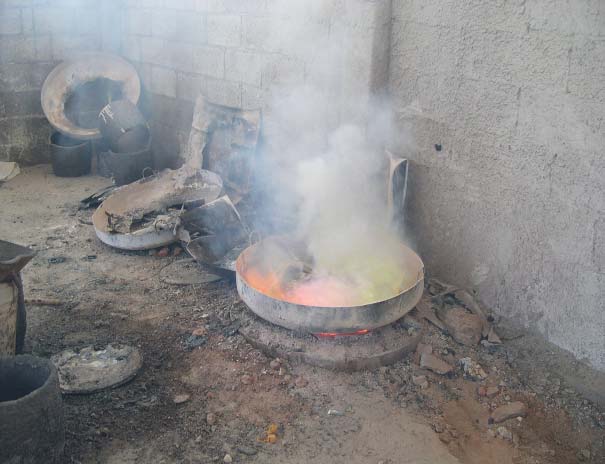
Use of retorts
Recycling and reusing mercury
Reduction of mercury in tailings
Tailings management methods
Prevention of combined use of
mercury and cyanide, and
mercury and acid
Restriction of location of
mercury use, with emphasis on
protection of village/residential
areas and protection of water
bodies
Exposure controls and
ventilation facilities
Protection of pregnant women
and children
Storage and disposal methods
Clean-up and rehabilitation
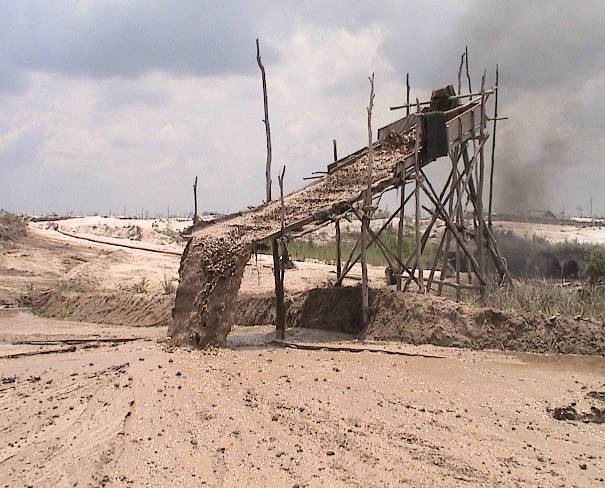
Guidelines for minimizing mass-
flows of overburden and/or
sand/gravel and sedimentation
Guidelines for mercury
management in gold shops
-14-

Global Mercury Project
Policy and Governance Initiative
____________________________________________________________________________________________________________________________________________________________________________
Recommendations for licensing
mercury sale, distribution and
use in mining
Recommendations on
accountability and liability
issues concerning mercury
management practices in mines,
with specific consideration of the
role of miners, mine owners,
millers, etc
Recommendations on
accountability and liability
issues concerning public and
occupational exposure
Recommendations on
accountability and liability
issues concerning environmental
contamination
Recommendations for
community-based as well as
national monitoring and
enforcement
Government implementation
procedures and guidelines
Accompanying "model legislation",
including main provisions for
implementation
INITIATIVES:
The following initiatives have already been completed:
A) Review and analysis of laws, regulations, guidelines, and codes of practice available
internationally (including GMP countries and others), that address mercury
management in ASM and related practices in ASM such as protection of waters,
tailings management, occupational risks, etc
-15-

Global Mercury Project
Policy and Governance Initiative
____________________________________________________________________________________________________________________________________________________________________________
B) Review of reports and scientific literature available internationally, including GMP
Environmental, Health, Socio-economic, Sociological, and Legal Assessments, to
collect relevant technical and strategic insights into the development of the
International Guidelines on Mercury Management in ASM
C) Synthesis of above information to develop technical and strategic measures for
inclusion in the International Guidelines on Mercury Management in ASM.
D) Conducting of targeted stakeholder consultation processes with miners,
Governments, and other groups, to discuss and gain insights regarding additional
important measures for inclusion in the International Guidelines on Mercury
Management in ASM; and
E) Preparation of main standards and technical language for incorporation in Draft
International Guidelines on Mercury Management in ASM
Recommended future initiatives:
F) Finalization of first draft, revision and circulation of Draft U.N. International
Guidelines on Mercury Management in ASM for comments, amongst GMP Team
Members
G) Revision and circulation of Draft U.N. International Guidelines on Mercury
Management in ASM for comments, amongst government representatives in
different countries and wider communities of researchers, policymakers and
stakeholders
H) Preparation and execution of plans for the publication and official inauguration of
the U.N. International Guidelines on Mercury Management in ASM; and
I) Preparation and execution of strategies to promote the adoption of the U.N.
International Guidelines on Mercury Management in ASM by Governments in
countries where ASM is prevalent, globally
INDICATORS OF SUCCESS:
U.N. International Guidelines on Mercury Management in Artisanal and Small-Scale Gold
Mining are drafted to provide clear and useful guidelines on specific practices in such ways
that draw consensus among government representatives and stakeholders; U.N.
International Guidelines on Mercury Management in Artisanal and Small-Scale Gold
Mining are adopted by national governments in various countries in the form of new
legislation, policy and regulation
-16-

Global Mercury Project
Policy and Governance Initiative
____________________________________________________________________________________________________________________________________________________________________________
ACTIVITY 2
Capacity Building and Institutional Strengthening
Strengthening of Multi-Sector Cooperation with Government Agencies and other
Organizations in Support of Capacity-Building, Science, Technology, Training,
Awareness and Mobilization of Resources to Facilitate and Assist in Fulfilling the
Aims of the Global Mercury Project
OVERVIEW:
Just as legal and regulatory aspects play a key role in strengthening environmental
governance in the ASM sector, policy development to address institutional and community
capacities is fundamental. The GMP recognizes that strengthening cooperation amongst
various government agencies is essential for success. Additionally, capacity-building must
occur at all levels. Building local, regional and national capacity for the science and
technology of improved mining techniques is essential, as is the mobilization of resources to
ensure the uptake of the improved technology. This is not only important to ensure that
regulatory standards can be met, but also to ensure that mining activities can evolve in
sustainable ways and contribute positively to the economic development of the sector. The
GMP has been working with governments to encourage policies that build government
capacities at the local level and that enhance collaboration with different institutions. A
critical policy objective of the GMP is to ensure that countries can build institutional
functions that ensure the sustainability of capacity-building measures as demonstrated by
the Awareness Campaigns and TDUs.
GOALS:
GMP goals are to build on the specific local strengths to address the following:
Promotion of effective sustainable partnerships with major stakeholders and
opportunities for joint environmentally sound management activities emphasizing
mercury minimization and the strengthening of capacity building
·Cooperation and partnership at all levels between public authorities, international
organizations, the industry sector, NGOs and academic institutions
Participation in the implementation of GMP Education and Awareness Campaigns and
Technology Demonstration Units in project sites; joint activities in other ASM regions;
establishment of education centers for ASM located in critical ASM regions
Enhancement of information exchange, education and awareness-raising in all sectors of
society
Identification of priority sites for future capacity-building
Development of national inventories of technology capabilities, production centers and
support mechanisms
-17-

Global Mercury Project
Policy and Governance Initiative
____________________________________________________________________________________________________________________________________________________________________________
INITIATIVES:
Considerable effort has been underway to build capacity and promote technology transfer.
Details are available in reports on the GMP Education and Awareness Campaigns and
Technology Demonstration Units. In keeping with the above policy objectives, these
initiatives have included the involvement of various public authorities in addition to NGOs,
academic institutions, and other stakeholder institutions.
INDICATORS OF SUCCESS:
Local and national governmental and non-governmental organizations are effectively
engaged in technology transfer, strong relationships are built, and human and financial
resources are mobilized to promote technology transfer
HIGHLIGHT
Building the Capacity of Miners and Government
Institutions in Laos
In Laos, the implementation of GMP capacity-building activities will take place within the
eight villages of the Nam Ou and Mekong rivers. These rivers were the subjects of the
environmental and health assessments. Implementation will kick-off this Spring with
stakeholder workshops in Vientiane and Luang Prabang. The Vientianne workshop will
target government ministries and departments, including the Department of Geology and
Mines, Ministry of Health, and Ministry of Science, Technology and Enviornment. The
Luang Prabang workshop will be dedicated to training local officials, especially village
heads, the Women's Union and Youth Front, and a subcontractor who will carry out the
TDU and Awareness Campaign activities.
Other potential partners in GMP implementation could include the World Bank, World
Wildlife Fund, Earth System Laos, and Ecalao. Field implementation will follow the
stakeholder workshops, focusing on introducing simple manual sluice boxes, a variety of
carpets, and retorts.
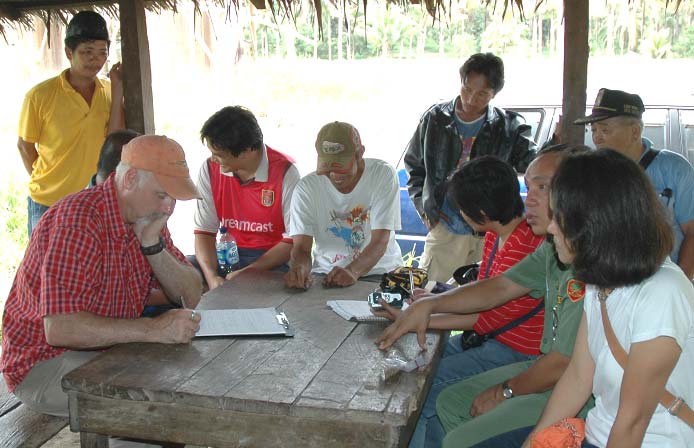
Government representative and artisanal miners discuss retorts in Laos
-18-

Global Mercury Project
Policy and Governance Initiative
____________________________________________________________________________________________________________________________________________________________________________
HIGHLIGHT
Working with Sudanese Authorities to Develop
Community Awareness of Safe Practices of Mining and
Institutional Support Services for Training in the Field
A GMP educational campaign was implemented in Sudan to teach local trainers, including
the Geological Research Authority of Sudan (GRAS), local media professionals, and nurses on
issues of mercury poisoning, behavior change education strategies and family health. The actions
started in the village of Gugub, where trainers were taught by GMP experts how to deliver
awareness campaigns to miners. Once on site, trainers demonstrated screening, sluicing, and
panning technologies to miners working in the village.
The campaign received significant attention from local television when Blue Nile State
television produced a 45 minute documentary of the events. The report featured interviews with
community leaders, and was broadcast across the state in the week following the campaign. To
create a public presence in the villages, educational materials about the use of mercury were
translated to Arabic and distributed to miners as teaching aids. The result of the 2004 health and
environmental studies were delivered to the communities. Participants were provided health
counseling based on their age and how much mercury they were exposed to.
Approximately 110,000 miners in the Blue Nile region are currently working by the river.
The GMP has increased awareness of sustainable practices by promoting an understanding of
ecosystem factors of health, and by building the capacity to embrace technological solutions that
increase productivity and protect the environment. With support from local government leaders as
well as national officials, the campaign is anticipated to grow to surrounding regions where
mining activities are proliferating.
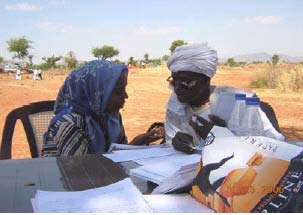
GMP Sudanese nurse discusses health awareness
with the head of the Gugub village
-19-

Global Mercury Project
Policy and Governance Initiative
____________________________________________________________________________________________________________________________________________________________________________
HIGHLIGHT
Working with Brazilian Leaders to Improve Mercury
Awareness and ASM Institutional Support Systems
The awareness campaign in Brazil started with the return of the health results to miners
from Sao Chico and Creporizinho. The 704 medical exams and chemical analyses of blood, hair,
and urine were delivered and explained to the affected communities. Several educational
seminars were held, and interest in demonstration of retorts was high, in part because of the rising
cost of mercury in the region. This stage of the campaign was designed primarily to announce the
TDU and full awareness campaign that will be conducted in the first half of 2006. More than
1000 educational posters and brochures were distributed, and a local poet, Mr. Edmilson Santini,
composed rhymes (locally known as "cordel") to deliver 500 brochures entitled: "Don't cry for
the spilled mercury." CDs with Mr. Santini's songs were distributed, along with T-shirts given to
miners.
Since then, a variety of institutions have collaborated on ASM training, led by the Center
for Mineral Technology and the Ministry of Health were the Association of the Gold Miners of
Tapajos (AMOT); the Vice-Mayor of the municipality of Itaituba, and representatives from the
municipal departments of Mining and Environment, and Health. AMOT is coordinating interested
parties to participate in next steps of the campaign and expand into new regions.
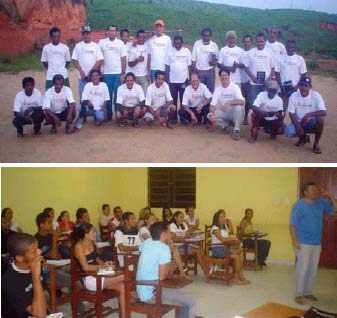
Training campaign in Brazil
-20-

Global Mercury Project
Policy and Governance Initiative
____________________________________________________________________________________________________________________________________________________________________________
ACTIVITY 3.1
Legislation and Regulation on Mercury Management
Assistance to Governments in the Development of Policy, Legislation and
Regulation on Mercury Management in ASM
OVERVIEW:
As ASM continues to expand globally, governments are increasingly recognizing the need
to institute new policies to strengthen the management of environmental, health, social,
economic and legal aspects of this sector. However, as ASM is an informal sector and its
associated legislative frameworks are minimally developed in most countries, mercury
controls remain largely unaddressed in law and policy. Globally, most countries, even
those with substantial ASM sectors, have not yet established legislation and regulation for
environmental management aspects of ASM. Lack of knowledge on mercury issues has been
identified as a significant barrier. While the GMP is preparing the U.N. International
Guidelines on Mercury Management in ASM (Activity 1), the GMP policy experts are also
working directly with the governments of the GMP countries to develop and/or strengthen
national legislation, regulation and policy measures to address mercury in ASM.
GOALS:
Based on the specific country conditions, and legislative and regulatory frameworks that
exist in each of the participating countries and their respective jurisdictions, the GMP is
assisting governments in developing policy to minimize mercury use in ASM and reduce
environmental and occupational hazards. Depending on local conditions and specific
needs, legislative and/or regulatory provisions may address issues such as:
Mercury management practices and emission controls to eliminate point sources of
pollution
Use of retorts
Recycling and reusing mercury
Reduction of mercury in tailings
Tailings management methods
Prevention of mercury/cyanide interaction
Restriction of location of mercury use, with emphasis on protection of
village/residential areas and protection of water bodies
Exposure controls and ventilation facilities
-21-

Global Mercury Project
Policy and Governance Initiative
____________________________________________________________________________________________________________________________________________________________________________
Protection of pregnant women and children
Storage and disposal methods
Clean-up and rehabilitation
Licensing mercury sale, distribution and use in mining
Mercury management in gold shops
Accountability and liability issues concerning mercury management practices in
ASM (with specific consideration of the role of miners, mine owners, millers, etc)
Accountability and liability issues concerning public and occupational exposure
Accountability and liability issues concerning environmental contamination
Community-based as well as national monitoring and enforcement
Government implementation procedures and guidelines
Other specific legislation and regulatory provisions as appropriate to the local
conditions.
INITIATIVES:
The following initiatives were completed in some cases, and are currently in-progress in
other cases:
A) Review of legal classification level for mercury as a hazardous substance
B) Verification of existing laws concerning mercury management and the management
of other toxic substances
C) Verification of / recommended development of a legal base for instituting mercury-
specific regulation in mining
D) Development of recommendations and draft measures on policy/regulatory
mechanisms for licensing of mercury amalgamation and distribution
E) Development of technical recommendations and draft measures on mercury use;
emission controls; recycling; and tailings management
F) Development of technical recommendations and draft measures for exposure
controls; location of use; storage; and disposal
G) Development of specific provisions and draft measures for the protection of water
bodies from mercury and/or mining
-22-

Global Mercury Project
Policy and Governance Initiative
____________________________________________________________________________________________________________________________________________________________________________
H) Investigation of possibilities for developing policy mechanisms on accountability
and liability concerning mercury management practices (with specific consideration
of the role of miners, millers, etc)
I) Investigation of possibilities for developing standards for accountability and
liability concerning public and occupational exposure, and environmental
contamination
J) Investigation and development of recommendations on clean-up and rehabilitation
K) Investigation and development of mechanisms for community-based monitoring
and enforcement; and
L) Formulation of recommendations for clear accountability for miners, mine/land
owners, millers, etc.
PRIORITIES:
In addition to completing country-specific work currently underway regarding the above
initiatives (see Highlight boxes below), overall policy initiatives planned include focusing
on the following prioritized objectives:
General Use of Mercury
a. Restrict mercury-amalgamation to locations designated for mining, performed only
by miners with amalgamation licenses
b. Eliminate mercury amalgamation without the use of a retort to contain vapor
c. Eliminate the practice of whole ore mercury-amalgamation on copper plates.
Location of Mercury Use
d. Eliminate the use of mercury within 100 meters of public streams and water
bodies
e. Eliminate the use of mercury within 100 meters of houses
f. Institute the requirement that mining managers, where applicable, establish
designated areas for retorting and that no amalgamation shall occur outside this area
-23-

Global Mercury Project
Policy and Governance Initiative
____________________________________________________________________________________________________________________________________________________________________________
Storage and Disposal of Mercury
g. Institute the requirement for mercury to be stored in air-tight containers that are kept
under a layer of water when not used
h. Eliminate the placement of mercury into solid disposal systems or wastewater
disposal systems
Additional Exposure Controls
i. Institute the requirement that mine managers, where applicable, ensure that no
pregnant women or children under the age of sixteen years enter the structure, facility or
locale in which amalgamation is carried out
j. Require that safety gloves be worn when handling mercury
Require the licensing of Mercury
k. Require licensing for the sale and distribution of mercury
l. Institute licensing requirement for the purchase of mercury
m. Institute specific licensing requirements for mercury-amalgamation in ASM
Establish mechanisms for government enforcement and monitoring
n. Clearly identify relevant government enforcement officials
o. Establish specific and appropriate penalties for violations
Institute mechanisms for community-based enforcement and monitoring
p. Stipulate that responsibility of compliance falls upon miners as well as mine
managers and/or owners of operations where applicable; and
q. Stipulate that mine managers, where applicable, keep records of all mercury brought
onto the mining location, date acquired, and amount
INDICATORS OF SUCCESS:
Governments in the various partner countries review GMP-drafted policy measures and
recommendations that address the above issues; the number of jurisdictions where these
measures are reviewed and/or adopted into law; and the breadth of the measures included
in the policies and regulations reviewed, developed and/or adopted.
-24-

Global Mercury Project
Policy and Governance Initiative
____________________________________________________________________________________________________________________________________________________________________________
HIGHLIGHT
New Mercury Policies in Zimbabwe: Promoting
Cleaner and Equitable Technology Standards
The GMP team has worked with the Zimbabwe Ministry of Mines to develop capacity-
building policies in artisanal and small-scale gold mining (ASM) communities. Following
stakeholder consultations, GMP experts worked with various agencies to prepare
Regulations on Mercury Management in ASM. These constitute multiple new steps in
Zimbabwe, setting standards on practices to eliminate hazardous mercury emissions,
exposures, and other environmental health aspects in ASM. Regulations also addressed the
purchase, trade and storage of mercury. Meetings, small workshops and large seminars were
facilitated by the GMP team with national and local officials from the Ministry of Mines,
the Ministry of Environment, and the Ministry of Health, as well as mining associations
(e.g. Zimbabwe Panners Association and the Zimbabwe Mining Federation) and other
organizations. These talks reinforced the shared commitment on policies to phase out
mercury in ASM over the next year and in the long term. In the short term, policy efforts
focus on instituting and enforcing clear regulations and codes of practice to minimize
mercury-related and other environmental hazards in ASM.
The Regulations on Mercury Use provide standards for amalgamation, including the use
of retorts, and for reducing mercury in tailings. Specific provisions protect pregnant women
and children from exposure. The regulations include mechanisms for community-based
enforcement and monitoring. The policy to ban copper plates is designed to significantly
improve environmental health and ensure that fair technology is used so that miners receive
a reasonable percentage of gold from the ore they mine. The Ministry of Mines will
introduce these laws in 2007, as Statutory Instruments under the Mines and Minerals Act. A
local team, led by the Department of Metallurgy and Institute of Mining Research, is
conducting field demonstrations to educate stakeholders on how to comply with the
standards (see page 33); the new law will be formally introduced after these demonstrations.
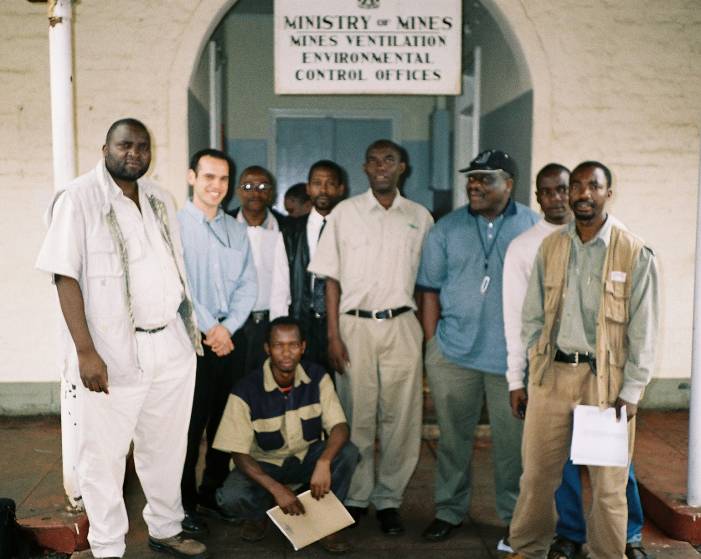
Left: Officials at the Zimbabwe Ministry of Mines with GMP policy experts
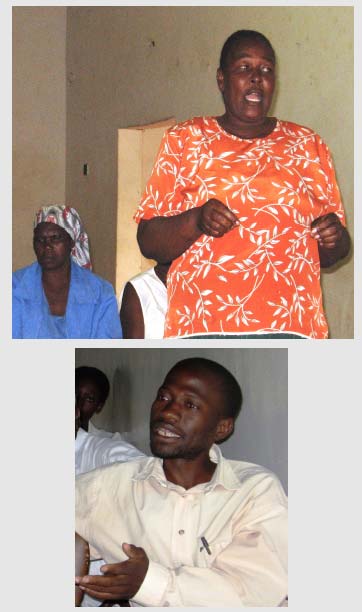
Right: Miners express views on the need for better milling technology standards
-25-

Global Mercury Project
Policy and Governance Initiative
____________________________________________________________________________________________________________________________________________________________________________
HIGHLIGHT
Environmental Responsibility and Multi-Actor
Accountability: Proposed Labor Laws in Zimbabwe
In addition to technical regulations on mercury management (described on the previous
page), GMP policy experts prepared recommendations and draft regulation on Water
Protections, the Duties of Milling Centre Managers and Claim-Holders, and other issues
that resulted from the policy reviews and stakeholder consultations. These proposals were
also presented and discussed on a preliminary basis with the national directors of the
Ministry of Mining and Mineral Development as possible regulations to incorporate into
law in 2007, subject to further discussions and revisions.
Most significantly, the draft measures propose clear lines of responsibility for miners as
well as milling centre managers and claim-holders, with various environmental
management issues addressed and penalties provided for legal infractions. In Zimbabwe,
miners generally bring their ore mined to milling centers for processing. Mercury is used
heavily on these premises, and tailings management and mercury handling often present
serious risks to health and the ecosystem. Because the relationship of miners and millers is
not generally of a formal employer-employee nature, traditional legal definitions of
employer responsibility do not necessarily apply. The draft measures acknowledge the need
for shared responsibilities among the different people involved in ASM mining and
processing. Responsibilities addressed in the draft regulations relate to mine management,
fair labor practice, safety, health and the preservation of the environment. Mercury issues
are particularly emphasized, so that millers are responsible for sound mercury management
on their premises and for ensuring compliance with regulations. Among the issues
addressed, the draft regulations stipulate that milling centre managers must set aside a
designated location for amalgamation and equip that facility with retorts. The provisions
also stipulate that milling centers must not exist within 100 meters of water bodies, and the
combined use of cyanide and mercury is prohibited.
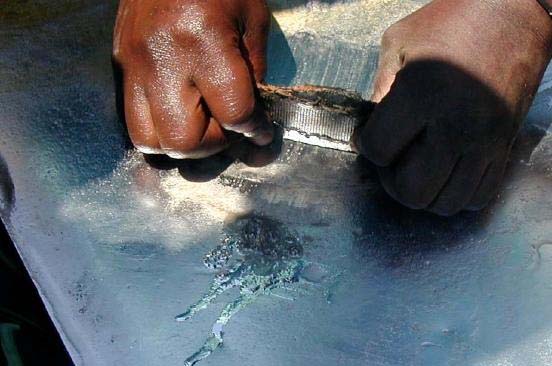
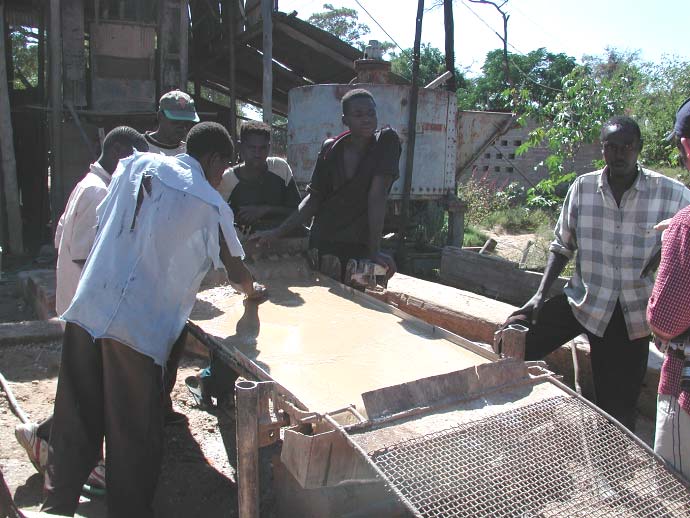
Miners Using Mercury in a Milling Centre in Kadoma District, Zimbabwe
(Note: the new Mercury Policy phases out these amalgamation plates)
-26-

Global Mercury Project
Policy and Governance Initiative
____________________________________________________________________________________________________________________________________________________________________________
HIGHLIGHT
Adoption of New Mercury Regulations for Mining
and Gold Shops in Kalimantan, Indonesia
GMP policy experts conducted a series of consultation meetings with officials from the
Indonesian Ministry of Energy and Minerals, the Ministry of Environment, the Central
Kalimantan Provincial Government (Mining, Environment and Health Offices), as well as
the District Environmental and Mining Offices. Consultations were also held with other
stakeholder organizations such as the Indonesian Mining Association, in the discussion and
development of plans to strengthen mining and environmental regulations on mercury
management in ASM.
The District Government of Kalimantan has adopted the GMP recommendations to
introduce and implement regulations on mercury management, following stakeholder
consultations from 2005 to 2007. The regulations address the sale and use of mercury, with
focus on the regulation of mercury in gold shops. GMP efforts will focus on adoption and
implementation of these regulations at the local district level to address critical pollution
point sources and health risks. As part of the campaign to implement this policy, various
gold shops have been engaged and have transferred to cleaner practices by using fume-
hoods. 17 shops adopted fumehoods by March 2007.
The Local District Government in the GMP Kalimantan pilot region has taken a
leadership role in these interventions. Also, working with the National Director of the
Legal Department of Ministry of Energy and Mineral Resources, the GMP established plans
to discuss how the district-level developments could be applied nationally in the future as
well under the Mining and Environmental Laws.
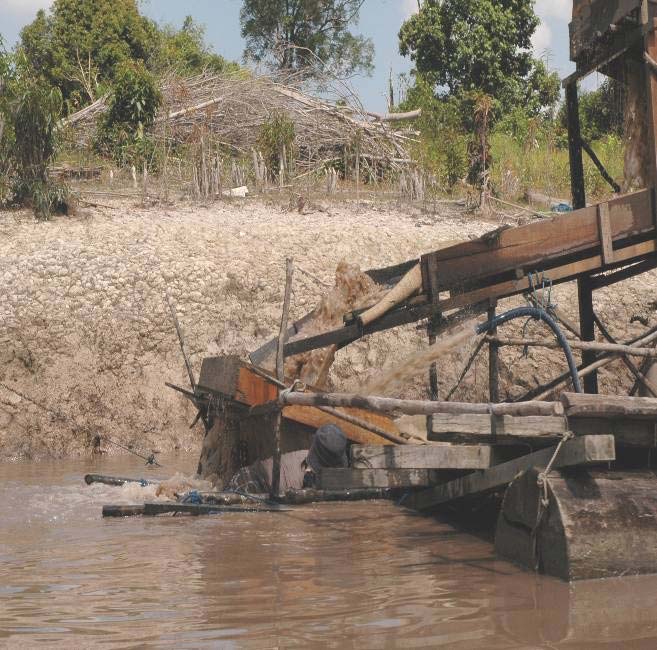
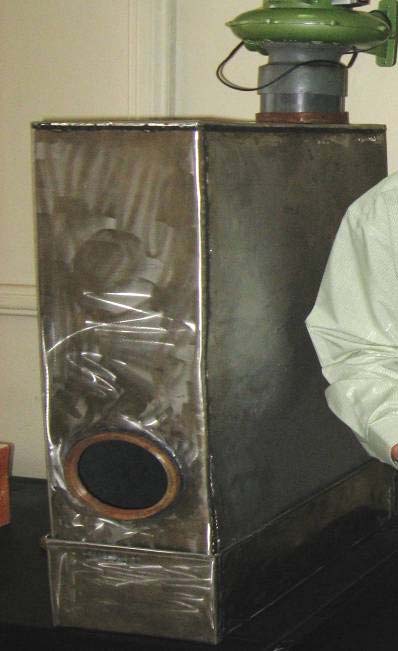
Mining waste with mercury emitted into a water body in Kalimantan (left);
and fume-hood reducing mercury use and emission in a gold shop (right)
-27-

Global Mercury Project
Policy and Governance Initiative
____________________________________________________________________________________________________________________________________________________________________________
HIGHLIGHT
Introduction and Adoption of National Mercury and
ASM Laws in Laos
GMP policy experts are currently preparing measures on mercury management to
provide assistance to the Lao PDR Department of Geology and Mines in developing
legislation and regulation on artisanal and small-scale gold mining. This is being formulated
based on the health, environmental, technical, social and economic assessments of ASM
communities in Laos and stakeholder consultations that were undertaken by the GMP.
Various technical aspects of ASM are addressed in these proposed regulations: washing,
sluicing, tailings management and disposal, mercury amalgamation, and other aspects.
Examples of measures for incorporation are:
"...The holder of an ASM license shall not heat mercury amalgam to recover the gold
without using a retort, which must be used to contain the mercury vapour releases..."
"...No person shall amalgamate the entire ore, through the use of a mercury-copper plate or
putting mercury into any gravity concentrator or ball mill..."
"...No person may discharge mercury, or mercury-contaminated tailings, into a water
body..."
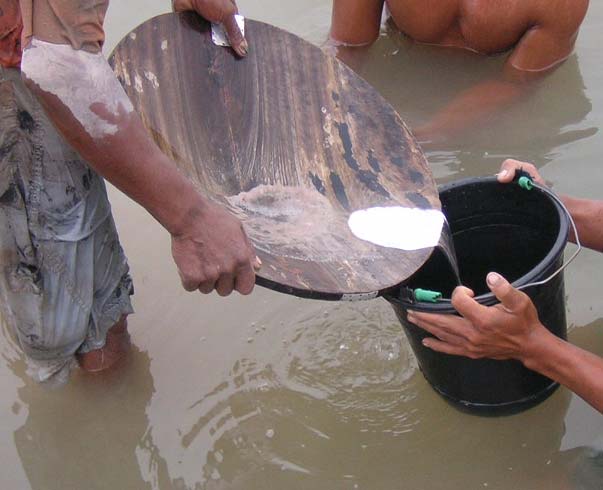
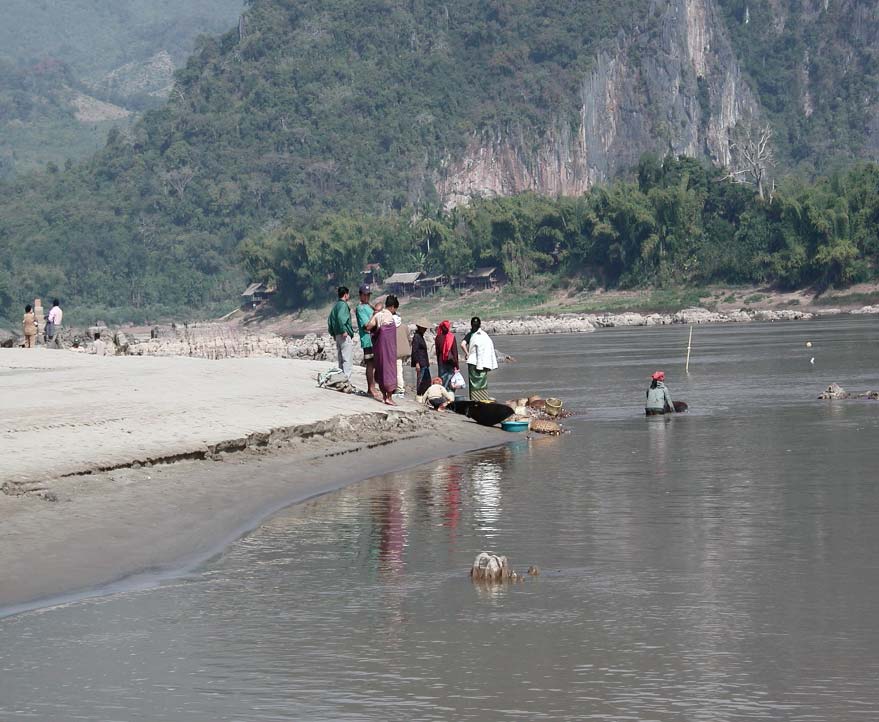
Miners in Lao PDR panning gold in the Mekong River
-28-

Global Mercury Project
Policy and Governance Initiative
____________________________________________________________________________________________________________________________________________________________________________
HIGHLIGHT
Working with the Tanzanian Government on New
Policies in Artisanal Mining
The Tanzanian Government recently initiated policies to take new steps promoting
capacity-building and regularization in artisanal and small-scale mining (ASM)
communities. In November, GMP policy experts held a series of meetings with officials
from the National Ministry of Minerals in Dar es Salaam as well as local mines officers at
the mining sites to discuss government and community-based policy issues. Working with
the Office of the Commissioner of Minerals, meetings focused on environmental, health,
technological, economic, social and legal issues from GMP assessments, which reinforced
the importance of: a) having clear codes of practice in small-scale mining, and b) providing
training and extension services in mining communities to promote the adoption of safer,
more productive and environmentally sound.
The GMP has assisted the government in developing a Code of Practice for Small-Scale
Mining, which offers standards and procedures of operation to supplement the 1999 Mining
Regulations. Working with government and community stakeholders through a
participatory process, the GMP has intended for this Code to serve two primary purposes: 1)
show how miners can adopt good practices of small-scale mining and comply with the
Regulations; and 2) assist government inspectors by identifying standards that relate to the
Regulations and that will minimize risks to safety and the environment. The GMP also
plans to assist the government in developing recommendations to incorporate mercury
management in the Regulations, to address emission and exposure controls and strategies
for minimizing mercury use by recycling safely and efficiently.
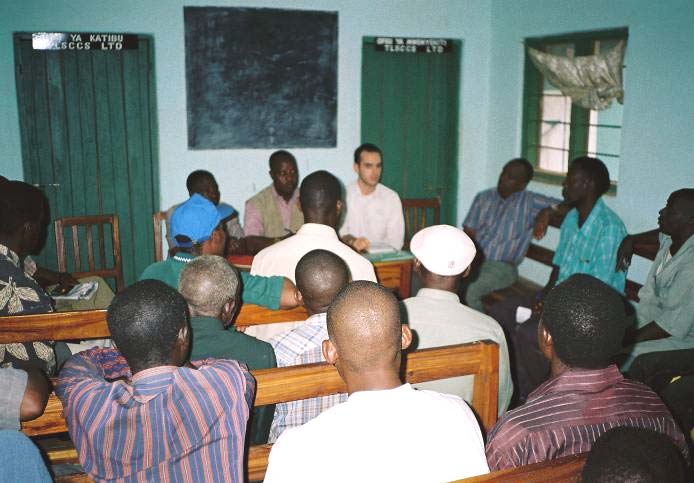
GMP policy experts and the Geita District Mines Officer convene
meetings with miners association on policy and micro-credit issues
to gather perspectives from the mining community
-29-

Global Mercury Project
Policy and Governance Initiative
____________________________________________________________________________________________________________________________________________________________________________
ACTIVITY 3.2
Promotion of Compliance
Reinforcement of Government Capacity to Promote Compliance with Regulations
in ASM Communities through Awareness-Raising, Monitoring and Enforcement
Strategies
OVERVIEW:
The GMP has been assisting governments in the development of both regulatory and
capacity mechanisms to manage mercury in ASM. The capacity measures show miners
benefits of reducing mercury use in terms of efficiency and cost-effectiveness. It is essential
that governments be given assistance to conduct community awareness campaigns, as well
as establishing sustainable monitoring and enforcement strategies.
GOALS:
The GMP aims to provide governments with tools and mechanisms to promote the
following:
National awareness of laws and associated requirements
National awareness of mercury hazards
National awareness of benefits of compliance through the use of environmentally
sound and efficient technologies
Integration of regulatory issues in GMP Education and Awareness Campaigns and
Technology Demonstration Units
National training of officers and enforcement agents
National/local level strategies for monitoring/enforcing
Identification of priority polluted sites (e.g. hot spots) for monitoring
INITIATIVES:
Some initiatives are already underway to assist governments to train government officials
on enforcement of key regulatory issues, to develop monitoring and enforcement strategies,
and to facilitate community training on relevant laws within the GMP Education and
Awareness Campaign and Technology Demonstration Units, demonstrating benefits of
adopting best practices. Other initiatives, tailored to each country's needs, will be finalized
in the first half of 2006. Focus is placed on collaborative activities with miner associations
and other community institutions.
INDICATORS OF SUCCESS:
Governments are provided by the GMP with tools and mechanisms that assist them to
promote compliance with relevant environmental and safety measures, according to local
priorities.
-30-

Global Mercury Project
Policy and Governance Initiative
____________________________________________________________________________________________________________________________________________________________________________
HIGHLIGHT
Mining, Watersheds and Protected Lands in the Brazilian
Amazon: Using Satellite Imagery to Inform Policy
In regions across the Brazilian Amazon, mining causes significant mercury pollution,
leaving profound environmental and social impacts. While the GMP's capacity building program
works to reduce mercury-contaminated sediment movement into streams and develop proper
native vegetation in the riparian zone, the project also undertook a review of Brazilian laws and
policies of protected watershed areas and natural reserves. Additionally, the project has developed
innovative GIS-based mapping techniques to assist in the discussions on government policies
concerning the protection of the designated lands.
Natural reserves are the foundation of the Brazilian Forest Code, which, in 2002, set new
regulations for the establishment of natural protected areas along hilltops, ridgelines, riparian
zones, and upland catchments, relying on key geographic features of watersheds. This new
legislation deters all commercial land use on reserves and imposes severe restrictions for uses
such as mining. While this represents a remarkable advance in environmental legislation, these
increased protections still remain a reality only on paper. The lack of appropriate countrywide
topographic datasets and the expertise required for manually mapping the reserves, along with
difficulties of enforcing regulations "on the ground", were identified by government agencies as
main barriers in enforcing the current legislation. Recent technological advances in Geographic
Information Systems and high-resolution topographic satellite imagery, such as those provided by
the Shuttle Radar Topography Mission, have allowed this issue to be revisited. The solution to
this problem relies on accurately mapping and quantifying current and potential land use conflicts
on a regional, watershed basis, thus enabling a reliable evaluation of its political and economic
scope.
The GMP is developing the application of this methodology for mapping permanent
preservation areas in the Tapajos River Basin , located in northern Brazil. This will allow new
and innovative ways of monitoring mining activities that relate to environmental legislation on
protected lands. This GMP program is also developing the use of the satellite imagery to track the
mobility of mercury from mining sites in the sediments of rivers and streams, in order suggest
new policy measures to promote capacity-building and reclaim impacted areas.
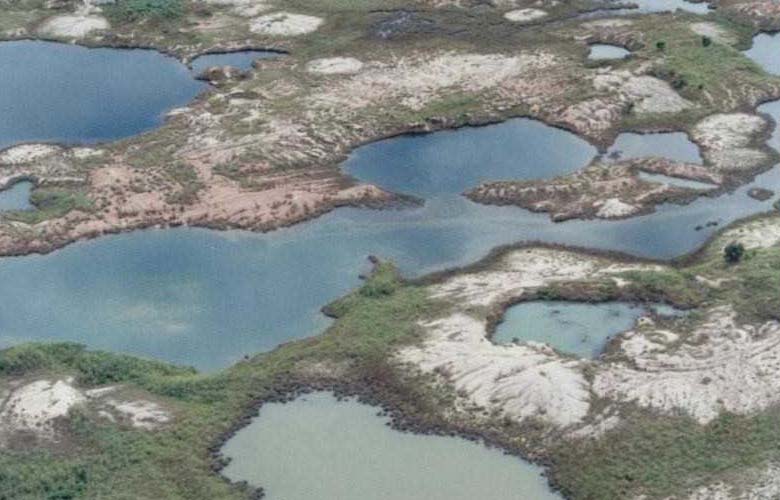
Aquaculture in the Brazilian Amazon
-31-

Global Mercury Project
Policy and Governance Initiative
____________________________________________________________________________________________________________________________________________________________________________
HIGHLIGHT
Indonesian Authorities Launch New Programs on
Technology Support and Capacity Building
In Indonesia, implementation of the GMP Transportable Demonstration Units and the
Awareness Campaign activities closely involved Government trainees. This also involved
public awareness and media campaign to increase knowledge about health hazards related
to mercury and cyanide exposure. The GMP has partnered with local NGOs to implement
the campaign and the government has taken a strong role.
In Galangan, Central Kalimantan, the Bupati, the President of the Local District
Government in Kalimantan has dedicated finances in the 2008 government budget for
technology education and assistance services to reduce mercury in gold shops and mining
areas. Under this plan, 5 government departments Mining, Health, Environment, Industry
and Trade, and Education -- are collaborating to target pollution point sources in gold
shops as well as mines.
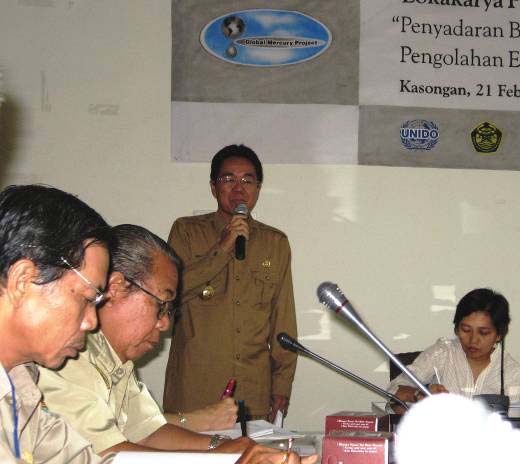
The Head of the Local Government (left) launches the district mercury
education plan, emphasizing technology improvement at all urban gold shops.
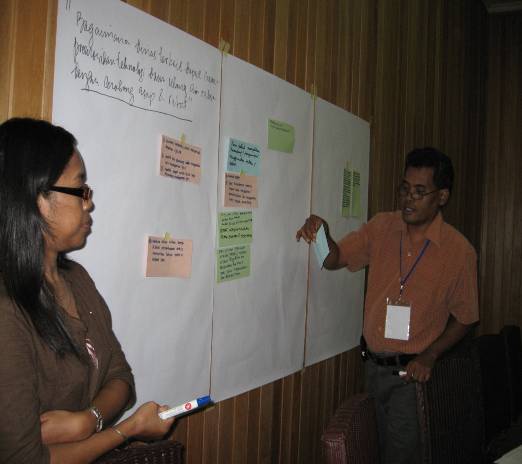
This follows from a stakeholder workshop discussion (right).
GMP experts planning with community members in the mining area
-32-

Global Mercury Project
Policy and Governance Initiative
____________________________________________________________________________________________________________________________________________________________________________
HIGHLIGHT
Strengthening Public Sector Institutions for
Delivering Technological Assistance in Zimbabwe's
Mining Communities
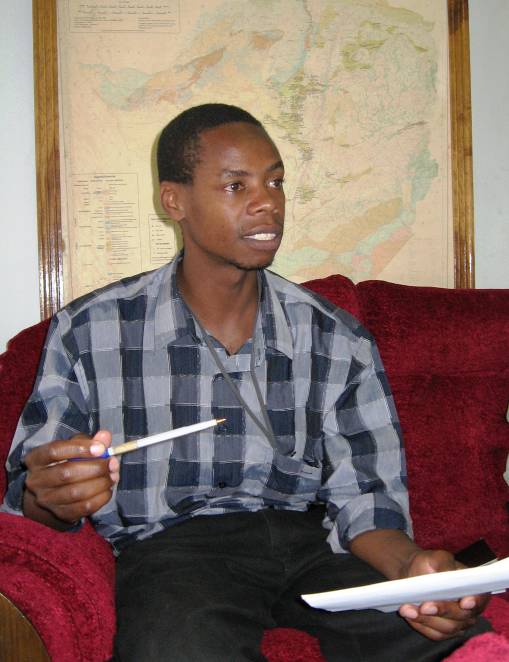
A student named Trust (left),
based at the University of
Zimbabwe, is coordinating a
study to show miners the
benefits of replacing mercury
amalgamation plates with
sluices and centrifuges. He is
working with a team of trainers
at the university as well as with
the Department of Metallurgy at
the Ministry of Mines. The
Department of Metallurgy is
supporting resources for the
tests and training activities.
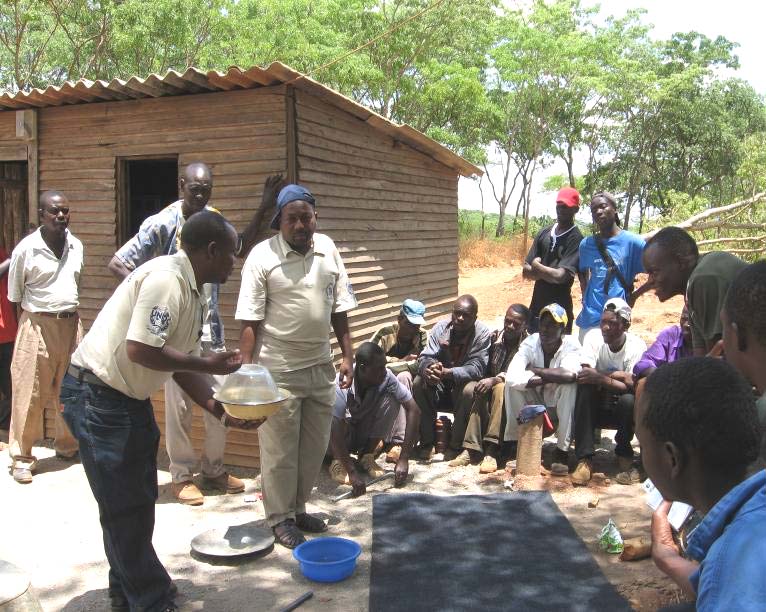
The President of
the Zimbabwe
Panners
Association (left)
conducts a
demonstration
during one of the
policy consultation
workshops. The
ZPA is
coordinating a
program to engage
its members
nationally to
promote training
in all of the
provinces of
Zimbabwe.
-33-

Global Mercury Project
Policy and Governance Initiative
____________________________________________________________________________________________________________________________________________________________________________
ACTIVITY 3.3
National Mercury Trade
Development of Knowledge and Tools for the Reinforcement of National
Capacities to Track, Monitor and Regulate the Domestic Trade and Distribution
of Mercury Used in ASM
OVERVIEW:
In addition to strengthening cooperation amongst various government agencies, the GMP
recognizes that tools are needed to reinforce national capacity to track, monitor and regulate
the domestic trade and distribution of mercury.
GOALS:
GMP goals for this activity are to:
· Develop national inventories on quantities of mercury used in ASM, primary
international sources, quantities imported, reported use of mercury where imported,
domestic channels, primary dealers, prices, other purposes of mercury, and marketing
mechanisms to, and within, the ASM sector
· Develop and implement tools to support sustainable monitoring of the import, sale
distribution, and use of mercury
· Reinforce national capacities to detect and halt illegal traffic in mercury and stockpiling
of mercury
· Develop and implement national legislation and institutional frameworks, including a
legal base for regulating mercury trade and for the conduct of inventories and related
activities, e.g. hazardous substance audits, disposal and phase-out plans, etc
· Assess regulatory options to address particular mercury trading systems, such as setting
standards for market mercury prices; limiting free mercury dealing by gold purchasers;
licensing traders; centralized control of mercury sales, etc
INITIATIVES:
· Initiatives are underway to investigate the mercury flow into and throughout the
various countries aimed specifically at creating national inventories on quantities of
mercury used in ASM, primary international sources, quantities imported, prices,
domestic channels, primary dealers, other purposes of mercury.
-34-

Global Mercury Project
Policy and Governance Initiative
____________________________________________________________________________________________________________________________________________________________________________
INDICATORS OF SUCCESS:
Comprehensive information is gathered and tools are developed to ascertain quantities of
mercury being distributed and their source; and tools are developed to track, monitor and
regulate mercury in each of the participating countries.
HIGHLIGHT
Regulating Mercury Trade to Miners: Proposed
Legal Provisions in Zimbabwe
Numerous reports have emphasized that the development of monitoring and regulation
of mercury trade would be a crucial step to decrease the negative health, social and
environmental impacts caused by mercury in Zimbabwe. In December 2005, GMP policy
experts prepared draft regulations under the Mining Laws to address trade and distribution
of mercury within the ASM sector. These were discussed with Senior Directors of the
Ministry of Mines and Mining Development as measures that could potentially become part
of a larger national effort, including other sectors besides mining, to regulate that trade of
mercury that is used for ASM. The draft measures address licensing for the purchase of
mercury and for amalgamation purposes. Measures are also proposed to institutionalize
community monitoring of the quantities of mercury used for ASM.
Provisions for amalgamation licensing include:
"1) The use of mercury for amalgamation purpose shall require an amalgamation license,
which shall be applied for by the manager of the mining location at which the amalgamation
is being contemplated;
2) An amalgamation license shall be issued by the Mining Commissioner and shall specify
the mining location at which amalgamation is being licensed, to whom the license is
granted, and the site within the mining location at which amalgamation shall take place,
designated by a plan.
3) An amalgamation license shall be valid for 1 (one) year and may be renewed.
4) In the event of breach of these regulations, the Mining Commissioner may cancel the
amalgamation license for the mining location for which the breach has taken place."
Provisions for purchase of mercury include:
"...no person may purchase mercury for amalgamation purposes unless they hold an
amalgamation license."
The drafted regulations include penalties for contraventions of provisions of these
regulations.
-35-

Global Mercury Project
Policy and Governance Initiative
____________________________________________________________________________________________________________________________________________________________________________
HIGHLIGHT
Regulating Mercury Trade to Miners: Proposed
Legal Provisions in Kalimantan, Indonesia
Following discussions held in March, 2007, the District Government is pursuing measures
to regulate the trade of mercury. This involves the development of a licensing system to
ensure that gold shops manage recycled mercury appropriately, which will reduce overall
use and emissions considerably. The Department of Industry and Trade in the District
Government is responsible for implementing this measure. While licensing trade is
considered to be an important part of the mercury strategy, it is believed that illegal mercury
trading systems are difficult to change, but that recycled mercury can be managed
appropriately. The emphasis is on regulating mercury use and appropriate technology in all
instances.
HIGHLIGHT
Regulating Mercury Trade to Miners: Actions
Taken in Brazil
GMP assessments were conducted to track the amount of mercury that is traded in Brazil as
well as other GMP countries. In 2005, the total amount of mercury that was officially
imported into Brazil was 43,260 kg, valued at 1,070,342 US$. Brazil has imported mercury
from several countries, with the most coming from the Netherlands. As with most countries
around the world where ASM is prominent, there has generally been a rising demand for
mercury in the market due to the increase in ASM activities.
Brazil Mercury Imports, 2001-2005
Year
Value (US$'000) Quantity (kg) Unit Value ($/kg)
$378,875 62,545 $6.06
Total 2001
$327,343 68,885 $4.89
Total 2002
$484,216 80,779 $5.99
Total 2003
Total 2004
$469,300
37,788
$12.42
Total 2005
$1,070,342
43,260
$24.74
Following initial consultations, the Brazilian Government agreed to vigilantly monitor
mercury trade to better understand ways of curbing the illegal distribution of mercury. The
Brazilian Government authorities reported to the Global Mercury Project that 138 Kg of
mercury were seized by illegal mercury dealers in 2006.
-36-

Global Mercury Project
Policy and Governance Initiative
____________________________________________________________________________________________________________________________________________________________________________
ACIVITY 3.4
Transboundary Mercury Trade
Assessment and Recommendations on the Transboundary Trade of Mercury with
a View of Reinforcing Government Capacities for Regulating the Export and
Import of Mercury Used in ASM
OVERVIEW:
Mercury trade is of considerable international concern. The GMP recognizes that its policy
activities, therefore, must not only address the capacity of countries to track and regulate
internal mercury trade, but also to regulate the export and import of mercury. Thus, in
addition to developing and promoting regulatory mechanisms within the country, policies
addressed at transboundary mercury trade are also extremely important. These must be
addressed both from the perspective of countries that are importing mercury as well as the
perspective of countries that are exporting mercury.
GOALS:
GMP goals for this activity are to:
· Build on the analysis of data submitted by Activity 3.3 (sources and quantities of
mercury imported, etc.) to reinforce and/or develop national plans to reduce
transboundary trade of mercury to a minimum
· Review and compare reported use of mercury domestically and exported mercury
statistics
· Review national waste management infrastructure and systems in the context of
transboundary trade by national authorities and tools to measure effectiveness;
review/develop frameworks that recognize mercury as a hazardous substance
· Develop national regulation and institutional policy to restrict imports of mercury
· Assess regional and global patterns of transboundary trades of mercury with a view
to improving coordination among governments in developing standards or common
approaches to reduce export and import
· Promote awareness about mercury in ASM as a means of encouraging industrial
countries to ban or restrict the export of mercury to developing countries
INITIATIVES:
The GMP policy team was recently expanded to focus on these goals (specific initiatives and
indicators shall be elaborated upon in the future.)
-37-

Global Mercury Project
Policy and Governance Initiative
____________________________________________________________________________________________________________________________________________________________________________
INDICATORS OF SUCCESS:
International actions taken to support the restriction of mercury trade; and governments of
the participating countries are able to regulate export and import of mercury across their
borders.
HIGHLIGHT
GMP Contributes to Global Awareness of
International Mercury Trade Reduction Measures
The GMP submitted the report "Global Impacts of Mercury Supply and Demand in Small-
Scale Gold Mining" for the 2007 U.N. Global Environment Ministerial Forum in Nairobi
(February 2007, Nairobi Kenya). The report was circulated to member state governments
globally and provided the foundation for discussions at the Forum. Among other results,
this report and other contributions like it have had the following results
The GMP has been active in raising awareness of mercury and ASM-related concerns in
international policy arenas. Team members have reached out to various media sources
internationally, including newspapers, scientific journals, conference presentations, etc. to
promote awareness of the issues and the policy initiatives underway.
Since 2005, the GMP has been contributing to the awareness of the landmark decision of
the European Union Council of Environment Ministers in 2005 to end all international trade
of mercury by the European Community. The EU decision, reached June 24th in
Luxembourg, calls for a phase-out of mercury trade by no later than 2011. It also reiterates
the EU commitment to achieving a global phase-out of all mercury production, use and
trade, and reinforces the need for binding international law. The EU trade restrictions are
the first effort to prevent the spread of mercury to countries in Africa, Asia, and South
America, where mercury use is prevalent, particularly in small-scale gold mining. The EU,
U.S., and China are the main exporters of mercury. A phase-out of mercury use in North
America and Europe has made the developing world the primary destination for the world's
mercury.
The United States recently cited the GMP report in explaining its policy decision (February)
to refrain from releasing mercury stockpiles onto the global market.
Discussions are still being pursued on the global level to decide what actions countries will
take to reduce trade.
-38-

Global Mercury Project
Policy and Governance Initiative
____________________________________________________________________________________________________________________________________________________________________________
ACTIVITY 3.5
ASM Sector Policy
Development of Recommendations to Governments on Policy to Enhance
Organization, Coordination, and Empowerment in the ASM Sector
OVERVIEW:
As ASM activities continue to proliferate in Africa, Latin America and Asia, the need for
heightened attention on policy measures to promote sustainable livelihoods and protect the
environment is increasing rapidly. ASM activities are highly unorganized around the world,
often operating illegally, outside formal economic marketing systems, and with little access
to public services. An important component of the strategy to reduce mercury use in this
sector is to support the transformation of ASM into formal and organized activity, so as to
better promote health, environmental stewardship and social and economic well-being.
GOALS:
GMP goals for this activity are to assist governments in the following areas:
· Develop / strengthen the legal recognition of ASM activity and its associated
categories (mining types e.g. medium-scale, small-scale, artisanal, alluvial,
panning, etc)
· Incorporate poverty reduction dimension in mining policy, recognizing both the
constraints and the potential of ASM as an economic sector
· Formalize ASM activity with incentives for registration
· Simplify registration and licensing procedures
· Promote the establishment of national programs for technology assistance and
training, (dovetailing with Activity #2)
· Promote the strengthening of, and implementation of, regulatory frameworks on
environmental management, health and safety; and associated codes of practice,
(dovetailing with Activity #3.3 and 3.4 related specifically to mercury control.)
· Implement standards from the ILO Convention on Health and Safety in Mines and
other relevant standards
· Promote the granting of mining titles and designated areas for ASM, to discourage
illegal mining in other territories; review the effectiveness and possible policy
-39-

Global Mercury Project
Policy and Governance Initiative
____________________________________________________________________________________________________________________________________________________________________________
challenges of such existing programs (e.g. Brazil's "Reservas Gampeiros", created in
1988)
· Promote the development and implementation of incentive-based mechanisms to
discourage illegal mining and illegal trading
· Promote access to formal markets and marketing mechanisms
· Address issues of concern for women and children in particular
· Address the functioning of various institutions, promoting coordination amongst
government agencies and local participation in policymaking, as consistent with
Activity #2, but for broader sectoral issues.
· Promote the development and implementation of pertinent law enforcement
strategies
· Mobilize resources to support local delivery functions
INITIATIVES:
Preliminary legal studies on ASM sector policies were completed in four countries:
Indonesia, Tanzania, Zimbabwe and Sudan.
Recommendations from these preliminary reviews were delivered to the governments of
these countries. Currently, the GMP team is conducting follow-up investigations to
determine next steps and specific policy focuses for prioritization in each jurisdiction.
INDICATORS OF SUCCESS:
Well-developed policy recommendations are submitted and reviewed by the participating
governments. Further details on indicators shall be elaborated upon in the coming months.
-40-

Global Mercury Project
Policy and Governance Initiative
____________________________________________________________________________________________________________________________________________________________________________
HIGHLIGHT
ASM Policy Recommendations Submitted to the
Indonesian Government
In November, GMP policy experts conducted a series of consultation meetings (pursuant
the various GMP goals) with officials from the Indonesian Ministry of Energy and
Minerals, the Ministry of Environment, the Central Kalimantan Provincial Government
(Mining, Environment and Health Offices), and the District Environmental and Mining
Offices. Consultations were also held with other stakeholder organizations such as the
Indonesian Mining Association, in the discussion and development of plans to strengthen
mining and environmental regulations.
Working principally with the National Director of the Legal Department of Ministry of
Energy and Mineral Resources, the GMP has established plans to draft district-level
mercury management regulations that could be applied nationally in the future as well under
the Mining Laws. Discussions with authorities also focused on the GMP Indonesian legal
expert's report, including the following preliminary recommendations:
1. A Special Provision on ASM in New Mining Law
The Indonesian government is now seeking to produce a new Mining Law to replace the old
Mining Law No. 11 of 1967. By establishing this law, the Government wishes to create a
new paradigm of mineral development in Indonesia. The GMP legal report recommends the
development of special provisions that facilitate the legal framework for ASM recognize its
prominence and to promote the formalization of informal ASM activity, as well as the
development of accompanying regulatory frameworks.
2. Regional Environment Act and Local Authorities
It is recommended that Indonesia apply a flexible national environmental policy system that
leaves monitoring environmental protection powers to local authorities. It is also
recommended that local district and provincial authorities be given greater powers to
introduce local legislation on certain mining issues.
3. Environment Administrative System
It is recommended that environmental administration be clarified so as to ensure
coordination among the relevant ministries and agencies.
4. Community-Based Environmental Management
Mechanisms for community-based environmental management are proposed.
5. Special Environmental Court
It is recommended that Indonesia establish an environment court as a judicial instrument for
controlling disputes, incl. impacts from large-scale mining and ASM
7. Government Assistance to ASM
Measures are proposed for regulating ASM, developing alternative livelihood opportunities,
supporting formal-ASM activities as a contributor to poverty alleviation, economic
mechanisms, promoting women's rights, reducing child labor, etc
-41-

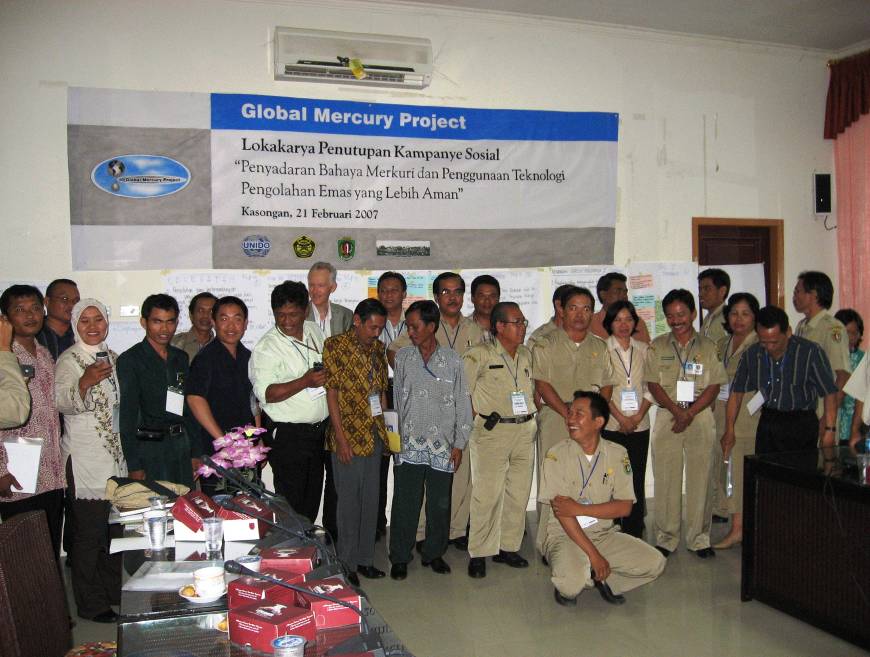
Global Mercury Project
Policy and Governance Initiative
____________________________________________________________________________________________________________________________________________________________________________
HIGHLIGHT
New Mining Law Adopted to Support Rights of
Indigenous Miners in Kalimantan, Indonesia
One of the most important issues that was identified in the UNIDO mission undertaken in
2005 was the need for a clear and simple policy to allow illegal indigenous miners to
transform into legal miners. Discussions were held with government authorities at the
national, provincial and local levels. Following decentralization of powers, it was agreed
that the local District Governments now possess the primary responsibility to regulate this
activity. Following discussions, in 2006, the District Government introduced a new law
"Regulation on People's Mining" (Law No. 3 of 2006) creating a licensing system.
Some of the key parts of the new legal framework, as adopted, are as follows:
- the area that a people's mining permit given to an individual may cover is a maximum of
5 (five) hectares
- a co-operative may be provided with a people's mining permit covering an area of a
maximum of 25 (twenty-five) hectares
- a people's mining area shall be situated on land and shall be at least 200 meters away
from the bank of a river
One necessity for successful implementation is to educate miners and provide incentives
showing miners why it is beneficial to register. It is advised that the government should
discuss this with miners, gain more inputs and monitor and promote the factors that will
encourage compliance. It is recognized that registering legally would help miners to obtain
secure land rights, thereby preventing conflict; it is also recognized that such registration
can help improve their role in the economy. Additionally, the registration process could
help ensure that miners manage the environment responsibly a crucial aspect.
Workshop on Policy and Governance, Kalimantan
-42-

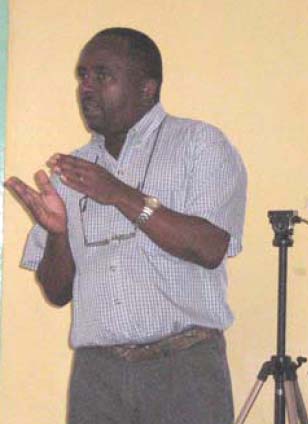
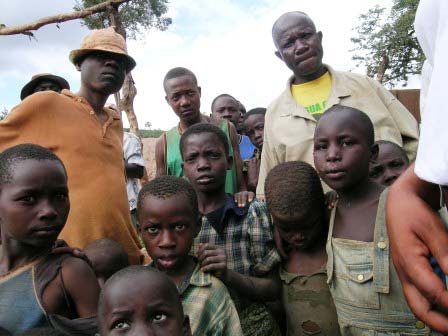
Global Mercury Project
Policy and Governance Initiative
____________________________________________________________________________________________________________________________________________________________________________
HIGHLIGHT
ASM Policy Recommendations Submitted to the
Tanzanian Government
GMP policy experts conducted a series of consultation meetings with the Mining
Commissioner and associated directors from the Tanzanian Ministry of Energy and
Minerals as well as local district officials in Geita District. Discussions with authorities
focused on the GMP Tanzanian legal expert's report, including recommendations on:
1) improving the economic contribution of ASM to poverty alleviation
2) women's participation in mining
3) child labor in mines
4) implementation of the Mineral Policy
5) legal and regulatory framework
6) licensing and registration procedures
7) technology assistance and capacity-building
The recommendations were incorporated into the government's 2007 policy review process.
Additional next steps are being planned.
Left: Aloyce Tesha, Assistant Country Focal Point, Ministry Energy and Minerals,
Tanzania
Right: Children of a mining community in Geita, Tanzania
-43-

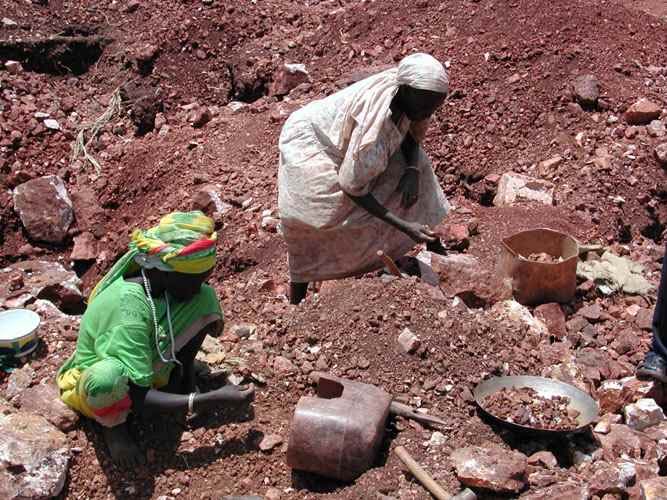
Global Mercury Project
Policy and Governance Initiative
____________________________________________________________________________________________________________________________________________________________________________
HIGHLIGHT
ASM Policy Recommendations for the Government
of Sudan
The GMP has undertaken consultations with national and district officials in the Geological
Research Authority of Sudan (GRAS) and other government agencies in the Ministry of
Mining as well as the Ministry of Environment, to follow up on the recommendations
prepared by the Sudanese GMP legal expert. Key focus areas include:
1) Updating and revising the 1972 Mining and Quarries Act
2) Legal and regulatory framework
3) Coordination of government agencies GRAS, the Higher Council of the Environment
and Natural Resources (HCENR), Ministry of the Environment, in the Mines and Quarries
Board, etc.
4) Enhancing rights of artisanal and small-scale miners and building capacity
5) Recommendations for law enforcement
A key policy reform that has been incorporated into the new Mining Bill is a licensing
system for indigenous mining. By licensing miners, this system may help to improve rights
for community mining that will ensure a sustainable livelihood and secure environment.
However, further attention is needed to ensure that mining licenses are granted equitably
and to ensure that there are benefits of registering (i.e. greater access to formal economic,
technological and health services, etc). The policy framework for indigenous mining should
be examined with inputs from grassroots stakeholders.
Women mining in Sudan
-44-

Global Mercury Project
Policy and Governance Initiative
____________________________________________________________________________________________________________________________________________________________________________
HIGHLIGHT
Governance Issues Related to Mercury and Gold-
Purchasing in Mozambique: Recommendations
Submitted to the Minister of Mines
In 2005, the GMP conducted a pilot project in Mozambique to remove barriers to
mercury reduction in Manica District. The initiative was supported by Blacksmith Institute,
in conjunction with GEF, UNDP, UNIDO and the Mozambique Ministry for the
Coordination of Environmental Affairs. In addition to the implementation of a capacity-
building program focusing on technology transfer, the fieldwork also yielded various policy
recommendations for the government. These recommendations were prepared in the form
of a report which was delivered and discussed with MICOA as well as the Minister of
Mines and various directors in the Ministry. The recommendations, and the context for
them, are discussed below.
During the pilot project activities, it was observed that the government buys only 1kg
out of 40kg of gold being produced monthly in the region. In spite of the better price being
offered by the government, miners are overwhelmingly selling their gold to the private
buyers in the area because of three factors: 1) the private buyers are more present than the
government in the mining sites; 2) the private buyers are providing mercury for free (in
exchange for a guaranteed gold sale) in an area where mercury is difficult to obtain; 3) the
miners are not confident that the government scheme will pay them for all the gold they
produce
In light of the above factors, the GMP recommended that the government should buy
gold on site. If the government is unable to travel to the mining sites to buy gold, then it is
recommended that the government should receive the gold in an appropriate place where (a)
mercury exposure is limited and (b) miners can see the gold being cleaned with acid from
impurities. Currently, government gold buyers are being contaminated when they buy gold
with residual mercury in offices in the town of Manica. One of the solutions is that the
government gold buyers should receive the gold in the lab, i.e. under the fume hood and
dissolve residual mercury with nitric acid, instead of receiving the gold in the confined
office space where contamination is a factor. Doing this, these employees will be able to
reduce their exposure to mercury fumes and this would also allow miners to see the mercury
being leached directly and immediately see the gold that is recovered. This will increase the
credibility of the government gold buyers and will attract more miners to sell gold to them.
Additional fieldwork should identify and work with the gold buyers (both government and
private) to promote the establishment of cleaner and more efficient technologies, improved
facilities and better practices.
The 4 benefits of the recommendations, if implemented, would be:
1) improved occupational health in gold-purchasing facilities (less mercury exposure)
2) enhanced trust between miners and government gold-purchasers
3) increased government revenue from gold produced in the region
4) increased prices for miners for their gold
-45-

Global Mercury Project
Policy and Governance Initiative
____________________________________________________________________________________________________________________________________________________________________________
ACTIVITY 3.6
Microfinance Initiative
Development of Pilot Programs Enabling ASM Communities to Access Credit and
Finances and Develop Organizational Structures to Support Technology Transfer
OVERVIEW:
The GMP recognizes that in order to successfully implement many of the above activities,
and achieve the goals desired with respect to technology transfer and mercury control,
many ASM communities will need improved business skills and financial assistance. While
the establishment of access to micro-credit for the tens of thousands of artisanal and small
scale gold miners is beyond the scope of the GMP, the GMP recognizes the importance of
promoting business skills, improving community organizational capacities for collective
business, and developing some pilot programs to test the feasibility of various options in
this regard.
GOALS:
The main goals of the GMP Micro-credit Initiative are to:
· Identify and assess the viability of micro-economic development / poverty alleviation
models to assist the ASM sector to transfer to cleaner technologies - e.g. village banking,
loan-based and equity-based financing schemes, hire-purchase schemes; donor and
government support programs; finances through cooperation of ASM miners and
mining companies
· Discuss with mining communities about specific micro-credit models and opportunities
to develop economic strategies to support technology transfer
· Implement pilot micro-credit programs in GMP project sites, integrated with GMP
Education and Awareness Campaigns and Technology Demonstration Units; and
· Develop sustainable long-term community-based financing mechanisms for ASM in
GMP sites and nationally
INITIATIVES:
Meetings with micro-credit institutions and banks have been underway in the GMP
countries to explore different financial schemes and best opportunities for ASM financing
-46-

Global Mercury Project
Policy and Governance Initiative
____________________________________________________________________________________________________________________________________________________________________________
based on interactions with the banks as well as with miner associations and cooperatives.
Preliminary reports have been produced for Tanzania, Sudan, Indonesia, and Zimbabwe.
Results obtained thus far reveal a number of strategic opportunities. Some banks expressed
interest - potentially - in opening new branches in ASM communities. In other cases, banks
indicated that they are already providing some funding to some miners for certain purposes
(but only on a very limited basis); in other cases, banks have branches already in ASM areas
and are very ready to evaluate applications for loans from miners.
All the banks and institutions with which the GMP team met emphasized that they are
interested in developing these programs, keeping in mind that they are profit-based and
have particular requirements for assessing any loan applications. Usually, criteria for
accessing individual loans involves having collateral, however, many banks also have
programs allowing groups without to collateral to take out shared loans on a collective basis
where each member of the group holds the other accountable (based on "village banking"
models and other models). The GMP team has indicated that the different options would
be discussed with the miners to identify best opportunities.
The information regarding the banks' programs are being discussed in education workshops
with mining associations and cooperatives in Educational Workshops. Additional plans for
training on business skills, equipment sharing, cooperatives, collective lending, savings, etc.
are also underway. In cases where miners are able to qualify for loans, they need to be able
to keep records in order to function in a micro-credit institutional framework. Micro-credit
institutions have some book-keeping materials that they use once a program is operational.
However, the GMP believes that business skills are important even for miners who are not
taking out loans, as "micro-savings" is also an important approach to build the capacity of
miners to adopt substantially cleaner technologies that reduce mercury and improve gold
recovery.
The following 4 phases of initiatives are being implemented:
Phase 1: Identification of Micro-Credit Opportunities and Challenges in ASM
a) conduct a preliminary itemization of the equipment and supplies (as well as costs) to be
targeted for ASM capacity-buliding programs and assessment of the local accessibility of the
equipment
b) review literature and readily-available resources to identify micro-credit schemes used in
the country
c) consult miners' associations, government institutions, and relevant NGOs to identify their
perception of opportunities for financial assistance and barriers to access, as well as
contacting management of local financial institutions (micro-financing agencies and banks)
to compile information on individual operating procedure
-47-

Global Mercury Project
Policy and Governance Initiative
____________________________________________________________________________________________________________________________________________________________________________
d) incorporate all readily-available knowledge on micro-credit schemes that are already in
place into the community training in the Education and Awareness Campaigns and TDUs .
Phase 2: Development of Models of Microfinancing for ASM
a) conducting consultations with miners, miners' associations, government institutions, and
relevant NGOs to assess and explore opportunities for developing credit programs and
removing barriers to access.
b) conducting consultations with management of institutions (government, banks, micro-
financing agencies, NGOs involved in micro-credit work, etc,) to compile information on
individual operating procedures, identifying key elements that make them suitable or
unsuitable for ASM applications and possible modifications for adaptability to ASM.
c) design micro-credit programs based on the results of these consultations.
Recommended next steps:
Phase 3: Implementation of Micro-Credit Pilot Programs
Based on findings in Phase 1 & 2, Phase 3 will begin by consolidating a group of
stakeholders who will implement a micro-credit program for a 3-6 month pilot period. The
equipment demonstrated in the GMP training campaigns will be used for testing since the
cost of them will be known and supply channels established. This program will be
implemented and monitored with the goal of establishing longer term programs.
Phase 4: Establishment of Sustainable Financial Programs to Support Small-scale Miners
Once a trial of micro-financing has been conducted and success factors have been identified,
a final report will be presented to possible donors/creditors to micro-financing programs
indicating results of the field trials and giving recommendations for full-scale
implementation.
INDICATORS OF SUCCESS:
Knowledge to improve business practice is effectively conveyed to ASM communities;
information about micro-credit opportunities is effectively conveyed to ASM communities;
micro-credit pilot programs become operational and can be evaluated so that lessons from
this experience can be shared; long-term institutional initiatives are developed or planned
-48-

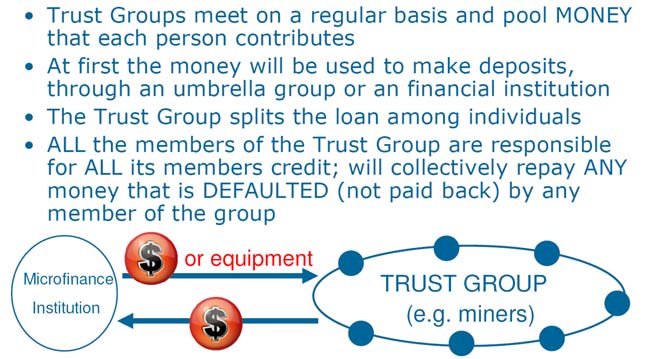
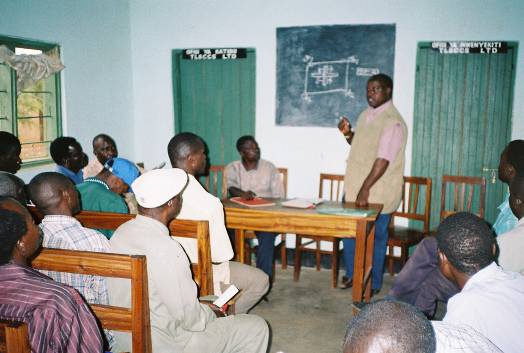
Global Mercury Project
Policy and Governance Initiative
____________________________________________________________________________________________________________________________________________________________________________
HIGHLIGHT
Microfinance Studies Conducted in Tanzania,
Zimbabwe, Indonesia, Sudan, Lao PDR and Brazil
2006 marked the launch of the GMP Microcredit Initiative. Consultations with local banks
and microcredit institutions were conducted to identify best opportunities for supporting
economic loans-based development initiatives to support miners in adopting better technology.
Specific technology has been itemized, with efforts underway to build local capacities for
fabrication.
In Tanzania and Zimbabwe, following the consultations with banks, GMP held education
workshops with miners to present and discuss different financial options for community
empowerment through micro savings and loans. The workshops focused on how "village
banking" can support technology transfer to increase productivity and earnings and improve
safety. Working with officials from the government as well as the private sector, the GMP also
linked these workshops to discussions of local community policy concerns, to gain community
perspectives for the development of legal and regulatory issues on which the GMP is focusing.
Miners have expressed strong interest in pursuing micro-credit opportunities through individual
and collective lending programs. For the poorest miners, emphasis is on "village-banking
models" where individuals unite to form "trust groups" (usually 5-8 people who know each other)
to borrow money or equipment collectively and hold each other accountable for repayment.
What is a Trust Group?
(Spiegel, 2007 "Micro-Finance Strategies
in Artisanal Mining Communities")
Mines Officer speaking at GMP
seminar with miner associations
in Geita District
-49-

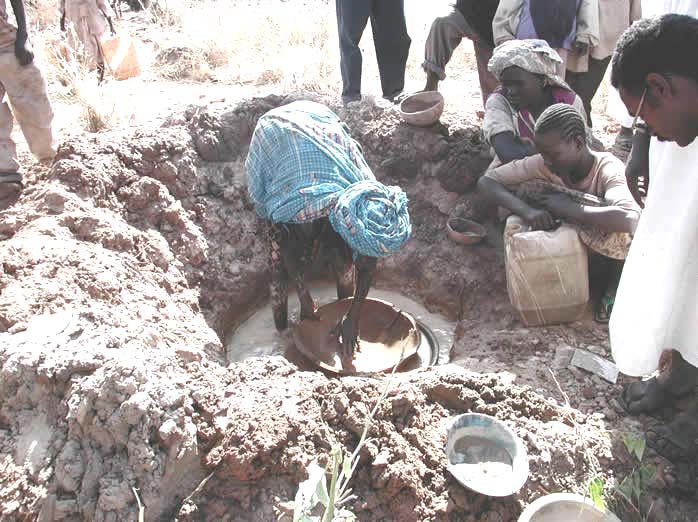
Global Mercury Project
Policy and Governance Initiative
____________________________________________________________________________________________________________________________________________________________________________
HIGHLIGHT
Microfinance Training in Sudan: Linking with NGOs
and Government for Local Grassroots Empowerment
Artisanal small-scale gold mining activities represent an essential livelihood source to some of the
poorest people of Ingessana Hills in the Blue Nile State. The GMP has recruited an NGO, Practical
Action, to organize miners into groups in order to enhance capacities to use collective micro-loans
for transferring to improved technology that will reduce mercury use and emission. The pilot project
is intended to be the seed of significant change in the Ingessana Hills, but would start small and
simple, with 4 groups of 25 people each that will be trained to be successful small scale miners. This
success would be key for encouraging other groups in the future. The four groups are selected to
involve key figures in the artisanal communities.
They are being technically trained and supported to organize themselves. Since the compete kit
(equipments to improve technology) may cost up to US$ 12.000 (international price tag), each group
of 25 miners is trained to assess whether they could afford this kit though a micro-credit scheme,
where the repayment should be done in monthly installments payable within 24 months period. It is
important to emphasize that to make the repayment affordable for the 4 groups and consequently for
the miners, a subsidy (%) from the government or private agencies for the costs of a kit is needed.
Therefore, the GMP has developed contact with the governmental and NGO partners as well as local
manufacturers who "copy" cheaper alternatives. Hence the installments could reach around US$
10/month per miner.
This system would substantially increase the chances of success of these groups still requiring
repayment, as they have a credit and they have to be well trained to manage their small business. The
partnership with the government or private agencies is important, as it reduces costs for the miners as
well as increases the chances for the community members to acquire efficient gold processing
equipment. This subsidy should not be seen as a donation but as a facility for attracting the miners to
be organized in groups, introducing the concept of small business and the concept of
entrepreneurship and consequently increasing their chances of success.
Envisioned Model:
Miners
Form Groups
Practical Action (NGO)
Provides Training to Miners
Government Subsidies
Keeping Loan Interest Rates
Low to Encourage Repayment
Micro-Finance Institution
Women miners in Ingressa Hills
Provides Group Loans
-50-

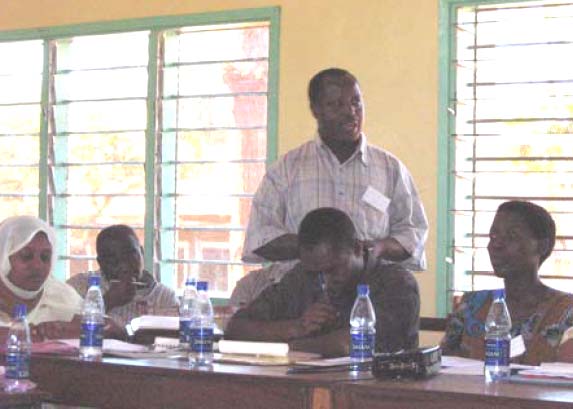
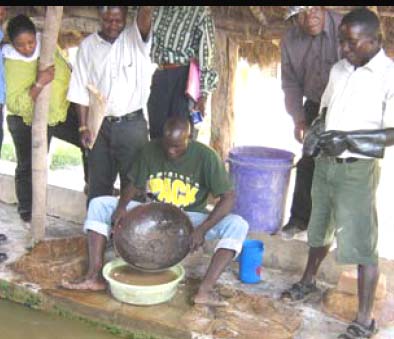
Global Mercury Project
Policy and Governance Initiative
____________________________________________________________________________________________________________________________________________________________________________
HIGHLIGHT
Trust-Building, Leadership and Organization Training: Pilot
Testing New Development Approaches in Tanzania
In May 2006, a team of GMP trainers participated in a pilot initiative to demonstrate and explore
how training exercises on trust-building and co-operative organization could enhance livelihoods
in ASM communities. The initiative demonstrated the benefits of group decision-making and
teamwork in ASM as a way of promoting effective and equitable development and enabling the
conditions for the adoption of cleaner technologies that reduce mercury use.
These exercises followed a series of related training workshops on technology, business
development and micro-credit in Geita. This initiative involved women and men in a variety of
participatory exercises. Focus group discussion and activities with 13 women working at Blue
Reef Mine with the following objectives: develop profile of specific subgroup involved in ASM,
test activities designed to promote organizational change and cooperative behaviours, identify
current barriers to cooperation and improved organization. Focus group discussion was followed
by a series of activities based on economic game theory to derive scientific data on conditions for
cooperative and other pro-social behaviour, variables impacting cooperation and factors
determining the current uncooperative, suboptimal work structure.
Leadership analysis was conducted with a sample of miners in the local area and mining
organizations. The level of leadership capacity varied significantly, across demographic profiles.
The outcome of the experience confirmed the strong value in focusing on local leadership
development as vehicle for improved community organization and development. The trainers
who participated suggested that using the "trust games" approach could help mining associations
organize themselves in new ways (ore-sharing, technology-sharing, collective loans, etc) that
would raise standards of living and promote cleaner technologies.
Left: The District Mines Officer, Mr. Kabadi, explains to trainers that primary mining license
holders as well as miners should take leadership to improve organization in ASM operations.
Right: A discussion amongst trainers explores different methods for engaging miners.
Right: Local GMP trainers in Geita examine the organization structure of a mine operation
-51-

Global Mercury Project
Policy and Governance Initiative
____________________________________________________________________________________________________________________________________________________________________________
ACTIVITY 3.7
Fair Trade Gold
Establishment of Certification Criteria and Processes for Fair Trade Gold in ASM
OVERVIEW:
As is well-documented in GMP reports and other published literature, artisanal and small-
scale gold miners are often paid very little for the gold they produce. As this is a poverty-
alleviation activity, the miners involved are ill-positioned to demand better prices. Indeed
the desperation leads many ASM gold miners to accept very low prices in exchange for free
mercury which they need to produce the gold, in the absence of capacity and resources to
utilize mercury-free technologies or dramatically reduce mercury through the use of retorts,
as presently promoted by the GMP. In addition to Activity #3.5, which promotes legalizing,
organizing and empowering the ASM sector, the GMP wishes to encourage the international
community to promote fair gold trade, key not only to poverty-alleviation but also to
controlling global mercury contamination.
GOALS:
Main GMP goals for this activity are to:
· Develop environmental, social, and economic criteria for Fair Trade gold, including
mercury-related criteria
· Develop organizational capacity in mining communities for meeting progressive Fair
Trade Criteria
· Development niche markets for Fair Trade gold by building on previous experience
with fair trade markets and establishing supply chain networks which deliver gold
from small-scale producers more directly to refineries and linkages between ASM
producers to international markets.
· Communicate widely and promote the initiative's findings and program of action,
including the identification of models of certification and an international certifying
agency
INITIATIVES:
New experts have recently been added to the GMP policy team to assist in investigating the
establishment of market incentives for good environmental practice in mining by
developing standards for a Fair trade Gold certification process.
INDICATORS OF SUCCESS:
Fair trade for gold initiative can be successfully launched and that lessons from this
experience can be shared.
-52-

Global Mercury Project
Policy and Governance Initiative
____________________________________________________________________________________________________________________________________________________________________________
HIGHLIGHT
Developing Global Fair Trade Certification Standards and
Linking Fair Trade Markets with Miners
The GMP has supported the establishment of global fair trade certification standards as a catalyst
to encourage equitable trade markets (that provide fair prices) and fair production standards
(including social and environmental criteria). The GMP has networked with jewelers, other
development projects, and other stakeholders in the global supply chain (figure below) to help
develop pilot programs to support sustainable improvements in ASM communities.
ASM Gold Supply Chain
70%
80%
90%
local
regional trader
national trader
miner
buyer
< 1 g
1 Kg
10 Kg
50 Kg
94%
98,5%
international
trader
200%
100 Kg
99,5%
jewelry
jewelry
semi
sem -fished
-fishe
gold
refiner
retail
industry
industry
indu
stry
commodity
1.000 Kg
market
120%
103%
100,5%
100%% of international price
typical transaction size
Brazil Pilot Program - Fair Trade Small-Scale Mining Site
The GMP has identified potential ASM communities suitable for Fair Trade implementation. A
review of factors at different sites led to GMP focus on a developing Fair Trade site in the mine
operation in the Tapajos, Brazil - Paulo Carneiro Mine, which produces approximately 2kg of
gold per month. The mine fulfills 50% of the Fair Trade gold requirements. The GMP aims to
help develop this pilot site to meet 80% of the requirements in the short term and to link it with
jewelry marketers in the region.
-53-

Global Mercury Project
Policy and Governance Initiative
____________________________________________________________________________________________________________________________________________________________________________
HIGHLIGHT
Fairer Trade: Partnerships between Banks, Gold
Refineries and ASM Communities in Tanzania
The GMP conducted a series of consultations with the Federal Bank of the Middle East (FBME)
in Tanzania, and its subsidiary Africa Precious Metals Ltd, to identify ways of strengthening
economic services in artisanal and small-scale mining communities. Beginning in 2006, meetings
were held in Dar Es Salaam to identify ways of improving gold marketing/buying services, gold
refinery standards of operation (including safe mercury use), micro-credit services, and other
aspects that would improve social, economic, environmental development in ASM communities.
By early 2007, the Federal Bank of Middle East (FBME Bank) Ltd has invested over
US$1million in a new gold refinery plant in Tanzania's Mwanza region to add value to gold
exports from small-scale miners. The FBME Bank Chief Executive Officer announced that the
refinery would target small-scale miners, who without a defined market-have been loosing out to
middlemen and businessmen in the black market, to smugglers and through money laundering.
He said the new refinery would cater for small-scale miners by improving the quality of their gold
and subsequently their standards of living.
The objective now is to collect "raw gold" through the regional miners associations at attractive
prices and refine it to a finished product quality of above 99.5% before exporting it as "bullion
gold". According to existing plans, the business would be expanded to other regions of the
country, at the appropriate time.
The full production capacity of this unique and modern refinery is estimated at about 50 tonnes of
gold per annum. Africa Precious Metals Ltd (APM), a subsidiary of FBME Bank Ltd, which
constructed and is operating the refinery, and has opened four regional gold collecting centres at
Ushirombo, Rwamagasa, and Nyarugusu called FairTrade Gold Centers (FTGC).
APM will reportedly also expand to other regions of Tanzania to assist and support small-scale
miners for the fair trade of their gold on the world market. Delegations of other East African
countries (Kenya and Uganda) and the Latin American countries have visited these collection
centers (FTGC) and would like to copy this unique project.
Tanzania has become one of the fastest-emerging gold producers in Africa, and seems to be the
third-largest gold-producing country after South Africa and Ghana. The annual production of
gold has increased from around 43.2 tonnes in 2002 to about 48.0tonnes in 2003. Tanzania now
has proven gold reserves in excess of 1000 tonnes. In 2003 Tanzania reported a 20% increase in
gold exports from US$ 41 million to US$ 50.4m.
The GMP aims to continue to provide assistance in ensuring that the refineries adopt best
practices to meet environmental standards (particularly to minimize mercury use), and provide
assistance to enable miners to sell gold at appropriate prices and obtain technical support.
-54-

Global Mercury Project
Policy and Governance Initiative
____________________________________________________________________________________________________________________________________________________________________________
HIGHLIGHT
Fairer Trade: GMP Stakeholder Workshops Support
Reforms on Gold Pricing Policies in Zimbabwe
Due to the current economic crisis in Zimbabwe, gold mining has grown in importance as a
source of survival. Over 2 million people depend on artisanal and small-scale gold mining across
Zimbabwe. As environmental threats have increased, the country has also seen growing conflict
in the mining sector. In the first three months of 2006, police arrested over 30,000 indigenous
miners. Smuggling, illegal mining, mercury and other problems have been cited as challenges.
Irresponsible police intervention has also been cited as a major problem. GMP-supported
assessments found that these problems were mainly fuelled by the underlying failure to
implement economic policies that pay miners fair and appropriate gold prices, which forced them
into desperate conditions of work and trade as a means of survival.
Between February and April in 2007, the GMP Policy Coordinator conducted several stakeholder
meetings in Zimbabwe to bring together miners, government decision-makers from different
agencies, and other organizations, to identify and advance strategies for bringing solutions to the
country's challenges in the mining sector. The aim of the meetings was to allow participants to
express a diversity of concerns to influence policy changes. In addition to conducting stakeholder
meetings, the GMP Policy Coordinator participated in Special Committee Hearings in Parliament
to review gold mining policies. A variety of GMP recommendations were generated (as in the
reports of the Policy Coordinator), with the major recommendation being to increase the gold
price to the official international gold price level in line with inflation.
Following advocacies by various stakeholders, in the second week of May, 2007, two major
decisions were reached by the Government of Zimbabwe:
1) Gold Price Increased - The Reserve Bank of Zimbabwe (RBZ) raised the gold support price
by 2,178% from Z$16 000/ounce to Z$350 000/ounce. This price is estimated to significantly
reduce illegal trading, and provide an economic system that will make mining viable.
2) Gold Price Review Committee Established - Significantly, the Parliamentary Committee has
moved to establish a review committee to ensure that gold prices are regularly evaluated and
adjusted as inflation continues in the future, to ensure fair and appropriate gold prices.
These major policy developments require ongoing monitoring. They represent some out of the
many policy recommendations that were generated to encourage positive changes in the mining
sector to improve livelihoods, environmental sustainability and the country's development as a
whole. It is recognized that "removing barriers to the adoption of improved small-scale mining
practices" (the Global Mercury Project goal) requires an integrated approach that is responsive to
local, national and regional needs, and that the GMP can continue to play a significant role in
brining together stakeholders in problem-solving and strengthening institutions for development.
Further GMP work is recommended to follow up on these and other aspects of policy and
governance in the growing small-scale gold mining sector of Zimbabwe.
-55-

Global Mercury Project
Policy and Governance Initiative
____________________________________________________________________________________________________________________________________________________________________________
ACTIVITY 4
Global Partnership for Development
Strengthening and Expansion of Global Partnerships for Development - Joint
Activities, Regional Network Capacity-Building, Global Awareness and Resource
Mobilization
OVERVIEW:
The world-wide reduction of mercury use and pollution in mining, as called for by the
Global Mercury Project, requires action at all levels of society by the 55 developing
countries where ASM is prominent as well as industrial nations. To sustainably address the
challenge of mercury contamination for artisanal and small-scale gold mining, a broad-
based approach to development is needed. The GMP is committed to work closely with
other agencies, and governments of other countries, to strengthen and expand global
partnerships for working together in joint initiatives regionally and internationally, to
promote global awareness of the situation in ASM, mobilize resources, and contribute to
sustainable development.
GOALS:
GMP goals are to:
· Consolidate strategic partnerships to support regional and global action plans with
major stakeholders and opportunities for environmentally sound management
activities emphasizing mercury minimization and the strengthening of capacity-
building and technology transfer in ASM and related developmental issues
· Develop joint activities with other initiatives of UNIDO, UNDP, GEF, UNEP and
other international agencies; public authorities; international organizations; the
industry sector; mining companies, NGOs; and academic institutions, identifying
opportunities and synergies
· Identification of opportunities and implementation of programs that replicate GMP
capacity-building in other countries (e.g. Mozambique, etc); formation of
partnerships with other organizations and developing knowledge on mercury, ASM
infrastructures and future needs and priorities
· Disseminate the produced GMP results and identify opportunities that will allow the
project to continue beyond 2006 through self-financing, including conducting donor
conferences to solicit financing and workshops with potential contributors; and
· Enhance awareness of mercury and ASM issues on a global scale through public
media and media directed at donor communities
-56-

Global Mercury Project
Policy and Governance Initiative
____________________________________________________________________________________________________________________________________________________________________________
INITIATIVES:
The GMP policy is currently developing regional and global partnerships with various
intergovernmental agencies (UNEP and other UN agencies, etc); companies (such as
AngloGold Ashanti, Newmont, etc); the USEPA (in Brazil); and various governments from
around the world.
INDICATORS OF SUCCESS:
Partner organizations are working together to promote sustainable development in ASM
communities.
-57-

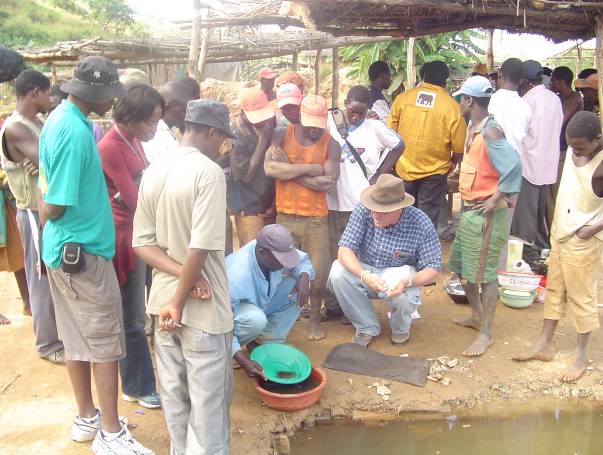
Global Mercury Project
Policy and Governance Initiative
____________________________________________________________________________________________________________________________________________________________________________
HIGHLIGHT
Preventing Mercury Pollution in Manica District,
Mozambique: Community Capacity-Building with the
Ministry for the Coordination of Environmental Affairs
The environmental health impacts of artisanal gold mining have been growing concerns in
Manica District, Mozambique. Currently, more than 12,000 people in this region are involved in
ASM, and most people extract gold using mercury. With support from Blacksmith Institute,
experts from the GMP and the Ministry for the Coordination of Environmental Affairs carried out
a pilot program to reduce environmental and occupational hazards by promoting safer and more
efficient uses of mercury. Training methods were adapted from those being implemented in the 6
main GMP countries.
Assessments in Manica revealed that mercury management practices cause significant
pollution hazards in this area; human exposure was a severe problem because miners burned the
mercury amalgams in open-air bonfires throughout the community. Based on breath test samples,
the average level of mercury in the miners in Munhena, the main training site, was 8.23 µg/m³.
Some burners had above 50 µg/m³ (50 times higher than the WHO guideline for maximum public
exposure to mercury vapor). A training curriculum was conducted to introduce miners and their
families to retort technologies and related ways of reducing mercury emissions. Tests performed
with home-made retorts, made of salad bowls, showed that mercury emissions can be contained
to allow 95% of the mercury to be reused. Miners effectively adopted the retorts and expressed
that the relatively inexpensive nature of this technology, costing less than US$4, was feasible,
especially after acknowledging the economic benefits that arise by reusing the mercury. The high
price of mercury in Munhena (US$100/kg) is resulting in heightened attention on the need to
minimize mercury losses.
Through discussions with community members and the government, the team identified
follow-up plans including the establishment of a community amalgamation centre. The GMP
recommends further capacity building in Mozambique and is planning further collaborative
initiatives with the support of Blacksmith Institute, UNDP, GEF, and UNIDO in other countries
as well, such as Guinea. This pilot initiative with Ministry for the Coordination of Environmental
Affairs also generated policy recommendations that were delivered to, and discussed with, the
Minister of Mines (see highlight under Activity 3.5 ASM Sector Policy).
GMP Team demonstrating how to re-use mercury efficiently
-58-


Global Mercury Project
Policy and Governance Initiative
____________________________________________________________________________________________________________________________________________________________________________
HIGHLIGHT
Managing Environmental Health Risks in Ecuador:
Partnering with Universities and Canada's Development
Initiatives
Artisanal gold mining is the main profession of more than 60,000 people in Ecuador, who
often use significant amounts of mercury in addition to cyanide. In 2005, the Global Mercury
Project began a partnership with a project in Ecuador supported by the Canadian International
Development Agency, entitled "Sustainably Managing Environmental Health Risks in Ecuador".
The project is applying an ecosystem approach to health in strengthening core skills, knowledge-
exchange, and community empowerment to address environmental determinants of health in
selected regions of the country. The GMP has utilized its knowledge-base to contribute to this
project by developing training curricula on environmental management in mining, with emphasis
on mercury. These curricula are now being utilized by various university-community
development programs in Ecuador.
The project is based at the Center for International Health at the University of British
Columbia (UBC) and works with three main universities in Ecuador the University of Cuenca,
the University of Machala and the University of Bolivar - to establish capacity to sustainably
manage environmental health risks. In undertaking this challenge, partnerships were formed with
institutes in Cuba and Mexico to reinforce "South-South" linkages that can enhance sustainability
through regional networks of excellence. The project, which has received the BC Centre for
International Education Innovations Award, calls for multidisciplinary approaches to promote
institutional capacities and community development. Innovative training curricula were
developed to manage not only problems of mining contaminants, but also pesticide exposure and
vulnerability to vector-borne disease such as dengue and malaria. A series of problem-based
learning modules were developed, thus breaking down the barriers between universities and
communities and reinforcing local leadership through on-site community training. For the
modules on mining and the environment, emphasis is placed in two regions in the country -
Machala and Portovelo.
The national scope of the endeavor provides an exciting platform for building interregional,
intercultural and inter-university links as well. These elements reflect what the GMP has
contributed based on its experience in the six main GMP countries. Involving graduate and
undergraduate students from UBC as well as Ecuador's universities provides an invaluable
educational opportunity for integrating the lessons of the GMP into the knowledge and
capabilities of community learners and leaders. Partnership talks are further exploring how this
program could continue to develop in collaboration with Canada's Global Health Research
Initiative.
-59-