







Brazil
Indonesia
Laos
Sudan
Tanzania
T
ENVIRONMENTAL AND HEALTH
ASSESSMENT REPORT
Zimbabwe
Removal of barriers to the
introduction of cleaner
artisanal gold mining and
extraction technologies


FOREWORD
With gold rising from US$ 260/oz in March 2001 to US$ 540/oz in March 2006, at least 100 million people worldwide in a
minimum of 55 countries have come to depend on artisanal gold mining for their livelihood. An estimated 25-30% of the
world gold production comes from some 15 million artisanal miners, including 4 million women and 1 million children.
This gold rush is causing highly dangerous mercury pollution throughout the world. The problem derives from the
miners' use of mercury to extract fine particles of gold and this method releases about 1000 tonnes of mercury every
year, or roughly 1/3 of all the global anthropogenic mercury released annually. Although the gold extraction process
known as amalgamation is a simple technology, it is potentially very hazardous and contaminates the air, soil, rivers and
lakes with mercury. The health of the miners and other people living nearby is negatively affected through inhalation of
mercury vapour, direct contact with mercury, and the consumption of fish and other food contaminated by the mercury.
The Global Mercury Project (GMP) has been sponsored since August 2002 by the Global Environmental Facility (GEF),
with the United Nations Development Program (UNDP) as the Implementing Agency and the United Nations Industrial
Development Organization (UNIDO) as the Executing Agency. Locations in Brazil, Indonesia, Lao PDR, Sudan, Tanzania
and Zimbabwe were selected on key trans-boundary river/lake basins. Roughly 2 million people are directly involved in
artisanal gold mining activities in these pilot countries. This report documents the Environmental and Health
Assessments (E&HA) commissioned by the GMP with the aim of sharing the results with key global institutions in order to
generate awareness about the level of mercury emissions and public exposure in these sites.
An essential conclusion of the report is that the amalgamation of whole ore using copper plates (Zimbabwe, Brazil) or
the practice of adding mercury to the grinding process (Indonesia) is leaving large volumes of mercury-contaminated
waste material dispersed in the environment. Amalgamation of only gravity concentrates greatly reduces the
environmental impact of the mercury. Study areas using whole ore amalgamation demonstrated elevated mercury
levels in fish, and high local mercury levels in soils and sediments. The cyanidation of mercury-contaminated tailing
(Indonesia, Zimbabwe and Brazil) makes mercury more bioavailable in the effluents and significantly exacerbates the
methylation process. Good examples of mining practice were also extracted from the E&HA reports, such as in the GMP
site in Tanzania where amalgamation occurs only in designated and contained areas far away from populated centres
and water streams. Unfortunately, the artisanal mining sector generally has very little or no legal standards for
sustainable operations, and the main mining practice is to dump mercury-contaminated tailing into or beside bodies of
water.
It is clear that in all GMP mine sites the main pathway of mercury to humans is through the inhalation of vapour. Once
the gold-amalgam is formed, miners decompose it, evaporating mercury from open pans. Frequently this occurs in
kitchens in front of children. Not only miners are being contaminated but also their families and neighbours. Even when
knowing the health dangers of mercury vapour, miners are generally not aware of the seriousness of the situation and do
not adopt any preventive process. A strong educational campaign has been recommended to reduce mercury use,
calling in particular on miners to recycle mercury by using retorts. The current high price of mercury in the mine sites
provides an additional strong incentive for miners to cooperate. The most contaminated individuals were found in
Indonesia, followed by Zimbabwe, Brazil, Tanzania, Sudan, and Lao PDR. Neurological problems were identified and
positively correlated with intoxication due to exposure to mercury vapour. It is more difficult to directly compare fish
contamination levels, but generally speaking, the most contaminated fish were found in São Chico in Brazil, followed by
Zimbabwe, Tanzania, Sulawesi, Creporizinho in Brazil, Kalimantan, Lao PDR, and Sudan.
Artisanal and small-scale mining is primarily a poverty-driven activity and communities often have few other
opportunities to generate income. In rural communities, miners make 3 to 10 times more money than farming, but it is
often the case that they do not have a strong bond with the land and live separately from other local communities. The
transience of miners in the GMP sites is a challenge faced by the project team in their effort to provide widespread
education and training. These studies clearly demonstrate the severe environmental and health impacts of poor mining
practices on these miners and their communities. However, the outright banning of artisanal and small-scale mining
activities would leave communities with even fewer economic options and will often lead to illegal mining. Simple
technologies and practices can be implemented which dramatically reduce these impacts and allow more sustainable
livelihoods for these communities.
Marcello M. Veiga
Global Mercury Project
Chief Technical Advisor
1 Environmental & Health Assessment Report




ENVIRONMENTAL AND HEALTH ASSESSMENT REPORT
Acknowledgements:
The authors would like to acknowledge all the research and hard work undertaken by the environmental and health
assessment teams in the six project countries, including the researchers and the national and local GMP staff. Much of
this research was undertaken in remote areas with difficult logistics, little time and small budgets. The local
participants also are thanked for opening up their lives and communities and for their patience both waiting for the
results to be reported to them and for action to address the concerns that arose during these studies.
Source documents:
The information presented herein has been taken from the following commissioned environmental and health assessments
conducted in each of the Global Mercury Project target regions. Additional GMP documents supplemented the assessments. Visit the
GMP website at http://www.globalmercury.org for more information.
Appleton J. D., Taylor H., Lister T. R., Smith B., Drasch G., Boese O'Reilly S. (2004) - Final Report for an Assessment of the
Environment and Health in the Rwamagasa area, Tanzania. UNIDO Project EG/GLO/01/G34. British Geological Survey Commissioned
Report, CR/04/129. 306p.
Billaud P., Laperche V., Boudou A., Maury-Brachet R., Shoko D., Kahwai S., Freyssinet Ph. (2004) Removal of barriers to the
introduction of cleaner artisanal gold mining and extraction technologies in the Kadoma-Chakari area, Zimbabwe. Part A:
Environmental assessment Final Report. BRGM/RC-53320-FR, 139p.
Boese-O'Reilly S., Dahlmann F., Lettmeier B., Drasch G. (2004) Removal of barriers to the introduction of cleaner artisanal gold
mining and extraction technologies in Kadoma, Zimbabwe. Final report, 130p.
Casellas C., Fenet H., Lalot M-O., Elbashier H., Medani K. (2005) - Removal of barriers to the introduction of cleaner artisanal gold
mining and extraction technologies in the Ingessana Hills, Blue Nile State, Sudan. Part B: Health Assessment Final Report. 28p.
Freyssinet Ph., Vilaypaseuth S., Laperche V., Babut M. (2004) - Removal of barriers to the introduction of cleaner artisanal gold
mining and extraction technologies in Pak Ou and Chomphet districts. Lao PDR. Part A: Environmental Assessment - Final Report.
BRGM/RC-53310-FR, 93p.
Hinton J., Veiga M., Summary Report: Technical and Socio-Economic Profiles of Global Mercury Project Sites. Vancouver, Canada:
GEF/UNDP/UNIDO, 2004, 53p.
Rambaud A., Portet F., Fengtong T., Sychaleun V. (2004) - Removal of barriers to the introduction of cleaner artisanal gold mining and
extraction technologies in Pak Ou and Chomptet districts. Lao PDR. Part B: Health Assessment Final Report. 39p.
Récoché G., Ghestem J.P., Suleiman I.M., Maury-Brachet R., Roques-Duflo V. and Boudou A. (2005) - Removal of barriers to the
introduction of cleaner artisanal gold mining and extraction technologies in the Ingessana Hills, Blue Nile State, Sudan. Part A:
Environmental Assessment - Final Report. BRGM/RC-53589-FR, 91p.
Rodrigues-Filho S., Castilhos Z. C., dos Santos R., Yallouz A. V., Nascimento F., Egler S.G., Peregovich B., Almeida Ribeiro R.A.,
Pereira D. M., Pedroso L. R., da Silva L. C. P., Santos E., Brabo E., Lima M.O., Faial K. F., Müller G. (2004) - Environmental and Health
Assessment in Two Small-Scale Gold Mining Areas Brazil São Chico and Creporizinho: Final Report, CETEM, UFF, IEC, 158p.
Rodrigues-Filho S., dos Santos R., Villas Bôas R., Castilhos Z. C., Yallouz A. V., Peregovich B., Pereira D. M., Nascimento F.M.F.,
Pedroso L. R .M., Boese-O'Reilly S., Drasch G., Dittmann A., Illig S., Maydl S., Lettmeier B. (2004) - Environmental and Health
Assessement in Two Small-Scale Gold mining Areas - Indonesia Final Report Sulawesi and Kalimantan, CETEM, University of Munich,
130p.
Veiga M.M., Baker R.F. (2004) Protocols for Environmental and Health Assessment of Mercury Released by Artisanal and Small-Scale
Gold Miners. Vienna, Austria: GEF/UNDP/UNIDO, 294p.
Compiled by:
AJ Gunson, Fluor Canada, UNIDO
Melanie Thompson
Randy Baker, Azimuth Consulting Group, UNIDO
Marcello M. Veiga, GMP Chief Technical Officer - UNIDO, The University of British Columbia
Sam Spiegel, UNIDO
Melania Cannon
2 Environmental & Health Assessment Report

Between 10 and 15 million
artisanal & small-scale miners
worldwide release as much as
800-1000 tonnes of mercury
per annum.
3 Environmental & Health Assessment Report

TABLE OF CONTENTS
Foreword ................................................................................... 1
Acknowledgements ....................................................................... 2
Table of Contents ......................................................................... 4
Introduction................................................................................ 5
Brazil - Environmental Assessment Report ............................................ 6
Brazil - Health Assessment Report...................................................... 7
Indonesia Kalimantan Environment Assessment Report ........................... 8
Indonesia - Kalimantan Health Assessment Report................................... 9
Indonesia Sulawesi Environment Assessment Report.............................. 10
Indonesia Sulawesi Health Assessment Report ..................................... 11
Lao PDR - Environment Assessment Report .......................................... 12
Lao PDR - Health Assessment Report.................................................. 13
Sudan - Environment Assessment Report ............................................. 14
Sudan - Health Assessment Report .................................................... 15
Tanzania - Environment Assessment Report ......................................... 16
Tanzania - Health Assessment Report................................................. 17
Zimbabwe - Environment Assessment Report........................................ 18
Zimbabwe - Health Assessment Report ............................................... 19
Conclusion................................................................................. 20
4 Environmental & Health Assessment Report

INTRODUCTION
Artisanal and small-scale gold mining (ASM) is a poverty-driven activity that constitutes an important source of livelihood for
many rural communities, but it is also one of the major global sources of mercury contamination. Between 10 and 15 million
artisanal gold miners worldwide produce from 500 to 800 tonnes of gold/a and release as much as 800-1000 tonnes/a of mercury.
These activities are frequently accompanied by extensive environmental degradation and deplorable socio-economic
conditions, both during operations and long after mining activities have ceased. The use of mercury to recover gold, or
amalgamation, is a common and simple extraction process, but is potentially very dangerous and contaminates the air, soil,
rivers and lakes with mercury. The health of the miners and other people living within the area is negatively affected through
inhalation of mercury vapour, direct contact with mercury, and the consumption of fish and other food affected by mercury
contamination.
The environmental and health impacts of amalgamation in artisanal gold mining and its effects on international water bodies are
similar in most developing countries. Solutions to these problems therefore require concerted and coordinated global
responses. The Global Mercury Project was initiated to begin this global response by addressing environmental impacts resulting
from mercury released by the artisanal mining sector.
The "Removal of Barriers to the Introduction of Cleaner Artisanal Gold Mining and Extraction Technologies," or the Global
Mercury Project (GMP), was approved by the Global Environmental Facility (GEF) in March 2002. UNDP acts as the Implementing
Agency while UNIDO is responsible for project execution. A suite of ongoing activities, which are financed through the
participating countries' own resources and/or bilateral programs, complements the project. Study areas, all located in key
trans-boundary river/lake basins, were selected in six developing countries: Brazil, Indonesia, the Lao PDR, Sudan, Tanzania and
Zimbabwe. In these areas artisanal gold mining directly involves nearly 2 million people in total, supporting more than 10 million
dependents.
The main project objectives are to assist the six pilot countries in the assessment of the extent of pollution from current
activities, to introduce cleaner gold mining and extraction technologies which minimize or eliminate mercury releases, and to
develop capacity and regulatory mechanisms that will enable the sector to minimize negative environmental impacts. This is
accompanied by the development of monitoring programs and, in collaboration with participating governments, the
development of policies and legislation that will lead to practical and implementable standards for artisanal gold mining. In
order to ensure sustainability of the monitoring programs, the project works to build capacity of local institutions (e.g., local
laboratories) through training and material support, enabling them to carry out continuous monitoring beyond the initial
project's term. The project aims to increase knowledge and awareness of the environmental impacts associated with
amalgamation among miners, government institutions and the public at large. This will be bolstered by the introduction and
demonstration of cleaner and more efficient technology that minimizes negative environmental impacts while improving
earnings, health and safety.
The first phase of the GMP involves assessment of the environmental and health impacts of ASM in the selected study areas, in
order to provide a baseline and to ensure that other GMP activities are properly targeted. EHA (environment and health
assessment) teams conducted studies in each pilot country using the "Protocols for Environmental and Health Assessment of
Mercury Released by Artisanal and Small-Scale Gold Miners" developed by UNIDO as a guiding reference to facilitate comparison,
ensure quality, and provide the basis for a common approach.
The objective of the environmental assessment was to identify hotspots
in the project demonstration sites, conduct specified geochemical and
toxicological studies and undertake other field investigations in order to
assess the extent of environmental pollution in surrounding water
bodies. The health assessment was designed to complement the
environmental assessment, by providing an indication of the level of
mercury poisoning attributable to mercury vapour exposure and/or to
ingestion of contaminated food. Based on investigation of the pathways
and bioavailability of mercury vapour and methylmercury to the mining
communities, the health assessment combines information from
biological samples with medical exams to evaluate the level of impact
that the pollutant caused or may cause to individuals residing in "mining
and environmental hotspots". The integration of the health and
environmental assessments is important in order to identify the potential
overall effects that any one variable might have on the biophysical and
social environment.
The environmental and health assessments summarized in this report are
important first steps in characterizing the magnitude of the problems
caused by mercury use in artisanal gold mining. However, this program
must be followed by the introduction of concrete solutions to reduce
mercury emissions, stop human exposure and mitigate critical situations.
5 Environmental & Health Assessment Report


BRAZIL
Environmental Assessment Report
Creporizinho and São Chico are located in Brazil's main small-scale gold mining region,
the Rio Tapajós Basin, which is home to between 60,000 and 90,000 small-scale gold
miners. Virtually the entire population is involved with small-scale gold mining. In the
late 1980s and again in the late 1990s, São Chico was a gold rush site with a population
of 5,000; an estimated 3 tonnes of gold was extracted and 7.5 tonnes of mercury
released in total. The small village now relies on reprocessing tailing for income.
Creporizinho is a larger centre, with a church, a school, and some stores. It was also a
gold rush town with a peak population of around 10,000. Both locations are isolated
and road conditions are poor.
In São Chico during the gold rushes, primary ore was mined, crushed with a hammer
mill, and then passed over mercury-coated copper plates. The plates were scraped
Rio Tapajós Basin
clean to collect amalgam, which was then openly burned to produce a gold doré. Now
tailing originally produced in the 1980s is being reprocessed. Stored tailing material is
Study Area
Crepurizinho
slurried with hydraulic monitors, then pumped to carpet-lined sluice boxes. The sluice
Population
600
box concentrate is ground with a hammer mill then passed over copper amalgamation
Illiteracy
11%
plates. As mercury was used in the original operations, reprocessing tailing both
Income
2,200 $US/a
reintroduces old mercury and adds new mercury to the environment. In addition, the
practice of heap leaching tailing material with cyanide began in 2001, leading to the
Hg
:Au
1-1.5
Lost
Prod
creation of dangerous mercurycyanide complexes. In Creporizinho, miners focus on
Hg Lost
300-500 kg/a
processing lateritic soils, primary ore and tailing material. Lateritic soils are mined
from open pits. Primary ore is mined from open pits and shafts, transported to
Study Area
São Chico
processing sites, ground, and then passed over mercury-coated copper plates. Dredges
Population
134
and hydraulic jets are used for reprocessing tailing and alluvial materials. Retorts are
often not used. Some operations use centrifugal concentrators, amalgamating the
Illiteracy
20%
concentrates.
Income
1500 $US/a
Hg
:Au
1.5-3
Lost
Prod
The GMP team collected and analyzed 658 samples, taken from soils, sediments and
2
Hg Lost
30-40 kg/a
water. In São Chico, about 50,000 m of the valley basin is covered with contaminated
tailing averaging 5 metres in depth. The background level was determined to be 0.15
ppm Hg, by taking samples approximately 30 cm in depth away from mining areas.
Surface background levels are in the range of 0.8 ppm Hg, reflecting the heavy use of
mercury over the past two decades. Tailing mercury levels are as high as 300 ppm Hg,
and average 4 ppm Hg. River sediments near mining areas averaged 7-14 ppm Hg and
averaged 2 to 4 ppm further away from amalgamation areas. In Creporizinho, mining
activities are located further from town than in São Chico. Amalgamation tailing
measured high levels of mercury, reaching up to 48 ppm Hg. However, generally the
area was less contaminated than São Chico.
Total mercury concentrations were measured in 234 fish samples, from 16 species,
collected from four sites in São Chico and seven in Creporizinho. A positive correlation
between log length and log mercury levels was shown for 3 species. Mercury levels in
carnivorous fish around São Chico were found to average 4.16 ± 5.42 ppm Hg (wet
weight), reaching a maximum of 21.9 ppm Hg. Mercury levels in non-carnivorous fish
averaged 1.33 ± 1.38 ppm Hg. These levels are significantly above the WHO safety
guidelines of 0.5 ppm Hg. Carnivorous fish in Creporizinho averaged 0.50 ± 0.41 ppm
Hg, and non-carnivorous fish averaged 0.32 ± 0.30 ppm Hg. In Creporizinho, 22% of fish
sampled showed levels above 0.5 ppm Hg compared to more than 60% in São Chico.
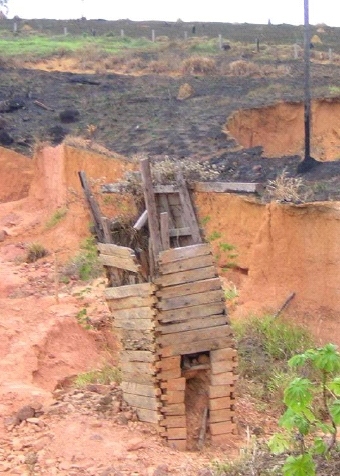
Former mining shaft by burnt pasture.
Local Recommendations
The study results confirm extremely high mercury levels in soils and
sediments and document a high mobility of mercury in São Chico and
Creporizinho. São Chico in particular is burdened with a huge volume of
contaminated mine tailing and high levels of mercury in the local fish,
which is exacerbated by the introduction of cyanidation. Access should
be provided to alternative technologies and best practices. Remaining
miners should be encouraged to only amalgamate concentrates and not
to leach amalgamation tailing with cyanide. The use of retorts must be
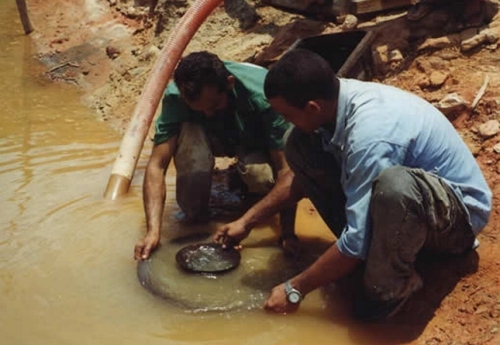
Local miners panning a gold concentrate.
encouraged. Residents of São Chico should be dissuaded from
consuming mercury-laden carnivorous fish.
6 Environmental & Health Assessment Report

BRAZIL
Health Assessment Report
General health conditions in both São Chico and Creporizinho are dire, as
demonstrated by an extremely high incidence of malaria, parasithosis, tuberculosis
and other diseases. Sanitation is a problem, with most homes using outdoor toilets and
either burning refuse or depositing it in unoccupied areas. The only public service in
São Chico village is a health post for malaria diagnosis staffed by 1 health assistant.
Creporizinho also has a health agent to provide basic health services. Work accidents,
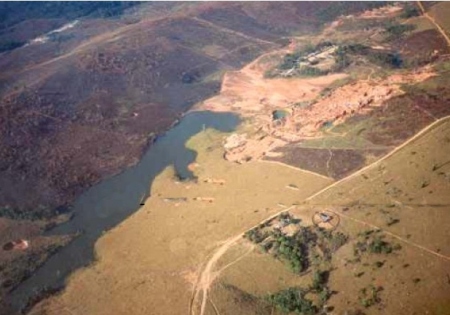
Aerial view of São Chico
including fatalities, are common.
In São Chico, the health status of 246 volunteers, including 109 miners, was assessed
using the GMP's environmental and health assessment protocols. The GMP team
collected 234 blood samples, 235 urine samples, and 137 hair samples. All participants
completed a medical questionnaire. In Creporizinho, the health status of 451
volunteers, including 230 miners, was assessed. The GMP team collected 401 blood
samples, 344 urine samples, and 116 hair samples. All participants completed a
medical questionnaire. Participants were examined to identify neurological
disturbances, as well as other mercury poisoning indicators. Historical / clinical /
neurological / toxicological tests were then used to examine general health of the
participants and discover symptoms of mercury poisoning. No external
uncontaminated control population was available for comparison.
The main pathways to mercury exposure in São Chico and Creporizinho are vapour
inhalation during amalgamation and amalgam burning, and ingestion of contaminated
fish. Open air amalgam burning, without ventilation or the use of retorts, has been
common practice in both areas for decades, so the local populations are chronically
exposed to toxic mercury fumes. In São Chico, pasture fires over mercury-
contaminated soils constitute another potential source of exposure.
Typical symptoms of mercury intoxication were common and confirm significant
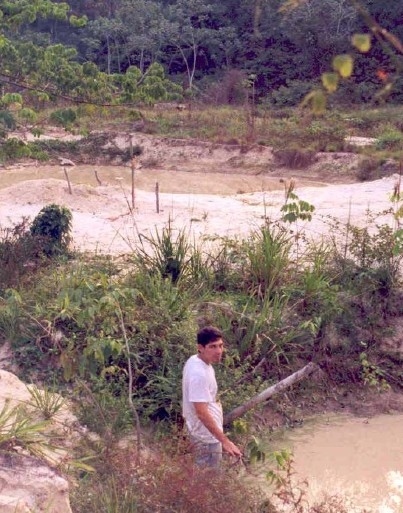
Flooded mining pit outside São Chico.
exposure to mercury. Symptoms included tremors, poor balance, ataxia, and
concentration problems. Mercury poisoning symptoms occurred much more frequently
in miners than non-miners. Results were more pronounced among miners from São
Chico. Occurrence of symptoms such as metallic taste, excessive salivation,
palpitations, and paraesthesia was high across the board, albeit more extreme among
miners than among non-miners. Hepatomegaly, splenomegaly, and dyspepsia and
arterial hypertension were also close to 5, 4 and 3 times higher (respectively) in
prospectors. In general, the mercury burden was observed to be higher for the São
Chico participants than in those from Creporizinho.
Test Program Results
Blood Hg Urine Hg Hair Hg
(ppb)
(ppm creatinine)
(ppm)
Mean values (Maximum values)
São Chico:
Non-occupational burdened
16.5 ( 63)
5.1 (55)
3.2 (15.0)
Prospectors /Amalgam Burners
28 (141)
9.3 (78.51)
3.9
Creporizinho:
Non occupational burdened
21 (172)
1.9 (12.1)
1.8 (10.5)
Prospectors /Amalgam Burners
25 (129)
6.0 (62)
N/A
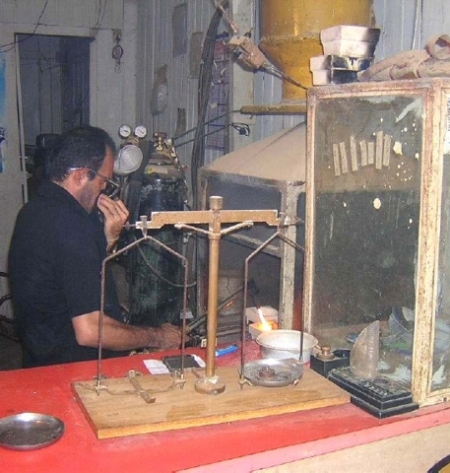
Gold shop purifying gold doré in
Creporizinho.
Local Recommendations
High mercury levels in the hair and blood of both miners and non-miners
indicate that bio-accumulation through consumption of contaminated fish
is a significant problem, particularly in São Chico. The communities should
be educated as to which fish species are safe to consume. High urine
mercury levels indicate frequent exposure to mercury vapour. Miners
should be educated about the risks of mercury vapour, in conjunction with
a program which introduces simple retorts, best practices, and
alternative technology. Women must be educated about the risks
associated with exposure to mercury during pregnancy. Due to the poor
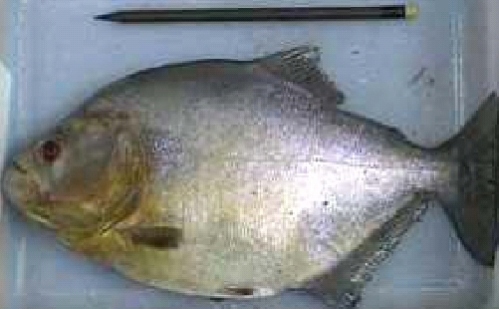
Local piranha. Some carnivorous fish
state of general health in the region, any program addressing the use of
sampled measured over 20 ppm Hg wet
mercury should include providing better access to basic health services.
weight.
7 Environmental & Health Assessment Report

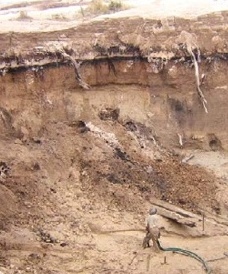
INDONESIA - KALIMANTAN
Environmental Assessment Report
Small-scale mining in the Galangan area of Central Kalimantan is situated near two
large rivers, the Katingan and Kahayan. The study area, near the Katingan River, is over
200
2
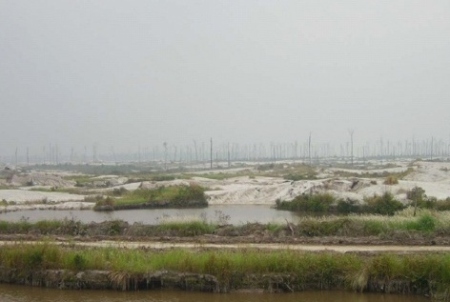
km large and extremely environmentally degraded from deforestation,
desertification, and mercury contamination as a result of artisanal gold mining.
Dredging of the rivers is considerable and has not been assessed, with up to 8,000
operating dredges, causing very high turbidity and an unknown loss of mercury. The
artisanal mining work force of about 3,000 people is itinerant, impoverished, and non-
local, hailing mainly from Java. The miners have a low level of technical skills and
tools, and have little awareness about the harmful effects of mercury.
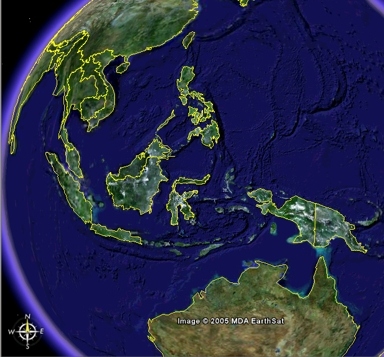
Central Kalimantan
Gold mining in Galangan is generally conducted by small groups of men who operate
typical hydraulic monitor mining operations. Subsurface soils from pits around 20
Study Area
Galagan
meters deep are dislodged using hydraulic monitors, slurried, and pumped to the
Population
8,200
surface where they are passed over carpeted sluices. Gold is lost due to high slurry
Illiteracy
n/a
velocity, turbulence, and poor carpet quality. Concentrates from the carpets are
Income
1056 $US/a
amalgamated in flooded open pits beside miners' residences. Up to 1 kg of mercury is
inefficiently used to amalgamate concentrate by hand in buckets. Mercury is squeezed
Hg
:Au
1.5-2.0
Lost
Prod
through a cloth to acquire an amalgam and retain unused mercury. Overtime, much
Hg Lost
1-2 t/a
mercury has been lost to the ponds, which are also used for bathing, washing clothes
and raising fish. It is also likely that cooking and drinking water is drawn from these
ponds.
Amalgam burning occurs near mine sites and in the local urban environment in the gold
shops of Kareng Pangi. Burning generally occurs within a fume hood with no filter,
worker protection, or external exit for fumes and takes place in the presence of women
and children who are unaware of the health hazards posed by inhaling gaseous mercury.
Ancillary problems include death from pit cave-ins, drowning, malaria, malnutrition,
and poor air quality due to diesel pumps. Based on mass balances calculated from the
analysis of amalgamation waste material and interviews with the miners, the ratio Hg
Landscape in Galagan after mining.
lost:Au produced in Galangan is estimated to be from 1.5 to 2.0, and an estimated 1 to
2 tonnes of mercury are released annually to the area.
The GMP team collected and analyzed 206 soil, sediment, and water samples from the
Galangan area. Mercury concentration in surface soils was relatively low because of
the coarse grain size of the sand. Background mercury levels averaged 0.38 ppm Hg,
whereas the average mercury concentration in soils sampled downstream of mining
areas ranged from 2.19 ppm Hg to 2.87 ppm Hg. Mercury was elevated in amalgamation
tailing because of extensive mercury use and the presence of organic material in the
deeper soils that are mined.
Mean mercury concentration in 264 fish from 25 species was 0.21 ± 0.36 ppm Hg,
excluding an outlier with a concentration of 9.83 ppm Hg. These levels are elevated for
fish as small (~170 g) as those sampled. Fish grown in amalgamation ponds showed the
highest levels of mercury, up to 20 times higher than the levels for the same species
taken from the Katigan River (1.29 ± 0.34 ppm Hg vs. 0.06 ± 0.04 ppm Hg for the Banta
species). Payanka, a carnivorous species, demonstrated a positive relationship
between mercury level and fork length and could be used as a bio-indicator in the area.
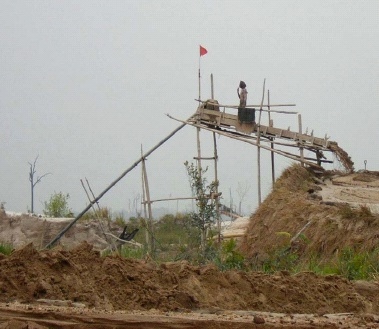
Mining with a hydraulic monitor.
Local Recommendations
Overall mercury release levels are moderate and whole ore
amalgamation is not practiced. However, amalgamation of
concentrates occurs in ponds where fish are grown for consumption,
making them a source of methylmercury. These open pits are also used
for bathing and deposition of domestic wastes and are dangerous
pathways of mercury exposure to miners and their families.
Amalgamation should be moved away from living spaces and fish farms,
and the use of retorts should be encouraged. The urban environment of
Kareng Pangi is quite contaminated with mercury because none of the
many gold shops where amalgam is burned have any environmental
Pumping alluvial ore to a sluice box.
controls and no retorts are used. Local miners need support to introduce
cleaner and safer gold mining and extraction technologies.
8 Environmental & Health Assessment Report

INDONESIA - KALIMANTAN
Health Assessment Report
General health conditions in Galangan are poor. Hygienic standards are extremely low
and infectious diseases such as diarrhea, typhoid and parasitism are common. Road
accidents, accidents in pits, malaria, tuberculosis, and sexually transmitted diseases
are the dominant causes of morbidity and mortality. Awareness of the harmful effects
of mercury is low. There is no clean, safe drinking water and no safe means of disposal
for mercury or any other waste. There is one basic health centre in the area.
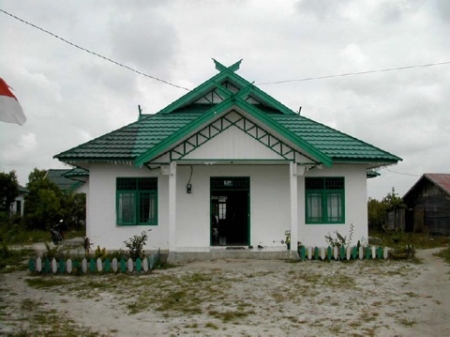
Health Centre in Kereng Pangi
The health status of 247 volunteers in Galangan and 53 from the control area of
Tangkiling was assessed using the GMP's environmental and health assessment
protocols. The GMP collected 211 blood, urine and hair samples. Participants were
examined to assess their general health condition as well as the possibility of mercury
poisoning. Amnestic / clinical / neurological / toxicological tests were used to identify
neurological disturbances, behavioural disorders, motor neurological functions,
cognitive capabilities, balance, gait, reflexes etc. Blood and hair analysis showed
increased levels of mercury in the control group, so in the statistical analysis they were
considered another contaminated group. This is likely due to the burning of amalgam in
the nearby urban gold shops. The Sulawesi control group was used as a reference
instead.
Exposure mainly occurs through vapour inhalation and ingestion of contaminated food.
Amalgam burned in gold shops that are located in the midst of the village near food
stalls, housing areas and a school. Miners wash in the same ponds in which the
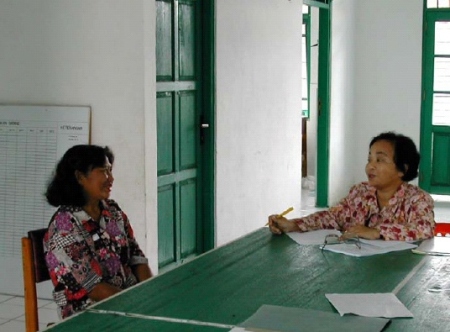
A volunteer completes a heath
amalgamation activity occurs. Water for cooking is drawn from other nearby ponds that
questionnaire.
were likely used for amalgamation in the past. Fish are also grown in the ponds and are
a source of methylmercury. This collateral contamination through an important food
source is a particularly severe hazard.
Typical symptoms of mercury intoxication were prevalent, especially among amalgam
burners, confirming considerable exposure to mercury. Symptoms included signs of a
damaged central and peripheral nervous system such as ataxia, dysdiadochokinesia,
pathological reflexes, coordination problems and concentration problems.
Mercury levels in the bio-monitors were significantly higher in all exposed populations
than in the Sulawesi control group. Inorganic mercury was the main contributor to the
high body burden of the workers. Among amalgam burners and millers, 59% and 43%
respectively were diagnosed with chronic mercury intoxication. Of the non-
occupationally burdened population, 34% were diagnosed with intoxication. These
conclusions should be taken with some caution as other health factors may confound
the diagnosis of mercury intoxication.
Blood Hg
Urine Hg
Hair Hg
Test Program Results
(ppb)
(ppm creatinine)
(ppm)
Control
4.6 (10.1)
0.4 (1.4)
1.5 (3.7)
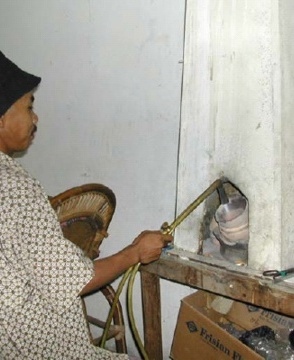
Burning amalgam without a retort.
Non-occupational burdened
8.5 (172)
2.7 (355)
2.6 (7.8)
Millers / Amalgam Burners
10.2 (429)
8.7 (1,697)
3.9 (793)
Median values (Maximum values), <LD = below detection limit
Local Recommendations
The Galangan region, although severely environmentally damaged, is
separated from the Katingan River by a 1 km wide forest buffer. This
buffer must be preserved to prevent erosion and easy movement of
mercury contaminated soils to this large river. Mercury is a serious
health hazard, and exposed workers demonstrate severe symptoms of
mercury intoxication. This is not always evident, as when people
become sick, they return home to Java and are replaced by other
workers. Exposure of urban residents of Kereng Pangi to mercury is
reflected in raised mercury levels in the urine, and symptoms
including ataxia, tremors and movement disorders. Children should
not be living in the mining area and basic hygienic standards are
essential. Zoning of the mining regions into mining, commercial and
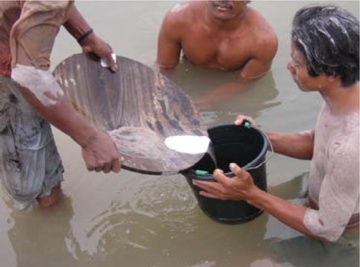
Recovering mercury after amalgamating a
housing areas is recommended. Awareness-raising campaigns about
concentrate.
the dangers of mercury exposure are needed, directed both at miners
and women of child-bearing age.
9 Environmental & Health Assessment Report

INDONESIA - SULAWESI
Environmental Assessment Report
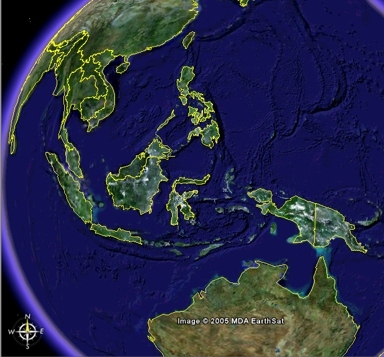
North Sulawesi is situated in the Celebes Sea east of Kalimantan and west of New
Guinea. Manado, with approximately 600,000 inhabitants, is the capital of the region.
Bunaken National Marine park, an internationally renowned Marine Park popular with
divers, is situated just offshore of Manado. There are several small villages surrounding
Manado within the Talawaan watershed, about 20 km away from Manado, where gold is
mined from primary deposits. This area also has an important commercial fishery.
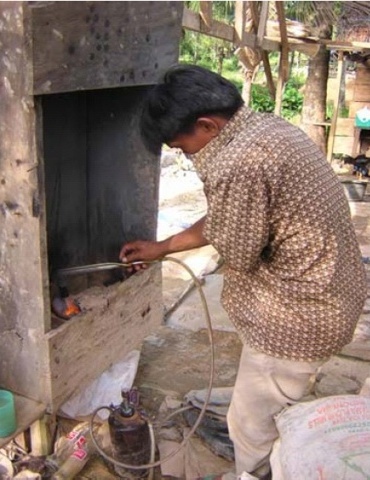
Miners in the Talawaan/Tatelu region excavate ore from shafts up to 50 m deep that are
dug by hand. Child labour is common. Ore is coarsely crushed manually or using stamp
mills, before being transferred to trommel mills that grind the ore to a fine powder. Up
North Sulawesi
to 0.5 kg of mercury is added to each trommel containing about 40 kg of raw ore. Each
mill unit contains 12 trommels, and consumes an estimated 10 to 15 kg of mercury per
Study Area
Talawaan
month. Since 2001 there has been a gradual transition toward cyanidation. However,
Population
18,000
the transition is incomplete and mercury is still used at one or more stages of the
Illiteracy
n/a
process in many mining operations. Furthermore, mercury-contaminated cyanidation
Income
492 $US/a
ponds are often located above streams where they can easily release into the
watersheds and into the nearby marine environment, and are a likely source of
Hg
:Au
40-60
Lost
Prod
mercurycyanide complexes. These complexes may be more easily converted to
Hg Lost
15-22 t/a
methylmercury than complexes from mercury-only amalgamation processes. The
estimated ratio of Hg :Au
in Talawaan is extremely high, on the order of 40 to 60.
lost
produced
An estimated 15 tonnes of mercury are released per annum.
The GMP team collected 142 samples of sediments, soils, plants, and mollusks.
Background levels were high, with upstream, uncontaminated sediments averaging 60
ppm Hg, probably due to past volcanic activity in the area. Mercury levels in stream
sediments were higher near mines ranging up to 480 ppm Hg with a mean concentration
of 154 ppm Hg. Sediment concentrations diminished close to the estuary, with a mean
concentration of 6.7 ppm Hg. Mercury levels in mine tailing material ranged up to 1,250
ppm Hg with a mean concentration of 317 ppm Hg. Levels in soils near amalgamation
operations ranged up to 690 ppm Hg, with a mean concentration of 270 ppm Hg.
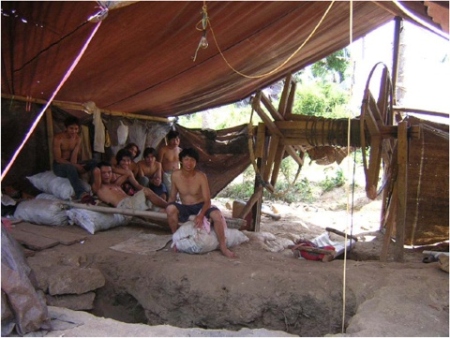
A small-scale mine's head frame.
Mercury levels in stream biota were also elevated, with aquatic plants growing near
cyanidation tailing reaching levels of 370 ppm Hg with a mean of 32 ppm Hg.
Concentration levels in mollusks were also very high in the Talawaan River with a mean
concentration of 2.6 ppm Hg.
Total mercury concentrations were measured in 156 fish samples, representing 11
species. Mercury in fish from the Talawaan watershed averaged 0.58 ± 0.45 ppm Hg wet
weight with a maximum concentration of 2.60 ppm Hg. It is noteworthy that most of
the fish collected were quite small and have significantly elevated mercury levels
given their small size. Reference area fish averaged only 0.02 ppm, confirming that
high mercury levels in fish are due to mining activities. Over 45% of the sampled fish
were over 0.5 ppm Hg. Only payangka (Ophiocara sp.), an omnivorous species,
demonstrated a positive relationship between mercury level and length. However, no
single species was found in all areas, thus it is difficult to assign a species as an
appropriate bio-indicator.
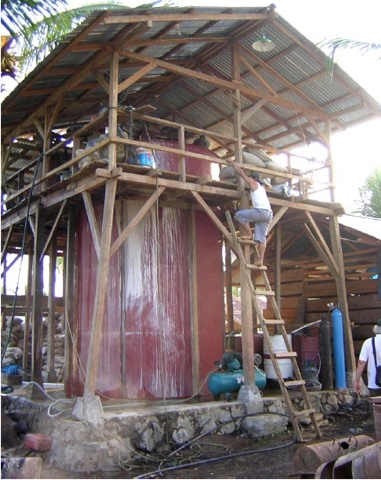
Cyanidation of amalgamation tailing.
Local Recommendations
Mercury release levels from small-scale gold mining in Talawaan are
among the highest in the world. Whole ore amalgamation, through
adding mercury to ball mills, must stop. Urgent action is required to
significantly reduce exposure of processors and amalgam burners to
mercury. The use of retorts should be encouraged. The trend toward
using only cyanidation is a better alternative to the current general
practice, as long as miners do not leach mercury-contaminated tailing
material. Child labour should be discouraged, especially around toxic
elements or compounds. Access should be provided to alternative
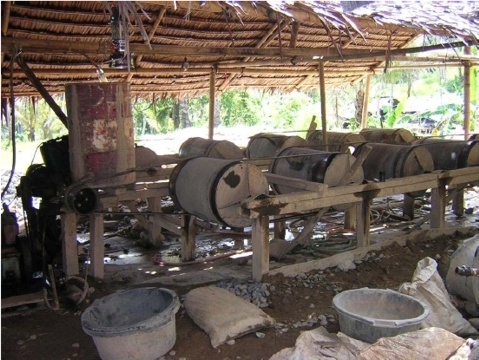
Whole ore amalgamation with trommels.
technologies and best practices education, in conjunction with basic
health education.
10 Environmental & Health Assessment Report


INDONESIA - SULAWESI
Health Assessment Report
Health conditions among most workers in Talawaan are poor. The main health problems
are tunnel accidents, infectious diseases (especially malaria and TB), sexually
transmitted diseases, diarrhea, typhus, skin diseases, parasitism and upper respiratory
tract diseases. There is no clean drinking water and no safe means of disposal for
mercury or any other waste. There is one health centre in the region, relatively well
equipped but lacking the resources to diagnose or treat mercury intoxication. Miners
exhibited little awareness of the hazards of mercury or how to prevent exposure.
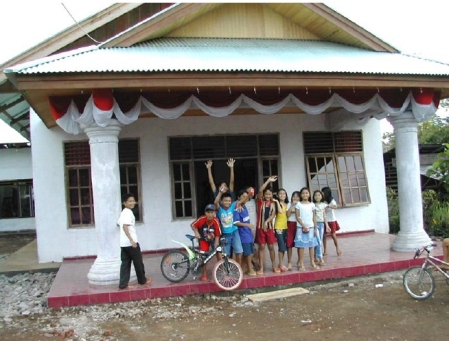
Village clinic at Tatelu, where medical
The health status of 222 volunteers from Talawaan and 22 from the control area of Air
test work took place.
Mandidi was assessed using the GMP's environmental and health assessment protocols.
The GMP collected 116 blood urine, and hair samples. Participants were examined to
assess their general health condition as well as the possibility of mercury poisoning.
Amnestic / clinical / neurological / toxicological tests were used to identify
neurological disturbances, behavioral disorders, motor neurological functions,
cognitive capabilities, balance, gait, reflexes etc.
Exposure occurs mainly through vapour inhalation and the ingestion of contaminated
fish. Children have access to mercury, often play with it with their bare hands, and are
exposed to mercury vapour on a regular basis in and around the trommels. The burning
of amalgam is carried out in the immediate vicinity of women, children, mine workers,
homes and shops.
Typical symptoms of mercury intoxication were prevalent, especially among amalgam
burners, confirming considerable exposure to mercury. Symptoms included signs of a
damaged central and peripheral nervous system such as ataxia, difficulty with
coordinated movement of hands, pathological reflexes and concentration problems.
No symptoms were observed in the control group.
The highest mercury concentration was found in the bio-monitors of amalgam-burners.
The medical score sum plus the bio-monitoring results established that 54% of
amalgam-burners were suffering from chronic mercury intoxication. A subset of
mineral processors (24%) and non-miners (11%) were also identified as being mercury
Burning amalgam without a retort.
intoxicated. Among children working with mercury, 18% were deemed intoxicated. In
the control group there was no case of mercury intoxication. The diagnosis of
intoxication must be made with care as other factors can confound this diagnosis.
Test Program Results
Blood Hg
Urine Hg
Hair Hg
(ppb)
(ppm creatinine)
(ppm)
Control
4.6 (10.1)
0.4 (1.35)
1.5 (3.7)
Non-occupational burdened
6.0 ( 12.6)
2.0 (9.8)
1.7 (10.3)
Millers / Amalgam Burners
12.3 ( 186)
8.6 (233)
4.4 (239)
Median values (Maximum values), <LD = below detection limit
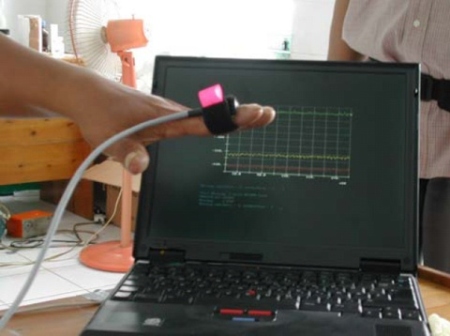
Tremor meter test.
Local Recommendations
Mercury losses in Talawaan are the highest among the six countries
studied. The high exposure to mercury is reflected in elevated
mercury levels in blood, urine and hair, and has led to
neuropsychological problems in the community. Children should not
be living in mining areas and sanitary conditions urgently need
improvement. The practice of amalgamation of whole,
unconcentrated ore with mercury must cease. Cyanidation of
mercury-contaminated ore is creating dangerous cyanidemercury
complexes that are then lost to the wider environment, resulting in
high mercury levels in local and marine fish. Zoning of the region into
mining, commercial, and housing areas is recommended. Awareness-
raising campaigns about the dangers of mercury exposure are needed,
directed both at miners and women of childbearing age. Local health
Pouring mercury into a trommel mill.
facilities need assistance in developing resources to diagnose and
treat mercury intoxication.
11 Environmental & Health Assessment Report

LAO PDR
Environmental Assessment Report
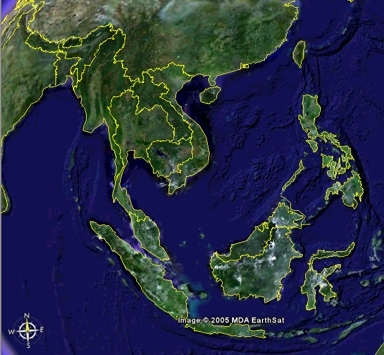
Chomphet and Pak Ou Districts are located near the World Heritage city of Luang
Prabang, about 300 km north of Vientiane, the capital of Lao PDR. The two districts are
within the province of Luang Prabang (population 400,000), at the confluence of the
Mekong and Ou rivers. About 500 part-time small-scale gold miners live in the eight
villages composing the study. Rice farming is the primary occupation in the region and
mining only takes place during the dry season between January and June, when access
to deposits in the river is possible. Small-scale gold mining began in the 1970s and
became common during the 1980s. The area is poor with limited infrastructure.
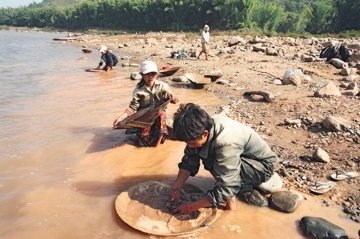
Mining occurs on the Mekong and Ou rivers during the dry season when river levels have
Luang Prabang
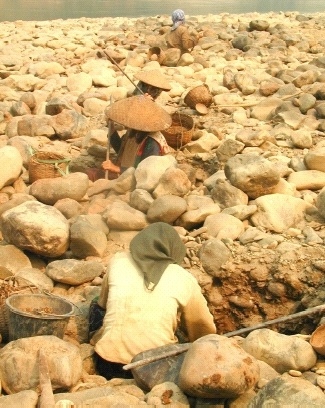
diminished enough to allow the miners, mostly women and older children, to access
heavier sediments in the rivers. Both men and women are involved with the excavation
Study Area
Chomphet, Pak Ou
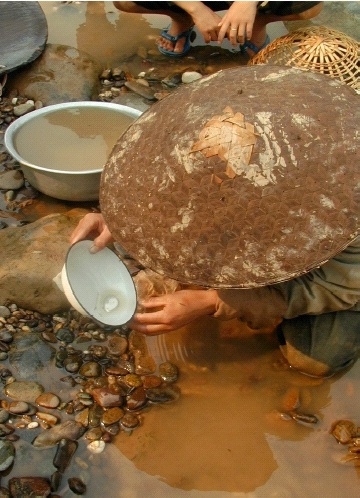
of alluvial material, mainly using bowls, buckets and chisels. On the Nam Ou, gold
Population
3,219
flakes are coarse and can be separated from other heavy sand particles by drying the
Illiteracy
7-32%
concentrate and then blowing the non-gold particles away by mouth. Occasionally,
Income
456 $US/a
accumulated fine sand may be amalgamated with a small amount of mercury to
capture any fine gold particles. On the Mekong River, gold particles are quite fine and
Hg
:Au
0.3-0.5
Lost
Prod
mercury is used to amalgamate the heavy sands recovered.
Hg Lost
2-2.5 kg/a
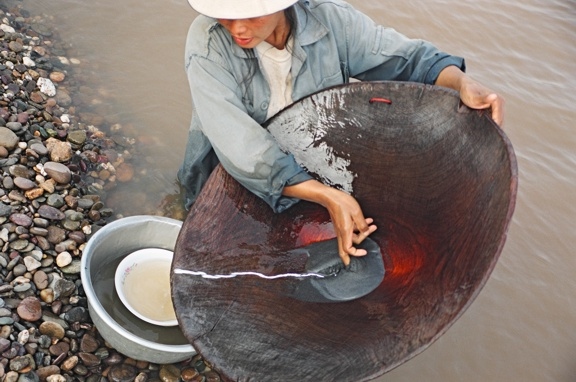
Women and children, using large wooden pans, undertake most of the mining, although
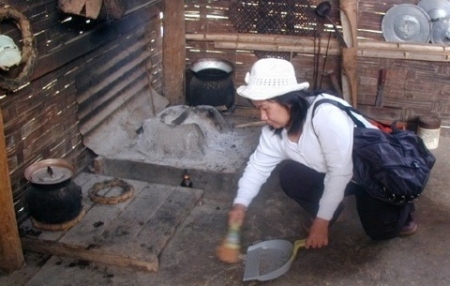
on the Nam Ou, men also participate. Generally women roast the amalgam, either
along the riverbank over an open fire, or more often, in their kitchens. Overall gold
production is relatively low and is estimated at only 3 kg/year in total from this area.
The amount of mercury used is also relatively low, at approximately 2-2.5 kg/year, or
less than 50 g per household per mining season.
The GMP team collected and analyzed 298 samples, taken from topsoil, sediments and
household dust. Air monitoring was also carried out in nine locations. Background
mercury levels in soils ranged from 0.1 to 0.2 ppm Hg. In the control village the median
mercury concentration was slightly less, at 0.053 ppm Hg. The maximum soil level was
Collecting kitchen dust for analysis.
1.763 ppm Hg. Sediment mercury levels were low, with a mean of 0.040 ± 0.027 ppm Hg
in the Mekong and 0.075 ± 0.049 ppm Hg in the Ou River. Dust samples taken from within
houses were much higher, reaching up to 335 ppm in one kitchen. Kitchen medians
ranged from 0.150 to 3.423 ppm Hg in mining villages, versus 0.077 ppm Hg in the
control village. Normal mercury levels in the air were less than 0.015 µg/m³, but
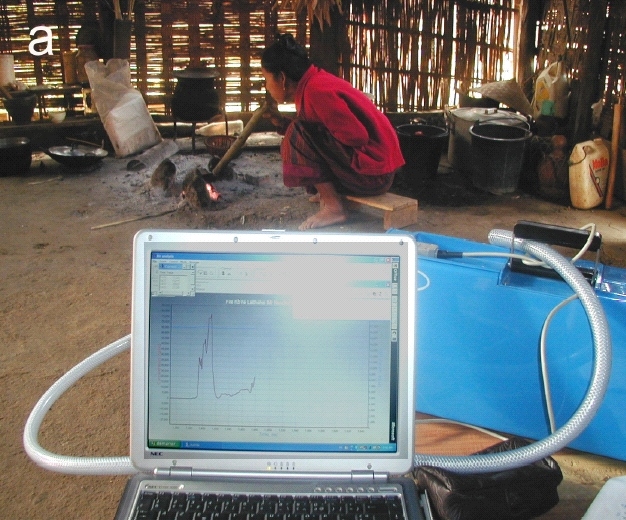
reached up to 100 µg/m³ during amalgam roasting in kitchens.
Total mercury concentrations were measured in 65 fish samples, including 55 fish from
the Mekong, representing 17 species, and 10 fish from the Ou River, representing 8
species. Mercury levels in carnivorous fish from the Mekong averaged 0.172 ± 0.126
ppm Hg wet weight and 0.052 ± 0.032 ppm Hg in herbivorous fish. Mercury levels in all
fish sampled form the Ou River averaged 0.066 ± 0.048 ppm Hg. The highest
concentration measured was 0.490 ppm Hg, in a carnivorous fish from the Mekong.
These are fairly low concentrations. Bioaccumulation of mercury by fish was not shown
to be of concern in the Lao PDR assessment.
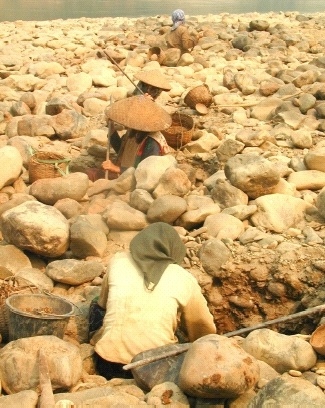
Excavating alluvial ore from the riverbed
Local Recommendations
Overall, mercury levels are moderate to low and whole ore
amalgamation is not used. There is no evidence of bioaccumulation of
mercury by local fish. Higher levels of mercury in household dust,
especially in kitchens, indicate that burning amalgam in homes should
be stopped. Elevated levels of mercury in the air during roasting confirm
this need. Children and pregnant women should be kept away from
amalgam burning and simple retorts should be introduced. Small hand
fed sluice box operations will be introduced to increase throughput,
gold recovery and income. Mercury contamination is currently low in
Chomphet and Pak Ou districts and a basic health and an education
Monitoring air during amalgam burning
program that focuses on general health and safe amalgam burning can
ensure that it remains so.
12 Environmental & Health Assessment Report

LAO PDR
Health Assessment Report
Health conditions in Chomphet and Pak Ou are poor, with access to medical facilities
limited. Malaria, acute respiratory illness, diarrhea and abdominal pain are common
among the population. Income levels are the lowest of all the sites evaluated in the
GMP. Although income is low, diet is generally more varied and rich than many of the
other sites.
Awareness of the potential impact of exposure to mercury is low.
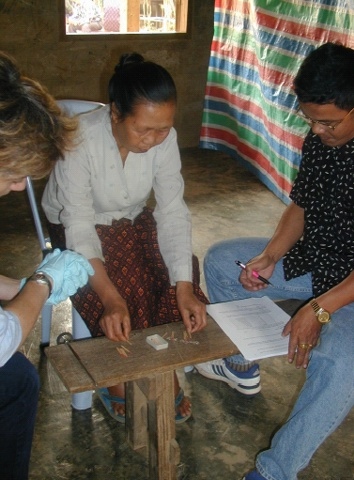
The health status of 263 volunteers in Pak Ou and Chomptet districts and 56 from a
control area of Houay Yen Gnai was assessed using the GMP's environmental and health
assessment protocols. The GMP collected 190 blood samples, 186 urine samples, and
315 hair samples. Five breast milk samples were also evaluated. Medical
questionnaires were given to 191 participants. Participants were examined to assess
their general health condition as well as the possibility of mercury poisoning. Amnestic
/ clinical / neurological / toxicological tests were used to identify neurological
disturbances, behavioural disorders, motor neurological functions, cognitive
capabilities, balance, gait, reflexes etc.
Exposure is through vapour inhalation, mercury contaminated dust, and skin contact.
Vapour inhalation, primarily through the burning of amalgam by women in their own
Testing motor neurological
functions
kitchens, constitutes the main source of exposure. The risk is increased because the
among villagers
exposed population is mostly composed of women and their young children. The high
mercury levels in household dust described in the environmental assessment may be a
significant secondary source of exposure.
Neurological abnormalities were frequently observed in the cohort, including 56% of
men and 41% of women. However, only 16% of the men, versus 71% of the women,
actively work with mercury. In the unexposed control group about 38% of the
population also showed neurological abnormalities. These abnormalities are not linked
to mercury. More frequent neurological abnormalities included movement disorders,
abnormal reflexes and frontal signs. Other factors such as war, poverty, poor general
health conditions, genetic factors or other environmental factors may be at the root of
these abnormalities.
Less than a quarter of the occupationally burdened population showed any elevated
levels of mercury in blood, hair or urine and none high enough levels to warrant
concern. All of the breast milk samples analyzed had mercury levels below the
detection limit. Females were more affected than males, reflecting the reality that
most amalgamation burning is carried out by women. The relatively low levels of
mercury recorded for urine compared to blood or hair suggests that limited passive
exposure to mercury from food is likely. Mercury levels in local fish shown in the
environmental assessment were low, but fish represent a large part of the local diet.
Blood Hg
Urine Hg
Hair Hg
Test Program Results
(ppb)
(ppm creatinine)
(ppm)
Collecting amalgam from a pan
Control
1 .0 (3.0)
<LD (5.1)
0.3 (11.0)
concentrate
Non-occupational burdened
2.2 (8.8)
<LD (3.9)
0.6 (18.0)
Prospectors / Amalgam Burners
2.8 (12.2)
<LD (10.3)
0.9 (16.8)
Median values (Maximum values), <LD = below detection limit
Local Recommendations
Mercury exposure in Chomphet and Pak Ou is moderate to low. An
educational/awareness campaign dedicated to encouraging women
to start roasting the amalgam outdoors, instead of in their homes, is
needed. Such a campaign should encourage the use of retorts to
recover mercury, and should perhaps include a shared retort for
villagers, as roasting is generally not a daily task. The high rate of
neurological abnormalities was not linked to mercury but should be
investigated further.
A family panning by the river.
13 Environmental & Health Assessment Report

SUDAN
Environmental Assessment Report
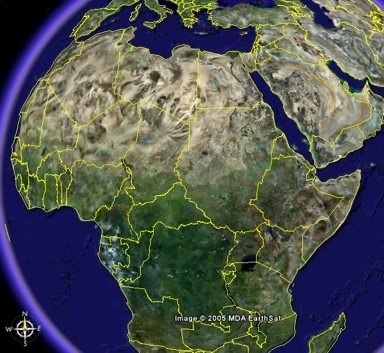
Gold was discovered in the central part of Ingessana Hills in 1997. Migrants have
flocked to the region, especially those displaced by civil war in the southern parts of
the region. The population is now multi-ethnic, including the Dawalla people from the
Kurmuk region and the indigenous Ingessana people. The GMP assessment focused on
Gugub and Khor Gidad villages, located 80 km southwest of El Damazin, the capital of
the Blue Nile state. Although the region's rivers often run dry, the area is in the drainage
basin of the Blue Nile, a major tributary of the Nile.
The Ingessana Hills District, with a population of 100,000, is characterized by an
extreme shortage of water during the dry season, poor accessibility and lack of
Ingessana Hills
infrastructure. The communities are semi-nomadic and impoverished, relying on
limited farming, animal husbandry and artisanal mining for their livelihoods. There are
Study Area
Gugub, Khor Gidad
approximately 1,100 small-scale gold miners near Gugub and adjacent villages,
Population
1,100
processing alluvial and primary quartz vein type ores. The miners' illiteracy rate
Illiteracy
90%
approaches 95%.
Income
960 $US/a
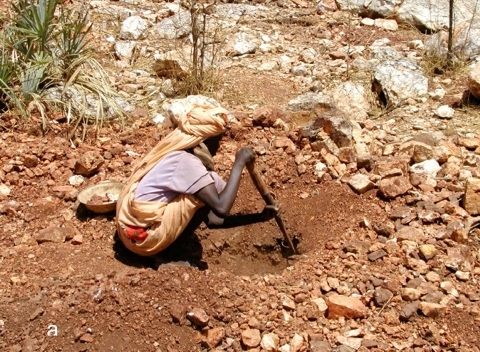
During the dry season, primary gold associated with quartz veins is extracted with
Hg
:Au
1.5
Lost
Prod
simple tools and hand sorted. Then the ore is manually crushed, milled and panned in
Hg Lost
45-135 kg/a
pools. The pan concentrate is either sold to gold merchants or amalgamated at home.
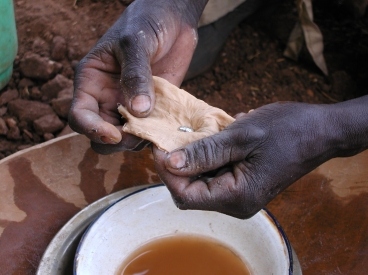
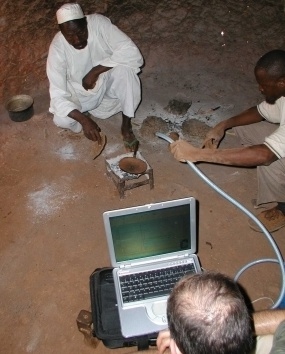
During amalgamation, mercury is hand-mixed into the pan concentrate with water. The
resultant amalgam is squeezed through cloth and any excess mercury is reused. The
remaining amalgam is roasted openly on pans over wood fires, both inside and outside
village huts. Roasting time is short and at low temperatures, leading to residual
mercury in the gold doré. Tailing is discarded around village huts. During the rainy
season, miners focus on placer gold deposits and do not use mercury.
The GMP team collected and analyzed 170 samples taken from topsoil, tailing waste
piles, river sediment, and dust. Air monitoring during amalgam roasting was also
undertaken. Background soil mercury levels are low, around 0.1 ppm Hg, as are stream
sediment levels. Mercury levels in village soils are up to 10 times higher (0.6 to 1.2 ppm
Squeezing off excess mercury.
Hg), although still low. Amalgamation areas showed a mean of 46 ppm Hg, with a
maximum of 1,000 ppm Hg. Dust sampled in huts had a mean of 47 ppm Hg and a
maximum of 840 ppm Hg. Amalgamation tailing levels ranged from 62 to 73 ppm Hg and
tailing is stored by gardens or roads. Air monitoring showed mercury levels averaging
around 25 µg/m³ Hg, or close to the WHO exposure limit for professional workers over
an 8-hour period. However, peaks can reach up to 100 µg/m³ and roasting can occur
inside huts frequented by children.
Total mercury concentrations were measured in 108 fish samples, from 15 different
species, collected mainly from the Roseires Reservoir about 50 km from Gugub. A few
fish were collected from a small water hole in a nearby dry river. The assessment was
undertaken during the dry season as the region is largely inaccessible during the rainy
season. No correlation between mercury and fish size was found. Mercury levels were
very low, with a mean of 0.05 ± 0.01 ppm Hg (wet weight). Carnivorous fish averaged
0.10 ± 0.02 ppm Hg. No fish showed mercury levels above the WHO safety limit of 0.5
ppm Hg. Bioaccumulation of mercury in fish is not a significant concern in Ingessana
Hills.
Air monitoring during amalgam burning.
Local Recommendations
Overall, mercury levels are moderate to low and whole ore
amalgamation is not practiced. Any change from the current practice of
only amalgamating concentrates and placer mining without mercury
should be strenuously discouraged. Amalgamation areas should be
moved away from living areas, and children and pregnant women should
be kept away. Retorts must be introduced and roasting should take place
at higher temperatures to ensure lower mercury levels in the doré.
Mercury use in the Ingessana Hills is a recent activity and technical
A woman miner excavating gold ore.
assistance in tandem with health and education programs can ensure
that mercury contamination remains limited.
14 Environmental & Health Assessment Report

SUDAN
Health Assessment Report
Health conditions in the Ingessana Hills are poor. The most common health issues
reported in the area are malaria, chest pain, dyspnea, eye problems, fatigue,
irritability and depression (especially among women). Daily injuries are common. The
nearest clinic is at Bau, approximately 10 km away; serious cases are sent to El Damazin
hospital, around 80 km away. The average family eats 2 meals a day, with sorghum and
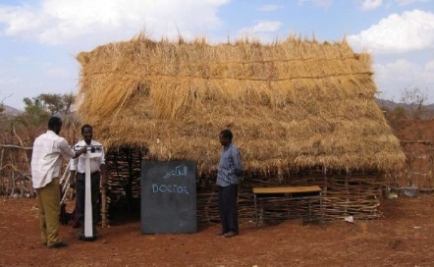
Medical Office
maize porridge or pancakes being the main staple. The nearest fresh food source is 20
km away. Water sources are springs and bore holes located 2 km from project sites and
the water is salty and contaminated by bacteria. Awareness of the environmental and
health hazards of using mercury in gold processing is very low.
The health status of 111 men, 72 women, 54 children, including 30 people from a
control area in Taga, was assessed using the GMP's environmental and health
assessment protocols. The GMP team collected 165 blood samples, 180 urine samples
and 231 hair samples. Medical questionnaires were given to 183 volunteers. Of these,
95 men and 63 women were artisanal gold miners, with most of the men also declaring
farming as a part-time occupation. The gold miners are migrant, and came to the
Ingessana Hills seven years ago from a region where gold mining was not practiced.
Participants were examined to identify neurological disturbances, as well as other
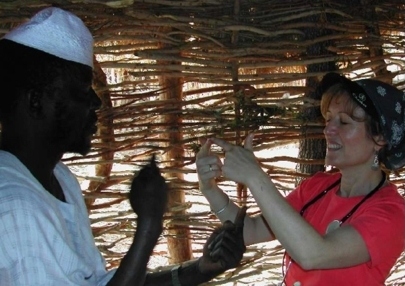
Medical exam:
mercury poisoning indicators. The historical / clinical / neurological / toxicological
Finger to nose test
tests were then used to examine general health of the participants and discover
symptoms of mercury poisoning.
Miners are directly exposed to mercury through vapour inhalation, particle ingestion,
and skin contact. Vapour inhalation, through the burning of amalgam in frying pans in
miners' homes or on shop verandahs, constitutes the main source of exposure. The
study showed that the population's exposure did not lead to high mercury levels in
blood, hair, or urine, primarily due to the small amounts of mercury used in comparison
with the other sites.
The clinical examinations consisted of classical tests related to walking, standing,
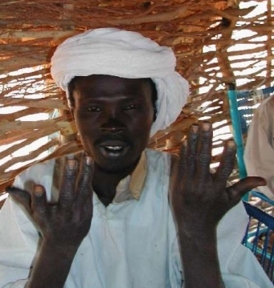
sitting, laying, reflexes, memory, and drawing abilities. The only symptoms of chronic
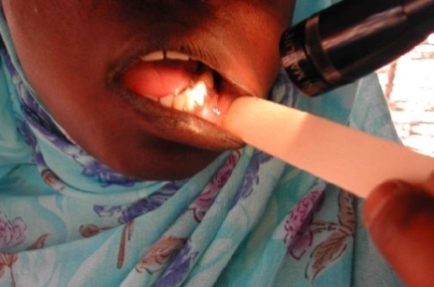
mercury intoxication observed were standing tremors and eyelids, lips, and fingers
Examining volunteer's gums.
(ELF) tremors: 40% of participants had slight ELF tremors and 4% had moderate ELF
tremors. However, it was not possible to demonstrate that there was any relationship
between these signs and mercury use or mercury levels in blood, urine or hair samples.
The tremors were more likely due to stress or the context of the examination.
The neuropsychological and bio-monitoring results did not lead to any diagnosis of
mercury intoxication. Participants generally did not have a metallic taste in their
mouth or have salivation problems. The study concluded that exposure to mercury is
low.
Blood Hg
Urine Hg
Hair Hg
Test Program Results
(ppb)
(ppm creatinine)
(ppm)
Children
<LD (0.4)
Men
<LD (3.6)
<LD (8.5)
<LD (0.4)
Women
<LD (2.8)
<LD (5.2)
<LD (0.4)
Median values (Maximum values), <LD = below detection limit
Medical exam:
Dysdiadochokinesis
Local Recommendations
Mercury exposure in the Ingessana Hills is currently low, but the spread of
amalgamation technology could easily lead to a more serious health
impact. The population must be informed about the effects of mercury
use on human health and the environment, and must be educated on how
to prevent these effects from arising over time. Miners must be equipped
with simple tools that limit future exposure to mercury in order to
preserve their health and that of their environment. The low mercury
exposure and relatively recent releases of mercury into the environment
make the region a useful baseline for assessing the health and
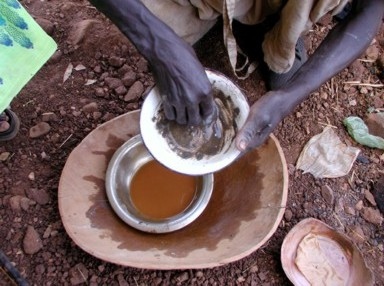
Amalgamating by hand.
environmental effects of mercury use by artisanal gold miners.
15 Environmental & Health Assessment Report

TANZANIA
Environmental Assessment Report
Rwamagasa, with a population of 27,000, is located in the Geita District, south of Lake
Victoria. Geita District has a population of around 712,000, including an estimated
150,000 artisanal and small-scale miners, mostly impoverished illegal panners. Geita is
located in the Lake Victoria Goldfields region, which produces more than 95% of all
Tanzania's gold and has the highest intensity of small-scale mining in the country.
Rwamagasa is only 37 km south of Lake Victoria, but the area drains into Lake
Tangayika. Intensive small-scale gold mining began there in the 1980s, although mining
activities date back over the past hundred years. Most of the population is involved in
mining, either as miners, part-time miners, or buyers. Young men tend to work in larger
operations, while older people, women and children work in smaller sites.
Geita District
There are two main small-scale milling areas in Rwamagasa: the licensed small-scale
Blue Reef Mine and the independent miners milling and sluicing by the River Isingile. At
Blue Reef Mines, 150 people work mining and milling primary ore from underground
Study Area
Rwamagasa
shafts. The independent millers, employing approximately 300 people at 10 sites,
Population
27,000
process tailing material or weathered ore from pits or shafts. Ore is transported in bags
Illiteracy
10%
to the milling centres, manually crushed, and sun dried. The ore is dry milled in small
ball mills, without mercury, then slurried and passed over sluices. The sluice
Income
532 $US/a
concentrates are amalgamated in metal trays, with bare hands, and the amalgamation
Hg
:Au
1.0-1.5
Lost
Prod
tailing is stored in concrete or wood-lined tanks and is frequently reprocessed.
Hg Lost
27 kg/a
Amalgam is burned in a small charcoal fire with no retort. Housing, food stalls and
schools are all located close to amalgamation sites and contaminated tailing material
is stored near wells and agricultural land. The mines release an estimated 27 kg of
mercury per annum.
The GMP team collected and analyzed 271 samples taken from soils, drainage
sediments, tailing material and water. Drainage sediments showed mercury levels
ranging from 0.04 to 3.02 ppm Hg, while the level in background sediment was around
0.08 ppm Hg. Tailing material had a mean of 3-5 ppm Hg and ranged from 0.2 to 56.5
ppm Hg. Amalgamation tailing had a mean of 86 ppm Hg and ranged from 28.5 to 193
ppm Hg. About 8 percent of soil sampled exceeded 1 ppm Hg. The team took 21
vegetable samples, but the results did not indicate that vegetables were a significant
source of mercury.
A small-scale miner preparing to
Total mercury concentrations were measured in 285 fish samples from 4 main species,
squeeze excess mercury.
collected from ponds around mining sites, nearby rivers, and further downstream the
watershed. Fish sampled from ponds nearest mining activities were the worst
affected, with a mean concentration 0.80 ppm Hg wet weight, reaching up to 2.65 ppm
Hg. Mercury in fish collected in nearby rivers had lower, although still elevated,
mercury levels with a mean of 0.13 ppm Hg. Fish sampled further downstream and in
Lake Tanganyika had low mercury concentrations with a mean of 0.08 ppm Hg,
suggesting that the mining activities in Rwamagasa do not have a significant impact on
the international waters of Lake Tanganyika. Extensive swamps and flooded grasslands
located 120 to 350 km downstream of Rwamagasa act as an environmental sink, likely
preventing migration of mercury downstream. These places, however, can be
transformed into environmental hotspots where mercury transported by sediments
from mining areas can be methylated. Fish originating from Lake Victoria and sampled
from the Rwamagasa market showed very low levels at 0.01 ppm Hg.
Sluicing contaminated tailing material
north of Rwamagasa.
Local Recommendations
Small-scale mining in Rwamagasa releases significantly less mercury
than similarly intensive small-scale mining operations in Brazil,
Indonesia, Zimbabwe, or many other locations around the world, as was
clearly demonstrated in the soil, sediment, tailing, and fish-sampling
program. This is primarily due to current milling practices of
amalgamating only sluice concentrates. Wet grinding would be much
more energy efficient, but care must be taken not to push to introduce
technologies which could lead to whole ore amalgamation. Simple,
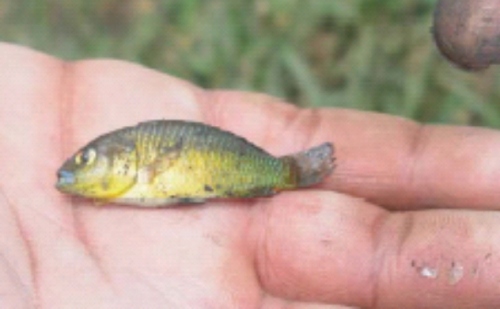
Haplochromis spp, a local fish found in an
workable retorts need to be encouraged. Efforts should be made to
amalgamation pond.
improve access to alternative technologies and best practices
education, in conjunction with basic health services.
16 Environmental & Health Assessment Report

TANZANIA
Health Assessment Report
Health conditions in Rwamagasa are very poor, with low basic hygiene standards and
high rates of infectious diseases such as diarrhea, typhoid and parasitism. The
dominant causes of morbidity and mortality are road accidents, accidents in insecure
mining tunnels and amalgamation plants, malaria, TB, and STDs including AIDS. No
special health service exists for the mining community; the nearest dispensary is about
10 km away, and all non-minor illnesses must be transferred to Geita hospital. There is
no effective disposal system for sanitary or other domestic waste.
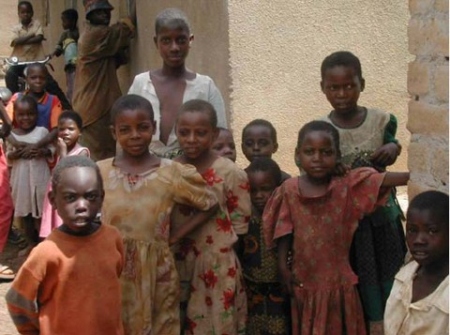
Village children in Rwamagasa
The health status of 211 volunteers in Rwamagasa and 41 from a control area in Katoro
was assessed using the GMP's environmental and health assessment protocols. The GMP
team collected 252 blood samples, 249 urine samples and 212 hair samples. Medical
questionnaires were given to 252 participants. Participants were examined to assess
their general health condition as well as the possibility of mercury poisoning. Amnestic
/ clinical / neurological / toxicological tests were used to identify neurological
disturbances, behavioural disorders, motor neurological functions, cognitive
capabilities, balance, gait, reflexes etc.
Miners and millers are directly exposed to mercury both during amalgamation and
Health post, in the control village o f
burning without retorts. Housing, food areas and schools are all near to amalgamation
K a t o r o .
and burning places. Tailing containing mercury is found within the village, adjacent to
cultivated land, and near local water wells. Child labour is very common from age 10 on
and children work and play with mercury using their bare hands. Nursed babies of
mothers who work as amalgam burners show a high mercury burden, due to placental
transfer of mercury during pregnancy and then high mercury concentration in breast
milk.
Typical symptoms of mercury intoxication were prevalent in the exposed group. In
addition to sleep disturbance, excessive salivation and metallic taste, Rwamagasa
workers also demonstrated fine tremor of eyelids, lips and fingers, ataxia,
dysdiadochokinesis and altered tendon reflexes. Participants who had worked in the
area for five to ten years demonstrated more severe symptoms. The control group in
Katoro was healthy and did not show any special problems.
Mercury levels in Rwamagasa villagers' blood, hair, and urine were statistically
significant and higher than those in the control group; however, only amalgam burners
showed extremely high levels. The GMP team's results indicated that 25 out of 99
amalgam burners were suffering from chronic mercury intoxication, as were 3 out of 15
former amalgam burners. No other inhabitants of Rwamagasa or the control area were
diagnosed with mercury intoxication when the symptoms of neuropsychological tests
were combined with mercury in biomaterials.
Blood Hg Urine Hg Hair Hg
Test Program Results
(ppb)
(ppm creatinine)
(ppm)
Control Group
1.0 (2.3)
0.2 (0.9)
0.4 (0.7)
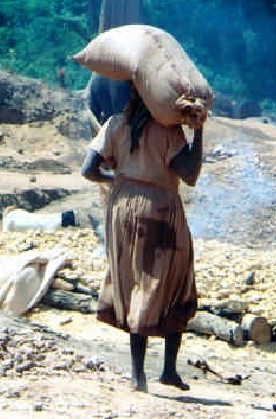
Transporting gold ore in Rwamagasa.
Non-occupational burdened
1.5 (5.8)
0.5 (11.6)
0.5 (15.8)
Prospectors / Amalgam Burners
2.6 (33)
3.6 (37)
0.8 (49)
Median values (Maximum values)
Local Recommendations
Proper health services and better education about health issues are
urgently required. Child labour involving mercury must be stopped
immediately and women of child-bearing age need education about
the dangers of mercury exposure to the fetus and nursing baby. Health
facilities and health workers need to be equipped and trained to deal
with mercury exposure and intoxication. Support for the introduction
of cleaner, safer gold extraction technologies is required.
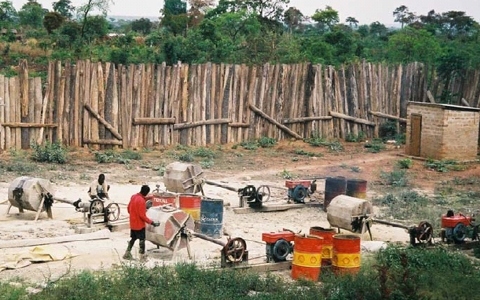
Ball mill compound, Blue Reef Mine,
Rwamagasa.
17 Environmental & Health Assessment Report

ZIMBABWE
Environmental Assessment Report
The Kadoma - Chakari Region, one of Zimbabwe's largest gold belts, has the nation's
highest density of small-scale gold miners, millers and panners. The area is located
about 150 km southwest of Harare along the main Harare-Bulawayo highway in the
Zambezi Basin. The Zambezi Basin and its water resources are shared by eight of the
fourteen Southern African Development Community (SADC) states. The long-term
environmental wellbeing of the Zambezi River, its tributaries, and associated dams and
lakes depends on the type and scale of economic activities that take place within the
basin.
Kadoma Chakari is characterized by a lack of proper health services, poor access to
safe drinking water, and extreme poverty. Approximately one half of the region's total
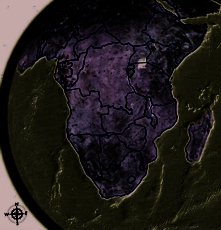
Kadoma - Chakari
population of 235,000 is involved in mining or milling; many of these are migrant
workers. Police, mining and health authorities have little to no control over ASM areas.
Study Area
Kadoma-Chakari
Poverty is the main reason for the region's disastrous health and environmental
Population
235,000
problems.
Illiteracy
17%
Miners crush gold ore primarily with wet stamp mills, creating slurry, which passes over
Income
588 $US/a
copper plates covered with mercury. The plates are periodically scoured clean to
Hg
:Au
1-3
Lost
Prod
collect the amalgam, which is then squeezed though a cloth to remove excess mercury.
Hg Lost
1-18 t/a
The remaining amalgam is generally roasted openly on wood fires. The mercury-
contaminated tailing is usually then treated with cyanide for additional gold recovery,
leading to the creation of dangerous mercurycyanide complexes. Some miners use jaw-
crushers and ball mills instead of stamp mills and some replace the copper plates with
centrifugal bowl concentrates, adding mercury to the bowl. Gold panners working
along the rivers also use mercury.
The GMP team collected and analyzed 163 samples taken from soil, stream sediments,
water, dust, and tailing material. High mercury levels were consistently measured in
soils and sediments near processing areas, particularly near copper plate
amalgamation sites. Soil contamination ranged from 7.3 ppm to 43.5 ppm Hg. Dust
samples collected near copper-plate centres showed levels ranging from 28.8 - 105
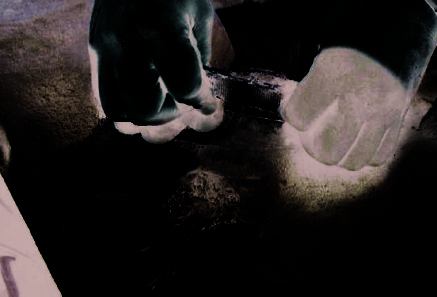
Scraping amalgam off a copper plate.
ppm Hg. Mercury levels in soils were lower by bowl-concentrators, although still
significant. One village used tailing material for local road construction, resulting in
elevated mercury concentrations throughout the village (up to 20 ppm). Background
mercury levels ranged from 0.02 to 0.12 ppm Hg. Muzvezve River sediment levels only
ranged from 0.01 to 0.26 ppm Hg despite river panning. This sampling program
confirms the information gathered through interviews and observation and documents
the release of extremely large amounts of mercury.
Total mercury concentrations were measured in 52 fish samples representing six
species, collected in the Muzvezve River near milling centres and panning areas. The
mean mercury concentration was 0.41 ppm Hg, ranging from 0.03 ppm to 2.61 ppm Hg
(wet weight). Carnivorous fish ranged from 1.05 ppm Hg, with a standard deviation of
0.44 ppm Hg, and omnivorous species ranged from 0.12 ± 0.09 ppm Hg, except for one
species that ranged from 0.88 ± 0.25 ppm Hg. Fish collected were generally small and
no correlation of mercury versus length was found. Some fish had concentrations two
to four times the WHO safety limit of 0.5 ppm.
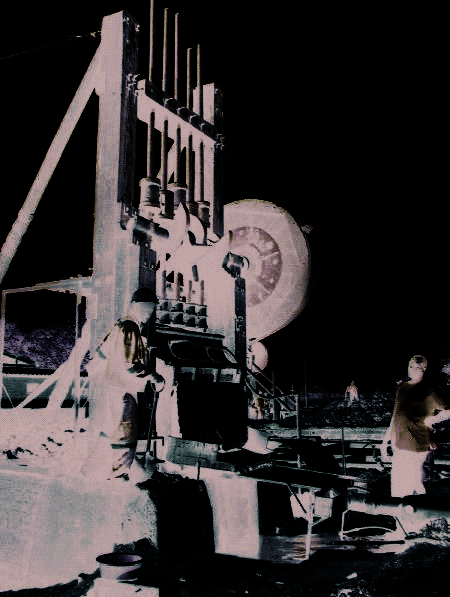
A typical stamp mill and copper plate
amalgamation centre.
Local Recommendations
Small-scale gold mining is of vital importance to the Kadoma-Chakari area
and has reached semi-industrial levels. Gold mining activities emit large
amounts of mercury into the soil, air, and water, leading to elevated
mercury levels in the local environment. Mercury levels measured in some
local fish could lead to mercury bioaccumulation in local communities,
but mercury vapour is the most likely path to illness. Urgent action is
required to significantly reduce exposure of workers, their families and
the local environment to mercury. The practice of cyanide leaching the
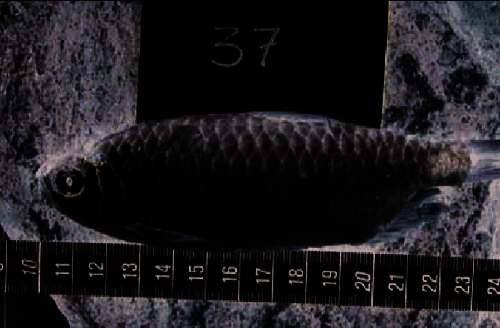
Brycinus imberi, a local fish with an average
amalgamation tailing must be stopped. Access should be provided to
total mercury approximately twice the WHO
alternative technologies and best practices education, in conjunction
recommended maximum.
with basic health services.
18 Environmental & Health Assessment Report



ZIMBABWE
Health Assessment Report
Health conditions in the Kadoma area are extremely precarious, as is reflected by a
very low life expectancy at birth of 38.0 years for women and 37.7 years for men. The
dominant causes of morbidity and mortality are road accidents, accidents in insecure
mining tunnels and amalgamation plants, malaria, TB, and STDs including AIDS. Low
hygienic standards and poor nutrition lead to diarrhea, malaria, and parasitism. There
is no effective disposal system for mercury, sanitary or other domestic waste. No
proper health service exists for the mining community. Mercury is a serious health
hazard in the Kadoma area, but the daily fight for survival in the face of poverty
requires miners to put their own health and that of their families at risk.
The health status of 218 volunteers in Kadoma and 55 from a control area in Chikwaka
Mobile field clinic,
was assessed using the GMP's environmental and health assessment protocols. The GMP
Amber Rose mill, Kadoma
team collected 269 blood samples, 273 urine samples, and 233 hair samples. Medical
questionnaires were given to 217 participants. Historical / clinical / neurological /
toxicological tests were then used to examine general health of the participants and
discover symptoms of mercury poisoning.
Miners and millers are frequently directly exposed to mercury contamination,
primarily through vapour inhalation, particle ingestion, and skin contact at
amalgamation and roasting sites. These activities are often performed in villages and
along riverbanks. The study showed that the entire population living in the mining
areas is severely exposed, with exposure of amalgam burners and children working
with mercury being the most extreme. Breast milk in some cases was contaminated
with mercury. The control group was within a normal range.
Typical symptoms of mercury intoxication were prevalent in the exposed group and
confirm considerable exposure to mercury. Symptoms included signs of a damaged
central and peripheral nervous system such as ataxia, dysdiadochokinesia,
pathological reflexes, coordination problems and concentration problems. No
symptoms were observed in the control group.
Medical score sum plus bio-monitoring results made possible a diagnosis of chronic
mercury intoxication in 70% of amalgam burners, 63% otherwise occupational-
burdened workers and 23% of former occupational-burdened workers. Five percent of
non-occupational burdened population also showed chronic mercury intoxication.
Neurological exam:
Sixty-nine percent of children working with mercury and 33% of children living in the
Finger-finger-nose test.
area but not working with mercury were diagnosed with chronic intoxication. No one in
the control area was intoxicated.
Test Program Results
Blood Hg Urine Hg Hair Hg
(ppb)
(ppm creatinine)
(ppm)
Control Group
0.4 (1.9)
< 0.2 (3.6)
< 0.02 (3.3)
Non-occupational burdened
2.3 (10.3)
6.2 (96)
1.6 (15.4)
Prospectors / Amalgam Burners
13.2 (98)
36 (547)
4.5 (112)
Median values (Maximum values)
Children miners from Kadoma.
Local Recommendations
Poverty is at the root of Kadoma's health and environmental problems.
Sanitation needs improvement and amalgamation sites need to be
separated from residential areas. A system should be built up to diagnose
and treat mercury-related health problems, including funding for
facilities, preventative campaigns, and training. A mobile health unit
could reach small-scale miners most effectively. Children must cease
working with mercury and women of childbearing age need to be educated
about the risks of mercury both to the fetus and to nursing babies. Miners
and millers need all possible support to introduce cleaner and safer gold
mining and extraction technologies to reduce both mercury intoxication
and the release of mercury.
Mobile Mercury Analysis Laboratory.
19 Environmental & Health Assessment Report

CONCLUSION
The GMP environment and health assessment teams studies demonstrate the devastating health and environmental
impacts of poor mercury practices on both miners and their surrounding communities. GMP environment and health
assessment teams examined a diverse group of communities and mining areas, ranging from areas where small-scale
mining had only recently begun (Ingessana Hills, Sudan), to where it was booming (Kadoma, Zimbabwe), to where it was
in decline (Creporizinho and São Chico, Brazil). Mining methods varied from traditional (Chomphet and Pak Ou, Lao
PDR) to almost industrial (North Sulawesi, Indonesia). The amount of mercury lost ranged from tiny, such as the Lao
PDR, where 2-2.5 kg/annum was released, to massive, such as North Sulawesi, where 15-23 tonnes/annum was
released. Whole ore amalgamation was practiced in Brazil, Indonesia (North Sulawesi), and Zimbabwe.
Similarly, the health impacts observed varied from minimal in Sudan and the Lao PDR to severe in Brazil, Indonesia and
Zimbabwe. Zimbabwe measured the highest urine mercury levels among the miners, with a median of 35.7 ppm Hg,
corrected for creatinine. High levels were also indicated in Brazil and both sites in Indonesia, and elevated levels were
shown in Tanzania. Similarly, high mercury hair levels were recorded in Brazil, Indonesia and Zimbabwe. Elevated
mercury levels in urine are linked with mercury vapour inhalation; these results clearly demonstrate the impact of
miners not using retorts. Urine levels are much lower among non-occupationally burdened villagers, although higher
than the control groups.
M ille r s a n d A m a lg a m B u r n e r s
B l
o
o d H g
U r in e H g
H a ir H g
N o n - o c c u p a t io n a lly b u r d e n e d
B l
o
o d H g
U r in e H g
H a ir H g
m e d ia n (m a x )
(p p b )
(p p m c re a tin in e )
(p p m )
m e d ia n (m a x )
(p p b )
(p p m c r e a t in in e )
(p p m )
B ra z il - S ã o C h ic o *
2 7 .7 (1 4 1 )
9 .3 (7 8 .5 )
3 .9 2
B r a z il - S ã o C h ic o *
1 6 . 5 ( 6 3 )
5 . 1 ( 5 5 )
3 . 2 ( 1 5 . 0 )
B ra z il - C re p o riz in h o *
2 5 .2 (1 2 8 .7 )
6 .0 (6 1 .6 )
N / A
B r a z il - C r e p o r iz in h o *
2 1 . 0 ( 1 7 1 . 7 )
1 . 9 ( 1 2 . 0 7 )
1 . 8 ( 1 0 . 5 )
In d o n e sia - K a lim a n t a n
1 0 .2 (4 2 9 )
8 .7 (1 ,6 9 7 )
3 .9 (7 9 3 )
In d o n e s ia - K a lim a n t a n
8 . 5 ( 1 7 2 )
2 . 7 ( 3 5 5 )
2 . 6 ( 7 . 8 )
In d o n e sia - S u la w e si
1 2 .3 ( 1 8 6 )
8 .6 (2 3 3 )
4 .4 (2 3 9 )
In d o n e s ia - S u la w e s i
6 . 0 ( 1 2 . 6 )
2 . 0 ( 9 . 8 )
1 . 7 ( 1 0 . 3 )
L a o P D R
2 .8 (1 2 .2 )
< L D (1 0 .3 )
0 .9 (1 6 .8 )
L a o P D R
2 . 2 ( 8 . 8 )
< L D ( 3 . 9 )
0 . 6 ( 1 8 )
S u d a n **
< L D (3 .6 )
< L D (8 .5 )
< L D (0 .4 )
S u d a n * *
< L D ( 2 . 8 )
< L D ( 5 . 2 )
< L D ( 0 . 4 )
T a n z a n ia
2 .6 (3 3 .3 )
3 .6 (3 6 .8 )
0 .8 (4 8 .7 )
T a n z a n ia
1 . 5 ( 5 . 8 )
0 . 5 ( 1 1 . 6 )
0 . 5 ( 1 5 . 8 )
Z im b a b w e
1 3 .2 (9 7 .6 )
3 5 .7 (5 4 7 .4 )
4 .5 (1 1 2 .2 )
Z im b a b w e
2 . 3 ( 1 0 . 3 )
6 . 2 ( 9 6 . 1 )
1 . 6 ( 1 5 . 4 )
* M e a n n o t m e d ia n v a lu e s fo r B ra z il
* M e a n n o t m e d ia n v a lu e s f o r B r a z il
** In c lu d e s a ll v illa g e m e n e x a m in e d , in c lu d in g n o n m in e rs.
* * In c lu d e s a ll v illa g e w o m e n e x a m in e d , in c lu d in g m in e r s .
From this broad array of studies three key lessons were made abundantly clear:
First, whole ore amalgamation is unacceptable, especially in conjunction with cyanidation, and leads to widespread
elevated mercury levels in the local environment, and severe health problems for both miners and non-miners. Regions
which practiced whole ore amalgamation had the highest mercury levels in soils, sediments, and fish. The studies did
not provide a clear indication of the impact of methylmercury in fish further downstream, as there are often other
confounding sources of mercury. However, the studies did demonstrate that in locations with whole ore amalgamation,
elevated levels of mercury are shown in both the local fish and human population, indicating that mercury is getting
into the food chain and is methylated. Once methylated, mercury can rapidly move through the food chain, likely
leading to impacts downstream as well. In general, if whole ore amalgamation is observed, there is likely a significant
local health and environmental impact, and action, not assessment, is required. Cyanidation in conjunction with
amalgamation was found to amplify this impact.
Second, amalgamation should only take place in designated, contained areas. Whole ore amalgamation was not
practiced in Kalimantan, Indonesia, but mercury levels in blood and fish were similar to areas that did practice it. This
was due to the fact that amalgamation of concentrates took place in ponds used to raise fish. Similarly, reprocessing of
amalgam tailing both disturbs existing mercury contamination and adds new mercury to the environment.
Third, openly burning amalgam without retorts results in elevated mercury levels in miners and their families, often
with severe health impacts. In Zimbabwe, 70% of amalgam burners were diagnosed with chronic mercury intoxication.
However, the effect of open burning of amalgam is directly related to the amount of gold produced. In areas such as the
Lao PDR and Sudan, which showed limited mercury intoxication in conjunction with open burning of amalgam,
relatively moderate levels of mercury intoxication only reflected the smaller scale of gold production.
The area of Rwamagasa in Tanzania had the best practices demonstrated in this study among the more intensive small-
scale mining areas studied (Brazil, Indonesia, Tanzania, and Zimbabwe). Whole ore amalgamation was not practiced,
and amalgamation involved only concentrates and occurred in only in designated areas, greatly reducing the amount of
mercury discharged to the environment. However, retorts were still not used. The Lao PDR demonstrated how small-
scale mining can supplement agricultural income without excessive environmental or health impacts, but if the
intensiveness of mining activity increased, the negative impacts of mercury use would increase as well.
Overall, these studies show that small-scale mining is a poverty-driven activity that typically takes place amidst dismal
health and living conditions. The introduction of simple practices and educational/awareness-raising campaigns can
dramatically reduce the health and environmental impact of ASM and better allow income generated from ASM to go
toward reducing poverty.
20 Environmental & Health Assessment Report







Removal of barriers to the
introduction of cleaner
artisanal gold mining and
extraction technologies
In cooperation with the:
July 2006