
UNITED NATIONS
INDUSTRIAL DEVELOPMENT ORGANIZATION
ADVISORY ASSISTANCE ON AVOIDANCE MERCURY POLLUTION
FROM ARTISANAL GOLD MINING OPERATIONS
IN BOLIVAR STATE, VENEZUELA
by
MARCELLO MARIZ da VEIGA
Consultant to UNIDO
contract SI/VEN/94/801/11-51
March, 1996
Veiga, 1996 - Mercury in Bolivar State, Venezuela UNIDO report 1
ABSTRACT
Mercury has been misused by artisanal miners all over the State of Bolivar. A gold production in Venezuela of
around 18 tonnes annually likely results mercury emission in the same magnitude. Symptoms of mercurialism in
miners and gold dealers were already detected by various researchers. The high content of organic acids in
sediments and waters of the Caroni River and other darkwater streams favours oxidation of metallic mercury
dumped by mining activities or precipitated from the atmosphere. Soluble Hg-organic complexes can be
transformed into methylmercury and quickly taken up by aquatic biota. Bioaccumulation occurs predominantly by
food intake rather than via fish respiration. In some mining areas the process is occurring at slow rates but more
information is needed.
Other sources of mercury emission have not been previously considered in the Guayana Region. The hazardous
effect of artificial impoundment to increase methylmercury levels in biota is a worldwide phenomenon and has
been recently detected in a hydroelectric dam in Venezuela (Guri). Fish are being contaminated by methylmercury
generated by methylation of atmospheric mercury deposited over the years in the sediments of Guri. Submerged
vegetation, the amount of organic matter in sediments and bacterial activity are contributing to biomethylation in
Guri. Carnivorous fish show a biomagnification of Hg stronger than other fish species.
The creation of Amalgamation Centers in the lower part of the Caroni River is emphasized as a concrete solution
to reduce Hg emission to "tolerable" levels. Other methods to minimize Hg emissions, such as special Hg-plates
and the use of home-made retorts were demonstrated to artisanal miners in Guayana. Meetings and talks with
miners from El Callao to Ikabaru stressed the danger of Hg misuse and the possibilities of biomethylation.
Education is a long term solution for Hg problem.
Legislation, technology and educational measures are key steps to transform artisanal miners into small miners.
Fantasies, panic and political interests are results of a poor role played by part of the Venezuelan press. Affected
communities (miners and fish-eating people) have been ignored. A massive campaign to inform fish-eating
pregnant women in Guri region about Hg-poisoning of carnivorous fish is strongly suggested. This report brings
an impartial viewpoint about the informal mining practices and the use of mercury in gold extraction in the
Guayana Region.
Veiga, 1996 - Mercury in Bolivar State, Venezuela UNIDO report 2
TABLE of CONTENTS
ABSTRACT......................................................................................................................... 1
TABLE of CONTENTS ....................................................................................................... 2
LIST of TABLES.................................................................................................................. 4
LIST of FIGURES................................................................................................................ 4
ACKNOWLEDGMENTS ................................................................................................... 5
DEDICATION..................................................................................................................... 6
1. Introduction ....................................................................................................7
1.1. Scope of the Consulting Job ........................................................................................... 7
1.2. Definition of Small Mining in Venezuela ........................................................................... 8
1.3. Why Venezuela Needs a New Mining Law?................................................................. 11
1.4. Solutions for Artisanal Mining Activities......................................................................... 13
1.5. Environmental Regulations for Mining............................................................................ 15
2. Amalgamation................................................................................................18
2.1. Brief History of Amalgamation Practices ....................................................................... 18
2.2. Amalgamation Practices in the Brazilian Amazon........................................................... 21
2.3. Amalgamation Practices in Venezuela............................................................................ 23
2.3.1. Amalgamation in "Bajo" Caroni River............................................................. 24
2.3.2. Amalgamation in El Callao............................................................................. 33
2.3.3. Amalgamation in Ikabaru............................................................................... 34
3. Mining and Mercury: Facts and Fantasies .......................................................37
3.1. Mining: The Phantom of the Opera................................................................................ 37
3.2. Brazilian Fantasies........................................................................................................ 38
3.3. Venezuelan Fantasies.................................................................................................... 40
3.4. Approaches to the Mercury Problem............................................................................ 43
4. Mercury in the Environment ...........................................................................47
4.1. Mercury Emission Sources in the Planet........................................................................ 47
4.1.1. Natural Emission Sources.............................................................................. 47
4.1.2. Anthropogenic Sources ................................................................................. 48
4.2. Mercury Pathways in Mining Activities.......................................................................... 49
4.3. Methylation.................................................................................................................. 51
4.3. Mercury Stability in the Caroni River - the Role of Organic Matter ................................ 53
5. Mercury Bioaccumulation ..............................................................................57
5.1. Factors Influencing Bioaccumulation.............................................................................. 57
5.1.1. Humosity....................................................................................................... 57
5.1.2. Water Colour................................................................................................ 58
5.1.3. Water Conductivity....................................................................................... 58
5.1.4. Sediment pH................................................................................................. 58
5.1.5. Sediment Eh.................................................................................................. 59
5.1.6. Biomass........................................................................................................ 59
5.1.7. Desorption.................................................................................................... 59
5.1.8. Other Factors................................................................................................ 59
5.2. Factors Controlling Bioaccumulation............................................................................. 60
Veiga, 1996 - Mercury in Bolivar State, Venezuela UNIDO report 3
5.3. Bioaccumulation in the Mining Areas of "Bajo" Caroni................................................... 61
5.4. Bioaccumulation in Hydroelectric Reservoirs................................................................. 64
5.5. Bioaccumulation in Guri................................................................................................ 66
5.6. Bioaccumulation in Other Mining Areas......................................................................... 73
6. Mercury and Human Health............................................................................75
6.1. Hg Vapour Exposure.................................................................................................... 75
6.2. Methylmercury Exposure.............................................................................................. 78
6.3. Treatment..................................................................................................................... 80
7. Solutions for the Mercury Problem.................................................................82
7.1. Types of Solutions........................................................................................................ 82
7.2. Educational Measures................................................................................................... 82
7.3. Remedial Procedures.................................................................................................... 83
7.3.1. Reduction of Mercury Emission..................................................................... 84
7.3.2. Procedures to Minimize Bioaccumulation....................................................... 85
7.3.3. Clean-up Procedures (Dredging) ................................................................... 89
7.3.4. Treatment of Dredge Spoil............................................................................. 90
7.3.5. Revegetation................................................................................................. 91
8. Interviews......................................................................................................93
8.1. Ikabaru........................................................................................................................ 93
8.2. Uriman......................................................................................................................... 93
8.3. Fundación La Salle....................................................................................................... 94
8.4. Universities................................................................................................................... 95
8.5. Ministry of Environment (MARNR).............................................................................. 97
8.6. Dr. Vicente Mendoza ................................................................................................... 97
8.7. Miners ......................................................................................................................... 97
9. Conclusion....................................................................................................98
REFERENCES................................................................................................................. 101
APPENDICES ................................................................................................................. 113
Veiga, 1996 - Mercury in Bolivar State, Venezuela UNIDO report 4
LIST of TABLES
Table 1.1 - Size of Informal Mining Activities in the Amazon............................................................. 11
Table 2.1 - Limits of Hg in urine....................................................................................................... 28
Table 5.1 - Mercury levels in fish from "Bajo" Caroni (Bermudez et al., 1994) .................................. 61
Table 5.2 - Mercury levels in fish from "Bajo" Caroni (Leal, 1994)................................................... 62
Table 5.3 - Mercury levels in fish from "Bajo" Caroni (Briceńo, 1989).............................................. 62
Table 5.4 - Mercury levels in fish from "Bajo" Caroni (Minproc, 1991)............................................. 63
Table 5.5 - Mercury Levels in Fish from Guri reservoir (Guri Committee, 1995)............................... 66
Table 5.6 - Relationship of Hg level in fish and quantity consumed .................................................... 68
Table 5.7 - Dietary recommendations for Guri inhabitants................................................................. 69
Table 5.8 - Safe consumption levels of fish from Guri....................................................................... 69
Table 5.9 - Hg likely emitted by forest fires around Guri................................................................... 71
Table 5.10 - Hg in carnivorous fish from Tapajós River.................................................................... 73
Table 5.11 - Hg in fish from Madeira River...................................................................................... 73
Table 6.1 - Cases of occupational exposure to Hg vapours .............................................................. 75
LIST of FIGURES
Fig. 1.1 - Map of Venezuela.............................................................................................................. 8
Fig. 2.1 - Flowsheet of a typical "garimpo" in Poconé, MT, Brazil.................................................... 22
Fig. 2.2 - Balance of Hg in the amalgamation, Poconé, Brazil............................................................ 22
Fig. 2.3 - Location of processing and amalgamation centers of "Bajo" Caroni.................................... 26
Fig. 2.4 - Amalgamation steps of Playa Blanca Center...................................................................... 27
Fig. 2.5 - Amalgamation steps of Carhuachi Center.......................................................................... 29
Fig. 2.6 - Amalgamation steps of Santa Rosa (MAEL) Center.......................................................... 32
Fig. 2.7 - Amalgamation with Muller pan used in El Callao ............................................................... 34
Fig. 2.8 - Suggestion for a concentration plant in Ikabaru.................................................................. 36
Fig. 3.1 - Evolution of a mining business........................................................................................... 38
Fig. 3.2 - Mercury pollution has different understanding by different segments................................... 45
Fig. 4.1 - Forest fires redistributes Hg emitted by amalgam-burning .................................................. 50
Fig. 4.2 - Simplified mercury biogeochemical cycle in the Guayana Region........................................ 50
Fig. 4.3 - Relative predominance of the complex Hg-fulvic acid ........................................................ 54
Fig. 4.4 - Equilibrium boundaries of Hgo(aq) and Hg-organic complexes.......................................... 55
Fig. 5.1 - Examples of signs to indicate fish pollution......................................................................... 70
Fig. 6.1 - Hg in blood and urine of workers burning amalgam daily in Brazil. ..................................... 77
Fig. 6.2 - Hg in blood and urine of fish-eating people from Jacareacanga, Brazil................................ 80
Fig. 7.2 - Description of remedial procedures for mercury polluted sites............................................ 86
Veiga, 1996 - Mercury in Bolivar State, Venezuela UNIDO report 5
ACKNOWLEDGMENTS
- The attention and patience of Mr. Luis Vargas Buguera (UNIDO-Caracas) is very acknowledged.
- I have no words to express my gratitude to people of CVG Vice-Presidency of Environment, Science and
Technology in particular the attention and friendship of Gen. José Orsoni, eng. Luis Guzman, eng. Luisa and my
three lovely "bochinchosas": Mariela, Midaglia and Mireya.
- The same gratitude I extend to Prof. Dario and Luisa Bermudez (UNEG), Luzmila Sanchez and Luis Perez (La
Salle), Jhonny Espinoza, Jesus Rodriguez (PARECA), Indalesia Rodriguez (CVG-Tecmin), Ana and Gustavo
Jorge and Glenda Rodriguez (UNEG), who helped me to conduct my job in Guayana.
- I am also indebted to the following individuals, institutions and companies for valuable contributions and
unforgettable assistance in Venezuela:
- Manuel (La Salle) and José Luis Mendez Aroucha (Profauna);
- Victor Gobato (Consulate of Brazil);
- Gonzalo Febres, Maria Nuria and Santos Carrasco;
- Felix Leal and Carlos Carlesi;
- Luis Balbás, Fred Barriat, Fred Guzman, Haydin Parada, Franz Weibezahn and Alfredo Lezama (EDELCA);
- Julio Alvarez, Jhonny Cadena, Nano, Luis Yoshida, Dr. Pastilla and other friends of Ikabaru;
- Rosa and Elza Graffe, Eunice Rodriguez, Felix Fermin from CVG;
- Mrs. Luisa Figuera, her husband Antonio and Juan "Bigote" who rescued me in Uriman;
- Government of State of Bolivar through the members of the Regional Government Council of Mining,
Environment and Territory Organization.
- Clifford Meech, my favorite text reviewer.
Veiga, 1996 - Mercury in Bolivar State, Venezuela UNIDO report 6
DEDICATION
... this work is dedicated to a special citizen from the Guayana region: my great grandfather
7
1. Introduction
"A gold mine is a hole in the ground with a liar on top."
Mark Twain
1.1. Scope of the Consulting Job
In 1993, the Governor of State of Bolivar, Mr. Andrés Velasquez, through its Regional Government Council
of Mining, Environment and Territory Organization which brings together professionals from different
institutions, requested UNIDO for an expert on mercury pollution and engineering to give: "advisory
assistance on avoidance of mercury pollution from artisanal gold extraction and improvement of
living conditions in remote mining areas".
UNIDO contacted me and I stayed in Ciudad Guayana, locality of Puerto Ordaz from May 11 to July 11,
1995. The development of educational measures and technologies to assist informal miners to reduce mercury
emission and clean-up polluted sites has been my field of study for almost 12 years. I have also been
promoting and supervising studies of other measures to mitigate bioaccumulation processes which have been
conducted by different institutions in Brazil and Canada which certainly might be applied to Venezuelan gold
fields.
My consulting job would be more effective if the Regional Council had a specific project or a group of
technical people to assimilate the theoretical and practical techniques that have been part of my experiential
knowledge. Most professionals in Guayana region who have background in mercury pollution are dispersed
and only a few still working in this field nowadays. In two months of contacts with these professionals, I
realized that there are excellent individuals to carry out applied studies about mercury pollution within
Venezuela.
At the end of my consulting job, UNIDO contracted UNEG-Universidad Nacional Experimental de Guayana
to fulfill part of my work, involving a mercury mass balance and use of alternative technologies to recover Hg
from contaminated sites. Professors from UNEG (biologist Dario Bermudez and Dr. Manuel Salinas) together
with the engineers Jhonny Espinoza and Jesus Rodriguez from Pareca, a non-governmental organization
conducted this work in "Bajo" Caroni and km 88. Several of their results are used in this report.
In Venezuela, miners are using mercury to amalgamate fine gold and their lack of knowledge about adequate
procedures and toxicology have caused considerable occupational hazards. The first signs of methylation and
bioaccumulation are observed but existing and former studies demonstrate considerable ambiguity regarding
the extent of the problem in Guayana Region.
The southern part of Venezuela, below the Orinoco River (Fig. 1.1), involving State of Bolivar, State of
Amazonas and the Federal Territory of Delta Amacuro is called Guayana Region. The main mining activities
are developed in the State of Bolivar which has an area of 240,528 km2, comprising 75% of the hydroelectric
potential of the country. The Venezuelan population (1993 estimate) is around 20.2 million, in which 80% of
the population lives in the northern highlands or coastal regions. Less than 5% inhabits the Guyana Region.
8
Guri
El Callao
Tumeremo
km 88
Caroni
Ikabaru
Sta. Elena
de Uiarén
250 km
Fig. 1.1 - Map of Venezuela
(Source: Microsoft Encarta' 95).
About 90% of people in the State of Bolivar live in the cities, which have a growth rate of 3.4% annually and
an unemployment rate of 12.2% in Ciudad Bolivar and 6% in Ciudad Guayana. The literacy rate is > 90%.
The natural resources and industrial development of Bolivar have attracted many foreigners in such a way that
from 1981 to 1991 the amount of foreigners increased 221.3%. Bolivar is the nation's major development
area with steel complexes, aluminum plants, industrial gold production, hydroelectric plants, etc. The State has
about 24,000 natives.
The "CVG - Corporacion Venezoelana de Guayana" was created on December 29, 1960 as a rector entity
for the Guayana region, to promote and coordinate the social-economic development of the region. The
presence of the CVG in the region, as a company for regional development, is well understood by most
inhabitants, however nowadays, these citizens criticize the role played by the CVG and it seems that
privatization of the CVG's companies will occur in the near future.
1.2. Definition of Small Mining in Venezuela
In 100 years, almost 200 tonnes of gold were extracted in Venezuela (Rodriguez, 1994). Almost all of this
production was located in the State of Bolivar. This author estimates that between 60,000 and 80,000 people
are involved directly with mining activities (gold and diamond), however CVG estimates that this number does
not exceed 30,000 to 40,000 of miners in which between 7,000 and 10,000 people are illegal. The
Association of Miners of Ikabaru estimates that each miner supports a family of four people, on average.
9
About 80 % of the gold in the State of Bolivar comes from artisanal mining activities. Total gold production
estimated by CVG for 1995 is about 18 tonnes but due to a Government policy which fixed the exchange
rate of Venezuelan currency (bolivars) relative to the U.S. dollar, CVG expects that a large amount of gold
and diamond will be smuggled to Brazil where the price is better. In Ikabaru, a mining site at the border with
Brazil, gold dealers are buying gold at the price for refined gold just to keep the diamond market active and to
avoid smuggling of gold and consequently diamond.
According to Goldfields Mineral Services Ltd., Venezuela produced 20 tonnes of gold in 1988 and this
production has declined over the years to 14 tonnes in 1992.
There are two legal ways to obtain a claim for mining activities in State of Bolivar:
1. claims granted by the Ministry of Energy and Mines (MEM),
2. contracts for small, medium or large mining operations granted by CVG.
CVG contracts are a recent fashion. Before 1991, this attribution was exclusive of MEM through exploration
and mining titles.
The medium and large miners have to follow the ordinary procedures to obtain titles from MEM or CVG. An
Environmental Impact Statement is sent to the Ministry of Environment and Renewable Natural Resources
(MARNR) for exploration and mining programs. Usually, the area of each contract is around 500 ha.
Almost all of the small miners have contracts with CVG rather than MEM claims. The CVG contracts with
individual miners1 were created to reduce bureaucracy and to use small miners to prospect gold deposits.
These contracts, valid for one year, involve areas of 20 ha which are not negotiable or transferable. As the
miners do not have guarantees that they will work next year in the same sites, they do not show concerns for
the environment. Small miners do not need to prove ore reserves before mining and they are not legally
responsible for environmental damages either. According to the geologist Armando John Madero, manager of
Dept. Mining and Environmental Geology of CVG-Vice-Presidency of Mining, when CVG signs a contract
with a small miner, CVG is responsible for the environmental impacts caused by this individual. However, Mr.
Maderos explained that his Dept. cannot work actively due to a lack of people and a budget. He added that
his Dept. has done just a few inspections and sometimes the National Guard is informed that irregular
activities are occurring. At this point, the responsibility for repressive actions is transfered to the National
Guard and CVG-VP Mining is informed. Mr. Madero estimates that 90% of the CVG contracts with
individual miners are not being conducted properly. According to the CVG manager, the lack of inspection
and assistance to small miners is causing high environmental damages.
In a meeting with an engineer, Rosa Graffe, from the CVG - Vice-Presidency of Mining, Dept. of Small
Mining, she told me that small mining activities were defined until 1991 based on investments up to 5 million
Bolivars (US$ 29,500), but nowadays there are many small miners who own barges of 80 million Bolivars
(US$ 470,000) and they are still considered small. To be a small miner, one has to fill out forms requesting an
area in which to work. The criteria to identify a small mining operation is established by a group of analysts,
1 It is not necessary to be a company as required by MEM.
10
namely "Comite de Contractación" (Contract Committee) which includes representatives from State
Government, National Guard, Cooperatives, natives' representative, CVG, etc. This Committee analyzes the
forms. Unofficially, a small mining operation in a river is considered that one which uses dredges smaller than
15 m. The CVG inspects the dredge and other pieces of equipment to check whether the description of the
miner matches with the description or not.
The CVG defines areas in a river that can be mined. Small miners can move inside this area. In Caroni River,
tributary of Orinoco River, there are three legal mining sites near Ciudad Guayana: Playa Blanca (3475 ha),
Rio Claro (3350 ha), Santa Rosa (200 ha). For MEM claims, the maximum area for alluvial mining is 1000
ha per block as established by the Mining Law of Jan. 18, 1945, Art. 37. This article also limits the maximum
number of claims per person or company: nobody shall have claim blocks larger than 10,000 ha for
primary ore and for alluvium this area shall not exceed 20,000 ha.
Normally, there are rules (Decree 845, 1990) for dredging operations. For instance, each dredge must keep
the following distances from other dredges:
100 m
dredge
dredge
50 m
dredge
A miner can decide to share his finding with another miner, but this should not be done in an informal way.
They must sign a registered contract establishing that they will work together in a certain area with distances
shorter than those established by the Decree 845.
The mining operations on shores, usually using hydraulic monitors, are also ruled by norms. Each group of
workers has 5 ha to work with a maximum of 4 monitors (8 engines).
CVG has a policy to reduce or cancel small mining contracts. Currently there are 119 contracts with
individuals (small miners) and 10 contracts with Cooperatives and Associations of miners which are
considered medium or large mining activities, but actually Cooperatives or Associations of Miners do not
work in cooperating or sharing system but rather administrating mining areas which are transferred to small
miners.
The CVG - Tecmin - Dept. of Mining Operations, a CVG subsidiary, created in 1993 is responsible for two
"Centros de Acopio y Processamento" which are Centers of Gold Processing and Amalgamation of
concentrates from dredging operations. These centers are discussed in chapter 2 of this report. Tecmin is also
conducting a huge geological survey in Guayana.
Since the definition of a small mining activity is not clearly found in CVG or in the Ministry of Energy and
Mines, the Ministry of Environment (MARNR) has written a law project to create Norms to Control the
11
Environmental Impact of Gold and Diamond Mining in States of Bolivar and Delta Amacuro (June 1995).
The document defines that a small mining is one with a capacity to process 200 tonnes of ore daily (or
64,000 tonnes annually). I have defined the size of an informal mining activity in the Amazon Region based
on gold production rather than on tonnage of material processed (Veiga, 1994) (Table 1.1).
A great confusion exists about the meaning of the terms small, artisanal and informal mining. In many cases
they seem to be equivalent. The definition is subjective and has to be, because the rules are not clear and the
areas are given based on analyses of many criteria (mainly economical and technical).
Table 1.1 - Size of Informal Mining Activities in the Amazon
SIZE
Au Production
NUMBER of
(kg gold/month)
WORKERS
Small
<10
<1,000
Medium
10 to 30
1,000 to 3,000
Large
>30
>3,000
From my viewpoint, the definition of small mining has a legal meaning while informal mining is not necessarily
legal. Informal mining is a broad term that includes legal and illegal operations which do not use the
conventional approach adopted by organized mining companies. Considering Brazilian "garimpos" as informal
mining activities, there are many operations that extract 100 kg gold monthly, which cannot be considered
small. These "garimpos" frequently do not have permits for mining but only for exploration. Artisanal mining
seems to be a synonym for informal mining but gives the impression that the extraction and concentration
methods are rudimentary. It is clear that a definition for small mining activity should start by identifying who is
involved in this activity, how technically and economically skilled is the individual (or company) and what kind
of assistance is necessary to transform the operation from an artisanal (or informal) miner into a "small" one. A
decision matrix is necessary to define whether a miner is small or not.
1.3. Why Venezuela Needs a New Mining Law?
A new mining law (1995) is being considered by Venezuelan authorities to replace the current mining law
written in 1945. The proposal excludes fossil fuels, iron ore, evaporites and marine carbonate deposits.
The new law would create an Institute (Ingeomin) of Geology and Mining which is a sort of Geological
Survey. The attributions of this Institute will be:
·
elaboration of maps with geological information;
·
evaluation of mineral resources;
·
education;
·
elaboration of research program about appropriate technologies to mining activities with environmental
concern.
This latter point seems to be a new and useful activity to be implemented in the Guayana Region. However,
around the world, the concept of Geological Survey Institutes is being questioned, since the high costs
12
involved in generating detailed geological information should be born by mining companies. In the Guayana
Region, this Institute would also duplicate attributions of CVG-Tecmin. The advantages of creating this new
Institute are not clear.
The project of this new law also establishes that only companies may obtain mineral claims which are valid for
25 years. The right to explore is valid for 3 years extendible for 10 years. In the proposed law, a new idea
has been created: a public competition to obtain a mineral claim. The Ministry of Energy and Mines (MEM)
can call interested parties to present a bid for exploration and mining of a specific area. The areas subjected
to this competition are not clearly defined in the document but can also be a claim owned by a company. The
owner of this property has 15 days to claim its rights. Which areas can be offered by MEM are not defined in
the document.
Article 70 of the proposed law establishes that: mining activities will only be conducted in zones of Mining
Activities established by the President of Venezuela. The Organization Plan for the State of Bolivar also
delimits the zone of mining activities. So, what is the function of the new Institute (Ingeomin) to find new areas
and promote mining in Venezuela ?
Chapter IV of the proposed law is dedicated to artisanal and small mining (the concepts are mixed). In six
Articles, no definition of artisanal or small mining is shown. There is an explicit good-will of the Government to
protect artisanal miners. These miners would be required to pay mining taxes2 of 4% of the value of the
refined gold in Caracas. The special treatment provided by the Government to the artisanal miners is not
described and seems contradictory to the rest of the document which clearly focuses on the actions of
organized mining activities. Even though, it seems that the measures included in this new law do not promote
the activity but create more bureaucratic obstacles which certainly will result in more illegality and frightful
feelings of new investors. So, it is not clear what is wrong with the old (1945) mining law.
It seems that the importance of artisanal mining activities is not clearly understood by Venezuelan authorities
and society. In Brazil, the conflicts between mining companies and artisanal miners or natives and artisanal
miners were not solved with Decrees and Laws which reserved areas for mining by "garimpeiros" (artisanal
miners). As the ore is not always located totally within these reserves, the limits imposed by law have not
been respected. Illegal operations have been flagrant across the country.
The Venezuelan mining law of 1945 did not classify artisanal mining activities by the type of ore deposit
(alluvial, colluvial and elluvial materials) but rather by the primitive equipment used in mining and
concentration. Article 44 establishes that any type of ore in abandoned areas or in rivers belongs to the
people and can be freely exploited by panning or other primitive equipment. Sluice boxes and rockers
are permitted. The Government can stop any mining activity when other procedures for mining are in use.
As well, Article 51 establishes that the free mining right is precarious and can be ended in the interest of the
people. The newly proposed law (1995) in Article 56 mentions that further Decrees and Regulations will
define artisanal miners as well as their activities. Certainly the type of ore will become a focus.
2 Currently a mining tax of 7% is paid by a miner : 3% for the cooperative and 4% for MEM
13
As placer deposits imply a high risk for companies, the laws have tried to leave the risk with adventure-
seekers, who actually, in Latin America, discovered almost all of the gold and diamond deposits. The
transitory nature of this type of mining has always been the focus of laws, however no alternatives for the
future are shown to someone who might want to become a legal small miner. As the activity is transitory, no
concern with the environment is evident. Extinction of surface ore is a natural consequence of artisanal mining
activities. When these miners start to extract gold from quartz veins, this is the beginning of the end of their
activities, i.e. they do not have technology, geological information or capital to invest in underground mining
and the result is usually bankruptcy. At this point, when miners have legal titles to their mining sites, negotiation
with junior or major companies is an intelligent way to obtain durable benefits from organized mining activity.
Negotiations in Brazil and North America between artisanal miners and junior companies have resulted in
transforming "garimpeiros" into shareholders of a mining company.
1.4. Solutions for Artisanal Mining Activities
Recently, in May 1995, 80 experts from 25 countries, attended a meeting about artisanal or informal mining
held by the World Bank in Washington, D.C. At the end of three days of discussions, the most important
topics were as follows (Suttill, 1995):
1. None of the other problems of lack of technology and financial support can be tackled effectively
until a prime need is met: legal titles. Legalization of artisanal miners was agreed to be the
essential first step in transforming them into small miners. Legal status also improves the
creditworthiness of artisanal miners and their willingness to invest (or negotiate properties).
2. Artisanal mining activities are usually an island of prosperity in a sea of poverty. The existence of
informal mining is largely due to poverty, lack of alternative employment and "get rich quick"
mentality. This latter point seems to me an important and historical driving force for informal mining in
Latin America.
3. A researcher from Austria estimated that perhaps 6 million people are directly involved in
artisanal mining worldwide. Half of these are in China, predominantly in small village-run coal
mines. Brazil, India, Indonesia and Zaire have about 500,000 informal miners each and the rest
are spread throughout the developing world.
4. Governments almost universally wish that artisanal miners would disappear. Miners have little
political clout and provide no tax revenues. They usually operate far from government control.
5. Miners are excellent workers for exploration programs. Some companies use informal miners as
prospectors.
6. There are many mineral deposits which because of their size will never be of interest to a major
mining company but which could be mined profitably on a small scale. But in most countries there
14
is nothing between the small worker on his usually illegally held patch and the mine treating
hundred of thousands of tons per day.
7. Environmental destruction is the single most visible aspect of artisanal mining. Although the total
area affected is small (e.g. less than 1% of the Amazon basin in Brazil has been affected by
"garimpos"), the local impact is high.
8. All delegates agreed that education and the communication of information are key to making all
interested parties aware of the situation and encouraging them to improve it. This can be done
through newsletters, comics, seminars, videos and radio and TV campaigns.
9. Attempts to form cooperatives have usually failed. Most "cooperatives" are legal conveniences
where each miner works for himself rather than true revenue sharing arrangements. Artisanal
miners need to be encouraged to become entrepreneurs and look upon mining as a business. It
seems that this is the only way to create a sense of citizenship and environmental concern.
In Ecuador, the government has granted the informal miners titles to their claims and encourages them to
come to agreements with established mining companies (Suttill, 1995). This is real protection and assistance
for those who discovered mineral deposits.
Lack of a clear political definition for artisanal miners has created conflict between miners and companies in
Venezuela. At km 88, I have seen 400 miners invading the open pit of a mining company, Crystallex. This is a
small Canadian company, a pioneer in the State of Bolivar, that recently started a cyanidation plant (carbon-
in-pulp process) for 280 tonnes of run-of-mine ore daily (with capacity of 400 tonnes/d) with a production of
around 70 kg Au monthly. There is a policy to employ miners of the region as much as possible. Currently,
there are 113 employees. Miner invasions started in December 1994 and six months later no control could be
enforced.
In many countries, artisanal or informal miners have developed their own technology; they formed unions; they
imported equipment to continue their work in the areas they occupied. This equipment varies from primitive
sluices to sophisticated centrifuges. Disorganization and pollution are results of the absence of technical
support for these miners. The evolution of informal mining into organized companies happened in North
America and the history is unlikely to be different in developing countries, unless society and government
refuse to participate in this evolution.
1.5. Environmental Regulations for Mining
The mining activities seem to be very well regulated in Venezuela by the Mining Law as well as by a number
of Decrees from the Ministry of Energy and Mines and Ministry of Environment. However, some Decrees
seem to be utopian, such as Decree 269 of June 9, 1989 in which all mining activities are prohibited in the
Amazonas Territory (today a State). How is this law enforced? In Guyana, MARNR numbers 67 employees
for administrative and inspection activities. Sometimes the National Guard helps MARNR to enforce the law,
15
but the Director of MARNR, Mr. Gabriel Blanco, admitted that his people cannot do all inspection work in
the Guayana Region. It seems clear that instead of prohibition, the Government should create a good-will
image to miners in order to have them under legal control.
The misuse of mercury in all mining operations is already prohibited by Decree 1740 of July 25, 1991.
However, in Article 3, the Decree allows the use of Hg when an authorization from MARNR is issued. This
has led to the formation of Amalgamation Centers which are a very creative solution, an example for other
countries. It seems that MARNR personnel are not convinced of this. A visit to these Centers surely would
help to convince anyone that mercury can be handled safely by professionals with control of emissions.
Certainly this approach is infinitely superior to widespread indiscriminant use by unskilled people.
The use of hydraulic monitors is prohibited by Resolution 368 (Aug. 19, 1993) of the Ministry of Energy and
Mines. However, there is an exception in Article 6: the miners with a small mining contract can use
monitors with a previous authorization and for no longer than one year. The damage created by
hydraulic monitors is related to use of this process near watercourses. Actually miners silt up streams when
this process is misused. But the process itself need not cause environmental impacts. Lack of technical
support is the main problem. All concentration processes using gravity equipment need water. When hydraulic
monitors are used for weathered ores, water is added during the mining process. The alternative would be a
dry process in which excavators are used. In this case, water is added later in the gravity concentration plant.
The quantity of water used in both processes is probably the same, since all gravity processes work with a
pulp density of approximately 30% of solids. How to handle tailings is the key issue. Sedimentation ponds
should be a requirement for water reclamation. So, the Decree targeted irresponsible attitudes of artisanal
miners but mixed-up concepts. Even the artisanal miners can continue using this process. The right attitude
would be the prohibition of any mining process (dredging or land operations) that increases watercourse
turbidity for a distance longer than a few hundred meters. Furthermore no chemical additives should be
allowed to accelerate sedimentation in natural waterstreams.
The Norm3 proposed by MARNR to regulate exploration and mining in the States of Bolivar and Delta
Amacuro is a clear indication that technical people are legislating without consulting miners. This certainly will
result in more illegal activity. How can MARNR limit and control a geological exploration program? How can
MARNR define small mining operations? How can MARNR know the dimensions of roads, trenches, pits
and shafts which represent the best exploration program? Why is so much information required? It seems that
the Norms are intended to organize the MARNR procedures more than to evaluate the real possibilities of
environmental impact. Why are exploration programs considered to be so destructive? Unfortunately, in many
cases in Venezuela (also in Brazil), the miners have obtained the exploration rights (titles) but actually have
extracted material. The difference between sampling and mining is not clear.
For example, a gold deposit with a predominance of nuggets, as is common in tropical lateritic terrains,
cannot be explored using classical geochemical surveys (analyses of small samples). Large samples are
3 Normas para Controlar la Afectación del Ambiente Asociada al Aprovechamento de Oro y Diamante en el Estado Bolivar y
en el Municipio Antonio Diaz del Estado Delta Amacuro. Ministerio del Ambiente y de los Recursos Naturales Renovables.
Junio, 1995
16
necessary for a representative sampling program. This is understood by organized companies and, for this
reason, informal miners are important as prospectors. Their work is seen by major companies as a substitute
for geochemical exploration using weathered material for this end. When the primary ore is found, the
artisanal miners do not have the technology to exploit underground ore and they have to sell or leave the
deposit that they discovered to large companies. This was the evolution of the prospecting prospecting
process in North America as it has been in Latin America, as well.
It is clear that this Norm intends to subvert this process, selecting which kind of company can be part of the
mining development of the country. Artisanal miners are not considered. Assuming that these Norms will be
applied only to organized companies other criteria are needed.
Geological exploration does not have rigid rules that can be applied to all environments. Flexibility and
adaptability is needed for a successful exploration program. The environmental Norms, if necessary, must be
created to simplify the Environmental Impact Statement ("Estudio de Impacto Ambiental") for exploration and
mining. First of all, an identification of the project is needed. This comprises simple information to give an idea
of the dimension of the impact:
·
access and land clearing
·
equipment
·
camp
·
water management
·
waste management
After this, an environmental management plan is required. This plan can be requested with a simple statement:
Please describe the Biological, Chemical and Physical Impacts that you expect your (exploration or
mining) action will cause and how you are going to minimize these impacts. This will select (as desired
by MARNR) the mining companies by their creativity. Some companies will do a good job other will fail. This
will contribute to increase quality of reports, quality of actions and quality of project analysts. As this is a
subjective field (so is geological exploration), some desirable and undesirable side effects can be expected:
increase in the number of environmental consulting companies, dialogue between miners and MARNR staff,
more participation of miners in the decision process, corruption. The dimension of each pit, trench, road, etc.,
will be flexible depending on the dimension of the geological anomalies, the budget, the equipment and the
creativity of each professional.
In North America and many countries of Latin America, exploration programs do not need an Environmental
Impact Statement. In Canada, for example, the Government encourages exploration programs and no fees
are charged. A claim is valid only for 3 years. Every year a report is required to know how much was
invested in the property and what kind of improvement has been done. If the property owner is doing nothing,
just holding the area for negotiation or if environmental damage is occurring this will be evident in an
inspection.
17
MARNR needs urgently to review this proposed Norm which is Utopian and will create more illegal activity if
applied. As well, a good report is not enough to prevent damages. Enforcement must take place by regular
inspections.
18
2. Amalgamation
"It's a hard job to teach ecology for an illiterate and poor miner."
Ivo Lubrina - a miner
2.1. Brief History of Amalgamation Practices
Mercury is the 7th metal of antiquity and has been known and used for more than 3500 years. Samples of
mercury were discovered in ancient Egyptian tombs that date to 1500 or 1600 BC. The first reference to
metal extraction in written records is attributed to Aristotle in the 4th century BC. Romans used cinnabar
(HgS) for writing their books and as a pigment to decorate tombs, statues and walls. They also used
elemental Hg as an amalgam to separate gold from other materials and as an amalgam to coat gold onto
copper (Nriagu, 1979; D'Itri, 1972).
The chemical symbol of mercury, Hg, comes from the Greek name Hydrargyrum (liquid silver) and the name
Mercury was given by medieval alchemists after the fleet-footed Greek god. In 1533, Paracelsus wrote a
book about occupational diseases in which he described in detail Hg poisoning of miners. Although
Paracelsus was intrigued with Hg, he considered it a metal that was deficient in its coagulation ability. He
believed that all metals were liquid Hg up to the midpoint of the coagulation process. Consequently, he
expended much unsuccessful effort trying to coagulate Hg to convert it into gold (D'Itri,1972).
Inorganic Hg compounds have been used extensively as antiseptic, disinfectant, purgative, and counterirritants
in human and veterinary medicine. Various Hg compounds were developed to aid in the control of bacteria,
fungi and other pests. Paracelsus introduced probably the most unusual medicinal use for Hg. He dissolved
Hg in oil of vitriol (sulphuric acid) and distilled the mixture with Spiritus vini (alcohol) as a cure for syphilis.
This use of Hg persisted until the 1930's (D'Itri, 1972, op.cit.). Many of these applications are gradually being
replaced by other compounds.
Mercury is classified geochemically as a chalcophilic element, i.e. it is mostly associated with sulphide phases.
Jonasson and Boyle (1979) showed a wide range of Hg concentration in igneous rocks but the average is
0.028 ppm (mg Hg/kg of rock) for basic and 0.062 ppm for acid rocks. The same authors showed a wide
range of Hg concentration in sediments ranging from 0.010 to 3 ppm and values ranging from 0.2 to 2 ppm of
Hg in humic soils. A mean of 0.080 ppm of mercury is reported by Taylor (1964) as the earth's crust
background.
The extraction of gold by amalgamation was widespread until the end of the first millennium. In the Americas,
mercury was introduced in the 16th century to amalgamate Mexican gold and silver. The import of Spanish
mercury to Bolivian and Peruvian goldfields lasted from 1560 to 1860 (Nriagu, 1989; CETEM, 1989). The
Spanish authorities encouraged mercury ore (HgS - cinnabar) prospecting in order to supply the Californian
mines. In 1849, during the American gold rush, small mercury deposits were exploited. At this time, mercury
was widely used by American miners (prospectors) in their pans, sluices, etc. Mercurialism became a
common illness among the cinnabar miners and gold panners (D'Itri and D'Itri, 1977).
19
Buhler et al. (1973) make reference to 7 - 30 g of Hg discharged in the waste water per tonne of gold ore
processed by miners in the 1860s in southern Oregon and Idaho.
Garrett et al. (1980) also reported high Hg concentration in many areas in the Yukon Territory and in British
Columbia. Levels up to 5.2 ppb Hg in surface waters were analyzed. The source of these high levels is not
well understood as the Pacific Northwest is situated in one of the major mercuriferous belt of the earth.
The amalgamation process was widely used by Canadian miners in the 1860s until 1890s as observed in the
reports of the Minister of Mines. Nuggets had a better price ($ 16.5/oz) than fine gold (MMBC, 1881) and
mercury became a solution to extract fine gold from benches of the Fraser river extending from Hope to
Lillooet. The text below extracted from MMBC (1875) shows clearly this fact: "... On the bars near the
mouths of rivers, it is found in a fine impalpable dust, known as flour gold, and can only be collected
by the aid of quicksilver." Mercury was used in sluice boxes or in copper plates. It is reported that native
indians and Chinese were the best gold savers at that time. These latter were usually hired by the "white men"
and then began their own operations later (MMBC, 1881).
Veiga and Meech (1995a) evaluated mercury contamination at an old mining site in Western Canada. Port
Douglas was a small village of British Columbia founded in the late 1850s to serve as the transit jump-off
point to Cariboo goldfields. In 1859 more than 30,000 miners passed through the town. Primitive panning
methods and sluice boxes were used to extract gold from the Lillooet River Delta by these pioneers. The
presence of Hg droplets could be seen in sands from the Lillooet River. During gravity concentration in a
shaking table, small mercury beads are frequently observed in the concentrates. The results of the
geochemical survey in Port Douglas may suggest an anthropogenic influence in several sites possibly exploited
by the pioneers, however samples collected distant from Port Douglas, in sites unlikely worked in the past,
also showed high Hg values. Natural amalgam in this placer occurs in the form of platy particles, with a paste
consistency, very often stuck to gravel surfaces. Hot springs might be the main source of gold and mercury in
the region and organic matter may have played a role in transporting Au and Hg in solution or as fine
suspended particles. An outstanding enrichment of Hg and Au was observed in the black waters reaching
values around 2 ppb Hg and 20 ppb Au in solution or in colloids finer than 0.45 mm. These numbers are
respectively 200 and 2000 times higher than the expected background for these elements in freshwater
(Förstner and Wittmann, 1979). Natural amalgam formation from organic complexes has also been observed
in other placer deposits, such as Goodnews Bay, Alaska (Mardock and Baker, 1991). According to these
researchers, humic acids transport gold and mercury, and amalgamation in the environment can account for
subsequent accretion of gold forming nuggets.
Mudrock et al. (1992) investigated the effect of heavy metals in biota of a past gold mining activity in the
Cariboo region. In Jack of Clubs Lake, Wells, B.C., Canada, an old operation used amalgamation from
1933 to 1966. The Hg concentration in trout has been shown to exceed the 0.5 ppm Hg guideline for human
consumption. The authors concluded that limited information is available on the effects of the abandoned gold
mine tailings on the Fraser River Basin ecosystem.
20
In Yellowknife, Canada, the impact of the use of Hg in gold amalgamation from 1950 to 1969 in the
Discovery Mine site, is mirrored today by high Hg levels in fish of Giauque Lake. About 2.5 tonnes of Hg
were discharged together with tailings. Due to the extent of Hg contamination, Giauque Lake has been closed
to sport and domestic fishing for several years and has been described as a contaminated site under the
Environment Canada National Contaminated Site Program (Baker et al, 1992).
In Quebec, Canada, old gold mines in Val d'Or used amalgamation throughout much of the 20th century.
Today most abandoned sites show high Hg content in sediments (up to 6 ppm) and in fish. As a result of
chemical analysis of fish muscle, it was observed that bioaccumulation is related to food web and fish age. A
total of 31 specimens of pike showed an average level of 2.6 ppm (mgHg/kg) - more than 5 times above the
guideline level. All fish collected upstream of tailing ponds along the rivers Colombičre and Bourlamaque
contain more Hg than do the fish collected downstream. These are darkwater rivers and explanations for
these phenomena are still being researched (Poirier, 1993, Louvicourt Project - personal communication).
In South America, Africa and Oceania, news about Hg use in gold operations is told by native engineers and
geologists, but little is reported in the literature. In Peru, a current gold rush was triggered in Madre de Dios
Department where about 10,000 "chichiqueros" (informal miners) have worked since 1990. About 130 kg of
gold/month are recovered by primitive methods and Hg is extensively used and burnt (Bliss and Olson,
1992).
Amalgamation and cyanidation are practiced by informal miners in Ecuador in the cities of Zaruma and
Portovelo. There are 68 plants in operation with a capacity to process 14,000 tonnes of ore/month. The ore
is exploited through shafts to be crushed and ground in different mills (balls, rods, etc.). Concentration is
carried out in sluices lined with carpets. Gravity concentrates are amalgamated in a sort of "Muller" pan for 2
to 4 hours. Amalgam is usually burnt in pans, sometimes wrapped in aluminum foil. The gold production is
estimated at 1.4 tonnes/year with recovery around 50 percent (Vaca, 1992).
In Colombia, Narińos Department, about 120,000 people depend on small mining activities. There are 67
plants using amalgamation and cyanidation (Projekt-Consult, 1992).
In Bolivia, near the Brazilian border, it is estimated that 80 tonnes of gold were extracted by dredges with
almost 100 tonnes of Hg consumed (Zapata, 1994).
In Indonesia informal miners are victims of poor amalgamation practices in gold fields (Achimadi, 1994).
Over 200,000 people are involved in small-scale gold mining activities in Philippines which use amalgamation
as the main process (Torres, 1994).
2.2. Amalgamation Practices in the Brazilian Amazon
In Brazil, the amalgamation processes seem to be applied in the beginning of 19th century when British
technology was imported to Brazil. The use of mercury increased in the developing countries, at the end of
60s, by the end of the 1944 Breton-Woods agreements, which had held the price of a troy-ounce (31.1g) of
21
gold at US$ 35 for a very long time. The price of gold gradually rose during the 70s, leading to the reworking
of ores hitherto considered low grade.
Almost 2000 mining sites ("garimpos") were worked in the Legal Amazon Region. The human contingent
involved directly and indirectly with this economic activity, numbered more than 4.5 million in 1989. An
average of 100 tonnes of gold were produced annually (Feijăo and Pinto, 1992). The high price of fuel,
exhaustion of placer ores and the lack of technology to process primary sulphide ores have decreased the
"garimpo" activities in Brazil. Many "garimpeiros" are moving to remote regions seeking new gold deposits
and not infrequently Brazilian boundaries are not respected creating diplomatic problems with neighboring
countries.
Although Hg is not allowed to be used by Brazilian miners, in fact amalgamation is the main process used.
Cleary (1990) reported only one miner who did not use Hg and he was regarded as eccentric by his peers.
More than 90% of the gold present in gravity concentrates can be trapped in amalgam according to field
observations at some operations. Price is not an impediment for reducing use. Even at 5 times the international
price, Hg is still a cheap reagent for extracting gold, with a cost equivalent to 0.012 g of gold per tonne
processed. (Veiga and Fernandes, 1990). The mining and amalgamation methods used in "garimpos" are
variable which, together with the fate of contaminated tailings and Au-Hg separation procedures, define the
extent of Hg losses.
Farid et al. (1991) evaluated a type of "garimpo" which used a grinding operation (hammer crusher) and
gravity concentration (sluice or centrifuge). Figure 2.1 shows a simplified flowsheet of the operations involved
in this type of garimpo, while an Hg-balance is provided in Figure 2.2. These operations are conducted on a
lode ore and its weathered part. Erosion of the quartz vein hosted by ferruginous and carbonaceous phyllites
spread out gold into the weathered layer. The gold grade is poorer than in quartz veins but easier to mine.
Large production can be achieved, such as 3 million tonnes of run of mine/year, but gold recovery in the
gravity circuit is usually lower than 50% due to poor liberation. Using centrifuges, about 60 kg of concentrate
are produced every 8 hours. Amalgamation of concentrate is performed in barrels or in pans using a ratio
Hg:conc.= 1:100.
Water jet
Hammer crusher
Amalgamation in
Tailing Pond
Barrel
Centrifuge
Panning in
Water box
Gold Dealers
Bullion
Manual
Retort
Filtering
22
Fig. 2.1 - Flowsheet of a typical "garimpo" in Poconé, MT, Brazil
Hg - 1kg
concentrate
100%
60 - 100 kg
Amalgamation
Panning
amalgamation tailing (lost)
0.5 - 8%
Filtering
Hg excess (recovered)
74 - 94%; exceptionally 50%
Heating
Hg condensed or lost
5 - 16%; exceptionally 45%
Gold Melting
Hg volatilized (lost)
0.05 - 4%
bullion
Fig. 2.2 - Balance of Hg in the amalgamation, Poconé, Brazil
(adapted from Farid et al, 1991)
In the beginning of mining activities in the Amazon (1975), some irrational amalgamation practices were
observed, such as:
- mercury was placed on riffles of sluice boxes to amalgamate the whole ore;
- mercury was mixed with the whole ore in excavated pools (hydraulic monitor operations).
These poor amalgamation practices seem to be "exported" to other South American countries. Nowadays the
majority of miners amalgamates only gravity concentrates in barrels or pans and the mineral portion is
separated from amalgam by panning. This operation takes place either in waterboxes or in pools excavated in
the ground. In dredging operations, amalgamation is done on board using a high speed blender. The method
used to remove the excess mercury from amalgams is filtration using a piece of fabric to squeeze by hand. The
amalgam obtained, usually with 60% gold content is retorted or simply burnt in pans. The bullion still contains
5% residual Hg which is released during gold melting in shops. Mercury entering the atmosphere can
represent as much as 50% of that introduced into the amalgamation process when retorts are not used (Fig.
2.2).
Pfeiffer and Lacerda (1988) reported that Hg losses due to dredge mining in the Amazon range from 30 to
45% of the Hg introduced in the process when retorts are not used.
Brazil is not a mercury producer and imports around 340 tonnes annually. Mercury imports are allowed only
for registered industrial uses, however the declared uses (electronic industries, chlorine plants, paints, dental,
etc.) are declining. In 1989 this represented about 22% of the total 340 t of mercury. The remainder was
imported for re-sale to industries, but it is estimated that over 170 t were illegally diverted to mining activities
(Ferreira and Appel, 1991).
As a rough estimate, if we assume losses of 40% of 170 tonnes Hg, 68 tonnes/year are calculated as losses
due to poorly conducted amalgamation practice. The ratio Hgconsumed : Auproduced is sometimes used to
23
calculate Hg losses. This seems to be an inaccurate approach since gold output from these mining activities is
not well established and is difficult to estimate. In addition, stockpiling is not taken into account by this ratio
and this may actually be a preferred practice by miners because of the "illegal" nature of this commodity. The
Hg:Au ratio provides a picture of mercury consumption on a large scale. For instance in the Amazon region
this ratio ranges from 0.6 to 1.3. A distribution of mercury losses can be estimated as follows (CETEM,
1989) :
· 70% by volatilization during amalgam distillation (when retorts are not used),
· 20% dragged with the amalgamation tailings and
· 10% volatilized in the gold shops when gold is melted.
2.3. Amalgamation Practices in Venezuela
I had the opportunity to visit mining activities carried out by dredging (Caroni River) and mills (El Callao, Km
88, Ikabaru) and it seems that the mining and amalgamation methods used in Venezuela are not different from
those employed in Brazil.
Venezuelan miners and engineers have told me stories that, in the recent past, mercury was spread on the
ground in hydraulic monitor operations or introduced in sluices. When a miner mixes mercury with ore in an
excavated pool, as is usual in hydraulic monitor operations, he hopes that mercury will grab the gold
immediately. A few miners still believe that Hg moves through the ore pulp trapping all gold. In this case, the
losses of Hg are as high as 50% and the chances to collect gold are quite remote. Mercury flouring4 occurs
and the effectiveness of amalgamation is very low.
In this chapter, I report the main points related exclusively with the amalgamation steps practiced at the mining
sites that I visited in the State of Bolivar. It is clear that the main causes of poor amalgamation practices are as
follows:
·
lack of information about mercury poisoning;
·
lack of technical support about how to do safe amalgamation;
·
lack of promotion of simple procedures to reduce mercury emission.
The Amalgamation Centers are outstanding solutions to minimize emission, eliminate mercury dispersion,
control mercury use, reduce occupational exposure and improve amalgamation efficiency. This solution must
be promoted across the country.
2.3.1. Amalgamation in "Bajo" Caroni River
The Caroni River is a 640 km long tributary of Orinoco River, located in the State of Bolivar, in which about
70 km of the lower section of the river, so called "Bajo Caroni" (lies between Guri dam and junction of the
Caroni with the Orinoco - see Fig. 1.1) has been subjected to mining operations since the end of the last
century. The "Bajo" Caroni River has a variable width of 700 to 4000 m, an area of 15,000 km2 and a
flowrate from Guri dam of 4800 m3/sec (Bermudez et al., 1994). Until 1989, about 200 dredges were
4 Mercury loses coalescence and small droplets are formed. This hinders Hg recovery after amalgamation.
24
operating to extract gold and diamond from sediments of Caroni River. The dredges have used 8 to 14 in.
suction lines operating down to 40-45 m in depth (20 in water and 20 in placer) (Minproc, 1991). Some
dredges use suction nozzles operated by divers to pump the sediment up to the sluice boxes. However most
dredges have cutter-head systems which hit a hard layer of sediment (crust of cemented gravel in a sandy
matrix of ferruginous material) in which the gold is immediately below. The dredged material is concentrated
on board usually by using sluices with rugs or mats. Jig and centrifuge are used by a few miners. Before 1991,
amalgamation was performed on board using copper plates or simply adding Hg to riffled sluices.
Contaminated tailing was returned to the riverbed. Local sources (miners) have estimated that from 2 to 4
tonnes of mercury were discharged into the "Bajo" Caroni before 1991.
The Caroni sediments are rich, with 0.5-0.6 ppm Au in the layer below the hard crust (capa) on riverbed.
The majority of gold is coarse (- 0.8 + 0.075 mm) and expected losses by using sluices are around 20% as
indicated by the Minproc (1991) study. Many barges in Caroni are using a high pulp density without grain size
classification in the gravity concentration. So, losses as high as 50% can be expected. As fine gold represents
a minor portion of the sediment, the use of Hg in sluices does not make sense. Amalgamation of gravity
concentrates would be the preferred process.
Using the ratio Hgconsumed: Auproduced = 1, an indication about mercury losses may be obtained. Considering
that the maximum production of "Bajo" Caroni before 1991 was 700 kg annually and mining activities have
intensified from 1985, so about 5 tonnes of gold likely were produced indicating that about 5 tonnes of
mercury were discharged to the environment. It is important to comment that usually 20% of mercury
introduced in the process is lost when a retort is not used. Operations with mercury losses above 50% are not
frequent, but can occur when the whole ore is amalgamated, i.e. when mercury is placed on riffled sluices.
The major mercury loss occurs when amalgam is burnt in open systems (pans or shovels) to evaporate
mercury from amalgam. The second source of loss is attributed to amalgamation tailings, i.e. Hg droplets are
dragged with solid waste. The third source of emission occurs when residual mercury is released when gold is
melted. All mercury emissions can reach watercourses where methylation and bioaccumulation occur.
Copper plates were extensively used on barges of "Bajo" Caroni. Oxidation of the copper plate usually
causes mercury droplets to be released. These plates are usually dressed with a thin silver layer, which
improves the contact between mercury-copper. The plates are operated with a 10% slope receiving
auriferous ore pulp (10 to 20 % of solids) and amalgamation takes place when gold particles contact the plate
surface. The velocity of flow must be sufficiently low so that the precious metal particles can sink to the plate
surface and yet high enough that other mineral constituents of the concentrate do not remain on the plate.
Amalgam is removed (scraping) periodically and the copper plate has to be clean with nitric acid to receive a
new layer of mercury.
A new technology has been developed in Brazil to replace these copper plates. A thin coating of Hg is
electrolytically deposited onto a metallic plate (the alloy composition is not disclosed by the manufacturer:
Goldtech Ltda.). Gold is captured and firmly fixed to the plate surface. No Hg loss has been observed. When
the plates are fully loaded, amalgam is removed by washing with a plastic scraper. These kind of plates have
been successfully tested in Brazil to remove Hg from contaminated tailing (Veiga et al., 1995b).
25
Until 1991, only 30% of the miners from "Bajo" Caroni understood that amalgamation was more effective
when applied to concentrates and so they conducted their amalgamation on shore (Minproc, 1991). Decree
1448 of February 14, 1991 and Decree 1740 of July 25, 1991 prohibited all amalgamation activities on
board or on shore. Article 4 of Decree 1448 establishes that a plant using mercury must be subjected to
CVG inspection, i.e. daily sampling of tailing to evaluate the efficiency of the recovering mercury
device. The third article of Decree 1740 establishes that Ministry of Environment (MARNR) may provide an
authorization to whomever wants to use mercury properly. Based on a description of the tool to be used, an
authorization can be issued. A concrete consequence of these Decrees has been the creation of three
Amalgamation Centers and two Gold Processing Centers which process gravity concentrates from barges of
"Bajo" Caroni (Fig. 2.3). The following centers were visited:
- Amalgamation Center of Playa Blanca - CVG
- Amalgamation Center of Carhuachi - Rosita 1
- Amalgamation Center of Santa Rosa - MAEL
- Processing Center of Santa Rosa - CVG
The processing center of Rio Claro was not visited. It works in the same way as the Center of Santa Rosa
CVG. No Hg is used and concentrates from barges are reprocessed in Gemini tables.
Pto. Ordaz
San Felix
Orinoco River
Ciudad
Guayana
Santa Rosa
Carhuachi
Playa
Caroni River
Blanca
Rio Claro
Guri
2.5 km
Fig. 2.3 - Location of processing and amalgamation centers of "Bajo" Caroni
26
The Amalgamation Center of Playa Blanca (CVG) was created and administrated by CVG-Tecmin. In
Playa Blanca there are 49 CVG-small mining contracts but only 46 barges were operating when I visited.
There are also 28 medium-size mining contracts with 27 barges in operation. Four technicians and one
engineer operate the center. They process 200 to 300 kg of concentrates daily. This produces about 1 kg of
gold daily. The center does not charge the miners and all operations are visible. The owner of the concentrate
is the only person allowed to be present with the operators inside the lab.
The miners usually take 15 to 20 kg of concentrate to be amalgamated in Playa Blanca. The amalgamation is
carried out in rolling barrels. The quantities of Hg introduced in the amalgamation barrels are 200 to 250 g
which give a ratio Hg: conc = 1:100 which is the same as that used in Poconé, MT, Brazil in a similar
operation. The amalgamation time is usually 30 min, which actually avoids mercury flouring. A few grams of
soap are added to clean the gold surface of natural fats and greases. After amalgamation, a mechanical spiral
is used to separate heavy minerals from amalgam. The excess mercury is removed by squeezing using a piece
of fabric. Amalgam, that usually contains 30 to 40% Hg is retorted in a building outside. There are four small
retorts with water condensers operated by a worker under the supervision of miners. A balance of mercury
used in the amalgamation steps, like that shown in Fig. 2.2 in Brazil, was suggested to be done by CVG-
Tecmin to quantify the actual mercury losses in all amalgamation steps.
The CVG-Tecmin introduced a Gemini table to give an option to miners to pre-concentrate their material
before using the barrels (Fig. 2.4). The CVG was expecting to reduce the use of mercury, however the
reduction was not significant since middling is still very rich in gold and also must be amalgamated. Typically,
Gemini tables reduce 10 to 20% of the amount of new Hg used in barrels. It seems that the Gemini table is
not worth since it increases processing time (45 to 60 min.) and gold on the table becomes exposed, which
definitely is unsafe. The Gemini table produces a final tailing which is stored together with amalgamation tailing
(see Fig. 2.4).
According to an employee of CVG-Tecmin, the Gemini table also works to check if the miner is using
mercury on board. If a mercury droplet is seen on the table, and if it has a dull luster, then it is likely mercury
that was dumped in the river before 1991. However, if the mercury luster is bright, then there is suspicion that
the miner is using new Hg on board. Actually, this "check process" is quite questionable since old mercury,
that is in the riverbed, when concentrated with gold in sluices would form amalgam. Free Hg occurs when the
concentrate has a low amount of gold.
The efficiency of the Goldtech plates (metallic plate with Hg electrolytically deposited) was tested with a small
portion of the middling from the Gemini table, in the presence of a miner and CVG staff. We could observe
the high recovery obtained in a short time with just a little (some drops) Hg added to the plate surface. Gold
was also recovered from the final tailing from the Gemini table. A systematic study with the Goldtech plate
could not be carried out in front of the miners to avoid problems with CVG technicians, since CVG sells the
final tailing to cyanidation plants in El Callao and Tumeremo. The CVG staff informed me that the material
from the tailing deposit (Gemini tailing + amalgamation tailing) assayed 65 ppm gold. No Hg assay was
available.
27
concentrate from barges
Gemini table Au
Bank
Melting
residual Hg to
New Hg
atmosphere
middling
Amalgamation
gold bar
barrel
minerals + amalgam
Mechanical minerals
tailing
recycled
spiral
+ lost Hg
deposit
Hg
amalgam + excess Hg
Hg
Manual
filtration
amalgam
Hg
Retorting
retorted gold
Fig. 2.4 - Amalgamation steps of Playa Blanca Center
Retorted gold is sold to Orinoco Bank which has a branch beside the CVG Amalgamation Center. The bank
buys gold based on the official exchange rate to buy US dollars which is 30% lower than the black market
price. In addition, retorted gold is 10% cheaper than pure gold. Orinoco Bank workers conduct gold melting
in a gas furnace with a simple fume hood. No filter is available and residual Hg (not extracted in retorting) is
definitely emitted to the atmosphere. Soil samples were collected around the CVG Amalgamation Center and
Orinoco Bank to investigate the Hg level and dispersion of Hg. Unfortunately, Hg analysis is not available yet.
I estimate that less than 5% of mercury is lost in the amalgamation steps and the main losses are due to the
following :
·
Residual Hg is released during gold melting (no filter or condenser).
·
The retorts do not have good clamps and Hg might be escaping by the connections.
·
The operation of the mechanical spiral is not simple and frequently mercury droplets are lost in the
amalgamation tailing.
This last point actually does not represent a source of emission to Playa Blanca, since contaminated tailings
are sold, but this can represent a source of contamination in Tumeremo where cyanidation of these tailings
occurs. Gold cyanidation infrequently has good performance for associated mercury. So, cyanidation tailings
usually still have Hg.
Schulz-Garban (1995) defended her M.Sc. at Universidad Nacional Experimental de Guayana (UNEG)
about Hg levels in air and in urine of the operators of the Amalgamation Centers of "Bajo" Caroni. Under the
supervision of Prof. Dario Bermudez, she analyzed high levels of Hg in urine (> 50 µg/l) in 30% of Playa
28
Blanca operators. This characterizes occupational exposure to mercury vapour. Limits based on European
Community assessments for total Hg in urine samples of workers are shown in Table 2.1 (OECD, 1974).
Table 2.1 - Limits of Hg in urine
Hg (µg/l or ppb)
SITUATION
< 10
unexposed
10-50
quarterly exam needed
> 50
removal from Hg source
100-500
clinical symptoms likely
> 500
clinical symptoms visible
The main source of exposure occurs when retorts are opened. The use of simple dust masks, as observed in
Playa Blanca, is not recommended by Stopford (1979). If used, these masks must be discarded after each
use to avoid prolonged contact of Hg condensed on the mask with the respiratory system. Accumulation of
Hg on mask cartridges is fast and so can actually increase a worker's exposure when the mask is used
repeatedly. Masks with activated charcoal cartridges are recommended with a restricted number of uses.
Contaminated work clothes can also extend Hg poisoning to family members. Work clothes must be left in
the workplace.
The Amalgamation Center of Carhuachi (Rosita 1) belongs to the engineer Carlos Carlesi, who has
claims of Min. Energy and Mines. There are 20 barges operating in his claims and Mr. Carlesi has 20% of the
production of the commissioned barges. Three barges work with rotating drills (35 tonnes/h), three with
impact cutters (23 tonnes/h) and fourteen with divers (12 tonnes/h). Mr. Carlesi owns two barges which use
dredges with cutter-head systems. His barges have an outstanding system to concentrate diamonds with jigs
and gold by sluice boxes with carpets and a centrifuge (brand Hidrojet). This latter is a Brazilian conception
for the original Knelson concentrator from Langley, Canada.
Carhuachi Center is an efficient center and the service is free for the miners who work in his claims. The
production of Carhuachi Center varies from 2 to 4 kg of gold daily. The safety of the Center was recently
improved after an attack of armed men who stole almost US$ 80,000 in gold bars. Different from the Playa
Blanca Center, the Carhuachi Center is a locked building. Concentrates are brought by miners from barges to
the Center in locked buckets. About 10 to 15 kg of concentrate are amalgamated in a high speed blender
with 450 g of Hg and a bit of soap. The miner, who follows all steps performed by operators, can add more
Hg into the blender if he judges it to be necessary. The blender runs for only 1 min. The amalgamation
efficiency is checked visually by the operator and miner who observe the consistency of the amalgam formed
at the bottom of the blender. An elutriator is used to separate amalgam from the heavy mineral portion. When
the miner leaves the Center, this mineral portion is ground in a ball mill to liberate gold. New mercury is added
to the ball mill and an amalgamated copper plate traps amalgam formed in the mill. A labyrinth of concrete
pools receives tailings. Lime is added for a more efficient sedimentation of fine particles. Clear water is
recycled or discharged at pH 10 (Fig. 2.5). In the Center, there is a chemical lab with a mercury analyzer (a
29
Hg dedicated flameless atomic absorption) operated by a chemist, to ensure that the effluent water has less
than 10 µg/l (ppb) Hg as required by Decree 2224 of March 23, 1992.
concentrate from barges
New Hg
High speed
blender
New Hg
reclaimed water
minerals + amalgam
minerals +
Copper
solids
solids
tailing
Elutriator
recycled
lost Hg
Ball mill
Labyrinth
plate
deposit
Hg
amalgam + excess Hg
Hg Centrifuging
Drums
amalgam
Hg
fumes
Retorting
sold to cyanidation
plants
retorted gold
Hg abatement
clean air
system
Hg
Melting
fumes
gold bar
Fig. 2.5 - Amalgamation steps of Carhuachi Center
A creative solution to remove excess Hg from amalgam without using the hand squeezing process was
developed by Mr. Carlesi. The amalgam with excess mercury is transferred to a porcelain crucible, covered
with a piece of fabric on top and placed in a centrifuge, the same type used for concentrating gold. The
centrifuge runs for 1 or 2 min. and the resulting amalgam has less than 20% Hg. The amalgam is retorting or
melted directly in a gas furnace.
All heating steps (retorting and melting) are carried out in an isolated room with a gigantic fan in the roof. To
avoid occupational exposure, Mr. Carlesi built a small fume hood on top of all retorts to remove Hg vapour
that occasionally escapes. The fumes are conducted to a series of scrubbers with iodine solution and after to
activated charcoal filters. The melting furnace has a water condenser to remove Hg from vapour and various
small scrubbers with potassium chloride and iodine solutions to guarantee that no Hg is emitted into the
atmosphere.
The final tailing, removed from settling pools, assayed 300 ppm Hg and 50 ppm Au (analyses made by Mr.
Carlesi). This is sold to a cyanidation plant in El Callao (Revemin) which pays 50% of the value of gold
content. Mr. Carlesi made a test of retorting almost 500 kg of this material in a special furnace. He obtained a
product with 1 ppm Hg (likely lithogenic).
Mr. Carlesi reported that in the past, he extracted 0.56 g Hg per kg of concentrate processed in his Center.
Considering that a miner working in Mr. Carlesi's claims produces 40 kg of concentrate per 1,400 tonnes of
ore treated in sluice boxes, this gives 22g of Hg per 40-hour shift, or 0.02 g Hg/tonne of riverbed sediment.
Assuming that the 20 dredges working in Carhuachi have processed between 450,000 to 500,000 tonnes of
ore annually, then between 9 and 10 kg of mercury is recovered from the river annually in this Center.
30
A mass balance of Carhuachi Center was done by Prof. Bermudez from UNEG, University of Guayana and
PARECA, a non-governmental organization. As contracted by UNIDO, they followed all amalgamation steps
in Carhuachi. As ordered by a miner, an operator used 450 g of Hg to amalgamate 15 kg of concentrate.
More than 99% of Hg added was recovered. The majority of mercury recovery (70 to 82%) occurred when
excess mercury was removed from amalgam by centrifuging. No mercury vapour was lost and 17 to 25% of
Hg added was recovered by condensing in retorting and 2 to 4% in the melting operation. The main Hg loss,
around 1%, occurred with the amalgamation tailing.
These professionals also tested a small Goldtech plate (600 cm2) to extract mercury from elutriator tailing
after grinding in the ball mill. From 14.5 kg of tailing, about 2 g of mercury were recovered in which 42% was
free mercury and 58% was amalgamated with 3.1 g of gold. The high concentration of gold recovered from
the elutriator tailing, 214 g/tonne, showed both that high speed amalgamation is not that efficient and a large
portion of gold is liberated after grinding. The second effect is likely the predominant one.
A second test using the Goldtech plate was done with a final tailing. This material has already passed through
a copper plate, but analyzed 467 ppm Hg. This high Hg concentration in a final tailing demonstrates the
inefficiency of copper plates to recover mercury. About 7 kg of this tailing was processed on a Goldtech
plate. About 0.8 g of free Hg (recovery of 25%) was retained on the plate, which corresponds to a
concentration of 114 g Hg recovered/tonne of tailing treated. More mercury certainly would be recovered
with a complete set of plates, but this quick experiment exemplifies the efficiency of this technique in clean-up
procedures. No significant gold was recovered from the final tailing. Cyanidation plants likely regrind this final
tailing to recover, according to Mr. Carlesi, 50 g gold/tonne of tailing.
Beyond his team of experienced technicians and engineers, Mr. Carlesi counts on the constant support of an
environmental engineering company, Amconguayana - Ambiente Consultores y Inversiones Guayana C.A.,
which has the eng. Felix Leal as his director. Detailed environmental reports are issued by this company with
frequent analyses of Hg in sediments, water and fish of the Carhuachi claims. Mr. Leal is permanently
introducing ideas and techniques to help Mr. Carlesi keep the high standard of environmental quality of his
Center. A Jerome Hg-sniffer, a mighty air analyzer, is being acquired to check the possibility that miners are
using Hg on board their barges as well as to check for Hg leaks in the heating system (retorting and gold
melting).
Schulz-Garban (1995) analyzed high5 Hg levels in air6 of Caruhachi Center (up to 2000 µg/m3) when retorts
are opened, but decreasing to background levels after thirty seconds. All operators have shown levels of Hg
in urine higher than 50 µg/l with an average of 357 µg/l. This diagnosis, made in July 1994, encouraged
improvements in the lab. Recently, a mighty ventilation system was introduced and all operations are
conducted under fans. The operators use plastic gloves, uniforms and special masks recommended for Hg
vapors.
5 background in cities Hg:
0.01 µg/mł
limit for public exposure:
1.0 µg/mł
limit for industrial exposure:
50 µg/mł
6The total Hg content of the air over non-mineralized areas appears to be between 0.002 to 0.009 µg/mł
31
Carhuachi Center demonstrates that it is possible to handle mercury safely with a negligible level of Hg
emission. Mr. Carlesi is always looking for new developments and his center should be used as an example
for creating other similar centers across Venezuela and South America.
The Amalgamation Center of Santa Rosa (MAEL) is also a private lab that receives concentrates from 9
barges of small miners and 19 barges of medium dredging operation. The Center is operated by Inversora
Mael C.A., which has Mr. Ramón Torres as its Director. The amalgamation process in Santa Rosa and Playa
Blanca are alike. The ratio of Hg:concentrate around 1:100 is used (Fig. 2.6). The amalgamation cylinder runs
with 20 to 25 kg of concentrate for 15 min. and amalgam is separated from heavy minerals in a Johnson
drum. They also have a retort with a water condenser working outside the lab. A fume hood with a water
shower is placed above the gold melting furnace. It is a precarious process but better than nothing and
definitely some Hg abatement occurs. The Center is located inside a cage and miners can see all operations.
There are an average of 20 amalgamations weekly and they charge 6% of gold recovered when the material
to be amalgamated is a tailing (e.g. from Santa Rosa CVG - processing Center). MAEL charges US$ 25 for
a 25 kg concentrate processed. Tailings are sold to be reprocessed. In spite of recycling, the Center has
consumed 1 kg of Hg every four months. Metallic mercury is difficult to acquire and MAEL pays US$ 41/kg
which is almost 6 times the international price.
Schulz-Garban (1995) analyzed the urine of two workers of MAEL Center and only one had Hg higher than
50 µg/l. During retorting operations, Schulz-Garban analyzed 22 µg/m3 in air (1m from operator's nose) with a
Jerome Hg-sniffer. When retorts were opened, this level increased to 250 µg/m3 but after 40 sec., the Hg
concentration in air returned to the background level.
On June 1st, 1995, the hydroelectric plant Macágua 2 started to flood the region to make a new reservoir.
The MAEL Center was to be discontinued. However the water level did not reach the lab and the Centre is
still operating for a few miners. Mr. Alexandrino Nogueira, a geologist, director of a junior company Cadres
Resources, has 9 claims on the river (3800 ha). He rents barges and has 20% of the production. All
concentrates from his claims are still being processed in MAEL at a cost of US$ 25 per bucket of 25 kg of
concentrate.
32
concentrate from barges
New Hg
Amalgamation
barrel
minerals + amalgam
Johnson
minerals +
tailing
recycled
drum
lost Hg
deposit
Hg
amalgam + excess Hg
Hg
Manual
filtration
amalgam
Hg
residual Hg to
Retorting
atmosphere
retorted gold
Hg gas
Melting
Water Shower
gold bar
Bank
Fig. 2.6 - Amalgamation steps of Santa Rosa (MAEL) Center
About 500 kg of amalgamation tailing, already processed in a Knelson-type centrifuge, were disposed in
plastic buckets to be sold to Revemin, a cyanidation plant in El Callao. We tested the Goldtech plate to
process 33 kg of this tailing. About 0.4 g gold and 2.6 g of mercury were extracted, representing 12 and 80 g
of Au and Hg recovered respectively per tonne of tailing.
Another pile of tailing disposed in the backyard of MAEL lab (about 500 kg), contaminated with Hg analyzed
54 ppm Hg in the atomic absorption spectrometer of CVG-SIDOR.
The Processing Center of Santa Rosa (CVG) was another center close to the MAEL lab which
processed concentrates from barges working in the Santa Rosa sector of Caroni River. This center competed
with MAEL and its services were free of charge. Differently from other amalgamation centers, this processing
center was created to generate Hg-free operations. Two Gemini tables processed concentrates from barges
to produce a gold-rich concentrate and a gold-rich middling that was amalgamated in Playa Blanca or in the
MAEL lab. Gold concentrates from Gemini tables were melted in the site or sold to the Orinoco Bank in
Playa Blanca.
The urine samples of four technicians from Santa Rosa - CVG were analyzed by Schulz-Garban (1995)
showing that one worker had Hg higher than 50 µg/l. During gold melting operation, this author analyzed 120
µg Hg/m3 in the air (1 m from the operator's nose). This was explained by the fact that several gold specks
are already amalgamated in the riverbed or preferentially, amalgamation occurs on the sluice boxes when Hg
droplets and gold particles from sediments are concentrated. This is a result of the extensive use of Hg in the
barges before 1991. The Santa Rosa-CVG lab has now been discontinued and the area is currently part of a
hydroelectric reservoir.
33
A sample of the final Gemini table tailing was collected by Prof. D. Bermudez (UNEG) and analyzed by
CVG-SIDOR. The Hg level, 2.8 ppm, is still high.
2.3.2. Amalgamation in El Callao
El Callao is located in the Northeastern part of the State of Bolivar, 150 km distant from Ciudad Guayana.
Gold was discovered in El Callao in 1865 and in 1870 a company was established to produce gold. In 1970,
CVG incorporated a company, Minerven, which nowadays has a cyanidation plant with capacity of 700
tonnes of run of mine.
There are thousands of manual small miners in El Callao excavating the hills. Most of them are illegal. The
amalgamation process is performed by "moliners" who are owners of plants which usually have three or four
lines with jaw crushers, small hammer crushers (capacity of 5 tonnes/h) and sluices with carpet. In El Callao,
there are 40 "molineros" and each one produces about 1 to 2 kg of gold daily. The "molineros" receive the
ore brought by miners in bags of 50 kg and proceed with comminution, concentration and amalgamation. The
amount of gold produced from each bag varies from 3 to 20 g. So, the "molineros" conduct amalgamation in a
pan and burn amalgam in a shovel. They believe that by burning off mercury in a shovel, the vapours are
dispersed rapidly.
We have talked to a "molinero", Mr. David Mejias who recently lost his brother with mercurialism symptoms.
According to Mr. Mejias, his brother died due to kidney problems, breathing deficiency and swollen heart.
As Mr. Melijas was telling this story, his helper was burning amalgam in a shovel. At this point, he said: from
now on I will be inside of my office when amalgam is burnt. He has never seen a retort and no
environmental or mining inspector has ever given him technical advice.
The "molineros" charge the miners 10 to 20% of the gold produced and all tailings (primary and
amalgamation) become the property of the "molinero". Tailing is sold to the cyanidation plants in El Callao.
"Molineros" do not make effort to recover much gold in the first gravity process. Actually the poorer the
concentration process, the better for them. The main profit comes from tailings. Several "molineros"
expressed interest in investing in a large plant with ball mill, gravity circuit + flotation and cyanidation to
reprocess tailings.
ore + water
tailing
Copper
(discharged by overflow)
plate
lagoon
concentrate + amalgam
(discharged every 8 hours)
Panning
Burning
gold
amalgamation
Hg lost
tailing
Fig. 2.7 - Amalgamation with Muller pan used in El Callao
34
Another amalgamation system observed in El Callao was the use of copper plates at the end of the hammer
mill lines. The low efficiency of this process was commented above. Abrasion of the mercury layer of the
copper plates was visible. A better result with a Goldtech plate was demonstrated to a "molinero". Fine
particles of gold were collected, less Hg was employed and practically no Hg was lost. However, it was
stressed that these plates are more effective to amalgamate concentrates than the whole ore. Another
"molinero" used a Muller pan manufactured based on a Chilean design. This equipment had a fixed bowl and
a very heavy cast iron wheel (diameter of 2 m) which run over a mixture of ore-pulp and mercury. The ore
was fed manually. The amount of ore ground was very small (0.5 tonne/h). Tailing was discharged by
overflow and an amalgamated copper plate worked as a scavenger for fine gold particles which were not
amalgamated. A small lagoon received contaminated tailings from this and other operations. After 8 hours, the
wheel stopped and amalgam was removed to be washed in a pan. Amalgam was burnt in a shovel (Fig. 2.7).
The amalgamation processes used in El Callao were copied by other miners in the Eastern and Southeastern
part of the State of Bolivar. In km 88, the concentration and amalgamation process use small hammer mills
and sluices with carpets. Mercury is introduced after grinding the ore, i.e. before ore concentration in sluice
boxes. Losses of mercury can be as high as 50%.
2.3.3. Amalgamation in Ikabaru
Ikabaru is a small village (6,000 inhabitants) in the Southeast of State of Bolivar near the border of Brazil. It is
120 km from of Santa Elena de Uiarén which is the main city of the municipality of Gran Sabana and an
important point for commerce between Venezuela and Brazil. Diamond was discovered in Ikabaru by an
explorer called Carlito Fernandez in 1940. He came from Manteco (near El Callao) and created the Ikabaru
village. Until 1975, miners did not pay attention to gold, only diamond was mined. An Association of Miners
(Asociacion Cooperativa Mixta Mineros de Ikabaru) is the main local institution to control 954 members with
5 MEM claims and 4 CVG contracts. About 20% of the miners are illegal in the area because the CVG
contracts were not renewed, but the miners are still paying taxes to CVG. The total area of claims is 5,000
ha. The Association comprises 50% of the miners in the region. They produce between 30 and 50 kg of gold
monthly, but the total production of the region is estimated in 100 kg/mo.
In the past, 80 barges have worked in the Uiaparu River from the confluence of Ikabaru River up to Hacha
River (30km). Today less than 10 barges are in this site. In 1990, most miners started operations with
hydraulic monitors.
Amalgamation in the barges has occurred with the use of Hg in riffled sluice boxes. In 1991, the use of Hg in
riffles ended with the introduction of carpets and amalgamation started to be done on shore with pans in small
pools excavated on the ground. The practice of burning amalgam in a shovel is widely accepted. No retort
was observed.
A local miner, Mr. Luis Yoshida has a 5 ha claim obtained from the Association of Miners. He extracts gold
from old tailings using a tractor (Caterpillar 977) and a hydraulic monitor to send the clayey material to his 5
m sluice lined with carpet. The pulp density is about 30% solids and there is no grain size classification. The
35
sluice becomes obstructed with large pieces of rock and the gravity concentration efficiency is very low.
Tailing is deposited in an old open pit. Luis showed me an old organic layer extracted from the soil above this
pit. He intends to use this organic matter to cover the tailing pond when it becomes full.
From 1000 tonnes of tailing reprocessed in his sluice box, Luis has extracted 403 g of gold. No fine gold was
extracted. Nuggets as large as 1 cm were deposited at the bottom of a box placed to receive ore from the
pipeline before concentrating in the sluice. I could observe that most gold recovered by Luis was already
amalgamated. Likely the amalgamation occurred in the riffles of the sluice box, i.e. mercury was free in the
tailing and, as it is as heavy as gold, it is concentrated in the sluice together with gold specks, giving the illusion
that the gold was already amalgamated in the tailing. Luis hand-picked all nuggets and specks on the sluice
surface in a 5 hour operation and amalgamated the rest of the concentrate. I split the concentrate into two
parts and he amalgamated a part in a pan and I amalgamated another part on a small Goldtech plate with no
mercury. I used the existing Hg of the concentrate. I spent 5 minutes and he spent 1 hour. No Hg excess was
visible in my tailing. I removed with the plate all of the Hg from his tailing.
Better gold recovery could be achieved with simple changes, as shown in Fig. 2.8. I left a draft of this gold
concentrating plant with the Association. The ore would be extracted by excavators and transported by
trucks or by hydraulic monitors. A jig would concentrate gold nuggets and diamonds as already takes place in
several small concentrating plants in Ikabaru (Mr. Jesus Guaregna has a jig and sluice). The jig tailing is
discharged if no coarse gold exists. At this point, it is important to know how the gold is distributed in the ore.
Simple lab tests can indicate how much gold is free, how much is fine and how much has to be liberated from
quartz fragments by crushing or grinding (Veiga, 1989; Veiga, 1992; Soares et. al., 1990).
The following steps can help increase gold recovery. Tailing from the jig is classified in an 1 or 2 mm screen.
Hydrocyclones could be used but in this case the water pressure should be controlled. Coarse material, larger
than 1 or 2 mm, would be crushed in a hammer mill with internal screen of 1 or 2 mm. This material goes
together with the tailing from the jig to a centrifuge, as used in Poconé, Brazil (see Fig. 2.1). Every 6 to 8
hours of operation, 60 kgs of concentrate are discharged from the centrifuge to be amalgamated in an
Amalgamation Center that could be operated by the Association of Miners in the village of Ikabaru. Tailings
from the centrifuge could pass through a sluice which would work as a scavenger. The final tailing goes to a
dam that, when full, is submitted to a revegetation process. If gold concentration is still high in the final tailing,
ball mills must be tested to improve gold liberation from quartz particles.
36
ore
Jig
gold nuggets and diamond
tailing
1 or 2 mm
+ 1 or 2 mm
hammer mill
screen
1 or 2 mm screen
- 1 or 2 mm
Centrifuge
concentrate
Amalgamation
tailing
Center
Sluice
of Ikabaru
concentrate
with carpet
tailing
gold bars
Tailing
ponds
water
Fig. 2.8 - Suggestion for a concentration plant in Ikabaru
In Ikabaru, there is a shop which has been building jigs and other pieces of equipment. Centrifuges are sold in
Brazil (Hidrojet, Famag, MacKnelson) and the price is around US$ 4000 per unit to process 32 tonnes of
solids/hour. This equipment as well as hammer mills can also be built by the local mechanics of Ikabaru. All
these suggestions for improving concentration efficiency must be discussed with MEM, MARNR and
National Guard to avoid future problems.
The National Guard has the duty to confiscate equipment from miners who use inappropriate methods. An
engineer of MEM (Ministry of Energy and Mines), Mrs. Elviamari Acosta, reported to MEM that she has
seen members of the National Guard making use of seized equipment to extract gold for themselves. Nothing
happened to these individuals.
37
3. Mining and Mercury: Facts and Fantasies
"As there is no orientation to miners, the transfer of news about mercury
is like a rotten onion: it is going from one hand to another"
Ivo Lubrina, a miner leader
3.1. Mining: The Phantom of the Opera
The image of mining as an enemy of the environment is being spread throughout the world. Recently, in
Canada, the biggest copper deposit ever discovered in North America, Windy Craggy, could not be
exploited because several individuals gave the false impression to society that mining activities are destroying
the planet. The Canadian society will not have the benefits of the jobs and taxes. Studies of underground
mining, underground tailing disposal and water reclamation did not help the property owners and the British
Columbian people must now pay compensation to the mining company.
The idea that mining activities deliberately degrade natural forests is often transmitted to the public. The latest
Walt Disney cartoon, Pocahontas, which was supposedly an "environmentally correct picture", highlighted the
negative aspects of mining. In the movie, miners are villains who destroy trees, lands and native cultures.
Unfortunately, as the colonization of the Americas was based on natural resources, confrontation with natives
had tragic consequences. This happened 150 years ago. The basic infrastructure of developed countries is
now fully-developed and consumption of metals per capita is declining. However, mining represents a
significant way to supply basic raw materials and is also still a real economic option for developing countries.
Western North America was colonized and developed by artisanal miners and it took four generations for
them to become industrially organized. Nowadays, they know how to conciliate mining with the environment.
North Americans are not ashamed of this heritage. There are thousands of books and movies telling proudly
stories of American pioneers who were miners and adventure-seekers. So, the message of Pocahontas is
very lyrical but definitely does not contribute to find a solution to harmonize three important components for
developing countries: natural resources, development and environment.
Artisanal mining activities are transitory and there are only two options for miners: to grow or disappear. The
junior companies in North America were created to play an important role in this transition. This companies
raise financial support in Stock Exchanges to be applied to geological exploration programs. Investors know
that a junior mining company works with high risk and low investments (Fig. 4.1), but the profit can be very
high in the case of finding a large mineral deposit. A few junior companies in South America started to acquire
properties from informal miners or have associated with them to do exploration work. At this point, the
investments are low, mainly in geology, geochemistry, geophysics and drilling. This can reach a few million
dollars. When ore reserves are established, the risk is reduced and the investments increase to tens of million
dollars, which is the sort of business that attracts medium and major mining companies. Usually, the general
public does not understand this evolution of the mining business and believe that the only protagonist of this
scenario should be the large companies which know how to sell the image of progress and development with
environmental concern. The modern way in which large companies conduct business in North America is to
use junior companies as allies to reduce the costs of prospecting and exploration. In Canada, there are many
examples in which tens of junior companies started the exploration activities but nowadays only one company
38
is producing gold in the site. However all junior companies have shares of this company. Everybody
succeeds.
Investments
Risk
Informal Junior
Medium
Major
Time
Miners
Discovery Geological Mine
Production
Exploration Development
Fig. 3.1 - Evolution of a mining business
In terms of development, South American artisanal miners are like the North American pioneers. Miners
occupied remote areas, established villages, discovered ore bodies and currently they represent a way to
defend the frontier areas. But, not infrequently there are conflicts of cultures (with natives and farmers) and the
gypsy characteristics of gold seekers sometimes leaves behind promiscuous communities, poverty and
devastation.
For instance, nowadays Brazilian authorities are facing a big challenge. As alluvial ores become exhausted,
miners are leaving mining sites. Without technical and social support, the artisanal miners cannot extract
primary ore and they are condemned to be beggars in the large cities or to become loggers.
There are examples in which organized mining operations are defending the tropical rainforest. Carajás mine,
the world's largest iron ore producer (40 million tonnes/year), is located in the middle of the Brazilian
Amazon, State of Para. The mine area comprises of 1.2 million hectares of virgin forest and less than 6,600
ha is taken up by the mine, plant and residential townsite (Santos et al., 1995). All rainforest outside of the
mining area has been destroyed by cattle farmers.
3.2. Brazilian Fantasies
Nowadays, the Guayana Region is living a similar situation that occurred ten years ago in Brazil: alluvial
material is rich and abundant, the economic situation of the country is hard, the use of mercury is widely
promoted and the first signs of methylation and bioaccumulation are appearing. The reaction of the dominant
society about informal miners is naturally biased and the environmental speech of the ecological groups has
used mercury as a form of attacking miners. However, many environmentalists did not have clear knowledge
about mercury toxicity and its transformations in the environment, and so not infrequently they are surprised
39
by theatrical performances of miners with the intent to embarrass ecologists. A classical episode that
exemplifies fact happened in 1987, in Brasília, when José Altino Machado, a miner leader, took a vial of
metallic mercury from the hands of an ecologist and ingested all in front of TV cameras to show that mercury
is inoffensive. In a further interview he declared (Barbosa, 1992):
"... the mercury we employ is inert: it is the same as that in teeth, the same that old people used to
cure constipation; it goes in and goes out of the organism. There is no relation with the mercury in
Japan (Minamata)... It does not contaminate. Even "garimpeiros" who inhale mercury vapours, they
are not poisoned... We will measure mercury levels in the waterways. I challenge someone to show me
a person, just a person, contaminated by mercury in the Amazon... The point is, as they (ecologists and
government) cannot do anything against a citizen pursuing a better way of living, they make up this
story of river pollution and shut down all "garimpos". These ecologist "boys" do not realize they are
being used as political instruments."
Mercury has been an interesting weapon to attack informal miners although little knowledge about its effect
was understood by the accusers. Another example is an interview of a renowned ecologist and anthropologist
Maria Manuela C. Cunha to an important Brazilian journal, "Cięncia Hoje, v.11, n.64, p. 68-72", in 1990,
about the invasion of Yanomami land by "garimpeiros". The anthropologist declared:
"... all preserved areas in the Amazon belong to natives. I have seen satellite images and it is possible
to distinguish between native areas and mining areas. In the Yanomami land occupied by
"garimpeiros", the colour of the creeks calls attention; this is caused by mercury contamination of the
water..."
Despite her obvious "limited" knowledge on how to interpret satellite images, this anthropologist did state one
useful and important fact in her interview: based on rumors about mercury, people in Boa Vista city, State of
Roraima, were no longer drinking tap water and were afraid to eat fish.
The frightening term "methylation" changed the image about mercury. How methylation happens and how it is
measured was another mystery and a taboo to be addressed and discussed only by a selected elite. In some
cities in Brazil, fish consumption declined and mineral water started to be a good business. The media has
created panic instead of alerting and providing solutions for affected communities.
Concern for the environment began to enter into the speech of the Brazilian miners in the 90s as a way to
address the harsh criticisms. In 1991, Ivo Lubrina, president of the Amazonian Union of "Garimpeiros" -
USAGAL declared in an interview (Lobato and Barbosa, 1992):
"Thanks to radio and TV, "garimpeiros" are concerned now about mercury, but they don't know
exactly why. As there is no orientation from government or technical people, everything continues as
before. I would say that the transfer of news among "garimpeiros" is happening like a rotten onion: it
is going from one hand to another".
40
3.3. Venezuelan Fantasies
According to many people in Venezuela, all mining operations should be discontinued in Guayana, to be
replaced with ecological tourism. However, the accusers do not understand the importance of mining and
metallurgical activities to the region's economy or the extent of the environmental impact caused by mining
operations. The local press is also partially responsible for creating many fantasies which result in
misunderstandings. I have heard so many stories in Guayana, that I consider them significant examples of the
public opinion about mining and mercury. The lack of information is clear in these episodes. I would like to
report them with an impartial opinion.
Episode # 1:
The Governor of the State of Bolivar has formulated a Plan of Territory Organization in which he expects to
designate areas for all activities based on local resources. This Plan, establishes that no mining activity (which
represents 90% of the municipality economy) can be carried out in the Southern part of the State where the
soil is sandy, poor of nutrients and mining is a tradition of more than 50 years. Miners will be removed to
other regions of the State. I have heard in seminars and newspapers that sediments and mercury have silted
up Guri dam in such a way that 8% of its lifetime is lost. With this argument, the Plan of Territory
Organization intends to establish in the Southeastern part of the State a National Hydraulic Park to protect the
catchment area of the Caroni River. The environmental impact of hydroelectric reservoirs as well as the fact
that those inhabitants do not have another way of living have never been questioned.
The Caroni River has a huge hydroelectric potential with a fall of 1m/km. The Guri hydroelectric plant,
inaugurated in 1968 and enlarged in 1986, has a capacity near 10,000 MWatts. According to EDELCA, a
CVG company in charge of all hydroelectric developments in Guayana region, in 1982 the suspended particle
flowrate that was reaching the Guri reservoir (4,300 km2) was 4500 tonnes/day. In 1993, after the final
impoundment of 1986, the flowrate increased to 10,500 tonnes of sediments daily in the river. Just part of this
was entering Guri. Likely, deforestation followed by river margin erosion is the main cause of increased water
turbidity. With this flowrate of sediments, the dead volume of the Guri dam would be filled in 2112 years.
The Caroni River has less than 0.05% of particles smaller than 0.09 mm. These fine particles settle down
within a distance of 140 m from the source (e.g. barges) (Bermudez et al., 1994).
Mercury is associated with fine particles as a result of adsorption. Adsorption actually can reduce
bioavailability (Ferreira and Veiga, 1995). The sediments of "Bajo" Caroni were studied by Minproc (1991)
and Briceńo (1989). These studies also confirmed that the fine particles (<0.043 mm) represent less than
0.05% of the sediment mass. The high concentration of Hg in the fines (as high as 19 ppm) is a predictable
result. No study about Hg desorption or bioavailability from sediments is available.
Barges from Ikabaru, working in an affluent of the Caroni River, were blamed for silting up Guri. With this
argument, ecologists, press, and politicians have moved the public toward the opinion remove all miners
from Ikabaru to save Guri. Even for a layman, it is hard to believe that barges which are located about 600
km from Guri are contaminating the reservoir.
41
Episode # 2
I had the opportunity to give a lecture in the 12th Venezuelan Congress of Botany, in Ciudad Bolivar on
March 22, 1995. In this meeting an ecologist, stood up and declared that informal mining activities have
already impacted 50% of the State of Bolivar. His speech was followed by an enthusiastic ovation.
In CVG-Tecmin, with Mr. Felix Fermin, Dept. of Mining Operations, I obtained the actual numbers. The total
area of claims granted for medium and large mining is 1,397,723 ha or 5.8% of the State area and for small
mining the area of claims is 142,444 ha (0.6% of the State of Bolivar). These areas are claims reserved for
geological exploration. This does not mean that the whole land is or will be impacted by mining. For example,
based on satellite images, CVG-Tecmin estimates that 6300 ha are impacted by small mining activities (or
0.03% of the State). Usually a large organized mining operation impacts less than 2 % of the land surface by
open pits, housing, shops, roads and tailing ponds.
Episode # 3
In Ciudad Guayana, a reporter from a local newspaper told me a story that a physician who lives near the
Guri dam opened his water tap and had many drops of metallic mercury. He insisted in the veracity of this
story and had interviewed the physician who confirmed the fact. He did not show me the recovered mercury
or his tap. Discussing the concept with this reporter, I asked him if he really believes that mercury, being a
heavy metal, could flow through water pipes to reach a tap. He answered that he is not an expert and so, he
cannot evaluate this phenomenon. This is a clear indication that he thinks that mercury is a taboo that cannot
be discussed by ordinary people. So, actually he transmits this incorrect image to the public creating more
mystification and hysteria.
The general public does not have any idea about other sources of mercury emission. In fact, mercury from
mining is the only one physically observable. This does not mean that the miners are not guilty of irresponsible
acts but there are many other sources of mercury emissions which are not visible to the public and had
harmful effects in bioaccumulation, as well.
Episode # 4
The Venezuelans consider "garimpeiros" as all illegal miners from Brazil who are invading Venezuela. There is
an evident feeling of antagonism, since the Venezuelan people believe that the "garimpeiros" are responsible
for all land degradation. A famous band called "Carota, Ńema y Tajá" has recorded an album called
"Garimpeiros". The main hit on this album is called "Garimpeiros" and the song says that the "garimpeiros"
are destroying the Caroni River and stealing the resources from Venezuela and insinuates that the
Venezuelan Government provides all facilities for this activity. This song compares "garimpeiros" with guerrilla
fighters or activists and instigate the Venezuelan people to send them to the gates of the hell !
Diplomatic problems are being created between Brazil and Venezuela due to the presence of almost 10,000
Brazilian miners in the State of Bolivar, according to an official source. The image of the Brazilian miner is
quite good among Venezuelan miners. They consider the "garimpeiros" hard and experienced workers. An
42
unofficial source has told me that, nowadays, less than 10% of informal miners in State of Bolivar are Brazilian
"garimpeiros".
Episode # 5
In Ikabaru, a general from the National Guard commented that he has studied all his life, he went to the
University and a barefooted miner, who has an easy life, is "stealing" precious minerals from his
country. This is a common idea of the public. The mystique of gold and diamond mines are in our fairy tales
as a romantic way to get rich easily and quickly. This is not true. There is a false impression in Venezuela
about mining activities. Somehow these are not seen as an important developing option for frontier
communities.
Episode # 6
A researcher from a renowned Institute of Caracas has visited a Center of Amalgamation in Santa Rosa
together with other local authorities and politicians. To impress the locals, he started a scary narration about
mercury poisoning. Catching a small frog on the floor, he said: this poor frog died by the deadly fumes of
mercury. At this moment, under indignation of all, the small frog jumped and ran away.
This is a Venezuelan version of the episode in Brazil in which a miner ingested mercury. Researchers assume
elitist postures which enlarge the distance between science and ordinary people. Mercury is frequently used
as a technocratic villain for this purpose (see Fig. 3.2).
Episode # 7
To reinforce my viewpoint, another episode happened with a student from the University of Oriente, Ciudad
Bolivar. She came to my office to interview me about mercury pollution from gold miners. She had a biased
opinion about mining and she was told by her teacher that mining is the most environmental impacting
industrial activity. She has already started her research with an opinion that mercury and mining are destroying
the State of Bolivar. She had never been to a mining site. I took her to Caroni River to visit the barges and an
Amalgamation Center. Curiously, in three months she will graduate as a Mining Engineer.
Episode # 8
A highly positioned employee of the Ministry of Environment (MARNR) showed me the confluence of Caroni
River and Orinoco River. At this point, he commented that a miner was requesting a license of MARNR to
bring his dredge to this site. The request was supported by environmental studies. As the riverbed sediment
has a low amount of fine particles, rapid sedimentation is expected. The MARNR worker told me that this
request was not acceptable since the site should be considered a historical landmark. Suddenly, I observed
that two huge ships were loading iron ore in two harbours in the Caroni delta, to export through Orinoco
River. In addition, Orinoco is a white water river and transports 400,000 tonnes/year of natural suspended
sediments.
43
The intricate thought process involved in this episode is clearly similar to the case of the general. The simple
fact that a miner wants to make money in a public site under the eyes of all drivers who cross daily the bridge
over Caroni River, gives the impression that this is an easy way to get rich rapidly and the miner is "stealing" a
public asset - gold. Surely environmental concern is needed, but with logic and criteria.
3.4. Approaches to the Mercury Problem
Different approaches have been applied to the Hg pollution problem in South America, but with low
effectiveness. The following approaches can be identified :
·
Armed
·
Legal
·
Ecological
·
Educational
The use of armed force has been applied in many episodes in Brazil and in Venezuela, when miners
threatened indian cultures, or ecological parks or companies' leases. These measures have shown temporary
effects because miners are dispersed. So, they have always returned to their illegal activities.
The legal approach to artisanal mining has been tried by administrators and legislators. Little technical
improvement has been observed, but formation of unions is an important step in organizing this activity. Legal
control is also hindered by depletion of easily exploitable gold in a site with subsequent movement of miners
to other areas. The lack of trained inspectors and truthful enforcement is another difficulty to implement
effective control of miners.
Venezuela has used the legal approach to combat mercury pollution. There are a number of Decrees and
some of them are controversial or poorly written. I asked a lawyer in Caracas, if somebody can be sued for
emitting mercury to the atmosphere and watercourses. He answered me that definitely a mercury emitter can
be prosecuted. However I showed him that the "Ley Penal del Ambiente", Decree 2225 of April 23, 1992,
reviewed in May 1995, permits a chlor-alkali plant to emit to the atmosphere 2.3 kg of mercury daily. This
means almost 800 kg of Hg/year. So, can a miner emit this level of Hg as well ? This is an example of the
ambiguities with the legal approach which is not enough to stop the mercury impacts caused by informal
mining activities.
As this level of Hg emission to the atmosphere seems high, I investigated the literature about the levels of
mercury emissions from chlor-alkali plants in Japan, Sweden and Canada.
Mercury is used as the cathode of the NaCl or KCl solution electrolysis. During electrolysis, while chlorine is
produced at the anode, a film of mercury passes through the cell forming an amalgam with metallic sodium
produced by electrical decomposition of the brine solution. Sodium hydroxide is obtained from this amalgam
in a decomposer reactor which controls the reaction of sodium amalgam and water in the presence of a
graphite catalyst. The alkali liquor obtained is highly pure with less than 0.05% of foreign anions and can
achieve concentrations of 75% alkali hydroxide, depending on the equipment and technology used.
44
Diaphragm cells are replacing mercury cells in order to reduce pollution and save on energy per tonne of
product (up to 15%). The cathode, in this case, is made of an iron plate separated from the anode by a
permeable layer of asbestos (Jones, 1971; Nriagu, 1979).
In 1976, the Japanese chlor-alkali plants had losses of mercury to the environment of around 1.5 g Hg/tonne
of caustic soda produced. For a production of 100,000 tonnes/year, the Hg losses expected was 150
kg/year. In 1974, a Canadian plant lost 443 kg Hg/year for a production of around 60,000 tonnes/y (Buffa,
1976). Nowadays almost all of chlor-alkali plants in the world are converting mercury cells to diaphragms.
In Canada, on July 1, 1978, the Chlor-alkali Mercury National Emission Standards Regulation were
promulgated to limit the amount of Hg emitted to the ambient air by a plant. These regulations limited mercury
emissions to the following (McBeath, 1985):
(a) 5 grams per day per 1000 kg of rated capacity of chlorine, where the source of mercury is the ventilation
gases exhaustion from cellrooms;
(b) 1 grams per day per 1000 kg of rated capacity, where the source of the mercury is the hydrogen gas
stream originating from denuders;
(c) a total of 0.1 gram per day per 1000 kg of rated capacity, where the source of the mercury is the
ventilation gases exhausted from end-boxes and tanks; and
(d) 0.1 gram per day per 1000 kg of rated capacity, where the source of the mercury is the gases exhausted
from retorts.
The total amount of mercury emitted into the ambient air by a plant from sources noted above shall not
exceed 1.68 kg/day. Mercury losses can be reduced to levels lower than 1g Hg/tonne of chlorine produced
as demonstrated by Swedish plants (Nelson et al. 1971). The Canadian Fisheries Act in March, 1972 and
revised in July, 1977 stipulated that liquid effluents from plants may be deposited in waters frequented by fish
if the quantity does not exceed 2.5 g of Hg per tonne of a plant's reference rate (mean of the actual daily
production of chlorine during the previous 3 months, excluding days on which there was no production). This
rate is around 0.5 g Hg/tonne Cl2 (McBeath, 1985). It seems that the Venezuelan Decree permits emission of
a very high level of mercury for a modern chlor-alkali plant working with Hg cathodes.
The ecological approach comprises warnings and denunciations made by environmentalists and research
groups. They investigate the level of Hg pollution in the environment to sound alarms. It is an important
measure, but few suggestions to stop emissions and to mitigate highly polluted areas have actually been
generated. In addition, the decision-making people do not have access to or understanding of the technical
results of academic researchers. As each segment of the society has a different approach to mercury
pollution, a complex relationship between professionals is derived. The general public cannot understand the
singularity of this issue and fear is always resulted (Fig. 3.2). The press, which is usually the courier of
information, frequently is looking for sensationalism instead of reliable advice.
45
Only a few educational measures have been applied to the mercury problem in Venezuela. Few attempts by
technical people to alert the miners and provide options for handling mercury have been done. The amount of
budget and effort spent in this method were certainly lower than those of other approaches.
Researchers
Health Care
Workers
General
Politicians
We
Public
Spiders
Inspectors
Ecologists
Miners
Fig. 3.2 - Mercury pollution has different understanding by different segments.
One of the greatest difficulties in reducing mercury emissions and recognizing dangerous sites is the scarcity of
experts capable of transferring knowledge to people who have frequent contact with miners. A multi-
disciplinary approach is needed; one which can deal with field observations as a preliminary step for rapid
evaluation of the pollution extent. As well, simple procedures can reduce mercury emissions.
Educational approaches are an effective and durable measure to alleviate this problem, but the process has to
start by training the educators. A multiplying effect can be obtained if people interacting directly with these
miners are aware of the toxic effects of mercury, how mercury is transformed into its most toxic species
(methylmercury), how to minimize emissions and how to identify critical situations of methylation and
bioaccumulation.
A computer program (HgEx) has been developed to transfer knowledge and to allow rapid diagnosis of the
pollution potential even when only imprecise data are available. Non-technical users, who might include health
workers, environmental and mining inspectors, miners, biologists and local people may also have a picture of
the intoxication level of individuals subjected to mercury exposure or those who have fish as their main diet.
Bioaccumulation risk can be predicted without using sophisticated analysis of biological samples. This
powerful educational vehicle also brings an extensive tutorial section (1000 electronic pages) on all aspects of
mercury using advanced Artificial Intelligence techniques on a personal computer. Since all questions are
based on field observation, no extensive monitoring survey is required. This program can be easily used by
hospitals and city halls and local people do not need the permanent presence of specialists (Veiga and
Meech, 1992). I have distributed many copies of this software in Venezuela and the acceptability was very
good among mining and environmental inspectors and non-governmental organizations.
46
4. Mercury in the Environment
"I'm more afraid to be killed by the lead of
another garimpeiro's gun than by mercury"
a "garimpeiro" in the Amazon
4.1. Mercury Emission Sources in the Planet
4.1.1. Natural Emission Sources
Natural and man-made processes have contributed to the levels of Hg emission to air and water systems. As
mercury is extremely volatile compared to other metals, the atmosphere is a key area to be investigated.
Some natural sources of Hg emission are listed below:
·
volcanism
·
geologic weathering
·
evaporation from waters
·
plant transpiration and decomposition
In the past many authors overestimated the natural Hg sources (Kaiser and Tölg, 1980; Clarkson et al. 1984;
Salomons and Förstner, 1984). According to some of these studies, more Hg was emitted to the environment
from natural sources than from anthropogenic sources. However, more accurate recent investigations have
established that only 40% of total Hg emissions come from natural sources, which means an average of 2,500
tonnes/year of Hg (range:100 to 4900) (Nriagu, 1989).
The frequency of volcanic eruptions play an important role in establishing variations in the amount of Hg
emitted by natural sources. Volcanoes have emitted substantial amounts of Hg into the atmosphere as either
gas or particulates (<0.3 µm in diameter) (Förstner and Wittmann, 1979).
Geological weathering is another source of mercury emission. When rock-forming minerals are chemically
altered by weathering, mercury is released and will be mobile in the environment depending on the natural
variables, such as Eh, pH, salinity, mineralogy, etc. Presence of adsorbents such as hydrous ferric oxides and
organic matter can provide a high Hg level in soil and sediment. In many cases the reason for high Hg levels in
fish living in lakes or artificial impoundments are related to high Hg levels found in soils in the area of the
catchment. When these soils are leached, Hg is mobilized into aquatic environments with associated with
organic matter, and become accessible to biota accumulation later on.
Mercury emission from vegetation is a vector that was not recognized by many researchers, although Nriagu
(1989) has shown biologically-mediated volatilization can result in significant release. Non-methane
hydrocarbons, such as isoprene and terpenes from plant-life, can form strong Hg-complexes which play a
role in transferring the metal into the atmosphere. Particulate organic carbon, a dominant component of
atmospheric aerosols, is another Hg-bearing medium.
In Manitoba, Canada, natural forest fires have been attributed as a source of emissions of Hg contained in
vegetation (Williamson et al. , 1986).
47
4.1.2. Anthropogenic Sources
Most of the early studies of man-made emissions into the atmosphere estimated numbers from 7,500 to
38,000 tonnes Hg/year (Salomons and Förstner, 1984; Clarkson et al., 1984; Lindqvist et al., 1984; Kaiser
and Tölg, 1980). A detailed study on man-made atmospheric emission carried out by Nriagu and Pacyna
(1988) estimate a range from 910 to 6,200 tonnes Hg/year with coal combustion responsible for about 50%
of this estimate. These authors evaluated man-induced mobilization of Hg into the biosphere (median values of
the terrestrial inputs plus aquatic inputs minus atmospheric emissions) at 11,000 tonnes/year. This value is
close to an estimate of Watson (1979). He split Hg emissions into different environmental compartments:
2,822 (air), 300 (water) and 6,139 (land) tonnes/year. According to his estimates, Hg discharge to land from
primary batteries are the largest single factor, which may account for 1,140 tonnes Hg/year by the year 2000
in the globe.
Anthropogenic sources of Hg emission to air, water and soil can be divided into 4 groups:
1. Producers of Hg and its compounds:
2. Combustion and pyrometallurgical
3. Forest fires
4. Consumers of Hg and its compounds
The first category includes the metallic Hg producers and organo-Hg manufacturers. Considering recoveries
of 95% in primary Hg production, i.e. 5% will be lost in tailings or distillation steps, then around 300 tonnes of
Hg are discharged into the environment. Fortunately most of this discharge should be in a form of HgS which
is less toxic form of Hg.
The second group comprises all manufacturer of products in which Hg is present in the final product or in
some step of the production, as well as any consumer of goods with Hg such as paint, lamp, thermometers,
bleaches, batteries. Gold miners are included in this category. According to Watson (1979) Hg consumers
are responsible for about 50% of Hg discharges in water, 30% in air and 70% in land. Worse picture is
predicted by the year 2025 when about 10,000 tonnes of Hg will be the global discharge into environment.
Forest fires can be expected to mobilize Hg contained in biomass and redistribute it into the atmosphere either
as vapour or attached to particulates. Today, with the very high rate of deforestation by fire in South America,
Hg emissions derived from wood combustion must be significant (Veiga et al., 1994). The amount of Hg
emitted by deforestation has been calculated from estimates of biomass distribution in the Amazon. If we
assume that the majority of Hg compounds is released from above-ground biomass even without complete
combustion using an estimate of Hg levels in plants and organic matter of 0.05 and 0.1 mg/kg respectively,
about 15 g/ha (1.5 kg/km2) of Hg are emitted. Cerrado vegetation (mainly grasses and bush) also takes-up
Hg from soil and from precipitation which is released upon burning and although the amount of biomass is
much lower than in forest areas, the extent of Hg releasing is about 2.2 g/ha. Recently, Kaufman et al. (1992)
analyzed ~ 1,000 mg/kg Hg in smoke particles smaller than 2.5 µm.
During combustion of carboniferous material, mercury contained in biomass is released possibly in a more
dangerous form than metallic Hg. In combustion plants, half of the emission is elemental and half is divalent
48
mercury; this latter form is either gaseous or bound to particles (Hall et al, 1991). When chloride is present,
as in waste incineration and the burning of "green" wood, HgCl2 is reported as the predominant species
(Pacyna and Münch, 1991). This is a water-soluble form of mercury that can be readily transformed into
methylated-compounds in waterways.
The fourth group of anthropogenic emission source includes all processes in which Hg is released from the
raw material during combustion such as: coal, oil, sulphides, domestic refuse. This is responsible for most Hg
emitted to the atmosphere. Watson (1979) predicted about 2,500 tonnes of Hg would be emitted into the
environment by the year 2025 due to combustion and roasting processes. Nriagu and Pacyna (1988)
estimated a higher tonnage (3,560 tonnes) being discharged in 1983 into the atmosphere from these sources.
4.2. Mercury Pathways in Mining Activities
The form in which mercury is released into the environment determines its reactivity and transformation rate.
In mining operations, two pathways are recognized:
·
Hg entering the atmosphere due to amalgam burning in frying pans and gold melting,
·
Hg dragged with amalgamation tailings.
At present, it is widely accepted that Hg° vapour constitutes by far the largest component of the total gaseous
Hg concentration in the atmosphere with perhaps some minor amount of divalent Hg (II) and Me-Hg
(Iverfeldt, 1991). Due to its high vapour pressure (0.246 Pa or 1.85 x 10⁻³ Torr at 25 °C) mercury in
ambient air is predominantly in the gaseous phase (as individual Hg atoms) rather than associated with
particulate matter as with other transition metals (e.g. Cd, Zn, Cu, Ni, Pb). Mercury bound to particulate
solids represents less than 2% of the total Hg level in air, according to observations in Nordic countries
(Schroeder et al, 1991; Brosset and Lord, 1991; Lindqvist et al, 1991; Bloom and Fitzgerald, 1988).
The process in which Hgo vapour oxidizes in the atmosphere is not well understood. Oxidation is certainly
accelerated in clouds in the presence of ozone (O3) and chlorine (Cl2) but reduction of Hg(II) to Hgo is also a
feasible process (Schroeder, 1991).
The extent of metallic mercury dispersion due to amalgam burning in pans is not quantified. According to
Marins et al. (1991), the majority of Hg emitted by gold melting shops is deposited near the emission source
(i.e. with 1 km).
Mercuric oxide is not stable at high temperature levels and decomposes above 500°C. Oxidation of gaseous
metallic Hg occurs in air at temperatures between 300 and 500°C, during cooling (Hall et al., 1990), but
formation of HgO was observed only in the presence of a catalyst (activated carbon). Obviously soot and ash
particles play an important mass-transfer role. Both soot and chloride are present in biomass fires but not in
amalgam-burning. So, it is expected that mercury from amalgam burning is precipitated predominantly in the
metallic form near the emission source. Aerosols and fine particles of the atmosphere carry a minor portion of
mercury emitted by miners which is precipitated in the forest. When forest fires occur, precipitated Hg is re-
49
emitted reaching remote water system in which bioaccumulation can occur (Fig. 4.1). This is a possible way
to redistribute Hg from one region to another.
There are several "sinks" that control Hg availability for uptake by biota: the largest being the atmosphere
followed by rivers, lakes and oceans. The forest, sediments and soils contribute significantly to Hg
transformation and mass transfer (Fig. 4.2). Deforestation may have an important role in transferring Hg from
the forest into other sinks (Meech et al., 1995).
Atmosphere
Hg from miners
Hg precipitated
Hg prec.
Hg emitted
Amalgam
Water
Burning
Forest Fire
Systems
Hg from
miners
Soil nearby
Fig. 4.1 - Forest fires redistributes Hg emitted by amalgam-burning
A T M O S P H E R E
vol.
absorption
vol.
absorption
vol.
vol.
prec.
vol.
vol.
prec.
vol.
amalgam
burning
regrowth
CERRADO
DEFORESTATION
NATURAL
OTHER
MINING
and
burning
FORESTS
FLOODING
BACKGROUND
INDUSTRIAL
ACTIVITIES
CERRADO
SOURCES
SOURCES
BURNING
decay
sap
adsorption
waste
tailings
high level
ash/residue
concentrations
ground water
disposal
dumping
LITTER
leaching
uptake
ROOTS
SOILS, HUMUS
RIVERS, LAKESand OCEANS
and SEDIMENTS
decay
adsorption
methylation &
ingestion
uptake
breathing
PLANT-EATING
AQUATIC
DIRECT
FAUNA
F O O D - C H A I N
FAUNA
INHALATION
vol. = volatilisation or expiration
prec. = precipitation and particulate matter
Fig. 4.2 - Simplified mercury biogeochemical cycle in the Guayana Region.
During my stay in Guayana, a forest fire lasted for almost 40 days in Delta Amacuro Region. The dominant
winds carried a great portion of particles to the State of Bolivar. People from Ciudad Guyana, 250 km distant
from the fire, were severely affected by the smoke. This certainly was an important source of emission of
mercury contained in the biomass.
50
Mercury dumped in the Caroni River before 1991 by barges also enters the aquatic system in metallic form.
How this mercury is transformed into soluble compounds depends mainly on sediment (soil) composition and
physical-chemical characteristics. Mercury has to be oxidized to become more soluble, i.e. to form Hg(II)
species or complexes which are far more reactive. Mechanisms of methylmercury formation are faster when
Hg (II) compounds exist (Bisogni and Lawrence, 1975; Imura et al., 1971). The dominance of each Hg (II)
species is controlled basically by pH, Eh, chloride concentration, sulphide concentration and the presence of
other soluble substances, such as organic matter (Björnberg at al., 1988). The kinetics of complexation and
methylation of metallic mercury in tropical countries is not well known.
4.3. Methylation
Mercury methylation is the transformation of inorganic mercury (mercuric species) into the most toxic forms of
mercury: monomethylmercury (hereinafter represented as Me-Hg) and dimethylmercury. Methylation is
related to the Hg(II) activity, and the presence of hydrosulphide species in solution (H2S or HS-), even at
very low concentrations, can precipitate HgS, reducing Hg availability to the methylating agents (Björnberg et
al., 1988).
Me-Hg poisoning was first identified in the early 50s by an infamous incident at Minamata Bay, Japan in
which a plastic factory was discharging Me-Hg chloride into the river and bay. Up to 1992, a total of 2940
victims have been compensated and 1200 deaths were recognized. The number of victims slightly affected by
Minamata disease reached 10,000 (Malm, 1993).
In the 1950s, Swedish researchers observed reductions in some bird populations: first the seedeaters and
later, birds that preyed on them. The use of seeds treated with organomercurial fungicides, since World War
II, was the main reason for bird contamination (Putman, 1972).
The most tragic accident took place in Iraq in the early 70s, when farmers ate Hg-treated seed instead of
planting them. The official numbers of fatal cases were 459, but numbers as high as 100,000 people
permanently disabled have been suggested by Förstner and Wittman (1979).
Although most of these episodes happened with organo-mercurial compounds, in 1967 a group of Swedish
scientists proved that microbes living in bottom sediments could transform some inorganic species of mercury
into methyl forms. Later on, knowledge about methylation processes increased, but some key steps about the
chemical and biological mechanisms are still not well understood. Although methylation occurs in the intestine
of some organisms, very high Me-Hg levels found in fish are probably due to absorption from outside rather
than from internal methylation (Kersten, 1988).
Many different processes of mercury methylation are presented in the literature. Basically they can be divided
into: BIOTIC and ABIOTIC.
Me-Hg can be produced by most bacteria aerobically (e.g. as a misdirected synthesis of methionine) and
anaerobically (e.g. during synthesis of vitamin B12). Because these pathways are shared by a large number of
51
bacterial species, the capacity to methylate is not restricted to one or a few types of microorganisms but
seems to be a widespread process associated with many bacteria (Hecky et al., 1987).
Jensen and Jernelov (1969) provided the first indication of the biological formation of Me-Hg when they
spiked sediments with HgCl2. Significant quantities of methylcobalamin may be available in the sediments
because it is a common coenzyme in both aerobic and anaerobic bacteria. Cobalt is the active part of the
methylcobalamin molecule to which the methyl group is attached. In the presence of Hg(II), cobalt is reduced
and methylation of mercury occurs. Any microorganism capable of synthesizing methylcobalamin is a potential
methylmercury producer (Gavis and Ferguson, 1972; Wood,1971).
Methylation seems to occur primarily in the top 1 to 2 cm of the sediments where most microbes are located.
Mercury can be methylated by microbes in many aquatic matrices. Methylation has been observed in mucus
and intestines of fish, rats and humans; in sewage sludge, in surface slimes and, as demonstrated by Westöö
(1967), in chicken livers. Other biological mechanisms, not involving methylcobalamin, can transform mercuric
compounds into Me-Hg (Wood, 1971; Fageström and Jernelöv, 1972; Mitra, 1986; D'Itri, 1990).
An experiment carried out by Rogers (1977) introduced the possibility of abiotic methylation. The importance
of abiotic methylation mechanisms for natural aquatic systems is not well understood, and they probably have
minor importance when compared with biological methylation. These mechanisms probably account for less
than one-tenth of the Me-Hg formed in sediments according to Kersten (1988). However, Finnish
researchers stress the possibility of abiotic methylation based on Hg bound to organic matter (Verta et al.,
1986).
Lee et al. (1985) produced Me-Hg through a reaction between fulvic acid and inorganic Hg salts. The
catalytic effect of Fe+2 and Fe+3 in Me-Hg production was remarkable within the pH range studied (3 to 6.5).
They concluded that the mechanism of Me-Hg production from fulvic acid is not yet known but methylation
increases when the fulvic acid is coordinated to other metals.
The availability of mercury species to aquatic organisms can be controlled by adsorption or precipitation
mechanisms where hydrous Fe/Mn oxides and sulphides play a major role (Ferreira and Veiga, 1995).
However, Me-Hg does not bind as tightly with organic matter in sediments as does the inorganic Hg
compounds. Consequently Me-Hg readily remobilizes from the stable and less reactive sediments into the
overlying water. The rate of Me-Hg remobilization influences bioaccumulation in aquatic organisms, although
the amount of Me-Hg can be small (<1%) relative to the total Hg concentration in the sediments (D'Itri,
1990).
4.3. Mercury Stability in the Caroni River - the Role of Organic Matter
The Caroni, a blackwater river, is the most important tributary of the Orinoco. Suspended solids are low (1.6
to 10 mg/l), pH ranges from slightly acidic (5.3 in rainy season) to neutral (6.8 to 7 in dry season) and the
conductivity is low (7.5 to 11 µS/cm) (Sanchez and Vasquez, 1989).
52
Mercury in water is very difficult to detect. Adsorption of Hg by sediments, fast Hg incorporation in biota,
poor detection limit of the usual analytical equipment are some of the reasons why Hg is not frequently
analyzed in waters. In fresh waters a wide range of Hg (0.01 to > 10 µg/l) has been reported. However a
background near 0.01µg/l seems to be accepted (Fitzgerald, 1979; Förstner and Wittmann, 1979). If Hg is
detected in water, in a dissolved form, probably the dominant compound is an organic complex (e.g. Hg-
fulvate) rather than Me-Hg. In Venezuela, the Decree 2831 of Oct. 20, 1978 establishes 1 ppb (µg Hg/liter)
as the guideline for drinking water. For liquid effluents, the Decree 2225 of Apr. 23, 1992 admits discharges
up to 10 ppb Hg.
Darkwaters are rich in humic substances (humic and fulvic acids). The acids reach the water streams during
the rain season by leaching of litter on top of sandy soils. Paolini (1986) analyzed 5.87 mg/l of dissolved
organic carbon and 0.67 mg/l of inorganic dissolved carbon in the Caroni River. The organic carbon in
sediments ranges from 2.7 to 46.6%. The higher the concentration of suspended matter, the lower the
concentration of organic carbon in the particulate.
When dissolved organic matter (say fulvic acid) is present at concentrations higher than 1 mg/l (ppm), the
complex formed (fulvate: Hg-FA) is more stable and predominant than any of the inorganic species (Duinker,
1980; Xu and Allard, 1991). The presence of fulvic acids (FA), is an important parameter that enhances
solubility of mercury. The more FA present in the aquatic system, the more the metal becomes water-soluble
as a complex. When the ratio FA:Hg > 2, formation of water soluble complexes is favoured. Solubility of
such complexes increases with pH and they are more stable than inorganic Hg complexes, preventing Hg
compounds from precipitating. Schnitzer and Kerndorff (1981) have shown that over a large range of pH (4
to 9), when more than 20 ppm of FA is added to solution, Hg becomes very soluble. The authors pointed out
that Hg interacts with fulvic acid in partly hydrolyzed forms.
When metallic Hg is brought into contact with organic-rich solutions, as occurs when Hg is condensed from
vapour or amalgamation tailing is dumped into Caroni River, Hg-organic soluble complexes can be formed
(Veiga and Meech, 1994a; Meech et al. 1995). How these organic complexes transform into methylmercury
is unclear. Since fulvic acids are methyl group donors, abiotic reaction is a possible process to transform these
soluble complexes into methylmercury (Mannio et al., 1986; Verta et al., 1986; Meili, 1991). Biotic
methylation of these Hg-complexes in the water column was recently considered by Swedish researchers
more important than the abiotic process. Particles of organic matter in suspension are substrates of bacteria
that favour methylation (Marcus Meili from Univ. Upsala, 1995 - personal communication).
53
Relative
Concentration (%)
100
Hg-FA
50
pCl = 7
FA = 1 ppm
o
Hg (OH)
0
2
3 5 7 9
pH
Fig. 4.3 - Relative predominance of the complex Hg-fulvic acid
in relation to Hg(OH)2 .(Xu and Allard, 1991)
Suspended particles of organic matter can also adsorb Me-Hg produced in the sediments (Hintelmann et al.,
1994). This mechanism facilitates Me-Hg transport, and increases residence time of the toxic substance in
water (Watras et al., 1994).
I have investigated the possibility of Hg-complex formation contacting for 100 days metallic mercury with
solutions of active components of organic soils, such as tannic acid, fulvic acid, etc. The Hg concentration in
solution increased substantially reaching a level as high as 174 ppm (mg/l) Hg showing that metallic mercury
can be dissolved by these acids (Veiga, 1994).
These points are important to understand the interaction of metallic Hg with sediments (soils) to predict
bioaccumulation risk of an affected area. As methylation occur mainly in sediments, the presence of organic
matter increases the risk of metallic mercury transformation (i.e. complexation) and subsequent methylation.
Hg compound stabilities can be represented using the Eh-pH diagram. Unfortunately, information obtained
from Eh-pH diagrams must be applied with great care to natural systems. The theoretical values are for a
system in equilibrium. In natural waters, it is common to find non-equilibrium conditions, as transformation
rates to more stable compounds can be very slow (Baeyens et al., 1979). The most toxic form of Hg,
methylmercury, is an example. It is thermodynamically less stable than the inorganic species from which it
derives.
Meech et al. (1995) designed a Eh-pH diagram capable of predicting the stability of metallic Hg in organic
sediments (Fig. 4.4). The organic ligand is represented as a diprotic acid H2L. Two complexes are formed,
HgL and Hg(H-1 L)-.. The upper line of the diagram represents equilibrium between complexes and Hgo(aq)
in darkwaters, in which the dissolved organic concentration is 10-4 M (Walker, 1990). In this case, the redox
potential of acidic waters must be above 0.48 V at pH 4 and above 0.38 V at pH 5.5 to favour Hg-organic
complex formation. The higher the pH, the lower the potential required to form such complexes.
54
As the chemical composition of the organic acid which provides the complexing ligand is unknown, a
molecular weight of 1000 g has been assumed and a concentration of 100 g/l (or 0.1 M) in the contaminated
sediment. This condition is represented in Fig. 4.4 by the lower full line. The dotted lines in Fig. 4.4 represents
a situation in which the Hg-complex concentration is 1000 times lower than that of Hgo(aq). If we consider a
Hgo (aq) concentration of 63 mg/l, then the Hg-complex concentration would be 0.063 mg/l. This level is
close to background for natural waters. So, under these conditions, Hg bioaccumulation or danger from these
complexes are extremely unlikely as no significant amount exists in solution.
Eh (volts)
0.6
HgL
Hg (H L)-
-1
0.4
-
4
0.2
10 M (ligands)
Hg° (aq)
0.1 M (ligands)
[Hg (complex) ]
-
= 10 3
0
[Hg° (aq)]
3
4
5
6
7
and 0.1M (ligands)
pH
Fig. 4.4 - Equilibrium boundaries of Hgo(aq) and Hg-organic complexes.
: Caroni River water in Santa Rosa and Carhuachi
I have measured the redox potential of the bottom sediments in Santa Rosa and Carhuachi. The Eh ranged
from 0.050 to 0.100 Volts, indicating a slightly reducing environment. I also measured the pH = 6.7 and
conductivity of 20 µS/cm in the dry season. The Eh and pH conditions of "Bajo" Caroni plotted in the Fig. 4.4
indicates that there is a slight possibility that organic-rich solutions in contact with metallic Hg can form soluble
complexes. The more aerated the water, the higher the possibility of Hg-complex formation. The deeper the
water, the lower the rate of metallic mercury complexation. As oxygen is likely the main electron donor in the
complex formation reaction, Hg oxidation is controlled by oxygen diffusion in water. The dissolved oxygen
level in Guri ranges from 5 to 8.2 mg/l (Weibezahn, 1994) and from 4.2 to 8.8 mg/l in Bajo Caroni (Sanchez
and Vasquez, 1989). Weibezahn (1994) has shown that the oxygen depletion in deep waters of Guri has a
seasonal behaviour with an outstanding decrease of dissolved oxygen at 60 - 80 m in depth. So, it is possible
to conclude that the worst situation for Hg complexation with organics is when metallic mercury exists in
shallow creeks with considerable dissolved oxygen available. For deep sediments, the available oxygen is
likely to be extremely low and non-replenished.
A recent Canadian study of mercury distribution in water of Caroni River has indicated that sub-micron
particles are the main mercury bearing phase (Minproc, 1991). How fast Hg-organic complexes (say Hg-
fulvate) are transformed into methylmercury is unknown. If this transformation occurs rapidly the transport of
mercury in solution as a complex is negligible and the main Hg-bearing phase in the river is the aquatic biota.
55
5. Mercury Bioaccumulation
"Fish are so heavily contaminated with mercury,
that they are swimming at the bottom of the river."
an ironic miner
5.1. Factors Influencing Bioaccumulation
Methylmercury, CH3Hg+ (Me-Hg) is mainly produced in sediments and can be incorporated into aquatic
organisms via gills and/or food intake. Whatever the route of bioaccumulation, uptake of Me-Hg is much
more efficient than inorganic Hg. From 70 to more than 90% of the Hg in fish is in the form of CH3Hg+
(Huckabee et al., 1979) which is easily transferred to man since the intestinal absorption of Me-Hg is
extremely high. The other forms of Hg found in fish are predominantly inorganic compounds.
Once inside the cell, Me-Hg has a strong affinity for proteins. It binds to, and affects the configuration of
nucleic acids, inhibiting a large number of enzymes by blocking sulphydryl groups. The combination of the
lipophilic properties and affinity for the sulphydryl groups of amino acid compounds results in rapid
accumulation in the muscles and fat tissues until Me-Hg is metabolized and excreted. As Me-Hg is more
slowly metabolized and eliminated than inorganic compounds, the overall result is a net bioconcentration in the
organism over time (D'Itri, 1990; Armstrong, 1979).
Organisms accumulate Me-Hg so fast that the concentration of Me-Hg analyzed in water is very low (D'Itri,
1990). Because Me-Hg is assimilated rapidly and is eliminated slowly, its synthesis in sediments does not
have to be rapid to promote bioaccumulation. The mechanisms and rates of accumulation and elimination are
unclear, but appear to depend on the specific biological characteristics of each species of fish as well as the
properties of the aquatic systems. A comparison of animals differing in species, size and feeding habits
confirms that the food intake of Hg is far more important than direct uptake from water. So the Hg levels in
the top predators are always higher than in their food (D'Itri, 1990; D'Itri, 1972; Lindqvist et al., 1991;
Connel, 1990).
Many studies on bioaccumulation attempted to find correlations between environmental variables and Hg in
fish (Hĺkanson et al., 1988; Lindqvist et al., 1991). In fact, the search for parameters to predict
bioaccumulation has always focused on finding a simple way to monitor and control Hg bioaccumulation.
Unfortunately exact equations are not obtained, in spite of the effect of each separate variable on Hg
bioaccumulation being relatively well established. This suggests that there are too many "unknowns" to
produce satisfactory models. However, the effect of some natural variables on the bioaccumulation process is
known.
5.1.1. Humosity
The quality and amount of organic matter in sediments are commented in the chapter 4 of this report. Organic
matter, specially the high-soluble fulvic acids, are capable of dissolving metallic mercury. The organic
complexes formed can be transformed into methylmercury.
5.1.2. Water Colour
56
Water colour (brown) is well correlated with the organic matter content in waters. In fact, fish caught in dark
waters of the Amazon region almost always show more Hg than those living in white water rivers (CETEM,
1991b; GEDEBAM, 1992).
5.1.3. Water Conductivity
Low water conductivity has been correlated with high Hg content in fish. (Björnberg et al., 1988; Hĺkanson
et al., 1988). As conductivity is related to calcium content in water, the influence of calcium is suggested. Low
calcium waters increase the permeability of biological membranes (such as gills). So, in low conductivity
waters, Hg species are more easily incorporated into fish via respiration than in high conductivity waters (Spry
and Wiener, 1991). In "Bajo" Caroni, the low conductivity (<20 µS/cm) is characteristic of blackwater rivers.
5.1.4. Sediment pH
The effect of pH on Hg bioaccumulation is complex. Field observations have shown more Hg accumulated
into fish living in acidic waters (Lindqvist et al., 1991; Verta, 1986;). In aquarium studies, rainbow trout after
56 days of exposure to Me-Hg incorporated twice as much Hg at pH 5.8 than at neutral pH (Ponce and
Bloom, 1991). The effect is unclear in some studies, as no correlation was obtained when pH and Hg
concentration in fish are plotted. The original hypothesis concerning the production of Me-Hg from sediments
in pH<6 (Beijer and Jernelov, 1979) is almost certainly an oversimplification of the processes occurring within
natural ecosystems (Stokes and Wren, 1987). The Me-Hg production in sediments is not influenced by pH as
demonstrated by a Canadian study (Miller and Akagi, 1979). A decrease in pH of one or two units doubled
the amount of Me-Hg released from sediment into the overlying water, i.e. the pH affects the partitioning of
Me-Hg between water and sediment but not the actual methylation process itself. In the water column Me-Hg
becomes more bioavailable.
A review of the effect of pH on bioaccumulation was done by Richman et al. (1988). They listed 6 proposed
mechanisms by which pH can influence Hg uptake:
1. Hg may enter the aquatic system with acid deposition, i.e. acid rain polluted with Hg;
2. Acidification of water can mobilize Hg from soil in the surrounding watershed;
3. Lower pH may favour production of Me-Hg over dimethyl-Hg;
4. pH conditions may alter the rate of Hg methylation and/or demethylation;
5. Acidic lakes are less bioproductive than neutral systems;
6. Biota in acidic systems are more efficient bioaccumulators than in more neutral conditions.
These factors appear to play a significant role in increasing Hg in fish in acidic systems and they can be
divided into a) factors influencing bacterial processes; b) factors influencing geochemical processes. In either
case, pH is a significant factor. The pH of Caroni is acidic (around pH=5) in the rainy season caused by run-
off waters which are rich in organic acids. In the dry season the pH is almost neutral as I have measured
(pH=6.7).
5.1.5. Sediment Eh
The redox conditions of interstitial water are considered important to determine the stability of Hg° over Hg-
organic complexes, i.e. if metallic Hg can form complexes with organic matter with the influence of dissolved
57
oxygen as an electron donor. The redox potential of the bottom sediments in Santa Rosa and Carhuachi
ranged from 0.050 to 0.100 Volts.
5.1.6. Biomass
Fish in more productive systems have been found to contain lesser amounts of Hg than in low productivity
waters. This is a dilution effect. When more biomass is available to incorporate Me-Hg, the pollutant is shared
among more individuals resulting in a lower Hg content per unit mass. In addition, fish in eutrophic
(productive) waters show a higher growth rate which also increases the dilution effect. Analyses of
phosphorous and nitrogen in waters do not show the real capacity of productivity of an environment.
Dystrophic (low productive) waters can have P and N bound to humic substances in such a way they will not
be available for primary biological production (D'Itri, 1990; Mannio et al., 1986).
Low productivity is observed with blackwater rivers, i.e. there are few organisms living in these waters.
Whether dark water rivers have low fertility or have some toxic substance in solution, is an issue for debate.
The existence of toxic substance is supported by the presence of some phenolic substances or by the
violacein which is a pigment with antibiotic properties produced by a microorganism, called Cromobacterium
violaceum. (Caldas, 1990).
5.1.7. Desorption
Desorption studies are important to understanding the nature of mercury-sediment binding as well as to
predict whether mercury compounds can be released from the sediment in contact with salty waters. Reimers
and Krenkel (1974), in lab studies, found the desorption of inorganic Hg compounds to be negligible for
almost all of the clays, organics and sands investigated. The exception to this rule occurred at high chloride
concentration and pH>7. The same conclusions were found by Ramamoorthy and Rust (1976). Even when
high concentrations of fulvic acid are present (10 ppm FA), less than 1% of the sediment-bound (organic-
rich) mercury was removed.
No study of mercury desorption was conducted in gold mining regions. Mercury adsorbed onto suspended
particles in watercourses can reduce bioavailability but can also increase Hg mobility from one area to
another. When these particles are in contact with organic acids, it seems that desorption can occur and
mercury complexes are formed. These studies are currently carried out in Brazilian research institutes.
5.1.8. Other Factors
There are other factors which enhance methylation and bioaccumulation, such as temperature, and sulphate
levels but there are controversies about the influence of these variables on the biota. Temperature can
increase the microbial production of Me-Hg as well as the metabolic rates of fish and Hg uptake. However it
was observed that the biological half-life of Hg in fish decreases with increasing temperature. Therefore, fish
from watercourses in which the temperature reaches 20°C can be expected to eliminate Hg approximately
twice as fast as fish in water of about 10°C. (Spry and Wiener, 1991; D'Itri, 1990). Sulphate levels in water
can stimulate bacteria growth. Although laboratory tests indicated that the methylation rate is not sensitive to
the concentration of sulphate in waters (Kerry et al., 1991), a very strong relationship between Me-Hg and
sulphate has been observed by Parks et al. (1984) studying Canadian lakes.
58
5.2. Factors Controlling Bioaccumulation
Adsorption is the main mechanism to control availability of soluble mercury to the biota. The mechanisms of
adsorption depend on sediment grain size, composition and the aquatic system variables. In fact, resuspension
of non-mercury polluted sediments has been suggested as a method to reduce bioavailability of mercury in the
water column and to reduce concentration of mercury in the surface sediments of Wabigoon-English River
system, Canada (TCOSC, 1983).
Most natural adsorption processes that occur with heavy metals such as copper, zinc and lead are related to
single ions, i.e. Cu2+, Zn2+, Pb2+. However, since the dominant species of Hg in solution are uncharged
complexes, the adsorption mechanism is not ion exchange but rather formation of compounds. This is known
as specific adsorption (Schuster, 1991).
Amorphous and poorly crystalline hydrous ferric and manganese oxides (HFMO) have an enormous capacity
for fixation of heavy metal ions from solution as demonstrated by many authors (Chao and Theobald, 1976;
Hem, 1974; Veiga et al., 1991). Studies of ferruginous sediments from Poconé, Brazil, showed an
outstanding capacity for mercury adsorption. This phenomenon was also responsible for almost no
incorporation of mercury in test organisms caged for 3 months in contact with heavily polluted sediments
(CETEM, 1991a).
Clay minerals are also active components to adsorb Hg from solution. The adsorption capacity of these
minerals is very high but the binding strength is usually weak and dependent on aquatic system variables such
as: pH, type of species in solution, Eh, etc. In the case of Hg adsorption, the stable soluble species are not
charged and little effect of pH was observed on HgCl2 adsorption by clay minerals (Reimers and Krenkel,
1974). Clays may show an indirect effect in heavy metal adsorption due to the ability to act as nucleation
centers for Fe/Mn oxides or organic matter. These materials are more effective for metal adsorption (Duinker,
1980).
The inhibition of Hg adsorption is remarkable when high chloride levels are present in solutions containing
HFO or MnO2 (Lockwood and Chen, 1973), clay minerals (Reimers and Krenkel, 1974) and organic matter
(Lodenius et al., 1983).
The possibility of reducing Hg bioavailability by adsorption is not significant in the Caroni River due to very
low amount of iron oxides and fine particles in the sediment (< 0.05%).
5.3. Bioaccumulation in the Mining Areas of "Bajo" Caroni
Many researchers around the world have studied limnological conditions of water systems to predict
bioaccumulation. In the Caroni river for example, many studies were dedicated to analyze Hg in riverbed
sediments and no correlation with Hg in fish were obtained. A common conclusion of these studies is:
mercury was found in sediments. Obviously metallic mercury was found, the miners dumped it! Information
59
about bioaccumulation is usually more useful. A better evaluation of Hg content in sediments can be obtained
by simply asking miners how much mercury they have dumped into the river in the past.
Fine particles are known as efficient scavengers for heavy metals. Mercury concentration in fine particles, not
infrequently is 100 times higher than that of coarse fraction. This occurs in natural and man-made
contaminated environments. Pollution7 occurs when bioaccumulation is occurring in a contaminated site. The
only indicator or evidence of bioaccumulation is biota, in particular fish, specifically carnivorous fish.
Predictions about risk of bioaccumulation can be done based on natural variables (sediments, Eh, pH,
humosity, conductivity, etc.) but these are not pieces of evidence but environmental dangerous conditions for
bioaccumulation (Veiga and Meech, 1994b).
Since 1989, three works conducted by professionals from Guayana Region and one from a Canadian
Company (Minproc, 1991) have investigated the bioaccumulation in "Bajo" Caroni. Analyses of livers of fish
have confirmed that Hg accumulation is more significant through the food chain. I compiled data from these
works (Table 5.1, 5.2, 5.3, 5.4). In some cases, not only the edible part of fish, muscle, was analyzed but the
whole fish. Several data from Minproc (1991) are result of analyses of composite samples, i.e. a number of
fish samples of the same species was mixed together to be analyzed.
Table 5.1 - Mercury levels in fish from "Bajo" Caroni (Bermudez et al., 1994)
Average Hg (mg/kg wet weight in edible parts: muscle)
Fish
Fish
Av. Hg (ppm)
Number of
(popular name)
(scientific name)
in muscle
samples
Aimara (c)
Hydrolycus macrophtalmus
0.067
2
Bagre (o)
Pimelodella gracilis
0.061
3
Curvinata (c)
Plagioscion squamosissimus
0.036
2
Payara (c)
Hydrolycus scomberoides
0.25
3
Pavon (c)
Cicla orinocensis
0.16
4
Saltón or Arenca (o)
Tripostheus elongatus
0.068
5
TOTAL
19
Table 5.2 - Mercury levels in fish from "Bajo" Caroni (Leal, 1994)
Fish
Fish
Av. Hg (ppm)
Number of
(popular name)
(scientific name)
in muscle
samples
Aimara (c)
Hydrolycus macrophtalmus
0.042
1
Curvinata (c)
Plagioscion squamosissimus
0.04
2
Pavon (c)
Cicla orinocensis
0.038
2
Payara (c)
Hydrolycus scomberoides
0.06
2
TOTAL
7
7 A reasonable definition of pollutant is a substance present in greater than natural concentration as a result of human
activity and having a net detrimental effect upon its environment or upon something of value in that environment.
Contaminants, which are not classified as pollutant unless they have some detrimental effect, cause deviation from the
normal composition of an environment. (Manahan, 1991).
60
Table 5.3 - Mercury levels in fish from "Bajo" Caroni (Briceńo, 1989)
Fish
Fish
Av. Hg (ppm)
Number of
(popular name)
(scientific name)
in muscle
samples
Aimara (c)
Hoplias macrophtalmus
0.043
2
Guitarrilla (c)
Pseudodoras niger
0.086
2
Surapire (o/h)
Mileus shomburgkii
0.12
2
TOTAL
6
Note: h = herbivorous, d = detritivorous, o = omnivorous, c = carnivorous
About 40% of the fish samples were carnivorous. From these studies less than 6% of fish samples have Hg
levels above 0.5 ppm. The relatively dangerous conditions for bioaccumulation are indicated by natural
variables such as slightly low Eh, slightly acidic pH, low conductivity, dark water colour, low biomass
productivity and low amount of fine ferruginous particles in the sediment. In general, biota samples are
showing low to medium bioaccumulation levels. In spite of stopping Hg emissions in "Bajo" Caroni, mercury
content in sediments is subjected to complexation and further methylation due to medium levels of organic
matter in sediments, as well as in solution. At the moment, this process seems to be occurring slowly and
permanent monitoring should be applied. A bioindicator, which should be a 1 kg (carnivorous or
detritivorous) fish with low mobility must be captured and analyzed every year to compare how is
bioaccumulation levels in Guri and in other sites. For commercial fishing purpose, all fish species, with
different sizes must be included in the monitoring program. The use of classical statistics approach to obtain
representative samples will derive a large number of samples to be captured. Usually, international
bioaccumulation works use between 20 and 30 samples of each species to establish a bioaccumulation level.
Table 5.4 - Mercury levels in fish from "Bajo" Caroni (Minproc, 1991)
Fish
Fish
Hg (ppm)
Number of
(popular name)
(scientific name)
in muscle or
samples
whole fish
Bagre (o)
Pimelodus ornatus
0.047
1
Bagre (o)
Pimelodus ornatus
0.33
1
Bocachico (d)
Curimata sp.
0.069
1
Cabeza de Manteco (h) Leporinus friderichi
0.05
1
Caré (o/c)
Serrasalmus sp.
0.217
6
Caribe (c)
Serrasalmus sp.
0.754
1
61
Caribe (c)
Serrasalmus sp.
0.318
1
Caribe (c)
Serrasalmus sp.
0.446
2
Caribe (c)
Serrasalmus sp.
0.203
2
Caribe (c)
Serrasalmus sp.
1.210
1
Caribe (c)
Serrasalmus sp.
0.013
1
Curvinata (c)
Plagioscion squamosissimus
2.52
1
Coporo (d)
Prochilodus mariae
0.189
5
Mataguaro (c)
Crenicichlamacrophtalmus
0.106
1
Mataguaro (c)
Crenicichla lugubris
0.138
5
Mochoroca (o)
Aequidens geayi
0.395
6
Mochoroca (o)
Aequidens portaroensis
1.360
3
Morocoto (o/h)
Piaractus brachipomus
0.014
1
Morocoto (o/h)
Piaractus brachipomus
0.03
1
Palambra (o)
Brycon cf. coquenani
0.037
1
Palambra (o)
Brycon cf. coquenani
0.055
1
Puyón (c)
Pimelodella sp.
0.391
2
Sardina (d)
Curimatopsis sp.
0.065
9
Sardina (d)
Curimata spilura
0.24
21
Sardina (d)
Curimata spilura
0.088
3
Sardina (d)
Curimata spilura
0.068
4
Sardina (d)
Steindachnerina argentea
0.029
1
Sierra (o)
Opsodoras sp.
0.233
1
Sierra (o)
Opsodoras sp.
0.099
2
Sierra (o)
Opsodoras sp.
0.205
1
TOTAL
87
5.4. Bioaccumulation in Hydroelectric Reservoirs
The mercury bioaccumulation process in man-made reservoirs is a phenomenon recently recognized in several
countries such as USA, Canada, Sweden, Finland, Brazil. In many cases, no specific pollution source is
identified and it is attributed to a global effect.
In 1969, public attention was focused on mercury pollution in Canadian waterways when the Dept. of
Fisheries embargoed commercial fishing catches from reservoirs located in Manitoba and Saskatchewan. In
62
1970, a graduate student showed the highest8 levels of Hg yet reported for freshwater fish anywhere in the
American continent and possibly the world. Fish from the Wabigoon-English-River system were polluted with
Hg. Several Hg sources were identified: wastewaters from a pulp and paper factory and from a chlor-alkali
plant. Ojibway Indians who had fish as their main diet, exhibited symptoms of mercurialism (D'Itri and D'Itri,
1977). However, occurrences of elevated Hg levels in tissues of fish from regions considered to be remote
from sources of Hg were also reported. The reasons appear to be related to (Bodaly et al., 1984):
1. acidification of surface waters,
2. recent impoundments, usually in connection with hydroelectric dams.
The earliest documentation in the literature of mercury in fish from recent impoundments appeared in 1974,
when Smith et al. (1974) reported high mercury levels in fish from Willard Bay Reservoir in Utah, U.S.
Although no specific source of pollution was identified, about 74% of fish from this reservoir had Hg levels
above 0.5 ppm. In United States the maximum allowable Hg content for commercial fish are:
·
1 mg/kg (ppm) for shipment exported to the U.S.
·
0.5 mg/kg (ppm) for domestic markets.
Almost 30 case studies of high Hg levels in fish in man-made reservoirs are reported by Stoke and Wren
(1987). In many cases, mercury sources were not identified but the influence of the submerged vegetation,
type of organic matter and bacteria in flooded sediments were recognized. As seen in chapter 4.3 of this
report, organic matter plays a significant role in mercury mobility as complexes. In impoundments the increase
of mercury bioavailability are usually related with quality and amount of flooded vegetation and humus.
Hypotheses relating specifically to the factors controlling Hg levels in fish from recent impoundments include
(Stokes and Wren, 1987):
·
amount and quality of organic matter in flooded sediments affect microbial activity;
·
rates of methylation in the flooded area increases;
·
shoreline erosion influences the amount of organic matter;
·
composition of upper soil horizons and vegetation in the flooded area influences the organic matter
content;
·
limnological characterization of the reservoir influence the sedimentation of organic matter.
Some microorganisms are capable of promoting mercury demethylation, i.e. transforming Me-Hg into metallic
mercury. Because Me-Hg production in sediments results from a reversible process, the actual Me-Hg
production may be governed by how quickly the Me-Hg is removed from the sediments into overlying waters
(Parks et al., 1984). Billen et al., (1974) studying a heavily (inorganic) mercury polluted sediment from a
Belgian river showed that not all methylmercury-resistant bacteria can mineralize methylmercury. They point
out that in inorganic mercury polluted environments equilibrium can be reached, between the methylation and
the demethylation activities of the bacteria communities. In other words, the competition between bacteria
which demethylate and bacteria which methylate will determine the rate and extent of Me-Hg produced. The
8 Analyzing 510 fish, Fimreite found 28 ppm Hg in a northern pike, 20 ppm in walleye, 10 ppm in bass and 25 ppm in burbot.
At Minamata the record was 24.1 ppm analyzed in a disabled fish that floated on the surface and 39.0 ppm in shellfish from
the bay.
63
conditions created when soils are flooded appear to favour bacteria community which methylates. This
increases the methylation rate.
Kelly et al. (1994) studying Canadian reservoirs concluded that concentrations of total Hg in sediments is not
a good predictor of Me-Hg and that certain environments enhance rates of Me-Hg production relative to total
Hg concentration. The rate of biological methylation is determined primarily by the concentration and form of
available Hg in the aquatic system as well as the methylating capacity of the microbes. The physicochemical
and biological characteristics of aquatic systems also contribute to the rate of methylation and its subsequent
bioaccumulation in fish. Mercury biomethylation occurs mainly in sediments and its extent depends on their
characteristics. In soils or aquatic environment (sediments) only a small portion of the total Hg exists as Me-
Hg, ranging from 0.1% to 1.4%.
In Québec, reservoirs constructed on La Grande River were studied over the period of 1978-1982.
Comparing Hg in fish for pre-impoundment with post-impoundment conditions, the Hg levels increased up to
5.5 times in carnivorous species (Stokes and Wren, 1987). Even natural lakes in Québec have increased Hg
levels in sediments of 2.5 times the pre-industrial levels. Most of the aiborne mercury of anthropogenic origin
that has been falling to the ground for the past 50 years has been retained by the partially degraded organic
matter of the forest soil. Following impoundment, microbial degradation of the labile organic fraction leads to
strongly reducing conditions, methane evasion and nutrient release. The major change in the Hg geochemistry
of soils after impoundment is the gradual methylation of 10 to 30% of the Hg formerly present (Lucotte et al.,
1995)
Verdon et al. (1991) estimated that between 20 to 30 years are needed to return Hg in fish to the pre-
impoundment levels. The problem is becoming so grave in some Canadian reservoirs that Herculean solutions
are suggested: the emptying of the reservoir after an initial flooding, followed by a final impoundment
(Morrison and Thérien, 1991).
Fish from reservoirs in northern Manitoba showed high Hg levels. No man-made source of Hg could be
precisely identified. The high Hg background of organic soils associated with impoundments stimulates
biomethylation and subsequent incorporation of Me-Hg in the aquatic biota. Natural forest fires were also
attributed as an additional source of mercury emission. The amount released annually to the atmosphere from
natural fires in the boreal forest region of Manitoba was calculated at 20 g Hg/ha representing only 0.02% of
the provincial annual emissions from natural sources which creates high short-term emissions in the form of a
pulse. The evaluation assumed 0.4 ppm as the Hg concentration in timber, but about 0.08 ppm was
considered lost during fires (Williamson, 1986).
Located in the southern region of Para State, in Brazil, the Tucuruí dam was Brazil's first large hydroelectric
project in the tropics. The 106 m dam impounded the Tocantins River and 2,830 km˛ of inundated area
produces 8000 MWatts. The Tucuruí port differs from the rest of the reservoir in its deeper water and
absence of standing timber. A recent study conducted by Finnish researchers observed that predatory fish
caught near Tucuruí port, in which the forest was cleared before flooding, showed significant lower Hg levels
than those sampled in other parts of the reservoir (Boonstra, 1993).
64
5.5. Bioaccumulation in Guri
In the Guayana Region, an official resolution9 suggested that fish from Guri should be exploited commercially.
For this purpose, a Committee was created involving limnologists, biologists and toxicologists from CVG,
Min. Environment, Min. Agriculture, National Guard, Universities, Non-Governmental Organizations, etc.
The head of the Committee was Mrs. Maria Virgínia Valenzuela CVG-Vice-presidency of Agricultural
Development. A monitoring fish program was determined to check Hg levels before starting commercial
activities. This program was conducted by a group of professionals led by the biologist Luis Perez from
"Fundación La Salle" (NGO).
About 219 fish samples were captured in 7 different areas of Guri during the dry season (April, 1995). Three
labs were involved to analyze Hg in fish tissues. Two labs obtained consistent data. The Table 5.5 shows Hg
results of 157 fish samples considered with highest reliability. About 52% of samples were carnivorous fish.
Table 5.5 - Mercury Levels in Fish from Guri reservoir (Guri Committee, 1995)10
(Average Hg - mg/kg in muscles of fish)
Fish
Fish
Hg
Hg
n
Remarks
name
(scientific name)
(ppm)
range
on Hg level
Aimara (c)
Hoplias malabaricus
1.32
0.5 - 4.55
5
high
Caribe (c)
Serrasalmus sp.
0.51
-
1
high
Coporo (d)
Prochilodus nigricans
0.17
0.04 - 0.84(?)
61
low
Curvinata (c)
Plagioscion squamosissimus
0.80
0.16 - 2.96
39
high
Guitarrilla (c)
Oxydoras niger
0.28
0.09 - 0.46
14
medium
Pavon (c)
Cichla ocellaris
0.32
0.14 - 0.54
6
medium
Payara (c)
Raphiodon vulpinus
2.70
0.17 - 8.25
31
vey high
TOTAL
157
n = number of samples
An interlaboratorial program was conducted involving Hg analyses of ten samples (coporo, curvinata, pavon
and payara) in four labs: three Venezuelan and one Brazilian lab. The correlation factor ranged from 0.96 to
0.98 among the three labs. One Venezuelan lab has shown poor correlation with the other labs (ranged from
0.66 to 0.78). Obviously the results of this lab were not considered. The Brazilian lab, from Universidade
Federal do Rio de Janeiro, Dept. of Biophysics is a reference lab for Hg analysis with analytical programs
with Swedish and Japanese Institutions.
No pre-impoundment data are available, however the effect of an impoundment to elevate Hg concentration
in fish tissue is strongly indicated. From 219 fish samples, 93 specimens (or 42.4%) showed levels above 0.5
ppm Hg. From 157 samples, 40% were with Hg levels higher than 0.5 ppm Hg. About 90% of payara
9Resolution # DM/09 of Ministery of Agriculture and Farm and # DM/18 Ministery of Environment and Natural Renewable
Resources of Feb 16, 1995.
10 Data from Guri Committee are unpublished
65
samples, which is the most appreciable fish in the region, have shown Hg levels above 0.5 ppm which is the
guideline recommended by World Heath Organization for human consumption. Other carnivorous species,
such as aimara and curvinata have shown average Hg levels above 0.5 ppm. Only six samples of pavon were
collected and the Hg level were medium to high, but a definitive diagnosis should be supported based on
more samples. Only one sample of coporo analyzed 0.84 ppm and this seems unreliable. In general coporo
samples, which is a detritivorous fish, have shown low Hg levels in edible parts.
The natural background in fish has been estimated to be between 0.05 to 0.3 ppm Hg and may be less than
0.01 ppm in short-lived herbivorous species (Suckcharoen et al., 1978). However, the tolerance11 limit level
of Hg in fish is a variable value adopted by many countries to control Hg content in edible parts: 0.5 ppm
(mg/kg wet weight) is used by USA, Canada, and Brazil; 0.7 ppm by Italy; 1 ppm by Finland, Sweden and
Japan (Johansson et al, 1991; Hacon, 1990). Venezuela has no official guideline for Hg in fish.
Guri does not have a highly productive water system. The fish distribution, according to Luis Perez (personal
communication) is approximately as follow:
·
80% of fish are coporo,
·
15% are aimara,
·
3% are pavon,
·
2% are other species.
The high levels of Hg in carnivorous fish cry out for an educational campaign for the fish-eating people of Guri
region. Commercial fishing should be suspended for while and more studies must be done to support future
decisions of the Guri Committee and other authorities. Coporo, a detritivorous fish, which represents the
largest mass of fish in the reservoir, does not reproduce in the impoundment. Its Hg level is low and it seems
that no restriction for consumption should be applied. I was told that coporo meat is not very tasty due to its
detritivorous habit. Cooking recipes are a good way to promote consumption of coporo in the region.
Canned coporo mixed with other carnivorous species of Guri, which have better taste, can be another
solution to dilute Me-Hg and to give a controlled commercial use for Guri fish.
In James Bay, Canada, most fish from La Grande hydroelectric dam are Hg-contaminated. A very useful
brochure12 informs the general public about Hg sources, biotransformation of mercury, mercury in the human
body, dietary recommendations, etc. The booklet also includes a list of recipes in which fish is diluted with
vegetables reducing the amount of Me-Hg ingested. One example is as follows:
Express Fish Casserole (4 serving):
1 lb fish fillets,
4 medium potatoes, peeled and sliced
1 can (12 ounces) kernel corn
1 can (10 ounces) green peas
salt and pepper
11 This level is established for an average ingestion of 400 g fish weekly.
12 copies are available in: Cree Board of Health and Social Services of James Bay Mercury Program. 1610, Ste. Catherine
West # 404, Montreal, Québec, H3H 2S2 Canada. fax: 001-514-9897273
66
The health effects of ingesting contaminated fish are discussed in the next chapter of this report. The guideline
of 0.5 ppm Hg is a simplification for legal purposes. The amount of methylmercury ingested daily is the main
point to be observed. Based on a maximum ingestion of 15 µg Me-Hg daily, Pommen (1991) brought up a
table (Table 5.6) to inform how many grams of fish with different Hg concentration can be ingested weekly.
Based on the Table 5.6, even those fish species with Hg levels below 0.5 should be consumed moderately.
The World Health Organization has adopted an ADI (Allowable Daily Intake) level less conservative than
that of the Canadian guideline. For WHO an ADI of 30 µg Me-Hg is a safe condition. The James Bay
Committee has used an ADI of 90 µg Me-Hg.
Table 5.6 - Relationship of Hg level in fish and quantity consumed
(Pommen, 1991)
Concentration of Total Mercury in Edible
Safe Quantity for Weekly Consumption
portion of fish and seashell
(grams of wet weight)
(ppm or mg/kg of wet weight)
0.5
210
0.4
260
0.3
350
0.2
525
0.1
1050
As used by the James Bay Committee in Québec, a simple table can be distributed to the public to inform
which kind of fish from Guri can and cannot be consumed (Table 5.7). The Table 5.8 shows that for
subsistence consumption (which is usually about 200 g/day), just coporo, with restrictions, should be
ingested. This conclusion was based on the following criteria:
·
ADI of 15 µg Me-Hg for children and pregnant women,
·
ADI of 30 µg Me-Hg for other adults.
Table 5.7 - Dietary recommendations for Guri inhabitants
(who has fish as main diet)
Species of Fish
Pregnant Women
Others
and Children
aimara, caribe, curvinata,
pavon, payara and other
no consumption
no consumption
predators
coporo, guitarrilla and other
occasional consumption
occasional consumption
non-predators
(1-2 times weekly)
(3-4 times weekly)
In general, fish consumption from any fresh water system should be reduced. The post-industrial background
of mercury in fish from all fresh waters around the world has been rising due to a global increase in industrial
67
emissions to the atmosphere. The consumption of all types of fish from Guri definitely must be reduced and
inhabitants must be informed immediately.
Table 5.8 - Safe consumption levels of fish from Guri
grams of fish consumed weekly
Children or
Other Adults
Fish name
Pregnant Women
Aimara (c)
80
160
Caribe (c)
200
410
Coporo (d)
620
1230
Curvinata (c)
130
260
Guitarrilla (c)
380
750
Pavon (c)
330
660
Payara (c)
40
80
The information must be reliable and well delivered to avoid misinterpretations. Unfortunately in a brief press
meeting in Caracas, on September 13, 1995, my declarations were misunderstood and the journalists have
confused that 40% of fish samples of Guri are with Hg levels above 0.5 ppm and they published that "40%
of all fishes in Guri are contaminated". I have stressed that the Venezuelan press has an important role in
this matter, but the first press information was frustrating and false alarm was created. In Ciudad Guayana, I
gave interviews to journalists of University of Guayana and CVG who published an outstanding matter
informing correctly and impartially what is going on in Guri. However, in the same newspaper, declarations of
a local toxicologist created confusion: "...coporo was considered a highly contaminated fish and miners
are responsible for annual discharges of 40 tonnes of mercury into Caroni river". The figure of 40
tonnes/year, previously reported by Briceńo (1989-op.cit.), is the result of a biased opinion rather than
scientific data. It appears that attacking miners sells more newspapers then providing correct information for
affected communities. The current political environment in Venezuela (regional elections) is not propitious for
impartial declarations. It is most unfortunate that the affected Guayana communities are in the middle of this
political "game".
As fish are an important diet for local communities, a large educational program must be prepared as well as a
food option should be offered and developed by authorities. Signs must be spread (surely in Spanish) out all
over the Guri region and newspapers (examples in Fig. 5.1).
68
Fig. 5.1 - Examples of signs to indicate fish pollution.
I have talked with Mr. Alfredo Lezama from CVG-VP Environment, who told me stories about use of Hg by
old miners in the Manteco region around the Guri reservoir. We talked to Don Carlos Amaya, an 85 year-old
miner, who has confirmed that mercury was extensively used by manual panners in Manteco in the first gold
rush to this area (1934). The first inundation of Guri occurred in 1968, flooding 800 km2. In 1986, the dam
flooded 4000 km2. Before 1986, mining activities have occurred on shoreline as well as in the river (barges).
Mercury was used.
Luis Balbás, a renowned biologist of CVG-EDELCA called my attention for the fact that there is a possibility
that pesticides were used in the 70s in corn farms near Guri dam. Profauna professionals argued that this is a
remote possibility but it will be investigated. Mr. Balbás also mentioned that migratory habits of fish are
reduced in artificial reservoirs. Many pavon specimens marked by EDELCA for migration studies were
captured in the same site one year later. In contrast, payara is a migratory fish.
Professionals from CVG-EDELCA, gave me the area deforested with fire by farmers from 1982 to 1994
around the Guri reservoir. Considering that mercury contained in plants is around 50 µg/kg and different types
of vegetation have different biomass (Veiga et al. 1994; Veiga, 1994; Meech et al., 1995), then the amount of
Hg emitted by forest fires is calculated and depicted in Table 5.9. "Matorrales" comprise of small trees and
the biomass is lower than that of a forest. As the biomass is unknown for this type of vegetation, I assumed
that the Hg content should be lower than that of a forest and greater than that of savannah. This estimates that
somewhat around hundreds of kg of Hg (200 to 400 kg) were emitted to the atmosphere and a part of this
reached Guri increasing the Hg input.
Table 5.9 - Hg likely emitted by forest fires around Guri
(estimate based on data from Veiga, 1994)
Type of Vegetation
Area burnt (ha)
grams Hg emitted/ha
kg of Hg emitted
Forest
5,700
15
85.5
"Matorrales"
22,400
5
112
Savannah
79,500
2
159
69
In spite of the methylation process occurring on submerged mercury dumped by miners in the past, the main
mercury entry to Guri is likely from atmospheric precipitation. Suspended particles with mercury adsorbed as
well as mercury dissolved as organic-complexes carried by Caroni River possibly represent a minor source of
Hg input into Guri.
Studies in Brazil (CETEM 1989, 1991a, 1991b) have shown that metallic mercury vapour from miners do
not travel very far. However, a minor part of this mercury can be associated with aerosols to go farther.
Mining activities are only one source of emission. Industrial activities, combustion processes, and natural
degassing are other common sources of Hg emission. Atmospheric mercury is deposited on soil changing the
lithogenic background. Mercury usually becomes associated to organic matter of upper soil horizon where
complexation and methylation occurs. Soluble mercury compounds are quickly absorbed by aquatic biota. In
Washington State, U.S., about 1.2% of the mercury content in humus (0.22 ppm) is already in methylated
form.
We can hypothetically assume that Guri soil before flooding had 0.1 ppm Hg in which 1% was already
methylated. Considering that 1 m2 of soil with thickness of 0.1 m has 100 kg of material, then 1 m2 of Guri
soil had 0.1 mg of methylmercury. The flooded area was 4000 km2 which leached 400 kg of soluble
methylmercury into the Guri water system. The Guri Committee has estimated that 20,000 tonnes of fish is
exploitable annually from Guri. So, assuming that the fish biomass is 20 times this number, so this exercise
indicates that the leaching action of flooding was enough to elevate the Hg level of all fish to 1 ppm in the first
step of inundation. This is an approximation and Hg is accumulated differentially by the position of each fish in
the trophic chain. However, this is indicative that Me-Hg washed out by flooding was an important source of
Hg contamination in 1986 when the reservoir was filled. The decomposition of submerged vegetation,
bacterial activity and quality of organic matter are establishing the methylation rate of natural and industrial
(including mining) mercury which is submerged.
The Figure 5.2 compares the bioaccumulation results of Guri and "Bajo" Caroni. About 50% of fish samples
from Guri and 40% of samples from "Bajo" Caroni were carnivorous. In spite of this small difference, the
impoundment effect on Hg bioaccumulation process is clear.
Researchers of "Fundación La Salle"(a catholic non-governmental organization) and other institutions are
currently investigating the impoundment effect in Macagua 2 dam. This is a small reservoir (47 km2) that
started to be flooded on July 1, 1995. Macagua 2 is a dam created to increase the hydroelectric capacity of
the Macagua 1 plant which is located in the urban area of Ciudad Guayana. We set up a team of researcher
to determined pre-impoundment Hg levels in fish. Mr. Miguel Rodriguez, from Plexus lab is collecting samples
for analysis. Dr. Luzmilla Sanchez and Mr. Luis Perez from La Salle are studying changes of the limnological
characteristics of the impoundment as well as arranging limnocurrals to study effects of Hg levels in sediments
and remedial procedures. EDELCA provided a small financial support for Dr. Rodriguez. La Salle is
spending its own resources.
70
Ciudad Guayana
Cross section of the Caroni River
High Caroni
Guri
mining activities
Bajo Caroni
Medium Caroni
Macagua
mining activities
dam
Orinoco River
dam
70 km
600 km
119 fish sampled
5.8% > 0.5 ppm Hg
219 fish sampled
42.4% > 0.5 ppm Hg
Fig. 5.2 - Comparison of Hg levels in "Bajo" Caroni and Guri.
In order to compare the Hg levels of Guri with other contaminated areas in gold mining fields in Brazil, a brief
description of results is provided as follows. In a large monitoring program, the Secretary of Mining of Pará
State (SEICOM) obtained an average of 0.5 ppm Hg in 20 carnivorous fish collected in Tapajós River,
Itaituba, the biggest gold mining region in Brazil. In Jacareacanga, a village 250 km downstream from Itaituba,
Cichla ocellaris, the same as pavon in Venezuela and one of the most edible species in the Amazon, showed
an average of 0.43 ppm. Five samples of payara, or "peixe cachorro", how it is known in Brazil, showed a
maximum Hg content of 0.91 ppm Hg. The Table 5.10 shows that the results of fish tissue analyses in gold
mining areas in Tapajós River, Brazil, are higher than those found in the Guri dam in Venezuela.
Barbosa et al. (1994) showed that 22% of the piscivorous fish from the Madeira River in which thousands of
barges have amalgamated gold on board, have Hg levels higher than 0.5 ppm. In other work, Boischio and
Barbosa (1994) showed that ingestion of herbivorous fish should be encouraged among riverine communities.
As depicted in Table 5.11, the average Hg content in carnivorous fish is 10 times higher than in herbivorous
ones.
As CVG-EDELCA has plans to build another 2 hydroelectric dams in the lower part of the Caroni River
(Caruhachi dam with 255 km2 and Tocoma dam), remedial procedures must be studied immediately.
Mercury at the bottom of the river, dumped by former mining activities, can be dredged or covered (this is
discussed in Chapter 7 of this report) and vegetation can be cut before flooding, but these palliative measures
will just reduce but will not avoid Hg bioaccumulation.
Table 5.10 - Hg in carnivorous fish from Tapajós River
(adapted from unpublished data from SEICOM)
Fish
Hg (ppm)
n
Range (ppm)
Itaituba
Pescada (Plagioscion squamosissimus)
0.43
33
0.072 - 1.23
Tucunaré (Cichla ocellaris)
0.42
23
0.18 - 0.96
Jacareacanga
Peixe-cachorro (Rhaphiodon vulpinus)
0.69
5
0.52 - 0.91
71
Jacundá (Batrachops sp)
0.47
3
0.46 - 0.48
Surubim (Pseudoplatystoma fasciatum)
0.46
2
0.42 - 0.51
Tucunaré (Cichla ocellaris)
0.43
10
0.21 - 0.93
Mandi (Pimelodus sp)
0.28
6
0.24 - 0.38
Piranha-mafurá (Serrasalmus cf. striolatus)
0.10
6
0.051 - 0.17
n = number of samples analyzed
Table 5.11 - Hg in fish from Madeira River
Source: Boischio and Barbosa (1994)
Trophic level
Mean (ppm Hg)
Range (ppm Hg)
number of samples
carnivorous
0.74
0.076 - 2.21
116
omnivorous
0.35
nd - 0.75
88
detritivorous
0.16
0.03 - 0.96
58
herbivorous
0.074
nd - 0.5
56
nd = not detected (<0.02 ppm)
5.6. Bioaccumulation in Other Mining Areas
The river Supamo is an affluent of the Parapapoy River which is an affluent of the Caroni River. The
Parapapoy River has a flowrate of 15 m3/sec; the water is rich in organics and slightly acidic. The Animal
Disease Laboratory of Illinois analyzed total Hg in 22 samples of 8 fish species collected in areas of gold
mining activities. Just one specimen of aimara (Hoplias macrophtalmus) of 60 cm has shown Hg level above
0.5 ppm (0.67 ppm). The authors concluded that based on their samples, the bioaccumulation is low to
medium (Nico and Taphorn, 1993).
In June, 1991, 66 samples of 16 fish species from the Cuyuni River catchment were analyzed by Llaneza et
al. (1991). Just one sample has shown Hg levels above 0.5 ppm. As this fish sample showed a world record
of Hg level (28 ppm), suspicion about the analytical result is raised. These authors analyzed Hg in water
filtered through 0.45 µm membrane filter to determine the amount of "soluble Hg". Results as high as 22.5 ppb
(µg/l) were highlighted. This however does not mean that Hg is in solution as the authors have indicated.
Voyutsky (1978) defines colloidal particles those with size ranging from 0.1 to 0.001 µm. Usually, in natural
systems, mercury is predominantly adsorbed by colloidal particles rather than to be in solution. For drinking
water, colloids can be flocculated in water treatment systems. In terms of Hg methylation, i.e. transformation
of Hg-organic complexes into Me-Hg, probably, Hg in colloidal particles can play a role as important as Hg
in solution. These soluble Hg complexes can be adsorbed by colloids which serve as support for methylating
bacteria. So, when researchers are analyzing Hg in "waters" the term should be defined and this does not
mean that bioaccumulation is occurring. To analyze dissolved Hg, ultra-centrifuged water can provide better
result.
A recent report from a Canadian mining company, Placer Dome, has shown analyses of 37 samples of 4 fish
species collected in creeks and rivers around km 88. Thirteen samples of the carnivorous species
Serrasalmus rhombeus analyzed mercury concentrations ranging from 0.212 to 13.9 ppm Hg. Samples of
72
Ageneiosus guianensis, Platydoras costatus and Hoplias malabaricus have also shown high Hg levels.
Based on this study, bioaccumulation is definitely a problem in highly contaminated sites in the mining areas of
km 88 (Bruce, 1994). A systematic study is recommended.
73
6. Mercury and Human Health
Is mercurialism sexually transmitted ?
a female student in Tumeremo
Mercury accumulation in humans has two main pathways:
1. occupational exposure to vapours,
2. methylmercury transferred by fish.
6.1. Hg Vapour Exposure
Inhalation of Hg vapour is more significant for miners and gold shop workers. Once in the lungs, Hg is
oxidized forming Hg (II) complexes which are soluble in many body fluids. The ultimate effect of Hg and
related compounds is the inhibition of enzyme action (Jones,1971). Cases of occupational mercury exposure
are reported in a variety of workplaces. Some high values of Hg in air are listed in Table 6.1.
Oxidized mercury can easily diffuse across the blood-brain barrier which is a series of multiple systems which
regulate the exchange of metabolic material between brain and blood. The impairment of the blood-brain
barrier, together with the possible inhibition by Hg of certain associated enzymes will certainly affect the
metabolism of the nervous system (Chang, 1979).
Table 6.1 - Cases of occupational exposure to Hg vapours
Hg (µg/m3)
Workplace
Reference
60,000
amalgam burning in a "garimpo"
Malm, 1991
12,000
dentist office (amalgam restorations)
Stopford, 1979
6,000
underground cinnabar mining
Stopford, 1979
3,000
police office - finger printing powder
Stopford, 1979
1,000
filling operation of fluorescent lamps
Stopford, 1979
300
gold dealer shop in Rondonia, Brazil
Malm et al., 1990
100
chloroalkali plant & thermometer factory
Stopford, 1979
30
lighthouse in British Columbia
van Netten and Teschke, 1988
NOTE: background in cities Hg is 0.01 µg/mł (Matheson, 1979)
limit for public exposure is 1.0 µg/mł (Malm et al., 1990)
limit for industrial exposure 50 µg/mł (BC-MEMPR, 1992)
Hg vapour is completely absorbed through the alveolar membrane and is oxidized in the blood and tissues
before reacting with biologically important sites (Mitra, 1986). The biological half-life of Hg in blood
absorbed as vapour is about 3 days (Hacon, 1990) when it is excreted through urine and feces. The time
interval between passage of elemental Hg through the alveolar membrane and complete oxidation is long
enough to produce accumulation in the central nervous system (Mitra, 1986). In Japan, workers with a peak
urinary Hg concentration of 600 µg/l showed neurobehavioral disturbances 20 to 35 years after the exposure
(Satoh, 1994).
74
The kidneys are the affected organs in exposures of moderate duration to considerable levels while the brain
is the dominant receptor in long-term exposure to moderate levels (Suzuki, 1979). Total mercury elimination
can take several years. The half-life of mercury in the brain is longer than in the kidney, thus urine levels would
not be expected to correlate with neurological findings once exposure has stopped. A short-term exposure to
high levels causes clinical symptoms which mainly involve the respiratory tract. Mercury levels in the urine of
new workers should be lower than those of workers with a longer duration of exposure (Suzuki, 1979;
Stopford, 1979).
The symptoms usually associated with undue Hg vapour exposure are erethism (exaggerated emotional
response), gingivitis and muscular tremors. This latter is a symptom associated with long-term exposure to
high levels of Hg vapour. The common manifestation of chronic exposure to excessive levels of Hg vapour is
metallic taste and gum diseases, such as gingivitis, ulcers and formation of a blue line at gum margins
(Stopford, 1979). A person suffering from a mild case of Hg poisoning can be unaware because the
symptoms are psycho-pathological. These ambiguous symptoms may result in an incorrect diagnosis (Cassidy
and Furr, 1978).
Typical symptoms of long-term Hg-vapour poisoning were patterned by the Mad Hatter in Lewis Carroll's
Alice's Adventures in Wonderland. Back in the 19th century, workers in the felt-hat industry dipped furs
into vats of mercury nitrate solution to make them pliable for shaping. In the process they absorbed the
compound through their skin and inhaled mercury vapour. The result was tremors, loss of teeth, difficulty in
walking, and mental disability (Putman, 1972).
Since inorganic Hg poisoning affects liver and kidneys, high Hg levels in the urine can indicate undue exposure
to Hg vapour. Experiments with animals indicate continuous exposure to Hg above 0.3 µg/m3 of air may
present a health hazard. Acute Hg poisoning, which can be fatal or can cause permanent damage to the
nervous system, has resulted from inhalation of 1,200 to 8,500 µg/m3 of Hg (Jones, 1971).
A level of 60,000 µg/m3 was measured by Malm (1991) in the air when amalgam is burnt in pans. This
number reduces to as low as 10 mg Hg/m3 when retorts are used. This is still high, but lower than the limit of
50 µg Hg/m3 for industrial exposure - TWA13 (BC-MEMPR, 1992). Inside the gold shops, Malm (1991)
measured 83 µg Hg/m3 as a mean concentration for 2 hours of sampling when gold was not being melted.
GEDEBAM (1992) investigated the effect of mercury in Brazilian miners who have burnt amalgam in pans.
Samples of urine have shown high Hg levels (as high as 370 µg/l) for workers burning amalgam daily (Fig.
6.1). Some of these individuals should show signs of mercurialism, however the diagnosis is not easy as
symptoms are often confused with fever, alcoholism, malaria or other tropical diseases.
13 TWA = Time Weighed Average means the time weighed average concentration for a normal 8 hour day and 40 hour
workweek, to which nearly all workers can be repeatedly exposed without adverse effect.
75
Hg ( g.l )
-1
µ
400
urine
blood
300
200
100
0
individuals in sample
Fig. 6.1 - Hg in blood and urine of workers burning amalgam daily in Brazil.
(Adapted from GEDEBAM, 1992)
Despite the fact that blood analysis gives a combined picture of both metallic and organic Hg contamination,
studies by GEDEBAM (1992) show that blood is a better indicator of undue vapour exposure than urine
samples for miners who burnt amalgams occasionally. According to A. Boischio (Univ. Indiana, personal
comm.), an expert in Hg toxicology, urine analysis is a complex task and at low Hg concentrations, sampling
and analytical problems are usual, with considerable random variations.
In Venezuela, Plexus (1990), a consulting company for occupational health issues, studied 84 miners from
"Bajo" Caroni when mercury was extensively used (before 1991). The report concludes that 64% of the
miners sampled have Hg levels14 in urine above 50 µg/l. The symptoms detected were: gingivitis, tremors,
headache, irritability and change of personality. When Amalgamation Centers were built, Schulz-Garban
(1995) studied 20 employees of these centers. She detected that 8 individuals had Hg levels above 50 µg/l
and 4 of them have shown symptoms of poisoning such as stomach irritation, nausea, sexual dysfunction,
headache and character alteration. Mercury levels in urine as high as 460 µg/l were analyzed. The Hg
concentration in air can reach up to 60 mg/m3 during a retorting operation. This is a clear indication of poor
quality of these retorts. When retort are opened, Hg in ambient air can be as high as 250 mg/m3 for a couple
seconds, reaching the background level in 20 to 40 seconds.
14 Limits based on European Community assessments for total Hg in urine samples of workers (OECD, 1974):
Hg (µg.l-1 or ppb)
SITUATION
< 10
unexposed
10-50
quarterly exam needed
> 50
removal from Hg source
100-500
clinical symptoms likely
> 500
clinical symptoms visible
76
6.2. Methylmercury Exposure
When contaminated fish are consumed, methylmercury is the main form to be transferred to human beings.
Organomercurials are more available for intestinal absorption (> 90% in mice). These pass into the blood
stream and are distributed throughout the tissues. Kidney accumulation is lower than with inorganic Hg
compounds, but the brain is affected significantly. According to Dr. Akagi from Minamata Institute (personal
communication), Me-Hg poisoning, or "Minamata disease" has five classical symptoms :
1. visual constriction
2. numbness of the extremities
3. impairment of hearing
4. impairment of speech
5. impairment of gait
The first two symptoms are strongly indicative of the beginning of the illness. Muscular atrophy and mental
disturbance are prominent in acute intoxication. Some cases of long-term effects of mercury are reported.
Forty-nine cases of people who lived in the Minamata area around 1956, but departed afterward, are
reported by Harada (1978). They had eaten contaminated fish for limited periods and the symptoms
appeared many years after ingestion had been suspended. Studies on Iraqi and Japanese patients revealed the
delayed appearance of neurological symptoms after a lapse of one year in persons who had elevated Hg
levels in hair but not confirmed neurological symptoms at the first examination (Suzuki, 1979).
The effect of Me-Hg on the human body in terms of the degree of contamination is thought to be as follows:
when Me-Hg enters the body in large doses15, there are symptoms of acute brain damage such as aberrations
of consciousness, convulsions, and paralysis, followed by death. When the Me-Hg intake is lower, mild,
atypical or incomplete symptoms may appear or another disease may be manifested. Previously, it was
thought that the harmful effects of Me-Hg were confined to the nervous system, however it has become
apparent that effects on other organs must also be considered (Harada, op.cit.).
Me-Hg can penetrate into the placental barrier transferring mercury to the fetus. It has been observed that
when a female's intake of the poison is large and she becomes ill, sterility occurs. When the dosage is smaller,
pregnancy can take place but the fetus may be aborted spontaneously or is stillborn. An even smaller dose
permits conception and live birth, but the baby will have severe neurological symptoms. A dosage too small to
cause noticeable neurological symptoms in the child may cause congenital mental deficiency. But in any of
these cases, the mother's symptoms are relatively mild. It was observed in Iraq that maternal milk contained 5
to 6% of the organic mercury concentration analyzed in the mother's blood (Harada, 1978; Bakir et al.,
1973).
Mercury in hair from the scalp is a good indicator of Me-Hg exposure. Hair grows about 1 cm per month and
accumulates Me-Hg during its formation showing correlation with Hg blood levels. Although hair analysis is
15 Accumulation of 30 mg of Me-Hg in a 70 kg adult (0.43 µg/g of body) causes sensory disturbance and 100 mg (1.4 µg/g of
body) causes all typical poisoning symptoms (Harada, 1984). Laboratory studies in cat and mice have shown that 30 µg of
Me-Hg per gram of brain is likely the threshold level to manifest neurological symptoms followed by death (Nelson et al.,
1971)
77
affected by external factors, such as use of dyes and exposure of Hg° vapour, the simplicity of the sampling
procedure and analysis indicate hair for toxicological assessment. The normal Hg level in hair is less than 6
ppm and signs of Me-Hg intoxication can be observed with 50 ppm (mg Hg/kg of hair). Levels of 10 ppm
must be considered as the upper limit guideline for pregnant women (Skerfving, 1973). The James Bay
Committee (op.cit.) considers that 30 ppm Hg in hair is the maximum acceptable level for a men and women
40 years old and over. The Committee recommends that anyone with more than 60 ppm in hair must consult
a doctor (neurologist).
Although Me-Hg concentrates in the hair and epidermis, these tissues have small excretory roles in relation to
the body burden. Variation in metabolism, detoxification, and excretion of the different types of mercurials is
considerable. Data on excretion of Me-Hg compiled by Nelson et al. (1971) show fecal excretion of about
4% in the first few days and then 1% per day thereafter. Only about 0.1% per day is lost in urine. In contrast,
inorganic compounds are very poorly absorbed by the gastrointestinal tract, i.e. the majority is flushed out of
the organism. However, Rowland et al (1977) showed that Hg(II) ingested as a chloride can be methylated in
less than 20 hours by intestinal bacteria. They estimated that the total methylmercury synthesized from
ingested inorganic mercury in man is approximately 0.4 mg/day.
The biologic half-life of Me-Hg determined by total body burden of birds is 70-84 days (Fimreite, 1979).
Measurements of blood levels of mercury and levels of intake of fish containing Me-Hg suggest that a direct
relationship exists in man. Clarkson (1973) compiling results from other authors showed that, for a 70 kg
individual, Hg in blood (ppb) = 0.95 x Hg (mg) daily intake from fish. Hair values are about 300 times higher
than blood but this depends on which part of the hair is sampled (Nelson et al., 1971). In this case a
correlation between Hg in the hair in ppm (H), mass of fish consumed daily in grams (Wf) and Hg
concentration in fish in ppm (F) is approximately obtained:
H = 0.285 x Wf x F
So, a person consuming 200 g of fish containing 0.5 ppm Hg daily, would be expected to show around 30
ppm of Hg in hair samples. This is clearly an approximation since many site specific variables must be taken
into account. The time following fish consumption also plays an important role in Hg blood levels.
Hair from the scalp of people with no direct contact with mining was collected in different sites along Tapajós
River (Malm et al., 1993). The study concluded that riverine communities are the most affected. From 85 to
90% of Hg analyzed in hair was in methylated form and a correlation with large carnivorous fish ingestion was
suggested. Despite high levels of Hg in hair (M = 25 ppm), no case of classical Minamata disease symptom
has been recognized.
The impact of the high Hg levels in fish (0.009 to 2.75 mg/kg) can be seen from the high blood Hg levels for
residents of Jacareacanga (10 to 206 µg Hg/l) (Fig. 6.2). Fish is the main diet of this community 250 km
upstream of the Tapajós River from mining activities in Itaituba region. So considering normal Hg blood levels
range from 6 to 12 µg/l (Krenkel, 1971), the gravity of the situation is apparent.
78
Barbosa et al. (1994) showed that the Indians from Madeira River Region, Rondônia, Brazil, have more Hg
in blood (32 µg/l) than miners (17 µg/l) due to a higher fish consumption habit. About 3% of the fish-eating
people showed Me-Hg concentration in hair ranging from 50 to 300 ppm.
Hg ( g.l )
-1
µ
300
urine
blood
250
200
150
100
50
0
individual in sample
Fig. 6.2 - Hg in blood and urine of fish-eating people from Jacareacanga, Brazil.
(Adapted from GEDEBAM, 1992)
In the Guayana Region, little information was available about Hg levels in hair of fish-eating individuals. Dr.
Miguel Rodriguez, from Plexus, analyzed his own hair in the University of Rochester with Dr. Thomas
Clarkson. The high Hg content (50 ppm) is due to high consumption of payara (Raphiodon vulpinus) from
Guri reservoir. Mr. Rodriguez also analyzed Hg in hair of other fish-eating inhabitants and levels as high as 70
ppm were detected. A consistent monitoring program to obtain information about fish habits, Hg levels in hair
and symptoms is urgently needed.
6.3. Treatment
The catalase-H2O2 complex (compound I) is responsible for oxidation of Hg° vapour to Hg (II) mostly in red
blood cells and liver. In the body, Hg (II) can also be reduced to elemental mercury (Hg°). Since oxidation
depends on compound I, inhibition of its formation reduces the rate of oxidation, allowing the reduction
process to prevail. The formation of compound I is easily inhibited by ethanol. Elemental mercury, thus
produced, is exhaled from the lungs by ingesting ethanol (Satoh, 1994). The effect of ethyl alcohol in reducing
retention of metallic mercury in the organism was also investigated by Magos et al., (1973) and Nielsen-
Kudsk (1965). However Stopford (1979) commented on early work (1909) where patients with
mercurialism aggravated their tremors with wine. Recently one study demonstrated that in mice pre-treated
with ethyl-alcohol, inhaled Hg was not accumulated in the brains. Instead, Hg was carried to the liver where it
is excreted (Störtebecker, 1985).
Magos and Webb (1979) showed evidence of increasing Hg exhalation and decreasing Hg deposition in lung,
blood, heart and brain when alcohol pre-treatment was applied to mice. Liver analyses showed Hg
79
concentration increased. In spite of this evidence these authors prefer to be cautious when they say "at the
present it is impossible to say whether ethanol is synergetic or antagonistic to the central nervous system effect
of mercury".
Exhalation of Hg after alcohol ingestion was examined in an ex-mercury miner of Itomuka, Japan. This miner
worked for 24 years and mining activities were discontinued in the early 70s. The Hg levels in his blood and
urine were in the normal range of non-exposed people. After 30 minutes of ingestion of 20 g of ethanol in
form of beer or "sake", the expired air has shown a peak of Hg concentration, decreasing after 120 min. The
author (Satoh, 1994) concluded that even years after cessation of Hg exposure an amount of Hg still
remained deposited presumably in the kidneys.
A medicament commonly administered for inorganic mercury poisoning, 2,3-Dimercaptopropanol (BAL) is
ineffective for Me-Hg poisoning. BAL even increased the Me-Hg concentration in brains of animals.
Vitamin E is another efficient safeguard for cell membranes and also can neutralize toxic effects of several
heavy metals. Vitamin E is a well known antioxidant which reportedly stabilizes plasma membranes. However
the protective mechanism of vitamin E against the toxicity of Hg is probably more complex than simply
antioxidative action alone (Störtebecker, 1985).
Several mercury-binding compounds were administrated to patients poisoned with methylmercury (Me-Hg) in
Iraq in order to enhance excretion of Hg. Two of them gave better results:
·
N-acetyl-DL-penicillamine
·
thiol resin (mercaptopropionil-glicine)
The effect of penicillamine and thiol resins showed variations for different individuals, but in Hg concentration
in blood was dramatically reduced. Penicillamine can be administrated orally in 4 daily doses (total of 1 to 4
g/day). This medicine shows low toxicity but some allergic reactions were observed. N-acetyl-penicillamine is
suggested as an efficient medicine for inorganic and organic Hg poisoning (Zavariz, 1993). In the initial 1 to 3
days following the start of a series of doses of penicillamine applied to children, the concentration increased
before a significant decline from 3000 µg/l Hg in blood to about 600. This was probably due to the
mobilization of Hg from tissues to the blood at a rate more rapid than that which Hg was excreted in urine and
feces. Thiol resin is not absorbed through intestinal walls and can be administered orally, enhancing fecal Hg-
excretion and avoiding redistribution of Me-Hg in the body. (Bakir et al., 1973).
An important point observed by Harada (1978), after his contact with many patients poisoned with Me-Hg is
stressed here: "The larger the Me-Hg intake, the greater the cell damage. The smaller the intake, the fewer the
cells that are damaged; at the cell level - there is no threshold !".
80
7. Solutions for the Mercury Problem
"The informal miner is a thorn in the foot of the formal Economy."
Marceonílio Neto - a miner
7.1. Types of Solutions
Mercury emitted by all sources in the Guayana region represents an imminent danger to future generations.
Monitoring has its relative importance to establish the mercury pollution levels in aquatic systems and
populations. However, monitoring is only a research step that must be completed by solutions. Monitoring
programs have been focused by environment agencies and researchers. Remedial procedures of highly
contaminated sites with possibilities of biomethylation and bioaccumulation have little attention. An integrated
approach to mercury problem caused by gold mining activities has to be applied. This approach comprises:
1. Education;
2. Remedial Procedures.
7.2. Educational Measures
Educational measures consist of an assembly of recommendations addressed toward people involved with
mining or other industrial polluting activities in order to convince them to adopt safe methods for the
environment and themselves. These measures also comprise information for affected people which are as
follows:
·
fish-eating people, mainly those in Guri region who have fish as the main diet,
·
people living near gold melting shops or mining activities,
·
people handling mercury,
·
family of miners who burn mercury in pans and keep their workclothes at home.
As mercury from mining operations is visible and evidently misused, educational steps should reach miners
through people who have permanent contact with these miners (e.g. mining and environmental inspectors,
health care workers, city hall personnel, equipment suppliers, environmentalists, priests, teachers, etc.).
Booklets, instruction manuals and videos are efficient vehicles to inform how to handle mercury and its toxic
effects. Recently, in Brazil a brochure published by CETEM (1992) brought together in simple language,
some technical aspects of informal gold mining operations. It includes information on mercury handling, but
environmental aspects are not discussed in depth. The same approach can been found in handbooks and
manuals sold in North America. They also provide instructions on how to conduct gold amalgamation using
rudimentary pans. A few documentary films, including those produced by the Cousteau Society and the BBC
(The Price of Gold), have a character of denunciating environmental damages but no educational message has
been delivered for miners. Educational videos would be a good media to exploit but they are expensive to
produce at high quality. Booklets for fish-eating people have been promoted in Canada, Sweden and USA.
The main target is to inform which fish can or cannot be consumed daily.
I had many meetings with Venezuelan miners in Ciudad Bolivar, El Callao, km 88, Tumeremo, Santa Elena de
Uiarén, and Ikabaru. Frequently technical questions related to mercurialism symptoms and how to stop
81
emissions were raised by the audience. All meetings were very promising and solutions presented to miners
were well accepted. Very productive discussions took place and many professionals exchanged their
expertise. Unfortunately this is an expensive method and, as sometimes it deals with illegal activities, an
ambiance of trust must be created. Other professionals who are specialists in mercury pollution, could be
useful in transferring information to the miners but such experts are not available in sufficient numbers.
Workers of Ministry of Energy and Mines as well as Ministry of Environment could set up a massive
propaganda about the problems related to Hg misuse and how to handle it properly (in Amalgamation
Centers for example).
In Ikabaru, I gave two lectures to students of the local elementary school (Escuela Nacional Maria Rima
Fernandez). The budget from Federal Government is insufficient to keep running the school and the local
Association of Miners as well as 10 teachers16 pay all maintenance costs with voluntary contributions. The
State and Municipal Government provide nothing for the school in which the majority of the students are
miners' sons. There are 250 students, classes from 1st to 9th grade and the school provides books. The local
Association of Miners has a project to provide lunch for the kids. In my two lectures, I instigated the kids to
give me their own view about mining and why minerals are useful for their lives. The problems related with
mercury misuse were frequently raised by students. Questions about the role played by United Nations on the
wars, education and industrial development were asked by many students. It was evident that these students
will be miners in a near future and options for a clean technology should be provided. Agriculture, farming,
forest, commerce, services, pottery and other activities should be indicated to young kids as options for
development of the region. This is a way to stop the nomadic character of informal mining activity and hold
miner's families in a mining site. The Plan of Organization prepared by the Government of the State of Bolivar
has a different approach and areas exclusive for mining will be established. This is the main mistake of the
Plan. The diversity of activities and resources are not contemplated. Many prior experiences in Brazil have
shown that the land occupants cannot be restricted to just one activity. This creates islands of poverty when
the resource is gone. A better approach would be organization of micro-region using concepts of self
sustainability and diversity of resource uses.
7.3. Remedial Procedures
The Remedial Procedures for Hg polluted sites can be divided into the following actions:
·
Reduction of Mercury Emissions
·
Procedures to minimize bioaccumulation
·
Clean-up procedures (dredging) followed by treatment of dredged spoil.
·
Revegetation
7.3.1. Reduction of Mercury Emission
An efficient method to separate mercury and gold is to heat the amalgam over 350°C in retorts. Retorts can
capture the volatilized mercury, condensing it with recovery higher than 95%, allowing for mercury recycle
and substantial reduction in air pollution. There is a large variety of retorts. Some are made with stainless steel
16A teacher receives a salary of US$ 164 monthly.
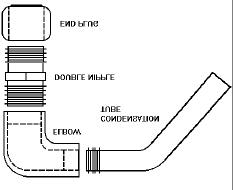
82
while others use inexpensive cast iron. Mercury losses during retorting are usually less than 5% but depend on
the type of connections or clamps used (Veiga et al., 1995a).
Fig. 7.1 - Home-made retort (RHYP retort)
A home-made retort built with standard plumbing water pipes can be useful to reduce mercury emission. The
RHYP retort (Anonymous 1990a) can be made with ordinary water plumbing connections (Fig.7.1). The
distillation chamber is made by connecting an end plug into which the amalgam is placed. The size of the
retort can vary from 5 to 20 cm. An iron tube is connected to the elbow bend by a thread, bushing, or by
welding. The condensation tube should be at least 50 cm long and should curve downwards to permit good
condensation of gaseous mercury without using coolant. For better performance, the retort can be immersed
in a charcoal bed in order to heat it as a whole and avoid mercury leakage.
A hole in the ground or an iron bucket with charcoal can be used. When the fire is turned on (like a
barbecue), after 1 hour all mercury should be retorted off (Anonymous, 1990b). Use of this type of retort is
easily understood and accepted by miners as this is an inexpensive device, all materials are familiar and
accessible to the miners. This retort was built in Ciudad Guayana at a price of Bs 2000 (US$ 12 or 1 gram
of gold) and UNEG and a non-governmental organization (Pareca) are promoting this simple device.
In Brazil, the Ministry of Environment is not promoting this retort because the test of mercury vapour
abatement resulted in only 94% of Hg condensed !!. A British Institution (Intermediate Technology) are
producing brochures to promote this "inefficient" retort (see Appendix).
Any method to condense mercury is better than burning amalgam in pans or shovels. Even an old method can
be used. The "Baked Potato Method" is a simple way of separating mercury and gold in which potatoes are
scooped out to be used as amalgam retorts. The following text is extracted from the "Gold Panner's Manual"
83
which is a bestseller with 135,000 copies in print that promotes the potato method for gold seekers around
North America (Basque, 1991):
...First cut a large potato in half, then scoop out a small depression in one of the halves with a spoon
or knife. The amalgam is then placed into this cavity, and the two halves are re-united and wired
together. The potato is then wrapped in several layers of aluminum foil, to prevent the loss of
mercury vapours and placed in a campfire to bake. After about 45 minutes, the mercury will
saturated the potato, leaving pure gold in the cavity. After removing the gold, crush the potato and
pan the mercury in the usual manner. But do not eat the potato!
Surely, this handbook stresses that retorts are the best way to burn mercury off, but the potato method is an
alternative.
All methods for mercury abatement must be promoted among miners but Amalgamation Centers are definite
solutions for stopping mercury emissions and giving more control of Hg use. The existing Centers need small
modifications such as fume hoods with iodine-activated charcoal filters to protect their employees as well as
people living near these centers. A mobile Amalgamation Center is being designed by Pareca and UNEG.
Other source of Hg emission are the amalgamation tailings discharged into the watercourses. Mercury content
in amalgamation tailings can be recovered before being safely disposed. The use of metallic plates in which Hg
is electrolytically deposited, such as the Goldtech plates described in Chapter 2 of this report is illustrative of
the efficiency of a simple and inexpensive technology.
7.3.2. Procedures to Minimize Bioaccumulation
Due to the nature of emissions, Hg is dispersed in the sediments or concentrated in "hot spots". The treatment
for these situations are different as delineated in Fig. 7.1 (Veiga and Meech, 1995b).
Selenium
Hg dispersed
Intensive
on sediments
Fishing
Resuspension
of Sediments
Covering
Hg concentrated
in sediments
Cementation
Dredging
spoil
Treatment
Fig. 7.2 - Description of remedial procedures for mercury polluted sites.
Mercury Dispersed on Sediments
84
Mercury burnt in pans is the main source of Hg dispersion from miners. Mercury released into the atmosphere
by gold dealers was monitored in three different regions in Brazil. Neither air analysis nor soil samples farther
than 500 m from gold shops show significant mercury concentration (CETEM, 1991a, 1991b, 1993).
According to Marins et al. (1991), the majority of Hg is deposited near the emission source (i.e. with 1 km).
Measures such as retort use as well as air filters in gold melting operations are strongly advised to reduce
emissions. Other sources of mercury pollution, such as forest fires, industrial emissions and natural emissions
also contribute to disperse Hg on the sediments which can be methylated and bioaccumulated.
Procedures to minimize Hg bioaccumulation have been applied in Canada and Sweden where fish from
natural and man-made reservoirs are increasing the Hg level. Mercury sources are industrial emissions from
coal combustion, pulp and paper or chlor-alkali effluents and sometimes the source is unknown. These
techniques are discussed below.
Selenium
The ameliorating action of selenium in heavy metal bioaccumulation, derives from:
1) low solubility of HgSe which precipitates low amounts of Hg from water;
2) selenides have a metabolic effect to remove Me-Hg from blood.
Experimental observations indicate that selenide, can release Me-Hg from its linkage to proteins
(Störtebecker, 1985). Selenium is necessary as a trace nutrient for animals, but can also cause toxic effects
when ingested in large amounts. In enclosed experiments, Canadian researchers observed a 2-fold reduction
of the rate of Hg accumulation in fish at a concentration of 100 ppb (µg/l) Se in water. At 10 ppb Se,
reduction of Hg accumulation was observed in predatory fish only, suggesting that the effect of Se occurs
through the food chain. At very high concentrations (1000 ppb), Se is toxic for both invertebrates and fish.
(Turner and Rudd, 1984).
Swedish experiments were conducted using sodium selenide incorporated in a rubber matrix as the source,
placed into lakes at a depth of 1 to 2 m. Concentrations of 1 to 5 µg/l (ppb) Se in lake water were achieved.
Selenium treatment followed liming of 11 lakes with addition made over 2 years. The Hg concentration in top
predators such as northern pike (Esox lucius) fell markedly after only 1 year of treatment and its prey such as
perch and roach showed a reduction after 3 years treatment of 84 and 90%, respectively (Turner and Rudd,
1984).
A maximum Se concentration of 2 µg/l (ppb) in water and in fish below 2 to 3 mg/kg (ppm)(wet weight) is
recommended (Lindqvist et al., 1991). If the method can be managed, it has great potential in large and
severely polluted areas, but questions concerning the effect of Se on other species of animals and plants need
further investigation. The cost involved is one of the lowest among the remedial procedures with long-term
results. The greatest difficulty in Venezuela is the maintenance of the selenium level in fast-moving river water
of high volume. Considering that 4856 m3/sec of water enter the Guri dam from Paragua and Caroni Rivers
(Weibezahn, 1994), about 420 kg of Se daily would be necessary to keep the concentration of 1 µg/l.
85
Another 140 tonnes of Se would be necessary to change the concentration of the water already impounded.
The cost of this chemical solution is obviously very high.
In spite of the high cost involved in this operation, this seems to be the only feasible chemical solution to
decrease Hg levels in fish of Guri. A small scale experiment should be set up.
Selenium treatment has been used with liming when waters are very acidic. Lime improves water quality by
increasing pH and conductivity.
Intensive Fishing
As Hg is transferred from one species to its predator, a remedial measure studied in Sweden is intensive
fishing. This procedure attempts to shorten the food chain by eliminating top predators or by
eliminating/shortcutting intermediate prey species. The aim is to change the nutrient web structure. Some work
has predicted a reduction of 20 to 30% of Hg in prey (perch) after two years, as well as a 15 to 40%
reduction in its predator (pike) within a further two years. An efficient intensive fishing operation, however,
involves a high cost. It takes 3 to 4 years before Hg concentration in fish decrease to a minimum level. Within
3 to 4 years the concentrations increase again back to high levels (Lindqvist et al., 1991).
In Guri as the most contaminated predator (payara) represents less that 2% of the fish biomass, intensive
sportive fishing would remove little methylmercury contained in fish meat but can break the trophic chain
increasing the multiplication of its prey (coporo). This might derive a positive effect in diluting Me-Hg in more
fish biomass.
Resuspension of Sediments
A method studied by Parks et al. (1984) was resuspension of clean sediments or addition of new ones to
water systems. Studies in enclosed environments indicated that 17 mg/l of suspended sediment were effective
in inhibiting Hg uptake by fish. Some sediments were ineffective at absorbing Hg and field trials are necessary
to confirm the technical feasibility of this technique as a remedial procedure. Rudd et al. (1994) also used
resuspension of sediments to reduce bioaccumulation in English-Wabigoon River system, Canada. Some
points have to be established before adopting this technique:
·
The minimum concentration of suspended solids necessary to inhibit biological uptake of Hg.
·
Type of sediment to be resuspended or added to watercourses (sediments rich in hydrous ferric oxides-
HFO are more effective). In the case of polluted bottom sediments, upstream (clean) sediments should be
resuspended or clean sediments from other sites have to be used.
·
Type of equipment needed for mechanical dispersion of sediments.
·
Type of water system (stagnant water are preferred) and time for sedimentation.
·
Although suspended solids stay for a limited period in water, hazardous effects on biota should be
estimated
·
Monitoring programs.
·
Number of years for which treatment has to be applied and costs involved.
86
Mercury Concentrated in Sediments
Frequently amalgamation is carried out in small pools excavated at river sides. Even when amalgamation takes
place in a water box, tailings are discharged into the water stream creating "hot spots" where the Hg
concentration can be as high as hundreds ppm. I have observed that when mercury was visible after
concentration by panning, the sediment (hot spot) had Hg levels higher than 3 ppm.
Minproc (1991) located hot spots in many sites of "Bajo" Caroni. Near river margins, the local miners
indicated to me that amalgamation was performed on board or on shore. Many hot spots were formed. Prof.
Bermudez from UNEG and co-workers are currently investigating how the hot spots are distributed.
Whether "hot spots" should be dredged or covered is a decision based on biota analysis and evaluation of
costs involved with the dredging operation and spoil treatment. The Environmental Agency of Japan
established 25 ppm as a provisional minimum standard for removal (Buffa, 1976). However, it seems that the
decision about removing Hg from sediments must be based on a bioaccumulation risk assessment as well as in
economic evaluation.
Covering Procedures
The principle here is to prevent release of Hg (in any form) from sediments to the water. The extent of
pollution (Hg dispersed or concentrated) and the hazard potential establish which material should be used as
covering. Each case needs evaluation and prior laboratory experiments. Two different approaches are applied
to classify covering materials, based on the reaction potential with Hg: inert or reactive (or adsorbents).
The release of Me-Hg from sediments can be prevented by a layer of (inert) clay, sand or gravel applied over
the sediments. Aquarium studies show that 6 cm of sand or gravel applied over sediments spiked with HgCl2
(250 ppb Hg) can prevent Hg accumulation by fish (guppies). Thinner layers of sand, appeared to be
unsatisfactory (Bongers and Khattak, 1972).
This method is recommended for lakes or other stagnant water systems. In a river, this technique would be
less satisfactory, because erosion during high flows would likely cause re-exposure of contaminated
sediments. Adsorbent mixed with sand always improves the sealing effect.
Covering Hg-contaminated sediment with reactive materials is a technique based on the fact that Hg-polluted
sediments are stable at the bottom of the aquatic system and eventual metallic Hg oxidation can be controlled
by adsorption which hinders the action of methylation agents. This process was used in Minamata Bay to
control Me-Hg production in sediments. A series of covering procedures for polluted sediments is suggested
to be tested in some sites of Venezuela. Some of these materials that can be mixed with clay to cover "hot
spots" are shown below :
·
Laterite crusts : natural and cheap raw materials.
·
Sulphides : natural materials capable of precipitating Hg compounds.
·
Scrap Iron (see cementation process below) : application is restricted to specific sites.
87
·
Rubber scraps (e.g. old tires) : it is also restricted. The tires must be shredded.
·
Fibers (e.g. old carpets) : this application must be reserved to dry hot spots.
Cementation17
Laboratory studies have shown that iron scrap rapidly and efficiently removes Hg (II) and Me-Hg from water
by converting these soluble forms into elemental mercury. When Hg(II) is cemented (reduced and
precipitated) with iron, hydrous ferric oxide is formed, which is also an effective coprecipitator for Hg
species. Discarded shredded automobile bodies are suggested as an iron source. Reduction of Hg
compounds to metallic mercury (Hg°) occurs either under aerobic or anaerobic conditions. Me-Hg reduction
is more efficient at acidic pH, while Hg(II) is better removed from solution at neutral or slightly alkaline pH
(EPA, 1972).
This technique has good potential to be tested in highly polluted sites. Iron scrap dumped into "hot spots" or
mixed with sand may contribute to an efficient covering of sediments to control Hg entry into the water
column.
7.3.3. Clean-up Procedures (Dredging)
Clean-up procedures remove the source of contamination from the water system. They are expensive and are
recommended only when the gold content in the spoil can return part of the costs or Hg bioaccumulation
cannot be controlled by covering processes. Mercury "hot spots", i.e. sites with high (> 3ppm Hg) Hg levels
commonly have high gold content. A separate processing plant to extract gold and mercury from dredged
material is an important measure to be implemented.
Dredging operations can be a definite measure for highly polluted spots where Hg pollution is well-
concentrated. Dredging presents three main problems regarding environmental impact :
·
dispersal of Hg into streams,
·
treatment and disposal of contaminated spoil,
·
covering of the dredged site.
Aquarium experiments with simulated mechanical dredging have indicated that the amount of Hg dispersed in
the water column is on the order of 2 - 10% of that removed. The majority of the Hg dispersed is associated
(adsorbed) with suspended particles. An effective method to prevent redistribution of Hg is to use a suction
dredge in place of a mechanical one. The major problem of suction dredging is the high percentage of water in
the spoil. So, settling ponds and aluminum sulphate are necessary to clarify water before returning to
watercourses (Feick et al., 1972).
A sealing treatment is recommended for a dredged spot, such as covering with inert or adsorbent material to
guarantee that the remaining Hg will be immobilized at the site. Treatment of dredge spoil is an essential
procedure.
17Cementation is an spontaneous electrochemical process which involves the reduction of more electropositive (noble)
species by more electronegative (sacrificial) metal such as Fe, Zn, Al.
88
7.3.4. Treatment of Dredge Spoil
When placed in a landfill, polluted sediment can lose Hg to the water (when oxidation occurs) or to the
atmosphere (evaporation). Mercury losses can be prevented by dispersing adsorbents or complexing agents,
such as a long chain thiol or sulphide on the surface of dredged material disposed in a landfill.
Mercury removal is also possible. The only process which provides the complete Hg extraction is retorting all
of the spoil, but this would surely involve high costs. In the case of gold mining operations, there is particular
interest in recovering mercury from polluted sediments to recover the high associated gold content. Tonnages
of 30,000 at 12 ppm Hg and 4 ppm Au have been reported as common "hot spots" (CETEM, 1989).
Experiments with 80 tonnes of polluted sediments (6.5 ppm Hg) dredged from hot spots were performed in
Poconé, Brazil (Farid et al., 1991). Centrifuges recovered 70 to 80% of Hg reaching a grade of 1% Hg
(10,000 ppm Hg) in the concentrate. Better recovery is difficult because fine dispersed droplets of metallic
Hg as well as Hg bound to fine hydrous ferric oxides are not concentrated. Gold associated with the spoil
was also concentrated in the centrifuges with recovery of around 60%.
Gravity methods can reduce Hg levels significantly in the dredged material but since the tailings are still highly
contaminated, disposal must follow safety procedures, such as covering with adsorbents.
A better result can be obtained when a gravity method is combined with an amalgamated plate. Goldtech
sluice combines the advantages of a special Hg-electrolytic plate placed on a riffled sluice. Amalgamation
tailings from 35 dredges operating in the Piranga River, State of Minas Gerais, Brazil were treated with
Goldtech plates. From 91 tonnes of tailing treated in 13 days, about 145 kg of mercury and 880 grams of
gold were extracted. About 90% of mercury was recovered in two operating cycles and tailings were
disposed safely (lined pool and cemented). In other clean-up operation, a mixture of tailings from
amalgamation and gravity separation circuit was treated with Goldtech plates. This contaminated material was
unsafely disposed near a town. Twelve Goldtech sluices treated around 3,000 tonnes of tailings. About 2.4
kg of gold and 4 kg of mercury were recovered after 40 days. (Veiga et al., 1995b).
Hydrometallurgical processes for treating mercury ores are not new and can be applied to remove Hg from
dredge spoil. Chlorine as a Hg leachant was used in the past (Glaeser, 1927; Parks and Baker, 1969).
Hypochlorite has been used to dissolve Hg compounds from dredged sediments (EPA, 1972). An electrolytic
method for generating hypochlorite in the pulp of a Hg ore was developed by Scheiner et al. (1970) and
adapted by Souza (1991) to dissolve Hg from polluted sediments in a pilot plant in Poconé, Brazil.
Conceived by the U.S.Bureau of Mines, the method uses a pulp of 35% solids (Hg ore) and 200 kg of table
salt (NaCl) per tonne of ore. Mercury sulphide and other Hg compounds are oxidized by chlorine and
hypochlorite generated by electrolysis. Power consumption ranges from 10 to 50 kWh per ton of dry
material. Mercury extractions have achieved 99%. It was observed that hypochlorite and chlorine dissolved
80% of the gold content of dredged sediments (CETEM, 1989). The major problem with this technology is
the disposal of the filtered solids. Remaining mercury should be immobilized by using sulphide, thiol or another
adsorbent before disposal in a landfill.
89
The creation of aggregates can be applied as an ultimate measure for highly contaminated material in which
mercury extraction methods are neither technically nor economically feasible. A process developed by the
Systems Group of TRW Inc., U.S., uses a plastic resin of polybutadiene mixed with polluted solids and
encapsulated with a high density polyethylene jacket. Tests with strong acids did not show Hg release. Many
other mixtures are reported by different companies. Cement has also been used to blend contaminated sludge
to obtain an uniform block capable of sealing Hg compounds (Beszedits, 1979).
7.3.5. Revegetation
Revegetation is usually seen as a process to restore the landscape of impacted areas. Techniques aim to
restore the organic layer of soils.
In 1991, CVG signed a cooperation agreement with the U.S. Forest Service Department by which
Venezuelan professionals were trained in three different areas:
·
artisanal mining,
·
reclamation of impacted mining areas,
·
mercury pollution.
Mrs. Indalesia Rodriguez was the head of this pioneer project which had the main objectives:
·
Introduction and performance evaluation of mining and process equipment.
·
Training in prospecting, exploration and mining techniques.
·
Research in geology and adequate technologies.
·
Reclamation of impacted areas.
·
Technology transfer.
·
Establish extent of impact by mining activities.
·
Evaluation of natural soil regeneration.
·
Improve soil conditions.
·
Study of vegetal species for reclamation purposes.
·
Introduce miner in the reclamation process.
·
Investigate Hg inputs and transformations in the environment.
·
Establish monitoring programs.
An analytical spectrometer for mercury analysis was imported and donated to the University of Oriente, in
Ciudad Bolivar. As yet, the equipment is not working.
Professionals from different departments of CVG were trained in the US in monitoring procedures (geological
and toxicological subjects) and reclamation techniques. The most effective part of the two-year cooperation
program with the US Forest Service was the revegetation activities. The engineer Jhonny Espinoza, an
agronomist of CVG, assimilated knowledge from American experts and applied revegetation techniques to
mining impacted areas such as Supamo-Parapapoy, Ikabaru, Manarito, and San Salvador de Paúl. About 1
ha in each area was revegetated using 4 different species of native grasses. Using statistical approach, Mr.
Espinoza determined that phosphate + lime + organic matter gave in the best results for acidic soils (pH = 2.5
to 3.2). Organic matter is provided by humus liquid which is produced by worms. This process was
90
successfully implemented in all mining sites. In Ikabaru, the Association of Miners learned the process that has
been applied to reclamation purposes.
Unfortunately, for political reasons, Mr. Espinoza and other professionals trained through this program left
CVG. Mr. Espinoza is today director of a non-governmental organization (Pareca) that has been applying
different techniques to renew impacted areas. Using mulches, a sort of straw carpet with biodegradable
plastic, about 200 meters of an eroded steep hill have been restored in the urban area of Puerto Ordaz. The
visual effect is outstanding. In 30 days, the grass is abundant and firmly fixed on the ground. Hydraulic
mulching (hydro seeding) has been used in many countries for reclamation purposes. This process uses a pulp
of paper or asphalt with fertilizer and grass seed. The pulp is sprayed with a fire hose over impacted areas.
Mr. Espinoza is considering this possibility for flat areas.
When amalgamation tailing is recycled to gravity circuits, mercury is spread throughout the tailings.
Contaminated tailing is also a problem when Hg is used in hydraulic monitor operations. This kind of tailing
represents hundreds of thousands of tonnes unsafely deposited near watercourses as observed in El Callao,
km 88 and Ikabaru. Revegetation is a solution to retain the mobility of mercury. Organic matter can be
sprayed over the surface of the contaminated tailing pile which is isolated with a thin layer of uncontaminated
clay. Currently, miners are considering to reprocess tailings. This is a good opportunity to use
decontamination processes, such as Goldtech plates, or similar, associated with a process of safe disposal
and revegetation.
91
8. Interviews
"Mercury has helped me to buy my car and my house.
The more contaminated, the better for me."
an "environmentalist" in the Amazon
This Chapter reports some of the interviews that I had in the Guayana Region with different Institutions or
individuals who were not mentioned in the previous Chapters.
8.1. Ikabaru
Ikabaru was founded in 1940 by a diamond seeker. The Association of Miners of Ikabaru has an important
role in the region. The president of the Association, Mr. Julio Alvarez is a leader in the town and provides
technical support for members who represent 50% of the miners of the region. Ikabaru is a consolidated town
with paved streets but unfortunately it is completely ignored by authorities. All facilities in town are provided
by the Association and its members.
Luis Yoshida, a 33-year-old Japanese-Venezuelan technician and miner, built a US$ 200,000
thermoelectrical plant to provide power for Ikabaru. Two 750 KVA generators run 24 hours per day
consuming 90,000 liters of diesel monthly. The road from Santa Elena de Uiaren to Ikabaru is in very bad
shape. In the rainy season, a truck takes 5 to 7 days to travel 115 km. So, the diesel arrives in Ikabaru with a
very high price. Even tough, Luis subsidizes the power to the town. His plant employs 10 people including an
engineer and a lawyer. He does not have profit selling energy by US$ 0.28/KWh and he struggles to pay his
bank loan.
8.2. Uriman
My flight from Ikabaru to Ciudad Bolivar faced a storm which forced us to have an emergency land in a small
mining village, Uriman, founded 80 years ago at the margin of the Caroni River. There are about 3,000
inhabitants in the village in which 70% are natives. One owner of two MEM claims rents his area to 15 barges
which use divers. The owner has 15% of gold production by barges and no support is given to the miners.
Mercury is extensively used. Actually, the claim owner does not live in the site, he just goes there to collect his
money. It seems that he should, at least, promote retorts and other safety equipment to keep "his business"
working.
The natives, from the Pemon tribe, charge miners a royalty of 15%. They are aggressive and strong. Many
stories about miners tortured by natives were told by Mrs. Luisa Figuera, a local inhabitant and owner of a
warehouse.
Fish is the main diet of natives, but they also have a large consumption of canned tuna. Levels of 1.5 ppm Hg
has been reported (Rodriguez et al., 1994) in canned tuna in Venezuela. Mrs. Figuera reported that native
children of Uriman have learning problems, but this cannot just be attributed to mercury poisoning because
92
their native languages are not Spanish. Other cases of birth aberrations were told to me. A study of mercury
contamination in local people is needed.
Sister Olga, a catholic nun is the maximum authority in the village. She is also in charge of an ambulatory that
receives daily many cases of malaria. No physician is available in the village.
8.3. Fundación La Salle
Fundación La Salle is a catholic non-governmental organization that has 4 educational campuses in Venezuela
with almost 3,000 students. Brother Ginez, an old Spanish priest is the president of La Salle (in Caracas). He
is a visionary and some times victim of mindless local politicians. The Centers are dedicated to teach Marine
Technology, Naval Mechanics, Oceanography, Fishery, Zootechnology, Administration, Agriculture, Food
Technology, Metallurgy, Mechanics, Electrical Engineering, Accounting, etc. I have visited two campuses of
La Salle Foundation: in Margarita Island and in Ciudad Guayana.
In Margarita, La Salle has a huge research (directed by Dr. Joaquin Butriago) and educational Center to
graduate oceanographic, mechanical and naval technicians. There are also facilities to teach food technology.
A factory of canned sardines, a pilot plant for engines and navigation, a ship for marine research and farms of
prawns are some of the activities in the Margarita campus. The technology of prawn farming as well as
reproducers are sold abroad. La Salle also has a lab in Margarita Island for food and beverage quality
control.
La Salle in Guayana has another remarkable Center for education and research. An agreement between the
Government of the State of Bolivar and La Salle established fish farms in the Macagua reservoir. Fish is sold
for less than US$ 1/kg to the population. All conception and execution of the fish farming program are
conducted by La Salle researchers. They sell a fish called "cachamoto" which is a hybrid of "cachama" and
"morocoto", both herbivorous species with a delicious taste. This resistant species is reproduced in the labs of
La Salle and transferred to hexagonal floating plastic cages in Macagua. The creativity of La Salle
researchers, in particular of the biologist Luis Perez, deserves to be highlighted. Little financial support is
received and outstanding work is conducted.
A group of limnology and water quality control has been working in Ciudad Guayana. Chemical analysis of
drinking water is a source of resource for this lab. Dr. Luzmilla Sanchez, has worked in obtaining limnological
parameters before and after Macagua 2 flooding. An atomic absorption spectrometer is available at the La
Salle lab, but it is missing a cold vapour generator to analyze mercury in biological and geological samples.
La Salle has a building in Tumeremo waiting for financial support to take off a program of Agriculture-Mining
Development. A geologist from La Salle, Mr. Manuel Mendez Aroucha has been the mentor of the
Tumeremo program. Tumeremo is considered an important frontier site with a huge potential for agriculture,
forestry and mining development. The research programs of this new Center are as follows (La Salle, 1992) :
MINING:
93
- Study and development of ore dressing processes for small miner as alternatives for Hg use.
- Study of advantages and disadvantages of hydraulic monitors and alternatives.
- Study of revegetation and reclamation of impacted areas.
- Geological survey of abandoned and active ore deposits.
- Ore characterization and process engineering for local ores.
- Study of territory organization for multiple uses (Imataca Reserve).
FORESTRY:
- Study of forest species of Imataca Reserve.
- Study of commercial use of wild fruits and medicinal plants.
- Study in greenhouses of species to be used in the reclamation program.
- Study of forestry in mining areas.
AGRICULTURE, FARMING and ENVIRONMENT:
- Study of reclamation of impacted areas.
- Study of soil and vegetal species for farming.
- Study of farming of local cattle and wild animal species.
- Biological station at km 88.
The educational programs of this new campus will be dedicated to form specialized labor to meet the needs
of local mines which are starting in the Tumeremo region. As well, La Salle also believes that the diversity of
resources of Tumeremo must have multiple uses. This is a way to hold the miners and their families in the
region as part of a consolidated society. With this perspective, the idea of creating a field of Environmental
Education in Tumeremo was well accepted by La Salle professionals and fits very well in the philosophy of
this new campus.
In my opinion, La Salle is one of the most trustworthy and serious Institutions in Venezuela, that has to be
reinforced. Research programs for mercury pollution should be centered in La Salle since low costs in
infrastructure and personnel will be needed. La Salle could coordinate the budget and actions of different
groups involved in mercury pollution studies and programs. Sources of financial support for research
programs are being indicated to La Salle.
8.4. Universities
UNEXPO - Universidad Nacional Experimental de Puerto Ordaz is 4 years old and has recently begun to
study Hg in "Bajo" Caroni. There is also a plan to study Hg in umbilical cord and in mothers. The facilities
include an atomic absorption spectrometer but it must be calibrated for reliable Hg analysis. UNEXPO also
has a Faculty of Metallurgy which is dedicated to studies on gravity and leaching methods for gold ore. They
are studying the carbon-in-pulp method to replace the Merrill-Crowe precipitation method that is currently
used by Minerven in El Callao. This will bring benefits by eliminating effluent contamination with zinc that is
used to precipitate gold from cyanide solutions. Thiourea leaching has been also studied by Prof. Maximo
who plans to examine bioleaching studies for sulphide-rich primary ores from El Callao and km 88.
94
UNEXPO also has a campus in Tumeremo to graduate 3rd-year engineers ("técnico superior"). The school
started one year ago with 50 students selected from 150 candidates from different parts of the country.
Geology and Mining Engineering are focused and taught by 7 professors in which 2 of them (a Russian and a
Peruvian) are engineers of a Canadian company, Monarch, that has a mining property in the region. The
campus is no longer receiving financial support from UNEXPO and local city hall as determined by an
agreement. Environmental Education, as a field of studies, was discussed with Prof. José Antonio Lara who is
a leader for UNEXPO students. The idea was extremely well accepted by Mr. Lara and students, which are
afraid of UNEXPO discontinues its activities in Tumeremo. Mr. Lara is working hard to combine UNEXPO-
Tumeremo with the educational program of Fundación La Salle. This seems to be an excellent idea, but no
financial support is available, yet.
UNEG-Universidad Experimental de Guayana, is another University in Puerto Ordaz which offers graduate
courses (Master) in Environmental Science and Occupational Hygiene. The coordinator of the programs is
Prof. Dario Bermudez, who has been working with mercury monitoring programs in "Bajo" Caroni and
recently in km 88 through contract with UNIDO. He analyzed mercury in water (without filtering) and never
detected Hg above 1 µg/l (ppb). His students uses labs from CVG-SIDOR (steel making plant) and Central
University in Caracas. UNEG counts with Dr. M. Salinas which collaborates with Mr. Bermudez in studies on
occupational exposure of miners, workers of Amalgamation Centers and population. Dr. Salinas is
considering to build a bioassay lab for bioaccumulation and other toxicological studies.
UNEG also has a Dept. of Investigation composed by Dr. Luzmila Sanchez, Mrs. Ana Jorge, Mr. Nestor
Agrizonis, Mr. Alexander Manzutti and Mrs. Glenda Rodriguez. This group has been investigating artisanal
mining since 1989 focusing the social and economic situation of the miners as well as health problems. UNEG
has reported that artisanal mining is an alternative for developing the region. This group also has investigations
about mineral technology of gold ores (cyanidation plants). UNEG has brought important contributions for the
mercury pollution problem in the Guayana Region. In spite of the lack of labs, the research group of UNEG
has an agreement with UNEXPO and La Salle Foundation to use their labs. The group of UNEG is also
looking for support from international institutions and deserves more attention to reinforce its research lines in
mercury and artisanal mining.
In the Congress of Botany, I have met Dr. Vicente Marcano-Baddha from CEIL - Fac. Ciencia Florestales,
ULA, in Merida, Western part of Venezuela. Dr. Marcano presented an interesting paper about use of
lichens as bioindicators for atmospheric Hg. Another work about mercury has been conducted by Mrs.
Aniuska Kazandtiad from "Instituto Botanico de Venezuela" in Caracas. She is studying sorption of Hg (II)
compounds by aquatic macrophytes.
8.5. Ministry of Environment (MARNR)
I had contact with the Vice-Ministry of Environment, Mr. Luis Castro and his staff in Caracas. Mr. Castro is
a former CVG worker and knows deeply the problems of the Guayana Region. It is remarkable the high
technical level of all professionals of MARNR. Mr. Castro has a clear knowledge about what is going on with
artisanal miners and his posture is towards education and proliferation of Amalgamation Centers. The division
95
responsible for looking after fauna is called Profauna, in which Mr. José Luis Mendez Aroucha is its Director.
Profauna is involved with the mercury problem in Guri and other reservoirs will be investigated.
In the Guayana Region, MARNR has a regional director. During my stay in the Guayana Region, I had
contact with the former and current directors Mr. Gabriel Blanco and Mr. Santos Carrasco, respectively. A
very active group comprises this regional division of MARNR. They complain about the scarcity of
inspectors. There are 67 people to do administrative work and to enforce laws in the region. Training on
mining and environmental techniques related to mercury was suggested to this group to implement educational
measures in its actions. In my visit to this division in May 1995, I had the impression that there is a large gap
between miners and MARNR staff. No clear position about mining was shown by this regional office of
MARNR.
8.6. Dr. Vicente Mendoza
Dr. Mendoza is a former vice-president of mining for CVG. He implemented the agreement with the US
Forest Service and the Amalgamation Centers in "Bajo" Caroni. When Gemini tables were introduced in the
Centers, the idea was the total or partial replacement of mercury. With a strong personality, his technical
capacity is notable. He defends creation of sites for artisanal mining activities and more support for studies on
methylation kinetics in tropical terrains which have inputs of mercury from different atmospheric sources.
8.7. Miners
I have met many miner leaders from different Associations and Cooperatives (Ikabaru, Tumeremo, Asa
River, Caroni, etc.). Mr. José Pino is a former CVG director and currently president of the Federation of
Mining Cooperatives of Venezuela. In a meeting with him and miners I have heard complaints about the
Government and CVG. The main problem of artisanal miners pointed by all miners is the fact that CVG
contracts have temporary validity. It is evident that CVG contracts do not guarantee legal titles of mining sites
discovered by artisanal miners. As they know that their work is for one year, they do not have concerns with
environment or better technology to extract gold. They admit their poor knowledge about mercury poisoning,
but they have noticed an exaggeration in data from their accuser and they have complained that no technical
and environmental supports are brought to them by any institution or group in Venezuela.
96
9. Conclusion
"The most important problem does not lie in understanding the laws
of the objective world and thus being able to explain it, but in applying
the knowledge of these laws actively to change the world"
Mao Tse-Tung
1. The possibility to replace amalgamation in artisanal gold mining activities with other processes is remote.
For an artisanal miner, mercury is an easy and efficient way to extract fine gold when amalgamation is
applied to concentrates (more than 90% of gold is recovered). No sophisticated technology is involved.
In spite of some miners are still amalgamating the whole ore (e.g. km 88), the use of mercury to
amalgamate only gravity concentrates is an evolution in Venezuela and must be encouraged. Price of
mercury is not impediment for reducing use. Even at 7 times (US$ 41/kg) the international price, Hg is still
a cheap reagent for extracting gold in Venezuela. If more control on Hg sales is exerted, the price will
increase (even with smuggling) and the miners will stop using Hg in riffled sluices to amalgamate whole
ore.
2. Legal measures to control informal mining and Hg emission have shown poor efficiency. Legislators are
struggling to solve environmental problems by Norms and Laws. Educational measures are not being
focused yet.
3. Education is the most important measure to help minimize mercury emission from gold mining operations.
Any solution, preventive or remedial, should be aimed at providing better knowledge about mercury
behaviour in the environment. Simple pieces of equipment can reduce drastically Hg emission to
atmosphere and watercourses.
4. It is consensus among experts on artisanal mining that legalization of artisanal miners is a key step to meet
solutions for social and environmental problems. The Plan of Organization of State of Bolivar should focus
on stopping migration of miners from one site to another. A self sustainable plan for micro-regions would
be useful to integrate miners in a community and to generate diversity of activities (farming, forestry,
fishery, agriculture, etc.).
5. Mercury has been misused in Venezuela all over for years. Occupational exposure is obviously observed
in many regions. In 1991, the initiatives of the CVG and other private companies in creating
Amalgamation and Processing Centers have reduced the Hg emission levels in "Bajo" Caroni to tolerable
levels. These Centers must be built in other mining areas of Venezuela.
6. Occupational exposure has been detected by urine analysis in workers of these Centers (Schulz, 1995).
A few improvements are suggested, such as condensers and fume hoods with iodine-activated charcoal
filters over retorts and gold melting furnaces. In the Carhuachi Center the technology used by a private
company is an example of how mercury can be handled safely. Loss as low as 1% of Hg was detected in
this Center related to amalgamation tailing, which is actually sold to cyanidation plants in El Callao and
Tumeremo. It is suggested a further investigation about the fate of mercury in the cyanidation process.
7. Mercury recovery by using special Hg-plates is an efficient and cheap way to extract up to 90% of Hg
from amalgamation tailings before selling them to cyanidation plants. These plates have also applications
to drastically reduce the use of mercury and time to amalgamate concentrates.
8. Oxidation of metallic mercury emitted by miners in the past with further complexation with organic acids is
a feasible process in the Caroni River. This process depends on the amount of dissolved oxygen and
97
organic acids in water. For deep sediments, the available oxygen is likely to be extremely low and non-
replenished. This can control the process of oxidation-complexation of metallic Hg. How these soluble
Hg-organic complexes are converted into methylmercury in the water column is not a clear process.
9. Worldwide, mercury bioaccumulation is favourable in blackwater systems and in recent impoundments.
The main atmospheric mercury sources are those emitted by natural sources, industrial sources (including
mining) and combustion processes, such as forest fires. Mercury was detected in high level in fish from
mining regions in Venezuela. Only biota is evidence of bioaccumulation. Sediments and water are indirect
indications of the possibility of dangerous conditions for bioaccumulation.
10. Bioaccumulation in the Guri reservoir has a strong effect caused by flooding. Methylation rate of mercury
formerly deposited in sediments mostly by atmospheric sources, increases with decomposition of
submerged vegetation, amount of organic matter transported into the reservoir, and type of methylating
and demethylating bacteria in sediments.
11. The large area of submerged sediments (4000 km2) by the Guri reservoir is the main variable for
methylmercury production.
12. The possibility of a chemical process to reduce Hg levels in fish of Guri is remote but remedial procedures
must be tested in lab or limnocurrals.
13. The initial study of bioaccumulation performed by the Guri Committee resulted in consistent data. About
40% of fish samples are showing Hg levels above 0.5 ppm which is the guideline recommended by World
Health Organization for human consumption.
14. In "Bajo" Caroni, where mining operations have discharged about 5 tonnes of mercury in the bottom
sediments before 1991, based on former reports, carnivorous fish samples are showing low-medium
degree of bioaccumulation.
15. Carnivorous fish from Guri, that represent less than 20% of fish mass, are showing high levels of Hg in
which almost the totality should be in methylated form. Fish-eating people must be the target of a massive
campaign to reduce fish consumption, mainly carnivorous fish. Pregnant women must have a permanent
support provided by Ministry of Environment, the CVG-EDELCA and the Government of the State of
Bolivar. Educational brochures should be prepared to inform local people. This is the only way to control
methylmercury ingestion. A monitoring program (Hg levels in hair) together with information about diet
habits must be done.
16. In spite of coporo, a detritivorous species which represent 80% of fish mass in Guri, has shown low Hg
levels, commercial fishing should be temporarily discontinued. More analytical results and more
knowledge about Guri will result in a gradual liberation of commercial fishing. The Guri Committee should
have the technical decision for liberating commercial fishing in the reservoir.
17. Local industries should be promoted for canned fish. This will keep under control how much Me-Hg is
exported from Guri as well as canned fish has low consumption.
18. Intensive sportive fishing of large carnivorous should be promoted. This will cause an increase of coporo
(prey) population which is desirable to redistribute Me-Hg in other biomass.
19. Other lakes and reservoirs in Venezuela must be investigated.
20. EDELCA has a plan for building 2 reservoirs in Bajo Caroni in the near future. Studies in these areas
must start immediately. Mercury dumped before 1991 in Caroni can be removed from sediments with
collaboration of miners who currently are working in Bajo Caroni.
98
21. La Salle and UNEG are trustworthy institutions that should be reinforced to create educational and
research programs on mining and mercury pollution in the Guayana Region. A large program must be set
up in the La Salle labs (in Ciudad Guayana and Tumeremo) with collaboration of other local institutions
such as UNEXPO, Government, Ministry of Environment, Ministry of Energy and Mines, non-
governmental organizations, etc. Mineral technology programs must develop adequate and simple pieces
of equipment for Hg handling and a mine-school to teach mining, concentration and tailing disposal
methods.
22. Mercury pollution in the Guayana Region has been used by different segments of the Venezuelan society
as a useful technocratic villain. Fantasies, panic and political interests have been derived and affected
communities (miners and fish-eating people) have been ignored.
99
REFERENCES
Achmadi, U.F., 1994. Occupational Exposure to Mercury in the Gold Mining - a Case Study from
Indonesia. In: Proc. of the International Workshop on Environmental Mercury Pollution and its Health
Effects in Amazon River Basin. Nov. 30 -Dec. 2, 1994. Ed. National Institute of Minamata Disease,
Japan and Inst. Biophysics of Univ. of Rio de Janeiro, Brazil. p.10-16.
Allard, B. and Arsenie, I., 1991. Abiotic Reduction of Mercury by Humic Substances in Aquatic Systems -
An Important Process for the Mercury Cycle. Water, Soil and Air Pollution, v. 56, p. 457-464.
Anonymous, 1990a. The Hypolito Retort - Making Mercury Recovery Safe. Appropriate Technology,
v.17, n.2, p.20.
Anonymous, 1990b. A Simple and Inexpensive Apparatus to Reduce Hg Pollution. Cięncia Hoje, v.11,
n.63, p.10-11 - in Portuguese.
Armstrong, F.A.J., 1979. Effects of Mercury Compounds on Fish. In: The Biogeochemistry of Mercury in
the Environment. p.658-670. Ed. J.O. Nriagu. Elsevier/North-Holland Biomedical Press, Amsterdam,
696 p.
Baeyens, W.; Decadt, G.; Elskens, I., 1979. A Study of the Distribution of Mercury in the Various
Compartments of the North Sea and Scheldt Estuary Ecosystems. Oceanologica Acta, v.2, n.4, p.447-
457.
Baker, F.A.; Letient, H.; Madill, H., 1992. Reclamation of Abandoned Tailings at Northern Minesite. In:
Proceedings of 6th Annual British Columbia Mine Reclamation Symposium, p.229-238. Smithers,
B.C., June 15-18, 1992.
Bakir, F.; Damluji, S.F.; Amin-Zaki, L.; Murtadha, M.; Khalidi, A.; Al-Rawi, N.Y.; Tikriti, S.; Dhahir, H.I.;
Clarkson, T.W.; Smith, J.C.; Doherty, R.A., 1973. Methylmercury Poisoning in Iraq. Science, v.181,
p.230-241.
Barbosa, A.C.; Boischio, A.A.P.; East, G.A.; Ferrari, I.; Gonçalves, A.; Silva, P.R.M.; Cruz, T.M.E., 1994.
Mercury Contamination in the Brazilian Amazon: Environmental and Occupational Aspects. In: Mercury
as a Global Pollutant. Whistler, BC, Canada, July 10-14 (abstract - published in the proceedings);
submitted to Water, Air and Soil Pollution.
Barbosa, L., 1992. Garimpo and Environment: Sacred Waters, Profane Waters. In: Garimpo, Meio
Ambiente e Sociedade Indígenas, p.49-65. Ed. L. Barbosa; A.L. Lobato; J.A. Drummond, EDUFF-
Ed. Universitária Fluminense, Niteroi, RJ (in Portuguese).
Basque, G., 1991. Gold Panner's Manual. 12th Ed., Sunfire Pub. Ltd., Langley, BC, 108 p.
BC-MEMPR - British Columbia - Ministry of Energy, Mines and Petroleum Resources,1992. Health, Safety
and Reclamation Code for Mines in British Columbia. Resouce Management Branch, Victoria, British
Columbia, Canada, p.65 section 2.
Beijer, K. and Jernelov, A., 1979. Methylation of Mercury in Aquatic Environments. In: The
Biogeochemistry of Mercury in the Environment. p.203-208. Ed. J.O. Nriagu. Elsevier/North-Holland
Biomedical Press, Amsterdam, 696 p.
Bermudez, R.D.; Bastardo, H.; Pravia, R.; Ramos, S., 1994. Mercury Monitoring in the Lower Part of the
Caroni River, State of Bolivar, Venezuela. Report of Univ. Experimental de Guayana (UNEG). 29 p. (in
Spanish).
Beszedits, S., 1979. Mercury Removal from Effluents and Wastwaters. In: The Biogeochemistry of
Mercury in the Environment. p.231-276. Ed. J.O. Nriagu. Elsevier/North-Holland Biomedical Press,
Amsterdam, 696 p.
100
Billen, G.; Joiris, C.; Wollast, R., 1974. A Bacterial Methylmercury-Mineralizing Activity in River Sediments.
Water Research, v.8, p.219-225.
Bisogni, J.J. and Lawrence, A.W., 1975. Kinetics of Mercury Methylation in Aerobic and Anaerobic
Aquatic Environments. J. Water Pollution Control Fed., v.47, n.1, p.135-152.
Björnberg, A.; Hakanson, L.; Lundbergh, K., 1988. A Theory on the Mechanisms of Regulating the
Bioavailability of Mercury in Natural Waters. Environmental Pollution, v.49, p.53-61.
Bliss, J.D. and Olson, S.S., 1992. Current Gold Rush in Madre de Dios Department, Peru. Mining
Engineering, July 92, p.693-695.
Bloom, N. and Fitzgerald, W., 1988. Determination of Volatile Mercury Species at the Picogram Level by
Low-Temperature Gas Chromatography with Cold-Vapour Atomic Fluorescence Detection. Analytica
Chimica Acta, v.208, p.151-161.
Bodaly, R.A.; Hecky, R.E.; Fudge, R.J.P., 1984. Increases in Fish Mercury Levels in Lakes Flooded by
Churchill River Diversion, Northern Manitoba. Can. J. Fish. Aquat. Sci. v. 41, n.4, p. 682-691.
Boischio, A.A.P., 1992. Fish Production in Porto Velho, Rondonia (1984-89) - Some Ecological Aspects of
Relevant Commercial Species. Acta Amazonica, v.22, n.1, p.163-172 - in Portuguese.
Boischio, A.A.P. and Barbosa, A.C., 1994. Mercury Exposure through Fish Consumption among Madeira
River Population (in preparation).
Bongers, L.H. and Khattak, M.N., 1972. Sand and Gravel Overlay for Control of Mercury in Sediments.
Environmental Protection Agency, EPA Project 16080 HVA, U.S. Dept. Interior, Washington, D.C. 46p.
Boonstra, T., 1993. Commercialization of the Tucuruí Reservoir Fishery in the Brazilian Amazon. TCD
Newsletter (Tropical Conservation and Development Program), v.28, p.1-4.
Bothner, M.H. and Piper, D.Z., 1973. The Distribution of Mercury in Sediment Cores from Bellingham Bay,
Washington. In: Mercury in the Western Environment, p.36-44. Ed. by D. Buhler Continuing Education
Publ., Oregon, USA.
Briceńo, H. O., 1989. Mercury Contamination of "Bajo" Caroni. Preliminary Report. Litos C.A. 30 p. (in
Spanish).
Brosset, C. and Lord, E., 1991. Mercury in Precipitation and Ambient Air : A New Scenario. Water, Air
and Soil Pollution, v.56, p.493-506.
Bruce, J.A., 1994. Las Cristinas Project: Preliminary Study of Background. Fish Study. Report prepared to
Placer Dome by Aquatic Resources Ltd., Vancouver, B.C., May 24, 1994.
Buffa, L. (1976). Review of Environmental Control of Mercury in Japan. Report EPS 3-WP-76.
Environment Canada, Ottawa, Ontario, 81p.
Buhler, D.R.; Claeys, R.R.; Shanks, W.E., 1973. Mercury in Aquatic Species from the Pacific Northwest. In:
Mercury in the Western Environment, p. 59-75. Ed. by D. Buhler Continuing Education Publ., Oregon,
USA.
Caldas, L.R., 1990. A Pigment of Darkwaters. Cięncia Hoje, v.11, n.64, 54-60. (in Portuguese).
Cassidy, D.R. and Furr, A., 1978. Toxicity of Inorganic and Organic Mercury Compounds in Animals. In:
Toxicity of Heavy Metals in the Environment, part 1. p.303-330. Ed. F.W.Oehme. New York,
Marcel Dekker Inc.
CETEM - Centro de Tecnologia Mineral, 1989. Poconé Project. Annual Report, Rio de Janeiro, Brazil,
210p (in Portuguese).
CETEM - Centro de Tecnologia Mineral, 1991a. Poconé Project. Final Report, Rio de Janeiro, Brazil,
91p.(in Portuguese).
101
CETEM - Centro de Tecnologia Mineral, 1991b. Preliminary Diagnostic of Environmental Impacts Caused
by Gold Garimpos of Alta Floresta, MT. Report RT 11/91, Rio de Janeiro, Brazil, 124p. (in Portuguese).
CETEM-Centro de Tecnologia Mineral 1992. Aspectos Diversos da Garimpagem de Ouro. Ed. F.A.F.Lins.
Ser. Tecnologia Mineral 54. Ed. CETEM/CNPq, Rio de Janeiro (in Portuguese).
CETEM - Centro de Tecnologia Mineral, 1993. Itaituba Project. Annual Report. CETEM/CNPq, Rio de
Janeiro 100p. (in Portuguese).
Chao, T.T. and Theobald Jr., P.K., 1976. The Significance of Secondary Iron and Manganese Oxides in
Geochemical Exploration. Economic Geology, v.71, p.1560-1569.
Chang, L.W., 1979. Pathological Effects of Mercury Poisoning. In: The Biogeochemistry of Mercury in the
Environment. p.519-580. Ed. J.O. Nriagu. Elsevier/North-Holland Biomedical Press, Amsterdam, 696
p.
Clarkson, T.W., 1973. The Pharmacodynamics of Mercury and Its Compounds with Emphasis on the Short-
chain Alkylmercurials. In: Mercury in the Western Environment, p.332-354. Ed. by D. Buhler,
Continuing Education Publ., Oregon, USA.
Clarkson, T.W.; Hamada,R.; Amin-Zaki, L., 1984. Mercury. In: Changing Metal Cycles and Human
Health, p.285-309. Berlim, Springer-Verlag.
Cleary, D., 1990. Anatomy of the Amazon Gold Rush. Macmillan Ed., Oxford, 250 p.
Connel, D.W., 1990. Bioaccumulation of Xenobiotic Compounds. CRC Press Inc., Boca Raton, Florida.
213p.
CWQG - Canadian Water Quality Guidelines, 1987. Guidelines for Mercury by Task Force on Water
Quality Guidelines of Canadian Council of Resource and Environment Ministers. Environment
Canada, Water Quality Branch, Ottawa, Ontario, chapter 1, p.9.
D'Itri, F.M., 1972. The Environmental Mercury Problem. CRC Press, Cleveland, Ohio, 124p.
D'Itri, F.M., 1990. The Biomethylation and Cycling of Selected Metals and Metalloids in Aquatic Sediments.
In: Sediments: Chemistry and Toxicity of In-Place Pollutants. p.163-214. Ed. R.Baudo; J.P.Giesy;
H.Muntau. Lewis Publishers, Ann Arbor.
D'Itri, P.A. and D'Itri, F.M., 1977. Mercury Contamination: a Human Tragedy. John Wiley & Sons, New
York, 311p.
Duinker, J.C., 1980. Suspended Matter in Estuaries: Adsorption and Desorption Processes. In: Chemistry
and Biogeochemistry of Estuaries. p.121-151. Ed. E. Olausson and I. Cato. Chichester, John Wiley
and Sons.
EPA, 1972. Control of Mercury Pollution in Sediments. U.S. Environmental Protection Agency, report EPA-
R2-72-043, Contract No. 68-01-0087, Project 16080 HTY, Washington, D.C., 55p.
Fagerström, T. and Jernelöv, A., 1972. Some Aspects of the Quantitative Ecology of Mercury. Water
Research, v.6, p.1193-1202.
Farid, L.H.; Machado, J.E.B.; Silva, O.A. (1991). Emission Control and Mercury Recovery from Garimpo
Tailing. In: Poconé: Um Campo de Estudos do Impacto Ambiental do Garimpo, Ed. M.M.Veiga and
F.R.C. Fernandes, CETEM/CNPq, Rio de Janeiro, Brazil, p. 27-44 (in Portuguese).
Feick, G.; Johanson, E.E.; Yeaple, D.S.,1972. Control of Mercury Contamination in Freshwater Sediments.
U.S. Env. Protection Agency, report EPA-R2-72-077. Washington, D.C. 155p.
Feijăo, A.J. and Pinto, J.A., 1992. Amazon and the Gold Saga of the 20th Century. In: Garimpo, Meio
Ambiente e Sociedade Indígenas, p.18-36. Ed. L. Barbosa; A.L. Lobato; J.A. Drummond, EDUFF-
Ed.Universitária Fluminense, Niteroi, RJ (in Portuguese).
102
Ferreira, N.S. and Veiga, M.M., 1995. Control of mercury bioavailability by sediment adsorption. Proc.
Eco Urbs' 95, p.53-55. Rio de Janeiro, Jun. 19-23, 1995.
Ferreira, R.C. and Appel, L.E., 1991. Sources and Uses of Mercury in Brazil. Estudos e Documentos, 13.
CETEM/CNPq, Rio de Janeiro, 33p. - in Portuguese.
Fimreite, N., 1979. Accumulation and Effects of Mercury on Birds. In: The Biogeochemistry of Mercury in
the Environment. p.601-627. Ed. J.O. Nriagu. Elsevier/North-Holland Biomedical Press, Amsterdam,
696 p.
Fitzgerald, W.F., 1979. Distribution of Mercury in Natural Waters. In: The Biogeochemistry of Mercury in
the Environment. p.161-173. Ed. J.O. Nriagu. Elsevier/North-Holland Biomedical Press, Amsterdam,
696p.
Förstner, U. and Wittman, G.T.W., 1979. Metal Pollution in the Aquatic Environment. Springer-Verlag.
Berlin, 486p.
Gavis, J. and Ferguson, J.F., 1972. The Cycling of Mercury through the Environment. Water Research, v.6,
p.989-1008.
GEDEBAM, 1992 - Grupo de Estudos e Defesa dos Ecossistemas do Baixo e Médio Amazonas. Mercury
Contamination in the Brazilian Amazon. Report for the Commission of the European Communities,
Contract ref B946/89. Ed. I. Thornton, A.R.B. Silva, N. Brown, T.C. Souza, L.R.D. Abreu, A. Messias,
D. Cleary, S. Worthington. A cooperative research study by Gedebam and SOL 3 - Switzerland and
Luxembourg. Monte Alegre, Para, Brazil, 104p.
Glaeser, W. (1927). U.S. Patent 1,637,481, Aug. 2, 1927. Reference quoted in Jones (1971), p.35. Jones,
H.R., 1971. Mercury Pollution Control. New Jersey, Noyes Data Co., 251p.
Hacon, S., 1990. Mercury Contamination in Brazil. Technical Report, FINEP - Financiadora de Estudos e
Projetos, Rio de Janeiro, Brazil. 85p.
Hĺkanson, L.; Nilsson, Ĺ ; Andersson, T, 1988. Mercury in Fish in Swedish Lakes. Environm. Pollution, v.
49, p.145-162.
Hall, B; Lindqvist, O.; Ljungström, E., 1990. Mercury Chemistry in Simulated Flue Gases Related to Waste
Incineration Conditions. Environmental Sci. and Technology, v.24, n.1, p.108-111.
Hall, B.; Schager, P.; Lindqvist, O., 1991. Chemical Reactions of Mercury in Combustion Flue Gases.
Water, Air and Soil Pollution, v.56, p.3-14.
Harada, M., 1978. Methyl Mercury Poisoning due to Environmental Contamination (Minamata Disease) In:
Toxicity of Heavy Metals in the Environment, part 1. p. 261-302. Ed. F.W. Oehme. New York,
Marcel Dekker Inc.
Hecky, R.E.; Bodaly, R.A.; Ramsey, D.J., Ramlal, P.S.; Strange, N.E., 1987. Evolution of Linmological
Conditions, Microbial Methylation of Mercury and Mercury Concentrations in Fish in Reservoir of
Northern Manitoba. In: Technical Appendices to the Summary Report of the Canada-Manitoba
Agreement on the Study and Monitoring of Mercury in the Churchill River Diversion. v.3, p.1-7.
Hem, J.D., 1974. Reactions of Metal Ions at Surfaces of Hydrous Iron Oxide. Geochimica et
Cosmochimica Acta, v.41, p.527-538.
Hintelmann, H.; Welbourn, P.M.; Evans, R.D., 1994. Complexation of Methylmercury Compounds by
Dissolved Organic Carbon (DOC). In: Mercury as a Global Pollutant. Whistler, BC, Canada, July 10-
14 (abstract - published in the proceedings).
Huckabee, J.W.; Elwood, J.W.; Hildebrand, S.G., 1979. Accumulation of Mercury in Freshwater Biota. In:
The Biogeochemistry of Mercury in the Environment. p.277-302. Ed. J.O. Nriagu. Elsevier/North-
Holland Biomedical Press, Amsterdam, 696p.
103
Imura, N.; Sukegawa, E.; Pan, S.; Nagao, K.; Kim, J.; Kwan, T.; Ukita, T., 1971. Chemical Methylation of
Inorganic Mercury with Methylcobalamin, a Vitamin B12 Analog. Science, v. 172, p.1228-1249.
Iverfeldt, A., 1991. Occurrence and Turnover of Atmospheric Mercury over the Nordic Countries. Water,
Air and Soil Pollution, v.56, p.251-265.
Jensen, S. and Jernelov, A., 1969. Biological Methylation of Mercury in Aquatic Organisms. Nature, v.223,
p.p.753-754.
Johansson, K.; Aastrup, M.; Andersson, A.; Bringmark, L.; Iverfeldt, A., 1991. Mercury in Swedish Forest
Soils and Waters-Assessment of Critical Load. Water, Air and Soil Pollution, v.56, p.267-281.
Jonasson, I. and Boyle, R.W., 1979. The Biogeochemistry of Mercury. In: Effects of Mercury in the
Canadian Environment. p.28-49. National Research Council of Canada, Ottawa. 290p.
Jones,H.R., 1971. Mercury Pollution Control. Noyes Data Co., New Jersey, 251p.
Kaiser, G. and Tölg, G., 1980. Mercury. In: Anthropogenic Compounds, p.1-58. Berlin, Springer-Verlag.
Kaufman, Y.J.; Setzer, A.; Ward, D.; Tanre, D.; Holben, B.N.; Menzel, P., Pereira, M.C.; Rasmussen, R.,
1992. Biomass Burning Airborne and Spaceborne Experiment in the Amazonas (Base-A). J.
Geophysical Research, v.97, n. D13, p.14,581-14,599.
Kelly, C.A.; Rudd, J.W.M.; St. Louis, V.; Heyes, A., 1994. Is Total Mercury Concentration a Good
Predictor of Methylmercury Concentrations? In: Mercury as a Global Pollutant. Whistler, BC, Canada,
July 10-14 (abstract - published in the proceedings).
Kerry, A.; Welbourn, P.M.; Prucha, B.; Mierle, G., 1991. Mercury Methylation by Sulphate-Reducing
Bacteria from Sediments of an Acid Stresses Lake. Water, Air and Soil Pollution, v.56, p.565-575.
Kersten, M., 1988. Geochemistry of Priority Pollutants in Anoxic Sludges. Chapter 4, Mercury. In:
Chemistry and Biology of Solid Waste: Dredged Material and Mine Tailings. Ed. W. Salomons and
U. Förstner. Springer-Verlag, Berlin, 305p.
Krenkel, P.A., 1971. Report on International Conference on Environmental Mercury Contamination. Water
Research, v.5, p. 1121-1122.
La Salle Natural Sciences Fundation, 1992. Agriculture and Mining Frontier Campus of Tumeremo. 27p.
Leal, F., 1994. Report on Environmental Conditions of Bajo Caroni prepared by the company
Amconguayana. Ciudad Guayana (in Spanish).
Lee, Y.H.; Hultberg, H.; Andersson, I., 1985. Catalytic Effect of Various Metals Ions on the Methylation of
Mercury in the Presence of Humic Substance. Water, Air and Soil Pollution, v.25, p.391-400.
Lindqvist, O.; Jernelov, A., Johansson, K.; Rodhe, H., 1984. Mercury in the Swedish Environment:
Global and Local Sources. National Swedish Environmental Protection Board, Sweden. 105p.
Lindqvist, O.; Johansson, K.; Aastrup, M.; Andersson, A.; Bringmark, L.; Hovsenius, G.; Hakanson, L.;
Iverfeldt, A.; Meili, M.; Timm, B., 1991. Mercury in the Swedish Environment - Recent Research on
Cause, Consequences and Corrective Methods. Water, Air and Soil Pollution, v.55, p.1-261.
Llaneza, R.; Infante, O.; Segovia, J.; Guerra, E.; Andara, A., 1991. Mercury Levels in Water, Sediments and
Fish from Upper Catchment of Cuyuni River. Preliminary Report to CVG-VP Mining. 27 p. (in Spanish).
Lobato, A.L. and Barbosa, L., 1992. Interview with Ivo Lubrina. In: Garimpo, Meio Ambiente e
Sociedade Indígenas, p.143-150. Ed. L. Barbosa; A.L. Lobato; J.A. Drummond, EDUFF-
Ed.Universitária Fluminense, Niteroi, RJ (in Portuguese).
Lockwood, R.A. and Chen, K.Y., 1973. Adsorption of Hg(II) by Hydrous Manganese Oxides.
Environmental Science and Technology, v.7, n.11, p.1029-1034.
104
Lodenius, M.; Seppänen; Uusi-Rauva, A., 1983. Sorption and Mobilization of Mercury in Peat Soil.
Chemosphere, v.12, n.11/12 p.1575-1581.
Lucotte, M.; Mucci, A.; Hillaire-Marcel, C.; Pichet, P.; Grondin, A. 1995. Anthropogenic Mercury
Enrichment in Remote Lakes of Northern Quebec (Canada). Water, Air and Soil Pollution, v.80.
p.467-476.
Magos,L.; Clarkson, T.W.; Greenwood, M.R., 1973. The Depression of Pulmonary Retention of Mercury
Vapour by Ethanol: Identification of the Site of Action. Toxicology Applied to Pharmacology, v.2,
p.180-183.
Magos, L. and Webb, M., 1979. Synergism and Antagonism in the Toxicology of Mercury. In: The
Biogeochemistry of Mercury in the Environment. p.79-112. Ed. J.O. Nriagu. Elsevier/North-Holland
Biomedical Press, Amsterdam, 696 p.
Malm, O. 1991. Human and Environmental Mercury Contamination in Gold Garimpo Region of Madeira
River, Amazon. Doctorate Thesis at the Federal Univ. of Rio de Janeiro - Biophysics Institute Carlos
Chagas Filho. Rio de Janeiro, 106 p. - in Portuguese
Malm, O., 1993. Evaluation of Hg Environmental Contamination by Fish Analysis. In: Mercúrio em Areas de
Garimpos de Ouro. Série Vigilância, n.12. Ed. V.M.Câmara. Centro Panamerica-no de Ecologia
Humana e Saúde. World Health Organization, Metepec, Mexico, p.81-98.
Malm, O.; Branches, F.J.P.; Akagi, H.; Castro, M.B.; Pfeiffer, W.C.; Harada, M.; Bastos, W.R., Kato, H.,
1993. Mercury and Methyl-mercury in Fish and Human Hair from Tapajós River Basin, Brazil (in press).
Malm,O.; Pfeiffer, W.C.; Souza, C.M.M.; Reuther, R., 1990. Mercury Pollution Due to Gold Mining in the
Madeira River Basin, Brazil. Ambio, v.19, n.1, p. 11-15.
Manahan, S.E., 1991. Environment Chemistry. 5th ed. Chelsea, Michigan, Lewis Publishers. 583p.
Mannio, J.; Verta, M.; Kortelainen, P.; Rekolainen, S., 1986. The Effect of Water Quality on the Mercury
Concentration of Northern Pike (Esox lucius) in the Finnish Forest Lakes and Reservoirs. In:
Publications of Water Research Institute, Vesihallitus - National Board of Waters, No.65, Helsinki,
Finland, p.32-43.
Mardock, C.L. and Barker, J.C., 1991. Theories on the Transport and Deposition of Gold and PGM
minerals in offshore placers near Goodnews Bay, Alaska. Ore Geology Reviews, v.6, p.211-227.
Marins, R.V.; Imbassahy, J.A.; Pfeiffer, W.C.; Bastos, W.R., 1991. Preliminary Study of Atmospheric Hg
Contamination in Poconé, MT. In: Poconé, um Campo de Estudos do Impacto Ambiental do Garimpo
p.85-93. Ed. M.M. Veiga e F.C.R. Fernandes. CETEM/CNPq, Rio de Janeiro (in Portuguese).
Matheson, 1979. Mercury in the Atmosphere and in Precipitation. In: The Biogeochemistry of Mercury in
the Environment. p.113-129. Ed. J.O. Nriagu. Elsevier/North-Holland Biomedical Press, Amsterdam,
696 p.
McBeath, I. Status Report on Compilance with the Chlor-Alkali Mercury Regulations, 1985. Environmental
Protection Service, report EPS 1/HA/1, March 1985. Ottawa, Canada. 30pp.
Meech, J.A.; Veiga, M.M.; Tromans, D., 1995. Mercury emissions and stability in the Amazon region".
Proc. of Int. Symp. Waste processing & Recycling in Mineral and Metallurgical Industries II. 34th Annual
Conference of Metallurgist, Metallurgical Society of Canadian Institute of Mining, Metallurgy and
Petroleum, p. 523-537, Vancouver, Aug. 20-24, 1995.
Meili, M. 1991. The Coupling of Mercury and Organic Matter in the Biogeochemical Cycle - Towards a
Mechanistic Model for the Boreal Forest Zone. Water, Air and Soil Pollution, v.56, p.333-347.
Miller, D.R. and Akagi, H., 1979. pH Affects Mercury Distribution, Not Methylation. Ecotoxicology and
Environmental Safety, v.3, p.36-38.
105
MINPROC, 1991. Bajo Caroni Project. Final Report to CVG-VPC Mineria. Phase I. Vancouver, B.C.
300p. (also available in Spanish).
Mitra, S., 1986. Mercury in the Ecosystem. Trans Tech Publ., Netherlands. 327p.
MMBC - Minister of Mines of British Columbia, 1875. Annual Report for the Year Ending December 31st,
1874. Victoria, Government Printing Office, p.1-37.
MMBC - Minister of Mines of British Columbia, 1881. Seventh Annual Report for the Year Ending
December 31st, 1880. Victoria, Government Printing Office, p.423-438.
Morrison, K.A. and Thérien, N., 1991. Experimental Evaluation of Mercury Release from Flooded
Vegetation and Soils. Water, Air and Soil Pollution, v.56, p.607-619.
Mudrock, A.; Hall, G.E.M.; Azcue, J., Jackson, T.A.; Reynoldson, T.; Rosa, F., 1993. Preliminary Report
on the Effects of Abandoned Mine Tailings at Wells, B.C., on the Aquatic Ecosystem of Jack of Club
Lake. Part I: Reconnaissance Study. Techn. Rep. Geological Survey Canada, Ottawa,174 p. Also
published as: National Water Research Institute Contribution No. 93-23
Nelson, N. et al., 1971. Hazards of Mercury. Environmental Research, v.4, p.1-69.
Nico, L.G. and Taphorn, D.C., 1993. Mercury in Fish from Gold Mining Regions in the Upper Part of the
Cuyuni River. Museo de Ciencias Naturales, Guanare, Venezuela. Report with no reference, probably to
CVG-Tecmin. 4 p. (in Spanish).
Nielsen-Kudsk, F., 1965. The Influence of Ethyl Alcohol on the Absorption of Mercury VApour from Lungs
of Man. Acta of Pharmacology and Toxicology, v.23, p.273-274.
Nriagu, J.O.,1979. Production and Uses of Mercury. In: The Biogeochemistry of Mercury in the
Environment. p.23-40. Elsevier/North Holland Biomedical Press, Amsterdam, 696p.
Nriagu, J.O. 1989. A Global Assessment of Natural Sources of Atmospheric Trace Metals. Nature,v.338,
p.47-49.
Nriagu, J.O. and Pacyna, J.M. 1988. Quantitative Assessment of Worldwide Contamination of Air, Water
and Soils by Trace Metals. Nature, v. 333, p.134-139.
OECD - Organization for Economic Co-operation and Development, 1974. Mercury and the
Environment: Studies of Mercury Use, Emission, Biological Impact and Control. Paris. 196 p.
Pacyna, J.M. and Münch, J., 1991. Anthropogenic Mercury Emission in Europe. Water, Air and Soil
Pollution, v.56, p.51-61.
Paolini, J., 1986. Carbon and Minerals Transport in the Caroni River. Interciencia, v.11, n.6, p.295-297 (in
Spanish).
Parks, G.A. and Baker, R.E., 1969. U.S. Patent 3,476,552. Reference quoted in Jones (1971), p.35.
Parks, J.W.; Sutton, J.A.; Hollinger, J.D., 1984. Mercury Contamination in the Wabigoon/ English/Winnipeg
River System- Causes, Effects and Possible Remedial Measures. In: Mercury Pollution in the Wabigoon-
English River System of Northwestern Ontario, and Possible Remedial Measures. p.3-352. Ed. R.J. Allan
and T. Brydges. Ontario Ministry of the Environment, Toronto, Canada.
Paulsson, K. and Lundbergh, K., 1991. Treatment of Mercury Contaminated Fish by Selenium Addition.
Water, Air, and Soil Pollution, v.56, p.833-841.
Pfeiffer,W.C. and Lacerda, L.D., 1988. Mercury Inputs into the Amazon Region, Brazil. Environm.
Technol. Letters, v. 9, p. 325-330.
Plexus Medicina Ocupacional, 1990. Mercury Contamination of Miners and Nearby Population of "Bajo"
Caroni. Ciudad Guayana, Jun. 1990. 33 p
106
Pommen, L.W., 1991. Approved and Working Criteria for Water Quality. Ministry of Environment of British
Columbia (BC Environment), Water Management Division, Water Quality Branch. 41p.
Ponce, R.A. and Bloom, N.S., 1991. Effect of pH on the Bioaccumulation of Low Level, Dissolved
Methylmercury by Rainbow Trout (Oncorhynchus mykiss). Water, Air and Soil Pollution, v.56, p.631-
640.
Projekt-Consult GmbH, 1992. Mitigation of Mercury Emissions from Small Gold Mining in Narińo -
Colombia. Docummetation of Tools for Mining Project of GTZ. Pasto, Colombia and Königstein,
Germany. 30p.
Putman, J.J., 1972. Quicksilver and Slow Death. National Geographic Magazine, v.142, n.4, p.507-527.
Ramamoorthy, S. and Rust, B.R., 1976. Mercury sorption and desorption of some Ottawa River sediments.
Canadian Journal of Earth Sciences, v. 13, p. 530-536.
Reimers, R.S. and Krenkel, P.A., 1974. Kinetics of Mercury Adsorption and Desorption in Sediments. J.
Water Pollution Control Federation, v.46, n.2, p.352-365.
Richman, L.A.; Wren, C.D.; Stokes, P.M., 1988. Facts and Fallacies Concerning Mercury Uptake by Fish
in Acid Stressed Lakes. Water Air and Soil Pollution, v.37, p.465-473.
Rodriguez, B.C., 1994 Gold and its Impact in the Venezuelan Economy. Paper presented at III International
Symp. of Gold in Venezuela, Oct. 1994. 20p.
Rodriguez, M.C.; Sanchez, J.M.; Cubillan, H.S.; Romero, R.A., 1994. High Intensity Microwave
Mineralization of Commercial Canned Tuna for the Subsequent Determination of Total Mercury by Cold
Vapor Atomic Absorption Spectrometry. Ciencia, v.2, n.2, p.103-112.
Rogers, R.D., 1977. Abiological Methylation of Mercury in Soil. J. Environmental Quality, v.6, n.4, p.463-
467.
Rowland, I; Davies, M.; Grasso, P., 1977. Biosynthesis of Methylmercury Compounds by the Intestinal
Flora of the Rat. Archives of Environmental Health, v.32, p.24-28.
Rudd, J.W.M.; Turner, M.A.; Furutani, A.; Townsend, B.E.; Swick, A.L. 1984. Synthesis of Recent
Research on the English-Wabigoon River System with a View towards Mercury Amelioration. In:
Mercury Pollution in the Wabigoon-English River System of Northwestern Ontario, and Possible
Remedial Measures. p.393-407.Ed. R.J.Allan and T.Brydges. Toronto, Ontario Ministry of the
Environment.
Salomons, W. and Förstner, U., 1984. Metals in the Hydrocycle. Berlin, Springer-Verlag. 349p.
Sanchez, L. and Vasquez, E., 1989. Hydrochemistry and Phytoplankton of a Major Blackwater River
(Caroni) and a Hydroelectric Reservoir (Macagua), Venezuela. Arch. Hydrobiol. Beih., v. 33, p.303-
313.
Satoh, H., 1994. Toxicological Properties and Metabolism of Mercury with an Emphasis on a Possible
Method for Estimating Residual Amounts of Mercury in the Body. In: Proc. of the International Workshop
on Environmental Mercury Pollution and its Health Effects in Amazon River Basin. Nov. 30 -Dec. 2,
1994. Ed. National Institute of Minamata Disease, Japan and Inst. Biophysics of Univ. of Rio de Janeiro,
Brazil. p.106-112
Scheiner, B.J.; Lindstrom, R.E.; Shanks, D.E.; Henrie, T.A., 1970. Eletrolytic Oxidation of Cinnabar Ores
for Mercury Recovery. U.S. Bureau of Mines at Reno, Nevada, quoted in Jones (1971), p.35.
Schnitzer, M. and Kerndorff, H., 1981. Reactions of Fulvic Acid with Metal Ions. Water, Air and Soil
Pollution, v.15, p.97-108.
Schroeder,W.; Yarwood, G.; Niki, H., 1991. Transformation Processes Involving Mercury Species in the
Atmosphere - Results from a Literature Survey. Water, Air and Soil Pollution, v.56, p.653-666.
107
Schulz-Garban, K., 1995. Determination of Hg Concentration in Workers and in the Air of Several
Amalgamation and Gold Processing Centers of "Bajo" Caroni, June-Novembre 1994. Master Thesis,
UNEG, Ciudad Guayana. 156p. (in Spanish).
Schuster, E., 1991. The Behaviour of Mercury in the Soil with Special Emphasis on Complexation and
Adsorption Processes - A Review of the Literature. Water, Air, and Soil Pollution, v.56, p.667-680
Skerfving, S., 1973. Mercury in Fish - Some Ecological Considerations. Food, Cosmetics and Toxicology,
v.10, p.543-556.
Smith, F.A.; Sharma, R.P.; Lynn, R.I.; Low, J.B., 1974. Mercury and Selected Pesticide Levels in Fish and
Wildlife of Utah: Levels of Hg in Fish. Bull. Env. Toxicol., v. 12, p. 153-157.
Soares, P.S.M.; Cassola, M.S.; Veiga, M.M.; Schorscher, J.H.D., 1990. Characterization of gold ores by
mineral processing techniques. In: Process Mineralogy IX, Proc. of the MAC - ICAM - CAM
International Symposium on Applied Mineralogy, p.241-246 Montreal, Canada, Mar. 14-17, 1989; . Ed.
by W.Petruk et al., TMS Publication.
Souza, V.P., 1991. Decontamination of Mercurial Garimpo Tailing by Electrooxidation Process. In: Poconé:
Um Campo de Estudos do Impacto Ambiental do Garimpo, Ed. M.M.Veiga and F.R.C. Fernandes,
CETEM/CNPq, Rio de Janeiro, Brazil, p.95-113 (in Portuguese).
Spry, D.J. and Wiener, J.G., 1991. Metal Bioavailability and Toxicity to Fish in Low-Alkalinity Lakes: A
Critical Review.Environmental Pollution, v.71, p.242-304.
Stokes, P.M. and Wren, C.D., 1987. Bioaccumulation of Mercury by Aquatic Biota in Hydroelectric
Reservoirs. Chapter 16, SCOPE 31. John Wiley, New York, p.255-277
Stopford, W., 1979. Industrial Exposure to Mercury. In: The Biogeochemistry of Mercury in the
Environment. p.367-397 Ed. J.O. Nriagu. Elsevier/North-Holland Biomedical Press, Amsterdam, 696
p.
Störtebecker, P., 1985. Mercury Poisoning from Dental Amalgam - A Hazard to Human Brain. Störtebecker
Foudation for Research, Sweden. 201 p.
Suckcharoen, S.; Nuorteva, P.; Häsänen, E., 1978. Alarming Signs of Mercury Pollution in a Freshwater
Area of Thailand. Ambio, v.7, n.1, p.113-116.
Suttill, K.R., 1995. Round Table on Artisanal Mining Charts the Road Forward. Engineering and Mining
Journal, July 1995, p.40-42.
Suzuki, T., 1979. Dose-effect and Dose-response Relationships of Mercury and Its Derivatives. In: The
Biogeochemistry of Mercury in the Environment. p.299-431. Ed. J.O. Nriagu. Elsevier/North- Holland
Biomedical Press, Amsterdam, 696p.
Torres, E. B., 1994. Epidemiological Investigation of Mercury Exposure and Health Effects in the Philippines.
In: Proc. of the International Workshop on Environmental Mercury Pollution and its Health Effects in
Amazon River Basin. Nov. 30 -Dec. 2, 1994. Ed. National Institute of Minamata Disease, Japan and Inst.
Biophysics of Univ. of Rio de Janeiro, Brazil. p.3-9.
Taylor, S.R., 1964. Abundance of Chemical Elements in the Continental Crust: a New Table. Geochimica et
Cosmochimica Acta, v.28, p.1273-1285.
TCOSC, 1983 - The Canada-Ontario Steering Committee. Mercury Pollution in the Wabigoon-English
River System of Northwestern Ontario and Possible Remedial Measures. Summary of the Technical
Report 18 p. Ed. R.J.Allan and T.Brydges. Toronto, Ontario Ministry of the Environment.
Tratnyek, J.P., 1972. Waste Wool as a Scavenger for Mercury Pollution in Waters. Report prepared by
Arthur D. Little Inc. to U.S.Environmental Protection Agency, contract n. 68-01-0090, Cambridge,
Massachusetts. 49p.
108
Turner, M.A. and Rudd, J.W.M., 1984. Selenium in Aquatic Ecosystems: its Biogeochemistry and
Experimental Use as a Mercury Ameliorating Agent. In: Mercury Pollution in the Wabigoon-English
River System of Northwestern Ontario, and Possible Remedial Measures. p.431-458.Ed. R.J.Allan
and T.Brydges. Toronto, Ontario Ministry of the Environment.
Vaca, G.A., 1992. Gold Mining in Ecuador and its Impacts. In: Proc. 2nd International Conference on
Environmental Issues and Waste Management in Energy and Minerals Production. v.2, Ed. R.K.
Singhal et al., Calgary, Alberta, 1-4 Sept. 1992, p.969-984. - in Spanish
van Netten, C. and Teschke, K.E., 1988. Assessment of Mercury Presence in a Lighthouse with a Mercury
Drive System. Environmental Research, v.45, p.48-57.
Veiga, M.M., 1989. Technical characterization of gold ores. Brasil Mineral, 72, p.124-136 (in Portuguese).
Veiga, M.M., 1992. Mineralogical Aspects. In: Aspectos Diversos da Garimpagem de Ouro. Ed.
F.A.F.Lins. Ser. Tecnologia Mineral, n.54, p.15-30. Edited by CETEM/CNPq, Rio de Janeiro.
Veiga, M.M., 1994. A Heuristic System for Environmental Risk Assessment of Mercury from Gold Mining
Operations. Ph.D. Thesis. Univ. British Columbia, Dept. Mining and Mineral Process Eng., Vancouver,
196p.
Veiga, M.M. and Fernandes, F.R.C. 1990. Poconé: An Opportunity for Studying the Environmental Impact
of the Goldfields. In: Proc. 1st International Symp. Environmental Studies on Tropical Rain Forests -
Forest'90, p.185-194, Manaus, Oct. 7-13, 1990.
Veiga, M.M. and Meech, J.A. 1992. Expert System for Risk Assessment of Mercury Discharge from Gold
Mining Operations. Proc. Int. Symp. on AI in Material Process. 31st Annual Conf. of Metallurgists.
of CIM, p. 107-118. Aug. 23-27, 1992. Edmonton, Canada.
Veiga, M.M. and Meech, J.A., 1994a. Heuristic Approach to Mercury Pollution in the Amazon. In: Proc.
Intern. Symp. on Extraction and Processing for the Treatment and Minimization of Wastes, p.23-
38, 123 rd Congress of TMS, The Mineral, Metals and Materials Society, S. Francisco, CA, Feb. 27-
Mar. 3, 1994.
Veiga, M.M. and Meech, J.A., 1994b. Application of Fuzzy Logic to Environmental Risk Assessment. In:
Proc. 4th Meeting of the Southern Hemisphere on Mineral Technology, p. 355-370. Concepcion, Chile,
Nov. 20-23, 1994.
Veiga, M.M. and Meech, J.A., 1995a. A Brief History of Amalgamation Practices in the Americas", Proc.
16th Brazilian Symposium on Ore Processing and Hydrometallurgy. vol 1, p.581-594. Rio de Janeiro,
Sept. 17-22, 1995.
Veiga, M.M. and Meech, J.A., 1995b. Gold Mining Activities in the Amazon: Clean-up Techniques and
Remedial Procedures for Mercury Pollution, Ambio, v. 24, p. 371-375. Royal Swedish Academy.
Veiga, M.M.; Meech, J.A.; Hypolito, R., 1995a. Educational Measures to Address Hg Pollution From Gold
Mining Activities in the Amazon. Ambio, v. 24, p.216-220. Royal Swedish Academy.
Veiga, M.M.; Meech, J.A.; Ońates, N., 1994. Mercury Pollution from Deforestation. Nature, v.368, p.816-
817.
Veiga, M.M.; Schorscher, H.D.; Fyfe, W.S., 1991. Relationship of Copper with Hydrous Ferric Oxides:
Salobo, Carajas, PA, Brazil. Ore Geology Reviews, v.6, p.245-255.
Veiga, M.M.; Veiga,A.T.; Franco, L.L.; Bonagamba, M.; Meech, J.A., 1995b. An Integrated Approach to
Mercury-Contaminated Sites. Proc. Eco Urbs' 95, p.51-53. Rio de Janeiro, Jun. 19-23, 1995.
Verdon, R.; Brouard, D.; Demers, C.; Lalumiere, R.; Laperle, M.; Schetagne, R., 1991. Mercury Evolution
(1978-1988) in Fishes of La Grande Hydroelectric Complex, Quebec, Canada. Water, Air and Soil
Pollution, v. 56, p. 405-417.
109
Verta, M.; Rekolainen, S.; Kinnunen, K., 1986. Causes of Increased Fish Mercury Levels in Finnish
Reservoirs. In: Publications of Water Research Institute, Vesihallitus - National Board of Waters,
No.65, Helsinki, Finland, p.44-71.
Voyutsky, S., 1978. Colloidal Chemistry. Mir Pub., Moscow. 560 p.
Walker, I., 1990. Ecology and Biology of Igapós and Igarapés. Cięncia Hoje, v.11, n.64, 45-53 - in
Portuguese.
Watras, C.J.; Morrison, K.A.; Bloom, N.S., 1994. Methylmercury in the Montane Lakes of Western North
America. In: Mercury as a Global Pollutant. Whistler, BC, Canada, July 10-14 (abstract - published in
the proceedings).
Watson Jr., W.D., 1979. Economic Considerations in Controlling Mercury Pollution. In:The
Biogeochemistry of Mercury in the Environment. p.41-77. Ed. J.O. Nriagu. Elsevier/North-Holland
Biomedical Press, Amsterdam, 696 p.
Weibezahn, F.H., 1994. Lake Guri (Venezuela): Preliminary Limnological Characterization of a Large
Tropical Blackwater Reservoir. Int. Revue ges. Hydrobiol., v.79, n.1, p.47-60.
Westöö, G., 1967. Var. Föda, v.19, p.121. Reference from Wood, 1971.
Williamson, D.A., 1986. Mercury in Water and Sediments in the Churchill and Nelson Rivers, Manitoba,
Canada. In: Technical Appendices to the Summary Report of the Canada-Manitoba Agreement on the
Study and Monitoring of Hg in the Churchill River Diversion. v.1, p.1-162.
Wood, J.M., 1971. Environmental Pollution by Mercury. In: Advances in Environmental Science and
Technology, v.2 p.39-56. Ed. J.M. Pitts and R.L. Metcalf. Wiley Interscience, New York.
Xu, H. and Allard, B., 1991. Effect of a Fulvic Acid on the Speciation and Mobility of Mercury in Aqueous
Solutions. Water, Air, and Soil Pollution, v.56, p.709-717.
Zapata, J.Q., 1994. Environmental Impact Study of Gold Mining in Nueva Esperanza (ARARAS),
Departamento de Pando, in the Bolivian Madeira River - Brazilian Border. In: Proc. of the International
Workshop on Environmental Mercury Pollution and its Health Effects in Amazon River Basin. Nov. 30 -
Dec. 2, 1994. Ed. National Institute of Minamata Disease, Japan and Inst. Biophysics of Univ. of Rio de
Janeiro, Brazil. p.23-24
Zavariz, C., 1993. Effects of Mercury in MAn and Diagnostic Methods for Clinical Intoxications. In:
Mercúrio em Areas de Garimpos de Ouro. Série Vigilância, n.12. Ed. V.M.Câmara. Centro
Panamericano de Ecologia Humana e Saúde. World Health Organization, Metepec, Mexico, p.47-64 (in
Portuguese).
110
Marcello Mariz da Veiga
Professional Experience
Director of Madison do Brasil S.A.; also consultant to United Nations Industrial
1995
Development Organization
received his PhD from Department of Mining and Mineral Process Engineering of
1994
the University of British Columbia.
joined Univ. British Columbia as a visiting researcher to apply Artificial
1992
Intelligence tools to Environmental Sciences.
appointed Technical Head of the Pocone Project set up by CETEM and the
1989
Brazilian Congress to investigate the effects of Hg discharged by gold mining
operations in the Ecological Park of Pantanal, Brazil.
moved to Săo Paulo to work as the R&D manager of Paulo Abib Engenharia
1986
SA, an engineering company leader in mining projects in Brazil.
contracted by Companhia Vale do Rio Doce, the main mining company in Latin
1984
America, to work in the exploration branch as a technical advisor to the Geology
Directorship. The work comprised use of concepts of Applied Mineralogy to
evaluate ore deposits.
invited to participate in the laterite group of Dr. W.S. Fyfe as a visiting researcher
1984
at the University of Western Ontario, Dept. Geology.
received the M.Sc. degree in Environmental Geochemistry from the Federal
1984
University Fluminense in Rio de Janeiro, Brazil. M.Sc. Thesis: Geochemical
properties of the copper-hydrous ferric oxides binding.
started work at the Salobo Project, a copper deposit located in the Amazon.
1979
contracted as engineer at the Centre of Mineral Technology (CETEM) in Rio de
1978
Janeiro, to conduct studies on applied mineralogy, providing analytical support to
Ore Processing and Hydrometallurgy projects.
received his degree in Metallurgical Engineering from the Catholic University of
1977
Rio de Janeiro, Brazil.
111
APPENDICES
APPENDIX I - Brochure produced by Intermediate Technology, U.K., to promote in Brazil the use of
home-made retorts
APPENDIX II - Educative pamphlet which is being distributed to Guri inhabitants informing how to consume
Hg contaminated fish.
APPENDIX III - News in the press about my stay in Venezuela.
APPENDIX IV - Photos
Photos 1 to 18 - Carhuachi Amalgamation Center. How mercury can be handled safely.
Photo 19 - The pioneer Amalgamation Center: CVG-Playa Blanca. Few changes must be done to protect
operators from Hg vapour exposure.
Photo 20 - "Molinero" burning mercury off in El Callao.
Photos 21 to 25 - Ikabaru, 50 years of mining activities in the Southeastern part of State of Bolivar.
Photo 26 - Mulching process is used in Puerto Ordaz by a NGO (Pareca). The same process was used in
the impacted mining areas in the State of Bolivar for revegetation.
Photo 27 and 28 - Poor living conditions of dredge operators of Playa Blanca.
Photo 29 - Panning at the creek margins.
Photo 30 to 32 - Meetings with miner leaders.