
UNITED NATIONS INDUSTRIAL DEVELOPMENT ORGANIZATION
Removal of Barriers to Introduction of Cleaner Artisanal Gold Mining and
Extraction Technologies
GMP IN BRAZIL
FINAL SUMMARY REPORT
ITAITUBA STATE OF PARÁ - BRAZIL
DECEMBER 2007

Global Mercury Project, Coordination Unit, Vienna
Pablo Huidobro, Project Manager, UNIDO
Marcello M. Veiga, Chief Technical Advisor, UNIDO
Svitlana Adler, Administrative Assistant, UNIDO
Authors (UNIDO Consultants)
Rodolfo N. Sousa 1, Marcello M. Veiga1
Contributions (UNIDO Consultants)
Carlos Ribeiro2, Lygia Lobo3
Editing
Rodolfo N. Sousa 1, Marcello M. Veiga1
Pictures
Rodolfo N. Sousa 1, Marcello M. Veiga1
1 University of British Columbia, Norman B. Keevil Institute of Mining Engineering,
6350 Stores Rd., V6T 1Z4, Vancouver, BC, Canada
2 University Federal of Vicosa-MG, Brazil
3 Petro Skills CCCT Consulting Co. Rio de Janeiro-RJ, Brazil
Disclaimer
The designations employed and the presentation of the material in this document do not imply
the expression of any opinion whatsoever of the Secretariat of the United Nations Industrial
Development Organization (UNIDO) concerning the legal status of any country, territory, city or
area of its authorities, or concerning the delimitation of its frontiers or boundaries. Mention of
company names and commercial products does not imply the endorsement of UNIDO.
- 2 -
TABLE OF CONTENTS
ABSTRACT ............................................................................................................................................................ - 5 -
1
INTRODUCTION ......................................................................................................................................... - 6 -
2
OBJECTIVES OF GMP............................................................................................................................... - 7 -
3
THE USE OF MERCURY IN THE ARTISANAL SMALL-SCALE GOLD MINING (ASM)............. - 7 -
4
SITE LOCATION: TAPAJOS RIVER BASIN ITAITUBA BRAZIL ............................................... - 8 -
5
THE DIAGNOSTIC PHASE SOCIO, ENVIRONMENTAL AND HEALTH ASSESSMENT ........ - 10 -
5.1 THE ENVIRONMENTAL ASSESSMENT STUDY .............................................................................................. - 10 -
5.2 THE HEALTH ASSESSMENT STUDY ............................................................................................................. - 11 -
5.3 SOCIO-ECONOMIC ASPECTS ....................................................................................................................... - 12 -
6
POLICY AND REGULATIONS ............................................................................................................... - 13 -
6.1 STUDY ON THE ENVIRONMENTAL LEGISLATION ADDRESSING MINING IN PROTECTED AREAS .................... - 14 -
6.2 GMP INFLUENCE ON REGIONAL LEGISLATION ........................................................................................... - 16 -
6.3 MICRO CREDIT INITIATIVE ........................................................................................................................ - 17 -
6.3.1
Micro financing in Brazil ................................................................................................................ - 18 -
6.3.2
Institutional Framework and Regulation ........................................................................................ - 20 -
6.3.3
Recommendations on the GMP Micro Credit Program for Brazil ................................................. - 21 -
7
FIELD ACTIONS - TRAINING PROGRAM AND AWARENESS CAMPAIGN ............................... - 24 -
7.1 THE TRAINING PROGRAM IMPLEMENTATION ............................................................................................. - 25 -
7.2 GENERAL MATRIX OF EVALUATION ........................................................................................................... - 26 -
7.3 SELECTING PERFORMANCE INDICATORS .................................................................................................... - 28 -
7.4 EVALUATION OF EFFECTIVENESS .............................................................................................................. - 29 -
7.5 THE CRITICAL IMPORTANCE OF SELECTING CONSISTENT INDICATORS ....................................................... - 29 -
7.6 PERFORMANCE INDICATORS ..................................................................................................................... - 30 -
7.6.1
Legalization of mining sites ("garimpos") ..................................................................................... - 30 -
7.6.2
Techniques and processes to increase gold recovery ..................................................................... - 30 -
7.6.3
Protection of water and forest ........................................................................................................ - 31 -
7.6.4
Use of mercury ................................................................................................................................ - 32 -
7.6.5
Health and sanitation...................................................................................................................... - 32 -
7.7 TECHNOLOGY, EQUIPMENT AND PILOT PLANT FOR TESTS AND TRAINING (TDU) ...................................... - 33 -
7.7.1
Ball mill for cyanidation tests ......................................................................................................... - 34 -
7.7.2
Falcon Centrifuges designed for artisanal mining ......................................................................... - 35 -
7.7.3
Fume hoods in gold shops in Itaituba ............................................................................................. - 35 -
7.7.4
Biosand drinking water filters ........................................................................................................ - 36 -
8
PRACTICAL RESULTS OF GMP IN BRAZIL ..................................................................................... - 37 -
9
COSTS OF TRAINING, EQUIPMENT AND AWARENESS CAMPAIGN ........................................ - 42 -
10
ECONOMICAL ASPECTS IN ARTISANAL MINING IN TAPAJOS REGION ............................... - 43 -
11
ESTIMATED IMPACT ON MERCURY REDUCTION ........................................................................ - 45 -
12
ASSESSMENT OF NEW POTENTIAL SITE FOR GMP2: SERRA PELADA .................................. - 46 -
13
SUMMARIZING THE MAIN ACCOMPLISHMENTS OF THE GMP IN BRAZIL ......................... - 47 -
- 3 -
14
LESSONS LEARNED AND CONCLUSIONS ........................................................................................ - 49 -
15
EXPECTATIONS FOR A POTENTIAL GMP II ................................................................................... - 50 -
16
FOLLOW UP .............................................................................................................................................. - 50 -
17
REFERENCES ............................................................................................................................................ - 51 -
LIST OF TABLES
TABLE 1: MINERS' GENERAL PROFILE ........................................................................................................................ - 12 -
TABLE 2: SWOT MATRIX FOR A MICROCREDIT PROGRAM FOR THE GMP IN BRAZIL ..................................................... - 22 -
TABLE 3: RELATIONSHIP BETWEEN OBJECTIVES, ACTIONS AND PERFORMANCE INDICATORS ....................................... - 28 -
TABLE 4: ABSOLUTE IMPROVEMENT (AI) AND DEGREE OF ACCOMPLISHMENT (DA) AFTER TRAINING.......................... - 38 -
TABLE 5: ABSOLUTE IMPROVEMENT AND DEGREE ACCOMPLISHMENT BY GENERAL OBJECTIVE ................................... - 40 -
TABLE 6: ACCOUNTING / COSTS OF TRAINING, EQUIPMENT AND AWARENESS CAMPAIGN ........................................ - 42 -
TABLE 7: EXAMPLE OF PRACTICAL FINANCE CONTROL FOR GARIMPO ..................................................................... - 44 -
TABLE 8: PROFITABILITY CALCULATED FOR A TYPICAL PIT ("BARRANCO") ............................................................ - 45 -
LIST OF FIGURES
FIGURE 1: LOCATION OF MINING SITES IN ITAITUBA BRAZIL. (RIBEIRO, 2006) .......................................................... - 9 -
FIGURE 2: RESULTS OF INDICATORS, SHOWING CONFORMITY BEFORE AND AFTER THE TRAINING ................................. - 39 -
FIGURE 3: RESULTS OF OBJECTIVES, SHOWING CONFORMITY BEFORE AND AFTER THE TRAINING ................................. - 40 -
FIGURE 4: DISTRIBUTION OF GARIMPOS PER CLASSES OF GRADES .............................................................................. - 41 -
- 4 -
Abstract
Artisanal small scale gold mining is the largest anthropogenic source of mercury release in
the environment. It is estimated at over 1000 tonnes of Hg/a are released. This activity involves
directly and indirectly over 100 millions people worldwide and almost 10% of this contingent is
located in the Amazon. Brazil produces 30 tonnes of gold a year (8 tonnes in the Tapajos river
basin region), and this process consumes 40 tonnes of mercury. Besides mercury contamination
the uncontrolled ASM also causes siltation of rivers and flora and fauna destruction.
In 2002 the UNIDO (United Nations for the Industrial Development Organization)
implemented the GMP (Global Mercury Project) in Brazil. This project aims to reduce mercury
emissions through the introduction of cheap and simple technologies, as well through health and
environmental awareness. In Brazil GMP has liaised with seven other local agencies and
performs its activities under the emblem "Take of your treasure more gold and less mercury".
During the diagnosis phase a series of studies were implemented in order to evaluate the
seriousness of mercury contamination as well to establish the magnitude of the peripheral
problems. A social economic study was conducted to analyze the history, characteristics and
dynamics of the chosen mining communities. A legal study was also conducted aiming to
identify the existent legal framework and regulation of the mining and related activities. An
environmental and health assessment was also conducted, generating instruments to evaluate the
problems under its political, social, health and environmental dimensions.
The environmental and health assessments showed levels of mercury in soil, sediments, fish,
blood, urine and hair far beyond the acceptable levels. The problems of mercury contamination
were amplified by the use of cyanidation. As the living conditions are very basic and the
population's way of living is very similar in the Tapajos basin river, the results obtained in the
selected sites of study can be assumed to represent a larger area. The main source of
contamination is Hg vapour inhalation during the amalgam burning and the ingestion of
contaminated fishes. The main symptoms of contamination included tremors, ataxia and
concentration problems.
The lessons learned from the studies in Sao Chico and Creporizinho indicated that rather
than only avoiding eating carnivorous fish, which are source of available vitamin and part of the
local eating habit, the focus should be the reduction of contamination. Practices such as the
amalgamation of the concentrate instead of the whole ore, the confinement of mercury in canvas
pools during the amalgamation, and the use of retorts, could drastically reduce the level of
contamination of soil, sediments, fish and miners.
The program implemented in the Tapajos River in the Amazon basin resulted in the training
of 4,200 miners in 141 mining sites and communities in the municipality of Itaituba. Among
good practices implemented by the miners, the main highlights are: the processes of gold
concentration ("zig-zag" sluice boxes, centrifuge), process of amalgamation in canvas pool,
electrolytic activation of mercury for reduction of losses during amalgamation, equipments of
amalgamation of larger efficiency, introduction of low cost retorts for recycling and reducing
mercury consumption, refilling of old pits and rehabilitation of degraded areas and the
introduction of biological filters for filtering and disinfecting water. Through the establishment
of indicators of performance, the areas were evaluated both before and after the training
program, showing an overall improvement of 28.8%.
- 5 -
1
Introduction
Artisanal small scale gold mining (ASM), locally known as "garimpo" is the largest source
of mercury release in the environment from intentional use sources, estimated at over 1000
tonnes/a. According to UNIDO (United Nations for the Industrial Development Organization)
about 100 million people are directly or indirectly involved in the ASM worldwide and about
10% of this contingent is located in the Amazon (Veiga & Baker, 2004). Brazil produces 30
tonnes of gold a year (8 tonnes in the Tapajos river basin region), and it is estimated that this
process consumes 40 tonnes of mercury (DNPM, 2006). Besides the contamination of mercury
ASM also causes siltation of the rivers (sediments in suspension) and flora and fauna destruction.
In 2002 Brazil was chosen for the implementation of an UNIDO initiative titled GMP
(Global Mercury Project). This project aims to reduce mercury emission through the introduction
of simple technologies, education campaigns and environmental awareness. The selected
location in Brazil was the Tapajos river basin, where 40,000 miners work in the extraction of
alluvial and primary gold. According to SEMMA (Itaituba Environmental Agency) the area of
Tapajos is one of the largest concentrations of mines of the world, containing more than 2000
mines and estimated 432 landing strips (Feijão, 1992) (Silva, 2001).
Worldwide, environmental and health problems related to small-scale gold mining have not
received high priority from governments and agencies over the time, so the problem has grown
and reached proportions as never seen before. The general characteristics of the problem tend to
be similar in developing countries as they all face poverty. Therefore, fighting against pollution
requires a combination of coordinated actions that actually fight poverty.
The implementation of the GMP (Global Mercury Project) in 2002 represented a significant
contribution to mitigate the impacts resulting in uncontrolled small scale gold mining. Since
then, GMP has demonstrated ways of overcoming barriers to the adoption of consistent practices,
which include correct waste disposal practices, measures to prevent mercury pollution,
protection of water streams, protection of miners' health, and introduction of techniques to
increase gold recovery rates, consequently increasing miners' revenue.
GMP has supported the implementation of technologies that represent both economic and
environmental advances, such as the use of retorts and fume hoods, reactivation and recycling of
mercury, use of ball mills to liberate more gold, efficient sluice boxes to increase recovery.
Besides Brazil, GMP also operates in other developing countries, including Sudan, Tanzania,
Zimbabwe, Indonesia and Laos. These countries were chosen based on their importance in terms
of gold mining activities, the use of mercury, their location and the existence of important
transboundary river or lake basins. In addition to that, GMP supported the development of
regulatory mechanisms to enable local governments to assess and control environmental impacts
resulting from ASM activities. The strategies employed in these countries included the
preliminary investigations in order to evaluate ASM activities through social economic studies,
legal framework assessments, and the implementation of massive training programs.
The results reached in these countries are substantial, and it would be more difficult for local
governmental agencies and NGOs to finance the programs themselves, due to the complexity of
the problems and their lack of appropriate resources. The partnership between GMP and local
agencies has been proven to be the best mechanism to ensure the effective implementation of
- 6 -
such programs. In Brazil GMP has liaised with seven other local agencies and performs its
activities under the emblem "Take of your treasure more gold and less mercury".
2
Objectives of GMP
Overall, the ultimate goals of the GMP are (1) to reduce mercury pollution caused by
artisanal miners, thereby protecting human health and local water bodies; (2) to introduce cleaner
technologies for gold extraction and develop mechanisms to allow this technology to be supplied
locally; (3) to train local miners and develop community awareness about all environmental
impacts derived from artisanal mining; (4) to reduce informality by enhancing the legalization of
the mining activities; (5) help miners to improve their overall health and sanitation by providing
training of planning and control of their activities, multiplying the "best practices".
The term introduction of new technology does not necessarily mean to import a non-existent
technology to the mining sites. Due to lack of adequate communication, the existent best
practices are not properly accessed by all miners, and GMP's trainer team acts to "democratize"
existent best practices, extending them to remote areas.
3
The use of mercury in the artisanal small-scale gold mining (ASM)
Around 70% of the mercury used by ASM is lost in the aquatic system, and one of the main
reasons for this loss is the use of the copper plates for amalgamation of the whole ore. Around 20
to 30% of the mercury is lost to the atmosphere and measurements made in the local area have
proved the contamination of miners, their families and the neighboring communities (Veiga &
Baker, 2004).
The amalgamation of the whole ore using copper plates is responsible for the largest
mercury loss in the mines. Around 2 to 3 times more mercury is lost when the whole ore is
amalgamated, compared to only a small portion of concentrate that is amalgamated in the sluice
boxes or centrifuges (Veiga & Hinton, 2002). The contaminated tailings with 50 to 200 ppm Hg
that leave the cooper plates go into the water streams and are subject to the oxidation and
methylation of mercury, which can be transformed in a more poisonous form, methyl mercury
Meech et al., 1998). This is why in addition to developing environmental awareness it is crucial
to work towards the elimination of practices such as the amalgamation of the whole ore, instead
of only the concentrate. Simple and effective orientations developing these goals are part of the
GMP training programs.
Some miners use mercury contaminated tailings to remove part of the residual gold by
cyanidation. The sodium cyanide dissolves not only gold but also mercury, forming mercury
cyanide, which is either more bio-available to be methylated than metallic mercury. This fact has
been identified in different locations worldwide including Brazil, where GMP has already found
in Tapajos levels of Hg in fish as high as 22 ppm, whereas the permissible maximum level for
human consumption is 0.5 ppm total Hg
The roasting of amalgam in open air pots is another critical health problem faced by the
miners, their families and community around the mines. Mercury vapors are inhaled by the
miners and accumulate in their kidneys and brains. Several miners and community members of
- 7 -
Tapajos showed neurological symptoms of mercury intoxication from exposure to vapor. The
use of retorts can substantially reduce the emission of Hg to the atmosphere as well as
occupational exposure. It is unknown how far the mercury vapor can travel, however the use of
low cost retorts can reduce more than 95% of mercury vapor.
Once the mercury collects fine particles of gold from concentrates or from the whole ore,
miners squeeze the amalgam in order to remove excess mercury by filtration in a piece of fabric.
This result in an amalgam usually with 60% Au, 40% Hg. Depending on the manual strength
applied to the piece of fabric, this amalgam can have more or less mercury. When the amalgam
is centrifuged the amalgam can have only 20% Hg (Veiga, 1997). The roasting of amalgam in
open air pans with a blowtorch is the main process to separate mercury from gold and this is
another critical health problem faced by miners, their families and community living around the
mines. Mercury vapors are inhaled and accumulated in the kidneys and brains. Mercury
intoxication in ASM communities has been widely reported ((Malm et al, 1995; Malm, 1998;
Betancourt et al, 2005; Vieira, 2004; Limbong et al, 2003; Hinton et al, 2003; Akagi et al, 2000;
Drasch et al, 2001; Harada et al, 1999; Taylor et al, 2005; Drake et al, 2001; Rojas et al, 2005;
Maponga and Ngorima, 2003)
4
Site location: Tapajos river basin Itaituba Brazil
It is known that the Tapajos region in Brazil is the largest artisanal gold mining region in the
world. There are more than 2000 mine sites in the 98,000 km2 of the Tapajos basin and its sub-
basins (Silva, 2001). The GMP has selected and evaluated pilot sites of artisanal gold mining in
the Tapajos region (including São Chico, Creporizinho and Creporizão) to implement the
activities of environmental and health assessment and technology demonstration to gold miners.
These locations are an integral part of the municipality of Itaituba in the State of Para, in Brazil.
These mining communities are located around 300 to 500 km from Itaituba city. By 1980, with
the construction of the Transgarimpeira road, many mining communities were created due the
existence of this transportation route. Since then, other peaks have occurred fluctuating
according to the discovery of new gold deposits.
For the first phase of the GMP, the mining communities of São Chico and Creporizinho,
located 350 km distant from Itaituba, were selected,. These areas were already considered
prosperous in 1980 and again in 1990 when gold rich primary deposits were discovered. At that
time about three tons of gold were produced at the site at the beginning of the gold rush, with
double this amount of mercury being used. The population of these villages reached 5,000 and
10,000 people respectively (Rodrigues et al., 2004). The exploitation of alluvial gold ore is over
and even primary deposits are rare, and the few remaining miners survive from the reprocessing
of tailings. The most common practice was the direct amalgamation in mercury coated copper
plates, a practice through which most of the mercury was released to the environment. The plates
were scratched and the amalgam collected was burnt to evaporate the mercury, and the use of
retorts was uncommon. The processes currently used employ sluice boxes and amalgamation of
the gravity concentrate. In 2001 miners incorporated cyanide to amalgamate mercury
contaminated tailings and it might be responsible for increasing mercury mobility as well as the
high levels of mercury in fish.
- 8 -
The exploration of alluvial gold has been the main source of gold during the last decades,
however such reserves are becoming scarce, and miners have started the exploration of primary
ores. The usual practice for extracting gold from alluvial deposits consists in the use of hydraulic
monitors to break the soil and expose the gold deposit, creating slurry which is pumped to the
sluice box, where the gold is retained in carpets and the gravity concentrate is captured by
mercury. The exploitation of primary ore originated from open pits or shafts involves the
crushing of rocks in hammer mills, followed by the amalgamation in copper plates. As in most
cases, miners do not use retorts to burn the amalgam, the estimated ratio between gold (Au)
produced and mercury (Hg) lost can reach 1 to 2. It is also common to use cyanide to
amalgamate tailings contaminated with Hg, which can increase the availability of mercury in
water streams, elevating the level of possible fish contamination.
In order to successfully reduce the exposure of miners to mercury there is no single remedy,
but the strategy should encompass a combination of actions on different fronts, dealing with
technology, education, legislation, and awareness. None of theses separately could produce the
required results, as such a combination of strategies is necessary, for example mercury awareness
will only be successful in conjunction with a general health program including water quality,
safety risks, sexually transmitted diseases, AIDS, sanitation, and so on. Furthermore, not only
miners but also their families should be involved in the program in order to produce a
meaningful change in behavior.
Crepori River Basin
The Brazilian Amazon
Manaus
Belém
Itaituba
Amazon River
Tapajos River
Cuiabá
Figure 1: Location of Mining Sites in Itaituba Brazil. (Ribeiro, 2006)
- 9 -
5
The diagnostic phase Socio, environmental and health assessment
In order to address the problems and solutions for mercury pollution, a series of studies were
implemented to evaluate the seriousness of mercury contamination as well to establish the
magnitude of the problems. A social economic study was conducted in July 2003 to analyze the
history, the characteristics and dynamics of the selected mining communities. A legal study was
also conducted aiming to identify the existing legal framework, mining regulation and other
related activities. The environmental and health assessment provided a baseline to evaluate the
degree of the mercury impact on the targeted communities.
5.1 The Environmental assessment study
In order to address the problems and solutions for mercury pollution from artisanal gold
miners, a series of studies were previously conducted to evaluate the level of mercury
contamination as well to establish the magnitude of the problems at the GMP site in the Tapajós
region. A social economic study was conducted in July 2003 to analyze the history, the
characteristics and dynamics of the selected mining communities used as project sites (Mathis,
2003). A legal study was also conducted aiming to identify the existing legal framework, mining
regulation and other related activities (Guimaraes, 2004). An environmental and health
assessment revealed the degree of mercury impact on the aquatic environment and targeted
communities. Rodrigues et al. (2004), on behalf of the GMP, collected 658 samples from soils,
sediments and water in two Tapajos "garimpos", and found the worst scenario in a mine site
called São Chico. This site has witnessed a gold rush since the beginning of the 90s and about 3
tonnes of gold were produced with consequently release of 7.5 tonnes of mercury to the
environment. It was found that over 50,000 m² of soil is covered with Hg-contaminated tailings.
The mercury level in the tailings ranged from 4 to 300 ppm Hg (mg./kg), and river
sediments ranged from 7 to 14 ppm Hg. This study has shown extremely high levels of mercury
in soils and aquatic sediments and has demonstrated that Hg is already bioavailable since fish
samples have shown high concentration of mercury in muscles. This problem is exacerbated by
the fact that a few miners have extracted residual gold from Hg-contaminated tailings by
cyanidation using heap leaching process. The sodium cyanide dissolves not only gold but also
mercury, forming mercury cyanide. The residual mercury cyanide complex stays in the tailings
(in the heap) and it is mobilized by rain water reaching the water streams. It is expected that
water-soluble mercury cyanide is either more bioavailable or easier to be biomethylated than
metallic mercury. This is a new fact that deserves more investigation, but in fact it has been
identified in the Global Mercury Project sites in Indonesia, Zimbabwe and Brazil higher levels of
mercury in fish when mercury and cyanide are used together than when only amalgamation is
applied (UNIDO, 2006). In the monitoring program in a lagoon receiving effluents from a
cyanidation operation at the São Chico site, it was found an average level of Hg in 73 samples of
fish of 2.53±3.91 mg Hg /kg (Rodrigues et al. 2004). This is a very high level considering the
short length of the fish samples (18.75±14.42 cm). The average mercury level of 31 samples of
carnivorous fish was 4.16±5.42 mg Hg/kg and one sample analyzed 21.9 mg Hg/kg. The
permissible maximum level for human consumption according to the Brazilian legislation is 0.5
mg of total Hg/kg of fish (Ministry of Environment, 1999). Similar situation was found in the
Talawaan River in Indonesia. Artisanal gold miners in Talawaan, North Sulawesi extract residual
- 10 -
gold from Hg-contaminated tailings using cyanidation in agitated tanks. All tailings are released
to poorly engineered ponds and easily reach the river in the rainy season (Castilhos et al., 2006).
This study showed the extremely high mercury levels in soils, sediments and fish, and this
problem is exacerbated by the use of cyanidation of Hg-contaminated tailing. Considering that in
the Tapajos river basin most mining communities employ the same technology for extracting
gold as the villages used in the study, it can be assumed that equivalent levels of mercury
contamination can be found in different locations, thus justifying the choice of Tapajos river
basin for the implementation of training programs and awareness campaigns.
5.2 The health assessment study
The general working and living conditions at both mining sites Sao Chico and Creporizinho
were very basic, and the incidence of malaria, parasitosis and other diseases are very high. In Sao
Chico 246 volunteers were examined - of which 109 were miners according to the health
assessment protocols. The GMP team collected 234 blood samples, 235 urine samples and 137
hair samples. In Creporizinho 451 people were assessed of which 230 were miners and GMP
team collected 401 blood samples, 344 urine samples and 116 hair samples.
Several miners and community members of the Tapajos region showed neurological
symptoms of mercury intoxication from exposure to vapor. Typical symptoms included tremors,
poor balance, ataxia, and concentration problems. Occurrence of symptoms such as metallic
taste, excessive salivation, palpitations, and paraesthesia was more significant among miners
than among non-miners. Hepatomegaly, splenomegaly, and dyspepsia and arterial hypertension
were about 3 to 5 times higher in miners. Levels of Hg in urine of people directly involved with
amalgamation were as high as 78.5 µg Hg/g of creatinine (Rodrigues et al., 2004) (UNIDO,
2006) when the normal level supposes to be below 5 µg Hg/g creatinine (Veiga et al., 200). The
use of retorts can substantially reduce the emission of Hg to the atmosphere as well as
occupational exposure. It is unknown how far the mercury vapor can travel, however the use of
low cost retorts can reduce more than 95% of mercury vapor emissions (Diaz, 2000).
The main source of mercury contamination is through vapor inhalation during the amalgam
burning process. Since artisanal miners do not have habit of consuming fish regularly, the
mercury levels in hair of 136 people in São Chico averaged 3.16±2.63 ppm and 1.82±1.53 ppm
in 116 people in Creporizinho, in spite of the high concentrations of mercury in fish muscles
(Rodrigues et al., 2004).
The lessons learned from the studies in Sao Chico and Creporizinho indicated that rather
than only avoiding eating carnivorous fishes, which are source of available nourishment and part
of local eating habits, focus had to be placed on the reduction of Hg contamination. Practices
such as the amalgamation of the concentrate instead of the whole ore, the confinement of
mercury in canvas pools during the amalgamation, and the use of retorts, could drastically reduce
the levels of contamination in soil, fish and miners.
- 11 -
5.3 Socio-economic aspects
The number of miners varies substantially over the time. Such fluctuation is consequence of
the discovery of new gold veins or the economy as a whole. When opportunities in agriculture
decrease, small peasants can migrate to mining activities. A simplified survey to profile the
socio-economic conditions in the Tapajos region was applied by the GMP team to 376 miners
(Table 1), showing that the mining communities have the following characteristics:
Most miners are illegal. Little or no technology for primary gold processing
Few women are miners and all cooks are women
Miners' education varies from illiteracy to an elementary level
No child labor was identified in the area
Gold is the main source of revenue. Agriculture and cattle are very incipient
Deforestation occurs mainly due to fires
Fish is an important source of protein for the local communities
Main mean of transportation are airplanes and boats, at very high cost
Mercury locally costs US$200/kg and Gold is sold by US$25/g (Nov/2007)
Table 1: Miners' general profile
Evaluated item
Min
Max
Mean
Median
Age of miners (years)
16
75
32
28
Time in mining activity (years)
1
50
12
11
Family members
1
15
4
5
Hg consumed (g/ month.miner)
0
300
40
35
Production (g of gold/month.miner)
0
200
18
16
Revenue (US$ / month.miner)
0
4000
350
310
About 99% of miners are male, and women are only indirectly involved in the mining
activities, as cooks and clerks in the local commerce. The level of prostitution is also high. No
child labor (age below 14) was observed in the area, and the youngest miner found was 16 years
old. The level of illiteracy or basic reading and writing is around 60%. Although artisanal miners
in general do not establish roots into the place they work, most of them have been involved in
this activity for more than 10 years in the region. The mobility of miners is very high and they
move frequently from one mine site to another where they believe they will find "easier"
extractable gold. Almost 70% of miners live away from their families and their home town. The
most frequent migration occurs from the Brazilian Northeast States (Maranhão and Piauí) to the
North (State of Pará). This cause many social impacts, since families area left behind and women
have to raise their children alone.
The average gold production is about 18g/month.miner, which corresponds to a
US$350/month-income. This is basically twice the minimum legal salary in Brazil, but the cost
- 12 -
of living in mining sites area is far higher than the Brazilian average, due to difficulties of
transportation. To exemplify, a 2 liter bottle Coca-Coca costs US$1.50 in regular markets in
Itaituba city, and in some remote mining sites the price escalates to US$10.00. However, this
income is an average value, and not rarely miners spend months without any production. The
amount of mercury (Hg) consumed is about 40g/month.miner and the local price of mercury is
US$200 while the international price is around US$20/kg.
It is possible to classify the miners into 4 different groups according to their social condition:
1) Garimpo's owners: are those that own the land where they work, although there are issues
of documentation. They are estimated between 500 to 1,000 people in Tapajos region.
2) Garimpeiros: miners who work for garimpo's owners receiving commission. Their
relationship is recognized as partnership, and the group of miners split 25% of the gross
production. In general their manager receives extra 3% commission and the supervisor
receives extra 1%.
3) Independent miner: owns basic machinery (pump to excavate the pit and another pump to
feed the slurry in the sluice box). Do not own lands and work by permission or invasion
on other's lands. Most land are public but are occupied by someone who claimed the
ownership first.
4) Temporary "out-of-service" miners: those who are not mining currently but consider
themselves as miners as they can retake the activity at any time. Some are not mining for
years but they still keep ties with associations as they believe in future benefits. Example:
40,000 miners are members the Association in Serra Pelada, but only 2,000 live in the
Village.
6
Policy and regulations
The relationship with local authorities is a key point that determines the success of any
initiative of this nature. GMP has established important networks with the Brazilian government
at its federal, state and municipal levels. This relationship has been built through numerous
contacts, meetings and workshops. The key contacts involve the Ministry of Mines
(MME/DNPM), Ministry of Environment (MMA), Environmental State Agency
(SECTAM/SEICOM), municipal authority (SEMMA) and community leaders of garimpos.
During the workshops and meetings aspects of the environmental legislation were widely
discussed with the objective of facilitating the communication and understanding between the
different levels of governance. As a result of this communication, some responsibilities have
been delegated to the local level, which facilitate the implementation of programs like GMP
(locally know as "Cuide de seu Tesouro", or "Take care of your treasure"). In addition to that,
GMP has supported the study of a microcredit program in Brazil in order to develop resources
that miners can use to improve their technology. A very positive channel was open between
GMP and the Ministry of Mines to develop a project together.
Two main workshops took place in Brazil aiming to discuss the legal issues of the artisanal
mining activities and the results of GMP. A workshop in Brasilia (capital) on October/2006 put
together 40 people representing several ministries in the government. Another workshop in
Itaituba (GMP main site) was held on May/2007 and put together 90 people, including
government representatives, community and miners. The main debate during these workshops
- 13 -
was related to efficient ways to help miners to comply with legislation, and sometimes to
leverage proposes to make the law more realistic and more effective.
6.1 Study on the Environmental legislation addressing mining in protected areas
Specific report authored by the consultant Carlos Ribeiro (2006) addresses problems
concerning the environmental legislation in Brazil, in particular for the Amazon area. The report
is titled "Delineation of the Permanent Preservation Areas in the Tapajós River Basin: Toward
Environmental Compliance on Artisanal Gold Mining Areas". According to Ribeiro, Brazil has a
wide-ranging system of protected areas, which form part of the National Protected Areas System
(SNUC). The 1965 Brazilian Forest Code, law no 4771, defined two categories of protected
forests:
Legal Reserves, which require that every property keeps at least 20% of the land to be
covered with the natural vegetation (being it 35% for the savannas of the Legal Amazon, and
80% everywhere else in the Legal Amazon region), and
Permanent Preservation Areas, whose definitions are based on key geographic watershed
features such as divides, riparian areas, hilltops and steep hillsides.
While the forests that make up a legal reserve may be managed but never clear-cut for
timber production, on permanent preservation areas one precludes all direct economic uses of the
forested area. Violations to this law are defined as crimes against the environment subject to both
imprisonment and fine. Low levels of environmental compliance often result from inadequate
law enforcement by governmental agencies. This means nothing less than illegal appropriation of
public goods for the sole benefit of individuals or corporations. Seen as a cornerstone, the
Brazilian law 6938/1981, known as the National Environmental Protection Act, did much more
than establishes a contemporary environmental policy framework: it provided the regime of a
strict liability standard for environmental damages. This law defines as crime subject to
imprisonment all conducts that pose serious risk to human life or health or to the environment,
even when covered by a valid permit.
Subsequently the Brazilian Congress passed the law no 7347/1985, extending to non-
governmental organizations standing to sue in environmental affairs. Later, the Constitution of
1988 clearly denoted the Brazilian society's concerns on environmental protection. Recognizing
the increasing effectiveness and power of criminal law for the protection of human health and
ecosystems, in February 12, 1998 Brazil enacted law no 9605, introducing remarkable
innovations in crimes against the environment, such as the provision for corporate criminal
liability, "punishing with one to four years in jail and a fine anyone who causes pollution of any
nature at levels that result or may result in injury to human health or that cause animal death or
significant destruction of flora". The article 66 of this law instituted the punishment one to
three years of incarceration plus fine of any environmental official who makes false or
misleading statements, omits the truth, or does not disclose technical and scientific information
or data in applications for environmental permits or licensing. Among other legal penalties, the
offender is permanently precluded from signing contracts with the government, receiving tax
incentives or any kind of benefit and taking part in any public bids. Furthermore, its activities
can be partially or even totally suspended.
The technical challenges posed to the fulfillment of its constitutional duty to effectively
enforce environmental compliance on permanent preservation areas along with the increasing
international pressure for stopping deforestation in the Amazon rainforest led the Brazilian
- 14 -
government to create the National Protected Areas System in 2000, which was affiliated to the
Ministry of Environment and coordinated by the Brazilian Institute for the Environment and
Renewable Natural Resources (IBAMA). The law no 9.985 of July 18, 2000, has defined two
categories:
1) Strictly protected areas, which include national parks and biological reserves, and
2) protected areas of sustainable use, e.g. national forests and extractive reserves.
Encompassing the global environmental awareness, the Brazilian National Council for the
Environment enacts resolution no 303/2002, which has instituted the following types of
permanent preservation areas:
1. on hilltops, comprising the upper-third of hills and mountains;
2. along divides, encompassing the upper-third of the hillsides;
3. on upland catchments, so defined by the contributing area of any given spring;
4. on the margins of natural lakes and lagoons;
5. on riparian zones, whose widths depend on the extent of their floodplains;
6. on areas with slopes equal to or greater than 100%; and
7. on any area situated above 1.800m.
The broad category of permanent preservation areas still included provisions for protecting
environmentally sensitive sites such as those used for nesting or refuge by migratory birds,
beaches, mangroves, salt marshes (restingas), permanent swamp areas dominated by palm trees
(veredas), habitats of endangered species, and dunes. Conversely, the mapping of such protected
areas cannot be automated.
The historic lack of appropriate maps depicting the limits of permanent preservation areas
along with the shortage of infrastructure and personnel of governmental institutions to perform
inspections on remote regions made it virtually impossible to fully enforce this law over the
Brazilian Amazon. In contrast to the permanent preservation areas, the boundaries of protected
areas, as stated in the law no 9.985, are subjectively defined, being much easier to be mapped
and thus enforced. The study of Rylands and Brandon (2005) indicates the existence of 478
strictly protected areas spanning over 370,197 km2, and 436 sustainable-use ones covering
745,927 km2, created and enforced at both federal and state levels. These values comprise,
respectively, 4.3% and 8.8% of Brazil's territory (8,511,965 km2).
An endless polemic on the legality of interfering on permanent preservation areas was
recently settled by the Ministry of Environment of Brazil. In response to the insidious threat
posed by invading exotic species to biodiversity and to ecosystem services provided by riparian
vegetation, and in order to legalize the necessary actions aimed to eradicating, containing the
spread and controlling the numbers of invasive species, CONAMA (Environmental Council) has
enacted resolution no 369 which introduced regulatory exceptions into the Brazilian Forest Code.
This act came into effect on March 29, 2006, instituting a wide range of situations in which the
intervention or even the removal of vegetation on permanent preservation areas is imperative and
strictly in the interest or for the benefit of the general public.
Along with other innovations, this act regulates issues of paramount importance to the
mining sector. Among others activities, the prospecting and the exploration of mineral resources
located on those areas and granted by the proper authority were legally recognized by the
Brazilian government as of public utility (art. 2, 1st part, provision c). Concerning environmental
compliance, this represents the first tangible, unparalleled opportunity over the past 40 years to
- 15 -
insert artisanal gold mining into the formal economy and to have it properly included in local and
regional development plans.
Yet, there is a long way ahead before the permit for mining on protected areas is issued.
Article 3 of this resolution states the general conditions:
1. Nonexistence of technological and local alternatives for the proposed facilities, activities
or projects;
2. Compliance with the conditions and standards applicable to water bodies;
3. Notarized registration of the "legal reserve area";
4. Absence of risking aggravation of natural processes such as floods, soil erosion or rock
sliding.
A map depicting the limits of the permanent preservation areas will dictate if the applicant
must or not request the specific environmental license to operate.
Besides this complex scenario of laws, it is not clear the authority of federal, state and
municipal level to regulate each activity that may impact the environment. There are some
agreement between Federal and State level, and between State and Municipal levels. These
agreements, though, are not always valid in practical terms. One of the biggest advantages of
workshops and meeting with three level of government is to improve their communication, and
to allow that solution may be found to legalize artisanal miners. Currently, starting by the GMP
training sites, the Brazilian mining ministry (DNPM) is filing miners in order to assess their
situation and evaluate requirements to legalize them.
6.2 GMP influence on regional legislation
GMP has worked to influence its stakeholders and partners in order to promote the best
practices on Mercury use. For the federal and state level, GMP has organized workshops and
participated in numerous meeting with authorities to advocate for its principles and guidelines.
These guidelines are general recommendations generated by the team of experts of GMP.
However, it is more difficult to work in the federal and state levels as it involves a more complex
structure. It is easier, however, to work locally, at the municipal level. GMP has explored this
idea and promoted the transference of responsibilities from the federal and state level to the
municipal.
A practical example of this is the transference of responsibility to issue environmental
license from the State of Para to Itaituba Municipality. Through a formal agreement, the
Secretary of Environment and Mining of Itaituba (SEMMA) can currently establish criteria and
issue environmental license for many activities undertaken in Itaituba limits. Environmental
licensing for mining activities is under negotiation and has progressed well. It is expected that in
2008 SEMMA will start to evaluate and issue environmental licenses for garimpos. SEMMA's
criteria are based on the 5 objectives and 20 performance indicators suggested by GMP. A
mining site will be granted an environmental license based on the degree of conformity of it
practices, evaluated by SEMMA team.
Another practical example of success is the recent municipal bill that demands that every
gold shop in town has a fume hood installed by the end of 2008. GMP has worked in partnership
with USEPA (US Environmental Protection Agency) and SEMMA (Mining and Environmental
Secretary of Itaituba Municipality) to promote fume hoods in gold shops. This promotion stands
- 16 -
for testing new prototypes, implementing solutions, monitoring new and existent systems, train
locals on the use and cleaning of these filters, awareness campaigns about the importance of
hoods and discussion with Itaituba authorities on proposed legislation addressing the
obligatoriness of hoods.
6.3 Micro Credit Initiative
GMP hired the local consultant Lygia Lobo to study alternatives of micro credit for
garimpeiros, to discuss these alternatives with government representatives and GMP team, to
identify potential partners and to propose strategies for GMP to facilitate the implementation of
such program. The following paragraphs were extracted from Mrs. Lobo findings (Lobo, 2006).
There is a consensus in Brazil among Government Authorities, economists and the Brazilian
Civil Society that Brazil still lacks a set of well founded comprehensive public policies that
support productive credit to small entrepreneurial activities. The need for such policies and
programs has continuously been recognized and addressed by several multilateral agencies
including the World Bank, the Interamerican Development Bank, the International Labor
Organization among others, in an attempt to reduce poverty, improve social welfare, and
promote sustainable development and economic growth.
The Brazilian Market holds over 13 million small enterprises, representing over 60% of total
employment and 8% of GDP. Despite these figures and the numerous government initiatives to
address this issue, small enterprises access to productive credit is still limited and presents
prohibitive costs. This stems from their limited capability to show ability to pay back due to
either informality, inability to show adequate income or other similar reasons.
Restricted access to credit by this group obstructs the Brazilian Government's objective of
boosting employment. Overcoming this problem has become a challenge to the Brazilian
Government and entails the development of strategic programs and instruments to increase credit
opportunities to small and micro enterprises. In a recent attempt do address this issue, the
Brazilian Government has through the Ministry of Labor and Employment, developed the
National Program for Oriented Productive Micro-credit (PNMPO), launched in April 2005. Its
goal is to motivate generation of jobs among micro-entrepreneurs through assisted credit to the
lower income population.
The PNMPO Program is funded through partnerships with several credit institutions
including development banks and funds from the Ministry of Labor and Employment itself.
Partners for the PMNPO include the World Bank and Banco do Nordeste, The Brazilian National
Economic Development Bank (BNDES) in partnership with the Interamerican Development
Bank (IABD), Banco do Brasil, Caixa Econômica and others, whose programs will be briefly
described below.
Within this scenario, since the creation of the PMNPO many associated small credit
programs have been successfully created. One such program is the Credit for Family Agriculture,
which will be described below. Another is the ICC Blu-Sol, a program created in partnership
worth the BNDES in 2003 and expanded in 2005 to include the PMNPO, also described below.
- 17 -
The implementation of the technology introduced by the GMP (Global Mercury Project)
involves (i) capacity building to enable miners to use the technology and (ii) the introduction of a
micro-financing program to enable miners to purchase the necessary equipment to use this new
technology. GMP studies include the assessment and evaluation of the existing potential micro-
credit sources and programs in Brazil and abroad that can support the artisanal miners.
6.3.1 Micro financing in Brazil
Early milestones in the Brazilian micro-credit history can be summarized as follows:
1973 Creation of the first micro-credit program in Brazil, developed in the Northeast, by
the Northeast Union for Assistance to Small Organizations (UNO), which disappeared in
1991 due to the lack of rules and practices that would guarantee the program's self
sustainability.
1987 Creation of the Support Center for Small Enterprises (CEAPE/RS) in Porto Alegre,
RS, which was the first formal micro-credit program in the country. The Program was
funded by the IABD and the Interamerican Foundation (IAF). In the 90s, CEAPE was
expanded to 12 other states of the Union.
1989 Initiation of a micro-credit program in Bahia Bank for Women supported by the
IABD and UNICEF. Today the Bank for Women is also present in the states of Paraná, Rio
Grande do Sul, Amazonas, Minas Gerais and Rio de Janeiro.
1995 Creation of the Community Credit Institution PORTOSOL, by the City of Porto
Alegre (RS), in partnership with entities from the Civil Society. In addition to the
municipality of Porto Alegre, the administration of the State of Rio Grande do Sul other
national and International institutions also contributed in funding the Project, for example
SEBRAE/RS, BNDES, the German Society for Technical Cooperation (GTZ) and the
Interamerican Foundation (IAF).
1996 The VivaCred, located in the Rocinha Shantytown in Rio de Janeiro, was created in
1996 as an initiative of the Viva Rio NGO movement. It currenly has four agencies located
in the shantytonws of Rocinha, Maré, Rios das Pedras as well as in the South Zone of Rio de
Janeiro. VivaCred obtained financial support from (loans) BNDES and Fininvest, and has
institutional and technical support from SEBRAE.
1998 The World Bank and Banco do Nordeste launched the CrediAmigo Program in 1998
to finance small entrepreneurial initiatives. Today, CrediAmigo is the largest micro-credit
program in Brazil with over 2.48 million operations funding over R$ 2.07 billion. By
December 2005 its portfolio had reached R$136 million with 195 active clients.
Brazil seems to have the perfect conditions to develop solid microfinance program for many
reasons: (i) it has the highest concentration of income in South America; (ii) sixty million
Brazilians (or 33% of the total population) live on less than US$1 dollar per day; (iii) only 54
million people have checking or savings accounts; (iv) the country has a well developed financial
market in terms of retail banking. However, the micro credit sector in Brazil has not reached a
relevant level of growth. Thus, the sector has failed to take off.
Today, there are 171 institutions performing traditional micro-credit in Brazil. Most of them
are non-governmental organizations (NGOs) and small programs with an average of 1,300
clients per institution. The total number of active clients is 230,000 and the total portfolio is
approximately US$60 million.
- 18 -
Credit is accessed based on the traditional mechanism of requiring formal proof of income.
However, most new applicants cannot present proof of personal income, an account balance
sheet, or any formal kind of credit guarantee. Furthermore, the current trend in the Brazilian
labor market is towards a decrease in formal employment (registered job), and an increase in the
number of micro enterprises. Data from the Brazilian federal government indicates that the
population without formal employment registration increased from 38% of the active economic
population in 1991 to 51% in 2004. The Central Bank has estimated that 16 million of micro
enterprises exist. Of those 16 million, 80% do not have formal legal constitution, 46% do not
have any accounting or financial statement and 85% have no access to the traditional banking
credit. Despite this increasing demand, there is not enough of a supply of credit to meet the real
demands of low-income entrepreneurs. In such a context, micro-credit plays an extremely
relevant role.
The main difficulty faced by micro credit suppliers in Brazil is developing a credit model
that can be applied on a larger scale. The clients of this segment present some characteristics that
make it difficult to apply statistical or mathematical models. First, the personal and professional
issues in terms of finance do not have a clear borderline, which makes it difficult to understand
the destination of the credit after the disbursement. Second, most of these clients cannot formally
prove their sources of income. While Brazilian banks and department retailers are offering credit
to the low-income segment, this mechanism only functions properly when the client can formally
prove their source of income. For this reason, the development of a process of credit offer based
on personal contacts is a great advance, and is a fundamental step to building credit models on a
larger scale. Banks could develop a profitable model to reach the growing class of low income
entrepreneurs.
Only one Brazilian private bank currently offers micro-credit services: Unibanco, which
operates jointly with the International Finance Corporation of the World Bank (IFC-World Bank)
to offer micro-credit in poor communities in Rio de Janeiro, Sao Paulo and Porto Alegre.
Unibanco is the third largest bank in Brazil, with 17 million clients, and operations throughout
the country.
The case of Unibanco raises a simple question: why has Unibanco leapt into a market that
most retail bankers consider too risky and too expensive - especially when it could offer other,
more profitable credit products? The answer lies in the type of credit offered to low income
entrepreneurs in Brazil. Despite the small size of the micro-credit sector, low income people
have gained access to financial services, particularly credit. For example, retail and department
stores provide a tremendous amount of credit to the low-income segment of the population to
finance the acquisition of durable goods, like televisions and refrigerators. Seventy million store
cards have been issued by retailers, while only 45 million people hold traditional credit cards
(MasterCard, Visa and Amex) and checking accounts. Furthermore, 40% of the people that have
store cards in Brazil live on less US$3 dollars per day. While some retailers offer credit, others
have joined mainstream financial institutions. For example, two important low income retailers,
Ponto Frio and Magazine Luiza, have joined Unibanco in offering services to five million clients.
Unibanco is meeting this demand by offering credit to small entrepreneurs that do not have
formal proof of income. The most significant difference between these services and the
traditional model of credit is in the process. This is not done through the traditional methods of
modeling and credit scoring, but instead relies on the loan officer. The loan officer visits the
- 19 -
entrepreneur's business and collects key information about the business activity and the
entrepreneur. This information helps establish the sustainability of the business and real risks of
default. Under this system, clients with similar characteristics are receiving loans that are four
times larger through the micro-credit offering, with a lower default-rate. "For the first time I have
found the right credit at the right moment and it was through micro-credit. I have finally started
to get loans that were really positive for the development of my small business" said Vera Alves,
a Unibanco micro-credit client who makes and sells cakes and candies in a very poor community
in Rio de Janeiro. Thus, the micro-credit process is meeting entrepreneurs' demands more
effectively, and better controlling the risk of the client as well.
The goal of Unibanco, that already has experience and largely operates with the low income
segment, is to be the pioneer in fully meeting the demands of the micro-credit market. This
would be a breakthrough in portfolio growth in the increasingly competitive Brazilian financial
market. To reach this goal, a fully developed micro-credit operation is essential. No other private
retail bank in Brazil has done this before, but Unibanco and the IFC-World Bank believe that this
is possible and relevant for the country's economic development.
Given the potential market for microfinance services, the high interest rates paid to informal
lenders and the lack of penetration by the formal financial sector, there are several microfinance
programs operating in Brazil. The Brazilian programs can be divided into two categories: (i)
VivaCredi of Rio de Janeiro, and PortoSol of Porto Alegre, focused on their local markets; (ii)
CrediAmigo (a program of Banco do Nordeste) and FENAPE, regional or national. None of the
programs is leveraged with funds from deposit accounts or private bank loans, though several
receive subsidized loans from the BNDES.
6.3.2 Institutional Framework and Regulation
The Brazilian Government has recently attempted to regulate microfinance activities and to
attract a larger participation from the private sector. To this end, the Brazilian legislation has
established two basic formats for the constitution and qualification of institutions for microcredit:
The non-profit Public Interest Civil Society Organizations (Organizações da Sociedade Civil
de Interesse Público (OSCIP)), regulated by Law n.º 9.790/99. These are legally recognized
by the Ministry of Justice as public interest entities.
The Credit Societies to the Micro Entrepreneur (Sociedades de Crédito ao
Microempreendedor (SCM)), whose constitution was authorized by Law nº. 10.194/01 of
Feb 14th, 2001, and regulated by the National Monetary Council (Conselho Monetário
Nacional (CMN)), through Resolution n.º 2874 from the Brazilian Central Bank. This
Resolution defines its constitution as closed firms per the terms established by the Law n.º
6.404 (Anonymous Societies) or as a partnership by quotas with limited responsibility
(Ltda.), in this case allowing profit.
Funding granted by micro-credit institutions abide by the following rules:
i. Micro-credit aims at financing small entrepreneurs productive activities and rarely will
finance consumption.
ii. The amount financed is compatible with business needs and payback capabilities. In credit
renewal amounts may increase.
iii. Interest rates are generally the market rates.
iv. The guarantees requested by the micro credit institutions are very simple, and abide by the
conditions presented by the borrowers. Thus, requests for real collateral (property, for
- 20 -
instance) are rare. The request for a co-signer is more common, and the latter is usually an
acquaintance of the borrower.
v. Payment terms are usually short periods of time and are usually linked to the object of the
financing as well as to the activity's cash flow. For instance, in the case of investments in
machinery payback periods can be longer and dependent on the return on investment (ROI)
capabilities.
vi. Release of resources by the financing institutions is usually pretty quick, but varies from
institution to institution. However, it is usually fast enough so that the borrower does not
lose his business opportunity.
6.3.3 Recommendations on the GMP Micro Credit Program for Brazil
Before analyzing and making recommendations for the development of a micro credit plan
for the GMP in Brazil it is necessary to take a look at the SWOT Matrix presented ahead, which
summarizes what has been accomplished so far, and what one might expect in the future.
- 21 -
Table 2: SWOT matrix for a microcredit program for the GMP in Brazil
STRENGTHS
WEAKNESSES
· Program contemplates all of the UN · Brazilian Government too slow to act
Millennium Development Goals
· No specific potential actions identified by the
· Program aims at reducing negative
Brazilian government yet
environmental impact due to mercury use · No specific structure or format for a micro
· Program aims at reducing health risks for
credit program for artisanal miners identified
artisanal
miners
de
to
mercury
by the Brazilian Government as of yet
intoxication
· Upper bound on existing microfinance
· Program aims at increasing efficiency of
programs too low (R$ 1,000 to R$ 2,000), to
gold extraction using mercury
little for the proposed technologies
· Program develops new technologies to · Due to the difficulties above, no specific
accomplish the above goals
technology chosen yet, despite choices
· Program fosters to disseminate the use of
presented by UNIDO
best practices to support all items above · High informality and mobility among potential
through a capacity building and training
beneficiaries
program
· Very little or non-existing education among
· Program aims to establish a micro credit
potential beneficiaries, which makes it difficult
program to finance the use of the
for them to understand benefits of the program,
aforementioned technologies
leading to little motivation from potential
· Strong Brazilian government Support
beneficiaries to adopt whichever proposed
· Existing legal and institutional framework
measures
for microfinance in Brazil
· Lack of organization of potential end users
· Existing funding from local development
(artisanal
miners
themselves).
Existing
banks for other microfinance programs
associations belong to mine owners and not to
· Existing
funding from multilateral
artisanal miners. Ex: AMOT
agencies for other microfinance programs · Little
interaction
between
Brazilian
in Brazil
Government
Authorities
and
Miners's
· Brazilian government willing to develop
representatives
public policies to address ASM
OPPORTUNITIES
THREATS
· Introduction of new technologies to · Slow government action and follow up, thus
minimize environmental impact and
possibility to stall the program
health risks
· No motivation for miners to implement best
· Introduction and dissemination of best
practices & technologies
practices to achieve this goal through · No continuity of program among local users
capacity building and training
· Use of micro credit money for other purposes
· Increase in income for the artisanal miner · Default by end user (artisanal miners)
through more efficient technologies in · Appropriation of resources by other entities
gold extraction
(mine owners, other associations, politicians,
· Implementation in Brazil of public
etc.)
policies accompanied by a well structured · No follow up and thus, no satisfactory reports
microfinance program to increase the
on improvements of social and project
feasibility of achievement of these goals
indicators
· Improvement in overall welfare
- 22 -
Given this scenario, we can conclude a few facts. First, on the positive side, one can observe
that there is a favorable environment in Brazil for the creation and implementation of a micro
credit program to support for the Artisanal Mining in the country as part of the GMP.
To this end, all necessary ingredients are present, and these include the reduction of a
negative environmental impact, contemplation of all MDGs, the potential improvement of health
conditions, dissemination and implementation of best practices, an increase in income due to
more efficient extraction technologies, and consequently the improvement of overall sector
welfare. On the institutional side there are signals from the Brazilian Government Authorities
that there is a willingness to cooperate, evidenced through changes in the legislation such as the
acceptance of mercury usage for gold extraction in some specific cases, the introduction of
public policies to address artisanal mining issues, and extending existing microfinance programs
in other areas to this sector. Furthermore, there is already in the Brazil a legal framework
established for other micro credit programs that can be easily adapted to the artisanal mining,
once certain issues are addressed, and which will be commented below.
One problem found was that the Brazilian Government Authorities have been slow to act
and interact with the UNIDO parties involved in this project. In a first moment there was a strong
interest expressed in this interaction, given that the Program was brought to Brazil from abroad
by a multilateral agency and was to be implemented in Brazilian territory, therefore, it had to be
implemented under the Brazilian Government supervision. However, the Program had to adapt
its pace to other Government priorities. Given that UNIDO, UNDP and the Brazilian
Government Authorities needed to work hand in hand in a cooperative atmosphere. Some
recommendations are presented herein, and their implementation is expected for an eventual
second phase of the project.
The general Government recommendations will move along three lines. First, follow the
format adopted by PRONAF, the family micro credit agricultural program in place in the
country, which presents very low interest rates and caters to strong social interests. With this
regard the micro credit portion of the GMP in Brazil is still in its embryo stage and a lot still
needs to be done. Second, Government Authorities are aware that a line of micro credit needs to
be developed to micro and small firms, and although they are working closely with BNDES, they
still have not come up with an objective solution or recommendation with this regard. Third, the
Government Authorities are trying to come up with a solution to the problem presented by the
lack of guarantees presented by the borrowers, given that without collateral it becomes very
difficult for financial institutions to become involved in such Program.
To finalize, we can make a few recommendations to be discussed in the future with the
Brazilian Government Authorities as this Program enters its next stage. They include the
following:
1) Beneficiary: given the difficulty to get the micro credit to the end user, be it due to the
fact that most artisanal miners are informal workers with no fixed address, ID or social security
identification, or be it due to the fact that usually it is the mine owner who controls the whole
mining operation, two questions arise: (i) how can this program motivate the migration of
artisanal miners to formality? (ii) How can one we guarantee that the micro credit will indeed go
to the miner and not to the mine owner or a mine owner association? One solution is to develop
- 23 -
a micro credit program to be administered by an OSCIP as described above, who would register
all miners in the working site, ensure that they would be fully documented by aiding each
individual in the process of obtaining an ID card and a social security number (Brazilian CPF),
manage the funds, ensure that each miner obtained the funds.
2) Appropriate use of funds: once each miner is registered within the OSCIP, this entity
could ensure that the funds are used to purchase the piece of equipment, in this way making sure
that the funds will not be deviated to other purposes. One way of doing this would be to have the
miner apply for a specific piece of equipment directly with the OSCIP, who would receive the
cash from the financial agents, purchase and distribute the equipments to the miners, and would
also give the guarantees to the banks. It would be the OSCIP's responsibility to receive the
funds, purchase the equipment, give it to the miner, provide the guarantees to the Banks, pay
back the loans, follow up and report back the results. This, of course, would need to be closely
monitored by the Government Authorities, financial institutions and the multilateral agencies
involved.
In sum, the main advantage of having an OSCIP manage the micro credit funds for the GMP
artisanal mining project, aside the fact that there is already in place the legal framework
regulating their participation in this kind of activity, is the fact that they can ensure that the
beneficiary is the end user, i.e., the miner and not the mine owner, they can also ensure that the
money will be spent appropriately, i.e., for the purchase of equipment, and that their participation
reduces substantially the risk of default.
The elaboration of a funding program with the Brazilian Development Bank, BNDES, other
government and private banks (Banco do Brasil, Banco da Amazonia, Banco do Nordeste, etc.),
other multilateral agencies (IABD, World Bank, etc.) needs to be carefully studied and
implemented with the Brazilian government, and will be pursued as a future endeavor.
7
Field actions - Training program and awareness campaign
In each participant country UNIDO has hired contractors for the implementation of GMP
actions. In Brazil the first contractor was CETEM (Center of Mineral Technology), which was
later substituted by the NGO IBRAD (Brazilian Institute of Development). Although CETEM
had also worked with awareness and training, its participation was more focused in the
diagnostic phase. IBRAD has wide experience in conducting environmental education programs
and was selected to drive the field actions in Tapajos. By the analysis of opportunities phase,
several partnerships were established, and GMP initiated a larger partnership entitled "Takes care
of your Treasury more gold and less mercury". Under this motto the project incorporated the
following partners' efforts: GMP - Global Mercury Project / IBRAD, SEMMA (Itaituba City
Hall), AMOT/COOPA (Miners Associations), SEICOM / São José Liberto / SECTAM
(Government of the State of Pará), General office of Geology / DNPM. At the same time a
strong relationship was also built with USEPA (United States Environmental Protection
Agency).
Concepts of ISO - Quality Management Systems (ISO, 1999), as mentioned by Tricker
(2000), have been employed with the purpose of assuring effectiveness of the training process.
The GMP strategic plan involved the capacity building and preparation of a team of trainers.
These actions resulted in significant success in the mining community of Creporizão (jump-off
- 24 -
village for the artisanal miners in the region), where 60 people were trained and 13 trainers were
selected as trainers, i.e. multipliers of the GMP concepts. The training was extended to 4,200
miners in 141 different mining locations ("garimpos") in Tapajos River Basin.
The training program included the following topics: how to increase gold recovery, how to
recycle mercury, how to use retorts, impacts of the mercury on the health and environment,
mercury in the gold shops, how to protect water, how to diversify the miners' economy, how to
legalize a mining site (obtaining Mining Permit and Environmental License), tailings
management, how to improve mercury amalgamation, use of latrines and mosquito nets, how to
filter water, garbage disposal, and reforestation of degraded areas. Special booklets were
developed with language tailored to the miners.
Besides the training program, awareness campaign and environmental and health impact
evaluation of the mining sites, the GMP was also involved in the development of a pilot plant as
part of the Transportable Demonstration Unit with hammer mill, ball mill, a low-cost Falcon
centrifuge, zigzag sluice boxes, many types of retorts, amalgamation barrels, mercury activator
system (Pantoja, 2000), and manual centrifuge to filter excess mercury.
7.1 The training program implementation
Overall goals of the training program are to improve existing technology to increase gold
recovery and efficiency thereby increasing income, while at the same time reducing release and
exposure of people to mercury, minimizing off-site and on-site environmental contamination.
The overall objectives are:
· To improve community health by reducing mercury exposure of miners and their
communities and by promoting health seeking behaviors through the implementation of
Awareness and Education campaigns that reduce actual stressors on mining communities.
· To foment the development of local equipment and manufacturing suppliers in order to
improve gold recovery and reduce the consumption and release of contaminants.
· To improve community quality of life by means of increasing miners' income as a result of
improved mining and gold extraction techniques.
· To involve other stakeholder groups such as the Brazilian federal, state and local
governments, UNIDO agencies, churches, and NGOs to assist in implementation of GMP
goals.
· To reduce environmental contamination of air and water, and collateral damage to humans,
wildlife and their food sources.
· To create a culture of preservation and sustainable use of natural resources.
· To improve gold recovery and reduction of mercury loss to the environment
· To create awareness of the risk mercury exposure.
- 25 -
7.2 General matrix of evaluation
The general matrix of evaluation intends to establish a relationship between performance
indicators and the purpose (Vision, Mission, Objectives) of the project (Figure 2):
Vision
Mission
General Objectives
Performance Indicators
Monitoring processes and results
Figure 2: General matrix of evaluation
The Vision expresses the ideal situation according to the GMP general purpose. The vision
includes situations with long-term possibility to be fulfilled, even if the current conditions are not
indicating an immediate change of behavior. One of the top GMP visions is the "elimination of
mercury use". However, considering the current level of education of miners, low level of
capitalization, lack of awareness of miners about mercury dangers, lack of knowledge about
alternative techniques, etc., the elimination of mercury cannot be accomplished in short-term. So
the project must create mechanisms to pursue this target but meanwhile the best action should be
focused on reduction of mercury use and losses.
The Mission expresses the general role of the project managers (Chief Technical Advisor
and the Country Coordinator) in order to gather and concentrate efforts towards the vision. As
the vision is an ideal scenario, the mission has to involve a combination of actions that can
eventually lead to the vision. One of the top missions of GMP is the "effective implementation of
awareness campaign to recycle, reduce losses and gradually replace mercury."
General Objectives express the areas in which the project will address efforts in order to
accomplish the mission. General objectives are broader and were divided into themes of
legalization, gold production, water and forest protection, use of mercury and health and
sanitation. For each General Objective, there are a series of specific tasks to be accomplished in
order to achieve positive results. These tasks were measured by indicators. Once objectives were
established, measuring procedures were identified and implemented with the intention to support
management's ability to monitor the project's progress towards achievement of its goals, as
suggested by Olive and Wetter (1999). These measurements are special actions with a specific
- 26 -
start and end dates and mapped into specific objectives to give an indication of the further steps
needed to achieve the objectives (Niven, 2002). Based on the current situation, the project
managers discussed with stakeholders and established challenging goals that demonstrate the
degree of improvement of each desirable condition.
Goals are marks established to evaluate the success of the objectives, however, in practical
terms goals were established for the performance indicators, as ultimately they express the result
of the objective. For instance, for the general objective of improving legalization of mines, goals
were established for indicators that represent this objective, such as environmental license,
mining license and receipts issued for gold sale. Once established the objectives and goals of a
project, one should ask what actions are required to reach the objectives, and once established
the actions, one should ask what results should be expected and measured to evaluate the impacts
of such actions. This leads do the concept of performance indicators.
Performance Indicators are the most relevant items to be accomplished. Indicators are those
that express whether or not the goals have been attained. The project managers set goals for each
indicator that represents realistic challenges to be achieved. The intensity of the challenge is an
executor's decision that can be either conservative or audacious. When there is not enough
background information about the current status of the indicator, the philosophy generally
applied is "the greater the better".
Degree of Accomplishment (D.A.) is the result of comparison between the observed
situation (measured result of a Performance Indicator) and the intended one (goal). For example,
if, hypothetically, preliminary evaluation shows that only 20% of miners use retorts to burn
amalgam and the ideal situation is 100%, it is more realistic if the project manager assumes that
the intended situation (goal) is that at least 80% of miner will end up using retorts. After training
and re-evaluation, it is observed that 40% of miners are using retorts. It leads to a D.A. of 50%
(currently=40%, goal=80%).
Absolute Improvement (A.I.) is the direct difference between the observed situation
(measured result after training) and the preliminary evaluation (before training). Again, using the
same example as above, the Absolute Improvement would be 20% (currently=40%,
previously=20%).
It is upon the project manager, based on the discussion with stakeholders, to establish
reasonable goals and by using the various D.A. and A.I., to interpret them suitably and take
conclusions, in order to evaluate the level of success of the project. There is no universal
standard for goals, they are subjective and what make them reasonable is basically the good
balance between challenge and feasibility.
- 27 -
7.3 Selecting performance indicators
Overall the training program has aimed at improving the performance of the following five
general objectives: legalization of mining sites; techniques to increase gold recovery; protection
of water and forest; minimization of use of Hg and; improve the miners' overall health and
sanitation. For each of these general objectives a number of indicators were selected,
representing good practices expected to be implemented, as shown in Table 3.
Table 3: Relationship between Objectives, Actions and Performance Indicators
Objective of the
Actions
Indicators of result
program
Reduce informality
Training program addressing
Environmental License as required by
by enhancing
legalization of mining sites;
law;
legalization of the
Mining License as required by law;
mining activities
Implementation of TDU (*);
Receipt issued by gold buyers;
Workshops/ proposals to
simplify legal processes
Introduce cleaner
Training program addressing
Use of scientific method to find gold;
techniques to
gold production;
Right equipment and process available;
increase gold
Implementation of TDU
Equipment and process to recover fine
recovery
gold;
Equipment maintenance and stock of
supplies;
Reduce water
Training program addressing
Refilling old pits with tailings;
pollution and
protection of water and forest;
Reforestation of degraded areas;
deforestation caused
Water turbidity / sediment containment;
by artisanal mining
Implementation of TDU
activities
Reduce mercury
Training program addressing
Mercury reactivation and recycling;
contamination
use, recycling and reactivation Mercury confinement (pool for
derived from
of mercury;
amalgamation);
artisanal mining
Use of retorts during burning process;
activities
Implementation of TDU
First steps towards mercury-free
technology;
Improve health and
Training program addressing
Use of latrines;
sanitation by
health and sanitation;
Use of filtered drinking water;
developing
Garbage disposal;
community
Implementation of TDU
Use of methods to prevent and treat
awareness about
malaria;
impacts derived from
Exposure to risks / safety;
artisanal mining
Incorporation of practices by leaders;
( * ) TDU - Transportable Demonstration Unit (equipment and material for demonstration of good practices)
- 28 -
7.4 Evaluation of effectiveness
Concepts of Balanced Scorecard (Kaplan & Norton, 1996) (Kaplan & Norton, 1992) were
employed with the purpose of evaluating effectiveness of the training. The success of the project
was evaluated based on the new practices incorporated in the daily mining activities. To evaluate
changes of behavior a record of evaluation of each mine site was developed to be used before
and 120 days after the training. The overall improvement shown through successive evaluations
is one of the best indicators of the results of the training program. However, several
complementary indicators were established, such as: number of multipliers qualified to train
other miners, evaluation of the training of trainers campaign, change of behavior shown through
improvement of the grades between successive evaluations, number of miners trained, number of
mines and communities involved and good practices incorporated into the mine.
In order to have successful cases, the GMP identified a mining site called "Garimpo
Canaan", which was already adopting good environmental procedures and has obtained the
highest grade using the GMP evaluation criteria (overall grade of 70%). This mining site
("garimpo") has been used as a role model and was denominated "Model Garimpo". This has
served as an example for all miners in the region to demonstrate that it is possible to be
environmentally responsible with little investment. The GMP team has been working with the
owner of this mine to improve even more his operating conditions and his reclamation methods.
In order to have a successful case the GMP identified a mining site called "Garimpo
Canaan", which was already adopting good environmental procedures. Having obtained the
highest grade in the GMP evaluation criteria, this mining site (garimpo) has been used as a role
model for others.
7.5 The critical importance of selecting consistent indicators
Sutter (2002) suggests four criteria to select performance indicators: (A) an indicator should
be pertinent, i.e. should represent well the phenomenon being studied; (B) operational, i.e. it has
to be easily understandable, collectable and measurable; (C) accumulative, i.e. it has to be
relatable to other indicators and show evidences and trends; and (D) economically appraisable,
i.e. it has to be related to impacts in costs. It is important to remind that even when health and
environmental impacts are into consideration, there is always an economical aspect related to
these impacts. For example, health improvement implies reduction in health treatment costs, and
extra revenues can be turned into well-being and social improvement.
Rozados (2005) includes the mission, objectives and goals as the first criteria to be taken
into consideration when selecting indicators, and also includes the external environment, infra-
structure, available database and facility for implementation, monitoring and revision. The
Performance Indicators have to keep strong correlation with the objectives of the program, as the
reason for the existence of indicators is to evaluate whether or not the objectives have been
accomplished. Thus, indicators are measurable results, which main characteristics should be their
simplicity, feasibility, reliability and traceability.
- 29 -
The establishment of the right relationship between indicators of success and objectives of
the program is a key point in the evaluation process (Fischmann & Zilber, 1999). For the GMP
purposes, the main indicators were selected based on public consultation and technical factors
affecting the performance of the gold production and environmental impacts. It is possible to set
different weights for each indicator, according to distinct relevancies they may have, however,
the exclusion of weight simplifies the process and eliminates another subjective variable.
The main GMP environmental objectives are in some aspects consistent with those stated by
the largest mining companies in Brazil, which also include water protection as one of their top
priorities (Boog, & Bizzo, 2003). This reinforces the idea that objectives have to be established
not only based on internal purposes, but also based on analysis of the entire environment and
potential stakeholders.
7.6 Performance Indicators
Overall the training program has aimed at improving the main aspects regarding the themes
listed below. These themes are actually general objectives, all evaluated by indicators. These
themes are:
Legalization of mining sites ("garimpos")
Techniques and processes to increase gold recovery
Protection of water and forest
Minimization of the use of Hg
Improve the miners' overall health and sanitation.
7.6.1 Legalization of mining sites ("garimpos")
7.6.1.1 Environmental license
In each area ("garimpo") the trainer verified the existence of the environmental license issued by
the governmental agency (SECTAM) and trained miners about the need of compliance.
7.6.1.2 Mining permit
In each area ("garimpo") the trainer verified the existence of the mining permission issued by the
governmental agency (DNPM) and trained miners about the need of compliance.
7.6.1.3 Receipt issued by gold buyer
In order to avoid tax evasion during gold commercialization, receipts must be issued by the gold
shops whenever miners sell their gold. As such, the miners were trained to request receipts when
selling gold.
7.6.2 Techniques and processes to increase gold recovery
7.6.2.1 Use adequate methods to find gold
Most artisanal miners do not use an adequate scientific method to find gold deposits, and in
general they just guess based on their own experiences. This process increases the environmental
- 30 -
impact due to the amount of earth removed unnecessarily, consuming time, fuel and other
resources. Miners were trained to count on specialized technicians to work with geochemical
prospecting techniques to identify gold anomalies (e.g. panning and counting gold specks).
7.6.2.2 Right equipment and process
The basic equipment used by local artisanal miners includes hydraulic monitors and sluice boxes
with carpets, or hammer mills and cooper plates. They were taught how to use this equipment
more effectively, eliminating riffles, adjusting the angles of the sluice boxes, using adequate
carpets, adjusting hammers in the mills, replacing copper plates with carpets. In addition to that,
the pilot plant involves introduction of a ball mill and a centrifuge, which are not common pieces
of equipment in the area.
7.6.2.3 Equipment and process to recover fine gold
The most effective way to show miners that their recovery is not satisfactory is by reprocessing
their tailings and recovering more gold. This is the main objective of the pilot plant. On average
the current gold recovery obtained by miners using their processes is estimated to be around 50
to 70%. Using the same pieces of equipment such as sluice boxes with carpet, for alluvial gold, it
is possible to increase gold recovery to 70-90% by changing the pulp flow system.
7.6.2.4 Equipment maintenance and stock of supplies
Most miners are extremely informal and do not plan their activities. Maintenance is not a priority
or even a habit for most of them, so they only repair equipment when operation is halted. Usually
it takes time to find spare parts and they have to move out of the mine site. They were
encouraged and trained to establish a preventive maintenance scheme.
7.6.3 Protection of water and forest
7.6.3.1 Old pits refilling
As most artisanal miners work with alluvial and colluvial gold along the riverbanks, the most
common practice is just to dump the tailings into the river. They were trained to return sediments
to back fill old pits. The soil is contained and the reclaimed water returns to the operations.
7.6.3.2 Reforestation of degraded areas
GMP has identified only one mine owner ("Model Garimpo") conducting reforestation in his
area as well as refilling old pits. Miners were informed of the advantages of rehabilitating
degraded areas, and some of them have started a modest plantation of fruit trees (such as mango
and cashew trees) for their own consumption.
7.6.3.3 Quality of water returned to the river / sediment containment
Sometimes miners work in new areas where no old pits are available to receive tailings. Then,
miners dispose tailing over land or in the rivers. In any case, miners were taught to build a triple
barrier made of palm leaves that retain a large part of the tailings. The quality of the water is
evaluated visually according to the level of suspended matter.
- 31 -
7.6.4 Use of mercury
7.6.4.1 Mercury reactivation and recycling
Considering that miners will not stop completely the use of amalgamation, GMP has
concentrated efforts on reducing mercury use. Miners learned how to reactivate mercury by
using an electrolytic process with a car or motorbike battery and 10% table salt solution (Pantoja,
2000). This simple process forms sodium-amalgam which is more coalescent and effective in the
amalgamation process than pure mercury. Sodium amalgam is easily recovered and less mercury
is lost by "flouring" (droplets formation). This is described in the training brochure and it was
promptly assimilated by the miners since more gold is recovered from the gravity concentrates.
7.6.4.2 Use retorts safely during the burning process
The dissemination of the use of retorts is one of the most important goals of GMP as the retorts
reduce miners' exposure to mercury vapors and recover mercury to be reused. Many different
types of retorts were demonstrated to miners such as those made of kitchen-bowl or with salad
cups or with water pipes. The GMP also bought retorts from a local manufacturer and donated to
miners. The measured mercury recovery was above 95% using this local retort.
7.6.4.3 Amalgamation is confined (pool for concentrate)
The current practice is to avoid amalgamation at the river margins. Miners are taught to excavate
a small pool far away from rivers and linen it with canvas or a plastic sheet. Then, miners
amalgamate the concentrates in these pools, and any mercury lost is confined and can be
recovered.
7.6.4.4 Evidence of first steps for technology free of mercury
This is a very difficult indicator to be reached by artisanal miners, but it was included in the
evaluation process as a challenge. There are miners using cyanide but they do not have strong
understanding of this technique, which makes it as dangerous as mercury. The GMP has
implemented a new and affordable technique to pre-concentrate gold by gravity concentration
(e.g. using a sluice box or a centrifuge) and the concentrate is leached with cyanide in a small
ball mill.
7.6.5 Health and sanitation
7.6.5.1 Use of latrines
Although a latrine is very simple to be built, this is not part of miners' culture. Miners were
trained in latrine construction methods. There is no universal technical solution or approach to
promote the use of latrines. The construction of simple latrines and the discussion of the benefits
with miners and community members were the strategies used.
7.6.5.2 Use of filtered drinking water
Most miners consume water from the local streams and rivers or excavate wells. They are taught
to use ceramic filters, which are easy to be bought locally or boiling the water before
consumption. Bio-sand filters (CAWST, 2007) were also donated to some sites to be tested. The
main problem to wide spread use of these cement filters is their high weight (around 130kg),
consequently making them more suitable for well established mining areas. GMP has also been
studying alternatives to develop lighter bio-sand filters.
- 32 -
7.6.5.3 Use of methods for prevention and treatment of malaria
Malaria is part of the daily life of the miners. It is common to find miners who had malaria over
50 or 100 times. Fortunately there are efficient medicines to treat malaria, but prevention is still
the best method. Miners are taught to use mosquito nets and screens on their windows whenever
suitable (most of them live in tents). By refilling old pits they will also contribute to reducing the
mosquito population.
7.6.5.4 Exposure to risks and safety
Due to the deplorable working conditions in which miners usually work, it would not be realistic
at this point to recommend the use of equipment like boots and helmets. This would be more
suitable as a goal to be accomplished in a second phase, but at this point it would be more
effective if they change their behavior toward prevention. One of the most common accidents in
the field is landslides when miners use hydraulic monitors or when they dive into the river.
Another common accident involves the exposure of hands to unprotected motor belts. During the
evaluation of the areas, the trainers took into consideration the potential risks and how miners
understand the risks. This served as basis to design site specific preventive approaches.
7.6.5.5 Garbage disposal
In most areas, miners do not care about garbage disposal and just dump it everywhere, with a
strong preference for rivers. They were taught how to bury garbage on the ground and to keep
the area free of plastic bags, bottles and other type of garbage. Training also taught miners how
to burn the garbage to avoid mosquitoes and cover the hole before leaving the area.
7.6.5.6 Practices of environmental education, health and awareness of miners
Basically all miners visited during the training claimed that this was the first time they have
received a formal training on environmental, health and technical procedures. The trainers
persuaded mine owners or managers to provide regular and formal talks to the miners,
encouraging them to adopt the good practices they have been taught. The evidence of these
meetings is part of the evaluation conducted by the trainers.
7.7 Technology, equipment and Pilot plant for tests and training (TDU)
Significant part of the training relies on demonstration using existent equipment in the field.
Sluice boxes, for instance, in general are correctly made, however sometimes used
inappropriately. So, miners are trained about correct box angle, adequate flux of the slurry, use
of carpets and sieves, etc. Demonstration for environmental and health aspects also relies in great
part on existent materials. As most miners have low degree of education, the training program
needs to apply more visual resources than written materials. To attain this objective, GMP team
prepared brochures and DVDs, especially design for the training. A DVD training includes the
major issues related to the objectives of the program. A copy of the main brochure and posters
are presented on Annex 01.
In terms of equipment, more than 60 retorts were produced and donated to critical areas, a
ball mill was produced locally, two centrifuge were purchased for subsidized price from Falcon
Concentrators, from Canada, and some other prototypes (amalgamator) were developed locally.
Pictures of this equipment can be found at Annex 02. This equipment basically forms the gold
producing pilot plant, and was installed in the area known as Garimpo Canaã (the role model
garimpo).
- 33 -
Transportation is very difficult in the Amazon due to the lack of roads. The original idea of
TDU (Transportable Demonstration Unit) had to be adapted. The trainers travelled all over the
area, training miners in different locations; however, they could carry only their basic kits
(booklets, pamphlets, DVDs, retorts). The pilot plant for tests was implemented in garimpo
modelo, were tests and training can be performed at this location even after the end of the GMP,
as SEMMA (Municipality of Itaituba) has staff in charge of the continuation of support for the
miners.
7.7.1 Ball mill for cyanidation tests
Sluice boxes with carpets are the main technique known by miners in Itaituba. Although this
technique is very simple, it can be very efficient if used correctly. However, it is dependent upon
the characteristics of the gold and associated minerals being processed. For example, very fine
gold particles are not trapped by carpets and are lost to the tailings. Most common mistakes
made by miners involve the use of inappropriate carpets, elevated flow of the slurry, use of
riffles with high turbulence, presence of pebbles, gravel or coarse sand in the slurry and
inappropriate angles and dimensions of the sluice box. The objective of cyanidation tests is to
offer an alternative technique for miners but not necessarily to replace sluice boxes. While sluice
boxes are more appropriate for alluvial gold, tests with cyanide are ultimately targeting primary
gold, as alluvial gold is becoming scarce for miners.
GMP has established a pilot plant at Garimpo Modelo, as part of the TDU (Transportable
Demonstration Unit). This TDU includes power generator, hammer mill, ball mill, centrifuge,
prototypes for amalgamation, retorts and materials for tests. Electricity is provided by a diesel
generator and the material used in the site was transported by airplane and boat.
In the first cyanidation test the original plan was to test gold recovery through cyanide
leaching in the ball mill, using different concentrates from sluice boxes and centrifuge. However,
due to technical problems with the ball mill, no prepared concentrate could be used. The
problems with the ball mill included leakages and high rotation speeds. Based on its dimensions
(diameter of 0.80m and length of 1.20m) the RPM should have been constant at 33, but instead
the measured RPM was 64. There was no resource available locally to repair the problem in a
short period of time. Since neither the leaks nor the rotational speed of the mill could be
corrected and given the high risk of the losing gold in each sample to the environment as a result
of these factors, it was decided to not use the prepared concentrate samples for the tests. Each
sample was estimated to contain 100g per sample of 100kg, or the equivalent of US$2,500. The
ball mill supplier has been contacted and the problem should be resolved within the next few
weeks. Therefore, in order to train the miners on gold recovery using the cyanidation and zinc
precipitation processes, regular tailing samples were collected and used for demonstration.
Samples of 100kg of tailings were prepared and ground in the ball mill. One of the main
challenges of this test was to remove the balls before the cyanidation stage, so a new process was
developed in order to proceed with cyanidation without removing the balls. Activated-carbon
was prepared in a bag made using "mosquito net" and was protected within a 5" diameter PVC
tube. Several holes made in the tube allowed for contact of the charcoal with the slurry. Even
after 1, 2 and 3 hours in the ball mill the tube was preserved and the charcoal kept its
characteristics. The tailings (not concentrated) used in the test had very low grade (estimated in
0.3ppm), so there was not enough gold to be recovered and validate the cyanidation test.
However, all the steps were in the process were taught in order to train the participants properly,
- 34 -
and Mr. Carneiro (Garimpo Modelo's owner) is now capable of reproducing the process and can
repeat the tests by himself as soon as the ball mill problems are fixed. After removing the
charcoal from the ball mill, the stage of zinc precipitation was simulated as part of the training.
The main conclusion from these tests is that it is possible to proceed with cyanidation without
removing the balls, which in turn demonstrates that this is a viable alternative process.
Compared to amalgamation, cyanidation is more complex and more expensive; however, it
is crucial to compare gold recovery in both situations to draw conclusions about the viability of
cyanidation. Pictures can be seen at annex 02, section F.
7.7.2 Falcon Centrifuges designed for artisanal mining
By means of a partnership with Falcon Concentrators (from Langley, BC, Canada) two
centrifuges were acquired to integrate the pilot plant (TDU Transportable Demonstration Unit).
These centrifuges already belong to GMP but it is up to Falcon to ship them to Itaituba, although
the bureaucracy has postponed this shipment to March/2008.
Preliminary tests were done in Canada, but due to importation issues, by the time the
centrifuges arrive at the mine site, the GMP will be concluded. Falcon is committed to delivering
the centrifuges to Itaituba, regardless of GMP continuation. To assure the success of this action,
GMP has already negotiated with local partners the strategy for implementing the equipment
upon delivery. One of the centrifuges will be implemented at the pilot plant in the "Garimpo
Modelo" site (role model site) and another will be implemented in another site indicated by
Itaituba Mining Secretary (SEMMA). The "Garimpo Modelo" is a top priority for GMP, as in
addition to its environmental best practices, it is also becoming a reference in terms of gold
recovery for all Garimpos in the region. Through this investment in a role model site, GMP is
strengthening the best practices which will be disseminated to other sites. Moreover, all effort
implemented in this role model area will contribute for the implementation of a Fair Trade
Program in an eventual GMP2.
7.7.3 Fume hoods in gold shops in Itaituba
Tests with fume hoods in Itaituba proved the systems are very efficient. Currently there are
22 gold shops operating in the region, while in early 1980's this number had been over 60. So,
although GMP is very useful at this time, we regret that projects like GMP should have started
30 years ago. The partnership with USEPA/Argonne Lab worked perfectly, and for the first time
we have a partnership that goes beyond meetings and discussions. Together we conducted the
tests with the Indonesian System and implemented 3 fume hoods (USEPA prototype) in local
gold shops (Parmetal and Ourominas). GMP sponsored the filters and USEPA helped with
installation and tests.
The following equipment was used to monitor mercury: Mercury Vapor Analyser Jerome
431-X (dynamic range 0-1000mg Hg/m3); Thermo-anemometer (Hot wire) to assess air flow
rates; and filters to collect Hg aerosol. The partners were Luiz Fernandes (former USEPA
currently at Stanford University), Loren Habegger, from director of Environmental Assessment
Division of Argonne National Laboratory and Dave Peterson, Argonne's industrial hygienist.
- 35 -
7.7.3.1 Test with the Indonesian Fume Hood
The fume hood developed in Indonesia (see attached pictures) was tested and monitored,
showing that over 90% of Hg was trapped into the water system. However, there is a crucial
difference regarding the size of the chambers used by Brazilian and Indonesian shop owners to
melt gold. Brazilian-style chambers are at least 5 times larger than those employed in Indonesia,
and require much larger blower systems. Although the Indonesian System has proven to be
efficient, it was installed in a jewelry shop where the volume of melt is small and a small
chamber is adequate for the process. The Indonesian system was tested under different
conditions, and the air flow is above 100ft3/minute, which is enough to protect the operator. The
blower is 2 ½" diameter, 3600RPM, 1.6A, 50/60 cycles, 220V. Mercury vapor and aerosols were
measured at pre and post-filtration intervals. Preliminary results showed that the system is
efficient. Detailed and technical results will be presented in specific report that will be prepared
by our partner from USEPA/Argone Lab who took part in the tests in Itaituba.
The best outcome of this test goes beyond the validation of the prototype, and confirms that
it is possible to increase cooperation between participant countries, in this case demonstrated by
Indonesian and Brazilian GMP teams, and partners, herein demonstrated by USEPA and GMP
teams.
7.7.3.2 Implementation of fume hoods
The USEPA prototypes (sponsored by GMP) were implemented at Parmetal gold shop.
Overall the system is very practical, of reduced volume, efficient (traps over 95% of mercury)
and it doesn't require any replaceable part. The cost per unit is US$400, installation is very
simple and maintenance is very basic or none.
So far, around 50% of local gold shops have filters and GMP has been an active influence
through GMP partnership with the municipality toward the creation of a municipal law which
requires that 100% of shops will use the system by the end of 2008.
7.7.4 Biosand drinking water filters
A filter factory, run by the "Missao Projeto Amazonia" is located in Santarem, in the north
of Brazil. It is part of a social and religious project sponsored by an NGO/Church called Church
of Peace. This NGO is established in Canada and USA, and amongst its patrons are influent
religious in US and Canada, who have their names stamped on the filters.
The material used in the fabrication process is basically concrete (cement, sand and gravel).
The filter is filled with layers of pebble/gravel and coarse and fine sand. Although the cost of the
filters is around US$80.00/each, they are sold at a subsidized price of US$5.00. No information
about the investment to build the factory was given. As a rough estimate, it could be said that at
least US$50,000 would be necessary for building a structure like the one in Santarem.
The recipients are basically the poor communities living along the Amazon River basin. The
Brazilian government is not a partner in their project. There is a team of 12 people working in
the factory and supporting the maintenance in the communities. Most employees are either
volunteers or receive a very low salary. The workers are evangelical people, and are generally all
- 36 -
linked to the Church of Peace. The bio-sand factory goal is to produce 1,500 filters per annum,
and has already installed 8,000 units in the region over the past few years.
The main advantages of biosand filters: very efficient, cheap and easy to operate. The main
disadvantages: very heavy and therefore not practical for use in garimpos sites, where most, if
not all transportation of equipment occurs by airplane or boat. Furthermore, due to the heavy
weight of these filter vessels; they are immobile and hence suited only for use in permanent
households/communities. Moreover, these filters lack storage capacity and the ability to
accumulate filtered water (no reservoir), which is important in certain environments for the
prevention of illness and disease.
While GMP has implemented 10 of these filters in Creporizao and various Garimpos these
are locations where the filters do not have to be moved frequently (in the village, school and
farms, etc), however the users who were interviewed and approved for the filters have
successfully used them for their daily water consumption, which is very good, but now we are
seeking to protect a different segment of our target population.
Consultant Jeffrey Selder is designing opportunities to modify the project and create a
second prototype. The idea is to use lighter material such as fiberglass or plastic, which would
reduce the weight and cost substantially less, thereby making the filters more attractive for
garimpos. In addition to a different material, the new prototype would include a receptacle to
accumulate filtered water. If a second prototype is viable, a larger distribution can be considered
for GMP2.
8
Practical results of GMP in Brazil
Around 60 people took part in the training of the trainers, and 13 multipliers were prepared
for the multiplication phase. In total 4,200 miners were trained by the trainers. Meetings and
workshops were accomplished looking for the unification of efforts around the same cause- the
improvement of gold recovery with reduction of mercury.
Field audits have showed that the incorporation of good practices has been highly
satisfactory, considering the complexity of the subject, involving social factors (poverty, lack of
the governmental infra structure and basic education), high logistic cost and miners' high level of
mobility.
In order to evaluate the practical changes in the field, 20 indicators were selected, as
presented in table 4. A total of 141 garimpos were evaluated, and the results for each item
indicate the percent of garimpos meeting the requirement. Three levels of compliance were
considered (complete compliance, partial compliance, no compliance). When in complete
compliance the garimpo "scores" one point, when partially compliant it "scores" half point and
with no compliance, zero points. By using these criteria, if 50% of garimpos comply partially to
a certain condition, for simplification purposes it will be assumed that 25% of garimpos meet the
requirement. For other combinations, calculations were adjusted accordingly. Important to note
that not every garimpo could be reevaluated, so only those garimpos with evaluation 1 (before
training) and evaluation 2 (90 to 120 days after training) could be compared. The "range"
column represents the absolute variation between evaluations 1 and 2. Overall, 141 evaluated
areas represent well the whole population (2000 garimpos) and showed a level of conformity of
51.0% and an absolute improvement of 28.8% (from 22.2 to 51.0%).
- 37 -
Specific indicators:
These indicators show the number of good practices implemented by the miners, and are
presented in table 4 and Figure 2.
Table 4: Absolute improvement (AI) and Degree of Accomplishment (DA) after training
% Mining sites attaining requisites
General
Performance Indicator
Evaluation
Goals for
Results
Absolute
Degree
Objectives
before
after
after
improv.
Accompl
training
training
training
(A.I.)
(D.A.)
Legalization
Environmental License as required
1
0.7
5.0
2.1
1.4
42.0
of the
by law
mining sites
2
Mining License as required by law
1.4
5.0
2.1
0.7
42.0
3
Receipt issued for gold sale
13.4
20.0
33.3
19.9
166.5
Gold
4
Use scientific method to find gold
44.2
50.0
50.0
5.8
100.0
Production
Right equipment and process
5
46.0
50.0
50.0
4.0
100.0
available
Equipment and process to recover
6
46.7
50.0
50.0
3.3
100.0
fine gold
Equipment maintenance and stock
7
51.4
60.0
66.7
15.3
111.2
of supplies
Protection of
8
Refilling old pits with tailings
40.6
80.0
91.7
51.1
114.6
water and
forest
9
Reforestation of degraded areas
1.5
5.0
5.0
3.5
100.0
Quality of water / sediment
10
35.1
60.0
91.7
56.6
152.8
containment
Use of
11 Mercury reactivation and recycling
4.3
50.0
91.7
87.4
183.4
Mercury
Mercury confinement (pool for
12
10.9
50.0
75.0
64.1
150.0
amalgamation)
13 Use retorts during burning process
20.3
40.0
41.2
20.9
103.0
First steps towards mercury-free
14
0.0
5.0
0.0
0.0
0.0
technology
Health and
15 Use of latrines
26.8
50.0
91.7
64.9
183.4
Sanitation
16 Use of filtered drinking water
17.0
60.0
81.3
64.3
135.5
Use of methods for prevention of
17
62.0
80.0
81.3
19.3
101.6
malaria
18 Exposure to risks / safety
4.3
30.0
4.3
0.0
14.3
19 Garbage disposal
16.3
50.0
100.0
83.7
200.0
20 Practices of awareness of miners
0.7
10.4
10.4
9.7
99.8
Mean
22.2
40.5
51.0
28.8
110.0
Notes: (1) Number of mines evaluated: 141; (2) % of mining attaining requisites expresses the amount of mines in
which each requisite, associated with an indicator, was in conformity with the desirable condition, as taught in the
training program. (3) Means of evaluation before training and after training expresses de general improvement of the
"garimpos"
- 38 -
Figure 2: Results of indicators, showing conformity before and after the training
These results show that at least 8 good practices have had high impact in the field: old pits
refilling / sluice boxes removed from the river (8), containment of sediments (10), reactivation
and recycling of mercury (11), mercury confinement / pool for amalgamation (12), use of retorts
(13), construction and use of latrines (15), use of filtered water (16), garbage disposal (19).
Although the item reforestation of degraded areas (9) has showed substantial improvement,
at this point it should not be considered yet as the scale is still not significant, e.g., although 5.0%
of areas evaluated had initiated reforestation, they had planted a symbolic number of trees.
- 39 -
Table 5: Absolute Improvement and Degree Accomplishment by general objective
% Mining sites attaining requisites
Results
Goals for
Results
Absolute
Degree of
General Objectives
before
after
after
improvement Accomplishment
training
training
training
(A.I.)
(D.A.)
Legalization of the mining site
5.2
10.0
12.5
7.3
125.0
Gold Production
47.1
52.5
54.2
7.1
103.2
Protection of water and forest
25.7
48.3
62.8
37.1
129.9
Use of Mercury
8.9
36.3
52.0
43.1
143.4
Health and Sanitation
21.2
46.7
61.5
40.3
131.6
Mean
22.2
40.5
51.0
28.8
110.0
Note: Mean of evaluation before training and after training expresses de general improvement the "garimpos"
Figure 3: Results of objectives, showing conformity before and after the training
Based on the results showed on Table 5, the most successful objectives were "protection of
water and forest", "use of mercury" and "health and sanitation". The detailed items on Table 4
explain the major contributions for this success.
The themes "legalization of the mining sites" and "gold production" were not as successful
as others. Changes in behavior regarding the legalization of the areas are more difficult to be
reached as the government presence in the region is not strong enough to provide mechanisms of
- 40 -
registration and control. Thus, even when the miners take the initiative to legalize their mining
sites, obtaining all necessary documents, the government bureaucracy and lack of resources do
not facilitate field access for inspectors, and the licenses are not issued. It is difficult to
encourage miners to step forward with their legal requirements when they are aware that there is
no real consequence for being illegal. The GMP has been working with the government, in order
to propose methods to simplify the legalization process. Regarding gold production, it also
requires some time and effort to disseminate good practices, and the results obtained by
reprocessing tailings is the best argument to convince miners of the opportunities of using new
techniques.
Table 6: Distribution of garimpos per classes of grades (*)
(*) Grades express levels of conformity (current situation versus established standard)
Figure 4: Distribution of garimpos per classes of grades
- 41 -
9
Costs of training, equipment and awareness campaign
The GMP budget is controlled by UNIDO's headquarters in Vienna. When it comes to the local
subcontractor for implementation of training and awareness campaign, the country coordinator
has reasonable flexibility to manage the use of resources. The Brazilian subcontractor (IBRAD)
implemented the program at the cost of US$135,000, paid according to the following schedule
(Nov-06, $15000 / Apr-07, $25000 / May-07, $40000 / Jun-07, $30000 / Sep-07, $25000). Table
6 shows the distribution of costs (all receipts are available for consultation in a separate report).
Other costs generated by Aide Memoire are controlled by Vienna headquarters and are not
included below.
Table 6: Accounting / costs of training, equipment and awareness campaign
Group of Expenditures
Type of expenditure
US$
%
Administration
Project Coordination (subcontractor's staff)
24000.00
IBRAD
Taxes
13500.00
(Subcontractor)
Travel (Airplane tickets / accommodation)
4120.00
Database (miners profile & performance indicators)
600.00
Subtotal Administration IBRAD
42220.00
31%
Materials
Posters / Brochures / DVDs / T-shirts / caps
8258.00
Kits and materials for trainers
5664.00
Cyanidation tests
2000.00
Remainder transferred for tests in Garimpo Modelo
2096.00
(*)
Subtotal Materials
18018.00
13%
Multipliers / trainers
Daily subsidy / accommodation
32047.00
Vehicles rental
780.00
Airplanes / trucks / boats (donation local partners)
0.00
Auditing / pre and post evaluation (Seme)
8500.00
Taxes (INSS) trainers
3735.00
Subtotal Trainers
45062.00
33%
Equipment
Tent, generator, infra-structure (donation Gar. Modelo)
0.00
Hammer mill (donation Garimpo Modelo)
0.00
Ball Mill
7000.00
Concentrator #1
4250.00
Concentrator #2
4250.00
Taxes on concentrators
2800.00
40 retorts (GMP)
4400.00
20 retorts (donation)
0.00
Telephone installation at Garimpo Modelo
2000.00
Freight of ball mill and materials
800.00
3 Fume hoods for gold shops
1200.00
10 biosand filters (subsidy / other resources)
0.00
Prototypes amalgamator
500.00
Subtotal equipment
27200.00
20%
Others
Local support for workshops / A. Rogerio + Apiacas
1500.00
TV publicity Itaituba
1000.00
Banners / Billboards (sponsors / local partners)
0.00
Subtotal Others
2500.00
2%
Total General
135000.00
100%
(**)
Note 01 Remainder transferred to Garimpo Canaa to run tests and transportation
Note 02 Not included donations local partners (Boats, trucks, retorts, material, etc)
- 42 -
Administration costs are high in Brazil due to the high cost of taxes. IBRAD administration
cost reached 31%. Everything else (materials, trainers, equipment and others) refer to direct
expenditures on the field in order to promote training and awareness campaign. The program was
implemented in partnership with SEMMA (Itaituba Municipality) and it is not included the
partners' participation with vehicle, boat, staff, publicity, retorts, etc. I would the fair to say that
all together the program has actually a cost of at least twice the subcontractor, which means at
least US$270,000.
Overall cost is fair enough, considering the remoteness of the sites, lack of basic infra-
structure, roads and weather conditions (precipitation in the Amazon reaches 3,000mm). The
level of informality in the local commerce is too high what makes any financial control a huge
challenge.
10 Economical aspects in artisanal mining in Tapajos region
Although a lot has been said about environmental issues, health and sanitation, mercury, etc,
what really motivate miners are the economical aspects of mining. Of course the profitability of
ASM depends a lot on the efficiency of the mining process to increase gold recovery, but costs
have to be taken into consideration. Miners in Itaituba are organized in groups varying from 5 to
20 individuals working as partners of the garimpo's owner, who pays the group based on
production. This owner is accountable for the costs (diesel, food, materials, equipment and
administration). (See the structure of garimpo as presented on the item 5.3 Socio-economic
aspects). In order to be profitable, it is not enough to assure a high gold recovery rate, but it is
necessary to assure that revenues will surpass costs.
In general, artisanal miners (garimpeiros) do not do financial calculation, and manages
based on their experience. So, they do not worry much about the gold grade of their mines
("locally called barrancos") and aims only the final production. When, for instance, a miner says
that a "barranco" was a good one" because he has produced 5kg of gold (it is not considered for
most of them if they have processed 10, 20 or 30,000 tonnes of earth). Managing by experience
sometimes works, but also sometimes they conclude too late that their production has barely paid
their expenses, and when they realize this they are bankrupted. According to Mr. Paulo Carneiro
(garimpo modelo's owner), it is common to find profitability varying from zero (or even
negative values) to up to 100%. It is common to find garimpeiros who have already owned
airplanes and currently owns absolutely nothing because this activity is extremely unstable
economically.
In addition to the technical issues, GMP has also supported miners, starting by garimpo
modelo, by encouraging them to estimate their costs and their productivity (practical grades
based on the relationship between gold produced and estimated earth processed). In very low
graded areas, even if recovery is 100%, miners will accumulate losses anyways, simply because
their costs will surpass their revenue.
There are basically four main groups of costs in artisanal mines: materials, equipment
maintenance, food and administration:
Materials: in this group, the main consumed item is pump case. In order to reduce this
cost, a technique highly recommended to prolonging the lifecycle of pump cases is
vulcanization, which consists in introducing an internal layer of rubber in the pump cases.
- 43 -
This technique can improve the lifecycle for up to ten times, depending on the
characteristics of the slurry. Material also includes mercury but in this case it has not
been relevant as mercury has been recovered and recycled.
Equipment maintenance includes only repairs but not "depreciation".
Food is provided by the garimpo's owner
Indirect or administrative cost: generally not considered by miners as it may involve
maintenance of other activities beyond gold mining, like for instance reforestation, fruits,
airstrip maintenance, fruits, etc). In Garimpo Modelo the general administration costs is
around US$5,500/month, which is equivalent to 227g of gold/month. It was considered
for this exemplification, 20% of administrative cost.
Note: garimpeiros are not considered as labor as there is no employment relationship
between the garimpeiros and the garimpo's owners. They are actually partners, and the
garimpeiros receive 25% of the gross production (see section 5.3, Socio-economic
aspects).
As example, it is showed below a situation found in garimpo modelo in Nov/07:
In a pit herein nicknamed pit number 1 ("barranco 1"), by practical estimation, 4233m3 of
earth where processed in order to produce 1291.4g of gold (obtained by amalgamation at the end
of 20 days of processing), which leads to the grade of 0.3050g gold/tonne earth. In the field there
is no practical way to evaluate the real head grade of the material, therefore gold recovery can
not be calculated. This pit was excavated in 20 days.
Diesel is the main variable cost in garimpo, however serving as base for indicator. In this
particular case, pit number 1 consumed 3,780litres of diesel, and this leads to 0.34g gold/litre
diesel.
Mr. Carneiro (garimpo modelo) takes note of all his costs and production, what probably
makes him a differentiated case (role model) also in terms of control. However, he does not
tabulate his numbers in order to evaluate his profitability. By using his notes, the profitability
was calculated for the pit number 1, as showed on Table 7.
Table 7: Example of practical finance control for garimpo
Costs of a typical pit in a pilot site
Groups of cost
US$
Gold (g)
% total
Diesel
2990
119.6
40.5
Material
1843
73.7
25.0
Equipment Maintenance
309
12.3
4.2
Food
614
24.6
8.3
Administration
1614
64.6
22.0
Total
7370
295.0
100.0
Note: 1g of gold equal to US$25 (Itaituba, in Nov/2007)
- 44 -
Table 8: Profitability calculated for a typical pit ("barranco")
Group of account
Gold (g)
US$
%
Production
591.4
14785
100.0
Miners' commission (group of 9)
147.8
3695
25.0
Manager's commission
17.7
442
3.0
Expenses
295.0
7395
50.0
Profit
130.9
3272
22.1
Note: 1g of gold equal to US$25 (Itaituba, in Nov/2007)
By converting values on Table 8 (production of 20 days) for monthly basis: the garimpo's
owner made a monthly profit of US$4,908, while each miner made a monthly profit of US$615.
As shown on Table 1, in average miners make US$350/monthly.
In conclusion, this kind of exercise stimulates the miner's (owners or not) to control not only
their production, but above all, their costs, which allow them to calculate their profitability. As
variable cost depends mainly on diesel and material consumption, there a minimum gold grade
that balance cost versus revenue, and miners need to find this balance to decide the time to go
ahead in the current pit or to open a new one. Indeed, gold recovery is one of the most important
issues for miners, but GMP has a lot more to address in future interventions, like training cost
management for instance.
11 Estimated impact on mercury reduction
Although GMP has used solid indicators of results, it is very hard to estimate precisely the
real reduction in mercury consumption/ pollution. However, this number can be estimated
indirectly based on the number of miners adopting mercury reactivation for reuse.
The program trained 4,200 miners and previous evaluation showed that only 4.3% of
miners performed mercury reactivation for reuse (Table 3). As Hg consumption per capita
is 40g/month (Table 1), it leads to a consumption of 2,016kg/year. By improving mercury
reactivation and reuse to 91.7%, this means a reduction in mercury consumption to
254kg/year. In other words, 1,762kg of mercury was potentially removed from the
environment. Extrapolating to the population of 40,000 miners and assuming future
interventions of the program, there is a potential to remove at least 16,780kg of Hg from
the environment in the region.
- 45 -
12 Assessment of new potential site for GMP2: Serra Pelada
At one time, Serra Pelada had the world's biggest concentration of miners. During the
1980s, it is estimated that 80,000 people were excavating a single pit. Currently 2,000 miners
remain in the mining village, although the local cooperative keeps records of 40,000 miners. This
is not a fictitious number, as I can verify the high level of organization in their recordkeeping and
the impressive size of the files was very professional. The main reason for such organization is
the prospect of selling their underground deposit, which has an estimated reserve of
approximately 500tonnes of gold. It is also estimated that there is 44ton of gold in the tailings,
and at least 2 or 3 times this amount in mercury.
Currently, the miners' cooperative (Coomigasp) has a contract with a Toronto-based
company called Colossus. This company is investing over US$2,000,000 in a drilling and
assessment program. If project feasibility is confirmed, Colossus is willing to participate with
UNIDO in an eventual second phase of GMP, as they believe that a project to remove Hg from
tailings would facilitate the obtainment of the Environmental and Operational license from the
Brazilian government.
So far, Colossus has offered US$100,000 for studies and joint opportunities with GMP.
There are advantages and disadvantages in working in Serra Pelada. If a second phase is
confirmed, it is crucial to assure continuation in Itaituba, as many actions have resulted in
relevant results, as presented in the final report. However, a second site at Serra Pelada should be
considered in case the budget allows working in both sites simultaneously, and if it is possible to
not jeopardize the achievements in Itaituba, as eventual discontinuity could represent a return to
the previous situation before GMP actions.
Characteristics of Serra Pelada:
1) The Cooperative is eager for UNIDO participation; however it seems clear that economic
interest overshadows any environmental issues. A project addressing mercury reduction
would facilitate their relationship with environmental and regulatory agencies.
2) There is a Canadian company (Colossus) behind the scenes and offering direct participation
for the implementation of GMP;
3) Although the area is very large, in comparison to Itaituba, mercury is relatively confined in an
area of approximately 100ha;
4) The original mountain was transformed into a 150m inundated pit. The earth was removed
manually by 80,000 miners and the volume of tailings is currently being measured by
Colossus;
5) The contract between the Cooperative of miners and the Canadian company states that the
underground gold is to be mined by Colossus and the tailings are to be processed by the
Cooperative;
6) So far there is no definition on techniques to mine the remaining gold, although preliminary
studies point to the use of a flotation plant.
- 46 -
13 Summarizing the main accomplishments of the GMP in Brazil
With a successful workshop on May 18th 2007, the GMP results were presented for
stakeholders in Itaituba. This workshop was attended by 91 people from the mining sector and
community, including Itaituba Mayor, State Environmental Secretary, the State vice-governor
and Ministry of Miner's directors. Both Municipal and State government officially support a
prospective GMP second phase. Itaituba mayor have provided a written commitment to
participate in GMP2 by contributing with at least 30% of resources GMP may invest in Brazil in
a prospective new phase.
In order to facilitate the understanding of GMP strategy in Brazil, the actions were divided
and summarized into four phases:
I - Phase of diagnostic analyses and studies
II - Phase Preparation of Trainers (Multipliers)
III - Phase of Multiplication of Training
IV - Promotion of the program (simultaneously with other phases)
The achievements were evaluated according to practical performance indicators:
Phase I: Diagnostic analyses and studies
Socio-economic, health & environmental study in "São Chico" and "Creporizinho"
communities. Main point: Mercury vapor exposure represents greater risk than fish
consumption
Micro-credit alternatives study: program not implemented due to the high level of
informality. Main point: Necessary to work in partnership with Ministry of Mines in order to
formalize the "garimpos"
Study of environmental legislation for use of mercury. Main point: prohibition of Hg in
garimpo has proven to be inefficient and must be combined with awareness and training of
good practices for reactivation, recycling and replacement of mercury with alternative
technologies.
Mercury trade and routes. Main point: majority of mercury enters the country illegally or
legally for other uses (such as dental)
Study of environmental impacts versus environmental legislation in the Tapajós river basin.
Main point: a strict environmental legislation was created in 1965 (Forest Code, law 4771),
however with low effectiveness due to the lack of awareness, education, coercion, and
economic alternatives.
Phase II: Training of trainers
Number of trainers prepared: 13 trainers, 60 participants
Training evaluation (express the acceptability of the training): 93.5% (graded by
participants)
- 47 -
TDU (Transportable demonstration unit): it is not practical in the Amazon, due to lack of
infra-structure, to move heavy equipment for training. Trainers used basic kits and travelled
to garimpos, and a pilot plant for test was implemented in "garimpo modelo".
System of evaluation was developed in order to verify the consequence of the training
(change of behavior of miners after training)
Phase III: Multiplication of training
Improvement of evaluations (change in attitude/ implemented actions): 28.8% general
improvement (grades evolve from 22.2% to 51.0% between 1st and 2nd evaluation).
Number of miners ("garimpeiros" ) trained and sometimes retrained: 4,200 (10% of the
whole miner's population: 40,000 miners)
Mining sites ("Garimpos") and communities involved: 141 (7% of total existent: 2,000)
Number of "garimpos" leaving the bottom line (evaluation below 20% conformity with the
evaluation criteria): 100% (Originally 35% of garimpos were classified below 20%
conformity)
Number of "best practices" strongly incorporated to "garimpos": 8 (mercury confinement /
pool for amalgamation, reactivation and recycling of mercury, sluice boxes removed from
rivers, refilling old pits, use of retorts, construction and use of latrines, garbage disposal).
Equipment for training: pilot plant including hammer mill, ball mill, prototypes, retorts and
centrifuge
Number of biosand filters implemented to be tested: 10
Number of retorts donated: 60 (part of donation occurred after the 2nd evaluation and impact
was not seen by the evaluation)
Fume hoods implemented in gold shops: 3
Impact on mercury reduction: estimated reduction of 1,752kg
Project management: Timetable, budget, costs and results: according to plan and contracts
Phase IV Promotion of the program
Workshops, meetings and approximation of stakeholders in all Federal, State and Municipal
levels. At least 3 workshops were conducted with substantial participation of local miners
and authorities. Last workshop on May/2007 put together 91 people, including authorities
and miners' representatives.
Number /hours of promotional campaigns (local TV station, radio, outdoors, posters, T-
Shirts, kits, booklets, flyers, etc). Campaign aired on TV/radio for 3 months, 5 billboards,
1000 posters, 10000 brochures, 10000 flyers, 300 kits and T-shirts.
Number of scientific papers produced and published: at least 14 papers directly related to
GMP in Brazil
Potential partnership with Canadian mining Company willing to invest US$100,000 in pilot
site in Serra Pelada (potential new site for prospective GMP2)
Development of a local supplier to produce fume hoods for all gold shops
- 48 -
14 Lessons learned and Conclusions
Considering that:
Overall the results are solid and highly positive.
Five studies (socio-economic, environmental, legal, mercury trade, microcredit) were
conducted, around 14 technical papers were published, 4,200 garimpeiros trained
(sometimes retrained), 141 garimpos evaluated, 20 "good practices" were promoted.
At least 8 good environmental / health practices had substantial impact: reactivation and
recycling of mercury, pool for amalgamation, old pits refilling, sediment containment,
garbage disposal, use of retorts, use of latrines, filtered water.
Impact on mercury reduction: estimated reduction of 1,752kg for 4,200 miners trained
It may be concluded that:
The improvement of grades from 22.8 to 51.0% is the best evidence that miners respond to
training and education better than they respond to the strict legislation only. Improvement of
grades corresponds to changes in behaviour.
Studies and monitoring are important but actions in the field should have greater priority and
allocate most of the resources. The continuous presence in the field in crucial for the success
of the objectives.
Monitoring and intervention can be simultaneous.
Involvement of other partners at the operating level should be increased. As an example,
USEPA (The U.S. Environmental Protection Agency) and GMP implemented fume hoods in
gold shops in the same project site.
Interaction between participant countries has to be developed. Example: the fume hood
developed for gold shops in Indonesia was requested and tested in the Amazon.
Gold production: new tests for increasing gold recovery and reprocessing of tailings should
be highlighted in an eventual project second phase. However, the dissemination of the
existent best practices is more practical and more effective than the effort of introducing new
technologies. Both, however, can be simultaneous.
Legal aspects: it is not enough to train miners to comply with legal requirements.
Stakeholders (miners and government representatives) have to discuss alternative solutions
to simplify processes and make formalization a viable action. GMP can support and initiate
this relationship.
There is a potential to remove at least 16,780kg of Hg by extending the training for the
whole population of 40,000 miners.
- 49 -
15 Expectations for a potential GMP II
To reach at least 70% of garimpos (1400 out of 2000). Currently 11% (213) were visited by
trainers although 7% (141) were evaluated both before and after training
By extending the training to 70% of garimpos, it would reach 28,000 miners.
Re-evaluate and retrain miners on sites visited in GMP 1
To reduce at least 80% of mercury consumption. This is possible and measurable (see item
11) by dissemination of best practices, above all mercury recovery, reactivation and
recycling.
Other potential sites should be considered (ex: Serra Pelada and Cachoeira do Juma)
Pilot plant has to be consolidated (efficient gold recovery from tailing has to be
demonstrated, and cyanidation tests to be continued)
Besides the 7 successful activities mentioned at least more 5 could be consolidated
(formalization, use of retorts, gold recovery, accident prevention and internal awareness
campaign)
Strengthen partnership with Federal government to work on regulation (facilitate
formalization) and implementation of the micro credit program
Monitoring rivers, and in addition to traditional analyses of mercury in fish, also analyses
suspended sediments and garbage before and after the training
To have more than one "garimpo modelo", at least 40% of garimpos with grades above 60%
and no garimpo below grade 20%. General Grade above 50%
Have a successful case of Fair Trade Certification
16 Follow up
Follow up with Falcon concentrator to assure the centrifuge will be fully implemented and
ball mill supplier to assure the technical problem will be fixed.
Follow up with UNIDO headquarters and Canadian Company Colossus to discuss eventual
participation on GMP 2.
Follow up with Brazilian authorities to discuss participation in a prospective 2nd phase
- 50 -
17 References
Akagi Hirokatsu; Castillo Erle S.; Cortes-Maramba Nelia; Francisco-Rivera Ana Trinidad;
Timbang Teresa D. Health assessment for mercury exposure among schoolchildren
residing near a gold processing and refining plant in Apokon, Tagum, Davao del Norte,
Philippines. The Science of the Total Environment 259, 2000, 31 43.
Betancourt O.; Narvaez A.; Roulet M. Small-scale Gold Mining in the Puyango River
Basin, Southern Ecuador: A Study of Environmental Impacts and Human Exposures.
EcoHealth, 2005, 2, 110
Boog,E.G. and Bizzo,W.A. Use of environmental indicators as tool for environmental
management in companies certified by ISO 14001. X SIMPEP Symposium of production
engineering (In Portuguese). 2003.
Castilhos, Z.C.; Rodrigues-Filho,S.; Rodrigues,A.P.; Villas-Bôas,R.C., Siegel, S.;
Veiga,M.M.; Beinhoff,C. Mercury Contamination in Fish from Gold Mining Areas in
Indonesia and Human Health Risk Assessment. Science of the Total Environment. v. 368,
2006, p.320325
CAWST - Centre for Affordable Water & Sanitation Technology. Website, in
Sep/10/2007. http://www.cawst.org/index.php?id=128#BSF
Diaz, E. Mercury Pollution at Gold Mining Sites in the Amazon Environment. Principles
of Environmental Toxicology. University of Idaho. 2000.
DNPM.
Brazilian
mineral
yearbook
(In
Portuguese),
2006.
http://www.dnpm.gov.br/conteudo.asp?IDSecao=68&IDPagina=789
Drake Pamela L.; Rojas Maritza; Reh Christopher M.; Mueller Charles E.; Jenkins F.
Michael. Occupational exposure to airborne mercury during gold mining operations near
Callao, Venezuela. Int. Arch. Occupational Environmental Health, 74, 2001, 206-212.
Drasch G.; B¨ose-O'Reilly S.; Beinhoff C.; Roider G.; Maydl S. The Mt. Diwata study on
the Philippines; Assessing mercury intoxication of the population in small scale gold
mining. The Science of the Total Environment 267. 2001,151-168
Feijão,A.J. and Pinto,J.A. Amazon and the Gold Saga of the 20th Century. In: "Garimpo",
the environment and indigenous population. Ed. L. Barbosa; A.L. Lobato; J.A. Drummond,
EDUFF- Ed.Universitária Fluminense, Niteroi, RJ (In Portuguese). 1992. p.18-36
Fischmann,A.A. and Zilber,M.A. Use of performance indicators as tool to support strategic
management. In: ENANPAD, 23., Foz do Iguaçu. (In Portuguese). 1999.
Geisler, E. The Metrics of Science and Technology. Quorum Books, Westport, CT, 2000.
Guimarães, A. P.F.V. The gold "garimpos"(mines). The Madeira River as a case study.
Internal report for UNIDO United Nations for Industrial Development Organization.
Brazil, 2004.
Handelsman Simon D. Mission Report for the GEF/UNDP/UNIDO Global Mercury
Project, in July 7, 2006.
- 51 -
Harada Masazumi; Nakachi Shigeharu; Cheu Taketo; Hamada Hirotaka; Ono Yuko;
Tsuda Toshihide; Yanagida Kohichi; Kizaki Takako; Ohno Hideki. Monitoring of mercury
pollution in Tanzania: relation between head hair mercury and health. The Science of the
Total Environment 227, 1999,249-256
Hinton Jennifer J.; Veiga Marcello M.; Veiga Tadeu C. Clean artisanal gold mining: a
utopian approach? Journal of Cleaner Production 11. 2003, 99115
ISO International Organization for Standardization. ISO 14031 Environmental
Management Environmental Performance Evaluation Guidelines. Geneve, ISO 1999.
Kaplan,R.S. and Norton,D.P. The Balanced Scorecard: Measures that Drive Performance.
Harvard Business Review, v.70, 1992.
Kaplan,R.S. and Norton,D.P. The Balanced Scorecard: Translating Strategy into Actions.
Harvard College, 1996, 323p.
Limbong Daniel; Kumampung Jeims; Rimper Joice; Arai Takaomi; Miyazaki Nobuyuki.
Emissions and environmental implications of mercury from artisanal gold mining in north
Sulawesi, Indonesia. The Science of the Total Environment 302. 2003, 227236.
Lobo Lygia. Microcredit alternatives for "garimpeiros" in the Tapajos region in Brazil.
Progress report for the GMP Global Mercury Project on July, 9, 2006
Malm, O. Gold Mining as a Source of Mercury Exposure in the Brazilian Amazon.
Environmental Research, Section A. 1998, 77, 73 -78
Malm, O.; Castro M.B, Bastos; W.R., Branches, F.J.P; Guimarães, J.R.D.; Zuffo, C.E.;
Pfeiffer, W.C. An assessment of Hg pollution in different gold mining areas, Amazon
Brazil. The Science of the Total Environment 175. 1995, pg 127-140
Maponga Oliver; Ngorima Clay F. Overcoming environmental problems in the gold
panning sector through legislation and education: the Zimbabwean experience. Journal of
Cleaner Production 11, 2003, 147157.
Mathis, A. Report in Reference to São Chico and Creporizinho Mining Sites. Internal
Report for UNIDO United Nations for Industrial Development Organization. Brazil.
2003,79p.
Meech,J.A.; Veiga,M.M.; Tromans,D. Reactivity of Mercury from Gold Mining Activities
in Darkwater Ecosystems. Ambio .1998, v. 27, n.2, p. 92-98.
Ministry of Environment. Brazil, Decree #52. Mercury Levels Regulation. Brazilian
Official Gazette I Series A, # 43, February/20/1999 (In Portuguese)
Niven,P.R. Balanced Scorecard Step by Step; Maximizing Performance and Maintaining
Results. Wiley, New York, USA, 2002.
Olive,N.; Roy,J.; Wetter,M. Performance Drivers: A Practical Guide to Using Balanced
Scorecard, Wiley, UK.1999.
Pantoja, F. Decrease of Pollution by Mercury in Gold Mining in Latino America. p. 178-
190. Proc. of Iberoamerican Workshop on Mine-closure. CD ROM. Sponsored by
CYTED. La Rabida, Huelva, Spain, Sept. 25-29, 2000. Procedures available at:
- 52 -
http://72.14.253.104/search?q=cache:P0HMW7MPhd8J:200.20.105.7/imaac/Publications/
Books/Mine_Closure/Module%2520IV_english.pdf+Freddy+Pantoja+merc&hl=en&ct=cl
nk&cd=8&gl=ca
Ribeiro, C.A.A.S. Toward environmental compliance and law enforcement on artisanal
gold mining areas. Progress report for the GMP Global Mercury Project on February 9,
2006.
Rodrigues Filho,S.; Castilhos,Z.C.; Santos,R.; Yallouz,A.V.; Nascimento,F.; Egler,S.G.;
Peregovich,B.; Almeida Riberio,R.A; Pereira,D.M.; Pedroso,L.R.; Silva,L.C.P; Santos,E.;
Brabo,E.; Lima,M.O.; Faial,K. F.; Muller,G. Environmental and Health Assessment in
Two Smal- scale Gold Mining Areas in Brazil (Sao Chico and Creporizinho): Final
Technical Report by CETEM to UNIDO, RT2004-004-02, April, 2004, Rio de Janeiro,
158p. (available at www.globalmercuryproject.org)
Rojas Maritza T.; Seijas David; Agreda Olga; Rodriguez Maritza. Biological monitoring of
mercury exposure in individuals referred to a toxicological center in Venezuela. Science of
the Total Environment, 2005.
Rozados, H.B.F. Use of indicators for information management. Digital journal of
librarianship and information science of Campinas, v.3, n.1, 2005, p.60-76
Rylands A.B, Brandon, K. Brazilian Protected Areas. Conservation Biology, Vol 10, No 3,
p. 612-618, Jun 20, 2005.
Silva,A.R.B. Tapajós Gold Garimpos, In: Mercury in the Tapajós Basin, eds. R.C. Villas
Boas, C. Beinhoff, A.R.B. Silva, CETEM/IMAAC/CYTED Rio de Janeiro. 2001,pp. 31
50.
Spiegel J.S, Yassi, A, Spiegel J.M, Veiga M.M. Reducing mercury and responding to the
global gold rush. The Lancet, Vol 366 December 17/24/31, 2005.
Sutter, E. Documentation, Information, Technology: quality management. Paris: ABFF.
Collection of information science. Series studies and techniques (In French). 2002.
Taylor H.; Appleton J.D.; Lister R.; Smith B.; Chitamweba D.; Mkumbo O.; Machiwa J.F.;
Tesha A.L.; Beinhoff C. Environmental assessment of mercury contamination from the
Rwamagasa artisanal gold mining centre, Geita District, Tanzania. Science of the Total
Environment 343. 2005, 111 133
Tricker,R. ISO 9001, Audit Procedures, 2000.
UNIDO. Summary of the Environmental and Health Assessment Reports. The Global
Mercury Project. Compiled by A.J.Gunson et al. www.globalmercuryproject.org. 2006.
Veiga,M.M. and Baker,R. Protocols for Environmental and Health Assessment of Mercury
Released by Artisanal and Small-scale Gold Miners. Published by GEF/UNDP/UNIDO
Global Mercury Project.. Vienna, 2004. ISBN 92-1-106429-5, 289p.
Veiga,M.M. and Hinton, J.J. Abandoned Artisanal Gold Mines in the Amazon: A Legacy
of Mercury Pollution. Natural Resources Forum. 2002, v. 26, p. 15-26
- 53 -
Veiga,M.M. Introducing New Technologies for Abatement of Global Mercury Pollution in
Latin America. Published by UNIDO/UBC/CETEM. Rio de Janeiro. 1997, 94p. ISBN: 85-
7227-100-7.
Veiga,M.M.;
Bermudez,D.;
Pacheco-Ferreira,H.;
Pedroso,L.R.M.;
Gunson,A.J.;
Berrios,G.; Vos,L.; Huidobro,P.; Roeser, M. Mercury Pollution from Artisanal Gold
Mining in Block B, El Callao, Bolívar State, Venezuela. In: Dynamics of Mercury
Pollution on Regional and Global Scales, Atmospheric Processes and Human Exposures
Around the World. p. 421-450. Pirrone, N.; Mahaffey, K.R. (Eds.) ISBN: 0-387-24493-X,
July 2005, Springer, Norwell, MA, USA2
Veiga,M.M.; Metcalf, S.M.; Baker,R. F.; Klein,B.; Davis,G.; Bamber,A.; Siegel,S. and
Singo,P. Manual for Training Artisanal and Small-Scale Gold Miners. Published by
GEF/UNDP/UNIDO. Vienna, Austria. 2006, 144p.
Vieira Rickford. Mercury-free gold mining technologies: possibilities for adoption in the
Guianas. Journal of Clearner Production, 28 September 2004. 2004.
- 54 -

ANNEX 1 Brochure of GMP training in Brazil
- 55 -
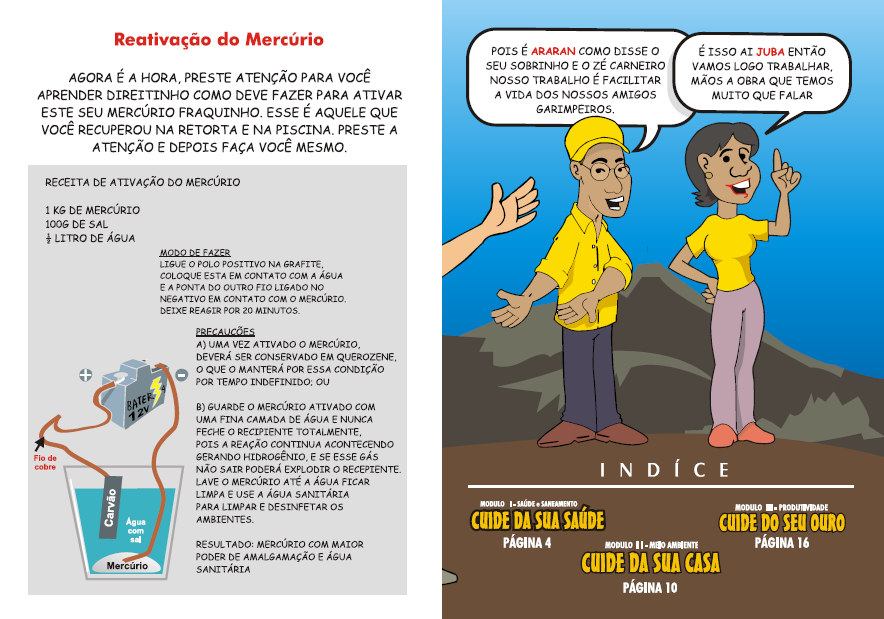
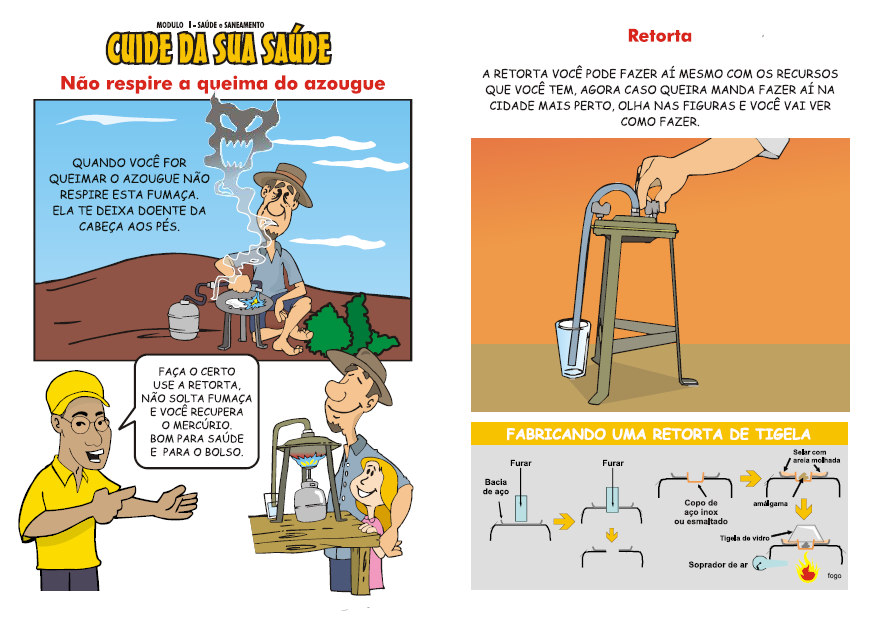
- 56 -
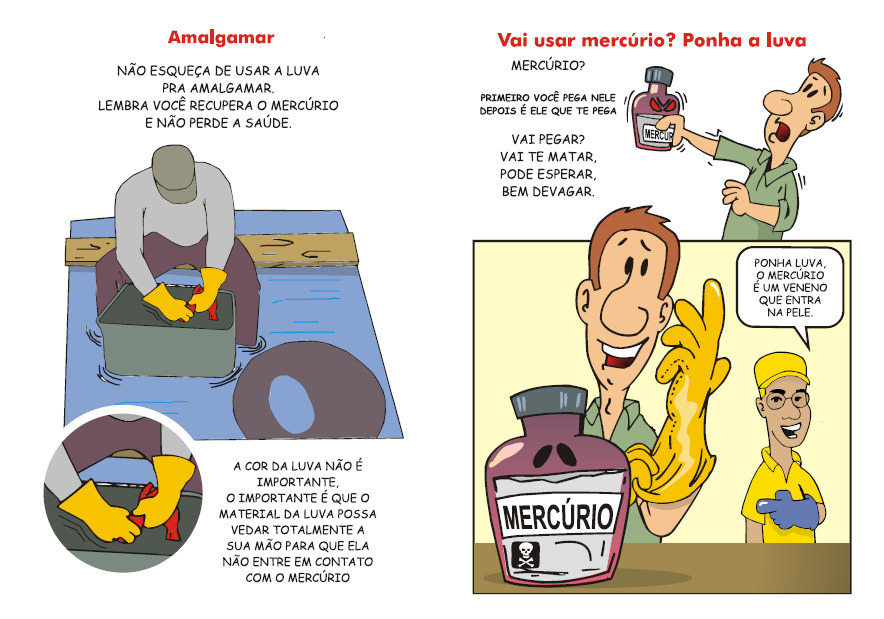
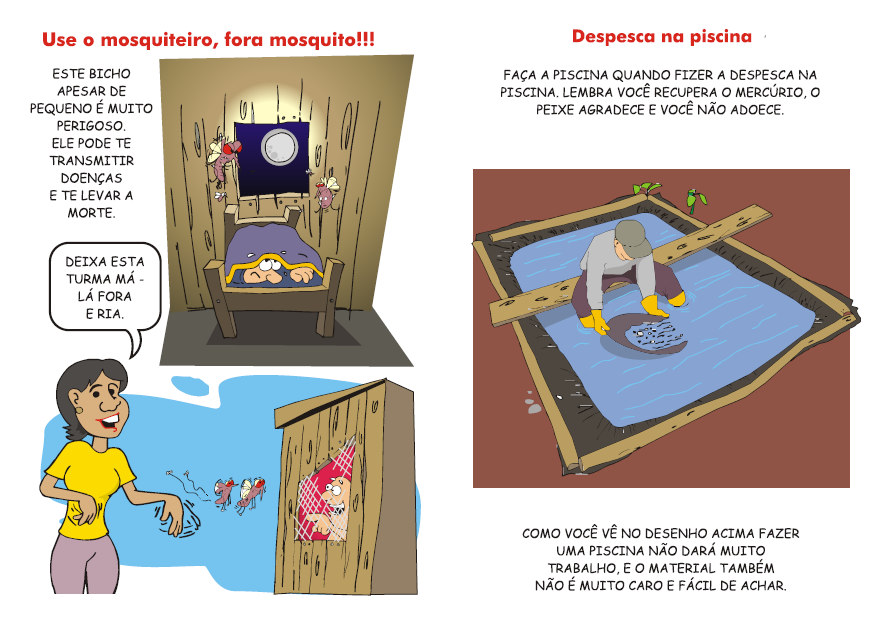
- 57 -
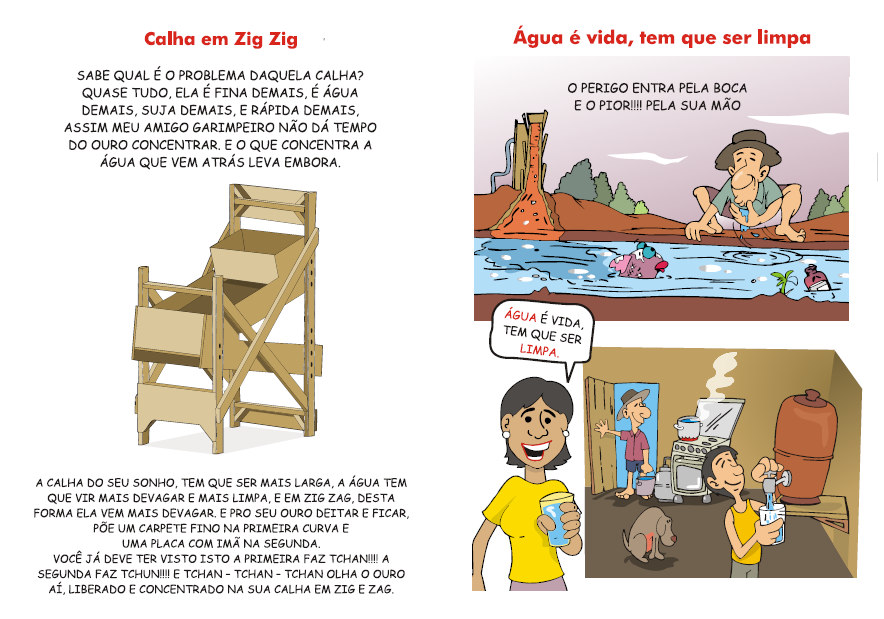
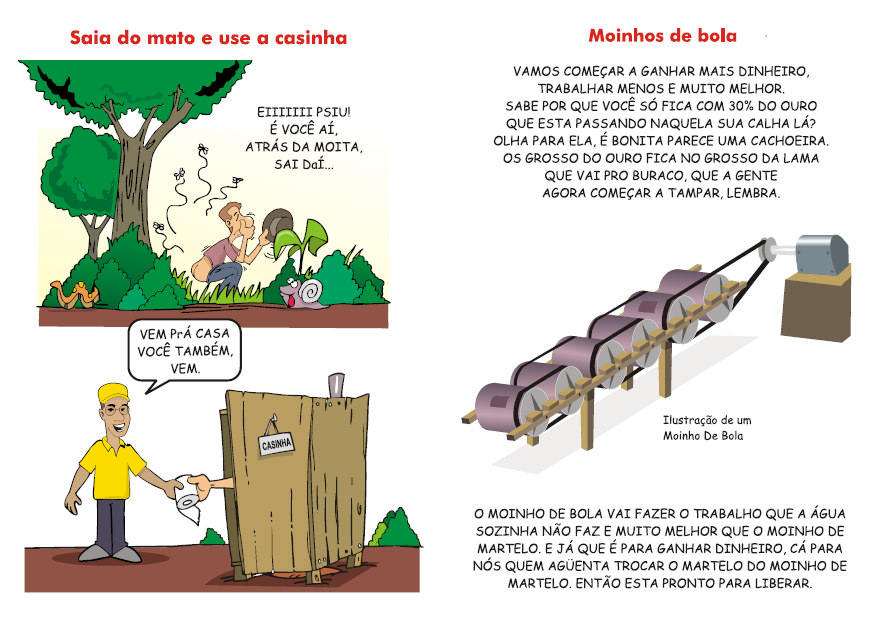
- 58 -
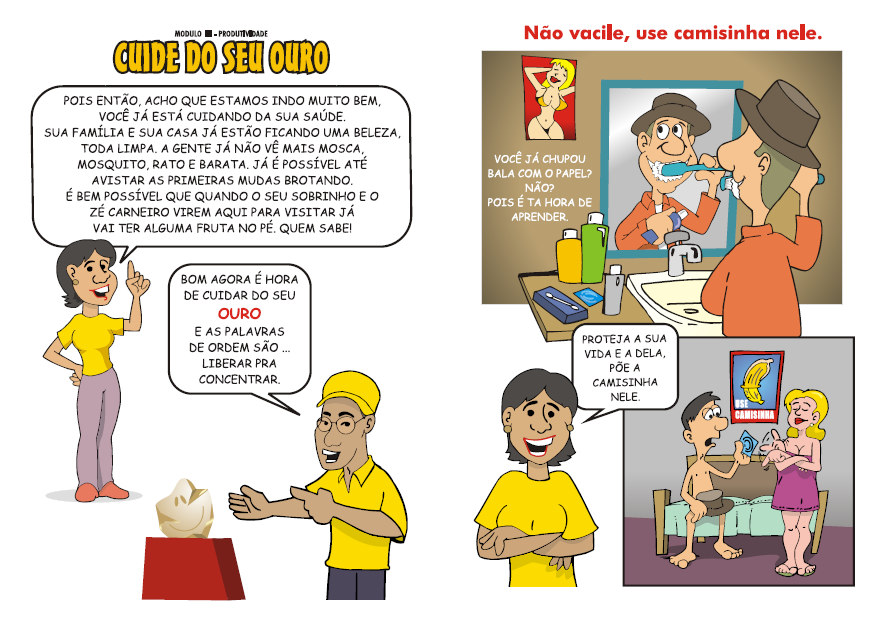
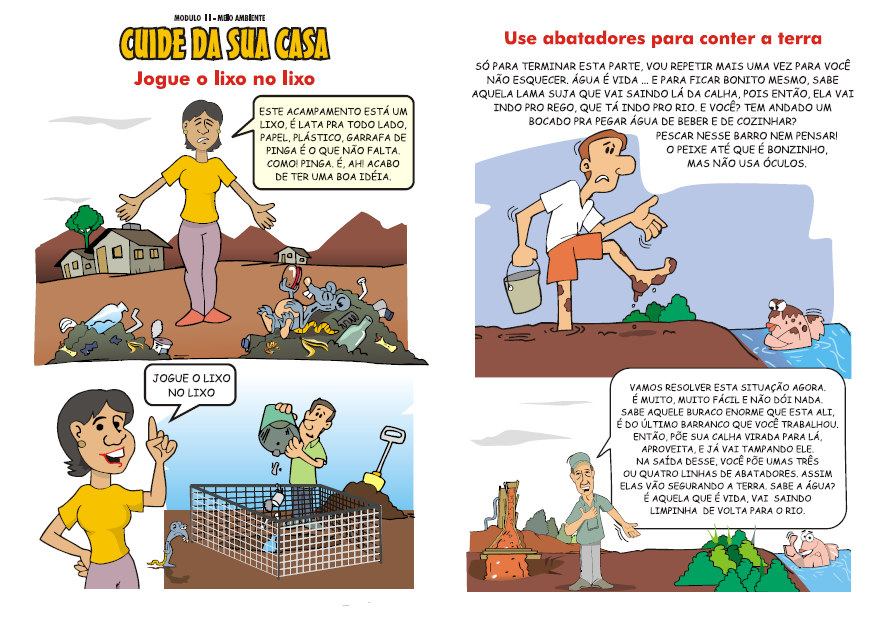
- 59 -
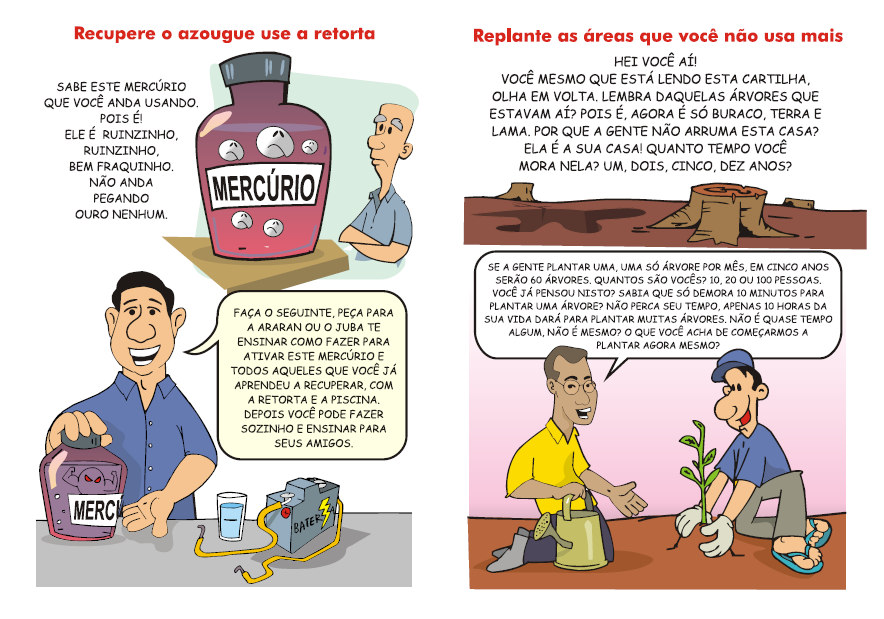
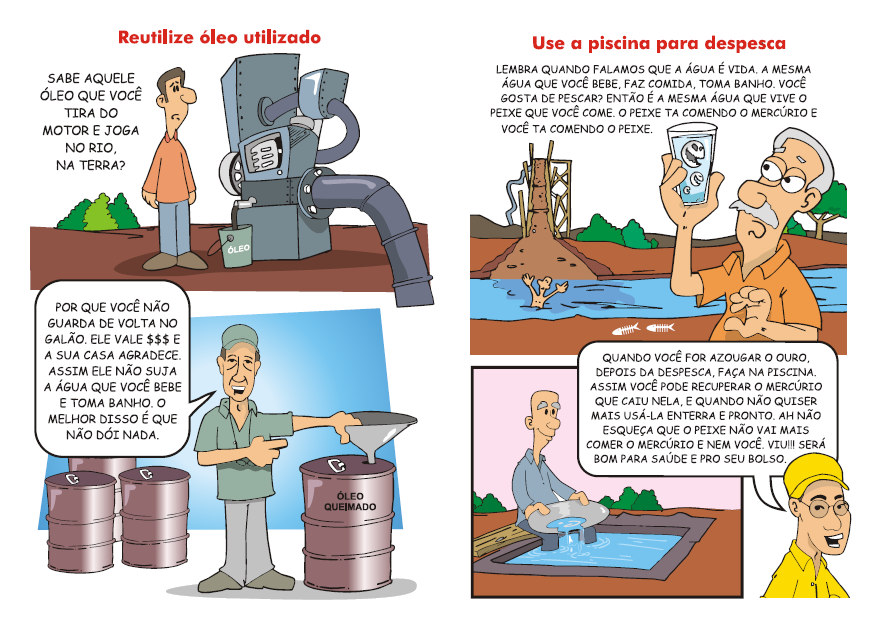
- 60 -
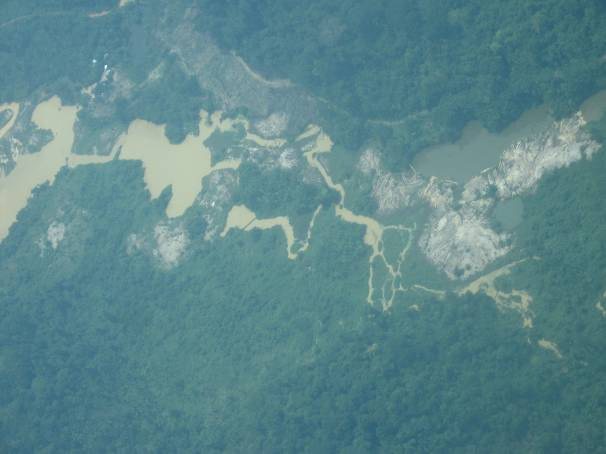
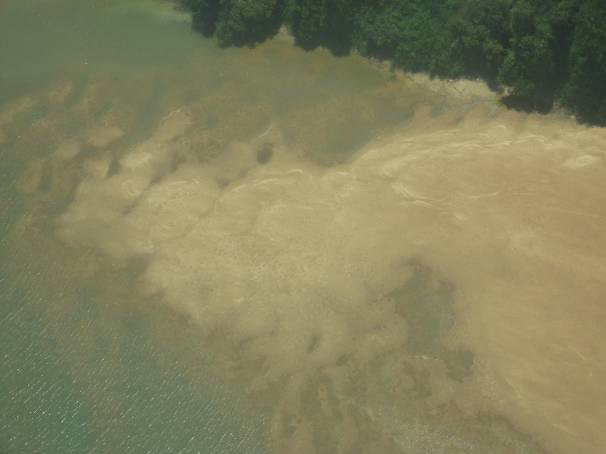
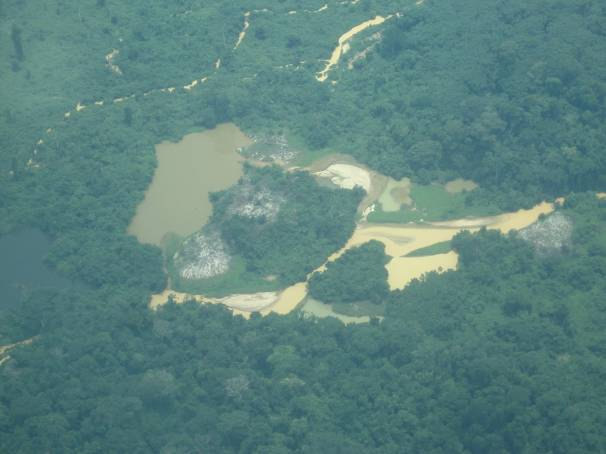
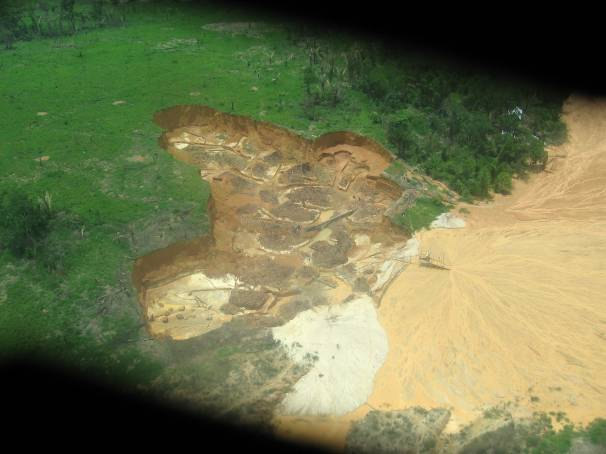
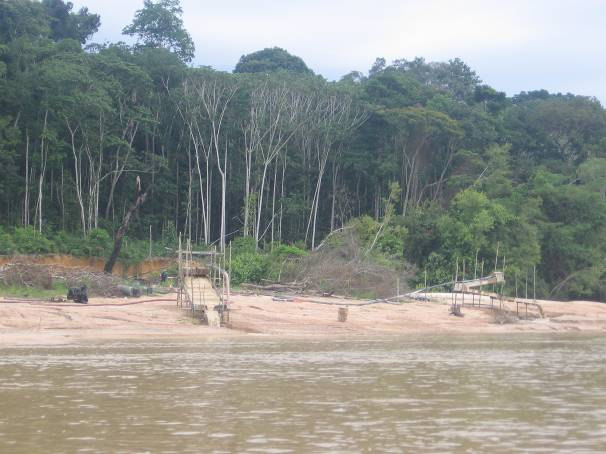
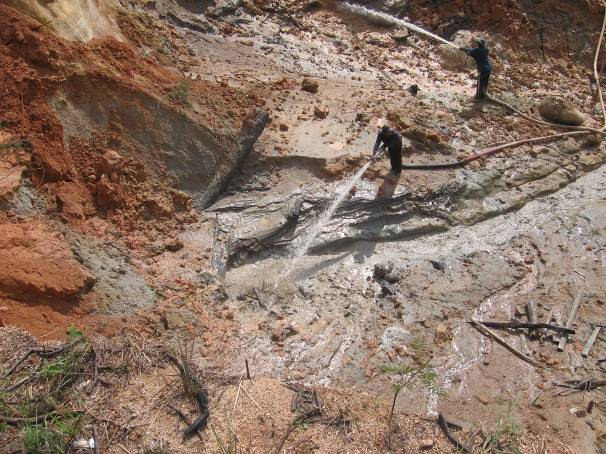
ANNEX 2 Pictures of GMP in Brazil
Environmental and health problem: mercury and sediments in the rivers, fish contamination
A01 Crepori river / siltation and mercury
A02 Effects of siltation Crepori river
A03 Marupa river siltation and mercury
A04Tailings released directly into the rivers
A05 Tailings released into the rivers
A06 Hydraulic monitors tailings
- 61 -
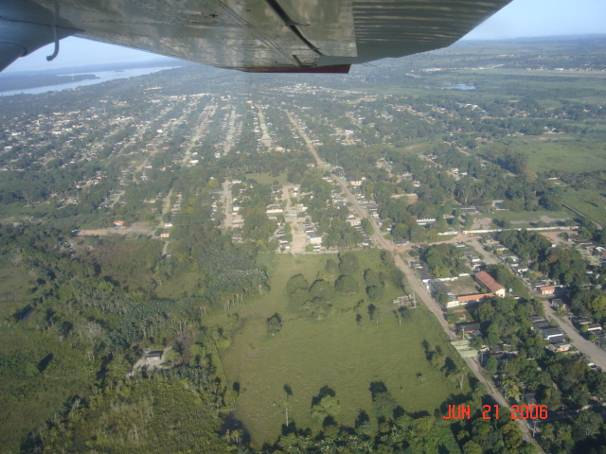
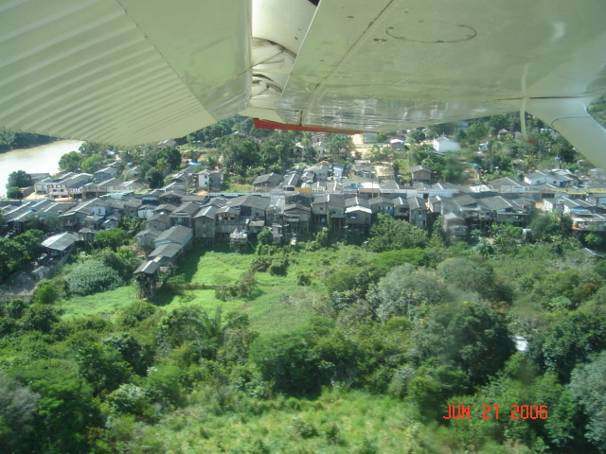
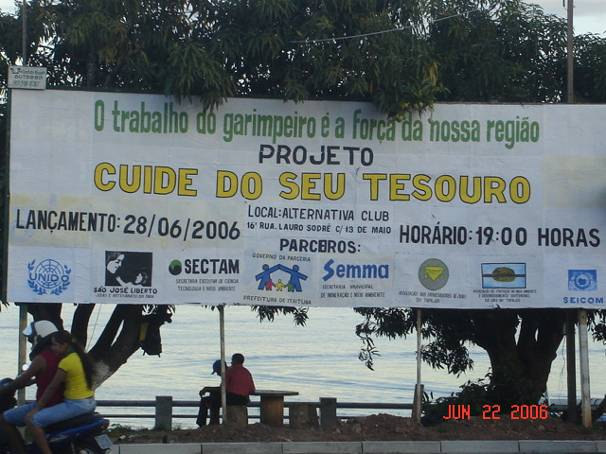
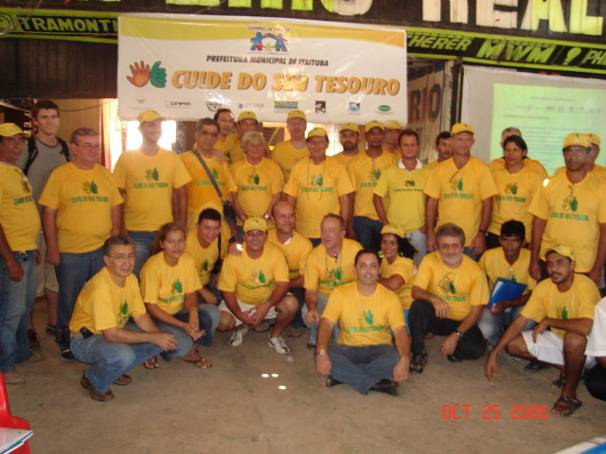
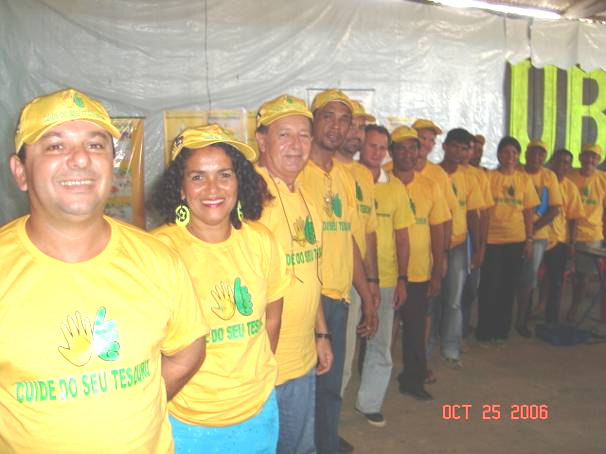
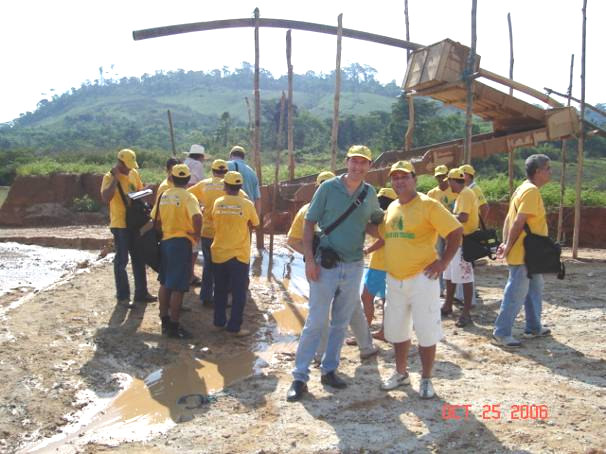
Broadness of the area: Itaituba and 115 mining sites/communities (98.000km2)
A 07 City of Itaituba
A08 Mining Community of Creporizão
A09 Promoting the program
A10 Trainers and local authorities
A11 Group of multipliers
A12 Field lectures
- 62 -
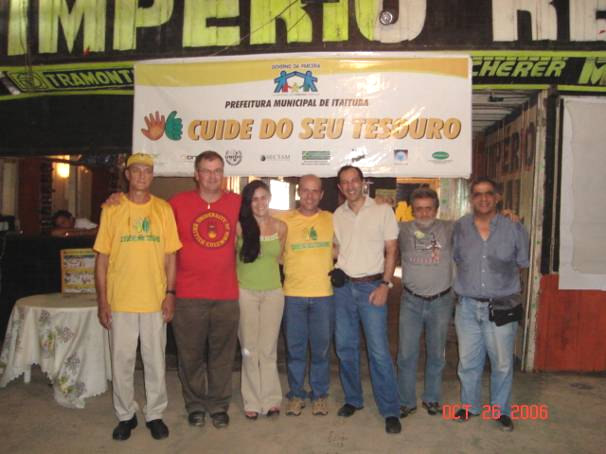
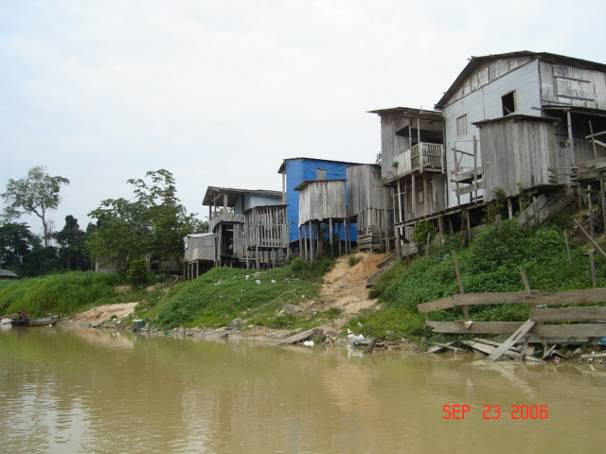
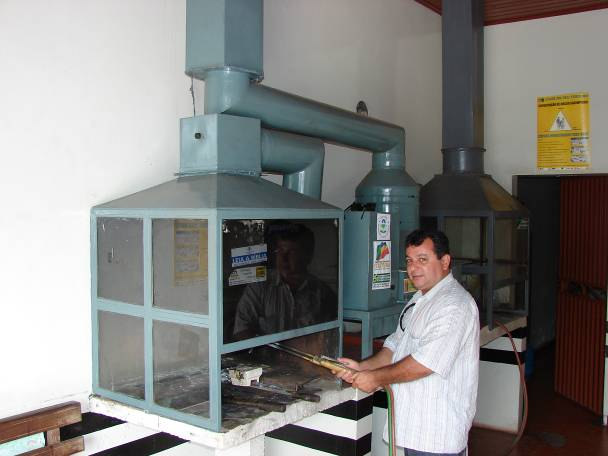
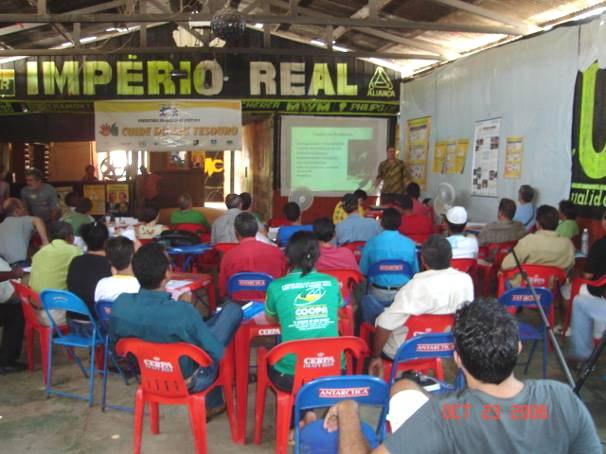
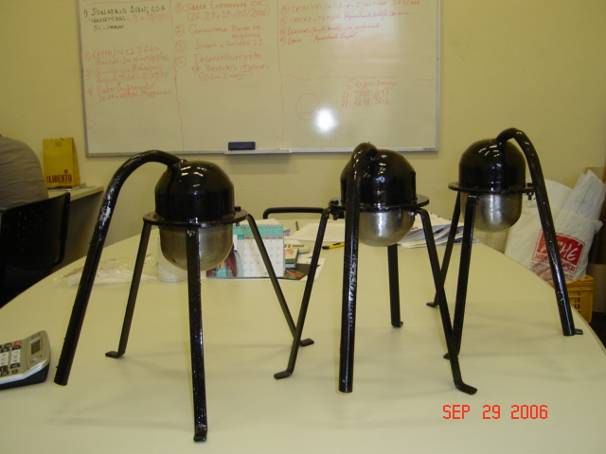
Training of the trainers: 60 participants, 13 trainers, 4,200 miners trained
A13 Lecturers and "garimpos" owners
A14 Mining community of Cabaçal
A15 Some multipliers are women
A16 Gold shop fume hood (USEPA)
A17 Training of the trainers
A18 Retorts produced by local partners
- 63 -
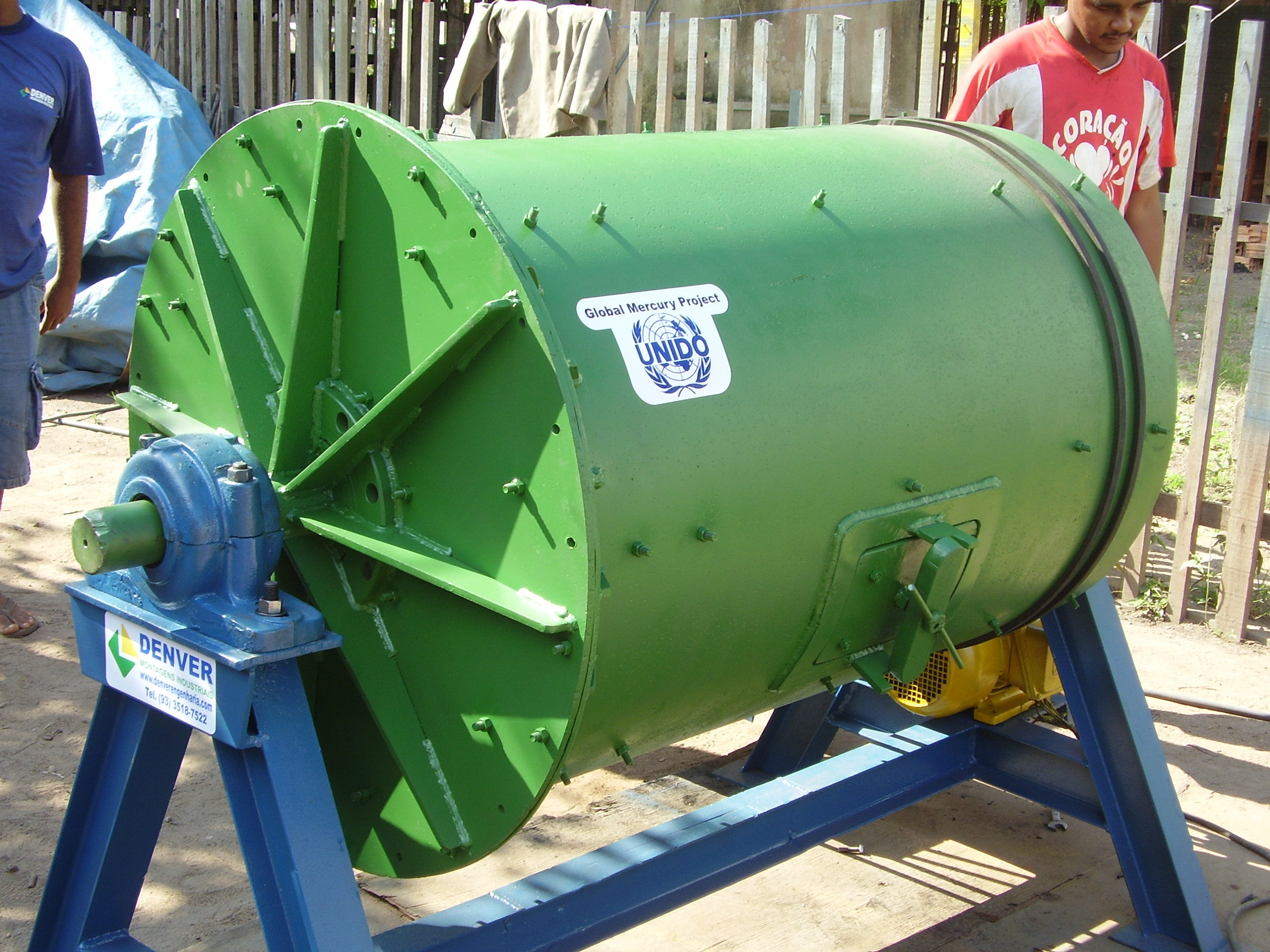
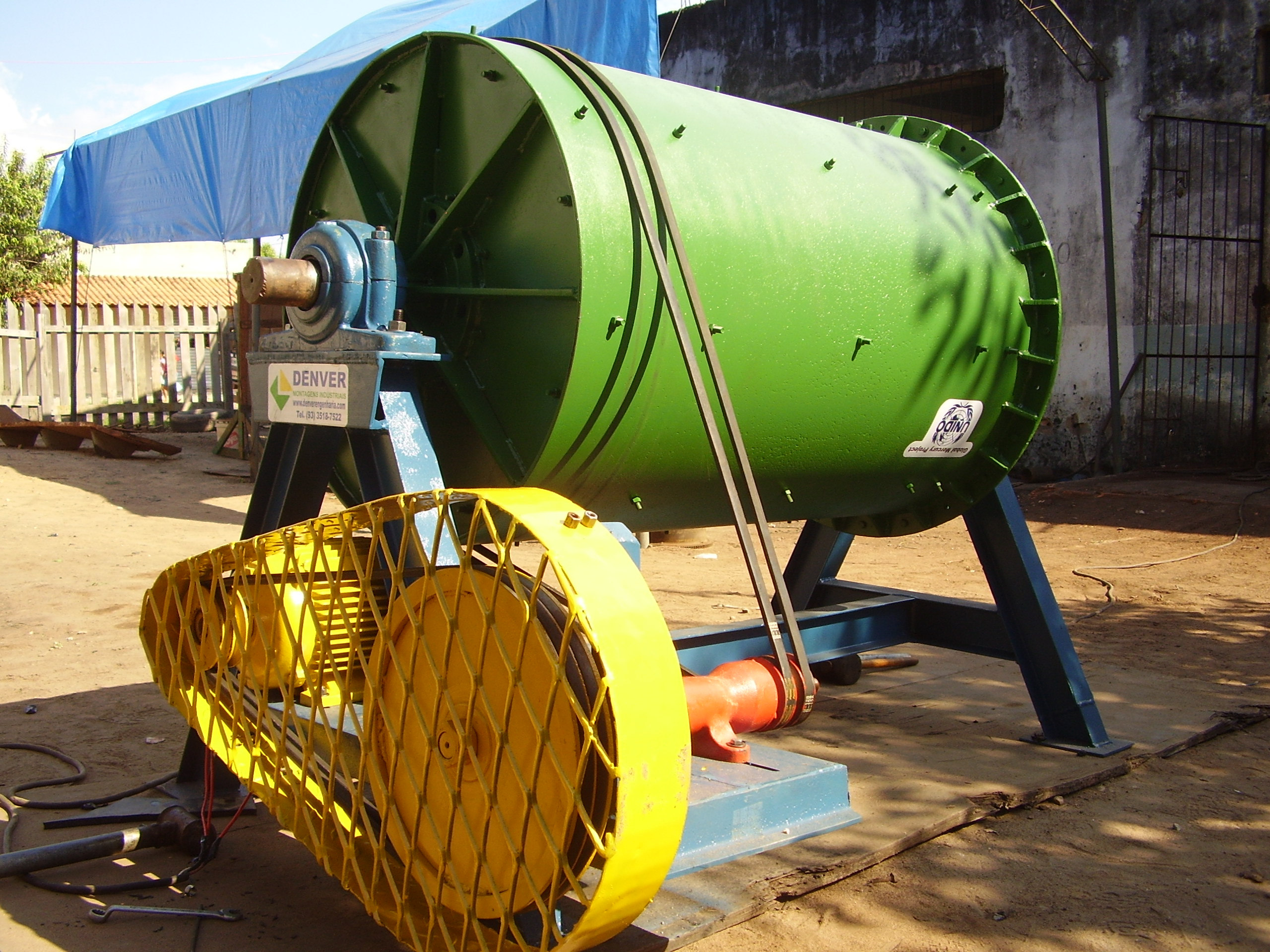
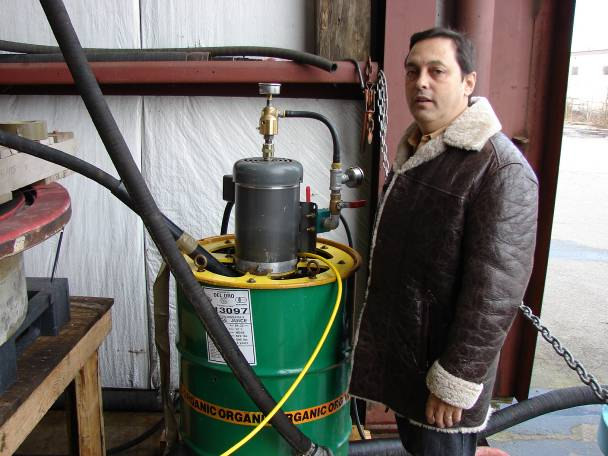
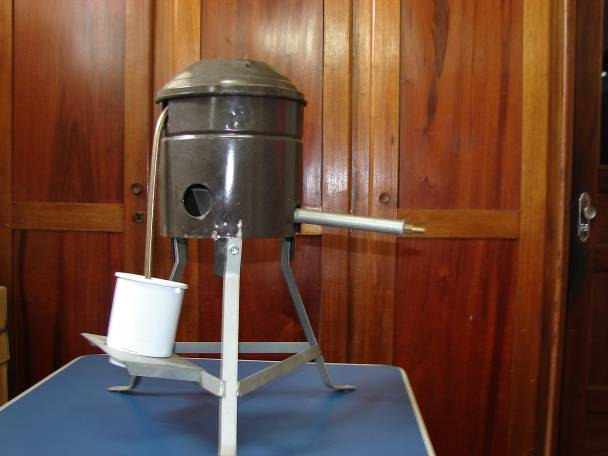
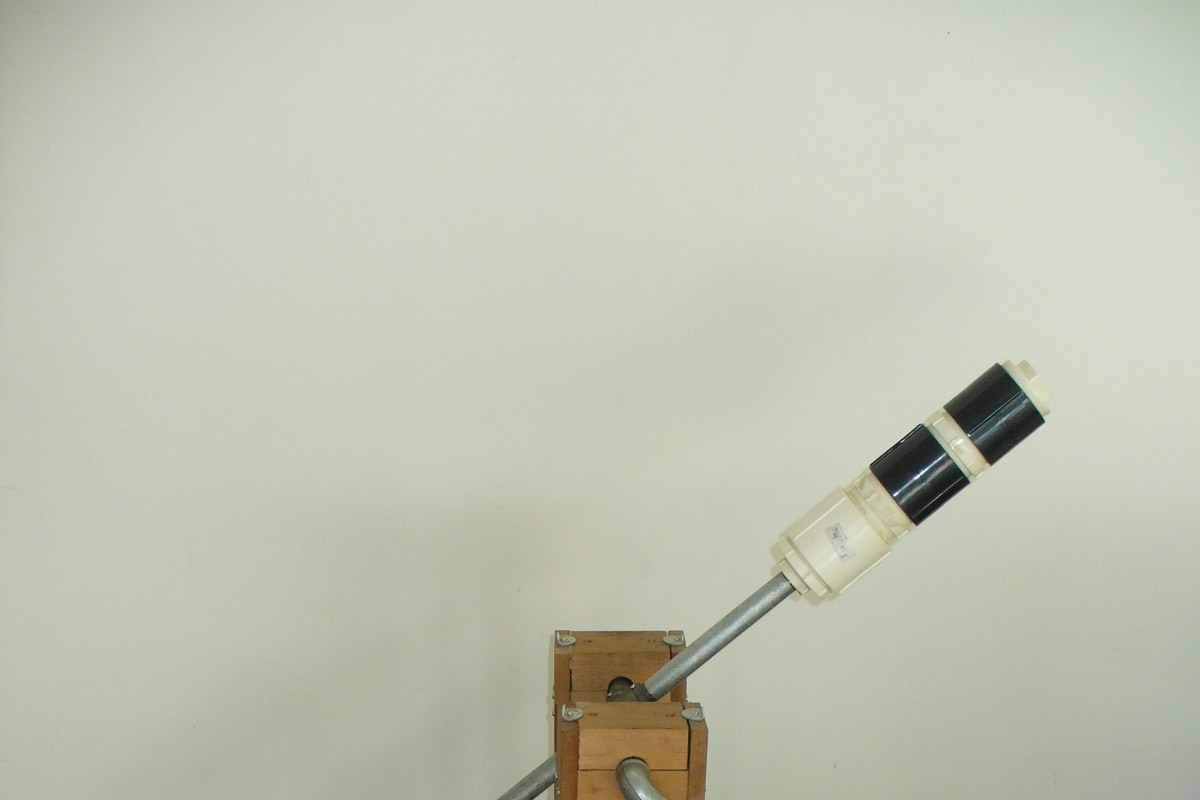
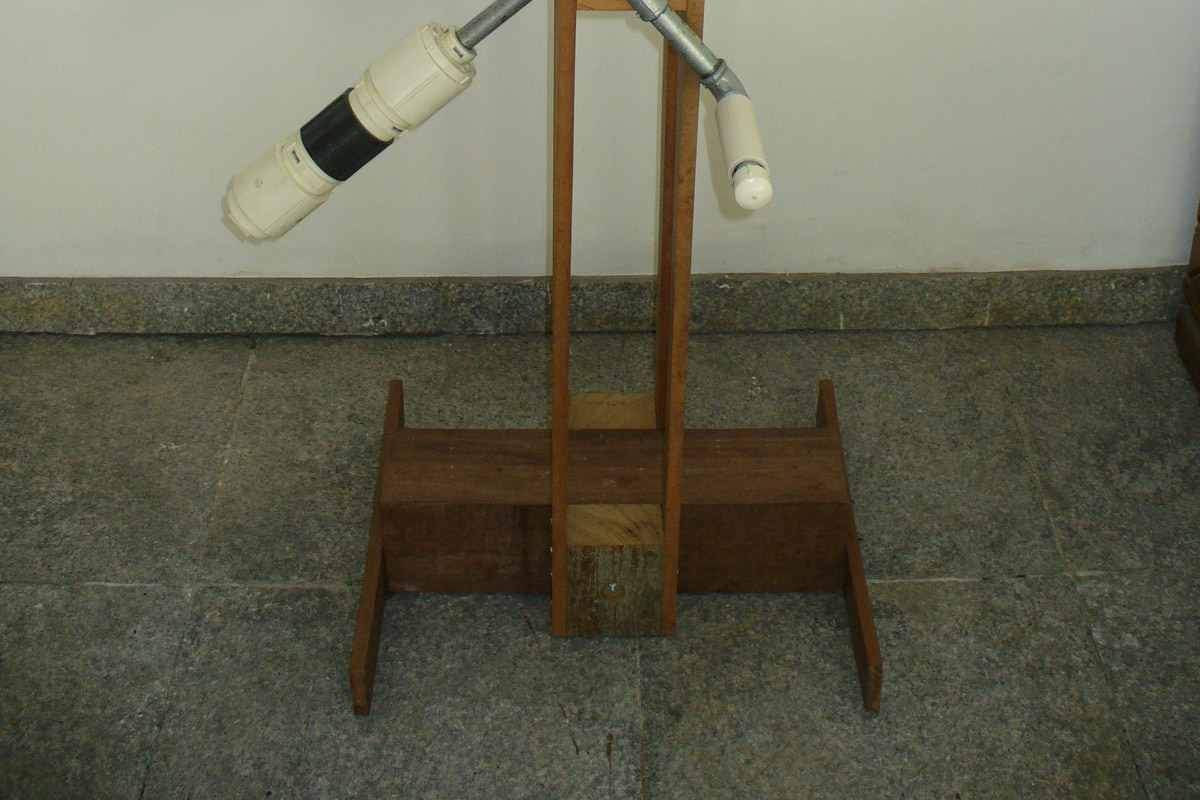
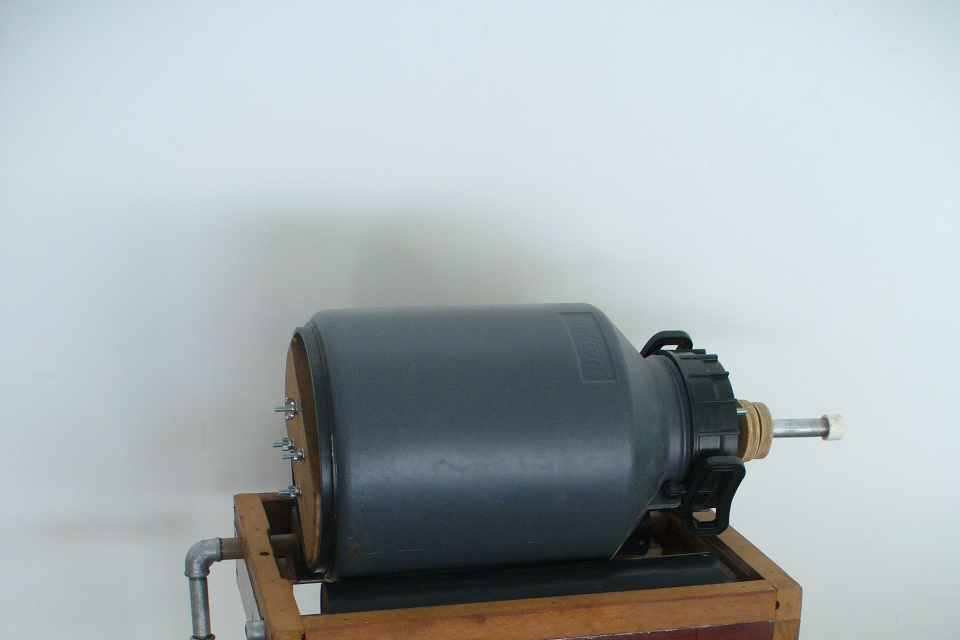

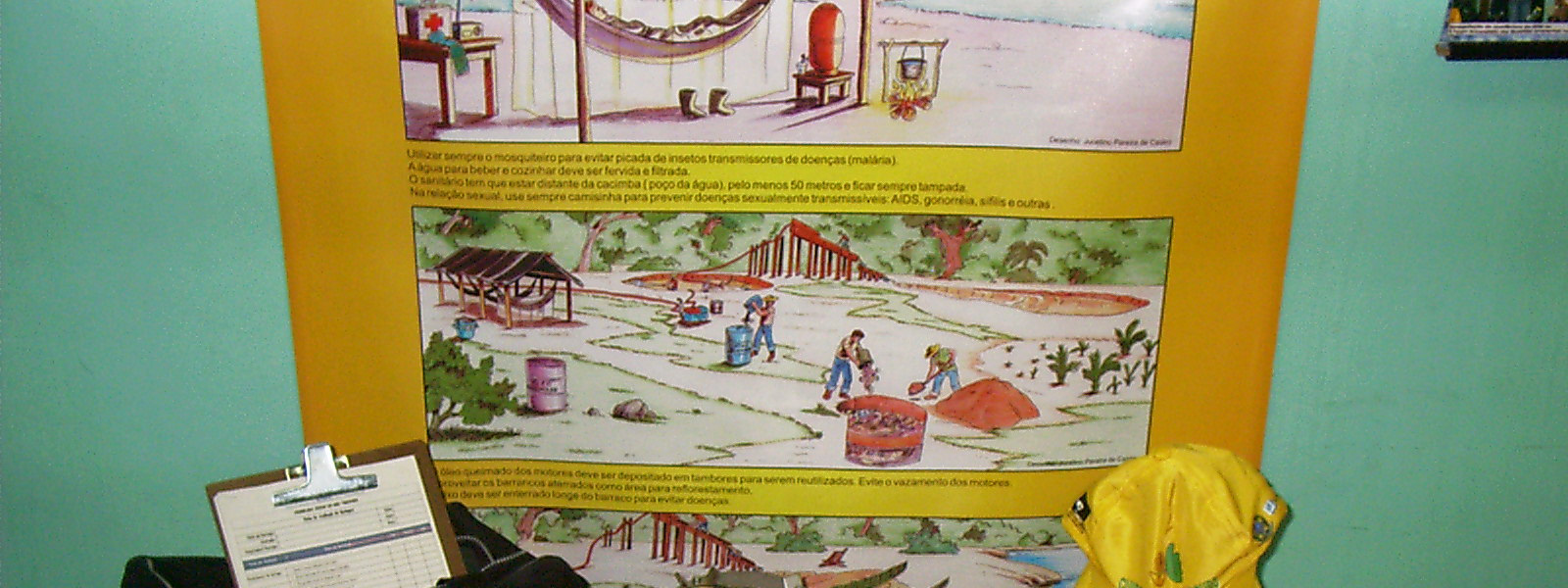
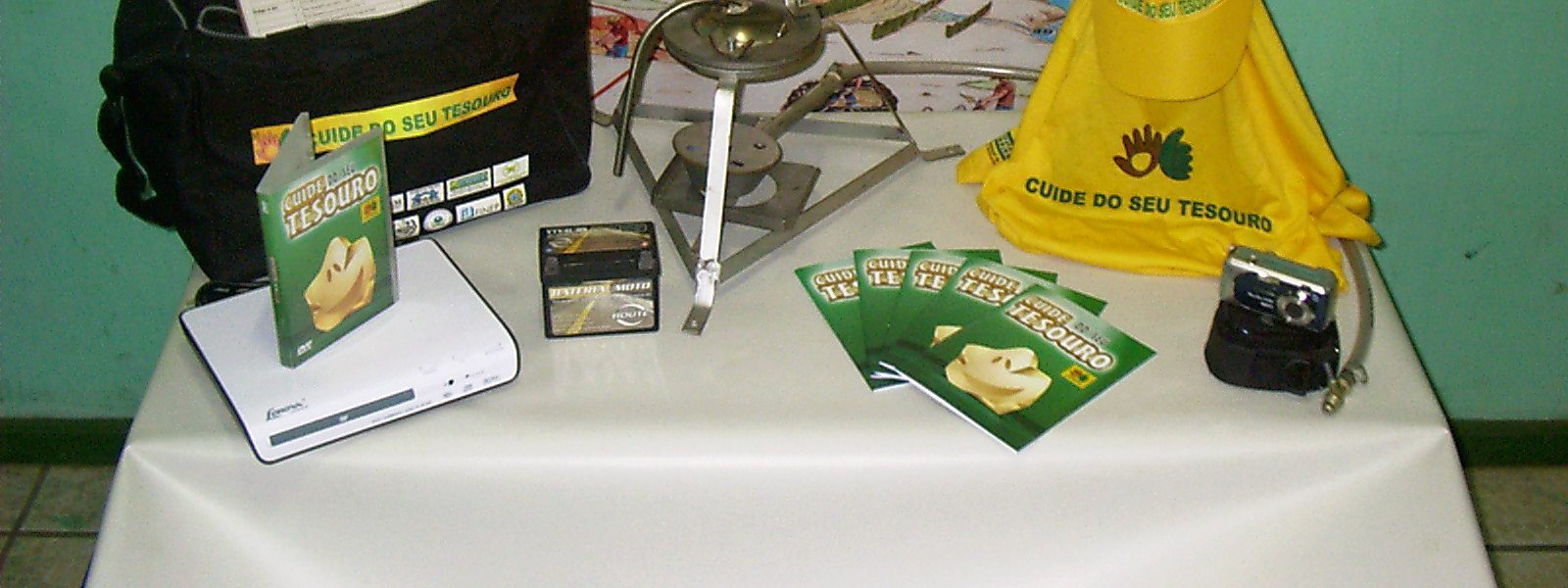
Equipment for the TDU Transportable Demonstration Unit
A19 Ball mill developed locally (UNIDO's logo)
A20 Ball mill for pilot plant at "Garimpo Modelo"
A21 New ASM centrifuge (Itaituba Mayor)
A22 60 donated retorts
A23 Prototypes developed locally (simple
A24 Training Kit (DVD, brochure, posters,
solutions for amalgamation)
bag, forms, T-shirt, cap, retort, battery
- 64 -
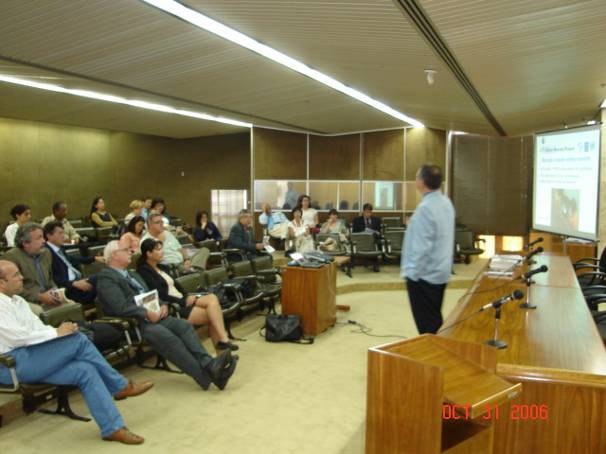
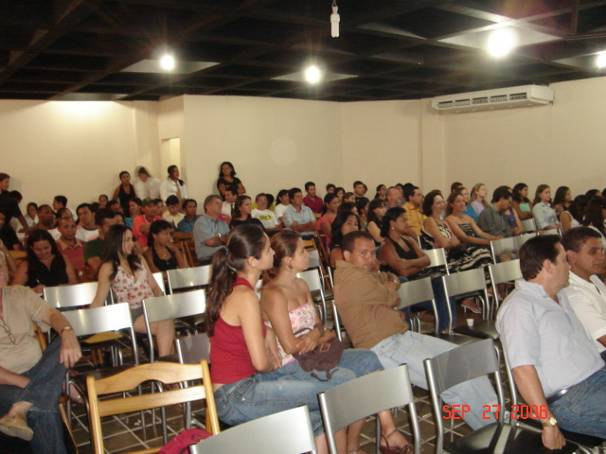
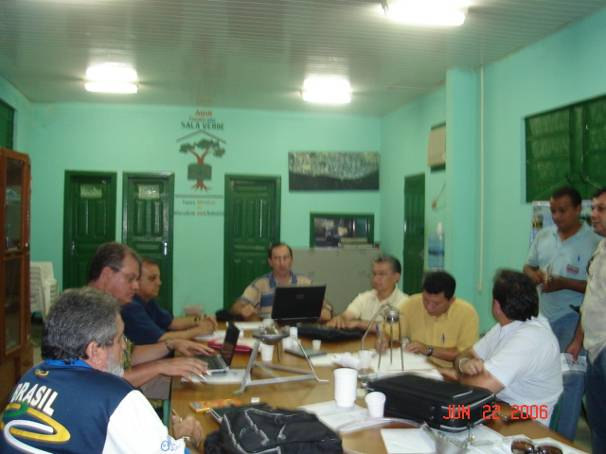
Establishing partnerships and promoting the program
A25 Workshop Brasilia GMP/MME/ MMA
A26 Workshop/ lecture in Itaituba
A27 Partnership SEMMA/AMOT Itaituba
A28 Partnership former State Government
A29 Meeting with "garimpos" owners
A30 Partnership current State Government
- 65 -
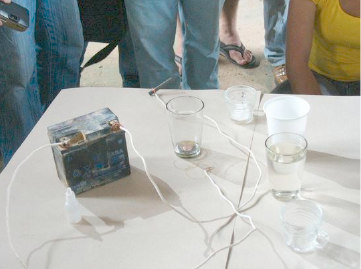
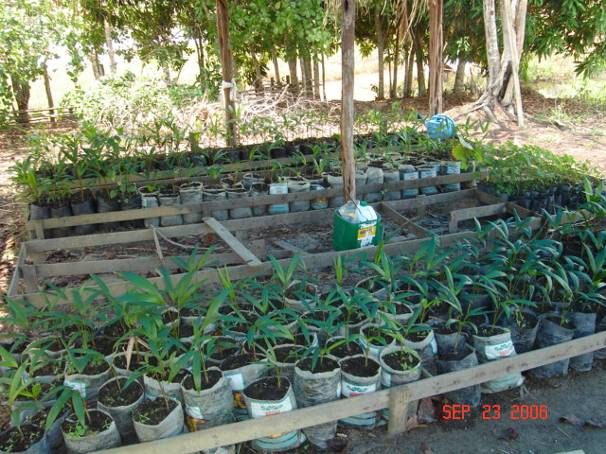
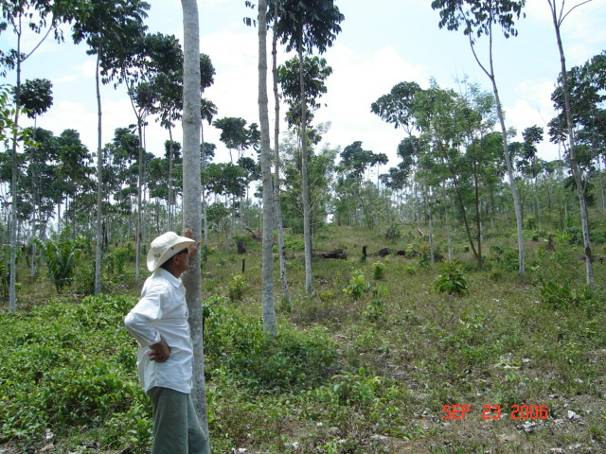
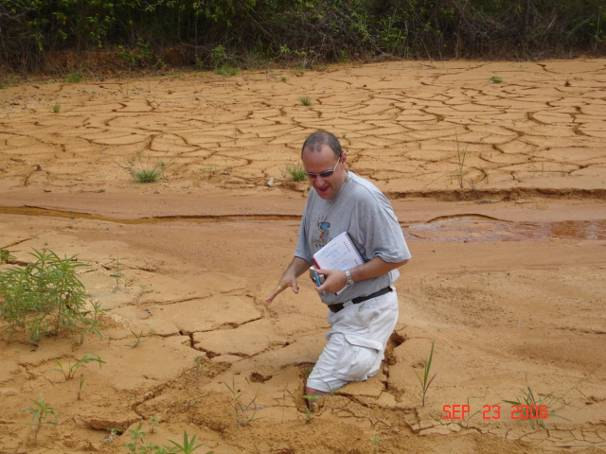
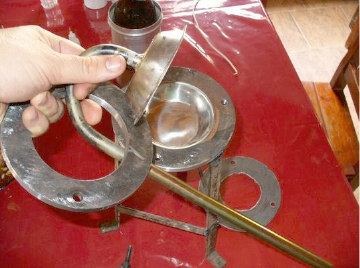
Good practices in the "garimpo modelo": potential candidate to Fair Trade Gold Program
A31 Fair trade effort in Garimpo modelo
A32 Locally made retorts
A33Sediments retained in old pits
A34 Reactivation and recycling of Hg
A35 Seedling production for reforestation
A36 Old pit refilled and reforested
- 66 -
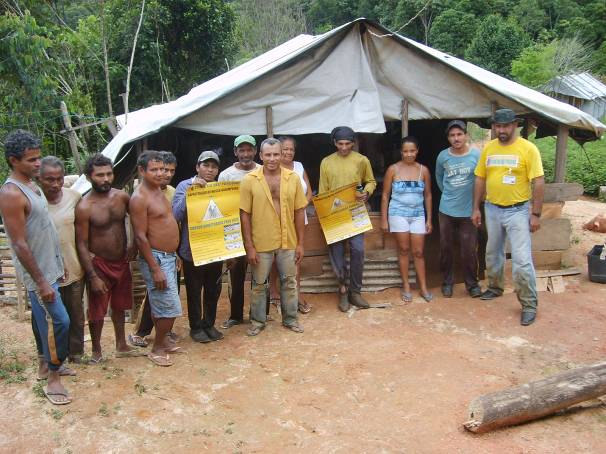
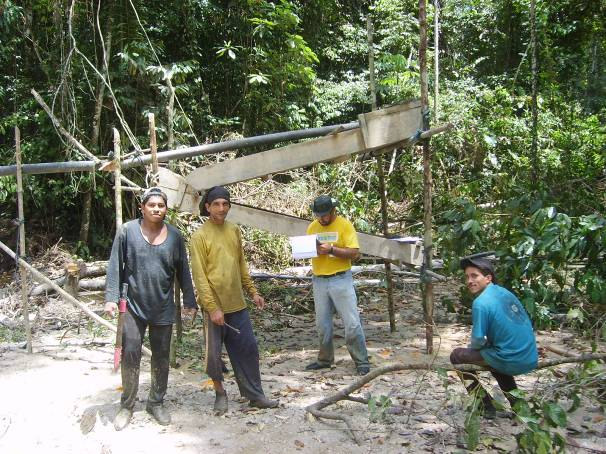
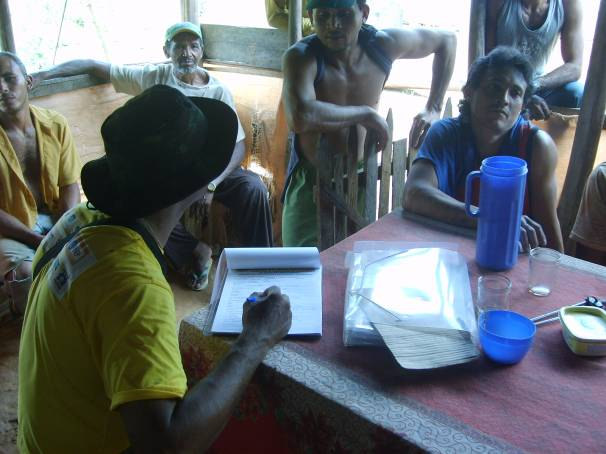
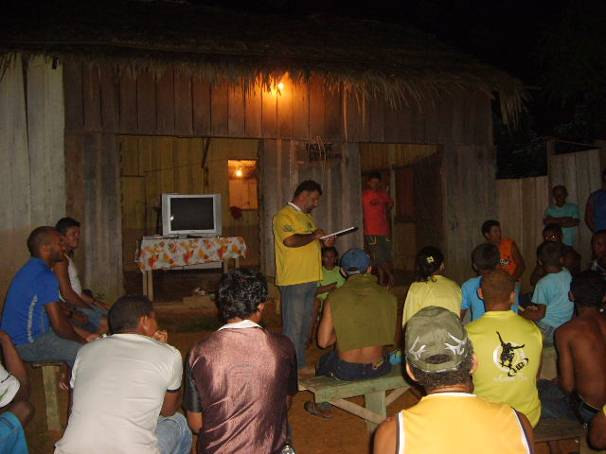
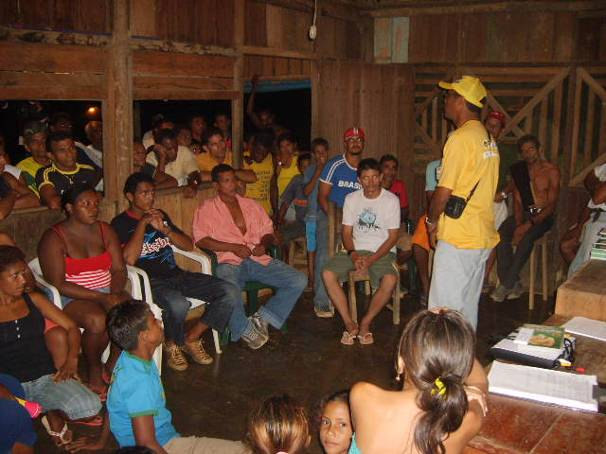
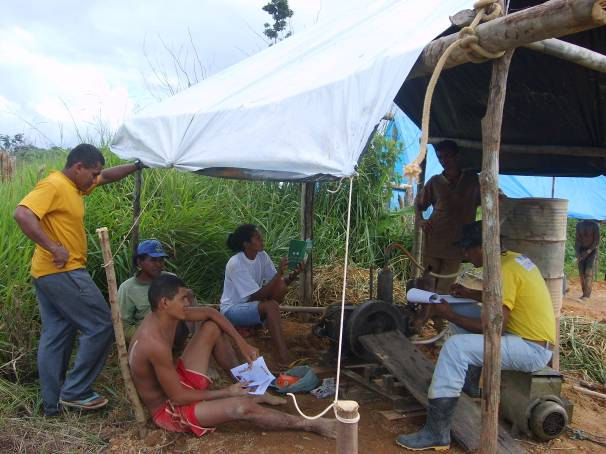
Actions in the field / Training and awareness campaign
B01 Lectures and demonstrations on site
B02 Evaluation before and after training
B03 Orientations and records
B04 DVDs prepared for the training
B05 Training miners and communities
B06 Training miners where they work
- 67 -
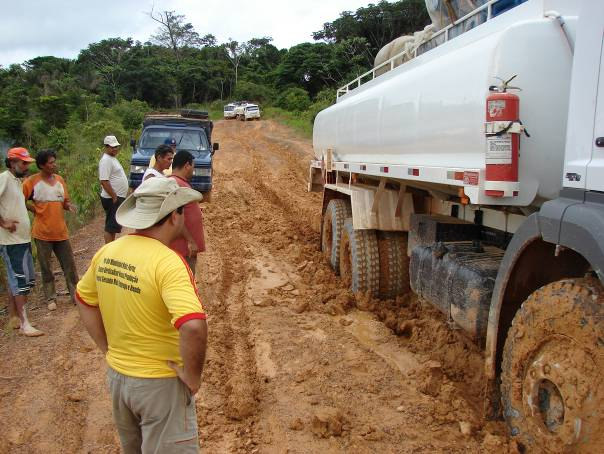
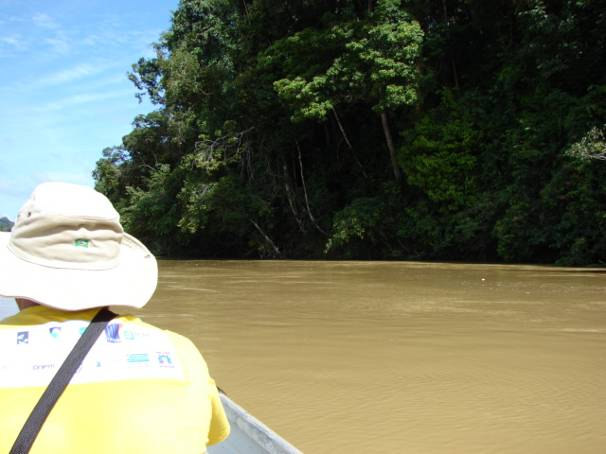
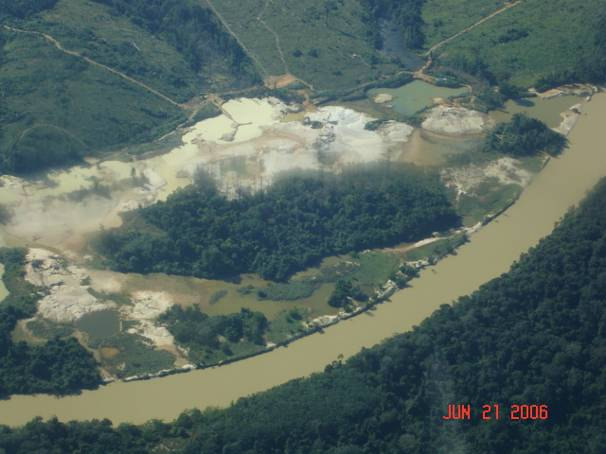
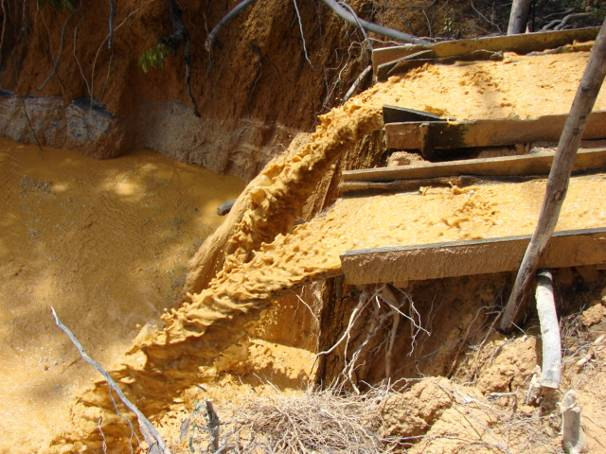
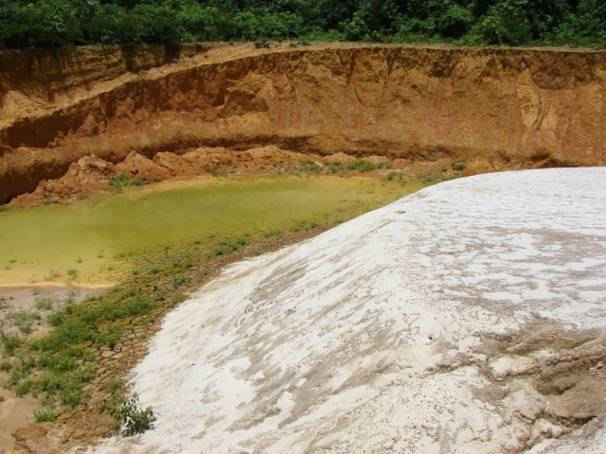
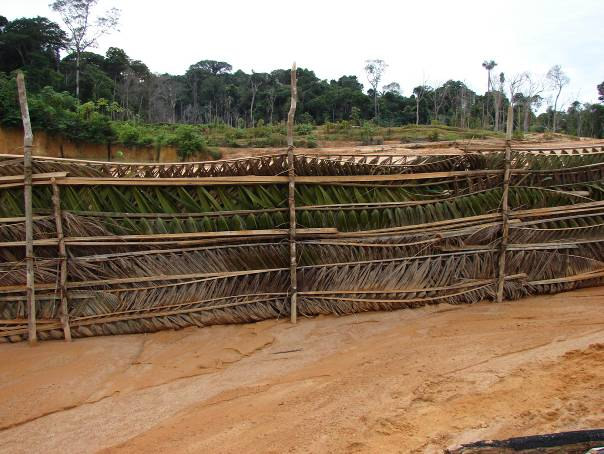
The logistical hurdles and mobility through "garimpos" and good practices implemented
B
07 Logistic: travel by road
B08 Logistic: travel by boat
B09 Logistic: travel by air
B10 Tailings redirected to old pits
B
11 Refilling of old pits
B12 Triple barriers to retain sediments
- 68 -
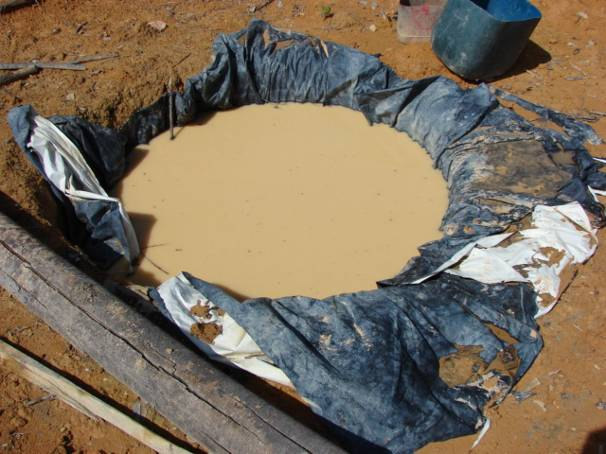
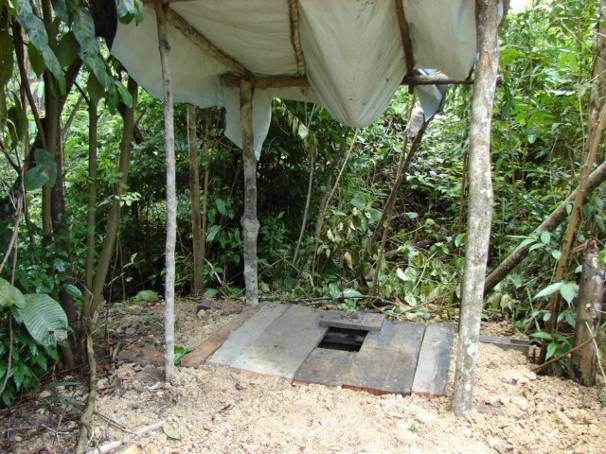
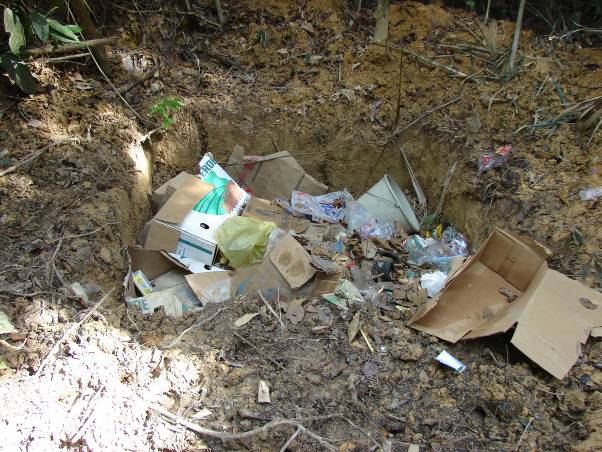
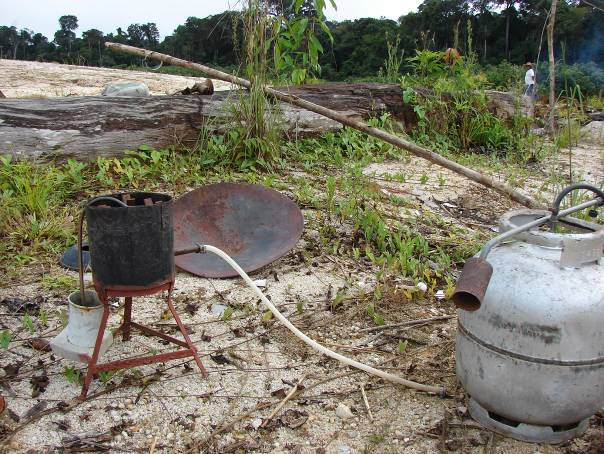
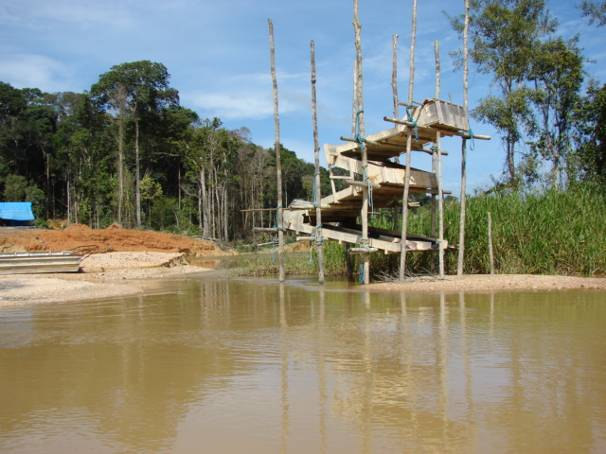
Some good practices implemented by "garimpeiros"
B13 Pools for amalgamation of concentrate
B14 Latrines and garbage deposits
B15 Collecting the garbage
B16 Use of retorts for burning amalgam
B17 Biosand filter being tested in the area
B18 Sluice box out of the river after training
- 69 -
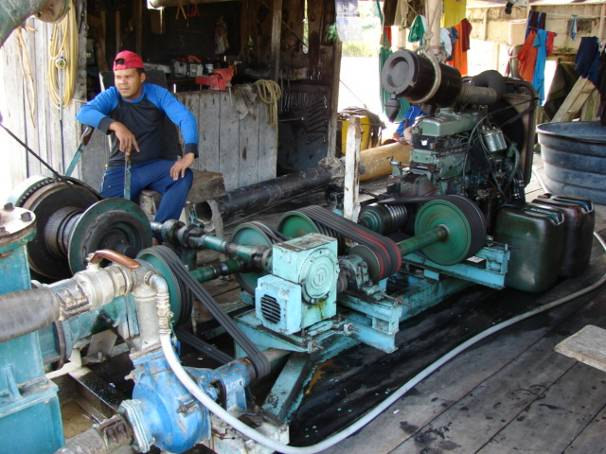
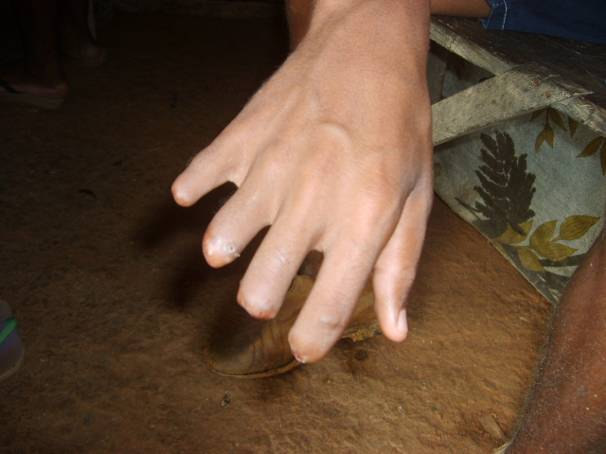
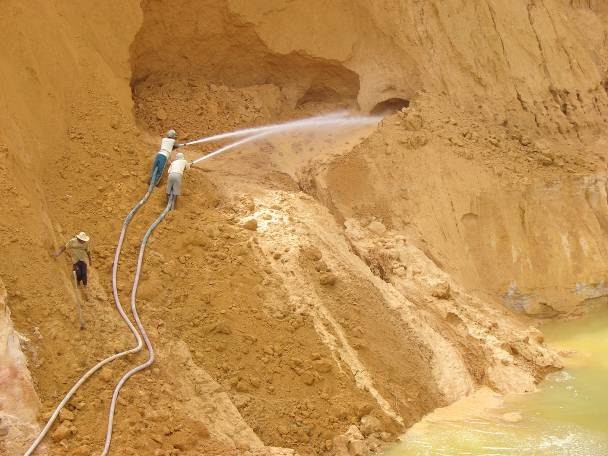
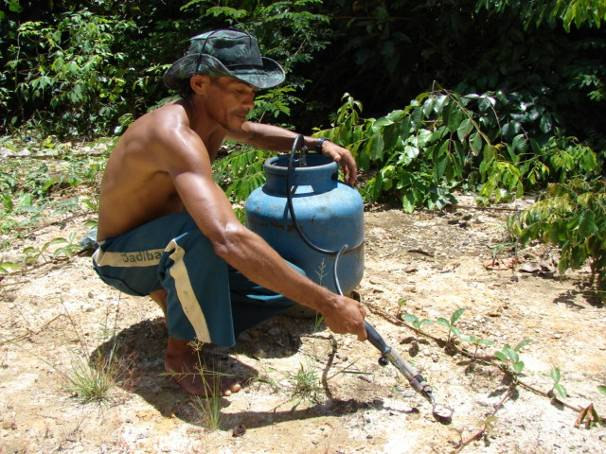
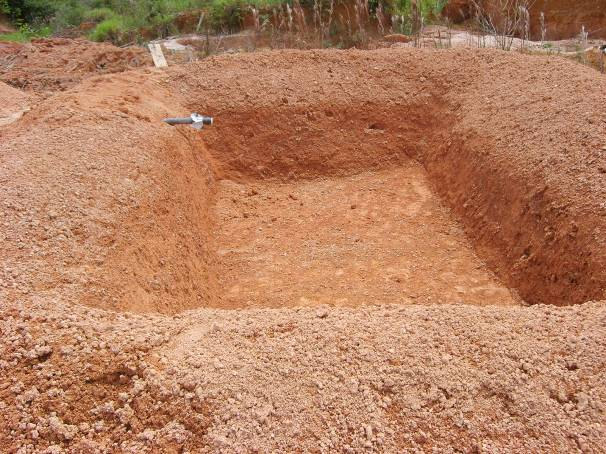
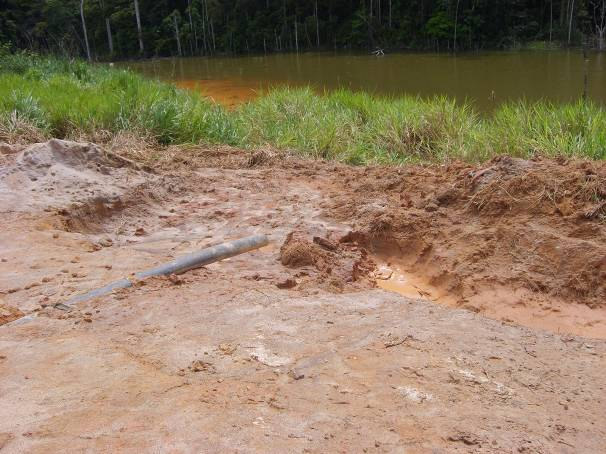
Risks of accident: health and environmental risks
B19 Exposure to accident in dredges
B20 Accidents in motors / pulleys
B 21 Exposure to accident / landslides
B22 Amalgam burnt in open air
B 23 Preparation for Cyanidation
B24 Cyanide released to the river
- 70 -
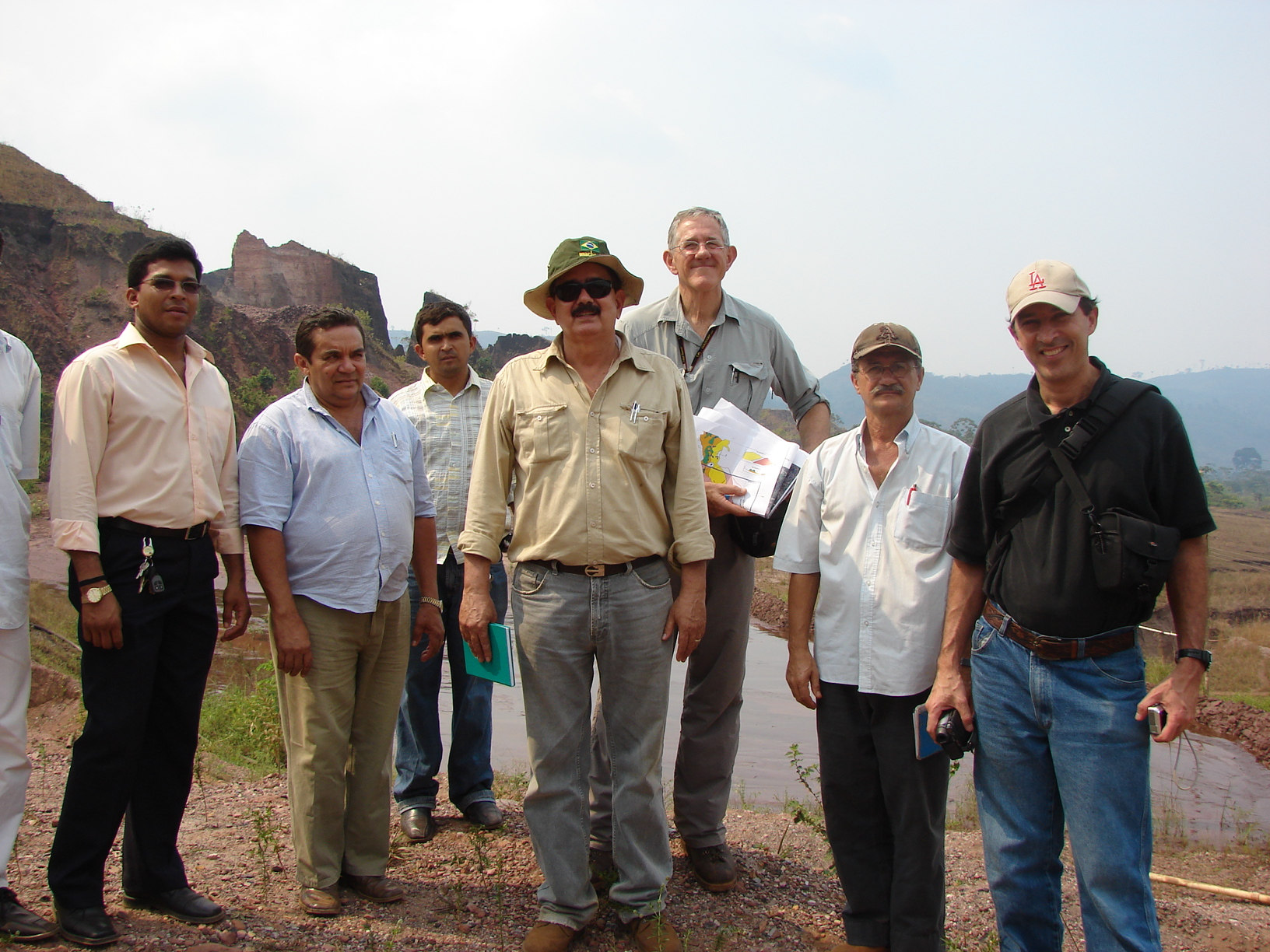
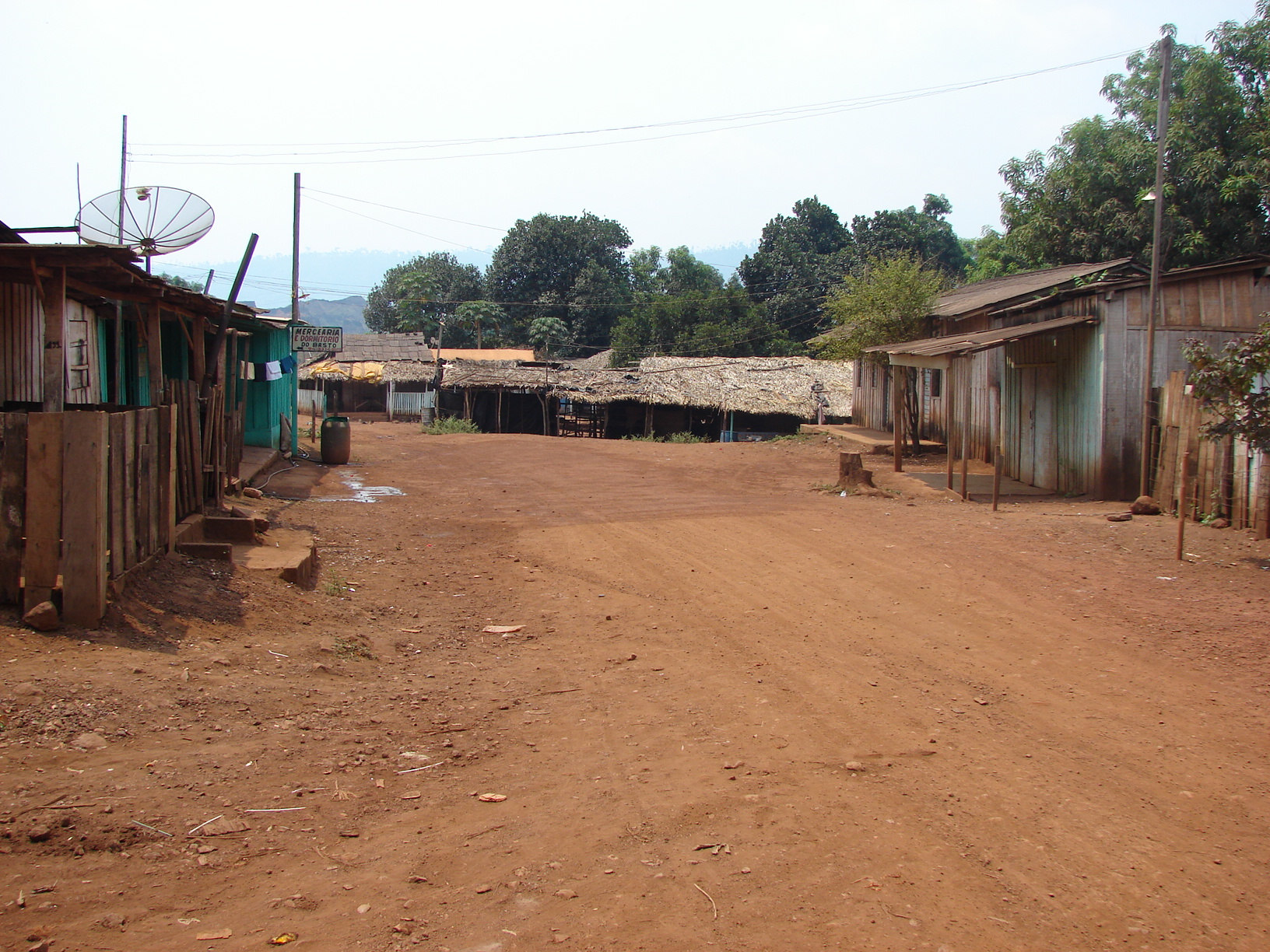
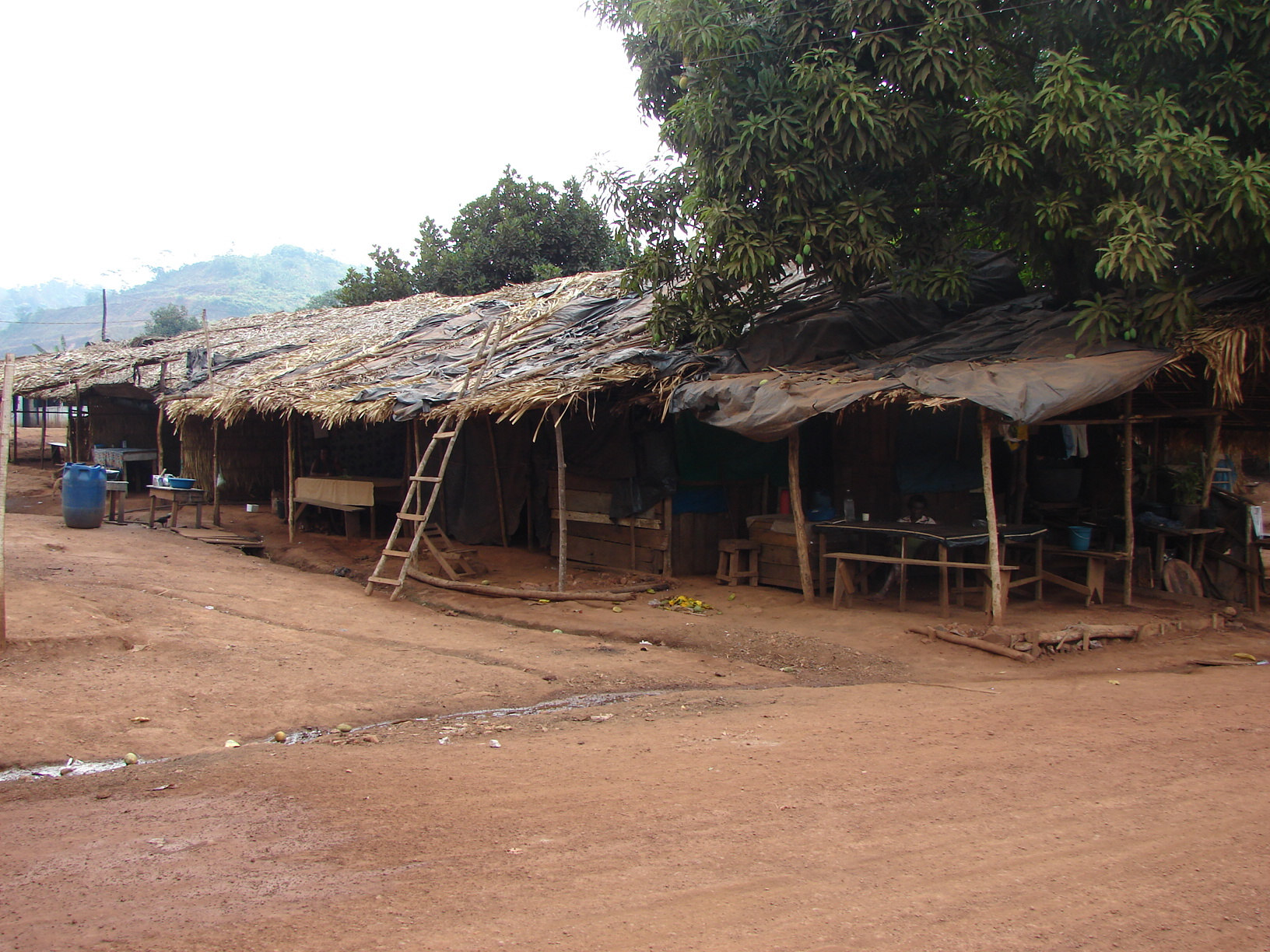
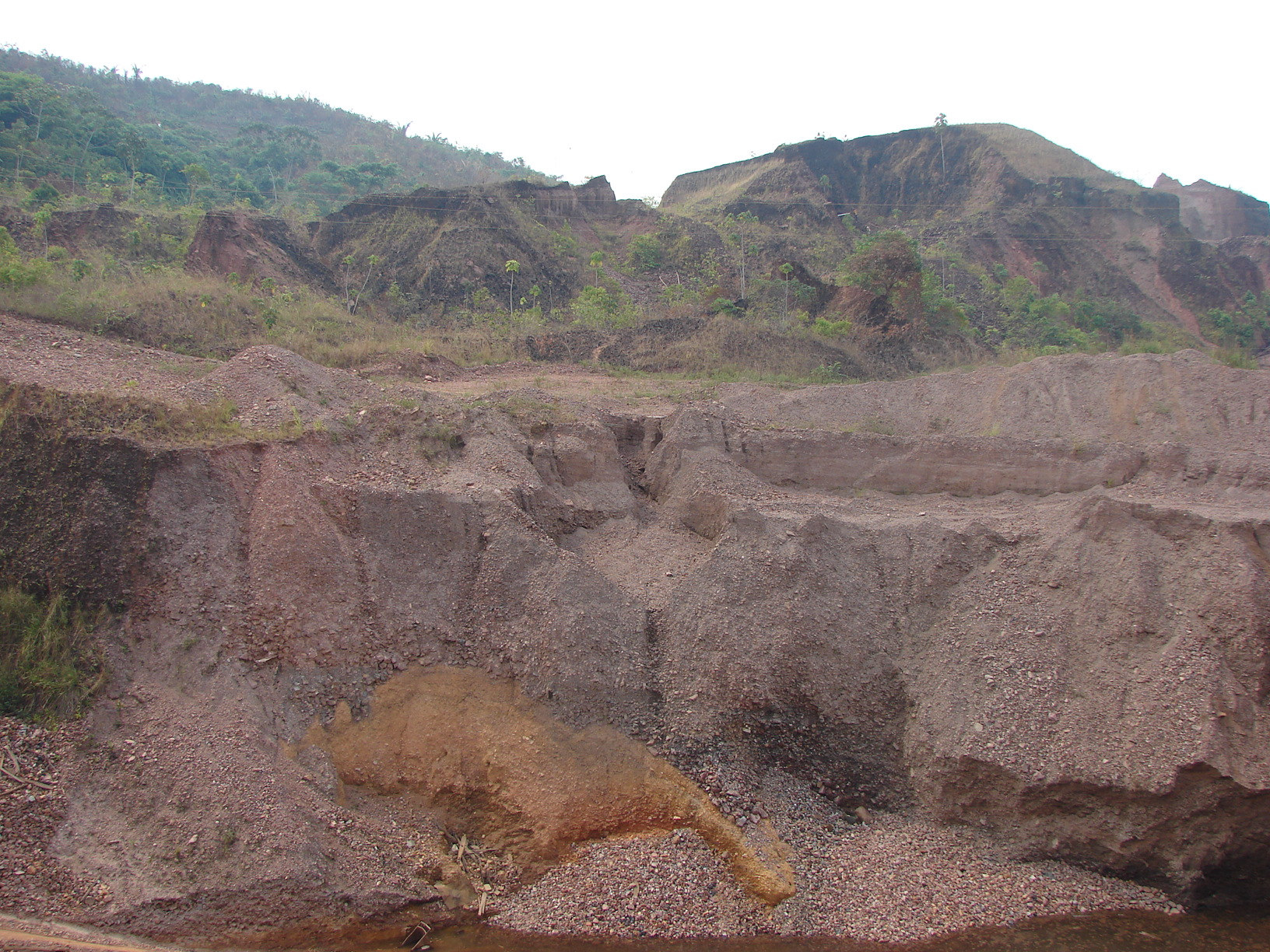
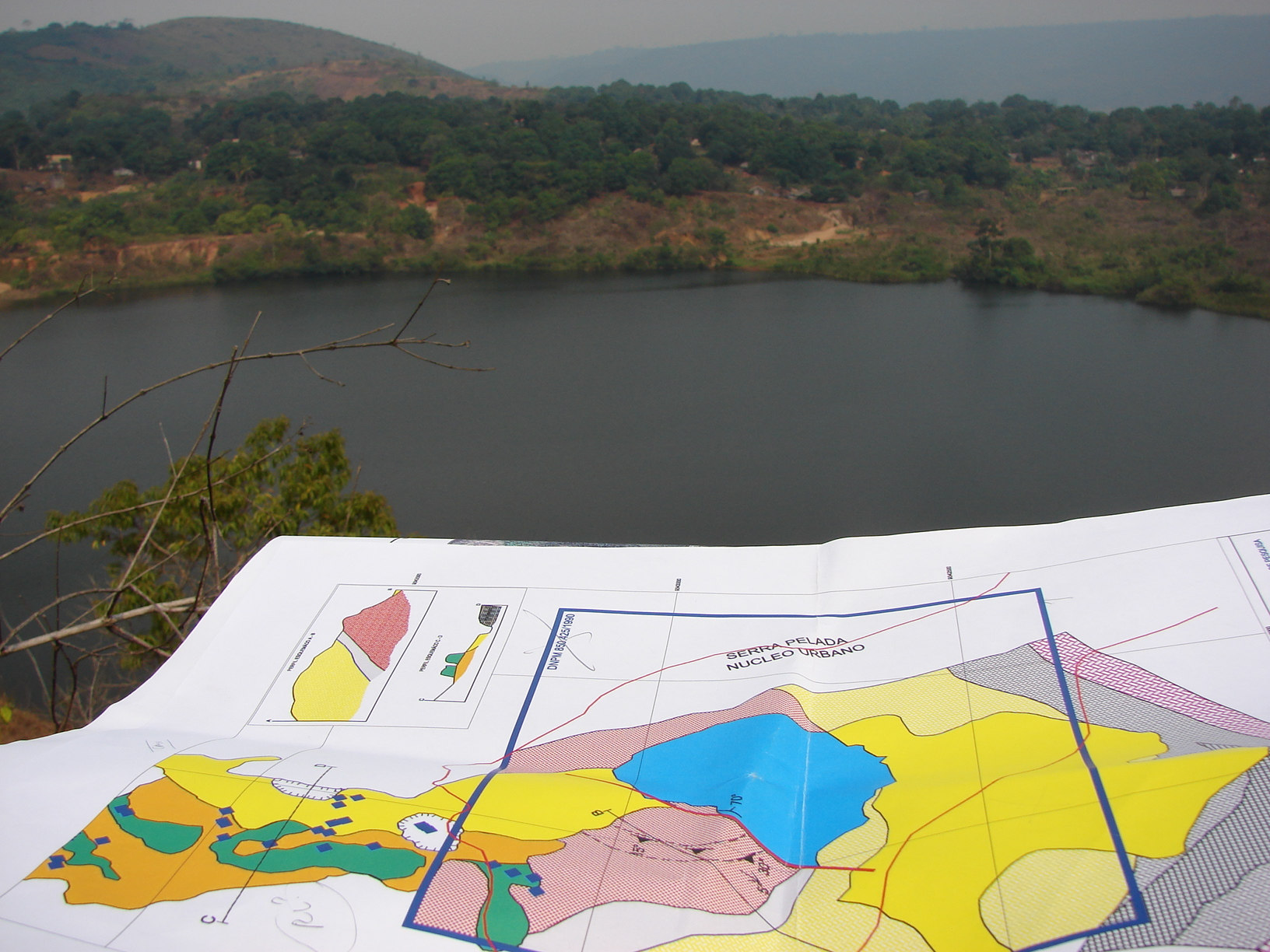
Pictures of Serra Pelada Potential new site for GMP 2
C01 Miners Cooperative in Serra Pelada
C02 Local leaders and Canadian Company
C03 General view of the Village
C04 No investment in infra-structure
C05 Mountains of tailings
C06 Blue areas in the map represents the pit (lake),
and yellow ones represent the tailings
- 71 -
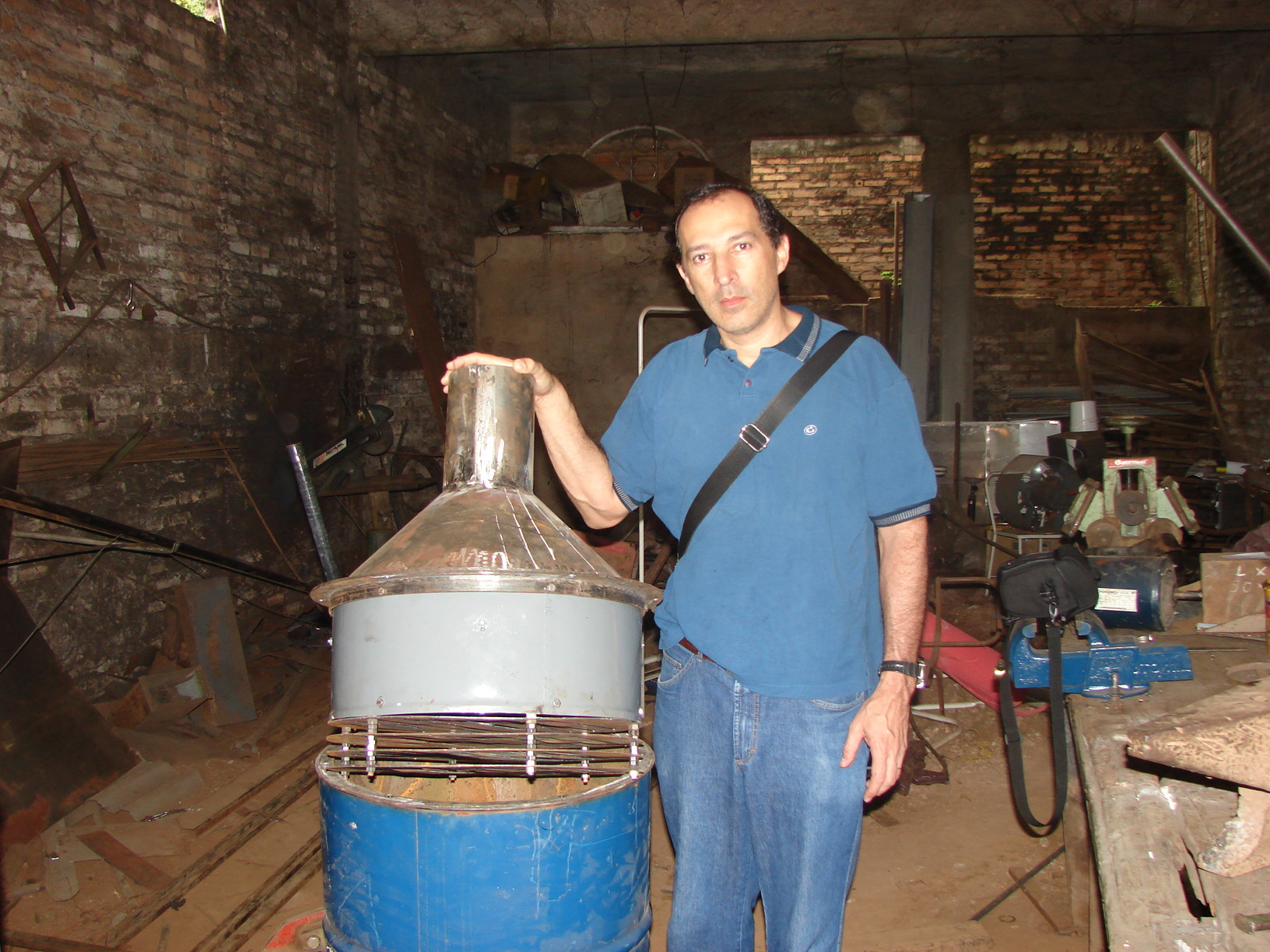
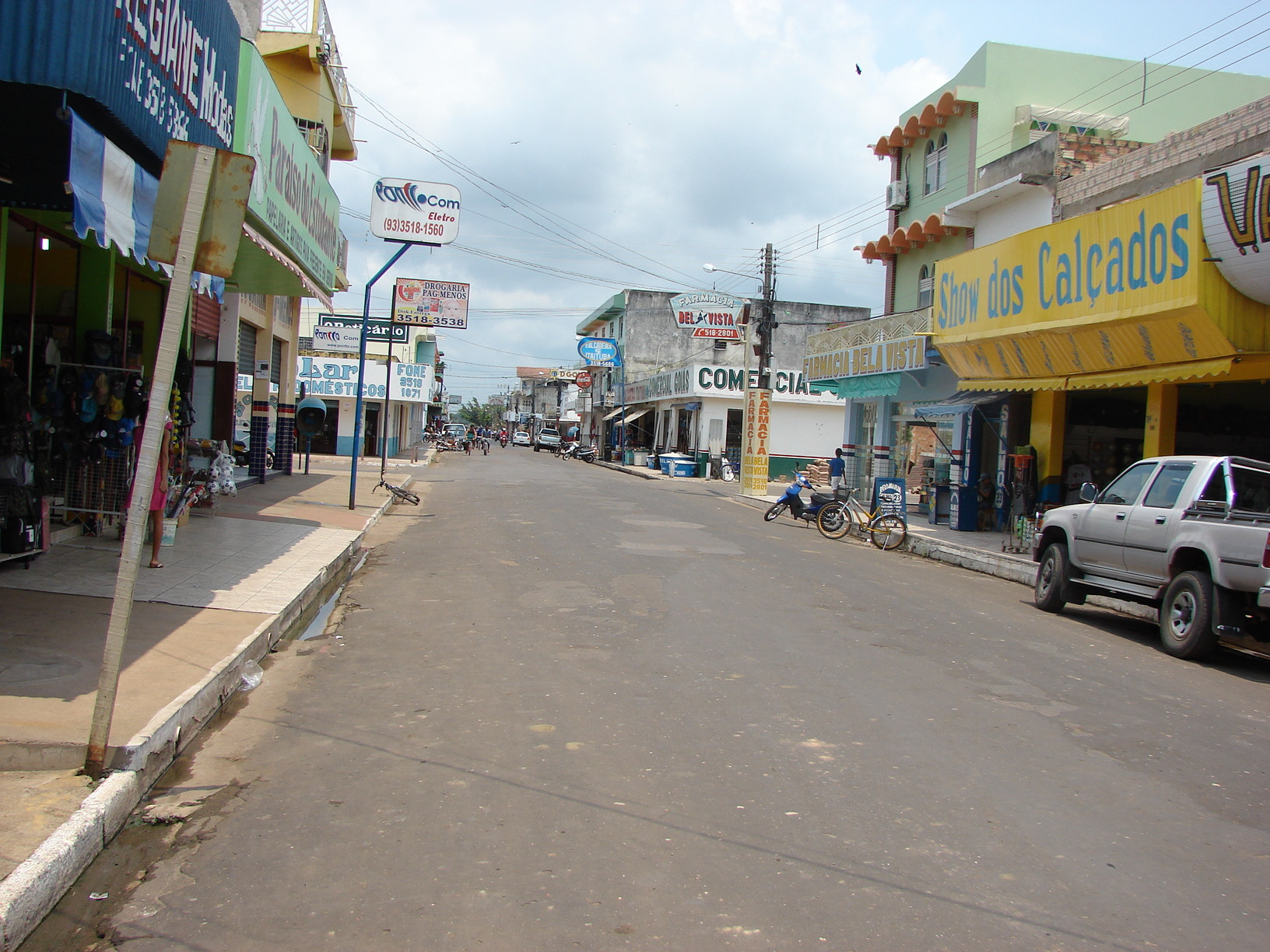
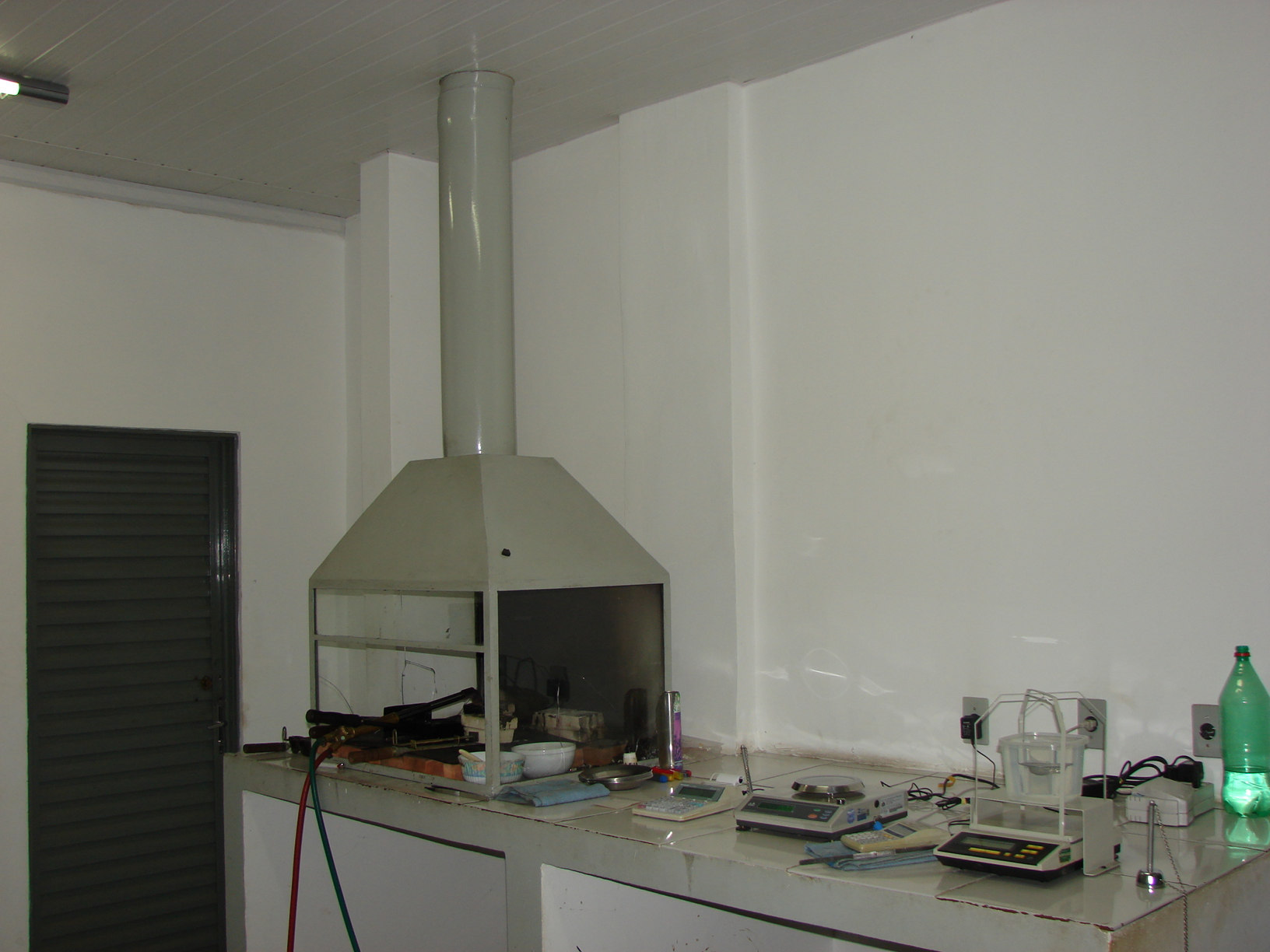
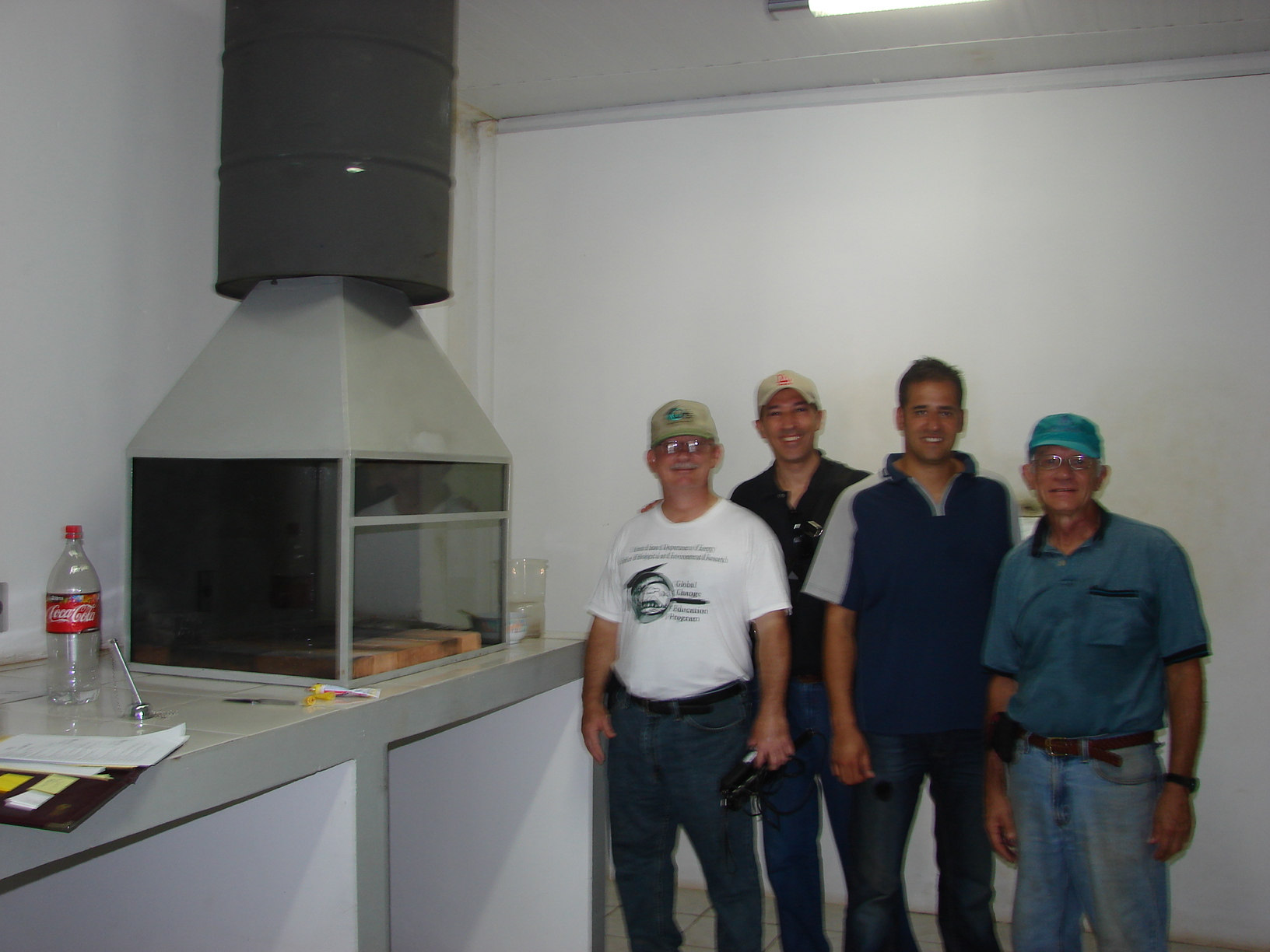
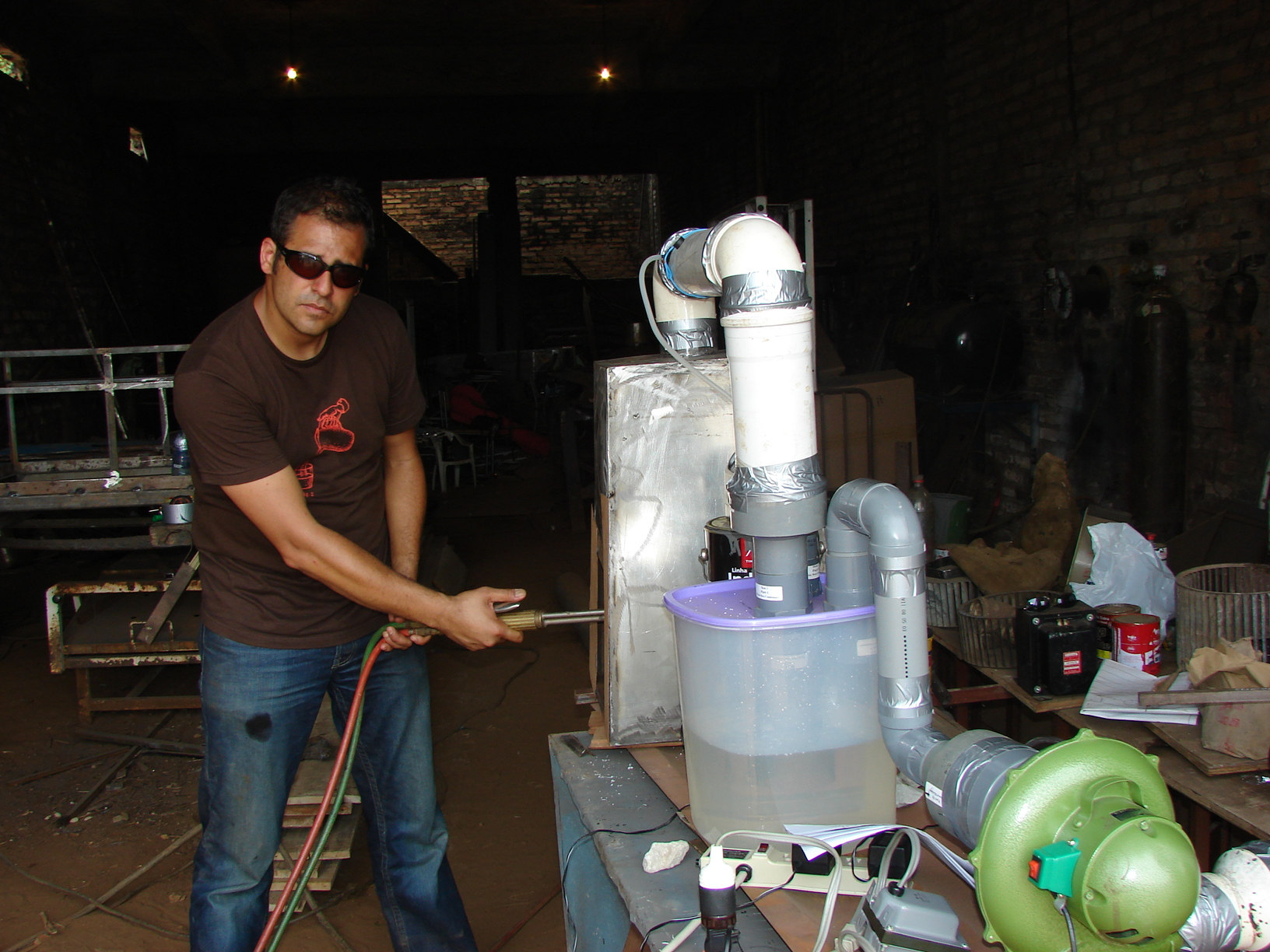
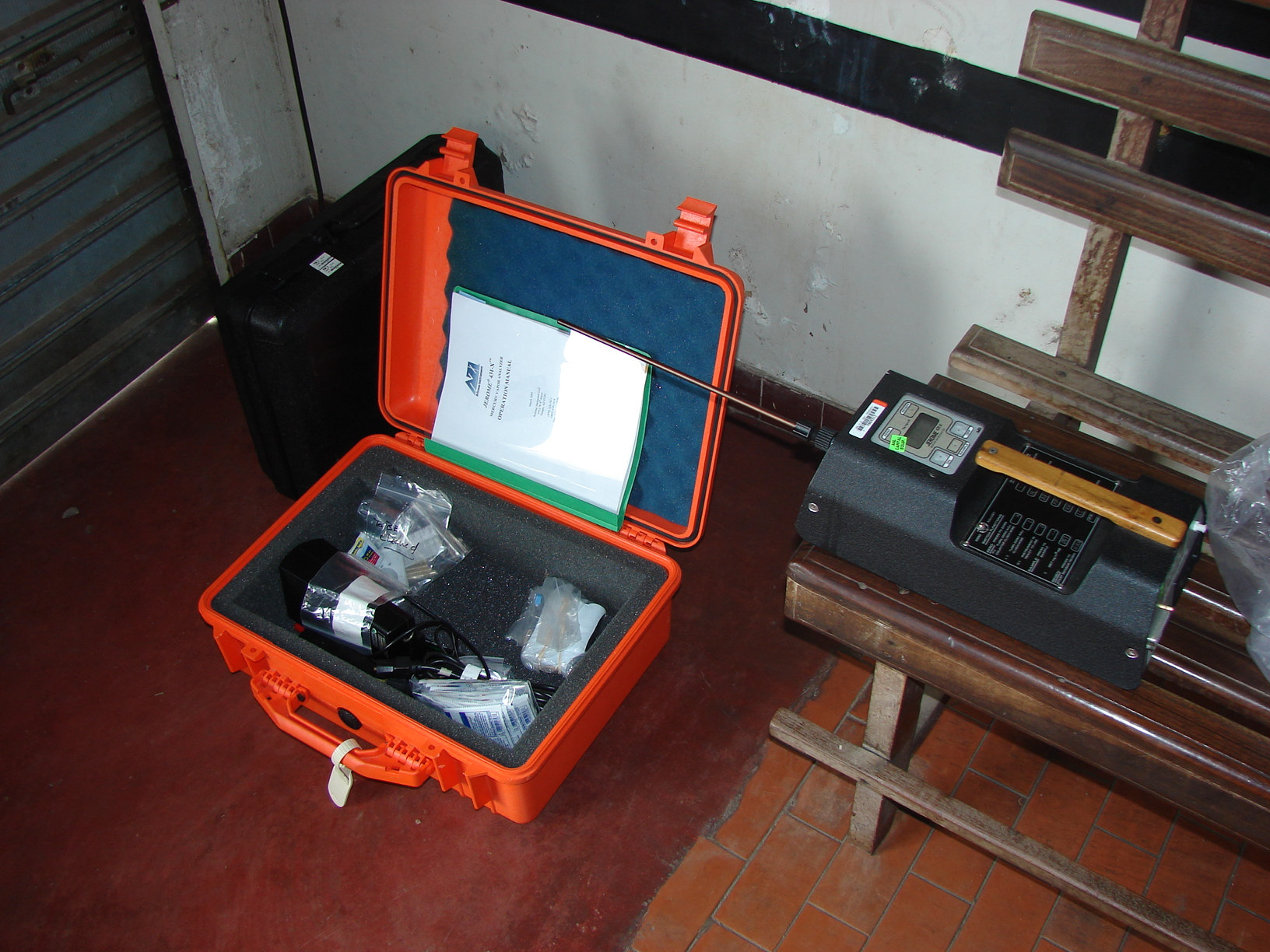
Fume hoods implemented in Itaituba
D02 Filter under construction at local shop
D01 General view of Itaituba
(USEPA prototype built by GMP)
D03 Gold shop and chamber without mercury filter
D04 Gold shop after the filter installation
(smallest chamber in town, generally are much bigger)
(GMP and USEPA teams working together)
D05 GMP Indonesian fume hood in test
D06 Equipment for monitoring and tests
(Luis Fernandes USEPA)
- 72 -
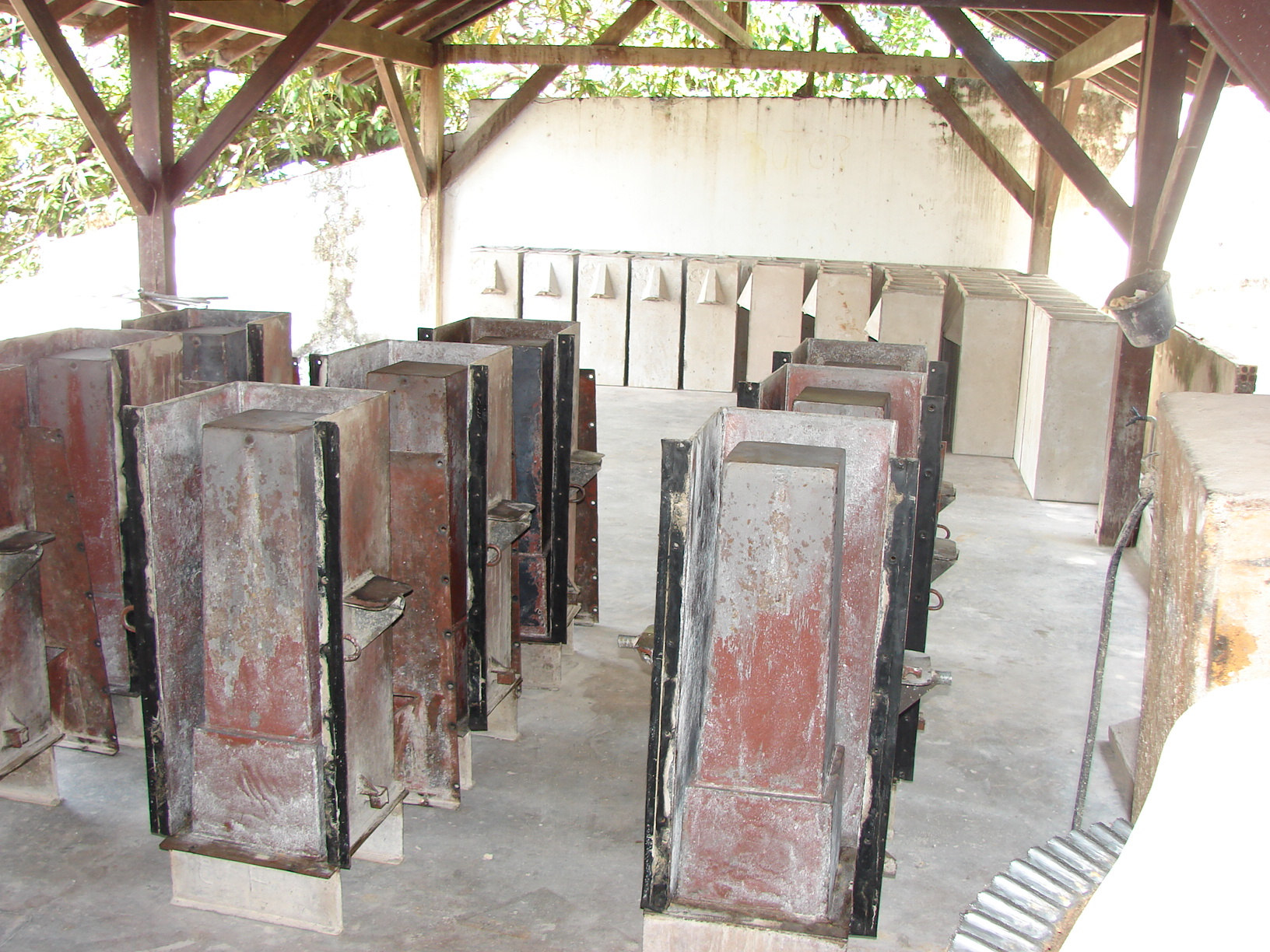
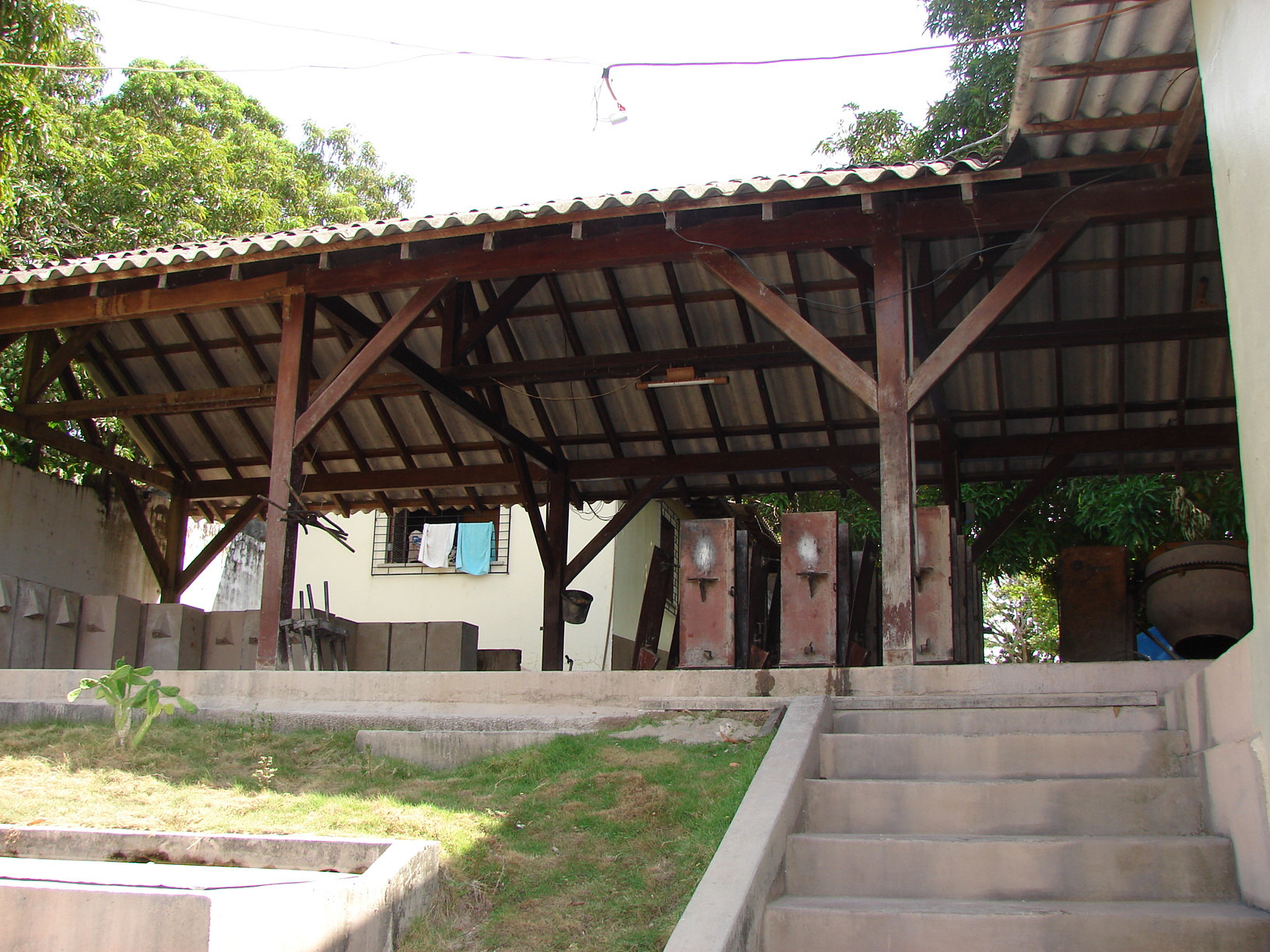
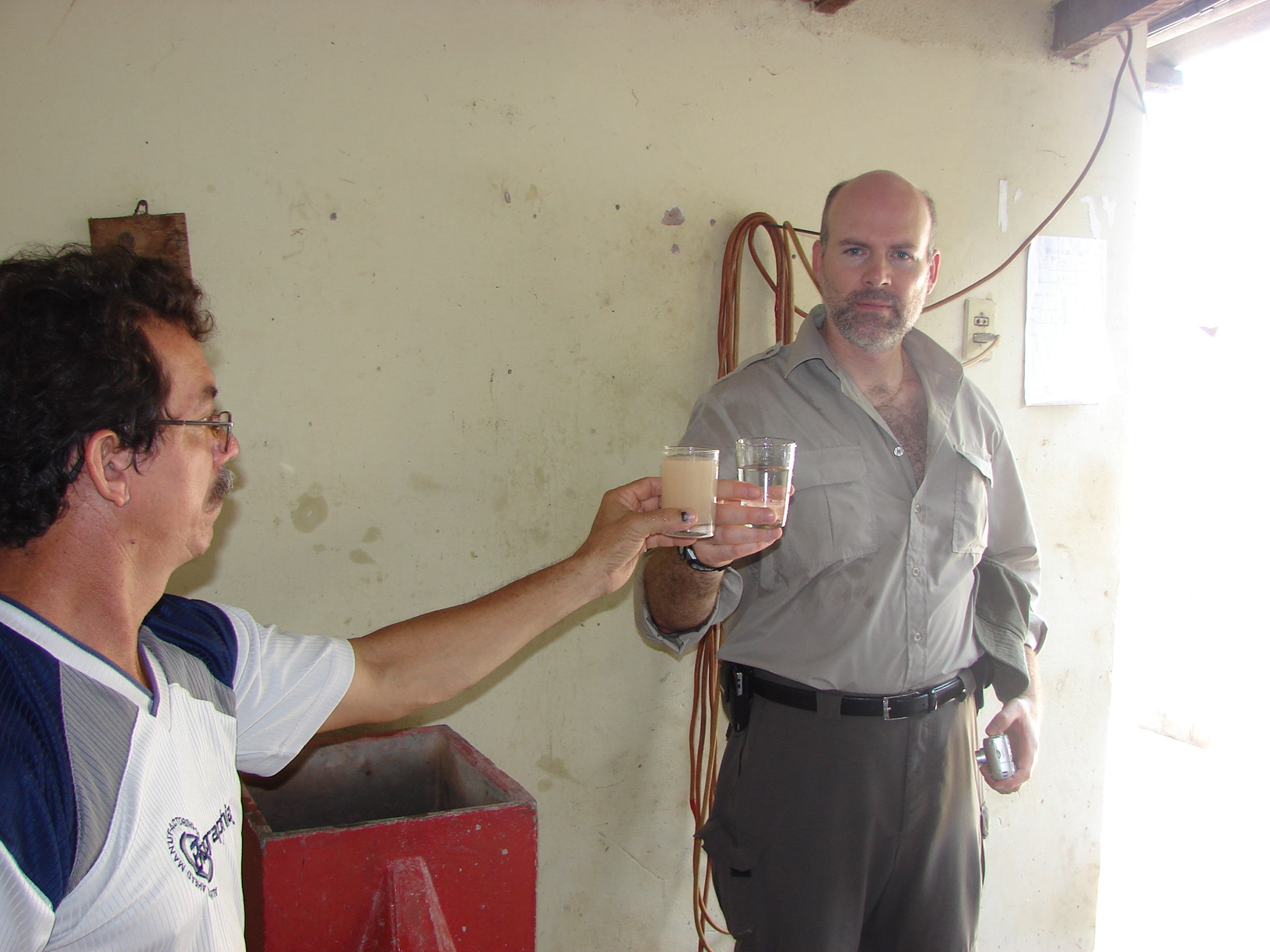
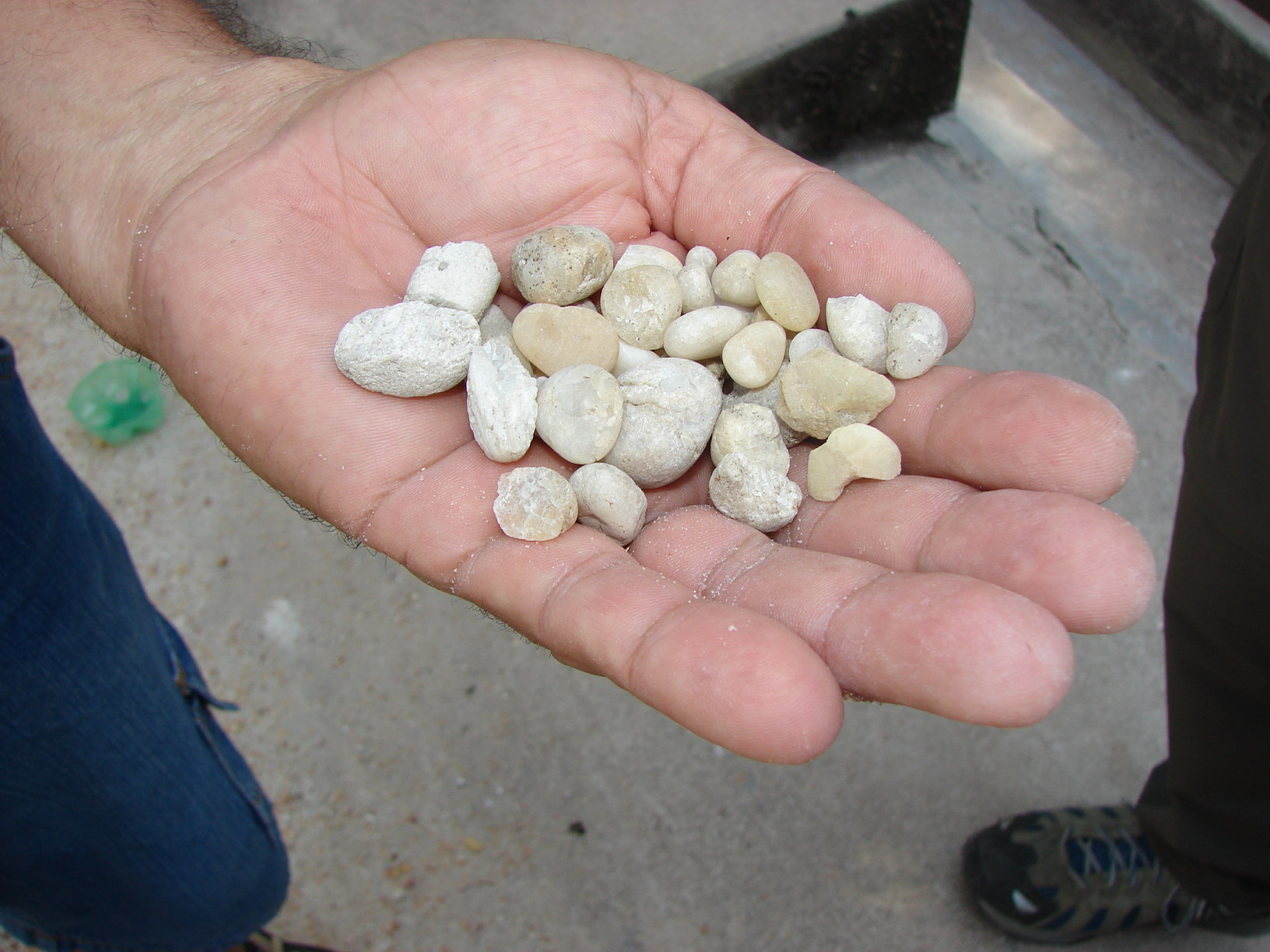
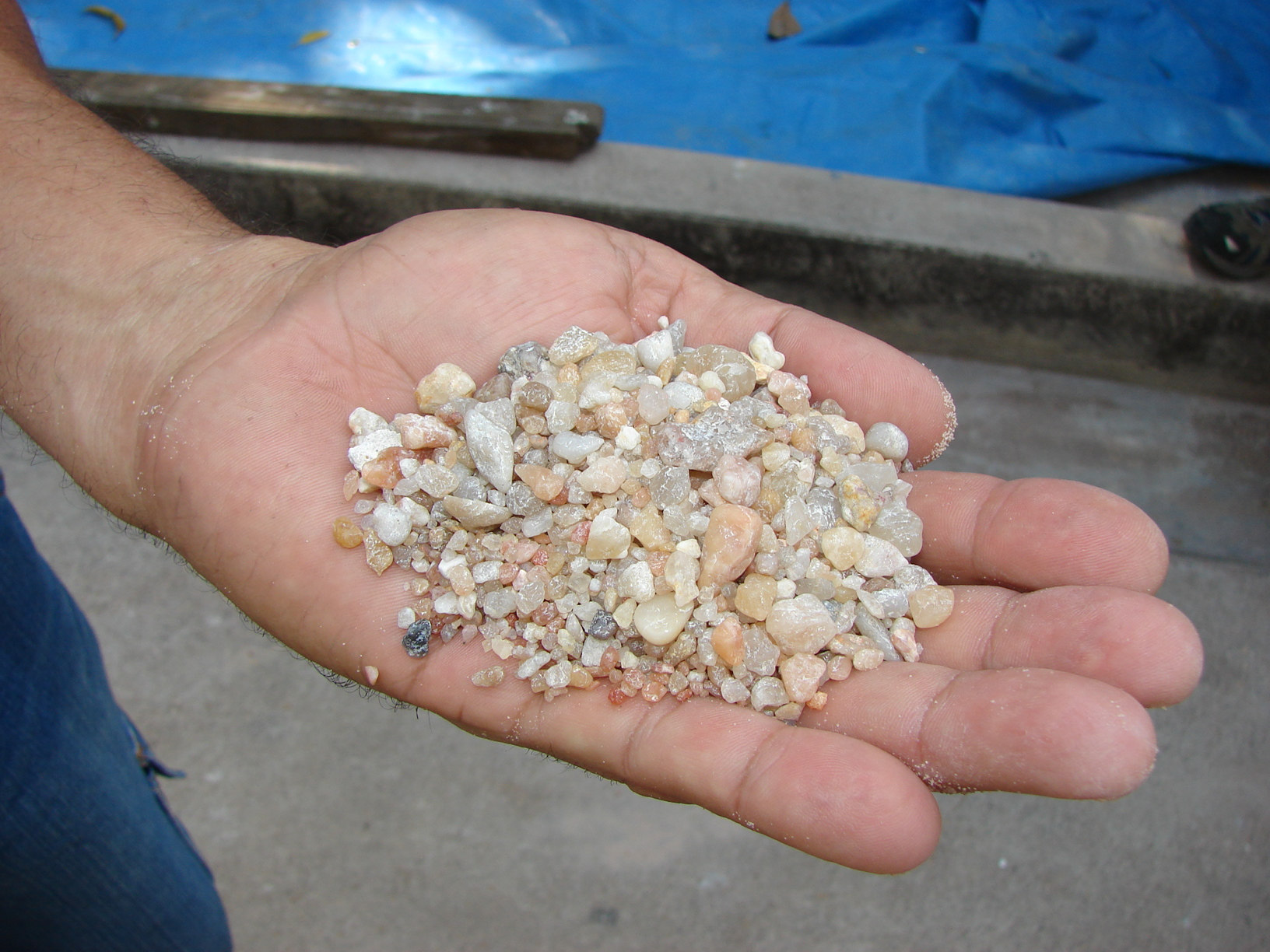
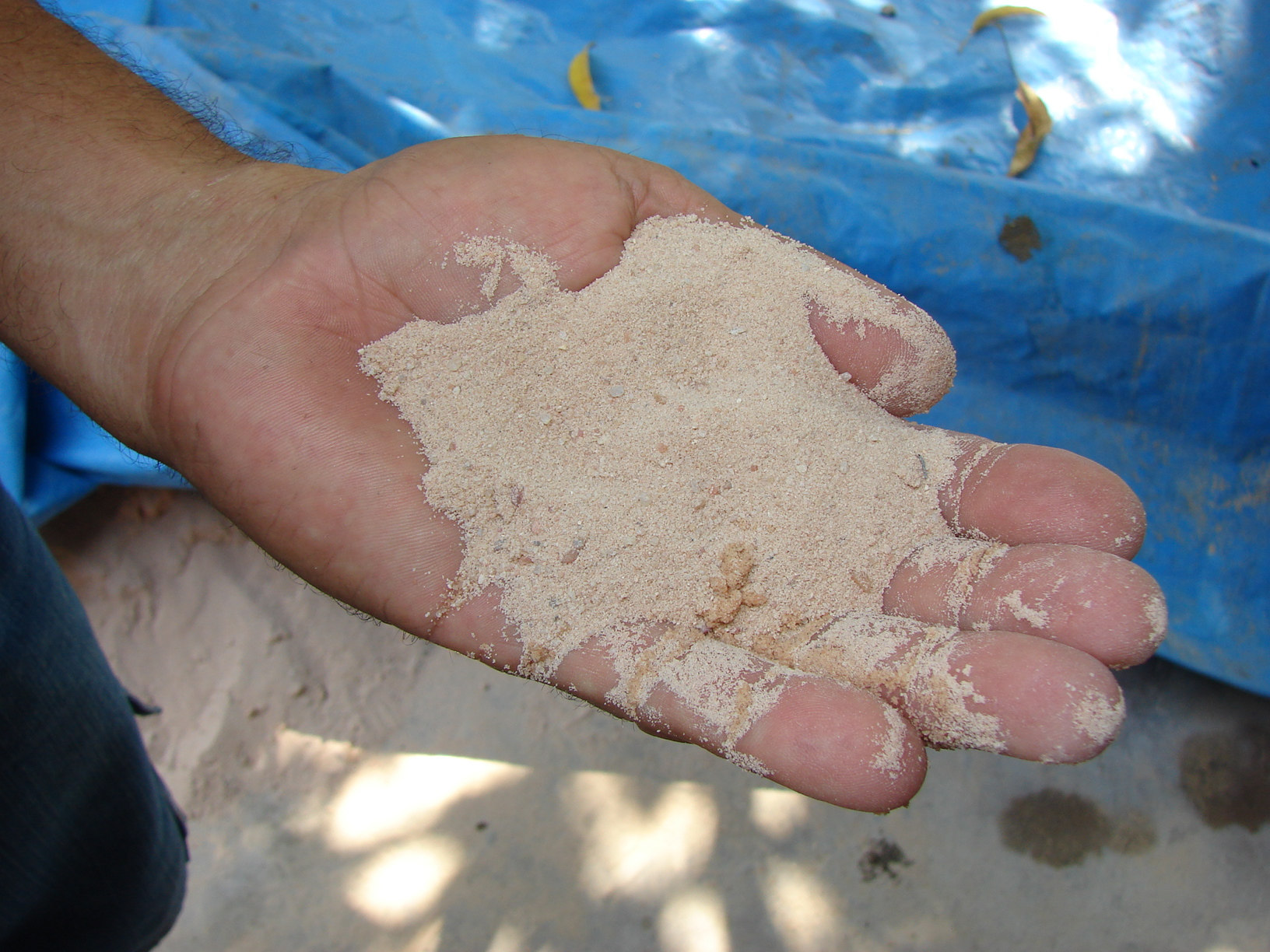

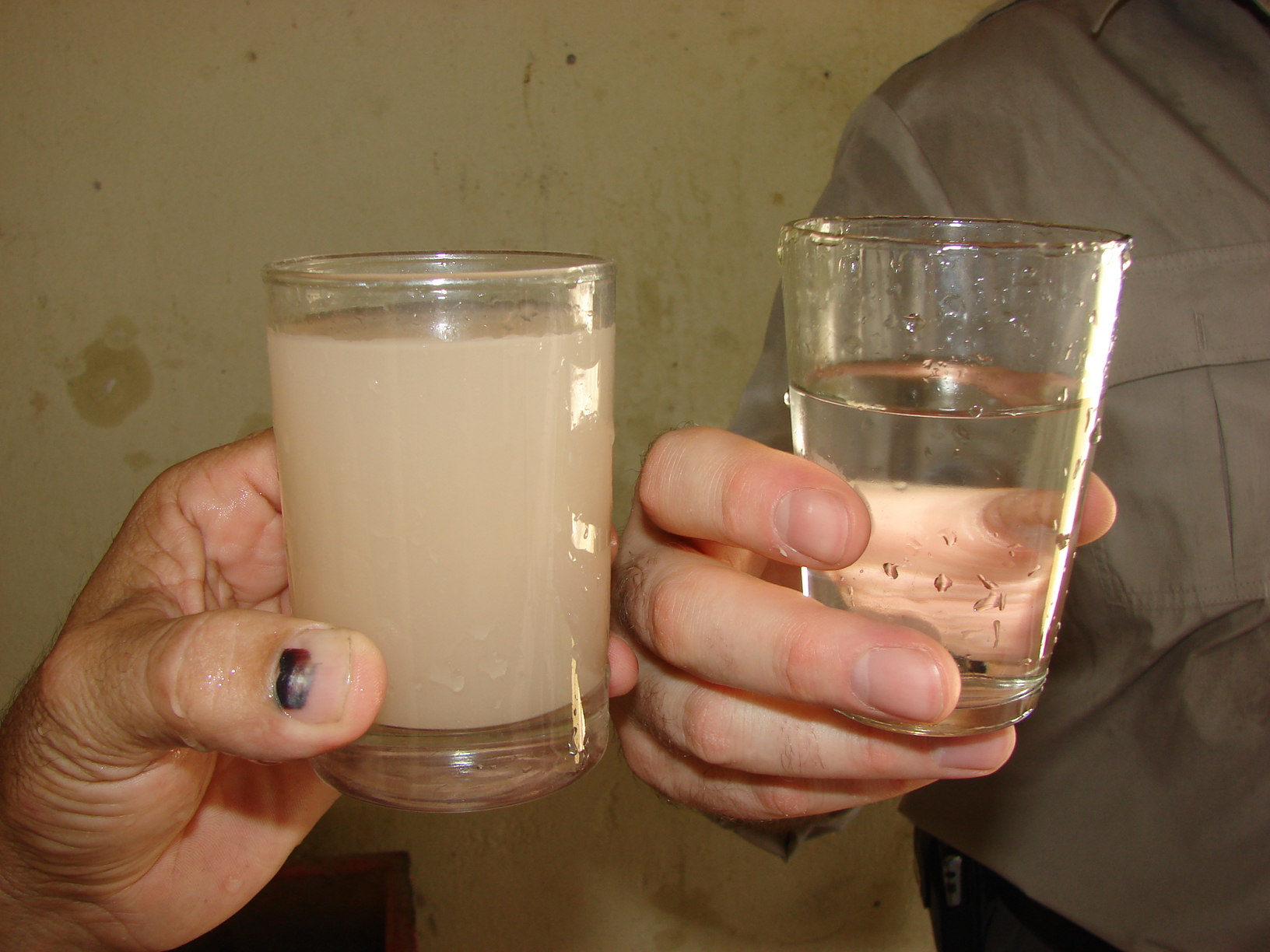
Biosand filters factory in Santarem
E01 General view of the biosand filters factory
E02 Cement biosand filters under fabrication
E03 Samuel Vasconcelos (Factory Manager) and
E04 Rodolfo and Jeff (GMP) with American
Jeff Selder (UNIDO Consultant)
missionaries responsible for the filters project
E05 Layers of pebbles, sand and biofilm
E06 Water before and after filtration
- 73 -
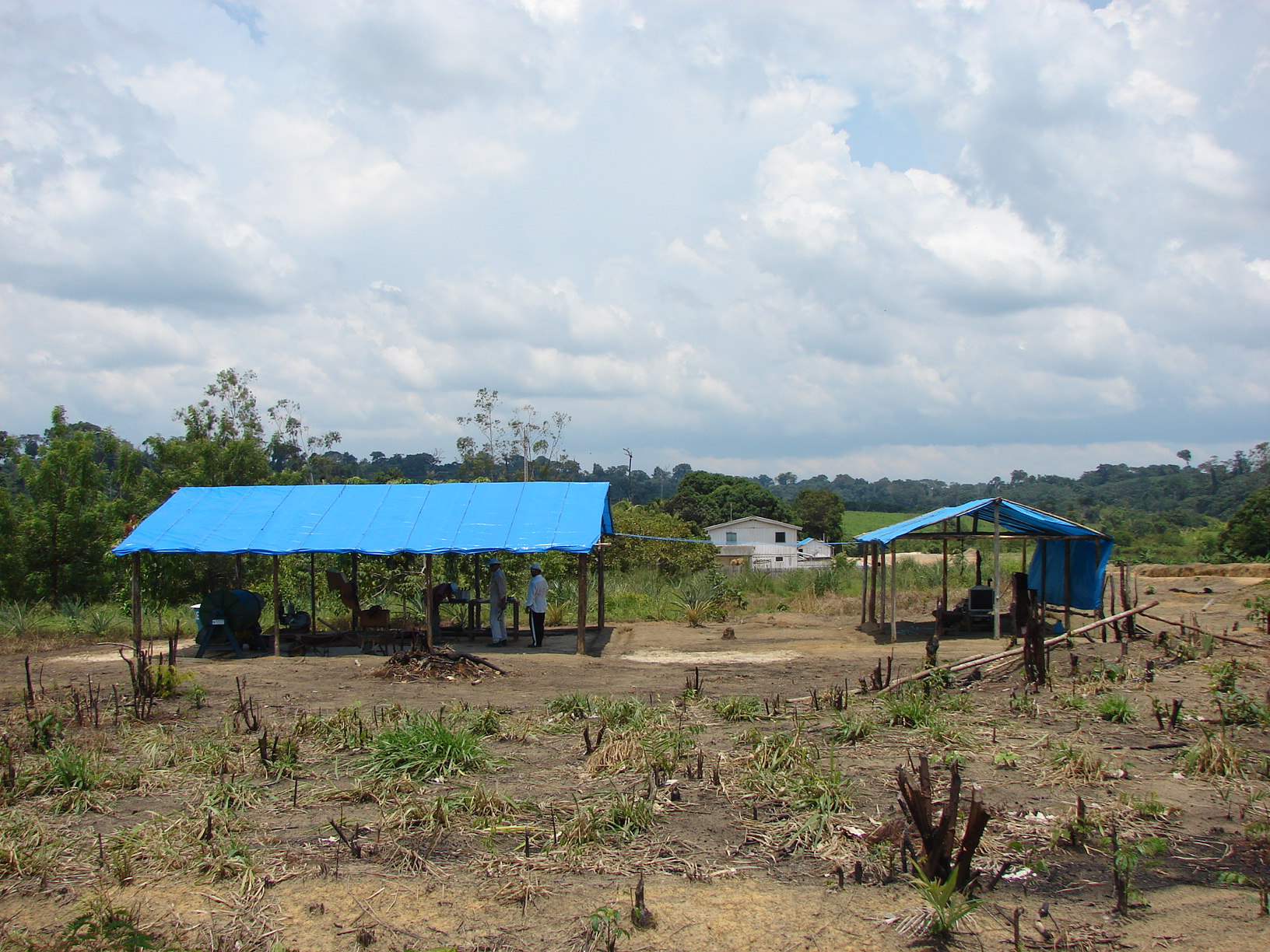
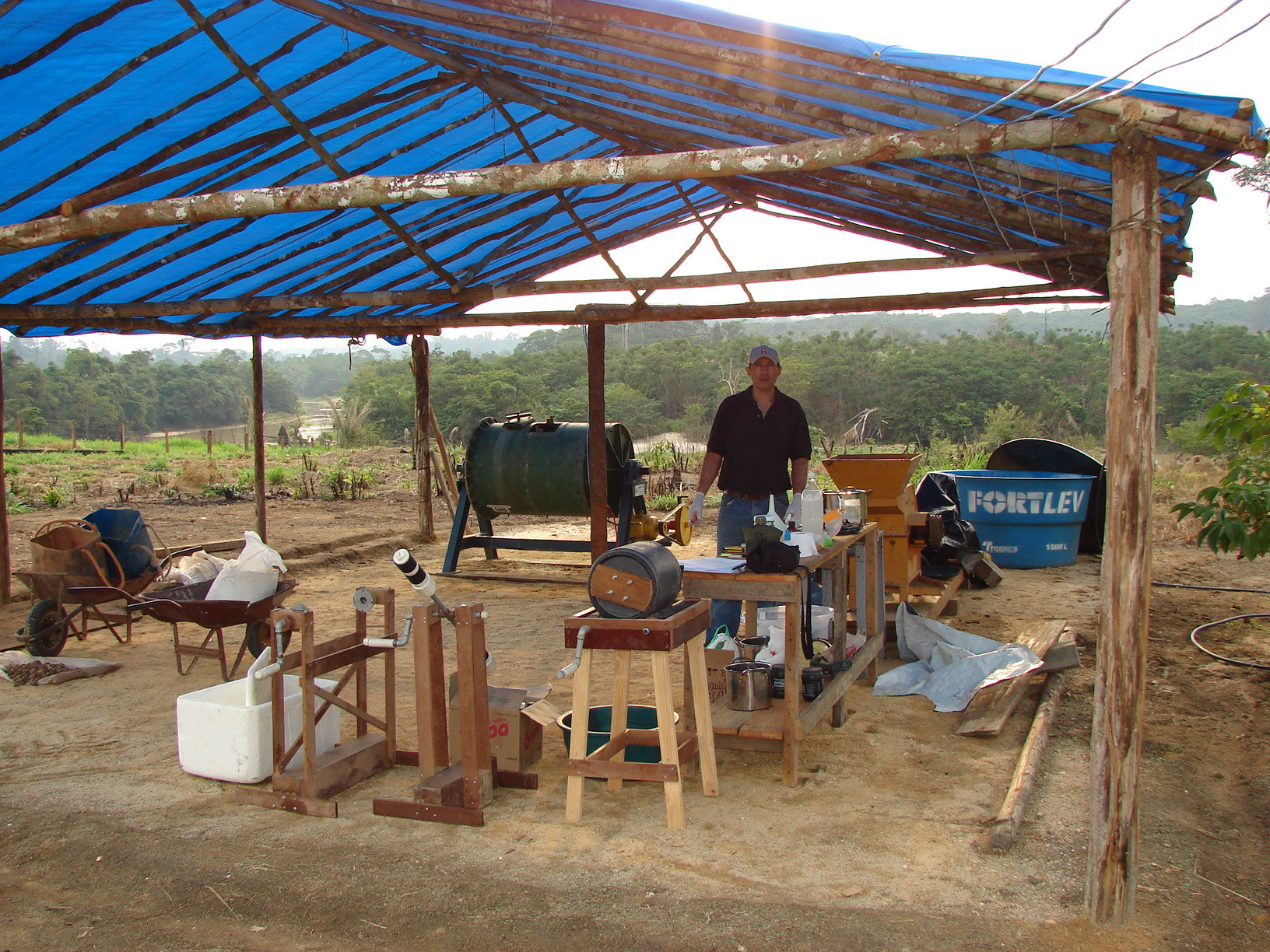
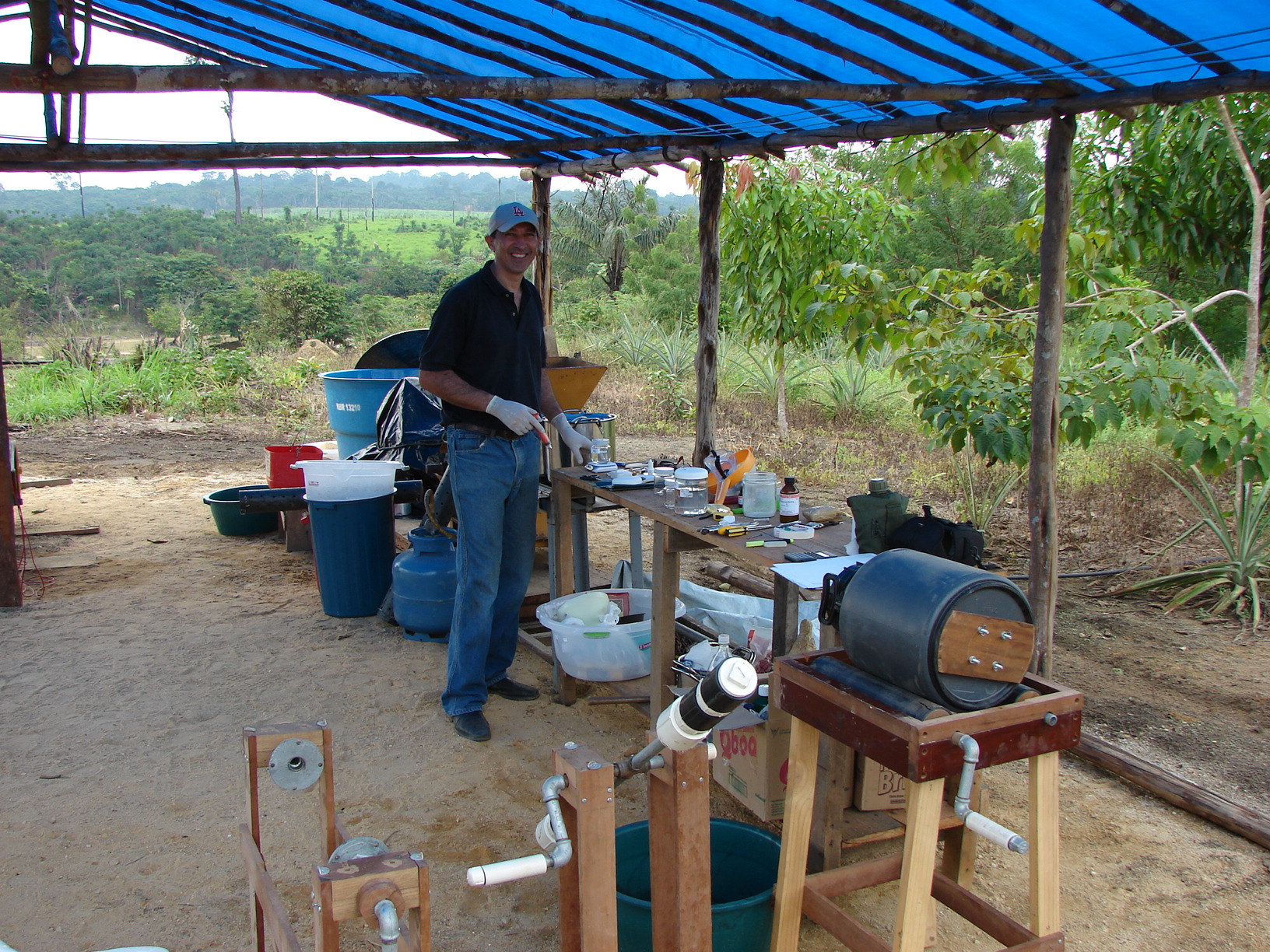
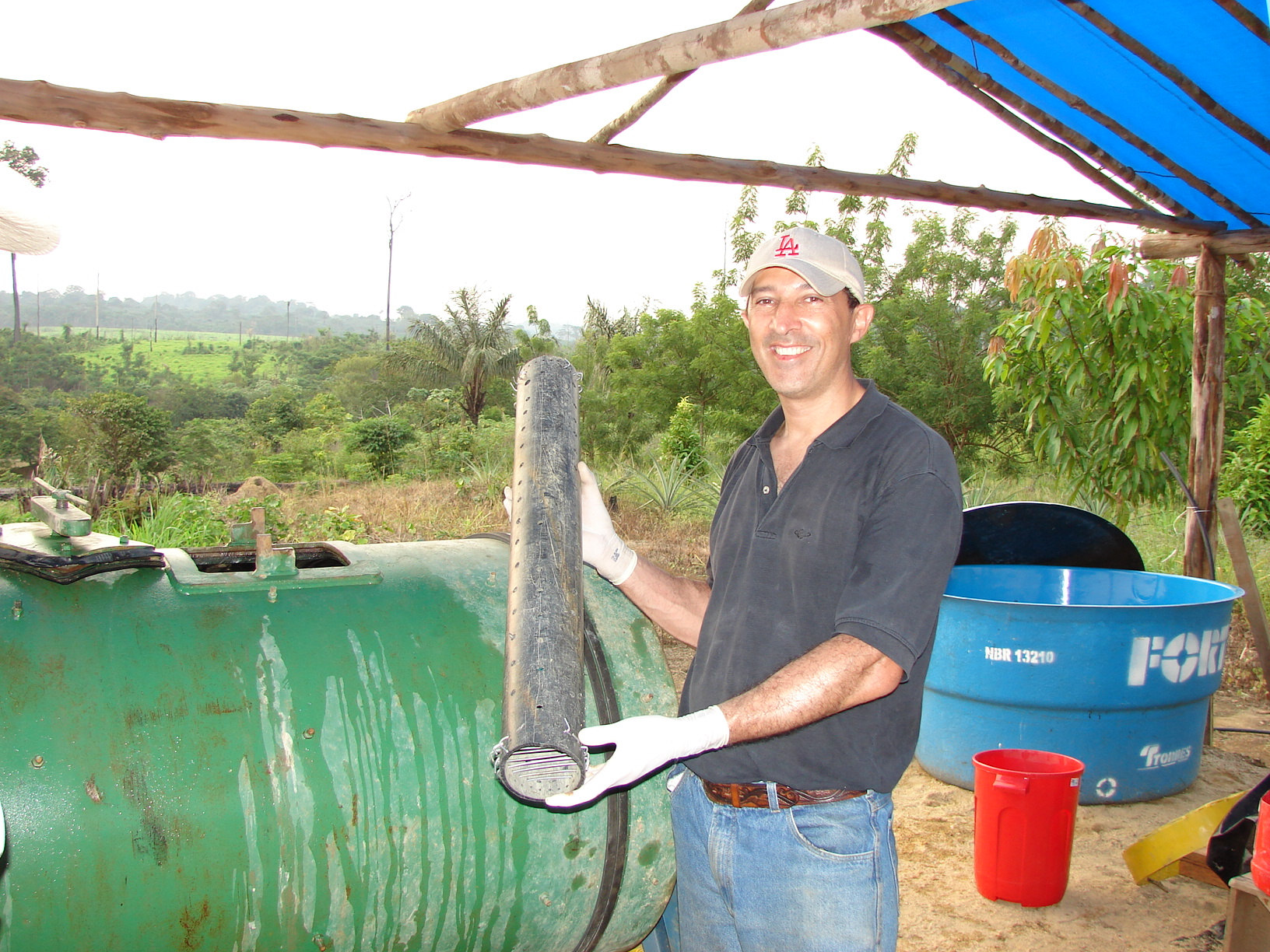
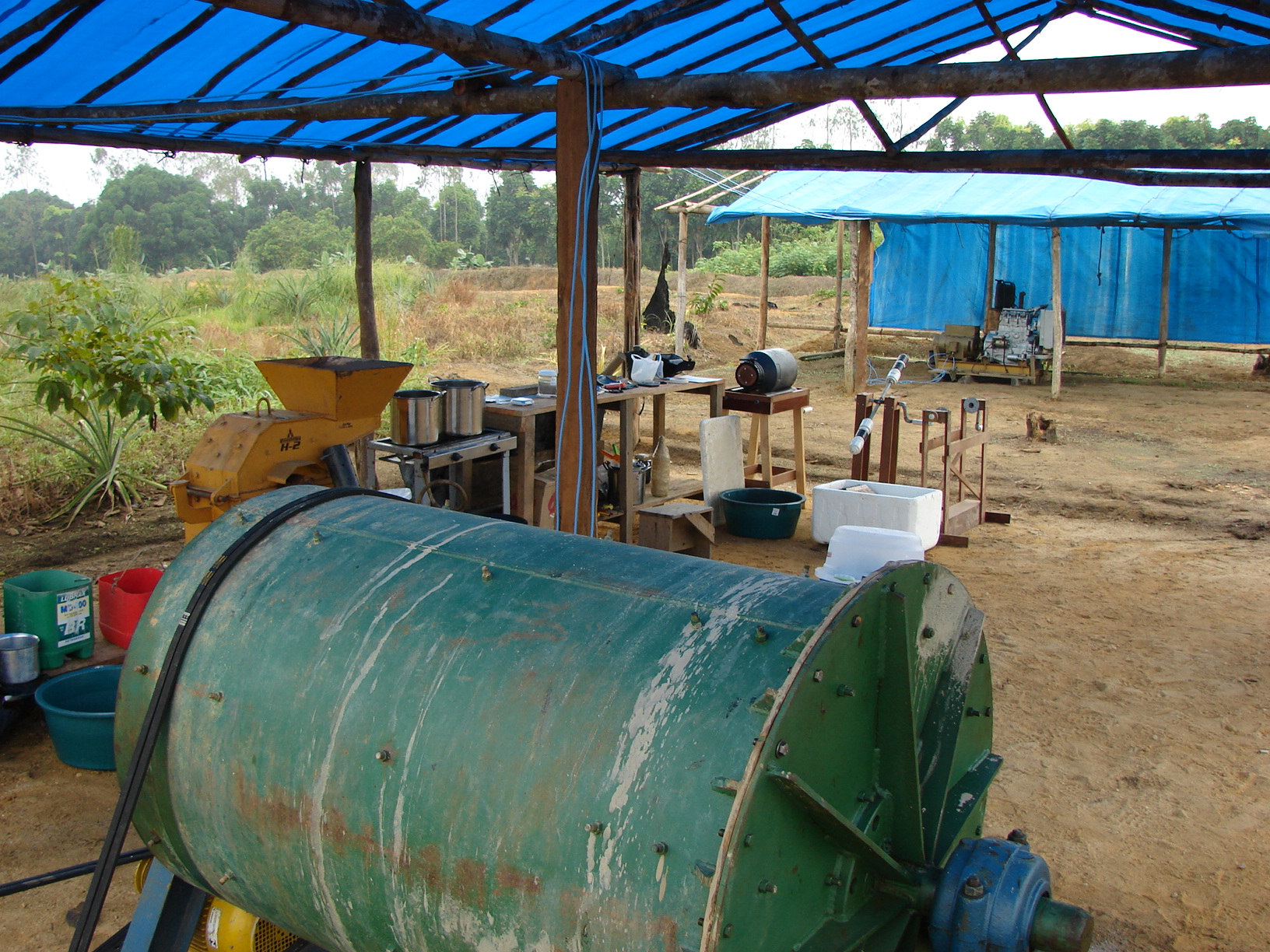
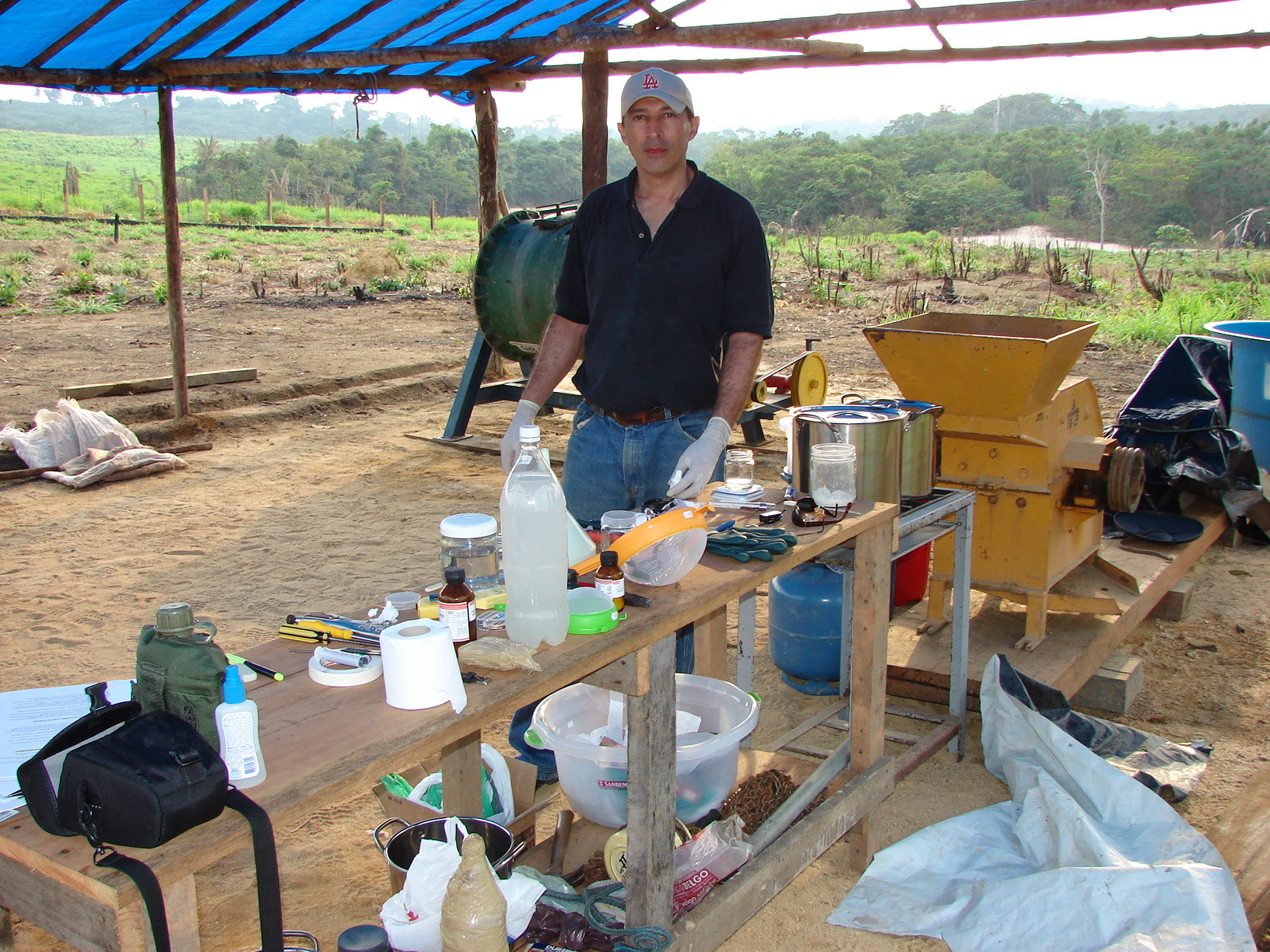
Pilot plant for cyanidation tests and amalgamation
8.6 Last arrangements Subcontractor
F01 Lab / pilot plant at "Garimpo Modelo"
F02 Lab prepared for cyanidation test
F03 Preparation of chemicals / prototypes
F04 Activated charcoal in a perforated tube
F05 Cyanidation inside the ball mill
F06 Recovering gold by zinc precipitation
- 74 -
ANNEX 3 Letter of support of Itaituba Mayor
Itaituba, March 26, 2007
Mr. Pablo Huidobro - General Director of the GMP - Global Mercury Project
UNIDO - United Nations Industrial Development Organization
Energy and Cleaner Production UNIDO Branch Wagramerstrasse 5 1220 Vienna
Tel: +43-1-26026 3250, fax: +43-1-26026 6819, P.Huidobro@unido.org
Dear Mr. Huidobro,
The municipality of Itaituba, represented by its Mayor Mr. Roselito Soares and Secretary of Mining and
Environment Mr. Dirceu Frederico, is writing this letter in order to bring to your attention the following
facts:
The city of Itaituba has the largest concentration of artisanal gold miners (garimpeiros) in Brazil, about
60,000 people. Considering their families and those directly or indirectly involved in the gold mining
activities, we estimate that about 200,000 people depend economically on gold extraction in our region. In
2006 Itaituba produced 6,000kg of gold. This is the economical activity that drives all of the businesses
and jobs in the region since 1953.
However, such benefits generate significant environmental impacts, since the majority of miners do not
have access to education or information. They run their activities in remote areas with difficult access in
through rivers and lands of the Amazon forest. The public infra-structure is not prepared to offer the
appropriate support, training and education for these miners, and relies on external partnerships.
Since UNIDO selected the municipality of Itaituba as a pilot area for the implementation of GMP, this
choice has made possible a long time dream known locally as Project "Take care of your treasure". Thus,
through the establishment of the partnership between the City and GMP, the project "Take care of your
treasure/GMP" is carrying out training and demonstrating clean and simple technology to at least 5,000
thousands artisanal miners. It makes a remarkable difference since our artisanal miners can increase their
gold recovery and minimize the environmental impacts, mainly those derived from the indiscriminate use
of mercury (about 12 tonnes/a).
The results of the project are surprising and we give unconditional support to the continuity of the actions
of GMP in our municipality. We do want to mention here in detail the results reached due to lack of space
in this letter, and because there are specific reports available treating the evaluation of the program.
However, we cannot emphasize enough the central focus of the results that is the change of mentality of
the artisanal miners and the adaptation of the positive practices towards the environment, health and
quality of life.
We are also representing many stakeholders involved in the project, such as local government agencies,
miners associations and local communities, and we are at your disposition to give support and any
additional information on GMP related activities in Itaituba and its partnership with "Take care your
treasure". We reiterate our great expectation towards the continuation of the actions of GMP for the
coming years.
Cordial greetings
___________________________
_________________________________
Roselito Soares
Dirceu Sobrinho
Itaituba Mayor
Secretary of Mining and Environment
- 75 -