|
1
|
|
|
2
|
- Width of spread
- Speed of the tractor
- Density of the manure/compost
- Changes across the width of spread
|
|
3
|
- Base the amount of manure on the amount of nitrogen the crop needs
- By knowing the field size you can calculate the weight of manure to be
applied
|
|
4
|
- Manure or compost should be spread uniformly
- To get the best crop yields
- To maintain the best water quality
- Non-uniform application
- Uneven crop growth and production
- Poor yields
|
|
5
|
|
|
6
|
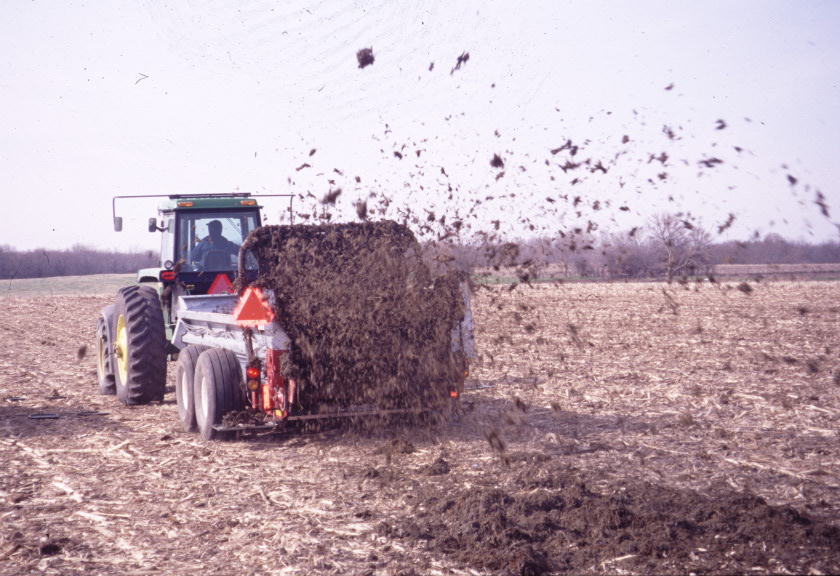
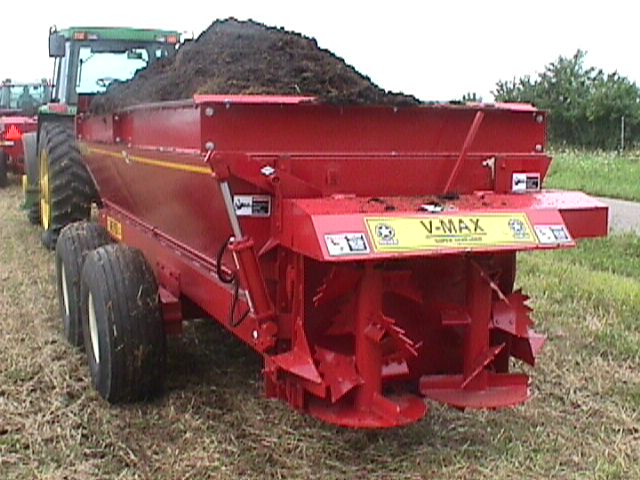
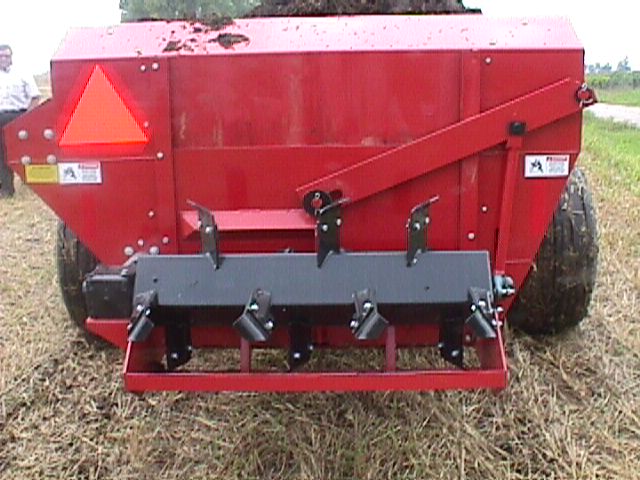
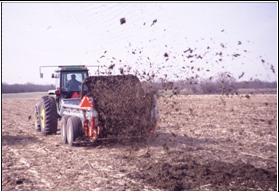
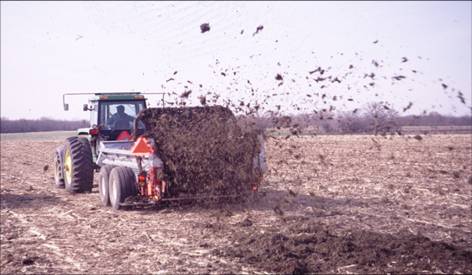
- Different types of solid manure spreaders
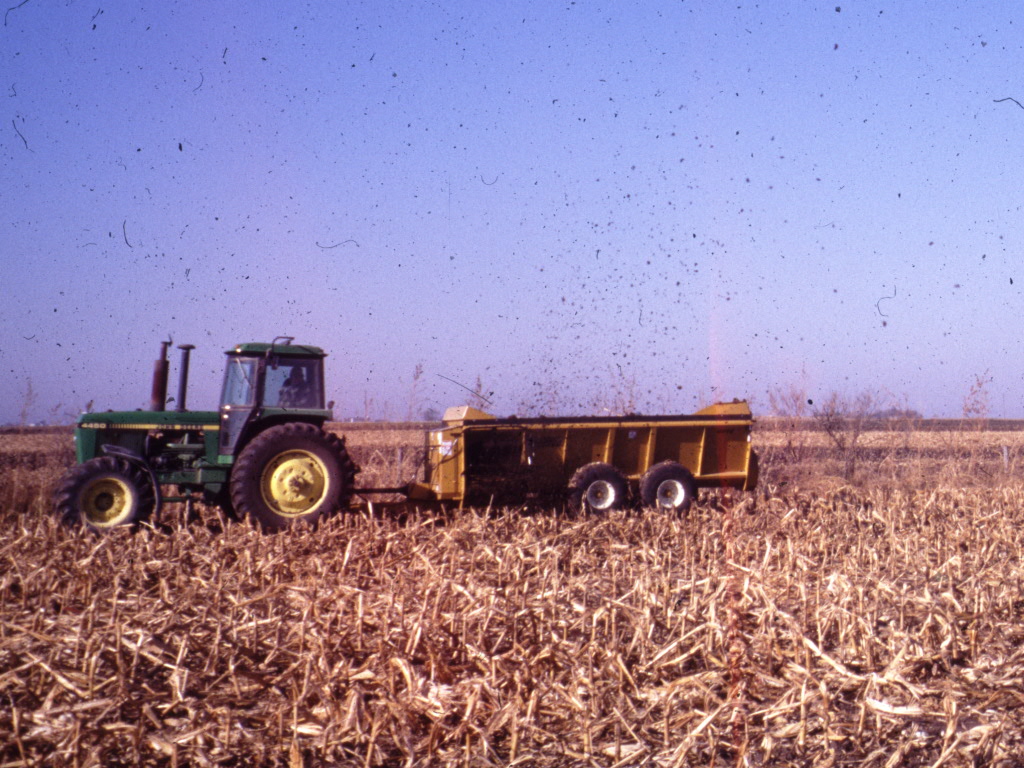
- Rear delivery spreaders
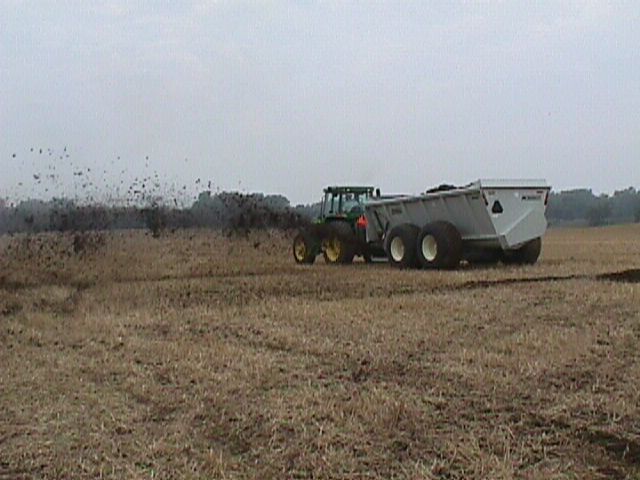
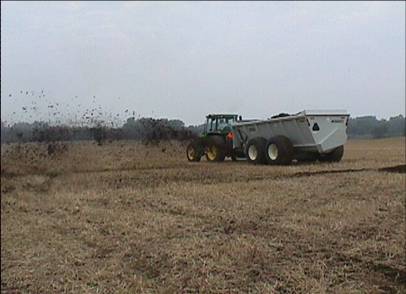
- Side delivery spreaders
|
|
7
|
|
|
8
|
|
|
9
|
|
|
10
|
|
|
11
|
|
|
12
|
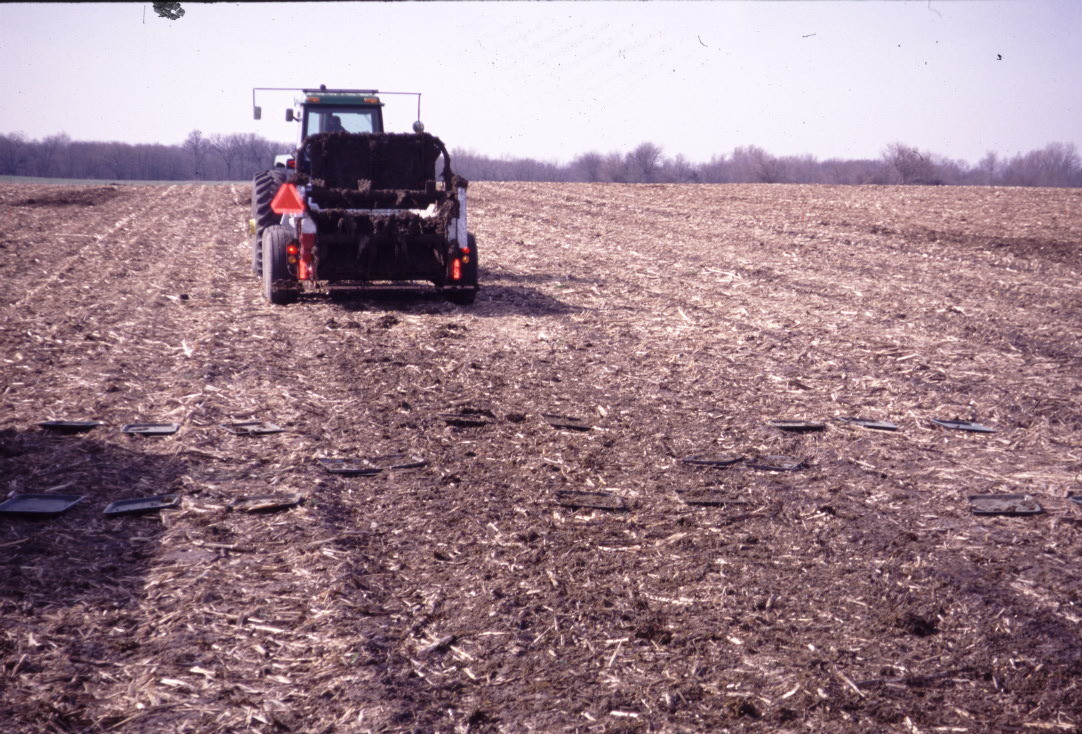
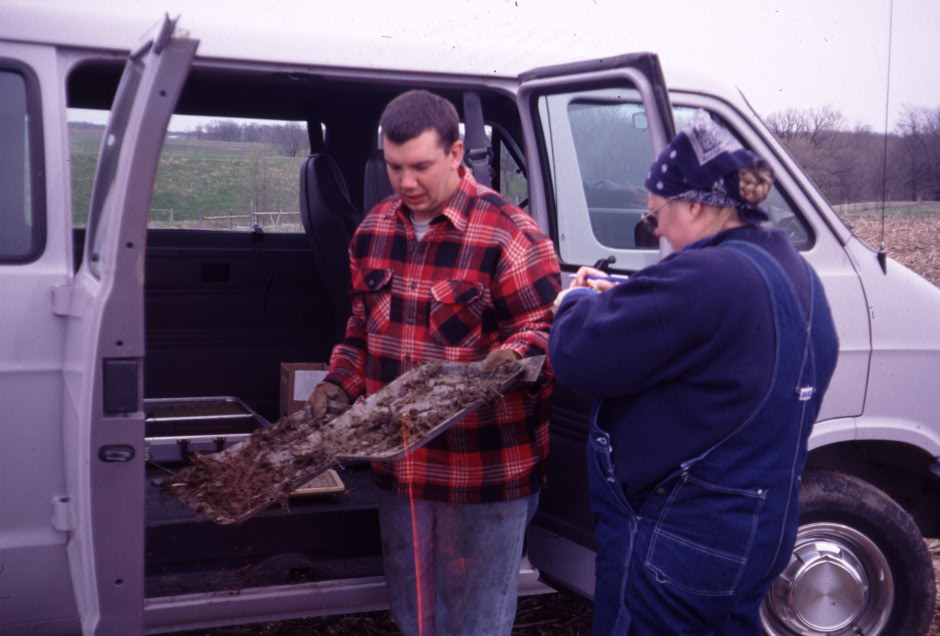
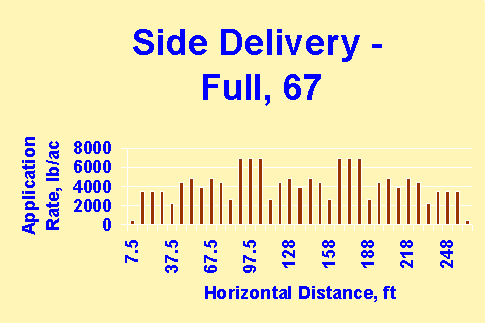
- ISU research looked at distribution across the machine width and along
the direction of travel
|
|
13
|
|
|
14
|
|
|
15
|
|
|
16
|
|
|
17
|
|
|
18
|
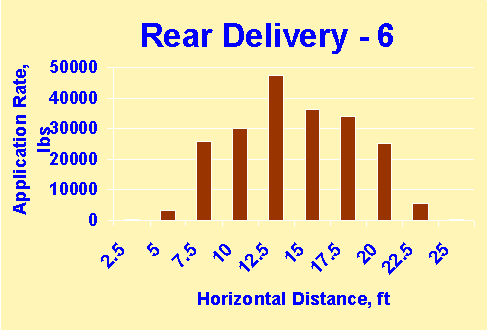
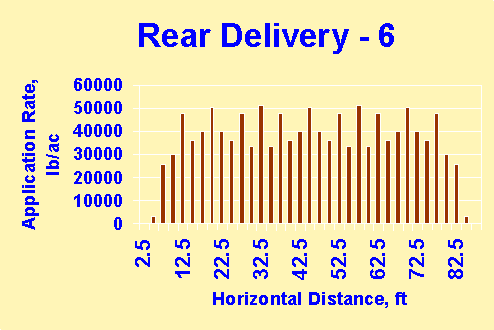
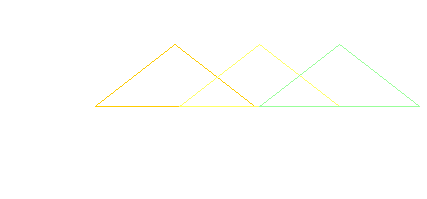
- The swath width…distance between each pass with the spreader…was ½ the
total width of throw. The overlap
evens out the decreasing application rate near the edges.
|
|
19
|
- Notice the application rate of the manure.
- By making such close swath widths (3.8m wide) the application rate is
very high…35,700 lb/ac (40,067 kg/ha) of manure
- Nutrients will be over applied and wasted
- Water quality will be threatened by the excess nutrients
|
|
20
|
|
|
21
|
|
|
22
|
|
|
23
|
- Notice the application rate of the manure.
- By making wide swath widths (11.5m wide) the application rate is still
low…4260 lb/ac (4770 kg/ha) of manure, even with the overlaps
- Nutrients can be applied heavier by driving slower to achieve the
desired application rate
- Water quality will not be threatened by the excess nutrients
|
|
24
|
|
|
25
|
- Uneven distribution is a problem, as we have seen, even when manure has
uniform nutrient content
- If the manure is not uniform, getting good nutrient distribution is
nearly impossible
- Composting helps make the manure more uniform
|
|
26
|
- 1. Distribution across-the-swath is more variable than in the travel
direction.
- 2. For a rear-delivery, beater-type spreader, heaviest application is
between or near the wheelbase.
|
|
27
|
- 3. Uniformity increases when application swath is adjusted so that
overlap occurs at ½ the peak application rate.
- 4. Load position did not affect distribution uniformity, but faster
apron speed improved uniformity.
|
|
28
|
|
|
29
|
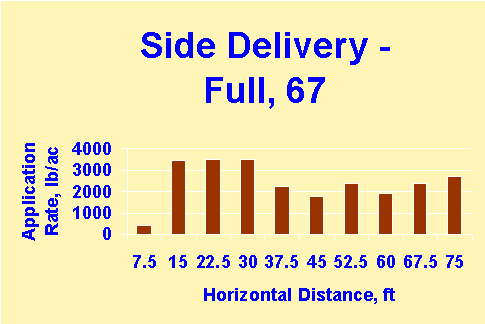
- 5. Application rate of a side-delivery spreader is lower than a
rear-delivery, beater-type spreader.
- 6. A deflector may assist in
directing throw on a side-delivery spreader.
|

 Notes
Notes