|
1
|
|
|
2
|
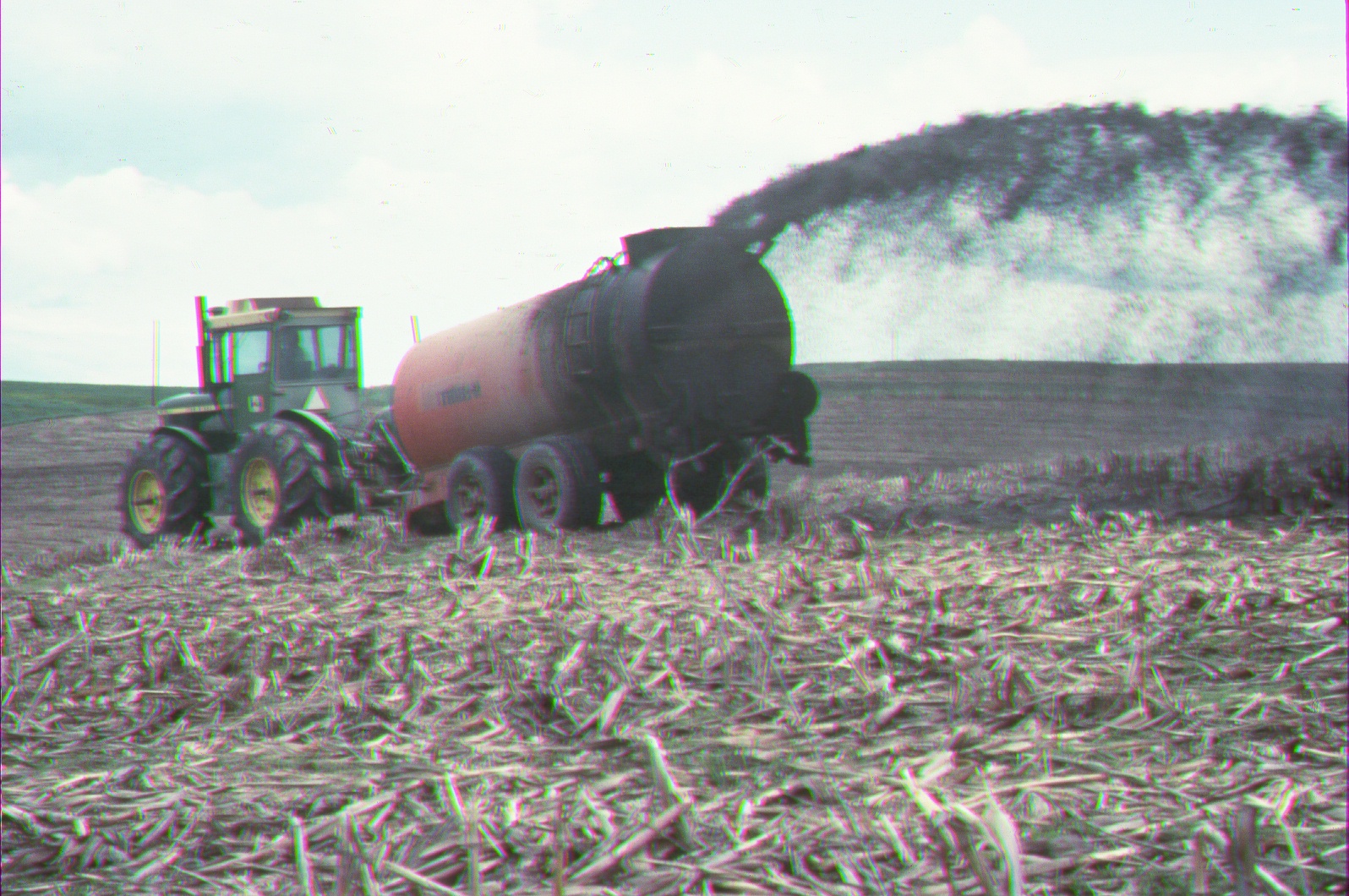
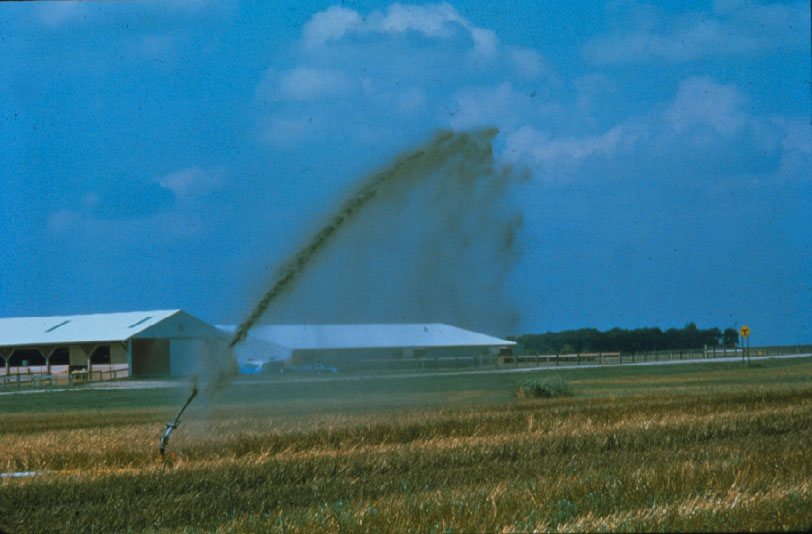
- Properly managed manure is not an environmental threat. The main issues for water quality are
- 1) accidents and mismanagement
- 2) whole farm nutrient balance
|
|
3
|
|
|
4
|
|
|
5
|
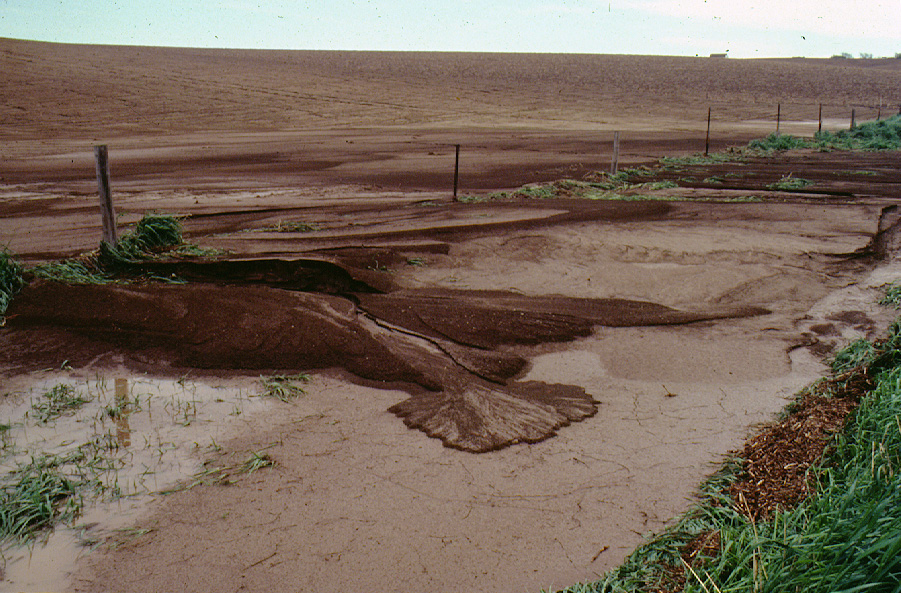
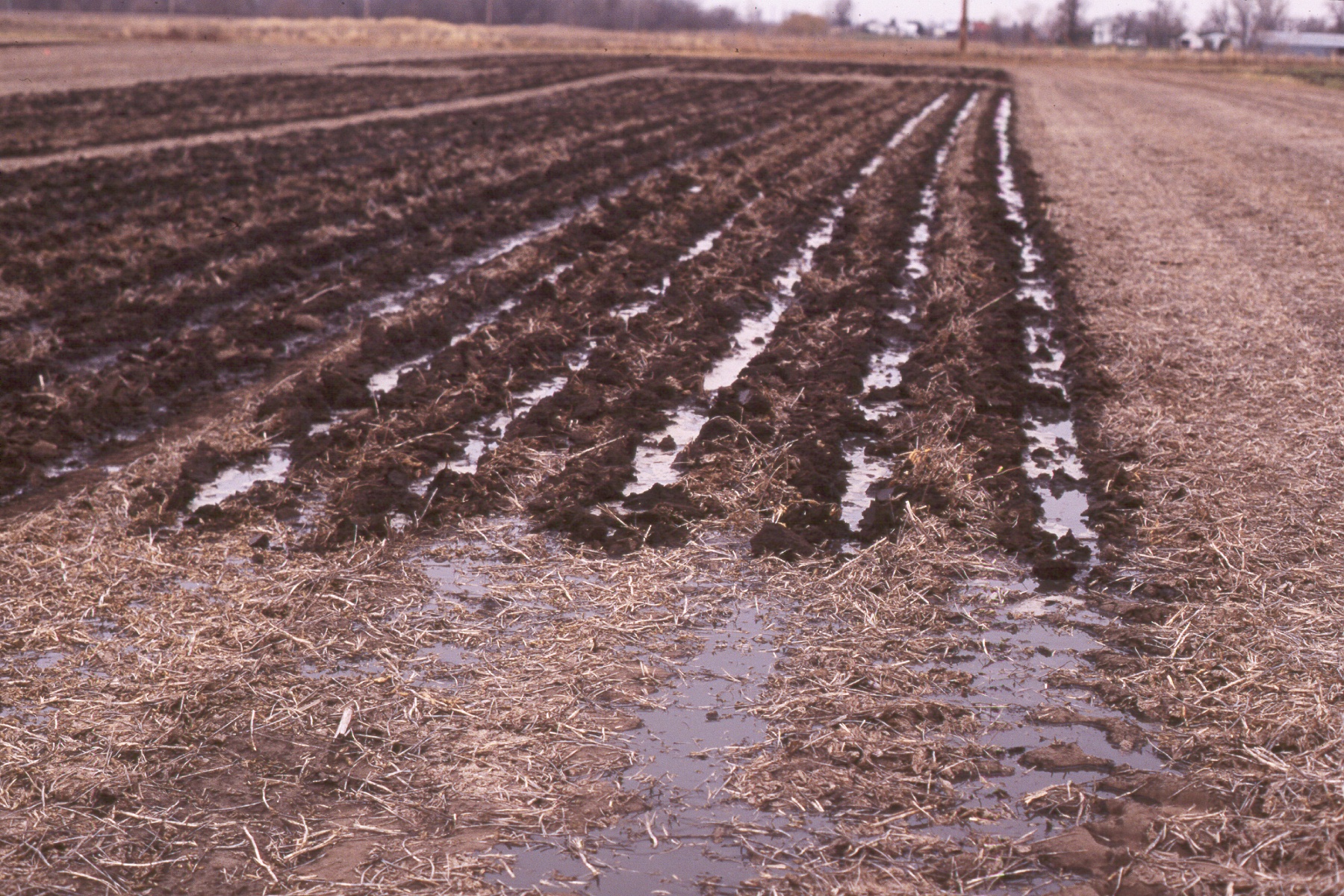
- Manure reduced total runoff by 1% to 68%.
- Manure reduced soil erosion by 13% to 77%.
|
|
6
|
|
|
7
|
|
|
8
|
|
|
9
|
|
|
10
|
|
|
11
|
- The key to environmental stewardship with manure is…
- Careful management to avoid
spills
- Proper use of a good nutrient management plan
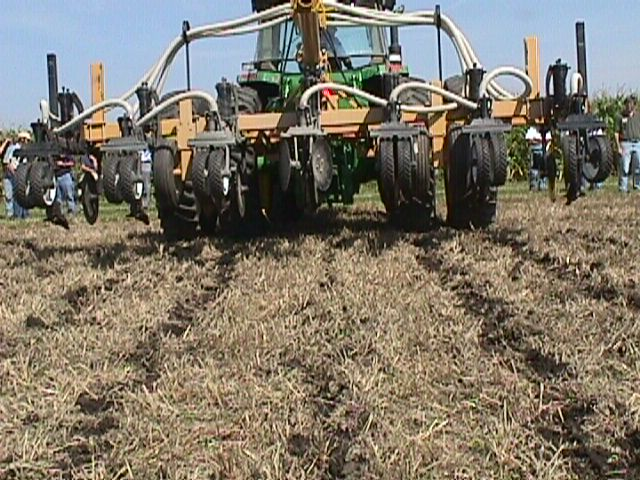
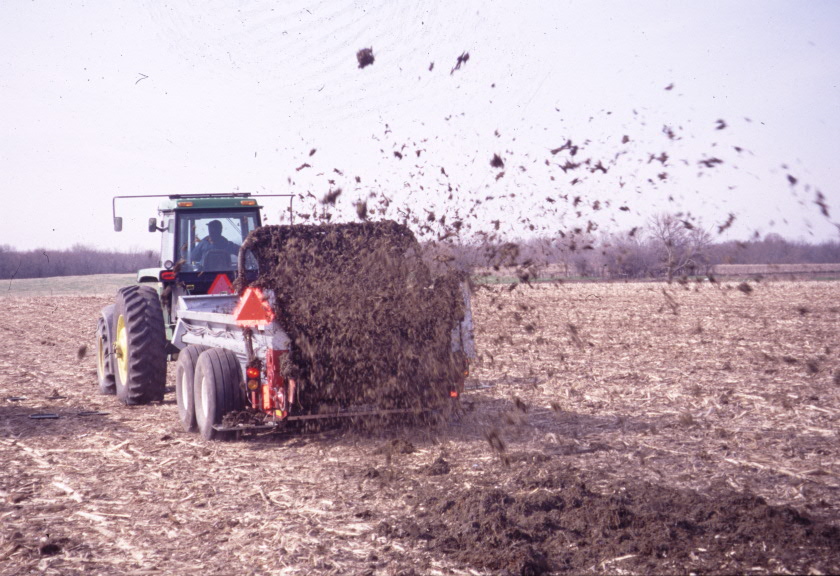
- Uniform application across the field to avoid “hot spots”
|
|
12
|
|
|
13
|
|
|
14
|
|
|
15
|
|
|
16
|
|
|
17
|
|
|
18
|
|
|
19
|
|
|
20
|
- The correct nutrient rate depends on
- The crop to be grown
- The previous crop (was it a legume?)
- The expected crop yield
- The nutrient concentration in the manure/compost
- Weather
|
|
21
|
- Corn
- Use nitrogen for planning if soil P tests are not high
- Apply 0.02 kg N from the manure for each kg of corn produced
- Wheat
- Use nitrogen for planning if soil P tests are not high
- Apply 0.022 kg N for each kg of wheat
|
|
22
|
- After composting the manure nitrogen should be organic N or nitrate, so
none should be lost to the air
- Losses to the air occur from ammonia N
- Rapid incorporation helps insure that none is lost
|
|
23
|
- Observe reasonable separation distances from important water sources
- Rivers & streams
- Lakes
- Wells
- Wetlands
- In the US we typically use at least 200 ft (60 meters) separation
|
|
24
|
- If you apply enough manure to satisfy the N requirement, you will also
be applying enough P and K.
- No additional commercial fertilizer should be needed
|
|
25
|
- Have the manure tested by a chemical laboratory
- Total Nitrogen
- Total phosphorus
- Potassium
|
|
26
|
- Manure from 1 cow will fertilize 0.25 ha/yr
- Manure from 1 hog will fertilize 0.05 ha/yr
- Manure from 10 chickens will fertilize 0.01 ha/yr
|
|
27
|
- Test your soil
- Phosphorus (Bray test for plant-available P)
- Potassium
- pH (soil should not be too acid)
- Test the manure
- Total Nitrogen
- Total phosphorus
- Potassium
|
|
28
|
- You can help people who take compost with their nutrient management
plans
- Provide them with analysis of the compost
- Help them develop a written plan to use
- Weigh some loads of compost so you can estimate load weights
- Or have a set of scales at the platform
- Bag the compost & “guarantee” the analysis
|
|
29
|
- Hire a nutrient “expert” to help producers develop and implement plans
- Help producers with record keeping
|
|
30
|
- If manure is stored safely (which yours should be after constructing the
platforms), the main risk of environmental contamination comes from
improper application…typically overapplication of nutrients. You can help producers develop and
implement good plans, which will help preserve a good environment.
|

 Notes
Notes