Annex XX. Demonstration Projects, scope, selection criteria’s and location
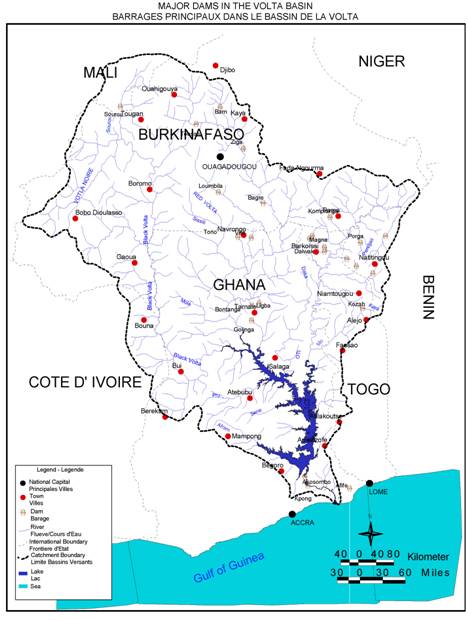
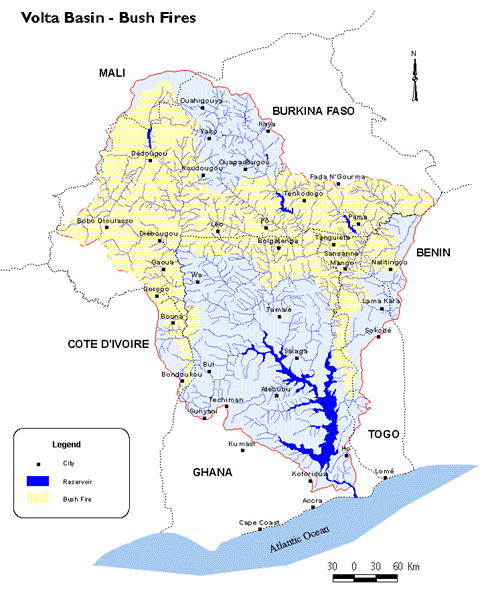
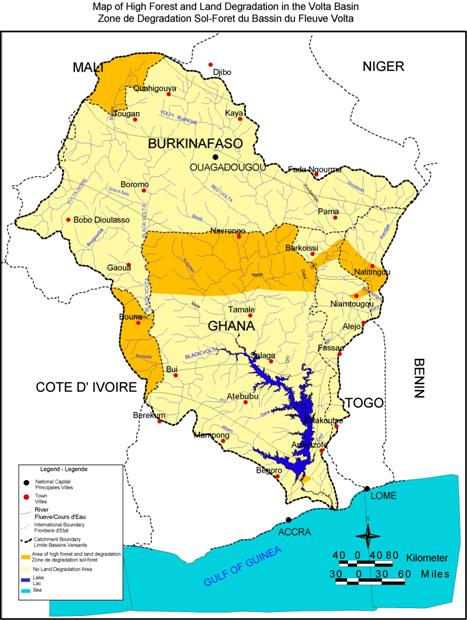
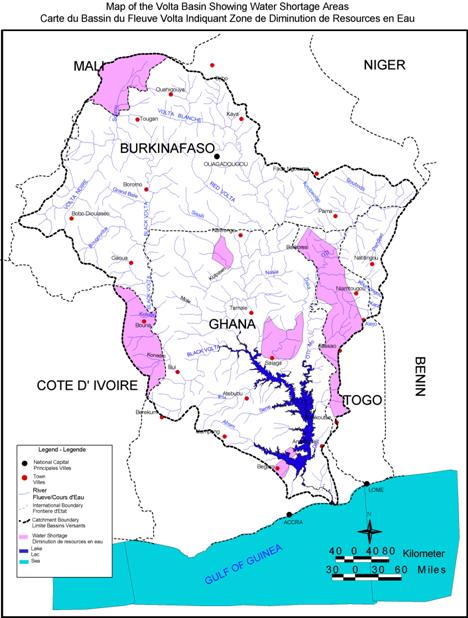
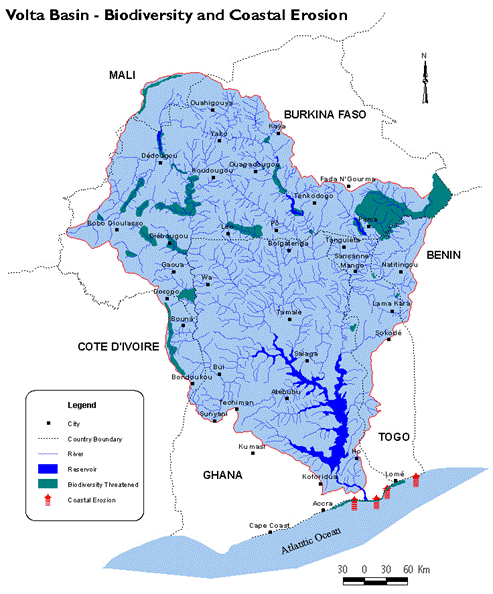
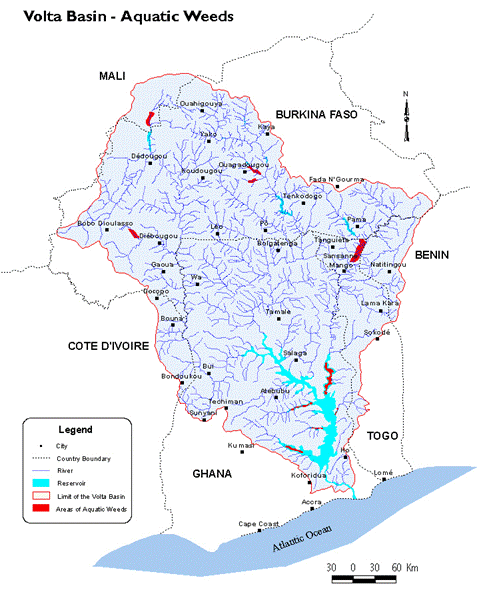
The full development of the demonstration projects were not foreseen during the Project Preparation Phase, due to the lack of full information on the range of potential demonstration projects, and the lack of time to implement the process of demo project development in all Volta River basin countries. The 3rd Joint Regional Meeting of the National Coordinators and the Operational Committee Meeting and adopted by the Steering Committee that: "'Concrete proposals for demonstration projects will be part of the full project implementation". The purpose of the demonstration projects include training of stakeholders in the field for sound environmental practices in the process of exploiting water and other related resources (i.e. transfer of technology), poverty alleviation, finalization of the basin Strategic Action Programme, initiation of sustainable development and economic activities in the basin etc. Field visits will be needed to determine the location of the projects and inputs from all the riparian countries will be needed, thus the Project Steering Committee have decided that the demonstration projects will be fully developed during the first year of the project implementation. The countries would update the TDA prepared during the preparatory phase and prepare the list of hot spots where the demo projects will be implemented. Based on the full list of hot spots and sensitive areas, three demonstration projects will be selected by the Project Steering Committee, based on the criteria’s described bellow in the geographical locations identified in the TDA (see maps bellow).
The project Steering Committee have agreed that the demonstration projects in identified hotspots in Volta River Basin will address the following themes:
1. Land forest/grassland management
- Revegetating degraded watersheds
- Promotion of community-based tourism
- Reversing desertification
- Development of range lands and creation of grazing corridors to reverse negative impacts of transhumance
- coastal erosion
2. Water protection, conservation and management
- Spring/river sources and channel protection
- Wetlands protection
- Rainfall harvesting
- Enhancing the use of small dams for domestic, small-scale irrigation and livestock watering
- scarcity/groundwaters
3. Waste Management
- Effective domestic waste disposal system demonstrated
- Reduction of waste in forest product usage
- Controlling and reducing of pollution from industry
- Controlling and reducing pollution from mining activities
Demonstration projects will be designed to be replicable throughout the Volta basin and other Sahel basin projects. In addition to the implementation of three replicable transboundary demonstration projects, concepts for six national demonstration projects will be prepared for a support of co-financing partners. A useful element that will add considerable value to the project will be a regular coordination with the IAs and EAs of the five basin projects in Africa including at least one regional meeting with the other projects.
Table Examples of degradation affecting hot spots in the region (from African Process)
Country |
Hot spots |
Nature of the degradation |
| Cote d’Ivoire |
Urban area of Abidjan |
Eutrophication (Ebrie laguna): untreated domestic and industrial sewage. Bays are lifeless Microbiological pollution: laguna is considered today as a reservoir of pathogenic bacteria: endemic occurrence of salmonellas, vibrionacees and other bacteria |
| Ghana |
Keta lagoon complex |
Siltation occurs; flooding and high evaporation rates affect the lagoon. High fishing pressure is felt on both sea and lagoon; high waves and reduced sediment transport along the shoreline experienced along the coastline |
Table Examples of threats affecting sensitive areas from the region (from African Process)
Country |
Sensitive area |
Threats |
| Cote d’Ivoire |
Grand-Lahou laguna |
Intense natural coastal erosion; Pollution through wastes from oil exploration and exploitation and ships; Overexploitation of fish stocks; Destruction of mangrove used as fuelwood |
| Cote d’Ivoire |
EEZ |
Overfishing: over 5 to 24years period, decrease of catch of various species from 51 to 85% |
Table Summary table for issues affecting sites (hot-spots, sensitive areas)
in the 2 countries of the Volta River basin (from African Process)
|
Major concern |
Issues |
|||
|
Cote d’Ivoire |
Ghana |
|||
|
I: Stream flow shortage |
1. Modification in stream flow |
Keta lagoon SakumoI Songor lag. Volta estuary |
||
|
2. Pollution of existing supplies |
||||
|
3. Lowering of water table |
Grand Lahou |
|||
| II: Pollution |
4. Microbiological |
Abidjan/Ebrie Grand Lahou Aby laguna |
Korle lagoon |
|
|
5. Eutrophication (harmful algal blooms) |
Abidjan/ Ebrie lagoon |
|||
| 6. Chemical |
Grand Lahou Aby laguna |
Korle lagoon |
||
|
7. Suspended solids |
||||
|
8. Solid wastes |
E. coastal strip |
Korle lagoon |
||
| 9. Thermal |
||||
|
10. Radionuclide |
||||
| 11. Spills |
Grand Lahou EEZ |
|||
|
III: Habitat and community modification |
12/13. Loss and Modification of habitats |
Abidjan E. coastal strip Aby laguna(All HSs) |
SakumoI Songor lag. Kpone-Akpl. Volta estuary (All SAs) |
|
|
IV: Unsustainable exploitation of fisheries & other living resources. |
14. Over-exploitation |
E. coastal strip Aby lagunaEEZ |
Kpone-Akpl. Volta estuary |
|
|
15. Excessive bycatch & discards |
||||
|
16. Destructive fishing practices |
Grand Lahou |
Keta lagoon |
||
|
18. Impact on biological and genetic diversity |
||||
|
V: Global changes |
19. Changes in hydrological cycle |
|||
|
20. Sea level change |
EEZ |
|||
| VI. Other |
23. Coastal erosion |
Keta lagoon Kpone-Akpl. |
||
|
24. Encroachment/ Human settlement |
SakumoI Songor lag. |
|||
|
25. degradation of infrastructure (cultural heritage) |
||||
|
26. Shoreline change |
||||
Criteria for Steering Committee Selection of Demonstration Projects
The preparation and Steering Committee selection of the Demonstration Projects will be guided inter alia by the following:
- Global, regional, sub-regional and multinational nature of projects: The Demonstration Projects should clearly respond to the environmental benefits in the region and contribute to overall global environmental benefits. In this respect Projects developed and selected may have a sub-regional or regional outlook or involve several countries.
- Specificity: The Demonstrations projects must target the hot spots and sensitive areas identified by the countries during Sub Saharan MSP and new hot spots and sensitive areas identified during the project implementation using the methodology based on the GIWA approach as agreed by the Steering Committee. Its lessons and best practices will be then replicated in the other hot spots areas within the Volta River Basin region.
- Participatory nature: Projects should demonstrate development and implementation through a participatory approach with strong ownership with all partners including the government, the private sector, civil society including NGOs and the scientific community, the projects should also have a gender balance;
- Programmatic approach: Projects should be integrated in a comprehensive, programmatic and, as far as possible, strategic approach;
- Sustainable Development Perspective: Projects should be designed taking into account the need to alleviate poverty and promote economic growth;
- Capacity Building: Projects should integrate capacity development needs as part of their planned activities
- Maximize utilization of Regional expertise: Projects should aim at maximizing the utilization of local experts and institutions;
- High rate of replication: Projects should be designed to ensure replication and dissemination of good practices and experiences.
- Sustainability of activities: Projects should have activities whose benefits are sustainable beyond the life cycle of the interventions;
- Funding and Co-Financing: Projects likely to attract adequate domestic funding and/or external support shall be considered. Projects demonstrating strong co-financing shall be given priority.
- Promote sharing of experiences and learning: Projects should aim at promoting sharing of experiences, enhancing regional co-operation and collective learning;
- Performance criteria: Projects should contain clear objectives, performance indicators and monitoring mechanisms;
- Thematic balance: Balance between the thematic areas should be sought;
- Geographical balance: Balance between the 5 GEF-eligible Volta River Basin Countries should be sought.
Geographical location of the demonstration projects in Volta river Basin, based on major environmental transboundary issues identified during the TDA process.