|
1
|
|
|
2
|
- First generation (1970s and 80s): top down, engineered solutions, little
consultation
- Second generation (1990s): community participation, local involvement,
working from menus of options
- …. What’s the next generation?
|
|
3
|
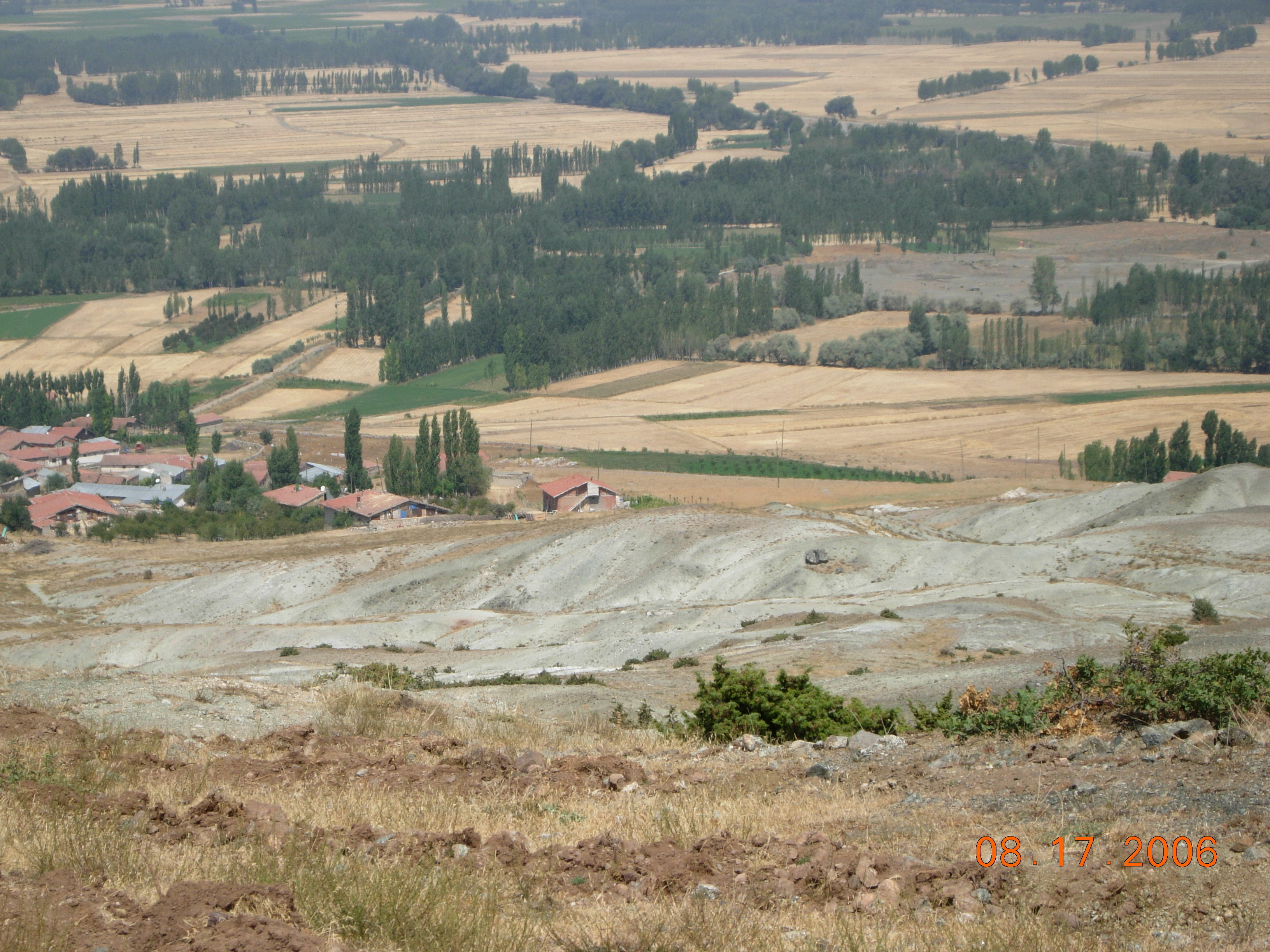
- Eastern Anatolia Watershed Rehabilitation Project, now closed, was a
classic second generation project which had significant positive
impacts.
|
|
4
|
|
|
5
|
|
|
6
|
|
|
7
|
|
|
8
|
|
|
9
|
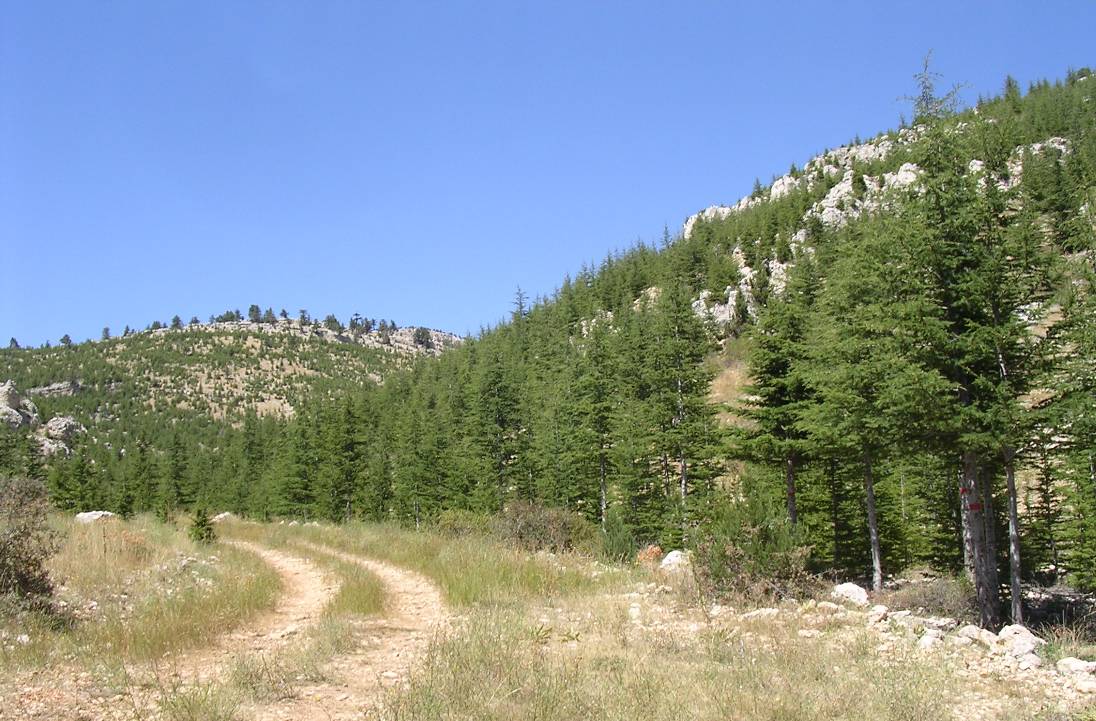
- Second project (Anatolia Watershed Rehabilitation Project) was a second
generation ‘plus’ project
- ….. What was the ‘plus’?
|
|
10
|
- 1. Institutions: widened involvement of public sector institutions (MEF
and MARA: TÜGEM,OGM, ORKÖY, KKGM, AGM, SPAs, and CYGM)
|
|
11
|
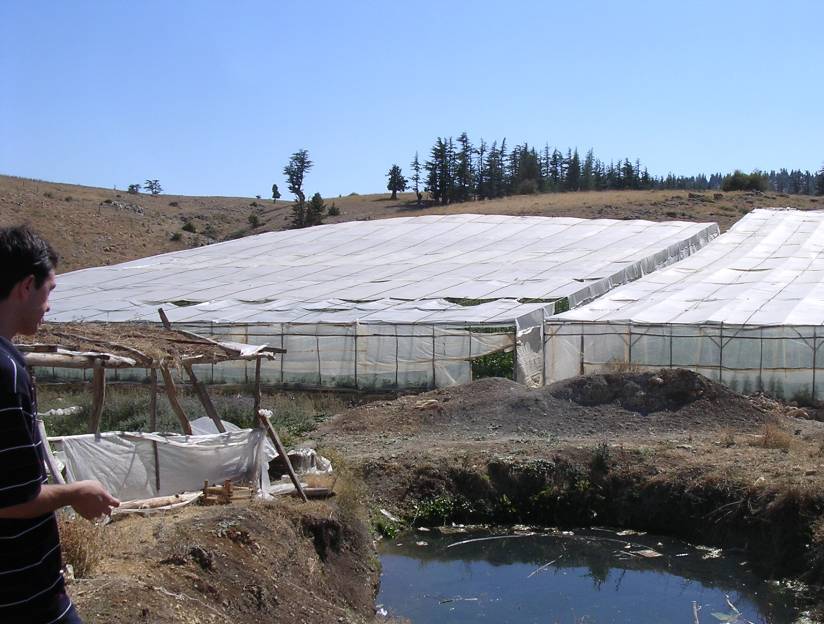
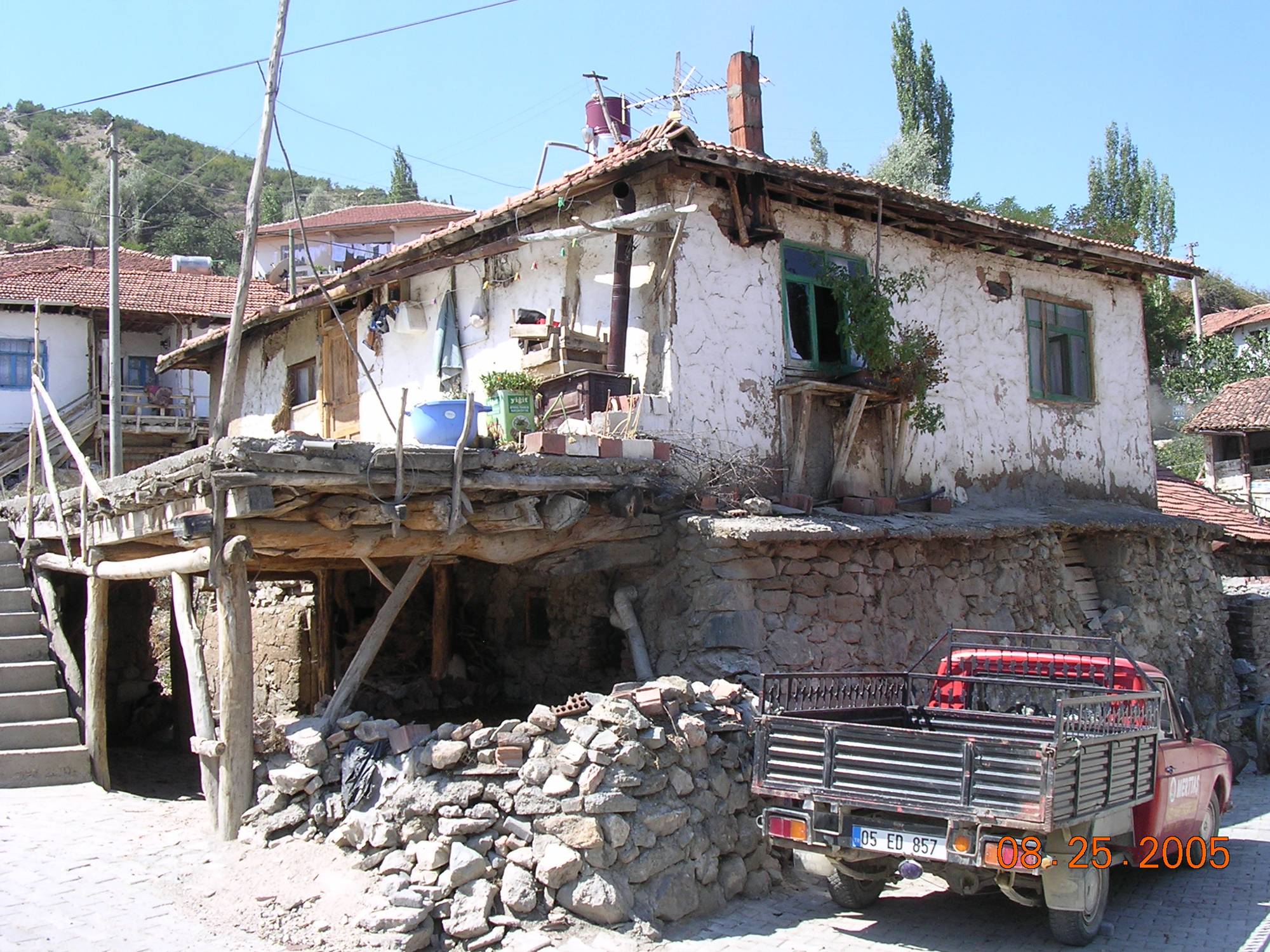
- 2. Very strong focus on service delivery: to poor communities in upland
catchments
|
|
12
|
- 3. Linkages: between upstream and downstream interests
- Upstream interests: jobs, income generation, access to resources
(forests, pastures, irrigation) [High poverty rates]
|
|
13
|
|
|
14
|
|
|
15
|
|
|
16
|
- 3. Linkages: between upstream and downstream interests
- Downstream interests: livestock improvement, manure management, crop
productivity [Lower poverty rates]
|
|
17
|
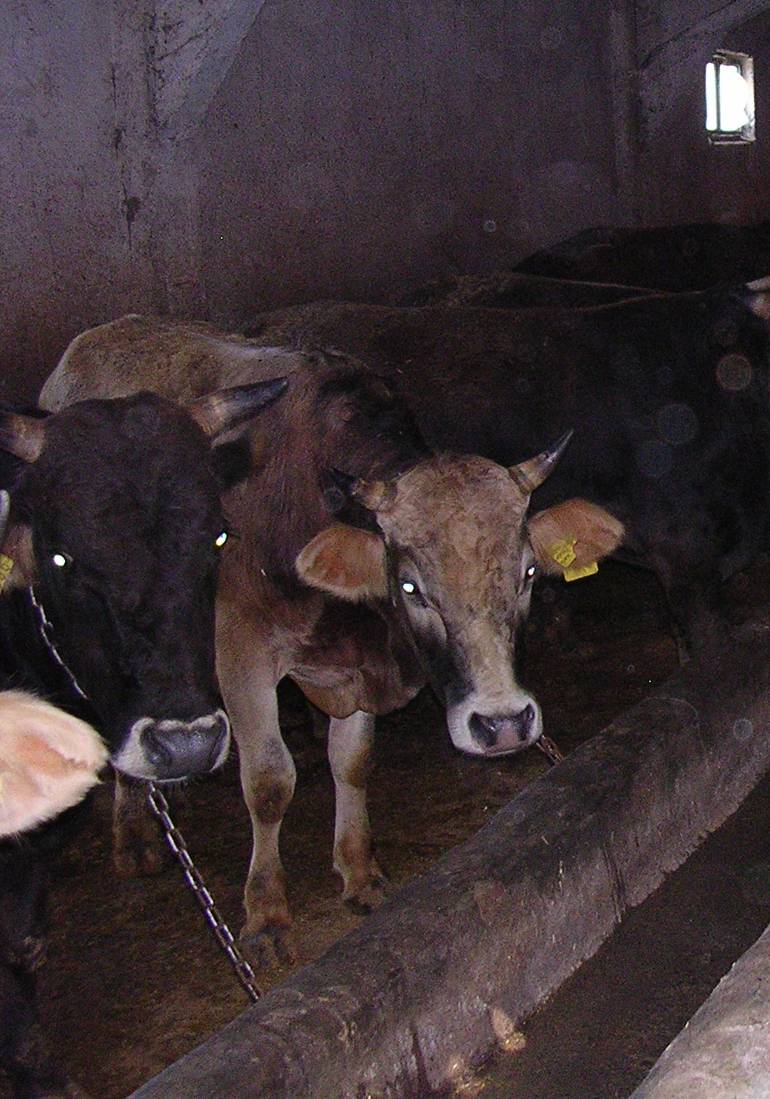
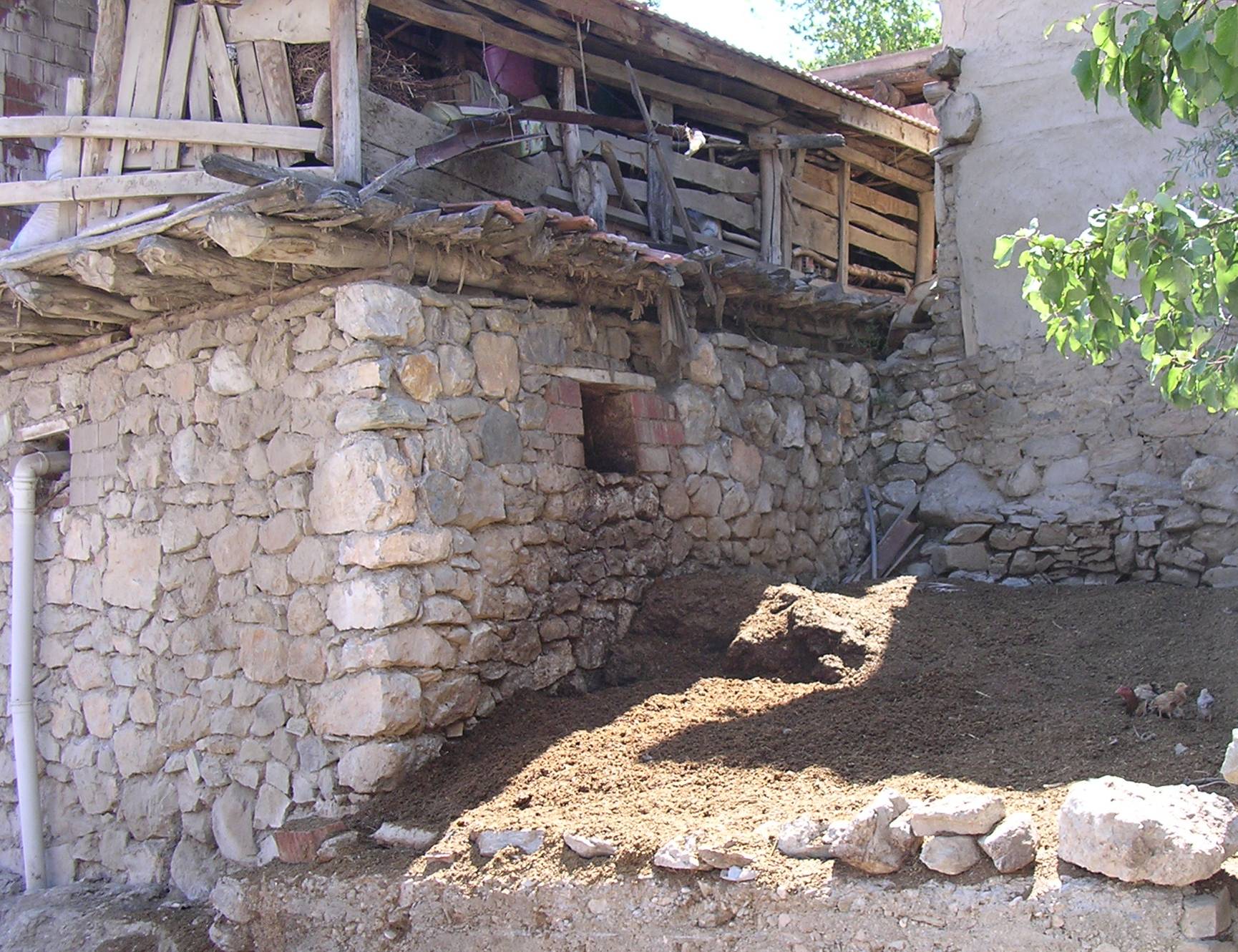
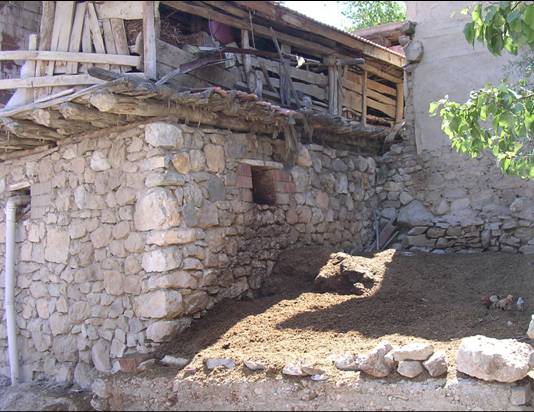
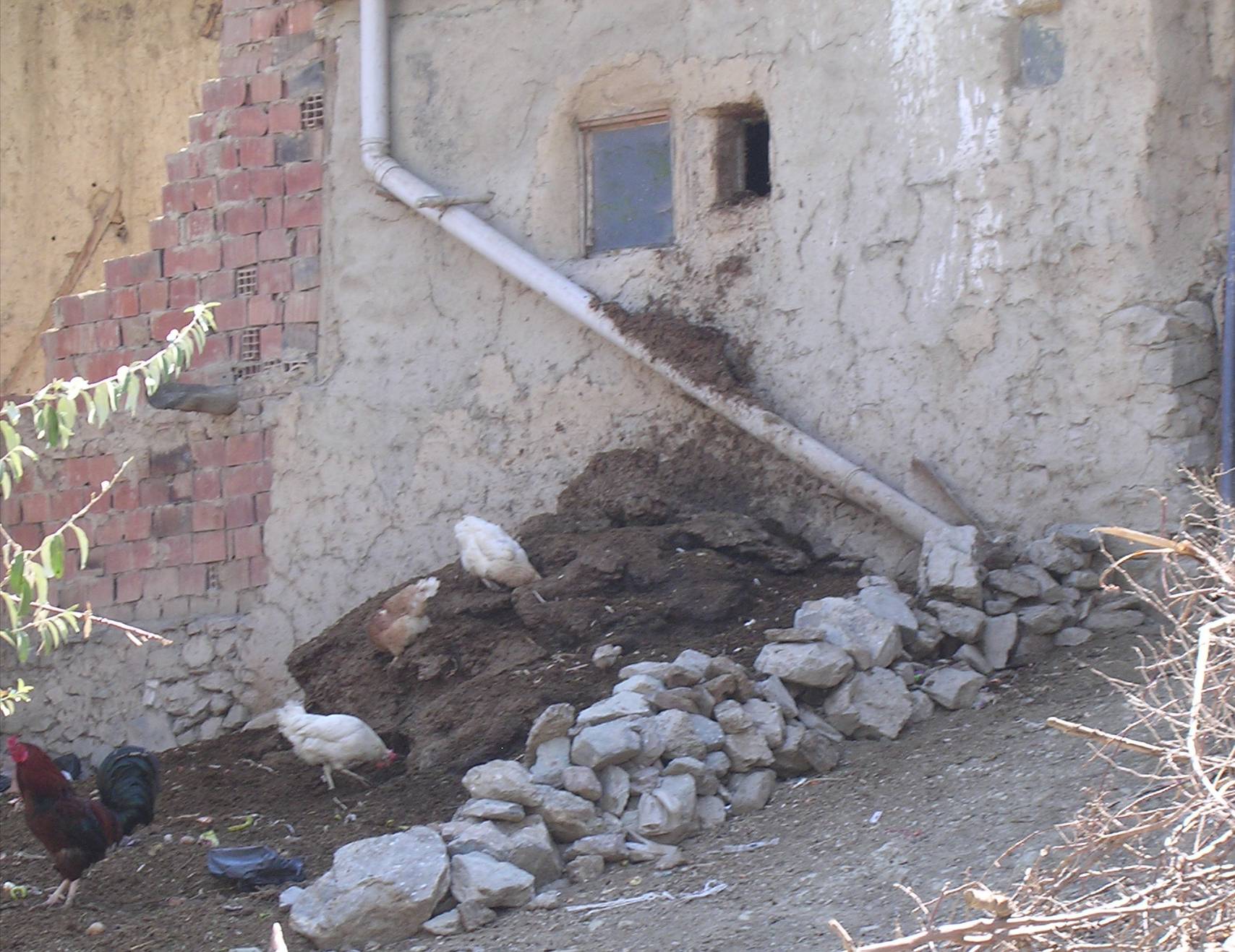
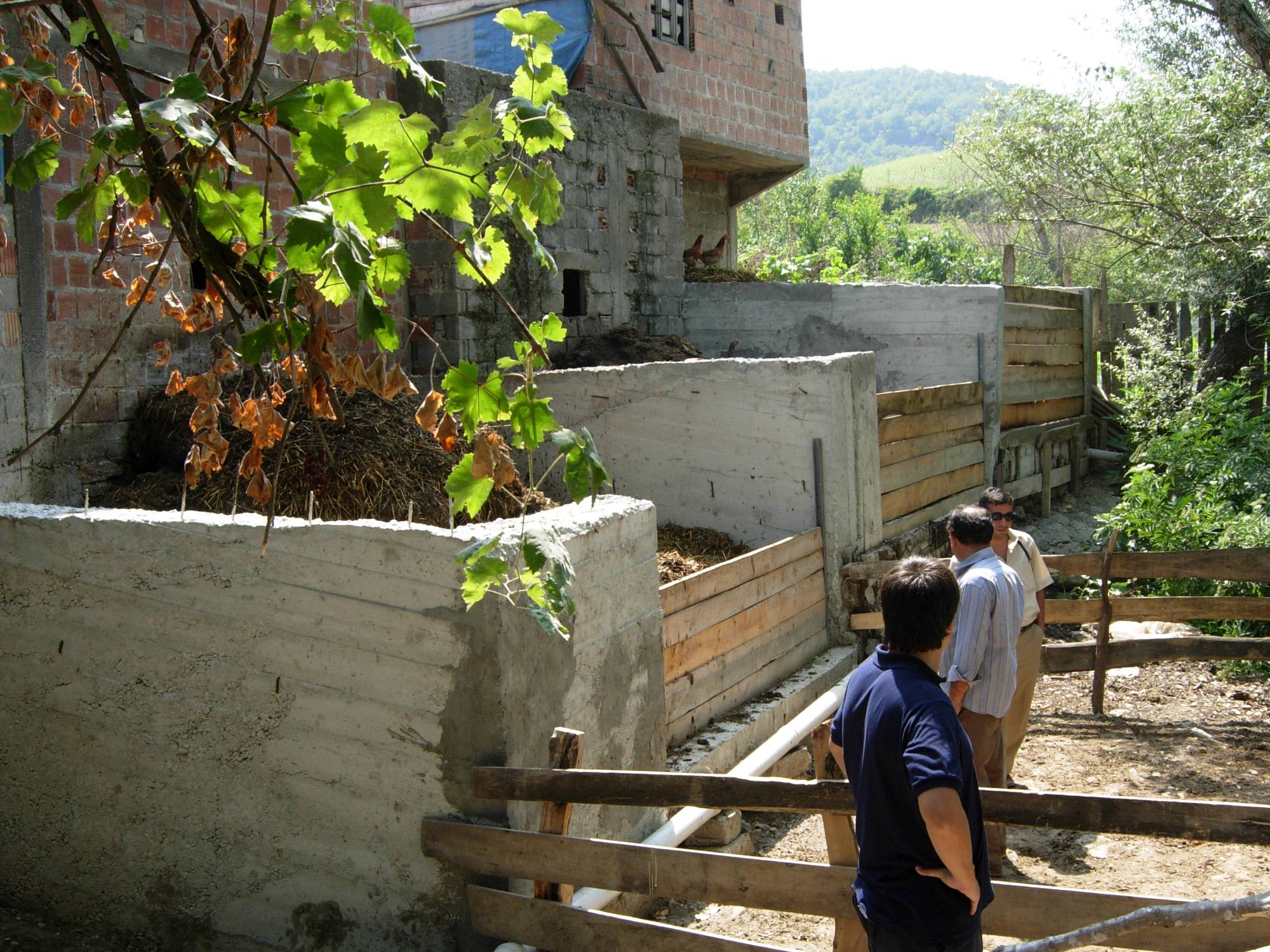
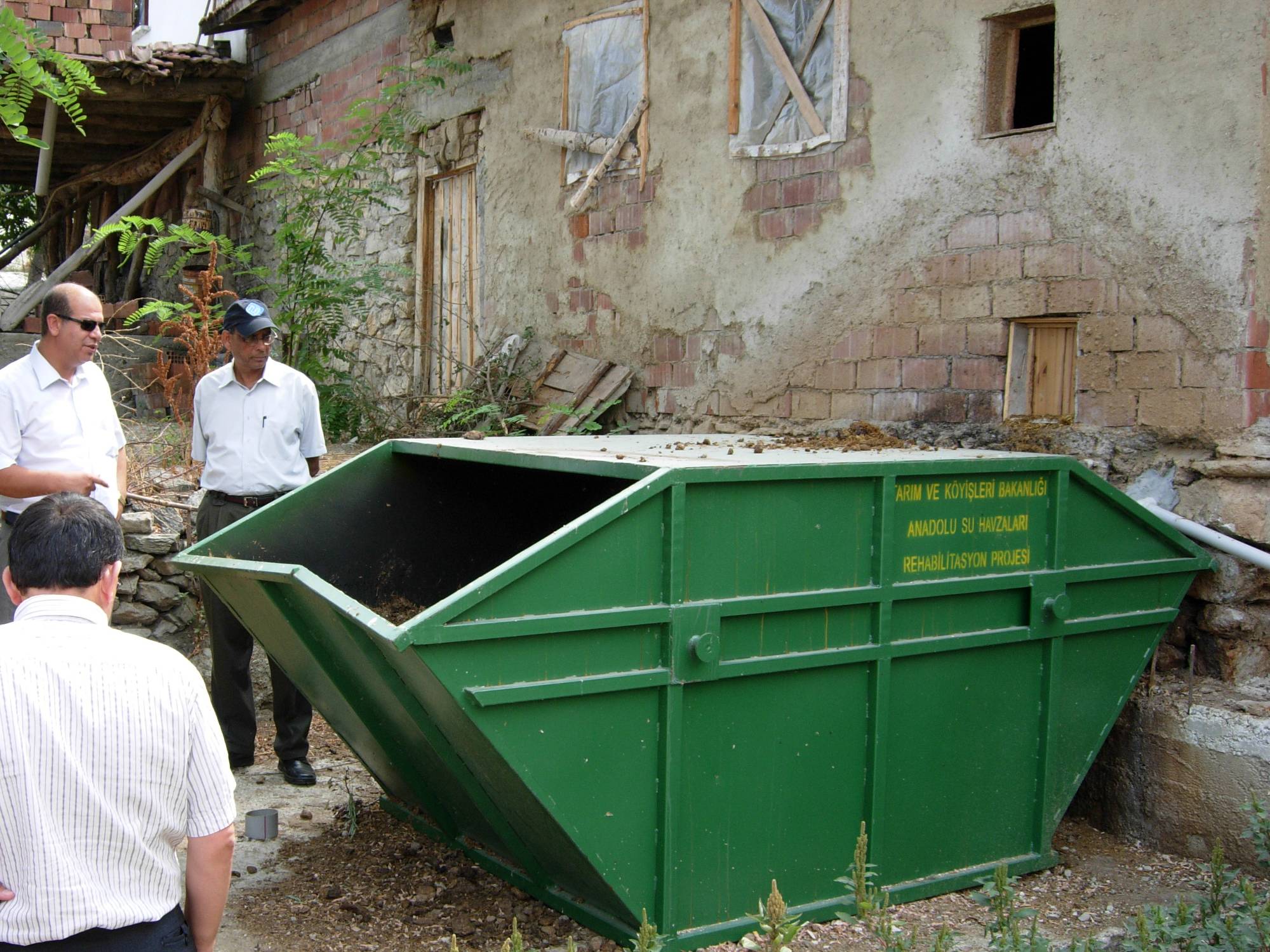
- Capitalizing on local interests in animal health and hygiene
- Introducing integrating manure management systems which return compost
to crops/pastures
- Reducing and controlling water pollution into the Black Sea
- Reducing nitrate levels in groundwater
|
|
18
|
|
|
19
|
|
|
20
|
|
|
21
|
|
|
22
|
- Centrality of community institutions in decision making
- Organizing multiple government institutions to focus on service delivery
in poor communities (convening power of the Bank)
- Impact of introducing marginal technical improvements for managing
manure
- Animal hygiene
- Local hygiene
- Nitrate pollution reduction
- Access to composted manure
|
|
23
|
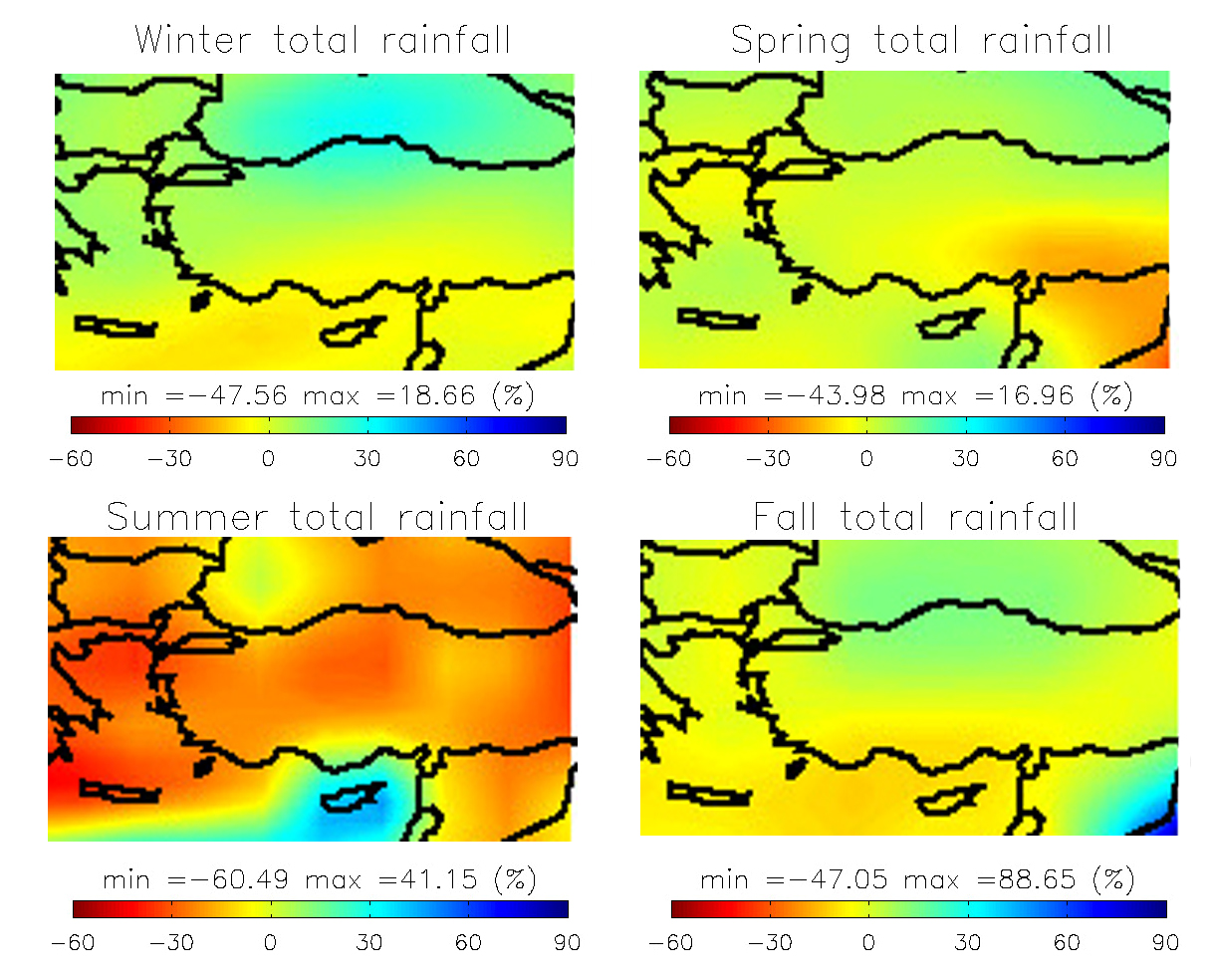
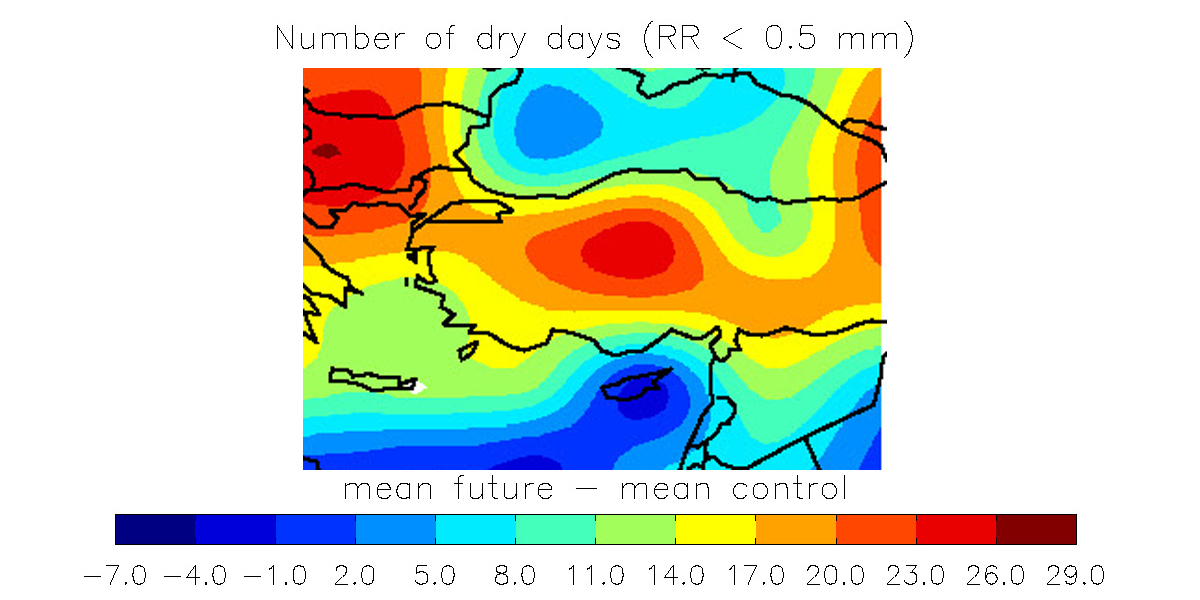
- Warming is already evident (3ºC over last 50 years in western
Mediterranean)
- Winter precipitation since 1950 has decreased by about 20 percent
- Projected impacts on Turkey of global 2ºC temperature rise include:
- changes in seasonal rainfall
- more dry days per year
- outcome will have impacts on agriculture
|
|
24
|
|
|
25
|
|
|
26
|
- Scaling up: 65 percent of total rural land is degraded. Current
operation is a ‘micro-pilot,’ covering 28 microcatchments. As many as 2000 could use similar
treatment
- Poor understanding of impacts on hydrology – increasingly critical to
have this understanding as climate change impacts are felt
- Medium term challenge of mitigating climate change impacts
|

 Notes
Notes