THE CASE OF SERBIA
Sofija Pekic, dean of the Faculty of Agriculture, University of Belgrade
Asndjelka Mihajlov, Minister for Protection of Natural Resources and
Environment
Survey on the present situation from the Report on the state of the environment
in 2000 (document of the Ministry for protection of natural resources and
environment) as the starting point for developing good agricultural practices
(GAPs)
General data
Territory of Serbia (88.361 km2) is devided into particularly differentiated
lanscape complexes : lowland areas situated in Southeast panonian plains
(Vojvodina and southwards from Sava and Danube rivers) and regions of
Central Balkan - flat-highland-mountainous-valley areas of several mountain
systems.
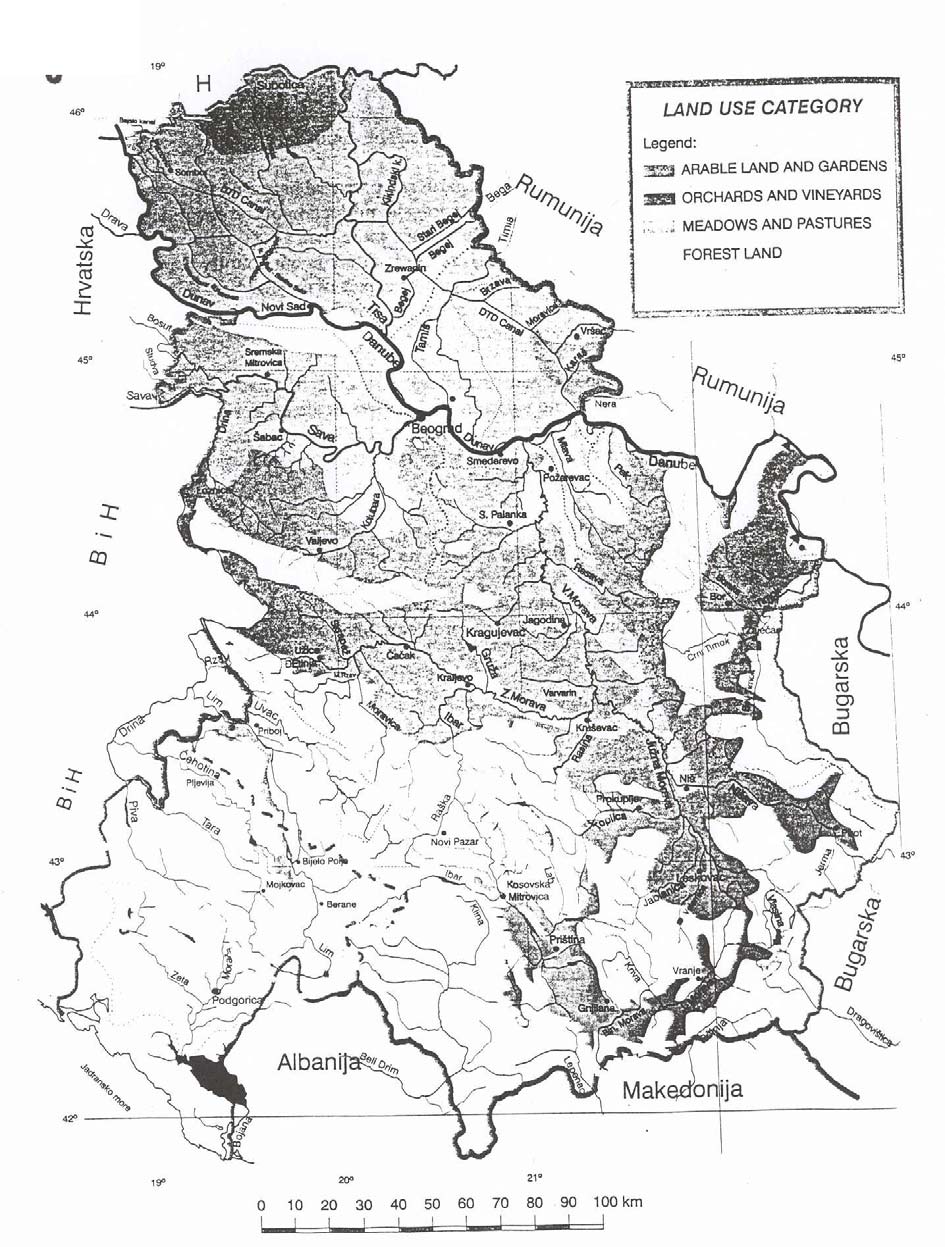
Agriculture land cover about 65% (major arable land beeing in the
Danube basin) with non-arable land regarded as semi-natural ecosystems
including pastures, swamps and reeds (Fig.1.). Natural and semi-natural
ecosystems cover approximately 40% of the territory with additional surface
water ecosystems (rivers and lakes).
Presence of harmful and dangerous substances
Level of heavy metal risk in part of central Serbia is presented on Fig.2.
The concentration of dangerous substances in the soil points out to the problem
on 162.000 ha or 18.6% of the analysed land. Only the concentration of B, F and
Hg were within the allowed limits.
The data from the analysis of soil samples on the territory of Vojvodina
(in 1991) and cental Serbia (in 1993-1995) shown a low level of pesticides in
the examined soil samples and this leads to the conclusion that soila are not
polluted with the pesticide residues.
The soil without risk for safe food production, regarding to the content of
dangerous substances, are spreading over the area of 651.000 ha (75%). The
soils with insignificant or medium risk are spreading over 51.000 ha each,which
makes 5.5% of the area or 101.000 ha for both risk categories. The soils with
moderately high to high risk are spreading over 69.000 ha or 9% of the analysed
area. The soils with very high risk (all acid soils with increased concentrations
of several dangerous elements) are spreading over 48.000 ha or 5% of analysed
area.
1
Euthrophication
The problem of eutrophication is related to the over-use of fertilizers, as
well as to the uncontrolled discharge of waste water from city sources and
livestock farms.
From the diagram presented on Fig. 3A, a declining trend of the
utilization of fertilizers in the Danube basin is noticeable, as well as declining
trend of the nutrient value,presented with the yield, all indicating that the
production on arable lands during the obsevation period continually declined.
From the survey maps with locations of the bigg livestock farms (Fig. 3B)
and from the eutrophication risk map in the Danube basin (Fig. 4) it is
prominent that the accumulation zones around the rivers Tisa, Danube and
Velika Morava are the most endangered zones, in regard to potential soil and
subterranean water degradation by processes of eutrophication.
Conclusion and future perspectives
The data presented point out that in Serbia, especially in the major
agricultural region of the Danube basin we face agricultural pollution from
various sources: manure, fertilizer over-use, hazardeous substances. On the other
hand the lack of environmenrtaly friendly practices as well as the public
awarness for their implementation represent the serious environmental threat for
, not only our country, but also for the neighbouring countries and the Black
Sea.
Implementation of GAPs such as manure and nitrogen management
programmes, low pesticide use etc. seem to be of the highest importance. To
start this we need the develoment of agro-envinomental policy (national codex
of GAPs), and the system of its implementation at the farm level. On the top of
all this we need this urgently! So, the mobilisation of all relevant factoors within
the country (relevant Ministries, faculties, local vocatoopnal middle schools,
local county officials, farmers community etc.) as well as out of the country
(donors, reagional networking, consultants etc.) is needed as soon as possible.
2
APPENDIES
Figure 1
3
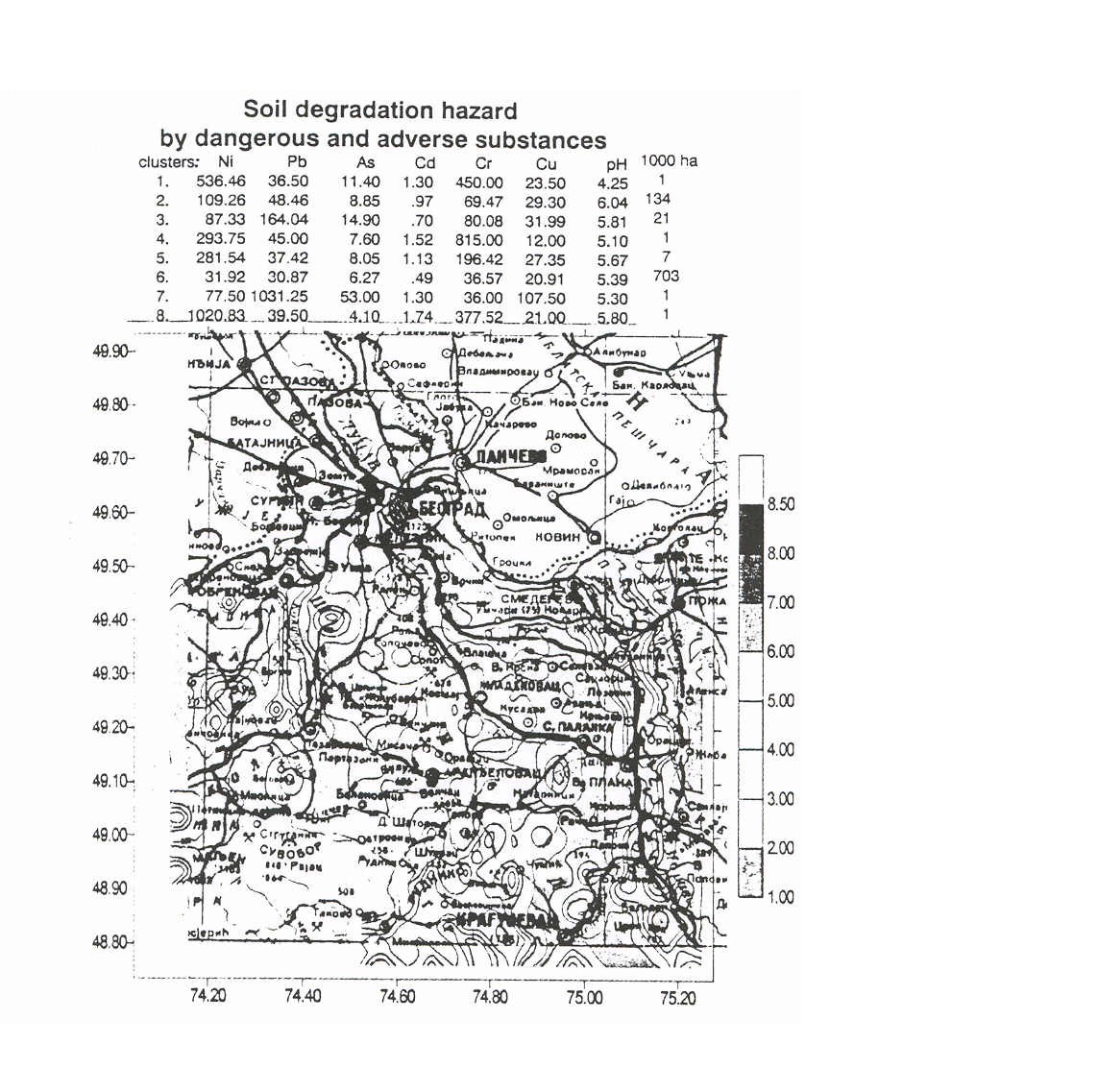
Figure 2
4
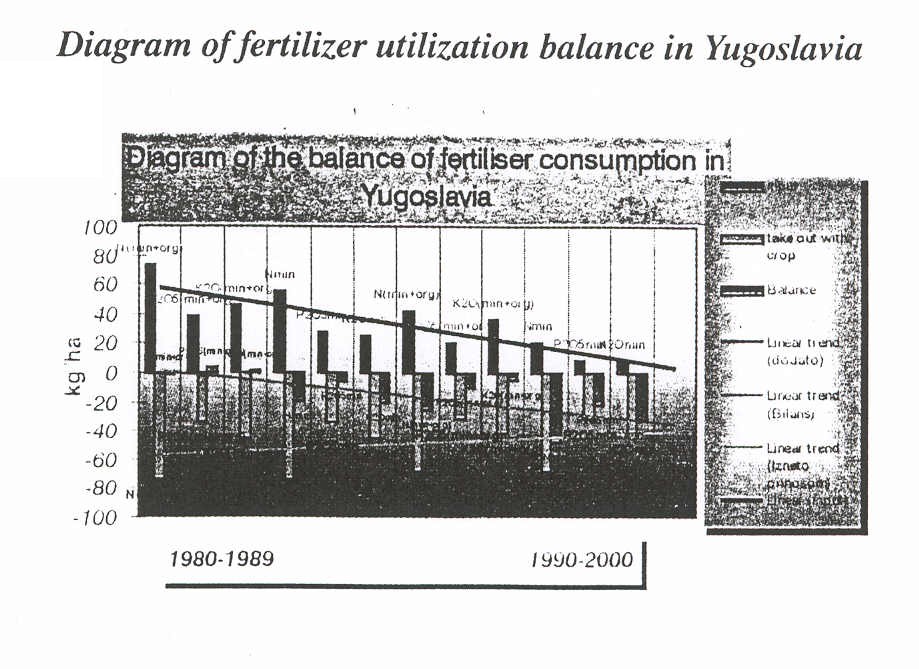
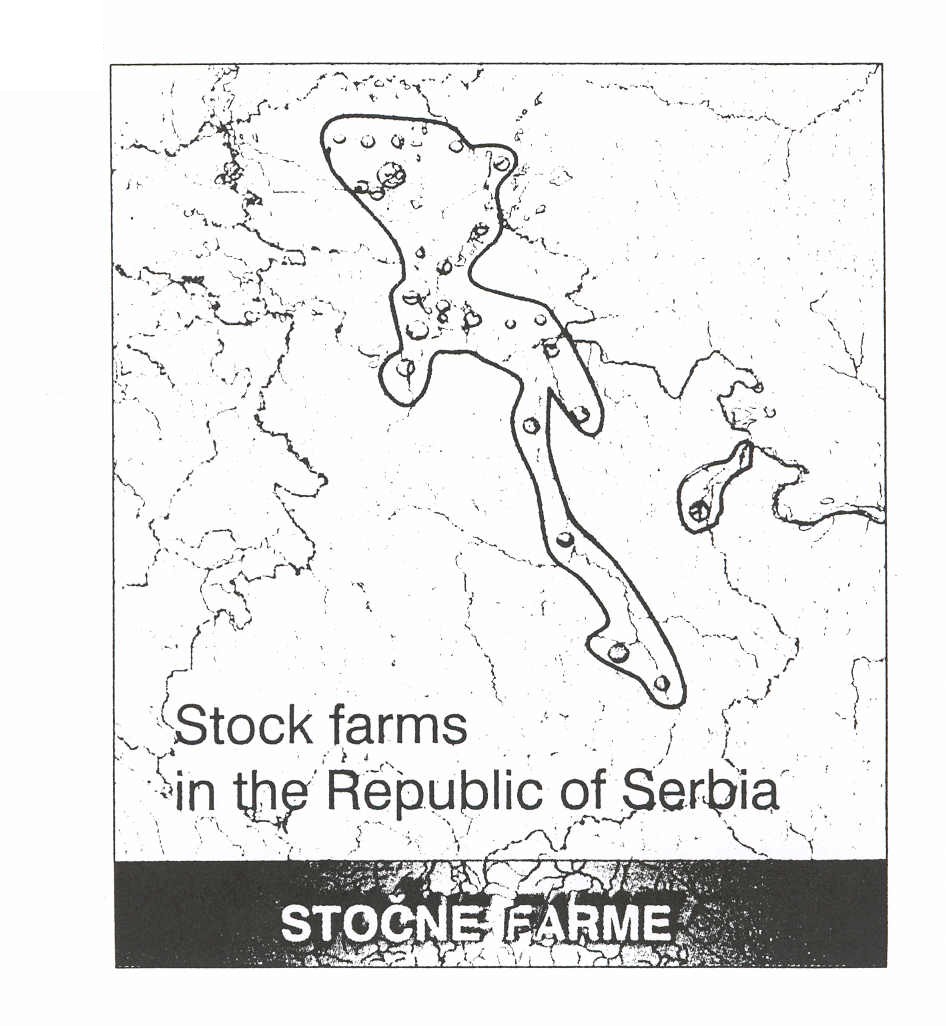
Figure 3
a)
b)
5
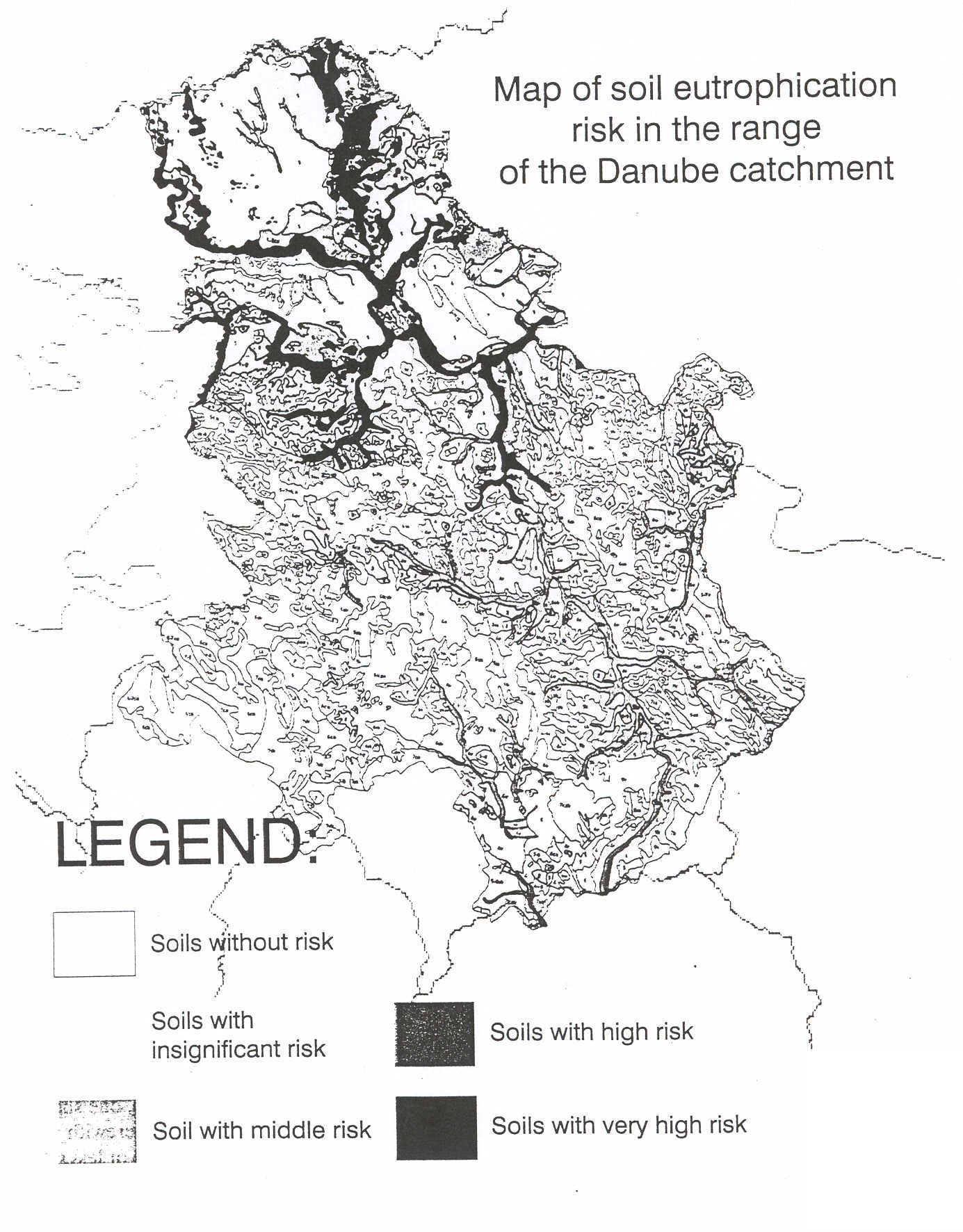
Figure 4
6
Document Outline