|
1
|
- DAVID NAKANI
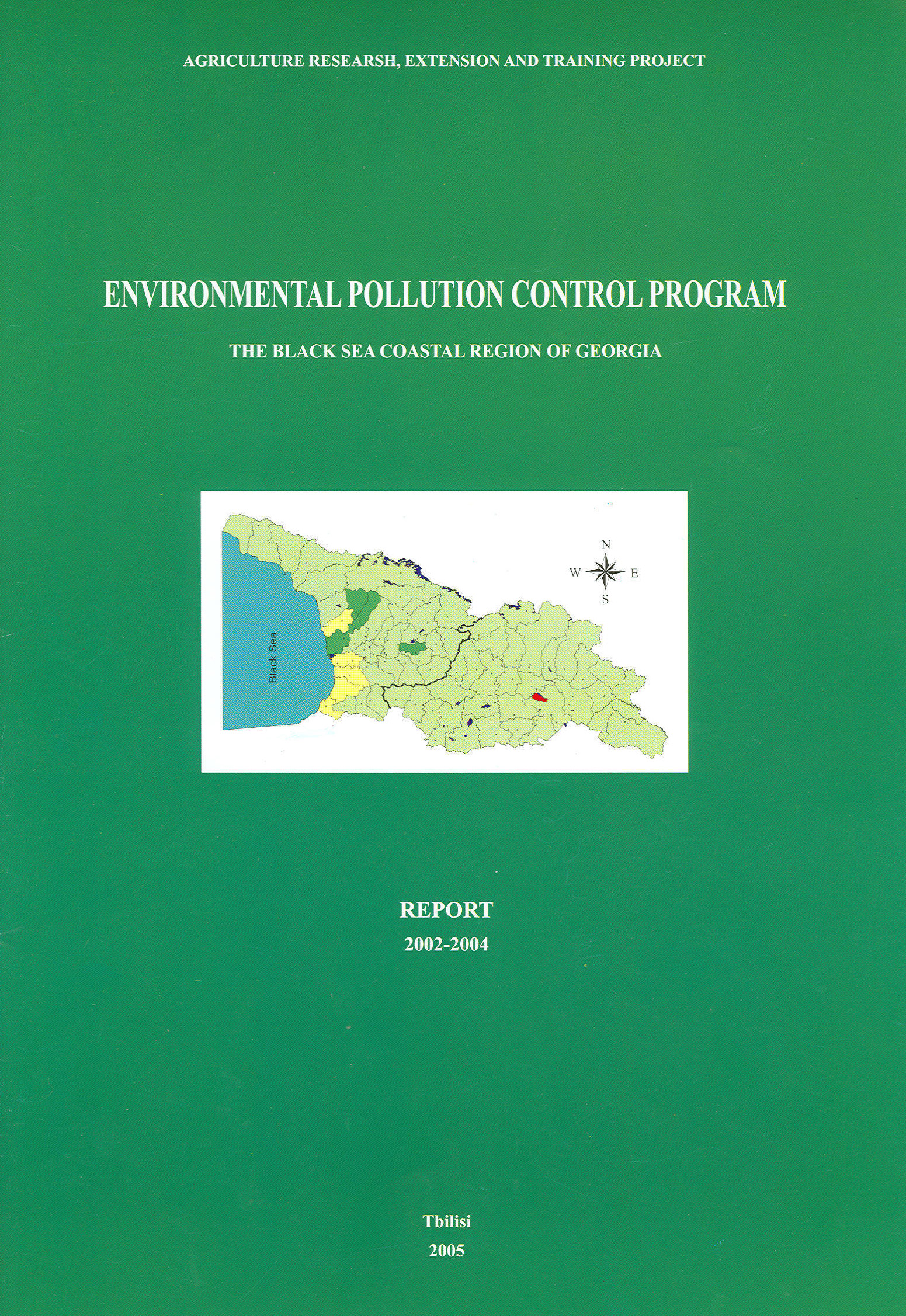
- Environmental Pollution Control Program
- DAREJAN KAPANADZE
- World Bank Office Tbilisi
- Georgia
|
|
2
|
- Background
- Project objectives
- Project implementation
- Challenges faced
- Successful solutions
- Outputs and impact
- Conclusions and future perspectives
|
|
3
|
- Main burning issue - soil erosion
- Pollution of rivers draining into the Black Sea
- Heavy use of pesticides and fertilizers
- Weak environmental regulations
|
|
4
|
- No3 - N concentrations in river waters are several times
higher than EU water quality standards
- Higher chemical concentration in fruits and vegetables limits exports to
EC markets
- Farmers lack skills to adopt modern farming methods that are
environmentally sound
- Destruction of bio-diversity (flora and fauna)
- Deforestation for lack of fossil fuels
|
|
5
|
- Preparation stage: 1999 – 2001
- Technologies/best practices
selected for extension:
- Improved storage, handling and utilization of animal waste
- Recovery of degraded soils and sustainable land cultivation
- Environment friendly protection of crops and increase of productivity
- Monitoring quality of water and soil
- Implementation stage: 2002-2006
- Demonstration and acquisition of the selected technologies
- Assessing their efficiency, impact and sustainability
|
|
6
|
- Promote efficient practices of on-farm nutrient management in the selected watersheds
to reduce river water pollution and meet requirements of the EU Nitrate
and Clean Water Directives
- Demonstrate and disseminate use of bio-gas digesters to reduce household
demand for firewood and cut
methane emissions into the atmosphere
- Carry out adaptive research, on-farm testing and extension of the
advanced farming practices that improve productivity and decrease
environmental damage
|
|
7
|
- Choosing watersheds adequate for Program implementation and farmer
education
- Picking farmers for adoption of environment friendly agricultural
practices
- Selecting appropriate technologies/practices for pollution control
- Optimizing bio-gas digester design to achieve good performance
throughout all seasons
- Operating in a setting with poor rural economy and weak infrastructure
|
|
8
|
- Controlling soil erosion –
- terracing, contouring, buffer
strips, reduces tillage, crop rotation
- Reducing the flow of manure and chemicals to river waters –
- manure storage facilities,
bio-gas digesters, use of manure as fertilizer and nutrient management
- Minimizing the use of pesticides –
- laying basis for the
development of organic farming
- Monitoring river and ground water quality and assessing impact of the
adopted practices
|
|
9
|
|
|
10
|
- Bio-gas digesters installed at 120 farms
- Manure storage facilities arranged at 310 farms
- Good agricultural practices adopted in 279 farms
- Individual nutrient management plans developed for 220 farmers
- Training in good management practices delivered to 2500 farmers
- Comprehensive water monitoring program put in place for three watersheds
- In three years the Ochkhomuri river water quality
- improved significantly to meet EU nitrate standard
|
|
11
|
- Focusing agricultural research on farmers’ needs and adapting it to the
real rural life setting is a single window of opportunity for the
national agricultural knowledge system
- Extension of advanced technologies to the subsistence, small and medium
farmers is a challenging task, taking time and resources for
demonstrating, carrying out participatory trails and building awareness
- Making tangible change in the quality of environment proved possible
through concentration of external and local resources within a focus
area
- Strong economic incentives are only viable tools for sustaining the
present positive trend as well as for exporting it beyond the pilot area
|
|
12
|
- Agricultural non-point sources of pollution have significant impact on
water quality at present, with a potential to increase in future
- Majority of Georgian farmers do not use environment friendly
technologies and are unaware of damage to public health and environment
made by their current farming practices
- Georgia lacks adequate environmental regulations and economic policies
to achieve compliance with EU Nitrate and Clean Water Directives
|
|
13
|
- Facilitate compliance with the
obligations of EU
- membership
- Develop adequate environmental regulations and create economic
incentives
- Set up a viable extension system to rejuvenate rural economy and
develop export opportunities
- Establish a reliable and affordable long-term water quality monitoring
program
- Seek opportunities for receiving support from GEF, EU, MCG, bilateral
donors and other sources in carrying on the successfully piloted
activities
|
|
14
|
|

 Notes
Notes