|
1
|
- Dr. Jeffery Lorimor
- Iowa State University
- Ames, IA USA
|
|
2
|
- In Romania –
- Rural population is 46% of total
- Overall Ag GDP is 18.5% of total
- Of 14.8 million hectares, 63% is arable
- Meat and egg production has declined approximately 40% since 1990
except for milk, even though adequate feed is available
- L. Lordache, senior researcher, World Economy Institute
|
|
3
|
- Animals play multiple roles by providing
- Draft power
- High quality protein
- Cash income/income diversification
- Ability to graze non-cropped ground
- Animal waste products
- Nutrients
- Gas for heating and cooking
- IFPRI 2020 Brief no. 61
|
|
4
|
- Livestock benefit the poor by alleviating micronutrient deficiencies and
by directly alleviating poverty.
- The rural poor tend to get a higher share of their income from livestock
than better-off rural people
|
|
5
|
- The environmental concerns of increasing livestock production are
- Higher concentrations of animals
- Water quality deterioration
- Air quality deterioration
|
|
6
|
- Two primary threats to water quality may exist from animal production
- Direct discharge of collected wastes
- Over application of manure nutrients
- Good management can minimize or eliminate both threats
|
|
7
|
- Primary concern for direct discharge from manure to surface waters
- Acute toxicity
- Oxygen demand (COD/BOD)…kills aquatic life
- Ammonia NH3-N
…kills aquatic life
- Chronic effects
- Phosphorus …excess algae
growth
|
|
8
|
- Primary concern for discharge to ground waters
- Acute toxicity
- Microorganisms e coli, streptococcus, etc.
- Might result from poor well construction
- Nitrate …Blue baby disease
- Might result from too much nitrogen applied to the land
|
|
9
|
- Solid manure less risky than liquid manure
- Direct discharges are less likely since the manure does not flow
- Adequate space between the manure and the water source is the primary
means of protection
|
|
10
|
- Most states in the US require separation distances between livestock
production/ manure storage facilities and water resources
- Iowa, for example, for liquid manure from animal buildings and manure
storages requires 150 -300 meters separation
|
|
11
|
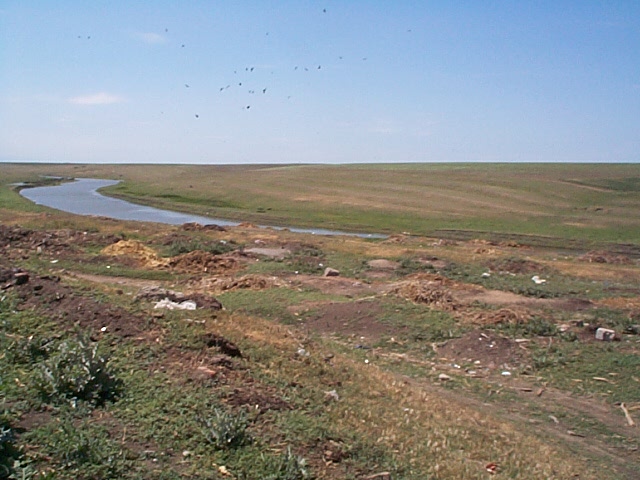
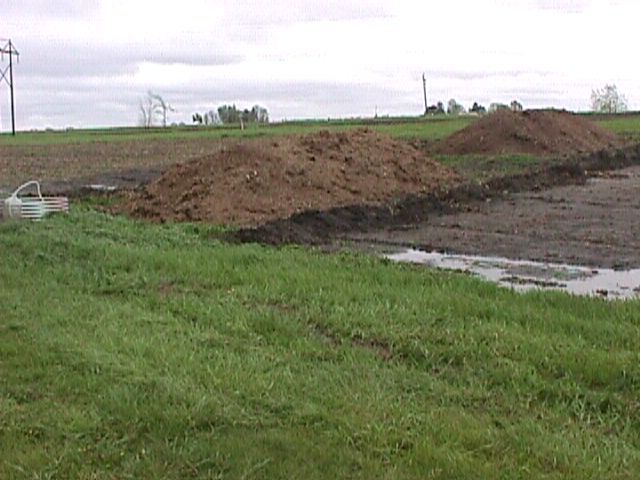
- Solid manure stacks
- Build stacks on impermeable floors/soil
- Protect against rainfall with roofs or covers to avoid seepage
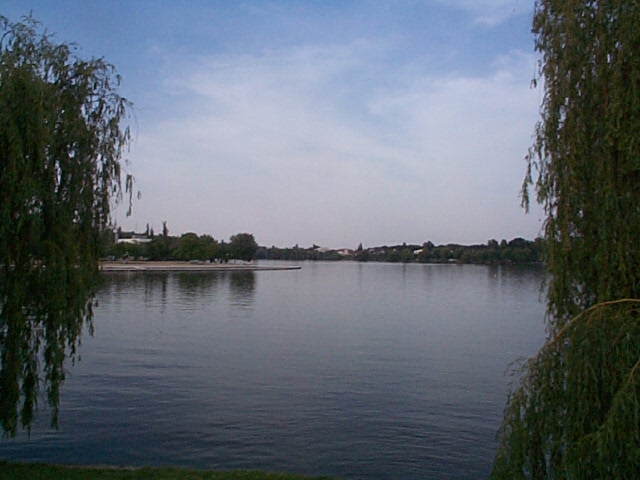
- Keep stacks away from streams, rivers, and lakes
|
|
12
|
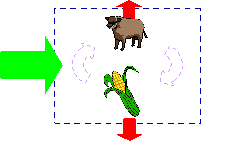
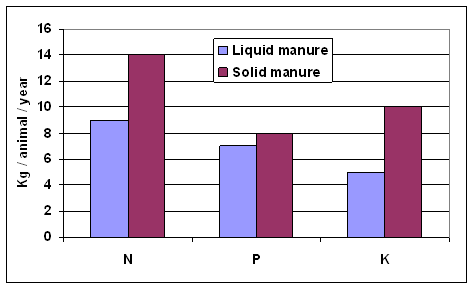
- Crops need nutrients to produce well
- Nutrients can come from manure, legumes (N), or from purchased
fertilizer
- We know what the crops need
- We know what the animals “produce” in manure
|
|
13
|
- NOTE: animals do not produce
nutrients. They use
nutrients. We say they “produce”
because non-grazing animals accumulate nutrients from feed taken from a
large area into manure that accumulates in a small area.
|
|
14
|
- To avoid water quality problems we need to redistribute the animal
manure back onto approximately the same area that the animal feed was
produced on.
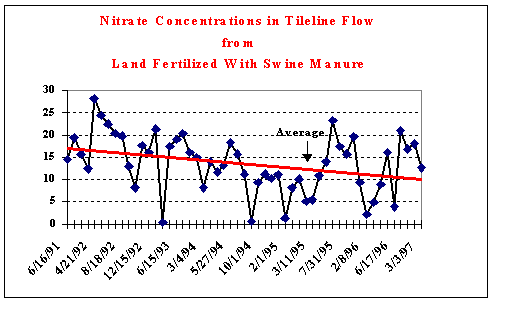
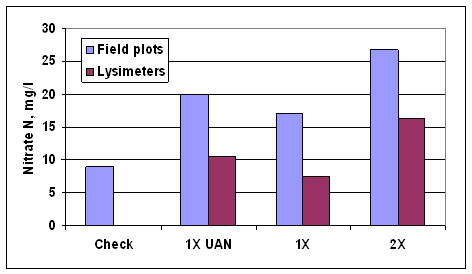
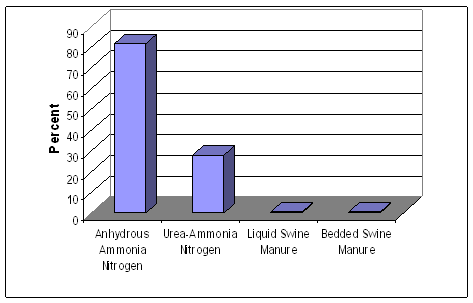
- Research data tells us that properly distributed manure nutrients do not
cause water quality deterioration
|
|
15
|
|
|
16
|
|
|
17
|
|
|
18
|
- We know the nutrient needs of the crops
- Corn needs 55-17-14 kg of N-P-K
- Wheat needs 60-27-14 kg of N-P-K
|
|
19
|
|
|
20
|
|
|
21
|
- If we do not apply more nutrients than the crops need, we will protect
water quality.
- This applies to both purchased
fertilizer and to animal manure.
- To protect water quality…do not over apply nutrients
|
|
22
|
- Good manage must include other issues
- Soil erosion…manure can increase of decrease soil erosion, depending on
how it is managed
- Losses…nitrogen losses can occur if manure is not covered with soil
soon after being applied to the field
- Seepage…seepage from storage piles can be an issue if left uncontrolled
|
|
23
|
- Animals can play a vital role in the well being of a country
- One of the many contributions animals can make is to concentrate
nutrients from feed into manure for use as crop fertilizer
- Good manure management is the key to changing a potential pollutant into
a valuable natural resource
|
|
24
|
- The current world bank project near Calarasi is an excellent example of
a project that can result in improved manure management and improved
water quality.
- I commend you for your efforts
|
|
25
|
|
|
26
|
- Solid (bedded) beef manure
- 132-66-132 lb/hd/yr (60-30-60 kg/hd/yr)
- Poultry
- 60-60-40 lb/100 birds/yr
- (30-30-10 kg/100 birds/yr)
|
|
27
|
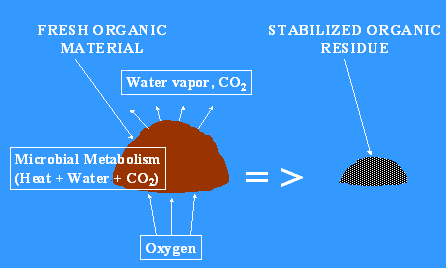
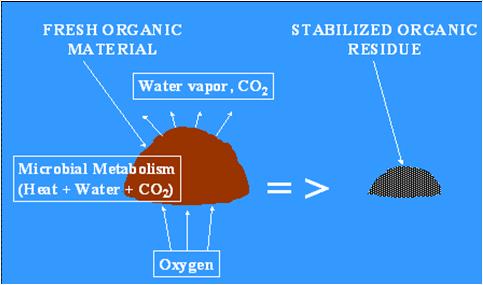
- Proper compost requires four things:
- Carbon
- Nitrogen
- Oxygen
- Moisture
|
|
28
|
|
|
29
|
|
|
30
|
- Efficient composting requires
- A balanced source of energy and nutrients Typically with a C:N ratio
between 20:1and 40:1
- Sufficient moisture
Typically between 40% and 60%
- Sufficient oxygen
- Typically 5% or greater
- A pH range between 6 and 8
|
|
31
|
|
|
32
|
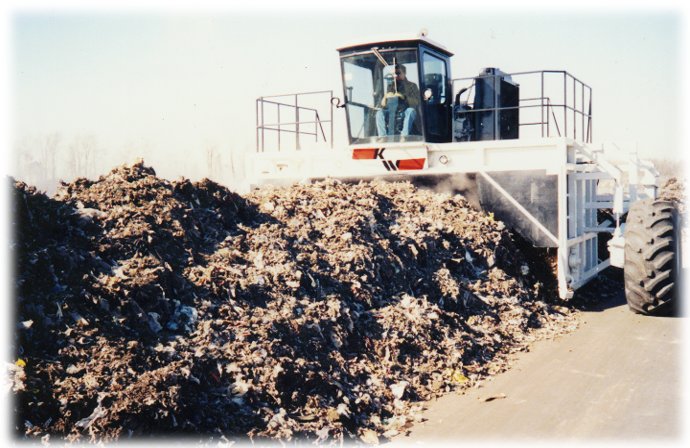
- Composting methods
- Passive composting pile
- Windrow
- Passively aerated windrow
- Aerated static pile
- In-vessel
|
|
33
|
|
|
34
|
|

 Notes
Notes