
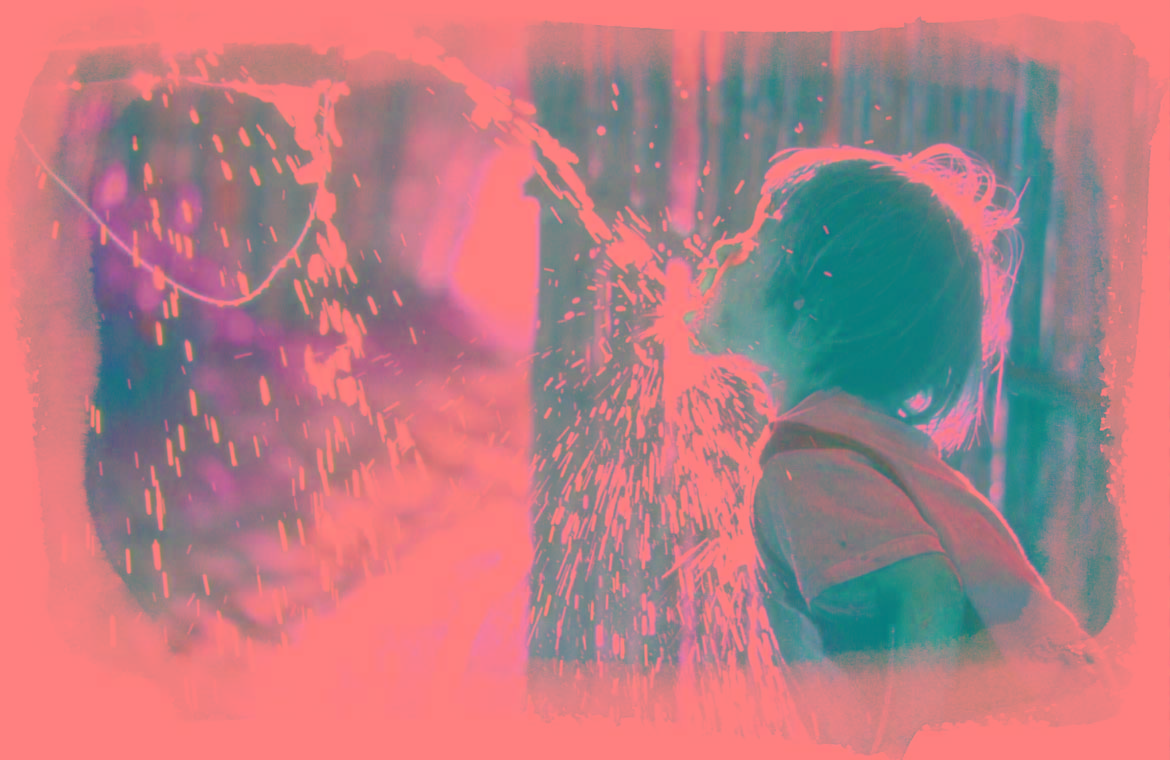
This article was printed in the publication "Johannesburg Summit 2002, Challenges and Partnerships"
The world's
wetlands and interrupt natural
watercourses without considering
the full consequences. We ruin
water
habitats, with serious conse-
quences for biodiversity, and we
catch too many fish, thereby
Dag Daler, Olof Linden and Juan Carlos Belusteguigoitia
reducing the regeneration of fish
populations.
Water the most essential of
life-sustaining elements pro-
The Global International
Degradation of freshwater
vides for mankind not only
Waters Assessment (GIWA)
drinking water and sanitation,
and marine water
GIWA is an initiative of UNEP
but also transport, food, fish,
designed to address these prob-
resources is a major
recreation, energy, water for irri-
lems in the world's shared
gation and industrial processes
threat to ecological systems
waters, groundwater reservoirs,
and a range of other goods.
open freshwater areas and
coastal waters.
The Earth's population is
pollutants responsible for the
growing by approximately 100
degradation of marine waters
GIWA is a comprehensive effort
million people a year, and our
originate from land-based
to analyse and establish the root
ambitions for the planet all
human activities.
causes of environmental prob-
demand water. Degradation of
lems in international waters.
freshwater and marine water
We pollute water in many ways
GIWA's mission is by working
resources is a major threat to
by sewage, chemical substances,
in a worldwide network of scien-
ecological systems and human
spills and radio-nuclides. We
tists and universities to collect
well-being. Some 80% of the
destroy coastal zones, drain
scientifically valid information
Photo courtesy GIW
The most precious resource but
every eight seconds, a child in the
developing world dies from a disease
caused by unsafe water
A
1
Dag Daler, Olof Linden, Juan Carlos Belusteguigoitia
The world's water
Table 1: GIWA assessments and predictions, by sub-region
on the level of environmental
this stage of the project. The
degradation in the world's shared
table shows the areas of concern
water resources. In this work, the
identified by the world's experts
emphasis is both on environmen-
and the likely environmental
tal factors and on the socio-eco-
impacts of future changes. It is
nomic factors which are the root
interesting to note that issues
causes of the problems.
related to the destruction and
degradation of ecosystems
The main purpose of GIWA is to
(`habitat and community loss'),
provide politicians and other
and over-fishing (`unsustainable
decision-makers with informa-
exploitation of fisheries'), stand
tion about where they should
out as the most acute in most of
concentrate their efforts to miti-
the sub-regions.
gate environmental degradation
in international waters. The
Over-fishing and related issues
information provided by GIWA
such as excessive destruction of
will be a basis for the prioritisa-
bycatch and the use of destruc-
tion of actions.
tive fishing techniques are
ranked the most severe issues in
The ecological status of the
more sub-regions than any other
world's shared waters
environmental problem. This is
A short summary of the outcome
particularly obvious in the East
of the assessments carried out as
and South-East Asian Seas, but
part of the tasks under GIWA
it is also mentioned in sub-
shows both distinct differences
regions surrounding the
between different sub-regions of
Atlantic, and all the big inland
Table 2:
the world and several common
lakes. The destruction and
Environmental concerns of GIWA
observations.
degradation of ecosystems are
also identified as particularly
Table 1 (above) is a summary of
serious in the East and South-
the assessments carried out at
East Asian Seas.
2
Dag Daler, Olof Linden, Juan Carlos Belusteguigoitia
The world's water
Photo courtesy GIW
A
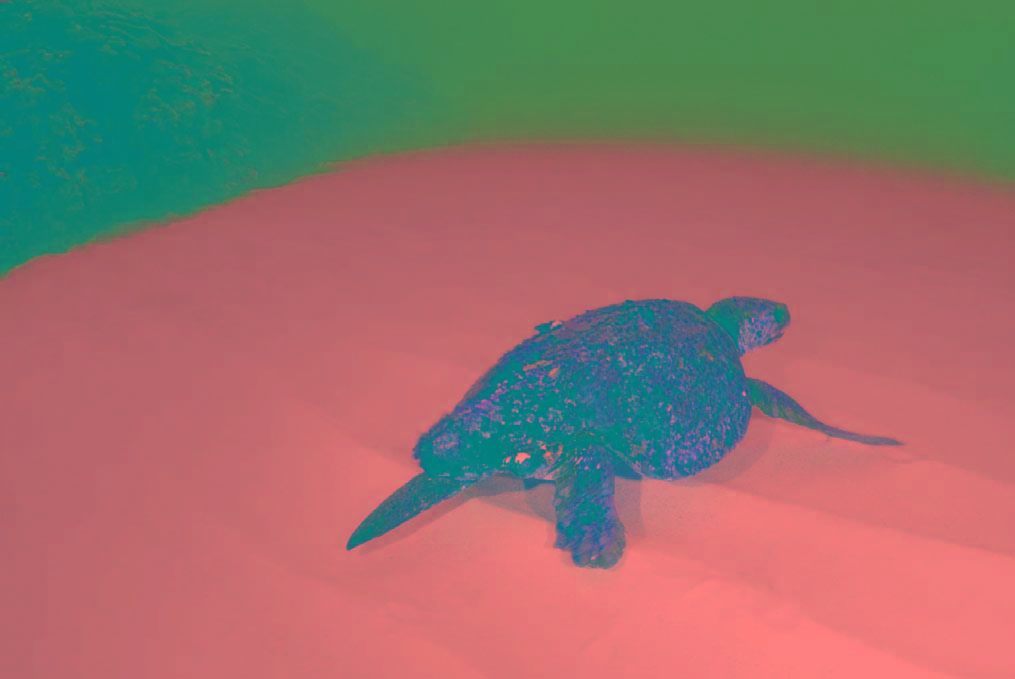
Not just for humans: clean water is essential for animal life, and to preserve biodiversity
Further inspection of the
experts' assessment of the
In almost no cases do the
World Water Day grew out of
different sub-regions shows
experts consider it likely
the 1992 United Nations
that issues related to fresh-
Conference on Environment
water overuse and degrada-
that the problems will
and Development held in Rio
tion (`freshwater shortage')
diminish in the future
de Janiero.
and pollution are ranked as
problems causing interme-
diate impacts in most
around the world? Some
regions. However, in parts
people would argue that
of Africa, these problems are
human opportunism and
considered severe.
shortsightedness are the
fundamental causes.
Overall, the issues related to
However, if that is so, what
climate change (`Global
features characterise those
Change') are considered less
societies which have been
acute than any of the other
able to manage their water
areas in the analyses.
and related resources in a
sustainable way?
A very obvious and perhaps
not surprising result of the
The search for the root
assessments is that a very
causes of the deteriora-
large proportion of the prob-
tion, and the tools for sus-
lems identified in the cur-
tainable management,
rent analyses are expected by
must be based on an
It was decided that each World Water
the expert groups to become
analysis of norms,
Day would focus on a particular
more severe in the years to
policies and institutions.
theme relating to the conservation of
come. In almost no cases
water resources and that one UN
do the experts consider it
Institutions successful
agency would be selected to lead the
likely that the problems
in managing natural
UN system in its activities.
will actually diminish in the
resources use political, social,
future.
economic or administrative
The theme for 22 March 2002 was
mechanisms to highlight
İGlen Christian / Still Pictures
Water and Development, and the
Getting policies and
resource scarcity and provide
International Atomic Energy Agency
structures right
incentives to individuals, the
(IAEA) was the lead UN agency.
What are the fundamental
private sector and others to
causes of the degradation
take that scarcity into con-
www.worldwaterday.org
of global water resources
sideration in their decisions.
3
Dag Daler, Olof Linden, Juan Carlos Belusteguigoitia
The world's water
2003:
INTERNATIONAL YEAR
OF FRESHWATER
The United Nations General
Assembly, in resolution
55/196, proclaimed the year
2003 as the International Year
of Freshwater. It encourages
governments, the United
Nations system and all other
actors to take advantage of the
Year to increase awareness of
the importance of sustainable
freshwater use, management
and protection. It also calls
upon governments, national
and international organisa-
tions, non-governmental
organisations and the private
sector to make voluntary con-
tributions and to lend other
forms of support to the Year.
Photo courtesy GIW
The International Year of
Freshwater provides an
opportunity to accelerate the
implementation of the princi-
A
ples of integrated water
`Water governance' refers to the
vary between adjoining coun-
resources management. The
range of political, societal,
tries, as in the case of the water
Year will be used as a plat-
economic and administrative
of a river that flows from one
form for promoting existing
systems which are in place to
country to another. The
activities and spearheading
regulate the development and
upstream country may promote
new initiatives in water
management of water resources
water uses that from a regional
resources at the international,
and provision of water services
perspective are inefficient or even
regional and national levels.
at different levels of society.
catastrophic but that are, at least
The International Year of
in the short term, efficient from
Freshwater is expected to fol-
Prices are one such mechanism
the point of view of that country.
low up on agreements
but not the only one. Laws
reached at the World Summit
(especially property rights) and
So national policies on water
on Sustainable Development
standards also signal scarcity and
usage should be considered from a
in Johannesburg, and should
provide incentives. In tradition-
regional, even global, standpoint,
have an impact far beyond
al societies, religion and other
as much as from a domestic one.
the year 2003.
behavioural norms are useful
The GIWA project will identify the
mechanisms.
socio-economic root causes of the
failures to manage
When these mechanisms do not
water resources sustain-
function properly, natural
ably and will provide
resources are mismanaged. This
options for alternative
GIWA
is the case, for example, when
strategies. s
www.giwa.net
countries, through subsidies,
World Water Assessment Programme
promote irrigation using a scarce
www.unesco.org/water/wwap/
water resource, subsidise invest-
Dag Daler, Olof Linden
case_studies/index.shtml
World Water Council
ments in bigger and more effec-
and Juan Carlos
www.worldwatercouncil.org
tive fishing vessels despite dwin-
Belusteguigoitia are mem-
dling fish stocks, or promote the
bers of the GIWA Core
extraction of fossile ground
Team, University of
water. Scarcity of a resource may
Kalmar, Sweden
4
Dag Daler, Olof Linden, Juan Carlos Belusteguigoitia