

medwaves
The magazine of the Mediterranean Action Plan
www.unepmap.org Issue 57
p8
Climate Change:
The heat is on
p16
The Mediterranean,
an ecosystem at risk
"We could save
25 % water by 2025"


EDIT
EDITORIAL
ORIAL
The extremely warm autumn 2006 in europe has again stressed the
discussion on global warming. The temperatures in large parts of europe
have been record high between september and November 2006, and
even in the first months of 2007 in the Mediterranean region.
Anyone monitoring the international media over the past twelve months
could be in little doubt that the issue of climate change is now leading
the political and public agenda. scarcely a week goes by without a new
study revealing that glaciers in Antarctica and Patagonia are sliding into
the sea or that wildlife from temperate zones is gravitating towards the
Arctic.
The overwhelming scientific consensus now is that the cause of
climate change is the increasing emission of greenhouse gases into
the atmosphere from human activity. This is the process by which
concentrations of gases, including carbon dioxide, methane, nitrous
oxide and CFCs, help trap the heat of the sun's rays within the earth's
"Climate change touches
atmosphere.
on all aspects of our society.
Responsibility lies within a range of human activities, from the burning
It is a threat not only to the
of fossil fuels to deforestation, all contributing to an increase in gas
environment, but also to our
emissions, with the largest proportion coming from carbon dioxide.
economies and, in the end, to
our security."
Currently, over 2 billion people around the world struggle to live on less
than a dollar a day, often depending heavily on agriculture, fishing and
Stavros Dimas, EC Environment
animal husbandry to maintain their livelihoods. They are not the people
Commissioner, "Meeting the
driving climate change.
Climate Challenge", 2005
Of those living on less than a dollar a day, few benefit from electricity,
cars, and refrigerators. But their lives are intrinsically linked to climate
changes, and therefore they are likely to bear the highest human costs.
This imbalance between responsibility for the current causes of climate
change and its impacts creates an enduring global inequity. Climate
change is not only an environmental issue; it has implications for
achieving economic growth, human security, and broader social goals.
e
s
s
i
n
i
s
© M
Paul Mifsud
Coordinator
Mediterranean Action Plan
a
g
i
n
e
n
m
© I
M
AP M
M
edW
AP M
av
edW es
av | Issue 57
es | Issue 57
medwaves Issue 57
According to the Mil ennium Ecosystem
p8 Assessment, endorsed by the United
Nations and over 1,000 scientists from
95 countries, climate change is set to
take over from habitat change and over-
exploitation as the single biggest global
cause of ecosystem disruption.
From health to water supplies, food
security, coastline development, species
preservation, all societies are dependent
on favorable climate conditions
to strive. Changing precipitations
patterns, either wetter or drier, and
altered temperatures, will affect crop
productivity, availability of food, water
resources.
More on page 8.
t
o
c
k
.
x
c
h
n
g
®
© s
MED NEWS
DIVING IN
MED AT WORK
p4 Ecosystems and
p8 The heat is on
p14 Signals of alarming water
environmental governance
scarcity in the region
p6 Pollution reduction:
p18 Buildings can play a key role
the silent battle is
VOICES ON THE MED
in combating climate change
bearing fruits
p1 Earth climate warming
caused by human activities
No 57 | May 2007
MedWaves is published by the Coordinating Unit of the Mediterranean Action Plan in Arabic, English
UNEP/MAP
and French. It is an informal source of information and it dose not necessarily reflect the official
United Nations Environment Programme /
Editor: Luisa Colasimone
point of view of MAP or UNEP. Content, except for pictures, may be reproduced without permission
Mediterranean Action Plan
Contributors to this issue:
and only for non-commercial use. Credit to the source, however, is required. The publisher would
48, Vassileos Konstantinou Avenue, 11635 Athens, Greece
F.S. Civili, A. Djoghlaf, S. Lombardo, INFO/RAC
appreciate receiving a copy of any publication that uses MedWaves' news, articles and Interviews. The
Tel: 0030 210 72 73 100
Layout: hatz (based on a design of eden branding)
designation of geographical entities and the presentation of the material do not imply the expression
Fax: 0030 210 72 53 196/7
of any opinion whatsoever on the part of the publisher, concerning the legal status of any country,
E-mail: unepmedu@unepmap.gr
ISSN: 1105-4034
territory or area, of its authorities or boundaries.
www.unepmap.org
Issue 57 | MAP MedWaves
MED NEWS
Ecosystems and
Deficit of governance versus environmental challenges
in the Mediterranean
environmental
governance
In the Mediterranean, despite considerable efforts to strengthen
environmental legislation, it has often been difficult to prevent
The environmental community of scientists, civil
environmental degradation by effective actions on the
society and concerned citizens had until recently
development process.
been portrayed as the purveyors of alarmists
statements. This is now changing. As with the
Over the past two decades, the Mediterranean countries have
mythological Cassandra, the past warnings of
focused mainly on strengthening environmental policies and
institutions, without finding complementary intervention
over-exploitation of natural resources and the
mechanisms related to consumption and production activities,
unsustainable use of national, regional and global
or to economic and social policies. While physical and land
goods are now seen to be happening for real, and
planning policies have shown some decline, there has been an
to have an impact across a wide range of issues
unprecedented effort in the protection of the environment, and the
--from biodiversity loss, water scarcity and
integration of sustainable development in development policies.
col apsing fisheries to the overarching concern
about climate change.
Nature is the wealth of the poor
The Mil ennium Ecosystem Assessment, the work of around
"Poverty and the Environment" is one element of UNEP's
1,300 scientists from 95 countries in which UNEP and its
Reform discussed in Nairobi at the last UNEP Global Ministerial
specialized agencies played an important part, confirmed
Environmental Council meeting this year.
existing concerns and went even further. The first report,
published in March 2005 ahead of the 2005 World Summit
It is also the theme of the joint UNEP-UNDP (UN Development
(the High-Level Plenary Meeting of the 60th Session General
Programme) initiative which will be carried forward during the
Assembly of the United Nations), concluded that some
course of 2007. According to a joint report issued in 2005 by
60% of ecosystems* are being currently degraded or used
these two organisations, every dol ar invested in fighting land
unsustainably.
degradation and desertification may generate more than three
dol ars in economic benefits, helping to fight poverty among
How we rise to the chal enges of ecosystems degradation and
the bil ions of people living on fragile lands. Likewise, every
seize the opportunities presented by the rapid environmental,
dol ar spent on delivering clean water and sanitation is likely to
social and technological change to address them will determine
give impressive rates of return up to 14 dol ars.
the world we leave for future generations.
One of the aims of the discussions in Nairobi was to provide
In the case of the changes to the ecosystems, the risks
further impetus to the implementation of UNEP partnerships
outweigh the benefits. The obvious example is climate change.
with other United Nations system entities. It was emphasized
But this is one of the several threats to our planet that demand
that environmental chal enges needed to be integrated into
urgent attention. The accelerating loss of biological diversity,
development planning and economic strategies.
land degradation, impending water scarcity and deteriorating
marine ecosystems are all prominent issues.
Today, there is increased recognition that environmental issues
are interlinked not only with development and sustainable
They threaten to undermine the many technological economic
economic growth, but also with trade, agriculture, health, peace
and social advances human society has experienced in recent
and security and that these interactions increase the need for
decades, and represent an obstacle to the achievement of the
global environmental leadership.
Mil ennium Development Goals (MDGs).
The current United Nations reform process presents an
opportunity for strengthening the organisation's environmental
* Ecosystem: a system involving the interactions between a community
activities. A steady increase in the political attention being
of living organisms in a particular area and its nonliving environment.
Humans are part of and not separate rom the ecosystem. Ecosystem
accorded to the environment has supported this process and
services are the important benefits for human beings that arise from
there is growing recognition that environmental sustainability
healthily functioning ecosystems, notably production of oxygen, soil
cannot be separated from sustainable development and
genesis, and water detoxification.
economic growth.
4 MAP MedWaves | Issue 57
t
o
c
k
.
x
c
h
n
g
®
© s
How we seize the opportunities presented by the rapid environmental, social and technological change will determine the future we leave to the future generations.
Issue 57 | MAP MedWaves
MED NEWS
Pollution reduction:
the silent battle is
bearing fruits
Good news in the Mediterranean from the
programme for pol ution phase-out. The silent
battle in which the Mediterranean countries
have engaged to prevent, reduce and ultimately
eliminate land and sea-based sources of pol ution
is giving the first tangible results: the National
Action Plans have been approved by the national
governments, who have also committed to
endorse them. These innovative plans, prepared
with the involvement of all sectors of society,
The most significant forms of pol ution in the Mediterranean are chemical contamination and hazardous solid waste.
provide for the first time a concrete set of
Reducing and eventually eliminating the pollution in
interventions to reduce pol ution.
the region is a complex challenge
Mediterranean coastal waters are affected by maritime and
The Mediterranean countries have devoted time, money and
land-based pol ution. The land-based sources are responsible
coordinated efforts over the past three decades to the fight
for 80 % of the total pol ution affecting the Mediterranean, and
against pol ution.
responses have been developed over the past three decades
to reduce and eventual y eliminate this. Maritime pol ution
We have seen a wealth of legal y binding international
accounts for 20 % of the overall pol ution.
agreements, which are increasingly shaping national regulations.
As early as 1975 the Mediterranean Action Plan (MAP) set up
With 46,000 kms of coastline, the Mediterranean hosts 150
a cooperation mechanism for the Mediterranean. To combat
mil ion people, 110 mil ion of which live in cities. Every year
land-based pol ution in particular, MAP, through MED POL, the
an additional 200 mil ion tourists arrive in the region, mostly
marine pol ution assessment and control component of MAP,
concentrating in the coastal areas. The narrow coastline also
has an extremely important protocol, the Land-Based Sources
hosts over 200 petrochemical and energy instal ations, chemical
Protocol (LBS). According to article 5: "The Parties undertake to
industries and chlorine plants, all sources of pol ution, and
eliminate pol ution deriving from land-based sources and activities,
around 80 rivers carry to the sea heavy loads of pol ution.
in particular to phase out inputs of the substances that are toxic,
persistent and liable to bio-accumulate. To this end, they shall
It is difficult to estimate the quality of coastal waters on such a vast
elaborate and implement, individual y or jointly, as appropriate,
scale. Coastal water pol ution affects ecosystems, human health
national and regional action plans and programmes, containing
and the economy in many ways, such as increases in public health
measures and timetables for their implementation".
costs, reduction in seafood consumption and the related loss of
jobs in fisheries, plus negative effects on tourism. Al economic
MED POL plays an essential role to avoid the gap that would
activities in an area can be directly affected by pol ution.
result between the "European" shore, endowed with regulations
and resources to limit pol ution, and a "non-European" shore, less
The most significant forms of pol ution in the Mediterranean are
equipped with instruments for implementing environmental
chemical contamination --including persistent toxic substances
policies, which could lead these countries to a considerable
(PTS), pol ution from organic and pathogenic micro-organisms
increase in pol ution in the next 25 years unless appropriate
and hazardous solid waste, and eutrophication (a process by
pol ution-control measures are put in place.
which waters enriched with nutrients such as nitrogen and
phosphorus stimulate primary aquatic production, inducing
Such a division would compromise efforts of some countries to
increases in biomass).
control their pol ution. MED POL helps to avoid this division by
6 MAP MedWaves | Issue 57
Political support, concrete activities and funds to
protect the region
"MAP/MED POL's initiative fits in the promising regional and
international climate: GEF, FFEM and the World Bank aim at working
in the region through a new Strategic Partnership and the EC
Horizon 2020 Initiative.* Not by chance they are looking at what is
happening in MAP to have a good basis and a reliable partner to
assist countries and to reduce pol ution", said Francesco Saverio
Civili, Coordinator of MED POL.
The first concrete steps are already visible. The GEF Strategic
Partnership and the related World Bank Investment Fund
are expected to be soon operational and the European
Investment Bank has already made contacts with MAP/MED
POL to review the pol ution interventions listed in the National
Action Plans and have initial contacts with the countries for the
implementation of the Horizon 2020.
t
o
c
k
.
x
c
h
n
g
®
© s
In addition, after years of col ation of data and information
stored in disparate data bases, MED POL with the technical
The most significant forms of pol ution in the Mediterranean are chemical contamination and hazardous solid waste.
support of INFO/RAC, MAP's regional center for information,
are working on the finalization of an Information System that
contributing to the process of defining common priority objectives,
is expected to be a helpful reference for decision makers, a
harmonizing monitoring methods and regulations, and supporting
working tool for scientists and an instrument of information for
the least-endowed countries in implementing them.
anybody who is interested in marine pol ution. The System is
ready to be tested and is expected to be operational in 2008.
After a consolidation phase of the international legal instruments,
It already contains data on levels and sources of pol ution and
MED POL has entered an operation phase, il ustrated by the
is ready to accomodate additional data and links with other
formulation in 1997 of the Strategic Action Plan (SAP) to support
national and international systems.
the LBS Protocol. The SAP's main objectives are to significantly
reduce land-based pol ution by 2025, and to halve cumulative
Final y, MED POL is setting up a mechanism to ensure financial
industrial discharges in al countries by 2010. These objectives are
sustainability to the implementation of the National Action
defined in the National Action Plans (NAPs), which MED POL has
Plans. The initiative includes the possibility to assist countries
helped countries to formulate, and subsequently to implement by
in bridging needs/projects with current financial opportunities
lending support in mobilizing the required funds.
at the national and international levels, thus facilitating the
obtaining of grants and loans.
The last Meeting of the MAP Contracting Parties held in Portoroz
in 2005 was particularly significant in this respect. The Parties
* a. The GEF, Global Environment Facility, is a multilateral financial
endorsed the National Action Plans that countries had prepared,
institution, with 173 member countries. Its secretariat is based in
indicating the strong commitment of the national governments
Washington D.C. The GEF was established by the World Bank, the UN
in the pol ution-reduction process. These innovative plans,
Development Program (UNDP) and the UN Environment Program
prepared with the involvement of al sectors of society, provide a
(UNEP) in 1991 to fund developing country projects that have global
environmental benefits, not only in the area of climate change, but also
concrete and realistic list of the interventions planned to effectively
biodiversity, protection of the ozone layer and international waters.
reduce pol ution (for instance treating the wastewater of al cities;
b. The French Global Environment Facility (FFEM) has complemented
suppressing the discharge of persistent toxic substances such as
the GEF's activities since 1994. Its goal is to finance the additional costs
zinc, copper and chromium, pesticides and hazardous waste).
incurred in protecting the global environment in development strategies.
It is a bilateral fund financed by the French Government, over and above
the latter's development assistance and its contributions to the GEF. The
For the first time the priority issues and needs are outlined and
French Development Agency (AFD) in Paris manages the FFEM Secretariat.
the planned measures to eradicate pol ution in the Mediterranean
c. The European Commission launched the Horizon 2020 initiative that
are total y supported political y. In spite of the fact that the
aims to tackle the top sources of Mediterranean pol ution by the year
LBS Protocol is not in force yet, countries have decided to start
2020. The partners committed to: "endorse a feasible timetable to de-
pollute the Mediterranean Sea by 2020, while providing appropriate
preparing the programmes and measures that wil become legal y
financial resources and technical support to implement it, using the
binding as required by article 15 of the Protocol.
Mediterranean Strategy for Sustainable Development and exploring
possible areas for co-operation in this regard with UNEP".
Issue 57 | MAP MedWaves
DIVING IN
The heat is on
The Mediterranean, an ecosystem at risk
Most of us have not seen the early signs of climate
A 1989 technical report by UNEP/MAP read that "climatic
change coming. Scientists working in the Mauna
changes must be taken in consideration in view of the current
Loa Observatory (Hawai ) began monitoring
population explosion, increasing use of coastal areas (tourism,
carbon dioxide levels in the 1950s and saw the
agriculture, fishing, harbours, industries) and the limited
concentration increase year by year, but this was
resources of the Mediterranean countries, especial y in regard to
not considered newsworthy. Today however,
water, good soil and fisheries ".*
few analysts seriously chal enge that this global
The Mediterranean Sea has a deficient hydrological balance,
environmental phenomenon is happening. Recent
with loss through evaporation exceeding the input of water
scientific reports confirm that it is occurring at
through rivers and rainfal s. This also explains the Mediterranean
an even faster rate that had previously been
high salinity, its most outstanding differential characteristic
envisaged.
compared to the Atlantic.
Over the 20th century the average temperature of our planet
The length of the Mediterranean coastline is some 46,000 km.
had already risen by about 0.6 °C. By the end of the current
Although few in number, the major Mediterranean river (Ebro,
century it is expected to have increased again by up to 5.8 °C.
Rhone, Po, Vardar, Ceyhan and Nile) inject large volumes of
Global y the ten warmest years on record have all occurred
sediments into the system.
since 1991. The result has not just been a warmer climate but a
series of catastrophic environmental impacts, from the melting
The Mediterranean al uvial and coastal plains are few and
of the polar ice caps to volatile weather patterns to multiple
not extensive, but most have demographic and economic
threats to global fauna and flora on an unprecedented scale.
importance. Because of their ecological fragility, related to the
land-sea transition, and their economic importance, these coastal
Most analyses of the phenomenon agree that if its worse side-
lowlands are the most vulnerable to climate changes affecting the
effects are to be avoided, then the rise in average global surface
hydrological network, the ecosystem and a sea-level rise.
temperature must be kept to below 2 °C.
The entire coast around the North West Adriatic for instance
Above that level, according to the 2005 report "Meeting
can be classified at high risk of erosion because of the impacts
the Climate Chal enge" by the International Climate Change
of sea-levels rise. The Gulf of Lion, a wide embayment of the
Taskforce, the risks to human societies and ecosystems grow
Mediterranean coastline of Languedoc-Roussil on and Provence
significantly. With the potential for substantial agricultural
in France, reaching from the border with Catalonia in the west to
losses, increasing numbers of people experiencing water
Toulon, with its tourist resorts and harbour, is also at risk.
shortages and widespread health impacts.
It is a fact that regional changes in all climatic variables have
According to the Mil ennium Ecosystem Assessment, endorsed
already started to occur, but changes cannot yet be quantified,
by the United Nations and over 1,000 scientists from 95
as so far the general circulation models cannot simulate reliably
countries, climate change is set to take over from habitat
the regional details of today's climate.
change and over-exploitation as the single biggest global
cause of ecosystem disruption.
What is lacking for the Mediterranean in particular is a model
based on realistic topography, with a high spatial and temporal
From health to water supplies, food security, coastline
resolution that simulates observed climate patterns.
development, species preservation, all societies are
dependent on favorable climate conditions to strive. Changing
It will take time before these changes can be statistical y
precipitations patterns, either wetter or drier, and altered
detected and separated from the natural regional-scale climate
temperatures, will affect crop productivity, availability of food,
variability, but the existence of a warming trend is gaining
water resources as well as feeding locations of fish.
importance. With time, the probability of periods of extreme
heat will increase; the increase in air temperatures will also lead
Disagreements continue however about what action should
to greater water evaporation.
be taken in response. These mostly revolve around conflicts
between economic and environmental objectives, around the
* Implications of Expected Climate Changes in the Mediterranean region:
nature and equity of international participation, and around the
an overview (UNEP 1989, ID1289/N103).
menu of technological and policy options available.
8 MAP MedWaves | Issue 57

t
o
c
k
.
x
c
h
n
g
®
© s
Burano Island, Venice. The entire coast around the North West Adriatic is at high risk of erosion because of the impacts of sea-levels rise.
80 % of dry areas already affected by desertification
irrigation, contamination by heavy metals, and the introduction
of invasive plant species are undermining the long-term health
Currently, over 80 % of arid and dry areas in the Mediterranean
of the Mediterranean region's soils.
region are already affected by desertification, and the
consequences will be further exacerbated by the additional
Much of the region is semi-arid and subject to seasonal
impact of climate change.
droughts, high rainfall variability, or sudden intense downpours.
Poor management of scarce natural resources --particularly
Soils become salinized, dry, sterile, and unproductive in response
water, agricultural land, energy and coastal zones-- is
to a combination of natural hazards --droughts, floods, forest
compromising economic development, the quality of life and
fires-- and human-control ed activities. Fertilizers, pesticides,
social stability.
Issue 57 | MAP MedWaves
DIVING IN
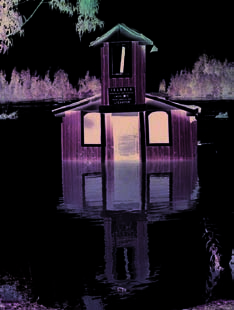
Left: According to a report published in September 2006 by the
University of Cantabria for the Spanish Ministry of the Environment,
climate change will eat up some 15 metres of Spanish beaches by
the year 2050. Sea levels are rising 2.5 mil imetres every year in
the country, threatening in particular the coasts and vil ages of la
Albufera de Valencia, Doñana and Costa Brava.
Right: In Greece, sea level rise will cause significant damage
along the whole coastline, as waves will easily overtop
the sea barriers fronting the reclaimed agricultural land,
t
o
c
k
.
x
c
h
n
g
®
and the cement seawall along the city of Thessaloniki.
© s
t
o
c
k
.
x
c
h
n
g
®
© s
A more sustainable Mediterranean development could
alleviate climate impacts
The cost of al eviating the consequences of climate changes
could be easily met in the countries with the higher national
incomes, but the developing countries would benefit from
concrete help in al eviating the expected impacts. International
Expected climate changes in the coastal zones vary
bodies and national governments have responded to these
global issues by developing and implementing actions at the
In the coming years, desertification might accelerate migration
regional and national levels.
to costal areas in the South Mediterranean. However the
possible demographic and economic changes in the
The Mediterranean region presents deep chal enges but
Mediterranean coastal areas vary considerably.
also great opportunities. Climate changes cannot be tackled
without the integration of sustainable development by
In Italy for instance, the main threats from climate change could
the countries affected. As identified by UNEP/MAP in its
affect the survival of the Venice Lagoon, and concern as well
Mediterranean Strategy for Sustainable Development (MSSD),
the tourism industry, the commercial activities of the main
the understanding of global processes, the development of
harbours and specialised agricultural productions.
modern research, the ability to cope with global environmental
change, and the preservation of the global heritage depend
In Greece, sea level rise will cause significant damage along the
to a large extent on the way the existing natural resources are
whole coastline, as waves will easily overtop the sea barriers
managed and preserved.
fronting the reclaimed agricultural land, and the cement seawall
along the city of Thessaloniki.
UNEP/MAP has identified seven priorities, offering a concrete
potential for progress in the region, and that take into
In the Nile Delta, the coastal development will have a direct
consideration also the issue of combating climate change in
effect on the nature and extent of climatic impacts. The
the Mediterranean. These areas are the most threatened by
increasing intensified land-use is inevitable, due to the
unsustainable trends and by climate change. They are also
continued growth of the population and the consequent need
crucial for economic and social progress.
to increase food production, through a further extension of
land reclamation and of fishing. The most serious effects of
They include better management of water resources and
sea-level rise are likely to focus on ports, lagoonal fishing and
demand; improved rational use of energy, increased renewable
lowland agriculture, and thus indirectly on population centers,
energy use and mitigation of and adaptation to climate
which are tied to port and agriculture-related activities.
change; sustainable mobility through appropriate transport
management; sustainable tourism as a leading economic sector;
In North Tunisia water resources will be directly affected by
sustainable agriculture and rural development; sustainable
climate change, both in terms of quantity available as of the
urban development; sustainable management of the sea, coastal
quality of the water.
areas and marine resources.
10 MAP MedWaves | Issue 57
Climate Change:
Cause and Effects
Recent and predicted effects of climate change,
depending on the level of global temperature
increase, include:
· Sea level rise: rising sea levels will cause flooding,
land erosion and the loss of flat coastal regions.
· Agriculture: although initial y agricultural yields
could increase with up to a 2 °C average temperature
rise, above that level they wil decline. Bad harvests
could become more common due to more extreme
weather events, as wel as pests and diseases.
· Health / heat stress: more than 20,000 additional
deaths attributable to heat occurred in Western
and Southern Europe alone in the summer
2003. Heat waves are projected to become more
frequent and more intense. Globally, an average
temperature rise of 1.2 °C will cause an increase
in premature mortality of several hundred
thousands, not including heat waves.
· Infectious disease: a 2 °C increase could result in
210 million more people being at risk of malaria.
· Ecosystems: protected areas of global importance
are likely to suffer severe losses of both areas and
species. Arctic wildlife will be harmed. Coral reefs
will suffer increased bleaching. Mediterranean
species will be at increased risk of extinction.
· Water: above a 22.5 °C increase, up to 3 billion
people will be at risk of water stress. In the
Mediterranean region, the associated reductions
in precipitation are expected to reduce inland
water flows and water yields. In some countries,
this could result in water demand exceeding
available water supply.
· Floods: with a 1.4 °C increase, coastal floods will
place 10 million more people at risk; 3.2 °C would
place 80 million under threat.
· Extreme weather: clod spel s, heat waves, drought,
floods, storms and tropical cyclones are al likely to
a
r
r
e
t
increase, and with them the amount of economic losses.
a
t
t
h
i
e
u B
Source: "Winning the Battle against Global Climate
Change", European Commission, 2005.
r
e
e
n
p
e
a
c
e / M
© G
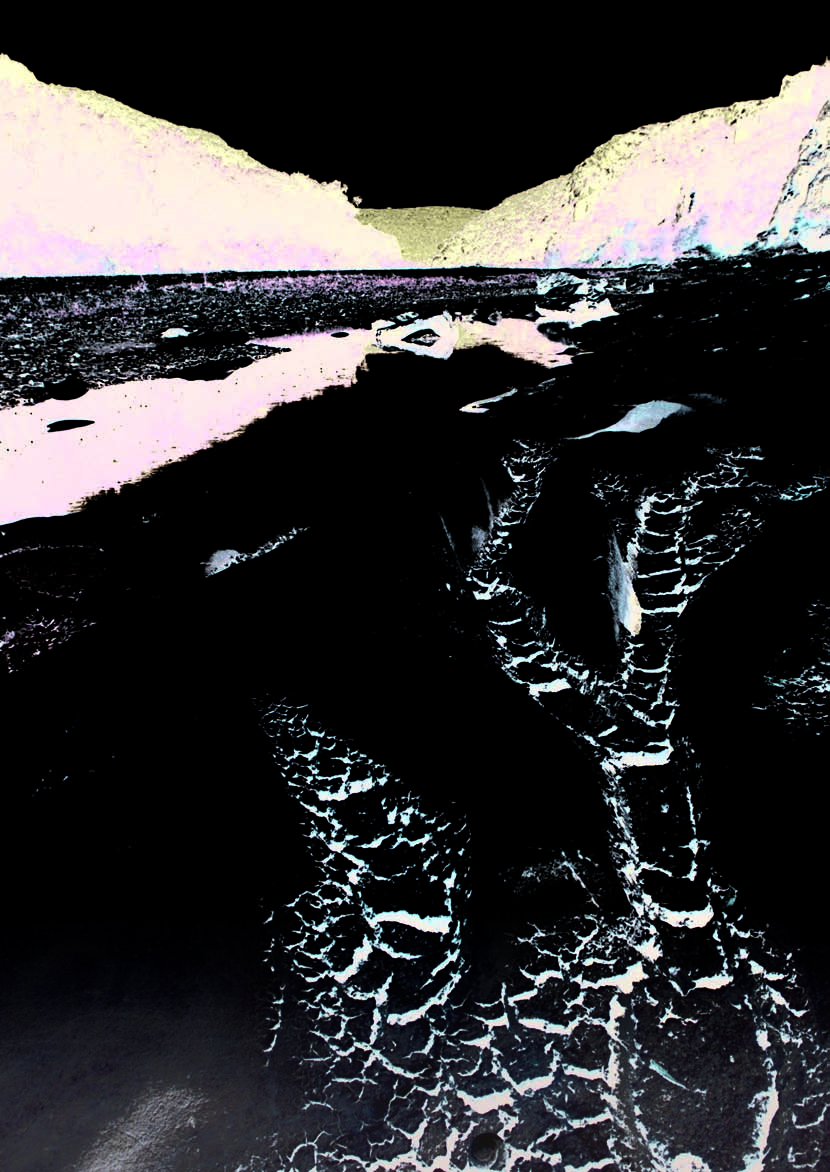
The Le Gardon river in the South of France dried up during drought conditions. Riverbank vegetation is visible in the background.
Issue 57 | MAP MedWaves 11
VOICES ON THE MED
Earth climate
warming caused
by human activities
Ahmed Djoghlaf, an Algerian national, is the
Executive Secretary of the Convention on Biological
Diversity under the United Nations Environment
Programme (UNEP). As Executive Secretary of
the Convention, he has a key role in the field of
sustainable development and protection of global
biodiversity.
Since the mid-1800s global temperatures have increased
by about 0.6 °C, impacting the entire world, from low-lying
islands in the tropics to the vast polar regions. Current climate
change predictions are not encouraging; they estimate further
increases in temperatures of 1.4 °C to 5.8 °C by 2100. Even if all
human sources of greenhouse gas emissions were stopped
immediately, the impacts of climate change would continue for
B
D
50 years.
© C
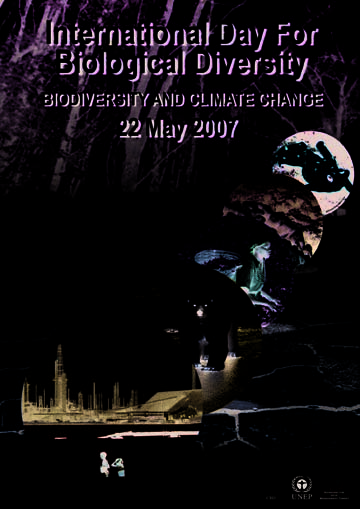
Poster announcing the 2007 International Day for Biological Diversity.
No area of the world is immune to the effects of climate
change, and the Mediterranean region is no exception. The
Actual y, in some regions of the world, climate change is already
forecast is for global climate change to bring hotter, drier
forcing biodiversity to adapt either through shifting habitat,
summers to the Mediterranean significantly impacting the
changing life cycles, or the development of new physical traits.
ecology and economy of the region --including for example
Those species that are unable to adapt are facing extinction.
two of the region's largest industries, agriculture and tourism.
In fact, predictions estimate that up to 1 mil ion species may
become extinct as a result of climate change.
Mediterranean ecosystems are home to some of the richest
biodiversity in the world. Climate change, however, could
The links between biodiversity and climate change run both
critical y undermine this delicate balance and affect the
ways: biodiversity is threatened by human-induced climate
numerous efforts envisaged in this respect within the
change, but biodiversity resources can reduce the impacts of
Mediterranean Strategy for Sustainable Development.
climate change on people and production. The conservation
Specifical y, climate change may add to existing problems of
of habitats can reduce the amount of CO2 released into
desertification, water scarcity and food production, while also
the atmosphere. Currently deforestation is estimated to
introducing new threats to human health, ecosystems and
be responsible for 20 % of human-induced CO2 emissions.
national economies of Mediterranean countries.
Conserving certain species such as mangroves and drought
resistant crops can reduce the disastrous impacts of climate
Recent studies show a global warming of 2 °C and its associated
change effects such as flooding and famine. The conservation
reduction in precipitation are expected to reduce inland water
and sustainable use of biodiversity can strengthen ecosystem
flows and water yields in the Mediterranean region. In some
resilience, improving the ability of ecosystems to provide critical
countries, this could result in water demand exceeding available
services in the face of increasing climatic pressures.
water supply. Climate change is also likely to lead to shifts in the
distribution and abundance of Mediterranean species, increasing
Combating the causes and effects of climate change has major
the risks of extinction. In addition, forest fires are expected to
implications not just for the variety of life on our planet, but also
encourage the spread of invasive species, which in turn, have
for the livelihoods of people around the world. As emphasized
been shown to fuel more frequent and more intense fire.
in the Mil ennium Ecosystem Assessment, the rural poor are
1 MAP MedWaves | Issue 57
t
o
c
k
.
x
c
h
n
g
®
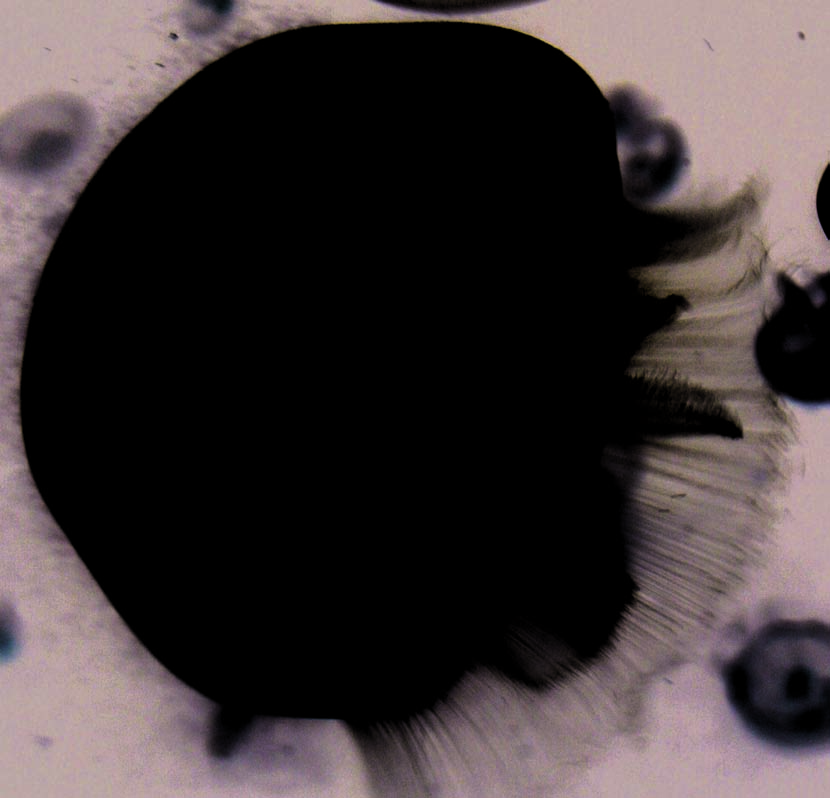
Last summer, a plague of jel yfish along Mediterranean beaches was blamed on global warming. Holidaymakers heading for the region were warned to prepare for an unprecedented invasion of the invertebrates whose
sting can, in extreme cases, cause heart failure. Oceana, an environmental group campaigning to protect and restore the world's oceans, attributed the rise in the number of jel yfish to a rise in water temperature because
© s
of climate change. It also highlighted over-fishing of natural predators that feed on jel yfish, and pol ution along the continent's coasts.
especial y vulnerable to the loss of essential services when
this year the International Day for Biological Diversity, (IBD) held
an ecosystem becomes degraded. The maintenance of soils
on 22 May, cal s upon all citizens of the world to ensure that we
suitable for crop-growing, the availability of medicinal plants,
take the necessary steps to enable conservation and sustainable
the provision of fresh water and the income gained from
use of biodiversity in a changing climate. The IBD offers as
ecotourism, for example, are all underpinned by the web of life
well the opportunity to launch stronger col aboration for joint
and the interaction of species ranging from the smal est micro-
information and communication activities with sister regional
organisms to the largest predators. The loss of these services
conventions --in the specific case with the INFO/RAC-MAP
has a devastating impact for the poor, who lack other options at
of the Barcelona Convention for the Protection of the Marine
their disposal. As policymakers from around the world seek ways
Environment and the Coastal Region of the Mediterranean Sea,
to help the poorest to adapt to climate change, priority must
in order to set the path for maximized cooperation in ensuring
be given to the role of biodiversity, an element often neglected
livelihoods and protecting the biodiversity heritage for the
from current adaptation strategies.
generations to come.
In this respect, there is an urgent need to raise public
If the threats of biodiversity loss and climate change are
awareness on the relationship between the two most serious
tackled together, the prospects for adapting successful y to the
environmental threats facing mankind. It is for this reason that
chal enges of the coming decades will be greatly improved.
Issue 57 | MAP MedWaves 1
MED AT WORK
Signals of alarming
water scarcity
in the region
During the 3rd Regional Water Workshop
convened by Blue Plan, a UNEP/MAP regional
activity centre, in Zaragoza, 1921 March, it was
recommended to the national political authorities
of the Mediterranean countries to include, in
accordance to the Mediterranean Strategy for
t
o
c
k
.
x
c
h
n
g
®
Sustainable Development (MSSD), water demand
© s
management in the national priority strategies.
Agriculture is expected to remain the main water-consuming sector. According to FAO, irrigated surfaces
could increase by 38 % in the South Mediterranean and by 58 % in the East Mediterranean by 2030.
In the Mediterranean Region, water resources are scarce and
unevenly apportioned, the Southern Mediterranean countries
for instance are endowed with only 13 % of the total water
Moreover the silting up of water retained in dams limits their
resources available.
lifespan (e.g. dams in Algeria have lost a quarter of their original
capacity), and there are fewer and fewer sites on which to
During the second half of the 20th century, water demand plus
build new dams. Growing quantities of industrial and urban
unconventional production practices such as desalination and
waste and reduced run-off resulting from increased extractions
wastewater reuse has increased twofold, however thirty mil ion
will also affect the quality of water and aquatic systems, and
people have still no access to drinking water, in particular in the
of their biodiversity. It is likely that wetlands will continue to
Southern and East Mediterranean countries.
retract. These elements further aggravate the factors leading to
increasing water vulnerability (costs, health and conflicts).
By 2025, the significant increase in pressures on water resources
highlights strong and sometimes alarming contrasts as the
Policies focus mainly on water supplies
regards the "future of water". Currently, in some countries, water
withdrawals already near or even exceed the limit threshold of
The current national policies are mainly supply-increase-driven,
renewable resources.
but in so-doing they constantly deteriorate natural resources, and
present severe risks in the long-term, such as the rapid depletion
Pressures on water resources will increase significantly in the
of some fossil resources, the destruction of coastal aquifers
South and East, and it is expected that, by 2025, 63 mil ion
through seawater intrusion, the degraded quality of water and
people in the Mediterranean will be limited to less than 500 m3
aquatic systems, reduced flows and the drying-up of wetlands.
per capita per year (defined as the "shortage" threshold).
Supply-based policies are therefore reaching physical, socio-
economic and environmental limits --in Algeria for instance
The increase in water demand for agriculture and for urban use
some reservoirs have already lost 25 % of their initial capacity.
and the scarcity of resources signify that one out of every three
Mediterranean countries will withdraw over 50 % of the annual
The 3rd Regional Water Workshop indicated that problems
volume of its renewable natural resources. The percentage of
connected with water demand management should also
unsustainable water supplies derived from fossil sources or from
be properly integrated within the global environmental
over-exploitation will grow (up to 30 % in Malta or Libya).
problems, such as climate change, biodiversity and ecosystem
conservation, to which they are strongly related.
The rise in the demand for water will be steepest in the least
water-rich countries, which will then be exposed to structural
In addition it recommended to the national political authorities to
shortages. Under these circumstances, some fossil resources will
promote the implementation of water demand management also
rapidly be depleted and coastal aquifers further destroyed by
by mobilising al necessary instruments and tools, normative, tariff,
salt-water intrusion.
fiscal, contractual and market tools in the region.
14 MAP MedWaves | Issue 57
Surfaces threatened by erosion in the countries of the Mediterranean rim
France
SloveniaCroatia
Bosnia &
Monaco
Serbia &
Herzegovina
Montenegro
Italy
Spain
Albania
Turkey
Greece
Syria
Cyprus
Malta
Lebanon
Morocco
Tunisia
Algeria
Israel
0
300
600
Total area (km2)
km
Libya
Total
Egypt
Erosion risk (%)
0
2382
Source: FAO, TERRASAT; Blue Plan, 2003.
We could save % water by 0
The improved management of irrigated agriculture could help
save a total 65 % of water demands, a further 22 % can be
According to Blue Plan projections outlined in their baseline
expected from the industry through water recycling, and another
scenario, water demand may increase by a further 43 km3 by
13 % from a sounder management of drinking water supply.
2025, essential y in the Southern and Eastern countries, mainly in
Turkey and Syria.
These global estimates are based on concrete experiences
carried out in some countries, Tunisia and Morocco for instance
Agriculture is expected to remain the main water-consuming
(see boxes on page 16). It is also crucial to take all necessary
sector. According to FAO, irrigated surfaces could increase by
measures to raise the awareness of the public, by informing
38 % in the South and by 58 % in the East by 2030, whereas in
them of the chal enges involved and by identifying, and making
the Northern Mediterranean region the water demand would
use of good practices concerning the maintenance of water
stabilise or even decline.
distribution systems, individual consumption of drinking water
and its rational use in agriculture.
An additional 98 mil ion urban dwel ers are expected in the
South and East by 2025, joined by growing numbers of tourists,
Among the recommendations from the Workshop, it was
therefore increasing the growth in drinking water demands.
prompted the establishment of a Mediterranean Water
Observatory which would compile data information and good
Policies aimed at improving efficiency of use and further reduce
practices useful to Mediterranean stakeholders and decision
losses and poor usage can help to invert the current trends. An
makers. Every two years, Blue Plan wil also issue a report on
improved water demand management would make it possible to
progress accomplished in the Mediterranean, it wil contribute to
save 25 % of water demand, approximately 86 km3/year in 2025.
establish a compendium of good practices and wil organise in
2012 the 4th Regional Workshop in Water Demand Management.
Issue 57 | MAP MedWaves 1
MED AT WORK
Morocco sails
against the current
In Morocco, increasing water
Infrastructure savings through Water Development Management, Rabat-Casablanca
demand in Rabat-Casablanca has
been slowed down noticeably
mm3/year
during the past fifteen years
1,400
despite intense urban growth.
New water
Sebou / South transfer
1,200
infrastructure
Improved water management
planned in
the 1980
Magnitude of
(reduction of leaks, progressive
1,000
Directive Plan
expected savings
Expected (water and
pricing, systematic metering,
800
Boukhmiss
water demand infrastructures)
compared to
public campaign) has deferred or
Tiddas
in the 1980
Directive Plan the 1980
600
Directive Plan
perhaps completely avoided some
Raised SMBA*
SMBA* complex
costly investments (dams, transfer
400
Present resources
canals) initially planned in the
Reexamined water demand
200
Existing needs for water
1980 Master Plan, while satisfying
the needs. These investments,
0
which are difficult to finance
1980
1985
1990
1995
2000
2005
2010
2015
2020
2025
2030
without extra debts, may prove
* Sidi Mohamed Ben Abdellah dam
Source: DGH Rabat, 2002
unnecessary in the long-term.
Tunisia: good example
of water management
Tunisia undertook a national
Water consumption and added value of irrigation (Tunisia, 19902000)
water-savings strategy at an
early stage for both urban and
Index
agricultural needs. Thanks to
150
this policy, water demand for
140
irrigation has been stabilized for
Water for irrigation consumption
over 6 years, despite increasing
130
agricultural development,
120
seasonal peaks in demand and
Added value of irrigated production
unfavourable climate conditions
110
(droughts). The water demands
100
of tourism (a source of foreign
currency) and cities (a source of
90
Added value of total agricultural production
social stability) have been secured.
1990
1991
1992
1993
1994
1995
1996
1997
1998
1999
2000
Source: Blue Plan, M. Hamdane, Fiuggi, 2002.
The underlying principles of the
Tunisian strategy are:
· moving from isolated technical
· gradual introduction of reforms and
· a transparent and flexible pricing
measures to an integrated
adaptation to local situations;
system, aligned with the national
approach;
· financial incentive mechanisms to
goals of food security, leading to
· a participatory approach which
promote water efficient equipment
gradual recovery of costs.
makes the users more responsible
and technologies (purchases
(960 water-user associations were
equipment subsidized at 60 %);
Source: Blue Plan, M. Hamdane, Fiuggi,
created covering 60 % of the
· supporting farmers' income, to
2002.
irrigated public area);
allow them to plan for and secure
agricultural investment and labour;
16 MAP MedWaves | Issue 57

More than a billion people live without
drinkable water
The United Nations has declared the 22nd
March "World Water Day". Designated by the UN
General Assembly, the day has been observed
internationally since 1993 to focus on problems
surrounding this precious commodity. This year's
theme is water scarcity, notably as global warming
begins to bite.
24 hours to remind the world, in particular the
rich one, that the emergency of the planet's water
resources has dramatic contours and it continues to
get worse.
According to the UN data, without an immediate
intervention, by 2025 2/3 of the world population
could be in critical conditions. 3.4 billions people,
approximately half of the world population, are
those who are already exposed to relevant climate
risks, such as drought, floodings, landslides,
cyclones, volcanic eruptions and earthquakes.
Still today, in spite of the engagements confirmed
in numerous international conferences from the
representatives of States and Governments, over
1.2 billions people have no access to drinkable and
safe water and nearly 2.5 billions people cannot
make use of hygienic-sanitary services. These
dare conditions are the cause of death for tens of
millions of people, and they create unacceptable
imbalances and total insecurity.
If water is not better managed, conflicts are likely
to increase. These will not be confined to the
developing world, such as potential flashpoints
between India and Pakistan, Israel and Palestine,
and over the Niger and Volta rivers in west Africa.
Experts also predict water conflicts between
the US and Mexico, and problems in southern
Europe. Martin Mulenga, senior researcher at
the International Institute for Environment and
Development, an international policy research
institute funded by governments, says: "This is a
problem for the whole world."
a
g
i
n
e
n
m
© I
It is expected that by 2025, 63 mil ion people in the Mediterranean will be limited to less than 500 m3 per capita per year, the "shortage" threshold.
Issue 57 | MAP MedWaves 1

MED AT WORK
Buildings can play a
key role in combating
climate change
In the life time of an average building most energy
is consumed, not for construction, but during the
r
e
e
c
e
period when the building is in use. That is, when
energy is being used for heating, cooling, lighting,
r
e
e
n
p
e
a
c
e G
cooking, ventilation and so on. Significant gains
© G
Significant gains can be made in efforts to combat global warming by reducing energy use and improving
can be made in efforts to combat global warming
energy efficiency in buildings.
by reducing energy use and improving energy
efficiency in buildings. Many opportunities exist
for governments, industry and consumers to
In developed countries the main chal enge is to achieve
take appropriate actions during the life span of
emission reduction among mostly existing buildings, and this
buildings that will help mitigate the impacts of
can largely be done by reducing the use of energy. In other parts
of the world, the chal enge is to leapfrog directly to more energy
global warming.
efficient building solutions, the report says.
The right mix of appropriate government regulation, greater
In addition to a greater use of relevant energy saving
use of energy saving technologies and behavioural change
technologies, the report underlines the importance of
can substantial y reduce carbon dioxide (CO ) emissions from
appropriate government policies on building codes, energy
2
the building sector which accounts for 3040 % of global
pricing and financial incentives that encourage reductions in
energy use, according to a new report from the United Nations
energy consumption.
Environment Programme (UNEP) Sustainable Construction and
Building Initiative (SBCI).*
The responsibility also lies with the building sector stakeholders
themselves, including investors, architects, property developers,
It pushes for a greater use of existing technologies like thermal
construction companies, tenants, etc., who need to understand
insulation, solar shading and more efficient lighting and
and support such policies in order for them to function
electrical appliances, as well as the importance of educational
effectively.
and awareness campaigns.
Citing the example of Europe, UNEP stresses that more than
one-fifth of present energy consumption and up to 45 mil ion
* "Buildings and Climate Change: Status, Chal enges and Opportunities,
tonnes of CO per year could be saved by 2010 by applying more
a UNEP SBCI Buildings and Climate Change report", can be downloaded
2
from http://www.unep.fr or http://www.unep.org.
ambitious standards to new and existing buildings.
18 MAP MedWaves | Issue 57
r
e
e
c
e
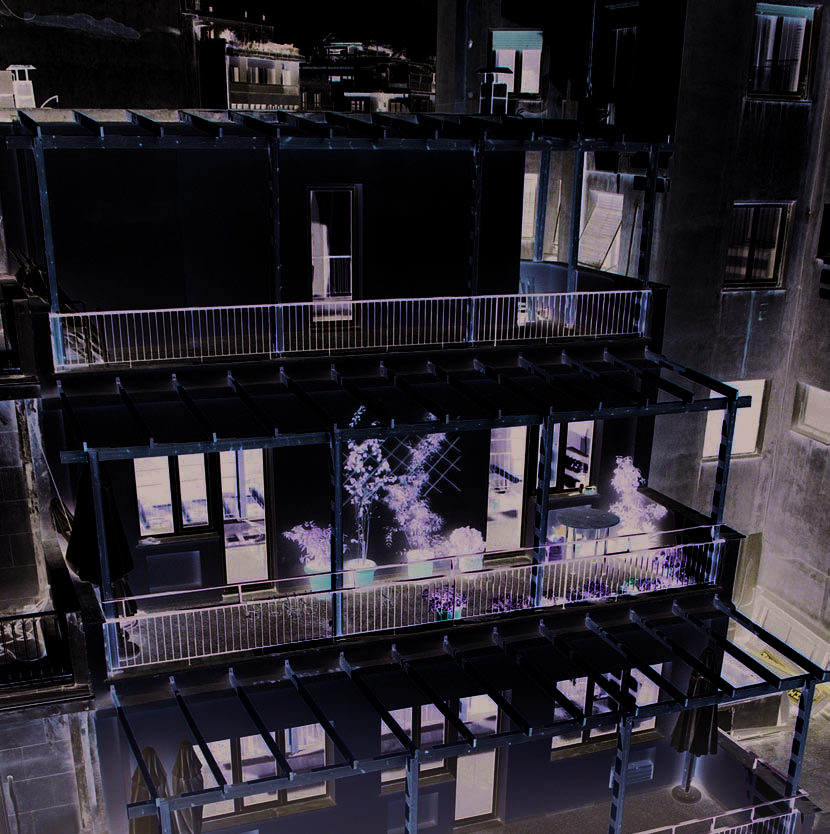
Greenpeace Greece building is an example of how it is possible to take appropriate actions during the life span of buildings and help mitigate the impacts of global warming. Solar pannels and proper insulation were
r
e
e
n
p
e
a
c
e G
instal ed in the premises to save energy. Currently the building consumes 53 % less energy than before the renovation. Natural gas is used for heating, as the biomass central heating option that was favoured by
© G
Greenpeace Greece as more sustainable is not yet authorised by the legislation in Athens and Thessaloniki.
Achim Steiner, UN Under-Secretary General and UNEP Executive
"There is more low hanging fruit to be harvested. Several countries,
Director, said: "Energy efficiency, along with cleaner and renewable
including Australia, Cuba and the European Union are looking
forms of energy generation, is one of the pil ars upon which a de-
to phase out or ban the traditional incandescent light bulb that
carbonized world will stand or fal . The savings that can be made
has been around for well over a century in various forms. The
right now are potential y huge and the costs to implement them
International Energy Agency estimates that a total global switch to
relatively low if sufficient numbers of governments, industries,
compact fluorescent bulbs would, in 2010 deliver C0 savings of 470
2
businesses and consumers act".
mil ion tonnes or slightly over half of the Kyoto reductions. We have
to ask what the hurdles are --if any-- to achieving such positive low
"This report focuses on the building sector. By some conservative
cost change and set about decisively and swiftly to overcome them,
estimates, the building sector world-wide could deliver emission
if they exist at al ".
reductions of 1.8 bil ion tonnes of C0 . A more aggressive energy
2
efficiency policy might deliver over two bil ion tonnes or close to
three times the amount scheduled to be reduced under the Kyoto
Protocol," he added.
Issue 57 | MAP MedWaves 1
1th Meeting
of the Contracting Parties
to the Barcelona Convention
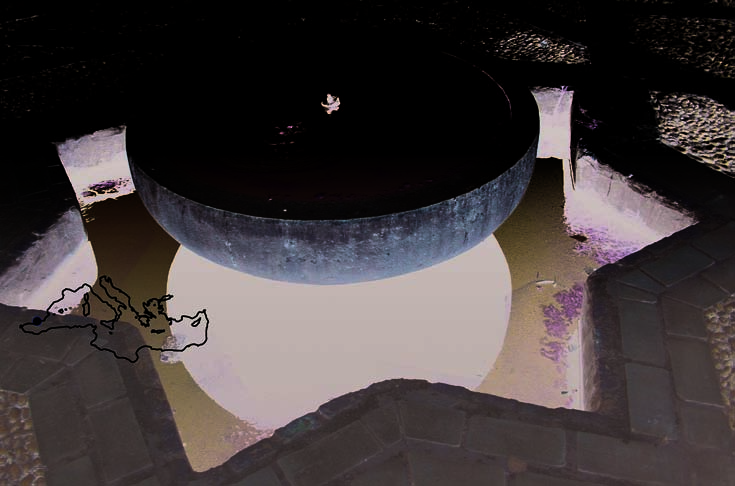
Fountain in the Alcazaba of Almeria,
the Arab Fortress.
1013 December 2007
The Alcazaba, a defensive medieval monument built
on a hil ock in the 10th century, is considered to be the
Almería, Spain
largest fortification that the Muslims left in Spain.
t
o
c
k
.
x
c
h
n
g
®
© s
t
o
c
k
.
x
c
h
n
g
®
a
g
i
n
e
; s
n
m
o
v
e
r
: © I
F
r
o
n
t c
a
r
r
e
t
a
t
t
h
i
e
u B
r
e
e
n
p
e
a
c
e / M
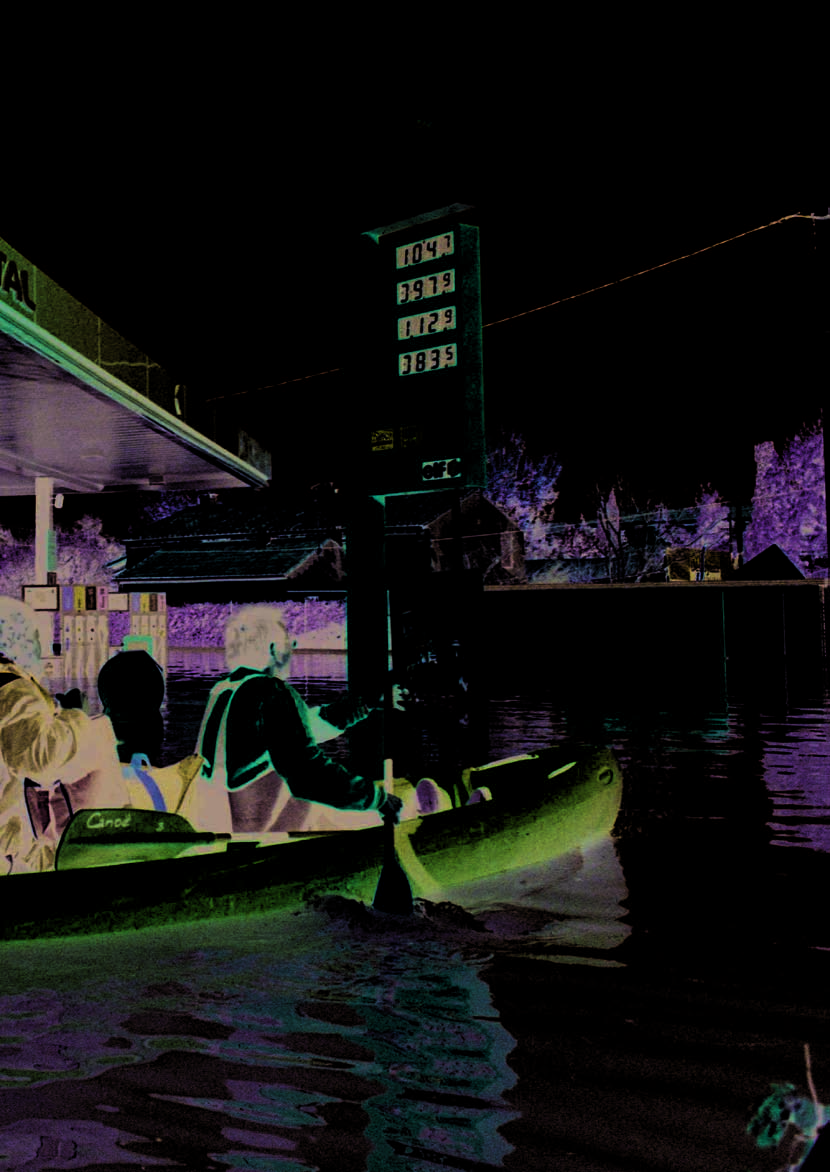
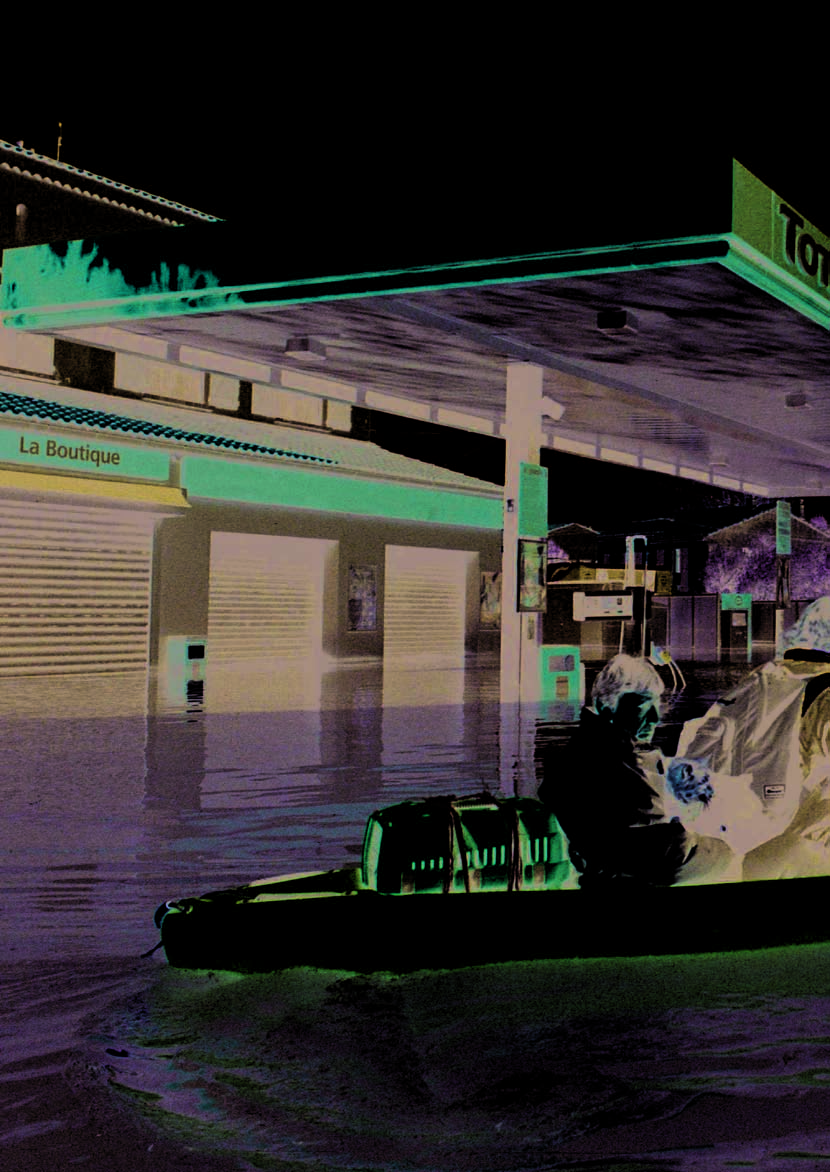
A flooded petrol station and victims of the flood escaping in a canoe in Arles, France.
© G