

medwaves
The magazine of the Mediterranean Action Plan
www.unepmap.org Issue 56
Thirty and
going strong p4
Plus:
Protecting the
Mediterranean
Monk Seal p16
Ambassadors of the
Environment:
p8
Environmental education in children's camps
Voices from the Med
Achim Steiner talks p12
to MedWaves
Red Coral:
The impact of Red
Coral fishing on the
Mediterranean
p10

EDITORIAL
Welcome to MedWaves.
This edition of MEDWAVES is appearing in a different format and with a completely new
layout. Feature reports address topical and varied issues apart from being illustrated with
colour photos. It is definitely a more dynamic publication which should attract a wider
readership.
Above all, this edition is being made available also in electronic format and thus is
available instantly and to a much wider audience than was the case with the previous
editions in hard copies. Apart from making use of modern electronic means at our
disposal, by circulating this edition of MEDWAVES electronically, we are cutting on the use
of paper and thus contributing, even if in a small way, towards protecting the environment.
In this edition we are giving prominence to some of the activities carried out during
2006 to mark the 30th Anniversary of the Barcelona Convention. These events were the
highlight of UNEP/MAP's activities in 2006. The signature thirty years ago of the Barcelona
Convention, coming on the heels of the adoption of the Mediterranean Action Plan, is an
important landmark in the Mediterranean with respect to the protection of the marine
environment and thus deserved to be commemorated in an appropriate manner. We are
also privileged to feature an interview with the new Executive Director of UNEP Mr. Achim
Steiner on the subject.
We are confident that this new initiative will be well received. At the same time, we are
open to suggestions and would appreciate receiving comments on how we can improve on
this edition.
Paul Mifsud
Coordinator
Mediterranean Action Plan
2 MAP MedWaves | Autumn 2006
medwaves Issue 56
Pollution is another
p10 potential factor
contributing to the
disappearance of Red
Coral. Its impact on
the red coral is still not
sufficiently known;
however any change in
the environmental factors
(e.g. sediment input, rise
in seawater temperature,
increase in nutrient
content) appears to have
an extremely adverse
effect on colony survival.
More on page 10.
EDITORIAL
DIVING IN
MED AT WORK
p4 Thirty and going strong
p10 The red gold of the Mediterranean p14 Clean up and Scoop the Med 2006
under close scrutiny
Mediterranean's most
MED NEWS
p16 threatened marine species
VOICES FROM THE MED
1976-2006: 30 years protecting
p18
Sustainable Development
the Mediterranean
p6 Achieving sustainable industrial
p12 Achim Steiner,
development in the Mediterranean
UNEP Executive Director
MED CALENDAR
Ambassadors of the Environment:
p8 Environmental education in children's
camps
p20 What's on 2007
No 56 / December 2006
MedWaves is published by the Coordinating unit of the Mediterranean Action Plan in Arabic, english and French. It is an informal source
MAP/United Nations Environment Programme
Editor: Luisa Colasimone
of information and it dose not necessarily reflect the official point of view of MAP or uNeP.
Mediterranean Action Plan
Design/ Layout:
Content, except for pictures, may be reproduced without permission and only for non-commercial use. Credit to the source, however,
48, Vassileos Konstantinou Avenue, 11635 Athens, Greece
www.edenbranding.com
is required. The publisher would appreciate receiving a copy of any publication that uses MedWaves' news, articles and Interviews.The
Cover Photo: MAP/messinis
designation of geographical entities and the presentation of the material do not imply the expression of any opinion whatsoever on the
Tel: 00 30 210 72 73 100
ISSN: 1105-4034
part of the publisher, concerning the legal status of any country, territory or area, of its authorities or boundaries.
Fax: 00 30 210 72 53 196/7
e-mail: unepmedu@unepmap.gr

EDITORIAL
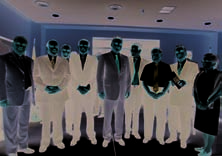
Greek Minister for Maritime Affairs, the UNEP Executive Director and
the Secretary General of IMO during the launch of the International
Assistance Action Plan.
Thirty and going
strong
2006 has marked thirty years since the signing of the
Barcelona Convention.
The Convention for the Protection of the Marine Environment
and the Coastal Region of the Mediterranean also known
Lebanese Environment Minister briefing UNEP Executive Director
about the Lebanese oil spill.
as the Barcelona Convention - is the legal framework for the
implementation of UNEP's Mediterranean Action Plan (MAP).
Adopted in 1976 by the Mediterranean Countries and the European
Community in order to give legal basis to their activities, the Barcelona
Convention is the instrument through which countries can take
all appropriate measures to prevent, abate, combat and eliminate
pollution of the Mediterranean Sea and enhance the marine and coastal
environment so as to contribute towards sustainable development.
Since its establishment thirty years ago, MAP has contributed
a great deal towards pollution reduction in the Mediterranean.
MAP has created a full set of legal instruments, programmes
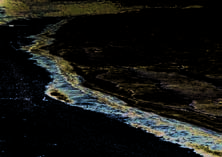
Oil pollution along the Lebanese coastline.
and recommendations, which have been adopted by
During the conflict, the organisation drove media attention
the Contracting Parties and have greatly contributed to
to the environmental damage threatening the region.
protecting the environment in the Mediterranean region.
On 17 August, United Nations officials and experts, led by UNEP
Over the past months MAP has proved once again that the
Executive Director Achim Steiner, together with the Secretary-General
Mediterranean is a common heritage to be preserved, that the
of the International Maritime Organization (IMO), countries in the
involvement of all coastal countries and resources is necessary in
region and the European Commission, gathered at an international
order to move forward, and that MAP's coordination role is crucial.
conference in Athens, where they backed a plan aimed at dealing
During last summer's Israeli Lebanese conflict, UNEP/MAP received
with the emergency in the region. An additional demonstration that,
an urgent request for assistance from the Lebanese Ministry
over the years, MAP has been a unique process for one key aspect:
of Environment to deal with the oil spills along the country's
developing or developed countries, large or small, with different
coastlines that threatened the marine environment in the region.
cultures and traditions sit around the table on an equal footing
and work together for a better Mediterranean environment.
The pollution, triggered by bombs striking a power utility 30km
south of Beirut last July, affected 150km of coastline with oil
No other regional organization enjoys credibility and trust
reaching as far north as Syria. An estimated 10,000 to 15,000
among the Mediterranean countries as MAP does. Its future
tonnes of fuel oil seeped into the Mediterranean Sea.
role in the region should be built on this unique strength.
The International Assistance Action Plan was prepared by the Experts
Paul Mifsud
Working Group for Lebanon under the supervision of MAP's Regional
Coordinator
Marine Pollution Emergency Response Centre for the Mediterranean
Sea (REMPEC) and the Ministry of the Environment of Lebanon.
Mediterranean Action Plan
4 MAP MedWaves | Issue 56

Since its establishment thirty
years ago, MAP has contributed
a great deal towards pollution
The MAP Secretariat has been hosted in
Athens by the Greek Government since
reduction in the Mediterranean.
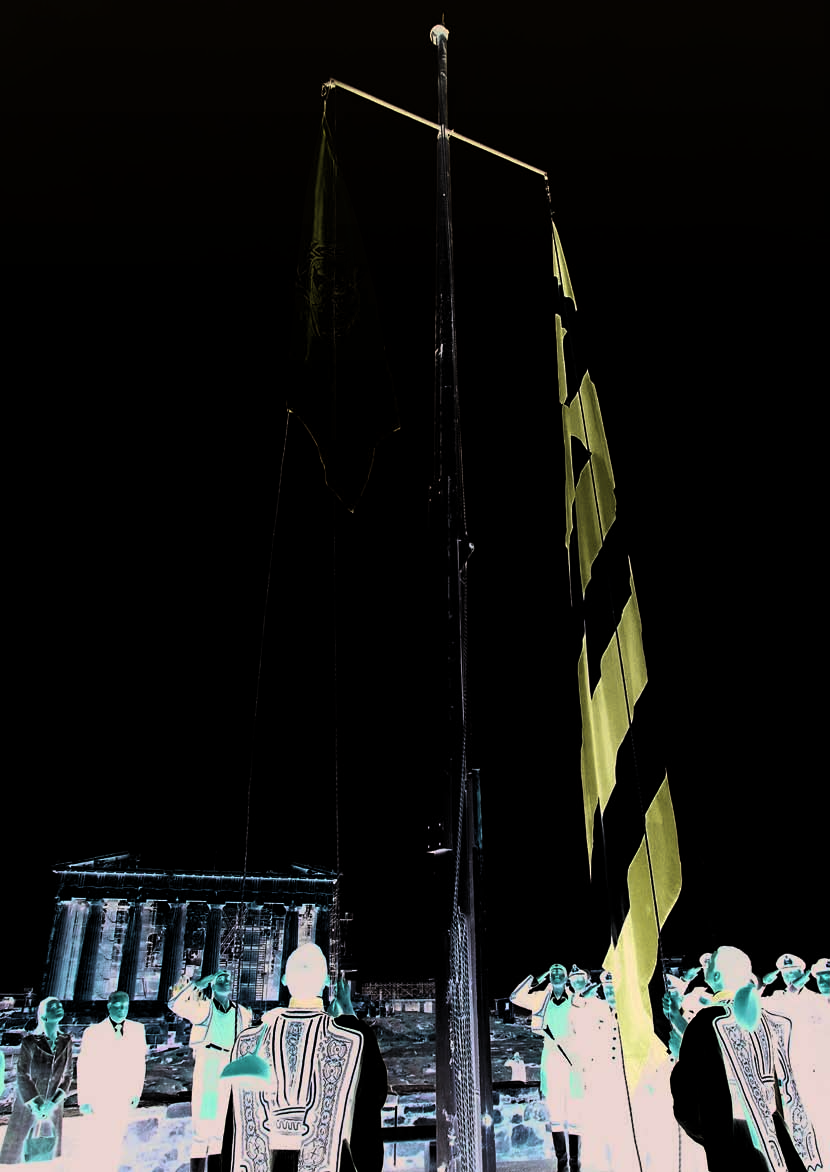
1982. Being also the UN representative
office in Greece, on October 24 UNEP/MAP
MAP has created a full set of
and the UN Information Office (UNIC)
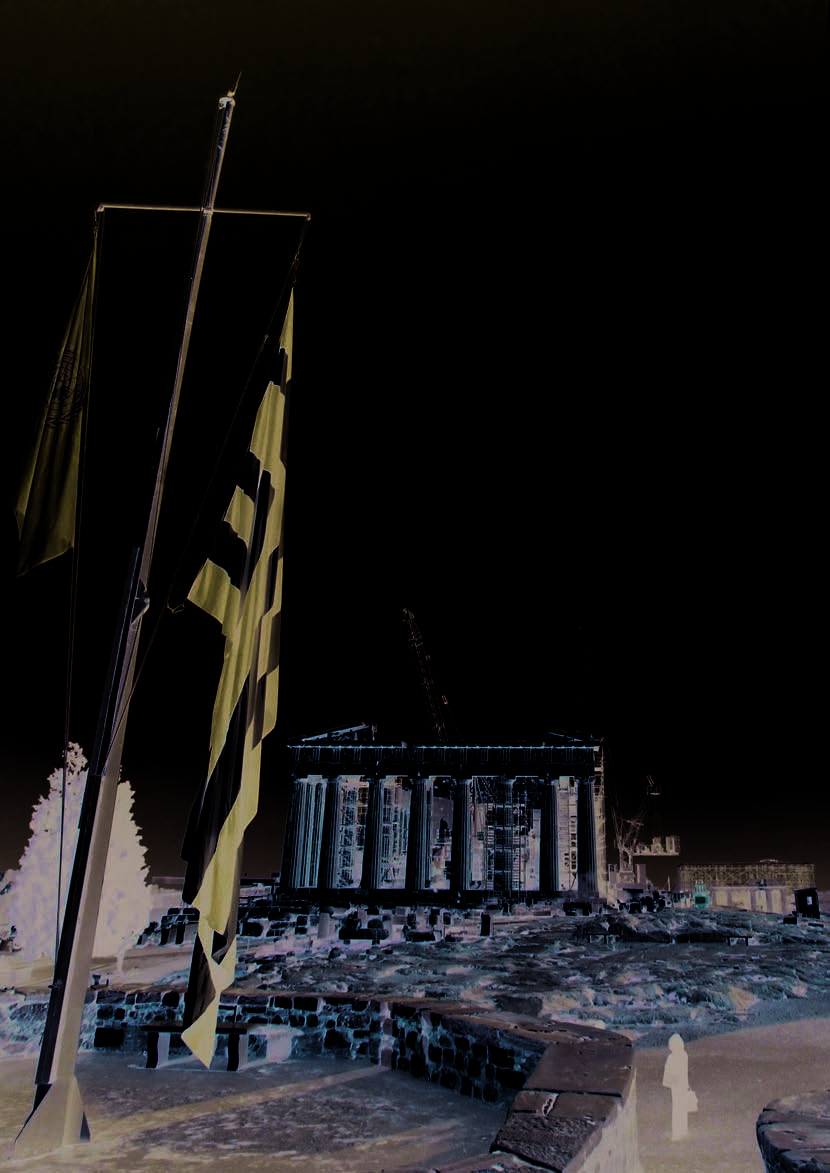
commemorates UN DAY with the hoisting
legal instruments, programmes
of the UN flag and the Greek national flag
on the Acropolis. Flowers are also laid at
and recommendations,
the foot of the monument of the unknown
soldier in Syntagma Square in central
which have been adopted by
Athens during a wreath laying ceremony
led by the Greek Deputy Foreign Minister.
the Contracting Parties and
have greatly contributed to
protecting the environment in
the Mediterranean region.
Issue 56 | MAP MedWaves
MED NEWS
Enforcement of existing and new laws and regulations
Nevertheless, improvements in the consolidation of the legal
frameworks of these countries have not yet been accompanied by
Achieving
effective enforcement in the implementation of both the existing
and new laws and regulations. The principal causes include the lack
sustainable industrial of secondary and executive regulations, lack of human and financial
resources for governmental authorities in charge of applying the
regulations; over-lapping and imprecise distribution of responsibilities
development in the
among the different authorities involved in environmental protection.
Moreover, command and control regulations are rarely accompanied
Mediterranean
by mechanisms, facilitating progressive compliance with the
environmental regulations and/or reducing environmental impact.
Industry is one of the main driving forces of the
The development of voluntary agreements between public authorities
and the industrial sector is still an unresolved issue in most eastern
economic development of most Mediterranean
and southern Mediterranean countries. Likewise, the application of
countries, while still a major source of land-based
environmental taxes is currently not well balanced with economic
pollution affecting the region, especially as far as
instruments facilitating investment in cleaner technologies. This trend
may result in a negative impact on the sector's performance, as for
the hazardousness and persistence of pollutant
big companies "polluter pays" would become "payer pollutes", while
emissions is concerned. Therefore, the control and
it places excessive pressure on the capacity of SMEs to respond to
progressive reduction of the environmental impacts
environmental requirements. Likewise, many of the existing instruments
promoting proactive attitudes still focus on corrective actions (end-of-
associated with the industrial activities is a primary
pipe) rather than on preventive ones (Cleaner Production), resulting
objective to be achieved in the process towards
in environmental management lying outside the scope of general
sustainable development in the Mediterranean
company management, and involving high investments with no
benefit other than compliance with environmental regulations.
region.
On the other hand, slow progress is being made in the implementation
of Environmental Management Systems (ISO 14000 & EMAS) as
The Mediterranean countries show different levels of progress in the
competitive tools to help companies enter the international market. As
development of their legal and policy frameworks for controlling and
for eco-labelling schemes and awards for environmental performance
reducing industrial pollution. Countries that are either candidates for
are concerned, these are still poorly developed in some countries.
EU membership, like Croatia and Turkey, or precandidate countries,
such as Albania, Bosnia & Herzegovina and Montenegro, are taking
In EU Mediterranean countries the use of voluntary instruments is
important steps towards an effective application of the most
more widespread. A problem that is common to these countries is the
relevant EU regulations. Likewise, there is a trend in some Southern
excessive number of environmental laws and related legislative acts
Mediterranean countries to progressively incorporate environmental
and thus the obligation to continuously update their legal frameworks
objectives and standards that are similar to those in the EU, as a
according to new EU regulations. Some initiatives have already been
result of their participation in European partnership initiatives, such
undertaken in order to tackle these problems like, for example, the
as the European Neighbourhood Policy and the Euro-Mediterranean
consolidation of environmental legal systems to incorporate IPPC, EIA,
Partnership.
air, water and waste management laws and regulations.
6 MAP MedWaves | Issue 56
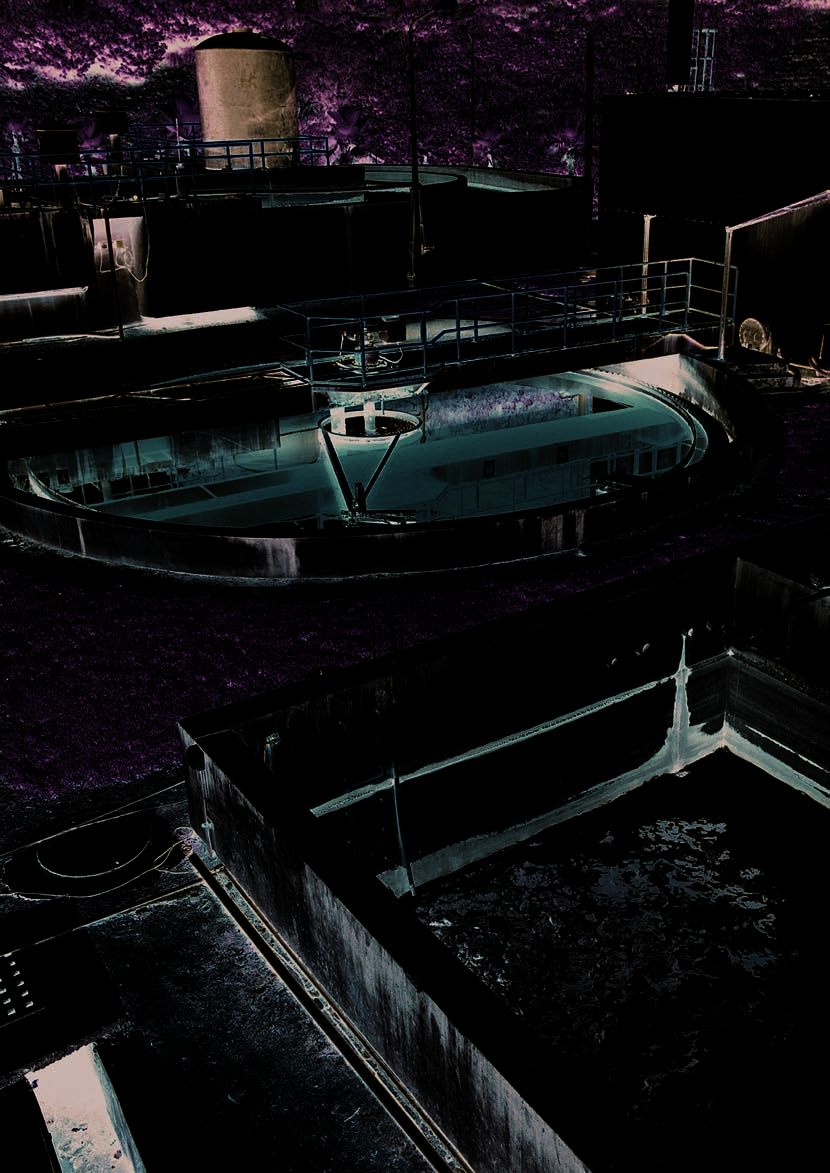
Clean production in the Mediterranean: shrinking
the gap between north and south
Most Mediterranean countries are adopting or updating their
of synergies, insufficient dissemination and replication of the
National Environmental Action Plans/Strategies, incorporating
achieved results and outputs. Only a few countries are trying to
the issue of clean production, and the pollution prevention
tackle systematically the issue of clean production, developing
approach. Both are key elements to help introducing sustainable
national policies that define and incorporate CP needs and
patterns in the industry, promoting sustainable production well
priorities.
before getting to the end-of-the-pipe process. Especially in
southern and eastern countries, where CP centres and similar
The Mediterranean region has already launched some positive
institutions are developing, programmes and agencies for
initiatives to work towards achieving sustainable industrial
international and/or bilateral cooperation are playing a major role
development, however major efforts are still needed in order to
in supporting projects and activities to introduce and spread the
reduce the gap between the north and the south of the region.
concept of clean production.
The harmonisation of existing national legislation, its subsequent
However, actions are often on a one-off basis, they are disperse
strengthening and the widening of its framework are urgent
and there is a lack of coordination between the different parties
issues to be addressed. If we want to pursue the common goal
involved. This is due to the lack of a national policy on clean
of achieving economical development without environmental
production that could be used as a framework to define what
degradation, actions should also be taken to encourage clean
joint actions could be launched. This situation is far from ideal,
production technology, such as incentives, and the sharing of
as it could result in the duplication of efforts, no consideration
technology `know-how'.
Issue 56 | MAP MedWaves 7
MED NEWS
Ambassadors of
the Environment:
environmental education
in children's camps
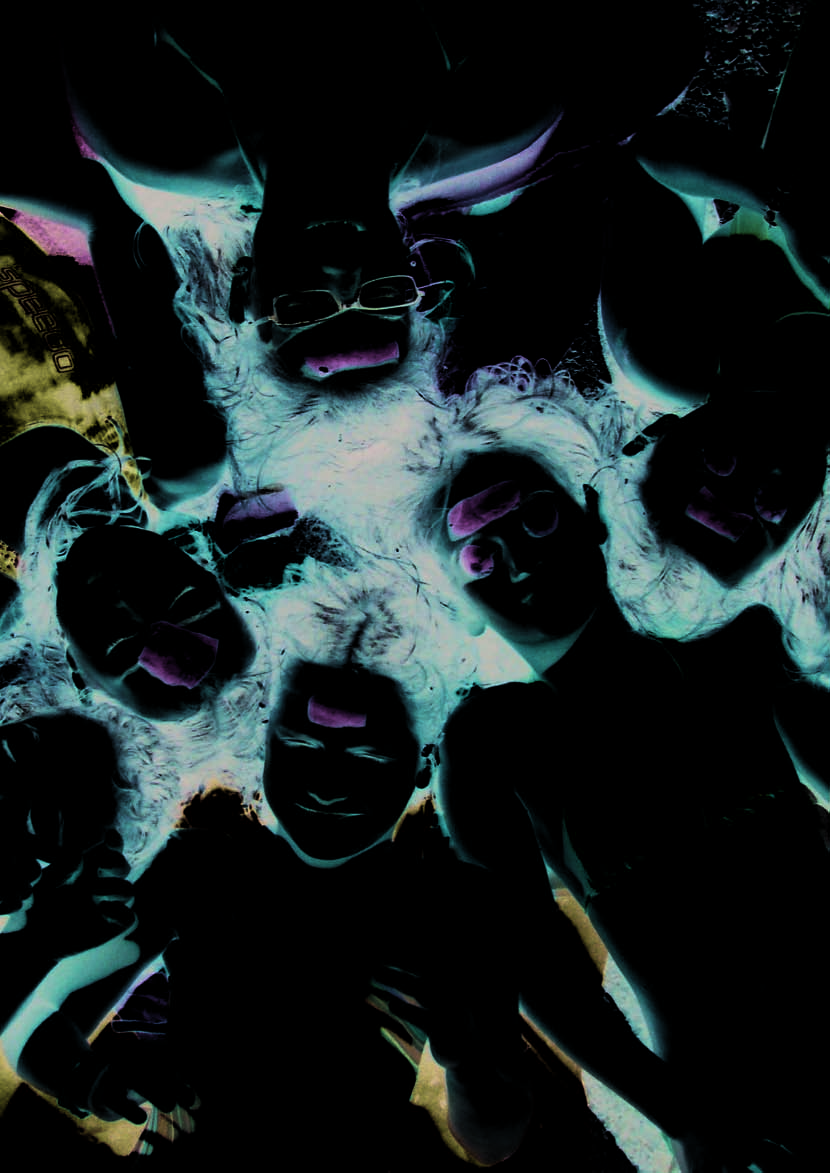
This program brings children close to nature and
teaches them the need of moral and ethical behavior
for the survival of mankind. It aims at helping them
to understand that nature's conservation ability is
great, but its tolerance can be exhausted due to the
disturbances to the ecosystems.
ways to use recycled materials. Gardening is an exercise where ecology
The initiative "Ambassadors of the Environment" (AOTE) was launched
practices are connected with the community social work.
for the first time in Greece during the 2006 summer by the Athens
Besides hiking trips, children have snorkeling expeditions through
Environmental Foundation (AEF), a non-profit, non-governmental
which they discover many facts about the marine ecosystem and
organization, in collaboration with Jean Michel Cousteau, a member of
ways to protect it. They are also actively involved in a research project
its Board of Directors and with the support of UNEP/MAP.
conducted in collaboration with the "Hellenic Center of Marine
The program, which was designed by J.M. Cousteau and his team
Research".
of experts, has been operating successfully in other parts of the
According to the organizers, being involved in these projects as part of
world and accepts children aged 8 to 14 years. During the two
an international team, children will not only extend their understanding
weeks programme, children have the opportunity to get to know
of nature and the ways to preserve it, but also improve their self-
the ecosystems and their problems, learn facts about nature and
confidence and their social abilities. Apart from the practical exercises,
environmental issues related to energy, recycling, biodegradation,
the field exercises and the experiments, the programme includes
biodiversity, and the food chain.
games, excursions and recreational activities.
Professional trainers fluent in English, German and Greek - teach
children to use solar and wind energy to make juice or bake cookies
with the help of solar ovens. They also learn how to make fertilizer from
To learn more about Ambassadors of the Environment:
organic waste, they discover the value and the art of recycling and
www.aote.org | www.athensenvironmental.org
8 MAP MedWaves | Issue 56
"This is not just a fun summer camp. It is a chance for children from all over the world
to learn how they can actively participate and make a positive contribution towards
the conservation of our planet".
Issue 56 | MAP MedWaves 9

DIVING IN
The red gold of the
Mediterranean under
close scrutiny
Following the 14th Ordinary Meeting of the
Contracting Parties to the Barcelona Convention
(Portoroz, Slovenia, Nov. 2005), the Specially
Protected Areas Regional Activity Centre (SPA/RAC)
was encouraged to propose an action plan for the
preservation of the coralligenous ecosystem in
the Mediterranean. It is in this framework that a
colloquium on the red coral in the Mediterranean
was organized in Tabarka, Tunisia in May 2006. The
colloquium aimed at taking stock of the situation of
the red coral as an element of the natural and cultural
heritage of the Mediterranean.
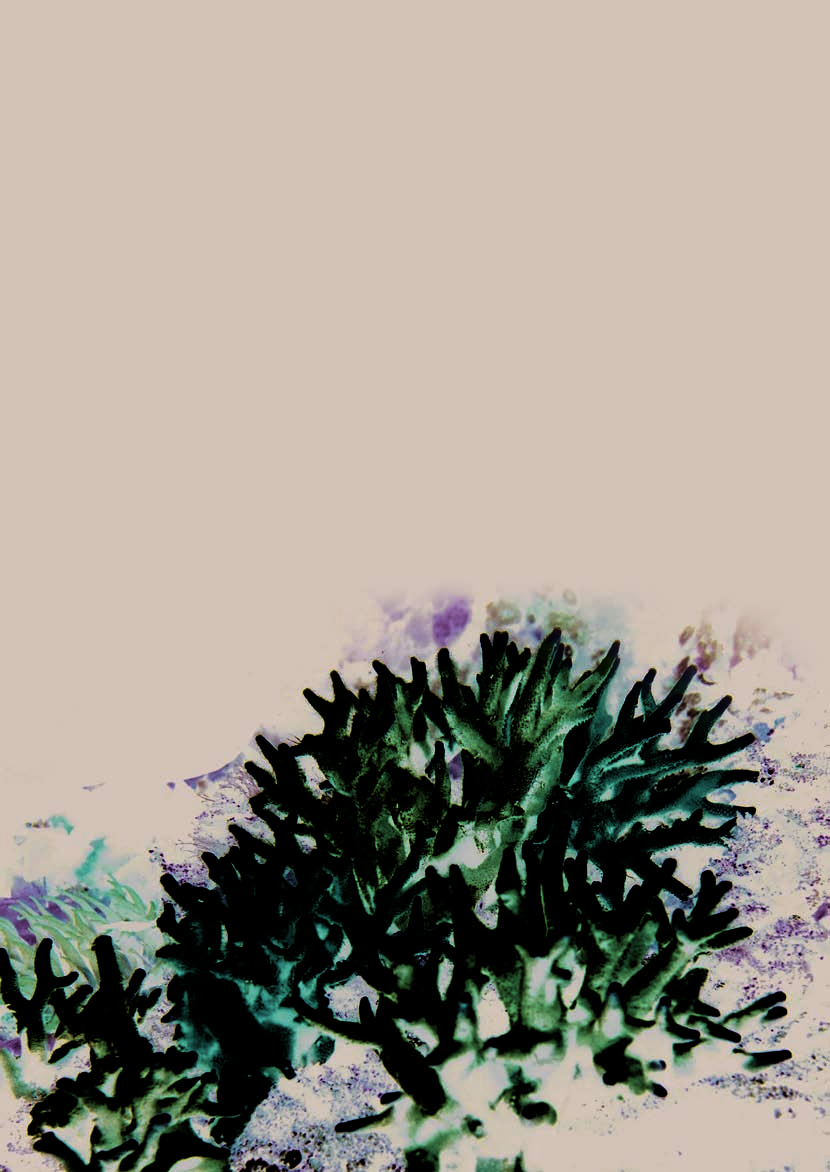
The red coral (Corallium Rubrum, Linnaeus, 1758) is a species of the
Mediterranean cultural heritage and one of the most ancient gems
known (20,000 B.C.). It was considered a powerful talisman and the
Sumerians, Egyptians, Phenicians, Greeks and then the Romans used
it to make jewellery, ornaments and various objects; they also painted
The Tabarka colloquium aimed at taking stock of the situation of the
it on walls and vases. In the beginning, people thought that it was a
red coral as an element of the natural and cultural heritage of the
small marine tree, soft and green, which would harden as soon as it
Mediterranean. The first part dealt with the history of exploitation and
came into contact with the air; that is why it was named "tree of stone"
trading in red coral; the second part, with the biology of the species,
(Lithodendrum). It was only in 1722 that the French scientist Peysonnel
the threats it faces and the developments in fishing techniques. A
showed that it belonged in the animal kingdom.
round table in which all stakeholders were present, discussed efforts
to reproduce and repopulate the red coral and took stock of ongoing
Essentially Mediterranean, the species corallium rubrum is found from
research in these fields.
surface waters in habitats with little light (caves, overhangs) down to a
depth of 250 meters. It is most abundant in the Western Mediterranean
The papers presented in the colloquium made evident both the cultural
but has a very localized presence in the Eastern Basin (Adriatic Sea,
significance of the coral and the role it played in strengthening the
Aegean Sea). It is one of the emblematic species of the coralligenous
relations among the Mediterranean peoples through the ages. From
ecosystem, the latter being the second Mediterranean ecosystem in
a socioeconomic and cultural point of view, coral trading has played
terms of biological diversity.
and continues to play a major role in certain regions. It remains even
today the raw material for a centuries-old industry, from which many
Red coral, a fragile element of the Mediterranean cultural
specialized craftsmen make their living (fishermen, divers, artisans,
heritage
jewellery makers) in several Mediterranean countries, among them Italy,
Tunisia, Algeria, Spain and France.
The species corallium rubrum is included in several international
conventions:
The scientific papers gave data on the current situation of the species,
which remains under an ever increasing pressure. It is estimated that
The Protocol on Specially Protected Areas and Biological Diversity in
the quantities of red coral fished annually in the Mediterranean amount
the Mediterranean (Protocol SPA/BD) adopted in 1995 regulates the
to almost 70 tons. Even if the species does not appear to be under
exploitation of the species (Annex III);
threat and it is not included in the IUCN red lists its exploitation
The Convention on the Conservation of European Wildlife and Natural
by the jewellery-making industry seems to have given rise to some
Habitats (Bern Convention, 19/09/79), includes it as a species of the
localized phenomena of overexploitation or even disappearance from
protected fauna in the Mediterranean (Annex 3);
the surface sectors of the Western Mediterranean. This has had two
consequences: fishing at greater depths (more than 80 to 100 meters)
The European Directive on the Conservation of natural habitats and
and exploitation of stocks, the size of which is not accurately known.
of wild fauna and flora (Habitat Directive, 21/05/92) includes it as an
Moreover, the harvesting of young colonies of smaller size coral, which
animal species of Community interest whose harvest in nature and its
is the object of lower quality trading (power of crushed coral mixed
exploitation are subjected to management measures (Annex 5).
with synthetic resin) makes the populations even more vulnerable.
10 MAP MedWaves | Issue 56
Sustainable management must encompass a greater
To raise the awareness of the public and the
effort to monitor populations and their exploitation
professional stakeholders in terms of coral ecology
and coral as an element of cultural heritage;
In addition to the quantities harvested, certain fishing techniques
continue to inflict serious damage to the coralligenous
To promote rational exploitation through:
environment. This is the case of the St. Andrew's Cross, a
The formulation of management plans based on the
traditional fishing tool used until recently. It is a wooden, or lately
principle of fishing site rotation for periods adapted
a steel cross dragged on seabeds at -50 meters which breaks
to the particular species.
not just the coral colonies caught in the nets (1 to 2 tons of coral
per year), but all the other organisms living on the colony and
The protection of habitats from dragging gear and
associated with it. The modern harvesting techniques (scuba
other threats.
diving) are more selective and allow the taking of the targeted
The formulation of rules concerning minimum size
species alone.
of coral taken, increased monitoring of banned
Pollution is another potential factor contributing to the
fishing gear and the respect of fishing zones.
disappearance of the coral. Its impact on the red coral is still not
The training of professional coral fishermen to use
sufficiently known; however any change in the environmental
selective fishing techniques and the improvement
factors (e.g. sediment input, rise in seawater temperature,
of diver safety.
increase in nutrient content) appears to have an extremely
adverse effect on colony survival.
To reinforce scientific research and promote the
creation of data exchange networks with the
It became obvious from the discussions that our knowledge
support of regional organizations, such as UNEP/
of the biology, ecology and genetics of the red coral is still
MAP, the General Fisheries Commission for the
inadequate. Coral culture may appear to be a means to reduce
Mediterranean (GFCM), the Framework Programme
pressure on the species, but for the time being it is far from
for Research and Technological Development of the
operational. In effect, taking into consideration the low growth
European Union etc.
rate of the species (of the order of 6mm/year) we come to the
conclusion that coral culture cannot as yet be considered an
For the long term, to support coral culture as an
alternative to colony exploitation.
alternative to coral fishing.
Thus, sustainable management of this species must encompass
In consultation with the stakeholders, to set up
a greater effort to monitor populations and their exploitation.
protected marine areas, sufficiently large to include
In order to replenish the stocks in the zones where overfishing
coral sanctuaries.
has taken place and to establish colonies in new habitats, the
following recommendations should be considered:
Issue 56 | MAP MedWaves 11


VOICES FROM THE MED
Achim Steiner
speaks to MedWaves
A German national born in Brazil in 1961, Achim Steiner was
able to respond to countries' needs. Currently we are often hampered
appointed this year as the new Executive Director of UNEP. Before
by internal processes and administrative bottlenecks. I firmly believe we
joining UNEP, Achim Steiner served as Director General of the
can change this.
World Conservation Union (IUCN) from 2001 to 2006.
I want to ensure that, at the end of my first four year term, UNEP
His professional career has included assignments with
becomes an ever brighter beacon of intellectual leadership and
governmental, non-governmental and international
scientific assessment, and an energetic catalyst for the deep and
organizations in different parts of the world. In Washington,
meaningful policy reforms and revolutions so urgently needed world-
where he was Senior Policy Advisor of IUCN's Global Policy
wide.
Unit, he led the development of new partnerships between the
environment community, the World Bank and the United Nations
Q: 200 marked the United Nations' 60th Anniversary. In your
system.
view how has the role of the organization evolved over the
years and is it still relevant in particular in the environmental
In Southeast Asia he worked as Chief Technical Advisor on
field?
a programme for the sustainable management of Mekong
River watersheds and community-based natural resources
I have high hopes for the United Nations and for the environmental
management. In 1998 he was appointed Secretary-General of the
cause. First of all, we are in the midst of a far-reaching reform of the
World Commission on Dams, based in South Africa.
UN system and second, as I have outlined, UNEP is also changing as an
organization. There is a real tide of opinion that is now running in the
Achim Steiner's professional track record in the fields
direction of environmentally sustainable economies which we must
of sustainable development policy and environmental
take advantage of. A new generation increasingly recognizes that, while
management, his first-hand knowledge of civil society,
money may make the world go round, what makes money go round is
governmental and international organisations, as well as
ultimately the trillions of dollars generated by the planet's goods and
his global experience spanning five Continents, make him
services: These include the air cleaning and climate-change countering
an excellent choice to lead the United Nations Environment
processes of forests to the fisheries and the coastline protection power
Programme as the 5th Executive Director in the organisation's
of coral reefs.
history.
Some of the mechanisms and bodies that have taken shape over
Q: You have been UNEP's Executive Director and UN Under-
recent months offer real opportunities that we must seize. I am talking
Secretary-General since June 2006. What are your priorities in
of the UN Secretary-General's high-level panel on UN system-wide
your new position?
coherence in the areas of development, humanitarian assistance and
Well, my first priority has obviously been to get to know my new
the environment. But also of the UN General Assembly's informal
colleagues here in Nairobi and around the world. I've also been
consultations on the institutional framework for the UN system's
meeting the government representatives who make the policy that
environmental activities, chaired by ambassadors from Mexico and
guides UNEP's role. But above all, I want to reach out to UNEP's partners
Switzerland.
around the world. I think that as an intergovernmental body, our
For the first time in two decades, environment and the institutional
departure point is governments but our key partners in achieving the
architecture are receiving the highest levels of attention. We have
goals and mandates of UNEP are really also civil society, the private
a golden opportunity to reform the institutions and structures that
sector, and broader society at large. So, one of the departure points for
deliver global and regional environmental policy. It is a chance we must
me will be to listen, to understand and from there to build the kinds of
not let slip away.
alliances that would allow us to do the work that we are meant to do.
Q: The 2006 oil spill in Lebanon has been defined as "one of
Q: What do you see as UNEP's assets and weaknesses in facing
the worst environmental disasters to affect the Mediterranean
environmental challenges?
Sea". What was UNEP's role and added value in dealing with
UNEP is entering a time of change and renewal. By adopting the Bali
this incident?
Strategic Plan at the last Governing Council, governments handed
We were very concerned over the impact of the oil spill on coastal
UNEP a unique challenge and a unique tool to become a `meaner
communities who were affected by this environmental tragedy.
leaner' organization that is more relevant on the ground and better
Another concern were the short and long term impacts on the marine
12 MAP MedWaves | Issue 56
environment, including the biodiversity upon which so many
spill, but other environmental and public health concerns as well.
people depend for their livelihoods and living through tourism
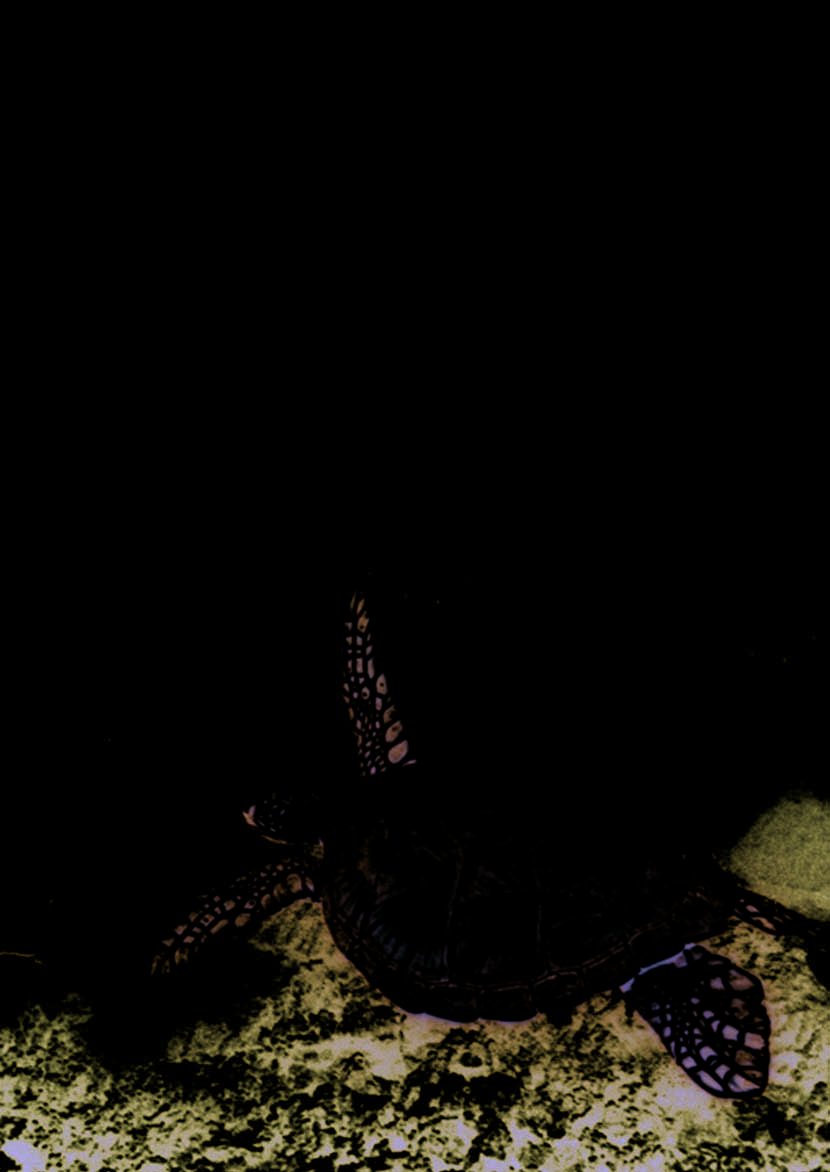
and fishing. The Eastern Mediterranean is a biodiversity hotspot, a
Q: After three decades the MAP process is still going
vital habitat for species such a bluefin tuna and sea turtles.
strong. How do you see MAP's short term and longer
term priorities develop over the coming years?
UNEP, together with many international partners, including
the International Maritime Organization (IMO), European
The birth of the Mediterranean Action Plan thirty years ago
Commission, as well as NGOs, both international and local, was
helped to kick-start a process that has blossomed into a Regional
able to coordinate assessment and clean-up activities on the
Seas Programme that today encompasses 18 regions and
ground as soon as the security situation would allow it. We were
140 coastal states and territories. The Mediterranean is one of
able to draw on the services and experience of some of the
the world's most culturally diverse and populous regions. It
leading experts in the field and also draw public attention to
also harbours a number of biodiversity hotspots and provides
the situation by a concerted media strategy which included a
essential ecosystem services. MAP's initiatives have been a
website which was constantly updated, as well as press releases
beacon for many other regional seas and have even helped
and interviews.
stabilize the region. The Barcelona Convention was the first
political and diplomatic framework under which countries
Q: There was some international criticism about the slow
could share and develop dialogues: Greece and Turkey, the
reaction of international organizations such as UNEP in
Arab countries and Israel, during the tense years of the 70s and
dealing with the clean up operations. How do you view
80s and later on, the divided countries of the former Yugoslav
UNEP's involvement following the oil spill?
Republic, all worked together to protect the Mediterranean
under this fruitful UNEP programme.
The inter-agency cooperation that we achieved during the first
days and weeks of the Lebanon crisis is a good example of how
MAP has also developed many strong partnerships: with the
I think we should work in the future. The main reason for the
Global Environment Facility, with European Union bodies and
delay was not down to the slow reaction of the international
other UN bodies, and this has made it one of the major players in
community, it was because of the ongoing hostilities which
the region. I see MAP continuing along its chosen path of being
made any assessment or clean-up work impossible. With the
an agenda-setter and a facilitator in the region and on a global
coming into force of the ceasefire and then the lifting of the
scale, and look forward to working closely with MAP in coming
blockade, we were able to move quickly and start addressing the
years.
most immediate environmental concerns on the ground: the oil
Issue 56 | MAP MedWaves 13


MED AT WORK
Clean up & Scoop the
Med 2006
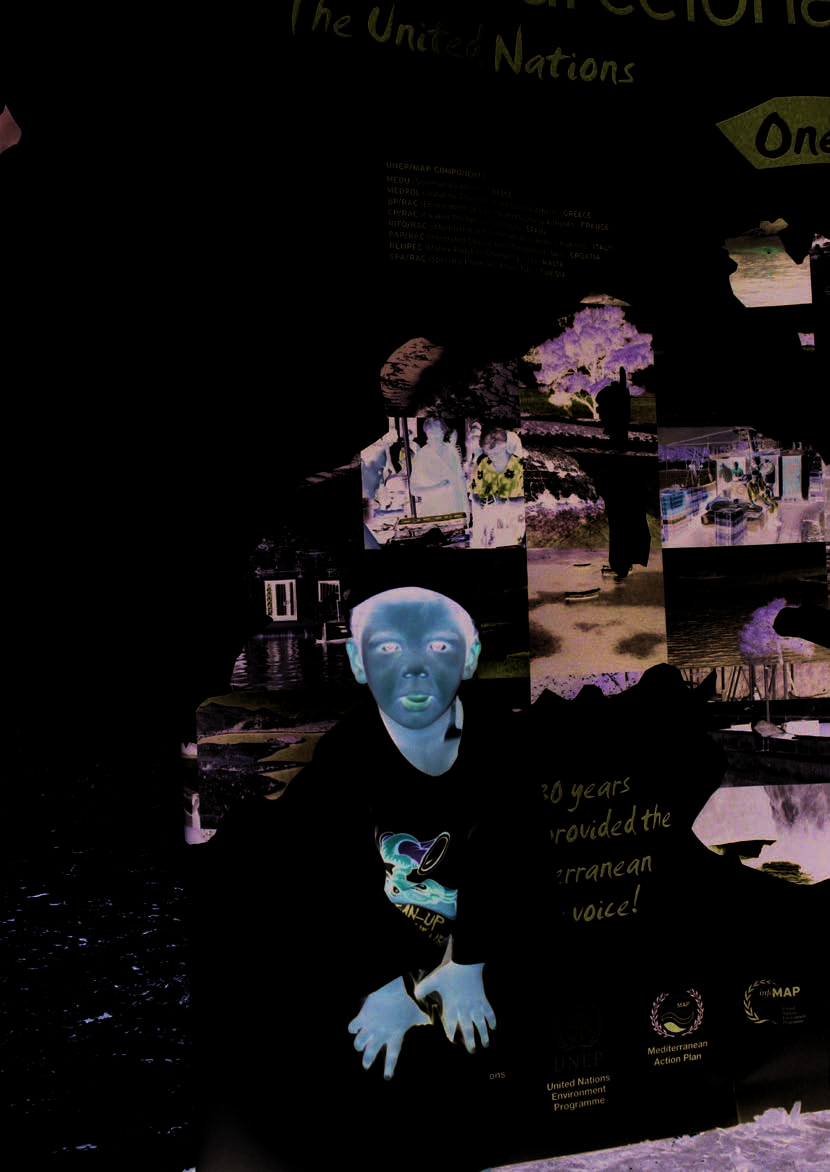
This year, hundreds of students gathered to clean
up Lady's Mile beach in Limassol, in Cyprus. The
event, leading up to the organization of BLUEweek-
MEDday in September in Turkey, was also made
possible by the collaboration of the Cyprus Centre for
Environmental Research and Education (KYKPEE).
A legion of volunteers armed with gloves, rakes and rubbish bags
invaded 800 Mediterranean beaches during the summer of 2006. The
occasion was Clean up & Scoop the Med, the international campaign
organized by Legambiente since 1995, and promoted this year by
INFO/RAC-MAP, the Italian Information and Communication Centre
of the Barcelona Convention. The objective was not only to clean up
This is the reason why Legambiente decided to join forces with
the environment from the tonnes of plastic and other solid waste that
INFO/RAC to organize Clean up & Scoop the Med in Cyprus, during
are dumped into our, but also to monitor the state of Mediterranean
the Meeting of the Mediterranean Commission on Sustainable
coasts using photography.
Development.
"This year's edition mobilised over 200 NGOs from the 21
Since 1995, Clean-up the Med has succeeded in mobilising more
Mediterranean Countries, with each group collecting an average
than 6.000 organisations, public institutions, schools and universities.
of 400 kg of solid waste", declared Michela Presta, the campaign
It represents the basis for the creation of the Euro-Mediterranean
coordinator for Legambiente. "More than 70% of the collected
Environmental Network (EEN), an association of NGOs, public and
waste was plastic, followed by glass, paper, cigarettes and nylon. We
private institutions (municipal councils, schools etc.) that cooperate to
should try to avoid littering, since solid waste can kill many marine
promote and support peaceful and sustainable development in the
animals, can cause chemical contamination, adverse aesthetic
Mediterranean Region.
impact and repercussion on fisheries. Furthermore, the degradation
of plastic products can last up to 1000 years."
For the 2006 edition, an innovative idea was introduced: besides
classifying and quantifying the collected waste, volunteers were
Mediterranean coastal countries produce over 30 million
encouraged to take pictures of degraded areas to help build an image
tonnes of solid waste per year
database of the state of the Mediterranean environment.
As indicated in the UNEP/MAP Report on Environment and
"The image database will represent a piece in the "large jigsaw
Development (RED) compiled by Blue Plan, "Mediterranean coastal
puzzle" of the state of the Mediterranean coastline: an important
countries produce some 3040 million tonnes of solid waste per year.
record of the progress or regression made on our beaches every
A consistent yet not quantifiable proportion of it ends up in our seas".
year", concluded Michela Presta.
14 MAP MedWaves | Issue 56
Issue 56 | MAP MedWaves 1

MED AT WORK
Mediterranean's most
threatened marine
species
The Mediterranean monk seal is in urgent need of
protection. Once an abundant species loved by the
Ancient Greeks, only around 500 Mediterranean and
Atlantic monk seals are left. The main threats to this
species are lack of food sources, killings by fishermen,
bycatch in fishing nets, habitat disturbance and sea
pollution.
In Ancient Greece, Mediterranean monk seals were placed under the
protection of Poseidon and Apollo because they showed a great love
for sea and sun. One of the first coins, minted around 500 BC, depicted
the head of a monk seal, and the creatures were immortalised in the
writings of Homer, Plutarch and Aristotle. To fishermen and seafarers,
catching sight of the animals frolicking in the waves or loafing on the
beaches was considered to be an omen of good fortune.
Recorded in history over 2,500 years ago, today the monk seal
(Monachus monachus) is one of the most rare animal species in the
world and one of the six most-threatened animals on Earth.
Despite being listed as critically endangered under the CITES
Mediterranean Monk Seal Distribution
Convention (Appendix I) and the IUCN classification (Red List) as well
as classified in need of strict protection under EU law, the monk seal
remains the most endangered marine mammal in Europe.
Their new habitats are also inadequate, as females are forced to pup
in sea caves, which are relatively undisturbed areas but particularly
From historically large populations of thousands of animals, the
exposed to rough waves and bad weather conditions. This situation
current population is estimated at 400 500 individuals spread over
threatens the survival of baby seals, which may be swept away and
Mediterranean and West African countries. About 200 250 monk seals
injured or drowned during storms.
live in Greek waters.
The increasing intensity of maritime traffic and the consequent increase
Its genetic group includes 3 species: the Mediterranean monk seal
in pollution of the marine environment can endanger seals and even
(Monachus monachus) and the Hawaiian monk seal (Monachus
reduce fish stocks. Pollutants enter the sea through dumping from ships
schauinslandi), estimated as endangered, as well as the Caribbean
or land-based activities, maritime accidents and domestic or agricultural
monk seal (Monachus tropicalis), which has been extinct since 1952.
run-off. Biotoxins such as toxic algae are also a fatal poison leading to
Human activities and monk seals: an unbalanced coexistence
massive mortality. It paralyses seals when they dive and makes them
sink.
Monk seals are timid animals and very vulnerable to any form of human
disturbance. By the end of the 1900s, the Mediterranean monk seal
Other threats to the population are represented by decreased food
population has declined dramatically due to increasing human impacts
availability, incidental capture in fishing gear and deliberate killings
such as excessive hunting, habitat destruction, marine pollution,
by traditional fishermen who see monk seals as competitors for
disturbance by tourists, depletion of fish stocks, and competition with
increasingly scarce resources.
local traditional fishermen.
Protecting the Mediterranean Monk seal
The monk seal originally used to inhabit sandy coastlines and islands,
IFAW the International Fund for Animal Welfare has been engaged
however, due to the extensive use of the sea and seaside, they now
in protecting this critically endangered marine mammal for many
hide in sea caves. Human encroachment and human pressure are
years. It has worked on improving scientific knowledge on monk seal
reducing the available habitat for monk seals and further isolating
population and threats with its research vessel Song of the Whale, and
pockets of this already fragmented species.
has funded several local projects aimed at protecting, restoring and
Human access to the seals' natural habitat areas, curious tourists,
rehabilitating monk seals, including through rescue operations. Raising
or unscrupulous diving guides, disturb the seals and hamper their
public and political awareness at European and international level are
reproduction. Mass tourism has had a significant impact on this already
also part of IFAW's work on this issue.
declining species.
16 MAP MedWaves | Issue 56
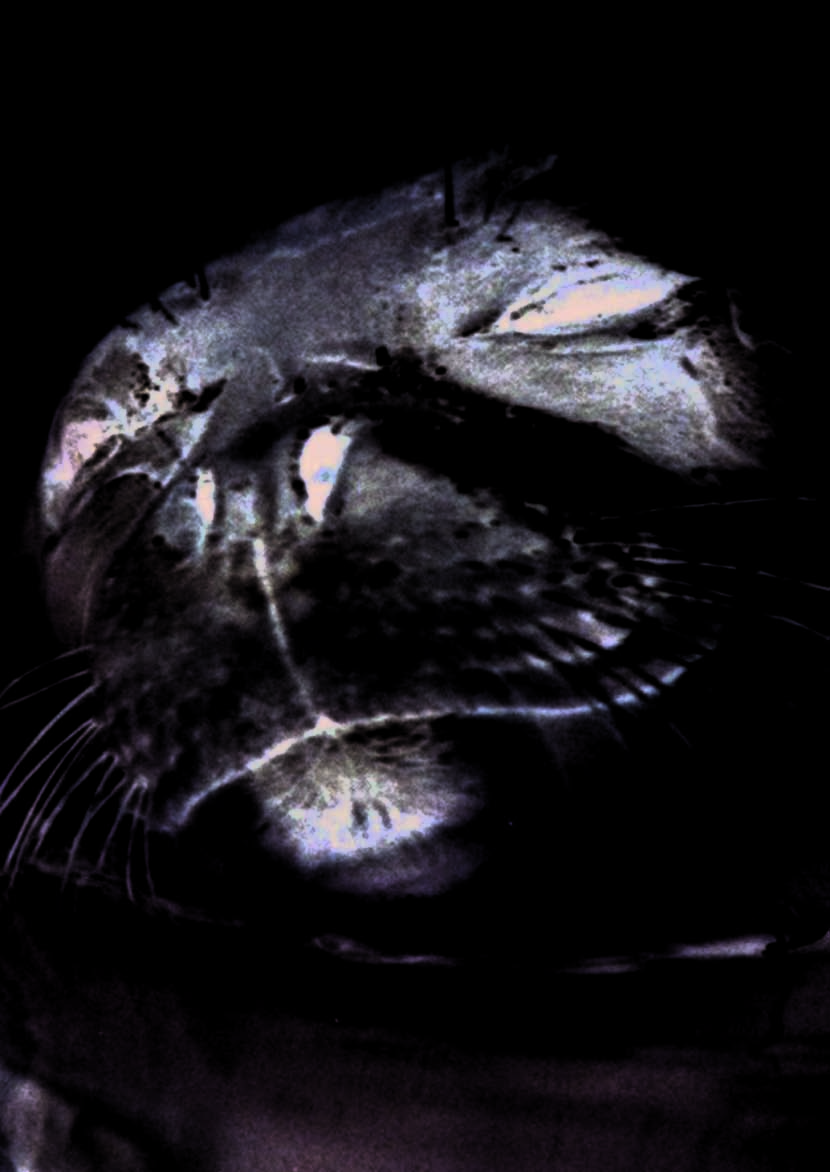
Other threats to the population are
represented by decreased food availability,
incidental capture in fishing gear and
deliberate killings by traditional fishermen
who see monk seals as competitors for
increasingly scarce resources.
Issue 56 | MAP MedWaves 17

MED AT WORK
1976-2006:
30 YEARS PROTECTING
THE MEDITERRANEAN
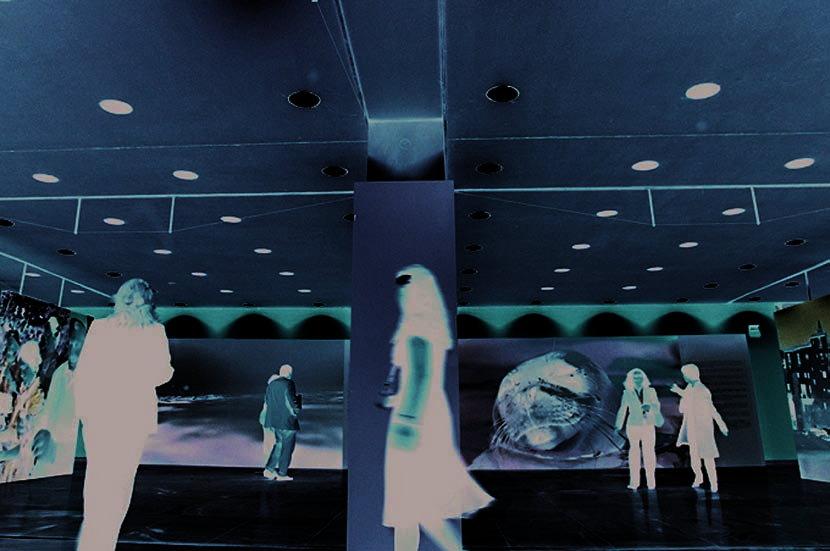
To mark 30 years of the Barcelona Convention and
to commemorate UN DAY (24 October), UNEP/MAP
launched an exhibition highlighting the major
activities, achievements and milestones of the
organization.
"You live in the Mediterranean. Is your sea protected?" was the theme
of the exhibition held under the patronage of Greek Minister of Foreign
Affairs Dora Bakoyannis.
Paul Mifsud, Coordinator of UNEP/MAP, and Deputy Minister of
Foreign Affairs Evripidis Stylianidis opened the exhibition. Over one
hundred guests attended the event, including representatives of
Greek Ministries, Ambassadors, representatives of UNEP/MAP regional
not belong to us, we have borrowed it from future generations" really
activities centres, NGOs, and other civil society members.
encapsulates the meaning of environmental protection."
Extensive media coverage was given to the event. Speakers included
Following the Athens event, Spain, the depository country of the
Yannis Vournas, Director General for the Ministry of Environment, on
Barcelona Convention, organised a ceremony in Barcelona on 30th
behalf of Deputy Foreign Minister Stavros Kaloyannis, and Deputy
November, where representatives of the Spanish national and
Foreign Minister Evripidis Stylianidis. A video message by UNEP
regional authorities joined UNEP/MAP Coordinator Paul Mifsud in this
Executive Director Achim Steiner was broadcasted and a presentation
commemorative event.
about 30 years of MAP activities made by Paul Mifsud.
Over the last 30 years MAP has contributed a great deal towards
As Yannis Vournas reminded at the opening "the Mediterranean is a sea
pollution reduction in the Mediterranean.
that from ancient times onwards has formed a link among the peoples
living around it and has been the cradle of many civilizations, as well
From the political point of view, MAP has been a unique process for
as a centre for economic and commercial development. At the same
one key aspect: developing or developed countries, large or small, with
time, it is an area with substantial marine wealth and physical beauty.
different cultures and traditions sit around the table on an equal footing
However, as time went by and as a result of an intensive economic and
and work together for a better Mediterranean environment for the
industrial development, severe environmental problems arose, given
present generation and generations to come.
also the fact that the Mediterranean is a closed sea. [...]
The Secretariat of UNEP/MAP, which has been hosted in Athens
[...] The environment is the neighbourhood in which we live and where by the Greek Government since 1982, coordinates the efforts of
our children will continue living. It is our home and its protection is
the Mediterranean countries, Contracting Parties to the Barcelona
a duty for all of us. The well-known adage "the environment does
Convention, to protect the Mediterranean Sea.
18 MAP MedWaves | Issue 56
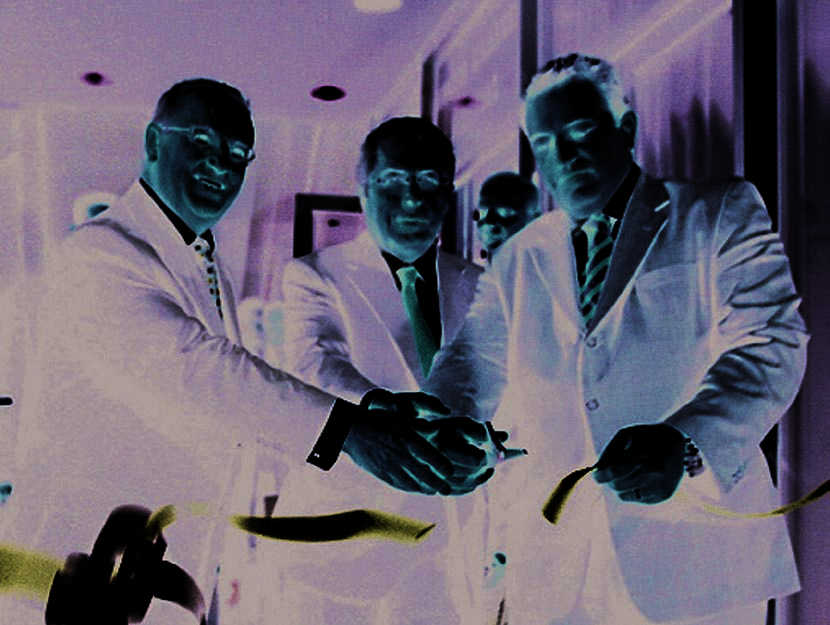
MAP Coordinator Paul Mifsud (left) and Greek Deputy Foreign Minister Evripidis Stylianidis (right) opening the exhibition
Issue 56 | MAP MedWaves 19

MED CALENDAR
Date
Name of Meeting
Venue
Contact
January 2007
1819 January
RAC Directors meeting
Athens, Greece
T. Hema
February 2007
56 February
MED POL Workshop on
Anavissos, Greece
F.S. Civili
Eutrophication Assessment
and Monitoring
1215 February
3rd meeting of the Working
Loutraki, Greece
T. Hema
Group on ICZM Protocol
I. Trumbic
March 2007
2628 March
Extraordinary Meeting of
Mytilini, Greece
F.S. Civili
MED POL Coordinators
F. Abousamra
May June 2007
31 May 1 June
MCSD meeting
Turkey
P. Mifsud
June (to be confirmed)
BLUEweek
Morocco
INFO/RAC
October 2007
1619 October
MAP Focal Points meeting
Athens, Greece
T. Hema
December 2007
1013 December
CoP15 Meeting of the
Almeria, Spain
T. Hema
Contracting Parties
Photos Courtesy of: Athens Environmental Foundation; Cleanupoil.com; K.Green; Harmelin; IFAW; INFO/RAC; MEDASSET; A. Messinis; MOm/DENDRINOS.