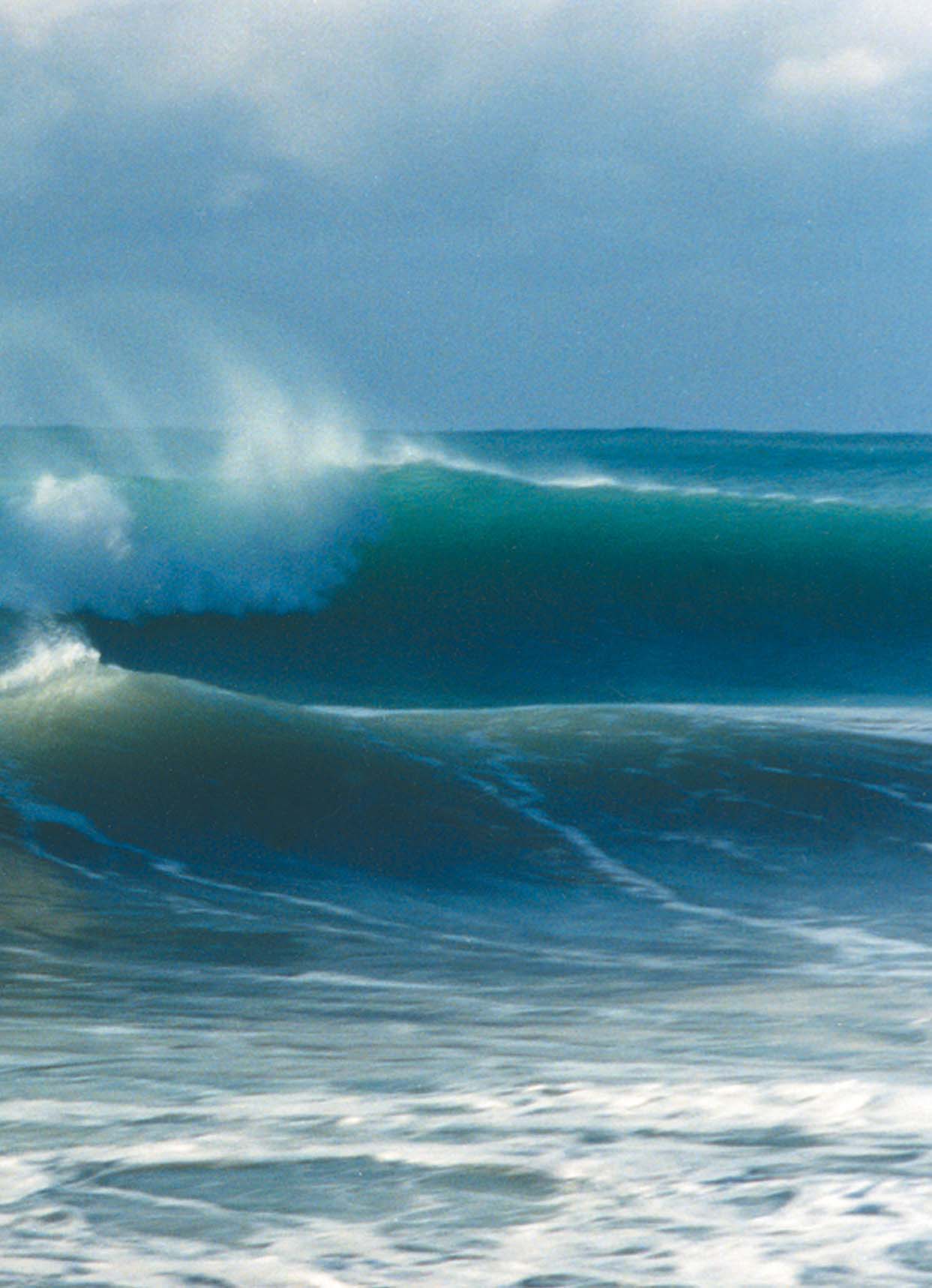
THE MEDITERRANEAN ACTION PLAN MAGAZINE
52
World Environment Day and the Mediterranean Sea
The Mediterranean:
(vital) drop in the Oceans
The Big Polluters
A Global Initiative for the Regional Seas
ICAM: towards a Regional Protocol
Biodiversity in Mediterranean Media

2
In this issue
Mediterranean Action Plan
New MAP Coordinator: Paul Mifsud
3
World Environment Day
Wanted! Seas and Oceans Dead or Alive?
Fifty key facts about Seas and Oceans
4
The WED and the Mediterranean sea
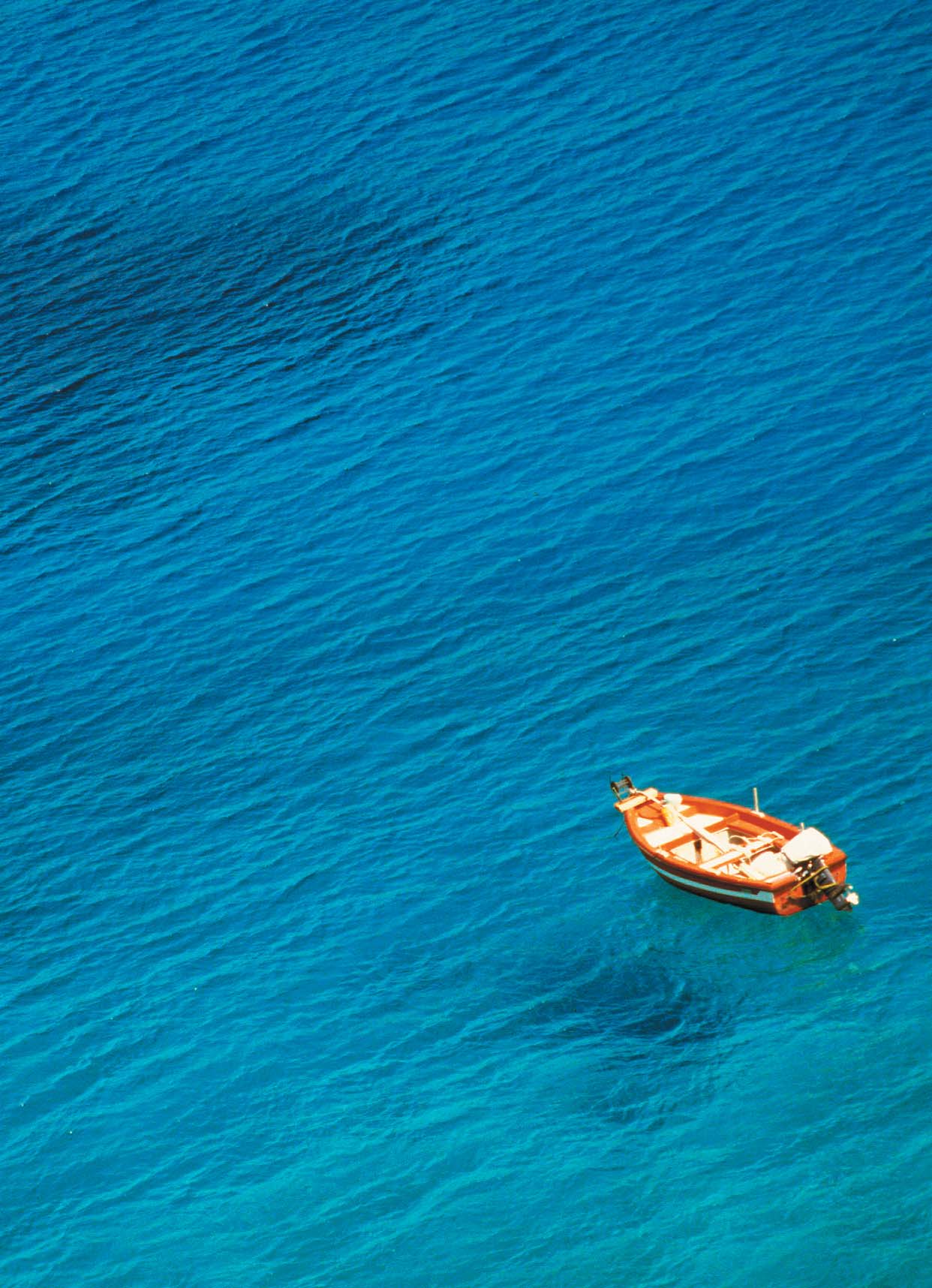
The mediterranean: a (vital) drop in the oceans
8
The WED and the Mediterranean sea
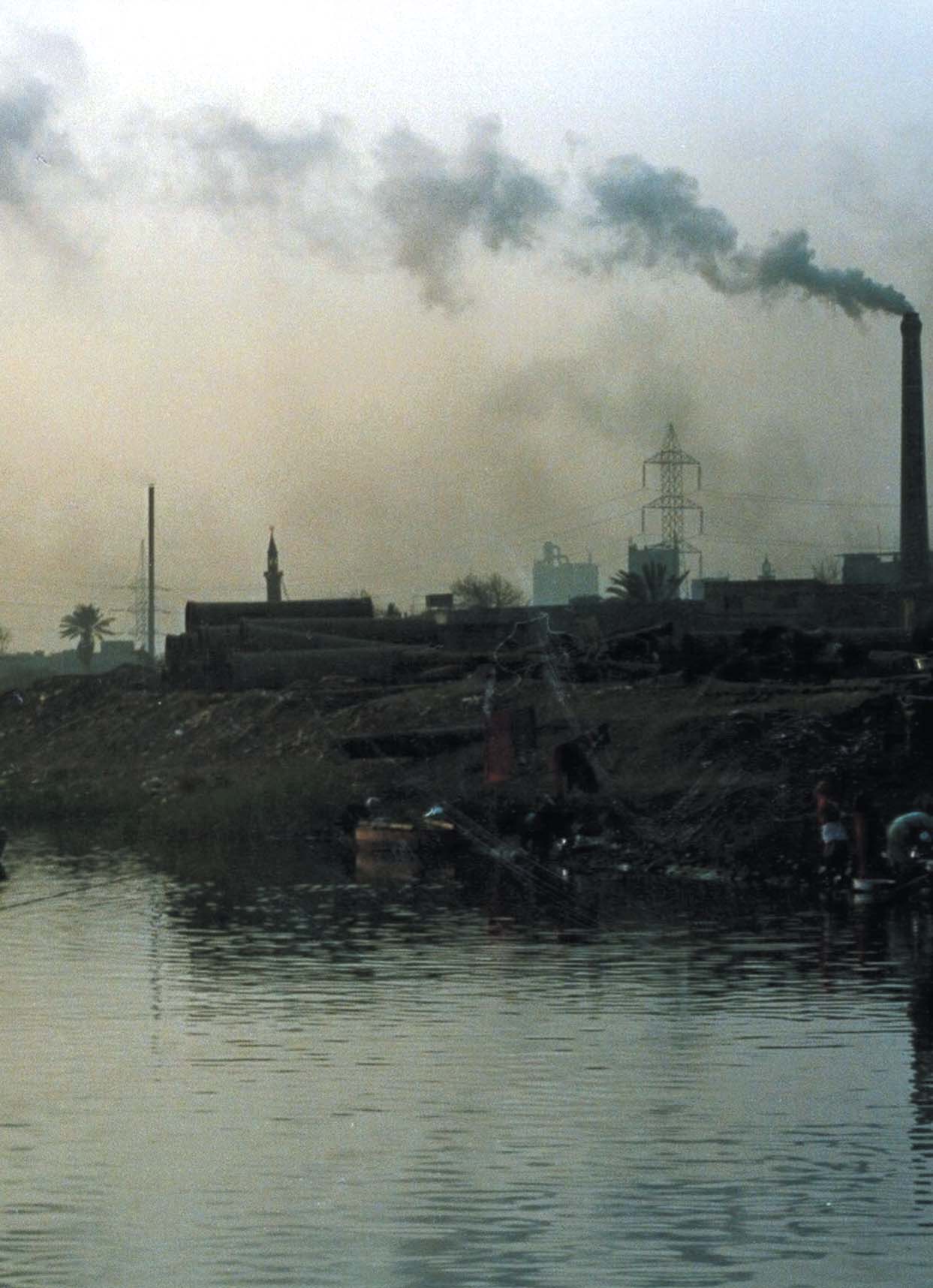
The big polluters:
industry, urban centres and agriculture
10
The WED and the Mediterranean sea
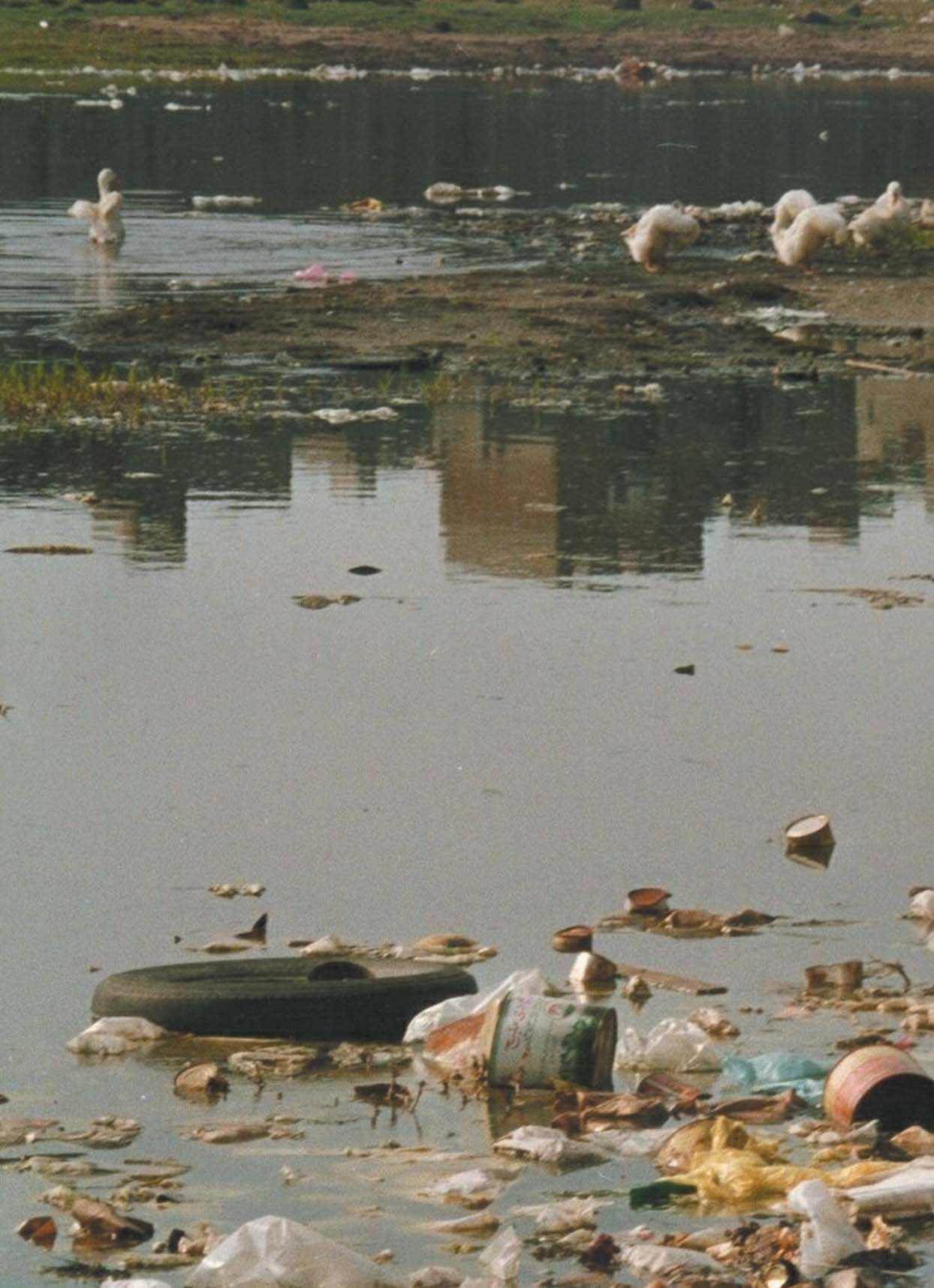
Trashing the Mediterranean:
over 250 kilos of garbage per person per year
12
The WED and the Mediterranean sea
Maritime traffic:
one third of sea-borne trade and
one fourth of oil carried at sea
14
Regional Seas Programme
A Global Initiative for the Regional Seas
15
The MAP and the Media
Biodiversity, high on the agenda
of Mediterranean Journalists
17
Coastal management
Towards a regional protocol on integrated
coastal management
18
Cinema and the Environment
Eco-Cinema Festival:
"Summer Lightning" wins the MAP Award
19
MedWaves is published by the Coordinating Unit of the Mediterranean Action Plan in
Arabic, English, and French. It is an informal source of information and it does not neces-
sarily reflect the official point of view of MAP or UNEP.
THE MEDITERRANEAN ACTION PLAN MAGAZINE
issue:52
Contents, except for pictures, may be reproduced without permission and only for non-
commercial use. Credit to the source, however, is required. The publisher would appreci-
Editor-in-Chief: Baher Kamal, baher@unepmap.gr
ate receiving a copy of any publication that uses MedWaves' news, articles and interviews.
Coordination: Natasha Vergiris
The designation of geographical entities and the presentation of the material do not imply
Creative: Marmatakis/Papanagiotou, apapana@panafonet.gr
the expression of any opinion whatsoever on the part of the publisher, concerning the legal
Cover photo: A. Demetropoulos
status of any country, territory or area, of its authorities frontiers or boundaries.
Photography: A. Demetropoulos, G. Rossidis
Printing: Kontorousis Bros., info@kontorousis.gr
ISSN 1105-4034
UNITED NATIONS ENVIRONMENT PROGRAMME
MEDITERRANEAN ACTION PLAN
Mediterranean Action Plan
3
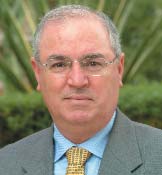
New MAP Coordinator:
Paul Mifsud, from Malta
Mr Mifsud, who took office on 11th
Since 1999 he has been Malta's representative at the meet-
May, has been appointed by the UN
ings of the MAP Focal Points and sat on the Mediterranean
Secretary-General as Coordinator of
Commission for Sustainable Development.
the Athens-based Secretariat to the
Barcelona Convention for the Protection
He also participated at the UNEP Governing Council and
of the Mediterranean Sea against pol-
Global Ministerial Environment Forum in Kenya in 2001 and
lution, signed in 1975 by 16 countries
2003. More recently, he organized the Conference of the
and the European Community.
Plenipotentiaries for the signing of the New Emergency
Protocol on Pollution from Ships (Malta, January 2003).
Currently, the Contracting Parties to this Convention are 21
countries and the European Union.
During Malta's EU accession process, Mr. Mifsud was
responsible for the screening exercise of the EU Environmental
Before taking office as MAP Coordinator, Mr Mifsud was the
Acquis and subsequently for all the technical preparations dur-
Permanent Secretary at the Ministry for Resources and
ing the negotiations stage of the second most difficult chapter
Infrastructure of Malta.
after agriculture.
During his 36 years in the public service, Mr. Mifsud has
He also participated at a number of Informal EU and
held several leading headship positions including Director of
Accession Countries Environment Ministers' meetings in
Information (1982-1988), Airport Manager (1988-1991), Chief
Brussels and represented the Ministry for the Environment on
Executive Officer of the Mediterranean Conference Centre
the European Policy Review Group (EPRG) of DG Environment.
(1991-1996), Director General Courts of Justice (1996-1998)
and Permanent Secretary since 1998, first in the Ministry for
He negotiated Malta's membership of the European
Public Works and Construction, subsequently in the Ministry
Environment Agency and was subsequently appointed as
for the Environment and lately in the Ministry for Resources
Malta's first representative on the Agency's Management
and Infrastructure.
Board.
In 1997 he was the Head of the Press Office attached to the
Mr. Mifsud participated also in a number of Euro-
Euro-Mediterranean Foreign Ministers' Meeting in Malta.
Mediterranean meetings and seminars on environmental mat-
ters. In May 2002, he chaired the technical meeting in Malta in
At the Ministry for the Environment of Malta, Mr. Mifsud was
preparation of the Second Euro-Mediterranean Environment
deeply involved in the work of the Mediterranean Action Plan
Ministers' Meeting (Athens, August 2001).
and was responsible for the organization of the 11th
Conference of the Contracting Parties in Malta in 1999.
Between 1990 and 1994 Mr. Mifsud studied Diplomacy and
Politics at the University of Malta.
Between 1999 and 2001 he assisted the then Minister for
the Environment of Malta, in his capacity as President of the
He is married to Victoria bee Brincat and they have two
Bureau of the Contracting Parties, in the organization of the
sons, Stanley and Patrick.
work of the Bureau.
World Environment Day
4
Wanted! Seas and Oceans
Dead or Alive?
The World Environment Day (WED), commemorated each year on 5 June, is one of the principal
vehicles through which the United Nations stimulates worldwide awareness on the environ-
ment and enhances political attention and action.
The WED theme selected for 2004 is Wanted! Seas and
ing, as well as recycling and clean-up campaigns.
Oceans Dead or Alive? (www.unep.org/wed/2004). The main
international celebrations of the WED 2004 will be held in
The WED event, celebrated around the globe each year on
Barcelona, Spain in close collaboration with the Universal
or around 5 June, will take place during the nearly five-month
Forum of Cultures.
long Universal Forum of Cultures, characterized by a wealth
of ambitious and innovative environmental ideas, technolo-
The agenda is to give a human face to environmental
gies and infrastructure developments.
issues; empower people to become active agents of sustain-
able and equitable development; promote an understanding
Visitors to Barcelona can see the huge, 10,500 square-
that communities are pivotal to changing attitudes towards
metre solar power plant located at the heart of the Forum. The
environmental issues; and advocate partnership, which will
1.3 MW of clean, green electricity generated is enough to
ensure all nations and peoples enjoy a safer and more pros-
meet the needs of a town of 1,000 inhabitants.
perous future.
Other innovative developments include a pneumatic rub-
World Environment Day is a people's event with colourful
bish collection system that will take waste generated by the
activities such as street rallies, bicycle parades, green con-
Forum and WED from intakes around the city through an
certs, essays and poster competitions in schools, tree plant-
underground network to a processing and recycling centre.
World Environment Day
5
Fifty key facts about Seas and Oceans
1.
Oceans cover 70 per cent of the Earth's surface.
2.
More than 90 per cent of the planet's living biomass is found in the oceans.
3.
Eighty per cent of all pollution in seas and oceans comes from land-based activities.
4.
Forty per cent of the world's population lives within 60 kilometres of a coast.
5.
Three-quarters of the world's megacities are by the sea.
6. By 2010, 80 per cent of people will live within 100 kilometres of the coast.
7. Death and disease caused by polluted coastal waters costs the global economy US$12.8 billion a year. The annual eco-
nomic impact of hepatitis from tainted seafood alone is US$7.2 billion.
8.
Plastic waste kills up to 1 million sea birds, 100,000 sea mammals and countless fish each year.
9.
Sea creatures, killed by plastic, decompose -- the plastic does not. Plastic remains in the ecosystem to kill again and again.
10. Harmful algal blooms, caused by an excess of nutrients -- mainly nitrogen from agricultural fertilizers -- have created
nearly 150 coastal deoxygenated `dead zones' worldwide, ranging from 1 to 70,000square kilometres.
11. An estimated 21 million barrels of oil run into the oceans each year from street run-off, effluent from factories, and from
ships flushing their tanks.
12. Over the past decade, an average of 600,000 barrels of oil a year has been accidentally spilled from ships, the equivalent
of 12 disasters the size of the sinking of the oil tanker Prestige in 2002.
13. Oil tankers, transport 60 per cent (approximately 2,000 million tons) of oil consumed in the world.
14. More than 90 per cent of goods traded between countries are transported by sea.
15. Each year 10 billion tons of ballast water is transferred around the globe and released into foreign waters.
16. Ballast water often contains species -- such as the zebra mussel and comb jellyfish -- that can colonize their new environment
to the detriment of native species and local economies.
s
idi
s
s
o
G. R
World Environment Day
6
17. Pollution, exotic species and alteration of coastal habitats are a growing threat to important marine ecosystems such as
mangroves, seagrass beds and coral reefs.
18. Tropical coral reefs border the shores of 109 countries, the majority of which are among the world's least developed.
Significant reef degradation has occurred in 93 countries.
19. Although coral reefs comprise less than 0.5 per cent of the ocean floor, it is estimated that more than 90 per cent of marine
species are directly or indirectly dependent on them.
20. There are about 4,000 coral reef fish species worldwide, accounting for approximately a quarter of all marine fish species.
21. The Great Barrier Reef, measuring 2,000 kilometres in length, is the largest living structure on Earth. It can be seen from
the Moon.
22. Reefs protect human populations along coastlines from wave and storm damage by serving as buffers between oceans
and near-shore communities.
23. Nearly 60 per cent of the world's remaining reefs are at significant risk of being lost in the next three decades.
24. The major causes of coral reef decline are coastal development, sedimentation, destructive fishing practices, pollution,
tourism and global warming.
25. Climate change threatens to destroy the majority of the world's coral reefs, as well as wreak havoc on the fragile
economies of Small Island Developing States.
26. Average sea level has risen between 10 and 25 centimetres in the past 100 years. If all the world's ice melted, the oceans
would rise by 66 metres.
27. Sixty per cent of the Pacific shoreline and 35 per cent of the Atlantic shoreline are receding at a rate of one metre a year.
28. The phenomenon of coral bleaching is a major threat to coral health. In 1998, 75 per cent of the world's reefs were affected
by coral bleaching. Sixteen per cent died.
29. The Plan of Implementation adopted at the World Summit on Sustainable Development (WSSD) calls for a global marine
assessment by 2004 and the development of a global network of marine protected areas by 2012.
30. Less than one half a per cent of marine habitats are protected -- compared with 11.5 per cent of global land area.
31. The High Seas -- areas of the ocean beyond national jurisdiction -- cover almost 50 per cent of the Earth's surface. They
are the least protected part of the world.
32. Although there are some treaties that protect ocean-going species such as whales, as well as some fisheries agreements,
there are no protected areas in the High Seas.
33. Studies show that protecting critical marine habitats -- such as warm- and cold-water coral reefs, seagrass beds and man
groves -- can dramatically increase fish size and quantity, benefiting both artisanal and commercial fisheries.
World Environment Day
7
34. Ninety per cent of the world's fishermen and women operate at the small-scale local level, accounting for over half the
global fish catch.
35. Ninety-five per cent of world fish catch (80 million tons) is from near-shore waters.
36. More than 3.5 billion people depend on the ocean for their primary source of food. In 20 years, this number could double
to 7 billion.
37. Artisanal fishing communities, who harvest half the world's fish catch, are seeing their livelihoods increasingly threatened
by illegal, unregulated or subsidized commercial fleets.
38. More than 70 per cent of the world's marine fisheries are now fished up to or beyond their sustainable limit.
39. Populations of commercially attractive large fish, such as tuna, cod, swordfish and marlin, have declined by as much as
90 per cent in the past century.
40. Governments at WSSD agreed, on an urgent basis and where possible by 2015, to maintain or restore depleted fish stocks
to levels that can produce the maximum sustainable yield.
41. The WSSD Plan of Implementation calls for the elimination of destructive fishing practices and subsidies that contribute
to illegal, unreported and unregulated fishing.
42. Government subsidies -- estimated at US$15 to US$20 billion per year -- account for nearly 20 per cent of revenues to
the fishing industry worldwide, promoting excess fishing capacity and encouraging over-fishing.
43. Destructive fishing practices are killing hundreds of thousands of marine species each year and helping to destroy
impotant undersea habitats.
44. Each year, illegal longline fishing, which involves lines up to 80 miles long, with thousands of baited hooks, kills over
300,000 seabirds, including 100,000 albatrosses.
45. As many as 100 million sharks are killed each year for their meat and fins, which are used for shark fin soup. Hunters typically
catch the sharks, de-fin them while alive and throw them back into the ocean where they either drown or bleed to death.
46. Global by-catch -- unintended destruction caused by the use of non-selective fishing gear, such as trawl nets, longlines
and gillnets -- amounts to 20 million tons a year.
47. The annual global by-catch mortality of small whales, dolphins and porpoises alone is estimated to be more than 300,000
individuals.
48. Fishing for wild shrimp represents 2 per cent of global seafood but one-third of total by-catch. The ratio of by-catch from
shrimp fishing ranges from 5:1 in temperate zones to 10:1 and more in the tropics.
49. Shrimp farming, too, is highly destructive. It causes chemical and fertilizer pollution of water and has been largely responsible
for the destruction of nearly a quarter of the world's mangroves.
50. Mangroves provide nurseries for 85 per cent of commercial fish species in the tropics.
The WED and the Mediterranean sea
8
The Mediterranean:
a (vital) drop in the oceans
The Mediterranean Sea covers more than 2,5 million km2, its coastline is over 46.000 km long,
and its volume is 3.700km3. Still, the Mediterranean is just a drop in the oceans: only 0,7 per-
cent of all salt water.
This drop in the oceans that is the Mediterranean sea has
There is also a direct impact of effluents from industry that
always had a decisive impact on the history of humankind and
cause pollution problems at the site level (large commercial
has witnessed the splendour of many ancient civilizations.
harbours, heavy industrial complexes) and contribute to the
generation of so-called "hot spot" areas.
But the Mediterranean sea is sick. It is under the intensive
pressures of all sorts of pollution both from land and from
Some 60 petrol refineries dump into the sea nearly 20.000
maritime activities.
tonnes of petrol per year.
The use of chemical products in agriculture generates runoffs
Just some hints: Mediterranean coastal countries have a
containing pesticides, nitrates and phosphates.
population of nearly 425 million, out of which 150 million live
on its coasts. Add to this some 170 million tourists visiting the
The Mediterranean sea is also under pressure from intense
Mediterranean each year.
maritime activities: 30% of international sea-borne trade volume
originates or is directed to its ports (its is estimated that 50%
This demographic concentration on the Mediterranean shores
of all goods carried at sea are dangerous to some degree), and
takes place on only one 40% of its coasts that is considered
28% of the world's sea-borne oil traffic transits the
useful for human activities, due to the absence of large planes,
Mediterranean.
the relatively small good agricultural land available, the high
number of ports and harbours, tightly hemmed between sea
Moreover, the Mediterranean sea witnesses some 200 000
and rock, and the few broad fluvial basins.
crossings per year, 2.000 ships at any one time (of which up to
300 tankers).
Some 48% urban centres lack of sewage treatment facilities.
Also related to this maritime traffic, the introduction of alien
Around 80% of wastewater is disposed of in the sea untreated.
species via ballast waters of ships, apart from accidental escape
into estuaries and the sea, can often be an unknown threat to
In addition, industrial activities are a key source of pollu-
Mediterranean marine species.
tion, coming mainly from the chemical/ petrochemical and
metallurgy sectors.
All this takes place in a semi-enclosed sea (with two main
exists: the Gibraltar Strait, approximately 14 km wide, and the
Other main industrial sectors in the coastal region are treat-
Suez Canal, only a few meters wide). This implies that its
ment of wastes and solvent generation, surface treatment of
waters need a long time to be renewed through inflows from
metals, production of paper, paints and plastics, dyeing and
other oceans: between 80 years and 150 years according to
printing and tanneries.
scientific estimates.
The WED and the Mediterranean sea
9
s
idi
s
s
o
G. R
The WED and the Mediterranean sea
10
The big polluters: industry,
urban centres and agriculture
With more than 200 petrochemical and energy installa-
foresee a certain decline during the 21st century of the
tions, chemical industries and chlorine plants, and over 80
heavy industries in the Northern shores (which now account
major rivers carrying heavy loads of pollution from inland,
for 87 per cent of the total of the region), that is balanced by
the Mediterranean basin is now showing an advanced state
an expected strong growth in the South Mediterranean
of deterioration.
countries.
Perhaps first among the environmental problems of the
Also cement production, again expected to decline in the
region is the inadequate treatment of municipal wastewaters.
North, will witness a 150 per cent increase in the South.
Until today, a mere 55 per cent of the coastal cities is served
by treatment plants which means that a load of more than
Without touching the issue of accidental spills of petro-
three billion m3 of untreated water enters the sea every year.
leum hydrocarbons due to accidents at sea a danger per-
manently present in the Mediterranean that has the largest
In addition to the risks of microbiological nature, untrea-
traffic density of tankers of the globe-, routine discharges can
ted wastewaters carry large amounts of nutrients of human
account for very large amounts of petroleum regularly dis-
origin (phosphorus and nitrogen) which cause in conjunc-
charged into the sea.
tion with the nutrients deriving from uncontrolled agricultural
practices diffuse eutrophication phenomena (enhanced
A partial survey covering only six countries revealed that
production of micro algae leading to a series of chain effects
12,5 metric tones of oil processed per million were dischar-
culminating in depletion of oxygen).
ged every year from only 13 refineries.
Industrial pollutants impact the Mediterranean basin
Although partially connected to the problems described
through air emissions, solid wastes and wastewaters.
until now, agriculture merits a separate consideration, as it is
believed to be the largest non-point contributor of pollutants
Concerning industrial wastewaters, it was calculated that
to the Mediterranean.
66 million m3 of untreated waters containing nutrients, phe-
nols, mercury, lead, chromium, zinc and mineral oils, enter
In the catchments basin of the Mediterranean and along
directly into the sea every year.
the coastal zones, particularly in the South, there is in fact a
strong pressure to use increasing amounts of fertilizers along
Rivers are also important conveyors of industrial pollu-
with the use of pesticides which find their way to the sea
tants (13 per cent of the total load of industrial wastewaters
directly through run-off water and, indirectly, through
is discharged into rivers) which include Persistent Organic
groundwater, wetlands and rivers in the form of sediment
Pollutants (POPs), such as Poly Chlorinated Biphenyls (PCBs)
and chemical loads.
used basically in cooling systems, some neon lamps, etc
and several pesticides, that are toxic organic substances,
A global picture therefore that makes it clear that urgent
"time-resistant" and thus very dangerous for humans.
and pointed interventions are needed.
The industrial development prospects of the region,
First of all, there was the need to quantify with precision
which reflect the expected pressure on the environment,
where and how much pollution enters into the sea.
The WED and the Mediterranean sea
11
This process, albeit indispensable, is being completed
ses", which is a detailed inventory, as at the year 2003, of all
now by making use of the availability of Governments to pro-
pollution sources including types and amounts of releases.
vide data and information. As a result, in the framework of
This inventory is expected to represent the reference point for
the implementation of the MAP Strategic Action Programme
the follow-up of the pollution reductions expected to be
(SAP) targeted at reducing pollution from land-based sour-
implemented by the countries, through their commitment by
ces, for which Governments are committed to operate con-
the adoption of the SAP.
crete reductions of pollution emissions and releases, an
amount of essential information is being collated.
The other document being prepared by the countries is a
national diagnostic analysis of problems and issues leading
First of all, a full list of pollution hot-spots was prepared,
to the identification of priority interventions.
integrated by data and information, which is regularly revised
to ensure the possession of real-time data. Similarly, a list
The above work should culminate by the end of 2005 with
describing the status of the sewage treatment plants of the
the preparation of National Action Plans describing in each
region is available and kept continuously up-to-date to iden-
country the ten-year plan, including an investment portfolio,
tify gaps establish potential progress.
which is expected to show how the countries intend to con-
cretely reduce pollution emissions.
In addition, every country is preparing what is called the
"national baseline budget of pollution emissions and relea-
medpol@unepmap.gr
The WED and the Mediterranean sea
12
Trashing the Mediterranean:
over 250 kilos of garbage
per person per year
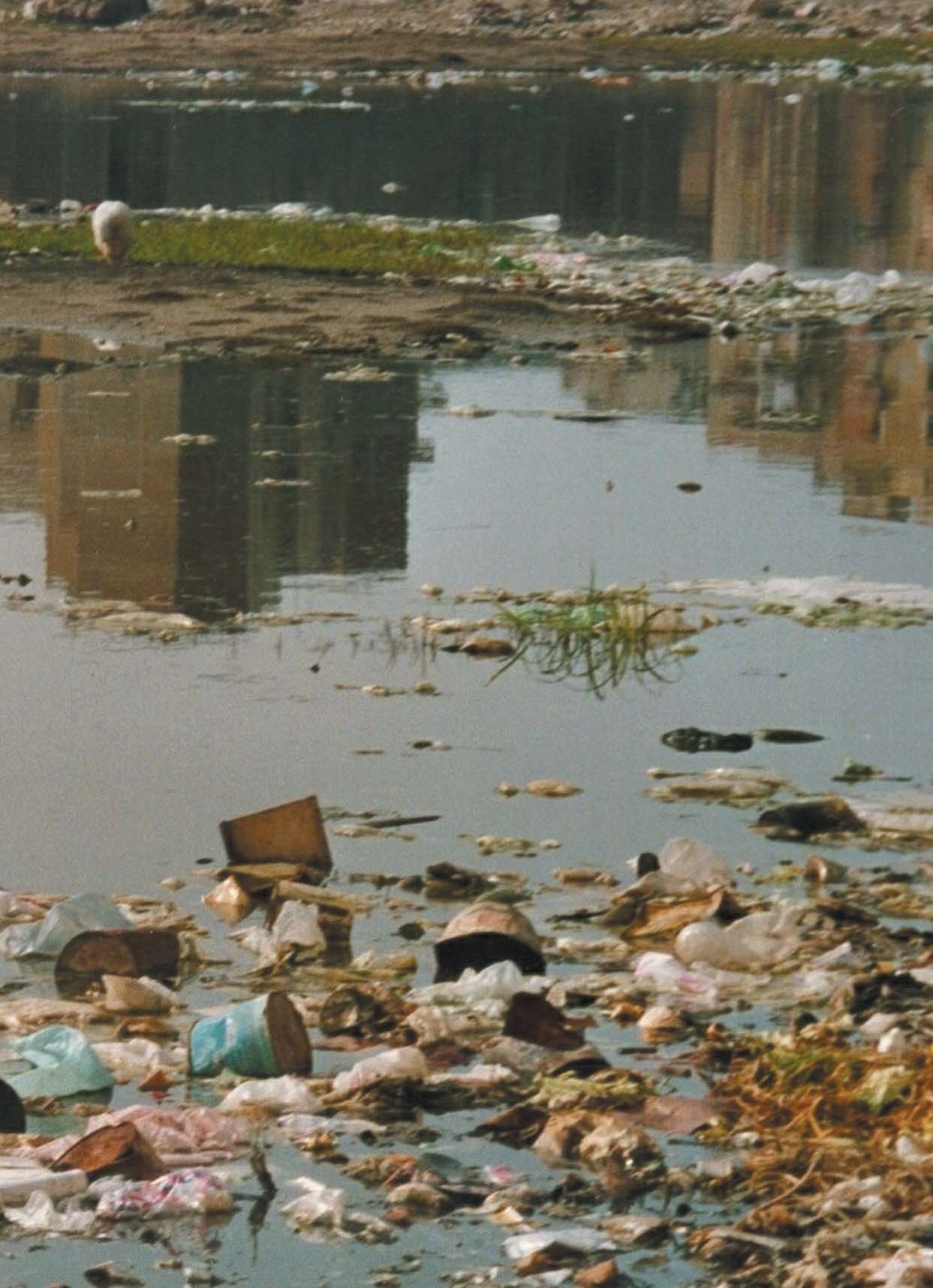
Pollution caused by the direct or indirect discharge of solid waste and litter into the sea, espe-
cially plastic packaging, is a significant cause of degradation of the land, marine coastal fringe
and aquatic life in the Mediterranean.
Municipal solid waste includes, among others, household
ñ between 1-50% of waste is landfilled,
trash, organic waste from food, paper, plastic, and bottles.
ñ merely 1-20% of waste is recovered (recycling, compost-
The generation of solid waste in the Mediterranean region is
ing, etc),
estimated to be, in average, 254 kg per person per year, with
ñ between 3-50 US dollars per ton are spent by the govern-
an annual growth of 2-3%.
ments to deal with this problem.
In the Mediterranean, plastic alone accounts for 75% of
Additional hints:
the waste on the sea surface and the seabed. Non-biodegra-
ñ The random sitting of waste dumps close to the sea shore
dable plastic and tar balls build up on beaches in the whole
facilitates the transfer of solid wastes into the marine envi-
of the Mediterranean coast.
ronment during sea storms.
ñ Few disposal sites in the region meet accepted standards,
Data from the MAP/MED POL Programme for the Assess-
due to poor design, lack of technical capacity, and operational
ment and Control of Pollution in the Mediterranean region,
budget.
and from other sources in the region show that around 30-
ñ Composting of waste is a major component of management
40 million tonnes of municipal solid waste of coastal origin
of solid waste systems in many countries.
are generated annually. It is also estimated that 30-50%
ñ In general recycling is undertaken largely by the informal
could reach the Mediterranean sea from illegal dumping
sector.
sites.
ñ Biomedical wastes in particular are frequently mixed with
other solid wastes.
The inadequate management of solid waste in the region
reveals that:
Municipal Solid Waste Management is one of the most
ñ 30-95% of the waste is collected by services in urban
serious environmental concerns in urban areas, especially in
areas,
view of its adverse effects.
The WED and the Mediterranean sea
13
The proximity of the land and the control of litter exercised
posal site in Tunis costs approximately Euro 50/ton.
from the land, together with concerns regarding visual pollu-
tion, mean that this waste should receive the greatest atten-
What to do? The elements available for managing waste
tion, as it is harmful for beaches, ports and coastal zones,
streams are, in order of priority:
aquatic life and human health problems.
ñ reduction at source;
ñ recycling and reclamation; and
The costs of solid waste management vary greatly: gene-
ñ sub-surface containment "dumping" and other methods of
rally, waste management systems that comprise simply
elimination (incineration and other treatment techniques)
collection and disposal in dumps cost in the range of Euro 5-
should be reconsidered when dealing with coastal urban
20/ton. Solid waste management recurrent costs are a major
centres.
component of municipal budgets, typically comprising in the
order of 10 - 30 percent of annual municipal expenditures.
The benefits of recycling need no further emphasis:
ñ it permits a reduction in waste streams to be treated, thereby
Some examples:
helping to lower the cost of treatment,
ñ Euro 100/ton are paid in Beirut, Lebanon, to manage waste
ñ it prevents overloading of waste dumps and extends their
through a complex system (street sweeping, collection,
life cycle;
sorting, composting, baling, wrapping and landfilling);
ñ it preserves natural raw material resources;
ñ a private contractor in Alexandria, Egypt, is charging the
ñ it decreases the volume of imports; and
equivalent of approximately Euro 15/ton of waste for an
ñ it generates jobs.
integrated service combining street sweeping, collectionand
medpol@unepmap.gr
landfilling, together with transportation; and
ñ a system that combines public and private sector waste
collection service and disposal at a semi-controlled dis-
The WED and the Mediterranean sea
14
Maritime traffic:
1/3 of sea-borne trade and
1/4 of oil carried at sea
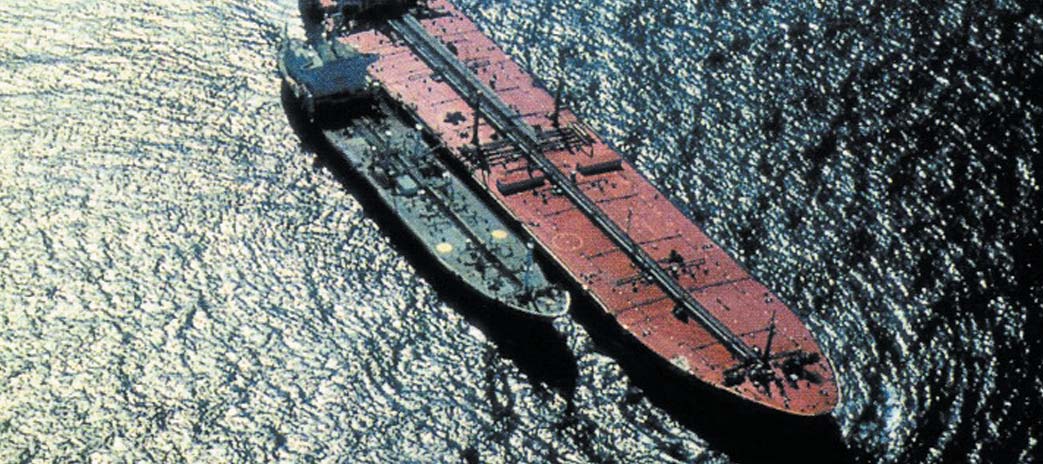
With 30% of all international sea-borne trade volume originated from or directed to its ports or
passing through its waters, and nearly 25% of the world's sea-transported oil transiting it,
maritime traffic is among the key causes of pollution of the Mediterranean sea.
According to estimates, 2,000 merchant vessels of over
represents only 0,7% of all oceans and seas on Earth, are
100 tons are at sea at any moment, with a total of 200,000
numerous.
crossing the Mediterranean annually.
On the one hand, it is estimated that 50% of all good
The traffic is particularly congested in the narrow passages
carried at sea are dangerous to some degree.
through which ships enter and exit the Mediterranean sea.
Some of the hazardous and noxious substances, usually
This is the case of the Straits of Gibraltar, with around 14
referred to as chemicals, are far more dangerous than oil.
kilometres width, through which it is estimated that 80,000
However, the quantities of these products transported by sea
vessels transit annually.
are only a fraction of the volume of oil carried by tankers.
The Suez Canal, only a few meters wide, witnesses over
On the other hand, operational oil pollution from ships
14,000 transits per year according to these estimates.
encompasses a variety of discharges of oil and oily mixtures
that are generated on board.
The Canakkle Straits/Sea of Marmara/Istanbul Straits com-
plex is another example of maritime traffic congestion.
This includes oil inputs into the sea both from cargo spaces
and from machinery spaces, comprising oily ballast waters,
The impacts of this heavy maritime traffic in this sea that
tank washing residues, fuel oil sludge and bilge discharges.
C
REMPE
Regional Seas Programme
15
A Global Initiative
for the Regional Seas
The Regional Seas Programme (RSP) was created in 1974 in the wake of the United Nations
Conference on Human Environment, held in Stockholm in 1972. For the last 30 years the RSP
has aimed at addressing the accelerating degradation of the world's oceans and coastal areas
through the sustainable management and use of the marine and coastal environment
By engaging neighbouring countries, on a regional
rities of the various RSPs based on the principles of sustaina-
scale, to protect their coastal and marine environment, the
ble development and protection of oceans, seas and coas-
RSP has grown from strength to strength.
tal areas and its resources (Chapter 17, Agenda 21 and
WSSD Plan of Implementation). The RSPs have identified
There are now 140 countries participating, in 18
their major concerns and priorities as:
regions. The Black Sea, Caribbean, East Africa, East Asia,
ñ Land-based sources of marine pollution, with particular
the Kuwait Convention region, Mediterranean, North-East
emphasis on municipal wastewater;
Pacific, North-West Pacific, Red Sea and Gulf of Aden,
ñ Ship-generated marine pollution, oil spill preparedness
South Asia, South-East Pacific, South Pacific and West and
and response, and construction of port reception facili-
Central Africa were established under UNEP auspices.
ties for ships' wastes;
ñ The impact of increasing urbanization and coastal deve-
Added to these are the five partner programmes for the
lopment of marine and coastal ecosystems, requiring
Antarctic, Arctic, Baltic Sea, Caspian Sea and North-East
capacity-building in support of integrated coastal mana-
Atlantic. Soon to be joining the Regional Seas (RS) family,
gement;
the Upper South-West Atlantic's is under development.
ñ Conservation and management of marine and coastal
ecosystems
through Integrated Coastal
Area
Priorities
Management (ICAM), focusing on the over-exploitation or
The United Nations Conference on Environment and
depletion of living marine resources; and
Development (UNCED, Rio de Janeiro, 1992) and its succes-
ñ
Scientific and technical monitoring, reporting, and
sor the World Summit on Sustainable Development (WSSD,
assessment of the marine environment.
Johannesburg, 2002) had a profound influence on the prio-
Regional Seas Conventions and Action Plans (RSCAPs)
The process of establishing a RSP usually begins with the development of an Action
Plan outlining the strategy and substance of a regionally coordinated programme. From
the start, UNEP consults closely with Governments, regional organizations, international
organizations and regional experts, to ensure that the Action Plans are based on sound
scientific assessments and reflect the region's particular needs and priorities.
In most regions the Action Plan is underpinned with a strong legal framework in the form of a regional convention and asso-
ciated protocols, expressing in clear terms the commitment and political will of governments to tackle their common environ-
mental problems. The RSP is flexible and responsive to changes in the international environmental agenda.
Regional Seas Programme
16
Other areas of concern on which to base future collabo-
activities, including participation in the new process of
ration with Multinational
Environmental
Agreements
the UN General Assembly known as the Global
(MEAs), international organizations and civil society, inclu-
Assessment of the State of the Marine Environment
de an ecosystem-based management approach of living
(GMA) and of the Global International Waters Assessment
marine resources (e.g. fisheries); data and information
(GIWA).
management including the use of sustainable development
indicators; dissemination of best practices; and a multi-
Agenda 21, the WSSD Plan of Implementation and the
sectoral approach to ICAM.
new RS Global Strategy have given the RSP both a manda-
te and a roadmap for the years ahead. The programme's
A New Global Strategy
successes offer a model for future programmes and a
The RS convene regular Global Meetings of the secreta-
yardstick with which to measure our progress.
riats of all the RSPs and partner programmes to discuss
their common interests, set future priorities and forge las-
The RSP provides regional platforms for both the imple-
ting links with one another, with global environmental con-
mentation of the principles of sustainable development
ventions and international organizations.
and for regional implementation of programmes and activi-
ties related to global conventions and MEAS. Given its
Their 5th Global Meeting in November 2003 established
achievements built upon modest resources, the RSP has
the Regional Seas Strategic Directions for 2004-2007. The
given excellent value for money for all of its three decades.
central elements for this new global strategy are as follows:
ñ Commitment: The strategy calls for Member States to
Dr. Ellik Adler
Senior Programme Officer
develop an enhanced sense of `ownership' towards their
UNEP Regional Seas Programme
respective RSPs, leading to stronger political and finan-
cial commitment to their implementation;
ñ Participation: The strategy calls for new partnerships,
increasing participation of civil society and industry in
the development and implementation of the RSPs;
ñ Sustainability: The strategy invites Member States to
give their programmes sound and lasting financial sup-
port;
ñ Partnership: The strategy foresees the use of the RSCAPs
as a platform for the regional implementation of MEAs
and global programmes and initiatives; increased hori-
zontal cooperation between RSCAPs; the strengthening of
links with International Organizations, and participation in
the Barbados Plan of Action on Small Island Developing
States;
ñ Science based and ecosystem based management: The
strategy calls for intensified monitoring and assessment
The MAP and the Media
17
"We hope that other regions
will follow the MAP lead",
Biodiversity, high on the agenda
of Mediterranean Journalists
A Workshop for Mediterranean journalists, organized by the MAP in Cyprus, showed the high
interest of the media in the region on issues related to biodiversity. Thirty articles, many of
them covering full pages, were printed in 13 MAP member countries.
Journalists representing largest newspapers, magazines,
In addition to the discussions that followed each session,
radio and TV stations in Croatia, Cyprus, Egypt, Greece, Italy,
the journalists had a number of interviews with both the
Lebanon, Malta, Morocco, Serbia and Montenegro, Slovenia,
MAP staff, the SPA/RAC Director and the scientists and
Syria, Tunisia, and Turkey, participated in the MAP Workshop
experts that participated.
for Mediterranean Media Professional on Biodiversity.
Upon invitation of the Government of Cyprus, the agenda
During the event, organized by the Mediterranean Action
included a field visit to the Akamas peninsula, during which
Plan in Nicosia, from 11 to 13 March, 19 journalists attended
journalists were briefed on the situation of marine biodiver-
six sessions that included detailed presentations on the sta-
sity in the country.
tus of the environment in the region, the main sources of
pollution, as well as the activities and actions undertaken by
This has been the third major gathering of Mediterranean
the MAP to protect the environment while promoting sustaina-
media professionals organized by the MAP in only ten
ble development.
months.
The presentations included full background on the
In May 2003, a workshop on coastal management and
Barcelona Convention and its Protocols, as well as the works
cleaner industrial production took place in Barcelona, Spain,
of the MAP and its Regional Activity Centres (RACs). The cen-
and was attended by 19 Journalists from 11 countries.
tre dealing with Specially Protected Areas (SPA/RAC), based
in Tunisia, participated in the organization of the workshop.
In November 2003, over 100 Mediterranean media pro-
fessional covered the meeting of the Contracting Parties to
Several scientists made presentations on biodiversity:
the Barcelona Convention, with nearly 250 articles printed.
the MAP SPA/RAC Director, a Tunisian marine biologist (for-
mer scientific director of SPA/RAC), one independent Cypriot
Another workshop, focussing on pollution from land-
marine biologist, and a Senior Official of the Cypriot
based activities and the MAP special programme for redu-
Government.
cing it is scheduled after the summer period.
Demetropoulos
A.
Coastal management
18
For a regional protocol on
integrated coastal management
Cagliari, Italy, hosted on 28-29 May a "Regional
"stock-taking" meeting on ICAM, where all the relevant stake-
Stakeholders Forum on Integrated Coastal Management in the
holders would have the opportunity to express their views.
Mediterranean: Towards a Regional Protocol", held by the
MAP Priority Actions Programme / Regional Activity Centre.
During the Forum, key coastal issues (urbanisation, tourism,
protected areas), and national experiences in implementing
Attended by 200 participants, representing national and
coastal legislation were presented in a critical manner.
local authorities, NGOs, experts, scientists, MAP components
and UN organisations (UNESCO, UNDP, UNIDO, WHO) and the
MAP components (MED POL and RACs) have presented their
World Bank, the Forum counted on the strong support of the
experiences in drafting and implementing existing regional
Italian Ministry of the Environment, the Region of Sardinia, and
protocols. Participants formed 4 working groups, each one
the Province of Cagliari.
representing a specific stakeholder sector: national and local
authorities; NGOs; scientific community; and private sector.
The MAP and its PAP/RAC, as well as most of the nations in
the region, have increased their efforts in introducing
The Forum concluded, among others, that:
Integrated Coastal Area Management (ICAM) as principal tool
ñ a "bottom-up" approach to the preparation of the protocol
for achieving sustainable development in their coastal areas.
should be followed;
ñ duplication and overlaps with existing regional legal ins-
Trying to fill that gap, the Contracting Parties (CPs) have, at
truments should be avoided;
their 13th Meeting in Catania (2003), recommendated to
ñ a minimum of legally binding provisions should be set-up from
"...prepare a draft text of the regional protocol on integrated
the beginning, and more should be phased in progressively;
coastal management, on the basis of a broad process of con-
ñ national experiences and contexts should be taken into
sultation among experts and all other interested parties in
consideration;
view of its consideration by the CPs." To that end, the Regional
ñ implementation mechanisms should be provided;
Forum on ICAM has been envisaged as a first step.
ñ relationship with EU relevant legislation should be set-up;
ñ better involvement of the business sector should be secured.
After the CPs meeting in Monaco (2001), the required
Feasibility Study for the ICAM protocol was prepared. The
The Forum supported a programme of follow-up activities:
study demonstrated the need for a regional legal instrument
ñ setting up of the drafting group (October 2004)
from technical, environmental and legal standpoints, and
ñ meeting of the small technical and legal expert group
puts forward the protocol as the best-suited instrument.
(November 2004)
ñ consultations in countries (February 2005)
Three options were presented: a) A framework protocol; b)
ñ government designated experts' meeting (April 2005)
a more complete and detailed protocol; and c) an interme-
ñ finalisation of the text (May 2005)
diate protocol.
ñ submission to the MAP Focal Points (September 2005)
ñ submission to the Contracting Parties (November 2005)
The 13th meeting recommended to PAP/RAC to draft the
Ivica Trumbic, PAP/RAC Director
text of the protocol and to present it at the 2005 meeting. The
www.pap-thecoastcentre.org
first major action was to organize a broad-based forum, or a
Cinema and the Environment
19
"W
Ec e hope th
o-Cinem at
a Fe other re
stival:
gions
will follow the MAP le
"Summer Lightning" ad",
Ka
wi ka
ns khel
the MAP ward
The UNEP Deputy
The story of a
Ex
Greek ecutive Director
family that own ,
s Shafqat
a small
Kak
hotel ahel, delivered the fo
on the island of Cr
llow
ete, w ing speech at
ith their daily
the
activi-
CoP 1
ties, 3 in Catania:
worries, and even doubts about the usefulness of a life often interrupted by visits from
passing tourists and travelling salesmen.
The film, directed by the Greek Nikos Ligouris, also shows
"the proper restitution of the Mediterranean atmosphere and
the crisis of the 55-year-old head of the family. A one-time olive-
the capacity of the director to keep the intensity as well as the
farmer, he is now having serious doubts about going into tou-
involvement of the public".
rism. His thoughts about the sun and the light, form the centre
of the film. The family spends most of their days sitting in the
The Mediterranean Jury also gave a Special Mention to
shade, waiting, hoping, for tourists and gazing at the sea.
another Greek production: Haravyi (Sunrise) by Giannis
Katsamboulas. According to them, what they appreciated in
When they find a camera someone has left behind, they
his film was "the intensity and density of the direction which
begin to photograph the sea several times a day. Their idea is
successfully managed to include many dimensions, social,
to document the rich variety of light and colours on the water
environmental and psychological, and also the beauty of the
in a "catalogue". At the same time, they hope to snap a sum-
picture".
mer lightning flash, a rare phenomenon, which happens on
the horizon in fine weather and is not followed by thunder.
It is the story of the inhabitants of Haravyi, in Western
They have now collected some 5,000 pictures, but so far wit-
Macedonia, that abandoned their village in 1987 due to the
hout any summer lightning...
spreading of the lignite mines in the greater area. Now the
place is desolated, ruined and surrounded by huge machines.
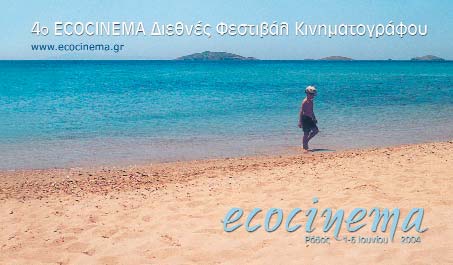
The MAP-sponsored award for the best Mediterranean pro-
An 80 year-old refugee from Pontos (Asia Minor), who refused
duction, was delivered at this 4th edition of the Festival, in
to leave the village, is the protagonist of this film.
which over 100 films participated, took place on the Greek
Island of Rhodes on 1-6 June, coinciding with the celebrations
of the World Environment Day, devoted this year to Oceans and
Seas.
Nikos Ligouris was born in Athens in 1952, studied Law at
the University of Athens and cinema at the Senior Film and
Television School in Munich, Germany. He now lives in Berlin.
The Jury, that selected this film for the MAP prize, stated
that they highly appreciated "the combination of spiritual
approach to the environment and human nature", as well as
United Nations Environment Programme / Mediterranean Action Plan (UNEP/MAP)
48, Vassileos Konstantinou Avenue - 11635 Athens - Greece
Tel: 00 30 210 72 73 100 - Fax: 00 30 210 72 53 196/7
E-mail: unepmedu@unepmap.gr