
C O N T E N T S
> IN THIS ISSUE
THE MEDITERRANEAN ACTION PLAN MAGAZINE
# 5 0 | 2 0 0 3
EDITORIAL
EDITOR
Baher Kamal
> THE BARCELONA CONVENTION, TOWARDS MORE EFFECTIVENESS ................1
baher@unepmap.gr
AUTHORS
CONTRACTING PARTIES
Chedly Rais
> MEDITERRANEAN "ENVIRONMENTAL SUMMIT" IN CATANIA ............................. 2
Francesco Saverio Civili
Arab Hoballah
Ivica Trumbic
BIOLOGICAL DIVERSITY
Víctor Macià
> A STRATEGY TO CONSERVE MARINE AND COASTAL BIODIVERSITY ............... 4
Fouad Abousamra
CREATIVE
MED POL
/fad.hatz
fadhatz@hotmail.com
> TIME TO HALT AND THINK ABOUT THE "SAP" CHANCES ..................................... 6
REPRO
SUSTAINABLE DEVELOPMENT
Kandiloros & Kormaris
kandkorm@otenet.gr
> TOWARDS A MEDITERRANEAN "COMMON VISION"
OFFSET PRINTING
ON SUSTAINABLE DEVELOPMENT ..................................................................................... 8
Kontoroussis Bros.
info@kontorousis.gr
COASTAL MANAGEMENT
I S S N 1 1 0 5 - 4 0 3 4
> NEW LEGAL PERSPECTIVE FOR COASTAL MANAGEMENT ................................. 10
CLEANER PRODUCTION
> DIAGNOSE BEFORE ACTING ................................................................................................ 12
MedWaves is published by
the Coordinating Unit of
the Mediterranean Action Plan
MED POL
in Arabic, English and French.
> POLLUTION WITH NO FRONTIERS, AN ANALYSIS .................................................. 14
It is an informal source of information
and it does not necessarily reflect
the official point of view of MAP or UNEP.
NON GOVERNMENTAL ORGANIZATIONS
Contents, except for pictures,
may be reproduced without permission
> HOW TO BE A GOOD "CITIZEN OF THE ENVIRONMENT" ..................................... 15
and only for non-commercial use.
Credit to the source, however, is required.
The publisher would appreciate
MEDITERRANEAN
receiving a copy of any publication
that uses MedWaves'
> INFORMATION AND PARTICIPATION,
news, articles and interviews.
KEY TO PROTECTING THE ENVIRONMENT .................................................................. 16
The designation of geographical entities
and the presentation of the material
do not imply the expression of any opinion
ECOCINEMA FESTIVAL
whatsoever on the part of the publisher
concerning the legal status of any country,
> "LIKE FOSSILS" WINS MAP AWARD .............................................................................. 17
territory or area, of its authorities,
frontiers or boundaries.
C O V E R P H O T O
UNITED NATIONS ENVIRONMENT PROGRAMME
AUTUMN LEAVES
MEDITERRANEAN ACTION PLAN
by ANDREAS DEMETROPOULOS

E D I T O R I A L
> THE BARCELONA CONVENTION,
TOWARDS MORE EFFECTIVENESS
A F T E R T H E J O H A N N E S B U R G S U M M I T , the Mediterranean
Action Plan is presently facing two main responsibilities:
1. to further elaborate regional strategies for the realization of its main objectives;
2. to take steps towards the effective implementation of the legal obligations
under the Barcelona Convention and its Protocols.
The 13th Meeting of the Contracting Parties is to adopt a regional strategy for
L U C I E N C H A B A S O N
C O - O R D I N A T O R ,
marine and coastal biodiversity and launch the preparation of a regional strategy for
M E D I T E R R A N E A N A C T I O N P L A N
the implementation of the new "Protocol Concerning Cooperation in Preventing
Pollution from Ships and, in Cases of Emergency, Combating Pollution of the Medi-
terranean Sea" aiming at avoiding maritime accidents in the Mediterranean and pro-
viding the means for reducing voluntary pollution from ships.
It will also launch the preparatory process for a regional instrument on sustain-
able coastal zone management and, finally, it will adopt regional orientations for sus-
tainable development in the Mediterranean.
As the amended Barcelona Convention and its new or revised Protocols are to
enter into force soon (two ratifications are still missing as at October 2003), the time
has come to set up the basis for an effective implementation of its provisions.
The process will be based on:
> the reporting system to be adopted in Catania;
> the monitoring and compliance mechanism;
> the preparation of national plans to implement the Strategic Action Program
for the reduction of pollution from land-based sources;
> the adoption of a programme budget for 20042005 with a view to more effi-
cient support to countries for the implementation of the Convention;
> the development of GEF and MEDA projects aiming at supporting specific
activities in relation to the Convention and its Protocols.
It is expected that the reorientation of the MCSD work programme will be help-
ful in relation with the crucial issue of financing the environmental infrastructure and
building the national and local capacities.
Finally let's remember that the success of the MAP is mainly depending on:
> the commitment by the countries;
> the participation of NGOs, the public and the media;
> the involvement of the scientific and academic community, private sector
and local authorities;
> finally, the cooperation with the European Commission and the international
organizations sharing the same objectives and working in the Mediterranean
region.
1
C O N T R A C T I N G P A R T I E S
> MEDITERRANEAN "ENVIRONMENTAL SUMMIT" IN CATANIA
Ministers and Senior Officials responsible
for the environment in 21 Mediterranean countries
and the European Union celebrate
Co-organised by the Mediterra-
nean Action Plan (MAP) and the
Italian Ministry for Environ-
ment and Safeguard of the Territory, the
an "environmental summit" this November, in Catania, Italy,
Meeting of the Contracting Parties in
on the occasion of the 13th Ordinary Meeting
Catania, which will take place on 1114
of the Contracting Parties to the Barcelona Convention.
November, will assess the activities car-
A Ministerial Declaration is expected to focus,
ried out by the MAP over the biennium
among others, on the protection of marine
20022003 and decide upon actions to
be followed for the period 20042005 as
and coastal biodiversity, the further reduction
well as the related budget. Delegations
of pollution from land based sources,
of MAP partners, both intergovern-
the prevention of maritime accidents, and the boosting
mental and non-governmental, will also
of sustainable development in the region.
participate.
>> STATUS OF SIGNATURES AND RATIFICATIONS as available at the MAP Secretariat on 22.10.2003
BARCELONA
DUMPING
EMERGENCY
NEW PREVENTION AND
CONVENTION
PROTOCOL
PROTOCOL
EMERGENCY PROTOCOL
Convention for the Protection
Protocol for the Prevention
Protocol concerning
Protocol concerning
of the Mediterranean Sea
of Pollution of the Mediterranean Sea
Co-operation
Co-operation
against Pollution
by Dumping from Ships and Aircraft
in Combating Pollution
in Preventing Pollution
of the Mediterranean Sea
from Ships and,
by Oil and other
in cases of Emergency,
Harmful Substances
Combating Pollution
in cases of Emergency
of the Mediterranean Sea
Adopted:
16.02.1976 (Barcelona)
16.02.1976 (Barcelona)
16.02.1976 (Barcelona)
25.01.2002 (Malta)
Entry into force:
12.10.1978
12.10.1978
12.10.1978
(Amendments are not yet in force)
CONTRACTING PARTIES
Signature
Ratification Acceptance of
Acceptance of
Amendments
Signature
Ratification
Signature
Ratification
Signature
Ratification
Amendments
Albania
--
30.05.90/AC
26.07.01
--
30.05.90/AC
26.07.01
--
30.05.90/AC
--
--
Algeria
--
16.02.81/AC
--
--
16.03.81/AC
--
--
16.03.81/AC
25.01.02
--
Bosnia & Herzegovina
--
01.03.92/SUC
--
--
01.03.92/SUC
--
--
01.03.92/SUC
--
--
Croatia
--
08.10.91/SUC
03.05.99
--
08.10.91/SUC
03.05.99
--
08.10.91/SUC
25.01.02
13.06.03***
Cyprus
16.02.76
19.11.79
18.07.03
16.02.76
19.11.79
18.07.03
16.02.76
19.11.79
25.01.02
--
European Community
13.09.76
16.03.78/AP
12.11.99
13.09.76
16.03.78/AP
12.11.99
13.09.76
12.08.81/AP
25.01.02
--
Egypt
16.02.76
24.08.78/AP
11.02.00
16.02.76
24.08.78/AP
11.02.00
16.02.76
24.08.78/AP
--
--
France
16.02.76
11.03.78/AP
16.04.01
16.02.76
11.03.78/AP
16.04.01
16.02.76
11.03.78/AP
25.01.02
02.07.03
Greece
16.02.76
03.01.79
10.03.03
11.02.77
03.01.79
--
16.02.76
03.01.79
25.01.02
--
Israel
16.02.76
03.03.78
--
16.02.76
01.03.84
--
16.02.76
03.03.78
22.01.03
--
Italy
16.02.76
03.02.79
07.09.99
16.02.76
03.02.79
07.09.99
16.02.76
03.02.79
25.01.02
--
Lebanon
--
08.11.77/AC
--
16.02.76
08.11.77/AC
--
16.02.76
08.11.77/AC
--
--
Libya
31.01.77
31.01.79
--
31.01.77
31.01.79
--
31.01.77
31.01.79
25.01.02
--
Malta
16.02.76
30.12.77
28.10.99
16.02.76
30.12.77
28.10.99
16.02.76
30.12.77
25.01.02
18.02.03
Monaco
16.02.76
20.09.77
11.04.97
16.02.76
20.09.77
11.04.97
16.02.76
20.09.77
25.01.02
03.04.02
Morocco
16.02.76
15.01.80
--
16.02.76
15.01.80
05.12.97
16.02.76
15.01.80
25.01.02
--
Slovenia
--
15.03.94/AC
08.01.03
--
15.03.94/AC
08.01.03
--
15.03.94/AC
25.01.02
--
Spain
16.02.76
17.12.76
17.02.99
16.02.76
17.12.76
17.02.99
16.02.76
17.12.76
25.01.02
--
Syria
--
26.12.78/AC
*
--
26.12.78/AC
--
--
26.12.78/AC
25.01.02
--
Tunisia
25.05.76
30.07.77
01.06.98
25.05.76
30.07.77
01.06.98
25.05.76
30.07.77
25.01.02
--
Turkey
16.02.76
06.04.81
18.09.02
16.02.76
06.04.81
18.09.02
16.02.76
06.04.81
--
20.05.03***
Yugoslavia
--
27.04.92/SUC**
--
--
27.04.92/SUC**
--
--
27.04.92/SUC**
--
--
2
C O N T R A C T I N G P A R T I E S
The meeting is expected to focus on
have been drafted in this context;
streamline the development of MAP
ways to adapt the results of the World
> to adopt the Strategic Action Program
strategy for the prevention of mari-
Summit on Sustainable Development to
to protect the marine and coastal bio-
time accidents within the framework
the Mediterranean region. Participants
diversity;
of the new Malta protocol.
will also bear in mind the regional con-
> to adopt new measures for the imple-
A series of side events, parallel to the
text, and more specifically, the enlarge-
mentation of the protocol on land
meeting, will include regular briefings to
ment of the European Union to some
based sources of pollution aiming at
the media professionals from the region,
Mediterranean countries.
further reducing pollution from
workshops on specific issues such as the
The agenda proposed for the meeting
towns, industry, agriculture, coastal
"Prestige" accident and the need for a
is in line with these concerns:
areas and rivers;
better control in preventing such ecolo-
> to review the preparation for the elabo-
> to adopt a Declaration which among
gically devastating ship accidents, as
ration of the Mediterranean strategy
other important issues will encourage
well as a Event on nutrition, health and
for sustainable development and in
a stronger cooperation between MAP
the environment, and a competition of
particular the orientations which
and the European Commission and
environmental documentaries.
D-BASED SOURCES (LBS)
SPECIALLY PROTECTED SPA & BIODIVERSITY
OFFSHORE
HAZARDOUS WASTES
OCOL
AREAS (SPA) PROTOCOL PROTOCOL
PROTOCOL
PROTOCOL
ol for the Protection
Protocol concerning
Protocol concerning
Protocol for the Protection
Protocol on the Prevention
Mediterranean Sea
Mediterranean
Specially Protected Areas
of the Mediterranean Sea
of Pollution
t Pollution
Specially Protected Areas
and Biological Diversity
against Pollution
of the Mediterranean Sea
and-based Sources
in the Mediterranean
resulting from Exploration
by Transboundary
and Exploitation
Movements
of the Continental Shelf and of Hazardous Wastes
the Seabed and its Subsoil
and their Disposal
AC: Accession
AP: Approval
1980 (Athens)
03.04.1982 (Geneva)
10.06.1995 (Barcelona)
14.10.1994 (Madrid)
01.10.1996 (Izmir)
SUC: Succession
1983
23.03.1986
12.12.1999
*
Syria notified its
acceptance of the
ature
Ratification Acceptance of
Signature
Ratification
Signature
Ratification
Signature
Ratification
Signature
Ratification
amendments to the
Amendments
Barcelona Convention
--
30.05.90/AC
26.07.01
--
30.05.90/AC
10.06.95
26.07.01
--
26.06.01
--
26.07.01
pending notification
from the depositary
--
02.05.83/AC
--
--
16.05.85/AC
10.06.95
--
--
--
01.10.96
--
country.
--
22.10.94/SUC
--
--
22.10.94/SUC
--
--
--
--
--
--
--
12.06.92/SUC
--
--
12.06.92/SUC
10.06.95
12.04.02
14.10.94
--
--
--
**
F.R. of Yugoslavia
notified on 16 July 2002
5.80
28.06.88
12.10.01
--
28.06.88/AC
10.06.95
15.10.01
14.10.94
15.10.01
--
--
its succession to the
5.80
07.10.83/AP
12.11.99
30.03.83
30.06.84/AP
10.06.95
12.11.99
--
--
--
--
Convention and the
--
18.05.83/AC
--
16.02.83
08.07.83
10.06.95
11.02.00
--
--
01.10.96
--
Protocols as above.
The date of succession
5.80
13.07.82/AP
16.04.01
03.04.82
02.09.86/AP
10.06.95
16.04.01
--
--
--
--
is 27.04.92. On 20 March
5.80
26.01.87
10.03.03
03.04.82
26.01.87
10.06.95
--
14.10.94
--
01.10.96
--
2003, UNEP Regional
5.80
21.02.91
--
03.04.82
28.10.87
10.06.95
--
14.10.94
--
--
--
Office for Europe was
5.80
04.07.85
07.09.99
03.04.82
04.07.85
10.06.95
07.09.99
14.10.94
--
01.10.96
--
notified that the newly
reorganised State Union
5.80
27.12.94
--
--
27.12.94/AC
--
--
--
--
--
--
of Serbia and
5.80
06.06.89/AP
--
--
06.06.89/AC
10.06.95
--
--
--
01.10.96
--
Montenegro had become
5.80
02.03.89
28.10.99
03.04.82
11.01.88
10.06.95
28.10.99
14.10.94
--
01.10.96
28.10.99
party by succession to
5.80
12.01.83
26.11.96
03.04.82
29.05.89
10.06.95
03.06.97
14.10.94
--
01.10.96
--
the Barcelona
Convention.
5.80
09.02.87
02.10.96
02.04.83
22.06.90
10.06.95
--
--
01.07.99
20.03.97
01.07.99
--
16.09.93/AC
08.01.03
--
16.09.93/AC
--
08.01.03
10.10.95
--
--
--
*** Turkey and Croatia
notified their
5.80
06.06.84
17.02.99
03.04.82
22.12.87
10.06.95
23.12.98
14.10.94
--
01.10.96
--
ratification of the new
--
01.12.93/AC
--
--
11.09.92/AC
--
--
20.09.95
--
--
--
Emergency Protocol to
5.80
29.10.81
01.06.98
03.04.82
26.05.83
10.06.95
01.06.98
14.10.94
01.06.98
01.10.96
01.06.98
UNEP/MAP pending
--
21.02.83/AC
18.05.02
--
06.11.86/AC
10.06.95
18.09.02
--
--
01.10.96
--
notification from the
depositary country.
--
27.04.92/SUC**
--
--
27.04.92/SUC**
--
--
--
--
--
--
UNEP/MAP
3
B I O L O G I C A L D I V E R S I T Y
> A STRATEGY TO CONSERVE MARINE AND COASTAL BIODIVERS
P. SANCHEZ
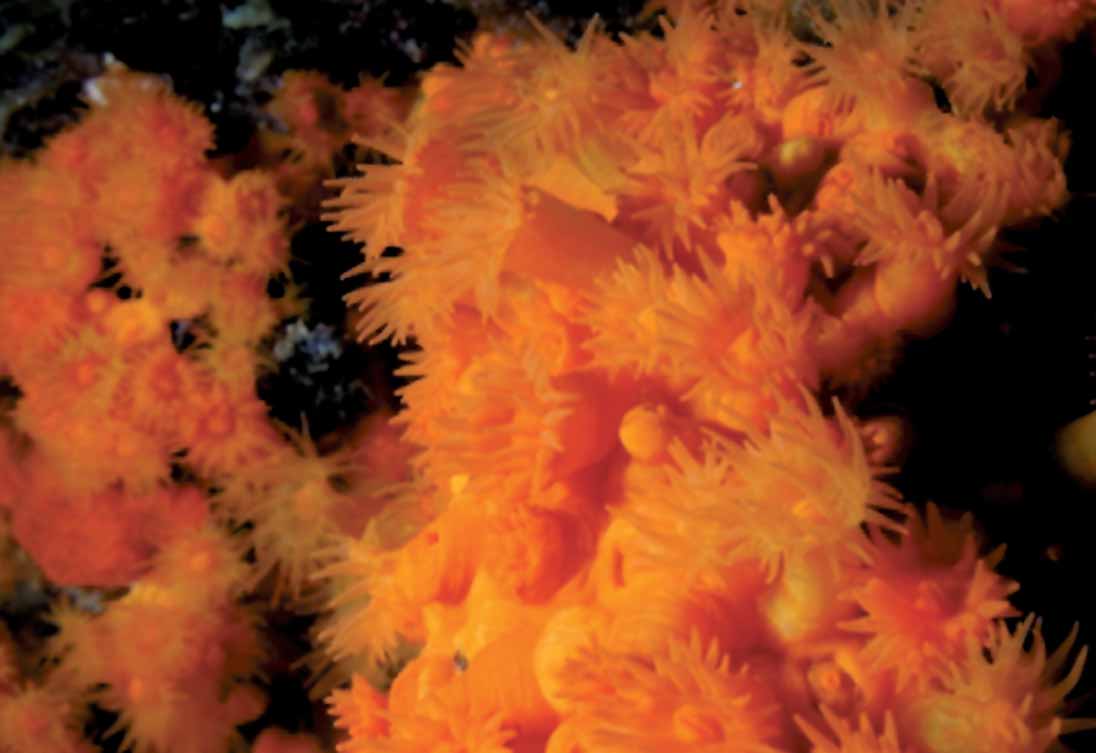
The Mediterranean region witnessed an increasing development of human activities
with an unremitting rate of transformation of ecosystems. The degradation, loss and
fragmentation of natural habitats are common phenomena in many Mediterranean areas.
However, the nature and extent of the threats to the Mediterranean marine
and coastal biodiversity vary from one part of the Mediterranean to another,
sometimes from one country to the next. Many of these threats are linked to pollution
and to the exploitation of the region's natural resources.
Furthermore, Mediterranean bio- The complex threats to biological an important assessment and consulta-
logical diversity is increasingly
diversity call for a wide range of
tion process was conducted in the
becoming subject to the effects
responses across a wide spectrum of
Mediterranean with the view of elaborat-
of global phenomena, such as global
sectors, the implementation of nation-
ing a strategic plan aimed at strengthen-
warming, the impacts of which could
al and regional actions and the partici-
ing the conservation of marine and
be felt at the level of species and eco-
pation and involvement of all the
coastal biodiversity and at promoting
system balance. In certain cases, such
countries, stakeholders and users.
practices for its sustainable use.
global phenomena could worsen the
In this context, during 2001 and
In all, some 120 experts (including 98
impact of other local or regional
2002 and with financial support from
national and international consultants)
threats.
the Global Environment Facility (GEF),
have made a contribution to this pro-
4
B I O L O G I C A L D I V E R S I T Y
TY
cess, which consisted in an assessment,
Summit, SAP BIO will allow the Medi-
general regional and national deci-
at the national and regional levels, of
terranean countries to guarantee a
sion-making contexts;
Mediterranean coastal and marine biodi-
high level of sustainability in the uti-
> establishing and / or strengthening
versity, based on available knowledge
lization of biological diversity and to
international and inter-agency co-
and existing inventories.
fulfil their obligations towards the per-
operation;
This process culminated in the elab-
tinent international agreements.
> carrying out the common actions of the
oration of the Strategic Action Plan for
SAP BIO advocates concrete actions
centres and the important program-
the conservation of marine and coastal
and recommends practices that aim at:
mes of the Mediterranean Action
biodiversity in the Mediterranean (SAP
> reducing causes (lowering the stress),
Plan concerning the wider aspects of
BIO). Most international and / or regional
and modifying the conditions for
maintaining biodiversity;
organisations concerned with the topics
preventing or mitigating impacts
> encouraging and putting into effect
of SAP BIO were closely involved and
that are harmful for maintaining
participation actions, programmes
provided significant inputs.
biodiversity;
and campaigns aimed at informing
SAP BIO aims at establishing a logi-
> promoting sector-based bio-conser-
the general public and increasing
cal base for implementing the 1995
vation-friendly policies, procedures
its awareness about maintaining
Protocol Concerning Specially Protected
and techniques, particularly as re-
biodiversity.
Areas and Biological Diversity in the Me-
gards fishing, tourism, agriculture
The SAP BIO was approved by three
diterranean. This protocol, known as the
and forestry;
meetings of experts and representatives
SPA and Biodiversity Protocol, provides
> identifying gaps, uncertainties and
of the Contracting Parties to the Barce-
the Contracting Parties to the Barcelona
trends in scientific knowledge;
lona Convention and will be submitted
Convention, international and national
> strengthening, updating or improving
for adoption by the 13th Ordinary Meeting
organisations, NGOs, donors and all
the legal structures;
of the Contracting Parties, in Catania,
other actors involved in the protection
> training and improving the ability to
Sicily (Italy) on 1114 November this year.
and management of the Mediterranean
elaborate and implement strategies;
C H E D L Y R A I S
natural environment, with principles,
> integrating SAP BIO actions within
S P A / R A C S C I E N T I F I C D I R E C T O R
measures and concrete and coordinated
actions at the national, transboundary
and regional levels for the conservation
of the Mediterranean marine and coastal
biodiversity.
SAP BIO is also intended to facilitate
the application, at the Mediterranean
level, of the provisions of the Jakarta
Mandate of the Convention on Biological
Diversity, as well as the best available
knowledge and approaches, such as the
ecosystem approach and the precaution-
ary principle.
Furthermore, being in line, in its ob-
jectives, with the recommendations
and approaches of the Johannesburg
C. RAIS
SPECIALLY PROTECTED AREAS / REGIONAL ACTIVITY CENTRE (SPA/RAC)
Boulevard de l'Environnement | PB 337 | TN-1080 Tunis cedex tel 0021 6 1 76 57 60 fax 0021 6 1 79 73 49 e-mail car-asp@rac-spa.org.tn website www.rac-spa.org.tn
5
M E D P O L
> TIME TO HALT AND THINK ABOUT THE "SAP" CHANCES
Nearly six years
have elapsed
from the formal adoption
At a first glance, the results
achieved so far are important
and promising. The injection
of funds operated through the Project
of the Strategic Action
financed by the Global Environment
Programme (SAP)
Facility (GEF), the French GEF (FFEM),
to Address Pollution
and other donors has been effective.
from Land-based Activities.
Each country is now preparing its
Two years ago,
National Diagnostic Analysis (NDA)
and calculating, by source and by type,
the concrete
the amount of pollution released (the
operational details
Baseline Budget of Releases).
for its implementation
These are key steps on which to
were discussed
base the preparation of National Action
and approved
Plans (NAPs), due during the next bien-
by the Mediterranean
nium, where countries are expected to
countries.
show how and with what means they
intend to fulfil the SAP objectives and
A lot has been said
targets during the next ten years.
on the importance
However, considering the long-
of this programme
term character of the SAP (25 years),
and its potential impact
one could say that only a small part of
on the pollution
the programme has been implemented
of the region.
and that the "pollution reduction"
Many reports
process is far from being initiated.
Undeniably true. Nevertheless, the
have been prepared
importance and the rather innovative
on the specific activities
character of the activities carried out so
carried out so far.
far, as well as the active and, in cases,
adequate funds for the necessary inter-
However, it may be useful
enthusiastic participation of the coun-
ventions?
at this stage
tries, add value to the first achieve-
The question, certainly not new
to halt and think of
ments of the programme.
and already widely debated, has been
the concrete chances
In addition, the preparation of the
on everybody's mind since the formu-
technical, scientific and policy basis
lation of the SAP and has even put in
of success of the SAP
for the long-term implementation of
doubt the credibility of the whole pro-
as an effective opportunity
the SAP --this has been fully achieved
gramme.
for the countries
during this the first phase-- is indis-
The main answer is obviously that
to initiate the process
pensable for a successful programme.
Governments have to put the environ-
of reducing pollution.
ment at the top of their agenda. But
To be or not to be
everybody knows that this is not
One key issue to the success of the
always possible, in particular in times
SAP and to the preservation of the
of generalized economic difficulties as
environment still remains with a big
is the case today, with many other pri-
question mark: will the countries and
orities existing in both developed and
the other stakeholders put on the table
developing countries.
6
M E D P O L
Public / private partnerships could
also play a fundamental role. Last, but
surely not least, negotiations have already
been initiated with the GEF Secretariat for
the elaboration of one or more additional
projects that this time could possibly
involve more substantial funds for the
actual implementation of the SAP by the
countries.
Best techniques
and best practices
However, in the specific field of pol-
lution reduction in industry, some steps
could be made immediately at a low cost
and, in many cases, with quick and visi-
ble results, through the application of
Best Available Techniques (BAT) and
Best Environmental Practices (BEP).
Considering the highly positive cost /
benefit ratio, large efforts are being made to
make the Mediterranean industry aware of
such opportunities including training on
the practical application of BAT and BEP.
In conclusion, although the region
is expecting to witness larger economic
efforts by the Governments for the
A. DEMETROPOULOS
environment, some opportunities for
There are solutions
GEF Project was dedicated to this issue:
alternative sources of financing do
So, no hopes? There are indeed
several case studies were carried out in a
exist and should be fully utilized.
hopes. The first and most obvious hope
number of countries in order to identify
It is believed that the political will of
is to see more public funds invested by
innovative and alternative financial
the Governments, the awareness of the
Governments for the environment.
instruments. This initiative is being fol-
need to concretely reduce pollution, a
However, in addition to that, there are
lowed by some projects jointly prepared
more concrete and public / private partner-
complementary ways to seek alternative
with the Global Programme of Action
ship and the assistance of the internation-
sources and external funds.
(GPA) Coordination Office of UNEP.
al community could be the right formula
The SAP itself indicates the cost of
Another line to be followed is the
for making the National Action Plans ade-
the necessary interventions and lists the
Euro-Mediterranean Partnership, which
quate and viable. The next biennium will
main financial instruments available in
could offer concrete help for specific
let us know...
the region.
interventions such as the moderniza-
F R A N C E S C O S A V E R I O C I V I L I
M A R I N E B I O L O G I S T
In addition, one component of the
tion of obsolete industrial complexes.
M E D P O L C O O R D I N A T O R
CO-ORDINATING UNIT FOR THE MEDITERRANEAN ACTION PLAN
MED POL 48, Vassileos Konstantinou Avenue | GR-11635 Athens tel 0030 210 72 73 131 fax 0030 210 72 53 196/7 e-mail medpol@unepmap.gr
7
S U S T A I N A B L E D E V E L O P M E N T
> TOWARDS A MEDITERRANEAN "COMMON VISION" ON SUSTAIN
In recent years
the feeling has grown
amongst the people
Sustainable development implies a backed up, at least at the regional level,
series of reforms requiring the
because this problem ignores borders.
active participation of all stake-
Commitment to promote alliance
holders and actors. It is a process that
between development and environ-
of the Mediterranean
requires new ideas and ways of thinking,
mental protection should give priority
that the region
efficient management techniques and lar-
to sustainability and take into account
needs to develop
ger participation in the political and eco-
the right of future generations to qua-
a "common vision"
nomic debate, as well as in the implemen-
lity of life without harmful effects.
of the future
tation process of reforms. In this context,
the regional cooperation process should
Poverty and inequality:
in order to face
lead to integrating sustainable develop-
Many countries of the Mediterranean
the many challenges
ment and governance principles in all deci-
find it more and more difficult to meet
they are confronted with.
sion-making structures so as to suppress
the growing needs of their populations
Such a shared vision,
the various serious threats on the well-
because the financial constraints are con-
to be based on
being of the Mediterranean population.
siderable and indebtedness has reached
what exists already
There are five major challenges,
unsustainable levels.
in the field of cooperation
equally important and inter-related, that
There is a tension between the need
originate from the region's geographical,
to moderate consumption, to preserve
between its various
political and cultural features. It is obvi-
the fragile equilibrium of the eco-sys-
States and entities,
ous that "peace and security" in the
tem and the desire to consume stimu-
would become the basis
region is a major objective to be reached
lated by the dissemination of modern
for developing
for the common vision and its major
lifestyle and consumption patterns.
a comprehensive
socio-economic and environmental chal-
The persistence of large pockets of illi-
and efficient strategy
lenges to have a decisive impact on the
teracy and poverty, mainly among the
for sustainable
elaboration and implementation of a
female population, exacerbates problems
Sustainable Development (SD) strategy
in accessing health services, drinking
development.
for the region.
water and sanitation, causes an increase in
These challenges concern:
maternal and infant mortality as well as
significant inequalities between genders.
Development and
In this context, reaching a significant
environment protection:
level of convergence between the two
Through various international pro-
shores of the Mediterranean in coming
grammes, the Mediterranean countries
decades must be an integral part of a
and their partners have been promoting
common vision. To this effect there is a
the protection of the regional environ-
need to build a non-asymmetrical system
ment and the integration of relevant con-
of interdependence based on guaranteed
cerns in economic development activi-
peace and security and on a readjustment
ties. But specific reforms and strategic
of the transfer of resources, including
actions are still necessary.
debt and remittances, and their use to
Patterns of production based on non-
stimulate sustainable development.
renewable sources cannot become gene-
ralized without compromising the future
Innovation and
of generations to come. Measures taken to
economic entrepreneurship:
protect the environment at the national
Economic regulation in global mar-
level become meaningless if they are not
kets is no more exclusively in the hands
8
S U S T A I N A B L E D E V E L O P M E N T
ABLE DEVELOPMENT
of States and Government institutions. It
gering the cohesion of the whole society
reaffirmed loudly at all levels of our so-
offers many opportunities by facilitating
and the unity of the State.
cieties so that it could become the central
the free flow of information, goods, ser-
In this context, commitment to educa-
component of social, political and eco-
vices and technologies. But it constitutes
tion for all could be a powerful source of
nomic dialogue and policy making at the
also a big challenge for slow performing
identity in order to move from the infor-
local, national and regional levels.
economies or for social groups excluded
mation (often misinformation) society to
However, facing up to these challenges
from its benefits.
the knowledge and know-how society. In-
in a satisfactory, efficient and sustainable
Most Mediterranean markets contin-
depth reform of the education system at
manner requires long-lasting peace and
ue to be protected, Research and Develop-
all levels, from primary school to the uni-
security in the Mediterranean region and
ment is not sufficiently developed and
versity is needed, with emphasis on gen-
between its countries and people.
entrepreneurial innovation is very weak.
der equilibrium and innovation. Gene-
The Mediterranean region has been
Growth patterns have not effectively
ralizing access to knowledge, in particular,
characterized throughout its long histo-
embodied modern technologies and
through distance learning, will be a con-
ry by both antagonisms and peaceful co-
growth has been modest and not accom-
siderable challenge, and a tremendous
existence affecting cooperation and col-
panied by productivity increases.
contribution to sustainable development.
lective security. This is why there could
The conditions that will allow Medi-
be no sustainable development without
terranean societies to improve their stan-
Governance:
making determined efforts to establish
dard of living have to be created so as to
In the framework of Sustainable
significant levels of collective action to
enhance productivity and reduce emigra-
Development, it is essential to move
suppress the causes of conflicts.
tion of brains. Transfer of eco technology
from a centralized decision-making pro-
Going beyond the illusory quest for
and the use of cleaner production tech-
cess to negotiation, cooperation, concer-
parity, Mediterranean countries should,
niques within the framework of a part-
ted action and decentralization.
according to their respective capacities,
nership freely negotiated among profes-
In the absence of a regional gover-
build a Mediterranean that is managed
sional associations on both shores of the
nance structure, focus should be put on
in partnership, targeting the overall effi-
Mediterranean would make the new
promoting mobilization and building
ciency of cooperation and successful
sharing of roles meaningful and accept-
the capacity of actors (government
collective action.
able. Promoting sustainable develop-
authorities, local authorities, private sec-
Facing up efficiently to the challenge
ment based on know-how, the network-
tor and civil society), within the frame-
of peace and security is highly determi-
ing of knowledge and competence would
work of a system that is able to improve
nant for sustainable development in the
be synonymous with well-being.
and complement the traditional system
Mediterranean, and progressing posi-
of governance.
tively in coping with above major chal-
Cultural diversity:
Commitment to an efficient gover-
lenges will contribute to the promotion
In the Mediterranean region there is a
nance system would give meaning and
of peace and security.
great diversity of cultures, religious and
perspective to a Mediterranean sustain-
A R A B H O B A L L A H
ethnic identities, some of them feeling
able development process that would
D E P U T Y C O O R D I N A T O R
M E D I T E R R A N E A N A C T I O N P L A N
marginalized or excluded by globaliza-
respect a shared ethical view of sustain-
tion and modern consumption and pro-
ability that responds to a moral impera-
This article is based on a draft proposed
duction patterns. It is urgent to take
tive and transcends any utilitarian con-
"Common Vision" to be considered by
actions to dispel these feelings. Sustain-
siderations.
the 13th Conference of the Contracting Parties
to the Barcelona Convention in Catania, Italy,
able development consists of recognizing
The right to development in a healthy
on 1114 November 2003. At this stage,
and protecting diversity without endan-
and equitable environment should be
its contents engage only the author.
CO-ORDINATING UNIT FOR THE MEDITERRANEAN ACTION PLAN
MCSD 48, Vassileos Konstantinou Avenue | GR-11635 Athens tel 0030 210 72 73 117 fax 0030 210 72 53 196/7 e-mail mcsd@unepmap.gr
9
C O A S T A L M A N A G E M E N T
> NEW LEGAL PERSPECTIVE FOR COASTAL MANAGEMENT
PAP/RAC
In 20022003, the socio-economic forces have lead to an increasing concentration
of activities, population and infrastructure along the Mediterranean coasts.
Sixty five percent of the coast is occupied and there is a pressure
of about 6,000 residents and tourists per each square kilometre of the coast.
There are 155 existing and planned power plants along the coast.
Such processes could only be more intensive in the future.
As a consequence, the impacts on natural environment are likely to be particularly
adverse, evidenced in terms of pollution, biotope losses, and resource degradation.
It is not so much the specially protected areas that are at stake,
but the non-protected areas, open spaces and nature sites (sand dunes, estuaries,
river deltas, sea shore landscapes), which lack any form of legal protection.
These statements, however, could not be corroborated because, in spite of many efforts,
the relevant system of indicators is still not in place.
The last biennium has been The CPs meeting in Monaco (2001), It is believed that such an instru-
characterised by great efforts
that strongly supported continuation
ment would help countries in making
of the Contracting Parties to
of efforts to improve Integrated
stronger cases for more effective
the Barcelona Convention (CPs) to deal
Coastal Area Management (ICAM), set
national coastal management, and
with the growing problems in their
the general trend. They authorised the
avoiding future coastal areas' over-
coastal areas, particularly with regard
Priority Actions Programme / Regional
exploitation of resources. The study
to legislation, strategic planning and
Activity Centre (PAP/RAC) to prepare
proposed three options for a regional
implementation of the concrete pro-
the Feasibility Study for a regional
protocol on ICAM. Namely: detailed,
jects.
legal instrument on ICAM.
intermediate, and Framework options.
1 0
C O A S T A L M A N A G E M E N T
The Mediterranean Action Plan (MAP)
has continued with the implementation
of Coastal Area Management Programmes
(CAMPs). In this period, seven projects
were active: Malta (completed); Algeria and
Lebanon (projects ongoing); Slovenia and
Cyprus (agreements signed); and Morocco
and Spain (feasibility studies prepared).
The projects' implementation and
management have been improved in
terms of shortened duration, better
financial resources utilisation, and fewer
activities performed. CAMPs are becom-
PAP/RAC
ing a model exercise that improves
The European Union has adopted the
ities are becoming a new model for
national and local capacity for ICAM.
Recommendation for Integrated Coastal
environmental management. Countries
Awareness raising and information
Zone Management (ICZM) and the accom-
of the Adriatic have adopted Adriatic
on ICAM has been brought to a new level
panying Strategy (2002). The Recommen-
Action Plan in Zadar (June 2003). It
by the launching of the internet-based
dation entails a number of tasks, such as
relies strongly on the MAP structure,
Clearing House for coastal management
national coastal stocktaking and a nation-
while its activities are mainly related to
in the Mediterranean (http://www.pap-
al ICZM strategy, to be carried-out.
the protection of the Adriatic coastal
medclearinghouse.org).
Five countries have started local
areas and marine environment.
This innovative instrument offers
coastal projects (France, Greece, Croatia,
Proliferation of coastal actions at the
visitors a wealth of information on pro-
Syria, and Tunisia). International organi-
institutional level is an encouraging sign
jects, experts, legislation, funding, insti-
sations have continued supporting
since it will create a solid basis for envi-
tutions, literature, and strategies, plans
ICAM in the region. The Mediterranean
ronmental change in the region. If this
and tools for ICAM. Thus, for example, it
Environmental Technical Assistance
opportunity is not utilized in the near
identifies more than 70 coastal projects
Programme (METAP) has extensive
future, a worsening of coastal trends
being carried out in various Mediterra-
ICAM programmes in Morocco, Algeria,
could be expected. It is expected that, the
nean countries, and several hundreds of
Slovenia, Albania and Croatia, while
pressure of population will double to
experts that are involved.
MEDA/SMAP (Short and Medium-term
12,000 persons per km2 in the next 20
Countries and international organi-
Priority Environmental Action Pro-
years; the number of coastal agglomera-
sations were also active. However, little
gramme) projects approved in 2001 have
tions will grow well above the present
progress has been made in the field of
been launched during in this biennium.
1,500 settlements with more than 10,000
coastal legislation. The new coastal law
In addition to the Strategic Action
inhabitants. This will create an enormous
has only been adopted in Algeria (2002),
Plan Mediterranean project (SAP-MED)
pollution load. It could also be expected
and specific coastal legislation exists
led by the MAP (to be completed next
that in some countries urbanisation
only in a few countries. Since legislation
year), the Global Environment Facility
would occupy close to 100% of the total
is the basis for any decisive action in
(GEF) is implementing the MedWet /
length of the coast. This is a prospect that
coastal areas, efforts should be made to
Coast project. GEF is also supporting
needs to be avoided at any cost.
help countries raise the awareness on
national coastal biodiversity projects in
I V I C A T R U M B I C
this issue.
Tunisia and Croatia. Sub-regional activ-
P A P / R A C D I R E C T O R
PRIORITY ACTIONS PROGRAMME / REGIONAL ACTIVITY CENTRE (PAP/RAC)
Kraj Sv. Ivana 11 | HR-21000 Split tel 00385 21 340 470 fax 00385 21 340 490 e-mail pap@gradst.hr website www.pap-thecoastcentre.org
1 1

C L E A N E R P R O D U C T I O N
> DIAGNOSE BEFORE ACTING
When we speak
of living beings
and we want to cure
an illness for which
we are possibly
initially only aware of
certain symptoms
(pain, paleness, fever, etc.),
the procedure for reaching
the desired objective,
the "cure", must
necessarily start
with a good diagnosis.
A diagnosis that analyses
the causes, the main
and side effects,
the interactions
with the overall
vital system, so that
the most appropriate
therapy can be applied
in each case.
CP/RAC
In a more optimistic approach, if and need to "cure" or improve its rela- nean Action Plan (CP/RAC), based in
we want to improve the perform-
tionship with the environment, the diag-
Barcelona1.
ance of a healthy being in a cer-
nosis-action sequence is still the most
For example, the carrying out of a
tain activity (for example a sport), the
effective method.
MOED2 is what has facilitated the iden-
process that starts with a thorough
A diagnosis in both technical and
tification of the financial and environ-
diagnosis prior to undertaking the spe-
financial terms is therefore needed in
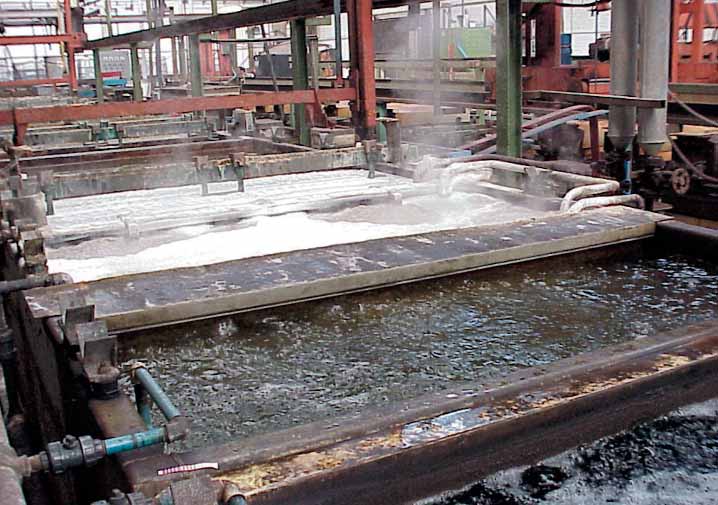
mental advantages of installing a vacu-
cific activity, analysing the points to be
order to achieve the objectives that
um evaporator for treating the waste-
improved or mistakes to be corrected,
have been set, these being the adop-
water from the electrochemical nickel
will similarly be the most advisable
tion of certain obligations, such as the
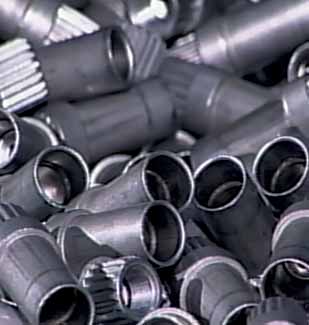
baths for electric light bulb screw cas-
course of action.
improvement of the degree of environ-
ings in a factory close to Barcelona. The
In the two previous examples, no
mental excellence.
ensuing savings in the cost of water
action would be carried out without
In order to carry out this prior diag-
consumption, wastewater treatment
having this prior diagnosis to assist us
nosis, which will identify both the cau-
and purchase of chemicals, has
in adopting the most appropriate
ses and the possible alternative courses
allowed for the required investment to
options.
of action, there are practical tools such
be recovered in 0.9 years.
In the same way as with living
as the Minimisation Opportunities En-
There are successful examples of
beings, when a company (which is never-
vironmental Diagnosis (MOED), deve-
this diagnosis-action sequence in the
theless a type of "being") of which we
loped by the Regional Activity Centre
different countries of the MAP3. Such
wish to improve the "health" and vitality
for Cleaner Production of the Mediterra-
are the reductions in re-dyeing opera-
1 2
C L E A N E R P R O D U C T I O N
tions that were achieved by a Turkish
today's world must necessarily include
through the same reasoning as previ-
textile company, by improving the
the environment and the analysis of
ously mentioned. It would be hard to
usual manufacturing process and by
the courses of action that can improve
understand how one can set objectives
precisely adjusting the formulations
the competitive edge of the business.
without a diagnosis and identification
used. These actions, which required no
Secondly, it is a useful tool for situa-
of possibilities and opportunities.
investment, led to annual cost savings
tions in which the company must adapt
A good diagnosis, understood as a
in excess of 24,000 euro.
to regulatory obligations, as well as in
tool for assisting in business decision
The MOED applies a methodology
setting priorities for the actions for pre-
making, can help overcome what could
that sets priorities for "pollution pre-
vention at source; it will firstly enable
be considered as the greatest hin-
vention" actions before the "treatment
those that offer a financial payback to
drance in this necessary interrelation-
of pollution that has already occurred"
be identified, and also the "end-of-pipe"
ship between the company and the
by Following a logical flow that starts
actions, that involve additional cost.
environment: routine.
with the analysis of such actions that
And thirdly, for companies that have
V Í C T O R M A C I À
may avoid or reduce the environmen-
set the objective of achieving the great-
C P / R A C D I R E C T O R
tal impact, leaving the treatment pro-
est possible degree of excellence --which
posals for the fraction that cannot be
often comes with the adoption of a stan-
1 This methodology is available to companies
avoided, reduced or recycled, in terms
dard such as ISO 14001 (Environmental
in the Region, by contacting the CP/RAC at:
cleanpro@cema-sa.org.
of their technical and financial feasi-
Management) or EMAS (Eco-Manage-
2 The CP/RAC has over 350 MOEDs
bility and in accordance with the situa-
ments and Audit Scheme)-- it is also a
on reference, carried out in both Spanish
tion of each country.
useful tool.
and other companies in different
The identification of these feasible
This applies both in the first stages
Mediterranean countries.
3 Some of these examples have been published
alternatives does not depend on the
of definition and initial diagnosis and
by the CP/RAC and are available
business sector (there are examples for
in setting objectives for improvement,
on its website at: www.cema-sa.org.
each of them) or on the size of the in-
stallations. We can mention a slaugh-
terhouse in Bosnia and Herzegovina
with only six workers, which with an
investment of 58,000 euro, achieved
annual savings of over 900,000 euro
in water consumption, salt, environ-
mental taxes and treatment costs.
Recovery of the investment, in less
than a month.
Finally, three aspects should be
highlighted:
Firstly, the MOED is not a detailed
project, but a tool for assisting in the
decision-making mechanisms used by
companies. Based on realistic know-
ledge, it allows us to enter deeper into
our business strategy, a strategy that in
CP/RAC
REGIONAL ACTIVITY CENTRE FOR CLEANER PRODUCTION (CP/RAC)
Paris, 134 | ES-08036 Barcelona tel 0034 93 415 1112 fax 0034 93 237 0286 e-mail cleanpro@cema-sa.org website www.cema-sa.org
1 3
M E D P O L
> POLLUTION WITH NO FRONTIERS,
AN ANALYSIS
MAP prepared a draft report on the "Assessment of Transboundary Pollution Issues
in the Mediterranean Sea" that aims at identifying the perceived problems affecting
this sea, including those associated with land-based activities. The objective is
to contribute to the preparation of a policy-oriented Transboundary Diagnostic Analysis,
within the Strategic Action Programme (SAP) to reduce land-based pollution.
In this report, seven major pollu- The perceived major problems are > Inadequate planning and management
tant sources with a transbound-
summarised as follows:
at all levels;
ary component have been identi-
> Degradation of coastal and marine
> Insufficient human and institutional
fied in the Mediterranean through a
ecosystems;
capacity;
review of the results of the work done
> Unsustainable exploitation of marine
> Insufficient involvement of stakeholders;
within the MAP over the last twenty
resources;
> Inadequate financial mechanisms and
years, the work of related programmes
> Loss of habitats supporting living
support.
and the reviews carried out in the con-
resources;
As a result of this analysis, four major
text of the present study. These are:
> Decline in biodiversity;
types of action are proposed, to address
> Airborne emissions and deposition;
> Worsened human related conditions;
each of the identified problems. Again
> Riverine outflows;
> Inadequate protection of the coastal
the relative importance of each type of
> Agriculture runoff;
zone and marine environment.
action varies according to the nature of
> Fishery and mariculture activities;
the problem. These are:
> Urban centres and industrial activities;
> Reduction of gaps of knowledge;
> Ports and maritime transport;
> Reduction of environmental pressures,
> Exploitation of sea bed and subsoil.
notably pollution;
As a first attempt in identifying the
> Resource management;
nature of the transboundary effects of
> Integrated planning and management.
these environmental pressures, the
In conclusion, it is worth pointing out
impacts on living marine resources and
that in order to address the problems and
biodiversity, marine ecosystems, land-
root causes summarised, it is necessary to
use and tourism, and human health
develop and apply a holistic and integrat-
have been assessed.
ed management and planning approach,
It is apparent that environmental
as the traditional sectorial coastal zone
degradation, particularly of coastal areas,
CP/RAC
approach failed to reverse or even slow
generated by these sources is expected to
Root causes are common to a number
down negative trends.
significantly affect human activities and
of different perceived problems and
Integrated Coastal Zone Management
land-use, mainly by limiting their recre-
issues, so addressing a few of them may
(ICZM), a concept developed during the
ational and residential values, as well as
have positive effects on several problems,
past thirty years, is considered as the
impairing the quality and availability of
although the relative importance of each
major methodological framework for
natural resources. Moreover, the detri-
cause differs in relation to the individual
implementing coastal zone specific ini-
mental effects may extend towards a
problem. Five main root causes are iden-
tiatives and for achieving sustainable
reduced geographical area and affect
tified for the perceived problems.
development in coastal areas.
rather distant sites or regions, even
> Inadequate legal and institutional
F O U A D A B O U S A M R A
E N V I R O N M E N T A L C H E M I S T
belonging to other countries.
framework;
M E D P O L P R O G R A M M E O F F I C E R
CO-ORDINATING UNIT FOR THE MEDITERRANEAN ACTION PLAN
MED POL 48, Vassileos Konstantinou Avenue | GR-11635 Athens tel 0030 210 72 73 131 fax 0030 210 72 53 196/7 e-mail medpol@unepmap.gr
1 4
N O N G O V E R N M E N T A L O R G A N I Z A T I O N S
> HOW TO BE A GOOD
"CITIZEN OF THE ENVIRONMENT"
MEDWAVES ARCHIVE
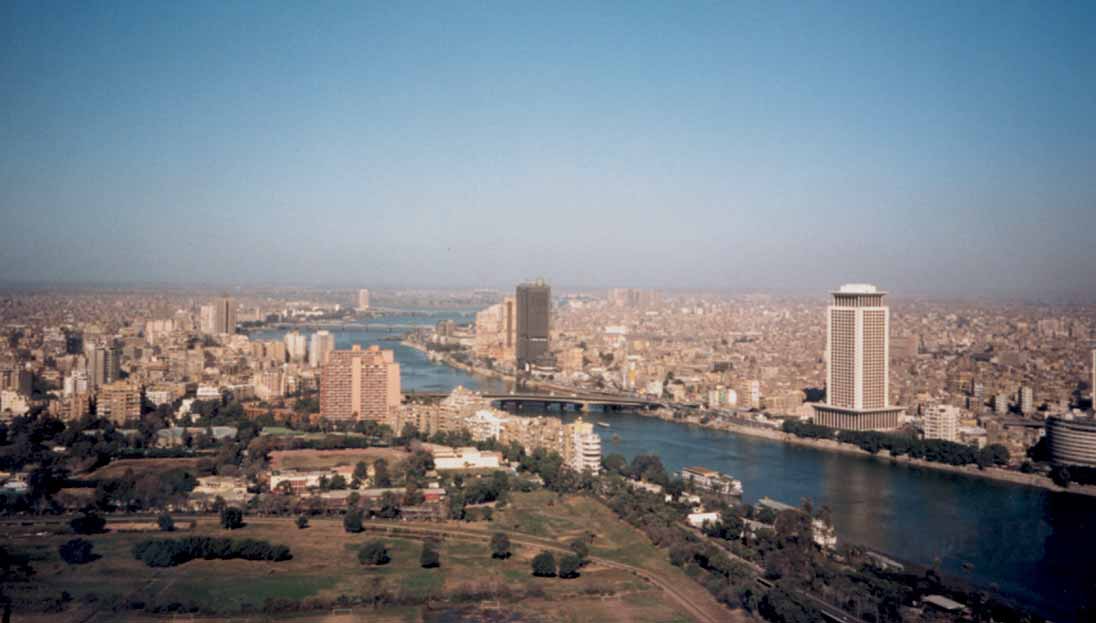
Representatives of NGOs from the Arab countries, including seven members
of the Mediterranean Action Plan, met in Cairo to discuss ways to promote
the further implementation of the concept of "environmental citizenship" in the region.
A total of 45 delegates, repre- ment in the context of all activities ula of schools; to update national legisla-
senting NGOs from 14 Arab
related to sustainable development.
tions; to promote prevention actions; to
countries as well as several
The document emphasises the
activate the role of the family, and to
regional organizations and networks,
need for Arab citizens to be aware of
spread awareness on the direct links
gathered on 1516 October in Cairo at the
the importance of environmental prob-
with all socio-economic factors.
headquarters of the League of Arab
lems, their dimension, reach and
At the same time, the meeting
States, to exchange information and for-
impact on their lives, and to be com-
reviewed a series of implementation
mulate recommendations for actions to
mitted to actively participate in its pro-
mechanisms that range from the set up
be followed by all stakeholders and at
tection.
of field projects on some of the most
all levels, aimed at strengthening the
The meeting, jointly organized by the
pressing issues such as the sound use of
practical implementation of concept of
Arab League, the Arab Network for
water and solid waste recycling, to the
"environmental citizenship".
Environment and Development and
organization of seminars for capacity
The participants reviewed the docu-
UNEPWest Asia, with the support of the
building for the media; the preparation
ment on "Environmental Citizenship in
Mediterranean Action Plan (MAP), adopt-
of specific information kits; the active
the Arabia Nation", adopted by the
ed a series of recommendations, stress-
involvement of religious leaders; the
Council of the Arab Ministers for the
ing among others the need to set up indi-
elaboration of guidelines; the organiza-
Environment, with the objective of
cators of what to achieve and what has
tion of workshops, and the preparation
finding ways to ensure the involvement
been achieved; to include the concept of
of specific studies, all with the strong
of all actors in protecting the environ-
environmental citizenship in the curric-
participation of the civil society.
1 5
M E D I T E R R A N E A N
> INFORMATION AND PARTICIPATION,
KEY TO PROTECTING THE ENVIRONMENT
ERS/RAC
The importance
of information
and participation
The Conference took place in the region, was unanimously adopted.
Tunis on 12 and 13 September
Apart from information, participation
and was attended by a high
and education, the principles of preven-
number of inter-governmental and
tion, precaution and responsibility were
and the need
regional organizations, professional asso-
also considered as key factors for the
for a better dissemination
ciations, as well as Non Governmental
sound use of the marine resources, paving
of information on the state
Organizations from the Mediterranean
the way to establishing international and
of the marine environment
region.
regional rules and procedures to ensure
to all citizens and also
Participants reviewed and discussed
liability and compensation in case of re-
the major initiatives and emerging
cognized environmental damages.
for more developed
issues related to biodiversity, informa-
The Declaration also recognized the
environmental education
tion on the marine environment, marine
significance of the complementary work
programmes, has been
pollution and sustainable management
and initiatives of the associations and
highlighted in the
of marine resources.
NGOs that ensure a deeper knowledge of
"Carthage" Declaration
Several presentations made by
the problems at stake and a greater par-
that concluded the works
experts described the state of the art
ticipation of civil society.
of a Euro-Mediterranean
on the subjects and provoked wide dis-
The Conference is considered as an
cussions with a large participation of
important contribution to the common
Conference on Solidarity
the public.
efforts of international organizations,
and Partnership
At the conclusion of the event, the
national authorities, associations and
for the protection
"Declaration of CarthageTunis", high-
NGOs towards a sustainable manage-
of the natural and cultural
lighting a number of important points
ment of the natural and cultural rich-
Mediterranean heritage.
aimed at a more effective cooperation in
ness of the region.
1 6
E C O C I N E M A F E S T I V A L
> "LIKE FOSSILS" WINS MAP AWARD
Over 70 films
competed this year
in the third edition
of the International
Environmental
Film Festival.
A documentary,
directed by the Italian
filmmaker Luca Pastore,
was awarded with
the prize sponsored by
the Mediterranean
Action Plan (MAP).
Luca Pastore, the author of the
film, is 33 years old. This is how
he describes his work: "A docu-
mentary without interviews or human
voices, may seem like a paradox. But the
protagonist of this film are mute: enor-
mous empty spaces, silent but deafening
in the continuous rebounding of echoes
of voices, sounds and noises that once
inhabited them".
"Like Fossils is the story of old wool
mills and the feeling one gets wander-
ing through an abandoned factory,
with the conscience that one is walk-
ing somewhere that was once very
ECOCINEMA
important to someone".
Festival, former Deputy Minister for
The third edition of this event,
Pastore's work competed with 38
Environment, Town Planning and Public
known as the Eco-Cinema Festival, took
other documentaries in the Festival
Works of Greece, the fact that this third
place in the Greek island of Rhodes, on
whose organizers, given the high num-
edition coincided with the International
914 September. The Festival is funded
ber of works participating this year in
Year of Fresh Water has been "an opportu-
by its own non-profit organization,
the event, decided to divide the compe-
nity to reset a matter on which so much
with the support, this year, of the Greek
tition in two sections: one for short
has been said and so little has been done".
Ministries of Culture and Environment,
films and one for long ones.
Ten films having water in all its
the Hellenic Broadcasting Corporation
On the other hand, and according to
aspects as their subject participated in
and several other institutional and
Elias Efthymiopoulos, president of the
EcoCinema Festival.
non-governmental organizations.
ECOCINEMA (INTERNATIONAL ENVIRONMENTAL FILM FESTIVAL)
44, Vassileos Konstantinou Avenue | GR-11635 Athens tel 0030 210 72 54 056/7 e-mail info@ecocinema.gr website www.ecocinema.gr
1 7