
OFMP
Summary of activities and
proposals for future action
Component 3: Ecosystem Analysis
Bernard O'Callaghan
Regional Program Manager
IUCN Oceania Regional Office
Suva, Fiji

At a glance IUCN
· A unique democratic union of more than 1,000 member
organizations
· A body of knowledge; 10,000 scientists in six networks of
expertise
· More than 1,000 staff in 62 offices worldwide
· A neutral forum for governments, NGOs, scientists, business
and local communities to find pragmatic solutions
· Global reach with field activities on the ground, but also policy
influence at the highest level
· UN Observer Status

Original plan
· The ecological impacts of tuna fishing in the Pacific
Islands region, in relation to seamounts (related to
component 1.3, Ecosystem analysis)
· Original concept by IUCN involved the use of a research
vessel to conduct a series of cruises to conduct
biological sampling on seamounts in a number of PICs
· Cancelled when it became obvious the vessel would not
be available by 2008.
· Modified to consider long-line fisheries and relationship
to fisheries around seamounts

Modified plan
1. Interview pelagic longline fishermen regarding fishing methods,
gear, strategies for fishing on seamounts.
2. Review the state of understanding of conservation issues around
pelagic seamount longline fishing seamount fishing
3. Convene a workshop to discuss sustainability issues and methods
for managing pelagic longline fisheries around seamounts around
seamounts
4. Conduct outreach with relevant stakeholders, including national
governments and longline fishing industries of the 15 OFM
participating countries,
5. Prepare an information paper for the participating countries
outlining options for management of longline vessel fishing around
seamounts.

Status and findings
· Reports prepared
· Information material under preparation
· Workshop was held two weeks ago in Nadi
Good participation 7 countries
National reports completed
Data presented by SPC
Report on global seamount status
Feedback provided by the countries
Outputs being compiled.
Preliminary summary of workshop

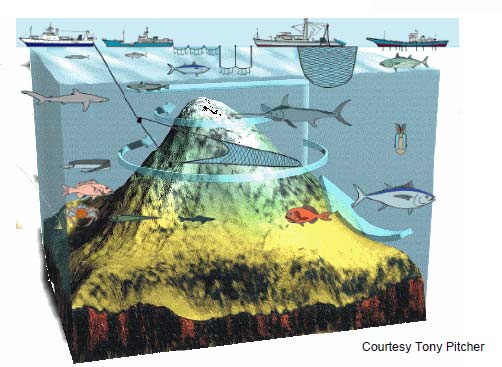

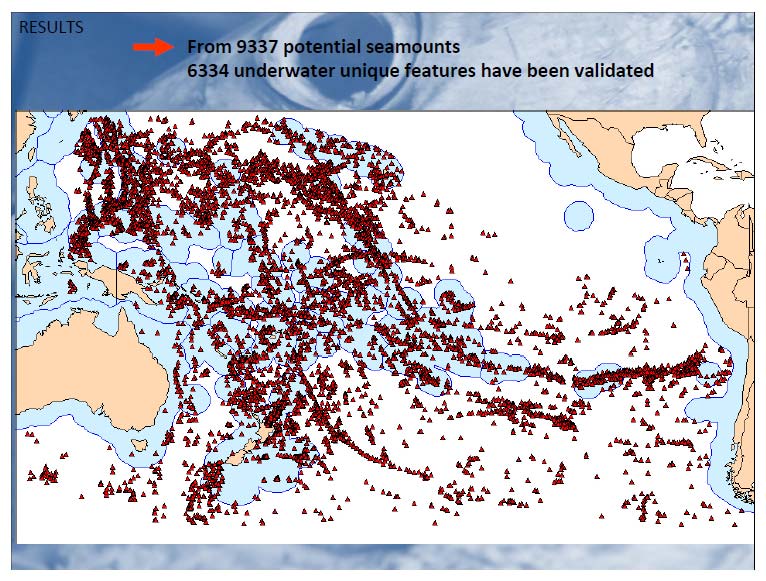

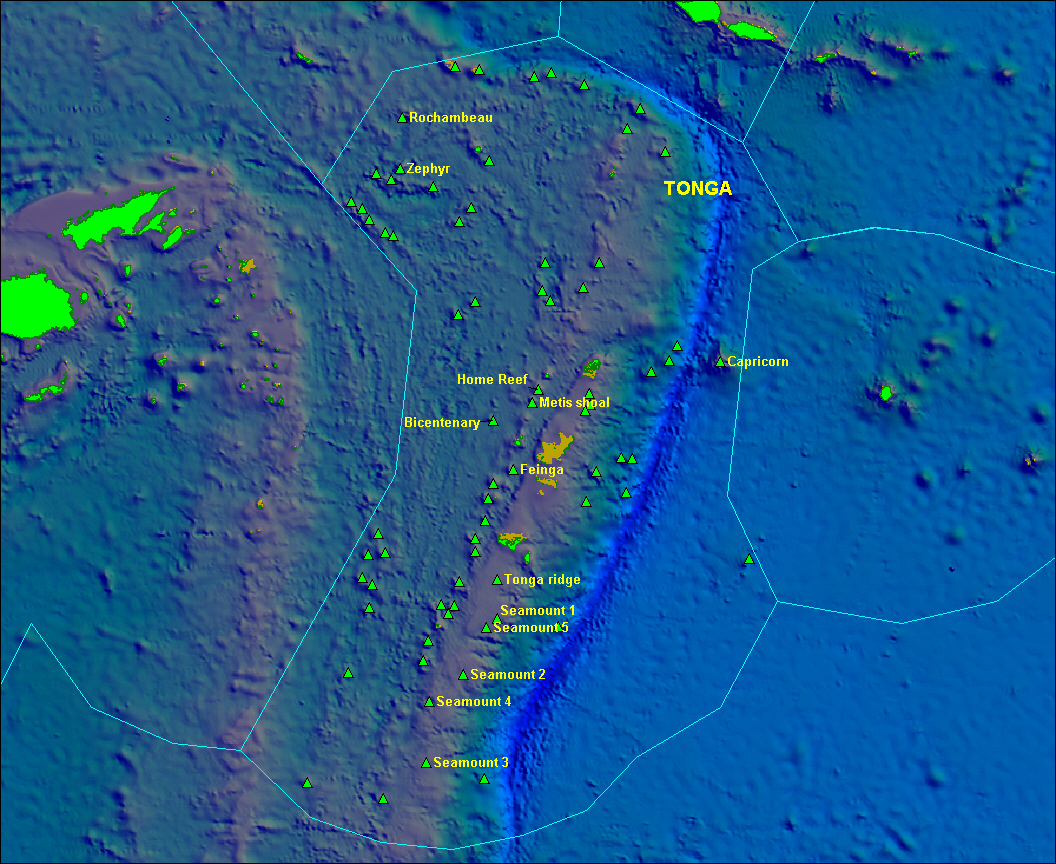
Tonga
From SPC

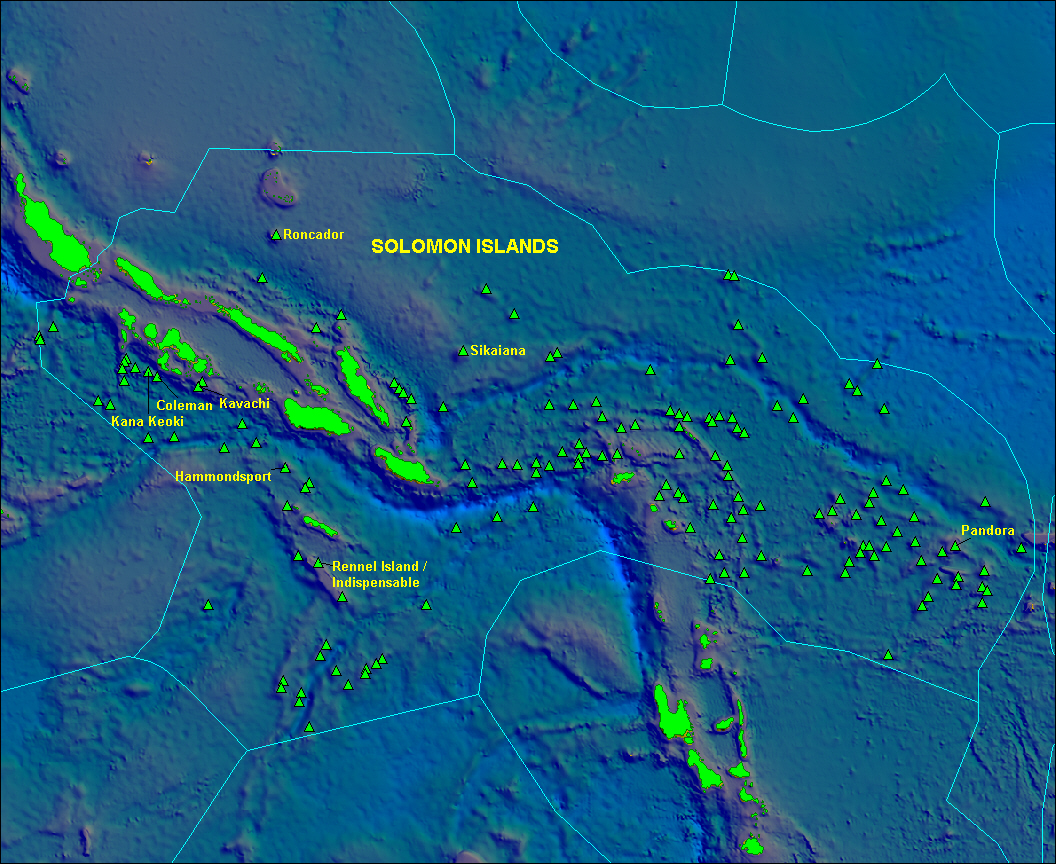
Solomon Islands
From SPC

Findings what is known
· At least 10% of sea mounts may be important for
pelagic longline fisheries (not albacore)
· Seamounts maybe important for breeding and
nursery grounds
· Demersal fish also aggregate over seamounts -
snappers, pomfrets, groupers and sharks.
· Seamounts act as aggregating areas for bill fish
and some pelagic species.
· Seamounts have a substantially higher diversity
of species than open ocean

Findings what is known
· There is little protection of seamounts in the WC
Pacific.
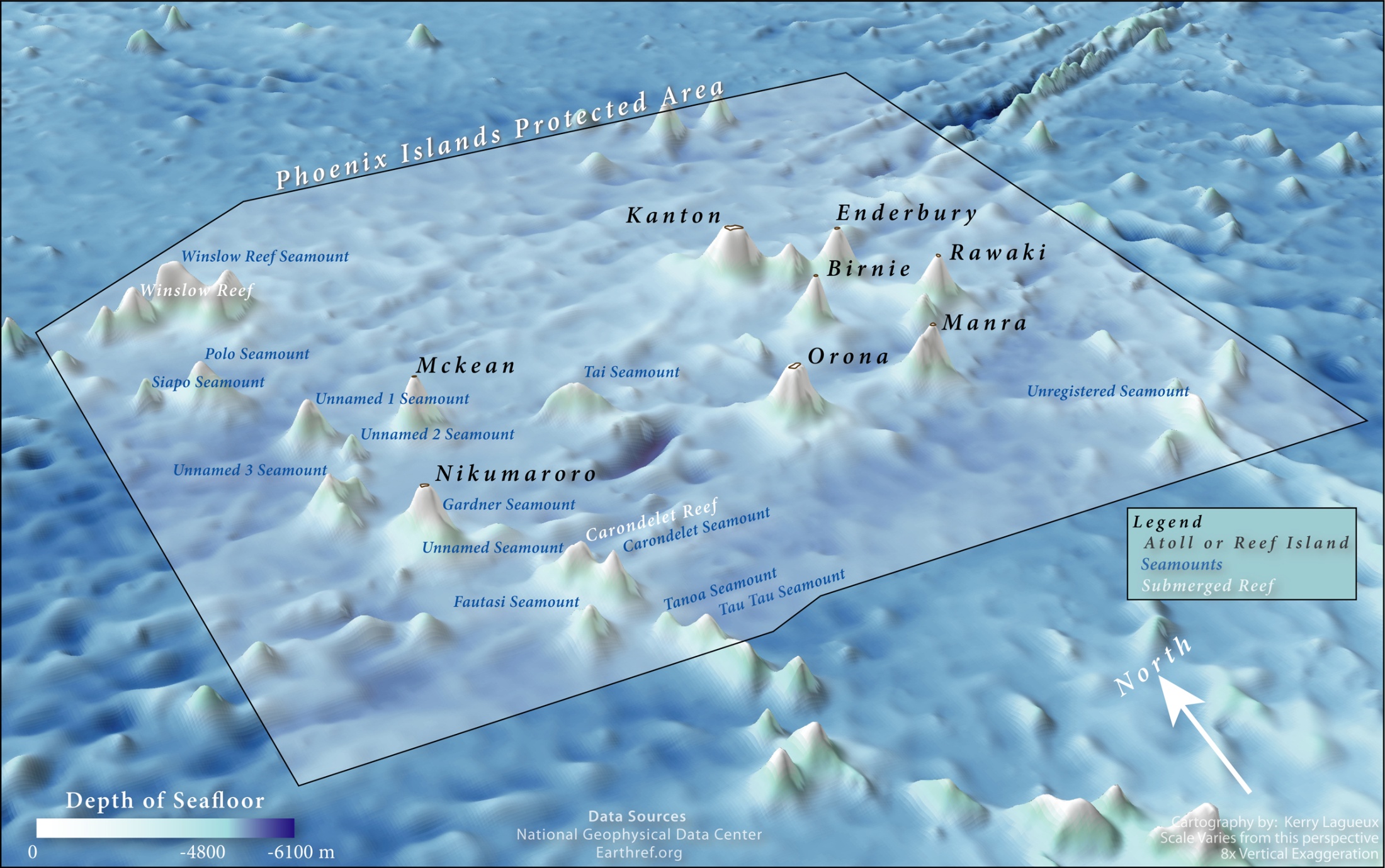
· Kiribati has protected seamounts in Phoenix
Island Protected Areas. Also the largest MPA in
the World..
· Seamounts contain high quantities of valuable
metals that will be mined..
· Very little known of the biology of seamounts
· 4 bio-geographic zones of seamounts in Pacific
need to have more information

What do we need to know?
· Detailed understanding of relationship between sea
mounts and fisheries; aggregation, spawning,
nursery grounds ? Local fisheries, snapper..
· Understanding of the proposed 4 bio-geograhic
zones of pacific seamounts
· Benthic biodiversity. What is on the seafloor of the
seamounts?
· Benthic-pelagic linkages. Need to know more about
processes on the seamounts, and how they may
affect pelagic production.

What do we need to know?
· How to identify and select sea mounts for
protection ?
· Impact of mining on environment / fisheries,
particularly those areas where active surveys
are being undertaken, i.e. PNG, and potentially
Cook islands. ,,,

UN Resolution 61/105
· 80. Calls upon States to take action immediately,
individually and through regional fisheries
management organizations and arrangements, and
consistent with the precautionary approach and
ecosystem approaches, to sustainably manage fish
stocks and protect vulnerable marine
ecosystems, including seamounts, hydrothermal
vents and cold water corals, from destructive
fishing practices, recognizing the immense
importance and value of deep sea ecosystems and
the biodiversity they contain;

Future proposed activities
Seamounts and ecosystem based fisheries
· Develop a comprehensive information management
system using catch data to clearly identify linkages
between sea months and pelagic fisheries
· Consider exclusion zones / FAD use around
seamounts, based on more comprehensive data

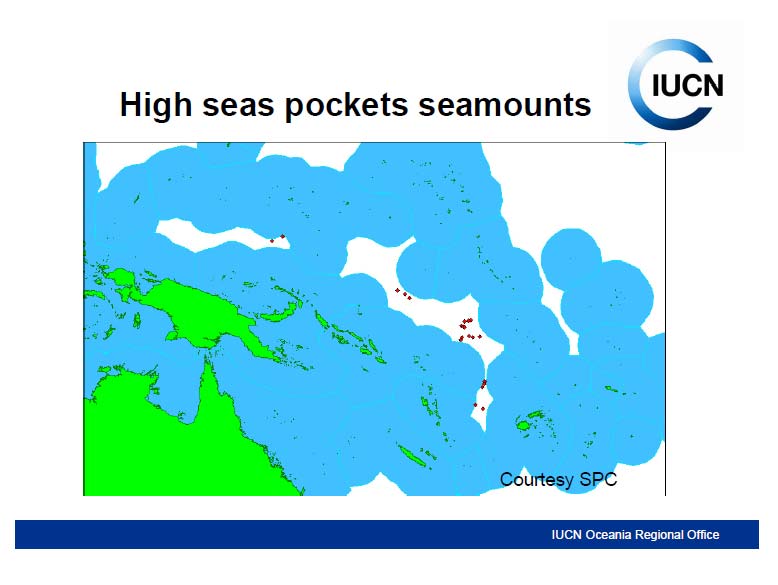
Looking for innovative solutions


Future proposed activities
Increased understanding and management
· Increase awareness of the importance of seamounts,
local, national, regional and global levels
· Conduct research into the biodiversity of seamounts
and identify priorities for protection and management
· Continue to identify deep sea research opportunities
· Scale up the efforts of Kiribati to other countries in
the region to develop regional seamount
management plan

In High Seas
· Develop appropriate legal instruments for
protection and management of seamounts
· Increase understanding of the importance of sea
mounts
· Develop approaches for management of high
seas seamounts with appropriate regional
agencies, e.g. SPRFMO
And finally
· Adopt precautionary principle in the
management of sea mounts, particularly in
relation to deep sea mining.

In summary
· Seamounts have been identified as important and
relevant for fisheries management
· Seamounts have been identified as biodiversity
hot spots
· A decision needs to be made at national and
regional develop to identify specific action within
EEZs
· High seas seamounts need urgent attention and
regional collaboration for long-term management

Thank you
Document Outline
- þÿ
- þÿ
- þÿ
- þÿ
- þÿ
- þÿ
- þÿ
- þÿ
- þÿ
- þÿ
- þÿ
- þÿ
- þÿ
- þÿ
- þÿ
- þÿ
- þÿ
- þÿ
- þÿ
- þÿ
- þÿ