Notes
Slide Show
Outline
1
 
2
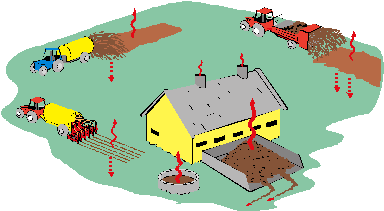
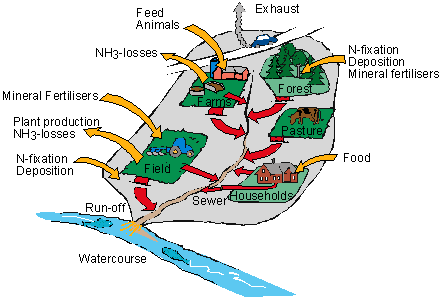
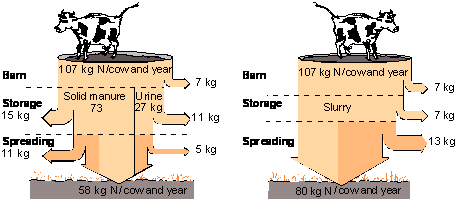
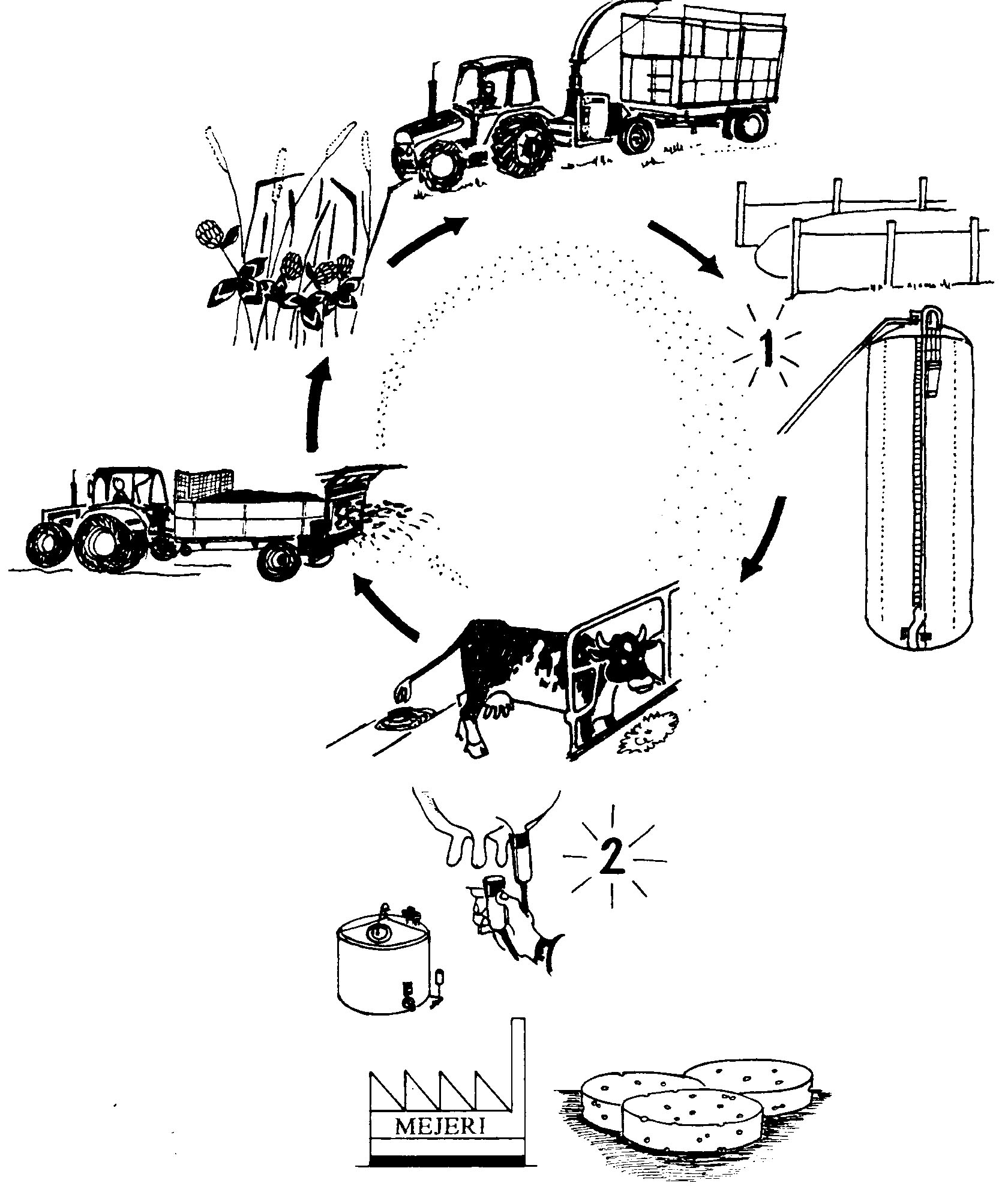
Nutrient flows from agriculture
3
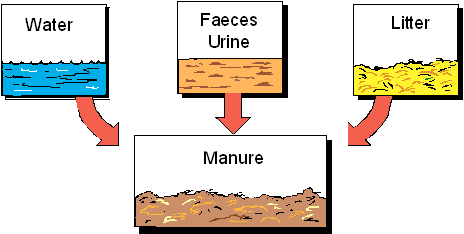
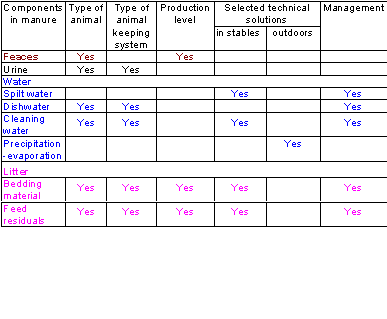
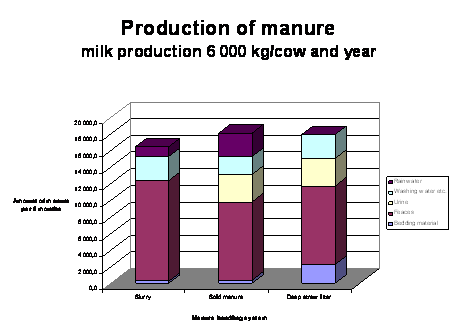
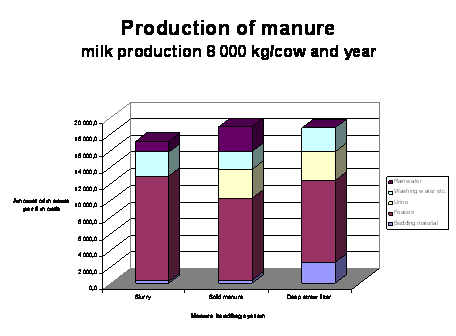
Components in manure
4
        Water
  • Spilt water
  • Dishwater
  • Cleaning water
  • Precipitation - evaporation
  • Litter
  • Bedding material
  • Feed residuals
5
Factors influencing the distribution of components in manure
6
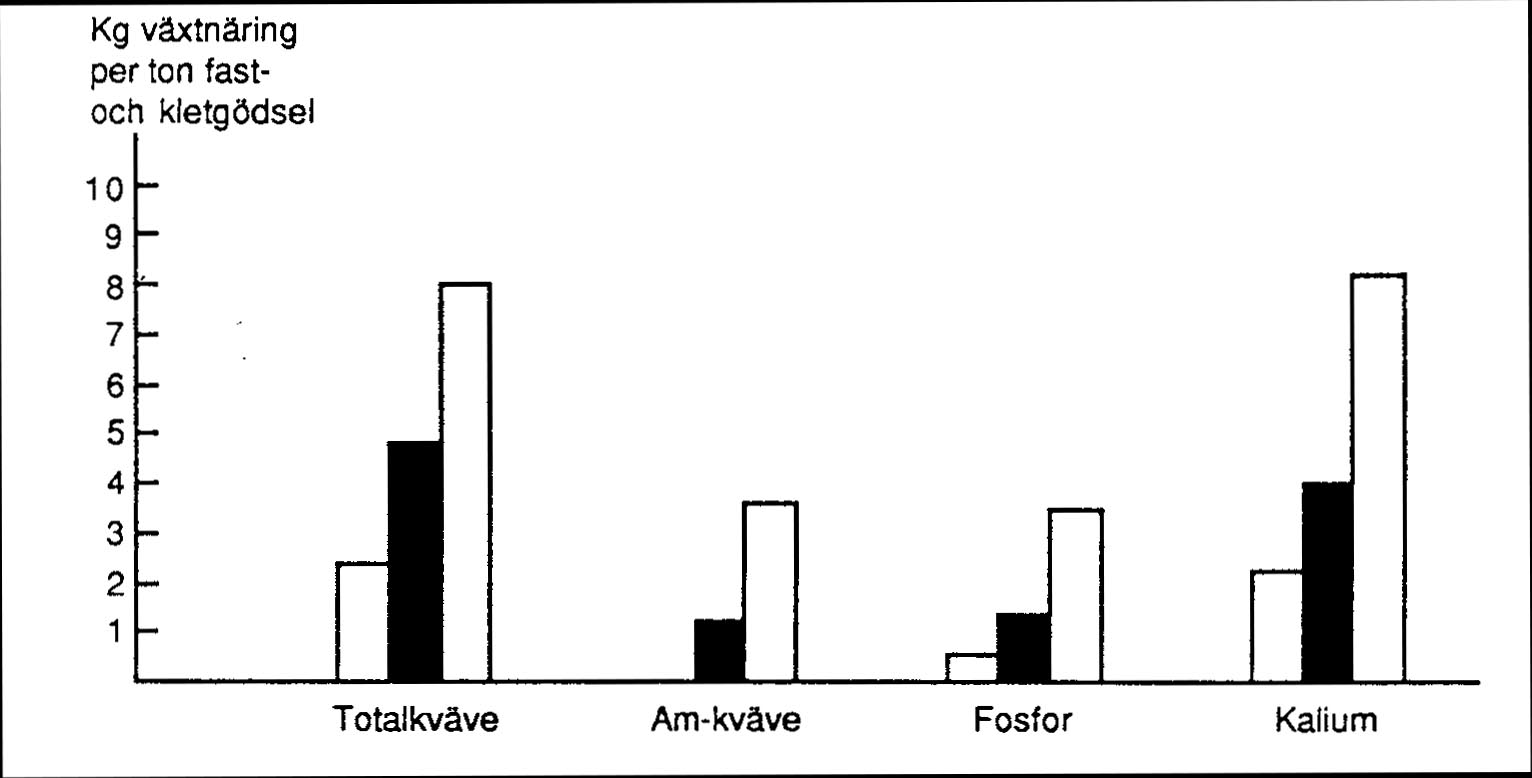
Chemical composition of  Solid and Semi-solid manure
7
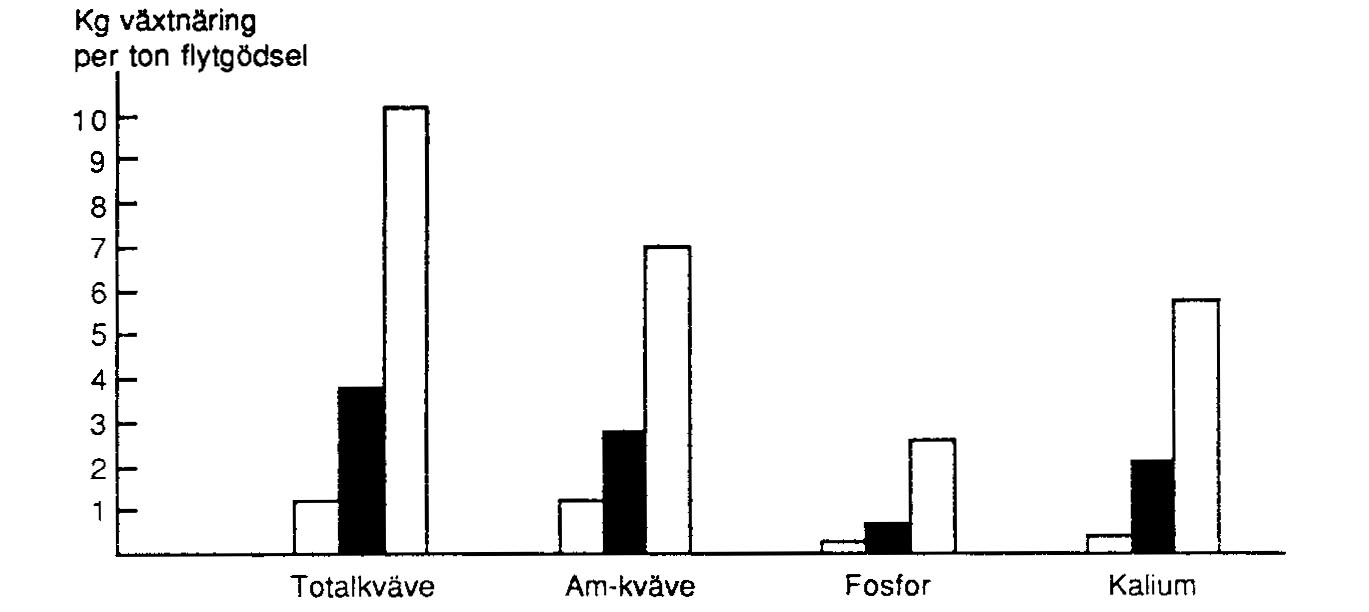
Chemical composition of slurry
8
Availability and loss of N for manure from milking cows
9
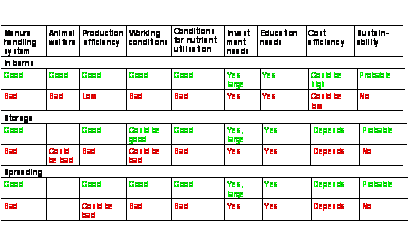
Aspects on manure handling systems
10
Basic rules for planning manure handling systems

  • Analyse and discuss the situation on each farm in order to select a suitable manure handling system which:
  •   Optimises utilisation of nutrients
  •   Supports good animal welfare to achieve high
  •     production
  •   Create good and safe working conditions


11
Basic rules for planning manure handling systems, cont.

  • The most suitable manure handling system for an individual farm could not be selected without taking into account:
  •   All other handling chains on the farm
  •   The farmer’s knowledge and future plans
  •   The farmer’s economic situation


12
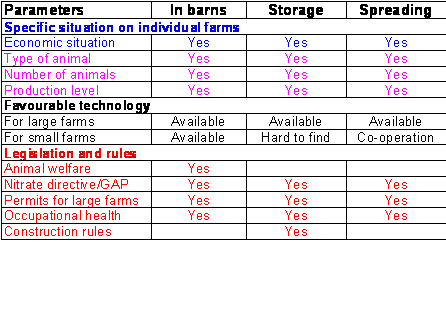
Important parameters for planning of manure handling systems
Selection of handling system depends on the farmers knowledge, interests and planning horizon
13
 
14
Types of manure in Sweden
According to Satistics Sweden
15
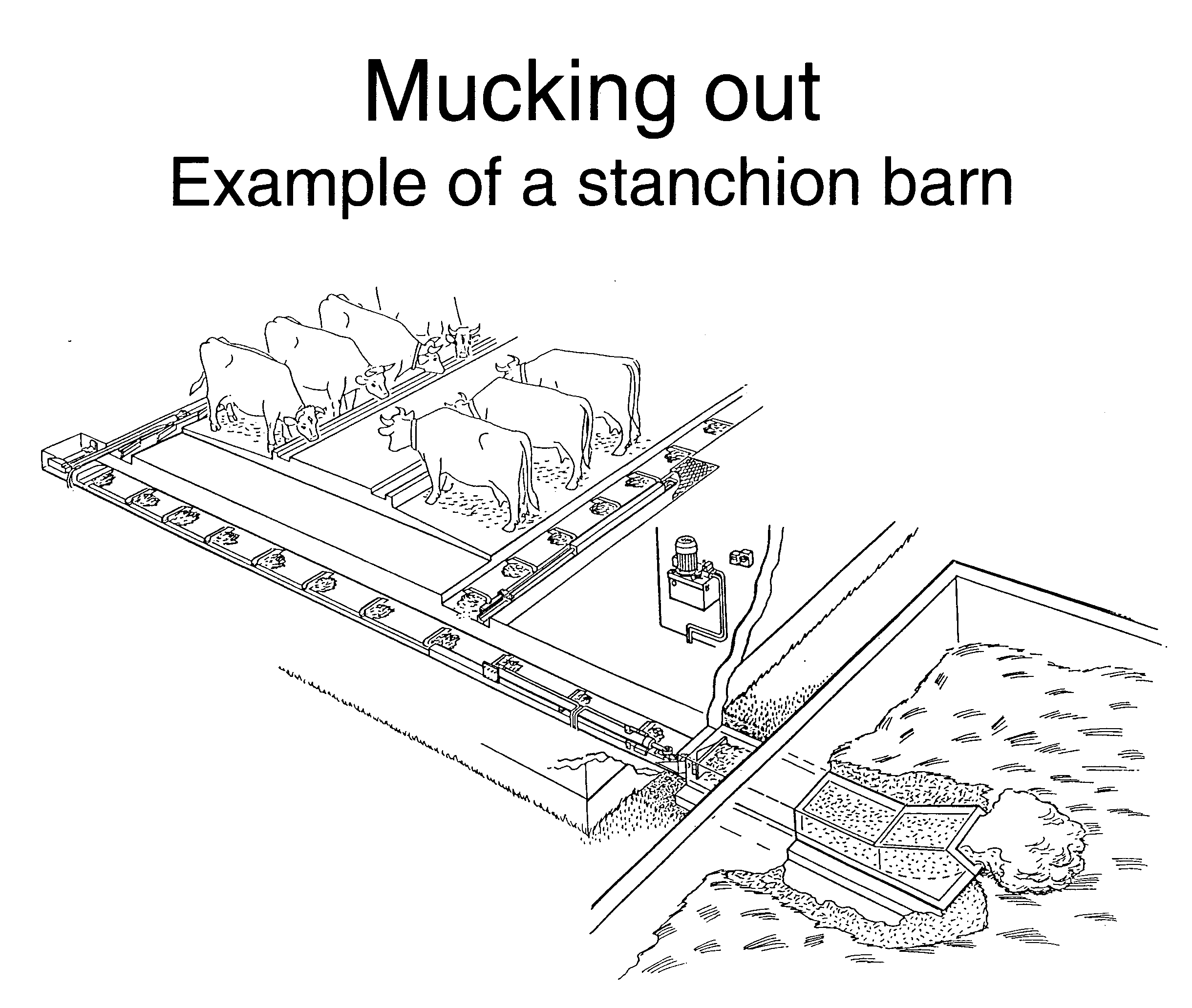
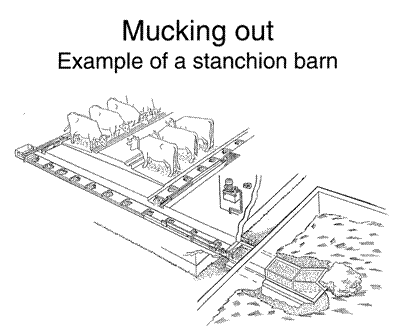
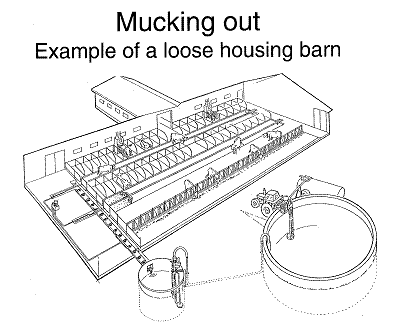
Mucking out
16
Why should I work for a well functioning manure handling system in my barn?
17
 
18
 
19
 
20
 
21
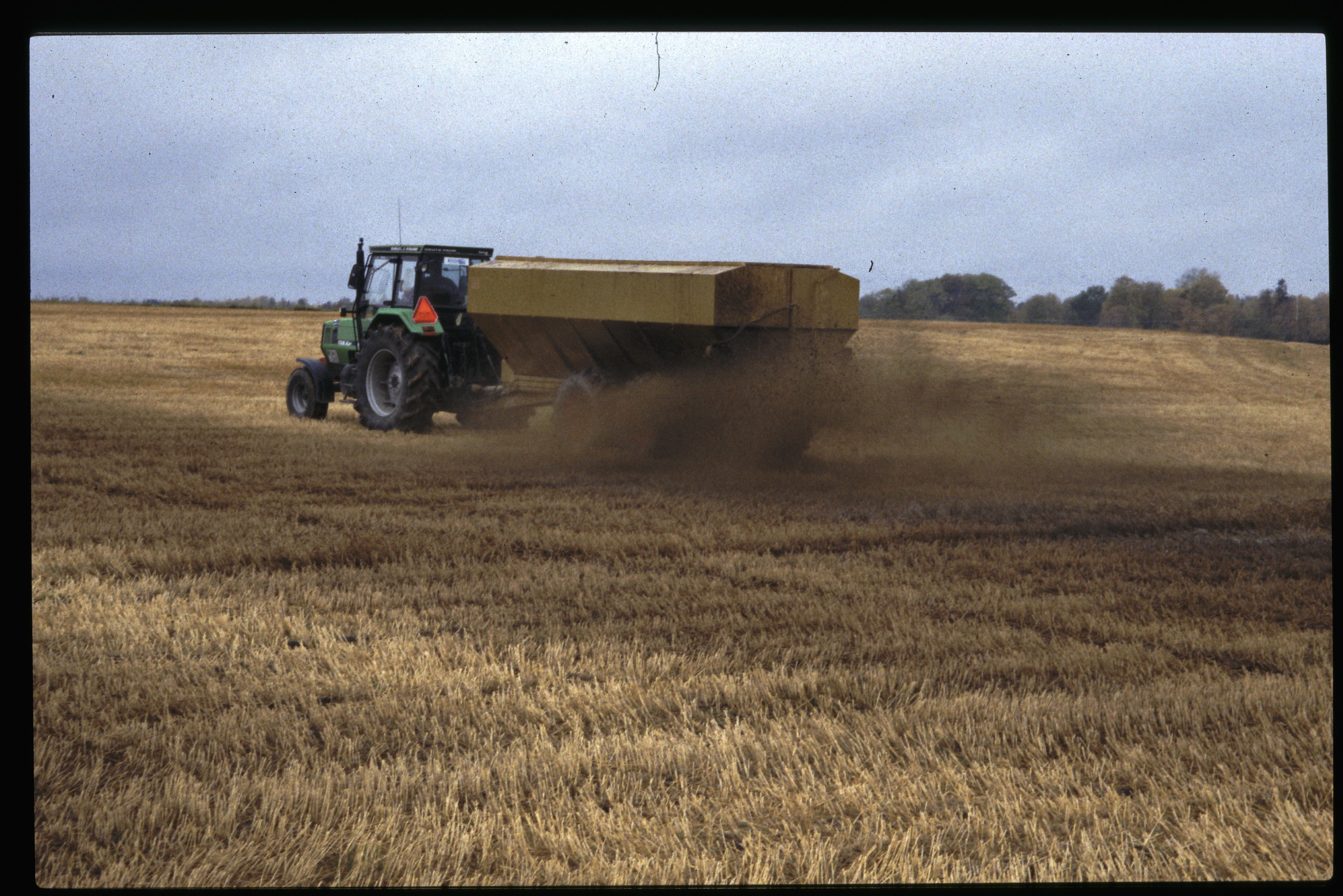
Manure Spreading
22
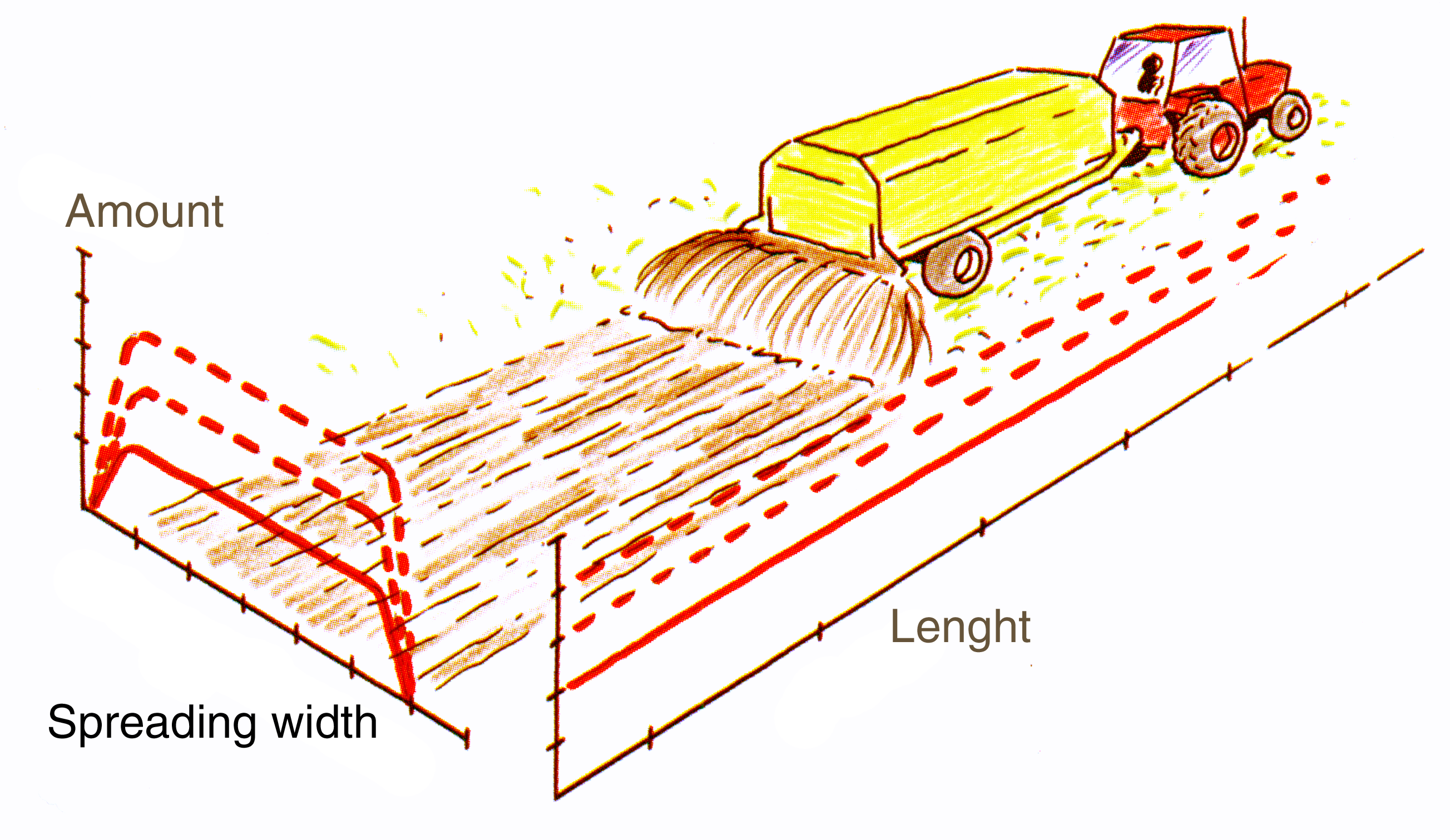
Spreading precision, application rate, longitudinal and transversal
23
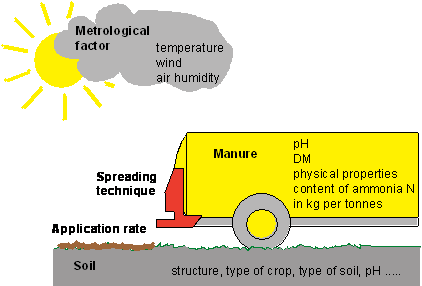
Factors causing ammonia emissions
24
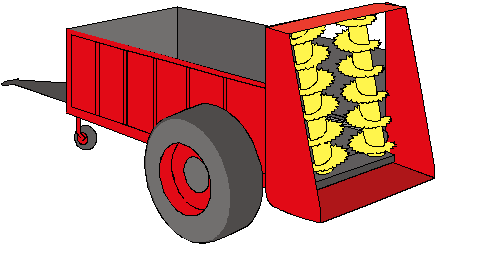
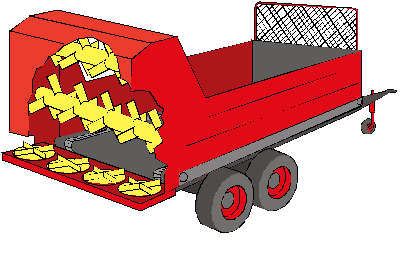
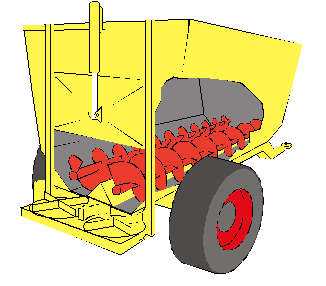
Rear discharge, one-step spreader, vertical beaters
25
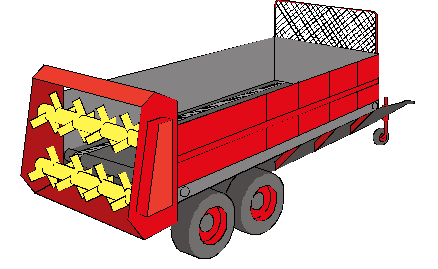
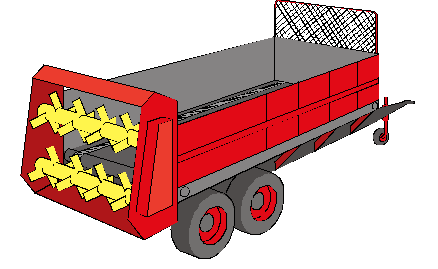
Rear discharge, one-step spreader, horizontal beaters
26
Rear discharge, one-step spreader, horizontal beaters
27
Rear discharge, two-step spreader, horizontal beaters
+ spreading discs
28
Rear discharge, two-step spreader,
longitudinal augers + spreading discs, especially for semi-solid manure
29
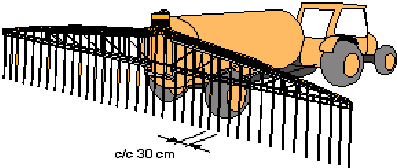
Slurry spreader with splash plate
30
Slurry spreader with trailing hoses
31
Spreading technique for slurry
in Sweden 1998/99
According to Statistics Sweden
  • Entire country
  • 66% splash plate
  • 26% trailing hoses
  • 8 % technique unknown


  • Southern Sweden
  • 43 % splash plate
  • 56% trailing hoses
  • 1% technique unknown
32
Advantages and disadvantages, shallow injection versus traditional technique
  • Advantages:
  • Low ammonia losses
  • Improved feed quality
  • Higher N-utilisation
  • Low odour emissions
  • Disadvantages:
  • Increased power requirement
  • Increased spreading costs
  • Risk for damage in ley


33
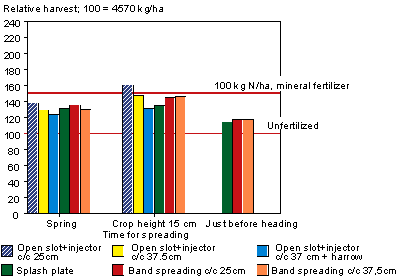
Harvested winter wheat after broadcast and band spreading of slurry
at different occasions
34
Hygienic risks in grassland cropping